EP3569698A1 - Produits pour le traitement d'une condition musculo-squelettique et leurs procédés de production - Google Patents
Produits pour le traitement d'une condition musculo-squelettique et leurs procédés de production Download PDFInfo
- Publication number
- EP3569698A1 EP3569698A1 EP18172615.9A EP18172615A EP3569698A1 EP 3569698 A1 EP3569698 A1 EP 3569698A1 EP 18172615 A EP18172615 A EP 18172615A EP 3569698 A1 EP3569698 A1 EP 3569698A1
- Authority
- EP
- European Patent Office
- Prior art keywords
- fetal
- cartilage
- fraction
- cells
- injury
- Prior art date
- Legal status (The legal status is an assumption and is not a legal conclusion. Google has not performed a legal analysis and makes no representation as to the accuracy of the status listed.)
- Withdrawn
Links
Images





Classifications
-
- C—CHEMISTRY; METALLURGY
- C12—BIOCHEMISTRY; BEER; SPIRITS; WINE; VINEGAR; MICROBIOLOGY; ENZYMOLOGY; MUTATION OR GENETIC ENGINEERING
- C12N—MICROORGANISMS OR ENZYMES; COMPOSITIONS THEREOF; PROPAGATING, PRESERVING, OR MAINTAINING MICROORGANISMS; MUTATION OR GENETIC ENGINEERING; CULTURE MEDIA
- C12N5/00—Undifferentiated human, animal or plant cells, e.g. cell lines; Tissues; Cultivation or maintenance thereof; Culture media therefor
- C12N5/06—Animal cells or tissues; Human cells or tissues
-
- C—CHEMISTRY; METALLURGY
- C12—BIOCHEMISTRY; BEER; SPIRITS; WINE; VINEGAR; MICROBIOLOGY; ENZYMOLOGY; MUTATION OR GENETIC ENGINEERING
- C12N—MICROORGANISMS OR ENZYMES; COMPOSITIONS THEREOF; PROPAGATING, PRESERVING, OR MAINTAINING MICROORGANISMS; MUTATION OR GENETIC ENGINEERING; CULTURE MEDIA
- C12N5/00—Undifferentiated human, animal or plant cells, e.g. cell lines; Tissues; Cultivation or maintenance thereof; Culture media therefor
- C12N5/06—Animal cells or tissues; Human cells or tissues
- C12N5/0602—Vertebrate cells
- C12N5/0652—Cells of skeletal and connective tissues; Mesenchyme
- C12N5/066—Tenocytes; Tendons, Ligaments
-
- A—HUMAN NECESSITIES
- A61—MEDICAL OR VETERINARY SCIENCE; HYGIENE
- A61K—PREPARATIONS FOR MEDICAL, DENTAL OR TOILETRY PURPOSES
- A61K35/00—Medicinal preparations containing materials or reaction products thereof with undetermined constitution
- A61K35/12—Materials from mammals; Compositions comprising non-specified tissues or cells; Compositions comprising non-embryonic stem cells; Genetically modified cells
-
- A—HUMAN NECESSITIES
- A61—MEDICAL OR VETERINARY SCIENCE; HYGIENE
- A61K—PREPARATIONS FOR MEDICAL, DENTAL OR TOILETRY PURPOSES
- A61K35/00—Medicinal preparations containing materials or reaction products thereof with undetermined constitution
- A61K35/12—Materials from mammals; Compositions comprising non-specified tissues or cells; Compositions comprising non-embryonic stem cells; Genetically modified cells
- A61K35/32—Bones; Osteocytes; Osteoblasts; Tendons; Tenocytes; Teeth; Odontoblasts; Cartilage; Chondrocytes; Synovial membrane
-
- C—CHEMISTRY; METALLURGY
- C12—BIOCHEMISTRY; BEER; SPIRITS; WINE; VINEGAR; MICROBIOLOGY; ENZYMOLOGY; MUTATION OR GENETIC ENGINEERING
- C12N—MICROORGANISMS OR ENZYMES; COMPOSITIONS THEREOF; PROPAGATING, PRESERVING, OR MAINTAINING MICROORGANISMS; MUTATION OR GENETIC ENGINEERING; CULTURE MEDIA
- C12N2500/00—Specific components of cell culture medium
- C12N2500/30—Organic components
- C12N2500/32—Amino acids
-
- C—CHEMISTRY; METALLURGY
- C12—BIOCHEMISTRY; BEER; SPIRITS; WINE; VINEGAR; MICROBIOLOGY; ENZYMOLOGY; MUTATION OR GENETIC ENGINEERING
- C12N—MICROORGANISMS OR ENZYMES; COMPOSITIONS THEREOF; PROPAGATING, PRESERVING, OR MAINTAINING MICROORGANISMS; MUTATION OR GENETIC ENGINEERING; CULTURE MEDIA
- C12N2500/00—Specific components of cell culture medium
- C12N2500/30—Organic components
- C12N2500/36—Lipids
-
- C—CHEMISTRY; METALLURGY
- C12—BIOCHEMISTRY; BEER; SPIRITS; WINE; VINEGAR; MICROBIOLOGY; ENZYMOLOGY; MUTATION OR GENETIC ENGINEERING
- C12N—MICROORGANISMS OR ENZYMES; COMPOSITIONS THEREOF; PROPAGATING, PRESERVING, OR MAINTAINING MICROORGANISMS; MUTATION OR GENETIC ENGINEERING; CULTURE MEDIA
- C12N2500/00—Specific components of cell culture medium
- C12N2500/30—Organic components
- C12N2500/40—Nucleotides, nucleosides or bases
-
- C—CHEMISTRY; METALLURGY
- C12—BIOCHEMISTRY; BEER; SPIRITS; WINE; VINEGAR; MICROBIOLOGY; ENZYMOLOGY; MUTATION OR GENETIC ENGINEERING
- C12N—MICROORGANISMS OR ENZYMES; COMPOSITIONS THEREOF; PROPAGATING, PRESERVING, OR MAINTAINING MICROORGANISMS; MUTATION OR GENETIC ENGINEERING; CULTURE MEDIA
- C12N2500/00—Specific components of cell culture medium
- C12N2500/90—Serum-free medium, which may still contain naturally-sourced components
- C12N2500/95—Protein-free medium and culture conditions
-
- C—CHEMISTRY; METALLURGY
- C12—BIOCHEMISTRY; BEER; SPIRITS; WINE; VINEGAR; MICROBIOLOGY; ENZYMOLOGY; MUTATION OR GENETIC ENGINEERING
- C12N—MICROORGANISMS OR ENZYMES; COMPOSITIONS THEREOF; PROPAGATING, PRESERVING, OR MAINTAINING MICROORGANISMS; MUTATION OR GENETIC ENGINEERING; CULTURE MEDIA
- C12N2500/00—Specific components of cell culture medium
- C12N2500/99—Serum-free medium
Definitions
- the present invention relates to products useful in the therapy of musculoskeletal conditions, such as osteoarthritis, and/or of reperfusion injury, wounds or inflammatory disease and methods for their production.
- OA Osteoarthritis
- OA has a multifactorial aetiopathogenesis involving genetic, molecular, and biomechanical influences as well as life-style and environmental stress stimuli, it culminates in a consistent molecular, structural and clinical sequence of disease progression, characterized by inflammation, gradual loss of proteoglycans, collagen type II (Col2) degradation, cartilage fibrillation, loss of maturational arrest and phenotypic stability of articular chondrocytes (as reviewed e.g. in Pap and Korb-Pap, 2015).
- a musculoskeletal condition such as OA
- reperfusion injury such as OA
- wounds or inflammatory disease and methods for their production or production of their precursor products.
- the present invention provides a method for obtaining a fraction of a fetal cell culture supernatant. This method comprises the following steps:
- the invention further relates to a fraction which is obtainable by this method as well as a pharmaceutical composition comprising this fraction.
- This composition is suitable for therapy, in particular prevention or treatment of a musculoskeletal condition and/or of reperfusion injury, wounds or inflammatory disease.
- the present invention further relates to cell supernatant fraction from non-human fetal cells, wherein the fraction comprises proteins, lipids, metabolites, extracellular vesicles and/or RNA, in particular miRNA.
- the present invention also relates to a pharmaceutical composition comprising this fraction. This composition is suitable for therapy, in particular prevention or treatment of a musculoskeletal condition and/or of reperfusion injury, wounds or inflammatory disease.
- the cell culture supernatant of cells obtained from fetal sheep cartilage, tendon, (cord-) blood or bone marrow differs markedly to that of the cell culture supernatant of cells obtained from adult sheep. In further experiments, this was confirmed independently for tendon.
- Fetal mammals, in contrast to adults, are much more capable of regenerating injured tissue such as cartilage or tendon. It is highly plausible that the cell supernatant of such fetal cell cultures or fractions thereof can be used therapeutically to increase the regenerative potential in adult tissues e.g. affected by musculoskeletal conditions and other degenerative conditions or injuries.
- Fetal scarless regeneration is a paradigm for ideal tissue repair. Fetal mammals, in contrast to adults, are much more capable of regenerating injured tissues including skin, palate, tendon, bone and cartilage, especially in the first two trimesters of gestation (Al-Qattan et al., 1993; Degen and Gourdie, 2012; Kumahashi et al., 2004; Longaker et al., 1992; Longaker et al., 1990; Namba et al., 1998; Stone, 2000; Wagner et al., 2001; Walker et al., 2000).
- WO 2011/033260 A1 relates to stem-cell conditions medium compositions.
- a process for preparing a conditioned cell culture medium comprising: a) culturing eukaryotic cells in a growth medium having a composition effective to support cell growth; b) separating the cultured cells from the growth medium; c) maintaining the cultured cells in a basal medium having a composition suitable to maintain cell viability, but not to support substantial cell growth.
- Cells may be derived from adult, neonatal or foetal tissue and may be autologous or allogenic. However, it is neither clear whether these cells are actually obtained from a fetus (as being "derived” is vague and also refers to immortalised cell lines), e.g. by biopsy, nor whether these cells are non-human mammalian cells.
- WO 2011/010966 A1 concerns pre-natal mesenchymal stem cells.
- a conditioned medium conditioned by such a pre-natal mesenchymal stem cell, cell culture or cell lines is described.
- the pre-natal mesenchymal stem cell, cell culture or cell line may comprise a cell line F1Ib, F2lb, F3lb, F1ki or F3li.
- These conditioned media are suggested to comprise cardioprotective activity and may be used to treat or prevent a range of cardiac disorders of diseases.
- the pre-natal cell from which the mesenchymal stem cell is derived may comprise a foetal cell.
- the term "derived" is vague and it is thus unclear whether the mesenchymal stem cell itself is actually obtained from a fetus.
- the obtaining step of the inventive method may comprise an isolating or enrichment step.
- the cells of the cell-containing sample may be separated from non-cell components (such as extracellular matrix components) of the cell-containing material.
- the non-cell-containing sample may be discarded whereas the cells may be used in the culturing step.
- certain cell types are enriched before the culturing step, e.g. by FACS.
- the sample of tissue is obtained by in utero surgery or from aborted non-human foetuses.
- the foetus is preferably a sheep foetus, a cow foetus, a horse foetus, a pig foetus, a goat foetus, a dog foetus, or a cat foetus.
- the foetus may be a rodent foetus such as a mouse foetus or rat foetus.
- the foetus is within the first two trimesters of gestation, preferably within the first half of gestation. This increases regenerative potential of the fraction of the present invention.
- the tissue or the cells is/are selected from cartilage, tendon, ligament, bone, bone marrow and (cord-)blood, which may be accessed by laparotomy followed by uterotomy of the mother animal.
- the tissue is articular cartilage.
- Such cartilage may be obtained for instance from a knee of the fetus.
- the culturing step is at least 1 hour, preferably at least 2 hours, especially at least 3 hours or even at least 4 hours (and may be extended to much longer times (weeks, months, years (e.g. for immortalized cells))).
- the culturing preferably comprises less than 100 passages, preferably less than 50 passages, more preferably less than 20 passages, even more preferably less than 10 passages.
- the culture is a primary culture.
- the culturing may be a 2D culture or a 3D culture. Typically, it is a 2D culture.
- the injured tissue response of fetal cells is different to the injured tissue response of adult cells.
- the cells may be (e.g. chemically or mechanically) injured in culture.
- injury may be caused by compression, or pro-inflammatory factors such as TNF-alpha and IL1-beta may be added to the cells (see e.g. Sun et al., 2011, for details on a cartilage injury model).
- the tissue sample obtained comprises chondrocytes, chondroblasts, chondroprogenitor cells, tenocytes, tenoblasts, tendon progenitor cells, fibrocytes, fibroblasts, fibrochondrocytes, fibrochondroblasts, synoviocytes, synovioblasts, osteocytes, osteoblasts, osteoclasts, hepatocytes, monocytes, macrophages, mesenchymal stem cells, mesenchymal progenitor cells and/or interzone cells.
- the isolated fraction comprises proteins, lipids, metabolites, extracellular vesicles, and/or RNA, in particular miRNA. Most typically, these (e.g. the proteins and/or the extracellular vesicles) are secreted from the cells of the cell culture into the supernatant.
- the fraction is a whole-protein fraction of the supernatant or a total solids fraction of the supernatant, as obtained e.g. by lyophilisation.
- the liquid cell culture medium used in the inventive method is a serum-free cell culture medium, a protein free cell culture medium or a chemically defined cell culture medium.
- the cell culture medium may be a medium with or without FCS or other nutrient additives.
- the cell culture medium preferably does not comprise any factor (e.g. such as the ones mentioned above) which are also secreted by the cells of the cell culture (i.e. before use in the inventive method).
- the isolating step of the inventive method comprises a sterile filtration.
- the isolating step may further (or alternatively) comprise the addition of a protein-precipitating agent, such as ethanol or ammonium sulphate.
- the isolating step comprises a centrifugation step.
- the isolating step may comprise two centrifugation steps: first centrifugation step to separate the supernatant from cell debris or cells that have become unattached from the cell culture vessel, and a second centrifugation step performed after precipitation of the soluble factors such as proteins in the supernatant to separate the solid secreted factors from the solvent.
- the isolating step comprises a preservation step, such as the addition of a stabilising or antioxidant agent.
- the preservation step may also be a drying step, especially lyophilisation.
- this fraction is dry, preferably lyophilised.
- the present invention relates to a pharmaceutical composition, comprising or consisting of the fraction described hereinabove.
- the expression "pharmaceutical composition” refers to any composition comprising at least one active agent (e.g. the fraction of the present invention), and preferably one or more excipients, which is pharmaceutically acceptable for administration (in particular for topical administration or intravenous administration) to an individual, especially a mammal, in particular a horse or a human.
- excipients are known to the person skilled in the art, for example water (especially water for injection), saline, Ringer's solution, dextrose solution, buffers, Hank solution, vesicle forming compounds (e.g.
- the pharmaceutical composition according to the present invention may be liquid or ready to be dissolved in liquid such as sterile, deionised or distilled water, or sterile isotonic phosphate-buffered saline (PBS).
- liquid such as sterile, deionised or distilled water, or sterile isotonic phosphate-buffered saline (PBS).
- 1000 ⁇ g (dry-weight) of such a composition comprises or consists of 0.1-990 ⁇ g, preferably 1-900 ⁇ g, more preferably 10-200 ⁇ g dried fraction of the present invention, and optionally 1-500 ⁇ g, preferably 1-100 ⁇ g, more preferably 5-15 ⁇ g (buffer) salts (preferably to yield an isotonic buffer in the final volume), and optionally 0.1-999.9 ⁇ g, preferably 100-999.9 ⁇ g, more preferably 200-999 ⁇ g other excipients.
- 100 mg of such a dry composition is dissolved in sterile, deionised/distilled water or sterile isotonic phosphate-buffered saline (PBS) to yield a final volume of 0.1-100 ml, preferably 0.5-20 ml, more preferably 1-10 ml.
- PBS sterile isotonic phosphate-buffered saline
- the dosage and method of administration typically depends on the individual to be treated.
- the dried fraction (within the composition) may be administered at a dose of between 1 ⁇ g/kg body weight and 100 mg/kg body weight, more preferably between 10 ⁇ g/kg and 5 mg/kg, most preferably between 0.1 mg/kg and 2 mg/kg.
- the pharmaceutical composition may for instance be provided as injectable solution, topical solution, liquid, tincture, gel, ointment, balsam, cream, powder, liniment, lotion, patch or matrix for local or parenteral administration, e.g. to treat injuries, degenerative and/or inflammatory conditions.
- the pharmaceutical composition may be injected into a joint or close to/into the tendon of the patient (mammal, in particular human or horse), e.g. into the joint or close to/into the tendon afflicted by one of the musculoskeletal conditions described herein.
- the pharmaceutical composition of the present invention is for use in a prevention or treatment of osteoarthritis, arthritis, tendinitis, tendinopathy, cartilage injury, tendon injury, rheumatoid arthritis, discospondylitis, meniscus injury, desmitis, desmopathy, intervertebral disc injuries, degenerative disease of intervertebral discs, reperfusion injury, wounds or inflammatory disease.
- the pharmaceutical composition may be administered to a mammal, preferably a sheep, a cow, a horse, a pig, a coat, a dog, a cat, or a human, in need thereof, such as mammal having or at risk of developing or predisposed of developing any one of the conditions or diseases mentioned above.
- prevention should not be interpreted as an absolute success in the sense that a patient can never develop an associated disease, reaction or condition but as the reduction of the chance of developing the disease, reaction or condition in a prophylactic treatment. Prevention by prophylactic treatment is to be understood in the sense of a reduction of the risk of development not as a total risk avoidance.
- tissue also includes blood (e.g. cord blood) and bone marrow.
- Example 1 Fetal articular cartilage regeneration versus adult fibrocartilaginous repair
- This study aimed to 1) establish a standardized cartilage lesion model allowing comparison of cartilage healing in adult and fetal sheep (ovis aries); 2) establish the feasibility, repeatability and relevance of proteomic analysis of minute fetal and adult cartilage samples; and 3) compare fetal and adult protein regulation in response to cartilage injury.
- proteomic analysis of the differential response of fetal and adult cartilage to injury will have a major impact on our understanding of cartilage biology and of the molecular mechanisms underlying OA and cartilage regeneration, could help identify and target factors that are crucial to promote a regenerative response and allows the development of disease-modifying treatment strategies to induce cartilage regeneration in adult mammals.
- a major challenge to the proteomic characterization of the complex protein mixture in cartilage extract is the wide dynamic range of protein abundance, making the detection of low-abundant proteins very difficult (Stenberg et al., 2013; Wilson and Bateman, 2008).
- fetal subjects only twin pregnancies were included to provide a twin lamb as uninjured control on a background of low genetic variation to allow differentiation between protein secretion of regular fetal development and fetal response to cartilage injury.
- Fetal hind limbs were exteriorized from the uterus via a standard ventral-midline laparotomy followed by an uterotomy over a randomly chosen uterine horn.
- a minimally invasive medial parapatellar arthrotomy (Orth and Madry, 2013) was performed in both knees in adult and fetal sheep.
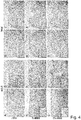
- a bilateral full-thickness cartilage lesion with a diameter of 7mm (adult sheep) resp. 1mm (fetal lamb) was created in the medial femoral condyle region ( figure 1 ) using a custom- made precision surgical instrument (trocar with sleeve) for adult sheep and for fetal lambs a Versi-handle (Ellis Instruments, Madison, NJ, USA) with adjustable depth control, which was set at a lesion depth of 1mm.
- the arthrotomy was closed in 1 dermal layer using 6-0 monofilament nylon (Monosof, Covidien, Minneapolis, USA) in fetal lambs and in 3 layers using 2-0 monofilament absorbable polyester (Biosyn, Covidien) for the joint capsule and subcutaneous tissue and 2-0 monofilament nylon for the skin in adult sheep.
- 6-0 monofilament nylon Monosof, Covidien, Minneapolis, USA
- Biosyn, Covidien 2-0 monofilament absorbable polyester
- Pain management was provided with morphine to avoid anti-inflammatory drugs, which would influence the result of the study.
- the OARSI macroscopic score was size-adjusted by multiplying the adult lesion size cut-off values with 3.4/36.4, the ratio of the reported tibia length of fetal versus adult sheep (Mufti et al., 2000; Salami et al., 2011).
- the medial femoral condyles were surgically excised and left and right knees were randomly assigned to mass spectrometry and histology.
- mass spectrometry the (cartilage)-tissue remnants contained in the defect area and the cartilage rim surrounding the lesion (3mm width: adults, 1mm width in fetal sheep) were excised.
- femoral condyles were fixed in 4% buffered formalin. Condyles from adult sheep were decalcified in 8% neutral EDTA. After embedding in paraffin, 4 ⁇ m-thick sections were cut and mounted on APES-glutaraldehyde-coated slides (3-aminopropyltriethoxysilane; Sigma-Aldrich, Vienna, Austria). Consecutive sections were stained with Haematoxylin and Eosin (H&E), and Safranin O.
- H&E Haematoxylin and Eosin
- Tissue from adult sheep mammary glands and human placenta served as positive controls.
- the primary antibody was omitted.
- the cartilage rim and the tissue remnants obtained from the lesion site were cultivated in serum-free RPMI medium (Gibco, Life Technologies, Austria) supplemented with 100U/ml penicillin and 100 ⁇ g/ml streptomycin (ATCC, LGC Standards GmbH, Germany) for 6h under standard cell culture conditions (37°C and 5% CO2). Afterwards, medium was sterile-filtered through a 0.2 ⁇ m filter and precipitated overnight with ice-cold ethanol at -20° C.
- sample buffer 7.5 M urea, 1.5 M thiourea, 4% CHAPS, 0.05% SDS, 100 mM dithiothreitol (DDT)
- protein concentrations were determined using Bradford assay (Bio-Rad-Laboratories, Kunststoff, Germany).
- Protein identification as well as label-free quantitative (LFQ) data analysis was performed using the open source software MaxQuant 1.3.0.5 including the Andromeda search engine (Cox and Mann, 2008). Protein identification was achieved searching against ovis aries in the Uniprot Database (version 09/2014 with 26 864 entries) allowing a mass tolerance of 5 ppm for MS spectra and 20 ppm for MS/MS spectra as well as a maximum of 2 missed cleavages.
- carbamidomethylation on cysteins was included as fixed modification whereas methionine oxidation as well as N-terminal protein acetylation were included as variable modifications.
- search criteria included a minimum of two peptide identifications per protein, at least one of them unique, and the calculation based on q-values performed for both, peptide identification as well as protein identification, less than 0.01.
- proteins Prior to statistical analyses, proteins were filtered for reversed sequences, contaminants and we required a minimum of three independent identifications per protein.
- Missing values were replaced by a global ⁇ , set to the minimum intensity observed in the entire data set divided by 4.
- This sensitivity based pseudo-count reflects the prior belief of non-observed protein expression, maintaining a lower bound of a 4-fold change for differences to proteins not observed in one sample group, thus maintaining sensitivity, while improving specificity by mitigating the effects of random non-observations.
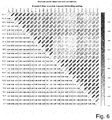
- the Spearman rank correlations between samples shown in figure 6 are not affected by this transform.
- Protein expression profile analysis was performed in the statistical environment R (www.r-project.org). Differential expression contrasts were computed with Bioconductor libraries (www.bioconductor.org). Data were normalized by a mean log-shift, standardizing mean expression levels per sample. Linear models were fit separately for each protein, computing second-level contrasts for a direct test of differences between fetal and adult responses to injury. Conservative Benjamini-Yekutieli correction was used to adjust for multiple testing to give strong control of the false discovery rate (FDR). We call significant features for q-values ⁇ 0.05. Linear models were adjusted for the nested correlation structure of technical and biological replicates (cf. figure 6 ). Significance was assessed by regularized t-tests.
- the ovine model supports complex surgical manipulations required for the investigation of cartilage regeneration
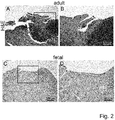
- the defect was macroscopically not detectable in fetal sheep resulting in an OARSI (Osteoarthritis Research Society International) macroscopic score (Little et al., 2010) of 0 for cartilage, osteophytes and synovium, while in adult sheep the defect was clearly evident and only partially filled with fibrocartilaginous tissue resulting in an OARSI macroscopic score of 5/16 for cartilage (surface roughening plus defect), 0/5 for osteophytes and 2/5 for synovium.
- OARSI Ostoarthritis Research Society International
- the OARSI macroscopic score was 4/16 for cartilage due to the 7mm (adults) resp. 1mm (fetal) size defect in the medial femoral condyle and 0 for osteophytes (due to the short time since surgery, no OARSI score was assigned to the macroscopic appearance of the synovium).
- no histologically visible cartilage repair could be detected. Therefore, none of the established repair scoring systems could be applied.
- the description of the structural conditions was based on the evaluation criteria of the ICRS assessment including the cartilage surface and matrix, cell distribution, cell viability, and subchondral bone but without scores (Mainil-Varlet et al., 2003).
- the ovine model supports comprehensive molecular profiling by high resolution mass spectrometry
- a comparison of protein regulation in adult and fetal animals revealed differences concerning the following groups of proteins: (i) proteins associated with immune response and inflammation, (ii) proteins specific for cartilage tissue and cartilage development and (iii) proteins involved in cell growth and proliferation (table 1).
- proteins associated with immune response and inflammation proteins associated with immune response and inflammation
- proteins specific for cartilage tissue and cartilage development proteins specific for cartilage tissue and cartilage development
- proteins involved in cell growth and proliferation (table 1).
- Multiple well-known actors in inflammatory processes, such as S100A8, S100A9, S100A12 and Ccdc88A were found significantly up-regulated following injury in adult (q ⁇ 0.001) but not in fetal animals (table 1).
- mitogen-activated protein kinase 3 Mapk3/Erk1
- GA binding protein transcription factor alpha subunit Gabpa
- the results illustrate the biological relevance, the technical feasibility and repeatability of the new ovine cartilage defect model ( figure 1 ) and analytical approaches and confirm regeneration in fetal versus scarring repair in adult sheep ( figure 2 ).
- Specific characteristics that make sheep particularly well-suited for OA, regenerative medicine and fetal regeneration research to obtain results of high clinical relevance are: 1) large size facilitating repeated sampling from individual animals and harvest of adequate sample sizes; 2) comparable bodyweight to humans; 3) similar mechanical exertion to humans (Bruns et al., 2000; Russo et al., 2015); 4) relatively long life expectancy (lifespan 8-12 years) allowing longitudinal analysis as well as evaluation of long-term efficacy and safety of treatments; 5) long gestational period (150 days) provides sufficient temporal resolution to translate findings obtained in sheep into human parameters (Jeanblanc et al., 2014); 6) extremely well characterized immune development analogous to humans; 7) bone marrow ontogeny and niche development closely paralleling humans.
- the main factors identified within the secretome were extracellular matrix proteins, growth factors and inflammatory mediators such as cytokines and chemokines.
- extracellular matrix proteins such as cytokines and chemokines.
- inflammatory mediators such as cytokines and chemokines.
- the key chondrocyte signalling pathways regulating processes of inflammation, cell proliferation, differentiation and matrix remodelling which include the p38, Jnk and Erk Map kinases, the PI-3 kinase-Akt pathway, the Jak-Stat pathway, Rho GTPases and Wnt- ⁇ -catenin and Smad pathways (Beier and Loeser, 2010)
- the data provide an indication of differences in the inflammatory response to injury between adult and fetal cartilage and suggest the active production of anti-inflammatory and growth factors, such as Ppm1A and Cdc42 in the fetal environment.
- Ppm1A is a bona fide phosphatase, which is involved in the regulation of many developmental processes such as skeletal and cardiovascular development. Through its role as phosphatase of many signalling molecules such as p38 kinase, Cdk2, phosphatidylinositol 3-kinase (PI3K), Axin and Smad, up-regulation of Ppm1A abolishes for example TGF- ⁇ -induced antiproliferative and transcriptional responses (Wang et al., 2014) as well as BMP signalling (Duan et al., 2006).
- PI3K phosphatidylinositol 3-kinase
- Ppm1A by dephosphorylating I ⁇ B kinase- ⁇ and thus terminating TNF ⁇ -induced NF- ⁇ B activation, partakes in the regulation of inflammation, immune-response and apoptosis (Sun et al., 2009).
- Cdc42 belongs to the family of Rho GTPases and controls a broad variety of signal transduction pathways regulating cell migration, polarization, adhesion proliferation, differentiation, and apoptosis in a variety of cell types (Sun et al., 2009). Cdc42 is required in successive steps of chondrogenesis by promoting mesenchymal condensation via the BMP2/Cdc42/Pak/p38/Smad signalling cascade and chondrogenic differentiation via the TGF- ⁇ /Cdc42/Pak/Akt/Sox9 signalling pathway (Wang et al., 2016).
- Cdc42 function relevant to the current study is its involvement in wound healing by attenuating MMP1 expression (Rohani et al., 2014) and regulating spatially distinct aspects of the cytoskeleton machinery, especially actin mobilization toward the wound (Benink and Bement, 2005) which, given the increase of actin-containing articular chondrocytes in response to cartilage injury, could also play a role in the healing of cartilage defects (Wang et al., 2000).
- OA articular S100A8 and S100A9 protein secretion is increased, recruiting immune cells to inflamed synovia, initiating the adaptive immune response, inducing canonical Wnt signalling and promoting cartilage matrix catabolism, osteophyte formation, angiogenesis and hypertrophic differentiation (Liu-Bryan and Terkeltaub, 2015; Nefla et al., 2016; van den Bosch et al., 2015).
- S100A8/A9 up-regulate markers characteristic for ECM degradation (MMPs 1, 3, 9, and 13, interleukin-6 (IL-6), IL-8) and down-regulate growth promotion markers (aggrecan and Col2) and thus have a destructive effect on chondrocytes, causing proteoglycan depletion and cartilage breakdown (Schelbergen et al., 2012). Also S100A12 is up-regulated in OA cartilage and has been shown to increase the production of MMP-13 and Vegf in OA chondrocytes via p38 Mapk and NF- ⁇ B pathways (Nakashima et al., 2012).
- Ccdc88A is a multimodular signal transducer, which modulates growth factor signalling during diverse biological and disease processes including cell migration, chemotaxis, development, self-renewal, apoptosis and autophagy by integrating signals downstream of a variety of growth factors, such as Efg, Igf, Vegf, Insulin, Stat3, Pdgfr and trimeric G protein Gi (Dunkel et al., 2012; Ghosh et al., 2008).
- Ccdc88A which is expressed at high level in immune cells of the lymphoid lineage, plays an important role in T cell maturation, activation and cytokine production during pathological inflammation and its inhibition could help treat inflammatory conditions as shown in in-vitro and mouse studies (Kennedy et al., 2014). Furthermore Ccdc88A, via activation of G ⁇ i, simultaneously enhances the profibrotic (Pi3k-Akt-FoxO1 and TGF- ⁇ -Smad) and inhibits the antifibrotic (cAMP-PKA-pCREB) pathways, shifting the fibrogenic signalling network toward a profibrotic programme (Lopez-Sanchez et al., 2014).
- Ccdc88A also regulates the Pi3 kinase-Akt pathway, which exhibits pleiotropic functions in chondrogenesis, cartilage homeostasis and inflammation.
- the cartilage matrix proteins Prg4, Acan, Comp and Chad had a significantly higher baseline expression in adult sheep and showed little injury response in either age group with the exception of Prg4, which was significantly up-regulated in fetal injured sheep.
- Prg4 expressing cells constitute a cartilage progenitor cell population
- the higher baseline expression in adults is particularly surprising but can be explained by its restriction to the most superficial cell layer in fetal joints compared to a distribution throughout the entire cartilage depth in older individuals (Kozhemyakina et al., 2015).
- Gabpa In contrast to the cartilage matrix glycoproteins, many growth factors, such as Gabpa and Mapk3 showed differential regulation following injury between adult and fetal sheep.
- Gabpa activates the transcriptional co-activator Yes-associated protein (Yap), which is essential for cellular and tissue defences against oxidative stress, cell survival and proliferation and can induce the expression of growth-promoting genes important for tissue regeneration after injury (Wen Chun Juan, 2016).
- Gabpa conditional knockout embryonic stem cells ESCs
- disruption of Gabpa drastically repressed ESC proliferation and cells started to die within 2 days
- Mapk3 acts as an essential component of the MAP kinase signal transduction pathway and as such contributes to cell growth, adhesion, survival and differentiation through the regulation of transcription, translation and cytoskeletal rearrangements.
- Mapk3 also fulfils an essential role in the control of chondrogenesis and osteogenesis of MSCs under TGF- ⁇ or mechanical induction and positively regulates chondrogenesis of MSCs (Bobick et al., 2010) .
- the different inflammatory response as demonstrated herein in the fetus may be a major contributor to fetal scarless cartilage healing. This is especially surprising as fetal sheep have a normally functioning immune system by 75 gd (Almeida-Porada et al., 2004; Emmert et al., 2013). Leukocytes have been shown to be present and increase rapidly at the end of the first trimester (Mackay et al., 1986; Maddox et al., 1987d).
- Fetal sheep are able to form large amounts of specific antibodies in response to antigen stimuli by 70 gd (Silverstein et al., 1963) and reject orthotopic skin grafts and stem cell xenotransplants administered after 75-77 gd with the same competence and rapidity as adult (Silverstein et al., 1964). Furthermore, fetal sheep have an inflammatory response to injury before 80 gd (Kumta et al., 1994; Moss et al., 2008; Nitsos et al., 2016). The first evidence of inflammation, the presence of TNF and IL-1 has even been shown as early as 30 - 40 gd (Dziegielewska et al., 2000).
- Table 1 Selected relevant proteins
- logFC represents the fold change in a logarithmic scale to the basis 2 based on label-free quantification (LFQ) intensities.
- LFQ label-free quantification
- Example 2 Cell culture supernatant of tendon cells obtained from adult and fetal sheep
Landscapes
- Health & Medical Sciences (AREA)
- Engineering & Computer Science (AREA)
- Life Sciences & Earth Sciences (AREA)
- Biomedical Technology (AREA)
- Chemical & Material Sciences (AREA)
- Biotechnology (AREA)
- Zoology (AREA)
- General Health & Medical Sciences (AREA)
- Organic Chemistry (AREA)
- Cell Biology (AREA)
- Bioinformatics & Cheminformatics (AREA)
- Genetics & Genomics (AREA)
- Wood Science & Technology (AREA)
- Rheumatology (AREA)
- Microbiology (AREA)
- Epidemiology (AREA)
- General Engineering & Computer Science (AREA)
- Veterinary Medicine (AREA)
- Public Health (AREA)
- Developmental Biology & Embryology (AREA)
- Immunology (AREA)
- Virology (AREA)
- Medicinal Chemistry (AREA)
- Pharmacology & Pharmacy (AREA)
- Biochemistry (AREA)
- Animal Behavior & Ethology (AREA)
- Orthopedic Medicine & Surgery (AREA)
- Rehabilitation Therapy (AREA)
- Medicines Containing Material From Animals Or Micro-Organisms (AREA)
- Medicines That Contain Protein Lipid Enzymes And Other Medicines (AREA)
Priority Applications (4)
| Application Number | Priority Date | Filing Date | Title |
|---|---|---|---|
| EP18172615.9A EP3569698A1 (fr) | 2018-05-16 | 2018-05-16 | Produits pour le traitement d'une condition musculo-squelettique et leurs procédés de production |
| EP19725335.4A EP3794109A1 (fr) | 2018-05-16 | 2019-05-16 | Produits pour la thérapie d'une affection musculo-squelettique et leurs méthodes de production |
| PCT/EP2019/062652 WO2019219830A1 (fr) | 2018-05-16 | 2019-05-16 | Produits pour la thérapie d'une affection musculo-squelettique et leurs méthodes de production |
| US17/055,003 US20210230536A1 (en) | 2018-05-16 | 2019-05-16 | Products for therapy of a musculoskeletal condition and methods for their production |
Applications Claiming Priority (1)
| Application Number | Priority Date | Filing Date | Title |
|---|---|---|---|
| EP18172615.9A EP3569698A1 (fr) | 2018-05-16 | 2018-05-16 | Produits pour le traitement d'une condition musculo-squelettique et leurs procédés de production |
Publications (1)
| Publication Number | Publication Date |
|---|---|
| EP3569698A1 true EP3569698A1 (fr) | 2019-11-20 |
Family
ID=62528216
Family Applications (2)
| Application Number | Title | Priority Date | Filing Date |
|---|---|---|---|
| EP18172615.9A Withdrawn EP3569698A1 (fr) | 2018-05-16 | 2018-05-16 | Produits pour le traitement d'une condition musculo-squelettique et leurs procédés de production |
| EP19725335.4A Withdrawn EP3794109A1 (fr) | 2018-05-16 | 2019-05-16 | Produits pour la thérapie d'une affection musculo-squelettique et leurs méthodes de production |
Family Applications After (1)
| Application Number | Title | Priority Date | Filing Date |
|---|---|---|---|
| EP19725335.4A Withdrawn EP3794109A1 (fr) | 2018-05-16 | 2019-05-16 | Produits pour la thérapie d'une affection musculo-squelettique et leurs méthodes de production |
Country Status (3)
| Country | Link |
|---|---|
| US (1) | US20210230536A1 (fr) |
| EP (2) | EP3569698A1 (fr) |
| WO (1) | WO2019219830A1 (fr) |
Families Citing this family (1)
| Publication number | Priority date | Publication date | Assignee | Title |
|---|---|---|---|---|
| RU2743804C1 (ru) * | 2020-08-03 | 2021-02-26 | Федеральное государственное бюджетное образовательное учреждение высшего образования "Волгоградский государственный медицинский университет" Министерства здравоохранения Российской Федерации ФГБОУ ВО ВолгГМУ МЗ РФ | Способ моделирования тендинопатии |
Citations (6)
| Publication number | Priority date | Publication date | Assignee | Title |
|---|---|---|---|---|
| WO2001074380A2 (fr) * | 2000-04-05 | 2001-10-11 | Ipf Pharmaceuticals Gmbh | Medicament contenant un inhibiteur tissulaire des metalloproteinases-2 (timp-2) en tant que substance osteo- anabolisante |
| WO2011010966A1 (fr) | 2009-07-23 | 2011-01-27 | Agency For Science, Technology And Research (A*Star) | Cellules souches mésenchymateuses prénatales |
| WO2011033260A1 (fr) | 2009-09-18 | 2011-03-24 | Msd Biologics (Uk) Limited | Compositions de milieux conditionnés pour cellules souches |
| WO2013010966A1 (fr) * | 2011-07-15 | 2013-01-24 | Nestec S.A. | Produit encapsulé de qualité alimentaire et son procédé de fabrication |
| WO2013079701A2 (fr) * | 2011-11-30 | 2013-06-06 | University Of Bremen | Expression d'arnmi dans le tissu placentaire |
| WO2013116889A1 (fr) * | 2012-02-10 | 2013-08-15 | Ivf Zentren Prof. Zech - Bregenz Gmbh | Procédé d'analyse d'acides nucléiques fœtaux |
-
2018
- 2018-05-16 EP EP18172615.9A patent/EP3569698A1/fr not_active Withdrawn
-
2019
- 2019-05-16 US US17/055,003 patent/US20210230536A1/en not_active Abandoned
- 2019-05-16 WO PCT/EP2019/062652 patent/WO2019219830A1/fr not_active Ceased
- 2019-05-16 EP EP19725335.4A patent/EP3794109A1/fr not_active Withdrawn
Patent Citations (6)
| Publication number | Priority date | Publication date | Assignee | Title |
|---|---|---|---|---|
| WO2001074380A2 (fr) * | 2000-04-05 | 2001-10-11 | Ipf Pharmaceuticals Gmbh | Medicament contenant un inhibiteur tissulaire des metalloproteinases-2 (timp-2) en tant que substance osteo- anabolisante |
| WO2011010966A1 (fr) | 2009-07-23 | 2011-01-27 | Agency For Science, Technology And Research (A*Star) | Cellules souches mésenchymateuses prénatales |
| WO2011033260A1 (fr) | 2009-09-18 | 2011-03-24 | Msd Biologics (Uk) Limited | Compositions de milieux conditionnés pour cellules souches |
| WO2013010966A1 (fr) * | 2011-07-15 | 2013-01-24 | Nestec S.A. | Produit encapsulé de qualité alimentaire et son procédé de fabrication |
| WO2013079701A2 (fr) * | 2011-11-30 | 2013-06-06 | University Of Bremen | Expression d'arnmi dans le tissu placentaire |
| WO2013116889A1 (fr) * | 2012-02-10 | 2013-08-15 | Ivf Zentren Prof. Zech - Bregenz Gmbh | Procédé d'analyse d'acides nucléiques fœtaux |
Non-Patent Citations (76)
Also Published As
| Publication number | Publication date |
|---|---|
| US20210230536A1 (en) | 2021-07-29 |
| EP3794109A1 (fr) | 2021-03-24 |
| WO2019219830A1 (fr) | 2019-11-21 |
Similar Documents
| Publication | Publication Date | Title |
|---|---|---|
| Li et al. | Dental pulp stem cell‐derived exosomes alleviate cerebral ischaemia‐reperfusion injury through suppressing inflammatory response | |
| Muthu et al. | Failure of cartilage regeneration: emerging hypotheses and related therapeutic strategies | |
| Zhang et al. | Adipose stem cell–derived exosomes recover impaired matrix metabolism of torn human rotator cuff tendons by maintaining tissue homeostasis | |
| Ackerman et al. | Cell non-autonomous functions of S100a4 drive fibrotic tendon healing | |
| Li et al. | Mesenchymal stem cell‐conditioned medium accelerates wound healing with fewer scars | |
| CA2801010C (fr) | Peptide et utilisation de celui-ci pour le traitement de lesion de cartilage et de l'arthrite | |
| Ribitsch et al. | Fetal articular cartilage regeneration versus adult fibrocartilaginous repair: secretome proteomics unravels molecular mechanisms in an ovine model | |
| EA028343B1 (ru) | Лечение дегенеративного заболевания сустава | |
| Flannery et al. | A novel placental tissue biologic, PTP-001, inhibits inflammatory and catabolic responses in vitro and prevents pain and cartilage degeneration in a rat model of osteoarthritis | |
| JP2022507614A (ja) | 軟骨細胞増殖を調節し、軟骨マトリックス産生を増加させるための組成物および方法 | |
| Haslauer et al. | Gene expression of catabolic inflammatory cytokines peak before anabolic inflammatory cytokines after ACL injury in a preclinical model | |
| KR20220029634A (ko) | 혈관외피줄기세포 배양액 또는 사이클로필린 a를 포함하는 아셔만 증후군 치료용 조성물 | |
| EP3720948A1 (fr) | Compositions destinées à être utilisées dans le traitement d'affections musculo-squelettiques et méthodes de production de celles-ci tirant profit de l'activité synergique de deux types différents de cellules souches/stromales mésenchymateuses | |
| Duan et al. | RETRACTED ARTICLE: 1, 25-Dihydroxyvitamin D Inhibits Osteoarthritis by Modulating Interaction Between Vitamin D Receptor and NLRP3 in Macrophages | |
| EP3569698A1 (fr) | Produits pour le traitement d'une condition musculo-squelettique et leurs procédés de production | |
| Wakayama et al. | Intra-articular injections of the adipose-derived mesenchymal stem cells suppress progression of a mouse traumatic knee osteoarthritis model | |
| KR101816964B1 (ko) | 피부 또는 혈관조직 손상 치료 보조용 약학 조성물 | |
| Rauck et al. | Orthobiologics for the management of early arthritis in the middle-aged athlete | |
| Warnock et al. | Minimally invasive synovium harvest for potential use in meniscal tissue engineering | |
| Ma et al. | Non-invasive transdermal delivery of peptide inhibitors of the IL-23/IL-17 axis by novel ionic liquid biomaterials for psoriasis treatment | |
| KR102739922B1 (ko) | 면역관용화된 태아 줄기세포 유래 세포외소포의 골관절염 치료용 약학조성물로서의 용도, 세포외소포 제조방법 및 이를 이용한 골관절염 치료용 조성물 | |
| HUANG et al. | Murphy | |
| JP2016534117A (ja) | 軟骨及び椎間板組織病理の治療のための方法及び組成物 | |
| US20240374652A1 (en) | Acellular Placental Therapies | |
| US20240165166A1 (en) | Primed placental tissue and uses in regenerative medicine |
Legal Events
| Date | Code | Title | Description |
|---|---|---|---|
| PUAI | Public reference made under article 153(3) epc to a published international application that has entered the european phase |
Free format text: ORIGINAL CODE: 0009012 |
|
| STAA | Information on the status of an ep patent application or granted ep patent |
Free format text: STATUS: THE APPLICATION HAS BEEN PUBLISHED |
|
| AK | Designated contracting states |
Kind code of ref document: A1 Designated state(s): AL AT BE BG CH CY CZ DE DK EE ES FI FR GB GR HR HU IE IS IT LI LT LU LV MC MK MT NL NO PL PT RO RS SE SI SK SM TR |
|
| AX | Request for extension of the european patent |
Extension state: BA ME |
|
| STAA | Information on the status of an ep patent application or granted ep patent |
Free format text: STATUS: THE APPLICATION IS DEEMED TO BE WITHDRAWN |
|
| 18D | Application deemed to be withdrawn |
Effective date: 20200603 |