EP3570876B1 - Pharmazeutische zusammensetzung zur behandlung oder prävention von gewebeadhäsion - Google Patents
Pharmazeutische zusammensetzung zur behandlung oder prävention von gewebeadhäsion Download PDFInfo
- Publication number
- EP3570876B1 EP3570876B1 EP18702439.3A EP18702439A EP3570876B1 EP 3570876 B1 EP3570876 B1 EP 3570876B1 EP 18702439 A EP18702439 A EP 18702439A EP 3570876 B1 EP3570876 B1 EP 3570876B1
- Authority
- EP
- European Patent Office
- Prior art keywords
- adhesion
- enzyme
- dnase
- human
- seq
- Prior art date
- Legal status (The legal status is an assumption and is not a legal conclusion. Google has not performed a legal analysis and makes no representation as to the accuracy of the status listed.)
- Active
Links
Images




Classifications
-
- A—HUMAN NECESSITIES
- A61—MEDICAL OR VETERINARY SCIENCE; HYGIENE
- A61K—PREPARATIONS FOR MEDICAL, DENTAL OR TOILETRY PURPOSES
- A61K38/00—Medicinal preparations containing peptides
- A61K38/16—Peptides having more than 20 amino acids; Gastrins; Somatostatins; Melanotropins; Derivatives thereof
- A61K38/43—Enzymes; Proenzymes; Derivatives thereof
- A61K38/46—Hydrolases (3)
- A61K38/465—Hydrolases (3) acting on ester bonds (3.1), e.g. lipases, ribonucleases
-
- A—HUMAN NECESSITIES
- A61—MEDICAL OR VETERINARY SCIENCE; HYGIENE
- A61P—SPECIFIC THERAPEUTIC ACTIVITY OF CHEMICAL COMPOUNDS OR MEDICINAL PREPARATIONS
- A61P17/00—Drugs for dermatological disorders
- A61P17/02—Drugs for dermatological disorders for treating wounds, ulcers, burns, scars, keloids, or the like
-
- A—HUMAN NECESSITIES
- A61—MEDICAL OR VETERINARY SCIENCE; HYGIENE
- A61P—SPECIFIC THERAPEUTIC ACTIVITY OF CHEMICAL COMPOUNDS OR MEDICINAL PREPARATIONS
- A61P41/00—Drugs used in surgical methods, e.g. surgery adjuvants for preventing adhesion or for vitreum substitution
-
- C—CHEMISTRY; METALLURGY
- C12—BIOCHEMISTRY; BEER; SPIRITS; WINE; VINEGAR; MICROBIOLOGY; ENZYMOLOGY; MUTATION OR GENETIC ENGINEERING
- C12Y—ENZYMES
- C12Y301/00—Hydrolases acting on ester bonds (3.1)
- C12Y301/21—Endodeoxyribonucleases producing 5'-phosphomonoesters (3.1.21)
- C12Y301/21001—Deoxyribonuclease I (3.1.21.1)
Definitions
- the present invention relates to the treatment of tissue adhesions, e.g. tissue adhesions that occur after surgical interventions. More specifically, the invention refers to a human DNAse for use in a method of treating or preventing tissue adhesions.
- Tissue adhesions are fibrous bands that form between tissues and organs as a part of the body's natural healing process. They regularly occur during surgical interventions which involve a damage of the peritoneum. In addition, they are known to occur regularly in the course of inflammatory diseases of the abdomen and during endometriosis.
- Peritoneal healing after surgery is a complex process involving hemostasis, inflammation, angiogenesis, formation of granulation tissue, extracellular matrix deposition, and tissue remodeling.
- the most important element of peritoneal healing is inflammation which amongst others involves the migration and activation of neutrophils. Neutrophils migrate to injured tissue area and stay there for 1-2 days.
- tissue plasminogen activator t-PA
- PAI plasminogen activator inhibitors
- adhesion If the adhesion is not dissolved quickly after its formation, but is allowed to persist, macrophages, endothelial cells and fibroblasts penetrate into the adhesion, resulting in the deposition of collagen and other matrix components to form a permanent adhesion.
- adhesions While some adhesions do not cause any evident problems, others prevent muscles or organs from moving freely, sometimes causing organs to become twisted or pulled from their normal positions. In some cases, adhesions cause gynecological conditions, female infertility, chronic abdominal pain, digestive discomfort or intestinal obstruction. Adhesions affect the quality of life of millions of patients that undergo surgery, causing costs of several billions of Euros each year.
- the invention relates to a human DNAse for use in a method of treating or preventing tissue adhesion in a subject, wherein said method does not involve the administration of plasmin.
- the tissue adhesion to be treated can be any type of tissue adhesion which has been described in the art to cause pathological complications, such as gynecological conditions, female infertility, chronic abdominal pain, digestive discomfort or intestinal obstruction.
- the adhesion to be treated in the subject is an adhesion that involves the peritoneum. This means that the adhesion is an adhesion of two tissue surfaces of the peritoneum or an adhesion of at least one peritoneal tissue surface with one or more non-peritoneal tissue surfaces, e.g. with a tissue from an organ.
- the adhesion to be treated can be caused by any pathological or non-pathological condition.
- the adhesion can be an adhesion that is caused by a surgical intervention.
- the subject to be treated has undergone surgery and developed adhesions as a result from surgery.
- the surgery involved opening and hence damaging of a serous membrane, such as the peritoneum.
- the surgery that damages the peritoneum involves intestinal anastomosis.
- Surgical interventions that are known to cause adhesions and which can therefore benefit from the use of an enzyme having DNase activity include, but are not limited to abdominoplasty, hernioplasty, frenuloplasty, Z-plasty, diverticulectomy, frenectomy, hemorrhoidectomy, mastoidectomy, thrombectomy, embolectomy, ganglionectomy, lobectomy, myomectomy, panniculectomy, ureterosigmoidostomy, fistulotomy, laparotomy, myringotomy, sphincterotomy, commissurotomy, abdominal surgery, inguinal hernia surgery, biopsy, brostrom prodedure, cauterization, grafting, hypnosurgery, laparoscopy, Nuss procedure, radiosurgery, breast implantation, mastopexy, breast reconstruction, breast reduction plasty, mammoplasty, lumpectomy, mastectomy, muscle biopsy, amputation, tendon transfer, bursectomy, hemicorporectomy
- the adhesion is caused by thermal lesions in a serous membrane, in particular the peritoneum.
- the adhesion is caused by an inflammatory disease, i.e. without any surgical intervention.
- the adhesion is an adhesion observed in connection with endometriosis.
- the treatment does not comprise the administration of plasmin, preferably not within 24, 48 or 72 h after DNAse treatment.
- the enzyme used for preventing or treating tissue adhesion according to the invention is human DNAse1, human Dnase-1-like 3, human Dnase-1-like 2, or human Dnase-1-like 1.
- the sequences of human DNase1 and certain variants thereof are set forth in U.S. Pat. No. 5,279,823 , U.S. Pat. No. 6,348,343 and U.S. Pat. No. 6,391,607 .
- the sequence of human DNAse1 is set forth in SEQ ID NO:1.
- the sequence of human Dnase-1-like 3 is set forth in SEQ ID NO:2
- the sequence of human Dnase-1-like 2 is set forth in SEQ ID NO:3
- the sequence of human Dnase-1-like 1 is set forth in SEQ ID NO:4.
- the enzymes depicted in SEQ ID NOs:1-4 each comprise an N-terminal signal peptide which, however, does not interfere with their biological activity.
- the signal peptide ranges from amino acid 1-22, and the mature protein ranges from amino acid 23-282.
- the signal peptide ranges from amino acid 1-20, and the mature protein ranges from amino acid 21-305.
- the human Dnase-1-like 2 enzyme shown in SEQ ID NO:3 the signal peptide ranges from amino acid 1-20, and the mature protein ranges from amino acid 21-299.
- the signal peptide ranges from amino acid 1-18
- the mature protein ranges from amino acid 19-302.
- the mature forms of the enzymes depicted in SEQ ID NOs:1-4 are shown in SEQ ID NOs:5-8, respectively.
- the DNAse used for treating or preventing tissue adhesion comprises or consists of a sequence as depicted in SEQ ID NOs:1, 2, 3, or 4 or a sequence having at least 80% sequence identity to any of those.
- the DNAse used for treating or preventing tissue adhesion comprises or consists of one of the sequences of SEQ ID NOs:5, 6, 7, or 8 or a sequence having at least 80% sequence identity to any of those. It is also possible to use variants of one of the enzymes depicted in SEQ ID NOs:1-8 as long as these variants have retained a substantial part of the DNA-degrading activity.
- the enzymes to be used must be enzymatically active, which means that they have retained at least part of the enzymatic activity of the corresponding DNAse depicted in SEQ ID NOs:1-8.
- the enzyme to be used according to the invention has retained 50%, 60%, 70%, 80%, 90%, 95%, 96%, 97%, 98%, or 99% of the activity of the DNAse of one of SEQ ID NOs:1-8.
- Methods that allow a comparison of the activity of a variant DNAse with one of the DNAses of SEQ ID NOs:1-8 are within the routine skills of a skilled person and include measuring the degradation of a given amount of DNA after addition of a defined amount of the enzyme under identical conditions.
- the enzyme may comprise or consist of one of the amino acid sequences shown in SEQ ID NOs:1-8.
- Enzymatically active variants of the amino acid sequences of SEQ ID NOs:1-8 may be used, which include sequence differences relative to the amino acid sequences depicted in SEQ ID NOs:1-8.
- Variants of the amino acid sequences of SEQ ID NO:1-8 typically differ from the corresponding sequence of SEQ ID NOs:1-8 by one or more deletions, substitutions or additions of amino acids within the polypeptide of SEQ ID NOs:1-8. Accordingly, one or more amino acids of in an enzyme of SEQ ID NOs:1-8 may be substituted or deleted as long as such modification does not or not significantly impair the DNAse activity of the resulting variant.
- any amino acid residue of the amino acid sequence shown in SEQ ID NOs:1-8 can be replaced by a different amino acid, provided that the resultant variant is still an enzymatically active polypeptide with DNAse activity.
- the enzyme sequences depicted in SEQ ID NOs:1-8 may be modified by the substitution of a total of 1, 2, 3, 4, 5, 6, 7, 8, 9, 10, 15, 20, 25, 30, 35, 40, 45 or 50 amino acids, and in some embodiments even in up 55 amino acids of the enzyme depicted in any of SEQ ID NOs:1-8.
- these substitutions are not relevant for the DNAse activity of the enzyme.
- substitutions are conservative substitutions, i.e. substitutions of one or more amino acid residues by an amino acid of a similar polarity, which acts as a functional equivalent.
- the amino acid residue used as a substitute is selected from the same group of amino acids as the amino acid residue to be substituted.
- a hydrophobic residue can be substituted with another hydrophobic residue, or a polar residue can be substituted with another polar residue having the same charge.
- Functionally homologous amino acids which may be used for a conservative substitution comprise, for example, non-polar amino acids such as glycine, valine, alanine, isoleucine, leucine, methionine, proline, phenylalanine, and tryptophan.
- Examples of uncharged polar amino acids comprise serine, threonine, glutamine, asparagine, tyrosine and cysteine.
- Examples of charged polar (basic) amino acids comprise histidine, arginine and lysine.
- Examples of charged polar (acidic) amino acids comprise aspartic acid and glutamic acid.
- the amino acids which can be used for replacing the respective amino acids in the naturally occurring human DNase enzyme, such as the human DNAse1 enzyme are generally not limited to specific amino acids.
- any other proteinogenic or non-proteinogenic amino acid may be used for substituting the naturally occurring amino acid in the respective position of the enzyme.
- the amino acids found in the original DNase enzyme, such as the human DNAse1 enzyme can be replaced by any other naturally occurring, proteinogenic amino acid.
- proteinogenic amino acids are those 23 amino acids which are regularly found in naturally occurring polypeptides.
- the amino acids are L-amino acids.
- D-amino acids may be useful for replacing the amino acids in the original polypeptide according to any of SEQ ID NOs:1-8.
- the amino acids used for replacing the amino acids in the naturally occurring DNase enzyme may be non-proteinogenic amino acids, i.e. amino acids which are not found in naturally occurring polypeptides.
- These non-proteinogenic amino acids include, for example, ⁇ -aminoadipic acid, ⁇ -aminoadipic acid, ⁇ -aminobutyric acid, ⁇ -aminoisobutyric acid, ⁇ -alanine, 4-aminobutyric acid, 5-aminovaleric acid, 6-aminohexanoic acid, 8-aminooctanoic acid, 9-aminononanoic acid, 10-aminodecanoic acid, 12-aminododecanoic acid, ⁇ -aminosuberic acid, ⁇ -cyclohexylalanine, citrulline, dehydroalanine, ⁇ -cyclohexylglycine, propargylglycine, pyroglutamic acid
- non-proteinogenic amino acids are derivatives of the above-mentioned proteinogenic amino acids wherein a side-chain has been modified, for example, by a methylene group, thereby providing e.g. homomethionine, homoserine, homoproline, homothreonine, homotryptophane, homotyrosine, homohistidine and homolysine.
- Polypeptides which differ from the sequence depicted in SEQ ID NOs:1-8 by the insertion of one or more additional amino acids are considered variants in the context of the present invention. Such insertions can be made at any position of the polypeptide shown in SEQ ID NOs:1-8.
- variants also include polypeptides in which one or more amino acids have been deleted relative to one of the polypeptides shown in SEQ ID NOs:1-8. In principle, such deletions can be applied to any amino acid position within one of the sequences of SEQ ID NOs:1-8.
- the variant of the sequence of any of SEQ ID NO:1-8 shows a high degree of sequence identity with the corresponding reference sequence.
- the amino acid identity will be at least about 80%, 85%, 90%, 91%, 92%, 93%, 94%, 95%, 96%, 97%, 98% or 99% when compared in an optimal alignment, for example, by the program BESTFIT using standard parameters.
- a sequence identity of 90% means that 90% of the amino acids of an analyzed amino acid sequence stretch are identical to the sequence of the reference amino acid sequence depicted in one of SEQ ID NOs:1-8.
- variants are fragments of one of the DNAse enzymes shown in SEQ ID NO:1-8 as well as enzymatically active fragments of the above-mentioned variants of the DNAses shown in SEQ ID NOs:1-8, provided that these fragments are enzymatically active.
- Enzymatically active fragments of the sequences shown in SEQ ID NO:1-8 or its variants are polypeptides that differ from the amino acid sequences shown in SEQ ID NO:1-8 or from the respective variant sequence by the absence of one or more amino acids at the N-terminus and/or the C-terminus of the polypeptide.
- a fragment of the sequence of SEQ ID NO:1 may differ from the sequence of SEQ ID NO:1 by the lack of about 5, 10, 15, 20, 25, 30, 35, 40, 45 or 50 amino acids at the N-terminus and/or the C-terminus, provided that such fragment retains at least a part of the enzymatic activity of the original full-length enzyme depicted in SEQ ID NO:1.
- a fragment of a variant of SEQ ID NO:1 may differ from said variant sequence by the lack of about 5, 10, 15, 20, 25, 30, 35, 40, 45 or 50 amino acids at the N-terminus and/or the C-terminus, provided that the fragment is still enzymatically active.
- the enzyme to be used in the methods of the invention is a recombinantly produced enzyme.
- Methods for producing recombinant polypeptides are well known in the art.
- Polynucleotides encoding the enzyme may be cloned in an expression vector to provide for recombinant preparations of the DNAse enzyme.
- expression vectors are self-replicating DNA or RNA constructs into which a polynucleotide of interest is inserted such that the coding sequence of the polynucleotide is operably linked to suitable regulatory elements which allow for the controlled expression of the coding sequence in a host cell.
- the specific control elements required for expression of the polynucleotide will depend on the host cell used and may include a transcriptional promoter, an operator, an enhancer to increase the mRNA expression level, a ribosome binding site, and suitable transcription and translation terminators.
- the promoter can be a constitutive or inducible promoter, such as the promoters from SV40, cytomegalovirus (CMV) or Molony murine leukemia virus (MMLV), and the like.
- Expression vectors may also contain an origin of replication for the autonomous replication of the vector within a host cell, and one or more selection marker which allow monitoring the transfection into the host cell.
- the expression vector may be designed for expressing the recombinant protein in a prokaryotic or eukaryotic host.
- the expression vector will have the capability to stably replicate within the host cell so that the number of the polynucleotide which encodes the enzyme of interest is increased within the cell. It is, however, also possible to use an expression vector which is unable to replicate within the cells and allows only transient expression of the recombinant enzyme.
- expression vectors may be used which integrate into the genome of the host cell that is transduced or transfected with the expression vector.
- Various expression vectors are known in the prior art which are suitable for mediating expression of the DNAse enzyme both in prokaryotic or eukaryotic host cells.
- Methods for introducing the expression vector into a host cell have also been extensively discussed in the literature.
- a variety of different methods may be used for transducing or transfecting the expression vector of the invention into a host cell, for example, electroporation, microinjection, transformation, transfection, protoplast fusion, microprojectile bombardment and the like.
- the host cells used for the expression of the DNAse enzyme may be derived from prokaryotes or from lower or higher eukaryotes.
- Suitable prokaryotes which can be transduced or transfected with an expression vector encoding the DNAse enzyme include, for example, bacteria like Bacillus subtilis, Escherichia coli, and the like.
- Lower eukaryotes that may be used in the methods of the present invention include yeasts, in particular yeasts of the genus Saccharomyces, such as S. cerevisiae, S. bailii, S. bayanus, S. boulardii, S. carlsbergensis, of the genus Pichia, such as P. pastoris, P. methanolica, P.
- stipitis or of the genus Dictyostelium, such as D. discoideum.
- Higher eukaryotes include animal cell lines, in particular mammalian cell lines, for example cell lines derived from rodents, primates and humans.
- Useful cell lines for use according to the invention include Chinese hamster ovary (CHO) cell lines, baby rat kidney (BRK) cell lines, Madin Darby canine kidney (MDCK) cell lines, NSO myeloma cells, monkey kidney COS cells, human embryonic kidney 293 cells, and cancer cell lines such as SKBR3 cells, Jurket T cells or HeLa cells.
- the host cells which comprise a polynucleotide encoding the DNAse enzyme preferably in the form of an expression vector suitable of directing expression in the respective host cell, may be conveniently used for preparing the recombinant enzyme.
- the expression vector is introduced into the host cell such that the expression of the recombinant DNAse enzyme is effected by propagation of the host cells.
- the recombinant enzyme can be isolated according to routine protocols and formulated into a pharmaceutical composition for use according to the invention.
- compositions which is useful for treating or preventing tissue adhesions.
- the preparation of pharmaceutical compositions containing a DNAse enzyme as an active ingredient is well known by those working in the field of pharmaceutics. Typically such compositions are prepared either as powders, liquid solutions, or suspensions.
- the enzyme can be mixed with excipients which are pharmaceutically acceptable and compatible with the active ingredient and in amounts suitable for use in the patients, such as humans.
- compositions disclosed herein will normally contain a physiologically acceptable carrier together with the enzyme dissolved or dispersed therein as an active ingredient.
- pharmaceutically acceptable carrier comprises, but is not limited to, water, saline, Ringer's Solutions, dextrose solution, and 5% human serum albumin. Liposome-based carriers and non-aqueous vehicles such as fixed oils may also be used. Further examples of suitable carriers for compositions comprising enzymes are described in standard textbooks, for example, in “ Remington's Pharmaceutical Sciences", Mack Pub. Co., New Jersey (1991 ).
- the composition may also contain further compounds, such as wetting agents, emulsifying agents, pH buffering agents, stabilizers, dyes and the like, insofar as these compounds do not interfere with the activity of the DNAse enzyme.
- the pharmaceutical composition disclosed herein will be formulated to be compatible with the intended route of administration. Different routes of administration are feasible for providing the enzyme to the site where treatment is needed.
- the pharmaceutical composition is used as a washing solution during surgery.
- the solution will be used for rinsing the tissue surfaces which have been injured during surgery to suppress the formation of adhesions.
- the enzyme can be dissolved in a sterile solution and can be applied one or several times during the surgical intervention to the tissue surfaces, e.g. organ surfaces or the peritoneum.
- the pharmaceutical composition can be formulated for parenteral administration, for example, by intraperitoneal injection or infusion.
- Pharmaceutical compositions suitable for injection or infusion normally include sterile aqueous solutions or dispersions and sterile powders for the extemporaneous preparation of sterile injectable solutions or dispersions.
- the composition must be sterile and should be fluid in order to allow a convenient handling in a syringe.
- the composition should be stable under the conditions of manufacturing and storage and is preferably preserved against the contaminating action of microorganisms such as bacteria and fungi, for example, by including parabens, chlorobutanol, phenol, ascorbic acid, thimerosal, and the like into the composition.
- suitable carriers may comprise physiological saline, bacteriostatic water, Cremophor EL TM (BASF) or phosphate buffered saline (PBS).
- the carrier may also be a solvent or dispersion medium containing, for example, water, ethanol, polyol (for example, glycerol, propylene glycol, and liquid polyethylene glycol, and the like), and suitable mixtures thereof.
- the proper fluidity can be maintained, for example, by the use of a coating such as lecithin, by the maintenance of the required particle size in the case of dispersion and by the use of surfactants.
- Prolonged absorption of the injectable compositions can be achieved by including in the composition an agent which delays absorption, for example, aluminum monostearate or gelatin.
- Sterile injectable solutions can be prepared by incorporating the enzyme in the required amount in an appropriate solvent with one or a combination of the above-mentioned ingredients followed by filter sterilization.
- dispersions are prepared by incorporating the active compound into a sterile vehicle that contains a basic dispersion medium and the required other ingredients from those enumerated above.
- methods of preparation are vacuum drying and freeze-drying that yields a powder of the active ingredient plus any additional desired ingredient from a previously sterile-filtered solution thereof.
- composition disclosed herein may be formulated for being administered by continuous infusion, for example, continuous infusion for a period of between 2 and 5 days, more preferably a period of between 1 and 2 days.
- the DNAse enzymes to be administered are combined with carriers that will protect the polypeptides against elimination from the body, such as a controlled release formulation, including microencapsulated delivery systems.
- a controlled release formulation including microencapsulated delivery systems.
- Biodegradable, biocompatible polymers can be used, such as ethylene vinyl acetate, polyanhydrides, polyglycolic acid, collagen, polyorthoesters, and polylactic acid. Methods for preparing controlled release formulation are well-known in the art.
- sustained-release compositions can be prepared. Suitable examples of sustained-release preparations include semipermeable matrices of solid hydrophobic polymers, which matrices are in the form of shaped articles, e.g., films or microcapsules. Examples of sustained-release matrices include polyesters, hydrogels, polylactides, non-degradable ethylene-vinyl acetate, degradable lactic acid-glycolic acid copolymers and the like.
- the therapeutic composition disclosed herein can include pharmaceutically acceptable salts of the components therein.
- pharmaceutically acceptable salts include acid addition salts (formed with the free amino groups of the polypeptide) that are formed with inorganic acids such as, for example, hydrochloric or phosphoric acids, or such organic acids as acetic acid or tartaric acid and the like. Salts formed with the free carboxyl groups can also be derived from inorganic bases such as, for example, sodium, potassium, ammonium, calcium or ferric hydroxides, and such organic bases as isopropylamine, trimethylamine, 2-ethylamino ethanol, histidine, procaine and the like. Particularly preferred are the salts of TFA and HCl, when used in the preparation of cyclic peptides.
- compositions disclosed herein will comprise the DNAse enzyme in a therapeutically effective amount.
- a therapeutically effective amount means that the enzyme has to be present in an amount that is sufficient for effectively preventing a tissue adhesion in a subject compared to a control which does not receive any DNAse enzyme.
- the concrete amount of the enzyme which is administered to the subject will depend on several factors, such as body weight of the patient, activity of the enzyme, and the cause of tissue adhesion. Generally, where a surgical intervention is suspected to result in tissue adhesion, the amount of DNAse will be selected in consideration of the size of tissue damage that results from the intervention.
- a therapeutically effective amount of DNAse typically is an amount in the range of between about 0.15 mg per kg body weight of the subject to about 200 mg per kg body weight, and preferably from about 1.0 mg per kg body weight to about 100 mg per kg body weight, used in one or more dose administrations.
- the therapeutically effective amount of the DNAse enzyme is from 5 mg per kg body weight to about 50 mg per kg body weight of the patient.
- the above amounts of enzyme correspond to the administration of between 1,000 to 10,000 U of the enzyme to the subject, and preferably between 2,000 to 6,000 U of the enzyme.
- compositions referred to above are used in the same way as described above with regard to the enzyme, i.e. for treating or preventing tissue adhesion in a subject.
- the treatment does not comprise the administration of plasmin.
- Example 1 Induction of peritoneal adhesion
- mice were randomly divided into groups comprising the same number of animals.
- the mice were anesthetized with 5% isoflurane (Baxter, Unterschl employheim, Germany) and maintained with 2.5% isoflurane that was delivered through a facemask.
- Preoperative antisepsis was performed with betaisadona (Mundipharma GmbH, Limburg, Germany). All mice received 0.02 mg/kg buprenorphine (Reckitt Benckiser, Mannheim, Germany) for analgesia and 10 mg/kg enrofloxacin (Bayer, Leverkusen, Germany) as prophylactic antibiotic therapy subcutaneously.
- Adhesions were induced using bipolar electrocoagulation. Standardized lesions were inflicted in an area of 0.5cm ⁇ 1.5 cm by sweeping bipolar electrocoagulation forceps over the abdominal peritoneum for 2 seconds. The current was delivered using the following settings: Bipolar Soft, Effect 4, 40 W. The soft coagulation delivers a sinusoidal current of more than 200V ensuring a slow and deep hemostasis without adhering to the tissue.
- the defects were subsequently closed using two interrupted sutures (6/0 Vicryl, Ethicon, Norderstedt, Germany) so as to induce an ischemic field around the traumatized area.
- the sutures were placed equidistantly from each other over the defect (distance: 5 mm). All stitches were made 1mm from the wound edge. For better standardization, all operations were performed by one operator.
- Example 2 Induction of adhesion by deserositation
- mice were randomly divided into groups comprising the same number of animals.
- the mice were anesthetized with 5% isoflurane (Baxter, UnterschleiBheim, Germany) and maintained with 2.5% isoflurane that was delivered through a facemask.
- Preoperative antisepsis was performed with betaisadona (Mundipharma GmbH, Limburg, Germany). All mice received 0.02 mg/kg buprenorphine (Reckitt Benckiser, Mannheim, Germany) for analgesia subcutaneously. Deserositation was induced by rubbing a mini-prep on the small intestinal wall (distal ileum). No further manipulation was performed.
- Example 3 Induction of adhesion by intestinal anastomosis
- mice were randomly divided into groups comprising the same number of animals.
- the mice were anesthetized with 5% isoflurane (Baxter, UnterschleiBheim, Germany) and maintained with 2.5% isoflurane that was delivered through a facemask.
- Preoperative antisepsis was performed with betaisadona (Mundipharma GmbH, Limburg, Germany). All mice received 0.02 mg/kg buprenorphine (Reckitt Benckiser, Mannheim, Germany) for analgesia subcutaneously.
- Intestinal anastomosis was performed with 8 ⁇ 0 Vicryl (Ethicon Norderstedt, Germany) continuous suture after dissection of the small intestine (distal ileum).
- Example 4 Induction of adhesion by heat treatment
- mice were randomly divided into groups comprising the same number of animals.
- the mice were anesthetized with 5% isoflurane (Baxter, UnterschleiBheim, Germany) and maintained with 2.5% isoflurane that was delivered through a facemask.
- Preoperative antisepsis was performed with betaisadona (Mundipharma GmbH, Limburg, Germany). All mice received 0.02 mg/kg buprenorphine (Reckitt Benckiser, Mannheim, Germany) for analgesia subcutaneously.
- thermic lesions were induced by heat exposure after the viscera (especially the intestine) using a red lamp with a distance of 1 meter for 10 minutes. No further manipulation was performed.
- the Kraemer grade was accessed ( Kraemer et al. (2014), Biomed Res Int 2014; 435056 ).
- the adhesion quality was considered “filmy” if the adhesion was see through. Otherwise, it was considered “dense”.
- the degree of fibrosis was assessed by the percentage of extent adhesion area, the grade of fibrosis and the fibrosis depth.
- the extent adhesion area was defined as the percentage of fibrotic area on the most severe adhesion field.
- the grade of fibrosis was divided into four grades according to the density of collagen fibers (0: none, 1: thin, 2: moderate, 3: thick).
- the depth of fibrosis was evaluated by penetration depth of fibrosis from serosa to mucosa (0: none, 1: serosa, 2: muscle, 3: submucosa, 4: mucosa).
- the inflammation degree was evaluated by the number of inflammatory cells (neutrophils, macrophages, lymphocytes, giant cells and mast cell) under the 10 high power fields (HPFs).
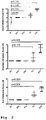
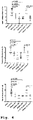
- Dnase1 treatment after intestinal anastomosis significantly reduced adhesion.
- the mortality was also significantly reduced by Dnase1 treatment (100% vs. 90%, p>0.05).
Landscapes
- Health & Medical Sciences (AREA)
- Life Sciences & Earth Sciences (AREA)
- Chemical & Material Sciences (AREA)
- General Health & Medical Sciences (AREA)
- Organic Chemistry (AREA)
- Engineering & Computer Science (AREA)
- Bioinformatics & Cheminformatics (AREA)
- Veterinary Medicine (AREA)
- Medicinal Chemistry (AREA)
- Pharmacology & Pharmacy (AREA)
- Public Health (AREA)
- Animal Behavior & Ethology (AREA)
- Nuclear Medicine, Radiotherapy & Molecular Imaging (AREA)
- General Engineering & Computer Science (AREA)
- Immunology (AREA)
- Zoology (AREA)
- Chemical Kinetics & Catalysis (AREA)
- General Chemical & Material Sciences (AREA)
- Proteomics, Peptides & Aminoacids (AREA)
- Gastroenterology & Hepatology (AREA)
- Biochemistry (AREA)
- Epidemiology (AREA)
- Genetics & Genomics (AREA)
- Wood Science & Technology (AREA)
- Surgery (AREA)
- Dermatology (AREA)
- Medicines That Contain Protein Lipid Enzymes And Other Medicines (AREA)
- Enzymes And Modification Thereof (AREA)
- Pharmaceuticals Containing Other Organic And Inorganic Compounds (AREA)
Claims (10)
- Humane DNAse, die ausgewählt ist aus der Gruppe bestehend aus humaner DNAsel, humaner DNAse-1-like 3, humaner DNAse-1-like 2 oder humaner DNAse-1-ähnlicher 1, zur Verwendung in einem Verfahren zur Behandlung oder Vermeidung einer Gewebeadhäsion in einem Subjekt, wobei das Verfahren nicht die Verabreichung von Plasmin beinhaltet.
- Humane DNAse zur Verwendung in einem Verfahren nach Anspruch 1, wobei die Gewebeadhäsion eine Adhäsion von zwei Gewebeoberflächen des Peritoneums oder eine Adhäsion von mindestens einer peritonealen Gewebeoberfläche mit einer oder mehreren nicht-peritonealen Gewebeoberflächen ist.
- Humane DNAse zur Verwendung in einem Verfahren nach Anspruch 1 oder 2, wobei die Adhäsion durch eine Operation verursacht wird.
- Humane DNAse zur Verwendung in einem Verfahren nach Anspruch 3, wobei die DNase humane DNase1 ist.
- Humane DNase zur Verwendung in einem Verfahren nach Anspruch 4, wobei die humane DNase1 die Sequenz von SEQ ID NO:1 oder eine Sequenz mit mindestens 80% Sequenzidentität dazu umfasst.
- Humane DNAse zur Verwendung in einem Verfahren nach einem der Ansprüche 1-5, wobei das Verfahren die Verabreichung von 1.000 bis 10.000 U des Enzyms an das zu behandelnde Subjekt umfasst.
- Humane DNAse zur Verwendung in einem Verfahren nach einem der Ansprüche 1-5, wobei das Verfahren die Verabreichung von 0,15 mg pro kg Körpergewicht des Subjekts bis etwa 200 mg pro kg Körpergewicht umfasst.
- Humane DNAse zur Verwendung in einem Verfahren nach einem der Ansprüche 1-7, wobei das Enzym ein rekombinant hergestelltes Enzym ist.
- Humane DNAse zur Verwendung in einem Verfahren nach einem der Ansprüche 1-8, wobei das Verfahren das Spülen der während der Operation verletzten Gewebeoberflächen mit dem Enzym mit DNase-Aktivität vor dem Verschluss umfasst.
- Humane DNAse zur Verwendung in einem Verfahren nach einem der Ansprüche 1-9, wobei das Enzym zur parenteralen Verabreichung, gegebenenfalls durch kontinuierliche Infusion, formuliert ist.
Applications Claiming Priority (2)
| Application Number | Priority Date | Filing Date | Title |
|---|---|---|---|
| EP17152341.8A EP3351263A1 (de) | 2017-01-20 | 2017-01-20 | Pharmazeutische zusammensetzung zur behandlung oder prävention von gewebeadhäsion |
| PCT/EP2018/051444 WO2018134403A1 (en) | 2017-01-20 | 2018-01-22 | Pharmaceutical preparation for treating or preventing tissue adhesions |
Publications (2)
| Publication Number | Publication Date |
|---|---|
| EP3570876A1 EP3570876A1 (de) | 2019-11-27 |
| EP3570876B1 true EP3570876B1 (de) | 2022-07-13 |
Family
ID=57860741
Family Applications (2)
| Application Number | Title | Priority Date | Filing Date |
|---|---|---|---|
| EP17152341.8A Withdrawn EP3351263A1 (de) | 2017-01-20 | 2017-01-20 | Pharmazeutische zusammensetzung zur behandlung oder prävention von gewebeadhäsion |
| EP18702439.3A Active EP3570876B1 (de) | 2017-01-20 | 2018-01-22 | Pharmazeutische zusammensetzung zur behandlung oder prävention von gewebeadhäsion |
Family Applications Before (1)
| Application Number | Title | Priority Date | Filing Date |
|---|---|---|---|
| EP17152341.8A Withdrawn EP3351263A1 (de) | 2017-01-20 | 2017-01-20 | Pharmazeutische zusammensetzung zur behandlung oder prävention von gewebeadhäsion |
Country Status (4)
| Country | Link |
|---|---|
| US (2) | US11464833B2 (de) |
| EP (2) | EP3351263A1 (de) |
| ES (1) | ES2928595T3 (de) |
| WO (1) | WO2018134403A1 (de) |
Families Citing this family (9)
| Publication number | Priority date | Publication date | Assignee | Title |
|---|---|---|---|---|
| WO2017048989A1 (en) | 2015-09-15 | 2017-03-23 | Fong Kenton D | Devices and methods for anchoring a sheath in a tissue cavity |
| EP3351263A1 (de) * | 2017-01-20 | 2018-07-25 | Universitätsklinikum Hamburg-Eppendorf | Pharmazeutische zusammensetzung zur behandlung oder prävention von gewebeadhäsion |
| EP3668972B8 (de) | 2017-08-18 | 2024-11-13 | Neutrolis, Inc. | Konstruierte dnase-enzyme und ihre verwendung in der therapie |
| US10988746B2 (en) | 2018-10-08 | 2021-04-27 | Neutrolis, Inc. | Manufacturing and engineering of DNASE enzymes for therapy |
| US11058724B2 (en) | 2018-10-08 | 2021-07-13 | Neutrolis, Inc. | Methods of using DNASE1-like 3 in therapy |
| AU2019358915B2 (en) | 2018-10-08 | 2025-09-18 | Neutrolis, Inc. | Engineering of DNASE enzymes for manufacturing and therapy |
| US11352613B2 (en) | 2019-02-04 | 2022-06-07 | Neutrolis, Inc. | Engineered human extracellular DNASE enzymes |
| EP4026557A1 (de) * | 2021-01-06 | 2022-07-13 | Endolife | Einsatz einer desoxyribonuklease i bei der behandlung von endometriose bei patienten mit einer epigenetischen signatur der endometriose auf azellulärer dna |
| US20240216483A1 (en) * | 2021-05-24 | 2024-07-04 | Peri-Ness Technologies Ltd | Therapeutic regimen with dnase |
Family Cites Families (36)
| Publication number | Priority date | Publication date | Assignee | Title |
|---|---|---|---|---|
| ATE176924T1 (de) * | 1988-12-23 | 1999-03-15 | Genentech Inc | Verfahren zur herstellung von menschlicher dnase |
| US6270989B1 (en) | 1991-11-05 | 2001-08-07 | Transkaryotic Therapies, Inc. | Protein production and delivery |
| US5279823A (en) | 1992-06-08 | 1994-01-18 | Genentech, Inc. | Purified forms of DNASE |
| US6348343B2 (en) | 1995-02-24 | 2002-02-19 | Genentech, Inc. | Human DNase I variants |
| US6482626B2 (en) | 1996-02-05 | 2002-11-19 | Genentech, Inc. | Human DNase |
| US6265195B1 (en) * | 1996-04-25 | 2001-07-24 | Genentech, Inc. | Human DNase II |
| US6391607B1 (en) | 1996-06-14 | 2002-05-21 | Genentech, Inc. | Human DNase I hyperactive variants |
| JP4522632B2 (ja) * | 1999-08-17 | 2010-08-11 | 靖一 田沼 | 新規デオキシリボヌクレアーゼ、それをコードする遺伝子およびそれらの用途 |
| US6656685B2 (en) | 2001-01-29 | 2003-12-02 | Ventana Medical Systems, Inc. | Hybridization buffers using low molecular weight dextran sulfate and methods for their use |
| AU2003230566A1 (en) | 2002-02-26 | 2003-09-09 | Southern Illinois University | Therapeutic regulation of deoxyribonuclease-1-like-3 activity |
| US8388951B2 (en) | 2003-07-14 | 2013-03-05 | Cls Therapeutics Limited | Method for treating systemic DNA mutation disease |
| RU2269356C2 (ru) | 2003-07-14 | 2006-02-10 | Дмитрий Дмитриевич Генкин | Способ лечения онкологических заболеваний |
| US8710012B2 (en) | 2003-07-14 | 2014-04-29 | Cls Therapeutics Limited | Method for treating oncological diseases |
| US8431123B2 (en) | 2003-07-14 | 2013-04-30 | Cls Therapeutics Limited | Method for treating systemic bacterial, fungal and protozoan infection |
| US8916151B2 (en) | 2005-04-25 | 2014-12-23 | Cls Therapeutics Limited | Method for treating a reduction of fertility |
| PT2086642E (pt) | 2006-10-18 | 2014-09-30 | Periness Ltd | Dnase para o tratamento de subfertilidade masculina |
| US20090305345A1 (en) | 2006-10-23 | 2009-12-10 | Medical Research Council | Polymerase |
| JP2010530895A (ja) | 2007-06-21 | 2010-09-16 | アンジェリカ セラピューティックス,インク. | 修飾毒素 |
| KR101934923B1 (ko) | 2009-11-02 | 2019-04-10 | 유니버시티 오브 워싱톤 스루 이츠 센터 포 커머셜리제이션 | 치료학적 뉴클레아제 조성물 및 방법 |
| US20130183662A1 (en) | 2010-04-22 | 2013-07-18 | Max-Planck-Gesellschaft Zur Forderung Der Wissenschaften E.V. | Means and methods for identifying an increased risk of systemic lupus erythematosus (sle) patients for developing renal manifestations |
| RU2585231C2 (ru) | 2010-06-04 | 2016-05-27 | Ск Кемикалз Ко., Лтд. | Слитый белок, обладающий активностью фактора vii |
| WO2012106264A2 (en) | 2011-01-31 | 2012-08-09 | The Trustees Of Columbia University In The City Of New York | Treatment and prevention of bacterial vaginosis and gardnerella vaginalis infections |
| WO2012166611A2 (en) | 2011-05-27 | 2012-12-06 | Immune Disease Institute, Inc. | Methods for treating and preventing neutrophil-derived net toxicity and thrombosis |
| DK2790722T3 (en) | 2011-12-12 | 2019-03-25 | The Board Of Trustees Of The Univ Of Illionis | COMPOSITION AND METHOD OF TREATING NUCLEAR ACID-RELATED EYE DISEASE |
| GB201208879D0 (en) | 2012-05-21 | 2012-07-04 | London School Hygiene & Tropical Medicine | Therapeutic for treating Clostridium difficile infection |
| PL3063275T3 (pl) | 2013-10-31 | 2020-03-31 | Resolve Therapeutics, Llc | Terapeutyczne fuzje nukleaza-albumina i sposoby |
| US9139649B2 (en) | 2014-02-25 | 2015-09-22 | Immunomedics, Inc. | Humanized anti-CD22 antibody |
| US10617743B2 (en) | 2014-06-19 | 2020-04-14 | Cls Therapeutics Limited | Method to improve safety and efficacy of anti-cancer therapy |
| US9402884B2 (en) | 2014-09-08 | 2016-08-02 | Barry Burns | Methods of treating pulmonary sarcoidosis |
| EP3797789B1 (de) * | 2015-01-20 | 2024-08-21 | The Children's Medical Center Corporation | Anti-net-verbindungen zur behandlung und prävention von fibrose und wundheilungsförderung |
| US11047855B2 (en) * | 2015-03-01 | 2021-06-29 | Immunarray Ltd. | Diagnosis of systemic lupus erythematosus using protein, peptide and oligonucleotide antigens |
| EP3273238A1 (de) | 2016-07-22 | 2018-01-24 | Universitätsklinikum Hamburg-Eppendorf | Immundiagnostische detektion antineutrophiler antikörper |
| SG11201901959YA (en) | 2016-09-30 | 2019-04-29 | Poseida Therapeutics Inc | Modified stem cell memory t cells, methods of making and methods of using same |
| EP3351263A1 (de) * | 2017-01-20 | 2018-07-25 | Universitätsklinikum Hamburg-Eppendorf | Pharmazeutische zusammensetzung zur behandlung oder prävention von gewebeadhäsion |
| WO2018134419A1 (en) | 2017-01-20 | 2018-07-26 | Universitätsklinikum Hamburg-Eppendorf | Animal model for drug development |
| EP3668972B8 (de) | 2017-08-18 | 2024-11-13 | Neutrolis, Inc. | Konstruierte dnase-enzyme und ihre verwendung in der therapie |
-
2017
- 2017-01-20 EP EP17152341.8A patent/EP3351263A1/de not_active Withdrawn
-
2018
- 2018-01-22 ES ES18702439T patent/ES2928595T3/es active Active
- 2018-01-22 EP EP18702439.3A patent/EP3570876B1/de active Active
- 2018-01-22 US US16/479,499 patent/US11464833B2/en active Active
- 2018-01-22 WO PCT/EP2018/051444 patent/WO2018134403A1/en not_active Ceased
-
2022
- 2022-09-01 US US17/929,074 patent/US20230302097A1/en not_active Abandoned
Non-Patent Citations (1)
| Title |
|---|
| ARMANDO VARELA-RAMIREZ ET AL: "Structure of acid deoxyribonuclease", NUCLEIC ACIDS RESEARCH, vol. 45, no. 10, 29 March 2017 (2017-03-29), pages 6217 - 6227, XP055746456, ISSN: 0305-1048, DOI: 10.1093/nar/gkx222 * |
Also Published As
| Publication number | Publication date |
|---|---|
| EP3351263A1 (de) | 2018-07-25 |
| US20190374620A1 (en) | 2019-12-12 |
| ES2928595T3 (es) | 2022-11-21 |
| EP3570876A1 (de) | 2019-11-27 |
| US11464833B2 (en) | 2022-10-11 |
| WO2018134403A1 (en) | 2018-07-26 |
| US20230302097A1 (en) | 2023-09-28 |
Similar Documents
| Publication | Publication Date | Title |
|---|---|---|
| US20230302097A1 (en) | Methods for treating or preventing tissue adhesions | |
| US20240115652A1 (en) | Tissue occluding agent comprising an ieikieikieiki peptide | |
| AU2018264033B2 (en) | Integrin receptor antagonists and their methods for use | |
| EP3209683B1 (de) | Fragmente von syndecan-2 mit antiangiogener aktivität | |
| JP2013521342A (ja) | 静電会合したブロック共重合体から生成される接着複合コアセルベート並びにその作製及び使用方法 | |
| JP2018115208A (ja) | 消化管閉塞の予防のための材料 | |
| KR20190102101A (ko) | 정제된 양친매성 펩타이드 조성물을 이용하는 수술 방법 | |
| CA2934420A1 (en) | One component fibrin glue comprising a polymerization inhibitor | |
| US20020137706A1 (en) | Regulated growth factor delivery for engineered peripheral nerve | |
| US20100004165A1 (en) | Novel Protein Transduction Domains and Uses Therefor | |
| US10253089B2 (en) | Matrix metalloproteinase cleavable protein polymers for cancer gene therapy | |
| EA048046B1 (ru) | Новый пептид, композиции и способ доставки агентов в клетки и ткани | |
| HK40007611A (en) | Tissue plug | |
| HK40007611B (en) | Tissue plug |
Legal Events
| Date | Code | Title | Description |
|---|---|---|---|
| STAA | Information on the status of an ep patent application or granted ep patent |
Free format text: STATUS: UNKNOWN |
|
| STAA | Information on the status of an ep patent application or granted ep patent |
Free format text: STATUS: THE INTERNATIONAL PUBLICATION HAS BEEN MADE |
|
| PUAI | Public reference made under article 153(3) epc to a published international application that has entered the european phase |
Free format text: ORIGINAL CODE: 0009012 |
|
| STAA | Information on the status of an ep patent application or granted ep patent |
Free format text: STATUS: REQUEST FOR EXAMINATION WAS MADE |
|
| 17P | Request for examination filed |
Effective date: 20190725 |
|
| AK | Designated contracting states |
Kind code of ref document: A1 Designated state(s): AL AT BE BG CH CY CZ DE DK EE ES FI FR GB GR HR HU IE IS IT LI LT LU LV MC MK MT NL NO PL PT RO RS SE SI SK SM TR |
|
| AX | Request for extension of the european patent |
Extension state: BA ME |
|
| RAP1 | Party data changed (applicant data changed or rights of an application transferred) |
Owner name: NEUTROLIS INC. |
|
| DAV | Request for validation of the european patent (deleted) | ||
| DAX | Request for extension of the european patent (deleted) | ||
| STAA | Information on the status of an ep patent application or granted ep patent |
Free format text: STATUS: EXAMINATION IS IN PROGRESS |
|
| 17Q | First examination report despatched |
Effective date: 20200605 |
|
| GRAP | Despatch of communication of intention to grant a patent |
Free format text: ORIGINAL CODE: EPIDOSNIGR1 |
|
| STAA | Information on the status of an ep patent application or granted ep patent |
Free format text: STATUS: GRANT OF PATENT IS INTENDED |
|
| INTG | Intention to grant announced |
Effective date: 20220210 |
|
| GRAS | Grant fee paid |
Free format text: ORIGINAL CODE: EPIDOSNIGR3 |
|
| GRAA | (expected) grant |
Free format text: ORIGINAL CODE: 0009210 |
|
| STAA | Information on the status of an ep patent application or granted ep patent |
Free format text: STATUS: THE PATENT HAS BEEN GRANTED |
|
| AK | Designated contracting states |
Kind code of ref document: B1 Designated state(s): AL AT BE BG CH CY CZ DE DK EE ES FI FR GB GR HR HU IE IS IT LI LT LU LV MC MK MT NL NO PL PT RO RS SE SI SK SM TR |
|
| REG | Reference to a national code |
Ref country code: CH Ref legal event code: EP |
|
| REG | Reference to a national code |
Ref country code: DE Ref legal event code: R096 Ref document number: 602018037850 Country of ref document: DE |
|
| REG | Reference to a national code |
Ref country code: AT Ref legal event code: REF Ref document number: 1503917 Country of ref document: AT Kind code of ref document: T Effective date: 20220815 |
|
| REG | Reference to a national code |
Ref country code: IE Ref legal event code: FG4D |
|
| REG | Reference to a national code |
Ref country code: SE Ref legal event code: TRGR |
|
| REG | Reference to a national code |
Ref country code: NL Ref legal event code: FP |
|
| REG | Reference to a national code |
Ref country code: LT Ref legal event code: MG9D |
|
| RAP4 | Party data changed (patent owner data changed or rights of a patent transferred) |
Owner name: NEUTROLIS INC. |
|
| REG | Reference to a national code |
Ref country code: ES Ref legal event code: FG2A Ref document number: 2928595 Country of ref document: ES Kind code of ref document: T3 Effective date: 20221121 |
|
| PG25 | Lapsed in a contracting state [announced via postgrant information from national office to epo] |
Ref country code: RS Free format text: LAPSE BECAUSE OF FAILURE TO SUBMIT A TRANSLATION OF THE DESCRIPTION OR TO PAY THE FEE WITHIN THE PRESCRIBED TIME-LIMIT Effective date: 20220713 Ref country code: PT Free format text: LAPSE BECAUSE OF FAILURE TO SUBMIT A TRANSLATION OF THE DESCRIPTION OR TO PAY THE FEE WITHIN THE PRESCRIBED TIME-LIMIT Effective date: 20221114 Ref country code: NO Free format text: LAPSE BECAUSE OF FAILURE TO SUBMIT A TRANSLATION OF THE DESCRIPTION OR TO PAY THE FEE WITHIN THE PRESCRIBED TIME-LIMIT Effective date: 20221013 Ref country code: LV Free format text: LAPSE BECAUSE OF FAILURE TO SUBMIT A TRANSLATION OF THE DESCRIPTION OR TO PAY THE FEE WITHIN THE PRESCRIBED TIME-LIMIT Effective date: 20220713 Ref country code: LT Free format text: LAPSE BECAUSE OF FAILURE TO SUBMIT A TRANSLATION OF THE DESCRIPTION OR TO PAY THE FEE WITHIN THE PRESCRIBED TIME-LIMIT Effective date: 20220713 Ref country code: FI Free format text: LAPSE BECAUSE OF FAILURE TO SUBMIT A TRANSLATION OF THE DESCRIPTION OR TO PAY THE FEE WITHIN THE PRESCRIBED TIME-LIMIT Effective date: 20220713 |
|
| REG | Reference to a national code |
Ref country code: AT Ref legal event code: MK05 Ref document number: 1503917 Country of ref document: AT Kind code of ref document: T Effective date: 20220713 |
|
| PG25 | Lapsed in a contracting state [announced via postgrant information from national office to epo] |
Ref country code: PL Free format text: LAPSE BECAUSE OF FAILURE TO SUBMIT A TRANSLATION OF THE DESCRIPTION OR TO PAY THE FEE WITHIN THE PRESCRIBED TIME-LIMIT Effective date: 20220713 Ref country code: IS Free format text: LAPSE BECAUSE OF FAILURE TO SUBMIT A TRANSLATION OF THE DESCRIPTION OR TO PAY THE FEE WITHIN THE PRESCRIBED TIME-LIMIT Effective date: 20221113 Ref country code: HR Free format text: LAPSE BECAUSE OF FAILURE TO SUBMIT A TRANSLATION OF THE DESCRIPTION OR TO PAY THE FEE WITHIN THE PRESCRIBED TIME-LIMIT Effective date: 20220713 Ref country code: GR Free format text: LAPSE BECAUSE OF FAILURE TO SUBMIT A TRANSLATION OF THE DESCRIPTION OR TO PAY THE FEE WITHIN THE PRESCRIBED TIME-LIMIT Effective date: 20221014 |
|
| REG | Reference to a national code |
Ref country code: DE Ref legal event code: R097 Ref document number: 602018037850 Country of ref document: DE |
|
| PG25 | Lapsed in a contracting state [announced via postgrant information from national office to epo] |
Ref country code: SM Free format text: LAPSE BECAUSE OF FAILURE TO SUBMIT A TRANSLATION OF THE DESCRIPTION OR TO PAY THE FEE WITHIN THE PRESCRIBED TIME-LIMIT Effective date: 20220713 Ref country code: RO Free format text: LAPSE BECAUSE OF FAILURE TO SUBMIT A TRANSLATION OF THE DESCRIPTION OR TO PAY THE FEE WITHIN THE PRESCRIBED TIME-LIMIT Effective date: 20220713 Ref country code: DK Free format text: LAPSE BECAUSE OF FAILURE TO SUBMIT A TRANSLATION OF THE DESCRIPTION OR TO PAY THE FEE WITHIN THE PRESCRIBED TIME-LIMIT Effective date: 20220713 Ref country code: CZ Free format text: LAPSE BECAUSE OF FAILURE TO SUBMIT A TRANSLATION OF THE DESCRIPTION OR TO PAY THE FEE WITHIN THE PRESCRIBED TIME-LIMIT Effective date: 20220713 Ref country code: AT Free format text: LAPSE BECAUSE OF FAILURE TO SUBMIT A TRANSLATION OF THE DESCRIPTION OR TO PAY THE FEE WITHIN THE PRESCRIBED TIME-LIMIT Effective date: 20220713 |
|
| PLBE | No opposition filed within time limit |
Free format text: ORIGINAL CODE: 0009261 |
|
| STAA | Information on the status of an ep patent application or granted ep patent |
Free format text: STATUS: NO OPPOSITION FILED WITHIN TIME LIMIT |
|
| PG25 | Lapsed in a contracting state [announced via postgrant information from national office to epo] |
Ref country code: SK Free format text: LAPSE BECAUSE OF FAILURE TO SUBMIT A TRANSLATION OF THE DESCRIPTION OR TO PAY THE FEE WITHIN THE PRESCRIBED TIME-LIMIT Effective date: 20220713 Ref country code: EE Free format text: LAPSE BECAUSE OF FAILURE TO SUBMIT A TRANSLATION OF THE DESCRIPTION OR TO PAY THE FEE WITHIN THE PRESCRIBED TIME-LIMIT Effective date: 20220713 |
|
| 26N | No opposition filed |
Effective date: 20230414 |
|
| PG25 | Lapsed in a contracting state [announced via postgrant information from national office to epo] |
Ref country code: AL Free format text: LAPSE BECAUSE OF FAILURE TO SUBMIT A TRANSLATION OF THE DESCRIPTION OR TO PAY THE FEE WITHIN THE PRESCRIBED TIME-LIMIT Effective date: 20220713 |
|
| PG25 | Lapsed in a contracting state [announced via postgrant information from national office to epo] |
Ref country code: SI Free format text: LAPSE BECAUSE OF FAILURE TO SUBMIT A TRANSLATION OF THE DESCRIPTION OR TO PAY THE FEE WITHIN THE PRESCRIBED TIME-LIMIT Effective date: 20220713 |
|
| PG25 | Lapsed in a contracting state [announced via postgrant information from national office to epo] |
Ref country code: LU Free format text: LAPSE BECAUSE OF NON-PAYMENT OF DUE FEES Effective date: 20230122 |
|
| PG25 | Lapsed in a contracting state [announced via postgrant information from national office to epo] |
Ref country code: MC Free format text: LAPSE BECAUSE OF FAILURE TO SUBMIT A TRANSLATION OF THE DESCRIPTION OR TO PAY THE FEE WITHIN THE PRESCRIBED TIME-LIMIT Effective date: 20220713 |
|
| PG25 | Lapsed in a contracting state [announced via postgrant information from national office to epo] |
Ref country code: MC Free format text: LAPSE BECAUSE OF FAILURE TO SUBMIT A TRANSLATION OF THE DESCRIPTION OR TO PAY THE FEE WITHIN THE PRESCRIBED TIME-LIMIT Effective date: 20220713 |
|
| PG25 | Lapsed in a contracting state [announced via postgrant information from national office to epo] |
Ref country code: BG Free format text: LAPSE BECAUSE OF FAILURE TO SUBMIT A TRANSLATION OF THE DESCRIPTION OR TO PAY THE FEE WITHIN THE PRESCRIBED TIME-LIMIT Effective date: 20220713 |
|
| PG25 | Lapsed in a contracting state [announced via postgrant information from national office to epo] |
Ref country code: BG Free format text: LAPSE BECAUSE OF FAILURE TO SUBMIT A TRANSLATION OF THE DESCRIPTION OR TO PAY THE FEE WITHIN THE PRESCRIBED TIME-LIMIT Effective date: 20220713 |
|
| PGFP | Annual fee paid to national office [announced via postgrant information from national office to epo] |
Ref country code: CH Payment date: 20250201 Year of fee payment: 8 |
|
| PG25 | Lapsed in a contracting state [announced via postgrant information from national office to epo] |
Ref country code: CY Free format text: LAPSE BECAUSE OF FAILURE TO SUBMIT A TRANSLATION OF THE DESCRIPTION OR TO PAY THE FEE WITHIN THE PRESCRIBED TIME-LIMIT; INVALID AB INITIO Effective date: 20180122 |
|
| PG25 | Lapsed in a contracting state [announced via postgrant information from national office to epo] |
Ref country code: HU Free format text: LAPSE BECAUSE OF FAILURE TO SUBMIT A TRANSLATION OF THE DESCRIPTION OR TO PAY THE FEE WITHIN THE PRESCRIBED TIME-LIMIT; INVALID AB INITIO Effective date: 20180122 |
|
| PG25 | Lapsed in a contracting state [announced via postgrant information from national office to epo] |
Ref country code: TR Free format text: LAPSE BECAUSE OF FAILURE TO SUBMIT A TRANSLATION OF THE DESCRIPTION OR TO PAY THE FEE WITHIN THE PRESCRIBED TIME-LIMIT Effective date: 20220713 |
|
| PGFP | Annual fee paid to national office [announced via postgrant information from national office to epo] |
Ref country code: NL Payment date: 20260129 Year of fee payment: 9 |
|
| REG | Reference to a national code |
Ref country code: CH Ref legal event code: U11 Free format text: ST27 STATUS EVENT CODE: U-0-0-U10-U11 (AS PROVIDED BY THE NATIONAL OFFICE) Effective date: 20260219 |
|
| PGFP | Annual fee paid to national office [announced via postgrant information from national office to epo] |
Ref country code: SE Payment date: 20260129 Year of fee payment: 9 |
|
| PGFP | Annual fee paid to national office [announced via postgrant information from national office to epo] |
Ref country code: GB Payment date: 20260219 Year of fee payment: 9 |
|
| PGFP | Annual fee paid to national office [announced via postgrant information from national office to epo] |
Ref country code: ES Payment date: 20260217 Year of fee payment: 9 |
|
| PGFP | Annual fee paid to national office [announced via postgrant information from national office to epo] |
Ref country code: DE Payment date: 20260217 Year of fee payment: 9 Ref country code: IE Payment date: 20260130 Year of fee payment: 9 |
|
| PGFP | Annual fee paid to national office [announced via postgrant information from national office to epo] |
Ref country code: BE Payment date: 20260129 Year of fee payment: 9 Ref country code: IT Payment date: 20260130 Year of fee payment: 9 |
|
| PGFP | Annual fee paid to national office [announced via postgrant information from national office to epo] |
Ref country code: FR Payment date: 20260129 Year of fee payment: 9 |