EP3572938B1 - Procédé et dispositif de migration de données - Google Patents
Procédé et dispositif de migration de données Download PDFInfo
- Publication number
- EP3572938B1 EP3572938B1 EP17897879.7A EP17897879A EP3572938B1 EP 3572938 B1 EP3572938 B1 EP 3572938B1 EP 17897879 A EP17897879 A EP 17897879A EP 3572938 B1 EP3572938 B1 EP 3572938B1
- Authority
- EP
- European Patent Office
- Prior art keywords
- enclave
- source host
- host
- target application
- migration
- Prior art date
- Legal status (The legal status is an assumption and is not a legal conclusion. Google has not performed a legal analysis and makes no representation as to the accuracy of the status listed.)
- Active
Links
Images
Classifications
-
- G—PHYSICS
- G06—COMPUTING OR CALCULATING; COUNTING
- G06F—ELECTRIC DIGITAL DATA PROCESSING
- G06F9/00—Arrangements for program control, e.g. control units
- G06F9/06—Arrangements for program control, e.g. control units using stored programs, i.e. using an internal store of processing equipment to receive or retain programs
- G06F9/46—Multiprogramming arrangements
- G06F9/48—Program initiating; Program switching, e.g. by interrupt
- G06F9/4806—Task transfer initiation or dispatching
- G06F9/4843—Task transfer initiation or dispatching by program, e.g. task dispatcher, supervisor, operating system
- G06F9/485—Task life-cycle, e.g. stopping, restarting, resuming execution
- G06F9/4856—Task life-cycle, e.g. stopping, restarting, resuming execution resumption being on a different machine, e.g. task migration, virtual machine migration
-
- G—PHYSICS
- G06—COMPUTING OR CALCULATING; COUNTING
- G06F—ELECTRIC DIGITAL DATA PROCESSING
- G06F21/00—Security arrangements for protecting computers, components thereof, programs or data against unauthorised activity
- G06F21/50—Monitoring users, programs or devices to maintain the integrity of platforms, e.g. of processors, firmware or operating systems
- G06F21/52—Monitoring users, programs or devices to maintain the integrity of platforms, e.g. of processors, firmware or operating systems during program execution, e.g. stack integrity ; Preventing unwanted data erasure; Buffer overflow
- G06F21/53—Monitoring users, programs or devices to maintain the integrity of platforms, e.g. of processors, firmware or operating systems during program execution, e.g. stack integrity ; Preventing unwanted data erasure; Buffer overflow by executing in a restricted environment, e.g. sandbox or secure virtual machine
-
- G—PHYSICS
- G06—COMPUTING OR CALCULATING; COUNTING
- G06F—ELECTRIC DIGITAL DATA PROCESSING
- G06F21/00—Security arrangements for protecting computers, components thereof, programs or data against unauthorised activity
- G06F21/60—Protecting data
- G06F21/602—Providing cryptographic facilities or services
-
- G—PHYSICS
- G06—COMPUTING OR CALCULATING; COUNTING
- G06F—ELECTRIC DIGITAL DATA PROCESSING
- G06F21/00—Security arrangements for protecting computers, components thereof, programs or data against unauthorised activity
- G06F21/60—Protecting data
- G06F21/64—Protecting data integrity, e.g. using checksums, certificates or signatures
-
- G—PHYSICS
- G06—COMPUTING OR CALCULATING; COUNTING
- G06F—ELECTRIC DIGITAL DATA PROCESSING
- G06F9/00—Arrangements for program control, e.g. control units
- G06F9/06—Arrangements for program control, e.g. control units using stored programs, i.e. using an internal store of processing equipment to receive or retain programs
- G06F9/44—Arrangements for executing specific programs
- G06F9/455—Emulation; Interpretation; Software simulation, e.g. virtualisation or emulation of application or operating system execution engines
- G06F9/45533—Hypervisors; Virtual machine monitors
- G06F9/45558—Hypervisor-specific management and integration aspects
- G06F2009/4557—Distribution of virtual machine instances; Migration and load balancing
-
- G—PHYSICS
- G06—COMPUTING OR CALCULATING; COUNTING
- G06F—ELECTRIC DIGITAL DATA PROCESSING
- G06F2221/00—Indexing scheme relating to security arrangements for protecting computers, components thereof, programs or data against unauthorised activity
- G06F2221/21—Indexing scheme relating to G06F21/00 and subgroups addressing additional information or applications relating to security arrangements for protecting computers, components thereof, programs or data against unauthorised activity
- G06F2221/2149—Restricted operating environment
-
- G—PHYSICS
- G06—COMPUTING OR CALCULATING; COUNTING
- G06F—ELECTRIC DIGITAL DATA PROCESSING
- G06F9/00—Arrangements for program control, e.g. control units
- G06F9/06—Arrangements for program control, e.g. control units using stored programs, i.e. using an internal store of processing equipment to receive or retain programs
- G06F9/44—Arrangements for executing specific programs
- G06F9/455—Emulation; Interpretation; Software simulation, e.g. virtualisation or emulation of application or operating system execution engines
- G06F9/45533—Hypervisors; Virtual machine monitors
- G06F9/45558—Hypervisor-specific management and integration aspects
-
- H—ELECTRICITY
- H04—ELECTRIC COMMUNICATION TECHNIQUE
- H04L—TRANSMISSION OF DIGITAL INFORMATION, e.g. TELEGRAPHIC COMMUNICATION
- H04L9/00—Cryptographic mechanisms or cryptographic arrangements for secret or secure communications; Network security protocols
- H04L9/32—Cryptographic mechanisms or cryptographic arrangements for secret or secure communications; Network security protocols including means for verifying the identity or authority of a user of the system or for message authentication, e.g. authorization, entity authentication, data integrity or data verification, non-repudiation, key authentication or verification of credentials
- H04L9/3247—Cryptographic mechanisms or cryptographic arrangements for secret or secure communications; Network security protocols including means for verifying the identity or authority of a user of the system or for message authentication, e.g. authorization, entity authentication, data integrity or data verification, non-repudiation, key authentication or verification of credentials involving digital signatures
Definitions
- Embodiments of the present invention relate to the field of communications technologies, and in particular, to a data migration method and apparatus.
- a secure execution area may be created by using the CPU, to execute a security-sensitive application.
- Privilege codes such as a Virtual Machine Monitor (VMM), an OS (Output System), and a Basic Input/Output System (, BIOS) cannot access content in the enclave, thereby protecting a code and data of the sensitivity-sensitive application against attacks from malicious or buggy low-level code.
- Memory used for a CPU enclave is referred to as an EPC (Enclave Page Cache, Enclave, Enclave page cache).
- An application A is used as an example.
- An enclave of the application A is an execution environment that is created in an address space (address space) of the application A and that is directly protected by the CPU. Some or all codes of the application A may be run in the enclave, and a code run in the enclave is referred to as an enclave code.
- Running status data such as a data segment, a heap, a stack, and an SSA (State Save Area, state save area) generated by enclave codes of the application A in a running process is stored in an EPC in which the enclave of the application A is located.
- some computing entities such as a virtual machine (VM), a container (for example, Docker), and an application may need to be migrated between two different physical hosts.
- VM virtual machine
- container for example, Docker
- an operating system or a VMM on a source host usually accesses codes and status data of a computing entity in memory, and sends the codes and the status data to a target physical host to reconstruct the computing entity.
- US 2016/0378688 relates to processors, methods, systems, and instructions to support live migration of protected containers.
- the Article " Toward Live Migration of SGX-Enabled Virtual Machines" by Park ET AL discloses the migration of SGX enclaves using hardware instructions.
- Embodiments of the present invention provide a data migration method and apparatus, to implement migration of an enclave between different hosts.
- a working thread may modify the running status data of the target application in the EPC in a running process, if a local status of any of the N working threads is a busy state, it indicates that the working thread may be modifying running status data of the enclave. In this case, the migration control thread needs to wait until the local status of the working thread becomes a stopped state, and starts a data migration process in the enclave when the migration control thread determines that the local statuses of all the N working threads are a stopped state.
- the VMM, an OS, and a cloud administrator cannot read and modify the running status data, thereby improving confidentiality and integrity of running status data generated in the enclave in a data migration process.
- first and second mentioned below are merely for a purpose of description, and shall not be understood as an indication or implication of relative importance or implicit indication of the number of indicated technical features. Therefore, a feature limited by “first” or “second” may explicitly or implicitly include one or more features. In the description of embodiments of the present invention, unless otherwise stated, "plurality of" means two or more.
- VM One or more virtual machines (VM) are one or more virtual computers emulated on one physical host by using virtual machine software.
- the virtual machines work like real computers.
- An operating system and an application program may be installed on the virtual machine.
- the virtual machine may further access a network resource.
- the virtual machine works like a real computer to the application program running on the virtual machine.
- a container is a lightweight application running environment, and is configured to isolate applications of a plurality of tenants on a same physical host.
- a plurality of containers usually share an operating system kernel.
- Typical containers include Docker, LXC, and the like.
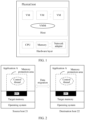
- a hardware layer is a hardware platform on which a virtual environment runs. As shown in FIG. 1 , the hardware layer may include various hardware.
- a hardware layer of a physical host may include a CPU, memory, a network adapter, a storage, a high-speed/low-speed input/output (I/O, Input/Output) device, and another device having a specific processing function.
- a host as a management layer, is configured to: manage and allocates hardware resources; present a virtual hardware platform for a virtual machine; and implement scheduling and isolation of virtual machines.
- a virtual machine monitor may be set in the host.
- the virtual hardware platform provides various hardware resources to virtual machines running on the virtual hardware platform, for example, provides a virtual central processing unit (VCPU, virtual CPU), virtual memory, a virtual disk, a virtual network adapter, or the like.
- embodiments of the present invention may be applied to virtual computing platforms such as Xen, KVM (Kernel-based Virtual Machine, kernel-based virtual machine), and Docker. This is not limited in the embodiments of the present invention.
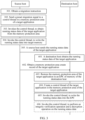
- An embodiment of the present invention provides a data migration method, applicable to a data migration system shown in FIG. 2 .
- the system includes a source host 21 and a destination host 22.
- a migration control thread is created in advance.
- the migration control thread is located within the enclave of the application A.
- codes of the migration control thread are also the enclave codes of the application A. Therefore, the migration control thread may access running status data of the application A in the EPC, and write the running status data into target memory other than the EPC, namely, memory that can be accessed by the operating system of the source host 21.
- the migration control thread may be further used to restore the migrated running status data to an EPC in which the enclave of the application A in the destination host is located.
- the destination host 22 may first restore the enclave of the application A in an EPC of the destination host 22 for the application A, and further create a migration control thread of the application A in the enclave.
- the migration control thread has access rights of accessing the EPC. Therefore, the created migration control thread may replicate the running status data to the EPC in which the enclave of the application A is located, and decrypt and restore a running status of the enclave in the application A.
- the migration control thread may further perform encryption and integrity protection operations on running status data of a target application in an EPC, thereby ensuring confidentiality and integrity of the running status data in a migration process. This is described in detail in subsequent embodiments. Therefore, the details are not described herein again.
- the data migration method provided in this embodiment of the present invention is applicable to a migration process of a virtual machine in a cloud virtualization environment, and is also applicable to a migration process, between any two physical hosts, of an application and a container including an enclave. This is not limited in this embodiment of the present invention.
- the migration process of the virtual machine is used as an example to describe the data migration method provided in this embodiment of the present invention.
- a source host obtains a migration instruction, where the migration instruction is used to instruct the source host to migrate a target application created with an enclave to a destination host.
- a VMM in the host may send the migration instruction to the target virtual machine, to indicate, to the target virtual machine, that the source host is about to migrate the target application, for example, an application A, to the destination host.
- the target virtual machine may periodically query, in a manner of polling monitoring, the VMM whether the VMM generates the migration instruction. If the VMM generates the migration instruction, the target virtual machine obtains the migration instruction from the VMM. This is not limited in this embodiment of the present invention.
- the source host invokes an enclave drive, to send a preset migration signal to a migration control thread in the enclave of the target application.
- the target virtual machine After the target virtual machine obtains the migration instruction, it is checked whether an application including an enclave is created in the target virtual machine.
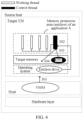
- the application including the enclave for example, the application A in FIG. 4 , the application A usually needs to run N (N ⁇ 1) working threads in an enclave of the application A.
- N N ⁇ 1 working threads in an enclave of the application A.
- one migration control thread is preset in the enclave of the application A.
- the migration control thread is specially used for migrating data in an EPC area in which the enclave is located.
- the target virtual machine may invoke an enclave drive in an operating system of the target virtual machine, to send a preset migration signal to the migration control thread in the enclave of the application A, to trigger the migration control thread to perform the data migration process.
- the migration signal may be a signal predefined by a person skilled in the art based on actual experience. This is not limited in this embodiment of the present invention.
- the running status data may be specifically stack data, heap data, SSA data, and the like that are generated by enclave codes of the target application during running in the enclave of the target application. This is not limited in this embodiment of the present invention.
- the source host invokes the migration control thread, to set a global status of the target enclave to a migration state.
- one global identifier may be set in the enclave of the application A.
- the global identifier is used to indicate a global status.
- the global identifier can be found by the N working threads.
- the migration control thread may set the global status of the enclave to a migration state. For example, the global identifier is set to 1, and it indicates that running status data of the enclave currently needs to be migrated.
- the source host waits based on the global status until local statuses of all the N working threads become a stopped state.
- the source host presets one local identifier.
- the local identifier is used to indicate the local status of the working thread.
- the working thread sets the local status of the working thread to a busy state (busy), and it indicates that the working thread is being run, and the working thread may modify the running status data of the application A in the EPC in a running process.
- the working thread when the working thread is started, the working thread sets the local status of the working thread to a busy state. Further, the working thread queries a current global identifier. If the global identifier is 1 (to be specific, the global status is a migration state), the working thread may set the local status corresponding to the working thread to a stopped state after execution of the working thread is finished or the working thread is forced to exit the enclave, to inform the migration control thread.
- the source host determines that the local statuses of all the N working threads are a stopped state.
- the source host may determine, by invoking the migration control thread, that the local statuses of all the N working threads are a stopped state.
- each of the N working threads sets the local status of the working thread to a stopped state. This is not limited in this embodiment of the present invention.
- the migration control thread for the migration control thread in the enclave, after the migration control thread sets the global status of the enclave to a migration state, the migration control thread monitors the local statuses of the N working threads. If the local status of any of N working threads is a busy state, it indicates that the working thread may be modifying the running status data of the application A in the EPC. In this case, the migration control thread needs to wait until the local status of the working thread becomes a stopped state. When the migration control thread determines that the local statuses of all the N working threads are a stopped state, proceed to steps 504 to 506.
- running status data for example, a value of a general-purpose register of a CPU, of each working thread in the enclave, is automatically stored by the CPU in the SSA, a stack pointer CSSA (Current State Save Area, current state save area) of the SSA is increased by 1, and the CPU executes an interrupt handler after exiting the enclave.
- running status data for example, a value of a general-purpose register of a CPU, of each working thread in the enclave
- a stack pointer CSSA Current State Save Area, current state save area
- the source host When the source host forces all the working threads in a busy state through an interrupt to exit the enclave, running status data of the working threads is automatically stored into the SSA.
- a CSSA of each forcefully interrupted thread is increased by 1.
- the source host may record a value of the CSSA of each working thread.
- the destination host may restore a current execution status of the working thread 1 based on the value of the CSSA, to ensure that a running status of the target application before migration is consistent with that after migration.
- the source host does not need to wait until execution of all working threads in the enclave of the target application is finished before performing migration, thereby improving migration efficiency of the target application.
- the source host may wait until execution of all the working threads is finished, and all the working threads set the local statuses to a stopped state after exiting the enclave.
- the source host reads running status data of the enclave.
- steps 504 to 506 may continue to be performed.
- a migration control thread in the source host performs an encryption operation on the running status data.
- the migration control thread in the source host adds integrity protection to the encrypted running status data.
- the source host may add the integrity protection to the encrypted running status data by using a message authentication code MAC (Message Authentication Code) or a digital signature.
- MAC Message Authentication Code
- encryption may be performed before integrity protection is added, or the integrity protection may be added before encryption is performed.
- a sequence of performing steps 505 and 506 is not limited in this embodiment of the present invention.
- the source host may obtain an encryption key and a MAC key by using a remote attestation (remote attestation) technology of the enclave.
- remote attestation remote attestation
- the source host invokes the migration control thread, to write the running status data into the target memory.
- the target memory in this embodiment of the present invention is an area other than the EPC in memory of the source host.
- the area may be accessed by the operating system or the virtual machine monitor of the source host.
- the migration control thread writes the encrypted and integrity-protected running status data into the target memory.
- the running status data is written into the target memory that can be accessed by the operating system, because the running status data has been encrypted and integrity-protected, security of running status data in the target memory is improved.
- the source host sends the running status data of the target application to the destination host.
- the source host may send the data, the running status data of the target application, and the related data of the target virtual machine to the destination host together.
- the destination host restores the target virtual machine, and restores the application A in the target virtual machine, to implement a migration process of the application A.
- FIG. 3 shows a data migration method according to an embodiment of the present invention. The method includes the following steps.
- a destination host obtains running status data of a target application from a source host.
- the destination host obtains an enclave create record of the target application and a CSSA of each working thread from the source host, where the enclave create record records a memory address of an enclave of the target application.
- the source host may send, to the destination host, related information such as codes of the target application (including enclave codes run inside the enclave and codes run outside the enclave), the running status data, the enclave create record, and the CSSA of each working thread in the target virtual machine.
- codes of the target application including enclave codes run inside the enclave and codes run outside the enclave
- the running status data including enclave codes run inside the enclave and codes run outside the enclave
- the enclave create record including enclave create record, and the CSSA of each working thread in the target virtual machine.
- the running status data is encrypted and integrity-protected running status data.
- the destination host restores the enclave of the target application in an EPC of memory of the destination host based on the memory address.
- a target virtual machine may be first created on a host of the destination host. Further, an initial target application is created in the newly created target virtual machine based on the received codes of the target application. In this case, a running status of the target application may be a preset initial value.
- some codes in the target application may not be run within the enclave of the target application. Therefore, an operating system of the destination host has access rights to running status data generated during running of the codes. Then, the destination host may invoke the operating system of the destination host to first restore the running status data in the initial target application.
- the destination host may first create the enclave, namely, the enclave of the target application, for the target application in the EPC of the memory of the destination host.
- the destination host may create a new enclave in the EPC of the destination host based on the memory address recorded in the enclave create record of the target application, and load enclave codes of the target application into the new enclave to be used as an enclave of the target application after restoration.
- data migrated from the source host includes a CSSA of a working thread (for example, a working thread 1)
- a working thread for example, a working thread 1
- a default initial value of a CSSA that is set in the destination host is different from a value of the CSSA that is recorded in the running status data.
- the default initial value of the CSSA is 0, while the value of the CSSA that is recorded in the running status data is not 0 (to be specific, an interrupt occurs in the enclave during migration).
- the destination host may adjust a CSSA of the working thread 1 by actively triggering a page fault interrupt until a value of the CSSA of the working thread 1 is the same as a value of the CSSA that is recorded in the source host.
- the destination host may restore the execution progress of the working thread 1 based on the value of the CSSA and a data segment, stack data, heap data, and SSA data in the enclave that are recorded in the running status data, so that unfinished execution of the working thread 1 on the source host may continue on the destination host.
- the destination host invokes the migration control thread, to perform an integrity verification operation and a decryption operation on the running status data.
- the destination host further needs to obtain a key used during encryption and an integrity key (for example, a MAC key or a signature key) used during integrity protection, to restore a running status of the target application.
- an integrity key for example, a MAC key or a signature key
- the source host, the destination host, or the like includes corresponding hardware structures and/or software modules for performing the functions.
- a person skilled in the art should easily be aware that, in combination with examples of units and algorithms steps described in the embodiments disclosed in this specification, the embodiments of the present invention may be implemented by hardware or a combination of hardware and computer software. Whether a function is performed by hardware or hardware driven by computer software depends on particular applications and design constraints of the technical solutions. A person skilled in the art may use different methods to implement the described functions for each particular application, but it should not be considered that the implementation goes beyond the scope of the embodiments of the present invention.
- modules of the source host, the destination host, or the like may be divided according to the foregoing method example.
- functional modules may be divided corresponding to the functions, or two or more functions may be integrated into one processing module.
- the integrated module may be implemented in a form of hardware, or may be implemented in a form of a software functional module.
- module division is exemplary, and is merely a logical function division. In actual implementation, another division manner may be used.
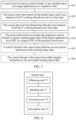
- FIG. 6 is a possible schematic structural diagram of the source host in the embodiments.
- the source host includes: an obtaining unit 71, an execution unit 72, a sending unit 73, and an encryption unit 74.
- the obtaining unit 71 is configured to support the source host in performing the process 301 in FIG. 3 .
- the execution unit 72 is configured to support the source host in performing the processes 303 and 304 in FIG. 3 and the processes 501 to 504 in FIG. 5 .
- the sending unit 73 is configured to support the source host in performing the processes 302 and 305 in FIG. 3 .
- the encryption unit 74 is configured to support the source host in performing the processes 505 and 506 in FIG. 5 .
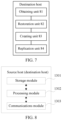
- FIG. 7 is a possible schematic structural diagram of the destination host in the embodiments.
- the destination host includes: an obtaining unit 81, a restoration unit 82, a creating unit 83, and a replication unit 84.
- the obtaining unit 81 is configured to support the destination host in performing the process 601 in FIG. 6 .
- the restoration unit 82 is configured to support the destination host in performing the processes 602 and 603 in FIG. 6 .
- the creating unit 83 is configured to support the destination host in performing the process 604 in FIG. 6 .
- the replication unit 84 is configured to support the destination host in performing the processes 605 and 606 in FIG. 6 .
- FIG. 8 is a possible schematic structural diagram of the source host (or the destination host) in the foregoing embodiments.
- the source host (or the destination host) includes a processing module 1302 and a communications module 1303.
- the processing module 1302 is configured to control and manage action of the source host (or the destination host).
- the communications module 1303 is configured to support the source host (or the destination host) in communicating with another network entity.
- the source host (or the destination host) may further include a storage module 1301, configured to store program codes and data of the source host (or the destination host).
- the processing module 1302 may be a processor or a controller, such as a central processing unit (Central Processing Unit, CPU), a general purpose processor, a digital signal processor (Digital Signal Processor, DSP), an application-specific integrated circuit (Application-Specific Integrated Circuit, ASIC), a field programmable gate array (Field Programmable Gate Array, FPGA), or another programmable logical device, a transistor logical device, a hardware component, or a combination thereof.
- the processor/controller may implement or execute various example logical blocks, modules, and circuits described with reference to content disclosed in the embodiments of the present invention.
- the computer instructions may be transmitted from a website, computer, server, or data center to another website, computer, server, or data center in a wired (for example, a coaxial cable, an optical fiber, or a digital subscriber line (DSL)) or wireless (for example, infrared, radio, or microwave) manner.
- the computer readable storage medium may be any usable medium accessible by a computer, or a data storage device, such as a server or a data center, integrating one or more usable media.
Landscapes
- Engineering & Computer Science (AREA)
- Theoretical Computer Science (AREA)
- Software Systems (AREA)
- Computer Security & Cryptography (AREA)
- Physics & Mathematics (AREA)
- General Engineering & Computer Science (AREA)
- General Physics & Mathematics (AREA)
- Computer Hardware Design (AREA)
- Health & Medical Sciences (AREA)
- Bioethics (AREA)
- General Health & Medical Sciences (AREA)
- Storage Device Security (AREA)
Claims (15)
- Procédé de migration de données, comprenant :l'obtention (301), par un hôte source, d'une instruction de migration, dans lequel l'instruction de migration est utilisée pour ordonner la migration d'une application cible créée avec une enclave vers un hôte de destination ; caractérisé par,l'appel (302, 303, 304), par l'hôte source, d'un fil de commande de migration prédéfini dans l'enclave de l'application cible, pour écrire des données d'état d'exécution de l'application cible dans un cache de page d'enclave EPC dans la mémoire cible de l'hôte source, dans lequel la mémoire cible est une zone autre que l'EPC dans la mémoire de l'hôte source ; etl'envoi (305), par l'hôte source, des données d'état d'exécution de l'application cible dans la mémoire cible à l'hôte de destination ;dans lequel l'appel, par l'hôte source, d'un fil de commande de migration prédéfini dans l'enclave de l'application cible, pour écrire des données d'état d'exécution de l'application cible dans un cache de page d'enclave EPC dans la mémoire cible de l'hôte source comprend :l'appel, par l'hôte source, du fil de commande de migration, pour obtenir des données d'état d'exécution de l'enclave à partir de l'EPC ; etl'appel, par l'hôte source, du fil de commande de migration, pour écrire les données d'état d'exécution de l'enclave dans l'EPC dans la mémoire cible.
- Procédé selon la revendication 1, dans lequel l'enclave de l'application cible comprend également N fils de travail, dans lequel N ≥ 1 ; et
l'appel, par l'hôte source, du fil de commande de migration, pour obtenir les données d'état d'exécution de l'application cible à partir de l'EPC comprend :l'appel, par l'hôte source, du fil de commande de migration lorsque le fil de commande de migration reçoit un signal de migration prédéfini, pour définir un état global de l'enclave cible sur un état de migration ;le positionnement, par l'hôte source, d'un état local de chacun des N fils de travail sur un état arrêté lorsque l'état global est un état de migration ; etl'appel, par l'hôte source, du fil de commande de migration lorsque les états locaux de tous les N fils de travail sont un état arrêté, pour accéder aux données d'état d'exécution de l'application cible dans l'EPC à l'aide d'une unité centrale de l'hôte source. - Procédé selon la revendication 2, dans lequel le positionnement, par l'hôte source, d'un état local de chacun des N fils de travail sur un état arrêté lorsque l'état global est un état de migration comprend :la modification, par l'hôte source lorsque les N fils de travail comprennent un fil de travail dont l'état local est un état occupé, de l'état local du fil de travail pour passer dans un état arrêté par le biais d'une interruption ; etl'enregistrement, par l'hôte source, d'une zone de sauvegarde de l'état actuel CSSA du fil de travail ; oule positionnement, par l'hôte source après que l'exécution de tous les fils de travail dont les états locaux sont un état occupé est terminée, d'un état local de chaque fil de travail sur un état arrêté.
- Procédé selon l'une quelconque des revendications 1 à 3, dans lequel, après l'appel, par l'hôte source, du fil de commande de migration, pour obtenir les données d'état d'exécution de l'application cible à partir de l'EPC, le procédé comprend également :l'appel, par l'hôte source, du fil de commande de migration, pour effectuer une opération de chiffrement sur les données d'état d'exécution, et l'ajout d'une protection d'intégrité aux données d'état d'exécution chiffrées, dans lequel la protection d'intégrité peut être une opération de signature numérique effectuée à l'aide d'une signature numérique ou d'un code d'authentification de message MAC ; etl'appel, par l'hôte source, du fil de commande de migration, pour écrire les données d'état d'exécution de l'application cible dans l'EPC dans la mémoire cible comprend :
l'appel, par l'hôte source, du fil de commande de migration, pour écrire les données d'état d'exécution chiffrées et protégées en intégrité dans la mémoire cible. - Procédé de migration de données, comprenant :l'obtention (601), par un hôte de destination, de données d'état d'exécution d'une application cible à partir d'un hôte source ;la restauration (603), par l'hôte de destination, d'une enclave de l'application cible dans un EPC de mémoire ; caractérisé par, la création (604), par l'hôte de destination, d'un fil de commande de migration de l'application cible dans une enclave de l'application cible ; etl'appel (605), par l'hôte de destination, du fil de commande de migration, pour répliquer les données d'état d'exécution vers l'EPC.
- Procédé selon la revendication 5, dans lequel la restauration, par l'hôte de destination, de l'enclave de l'application cible dans un EPC de mémoire comprend :l'obtention, par l'hôte de destination, d'un enregistrement de création d'enclave de l'application cible à partir de l'hôte source, dans lequel l'enregistrement de création d'enclave enregistre une adresse mémoire de l'enclave de l'application cible ; etla restauration, par l'hôte de destination, de l'enclave de l'application cible dans l'EPC de la mémoire en fonction de l'adresse mémoire.
- Procédé selon la revendication 5, dans lequel le procédé comprend également :l'obtention, par l'hôte de destination, d'une CSSA de chaque fil de travail dans l'enclave de l'application cible à partir de l'hôte source ; etla modification, par l'hôte de destination par le biais d'une interruption si une valeur d'une CSSA d'un fil de travail cible n'est pas nulle, de la valeur de la CSSA du fil de travail cible à une valeur de la CSSA enregistrée dans l'hôte source.
- Procédé selon l'une quelconque des revendications 5 à 7, dans lequel l'appel, par l'hôte de destination, du fil de commande de migration, pour répliquer les données d'état d'exécution vers l'EPC comprend :l'appel, par l'hôte de destination, du fil de commande de migration, pour écrire les données d'état d'exécution dans l'EPC ; etl'appel, par l'hôte de destination, du fil de commande de migration, pour effectuer le décryptage et la vérification de l'intégrité des données d'état d'exécution écrites dans l'EPC.
- Hôte, dans lequel l'hôte est un hôte source, et comprend :une unité d'obtention (71), configurée pour obtenir une instruction de migration, dans lequel l'instruction de migration est utilisée pour ordonner la migration d'une application cible créée avec une enclave de zone de protection de mémoire vers un hôte de destination ; caractérisée par,une unité d'exécution (72), configurée pour appeler un fil de commande de migration prédéfini dans l'enclave de l'application cible, pour écrire des données d'état d'exécution de l'application cible dans un cache de page d'enclave EPC dans la mémoire cible de l'hôte source, dans lequel la mémoire cible est une zone autre que l'EPC dans la mémoire de l'hôte source ; etune unité d'envoi (73), configurée pour envoyer les données d'état d'exécution de l'application cible dans la mémoire cible à l'hôte de destination ;dans lequell'unité d'exécution est spécifiquement configurée pour : appeler le fil de commande de migration, pour obtenir les données d'état d'exécution de l'application cible à partir de l'EPC ; etappeler le fil de commande de migration, pour écrire les données d'état d'exécution de l'application cible dans l'EPC dans la mémoire cible.
- Hôte source selon la revendication 9, dans lequel l'enclave de l'application cible comprend également N fils de travail, dans lequel N ≥ 1 ; et
l'unité d'exécution est spécifiquement configurée pour : appeler le fil de commande de migration, pour positionner un état global de l'enclave sur un état de migration ; positionner un état local de chacun des N fils de travail sur un état arrêté lorsque l'état global est un état de migration ; et appeler le fil de commande de migration lorsque les états locaux de tous les N fils de travail sont un état arrêté, pour accéder aux données d'état d'exécution de l'application cible dans l'EPC à l'aide d'une unité centrale de l'hôte source. - Hôte source selon la revendication 10, dans lequel
l'unité d'exécution est spécifiquement configurée pour : modifier, par l'hôte source lorsque les N fils de travail comprennent un fil de travail dont l'état local est un état occupé, l'état local du fil de travail en le faisant passer sur un état arrêté par le biais d'une interruption ; et enregistrer, par l'hôte source, une zone de sauvegarde d'état actuel CSSA du fil de travail ; ou positionner, par l'hôte source après que tous les fils de travail dont les états locaux sont un état occupé ont été exécutés, un état local de chaque fil de travail sur un état arrêté. - Hôte source selon l'une quelconque des revendications 9 à 11, dans lequel l'hôte source comprend également :une unité de chiffrement, configurée pour appeler le fil de commande de migration, pour effectuer des opérations de chiffrement et de protection de l'intégrité sur les données d'état d'exécution, la protection de l'intégrité pouvant être mise en œuvre à l'aide d'un code d'authentification de message MAC ou d'un algorithme de signature ; etl'unité d'exécution est spécifiquement configurée pour appeler le fil de commande de migration, pour écrire les données d'état d'exécution chiffrées et protégées en intégrité dans la mémoire cible.
- Hôte, dans lequel l'hôte est un hôte de destination, et comprend :une unité d'obtention (81), configurée pour obtenir des données d'état d'exécution d'une application cible à partir d'un hôte source ;une unité de restauration (82), configurée pour restaurer une enclave de l'application cible dans un EPC de mémoire de l'hôte de destination ; caractérisé par,une unité de création (83), configurée pour créer un fil de commande de migration de l'application cible dans l'enclave de l'application cible ; etune unité de réplication (84), configurée pour appeler le fil de commande de migration, pour répliquer les données d'état d'exécution vers l'EPC d'une manière cryptée et protégée en intégrité.
- Hôte de destination selon la revendication 13, dans lequel l'unité de restauration est spécifiquement configurée pour : obtenir un enregistrement de création d'enclave de l'application cible à partir de l'hôte source, quel l'enregistrement de création d'enclave enregistre une adresse mémoire de l'enclave de l'application cible ; et restaurer l'enclave de l'application cible dans l'EPC de la mémoire en fonction de l'adresse mémoire.
- Hôte de destination selon la revendication 14, dans lequel l'unité d'obtention est également configurée pour obtenir une CSSA de chaque fil de travail dans l'enclave de l'application cible à partir de l'hôte source ; et
l'unité de restauration est également configurée pour modifier, par le biais d'une interruption si une valeur d'une CSSA d'un fil de travail cible n'est pas nulle, la valeur de la CSSA du fil de travail cible en une valeur de la CSSA enregistrée dans l'hôte source.
Applications Claiming Priority (2)
| Application Number | Priority Date | Filing Date | Title |
|---|---|---|---|
| CN201710100246.XA CN108469986B (zh) | 2017-02-23 | 2017-02-23 | 一种数据迁移方法及装置 |
| PCT/CN2017/095829 WO2018153027A1 (fr) | 2017-02-23 | 2017-08-03 | Procédé et dispositif de migration de données |
Publications (3)
| Publication Number | Publication Date |
|---|---|
| EP3572938A1 EP3572938A1 (fr) | 2019-11-27 |
| EP3572938A4 EP3572938A4 (fr) | 2020-01-15 |
| EP3572938B1 true EP3572938B1 (fr) | 2025-06-25 |
Family
ID=63252304
Family Applications (1)
| Application Number | Title | Priority Date | Filing Date |
|---|---|---|---|
| EP17897879.7A Active EP3572938B1 (fr) | 2017-02-23 | 2017-08-03 | Procédé et dispositif de migration de données |
Country Status (4)
| Country | Link |
|---|---|
| US (1) | US11347542B2 (fr) |
| EP (1) | EP3572938B1 (fr) |
| CN (2) | CN108469986B (fr) |
| WO (1) | WO2018153027A1 (fr) |
Families Citing this family (19)
| Publication number | Priority date | Publication date | Assignee | Title |
|---|---|---|---|---|
| JP7193732B2 (ja) * | 2019-04-08 | 2022-12-21 | 富士通株式会社 | 管理装置、情報処理システムおよび管理プログラム |
| CN112035272B (zh) * | 2019-06-03 | 2024-11-29 | 华为技术有限公司 | 进程间通信的方法、装置以及计算机设备 |
| CN112749397A (zh) * | 2019-10-29 | 2021-05-04 | 阿里巴巴集团控股有限公司 | 一种系统和方法 |
| WO2022006810A1 (fr) * | 2020-07-09 | 2022-01-13 | 深圳市汇顶科技股份有限公司 | Procédé et appareil de gestion de données, élément électronique et équipement terminal |
| CN114417362B (zh) * | 2020-10-10 | 2025-11-21 | 华为技术有限公司 | 数据管理方法、装置及系统、存储介质 |
| CN112636916A (zh) * | 2020-11-30 | 2021-04-09 | 捷德(中国)科技有限公司 | 数据处理方法、装置、存储介质及电子设备 |
| US11836514B2 (en) * | 2021-01-19 | 2023-12-05 | Dell Products L.P. | System and method of utilizing memory medium fault resiliency with secure memory medium portions |
| US12293198B2 (en) * | 2021-03-23 | 2025-05-06 | VMware LLC | Co-execution of an application among a plurality of compute nodes through application-level virtualization |
| CN115168318A (zh) * | 2021-04-06 | 2022-10-11 | 腾讯科技(深圳)有限公司 | 数据迁移的控制方法、装置和存储介质及电子设备 |
| WO2022233394A1 (fr) * | 2021-05-04 | 2022-11-10 | Huawei Technologies Co., Ltd. | Dispositif, procédé et système de messagerie asynchrone |
| CN113467884B (zh) * | 2021-05-25 | 2024-08-02 | 阿里巴巴创新公司 | 资源配置方法和装置、电子设备及计算机可读存储介质 |
| CN113472876B (zh) * | 2021-06-29 | 2024-02-13 | 招商局金融科技有限公司 | 应用迁移的控制方法、装置、设备及存储介质 |
| EP4167086A1 (fr) * | 2021-10-13 | 2023-04-19 | Microsoft Technology Licensing, LLC | Clonage d'enclave |
| JP7829829B2 (ja) * | 2021-10-27 | 2026-03-16 | 日本電気株式会社 | 安全なエンクレーブマイグレーションのための方法およびホストシステム |
| CN116069691A (zh) * | 2021-11-03 | 2023-05-05 | 爱思开海力士有限公司 | 存储器控制器和存储装置 |
| US11775360B2 (en) * | 2021-12-01 | 2023-10-03 | Nec Corporation | Cache-based communication for trusted execution environments |
| CN115237600A (zh) * | 2022-07-29 | 2022-10-25 | 携程旅游信息技术(上海)有限公司 | 数据迁移的管理方法、系统、电子设备和存储介质 |
| US20240053983A1 (en) * | 2022-08-10 | 2024-02-15 | Google Llc | Performance Optimized Task Duplication and Migration |
| CN117675257A (zh) * | 2022-09-06 | 2024-03-08 | 中国移动通信有限公司研究院 | 数据迁移方法、安全模块、迁移平台、设备及介质 |
Family Cites Families (29)
| Publication number | Priority date | Publication date | Assignee | Title |
|---|---|---|---|---|
| GB2481563B (en) * | 2009-12-22 | 2017-07-19 | Intel Corp | Method and apparatus to provide secure application execution |
| US9087200B2 (en) * | 2009-12-22 | 2015-07-21 | Intel Corporation | Method and apparatus to provide secure application execution |
| US8972746B2 (en) * | 2010-12-17 | 2015-03-03 | Intel Corporation | Technique for supporting multiple secure enclaves |
| AU2013263340B2 (en) * | 2012-05-16 | 2015-05-14 | Okta, Inc. | Systems and methods for providing and managing distributed enclaves |
| CN103885719B (zh) * | 2012-12-21 | 2017-02-08 | 中国电信股份有限公司 | 虚拟机系统在线存储迁移的方法、系统与装置 |
| US9430384B2 (en) * | 2013-03-31 | 2016-08-30 | Intel Corporation | Instructions and logic to provide advanced paging capabilities for secure enclave page caches |
| CN103249114B (zh) * | 2013-04-03 | 2016-03-23 | 大唐移动通信设备有限公司 | 集团内网异地接入方法和系统 |
| CN103399778B (zh) * | 2013-07-01 | 2016-12-28 | 华为技术有限公司 | 一种虚拟机在线整体迁移方法和设备 |
| CN104283853B (zh) * | 2013-07-08 | 2018-04-10 | 华为技术有限公司 | 一种提高信息安全性的方法、终端设备及网络设备 |
| CA2918596C (fr) * | 2013-08-02 | 2023-03-07 | Ologn Technologies Ag | Serveur securise sur un systeme avec des machines virtuelles |
| US20150205542A1 (en) * | 2014-01-22 | 2015-07-23 | Vmware, Inc. | Virtual machine migration in shared storage environment |
| CN105022658B (zh) * | 2014-04-30 | 2019-03-05 | 中国移动通信集团公司 | 一种虚拟机迁移方法、系统及相关装置 |
| US9652631B2 (en) | 2014-05-05 | 2017-05-16 | Microsoft Technology Licensing, Llc | Secure transport of encrypted virtual machines with continuous owner access |
| US10558584B2 (en) * | 2014-06-23 | 2020-02-11 | Intel Corporation | Employing intermediary structures for facilitating access to secure memory |
| CN104346575B (zh) * | 2014-10-24 | 2017-09-19 | 重庆邮电大学 | 一种软件定义安全体系结构 |
| US9461994B2 (en) * | 2014-11-26 | 2016-10-04 | Intel Corporation | Trusted computing base evidence binding for a migratable virtual machine |
| US9852301B2 (en) * | 2014-12-24 | 2017-12-26 | Intel Corporation | Creating secure channels between a protected execution environment and fixed-function endpoints |
| CN105791175B (zh) * | 2014-12-26 | 2019-04-12 | 电信科学技术研究院 | 软件定义网络中控制传输资源的方法及设备 |
| CN106161076B (zh) * | 2015-04-22 | 2019-06-11 | 华为技术有限公司 | 虚拟网络功能扩展方法和装置 |
| US9710401B2 (en) * | 2015-06-26 | 2017-07-18 | Intel Corporation | Processors, methods, systems, and instructions to support live migration of protected containers |
| US9942035B2 (en) * | 2015-08-18 | 2018-04-10 | Intel Corporation | Platform migration of secure enclaves |
| US10048977B2 (en) * | 2015-12-22 | 2018-08-14 | Intel Corporation | Methods and apparatus for multi-stage VM virtual network function and virtual service function chain acceleration for NFV and needs-based hardware acceleration |
| CN105700945B (zh) * | 2016-01-12 | 2019-01-11 | 中南大学 | 一种基于净室环境的虚拟机安全迁移方法 |
| CN105678191B (zh) * | 2016-03-02 | 2018-11-13 | 上海瓶钵信息科技有限公司 | 利用SoC内部存储提高系统安全性的方法、终端与系统 |
| CN105955809B (zh) * | 2016-04-25 | 2020-06-26 | 深圳市万普拉斯科技有限公司 | 线程调度方法和系统 |
| CN105956465A (zh) * | 2016-05-04 | 2016-09-21 | 浪潮电子信息产业股份有限公司 | 一种基于vtpm构建虚拟可信平台的方法 |
| CN106095576A (zh) * | 2016-06-14 | 2016-11-09 | 上海交通大学 | 虚拟化多核环境下非一致性i/o访问虚拟机资源迁移方法 |
| CN106169994B (zh) * | 2016-06-29 | 2019-02-26 | 中国联合网络通信集团有限公司 | 容器间通信的安全控制方法及装置 |
| US10338957B2 (en) * | 2016-12-27 | 2019-07-02 | Intel Corporation | Provisioning keys for virtual machine secure enclaves |
-
2017
- 2017-02-23 CN CN201710100246.XA patent/CN108469986B/zh active Active
- 2017-08-03 CN CN201780087318.XA patent/CN110622138B/zh active Active
- 2017-08-03 EP EP17897879.7A patent/EP3572938B1/fr active Active
- 2017-08-03 WO PCT/CN2017/095829 patent/WO2018153027A1/fr not_active Ceased
-
2019
- 2019-08-23 US US16/549,861 patent/US11347542B2/en active Active
Non-Patent Citations (2)
| Title |
|---|
| AHMAD RAJA WASIM ET AL: "Virtual machine migration in cloud data centers: a review, taxonomy, and open research issues", THE JOURNAL OF SUPERCOMPUTING, SPRINGER US, NEW YORK, vol. 71, no. 7, 13 March 2015 (2015-03-13), pages 2473 - 2515, XP035506628, ISSN: 0920-8542, [retrieved on 20150313], DOI: 10.1007/S11227-015-1400-5 * |
| ANONYMOUS: "Intel 64 and IA-32 Architectures Software Developer's Manual Volume 3D: System Programming Guide, Part 4", 1 September 2015 (2015-09-01), XP055856899, Retrieved from the Internet <URL:https://www.intel.com/content/dam/www/public/emea/xe/en/documents/manuals/64-ia-32-architectures-software-developer-vol-3d-part-4-manual.pdf> [retrieved on 20211102] * |
Also Published As
| Publication number | Publication date |
|---|---|
| EP3572938A4 (fr) | 2020-01-15 |
| CN108469986A (zh) | 2018-08-31 |
| WO2018153027A1 (fr) | 2018-08-30 |
| US11347542B2 (en) | 2022-05-31 |
| CN108469986B (zh) | 2021-04-09 |
| CN110622138A (zh) | 2019-12-27 |
| CN110622138B (zh) | 2022-12-30 |
| EP3572938A1 (fr) | 2019-11-27 |
| US20190377598A1 (en) | 2019-12-12 |
Similar Documents
| Publication | Publication Date | Title |
|---|---|---|
| US11347542B2 (en) | Data migration method and apparatus | |
| RU2397537C2 (ru) | Управление безопасностью компьютера, например, в виртуальной машине или реальной операционной системе | |
| US11693952B2 (en) | System and method for providing secure execution environments using virtualization technology | |
| US9122503B1 (en) | Systems and methods for adaptive throttling of input/output requests in a virtual environment | |
| US8495750B2 (en) | Filesystem management and security system | |
| EP2981925B1 (fr) | Systèmes, procédés et appareils pour la protection des logiciels antivirus | |
| US20170053118A1 (en) | Changed Block Tracking Driver for Agentless Security Scans of Virtual Disks | |
| CN108959916B (zh) | 用于访问安全世界的方法、装置和系统 | |
| US20150309832A1 (en) | Isolation Method for Management Virtual Machine and Apparatus | |
| US10528736B1 (en) | Systems and methods for detecting preparatory-stages of rowhammer attacks | |
| US20250021369A1 (en) | Securely persisting information across system reboots | |
| US10552345B2 (en) | Virtual machine memory lock-down | |
| CN113391881A (zh) | 中断的管理方法、装置、电子设备及计算机存储介质 | |
| EP3079057B1 (fr) | Procédé et dispositif pour réaliser une introspection de machine virtuelle | |
| US11513825B2 (en) | System and method for implementing trusted execution environment on PCI device | |
| EP4492229B1 (fr) | Persistance sécurisée d'informations dans des redémarrages de système | |
| JP7826192B2 (ja) | プロセッサでのハイパーバイザのセキュアイベント処理 | |
| CN102799480A (zh) | 虚拟化系统中关闭中断的方法和装置 | |
| US20240111857A1 (en) | Secure execution of a file on a copy device in a virtualized computing environment | |
| EP3579106B1 (fr) | Procédé et dispositif de protection d'informations | |
| CN114868126B (zh) | 处理器处的管理程序安全事件处置 | |
| HK1092243B (en) | Computer security management in a virtual machine or hardened operating system | |
| HK1092243A (en) | Computer security management, such as in a virtual machine or hardened operating system |
Legal Events
| Date | Code | Title | Description |
|---|---|---|---|
| STAA | Information on the status of an ep patent application or granted ep patent |
Free format text: STATUS: THE INTERNATIONAL PUBLICATION HAS BEEN MADE |
|
| PUAI | Public reference made under article 153(3) epc to a published international application that has entered the european phase |
Free format text: ORIGINAL CODE: 0009012 |
|
| STAA | Information on the status of an ep patent application or granted ep patent |
Free format text: STATUS: REQUEST FOR EXAMINATION WAS MADE |
|
| 17P | Request for examination filed |
Effective date: 20190823 |
|
| AK | Designated contracting states |
Kind code of ref document: A1 Designated state(s): AL AT BE BG CH CY CZ DE DK EE ES FI FR GB GR HR HU IE IS IT LI LT LU LV MC MK MT NL NO PL PT RO RS SE SI SK SM TR |
|
| AX | Request for extension of the european patent |
Extension state: BA ME |
|
| RIN1 | Information on inventor provided before grant (corrected) |
Inventor name: SHEN, YU Inventor name: ZHAI, ZHENGDE Inventor name: CHEN, HAIBO Inventor name: XIA, YUBIN |
|
| A4 | Supplementary search report drawn up and despatched |
Effective date: 20191213 |
|
| RIC1 | Information provided on ipc code assigned before grant |
Ipc: G06F 9/48 20060101AFI20191209BHEP |
|
| DAV | Request for validation of the european patent (deleted) | ||
| DAX | Request for extension of the european patent (deleted) | ||
| STAA | Information on the status of an ep patent application or granted ep patent |
Free format text: STATUS: EXAMINATION IS IN PROGRESS |
|
| 17Q | First examination report despatched |
Effective date: 20211210 |
|
| GRAP | Despatch of communication of intention to grant a patent |
Free format text: ORIGINAL CODE: EPIDOSNIGR1 |
|
| STAA | Information on the status of an ep patent application or granted ep patent |
Free format text: STATUS: GRANT OF PATENT IS INTENDED |
|
| INTG | Intention to grant announced |
Effective date: 20250226 |
|
| GRAS | Grant fee paid |
Free format text: ORIGINAL CODE: EPIDOSNIGR3 |
|
| GRAA | (expected) grant |
Free format text: ORIGINAL CODE: 0009210 |
|
| STAA | Information on the status of an ep patent application or granted ep patent |
Free format text: STATUS: THE PATENT HAS BEEN GRANTED |
|
| AK | Designated contracting states |
Kind code of ref document: B1 Designated state(s): AL AT BE BG CH CY CZ DE DK EE ES FI FR GB GR HR HU IE IS IT LI LT LU LV MC MK MT NL NO PL PT RO RS SE SI SK SM TR |
|
| REG | Reference to a national code |
Ref country code: GB Ref legal event code: FG4D |
|
| REG | Reference to a national code |
Ref country code: CH Ref legal event code: EP |
|
| REG | Reference to a national code |
Ref country code: CH Ref legal event code: EP |
|
| REG | Reference to a national code |
Ref country code: IE Ref legal event code: FG4D |
|
| REG | Reference to a national code |
Ref country code: DE Ref legal event code: R096 Ref document number: 602017090193 Country of ref document: DE |
|
| PG25 | Lapsed in a contracting state [announced via postgrant information from national office to epo] |
Ref country code: FI Free format text: LAPSE BECAUSE OF FAILURE TO SUBMIT A TRANSLATION OF THE DESCRIPTION OR TO PAY THE FEE WITHIN THE PRESCRIBED TIME-LIMIT Effective date: 20250625 |
|
| PGFP | Annual fee paid to national office [announced via postgrant information from national office to epo] |
Ref country code: DE Payment date: 20250708 Year of fee payment: 9 |
|
| REG | Reference to a national code |
Ref country code: LT Ref legal event code: MG9D |
|
| PG25 | Lapsed in a contracting state [announced via postgrant information from national office to epo] |
Ref country code: GR Free format text: LAPSE BECAUSE OF FAILURE TO SUBMIT A TRANSLATION OF THE DESCRIPTION OR TO PAY THE FEE WITHIN THE PRESCRIBED TIME-LIMIT Effective date: 20250926 Ref country code: NO Free format text: LAPSE BECAUSE OF FAILURE TO SUBMIT A TRANSLATION OF THE DESCRIPTION OR TO PAY THE FEE WITHIN THE PRESCRIBED TIME-LIMIT Effective date: 20250925 |
|
| PG25 | Lapsed in a contracting state [announced via postgrant information from national office to epo] |
Ref country code: BG Free format text: LAPSE BECAUSE OF FAILURE TO SUBMIT A TRANSLATION OF THE DESCRIPTION OR TO PAY THE FEE WITHIN THE PRESCRIBED TIME-LIMIT Effective date: 20250625 |
|
| PG25 | Lapsed in a contracting state [announced via postgrant information from national office to epo] |
Ref country code: HR Free format text: LAPSE BECAUSE OF FAILURE TO SUBMIT A TRANSLATION OF THE DESCRIPTION OR TO PAY THE FEE WITHIN THE PRESCRIBED TIME-LIMIT Effective date: 20250625 |
|
| PG25 | Lapsed in a contracting state [announced via postgrant information from national office to epo] |
Ref country code: RS Free format text: LAPSE BECAUSE OF FAILURE TO SUBMIT A TRANSLATION OF THE DESCRIPTION OR TO PAY THE FEE WITHIN THE PRESCRIBED TIME-LIMIT Effective date: 20250925 |
|
| PG25 | Lapsed in a contracting state [announced via postgrant information from national office to epo] |
Ref country code: LV Free format text: LAPSE BECAUSE OF FAILURE TO SUBMIT A TRANSLATION OF THE DESCRIPTION OR TO PAY THE FEE WITHIN THE PRESCRIBED TIME-LIMIT Effective date: 20250625 |
|
| REG | Reference to a national code |
Ref country code: NL Ref legal event code: MP Effective date: 20250625 |
|
| PG25 | Lapsed in a contracting state [announced via postgrant information from national office to epo] |
Ref country code: NL Free format text: LAPSE BECAUSE OF FAILURE TO SUBMIT A TRANSLATION OF THE DESCRIPTION OR TO PAY THE FEE WITHIN THE PRESCRIBED TIME-LIMIT Effective date: 20250625 |
|
| PG25 | Lapsed in a contracting state [announced via postgrant information from national office to epo] |
Ref country code: PT Free format text: LAPSE BECAUSE OF FAILURE TO SUBMIT A TRANSLATION OF THE DESCRIPTION OR TO PAY THE FEE WITHIN THE PRESCRIBED TIME-LIMIT Effective date: 20251027 |
|
| REG | Reference to a national code |
Ref country code: AT Ref legal event code: MK05 Ref document number: 1807188 Country of ref document: AT Kind code of ref document: T Effective date: 20250625 |
|
| PG25 | Lapsed in a contracting state [announced via postgrant information from national office to epo] |
Ref country code: IS Free format text: LAPSE BECAUSE OF FAILURE TO SUBMIT A TRANSLATION OF THE DESCRIPTION OR TO PAY THE FEE WITHIN THE PRESCRIBED TIME-LIMIT Effective date: 20251025 |
|
| PG25 | Lapsed in a contracting state [announced via postgrant information from national office to epo] |
Ref country code: AT Free format text: LAPSE BECAUSE OF FAILURE TO SUBMIT A TRANSLATION OF THE DESCRIPTION OR TO PAY THE FEE WITHIN THE PRESCRIBED TIME-LIMIT Effective date: 20250625 Ref country code: SM Free format text: LAPSE BECAUSE OF FAILURE TO SUBMIT A TRANSLATION OF THE DESCRIPTION OR TO PAY THE FEE WITHIN THE PRESCRIBED TIME-LIMIT Effective date: 20250625 |
|
| PG25 | Lapsed in a contracting state [announced via postgrant information from national office to epo] |
Ref country code: CZ Free format text: LAPSE BECAUSE OF FAILURE TO SUBMIT A TRANSLATION OF THE DESCRIPTION OR TO PAY THE FEE WITHIN THE PRESCRIBED TIME-LIMIT Effective date: 20250625 |
|
| PG25 | Lapsed in a contracting state [announced via postgrant information from national office to epo] |
Ref country code: PL Free format text: LAPSE BECAUSE OF FAILURE TO SUBMIT A TRANSLATION OF THE DESCRIPTION OR TO PAY THE FEE WITHIN THE PRESCRIBED TIME-LIMIT Effective date: 20250625 |
|
| PG25 | Lapsed in a contracting state [announced via postgrant information from national office to epo] |
Ref country code: EE Free format text: LAPSE BECAUSE OF FAILURE TO SUBMIT A TRANSLATION OF THE DESCRIPTION OR TO PAY THE FEE WITHIN THE PRESCRIBED TIME-LIMIT Effective date: 20250625 |
|
| PG25 | Lapsed in a contracting state [announced via postgrant information from national office to epo] |
Ref country code: SK Free format text: LAPSE BECAUSE OF FAILURE TO SUBMIT A TRANSLATION OF THE DESCRIPTION OR TO PAY THE FEE WITHIN THE PRESCRIBED TIME-LIMIT Effective date: 20250625 |
|
| PG25 | Lapsed in a contracting state [announced via postgrant information from national office to epo] |
Ref country code: ES Free format text: LAPSE BECAUSE OF FAILURE TO SUBMIT A TRANSLATION OF THE DESCRIPTION OR TO PAY THE FEE WITHIN THE PRESCRIBED TIME-LIMIT Effective date: 20250625 |
|
| PG25 | Lapsed in a contracting state [announced via postgrant information from national office to epo] |
Ref country code: RO Free format text: LAPSE BECAUSE OF FAILURE TO SUBMIT A TRANSLATION OF THE DESCRIPTION OR TO PAY THE FEE WITHIN THE PRESCRIBED TIME-LIMIT Effective date: 20250625 |
|
| REG | Reference to a national code |
Ref country code: CH Ref legal event code: H13 Free format text: ST27 STATUS EVENT CODE: U-0-0-H10-H13 (AS PROVIDED BY THE NATIONAL OFFICE) Effective date: 20260324 |
|
| PG25 | Lapsed in a contracting state [announced via postgrant information from national office to epo] |
Ref country code: MC Free format text: LAPSE BECAUSE OF FAILURE TO SUBMIT A TRANSLATION OF THE DESCRIPTION OR TO PAY THE FEE WITHIN THE PRESCRIBED TIME-LIMIT Effective date: 20250625 |
|
| PG25 | Lapsed in a contracting state [announced via postgrant information from national office to epo] |
Ref country code: DK Free format text: LAPSE BECAUSE OF FAILURE TO SUBMIT A TRANSLATION OF THE DESCRIPTION OR TO PAY THE FEE WITHIN THE PRESCRIBED TIME-LIMIT Effective date: 20250625 |
|
| PG25 | Lapsed in a contracting state [announced via postgrant information from national office to epo] |
Ref country code: LU Free format text: LAPSE BECAUSE OF NON-PAYMENT OF DUE FEES Effective date: 20250803 Ref country code: IT Free format text: LAPSE BECAUSE OF FAILURE TO SUBMIT A TRANSLATION OF THE DESCRIPTION OR TO PAY THE FEE WITHIN THE PRESCRIBED TIME-LIMIT Effective date: 20250625 |
|
| PG25 | Lapsed in a contracting state [announced via postgrant information from national office to epo] |
Ref country code: CH Free format text: LAPSE BECAUSE OF NON-PAYMENT OF DUE FEES Effective date: 20250831 |
|
| PLBE | No opposition filed within time limit |
Free format text: ORIGINAL CODE: 0009261 |
|
| STAA | Information on the status of an ep patent application or granted ep patent |
Free format text: STATUS: NO OPPOSITION FILED WITHIN TIME LIMIT |
|
| REG | Reference to a national code |
Ref country code: CH Ref legal event code: L10 Free format text: ST27 STATUS EVENT CODE: U-0-0-L10-L00 (AS PROVIDED BY THE NATIONAL OFFICE) Effective date: 20260507 |