EP3572980B1 - Verfahren und system zur gemeinsamen auswahl eines merkmalsteilmengenklassifiziererpaares für eine klassifizierungsaufgabe - Google Patents
Verfahren und system zur gemeinsamen auswahl eines merkmalsteilmengenklassifiziererpaares für eine klassifizierungsaufgabe Download PDFInfo
- Publication number
- EP3572980B1 EP3572980B1 EP19176214.5A EP19176214A EP3572980B1 EP 3572980 B1 EP3572980 B1 EP 3572980B1 EP 19176214 A EP19176214 A EP 19176214A EP 3572980 B1 EP3572980 B1 EP 3572980B1
- Authority
- EP
- European Patent Office
- Prior art keywords
- feature
- classifier
- features
- feature subset
- performance
- Prior art date
- Legal status (The legal status is an assumption and is not a legal conclusion. Google has not performed a legal analysis and makes no representation as to the accuracy of the status listed.)
- Active
Links
Images




Classifications
-
- G—PHYSICS
- G06—COMPUTING OR CALCULATING; COUNTING
- G06F—ELECTRIC DIGITAL DATA PROCESSING
- G06F18/00—Pattern recognition
- G06F18/20—Analysing
- G06F18/21—Design or setup of recognition systems or techniques; Extraction of features in feature space; Blind source separation
- G06F18/211—Selection of the most significant subset of features
- G06F18/2115—Selection of the most significant subset of features by evaluating different subsets according to an optimisation criterion, e.g. class separability, forward selection or backward elimination
-
- G—PHYSICS
- G06—COMPUTING OR CALCULATING; COUNTING
- G06F—ELECTRIC DIGITAL DATA PROCESSING
- G06F16/00—Information retrieval; Database structures therefor; File system structures therefor
- G06F16/20—Information retrieval; Database structures therefor; File system structures therefor of structured data, e.g. relational data
- G06F16/24—Querying
- G06F16/245—Query processing
-
- G—PHYSICS
- G06—COMPUTING OR CALCULATING; COUNTING
- G06F—ELECTRIC DIGITAL DATA PROCESSING
- G06F16/00—Information retrieval; Database structures therefor; File system structures therefor
- G06F16/20—Information retrieval; Database structures therefor; File system structures therefor of structured data, e.g. relational data
- G06F16/28—Databases characterised by their database models, e.g. relational or object models
- G06F16/284—Relational databases
- G06F16/285—Clustering or classification
-
- G—PHYSICS
- G06—COMPUTING OR CALCULATING; COUNTING
- G06F—ELECTRIC DIGITAL DATA PROCESSING
- G06F18/00—Pattern recognition
- G06F18/20—Analysing
- G06F18/21—Design or setup of recognition systems or techniques; Extraction of features in feature space; Blind source separation
- G06F18/211—Selection of the most significant subset of features
- G06F18/2113—Selection of the most significant subset of features by ranking or filtering the set of features, e.g. using a measure of variance or of feature cross-correlation
-
- G—PHYSICS
- G06—COMPUTING OR CALCULATING; COUNTING
- G06V—IMAGE OR VIDEO RECOGNITION OR UNDERSTANDING
- G06V30/00—Character recognition; Recognising digital ink; Document-oriented image-based pattern recognition
- G06V30/10—Character recognition
- G06V30/19—Recognition using electronic means
- G06V30/191—Design or setup of recognition systems or techniques; Extraction of features in feature space; Clustering techniques; Blind source separation
- G06V30/1912—Selecting the most significant subset of features
-
- G—PHYSICS
- G06—COMPUTING OR CALCULATING; COUNTING
- G06V—IMAGE OR VIDEO RECOGNITION OR UNDERSTANDING
- G06V10/00—Arrangements for image or video recognition or understanding
- G06V10/70—Arrangements for image or video recognition or understanding using pattern recognition or machine learning
- G06V10/77—Processing image or video features in feature spaces; using data integration or data reduction, e.g. principal component analysis [PCA] or independent component analysis [ICA] or self-organising maps [SOM]; Blind source separation
- G06V10/771—Feature selection, e.g. selecting representative features from a multi-dimensional feature space
Definitions
- the disclosure herein generally relates to feature selection and classification and, more particularly to joint selection of a feature subset-classifier pair for a classification task.
- Automatic classification techniques enable analysing the acquired data and tagging it an appropriate class.
- the data corresponds to a plurality of signals being monitored.
- Analyzing the signals and classifying them into the appropriate class using machine based classification requires extracting plurality of features from the signals, selecting the most relevant features and using a machine based classifier to classify the signals into appropriate class using the relevant features.
- feature-based classification techniques it is critical to identify which features make good predictors of class membership for the classes that are to be distinguished.
- existing two stage approach may first select a feature set and then a suitable classifier or vice versa. This approach is time consuming and may not provide an optimal feature set classifier pair.
- a feature subset selection and identification of appropriate classification method (classifier) to optimize the predictive performance of a supervised machine learning system is required.
- existing methods make isolated attempts to optimize the feature selection and classifier identification.
- feature set has an intrinsic relationship with classifier technique thus such isolated approaches may not provide optimal pair.
- a classifier method is apriori selected, feature-subset is discovered by filter or wrapper method. Such approaches would in effect make the response space unexplored, where response space indicates the dual response of the feature set and classifier set over some performance objective function on the instance space.
- DAP general purpose design analysis protocol
- the aim of this review is to explain how to build a general purpose design analysis protocol (DAP) for predictive proteomic profiling: we show how to limit leakage due to parameter tuning and how to organize Classification and ranking on large numbers of replicate versions of the original data to avoid selection bias.
- the DAP can be used with alternative components, i.e. with different preprocessing methods (peak clustering or wavelet based), classifiers (e.g. Support Vector Machine) or feature ranking methods (recursive feature elimination or I-Relief).
- preprocessing methods peak clustering or wavelet based
- classifiers e.g. Support Vector Machine
- feature ranking methods recursive feature elimination or I-Relief
- KP-SVM kernel-penalized SVM
- the embodiments herein provide a method and a system for joint selection of a feature subset-classifier pair for a classification task.
- the classification task corresponds to automatically classifying data associated with a subject(s) or object(s) of interest into an appropriate class based on a feature subset selected among a plurality of features, alternatively referred as feature super set, extracted from the data, and a classifier selected from a set of classifier types (classifiers).
- the joint selection interchangeably referred as simultaneous selection, provides automated simultaneous selection of the feature subset-classifier pair.
- the selected feature subset-classifier pair provides an optimal combination for more accurate classification.
- the automatic joint selection is time efficient solution, effectively speeding up the classification task.
- the disclosed simultaneous selection approach is completely automated without requiring supervised approach or manual intervention.
- the method disclosed provides a generic framework for domain independent classification task with robust predictive performance for classification tasks.
- the method provides an automodel framework, alternatively referred as automodel, and a relax greedy approach to jointly discover or select a combination (pair) of the feature subset and the classifier (interchangeably referred classifier method), which satisfy an optimization criteria on response space by given performance objective function.
- the method provides an automated process of finding the best combination of the feature subset and the classifier. Contrary to well-established approach of feature relevance score computation, the method computes an integrated relevant score of feature and classifier sets (jointly finding relevance score of feature space and classifier) and exploits the power of ensembling the optimization process.
- the relax-greedy approach for identifying or searching the feature subset-classifier pairs provides a wrapper function, which minimizes structural risk and eliminates over-fitting issue, effectively ensuring substantially lesser generalization error.
- the relax-greedy selection approach avoids the nesting effect of state-of-the-art wrapper function.
- the integrated relevant score of the feature set and the classifier sets and exploits the power of ensembling the optimization process.
- learner independent filter-based feature ranking and searching over ranked feature set is integrated herein.
- a reuse framework is provided, where a pool of generic features (independent of data types or problem) constitutes a part of the feature set.
- FIGS. 1 through FIG. 4 where similar reference characters denote corresponding features consistently throughout the figures, there are shown preferred embodiments and these embodiments are described in the context of the following exemplary system and/or method.
- FIG. 1 illustrates an example environment 100 implementing a system 102 that enables joint selection of the feature subset-classifier pair for the classification task, according to some embodiments of the present disclosure.
- the environment 100 depicts one or more data sources 106-1 through 106-n that are source of data for the system 102.
- one or more data sources among the data sources 106-1 through 106-n collect data, which may be sensor data associated with a plurality signals monitored or acquired from sensors attached to the subject(s) or the object (s) of interest.
- the data or the plurality of signals acquired through the data sources 106-1 through 106-n can be stored in the repository 112.
- the data sources 106-1 through 106-n may be directly connected to the system102 implemented in a computing device 104.
- the system 102 may be internal (not shown) to a computing device 104 or may be externally coupled (as shown in FIG.1 ) to the computing device 104.
- the data repository 112 may be internal to the system 102 (as depicted in FIG. 2 ).
- a network 108 transmitting data streams from the data sources 106-1 through 106-n to the computing device 104, may be a wireless or a wired network, or a combination thereof.
- the network 108 can be implemented as a computer network, as one of the different types of networks, such as virtual private network (VPN), intranet, local area network (LAN), wide area network (WAN), the internet, and such.
- the network 108 may either be a dedicated network or a shared network, which represents an association of the different types of networks that use a variety of protocols, for example, Hypertext Transfer Protocol (HTTP), Transmission Control Protocol/Internet Protocol (TCP/IP), and Wireless Application Protocol (WAP), to communicate with each other.
- HTTP Hypertext Transfer Protocol
- TCP/IP Transmission Control Protocol/Internet Protocol
- WAP Wireless Application Protocol
- the network 108 may include a variety of network devices, including routers, bridges, servers, computing devices, storage devices.
- the network devices within the network 108 may interact with the system 102 through communication links.
- the computing device 104 which implements the system 102 can be a workstation, a mainframe computer, a general purpose server, a network server or the like.
- the repository 112, coupled to the system 102 may also store other data such as the intermediate data generated during joint selection of the feature subset-classifier pair by the system 102.
- system 102 for joint selection of the feature subset-classifier pair for the classification task are described further in detail in conjunction with FIG. 2 .
- FIG. 2 illustrates a functional block diagram of the system 102 of FIG. 1 , according to some embodiments of the present disclosure.
- the system 102 includes or is otherwise in communication with one or more hardware processors such as a processor(s) 202, at least one memory such as a memory 204, and an I/O interface 206.
- the processor 202 (hardware processor), the memory 204, and the I/O interface(s) 206 may be coupled by a system bus such as a system bus 208 or a similar mechanism.
- the memory 204 further may include modules 210.
- the modules 210 include a joint selection module 212 and other modules (not shown) for implementing functions of the system 102.
- the modules 210 can be an Integrated Circuit (IC), external to the memory 204 (not shown), implemented using a Field-Programmable Gate Array (FPGA) or an Application-Specific Integrated Circuit (ASIC).
- IC Integrated Circuit
- FPGA Field-Programmable Gate Array
- ASIC Application-Specific Integrated Circuit
- the names of the modules of functional block within the modules 210 referred herein, are used for explanation and are not a limitation.
- the memory 204 can also include the repository 112.
- the data which is sensor data associated with a plurality signals monitored or acquired from sensors attached to the subject(s) or the object (s) of interest.
- the sensor data is then processed to extract a plurality of features from the plurality of signals.
- the joint selection module 212 is configured to generate the automodel that identifies the feature subset-classifier pair, represented mathematically as The automodel is explained in detail in conjunction with joint selection module 212 of FIG. 2B .
- the joint selection module 212 can be configured to extract the plurality of features from the plurality of signals acquired from the data sources 106-1 through 106-n.
- the plurality of signals include signals from multiple signal domain representations.
- the joint selection module 212 can be configured to derive a set of features (feature set) from the extracted plurality of features (feature superset) based on a plurality of statistical measures from temporal, spectral and wavelet domains corresponding to the extracted plurality of features.
- One or more statistical measures that are used include mean, variance, skewness, kurtosis and the like.
- the joint selection module 212 is configured to create a plurality of ranked lists by ranking the derived set of features. Each ranked list among the plurality of ranked lists is created based on a unique ranking objective selected from a plurality of ranking objectives.
- the derived set of features is represented as a feature matrix, mathematically represented as while ranking the derived set of features. Instead of ranking based on single criteria such as maximizing mutual information among the features, which is used by existing ranking mechanisms, the joint selection module 212 proposed separately ranks features based on multiple ranking objectives that provides unbiased estimation of importance of each feature.
- the joint optimization technique jointly determines a feature subset from a ranked list among the plurality of ranked list and a classifier among the plurality of classifiers types, ensures best or highest performance over a given performance objective such as maximizing sensitivity, maximizing F1-score and the like.
- the joint selection module 212 is configured to identify a plurality of feature subsets for each classifier from the plurality of classifiers types. Each feature subset of the plurality of feature subsets is selected from every ranked list from the plurality of ranked lists by adding a derived feature from the ranked list one at a time. Further, the joint selection module 212 is configured to pair each classifier with the feature subset selected from the plurality of feature subsets to generate a plurality of feature subset-classifier pairs. The selected feature subset ( ) for pairing provides highest performance, wherein the performance is determined based on a set of performance parameters and a performance score computed using k-fold performance metric.
- the joint selection module 212 is configured to evaluate the plurality of feature subset-classifier pairs for the classification task. Based upon the evaluation, the joint selection module 212 is configured to determine the feature subset-classifier pair from the evaluated plurality of feature subset-classifier pairs, such that the determined the feature subset-classifier pair provides minimum structural risk and generalization error for the classification task by satisfying the performance objective for the classification task.
- the performance objective is maximizing f1-score, maximizing accuracy and maximizing sensitivity.
- the proposed metaheuristic search using relax-greedy ⁇ feature subset, classifier ⁇ selection approach from feature superset (derived features) and gamut of classifiers (plurality of classifier types or classifier methods) is a sub-greedy search mechanism based on a patience function ⁇ ( ⁇ ), wherein the search process waits for relaxation window number of ranked features. Features that maximize the performance within the relaxation window are considered.
- the relax-greedy selection approach avoids the nesting effect of state-of-the-art wrapper function. An initial low performing feature is not discarded entirely, and that feature is selected if that feature in combination of other features demonstrate incremental performance gain within the patience window ⁇ max .
- This joint selection module 212 is configured to compute integrated relevant score of a feature subset and classifier sets and exploits the power of ensembling the optimization process. It integrates both of learner independent filter-based feature ranking and searching over ranked feature set. Traditionally, a feature that does not improve the performance, is eliminated. However, that feature in combination of other feature(s) in the later stage may provide better result.
- FIG. 2B illustrates functional flow of the joint selection module 212 of the system 102 described in FIG. 2A , according to some embodiments of the present disclosure.
- the problem statement considered to be solved can be as provided here.
- vector spaces such as a space of instances , a space of labels , a space of transformation or feature generation functions and a space of the classifiers .
- L ⁇ 1 .
- ⁇ be the total number of transformation functions or features in The feature generation is a transformation over training examples to produce feature superset
- H H 1 , H 2 ,..
- H h be the pool of hypothesis or the classifiers available (such as supervised classifiers), for example, support vector machine, ensemble leaners like Adaboost, random forest and similar others.
- the testing data x 1 l 1 , x 2 l 2 , ... x j l j ⁇ X ⁇ L j .
- the training examples be split into D train , D validation .
- ⁇ be the performance objective function.
- ⁇ is the F1-score, sensitivity and accuracy.
- ⁇ forms the response space of trained on D train and tested on D validation .
- ⁇ be the heuristic search methods over there are p search methods, and ⁇ contains heterogeneous integration function that attempts to minimize overfitting or generalization error in ⁇ classifier, feature subset ⁇ selection.
- m * H *
- Tr * arg max ⁇ H Tr ⁇ ⁇ D train H Tr ⁇ D validation L ⁇ ⁇
- the derived feature set interchangeably referred as feature set, is first ranked by a plurality of filter based ranking methods that ensures class separability. Subsequently, a heterogeneous integration function executes joint optimization of feature subset-classifier pair selection on the ranked feature set over performance objective ⁇ to find an optimal learned model
- A be the set of different filter feature ranking methods based on gamut of objective criteria. Examples of such methods include minimum Redundancy Maximum Relevance (mRMR), Conditional Infomax Feature Extraction (CIFE), distance correlation, Maximal Information Coefficient (MIC) and the like.
- mRMR Minimum Redundancy Maximum Relevance
- CIFE Conditional Infomax Feature Extraction
- MIC Maximal Information Coefficient
- Each of ⁇ can analyze the qualities of features from the training data. For example, in the context of mutual information I x y , one of the qualities is to rank 1,2, .., ⁇ according to relevancy of a feature with minimum redundancy.
- the ranking is context-dependent, which may be Fisher Score, Spearman Correlation, Kendall Correlation, Pearson Correlation, Mutual Information.
- a number of feature ranked list R R 1 , R 2 , ... , R ⁇ are obtained, where each R j ⁇ ⁇ the contains rank of each of the ⁇ number of features and R_(j ⁇ ) is sorted descending order list.
- j [1,2, ... , ⁇ ] vector of ranked feature ranks is obtained, which denotes the rank of i ⁇ th feature in for j th filter method in R.
- the automodel disclosed generates as an ensemble of the classifiers, ensemble ranking methods, ensemble searching methods and searching over ranked feature set: .
- ⁇ is a pool of heuristic search mechanisms on ranked feature set represented as the feature matrix which are computationally wrapper methods like greedy forward selection, greedy backward elimination and the disclosed relax-greedy wrapper function.
- a feature is removed when its cross-validated median performance score ⁇ CV-median is less than previously selected feature set, where initial feature set consists of all the feature vectors in ranked order.
- the relax-greedy wrapper approach avoids the nesting effect of state-of-the-art wrapper function. An initial low performing feature would not be discarded entirely, and that feature would be selected if that feature in combination of other features demonstrate incremental performance gain within the patience window ⁇ _max.
- Example of execution of relax-greedy wrapper algorithm is provided herein.
- automodel of the joint selection module 212 enables searching over ranked feature set using the disclosed relax-greedy wrapper function.
- the computational complexity of relax-greedy algorithm is: D train 2 ⁇ ⁇ ⁇ ( D train 2 ⁇ ⁇ ).
- the computational complexity is ⁇ O D train 2 , which is independent of number of features.
- the hardware processor(s) 202 may be implemented as one or more multicore processors, a microprocessors, microcomputers, microcontrollers, digital signal processors, central processing units, state machines, logic circuitries, and/or any devices that manipulate data based on operational instructions.
- the hardware processor 202 is configured to fetch and execute computer-readable instructions stored in the memory 204 and communicate with the modules 210, internal or external to the memory 204, for triggering execution of functions to be implemented by the modules 210.
- the I/O interface(s) 206 in the system 102 may include a variety of software and hardware interfaces, for example, a web interface, a graphical user interface and the like.
- the interface(s) 206 may include a variety of software and hardware interfaces, for example, interfaces for peripheral device(s), such as a keyboard, a mouse, an external memory, sensors ( data sources 106-1 through 106-n), and a printer and a display.
- the interface(s) 206 may enable the system 102 to communicate with other devices, such as the computing device 104, web servers and external databases (such as the repository 112, if external to the system 102).
- the interface(s) 206 can facilitate multiple communications within a wide variety of networks and protocol types, including wired networks, for example, local area network (LAN), cable, etc., and wireless networks, such as Wireless LAN (WLAN), cellular, or satellite.
- the interface(s) 206 may include one or more ports for connecting a number of computing systems with one another or to another server computer.
- the I/O interface(s) 206 may include one or more ports for connecting a number of devices to one another or to another server.
- the memory 204 may include any computer-readable medium known in the art including, for example, volatile memory, such as static random access memory (SRAM) and dynamic random access memory (DRAM), and/or non-volatile memory, such as read only memory (ROM), erasable programmable ROM, flash memories, hard disks, optical disks, and magnetic tapes.
- volatile memory such as static random access memory (SRAM) and dynamic random access memory (DRAM)
- non-volatile memory such as read only memory (ROM), erasable programmable ROM, flash memories, hard disks, optical disks, and magnetic tapes.
- the modules 210 may include routines, programs, objects, components, data structures, and so on, which perform particular tasks or implement particular abstract data types.
- the modules 210 may include computer-readable instructions that supplement applications or functions performed by the system 102.
- the repository 112 may store data that is processed, received, or generated as a result of the execution of one or more modules in the module(s) 210.
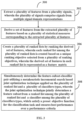
- FIG. 3 is a flow diagram illustrating a method 300 for joint selection of the feature subset-classifier pair for the classification task, in accordance with some embodiments of the present disclosure.
- the method 300 includes allowing the system 102 to extract the plurality of features from the plurality of signals acquired from the data sources 106-1 through 106-n.
- the plurality of signals include signals from multiple signal domain representations.
- the signals are physiological signals from a subject being monitored such as electrocardiography (ECG, also known as EKG), and photo plethysmography (PPG) and so on.
- ECG electrocardiography
- PPG photo plethysmography
- the signals can be acquired from data acquisition units (data sources 106-1 to 106-n) connected to a plurality of EEG or PPG sensors.
- the signals are signals acquired from a plurality of sensors placed on a computer numerical control (CNC) machine to monitor health of the CNC machine.
- CNC computer numerical control
- the features extracted from these signals may then be analyzed by the method 300 to classify the CNC into one of possible failure and in condition class labels
- the method 300 includes allowing the system 102, comprising the joint selection module 212 to, derive the set of features from the extracted plurality of features based on the plurality of statistical measures corresponding to the extracted plurality of features.
- One or more statistical measures that are used include mean, variance, skewness, kurtosis and the like.
- the method 300 includes allowing the system 102 to create the plurality of ranked lists by ranking the derived set of features. Each ranked list among the plurality of ranked lists is created based on the unique ranking objective selected from the plurality of ranking objectives.
- the plurality of ranked lists with corresponding derived set of features is represented as the feature matrix Instead of ranking based on single criteria such as maximizing mutual information among the features, which is used by existing ranking mechanisms, the method 300 allows the system 102 to separately ranks features based on multiple ranking objectives that provides unbiased estimation of importance of each feature.
- the method 300 includes allowing the system 102 to simultaneously determine the feature subset-classifier pair utilizing the metaheuristic incremental search based joint optimization technique applied on the plurality of ranked list and the plurality of classifiers types.
- the joint optimization technique jointly determines the feature subset from the ranked list among the plurality of ranked list and the classifier among the plurality of classifiers types ( ). which satisfy the performance objective function for the classification task to ensure best or highest performance over the performance objective( ⁇ ) .
- the performance criteria for example can be maximizing sensitivity, maximizing F1-score and the like.
- the metaheuristic incremental search applied on the plurality of ranked list and the plurality of classifier types , to determine the feature subset-classifier pair is a relax-greedy ⁇ feature subset, classifier ⁇ approach.
- the relax greedy approach utilizes a sub-greedy search process based on the patience function ⁇ ( ⁇ ), wherein a low performing feature is selected if the low performing feature in combination with other features demonstrates incremental performance gain within the patience window ⁇ max
- the method 300 allows the system 102 to identify the plurality of feature subsets for each classifier from the plurality of classifiers types.
- Each feature subset of the plurality of feature subsets is selected from every ranked list from the plurality of ranked lists by adding the derived feature from the ranked list one at a time.
- each classifier is paired with the feature subset selected from the plurality of feature subsets to generate a plurality of feature subset-classifier pairs.
- the selected feature subset for pairing provides highest performance, wherein the performance is determined based on a set of performance parameters and a performance score computed using k-fold performance metric.
- the method 300 allows the system 102 to evaluate the plurality of feature subset-classifier pairs for the classification task. Based upon the evaluation, the method 300 allows the system 102 to determine the feature subset-classifier pair H * , from the evaluated plurality of feature subset-classifier pairs, such that the determined the feature subset-classifier pair provides minimum structural risk and generalization error for the classification task by satisfying the performance objective ( ⁇ )for the classification task with highest performance.
- the performance objective ( ⁇ ) are maximizing f1-score, maximizing accuracy and maximizing sensitivity.
- FIG 4A and 4B illustrates performance comparison of the method disclosed with different existing greedy wrapper methods, in accordance with some embodiments of the present disclosure.
- Physiological signals like the ECG, a Phonocardiogram (PCG) and the PPG are selected. These signals are heterogeneous in nature from multiple domains, with the ECG being an electrical signal, the PPG being an optical domain signal and the PCG being an audio signal.
- ECG being an electrical signal
- PPG being an optical domain signal
- PCG being an audio signal.
- Each of the time-series corresponding to the signals is expert-annotated and binary classified.
- a Table 1 below depicts outcome of the automodel implemented by the joint selection module 212 for each of five datasets taken confirming stability of feature subset-classifier pair generation. The Table 1 shows results for two different objective functions ( ⁇ ): maximizing F1-score and maximizing classification accuracy.
- the classifier chosen and the fraction of total feature selected are shown. It is observed that the generated model composition is similar (with small changes in the feature selection, classifier selection remains same) when performance objective function changes but dataset remains constant. Thus, the generated automodel framework is stable and fittingly learned from the training examples.
- ⁇ is the fraction of features selected (recommended) from the complete feature set.
- table 2 below provides a comparative study of the performance of automodel (system 102 comprising the joint selection model (212) with state-of-the-art methods as well as with manual effort of classification for different performance objective like F1-score and accuracy.
- a team of machine learning experts along with domain experts attempted to learn model for each of the physiological signals with a couple of months effort mostly through trial and error runs with hand-crafted design. Also, considered is relevant deep learning based algorithm.
- the capability of automodel is demonstrated to depict that automodel outperforms both manual effort based learning and state-of-the-art solutions for each of the datasets in both performance objectives.
- FIGs. 4A and 4B the existing greedy approach of wrapper functions underperforms against the automodel, where relax-greedy approach of the automodel frame-work tries to converge to the optimal solution of the performance criteria.
- the automodel performance comparison with different greedy wrapper methods for PCG database is shown in the FIG. 4A and for PPG database is shown in the FIG. 4B .
- the hardware device can be any kind of device which can be programmed including e.g. any kind of computer like a server or a personal computer, or the like, or any combination thereof.
- the device may also include means which could be e.g. hardware means like e.g. an application-specific integrated circuit (ASIC), a field-programmable gate array (FPGA), or a combination of hardware and software means, e.g.
- ASIC application-specific integrated circuit
- FPGA field-programmable gate array
- the means can include both hardware means and software means.
- the method embodiments described herein could be implemented in hardware and software.
- the device may also include software means.
- the embodiments may be implemented on different hardware devices, e.g. using a plurality of CPUs.
- the embodiments herein can comprise hardware and software elements.
- the embodiments that are implemented in software include but are not limited to, firmware, resident software, microcode, etc.
- the functions performed by various modules described herein may be implemented in other modules or combinations of other modules.
- a computer-usable or computer readable medium can be any apparatus that can comprise, store, communicate, propagate, or transport the program for use by or in connection with the instruction execution system, apparatus, or device.
- a computer-readable storage medium refers to any type of physical memory on which information or data readable by a processor may be stored.
- a computer-readable storage medium may store instructions for execution by one or more processors, including instructions for causing the processor(s) to perform steps or stages consistent with the embodiments described herein.
- the term "computer-readable medium” should be understood to include tangible items and exclude carrier waves and transient signals, i.e., be non-transitory. Examples include random access memory (RAM), read-only memory (ROM), volatile memory, nonvolatile memory, hard drives, CD ROMs, DVDs, flash drives, disks, and any other known physical storage media.
Landscapes
- Engineering & Computer Science (AREA)
- Theoretical Computer Science (AREA)
- Data Mining & Analysis (AREA)
- Physics & Mathematics (AREA)
- General Physics & Mathematics (AREA)
- General Engineering & Computer Science (AREA)
- Databases & Information Systems (AREA)
- Computer Vision & Pattern Recognition (AREA)
- Bioinformatics & Cheminformatics (AREA)
- Evolutionary Computation (AREA)
- Evolutionary Biology (AREA)
- Bioinformatics & Computational Biology (AREA)
- Artificial Intelligence (AREA)
- Life Sciences & Earth Sciences (AREA)
- Computational Linguistics (AREA)
- Multimedia (AREA)
- Information Retrieval, Db Structures And Fs Structures Therefor (AREA)
Claims (6)
- Verfahren (300) zur automatisierten und gleichzeitigen Auswahl einer Merkmalsteilmenge aus einer Mehrzahl von Merkmalen und eines Klassifikators aus einer Mehrzahl von Klassifikatortypen, um eine optimale Kombination von Merkmalsteilmenge-Klassifikator-Paar
 Extrahieren, durch einen Prozessor (202), der Mehrzahl von Merkmalen aus einer Mehrzahl von Signalen, die von Sensoren erfasst wurden, die an mindestens einem von einem Subjekt und einem Objekt von Interesse angebracht sind, wobei die Mehrzahl von Signalen mindestens eines von einem Elektrokardiographie-(EKG)-Signal, einem Phonogramm-(PCG)-Signal, einem Fotoplethysmographie-(PPG)-Signal oder Signalen von den Sensoren umfasst, die auf einer numerischen Computersteuerungs-(CNC)-Maschine platziert sind, wobei die Mehrzahl von Signalen Signale von mehreren Signaldomänendarstellungen beinhaltet;Ableiten, durch den Prozessor (202), eines Satzes von Merkmalen aus der extrahierten Mehrzahl von Merkmalen unter Verwendung einer Mehrzahl von statistischen Maßen aus mindestens einer von zeitlichen, spektralen und Wavelet-Domänen, die der extrahierten Mehrzahl von Merkmalen entsprechen, wobei die Mehrzahl von statistischen Maßen Mittelwert, Varianz, Schiefe und Kurtosis umfasst;Erzeugen, durch den Prozessor (202), einer Mehrzahl von eingestuften Listen durch Einstufen des abgeleiteten Satzes von Merkmalen, wobei jede eingestufte Liste der Mehrzahl von eingestuften Listen für ein eindeutiges Einstufungsziel erzeugt wird, das aus einer Mehrzahl von Einstufungszielen ausgewählt wird, wobei die Mehrzahl von eingestuften Listen für die Mehrzahl von Einstufungszielen unter Verwendung einer Mehrzahl von filterbasierten Merkmalseinstufungsverfahren erzeugt wird, wobei die Mehrzahl von eingestuften Listen mit entsprechendem abgeleitetem Satz von Merkmalen in jeder eingestuften Liste als eine Merkmalsmatrix
 Ausführen, durch den Prozessor (202), einer gemeinsamen Optimierungstechnik, um gemeinsam die Merkmalsteilmenge aus jeder eingestuften Liste der Mehrzahl von eingestuften Listen und einen Klassifikator aus der Mehrzahl von Klassifikatortypen zu bestimmen, so dass ein Leistungsziel für die Klassifizierungsaufgabe erfüllt ist, wobei die gemeinsame Optimierungstechnik unter Verwendung eines Relax-Greedy-Ansatzes ausgeführt wird, um die optimale Kombination von Merkmalsteilmenge-Klassifikator-Paar
- Verfahren nach Anspruch 1, wobei das Bestimmen der optimalen Kombination von Merkmalsteilmenge-Klassifikator-Paar
 Identifizieren einer Mehrzahl von Merkmalsteilmengen für jeden Klassifikator unter der Mehrzahl von Klassifikatortypen, wobei jede Merkmalsteilmenge unter der Mehrzahl von Merkmalsteilmengen aus jeder Rangliste ausgewählt wird, indem ein Merkmal unter der Mehrzahl von abgeleiteten Sätzen von Merkmalen jeder Rangliste nacheinander hinzugefügt wird, wobei das Auswählen jeder Merkmalsteilmenge das Bestimmen der Leistung basierend auf einem Satz von Leistungsparametern und einer Leistungsbewertung, die unter Verwendung einer k-fachen Leistungsmetrik berechnet wird, umfasst;Paaren jedes Klassifikators mit der aus der Mehrzahl von Merkmalsteilmengen ausgewählten Merkmalsteilmenge, um eine Mehrzahl von Merkmalsteilmenge-Klassifikator-Paaren zu erzeugen;Auswerten der erzeugten Mehrzahl von Merkmalsteilmenge-Klassifikator-Paaren für die Klassifizierungsaufgabe; undBestimmen der optimalen Kombination von Merkmalsteilmenge-Klassifikator-Paar
- System (102) zur automatisierten und gleichzeitigen Auswahl einer Merkmalsteilmenge aus einer Mehrzahl von Merkmalen und eines Klassifikators aus einer Mehrzahl von Klassifikatortypen, um eine optimale Kombination von Merkmalsteilmenge-Klassifikator-Paar
 einen Prozessor (202);eine Eingabe/Ausgabe(E/A)-Schnittstelle (206);einen Speicher (204), der mit dem Prozessor gekoppelt ist, wobei der Speicher (204) ein gemeinsames Auswahlmodul (212) umfasst;
wobei das gemeinsame Auswahlmodul (212) konfiguriert ist zum:Extrahieren der Mehrzahl von Merkmalen aus einer Mehrzahl von Signalen, die von Sensoren erfasst wurden, die an mindestens einem von einem Subjekt und einem Objekt von Interesse angebracht sind, wobei die Mehrzahl von Signalen mindestens eines von einem Elektrokardiographie-(EKG)-Signal, einem Phonogramm-(PCG)-Signal, einem Fotoplethysmographie-(PPG)-Signal oder Signalen von den Sensoren umfasst, die auf einer numerischen Computersteuerungs-(CNC)-Maschine platziert sind, wobei die Mehrzahl von Signalen Signale von mehreren Signaldomänendarstellungen beinhaltet;Ableiten eines Satzes von Merkmalen aus der extrahierten Mehrzahl von Merkmalen unter Verwendung einer Mehrzahl von statistischen Maßen aus mindestens einer von zeitlichen, spektralen und Wavelet-Domänen, die der extrahierten Mehrzahl von Merkmalen entsprechen, wobei die Mehrzahl von statistischen Maßen Mittelwert, Varianz, Schiefe und Kurtosis umfasst;Erstellen einer Mehrzahl von eingestuften Listen durch Einstufen des abgeleiteten Satzes von Merkmalen, wobei jede eingestufte Liste der Mehrzahl von eingestuften Listen für ein eindeutiges Einstufungsziel erstellt wird, das aus einer Mehrzahl von Einstufungszielen ausgewählt wird, wobei die Mehrzahl von eingestuften Listen für die Mehrzahl von Einstufungszielen unter Verwendung einer Mehrzahl von filterbasierten Merkmalseinstufungsverfahren erstellt wird, wobei die Mehrzahl von eingestuften Listen mit entsprechendem abgeleitetem Satz von Merkmalen in jeder eingestuften Liste als eine Merkmalsmatrix Ausführen einer gemeinsamen Optimierungstechnik, um gemeinsam die Merkmalsteilmenge aus jeder eingestuften Liste der Mehrzahl von eingestuften Listen und einen Klassifikator aus der Mehrzahl von Klassifikatortypen zu bestimmen, so dass eine Leistungszielfunktion für die Klassifizierungsaufgabe erfüllt ist, wobei die gemeinsame Optimierungstechnik unter Verwendung eines Relax-Greedy-Ansatzes ausgeführt wird, um die optimale Kombination von Merkmalsteilmenge-Klassifikator-Paar
- System (102) nach Anspruch 3, wobei das gemeinsame Auswahlmodul (212) konfiguriert ist, um die optimale Kombination von Merkmalsteilmenge-Klassifikator-Paar
 Identifizieren einer Mehrzahl von Merkmalsteilmengen für jeden Klassifikator unter der Mehrzahl von Klassifikatortypen, wobei jede Merkmalsteilmenge unter der Mehrzahl von Merkmalsteilmengen aus jeder Rangliste ausgewählt wird, indem ein Merkmal unter der Mehrzahl von abgeleiteten Sätzen von Merkmalen jeder Rangliste nacheinander hinzugefügt wird, wobei das Auswählen jeder Merkmalsteilmenge das Bestimmen der Leistung basierend auf einem Satz von Leistungsparametern und einer Leistungsbewertung, die unter Verwendung einer k-fachen Leistungsmetrik berechnet wird, umfasst;Paaren jedes Klassifikators mit der aus der Mehrzahl von Merkmalsteilmengen ausgewählten Merkmalsteilmenge, um eine Mehrzahl von Merkmalsteilmenge-Klassifikator-Paaren zu erzeugen;Auswerten der erzeugten Mehrzahl von Merkmalsteilmenge-Klassifikator-Paaren für die Klassifizierungsaufgabe; undBestimmen der optimalen Kombination von Merkmalsteilmenge-Klassifikator-Paar
- Nicht-transitorisches computerlesbares Medium, wobei das nicht-transitorische computerlesbare Medium Anweisungen speichert, die, wenn sie von einem Hardware-Prozessor ausgeführt werden, den Hardware-Prozessor veranlassen, Aktionen durchzuführen, umfassend:Extrahieren einer Mehrzahl von Merkmalen aus einer Mehrzahl von Signalen, die von Sensoren erfasst wurden, die an mindestens einem von einem Subjekt und einem Objekt von Interesse angebracht sind, wobei die Mehrzahl von Signalen mindestens eines von einem Elektrokardiographie-(EKG)-Signal, einem Phonogramm-(PCG)-Signal, einem Fotoplethysmographie-(PPG)-Signal oder Signalen von den Sensoren umfasst, die auf einer numerischen Computersteuerungs-(CNC)-Maschine platziert sind, wobei die Mehrzahl von Signalen Signale von mehreren Signaldomänendarstellungen beinhaltet;Ableiten eines Satzes von Merkmalen aus der extrahierten Mehrzahl von Merkmalen unter Verwendung einer Mehrzahl von statistischen Maßen aus mindestens einer von zeitlichen, spektralen und Wavelet-Domänen, die der extrahierten Mehrzahl von Merkmalen entsprechen, wobei die Mehrzahl von statistischen Maßen Mittelwert, Varianz, Schiefe und Kurtosis umfasst;Erstellen einer Mehrzahl von eingestuften Listen durch Einstufen des abgeleiteten Satzes von Merkmalen, wobei jede eingestufte Liste der Mehrzahl von eingestuften Listen für ein eindeutiges Einstufungsziel erstellt wird, das aus einer Mehrzahl von Einstufungszielen ausgewählt wird, wobei die Mehrzahl von eingestuften Listen für die Mehrzahl von Einstufungszielen unter Verwendung einer Mehrzahl von filterbasierten Merkmalseinstufungsverfahren erstellt wird, wobei die Mehrzahl von eingestuften Listen mit entsprechendem abgeleitetem Satz von Merkmalen in jeder eingestuften Liste als eine Merkmalsmatrix
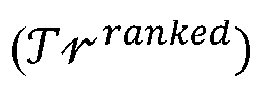 Ausführen einer gemeinsamen Optimierungstechnik, um gemeinsam die Merkmalsteilmenge aus jeder eingestuften Liste der Mehrzahl von eingestuften Listen und einen Klassifikator aus der Mehrzahl von Klassifikatortypen zu bestimmen, so dass ein Leistungsziel für eine Klassifizierungsaufgabe erfüllt ist, wobei die gemeinsame Optimierungstechnik unter Verwendung eines Relax-Greedy-Ansatzes ausgeführt wird, um die optimale Kombination von Merkmalsteilmenge-Klassifikator-Paar
- Nicht-transitorisches computerlesbares Medium nach Anspruch 5, wobei das Bestimmen der optimalen Kombination von Merkmalsteilmenge-Klassifikator-Paar
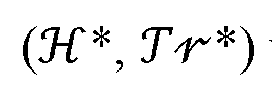 Identifizieren einer Mehrzahl von Merkmalsteilmengen für jeden Klassifikator unter der Mehrzahl von Klassifikatortypen, wobei jede Merkmalsteilmenge unter der Mehrzahl von Merkmalsteilmengen aus jeder Rangliste ausgewählt wird, indem ein Merkmal unter der Mehrzahl von abgeleiteten Sätzen von Merkmalen jeder Rangliste nacheinander hinzugefügt wird, wobei das Auswählen jeder Merkmalsteilmenge das Bestimmen der Leistung basierend auf einem Satz von Leistungsparametern und einer Leistungsbewertung, die unter Verwendung einer k-fachen Leistungsmetrik berechnet wird, umfasst;Paaren jedes Klassifikators mit der aus der Mehrzahl von Merkmalsteilmengen ausgewählten Merkmalsteilmenge, um eine Mehrzahl von Merkmalsteilmenge-Klassifikator-Paaren zu erzeugen;Auswerten der erzeugten Mehrzahl von Merkmalsteilmenge-Klassifikator-Paaren für die Klassifizierungsaufgabe; undBestimmen der optimalen Kombination von Merkmalsteilmenge-Klassifikator-Paar
Applications Claiming Priority (1)
| Application Number | Priority Date | Filing Date | Title |
|---|---|---|---|
| IN201821019386 | 2018-05-23 |
Publications (3)
| Publication Number | Publication Date |
|---|---|
| EP3572980A1 EP3572980A1 (de) | 2019-11-27 |
| EP3572980B1 true EP3572980B1 (de) | 2023-09-13 |
| EP3572980C0 EP3572980C0 (de) | 2023-09-13 |
Family
ID=66647129
Family Applications (1)
| Application Number | Title | Priority Date | Filing Date |
|---|---|---|---|
| EP19176214.5A Active EP3572980B1 (de) | 2018-05-23 | 2019-05-23 | Verfahren und system zur gemeinsamen auswahl eines merkmalsteilmengenklassifiziererpaares für eine klassifizierungsaufgabe |
Country Status (2)
| Country | Link |
|---|---|
| US (1) | US11494415B2 (de) |
| EP (1) | EP3572980B1 (de) |
Families Citing this family (16)
| Publication number | Priority date | Publication date | Assignee | Title |
|---|---|---|---|---|
| CN110942104B (zh) * | 2019-12-06 | 2023-08-25 | 中南大学 | 用于泡沫浮选工况识别过程的混合特征选择方法及系统 |
| CN111614616A (zh) * | 2020-04-17 | 2020-09-01 | 江苏信息职业技术学院 | 一种xss攻击自动检测方法 |
| US11989262B2 (en) | 2020-10-01 | 2024-05-21 | Nvidia Corporation | Unsupervised domain adaptation with neural networks |
| CN112348168B (zh) * | 2020-10-27 | 2023-04-07 | 国网四川省电力公司经济技术研究院 | 考虑数据缺失和特征冗余的超短期负荷预测方法及系统 |
| US11496386B2 (en) | 2020-11-18 | 2022-11-08 | Hewlett Packard Enterprise Development Lp | Systems and methods for identifying correlations of certain scenarios to performance of network communications |
| CN112799755A (zh) * | 2021-01-19 | 2021-05-14 | 惠州Tcl移动通信有限公司 | 一种界面生成方法、终端及计算机可读存储介质 |
| CN113253229B (zh) * | 2021-05-12 | 2023-09-26 | 中国人民解放军空军工程大学 | 一种雷达目标识别方法及系统 |
| CN115530785B (zh) * | 2021-06-30 | 2025-10-03 | 华为技术有限公司 | 测量血压的装置与方法 |
| CN115409093B (zh) * | 2022-08-12 | 2025-08-08 | 中国人民解放军国防科技大学 | 一种泛化特征空间数据流的分类方法及其装置 |
| CN115343676B (zh) * | 2022-08-19 | 2023-07-18 | 黑龙江大学 | 密封电子设备内部多余物定位技术的特征优化方法 |
| CN115545086B (zh) * | 2022-11-07 | 2023-04-18 | 海纳科德(湖北)科技有限公司 | 一种可迁移的特征自动选取声学诊断方法及系统 |
| CN115729957B (zh) * | 2022-11-28 | 2024-01-19 | 安徽大学 | 一种基于最大信息系数的未知流特征选择方法及装置 |
| EP4643282A4 (de) * | 2022-12-27 | 2026-01-21 | Visa Int Service Ass | System, verfahren und computerprogrammprodukt zur bestimmung der wichtigkeit von merkmalen |
| CN116127191B (zh) * | 2022-12-30 | 2026-02-27 | 中国电信股份有限公司卫星通信分公司 | 推荐系统的优化方法、装置、存储介质及电子设备 |
| CN116503681B (zh) * | 2023-04-20 | 2025-10-14 | 山东师范大学 | 一种平原和丘陵区的作物识别特征优选方法及系统 |
| CN116680594B (zh) * | 2023-05-05 | 2024-07-05 | 齐鲁工业大学(山东省科学院) | 一种利用深度特征选择算法提高多组学数据的甲状腺癌的分类精度方法 |
Family Cites Families (1)
| Publication number | Priority date | Publication date | Assignee | Title |
|---|---|---|---|---|
| US7970718B2 (en) * | 2001-05-18 | 2011-06-28 | Health Discovery Corporation | Method for feature selection and for evaluating features identified as significant for classifying data |
-
2019
- 2019-05-23 US US16/421,372 patent/US11494415B2/en active Active
- 2019-05-23 EP EP19176214.5A patent/EP3572980B1/de active Active
Also Published As
| Publication number | Publication date |
|---|---|
| US11494415B2 (en) | 2022-11-08 |
| EP3572980C0 (de) | 2023-09-13 |
| EP3572980A1 (de) | 2019-11-27 |
| US20190361919A1 (en) | 2019-11-28 |
Similar Documents
| Publication | Publication Date | Title |
|---|---|---|
| EP3572980B1 (de) | Verfahren und system zur gemeinsamen auswahl eines merkmalsteilmengenklassifiziererpaares für eine klassifizierungsaufgabe | |
| US11640563B2 (en) | Automated data processing and machine learning model generation | |
| EP3047475B1 (de) | System und verfahren zur beurteilung einer kognitiven belastung eines benutzers entsprechend einem stimulus | |
| Zliobaite et al. | Adaptive preprocessing for streaming data | |
| Bihis et al. | A generalized flow for multi-class and binary classification tasks: An Azure ML approach | |
| US20170200101A1 (en) | Systems and methods for optimized task allocation | |
| US12554988B2 (en) | System and method for compressing convolutional neural networks | |
| CN111104242A (zh) | 基于深度学习的操作系统的异常日志的处理方法及装置 | |
| US20240232657A9 (en) | Life prediction method of rotary multi-component system and related apparatus | |
| EP3896625A1 (de) | Adaptives filterbasiertes lernmodell für die klassifizierung von zeitseriensensorsignalen auf randvorrichtungen | |
| Dhivya et al. | Square static–deep hyper optimization and genetic meta-learning approach for disease classification | |
| Kumar et al. | Ensemble classification technique for heart disease prediction with meta-heuristic-enabled training system | |
| US20200111009A1 (en) | Automation of data analytics in an internet of things (iot) platform | |
| US20260044752A1 (en) | Detecting Context Similarity In Artificial Intelligence Datasets | |
| CN117523278A (zh) | 基于贝叶斯估计语义注意力元学习方法 | |
| Mehta et al. | An ensemble voting classification approach for software defects prediction | |
| US20200012941A1 (en) | Method and system for generation of hybrid learning techniques | |
| EP3330974B1 (de) | System und verfahren zur physiologischen überwachung | |
| WO2024091227A1 (en) | A method to provide model explanations for ordinal multi-class problems | |
| US12588853B2 (en) | Identifying cardiac abnormalities in multi-lead ECGs using hybrid neural network with fulcrum based data re-balancing | |
| Fernández-Montes et al. | SimilarityTS: Toolkit for the evaluation of similarity for multivariate time series | |
| EP4307173A1 (de) | Verfahren und system zur empfehlung einer optimalen kombination von quantenschaltungen | |
| CN118447546A (zh) | 一种认知评估方法、装置、设备及存储介质 | |
| Nayab et al. | Performance Augmentation of Base Classifiers Using Adaptive Boosting Framework for Medical Datasets | |
| US11275882B1 (en) | System, method, and computer program product for group and isolation prediction using machine learning and applications in analog placement and sizing |
Legal Events
| Date | Code | Title | Description |
|---|---|---|---|
| PUAI | Public reference made under article 153(3) epc to a published international application that has entered the european phase |
Free format text: ORIGINAL CODE: 0009012 |
|
| STAA | Information on the status of an ep patent application or granted ep patent |
Free format text: STATUS: THE APPLICATION HAS BEEN PUBLISHED |
|
| AK | Designated contracting states |
Kind code of ref document: A1 Designated state(s): AL AT BE BG CH CY CZ DE DK EE ES FI FR GB GR HR HU IE IS IT LI LT LU LV MC MK MT NL NO PL PT RO RS SE SI SK SM TR |
|
| AX | Request for extension of the european patent |
Extension state: BA ME |
|
| STAA | Information on the status of an ep patent application or granted ep patent |
Free format text: STATUS: REQUEST FOR EXAMINATION WAS MADE |
|
| 17P | Request for examination filed |
Effective date: 20200527 |
|
| RBV | Designated contracting states (corrected) |
Designated state(s): AL AT BE BG CH CY CZ DE DK EE ES FI FR GB GR HR HU IE IS IT LI LT LU LV MC MK MT NL NO PL PT RO RS SE SI SK SM TR |
|
| STAA | Information on the status of an ep patent application or granted ep patent |
Free format text: STATUS: EXAMINATION IS IN PROGRESS |
|
| 17Q | First examination report despatched |
Effective date: 20210706 |
|
| REG | Reference to a national code |
Ref country code: DE Ref legal event code: R079 Free format text: PREVIOUS MAIN CLASS: G06K0009620000 Ref country code: DE Ref legal event code: R079 Ref document number: 602019037215 Country of ref document: DE Free format text: PREVIOUS MAIN CLASS: G06K0009620000 Ipc: G06F0018211500 |
|
| GRAP | Despatch of communication of intention to grant a patent |
Free format text: ORIGINAL CODE: EPIDOSNIGR1 |
|
| STAA | Information on the status of an ep patent application or granted ep patent |
Free format text: STATUS: GRANT OF PATENT IS INTENDED |
|
| RIC1 | Information provided on ipc code assigned before grant |
Ipc: G06F 18/2115 20230101AFI20230307BHEP |
|
| INTG | Intention to grant announced |
Effective date: 20230324 |
|
| GRAS | Grant fee paid |
Free format text: ORIGINAL CODE: EPIDOSNIGR3 |
|
| GRAA | (expected) grant |
Free format text: ORIGINAL CODE: 0009210 |
|
| STAA | Information on the status of an ep patent application or granted ep patent |
Free format text: STATUS: THE PATENT HAS BEEN GRANTED |
|
| AK | Designated contracting states |
Kind code of ref document: B1 Designated state(s): AL AT BE BG CH CY CZ DE DK EE ES FI FR GB GR HR HU IE IS IT LI LT LU LV MC MK MT NL NO PL PT RO RS SE SI SK SM TR |
|
| REG | Reference to a national code |
Ref country code: CH Ref legal event code: EP |
|
| REG | Reference to a national code |
Ref country code: DE Ref legal event code: R096 Ref document number: 602019037215 Country of ref document: DE |
|
| REG | Reference to a national code |
Ref country code: IE Ref legal event code: FG4D |
|
| U01 | Request for unitary effect filed |
Effective date: 20230915 |
|
| U07 | Unitary effect registered |
Designated state(s): AT BE BG DE DK EE FI FR IT LT LU LV MT NL PT SE SI Effective date: 20230922 |
|
| PG25 | Lapsed in a contracting state [announced via postgrant information from national office to epo] |
Ref country code: GR Free format text: LAPSE BECAUSE OF FAILURE TO SUBMIT A TRANSLATION OF THE DESCRIPTION OR TO PAY THE FEE WITHIN THE PRESCRIBED TIME-LIMIT Effective date: 20231214 |
|
| PG25 | Lapsed in a contracting state [announced via postgrant information from national office to epo] |
Ref country code: RS Free format text: LAPSE BECAUSE OF FAILURE TO SUBMIT A TRANSLATION OF THE DESCRIPTION OR TO PAY THE FEE WITHIN THE PRESCRIBED TIME-LIMIT Effective date: 20230913 Ref country code: NO Free format text: LAPSE BECAUSE OF FAILURE TO SUBMIT A TRANSLATION OF THE DESCRIPTION OR TO PAY THE FEE WITHIN THE PRESCRIBED TIME-LIMIT Effective date: 20231213 Ref country code: HR Free format text: LAPSE BECAUSE OF FAILURE TO SUBMIT A TRANSLATION OF THE DESCRIPTION OR TO PAY THE FEE WITHIN THE PRESCRIBED TIME-LIMIT Effective date: 20230913 Ref country code: GR Free format text: LAPSE BECAUSE OF FAILURE TO SUBMIT A TRANSLATION OF THE DESCRIPTION OR TO PAY THE FEE WITHIN THE PRESCRIBED TIME-LIMIT Effective date: 20231214 |
|
| PG25 | Lapsed in a contracting state [announced via postgrant information from national office to epo] |
Ref country code: IS Free format text: LAPSE BECAUSE OF FAILURE TO SUBMIT A TRANSLATION OF THE DESCRIPTION OR TO PAY THE FEE WITHIN THE PRESCRIBED TIME-LIMIT Effective date: 20240113 |
|
| PG25 | Lapsed in a contracting state [announced via postgrant information from national office to epo] |
Ref country code: ES Free format text: LAPSE BECAUSE OF FAILURE TO SUBMIT A TRANSLATION OF THE DESCRIPTION OR TO PAY THE FEE WITHIN THE PRESCRIBED TIME-LIMIT Effective date: 20230913 |
|
| PG25 | Lapsed in a contracting state [announced via postgrant information from national office to epo] |
Ref country code: SM Free format text: LAPSE BECAUSE OF FAILURE TO SUBMIT A TRANSLATION OF THE DESCRIPTION OR TO PAY THE FEE WITHIN THE PRESCRIBED TIME-LIMIT Effective date: 20230913 Ref country code: RO Free format text: LAPSE BECAUSE OF FAILURE TO SUBMIT A TRANSLATION OF THE DESCRIPTION OR TO PAY THE FEE WITHIN THE PRESCRIBED TIME-LIMIT Effective date: 20230913 Ref country code: IS Free format text: LAPSE BECAUSE OF FAILURE TO SUBMIT A TRANSLATION OF THE DESCRIPTION OR TO PAY THE FEE WITHIN THE PRESCRIBED TIME-LIMIT Effective date: 20240113 Ref country code: ES Free format text: LAPSE BECAUSE OF FAILURE TO SUBMIT A TRANSLATION OF THE DESCRIPTION OR TO PAY THE FEE WITHIN THE PRESCRIBED TIME-LIMIT Effective date: 20230913 Ref country code: CZ Free format text: LAPSE BECAUSE OF FAILURE TO SUBMIT A TRANSLATION OF THE DESCRIPTION OR TO PAY THE FEE WITHIN THE PRESCRIBED TIME-LIMIT Effective date: 20230913 Ref country code: SK Free format text: LAPSE BECAUSE OF FAILURE TO SUBMIT A TRANSLATION OF THE DESCRIPTION OR TO PAY THE FEE WITHIN THE PRESCRIBED TIME-LIMIT Effective date: 20230913 |
|
| PG25 | Lapsed in a contracting state [announced via postgrant information from national office to epo] |
Ref country code: PL Free format text: LAPSE BECAUSE OF FAILURE TO SUBMIT A TRANSLATION OF THE DESCRIPTION OR TO PAY THE FEE WITHIN THE PRESCRIBED TIME-LIMIT Effective date: 20230913 |
|
| REG | Reference to a national code |
Ref country code: DE Ref legal event code: R097 Ref document number: 602019037215 Country of ref document: DE |
|
| U20 | Renewal fee for the european patent with unitary effect paid |
Year of fee payment: 6 Effective date: 20240527 |
|
| PLBE | No opposition filed within time limit |
Free format text: ORIGINAL CODE: 0009261 |
|
| STAA | Information on the status of an ep patent application or granted ep patent |
Free format text: STATUS: NO OPPOSITION FILED WITHIN TIME LIMIT |
|
| 26N | No opposition filed |
Effective date: 20240614 |
|
| PG25 | Lapsed in a contracting state [announced via postgrant information from national office to epo] |
Ref country code: MC Free format text: LAPSE BECAUSE OF FAILURE TO SUBMIT A TRANSLATION OF THE DESCRIPTION OR TO PAY THE FEE WITHIN THE PRESCRIBED TIME-LIMIT Effective date: 20230913 |
|
| PG25 | Lapsed in a contracting state [announced via postgrant information from national office to epo] |
Ref country code: MC Free format text: LAPSE BECAUSE OF FAILURE TO SUBMIT A TRANSLATION OF THE DESCRIPTION OR TO PAY THE FEE WITHIN THE PRESCRIBED TIME-LIMIT Effective date: 20230913 |
|
| PG25 | Lapsed in a contracting state [announced via postgrant information from national office to epo] |
Ref country code: IE Free format text: LAPSE BECAUSE OF NON-PAYMENT OF DUE FEES Effective date: 20240523 |
|
| U20 | Renewal fee for the european patent with unitary effect paid |
Year of fee payment: 7 Effective date: 20250526 |
|
| PGFP | Annual fee paid to national office [announced via postgrant information from national office to epo] |
Ref country code: CH Payment date: 20250601 Year of fee payment: 7 |
|
| PG25 | Lapsed in a contracting state [announced via postgrant information from national office to epo] |
Ref country code: CY Free format text: LAPSE BECAUSE OF FAILURE TO SUBMIT A TRANSLATION OF THE DESCRIPTION OR TO PAY THE FEE WITHIN THE PRESCRIBED TIME-LIMIT; INVALID AB INITIO Effective date: 20190523 |
|
| PG25 | Lapsed in a contracting state [announced via postgrant information from national office to epo] |
Ref country code: HU Free format text: LAPSE BECAUSE OF FAILURE TO SUBMIT A TRANSLATION OF THE DESCRIPTION OR TO PAY THE FEE WITHIN THE PRESCRIBED TIME-LIMIT; INVALID AB INITIO Effective date: 20190523 |
|
| PGFP | Annual fee paid to national office [announced via postgrant information from national office to epo] |
Ref country code: GB Payment date: 20260309 Year of fee payment: 8 |