EP3581934A1 - Facteurs du complement pour le diagnostic d'infections mineures chez un sujet humain - Google Patents
Facteurs du complement pour le diagnostic d'infections mineures chez un sujet humain Download PDFInfo
- Publication number
- EP3581934A1 EP3581934A1 EP18177797.0A EP18177797A EP3581934A1 EP 3581934 A1 EP3581934 A1 EP 3581934A1 EP 18177797 A EP18177797 A EP 18177797A EP 3581934 A1 EP3581934 A1 EP 3581934A1
- Authority
- EP
- European Patent Office
- Prior art keywords
- septic
- biomarker
- aseptic
- low
- infection
- Prior art date
- Legal status (The legal status is an assumption and is not a legal conclusion. Google has not performed a legal analysis and makes no representation as to the accuracy of the status listed.)
- Pending
Links
- 208000015181 infectious disease Diseases 0.000 title claims abstract description 46
- 238000003745 diagnosis Methods 0.000 title claims abstract description 19
- 230000000295 complement effect Effects 0.000 title claims description 13
- 238000000034 method Methods 0.000 claims abstract description 13
- 239000000090 biomarker Substances 0.000 claims description 30
- 238000010186 staining Methods 0.000 claims description 11
- 238000001514 detection method Methods 0.000 claims description 6
- 208000037265 diseases, disorders, signs and symptoms Diseases 0.000 claims description 5
- 238000002965 ELISA Methods 0.000 claims description 4
- 238000010166 immunofluorescence Methods 0.000 claims description 4
- 238000003127 radioimmunoassay Methods 0.000 claims description 4
- 238000003094 enzyme-multiplied immunoassay technique Methods 0.000 claims description 3
- 238000003752 polymerase chain reaction Methods 0.000 claims description 3
- 238000003556 assay Methods 0.000 claims description 2
- 238000007901 in situ hybridization Methods 0.000 claims description 2
- 238000001262 western blot Methods 0.000 claims description 2
- 210000001519 tissue Anatomy 0.000 description 45
- 238000001356 surgical procedure Methods 0.000 description 23
- 239000007943 implant Substances 0.000 description 19
- 102000018568 alpha-Defensin Human genes 0.000 description 17
- 108050007802 alpha-defensin Proteins 0.000 description 17
- 230000002441 reversible effect Effects 0.000 description 13
- 108010074051 C-Reactive Protein Proteins 0.000 description 11
- 102100032752 C-reactive protein Human genes 0.000 description 11
- 210000000265 leukocyte Anatomy 0.000 description 11
- 210000002540 macrophage Anatomy 0.000 description 10
- 230000037361 pathway Effects 0.000 description 9
- 241000894006 Bacteria Species 0.000 description 8
- 241000906034 Orthops Species 0.000 description 8
- 230000004154 complement system Effects 0.000 description 8
- 241000191963 Staphylococcus epidermidis Species 0.000 description 7
- 239000003550 marker Substances 0.000 description 7
- 244000052769 pathogen Species 0.000 description 7
- 230000035945 sensitivity Effects 0.000 description 7
- 206010060968 Arthritis infective Diseases 0.000 description 6
- 230000009885 systemic effect Effects 0.000 description 6
- 241001653121 Glenoides Species 0.000 description 5
- 101000934372 Homo sapiens Macrosialin Proteins 0.000 description 5
- 206010061218 Inflammation Diseases 0.000 description 5
- 102100025136 Macrosialin Human genes 0.000 description 5
- 230000004913 activation Effects 0.000 description 5
- 230000024203 complement activation Effects 0.000 description 5
- 230000004054 inflammatory process Effects 0.000 description 5
- 238000012360 testing method Methods 0.000 description 5
- 108010034753 Complement Membrane Attack Complex Proteins 0.000 description 4
- 238000011882 arthroplasty Methods 0.000 description 4
- 210000004027 cell Anatomy 0.000 description 4
- 238000013461 design Methods 0.000 description 4
- 230000001225 therapeutic effect Effects 0.000 description 4
- 208000035143 Bacterial infection Diseases 0.000 description 3
- 241000186427 Cutibacterium acnes Species 0.000 description 3
- 230000001580 bacterial effect Effects 0.000 description 3
- 208000022362 bacterial infectious disease Diseases 0.000 description 3
- 238000001574 biopsy Methods 0.000 description 3
- 230000015572 biosynthetic process Effects 0.000 description 3
- 210000004369 blood Anatomy 0.000 description 3
- 239000008280 blood Substances 0.000 description 3
- 238000000151 deposition Methods 0.000 description 3
- 230000008021 deposition Effects 0.000 description 3
- 206010012601 diabetes mellitus Diseases 0.000 description 3
- 210000003127 knee Anatomy 0.000 description 3
- 230000002906 microbiologic effect Effects 0.000 description 3
- 229920001817 Agar Polymers 0.000 description 2
- 208000006386 Bone Resorption Diseases 0.000 description 2
- 208000001647 Renal Insufficiency Diseases 0.000 description 2
- 230000033289 adaptive immune response Effects 0.000 description 2
- 239000008272 agar Substances 0.000 description 2
- 210000000988 bone and bone Anatomy 0.000 description 2
- 230000024279 bone resorption Effects 0.000 description 2
- 238000006243 chemical reaction Methods 0.000 description 2
- 230000007123 defense Effects 0.000 description 2
- 238000011161 development Methods 0.000 description 2
- 238000009826 distribution Methods 0.000 description 2
- 238000013399 early diagnosis Methods 0.000 description 2
- 238000005516 engineering process Methods 0.000 description 2
- 238000011156 evaluation Methods 0.000 description 2
- 210000002758 humerus Anatomy 0.000 description 2
- 238000011532 immunohistochemical staining Methods 0.000 description 2
- 238000002513 implantation Methods 0.000 description 2
- 230000002757 inflammatory effect Effects 0.000 description 2
- 230000015788 innate immune response Effects 0.000 description 2
- 239000000463 material Substances 0.000 description 2
- 230000000813 microbial effect Effects 0.000 description 2
- 239000002245 particle Substances 0.000 description 2
- 230000001575 pathological effect Effects 0.000 description 2
- 102000004169 proteins and genes Human genes 0.000 description 2
- 108090000623 proteins and genes Proteins 0.000 description 2
- 238000004445 quantitative analysis Methods 0.000 description 2
- 230000004044 response Effects 0.000 description 2
- 238000012552 review Methods 0.000 description 2
- 210000002966 serum Anatomy 0.000 description 2
- 125000006850 spacer group Chemical group 0.000 description 2
- 238000001228 spectrum Methods 0.000 description 2
- 238000007619 statistical method Methods 0.000 description 2
- 210000001179 synovial fluid Anatomy 0.000 description 2
- 241001316595 Acris Species 0.000 description 1
- 206010001052 Acute respiratory distress syndrome Diseases 0.000 description 1
- 102000044503 Antimicrobial Peptides Human genes 0.000 description 1
- 108700042778 Antimicrobial Peptides Proteins 0.000 description 1
- 241000421809 Brisaster fragilis Species 0.000 description 1
- OWNRRUFOJXFKCU-UHFFFAOYSA-N Bromadiolone Chemical compound C=1C=C(C=2C=CC(Br)=CC=2)C=CC=1C(O)CC(C=1C(OC2=CC=CC=C2C=1O)=O)C1=CC=CC=C1 OWNRRUFOJXFKCU-UHFFFAOYSA-N 0.000 description 1
- 238000011546 CRP measurement Methods 0.000 description 1
- 208000035473 Communicable disease Diseases 0.000 description 1
- 102000008929 Complement component C9 Human genes 0.000 description 1
- 108050000891 Complement component C9 Proteins 0.000 description 1
- 102000000541 Defensins Human genes 0.000 description 1
- 108010002069 Defensins Proteins 0.000 description 1
- 241001635598 Enicostema Species 0.000 description 1
- 206010015150 Erythema Diseases 0.000 description 1
- 241000192125 Firmicutes Species 0.000 description 1
- 206010019280 Heart failures Diseases 0.000 description 1
- 238000000585 Mann–Whitney U test Methods 0.000 description 1
- 206010027626 Milia Diseases 0.000 description 1
- 208000003076 Osteolysis Diseases 0.000 description 1
- 229930040373 Paraformaldehyde Natural products 0.000 description 1
- 208000018737 Parkinson disease Diseases 0.000 description 1
- 241001494479 Pecora Species 0.000 description 1
- 206010069135 Periprosthetic fracture Diseases 0.000 description 1
- 206010052306 Periprosthetic osteolysis Diseases 0.000 description 1
- 206010057249 Phagocytosis Diseases 0.000 description 1
- 206010035664 Pneumonia Diseases 0.000 description 1
- 206010036105 Polyneuropathy Diseases 0.000 description 1
- 206010037660 Pyrexia Diseases 0.000 description 1
- 208000013616 Respiratory Distress Syndrome Diseases 0.000 description 1
- 241000219061 Rheum Species 0.000 description 1
- 206010040047 Sepsis Diseases 0.000 description 1
- 241000191940 Staphylococcus Species 0.000 description 1
- 241000191967 Staphylococcus aureus Species 0.000 description 1
- 241001147736 Staphylococcus capitis Species 0.000 description 1
- 241000192086 Staphylococcus warneri Species 0.000 description 1
- RTAQQCXQSZGOHL-UHFFFAOYSA-N Titanium Chemical compound [Ti] RTAQQCXQSZGOHL-UHFFFAOYSA-N 0.000 description 1
- 241000009298 Trigla lyra Species 0.000 description 1
- 230000003213 activating effect Effects 0.000 description 1
- 208000011341 adult acute respiratory distress syndrome Diseases 0.000 description 1
- 201000000028 adult respiratory distress syndrome Diseases 0.000 description 1
- 230000002411 adverse Effects 0.000 description 1
- 238000004458 analytical method Methods 0.000 description 1
- 239000003242 anti bacterial agent Substances 0.000 description 1
- 229940088710 antibiotic agent Drugs 0.000 description 1
- 230000010065 bacterial adhesion Effects 0.000 description 1
- 239000002639 bone cement Substances 0.000 description 1
- 238000004364 calculation method Methods 0.000 description 1
- 230000021164 cell adhesion Effects 0.000 description 1
- 230000030833 cell death Effects 0.000 description 1
- 230000001413 cellular effect Effects 0.000 description 1
- 230000008859 change Effects 0.000 description 1
- 238000012512 characterization method Methods 0.000 description 1
- 239000007795 chemical reaction product Substances 0.000 description 1
- 239000007330 chocolate agar Substances 0.000 description 1
- 239000007382 columbia agar Substances 0.000 description 1
- 230000009089 cytolysis Effects 0.000 description 1
- 230000001461 cytolytic effect Effects 0.000 description 1
- 230000006378 damage Effects 0.000 description 1
- 101150047356 dec-1 gene Proteins 0.000 description 1
- 239000004053 dental implant Substances 0.000 description 1
- 230000001419 dependent effect Effects 0.000 description 1
- 201000010099 disease Diseases 0.000 description 1
- 208000035475 disorder Diseases 0.000 description 1
- 230000003628 erosive effect Effects 0.000 description 1
- 231100000321 erythema Toxicity 0.000 description 1
- 210000003743 erythrocyte Anatomy 0.000 description 1
- PCHJSUWPFVWCPO-UHFFFAOYSA-N gold Chemical compound [Au] PCHJSUWPFVWCPO-UHFFFAOYSA-N 0.000 description 1
- 230000036541 health Effects 0.000 description 1
- 230000002324 hematogenic effect Effects 0.000 description 1
- 210000002865 immune cell Anatomy 0.000 description 1
- 230000007124 immune defense Effects 0.000 description 1
- 230000028993 immune response Effects 0.000 description 1
- 210000000987 immune system Anatomy 0.000 description 1
- 238000003018 immunoassay Methods 0.000 description 1
- 238000012744 immunostaining Methods 0.000 description 1
- 230000028709 inflammatory response Effects 0.000 description 1
- 230000010354 integration Effects 0.000 description 1
- 238000002642 intravenous therapy Methods 0.000 description 1
- 238000001659 ion-beam spectroscopy Methods 0.000 description 1
- 210000001503 joint Anatomy 0.000 description 1
- 208000017169 kidney disease Diseases 0.000 description 1
- 201000006370 kidney failure Diseases 0.000 description 1
- 238000012125 lateral flow test Methods 0.000 description 1
- 230000000670 limiting effect Effects 0.000 description 1
- 230000004807 localization Effects 0.000 description 1
- 208000029791 lytic metastatic bone lesion Diseases 0.000 description 1
- 230000014759 maintenance of location Effects 0.000 description 1
- 238000004519 manufacturing process Methods 0.000 description 1
- 238000001840 matrix-assisted laser desorption--ionisation time-of-flight mass spectrometry Methods 0.000 description 1
- 239000012528 membrane Substances 0.000 description 1
- 229910052751 metal Inorganic materials 0.000 description 1
- 239000002184 metal Substances 0.000 description 1
- 238000012543 microbiological analysis Methods 0.000 description 1
- 238000000386 microscopy Methods 0.000 description 1
- 238000009343 monoculture Methods 0.000 description 1
- 210000001616 monocyte Anatomy 0.000 description 1
- 230000000926 neurological effect Effects 0.000 description 1
- 210000000440 neutrophil Anatomy 0.000 description 1
- 230000014207 opsonization Effects 0.000 description 1
- 238000005457 optimization Methods 0.000 description 1
- 210000000056 organ Anatomy 0.000 description 1
- RVTZCBVAJQQJTK-UHFFFAOYSA-N oxygen(2-);zirconium(4+) Chemical compound [O-2].[O-2].[Zr+4] RVTZCBVAJQQJTK-UHFFFAOYSA-N 0.000 description 1
- 239000012188 paraffin wax Substances 0.000 description 1
- 229920002866 paraformaldehyde Polymers 0.000 description 1
- 230000001717 pathogenic effect Effects 0.000 description 1
- 230000001991 pathophysiological effect Effects 0.000 description 1
- 230000008782 phagocytosis Effects 0.000 description 1
- 230000004260 plant-type cell wall biogenesis Effects 0.000 description 1
- 230000007824 polyneuropathy Effects 0.000 description 1
- 239000003910 polypeptide antibiotic agent Substances 0.000 description 1
- 229940055019 propionibacterium acne Drugs 0.000 description 1
- 238000011002 quantification Methods 0.000 description 1
- 230000009467 reduction Effects 0.000 description 1
- 230000000630 rising effect Effects 0.000 description 1
- 210000000513 rotator cuff Anatomy 0.000 description 1
- 239000007259 schaedler broth Substances 0.000 description 1
- 238000004062 sedimentation Methods 0.000 description 1
- 238000000926 separation method Methods 0.000 description 1
- 229910001220 stainless steel Inorganic materials 0.000 description 1
- 239000010935 stainless steel Substances 0.000 description 1
- 230000003068 static effect Effects 0.000 description 1
- 238000011477 surgical intervention Methods 0.000 description 1
- 230000009897 systematic effect Effects 0.000 description 1
- 238000002560 therapeutic procedure Methods 0.000 description 1
- 229940071127 thioglycolate Drugs 0.000 description 1
- 239000001973 thioglycolate broth Substances 0.000 description 1
- CWERGRDVMFNCDR-UHFFFAOYSA-M thioglycolate(1-) Chemical compound [O-]C(=O)CS CWERGRDVMFNCDR-UHFFFAOYSA-M 0.000 description 1
- 239000010936 titanium Substances 0.000 description 1
- OGIDPMRJRNCKJF-UHFFFAOYSA-N titanium oxide Inorganic materials [Ti]=O OGIDPMRJRNCKJF-UHFFFAOYSA-N 0.000 description 1
- 238000012876 topography Methods 0.000 description 1
- 238000011883 total knee arthroplasty Methods 0.000 description 1
- 208000019206 urinary tract infection Diseases 0.000 description 1
- 230000001018 virulence Effects 0.000 description 1
- 230000029663 wound healing Effects 0.000 description 1
- 229910001928 zirconium oxide Inorganic materials 0.000 description 1
Images

Classifications
-
- G—PHYSICS
- G01—MEASURING; TESTING
- G01N—INVESTIGATING OR ANALYSING MATERIALS BY DETERMINING THEIR CHEMICAL OR PHYSICAL PROPERTIES
- G01N33/00—Investigating or analysing materials by specific methods not covered by groups G01N1/00 - G01N31/00
- G01N33/48—Biological material, e.g. blood, urine; Haemocytometers
- G01N33/50—Chemical analysis of biological material, e.g. blood, urine; Testing involving biospecific ligand binding methods; Immunological testing
- G01N33/68—Chemical analysis of biological material, e.g. blood, urine; Testing involving biospecific ligand binding methods; Immunological testing involving proteins, peptides or amino acids
- G01N33/6893—Chemical analysis of biological material, e.g. blood, urine; Testing involving biospecific ligand binding methods; Immunological testing involving proteins, peptides or amino acids related to diseases not provided for elsewhere
-
- G—PHYSICS
- G01—MEASURING; TESTING
- G01N—INVESTIGATING OR ANALYSING MATERIALS BY DETERMINING THEIR CHEMICAL OR PHYSICAL PROPERTIES
- G01N2333/00—Assays involving biological materials from specific organisms or of a specific nature
- G01N2333/435—Assays involving biological materials from specific organisms or of a specific nature from animals; from humans
- G01N2333/46—Assays involving biological materials from specific organisms or of a specific nature from animals; from humans from vertebrates
- G01N2333/47—Assays involving proteins of known structure or function as defined in the subgroups
- G01N2333/4701—Details
- G01N2333/4716—Complement proteins, e.g. anaphylatoxin, C3a, C5a
-
- G—PHYSICS
- G01—MEASURING; TESTING
- G01N—INVESTIGATING OR ANALYSING MATERIALS BY DETERMINING THEIR CHEMICAL OR PHYSICAL PROPERTIES
- G01N2800/00—Detection or diagnosis of diseases
- G01N2800/26—Infectious diseases, e.g. generalised sepsis
Definitions
- the present invention relates to a method for diagnosis of low-grade infections, a biomarker for use in a method for diagnosis of low-grade infections.
- Low-grade infections are a therapeutic challenge. They are difficult to diagnose and extensive to treat. The actual incidence of low-grade infections is unknown but there is evidence in the current literature that low-grade infections are more common than previously assumed. An accurate diagnosis as well as the identification of the pathogen are required for a successful therapy.
- the rate of infection in shoulder endoprostheses is approximately 1% and is comparable to the infection rate of other joints (Padegimas 2015).
- the most frequently detected pathogens in shoulder TJA are Propionibacterium acnes ( P. acnes ), Staphylococcus epidermidis ( S. epidermidis ) and Staphylococcus aureus ( S. aureus ) (Piper 2009).
- the causes of infection can be a hematogenic infection (pneumonia, urinary tract infection, dental sinuses) or the intra- or perioperative infection which can appear as early or late infections.
- an early periprosthetic joint infection is accompanied by onset of pain, loss of function and other signs of inflammation such as fever, wound healing disorders or the development of local erythema. Furthermore, the presence of a systemic reaction is indicated by increased systemic inflammation parameters such as WBC and CRP values (Parmul 2014).
- the late infection is often more difficult to diagnose, because of the lack of a systemic inflammation due to the formation of a biofilm.
- radiological detectable periprosthetic radiolucent lines indicate the failure of a secure fixation of the implant under low-grade septic complications.
- the microbiological analysis of the synovial fluid detects low-grade infection cases only at very late stages, when the biofilm already produces planktonic bacteria.
- ⁇ -defensin The detection of ⁇ -defensin has been proposed to be a marker for PJI (Bingham 2014, Ganz 1985, White 1995).
- the ⁇ -defensin protein is a 2-6 kDa antimicrobial peptide, which is predominantly activated by Gram-negative and Gram-positive bacteria. It is secreted by neutrophils and macrophages and is able to bind pathogens in the synovial fluid and impede cell wall synthesis (Ganz 1985, White 1995).
- neutrophils and macrophages There have been reports of false positive test results in case of adverse tissue reactions (Eriksson 2018).
- complement system Another important component of the immune response to bacterial infection is the complement system (Schifferli 1986).
- the main purpose of the complement system is the destruction of foreign or dead cells, activation of the immune defense cells and the opsonization of pathogens (Mevorach 1998). Therefore, the activation of the complement system is predominantly active in the early infection phase (Huber-Lang 2006, Langlois 1988).
- the system recognizes foreign structures activating three different pathways, that converge to the common component C3; terminal common pathway is initiated with C5 being cleaved into C5a and C5b.
- C5b starts the formation of the membrane attack complex (MAC) by recruiting C6, C7, C8 and C9.
- MAC is the cytolytic endproduct of the terminal complement cascade resulting in osmotic lysis and thereby cell death (Dunkelberger 2010).
- the objective is solved by a biomarker and a method for diagnosis of low-grade infections according to the present invention.
- the invention provides a biomarker for diagnosis of low-grade infections.
- the biomarker is selected from a group consisting of factors of the complement system.
- the biomarker is selected from a group consisting of complement factors C3, C5 and C9.
- the biomarker is complement factor C9.
- biomarker allows a separation of septic from aseptic tissue with a predictive specificity of 100%.
- the invention provides a method for diagnosis of low-grade infections in a human subject.
- the method comprises the steps of:
- the sample is a tissue sample, e.g. obtained by biopsy or a blood sample or plasma sample.
- the detection of the biomarker is performed by immunohistochemically staining, enzyme-linked immunosorbent assay (ELISA), Polymerase-chain-reaction (PCR) Enzyme-Linked ImmunoSpot (ELISPOT), Enzyme multiplied immunoassay technique (EMIT), Immunofluorescence, radiobinding assay, radioimmunoassay (RIA), Western-Blot or Fluorescence in situ hybridization (FISH).
- ELISA enzyme-linked immunosorbent assay
- PCR Polymerase-chain-reaction
- ELISPOT Enzyme-Linked ImmunoSpot
- EMIT Enzyme multiplied immunoassay technique
- Immunofluorescence radiobinding assay
- radioimmunoassay RIA
- Western-Blot Western-Blot or Fluorescence in situ hybridization
- the correlation of the obtained results with the low-grade infection disease state is performed by determination of the presence of the biomarker within the sample. In case that the detection of the biomarker within the sample is positive, a low-grade infection is diagnosed and further steps in view of therapeutic treatment can be performed.
- the periprosthetic tissues were fixed overnight in 4% paraformaldehyde. The tissue was embedded in paraffin and cut in 4 ⁇ m sections. Immunohistochemical staining was performed using the following antibodies: ⁇ -defensin (Acris, OriGene Technologies Inc., Rockville, United States), CD68 (Santa Cruz Biotechnology, Inc. Europe), C3/C5/C9 (Quidel, San Diego, CA, USA). Corresponding IgG antibodies were used as isotype control for the respective stainings. The area of red immunofluorescence was calculated as percentage of the picture and was analyzed using ImageJ 1.5 (NIH, USA) in comparison to the isotype control staining.
- Periprosthetic tissue samples were cut into pieces and mechanically homogenized on Ultra-Turrax Drive control Dispergierer (IKA®-Werke GmbH & Co. KG, Germany) at 6,000 rpm for 2 min in interval direction change. Briefly, the homogenized samples were inoculated on agar plates: columbia agar with 5% sheep blood (Becton Dickinson, Heidelberg, Germany), chocolate agar and Schaedler agar (Oxoid, Kunststoff, Germany) under aerobic conditions with 5% CO2 and anaerobically at 35 ⁇ 1 °C.
- samples were inoculated in thioglycolate and Schaedler broth (bioMérieux, Marcy L'Etoile, France) at 35 ⁇ 1 °C for 14 days.
- the identification of pathogens was performed by MALDI-TOF MS (VITEK® MS, bioMerieux, Marcy L'Etoile, France).
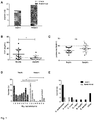
- the septic group of 14 patients was subdivided into 10 patients with reverse and 4 with anatomical shoulder implants, whereas the aseptic group included 2 reverse and 17 anatomical implants (Table 1, Fig 1A ). Altogether, in total 19 (57.6 %) patients underwent aseptic surgery and 14 (42.4 %) patients were diagnosed with a bacterial infection. Interestingly, 71.4 % of the septic revision surgeries received a revision of a reverse shoulder prostheses, while only 28.6% of the patients with anatomical implants showed a septic complication. The average age of the patients at the time of surgery was similar in both groups (aseptic: 73.3 years and septic: 72.1 years). The implantation time before revision surgery was approximately 3 years (aseptic: 3.44 ⁇ 4.84 and septic: 2.19 ⁇ 2.28 years) (Table 1).
- the number of previous surgeries before revision surgery of the respective joint is presented in detail in Table 1.
- the number of previous surgeries in the septic TSA group was greater than in the aseptic TSA group, with 9 out of 11 patients having at least 1 or 2 previous shoulder surgeries and 1 patient having 3 previous surgeries of the shoulder.
- Comorbidities of the patients are presented in Table 2. Patients with septic complications had more often diabetes and renal insufficiencies, whereas patients with aseptic revision showed more neurological comorbidities like Parkinson's disease or polyneuropathies.
- CRP C-reactive protein
- radiolucent lines (RLL) in the X-ray images showed clear differences in the bone resorption pattern between septic and aseptic cases ( Fig. 1 D) .
- the X-rays of the septic patient group exhibited RLL in all 8 Neer zones of the humerus.
- the aseptic group mainly exhibited loosening in the zones 1 and 7 of the humerus.
- Fig. 1E The identification of bacterial strains are summarized in Fig. 1E .
- S. epidermidis showed the highest frequency in the reverse shoulder implants (36.4 %), while S. aureus (9.1 %) was only found in the anatomical prostheses.
- the reverse shoulder implants showed a higher variety of different Staphylococcus strains compared to the anatomical prostheses.
- Other bacteria such as S. capiti (4.5 %), B. fragilis (4.5 %) and S. warneri (4.5 %) were only found in small numbers on reverse, but not in the anatomical group. While P. acnes was found in the anatomical (4.5 %) and the reverse (9.1 %) shoulder implants.
- ⁇ -defensin staining has been proposed to be a marker for an infected tissue
- septic and aseptic periprosthetic revision tissue for the tissue presence and distribution of this marker protein
- the terminal pathway of the complement system is a key component of the host defense against bacteria.
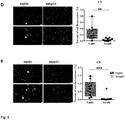
- the statistical difference increased with C5, as the following component starting the terminal pathway (septic: 0.16 ⁇ 0.08 and aseptic: 0,022 % ⁇ 0.013, p 0,005) ( Fig. 2D ).
- Comorbidities including diabetes, renal diseases or heart failure, are known to increase the risk of periprosthetic infection (Baek, 2014, Bozic 2012, Daines 2015, Phillips 2013, Pulido 2008).
- the risk of PJI increases with each revision surgery by about 10% (Fehring 2000, Goldberg 1988, Smucny 2015). In our cohort, there was also an increase in the number previous surgeries in the septic subgroup, which might explain partially the increased number of PJI.
- ⁇ -defensin Another proposed biomarker for bacterial infection is ⁇ -defensin (Deirmengian 2015). Using immunohistological stainings we also found ⁇ -defensin in the periprosthetic tissue of septic as well as the aseptic samples. The quantitative analysis of the immunofluorescence revealed no significant increase in ⁇ -defensin in septic tissues compared to the aseptic tissue. Therefore, the predictive value of ⁇ -defensin, therefore, as a biomarker for infection in our shoulder cohort was low. This finding might be explained by other studies showing that the presence of metal wear particles can also induce the expression of ⁇ -defensin (Bingham 2014, Deirmengian. 2014). This might be a reason for the positive ⁇ -defensin staining in the aseptic tissues.
- C3 is the pivotal component of all the three pathways of activation while C5 and, in particular, C9 are members of the common late pathway and their deposition indicate a terminal part of the cascade.
- C9 is the pivotal component of all the three pathways of activation while C5 and, in particular, C9 are members of the common late pathway and their deposition indicate a terminal part of the cascade.
- the quantitative analysis showed a significant increase of all complement factors in the septic group, with C9 being able to detect septic tissue with a high specificity and sensitivity.
- ⁇ -defensin we found almost no presence of complement factors in non-septic tissue, making the activation of the complement system a highly specific marker for infection (Bengtson 1988, Heideman 1988, Zilow 1997).
Landscapes
- Life Sciences & Earth Sciences (AREA)
- Health & Medical Sciences (AREA)
- Engineering & Computer Science (AREA)
- Molecular Biology (AREA)
- Chemical & Material Sciences (AREA)
- Biomedical Technology (AREA)
- Urology & Nephrology (AREA)
- Hematology (AREA)
- Immunology (AREA)
- Biotechnology (AREA)
- Microbiology (AREA)
- Cell Biology (AREA)
- Proteomics, Peptides & Aminoacids (AREA)
- Food Science & Technology (AREA)
- Medicinal Chemistry (AREA)
- Physics & Mathematics (AREA)
- Analytical Chemistry (AREA)
- Biochemistry (AREA)
- General Health & Medical Sciences (AREA)
- General Physics & Mathematics (AREA)
- Pathology (AREA)
- Measuring Or Testing Involving Enzymes Or Micro-Organisms (AREA)
Priority Applications (1)
| Application Number | Priority Date | Filing Date | Title |
|---|---|---|---|
| EP18177797.0A EP3581934A1 (fr) | 2018-06-14 | 2018-06-14 | Facteurs du complement pour le diagnostic d'infections mineures chez un sujet humain |
Applications Claiming Priority (1)
| Application Number | Priority Date | Filing Date | Title |
|---|---|---|---|
| EP18177797.0A EP3581934A1 (fr) | 2018-06-14 | 2018-06-14 | Facteurs du complement pour le diagnostic d'infections mineures chez un sujet humain |
Publications (1)
| Publication Number | Publication Date |
|---|---|
| EP3581934A1 true EP3581934A1 (fr) | 2019-12-18 |
Family
ID=62814784
Family Applications (1)
| Application Number | Title | Priority Date | Filing Date |
|---|---|---|---|
| EP18177797.0A Pending EP3581934A1 (fr) | 2018-06-14 | 2018-06-14 | Facteurs du complement pour le diagnostic d'infections mineures chez un sujet humain |
Country Status (1)
| Country | Link |
|---|---|
| EP (1) | EP3581934A1 (fr) |
Cited By (1)
| Publication number | Priority date | Publication date | Assignee | Title |
|---|---|---|---|---|
| WO2023064437A1 (fr) * | 2021-10-15 | 2023-04-20 | The Trustees Of Indiana University | Procédés de détection d'une infection liée à une fracture (fri) |
Citations (4)
| Publication number | Priority date | Publication date | Assignee | Title |
|---|---|---|---|---|
| US5778895A (en) * | 1997-01-29 | 1998-07-14 | Uab Research Foundation | Method of discriminating bacterial from aseptic meningitis |
| WO2012071145A1 (fr) * | 2010-11-02 | 2012-05-31 | Kypha, Inc. | Immunoessai à flux latéral pour activation du complément et procédés d'utilisation pour l'évaluation de troubles associés au complément |
| WO2015021165A1 (fr) * | 2013-08-07 | 2015-02-12 | University Of Rochester | Procédé de diagnostic de septicémie ou de risque de septicémie |
| US20170261516A1 (en) * | 2014-05-02 | 2017-09-14 | Uab Research Foundation | Methods and compositions for diagnosis and treatment of meningitis |
-
2018
- 2018-06-14 EP EP18177797.0A patent/EP3581934A1/fr active Pending
Patent Citations (4)
| Publication number | Priority date | Publication date | Assignee | Title |
|---|---|---|---|---|
| US5778895A (en) * | 1997-01-29 | 1998-07-14 | Uab Research Foundation | Method of discriminating bacterial from aseptic meningitis |
| WO2012071145A1 (fr) * | 2010-11-02 | 2012-05-31 | Kypha, Inc. | Immunoessai à flux latéral pour activation du complément et procédés d'utilisation pour l'évaluation de troubles associés au complément |
| WO2015021165A1 (fr) * | 2013-08-07 | 2015-02-12 | University Of Rochester | Procédé de diagnostic de septicémie ou de risque de septicémie |
| US20170261516A1 (en) * | 2014-05-02 | 2017-09-14 | Uab Research Foundation | Methods and compositions for diagnosis and treatment of meningitis |
Non-Patent Citations (55)
| Title |
|---|
| ATKINSON JP; FRANK MM: "Bypassing complement: evolutionary lessons and future implications", J CLIN INVEST, vol. 116, no. 5, 2006, pages 2004 - 2007 |
| BAEK S-H: "Identification and preoperative optimization of risk factors to prevent periprosthetic joint infection", WORLD J. ORTHOP., vol. 5, no. 3, 2014, pages 362, Retrieved from the Internet <URL:http://www.wjgnet.com/2218-5836/full/v5/i3/362.htmdoi:10.5312/wjo.v5.i3.362> |
| BENGTSON A; HEIDEMAN M: "Anaphylatoxin Formation in Sepsis", ARCH. SURG., vol. 123, no. 5, 1988, pages 645 - 649 |
| BINGHAM J; CLARKE H; SPANGEHL M; SCHWARTZ A; BEAUCHAMP C; GOLDBERG B: "The Alpha Defensin-1 Biomarker Assay can be Used to Evaluate the Potentially Infected Total Joint Arthroplasty", CLIN. ORTHOP. RELAT. RES., vol. 472, no. 12, 2014, pages 4006 - 4009 |
| BOZIC KJ; LAU E; KURTZ S; ONG K; RUBASH H; VAIL TP ET AL.: "Patient-Related Risk Factors for Periprosthetic Joint Infection and Postoperative Mortality Following Total Hip Arthroplasty in Medicare Patients", J. BONE JT. SURGERY-AMERICAN, vol. 94, no. 9, 2012, pages 794 - 800, Retrieved from the Internet <URL:http://content.wkhealth.com/linkback/openurl?sid=WKPTLP:landingpage&an=00004623-201205020-00004doi:10.2106/JBJS.K.00072> |
| DAINES BK; DENNIS D A; AMANN S: "Infection Prevention in Total Knee Arthroplasty", J AM ACAD ORTHOP SURG, vol. 23, no. 6, 2015, pages 356 - 364, Retrieved from the Internet <URL:http://www.ncbi.nim.nih.gov/pubmed/26001428doi:10.5435/JAAOS-D-12-00170> |
| DEIRMENGIAN C; KARDOS K; KILMARTIN P; CAMERON A; SCHILLER K; PARVIZI J: "Combined measurement of synovial fluid a-Defensin and C-reactive protein levels: highly accurate for diagnosing periprosthetic joint infection", J. BONE JOINT SURG. AM., vol. 96, no. 17, 2014, pages 1439 - 45, Retrieved from the Internet <URL:http://www.ncbi.nlm.nih.gov/pubmed/25187582doi:10.2106/JBJS.M.01316> |
| DEIRMENGIAN C; KARDOS K; KILMARTIN P; GULATI S; CITRANO P; BOOTH RE: "The Alpha-defensin Test for Periprosthetic Joint Infection Responds to a Wide Spectrum of Organisms", CLIN. ORTHOP. RELAT. RES., vol. 473, no. 7, 2015, pages 2229 - 2235, XP035716842, Retrieved from the Internet <URL:http://dx.doi.org/10.1007/s11999-015-4152-xdoi:10.1007/s11999-015-4152-x> DOI: doi:10.1007/s11999-015-4198-9 |
| DEORE VT; GRIFFITHS E; MONGA P: "Shoulder arthroplasty-Past, present and future", J. ARTHROSC. JT. SURG., vol. 5, 2017, pages 3 - 8 |
| DUNKELBERGER JR; SONG WC: "Complement and its role in innate and adaptive immune responses", CELL RES, vol. 20, no. 1, 2010, pages 34 - 50, Retrieved from the Internet <URL:http://dx.doi.org/10.1038/cr.2009.139doi:10.1038/cr.2009.139> |
| ERIKSSON HK; NORDSTR J; GABRYSCH K; HAILER NP: "Does the Alpha-defensin Immunoassay or the Lateral Flow Test Have Better Diagnostic Value for Periprosthetic Joint Infection? A Systematic Review", CLIN. ORTHOP. RELAT. RES., 2018, pages 1 - 8 |
| FEHRING TK; ODUM S; CALTON TF; MASON JB: "Articulating versus static spacers in revision total knee arthroplasty for sepsis. The RanawatAward", CLIN. ORTHOP. RELAT. RES., vol. 380, 2000, pages 9 - 16, Retrieved from the Internet <URL:http://www.ncbi.nlm.nih.gov/pubmed/11064968doi:1 0.1 097/00003086-200011 000-00003> |
| G S; I G; EO P; J F: "Cell adhesion force microscopy", PROC NATL ACAD SCI USA., vol. 96, 1999, pages 1999 |
| GANZ T; SELSTED ME; SZKLAREK D; HARWIG SS; DAHER K; BAINTON DF ET AL.: "Defensins. Natural peptide antibiotics of human neutrophils", J. CLIN. INVEST., vol. 76, no. 4, 1985, pages 1427 - 1435 |
| GILL SR; FOUTS DE; ARCHER GL; MONGODIN EF; DEBOY RT; RAVEL J ET AL.: "Insights on Evolution of Virulence and Resistance from the Complete Genome Analysis of an Early Methicillin-Resistant Staphylococcus aureus Strain and a Biofilm-Producing Methicillin-Resistant Staphylococcus epidermidis Strain", J. BACTERIOL., vol. 187, no. 7, 2005, pages 2426 - 2438, XP002463146, DOI: doi:10.1128/JB.187.7.2426-2438.2005 |
| GOLDBERG AL; KETTELHUT IC; FURUNO K; FAGAN JM; BARACOS V: "Activation of protein breakdown and prostaglandin E2production in rat skeletal muscle in fever is signaled by a macrophage product distinct from interleukin 1 or other known monokines", J. CLIN. INVEST., vol. 81, no. 5, 1988, pages 1378 - 1383 |
| HEIDEMAN M; NORDER-HANSSON B; BENGTSON A; MOLLNES TE: "Terminal Complement Complexes and Anaphylatoxins in Septic and Ischemic Patients", ARCH. SURG., vol. 123, no. 2, 1988, pages 188 - 192 |
| HUBER-LANG M; SARMA JV; ZETOUNE FS; RITTIRSCH D; NEFF TA; MCGUIRE SR ET AL.: "Generation of C5a in the absence of C3: A new complement activation pathway", NAT. MED., vol. 12, no. 6, 2006, pages 682 - 687 |
| ITO S; MATSUMOTO T; ENOMOTO H; SHINDO H: "Histological analysis and biological effects of granulation tissue around loosened hip prostheses in the development of osteolysis", J. ORTHOP. SCI., vol. 9, no. 5, 2004, pages 478 - 487 |
| JOHANSSON L; HAILER NP; RAHME H: "High incidence of periprosthetic joint infection with propionibacterium acnes after the use of a stemless shoulder prosthesis with metaphyseal screw fixation - a retrospective cohort study of 241 patients propionibacter infections after eclipse TSA", BMC MUSCULOSKELET. DISORD, vol. 18, no. 1, 2017, pages 1 - 8 |
| JOHN LOONEY R; SCHWARZ E; BOYD A: "Periprosthetic osteolysis: an immunologisfs update", CURR. OPIN. RHEUMATOL. - CURR OPIN RHEUMATOL., vol. 18, 2006, pages 80 - 87 |
| KRENN V T ET AL: "CD15 focus score: Infection diagnosis and stratification into low-virulence and high-virulence microbial pathogens in periprosthetic joint infection", PATHOLOGY - RESEARCH AND PRACTICE, ELSEVIER, AMSTERDAM, NL, vol. 213, no. 5, 12 January 2017 (2017-01-12), pages 541 - 547, XP029999441, ISSN: 0344-0338, DOI: 10.1016/J.PRP.2017.01.002 * |
| LANGLOIS PF; GAWRYL MS: "Accentuated formation of the terminal C5b-9 complement complex in patient plasma precedes development of the adult respiratory distress syndrome", AM. REV. RESPIR. DIS., vol. 138, no. 2, 1988, pages 368 - 375 |
| MAKI D; GOLDMAN D; RHAME F: "INfection control in intravenous therapy", ANN. INTERN. MED., vol. 79, no. 6, 1 December 1973 (1973-12-01), pages 867 - 887, Retrieved from the Internet <URL:http://dx.doi.org/10.7326/0003-4819-79-6-867> |
| MEVORACH BD; MASCARENHAS JO; GERSHOV D; ELKON KB: "Complement-dependent Clearance of", J. EXP. MED., vol. 188, no. 12, 1998, pages 2313 - 2320 |
| MORGAN B: "The Human Complement System in Health and Disease", ANN. RHEUM. DIS., vol. 57, no. 10, October 1998 (1998-10-01), pages 581, Retrieved from the Internet <URL:http://www.ncbi.nlm.nih.gov/pmc/articles/PMC1752481> |
| NEER CS; WATSON KC; STANTON FJ: "Recent experience in total shoulder replacement", J. BONE JOINT SURG. AM., vol. 64, no. 3, 1982, pages 319 - 37, Retrieved from the Internet <URL:http://www.ncbi.nlm.nih.go /pubmed/7061549doi:10.1007/978-1-4471-5451-8_81> |
| OSMON DR; BERBARI EF; BERENDT AR; LEW D; ZIMMERLIW; STECKELBERG JM ET AL.: "Diagnosis and management of prosthetic joint infection: clinical practice guidelines by the Infectious Diseases Society of America", CLIN. INFECT. DIS., vol. 56, no. 1, 2013, pages e1 - e25 |
| PADEGIMAS EM; MALTENFORT M; RAMSEY ML; WILLIAMS GR; PARVIZI J; NAMDARI S.: "Periprosthetic shoulder infection in the United States: Incidence and economic burden", J. SHOULDER ELB. SURG., vol. 24, no. 5, 2015, pages 741 - 746, Retrieved from the Internet <URL:http://dx.doi.org/10.1016/j.jse.2014.11.044doi:10.1016/j.jse.2014.11.044> |
| PARVIZI J; GEHRKE T: "Definition of periprosthetic joint infection", J. ARTHROPLASTY, vol. 29, no. 7, 2014, pages 1331 |
| PARWARESCH MR; RADZUN HJ; KREIPE H; HANSMANN ML; BARTH J: "Monocyte/macrophage-reactive monoclonal antibody Ki-M6 recognizes an intracytoplasmic antigen", AM. J. PATHOL., vol. 125, no. 1, 1986, pages 141 - 51, Retrieved from the Internet <URL:http://www.pubmedcentral.nih.gov/articlerender.fcgi?artid=1888444&tool=pmcentrez&re ndertype=abstract> |
| PHILLIPS JE; CRANE TP; NOY M; ELLIOTT TSJ GR, THE INCIDENCE OF DEEP PROSTHETIC INFECTIONS IN A SPECIALIST ORTHOPAEDIC HOSPITAL, 2013, pages 1 - 17 |
| PIPER KE; JACOBSON MJ; COFIELD RH; SPERLING JW; SANCHEZ-SOTELO J; OSMON DR ET AL.: "Microbiologic diagnosis of prosthetic shoulder infection by use of implant sonication", J. CLIN. MICROBIOL., vol. 47, no. 6, 2009, pages 1878 - 1884 |
| POHLIG F; MUHLHOFER HML; LENZE U; LENZE FW; SUREN C; HARRASSER N ET AL.: "Diagnostic accuracy of arthroscopic biopsy in peri prosthetic infections of the hip", EUR. J. MED. RES., vol. 22, no. 1, 2017, pages 1 - 7 |
| PULIDO L; GHANEM E; JOSHI A; PURTILL JJ; PARVIZI J: "Periprosthetic joint infection: The incidence, timing, and predisposing factors", CLIN. ORTHOP. RELAT. RES., vol. 466, no. 7, 2008, pages 1710 - 1715 |
| PURDUE PE; KOULOUVARIS P; POTTER HG; NESTOR BJ; SCULCO TP: "The cellular and molecular biology of periprosthetic osteolysis", CLIN. ORTHOP. RELAT. RES., vol. 454, 2007, pages 251 - 261 |
| RICKLING D, D LJ: "Complement-targeted therapeutics", NAT. BIOTECHNOL., vol. 25, no. 11, 2007, pages 1265 - 1275 |
| ROMANÒ CARLO LUCA ET AL: "The W.A.I.O.T. Definition of High-Grade and Low-Grade Peri-Prosthetic Joint Infection", JOURNAL OF CLINICAL MEDICINE, vol. 8, no. 5, 10 May 2019 (2019-05-10), pages 650, XP093097689, Retrieved from the Internet <URL:https://www.ncbi.nlm.nih.gov/pmc/articles/PMC6571975/pdf/jcm-08-00650.pdf> DOI: 10.3390/jcm8050650 * |
| ROOSJEN A; BOKS NP; VAN DER MEI HC; BUSSCHER HJ; NORDE W: "Influence of shear on microbial adhesion to PEO-brushes and glass by convective-diffusion and sedimentation in a parallel plate flow chamber", COLLOIDS SURFACES B BIOINTERFACES, vol. 46, no. 1, 2005, pages 1 - 6, XP025315988, DOI: doi:10.1016/j.colsurfb.2005.08.009 |
| SAITO N; PULFORD KA; BRETON-GORIUS J; MASSE JM; MASON DY; CRAMER EM: "Ultrastructural localization of the CD68 macrophage-associated antigen in human blood neutrophils and monocytes", AM. J. PATHOL., vol. 139, no. 5, 1991, pages 1053 - 9, Retrieved from the Internet <URL:http://www.pubmedcentral.nih.gov/articlerender.fcgi?artid=1886337&tool=pmcentrez&re ndertype=abstract> |
| SANCHEZ-SOTELO J; COFIELD RH; ROWLAND CM: "Shoulder hemiarthroplasty for glenohumeral arthritis associated with severe rotator cuff deficiency", J BONE JOINT SURG AM, vol. 83-A, no. 12, December 2001 (2001-12-01), pages 1814 - 22 |
| SANZEN L; SUNDBERG M: "Periprosthetic low-grade hip infections. Erythrocyte sedimentation rate and C-reactive protein in 23 cases", ACTA ORTHOP. SCAND., vol. 68, no. 5, 1997, pages 461 - 465 |
| SARGEANT A; GOSWAMI T: "Pathophysiological aspects of hip implants", J. SURG. ORTHOP. ADV., vol. 15, no. 2, 2006, pages 111 - 112 |
| SCHIFFERLI JA; NG YC; PETERS DK: "The role of complement and its receptor in the elimination of immune complexes", N. ENGL. J. MED., vol. 315, no. 8, 1986, pages 488 - 495, Retrieved from the Internet <URL:http://www.nejm.org/doi/abs/10.1056/NEJM198608213150805doi:10.1056/NEJM198608 213150805> |
| SENECHAL A; CARRIGAN SD; TABRIZIAN M: "Probing surface adhesion forces of enterococcus faecalis to medical-grade polymers using atomic force microscopy", LANGMUIR, vol. 20, no. 10, 2004, pages 4172 - 4177 |
| SMUCNY M; MENENDEZ ME; RING D; FEELEY BT; ZHANG AL: "Inpatient surgical site infection after shoulder arthroplasty", J. SHOULDER ELB. SURG., vol. 24, no. 5, 2015, pages 747 - 753, Retrieved from the Internet <URL:http://dx.doi.org/10.1016/j.jse.2014.12.024doi:10.1016/j.jse.2014.12.024> |
| VERRAN J; WHITEHEAD K: "Factors affecting microbial adhesion to stainless steel and other materials used in medical devices", INT. J. ARTIF. ORGANS., vol. 28, no. 11, 2005, pages 1138 - 1145 |
| WASSMANN T; KREIS S; BEHR M; BUERGERS R: "The influence of surface texture and wettability on initial bacterial adhesion on titanium and zirconium oxide dental implants", INT. J. IMPLANT DENT., vol. 3, no. 1, 2017, pages 32, Retrieved from the Internet <URL:http://journalimplantdent.springeropen.eom/articles/10.1186/s40729-017-0093-3doi:10.1186/s40729-017-0093-3> |
| WHITE SH; WIMLEY WC; SELSTED ME: "Structure, function, and membrane integration of defensins", CURR. OPIN. STRUCT. BIOL., vol. 5, no. 4, 1995, pages 521 - 527 |
| WHITEHEAD KA; COLLIGON JS; VERRAN J: "The production of surfaces of defined topography and chemistry for microbial retention studies, using ion beam sputtering technology", INT. BIODETERIOR. BIODEGRAD., vol. 54, no. 2-3, 2004, pages 143 - 151 |
| YAMAUCHI M; YAMAMOTO K; WAKABAYASHI M; KAWANO J: "In vitro adherence of microorganisms to denture base resin with different surface texture", DENT. MATER. J., vol. 9, no. 1, 1990, pages 19 - 24, Retrieved from the Internet <URL:http://www.ncbi.nlm.nih.gov/entrez/query.fcgi?cmd=Retrieu9&db=PubMed&dopt=Citatio n&list_uids=2098207doi:10.4012/dmj.9.19> |
| YRJO T KONTTINEN ET AL: "Complement in acute and chronic arthritides: assessment of C3c, C9, and protectin (CD59) in synovial membrane", ANN RHEUM DISANN RHEUM DIS, vol. 55, 1 December 1996 (1996-12-01), pages 888 - 894, XP055542466 * |
| ZILOW EP; HAUCK W; LINDERKAMP O; ZILOW G: "Alternative pathway activation of the complement system in preterm infants with early onset infection", PEDIATR. RES., vol. 41, no. 3, 1997, pages 334 - 339 |
| ZILOW EUGEN P ET AL: "Alternative Pathway Activation of the Complement System in Preterm Infants with Early Onset Infection | Pediatric Research", PEDIATR RES, vol. 41, 1 March 1997 (1997-03-01), pages 334 - 339, XP055873003, Retrieved from the Internet <URL:https://www.nature.com/articles/pr1997116> * |
| ZILOW EUGEN P ET AL: "Alternative Pathway Activation of the Complement System in Preterm Infants with Early Onset Infection -tables", PEDIATR RES, vol. 41, 1 March 1997 (1997-03-01), pages 334 - 339, XP055873567 * |
Cited By (2)
| Publication number | Priority date | Publication date | Assignee | Title |
|---|---|---|---|---|
| WO2023064437A1 (fr) * | 2021-10-15 | 2023-04-20 | The Trustees Of Indiana University | Procédés de détection d'une infection liée à une fracture (fri) |
| EP4415607A4 (fr) * | 2021-10-15 | 2025-08-27 | Univ Indiana Trustees | Procédés de détection d'une infection liée à une fracture (fri) |
Similar Documents
| Publication | Publication Date | Title |
|---|---|---|
| Shukla et al. | Perioperative testing for persistent sepsis following resection arthroplasty of the hip for periprosthetic infection | |
| Plate et al. | Inflammatory disorders mimicking periprosthetic joint infections may result in false-positive α-defensin | |
| Fink et al. | Two-stage cementless revision of infected hip endoprostheses | |
| Hoell et al. | Two-stage revision arthroplasty for periprosthetic joint infections: what is the value of cultures and white cell count in synovial fluid and CRP in serum before second stage reimplantation? | |
| Frangiamore et al. | α-Defensin as a predictor of periprosthetic shoulder infection | |
| Frangiamore et al. | α-Defensin accuracy to diagnose periprosthetic joint infection—best available test? | |
| Puhto et al. | Two-stage revision for prosthetic joint infection: outcome and role of reimplantation microbiology in 107 cases | |
| Grzelecki et al. | Blood and synovial fluid calprotectin as biomarkers to diagnose chronic hip and knee periprosthetic joint infections | |
| Puig-Verdié et al. | Implant sonication increases the diagnostic accuracy of infection in patients with delayed, but not early, orthopaedic implant failure | |
| Alijanipour et al. | Intraoperative purulence is not reliable for diagnosing periprosthetic joint infection | |
| Piggott et al. | Characteristics and treatment outcomes of Propionibacterium acnes prosthetic shoulder infections in adults | |
| Prieto et al. | Acute delayed infection: increased risk in failed metal on metal total hip arthroplasty | |
| Dapunt et al. | Neutrophil-derived MRP-14 is up-regulated in infectious osteomyelitis and stimulates osteoclast generation | |
| Miyamae et al. | Diagnostic accuracy of the alpha-defensin test for periprosthetic joint infection in patients with inflammatory diseases | |
| Stone et al. | Clinical evaluation of alpha defensin test following staged treatment of prosthetic joint infections | |
| Tahta et al. | Does inflammatory joint diseases affect the accuracy of infection biomarkers in patients with periprosthetic joint infections? A prospective comparative reliability study | |
| Plate et al. | Synovial C-reactive protein features high negative predictive value but is not useful as a single diagnostic parameter in suspected periprosthetic joint infection (PJI) | |
| Birlutiu et al. | Diagnosis and management of orthopedic implant-associated infection: a comprehensive review of the literature | |
| Logroscino et al. | Risk factors for failure of two-stage revision arthroplasty for infected hip prosthesis: review of the literature and single centre cohort analysis | |
| Wouthuyzen-Bakker et al. | Use of gentamicin-impregnated beads or sponges in the treatment of early acute periprosthetic joint infection: a propensity score analysis | |
| Mariaux et al. | Diagnosis of persistent infection in prosthetic two-stage exchange: evaluation of the effect of sonication on antibiotic release from bone cement spacers | |
| Dieckmann et al. | Two-stage hip revision arthroplasty with a hexagonal modular cementless stem in cases of periprosthetic infection | |
| EP3581934A1 (fr) | Facteurs du complement pour le diagnostic d'infections mineures chez un sujet humain | |
| Meinshausen et al. | The terminal complement pathway is activated in septic but not in aseptic shoulder revision arthroplasties | |
| Hoene et al. | Systemic IFNγ predicts local implant macrophage response |
Legal Events
| Date | Code | Title | Description |
|---|---|---|---|
| PUAI | Public reference made under article 153(3) epc to a published international application that has entered the european phase |
Free format text: ORIGINAL CODE: 0009012 |
|
| STAA | Information on the status of an ep patent application or granted ep patent |
Free format text: STATUS: THE APPLICATION HAS BEEN PUBLISHED |
|
| AK | Designated contracting states |
Kind code of ref document: A1 Designated state(s): AL AT BE BG CH CY CZ DE DK EE ES FI FR GB GR HR HU IE IS IT LI LT LU LV MC MK MT NL NO PL PT RO RS SE SI SK SM TR |
|
| AX | Request for extension of the european patent |
Extension state: BA ME |
|
| STAA | Information on the status of an ep patent application or granted ep patent |
Free format text: STATUS: REQUEST FOR EXAMINATION WAS MADE |
|
| 17P | Request for examination filed |
Effective date: 20200526 |
|
| RBV | Designated contracting states (corrected) |
Designated state(s): AL AT BE BG CH CY CZ DE DK EE ES FI FR GB GR HR HU IE IS IT LI LT LU LV MC MK MT NL NO PL PT RO RS SE SI SK SM TR |
|
| STAA | Information on the status of an ep patent application or granted ep patent |
Free format text: STATUS: EXAMINATION IS IN PROGRESS |
|
| 17Q | First examination report despatched |
Effective date: 20211223 |