EP3583237B1 - Verfahren zum herstellen von stahlblechen, stahlblech und dessen verwendung - Google Patents
Verfahren zum herstellen von stahlblechen, stahlblech und dessen verwendung Download PDFInfo
- Publication number
- EP3583237B1 EP3583237B1 EP18714692.3A EP18714692A EP3583237B1 EP 3583237 B1 EP3583237 B1 EP 3583237B1 EP 18714692 A EP18714692 A EP 18714692A EP 3583237 B1 EP3583237 B1 EP 3583237B1
- Authority
- EP
- European Patent Office
- Prior art keywords
- weight
- max
- coating
- steel
- zinc
- Prior art date
- Legal status (The legal status is an assumption and is not a legal conclusion. Google has not performed a legal analysis and makes no representation as to the accuracy of the status listed.)
- Active
Links
Images






Classifications
-
- C—CHEMISTRY; METALLURGY
- C21—METALLURGY OF IRON
- C21D—MODIFYING THE PHYSICAL STRUCTURE OF FERROUS METALS; GENERAL DEVICES FOR HEAT TREATMENT OF FERROUS OR NON-FERROUS METALS OR ALLOYS; MAKING METAL MALLEABLE, e.g. BY DECARBURISATION OR TEMPERING
- C21D9/00—Heat treatment, e.g. annealing, hardening, quenching or tempering, adapted for particular articles; Furnaces therefor
- C21D9/46—Heat treatment, e.g. annealing, hardening, quenching or tempering, adapted for particular articles; Furnaces therefor for sheet metals
-
- C—CHEMISTRY; METALLURGY
- C22—METALLURGY; FERROUS OR NON-FERROUS ALLOYS; TREATMENT OF ALLOYS OR NON-FERROUS METALS
- C22C—ALLOYS
- C22C38/00—Ferrous alloys, e.g. steel alloys
- C22C38/12—Ferrous alloys, e.g. steel alloys containing tungsten, tantalum, molybdenum, vanadium, or niobium
-
- C—CHEMISTRY; METALLURGY
- C21—METALLURGY OF IRON
- C21D—MODIFYING THE PHYSICAL STRUCTURE OF FERROUS METALS; GENERAL DEVICES FOR HEAT TREATMENT OF FERROUS OR NON-FERROUS METALS OR ALLOYS; MAKING METAL MALLEABLE, e.g. BY DECARBURISATION OR TEMPERING
- C21D8/00—Modifying the physical properties of ferrous metals or ferrous alloys by deformation combined with, or followed by, heat treatment
- C21D8/02—Modifying the physical properties of ferrous metals or ferrous alloys by deformation combined with, or followed by, heat treatment during manufacturing of plates or strips
-
- B—PERFORMING OPERATIONS; TRANSPORTING
- B32—LAYERED PRODUCTS
- B32B—LAYERED PRODUCTS, i.e. PRODUCTS BUILT-UP OF STRATA OF FLAT OR NON-FLAT, e.g. CELLULAR OR HONEYCOMB, FORM
- B32B15/00—Layered products comprising a layer of metal
- B32B15/01—Layered products comprising a layer of metal all layers being exclusively metallic
- B32B15/012—Layered products comprising a layer of metal all layers being exclusively metallic one layer being formed of an iron alloy or steel, another layer being formed of aluminium or an aluminium alloy
-
- B—PERFORMING OPERATIONS; TRANSPORTING
- B32—LAYERED PRODUCTS
- B32B—LAYERED PRODUCTS, i.e. PRODUCTS BUILT-UP OF STRATA OF FLAT OR NON-FLAT, e.g. CELLULAR OR HONEYCOMB, FORM
- B32B15/00—Layered products comprising a layer of metal
- B32B15/01—Layered products comprising a layer of metal all layers being exclusively metallic
- B32B15/013—Layered products comprising a layer of metal all layers being exclusively metallic one layer being formed of an iron alloy or steel, another layer being formed of a metal other than iron or aluminium
-
- C—CHEMISTRY; METALLURGY
- C21—METALLURGY OF IRON
- C21D—MODIFYING THE PHYSICAL STRUCTURE OF FERROUS METALS; GENERAL DEVICES FOR HEAT TREATMENT OF FERROUS OR NON-FERROUS METALS OR ALLOYS; MAKING METAL MALLEABLE, e.g. BY DECARBURISATION OR TEMPERING
- C21D8/00—Modifying the physical properties of ferrous metals or ferrous alloys by deformation combined with, or followed by, heat treatment
- C21D8/02—Modifying the physical properties of ferrous metals or ferrous alloys by deformation combined with, or followed by, heat treatment during manufacturing of plates or strips
- C21D8/0221—Modifying the physical properties of ferrous metals or ferrous alloys by deformation combined with, or followed by, heat treatment during manufacturing of plates or strips characterised by the working steps
- C21D8/0226—Hot rolling
-
- C—CHEMISTRY; METALLURGY
- C21—METALLURGY OF IRON
- C21D—MODIFYING THE PHYSICAL STRUCTURE OF FERROUS METALS; GENERAL DEVICES FOR HEAT TREATMENT OF FERROUS OR NON-FERROUS METALS OR ALLOYS; MAKING METAL MALLEABLE, e.g. BY DECARBURISATION OR TEMPERING
- C21D8/00—Modifying the physical properties of ferrous metals or ferrous alloys by deformation combined with, or followed by, heat treatment
- C21D8/02—Modifying the physical properties of ferrous metals or ferrous alloys by deformation combined with, or followed by, heat treatment during manufacturing of plates or strips
- C21D8/04—Modifying the physical properties of ferrous metals or ferrous alloys by deformation combined with, or followed by, heat treatment during manufacturing of plates or strips to produce plates or strips for drawing, e.g. for deep-drawing
-
- C—CHEMISTRY; METALLURGY
- C22—METALLURGY; FERROUS OR NON-FERROUS ALLOYS; TREATMENT OF ALLOYS OR NON-FERROUS METALS
- C22C—ALLOYS
- C22C18/00—Alloys based on zinc
-
- C—CHEMISTRY; METALLURGY
- C22—METALLURGY; FERROUS OR NON-FERROUS ALLOYS; TREATMENT OF ALLOYS OR NON-FERROUS METALS
- C22C—ALLOYS
- C22C18/00—Alloys based on zinc
- C22C18/04—Alloys based on zinc with aluminium as the next major constituent
-
- C—CHEMISTRY; METALLURGY
- C22—METALLURGY; FERROUS OR NON-FERROUS ALLOYS; TREATMENT OF ALLOYS OR NON-FERROUS METALS
- C22C—ALLOYS
- C22C21/00—Alloys based on aluminium
- C22C21/02—Alloys based on aluminium with silicon as the next major constituent
-
- C—CHEMISTRY; METALLURGY
- C22—METALLURGY; FERROUS OR NON-FERROUS ALLOYS; TREATMENT OF ALLOYS OR NON-FERROUS METALS
- C22C—ALLOYS
- C22C21/00—Alloys based on aluminium
- C22C21/10—Alloys based on aluminium with zinc as the next major constituent
-
- C—CHEMISTRY; METALLURGY
- C22—METALLURGY; FERROUS OR NON-FERROUS ALLOYS; TREATMENT OF ALLOYS OR NON-FERROUS METALS
- C22C—ALLOYS
- C22C38/00—Ferrous alloys, e.g. steel alloys
- C22C38/001—Ferrous alloys, e.g. steel alloys containing N
-
- C—CHEMISTRY; METALLURGY
- C22—METALLURGY; FERROUS OR NON-FERROUS ALLOYS; TREATMENT OF ALLOYS OR NON-FERROUS METALS
- C22C—ALLOYS
- C22C38/00—Ferrous alloys, e.g. steel alloys
- C22C38/002—Ferrous alloys, e.g. steel alloys containing In, Mg, or other elements not provided for in one single group C22C38/001 - C22C38/60
-
- C—CHEMISTRY; METALLURGY
- C22—METALLURGY; FERROUS OR NON-FERROUS ALLOYS; TREATMENT OF ALLOYS OR NON-FERROUS METALS
- C22C—ALLOYS
- C22C38/00—Ferrous alloys, e.g. steel alloys
- C22C38/004—Very low carbon steels, i.e. having a carbon content of less than 0,01%
-
- C—CHEMISTRY; METALLURGY
- C22—METALLURGY; FERROUS OR NON-FERROUS ALLOYS; TREATMENT OF ALLOYS OR NON-FERROUS METALS
- C22C—ALLOYS
- C22C38/00—Ferrous alloys, e.g. steel alloys
- C22C38/008—Ferrous alloys, e.g. steel alloys containing tin
-
- C—CHEMISTRY; METALLURGY
- C22—METALLURGY; FERROUS OR NON-FERROUS ALLOYS; TREATMENT OF ALLOYS OR NON-FERROUS METALS
- C22C—ALLOYS
- C22C38/00—Ferrous alloys, e.g. steel alloys
- C22C38/02—Ferrous alloys, e.g. steel alloys containing silicon
-
- C—CHEMISTRY; METALLURGY
- C22—METALLURGY; FERROUS OR NON-FERROUS ALLOYS; TREATMENT OF ALLOYS OR NON-FERROUS METALS
- C22C—ALLOYS
- C22C38/00—Ferrous alloys, e.g. steel alloys
- C22C38/04—Ferrous alloys, e.g. steel alloys containing manganese
-
- C—CHEMISTRY; METALLURGY
- C22—METALLURGY; FERROUS OR NON-FERROUS ALLOYS; TREATMENT OF ALLOYS OR NON-FERROUS METALS
- C22C—ALLOYS
- C22C38/00—Ferrous alloys, e.g. steel alloys
- C22C38/06—Ferrous alloys, e.g. steel alloys containing aluminium
-
- C—CHEMISTRY; METALLURGY
- C22—METALLURGY; FERROUS OR NON-FERROUS ALLOYS; TREATMENT OF ALLOYS OR NON-FERROUS METALS
- C22C—ALLOYS
- C22C38/00—Ferrous alloys, e.g. steel alloys
- C22C38/14—Ferrous alloys, e.g. steel alloys containing titanium or zirconium
-
- C—CHEMISTRY; METALLURGY
- C22—METALLURGY; FERROUS OR NON-FERROUS ALLOYS; TREATMENT OF ALLOYS OR NON-FERROUS METALS
- C22C—ALLOYS
- C22C38/00—Ferrous alloys, e.g. steel alloys
- C22C38/18—Ferrous alloys, e.g. steel alloys containing chromium
- C22C38/40—Ferrous alloys, e.g. steel alloys containing chromium with nickel
- C22C38/42—Ferrous alloys, e.g. steel alloys containing chromium with nickel with copper
-
- C—CHEMISTRY; METALLURGY
- C22—METALLURGY; FERROUS OR NON-FERROUS ALLOYS; TREATMENT OF ALLOYS OR NON-FERROUS METALS
- C22C—ALLOYS
- C22C38/00—Ferrous alloys, e.g. steel alloys
- C22C38/18—Ferrous alloys, e.g. steel alloys containing chromium
- C22C38/40—Ferrous alloys, e.g. steel alloys containing chromium with nickel
- C22C38/44—Ferrous alloys, e.g. steel alloys containing chromium with nickel with molybdenum or tungsten
-
- C—CHEMISTRY; METALLURGY
- C22—METALLURGY; FERROUS OR NON-FERROUS ALLOYS; TREATMENT OF ALLOYS OR NON-FERROUS METALS
- C22C—ALLOYS
- C22C38/00—Ferrous alloys, e.g. steel alloys
- C22C38/18—Ferrous alloys, e.g. steel alloys containing chromium
- C22C38/40—Ferrous alloys, e.g. steel alloys containing chromium with nickel
- C22C38/46—Ferrous alloys, e.g. steel alloys containing chromium with nickel with vanadium
-
- C—CHEMISTRY; METALLURGY
- C22—METALLURGY; FERROUS OR NON-FERROUS ALLOYS; TREATMENT OF ALLOYS OR NON-FERROUS METALS
- C22C—ALLOYS
- C22C38/00—Ferrous alloys, e.g. steel alloys
- C22C38/18—Ferrous alloys, e.g. steel alloys containing chromium
- C22C38/40—Ferrous alloys, e.g. steel alloys containing chromium with nickel
- C22C38/48—Ferrous alloys, e.g. steel alloys containing chromium with nickel with niobium or tantalum
-
- C—CHEMISTRY; METALLURGY
- C22—METALLURGY; FERROUS OR NON-FERROUS ALLOYS; TREATMENT OF ALLOYS OR NON-FERROUS METALS
- C22C—ALLOYS
- C22C38/00—Ferrous alloys, e.g. steel alloys
- C22C38/18—Ferrous alloys, e.g. steel alloys containing chromium
- C22C38/40—Ferrous alloys, e.g. steel alloys containing chromium with nickel
- C22C38/50—Ferrous alloys, e.g. steel alloys containing chromium with nickel with titanium or zirconium
-
- C—CHEMISTRY; METALLURGY
- C22—METALLURGY; FERROUS OR NON-FERROUS ALLOYS; TREATMENT OF ALLOYS OR NON-FERROUS METALS
- C22C—ALLOYS
- C22C38/00—Ferrous alloys, e.g. steel alloys
- C22C38/18—Ferrous alloys, e.g. steel alloys containing chromium
- C22C38/40—Ferrous alloys, e.g. steel alloys containing chromium with nickel
- C22C38/54—Ferrous alloys, e.g. steel alloys containing chromium with nickel with boron
-
- C—CHEMISTRY; METALLURGY
- C23—COATING METALLIC MATERIAL; COATING MATERIAL WITH METALLIC MATERIAL; CHEMICAL SURFACE TREATMENT; DIFFUSION TREATMENT OF METALLIC MATERIAL; COATING BY VACUUM EVAPORATION, BY SPUTTERING, BY ION IMPLANTATION OR BY CHEMICAL VAPOUR DEPOSITION, IN GENERAL; INHIBITING CORROSION OF METALLIC MATERIAL OR INCRUSTATION IN GENERAL
- C23C—COATING METALLIC MATERIAL; COATING MATERIAL WITH METALLIC MATERIAL; SURFACE TREATMENT OF METALLIC MATERIAL BY DIFFUSION INTO THE SURFACE, BY CHEMICAL CONVERSION OR SUBSTITUTION; COATING BY VACUUM EVAPORATION, BY SPUTTERING, BY ION IMPLANTATION OR BY CHEMICAL VAPOUR DEPOSITION, IN GENERAL
- C23C2/00—Hot-dipping or immersion processes for applying the coating material in the molten state without affecting the shape; Apparatus therefor
- C23C2/04—Hot-dipping or immersion processes for applying the coating material in the molten state without affecting the shape; Apparatus therefor characterised by the coating material
- C23C2/06—Zinc or cadmium or alloys based thereon
Definitions
- the present invention relates to a method for producing steel sheets with an improved optical quality after forming.
- Wsa wave surface arithmetic value
- the aim here is to anticipate the later topography of the sheet as a negative addition with the skin pass roller, similar to the printing technology.
- Wsa values new roller textures were produced and thermal processes in the ovens were improved.
- the steels mentioned there are all low-alloy steels and in particular multi-phase steels, TRIP steels, complex-phase steels and ferritic-bainitic steels.
- IF and BH steels are used in the outer skin.
- An IF steel is understood to be an "interstitial free” steel that has no interstitial foreign atoms (the low levels of carbon and nitrogen are completely bound by titanium and / or niobium as carbides or nitrides) and thus excellent plastic formability owns. Such steels are used for deep-drawn parts in automobile construction.
- BH steels Bake-hardening steels
- these steels have a very good buckling resistance, which is why these steels are often used for outer skin applications.
- the object of the invention is to create a method for the production of steel sheets with which the desired Wsa values can be better achieved in the deformed state and the areas can be held securely.
- the Wsa values were measured on Marciniak stretch drawing specimens with 5% deformation based on SEP1941, but in the rolling direction.
- the Wsa value of outer skin parts in the deformed state cannot be kept reliably and safely in the range of ⁇ 0.35 ⁇ m according to the invention.
- the required long-wave limits can be reliably observed in the deformed state by taking specific measures on the material.
- the Wsa level can be stabilized at an average of 0.27 ⁇ m.
- the long waviness in the deformed state is not significantly influenced by the long waviness set in the course of the stripping process before the skin-passing process is selected.
- the heating rates during recrystallization annealing can be varied over a wide range without negatively affecting the Wsa value.
- the heating rates are between 8 K / s and 30 K / s.
- the skin pass or re-rolling process is used to set the mechanical properties and to specifically influence the surface roughness. In the course of this process, both roughness and long waviness are transferred from the roller to the belt.
- the degree of skin pass for the "Interstitial Free" steels is between 0.85 and 1.7% to achieve the required material properties.
- the niobium content is preferably set to 0.011 to 0.15% by weight, more preferably to 0.011 to 0.10% by weight and more preferably to 0.011 to 0.05% by weight. Exceptionally good Wsa values can be achieved with these values.
- the niobium content can be selected to be even higher, with particularly good values in the range from 0.020 to 0.040% by weight having been shown for the addition of the alloy.
- the IF steels produced according to the invention show considerably better properties than commercially available IF steels according to the prior art.
- the IF steel can have the alloy composition according to claim 2.
- composition according to Fig. 8 instead of, as well as in combination with niobium as well Vanadium between 0.01 and 0.15% by weight, Zircon between 0.01 and 0.3% by weight, Hafnium between 0.02 and 0.5% by weight, Tungsten between 0.02 and 0.5 wt% or Tantalum between 0.02 and 0.5 wt .-% are added.
- the IF steel preferably detects the composition Fig. 9 on: Alternatively, in the composition according to Fig. 9 instead of, as well as in combination with niobium as well Vanadium between 0.01 and 0.12% by weight, Zircon between 0.01 and 0.25% by weight, Hafnium between 0.02 and 0.4% by weight, Tungsten between 0.02 and 0.4 wt .-% or Tantalum between 0.02 and 0.4 wt .-% are added.
- a particularly preferred composition of the IF steel results from Fig. 10 , alternatively instead of, as well as in combination with niobium as well Vanadium between 0.01 and 0.10% by weight, Zircon between 0.01 and 0.2% by weight, Hafnium between 0.02 and 0.3% by weight, Tungsten between 0.02 and 0.3 wt% or Tantalum between 0.02 and 0.3 wt .-% can be added.
- the remainder is iron and impurities from the melting process.
- the above-mentioned elements can be added individually or in combination of several of these elements, for example 0.02% by weight of hafnium and tungsten in each case.
- the roll roughness (Ra) for the skin pass process is set to values between 1.6 and 3.3 ⁇ m in order to be able to maintain the roughness values on the strip required by the customer.
- a further lowering of the Wsa values is possible by lowering the roll roughness, but this would require a lowering of the customer's roughness specifications.
- All hot-dip galvanizing baths are particularly suitable as coating material for hot-dip galvanizing.
- a zinc-magnesium coating is particularly suitable for coating IF or bake-hardening steels, the zinc bath containing 0.2 to 8.0% by weight of magnesium.
- magnesium can also be used in the melt or, within the specified limits of 0.2 to 8% by weight, magnesium and aluminum can also be used equally.
- the range is preferably 2% by weight of magnesium and 2% by weight of aluminum or 2.5% by weight of aluminum and 1.5% by weight of magnesium.
- Coatings in the sense of the application are metallic coatings.
- the advantage of the invention is that measures within the alloy concept in the steel make it possible to display the Wsa value in a very stable manner at a very low level.
- the following examples are intended to show the positive influence of the niobium content on the formation of the Wsa value level on the formed component (measured on Marciniak stretch-drawing specimens with 5% deformation) and to distinguish it from other influences.
- Tables 1 and 2 show both the stripping parameters and the corresponding waviness values for a conventional zinc coating, for example after hot-dip galvanizing.
- Z is the distance between the strip and the stripping nozzle along the stripping media exit point
- d is the mean height of the exit point of the nozzle above the zinc bath; both values in mm.
- v corresponds to the belt speed in m / s.
- the alloy composition shows the respective alloying elements in percent by weight.
- the Wsa value that can be achieved in the deformed state continues to decrease, so that values below 0.25 ⁇ m can be reliably achieved from 0.02% by weight of Nb. This only applies provided that the Wsa values in the undeformed state are not higher than the values given here.
- the nozzle setting has no significant influence on the waviness.
- Z is the distance between the strip and the stripping nozzle along the stripping media exit point
- d is the mean height of the exit point of the nozzle above the zinc bath; both values in mm.
- v corresponds to the belt speed in m / s.
Landscapes
- Chemical & Material Sciences (AREA)
- Engineering & Computer Science (AREA)
- Materials Engineering (AREA)
- Mechanical Engineering (AREA)
- Metallurgy (AREA)
- Organic Chemistry (AREA)
- Thermal Sciences (AREA)
- Crystallography & Structural Chemistry (AREA)
- Physics & Mathematics (AREA)
- Chemical Kinetics & Catalysis (AREA)
- Coating With Molten Metal (AREA)
- Metal Rolling (AREA)
- Heat Treatment Of Sheet Steel (AREA)
Description
- Die vorliegende Erfindung betrifft ein Verfahren zur Herstellung von Stahlblechen mit einer verbesserten optischen Güte nach dem Umformen.
- Um das optische Erscheinungsbild von Automobilen im lackierten Zustand weiter zu verbessern, wurde herausgefunden, dass die Anpassung der Bandtopographie zur Verbesserung der Lackanmutung zwar wichtig, aber nicht ausreichend ist. Eine Vielzahl von Parametern ist für ein gutes Lackerscheinungsbild beim Fertigen von geformten und lackierten Blechen maßgeblich.
- Eine wesentliche Maßzahl für eine gute Lackierbarkeit und eine gute Lackanmutung ist der sogenannte Wave-Surface-Arithmetic-Value (Wsa). In www.blechnet.com "Neuartige Blechverzinkung bringt Automobillack auf Hochglanz", 17. Oktober 2013, wird ausgeführt, dass ein Wsa-Wert der Bleche unter 0,35 µm für gute Lackanmutung sorgt. Ein niedriger Wsa-Wert würde zunächst gute Lackanmutung bedeuten. Weil der Wsa-Wert zugleich mit der mittleren Rauheit (Ra) korreliere, würde auch die Umformfähigkeit beeinflusst. Es wird ausgeführt, dass es in der Praxis darauf ankäme, den Wsa-Wert der Bleche unter 0,35 µm zu senken, wobei bei herkömmlichen Blechen der Wsa durchaus über 0,5 µm liegen würde, und gleichzeitig genügend Schmiertaschen für die Umformung zur Verfügung zu stellen, was durch die Erhöhung der sogenannten Spitzenzahl gelänge.
- Hierbei wird darauf abgestellt, mit der Dressierwalze ähnlich wie in der Drucktechnik die spätere Topografie des Blechs als negative Zugabe vorweg zu nehmen. Um die oben genannten Wsa-Werte zu erreichen, wurden neue Walzentexturen hergestellt, zudem wurden thermische Prozesse in den Öfen verbessert.
- Ein vergleichbarer Bericht ist von thyssenkrupp Steel Europe unter www.besserlackieren.de veröffentlicht, in dem ebenfalls beschrieben wird, dass die Oberflächenbearbeitung des verzinkten Blechs eine entsprechende Güte ermöglicht.
- Aus der
EP 0 234 698 B1 ist z. B. ein Verfahren bekannt, bei dem eine Oberflächenrauheit mit definierten Erhebungsbereichen erzeugt wird. - Aus der
DE 112014000102 T5 ist ein Verfahren bekannt, welches durch spezielle Düseneinstellungen die Welligkeit von Automobilteilen verringern soll. - Aus der ÖNORM EN10346 sind kontinuierlich schmelztauchveredelte Flacherzeugnisse aus Stahl zum Kaltumformen bekannt, wobei diese Norm die bekannten Beschichtungen Zink, Zinkeisen, Zinkaluminium, Zinkmagnesium und Aluminiumzink und Aluminiumsilizium betrifft.
- Die dort genannten Stähle sind durchgehend niedriglegierte Stähle und insbesondere Mehrphasenstähle, TRIP-Stähle, Komplexphasenstähle und ferritisch-bainitische Stähle.
- Insbesondere werden im Automobilbereich in der Außenhaut IF- und BH-Stähle eingesetzt.
- Unter einem IF-Stahl versteht man einen "Interstitial Free"-Stahl, der keine interstitiell eingelagerten Fremdatome besitzt (die geringen Gehalte an Kohlenstoff und Stickstoff sind vollständig durch Titan und/oder Niob als Karbide bzw. Nitride abgebunden) und damit eine hervorragende plastische Umformbarkeit besitzt. Derartige Stähle werden für Tiefziehteile im Automobilbau eingesetzt.
- Bake-Hardening Stähle (BH-Stähle) zeichnen sich durch einen signifikanten Anstieg der Streckgrenze im Zuge des Lackeinbrennens (typischerweise bei 170°C für 20min) in Kombination mit einer sehr guten Umformbarkeit aus. Weiters besitzen diese Stähle eine sehr gute Beulsteifigkeit, weswegen diese Stähle gerne für Außenhautanwendungen verwendet werden.
- Aufgabe der Erfindung ist es, ein Verfahren zur Herstellung von Stahlblechen zu schaffen, mit dem die gewünschten Wsa-Werte im verformten Zustand besser erreicht werden und die Bereiche sicher gehalten werden können.
- Die Aufgabe wird mit einem Verfahren mit den Merkmalen des Anspruchs 1 gelöst.
- Die Messung der Wsa-Werte erfolgte an Marciniak-Streckziehproben mit 5% Verformung in Anlehnung an SEP1941, aber in Walzrichtung.
- Erfindungsgemäß wurde festgestellt, dass allein durch die Optimierung der Langwelligkeit im unverformten Zustand der Wsa-Wert von Außenhautteilen im verformten Zustand nicht zuverlässig und sicher im erfindungsgemäßen Bereich <0,35 µm gehalten werden kann.
- Erfindungsgemäß wurde festgestellt, dass die sichere Einhaltung der geforderten Langwelligkeitsgrenzen im verformten Zustand durch gezielte Maßnahmen am Werkstoff möglich ist.
- Das heißt, dass speziell durch eine Änderung der Legierungszusammensetzung bei den verwendeten IF- und BH-Stählen eine fertigungssichere Produktion von Außenhautmaterialien mit reduzierter Langwelligkeit im verformten Zustand erreicht werden kann.
- Dementsprechend wurde erfindungsgemäß herausgefunden, dass eine gesicherte Einstellung von reduzierter Langwelligkeit im verformten Zustand insbesondere bei IF-Stählen und Bake-Hardening-Stählen durch das Zulegieren von Niob mit Gehalten >0,01 Gew.-% erreichbar ist. Insbesondere kann z. B. die Stahlsorte HX180BD hiermit mit einem Wsa-Wert auf einem Niveau unter 0,30 µm stabilisiert werden.
- Wird bei einem Einsatz von IF-Stählen anstatt des üblichen Titan-Konzeptes für Außenhautbleche ein Titan-Niob-Konzept verwendet, kann das Wsa-Niveau auf im Mittel 0,27 µm stabilisiert werden.
- Wie erfindungsgemäß festgestellt werden konnte, wird die Langwelligkeit im verformten Zustand bei der Wahl geeigneter Dressierwalzen durch die vor dem Dressiervorgang im Zuge des Abstreifvorganges eingestellte Langwelligkeit nicht signifikant beeinflusst.
- Als Vorteil hat sich auch erwiesen, dass bei Zugabe von Nb zum Stahl die Aufheizraten beim Rekristallisationsglühen in einem weiten Bereich variiert werden können, ohne den Wsa-Wert negativ zu beeinflussen. Die Aufheizraten liegen zwischen 8 K/s und 30 K/s.
- Der Dressier- oder Nachwalzvorgang dient der Einstellung der mechanischen Eigenschaften und der gezielten Beeinflussung der Oberflächenrauheit. Im Zuge dieses Vorganges wird sowohl Rauheit als auch Langwelligkeit von der Walze auf das Band übertragen.
- Der Dressiergrad für die "Interstitial Free"-Stähle liegt zur Einstellung der geforderten Materialeigenschaften zwischen 0,85 und 1,7%.
- Die Erfindung wird anhand einiger Zeichnungen beispielhaft erläutert. Es zeigen hierbei:
- Figur 1:
- Die Wsa-Werte im unverformten und verformten Zustand bei dressiertem Bake-Hardening-Stahlmaterial aus dem Stand der Technik;
- Figur 2:
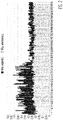
- Die Gegenüberstellung der Langwelligkeit bei dressiertem Bake-Hardening-Stahl nach dem Stand der Technik (bis Beispiel 86) gegen die erfindungsgemäß verbesserten Wsa-Werte jeweils vor und nach der Verformung (Beispiele 87 bis 184);
- Figur 3:
- Den Zusammenhang zwischen dem Niob-Gehalt im Grundmaterial (BH-Stahl dressiert) und den gemessenen Wsa-Werten im verformten Zustand;
- Figur 4:
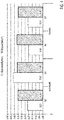
- Der Wsa-Wert in Abhängigkeit von der Verformung und dem verwendeten Abstreifmedium bei der Schmelztauchbeschichtung;
- Figur 5:
- Die Verbesserung der Wsa-Werte durch die Zulegierung von Niob;
- Figur 6:
- Ein Diagramm zeigend den Wsa-Wert über den Gehalt an Niob im verformten Zustand bei einem dressierten IF-Stahl;
- Figur 7:
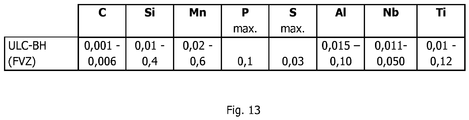
- Drei Zusammensetzungsbereiche für erfindungsgemäße IF- und ULC-BH-Stähle;
- Figur 8-13:
- Erfindungsgemäße IF- und BH-Stähle;
- Figur 14:
- Beispiele mit IF-Stählen mit Zinküberzug;
- Figur 15:
- Beispiele mit BH-Stählen mit Zinküberzug;
- Figur 16:
- weitere Beispiele für IF-Stähle mit einem metallischen Überzug aus ZnMg;
- Figur 17:
- weitere Beispiele für BH-Stähle mit einem metallischen Überzug aus ZnMg.
- In
Figur 1 sieht man einen handelsüblichen Bake-Hardening-Stahl, welcher nach dem Stand der Technik hergestellt und verarbeitet wurde. Hierbei sind die hellen Balken die Wsa-Werte für den unverformten Zustand und die schwarzen Balken die Werte für den verformten Zustand. Eine durch Optimierung des Dressiervorganges gegebene Verbesserung der Wsa-Werte im unverformten Zustand spiegelt sich nicht in den Wsa-Werten im verformten Zustand wieder. - Man erkennt, dass eine ganz erhebliche Schwankungsbreite bei den verformten Wsa-Werten vorliegt. Gleichzeitig ergibt sich ein signifikanter Anstieg der Wsa-Werte im Zuge der Verformung. Diese extrem breite Streuung der Werte, die längs zur Walzrichtung an Marciniak Prüfkörpern mit fünfprozentiger Verformung ermittelt wurden, zeigt, dass der Wsa-Wert nach dem Stand der Technik kaum beherrschbar ist.
- In
Figur 2 erkennt man diese erhebliche Streuung bei den Wsa-Werten, wobei wiederum die verformten Werte bis zum Beispiel 86 noch stärker streuen als die unverformten Werte. Hierbei handelt es sich um Beispiele von einem Bake-Hardening-Stahl nach dem Stand der Technik. - Ab Beispiel 87 handelt es sich um einen erfindungsgemäßen Bake-Hardening-Stahl. Während die unverformten Wsa-Werte eine dem Stand der Technik entsprechende Streuung haben, kann man sehr gut die vorteilhaften, erheblich verbesserten Wsa-Werte nach der Verformung erkennen. Man erkennt, dass mit der Erfindung die Werte gesichert um oder unter 0,30 µm gehalten werden können.
- Erfindungsgemäß wird in der Legierung ein Niob-Gehalt >0,01 Gew.-% (= 100 ppm) eingestellt. Erfindungsgemäß wird bevorzugt der Niob-Gehalt auf 0,011 bis 0,15 Gew.-% eingestellt, weiter bevorzugt auf 0,011 bis 0,10 Gew.-% und weiter bevorzugt auf 0,011 bis 0,05 Gew.-%. Mit diesen Werten können ausgesprochen gute Wsa-Werte erzielt werden.
- Um das Wsa-Niveau noch weiter zu verringern kann der Niob-Gehalt noch höher gewählt werden, wobei sich besonders gute Werte bei der Zulegierung im Bereich von 0,020 bis 0,040 Gew.-% gezeigt haben.
- In
Figur 3 ist der signifikante Zusammenhang zwischen dem Nb-Gehalt im BH-Stahl und dem sich einstellenden Wsa-Niveau nach Umformung (5%) zu erkennen. Mit zunehmendem Gehalt an Nb wird nicht nur der Wsa-Wert niedriger, auch die Streuung nimmt signifikant ab. - In
Figur 4 erkennt man, dass im Stand der Technik bei der Verwendung von herkömmlichen IF-Stählen mit Niob-Gehalten <0,002 Gew.-% eine Abhängigkeit der Wsa-Werte im undressierten unverformten Zustand von den Abstreifbedingungen im Zuge der Aufbringung eines metallischen Überzuges nach dem Sendzimirverfahren gegeben ist. Mit Stickstoff als Abstreifmedium sind deutlich geringere Werte erzielbar. Dieser durch das Abstreifen mit Stickstoff gegebene Vorteil ist nach dem Verformen nicht mehr vorhanden. - Durch den Einsatz geeigneter Dressierwalzen ist es möglich, die Welligkeitswerte des metallisch beschichteten Bandes im unverformten Zustand unabhängig vom Abstreifmedium auf ein geringes Niveau zu reduzieren. Diese Verbesserung lässt sich jedoch im verformten Zustand nicht mehr darstellen.
- In einem Vergleichsversuch wird die Langwelligkeit an einem IF-Stahl mit einem erfindungsgemäßen Niob-Gehalt von 0,015 Gew.-% (
Figur 5 ) ebenfalls jeweils undressiert und dressiert gemessen, wobei auch hier eine Beschichtung nach dem Sendzimir-Verfahren vorliegt und einmal mit Stickstoff und einmal mit Luft abgestreift wurde. - Durch die Zugabe von Nb konnte erreicht werden, dass kein oder kaum ein Anstieg der Wsa-Werte durch die Verformung gegeben ist.
- Insbesondere nach der Verformung zeigen die erfindungsgemäß produzierten IF-Stähle erheblich bessere Eigenschaften als handelsübliche IF-Stähle nach dem Stand der Technik.
- Erfindungsgemäß kann der IF-Stahl die Legierungszusammensetzung aufweisen nach Anspruch 2.
- Alternativ kann bei der Zusammensetzung nach
Fig. 8 anstelle von, als auch in Kombination mit Niob auch
Vanadin zwischen 0,01 und 0,15 Gew.-%,
Zirkon zwischen 0,01 und 0,3 Gew.-%,
Hafnium zwischen 0,02 und 0,5 Gew.-%,
Wolfram zwischen 0,02 und 0,5 Gew.-% oder
Tantal zwischen 0,02 und 0,5 Gew.-% zulegiert werden. - Bevorzugt weist der IF-Stahl die Zusammensetzung nach
Fig. 9 auf:
Alternativ kann bei der Zusammensetzung nachFig. 9 anstelle von, als auch in Kombination mit Niob auch
Vanadin zwischen 0,01 und 0,12 Gew.-%,
Zirkon zwischen 0,01 und 0,25 Gew.-%,
Hafnium zwischen 0,02 und 0,4 Gew.-%,
Wolfram zwischen 0,02 und 0,4 Gew.-% oder
Tantal zwischen 0,02 und 0,4 Gew.-% zulegiert werden. - Eine besonders bevorzugte Zusammensetzung des IF-Stahles ergibt sich aus
Fig. 10 , wobei alternativ anstelle von, als auch in Kombination mit Niob auch
Vanadin zwischen 0,01 und 0,10 Gew.-%,
Zirkon zwischen 0,01 und 0,2 Gew.-%,
Hafnium zwischen 0,02 und 0,3 Gew.-%,
Wolfram zwischen 0,02 und 0,3 Gew.-% oder
Tantal zwischen 0,02 und 0,3 Gew.-% zulegiert werden kann. - Rest jeweils Eisen und erschmelzungsbedingte Verunreinigungen.
Die oben genannten Elemente können einzeln oder in Kombination von mehreren dieser Elemente zulegiert werden, beispielsweise also jeweils 0,02 Gew.-% Hafnium und Wolfram. - In
Figur 6 ist der entsprechende gemessene Zusammenhang am IF-Stahl ersichtlich, welcher die Wsa-Werte nach Verformung über dem Niob-Gehalt anzeigt. Hierbei ist eine stetige Verbesserung des Wsa-Wertes mit Zunahme des Nb-Gehaltes erkennbar. Dieser Zusammenhang ist vermutlich auch bei Zulegierungen über 0,04 Gew.-% Niob hinaus gegeben. Jedoch ermöglichen die erfindungsgemäßen Bereiche einerseits eine ausreichende Wsa-Wertabsenkung und verhindern andererseits unerwünschte Verfestigungseffekte beim Grundmaterial, welche zu einer Verringerung der Umformbarkeit führen würden. - Für eine geringe Langwelligkeit im unverformten und in weiterer Folge im verformten Zustand wird die Walzenrauheit (Ra) für den Dressiervorgang auf Werte zwischen 1,6 und 3,3 µm eingestellt, um die vom Kunden geforderten Rauheitswerte am Band einhalten zu können. Eine weitere Absenkung der Wsa-Werte ist durch Absenkung der Walzenrauheiten möglich, würde aber eine Absenkung der kundenseitigen Rauheitsvorgaben bedingen.
- Als Beschichtungsmaterial bei Feuerverzinkungen sind insbesondere alle Feuerverzinkungstauchbäder geeignet.
- Insbesondere geeignet ist für die Beschichtung von IF- oder auch Bake-Hardening-Stählen eine Zinkmagnesiumbeschichtung, wobei das Zinkbad 0,2 bis 8,0 Gew.- % Magnesium enthält.
- Anstelle von Magnesium kann auch Aluminium in der Schmelze verwendet werden bzw. können innerhalb der angegebenen Grenzen von 0,2 bis 8 Gew.-% auch Magnesium und Aluminium gleichermaßen verwendet werden.
- Bevorzugt liegt bei einer Mischung der Bereich bei 2 Gew.-% Magnesium und 2 Gew.-% Aluminium bzw. 2,5 Gew.-% Aluminium und 1,5 Gew.-% Magnesium.
Beschichtungen im Sinne der Anmeldung sind metallische Überzüge. - Bei der Erfindung ist von Vorteil, dass es durch Maßnahmen innerhalb des Legierungskonzeptes im Stahl gelingt, den Wsa-Wert auf einem sehr niedrigen Niveau sehr stabil darzustellen.
- Die folgenden Beispiele sollen den positiven Einfluss des Niobgehaltes auf die Ausbildung des Wsa-Werteniveaus am umgeformten Bauteil (gemessen an Marciniak-Streckziehproben mit 5% Verformung) darstellen und diesen von anderen Einflüssen abgrenzen.
- Bei den im Folgenden aufgelisteten Beispielen für die Beschichtungsvarianten Z und ZM wurden der Vollständigkeit halber Bandgeschwindigkeiten und Düseneinstellungen mit angegeben. Sie liegen alle innerhalb der nach dem Stand der Technik üblichen Parameter, haben jedoch keinen signifikanten Einfluss auf die Wsa-Werte im verformten Zustand. Die Abstreifung erfolgte ausschließlich mit Stickstoff, da ansonsten die optische Anmutung der Bleche nicht zur Zufriedenheit der Kunden produziert werden konnte.
- Tabellen 1 und 2 zeigen bei einer üblichen Zinkbeschichtung beispielsweise nach einer Feuerverzinkung sowohl die Abstreifparameter als auch die entsprechenden Welligkeitswerte.
- Z ist der Abstand zwischen dem Band und der Abstreifdüse längs der Abstreifmedienaustrittstelle, d die mittlere Höhe der Austrittsstelle der Düse über dem Zinkbad; beide Angaben in mm.
- v entspricht der Bandgeschwindigkeit in m/s.
- Die Legierungszusammensetzung zeigt die jeweiligen Legierungselemente in Gewichtsprozent.
- Vor allem wird aus den Beispielen in der Tabelle deutlich, dass die Düsenparameter kaum Einfluss auf die Welligkeitswerte haben, da die erfindungsgemäßen als auch nicht erfindungsgemäßen Ausführungsbeispiele mit ähnlichen Düsenparametern hergestellt wurden.
- Als auch zeigt sich in den vier Tabellen, dass es erfindungsgemäß wichtig ist, die folgende Bedingung einzuhalten:

bei reinen Zinkbeschichtungen (Z) das Produkt größer als 1 und bei Zink-Magnesium-Beschichtungen (ZM) größer als 2 ist.
Erfindungsgemäß kann damit sicher gestellt werden, dass gröbere Ausscheidungen gebildet werden. Dies führt zu einer besseren Umformbarkeit ohne die Festigkeitswerte negativ zu beeinflussen.
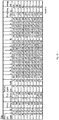
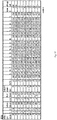
Wie die Beispiele in Tabelle 3 entsprichtFig. 16 bzw. Tabelle 4 entsprichtFig. 17 verdeutlichen, kann bei einer ZnMg-Beschichtung auf IF- und BH-Stählen der Wsa-Wert im verformten Zustand ab einem Nb-Gehalt von 0,01 Gew.-% sicher um bzw. unter 0,3 µm gehalten werden. Bei zunehmendem Gehalt an Nb sinkt der im verformten Zustand erzielbare Wsa-Wert weiter, sodass ab 0,02 Gew.-% an Nb Werte unter 0,25 µm gesichert erreicht werden können. Dies gilt nur unter der Voraussetzung, dass die Wsa-Werte im unverformten Zustand nicht höher als die hier angegebenen Werte sind.
Auch hier wird deutlich, dass die Düseneinstellung keinen wesentlichen Einfluss auf die Welligkeit hat. - Z ist der Abstand zwischen dem Band und der Abstreifdüse längs der Abstreifmedienaustrittstelle, d die mittlere Höhe der Austrittsstelle der Düse über dem Zinkbad; beide Angaben in mm.
- v entspricht der Bandgeschwindigkeit in m/s.
- Jeweils mit ZM Beschichtung mit 1,5 Gew.-% Mg, 2,5 Gew.-%
- Alle Legierungsgehalte sind in Gew.-% angegeben, sofern nicht explizit davon abweichend dargestellt.
Claims (11)
- Verfahren zum Herstellen von Stahlblech, insbesondere für Außenhautbleche von Fahrzeugen, wobei eine Stahllegierung einer gewünschten Zusammensetzung erschmolzen, vergossen und anschließend zu Blech gewalzt wird, wobei die Stahllegierung ein "Interstitial Free"-Stahl (IF-Stahl) ist und das Stahlblech nach dem Walzen geglüht, danach mit einer metallischen Korrosionsschutzschicht versehen und anschließend dressiert wird,
dadurch gekennzeichnet, dass zur Erzielung eines Wsa-Wertes von unter 0,35 µm mit möglichst enger Streuung Niob mit einem Gehalt >0,01 Gew.-%, bevorzugt >0,011 Gew.-%, zulegiert wird, wobei
die Legierung die folgende Bedingung erfüllt: N∗(Ti+Nb)∗S∗10^6, wobei bei Zinkauflagen das Produkt größer 1 ist und bei ZM-Auflagen größer 2 ist. - Verfahren nach Anspruch 1, dadurch gekennzeichnet, dass ein IF-Stahl mit der folgenden Analyse in Gew.-% erschmolzen wird:
C 0,001 bis 0,020 bevorzugt 0,001-0,010 weiter bevorzugt 0,001-0,006 Si 0,01 bis 0,7 bevorzugt 0,01-0,5 weiter bevorzugt 0,01-0,4 Mn 0,02 bis 1,5 bevorzugt 0,02-1,0 weiter bevorzugt 0,02-0,6 P max. 0,15 bevorzugt max. 0,1 weiter bevorzugt max. 0,1 S max. 0,05 bevorzugt max. 0,03 weiter bevorzugt max. 0,03 Al 0,015 bis 1,0 bevorzugt 0,015-0,5 weiter bevorzugt 0,015-0,10 Nb 0,011 bis 0,15 bevorzugt 0,011-0,10 weiter bevorzugt 0,011-0,05 Ti 0,01 bis 0,2 bevorzugt 0,01-0,15 weiter bevorzugt 0,01-0,12 Bor bis max. 100 ppm und/oderVanadium bis 0,4 Gew.-% und/oderZirkonium bis 0,4 Gew.-%, und/oderHafnium bis 0,5 Gew.-%, und/oderWolfram bis 0,5 Gew.-%, und/oderTantal bis 0,5 Gew.-%,Rest Eisen und erschmelzungsbedingte Verunreinigungen. - Verfahren nach Anspruch 1 oder 2, dadurch gekennzeichnet, dass ein IF-Stahl mit der folgenden Analyse in Gew.-% erschmolzen wird:
C 0,001 bis 0,020 bevorzugt 0,001-0,010 weiter bevorzugt 0,001-0,006 Si 0,01 bis 0,7 bevorzugt 0,01-0,5 weiter bevorzugt 0,01-0,4 Mn 0,02 bis 1,5 bevorzugt 0,02-1,0 weiter bevorzugt 0,02-0,6 P max. 0,15 bevorzugt max. 0,1 weiter bevorzugt max. 0,1 S max. 0,05 bevorzugt max. 0,03 weiter bevorzugt max. 0,03 Al 0,015 bis 1,0 bevorzugt 0,015-0,5 weiter bevorzugt 0,015-0,10 Nb 0,02 bis 0,15 bevorzugt 0,021-0,10 weiter bevorzugt 0,021-0,05 Ti 0,01 bis 0,2 bevorzugt 0,01-0,15 weiter bevorzugt 0,01-0,12 Bor bis max. 100 ppm und/oderVanadium bis 0,4 Gew.-% und/oderZirkonium bis 0,4 Gew.-%, und/oderHafnium bis 0,5 Gew.-%, und/oderWolfram bis 0,5 Gew.-%, und/oderTantal bis 0,5 Gew.-%, und/oderRest Eisen und erschmelzungsbedingte Verunreinigungen. - Verfahren nach einem der vorhergehenden Ansprüche, dadurch gekennzeichnet, dass die metallische Korrosionsschutzschicht schmelzflüssig aufgetragen wird, wobei die Beschichtung eine Zinkbeschichtung, eine Zink-Magnesium-Beschichtung, eine Zink-Aluminium-Beschichtung, eine Zink-Aluminium-Magnesium-Beschichtung, eine Aluminium-Zink- oder eine Aluminium-Silizium-Beschichtung ist.
- Verfahren nach Anspruch 4, dadurch gekennzeichnet, dass eine Beschichtung aufgebracht wird, die neben Zink 0,2 - 8 Gew.-% Magnesium und/oder Aluminium enthält.
- Verfahren nach Anspruch 5, dadurch gekennzeichnet, dass die Beschichtung 2 - 2,5 Gew.-% Aluminium und 1,5 - 2 Gew.-% Magnesium enthält.
- Verfahren nach einem der vorgehenden Ansprüche, dadurch gekennzeichnet, dass Dressierwalzen mit einer Rauheit (Ra) von 1,6 bis 3,3 µm verwendet werden.
- Verfahren nach einem der vorhergehenden Ansprüche, dadurch gekennzeichnet, dass der Dressiergrad zwischen 0,85 und 1,7 % ist.
- Verfahren nach einem der vorhergehenden Ansprüche, dadurch gekennzeichnet, dass die Aufheizrate zwischen 8 K/s und 30 K/s liegen dürfe.
- Stahlblech hergestellt mit einem Verfahren nach einem der vorhergehenden Ansprüche mit einer Zusammensetzung gemäß Anspruch 2 oder Anspruch 3.
- Verwendung eines Stahlblechs nach Anspruch 10 für Außenhautteile von Kraftfahrzeugen und Gebäuden.
Applications Claiming Priority (2)
| Application Number | Priority Date | Filing Date | Title |
|---|---|---|---|
| DE102017103303.3A DE102017103303A1 (de) | 2017-02-17 | 2017-02-17 | Verfahren zum Herstellen von Stahlblechen |
| PCT/EP2018/053876 WO2018149961A1 (de) | 2017-02-17 | 2018-02-16 | Verfahren zum herstellen von stahlblechen, stahlblech und dessen verwendung |
Publications (2)
| Publication Number | Publication Date |
|---|---|
| EP3583237A1 EP3583237A1 (de) | 2019-12-25 |
| EP3583237B1 true EP3583237B1 (de) | 2021-06-30 |
Family
ID=61837712
Family Applications (1)
| Application Number | Title | Priority Date | Filing Date |
|---|---|---|---|
| EP18714692.3A Active EP3583237B1 (de) | 2017-02-17 | 2018-02-16 | Verfahren zum herstellen von stahlblechen, stahlblech und dessen verwendung |
Country Status (7)
| Country | Link |
|---|---|
| US (1) | US20200232055A1 (de) |
| EP (1) | EP3583237B1 (de) |
| JP (1) | JP2020509222A (de) |
| KR (1) | KR102321291B1 (de) |
| CN (1) | CN110300814B (de) |
| DE (1) | DE102017103303A1 (de) |
| WO (1) | WO2018149961A1 (de) |
Families Citing this family (4)
| Publication number | Priority date | Publication date | Assignee | Title |
|---|---|---|---|---|
| DE102022122773A1 (de) * | 2022-09-08 | 2024-03-14 | Thyssenkrupp Steel Europe Ag | Stahlblech für fleckenfreie Phosphatierung |
| DE102022122771A1 (de) * | 2022-09-08 | 2024-03-14 | Thyssenkrupp Steel Europe Ag | Stahlblech für fleckenfreie Phosphatierung |
| DE102022122772A1 (de) * | 2022-09-08 | 2024-03-14 | Thyssenkrupp Steel Europe Ag | Stahlblech für fleckenfreie Phosphatierung |
| DE102022122775A1 (de) * | 2022-09-08 | 2024-03-14 | Thyssenkrupp Steel Europe Ag | Stahlblech für fleckenfreie Phosphatierung |
Citations (2)
| Publication number | Priority date | Publication date | Assignee | Title |
|---|---|---|---|---|
| DE102012017703A1 (de) * | 2012-09-07 | 2014-03-13 | Daetwyler Graphics Ag | Flachprodukt aus Metallwerkstoff, insbesondere einem Stahlwerkstoff, Verwendung eines solchen Flachprodukts sowie Walze und Verfahren zur Herstellung solcher Flachprodukte |
| WO2016055227A1 (de) * | 2014-10-09 | 2016-04-14 | Thyssenkrupp Steel Europe Ag | Kaltgewalztes und rekristallisierend geglühtes stahlflachprodukt und verfahren zu seiner herstellung |
Family Cites Families (7)
| Publication number | Priority date | Publication date | Assignee | Title |
|---|---|---|---|---|
| US4775599A (en) | 1985-12-24 | 1988-10-04 | Kawasaki Steel Corporation | Cold rolled steel sheets having an improved press formability |
| US4798772A (en) | 1986-01-17 | 1989-01-17 | Kawasaki Steel Corporation | Steel sheets for painting and a method of producing the same |
| JPH06256901A (ja) * | 1993-03-04 | 1994-09-13 | Sumitomo Metal Ind Ltd | 深絞り用高張力冷延鋼板とその製造法 |
| JP3783439B2 (ja) | 1998-12-25 | 2006-06-07 | Jfeスチール株式会社 | 鋼板の調質圧延方法 |
| MX366080B (es) * | 2012-04-13 | 2019-06-27 | Nippon Steel Corp Star | Lamina de acero de electroenchapado, lamina de acero electroenchapada y metodo de fabricacion de la misma. |
| WO2014135753A1 (fr) | 2013-03-06 | 2014-09-12 | Arcelormittal Investigacion Y Desarrollo, S.L. | Procédé de réalisation d'une tôle à revêtement znal avec un essorage optimisé, tôle, pièce et véhicule correspondants |
| CN103774043B (zh) * | 2013-12-31 | 2016-04-27 | 首钢总公司 | 汽车侧围外板用热镀锌钢板及其生产方法 |
-
2017
- 2017-02-17 DE DE102017103303.3A patent/DE102017103303A1/de not_active Withdrawn
-
2018
- 2018-02-16 WO PCT/EP2018/053876 patent/WO2018149961A1/de not_active Ceased
- 2018-02-16 KR KR1020197026907A patent/KR102321291B1/ko active Active
- 2018-02-16 CN CN201880012261.1A patent/CN110300814B/zh active Active
- 2018-02-16 US US16/486,613 patent/US20200232055A1/en not_active Abandoned
- 2018-02-16 EP EP18714692.3A patent/EP3583237B1/de active Active
- 2018-02-16 JP JP2019540458A patent/JP2020509222A/ja active Pending
Patent Citations (2)
| Publication number | Priority date | Publication date | Assignee | Title |
|---|---|---|---|---|
| DE102012017703A1 (de) * | 2012-09-07 | 2014-03-13 | Daetwyler Graphics Ag | Flachprodukt aus Metallwerkstoff, insbesondere einem Stahlwerkstoff, Verwendung eines solchen Flachprodukts sowie Walze und Verfahren zur Herstellung solcher Flachprodukte |
| WO2016055227A1 (de) * | 2014-10-09 | 2016-04-14 | Thyssenkrupp Steel Europe Ag | Kaltgewalztes und rekristallisierend geglühtes stahlflachprodukt und verfahren zu seiner herstellung |
Non-Patent Citations (3)
| Title |
|---|
| BASJAN BERKHOUT: "PREMIUM PAINT APPEARANCE: SERICA , THE HOT-DIP GALVANISED SURFACE FINISH FOR EXPOSED AUTOMOTIVE PANELS", INTERNATIONAL PAINT&COATING MAGAZINE, no. 34, 31 August 2015 (2015-08-31), pages 92 - 96, XP055471246 * |
| STAHL WIRTSCHAFTSVEREINIGUNG: "Continuously Hot-Dip Coated Steel Strip and Sheet Characteristic Properties 095 - E", 31 December 2017 (2017-12-31), XP055471249, Retrieved from the Internet <URL:http://www.stahl-online.de/wp-content/uploads/2013/10/CM-095E_Continuously-Hot-Dip-Coated-Steel-Strip-and-Sheet_final.pdf> [retrieved on 20180427] * |
| STEEL TATA: "Serica Tightly controlled low surface waviness", 31 December 2017 (2017-12-31), XP055471187, Retrieved from the Internet <URL:https://www.tatasteeleurope.com/static_files/Downloads/Automotive/Data%20Sheets/Tata%20Steel%20AM%20-%20Serica%20-%20data%20sheet%20EN.pdf> [retrieved on 20180427] * |
Also Published As
| Publication number | Publication date |
|---|---|
| DE102017103303A1 (de) | 2018-08-23 |
| WO2018149961A1 (de) | 2018-08-23 |
| JP2020509222A (ja) | 2020-03-26 |
| KR20190120772A (ko) | 2019-10-24 |
| CN110300814A (zh) | 2019-10-01 |
| US20200232055A1 (en) | 2020-07-23 |
| EP3583237A1 (de) | 2019-12-25 |
| CN110300814B (zh) | 2022-01-11 |
| KR102321291B1 (ko) | 2021-11-05 |
Similar Documents
| Publication | Publication Date | Title |
|---|---|---|
| EP3583238B1 (de) | Verfahren zum herstellen von stahlblechen, stahlblech und dessen verwendung | |
| EP2553133B1 (de) | Stahl, stahlflachprodukt, stahlbauteil und verfahren zur herstellung eines stahlbauteils | |
| EP3655560B1 (de) | Stahlflachprodukt mit guter alterungsbeständigkeit und verfahren zu seiner herstellung | |
| DE60121233T2 (de) | Hochfestes Kaltgewalztes Stahlblech mit hoch r-Wert, exzellenter Reckalterungseigenschaften und Alterungsbeständigkeit sowie Verfahren zur dessen Herstellung | |
| DE102008035714B4 (de) | Stahlblech zum Warmpreßformen, das Niedrigtemperatur-Vergütungseigenschaft hat, Verfahren zum Herstellen desselben, Verfahren zum Herstellen von Teilen unter Verwendung desselben, und damit hergestellte Teile | |
| EP2655674B1 (de) | Verfahren zum umformen und härten von beschichteten stahlblechen | |
| DE60124999T2 (de) | Hochfestes warmgewalztes stahlblech mit ausgezeichneten reckalterungseigenschaften und herstellungsverfahren dafür | |
| DE60133493T2 (de) | Feuerverzinktes Stahlblech und Verfahren zu dessen Herstellung | |
| EP3583237B1 (de) | Verfahren zum herstellen von stahlblechen, stahlblech und dessen verwendung | |
| EP3684959B1 (de) | Schmelztauchbeschichtetes stahlband mit verbessertem oberflächenerscheinungsbild und verfahren zu seiner herstellung | |
| DE69329696T2 (de) | Kaltgewalztes Stahlblech, gegebenenfalls feuerverzinkt, mit guter Einbrenn-härtbarkeit, gute Kaltalterungsbeständigkeit und Formbarkeit und Verfahrenzur Herstellung dieser Bleche | |
| DE69716518T2 (de) | Stahlblech mit gut aussehender Oberfläche und Beulfestigkeit nach der Verformung | |
| DE202018006293U1 (de) | Schmelztauchbeschichtetes Stahlblech | |
| WO1997046720A1 (de) | Verfahren zur erzeugung eines kaltgewalzten stahlbleches oder -bandes mit guter umformbarkeit | |
| DE69216503T2 (de) | Kaltgewalztes hochfestes Stahlblech mit hervorragender Tiefziehfähigkeit | |
| EP4038215B1 (de) | Verfahren zur herstellung eines pressgehärteten stahlblechbauteils mit einem aluminiumbasierten überzug sowie eine ausgangsplatine und ein pressgehärtetes stahlblechbauteil hieraus | |
| DE10023312C1 (de) | Galvannealed-Feinblech und Verfahren zum Herstellen von derartigem Feinblech | |
| DE69230447T3 (de) | Hochfeste,kaltgewalzte stahlplatte mit exzellenter umformbarkeit,feuerverzinktes,kaltgewalztes stahlblech und verfahren zur herstellung dieser bleche | |
| DE69604092T2 (de) | Einbrennhärtbarer, vanadiumhaltiger stahl | |
| EP3583239B1 (de) | Verfahren zum herstellen von stahlblechen, stahlblech und dessen verwendung | |
| DE202024001189U1 (de) | Riss-behaftetes durch Hot Stamping gebildetes Stahlteil mit einer dünnen Beschichtung ausgezeichneter Punktschweißbarkeit und ausgezeichneter Lackhaftung | |
| EP3332048B1 (de) | Verfahren zum erzeugen eines zink-magnesium-galvannealed-schmelztauchüberzugs und mit einem solchen überzug versehenes stahlflachprodukt | |
| DE69918393T2 (de) | Verfahren zur herstellung von kaltgewalztem stahlblech mit ausgezeichneten alterungsbeständigkeits- und oberflächeneigenschaften | |
| DE69408739T2 (de) | Oberflächenbehandeltes Stahlblech und Methode zur Herstellung desselben | |
| DE69909305T2 (de) | Ultraniedriggekohlte Stahlzusammensetzung, Verfahren zur Herstellung dieses einbrennhärtbaren Stahls, und das hergestellte Produkt |
Legal Events
| Date | Code | Title | Description |
|---|---|---|---|
| STAA | Information on the status of an ep patent application or granted ep patent |
Free format text: STATUS: UNKNOWN |
|
| STAA | Information on the status of an ep patent application or granted ep patent |
Free format text: STATUS: THE INTERNATIONAL PUBLICATION HAS BEEN MADE |
|
| PUAI | Public reference made under article 153(3) epc to a published international application that has entered the european phase |
Free format text: ORIGINAL CODE: 0009012 |
|
| STAA | Information on the status of an ep patent application or granted ep patent |
Free format text: STATUS: REQUEST FOR EXAMINATION WAS MADE |
|
| 17P | Request for examination filed |
Effective date: 20190911 |
|
| AK | Designated contracting states |
Kind code of ref document: A1 Designated state(s): AL AT BE BG CH CY CZ DE DK EE ES FI FR GB GR HR HU IE IS IT LI LT LU LV MC MK MT NL NO PL PT RO RS SE SI SK SM TR |
|
| AX | Request for extension of the european patent |
Extension state: BA ME |
|
| DAV | Request for validation of the european patent (deleted) | ||
| DAX | Request for extension of the european patent (deleted) | ||
| REG | Reference to a national code |
Ref country code: DE Ref legal event code: R079 Ref document number: 502018005920 Country of ref document: DE Free format text: PREVIOUS MAIN CLASS: C22C0038020000 Ipc: B32B0015010000 |
|
| GRAP | Despatch of communication of intention to grant a patent |
Free format text: ORIGINAL CODE: EPIDOSNIGR1 |
|
| STAA | Information on the status of an ep patent application or granted ep patent |
Free format text: STATUS: GRANT OF PATENT IS INTENDED |
|
| RIC1 | Information provided on ipc code assigned before grant |
Ipc: C22C 38/04 20060101ALI20201126BHEP Ipc: C22C 18/04 20060101ALI20201126BHEP Ipc: C22C 38/02 20060101ALI20201126BHEP Ipc: C22C 38/54 20060101ALI20201126BHEP Ipc: C22C 18/00 20060101ALI20201126BHEP Ipc: C22C 21/10 20060101ALI20201126BHEP Ipc: C22C 38/00 20060101ALI20201126BHEP Ipc: C22C 38/50 20060101ALI20201126BHEP Ipc: C22C 38/46 20060101ALI20201126BHEP Ipc: C22C 38/12 20060101ALI20201126BHEP Ipc: C22C 21/02 20060101ALI20201126BHEP Ipc: C22C 38/06 20060101ALI20201126BHEP Ipc: C22C 38/42 20060101ALI20201126BHEP Ipc: C21D 8/04 20060101ALI20201126BHEP Ipc: C22C 38/48 20060101ALI20201126BHEP Ipc: C22C 38/14 20060101ALI20201126BHEP Ipc: C22C 38/44 20060101ALI20201126BHEP Ipc: B32B 15/01 20060101AFI20201126BHEP Ipc: C21D 8/02 20060101ALI20201126BHEP |
|
| INTG | Intention to grant announced |
Effective date: 20201218 |
|
| GRAJ | Information related to disapproval of communication of intention to grant by the applicant or resumption of examination proceedings by the epo deleted |
Free format text: ORIGINAL CODE: EPIDOSDIGR1 |
|
| STAA | Information on the status of an ep patent application or granted ep patent |
Free format text: STATUS: REQUEST FOR EXAMINATION WAS MADE |
|
| INTC | Intention to grant announced (deleted) | ||
| GRAS | Grant fee paid |
Free format text: ORIGINAL CODE: EPIDOSNIGR3 |
|
| STAA | Information on the status of an ep patent application or granted ep patent |
Free format text: STATUS: GRANT OF PATENT IS INTENDED |
|
| GRAP | Despatch of communication of intention to grant a patent |
Free format text: ORIGINAL CODE: EPIDOSNIGR1 |
|
| GRAA | (expected) grant |
Free format text: ORIGINAL CODE: 0009210 |
|
| STAA | Information on the status of an ep patent application or granted ep patent |
Free format text: STATUS: THE PATENT HAS BEEN GRANTED |
|
| INTG | Intention to grant announced |
Effective date: 20210506 |
|
| AK | Designated contracting states |
Kind code of ref document: B1 Designated state(s): AL AT BE BG CH CY CZ DE DK EE ES FI FR GB GR HR HU IE IS IT LI LT LU LV MC MK MT NL NO PL PT RO RS SE SI SK SM TR |
|
| REG | Reference to a national code |
Ref country code: CH Ref legal event code: EP |
|
| REG | Reference to a national code |
Ref country code: DE Ref legal event code: R096 Ref document number: 502018005920 Country of ref document: DE Ref country code: AT Ref legal event code: REF Ref document number: 1405985 Country of ref document: AT Kind code of ref document: T Effective date: 20210715 |
|
| REG | Reference to a national code |
Ref country code: NL Ref legal event code: FP |
|
| REG | Reference to a national code |
Ref country code: IE Ref legal event code: FG4D Free format text: LANGUAGE OF EP DOCUMENT: GERMAN |
|
| REG | Reference to a national code |
Ref country code: LT Ref legal event code: MG9D |
|
| PG25 | Lapsed in a contracting state [announced via postgrant information from national office to epo] |
Ref country code: BG Free format text: LAPSE BECAUSE OF FAILURE TO SUBMIT A TRANSLATION OF THE DESCRIPTION OR TO PAY THE FEE WITHIN THE PRESCRIBED TIME-LIMIT Effective date: 20210930 Ref country code: HR Free format text: LAPSE BECAUSE OF FAILURE TO SUBMIT A TRANSLATION OF THE DESCRIPTION OR TO PAY THE FEE WITHIN THE PRESCRIBED TIME-LIMIT Effective date: 20210630 Ref country code: FI Free format text: LAPSE BECAUSE OF FAILURE TO SUBMIT A TRANSLATION OF THE DESCRIPTION OR TO PAY THE FEE WITHIN THE PRESCRIBED TIME-LIMIT Effective date: 20210630 |
|
| PG25 | Lapsed in a contracting state [announced via postgrant information from national office to epo] |
Ref country code: GR Free format text: LAPSE BECAUSE OF FAILURE TO SUBMIT A TRANSLATION OF THE DESCRIPTION OR TO PAY THE FEE WITHIN THE PRESCRIBED TIME-LIMIT Effective date: 20211001 Ref country code: SE Free format text: LAPSE BECAUSE OF FAILURE TO SUBMIT A TRANSLATION OF THE DESCRIPTION OR TO PAY THE FEE WITHIN THE PRESCRIBED TIME-LIMIT Effective date: 20210630 Ref country code: RS Free format text: LAPSE BECAUSE OF FAILURE TO SUBMIT A TRANSLATION OF THE DESCRIPTION OR TO PAY THE FEE WITHIN THE PRESCRIBED TIME-LIMIT Effective date: 20210630 Ref country code: LV Free format text: LAPSE BECAUSE OF FAILURE TO SUBMIT A TRANSLATION OF THE DESCRIPTION OR TO PAY THE FEE WITHIN THE PRESCRIBED TIME-LIMIT Effective date: 20210630 Ref country code: NO Free format text: LAPSE BECAUSE OF FAILURE TO SUBMIT A TRANSLATION OF THE DESCRIPTION OR TO PAY THE FEE WITHIN THE PRESCRIBED TIME-LIMIT Effective date: 20210930 |
|
| PG25 | Lapsed in a contracting state [announced via postgrant information from national office to epo] |
Ref country code: CZ Free format text: LAPSE BECAUSE OF FAILURE TO SUBMIT A TRANSLATION OF THE DESCRIPTION OR TO PAY THE FEE WITHIN THE PRESCRIBED TIME-LIMIT Effective date: 20210630 Ref country code: PT Free format text: LAPSE BECAUSE OF FAILURE TO SUBMIT A TRANSLATION OF THE DESCRIPTION OR TO PAY THE FEE WITHIN THE PRESCRIBED TIME-LIMIT Effective date: 20211102 Ref country code: RO Free format text: LAPSE BECAUSE OF FAILURE TO SUBMIT A TRANSLATION OF THE DESCRIPTION OR TO PAY THE FEE WITHIN THE PRESCRIBED TIME-LIMIT Effective date: 20210630 Ref country code: EE Free format text: LAPSE BECAUSE OF FAILURE TO SUBMIT A TRANSLATION OF THE DESCRIPTION OR TO PAY THE FEE WITHIN THE PRESCRIBED TIME-LIMIT Effective date: 20210630 Ref country code: ES Free format text: LAPSE BECAUSE OF FAILURE TO SUBMIT A TRANSLATION OF THE DESCRIPTION OR TO PAY THE FEE WITHIN THE PRESCRIBED TIME-LIMIT Effective date: 20210630 Ref country code: SM Free format text: LAPSE BECAUSE OF FAILURE TO SUBMIT A TRANSLATION OF THE DESCRIPTION OR TO PAY THE FEE WITHIN THE PRESCRIBED TIME-LIMIT Effective date: 20210630 Ref country code: SK Free format text: LAPSE BECAUSE OF FAILURE TO SUBMIT A TRANSLATION OF THE DESCRIPTION OR TO PAY THE FEE WITHIN THE PRESCRIBED TIME-LIMIT Effective date: 20210630 |
|
| PG25 | Lapsed in a contracting state [announced via postgrant information from national office to epo] |
Ref country code: PL Free format text: LAPSE BECAUSE OF FAILURE TO SUBMIT A TRANSLATION OF THE DESCRIPTION OR TO PAY THE FEE WITHIN THE PRESCRIBED TIME-LIMIT Effective date: 20210630 |
|
| REG | Reference to a national code |
Ref country code: DE Ref legal event code: R097 Ref document number: 502018005920 Country of ref document: DE |
|
| PG25 | Lapsed in a contracting state [announced via postgrant information from national office to epo] |
Ref country code: DK Free format text: LAPSE BECAUSE OF FAILURE TO SUBMIT A TRANSLATION OF THE DESCRIPTION OR TO PAY THE FEE WITHIN THE PRESCRIBED TIME-LIMIT Effective date: 20210630 |
|
| PLBE | No opposition filed within time limit |
Free format text: ORIGINAL CODE: 0009261 |
|
| STAA | Information on the status of an ep patent application or granted ep patent |
Free format text: STATUS: NO OPPOSITION FILED WITHIN TIME LIMIT |
|
| PG25 | Lapsed in a contracting state [announced via postgrant information from national office to epo] |
Ref country code: AL Free format text: LAPSE BECAUSE OF FAILURE TO SUBMIT A TRANSLATION OF THE DESCRIPTION OR TO PAY THE FEE WITHIN THE PRESCRIBED TIME-LIMIT Effective date: 20210630 |
|
| 26N | No opposition filed |
Effective date: 20220331 |
|
| PG25 | Lapsed in a contracting state [announced via postgrant information from national office to epo] |
Ref country code: IT Free format text: LAPSE BECAUSE OF FAILURE TO SUBMIT A TRANSLATION OF THE DESCRIPTION OR TO PAY THE FEE WITHIN THE PRESCRIBED TIME-LIMIT Effective date: 20210630 |
|
| PG25 | Lapsed in a contracting state [announced via postgrant information from national office to epo] |
Ref country code: MC Free format text: LAPSE BECAUSE OF FAILURE TO SUBMIT A TRANSLATION OF THE DESCRIPTION OR TO PAY THE FEE WITHIN THE PRESCRIBED TIME-LIMIT Effective date: 20210630 |
|
| REG | Reference to a national code |
Ref country code: CH Ref legal event code: PL |
|
| PG25 | Lapsed in a contracting state [announced via postgrant information from national office to epo] |
Ref country code: LU Free format text: LAPSE BECAUSE OF NON-PAYMENT OF DUE FEES Effective date: 20220216 |
|
| PG25 | Lapsed in a contracting state [announced via postgrant information from national office to epo] |
Ref country code: LI Free format text: LAPSE BECAUSE OF NON-PAYMENT OF DUE FEES Effective date: 20220228 Ref country code: IE Free format text: LAPSE BECAUSE OF NON-PAYMENT OF DUE FEES Effective date: 20220216 Ref country code: CH Free format text: LAPSE BECAUSE OF NON-PAYMENT OF DUE FEES Effective date: 20220228 |
|
| PG25 | Lapsed in a contracting state [announced via postgrant information from national office to epo] |
Ref country code: LT Free format text: LAPSE BECAUSE OF FAILURE TO SUBMIT A TRANSLATION OF THE DESCRIPTION OR TO PAY THE FEE WITHIN THE PRESCRIBED TIME-LIMIT Effective date: 20210630 |
|
| P01 | Opt-out of the competence of the unified patent court (upc) registered |
Effective date: 20230515 |
|
| PG25 | Lapsed in a contracting state [announced via postgrant information from national office to epo] |
Ref country code: MK Free format text: LAPSE BECAUSE OF FAILURE TO SUBMIT A TRANSLATION OF THE DESCRIPTION OR TO PAY THE FEE WITHIN THE PRESCRIBED TIME-LIMIT Effective date: 20210630 Ref country code: CY Free format text: LAPSE BECAUSE OF FAILURE TO SUBMIT A TRANSLATION OF THE DESCRIPTION OR TO PAY THE FEE WITHIN THE PRESCRIBED TIME-LIMIT Effective date: 20210630 |
|
| PG25 | Lapsed in a contracting state [announced via postgrant information from national office to epo] |
Ref country code: HU Free format text: LAPSE BECAUSE OF FAILURE TO SUBMIT A TRANSLATION OF THE DESCRIPTION OR TO PAY THE FEE WITHIN THE PRESCRIBED TIME-LIMIT; INVALID AB INITIO Effective date: 20180216 |
|
| REG | Reference to a national code |
Ref country code: DE Ref legal event code: R082 Ref document number: 502018005920 Country of ref document: DE Representative=s name: WSL PATENTANWAELTE PARTNERSCHAFT MBB, DE |
|
| PG25 | Lapsed in a contracting state [announced via postgrant information from national office to epo] |
Ref country code: MT Free format text: LAPSE BECAUSE OF FAILURE TO SUBMIT A TRANSLATION OF THE DESCRIPTION OR TO PAY THE FEE WITHIN THE PRESCRIBED TIME-LIMIT Effective date: 20210630 |
|
| PG25 | Lapsed in a contracting state [announced via postgrant information from national office to epo] |
Ref country code: TR Free format text: LAPSE BECAUSE OF FAILURE TO SUBMIT A TRANSLATION OF THE DESCRIPTION OR TO PAY THE FEE WITHIN THE PRESCRIBED TIME-LIMIT Effective date: 20210630 |
|
| PGFP | Annual fee paid to national office [announced via postgrant information from national office to epo] |
Ref country code: NL Payment date: 20260226 Year of fee payment: 9 |
|
| PGFP | Annual fee paid to national office [announced via postgrant information from national office to epo] |
Ref country code: GB Payment date: 20260227 Year of fee payment: 9 |
|
| PGFP | Annual fee paid to national office [announced via postgrant information from national office to epo] |
Ref country code: DE Payment date: 20260227 Year of fee payment: 9 |
|
| PGFP | Annual fee paid to national office [announced via postgrant information from national office to epo] |
Ref country code: AT Payment date: 20260227 Year of fee payment: 9 |
|
| PGFP | Annual fee paid to national office [announced via postgrant information from national office to epo] |
Ref country code: BE Payment date: 20260227 Year of fee payment: 9 |
|
| PGFP | Annual fee paid to national office [announced via postgrant information from national office to epo] |
Ref country code: FR Payment date: 20260225 Year of fee payment: 9 |