EP3585381B1 - Compositions et méthodes favorisant la croissance des cheveux au moyen d'inhibiteurs de mpc1 - Google Patents
Compositions et méthodes favorisant la croissance des cheveux au moyen d'inhibiteurs de mpc1 Download PDFInfo
- Publication number
- EP3585381B1 EP3585381B1 EP17844520.1A EP17844520A EP3585381B1 EP 3585381 B1 EP3585381 B1 EP 3585381B1 EP 17844520 A EP17844520 A EP 17844520A EP 3585381 B1 EP3585381 B1 EP 3585381B1
- Authority
- EP
- European Patent Office
- Prior art keywords
- compound
- hair
- hfscs
- ldha
- alopecia
- Prior art date
- Legal status (The legal status is an assumption and is not a legal conclusion. Google has not performed a legal analysis and makes no representation as to the accuracy of the status listed.)
- Active
Links
Images













Classifications
-
- A—HUMAN NECESSITIES
- A61—MEDICAL OR VETERINARY SCIENCE; HYGIENE
- A61K—PREPARATIONS FOR MEDICAL, DENTAL OR TOILETRY PURPOSES
- A61K31/00—Medicinal preparations containing organic active ingredients
- A61K31/33—Heterocyclic compounds
- A61K31/395—Heterocyclic compounds having nitrogen as a ring hetero atom, e.g. guanethidine or rifamycins
- A61K31/40—Heterocyclic compounds having nitrogen as a ring hetero atom, e.g. guanethidine or rifamycins having five-membered rings with one nitrogen as the only ring hetero atom, e.g. sulpiride, succinimide, tolmetin, buflomedil
- A61K31/403—Heterocyclic compounds having nitrogen as a ring hetero atom, e.g. guanethidine or rifamycins having five-membered rings with one nitrogen as the only ring hetero atom, e.g. sulpiride, succinimide, tolmetin, buflomedil condensed with carbocyclic rings, e.g. carbazole
- A61K31/404—Indoles, e.g. pindolol
- A61K31/405—Indole-alkanecarboxylic acids; Derivatives thereof, e.g. tryptophan, indomethacin
-
- A—HUMAN NECESSITIES
- A61—MEDICAL OR VETERINARY SCIENCE; HYGIENE
- A61K—PREPARATIONS FOR MEDICAL, DENTAL OR TOILETRY PURPOSES
- A61K8/00—Cosmetics or similar toiletry preparations
- A61K8/02—Cosmetics or similar toiletry preparations characterised by special physical form
- A61K8/04—Dispersions; Emulsions
- A61K8/06—Emulsions
-
- A—HUMAN NECESSITIES
- A61—MEDICAL OR VETERINARY SCIENCE; HYGIENE
- A61K—PREPARATIONS FOR MEDICAL, DENTAL OR TOILETRY PURPOSES
- A61K8/00—Cosmetics or similar toiletry preparations
- A61K8/18—Cosmetics or similar toiletry preparations characterised by the composition
- A61K8/30—Cosmetics or similar toiletry preparations characterised by the composition containing organic compounds
- A61K8/49—Cosmetics or similar toiletry preparations characterised by the composition containing organic compounds containing heterocyclic compounds
- A61K8/4906—Cosmetics or similar toiletry preparations characterised by the composition containing organic compounds containing heterocyclic compounds with one nitrogen as the only hetero atom
- A61K8/4913—Cosmetics or similar toiletry preparations characterised by the composition containing organic compounds containing heterocyclic compounds with one nitrogen as the only hetero atom having five membered rings, e.g. pyrrolidone carboxylic acid
- A61K8/492—Cosmetics or similar toiletry preparations characterised by the composition containing organic compounds containing heterocyclic compounds with one nitrogen as the only hetero atom having five membered rings, e.g. pyrrolidone carboxylic acid having condensed rings, e.g. indol
-
- A—HUMAN NECESSITIES
- A61—MEDICAL OR VETERINARY SCIENCE; HYGIENE
- A61K—PREPARATIONS FOR MEDICAL, DENTAL OR TOILETRY PURPOSES
- A61K9/00—Medicinal preparations characterised by special physical form
- A61K9/0012—Galenical forms characterised by the site of application
- A61K9/0014—Skin, i.e. galenical aspects of topical compositions
-
- A—HUMAN NECESSITIES
- A61—MEDICAL OR VETERINARY SCIENCE; HYGIENE
- A61K—PREPARATIONS FOR MEDICAL, DENTAL OR TOILETRY PURPOSES
- A61K9/00—Medicinal preparations characterised by special physical form
- A61K9/10—Dispersions; Emulsions
- A61K9/107—Emulsions ; Emulsion preconcentrates; Micelles
-
- A—HUMAN NECESSITIES
- A61—MEDICAL OR VETERINARY SCIENCE; HYGIENE
- A61P—SPECIFIC THERAPEUTIC ACTIVITY OF CHEMICAL COMPOUNDS OR MEDICINAL PREPARATIONS
- A61P17/00—Drugs for dermatological disorders
- A61P17/14—Drugs for dermatological disorders for baldness or alopecia
-
- A—HUMAN NECESSITIES
- A61—MEDICAL OR VETERINARY SCIENCE; HYGIENE
- A61Q—SPECIFIC USE OF COSMETICS OR SIMILAR TOILETRY PREPARATIONS
- A61Q7/00—Preparations for affecting hair growth
Definitions
- Male pattern baldness affects about 50% of the male population aged 50 and above. Available hair growth treatments produce short, fuzzy hairs and require continuous application. That is, once treatment stops, new hair growth ends and hair loss resumes.
- ROGAINE ® topical minoxidil
- PROPECIA ® oral finasteride
- Minoxidil is the only FDA approved medication to treat female pattern baldness, but it only works for top of head hair loss. Finasteride is used in men only because it can cause birth defects in pregnant women. Finasteride also has adverse effects on sexual health.
- WO2015049365 describes methods and pharmaceutical compositions for modulating autophagy in a subject in need thereof.
- Kyle S. McCommis et al (Biochemical Journal, Vol 466, no. 3, 15 March 2015, pp 443-454 ) describes mitochondrial pyruvate transport: a historical perspective and future research directions.
- EP1068858 describes the use of 4,6-dimethoxyindole-2-carboxylic acid for stimulating or inducing hair growth and/or arresting hair loss.
- One aspect of the invention relates to a compound for use in the treatment of alopecia, hair loss, hair thinning, or baldness in a subject, wherein the compound is represented by formula (I): or a pharmaceutically acceptable salt thereof.
- compositions comprising a compound of formula (I): or a pharmaceutically acceptable salt thereof, and a carrier or excipient suitable for topical application to skin.
- compositions may be used in the manufacture of a medicament for the treatment of a condition as described herein.
- HFSCs Hair follicle stem cells
- HFSCs Hair follicle stem cells While normally dormant, HFSCs quickly become activated to divide during a new hair cycle.
- the quiescence of HFSCs is known to be regulated by a number of intrinsic and extrinsic mechanisms.
- the hair follicle is able to undergo cyclical rounds of rest (telogen), regeneration (anagen), and degeneration (catagen).
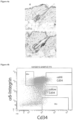
- the ability of the hair follicle to maintain this cycle depends on the presence of the hair follicle stem cells, which reside in the bulge (Fig la).
- bulge stem cells are activated by signals received from the dermal papilla, which at that stage abuts the bulge area. These stem cells exit the bulge and proliferate downwards, creating a trail that becomes the outer root sheath (ORS).
- Bulge stem cells are capable of giving rise to all the different cell types of the hair follicle.
- the ability of HFSCs to maintain quiescence and yet become proliferative for a couple days before returning to quiescence is unique in this tissue.
- HFSCs display an ability to shuttle back and forth between proliferative and quiescent states in vivo during the hair cycle 1,2 .
- New methods to study the metabolism of HFSCs in vivo are disclosed herein. Evidence is provided that these cells require glycolysis and lactate dehydrogenase activity to allow for their reactivation after extended periods of dormancy. Furthermore, these findings were used to uncover novel pharmacological methods to promote HFSC activation and the hair cycle.
- restoring hair growth means improving hair growth. For example, this includes proliferation or activation of hair follicle stem cells, e.g., shifting hair follicles from the resting phase to active growth phase.
- hair follicle stem cells e.g., shifting hair follicles from the resting phase to active growth phase.
- treatment with a compound or composition disclosed herein reduces these symptoms compared to before treatment.
- restoring hair growth is measured relative to the absence of administration of the compound of formula (I).
- Non-limiting examples of improvements in hair growth correlated to accelerating, promoting, or restoring hair growth can be selected from:
- the invention provides a compound for use in the treatment of alopecia, hair loss, hair thinning, or baldness in a subject, wherein the compound is represented by formula (I): or a pharmaceutically acceptable salt thereof.
- administering comprises topically applying a composition comprising the compound to an affected area.
- the subject exhibits symptoms selected from alopecia, hair loss, hair thinning, and baldness. In some embodiments, the subject exhibits symptoms selected from hair loss, hair thinning, and baldness.
- the subject exhibits baldness.
- the baldness is male pattern baldness or female pattern baldness.
- the subject exhibits symptoms selected from hair loss and hair thinning.
- the hair loss or the hair thinning is caused by anagen effluvium or telogen effluvium.
- anagen effluvium is triggered by chemotherapy (e.g., cytostatic drugs) and ingesting toxic products (e.g., rat poison).
- chemotherapy e.g., cytostatic drugs
- toxic products e.g., rat poison
- telogen effluvium is triggered by stress (e.g., vaccinations, physical trauma (including a car crash, surgery, and giving birth), chronic illness, and certain medications including antidepressants) and diet (e.g., lack of iron, excessive iron, lack of zinc, lack of L-lysine, lack of vitamin B6, lack of vitamin B12, and excessive vitamin A).
- stress e.g., vaccinations, physical trauma (including a car crash, surgery, and giving birth
- certain medications including antidepressants e.g., lack of iron, excessive iron, lack of zinc, lack of L-lysine, lack of vitamin B6, lack of vitamin B12, and excessive vitamin A.
- the hair loss or the hair thinning is caused by an autoimmune disorder.
- the alopecia is selected from juvenile alopecia, premature alopecia, senile alopecia, alopecia areata, androgenic alopecia, mechanical alopecia, postpartum alopecia, and symptomatic alopecia.
- the compound is applied to a hair follicle.
- the compound of formula (I) is used in the manufacture of a medicament for the treatment of any symptoms or conditions disclosed herein.
- the condition may be slowing or stopping hair growth.
- the condition of slowing or stopping hair growth may be selected from alopecia, hair loss, hair thinning, and baldness.
- the condition may be selected from alopecia, hair loss, hair thinning, and baldness.
- the method comprises activating a quiescent HFSC.
- the quiescent HFSC may be in a subject.
- the quiescent HFSC may be in a human subject.
- the method comprises increasing glycolysis in a HFSC.
- the levels of glycolytic metabolites may be increased relative to the absence of administration of the compound of formula (I).
- the glycolytic metabolites may be selected from glucose; G6P, glucose-6-phosphate; F6P, fructose-6-phosphate; FBP, fructose-bisphosphate; DHAP, dihydroxyacetone phosphate; 3PG, 3-phosphoglycerate; 3PL, 3-phospholactate; and ⁇ KG, alphaketoglutarate.
- the glycolytic metabolites may be selected from glucose; G6P; F6P; FBP; DHAP; 3PG; and 3PL.
- the method comprises activating lactate dehydrogenase in a HFSC.
- the HFSC may be a human HFSC.
- the HFSC may be within a human subject.
- composition comprising a compound of formula (I), optionally admixed with a pharmaceutically acceptable carrier or diluent.
- compositions and methods may be utilized to treat an individual in need thereof.
- the individual may be a mammal such as a human, or a non-human mammal.
- the composition or the compound is preferably administered as a pharmaceutical composition comprising, for example, the compound of formula (I) of the disclosure and a pharmaceutically acceptable carrier.
- Pharmaceutically acceptable carriers are well known in the art and include, for example, aqueous solutions such as water or physiologically buffered saline or other solvents or vehicles such as glycols, glycerol, oils such as olive oil, or injectable organic esters.
- the excipients can be chosen, for example, to effect delayed release of an agent or to selectively target one or more cells, tissues or organs.
- the pharmaceutical composition can be in dosage unit form such as tablet, capsule (including sprinkle capsule and gelatin capsule), granule, lyophile for reconstitution, powder, solution, syrup, cream, lotion or the like.
- the composition can also be present in a transdermal delivery system, e.g., a skin patch.
- the composition can also be present in a solution or composition suitable for topical administration.
- composition comprising a compound of formula (I): or a pharmaceutically acceptable salt thereof, and a carrier or excipient suitable for topical application to skin.
- the carrier or excipient is generally safe and non-irritating when applied to skin, in particular, for application to hair or scalp.
- a pharmaceutically acceptable carrier can contain physiologically acceptable agents that act, for example, to stabilize, increase solubility or to increase the absorption of a compound such as the compound of formula (I) of the disclosure.
- physiologically acceptable agents include, for example, carbohydrates, such as glucose, sucrose or dextrans, antioxidants, such as ascorbic acid or glutathione, chelating agents, low molecular weight proteins or other stabilizers or excipients.
- the choice of a pharmaceutically acceptable carrier, including a physiologically acceptable agent depends, for example, on the route of administration of the composition.
- the preparation of composition can be a self-emulsifying drug delivery system or a self-microemulsifying drug delivery system.
- composition (preparation) also can be a liposome or other polymer matrix, which can have incorporated therein, for example, the compound of formula (I) of the disclosure.
- Liposomes for example, which comprise phospholipids or other lipids, are nontoxic, physiologically acceptable and metabolizable carriers that are relatively simple to make and administer.
- phrases "pharmaceutically acceptable” is employed herein to refer to those compounds, materials, compositions, and/or dosage forms which are, within the scope of sound medical judgment, suitable for use in contact with the tissues of human beings and animals without excessive toxicity, irritation, allergic response, or other problem or complication, commensurate with a reasonable benefit/risk ratio.
- pharmaceutically acceptable carrier means a pharmaceutically acceptable material, composition or vehicle, such as a liquid or solid filler, diluent, excipient, solvent or encapsulating material. Each carrier must be “acceptable” in the sense of being compatible with the other ingredients of the formulation and not injurious to the patient.
- materials which can serve as pharmaceutically acceptable carriers include: (1) sugars, such as lactose, glucose and sucrose; (2) starches, such as corn starch and potato starch; (3) cellulose, and its derivatives, such as sodium carboxymethyl cellulose, ethyl cellulose and cellulose acetate; (4) powdered tragacanth; (5) malt; (6) gelatin; (7) talc; (8) excipients, such as cocoa butter and suppository waxes; (9) oils, such as peanut oil, cottonseed oil, safflower oil, sesame oil, olive oil, corn oil, soybean oil (e.g., glycine soja oil), linseed oil (e.g., linum usitatissium seed oil), and eucalyptus oil (e.g., eucalyptus globulus leaf oil); (10) glycols, such as propylene glycol; (11) polyols, such as glycerin,
- the carrier may be selected from polyols (e.g., propylene glycol, butylene glycol, pentylene glycol, hexylene glycol, caprylyl glycol, and glycerin), carbitol, glycol ethers (e.g., ethylene glycol monobutyl ether, propylene glycol monomethyl ether, propylene glycol monobutyl ether, dipropylene glycol and diethylene glycol), alkyl ethers (e.g., diethylene glycol monoethyl ether (ethoxy diglycol) and diethylene glycol monobutyl ether), pyrogen-free water, alcohol (e.g., ethyl alcohol, isopropanol, propanol, butanol, benzyl alcohol, and phenylethyl alcohol).
- polyols e.g., propylene glycol, butylene glycol, pentylene glycol, hexylene glycol,
- the composition may be an emulsion.
- Emulsions include oil-in-water, silicone-in-water, water-in-oil, water-in-silicone, and the like.
- an emulsifier is typically included.
- the composition may further comprise an ingredient selected from a surfactant, a thickener, a fragrance, a UV-screening agent, a wax, a silicone, a preservative, an oil, a vitamin, a provitamin, an opacifier, an antioxidant, an emulsifier, an excipient, a solvent, and a buffer.
- a surfactant e.g., a thickener, a fragrance, a UV-screening agent, a wax, a silicone, a preservative, an oil, a vitamin, a provitamin, an opacifier, an antioxidant, an emulsifier, an excipient, a solvent, and a buffer.
- Examples of a surfactant include, but are not limited to, oleth 5, oleic acid, sodium dodecyl sulfate, sodium lauryl sulfate, and poloxamer 407.
- Examples of a thickener include, but are not limited to, fatty alcohols (e.g., cetyl alcohol and oleyl alcohol), ethoxylated phenols (e.g., octoxynol-1, nonoxynol-4, and nonoxynol-9), and polymers (e.g., hydroxyethylcellulose and hydroxypropyl methylcellulose).
- fatty alcohols e.g., cetyl alcohol and oleyl alcohol
- ethoxylated phenols e.g., octoxynol-1, nonoxynol-4, and nonoxynol-9
- polymers e.g., hydroxyethylcellulose and hydroxypropyl methylcellulose.
- UV-screening agent examples include, but are not limited to, avobenzone, benzophenone-4, oxybenzone, octinoxate, titanium dioxide, and zinc oxide.
- Examples of a wax include, but are not limited to, bees wax, candelilla wax, carnauba wax, and castor wax.
- Examples of a preservative include, but are not limited to, isothiazolinones, parabens, phenoxyethanol, benzoic acid, sodium benzoate, sorbic acid, and potassium sorbate.
- an oil examples include, but are not limited to, avocado oil, coconut oil, linseed oil, peanut oil, cottonseed oil, safflower oil, sesame oil, olive oil, corn oil and soybean oil.
- Examples of a vitamin include, but are not limited to, vitamin E, vitamin C, vitamin B.
- antioxidants examples include, but are not limited to,: (1) water-soluble antioxidants, such as ascorbic acid, erythorbic acid, and isoascorbic acid cysteine hydrochloride, sodium bisulfate, sodium metabisulfite, sodium sulfite and the like; (2) oil-soluble antioxidants, such as ascorbyl palmitate, butylated hydroxyanisole (BHA), butylated hydroxytoluene (BHT), lecithin, propyl gallate, alpha-tocopherol, and the like; and (3) metal-chelating agents, such as citric acid, ethylenediamine tetraacetic acid (EDTA), sorbitol, tartaric acid, phosphoric acid, and the like.
- water-soluble antioxidants such as ascorbic acid, erythorbic acid, and isoascorbic acid cysteine hydrochloride, sodium bisulfate, sodium metabisulfite, sodium sulfite and the like
- oil-soluble antioxidants
- an emulsifier examples include, but are not limited to, ceteareth-20, ceteareth-25, cetearyl alcohol, lechithin, glyceryl stearate, sorbitan stearate, glyceryl oleate, polyglyceryl oleate, sorbitan oleate, isopropyl palmitate, polysorbate 20, polysorbate 60, polysorbate 80, stearic acid, and cetyl phosphate.
- the composition may be applied in a form selected from a shampoo, a hair rinse, a hair conditioner, a pomade, a hair gel, a mousse, a hydroalcoholic tonic, a cream, a spray, an emulsion, and a liquid.
- the composition may be an emulsion comprising water and stearic acid.
- the composition may be an emulsion comprising a pharmaceutically acceptable carrier, an emulsifier, an oil, and a fragrance.
- the composition may be an emulsion comprising water, propylene glycol, gelatin, stearic acid, linseed oil, soybean oil, eucalyptus oil, and a fragrance.
- the composition may be an emulsion comprising pluronic lecithin organogel.
- the composition may be an emulsion comprising water, poloxamer (e.g., poloxamer 407), and lecithin.
- the composition may be an emulsion comprising water, poloxamer (e.g., poloxamer 407), lecithin, and ethoxy diglycol.
- the composition may be an emulsion comprising water, poloxamer 407, potassium sorbate, lecithin, isopropyl palmitate, and sorbic acid.
- the composition may be an emulsion comprising water, poloxamer 407, potassium sorbate, lecithin, isopropyl palmitate, sorbic acid, and ethoxy diglycol.
- the composition may be an emulsion comprising PLO gel or PLO Ultramax gel.
- a composition (preparation) can be administered to a subject by any of a number of routes of administration including, for example, orally (for example, drenches as in aqueous or non-aqueous solutions or suspensions, tablets, capsules (including sprinkle capsules and gelatin capsules), boluses, powders, granules, pastes for application to the tongue); absorption through the oral mucosa (e.g., sublingually); transdermally (for example as a patch applied to the skin); and topically (for example, as a cream, ointment or spray applied to the skin, or as a product applied to the hair).
- routes of administration including, for example, orally (for example, drenches as in aqueous or non-aqueous solutions or suspensions, tablets, capsules (including sprinkle capsules and gelatin capsules), boluses, powders, granules, pastes for application to the tongue); absorption through the oral mucosa (e.g., sublingually);
- the formulations may conveniently be presented in unit dosage form and may be prepared by any methods well known in the art of pharmacy.
- the amount of active ingredient which can be combined with a carrier material to produce a single dosage form will vary depending upon the host being treated, the particular mode of administration.
- the amount of active ingredient that can be combined with a carrier material to produce a single dosage form will generally be that amount of the compound which produces a therapeutic effect. Generally, out of one hundred percent, this amount will range from about 0.001 percent to about 99 percent of active ingredient. This amount may range from about 5 percent to about 70 percent. This amount may range from about 10 percent to about 30 percent. This amount may range from about 0.001 percent to about 10 percent by weight of the composition.
- Methods of preparing these formulations or compositions include the step of bringing into association an active compound, such the compound of formula (I), with the carrier and, optionally, one or more accessory ingredients.
- an active compound such as the compound of formula (I)
- the formulations are prepared by uniformly and intimately bringing into association a compound of the present disclosure with liquid carriers, or finely divided solid carriers, or both, and then, if necessary, shaping the product.
- Formulations of the disclosure suitable for oral administration may be in the form of capsules (including sprinkle capsules and gelatin capsules), cachets, pills, tablets, lozenges (using a flavored basis, usually sucrose and acacia or tragacanth), lyophile, powders, granules, or as a solution or a suspension in an aqueous or non-aqueous liquid, or as an oil-in-water or water-in-oil liquid emulsion, or as an elixir or syrup, or as pastilles (using an inert base, such as gelatin and glycerin, or sucrose and acacia) and/or as mouth washes and the like, each containing a predetermined amount of a compound of the present disclosure as an active ingredient.
- Compositions or compounds may also be administered as a bolus, electuary or paste.
- the active ingredient is mixed with one or more pharmaceutically acceptable carriers, such as sodium citrate or dicalcium phosphate, and/or any of the following: (1) fillers or extenders, such as starches, lactose, sucrose, glucose, mannitol, and/or silicic acid; (2) binders, such as, for example, carboxymethylcellulose, alginates, gelatin, polyvinyl pyrrolidone, sucrose and/or acacia; (3) humectants, such as glycerol; (4) disintegrating agents, such as agar-agar, calcium carbonate, potato or tapioca starch, alginic acid, certain silicates, and sodium carbonate; (5) solution retarding agents, such as paraffin; (6) absorption accelerators, such as quaternary ammonium compounds; (7) wetting agents,
- pharmaceutically acceptable carriers such as sodium citrate or dicalcium phosphate, and/or any of the following: (1) fillers or extenders, such as starches, lactose
- compositions may also comprise buffering agents.
- Solid compositions of a similar type may also be employed as fillers in soft and hard-filled gelatin capsules using such excipients as lactose or milk sugars, as well as high molecular weight polyethylene glycols and the like.
- a tablet may be made by compression or molding, optionally with one or more accessory ingredients.
- Compressed tablets may be prepared using binder (for example, gelatin or hydroxypropylmethyl cellulose), lubricant, inert diluent, preservative, disintegrant (for example, sodium starch glycolate or cross-linked sodium carboxymethyl cellulose), surface-active or dispersing agent.
- Molded tablets may be made by molding in a suitable machine a mixture of the powdered compound moistened with an inert liquid diluent.
- the tablets, and other solid dosage forms of the compositions may optionally be scored or prepared with coatings and shells, such as enteric coatings and other coatings well known in the pharmaceutical-formulating art. They may also be formulated so as to provide slow or controlled release of the active ingredient therein using, for example, hydroxypropylmethyl cellulose in varying proportions to provide the desired release profile, other polymer matrices, liposomes and/or microspheres.
- compositions may be sterilized by, for example, filtration through a bacteria-retaining filter, or by incorporating sterilizing agents in the form of sterile solid compositions that can be dissolved in sterile water, or some other sterile injectable medium immediately before use.
- These compositions may also optionally contain opacifying agents and may be of a composition that they release the active ingredient(s) only, or preferentially, in a certain portion of the gastrointestinal tract, optionally, in a delayed manner.
- embedding compositions that can be used include polymeric substances and waxes.
- the active ingredient can also be in micro-encapsulated form, if appropriate, with one or more of the above-described excipients.
- Liquid dosage forms useful for oral administration include pharmaceutically acceptable emulsions, lyophiles for reconstitution, microemulsions, solutions, suspensions, syrups and elixirs.
- the liquid dosage forms may contain inert diluents commonly used in the art, such as, for example, water or other solvents, cyclodextrins and derivatives thereof, solubilizing agents and emulsifiers, such as ethyl alcohol, isopropyl alcohol, ethyl carbonate, ethyl acetate, benzyl alcohol, benzyl benzoate, propylene glycol, 1,3-butylene glycol, oils (in particular, cottonseed, groundnut, corn, germ, olive, castor and sesame oils), glycerol, tetrahydrofuryl alcohol, polyethylene glycols and fatty acid esters of sorbitan, and mixtures thereof.
- inert diluents commonly used in the art, such
- the oral compositions can also include adjuvants such as a wetting agent, an emulsifier, a suspending agent, a sweetener, a flavor, a dye, a fragrance, and a preservative.
- adjuvants such as a wetting agent, an emulsifier, a suspending agent, a sweetener, a flavor, a dye, a fragrance, and a preservative.
- Suspensions in addition to the active compounds, may contain suspending agents as, for example, ethoxylated isostearyl alcohols, polyoxyethylene sorbitol and sorbitan esters, microcrystalline cellulose, aluminum metahydroxide, bentonite, agar-agar and tragacanth, and mixtures thereof.
- suspending agents as, for example, ethoxylated isostearyl alcohols, polyoxyethylene sorbitol and sorbitan esters, microcrystalline cellulose, aluminum metahydroxide, bentonite, agar-agar and tragacanth, and mixtures thereof.
- Dosage forms for the topical or transdermal administration include powders, sprays, ointments, pastes, creams, lotions, gels, solutions, and patches.
- the active compound may be mixed under sterile conditions with a pharmaceutically acceptable carrier, and with any preservatives, buffers, or solvents that may be required.
- the ointments, pastes, creams and gels may contain, in addition to an active compound, excipients, such as animal and vegetable fats, oils, waxes, paraffins, starch, tragacanth, cellulose derivatives, polyethylene glycols, silicones, bentonites, silicic acid, talc and zinc oxide, or mixtures thereof.
- excipients such as animal and vegetable fats, oils, waxes, paraffins, starch, tragacanth, cellulose derivatives, polyethylene glycols, silicones, bentonites, silicic acid, talc and zinc oxide, or mixtures thereof.
- Powders and sprays can contain, in addition to an active compound, excipients such as lactose, talc, silicic acid, aluminum hydroxide, calcium silicates and polyamide powder, or mixtures of these substances.
- Sprays can additionally contain customary propellants, such as chlorofluorohydrocarbons and volatile unsubstituted hydrocarbons, such as butane and propane.
- Transdermal patches have the added advantage of providing controlled delivery of a compound of the present disclosure to the body.
- dosage forms can be made by dissolving or dispersing the active compound in the proper medium.
- Absorption enhancers can also be used to increase the flux of the compound across the skin. The rate of such flux can be controlled by either providing a rate controlling membrane or dispersing the compound in a polymer matrix or gel.
- suitable aqueous and nonaqueous carriers that may be employed in the compositions include water, ethanol, polyols (such as glycerol, propylene glycol, polyethylene glycol, and the like), and suitable mixtures thereof, vegetable oils, such as olive oil, and injectable organic esters, such as ethyl oleate.
- Proper fluidity can be maintained, for example, by the use of coating materials, such as lecithin, by the maintenance of the required particle size in the case of dispersions, and by the use of surfactants.
- compositions may also contain adjuvants such as preservatives, wetting agents, emulsifiers and dispersing agents. Prevention of the action of microorganisms may be ensured by the inclusion of various antibacterial and antifungal agents, for example, paraben, chlorobutanol, phenol sorbic acid, and the like. It may also be desirable to include isotonic agents, such as sugars, sodium chloride, and the like into the compositions. In addition, prolonged absorption of the injectable pharmaceutical form may be brought about by the inclusion of agents that delay absorption such as aluminum monostearate and gelatin.
- the pharmaceutical compositions may additionally include components to provide sustained release and/or comfort.
- Such components include high molecular weight, anionic mucomimetic polymers, gelling polysaccharides, and finely-divided drug carrier substrates. These components are discussed in greater detail in U.S. Pat. Nos. 4,911,920 ; 5,403,841 ; 5,212 , 162 ; and 4,861,760 .
- active compounds can be given per se or as a composition containing, for example, 0.001 to 99.5% (more preferably, 0.001 to 10%) of active ingredient in combination with a pharmaceutically acceptable carrier.
- Actual dosage levels of the active ingredients in the compositions may be varied so as to obtain an amount of the active ingredient that is effective to achieve the desired therapeutic response for a particular patient, composition, and mode of administration, without being toxic to the patient.
- the selected dosage level will depend upon a variety of factors including the activity of the particular compound or combination of compounds employed, or the ester, salt or amide thereof, the route of administration, the time of administration, the rate of excretion of the particular compound(s) being employed, the duration of the treatment, other drugs, compounds and/or materials used in combination with the particular compound(s) employed, the age, sex, weight, condition, general health and prior medical history of the patient being treated, and like factors well known in the medical arts.
- a physician or veterinarian having ordinary skill in the art can readily determine and prescribe the therapeutically effective amount of the composition required.
- the physician or veterinarian could start doses of the composition or compound at levels lower than that required in order to achieve the desired therapeutic effect and gradually increase the dosage until the desired effect is achieved.
- therapeutically effective amount is meant the concentration of a compound that is sufficient to elicit the desired therapeutic effect. It is generally understood that the effective amount of the compound will vary according to the weight, sex, age, and medical history of the subject. Other factors which influence the effective amount may include, but are not limited to, the severity of the patient's condition, the disorder being treated, the stability of the compound, and, if desired, another type of therapeutic agent being administered with the compound of formula (I).
- a larger total dose can be delivered by multiple administrations of the agent.
- Methods to determine efficacy and dosage are known to those skilled in the art ( Isselbacher et al. (1996) Harrison's Principles of Internal Medicine 13 ed., 1814-1882 ).
- a suitable daily dose of an active compound used in the compositions and methods of the disclosure will be that amount of the compound that is the lowest dose effective to produce a therapeutic effect. Such an effective dose will generally depend upon the factors described above.
- the effective daily dose of the active compound may be administered as one, two, three, four, five, six or more sub-doses administered separately at appropriate intervals throughout the day, optionally, in unit dosage forms.
- the active compound may be administered two or three times daily.
- the active compound may be administered once daily.
- the patient receiving this treatment is any animal in need, including primates, in particular humans, and other mammals such as equines, cattle, swine and sheep; and poultry and pets in general.
- mice were acquired from Jackson Labs ( K15-CrePR, Lgr5-CreER and Lgr6-CreER ) , Rutter Lab ( Mpo fl / fl ) and Seth Lab ( Ldha fl / fl ) ( Xie, H. et al., Cell Metab., 19, 795-809 (2014 )) and maintained under conditions set forth by IUCUC and ARC.
- animals were harvested at post-natal day 50, for telogen-anagen transition animals were harvested at day 70, and for anagen animals were harvested at post-natal day 90.
- K15-CrePR animals were shaved and treated by intraperitoneal injections of mifepristone and Lgr5-CreER and Lgr6-CreER animals were shaved and treated with tamoxifen (10 mg/ml dissolved in sunflower seed oil, 2 mg per day for 3 days) during telogen (post-natal day 50), and monitored for hair regrowth following shaving.
- Phenotypes shown from treated animals were produced 3-4 weeks after mifepristone administration. For Fig.
- Tissues were isolated from the indicated genotypes and embedded fresh in optimal cutting temperature (OCT) compound for frozen tissue preparations, or fixed overnight in 4% formalin and embedded in paraffin.
- OCT optimal cutting temperature
- sectioning was performed on a Leica 3200 Cryostat, and fixed for 5 minutes in 4% paraformaldehyde. Paraffin embedded tissue was sectioned, de-paraffinized, and prepared for histology. All sections prepared for staining were blocked in staining buffer containing appropriate control IgG (Goat, Rabbit etc.).
- Immunohistochemistry was performed on formalin-fixed paraffin-embedded tissue with citrate or Tris buffer antigen retrieval with the following antibodies: Ki67 (Abeam ab16667, 1:50), p-S6 (Cell Signaling CST2215, 1:50), Sox9 (Abcam ab185230, 1:1000), Ldha (Abeam ab47010, 1:100), Ldh (Abeam ab125683, 1:100), p-Stat3 (Abeam ab68153, 1:200), p-Stat1 (Abeam ab109461, 1:200), p-Stat5 (Abcam ab32364; 1:50), Gli3 (Abeam ab6050; 1:100), ⁇ -catenin (Abcam ab32572; 1:500).
- Ki67 Abeam ab16667, 1:50
- p-S6 Cell Signaling CST2215, 1:50
- Sox9 Abcam ab185230, 1:1000
- Ldha Abeam ab
- the DAKO EnVision+HRP Peroxidase System (Dako 1:500). K400911-2) and Dako AEC Substrate Chromogen (Dako K346430-2) was used for detection. Images were collected on an Olympus BX43 Upright Microscope and Zeiss Model Axio Imager M1 Upright Fluorescence Microscope. Protein samples for western blots and enzymatic assays were extracted from FACS sorted epidermal populations in RIPA lysis buffer (Pierce) with Halt protease and phosphatase inhibitors (Thermo-Fisher) and precipitated in acetone for concentration.
- ⁇ -actin Abeam ab8227; 1:1000
- ⁇ -actin Santa Cruz sc-47778; 1:1000
- C-Myc Abeam ab32072; 1:1000
- N-Myc Santa Cruz sc-53993; 1:200
- H3K27Ac Abeam ab177178; 1:200
- Mpc1 Sigma HPA045119
- the cells were then filtered through a 40 ⁇ M cell strainer and stained for fluorescence-activated cell sorting (FACS) processing with CD34 Monoclonal Antibody (RAM34), FITC, eBioscience TM (Catalog #:11-0341-82) and CD49d (Integrin alpha 4) Monoclonal Antibody (R1-2), PE, eBioscience TM (Catalog #:12-0492-81). Gating strategy shown in Fig. 4a . Cells sorted using BD FACSAria high-speed cell sorters. Single positive and double positive populations were collected into 20% BCS, RIPA lysis buffer (Thermo Scientific, Pierce), or 80% methanol for enzymatic assays, western blots or mass spec analyses respectively.
- FACS fluorescence-activated cell sorting
- Ldh activity was determined in cell lysates by measuring the formation of soluble 2,3-bis (2-methoxy-4-nitro-5-sulfophenyl)-2H-tetrazolium-5-carboxanilide (XTT) formazan in direct relation to production of NADH overtime at 475 run at 37°C using a Synergy-MX plate reader (Biotek Instruments). Lysates were prepared in radioimmunoprecipitation assay (RIPA) Buffer (Thermo Scientific Pierce). Protein content was determined using the bicinchoninic assay (BCA) Protein Assay Kit (Thermo Scientific Pierce). 10 ⁇ g of protein were used per well.
- XTT soluble 2,3-bis (2-methoxy-4-nitro-5-sulfophenyl)-2H-tetrazolium-5-carboxanilide
- the staining solution contained 50 mM Tris buffer pH 7.4, 150 ⁇ M XTT (Sigma), 750 ⁇ M ⁇ -nicotinamide adenine dinucleotide (NAD) (Sigma), 80 ⁇ M phenazine methosulfate (Sigma) and 10mM of substrate lactate (Sigma).
- Ldh activity was determined in cell lysates by measuring the change in absorbance of their common substrate or product, reduced ⁇ -nicotinamide adenine dinucleotide (NADH), over time at 340 nm at 25°C using a Synergy-MX plate reader (Biotek Instruments).
- Cryostat sections of mouse skin were briefly fixed (4% formalin for 5 min), washed with PBS pH 7.4, and then incubated with the appropriate solution for LDH activity.
- Staining medium contained 50 mM Tris pH 7.4, 750 ⁇ M NAD (Sigma), 80 ⁇ M phenazine methosulfate (Sigma), 600 ⁇ M Nitrotetrazolium Blue chloride (Sigma), 10 mM MgC12 (Sigma) and 10mM of the substrate lactate (Sigma).
- the supernatant was transferred into a glass vial, metabolites dried down under vacuum, and resuspended in 70% acetonitrile.
- 5 ⁇ l were injected onto a Luna NH2 (150 mm x 2 mm, Phenomenex) column.
- the samples were analyzed with an UltiMate 3000RSLC (Thermo Scientific) coupled to a Q Exactive mass spectrometer (Thermo Scientific).
- the Q Exactive was run with polarity switching (+3.50 kV / -3.50 kV) in full scan mode with an m/z range of 65-975.
- Example 1 Lactate Dehydrogenase activity is enriched in the Hair Follicle Stem Cell niche
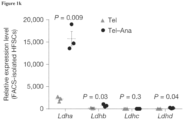
- Lactate dehydrogenase is most commonly encoded by the Ldha and Ldhb genes in mammals, the protein products of which form homo- or hetero-tetramers to catalyze the NADH-dependent reduction of pyruvate to lactate and NAD + -dependent oxidation of lactate to pyruvate 9 .
- telogen quiescent HFSCs in situ
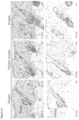
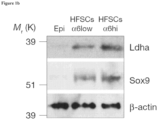
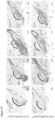
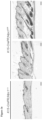
- IHC with an antibody that recognizes Ldha and Ldhb showed that only Ldha appears to be localized to the HFSC niche ( Fig. 4a ).
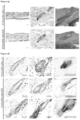
- HFSCs are known to go through successive rounds of quiescence (telogen) punctuated by brief periods of proliferation correlating with the start of the hair cycle (telogen-anagen transition). Proliferation or activation of HFSCs is well known to be a prerequisite for advancement of the hair cycle. IHC analysis also showed Ldha expression was enriched in HFSCs (Sox9+) at three stages of the hair cycle (Fig. la).
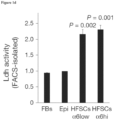
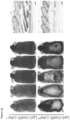
- Ldh activity assay was adapated to work in situ on frozen tissue sections. Note that since both the in situ and in vitro Ldh activity assays employ use of excess substrate (lactate), the results from these assays reflect the capacity for Ldh activity, and not the steady-state activity.
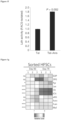
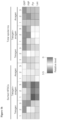
- HFSCs metabolomics analysis was performed on sorted populations from mouse skin by liquid chromatography-mass spectrometry (LC-MS) ( Fig. 1e ).
- LC-MS liquid chromatography-mass spectrometry
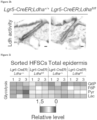
- glycolytic metabolites including glucose/fructose-6-phosphate, fructose-bisphosphate, dihydroxyacetone phosphate, 3-phosphoglycerate, and lactate, were routinely higher in HFSCs relative to total epidermis across three independent experiments (isolated from different mice on different days).
- most TCA cycle metabolites were not consistently different between the epidermis and HFSCs ( Fig. 1e ).
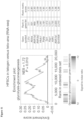
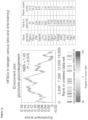
- RNA-seq data from HFSCs isolated during either telogen or the telogen-anagen transition demonstrated not only that Ldha is the predominant Ldh isoform expressed in HFSCs ( Fig. 1k ), but is also induced during the telogen-anagen transition ( Figs. 1i and 1j ) (N1HGEOGSE67404 and GSE51635).
- RNA-seq important markers of this transition were assessed including the Shh and Wnt pathways ( Gli1, 2, 3; Lef1, Axin1, Axin2, Ccnd1 ) as well as proliferation markers ( Ki-67, Pcna and Sox4 ) ( Fig. 4e ).
- Example 2 Deletion of Ldh activity blocks HFSC activation
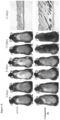
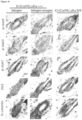
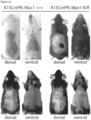
- Ldha specifically was deleted in the HFSCs. Taking advantage of mice with floxed alleles of Ldha 12 , this enzyme was deleted in HFSCs by crossing to mice bearing the K15CrePR alleles, known to be inducible by Mifepristone specifically in HFSCs. Deletion of Ldha in HFSCs was initiated by administration of Mifepristone during telogen (day 50) and led to a typically mosaic recombination of the floxed alleles across the backskin. Mice with HFSC-specific deletion of Ldha failed to undergo a proper hair cycle, with most follicles remaining in telogen across at least 33 pairs of litter mates 3-4 weeks after Mifepristone treatment ( Fig. 2a ).
- Ldha also was deleted with an independent HFSC-specific Cre strategy.
- Lgr5 - CreER has been used for lineage tracing in a variety of adult stem cell models, and has been shown to mark cells with high regenerative capacity, including HFSCs ( Jaks, V. et al., Nat Genet 40, 1291-1299 (2008 )).
- In situ Ldh assay and metabolomics confirmed the successful deletion of Ldha in these animals ( Fig. 2h and Fig. 2i ).
- Example 3 Deletion of Mpcl in Hair Follicle Stem Cells activates a new hair cycle
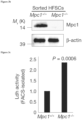
- K15CrePR animals were crossed to those floxed for mitochondrial pyruvate carrier 1 ( Mpc1 ) ( K15CrePR;Mpc1 fl / fl ) .
- Mpc1 mitochondrial pyruvate carrier 1
- Mpc2 forms the mitochondrial pyruvate carrier MFC, a transporter on the inner mitochondrial membrane required for pyruvate entry into the mitochondria 15 .
- Loss of function of Mpc1 has been shown to drive lactate production through enhanced conversion of pyruvate to lactate by Ldh 16 .
- immunofluorescence for the Ires-GFP of the Lgr5CreER transgene along with Ki-67 and lineage tracing with K15CrePR;Mpc1 fl/fl ;lsl-Tomato mice also demonstrated that the HFSCs were indeed proliferative following induction of Mpc1 deletion by tamoxifen or mifepristone ( Fig 4k ).
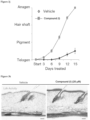
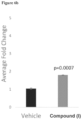
- the compound of formula (I) is a well-established pharmacological inhibitor of the mitochondrial pyruvate carrier and known to promote lactate production as a result in various settings 17 .
- Topical treatment of animals in telogen (day 50) with the compound of formula (1) led to a robust acceleration of the hair cycle, as well as minor hyperproliferation of the interfollicular epidermis ( Fig. 3i ).
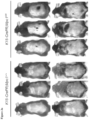
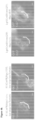
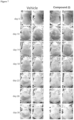
- mice 17 month old mice were shaved and treated every other day with DMSO or 20uM of the compound of formula (1) diluted in PLO gel (pluronic lecithin organogel). Images were acquired at the indicated day after shaving and canied out for 30 days. The aged mice treated with DMSO grew their coat back in a patchy pattern, while treatment with the compound of formula (I) led to a more complete re-growth ( Fig. 7 ).
- PLO gel plural lecithin organogel
Landscapes
- Health & Medical Sciences (AREA)
- Life Sciences & Earth Sciences (AREA)
- Animal Behavior & Ethology (AREA)
- General Health & Medical Sciences (AREA)
- Public Health (AREA)
- Veterinary Medicine (AREA)
- Chemical & Material Sciences (AREA)
- Epidemiology (AREA)
- Medicinal Chemistry (AREA)
- Pharmacology & Pharmacy (AREA)
- Dermatology (AREA)
- Birds (AREA)
- Engineering & Computer Science (AREA)
- Bioinformatics & Cheminformatics (AREA)
- Chemical Kinetics & Catalysis (AREA)
- General Chemical & Material Sciences (AREA)
- Nuclear Medicine, Radiotherapy & Molecular Imaging (AREA)
- Organic Chemistry (AREA)
- Dispersion Chemistry (AREA)
- Pharmaceuticals Containing Other Organic And Inorganic Compounds (AREA)
- Cosmetics (AREA)
- Acyclic And Carbocyclic Compounds In Medicinal Compositions (AREA)
- Medicinal Preparation (AREA)
- Medicines That Contain Protein Lipid Enzymes And Other Medicines (AREA)
Claims (12)
- Composé destiné à être utilisé dans le traitement thérapeutique de l'alopécie, de la perte de cheveux, de l'amincissement des cheveux ou de la calvitie chez un sujet, ledit composé étant représenté par la formule (I) :

- Composé destiné à être utilisé de la revendication 1, ledit composé étant destiné à être utilisé dans l'application topique sur une zone affectée.
- Composé destiné à être utilisé de la revendication 1 ou 2, destiné à être utilisé dans le traitement de la calvitie.
- Composé destiné à être utilisé selon l'une quelconque des revendications 1-3, ladite calvitie étant une calvitie masculine ou une calvitie féminine.
- Composé destiné à être utilisé de la revendication 1 ou 2, ledit composé étant destiné à être utilisé dans le traitement de la perte de cheveux ou de l'amincissement des cheveux.
- Composé destiné à être utilisé de la revendication 5, ladite perte de cheveux ou ledit amincissement des cheveux étant provoquée par un effluvium anagène ou un effluvium télogène.
- Composé destiné à être utilisé de la revendication 1 ou 2, ledit composé étant destiné à être utilisé dans le traitement de l'alopécie.
- Composé destiné à être utilisé de la revendication 7, ladite alopécie étant choisie parmi l'alopécie juvénile, l'alopécie prématurée, l'alopécie sénile, l'alopécie areata, l'alopécie androgénique, l'alopécie mécanique et l'alopécie symptomatique.
- Composé destiné à être utilisé de l'une quelconque des revendications 1-8, ledit composé étant destiné à être appliqué à un follicule pileux.
- Composé destiné à être utilisé de l'une quelconque des revendications 1-9, ledit composé étant destiné à être utilisé en administration quotidienne au sujet.
- Composé destiné à être utilisé de l'une quelconque des revendications 1-10, ledit sujet étant un mammifère.
- Composé destiné à être utilisé de l'une quelconque des revendications 1-11, ledit sujet étant un être humain.
Applications Claiming Priority (2)
| Application Number | Priority Date | Filing Date | Title |
|---|---|---|---|
| US201762463232P | 2017-02-24 | 2017-02-24 | |
| PCT/US2017/048701 WO2018039612A1 (fr) | 2016-08-26 | 2017-08-25 | Compositions et méthodes favorisant la croissance des cheveux au moyen d'inhibiteurs de mpc1 |
Publications (4)
| Publication Number | Publication Date |
|---|---|
| EP3585381A1 EP3585381A1 (fr) | 2020-01-01 |
| EP3585381A4 EP3585381A4 (fr) | 2020-08-19 |
| EP3585381B1 true EP3585381B1 (fr) | 2024-10-02 |
| EP3585381C0 EP3585381C0 (fr) | 2024-10-02 |
Family
ID=67297690
Family Applications (1)
| Application Number | Title | Priority Date | Filing Date |
|---|---|---|---|
| EP17844520.1A Active EP3585381B1 (fr) | 2017-02-24 | 2017-08-25 | Compositions et méthodes favorisant la croissance des cheveux au moyen d'inhibiteurs de mpc1 |
Country Status (13)
| Country | Link |
|---|---|
| US (1) | US11213513B2 (fr) |
| EP (1) | EP3585381B1 (fr) |
| JP (1) | JP7046086B2 (fr) |
| KR (1) | KR102440809B1 (fr) |
| CN (1) | CN110300583A (fr) |
| AU (1) | AU2017314833A1 (fr) |
| BR (1) | BR112019015552A2 (fr) |
| CA (1) | CA3050635A1 (fr) |
| EA (1) | EA038943B1 (fr) |
| IL (1) | IL268345B (fr) |
| MX (1) | MX389692B (fr) |
| PE (1) | PE20200600A1 (fr) |
| SG (1) | SG11201906807VA (fr) |
Families Citing this family (7)
| Publication number | Priority date | Publication date | Assignee | Title |
|---|---|---|---|---|
| EP3585381B1 (fr) | 2017-02-24 | 2024-10-02 | The Regents of University of California | Compositions et méthodes favorisant la croissance des cheveux au moyen d'inhibiteurs de mpc1 |
| US11534383B2 (en) | 2017-06-26 | 2022-12-27 | Virtue Labs, LLC | Cosmetic compositions and methods of use |
| CA3067746A1 (fr) | 2017-06-30 | 2019-01-03 | The Regents Of The University Of California | Compositions et procedes de modulation de la pousse des cheveux |
| US20240327400A1 (en) * | 2020-06-30 | 2024-10-03 | The Regents Of The University Of California | Compositions and methods for modulating hair growth |
| WO2022006040A1 (fr) | 2020-06-30 | 2022-01-06 | The Regents Of The University Of California | Compositions et procédés de modulation de la pousse des cheveux |
| MX2023012002A (es) * | 2021-04-14 | 2023-10-30 | Virtue Labs Llc | Composiciones de tratamiento capilar y metodos de uso. |
| CN118215477A (zh) * | 2021-08-13 | 2024-06-18 | Mpc治疗中心 | 用于治疗癌症的线粒体丙酮酸载体抑制剂[1,2,4]三唑并[4,3-a]嘧啶-7(8H)-酮 |
Family Cites Families (21)
| Publication number | Priority date | Publication date | Assignee | Title |
|---|---|---|---|---|
| GB9014221D0 (en) | 1990-06-26 | 1990-08-15 | Janssen Pharmaceutica Nv | Method of treating alopecia |
| GB9023585D0 (en) | 1990-10-30 | 1990-12-12 | Beecham Group Plc | Novel compounds |
| FR2796274B1 (fr) * | 1999-07-16 | 2001-09-21 | Oreal | Utilisation de l'acide 4,6-dimethoxy-indole 2-carboxylique ou de ses derives pour stimuler ou induire la pousse des cheveux et/ou stopper leur chute |
| CA2406871A1 (fr) | 2000-02-23 | 2001-08-30 | Orentreich Foundation For The Advancement Of Science, Inc. | Methodes et compositions de traitement de l'alopecie et d'autres troubles de l'appareil pilosebace |
| WO2004080481A1 (fr) | 2003-03-13 | 2004-09-23 | Novo Nordisk A/S | Nouvelles preparations d'insuline nph |
| KR20070085288A (ko) * | 2004-09-24 | 2007-08-27 | 안지오블라스트 시스템스 인코퍼레이티드 | 간엽 전구세포의 증식 및/또는 생존성 증강 방법 |
| WO2007099396A2 (fr) | 2005-06-07 | 2007-09-07 | Foamix Ltd. | Kit et composition antibiotiques et leurs utilisations |
| JP2007191473A (ja) | 2005-12-21 | 2007-08-02 | Daiichi Sankyo Healthcare Co Ltd | 新規な育毛用組成物 |
| WO2009030257A1 (fr) | 2007-09-05 | 2009-03-12 | Deutsches Krebsforschungszentrum Stiftung des öffentlichen Rechts | Procédés et composés pour traiter des maladies provoquées par des espèces réactives de l'oxygène |
| SG11201403268QA (en) | 2011-12-22 | 2014-07-30 | Connexios Life Sciences Pvt Ltd | Cyclic amide derivatives as inhibitors of 11 - beta - hydroxysteroid dehydrogenase and uses thereof |
| JP5956242B2 (ja) | 2012-05-09 | 2016-07-27 | 富士産業株式会社 | まつ毛・眉毛用の育毛用組成物 |
| US20150099790A1 (en) | 2012-05-10 | 2015-04-09 | University Of Utah Research Foundation | Compositions and methods for modulating mitochondrial pyruvate carrier activity |
| WO2014207213A1 (fr) | 2013-06-28 | 2014-12-31 | Medizinische Universität Innsbruck | Nouveaux inhibiteurs de la signalisation de la protéine kinase c epsilon |
| WO2015049365A2 (fr) | 2013-10-03 | 2015-04-09 | INSERM (Institut National de la Santé et de la Recherche Médicale) | Méthodes et compositions pharmaceutiques permettant la modulation de l'autophagie chez un sujet ayant besoin d'un tel traitement |
| US9636340B2 (en) | 2013-11-12 | 2017-05-02 | Ayyappan K. Rajasekaran | Kinase inhibitors |
| WO2018039612A1 (fr) | 2016-08-26 | 2018-03-01 | The Regents Of The University Of California | Compositions et méthodes favorisant la croissance des cheveux au moyen d'inhibiteurs de mpc1 |
| EP3585381B1 (fr) | 2017-02-24 | 2024-10-02 | The Regents of University of California | Compositions et méthodes favorisant la croissance des cheveux au moyen d'inhibiteurs de mpc1 |
| CN106880693A (zh) | 2017-03-22 | 2017-06-23 | 广州国草夏方生物科技有限公司 | 一种治疗脂溢性脱发的生发液组合物及其制备方法 |
| CA3067746A1 (fr) | 2017-06-30 | 2019-01-03 | The Regents Of The University Of California | Compositions et procedes de modulation de la pousse des cheveux |
| EP3687528A4 (fr) | 2017-09-29 | 2021-07-21 | The Regents of the University of California | Compositions et procédés de modulation de la pousse des cheveux |
| BR112021012829A2 (pt) | 2019-01-02 | 2021-11-09 | Univ California | Composições e métodos para modular o crescimento capilar |
-
2017
- 2017-08-25 EP EP17844520.1A patent/EP3585381B1/fr active Active
- 2017-08-25 IL IL268345A patent/IL268345B/en unknown
- 2017-08-25 CA CA3050635A patent/CA3050635A1/fr active Pending
- 2017-08-25 KR KR1020197027953A patent/KR102440809B1/ko active Active
- 2017-08-25 US US16/488,451 patent/US11213513B2/en active Active
- 2017-08-25 PE PE2019001733A patent/PE20200600A1/es unknown
- 2017-08-25 AU AU2017314833A patent/AU2017314833A1/en not_active Abandoned
- 2017-08-25 MX MX2019010101A patent/MX389692B/es unknown
- 2017-08-25 CN CN201780086662.7A patent/CN110300583A/zh active Pending
- 2017-08-25 JP JP2019545928A patent/JP7046086B2/ja active Active
- 2017-08-25 BR BR112019015552-0A patent/BR112019015552A2/pt not_active IP Right Cessation
- 2017-08-25 EA EA201991988A patent/EA038943B1/ru unknown
- 2017-08-25 SG SG11201906807VA patent/SG11201906807VA/en unknown
Also Published As
| Publication number | Publication date |
|---|---|
| MX2019010101A (es) | 2019-10-15 |
| US11213513B2 (en) | 2022-01-04 |
| EP3585381A1 (fr) | 2020-01-01 |
| JP7046086B2 (ja) | 2022-04-01 |
| MX389692B (es) | 2025-03-20 |
| US20200030289A1 (en) | 2020-01-30 |
| CN110300583A (zh) | 2019-10-01 |
| KR20190119118A (ko) | 2019-10-21 |
| EP3585381A4 (fr) | 2020-08-19 |
| KR102440809B1 (ko) | 2022-09-05 |
| EA038943B1 (ru) | 2021-11-12 |
| IL268345A (en) | 2019-09-26 |
| JP2020524127A (ja) | 2020-08-13 |
| PE20200600A1 (es) | 2020-03-10 |
| IL268345B (en) | 2022-08-01 |
| BR112019015552A2 (pt) | 2020-03-17 |
| EP3585381C0 (fr) | 2024-10-02 |
| CA3050635A1 (fr) | 2018-03-01 |
| EA201991988A1 (ru) | 2020-01-24 |
| AU2017314833A1 (en) | 2019-07-25 |
| SG11201906807VA (en) | 2019-08-27 |
Similar Documents
| Publication | Publication Date | Title |
|---|---|---|
| EP3585381B1 (fr) | Compositions et méthodes favorisant la croissance des cheveux au moyen d'inhibiteurs de mpc1 | |
| WO2018039612A1 (fr) | Compositions et méthodes favorisant la croissance des cheveux au moyen d'inhibiteurs de mpc1 | |
| JP6193968B2 (ja) | 発毛を調節するための組成物および方法 | |
| WO1997002041A1 (fr) | Traitement transcutane et oral de l'alopecie androgene | |
| US20190091494A1 (en) | Peptides for hair growth | |
| KR20110028494A (ko) | 탈모 치료용 조성물 | |
| US20150072963A1 (en) | Compositions and methods for regulating hair growth | |
| US20100022604A1 (en) | Prophylactic or therapeutic agent for alopecia | |
| KR101792402B1 (ko) | 니코틴산 아데닌 디뉴클레오티드 인산 및 그 유도체를 포함하는 발모 또는 육모 촉진제 | |
| HK40015839A (en) | Compositions and methods for promoting hair growth with mpc1 inhibitors | |
| US20030095937A1 (en) | Method for stimulating hair growth by administering vitamin D analogs | |
| EP3829626B1 (fr) | Extrait de lespedeza capitata pour son utilisation dans le domaine capillaire | |
| US20180263940A1 (en) | Treatment of skin conditions | |
| KR20190020539A (ko) | 밤송이 유래 신규 화합물을 포함하는 탈모 개선용 조성물 | |
| EP4525823B1 (fr) | Agoniste du récepteur olfactif 2a4/7 pour favoriser la pousse des cheveux et améliorer l'aspect esthétique | |
| CN121041298A (zh) | 芦丁及其代谢相关靶标在改善毛发生长中的用途 | |
| WO2026078728A1 (fr) | Tolvaptan destiné à être utilisé dans le traitement de l'alopécie et permettant de favoriser la pousse des cheveux et la mélanogenèse dans les follicules pileux |
Legal Events
| Date | Code | Title | Description |
|---|---|---|---|
| STAA | Information on the status of an ep patent application or granted ep patent |
Free format text: STATUS: THE INTERNATIONAL PUBLICATION HAS BEEN MADE |
|
| PUAI | Public reference made under article 153(3) epc to a published international application that has entered the european phase |
Free format text: ORIGINAL CODE: 0009012 |
|
| STAA | Information on the status of an ep patent application or granted ep patent |
Free format text: STATUS: REQUEST FOR EXAMINATION WAS MADE |
|
| 17P | Request for examination filed |
Effective date: 20190920 |
|
| AK | Designated contracting states |
Kind code of ref document: A1 Designated state(s): AL AT BE BG CH CY CZ DE DK EE ES FI FR GB GR HR HU IE IS IT LI LT LU LV MC MK MT NL NO PL PT RO RS SE SI SK SM TR |
|
| AX | Request for extension of the european patent |
Extension state: BA ME |
|
| DAV | Request for validation of the european patent (deleted) | ||
| DAX | Request for extension of the european patent (deleted) | ||
| A4 | Supplementary search report drawn up and despatched |
Effective date: 20200721 |
|
| RIC1 | Information provided on ipc code assigned before grant |
Ipc: A61K 31/405 20060101AFI20200715BHEP Ipc: A61P 17/14 20060101ALI20200715BHEP Ipc: A61Q 7/00 20060101ALI20200715BHEP Ipc: A61K 8/49 20060101ALI20200715BHEP Ipc: A61K 31/404 20060101ALI20200715BHEP |
|
| RIN1 | Information on inventor provided before grant (corrected) |
Inventor name: LOWRY, WILLIAM, E. Inventor name: CHRISTOFK, HEATHER Inventor name: FLORES, AIMEE |
|
| STAA | Information on the status of an ep patent application or granted ep patent |
Free format text: STATUS: EXAMINATION IS IN PROGRESS |
|
| 17Q | First examination report despatched |
Effective date: 20210923 |
|
| GRAP | Despatch of communication of intention to grant a patent |
Free format text: ORIGINAL CODE: EPIDOSNIGR1 |
|
| STAA | Information on the status of an ep patent application or granted ep patent |
Free format text: STATUS: GRANT OF PATENT IS INTENDED |
|
| RIC1 | Information provided on ipc code assigned before grant |
Ipc: A61K 8/49 20060101ALI20240228BHEP Ipc: A61P 17/14 20060101ALI20240228BHEP Ipc: A61Q 7/00 20060101ALI20240228BHEP Ipc: A61K 31/405 20060101AFI20240228BHEP |
|
| INTG | Intention to grant announced |
Effective date: 20240319 |
|
| RAP3 | Party data changed (applicant data changed or rights of an application transferred) |
Owner name: THE REGENTS OF UNIVERSITY OF CALIFORNIA |
|
| RIN1 | Information on inventor provided before grant (corrected) |
Inventor name: FLORES, AIMEE Inventor name: CHRISTOFK, HEATHER Inventor name: LOWRY, WILLIAM E. |
|
| GRAS | Grant fee paid |
Free format text: ORIGINAL CODE: EPIDOSNIGR3 |
|
| GRAA | (expected) grant |
Free format text: ORIGINAL CODE: 0009210 |
|
| STAA | Information on the status of an ep patent application or granted ep patent |
Free format text: STATUS: THE PATENT HAS BEEN GRANTED |
|
| AK | Designated contracting states |
Kind code of ref document: B1 Designated state(s): AL AT BE BG CH CY CZ DE DK EE ES FI FR GB GR HR HU IE IS IT LI LT LU LV MC MK MT NL NO PL PT RO RS SE SI SK SM TR |
|
| REG | Reference to a national code |
Ref country code: GB Ref legal event code: FG4D |
|
| REG | Reference to a national code |
Ref country code: CH Ref legal event code: EP |
|
| REG | Reference to a national code |
Ref country code: IE Ref legal event code: FG4D |
|
| REG | Reference to a national code |
Ref country code: DE Ref legal event code: R096 Ref document number: 602017085260 Country of ref document: DE |
|
| P01 | Opt-out of the competence of the unified patent court (upc) registered |
Free format text: CASE NUMBER: UPC_APP_118578/2023 Effective date: 20230510 |
|
| U01 | Request for unitary effect filed |
Effective date: 20241029 |
|
| U07 | Unitary effect registered |
Designated state(s): AT BE BG DE DK EE FI FR IT LT LU LV MT NL PT RO SE SI Effective date: 20241112 |
|
| P04 | Withdrawal of opt-out of the competence of the unified patent court (upc) registered |
Free format text: CASE NUMBER: APP_60280/2024 Effective date: 20241108 |
|
| PG25 | Lapsed in a contracting state [announced via postgrant information from national office to epo] |
Ref country code: IS Free format text: LAPSE BECAUSE OF FAILURE TO SUBMIT A TRANSLATION OF THE DESCRIPTION OR TO PAY THE FEE WITHIN THE PRESCRIBED TIME-LIMIT Effective date: 20250202 Ref country code: HR Free format text: LAPSE BECAUSE OF FAILURE TO SUBMIT A TRANSLATION OF THE DESCRIPTION OR TO PAY THE FEE WITHIN THE PRESCRIBED TIME-LIMIT Effective date: 20241002 |
|
| PG25 | Lapsed in a contracting state [announced via postgrant information from national office to epo] |
Ref country code: ES Free format text: LAPSE BECAUSE OF FAILURE TO SUBMIT A TRANSLATION OF THE DESCRIPTION OR TO PAY THE FEE WITHIN THE PRESCRIBED TIME-LIMIT Effective date: 20241002 |
|
| PG25 | Lapsed in a contracting state [announced via postgrant information from national office to epo] |
Ref country code: NO Free format text: LAPSE BECAUSE OF FAILURE TO SUBMIT A TRANSLATION OF THE DESCRIPTION OR TO PAY THE FEE WITHIN THE PRESCRIBED TIME-LIMIT Effective date: 20250102 |
|
| PG25 | Lapsed in a contracting state [announced via postgrant information from national office to epo] |
Ref country code: GR Free format text: LAPSE BECAUSE OF FAILURE TO SUBMIT A TRANSLATION OF THE DESCRIPTION OR TO PAY THE FEE WITHIN THE PRESCRIBED TIME-LIMIT Effective date: 20250103 |
|
| PG25 | Lapsed in a contracting state [announced via postgrant information from national office to epo] |
Ref country code: CZ Free format text: LAPSE BECAUSE OF FAILURE TO SUBMIT A TRANSLATION OF THE DESCRIPTION OR TO PAY THE FEE WITHIN THE PRESCRIBED TIME-LIMIT Effective date: 20241002 Ref country code: PL Free format text: LAPSE BECAUSE OF FAILURE TO SUBMIT A TRANSLATION OF THE DESCRIPTION OR TO PAY THE FEE WITHIN THE PRESCRIBED TIME-LIMIT Effective date: 20241002 |
|
| PG25 | Lapsed in a contracting state [announced via postgrant information from national office to epo] |
Ref country code: RS Free format text: LAPSE BECAUSE OF FAILURE TO SUBMIT A TRANSLATION OF THE DESCRIPTION OR TO PAY THE FEE WITHIN THE PRESCRIBED TIME-LIMIT Effective date: 20250102 |
|
| PG25 | Lapsed in a contracting state [announced via postgrant information from national office to epo] |
Ref country code: SM Free format text: LAPSE BECAUSE OF FAILURE TO SUBMIT A TRANSLATION OF THE DESCRIPTION OR TO PAY THE FEE WITHIN THE PRESCRIBED TIME-LIMIT Effective date: 20241002 |
|
| PG25 | Lapsed in a contracting state [announced via postgrant information from national office to epo] |
Ref country code: SK Free format text: LAPSE BECAUSE OF FAILURE TO SUBMIT A TRANSLATION OF THE DESCRIPTION OR TO PAY THE FEE WITHIN THE PRESCRIBED TIME-LIMIT Effective date: 20241002 |
|
| PLBE | No opposition filed within time limit |
Free format text: ORIGINAL CODE: 0009261 |
|
| STAA | Information on the status of an ep patent application or granted ep patent |
Free format text: STATUS: NO OPPOSITION FILED WITHIN TIME LIMIT |
|
| 26N | No opposition filed |
Effective date: 20250703 |
|
| PGFP | Annual fee paid to national office [announced via postgrant information from national office to epo] |
Ref country code: GB Payment date: 20250827 Year of fee payment: 9 |
|
| U21 | Renewal fee for the european patent with unitary effect paid with additional fee |
Year of fee payment: 9 Effective date: 20251103 |
|
| REG | Reference to a national code |
Ref country code: CH Ref legal event code: H13 Free format text: ST27 STATUS EVENT CODE: U-0-0-H10-H13 (AS PROVIDED BY THE NATIONAL OFFICE) Effective date: 20260324 |
|
| PG25 | Lapsed in a contracting state [announced via postgrant information from national office to epo] |
Ref country code: MC Free format text: LAPSE BECAUSE OF FAILURE TO SUBMIT A TRANSLATION OF THE DESCRIPTION OR TO PAY THE FEE WITHIN THE PRESCRIBED TIME-LIMIT Effective date: 20241002 |
|
| PG25 | Lapsed in a contracting state [announced via postgrant information from national office to epo] |
Ref country code: CH Free format text: LAPSE BECAUSE OF NON-PAYMENT OF DUE FEES Effective date: 20250831 |