EP3586877A1 - Application du mycète vnp2009-m dans le génie génétique lors de la préparation d'un médicament pour le traitement ou la prévention du cancer du poumon - Google Patents
Application du mycète vnp2009-m dans le génie génétique lors de la préparation d'un médicament pour le traitement ou la prévention du cancer du poumon Download PDFInfo
- Publication number
- EP3586877A1 EP3586877A1 EP18777423.7A EP18777423A EP3586877A1 EP 3586877 A1 EP3586877 A1 EP 3586877A1 EP 18777423 A EP18777423 A EP 18777423A EP 3586877 A1 EP3586877 A1 EP 3586877A1
- Authority
- EP
- European Patent Office
- Prior art keywords
- lung cancer
- plasmid
- vnp20009
- genetically engineered
- engineered bacteria
- Prior art date
- Legal status (The legal status is an assumption and is not a legal conclusion. Google has not performed a legal analysis and makes no representation as to the accuracy of the status listed.)
- Pending
Links
Images


Classifications
-
- A—HUMAN NECESSITIES
- A61—MEDICAL OR VETERINARY SCIENCE; HYGIENE
- A61K—PREPARATIONS FOR MEDICAL, DENTAL OR TOILETRY PURPOSES
- A61K48/00—Medicinal preparations containing genetic material which is inserted into cells of the living body to treat genetic diseases; Gene therapy
- A61K48/005—Medicinal preparations containing genetic material which is inserted into cells of the living body to treat genetic diseases; Gene therapy characterised by an aspect of the 'active' part of the composition delivered, i.e. the nucleic acid delivered
-
- A—HUMAN NECESSITIES
- A61—MEDICAL OR VETERINARY SCIENCE; HYGIENE
- A61K—PREPARATIONS FOR MEDICAL, DENTAL OR TOILETRY PURPOSES
- A61K35/00—Medicinal preparations containing materials or reaction products thereof with undetermined constitution
- A61K35/66—Microorganisms or materials therefrom
- A61K35/74—Bacteria
-
- A—HUMAN NECESSITIES
- A61—MEDICAL OR VETERINARY SCIENCE; HYGIENE
- A61K—PREPARATIONS FOR MEDICAL, DENTAL OR TOILETRY PURPOSES
- A61K38/00—Medicinal preparations containing peptides
- A61K38/16—Peptides having more than 20 amino acids; Gastrins; Somatostatins; Melanotropins; Derivatives thereof
- A61K38/43—Enzymes; Proenzymes; Derivatives thereof
- A61K38/51—Lyases (4)
-
- A—HUMAN NECESSITIES
- A61—MEDICAL OR VETERINARY SCIENCE; HYGIENE
- A61K—PREPARATIONS FOR MEDICAL, DENTAL OR TOILETRY PURPOSES
- A61K9/00—Medicinal preparations characterised by special physical form
- A61K9/0012—Galenical forms characterised by the site of application
- A61K9/0019—Injectable compositions; Intramuscular, intravenous, arterial, subcutaneous administration; Compositions to be administered through the skin in an invasive manner
-
- A—HUMAN NECESSITIES
- A61—MEDICAL OR VETERINARY SCIENCE; HYGIENE
- A61P—SPECIFIC THERAPEUTIC ACTIVITY OF CHEMICAL COMPOUNDS OR MEDICINAL PREPARATIONS
- A61P11/00—Drugs for disorders of the respiratory system
-
- A—HUMAN NECESSITIES
- A61—MEDICAL OR VETERINARY SCIENCE; HYGIENE
- A61P—SPECIFIC THERAPEUTIC ACTIVITY OF CHEMICAL COMPOUNDS OR MEDICINAL PREPARATIONS
- A61P35/00—Antineoplastic agents
-
- C—CHEMISTRY; METALLURGY
- C12—BIOCHEMISTRY; BEER; SPIRITS; WINE; VINEGAR; MICROBIOLOGY; ENZYMOLOGY; MUTATION OR GENETIC ENGINEERING
- C12N—MICROORGANISMS OR ENZYMES; COMPOSITIONS THEREOF; PROPAGATING, PRESERVING, OR MAINTAINING MICROORGANISMS; MUTATION OR GENETIC ENGINEERING; CULTURE MEDIA
- C12N1/00—Microorganisms; Compositions thereof; Processes of propagating, maintaining or preserving microorganisms or compositions thereof; Processes of preparing or isolating a composition containing a microorganism; Culture media therefor
- C12N1/20—Bacteria; Culture media therefor
- C12N1/205—Bacterial isolates
-
- C—CHEMISTRY; METALLURGY
- C12—BIOCHEMISTRY; BEER; SPIRITS; WINE; VINEGAR; MICROBIOLOGY; ENZYMOLOGY; MUTATION OR GENETIC ENGINEERING
- C12N—MICROORGANISMS OR ENZYMES; COMPOSITIONS THEREOF; PROPAGATING, PRESERVING, OR MAINTAINING MICROORGANISMS; MUTATION OR GENETIC ENGINEERING; CULTURE MEDIA
- C12N15/00—Mutation or genetic engineering; DNA or RNA concerning genetic engineering, vectors, e.g. plasmids, or their isolation, preparation or purification; Use of hosts therefor
- C12N15/09—Recombinant DNA-technology
- C12N15/63—Introduction of foreign genetic material using vectors; Vectors; Use of hosts therefor; Regulation of expression
- C12N15/74—Vectors or expression systems specially adapted for prokaryotic hosts other than E. coli, e.g. Lactobacillus, Micromonospora
-
- C—CHEMISTRY; METALLURGY
- C12—BIOCHEMISTRY; BEER; SPIRITS; WINE; VINEGAR; MICROBIOLOGY; ENZYMOLOGY; MUTATION OR GENETIC ENGINEERING
- C12R—INDEXING SCHEME ASSOCIATED WITH SUBCLASSES C12C - C12Q, RELATING TO MICROORGANISMS
- C12R2001/00—Microorganisms ; Processes using microorganisms
- C12R2001/01—Bacteria or Actinomycetales ; using bacteria or Actinomycetales
- C12R2001/42—Salmonella
-
- Y—GENERAL TAGGING OF NEW TECHNOLOGICAL DEVELOPMENTS; GENERAL TAGGING OF CROSS-SECTIONAL TECHNOLOGIES SPANNING OVER SEVERAL SECTIONS OF THE IPC; TECHNICAL SUBJECTS COVERED BY FORMER USPC CROSS-REFERENCE ART COLLECTIONS [XRACs] AND DIGESTS
- Y02—TECHNOLOGIES OR APPLICATIONS FOR MITIGATION OR ADAPTATION AGAINST CLIMATE CHANGE
- Y02A—TECHNOLOGIES FOR ADAPTATION TO CLIMATE CHANGE
- Y02A50/00—TECHNOLOGIES FOR ADAPTATION TO CLIMATE CHANGE in human health protection, e.g. against extreme weather
- Y02A50/30—Against vector-borne diseases, e.g. mosquito-borne, fly-borne, tick-borne or waterborne diseases whose impact is exacerbated by climate change
Definitions
- the present invention belongs to the technical field of genetic engineering drugs and particularly relates to new application of genetically engineered bacteria VNP20009-M in preparation of drugs for preventing and treating lung cancer.
- lung cancer is one of the most malignant tumors, threatening people's health and life.
- the incidence rate and mortality rate are the highest.
- 2012 alone almost 1.6 million people worldwide died of lung cancer.
- the 2015 Annual Report of the Cancer Registration Center of China shows that the incidence rate and the mortality rate of lung cancer are also the highest in China.
- Most patients with lung cancer are discovered late and only adapted for drug treatment.
- Traditional treatments for lung cancer include local treatments (including surgery, radiotherapy, etc.) and systemic treatments (including traditional chemotherapy, molecular targeted drug therapy, etc.).
- modern medical researches have made great progress, many targeted drugs such as gefitinib, erlotinib, etc.
- methionine dependence is a characteristic of most tumor cells, which is manifested by excessive demands for methionine by the tumor cells and cell proliferation is inhibited when culture is conducted in a methionine removed or precursor homocysteine substituted culture medium; while in the presence of the methionine, the cells can grow normally, including more than ten malignant tumor cells of prostate cancer, breast cancer, lung cancer, etc.
- the method that causes methionine deficiency mainly includes removing the methionine from diet or decomposing the methionine by using methioninase.
- limiting intake of the methionine in diet alone has a limited effect on lowering the methionine level, and long-term limiting on the methionine intake can cause body malnutrition and metabolic disorders.
- the use of the methioninase does not cause excessive metabolic problems and has an anti-tumor effect.
- Salmonella is a group of Gram-negative and invasive intracellular facultative anaerobic bacteria parasitized in intestines of humans and animals.
- a known bacterium strain VNP20009 is a vector with high tumor targeting properties, safety, and antitumor effects.
- the VNP20009 has significant tumor growth inhibition effects on various mouse solid tumor models of malignant melanoma, lung cancer, etc.
- Two phase I clinical studies conducted in the United States show that the VNP20009 can be used in the human body, has safety, but shows no antitumor effects.
- a technical problem to be solved by the present invention is to provide new application of genetically engineered bacteria VNP20009-M in preparation of drugs for preventing and treating lung cancer.
- the present invention discloses the application of the genetically engineered bacteria VNP20009-M in the preparation of the drugs for preventing and treating the lung cancer.
- the lung cancer includes lung primary tumor, recurrent tumor after lung cancer surgery and lung cancer metastatic tumor.
- the lung cancer includes non-small cell lung cancer, small cell lung cancer, etc.
- the non-small cell lung cancer originates from epithelial cells and is a major type of the lung cancer, including squamous carcinoma, adenocarcinoma, adenosquamous carcinoma, large cell lung cancer or undifferentiated carcinoma.
- the squamous carcinoma is the most common type of the lung cancer, accounting for about 50%. A majority of the patients are more than 50 years old and males are the majority. Most of the squamous carcinoma originate from larger bronchus, are often central type lung cancer, and have sensitivity to radiotherapy and chemotherapy less than that of the undifferentiated carcinoma.
- the adenocarcinoma originates from bronchial mucosa epithelium, a small number of the adenocarcinoma originates from mucous glands of large bronchus, and the adenocarcinoma is relatively common in females. There are no obvious clinical symptoms in an early stage. Local infiltration or hematogenous metastasis can occur when the adenocarcinoma is discovered.
- the adenocarcinoma is easy to metastasize to organs of the liver, the brain, the bones, etc. in clinical practice and may also involve pleura to cause pleural effusion.
- the adenocarcinoma is less sensitive to radiation therapy.
- adenosquamous carcinoma and large cell carcinoma have a high degree of malignancy and a low degree of differentiation, and are prone to brain metastasis, poor in therapeutic effects and poor in prognosis.
- treatments of large cell lung cancer are mainly based on comprehensive treatments in clinical practice and the effect of simple surgery or radiotherapy and chemotherapy is poor.
- the undifferentiated carcinoma has an incidence rate ranking only second to the squamous carcinoma, is common in males, has an earlier age of onset, is high in degree of malignancy, grows fast, relatively early shows wide lymphatic and hematogenous metastasis, is relatively sensitive to radiotherapy and chemotherapy, and has the worst prognosis in the various types of lung cancer.
- the small cell carcinoma also known as small cell neuroendocrine carcinoma, is the most malignant type of lung cancer.
- This type of the lung cancer grows fast, metastasizes early, often metastasizes to organs of the brain, the liver, the bones, the adrenal gland, etc., has a survival period of less than 1 year commonly, and is poor in a surgical resection effect and sensitive to radiotherapy and chemotherapy, often accompanied by strong toxic and side effects and complications during the radiotherapy and chemotherapy, and relatively poor in prognosis.
- the genetically engineered bacteria VNP20009-M have a minimum effective administration dose of 3.5 ⁇ 10 7 CFU/M 2 .
- the genetically engineered bacteria VNP20009-M used for cancer prevention and treatment can be administered by various routes including but not limited to oral administration, local administration, injection administration (including but not limited to transvenous, peritoneal, subcutaneous, intramuscular, intratumoral administrations), etc.
- the present invention also discloses application of the genetically engineered bacteria VNP20009-M in preparation of a methioninase agent.
- the genetically engineered bacteria VNP20009-M have relatively high methioninase activity and can be used for the preparation of the methioninase agent.
- the methioninase agent can be administered by various routes including but not limited to oral administration, local administration, injection administration (including but not limited to transvenous, peritoneal, subcutaneous, intramuscular, intratumoral administrations), etc.
- the genetically engineered bacteria VNP20009-M of the invention are a known bacterium strain, and properties, shapes, and construction methods of the VNP20009-M are all as described in Chinese Patent No. CN105983103A .
- the genetically engineered bacteria VNP20009-M are attenuated salmonella typhimurium VNP20009 cloned with a L-methioninase gene.
- the genetically engineered bacteria VNP20009-M are attenuated salmonella typhimurium VNP20009 carrying a plasmid, wherein the plasmid is cloned with the L-methioninase gene.
- the plasmid includes but is not limited to a pSVSPORT plasmid, a pTrc99A plasmid, a pcDNA3.1 plasmid, a pBR322 plasmid or a pET23a plasmid.
- the genetically engineered bacteria VNP20009-M are constructed by subcloning the L-methioninase gene into the plasmid to obtain L-methioninase expression plasmid, and electrotransforming the L-methioninase expression plasmid into the attenuated salmonella typhimurium VNP20009.
- the L-methioninase gene is subcloned into the plasmid to obtain the L-methioninase expression plasmid, and then the L-methioninase expression plasmid is electrotransformed into the attenuated salmonella typhimurium VNP20009 to obtain the genetically engineered bacteria.
- electrotransformation is conducted under a voltage of 2,400 V, a resistance of 400 ⁇ , a capacitance of 25 ⁇ F and a discharge time of 4 ms.
- the present invention discloses the new application of the genetically engineered bacteria VNP20009-M for treating the lung cancer on the existing basis, the genetically engineered bacteria VNP20009-M can effectively kill lung cancer tumor cells, eliminate lung cancer tumor lesions, and have better killing effects and better therapeutic effects for primary lung cancer, recurrent lung cancer after surgery and lung cancer metastasized tumor cells to other sites; and besides, the genetically engineered bacteria have no obvious toxic and side effects on the human body and provide safe and effective new methods for the treatment of the lung cancer.
- Embodiment 1 Construction of genetically engineered bacteria VNP20009-M
- the construction method and processes of the genetically engineered bacteria VNP20009-M of the present invention are as described in the examples of the Chinese Patent No. CN105983103A .
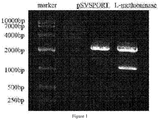
- the L-methioninase (GenBank: L43133.1) gene is firstly synthesized, the synthesized gene is subcloned into a pUC57 plasmid (GenScript), then the pUC57 plasmid subcloned with the L-methioninase gene is subcloned into a pSVSPORT plasmid (Invitrogen) by Kpn I and Hind III enzyme cutting sites to obtain a pSVSPORT-L-methioninase expression plasmid.
- the specific construction processes are as follows: the pSVSPORT plasmid is subjected to Kpn I and Hind III double enzyme cutting.
- An enzyme cutting system comprises 2 ⁇ g of plasmid DNA, 3 ⁇ L of 10 ⁇ buffer, 1.5 ⁇ L of Kpn I enzyme, 1.5 ⁇ L of Hind III enzyme, and ddH2O added to supplement sufficiently a volume to 30 ⁇ L, and warm bath is conducted at 37 °C for 3 h. Then the enzyme cutting system is separated by electrophoresis in 1% agarose gel, a DNA band of 4.1 kb is cut out, and the DNA is purified by a gel recovery and purification kit.
- a DNA fragment of a L-methioninase coding region is obtained by whole-genome synthesis, the obtained DNA fragment is subcloned into the pUC57 plasmid (GenScript), and the pUC57 plasmid subcloned with the DNA fragment is subjected to the Kpn I and Hind III double enzyme cutting.
- An enzyme cutting system comprises 3 ⁇ g of plasmid DNA, 3 ⁇ L of 10 ⁇ buffer, 1.5 ⁇ L of Kpn I enzyme, 1.5 ⁇ L of Hind III enzyme, and ddH2O added to supplement sufficiently a volume to 30 ⁇ L, and warm bath is conducted at 37 °C for 3 h. Then the enzyme cutting system is separated by electrophoresis in 1% agarose gel, a DNA band of 1.2 kb is cut out, and the DNA is purified by the gel recovery and purification kit.
- the pSVSPORT (Kpn I/Hind III) and the DNA fragment of the L-methioninase coding region (Kpn I/Hind III) are ligated, and during the ligation reaction, 2 ⁇ L of the vector, 6 ⁇ L of the inserting fragments and 1 ⁇ L of T4 DNA ligase are added, and warm bath is conducted at 16 °C for 16 h.
- a ligation product is transformed into competent cells of E. coli DH5 ⁇ (Takara).
- a tube of 50 ⁇ L of DH5 ⁇ competent cells is taken to be placed on ice, after the ice is melt, 5 ⁇ L of the above-mentioned ligation product is added into the DH5 ⁇ competent cells, slight flipping and uniform mixing are conducted, and then the mixture is incubated on the ice for 30 min; heat shock is conducted at 42 °C for 60 s and then standing on the ice is conducted for 2 min; 500 ⁇ L of a non-resistant LB liquid medium is added, shaking culture is conducted at 37 °C for 1 h, then the material after shaking culture is applied on an ampicillin-containing resistant LB culture medium plate and culturing overnight is conducted.
- VNP20009 bacteria carrying a plasmid and VNP20009 bacteria carrying a plasmid cloned with a L-methioninase gene
- VNP20009 bacterium strain YS1646, ATCC No.202165
- VNP20009-V and VNP20009-M VNP20009-M.
- the specific construction processes are as follows: competent bacteria VNP20009 are placed on ice, after the ice is melted, the competent bacteria VNP20009 are transferred to a pre-cooled electric rotating cup, 2 ⁇ L of the plasmid is added into the electric rotating cup, slight flipping and uniform mixing are conducted, and incubation is conducted on ice for 1 min.
- the electric rotating cup is put into an electric rotating instrument, and conditions are set as a voltage of 2,400 V, a resistance of 400 ⁇ , a capacitance of 25 ⁇ F and a discharge time of 4 ms.
- 1 mL of a SOC culture medium is added immediately after electric shock, and gentle and even mixing is conducted. Shaking culture is conducted at 37 °C for 1 h; and after a pipettor is used to precipitate and blow the bacteria evenly, the bacteria are applied on an ampicillin-containing resistant LB-O culture medium plate. The plate is then put in an incubator for culture at 37 °C for 16 h. After the VNP20009-V and VNP20009-M are cultured with the LB-O, the plasmid is extracted and identified by enzyme cutting to be correct.
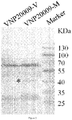
- 1x10 8 of salmonella are taken, proteins are extracted by a protein lysate, 10% SDS-PAGE electrophoresis is conducted, then electrotransformation to a PVDF membrane in an ice bath under stable pressure is conducted, after BSA room temperature sealing is conducted for 1 h, TBST rinsing is conducted for 3 ⁇ 5 min, a rabbit anti-L-methioninase antibody is added (1:1000), and incubation is conducted overnight at 4 °C.
- the TBST rinsing is conducted for 3 times with 5 min each time, then a HRP-labeled anti-rabbit secondary antibody (1:10000) is added, incubation is conducted at room temperature for 1 h, the TBST rinsing is conducted for 3 times with 5 min each time, and ECL chemiluminescence developing is conducted.
- a specific band is observed at a molecular weight of about 43 kD, indicating that the expression level of the L-methioninase is significantly increased in the VNP20009-M compared with the VNP20009 and VNP20009-V.
- L-methionine and pyridoxal are respectively mixed with the VNP20009-V and VNP20009-M bacteria. After incubation is conducted at 37 °C for 10 min, termination is conducted with 50% trichloroacetic acid, centrifugation is conducted, a supernatant is taken, the supernatant is mixed fully and evenly with 3-methyl-2-benzothiazolinone hydrazone hydrochloride hydrate (MBTH), after incubation is conducted at 50 °C for 30 min, absorbance at 320 nm is measured, and the amount of enzyme used for catalytic conversion of 1 ⁇ mol of ⁇ -ketobutyric acid per minute is defined as 1 enzyme activity unit. Results show (as shown in Figure 3 ) that the activity of the methioninase in the salmonella VNP20009-M is 10 times higher than that of VNP20009-V.
- the constructed genetically engineered salmonella VNP20009-M has a relatively high methioninase activity and can be used for preparation of a methioninase agent.
- the patient According to the patient's past treatments and related examinations, the patient is diagnosed as recurrence and metastasis after the right lung lower lobe squamous cell carcinoma operation, but there is no standard treatment plan in clinic.
- the diluted VNP20009-M is evenly injected into the tumor site in multi-points and during the first time, 6 ⁇ 10 7 cfu (about 3.5 ⁇ 10 7 cfu/m 2 ) of the VNP20009-M is given.
- 6 ⁇ 10 7 cfu about 3.5 ⁇ 10 7 cfu/m 2
- a second administration is continued to be conducted and a total amount of the drug is increased to 9 ⁇ 10 7 cfu (about 5 ⁇ 10 7 cfu/m 2 ).
- An intratumoral injection is conducted as well and even and multi-point drug injection is conducted.
- a third administration is conducted with the same method and dose as the 2 nd time.
- Table 1 Treatment implementation plan Times Time Dose 1 st 0 day 3.5 ⁇ 10 7 cfu/m 2 2 nd 7 th day 5 ⁇ 10 7 cfu/m 2 3 rd 14 th day 5 ⁇ 10 7 cfu/m 2 4 th 24 th day 6 ⁇ 10 7 cfu/m 2 5 th 34 th day 6 ⁇ 10 7 cfu/m 2
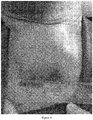
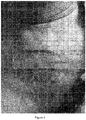
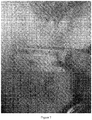
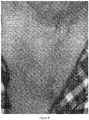
- the size of the lesion mass at the neck is measured to be approximately 8 cm ⁇ 9 cm before treatment (as shown in Figure 4 ). After 3 weeks of the treatment, the mass is significantly reduced (as shown in Figure 6 ). After 5 weeks of the treatment (the end of 5-times treatments), the mass basically disappears (as shown in Figure 7 ). After 12 weeks of the treatment, there is no abnormal change in the neck clavicle, i.e., the original lesion part (as shown in Figure 8 ).
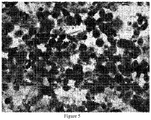
- the inside of the mass is of a cystic structure and more severely abnormal-shaped cells, i.e., tumor cells are found by a cytological smear analysis (as shown in Figure 5 ).
- the mass is significantly softened (as shown in Figure 9 ) and a large number of neutrophils and a small number of tumor cells are found by a cytological smear.
- 10 days after the treatment (twice treatment) about 40 mL of effusion is extracted; 2 weeks after the treatment (twice treatment), the inside of the mass is further liquefied and about 90 mL of the effusion is extracted; 3 weeks after the treatment (the treatments for the third time), the tumor is shrunk (as shown in Figure 10 ), about 45 mL of the effusion is continuously extracted, a large number of inflammatory cells and a very small number of tumor cells are found by a cytological smear, and it is observed that the inflammatory cells are wrapped around the periphery of the tumor cells.
- One month after the treatment (the treatments for the fourth time) the tumor is further reduced and the extracted effusion is reduced to about 20 mL. After the end of the 5-times treatments, no effusion is detected and the mass is
Landscapes
- Health & Medical Sciences (AREA)
- Life Sciences & Earth Sciences (AREA)
- Chemical & Material Sciences (AREA)
- General Health & Medical Sciences (AREA)
- Medicinal Chemistry (AREA)
- Pharmacology & Pharmacy (AREA)
- Animal Behavior & Ethology (AREA)
- Veterinary Medicine (AREA)
- Public Health (AREA)
- Engineering & Computer Science (AREA)
- Epidemiology (AREA)
- Genetics & Genomics (AREA)
- Organic Chemistry (AREA)
- Bioinformatics & Cheminformatics (AREA)
- Molecular Biology (AREA)
- Biotechnology (AREA)
- Microbiology (AREA)
- Zoology (AREA)
- Wood Science & Technology (AREA)
- Nuclear Medicine, Radiotherapy & Molecular Imaging (AREA)
- Chemical Kinetics & Catalysis (AREA)
- General Chemical & Material Sciences (AREA)
- Mycology (AREA)
- General Engineering & Computer Science (AREA)
- Biomedical Technology (AREA)
- Biochemistry (AREA)
- Proteomics, Peptides & Aminoacids (AREA)
- Immunology (AREA)
- Gastroenterology & Hepatology (AREA)
- Plant Pathology (AREA)
- Dermatology (AREA)
- Biophysics (AREA)
- Physics & Mathematics (AREA)
- Tropical Medicine & Parasitology (AREA)
- Virology (AREA)
- Pulmonology (AREA)
- Medicines Containing Material From Animals Or Micro-Organisms (AREA)
- Medicines That Contain Protein Lipid Enzymes And Other Medicines (AREA)
- Micro-Organisms Or Cultivation Processes Thereof (AREA)
Applications Claiming Priority (2)
| Application Number | Priority Date | Filing Date | Title |
|---|---|---|---|
| CN201710213446.6A CN106913883A (zh) | 2017-04-01 | 2017-04-01 | 基因工程菌vnp20009‑m在制备预防和治疗肺癌药物中的应用 |
| PCT/CN2018/081115 WO2018177374A1 (fr) | 2017-04-01 | 2018-03-29 | Application du mycète vnp2009-m dans le génie génétique lors de la préparation d'un médicament pour le traitement ou la prévention du cancer du poumon |
Publications (2)
| Publication Number | Publication Date |
|---|---|
| EP3586877A1 true EP3586877A1 (fr) | 2020-01-01 |
| EP3586877A4 EP3586877A4 (fr) | 2020-04-15 |
Family
ID=59567274
Family Applications (1)
| Application Number | Title | Priority Date | Filing Date |
|---|---|---|---|
| EP18777423.7A Pending EP3586877A4 (fr) | 2017-04-01 | 2018-03-29 | Application du mycète vnp2009-m dans le génie génétique lors de la préparation d'un médicament pour le traitement ou la prévention du cancer du poumon |
Country Status (9)
| Country | Link |
|---|---|
| US (1) | US11771721B2 (fr) |
| EP (1) | EP3586877A4 (fr) |
| JP (1) | JP6973737B2 (fr) |
| KR (1) | KR20200016836A (fr) |
| CN (1) | CN106913883A (fr) |
| AU (1) | AU2018241656B2 (fr) |
| CA (1) | CA3056292C (fr) |
| WO (1) | WO2018177374A1 (fr) |
| ZA (1) | ZA201906222B (fr) |
Families Citing this family (4)
| Publication number | Priority date | Publication date | Assignee | Title |
|---|---|---|---|---|
| CN106913883A (zh) * | 2017-04-01 | 2017-07-04 | 广州华津医药科技有限公司 | 基因工程菌vnp20009‑m在制备预防和治疗肺癌药物中的应用 |
| CN112245573A (zh) * | 2020-10-16 | 2021-01-22 | 广东工业大学 | 减毒鼠伤寒沙门氏菌的基因工程菌在制备治疗癌症的药物上的应用 |
| CN112190717B (zh) * | 2020-10-16 | 2023-12-15 | 广州华津医药科技有限公司 | 减毒鼠伤寒沙门氏菌及其基因工程菌在制备治疗急性白血病的药物上的应用 |
| CN114712403B (zh) * | 2022-03-27 | 2024-05-17 | 江苏靶标生物医药研究所有限公司 | 一种减毒沙门氏菌在制备治疗肺癌胸腔积液药物中的应用 |
Family Cites Families (5)
| Publication number | Priority date | Publication date | Assignee | Title |
|---|---|---|---|---|
| CN103146626B (zh) * | 2013-02-28 | 2014-12-31 | 南京华贞生物医药科技有限公司 | 一种治疗乳腺癌的基因工程菌及其构建方法和应用 |
| CN103961721B (zh) * | 2014-04-30 | 2018-10-23 | 广州华津医药科技有限公司 | 减毒鼠伤寒沙门氏菌及其基因工程菌在制备治疗前列腺癌的药物上的应用 |
| CN105983103B (zh) * | 2015-03-17 | 2025-01-07 | 广州华津医药科技有限公司 | 基因工程菌vnp20009-m在制备预防和治疗癌症转移的药物上的应用 |
| CN106474489B (zh) | 2015-08-31 | 2019-08-16 | 广州华津医药科技有限公司 | 减毒鼠伤寒沙门氏菌基因工程菌在制备治疗肝癌药物上的应用 |
| CN106913883A (zh) | 2017-04-01 | 2017-07-04 | 广州华津医药科技有限公司 | 基因工程菌vnp20009‑m在制备预防和治疗肺癌药物中的应用 |
-
2017
- 2017-04-01 CN CN201710213446.6A patent/CN106913883A/zh active Pending
-
2018
- 2018-03-29 EP EP18777423.7A patent/EP3586877A4/fr active Pending
- 2018-03-29 WO PCT/CN2018/081115 patent/WO2018177374A1/fr not_active Ceased
- 2018-03-29 CA CA3056292A patent/CA3056292C/fr active Active
- 2018-03-29 US US16/497,820 patent/US11771721B2/en active Active
- 2018-03-29 AU AU2018241656A patent/AU2018241656B2/en active Active
- 2018-03-29 KR KR1020197032449A patent/KR20200016836A/ko not_active Ceased
- 2018-03-29 JP JP2019569533A patent/JP6973737B2/ja active Active
-
2019
- 2019-09-19 ZA ZA2019/06222A patent/ZA201906222B/en unknown
Also Published As
| Publication number | Publication date |
|---|---|
| AU2018241656A1 (en) | 2019-10-10 |
| AU2018241656B2 (en) | 2020-10-29 |
| ZA201906222B (en) | 2021-03-31 |
| KR20200016836A (ko) | 2020-02-17 |
| CN106913883A (zh) | 2017-07-04 |
| CA3056292A1 (fr) | 2018-10-04 |
| EP3586877A4 (fr) | 2020-04-15 |
| JP2020509093A (ja) | 2020-03-26 |
| CA3056292C (fr) | 2023-01-24 |
| JP6973737B2 (ja) | 2021-12-01 |
| US20200023019A1 (en) | 2020-01-23 |
| WO2018177374A1 (fr) | 2018-10-04 |
| US11771721B2 (en) | 2023-10-03 |
Similar Documents
| Publication | Publication Date | Title |
|---|---|---|
| US20210199640A1 (en) | Methods of Normalizing Aberrant Glycolytic Metabolism in Cancer Cells | |
| AU2018241656B2 (en) | Applications of genetically engineered bacteria VNP20009-M in preparation of drugs for preventing and treating lung cancer | |
| US11318172B2 (en) | Use of genetically engineered bacterium of attenuated Salmonella typhimurium in for treating liver cancer | |
| US20230181655A1 (en) | Therapeutic and prophylactic treatment for colorectal cancer | |
| Zhang et al. | Effects and significance of formononetin on expression levels of HIF-1α and VEGF in mouse cervical cancer tissue | |
| CN115869413A (zh) | 一种药物组合物及其应用以及一种治疗前列腺癌的组合物及其应用 | |
| Dong et al. | Advanced malignant pleural or peritoneal effusion in patients treated with recombinant adenovirus p53 injection plus cisplatin | |
| Xie et al. | Enhanced antitumor activity by combining an adenovirus harboring ING4 with cisplatin for hepatocarcinoma cells | |
| HK40011260A (en) | Applications of genetically engineered bacteria vnp20009-m in preparation of drugs for preventing and treating lung cancer | |
| CN107007594A (zh) | 维生素c和奥沙利铂联用在抗肿瘤中的作用 | |
| CN109350749B (zh) | Nod1/2在作为制备提高肿瘤细胞对化疗药物的敏感性药物的应用 | |
| CA3056296C (fr) | Application du mycete vnp2009-m dans le genie genetique lors de la preparation d'un medicament pour le traitement de sarcomes | |
| HK40011259A (en) | Application of genetically engineered bacteria vnp20009-m in preparing drug for treating malignant sarcoma | |
| Checa et al. | 067 Resistance metabolic markers to PDT in squamous cell carcinoma | |
| Garcia et al. | 071 RET is a therapeutic target in cutaneous squamous cell carcinoma | |
| Ni et al. | 069 Oncogenic JAK3 mRNA isoform in cutaneous T-cell lymphoma | |
| Mitsui et al. | 068 Differential expression of keratins during cutaneous squamous cell carcinoma progression | |
| Borcherding et al. | 070 Comprehensive single-cell analysis of Sézary syndrome reveals novel expression and therapeutic biomarkers | |
| Rentero et al. | 066 Role of TGF-β1 in the resistance of squamous cell carcinoma to photodynamic therapy | |
| HK1240820A (en) | Application of genetically engineered bacterium vnp20009-m to preparation of lung cancer prevention and treatment drugs | |
| HK1240820A1 (en) | Application of genetically engineered bacterium vnp20009-m to preparation of lung cancer prevention and treatment drugs | |
| Bao et al. | Overexpression of CAMK 2 N 1 indicates good prognosis for glioma and regulates androgen receptor-associated cell proliferation and apoptosis | |
| Xu et al. | Marine-Derived Curdepsidone A Inhibits HeLa Cell Proliferation by Modulating ER Stress and PERK/ATF4/CHOP Pathway | |
| CN121401204A (zh) | 一种基于肺癌乏氧基因表达特征的抗肿瘤联合治疗方法 | |
| Kabir et al. | Non-small Cell Carcinoma of Lung in a 19-year-old Male Presented as Malignant Pleural Effusion |
Legal Events
| Date | Code | Title | Description |
|---|---|---|---|
| STAA | Information on the status of an ep patent application or granted ep patent |
Free format text: STATUS: THE INTERNATIONAL PUBLICATION HAS BEEN MADE |
|
| PUAI | Public reference made under article 153(3) epc to a published international application that has entered the european phase |
Free format text: ORIGINAL CODE: 0009012 |
|
| STAA | Information on the status of an ep patent application or granted ep patent |
Free format text: STATUS: REQUEST FOR EXAMINATION WAS MADE |
|
| 17P | Request for examination filed |
Effective date: 20190925 |
|
| AK | Designated contracting states |
Kind code of ref document: A1 Designated state(s): AL AT BE BG CH CY CZ DE DK EE ES FI FR GB GR HR HU IE IS IT LI LT LU LV MC MK MT NL NO PL PT RO RS SE SI SK SM TR |
|
| AX | Request for extension of the european patent |
Extension state: BA ME |
|
| A4 | Supplementary search report drawn up and despatched |
Effective date: 20200318 |
|
| RIC1 | Information provided on ipc code assigned before grant |
Ipc: A61P 35/04 20060101ALI20200312BHEP Ipc: A61P 35/00 20060101ALI20200312BHEP Ipc: A61K 38/51 20060101ALI20200312BHEP Ipc: A61K 35/74 20150101ALI20200312BHEP Ipc: A61K 48/00 20060101AFI20200312BHEP |
|
| STAA | Information on the status of an ep patent application or granted ep patent |
Free format text: STATUS: EXAMINATION IS IN PROGRESS |
|
| 17Q | First examination report despatched |
Effective date: 20200605 |
|
| DAV | Request for validation of the european patent (deleted) | ||
| DAX | Request for extension of the european patent (deleted) | ||
| REG | Reference to a national code |
Ref country code: HK Ref legal event code: DE Ref document number: 40011260 Country of ref document: HK |
|
| REG | Reference to a national code |
Ref country code: HK Ref legal event code: CORR Ref document number: 40011260 Country of ref document: HK Free format text: CORRECTED DATA OF SECTION 20 10.07.2020: (72) ZHAO, ALLAN ZIJIAN |