EP3587421A1 - Formes cristallines de (s)-4-(8-amino-3-(1-(but-2-ynoyl)pyrrolidin-2-yl)imidazo [1,5-alpha]pyrazin-1-yl-n-(pyridin-2-yl)benzamide - Google Patents
Formes cristallines de (s)-4-(8-amino-3-(1-(but-2-ynoyl)pyrrolidin-2-yl)imidazo [1,5-alpha]pyrazin-1-yl-n-(pyridin-2-yl)benzamide Download PDFInfo
- Publication number
- EP3587421A1 EP3587421A1 EP18180779.3A EP18180779A EP3587421A1 EP 3587421 A1 EP3587421 A1 EP 3587421A1 EP 18180779 A EP18180779 A EP 18180779A EP 3587421 A1 EP3587421 A1 EP 3587421A1
- Authority
- EP
- European Patent Office
- Prior art keywords
- acalabrutinib
- crystalline
- malate
- pyroglutamate
- range
- Prior art date
- Legal status (The legal status is an assumption and is not a legal conclusion. Google has not performed a legal analysis and makes no representation as to the accuracy of the status listed.)
- Withdrawn
Links
- BJEPYKJPYRNKOW-REOHCLBHSA-N (S)-malic acid Chemical compound OC(=O)[C@@H](O)CC(O)=O BJEPYKJPYRNKOW-REOHCLBHSA-N 0.000 claims abstract description 94
- 239000008194 pharmaceutical composition Substances 0.000 claims abstract description 29
- 206010028980 Neoplasm Diseases 0.000 claims abstract description 10
- 239000000546 pharmaceutical excipient Substances 0.000 claims abstract description 9
- 208000025205 Mantle-Cell Lymphoma Diseases 0.000 claims abstract description 8
- 208000032852 chronic lymphocytic leukemia Diseases 0.000 claims abstract description 6
- 238000011282 treatment Methods 0.000 claims abstract description 5
- WDENQIQQYWYTPO-IBGZPJMESA-N acalabrutinib Chemical compound CC#CC(=O)N1CCC[C@H]1C1=NC(C=2C=CC(=CC=2)C(=O)NC=2N=CC=CC=2)=C2N1C=CN=C2N WDENQIQQYWYTPO-IBGZPJMESA-N 0.000 claims description 181
- 229950009821 acalabrutinib Drugs 0.000 claims description 177
- ODHCTXKNWHHXJC-VKHMYHEASA-N 5-oxo-L-proline Chemical compound OC(=O)[C@@H]1CCC(=O)N1 ODHCTXKNWHHXJC-VKHMYHEASA-N 0.000 claims description 85
- 239000000126 substance Substances 0.000 claims description 16
- 229910003460 diamond Inorganic materials 0.000 claims description 14
- 239000010432 diamond Substances 0.000 claims description 14
- 238000001157 Fourier transform infrared spectrum Methods 0.000 claims description 13
- 230000005855 radiation Effects 0.000 claims description 13
- 239000000843 powder Substances 0.000 claims description 12
- 201000011510 cancer Diseases 0.000 claims description 7
- 208000010839 B-cell chronic lymphocytic leukemia Diseases 0.000 claims description 4
- 208000031422 Lymphocytic Chronic B-Cell Leukemia Diseases 0.000 claims description 4
- 238000005102 attenuated total reflection Methods 0.000 claims description 3
- 238000000034 method Methods 0.000 abstract description 14
- 238000002360 preparation method Methods 0.000 abstract description 14
- 230000008569 process Effects 0.000 abstract description 10
- 239000003814 drug Substances 0.000 abstract description 3
- 229940043131 pyroglutamate Drugs 0.000 abstract 1
- 239000013078 crystal Substances 0.000 description 52
- LFQSCWFLJHTTHZ-UHFFFAOYSA-N Ethanol Chemical compound CCO LFQSCWFLJHTTHZ-UHFFFAOYSA-N 0.000 description 49
- OKKJLVBELUTLKV-UHFFFAOYSA-N Methanol Chemical compound OC OKKJLVBELUTLKV-UHFFFAOYSA-N 0.000 description 24
- 239000007787 solid Substances 0.000 description 22
- 238000000634 powder X-ray diffraction Methods 0.000 description 21
- 150000003839 salts Chemical class 0.000 description 21
- XLYOFNOQVPJJNP-UHFFFAOYSA-N water Substances O XLYOFNOQVPJJNP-UHFFFAOYSA-N 0.000 description 19
- 239000002904 solvent Substances 0.000 description 17
- WYURNTSHIVDZCO-UHFFFAOYSA-N Tetrahydrofuran Chemical compound C1CCOC1 WYURNTSHIVDZCO-UHFFFAOYSA-N 0.000 description 16
- 238000001179 sorption measurement Methods 0.000 description 16
- 238000002844 melting Methods 0.000 description 14
- 230000008018 melting Effects 0.000 description 14
- 239000000203 mixture Substances 0.000 description 14
- ODHCTXKNWHHXJC-UHFFFAOYSA-N acide pyroglutamique Natural products OC(=O)C1CCC(=O)N1 ODHCTXKNWHHXJC-UHFFFAOYSA-N 0.000 description 13
- 239000008186 active pharmaceutical agent Substances 0.000 description 12
- BJEPYKJPYRNKOW-UHFFFAOYSA-N alpha-hydroxysuccinic acid Natural products OC(=O)C(O)CC(O)=O BJEPYKJPYRNKOW-UHFFFAOYSA-N 0.000 description 12
- 238000005033 Fourier transform infrared spectroscopy Methods 0.000 description 11
- 238000006243 chemical reaction Methods 0.000 description 11
- 238000001938 differential scanning calorimetry curve Methods 0.000 description 10
- 235000011090 malic acid Nutrition 0.000 description 10
- IJGRMHOSHXDMSA-UHFFFAOYSA-N Atomic nitrogen Chemical compound N#N IJGRMHOSHXDMSA-UHFFFAOYSA-N 0.000 description 8
- KFZMGEQAYNKOFK-UHFFFAOYSA-N Isopropanol Chemical compound CC(C)O KFZMGEQAYNKOFK-UHFFFAOYSA-N 0.000 description 8
- XAGFODPZIPBFFR-UHFFFAOYSA-N aluminium Chemical compound [Al] XAGFODPZIPBFFR-UHFFFAOYSA-N 0.000 description 8
- 229910052782 aluminium Inorganic materials 0.000 description 8
- 238000002425 crystallisation Methods 0.000 description 8
- 230000008025 crystallization Effects 0.000 description 8
- 238000001035 drying Methods 0.000 description 8
- 238000001914 filtration Methods 0.000 description 8
- 238000010438 heat treatment Methods 0.000 description 8
- 238000010926 purge Methods 0.000 description 8
- 239000011877 solvent mixture Substances 0.000 description 8
- 238000001228 spectrum Methods 0.000 description 8
- YLQBMQCUIZJEEH-UHFFFAOYSA-N tetrahydrofuran Natural products C=1C=COC=1 YLQBMQCUIZJEEH-UHFFFAOYSA-N 0.000 description 8
- 210000004027 cell Anatomy 0.000 description 7
- 239000012452 mother liquor Substances 0.000 description 7
- 239000002775 capsule Substances 0.000 description 6
- 229940088679 drug related substance Drugs 0.000 description 6
- 239000012458 free base Substances 0.000 description 6
- 229940116298 l- malic acid Drugs 0.000 description 6
- 238000005259 measurement Methods 0.000 description 6
- 238000001757 thermogravimetry curve Methods 0.000 description 6
- 150000001875 compounds Chemical class 0.000 description 5
- 150000004677 hydrates Chemical class 0.000 description 5
- 239000003960 organic solvent Substances 0.000 description 5
- 238000012545 processing Methods 0.000 description 5
- 238000003860 storage Methods 0.000 description 5
- 238000005406 washing Methods 0.000 description 5
- 150000001298 alcohols Chemical class 0.000 description 4
- 239000004411 aluminium Substances 0.000 description 4
- 238000004458 analytical method Methods 0.000 description 4
- 238000009835 boiling Methods 0.000 description 4
- 238000005119 centrifugation Methods 0.000 description 4
- 238000007796 conventional method Methods 0.000 description 4
- 150000004292 cyclic ethers Chemical class 0.000 description 4
- 238000004090 dissolution Methods 0.000 description 4
- 239000007789 gas Substances 0.000 description 4
- 229910052757 nitrogen Inorganic materials 0.000 description 4
- 238000000935 solvent evaporation Methods 0.000 description 4
- 208000005156 Dehydration Diseases 0.000 description 3
- 208000007766 Kaposi sarcoma Diseases 0.000 description 3
- 230000002378 acidificating effect Effects 0.000 description 3
- 238000012512 characterization method Methods 0.000 description 3
- 239000002178 crystalline material Substances 0.000 description 3
- 238000000354 decomposition reaction Methods 0.000 description 3
- 230000018044 dehydration Effects 0.000 description 3
- 238000006297 dehydration reaction Methods 0.000 description 3
- 238000000113 differential scanning calorimetry Methods 0.000 description 3
- 239000003085 diluting agent Substances 0.000 description 3
- 208000037265 diseases, disorders, signs and symptoms Diseases 0.000 description 3
- 208000035475 disorder Diseases 0.000 description 3
- 239000000945 filler Substances 0.000 description 3
- 230000036571 hydration Effects 0.000 description 3
- 238000006703 hydration reaction Methods 0.000 description 3
- 230000003463 hyperproliferative effect Effects 0.000 description 3
- 150000008040 ionic compounds Chemical class 0.000 description 3
- 239000001630 malic acid Substances 0.000 description 3
- 239000006186 oral dosage form Substances 0.000 description 3
- 239000000825 pharmaceutical preparation Substances 0.000 description 3
- 239000011541 reaction mixture Substances 0.000 description 3
- 239000011343 solid material Substances 0.000 description 3
- 239000000725 suspension Substances 0.000 description 3
- 238000002411 thermogravimetry Methods 0.000 description 3
- WXTMDXOMEHJXQO-UHFFFAOYSA-N 2,5-dihydroxybenzoic acid Chemical compound OC(=O)C1=CC(O)=CC=C1O WXTMDXOMEHJXQO-UHFFFAOYSA-N 0.000 description 2
- JWEQLWMZHJSMEC-AFJTUFCWSA-N 4-[8-amino-3-[(2S)-1-but-2-ynoylpyrrolidin-2-yl]imidazo[1,5-a]pyrazin-1-yl]-N-pyridin-2-ylbenzamide (Z)-but-2-enedioic acid Chemical compound OC(=O)\C=C/C(O)=O.CC#CC(=O)N1CCC[C@H]1c1nc(-c2ccc(cc2)C(=O)Nc2ccccn2)c2c(N)nccn12 JWEQLWMZHJSMEC-AFJTUFCWSA-N 0.000 description 2
- 102000001714 Agammaglobulinaemia Tyrosine Kinase Human genes 0.000 description 2
- 108010029445 Agammaglobulinaemia Tyrosine Kinase Proteins 0.000 description 2
- 101100223811 Caenorhabditis elegans dsc-1 gene Proteins 0.000 description 2
- UQSXHKLRYXJYBZ-UHFFFAOYSA-N Iron oxide Chemical compound [Fe]=O UQSXHKLRYXJYBZ-UHFFFAOYSA-N 0.000 description 2
- 208000031671 Large B-Cell Diffuse Lymphoma Diseases 0.000 description 2
- 208000015914 Non-Hodgkin lymphomas Diseases 0.000 description 2
- GWEVSGVZZGPLCZ-UHFFFAOYSA-N Titan oxide Chemical compound O=[Ti]=O GWEVSGVZZGPLCZ-UHFFFAOYSA-N 0.000 description 2
- 239000002253 acid Substances 0.000 description 2
- 238000010669 acid-base reaction Methods 0.000 description 2
- 239000012296 anti-solvent Substances 0.000 description 2
- 230000005540 biological transmission Effects 0.000 description 2
- 210000000988 bone and bone Anatomy 0.000 description 2
- 238000001816 cooling Methods 0.000 description 2
- 238000010908 decantation Methods 0.000 description 2
- 238000004807 desolvation Methods 0.000 description 2
- 206010012818 diffuse large B-cell lymphoma Diseases 0.000 description 2
- 239000007884 disintegrant Substances 0.000 description 2
- 229940126534 drug product Drugs 0.000 description 2
- 239000011521 glass Substances 0.000 description 2
- 239000000314 lubricant Substances 0.000 description 2
- HQKMJHAJHXVSDF-UHFFFAOYSA-L magnesium stearate Chemical compound [Mg+2].CCCCCCCCCCCCCCCCCC([O-])=O.CCCCCCCCCCCCCCCCCC([O-])=O HQKMJHAJHXVSDF-UHFFFAOYSA-L 0.000 description 2
- 229940099690 malic acid Drugs 0.000 description 2
- 239000000463 material Substances 0.000 description 2
- 238000010899 nucleation Methods 0.000 description 2
- 229920000642 polymer Polymers 0.000 description 2
- 239000002244 precipitate Substances 0.000 description 2
- 229910052594 sapphire Inorganic materials 0.000 description 2
- 239000010980 sapphire Substances 0.000 description 2
- 238000006748 scratching Methods 0.000 description 2
- 230000002393 scratching effect Effects 0.000 description 2
- 239000012453 solvate Substances 0.000 description 2
- 238000003756 stirring Methods 0.000 description 2
- 210000002784 stomach Anatomy 0.000 description 2
- VZCYOOQTPOCHFL-UHFFFAOYSA-N trans-butenedioic acid Natural products OC(=O)C=CC(O)=O VZCYOOQTPOCHFL-UHFFFAOYSA-N 0.000 description 2
- 230000007704 transition Effects 0.000 description 2
- 238000002834 transmittance Methods 0.000 description 2
- GUBGYTABKSRVRQ-UHFFFAOYSA-N 2-(hydroxymethyl)-6-[4,5,6-trihydroxy-2-(hydroxymethyl)oxan-3-yl]oxyoxane-3,4,5-triol Chemical compound OCC1OC(OC2C(O)C(O)C(O)OC2CO)C(O)C(O)C1O GUBGYTABKSRVRQ-UHFFFAOYSA-N 0.000 description 1
- XZAATUBTUPPERZ-UHFFFAOYSA-N 4-[8-amino-3-[4-(but-2-ynoylamino)butanoyl]imidazo[1,5-a]pyrazin-1-yl]-N-pyridin-2-ylbenzamide Chemical compound CC#CC(=O)NCCCC(=O)C1=NC(=C2N1C=CN=C2N)C1=CC=C(C=C1)C(=O)NC1=NC=CC=C1 XZAATUBTUPPERZ-UHFFFAOYSA-N 0.000 description 1
- 208000030507 AIDS Diseases 0.000 description 1
- 208000031261 Acute myeloid leukaemia Diseases 0.000 description 1
- 208000025324 B-cell acute lymphoblastic leukemia Diseases 0.000 description 1
- 208000023611 Burkitt leukaemia Diseases 0.000 description 1
- 208000011691 Burkitt lymphomas Diseases 0.000 description 1
- 0 CC#CC(N(CCC1)[C@@]1C1=C*C(c(cc2)ccc2C(N/C2=C/CC/C=C/C=C2)=O)=C2/C(/N)=N\C=C\CC[C@@]12)=O Chemical compound CC#CC(N(CCC1)[C@@]1C1=C*C(c(cc2)ccc2C(N/C2=C/CC/C=C/C=C2)=O)=C2/C(/N)=N\C=C\CC[C@@]12)=O 0.000 description 1
- KRKNYBCHXYNGOX-UHFFFAOYSA-K Citrate Chemical compound [O-]C(=O)CC(O)(CC([O-])=O)C([O-])=O KRKNYBCHXYNGOX-UHFFFAOYSA-K 0.000 description 1
- VZCYOOQTPOCHFL-OWOJBTEDSA-N Fumaric acid Chemical compound OC(=O)\C=C\C(O)=O VZCYOOQTPOCHFL-OWOJBTEDSA-N 0.000 description 1
- 108010010803 Gelatin Proteins 0.000 description 1
- 241000711557 Hepacivirus Species 0.000 description 1
- 241000700721 Hepatitis B virus Species 0.000 description 1
- 208000017604 Hodgkin disease Diseases 0.000 description 1
- 208000010747 Hodgkins lymphoma Diseases 0.000 description 1
- 241000714260 Human T-lymphotropic virus 1 Species 0.000 description 1
- 241000701806 Human papillomavirus Species 0.000 description 1
- 238000004566 IR spectroscopy Methods 0.000 description 1
- 102100027638 Inhibitor of Bruton tyrosine kinase Human genes 0.000 description 1
- 101710139847 Inhibitor of Bruton tyrosine kinase Proteins 0.000 description 1
- 206010061252 Intraocular melanoma Diseases 0.000 description 1
- FEWJPZIEWOKRBE-JCYAYHJZSA-L L-tartrate(2-) Chemical compound [O-]C(=O)[C@H](O)[C@@H](O)C([O-])=O FEWJPZIEWOKRBE-JCYAYHJZSA-L 0.000 description 1
- 206010025323 Lymphomas Diseases 0.000 description 1
- 208000030289 Lymphoproliferative disease Diseases 0.000 description 1
- 229920000168 Microcrystalline cellulose Polymers 0.000 description 1
- 229920000881 Modified starch Polymers 0.000 description 1
- 208000034578 Multiple myelomas Diseases 0.000 description 1
- 208000033776 Myeloid Acute Leukemia Diseases 0.000 description 1
- 208000037538 Myelomonocytic Juvenile Leukemia Diseases 0.000 description 1
- 208000002454 Nasopharyngeal Carcinoma Diseases 0.000 description 1
- 206010061306 Nasopharyngeal cancer Diseases 0.000 description 1
- MUBZPKHOEPUJKR-UHFFFAOYSA-N Oxalic acid Chemical compound OC(=O)C(O)=O MUBZPKHOEPUJKR-UHFFFAOYSA-N 0.000 description 1
- 229910019142 PO4 Inorganic materials 0.000 description 1
- 206010035226 Plasma cell myeloma Diseases 0.000 description 1
- 206010065857 Primary Effusion Lymphoma Diseases 0.000 description 1
- ODHCTXKNWHHXJC-GSVOUGTGSA-N Pyroglutamic acid Natural products OC(=O)[C@H]1CCC(=O)N1 ODHCTXKNWHHXJC-GSVOUGTGSA-N 0.000 description 1
- 201000000582 Retinoblastoma Diseases 0.000 description 1
- 208000000389 T-cell leukemia Diseases 0.000 description 1
- 201000005969 Uveal melanoma Diseases 0.000 description 1
- 241000700605 Viruses Species 0.000 description 1
- 208000033559 Waldenström macroglobulinemia Diseases 0.000 description 1
- 238000002441 X-ray diffraction Methods 0.000 description 1
- 239000004480 active ingredient Substances 0.000 description 1
- 210000003719 b-lymphocyte Anatomy 0.000 description 1
- 210000004556 brain Anatomy 0.000 description 1
- 210000000481 breast Anatomy 0.000 description 1
- 229910052799 carbon Inorganic materials 0.000 description 1
- 210000003169 central nervous system Anatomy 0.000 description 1
- 208000019065 cervical carcinoma Diseases 0.000 description 1
- 239000003795 chemical substances by application Substances 0.000 description 1
- 229940001468 citrate Drugs 0.000 description 1
- 239000003086 colorant Substances 0.000 description 1
- 239000013065 commercial product Substances 0.000 description 1
- 238000012790 confirmation Methods 0.000 description 1
- 125000000151 cysteine group Chemical group N[C@@H](CS)C(=O)* 0.000 description 1
- 230000007423 decrease Effects 0.000 description 1
- 230000001419 dependent effect Effects 0.000 description 1
- 229940079593 drug Drugs 0.000 description 1
- 238000005538 encapsulation Methods 0.000 description 1
- 230000002255 enzymatic effect Effects 0.000 description 1
- 210000001508 eye Anatomy 0.000 description 1
- 201000003444 follicular lymphoma Diseases 0.000 description 1
- -1 for example Substances 0.000 description 1
- 238000009472 formulation Methods 0.000 description 1
- 230000002496 gastric effect Effects 0.000 description 1
- 229920000159 gelatin Polymers 0.000 description 1
- 239000008273 gelatin Substances 0.000 description 1
- 239000007903 gelatin capsule Substances 0.000 description 1
- 235000019322 gelatine Nutrition 0.000 description 1
- 235000011852 gelatine desserts Nutrition 0.000 description 1
- 229940114119 gentisate Drugs 0.000 description 1
- 201000009277 hairy cell leukemia Diseases 0.000 description 1
- 210000003128 head Anatomy 0.000 description 1
- 208000002672 hepatitis B Diseases 0.000 description 1
- 206010073071 hepatocellular carcinoma Diseases 0.000 description 1
- 231100000844 hepatocellular carcinoma Toxicity 0.000 description 1
- 230000006872 improvement Effects 0.000 description 1
- 230000005764 inhibitory process Effects 0.000 description 1
- 201000005992 juvenile myelomonocytic leukemia Diseases 0.000 description 1
- 210000003734 kidney Anatomy 0.000 description 1
- 210000004185 liver Anatomy 0.000 description 1
- 210000004072 lung Anatomy 0.000 description 1
- 235000019359 magnesium stearate Nutrition 0.000 description 1
- 229940057948 magnesium stearate Drugs 0.000 description 1
- VZCYOOQTPOCHFL-UPHRSURJSA-N maleic acid Chemical compound OC(=O)\C=C/C(O)=O VZCYOOQTPOCHFL-UPHRSURJSA-N 0.000 description 1
- 238000004519 manufacturing process Methods 0.000 description 1
- 208000000516 mast-cell leukemia Diseases 0.000 description 1
- 208000008585 mastocytosis Diseases 0.000 description 1
- 239000002207 metabolite Substances 0.000 description 1
- 230000001394 metastastic effect Effects 0.000 description 1
- 206010061289 metastatic neoplasm Diseases 0.000 description 1
- 229940016286 microcrystalline cellulose Drugs 0.000 description 1
- 235000019813 microcrystalline cellulose Nutrition 0.000 description 1
- 239000008108 microcrystalline cellulose Substances 0.000 description 1
- 210000000214 mouth Anatomy 0.000 description 1
- 201000011216 nasopharynx carcinoma Diseases 0.000 description 1
- 201000002575 ocular melanoma Diseases 0.000 description 1
- 239000008184 oral solid dosage form Substances 0.000 description 1
- 230000002611 ovarian Effects 0.000 description 1
- 229940039748 oxalate Drugs 0.000 description 1
- 230000000144 pharmacologic effect Effects 0.000 description 1
- NBIIXXVUZAFLBC-UHFFFAOYSA-K phosphate Chemical compound [O-]P([O-])([O-])=O NBIIXXVUZAFLBC-UHFFFAOYSA-K 0.000 description 1
- 239000010452 phosphate Substances 0.000 description 1
- 229950005358 pidolic acid Drugs 0.000 description 1
- 239000000047 product Substances 0.000 description 1
- 230000000069 prophylactic effect Effects 0.000 description 1
- 210000002307 prostate Anatomy 0.000 description 1
- 238000000746 purification Methods 0.000 description 1
- 238000010992 reflux Methods 0.000 description 1
- 230000003252 repetitive effect Effects 0.000 description 1
- 239000013557 residual solvent Substances 0.000 description 1
- 230000004044 response Effects 0.000 description 1
- 238000011519 second-line treatment Methods 0.000 description 1
- 210000003491 skin Anatomy 0.000 description 1
- 229920003109 sodium starch glycolate Polymers 0.000 description 1
- 229940079832 sodium starch glycolate Drugs 0.000 description 1
- 239000008109 sodium starch glycolate Substances 0.000 description 1
- 239000003381 stabilizer Substances 0.000 description 1
- 238000010561 standard procedure Methods 0.000 description 1
- 150000003467 sulfuric acid derivatives Chemical class 0.000 description 1
- 230000002381 testicular Effects 0.000 description 1
- 230000001225 therapeutic effect Effects 0.000 description 1
- 210000001541 thymus gland Anatomy 0.000 description 1
- 210000001685 thyroid gland Anatomy 0.000 description 1
- 239000004408 titanium dioxide Substances 0.000 description 1
- 230000009466 transformation Effects 0.000 description 1
- 238000000844 transformation Methods 0.000 description 1
- 241001529453 unidentified herpesvirus Species 0.000 description 1
- 230000003612 virological effect Effects 0.000 description 1
Images




Classifications
-
- C—CHEMISTRY; METALLURGY
- C07—ORGANIC CHEMISTRY
- C07D—HETEROCYCLIC COMPOUNDS
- C07D487/00—Heterocyclic compounds containing nitrogen atoms as the only ring hetero atoms in the condensed system, not provided for by groups C07D451/00 - C07D477/00
- C07D487/02—Heterocyclic compounds containing nitrogen atoms as the only ring hetero atoms in the condensed system, not provided for by groups C07D451/00 - C07D477/00 in which the condensed system contains two hetero rings
- C07D487/04—Ortho-condensed systems
Definitions
- the present invention relates to crystalline acalabrutinib L -pyroglutamate and crystalline acalbrutinib L -malate and to processes for their preparation. Furthermore, the invention relates to a pharmaceutical composition comprising one of said crystalline forms, preferably in a predetermined and/or effective amount and at least one pharmaceutically acceptable excipient.
- the pharmaceutical composition of the present invention can be used as a medicament, in particular for the treatment of cancers such as mantle cell lymphoma and/or chronic lymphocytic leukaemia.
- Acalabrutinib is an inhibitor of Bruton tyrosine kinase (BTK), whereat acalabrutinib and its active metabolite, ACP-5862, form a covalent bond with a cysteine residue in the BTK active site, leading to inhibition of enzymatic activity.
- BTK Bruton tyrosine kinase
- ACP-5862 active metabolite
- WO 2017/002095 A1 discloses various solid forms of acalabrutinib and also pharmaceutically acceptable salts thereof including crystalline forms of the fumarate, maleate, phosphate, L- tartrate, citrate, gentisate, oxalate and sulfate salt of acalabrutinib.
- WO 2018/064797 A1 discloses crystalline forms of acalabrutinib free base.
- Different solid forms of an active pharmaceutical ingredient often possess different properties. Differences in the physicochemical properties of solid state forms can be important for the improvement of pharmaceutical compositions, for example, pharmaceutical formulations with improved dissolution profile or with improved stability or shelf-life can become accessible due to an improved solid state form of an active pharmaceutical ingredient. Also processing or handling of the active pharmaceutical ingredient during the formulation process may be improved. New physical forms of an active pharmaceutical ingredient can thus have desirable processing properties. They can be easier to handle, better suited for storage, and/or allow for better purification, compared to previously known solid state forms.
- Acid addition salts and co-crystals for example are a well-established means for improving solubility and dissolution rate of a drug substance.
- Acalabrutinib exhibits pH-dependent solubility across the physiological pH range. While it demonstrates high solubility under acidic conditions up to pH 4, its solubility decreases dramatically at pH values above 4.
- acalabrutinib acid addition salts can increase the acidic microenvironment and consequently may improve solubility and dissolution rate of acalabrutinib.
- a satisfactory solid state form of a drug substance must also be technically feasible and suitable for full-scale production and its solid state properties must be maintained batchwise as well as over time.
- Physicochemical properties which have to be considered for a solid form intended to be used for an oral dosage form are for example physical and chemical stability e.g. against moisture and/or temperature, melting point, hygroscopicity, crystal habit, crystal hardness, compactibility and flowability.
- the salts described in WO 2017/002095 A1 possess unfavorable solid state properties in this regard though. For example, they are unstable hydrates, which tend to lose their crystal water at dry conditions and absorb significant amounts of water upon moisture contact. In addition, they are characterized by rather low and sometimes diffuse melting points. Furthermore, they are solvates or contain significant amounts of residual solvent and/or are characterized by needle shaped morphology. All in all the physciochemical properties of the various acalabrutinib salts provided in WO 2017/002095 A1 suggest that they are not the first choice to be used for pharmaceutical processing and storage of an oral dosage form and indeed, the commercial product (Calquence®) contains the free base according to the FDA label.
- the objective of the present invention is therefore to provide improved solid forms of acalabrutinib, in particular improved salts and/or co-crystals of acalabrutinib which are physically and/or chemically stable against moisture and/or temperature stress.
- the invention relates to improved solid forms of acalabrutinib, in particular improved salts and/or co-crystals of acalabrutinib which exhibit high melting points and low hygroscopicity.
- the present invention solves one or more of the above mentioned problems by providing crystalline acalabrutinib L -pyroglutamate and crystalline acalabrutinib L -malate. It was surprisingly found that both forms are physically stable over the whole humidity range from 0 to 90% relative humidity e.g. they preserve their crystal structures and hardly interact with water vapour. In addition, both forms possess significant higher melting points compared to the acalabrutinib salts of the prior art.
- crystalline acalabrutinib L -pyroglutamate and crystalline acalabrutinib L -malate of the present invention possess an unexpected combination of advantageous properties which render them the preferred pyhsical forms of acalbrutinib, in particular the preferred salts and/or co-crystals of acalabrutinib for the preparation of a pharmaceutical composition, in particular an oral dosage form.
- room temperature refers to a temperature in the range of from 20 to 30 °C.
- acalabrutinib refers to ( S )-4-(8-Amino-3-(1-(but-2-ynoyl)pyrrolidin-2-yl)imidazo[1,5- ⁇ ]pyrazine-1-yl)- N -(pyridine-2-yl)benazmide or 4-[8-amino-3-[(2 S )-1-(1-oxo-2-butyn-1-yl)-2-pyrrolidinyl]imidazo[1,5- ⁇ ]pyrazin-1-yl]- N -2-pyridinylbenzamide according to the chemical structure illustrated in Formula (I) herein above.
- the compound possesses a chiral center, however in the course of the present invention the term encompasses a single enantiomer, namely the ( S) -enantiomer.
- L -pyroglutamic acid as used herein is also known under the name “pidolic acid” and refers to 5-oxopyrrolidine-2-carboxylic acid or 5-oxo- L -proline according to the chemical structure illustrated in Formula (a) below
- Pyroglutamic acid possesses a chiral center, however in the course of the present invention the term encompasses a single enantiomer, namely the ( L )-enantiomer.
- acalbrutinib L -pyroglutamate refers to a salt, a co-crystal or a mixture of a salt and a co-crystal of acalabrutinib and L -pyroglutamic acid according to the chemical structure illustrated in Formula (IIa) herein below.
- L -malic acid refers to 2-hydroxybutanedioic acid or 2-hydroxysuccinic acid according to the chemical structure illustrated in Formula (b) below
- Malic acid possesses a chiral center, however in the course of the present invention the term encompasses a single enantiomer, namely the ( L )-enantiomer.
- acalbrutinib L -malate refers to a salt, a co-crystal or a mixture of a salt and a co-crystal of acalabrutinib and L -malic acid according to the chemical structure illustrated in Formula (IIb) herein below.
- salt refers to crystalline materials composed of two or more different molecular and/or ionic compounds in the same crystal lattice that are associated by ionic bonds.
- co-crystal refers to crystalline materials composed of two or more different molecular and/or ionic compounds in the same crystal lattice that are associated by nonionic and noncovalent bonds, wherein at least two of the individual molecular and/or ionic compounds are solids at room temperature.
- the term "measured at a temperature in the range of from 20 to 30 °C" refers to a measurement under standard conditions.
- standard conditions mean a temperature in the range of from 20 to 30 °C, i.e. at room temperature.
- Standard conditions can mean a temperature of about 22 °C.
- standard conditions can additionally mean a measurement under 0-90% relative humidity, preferably 20-80% relative humidity, more preferably 40-60% relative humidity and most preferably 50% relative humidity.
- reflection with regards to powder X-ray diffraction as used herein, means peaks in an X-ray diffractogram, which are caused at certain diffraction angles (Bragg angles) by constructive interference from X-rays scattered by parallel planes of atoms in solid material, which are distributed in an ordered and repetitive pattern in a long-range positional order.
- a solid material is classified as crystalline material, whereas amorphous material is defined as solid material, which lacks long-range order and only displays short-range order, thus resulting in broad scattering.
- long-range order e.g.
- the term "essentially the same" with reference to powder X-ray diffraction means that variabilities in reflection positions and relative intensities of the reflections are to be taken into account.
- a typical precision of the 2-Theta values is in the range of ⁇ 0.2° 2-Theta, preferably in the range of ⁇ 0.1° 2-Theta.
- a reflection that usually appears at 6.6° 2-Theta for example can appear between 6.4° and 6.8° 2-Theta, preferably between 6.5 and 6.7° 2-Theta on most X-ray diffractometers under standard conditions.
- relative reflection intensities will show inter-apparatus variability as well as variability due to degree of crystallinity, preferred orientation, sample preparation and other factors known to those skilled in the art and should be taken as qualitative measure only.
- the term "essentially the same" with reference to Fourier transform infrared spectroscopy means that variabilities in peak positions and relative intensities of the peaks are to be taken into account.
- a typical precision of the wavenumber values is in the range of ⁇ 2 cm -1 .
- a peak at 3318 cm -1 for example can appear in the range of from 3316 to 3320 cm -1 on most infrared spectrometers under standard conditions. Differences in relative intensities are typically smaller compared to X-ray diffraction.
- Relative peak intensities should therefore be taken as qualitative measure only.
- Crystalline phases include anhydrous/non-solvated forms of a compound and their polymorphs, hydrates and solvates of a compound and their polymorphs, salts and co-crystals of a compound and any mixtures thereof.
- anhydrous or “anhydrate” as used herein refer to a crystalline solid where no water is cooperated in or accommodated by the crystal structure. Anhydrous forms may still contain residual water, which is not part of the crystal structure but may be adsorbed on the surface or absorbed in disordered regions of the crystal.
- non-solvated refers to a crystalline solid where no organic solvent is cooperated in or accommodated by the crystal structure. Non-solvated forms may still contain residual organic solvents, which are not part of the crystal structure but may be adsorbed on the surface or absorbed in disordered regions of the crystal.
- Crystalline acalabrutinibe L -pyroglutamate or crystalline acalabrutinib L -malate may be referred to herein as being characterized by a powder X-ray diffractogram or an FTIR spectrum "as shown in” a figure.
- the person skilled in the art understands that factors such as variations in instrument type, response and variations in sample directionality, sample concentration, sample purity, sample history and sample preparation may lead to variations, for example relating to the exact reflection and peak positions and their intensities.
- a comparison of the graphical data in the figures herein with the graphical data generated for an unknown physical form and the confirmation that two sets of graphical data relate to the same crystal form is well within the knowledge of a person skilled in the art.
- mother liquor refers to the solution remaining after crystallization of a solid from said solution.
- a "predetermined amount" as used herein with regard to crystalline acalabrutinibe L- pyroglutamate or crystalline acalabrutinib L -malate refers to the initial amount of crystalline acalabrutinibe L -pyroglutamate or crystalline acalabrutinib L -malate used for the preparation of a pharmaceutical composition having a desired dosage strength of acalabrutinib.
- crystalline acalabrutinibe L- pyroglutamate or crystalline acalabrutinib L -malate encompasses an amount of crystalline acalabrutinibe L -pyroglutamate or crystalline acalabrutinib L -malate, which causes the desired therapeutic and/or prophylactic effect.
- the term "about” means within a statistically meaningful range of a value. Such a range can be within an order of magnitude, typically within 10%, more typically within 5%, even more typically within 1% and most typically within 0.1% of the indicated value or range. Sometimes, such a range can lie within the experimental error, typical of standard methods used for the measurement and/or determination of a given value or range.
- pharmaceutically acceptable excipient refers to substances, which do not show a significant pharmacological activity at the given dose and that are added to a pharmaceutical composition in addition to the active pharmaceutical ingredient.
- filler or "diluent” as used herein refer to substances that are used to dilute the active pharmaceutical ingredient prior to delivery. Diluents and fillers can also serve as stabilizers.
- disintegrant or "disintegrating agent” as used herein refers to substances which, upon addition to a solid pharmaceutical composition, facilitate its break-up or disintegration after administration and permits the release of the active pharmaceutical ingredient as efficiently as possible to allow for its rapid dissolution.
- lubricant refers to substances which are added to a powder blend to prevent the compacted powder mass from sticking to the equipment during tableting or encapsulation process. They aid the ejection of the tablet from the dies and can improve powder flow.
- the present invention provides crystalline acalabrutinib L -pyroglutamate and crystalline acalabrutinib L -malate, two forms of acalabrutinib which exhibit significantly improved physicochemical properties compared to the prior art salts of WO 2017/002095 A1 .
- the crystalline forms of the present invention are more stable against moisture and temperature stress e.g. they preserve their crystal structure when subjected to moisture and/or temperature stress, are only slightly hygroscopic and exhibit high melting points.
- the present invention relates to crystalline acalabrutinib L -pyroglutamate.
- the invention relates to crystalline acalabrutinib L -pyroglutamate represented by the chemical structure according to Formula (IIa) wherein n is in the range of from 0.8 to 1.2, preferably of from 0.9 to 1.1, more preferably of from 0.95 to 1.05 and most preferably n is 1.0.
- the invention relates to crystalline acalabrutinib mono - L -pyroglutamate.
- Crystalline acalabrutinib L -pyroglutamate according to the present invention may be present as salt, co-crystal or salt/co-crystal mixture.
- Crystalline acalabrutinib L -pyroglutamate of the present invention may be characterized by analytical methods well known in the field of the pharmaceutical industry for characterizing crystalline solids. Such methods comprise but are not limited to PXRD, FTIR DSC, TGA and GMS. Crystalline acalabrutinib L -pyroglutamate of the present invention may be characterized by one of the aforementioned analytical methods or by combining two or more of them. In particular, crystalline acalabrutinib L -pyroglutamate of the present invention may be characterized by any one of the following embodiments or by combining two or more of the following embodiments.
- the present invention relates to crystalline acalabrutinib L -pyroglutamate which can be characterized by having a PXRD comprising reflections at 2-Theta angles of:
- the present invention relates to crystalline acalabrutinib L- pyroglutamate which can be characterized by having a PXRD comprising reflections at 2-Theta angles of:
- the present invention relates to crystalline acalabrutinib L- pyroglutamate which can be characterized by having a PXRD comprising no reflections in the range of from 2.0 to 6.3° 2-Theta, preferably of from 2.0 to 6.4° 2-Theta, when measured at a temperature in the range of from 20 to 30 °C with Cu-Kalpha 1,2 radiation having a wavelength of 0.15419 nm.
- the present invention relates to crystalline acalabrutinib L- pyroglutamate characterized by having a PXRD essentially the same as shown in Figure 1 of the present invention, when measured at a temperature in the range of from 20 to 30 °C with Cu-Kalpha 1,2 radiation having a wavelength of 0.15419 nm.
- the present invention relates to crystalline acalabrutinib L- pyroglutamate characterized by having an FTIR spectrum comprising peaks at wavenumbers of:
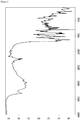
- the present invention relates to crystalline acalabrutinib L- pyroglutamate characterized by having an FTIR spectrum essentially the same as shown in Figure 2 of the present invention, when measured at a temperature in the range of from 20 to 30 °C with a diamond ATR cell.
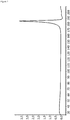
- the present invention relates to crystalline acalabrutinib L -pyroglutamate characterized by having a DSC curve comprising an endothermic peak with an onset temperature in the range of (228 ⁇ 5) °C, preferably of (228 ⁇ 2) °C, more preferably of (228 ⁇ 1) °C, when measured at a heating rate of 10 K/min.
- the present invention relates to crystalline acalabrutinib L- pyroglutamate characterized by having a DSC curve comprising an endothermic peak with a peak maximum temperature in the range of (230 ⁇ 5) °C, preferably of (230 ⁇ 2) °C, more preferably of (230 ⁇ 1) °C, when measured at a heating rate of 10 K/min.
- the invention relates to crystalline acalabrutinib L -pyroglutamate characterized by having a TGA curve showing a mass loss of not more than 2.0 weight%, preferably of not more than 1.0 weight%, such as not more than 0.8 weight% based on the weight of crystalline acalabrutinib L-pyroglutamate, when measured up to a temperature of 190 °C at a heating rate of 10 K/min.
- crystalline acalabrutinib L-pyroglutamate of the present invention is a non-solvated form.
- the invention relates to crystalline acalabrutinib L -pyroglutamate characterized by a water uptake of not more than 2.0 weight%, preferably of not more than 1.5 weight%, more preferably of not more than 1.0 weight% based on the weight of crystalline acalabrutinib L -pyroglutamate, when measured with gravimetric moisture sorption at a relative humidity in the range of from 0 to 80% at a temperature of (25.0 ⁇ 0.1) °C.
- the invention relates to crystalline acalabrutinib L -pyroglutamate characterized by a water uptake of not more than 2.0 weight%, such as not more than 1.9 weight% based on the weight of crystalline acalabrutinib L -pyroglutamate, when measured with gravimetric moisture sorption at a relative humidity in the range of from 0 to 90% at a temperature of (25.0 ⁇ 0.1) °C.
- crystalline acalabrutinib L -pyroglutamate of the present invention is an anhydrous form.
- Another aspect of the invention concerns a process for the preparation of crystalline acalabrutinib L -pyroglutamate of the present invention comprising the steps of:
- Acalabrutinib can be prepared according to the teaching of WO 2013/010868 A1 , in particular according to the process disclosed in Example 6 therein.
- L -pyroglutamic acid is commercially available.
- Suitable solvents which can be used for the reaction of acalabrutinib with L- pyroglutamic acid are selected from the group consisting of alcohols such as methanol, ethanol and isopropanol or cyclic ethers such as tetrahydrofuran or any mixtures thereof.
- a suitable solvent mixture is for example methanol/tetrahydrofuran in a 1:1 volume ratio.
- ethanol e.g. absolute ethanol or aqueous ethanol (96 volume%) is used for the reaction.
- the reaction may for example be performed by concomitantly or separately dissolving acalabrutinib and L -pyroglutamic acid in one of the solvent/solvent mixtures described above. If the components are dissolved separately e.g. in separate vessels the respective solutions are combined subsequently.
- the respective solutions may be prepared at increased temperature e.g. at the boiling temperature of the solvent used or at room temperature. The temperature during the acid base reaction is not critical.
- the reaction may be performed at increased temperature e.g. at the boiling temperature of the solvent used or at room temperature.
- crystallization of acalabrutinib L -pyroglutamate may be initiated by any conventional method known in the art such as cooling, solvent evaporation, stirring, seeding, scratching with a glass rod and/or antisolvent addition.
- the reaction mixture is stirred at room temperature until crystallization occurs.
- the preferred acalabrutinib L- pyroglutamate concentration during crystallization is in the range of from 50 to 100 g/L, preferably of from 60 to 70 g/L.
- the obtained suspension may be further stirred at room temperature or cooled to a temperature in the range of from 0 to 10 °C in order to increase the yield.
- the crystals are separated from their mother liquor.
- the crystals are separated from their mother liquor by any conventional method such as filtration, centrifugation, solvent evaporation or decantation, more preferably by filtration or centrifugation and most preferably by filtration.
- the isolated crystals may be washed with a suitable solvent.
- suitable solvents which can be used for the washing step are selected from the group consisting of alcohols such as methanol, ethanol and isopropanol or cyclic ethers such as tetrahydrofuran or any mixtures thereof.
- a suitable solvent mixture is for example methanol/tetrahydrofuran in a 1:1 volume ratio.
- ethanol e.g. absolute ethanol or aqueous ethanol (96 volume%) is used for the washing step.
- the solvent/solvent mixture used in steps (a) and (d) is the same.
- the crystals obtained from any one of steps (b), (c) or (d) may be subsequently dried, wherein drying is performed at a temperature in the range of from about 20 to 150 °C, preferably of from about 20 to 100 °C, more preferably of from about 20 to 60 °C. Drying may be performed at ambient pressure or under vacuum e.g. in the range of from about 1 to 50 mbar, for example in the range of from about 5 to 30 mbar. Typically, drying is performed for a period in the range of from about 6 to 72 hours, preferably of from about 10 to 48 hours, more preferably of from about 12 to 24 hours.
- the present invention relates to crystalline acalabrutinib L -malate.
- the invention relates to crystalline acalabrutinib L -malate represented by the chemical structure according to Formula (IIb) wherein n is in the range of from 0.8 to 1.2, preferably of from 0.9 to 1.1, more preferably of from 0.95 to 1.05 and most preferably n is 1.0.
- the invention relates to crystalline acalabrutinib mono-L -malate.
- Crystalline acalabrutinib L -malate according to the present invention may be present as salt, co-crystal or salt/co-crystal mixture.
- Crystalline acalabrutinib L -malate of the present invention may be characterized by analytical methods well known in the field of the pharmaceutical industry for characterizing crystalline solids. Such methods comprise but are not limited to PXRD, FTIR DSC, TGA and GMS.
- Crystalline acalabrutinib L -malate of the present invention may be characterized by one of the aforementioned analytical methods or by combining two or more of them.
- crystalline acalabrutinib L -malate of the present invention may be characterized by any one of the following embodiments or by combining two or more of the following embodiments.
- the present invention relates to crystalline acalabrutinib L -malate which can be characterized by having a PXRD comprising reflections at 2-Theta angles of:
- the present invention relates to crystalline acalabrutinib L -malate which can be characterized by having a PXRD comprising reflections at 2-Theta angles of:
- the present invention relates to crystalline acalabrutinib L -malate characterized by having a PXRD essentially the same as shown in Figure 5 of the present invention, when measured at a temperature in the range of from 20 to 30 °C with Cu-Kalpha 1,2 radiation having a wavelength of 0.15419 nm.
- the present invention relates to crystalline acalabrutinib L -malate characterized by having an FTIR spectrum comprising peaks at wavenumbers of:
- the present invention relates to crystalline acalabrutinib L -malate characterized by having an FTIR spectrum essentially the same as shown in Figure 5 of the present invention, when measured at a temperature in the range of from 20 to 30 °C with a diamond ATR cell.
- the present invention relates to crystalline acalabrutinib L -malate characterized by having a DSC curve comprising an endothermic peak with an onset temperature in the range of (182 ⁇ 2) °C, more preferably of (182 ⁇ 1) °C, when measured at a heating rate of 10 K/min.
- the present invention relates to crystalline acalabrutinib L -malate characterized by having a DSC curve comprising an endothermic peak with a peak maximum temperature in the range of of (184 ⁇ 2) °C, more preferably of (184 ⁇ 1) °C, when measured at a heating rate of 10 K/min.
- the invention relates to crystalline acalabrutinib L -malate characterized by having a TGA curve showing a mass loss of not more than 2.0 weight%, preferably of not more than 1.0 weight%, such as not more than 0.7 weight% based on the weight of crystalline acalabrutinib L -malate, when measured up to a temperature of 180 °C at a heating rate of 10 K/min.
- crystalline acalabrutinib L -malate of the present invention is a non-solvated form.
- the invention relates to crystalline acalabrutinib L -malate characterized by a water uptake of not more than 2.0 weight%, preferably of not more than 1.5 weight%, such as not more than 1.2 weight% based on the weight of crystalline acalabrutinib L -malate, when measured with gravimetric moisture sorption at a relative humidity in the range of from 0 to 80% at a temperature of (25.0 ⁇ 0.1) °C.
- the invention relates to crystalline acalabrutinib L -malate characterized by a water uptake of not more than 2.0 weight%, such as not more than 1.6 weight% based on the weight of crystalline acalabrutinib L -malate, when measured with gravimetric moisture sorption at a relative humidity in the range of from 0 to 90% at a temperature of (25.0 ⁇ 0.1) °C.
- crystalline acalabrutinib L -malate of the present invention is an anhydrous form.
- Another aspect of the invention concerns a process for the preparation of crystalline acalabrutinib L -malate of the present invention comprising the steps of:
- Acalabrutinib can be prepared according to the teaching of WO 2013/010868 A1 , in particular according to the process disclosed in Example 6 therein.
- L -malic acid is commercially available.
- Suitable solvents which can be used for the reaction of acalabrutinib with L -malic acid are selected from the group consisting of alcohols such as methanol, ethanol and isopropanol or cyclic ethers such as tetrahydrofuran or any mixtures thereof.
- a suitable solvent mixture is for example methanol/tetrahydrofuran in a 1:1 volume ratio.
- ethanol e.g. absolute ethanol or aqueous ethanol (96 volume%) is used for the reaction.
- the reaction may for example be performed by concomitantly or separately dissolving acalabrutinib and L -pyroglutamic acid in one of the solvent/solvent mixtures described above. If the components are dissolved separately e.g. in separate vessels the respective solutions are combined subsequently. Solutions may be prepared at increased temperature e.g. at the boiling temperature of the solvent used or at room temperature. The temperature during the acid base reaction is not critical. The reaction may be performed at increased temperature e.g. at the boiling temperature of the solvent used or at room temperature.
- crystallization of acalabrutinib L -malate may be initiated by any conventional method known in the art such as cooling, solvent evaporation, stirring, seeding, scratching with a glass rod and/or antisolvent addition.
- the reaction mixture is stirred at room temperature until crystallization occurs.
- the reaction mixture is in addition seeded with crystalline acalabrutinib L -malate of the present invention. Seed crystals can for example be prepared as described in Example 3 of the present invention.
- the preferred acalabrutinib L -malate concentration during crystallization is in the range of from 50 to 100 g/L, preferably of from 60 to 70 g/L.
- the obtained suspension may be further stirred at room temperature or cooled to a temperature in the range of from 0 to 10 °C in order to increase the yield.
- the crystals are separated from their mother liquor.
- the crystals are separated from their mother liquor by any conventional method such as filtration, centrifugation, solvent evaporation or decantation, more preferably by filtration or centrifugation and most preferably by filtration.
- the isolated crystals may be washed with a suitable solvent.
- suitable solvents which can be used for the washing step are selected from the group consisting of alcohols such as methanol, ethanol and isopropanol or cyclic ethers such as tetrahydrofuran or any mixtures thereof.
- a suitable solvent mixture is for example methanol/tetrahydrofuran in a 1:1 volume ratio.
- ethanol e.g. absolute ethanol or aqueous ethanol (96 volume%) is used for the reaction.
- the solvent/solvent mixture used in steps (a) and (d) is the same.
- the crystals obtained from any one of steps (b), (c) or (d) may be subsequently dried, wherein drying is performed at a temperature in the range of from about 20 to 150 °C, preferably of from about 20 to 100 °C, more preferably of from about 20 to 60 °C. Drying may be performed at ambient pressure or under vacuum e.g. in the range of from about 1 to 50 mbar, for example in the range of from about 5 to 30 mbar. Typically, drying is performed for a period in the range of from about 6 to 72 hours, preferably of from about 10 to 48 hours, more preferably of from about 12 to 24 hours.
- crystalline acalabrutinib L -pyroglutamate and crystalline acalabrutinib L -malate of the present invention possess an unexpected combination of advantageous physiochemical properties, which render them especially suitable physical forms of acalabrutinib to be used in pharmaceutical processing and for safe storage of pharmaceutical drug products containing them.
- the melting point of an organic substance is one of the first properties measured, with physical forms having high and well-defined (sharp) melting points being preferred for pharmaceutical purposes over low and diffuse melting forms.
- DSC is a well-established method to investigate thermal events such as melting and other processes like phase transitions, desolvations/dehydrations and decompositions.
- the salts of WO 2017/002095 A1 show first thermal events including phase transitions, desolvations/dehydrations and melting/decomposition processes already at relatively low temperatures in the range of from 60 °C to 170 °C.
- crystalline acalabrutinib L -pyroglutamate and crystalline acalabrutinib L -malate of the present invention show no thermal events in their DSC curves until they sharply melt at relatively high temperatures of 186 °C and 230 °C, respectively (see also DSC curves displayed in Figures 3 and 7 herein). Therefore, both forms of the present invention are significantly more stable against temperature stress according to DSC, with no phase transformations occurring until they melt.
- Table 2 provides an overview of the hydration/dehydration behavior of the hydrated acalabrutinib salts disclosed in WO 2017/002095 A1 and the behavior of the anhydrous crystalline acalabrutinib L- pyroglutamate and the anhydrous crystalline acalabrutinib L -malate of the present invention during gravimetric moisture sorption.
- the present invention relates to the use of crystalline acalabrutinib L- pyroglutamate or crystalline acalabrutinib L -malate of the present invention as defined above for the preparation of a pharmaceutical composition.
- the present invention relates to a pharmaceutical composition
- a pharmaceutical composition comprising crystalline acalabrutinib L -pyroglutamate or crystalline acalabrutinib L -malate as defined above, preferably in an effective and/or predetermined amount, and at least one pharmaceutically acceptable excipient.
- the pharmaceutical composition of the present invention is an oral solid dosage form, such as a tablet or a capsule.
- the pharmaceutical composition of the present invention is a capsule.
- the capsule is a hard gelatin capsule.
- the capsule shell contains gelatin, titanium dioxide, iron oxide and optionally further colorants.
- the at least one pharmaceutically acceptable excipient which is comprised in the pharmaceutical composition of the present invention, is preferably selected from the group consisting of fillers, diluents, lubricants and disintegrants. In one embodiment all of these pharmaceutically acceptable excipients are comprised by the pharmaceutical composition of the present invention.
- the at least one pharmaceutically acceptable excipient is selected from the group consisting of microcrystalline cellulose, e.g. silicified microcrystalline cellulose, partially pregelatinized starch, magnesium stearate and sodium starch glycolate. In a preferred embodiment, all of these pharmaceutically acceptable excipients are comprised by the pharmaceutical composition of the present invention.
- the present invention relates to a pharmaceutical composition as describe above, wherein the predetermined and/or effective amount of the crystalline acalabrutinib L- pyroglutamate or crystalline acalabrutinib L- malate is selected from the group consisting of 5 mg, 10 mg, 20 mg, 25 mg, 50 mg and 100 mg calculated as acalabrutinib free base.
- the invention relates to a pharmaceutical composition as describe above, wherein the predetermined and/or effective amount of crystalline acalabrutinib L -pyroglutamate or crystalline acalabrutinib L -malate is 100 mg calculated as acalabrutinib free base.
- the present invention relates to a pharmaceutical composition as described above, wherein the pharmaceutical composition is to be administered twice daily.
- the present invention relates to a pharmaceutical composition as described above, wherein the pharmaceutical composition is to be administered every twelve hours.
- the present invention relates to the pharmaceutical composition as described above for use as a medicament.
- the present invention relates to the pharmaceutical composition as described above for use in the treatment of hyperproliferative disorders.
- the hyperproliferative disorder is cancer.
- the cancer is selected from the group consisting of chronic lymphocytic leukemia, non-Hodgkin's lymphoma, diffuse large B-cell lymphoma, mantle cell lymphoma, follicular lymphoma and Waldenström's macroglobulinemia.
- the cancer is selected from the group consisting of non-Hodgkin's lymphomas (such as diffuse large B-cell lymphoma), acute myeloid leukemia, thymus, brain, lung, squamous cell, skin, eye, retinoblastoma, intraocular melanoma, oral cavity and oropharyngeal, bladder, gastric, stomach, pancreatic, bladder, breast, cervical, head, neck, renal, kidney, liver, ovarian, prostate, colorectal, bone (e.g. metastatic bone), esophageal, testicular, gynecological, thyroid, CNS, PNS, AIDS-related (e.g.
- lymphoma and Kaposi's sarcoma viral-induced cancers such as cervical carcinoma (human papillomavirus), B-cell lymphoproliferative disease and nasopharyngeal carcinoma (Eppstein-Barr virus), Kaposi's sarcoma and primary effusion lymphomas (Kaposi's sarcoma herpesvirus), hepatocellular carcinoma (hepatitis B and hepatitis C viruses), and T-cell leukemias (Human T-cell leukemia virus-1), B-cell acute lymphoblastic leukemia, Burkitt's leukemia, juvenile myelomonocytic leukemia, hairy cell leukemia, Hodgkin's disease, multiple myeloma, mast cell leukemia, and mastocytosis. Most preferably, the cancer is selected from mantle cell lymphoma and chronic lymphocytic leukemia.
- the present invention is directed to a method of treating hyperproliferative disorders such as cancer e.g. one or more of the cancer types listed above in particular mantle cell lymphoma and chronic lymphocytic leukemia comprising administering the pharmaceutical composition as described above to a patient in need of such a treatment.
- hyperproliferative disorders such as cancer e.g. one or more of the cancer types listed above in particular mantle cell lymphoma and chronic lymphocytic leukemia comprising administering the pharmaceutical composition as described above to a patient in need of such a treatment.
- Acalabrutinib 500 mg, e.g. prepared according to Examples 6 of WO 2013/010868 A1 ) was dissolved in ethanol (10 mL) upon heating to 50 °C. To the warm solution L -pyroglutamic acid (140 mg) was added. After approximately one minute a suspension was obtained, which was allowed to cool to room temperature and stirred for 16 hours. The obtained crystals were collected by filtration and dried at room temperature under vacuum (5-40 mbar) for 5 hours to obtain crystalline acalabrutinib L -pyroglutamate (580 mg, yield: 91% of theory).
- PXRD was performed with a PANalytical X'Pert PRO diffractometer equipped with a theta/theta coupled goniometer in transmission geometry, Cu-Kalpha 1,2 radiation (wavelength 0.15419 nm) with a focusing mirror and a solid state PIXcel detector.
- Diffractograms were recorded at a tube voltage of 45 kV and a tube current of 40 mA, applying a stepsize of 0.013° 2-Theta with 40s per step (255 channels) in the angular range of 2° to 40° 2-Theta at ambient conditions.
- a typical precision of the 2-Theta values is in the range of ⁇ 0.2° 2-Theta, preferably of ⁇ 0.1° 2-Theta.
- the diffraction peak of crystalline acalabrutinib L -pyroglutamate of the present invention that appears for example at 6.6° 2-Theta can appear in the range of from 6.4 to 6.8° 2-Theta, preferably in the range of from 6.5 to 6.7° 2-Theta on most X-ray diffractometers under standard conditions.
- a representative diffractogram of crystalline acalabrutinib L -pyroglutamate of the present invention is displayed in Figure 1 herein.
- the corresponding reflection postitions in the range of 2 to 30 ° 2-Theta are provided in Table 3 below.
- Table 3 PXRD reflections of crystalline acalabrutinib L -pyroglutamate of the present invention is in the range of from 2 to 30° 2-Theta;
- a typical precision of the 2-Theta values is in the range of ⁇ 0.2° 2-Theta, preferably of ⁇ 0.1° 2-Theta.
- the FTIR spectrum of acalabrutinib L -pyroglutamate was recorded (obtained) on an MKII Golden GateTM Single Reflection Diamond ATR cell with a Bruker Tensor 27 FTIR spectrometer with 4 cm -1 resolution at a temperature in the range of from 20 to 30 °C.
- To record a spectrum a spatula tip of the sample was applied to the surface of the diamond in powder form. Then the sample was pressed onto the diamond with a sapphire anvil and the spectrum was recorded. A spectrum of the clean diamond was used as background spectrum.
- a typical precision of the wavenumber values is in the range of ⁇ 2 cm -1 .
- the infrared peak of crystalline acalabrutinib L -pyroglutamate that appears for example at 3318 cm -1 can appear between 3316 and 3320 cm -1 on most infrared spectrometers under standard conditions.
- FIG. 2 A representative FTIR spectrum of acalabrutinib L-pyroglutamate according to the present invention is displayed in Figure 2 and the corresponding peak list is provided in Table 4 below.
- Table 4 FTIR peak list of crystalline acalabrutinib L -pyroglutamate according to the present invention; a typical precision of the wavenumbers is in the range of ⁇ 2 cm -1 .
- DSC was performed on a Mettler Polymer DSC R instrument.
- Acalabrutinib L -pyroglutamate (3.23 mg) was heated in a 40 microliter aluminium pan with a pierced aluminium lid from 25 to 250 °C at a rate of 10 K/min.
- Nitrogen (purge rate 50 mL/min) was used as purge gas.
- the DSC curve of acalabrutinib L -pyroglutamate shows an endothermic melting peak with an onset temperature of about 228 °C and a peak maximum temperature of about 230 °C (see also Figure 3 herein). Immediately after melting the sample decomposes, which is indicated by an exothermic peak.
- TGA was performed on a Mettler TGA/DSC 1 instrument.
- Acalabrutinib L -pyroglutamate (8.46 mg) was heated in a 100 microliter aluminum pan closed with an aluminum lid. The lid was automatically pierced at the beginning of the measurement. The sample was heated from 25 to 250 °C at a rate of 10 K/min. Nitrogen (purge rate 50 mL/min) was used as purge gas.
- the TGA curve of acalabrutinib L -pyroglutamate shows a mass loss of about 0.8 weight% up to a temperature of about 190 °C (see also Figure 4 herein).
- the moisture sorption isotherm was recorded along with other samples with an SPSx-1 ⁇ moisture sorption analyzer (ProUmid, Ulm).
- SPSx-1 ⁇ moisture sorption analyzer ProUmid, Ulm
- the time per step was set to a minimum of 2 hours and a maximum of 6 hours. If an equilibrium condition with a constant mass of ⁇ 0.01% within 1 hour was reached before the maximum time for all examined samples the sequential humidity step was applied before the maximum time of 6 hours. If no equilibrium was achieved the consecutive humidity step was applied after the maximum time of 6 hours.
- the temperature was 25 ⁇ 0.1 °C.
- crystalline acalabrutinib L -pyroglutamate of the present invention shows a mass increase (water uptake) of about 1.0 weight% from 0 to 80% RH and of about 1.9 weight% from 0 to 90% RH.
- a mixture of acalabrutinib (50 mg, e.g. prepared according to Examples 6 of WO 2013/010868 A1 ), malic acid (14.4 mg) and ethanol (1 mL) was heated to reflux temperature, whereupon a solution was obtained.
- the solution was allowed to cool to room temperature, which first lead to a gel-like precipitate, before said precipitate dissolved again.
- the solution was then subsequently stored in the refrigerator at 2-8°C for 16 hours (closed vessel), at room temperature for 6 hours (closed vessel), at 2-8 °C for 4 days (closed vessel), at room temperature for 16 hours (open vessel) and again at 2-8 °C for 9 days.
- crystallization was observed and the obtained crystals were collected, air dried and investigated by PXRD, which confirmed the receipt of crystalline acalabrutinib L -malate.
- Acalabrutinib 500 mg, e.g. prepared according to Examples 6 of WO 2013/010868 A1 ) was dissolved in ethanol (10 mL) upon heating to 50 °C. To the solution L -malic acid (140 mg) was added. The mixture was then seeded with the acalabrutinib L -malate seed crystals obtained above. The mixture was allowed to cool to room temperature and stirred for 16 hours. The obtained crystals were collected by filtration and dried at room temperature under vacuum (5-10 mbar) for 5 hours to obtain crystalline acalabrutinib L -malate (520 mg, yield: 81% of theory, seeds not considered).
- PXRD was performed with a PANalytical X'Pert PRO diffractometer equipped with a theta/theta coupled goniometer in transmission geometry, Cu-Kalpha 1,2 radiation (wavelength 0.15419 nm) with a focusing mirror and a solid state PIXcel detector.
- Diffractograms were recorded at a tube voltage of 45 kV and a tube current of 40 mA, applying a stepsize of 0.013° 2-Theta with 40s per step (255 channels) in the angular range of 2° to 40° 2-Theta at ambient conditions.
- a typical precision of the 2-Theta values is in the range of ⁇ 0.2° 2-Theta, preferably of ⁇ 0.1° 2-Theta.
- the diffraction peak of crystalline acalabrutinib L -malate of the present invention that appears for example at 6.2° 2-Theta can appear in the range of from 6.0 to 6.4° 2-Theta, preferably in the range of from 6.1 to 6.3° 2-Theta on most X-ray diffractometers under standard conditions.
- a representative diffractogram of crystalline acalabrutinib L -malate of the present invention is displayed in Figure 5 herein.
- the corresponding reflection postitions in the range of 2 to 30 ° 2-Theta are provided in Table 5 below.
- Table 5: PXRD reflections of crystalline acalabrutinib L -malate of the present invention is in the range of from 2 to 30° 2-Theta;
- a typical precision of the 2-Theta values is in the range of ⁇ 0.2° 2-Theta, preferably of ⁇ 0.1° 2-Theta.
- the FTIR spectrum of acalabrutinib L -malate was recorded (obtained) on an MKII Golden GateTM Single Reflection Diamond ATR cell with a Bruker Tensor 27 FTIR spectrometer with 4 cm -1 resolution at a temperature in the range of from 20 to 30 °C.
- To record a spectrum a spatula tip of the sample was applied to the surface of the diamond in powder form. Then the sample was pressed onto the diamond with a sapphire anvil and the spectrum was recorded. A spectrum of the clean diamond was used as background spectrum.
- a typical precision of the wavenumber values is in the range of ⁇ 2 cm -1 .
- the infrared peak of crystalline acalabrutinib L -malate that appears for example at 3471 cm -1 can appear between 3469 and 3473 cm -1 on most infrared spectrometers under standard conditions.
- a representative FTIR spectrum of acalabrutinib L -malate according to the present invention is displayed in Figure 6 and the corresponding peak list is provided in Table 6 below.
- Table 6 FTIR peak list of crystalline acalabrutinib L -malate according to the present invention; a typical precision of the wavenumbers is in the range of ⁇ 2 cm -1 .
- DSC was performed on a Mettler Polymer DSC R instrument.
- Acalabrutinib L -malate (3.75 mg) was heated in a 40 microliter aluminium pan with a pierced aluminium lid from 25 to 210 °C at a rate of 10 K/min.
- Nitrogen (purge rate 50 mL/min) was used as purge gas.
- the DSC curve of acalabrutinib L -malate shows an endothermic melting peak with an onset temperature of about 182 °C and a peak maximum temperature of about 184 °C (see also Figure 7 herein).
- TGA was performed on a Mettler TGA/DSC 1 instrument.
- Acalabrutinib L -malate (10.28 mg) was heated in a 100 microliter aluminum pan closed with an aluminum lid. The lid was automatically pierced at the beginning of the measurement. The sample was heated from 25 to 220 °C at a rate of 10 K/min. Nitrogen (purge rate 50 mL/min) was used as purge gas.
- the TGA curve of acalabrutinib L -malate shows a mass loss of about 0.8 weight% up to a temperature of about 190 °C (see also Figure 8 herein).
- a moisture sorption isotherm of crystalline acalbrutinib L -malate was recorded along with other samples with an SPSx-1 ⁇ moisture sorption analyzer (ProUmid, Ulm).
- the time per step was set to a minimum of 2 hours and a maximum of 6 hours. If an equilibrium condition with a constant mass of ⁇ 0.01% within 1 hour was reached before the maximum time for all examined samples the sequential humidity step was applied before the maximum time of 6 hours. If no equilibrium was achieved the consecutive humidity step was applied after the maximum time of 6 hours.
- the temperature was 25 ⁇ 0.1 °C.
- crystalline acalabrutinib L -malate of the present invention showed a mass increase (water uptake) of about 1.2 weight% from 0 to 80% RH and of about 1.6 weight% from 0 to 90% RH.
Landscapes
- Chemical & Material Sciences (AREA)
- Organic Chemistry (AREA)
- Pharmaceuticals Containing Other Organic And Inorganic Compounds (AREA)
Priority Applications (1)
| Application Number | Priority Date | Filing Date | Title |
|---|---|---|---|
| EP18180779.3A EP3587421A1 (fr) | 2018-06-29 | 2018-06-29 | Formes cristallines de (s)-4-(8-amino-3-(1-(but-2-ynoyl)pyrrolidin-2-yl)imidazo [1,5-alpha]pyrazin-1-yl-n-(pyridin-2-yl)benzamide |
Applications Claiming Priority (1)
| Application Number | Priority Date | Filing Date | Title |
|---|---|---|---|
| EP18180779.3A EP3587421A1 (fr) | 2018-06-29 | 2018-06-29 | Formes cristallines de (s)-4-(8-amino-3-(1-(but-2-ynoyl)pyrrolidin-2-yl)imidazo [1,5-alpha]pyrazin-1-yl-n-(pyridin-2-yl)benzamide |
Publications (1)
| Publication Number | Publication Date |
|---|---|
| EP3587421A1 true EP3587421A1 (fr) | 2020-01-01 |
Family
ID=62837728
Family Applications (1)
| Application Number | Title | Priority Date | Filing Date |
|---|---|---|---|
| EP18180779.3A Withdrawn EP3587421A1 (fr) | 2018-06-29 | 2018-06-29 | Formes cristallines de (s)-4-(8-amino-3-(1-(but-2-ynoyl)pyrrolidin-2-yl)imidazo [1,5-alpha]pyrazin-1-yl-n-(pyridin-2-yl)benzamide |
Country Status (1)
| Country | Link |
|---|---|
| EP (1) | EP3587421A1 (fr) |
Cited By (1)
| Publication number | Priority date | Publication date | Assignee | Title |
|---|---|---|---|---|
| CN112028896A (zh) * | 2020-10-14 | 2020-12-04 | 奥锐特药业(天津)有限公司 | 阿卡替尼的新晶型及其制备方法 |
Citations (3)
| Publication number | Priority date | Publication date | Assignee | Title |
|---|---|---|---|---|
| WO2013010868A1 (fr) | 2011-07-19 | 2013-01-24 | Msd Oss B.V. | 4-imidazopyridazin-1-yl-benzamides et 4-imidazotriazin-1-yl-benzamides en tant qu'inhibiteurs de btk |
| WO2017002095A1 (fr) | 2015-07-02 | 2017-01-05 | Acerta Pharma B.V. | Formes solides et formulations de (s)-4-(8-amino-3-(1-(but-2-ynoyl)pyrrolidin-2-yl)imidazo[1,5-a]pyrazin-1-yl)-n-(pyridin-2-yl)benzamide |
| WO2018064797A1 (fr) | 2016-10-05 | 2018-04-12 | 杭州领业医药科技有限公司 | Forme cristalline d'acp-196, procédé de préparation et composition pharmaceutique associés |
-
2018
- 2018-06-29 EP EP18180779.3A patent/EP3587421A1/fr not_active Withdrawn
Patent Citations (3)
| Publication number | Priority date | Publication date | Assignee | Title |
|---|---|---|---|---|
| WO2013010868A1 (fr) | 2011-07-19 | 2013-01-24 | Msd Oss B.V. | 4-imidazopyridazin-1-yl-benzamides et 4-imidazotriazin-1-yl-benzamides en tant qu'inhibiteurs de btk |
| WO2017002095A1 (fr) | 2015-07-02 | 2017-01-05 | Acerta Pharma B.V. | Formes solides et formulations de (s)-4-(8-amino-3-(1-(but-2-ynoyl)pyrrolidin-2-yl)imidazo[1,5-a]pyrazin-1-yl)-n-(pyridin-2-yl)benzamide |
| WO2018064797A1 (fr) | 2016-10-05 | 2018-04-12 | 杭州领业医药科技有限公司 | Forme cristalline d'acp-196, procédé de préparation et composition pharmaceutique associés |
Non-Patent Citations (1)
| Title |
|---|
| VITALIJ K. PECHARSKY; PETER Y. ZAVALIJ: "Fundamentals of Powder Diffraction and Structural Characterization of Materials", 2003, KLUWER ACADEMIC PUBLISHERS, pages: 3 |
Cited By (1)
| Publication number | Priority date | Publication date | Assignee | Title |
|---|---|---|---|---|
| CN112028896A (zh) * | 2020-10-14 | 2020-12-04 | 奥锐特药业(天津)有限公司 | 阿卡替尼的新晶型及其制备方法 |
Similar Documents
| Publication | Publication Date | Title |
|---|---|---|
| US12410189B2 (en) | Polymorphs and solid forms of (S)-2-2((2-((S)-4-(difluoromethyl)-2-oxooxazolidin-3-yl)-5,6-dihydrobenzo[f]imidazo[1,2-d][1,4]oxazepin-9- yl)amino)propanamide, and methods of production | |
| JP2026048795A (ja) | Lnp023の結晶形態 | |
| EP4359410B1 (fr) | Forme cristalline de sotorasib | |
| WO2016066420A1 (fr) | Formes cristallines de palbociclib monochlorhydrate | |
| WO2020182978A1 (fr) | Sel cristallin d'un antagoniste du récepteur 5-ht2a | |
| US12011442B2 (en) | Solid-state forms of Abemaciclib, their use and preparation | |
| US12590095B2 (en) | Crystalline forms of an orally available, selective kit and PDGFR kinase inhibitor | |
| CA3087392A1 (fr) | Formes cristallines du tosylate de niraparib | |
| EP3283483B1 (fr) | Chlorhydrate d'éliglustat cristallin | |
| EP3830091A1 (fr) | Nouveaux polymorphes d'acalabrutinib, un inhibiteur de la tyrosine kinase de bruton | |
| WO2021259732A1 (fr) | Composés à composants multiples comprenant du zanubrutinib et un dérivé d'acide benzoïque | |
| EP3704124A1 (fr) | Sel cristallin d'un inhibiteur de poly(adp-ribose) polymérase tricyclique | |
| US20020193386A1 (en) | Polymorphic form of 3-[2-[4-(6-fluoro-1,2-benzisoxazol-3-yl)-1-piperidinyl]ethyl]-6,7,8,9-tetrahydro-2-methyl-4H-pyrido[1,2-alpha]pyrimidin-4-one and formulations thereof | |
| BRPI0602206B1 (pt) | forma polimórfica a de dexcetoprofeno trometamol e composições que a contém | |
| EP3181565A1 (fr) | Sels cristallins d'omarigliptin | |
| WO2017032705A1 (fr) | Forme cristalline d'omarigliptine | |
| WO2020187674A1 (fr) | Hémisuccinate de (s)-[3,4-difluoro-2-(2-fluoro-4-iodophénylamino)phényl][3-hydroxy-3-(pipéridin-2-yl) azétidin-1-yl]méthanone cristallin | |
| EP4100125A1 (fr) | Polymorphe de mésylate de rucaparib | |
| US20030191140A1 (en) | Polymorphic form of 3-[2-[4-(6-fluoro-1,2-benzisoxazol-3-yl)-1-piperidinyl]ethyl]-6,7,8,9-tetrahydro-2-methyl-4H-pyrido[1,2-alpha]pyrimidin-4-one and formulations thereof |
Legal Events
| Date | Code | Title | Description |
|---|---|---|---|
| PUAI | Public reference made under article 153(3) epc to a published international application that has entered the european phase |
Free format text: ORIGINAL CODE: 0009012 |
|
| STAA | Information on the status of an ep patent application or granted ep patent |
Free format text: STATUS: THE APPLICATION HAS BEEN PUBLISHED |
|
| AK | Designated contracting states |
Kind code of ref document: A1 Designated state(s): AL AT BE BG CH CY CZ DE DK EE ES FI FR GB GR HR HU IE IS IT LI LT LU LV MC MK MT NL NO PL PT RO RS SE SI SK SM TR |
|
| AX | Request for extension of the european patent |
Extension state: BA ME |
|
| RIN1 | Information on inventor provided before grant (corrected) |
Inventor name: PICHLER, ARTHUR Inventor name: LENGAUER, HANNES |
|
| STAA | Information on the status of an ep patent application or granted ep patent |
Free format text: STATUS: REQUEST FOR EXAMINATION WAS MADE |
|
| 17P | Request for examination filed |
Effective date: 20200626 |
|
| RBV | Designated contracting states (corrected) |
Designated state(s): AL AT BE BG CH CY CZ DE DK EE ES FI FR GB GR HR HU IE IS IT LI LT LU LV MC MK MT NL NO PL PT RO RS SE SI SK SM TR |
|
| GRAP | Despatch of communication of intention to grant a patent |
Free format text: ORIGINAL CODE: EPIDOSNIGR1 |
|
| STAA | Information on the status of an ep patent application or granted ep patent |
Free format text: STATUS: GRANT OF PATENT IS INTENDED |
|
| INTG | Intention to grant announced |
Effective date: 20201222 |
|
| GRAS | Grant fee paid |
Free format text: ORIGINAL CODE: EPIDOSNIGR3 |
|
| STAA | Information on the status of an ep patent application or granted ep patent |
Free format text: STATUS: THE APPLICATION IS DEEMED TO BE WITHDRAWN |
|
| 18D | Application deemed to be withdrawn |
Effective date: 20210504 |