EP3587575A1 - Mirna mir-218 et son utilisation pour la stimulation des cellules souches mésenchymateuses - Google Patents
Mirna mir-218 et son utilisation pour la stimulation des cellules souches mésenchymateuses Download PDFInfo
- Publication number
- EP3587575A1 EP3587575A1 EP18305814.8A EP18305814A EP3587575A1 EP 3587575 A1 EP3587575 A1 EP 3587575A1 EP 18305814 A EP18305814 A EP 18305814A EP 3587575 A1 EP3587575 A1 EP 3587575A1
- Authority
- EP
- European Patent Office
- Prior art keywords
- mir
- expression
- seq
- mirna
- nucleic acid
- Prior art date
- Legal status (The legal status is an assumption and is not a legal conclusion. Google has not performed a legal analysis and makes no representation as to the accuracy of the status listed.)
- Withdrawn
Links
Images




Classifications
-
- C—CHEMISTRY; METALLURGY
- C12—BIOCHEMISTRY; BEER; SPIRITS; WINE; VINEGAR; MICROBIOLOGY; ENZYMOLOGY; MUTATION OR GENETIC ENGINEERING
- C12N—MICROORGANISMS OR ENZYMES; COMPOSITIONS THEREOF; PROPAGATING, PRESERVING, OR MAINTAINING MICROORGANISMS; MUTATION OR GENETIC ENGINEERING; CULTURE MEDIA
- C12N15/00—Mutation or genetic engineering; DNA or RNA concerning genetic engineering, vectors, e.g. plasmids, or their isolation, preparation or purification; Use of hosts therefor
- C12N15/09—Recombinant DNA-technology
- C12N15/11—DNA or RNA fragments; Modified forms thereof; Non-coding nucleic acids having a biological activity
- C12N15/113—Non-coding nucleic acids modulating the expression of genes, e.g. antisense oligonucleotides; Antisense DNA or RNA; Triplex- forming oligonucleotides; Catalytic nucleic acids, e.g. ribozymes; Nucleic acids used in co-suppression or gene silencing
-
- A—HUMAN NECESSITIES
- A61—MEDICAL OR VETERINARY SCIENCE; HYGIENE
- A61K—PREPARATIONS FOR MEDICAL, DENTAL OR TOILETRY PURPOSES
- A61K31/00—Medicinal preparations containing organic active ingredients
- A61K31/70—Carbohydrates; Sugars; Derivatives thereof
- A61K31/7088—Compounds having three or more nucleosides or nucleotides
- A61K31/7105—Natural ribonucleic acids, i.e. containing only riboses attached to adenine, guanine, cytosine or uracil and having 3'-5' phosphodiester links
-
- C—CHEMISTRY; METALLURGY
- C12—BIOCHEMISTRY; BEER; SPIRITS; WINE; VINEGAR; MICROBIOLOGY; ENZYMOLOGY; MUTATION OR GENETIC ENGINEERING
- C12N—MICROORGANISMS OR ENZYMES; COMPOSITIONS THEREOF; PROPAGATING, PRESERVING, OR MAINTAINING MICROORGANISMS; MUTATION OR GENETIC ENGINEERING; CULTURE MEDIA
- C12N5/00—Undifferentiated human, animal or plant cells, e.g. cell lines; Tissues; Cultivation or maintenance thereof; Culture media therefor
- C12N5/06—Animal cells or tissues; Human cells or tissues
- C12N5/0602—Vertebrate cells
- C12N5/0652—Cells of skeletal and connective tissues; Mesenchyme
- C12N5/0662—Stem cells
- C12N5/0663—Bone marrow mesenchymal stem cells (BM-MSC)
-
- C—CHEMISTRY; METALLURGY
- C12—BIOCHEMISTRY; BEER; SPIRITS; WINE; VINEGAR; MICROBIOLOGY; ENZYMOLOGY; MUTATION OR GENETIC ENGINEERING
- C12N—MICROORGANISMS OR ENZYMES; COMPOSITIONS THEREOF; PROPAGATING, PRESERVING, OR MAINTAINING MICROORGANISMS; MUTATION OR GENETIC ENGINEERING; CULTURE MEDIA
- C12N5/00—Undifferentiated human, animal or plant cells, e.g. cell lines; Tissues; Cultivation or maintenance thereof; Culture media therefor
- C12N5/06—Animal cells or tissues; Human cells or tissues
- C12N5/0602—Vertebrate cells
- C12N5/0652—Cells of skeletal and connective tissues; Mesenchyme
- C12N5/0662—Stem cells
- C12N5/0667—Adipose-derived stem cells [ADSC]; Adipose stromal stem cells
-
- C—CHEMISTRY; METALLURGY
- C12—BIOCHEMISTRY; BEER; SPIRITS; WINE; VINEGAR; MICROBIOLOGY; ENZYMOLOGY; MUTATION OR GENETIC ENGINEERING
- C12N—MICROORGANISMS OR ENZYMES; COMPOSITIONS THEREOF; PROPAGATING, PRESERVING, OR MAINTAINING MICROORGANISMS; MUTATION OR GENETIC ENGINEERING; CULTURE MEDIA
- C12N2310/00—Structure or type of the nucleic acid
- C12N2310/10—Type of nucleic acid
- C12N2310/14—Type of nucleic acid interfering nucleic acids [NA]
- C12N2310/141—MicroRNAs, miRNAs
-
- C—CHEMISTRY; METALLURGY
- C12—BIOCHEMISTRY; BEER; SPIRITS; WINE; VINEGAR; MICROBIOLOGY; ENZYMOLOGY; MUTATION OR GENETIC ENGINEERING
- C12N—MICROORGANISMS OR ENZYMES; COMPOSITIONS THEREOF; PROPAGATING, PRESERVING, OR MAINTAINING MICROORGANISMS; MUTATION OR GENETIC ENGINEERING; CULTURE MEDIA
- C12N2501/00—Active agents used in cell culture processes, e.g. differentation
- C12N2501/20—Cytokines; Chemokines
- C12N2501/24—Interferons [IFN]
-
- C—CHEMISTRY; METALLURGY
- C12—BIOCHEMISTRY; BEER; SPIRITS; WINE; VINEGAR; MICROBIOLOGY; ENZYMOLOGY; MUTATION OR GENETIC ENGINEERING
- C12N—MICROORGANISMS OR ENZYMES; COMPOSITIONS THEREOF; PROPAGATING, PRESERVING, OR MAINTAINING MICROORGANISMS; MUTATION OR GENETIC ENGINEERING; CULTURE MEDIA
- C12N2501/00—Active agents used in cell culture processes, e.g. differentation
- C12N2501/20—Cytokines; Chemokines
- C12N2501/25—Tumour necrosing factors [TNF]
Definitions
- the invention relates to mesenchymal stem cells and their use in therapy.
- MSCs Mesenchymal Stem Cells
- ASCs adipose tissue-derived MSCs
- the invention therefore propose to provide a method for producing MSCs cells that can be used for their immunosuppressive properties.
- Another aim of the invention is to provide compounds allowing to stimulate MSCs in order to enhance their putative immunosuppressive properties.
- the present invention relates to the use of a composition comprising at least the miRNA miR-218 for stimulating, preferably in vitro, the immunosuppressive properties of multipotent stromal or mesenchymal stem cells, or MSCs.
- the present invention is based on the unexpected observation made by the inventors that MSCs harbouring immunosuppressive properties express a high level of a specific miRNA, i.e. miR-218.
- miR-218 microRNA precursor is a small non-coding RNA that regulates gene expression by antisense binding.
- miR-218 appears to be a vertebrate specific microRNA and has now been predicted and experimentally confirmed in a wide range of vertebrate species. The extents of the hairpin precursors are not known. In this case the mature sequence in excised from the 5'arm of the hairpin.
- miR-218, has been found to be silenced by DNA methylation in oral squamous cell carcinoma. It is also downregulated in Nasopharyngeal carcinoma, with artificially-induced expression serving to slow tumour growth. miR-218 has also been found to have tumour suppressing qualities in bladder cancer cells.
- miR-218 is derived from the pre-miRNA sequence as depicted in SEQ ID NO : 4 : wherein the sequence of miR-218 (SEQ ID NO : 1) is indicated in bold and the complementary antiparallel sequence (SEQ ID NO : 5) is represented as underlined.
- the structure of the pre-miRN-218, as depicted in SEQ ID NO : 4 is the following one :
- Expression level of miR-218 can be enhanced by different ways, well known in the art. As demonstrated in the Example below, expression of miR-218 can be induced in ASCs by stimulation using cytokines such as IFN ⁇ and TNF ⁇ .
- Enhanced expression of miR-218 can be specifically obtained by using transfection protocols well known in the art such as transient or stable transfections.
- the miRNA When cells are transiently transfected, the miRNA is introduced into the cell as miRNA mimics but does not integrate into the chromosome. This means that many copies of the gene of interest are present, leading to high levels of molecules. Transfected miRNAs are effective in the cytoplasm, without the need to be transferred to the nucleus.
- miRNA With stable or permanent transfection, miRNA can only be stably transfected when they are delivered as short hairpin transcripts made from a selectable DNA vector. However, RNA molecules per se cannot be used for stable transfection. By using specific combination of antibiotic resistance genes, cells having integrated, in their nuclear DNA, vectors containing the short hairpin transcripts sequences are selected and isolated from the non-transfected cells.
- MiRNAs can be stably expressed as fragment of DNA encoding the miRNA of interest in the cell through lentivirus transduction.
- MSC For stimulation of expression of miR-218 in MSC, MSC can be isolated according to well-known protocols. For instance, but not limitative, ASC (Adipose Mesenchymal stem cells) can be isolated after enzymatic digestion of human fat tissue and culture as adherent cells from the stromal vascular fraction. These cells expressed CD34, CD90 and CD105 markers and are negative for CD31 and CD45.
- ASC Adipose Mesenchymal stem cells
- MSC expressing miR-218 are immunosuppressive.
- MSCs inhibit the proliferation of virtually all immune cells, namely T cells, B-cells, natural killer cells (NK), monocytes/macrophages and dendritic cells (DC), producing what is known as division arrest anergy. They are also known to induce regulatory cells, such as Treg or Breg cells, that suppress immune responses.
- immunosuppressive MSCs can stop a variety of immune cell functions: in particular but not exhaustively, cytokine secretion and cytotoxicity of T and NK cells; B cell maturation and antibody secretion; macrophage and DC maturation and activation; as well as antigen presentation.
- the invention relates to the use as defined above, wherein said miR-218 comprises, consists essentially of, or consists of the nucleic acid sequence as set forth in SEQ ID NO: 1 (5'-AUGGUUCCGUCAAGCACCAUGG - 3').
- miRNA miR-218 is shown in SEQ ID NO: 1.
- SEQ ID NO: 4 the nucleic acid molecule as set forth in SEQ ID NO: 4, or a complex comprising both sense and antisense sequence SEQ ID NO: 1 and SEQ ID NO: 5 , the complementarity being such that:
- the invention relates to the use as defined above, wherein said miR-218 comprises, consists essentially of, or consists of the nucleic acid sequence as set forth in SEQ ID NO: 4.
- the invention relates to the use as defined above, wherein said miR-218 comprises, consists essentially of, or consists of the complex of both nucleic acid molecules as set forth in SEQ ID NO: 1 and SEQ ID NO: 5.
- the invention relates to the use as defined above, wherein said composition comprises or consists essentially of at least the miRNAs miR-218, miR-155 and miR-27B.
- the inventors also made the unexpected observation that MSCs cells having a concomitant high expression of 3 miRNA, namely miR-218, miR-155 and miR-27B, harbors the immunosuppressive properties as defined above.
- miR-155 is a microRNA that in humans is encoded by the MIR155 host gene or MIR155HG.
- MiR-155 plays an important role in various physiological and pathological processes. Exogenous molecular control in vivo of miR-155 expression may inhibit malignant growth, viral infections, and attenuate the progression of cardiovascular diseases.
- miR-155 is derived from the pre-miRNA sequence as depicted in SEQ ID NO : 6 : wherein the sequence of miR155 (SEQ ID NO : 2) is indicated in bold and the complementary antiparallel sequence (SEQ ID NO : 7) is represented as underlined.
- the structure of the pre-miRN-155, as depicted in SEQ ID NO : 6 is the following one :
- miR-27 is a family of microRNA precursors found in animals, including humans. MicroRNAs are typically transcribed as ⁇ 70 nucleotide precursors and subsequently processed by the Dicer enzyme to give a -22 nucleotide product. The excised region or, mature product, of the miR-27 precursor is the microRNA mir-27. Herpesvirus saimiri expresses several non-coding RNAs (HSURs) which have been found to significantly reduce the level of miR-27 in a host cell. It has been proposed that miR-27 operates together with miR-23 and miR-24 in a cooperative cluster.
- HSUs non-coding RNAs
- miR-27B (also named hereafter miR-27b) is derived from the pre-miRNA sequence as depicted in SEQ ID NO : 8 : ACCUCUCUAACAAGGUGCAG AGCUUAGCUGAUUGGUGAAC AGUGAUUGGU UUCCGCUUUG UUCACAGUGGCUAAGUUCUGC ACCUGAAGAGAAGGUG wherein the sequence of miR-27b (SEQ ID NO : 3) is indicated in bold and the complementary antiparallel sequence (SEQ ID NO : 9) is represented as underlined.
- the structure of the pre-miRN-27b, as depicted in SEQ ID NO : 8 is the following one :
- the invention relates to the use as defined above, wherein said composition comprises miR-218 comprising the nucleic acid sequence as set forth in SEQ ID NO : 1, miR-155 comprising the nucleic acid sequence as set forth in SEQ ID NO : 2 (5'-UUGUGCUUGAUCUAACCAUGU-3') and miR-27B comprising the nucleic acid sequence as set forth in SEQ ID NO : 3 (5'-UUCACAGUGGCUAAGUUCUGC-3').
- nucleic acid molecule as set forth in SEQ ID NO: 6, or a complex comprising both sense and antisense sequence SEQ ID NO: 2 and SEQ ID NO: 7, the complementarity being such that:
- the invention relates to the use as defined above, wherein said miR-218 comprises, consists essentially of, or consists of the nucleic acid sequence as set forth in SEQ ID NO: 4, miR-155 consists essentially of consists of the nucleic acid sequence as set forth in SEQ ID NO: 6, and miR-27B consists essentially of, or consists of the nucleic acid sequence as set forth in SEQ ID NO: 8.
- the invention relates to the use as defined above, wherein said miR-218 comprises, consists essentially of, or consists of the complex of both nucleic acid molecules as set forth in SEQ ID NO: 1 and SEQ ID NO: 5, wherein said miR-155 comprises, consists essentially of, or consists of the complex of both nucleic acid molecules as set forth in SEQ ID NO: 2 and SEQ ID NO: 7, and wherein said miR-27B comprises, consists essentially of, or consists of the complex of both nucleic acid molecules as set forth in SEQ ID NO: 3 and SEQ ID NO: 9.
- the invention also relates to an Isolated immunosuppressive MSC having an expression level of at least the miRNA miR-218 of at least 1.3 fold higher compared the expression level of the miR-218 of a non-immunosuppressive MSC.
- MSC isolated MSC
- miR-218 a level of miR-218 which is 1.3 fold higher compared to non-immunosuppressive MSC harbor immunosuppressive properties.
- the amount, or expression level, of miR-218 can be evaluated and measured by common technics well known in the art. For instance, real-time quantitative PCR (RQ-PCR) can be used.
- RQ-PCR real-time quantitative PCR
- immunosuppressive ASCs i.e. MSCs isolated from adipose tissues
- the miR-218 expression level measured by RQ-PCR is lower than 0.0126 for non-immunosuppressive ASCs.
- the invention relates to an Isolated immunosuppressive MSC having an expression level of at least the miRNA miR-218 of at least 0.0170 when measured by RQ-PCR.
- the invention relates to an isolated immunosuppressive MSC as defined above, having an expression level of at least the miRNAs miR-218, miR-155 and miR-27B respectively 1.3 fold higher, 1.5 fold higher and 1.8 fold higher compared to the expression of miRNAs miR-218, miR-155 and miR-27B respectively of a non-immunosuppressive MSC.
- immunosuppressive ASCs have an expression level of miR-218 measured by RQ-PCR of at least 0.0170, whereas the miR-218 expression level measured by RQ-PCR is lower than 0.0126 for non-immunosuppressive ASCs, have an expression level of miR-155 measured by RQ-PCR of at least 0.075, whereas the miR-155 expression level measured by RQ-PCR is lower than 0.047 for non-immunosuppressive ASCs, and have an expression level of miR-27B measured by RQ-PCR of at least 0.0046, whereas the miR-27B expression level measured by RQ-PCR is lower than 0.0025 for non-immunosuppressive ASCs.
- the invention relates to an Isolated immunosuppressive MSC having an expression level of the miRNA miR-218 of at least 0.0170, an expression level of the miRNA miR-155 of at least 0.075 and an expression level of the miRNA miR-27B of at least 0.0046, when measured by RQ-PCR
- the invention further relates to a composition
- a composition comprising, or comprising essentially, the miRNAs miR-218 comprising the nucleic acid sequence as set forth in SEQ ID NO : 1, miR-155 comprising the nucleic acid sequence as set forth in SEQ ID NO : 2 and miR-27B comprising the nucleic acid sequence as set forth in SEQ ID NO : 3.
- the invention thus provides a composition comprising the 3 miRNA that are useful to induce immunosuppressive properties of the MSCs.
- the invention relates to the composition as defined above comprising, or comprising essentially, the miRNAs miR-218 comprising the nucleic acid sequence as set forth in SEQ ID NO : 1 miR-155 comprising the nucleic acid sequence as set forth in SEQ ID NO : 2 and miR-27B comprising the nucleic acid sequence as set forth in SEQ ID NO : 3, each of the above nucleic acid molecule being in a form of salts, advantageously pharmaceutically acceptable salts such as sodium, calcium or potassium salts.
- composition may also comprise a pharmaceutically acceptable vehicle well known in the art.
- the invention relates to the composition as defined above, wherein said miR-218 comprises, consists essentially of, or consists of the complex of both nucleic acid molecules as set forth in SEQ ID NO: 1 and SEQ ID NO: 5, wherein said miR-155 comprises, consists essentially of, or consists of the complex of both nucleic acid molecules as set forth in SEQ ID NO: 2 and SEQ ID NO: 7, and wherein said miR-27B comprises, consists essentially of, or consists of the complex of both nucleic acid molecules as set forth in SEQ ID NO: 3 and SEQ ID NO: 9, or advantageously a salt thereof.
- the invention relates to the composition as defined above, wherein said miR-218 comprises, consists essentially of, or consists of the complex of both nucleic acid molecules as set forth in SEQ ID NO: 4 and SEQ ID NO: 5, wherein said miR-155 comprises, consists essentially of, or consists of the complex of both nucleic acid molecules as set forth in SEQ ID NO: 6 and SEQ ID NO: 7, and wherein said miR-27B comprises, consists essentially of, or consists of the complex of both nucleic acid molecules as set forth in SEQ ID NO: 8 and SEQ ID NO: 9, or advantageously a salt thereof.
- the invention also relates to a composition comprising a cell as defined above, for its use for the treatment of inflammatory pathologies or pathologies associated with inflammation.
- MSCs inhibit the proliferation of virtually all immune cells, namely T cells, B-cells, natural killer cells (NK), monocytes/macrophages and dendritic cells (DC), producing what is known as division arrest anergy. They are also known to induce regulatory cells, such as Treg or Breg cells, that suppress immune responses. Moreover, immunosuppressive MSCs can stop a variety of immune cell functions: in particular but not exhaustively, cytokine secretion and cytotoxicity of T and NK cells; B cell maturation and antibody secretion; macrophage and DC maturation and activation; as well as antigen presentation.
- the invention also relates to a composition for its use as defined above, wherein said pathologies associated with an inflammation are chosen from the group consisting of: osteoarticular diseases, inflammatory and autoimmune diseases.
- the invention relates to the composition as defined above, for its use as defined above, wherein said osteoarticular diseases are osteoarthritis, arthritis and related musculoskeletal disorders and sclerodermias.
- the invention also relates to a method for the in vitro stimulation of the immunosuppressive properties of isolated MSCs, said method comprising a step stimulating the expression of at least the miRNA miR-218.
- the MSCs can be stimulated to become immunosuppressive by expressing of at least miR-218, in particular, miR-218 comprising, consisting essentially of, or consisting of the nucleic acid molecule as set forth in SEQ ID NO: 1, or miR-218 comprising, consisting essentially of, or consisting of the complex of both nucleic acid molecules as set forth in SEQ ID NO: 1 and SEQ ID NO: 5, or the pre miRNA miR-218 comprising, consisting essentially of, or consisting of the nucleic acid molecule as set forth in SEQ ID NO: 4.
- miR-218 comprising, consisting essentially of, or consisting of the nucleic acid molecule as set forth in SEQ ID NO: 1
- miR-218 comprising, consisting essentially of, or consisting of the complex of both nucleic acid molecules as set forth in SEQ ID NO: 1 and SEQ ID NO: 5
- the pre miRNA miR-218 comprising, consisting essentially of, or consisting of the nucleic acid
- MSCs previously obtained from an animal tissue are cultures in an appropriated medium, and then are either stimulated by appropriated cytokines, such as IFN ⁇ and/or TNF ⁇ , or other types of molecules (chemicals, peptides,...) or by transfection of at least one nucleic acid sequence coding for miR-218.
- miRNA can be transiently transfected as miRNA mimics or stably transfected as plasmid or after viral transduction.
- MSCs that are stimulated are recovered and their immunosuppressive properties can be evaluated using classical in vitro assays, such as (but not exhaustive) T cell proliferation assays, mixed lymphocytes reactions, monocyte/macrophage or DC differentiation and maturation assays, NK cell cytotoxicity assays...
- the invention relates to the method as defined above, wherein the step of stimulating the expression of at least the miRNA miR-218 is a step of ectopic expression of said at least miR-218.
- the invention relates to the method as defined above, comprising a step stimulating the expression of the miRNA miR-218, miR-155 and miR-27b.
- the invention relates to the method as defined above, comprising a step stimulating the expression of
- the invention also relates to a composition or a kit comprising at least the miRNA miR-218 and at least one isolated MSC.
- the invention relates to the above composition or kit comprising at least the miRNA miR-218 comprising, consisting essentially of, or consisting of the nucleic acid molecule as set forth in SEQ ID NO: 1, or at least miR-218 comprising, consisting essentially of, or consisting of the complex of both nucleic acid molecules as set forth in SEQ ID NO: 1 and SEQ ID NO: 5, or at least the pre miRNA miR-218 comprising, consisting essentially of, or consisting of the nucleic acid molecule as set forth in SEQ ID NO: 4, and at least one isolated MSC.
- the invention advantageously relates to the above-mentioned kit comprising the miRNAs miR-218, miR-155 and miR-27B, and at least one isolated MSC.
- composition or kit comprising
- MSCs Mesenchymal Stem Cells
- MSCs Mesenchymal Stem Cells
- I.S.C.T International Society for Cellular Therapy
- MSCs are capable of self-renewal and can be defined by expression and lack of expression of specific surface antigens, as shown in Table 1, which distinguish them from hematopoetic cells.
- SAt International Society for Cellular Therapy
- MSCs are capable of self-renewal and can be defined by expression and lack of expression of specific surface antigens, as shown in Table 1, which distinguish them from hematopoetic cells.
- these cells adhere to plastic when cultured, where they have a fibroblast-like phenotype, and have the ability to develop fibroblast colony-forming-units.
- Table 1 Summary of specific surface antigen phenotype necessary to define a MSC. Positive ( ⁇ 95% of MSC population) Negative ( ⁇ 2% of MSC population) • CD73 • CD11b or CD14 • CD90 • CD19 or CD79 ⁇ • CD105 • CD34 • CD45 • Human leukocyte antigen-DR
- MSCs were first identified in bone marrow but have since been found to reside in many other tissue types, including adipose tissue and may be present in nearly all tissues. For this reason, most studies of MSCs have been conducted on those found in bone marrow (BM-MSCs), though these share many similarities with adipose tissue-derived MSCs (ASCs). Both have fibroblast-like cell morphology, and express the mesenchymal markers CD73 and CD90, however markers CD34 and CD106 are differentially expressed: the two cell lines have distinct phenotypic profiles. Additionally, Noel et al. observed further cell-specific differences at mRNA, proteomic and functional levels. Moreover, ASCs have also become a more attractive therapeutic target, as they are more accessible and can be isolated in greater quantities.
- BM-MSCs bone marrow
- ASCs adipose tissue-derived MSCs
- MSCs have paracrine effects as well as immunomodulatory capabilities.
- inflammatory cytokines secreted by immune cells: mainly interferon ⁇ (IFN ⁇ ) and potentially in concert with Tumour Necrosis Factor ⁇ (TNF ⁇ ), Interleukin-1 ⁇ (IL-1 ⁇ ) or Interleukin-1 ⁇ (IL-1 ⁇ ).
- IFN ⁇ stimulation notably results in activation of indoleamine 2,3-dioxygenase (IDO1), which subsequently metabolises tryptophan to kynurenine. The subsequent local accumulation of tryptophan metabolites results in immunosuppression (Ryan et al., 2007).
- IDO1 indoleamine 2,3-dioxygenase
- miRNAs are small noncoding single-stranded RNAs of ⁇ 22 nucleotides (nt) in length, initially discovered in C. elegans. In humans, miRNAs are primarily transcribed from introns and exons by RNA polymerase II to form primary miRNAs of approximately 200-4000 nt (Lee et al., 2004). These have a 5' 7-methylguanosine cap, a 3' poly(A) tail and fold into imperfectly-paired hairpin structures.
- RNase III DROSHA and its cofactor DiGeorge Syndrome Critical Region Gene 8 catalyse the first excision to produce the pre-miRNA molecule: a 70-100nt hairpin with a monophosphate 5' terminus and a hydroxyl group at the 3' terminus.
- Exportin-5 then mediates the export of pre-miRNAs to the cytoplasm, where the RNase III enzyme Dicer along with transactivating response RNA binding protein carry out further processing to produce the 20-22nt double-stranded mature miRNA. Dicer then initiates the formation of the RNA-induced silencing complex (RISC), which contains members of the Argonaute family.
- RISC RNA-induced silencing complex
- This protein is partially responsible for the selection of the single stranded miRNA that associates with RISC to become active miRNA.
- a summary of this process can be seen in Figure 1 .
- the complex then associates with 3' or 5'-untranslated regions of target mRNAs by imperfect complementary base-pair matching, leading to inhibition of gene expression via chromatin modification and silencing, mRNA degradation or translational repression.
- miRNAs have become increasingly reported to play a role in modulating immunosuppression by MSCs.
- IFN ⁇ with TNF ⁇ or IL-1 ⁇
- miR-155 is significantly upregulated.
- miR-155 targets TAK1-binding protein 2, which reduces its expression at both mRNA and protein levels. This in turn results in decreased expression of inducible nitric oxide synthase (iNOS) and thus inhibits the immunosuppressive capability of MSCs.
- iNOS inducible nitric oxide synthase
- miR-181a has been shown to decrease MSC ability to inhibit T-cell proliferation in vivo and in vitro, thus attenuating their immunosuppressive abilities.
- miRNAs modulating the immunosuppressive effects of MSCs have been described previously. Additionally, previous analysis by the group identified certain miRNAs as being modified in BM-MSCs upon priming by activated PBMCs. Of 754 miRNAs tested in a Taqman Array Card (Life Technologies), 16 were found to be significantly modulated in primed BM-MSCs by at least a 2 fold ratio.
- OA osteoarthritis
- Toll-like receptors expressed by chondrocytes are activated by damage-associated molecular patterns. This activation induces chondrocytes to undergo metabolic modifications favoring catabolism, and thus the cartilage degradation associated with OA. This degradation further contributes to the remodeling of subchondral bone and ossification.
- the chondrocytes and osteoblasts implicated in these two processes also play a role in synovial inflammation, by releasing inflammatory mediators that drive joint degeneration - a positive feedback cycle.
- miRNAs are deregulated in OA.
- miR-140 is downregulated in OA cartilage in comparison to normal tissue, similar to miR-146 which is also downregulated.
- increased expression of inflammatory cytokines in human OA cartilage is associated with decreased miR-149 expression.
- this research has increased scientific understanding of the disease, no treatment currently impacts upon the progressive degeneration of joint tissues. For this reason, the lab has previously conducted research and clinical trials to investigate the therapeutic use of MSCs.
- the clinical trial featured 18 patients with symptomatic and severe primary knee OA, and aimed to evaluate the safety of a singular intra-articular injection of autologous ASCs in a phase I study, with a vision to develop this as a therapeutic treatment. Safety was demonstrated and significant improvements in pain levels and function were seen; these promising results led to a phase II study which is currently taking place.
- the link between miRNA expression and the therapeutic potential of MSCs in OA was investigated.
- the inventors aimed to determine the role of ASC activation by inflammatory cytokines IFN ⁇ and TNF ⁇ on modulating the expression of miRNAs, and thus further understand how this may contribute to the immunosuppressive effect of MSCs.
- These ASCs were isolated from patients during the clinical trial described above, and thus can be used to develop a better understanding of how the cells exerted their therapeutic immunosuppressive effects in vivo.
- the study investigated the prognostic value of miRNA expression by ASCs for therapeutic efficacy in the treatment of osteoarthritis.
- the inventors compared the miRNA expression profiles of these ASCs with clinical data to determine if there is any correlation between ASC miRNA expression and the therapeutic efficacy of the ASC injection into an OA joint, with a perspective to ultimately create a prognostic profile that could better predict the success of an autologous ASC injection to treat OA.
- BM-MSC samples Two BM-MSC samples that the lab had previously extracted from human patients and frozen down were defrosted.
- the cells were resuspended in ⁇ -MEM medium (Lonza) supplemented with 10% Foetal Calf Serum (Invitrogen), 100U/mL Penicillin/Streptomycin (Lonza), 2mM L-Glutamine (Lonza) and 1ng/mL basic fibroblast growth factor (bFGF; Cellgenix), and seeded at a density of 100,000 cells per well in 6-well plates.
- the cells were cultured at 37°C in a 5% CO2 incubator.
- PBS Phosphate-Buffered Saline
- 2mL medium supplemented with one of the following: unsupplemented medium, medium with 10ng/mL IFN ⁇ , medium with 20ng/mL IFN ⁇ , medium with 10ng/mL TNF ⁇ , medium with 10ng/mL IFN ⁇ and 10ng/mL TNF ⁇ , or medium with 20ng/mL IFN ⁇ and 10ng/mL TNF ⁇ (as shown in Table 2).
- Table 2 Visual demonstration of stimulation conditions in 6-well plates for both BM-MSCs. Top row left to right : BM-MSCs in media alone, medium with 10ng/mL IFN ⁇ , medium with 20ng/mL IFN ⁇ . Bottom row left to right medium with 10ng/mL TNF ⁇ , medium with 10ng/mL IFN ⁇ and 10ng/mL TNF ⁇ , medium with 20ng/mL IFN ⁇ and 10ng/mL TNF ⁇ .
- media was removed from cultured cells, which were then stimulated in either i) media supplemented with 20ng/mL IFN ⁇ , ii) media supplemented with 20ng/mL IFN ⁇ and 10ng/mL TNF ⁇ , or iii) unsupplemented fresh media. These cells were subsequently harvested in Qiazol as described above 24 hours, 48 hours and 72 hours after stimulation.
- RNA was extracted using the miRNeasy Micro Kit (Qiagen) following the manufacturer's protocol. Cells were lysed with Qiazol and by passage through a syringe and 20 gauge needle tip. DNA and proteins were separated from RNA by addition of chloroform and centrifugation at 15000G for 15 minutes at 4°C. The upper aqueous phase containing RNA was collected and RNA was extracted using miRNeasy spin columns, 80% ethanol and RWT and RPE buffers, using an automated QiaCube machine (Qiagen). The RNA was eluted with DNase-RNase-free water. Total RNA quantity was measured using a Nanodrop ® ND-1000 spectrophotometer, and the RNA extraction quality verified using 260:280 and 260:230 ratios. RNA was stored at -80°C.
- RNA-specific stem loop RT primers were used to produce cDNA.
- a mix of 1X RT Buffer, 2.5mM dNTP mix, 3.8 Units RNase Inhibitor, 150 Units Multiscribe RT and 0.025X Taqman miRNA RT primer was added to 150ng RNA, briefly centrifuged and incubated on ice for 5 minutes. Samples were transferred to the thermocycler and the programme for miRNA reverse transcription was carried out following the manufacturer's protocol (16°C for 30 minutes; 42°C for 30 minutes; 85°C for 5 minutes). Samples were stored at -20°C.
- RT-qPCR Real Time Quantitative Polymerase Chain Reaction
- 1X LightCycler ® 480 SYBR Green I Master 20ng cDNA (transcribed from total RNA) per PCR reaction.
- the following programme was run using a ViiATM7 machine (Applied Biosystems): 50°C for 2 minutes, 95°C for 10 minutes, 40 cycles of 95°C for 15 seconds; 64°C for 1 minute, 95°C for 15 seconds and 60°C for 1 minute.
- Analysis of mRNA expression level was performed using ViiATM7 software v1.2.2. Expression levels were normalised to the expression of Ribosomal Protein S9 (RPS9) mRNA using the formula 2-( ⁇ CT).
- RT-qPCR was performed using 1X TaqMan ® Universal PCR Master Mix (no UNG), 1X TaqMan ® miRNA TM primer, and 5ng miRNA specific cDNA per reaction. The following program was run: 50°C for 2 minutes, 95°C for 10 minutes, 40 cycles of 95°C for 15 seconds; 60°C for 1 minute, 95°C for 15 seconds and 60°C for 1 minute. Levels of miRNA expression were normalised to expression of RNU48 (a miRNA control).
- pain and function subscales including the pain visual analog scale (VAS) and the Western Ontario and McMAster Universities Arthritis Index (WOMAC) were used.
- a 0- to 100-mm visual analog scale was used to assess scores for WOMAC pain (5 questions), WOMAC physical function (17 questions) and WOMAC stiffness (2 questions), with an overall WOMAC total score also calculated. Scores obtained 3-months and 6-months after the injection were subtracted from baseline statistics to give (M0-M3) or (M0-M6) values, as a measure of the change in pain/function following the procedure. The values calculated for each patient were then compared with the miRNA expression of the corresponding "non-cultured" ASCs using linear regression analysis and GraphPad Prism.
- MSCs isolated from bone marrow in human patients were grown in culture and plated at 100,000 cells in 6-well plates.
- the MSCs were incubated in varying concentrations of IFN ⁇ with and without TNF ⁇ . 24 hours after stimulation with these cytokines, the cells were harvested and the RNA was extracted and reverse transcribed. RT-qPCR was carried out for IDO1, which is induced by IFN ⁇ , and this was normalised against RSP9.
- the results demonstrated an upregulation of IDO1 in the presence of IFN ⁇ , validating the IFN ⁇ efficacy. This upregulation was enhanced when in concert with TNF ⁇ . This confirmed that subsequent experiments could be carried out using the stock of cytokines at these concentrations.
- ASCs (out of the 15 that were available to the group) that had previously been isolated from patients by liposuction (Pers et al., 2016) were initially grown in culture.
- miRNA expression profiles for 2 miRNAs known to be modulated in BM-MSCs upon activation by PBMCs (miR-146a, miR-155) were compared for ASCs following 24, 48 or 72 hours of growth in either unsupplemented media, media supplemented with 20ng/mL IFN ⁇ , or media supplemented with 20ng/mL IFN ⁇ and 10ng/mL TNF ⁇ .
- ASCs Following optimisation of stimulation conditions, the final 9 ASCs (to total 15) were defrosted and grown in culture to analyze expression profiles for a wider range of miRNAs. Again, ASCs were stimulated 24 hours after plating, and were harvested 48 hours following cytokine stimulation. Reverse Transcription for specific miRNAs was carried out for all 15 ASCs in stimulated and non-stimulated conditions.
- RT-qPCR was then carried out the following miRNAs: miR-23b, miR-27b, miR-29a, miR-29b, miR-29c, miR-149, miR-218 and miR-545.
- miRNAs assayed were chosen based on a previous analysis run by the lab (see introduction) or from data in the literature.
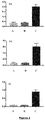
- the miRNA expression profiles in Figures 5 to 7 show the variation in expression between stimulated and non-stimulated ASCs.
- Figures 5 it can be seen that upon stimulation with inflammatory cytokines, expression of miR-146a, miR-155, and miR-218 significantly increases in ASCs.
- Figure 6 a significant decrease in expression of miR-27b can be seen.
- Expression of miR23b, miR-29a, miR-29b, miR-29c, miR-149, and miR-545 are not significantly changed; this can be seen in Figures 7 .
- Table 3 Breakdown of items used to assess the three WOMAC subscales. Pain (5 items) During walking, using stairs, in bed, sitting or lying, and standing Stiffness (2 items) After first walking, and later in the day Physical Function (17 items) Stair use, rising from sitting, standing, bending, walking, getting in/out of a car, shopping, putting on/taking off socks, rising from bed, lying in bed, getting in/out of the bath, sitting, getting on/off the toilet, heavy household duties, light household duties
- miR-27b identified miR-27b as a signature for ASCs involved in the tolerogenic response.
- the result of changed miRNA expression on MSCs is not always clear or as anticipated.
- Expression of miR-155 is increased in inflammatory conditions, but this inhibits the immunosuppressive effect of MSCs by reducing expression of the iNOS enzyme. Whilst this does not immediately seem logical, this could suggest a regulatory role for miR-155 (such as in feedback inhibition) - further research in this area could confirm this.
Landscapes
- Health & Medical Sciences (AREA)
- Life Sciences & Earth Sciences (AREA)
- Engineering & Computer Science (AREA)
- Biomedical Technology (AREA)
- Chemical & Material Sciences (AREA)
- Genetics & Genomics (AREA)
- Wood Science & Technology (AREA)
- Organic Chemistry (AREA)
- Biotechnology (AREA)
- Bioinformatics & Cheminformatics (AREA)
- Zoology (AREA)
- General Health & Medical Sciences (AREA)
- Biochemistry (AREA)
- General Engineering & Computer Science (AREA)
- Developmental Biology & Embryology (AREA)
- Microbiology (AREA)
- Molecular Biology (AREA)
- Cell Biology (AREA)
- Rheumatology (AREA)
- Animal Behavior & Ethology (AREA)
- Immunology (AREA)
- Epidemiology (AREA)
- Medicinal Chemistry (AREA)
- Public Health (AREA)
- Veterinary Medicine (AREA)
- Hematology (AREA)
- Pharmacology & Pharmacy (AREA)
- Physics & Mathematics (AREA)
- Biophysics (AREA)
- Plant Pathology (AREA)
- Pharmaceuticals Containing Other Organic And Inorganic Compounds (AREA)
- Medicines Containing Material From Animals Or Micro-Organisms (AREA)
- Medicines That Contain Protein Lipid Enzymes And Other Medicines (AREA)
Priority Applications (3)
| Application Number | Priority Date | Filing Date | Title |
|---|---|---|---|
| EP18305814.8A EP3587575A1 (fr) | 2018-06-26 | 2018-06-26 | Mirna mir-218 et son utilisation pour la stimulation des cellules souches mésenchymateuses |
| PCT/EP2019/067008 WO2020002430A1 (fr) | 2018-06-26 | 2019-06-26 | Miarn mir-155 et mir-27b, et leur utilisation pour stimuler des cellules souches mésenchymateuses |
| EP19734364.3A EP3814501A1 (fr) | 2018-06-26 | 2019-06-26 | Miarn mir-155 et mir-27b, et leur utilisation pour stimuler des cellules souches mésenchymateuses |
Applications Claiming Priority (1)
| Application Number | Priority Date | Filing Date | Title |
|---|---|---|---|
| EP18305814.8A EP3587575A1 (fr) | 2018-06-26 | 2018-06-26 | Mirna mir-218 et son utilisation pour la stimulation des cellules souches mésenchymateuses |
Publications (1)
| Publication Number | Publication Date |
|---|---|
| EP3587575A1 true EP3587575A1 (fr) | 2020-01-01 |
Family
ID=62904396
Family Applications (2)
| Application Number | Title | Priority Date | Filing Date |
|---|---|---|---|
| EP18305814.8A Withdrawn EP3587575A1 (fr) | 2018-06-26 | 2018-06-26 | Mirna mir-218 et son utilisation pour la stimulation des cellules souches mésenchymateuses |
| EP19734364.3A Withdrawn EP3814501A1 (fr) | 2018-06-26 | 2019-06-26 | Miarn mir-155 et mir-27b, et leur utilisation pour stimuler des cellules souches mésenchymateuses |
Family Applications After (1)
| Application Number | Title | Priority Date | Filing Date |
|---|---|---|---|
| EP19734364.3A Withdrawn EP3814501A1 (fr) | 2018-06-26 | 2019-06-26 | Miarn mir-155 et mir-27b, et leur utilisation pour stimuler des cellules souches mésenchymateuses |
Country Status (2)
| Country | Link |
|---|---|
| EP (2) | EP3587575A1 (fr) |
| WO (1) | WO2020002430A1 (fr) |
Families Citing this family (2)
| Publication number | Priority date | Publication date | Assignee | Title |
|---|---|---|---|---|
| WO2024047115A1 (fr) | 2022-09-02 | 2024-03-07 | Leibniz-Institut Für Immuntherapie (Lit) | Utilisation thérapeutique du snp mir155 rs377265631 |
| EP4649155A2 (fr) * | 2023-01-11 | 2025-11-19 | Kenai Therapeutics Inc. | Compositions et méthodes de traitement d'une maladie neurologique à l'aide de neurones dopaminergiques à activité anti-inflammatoire améliorée |
Citations (4)
| Publication number | Priority date | Publication date | Assignee | Title |
|---|---|---|---|---|
| CN101386848A (zh) * | 2008-08-12 | 2009-03-18 | 南京大学 | 细胞微粒子所载微小核糖核酸及其制备研究方法和应用 |
| US20090202479A1 (en) * | 2008-01-31 | 2009-08-13 | Yufang Shi | Method for modulating immune responses using stem cells and cytokines |
| WO2012023132A1 (fr) * | 2010-08-16 | 2012-02-23 | Brainstem Biotech Ltd. | Procédés de générations d'oligodentrocytes et de populations cellulaires les comprenant |
| WO2013124816A2 (fr) * | 2012-02-22 | 2013-08-29 | Brainstem Biotec Ltd. | Génération de cellules souches neuronales et de motoneurones |
-
2018
- 2018-06-26 EP EP18305814.8A patent/EP3587575A1/fr not_active Withdrawn
-
2019
- 2019-06-26 WO PCT/EP2019/067008 patent/WO2020002430A1/fr not_active Ceased
- 2019-06-26 EP EP19734364.3A patent/EP3814501A1/fr not_active Withdrawn
Patent Citations (4)
| Publication number | Priority date | Publication date | Assignee | Title |
|---|---|---|---|---|
| US20090202479A1 (en) * | 2008-01-31 | 2009-08-13 | Yufang Shi | Method for modulating immune responses using stem cells and cytokines |
| CN101386848A (zh) * | 2008-08-12 | 2009-03-18 | 南京大学 | 细胞微粒子所载微小核糖核酸及其制备研究方法和应用 |
| WO2012023132A1 (fr) * | 2010-08-16 | 2012-02-23 | Brainstem Biotech Ltd. | Procédés de générations d'oligodentrocytes et de populations cellulaires les comprenant |
| WO2013124816A2 (fr) * | 2012-02-22 | 2013-08-29 | Brainstem Biotec Ltd. | Génération de cellules souches neuronales et de motoneurones |
Non-Patent Citations (6)
| Title |
|---|
| FEIHU HU ET AL: "MiR-218 Induces Neuronal Differentiation of ASCs in a Temporally Sequential Manner with Fibroblast Growth Factor by Regulation of the Wnt Signaling Pathway", SCIENTIFIC REPORTS, vol. 7, no. 1, 1 January 2017 (2017-01-01), XP055532623, DOI: 10.1038/srep39427 * |
| KAIMENG HU ET AL: "Mir-218 contributes to the transformation of 5-Aza/GF induced umbilical cord mesenchymal stem cells into hematopoietic cells through the MITF pathway", MOLECULAR BIOLOGY REPORTS, vol. 41, no. 7, 3 April 2014 (2014-04-03), NL, pages 4803 - 4816, XP055532629, ISSN: 0301-4851, DOI: 10.1007/s11033-014-3351-y * |
| PERS Y M ET AL: "Impact des microARNs (miARNs) sur l'immunosuppression médiée par les cellules souches mésenchymateuses (CSMs)", REVUE DU RHUMATISME, vol. 83, 27 December 2016 (2016-12-27), XP029865663, ISSN: 1169-8330, DOI: 10.1016/S1169-8330(16)30296-4 * |
| PERS Y-M ET AL: "Mesenchymal stem cells for the management of inflammation in osteoarthritis: state of the art and perspectives", OSTEOARTHRITIS AND CARTILAGE, vol. 23, no. 11, 2015, pages 2027 - 2035, XP029321966, ISSN: 1063-4584, DOI: 10.1016/J.JOCA.2015.07.004 * |
| SHI LIU ET AL: "MicroRNA-218 Promotes Osteogenic Differentiation of Mesenchymal Stem Cells and Accelerates Bone Fracture Healing", CALCIFIED TISSUE INTERNATIONAL, NEW YORK, NY, US, vol. 103, no. 2, 9 March 2018 (2018-03-09), pages 227 - 236, XP036544568, ISSN: 0171-967X, [retrieved on 20180309], DOI: 10.1007/S00223-018-0410-8 * |
| ZHANG WEI-BING ET AL: "A signal-amplification circuit between miR-218 and Wnt/[beta]-catenin signal promotes human adipose tissue-derived stem cells osteogenic differentia", BONE, vol. 58, 30 September 2013 (2013-09-30), pages 59 - 66, XP028796096, ISSN: 8756-3282, DOI: 10.1016/J.BONE.2013.09.015 * |
Also Published As
| Publication number | Publication date |
|---|---|
| WO2020002430A1 (fr) | 2020-01-02 |
| EP3814501A1 (fr) | 2021-05-05 |
Similar Documents
| Publication | Publication Date | Title |
|---|---|---|
| US10752883B2 (en) | Generation of neural stem cells and motor neurons | |
| EP3401393B1 (fr) | Microarn pour la génération d'astrocytes | |
| EP2766482B1 (fr) | Microarn dans des maladies neurodégénératives | |
| WO2009023525A2 (fr) | Procédés de modulation de la différenciation des cellules souches mésenchymateuses | |
| US20110152352A1 (en) | Smad proteins control drosha-mediated mirna maturation | |
| KR101835018B1 (ko) | 엑소좀 또는 엑소좀 유래 리보핵산을 포함하는 간섬유증 예방 또는 치료용 조성물 | |
| EP2077326A1 (fr) | Nouvel acide nucléique | |
| EP2625273A2 (fr) | Molécules d'arn court | |
| KR101299733B1 (ko) | miRNA의 발현 억제를 이용한 성체줄기세포의 노화 억제 방법 | |
| KR102136720B1 (ko) | 신경줄기세포 사멸 억제 효과를 가지는 miR-493-3p 억제제를 유효성분으로 포함하는 퇴행성 신경질환 예방 또는 치료용 조성물 | |
| US20190015453A1 (en) | MicroRNAS FOR THE GENERATION OF ASTROCYTES | |
| EP3587575A1 (fr) | Mirna mir-218 et son utilisation pour la stimulation des cellules souches mésenchymateuses | |
| JP7718819B2 (ja) | 成体幹細胞の拡大と誘導のインビトロでの誘発 | |
| US20160355804A1 (en) | Modulation of microrna-138 for the treatment of bone loss | |
| KR101286154B1 (ko) | 안티센스 올리고뉴클레오타이드를 포함하는 줄기세포로부터 연골세포 분화 촉진용 및 항암 약제학적 조성물 | |
| Cao et al. | Studies on microRNA regulation of multidirectional differentiation of dental pulp stem cells: a narrative review. | |
| KR102791586B1 (ko) | miR-92b-5p 억제제를 유효성분으로 포함하는 퇴행성 뇌신경질환 예방 또는 치료용 조성물 | |
| KR20190112871A (ko) | 신경줄기세포 사멸 억제 효과를 가지는 miR-494-3p 억제제를 유효성분으로 포함하는 퇴행성 신경질환 예방 또는 치료용 조성물 | |
| WO2026074556A1 (fr) | Méthodes de rajeunissement de cellules humaines avec des micro arn | |
| JP2026502521A (ja) | 増強された抗炎症性活性を有するドーパミン作動性ニューロンを使用して神経学的疾患を処置するための組成物および方法 | |
| Behbahani | The role of MicroRNAs in endothelial progenitor cell function | |
| KR20190112870A (ko) | 신경줄기세포 사멸 억제 효과를 가지는 miR-383-5p 억제제를 유효성분으로 포함하는 퇴행성 신경질환 예방 또는 치료용 조성물 | |
| HK1201294B (en) | Micrornas in neurodegenerative disorders |
Legal Events
| Date | Code | Title | Description |
|---|---|---|---|
| PUAI | Public reference made under article 153(3) epc to a published international application that has entered the european phase |
Free format text: ORIGINAL CODE: 0009012 |
|
| STAA | Information on the status of an ep patent application or granted ep patent |
Free format text: STATUS: THE APPLICATION HAS BEEN PUBLISHED |
|
| AK | Designated contracting states |
Kind code of ref document: A1 Designated state(s): AL AT BE BG CH CY CZ DE DK EE ES FI FR GB GR HR HU IE IS IT LI LT LU LV MC MK MT NL NO PL PT RO RS SE SI SK SM TR |
|
| AX | Request for extension of the european patent |
Extension state: BA ME |
|
| STAA | Information on the status of an ep patent application or granted ep patent |
Free format text: STATUS: REQUEST FOR EXAMINATION WAS MADE |
|
| 17P | Request for examination filed |
Effective date: 20200625 |
|
| RBV | Designated contracting states (corrected) |
Designated state(s): AL AT BE BG CH CY CZ DE DK EE ES FI FR GB GR HR HU IE IS IT LI LT LU LV MC MK MT NL NO PL PT RO RS SE SI SK SM TR |
|
| STAA | Information on the status of an ep patent application or granted ep patent |
Free format text: STATUS: EXAMINATION IS IN PROGRESS |
|
| 17Q | First examination report despatched |
Effective date: 20201113 |
|
| 111L | Licence recorded |
Designated state(s): AL AT BE BG CH CY CZ DE DK EE ES FI FR GB GR HR HU IE IS IT LT LU LV MC MK MT NL NO PL PT RO RS SE SI SK SM TR Free format text: EXCLUSIVE LICENSE Name of requester: AXLR, SATT DU LANGUEDOC ROUSSILLON, FR Effective date: 20210902 |
|
| STAA | Information on the status of an ep patent application or granted ep patent |
Free format text: STATUS: THE APPLICATION IS DEEMED TO BE WITHDRAWN |
|
| 18D | Application deemed to be withdrawn |
Effective date: 20240103 |