EP3590355A1 - Myotrope peptide und deren verwendungen - Google Patents
Myotrope peptide und deren verwendungen Download PDFInfo
- Publication number
- EP3590355A1 EP3590355A1 EP18305882.5A EP18305882A EP3590355A1 EP 3590355 A1 EP3590355 A1 EP 3590355A1 EP 18305882 A EP18305882 A EP 18305882A EP 3590355 A1 EP3590355 A1 EP 3590355A1
- Authority
- EP
- European Patent Office
- Prior art keywords
- fish
- feed
- peptide
- protein hydrolysate
- edible composition
- Prior art date
- Legal status (The legal status is an assumption and is not a legal conclusion. Google has not performed a legal analysis and makes no representation as to the accuracy of the status listed.)
- Withdrawn
Links
Images



Classifications
-
- A—HUMAN NECESSITIES
- A23—FOODS OR FOODSTUFFS; TREATMENT THEREOF, NOT COVERED BY OTHER CLASSES
- A23K—FODDER
- A23K20/00—Accessory food factors for animal feeding-stuffs
- A23K20/10—Organic substances
- A23K20/142—Amino acids; Derivatives thereof
- A23K20/147—Polymeric derivatives, e.g. peptides or proteins
-
- A—HUMAN NECESSITIES
- A23—FOODS OR FOODSTUFFS; TREATMENT THEREOF, NOT COVERED BY OTHER CLASSES
- A23J—PROTEIN COMPOSITIONS FOR FOODSTUFFS; WORKING-UP PROTEINS FOR FOODSTUFFS; PHOSPHATIDE COMPOSITIONS FOR FOODSTUFFS
- A23J1/00—Obtaining protein compositions for foodstuffs; Bulk opening of eggs and separation of yolks from whites
- A23J1/04—Obtaining protein compositions for foodstuffs; Bulk opening of eggs and separation of yolks from whites from fish or other sea animals
-
- A—HUMAN NECESSITIES
- A23—FOODS OR FOODSTUFFS; TREATMENT THEREOF, NOT COVERED BY OTHER CLASSES
- A23J—PROTEIN COMPOSITIONS FOR FOODSTUFFS; WORKING-UP PROTEINS FOR FOODSTUFFS; PHOSPHATIDE COMPOSITIONS FOR FOODSTUFFS
- A23J3/00—Working-up of proteins for foodstuffs
- A23J3/30—Working-up of proteins for foodstuffs by hydrolysis
- A23J3/32—Working-up of proteins for foodstuffs by hydrolysis using chemical agents
- A23J3/34—Working-up of proteins for foodstuffs by hydrolysis using chemical agents using enzymes
- A23J3/341—Working-up of proteins for foodstuffs by hydrolysis using chemical agents using enzymes of animal proteins
-
- A—HUMAN NECESSITIES
- A23—FOODS OR FOODSTUFFS; TREATMENT THEREOF, NOT COVERED BY OTHER CLASSES
- A23K—FODDER
- A23K40/00—Shaping or working-up of animal feeding-stuffs
- A23K40/25—Shaping or working-up of animal feeding-stuffs by extrusion
-
- A—HUMAN NECESSITIES
- A23—FOODS OR FOODSTUFFS; TREATMENT THEREOF, NOT COVERED BY OTHER CLASSES
- A23K—FODDER
- A23K50/00—Feeding-stuffs specially adapted for particular animals
- A23K50/80—Feeding-stuffs specially adapted for particular animals for aquatic animals, e.g. fish, crustaceans or molluscs
-
- A—HUMAN NECESSITIES
- A23—FOODS OR FOODSTUFFS; TREATMENT THEREOF, NOT COVERED BY OTHER CLASSES
- A23V—INDEXING SCHEME RELATING TO FOODS, FOODSTUFFS OR NON-ALCOHOLIC BEVERAGES AND LACTIC OR PROPIONIC ACID BACTERIA USED IN FOODSTUFFS OR FOOD PREPARATION
- A23V2002/00—Food compositions, function of food ingredients or processes for food or foodstuffs
Definitions
- the present invention relates to a new peptide having a myotropic activity, to compositions comprising same, and their uses, in particular for improving digestive health in a subject, especially in fish.
- tachykinins In fish, tachykinins, cholecystokinin, galanin, ghrelin, calcitonin gene-related peptide, neuropeptide Y and others are known to carry out myotropic activities on intestine [1]. They participate in the mobility of feed through digestive system and release of feces. They are also involved via gastric emptying to return of appetite in fish. In fish, feed transit time through digestive system is affected by many factors such as environment (temperature, salinity), physiology, and feed composition and formulation [2]. For the last one, it has been documented that incorporation of plant based meal in carnivorous fish feeds tend to increase the residence time of feed into the intestine due to the high fiber and sugar content [3].
- Consequences could be a lower feed utilization as well as deterioration of gut health due to carbohydrate fermentation issue.
- Feed transit time is an important parameter to take into account when formulating fish feeds because it influences feeding rate and fish growth performances, two parameters that are very precisely monitored in aquaculture. Feed transit time is also very important for managing the feed efficiency.
- the present invention addresses this need by providing a new peptide having a myotropic activity.
- Another object of the present invention is to provide a protein hydrolysate comprising said peptide or variant.
- Yet another object of the present invention concerns this peptide or variant or this protein hydrolysate for use in a method for improving digestive comfort and/or balance in a subject.
- a further object of the present invention concerns this peptide or variant or this protein hydrolysate for use in a method for accelerating feed transit time in a subject.
- an object of the present invention is related to a method for preparing a fish feed.
- ranges are stated in shorthand, so as to avoid having to set out at length and describe each and every value within the range. Any appropriate value within the range can be selected, where appropriate, as the upper value, lower value, or the terminus of the range.
- a range of 0.1-1.0 represents the terminal values of 0.1 and 1.0, as well as the intermediate values of 0.2, 0.3, 0.4, 0.5, 0.6, 0.7, 0.8, 0.9, and all intermediate ranges encompassed within 0.1-1.0, such as 0.2-0.5, 0.2-0.8, 0.7-1.0, etc.
- fish refers to a "cultured fish", i.e., any fish species that can be reared for the purposes of supplying dietary fish to the population (humans and animals, in particular, companion animals).
- group of fish that are defined by the nutritional requirements and feeding habits of the fish: the group of carnivorous fish, the group of omnivorous fish, and the group of herbivorous fish.
- barb species Puntius spp .
- black carp Mylopharyngodon piceus
- Chinese mud carp Cirrhinus molitorella
- climbing perch Anabas testudineus
- common carp Cyprinus carpio
- crucian carp Carassius carassius
- pirapatinga Piaractus brachypomus
- silver or Java barb Barbonymus gonionotus
- Indian mrigal carp Cirrhinus mrigala
- Pacu Piaractus mesopotamicus
- Tilapia species [ Oreochromis spp.
- herbivorous fish species As examples of herbivorous fish species, one can cite Chinese silver carp ( Hypophtalmichthys molitrix ), Indian catla carp ( Catla catla ), Indian rohu carp ( Labeo rohita ), milkfish ( Chanos chanos ), mullet ( Mugil cephalus ), Chinese grass carp ( Ctenopharyngodon idella ), Chinese "Wuchang” bream ( Megalobrama amblycephala ), large gourami ( Osphronemus goramy ), snakeskin gourami ( Trichigaster pectoralis ), some Tilapia species ( Tilapia rendalli and Tilapia zillii ), giant gourami ( Osphronemus goramy ), bighead carp ( Hypophthalmichthys nobilis (filter feeder)).
- Chinese silver carp Hypophtalmichthys molitrix
- Indian catla carp Cat
- crustaceans refer to at least the following families: Penaeidae, Palaemonidae, Pandalidae, Galatheidae, Euphausiidae, Mysidae, and Nephropidae.
- the term “crustacean” refers to a large family of marine arthropods, which includes common members as crabs, lobsters, crayfish, shrimp, krill, and barnacles.
- Preferred crustaceans in the context of the present invention are shrimp, krill, and crab, yet preferably shrimp.
- feed means one or more products or compositions that are intended for ingestion by fish and provide at least one nutrient to the fish.
- the composition of the feed depends on the group of fish that will be fed said feed.
- a feed for carnivorous fish is different from a feed for omnivorous fish and from a feed for herbivorous fish, the two latter feeds being also different from each other.
- fish, especially carnivorous fish need proteins/peptides/amino acids, fat, minerals, and vitamins in order to grow and to be in good health.
- feed or "diet” according to the present invention excludes “baits” that are only used to attract fish.
- Fish “feed” or fish “diet” is typically composed of one or more protein sources such as, but not limited to, marine protein including, inter alia, fish meal and krill meal, vegetable protein (e.g., soy meal, rapeseed meal, wheat gluten, corn gluten, lupine meal, pea meal, sunflower seed meal, and rice meal), and slaughterhouse by-products such as blood meal, bone meal, feather meal, and poultry meal.
- Fish “feed” or fish “diet” further contains fats such as fish oil and/or plant-based oils (e.g., rapeseed oil and soy oil), and/or land-based fats (in particular, poultry fat) as energy sources.
- a binder usually in the form of a starch-containing raw material, such as wheat or wheat flour, potato flour, rice, rice flour, pea flour, beans or tapioca flour, to give the feed the desired strength and form stability.
- fish "feed” or fish “diet” further contains minerals and vitamins for taking care of good growth and good health of the fish.
- the feed may also contain further ingredients such as pigments.
- a typical fish "feed” or fish “diet” is a composite feed wherein the relative amounts between proteins, fat, carbohydrates, vitamins, minerals and any other ingredients is calculated to be optimally adapted to the nutritional needs of the group of fish and of the fish species based on the age of the fish, the rearing method and the environmental conditions.
- common fish “feed” or fish “diet” has an approximate composition of 25-60 wt% protein, 5-40 wt% lipid, and 3-15 wt% moisture.
- Typical fish “feed” or fish “diet” contains more than one feed ingredient.
- fish “feed” or fish “diet” as disclosed herein advantageously contains at least one feed ingredient of the present invention and at least one other conventional fish feed ingredient such as fish meal, plant meal, and the like.
- a "feed ingredient” may be under various forms. It can be either a liquid (e.g., having from about 10% to about 30% dry matter), or a liquid concentrate (e.g., having from about 30 to about 60% dry matter), or a paste (e.g., having from about 60 to about 85% dry matter), or a powder (e.g., having from about 85 to about 100% dry matter).
- a liquid e.g., having from about 10% to about 30% dry matter
- a liquid concentrate e.g., having from about 30 to about 60% dry matter
- a paste e.g., having from about 60 to about 85% dry matter
- a powder e.g., having from about 85 to about 100% dry matter.
- pellet used herein refers to particulate chunks or pieces formed by either a press or extrusion process.
- the pieces can vary in sizes and/or shapes, depending on the process or the equipment.
- Most fish feed pellets have a cylindrical shape. Since the fish is farmed using a fish feed product, starting with fingerlings (having the weight of about 1 g) up to large fish having a weight of several kilograms (e.g. 4 to 5 kg), various pellet sizes are required and used in the feeding at different stages of the growth of the fish. Size and/or shape of the pellets have indeed to be adapted to the size of the fish. Thus, during one cycle of fish rearing, pellets of increasing sizes are used as the fish is growing.
- pellets of 5 different sizes are commonly used to comply with the fish growth.
- the size of the pellet to be used is determined by the size of the fish in accordance with prior practice.
- feed pellets fulfill both definitions of “feed” and “pellets” above.
- feed pellets refer not only to the composition and formulation of the feed but also to the physical structure, the shape, the size, and the density of the pellets.
- amino acid means a molecule containing both an amino group and a carboxyl group.
- the amino acids are ⁇ -, ⁇ -, ⁇ - or ⁇ -amino acids, including their stereoisomers and racemates.
- free amino acids amino acids that are individually present as unbound ingredients in a product or a composition. Free amino acids do not form part or are not contained into peptides or proteins. When contained in a feed ingredient, the free amino acids are not expected to significantly react in situ with any other ingredient that may be present in the feed ingredient. They are thus comprised as such in the feed ingredient.
- peptide or “oligopeptide”, it is meant herein a short chain of amino acids.
- a “peptide” in the present context is characterized by its molecular weight (MW) expressed in Dalton (Da).
- MW molecular weight
- Da Dalton
- a chain of from 2 to 100 amino acids in length is typically designated as a peptide.
- free peptide it is meant herein a peptide that is individually present as unbound ingredient in a product or a composition. Free peptides do not form part or are not contained into proteins. When contained in a product (a protein hydrolysate or an edible composition or a fish feed), the free peptides are not expected to significantly react in situ with any other ingredient that may also be present. They are thus comprised as such in a product (a protein hydrolysate or an edible composition or a fish feed).
- peptidic variant a peptidic homolog comprising one or more conservative amino acid substitutions.
- peptidic homolog it is meant herein a peptide having a sequence different from SEQ ID No. 1, optionally having a size different from that of the peptide of SEQ ID No. 1, but necessarily having an activity equivalent or similar or at least equal to the activity of interest of the peptide of SEQ ID No. 1 (i.e., myotropic activity).
- conservative amino acid substitution it is meant herein an amino acid substitution that does not substantially affect or decrease the biological activity of interest of the peptide of SEQ ID No. 1, i.e., that does not substantially affect or decrease the myotropic activity of said peptide.
- Non-limiting examples of a conservative amino acid substitution are given in Table 1 below.
- isolated means a biological material that has been substantially separated or purified away from other biological materials in the cell of the organism in which the material naturally occurs.
- Peptides that have been “isolated” include peptides purified by standard purification techniques, as well as peptides that have been chemically synthesized.
- a purified peptide is a preparation in which the peptide is more enriched than the peptide in its natural environment within a cell.
- a peptide is purified if it represents at least about 60%, preferably at least about 70%, more preferably at least about 80%, yet more preferably at least about 90%, even more preferably at least about 95%, yet even more preferably at least about 98%, yet even more preferably at least about 99%, of the total peptidic content of a preparation (or sample or composition or material or mix or extract).
- zootechnical parameters which include survival rate, feed intake or feed consumption (Fc), specific growth rate (SGR), and feed conversion ratio (FCR). These parameters are commonly used in aquaculture to assess, e.g., how/what fish eat or prefer to eat, how fish grow, how fish utilize the feed ingested, etc. They are determined using conventional experimental measures and mathematical equations that are well-known in the art.
- the "specific growth rate” parameter is expressed as percentage increase in fish biomass from day to day. SGR (expressed, e.g., in %/day) does not take into account the amount of feed fed to obtain growth. It is a measure of growth rate on a determined period only. SGR is influenced by the level of feed consumed and the digestibility of the fish feed and its profile in terms of protein and fat ratio, as well as of amino acid and fatty acid compositions.
- feed consumption or “feed intake” parameter (Fc) is defined as the weight of the feed really consumed by the fish in the pen during a given period of time.
- Fc can be expressed in g feed / kg of average biomass of fish / day.
- the "feed conversion ratio” parameter is an economic parameter indicating how efficiently the fish grows on the feed. Fish growth actually corresponds to protein, fat and water deposition in the muscle. FCR thus reflects the "feed utilization" by the fish, or the "feed efficiency". FCR varies between fish species and also with the size of the fish. As an example, in Atlantic salmon, FCR may typically be from about 0.7 to about 2. Industrial fish feed in the form of pressed feed and extruded feed contains low amounts of water, typically from about 5 to about 10%. The fish body has a higher water content. This is the reason why the FCR of different feeds should theoretically take into account the water content of the feeds as water does not contribute to growth. More precisely, the FCR should theoretically be calculated on a dry matter basis. However, as the water content is within a narrow range and as it is cumbersome for the fish farmer to calculate dry matter FCR, FCR is usually calculated on the feed including water content.
- a biological or technical function or activity or effect of interest is “promoted” if it is better/higher in a tested group of fish when compared to a standard group of fish.
- digestive health or digestive comfort or digestive balance is improved if digestive health or comfort or balance of a tested group of fish fed a complete diet made of the feed ingredient of the present invention and of a conventional low fish meal feed (e.g., having a fish meal content of about 5% by weight) is better/higher than digestive health or comfort or balance of a standard group of fish fed said conventional low fish meal feed only.
- digestive health or digestive comfort or digestive balance is improved when feed transit is accelerated or when feed transit time is reduced.
- a tested group of fish is a group of fish fed with a complete diet made of the feed ingredient of the present invention and of a conventional low fish meal feed (e.g., having a fish meal content of about 5% by weight).
- a standard group of fish is a group of fish fed a conventional low fish meal feed only (e.g., having a fish meal content of about 5% by weight).
- a control group of fish is a group of fish fed a conventional high fish meal feed only (e.g., having a fish meal content of about 20% by weight).
- myotropic compound is a compound having a myotropic activity. This means that this compound will have an effect on muscular fiber (contraction) once in contact with a tissue containing such muscular fiber.
- single package means that the components of said kit are physically associated in or with one or more containers and considered as a unit for manufacture, distribution, sale, or use.
- Containers include, but are not limited to, bags, boxes, cartons, bottles, pouches, packages of any type or design or material, over-wrap, shrink-wrap, stapled or otherwise affixed components, or combinations thereof.
- a single package may be containers of individual components physically associated such that they are considered as forming a unit for manufacture, distribution, sale, or use.
- kits for communicating information or instructions is a kit component under any form suitable for providing information, instructions, recommendations, and/or warranties, etc.
- a means can comprise a document, digital storage media, optical storage media, audio presentation, visual display containing information.
- the means of communication can be a displayed web site, brochure, product label, package insert, advertisement, visual display, etc.
- Coating or “top-coating”, as used herein, refers to topical deposition of a product or a composition onto the surface of a fish feed, such as by spraying, dusting, and the like.
- inclusion refers to addition of a product or a composition internally to a fish feed preparation, by mixing it with the fish feed preparation, before further processing steps for obtaining the final fish feed.
- palatability means a preference of a fish for one feed to another. Palatability refers to the overall willingness of a fish to eat a certain feed. Advantageously but not necessarily, palatability further refers to the capacity of the eaten feed to satisfy the fish. Whenever a fish shows a preference, for example, for one of two or more feeds, the preferred feed is more "palatable” and has “enhanced palatability".
- the palatability of one feed compared to one or more other feeds can be determined, for example, by testing consumption of the feeds by fish. Such preference can arise from any of the fish senses, but typically is related to, inter alia, taste, smell, aroma, flavour, texture, and/or mouth feel.
- weights are herein expressed in grams.
- the present invention relates to a peptide of sequence KNPEQ (SEQ ID No. 1) or functional peptidic variants thereof.
- Non-limiting examples of theoretical functional peptidic variants of the peptide KNPEQ are given in Table 2 below.
- Table 2 Original amino acid Conservative substitutions K (Lys) R (Arg) N (Asn) Q (Gln) E (Glu) D (Asp) Q (Gln) N (Asn)
- the peptide of SEQ ID No. 1 is cleaved from hemocyanin protein. If peptides derived from hemocyanin had already demonstrated antibacterial, anti-cancer and immunostimulatory properties, it is the first time that such myotropic activity is demonstrated in a peptide derived from hemocyanin. KNPEQ does not share any sequence homology with myotropic peptides already identified in fish [1] which makes it a new class of myotropic.
- the peptide of the present invention is isolated and/or purified.
- the peptide of the invention is natural or synthetic.
- a natural peptide is typically obtained through one or more hydrolysis reactions from proteinaceous starting material. Hydrolysis is well known in the art. Hence, the skilled artisan is able to settle appropriate hydrolysis conditions to obtain peptides.
- the peptide of the invention can be synthesized by a number of different techniques including solution and solid phase synthesis using traditional BOC or FMOC protection.
- the different techniques available so far are part of the common general knowledge.
- the thus synthesized peptide is a synthetic peptide which can then advantageously be purified by reverse-phase chromatography and optionally lyophilized.
- Synthetic peptides can be isolated and used as such or used in the form of the base or a salt thereof. Examples of salts include, without limitation, acetate, chloride, sulfate, and phosphate salts.
- Another aspect of the present invention is related to a protein hydrolysate comprising the peptide of sequence KNPEQ (SEQ ID No. 1).
- the peptide KNPEQ is comprised in said protein hydrolysate in the form of a free peptide.
- the protein hydrolysate of the invention is a crustacean protein hydrolysate.
- a crustacean protein hydrolysate is preferably selected from the group consisting of krill protein hydrolysates, shrimp protein hydrolysates, crab protein hydrolysates, and combinations thereof.
- Feed transit time through digestive system is very important in fish culture as this parameter could impact both the feeding rate, the growth rate of fish and the feed utilization.
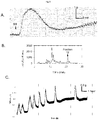
- shrimp hydrolysate myotropic activity was monitored on European seabass ( Dicentrarchus labrax ), in vivo, during a feeding trial with low fish meal diets including shrimp hydrolysate, and in vitro on isolated intestine perfused with hydrolysate extracts.
- Shrimp hydrolysate was able to accelerate feces emission time and to lead to intestine contraction, thereby improving digestive health or digestive comfort or digestive balance in fish.
- the Inventors could demonstrate that the KNPEQ mimetic peptide was able to stimulate the contraction of fish intestine in a transitive manner.
- said subject is preferably an animal, more preferably a fish, yet more preferably a carnivorous fish.
- Another aspect of the present invention is directed to an edible composition
- an edible composition comprising the peptide of sequence KNPEQ (SEQ ID No. 1) or the protein hydrolysate of the invention.
- this edible composition is an animal feed, more preferably a fish feed, yet more preferably a carnivorous fish feed.
- this edible composition is an ingredient of an animal feed, preferably an ingredient of a fish feed, yet preferably an ingredient of a carnivorous fish feed.
- the edible composition advantageously further comprises one or more additional animal feed ingredients, preferably one or more additional fish feed ingredients, yet preferably one or more additional carnivorous fish feed ingredients.
- Another aspect relates to the edible composition of the invention for use in a method for feeding animal, preferably fish, yet preferably carnivorous fish.
- the present invention is related to a method for preparing a fish feed, comprising the step of adding the edible composition as disclosed herein to a fish feed formulation.
- said edible composition is preferably added to said fish feed formulation by inclusion and/or by top-coating.
- the peptide or the protein hydrolysate when applied by top-coating, may be applied as it is by spraying or dusting on top of the pellet.
- the peptide or the protein hydrolysate may be mixed with oil of marine and/or land based and/or plant origin, to be then applied by spraying.
- the edible composition is preferably added in an amount ranging from about 0.3% to about 10% by weight of said fish feed, more preferably in an amount ranging from 0.3% to 10% by weight of said fish feed, yet more preferably in an amount ranging from about 1% to about 5% by weight of said fish feed, even more preferably in an amount ranging from 1% to 5% by weight of said fish feed.
- the present invention further concerns a kit for implementing the herein-disclosed preparation method or for all uses and applications as described herein, said kit comprising, in one or more containers in a single package:
- an animal feed it is preferably a fish feed.
- a fish feed it is preferably a fish feed pellet.
- gastrointestinal transit time of feed can be impacted by many parameters such as the fish physiology, environmental factors but also the composition of the feed, and the feed processing parameters. Difference in feed transit time can impact feeding rate, nutrient digestibility of feed, and return of appetite.
- the present invention represents an innovative solution to manage feed transit time depending on feed formulation and breeding conditions of fish.
- the above-described peptide and protein hydrolysates can be of interest for improving digestive comfort or digestive balance in any subject such as humans and animals, including pets, or for controlling feed transit time in any subject such as humans and animals, including pets. Yet, the above-described peptide and protein hydrolysates can be of interest for preventing and/or treating digestive disorders in any subject, such as humans and animals, including pets. Digestive disorders can be, inter alia, irritable bowel syndrome, abnormal intestinal pain, constipation, intestinal obstruction, and the like. The above-described peptide and protein hydrolysates can thus be included in pharmaceutical or veterinary compositions.
- the present Inventors investigated the myotropic properties of dietary shrimp hydrolysate as well as the growth performances on behalf of a trial conducted in European seabass.
- in vitro trials were carried out on isolated intestine sampled in European seabass to evaluate the myotropic activity of shrimp hydrolysate and its fractions.
- peptidomic tools were set up to identify and to characterize the peptide of the invention which is responsible for the myotropic activity.
- the enzyme was then inactivated and the liquid hydrolysate pasteurized at 95°C for 30min.
- solid wastes shell
- the liquid fraction was spray-dried to reach the following specifications: dry matter 95%, crude protein: 68.2%, crude fat: 8.6%, ash: 12.2%, soluble protein: 92% of total protein. All the diets were formulated by Diana Aqua (Symrise group, Elven, France) and the manufacturing was contracted to a technical center.
- Raw materials were ground at 1mm then extruded according to the following parameters through a twinscrew extruder: water addition: 24%, screw speed 350rpm, temperature extrusion 125°C, temperature die plate 110°C; dryer 115°C.
- Konjac powder was added at 1% of the diet for all the dietary treatments to get more cohesive feces and to get their collection more accurate. All the diets were balanced for deficient amino acids according to the requirements determined for European seabass. All the diets were isoproteic (45.5 ⁇ 0.2% crude protein), isolipidic (15.7 ⁇ 0.4% crude fat) and isoenergetic (5.0 ⁇ 0.0 Kcal/kg).
- MS-222 Sigma Aldrich, Saint-Louis, MO, USA. At the end of the trial, fish were euthanized with an overdose of MS-222 (100 mg/mL).
- European seabass were purchased from Aquastream farm (Ploemeur, France) and maintained in 300 L raceways tanks at 15 ⁇ 1°C at the Marine Station of Luc-sur-Mer (University of Caen-Normandy, France) (Sand filtered seawater; flow rate: 5l/min; natural photoperiod). Fish were fed a 3mm commercial feed (BN-nature pre-grower, Le Gouessant, Lamballe, France) according to feeding table. Fish were fasted for 24 hours prior to tissue sampling. The day of sampling, fish were euthanized with an overdose of MS-222 (100 mg/mL) and the anterior section of intestine immediately sampled to run myotropic assays.
- MS-222 100 mg/mL
- the muscle chamber was perfused at a flow rate of 0.5 mL.min-1 with a 340mOsm perfusion solution (1mM glucose, Sigma Aldrich; 9.945g.L -1 salt for artificial sea water, Instant Ocean - Aquarium system, Sarrebourg, France) and maintained at 18°C.
- a first step whole protein hydrolysates from different origins (krill, shrimp, tuna, white fish, salmon and squid) were injected on a first set of freshly isolated intestines to compare their myotropic activities.
- HPLC fractions of shrimp hydrolysate and synthetic peptide were injected on a second set of freshly isolated intestines.
- whole hydrolysates or fractions or synthetic peptide were injected in the perfusing flow using a three-ways valve to avoid mechanical stress. Each analysis was performed at least in triplicate.
- Reverse phase high performance liquid chromatography (rpHPLC) separation was performed on a UFLC Shimadzu system composed by a pump LC-202A, a degassing unit DGU-20A3R, a hoven CTO-10ASVP, a communication bus CBM-20A, a UV-VIS spectrometer detector SPD-20A and a fraction collector FRC-10A (Shimadzu, Kyoto, Japan). Elution was carried out on an EC 250/4 Nucleodur 100-10 C18-ec column (ref 760003.40, Macherey-Nagel, Hoerdt, France) with ACN/water/TFA (80/19.9/0.1, v/v/v) at a flow rate of 1 ml/min.
- Reverse phase high performance liquid chromatography coupled with electrospray mass spectrometry was performed at the PRISM platform (Centre de Lutte Contre le Cancer Institut Baclesse, Caen, Lower Normandy, France). Analysis were carried out on UHPLC Nexera X2 system consisting of two binary pumps with an auto-sampler and a column oven (Shimadzu, Kyoto, Japan). The UHPLC system was interfaced with an electrospray interface to a triple quadrupole mass spectrometer (LCMS 8030Plus; Shimadzu).
- Elution was carried out on an EC 250/2 Nucleodur C18 Gravity, 5 ⁇ m column (ref 760101.20, Macherey-Nagel) with ACN/water/TFA (80/19.9/0.1, v/v/v) solution at a flow rate of 0.5 ml/min. Gradient of acetonitrile was performed from 0 to 20% in 20 minutes. Dried fractions were dissolved in 500 ⁇ l of 0.1% TFA solution and 50 ⁇ l were injected. Fragmentation energy used were -15 and -35eV.
- Peptide sequence had been determined using a Procise Protein Sequencing System Model 494 (Thermo Fisher Scientific, Waltham, Massachusetts, USA) coupled to a PTH Model 140 amino acid analyzer (Perkin Elmer - Applied Biosystems, Foster City, California, USA) with routine protocol.
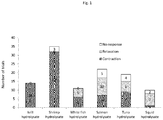
- Results are illustrated in Figure 1 , which shows that protein hydrolysate of crustacean origin (krill and shrimp) had the highest myotropic activity, followed by fish hydrolysate (tuna, white fish and salmon). In the opposite, squid hydrolysate rather showed a relaxing activity. Based on these results, shrimp hydrolysate was selected for testing its myotropic activity during an in vivo trial in European seabass. Shrimp hydrolysate was also separated in different peptidic fractions in order to identify the peptide(s) responsible for the myotropic activity.
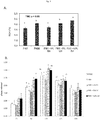
- Table 4 Zootechnical performances of fish fed the dietary treatments for 46 days Diets Total feed intake (g) SGR (%) Feed conversion ratio FM20 620.6 ⁇ 31.8 8b 1.84 ⁇ 0.02 b 1.15 ⁇ 0.04 ab FM5 543.7 ⁇ 41.5 bc 1.65 ⁇ 0.09 c 1.28 ⁇ 0.09 bc FM5 + 1% SH 572.4 ⁇ 36.9 b 1.69 ⁇ 0.05 c 1.23 ⁇ 0.08 b FM5 + 5% SH 640.2 ⁇ 18.4 a 1.83 ⁇ 0.03 b 1.12 ⁇ 0.02 a FM5 + 10% SH 674.6 ⁇ 2.3 a 1.93 ⁇ 0.01 a 1.07 ⁇ 0.00 a Values are mean of triplicate groups and presented as mean ⁇ SD. Values with different superscripts in the same row are significantly different (P ⁇ 0.05).
- the fraction 12 mentioned above has been analyzed by Edman degradation.
- the main component was a penta-peptide and the putative sequence was Gly/Lys-Asn-Pro-Glu-Gln.
- Fraction 12 has also been analyzed by nLC-ESI-MS/MS. The mass of the main component was 615 Da.
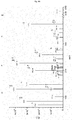
- the fragmentation spectrum of the main component of the fraction 12 is presented Figure 4A . By comparing the theoretical fragmentation peak list of Gly/Lys-Asn-Pro-Glu-Gln we confirmed that Lys-Asn-Pro-Glu-Gln (KNPEQ) was the primary sequence (SEQ ID No. 1).
- KNPEQ pattern had been search a Litopenaeus vannamei protein home-made data base with a home-made software (peptraq). Only one protein had the KNPEQ pattern and it was annotated as hemocyanin. The corresponding protein is identical to L. vannamei hemocyanin CAA57880.1 (Genbank). The position of KNPEQ is presented as Figure 4B . Alignment of hemocyanin from L.vannamei and 5 species is presented Figure 4C . Hemocyanin is a conserved protein among some Arthropoda and Mollusca but the KNPEQ pattern was only observed into the hemocyanin C chain from the lobster, Panulirus interruptus and L. vannamei.
- shrimp protein hydrolysate contained a peptide (KNPEQ) showing, in vitro, a myotropic activity on European seabass intestine.
- KNPEQ a peptide showing, in vitro, a myotropic activity on European seabass intestine.
- dietary shrimp hydrolysate stimulated feces release kinetics by accelerating the gastrointestinal feed transit time of the fish, while improving fish growth performance.
Landscapes
- Life Sciences & Earth Sciences (AREA)
- Chemical & Material Sciences (AREA)
- Polymers & Plastics (AREA)
- Engineering & Computer Science (AREA)
- Food Science & Technology (AREA)
- Zoology (AREA)
- Marine Sciences & Fisheries (AREA)
- Animal Husbandry (AREA)
- Proteomics, Peptides & Aminoacids (AREA)
- Biochemistry (AREA)
- Chemical Kinetics & Catalysis (AREA)
- General Chemical & Material Sciences (AREA)
- Health & Medical Sciences (AREA)
- Nutrition Science (AREA)
- Insects & Arthropods (AREA)
- Birds (AREA)
- Fodder In General (AREA)
- Feed For Specific Animals (AREA)
Priority Applications (1)
| Application Number | Priority Date | Filing Date | Title |
|---|---|---|---|
| EP18305882.5A EP3590355A1 (de) | 2018-07-05 | 2018-07-05 | Myotrope peptide und deren verwendungen |
Applications Claiming Priority (1)
| Application Number | Priority Date | Filing Date | Title |
|---|---|---|---|
| EP18305882.5A EP3590355A1 (de) | 2018-07-05 | 2018-07-05 | Myotrope peptide und deren verwendungen |
Publications (1)
| Publication Number | Publication Date |
|---|---|
| EP3590355A1 true EP3590355A1 (de) | 2020-01-08 |
Family
ID=62952016
Family Applications (1)
| Application Number | Title | Priority Date | Filing Date |
|---|---|---|---|
| EP18305882.5A Withdrawn EP3590355A1 (de) | 2018-07-05 | 2018-07-05 | Myotrope peptide und deren verwendungen |
Country Status (1)
| Country | Link |
|---|---|
| EP (1) | EP3590355A1 (de) |
Cited By (2)
| Publication number | Priority date | Publication date | Assignee | Title |
|---|---|---|---|---|
| CN112076220A (zh) * | 2020-09-28 | 2020-12-15 | 广东海洋大学 | 虾头酶解物在制备调节肠道菌群或缓解便秘药物中的应用 |
| CN113455601A (zh) * | 2021-08-13 | 2021-10-01 | 茂名希普生物科技有限公司 | 一种促进凡纳滨对虾肝胰腺健康及饲料脂质利用的蛋白源应用技术 |
Citations (5)
| Publication number | Priority date | Publication date | Assignee | Title |
|---|---|---|---|---|
| WO2001031019A2 (en) * | 1999-10-29 | 2001-05-03 | Chiron Spa | Neisserial antigenic peptides |
| WO2014067950A1 (en) * | 2012-10-31 | 2014-05-08 | Specialites Pet Food | Use of protein hydrolysates and nucleotides for enhancing palatability of fish feed |
| WO2014114767A1 (en) * | 2013-01-24 | 2014-07-31 | Specialites Pet Food | Crustacean protein hydrolysates for maintaining and/or promoting bowel health of cultured fish |
| WO2014200910A2 (en) * | 2013-06-10 | 2014-12-18 | Iogenetics, Llc | Bioinformatic processes for determination of peptide binding |
| WO2017068149A1 (en) * | 2015-10-21 | 2017-04-27 | Cysal Gmbh | Aspartyl-dipeptides for aquaculture |
-
2018
- 2018-07-05 EP EP18305882.5A patent/EP3590355A1/de not_active Withdrawn
Patent Citations (5)
| Publication number | Priority date | Publication date | Assignee | Title |
|---|---|---|---|---|
| WO2001031019A2 (en) * | 1999-10-29 | 2001-05-03 | Chiron Spa | Neisserial antigenic peptides |
| WO2014067950A1 (en) * | 2012-10-31 | 2014-05-08 | Specialites Pet Food | Use of protein hydrolysates and nucleotides for enhancing palatability of fish feed |
| WO2014114767A1 (en) * | 2013-01-24 | 2014-07-31 | Specialites Pet Food | Crustacean protein hydrolysates for maintaining and/or promoting bowel health of cultured fish |
| WO2014200910A2 (en) * | 2013-06-10 | 2014-12-18 | Iogenetics, Llc | Bioinformatic processes for determination of peptide binding |
| WO2017068149A1 (en) * | 2015-10-21 | 2017-04-27 | Cysal Gmbh | Aspartyl-dipeptides for aquaculture |
Non-Patent Citations (11)
| Title |
|---|
| A. LEDUC ET AL: "Shrimp by-product hydrolysate induces intestinal myotropic activity in European seabass (Dicentrarchus labrax)", AQUACULTURE, vol. 497, 3 August 2018 (2018-08-03), Amsterdam, NL, pages 380 - 388, XP055534439, ISSN: 0044-8486, DOI: 10.1016/j.aquaculture.2018.08.009 * |
| C. ZATYLNY-GAUDIN; V. CORNET; A. LEDUC; B. ZANUTTINI; E. CORRE; G. LE CORGUILLE; B. BERNAY; J. GARDERES; A. KRAUT; Y. COUTE: "Neuropeptidome of the Cephalopod Sepia officinalis: Identification, Tissue Mapping, and Expression Pattern of Neuropeptides and Neurohormones during Egg Laying", J. PROTEOME RES., vol. 15, 2016, pages 48 - 67 |
| F. MEDALE; S. KAUSHIK: "Les sources proteiques dans les aliments pour les poissons d'elevage", CAH. AGRIC., vol. 18, 2009, pages 103 - 111 |
| G. FRANCIS; H.P.S. MAKKAR; K. BECKER: "Antinutritional factors present in plant-derived alternate fish feed ingredients and their effects in fish", AQUACULTURE, vol. 199, 2001, pages 197 - 227 |
| M. ROBERT; C. ZATYLNY-GAUDIN; V. FOURNIER; E. CORRE; G. LE CORGUILLE; B. BERNAY; J. HENRY: "Transcriptomic and peptidomic analysis of protein hydrolysates from the white shrimp (L. vannamei", J. BIOTECHNOL., vol. 186, 2014, pages 30 - 37, XP029075447, DOI: doi:10.1016/j.jbiotec.2014.06.020 |
| ROBERT MARIE ET AL: "Transcriptomic and peptidomic analysis of protein hydrolysates from the white shrimp (L. vannamei)", JOURNAL OF BIOTECHNOLOGY, ELSEVIER, AMSTERDAM, NL, vol. 186, 3 July 2014 (2014-07-03), pages 30 - 37, XP029075447, ISSN: 0168-1656, DOI: 10.1016/J.JBIOTEC.2014.06.020 * |
| S. ADAMIDOU; I. NENGAS; M. ALEXIS; E. FOUNDOULAKI; D. NIKOLOPOULOU; P. CAMPBELL; I. KARACOSTAS; G. RIGOS; G.J. BELL; K. JAUNCEY: "Apparent nutrient digestibility and gastrointestinal evacuation time in European seabass (Dicentrarchus labrax) fed diets containing different levels of legumes", AQUACULTURE, vol. 289, 2009, pages 106 - 112, XP026005720, DOI: doi:10.1016/j.aquaculture.2009.01.015 |
| S. HOLMGREN; C. OLSSON: "The Neuronal and Endocrine Regulation of Gut Function", 2009, ELSEVIER INC. |
| S. KHOSRAVI; S. RAHIMNEJAD; M. HERAULT; V. FOURNIER; C.-R. LEE; H.T. DIO BUI; J.-B. JEONG; K.-J. LEE: "Effects of protein hydrolysates supplementation in low fish meal diets on growth performance, innate immunity and disease resistance of red sea bream Pagrus major", FISH SHELLFISH IMMUNOL., vol. 45, 2015, pages 858 - 868 |
| S. REFSTIE; J.J. OLLI; H. STANDAL: "Feed intake, growth, and protein utilisation by post-smolt Atlantic salmon (Salmo salar) in response to graded levels of fish protein hydrolysate in the diet", AQUACULTURE, vol. 239, 2004, pages 331 - 349, XP004549105, DOI: doi:10.1016/j.aquaculture.2004.06.015 |
| T. STOREBAKKEN; I.S. KVIEN; K.D. SHEARER; B. GRISDALE-HELLAND; S.J. HELLAND: "Estimation of gastrointestinal evacuation rate in atlantic salmon (Salmo salar) using inert markers and collection of faeces by sieving: Evacuation of diets with fish meal, soybean meal or bacterial mea", AQUACULTURE, vol. 172, 1999, pages 291 - 299 |
Cited By (2)
| Publication number | Priority date | Publication date | Assignee | Title |
|---|---|---|---|---|
| CN112076220A (zh) * | 2020-09-28 | 2020-12-15 | 广东海洋大学 | 虾头酶解物在制备调节肠道菌群或缓解便秘药物中的应用 |
| CN113455601A (zh) * | 2021-08-13 | 2021-10-01 | 茂名希普生物科技有限公司 | 一种促进凡纳滨对虾肝胰腺健康及饲料脂质利用的蛋白源应用技术 |
Similar Documents
| Publication | Publication Date | Title |
|---|---|---|
| Ahmed et al. | Complete replacement of fish meal by plant protein ingredients with dietary essential amino acids supplementation for juvenile blunt snout bream (Megalobrama amblycephala) | |
| Ahmed et al. | Dietary branched-chain amino acid valine, isoleucine and leucine requirements of fingerling Indian major carp, Cirrhinus mrigala (Hamilton) | |
| EP2948000B1 (de) | Krustentierproteinhydrolysate zum erhalten und/oder fördern der darmgesundheit von gezüchtetem fisch | |
| EP2895006B1 (de) | Verwendung von proteinhydrolysaten und -nucleotiden zur verbesserung des geschmacks von fischfutter | |
| US20220338506A1 (en) | Method of increasing the productivity of a non-ruminant animal | |
| Leduc et al. | Shrimp by-product hydrolysate induces intestinal myotropic activity in European seabass (Dicentrarchus labrax) | |
| Zhang et al. | Broken Xinyang Maojian tea supplementation in a high-fat diet improves the growth performance, flesh quality and lipid metabolism of Yellow River carp (Cyprinus carpio) | |
| US20250090612A1 (en) | Feed additive compositions and methods of use | |
| Nguyen et al. | The effects of fish protein hydrolysate as supplementation on growth performance, feed utilization and immunological response in fish: A review | |
| Mikołajczak et al. | Black soldier fly full-fat meal in Atlantic salmon nutrition–Part B: Effects on growth performance, feed utilization, selected nutriphysiological traits and production sustainability in pre-smolts | |
| Chamberlain | Frontiers in shrimp nutrition research | |
| Kikuchi et al. | Present status of research and production of Japanese flounder, Paralichthys olivaceus, in Japan | |
| JP3549217B2 (ja) | 改善された養魚法 | |
| EP2775856A1 (de) | Verfahren zur herstellung von mit schmackhaftigkeitsverstärkern bedecktem fischfutter | |
| Chatzifotis et al. | Evaluation of feed stimulants in diets for sea bream (Sparus aurata) | |
| Manikandan et al. | Evaluation of dietary supplementation of L-lysine and phytase in corn gluten meal-soybean meal based diets for Pacific white shrimp Penaeus vannamei (Boone, 1931) | |
| US20240277653A1 (en) | Use of furancarboxylic acids in the preparation of additives for animal feeds | |
| WO2025197856A1 (ja) | 魚用飼料 | |
| CA3208534A1 (en) | Treatment of aquatic animals | |
| CN119173154A (zh) | 改进水生动物中的肉类色素沉着的方法和动物饲料组合物 | |
| WO2023180282A1 (en) | Co-precipitates of methionylmethionine with organic compounds | |
| Wojno | Improved diet utilization of intensively cultured fish to address environmental sustainability-amino acid requirement in carp (Cyprinus carpio) | |
| CHOR et al. | Effects of dietary supplementation of lysine and methionine in tempeh-based diet on growth performance and feed utilization of tiger grouper, Epinephelus fuscoguttatus juveniles | |
| SM et al. | THE NUTRITIVE VALUE OF CANOLA SEEDS AS A FEED INGREDIENT FOR TILAPIA (OREUCHROMIS NILUTI C US) INGERLINGS | |
| Mousavi-Nadoshan et al. | Effects of Fish Protein Hydrolysate (FPH) on Protein Absorption Efficiency in Elephantfish (Huso huso) |
Legal Events
| Date | Code | Title | Description |
|---|---|---|---|
| PUAI | Public reference made under article 153(3) epc to a published international application that has entered the european phase |
Free format text: ORIGINAL CODE: 0009012 |
|
| STAA | Information on the status of an ep patent application or granted ep patent |
Free format text: STATUS: THE APPLICATION HAS BEEN PUBLISHED |
|
| AK | Designated contracting states |
Kind code of ref document: A1 Designated state(s): AL AT BE BG CH CY CZ DE DK EE ES FI FR GB GR HR HU IE IS IT LI LT LU LV MC MK MT NL NO PL PT RO RS SE SI SK SM TR |
|
| AX | Request for extension of the european patent |
Extension state: BA ME |
|
| STAA | Information on the status of an ep patent application or granted ep patent |
Free format text: STATUS: REQUEST FOR EXAMINATION WAS MADE |
|
| 17P | Request for examination filed |
Effective date: 20200616 |
|
| RBV | Designated contracting states (corrected) |
Designated state(s): AL AT BE BG CH CY CZ DE DK EE ES FI FR GB GR HR HU IE IS IT LI LT LU LV MC MK MT NL NO PL PT RO RS SE SI SK SM TR |
|
| STAA | Information on the status of an ep patent application or granted ep patent |
Free format text: STATUS: EXAMINATION IS IN PROGRESS |
|
| 17Q | First examination report despatched |
Effective date: 20210526 |
|
| STAA | Information on the status of an ep patent application or granted ep patent |
Free format text: STATUS: THE APPLICATION IS DEEMED TO BE WITHDRAWN |
|
| 18D | Application deemed to be withdrawn |
Effective date: 20211207 |