EP3594346A1 - Oligonucléotide antisens et composition pour la prévention ou le traitement de la maladie de stockage du glycogène de type ia - Google Patents
Oligonucléotide antisens et composition pour la prévention ou le traitement de la maladie de stockage du glycogène de type ia Download PDFInfo
- Publication number
- EP3594346A1 EP3594346A1 EP18764477.8A EP18764477A EP3594346A1 EP 3594346 A1 EP3594346 A1 EP 3594346A1 EP 18764477 A EP18764477 A EP 18764477A EP 3594346 A1 EP3594346 A1 EP 3594346A1
- Authority
- EP
- European Patent Office
- Prior art keywords
- antisense oligonucleotide
- seq
- base
- mrna
- sequence
- Prior art date
- Legal status (The legal status is an assumption and is not a legal conclusion. Google has not performed a legal analysis and makes no representation as to the accuracy of the status listed.)
- Withdrawn
Links
Images


Classifications
-
- C—CHEMISTRY; METALLURGY
- C12—BIOCHEMISTRY; BEER; SPIRITS; WINE; VINEGAR; MICROBIOLOGY; ENZYMOLOGY; MUTATION OR GENETIC ENGINEERING
- C12N—MICROORGANISMS OR ENZYMES; COMPOSITIONS THEREOF; PROPAGATING, PRESERVING, OR MAINTAINING MICROORGANISMS; MUTATION OR GENETIC ENGINEERING; CULTURE MEDIA
- C12N15/00—Mutation or genetic engineering; DNA or RNA concerning genetic engineering, vectors, e.g. plasmids, or their isolation, preparation or purification; Use of hosts therefor
- C12N15/09—Recombinant DNA-technology
- C12N15/11—DNA or RNA fragments; Modified forms thereof; Non-coding nucleic acids having a biological activity
- C12N15/113—Non-coding nucleic acids modulating the expression of genes, e.g. antisense oligonucleotides; Antisense DNA or RNA; Triplex- forming oligonucleotides; Catalytic nucleic acids, e.g. ribozymes; Nucleic acids used in co-suppression or gene silencing
-
- A—HUMAN NECESSITIES
- A61—MEDICAL OR VETERINARY SCIENCE; HYGIENE
- A61K—PREPARATIONS FOR MEDICAL, DENTAL OR TOILETRY PURPOSES
- A61K31/00—Medicinal preparations containing organic active ingredients
- A61K31/70—Carbohydrates; Sugars; Derivatives thereof
- A61K31/7088—Compounds having three or more nucleosides or nucleotides
-
- A—HUMAN NECESSITIES
- A61—MEDICAL OR VETERINARY SCIENCE; HYGIENE
- A61K—PREPARATIONS FOR MEDICAL, DENTAL OR TOILETRY PURPOSES
- A61K48/00—Medicinal preparations containing genetic material which is inserted into cells of the living body to treat genetic diseases; Gene therapy
-
- A—HUMAN NECESSITIES
- A61—MEDICAL OR VETERINARY SCIENCE; HYGIENE
- A61P—SPECIFIC THERAPEUTIC ACTIVITY OF CHEMICAL COMPOUNDS OR MEDICINAL PREPARATIONS
- A61P3/00—Drugs for disorders of the metabolism
- A61P3/08—Drugs for disorders of the metabolism for glucose homeostasis
-
- C—CHEMISTRY; METALLURGY
- C12—BIOCHEMISTRY; BEER; SPIRITS; WINE; VINEGAR; MICROBIOLOGY; ENZYMOLOGY; MUTATION OR GENETIC ENGINEERING
- C12N—MICROORGANISMS OR ENZYMES; COMPOSITIONS THEREOF; PROPAGATING, PRESERVING, OR MAINTAINING MICROORGANISMS; MUTATION OR GENETIC ENGINEERING; CULTURE MEDIA
- C12N15/00—Mutation or genetic engineering; DNA or RNA concerning genetic engineering, vectors, e.g. plasmids, or their isolation, preparation or purification; Use of hosts therefor
- C12N15/09—Recombinant DNA-technology
- C12N15/11—DNA or RNA fragments; Modified forms thereof; Non-coding nucleic acids having a biological activity
- C12N15/113—Non-coding nucleic acids modulating the expression of genes, e.g. antisense oligonucleotides; Antisense DNA or RNA; Triplex- forming oligonucleotides; Catalytic nucleic acids, e.g. ribozymes; Nucleic acids used in co-suppression or gene silencing
- C12N15/1137—Non-coding nucleic acids modulating the expression of genes, e.g. antisense oligonucleotides; Antisense DNA or RNA; Triplex- forming oligonucleotides; Catalytic nucleic acids, e.g. ribozymes; Nucleic acids used in co-suppression or gene silencing against enzymes
-
- C—CHEMISTRY; METALLURGY
- C12—BIOCHEMISTRY; BEER; SPIRITS; WINE; VINEGAR; MICROBIOLOGY; ENZYMOLOGY; MUTATION OR GENETIC ENGINEERING
- C12Y—ENZYMES
- C12Y301/00—Hydrolases acting on ester bonds (3.1)
- C12Y301/03—Phosphoric monoester hydrolases (3.1.3)
- C12Y301/03009—Glucose-6-phosphatase (3.1.3.9)
-
- C—CHEMISTRY; METALLURGY
- C12—BIOCHEMISTRY; BEER; SPIRITS; WINE; VINEGAR; MICROBIOLOGY; ENZYMOLOGY; MUTATION OR GENETIC ENGINEERING
- C12N—MICROORGANISMS OR ENZYMES; COMPOSITIONS THEREOF; PROPAGATING, PRESERVING, OR MAINTAINING MICROORGANISMS; MUTATION OR GENETIC ENGINEERING; CULTURE MEDIA
- C12N2310/00—Structure or type of the nucleic acid
- C12N2310/10—Type of nucleic acid
- C12N2310/11—Antisense
-
- C—CHEMISTRY; METALLURGY
- C12—BIOCHEMISTRY; BEER; SPIRITS; WINE; VINEGAR; MICROBIOLOGY; ENZYMOLOGY; MUTATION OR GENETIC ENGINEERING
- C12N—MICROORGANISMS OR ENZYMES; COMPOSITIONS THEREOF; PROPAGATING, PRESERVING, OR MAINTAINING MICROORGANISMS; MUTATION OR GENETIC ENGINEERING; CULTURE MEDIA
- C12N2310/00—Structure or type of the nucleic acid
- C12N2310/30—Chemical structure
- C12N2310/32—Chemical structure of the sugar
- C12N2310/323—Chemical structure of the sugar modified ring structure
- C12N2310/3231—Chemical structure of the sugar modified ring structure having an additional ring, e.g. LNA, ENA
-
- C—CHEMISTRY; METALLURGY
- C12—BIOCHEMISTRY; BEER; SPIRITS; WINE; VINEGAR; MICROBIOLOGY; ENZYMOLOGY; MUTATION OR GENETIC ENGINEERING
- C12N—MICROORGANISMS OR ENZYMES; COMPOSITIONS THEREOF; PROPAGATING, PRESERVING, OR MAINTAINING MICROORGANISMS; MUTATION OR GENETIC ENGINEERING; CULTURE MEDIA
- C12N2310/00—Structure or type of the nucleic acid
- C12N2310/30—Chemical structure
- C12N2310/32—Chemical structure of the sugar
- C12N2310/323—Chemical structure of the sugar modified ring structure
- C12N2310/3233—Morpholino-type ring
-
- C—CHEMISTRY; METALLURGY
- C12—BIOCHEMISTRY; BEER; SPIRITS; WINE; VINEGAR; MICROBIOLOGY; ENZYMOLOGY; MUTATION OR GENETIC ENGINEERING
- C12N—MICROORGANISMS OR ENZYMES; COMPOSITIONS THEREOF; PROPAGATING, PRESERVING, OR MAINTAINING MICROORGANISMS; MUTATION OR GENETIC ENGINEERING; CULTURE MEDIA
- C12N2320/00—Applications; Uses
- C12N2320/30—Special therapeutic applications
- C12N2320/33—Alteration of splicing
Definitions
- the present invention relates to an antisense oligonucleotide and a composition for preventing or treating glycogen storage disease type Ia.
- Glycogen storage disease type Ia is a disease involving an inherited metabolic disorder caused due to decrease in function of an enzyme "glucose-6-phosphatase (G6Pase)" that catalyzes the last step of an endogenous blood sugar supply route.
- the glycogen storage disease type Ia is mainly treated by a dietary therapy with frequent intake of starches in combination with a citric acid formulation with respect to acidosis, a uric acid synthesis inhibitor with respect to hyperuricemia, and/or the like.
- a therapy is far from correction of various abnormal findings due to metabolic disorders, and a long-term progress of the disease state may lead to occurrence of hepatoma and renal failure.
- liver transplantation is selected and, for the case of renal failure, renal transplantation is selected (see Non-patent Literature 1).
- Non-patent Literature 2 guanine (G) that is a base at position 648 in the coding region DNA is substituted by thymine (T)
- T thymine
- this variation does not cause amino acid substitution, a neighbor sequence of the variation becomes an ectopic splice acceptor site in which aberrant splicing occurs.
- a transcript in which 91 base pairs have been deleted is generated (Non-patent Literature 3).
- the present invention is accomplished in view of the above problem, and its object is to provide a novel antisense oligonucleotide and a composition for preventing or treating glycogen storage disease type Ia.
- the inventors of the present invention have diligently studied, and found that aberrant splicing of pre-mRNA of c.648G>T variant G6PC is inhibited and a gene transcript which has a normal base length is generated by adding, to cells of a patient affected by glycogen storage disease type la, an antisense oligonucleotide that targets a pre-mRNA sequence of the c.648G>T variant G6PC gene. Based on this fining, the present invention has been accomplished. That is, the present invention encompasses any one of the following aspects:
- the present invention provides a novel antisense oligonucleotide and a composition which is for preventing or treating glycogen storage disease type Ia and contains the antisense oligonucleotide as an active ingredient.
- the present invention is effective for prevention or treatment of glycogen storage disease type Ia.
- G6Pase Glucose-6-phosphatase
- G6P glucose-6-phosphate
- G6PC is a gene (locus 17q21) that encodes G6Pase.
- GSD glycogen storage disease
- GSD-Ia glycogen storage disease type Ia (also referred to as “GSD-Ia”) is a representative glycogen storage disease, and a rate of incidence thereof is approximately 1 per 100,000 births. GSD-Ia is also known by the alias of von Gierke's disease. GSD-Ia is a genetic disease that is caused due to a congenital defect of G6Pase. Glycogen storage disease type Ia is caused by a homozygous or compound heterozygous variant in the responsible gene.
- GSD-Ia due to a defect of G6Pase, an ability of a liver to produce free glucose from glycogen and from gluconeogenesis is deteriorated.
- GSD-Ia is characterized by severe fasting hypoglycemia caused by accumulation of glycogen and fat in a liver and kidneys. Excessive amounts of glucose-6-phosphate generated from glycogen and gluconeogenic precursors do not yield any glucose but run into the glycolytic pathway, resulting in the secondary elevation of lactic acid, uric acid, cholesterol and triglyceride in the blood.
- the responsible gene G6PC expresses in the liver, kidneys and small intestine, and therefore accumulation of glycogen causes chronic damage to these organs.
- protein is equivalent to “polypeptide”.
- Protein includes a structure constituted by peptide bonding of amino acids, and can further include, for example, a structure such as a sugar chain or an isoprenoid group.
- protein encompasses a polypeptide that contains a known analogue of native amino acid and can function in a manner similar to the native amino acid.
- nucleic acid encompasses polynucleotides constituted by arbitrary simple nucleotides and/or modified nucleotides. Examples of such polynucleotides include cDNA, mRNA, total RNA, hnRNA, and the like.
- “gene” is interchangeably used with “polynucleotide”, “nucleic acid”, or “nucleic acid molecule”.
- “Polynucleotide” means a polymer of nucleotides. Therefore, the term “gene” in this specification encompasses not only double strand DNA but also single strand (such as sense strand and antisense strand) DNA and RNA (such as mRNA) which constitute the double strand DNA.
- oligonucleotide means a polymer of a predetermined number of nucleotides. In this specification, a length of “oligonucleotide” is not limited. Note, however, that it is intended that “oligonucleotide” is “polynucleotide” having a relatively short nucleotide chain.
- Antisense oligonucleotide also referred to as "ASO" is a generic term of oligonucleotide that hybridizes with a target nucleic acid sequence (corresponding to sense sequence) so as to adjust expression of a target gene which is encoded by a nucleic acid sequence including the target nucleic acid sequence.
- DNA encompasses cDNA, genomic DNA, and the like which can be obtained by, for example, cloning, a chemosynthesis technique, or a combination of those techniques. That is, DNA can be "genomic" DNA including a non-coding sequence such as an intron which is a form included in an animal genome. Alternatively, DNA can be cDNA which is obtained via mRNA with use of reverse transcriptase or polymerase, that is, DNA can be "transcriptive" DNA that does not include a non-coding sequence such as an intron.
- Pre-mRNA is also referred to as “mRNA precursor”, and indicates RNA which includes both exons and introns. “mRNA” indicates RNA in which introns are deleted and exons are bound together. The mRNA is translated into protein.
- target sequence is a portion of target nucleic acid sequence with which the antisense oligonucleotide hybridizes, that is, a sequence with which the antisense oligonucleotide complementarily hybridizes.
- prevention indicates preventing one from being affected by illness, disease, or disorder.
- Treatment indicates easing or removing illness, disease, or disorder from which one is already suffering, or easing or removing symptoms of such illness, disease, or disorder.
- “healthy” indicates that one is not affected by glycogen storage disease type Ia. Moreover, in this specification, “healthy” encompasses also a case in which one has a risk of being affected by glycogen storage disease type Ia due to, for example, a defect of G6Pase but a clinical symptom has not been developed.
- the present invention provides an antisense oligonucleotide which hybridizes with a pre-mRNA sequence derived from a region including at least one of a base at position 42911000, a base at position 42911004, and a base at position 42911005 in a base sequence of human chromosome 17 of GRCh38/hg38 and has activity to inhibit aberrant splicing of pre-mRNA of c.648G>T variant G6PC.
- glycogen storage disease type la it is reported that a variant (c.648G>T) in which a base at position 648, i.e., G (guanine) in a coding region DNA of G6PC is substituted by T (thymine) is a prevalent variant that is specifically found in East Asian countries such as Japan, South Korea, Taiwan, and mainland China (see Reference Literature 2).
- This variant formerly known as 727G>T, does not cause amino acid change. However, this variant activates a sequence (c.652_653AG) from a base which is adenine (A) at position 652 to a base which is guanine (G) at position 653 as an ectopic splice acceptor site in the coding region DNA of G6PC, and this results in 91 bp deletion (SEQ ID NO: 5) from G at position 563 (i.e., c.563G; hereinafter this notation will be employed) to c.653G of exon 5 (see Fig. 1 of Example).
- SEQ ID NO: 563 i.e., c.563G; hereinafter this notation will be employed
- the mutation causes aberrant splicing in pre-mRNA, and thus aberrant mRNA or a mRNA fragment is generated which is different from mRNA that is generated from normal pre-mRNA. As a result, production of a normal G6Pase transcript is inhibited.
- guanine c.562G in cDNA (SEQ ID NO: 4)
- aberrant splicing occurs in which guanine at position 42909419 through guanine at position 42911005 are recognized as an intron, and cytosine at position 42911006 through adenine at position 42914433 are recognized as an exon in the base sequence of human chromosome 17 of GRCh38/hg38.
- the phrase "has activity to inhibit aberrant splicing of pre-mRNA of c.648G>T variant G6PC” intends to have at least any of functions to inhibit the aberrant splicing and consequently reduce an amount of expressed aberrant mRNA, to restore expression of G6PC mRNA having a normal base length based on normal splicing, and to generate normal G6Pase protein.
- G6Pase protein can have, specifically, an amino acid sequence (RefSeq accession number: NP_000142.2) of human G6Pase protein having an amino acid sequence shown in SEQ ID NO: 6.
- GRCh38/hg38 is a human genome data assembly (RefSeq assembly accession: GCF_000001405.36, GenBank assembly accession: GCA_000001405.25) registered in https://www.ncbi.nlm.nih.gov/ and the like, and a human chromosome 17 region is indicated by GenBank accession number: CM000679.2.
- SEQ ID NO: 1 represents a base sequence of genomic DNA in a base sequence of a G6PC region of human chromosome 17. This sequence is indicated by RefSeq accession number: NG_011808.1. Moreover, the base sequence of genomic DNA of c.648G>T variant G6PC is a sequence in which a base at position 42911000 of the base sequence of human chromosome 17 of GRCh38/hg38 is changed from G to T.
- the base at position 42911000 of the base sequence of human chromosome 17 of GRCh38/hg38 corresponds to a base at position 15203 of SEQ ID NO: 1, a base at position 694 of SEQ ID NO: 2 or 3, a base at position 648 of SEQ ID NO: 4, and a base at position 728 of SEQ ID NO: 13.
- the base at position 42911004 of the base sequence of human chromosome 17 of GRCh38/hg38 corresponds to a base at position 15207 of SEQ ID NO: 1, a base at position 698 of SEQ ID NO: 2 or 3, a base at position 652 of SEQ ID NO: 4, and a base at position 732 of SEQ ID NO: 13.
- the base at position 42911005 of the base sequence of human chromosome 17 of GRCh38/hg38 corresponds to a base at position 15208 of SEQ ID NO: 1, a base at position 699 of SEQ ID NO: 2 or 3, a base at position 653 of SEQ ID NO: 4, and a base at position 733 of SEQ ID NO: 13.
- a base sequence of G6PC mRNA is indicated by RefSeq accession number: NM_000151.3 (SEQ ID NO: 13).
- a base sequence of a coding region of G6PC is indicated by GenBank accession number: BC130478.1 (SEQ ID NO: 2) and BC136369.1 (SEQ ID NO: 3). Note that the sequence shown in SEQ ID NO: 2 of BC130478.1 is substantially identical with the sequence of BC136369.1 (SEQ ID NO: 3) except that 1 base T is inserted between T at position 2349 and G at position 2350 of the sequence of BC136369.1 (SEQ ID NO: 3).
- the antisense oligonucleotide can be a part of a base sequence that encodes the variant G6PC gene.
- the antisense oligonucleotide can be designed based on a base sequence of genomic DNA, cDNA, pre-mRNA, or mRNA of normal G6PC or c.648G>T variant G6PC.
- the antisense oligonucleotide in accordance with an aspect of the present invention hybridizes with a pre-mRNA molecule and generates a double strand molecule in a condition in which splicing can be carried out.
- the antisense nucleotide in accordance with an aspect of the present invention inhibits the aberrant splicing of pre-mRNA which is a primary transcript and restores normal splicing reaction at a transcriptional phase of c.648G>T variant G6PC gene. From this, it is possible to cause G6PC mRNA having a normal base length to express, and thus restore generation of normal G6Pase protein.
- the present invention also encompasses an antisense oligonucleotide which (i) hybridizes with a pre-mRNA sequence derived from a region including at least one of bases and single nucleotide polymorphisms which are in a base sequence of human chromosome 17 different from the base sequence of human chromosome 17 of GRCh38/hg38 and correspond to (or are equivalent to) the base at position 42911000, the base at position 42911004, and the base at position 42911005 in the base sequence of human chromosome 17 of GRCh38/hg38 and (ii) has activity to inhibit aberrant splicing of pre-mRNA of c.648G>T variant G6PC.
- bases and single nucleotide polymorphisms which correspond to (or are equivalent to) means bases and single nucleotide polymorphisms of a base sequence of human chromosome 17 that is different from the base sequence of human chromosome 17 of GRCh38/hg38. This accordingly means that a base sequence of human chromosome 17 and the like which are slightly changed depending on differences between human individuals are also encompassed in the target sequence.
- a specific sequence of the antisense nucleotide can be a sequence that targets a surrounding sequence of the ectopic splice acceptor site used for the aberrant splicing.
- the antisense nucleotide can be an antisense nucleotide that hybridizes with a pre-mRNA sequence of a sequence included in a region constituted by 50 bases upstream of and 50 bases downstream of at least one of the base at position 42911000, the base at position 42911004, and the base at position 42911005 in the base sequence of human chromosome 17 of GRCh38/hg38.
- the antisense oligonucleotide in accordance with an embodiment is an antisense oligonucleotide which hybridizes with a pre-mRNA sequence derived from a region including bases at positions 42910951 to 42911054 (c.599G to c.702C of cDNA (SEQ ID NO: 4)) in the base sequence of human chromosome 17 of GRCh38/hg38 and has activity to inhibit aberrant splicing of pre-mRNA of c.648G>T variant G6PC.
- the antisense nucleotide can be an antisense nucleotide that hybridizes with a pre-mRNA sequence of a sequence included in a region constituted by 30 bases upstream of and 30 bases downstream of at least one of the base at position 42911000, the base at position 42911004, and the base at position 42911005 in the base sequence of human chromosome 17 of GRCh38/hg38.
- the antisense oligonucleotide in accordance with another embodiment is an antisense oligonucleotide which hybridizes with a pre-mRNA sequence derived from a region including bases at positions 42910971 to 42911034 (c.619A to c.682A of cDNA (SEQ ID NO: 4)) in the base sequence of human chromosome 17 of GRCh38/hg38 and has activity to inhibit aberrant splicing of pre-mRNA of c.648G>T variant G6PC.
- An antisense oligonucleotide in accordance with a certain embodiment is an antisense oligonucleotide which hybridizes with a pre-mRNA sequence derived from a region including one, two, or three (i.e., all) of the base at position 42911000, the base at position 42911004, and the base at position 42911005 in the base sequence of human chromosome 17 of GRCh38/hg38 and has activity to inhibit aberrant splicing of pre-mRNA of c.648G>T variant G6PC.
- a sequence of the antisense oligonucleotide in accordance with an aspect of the present invention is selected so as to block an ectopic splice acceptor site that is a factor causing aberrant splicing.
- the antisense oligonucleotide in accordance with an aspect of the present invention includes a base sequence that can hybridize with the foregoing target sequence, and has activity to inhibit aberrant splicing of pre-mRNA of c.648G>T variant G6PC.
- the antisense oligonucleotide in accordance with an embodiment includes a base sequence that is sufficiently complementary to a region that includes an ectopic splice acceptor site of a region in exon 5 of a pre-mRNA sequence of c.648G>T variant G6PC.
- the antisense oligonucleotide inhibits aberrant splicing of pre-mRNA of c.648G>T variant G6PC, and thus can increase expression of normal G6Pase protein having normal activity.
- a specific sequence of such an antisense oligonucleotide can be, for example, an oligonucleotide including a base sequence (SEQ ID NO: 14) that hybridizes with SEQ ID NO: 7.
- the base sequence shown in SEQ ID NO: 7 is a sequence that conforms to positions 630 to 654 in c.648G>T variant of the base sequence (SEQ ID NO: 4) of DNA in the coding region of G6PC.
- the antisense oligonucleotide in accordance with an embodiment is specifically an antisense oligonucleotide that is selected from the following (a) through (c).
- the antisense oligonucleotides in the above (b) and (c) can be said to be, specifically, variants of the antisense oligonucleotide of the above (a). That is, this intends that polymorphism between genes in a population and the like are also encompassed.
- the antisense nucleotide in accordance with an embodiment is an antisense oligonucleotide that is complementary to a region including single nucleotide polymorphism (SNP) that is represented by rs80356484 (polymorphism of G/T) of pre-mRNA of G6PC, and has activity to inhibit aberrant splicing of pre-mRNA of c.648G>T variant G6PC.
- SNP single nucleotide polymorphism
- SEQ ID NO: 8 represents a sequence (c.599G to c.702C) having a total length of 104 bp including a base (c.648G/T) of SNP, c.652A, c.653G, and regions in front and behind these bases.
- the base at position 50 has polymorphism.
- the antisense oligonucleotide in accordance with another embodiment of the present invention is specifically an antisense oligonucleotide that is selected from the following (d) through (h).
- hybridization of the antisense oligonucleotide with the target sequence is not limited to a case where the base sequence of the antisense oligonucleotide is completely complementary to a base sequence of the target sequence in a region in which the hybridization can occur.
- the antisense oligonucleotide can have a sequence identity of 60% or higher, preferably 65% or higher, 70% or higher, 75% or higher, 80% or higher, more preferably 85% or higher, further preferably 90% or higher, particularly preferably 95% or higher, with respect to a sequence that is completely complementary to a base sequence of pre-mRNA in the region.
- the antisense oligonucleotide has a difference of 10 bases or less, preferably 5 bases or less, 4 bases or less, more preferably 3 bases or less, further preferably 2 bases or less, particularly preferably 1 base, with respect to the completely complementary sequence.
- the antisense oligonucleotide can have a difference of preferably 2 bases or less, more preferably 1 base, with respect to a sequence that is completely complementary to a base sequence of pre-mRNA in the region.
- the antisense oligonucleotide can be any of DNA molecules, RNA molecules, and hybrid molecules of DNA and RNA. From the viewpoint of stability, the antisense oligonucleotide may be preferably DNA molecules.
- a length of the antisense oligonucleotide in accordance with an aspect of the present invention is not particularly limited, and a suitable length may vary depending on modification types of oligonucleotide.
- An antisense oligonucleotide in accordance with a certain embodiment includes preferably 7 to 104 bases, more preferably 10 to 104 bases, furthermore preferably 15 to 64 bases, particularly preferably 15 to 44 bases, most preferably 15 to 30 bases.
- the antisense oligonucleotide in accordance with an aspect of the present invention is a morpholino oligonucleotide (described later)
- the antisense oligonucleotide includes preferably 14 to 30 bases, particularly preferably 20 to 30 bases.
- the antisense oligonucleotide in accordance with an aspect of the present invention is an oligonucleotide including a locked nucleic acid (LNA; later described), that is, in a case where the antisense oligonucleotide is an LNA oligonucleotide, the antisense oligonucleotide includes preferably 7 to 25 bases, more preferably 7 to 23 bases, furthermore preferably 9 to 20 bases, particularly preferably 10 to 17 bases.
- LNA locked nucleic acid
- the antisense oligonucleotide in accordance with an aspect of the present invention can be a native oligonucleotide or can be a nonnative oligonucleotide.
- the nonnative oligonucleotide include oligonucleotides having modified skeletons such as a morpholino skeleton, a carbamate skeleton, a siloxane skeleton, a sulfide skeleton, a sulfoxide skeleton, a sulfone skeleton, a formacetyl skeleton, a thioformacetyl skeleton, a methylene formacetyl skeleton, a riboacetyl skeleton, an alkene-containing skeleton, a sulfomate skeleton, a sulfonate skeleton, a sulfonamide skeleton, a methyleneimino skeleton,
- the nonnative oligonucleotide can be a morpholino oligonucleotide such as a phosphoroamidate morpholino oligonucleotide or a phosphorodiamidate morpholino oligonucleotide (PMO), PMO-X, PPMO, a peptide nucleic acid (PNA), a locked nucleic acid (LNA), a phosphorothioate oligonucleotide, a tricyclo-DNA oligonucleotide, a tricyclo-phosphorothioate oligonucleotide, a 2'O-Me modified oligonucleotide, 2'-O,4'-C-ethylene bridged nucleic acids (ENA), and the like.
- PMO phosphoroamidate morpholino oligonucleotide
- PMO-X phosphorodiamidate morpholino oligonucleotide
- nonnative oligonucleotides are not easily decomposed by nuclease and, accordingly, act in cells efficiently.
- the morpholino oligonucleotide is known to improve stability with respect to nuclease and facilitate intake to cells.
- the morpholino oligonucleotide has a nucleic acid base that binds to a morpholine ring instead of a deoxyribose ring or a ribose ring.
- the LNA is known to enhance binding affinity to a target nucleic acid and has a tolerance to nuclease.
- the LNA oligonucleotide can be produced by substituting one or more nucleotides in a native oligonucleotide by LNA.
- the antisense oligonucleotide in accordance with an aspect of the present invention is an LNA oligonucleotide
- a preferable ratio of contained LNA per oligonucleotide varies depending on a length of the antisense oligonucleotide. For example, in a case where a length of the LNA oligonucleotide is 10 to 17 bases, it is preferable to contain LNA by preferably 20% to 55%, more preferably 25% to 55%, furthermore preferably 30% to 50%.
- LNA LNA oligonucleotide
- An antisense oligonucleotide in accordance with a certain embodiment is an antisense oligonucleotide which is selected from the above (d) through (h) and in which nucleotides are partially or wholly LNA.
- An antisense oligonucleotide in accordance with an embodiment is an antisense oligonucleotide which is selected from the above (d) through (h) and in which nucleotides are LNA at alternate bases.
- An example is an antisense oligonucleotide which has a length of 15 bases and includes a base sequence shown in SEQ ID NO: 17, 20, or 23, and in which LNAs are introduced at alternative residues, bases on the 3' end and the 5' end are set to native nucleotides, and bases are bound to each other by phosphorothioate.
- the 5' end and/or 3' end of the antisense oligonucleotide in accordance with an aspect of the present invention can be modified.
- the modification include triethylene glycol (TEG) modification, hexaethylene glycol (HEG) modification, dodecaethylene glycol (DODEG) modification, and the like.
- the antisense oligonucleotide can have a spacer compound between bases constituting the antisense oligonucleotide.
- the antisense oligonucleotide can include one or more modified nucleotides, one or more modified or altered linkages between nucleotides, and the like.
- linkage between nucleotides examples include phosphorothioate (PS) linkage, phosphorodithioate linkage, alkylphosphonate linkage, phosphoroamidate linkage, boranophosphate linkage, and the like.
- PS phosphorothioate
- the antisense oligonucleotide can be obtained by a publicly known genetic engineering technique and a polynucleotide synthesis method. Specifically, the antisense oligonucleotide can be prepared by use of a known method such as chemosynthesis, in vitro transcription, or the like.
- the present invention provides also a vector in which the antisense oligonucleotide in accordance with an aspect of the present invention is incorporated so that the antisense oligonucleotide can be expressed.
- the vector in which an oligonucleotide that encodes the antisense oligonucleotide is incorporated is not particularly limited, and is preferably a vector that is applicable to a gene therapy.
- Examples of the vector encompass virus vectors such as an adenovirus vector, an adeno-associated virus vector, a herpesvirus vector, a vaccinia virus vector, and a retrovirus vector; a plasmid vector; and the like.
- the virus vector is preferably altered so as to lack self-replicating ability.
- an expression regulatory sequence which causes the antisense oligonucleotide to be expressed specifically in subject cells is incorporated in the vector.
- the expression regulatory sequence is, for example, a promoter, an enhancer, or the like. Construction of an expression vector can be carried out by use of a publicly known genetic engineering technique.
- an expression regulatory sequence which causes the antisense oligonucleotide to be expressed specifically in a target organ of an administration target subject is incorporated in the vector.
- the expression regulatory sequence is, for example, a promoter, or an enhancer.
- the present invention provides also a host cell in which a vector including the antisense oligonucleotide in accordance with an aspect of the present invention is introduced.
- an isolated host cell can be a cell (or cell line) that is suitable for producing a recombinant cell.
- the host cell is mammalian cells such as HEK-293 cell and BHK cell.
- the antisense oligonucleotide in accordance with the present invention and the composition (later described) including the antisense oligonucleotide in accordance with the present invention can be of course effectively used as an in vitro or in vivo method or as means for molecular biological research for inhibiting aberrant splicing in the c.648G>T variant G6PC gene.
- the present invention provides also a method for inhibiting aberrant splicing of pre-mRNA of c.648G>T variant G6PC.
- the method in accordance with an embodiment encompasses inhibiting aberrant splicing of pre-mRNA of c.648G>T variant G6PC by adding the above described antisense oligonucleotide to an in vitro or in vivo cell.
- This method can further include a step of splicing pre-mRNA, and a step of translating mRNA that has been generated by the splicing of pre-mRNA.
- an amount of the antisense oligonucleotide added to the in vitro or in vivo cell, a cell culture period after the addition, and the like are set as appropriate in accordance with a type of cell, a purpose, and/or the like.
- Whether or not aberrant splicing has been inhibited can be performed by checking base sequences of G6PCmRNA surrounding the splicing region.
- a method for checking the sequence can be a publicly known sequencing technique such as a direct sequencing method.
- the sequence can be determined based on a sequence length that has been amplified by use of a publicly known polynucleotide amplification method such as nested PCR.
- the inhibition of aberrant splicing and the restoration of expression of G6PC mRNA having a normal base length can be confirmed by, for example, introducing the antisense oligonucleotide in accordance with an aspect of the present invention into a cell (e.g., lymphoblastoid cell) of a subject and carrying out a publicly known mRNA measuring method such as quantitative RT-PCR with respect to the cell as a sample.
- the restoration of generation of normal G6Pase protein can be confirmed by carrying out a publicly known protein measuring method such as a western blotting method or ELISA with respect to the cell of the subject as a sample.
- a publicly known protein measuring method such as a western blotting method or ELISA
- composition for preventing or treating glycogen storage disease type la [3. Composition for preventing or treating glycogen storage disease type la]
- the composition for preventing or treating glycogen storage disease type Ia in accordance with an aspect of the present invention is a composition including: an antisense oligonucleotide as an active ingredient, the antisense oligonucleotide hybridizing with a pre-mRNA sequence derived from a region including at least one of a base at position 42911000, a base at position 42911004, and a base at position 42911005 in a base sequence of human chromosome 17 of GRCh38/hg38 and having activity to inhibit aberrant splicing of pre-mRNA of c.648G>T variant G6PC.
- the antisense oligonucleotide that is contained in the composition for prevention or treatment in accordance with an embodiment of the present invention is the antisense oligonucleotide that has been described above in the section [1. Antisense oligonucleotide].
- a single composition for preventing or treating glycogen storage disease type Ia can contain two or more types of antisense oligonucleotides.
- the antisense oligonucleotide that is contained in the composition in accordance with an aspect of the present invention can be contained in a state of the oligonucleotide itself and can be in a form for being administered to a subject.
- the antisense oligonucleotide can be in a form of being taken into the living body of the subject as an antisense RNA expression vector that is incorporated in a downstream portion of an appropriate promoter sequence.
- composition for preventing or treating glycogen storage disease type Ia in accordance with the present embodiment inhibits aberrant splicing of pre-mRNA of c.648G>T variant G6PC, and it is therefore possible to prevent or treat glycogen storage disease type Ia by administering the composition to a subject.
- the composition in accordance with the present embodiment is, for example, effective for treatment of a patient affected by glycogen storage disease type Ia.
- the composition in accordance with the present invention can be used in curative or preventive treatment of a subject who has an increasing risk of developing glycogen storage disease type Ia.
- composition for preventing or treating glycogen storage disease type Ia in accordance with an embodiment contains the antisense oligonucleotide which targets the c.648G>T common variation of G6PC. Therefore, it is expected that a pharmacotherapy will be realized which is specific to patients affected by glycogen storage disease type Ia having common variation, that is, to a large number of patients in East Asian countries including Japan as above described.
- Examples of a solvent for the composition for preventing or treating glycogen storage disease type Ia in accordance with an embodiment include water, a buffer solution, and the like.
- the buffer solution is, specifically, a physiological saline solution, a phosphate buffer, a Ringer's solution, or the like.
- a solvent that is used for the composition can be a mixture of two or more of the above solvents.
- the composition for preventing or treating glycogen storage disease type Ia in accordance with an embodiment can further contain other components in addition to the antisense oligonucleotide.
- Those other components are not particularly limited and can be, for example, a pharmaceutically acceptable carrier, a lubricant, a preservative, a stabilizer, a wetting agent, an emulsifier, a buffer, a colorant, a flavoring agent, a sweetener, an antioxidant, a viscosity modifier, and the like.
- a complex drug can be constituted by adding, as an element, a publicly known chemical agent to the composition for preventing or treating glycogen storage disease type Ia in accordance with an aspect of the present invention. It is preferable that the components contained in the composition have a characteristic that the components neither inhibit the function of the antisense oligonucleotide nor give a substantive negative influence on a subject to which the composition is administered.
- components which are publicly known in this field.
- examples of such components include, but not limited to, lactose, dextrose, cane sugar, sorbitol, mannitol, starch, alcohol, vegetable oil, polyethylene glycol, gelatin, gum arabic, calcium phosphate, calcium silicate, cellulose, talc, hydroxymethyl cellulose, and polyvinylpyrrolidone.
- a type of the carrier may be selected as appropriate in accordance with a dosage form, an administration method, and the like of the composition.
- a dosage form of the composition for preventing or treating glycogen storage disease type Ia is also not limited to a particular one, and can be a liquid or solid, or semisolid or semi-liquid.
- the dosage form can be a lyophilized formulation.
- the dosage form include a tablet, a pill, powder, a liquid medicine, a suspension, an emulsion, a granule, a capsule, a suppository, an injectable formulation, and the like.
- the dosage form is preferably the injectable formulation or a dosage form for oral administration such as the tablet.
- Examples of a route of administration of the composition for preventing or treating glycogen storage disease type Ia include, but not limited to, oral, local, subcutaneous, intramuscular, intravenous, intradermal, percutaneous, and the like.
- compositions for preventing or treating glycogen storage disease type Ia are not limited to a particular one.
- the composition can be administered to the whole body by a method such as oral administration, intravascular administration, or enteral administration.
- the composition can be topically administered by a method such as percutaneous administration or sublingual administration. Administration to a subject can be carried out based on a known method.
- examples of the administration method include direct injections such as a subcutaneous injection, an intravenous injection, an intramuscular injection, an intraabdominal injection, and an intradermal injection, spray to mucous membranes such as a nasal mucosa, an oral mucosa, a lung mucosa, a vaginal mucosa, and a rectal mucosa, oral administration, intravascular administration such as intravenous administration and intraarterial administration, and the like.
- One preferable administration method is whole body administration by a direct subcutaneous injection, a direct intravenous injection, or a direct intraarterial injection.
- Another preferable administration method is oral administration, from the viewpoint of easy administration.
- a dosage (therapeutically effective amount) of the composition for preventing or treating glycogen storage disease type Ia can be selected as appropriate in accordance with an age, a body weight, and a gender of an administration target subject, a dosage form for administration, an intended degree of preventive or curative effect on glycogen storage disease type la, and the like. Moreover, an administration period of the composition for preventing or treating glycogen storage disease type Ia can also be selected as appropriate so that an intended preventive or curative effect on glycogen storage disease type Ia can be achieved.
- the composition can be administered in combination with a medicine having another preventive or curative effect on glycogen storage disease type Ia or a medicine having another effect.
- a subject to which the composition in accordance with an aspect of the present invention is to be administered can be any animal, and is preferably a vertebrate animal, more preferably a mammal.
- the mammalian subject can be, in addition to human, domestic animals (such as chicken, pig, horse, goat, sheep, and cattle), pet animals (such as cat, dog, hamster, rabbit, and guinea pig), and experimental animals (such as rodents such as mouse and rat, and monkey).
- domestic animals such as chicken, pig, horse, goat, sheep, and cattle
- pet animals such as cat, dog, hamster, rabbit, and guinea pig
- experimental animals such as rodents such as mouse and rat, and monkey.
- the mammalian subject is particularly preferably human.
- the subject is preferably an East Asian (such as Japanese, Chinese, Korean, Taiwanese, or the like).
- a subject is a patient having glycogen storage disease type Ia or has a risk of developing glycogen storage disease type Ia.
- a subject has c.648G>T variant in a form of homozygote or in a form of compound heterozygote (preferably in homozygosis) in G6PC.
- glycogen storage disease type Ia is a disease that can be developed in infancy, and it is therefore preferable to start administration as early as possible including a subject of 0 year old. By starting administration as young as possible, it is possible to prevent growth failure, renal damage, and the like early. Moreover, by early prevention and early start of treatment of the disease, it is possible to prevent severe damage and the like from occurring.
- glycogen accumulation is increased in one or more organs including liver, kidneys, and small intestine, or the subject has at least one of the above described clinical symptoms of the glycogen storage disease type Ia.
- composition in accordance with an aspect of the present invention can be easily administered and has high safety. Therefore, the composition can be administered for a long time or can be administered to infants. Therefore, the composition can be suitably used to prevent or treat glycogen storage disease type Ia.
- a method in accordance with an aspect of the present invention for treating glycogen storage disease type Ia includes a step of administering a therapeutically effective amount of the composition for preventing or treating glycogen storage disease type Ia to a subject.
- the composition can be solely administered to the administration target subject.
- the composition can be administered as a constituent component of a pharmaceutical composition that is suitable for a purpose of administration.
- a dosage (therapeutically effective amount) of the composition for preventing or treating glycogen storage disease type Ia may be set as appropriate in accordance with an age, a gender, and a body weight of an administration target subject, a symptom, a route of administration, the number of administration, an administration period, and the like.
- the administration method, the dosage, the administration period, and the like are as described in [3.
- the number of administration of the composition for preventing or treating glycogen storage disease type Ia is also not particularly limited, provided that the curative effect can be brought about.
- the number of administration can be set as appropriate in accordance with, for example, a severity of disease symptom of the subject, the dosage, a route of administration, a symptom, an age, a gender, and a body weight of the subject, and the like.
- the therapeutic method in accordance with an aspect of the present invention also encompasses a preventive administration form which includes a step of administering the composition for preventing or treating glycogen storage disease type Ia to a clinically healthy subject before glycogen storage disease type Ia is developed. That is, the present invention encompasses an aspect in which glycogen storage disease type Ia is prevented by causing a subject to be in a state in which an effective dose or more of the composition is administered in the living body in advance.
- the method in accordance with an aspect of the present invention for treating glycogen storage disease type Ia it is possible to carry out a combination therapy in which the therapeutic method in accordance with an aspect of the present invention is combined with one or more of conventional therapies such as administration of a chemical agent (e.g., a citric acid formulation for acidosis, a uric acid synthesis inhibitor for hyperuricemia, or the like) that is used to treat glycogen storage disease type Ia and is different from the composition for preventing or treating glycogen storage disease type Ia in accordance with the present invention, and a frequent dietary therapy with starches.
- a chemical agent e.g., a citric acid formulation for acidosis, a uric acid synthesis inhibitor for hyperuricemia, or the like
- the method in accordance with an aspect of the present invention for treating glycogen storage disease type Ia is a novel therapeutic method that utilizes a mechanism different from a conventional treatment of glycogen storage disease type Ia. Therefore, by employing this combination therapy, it is possible to expect a synergistic curative effect with a curative effect of the agent used together.
- a curative effect on a subject who is being treated with the above therapeutic method can be checked by appropriately using the method for checking whether or not aberrant splicing is inhibited, the method for checking expression of G6PC mRNA having a normal base length, and the method for checking expression of normal G6Pase protein, which are described in [2. Method for inhibiting aberrant splicing of pre-mRNA of c.648G>T variant G6PC].
- An amount of G6Pase protein in a living body can be proportional to severity of glycogen storage disease type Ia that the living body has. Therefore, it is possible to check whether or not the curative effect is brought about, at each phase of the treatment.
- the present invention encompasses any one of the following aspects:
- the present invention is not limited to the embodiments, but can be altered by a skilled person in the art within the scope of the claims.
- the present invention also encompasses, in its technical scope, any embodiment derived by combining technical means disclosed in differing embodiments.
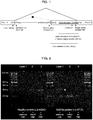
- Fig. 1 is a view illustrating an aberrant splicing region in pre-mRNA of G6PC, which is caused by c.648G>T variant.
- G6PC variant c.648G>T generates mRNA in which 91 bp of nucleotides (SEQ ID NO: 5) on the 5' side of exon 5 are deleted. This may be because an extended polypyrimidine region of a variation sequence "ccttcttcctTttcAG" has an enhanced splicing effect that exceeds a normal sequence "ccttcttcctGttcAG” and a sequence of a wild type splice acceptor site "ctttcttccactcAG".
- the antisense oligonucleotide was designed to block an ectopic splice acceptor site in a variation sequence in exon 5.
- a 25-mer morpholino antisense oligonucleotide (mASO) was designed which targeted an ectopic splice acceptor site for aberrant splicing in pre-mRNA of c.648G>T variant G6PC.
- the mASO which was designed to be a complementary sequence (5'-GCTGAAAAGGAAGAAGGTAATGAGA-3' (SEQ ID NO: 14)) to a sequence (5'-TCTCATTACCTTCTTCCTTTTCAGC-3' (SEQ ID NO: 7)) from c.630T to c.654C in a G6PC sequence in which c.648G was substituted by c.648T was synthesized with a control morpholino oligonucleotide (mCO) (5'-CCTCTTACCTCAGTTACAATTTATA-3' (SEQ ID NO: 9)) having a length identical with the mASO by Gene Tools, LLC (Philomath, OR). Endo-Porter (Gene Tools) was used to help cells incorporate the morpholino oligonucleotides.
- mCO control morpholino oligonucleotide
- Leukocytes were separated from the blood of a Japanese patient who since the infantile period had clinical symptoms and biological aberrant phenotype of GSD-Ia.
- a homozygote of c.648G>T was searched by bidirectional sequencing of genomic DNA.
- lymphoblastoid cells were maintained in RMPI 1640 culture medium containing 10% fetal calf serum (HyClone, Logan, Utah, USA), 100 U/mL penicillin, and 100 mg/mL streptomycin at 37°C and 5% CO 2 .
- Other cells derived from a healthy adult were prepared as a normal control.
- 10 5 cells were resuspended in 200 ⁇ L of a new culture medium containing 1.0 ⁇ mol/L of either mASO or mCO and 0.8 ⁇ L of Endo-Porter. After incubation at 37°C for 48 hours, the cells were cleaned with phosphate-buffered saline and collected.
- nested PCR was carried out to check an effect of mASO on splicing of mRNA.
- Primers used in nested PCR are indicated in Table 1.
- a primer set G6PC-F1/G6PC-R was used to amplify a segment containing c.648G>T.
- another primer set G6PC-F2/G6PC-R was used.
- An expected size of a PCR product derived from normal splicing was 305 bp
- an expected size of a PCR product derived from aberrant splicing was 214 bp.
- PCR products were extracted from the agarose gel and sequenced directly using the BigDye Terminator v3.1 cycle sequencing kit (Applied Biosystems, Foster City, CA, USA) and ABI PRISM 310 genetic analyzer (Applied Biosystems).
- Fig. 2 is a view showing results of agarose gel electrophoresis on nested PCR products derived from a healthy control subject (lanes 1 through 3) and from a GSD-Ia patient (lanes 4 through 6).
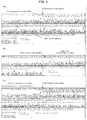
- Fig. 3 is a view showing results of direct sequencing of nested PCR products.
- (a) of Fig. 3 shows a sequence of a single band (305 bp) in lanes 1 through 3.
- a normal exon 5 (c.563G_753C) continues from the 3' end (c.561_562AG) of exon 4.
- (b) of Fig. 3 shows a sequence (214 bp) of a single band in lanes 5 and 6 and a sequence of a shorter band (214 bp) in lane 4.
- c.654C_753C continue from the 3' end (c.561_562AG) of exon 4.
- FIG. 3 shows a sequence of a longer band (305 bp) in lane 4. Though there was contamination by the fragments of the shorter band, the 3' end of exon 4 (c.561_562AG) was followed by c.563G_753C, where c.648T was substituted for c.648G.
- the sequence of the binding region of exon 4 and exon 5 was normal with either mASO or mCO treatment.
- 91 bp deletion was observed in the samples which had the respective bands of approximately 200 bp and were treated with mCO or not treated.
- the band of approximately 300 bp of the sample treated with mASO contained two kinds of DNA fragments.
- One of the two kinds of DNA fragments showed a sequence as cDNA having a normal length and containing base substitution c.648T, and the other of the two kinds of DNA fragments showed a sequence having an aberrant length including the 91 bp deletion. This may have been because the fragment which had an aberrant length and was located downstream from the cDNA fragment having a normal length has caused contamination during the agarose gel electrophoresis process.
- Antisense oligonucleotides have been widely shown to restore splicing variations for various inherited diseases, including inborn errors of metabolism (see Reference Literature 1).
- morpholino ASO can be administered and delivered effectively in vivo.
- morpholino ASO can be administered and delivered effectively in vivo by conjugation with a dendritic molecule transporter.
- Intravenous administration of the complex of the dendritic molecule transporter and the morpholino ASO to transgenic mice harboring a splicing variation in the intron of the globin gene has been shown to restore normal mRNA almost completely in the skeletal muscle, liver, kidneys and small intestine.
- G6PC expresses G6Pase only in the liver, kidneys and small intestine, and it is therefore expected that GSD-Ia caused by the G6PC c.648G>T variant can be a good target for ASO-based therapy.
- the present invention is accomplished based on the quite effective finding for establishing a novel medicine specific for GSD-Ia.
- LNA antisense oligonucleotide that is, with use of an antisense oligonucleotide containing a locked nucleic acid (LNA) that is expected to bring about an effect in administration to the living body, an attempt was made to inhibit aberrant splicing.
- LNA locked nucleic acid
- LNA ASO 15-mer LNA antisense oligonucleotide
- RNA was extracted from the collected cells, and cDNA was synthesized. Then, nested PCR was carried out to check an effect of LNA ASO on splicing of mRNA by amplifying a sequence of a region including a c.648G>T variation site and an ectopic splice acceptor site (c.652_653AG) from a binding region between exon 4 and exon 5 of G6PC. The nested PCR was carried out with use of a primer set identical with that used in Example 1.
- an expected size of a PCR product derived from normal splicing was 305 bp (normal length), and an expected size of a PCR product derived from aberrant splicing was 214 bp (length after deletion).
- a lump containing a band having a length after deletion and a band having a normal length on the gel was taken out from the agarose gel, then DNA was extracted from the lump, and DNA was sequenced directly.
- Example 2 Note that, the extraction of RNA, the method for synthesizing cDNA, the agarose gel electrophoresis, and the direct sequencing in Example 2 were similar to those used in Example 1.
- Fig. 4 shows results of agarose gel electrophoresis on nested PCR products of samples in which LNA ASOs have been added (LNA01 through LNA13) and no LNA ASO has been added (blank).
- Fig. 5 is a view showing results of direct sequencing of nested PCR products.
- (a) of Fig. 5 shows a sequence of the nested PCR product derived from the (LNA00) sample in which no LNA ASO has been added.
- (b) of Fig. 5 shows waveforms near c.648G>T of nested PCR products derived from samples in which the respective LNA ASOs have been added.
- the present invention is applicable to, for example, prevention or treatment of glycogen storage disease type Ia.
Landscapes
- Health & Medical Sciences (AREA)
- Life Sciences & Earth Sciences (AREA)
- Engineering & Computer Science (AREA)
- Genetics & Genomics (AREA)
- Chemical & Material Sciences (AREA)
- General Health & Medical Sciences (AREA)
- Organic Chemistry (AREA)
- Molecular Biology (AREA)
- Bioinformatics & Cheminformatics (AREA)
- Biomedical Technology (AREA)
- Biotechnology (AREA)
- General Engineering & Computer Science (AREA)
- Wood Science & Technology (AREA)
- Zoology (AREA)
- Pharmacology & Pharmacy (AREA)
- Veterinary Medicine (AREA)
- Public Health (AREA)
- Animal Behavior & Ethology (AREA)
- Medicinal Chemistry (AREA)
- Diabetes (AREA)
- Epidemiology (AREA)
- Biochemistry (AREA)
- Microbiology (AREA)
- Physics & Mathematics (AREA)
- Plant Pathology (AREA)
- Biophysics (AREA)
- Endocrinology (AREA)
- Emergency Medicine (AREA)
- Hematology (AREA)
- Obesity (AREA)
- Chemical Kinetics & Catalysis (AREA)
- General Chemical & Material Sciences (AREA)
- Nuclear Medicine, Radiotherapy & Molecular Imaging (AREA)
- Virology (AREA)
- Pharmaceuticals Containing Other Organic And Inorganic Compounds (AREA)
- Medicines That Contain Protein Lipid Enzymes And Other Medicines (AREA)
Applications Claiming Priority (2)
| Application Number | Priority Date | Filing Date | Title |
|---|---|---|---|
| JP2017046766 | 2017-03-10 | ||
| PCT/JP2018/009326 WO2018164275A1 (fr) | 2017-03-10 | 2018-03-09 | Oligonucléotide antisens et composition pour la prévention ou le traitement de la maladie de stockage du glycogène de type ia |
Publications (2)
| Publication Number | Publication Date |
|---|---|
| EP3594346A1 true EP3594346A1 (fr) | 2020-01-15 |
| EP3594346A4 EP3594346A4 (fr) | 2020-12-16 |
Family
ID=63448977
Family Applications (1)
| Application Number | Title | Priority Date | Filing Date |
|---|---|---|---|
| EP18764477.8A Withdrawn EP3594346A4 (fr) | 2017-03-10 | 2018-03-09 | Oligonucléotide antisens et composition pour la prévention ou le traitement de la maladie de stockage du glycogène de type ia |
Country Status (7)
| Country | Link |
|---|---|
| US (2) | US11963974B2 (fr) |
| EP (1) | EP3594346A4 (fr) |
| JP (3) | JP7048574B2 (fr) |
| KR (1) | KR102520654B1 (fr) |
| CN (1) | CN110536964A (fr) |
| TW (2) | TWI793110B (fr) |
| WO (1) | WO2018164275A1 (fr) |
Cited By (1)
| Publication number | Priority date | Publication date | Assignee | Title |
|---|---|---|---|---|
| EP3763815A4 (fr) * | 2018-03-09 | 2021-12-15 | Daiichi Sankyo Company, Limited | Agent thérapeutique pour la maladie du stockage du glycogène de type ia |
Families Citing this family (5)
| Publication number | Priority date | Publication date | Assignee | Title |
|---|---|---|---|---|
| EP3791930A1 (fr) * | 2019-09-13 | 2021-03-17 | Secarna Pharmaceuticals GmbH & Co. KG | Inhibiteur de l'expression de la méthadhérine |
| KR102363094B1 (ko) | 2020-06-19 | 2022-02-16 | 한국식품연구원 | 장내 미생물을 이용한 간질환 위험도 예측 또는 진단용 조성물, 그를 이용한 진단키트, 정보제공방법 및 간질환 예방 또는 치료제 스크리닝 방법 |
| CN111972355A (zh) * | 2020-08-31 | 2020-11-24 | 中国医学科学院北京协和医院 | GSDIa型糖原累积症小鼠模型及其构建方法 |
| KR20220041406A (ko) | 2020-09-25 | 2022-04-01 | 한국식품연구원 | 장내 미생물을 이용한 간질환 개선, 예방 또는 치료용 조성물 및 그를 이용한 간질환의 치료방법 |
| WO2023196908A2 (fr) * | 2022-04-07 | 2023-10-12 | Duke University | Compositions et méthodes pour favoriser la régénération hépatique par édition génique dans une maladie hépatique métabolique |
Family Cites Families (29)
| Publication number | Priority date | Publication date | Assignee | Title |
|---|---|---|---|---|
| JPH0787982A (ja) | 1993-01-29 | 1995-04-04 | Sankyo Co Ltd | 修飾オリゴデオキシリボヌクレオチド |
| EP1897942A1 (fr) | 1993-05-11 | 2008-03-12 | The University Of North Carolina At Chapel Hill | Oligonucléotides anti-sens combattant l'épissage aberrant et leurs procédés d'utilisation |
| CA2303299C (fr) | 1997-09-12 | 2016-02-23 | Exiqon A/S | Analogues d'oligonucleotides |
| PT1152009E (pt) | 1999-02-12 | 2005-03-31 | Sankyo Co | Novos analogos de nucleosidos e oligonucleotidos |
| US7902160B2 (en) | 2002-11-25 | 2011-03-08 | Masafumi Matsuo | ENA nucleic acid drugs modifying splicing in mRNA precursor |
| US20050261233A1 (en) | 2004-04-21 | 2005-11-24 | Sanjay Bhanot | Modulation of glucose-6-phosphatase translocase expression |
| US7323308B2 (en) * | 2004-09-03 | 2008-01-29 | Affymetrix, Inc. | Methods of genetic analysis of E. coli |
| US8178503B2 (en) * | 2006-03-03 | 2012-05-15 | International Business Machines Corporation | Ribonucleic acid interference molecules and binding sites derived by analyzing intergenic and intronic regions of genomes |
| WO2008109366A2 (fr) * | 2007-03-02 | 2008-09-12 | Mdrna, Inc. | Composés d'acide nucléique permettant d'inhiber l'expression de gène ccnd1 et utilisations de ceux-ci |
| CN102006890A (zh) | 2007-12-04 | 2011-04-06 | 阿尔尼拉姆医药品有限公司 | 靶向脂质 |
| CN115227709A (zh) | 2009-06-17 | 2022-10-25 | 冷泉港实验室 | 用于在对象中调节smn2剪接的组合物和方法 |
| DK2718437T3 (en) * | 2011-06-10 | 2018-08-06 | Inst Nat Sante Rech Med | Methods for the Treatment of Liver's Congenital Amaurosis |
| WO2013086441A2 (fr) | 2011-12-08 | 2013-06-13 | Sarepta Therapeutics, Inc. | Analogues d'oligonucléotide ciblant lmna humain |
| US20150273016A1 (en) * | 2012-10-17 | 2015-10-01 | Fondazione Telethon | Gene therapy for glycogen storage diseases |
| SG10201804331TA (en) | 2012-11-15 | 2018-07-30 | Roche Innovation Ct Copenhagen As | Oligonucleotide conjugates |
| JP6270742B2 (ja) | 2013-01-10 | 2018-01-31 | 塩野義製薬株式会社 | 架橋型核酸誘導体の製造方法 |
| US20150368642A1 (en) | 2013-01-30 | 2015-12-24 | Hoffmann-La Roche Inc. | Lna oligonucleotide carbohydrate conjugates |
| CA2921162A1 (fr) | 2013-05-01 | 2014-11-06 | Ionis Pharmaceuticals, Inc. | Composes antisens conjugues et leur utilisation |
| AU2014300981B2 (en) | 2013-06-27 | 2017-08-10 | Ricc A/S | Antisense oligomers and conjugates targeting PCSK9 |
| EP4039278A1 (fr) | 2013-07-11 | 2022-08-10 | Alnylam Pharmaceuticals, Inc. | Conjugués d'oligonucléotides et de ligands, et procédé pour leur préparation |
| MX2016005855A (es) | 2013-11-14 | 2016-07-13 | Roche Innovation Ct Copenhagen As | Compuestos de conjugados antisentido de apolipoproteina b (apob). |
| US9644216B2 (en) * | 2013-11-26 | 2017-05-09 | The United States Of America, As Represented By The Secretary, Department Of Health And Human Services | Adeno-associated virus vectors for treatment of glycogen storage disease |
| WO2015105083A1 (fr) | 2014-01-07 | 2015-07-16 | 塩野義製薬株式会社 | Oligonucléotide double brin contenant un oligonucléotide antisens et un dérivé de sucre |
| US20170327524A1 (en) | 2014-10-10 | 2017-11-16 | Hoffmann-La Roche, Inc. | Galnac phosphoramidites, nucleic acid conjugates thereof and their use |
| ES2824829T3 (es) | 2014-12-23 | 2021-05-13 | Us Health | Vectores de virus adenoasociado que codifican G6PC modificada y usos de estos |
| EP3371305A1 (fr) * | 2015-11-06 | 2018-09-12 | Crispr Therapeutics AG | Substances et procédés de traitement de glycogénose de de type 1a |
| ES2848122T3 (es) | 2015-11-16 | 2021-08-05 | Hoffmann La Roche | Fosforamidita de agrupación de GalNAc |
| JP2018538288A (ja) | 2015-12-14 | 2018-12-27 | コールド スプリング ハーバー ラボラトリー | アラジール症候群の処置のためのアンチセンスオリゴマー |
| JP6853193B2 (ja) | 2016-01-29 | 2021-03-31 | 協和キリン株式会社 | 核酸複合体 |
-
2018
- 2018-03-09 CN CN201880017237.7A patent/CN110536964A/zh active Pending
- 2018-03-09 WO PCT/JP2018/009326 patent/WO2018164275A1/fr not_active Ceased
- 2018-03-09 US US16/491,435 patent/US11963974B2/en active Active
- 2018-03-09 KR KR1020197028917A patent/KR102520654B1/ko active Active
- 2018-03-09 EP EP18764477.8A patent/EP3594346A4/fr not_active Withdrawn
- 2018-03-09 JP JP2019503873A patent/JP7048574B2/ja active Active
- 2018-03-12 TW TW107108239A patent/TWI793110B/zh not_active IP Right Cessation
- 2018-03-12 TW TW112101357A patent/TW202321453A/zh unknown
-
2022
- 2022-03-24 JP JP2022049136A patent/JP2022093334A/ja active Pending
-
2023
- 2023-09-25 US US18/473,936 patent/US20250101431A1/en not_active Abandoned
- 2023-11-21 JP JP2023197702A patent/JP2024009169A/ja active Pending
Cited By (2)
| Publication number | Priority date | Publication date | Assignee | Title |
|---|---|---|---|---|
| EP3763815A4 (fr) * | 2018-03-09 | 2021-12-15 | Daiichi Sankyo Company, Limited | Agent thérapeutique pour la maladie du stockage du glycogène de type ia |
| US11958878B2 (en) | 2018-03-09 | 2024-04-16 | Daiichi Sankyo Company, Limited | Therapeutic agent for glycogen storage disease type IA |
Also Published As
| Publication number | Publication date |
|---|---|
| US11963974B2 (en) | 2024-04-23 |
| EP3594346A4 (fr) | 2020-12-16 |
| US20250101431A1 (en) | 2025-03-27 |
| KR20190127781A (ko) | 2019-11-13 |
| TW201833325A (zh) | 2018-09-16 |
| KR102520654B1 (ko) | 2023-04-10 |
| US20200246369A1 (en) | 2020-08-06 |
| JP2024009169A (ja) | 2024-01-19 |
| WO2018164275A1 (fr) | 2018-09-13 |
| CN110536964A (zh) | 2019-12-03 |
| JP7048574B2 (ja) | 2022-04-05 |
| TWI793110B (zh) | 2023-02-21 |
| JP2022093334A (ja) | 2022-06-23 |
| TW202321453A (zh) | 2023-06-01 |
| JPWO2018164275A1 (ja) | 2020-01-16 |
Similar Documents
| Publication | Publication Date | Title |
|---|---|---|
| US20250101431A1 (en) | Antisense oligonucleotide and composition for prevention or treatment of glycogen storage disease type ia | |
| US12091665B2 (en) | Nucleic acids and methods for the treatment of Pompe disease | |
| KR102638276B1 (ko) | 인트론 잔류의 감소 | |
| US20010056077A1 (en) | Pharmaceutical composition for treatment of duchenne muscular dystrophy | |
| CN106834528B (zh) | 一种用于肝癌诊疗的生物标志物 | |
| US8697672B2 (en) | Microrna inhibition for the treatment of inflammation and myeloproliferative disorders | |
| KR20230047453A (ko) | 대사 증후군 치료를 위한 조성물 및 방법 | |
| US20200147118A1 (en) | Compositions and methods for detection, risk assessment and treatment of diabetes, obesity, and inflammation | |
| US20230235403A1 (en) | Long non-coding rna as therapeutic target in cardiac disorders and cardiac regeneration | |
| US20250188473A1 (en) | Methods Of Treating Liver Diseases With Phosphodiesterase 3B (PDE3B) Inhibitors | |
| HK40015245A (en) | Antisense oligonucleotide and composition for prevention or treatment of glycogen storage disease type ia | |
| CN116392500B (zh) | microRNA及其在诊断和治疗中的用途 | |
| US20210310000A1 (en) | Compounds of chemically modified oligonucleotides and methods of use thereof | |
| US12215322B2 (en) | Treatment of liver disease with mitochondrial glycerol-3-phosphate acyltransferase (GPAM) inhibitors | |
| KR20240149152A (ko) | 안티센스 올리고뉴클레오티드 및 당원병 Ia형 예방 또는 치료용 조성물 | |
| KR100944038B1 (ko) | 감마―아미노부티릭산 a 수용체, 알파 1의 유전자를 함유하는 유전자전달체를 포함하는 대장암 전이 억제제 | |
| JP2022046831A (ja) | 哺乳動物の寿命を延長するための剤 |
Legal Events
| Date | Code | Title | Description |
|---|---|---|---|
| STAA | Information on the status of an ep patent application or granted ep patent |
Free format text: STATUS: THE INTERNATIONAL PUBLICATION HAS BEEN MADE |
|
| PUAI | Public reference made under article 153(3) epc to a published international application that has entered the european phase |
Free format text: ORIGINAL CODE: 0009012 |
|
| STAA | Information on the status of an ep patent application or granted ep patent |
Free format text: STATUS: REQUEST FOR EXAMINATION WAS MADE |
|
| 17P | Request for examination filed |
Effective date: 20190919 |
|
| AK | Designated contracting states |
Kind code of ref document: A1 Designated state(s): AL AT BE BG CH CY CZ DE DK EE ES FI FR GB GR HR HU IE IS IT LI LT LU LV MC MK MT NL NO PL PT RO RS SE SI SK SM TR |
|
| AX | Request for extension of the european patent |
Extension state: BA ME |
|
| DAV | Request for validation of the european patent (deleted) | ||
| DAX | Request for extension of the european patent (deleted) | ||
| REG | Reference to a national code |
Ref country code: HK Ref legal event code: DE Ref document number: 40015245 Country of ref document: HK |
|
| A4 | Supplementary search report drawn up and despatched |
Effective date: 20201116 |
|
| RIC1 | Information provided on ipc code assigned before grant |
Ipc: C12N 15/113 20100101AFI20201110BHEP Ipc: A61K 31/7088 20060101ALI20201110BHEP Ipc: A61P 3/08 20060101ALI20201110BHEP Ipc: A61K 48/00 20060101ALI20201110BHEP |
|
| STAA | Information on the status of an ep patent application or granted ep patent |
Free format text: STATUS: THE APPLICATION HAS BEEN WITHDRAWN |
|
| 18W | Application withdrawn |
Effective date: 20241030 |