EP3598761A1 - Procédé et dispositif permettant de synthétiser un flux de données audio et vidéo - Google Patents
Procédé et dispositif permettant de synthétiser un flux de données audio et vidéo Download PDFInfo
- Publication number
- EP3598761A1 EP3598761A1 EP18893323.8A EP18893323A EP3598761A1 EP 3598761 A1 EP3598761 A1 EP 3598761A1 EP 18893323 A EP18893323 A EP 18893323A EP 3598761 A1 EP3598761 A1 EP 3598761A1
- Authority
- EP
- European Patent Office
- Prior art keywords
- audio
- video
- storage space
- frame
- timestamp
- Prior art date
- Legal status (The legal status is an assumption and is not a legal conclusion. Google has not performed a legal analysis and makes no representation as to the accuracy of the status listed.)
- Granted
Links
Images


Classifications
-
- H—ELECTRICITY
- H04—ELECTRIC COMMUNICATION TECHNIQUE
- H04N—PICTORIAL COMMUNICATION, e.g. TELEVISION
- H04N21/00—Selective content distribution, e.g. interactive television or video on demand [VOD]
- H04N21/20—Servers specifically adapted for the distribution of content, e.g. VOD servers; Operations thereof
- H04N21/23—Processing of content or additional data; Elementary server operations; Server middleware
- H04N21/233—Processing of audio elementary streams
- H04N21/2335—Processing of audio elementary streams involving reformatting operations of audio signals, e.g. by converting from one coding standard to another
-
- H—ELECTRICITY
- H04—ELECTRIC COMMUNICATION TECHNIQUE
- H04N—PICTORIAL COMMUNICATION, e.g. TELEVISION
- H04N21/00—Selective content distribution, e.g. interactive television or video on demand [VOD]
- H04N21/40—Client devices specifically adapted for the reception of or interaction with content, e.g. set-top-box [STB]; Operations thereof
- H04N21/43—Processing of content or additional data, e.g. demultiplexing additional data from a digital video stream; Elementary client operations, e.g. monitoring of home network or synchronising decoder's clock; Client middleware
- H04N21/433—Content storage operation, e.g. storage operation in response to a pause request, caching operations
-
- G—PHYSICS
- G10—MUSICAL INSTRUMENTS; ACOUSTICS
- G10L—SPEECH ANALYSIS TECHNIQUES OR SPEECH SYNTHESIS; SPEECH RECOGNITION; SPEECH OR VOICE PROCESSING TECHNIQUES; SPEECH OR AUDIO CODING OR DECODING
- G10L19/00—Speech or audio signals analysis-synthesis techniques for redundancy reduction, e.g. in vocoders; Coding or decoding of speech or audio signals, using source filter models or psychoacoustic analysis
- G10L19/04—Speech or audio signals analysis-synthesis techniques for redundancy reduction, e.g. in vocoders; Coding or decoding of speech or audio signals, using source filter models or psychoacoustic analysis using predictive techniques
- G10L19/16—Vocoder architecture
- G10L19/167—Audio streaming, i.e. formatting and decoding of an encoded audio signal representation into a data stream for transmission or storage purposes
-
- G—PHYSICS
- G10—MUSICAL INSTRUMENTS; ACOUSTICS
- G10L—SPEECH ANALYSIS TECHNIQUES OR SPEECH SYNTHESIS; SPEECH RECOGNITION; SPEECH OR VOICE PROCESSING TECHNIQUES; SPEECH OR AUDIO CODING OR DECODING
- G10L25/00—Speech or voice analysis techniques not restricted to a single one of groups G10L15/00 - G10L21/00
- G10L25/48—Speech or voice analysis techniques not restricted to a single one of groups G10L15/00 - G10L21/00 specially adapted for particular use
- G10L25/51—Speech or voice analysis techniques not restricted to a single one of groups G10L15/00 - G10L21/00 specially adapted for particular use for comparison or discrimination
- G10L25/57—Speech or voice analysis techniques not restricted to a single one of groups G10L15/00 - G10L21/00 specially adapted for particular use for comparison or discrimination for processing of video signals
-
- H—ELECTRICITY
- H04—ELECTRIC COMMUNICATION TECHNIQUE
- H04L—TRANSMISSION OF DIGITAL INFORMATION, e.g. TELEGRAPHIC COMMUNICATION
- H04L67/00—Network arrangements or protocols for supporting network services or applications
- H04L67/50—Network services
- H04L67/56—Provisioning of proxy services
- H04L67/568—Storing data temporarily at an intermediate stage, e.g. caching
-
- H—ELECTRICITY
- H04—ELECTRIC COMMUNICATION TECHNIQUE
- H04N—PICTORIAL COMMUNICATION, e.g. TELEVISION
- H04N21/00—Selective content distribution, e.g. interactive television or video on demand [VOD]
- H04N21/20—Servers specifically adapted for the distribution of content, e.g. VOD servers; Operations thereof
- H04N21/23—Processing of content or additional data; Elementary server operations; Server middleware
- H04N21/231—Content storage operation, e.g. caching movies for short term storage, replicating data over plural servers, prioritizing data for deletion
- H04N21/23106—Content storage operation, e.g. caching movies for short term storage, replicating data over plural servers, prioritizing data for deletion involving caching operations
-
- H—ELECTRICITY
- H04—ELECTRIC COMMUNICATION TECHNIQUE
- H04N—PICTORIAL COMMUNICATION, e.g. TELEVISION
- H04N21/00—Selective content distribution, e.g. interactive television or video on demand [VOD]
- H04N21/20—Servers specifically adapted for the distribution of content, e.g. VOD servers; Operations thereof
- H04N21/23—Processing of content or additional data; Elementary server operations; Server middleware
- H04N21/231—Content storage operation, e.g. caching movies for short term storage, replicating data over plural servers, prioritizing data for deletion
- H04N21/23113—Content storage operation, e.g. caching movies for short term storage, replicating data over plural servers, prioritizing data for deletion involving housekeeping operations for stored content, e.g. prioritizing content for deletion because of storage space restrictions
-
- H—ELECTRICITY
- H04—ELECTRIC COMMUNICATION TECHNIQUE
- H04N—PICTORIAL COMMUNICATION, e.g. TELEVISION
- H04N21/00—Selective content distribution, e.g. interactive television or video on demand [VOD]
- H04N21/20—Servers specifically adapted for the distribution of content, e.g. VOD servers; Operations thereof
- H04N21/23—Processing of content or additional data; Elementary server operations; Server middleware
- H04N21/232—Content retrieval operation locally within server, e.g. reading video streams from disk arrays
-
- H—ELECTRICITY
- H04—ELECTRIC COMMUNICATION TECHNIQUE
- H04N—PICTORIAL COMMUNICATION, e.g. TELEVISION
- H04N21/00—Selective content distribution, e.g. interactive television or video on demand [VOD]
- H04N21/20—Servers specifically adapted for the distribution of content, e.g. VOD servers; Operations thereof
- H04N21/23—Processing of content or additional data; Elementary server operations; Server middleware
- H04N21/234—Processing of video elementary streams, e.g. splicing of video streams or manipulating encoded video stream scene graphs
- H04N21/23406—Processing of video elementary streams, e.g. splicing of video streams or manipulating encoded video stream scene graphs involving management of server-side video buffer
-
- H—ELECTRICITY
- H04—ELECTRIC COMMUNICATION TECHNIQUE
- H04N—PICTORIAL COMMUNICATION, e.g. TELEVISION
- H04N21/00—Selective content distribution, e.g. interactive television or video on demand [VOD]
- H04N21/20—Servers specifically adapted for the distribution of content, e.g. VOD servers; Operations thereof
- H04N21/23—Processing of content or additional data; Elementary server operations; Server middleware
- H04N21/234—Processing of video elementary streams, e.g. splicing of video streams or manipulating encoded video stream scene graphs
- H04N21/23424—Processing of video elementary streams, e.g. splicing of video streams or manipulating encoded video stream scene graphs involving splicing one content stream with another content stream, e.g. for inserting or substituting an advertisement
-
- H—ELECTRICITY
- H04—ELECTRIC COMMUNICATION TECHNIQUE
- H04N—PICTORIAL COMMUNICATION, e.g. TELEVISION
- H04N21/00—Selective content distribution, e.g. interactive television or video on demand [VOD]
- H04N21/20—Servers specifically adapted for the distribution of content, e.g. VOD servers; Operations thereof
- H04N21/23—Processing of content or additional data; Elementary server operations; Server middleware
- H04N21/234—Processing of video elementary streams, e.g. splicing of video streams or manipulating encoded video stream scene graphs
- H04N21/2343—Processing of video elementary streams, e.g. splicing of video streams or manipulating encoded video stream scene graphs involving reformatting operations of video signals for distribution or compliance with end-user requests or end-user device requirements
- H04N21/234345—Processing of video elementary streams, e.g. splicing of video streams or manipulating encoded video stream scene graphs involving reformatting operations of video signals for distribution or compliance with end-user requests or end-user device requirements the reformatting operation being performed only on part of the stream, e.g. a region of the image or a time segment
-
- H—ELECTRICITY
- H04—ELECTRIC COMMUNICATION TECHNIQUE
- H04N—PICTORIAL COMMUNICATION, e.g. TELEVISION
- H04N21/00—Selective content distribution, e.g. interactive television or video on demand [VOD]
- H04N21/20—Servers specifically adapted for the distribution of content, e.g. VOD servers; Operations thereof
- H04N21/23—Processing of content or additional data; Elementary server operations; Server middleware
- H04N21/234—Processing of video elementary streams, e.g. splicing of video streams or manipulating encoded video stream scene graphs
- H04N21/2343—Processing of video elementary streams, e.g. splicing of video streams or manipulating encoded video stream scene graphs involving reformatting operations of video signals for distribution or compliance with end-user requests or end-user device requirements
- H04N21/234381—Processing of video elementary streams, e.g. splicing of video streams or manipulating encoded video stream scene graphs involving reformatting operations of video signals for distribution or compliance with end-user requests or end-user device requirements by altering the temporal resolution, e.g. decreasing the frame rate by frame skipping
-
- H—ELECTRICITY
- H04—ELECTRIC COMMUNICATION TECHNIQUE
- H04N—PICTORIAL COMMUNICATION, e.g. TELEVISION
- H04N21/00—Selective content distribution, e.g. interactive television or video on demand [VOD]
- H04N21/40—Client devices specifically adapted for the reception of or interaction with content, e.g. set-top-box [STB]; Operations thereof
- H04N21/43—Processing of content or additional data, e.g. demultiplexing additional data from a digital video stream; Elementary client operations, e.g. monitoring of home network or synchronising decoder's clock; Client middleware
- H04N21/4302—Content synchronisation processes, e.g. decoder synchronisation
-
- H—ELECTRICITY
- H04—ELECTRIC COMMUNICATION TECHNIQUE
- H04N—PICTORIAL COMMUNICATION, e.g. TELEVISION
- H04N21/00—Selective content distribution, e.g. interactive television or video on demand [VOD]
- H04N21/40—Client devices specifically adapted for the reception of or interaction with content, e.g. set-top-box [STB]; Operations thereof
- H04N21/43—Processing of content or additional data, e.g. demultiplexing additional data from a digital video stream; Elementary client operations, e.g. monitoring of home network or synchronising decoder's clock; Client middleware
- H04N21/439—Processing of audio elementary streams
- H04N21/4392—Processing of audio elementary streams involving audio buffer management
-
- H—ELECTRICITY
- H04—ELECTRIC COMMUNICATION TECHNIQUE
- H04N—PICTORIAL COMMUNICATION, e.g. TELEVISION
- H04N21/00—Selective content distribution, e.g. interactive television or video on demand [VOD]
- H04N21/80—Generation or processing of content or additional data by content creator independently of the distribution process; Content per se
- H04N21/85—Assembly of content; Generation of multimedia applications
- H04N21/854—Content authoring
-
- H—ELECTRICITY
- H04—ELECTRIC COMMUNICATION TECHNIQUE
- H04N—PICTORIAL COMMUNICATION, e.g. TELEVISION
- H04N21/00—Selective content distribution, e.g. interactive television or video on demand [VOD]
- H04N21/80—Generation or processing of content or additional data by content creator independently of the distribution process; Content per se
- H04N21/85—Assembly of content; Generation of multimedia applications
- H04N21/854—Content authoring
- H04N21/8547—Content authoring involving timestamps for synchronizing content
Definitions
- the present disclosure generally relates to the field of multimedia technology and, more particularly, relates to a method and device for combining audio and video data streams.
- each channel of data stream may have different resolution, code rate, audio sampling rate, and audio/video encoding format, etc.
- instability of the stream-pulling process of a data stream may occur in each channel of data stream, which makes the issue of combining multiple channels of input data streams even more complicated. Therefore, currently, there is a need for a method that is suitable for inputting multiple channels of data streams, and that may deal with the influence of data stream network fluctuations and conveniently and efficiently achieve the data stream combining process.
- the embodiments of the present disclosure provide a method and device for combining audio/video data streams.
- the technical solutions are as follows.
- a method for combining audio/video data streams includes:
- storing the audio/video data in the first storage space includes: storing the audio data and the video data included in the audio/video data in an audio storage space and a video storage space of the first storage space, respectively.
- the method further includes:
- the method further includes:
- the method further includes:
- periodically detecting the timestamp-based time-length of the audio/video frames of the audio/video data read and decoded from the first storage space includes:
- reading and decoding the audio/video frames of the audio/video data from the first storage space in an order of the timestamps of the audio/video frames of the audio/video data includes:
- resampling the decoded audio/video frames based on the preset audio/video output parameters includes:
- the method further includes:
- resampling the decoded audio/video frames based on the preset audio/video output parameters includes:
- the method further includes:
- generating the position indexes according to the timestamps of the resampled audio/video frames includes:
- storing the resampled audio/video frames in the second storage space through the position indexes includes:
- periodically extracting the audio/video frames from the second storage space according to the position indexes includes:
- the method further includes:
- a device for combining audio/video data streams includes:
- the first storage module is configured to: Store the audio data and the video data included in the audio/video data in an audio storage space and a video storage space of the first storage space, respectively.
- the first storage module is further configured to:
- the first storage module is further configured to:
- the decoding module is further configured to:
- the decoding module is configured to:
- the decoding module is configured to:
- the resampling module is configured to:
- the resampling module is further configured to:
- the resampling module is configured to:
- the resampling module is further configured to:
- the second storage module is configured to:
- the second storage module is configured to:
- the combining module is configured to:
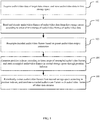
- the combining module is further configured to:
- the audio/video data of a target data stream is acquired, and the audio/video data is stored in the first storage space.
- the audio/video frames of the audio/video data are read and decoded from the first storage space.
- the decoded audio/video frames are subjected to the resampling process.
- Position indexes are generated according to the timestamps of the resampled audio/video frames, and the resampled audio/video frames are stored in the second storage space based on the position indexes.
- the audio/video frames are periodically extracted from the second storage space according to the position indexes, and the extracted audio/video frames are combined with audio/video frames of other data streams.
- the video composition server mitigates the influence of network fluctuations through two levels of data cache.
- the methods provided by the present disclosure decouple the stream-pulling process from the combining process for each data stream simultaneously among various input data streams, which reduces the influence of the stream-pulling process on the combining process. Even if there is a problem in the stream-pulling process for one channel of data stream or there is a problem with the data stream itself, it will not affect other channels of data streams, thereby ensuring the stability of the combined pictures and sound.
- the embodiments of the present disclosure provide a method for combining audio/video data streams.
- the execution entity of the method may be a video composition server.
- the video composition server may be a backend server of a live broadcast platform that is mainly used for combining multiple channels of audio/video data streams and outputting the combined stream.
- the video composition server may simultaneously receive inputs of multiple channels of audio/video data streams, perform initial buffering, decoding, resampling, and re-buffering processes for each channel of audio/video data stream, and then combine the multiple channels of processed audio/video data streams.
- the video composition server may support multiple video-processing processes to run simultaneously, where each video-processing process is responsible for the following processing of one channel of audio/video data stream.
- the video composition server may include a processor, a memory, and a transceiver.
- the processor may be configured to perform the combining process of the audio/video data streams shown in the following process.
- the memory may be used to store data required and generated during the process, such as storing the audio/video frames of the audio/video data streams and the configured files in the combining process, etc.
- the transceiver may be configured to receive and transmit the relevant data during the process, such as receiving the raw audio/video data and outputting the combined audio/video data.
- Step 101 acquire audio/video data of a target data stream, and store the audio/video data in a first storage space.
- the video composition server may pull an audio/video data stream through the network or read an audio/video data stream from the local storage device, and then combine the acquired audio/video data stream with other audio/video data streams according to requirements.
- the video composition server may acquire the audio/video data of the target data stream based on the stream-pulling address of the target data stream, and create a video-processing process for the target data stream.
- the video composition server may first store the audio/video data of the target data stream in a first storage space through the video-processing process.
- the first storage space may be viewed as a preset first-level cache space for storing newly pulled, unprocessed raw data.
- the frame data in the delayed time may be stored in the first storage space.
- the audio/video data of the target data stream may be divided.
- partial process of Step 101 may be as follows: storing the audio data and the video data included in the audio/video data in an audio storage space and a video storage space of the first storage space, respectively.
- the technical staff may specifically divide the first storage space into an audio storage space for storing audio data and a video storage space for storing video data.
- the structures and attributes of the audio storage space and the video storage space are identical, with only the types of stored data being different.
- the video composition server may divide the audio/video data into audio data and video data according to the data type, and then store the divided audio data and video data in the audio storage space and the video storage space of the first storage space, respectively. This will facilitate a free selection of audio data or video data for the subsequent data processing.
- the first storage space may support two storage modes: a congestion mode and an overlay mode.
- a congestion mode For on-demand streams and live streams, different storage modes may be selected.
- the corresponding process may be as follows: if the target data stream is a live stream, in the process of storing the audio/video data in the first storage space, when the first storage space is full, deleting the audio/video data stored earliest in the first storage space, then continuing to store the audio/video data; if the target data stream is an on-demand stream, in the process of storing the audio/video data in the first storage space, when the first storage space is full, continuing to store the audio/video data after waiting for the audio/video data stored in the first storage space to finish streaming.
- the video composition server may detect whether the first storage space is full. If the first storage space is full, different processes may be employed depending on the data stream type of the target data stream. Specifically, if the target data stream is a live stream, an overlay mode may be selected, that is, delete the audio/video data stored earliest in the first storage space, then continue to store the audio/video data. This avoids a high delay in outputting the audio/video data.
- a congestion mode may be selected, that is, continue to store the audio/video data after waiting for the audio/video data stored in the first storage space to finish streaming. This ensures the being-viewed audio/video data to be continuous without interruption.
- the data stream acquisition operation may be also synchronously congested, thereby avoiding extra audio/video data to be acquired continuously.
- the size of the first storage space may be set according to a tolerable network delay and a playback delay.
- the corresponding process may be as follows: determining a size of the first storage space according to a preset maximum playback delay and a maximum network delay; and, in the process of acquiring the audio/video data of the target data stream, adjusting the size of the first storage space according to the detected playback delay requirement and/or real-time network delay.
- the video composition server may set a maximum playback delay (i.e., a time interval between the data being generation and the data being played) and a maximum network delay (i.e., a time interval between the arrival of a preceding frame of data and the arrival of the following frame of data) for each channel of audio/video data stream, and then set the size of the first storage space based on the maximum playback delay and the maximum network delay.
- a maximum playback delay i.e., a time interval between the data being generation and the data being played
- a maximum network delay i.e., a time interval between the arrival of a preceding frame of data and the arrival of the following frame of data
- the video composition server may also detect in real time the playback delay requirement and the real-time network delay, and then adjust the size of the first storage space according to the playback delay requirement and the real-time network delay.
- Step 102 read and decode audio/video frames of the audio/video data from the first storage space in an order of timestamps of the audio/video frames of the audio/video data.
- the rate of data stream acquisition and addition to the first storage space may fluctuate.
- the arrival time of the frames of data between the audio data and the video data that have the same timestamp may also be inconsistent. Accordingly, after the video composition server stores the audio/video data of the target data stream in the first storage space, the timestamps of the audio/video frames of the audio/video data may be determined first. The audio/video frames of the audio/video data are then read from the first storage space according to an order of increased timestamp and are decoded.
- the speed of decoding an audio/video data stream may be controlled according to the real-time standard.
- the corresponding process may be as follows: periodically detecting the timestamp-based time-length of the audio/video frames of the audio/video data read and decoded from the first storage space; if the timestamp-based time-length is greater than the product of the preset playing rate and the physical time used for reading and decoding the audio/video data, suspending reading the audio/video frames of the audio/video data from the first storage space in the current cycle.
- the video composition server may decode the audio/video data according to a certain rate requirement, that is, a timestamp-based time-length corresponding to audio/video data being decoded in a certain physical time should be fixed.
- a timestamp-based time-length corresponding to audio/video data being decoded in a certain physical time
- N is the set playing rate for the audio/video data stream.
- the video composition server may periodically detect the timestamp-based time-length of the target data stream read and decoded from the first storage space, and then determine whether the timestamp-based time-length is greater than the product of the preset playing rate and the physical time-length used to read and decode the audio/video data. If the timestamp-based time-length is greater than the product of the preset playing rate and the physical time-length used to read and decode the audio/video data, reading the audio/video frames from the first storage space may be suspended in the current cycle. For example, the physical time to start the decoding process is T1, and the timestamp of the first audio/video frame is TS1.
- the video composition server may suspend reading the audio/video frames in the current cycle.
- the foregoing process of determining the timestamp-based time-length may be specifically as follows: recording a timestamp of the initial audio frame and a timestamp of the initial video frame of the audio/video data read and decoded from the first storage space; periodically detecting, from the first storage space, the timestamp of the latest audio frame and the timestamp of the latest video frame of the read and decoded audio/video data ; and determining a difference between the smaller value of the timestamp of the latest audio frame and the timestamp of the latest video frame and the smaller value of the timestamp of the initial audio frame and timestamp of the initial video frame as the timestamp-based time-length of the audio/video frames of the audio/video data.
- the video composition server may record the timestamp of the initial audio frame and the timestamp of the initial video frame of the audio/video data when beginning to read and decode the audio/video data of the target data stream.
- the video composition server may periodically detect the timestamp of the latest audio frame and the timestamp of the latest video frame of the audio/video data read and decoded from the first storage space. Accordingly, the smaller value of the timestamp of the latest audio frame and the timestamp of the latest video frame and the smaller value of the timestamp of the initial audio frame and the timestamp of the initial video frame may be respectively determined, and the difference between the two smaller values is determined as the timestamp-based time-length of the audio/video frames of the audio/video data.
- Step 102 may be as follows: detecting the timestamp of the latest audio frame and the timestamp of the latest video frame of the decoded audio/video data; if the timestamp of the latest audio frame is greater than or equal to the timestamp of the latest video frame, reading and decoding video frames of the audio/video data from the video storage space according to an order of the timestamps of the video frames; and if the timestamp of the latest audio frame is smaller than the timestamp of the latest video frame, reading and decoding audio frames of the audio/video data from the audio storage space according to an order of the timestamps of the audio frames.
- the video composition server may detect the timestamp of the latest audio frame and the timestamp of the latest video frame of the decoded audio/video data, and then compare the values of the timestamp of the latest audio frame and the timestamp of the latest video frame. If the timestamp of the latest audio frame is greater than or equal to the timestamp of the latest video frame, video frames of the audio/video data are read and decoded from the video storage space according to an order of the timestamps of the video frames.
- audio frames of the audio/video data are read and decoded from the audio storage space according to an order of the timestamps of the audio frames. This may allow the timestamp gap between the adjacent decoded audio frame and decoded video frame to be as small as possible, so as to ensure the consistency of the logically corresponding time between the audio frames and the video frames.
- Step 103 resample the decoded audio/video frames based on preset audio/video output parameters.
- the video composition server may resample the decoded audio/video frames according to the preset audio/video output parameters including a video frame rate, audio sampling rate, and the like. This may allow the audio/video frames from different data streams to have the same frame rate, audio sampling rate, and number of audio tracks, etc., after the resampling process, thereby facilitating further control of the combining process.
- the process for resampling the video frames may be as follows: determining a position index corresponding to a decoded video frame based on the preset standard video frame rate and the timestamp of the decoded video frame; and updating the timestamp of the decoded video frame according to the position index.
- the last video frame of the multiple decoded video frames is retained while the other decoded video frames in the multiple video frames are deleted. If the position indexes corresponding to the decoded video frames are discontinuous, all the vacant position indexes are determined, and a video frame corresponding to an adjacent position index of each vacant position index is copied as the video frame corresponding to the vacant position index.
- the video composition server may further process the position indexes. If there are multiple decoded video frames that correspond to the same position index, the last video frame among the decoded multiple video frames having the same position index is retained while the other decoded video frames are deleted. If the position indexes of the decoded video frames are discontinuous because the timestamp gaps of adjacent video frames are relatively large, all the vacant position indexes may be determined first, and then a video frame of the adjacent position index of a vacant position index is copied as the corresponding video frame for the vacant position index, to allow the position indexes to be continuous.
- the above process may refer to FIG. 2 and FIG. 3 .
- FIG. 2 illustrates the video frames and the corresponding timestamps after the resampling process for a data stream with a frame rate of 2/T. It can be seen that the video frames with the timestamps of T and 1.5T correspond to the same position index 1, so only the video frame of 1.5T is retained, and at the same time the timestamp of the video frame of 1.5T is changed to T. After the resampling process, the video data having a frame rate of 2/T is converted into video data having a frame rate of 1/T.
- FIG. 3 illustrates the video frames and the corresponding timestamps after the resampling process for a data stream with a frame rate close to 1/T. It can be seen that the processing of video frames with the timestamps of T and 1.5T is the same as illustrated in FIG. 2 .
- a video frame with a timestamp of 6.3T is calculated to have a position index of 6, and the timestamp of that video frame is changed to 6T.
- a video frame with a position index of 5 is missing in the output video frames, so the video frame with a position index of 4 may be copied as the video frame corresponding to the position index 5.
- the process for resampling the audio frames may be as follows: converting the decoded audio frames based on a preset audio sampling rate and number of audio tracks; splitting and reorganizing the converted audio frames according to a preset number of sampling points, and determining a timestamp of the first sampling point of a reorganized audio frame as the timestamp of the reorganized audio frame.
- the video composition server may convert the sampling rate and number of audio tracks of the decoded audio frames based on a preset audio sampling rate and number of audio tracks. According to a preset number of sampling points, the video composition server may further split and reorganize the converted audio frames, and determine a timestamp of the first sampling point of a reorganized audio frame as the timestamp of the reorganized audio frame.
- FIG. 4 illustrates a schematic diagram of resampled audio frames with a preset number of sampling points of 1024.
- the arrows directing towards the parallelograms represent the splitting points for the audio frames
- the parallelograms in the upper row are the audio frames before the reorganization
- the parallelograms in the lower row are the audio frames after the reorganization.
- the numbers inside the parallelograms are the numbers of sampling points included in the audio frames. It can be seen from FIG. 4 that, after the conversion of the audio sampling rate and the number of audio tracks, the audio frames may have different numbers of sampling points. After splitting and reorganization, each audio frame then contains 1024 sample points.
- the resampled audio frames may be similarly adjusted based on the position indexes.
- the specific process may be as follows: determining position indexes corresponding to the resampled audio frames according to the preset audio sampling rate, number of sampling points, and the timestamps of the audio frames; if there are multiple resampled audio frames that correspond to the same position index, retaining the audio frame that is resampled last in the multiple resampled audio frames, while deleting the other audio frames in the multiple audio frames; if the position indexes corresponding to the audio frames are discontinuous, determining all vacant position indexes and setting a silent audio frame for each vacant position index.
- the video composition server may determine position indexes corresponding to the resampled audio frames according to the preset audio sampling rate, number of sampling points, and the timestamps of the audio frames. If there are multiple resampled audio frames that correspond to the same position index, then the last audio frame in the multiple audio frames with the same position index is retained while the other audio frames are deleted. If the position indexes of the resampled audio frames are discontinuous because the timestamp gaps of adjacent audio frames are relatively large, all the vacant position indexes may be determined first, then a silent audio frame is set for each corresponding vacant position index, to allow the position indexes to be continuous.
- Step 104 generate position indexes according to timestamps of the resampled audio/video frames, and store the resampled audio/video frames in a second storage space through the position indexes.
- the video composition server may generate position indexes according to the timestamps of the resampled audio/video frames, and then store the resampled audio/video frames in a second storage space through the position indexes.
- This allows the audio frames from different data streams that have the same position index to logically correspond to the same physical time, and the video frames from different data streams that have the same position index to also logically correspond to the same physical time.
- the second storage space may be viewed as a preset second-level cache space for storing the decoded and resampled data.
- the approach for generating the position indexes of the resampled audio/video frames may be specifically as follows: determining a timestamp offset of the target data stream according to the service startup time, the timestamp of the first audio/video frame in the second storage space and the storing time corresponding to the first audio/video frame; adjusting the timestamps of the resampled audio/video frames according to the timestamp offset; and regenerating the position indexes of the audio/video frames based on the adjusted timestamps of the resampled audio/video frames.
- the video composition server may divide the timestamp of an adjusted audio/video frame by the time-length that the frame lasts, and round down the result, to generate a position index of the resampled audio/video frame.
- the audio data and the video data of the target data stream may be separately stored in the second storage space.
- partial process of Step 104 may be as follows: dividing the second storage space into an audio storage space and a video storage space that respectively includes a preset number of cache positions; and respectively storing the resampled audio frames and the resampled video frames of the audio/video data into the audio storage space and the video storage space according to the position indexes of the audio/video frames.
- the video composition server may divide the second storage space into an audio storage space and a video storage space that respectively includes a preset number of cache positions. Each cache position is configured to store one audio frame or one video frame. The structures and properties of the audio storage space and the video storage space are identical. Afterwards, the video composition server may respectively store the resampled audio frames and the resampled video frames of the target data stream into the audio storage space and the video storage space according to the position indexes of the audio/video frames. Specific details of the above process may refer to FIG.
- the values inside the rectangular grids are the cache positions in the cache space
- the upper parallelograms represent the audio frames or the video frames
- the numbers inside the parallelograms are the position indexes corresponding to the frames.
- Step 105 periodically extract audio/video frames from the second storage space according to the position indexes, and combine the extracted audio/video frames with audio/video frames of other data streams.
- the video composition server may periodically extract the audio/video frames at a certain time interval from the second storage space according to the position indexes of the resampled audio/video frames, and combine the extracted audio/video frames with audio/video frames of other data streams. Since the video frames from different data streams have the same lasting time-length and the audio frames from different data streams also have the same sampling rate, number of audio tracks, number of sampling points, etc., the video frames or audio frames extracted at one point by the video composition server from multiple different data streams in the second storage space are the frame data that logically correspond to the identical time point. Accordingly, synchronization between different data streams may be achieved, which facilitates performing the further video-combining process, such as video image combination, audio volume adjustment, and audio mixing.
- the audio/video frames may be extracted from the second storage space by referring to the current time.
- the specific process of Step 105 may be as follows: determining a standard frame time-length of the audio/video frames based on the preset audio/video output parameters; periodically determining, at an interval of the standard frame time-length, a to-be-extracted index according to the current time and the standard frame time-length; and extracting an audio/video frame, whose position index is the to-be-extracted index, from the second storage space.
- the video composition server may first determine a standard frame time-length of the audio/video frames based on the preset audio/video output parameters, and then use the standard frame time-length as an time interval to periodically determine a to-be-extracted index according to the current time and the standard frame time-length.
- the to-be-extracted index may be the current time divided by the standard frame time-length.
- the video composition server may extract an audio/video frame, whose position index is the to-be-extracted index, from the second storage space.
- a frame-replenishing process may be performed.
- the corresponding process may be as follows: if there is no corresponding audio frame in the second storage space whose position index is the to-be-extracted index, creating a silent audio frame; and if there is no corresponding video frame in the second storage space whose position index is the to-be-extracted index, copying the most recently extracted video frame.
- the video composition server may perform a frame-replenishing process.
- the video frame most recently extracted from the second storage space may be copied as the currently acquired video frame.
- a silent audio frame may be created as the currently acquired audio frame, and the number of sampling points of the audio frame is equal to the preset number of sampling points.
- the audio/video data of a target data stream is acquired, and the audio/video data is stored in the first storage space.
- the audio/video frames of the audio/video data are read and decoded from the first storage space.
- the decoded audio/video frames are subjected to the resampling process.
- Position indexes are generated according to the timestamps of the resampled audio/video frames, and the resampled audio/video frames are stored in the second storage space based on the position indexes.
- the audio/video frames are periodically extracted from the second storage space according to the position indexes, and the extracted audio/video frames are combined with audio/video frames of other data streams.
- the video composition server mitigates the influence of network fluctuations through two levels of data cache.
- synchronization of multiple data streams may be accomplished, and the process of combining data streams may be achieved more conveniently and efficiently.
- the stream-pulling process and the combining process of each data stream, an intersection occurs only in the second storage space, and there is no additional dependency or control between each other.
- the 4 channels of data streams may be independently pulled, decoded, and placed into the respective second-level cache. Relatively independent inputs and operations may be ensured between each data stream, and thus problems, such as stream-pulling jams and other problems, occur in one of the channels will not cause input problems to occur in other data streams.
- the methods provided by the present disclosure may decouple the stream-pulling process from the combining process for each data stream simultaneously among various input data streams, which reduces the influence of the stream-pulling process on the combining process. Even if there is a problem in the stream-pulling process for one channel of data stream or there is a problem with the data stream itself, it will not affect other channels of data streams, thereby ensuring the stability of the combined pictures and sound.
- the embodiments of the present disclosure further provide a device for combining audio/video data streams.
- the device includes:
- the first storage module 601 is configured to: Store the audio data and the video data included in the audio/video data in an audio storage space and a video storage space of the first storage space, respectively.
- the first storage module 601 is configured to:
- the first storage module 601 is further configured to:
- the decoding module 602 is further configured to:
- the decoding module 602 is configured to:
- the decoding module 602 is configured to:
- the resampling module 603 is configured to:
- the resampling module 603 is further configured to:
- the resampling module 603 is configured to:
- the resampling module 603 is further configured to:
- the second storage module 604 is configured to:
- the second storage module 604 is configured to:
- the combining module 605 is configured to:
- the combining module 605 is further configured to:
- the audio/video data of a target data stream is acquired, and the audio/video data is stored in the first storage space.
- the audio/video frames of the audio/video data are read and decoded from the first storage space.
- the decoded audio/video frames are subjected to the resampling process.
- Position indexes are generated according to the timestamps of the resampled audio/video frames, and the resampled audio/video frames are stored in the second storage space based on the position indexes.
- the audio/video frames are periodically extracted from the second storage space according to the position indexes, and the extracted audio/video frames are combined with audio/video frames of other data streams.
- the video composition server mitigates the influence of network fluctuations through two levels of data cache.
- the methods provided by the present disclosure may decouple the stream-pulling process from the combining process for each data stream simultaneously among various input data streams, which reduces the influence of the stream-pulling process on the combining process. Even if there is a problem in the stream-pulling process for one channel of data stream or there is a problem with the data stream itself, it will not affect other channels of data streams, thereby ensuring the stability of the combined pictures and sound.
- the device provided by the foregoing embodiments for combining the audio/video data streams is only exemplified by the division of the foregoing functional modules.
- the foregoing functions may be achieved by allocating to different functional modules based on the needs. That is, the internal structure of the device may be divided into different functional modules to achieve all or part of the functions described above.
- the device for combining the audio/video data streams provided by the foregoing embodiments and the method for combining the audio/video data streams are attributed to the same concept.
- the specific implementation process for the device may refer to the method-related embodiments, details of which will not be described again here.
- FIG. 7 is a schematic structural diagram of a video composition server according to some embodiments of the present disclosure.
- the video composition server 700 may vary considerably depending on the configuration or performance, and may include one or more central processing units 722 (e.g., one or more processors), a memory 732, and one or more storage media 730 for storing applications 772 or data 777 (e.g., one or one mass storage devices).
- the memory 732 and the storage media 730 may be a volatile or non-volatile storage device.
- the programs stored on the storage media 730 may include one or more modules (not shown in the figure), each of which may include a series of operation instructions for a video composition server.
- the central processing unit(s) 722 may be configured to communicate with the storage media 730, and perform the series of operation instructions stored in the storage media 730 on the video composition server 700.
- the video composition server 700 may also include one or more power supplies 726, one or more wired or wireless network interfaces 750, one or more input and output interfaces 758, one or more keyboards 756, and/or one or more operation systems 771, such as Windows ServerTM, Mac OS XTM, UnixTM, LinuxTM, FreeBSDTM, and the like.
- the video composition server 700 may include a memory, and one or more programs, where the one or more programs are stored in the memory and configured to be executed by one or more processors.
- the one or more programs include the above-described instructions for combining the audio/video data streams.
- the steps of the above embodiments may take the form of hardware implementation or the form of implementation of programs for instructing relevant hardware.
- the programs may be stored in a computer-readable storage medium.
- the storage medium may be a read-only memory, a magnetic disk, or an optical disk, etc.
Landscapes
- Engineering & Computer Science (AREA)
- Signal Processing (AREA)
- Multimedia (AREA)
- Acoustics & Sound (AREA)
- Computational Linguistics (AREA)
- Health & Medical Sciences (AREA)
- Audiology, Speech & Language Pathology (AREA)
- Human Computer Interaction (AREA)
- Physics & Mathematics (AREA)
- Marketing (AREA)
- Computer Security & Cryptography (AREA)
- Business, Economics & Management (AREA)
- Databases & Information Systems (AREA)
- Computer Networks & Wireless Communication (AREA)
- Two-Way Televisions, Distribution Of Moving Picture Or The Like (AREA)
- Television Signal Processing For Recording (AREA)
Applications Claiming Priority (2)
| Application Number | Priority Date | Filing Date | Title |
|---|---|---|---|
| CN201810517553.2A CN108769786B (zh) | 2018-05-25 | 2018-05-25 | 一种合成音视频数据流的方法和装置 |
| PCT/CN2018/091206 WO2019223040A1 (fr) | 2018-05-25 | 2018-06-14 | Procédé et dispositif permettant de synthétiser un flux de données audio et vidéo |
Publications (3)
| Publication Number | Publication Date |
|---|---|
| EP3598761A4 EP3598761A4 (fr) | 2020-01-22 |
| EP3598761A1 true EP3598761A1 (fr) | 2020-01-22 |
| EP3598761B1 EP3598761B1 (fr) | 2022-01-19 |
Family
ID=64006147
Family Applications (1)
| Application Number | Title | Priority Date | Filing Date |
|---|---|---|---|
| EP18893323.8A Not-in-force EP3598761B1 (fr) | 2018-05-25 | 2018-06-14 | Procédé et dispositif permettant de synthétiser un flux de données audio et vidéo |
Country Status (4)
| Country | Link |
|---|---|
| US (1) | US20210337250A1 (fr) |
| EP (1) | EP3598761B1 (fr) |
| CN (1) | CN108769786B (fr) |
| WO (1) | WO2019223040A1 (fr) |
Families Citing this family (26)
| Publication number | Priority date | Publication date | Assignee | Title |
|---|---|---|---|---|
| CN109511008B (zh) * | 2018-11-27 | 2021-07-13 | 成都索贝数码科技股份有限公司 | 一种基于对象存储支持视音频文件内容追加的方法 |
| CN109714634B (zh) * | 2018-12-29 | 2021-06-29 | 海信视像科技股份有限公司 | 一种直播数据流的解码同步方法、装置及设备 |
| US10880594B2 (en) | 2019-02-06 | 2020-12-29 | Bose Corporation | Latency negotiation in a heterogeneous network of synchronized speakers |
| CN110324643B (zh) * | 2019-04-24 | 2021-02-02 | 网宿科技股份有限公司 | 一种视频录制方法及系统 |
| CN110072137B (zh) * | 2019-04-26 | 2021-06-08 | 湖南琴岛网络传媒科技有限公司 | 一种视频直播的数据传输方法及传输装置 |
| CN111860551B (zh) * | 2019-04-27 | 2024-02-06 | 北京魔门塔科技有限公司 | 一种多传感器数据融合方法及装置、车载终端 |
| CN110602524B (zh) * | 2019-08-19 | 2021-12-10 | 北京影谱科技股份有限公司 | 一种多路数字流同步方法、装置、系统及存储介质 |
| CN110996129A (zh) * | 2019-12-20 | 2020-04-10 | 杭州当虹科技股份有限公司 | 一种支持mpeg-dash输出切片号连续的方法 |
| CN111277885B (zh) * | 2020-03-09 | 2023-01-10 | 北京世纪好未来教育科技有限公司 | 音视频同步方法、装置、服务器和计算机可读存储介质 |
| CN111814714B (zh) * | 2020-07-15 | 2024-03-29 | 前海人寿保险股份有限公司 | 基于音视频录制的图像识别方法、装置、设备及存储介质 |
| CN111816183B (zh) * | 2020-07-15 | 2024-05-07 | 前海人寿保险股份有限公司 | 基于音视频录制的语音识别方法、装置、设备及存储介质 |
| CN112153463B (zh) * | 2020-09-04 | 2023-06-16 | 上海七牛信息技术有限公司 | 一种多素材视频合成方法、装置、电子设备及存储介质 |
| CN112346700B (zh) * | 2020-11-04 | 2023-06-13 | 浙江华创视讯科技有限公司 | 音频传输方法、装置及计算机可读存储介质 |
| CN112349160A (zh) * | 2020-11-11 | 2021-02-09 | 成都红云鼎科技有限公司 | 基于动态数据流的物联网技术学习辅助系统 |
| CN115460454B (zh) * | 2021-06-08 | 2024-12-13 | 腾讯科技(北京)有限公司 | 传输数据的解复用方法、装置、存储介质和电子设备 |
| CN113473235A (zh) * | 2021-06-16 | 2021-10-01 | 深圳锐取信息技术股份有限公司 | 8k录播回放视频的生成方法、装置、存储介质及设备 |
| CN113747098B (zh) * | 2021-07-30 | 2023-04-07 | 荣耀终端有限公司 | 一种带有音频标识的照片文件生成方法、照片显示方法和设备 |
| CN114339271A (zh) * | 2021-12-06 | 2022-04-12 | 杭州当虹科技股份有限公司 | 基于多机位的慢直播架构及方法 |
| CN114630145B (zh) * | 2022-03-17 | 2025-06-10 | 腾讯音乐娱乐科技(深圳)有限公司 | 一种多媒体数据合成方法、设备及存储介质 |
| CN114760520A (zh) * | 2022-04-20 | 2022-07-15 | 广州方硅信息技术有限公司 | 直播中小视频拍摄互动方法、装置、设备及存储介质 |
| CN114937456A (zh) * | 2022-04-24 | 2022-08-23 | 海宁奕斯伟集成电路设计有限公司 | 外接播放设备、方法、程序及系统 |
| CN115243101B (zh) * | 2022-06-20 | 2024-04-12 | 上海众源网络有限公司 | 视频动静率识别方法、装置、电子设备及存储介质 |
| CN115273266B (zh) * | 2022-06-20 | 2024-06-14 | 驭势(上海)汽车科技有限公司 | 一种巡逻系统 |
| CN115514851A (zh) * | 2022-08-19 | 2022-12-23 | 海南乾唐视联信息技术有限公司 | 基于会议的混音处理方法、装置和通信装置及存储介质 |
| CN117082291A (zh) * | 2023-07-28 | 2023-11-17 | 中移互联网有限公司 | 通话语音合成方法、装置、电子设备及存储介质 |
| CN118381782A (zh) * | 2024-05-28 | 2024-07-23 | 江苏欧帝电子科技有限公司 | 一种多媒体流融合方法、系统、设备及介质 |
Family Cites Families (20)
| Publication number | Priority date | Publication date | Assignee | Title |
|---|---|---|---|---|
| GB9417138D0 (en) * | 1994-08-23 | 1994-10-12 | Discovision Ass | Data rate conversion |
| WO1997046027A1 (fr) * | 1996-05-29 | 1997-12-04 | Sarnoff Corporation | Maintien de la synchronisation d'une presentation audio et video |
| US6330286B1 (en) * | 1999-06-09 | 2001-12-11 | Sarnoff Corporation | Flow control, latency control, and bitrate conversions in a timing correction and frame synchronization apparatus |
| US7287226B2 (en) * | 2000-12-06 | 2007-10-23 | Microsoft Corporation | Methods and systems for effecting video transitions represented by bitmaps |
| JP2002209192A (ja) * | 2001-01-10 | 2002-07-26 | Canon Inc | 映像音声伝送システム |
| EP1282078A1 (fr) * | 2001-08-02 | 2003-02-05 | Koninklijke Philips Electronics N.V. | Dispositif de traitement graphique d'objet vidéo |
| GB0300361D0 (en) * | 2003-01-07 | 2003-02-05 | Koninkl Philips Electronics Nv | Audio-visual content transmission |
| US6944136B2 (en) * | 2003-02-28 | 2005-09-13 | On-Demand Technologies, Inc. | Two-way audio/video conferencing system |
| WO2008084179A1 (fr) * | 2007-01-08 | 2008-07-17 | Nds Limited | Gestion de tampon |
| CN101472090B (zh) * | 2007-12-27 | 2011-12-28 | 新奥特(北京)视频技术有限公司 | 用于视频服务器的硬件自适应多通道多模式视频预监方法 |
| CN101656099B (zh) * | 2008-08-18 | 2012-06-27 | 安凯(广州)微电子技术有限公司 | 一种用于mp3播放器的音视频制作和播放方法 |
| CN101753946A (zh) * | 2009-12-22 | 2010-06-23 | 北京中星微电子有限公司 | 一种视频文件和音频文件的合并方法及系统 |
| EP2422517A1 (fr) * | 2010-05-07 | 2012-02-29 | Siemens Enterprise Communications GmbH & Co. KG | Procédé et dispositif de modification d'un flux de données codé |
| CN202102715U (zh) * | 2011-05-31 | 2012-01-04 | 杭州卡威电子有限公司 | 音频媒体多载体实时播控系统 |
| CN103873888A (zh) * | 2012-12-12 | 2014-06-18 | 深圳市快播科技有限公司 | 一种媒体文件直播方法及直播源服务器 |
| CN104780422B (zh) * | 2014-01-13 | 2018-02-16 | 北京兆维电子(集团)有限责任公司 | 流媒体播放方法及流媒体播放器 |
| KR101861941B1 (ko) * | 2014-02-10 | 2018-07-02 | 돌비 인터네셔널 에이비 | 완벽 스플라이싱을 위한 인코딩된 오디오의 전송 스트림에의 삽입 |
| CN104363508B (zh) * | 2014-11-21 | 2018-03-23 | 浙江宇视科技有限公司 | 一种防止视频回退的图像拼接方法及装置 |
| CN104378675B (zh) * | 2014-12-08 | 2019-07-30 | 厦门雅迅网络股份有限公司 | 一种多通道音视频同步播放处理方法 |
| CN107613409A (zh) * | 2017-09-27 | 2018-01-19 | 京信通信系统(中国)有限公司 | 多媒体数据的处理方法及装置 |
-
2018
- 2018-05-25 CN CN201810517553.2A patent/CN108769786B/zh active Active
- 2018-06-14 WO PCT/CN2018/091206 patent/WO2019223040A1/fr not_active Ceased
- 2018-06-14 US US16/317,867 patent/US20210337250A1/en not_active Abandoned
- 2018-06-14 EP EP18893323.8A patent/EP3598761B1/fr not_active Not-in-force
Also Published As
| Publication number | Publication date |
|---|---|
| EP3598761A4 (fr) | 2020-01-22 |
| WO2019223040A1 (fr) | 2019-11-28 |
| US20210337250A1 (en) | 2021-10-28 |
| CN108769786A (zh) | 2018-11-06 |
| EP3598761B1 (fr) | 2022-01-19 |
| CN108769786B (zh) | 2020-12-29 |
Similar Documents
| Publication | Publication Date | Title |
|---|---|---|
| EP3598761B1 (fr) | Procédé et dispositif permettant de synthétiser un flux de données audio et vidéo | |
| CN109089130B (zh) | 一种调整直播视频的时间戳的方法和装置 | |
| US9473548B1 (en) | Latency reduction in streamed content consumption | |
| US11758245B2 (en) | Interactive media events | |
| EP0753820B1 (fr) | Appareil de reproduction multimédia utilisant une synchronisation d'instants d'éxécution définis dans un scénario avec la reproduction d'un item monomedia limité dans le temps | |
| CN101212648B (zh) | 用于同步内容的数据流与元数据的方法和设备 | |
| US20080304573A1 (en) | Capturing media in synchronized fashion | |
| CN107534796A (zh) | 检测视频节目的片段 | |
| WO2013182011A1 (fr) | Procédé et système de lecture en temps réel de vidéo en ligne à une vitesse variable | |
| WO2020134791A1 (fr) | Procédé et appareil de mélange de données multimédia de diffusion en continu, support d'informations et dispositif d'ordinateur | |
| KR102131741B1 (ko) | 다수의 사이니지의 영상 동기화 방법 | |
| CN114697712A (zh) | 一种媒体流的下载方法、装置、设备及存储介质 | |
| JP2001094943A (ja) | Mpeg復号器の同期方法及び同期装置 | |
| KR101600891B1 (ko) | 복수의 단말기에 출력되는 비디오 및 오디오를 동기화시키는 동기화시스템 및 방법 | |
| CN114500476B (zh) | 多媒体播放方法、装置及计算机可读存储介质 | |
| CN106534878A (zh) | 一种直播节目的回看方法、系统和服务器 | |
| US10902884B2 (en) | Methods and apparatus for ordered serial synchronization of multimedia streams upon sensor changes | |
| JP2017055379A (ja) | 情報機器および配信装置 | |
| JP7365212B2 (ja) | 動画再生装置、動画再生システム、および動画再生方法 | |
| CN121056670A (zh) | 一种显示设备及投屏显示方法 | |
| US20220124419A1 (en) | Information processing device, information processing method, and information processing program | |
| CN117939223A (zh) | 多设备播放进度同步方法、装置及存储介质 | |
| JP2021090118A5 (fr) | ||
| CN115665493A (zh) | 支持录播的大屏拼接装置、拼接器、播放控制方法及系统 | |
| US7664373B2 (en) | Program, data processing method, and system of same |
Legal Events
| Date | Code | Title | Description |
|---|---|---|---|
| STAA | Information on the status of an ep patent application or granted ep patent |
Free format text: STATUS: UNKNOWN |
|
| STAA | Information on the status of an ep patent application or granted ep patent |
Free format text: STATUS: THE INTERNATIONAL PUBLICATION HAS BEEN MADE |
|
| PUAI | Public reference made under article 153(3) epc to a published international application that has entered the european phase |
Free format text: ORIGINAL CODE: 0009012 |
|
| STAA | Information on the status of an ep patent application or granted ep patent |
Free format text: STATUS: REQUEST FOR EXAMINATION WAS MADE |
|
| 17P | Request for examination filed |
Effective date: 20190701 |
|
| A4 | Supplementary search report drawn up and despatched |
Effective date: 20191220 |
|
| AK | Designated contracting states |
Kind code of ref document: A1 Designated state(s): AL AT BE BG CH CY CZ DE DK EE ES FI FR GB GR HR HU IE IS IT LI LT LU LV MC MK MT NL NO PL PT RO RS SE SI SK SM TR |
|
| AX | Request for extension of the european patent |
Extension state: BA ME |
|
| RIN1 | Information on inventor provided before grant (corrected) |
Inventor name: LV, SHIBIAO Inventor name: HUANG, XUEHUI |
|
| STAA | Information on the status of an ep patent application or granted ep patent |
Free format text: STATUS: EXAMINATION IS IN PROGRESS |
|
| 17Q | First examination report despatched |
Effective date: 20200910 |
|
| GRAP | Despatch of communication of intention to grant a patent |
Free format text: ORIGINAL CODE: EPIDOSNIGR1 |
|
| STAA | Information on the status of an ep patent application or granted ep patent |
Free format text: STATUS: GRANT OF PATENT IS INTENDED |
|
| DAV | Request for validation of the european patent (deleted) | ||
| DAX | Request for extension of the european patent (deleted) | ||
| INTG | Intention to grant announced |
Effective date: 20210825 |
|
| GRAS | Grant fee paid |
Free format text: ORIGINAL CODE: EPIDOSNIGR3 |
|
| GRAA | (expected) grant |
Free format text: ORIGINAL CODE: 0009210 |
|
| STAA | Information on the status of an ep patent application or granted ep patent |
Free format text: STATUS: THE PATENT HAS BEEN GRANTED |
|
| AK | Designated contracting states |
Kind code of ref document: B1 Designated state(s): AL AT BE BG CH CY CZ DE DK EE ES FI FR GB GR HR HU IE IS IT LI LT LU LV MC MK MT NL NO PL PT RO RS SE SI SK SM TR |
|
| REG | Reference to a national code |
Ref country code: GB Ref legal event code: FG4D |
|
| REG | Reference to a national code |
Ref country code: CH Ref legal event code: EP |
|
| REG | Reference to a national code |
Ref country code: DE Ref legal event code: R096 Ref document number: 602018029920 Country of ref document: DE |
|
| REG | Reference to a national code |
Ref country code: AT Ref legal event code: REF Ref document number: 1464456 Country of ref document: AT Kind code of ref document: T Effective date: 20220215 |
|
| REG | Reference to a national code |
Ref country code: IE Ref legal event code: FG4D |
|
| REG | Reference to a national code |
Ref country code: LT Ref legal event code: MG9D |
|
| REG | Reference to a national code |
Ref country code: NL Ref legal event code: MP Effective date: 20220119 |
|
| REG | Reference to a national code |
Ref country code: AT Ref legal event code: MK05 Ref document number: 1464456 Country of ref document: AT Kind code of ref document: T Effective date: 20220119 |
|
| PG25 | Lapsed in a contracting state [announced via postgrant information from national office to epo] |
Ref country code: NL Free format text: LAPSE BECAUSE OF FAILURE TO SUBMIT A TRANSLATION OF THE DESCRIPTION OR TO PAY THE FEE WITHIN THE PRESCRIBED TIME-LIMIT Effective date: 20220119 |
|
| PG25 | Lapsed in a contracting state [announced via postgrant information from national office to epo] |
Ref country code: SE Free format text: LAPSE BECAUSE OF FAILURE TO SUBMIT A TRANSLATION OF THE DESCRIPTION OR TO PAY THE FEE WITHIN THE PRESCRIBED TIME-LIMIT Effective date: 20220119 Ref country code: RS Free format text: LAPSE BECAUSE OF FAILURE TO SUBMIT A TRANSLATION OF THE DESCRIPTION OR TO PAY THE FEE WITHIN THE PRESCRIBED TIME-LIMIT Effective date: 20220119 Ref country code: PT Free format text: LAPSE BECAUSE OF FAILURE TO SUBMIT A TRANSLATION OF THE DESCRIPTION OR TO PAY THE FEE WITHIN THE PRESCRIBED TIME-LIMIT Effective date: 20220519 Ref country code: NO Free format text: LAPSE BECAUSE OF FAILURE TO SUBMIT A TRANSLATION OF THE DESCRIPTION OR TO PAY THE FEE WITHIN THE PRESCRIBED TIME-LIMIT Effective date: 20220419 Ref country code: LT Free format text: LAPSE BECAUSE OF FAILURE TO SUBMIT A TRANSLATION OF THE DESCRIPTION OR TO PAY THE FEE WITHIN THE PRESCRIBED TIME-LIMIT Effective date: 20220119 Ref country code: HR Free format text: LAPSE BECAUSE OF FAILURE TO SUBMIT A TRANSLATION OF THE DESCRIPTION OR TO PAY THE FEE WITHIN THE PRESCRIBED TIME-LIMIT Effective date: 20220119 Ref country code: ES Free format text: LAPSE BECAUSE OF FAILURE TO SUBMIT A TRANSLATION OF THE DESCRIPTION OR TO PAY THE FEE WITHIN THE PRESCRIBED TIME-LIMIT Effective date: 20220119 Ref country code: BG Free format text: LAPSE BECAUSE OF FAILURE TO SUBMIT A TRANSLATION OF THE DESCRIPTION OR TO PAY THE FEE WITHIN THE PRESCRIBED TIME-LIMIT Effective date: 20220419 |
|
| PGFP | Annual fee paid to national office [announced via postgrant information from national office to epo] |
Ref country code: DE Payment date: 20220607 Year of fee payment: 5 |
|
| PG25 | Lapsed in a contracting state [announced via postgrant information from national office to epo] |
Ref country code: PL Free format text: LAPSE BECAUSE OF FAILURE TO SUBMIT A TRANSLATION OF THE DESCRIPTION OR TO PAY THE FEE WITHIN THE PRESCRIBED TIME-LIMIT Effective date: 20220119 Ref country code: LV Free format text: LAPSE BECAUSE OF FAILURE TO SUBMIT A TRANSLATION OF THE DESCRIPTION OR TO PAY THE FEE WITHIN THE PRESCRIBED TIME-LIMIT Effective date: 20220119 Ref country code: GR Free format text: LAPSE BECAUSE OF FAILURE TO SUBMIT A TRANSLATION OF THE DESCRIPTION OR TO PAY THE FEE WITHIN THE PRESCRIBED TIME-LIMIT Effective date: 20220420 Ref country code: FI Free format text: LAPSE BECAUSE OF FAILURE TO SUBMIT A TRANSLATION OF THE DESCRIPTION OR TO PAY THE FEE WITHIN THE PRESCRIBED TIME-LIMIT Effective date: 20220119 Ref country code: AT Free format text: LAPSE BECAUSE OF FAILURE TO SUBMIT A TRANSLATION OF THE DESCRIPTION OR TO PAY THE FEE WITHIN THE PRESCRIBED TIME-LIMIT Effective date: 20220119 |
|
| PG25 | Lapsed in a contracting state [announced via postgrant information from national office to epo] |
Ref country code: IS Free format text: LAPSE BECAUSE OF FAILURE TO SUBMIT A TRANSLATION OF THE DESCRIPTION OR TO PAY THE FEE WITHIN THE PRESCRIBED TIME-LIMIT Effective date: 20220519 |
|
| REG | Reference to a national code |
Ref country code: DE Ref legal event code: R097 Ref document number: 602018029920 Country of ref document: DE |
|
| PG25 | Lapsed in a contracting state [announced via postgrant information from national office to epo] |
Ref country code: SM Free format text: LAPSE BECAUSE OF FAILURE TO SUBMIT A TRANSLATION OF THE DESCRIPTION OR TO PAY THE FEE WITHIN THE PRESCRIBED TIME-LIMIT Effective date: 20220119 Ref country code: SK Free format text: LAPSE BECAUSE OF FAILURE TO SUBMIT A TRANSLATION OF THE DESCRIPTION OR TO PAY THE FEE WITHIN THE PRESCRIBED TIME-LIMIT Effective date: 20220119 Ref country code: RO Free format text: LAPSE BECAUSE OF FAILURE TO SUBMIT A TRANSLATION OF THE DESCRIPTION OR TO PAY THE FEE WITHIN THE PRESCRIBED TIME-LIMIT Effective date: 20220119 Ref country code: EE Free format text: LAPSE BECAUSE OF FAILURE TO SUBMIT A TRANSLATION OF THE DESCRIPTION OR TO PAY THE FEE WITHIN THE PRESCRIBED TIME-LIMIT Effective date: 20220119 Ref country code: DK Free format text: LAPSE BECAUSE OF FAILURE TO SUBMIT A TRANSLATION OF THE DESCRIPTION OR TO PAY THE FEE WITHIN THE PRESCRIBED TIME-LIMIT Effective date: 20220119 Ref country code: CZ Free format text: LAPSE BECAUSE OF FAILURE TO SUBMIT A TRANSLATION OF THE DESCRIPTION OR TO PAY THE FEE WITHIN THE PRESCRIBED TIME-LIMIT Effective date: 20220119 |
|
| PLBE | No opposition filed within time limit |
Free format text: ORIGINAL CODE: 0009261 |
|
| STAA | Information on the status of an ep patent application or granted ep patent |
Free format text: STATUS: NO OPPOSITION FILED WITHIN TIME LIMIT |
|
| PG25 | Lapsed in a contracting state [announced via postgrant information from national office to epo] |
Ref country code: AL Free format text: LAPSE BECAUSE OF FAILURE TO SUBMIT A TRANSLATION OF THE DESCRIPTION OR TO PAY THE FEE WITHIN THE PRESCRIBED TIME-LIMIT Effective date: 20220119 |
|
| 26N | No opposition filed |
Effective date: 20221020 |
|
| PG25 | Lapsed in a contracting state [announced via postgrant information from national office to epo] |
Ref country code: MC Free format text: LAPSE BECAUSE OF FAILURE TO SUBMIT A TRANSLATION OF THE DESCRIPTION OR TO PAY THE FEE WITHIN THE PRESCRIBED TIME-LIMIT Effective date: 20220119 |
|
| REG | Reference to a national code |
Ref country code: CH Ref legal event code: PL |
|
| REG | Reference to a national code |
Ref country code: BE Ref legal event code: MM Effective date: 20220630 |
|
| PG25 | Lapsed in a contracting state [announced via postgrant information from national office to epo] |
Ref country code: SI Free format text: LAPSE BECAUSE OF FAILURE TO SUBMIT A TRANSLATION OF THE DESCRIPTION OR TO PAY THE FEE WITHIN THE PRESCRIBED TIME-LIMIT Effective date: 20220119 |
|
| GBPC | Gb: european patent ceased through non-payment of renewal fee |
Effective date: 20220614 |
|
| PG25 | Lapsed in a contracting state [announced via postgrant information from national office to epo] |
Ref country code: LI Free format text: LAPSE BECAUSE OF NON-PAYMENT OF DUE FEES Effective date: 20220630 Ref country code: LU Free format text: LAPSE BECAUSE OF NON-PAYMENT OF DUE FEES Effective date: 20220614 Ref country code: IE Free format text: LAPSE BECAUSE OF NON-PAYMENT OF DUE FEES Effective date: 20220614 Ref country code: FR Free format text: LAPSE BECAUSE OF NON-PAYMENT OF DUE FEES Effective date: 20220630 Ref country code: CH Free format text: LAPSE BECAUSE OF NON-PAYMENT OF DUE FEES Effective date: 20220630 |
|
| PG25 | Lapsed in a contracting state [announced via postgrant information from national office to epo] |
Ref country code: GB Free format text: LAPSE BECAUSE OF NON-PAYMENT OF DUE FEES Effective date: 20220614 Ref country code: BE Free format text: LAPSE BECAUSE OF NON-PAYMENT OF DUE FEES Effective date: 20220630 |
|
| PG25 | Lapsed in a contracting state [announced via postgrant information from national office to epo] |
Ref country code: IT Free format text: LAPSE BECAUSE OF FAILURE TO SUBMIT A TRANSLATION OF THE DESCRIPTION OR TO PAY THE FEE WITHIN THE PRESCRIBED TIME-LIMIT Effective date: 20220119 |
|
| REG | Reference to a national code |
Ref country code: DE Ref legal event code: R119 Ref document number: 602018029920 Country of ref document: DE |
|
| PG25 | Lapsed in a contracting state [announced via postgrant information from national office to epo] |
Ref country code: MK Free format text: LAPSE BECAUSE OF FAILURE TO SUBMIT A TRANSLATION OF THE DESCRIPTION OR TO PAY THE FEE WITHIN THE PRESCRIBED TIME-LIMIT Effective date: 20220119 Ref country code: DE Free format text: LAPSE BECAUSE OF NON-PAYMENT OF DUE FEES Effective date: 20240103 Ref country code: CY Free format text: LAPSE BECAUSE OF FAILURE TO SUBMIT A TRANSLATION OF THE DESCRIPTION OR TO PAY THE FEE WITHIN THE PRESCRIBED TIME-LIMIT Effective date: 20220119 |
|
| PG25 | Lapsed in a contracting state [announced via postgrant information from national office to epo] |
Ref country code: HU Free format text: LAPSE BECAUSE OF FAILURE TO SUBMIT A TRANSLATION OF THE DESCRIPTION OR TO PAY THE FEE WITHIN THE PRESCRIBED TIME-LIMIT; INVALID AB INITIO Effective date: 20180614 |
|
| PG25 | Lapsed in a contracting state [announced via postgrant information from national office to epo] |
Ref country code: MT Free format text: LAPSE BECAUSE OF FAILURE TO SUBMIT A TRANSLATION OF THE DESCRIPTION OR TO PAY THE FEE WITHIN THE PRESCRIBED TIME-LIMIT Effective date: 20220119 |
|
| PG25 | Lapsed in a contracting state [announced via postgrant information from national office to epo] |
Ref country code: TR Free format text: LAPSE BECAUSE OF FAILURE TO SUBMIT A TRANSLATION OF THE DESCRIPTION OR TO PAY THE FEE WITHIN THE PRESCRIBED TIME-LIMIT Effective date: 20220119 |