EP3611258A1 - Système et procédé de modification de génome - Google Patents
Système et procédé de modification de génome Download PDFInfo
- Publication number
- EP3611258A1 EP3611258A1 EP18783675.4A EP18783675A EP3611258A1 EP 3611258 A1 EP3611258 A1 EP 3611258A1 EP 18783675 A EP18783675 A EP 18783675A EP 3611258 A1 EP3611258 A1 EP 3611258A1
- Authority
- EP
- European Patent Office
- Prior art keywords
- seq
- sequence
- cell
- crrna
- genome
- Prior art date
- Legal status (The legal status is an assumption and is not a legal conclusion. Google has not performed a legal analysis and makes no representation as to the accuracy of the status listed.)
- Granted
Links
Images








Classifications
-
- C—CHEMISTRY; METALLURGY
- C12—BIOCHEMISTRY; BEER; SPIRITS; WINE; VINEGAR; MICROBIOLOGY; ENZYMOLOGY; MUTATION OR GENETIC ENGINEERING
- C12N—MICROORGANISMS OR ENZYMES; COMPOSITIONS THEREOF; PROPAGATING, PRESERVING, OR MAINTAINING MICROORGANISMS; MUTATION OR GENETIC ENGINEERING; CULTURE MEDIA
- C12N15/00—Mutation or genetic engineering; DNA or RNA concerning genetic engineering, vectors, e.g. plasmids, or their isolation, preparation or purification; Use of hosts therefor
- C12N15/09—Recombinant DNA-technology
- C12N15/11—DNA or RNA fragments; Modified forms thereof; Non-coding nucleic acids having a biological activity
- C12N15/113—Non-coding nucleic acids modulating the expression of genes, e.g. antisense oligonucleotides; Antisense DNA or RNA; Triplex- forming oligonucleotides; Catalytic nucleic acids, e.g. ribozymes; Nucleic acids used in co-suppression or gene silencing
-
- C—CHEMISTRY; METALLURGY
- C12—BIOCHEMISTRY; BEER; SPIRITS; WINE; VINEGAR; MICROBIOLOGY; ENZYMOLOGY; MUTATION OR GENETIC ENGINEERING
- C12N—MICROORGANISMS OR ENZYMES; COMPOSITIONS THEREOF; PROPAGATING, PRESERVING, OR MAINTAINING MICROORGANISMS; MUTATION OR GENETIC ENGINEERING; CULTURE MEDIA
- C12N15/00—Mutation or genetic engineering; DNA or RNA concerning genetic engineering, vectors, e.g. plasmids, or their isolation, preparation or purification; Use of hosts therefor
- C12N15/09—Recombinant DNA-technology
- C12N15/10—Processes for the isolation, preparation or purification of DNA or RNA
- C12N15/102—Mutagenizing nucleic acids
-
- A—HUMAN NECESSITIES
- A61—MEDICAL OR VETERINARY SCIENCE; HYGIENE
- A61K—PREPARATIONS FOR MEDICAL, DENTAL OR TOILETRY PURPOSES
- A61K48/00—Medicinal preparations containing genetic material which is inserted into cells of the living body to treat genetic diseases; Gene therapy
- A61K48/005—Medicinal preparations containing genetic material which is inserted into cells of the living body to treat genetic diseases; Gene therapy characterised by an aspect of the 'active' part of the composition delivered, i.e. the nucleic acid delivered
-
- A—HUMAN NECESSITIES
- A61—MEDICAL OR VETERINARY SCIENCE; HYGIENE
- A61P—SPECIFIC THERAPEUTIC ACTIVITY OF CHEMICAL COMPOUNDS OR MEDICINAL PREPARATIONS
- A61P25/00—Drugs for disorders of the nervous system
-
- A—HUMAN NECESSITIES
- A61—MEDICAL OR VETERINARY SCIENCE; HYGIENE
- A61P—SPECIFIC THERAPEUTIC ACTIVITY OF CHEMICAL COMPOUNDS OR MEDICINAL PREPARATIONS
- A61P25/00—Drugs for disorders of the nervous system
- A61P25/14—Drugs for disorders of the nervous system for treating abnormal movements, e.g. chorea, dyskinesia
- A61P25/16—Anti-Parkinson drugs
-
- A—HUMAN NECESSITIES
- A61—MEDICAL OR VETERINARY SCIENCE; HYGIENE
- A61P—SPECIFIC THERAPEUTIC ACTIVITY OF CHEMICAL COMPOUNDS OR MEDICINAL PREPARATIONS
- A61P25/00—Drugs for disorders of the nervous system
- A61P25/18—Antipsychotics, i.e. neuroleptics; Drugs for mania or schizophrenia
-
- A—HUMAN NECESSITIES
- A61—MEDICAL OR VETERINARY SCIENCE; HYGIENE
- A61P—SPECIFIC THERAPEUTIC ACTIVITY OF CHEMICAL COMPOUNDS OR MEDICINAL PREPARATIONS
- A61P25/00—Drugs for disorders of the nervous system
- A61P25/28—Drugs for disorders of the nervous system for treating neurodegenerative disorders of the central nervous system, e.g. nootropic agents, cognition enhancers, drugs for treating Alzheimer's disease or other forms of dementia
-
- A—HUMAN NECESSITIES
- A61—MEDICAL OR VETERINARY SCIENCE; HYGIENE
- A61P—SPECIFIC THERAPEUTIC ACTIVITY OF CHEMICAL COMPOUNDS OR MEDICINAL PREPARATIONS
- A61P25/00—Drugs for disorders of the nervous system
- A61P25/30—Drugs for disorders of the nervous system for treating abuse or dependence
-
- A—HUMAN NECESSITIES
- A61—MEDICAL OR VETERINARY SCIENCE; HYGIENE
- A61P—SPECIFIC THERAPEUTIC ACTIVITY OF CHEMICAL COMPOUNDS OR MEDICINAL PREPARATIONS
- A61P27/00—Drugs for disorders of the senses
- A61P27/02—Ophthalmic agents
-
- A—HUMAN NECESSITIES
- A61—MEDICAL OR VETERINARY SCIENCE; HYGIENE
- A61P—SPECIFIC THERAPEUTIC ACTIVITY OF CHEMICAL COMPOUNDS OR MEDICINAL PREPARATIONS
- A61P29/00—Non-central analgesic, antipyretic or antiinflammatory agents, e.g. antirheumatic agents; Non-steroidal antiinflammatory drugs [NSAID]
-
- A—HUMAN NECESSITIES
- A61—MEDICAL OR VETERINARY SCIENCE; HYGIENE
- A61P—SPECIFIC THERAPEUTIC ACTIVITY OF CHEMICAL COMPOUNDS OR MEDICINAL PREPARATIONS
- A61P35/00—Antineoplastic agents
-
- A—HUMAN NECESSITIES
- A61—MEDICAL OR VETERINARY SCIENCE; HYGIENE
- A61P—SPECIFIC THERAPEUTIC ACTIVITY OF CHEMICAL COMPOUNDS OR MEDICINAL PREPARATIONS
- A61P43/00—Drugs for specific purposes, not provided for in groups A61P1/00-A61P41/00
-
- A—HUMAN NECESSITIES
- A61—MEDICAL OR VETERINARY SCIENCE; HYGIENE
- A61P—SPECIFIC THERAPEUTIC ACTIVITY OF CHEMICAL COMPOUNDS OR MEDICINAL PREPARATIONS
- A61P9/00—Drugs for disorders of the cardiovascular system
-
- C—CHEMISTRY; METALLURGY
- C12—BIOCHEMISTRY; BEER; SPIRITS; WINE; VINEGAR; MICROBIOLOGY; ENZYMOLOGY; MUTATION OR GENETIC ENGINEERING
- C12N—MICROORGANISMS OR ENZYMES; COMPOSITIONS THEREOF; PROPAGATING, PRESERVING, OR MAINTAINING MICROORGANISMS; MUTATION OR GENETIC ENGINEERING; CULTURE MEDIA
- C12N15/00—Mutation or genetic engineering; DNA or RNA concerning genetic engineering, vectors, e.g. plasmids, or their isolation, preparation or purification; Use of hosts therefor
- C12N15/09—Recombinant DNA-technology
- C12N15/63—Introduction of foreign genetic material using vectors; Vectors; Use of hosts therefor; Regulation of expression
-
- C—CHEMISTRY; METALLURGY
- C12—BIOCHEMISTRY; BEER; SPIRITS; WINE; VINEGAR; MICROBIOLOGY; ENZYMOLOGY; MUTATION OR GENETIC ENGINEERING
- C12N—MICROORGANISMS OR ENZYMES; COMPOSITIONS THEREOF; PROPAGATING, PRESERVING, OR MAINTAINING MICROORGANISMS; MUTATION OR GENETIC ENGINEERING; CULTURE MEDIA
- C12N15/00—Mutation or genetic engineering; DNA or RNA concerning genetic engineering, vectors, e.g. plasmids, or their isolation, preparation or purification; Use of hosts therefor
- C12N15/09—Recombinant DNA-technology
- C12N15/87—Introduction of foreign genetic material using processes not otherwise provided for, e.g. co-transformation
- C12N15/90—Stable introduction of foreign DNA into chromosome
-
- C—CHEMISTRY; METALLURGY
- C12—BIOCHEMISTRY; BEER; SPIRITS; WINE; VINEGAR; MICROBIOLOGY; ENZYMOLOGY; MUTATION OR GENETIC ENGINEERING
- C12N—MICROORGANISMS OR ENZYMES; COMPOSITIONS THEREOF; PROPAGATING, PRESERVING, OR MAINTAINING MICROORGANISMS; MUTATION OR GENETIC ENGINEERING; CULTURE MEDIA
- C12N15/00—Mutation or genetic engineering; DNA or RNA concerning genetic engineering, vectors, e.g. plasmids, or their isolation, preparation or purification; Use of hosts therefor
- C12N15/09—Recombinant DNA-technology
- C12N15/87—Introduction of foreign genetic material using processes not otherwise provided for, e.g. co-transformation
- C12N15/90—Stable introduction of foreign DNA into chromosome
- C12N15/902—Stable introduction of foreign DNA into chromosome using homologous recombination
- C12N15/907—Stable introduction of foreign DNA into chromosome using homologous recombination in mammalian cells
-
- C—CHEMISTRY; METALLURGY
- C12—BIOCHEMISTRY; BEER; SPIRITS; WINE; VINEGAR; MICROBIOLOGY; ENZYMOLOGY; MUTATION OR GENETIC ENGINEERING
- C12N—MICROORGANISMS OR ENZYMES; COMPOSITIONS THEREOF; PROPAGATING, PRESERVING, OR MAINTAINING MICROORGANISMS; MUTATION OR GENETIC ENGINEERING; CULTURE MEDIA
- C12N9/00—Enzymes; Proenzymes; Compositions thereof; Processes for preparing, activating, inhibiting, separating or purifying enzymes
- C12N9/14—Hydrolases (3)
- C12N9/16—Hydrolases (3) acting on ester bonds (3.1)
- C12N9/22—Ribonucleases [RNase]; Deoxyribonucleases [DNase]
-
- C—CHEMISTRY; METALLURGY
- C12—BIOCHEMISTRY; BEER; SPIRITS; WINE; VINEGAR; MICROBIOLOGY; ENZYMOLOGY; MUTATION OR GENETIC ENGINEERING
- C12N—MICROORGANISMS OR ENZYMES; COMPOSITIONS THEREOF; PROPAGATING, PRESERVING, OR MAINTAINING MICROORGANISMS; MUTATION OR GENETIC ENGINEERING; CULTURE MEDIA
- C12N2310/00—Structure or type of the nucleic acid
- C12N2310/10—Type of nucleic acid
-
- C—CHEMISTRY; METALLURGY
- C12—BIOCHEMISTRY; BEER; SPIRITS; WINE; VINEGAR; MICROBIOLOGY; ENZYMOLOGY; MUTATION OR GENETIC ENGINEERING
- C12N—MICROORGANISMS OR ENZYMES; COMPOSITIONS THEREOF; PROPAGATING, PRESERVING, OR MAINTAINING MICROORGANISMS; MUTATION OR GENETIC ENGINEERING; CULTURE MEDIA
- C12N2310/00—Structure or type of the nucleic acid
- C12N2310/10—Type of nucleic acid
- C12N2310/20—Type of nucleic acid involving clustered regularly interspaced short palindromic repeats [CRISPR]
-
- C—CHEMISTRY; METALLURGY
- C12—BIOCHEMISTRY; BEER; SPIRITS; WINE; VINEGAR; MICROBIOLOGY; ENZYMOLOGY; MUTATION OR GENETIC ENGINEERING
- C12N—MICROORGANISMS OR ENZYMES; COMPOSITIONS THEREOF; PROPAGATING, PRESERVING, OR MAINTAINING MICROORGANISMS; MUTATION OR GENETIC ENGINEERING; CULTURE MEDIA
- C12N2800/00—Nucleic acids vectors
- C12N2800/80—Vectors containing sites for inducing double-stranded breaks, e.g. meganuclease restriction sites
Definitions
- the invention relates to the field of genetic engineering.
- the present invention relates to a novel eukaryotic genome editing system and method. More specifically, the present invention relates to a CRISPR-Cpf1 system capable of efficiently editing a genome of a eukaryotic cell and the use thereof.
- the CRISPR (Clustered regular interspaced short palindromic repeats) system is an immune system that is generated during the evolution of bacteria to protect against foreign gene invasion.
- the type II CRISPR-Cas9 system is a system for DNA cleavage by a Cas9 protein mediated by two small RNAs (crRNA and tracrRNA) or an artificially synthetized small RNA (sgRNA), and is the simplest one of the three first discovered (Type I, II, III) CRISPR systems. Due to its ease of operation, the system was successfully engineered in 2013 and successfully achieved eukaryotic genome editing. The CRISPR/Cas9 system quickly became the most popular technology in life sciences.
- the present invention provides a genome editing system for site-directed modification of a target sequence in the genome of a cell, comprising at least one of the following i) to v):
- the present invention provides a method of modifying a target sequence in the genome of a cell, comprising introducing the genome editing system of the invention into the cell, whereby the guide RNA targets the Cpf1 protein to the target sequence in the genome of the cell, resulting in substitution, deletion and/or addition of one or more nucleotides in the target sequence.
- the invention provides a method of treating a disease in a subject in need thereof, comprising delivering to the subject an effective amount of the genome editing system of the invention to modify a gene related with the disease.
- the invention provides the use of the genome editing system of the invention for the preparation of a pharmaceutical composition for treating a disease in a subject in need thereof, wherein the genome editing system is for modifying a gene related with the disease.
- the invention provides a pharmaceutical composition for treating a disease in a subject in need thereof, comprising the genome editing system of the invention and a pharmaceutically acceptable carrier, wherein the genome editing system is for modifying a gene related with the disease .
- the invention provides a crRNA, comprises a crRNA scaffold sequence corresponding to any one of SEQ ID NOs: 25-33 or the coding sequence of which comprises a sequence set forth in any one of SEQ ID NOs: 25-33.
- the invention provides the use of the Cpf1 protein comprises an amino acid sequences having at least 80%, at least 85%, at least 90%, at least 95%, at least 96%, at least 97%, at least 98%, at least 99%, even 100% sequence identity to one of SEQ ID NOs: 1-12 in eukaryotic genome editing.
- the present invention provides a genome editing system for site-directed modification of a target sequence in the genome of a cell, comprising at least one of the following i) to v):
- the guide RNA is a crRNA.
- the coding sequence of the crRNA comprises a crRNA scaffold sequence set forth in any one of SEQ ID NOs: 25-33.
- the crRNA scaffold sequence is SEQ ID NO:30.
- the coding sequence of the cRNA further comprises a sequence that specifically hybridizes to the complement of the target sequence (i.e., a spacer sequence) at 3' of the cRNA scaffold sequence.
- the crRNA is encoded by a nucleotide sequence selected from the group consisting of:
- the cell is a eukaryotic cell, preferably a mammalian cell.
- the Cpf1 protein comprises an amino acid sequence having at least 80%, at least 85%, at least 90%, at least 95%, at least 96%, at least 97% of at least 98%, at least 99%, or even 100% sequence identity to one of SEQ ID NOs: 1-12.
- the Cpf1 protein is capable of targeting and/or cleaving target sequences in the genome of the cell through a crRNA.
- the Cpf1 protein comprises an amino acid sequence having one or more amino acid residue substitution, deletion or addition relative to one of SEQ ID NOs: 1-12.
- the Cpf1 protein comprises an amino acid sequence having 1, 2, 3, 4, 5, 6, 7, 8, 9, 10 amino acid residues substitution, deletion or addition relative to one of SEQ ID NOs: 1-12.
- the amino acid substitution is a conservative substitution.
- the Cpf1 protein is capable of targeting and/or cleaving target sequences in the cell genome through a crRNA.
- the Cpf1 protein of the invention may be derived from a species selected from: Agathobacter rectalis , Lachnospira pectinoschiza , Sneathia amnii , Helcococcus kunzii , Arcobacter butzleri , Bacteroidetes oral , Oribacterium sp ., Butyrivibrio sp ., Proteocatella sphenisci , Candidatus Dojkabacteria , Pseudobutyrivibrio xylanivorans , Pseudobutyrivibrio ruminis.
- the Cpf1 protein is derived from Agathobacter rectalis (ArCpf1), Butyrivibrio sp. (BsCpf1), Helcococcus kunzii (HkCpf1), Lachnospira pectinoschiza (LpCpf1), Pseudobutyrivibrio ruminis (PrCpf1) or Pseudobutyrivibrio xylanivorans (PxCpf1).
- the Cpf1 protein comprises an amino acid sequence selected from SEQ ID NO: 1, SEQ ID NO: 2, SEQ ID NO: 4, SEQ ID NO: 8, SEQ ID NO: 11, SEQ ID NO : 12.
- the Cpf1 protein of the present invention further comprises a nuclear localization sequence (NLS).
- NLS nuclear localization sequence
- one or more NLSs in the Cpf1 protein should have sufficient strength to drive the Cpf1 protein in the nucleus of the cell to accumulate to an amount for achieving genome editing.
- the intensity of nuclear localization activity is determined by the number, location of the NLS, one or more specific NLSs used in the Cpf1 protein, or a combination of these factors.
- the NLS of the Cpf1 protein of the present invention may be located at the N-terminus and/or C-terminus.
- the Cpf1 protein comprises about 1, 2, 3, 4, 5, 6, 7, 8, 9, 10 or more NLSs.
- the Cpf1 protein comprises about 1, 2, 3, 4, 5, 6, 7, 8, 9, 10 or more NLS at or near the N-terminus.
- the Cpfl protein comprises about 1, 2, 3, 4, 5, 6, 7, 8, 9, 10 or more NLSs at or near the C-terminus.
- the Cpf1 protein comprises a combination of these, such as comprises one or more NLSs at the N-terminus and one or more NLSs at the C-terminus.
- the Cpf1 protein comprises two NLSs, for example, the two NLSs are located at the N-terminus and the C-terminus, respectively.
- NLS consists of one or more short sequences of positively charged lysine or arginine exposed on the surface of the protein, but other types of NLS are also known.
- Non-limiting examples of NLS include: KKRKV (nucleotide sequence 5'-AAGAAGAGAAAGGTC-3'), PKKKRKV (nucleotide sequence 5'-CCCAAGAAGAAGAGGAAGGTG-3' or CCAAAGAAGAAGAGGAAGGTT), or SGGSPKKKRKV (nucleotide sequence 5'- TCGGGGGGGAGCCCAAAGAAGAAGCGGAAGGTG -3').
- the Cpf1 proteins of the present invention may also include other localization sequences, such as cytoplasm localization sequences, chloroplast localization sequences, mitochondrial localization sequences, and the like.
- the nucleotide sequence encoding the Cpf1 protein is codon optimized for the organism from which the cell to be genome edited is derived.
- Codon optimization refers to the replacement of at least one codon (e.g., about or more than about 1, 2, 3, 4, 5, 10, 15, 20, 25, 50 or more codons) of a native sequence by a codon that is used more frequently or most frequently in the gene of the host cell, modifying the nucleic acid sequence while maintaining the native amino acid sequence to enhance expression in the host cell of interest.
- codon preference differ in codon usage between organisms
- mRNA messenger RNA
- tRNA transfer RNA
- codon usage table can be easily obtained, for example, in the Codon Usage Database available at www.kazusa.orjp/codon/ , and these tables can be adjusted in different ways. See, Nakamura Y. et. al "Codon usage tabulated from the international DNA sequence databases: status for the year 2000 Nucl.Acids Res, 28: 292 (2000 ).
- the organism from which the cell can be edited by the method of the present invention is derived preferably is eukaryote, including but not limited to mammals such as human, mouse, rat, monkey, dog, pig, sheep, cattle, cat; a poultry such as chicken, duck, goose; plants including monocots and dicots, such as rice, corn, wheat, sorghum, barley, soybean, peanut and arabidopsis thaliana and so on.
- mammals such as human, mouse, rat, monkey, dog, pig, sheep, cattle, cat
- a poultry such as chicken, duck, goose
- plants including monocots and dicots such as rice, corn, wheat, sorghum, barley, soybean, peanut and arabidopsis thaliana and so on.
- the nucleotide sequence encoding the Cpfl protein is codon optimized for human. In some embodiments, the codon-optimized nucleotide sequence encoding the Cpf1 protein is selected from SEQ ID NOs: 13-24.
- the nucleotide sequence encoding the Cpf1 protein and/or the nucleotide sequence encoding the guide RNA is operably linked to an expression regulatory element such as a promoter.
- promoters examples include, but are not limited to, the polymerase (pol) I, pol II or pol III promoters.
- the pol I promoter examples include the gallus RNA pol I promoter.
- the pol II promoters include, but are not limited to, the immediate-early cytomegalovirus (CMV) promoter, the Rous sarcoma virus long terminal repeat (RSV-LTR) promoter, and the immediate-early simian virus 40 (SV40) promoter.
- pol III promoters include the U6 and H1 promoters.
- An inducible promoter such as a metallothionein promoter can be used.
- promoters include the T7 phage promoter, the T3 phage promoter, the ⁇ -galactosidase promoter, and the Sp6 phage promoter, and the like.
- Promoters that can be used in plants include, but are not limited to, cauliflower mosaic virus 35S promoter, maize Ubi-1 promoter, wheat U6 promoter, rice U3 promoter, maize U3 promoter, rice actin promoter.
- the invention provides a crRNA, comprises a crRNA scaffold sequence corresponding to any one of SEQ ID NOs: 25-33.
- the coding sequence of the crRNA comprises the crRNA scaffold sequence set forth in any one of SEQ ID NOs: 25-33.
- the crRNA scaffold sequence is SEQ ID NO:30.
- the coding sequence of the cRNA further comprises a sequence that specifically hybridizes to the complement of the target sequence (i.e., a spacer sequence) at 3' of the cRNA scaffold sequence.
- the crRNA is encoded by a nucleotide sequence selected from the group consisting of:
- the crRNAs of the invention are particularly suitable for use in combination with the Cpf1 protein of the invention for genome editing, particularly for genome editing in eukaryotes such as mammals.
- the present invention provides a method of modifying a target sequence in the genome of a cell, comprising introducing the genome editing system of the present invention into the cell, whereby the guide RNA targets the Cpf1 protein to a target sequence in the genome of the cell, resulting in one or more nucleotide substitution, deletion and/or addition in the target sequence.
- the present invention provides a method of producing a genetically modified cell, comprising introducing the genome editing system of the present invention into the cell, whereby the guide RNA targets the Cpf1 protein to a target sequence in the genome of the cell, resulting in one or more nucleotide substitution, deletion and/or addition in the target sequence.
- the invention also provides a genetically modified organism comprising a genetically modified cell produced by the method of the invention or a progeny cell thereof.
- target sequences or crRNA coding sequences that can be recognized and targeted by the Cpf1 protein and guide RNA (i.e., crRNA) complex can be found, for example, in Zhang et al., Cell 163, 1-13, October 22, 2015 .
- the 5'-terminus of the target sequence targeted by the genome editing system of the present invention needs to include a protospacer adjacent motif (PAM) 5'-TTTN, 5'-TTN, 5'-CCN, 5'-TCCN, 5'-TCN or 5'-CTN, wherein N is independently selected from A, G, C and T.
- PAM protospacer adjacent motif
- the target sequence has the following structure: 5'-TYYN-Nx-3' or 5'-YYN-Nx-3', wherein N is independently selected from A, G, C and T, Y is selected from C and T; x is an integer of 15 ⁇ x ⁇ 35; Nx represents x consecutive nucleotides.
- the coding sequence of the crRNA comprises a crRNA scaffold sequence set forth in any one of SEQ ID NOs: 25-33.
- the crRNA scaffold sequence is SEQ ID NO:30.
- the coding sequence of the cRNA further comprises a sequence that specifically hybridizes to the complement of the target sequence (i.e., a spacer sequence) at 3' of the cRNA scaffold sequence.
- the crRNA is encoded by a nucleotide sequence selected from the group consisting of:
- the target sequence to be modified may be located at any location in the genome, for example, in a functional gene such as a protein-encoding gene, or may be, for example, located in a gene expression regulatory region such as a promoter region or an enhancer region, thereby modification of gene functional or modification of gene expression can be achieved.
- substitution, deletion and/or addition in the target sequence of the cell can be detected by T7EI, PCR/RE or sequencing methods.
- the genome editing system can be introduced into the cell by a variety of methods well known to those skilled in the art.
- Methods that can be used to introduce the genome editing system of the present invention into a cell include, but are not limited to, calcium phosphate transfection, protoplast fusion, electroporation, lipofection, microinjection, viral infection (e.g., baculovirus, vaccinia virus, adenovirus, adeno-associated virus, lentivirus and other viruses), gene gun method, PEG-mediated protoplast transformation, Agrobacterium-mediated transformation.
- viral infection e.g., baculovirus, vaccinia virus, adenovirus, adeno-associated virus, lentivirus and other viruses
- gene gun method e.g., baculovirus, vaccinia virus, adenovirus, adeno-associated virus, lentivirus and other viruses
- PEG-mediated protoplast transformation e.g., baculovirus, vaccinia virus, adenovirus, adeno-associated virus, lentivirus and other viruses
- a cell edited by the method of the present invention can be a cell of mammals such as human, mouse, rat, monkey, dog, pig, sheep, cattle, cat; a cell of poultry such as chicken, duck, goose; a cell of plants including monocots and dicots, such as rice, corn, wheat, sorghum, barley, soybean, peanut and Arabidopsis thaliana and so on.
- the method of the invention are performed in vitro.
- the cell is an isolated cell.
- the cell is a CAR-T cell.
- the cell is an induced embryonic stem cell.
- the method of the invention may also be performed in vivo.
- the cell is a cell within an organism, and the system of the present invention can be introduced into the cell in vivo by, for example, a virus-mediated method.
- the cell can be a tumor cell in a patient.
- the invention also encompasses the use of the genome editing system of the invention in the treatment of diseases.
- the target sequence may be located in a protein coding region of the disease-related gene, or may be, for example, located in a gene expression regulatory region such as a promoter region or an enhancer region, thereby enabling functional modification of the disease-related gene or expression modification of the disease-related gene.
- a “disease-related" gene refers to any gene that produces a transcriptional or translational product at an abnormal level or in an abnormal form in a cell derived from a disease-affected tissue as compared to a non-disease control tissue or cell. When altered expression is related with the appearance and/or progression of a disease, it may be a gene that is expressed at an abnormally high level; or it may be a gene that is expressed at an abnormally low level.
- a disease-related gene also refers to a gene having one or more mutations or a genetic variation that is directly responsible for the disease or is genetic linkage with one or more genes responsible for the etiology of the disease. The transcribed or translated product may be known or unknown, and may be at normal or abnormal levels.
- the invention also provides a method of treating a disease in a subject in need thereof, comprising delivering to the subject an effective amount of the genome editing system of the invention to modify a gene related with the disease.
- the invention also provides the use of the genome editing system of the invention for the preparation of a pharmaceutical composition for treating a disease in a subject in need thereof, wherein the genome editing system is for modifying a gene related with the disease.
- the invention also provides a pharmaceutical composition for treating a disease in a subject in need thereof, comprising the genome editing system of the invention and a pharmaceutically acceptable carrier, wherein the genome editing system is for modifying a gene related with the disease .
- the subject is a mammal, such as a human.
- diseases include, but are not limited to, tumors, inflammation, Parkinson's disease, cardiovascular disease, Alzheimer's disease, autism, drug addiction, age-related macular degeneration, schizophrenia, hereditary diseases, and the like.
- the scope of the invention also includes a kit for use in the method of the invention, comprising the genome editing system of the invention, and an instruction.
- the kit generally includes a label indicating the intended use and/or method for use of the contents of the kit.
- the term label includes any written or recorded material provided on or with the kit or otherwise provided with the kit.
- HEK293T HeLa cells were cultured in DMEM medium (Gibco) supplemented with 10% FBS (Gibco) and 100 U/ml penicillin and 100 ug/ml streptomycin, and mouse EpiSC cells were cultured in N2B27 medium supplemented with bFGF. 12 h before transfection, the cells were seeded in a 12-well plate at the density of 500,000 per well.
- GFP-positive cells were sorted by FACS, lysed with Buffer L+1/100V Protease K (Biotool) at 55 °C for 30 min, inactivated at 95 °C for 5 min, and directly used for PCR detection.
- Appropriate primers were designed near the Cpfl targeting site, and the amplified product was purified using DNA Clean & ConcentratorTM-5 kit (ZYMO Research). 200 ng of purified PCR product was added into 1 uL of NEBuffer2 (NEB) and diluted to 10 uL with ddH 2 O.
- heterodimers were formed by re-annealing according to the previously reported method ( Li, W., et al., Simultaneous generation and germline transmission of multiple gene mutations in rat using CRISPR-Cas systems. Nat Biotechnol, 2013. 31(8): p. 684-6 ).
- the reannealed product was added with 0.3 uL of T7EI endnucelease and 1/10 V NEBuffer2 (NEB), and digested at 37 °C for 1h 30min.
- Genotype analysis was performed by 3% TAE-Gel electrophoresis. Indels were calculated according to the method reported in the previous article ( Cong, L., et al., Multiplex genome engineering using CRISPR/Cas systems. Science, 2013. 339(6121): p. 819-23 ).
- the PCR product corresponding to the T7EI positive sample was ligated to the pEASY-T1 or pEASY-B (Transgen) vector, then transformed, plated, and incubated at 37 °C overnight. An appropriate amount of single colonies were picked for Sanger sequencing. Genotypes of mutants were determined by alignment with genotype of the wild-type.
- the Cpf1 eukaryotic expression vector was transfected into HeLa cells for 48 hours and then fixed with 4% PFA for 10 min at room temperature; washed three times with PBST (PBS + 0.3% Triton X100), blocked with 2% BSA (+ 0.3% Triton X100) for 15 min at room temperature, incubated with primary antibody Rat anti-HA (Roche, 1:1000) overnight, washed three times with PBST, and incubated with Cy3-labeled fluorescent secondary antibody (Jackson ImmunoResearch, 1:1000) for 2 h at room temperature. Nucleus were stained with DAPI (Sigma, 1:1000) for 10 min, and washed three times with PBST. The slides were mounted with Aqueous Mounting Medium (Abcam) and fixed. Zeiss LSM780 was used for observation.
- the Cpf1 encoding gene was cloned into the prokaryotic expression vector BPK2103/2104.
- the 10xHis tag fused on C-terminal was used to purify the protein.
- the expression vector was transformed into BL21 (DE3) E. coli competent cells (Transgen). Clones in which IPTG induced high expression were selected and inoculated into 300 mL of CmR+ LB medium, cultured at 37 °C with shaking to OD600 ⁇ 0.4. IPTG was added at a final concentration of 1 mM to induce expression at 16 °C for 16 h. The culture was centrifuged at 8000 rpm at 4 °C for 10 min, and the bacterial pellet was collected.
- the bacteria were lysed in 40 mL NPI-10 (+1x EDTA-free Protease Inhibitor Cocktail, Roche; + 5% glycerol) on ice bath with ultrasonication crushing: total time 15 min, ultrasonication 2 s, pause 5s, at the power of 100W. After crushing, centrifugation was performed at 8000 rpm at 4 °C for 10 min, and the supernatant was collected. 2 mL of His60 Ni Superflow Resin (Takara) was added to the supernatant, shaked at 4 °C for 1 h, purified by Polypropylene Colums (Qiagen).
- the undesired proteins without the fused His10 tag was thoroughly washed away with 20 mL of NPI-20, 20 mL of NPI-40 and 10 mL of NPI-100, respectively.
- the Cpf1 protein with fused His10 tag was eluted from the Ni column with 6 x 0.5 mL NPI-500.
- the eluted protein of interest was dialyzed overnight against a dialysate (50 mM Tris-HCl, 300 mM KCl, 1 mM DTT, 20% Glycerol).
- the protein solution after dialysis was concentrated with 100 kDa Amicon Ultra-4, PLHK Ultracel-PL ultrafiltration tube (Millipore). Protein concentration was determined using a Micro BCATM Protein Assay Kit (Thermo ScientificTM).
- crRNA template with a T7 promoter was synthesized (BGI) and the crRNA was transcribed in vitro using the HiScribeTM T7 Quick High Yield RNA Synthesis Kit (NEB) according to the protocol. After the transcription was completed, crRNA was purified by Oligo Clean & ConcentratorTM (ZYMO Research), and measured with NanoDrop (Thermo ScientificTM) for the concentration, and stored at -80 °C.
- the target sequences with different 5'PAM sequences were synthesized and cloned into pUC19 or p11-LacY-wtx1 vector, amplified with primers and purified. 200 ng of purified PCR product was reacted with 400 ng of crRNA and 50 nM of Cpf1 protein in NEBUffer3 (NEB) reaction system for 1 h at 37 °C, respectively. It was then analyzed by electrophoresis on a 12% Urea-TBE-PAGE gel or 2.5% agarose gel.
- Target Sequence(5'-3') 5'PAM Human Dnmt1 Target site 1 CCTCACTCCTGCTCGGTGAATTT TTTC Human Dnmt1 Target site 2 AGGAGTGTTCAGTCTCCGTGAAC TTTG Human Dnmt1 Target site 3 CTGATGGTCCATGTCTGTTACTC TTTC Mouse MeCP2 Target site 1 CCTGCCTCTGCTGGCTCTGCAGA TTTG Mouse MeCP2 Target site 2 TGATGTTTCTGCTTTGCCTGCCT TTTC Mouse MeCP2 Target site 3 GGGGAAGCCGAGGCTTCTGGCAC TTTG Mouse MeCP2 Target site 4 GTGTCCAACCTTCAGGCAAGGTG TTTC Mouse MeCP2 Target site 5 GCCTGCCTCTGCTGGCTCTGCAG TTT Mouse MeCP2 Target site 6 CTGATGTTTCTGCTTTGCCTGCC TTT Mouse MeCP2 Target site 7 GGGGGAAGCCGAGGCTTCTGG
- CRISPR/Cpf1 (Clustered Regularly Interspaced Short Palindromic Repeats from Prevotella and Francisella 1) is an acquired immune mechanism found in Prevotella and Francisella and successfully engineered for DNA editing ( Zetsche, B., et al., Cpf1 is a single RNA-guided endonuclease of a class 2 CRISPR-Cas system. Cell, 2015. 163(3): p. 759-71 .). Unlike CRISPR/Cas9, Cpf1 requires only one crRNA as a guide, no tracrRNA is required, and the Cpf1 protein uses a T-rich PAM sequence.
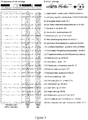
- the present inventors performed a PSI-Blast search in the NCBI database using the already reported AsCpf1, LbCpf1 and FnCpf1, and selected 25 unreported Cpf1 proteins, of which 21 Cpf1 proteins possess a direct repeat (DR) sequence.
- DR direct repeat
- Candidate Cpf1 Proteins Name Bacteria Source GenBank ID Amino Acid Sequence (SEQ ID NO) Codon optimization (human) nucleotide sequence (SEQ ID NO) ArCpf1 Agathobacter rectalis strain 2789STDY5834884 CZAJ01000001.1 1 13 LpCpf1 Lachnospira pectinoschiza strain 2789STDY5834886 CZAK01000004.1 2 14 SaCpf1 Sneathia amnii strain SN3 CP011280.1 3 15 HkCpf1 Helcococcus kunzii ATCC 51366 JH601088.1/ AGEI01000022.1 4 16 AbCpf1 Arcobacter butzleri L348 JAIQ01000039.1 5 17 BoCpf1 Bacteroidetes oral taxon 274 NZ_GG774890.1 6 18 OsCpf1 Oribacterium sp.
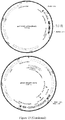
- Codon optimization was performed for expression in humans and 12 selected protein coding sequences were synthesized (BGI), cloned into eukaryotic expression vectors (pCAG-2AeGFP-SV40 and pCAG-2AeGFP-SV40 v4) and prokaryotic expression vectors (BPK2103-ccdB and BPK2014-ccdB).
- the BsCpf1 protein was selected for detailed study.
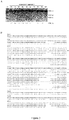
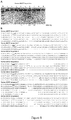
- BsCpf1 was expressed in E. coli and purified by His tag ( Fig. 6A ).
- the purified BsCpf1 protein and the corresponding crRNA and dsDNA fragment (human Dnmt1 target site 2) were incubated at 37 °C for 1 h, and then subjected to TBE denaturing PAGE gel electrophoresis, which proved that the PAM sequence of BsCpf1 was 5'(T)TTN- ( Fig. 6B-E ).
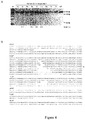
- the PAM sequences of the remaining Cpfl proteins were identified by a similar method, and the results are shown in Fig.7 .
- the experimental results show that the selected Cpf1 proteins all have in vitro enzymatic activity.
- the PAM sequence of 9 of the Cpf1 proteins is 5'(T)TTN-.
- the PAM sequences of C6Cpf1, HkCpf1 and PsCpf1 are 5'(T)YYN-.
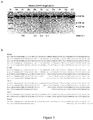
- HkCpf1 was transfected into 293T cells with the targeted crRNA vector at 8 sites on the human AAVS1 gene, respectively.
- the experimental results show that ( Fig. 8 ), HkCpf1 can edit 7 of the sites and generate mutations, and the PAM sequence is 5'(T)YYN- (underlined portion of Fig. 8B ).
- This example optimizes the cRNA scaffolds of the newly identified Cpf1 proteins that can be used for mammalian genome editing so as to improve the genome editing efficiency of each Cpf1 protein (Table 3).
- Figure 13A shows that cells were transfected with each Cpf1 proteins and different crRNA plasmids, and by PCR and T7EI analysis, it demonstrated that different crRNA scaffolds affect the editing efficiency of Cpf1 proteins.
- the inventors then established a library of crRNA mutants, transfected with BsCpf1 or PrCpf1, respectively. Through PCR and T7EI analysis, crRNA mutants that enable Cpf1 to efficiently edit mammalian genome were screened.
- crRNA31 mutant was significantly higher than that of the wild-type crRNA scaffold (crRNA2) derived from the genome of the strain.
- the cells were transfected with Cpf1, crRNA31, and crRNA2 plasmids, and it was confirmed by PCR and T7EI analysis that crRNA31 can increase the editing efficiency of five Cpf1s of ArCpf1, BsCpf1, HkCpf1, PrCpf1, and PxCpf1 at the site MeCP2-4 by two folds( Fig. 13B ).
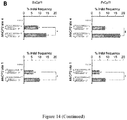
- Figures 14A and B show that analysis of different target sites by T7EI confirms that the screened cRNA scaffolds can improve the editing efficiency of BsCpf1 and PrCpf1.
- PrCpf1 in addition to crRNA31 scaffold, crRNA77, crRNA129 and crRNA159 scaffolds can also significantly improve the editing efficiency at the site Nrl-1.
- FIG. 14C shows analysis of intracellular GFP editing efficiency by flow cytometry.
- crRNA31 scaffold can improve the editing efficiency of BsCpf1 and PrCpf1, and crRNA77 and crRNA159 can also significantly improve the editing efficiency of PrCpf1.
- Table 3. Identified cRNA Scaffold cRNA Scafflod crRNA Scafflod Sequence(5' - 3') SEQ ID NO crRNA1 ATTTCTACtgttGTAGAT 25 crRNA2 ATTTCTACtattGTAGAT 26 crRNA3 ATTTCTACtactGTAGAT 27 crRNA4 ATTTCTACtttgGTAGAT 28 crRNA5 ATTTCTACtagttGTAGAT 29 crRNA31 ATTTCTACTATGGTAGAT 30 crRNA 77 ATTTCTACTGTCGTAGAT 31 crRNA129 ATTTCTACTTGTGTAGAT 32 crRNA159 ATTTCTACTGTGGTAGAT 33
Landscapes
- Health & Medical Sciences (AREA)
- Life Sciences & Earth Sciences (AREA)
- Engineering & Computer Science (AREA)
- Genetics & Genomics (AREA)
- Chemical & Material Sciences (AREA)
- Bioinformatics & Cheminformatics (AREA)
- Organic Chemistry (AREA)
- Biomedical Technology (AREA)
- General Health & Medical Sciences (AREA)
- Wood Science & Technology (AREA)
- Zoology (AREA)
- Biotechnology (AREA)
- General Engineering & Computer Science (AREA)
- Molecular Biology (AREA)
- Medicinal Chemistry (AREA)
- Animal Behavior & Ethology (AREA)
- Pharmacology & Pharmacy (AREA)
- Public Health (AREA)
- Veterinary Medicine (AREA)
- Nuclear Medicine, Radiotherapy & Molecular Imaging (AREA)
- General Chemical & Material Sciences (AREA)
- Chemical Kinetics & Catalysis (AREA)
- Biochemistry (AREA)
- Microbiology (AREA)
- Physics & Mathematics (AREA)
- Biophysics (AREA)
- Plant Pathology (AREA)
- Neurology (AREA)
- Neurosurgery (AREA)
- Psychiatry (AREA)
- Mycology (AREA)
- Rheumatology (AREA)
- Heart & Thoracic Surgery (AREA)
- Ophthalmology & Optometry (AREA)
- Hospice & Palliative Care (AREA)
- Psychology (AREA)
- Epidemiology (AREA)
- Cardiology (AREA)
- Pain & Pain Management (AREA)
- Cell Biology (AREA)
Applications Claiming Priority (2)
| Application Number | Priority Date | Filing Date | Title |
|---|---|---|---|
| CN201710228595.XA CN108690845B (zh) | 2017-04-10 | 2017-04-10 | 基因组编辑系统和方法 |
| PCT/CN2018/082446 WO2018188571A1 (fr) | 2017-04-10 | 2018-04-10 | Système et procédé de modification de génome |
Publications (3)
| Publication Number | Publication Date |
|---|---|
| EP3611258A1 true EP3611258A1 (fr) | 2020-02-19 |
| EP3611258A4 EP3611258A4 (fr) | 2020-05-06 |
| EP3611258B1 EP3611258B1 (fr) | 2024-12-11 |
Family
ID=63793114
Family Applications (1)
| Application Number | Title | Priority Date | Filing Date |
|---|---|---|---|
| EP18783675.4A Active EP3611258B1 (fr) | 2017-04-10 | 2018-04-10 | Système et procédé de modification de génome |
Country Status (5)
| Country | Link |
|---|---|
| US (1) | US11702643B2 (fr) |
| EP (1) | EP3611258B1 (fr) |
| JP (2) | JP7100057B2 (fr) |
| CN (1) | CN108690845B (fr) |
| WO (1) | WO2018188571A1 (fr) |
Families Citing this family (22)
| Publication number | Priority date | Publication date | Assignee | Title |
|---|---|---|---|---|
| AU2015330699B2 (en) | 2014-10-10 | 2021-12-02 | Editas Medicine, Inc. | Compositions and methods for promoting homology directed repair |
| EP4464338A3 (fr) | 2014-11-07 | 2025-02-12 | Editas Medicine, Inc. | Systèmes pour améliorer l'édition génomique médiée par crispr/cas |
| CA2986310A1 (fr) | 2015-05-11 | 2016-11-17 | Editas Medicine, Inc. | Systemes crispr/cas9 optimises et procedes d'edition de genes dans des cellules souches |
| CN108026526B (zh) | 2015-06-09 | 2023-05-12 | 爱迪塔斯医药公司 | 用于改善移植的crispr/cas相关方法和组合物 |
| EP3353296B1 (fr) | 2015-09-24 | 2020-11-04 | Editas Medicine, Inc. | Utilisation d'exonucléases pour améliorer l'édition de génome à médiation par crispr/cas |
| US11597924B2 (en) | 2016-03-25 | 2023-03-07 | Editas Medicine, Inc. | Genome editing systems comprising repair-modulating enzyme molecules and methods of their use |
| US11236313B2 (en) | 2016-04-13 | 2022-02-01 | Editas Medicine, Inc. | Cas9 fusion molecules, gene editing systems, and methods of use thereof |
| EP3555297A1 (fr) | 2016-12-19 | 2019-10-23 | Editas Medicine, Inc. | Évaluation du clivage de nucléases |
| JP7127942B2 (ja) * | 2016-12-22 | 2022-08-30 | キージーン ナムローゼ フェンノートシャップ | 二重鎖dnaの標的化改変の方法 |
| JP7229923B2 (ja) | 2017-01-06 | 2023-02-28 | エディタス・メディシン、インコーポレイテッド | ヌクレアーゼ切断を評価する方法 |
| CN108690845B (zh) * | 2017-04-10 | 2021-04-27 | 中国科学院动物研究所 | 基因组编辑系统和方法 |
| US11499151B2 (en) | 2017-04-28 | 2022-11-15 | Editas Medicine, Inc. | Methods and systems for analyzing guide RNA molecules |
| MX2019014640A (es) | 2017-06-09 | 2020-10-05 | Editas Medicine Inc | Nucleasas de repeticiones palíndromicas agrupadas y regularmente interespaciadas de proteina asociada 9 (cas9) genomanipuladas. |
| US11866726B2 (en) | 2017-07-14 | 2024-01-09 | Editas Medicine, Inc. | Systems and methods for targeted integration and genome editing and detection thereof using integrated priming sites |
| EP3823633A4 (fr) | 2018-06-29 | 2023-05-03 | Editas Medicine, Inc. | Molécules de guidage synthétiques, compositions et procédés associés |
| CN116694603A (zh) * | 2019-05-14 | 2023-09-05 | 深圳华大生命科学研究院 | 新型的Cas蛋白、Crispr-Cas系统及其在基因编辑领域中的用途 |
| CN111235130B (zh) * | 2019-11-15 | 2022-11-25 | 武汉大学 | II类V型CRISPR蛋白CeCas12a及其在基因编辑的应用 |
| CA3193089A1 (fr) * | 2020-09-18 | 2022-03-24 | Jamie KERSHNER | Constructions et leurs utilisations pour une edition genomique efficace et specifique |
| WO2022120520A1 (fr) * | 2020-12-07 | 2022-06-16 | Institute Of Zoology, Chinese Academy Of Sciences | Protéines effectrices cas modifiées et leurs procédés d'utilisation |
| CN117897481A (zh) * | 2021-09-03 | 2024-04-16 | 中国科学院动物研究所 | 一种外源基因定点整合的系统及方法 |
| CN116751763B (zh) * | 2023-05-08 | 2024-02-13 | 珠海舒桐医疗科技有限公司 | 一种Cpf1蛋白、V型基因编辑系统及应用 |
| CN119264278B (zh) * | 2024-12-09 | 2025-04-11 | 中国水产科学研究院南海水产研究所 | 一种用于斑节对虾基因编辑的融合蛋白PmMAD7-NLS及其应用 |
Family Cites Families (8)
| Publication number | Priority date | Publication date | Assignee | Title |
|---|---|---|---|---|
| AU2016263026A1 (en) | 2015-05-15 | 2017-11-09 | Pioneer Hi-Bred International, Inc. | Guide RNA/Cas endonuclease systems |
| US9790490B2 (en) | 2015-06-18 | 2017-10-17 | The Broad Institute Inc. | CRISPR enzymes and systems |
| WO2017004261A1 (fr) | 2015-06-29 | 2017-01-05 | Ionis Pharmaceuticals, Inc. | Arn crispr modifié et arn crispr simple modifié et utilisations correspondantes |
| WO2017015015A1 (fr) | 2015-07-17 | 2017-01-26 | Emory University | Protéine associée à crispr issue de francisella, et utilisations associées |
| US20180237800A1 (en) | 2015-09-21 | 2018-08-23 | The Regents Of The University Of California | Compositions and methods for target nucleic acid modification |
| EP3423580A1 (fr) | 2016-03-04 | 2019-01-09 | Editas Medicine, Inc. | Méthodes, compositions et constituants associés à crispr/cpf1 pour l'immunothérapie du cancer |
| CN105907785B (zh) * | 2016-05-05 | 2020-02-07 | 苏州吉玛基因股份有限公司 | 化学合成的crRNA用于CRISPR/Cpf1系统在基因编辑中的应用 |
| CN108690845B (zh) | 2017-04-10 | 2021-04-27 | 中国科学院动物研究所 | 基因组编辑系统和方法 |
-
2017
- 2017-04-10 CN CN201710228595.XA patent/CN108690845B/zh active Active
-
2018
- 2018-04-10 WO PCT/CN2018/082446 patent/WO2018188571A1/fr not_active Ceased
- 2018-04-10 JP JP2019555026A patent/JP7100057B2/ja active Active
- 2018-04-10 US US16/603,975 patent/US11702643B2/en active Active
- 2018-04-10 EP EP18783675.4A patent/EP3611258B1/fr active Active
-
2022
- 2022-04-07 JP JP2022064162A patent/JP7700079B2/ja active Active
Also Published As
| Publication number | Publication date |
|---|---|
| US20200149021A1 (en) | 2020-05-14 |
| US11702643B2 (en) | 2023-07-18 |
| WO2018188571A1 (fr) | 2018-10-18 |
| JP2020516255A (ja) | 2020-06-11 |
| JP2022105015A (ja) | 2022-07-12 |
| JP7700079B2 (ja) | 2025-06-30 |
| EP3611258B1 (fr) | 2024-12-11 |
| EP3611258A4 (fr) | 2020-05-06 |
| CN108690845B (zh) | 2021-04-27 |
| JP7100057B2 (ja) | 2022-07-12 |
| CN108690845A (zh) | 2018-10-23 |
Similar Documents
| Publication | Publication Date | Title |
|---|---|---|
| EP3611258B1 (fr) | Système et procédé de modification de génome | |
| CN109689875B (zh) | 基因组编辑系统和方法 | |
| KR102839528B1 (ko) | 연장된 단일 가이드 rna 및 그 용도 | |
| KR20240170840A (ko) | 아데노신 데아미나제, 염기 편집기 및 응용 | |
| US20180030425A1 (en) | Variants of CRISPR from Prevotella and Francisella 1 (Cpf1) | |
| JP2020508046A (ja) | ゲノム編集システムおよび方法 | |
| CA3177828A1 (fr) | Enzymes a domaines ruvc | |
| US20220251580A1 (en) | Improved gene editing system | |
| CN110300802A (zh) | 用于动物胚胎碱基编辑的组合物和碱基编辑方法 | |
| WO2019149239A1 (fr) | Procédé amélioré d'édition du génome | |
| WO2023169454A1 (fr) | Adénine désaminase et son utilisation dans la réécriture de base | |
| JP7361109B2 (ja) | C2c1ヌクレアーゼに基づくゲノム編集のためのシステムおよび方法 | |
| CN104560995A (zh) | 一对特异识别猪H11位点的sgRNA及其编码DNA和应用 | |
| CN113025597A (zh) | 改进的基因组编辑系统 | |
| US20250243498A1 (en) | Synergistic promoter activation by combining cpe and cre modifications | |
| HK1261024A1 (en) | System and method for genome editing | |
| HK1261024B (zh) | 基因组编辑系统和方法 | |
| WO2025087411A1 (fr) | Désaminase, éditeur de base la comprenant et son utilisation | |
| WO2021098709A1 (fr) | Système d'édition génique dérivé de bactéries du genre flavobacterium |
Legal Events
| Date | Code | Title | Description |
|---|---|---|---|
| STAA | Information on the status of an ep patent application or granted ep patent |
Free format text: STATUS: THE INTERNATIONAL PUBLICATION HAS BEEN MADE |
|
| PUAI | Public reference made under article 153(3) epc to a published international application that has entered the european phase |
Free format text: ORIGINAL CODE: 0009012 |
|
| STAA | Information on the status of an ep patent application or granted ep patent |
Free format text: STATUS: REQUEST FOR EXAMINATION WAS MADE |
|
| 17P | Request for examination filed |
Effective date: 20191107 |
|
| AK | Designated contracting states |
Kind code of ref document: A1 Designated state(s): AL AT BE BG CH CY CZ DE DK EE ES FI FR GB GR HR HU IE IS IT LI LT LU LV MC MK MT NL NO PL PT RO RS SE SI SK SM TR |
|
| AX | Request for extension of the european patent |
Extension state: BA ME |
|
| A4 | Supplementary search report drawn up and despatched |
Effective date: 20200406 |
|
| RIC1 | Information provided on ipc code assigned before grant |
Ipc: A61P 35/00 20060101ALN20200331BHEP Ipc: C12N 15/113 20100101ALI20200331BHEP Ipc: C12N 15/10 20060101ALI20200331BHEP Ipc: C12N 15/90 20060101ALI20200331BHEP Ipc: A61P 9/00 20060101ALN20200331BHEP Ipc: A61P 25/00 20060101ALN20200331BHEP Ipc: A61K 48/00 20060101ALI20200331BHEP Ipc: C12N 15/63 20060101ALI20200331BHEP Ipc: C12N 9/22 20060101AFI20200331BHEP |
|
| DAV | Request for validation of the european patent (deleted) | ||
| DAX | Request for extension of the european patent (deleted) | ||
| STAA | Information on the status of an ep patent application or granted ep patent |
Free format text: STATUS: EXAMINATION IS IN PROGRESS |
|
| 17Q | First examination report despatched |
Effective date: 20210312 |
|
| GRAJ | Information related to disapproval of communication of intention to grant by the applicant or resumption of examination proceedings by the epo deleted |
Free format text: ORIGINAL CODE: EPIDOSDIGR1 |
|
| GRAP | Despatch of communication of intention to grant a patent |
Free format text: ORIGINAL CODE: EPIDOSNIGR1 |
|
| RIC1 | Information provided on ipc code assigned before grant |
Ipc: A61P 35/00 20060101ALN20240307BHEP Ipc: A61P 25/00 20060101ALN20240307BHEP Ipc: A61P 9/00 20060101ALN20240307BHEP Ipc: A61K 48/00 20060101ALI20240307BHEP Ipc: C12N 15/10 20060101ALI20240307BHEP Ipc: C12N 15/90 20060101ALI20240307BHEP Ipc: C12N 15/113 20100101ALI20240307BHEP Ipc: C12N 15/63 20060101ALI20240307BHEP Ipc: C12N 9/22 20060101AFI20240307BHEP |
|
| GRAP | Despatch of communication of intention to grant a patent |
Free format text: ORIGINAL CODE: EPIDOSNIGR1 |
|
| STAA | Information on the status of an ep patent application or granted ep patent |
Free format text: STATUS: GRANT OF PATENT IS INTENDED |
|
| RIC1 | Information provided on ipc code assigned before grant |
Ipc: A61P 35/00 20060101ALN20240327BHEP Ipc: A61P 25/00 20060101ALN20240327BHEP Ipc: A61P 9/00 20060101ALN20240327BHEP Ipc: A61K 48/00 20060101ALI20240327BHEP Ipc: C12N 15/10 20060101ALI20240327BHEP Ipc: C12N 15/90 20060101ALI20240327BHEP Ipc: C12N 15/113 20100101ALI20240327BHEP Ipc: C12N 15/63 20060101ALI20240327BHEP Ipc: C12N 9/22 20060101AFI20240327BHEP |
|
| RIC1 | Information provided on ipc code assigned before grant |
Ipc: A61P 35/00 20060101ALN20240409BHEP Ipc: A61P 25/00 20060101ALN20240409BHEP Ipc: A61P 9/00 20060101ALN20240409BHEP Ipc: A61K 48/00 20060101ALI20240409BHEP Ipc: C12N 15/10 20060101ALI20240409BHEP Ipc: C12N 15/90 20060101ALI20240409BHEP Ipc: C12N 15/113 20100101ALI20240409BHEP Ipc: C12N 15/63 20060101ALI20240409BHEP Ipc: C12N 9/22 20060101AFI20240409BHEP |
|
| INTG | Intention to grant announced |
Effective date: 20240423 |
|
| RIC1 | Information provided on ipc code assigned before grant |
Ipc: A61P 35/00 20060101ALN20240415BHEP Ipc: A61P 25/00 20060101ALN20240415BHEP Ipc: A61P 9/00 20060101ALN20240415BHEP Ipc: A61K 48/00 20060101ALI20240415BHEP Ipc: C12N 15/10 20060101ALI20240415BHEP Ipc: C12N 15/90 20060101ALI20240415BHEP Ipc: C12N 15/113 20100101ALI20240415BHEP Ipc: C12N 15/63 20060101ALI20240415BHEP Ipc: C12N 9/22 20060101AFI20240415BHEP |
|
| GRAS | Grant fee paid |
Free format text: ORIGINAL CODE: EPIDOSNIGR3 |
|
| GRAJ | Information related to disapproval of communication of intention to grant by the applicant or resumption of examination proceedings by the epo deleted |
Free format text: ORIGINAL CODE: EPIDOSDIGR1 |
|
| GRAL | Information related to payment of fee for publishing/printing deleted |
Free format text: ORIGINAL CODE: EPIDOSDIGR3 |
|
| GRAP | Despatch of communication of intention to grant a patent |
Free format text: ORIGINAL CODE: EPIDOSNIGR1 |
|
| P01 | Opt-out of the competence of the unified patent court (upc) registered |
Free format text: CASE NUMBER: APP_45732/2024 Effective date: 20240807 |
|
| INTG | Intention to grant announced |
Effective date: 20240902 |
|
| GRAA | (expected) grant |
Free format text: ORIGINAL CODE: 0009210 |
|
| STAA | Information on the status of an ep patent application or granted ep patent |
Free format text: STATUS: THE PATENT HAS BEEN GRANTED |
|
| AK | Designated contracting states |
Kind code of ref document: B1 Designated state(s): AL AT BE BG CH CY CZ DE DK EE ES FI FR GB GR HR HU IE IS IT LI LT LU LV MC MK MT NL NO PL PT RO RS SE SI SK SM TR |
|
| REG | Reference to a national code |
Ref country code: GB Ref legal event code: FG4D |
|
| REG | Reference to a national code |
Ref country code: CH Ref legal event code: EP |
|
| REG | Reference to a national code |
Ref country code: DE Ref legal event code: R096 Ref document number: 602018077527 Country of ref document: DE |
|
| REG | Reference to a national code |
Ref country code: IE Ref legal event code: FG4D |
|
| REG | Reference to a national code |
Ref country code: LT Ref legal event code: MG9D |
|
| PG25 | Lapsed in a contracting state [announced via postgrant information from national office to epo] |
Ref country code: HR Free format text: LAPSE BECAUSE OF FAILURE TO SUBMIT A TRANSLATION OF THE DESCRIPTION OR TO PAY THE FEE WITHIN THE PRESCRIBED TIME-LIMIT Effective date: 20241211 |
|
| PG25 | Lapsed in a contracting state [announced via postgrant information from national office to epo] |
Ref country code: FI Free format text: LAPSE BECAUSE OF FAILURE TO SUBMIT A TRANSLATION OF THE DESCRIPTION OR TO PAY THE FEE WITHIN THE PRESCRIBED TIME-LIMIT Effective date: 20241211 |
|
| PG25 | Lapsed in a contracting state [announced via postgrant information from national office to epo] |
Ref country code: BG Free format text: LAPSE BECAUSE OF FAILURE TO SUBMIT A TRANSLATION OF THE DESCRIPTION OR TO PAY THE FEE WITHIN THE PRESCRIBED TIME-LIMIT Effective date: 20241211 |
|
| REG | Reference to a national code |
Ref country code: NL Ref legal event code: MP Effective date: 20241211 |
|
| PG25 | Lapsed in a contracting state [announced via postgrant information from national office to epo] |
Ref country code: ES Free format text: LAPSE BECAUSE OF FAILURE TO SUBMIT A TRANSLATION OF THE DESCRIPTION OR TO PAY THE FEE WITHIN THE PRESCRIBED TIME-LIMIT Effective date: 20241211 |
|
| PG25 | Lapsed in a contracting state [announced via postgrant information from national office to epo] |
Ref country code: NO Free format text: LAPSE BECAUSE OF FAILURE TO SUBMIT A TRANSLATION OF THE DESCRIPTION OR TO PAY THE FEE WITHIN THE PRESCRIBED TIME-LIMIT Effective date: 20250311 |
|
| PG25 | Lapsed in a contracting state [announced via postgrant information from national office to epo] |
Ref country code: LV Free format text: LAPSE BECAUSE OF FAILURE TO SUBMIT A TRANSLATION OF THE DESCRIPTION OR TO PAY THE FEE WITHIN THE PRESCRIBED TIME-LIMIT Effective date: 20241211 Ref country code: GR Free format text: LAPSE BECAUSE OF FAILURE TO SUBMIT A TRANSLATION OF THE DESCRIPTION OR TO PAY THE FEE WITHIN THE PRESCRIBED TIME-LIMIT Effective date: 20250312 |
|
| PGFP | Annual fee paid to national office [announced via postgrant information from national office to epo] |
Ref country code: FR Payment date: 20250314 Year of fee payment: 8 |
|
| PGFP | Annual fee paid to national office [announced via postgrant information from national office to epo] |
Ref country code: GB Payment date: 20250314 Year of fee payment: 8 |
|
| PG25 | Lapsed in a contracting state [announced via postgrant information from national office to epo] |
Ref country code: RS Free format text: LAPSE BECAUSE OF FAILURE TO SUBMIT A TRANSLATION OF THE DESCRIPTION OR TO PAY THE FEE WITHIN THE PRESCRIBED TIME-LIMIT Effective date: 20250311 |
|
| PG25 | Lapsed in a contracting state [announced via postgrant information from national office to epo] |
Ref country code: NL Free format text: LAPSE BECAUSE OF FAILURE TO SUBMIT A TRANSLATION OF THE DESCRIPTION OR TO PAY THE FEE WITHIN THE PRESCRIBED TIME-LIMIT Effective date: 20241211 |
|
| REG | Reference to a national code |
Ref country code: AT Ref legal event code: MK05 Ref document number: 1750401 Country of ref document: AT Kind code of ref document: T Effective date: 20241211 |
|
| PG25 | Lapsed in a contracting state [announced via postgrant information from national office to epo] |
Ref country code: SM Free format text: LAPSE BECAUSE OF FAILURE TO SUBMIT A TRANSLATION OF THE DESCRIPTION OR TO PAY THE FEE WITHIN THE PRESCRIBED TIME-LIMIT Effective date: 20241211 |
|
| PG25 | Lapsed in a contracting state [announced via postgrant information from national office to epo] |
Ref country code: PL Free format text: LAPSE BECAUSE OF FAILURE TO SUBMIT A TRANSLATION OF THE DESCRIPTION OR TO PAY THE FEE WITHIN THE PRESCRIBED TIME-LIMIT Effective date: 20241211 |
|
| PGFP | Annual fee paid to national office [announced via postgrant information from national office to epo] |
Ref country code: DE Payment date: 20250417 Year of fee payment: 8 |
|
| PG25 | Lapsed in a contracting state [announced via postgrant information from national office to epo] |
Ref country code: IS Free format text: LAPSE BECAUSE OF FAILURE TO SUBMIT A TRANSLATION OF THE DESCRIPTION OR TO PAY THE FEE WITHIN THE PRESCRIBED TIME-LIMIT Effective date: 20250411 |
|
| PG25 | Lapsed in a contracting state [announced via postgrant information from national office to epo] |
Ref country code: PT Free format text: LAPSE BECAUSE OF FAILURE TO SUBMIT A TRANSLATION OF THE DESCRIPTION OR TO PAY THE FEE WITHIN THE PRESCRIBED TIME-LIMIT Effective date: 20250411 |
|
| PG25 | Lapsed in a contracting state [announced via postgrant information from national office to epo] |
Ref country code: EE Free format text: LAPSE BECAUSE OF FAILURE TO SUBMIT A TRANSLATION OF THE DESCRIPTION OR TO PAY THE FEE WITHIN THE PRESCRIBED TIME-LIMIT Effective date: 20241211 |
|
| PGFP | Annual fee paid to national office [announced via postgrant information from national office to epo] |
Ref country code: CH Payment date: 20250501 Year of fee payment: 8 |
|
| PG25 | Lapsed in a contracting state [announced via postgrant information from national office to epo] |
Ref country code: AT Free format text: LAPSE BECAUSE OF FAILURE TO SUBMIT A TRANSLATION OF THE DESCRIPTION OR TO PAY THE FEE WITHIN THE PRESCRIBED TIME-LIMIT Effective date: 20241211 Ref country code: RO Free format text: LAPSE BECAUSE OF FAILURE TO SUBMIT A TRANSLATION OF THE DESCRIPTION OR TO PAY THE FEE WITHIN THE PRESCRIBED TIME-LIMIT Effective date: 20241211 |
|
| PG25 | Lapsed in a contracting state [announced via postgrant information from national office to epo] |
Ref country code: SK Free format text: LAPSE BECAUSE OF FAILURE TO SUBMIT A TRANSLATION OF THE DESCRIPTION OR TO PAY THE FEE WITHIN THE PRESCRIBED TIME-LIMIT Effective date: 20241211 |
|
| PG25 | Lapsed in a contracting state [announced via postgrant information from national office to epo] |
Ref country code: CZ Free format text: LAPSE BECAUSE OF FAILURE TO SUBMIT A TRANSLATION OF THE DESCRIPTION OR TO PAY THE FEE WITHIN THE PRESCRIBED TIME-LIMIT Effective date: 20241211 |
|
| PG25 | Lapsed in a contracting state [announced via postgrant information from national office to epo] |
Ref country code: IT Free format text: LAPSE BECAUSE OF FAILURE TO SUBMIT A TRANSLATION OF THE DESCRIPTION OR TO PAY THE FEE WITHIN THE PRESCRIBED TIME-LIMIT Effective date: 20241211 |
|
| PG25 | Lapsed in a contracting state [announced via postgrant information from national office to epo] |
Ref country code: SE Free format text: LAPSE BECAUSE OF FAILURE TO SUBMIT A TRANSLATION OF THE DESCRIPTION OR TO PAY THE FEE WITHIN THE PRESCRIBED TIME-LIMIT Effective date: 20241211 |
|
| REG | Reference to a national code |
Ref country code: DE Ref legal event code: R026 Ref document number: 602018077527 Country of ref document: DE |
|
| PLBI | Opposition filed |
Free format text: ORIGINAL CODE: 0009260 |
|
| PLAB | Opposition data, opponent's data or that of the opponent's representative modified |
Free format text: ORIGINAL CODE: 0009299OPPO |
|
| PLAX | Notice of opposition and request to file observation + time limit sent |
Free format text: ORIGINAL CODE: EPIDOSNOBS2 |
|
| PG25 | Lapsed in a contracting state [announced via postgrant information from national office to epo] |
Ref country code: DK Free format text: LAPSE BECAUSE OF FAILURE TO SUBMIT A TRANSLATION OF THE DESCRIPTION OR TO PAY THE FEE WITHIN THE PRESCRIBED TIME-LIMIT Effective date: 20241211 |
|
| 26 | Opposition filed |
Opponent name: STRAWMAN LIMITED Effective date: 20250911 |
|
| R26 | Opposition filed (corrected) |
Opponent name: STRAWMAN LIMITED Effective date: 20250911 |
|
| PG25 | Lapsed in a contracting state [announced via postgrant information from national office to epo] |
Ref country code: LU Free format text: LAPSE BECAUSE OF NON-PAYMENT OF DUE FEES Effective date: 20250410 |
|
| PG25 | Lapsed in a contracting state [announced via postgrant information from national office to epo] |
Ref country code: MC Free format text: LAPSE BECAUSE OF FAILURE TO SUBMIT A TRANSLATION OF THE DESCRIPTION OR TO PAY THE FEE WITHIN THE PRESCRIBED TIME-LIMIT Effective date: 20241211 |
|
| REG | Reference to a national code |
Ref country code: BE Ref legal event code: MM Effective date: 20250430 |
|
| PG25 | Lapsed in a contracting state [announced via postgrant information from national office to epo] |
Ref country code: BE Free format text: LAPSE BECAUSE OF NON-PAYMENT OF DUE FEES Effective date: 20250430 |
|
| PLBB | Reply of patent proprietor to notice(s) of opposition received |
Free format text: ORIGINAL CODE: EPIDOSNOBS3 |
|
| PLAB | Opposition data, opponent's data or that of the opponent's representative modified |
Free format text: ORIGINAL CODE: 0009299OPPO |
|
| REG | Reference to a national code |
Ref country code: CH Ref legal event code: L10 Free format text: ST27 STATUS EVENT CODE: U-0-0-L10-L00 (AS PROVIDED BY THE NATIONAL OFFICE) Effective date: 20260304 |
|
| R26 | Opposition filed (corrected) |
Opponent name: STRAWMAN LIMITED Effective date: 20250911 |
|
| PG25 | Lapsed in a contracting state [announced via postgrant information from national office to epo] |
Ref country code: IE Free format text: LAPSE BECAUSE OF NON-PAYMENT OF DUE FEES Effective date: 20250410 |