EP3611362A2 - Steuerung von abgasnachbehandlungssystemen - Google Patents
Steuerung von abgasnachbehandlungssystemen Download PDFInfo
- Publication number
- EP3611362A2 EP3611362A2 EP19188645.6A EP19188645A EP3611362A2 EP 3611362 A2 EP3611362 A2 EP 3611362A2 EP 19188645 A EP19188645 A EP 19188645A EP 3611362 A2 EP3611362 A2 EP 3611362A2
- Authority
- EP
- European Patent Office
- Prior art keywords
- aftertreatment system
- vehicle
- temperature
- engine
- predicted
- Prior art date
- Legal status (The legal status is an assumption and is not a legal conclusion. Google has not performed a legal analysis and makes no representation as to the accuracy of the status listed.)
- Withdrawn
Links
Images



Classifications
-
- B—PERFORMING OPERATIONS; TRANSPORTING
- B60—VEHICLES IN GENERAL
- B60W—CONJOINT CONTROL OF VEHICLE SUB-UNITS OF DIFFERENT TYPE OR DIFFERENT FUNCTION; CONTROL SYSTEMS SPECIALLY ADAPTED FOR HYBRID VEHICLES; ROAD VEHICLE DRIVE CONTROL SYSTEMS FOR PURPOSES NOT RELATED TO THE CONTROL OF A PARTICULAR SUB-UNIT
- B60W20/00—Control systems specially adapted for hybrid vehicles
- B60W20/10—Controlling the power contribution of each of the prime movers to meet required power demand
-
- F—MECHANICAL ENGINEERING; LIGHTING; HEATING; WEAPONS; BLASTING
- F01—MACHINES OR ENGINES IN GENERAL; ENGINE PLANTS IN GENERAL; STEAM ENGINES
- F01N—GAS-FLOW SILENCERS OR EXHAUST APPARATUS FOR MACHINES OR ENGINES IN GENERAL; GAS-FLOW SILENCERS OR EXHAUST APPARATUS FOR INTERNAL-COMBUSTION ENGINES
- F01N3/00—Exhaust or silencing apparatus having means for purifying, rendering innocuous, or otherwise treating exhaust
- F01N3/08—Exhaust or silencing apparatus having means for purifying, rendering innocuous, or otherwise treating exhaust for rendering innocuous
- F01N3/10—Exhaust or silencing apparatus having means for purifying, rendering innocuous, or otherwise treating exhaust for rendering innocuous by thermal or catalytic conversion of noxious components of exhaust
- F01N3/18—Exhaust or silencing apparatus having means for purifying, rendering innocuous, or otherwise treating exhaust for rendering innocuous by thermal or catalytic conversion of noxious components of exhaust characterised by methods of operation; Control
- F01N3/20—Exhaust or silencing apparatus having means for purifying, rendering innocuous, or otherwise treating exhaust for rendering innocuous by thermal or catalytic conversion of noxious components of exhaust characterised by methods of operation; Control specially adapted for catalytic conversion
- F01N3/2006—Periodically heating or cooling catalytic reactors, e.g. at cold starting or overheating
- F01N3/2013—Periodically heating or cooling catalytic reactors, e.g. at cold starting or overheating using electric or magnetic heating means
-
- B—PERFORMING OPERATIONS; TRANSPORTING
- B60—VEHICLES IN GENERAL
- B60K—ARRANGEMENT OR MOUNTING OF PROPULSION UNITS OR OF TRANSMISSIONS IN VEHICLES; ARRANGEMENT OR MOUNTING OF PLURAL DIVERSE PRIME-MOVERS IN VEHICLES; AUXILIARY DRIVES FOR VEHICLES; INSTRUMENTATION OR DASHBOARDS FOR VEHICLES; ARRANGEMENTS IN CONNECTION WITH COOLING, AIR INTAKE, GAS EXHAUST OR FUEL SUPPLY OF PROPULSION UNITS IN VEHICLES
- B60K6/00—Arrangement or mounting of plural diverse prime-movers for mutual or common propulsion, e.g. hybrid propulsion systems comprising electric motors and internal combustion engines
- B60K6/20—Arrangement or mounting of plural diverse prime-movers for mutual or common propulsion, e.g. hybrid propulsion systems comprising electric motors and internal combustion engines the prime-movers consisting of electric motors and internal combustion engines, e.g. HEVs
- B60K6/42—Arrangement or mounting of plural diverse prime-movers for mutual or common propulsion, e.g. hybrid propulsion systems comprising electric motors and internal combustion engines the prime-movers consisting of electric motors and internal combustion engines, e.g. HEVs characterised by the architecture of the hybrid electric vehicle
- B60K6/48—Parallel type
-
- B—PERFORMING OPERATIONS; TRANSPORTING
- B60—VEHICLES IN GENERAL
- B60W—CONJOINT CONTROL OF VEHICLE SUB-UNITS OF DIFFERENT TYPE OR DIFFERENT FUNCTION; CONTROL SYSTEMS SPECIALLY ADAPTED FOR HYBRID VEHICLES; ROAD VEHICLE DRIVE CONTROL SYSTEMS FOR PURPOSES NOT RELATED TO THE CONTROL OF A PARTICULAR SUB-UNIT
- B60W10/00—Conjoint control of vehicle sub-units of different type or different function
- B60W10/04—Conjoint control of vehicle sub-units of different type or different function including control of propulsion units
- B60W10/06—Conjoint control of vehicle sub-units of different type or different function including control of propulsion units including control of combustion engines
-
- B—PERFORMING OPERATIONS; TRANSPORTING
- B60—VEHICLES IN GENERAL
- B60W—CONJOINT CONTROL OF VEHICLE SUB-UNITS OF DIFFERENT TYPE OR DIFFERENT FUNCTION; CONTROL SYSTEMS SPECIALLY ADAPTED FOR HYBRID VEHICLES; ROAD VEHICLE DRIVE CONTROL SYSTEMS FOR PURPOSES NOT RELATED TO THE CONTROL OF A PARTICULAR SUB-UNIT
- B60W10/00—Conjoint control of vehicle sub-units of different type or different function
- B60W10/04—Conjoint control of vehicle sub-units of different type or different function including control of propulsion units
- B60W10/08—Conjoint control of vehicle sub-units of different type or different function including control of propulsion units including control of electric propulsion units, e.g. motors or generators
-
- B—PERFORMING OPERATIONS; TRANSPORTING
- B60—VEHICLES IN GENERAL
- B60W—CONJOINT CONTROL OF VEHICLE SUB-UNITS OF DIFFERENT TYPE OR DIFFERENT FUNCTION; CONTROL SYSTEMS SPECIALLY ADAPTED FOR HYBRID VEHICLES; ROAD VEHICLE DRIVE CONTROL SYSTEMS FOR PURPOSES NOT RELATED TO THE CONTROL OF A PARTICULAR SUB-UNIT
- B60W10/00—Conjoint control of vehicle sub-units of different type or different function
- B60W10/30—Conjoint control of vehicle sub-units of different type or different function including control of auxiliary equipment, e.g. air-conditioning compressors or oil pumps
-
- B—PERFORMING OPERATIONS; TRANSPORTING
- B60—VEHICLES IN GENERAL
- B60W—CONJOINT CONTROL OF VEHICLE SUB-UNITS OF DIFFERENT TYPE OR DIFFERENT FUNCTION; CONTROL SYSTEMS SPECIALLY ADAPTED FOR HYBRID VEHICLES; ROAD VEHICLE DRIVE CONTROL SYSTEMS FOR PURPOSES NOT RELATED TO THE CONTROL OF A PARTICULAR SUB-UNIT
- B60W20/00—Control systems specially adapted for hybrid vehicles
- B60W20/10—Controlling the power contribution of each of the prime movers to meet required power demand
- B60W20/12—Controlling the power contribution of each of the prime movers to meet required power demand using control strategies taking into account route information
-
- B—PERFORMING OPERATIONS; TRANSPORTING
- B60—VEHICLES IN GENERAL
- B60W—CONJOINT CONTROL OF VEHICLE SUB-UNITS OF DIFFERENT TYPE OR DIFFERENT FUNCTION; CONTROL SYSTEMS SPECIALLY ADAPTED FOR HYBRID VEHICLES; ROAD VEHICLE DRIVE CONTROL SYSTEMS FOR PURPOSES NOT RELATED TO THE CONTROL OF A PARTICULAR SUB-UNIT
- B60W20/00—Control systems specially adapted for hybrid vehicles
- B60W20/10—Controlling the power contribution of each of the prime movers to meet required power demand
- B60W20/15—Control strategies specially adapted for achieving a particular effect
- B60W20/16—Control strategies specially adapted for achieving a particular effect for reducing engine exhaust emissions
-
- B—PERFORMING OPERATIONS; TRANSPORTING
- B60—VEHICLES IN GENERAL
- B60W—CONJOINT CONTROL OF VEHICLE SUB-UNITS OF DIFFERENT TYPE OR DIFFERENT FUNCTION; CONTROL SYSTEMS SPECIALLY ADAPTED FOR HYBRID VEHICLES; ROAD VEHICLE DRIVE CONTROL SYSTEMS FOR PURPOSES NOT RELATED TO THE CONTROL OF A PARTICULAR SUB-UNIT
- B60W30/00—Purposes of road vehicle drive control systems not related to the control of a particular sub-unit, e.g. of systems using conjoint control of vehicle sub-units
- B60W30/14—Adaptive cruise control
- B60W30/143—Speed control
-
- B—PERFORMING OPERATIONS; TRANSPORTING
- B60—VEHICLES IN GENERAL
- B60W—CONJOINT CONTROL OF VEHICLE SUB-UNITS OF DIFFERENT TYPE OR DIFFERENT FUNCTION; CONTROL SYSTEMS SPECIALLY ADAPTED FOR HYBRID VEHICLES; ROAD VEHICLE DRIVE CONTROL SYSTEMS FOR PURPOSES NOT RELATED TO THE CONTROL OF A PARTICULAR SUB-UNIT
- B60W30/00—Purposes of road vehicle drive control systems not related to the control of a particular sub-unit, e.g. of systems using conjoint control of vehicle sub-units
- B60W30/18—Propelling the vehicle
-
- B—PERFORMING OPERATIONS; TRANSPORTING
- B60—VEHICLES IN GENERAL
- B60W—CONJOINT CONTROL OF VEHICLE SUB-UNITS OF DIFFERENT TYPE OR DIFFERENT FUNCTION; CONTROL SYSTEMS SPECIALLY ADAPTED FOR HYBRID VEHICLES; ROAD VEHICLE DRIVE CONTROL SYSTEMS FOR PURPOSES NOT RELATED TO THE CONTROL OF A PARTICULAR SUB-UNIT
- B60W50/00—Details of control systems for road vehicle drive control not related to the control of a particular sub-unit, e.g. process diagnostic or vehicle driver interfaces
- B60W50/0097—Predicting future conditions
-
- F—MECHANICAL ENGINEERING; LIGHTING; HEATING; WEAPONS; BLASTING
- F01—MACHINES OR ENGINES IN GENERAL; ENGINE PLANTS IN GENERAL; STEAM ENGINES
- F01N—GAS-FLOW SILENCERS OR EXHAUST APPARATUS FOR MACHINES OR ENGINES IN GENERAL; GAS-FLOW SILENCERS OR EXHAUST APPARATUS FOR INTERNAL-COMBUSTION ENGINES
- F01N3/00—Exhaust or silencing apparatus having means for purifying, rendering innocuous, or otherwise treating exhaust
- F01N3/08—Exhaust or silencing apparatus having means for purifying, rendering innocuous, or otherwise treating exhaust for rendering innocuous
- F01N3/10—Exhaust or silencing apparatus having means for purifying, rendering innocuous, or otherwise treating exhaust for rendering innocuous by thermal or catalytic conversion of noxious components of exhaust
- F01N3/18—Exhaust or silencing apparatus having means for purifying, rendering innocuous, or otherwise treating exhaust for rendering innocuous by thermal or catalytic conversion of noxious components of exhaust characterised by methods of operation; Control
- F01N3/20—Exhaust or silencing apparatus having means for purifying, rendering innocuous, or otherwise treating exhaust for rendering innocuous by thermal or catalytic conversion of noxious components of exhaust characterised by methods of operation; Control specially adapted for catalytic conversion
- F01N3/206—Adding periodically or continuously substances to exhaust gases for promoting purification, e.g. catalytic material in liquid form, NOx reducing agents
-
- F—MECHANICAL ENGINEERING; LIGHTING; HEATING; WEAPONS; BLASTING
- F01—MACHINES OR ENGINES IN GENERAL; ENGINE PLANTS IN GENERAL; STEAM ENGINES
- F01N—GAS-FLOW SILENCERS OR EXHAUST APPARATUS FOR MACHINES OR ENGINES IN GENERAL; GAS-FLOW SILENCERS OR EXHAUST APPARATUS FOR INTERNAL-COMBUSTION ENGINES
- F01N3/00—Exhaust or silencing apparatus having means for purifying, rendering innocuous, or otherwise treating exhaust
- F01N3/08—Exhaust or silencing apparatus having means for purifying, rendering innocuous, or otherwise treating exhaust for rendering innocuous
- F01N3/10—Exhaust or silencing apparatus having means for purifying, rendering innocuous, or otherwise treating exhaust for rendering innocuous by thermal or catalytic conversion of noxious components of exhaust
- F01N3/18—Exhaust or silencing apparatus having means for purifying, rendering innocuous, or otherwise treating exhaust for rendering innocuous by thermal or catalytic conversion of noxious components of exhaust characterised by methods of operation; Control
- F01N3/20—Exhaust or silencing apparatus having means for purifying, rendering innocuous, or otherwise treating exhaust for rendering innocuous by thermal or catalytic conversion of noxious components of exhaust characterised by methods of operation; Control specially adapted for catalytic conversion
- F01N3/206—Adding periodically or continuously substances to exhaust gases for promoting purification, e.g. catalytic material in liquid form, NOx reducing agents
- F01N3/2066—Selective catalytic reduction [SCR]
-
- F—MECHANICAL ENGINEERING; LIGHTING; HEATING; WEAPONS; BLASTING
- F01—MACHINES OR ENGINES IN GENERAL; ENGINE PLANTS IN GENERAL; STEAM ENGINES
- F01N—GAS-FLOW SILENCERS OR EXHAUST APPARATUS FOR MACHINES OR ENGINES IN GENERAL; GAS-FLOW SILENCERS OR EXHAUST APPARATUS FOR INTERNAL-COMBUSTION ENGINES
- F01N3/00—Exhaust or silencing apparatus having means for purifying, rendering innocuous, or otherwise treating exhaust
- F01N3/08—Exhaust or silencing apparatus having means for purifying, rendering innocuous, or otherwise treating exhaust for rendering innocuous
- F01N3/10—Exhaust or silencing apparatus having means for purifying, rendering innocuous, or otherwise treating exhaust for rendering innocuous by thermal or catalytic conversion of noxious components of exhaust
- F01N3/18—Exhaust or silencing apparatus having means for purifying, rendering innocuous, or otherwise treating exhaust for rendering innocuous by thermal or catalytic conversion of noxious components of exhaust characterised by methods of operation; Control
- F01N3/20—Exhaust or silencing apparatus having means for purifying, rendering innocuous, or otherwise treating exhaust for rendering innocuous by thermal or catalytic conversion of noxious components of exhaust characterised by methods of operation; Control specially adapted for catalytic conversion
- F01N3/206—Adding periodically or continuously substances to exhaust gases for promoting purification, e.g. catalytic material in liquid form, NOx reducing agents
- F01N3/208—Control of selective catalytic reduction [SCR], e.g. by adjusting the dosing of reducing agent
-
- F—MECHANICAL ENGINEERING; LIGHTING; HEATING; WEAPONS; BLASTING
- F01—MACHINES OR ENGINES IN GENERAL; ENGINE PLANTS IN GENERAL; STEAM ENGINES
- F01N—GAS-FLOW SILENCERS OR EXHAUST APPARATUS FOR MACHINES OR ENGINES IN GENERAL; GAS-FLOW SILENCERS OR EXHAUST APPARATUS FOR INTERNAL-COMBUSTION ENGINES
- F01N9/00—Electrical control of exhaust gas treating apparatus
-
- F—MECHANICAL ENGINEERING; LIGHTING; HEATING; WEAPONS; BLASTING
- F02—COMBUSTION ENGINES; HOT-GAS OR COMBUSTION-PRODUCT ENGINE PLANTS
- F02D—CONTROLLING COMBUSTION ENGINES
- F02D41/00—Electrical control of supply of combustible mixture or its constituents
- F02D41/02—Circuit arrangements for generating control signals
- F02D41/021—Introducing corrections for particular conditions exterior to the engine
-
- F—MECHANICAL ENGINEERING; LIGHTING; HEATING; WEAPONS; BLASTING
- F02—COMBUSTION ENGINES; HOT-GAS OR COMBUSTION-PRODUCT ENGINE PLANTS
- F02D—CONTROLLING COMBUSTION ENGINES
- F02D41/00—Electrical control of supply of combustible mixture or its constituents
- F02D41/02—Circuit arrangements for generating control signals
- F02D41/021—Introducing corrections for particular conditions exterior to the engine
- F02D41/0235—Introducing corrections for particular conditions exterior to the engine in relation with the state of the exhaust gas treating apparatus
-
- F—MECHANICAL ENGINEERING; LIGHTING; HEATING; WEAPONS; BLASTING
- F02—COMBUSTION ENGINES; HOT-GAS OR COMBUSTION-PRODUCT ENGINE PLANTS
- F02D—CONTROLLING COMBUSTION ENGINES
- F02D41/00—Electrical control of supply of combustible mixture or its constituents
- F02D41/02—Circuit arrangements for generating control signals
- F02D41/14—Introducing closed-loop corrections
- F02D41/1401—Introducing closed-loop corrections characterised by the control or regulation method
-
- B—PERFORMING OPERATIONS; TRANSPORTING
- B60—VEHICLES IN GENERAL
- B60K—ARRANGEMENT OR MOUNTING OF PROPULSION UNITS OR OF TRANSMISSIONS IN VEHICLES; ARRANGEMENT OR MOUNTING OF PLURAL DIVERSE PRIME-MOVERS IN VEHICLES; AUXILIARY DRIVES FOR VEHICLES; INSTRUMENTATION OR DASHBOARDS FOR VEHICLES; ARRANGEMENTS IN CONNECTION WITH COOLING, AIR INTAKE, GAS EXHAUST OR FUEL SUPPLY OF PROPULSION UNITS IN VEHICLES
- B60K6/00—Arrangement or mounting of plural diverse prime-movers for mutual or common propulsion, e.g. hybrid propulsion systems comprising electric motors and internal combustion engines
- B60K6/20—Arrangement or mounting of plural diverse prime-movers for mutual or common propulsion, e.g. hybrid propulsion systems comprising electric motors and internal combustion engines the prime-movers consisting of electric motors and internal combustion engines, e.g. HEVs
- B60K6/42—Arrangement or mounting of plural diverse prime-movers for mutual or common propulsion, e.g. hybrid propulsion systems comprising electric motors and internal combustion engines the prime-movers consisting of electric motors and internal combustion engines, e.g. HEVs characterised by the architecture of the hybrid electric vehicle
- B60K6/48—Parallel type
- B60K2006/4825—Electric machine connected or connectable to gearbox input shaft
-
- B—PERFORMING OPERATIONS; TRANSPORTING
- B60—VEHICLES IN GENERAL
- B60K—ARRANGEMENT OR MOUNTING OF PROPULSION UNITS OR OF TRANSMISSIONS IN VEHICLES; ARRANGEMENT OR MOUNTING OF PLURAL DIVERSE PRIME-MOVERS IN VEHICLES; AUXILIARY DRIVES FOR VEHICLES; INSTRUMENTATION OR DASHBOARDS FOR VEHICLES; ARRANGEMENTS IN CONNECTION WITH COOLING, AIR INTAKE, GAS EXHAUST OR FUEL SUPPLY OF PROPULSION UNITS IN VEHICLES
- B60K6/00—Arrangement or mounting of plural diverse prime-movers for mutual or common propulsion, e.g. hybrid propulsion systems comprising electric motors and internal combustion engines
- B60K6/20—Arrangement or mounting of plural diverse prime-movers for mutual or common propulsion, e.g. hybrid propulsion systems comprising electric motors and internal combustion engines the prime-movers consisting of electric motors and internal combustion engines, e.g. HEVs
- B60K6/22—Arrangement or mounting of plural diverse prime-movers for mutual or common propulsion, e.g. hybrid propulsion systems comprising electric motors and internal combustion engines the prime-movers consisting of electric motors and internal combustion engines, e.g. HEVs characterised by apparatus, components or means specially adapted for HEVs
- B60K6/24—Arrangement or mounting of plural diverse prime-movers for mutual or common propulsion, e.g. hybrid propulsion systems comprising electric motors and internal combustion engines the prime-movers consisting of electric motors and internal combustion engines, e.g. HEVs characterised by apparatus, components or means specially adapted for HEVs characterised by the combustion engines
-
- B—PERFORMING OPERATIONS; TRANSPORTING
- B60—VEHICLES IN GENERAL
- B60W—CONJOINT CONTROL OF VEHICLE SUB-UNITS OF DIFFERENT TYPE OR DIFFERENT FUNCTION; CONTROL SYSTEMS SPECIALLY ADAPTED FOR HYBRID VEHICLES; ROAD VEHICLE DRIVE CONTROL SYSTEMS FOR PURPOSES NOT RELATED TO THE CONTROL OF A PARTICULAR SUB-UNIT
- B60W2400/00—Indexing codes relating to detected, measured or calculated conditions or factors
-
- B—PERFORMING OPERATIONS; TRANSPORTING
- B60—VEHICLES IN GENERAL
- B60W—CONJOINT CONTROL OF VEHICLE SUB-UNITS OF DIFFERENT TYPE OR DIFFERENT FUNCTION; CONTROL SYSTEMS SPECIALLY ADAPTED FOR HYBRID VEHICLES; ROAD VEHICLE DRIVE CONTROL SYSTEMS FOR PURPOSES NOT RELATED TO THE CONTROL OF A PARTICULAR SUB-UNIT
- B60W2510/00—Input parameters relating to a particular sub-units
- B60W2510/06—Combustion engines, Gas turbines
-
- B—PERFORMING OPERATIONS; TRANSPORTING
- B60—VEHICLES IN GENERAL
- B60W—CONJOINT CONTROL OF VEHICLE SUB-UNITS OF DIFFERENT TYPE OR DIFFERENT FUNCTION; CONTROL SYSTEMS SPECIALLY ADAPTED FOR HYBRID VEHICLES; ROAD VEHICLE DRIVE CONTROL SYSTEMS FOR PURPOSES NOT RELATED TO THE CONTROL OF A PARTICULAR SUB-UNIT
- B60W2520/00—Input parameters relating to overall vehicle dynamics
- B60W2520/10—Longitudinal speed
-
- B—PERFORMING OPERATIONS; TRANSPORTING
- B60—VEHICLES IN GENERAL
- B60W—CONJOINT CONTROL OF VEHICLE SUB-UNITS OF DIFFERENT TYPE OR DIFFERENT FUNCTION; CONTROL SYSTEMS SPECIALLY ADAPTED FOR HYBRID VEHICLES; ROAD VEHICLE DRIVE CONTROL SYSTEMS FOR PURPOSES NOT RELATED TO THE CONTROL OF A PARTICULAR SUB-UNIT
- B60W2556/00—Input parameters relating to data
- B60W2556/45—External transmission of data to or from the vehicle
- B60W2556/50—External transmission of data to or from the vehicle of positioning data, e.g. GPS [Global Positioning System] data
-
- B—PERFORMING OPERATIONS; TRANSPORTING
- B60—VEHICLES IN GENERAL
- B60W—CONJOINT CONTROL OF VEHICLE SUB-UNITS OF DIFFERENT TYPE OR DIFFERENT FUNCTION; CONTROL SYSTEMS SPECIALLY ADAPTED FOR HYBRID VEHICLES; ROAD VEHICLE DRIVE CONTROL SYSTEMS FOR PURPOSES NOT RELATED TO THE CONTROL OF A PARTICULAR SUB-UNIT
- B60W2710/00—Output or target parameters relating to a particular sub-units
- B60W2710/06—Combustion engines, Gas turbines
- B60W2710/0666—Engine torque
-
- B—PERFORMING OPERATIONS; TRANSPORTING
- B60—VEHICLES IN GENERAL
- B60W—CONJOINT CONTROL OF VEHICLE SUB-UNITS OF DIFFERENT TYPE OR DIFFERENT FUNCTION; CONTROL SYSTEMS SPECIALLY ADAPTED FOR HYBRID VEHICLES; ROAD VEHICLE DRIVE CONTROL SYSTEMS FOR PURPOSES NOT RELATED TO THE CONTROL OF A PARTICULAR SUB-UNIT
- B60W2720/00—Output or target parameters relating to overall vehicle dynamics
- B60W2720/10—Longitudinal speed
-
- B—PERFORMING OPERATIONS; TRANSPORTING
- B60—VEHICLES IN GENERAL
- B60Y—INDEXING SCHEME RELATING TO ASPECTS CROSS-CUTTING VEHICLE TECHNOLOGY
- B60Y2200/00—Type of vehicle
- B60Y2200/90—Vehicles comprising electric prime movers
- B60Y2200/92—Hybrid vehicles
-
- F—MECHANICAL ENGINEERING; LIGHTING; HEATING; WEAPONS; BLASTING
- F01—MACHINES OR ENGINES IN GENERAL; ENGINE PLANTS IN GENERAL; STEAM ENGINES
- F01N—GAS-FLOW SILENCERS OR EXHAUST APPARATUS FOR MACHINES OR ENGINES IN GENERAL; GAS-FLOW SILENCERS OR EXHAUST APPARATUS FOR INTERNAL-COMBUSTION ENGINES
- F01N2610/00—Adding substances to exhaust gases
- F01N2610/02—Adding substances to exhaust gases the substance being ammonia or urea
-
- F—MECHANICAL ENGINEERING; LIGHTING; HEATING; WEAPONS; BLASTING
- F01—MACHINES OR ENGINES IN GENERAL; ENGINE PLANTS IN GENERAL; STEAM ENGINES
- F01N—GAS-FLOW SILENCERS OR EXHAUST APPARATUS FOR MACHINES OR ENGINES IN GENERAL; GAS-FLOW SILENCERS OR EXHAUST APPARATUS FOR INTERNAL-COMBUSTION ENGINES
- F01N2610/00—Adding substances to exhaust gases
- F01N2610/03—Adding substances to exhaust gases the substance being hydrocarbons, e.g. engine fuel
-
- F—MECHANICAL ENGINEERING; LIGHTING; HEATING; WEAPONS; BLASTING
- F01—MACHINES OR ENGINES IN GENERAL; ENGINE PLANTS IN GENERAL; STEAM ENGINES
- F01N—GAS-FLOW SILENCERS OR EXHAUST APPARATUS FOR MACHINES OR ENGINES IN GENERAL; GAS-FLOW SILENCERS OR EXHAUST APPARATUS FOR INTERNAL-COMBUSTION ENGINES
- F01N2900/00—Details of electrical control or of the monitoring of the exhaust gas treating apparatus
- F01N2900/06—Parameters used for exhaust control or diagnosing
- F01N2900/0601—Parameters used for exhaust control or diagnosing being estimated
-
- F—MECHANICAL ENGINEERING; LIGHTING; HEATING; WEAPONS; BLASTING
- F01—MACHINES OR ENGINES IN GENERAL; ENGINE PLANTS IN GENERAL; STEAM ENGINES
- F01N—GAS-FLOW SILENCERS OR EXHAUST APPARATUS FOR MACHINES OR ENGINES IN GENERAL; GAS-FLOW SILENCERS OR EXHAUST APPARATUS FOR INTERNAL-COMBUSTION ENGINES
- F01N2900/00—Details of electrical control or of the monitoring of the exhaust gas treating apparatus
- F01N2900/06—Parameters used for exhaust control or diagnosing
- F01N2900/10—Parameters used for exhaust control or diagnosing said parameters being related to the vehicle or its components
-
- F—MECHANICAL ENGINEERING; LIGHTING; HEATING; WEAPONS; BLASTING
- F01—MACHINES OR ENGINES IN GENERAL; ENGINE PLANTS IN GENERAL; STEAM ENGINES
- F01N—GAS-FLOW SILENCERS OR EXHAUST APPARATUS FOR MACHINES OR ENGINES IN GENERAL; GAS-FLOW SILENCERS OR EXHAUST APPARATUS FOR INTERNAL-COMBUSTION ENGINES
- F01N3/00—Exhaust or silencing apparatus having means for purifying, rendering innocuous, or otherwise treating exhaust
- F01N3/08—Exhaust or silencing apparatus having means for purifying, rendering innocuous, or otherwise treating exhaust for rendering innocuous
- F01N3/10—Exhaust or silencing apparatus having means for purifying, rendering innocuous, or otherwise treating exhaust for rendering innocuous by thermal or catalytic conversion of noxious components of exhaust
- F01N3/18—Exhaust or silencing apparatus having means for purifying, rendering innocuous, or otherwise treating exhaust for rendering innocuous by thermal or catalytic conversion of noxious components of exhaust characterised by methods of operation; Control
- F01N3/20—Exhaust or silencing apparatus having means for purifying, rendering innocuous, or otherwise treating exhaust for rendering innocuous by thermal or catalytic conversion of noxious components of exhaust characterised by methods of operation; Control specially adapted for catalytic conversion
- F01N3/2006—Periodically heating or cooling catalytic reactors, e.g. at cold starting or overheating
- F01N3/2033—Periodically heating or cooling catalytic reactors, e.g. at cold starting or overheating using a fuel burner or introducing fuel into exhaust duct
-
- F—MECHANICAL ENGINEERING; LIGHTING; HEATING; WEAPONS; BLASTING
- F02—COMBUSTION ENGINES; HOT-GAS OR COMBUSTION-PRODUCT ENGINE PLANTS
- F02D—CONTROLLING COMBUSTION ENGINES
- F02D41/00—Electrical control of supply of combustible mixture or its constituents
- F02D41/02—Circuit arrangements for generating control signals
- F02D41/021—Introducing corrections for particular conditions exterior to the engine
- F02D41/0235—Introducing corrections for particular conditions exterior to the engine in relation with the state of the exhaust gas treating apparatus
- F02D2041/0265—Introducing corrections for particular conditions exterior to the engine in relation with the state of the exhaust gas treating apparatus to decrease temperature of the exhaust gas treating apparatus
-
- F—MECHANICAL ENGINEERING; LIGHTING; HEATING; WEAPONS; BLASTING
- F02—COMBUSTION ENGINES; HOT-GAS OR COMBUSTION-PRODUCT ENGINE PLANTS
- F02D—CONTROLLING COMBUSTION ENGINES
- F02D41/00—Electrical control of supply of combustible mixture or its constituents
- F02D41/02—Circuit arrangements for generating control signals
- F02D41/14—Introducing closed-loop corrections
- F02D41/1401—Introducing closed-loop corrections characterised by the control or regulation method
- F02D2041/1433—Introducing closed-loop corrections characterised by the control or regulation method using a model or simulation of the system
- F02D2041/1437—Simulation
-
- F—MECHANICAL ENGINEERING; LIGHTING; HEATING; WEAPONS; BLASTING
- F02—COMBUSTION ENGINES; HOT-GAS OR COMBUSTION-PRODUCT ENGINE PLANTS
- F02D—CONTROLLING COMBUSTION ENGINES
- F02D2200/00—Input parameters for engine control
- F02D2200/02—Input parameters for engine control the parameters being related to the engine
- F02D2200/08—Exhaust gas treatment apparatus parameters
- F02D2200/0802—Temperature of the exhaust gas treatment apparatus
- F02D2200/0804—Estimation of the temperature of the exhaust gas treatment apparatus
-
- F—MECHANICAL ENGINEERING; LIGHTING; HEATING; WEAPONS; BLASTING
- F02—COMBUSTION ENGINES; HOT-GAS OR COMBUSTION-PRODUCT ENGINE PLANTS
- F02D—CONTROLLING COMBUSTION ENGINES
- F02D2200/00—Input parameters for engine control
- F02D2200/50—Input parameters for engine control said parameters being related to the vehicle or its components
- F02D2200/501—Vehicle speed
-
- F—MECHANICAL ENGINEERING; LIGHTING; HEATING; WEAPONS; BLASTING
- F02—COMBUSTION ENGINES; HOT-GAS OR COMBUSTION-PRODUCT ENGINE PLANTS
- F02D—CONTROLLING COMBUSTION ENGINES
- F02D2200/00—Input parameters for engine control
- F02D2200/70—Input parameters for engine control said parameters being related to the vehicle exterior
- F02D2200/701—Information about vehicle position, e.g. from navigation system or GPS signal
-
- F—MECHANICAL ENGINEERING; LIGHTING; HEATING; WEAPONS; BLASTING
- F02—COMBUSTION ENGINES; HOT-GAS OR COMBUSTION-PRODUCT ENGINE PLANTS
- F02D—CONTROLLING COMBUSTION ENGINES
- F02D2200/00—Input parameters for engine control
- F02D2200/70—Input parameters for engine control said parameters being related to the vehicle exterior
- F02D2200/702—Road conditions
-
- F—MECHANICAL ENGINEERING; LIGHTING; HEATING; WEAPONS; BLASTING
- F02—COMBUSTION ENGINES; HOT-GAS OR COMBUSTION-PRODUCT ENGINE PLANTS
- F02D—CONTROLLING COMBUSTION ENGINES
- F02D2250/00—Engine control related to specific problems or objectives
- F02D2250/18—Control of the engine output torque
- F02D2250/24—Control of the engine output torque by using an external load, e.g. a generator
-
- F—MECHANICAL ENGINEERING; LIGHTING; HEATING; WEAPONS; BLASTING
- F02—COMBUSTION ENGINES; HOT-GAS OR COMBUSTION-PRODUCT ENGINE PLANTS
- F02D—CONTROLLING COMBUSTION ENGINES
- F02D2250/00—Engine control related to specific problems or objectives
- F02D2250/18—Control of the engine output torque
- F02D2250/26—Control of the engine output torque by applying a torque limit
-
- F—MECHANICAL ENGINEERING; LIGHTING; HEATING; WEAPONS; BLASTING
- F02—COMBUSTION ENGINES; HOT-GAS OR COMBUSTION-PRODUCT ENGINE PLANTS
- F02D—CONTROLLING COMBUSTION ENGINES
- F02D41/00—Electrical control of supply of combustible mixture or its constituents
- F02D41/02—Circuit arrangements for generating control signals
- F02D41/021—Introducing corrections for particular conditions exterior to the engine
- F02D41/0235—Introducing corrections for particular conditions exterior to the engine in relation with the state of the exhaust gas treating apparatus
- F02D41/024—Introducing corrections for particular conditions exterior to the engine in relation with the state of the exhaust gas treating apparatus to increase temperature of the exhaust gas treating apparatus
-
- F—MECHANICAL ENGINEERING; LIGHTING; HEATING; WEAPONS; BLASTING
- F02—COMBUSTION ENGINES; HOT-GAS OR COMBUSTION-PRODUCT ENGINE PLANTS
- F02D—CONTROLLING COMBUSTION ENGINES
- F02D41/00—Electrical control of supply of combustible mixture or its constituents
- F02D41/30—Controlling fuel injection
- F02D41/38—Controlling fuel injection of the high pressure type
- F02D41/40—Controlling fuel injection of the high pressure type with means for controlling injection timing or duration
- F02D41/402—Multiple injections
- F02D41/405—Multiple injections with post injections
-
- Y—GENERAL TAGGING OF NEW TECHNOLOGICAL DEVELOPMENTS; GENERAL TAGGING OF CROSS-SECTIONAL TECHNOLOGIES SPANNING OVER SEVERAL SECTIONS OF THE IPC; TECHNICAL SUBJECTS COVERED BY FORMER USPC CROSS-REFERENCE ART COLLECTIONS [XRACs] AND DIGESTS
- Y02—TECHNOLOGIES OR APPLICATIONS FOR MITIGATION OR ADAPTATION AGAINST CLIMATE CHANGE
- Y02T—CLIMATE CHANGE MITIGATION TECHNOLOGIES RELATED TO TRANSPORTATION
- Y02T10/00—Road transport of goods or passengers
- Y02T10/10—Internal combustion engine [ICE] based vehicles
- Y02T10/40—Engine management systems
-
- Y—GENERAL TAGGING OF NEW TECHNOLOGICAL DEVELOPMENTS; GENERAL TAGGING OF CROSS-SECTIONAL TECHNOLOGIES SPANNING OVER SEVERAL SECTIONS OF THE IPC; TECHNICAL SUBJECTS COVERED BY FORMER USPC CROSS-REFERENCE ART COLLECTIONS [XRACs] AND DIGESTS
- Y02—TECHNOLOGIES OR APPLICATIONS FOR MITIGATION OR ADAPTATION AGAINST CLIMATE CHANGE
- Y02T—CLIMATE CHANGE MITIGATION TECHNOLOGIES RELATED TO TRANSPORTATION
- Y02T10/00—Road transport of goods or passengers
- Y02T10/60—Other road transportation technologies with climate change mitigation effect
- Y02T10/62—Hybrid vehicles
Definitions
- the present disclosure relates generally to predictive management of an aftertreatment system included in a vehicle using one or more operating parameters of the vehicle.
- Exhaust aftertreatment systems are used to receive and treat exhaust gas generated by internal combustion (IC) engines.
- exhaust gas aftertreatment systems comprise any of several different components to reduce the levels of harmful exhaust emissions present in exhaust gas.
- certain exhaust gas aftertreatment systems for diesel-powered IC engines comprise a selective catalytic reduction (SCR) system, including a catalyst formulated to convert NOx (NO and NO 2 in some fraction) into harmless nitrogen gas (N 2 ) and water vapor (H 2 O) in the presence of ammonia (NH 3 ).
- SCR selective catalytic reduction
- an exhaust reductant e.g., a diesel exhaust fluid such as urea
- a diesel exhaust fluid such as urea
- the reduction byproducts of the exhaust gas are then communicated to the catalyst included in the SCR system to decompose substantially all of the NOx gases into relatively harmless byproducts that are expelled out of the aftertreatment system.
- Optimal operation of an aftertreatment system may depend upon a temperature of the aftertreatment system.
- an amount of reductant used by the aftertreatment system for reducing components of the exhaust gas may be based on various parameters of the exhaust gas. Inefficient temperature control of the aftertreatment system and/or amount of reductant inserted into the aftertreatment system may lead to a decrease in fuel economy of the vehicle and/or excessive reductant consumption and/or undesired emissions.
- Embodiments described herein relate generally to systems and methods for managing operation of an aftertreatment system included in a vehicle and in particular, to vehicle controllers that use various systems included in a vehicle, for example, a transmission, a heating system of an aftertreatment system, an electromagnetic device, an energy storage device or a reductant insertion assembly to increase efficiency of the aftertreatment system and increase fuel economy based on at least one of internal, external static or external dynamic inputs.
- a vehicle comprises an aftertreatment system configured to reduce constituents of an exhaust gas.
- the vehicle also includes a controller configured to determine a predicted load on the vehicle during a route, and adjust at least one of a temperature of the aftertreatment system or an amount of a reductant inserted into the aftertreatment system based on the predicted load.
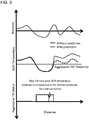
- the controller may be further configured to determine a predicted temperature of the aftertreatment system based on the predicted load, and dynamically limit an engine torque of an engine of the vehicle to limit engine transients and prevent fast temperature transients or oscillations in a temperature of the aftertreatment system based on the predicted temperature.
- Dynamically limiting the engine torque may also limit ammonia slip and an amount of NOx gases included in an exhaust gas emitted from the aftertreatment system.
- the controller may also be configured to adjust at least a reductant insertion rate of the reductant into the aftertreatment system or a fuel insertion rate of a fuel into the engine and/or aftertreatment system based on at least one of the predicted load and the predicted temperature.
- the controller may also be configured to determine a predicted cruise speed of the vehicle, in response to determining that the predicted cruise speed of the vehicle is active with speed modulation, pause or disable a reductant diagnostic.
- the controller may be configured to adjust a cruise speed of the vehicle based on an amount of ammonia stored in the aftertreatment system.
- the vehicle may comprise an electromagnetic device, wherein the controller is configured to balance a power load between an engine of the vehicle and the electromagnetic device so as to exert a predetermined load on the engine for maintaining a temperature of the aftertreatment system.
- the vehicle may also comprise a heating system operably coupled to the aftertreatment system, wherein the controller is further configured to selectively activate the heating system for maintaining the temperature of the aftertreatment system based on a current state of the aftertreatment system and a current load on the engine, and the predicted load.
- the controller may also be configured to selectively cause engine braking so as to heat the aftertreatment system.
- an aftertreatment system for use in a vehicle comprises a controller configured to determine a predicted load on the vehicle during a route, and adjust at least one of a temperature of the aftertreatment system or an amount of a reductant inserted into the aftertreatment system based on the predicted load.
- the controller may also be configured to determine a predicted temperature of the aftertreatment system based on the predicted load, and dynamically limit an engine torque of an engine of the vehicle to limit engine transients and prevent fast temperature transients or oscillations in a temperature of the aftertreatment system based on the predicted temperature.
- the controller may further be configured to adjust at least a reductant insertion rate of the reductant into the aftertreatment system or a fuel insertion rate of a fuel into the aftertreatment system based on at least one of the predicted load and the predicted temperature.
- the controller may be configured to determine a predicted cruise speed of the vehicle, in response to determining that the predicted cruise speed of the vehicle is active with speed modulation, pause or disable a reductant diagnostic.
- the controller may also be configured to adjust a cruise speed of the vehicle based on an amount of ammonia stored in the aftertreatment system.
- the vehicle may further comprise an electromagnetic device, and wherein the controller may be further configured to balance a power load between and engine of the vehicle and the electromagnetic device so as to exert a predetermined load on the engine for maintaining a temperature of the aftertreatment system.
- the vehicle may further comprise hetinag system operably coupled to the aftertreatment system, and wherein the controller is further configured to selectively activate the heating system for maintaining the temperature of the aftertreatment system based on a current state of the aftertreatment system and a current load on the engine, and the predicted load.
- the controller may also be configured to selectively cause engine braking so as to heat the aftertreatment system.
- a method comprises determining a predicted load on a vehicle during a route, the vehicle including an aftertreatment system coupled to an engine. At least one of a temperature of the aftertreatment system or an amount of a reductant inserted into the aftertreatment system is adjusted based on the predicted load.
- the method may further comprise determining a predicted temperature of the aftertreatment system based on the predicted load, and dynamically limiting an engine torque of the engine of the vehicle to limit engine transients and prevent fast temperature transients or oscillations in a temperature of the aftertreatment system based on the predicted temperature.
- the method may further comprise adjusting at least a reductant insertion rate of the reductant into the aftertreatment system or a fuel insertion rate of a fuel into the engine and/or aftertreatment system based on at least one of the predicted load and the predicted temperature.
- Embodiments described herein relate generally to systems and methods for managing operation of an aftertreatment system included in a vehicle and in particular, to vehicle controllers that use various systems included in a vehicle, for example, a transmission, a heating system of an aftertreatment system, an electromagnetic device, an energy storage device or a reductant insertion assembly to increase efficiency of the aftertreatment system and increase fuel economy based on at least one of internal, external static or external dynamic inputs.
- Some vehicles include controllers configured to manage fuel efficiency of the vehicle based on various internal and external inputs.
- Internal inputs may include feedback or information from any onboard component included in the vehicle such as, for example, temperature sensors, pressure sensors, NOx sensors, fuel rate, reductant rate, etc.
- External inputs may include, for example, external static inputs that represent an environment external to the vehicle and that are not expect to change with time. These may include, for example, road grade and vehicle speed limit. Such information may be obtained via various sources, for example, global positioning systems (GPS), onboard maps, etc.
- External inputs may also include external dynamic inputs that also represent an environment to the vehicle and that dynamically change with time. Such inputs may include, for example, construction speed limits, traffic density, operational status of fueling or charging stations, changing weather patterns, etc.
- Such information may be received through various sources, for example, aerial surveillance, video camera surveillance, fixed sensors, news feeds, highway advisory radio, vehicle-to-vehicle, vehicle-to-server or vehicle-to-infrastructure communication, or any other source.
- This information may be used to predictively control various vehicle subsystems, for example, vehicle transmission to control torque, an air/fuel ratio, balance load between engine and power source in hybrid vehicles, etc. so as to manage fuel efficiency.
- the various subsystems used to control fuel efficiency may also have an impact on the performance of an aftertreatment system included in the vehicle, which is configured to reduce constituents of an exhaust gas produced by an engine of the vehicle.
- an aftertreatment system included in the vehicle which is configured to reduce constituents of an exhaust gas produced by an engine of the vehicle.
- changes in engine load may cause an increase or decrease in an amount of NOx gases included in the aftertreatment system.
- Conventional vehicles generally adjust an amount of reductant to be inserted into the aftertreatment system in response to the changes in one or more exhaust gas operating parameters.
- a temperature of the aftertreatment system is also generally adjusted reactively based on a current temperature of the aftertreatment system
- Various embodiments of the systems and methods described herein may provide benefits including, for example: (1) providing predictive control of a temperature of an aftertreatment system of a vehicle using powertrain controls along with predictive vehicle and route information (2) allowing the aftertreatment system to respond faster to improve efficiency; (3) reducing amount of fuel consumed to achieve a target aftertreatment system temperature; and (4) increasing reductant consumption efficiency and fuel economy.
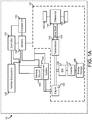
- FIG. 1A is schematic block illustration of a vehicle 10 with a controller 170, according to an embodiment.
- the vehicle 10 generally includes a powertrain 100, vehicle subsystems 120, an operator input/output (I/O) device 130, sensors 140 communicably coupled to one or more components of the vehicle 10, and a controller 170.
- I/O operator input/output
- FIG. 1 shows the vehicle including a particular powertrain 100, the vehicle 10 may include any other powertrain (e.g., a purely electric power driven powertrain or any other suitable powertrain).
- the powertrain 100 of the vehicle 10 is structured as a series hybrid powertrain. In other embodiments, the powertrain 100 may be structured as a parallel hybrid powertrain, or a full electric powertrain. In some embodiments, the powertrain 100 of the vehicle 10 is structured as another type of hybrid powertrain. In some embodiments, the powertrain 100 is structured as a conventional, non-hybrid, non-electric powertrain.
- the vehicle 10 may be an on-road or an off-road vehicle including, but not limited to, line-haul trucks, mid-range trucks (e.g., pick-up truck), cars (e.g., sedans, hatchbacks, coupes, etc.), buses, vans, refuse vehicles, delivery trucks, and any other type of vehicle. Thus, the present disclosure is applicable with a wide variety of implementations.
- Components of the vehicle 10 may communicate with each other or foreign components using any type and any number of wired or wireless connections.
- a wired connection may include a serial cable, a fiber optic cable, a CAT5 cable, or any other form of wired connection.
- Wireless connections may include the Internet, Wi-Fi, cellular, radio, Bluetooth, ZigBee, etc.
- a controller area network (CAN) bus provides the exchange of signals, information, and/or data.
- the CAN bus includes any number of wired and wireless connections. Because the controller 170 is communicably coupled to the systems and components in the vehicle 10 of FIG. 1A , the controller 170 is structured to receive data regarding one or more of the components shown in FIG. 1 .
- the data may include operation data regarding the operating conditions of the powertrain 100, and/or other components (e.g., a battery system, a motor, a generator, a regenerative braking system, an engine, etc.) acquired by one or more sensors, such as sensors 140.
- the data may include an input from operator I/O device 130.
- the controller 170 may determine how to control the powertrain 100 based on the operation data.
- the powertrain 100 includes an engine 101, a transmission 102, a driveshaft 103, a differential 104, a final drive 105, an electromagnetic (EM) device 106 (e.g., a generator, a motor-generator, etc.), an inverter 107, and an energy storage device 109.
- the powertrain 100 may also include a second electromagnetic device in series with the electromagnetic device 106.
- the engine 101 may be structured as any engine type, including a spark-ignition internal combustion engine, a compression-ignition internal combustion engine, and/or a fuel cell, among other alternatives.
- the engine 101 may be powered by any fuel type (e.g., diesel, ethanol, gasoline, natural gas, propane, hydrogen, etc.).
- the engine 101 is a diesel powered compression-ignition engine.
- the transmission 102 may be structured as any type of transmission, such as a continuous variable transmission, a manual transmission, an automatic transmission, an automatic-manual transmission, a dual clutch transmission, and so on.
- the transmission 102 may include a variety of settings (gears, for a geared transmission) that affect different output speeds based on an input speed received thereby.
- the driveshaft 103, differential 104, and/or final drive 105 may be structured in any configuration dependent on the application (e.g., the final drive 105 is structured as wheels in an automotive application and a propeller in a boat application, etc.).
- the driveshaft 103 may be structured as any type of driveshaft including, but not limited to, a one-piece, two-piece, and a slip-in-tube driveshaft based on the application.
- the engine 101 and the electromagnetic device 106 are mechanically coupled together (e.g., via a shaft, a gear box, etc.).
- the electromagnetic device 106 is a single device having both generating and motoring capabilities.
- the electromagnetic device 106 has only generating capabilities.
- the electromagnetic device 106 has only motoring capabilities.
- the engine 101 is structured to drive the electromagnetic device 106 to generate electrical energy.
- the electromagnetic device 106 is electrically coupled to the energy storage device 109 via an inverter 107 such that the electromagnetic device 106 may provide energy generated thereby to the energy storage device 109 for storage.
- the electromagnetic device 106 is structured to receive stored electrical energy from the energy storage device 109 to facilitate operation thereof.
- the electromagnetic device 106 may receive stored electrical energy from the energy storage device 109 to facilitate starting the engine 101.
- the electromagnetic device 106 is also mechanically coupled to the transmission 102 (e.g., via a shaft, a gear box, etc.).
- the vehicle 10 may include a hybrid vehicle drivable using power from the engine 101, the energy storage device 109 via the electromagnetic device 106, or a combination thereof.
- the electromagnetic device 106 is electrically coupled to the energy storage device 109 such that the electromagnetic device 106 may receive energy stored by the energy storage device 109 and/or generated by the electromagnetic device 106 to facilitate operation thereof.
- the electromagnetic device 106 may receive stored electrical energy from the energy storage device 109 to facilitate providing a mechanical output to the transmission 102.
- the electromagnetic device 106 is structured to generate electrical energy for storage in the energy storage device 109.
- the electromagnetic device 106 may be structured to utilize a negative torque supply to perform energy regeneration (e.g., when the torque demand therefrom is zero, during engine braking, while the vehicle 10 is coasting down a hill, etc.).
- the energy storage device 109 includes one or more batteries (e.g., high voltage batteries, a lead-acid battery, a lithium-ion battery, etc.), one or more capacitors (e.g., super capacitors, etc.), and/or any other energy storage devices, or combination thereof. As shown in FIG. 1A , the energy storage device 109 is electrically coupled to the electromagnetic device 106. In some embodiments, the energy storage device 109 and the electromagnetic device 106 are electrically coupled to one or more of the vehicle subsystems 120 (e.g., a regenerative braking system, electrically-powered vehicle accessories, etc.).
- the vehicle subsystems 120 e.g., a regenerative braking system, electrically-powered vehicle accessories, etc.
- the energy storage device 109 is structured to store electrical energy (i) received from a charging station (e.g., a vehicle charging station, etc.), (ii) generated by the electromagnetic device 106, and/or (iii) generated by a regenerative braking system.
- a charging station e.g., a vehicle charging station, etc.
- ii generated by the electromagnetic device 106
- iii generated by a regenerative braking system.
- the energy storage device 109 may be structured to provide the stored electrical energy to (i) the vehicle subsystems 120 to operate various electrical based components of the vehicle 10 (e.g., while the engine 101 is running, while the engine 101 is off, etc.), (ii) the electromagnetic device 106 to start the engine 101 (e.g., in response to a restart command after a stop-start feature turns off the engine 101, when an operator keys on the engine 101, etc.), and/or (iii) the electromagnetic device 106 to facilitate providing a mechanical output to the transmission 102 (e.g., to drive the vehicle 10, etc.).
- the vehicle 10 includes the vehicle subsystems 120.
- the vehicle subsystems 120 may include a regenerative braking system.
- the regenerative braking system may include various components structured to generate electricity from vehicle braking events to be stored by the energy storage device 109 for future use (e.g., by the electromagnetic device 106, by the electrical vehicle components, etc.).
- the vehicle subsystems 120 may include other components including mechanically driven or electrically driven vehicle components (e.g., HVAC system, lights, pumps, fans, etc.).
- the vehicle subsystems 120 may include one or more electrically-powered accessories and/or engine-drive accessories.
- Electrically-powered accessories may receive power from the energy storage device 109 and/or the electromagnetic device 106 to facilitate operation thereof. Being electrically-powered, the accessories may be able to be driven largely independent of the engine 101 of the vehicle 10 (e.g., not driven off of a belt coupled to the engine 101).
- the electrically-powered accessories may include, but are not limited to, air compressors (e.g., for pneumatic devices, etc.), air conditioning systems, power steering pumps, engine coolant pumps, fans, and/or any other electrically-powered vehicle accessories.
- the engine 101 receives a chemical energy input (e.g., a fuel such as gasoline, diesel, etc.) and combusts the fuel to generate mechanical energy, in the form of a rotating crankshaft.
- the transmission 102 receives the rotating crankshaft and manipulates the speed of the crankshaft (e.g., the engine revolutions-per-minute (RPM), etc.) to affect a desired driveshaft speed.
- the rotating driveshaft 103 is received by the differential 104, which provides the rotation energy of the driveshaft 103 to the final drive 105 (e.g., wheels of the vehicle 10).
- the final drive 105 then propels or moves the vehicle 10.
- the engine 101 provides mechanical energy to the electromagnetic device 106 such that the electromagnetic device 106 generates electrical power.
- the electromagnetic device 106 may provide the generated electrical power to the energy storage device 109 and/or a second electromagnetic device.
- the operator I/O device 130 may enable an operator of the vehicle 10 (or passenger or manufacturing, service, or maintenance personnel) to communicate with the vehicle 10 and the controller 170.
- the operator I/O device 130 may include, but is not limited to, an interactive display, a touchscreen device, one or more buttons and switches, voice command receivers, and the like.
- the operator I/O device 130 may also include a brake pedal or a brake lever, an accelerator pedal, and/or an accelerator throttle.
- the sensors 140 may include sensors positioned and structured to monitor operating characteristics of various components of the vehicle 10.
- the sensors 140 may include a sensor structured to facilitate monitoring the state of charge (SOC), the state of health (SOH), and/or the power capacity of the energy storage device 109, and/or the flow of electricity into and/or out of the energy storage device 109 (e.g., current, voltage, power, etc.).
- the sensors 140 may additionally or alternatively include a position sensor structured to facilitate monitoring the position of the accelerator (e.g., accelerator pedal, accelerator throttle, etc.) and/or the brake (e.g., brake pedal, brake lever, etc.) of the vehicle 10.
- the sensors 140 may additionally or alternatively include a speed sensor structured to facilitate monitoring the speed of the vehicle 10.
- the sensors 140 may additionally or alternatively include an obstacle sensor structured to facilitate detecting whether the vehicle 10 (e.g., a wheel thereof, etc.) encounters an obstacle (e.g., a curb, a rock, a boulder, a speed bump, a pothole, etc.).
- the sensors 140 may include a GPS sensor configured to sense a position of the vehicle.
- the engine 101 combusts fuel to produce an exhaust gas including NOx gases, particulate matter (e.g., ash or soot), carbon monoxide and other constituents which need to be removed from the exhaust gas before the exhaust gas is expelled into the environment.
- the vehicle 10 includes an aftertreatment system 150 configured to reduce constituents of the exhaust gas.
- FIG. 1B shows a more detailed schematic illustration of the aftertreatment system 150, according to a particular embodiment.
- the aftertreatment system 150 comprises a housing 151 defining an internal volume within which a plurality of aftertreatment components structured to modify or reduce certain constituents of an exhaust flowing therethrough are positioned.
- the housing 151 may be formed from a rigid, heat-resistant and corrosion-resistant material, for example stainless steel, iron, aluminum, metals, ceramics, a combination thereof, or any other suitable material.
- An inlet conduit 152 is fluidly coupled to an inlet of the housing 151 and structured to receive exhaust gas from the engine 101 and to communicate the exhaust gas to an internal volume defined by the housing 151.
- an outlet conduit 154 may be coupled to an outlet of the housing 151 and structured to expel treated exhaust gas into the environment.
- a first sensor 153 may be positioned in the inlet conduit 152.
- the first sensor 153 may comprise a NOx sensor, for example a physical or virtual NOx sensor, configured to determine an amount of NOx gases included in the exhaust gas being emitted by the engine 101.
- an oxygen sensor, a temperature sensor, a pressure sensor, or any other sensor may also be positioned in the inlet conduit 152 so as to determine one or more operational parameters of the exhaust gas flowing through the aftertreatment system 150.
- a second sensor 155 is positioned in the outlet conduit 154.
- the second sensor 155 may comprise a second NOx sensor configured to determine an amount of NOx gases expelled into the environment (or to a muffler coupled to the housing 151) after passing through the aftertreatment system 150.
- one or more of a sulfur oxide sensor, a particulate matter sensor or an ammonia slip sensor may also be positioned in the outlet conduit 154.
- the aftertreatment system 150 may include a SCR catalyst 162 configured to modify or reduce certain constituents of the exhaust gas (e.g., NOx gases such as such nitrous oxide, nitric oxide, nitrogen dioxide, etc.), flowing through the aftertreatment system150 in the presence of a reductant, as described herein.
- the SCR catalyst 162 is formulated to modify or reduce certain constituents of an exhaust gas, for example NOx gases, flowing through the aftertreatment system 150.
- a reductant insertion port may be provided on a sidewall of housing 151 and structured to allow insertion of the reductant therethrough into the internal volume defined by the housing 151.
- the reductant insertion port may be positioned upstream of the SCR catalyst 162 (e.g., to allow reductant to be inserted into the exhaust gas upstream of the SCR catalyst 162) or over the SCR catalyst 162 (e.g., to allow reductant to be inserted directly on the SCR catalyst 162).
- the SCR catalyst 162 is formulated to selectively decompose constituents of the exhaust gas.
- Any suitable catalyst can be used such as, for example, platinum, palladium, rhodium, cerium, iron, manganese, copper, vanadium based catalyst, any other suitable catalyst, or a combination thereof.
- the SCR catalyst 162 can be disposed on a suitable substrate such as, for example, a ceramic (e.g., cordierite) or metallic (e.g., kanthal) monolith core which can, for example, define a honeycomb structure.
- a washcoat can also be used as a carrier material for the SCR catalyst 162.
- washcoat materials may comprise, for example, aluminum oxide, titanium dioxide, silicon dioxide, any other suitable washcoat material, or a combination thereof.
- the exhaust gas e.g., diesel exhaust gas
- a particulate filter 158 may be positioned upstream of the SCR catalyst 162 or at any other location in the aftertreatment system 150, and configured to filter particulate matter (e.g., ash, soot, etc.) included in the exhaust gas flowing through the aftertreatment system 150.
- An oxidation catalyst 156 may be positioned upstream of the particulate filter 158.
- the oxidation catalyst 156 may include, for example, a diesel oxidation catalyst configured to decompose unburnt hydrocarbons and/or convert CO to CO 2 .
- the aftertreatment system 150 may also include a hydrocarbon (HC) insertion assembly 164 configured to insert hydrocarbons into the flow path of the exhaust gas, for example, to increase a temperature of the exhaust gas (e.g., by combusting in the exhaust gas due to the high temperature thereof or oxidizing across an oxidation catalyst element).
- the hydrocarbon insertion assembly 164 may comprise an independent fuel injection device coupled with the aftertreatment upstream of an oxidation catalyst, or may comprise an integrated in-cylinder late post fuel injection capability of engine 101.
- the aftertreatment system 150 may be maintained at a desired temperature (e.g., to maintain a temperature of the SCR catalyst 162 at a desired temperature) and/or to regenerate the oxidation catalyst 156, the particulate filter 158 and/or the SCR catalyst 162. While not shown, the aftertreatment system 150 may also include other aftertreatment components, for example, mixers, baffle plates, or any other suitable aftertreatment component.
- the aftertreatment system 150 may also include a reductant storage tank 166 structured to store a reductant.
- the reductant is formulated to facilitate decomposition of the constituents of the exhaust gas (e.g., NOx gases included in the exhaust gas). Any suitable reductant can be used.
- the exhaust gas comprises a diesel exhaust gas and the reductant comprises a diesel exhaust fluid.
- the diesel exhaust fluid may comprise urea, an aqueous solution of urea, or any other fluid that comprises ammonia, by-products, or any other diesel exhaust fluid as is known in the arts (e.g., the diesel exhaust fluid marketed under the name ADBLUE®).
- the reductant may comprise an aqueous urea solution having a particular ratio of urea to water.
- the reductant can comprise an aqueous urea solution including 32.5% to 40% by volume of urea and 67.5% to 60% by volume of deionized water.
- a reductant insertion assembly 168 is fluidly coupled to the reductant storage tank 166.
- the reductant insertion assembly 168 is configured to selectively insert the reductant into the SCR catalyst 162 or upstream thereof (e.g., into the inlet conduit 152) or a mixer (not shown) positioned upstream of the SCR catalyst 162.
- the reductant insertion assembly 168 may comprise various structures to facilitate receipt of the reductant from the reductant storage tank 166 and delivery to the SCR catalyst 162, such as, for example, pumps, valves, filter screens, pulsation dampers, orifices, reductant injectors, dosing valves, etc.
- an ammonia slip catalyst 163 may be disposed in the housing 151 downstream of the SCR catalyst 162 and formulated to decompose any ammonia in the exhaust gas downstream of the SCR catalyst 162.
- the reductant may decompose into ammonia on contact with the hot exhaust gas.
- the ammonia facilitates the catalytic reaction occurring in the SCR catalyst 162 for converting or reducing the NOx gases included in the exhaust gas. If the exhaust gas temperature of the SCR catalyst 162 is too low, not all of the reductant may decompose into ammonia leading to lower catalytic efficiency, or the ammonia may remain unreacted passing through the SCR catalyst 162 leading to ammonia slip.
- the vehicle 10 may also include a heating system 169 coupled to the aftertreatment system 150 and configured to maintain a temperature thereof.
- the heating system 169 may include the hydrocarbon insertion assembly 164 configured to insert hydrocarbons into the exhaust gas to raise the temperature of the exhaust gas and thereby, the SCR catalyst 162 to a desired temperature.
- the heating system 169 may include an electric heater configured to draw electric power, for example, from the energy storage device 109 for heating the SCR catalyst 162 to a desired temperature.
- the heating system 169 may include any aftertreatment heater described in U.S. Patent No. 8,473,177 incorporated herein by reference in its entirety.
- the SCR catalyst 162 has ammonia storage capacity and can store a finite amount of ammonia. However, continued insertion of reductant into the exhaust gas beyond the ammonia storage capacity of the SCR catalyst 162 results in un-utilized ammonia which slips downstream of SCR catalyst 162 and inefficient consumption of the reductant.
- the controller 170 may be structured as one or more electronic control units (ECU). As such, the controller 170 may be separate from or included with at least one of a transmission control unit, the aftertreatment system 150, a powertrain control module, an engine control module, etc. As previously described herein, various systems of the vehicle 10 can be controlled to predictively manage the aftertreatment system 150, for example a temperature or an amount of reductant inserted into the aftertreatment system 150.
- the controller 170 may be a central controller of the vehicle 10. In other embodiments, the controller 170 may be a controller of the aftertreatment system 150, which may be communicatively coupled to a central controller of the vehicle 10.
- the controller 170 may be configured to determine a predicted load on the vehicle 10 during a route, and adjust at least one of a temperature of the aftertreatment system 150 or an amount of a reductant inserted into the aftertreatment system 150 based on the predicted load.
- the controller 170 may also be configured to determine a predicted temperature of the aftertreatment system 150 based on the predicted load, and dynamically limit a torque of the engine 101 of the vehicle 10 (e.g., by adjusting the transmission 102) to limit engine transients and prevent fast temperature transients or oscillations in a temperature of the aftertreatment system 150 based on the predicted temperature. Dynamically limiting the engine torque may also limit ammonia slip and amount of NOx gases emitted from the aftertreatment system 150.
- the controller 170 may be further configured to adjust at least a reductant insertion rate into the aftertreatment system 150 or a fuel insertion rate into the engine 101 or aftertreatment system 150 based on at least one of the predicted load and the predicted temperature. In some embodiments, the controller 170 may also be configured to determine a predicted cruise speed of the vehicle 10, and in response to determining that the predicted cruise speed of the vehicle is active with speed modulation, pause or disable a reductant diagnostic so as to reduce reductant consumption by the aftertreatment system 150. The controller 170 is further configured to adjust a cruise speed of the vehicle 10 based on an amount of ammonia stored in the aftertreatment system 150.
- the controller 170 may be further configured to balance a power load between the engine 101 and the electromagnetic device 106 of the vehicle 10 so as to exert a predetermined load on the engine 101 for maintaining a temperature of the aftertreatment system 150. In some embodiments, the controller 170 may be further configured to selectively activate the heating system 169 for maintaining a temperature of the aftertreatment system 150 based on a current state of the aftertreatment system 150 and a current load on the engine 101, and/or the predicted load. In some embodiments, the controller 170 may be further configured to selectively cause engine braking so as to heat the aftertreatment system 150.
- the controller 170 may comprise an electronic control unit configured to receive various signals including internal, external static or external dynamic inputs as described herein for controlling transmission 102, heating system 169, load between electromagnetic device 106 and engine 101, a vehicle route on which the vehicle operates, cruise control operation, reductant insertion (e.g., via controlling the reductant insertion assembly 168), or any other component of the vehicle 10.
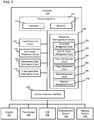
- the controller 170 includes a processing circuit 171 having a processor 172 and a memory 173, a load prediction circuit 174, a SCR temperature prediction circuit 175, an aftertreatment state determination circuit 176 and a cruise speed state determination circuit 177.
- the controller 170 may also include a response management circuitry 180 including a temperature management circuit 182, a dynamic torque management circuit 183, an engine management circuit 184, a charge management circuit, 185, a route management circuit 186 and a reductant management circuit 188.
- a response management circuitry 180 including a temperature management circuit 182, a dynamic torque management circuit 183, an engine management circuit 184, a charge management circuit, 185, a route management circuit 186 and a reductant management circuit 188.
- the processor 172 may comprise a microprocessor, programmable logic controller (PLC) chip, an ASIC chip, or any other suitable processor.
- the processor 172 is in communication with the memory 173 and configured to execute instructions, algorithms, commands, or otherwise programs stored in the memory 173.
- the memory 173 may comprise any of the memory and/or storage components discussed herein.
- memory 173 may comprise a RAM and/or cache of processor 172.
- the memory 173 may also comprise one or more storage devices (e.g., hard drives, flash drives, computer readable media, etc.) either local or remote to the controller 170.
- the memory 173 is configured to store lookup tables, algorithms, or instructions.
- the load prediction circuit 174, the SCR temperature prediction circuit 175, the aftertreatment state determination circuit 176, the cruise speed state determination circuit 177, and the response management circuitry 180 are embodied as machine or computer-readable media (e.g., stored in the memory 173) that is executable by a processor, such as the processor 172.
- the machine-readable media e.g., the memory 173 facilitates performance of certain operations to enable reception and transmission of data.
- the machine-readable media may provide an instruction (e.g., command, etc.) to, e.g., acquire data.
- the machine-readable media may include programmable logic that defines the frequency of acquisition of the data (or, transmission of the data).
- the computer readable media may include code, which may be written in any programming language including, but not limited to, Java or the like and any conventional procedural programming languages, such as the "C" programming language or similar programming languages.
- the computer readable program code may be executed on one processor or multiple remote processors. In the latter scenario, the remote processors may be connected to each other through any type of network (e.g., CAN bus, etc.).
- the load prediction circuit 174, the SCR temperature prediction circuit 175, the aftertreatment state determination circuit 176, the cruise speed state determination circuit 177, and the response management circuitry 180 are embodied as hardware units, such as separate or dedicated electronic control units.
- the load prediction circuit 174, the SCR temperature prediction circuit 175, the aftertreatment state determination circuit 176, the cruise speed state determination circuit 177, and the response management circuitry 180 may be embodied as one or more circuitry components including, but not limited to, processing circuitry, network interfaces, peripheral devices, input devices, output devices, sensors, etc.
- the load prediction circuit 174, the SCR temperature prediction circuit 175, the aftertreatment state determination circuit 176, the cruise speed state determination circuit 177, and the response management circuitry 180 may take the form of one or more analog circuits, electronic circuits (e.g., integrated circuits (IC), discrete circuits, system on a chip (SOCs) circuits, microcontrollers, etc.), telecommunication circuits, hybrid circuits, and any other type of "circuit.”
- the load prediction circuit 174, the SCR temperature prediction circuit 175, the aftertreatment state determination circuit 176, the cruise speed state determination circuit 177, and the response management circuitry 180 may include any type of component for accomplishing or facilitating achievement of the operations described herein.
- a circuit as described herein may include one or more transistors, logic gates (e.g., NAND, AND, NOR, OR, XOR, NOT, XNOR, etc.), resistors, multiplexers, registers, capacitors, inductors, diodes, wiring, and so on.
- logic gates e.g., NAND, AND, NOR, OR, XOR, NOT, XNOR, etc.
- resistors e.g., resistors, multiplexers, registers, capacitors, inductors, diodes, wiring, and so on.
- the load prediction circuit 174, the SCR temperature prediction circuit 175, the aftertreatment state determination circuit 176, the cruise speed state determination circuit 177, and the response management circuitry 180 may also include programmable hardware devices such as field programmable gate arrays, programmable array logic, programmable logic devices or the like.
- the load prediction circuit 174, the SCR temperature prediction circuit 175, the aftertreatment state determination circuit 176, the cruise speed state determination circuit 177, and the response management circuitry 180 may include one or more memory devices for storing instructions that are executable by the processor(s) of the load prediction circuit 174, the SCR temperature prediction circuit 175, the aftertreatment state determination circuit 176, the cruise speed state determination circuit 177, and the response management circuitry 180.
- the one or more memory devices and processor(s) may have the same definition as provided below with respect to the memory 173 and the processor 172.
- the controller 170 includes the processing circuit 171 having the processor 172 and the memory 173.
- the processing circuit 171 may be structured or configured to execute or implement the instructions, commands, and/or control processes described herein with respect to the load prediction circuit 174, the SCR temperature prediction circuit 175, the aftertreatment state determination circuit 176, the cruise speed state determination circuit 177, and the response management circuitry 180.
- the depicted configuration represents the aforementioned arrangement where the load prediction circuit 174, the SCR temperature prediction circuit 175, the aftertreatment state determination circuit 176, the cruise speed state determination circuit 177, and the response management circuitry 180 are embodied as machine or computer-readable media.
- this illustration is not meant to be limiting as the present disclosure contemplates other embodiments such as the aforementioned embodiment where the load prediction circuit 174, the SCR temperature prediction circuit 175, the aftertreatment state determination circuit 176, the cruise speed state determination circuit 177, and the response management circuitry 180 are configured as a hardware unit. All such combinations and variations are intended to fall within the scope of the present disclosure.
- the processor 172 may be implemented as one or more general-purpose processors, an application specific integrated circuit (ASIC), one or more field programmable gate arrays (FPGAs), a digital signal processor (DSP), a group of processing components, or other suitable electronic processing components.
- the one or more processors may be shared by multiple circuits (e.g., the load prediction circuit 174, the SCR temperature prediction circuit 175, the aftertreatment state determination circuit 176, the cruise speed state determination circuit 177, and the response management circuitry 180 may comprise or otherwise share the same processor which, in some example embodiments, may execute instructions stored, or otherwise accessed, via different areas of memory).
- the one or more processors may be structured to perform or otherwise execute certain operations independent of one or more co-processors.
- two or more processors may be coupled via a bus to enable independent, parallel, pipelined, or multi-threaded instruction execution. All such variations are intended to fall within the scope of the present disclosure.
- the memory 173 e.g., RAM, ROM, Flash Memory, hard disk storage, etc.
- the memory 173 may store data and/or computer code for facilitating the various processes described herein.
- the memory 173 may be communicably connected to the processor 172 to provide computer code or instructions to the processor 172 for executing at least some of the processes described herein.
- the memory 173 may be or include tangible, non-transient volatile memory or non-volatile memory. Accordingly, the memory 173 may include database components, object code components, script components, or any other type of information structure for supporting the various activities and information structures described herein.
- the communications interface 190 may include wireless interfaces (e.g., jacks, antennas, transmitters, receivers, transceivers, wire terminals, etc.) for conducting data communications with various systems, devices, or networks.
- the communications interface 190 may include an Ethernet card and port for sending and receiving data via an Ethernet-based communications network and/or a Wi-Fi transceiver for communicating with other vehicles (e.g., for vehicle-to-vehicle communication), a server (e.g., for vehicle-to-server communication), an infrastructure (e.g., for vehicle-to-infrastructure), the internet, news sources or any other sources of external static or dynamic inputs, and the controller 170 via, for example, a communication network (e.g., the cloud).
- a communication network e.g., the cloud
- the communications interface 190 may be structured to communicate via local area networks or wide area networks (e.g., the Internet, etc.) and may use a variety of communications protocols (e.g., IP, LON, Bluetooth, ZigBee, radio, cellular, near field communication, etc.).
- the communications interface 190 may also include a controller area network (CAN) bus for communication with internal vehicle components (e.g., the vehicle subsystems 120, the power train 100, the operator I/O 130, the sensors 140, the aftertreatment system 150 and/or the heating system 169), for example, via wired or wireless connections.
- CAN controller area network
- the load prediction circuit 174 is configured to predict a load to be encountered by the vehicle 10, for example, by the engine 101 of the vehicle 10 on a vehicle route. For example, the load prediction circuit 174 may determine a current location of the vehicle 10 on the route (e.g., via a GPS sensor included in the vehicle 10) and determine predicted load on the engine 101 based on external static and dynamic inputs received from various sources, as previously described herein (e.g., via the communication interface). Load on the vehicle 10 may be impacted by road grade, vehicle speed target, traffic conditions, weather patterns, etc. For example, an uphill climb may increase a load on the engine 101 causing it to burn more fuel or exert more torque which may result in the exhaust gas having a higher temperature and/or a higher amount of NOx gases.
- a downward descent may utilize low torque or fuel consumption thereby yielding a colder exhaust gas and/or less amount of NOx.
- stopping and starting based on traffic conditions my increase a load on the engine 101 relative to steady state driving (e.g., having a very little variation in speed) on a clear highway.
- Other driving conditions for example, wind speed, may also impact the load on the engine 101.
- the SCR temperature prediction circuit 175 is configured to predictively determine or estimate a temperature of the SCR catalyst 162 included in the aftertreatment system 150 based on the predicted load. As previously described herein, high load conditions may increase a temperature of the exhaust gas which will lead to an increase in temperature of the SCR catalyst 162. In contrast, low load conditions or steady state driving may lead to less fuel consumption and lowering of the temperature of the exhaust gas. The SCR temperature prediction circuit 175 may therefore be able to predict an expected temperature of the SCR catalyst 162 at various locations along the vehicle route based on the predicted load.
- the aftertreatment state determination circuit 176 is configured to determine one or more operating parameters of the aftertreatment system 150, for example, the SCR catalyst 162 included in the aftertreatment system 150.
- the aftertreatment state determination circuit 176 may be configured to receive internal input from temperature sensors coupled to the SCR catalyst 162 so as to determine a temperature thereof.
- the aftertreatment state determination circuit 176 may also be configured to determine an amount of reductant inserted into the aftertreatment system 150, for example, to estimate an amount of ammonia stored in the SCR catalyst 162, an ammonia slip, etc., and/or a predicted amount of reductant to be inserted into the aftertreatment system 150, for example, based on the predicted load on the vehicle 10 or a predicted temperature of the SCR catalyst 162.
- the cruise speed state determination circuit 177 is configured to predict cruise operation of the vehicle 10.
- the cruise speed state determination circuit 177 may be configured to determine if cruise control is inactive, is active with speed modulation or active without speed modulation, for example, based on predicted load determined by the load prediction circuit 174. For example, when cruise speed is active and a predicted load on the vehicle 10 is steady (e.g., a predicted clear vehicle route ahead) may indicate that cruise speed is active without modulation (i.e., transient changes in cruise speed will not occur). In contrast, changing traffic conditions may indicate that cruise speed is active with modulation (i.e., regularly changes or is transient).
- the response management circuitry 180 is structured to receive the predicted load on the vehicle 10, the predicted temperature of the SCR catalyst 162, the state of the aftertreatment system 150, the cruise speed of the vehicle 10 and/or any other internal and/or external static and/or dynamic input, and adjust a temperature and/or an amount of reductant inserted into the aftertreatment system 150. This may increase a NOx conversion efficiency of the aftertreatment system 150 and/or increase fuel economy of the vehicle 10.
- the temperature management circuit 182 is structured to use the predicted load and predicted SCR temperature determined by the load prediction circuit 174 and the SCR temperature prediction circuit 175 to predictively adjust a temperature of the SCR catalyst 162, for example, to reduce fuel consumption.
- the temperature management circuit 182 may use the predicted SCR temperature (e.g., determined from the predicted load) to avoid aggressive thermal management of the SCR catalyst 162.
- the hydrocarbon insertion assembly 164 may be used to insert hydrocarbons, which may include fuel from the main fuel tank of the vehicle 10, into the exhaust gas to increase a temperature thereof and thereby, increase a temperature of the SCR catalyst 162.
- the engine 101 could provide hydrocarbons to the aftertreatment system 150 by means of a late post fuel injection.
- the temperature management circuit 182 uses the predicted SCR temperature based on the predicted load to make a decision on inserting hydrocarbons into the exhaust gas, or hold off one doing so, thereby saving fuel (and hence increasing fuel economy).
- the load prediction circuit 174 predicts an increase in load on the vehicle 10 due to increase in road grade (e.g., a hill), traffic congestion, increased wind resistance, etc., this may correspond to a predicted increase in temperature of the exhaust gas and thereby, the SCR catalyst 162.
- the temperature management circuit 182 may instruct the hydrocarbon insertion assembly 164 to stop insertion of hydrocarbons into the exhaust gases, for example, once the predicted SCR temperature is above a predetermined temperature threshold, so as to save fuel.
- the heating system 169 may include an electric heater which uses electric power, for example, provided by the inverter 107 (e.g., from the energy storage device 109).
- the temperature management circuit 182 may be configured to selectively activate the heating system 169 to maintain an SCR temperature or track a reference temperature, for example based on a state of the aftertreatment system 150 (e.g., as determined by the aftertreatment state determination circuit 176), current load on the vehicle 10, and/or predicted load on the vehicle 10.
- the charge management circuit 185 may be configured to selectively charge or discharge the energy storage device 109, for example, by selectively switching primary driving power between the engine 101 and the electromagnetic device 106, so as to increase use of regeneration energy for heating the SCR catalyst 162.
- FIG. 3 includes plots showing a particular example of SCR thermal management by the temperature management circuit 182.
- the top plot shows predicted elevation to be encountered by the vehicle 10 on the route.
- the middle plot shows SCR temperature management without prediction (i.e., using conventional temperature control) and with prediction.
- temperature management e.g., insertion of hydrocarbons in the exhaust gas
- the dynamic torque management circuit 183 may be configured to control the transmission 102 to adjust (e.g., limit) dynamic torque of the engine 101 so as to prevent fast temperature transients or oscillations in the exhaust gas temperature and thereby, the SCR catalyst 162 temperature.
- Such temperature transients may occur due to fast changing load on the engine (e.g., frequently changing road grade, traffic, etc.).
- Fast temperature transients may degrade performance of the SCR catalyst 162 by causing ammonia desorption and ammonia slip from the SCR catalyst 162.
- fast temperature transients may also cause the temperature of the SCR catalyst 162 to exceed beyond a maximum allowable temperature of the SCR catalyst 162, which may degrade the SCR catalyst 162.
- the dynamic torque management circuit 183 may be configured to dynamically manage torque by controlling the transmission 102, for example, by limiting torque based on the predicted load or predicted SCR temperature so as to beneficially avoid both fast temperature transients, prevent the SCR temperature from exceeding the maximum allowable temperature, reduce ammonia slip and provide efficient reductant use.
- FIG. 4 includes plots showing a particular example of dynamic torque management by the dynamic torque management circuit 183.
- the top plot shows predicted elevation to be encountered by the vehicle 10 on the route. The elevation is not uniform with frequent changes in grade.
- the middle plot shows SCR temperature without dynamic torque management (DTM) and with dynamic torque management. As shown in the bottom plot, without dynamic torque management, the torque has frequent transients corresponding to the frequent changes in elevation, and lead to frequent transients in SCR temperature. In contrast, dynamic torque management substantially reduces the torque transients and results in lesser transients in the SCR temperature.
- DTM dynamic torque management
- the dynamic torque management circuit 183 may also dynamically limit torque based on predicted amount of NOx in the exhaust gas generated by the engine 101. For example, if the amount of NOx in the exhaust gas produced by the engine 101 is predicted to fluctuate rapidly (e.g., as determined by load prediction circuit 174), the dynamic torque management circuit 183 may dynamically limit torque to dynamically limit amount of the NOx in the exhaust gas emitted by the engine 101 so as to improve reductant usage efficiency (e.g., by allowing less reductant to be inserted into the aftertreatment system 150).
- the SCR catalyst 162 may buildup a store of ammonia during vehicle 10 coasting events (e.g., determined by the aftertreatment state determination circuit 176), which may beneficially reduce the amount of reductant to be inserted into the aftertreatment system 150 for NOx reduction during high torque (i.e., high load events).
- the dynamic torque management circuit 183 may be configured to dynamically limit torque, for example, to produce greater amount of coasting events so as to build up ammonia storage and/or prolong coasting events to adjust weightage between fuel efficiency and reductant efficiency.
- the engine management circuit 184 and the charge management circuit 185 may be configured to cooperatively split power between the engine 101 and electromagnetic device 106 based on a predicted load on the vehicle 10 to increase efficiency of the aftertreatment system 150 and reduce fuel consumption.
- the engine and charge management circuits 184 and 185 may use power demand from the vehicle 10 (e.g., as dictated by an operator) and current state of the aftertreatment system 150, as well as predicted load on the aftertreatment system 150 to determine power sharing between the engine 101 and the electromagnetic device 106, for example, such that the engine 101 runs at a specific operating point that enhances aftertreatment efficiency and/or create a specific load on the engine 101 to maintain the SCR catalyst 162 temperature or track a reference temperature profile.
- the engine and charge management circuits 184 and 185 may cooperatively increase the load on the electromagnetic device 106 and exert less load on the engine 101, thereby improving fuel economy.
- the engine and charge management circuits 184 and 185 may increase the load on the engine 101 so as to increase a temperature of the exhaust gas so as to heat the SCR catalyst 162.
- the engine management circuit 184 may also be configured to selectively adjust a fuel insertion rate into the engine 101 or the hydrocarbon insertion assembly 164, and the reductant management circuit 188 may be configured to adjust a reductant insertion rate into the aftertreatment system 150 based on the predicted load, for example, to allow optimal balancing between fuel efficiency and reductant efficiency.
- the engine management circuit 184 may also be configured to selectively use or cause engine braking for heating the aftertreatment system 150.
- Engine braking occurs when the retarding forces within an engine are used to slow a vehicle down, as opposed to using additional external braking mechanisms such as friction brakes or magnetic brakes.
- Engine braking may correspond to an increased torque which may yield hotter exhaust gas that can be used to heat the SCR catalyst 162.
- the engine management circuit 184 may be configured to use the predicted load to predict occurrence of engine braking so as to avoid hydrocarbon insertion in the aftertreatment system 150 and/or activation of the heating system 169.
- the reductant management circuit 188 is configured to adjust an amount of reductant to be inserted into the aftertreatment system 150 based on a predicted load.
- the reductant management circuit 188 may use a predicted cruise speed of the vehicle 10 to adjust an amount of reductant inserted into the aftertreatment system 150 and/or adjust aftertreatment system diagnostics.
- the reductant management circuit 188 maybe configured to enable aftertreatment system diagnostics during steady state operations of the engine 101 to determine amount of NOx gases in the exhaust gas emitted by the engine 101, exhaust flow rate and/or other inputs, and disable such diagnostics during transient conditions when diagnostic may not be reliable.
- the reductant management circuit 188 may use predicted cruise speed, for example, active with speed modulation, active without speed modulation or inactive as determined by the cruise speed state determination circuit 177 to enable aftertreatment system diagnostics. For example, a predicted cruise speed state of active without modulation indicates that steady state conditions will persist for a predetermined duration.
- the reductant management circuit 188 may be configured to change the actual cruise speed based on the predicted cruise speed (e.g., from active without speed modulation to active with speed modulation) to facilitate the reductant insertion assembly diagnostics.
- reductant insertion assembly diagnostics may be calibrated to maintain high ammonia to NOx ratio for extended duration, this condition would not be met during active with speed modulation cruise speed state, where many exhaust gas temperature and NOx transients occur over a short period of time.
- the reductant management circuit 188 may be configured to use the predicted cruise speed state to pause or disable the reductant insertion assembly diagnostics during a cruise speed state of active with speed modulation to provide confidence that the diagnostics are not performed during transient operating conditions.
- the reductant management circuit 188 may also be configured to use the predicted cruise speed state to relax ammonia slip limits of the aftertreatment system 150.
- the ammonia slip limits may be set to stringent values to ensure that the ammonia slip is within thresholds during transient operation or at low vehicle speed.
- Predicted cruise speed state may indicate that steady state conditions or high vehicle speed will persist for a specified duration.
- the reductant management circuit 188 maybe configured to relax ammonia slip limits when predicted cruise speed state is active without speed modulation leading to lower reductant consumption and/or lower amount of NOx.
- the reductant management circuit 188 may also be configured to adjust a cruise speed of the vehicle 10 based on an amount of ammonia stored in the aftertreatment system 150.
- the SCR catalyst 162 included in the aftertreatment system 150 may build up stored ammonia when operating under cruise control (or coasting).
- the reductant management circuit 188 may increase reductant insertion so as to enable the SCR catalyst 162 to build up ammonia storage for use during the high engine load or torque demand event, for example, to ensure faster response times.
- the dynamic torque management circuit 183 and/or the engine management circuit 184 may cause greater amount of coasting events or prolong coasting events, for example, to adjust weightage between fuel efficiency and reductant efficiency based on the predicted load demand.
- the reductant management circuit 188 may be configured to manage the amount of reductant inserted into the aftertreatment system 150. Ammonia consumption by the SCR catalyst 162 occurs at a slower timescale relative to engine 101, transmission 102 and/or vehicle 10 dynamics. Availability of predicted load and/or aftertreatment temperature information may allow the reductant management circuit 188 to react faster to predicted changes in load, NOx concentration in the exhaust gas and/or aftertreatment system temperature so as to increase reductant consumption efficiency.
- the reductant management circuit 188 may start reducing an amount of reductant inserted into the aftertreatment system 150, based on the predicted decrease in engine load, thereby reducing reductant consumption.
- the reductant management circuit 188 may also be configured to modulate the amount of reductant inserted into the aftertreatment system 150 based on predicted temperature of the aftertreatment system 150 and/or a predicted amount of NOx in the exhaust gas produced by the engine 101, i.e., the engine out NOx (EO NOx).
- the reductant management circuit 188 may be configured to start inserting reductant early into the aftertreatment system 150.
- the dynamic torque management circuit 183 may also be configured to adjust engine torque so as to adjust the amount of EO NOx, for example, to lower reductant consumption and increase reductant consumption efficiency.
- the dynamic torque management circuit 183 may dynamically limit torque so as to dynamically limit EO NOx and reduce reductant consumption.
- the dynamic torque management circuit 183 may dynamically limit aftertreatment system temperature transients through dynamic torque limits in response to predicted SCR temperature or other exhaust gas temperature determined by the SCR temperature prediction circuit 175. This may result in lower ammonia slips and improve reductant efficiency.
- the dynamic torque management circuit 183 may be configured to adjust a rate or amount of torque limit based on weightage between fuel efficiency and reductant efficiency.
- the route management circuit 186 may be configured to adjust a route of the vehicle 10 or a plurality of vehicles included in a fleet to adjust the aftertreatment system temperature and/or reduce reductant consumption.
- the route management circuit 186 may be configured to adjust a route of the vehicle 10 or the plurality of vehicles included in the fleet based on need for thermal management for a specific vehicle (e.g., the vehicle 10) included in the fleet.
- the route management circuit 186 may select a particular route from available route options based on availability of high engine load in earlier part of the route so as to bring the SCR catalyst 162 to a desired temperature faster.
- the controller 170 may include a central controller structured to control the operations of the plurality of vehicles included in the fleet.
- the central controller may be configured to communicate route information to respective controllers included in each of the plurality of vehicles of the fleet based on external static or dynamic inputs received by the central controller and/or internal inputs received from each vehicle.
- the route selection may also be performed to provide a high engine load route so as to allow exhaust gas temperature and thereby, the SCR catalyst temperature to increase to a level sufficient for regenerating the SCR catalyst 162 (e.g., to enable oxidation of SCR catalyst poisons).
- FIG. 5 shows example route options for the vehicle 10. To reach the position F from position A, two route options are available. The first route includes a first leg from position A to B which exerts a high load on the engine 101, a second leg from position B to D which exerts a moderate load on the engine 101, and a third leg from position D to F which exerts a low load on the engine 101.
- the second route includes a first leg from position A to C which exerts a low load on the engine 101, a second leg from position C to E which exerts a moderate load on the engine 101, and a third leg from position E to F which exerts a high load on the engine 101.
- the route management circuit 186 may be configured to instruct the vehicle 10 (e.g., instruct an operator of the vehicle 10) to travel through the first route so as to exert a high load on the engine 101 at the beginning of the route. This results in an increase in a temperature of the exhaust gas, thereby causing an increase in the SCR catalyst 162 temperature and regeneration thereof at the beginning of the route.
- the route management circuit 186 and/or the reductant management circuit 188 may be configured to use route information (e.g., road grade, traffic conditions, environmental conditions, etc.) predicting engine load, predicted SCR catalyst temperature, and/or any other suitable vehicle parameter to estimate a total amount of reductant to be consumed by the vehicle 10 on the route.
- the route management circuit 186 may be configured to use this information to provide reductant refueling locations and/or quantity.
- the route management circuit 186 may utilize information of reductant costs at various location along the route and provide the lowest cost option to vehicle 10 and/or operator of the vehicle 10 for reductant refill.
- the route management circuit 186 may also be configured to assign a route to the vehicle 10 or a plurality of vehicles included in a fleet based on predicted reductant consumption, EO NOx and/or any other parameters. In some embodiments, the route management circuit 186 may reorder vehicles base on a route profile and prior diagnostic information. For example, the route management circuit 186 may be configured to assign a vehicle including a new SCR catalyst to a route with high predicted EO NOx or a route with high predicted EO NOx transients. In some embodiments, the route management circuit 186 may use a diagnostic signature of the aftertreatment system 150, a SCR catalyst 162 condition, a fuel consumption of the engine 101 or any other parameter of the vehicle 10 to meet emission targets of a particular route trading off with fuel economy.
- the route management circuit 186 may be configured to use predicted information related to ambient weather conditions, for example ambient humidity, wind speed, etc. in addition to engine condition, fuel composition and/or estimated EO NOx over the route, and then assign routes to each of the vehicle in the fleet based on predicted fuel efficiency and reductant consumption efficiency. This may help reduce NOx emissions, reduce service downtime or delay service while maintaining other performance parameters.
- the route management circuit 186 may be configured to use information of reductant fueling stations, state of the aftertreatment system 150, diagnostic signature, or any other suitable parameter to assign a route for the vehicle 10 so to reduce reductant consumption and avoid derate (i.e., operation of the engine 101 and/or the aftertreatment system 150 at less than maximum capacity).
- the route management circuit 186 cooperatively with the engine management circuit 184 and/or the charge management circuit 185 may manage engine fueling such that the engine 101 emits low EO NOx until the vehicle 10 reaches a refueling station.
- FIG. 6 is a schematic flow diagram of an example method 200 for managing a temperature of an aftertreatment system (e.g., the aftertreatment system 150) included in a vehicle (e.g., the vehicle 10) and/or an amount of reductant inserted into the aftertreatment system.
- the method 200 includes determining a predicted load on the vehicle during a route, at 202.
- the load prediction circuit 174 may predict the load to be encountered by the vehicle 10, as previously described herein.
- a temperature of the aftertreatment system and/or an amount of reductant inserted into the aftertreatment system is adjusted based on the predicted load.
- the temperature management circuit 182 may adjust a temperature of the aftertreatment system 150 and/or the reductant management circuit 188 may adjust an amount of reductant inserted into the aftertreatment system 150 based on the predicted load.
- the method 200 also includes determining a predicted temperature of the aftertreatment system, at 206.
- the SCR temperature prediction circuit 175 may predict a temperature of the SCR catalyst 162 based on the predicted load, as previously described herein.
- a dynamic torque is limited based on the predicted temperature of the aftertreatment system.
- the dynamic torque management circuit 183 may limit a torque, for example, by adjusting the transmission 102 (e.g., to prevent fast temperature transients or oscillations in temperature of the aftertreatment system 150 or prevent overheating of the SCR catalyst 162, as previously described herein).
- dynamically limiting the torque may also limit ammonia slip and amount of NOx gases emitted from the aftertreatment system 150.
- a reductant insertion rate into the aftertreatment system and/or a fuel insertion rate into the engine are adjusted based on at least one of the predicted load and the predicted temperature of the aftertreatment system.
- the reductant management circuit 188 may adjust an amount of reductant inserted into the aftertreatment system 150 and/or the engine management circuit 184 may adjust an amount of fuel inserted into the engine 101 based on the predicted load and/or the predicted temperature of the aftertreatment system 150.
- the method 200 includes determining a predicted cruise speed of the vehicle, at 212.
- the cruise speed state determination circuit 177 may be configured to determine whether the predicted cruise speed is active or inactive, is active with modulation or is active without modulation.
- the method proceeds to operation 216 and a reductant diagnostic is paused or disabled, for example, to reduce reductant consumption as previously described herein until operating conditions are more favorable for making a diagnostic decision.
- the method 200 may also include adjusting a cruise speed of the vehicle (e.g., selectively adjust between active with modulation and active without modulation) based on an amount of ammonia stored in the aftertreatment system.
- the method 200 also includes balancing a power load between the engine and the electromagnetic device of the vehicle so as to exert a predetermined load on the engine for maintaining a temperature of the aftertreatment system, at 218.
- the engine management circuit 184 and the charge management circuit 185 may be configured to balance the power load between the engine 101 and the electromagnetic device 106 for maintaining or otherwise adjusting a temperature of the SCR catalyst 162 of the aftertreatment system 150 or adjusting an amount of NOx inserted into the aftertreatment system 150, as previously described herein.
- the method 200 may also include selectively activating the heating system for maintaining a temperature of the aftertreatment system based on a current state of the aftertreatment system and a current load on the engine, and the predicted load, at 220.
- the temperature management circuit 182 may be configured to selectively activate the heating system 169 based on a current and/or predicted state of the aftertreatment system 150 determined by the aftertreatment state determination circuit 176, a current load on the engine 101 and/or a predicted load on the vehicle 10 as determined by the load prediction circuit 174.
- the method 200 may also include selectively causing engine braking so as to heat the aftertreatment system, at 222.
- the engine management circuit 184 may be configured to selectively cause engine braking so as to heat the SCR catalyst 162 included in the aftertreatment system 150 based on a predicted aftertreatment system temperature.
- the method 200 also includes adjusting a route of the vehicle based on an expected load on the engine or an expected reductant consumption efficiency of the aftertreatment system.
- the route management circuit 186 may be configured to select a vehicle route for the vehicle 10 based on the predicted load on the vehicle 10 or predicted reductant consumption by the vehicle 10 on the route, as previously described herein.
- Coupled means the joining of two members directly or indirectly to one another. Such joining may be stationary (e.g., permanent) or moveable (e.g., removable or releasable). Such joining may be achieved with the two members or the two members and any additional intermediate members being integrally formed as a single unitary body with one another or with the two members or the two members and any additional intermediate members being attached to one another.
Landscapes
- Engineering & Computer Science (AREA)
- Chemical & Material Sciences (AREA)
- Mechanical Engineering (AREA)
- Combustion & Propulsion (AREA)
- Transportation (AREA)
- Chemical Kinetics & Catalysis (AREA)
- General Engineering & Computer Science (AREA)
- Automation & Control Theory (AREA)
- Health & Medical Sciences (AREA)
- Toxicology (AREA)
- Human Computer Interaction (AREA)
- Exhaust Gas After Treatment (AREA)
Priority Applications (1)
| Application Number | Priority Date | Filing Date | Title |
|---|---|---|---|
| EP25192003.9A EP4613586A3 (de) | 2018-07-27 | 2019-07-26 | Systeme und verfahren zur verwaltung von nachbehandlungssystemen |
Applications Claiming Priority (1)
| Application Number | Priority Date | Filing Date | Title |
|---|---|---|---|
| US201862711189P | 2018-07-27 | 2018-07-27 |
Related Child Applications (1)
| Application Number | Title | Priority Date | Filing Date |
|---|---|---|---|
| EP25192003.9A Division EP4613586A3 (de) | 2018-07-27 | 2019-07-26 | Systeme und verfahren zur verwaltung von nachbehandlungssystemen |
Publications (2)
| Publication Number | Publication Date |
|---|---|
| EP3611362A2 true EP3611362A2 (de) | 2020-02-19 |
| EP3611362A3 EP3611362A3 (de) | 2020-07-29 |
Family
ID=67439108
Family Applications (2)
| Application Number | Title | Priority Date | Filing Date |
|---|---|---|---|
| EP19188645.6A Withdrawn EP3611362A3 (de) | 2018-07-27 | 2019-07-26 | Steuerung von abgasnachbehandlungssystemen |
| EP25192003.9A Pending EP4613586A3 (de) | 2018-07-27 | 2019-07-26 | Systeme und verfahren zur verwaltung von nachbehandlungssystemen |
Family Applications After (1)
| Application Number | Title | Priority Date | Filing Date |
|---|---|---|---|
| EP25192003.9A Pending EP4613586A3 (de) | 2018-07-27 | 2019-07-26 | Systeme und verfahren zur verwaltung von nachbehandlungssystemen |
Country Status (2)
| Country | Link |
|---|---|
| US (1) | US11440528B2 (de) |
| EP (2) | EP3611362A3 (de) |
Cited By (2)
| Publication number | Priority date | Publication date | Assignee | Title |
|---|---|---|---|---|
| AT524043A4 (de) * | 2020-11-20 | 2022-02-15 | Avl List Gmbh | Verfahren zum prädiktiven regeln eines antriebssystems eines kraftfahrzeuges |
| EP4653275A1 (de) * | 2024-05-24 | 2025-11-26 | Volvo Truck Corporation | Computersystem und verfahren zur steuerung eines fahrzeugs, fahrzeug, computerprogramm und speichermedium |
Families Citing this family (10)
| Publication number | Priority date | Publication date | Assignee | Title |
|---|---|---|---|---|
| US11199118B2 (en) * | 2018-08-27 | 2021-12-14 | Ford Global Technologies, Llc | Systems and methods for reducing cold start emissions for autonomous vehicles |
| US11840248B2 (en) * | 2019-09-05 | 2023-12-12 | Ford Global Technologies, Llc | Method and system for categorizing powertrain torque requests |
| US11551534B2 (en) * | 2020-04-17 | 2023-01-10 | Oshkosh Corporation | Thermal management controls |
| CA3115486A1 (en) | 2020-04-17 | 2021-10-17 | Oshkosh Corporation | Thermal management sensors |
| WO2022133287A1 (en) * | 2020-12-18 | 2022-06-23 | Cummins Inc. | Integration of electric heater into aftertreatment catalyst thermal management |
| GB2606687B (en) * | 2021-03-08 | 2023-08-02 | Jaguar Land Rover Ltd | Apparatus and method for controlling reduction system |
| CN114183264B (zh) * | 2021-12-16 | 2023-09-15 | 潍柴动力股份有限公司 | 一种发动机运行模式的控制方法及装置 |
| CN116737804B (zh) | 2023-08-15 | 2023-11-10 | 成都秦川物联网科技股份有限公司 | 基于智慧燃气物联网的燃气数据分级处理方法和系统 |
| EP4556692A1 (de) | 2023-11-17 | 2025-05-21 | Volvo Truck Corporation | Verfahren zur steuerung mindestens eines teils einer abgasnachbehandlungsanlage eines fahrzeugs |
| EP4566901A1 (de) * | 2023-12-07 | 2025-06-11 | Volvo Truck Corporation | Abgasnachbehandlungssystem für hybridfahrzeug |
Citations (1)
| Publication number | Priority date | Publication date | Assignee | Title |
|---|---|---|---|---|
| US8473177B2 (en) | 2010-12-31 | 2013-06-25 | Cummins, Inc. | Apparatuses, methods, and systems for thermal management of hybrid vehicle SCR aftertreatment |
Family Cites Families (20)
| Publication number | Priority date | Publication date | Assignee | Title |
|---|---|---|---|---|
| US6912848B2 (en) | 2002-08-09 | 2005-07-05 | General Electric Company | Particulate filter aftertreatment of diesel engine exhaust |
| US7861518B2 (en) | 2006-01-19 | 2011-01-04 | Cummins Inc. | System and method for NOx reduction optimization |
| US9103248B2 (en) | 2006-01-19 | 2015-08-11 | Cummins Inc. | Method and system for optimizing fuel and reductant consumption |
| US8392091B2 (en) * | 2008-08-22 | 2013-03-05 | GM Global Technology Operations LLC | Using GPS/map/traffic info to control performance of aftertreatment (AT) devices |
| US9038373B2 (en) | 2010-05-03 | 2015-05-26 | Cummins Inc. | Ammonia sensor control of an SCR aftertreatment system |
| SE535930C2 (sv) | 2010-06-21 | 2013-02-26 | Scania Cv Ab | Förfarande och anordning för undvikande av överhettning hos en doseringsenhet vid ett SCR-system |
| US8577568B2 (en) | 2011-01-06 | 2013-11-05 | Cummins Intellectual Property, Inc. | Supervisory thermal management system and method for engine system warm up and regeneration |
| DE112012001015B4 (de) | 2011-02-28 | 2022-04-14 | Cummins Intellectual Property, Inc. | System und Verfahren der DPF-passiven Verstärkung durch Antriebsstrang-Drehmoment-Geschwindigkeitsmanagement |
| JP6018646B2 (ja) | 2012-02-22 | 2016-11-02 | ワトロー エレクトリック マニュファクチャリング カンパニー | ヒータ制御モジュール |
| US8720185B2 (en) | 2012-02-28 | 2014-05-13 | Southwest Research Institute | Use of Braking energy to augment exhaust heat for improved operation of exhaust aftertreatment devices |
| US9181835B2 (en) | 2013-08-13 | 2015-11-10 | Caterpillar Inc. | Supervisory model predictive selective catalytic reduction control method |
| WO2015048099A1 (en) | 2013-09-25 | 2015-04-02 | Cummins Inc. | Scr aftertreatment management to mitigate slip events |
| US9839877B2 (en) | 2013-10-10 | 2017-12-12 | Cummins Emission Solutions Inc. | Reagent doser diagnostic system and method |
| US10113637B2 (en) | 2014-05-15 | 2018-10-30 | Cummins, Inc. | Integrated powertrain system |
| DE102014216217A1 (de) | 2014-08-14 | 2016-02-18 | Robert Bosch Gmbh | Verfahren und Vorrichtung zur Reduzierung von Stickoxid- und Ammoniak-Emissionen in einem Abgasnachbehandlungssystem einer Brennkraftmaschine während Lastwechseln |
| DE102015220182B4 (de) * | 2015-02-18 | 2024-04-18 | Ford Global Technologies, Llc | Betriebsverfahren und Kraftfahrzeug |
| GB2548931B (en) | 2016-01-27 | 2021-09-08 | Cummins Inc | Exhaust aftertreatment thermal management controls |
| US11008966B2 (en) | 2016-05-02 | 2021-05-18 | Volvo Truck Corporation | Method for determining a position of at least one actuator |
| DE102017216787A1 (de) * | 2017-09-22 | 2019-03-28 | Robert Bosch Gmbh | Verfahren zur Steuerung einer Temperatur eines SCR-Katalysators |
| DE102017009612A1 (de) * | 2017-10-17 | 2019-04-18 | Daimler Ag | Verfahren zum Betreiben einer Verbrennungskraftmaschine eines Kraftfahrzeugs, insbesondere eines Kraftwagens |
-
2019
- 2019-07-17 US US16/514,753 patent/US11440528B2/en active Active
- 2019-07-26 EP EP19188645.6A patent/EP3611362A3/de not_active Withdrawn
- 2019-07-26 EP EP25192003.9A patent/EP4613586A3/de active Pending
Patent Citations (1)
| Publication number | Priority date | Publication date | Assignee | Title |
|---|---|---|---|---|
| US8473177B2 (en) | 2010-12-31 | 2013-06-25 | Cummins, Inc. | Apparatuses, methods, and systems for thermal management of hybrid vehicle SCR aftertreatment |
Cited By (4)
| Publication number | Priority date | Publication date | Assignee | Title |
|---|---|---|---|---|
| AT524043A4 (de) * | 2020-11-20 | 2022-02-15 | Avl List Gmbh | Verfahren zum prädiktiven regeln eines antriebssystems eines kraftfahrzeuges |
| AT524043B1 (de) * | 2020-11-20 | 2022-02-15 | Avl List Gmbh | Verfahren zum prädiktiven regeln eines antriebssystems eines kraftfahrzeuges |
| EP4653275A1 (de) * | 2024-05-24 | 2025-11-26 | Volvo Truck Corporation | Computersystem und verfahren zur steuerung eines fahrzeugs, fahrzeug, computerprogramm und speichermedium |
| US12600357B2 (en) | 2024-05-24 | 2026-04-14 | Volvo Truck Corporation | Computer system and method for controlling a vehicle |
Also Published As
| Publication number | Publication date |
|---|---|
| US11440528B2 (en) | 2022-09-13 |
| EP4613586A2 (de) | 2025-09-10 |
| US20200031332A1 (en) | 2020-01-30 |
| EP3611362A3 (de) | 2020-07-29 |
| EP4613586A3 (de) | 2025-12-10 |
Similar Documents
| Publication | Publication Date | Title |
|---|---|---|
| US11440528B2 (en) | Systems and methods for managing aftertreatment systems | |
| US20190376431A1 (en) | Systems and method for exhaust warm-up strategy | |
| CN110435632B (zh) | 一种混合动力汽车兼顾排放的油耗控制方法 | |
| US10576978B2 (en) | System and method for predictive engine and aftertreatment system control | |
| CN113738480B (zh) | 基于位置管理催化剂温度的系统和方法 | |
| US11377088B2 (en) | Electric vehicles with engines and interaction with aftertreatment | |
| US11820360B2 (en) | Systems and methods for adjusting engine operating points based on emissions sensor feedback | |
| US20250026351A1 (en) | Systems and methods for reducing emissions with smart alternator | |
| CN114475568A (zh) | 一种新能源混合动力车辆dpf再生装置的控制方法及系统 | |
| US12503128B2 (en) | Telemetry predictive control for vehicle operations | |
| CN114599563B (zh) | 用于控制对混合动力交通工具的操作的系统和方法 | |
| WO2019094538A1 (en) | Predictive and optimal vehicle operation control in platooning operations | |
| US11235751B2 (en) | Optimizing diesel, reductant, and electric energy costs | |
| US12031469B2 (en) | Systems and methods for controlling an after-treatment system comprising an electronic catalyst | |
| US12331831B2 (en) | Dynamic control of transmission shift schedules | |
| CN112727617A (zh) | 用于排气后处理系统的预测控制的系统和方法 | |
| JP2014227889A (ja) | ハイブリッド電動車両及びその制御方法 | |
| WO2021025875A1 (en) | Systems and methods for adaptive control of aftertreatment systems | |
| US12466346B2 (en) | Methods and systems for vehicle power control |
Legal Events
| Date | Code | Title | Description |
|---|---|---|---|
| PUAI | Public reference made under article 153(3) epc to a published international application that has entered the european phase |
Free format text: ORIGINAL CODE: 0009012 |
|
| STAA | Information on the status of an ep patent application or granted ep patent |
Free format text: STATUS: THE APPLICATION HAS BEEN PUBLISHED |
|
| AK | Designated contracting states |
Kind code of ref document: A2 Designated state(s): AL AT BE BG CH CY CZ DE DK EE ES FI FR GB GR HR HU IE IS IT LI LT LU LV MC MK MT NL NO PL PT RO RS SE SI SK SM TR |
|
| AX | Request for extension of the european patent |
Extension state: BA ME |
|
| PUAL | Search report despatched |
Free format text: ORIGINAL CODE: 0009013 |
|
| AK | Designated contracting states |
Kind code of ref document: A3 Designated state(s): AL AT BE BG CH CY CZ DE DK EE ES FI FR GB GR HR HU IE IS IT LI LT LU LV MC MK MT NL NO PL PT RO RS SE SI SK SM TR |
|
| AX | Request for extension of the european patent |
Extension state: BA ME |
|
| RIC1 | Information provided on ipc code assigned before grant |
Ipc: F01N 3/20 20060101ALI20200623BHEP Ipc: F01N 9/00 20060101ALI20200623BHEP Ipc: F02D 41/40 20060101ALN20200623BHEP Ipc: B60W 20/12 20160101ALI20200623BHEP Ipc: F02D 41/02 20060101AFI20200623BHEP Ipc: B60W 30/14 20060101ALI20200623BHEP Ipc: B60W 50/00 20060101ALI20200623BHEP Ipc: F02D 41/14 20060101ALI20200623BHEP |
|
| STAA | Information on the status of an ep patent application or granted ep patent |
Free format text: STATUS: REQUEST FOR EXAMINATION WAS MADE |
|
| 17P | Request for examination filed |
Effective date: 20210129 |
|
| RBV | Designated contracting states (corrected) |
Designated state(s): AL AT BE BG CH CY CZ DE DK EE ES FI FR GB GR HR HU IE IS IT LI LT LU LV MC MK MT NL NO PL PT RO RS SE SI SK SM TR |
|
| STAA | Information on the status of an ep patent application or granted ep patent |
Free format text: STATUS: EXAMINATION IS IN PROGRESS |
|
| 17Q | First examination report despatched |
Effective date: 20230208 |
|
| P01 | Opt-out of the competence of the unified patent court (upc) registered |
Free format text: CASE NUMBER: UPC_APP_119063/2023 Effective date: 20230510 |
|
| STAA | Information on the status of an ep patent application or granted ep patent |
Free format text: STATUS: THE APPLICATION IS DEEMED TO BE WITHDRAWN |
|
| 18D | Application deemed to be withdrawn |
Effective date: 20250730 |