EP3614633B1 - Terminal et procédé de programmation - Google Patents
Terminal et procédé de programmation Download PDFInfo
- Publication number
- EP3614633B1 EP3614633B1 EP17910068.0A EP17910068A EP3614633B1 EP 3614633 B1 EP3614633 B1 EP 3614633B1 EP 17910068 A EP17910068 A EP 17910068A EP 3614633 B1 EP3614633 B1 EP 3614633B1
- Authority
- EP
- European Patent Office
- Prior art keywords
- scheduling
- group
- broadcast
- terminal
- event
- Prior art date
- Legal status (The legal status is an assumption and is not a legal conclusion. Google has not performed a legal analysis and makes no representation as to the accuracy of the status listed.)
- Active
Links
Images







Classifications
-
- H—ELECTRICITY
- H04—ELECTRIC COMMUNICATION TECHNIQUE
- H04L—TRANSMISSION OF DIGITAL INFORMATION, e.g. TELEGRAPHIC COMMUNICATION
- H04L12/00—Data switching networks
- H04L12/02—Details
- H04L12/16—Arrangements for providing special services to substations
- H04L12/18—Arrangements for providing special services to substations for broadcast or conference, e.g. multicast
- H04L12/1881—Arrangements for providing special services to substations for broadcast or conference, e.g. multicast with schedule organisation, e.g. priority, sequence management
-
- H—ELECTRICITY
- H04—ELECTRIC COMMUNICATION TECHNIQUE
- H04L—TRANSMISSION OF DIGITAL INFORMATION, e.g. TELEGRAPHIC COMMUNICATION
- H04L65/00—Network arrangements, protocols or services for supporting real-time applications in data packet communication
- H04L65/80—Responding to QoS
-
- H—ELECTRICITY
- H04—ELECTRIC COMMUNICATION TECHNIQUE
- H04L—TRANSMISSION OF DIGITAL INFORMATION, e.g. TELEGRAPHIC COMMUNICATION
- H04L12/00—Data switching networks
- H04L12/02—Details
- H04L12/16—Arrangements for providing special services to substations
- H04L12/18—Arrangements for providing special services to substations for broadcast or conference, e.g. multicast
- H04L12/1863—Arrangements for providing special services to substations for broadcast or conference, e.g. multicast comprising mechanisms for improved reliability, e.g. status reports
- H04L12/1868—Measures taken after transmission, e.g. acknowledgments
- H04L12/1872—Measures taken after transmission, e.g. acknowledgments avoiding ACK or NACK implosion
-
- H—ELECTRICITY
- H04—ELECTRIC COMMUNICATION TECHNIQUE
- H04L—TRANSMISSION OF DIGITAL INFORMATION, e.g. TELEGRAPHIC COMMUNICATION
- H04L12/00—Data switching networks
- H04L12/02—Details
- H04L12/16—Arrangements for providing special services to substations
- H04L12/18—Arrangements for providing special services to substations for broadcast or conference, e.g. multicast
- H04L12/1895—Arrangements for providing special services to substations for broadcast or conference, e.g. multicast for short real-time information, e.g. alarms, notifications, alerts, updates
-
- H—ELECTRICITY
- H04—ELECTRIC COMMUNICATION TECHNIQUE
- H04L—TRANSMISSION OF DIGITAL INFORMATION, e.g. TELEGRAPHIC COMMUNICATION
- H04L65/00—Network arrangements, protocols or services for supporting real-time applications in data packet communication
- H04L65/40—Support for services or applications
- H04L65/403—Arrangements for multi-party communication, e.g. for conferences
-
- H—ELECTRICITY
- H04—ELECTRIC COMMUNICATION TECHNIQUE
- H04L—TRANSMISSION OF DIGITAL INFORMATION, e.g. TELEGRAPHIC COMMUNICATION
- H04L65/00—Network arrangements, protocols or services for supporting real-time applications in data packet communication
- H04L65/60—Network streaming of media packets
- H04L65/61—Network streaming of media packets for supporting one-way streaming services, e.g. Internet radio
- H04L65/611—Network streaming of media packets for supporting one-way streaming services, e.g. Internet radio for multicast or broadcast
-
- H—ELECTRICITY
- H04—ELECTRIC COMMUNICATION TECHNIQUE
- H04L—TRANSMISSION OF DIGITAL INFORMATION, e.g. TELEGRAPHIC COMMUNICATION
- H04L67/00—Network arrangements or protocols for supporting network services or applications
- H04L67/50—Network services
- H04L67/60—Scheduling or organising the servicing of application requests, e.g. requests for application data transmissions using the analysis and optimisation of the required network resources
-
- H—ELECTRICITY
- H04—ELECTRIC COMMUNICATION TECHNIQUE
- H04W—WIRELESS COMMUNICATION NETWORKS
- H04W28/00—Network traffic management; Network resource management
- H04W28/16—Central resource management; Negotiation of resources or communication parameters, e.g. negotiating bandwidth or QoS [Quality of Service]
- H04W28/18—Negotiating wireless communication parameters
- H04W28/22—Negotiating communication rate
-
- H—ELECTRICITY
- H04—ELECTRIC COMMUNICATION TECHNIQUE
- H04W—WIRELESS COMMUNICATION NETWORKS
- H04W4/00—Services specially adapted for wireless communication networks; Facilities therefor
- H04W4/06—Selective distribution of broadcast services, e.g. multimedia broadcast multicast service [MBMS]; Services to user groups; One-way selective calling services
-
- G—PHYSICS
- G06—COMPUTING OR CALCULATING; COUNTING
- G06F—ELECTRIC DIGITAL DATA PROCESSING
- G06F9/00—Arrangements for program control, e.g. control units
- G06F9/06—Arrangements for program control, e.g. control units using stored programs, i.e. using an internal store of processing equipment to receive or retain programs
- G06F9/46—Multiprogramming arrangements
- G06F9/54—Interprogram communication
- G06F9/542—Event management; Broadcasting; Multicasting; Notifications
-
- H—ELECTRICITY
- H04—ELECTRIC COMMUNICATION TECHNIQUE
- H04L—TRANSMISSION OF DIGITAL INFORMATION, e.g. TELEGRAPHIC COMMUNICATION
- H04L12/00—Data switching networks
- H04L12/02—Details
- H04L12/16—Arrangements for providing special services to substations
- H04L12/18—Arrangements for providing special services to substations for broadcast or conference, e.g. multicast
- H04L12/189—Arrangements for providing special services to substations for broadcast or conference, e.g. multicast in combination with wireless systems
-
- H—ELECTRICITY
- H04—ELECTRIC COMMUNICATION TECHNIQUE
- H04L—TRANSMISSION OF DIGITAL INFORMATION, e.g. TELEGRAPHIC COMMUNICATION
- H04L67/00—Network arrangements or protocols for supporting network services or applications
- H04L67/50—Network services
- H04L67/55—Push-based network services
-
- H—ELECTRICITY
- H04—ELECTRIC COMMUNICATION TECHNIQUE
- H04L—TRANSMISSION OF DIGITAL INFORMATION, e.g. TELEGRAPHIC COMMUNICATION
- H04L67/00—Network arrangements or protocols for supporting network services or applications
- H04L67/50—Network services
- H04L67/60—Scheduling or organising the servicing of application requests, e.g. requests for application data transmissions using the analysis and optimisation of the required network resources
- H04L67/62—Establishing a time schedule for servicing the requests
Definitions
- Embodiments of this application relate to the field of terminal technologies, and in particular, to a scheduling method and a terminal.
- a broadcast is a commonly used communications mechanism of an Android (android) operating system, and is used to notify of related status information of a terminal.
- the broadcast is sent by a system or an application that acts as a broadcast source.
- An application that has been registered for a broadcast may act as a receiver to listen to and receive the broadcast related to a service of the application.
- Broadcasts may be classified into a parallel broadcast (parallel broadcast), an ordered broadcast (ordered broadcast), and the like.
- a processing solution in the prior art is: A terminal schedules, at one time by using a broadcast registration and distribution management center, all receivers that have been registered for the broadcast, to process a related service.
- the solution in the prior art is used, one occasional broadcast is immediately transferred to several and even tens of receivers to simultaneously and concurrently process a related service.
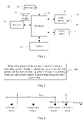
- FIG. 1b when there are a specific quantity of receivers that perform concurrent processing, a broadcast storm occurs, and this results in instantaneous system busyness, and causes a temporary system calculation resource shortage.
- problems such as terminal display interface freeze, processing speed slowdown, quick power consumption, and large heat production. Consequently, usage experience of a user is relatively poor.
- US 2011/173620 A1 discloses a system and method for controlling the execution of notifications in a computer system with multiple notification contexts.
- a RunOn operator enables context hopping between notification contexts.
- Push-based stream operators optionally perform error checking to determine if notifications combined into a push-based stream share a common notification context.
- Context boxes group together notification creators and associate their notifications with a common scheduler and notification context.
- Operators employ a composition architecture, in which they receive one or more push-based streams and produce a transformed push-based stream that may be further operated upon.
- Components may be used in combinations to implement various policies, including a strict policy in which all notifications are scheduled in a common execution context, a permissive policy that provides programming flexibility, and a hybrid policy that combines flexibility with error checking.
- US 2017/003832 A1 discloses that applications on a computing device provide notifications associated with the application to a notification system.
- a notification includes an identification of content to be presented for the notification and an indication of when the content is to be presented.
- the notification system presents the notification content at the appropriate time regardless of whether the application is executing and without resuming execution of the application if the application is not running.
- Various power efficiency techniques are also used to determine which notifications are presented and when a user interface is updated to reflect those notifications in order to avoid updating the user interface to reflect notifications that would not be observable (e.g., due to a power mode of the computing device).
- EP 1 264 238 A2 discloses a system and methodology to enable a variety of information associated with one or more notification sources to be directed to one or more notification sinks via a notification platform architecture.
- the architecture includes a context analyzer for determining a user's state such as location and attentional focus, wherein the user' s state is employed by a notification manager to make decisions regarding what, when and how information generated by the notification sources should be forwarded to the notification sinks, for example.
- These decisons can include a cost benefit analysis wherein considerations are given as to whether the benefits of notifying the user are outweighed by the costs of disrupting the user.
- Decision-theoretic policies and/or somewhat less formal heuristic policies can be employed to enable the decision-making process within the notification manager.
- Embodiments of this application provide a scheduling method and a terminal, so as to improve usage experience of a user.
- an embodiment of this application provides a scheduling method, including: when a first preset condition is met, controlling, by a terminal, a scheduling speed of broadcast scheduling events.
- the first preset condition includes that a quantity of broadcast scheduling events in a preset time window is greater than or equal to a first preset value.
- the broadcast scheduling event is distributing a broadcast to a receiver, and the receiver includes at least one of software, a component, or a program, wherein the broadcast is a parallel broadcast in an Android system, wherein the controlling, by a terminal, a scheduling speed of broadcast scheduling events comprises: grouping, by the terminal, the broadcast scheduling events into at least two groups; and for each of the at least two groups, scheduling, by the terminal, a broadcast scheduling event in the group based on one scheduling speed or at least one scheduling interval corresponding to the group.
- the terminal may control the scheduling speed of the broadcast scheduling events, to extend a processing time of the broadcast scheduling events, and reduce a quantity of simultaneously processed broadcast scheduling events, so that a broadcast storm can be suppressed, and problems such as terminal screen freeze and processing speed slowdown caused by an excessively large quantity of simultaneously processed broadcast scheduling events can be avoided, thereby improving usage experience of a user.
- the broadcast is a broadcast in an Android system.
- the scheduling method in this embodiment of this application is a scheduling method for a broadcast in an Android system and a broadcast scheduling event corresponding to the broadcast.
- the first preset condition further includes that a display interface of the terminal is changing.
- the terminal may control the scheduling speed of the broadcast scheduling events, to avoid screen freeze caused by an excessively large quantity of simultaneously processed broadcast scheduling events.
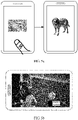
- a display interface of the terminal is changing includes at least one of: the terminal detects a touch event of the user, an application is being started on the terminal, a video is being played on the terminal, a video call is being made on the terminal, a video is being recorded on the terminal, and an image is being shot on the terminal.
- the terminal when the terminal detects these scenarios, it may be considered that the user is interacting with the terminal screen, so that the scheduling speed of the broadcast scheduling events can be controlled when the quantity of broadcast scheduling events is greater than or equal to the first preset value.
- the terminal may group the broadcast scheduling events into the at least two groups, and process the broadcast scheduling events in different groups at different speeds by using scheduling speeds or scheduling intervals corresponding to the groups, to defer a scheduling process of the broadcast scheduling events, reduce a quantity of simultaneously processed broadcast scheduling events, and implement stagger scheduling, thereby suppressing a broadcast storm, resolving a screen freeze problem during interaction between the user and the screen, and improving usage experience of the user.
- the grouping, by the terminal, the broadcast scheduling events into at least two groups includes: grouping, by the terminal, the broadcast scheduling events into the at least two groups based on priorities of receivers corresponding to the broadcast scheduling events.
- priorities of the groups are positively correlated with the priorities of the receivers.
- a higher priority of a receiver indicates a higher priority of a group to which the receiver belongs.
- the method further includes: when the priorities of the receivers are changed, adjusting, by the terminal based on changed priorities of the receivers, the groups to which the broadcast scheduling events corresponding to the receivers belong.
- the terminal can adjust, in a timely manner based on a current priority of a receiver, a group to which the receiver belongs, so that a high-priority receiver is corresponding to a high-priority group, and a low-priority receiver is corresponding to a low-priority group.
- the receivers include a foreground application and a background application, and a priority of the foreground application is higher than a priority of the background application.
- the priority of the foreground application is higher.
- the receivers include an application that is frequently used and an application that is not frequently used, and a priority of the application that is frequently used is higher than a priority of the application that is not frequently used.
- a priority of a foreground application and a priority of a foreground-associated application are higher than a priority of a background application
- the priority of the background application is higher than a priority of an application that is other than the foregoing applications and that is frequently used
- the priority of the application that is frequently used is higher than a priority of a system application other than the foregoing applications
- the priority of the system application is higher than a priority of a three-party application other than the foregoing applications.
- the terminal may prioritize the receivers based on importance of the receivers at a current moment, so that a receiver with higher importance is corresponding to a higher priority, and a receiver with lower importance is corresponding to a lower priority.
- a high-priority group when each group is corresponding to one scheduling speed, a high-priority group is corresponding to a high scheduling speed; when each group is corresponding to at least one scheduling interval, at least one scheduling interval corresponding to a high-priority group is small.
- each group is corresponding to one preset scheduling speed or one preset scheduling interval.
- the terminal can schedule a broadcast scheduling event in a group at a constant speed by using a simple implementation.
- each group is corresponding to one preset duration
- the scheduling, by the terminal, a broadcast scheduling event in the group based on the at least one scheduling interval corresponding to the group includes: first, determining, by the terminal based on the preset duration corresponding to the group, an occurrence moment of the broadcast scheduling event in the group, and a current moment, the at least one scheduling interval corresponding to the group; and then, scheduling, by the terminal, the broadcast scheduling event in the group based on the at least one scheduling interval corresponding to the group.
- the terminal can dynamically determine the scheduling interval based on the preset duration corresponding to the group, the occurrence moment of the broadcast scheduling event, and the current moment, so as to dynamically schedule the broadcast scheduling event in the group.
- a high-priority group is corresponding to short preset duration.
- Preset duration corresponding to a group may be considered as maximum duration in which a broadcast in the group is allowed to be buffered in a queue corresponding to the group.
- the terminal can dynamically determine one smallest scheduling interval based on the preset duration, the occurrence moment of the broadcast scheduling event, and the current moment, so as to schedule the broadcast scheduling event in the group based on the smallest scheduling interval.
- a magnitude of the scheduling interval is correlated with the occurrence moment of the broadcast scheduling event, and the terminal can more quickly distribute a broadcast corresponding to a broadcast scheduling event with an earlier occurrence moment.
- the terminal can determine a scheduling interval based on an actual quantity of broadcast scheduling events in a current group, so as to dynamically adjust the scheduling interval.
- the method further includes: if a broadcast scheduling event is added to the group, re-calculating, by the terminal, at least one scheduling interval corresponding to each broadcast scheduling event in the group.
- the method further includes: when a second preset condition is met, stopping, by the terminal, controlling the scheduling speed of the broadcast scheduling events.
- the second preset condition includes at least one of: a quantity of broadcast scheduling events in a preset time window is less than a second preset value, a screen blacks out, and the screen is turned on and a time in which the display interface does not change is greater than or equal to a third preset value.
- the terminal may stop controlling the scheduling speed of the broadcast scheduling events.
- the method further includes: scheduling, by the terminal without an interval, broadcast scheduling events that have been grouped into the groups.
- the terminal stops grouping the broadcast scheduling events into the at least two groups, it may indicate that a broadcast storm is impossible currently, or that the user has stopped interacting with the terminal screen, and the terminal can schedule the broadcast scheduling events in the groups as quickly as possible.
- an embodiment of this application provides a terminal, including: a processor, a memory, a bus, and a communications interface, where the processor and the memory are connected by using the bus; the memory is configured to store a computer executable instruction; and when the terminal runs, the processor executes the computer executable instruction stored in the memory, so that the terminal executes the scheduling method in any possible implementation of the first aspect.
- An application includes software, a program, a component, and the like.
- a broadcast is sent by a sender, and is used to notify a receiver of some related status information.
- a sender is a system or an application that sends a broadcast.
- a receiver is an application that has been registered for a broadcast, and is configured to receive the broadcast and process a related service.
- the receiver may be dynamically registered for a broadcast in code, or may be statically registered for a broadcast in Manifest.xml.
- a broadcast scheduling event is an event of distributing a broadcast to a receiver.
- a broadcast storm occurs when a quantity of simultaneously processed broadcast scheduling events is excessively large and a system calculation resource shortage is caused.
- a time window is a continuous time window having a fixed time length.
- An interface namely, a user interface (user interface, UI) is a graphics status presented on a display screen in front of a user.
- UI user interface
- a system or an application may send a broadcast, to notify a receiver of status information of a terminal change.
- One broadcast sent by a broadcast sender may be corresponding to a plurality of receivers that have been registered for the broadcast.
- a CONNECTIVITY_CHANGE broadcast is relatively frequently registered by applications, and all applications related to a network status have been registered for the broadcast.
- hundreds of receivers may wait to process a service related to the broadcast.
- one CONNECTIVITY_CHANGE broadcast may be corresponding to hundreds of broadcast scheduling events that need to be scheduled (one broadcast scheduling event is corresponding to one broadcast and one receiver).
- the CONNECTIVITY_CHANGE broadcast occurs very frequently, and there may be up to 700 CONNECTIVITY_CHANGE broadcasts per second.
- a quantity of broadcast scheduling events may be up to a product of the 700 broadcasts and the hundreds of receivers. That is, the terminal needs to schedule tens of thousands of broadcast scheduling events in a short time. As a result, a broadcast storm is very likely to occur, and this causes a series of problems such as terminal screen freeze and an excessively slow processing speed. Consequently, usage experience of a user becomes poor.
- the broadcast in the embodiments of this application may be a parallel broadcast. Different from an ordered broadcast, when one parallel broadcast occurs, the terminal needs to schedule all broadcast scheduling events corresponding to the broadcast, and a scheduling process of broadcast scheduling events corresponding to the broadcast (such as a broadcast corresponding to a terminal startup status) does not cause self-starting of an application on the terminal.
- the terminal provided in the embodiments of this application may control a scheduling speed of broadcast scheduling events when there are a specific quantity of broadcast scheduling events, to defer a processing process of the broadcast scheduling events, reduce a quantity of simultaneously processed broadcast scheduling events, and suppress a broadcast storm, thereby preventing the terminal from suffering a series of problems such as screen freeze and processing speed slowdown, and improving usage experience of a user.
- the scheduling method provided in the embodiments of this application is applicable to various terminal devices, for example, devices such as a mobile phone, a tablet computer, a notebook computer, an ultra-mobile personal computer (ultra-mobile personal computer, UMPC), a netbook, or a personal digital assistant (personal digital assistant, PDA).
- the terminal may be a touchscreen device or a non-touchscreen device.
- the scheduling method provided in the embodiments of this application is described by using an example in which the terminal is a mobile phone.
- the following describes components of a mobile phone 10 in detail with reference to an accompanying drawing.
- the mobile phone 10 may include components such as a screen 11, a processor 12, a memory 13, a power supply 14, a radio frequency (Radio Frequency, RF) circuit 15, a gravity sensor 16, an audio circuit 17, a loudspeaker 18, and a microphone 19. These components may be connected to each other by using a bus, or may be directly connected to each other.
- RF Radio Frequency
- FIG. 2 A person skilled in the art may understand that a structure of the mobile phone shown in FIG. 2 constitutes no limitation on the mobile phone, and the mobile phone may include more components than those shown in FIG. 2 , or a combination of some components, or components disposed differently.
- the screen 11 may be a display panel, and is configured to present a display interface.
- the screen 11 may alternatively be a touch display panel, and is configured to implement input and output functions of the mobile phone 10, and may collect a touch operation of a user on or near the screen 11 (for example, an operation performed by the user on the screen 11 or near the screen 11 by using any suitable object or accessory such as a finger or a stylus), and drive a corresponding connection apparatus according to a preset program.
- the screen 11 may be further configured to display information input by the user or information provided for the user (such as an image collected by using a camera), and various menus of the mobile phone.
- the screen 11 may be implemented in a plurality of types, such as a resistive type, a capacitive type, an infrared light-sensitive type, and an ultrasonic wave type, and this is not limited in this embodiment of this application.
- An operation of the user near the screen 11 may be referred to as hover touch control, and a display on which hover touch control can be performed may be implemented in types such as a capacitive type, an infrared light-sensitive type, and an ultrasonic wave type.
- the processor 12 is a control center of the mobile phone 10, connects all parts of the entire mobile phone by using various interfaces and circuits, and executes various functions of the mobile phone 10 and processes data by running or executing a software program and/or a module stored in the memory 13 and by calling data stored in the memory 13, so as to perform overall monitoring on the mobile phone 10.
- the processor 12 may include one or more processing units.
- An application processor and a modem processor may be integrated into the processor 12.
- the application processor mainly processes an operating system, a user interface, an application program, and the like.
- the modem processor mainly processes wireless communication. It can be understood that the modem processor may alternatively not be integrated into the processor 12.
- the screen 11 may be further configured to determine a touch object based on a touch operation of the user on the screen 11, and report the touch object to the processor 12, so that the processor 12 performs further processing.
- the memory 13 may be configured to store data, a software program, and a module, and may be a volatile memory (volatile memory), such as a random-access memory (random-access memory, RAM), a non-volatile memory (non-volatile memory), such as a read-only memory (read-only memory, ROM), a flash memory (flash memory), a hard disk drive (hard disk drive, HDD), or a solid-state drive (solid-state drive, SSD), or a combination of the foregoing types of memories.
- the memory 13 may store program code, where the program code is used to enable the processor 12 to execute, by executing the program code, the scheduling method provided in the embodiments of this application.
- the power supply 14 may be a battery, and is logically connected to the processor 12 by using a power management system, so that functions such as charge management, discharge management, and power consumption management are implemented by using the power management system.
- the RF circuit 15 may be configured to receive and send a signal in an information receiving or sending process or a call process, and in particular, send received information to the processor 12 for processing. In addition, the RF circuit 15 sends a signal that is generated by the processor 12. Generally, the RF circuit includes but is not limited to an antenna, at least one amplifier, a transceiver, a coupler, a low noise amplifier (low noise amplifier, LNA), a duplexer, and the like. In addition, the RF circuit 15 may further communicate with a network and another device through wireless communication.
- the gravity sensor (gravity sensor) 16 may detect accelerations in all directions (three axes generally) of the mobile phone, may detect a magnitude and a direction of gravity when the mobile phone is static, and may be used for an application that recognizes a mobile phone posture (such as screen switching between portrait and landscape modes, a related game, and magnetometer posture calibration), a function related to vibration recognition (such as a pedometer or a knock), and the like. It should be noted that the mobile phone 10 may further include other sensors, such as a pressure sensor, a light sensor, a gyroscope, a barometer, a hygrometer, a thermometer, and an infrared sensor, and details are not described herein.
- the audio circuit 17, the loudspeaker 18, and the microphone 19 may provide an audio interface between the user and the mobile phone 10.
- the audio circuit 17 may transmit an electrical signal converted from received audio data to the loudspeaker 18, and the loudspeaker 18 converts the electrical signal into an audio signal for output.
- the microphone 19 converts a collected audio signal into an electrical signal.
- the audio circuit 17 receives the electrical signal, converts the electrical signal into audio data, and then outputs the audio data to the RF circuit 15, so as to send the audio data to, for example, another mobile phone, or outputs the audio data to the processor 12 for further processing.
- the mobile phone 10 may further include functional modules such as a Wireless Fidelity (wireless fidelity, WiFi) module, a Bluetooth module, and a camera. Details are not described herein.
- a Wireless Fidelity wireless fidelity, WiFi
- WiFi wireless fidelity
- Bluetooth Bluetooth
- camera a camera
- Steps shown in FIG. 3 may alternatively be performed in any terminal other than the mobile phone shown in FIG. 2 .
- a logic sequence of the scheduling method provided in the embodiments of this application is shown in the method flowchart, yet in some cases, the shown or described steps may be performed in a sequence different from the logic sequence.
- an embodiment of this application provides a scheduling method.
- the method may include the following step:
- a terminal controls a scheduling speed of broadcast scheduling events, where the first preset condition includes that a quantity of broadcast scheduling events in a preset time window is greater than or equal to a first preset value, the broadcast scheduling event is distributing a broadcast to a receiver, and the receiver includes at least one of software, a component, or a program.
- the broadcast herein is a parallel broadcast in an Android system.
- the preset time window herein is a continuous time period with duration of T, and the first preset value may be a threshold used by the terminal to predict whether a broadcast storm is to occur.
- the preset time window and the first preset value may be specifically set depending on an actual situation.
- the duration of the preset time window T may be Is, and the first preset value may be 60.
- a broadcast occurs is that a broadcast sender sends a broadcast, where the broadcast carries status information of the terminal.
- a broadcast occurs randomly.
- the terminal cannot predetermine when a broadcast occurs or when a quantity of broadcast scheduling events increases. Therefore, the terminal may specifically determine, each time a broadcast occurs, whether a quantity of broadcast scheduling events in a current preset time window is greater than or equal to the first preset value.
- the current preset time window is a current moment and a continuous time period T prior to the current moment. If a quantity of broadcast scheduling events in the current preset time window is greater than or equal to the first preset value, it may be considered that the quantity of broadcast scheduling events is relatively large, and a broadcast storm is to occur.
- the current preset time window T is Is, and the current moment is a moment 1
- the current preset time window is the moment 1 and Is prior to the moment 1
- the current preset time window is the moment 2 and Is prior to the moment 2.
- the terminal may periodically determine whether a quantity of broadcast scheduling events in a current preset time window is greater than or equal to the first preset value.
- the terminal may alternatively determine, after receiving indication information of a user, whether a quantity of broadcast scheduling events in a current preset time window is greater than or equal to the first preset value.
- a receiver of a broadcast may be an application that has been registered for the broadcast, and the application may be specifically at least one of software, a program, or a component.
- One broadcast scheduling event may be corresponding to one broadcast and one receiver.
- One broadcast may be corresponding to a plurality of receivers, and in this case, the broadcast may be corresponding to a plurality of broadcast scheduling events.
- Different broadcasts may be corresponding to one receiver, and in this case, the receiver may be corresponding to a plurality of broadcast scheduling events.
- That a terminal controls a scheduling speed of broadcast scheduling events may include: the broadcast scheduling events may be buffered in a queue, and the terminal may schedule the broadcast scheduling events in the queue at equal intervals at a constant speed, or may schedule the broadcast scheduling events at a non-constant speed; and the terminal may schedule the broadcast scheduling events in the queue at a preset speed or interval, or may dynamically adjust the scheduling speed of the broadcast scheduling events. This is not specifically limited herein.
- the terminal may consider that the current quantity of broadcast scheduling events is relatively large. Therefore, the terminal may control the scheduling speed of the broadcast scheduling events, to extend a processing time of the broadcast scheduling events, and reduce a quantity of simultaneously processed broadcast scheduling events, instead of scheduling all broadcast scheduling events at one time in the prior art. In this way, a broadcast storm can be suppressed, and problems such as terminal screen freeze and processing speed slowdown caused by an excessively large quantity of simultaneously processed broadcast scheduling events can be avoided, so that usage experience of the user is improved.
- the first preset condition may further include that the user is using the terminal.
- the terminal may control the scheduling speed of the broadcast scheduling events, to reduce the quantity of simultaneously processed broadcast scheduling events.
- a scenario in which the user is using the terminal may include that a terminal screen is turned on or that the terminal screen blacks out but the terminal detects that music is being played or a broadcast (such as an FM broadcast) program is being played.
- the first preset condition may further include that a display interface of the terminal is changing.
- the display interface of the terminal may indicate that the user is interacting with the terminal screen, and the user can intuitively sense whether screen display is smooth. If the quantity of simultaneously processed broadcast scheduling events is excessively large, a broadcast storm may occur, and this results in screen freeze. As a result, the display interface freezes on a current image without an update, and this makes the user feel that interface display is not smooth. Therefore, in this case, the terminal may control the scheduling speed of the broadcast scheduling events, to suppress the broadcast storm, resolve the problem of interface freeze, and ensure display smoothness.
- a scenario in which the display interface of the terminal is changing may include at least one of the following: the terminal detects a touch event of the user, an application is being started on the terminal, a video is being played on the terminal, a video call is being made on the terminal, a video is being recorded on the terminal, and an image is being shot on the terminal.
- the terminal may detect, by using a processing circuit, whether the terminal is currently in any of the foregoing scenarios. For example, the terminal may detect whether an application is being started on the terminal, or whether a video is being played on the terminal.
- the touch event of the user may include an event such as tapping, sliding, touching and holding, dragging, or pinching the screen by the user.
- the processing circuit in the terminal may determine, by using an input from a touch event detector, whether there is user interaction with the screen.
- the processing circuit may be further configured to: process the input from the touch event detector, to determine, by distinguishing one or more user knocks from another vibration and movement, whether there is user interaction with the screen.
- the application that is being started on the terminal may include various software and application programs supported by the terminal, for example, WeChat, Baidu, Facebook (facebook), Taobao, Alipay, navigation software, and various game apps, and no more examples are provided herein.
- FIG. 5a For a scenario in which a user slides a screen (a touch event) to browse a picture, reference may be made to FIG. 5a ; for a scenario in which a user watches a video by using a screen, reference may be made to FIG. 5b ; for a scenario in which a user makes a video chat by using a screen, reference may be made to FIG. 5c ; and for a scenario in which a user shoots an image by using a screen, reference may be made to FIG. 5d .
- a graphics processing unit graphics processing unit, GPU
- the terminal may monitor a rendering status of the GPU, to determine whether the display interface is changing.
- the terminal may group the broadcast scheduling events in step 100, so as to separately process a broadcast scheduling event in each group.
- Step 100 may specifically include the following steps.
- the terminal groups the broadcast scheduling events into at least two groups.
- Each group may include at least one broadcast scheduling event.
- the terminal may schedule the broadcast scheduling events in the different groups in series, or may schedule the broadcast scheduling events in the different groups in parallel. This is not specifically limited herein.
- the terminal schedules a broadcast scheduling event in the group based on one scheduling speed or at least one scheduling interval corresponding to the group.
- a scheduling interval is a time interval between scheduling of two broadcast scheduling events.
- the terminal may schedule a broadcast scheduling event in the group based on one scheduling speed corresponding to the group or based on at least one scheduling interval corresponding to the group, so that a receiver in the broadcast scheduling event can process a broadcast-related service.
- the terminal may schedule broadcast scheduling events in all groups in parallel at different speeds corresponding to the groups.
- the terminal may control a scheduling speed of a broadcast scheduling event in each group.
- a control unit in FIG. 6 may be specifically a broadcast registration and distribution management center, and a broadcast source in FIG. 6 may be a system or an application that sends a broadcast.
- the terminal may extend the processing time of the broadcast scheduling events, reduce the quantity of simultaneously processed broadcast scheduling events, and stagger scheduling processes of a plurality of broadcast scheduling events, so as to implement stagger scheduling, thereby avoiding a relatively large scheduling peak value shown in FIG. 1b that occurs because all broadcast scheduling events are scheduled at one time in the prior art.
- a first group of the at least two groups is used as an example, and the terminal may schedule a broadcast scheduling event in the first group based on one scheduling speed corresponding to the first group or based on at least one scheduling interval corresponding to the first group. If the broadcast scheduling event in the first group includes the broadcast scheduling event 1 in Table 1, that the terminal schedules the broadcast scheduling event 1 is: the terminal schedules the receiver 1 to process a service related to the broadcast 1.
- a broadcast scheduling event processing manner for another group of the at least two groups is similar to that for the first group, and details are not described herein again.
- the terminal may schedule the broadcast scheduling event in the group at a constant speed based on the scheduling speed. For example, if a scheduling speed corresponding to the first group is s1 broadcast scheduling events per second, the terminal may schedule s1 broadcast scheduling events in the first group in each second.
- each group is corresponding to at least one scheduling interval, there may be specifically one or more scheduling intervals corresponding to the group, and this is not specifically limited in this embodiment of this application.
- the terminal may schedule a broadcast scheduling event in the group at a constant speed based on the scheduling interval. For example, if a scheduling interval corresponding to the first group is ⁇ t, the terminal may schedule one broadcast scheduling event in the first group at an interval of ⁇ t.
- each group may be corresponding to one preset scheduling speed, or each group may be corresponding to one preset scheduling interval.
- the terminal may schedule the broadcast scheduling event in the group at a constant speed based on the preset scheduling speed or the preset scheduling interval.
- each group may be corresponding to one queue
- the broadcast scheduling event in the group may be temporarily buffered in the queue corresponding to the group
- the terminal may schedule, based on the scheduling speed or the at least one scheduling interval corresponding to the group, the broadcast scheduling event that is buffered in the queue corresponding to the group.
- the terminal when the user interacts with the terminal screen, and a broadcast storm is to occur, the terminal may group the broadcast scheduling events into the at least two groups, and schedule the broadcast scheduling event in each group based on the one scheduling speed or at least one scheduling interval corresponding to the group, so as to process the broadcast scheduling events in different groups at different speeds by using scheduling speeds or scheduling intervals respectively corresponding to the groups.
- a scheduling curve of the broadcast scheduling events may be made relatively gentle, and a relatively large peak value in the prior art shown in FIG. 1b does not occur.
- the terminal may group the broadcast scheduling events into the at least two groups in a plurality of manners.
- that the terminal groups the broadcast scheduling events into at least two groups may include the following step:
- the terminal groups the broadcast scheduling events into the at least two groups based on priorities of receivers corresponding to the broadcast scheduling events.
- the terminal may group the broadcast scheduling events into different groups based on the priorities of the receivers corresponding to the broadcast scheduling events, so as to process the broadcast scheduling events in the different groups.
- the priorities of the receivers are associated with importance of the receivers.
- the terminal may group the broadcast scheduling events into the different groups based on the importance of the receivers.
- the receivers may include a foreground application and a background application, importance of the foreground application is higher than importance of the background application, and a priority of the foreground application is higher than a priority of the background application.
- the receivers may include an application that is frequently used and an application that is not frequently used, importance of the application that is frequently used is higher than importance of the application that is not frequently used, and a priority of the application that is frequently used is higher than a priority of the application that is not frequently used.
- the importance of the receivers may be divided as follows: a foreground application and a foreground-associated application>a background application>an application that is other than the foregoing applications and that is frequently used>a system application other than the foregoing applications>a three-party application other than the foregoing applications.
- “>” herein represents that importance of a former application is higher than importance of a latter application.
- the "application that is other than the foregoing applications and that is frequently used” is an application that is other than the foregoing foreground application, foreground-associated application, and background application and that is frequently used;
- the "system application other than the foregoing applications” is a system application other than the foregoing foreground application, foreground-associated application, background application, and application that is frequently used;
- the "three-party application other than the foregoing applications” is a three-party application other than all of the foregoing applications.
- the priorities of the receivers may be divided as follows: the foreground application and the foreground-associated application>the background application>the application that is other than the foregoing applications and that is frequently used>the system application other than the foregoing applications>the three-party application other than the foregoing applications.
- > herein represents that a priority of a former application is higher than a priority of a latter application.
- the terminal may group the receivers into five groups based on the priorities of the receivers: a group to which the foreground application and the foreground-associated application belong, a group to which the background application belongs, a group to which the application that is other than the foregoing applications and that is frequently used belongs, a group to which the system application other than the foregoing applications belongs, and a group to which the three-party application other than the foregoing applications belongs.
- the terminal may re-group the broadcast scheduling events into at least two groups based on changed priorities of the receivers.
- the terminal may adjust, based on changed priorities of the receivers, the groups to which the broadcast scheduling events corresponding to the receivers belong.
- the terminal may adjust, based on changed importance of the receivers, the groups to which the broadcast scheduling events belong.
- the groups to which the broadcast scheduling events belong may also be corresponding to different priorities, and a broadcast scheduling event in a high-priority group may be a broadcast scheduling event that needs to be scheduled as quickly as possible.
- priorities of the groups may be positively correlated with the priorities of the receivers.
- a receiver with higher importance has a higher priority
- a group to which the receiver with higher importance belongs also has a higher priority.
- a broadcast scheduling event with higher importance needs to be scheduled more quickly, and therefore, a priority of a group to which the broadcast scheduling event belongs is also higher.
- priorities of the five groups to which the broadcast scheduling events belong may be: the group to which the foreground application and the foreground-associated application belong>the group to which the background application belongs>the group to which the application that is other than the foregoing applications and that is frequently used belongs>the group to which the system application other than the foregoing applications belongs>the group to which the three-party application other than the foregoing applications belongs.
- ">" herein represents that a priority of a former application is higher than a priority of a latter application.
- the foreground application is Taobao
- the application related to the foreground application includes Alipay
- the background application includes WeChat and system background applications
- the application that is frequently used by a user includes Facebook and Baidu Browser
- the terminal further supports other system applications such as Calculator, and other three-party applications such as Google (google) Maps.
- Taobao and Alipay may be corresponding to a priority-1 receiver and a priority-1 group in Table 2
- WeChat and other system background applications may be corresponding to a priority-2 receiver and a priority-2 group in Table 2
- Facebook and Baidu Browser may be corresponding to a priority-3 receiver and a priority-3 group in Table 2
- Calculator may be corresponding to a priority-4 receiver and a priority-4 group in Table 2
- Google Maps may be corresponding to a priority-5 receiver and a priority-5 group in Table 2.
- WeChat when WeChat is switched from the background to the foreground, and Taobao is switched from the foreground to the background, WeChat may be corresponding to the priority-1 receiver and the priority-1 group in Table 2, and Taobao and Alipay may be corresponding to the priority-2 receiver and the priority-2 group in Table 2.
- the receivers namely, the groups to which the receivers belong may also be prioritized in a different manner. Details are not described herein.
- that the terminal groups the broadcast scheduling events into at least two groups may include: the terminal may group a broadcast scheduling event corresponding to at least one receiver into one group.
- the terminal may group a broadcast scheduling event corresponding to a receiver 1 into one group, and group a broadcast scheduling event corresponding to a receiver 2 into another group.
- the terminal may alternatively group broadcast scheduling events corresponding to a receiver 1 and a receiver 2 into one group, and group broadcast scheduling events corresponding to a receiver 3 and a receiver 4 into another group.
- that the terminal groups the broadcast scheduling events into at least two groups may include: the terminal may group a broadcast scheduling event corresponding to at least one broadcast into one group.
- the terminal may group a broadcast scheduling event corresponding to a broadcast 1 into one group, and group a broadcast scheduling event corresponding to a broadcast 2 into another group.
- the terminal may alternatively group broadcast scheduling events corresponding to a broadcast 1 and a broadcast 2 into one group, and group broadcast scheduling events corresponding to a broadcast 3 and a broadcast 4 into another group.
- that the terminal groups the broadcast scheduling events into at least two groups may include: the terminal may group the broadcast scheduling events into the at least two groups in a chronological order of broadcast occurrence.
- that the terminal groups the broadcast scheduling events into at least two groups may include: the terminal may randomly group the broadcast scheduling events into the at least two groups.
- the terminal may alternatively group the broadcast scheduling events into the at least two groups in another manner, and no more examples are provided herein.
- Manners of grouping the broadcast scheduling events are different, and manners of prioritizing the groups to which the broadcast scheduling events belong may also be different.
- the terminal groups the broadcast scheduling events into three groups in a chronological order of broadcast occurrence, and a broadcast scheduling event with an earlier occurrence time needs to be scheduled more quickly. Therefore, a priority of a group to which the broadcast scheduling event with an earlier occurrence time belongs is higher than a priority of a group to which a broadcast scheduling event with a later occurrence time belongs.
- the terminal when each group is corresponding to one priority, in the case of serial scheduling, the terminal may preferentially process a broadcast scheduling event in a high-priority group, so that the broadcast scheduling event in the high-priority group is scheduled as quickly as possible; and in the case of parallel scheduling, the terminal may schedule broadcast scheduling events in all groups in parallel, and a high-priority group is corresponding to a high scheduling speed.
- parallel scheduling the terminal may schedule broadcast scheduling events in all groups in parallel, and a high-priority group is corresponding to a high scheduling speed.
- a high-priority group is corresponding to a high scheduling speed; when each group is corresponding to at least one scheduling interval, at least one scheduling interval corresponding to a high-priority group is small. Because a broadcast scheduling event in a higher-priority group may need to be scheduled more quickly, by using a relatively high scheduling speed or a relatively small scheduling interval, the terminal may more quickly schedule the broadcast scheduling event in the higher-priority group.
- a preset scheduling speed corresponding to a high-priority group may be greater than a preset scheduling speed corresponding to a low-priority group; if each group is corresponding to one preset scheduling interval, a preset scheduling interval corresponding to a high-priority group may be less than a preset scheduling interval corresponding to a low-priority group. In this way, the terminal may more quickly schedule a broadcast scheduling event in the high-priority group.
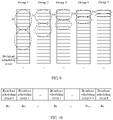
- Table 3 Group Preset scheduling speed Group 1 S1 Group 2 S2 Group 3 S3 Group 4 S4 Group 5 S5
- S1, S2, S3, S4, and S5 are respectively six broadcast scheduling events per second, four broadcast scheduling events per second, three broadcast scheduling events per second, two broadcast scheduling events per second, and one broadcast scheduling event per second, for a schematic diagram of broadcast scheduling event scheduling corresponding to Table 2, reference may be made to FIG. 9 . It can be learned from FIG. 9 that, a broadcast scheduling event in a higher-priority group may be scheduled more quickly.
- Table 4 Group Preset scheduling interval Group 1 ⁇ T1 Group 2 ⁇ T2 Group 3 ⁇ T3 Group 4 ⁇ T4 Group 5 ⁇ T5
- each group may be corresponding to one preset duration.
- step 102 in which the terminal schedules the broadcast scheduling event in the group based on the at least one scheduling interval corresponding to the group includes the following steps:
- the terminal determines, based on the preset duration corresponding to the group, an occurrence moment of the broadcast scheduling event in the group, and a current moment, the at least one scheduling interval corresponding to the group.
- the terminal schedules the broadcast scheduling event in the group based on the at least one scheduling interval corresponding to the group.
- step 201 and step 202 after a broadcast occurs (that is, the broadcast is sent by a sender), m broadcast scheduling events that are corresponding to the broadcast and that are in a one-to-one correspondence with m receivers of the broadcast are generated.
- a broadcast scheduling event also occurs. Therefore, an occurrence moment of the broadcast scheduling event may also be understood as an occurrence moment of the broadcast.
- the preset duration may be understood as a longest time in which the broadcast scheduling event is allowed to be buffered in a queue corresponding to the group, and may be specifically set depending on an actual need.
- the scheduling interval is correlated with the longest time in which the broadcast scheduling event is allowed to remain in the queue corresponding to the group.
- the terminal may dynamically determine, based on the preset duration corresponding to the group, the occurrence moment of the broadcast scheduling event in the group, and the current moment, the at least one scheduling interval corresponding to the group, so as to schedule the broadcast scheduling event in the group based on the at least one scheduling interval.
- a broadcast scheduling event in each group may be scheduled by using the method described in step 201 and step 202.
- a higher-priority group is corresponding to shorter preset duration.
- a time in which a broadcast scheduling event is allowed to be buffered in a queue corresponding to the higher-priority group is shorter, and the broadcast scheduling event in the higher-priority group can be scheduled more quickly.
- Table 2 is used as an example.
- Table 5 Group Preset duration Group 1 10 ms Group 2 15 ms Group 3 20 ms Group 4 25 ms Group 5 30 ms
- the terminal may implement step 201 and step 202 by using a plurality of methods, and this is described below by using examples.
- step 201 may include:
- the terminal may calculate, based on Expression 1, I scheduling intervals corresponding to I broadcast scheduling events included in the group, where i is an integer from 0 to 1-1.
- a higher priority of a receiver indicates a higher priority of a group to which the receiver belongs, shorter preset duration corresponding to the group to which the receiver belongs, and at least one smaller scheduling interval corresponding to the group to which the receiver belongs, and a broadcast scheduling event can be scheduled more quickly.
- ⁇ t i is smaller if the occurrence moment T i of the broadcast scheduling event is earlier and duration between the occurrence moment of the broadcast scheduling event T i and the current moment T c is longer. In other words, if a broadcast scheduling event occurs earlier, a scheduling interval corresponding to the broadcast scheduling event is smaller, and the broadcast scheduling event needs to be scheduled more quickly.
- Step 202 may include the following step:
- the terminal successively schedules the broadcast scheduling event corresponding to each scheduling interval, in ascending order of the scheduling interval corresponding to each broadcast scheduling event.
- the terminal may successively schedule, in ascending order of the scheduling intervals, an (I-1) th broadcast scheduling event, an (I-2) th broadcast scheduling event, ..., an i th broadcast scheduling event, ..., a 1 st broadcast scheduling event, and a 0 th broadcast scheduling event that are buffered in a queue corresponding to the group.
- the terminal may schedule the (I-1) th broadcast scheduling event after waiting for ⁇ t I-1 ; schedule the (I-2) th broadcast scheduling event at an interval of ⁇ t I-2 after scheduling the (I-1) th broadcast scheduling event; schedule an (I-3) th broadcast scheduling event at an interval of ⁇ t I-3 after scheduling the (I-1) th broadcast scheduling event; and so on.
- step 202 may include step 303 and step 304.
- the terminal selects a smallest scheduling interval from the scheduling interval corresponding to each broadcast scheduling event.
- the terminal schedules each broadcast scheduling event in the group based on the smallest scheduling interval.
- the terminal may select a smallest scheduling interval ⁇ t I , and successively schedule, based on ⁇ t I , the I broadcast scheduling events that are buffered in a queue corresponding to the group. Specifically, the terminal may successively schedule, based on ⁇ t I according to a first in first out principle, the I broadcast scheduling events that are buffered in the queue corresponding to the group.
- step 201 may include the following step:
- ⁇ t is an average scheduling interval corresponding to the group, and shorter preset duration To indicates a smaller average scheduling interval ⁇ t .
- Step 202 may include the following step:
- the terminal schedules each broadcast scheduling event in the group based on the one scheduling interval.
- an average scheduling interval ⁇ t corresponding to the group 1 may be 10 ms/I.
- the terminal may successively schedule, based on 10 ms/I according to a first in first out principle, the broadcast scheduling events that are buffered in a queue corresponding to the group 1.
- the method may further include the following step:
- the terminal re-calculates at least one scheduling interval corresponding to each broadcast scheduling event in the group.
- the at least one scheduling interval calculated in steps 301 to 304 and steps 401 and 402 may also be changed.
- at least one scheduling interval corresponding to the group needs to be re-calculated based on an occurrence moment of a broadcast scheduling event in a current group, the preset duration, and a current moment.
- the method may further include the following step:
- the terminal stops controlling the scheduling speed of the broadcast scheduling events, where the second preset condition includes at least one of: a quantity of broadcast scheduling events in a preset time window is less than a second preset value, a screen blacks out, and the screen is turned on and a time in which the display interface does not change is greater than or equal to a third preset value.
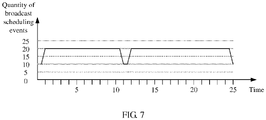
- the second preset value may be a threshold used by the terminal to predict whether the broadcast storm is resolved. Referring to FIG. 12a , when the quantity of broadcast scheduling events in step 100 is greater than or equal to the first preset value, and a broadcast storm is to occur, if a quantity of broadcast scheduling events in a current preset time window in a subsequent process is less than the second preset value, it may indicate that no broadcast storm may occur currently, and broadcast scheduling event scheduling does not affect interface display smoothness, a processing speed of the terminal, or the like. In this case, the broadcast storm no longer needs to be suppressed. Therefore, control over the scheduling speed of the broadcast scheduling events may be stopped.
- the second preset value may be specifically set depending on an actual need. In a possible implementation, the second preset value may be greater than the first preset value. That is, when the terminal determines that there is a falling trend in the quantity of broadcast scheduling events, the terminal may consider that the broadcast storm is impossible currently.
- the third preset value may be 20s. Therefore, referring to FIG. 12b , after the terminal determines, in step 100, that the quantity of broadcast scheduling events is relatively large, if, in a subsequent process, the screen blacks out or the screen is turned on and the time in which the interface does not change is greater than or equal to the preset value, the broadcast storm no longer needs to be suppressed, and the terminal may stop controlling the scheduling speed of the broadcast scheduling events.
- the terminal may stop processing the broadcast scheduling events in different groups at different speeds. Further, for broadcast scheduling events that have been grouped into the groups, the terminal may perform scheduling without an interval, so as to increase a scheduling speed of the broadcast scheduling events.
- a broadcast scheduling event that has not been grouped into a group may be scheduled in a scheduling manner in the prior art.
- a terminal device includes a corresponding hardware structure and/or software module for performing each of the functions.
- algorithm steps in the examples described with reference to the embodiments disclosed in this specification may be implemented by hardware or a combination of hardware and computer software in the present invention. Whether a function is performed by hardware or computer software driving hardware depends on particular receivers and design constraints of the technical solutions. A person skilled in the art may use different methods to implement the described functions for each particular receiver, but it should not be considered that the implementation goes beyond the scope of the present invention.
- functional modules of the terminal may be divided based on the foregoing method example.
- functional modules may be divided based on functions, or two or more functions may be integrated into one processing module.
- the integrated module may be implemented in a form of hardware, or may be implemented in a form of a software functional module. It should be noted that the module division in the embodiments of the present invention is an example, and is merely logical function division. There may be another division manner in actual implementation.
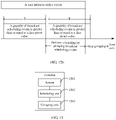
- FIG. 13 is a possible schematic composition diagram of the terminal in the foregoing embodiments.
- the terminal may include a screen 1301, a scheduling unit 1302, and a grouping unit 1303.
- the screen 1301 is configured to support the terminal in presenting a display interface.
- the scheduling unit 1302 is configured to support the terminal in performing step 100 in FIG. 3 and FIG. 11 , step 200 in FIG. 11 , step 102, steps 201 and 202, steps 301 to 304, steps 401 and 402, and step 501 in the foregoing specification.
- the grouping unit 1303 is configured to support the terminal in performing step 101 in the foregoing specification. Further/alternatively, the units are further configured to support another process of a technology described in this specification.
- FIG. 14 is another possible schematic composition diagram of the terminal in the foregoing embodiments.
- the terminal includes: a processing module 1401, a communications module 1402, and a storage module 1403.
- the processing module 1401 is configured to perform control management on an action of the terminal.
- the processing module 1401 is configured to support the terminal in performing step 100 in the scheduling methods shown in FIG. 3 and FIG. 11 , and step 200 in the scheduling method shown in FIG. 11 , and/or another process of a technology described in this specification.
- the communications module 1402 is configured to support communication between the terminal and another network entity.
- the storage module 1403 is configured to store program code and data of the terminal.
- the processing module 1401 may be a processor or a controller.
- the processing module 1401 may implement or execute various examples of logical blocks, modules, and circuits that are described with reference to the content disclosed in the present invention.
- the processor may also be a combination for implementing computing functions, for example, a combination of one or more microprocessors or a combination of a microprocessor (digital signal processor, DSP) and a microprocessor.
- the communications module 1402 may be a transceiver, a transceiver circuit, a communications interface, or the like.
- the storage module 1403 may be a memory.
- FIG. 15 is a schematic structural diagram of another terminal according to an embodiment of the present invention.
- the terminal may include a processor 1501, a memory 1502, a bus 1503, and a communications interface 1504.
- the processor 1501, the memory 1502, and the communications interface 1504 are connected by using the system bus 1503.
- the memory 1502 is configured to store a computer executable instruction.
- the processor 1501 executes the computer executable instruction stored in the memory 1502, so that the terminal executes the scheduling method provided in the embodiments of the present invention.
- the scheduling method For a specific scheduling method, refer to the following descriptions and related descriptions in the accompanying drawings, and details are not described herein again.
- the processor 1501 may be corresponding to functions of the scheduling unit 1302 and the grouping unit 1303. Further, the processor 1501 may be further corresponding to a function of the processing module 1401.
- the memory 1502 may be corresponding to a function of the storage module 1403.
- the communications interface 1504 may be corresponding to a function of the communications module 1402.
- An embodiment of this application further provides a computer storage medium, configured to store a computer software instruction used by the terminal.
- the computer software instruction runs on a computer, the computer is enabled to execute the scheduling method executed by the terminal.
- the storage medium may be specifically the memory 1502.
- An embodiment of this application further provides a computer program product including an instruction.
- the computer program product runs on a computer, the computer is enabled to execute the scheduling method executed by the terminal.
- All or some of the foregoing embodiments may be implemented by using software, hardware, firmware, or any combination thereof.
- a software program is used to implement the embodiments, the embodiments may be implemented completely or partially in a form of a computer program product.
- the computer program product includes one or more computer instructions.
- the computer program instructions When the computer program instructions are loaded and executed on a computer, the procedures or functions according to the embodiments of this application are all or partially generated.
- the computer may be a general-purpose computer, a special-purpose computer, a computer network, or another programmable apparatus.
- the computer instructions may be stored in a computer-readable storage medium or may be transmitted from a computer-readable storage medium to another computer-readable storage medium.
- the computer instructions may be transmitted from a website, computer, server, or data center to another website, computer, server, or data center in a wired (for example, a coaxial cable, an optical fiber, or a digital subscriber line (digital subscriber line, DSL)) or wireless (for example, infrared, radio, or microwave) manner.
- the computer-readable storage medium may be any usable medium that can be accessed by a computer, or a data storage device, such as a server or a data center, integrating one or more usable media.
- the usable medium may be a magnetic medium (for example, a floppy disk, a hard disk, or a magnetic tape), an optical medium (for example, a DVD), a semiconductor medium (for example, a solid state disk), or the like.
- a magnetic medium for example, a floppy disk, a hard disk, or a magnetic tape
- an optical medium for example, a DVD
- a semiconductor medium for example, a solid state disk
Landscapes
- Engineering & Computer Science (AREA)
- Computer Networks & Wireless Communication (AREA)
- Signal Processing (AREA)
- Multimedia (AREA)
- Quality & Reliability (AREA)
- Telephone Function (AREA)
- Two-Way Televisions, Distribution Of Moving Picture Or The Like (AREA)
Claims (13)
- Procédé de planification, le procédé comprenant :lorsqu'une première condition prédéfinie est remplie, la commande (également), par un terminal, d'une vitesse de planification d'événements de planification de diffusion, la première condition prédéfinie comprenant le fait qu'une quantité d'événements de planification de diffusion dans une fenêtre temporelle prédéfinie est supérieure ou égale à un première valeur prédéfinie, l'événement de planification de diffusion distribuant une diffusion à un récepteur, et le récepteur comprenant un logiciel et/ou un composant et/ou un programme,la diffusion étant une diffusion parallèle dans un système Android,la commande, par un terminal, d'une vitesse de planification d'événements de planification de diffusion comprenant :le regroupement, par le terminal, des événements de planification de diffusion en au moins deux groupes ; etpour chacun des au moins deux groupes, la planification, par le terminal, d'un événement de planification de diffusion dans le groupe en fonction d'une vitesse de planification ou d'au moins un intervalle de planification correspondant au groupe.
- Procédé selon la revendication 1, la première condition prédéfinie comprenant en outre le fait qu'une interface d'affichage du terminal est en train de changer.
- Procédé selon la revendication 2, le fait qu'une interface d'affichage du terminal est en train de changer comprenant :
le terminal détectant un événement tactile d'un utilisateur et/ou une application étant en cours de démarrage sur le terminal et/ou une vidéo étant en cours de lecture sur le terminal et/ou un appel vidéo étant effectué sur le terminal et/ou une vidéo étant en cours d'enregistrement sur le terminal et/ou une image étant en cours de prise de vue sur le terminal. - Procédé selon l'une quelconque des revendications 1 à 3, le regroupement, par le terminal, des événements de planification de diffusion en au moins deux groupes comprenant :
le regroupement, par le terminal, des événements de planification de diffusion dans les au moins deux groupes en fonction des priorités des récepteurs correspondant aux événements de planification de diffusion. - Procédé selon la revendication 4, les récepteurs comprenant une application de premier plan et une application d'arrière-plan, et une priorité de l'application de premier plan étant supérieure à une priorité de l'application d'arrière-plan.
- Procédé selon la revendication 4, les récepteurs comprenant une application qui est fréquemment utilisée et une application qui n'est pas fréquemment utilisée, et une priorité de l'application qui est fréquemment utilisée étant supérieure à une priorité de l'application qui n'est pas fréquemment utilisée.
- Procédé selon l'une quelconque des revendications 1 à 6, chaque groupe correspondant à une durée prédéfinie, et lorsque chaque groupe correspond à au moins un intervalle de planification, pour l'un quelconque des au moins deux groupes, la planification, par le terminal, d'un événement de planification de diffusion dans le groupe en fonction de l'au moins un intervalle de planification correspondant au groupe comprenant :la détermination, par le terminal en fonction de la durée prédéfinie correspondant au groupe, d'un moment d'occurrence de l'événement de planification de diffusion dans le groupe, et d'un moment actuel, l'au moins un intervalle de planification correspondant au groupe ; etla planification, par le terminal, de l'événement de planification de diffusion dans le groupe en fonction de l'au moins un intervalle de planification correspondant au groupe.
- Procédé selon la revendication 7, la détermination, par le terminal en fonction de la durée prédéfinie correspondant au groupe, d'un moment d'occurrence de l'événement de planification de diffusion dans le groupe, et d'un moment actuel, l'au moins un intervalle de planification correspondant au groupe comprenant :le calcul, par le terminal en fonction de l'expression 1, d'un intervalle de planification correspondant à chaque événement de planification de diffusion dans le groupe, l'expression 1 étant :
 Δti représentant un intervalle de planification correspondant à un ie événement de planification de diffusion dans le groupe, To représentant la durée prédéfinie correspondant au groupe, Ti représentant un moment d'occurrence du ie événement de planification de diffusion dans le groupe, et Tc représentant le moment actuel ; etla planification, par le terminal, de l'événement de planification de diffusion dans le groupe en fonction de l'au moins un intervalle de planification comprenant :la sélection, par le terminal, d'un plus petit intervalle de planification à partir de l'intervalle de planification correspondant à chaque événement de planification de diffusion ; etla planification, par le terminal, de chaque événement de planification de diffusion dans le groupe en fonction du plus petit intervalle de planification.
 - Procédé selon la revendication 7, la détermination, par le terminal en fonction de la durée prédéfinie correspondant au groupe, d'un moment d'occurrence de l'événement de planification de diffusion dans le groupe, et d'un moment actuel, l'au moins un intervalle de planification correspondant au groupe comprenant :le calcul, par le terminal en fonction de l'expression 1, d'un intervalle de planification correspondant à chaque événement de planification de diffusion dans le groupe, l'expression 1 étant :
 Δti représentant un intervalle de planification correspondant à un ie événement de planification de diffusion dans le groupe, To représentant la durée prédéfinie correspondant au groupe, Ti représentant un moment d'occurrence du ie événement de planification de diffusion dans le groupe, et Tc représentant le moment actuel ; etla planification, par le terminal, de l'événement de planification de diffusion dans le groupe en fonction de l'au moins un intervalle de planification comprenant :
la planification successive, par le terminal, de l'événement de planification de diffusion correspondant à chaque intervalle de planification, par ordre croissant de l'intervalle de planification correspondant à chaque événement de planification de diffusion. - Procédé selon la revendication 7, la détermination, par le terminal en fonction de la durée prédéfinie correspondant au groupe, d'un moment d'occurrence de l'événement de planification de diffusion dans le groupe, et d'un moment actuel, l'au moins un intervalle de planification correspondant au groupe comprenant :le calcul, par le terminal en fonction de l'expression 2, d'un intervalle de planification correspondant au groupe, l'expression 2 étant :
 Δt représentant l'intervalle de planification correspondant à l'événement de planification de diffusion dans le groupe, To représentant la durée prédéfinie correspondant au groupe, et N représentant une quantité d'événements de planification de diffusion compris dans le groupe ; etla planification, par le terminal, de l'événement de planification de diffusion dans le groupe en fonction de l'au moins un intervalle de planification comprenant :
la planification, par le terminal, de chaque événement de planification de diffusion dans le groupe en fonction d'un intervalle de planification. - Procédé selon l'une quelconque des revendications 8 à 10, le procédé comprenant en outre :
si un événement de planification de diffusion est ajouté au groupe, le recalcul, par le terminal, d'au moins un intervalle de planification correspondant à chaque événement de planification de diffusion dans le groupe. - Procédé selon l'une quelconque des revendications 1 à 11, le procédé comprenant en outre :
lorsqu'une seconde condition prédéfinie est remplie, l'arrêt (200), par le terminal, de la commande de la vitesse de planification des événements de planification de diffusion, la seconde condition prédéfinie comprenant : une quantité d'événements de planification de diffusion dans une fenêtre temporelle prédéfinie étant inférieure à une deuxième valeur prédéfinie et/ou un écran s'éteignant et/ou l'écran étant allumé et une durée pendant laquelle l'interface d'affichage ne change pas étant supérieure ou égale à une troisième valeur prédéfinie. - Terminal, comprenant un processeur, une mémoire, un bus et une interface de communications,
la mémoire étant configurée pour stocker une instruction exécutable par ordinateur, le processeur et la mémoire étant connecté à l'aide du bus, et lorsque le terminal est mis en œuvre, le processeur exécute l'instruction exécutable par ordinateur stockée dans la mémoire, pour amener le terminal à exécuter le procédé de planification selon l'une quelconque des revendications 1 à 12.
Applications Claiming Priority (2)
| Application Number | Priority Date | Filing Date | Title |
|---|---|---|---|
| CN201710348362 | 2017-05-17 | ||
| PCT/CN2017/092542 WO2018209781A1 (fr) | 2017-05-17 | 2017-07-11 | Terminal et procédé de programmation |
Publications (3)
| Publication Number | Publication Date |
|---|---|
| EP3614633A1 EP3614633A1 (fr) | 2020-02-26 |
| EP3614633A4 EP3614633A4 (fr) | 2020-03-25 |
| EP3614633B1 true EP3614633B1 (fr) | 2022-11-23 |
Family
ID=64273231
Family Applications (1)
| Application Number | Title | Priority Date | Filing Date |
|---|---|---|---|
| EP17910068.0A Active EP3614633B1 (fr) | 2017-05-17 | 2017-07-11 | Terminal et procédé de programmation |
Country Status (4)
| Country | Link |
|---|---|
| US (2) | US11140208B2 (fr) |
| EP (1) | EP3614633B1 (fr) |
| CN (1) | CN108781348B (fr) |
| WO (1) | WO2018209781A1 (fr) |
Families Citing this family (4)
| Publication number | Priority date | Publication date | Assignee | Title |
|---|---|---|---|---|
| WO2018209781A1 (fr) * | 2017-05-17 | 2018-11-22 | 华为技术有限公司 | Terminal et procédé de programmation |
| US12135997B1 (en) * | 2018-12-31 | 2024-11-05 | Teradata Us, Inc. | Workload request rate control |
| CN111447149A (zh) * | 2020-06-17 | 2020-07-24 | 广东电网有限责任公司佛山供电局 | 一种基于共享存储的goose报文双网抑制方法 |
| CN114864456B (zh) * | 2022-07-08 | 2022-09-13 | 埃克斯工业(广东)有限公司 | 半导体清洗设备调度方法、系统、装置及存储介质 |
Family Cites Families (16)
| Publication number | Priority date | Publication date | Assignee | Title |
|---|---|---|---|---|
| WO2001069387A2 (fr) | 2000-03-16 | 2001-09-20 | Microsoft Corporation | Architecture de plate-forme d'avis |
| US6601012B1 (en) * | 2000-03-16 | 2003-07-29 | Microsoft Corporation | Contextual models and methods for inferring attention and location |
| KR101189444B1 (ko) * | 2005-09-29 | 2012-10-09 | 엘지전자 주식회사 | 휴대단말기 및 그의 스케줄 관리방법 |
| US8665724B2 (en) * | 2009-06-12 | 2014-03-04 | Cygnus Broadband, Inc. | Systems and methods for prioritizing and scheduling packets in a communication network |
| US8464280B2 (en) * | 2010-01-08 | 2013-06-11 | Microsoft Corporation | Execution context control |
| US9448680B2 (en) * | 2012-02-16 | 2016-09-20 | Microsoft Technology Licensing, Llc | Power efficient application notification system |
| KR20160027775A (ko) | 2014-09-02 | 2016-03-10 | 삼성전자주식회사 | 터치 입력 처리 방법 및 그 장치 |
| US9477399B1 (en) | 2015-05-19 | 2016-10-25 | Synack, Inc. | Automated interaction for mobile applications |
| CN104994481B (zh) * | 2015-07-10 | 2018-09-28 | 上海斐讯数据通信技术有限公司 | 一种Android系统中应用程序之间广播消息的收发方法及系统 |
| CN105260138A (zh) | 2015-09-30 | 2016-01-20 | 福州瑞芯微电子股份有限公司 | 读写控制系统及方法 |
| CN106155498A (zh) | 2016-06-27 | 2016-11-23 | 上海若雅软件系统有限公司 | 一种安卓平台上防止列表滑动卡顿的图片加载方法 |
| CN106484473A (zh) | 2016-09-29 | 2017-03-08 | Tcl集团股份有限公司 | 一种应用启动方法和装置 |
| CN106572256A (zh) | 2016-11-08 | 2017-04-19 | 惠州Tcl移动通信有限公司 | 一种Android手机切换应用程序的方法及系统 |
| CN106534571B (zh) | 2016-11-30 | 2019-10-11 | 宇龙计算机通信科技(深圳)有限公司 | 一种事件通知方法及终端 |
| CN106528298A (zh) | 2016-12-29 | 2017-03-22 | 努比亚技术有限公司 | 一种资源分配方法及装置 |
| WO2018209781A1 (fr) * | 2017-05-17 | 2018-11-22 | 华为技术有限公司 | Terminal et procédé de programmation |
-
2017
- 2017-07-11 WO PCT/CN2017/092542 patent/WO2018209781A1/fr not_active Ceased
- 2017-07-11 US US16/614,575 patent/US11140208B2/en active Active
- 2017-07-11 EP EP17910068.0A patent/EP3614633B1/fr active Active
- 2017-07-11 CN CN201780011899.9A patent/CN108781348B/zh active Active
-
2021
- 2021-09-23 US US17/483,058 patent/US11700293B2/en active Active
Also Published As
| Publication number | Publication date |
|---|---|
| CN108781348B (zh) | 2021-06-01 |
| US11700293B2 (en) | 2023-07-11 |
| WO2018209781A1 (fr) | 2018-11-22 |
| US20200177661A1 (en) | 2020-06-04 |
| US20220086214A1 (en) | 2022-03-17 |
| EP3614633A1 (fr) | 2020-02-26 |
| US11140208B2 (en) | 2021-10-05 |
| CN108781348A (zh) | 2018-11-09 |
| EP3614633A4 (fr) | 2020-03-25 |
Similar Documents
| Publication | Publication Date | Title |
|---|---|---|
| US11700293B2 (en) | Scheduling method and terminal | |
| US10862819B2 (en) | Broadcast message management method and apparatus | |
| CN107391259B (zh) | 资源处理方法和装置、计算机可读存储介质、移动终端 | |
| KR102642689B1 (ko) | 전자 장치 및 그 트래픽 제어 방법 | |
| CN109542614B (zh) | 资源配置方法、装置、终端及存储介质 | |
| CN107577508B (zh) | 应用程序处理方法、装置、可读存储介质和移动终端 | |
| CN107665038A (zh) | 电子设备和用于操作该电子设备的方法 | |
| CN107463437B (zh) | 应用管控方法、装置、存储介质及电子设备 | |
| CN107368400A (zh) | Cpu监测方法、装置、计算机可读存储介质和移动终端 | |
| EP3472699B1 (fr) | Procédé et dispositif électronique pour gérer des fonctionnalités d'applications | |
| WO2017206901A1 (fr) | Procédé de commande de processus et dispositif associé | |
| WO2020220748A1 (fr) | Procédé et appareil de commande d'application, terminal et support d'enregistrement lisible par ordinateur | |
| CN108334345B (zh) | 应用程序处理方法、装置、可读存储介质和移动终端 | |
| CN109086101B (zh) | 终端应用软件启动方法、终端及计算机可读存储介质 | |
| CN111966425B (zh) | 进程清理方法、装置、存储介质及移动终端 | |
| CN108270839B (zh) | 访问频率控制系统及方法 | |
| US10048988B2 (en) | Method and electronic device for processing intent | |
| JP2021513279A (ja) | トリガ保持方法およびトリガ保持装置 | |
| CN107423123A (zh) | 任务调度方法、装置、存储介质及电子设备 | |
| CN107450984A (zh) | 任务调度方法、装置、存储介质及电子设备 | |
| CN107491349A (zh) | 应用程序处理方法和装置、计算机设备、存储介质 | |
| CN109634629B (zh) | 一种系统升级方法、终端及计算机可读存储介质 | |
| WO2024120250A1 (fr) | Procédé et appareil d'attribution de ressources, terminal, et dispositif côté réseau | |
| CN117648162A (zh) | 任务处理模式的切换方法、装置及存储介质 | |
| CN109426572B (zh) | 任务处理方法、装置及电子设备 |
Legal Events
| Date | Code | Title | Description |
|---|---|---|---|
| STAA | Information on the status of an ep patent application or granted ep patent |
Free format text: STATUS: THE INTERNATIONAL PUBLICATION HAS BEEN MADE |
|
| PUAI | Public reference made under article 153(3) epc to a published international application that has entered the european phase |
Free format text: ORIGINAL CODE: 0009012 |
|
| STAA | Information on the status of an ep patent application or granted ep patent |
Free format text: STATUS: REQUEST FOR EXAMINATION WAS MADE |
|
| 17P | Request for examination filed |
Effective date: 20191120 |
|
| AK | Designated contracting states |
Kind code of ref document: A1 Designated state(s): AL AT BE BG CH CY CZ DE DK EE ES FI FR GB GR HR HU IE IS IT LI LT LU LV MC MK MT NL NO PL PT RO RS SE SI SK SM TR |
|
| AX | Request for extension of the european patent |
Extension state: BA ME |
|
| A4 | Supplementary search report drawn up and despatched |
Effective date: 20200226 |
|
| RIC1 | Information provided on ipc code assigned before grant |
Ipc: H04L 12/841 20130101AFI20200220BHEP |
|
| DAV | Request for validation of the european patent (deleted) | ||
| DAX | Request for extension of the european patent (deleted) | ||
| STAA | Information on the status of an ep patent application or granted ep patent |
Free format text: STATUS: EXAMINATION IS IN PROGRESS |
|
| 17Q | First examination report despatched |
Effective date: 20210218 |
|
| REG | Reference to a national code |
Ref country code: DE Ref legal event code: R079 Ref document number: 602017064039 Country of ref document: DE Free format text: PREVIOUS MAIN CLASS: H04L0012841000 Ipc: G06F0009000000 |
|
| GRAP | Despatch of communication of intention to grant a patent |
Free format text: ORIGINAL CODE: EPIDOSNIGR1 |
|
| STAA | Information on the status of an ep patent application or granted ep patent |
Free format text: STATUS: GRANT OF PATENT IS INTENDED |
|
| RIC1 | Information provided on ipc code assigned before grant |
Ipc: G06F 9/00 20060101AFI20220512BHEP |
|
| INTG | Intention to grant announced |
Effective date: 20220614 |
|
| GRAS | Grant fee paid |
Free format text: ORIGINAL CODE: EPIDOSNIGR3 |
|
| GRAA | (expected) grant |
Free format text: ORIGINAL CODE: 0009210 |
|
| STAA | Information on the status of an ep patent application or granted ep patent |
Free format text: STATUS: THE PATENT HAS BEEN GRANTED |
|
| AK | Designated contracting states |
Kind code of ref document: B1 Designated state(s): AL AT BE BG CH CY CZ DE DK EE ES FI FR GB GR HR HU IE IS IT LI LT LU LV MC MK MT NL NO PL PT RO RS SE SI SK SM TR |
|
| REG | Reference to a national code |
Ref country code: GB Ref legal event code: FG4D |
|
| REG | Reference to a national code |
Ref country code: CH Ref legal event code: EP |
|
| REG | Reference to a national code |
Ref country code: DE Ref legal event code: R096 Ref document number: 602017064039 Country of ref document: DE |
|
| REG | Reference to a national code |
Ref country code: AT Ref legal event code: REF Ref document number: 1533553 Country of ref document: AT Kind code of ref document: T Effective date: 20221215 |
|
| REG | Reference to a national code |
Ref country code: IE Ref legal event code: FG4D |
|
| REG | Reference to a national code |
Ref country code: LT Ref legal event code: MG9D |
|
| REG | Reference to a national code |
Ref country code: NL Ref legal event code: MP Effective date: 20221123 |
|
| REG | Reference to a national code |
Ref country code: AT Ref legal event code: MK05 Ref document number: 1533553 Country of ref document: AT Kind code of ref document: T Effective date: 20221123 |
|
| PG25 | Lapsed in a contracting state [announced via postgrant information from national office to epo] |
Ref country code: SE Free format text: LAPSE BECAUSE OF FAILURE TO SUBMIT A TRANSLATION OF THE DESCRIPTION OR TO PAY THE FEE WITHIN THE PRESCRIBED TIME-LIMIT Effective date: 20221123 Ref country code: PT Free format text: LAPSE BECAUSE OF FAILURE TO SUBMIT A TRANSLATION OF THE DESCRIPTION OR TO PAY THE FEE WITHIN THE PRESCRIBED TIME-LIMIT Effective date: 20230323 Ref country code: NO Free format text: LAPSE BECAUSE OF FAILURE TO SUBMIT A TRANSLATION OF THE DESCRIPTION OR TO PAY THE FEE WITHIN THE PRESCRIBED TIME-LIMIT Effective date: 20230223 Ref country code: LT Free format text: LAPSE BECAUSE OF FAILURE TO SUBMIT A TRANSLATION OF THE DESCRIPTION OR TO PAY THE FEE WITHIN THE PRESCRIBED TIME-LIMIT Effective date: 20221123 Ref country code: FI Free format text: LAPSE BECAUSE OF FAILURE TO SUBMIT A TRANSLATION OF THE DESCRIPTION OR TO PAY THE FEE WITHIN THE PRESCRIBED TIME-LIMIT Effective date: 20221123 Ref country code: ES Free format text: LAPSE BECAUSE OF FAILURE TO SUBMIT A TRANSLATION OF THE DESCRIPTION OR TO PAY THE FEE WITHIN THE PRESCRIBED TIME-LIMIT Effective date: 20221123 Ref country code: AT Free format text: LAPSE BECAUSE OF FAILURE TO SUBMIT A TRANSLATION OF THE DESCRIPTION OR TO PAY THE FEE WITHIN THE PRESCRIBED TIME-LIMIT Effective date: 20221123 |
|
| PG25 | Lapsed in a contracting state [announced via postgrant information from national office to epo] |
Ref country code: RS Free format text: LAPSE BECAUSE OF FAILURE TO SUBMIT A TRANSLATION OF THE DESCRIPTION OR TO PAY THE FEE WITHIN THE PRESCRIBED TIME-LIMIT Effective date: 20221123 Ref country code: PL Free format text: LAPSE BECAUSE OF FAILURE TO SUBMIT A TRANSLATION OF THE DESCRIPTION OR TO PAY THE FEE WITHIN THE PRESCRIBED TIME-LIMIT Effective date: 20221123 Ref country code: LV Free format text: LAPSE BECAUSE OF FAILURE TO SUBMIT A TRANSLATION OF THE DESCRIPTION OR TO PAY THE FEE WITHIN THE PRESCRIBED TIME-LIMIT Effective date: 20221123 Ref country code: IS Free format text: LAPSE BECAUSE OF FAILURE TO SUBMIT A TRANSLATION OF THE DESCRIPTION OR TO PAY THE FEE WITHIN THE PRESCRIBED TIME-LIMIT Effective date: 20230323 Ref country code: HR Free format text: LAPSE BECAUSE OF FAILURE TO SUBMIT A TRANSLATION OF THE DESCRIPTION OR TO PAY THE FEE WITHIN THE PRESCRIBED TIME-LIMIT Effective date: 20221123 Ref country code: GR Free format text: LAPSE BECAUSE OF FAILURE TO SUBMIT A TRANSLATION OF THE DESCRIPTION OR TO PAY THE FEE WITHIN THE PRESCRIBED TIME-LIMIT Effective date: 20230224 |
|
| PG25 | Lapsed in a contracting state [announced via postgrant information from national office to epo] |
Ref country code: NL Free format text: LAPSE BECAUSE OF FAILURE TO SUBMIT A TRANSLATION OF THE DESCRIPTION OR TO PAY THE FEE WITHIN THE PRESCRIBED TIME-LIMIT Effective date: 20221123 |
|
| PG25 | Lapsed in a contracting state [announced via postgrant information from national office to epo] |
Ref country code: SM Free format text: LAPSE BECAUSE OF FAILURE TO SUBMIT A TRANSLATION OF THE DESCRIPTION OR TO PAY THE FEE WITHIN THE PRESCRIBED TIME-LIMIT Effective date: 20221123 Ref country code: RO Free format text: LAPSE BECAUSE OF FAILURE TO SUBMIT A TRANSLATION OF THE DESCRIPTION OR TO PAY THE FEE WITHIN THE PRESCRIBED TIME-LIMIT Effective date: 20221123 Ref country code: EE Free format text: LAPSE BECAUSE OF FAILURE TO SUBMIT A TRANSLATION OF THE DESCRIPTION OR TO PAY THE FEE WITHIN THE PRESCRIBED TIME-LIMIT Effective date: 20221123 Ref country code: DK Free format text: LAPSE BECAUSE OF FAILURE TO SUBMIT A TRANSLATION OF THE DESCRIPTION OR TO PAY THE FEE WITHIN THE PRESCRIBED TIME-LIMIT Effective date: 20221123 Ref country code: CZ Free format text: LAPSE BECAUSE OF FAILURE TO SUBMIT A TRANSLATION OF THE DESCRIPTION OR TO PAY THE FEE WITHIN THE PRESCRIBED TIME-LIMIT Effective date: 20221123 |
|
| REG | Reference to a national code |
Ref country code: DE Ref legal event code: R097 Ref document number: 602017064039 Country of ref document: DE |
|
| PG25 | Lapsed in a contracting state [announced via postgrant information from national office to epo] |
Ref country code: SK Free format text: LAPSE BECAUSE OF FAILURE TO SUBMIT A TRANSLATION OF THE DESCRIPTION OR TO PAY THE FEE WITHIN THE PRESCRIBED TIME-LIMIT Effective date: 20221123 Ref country code: AL Free format text: LAPSE BECAUSE OF FAILURE TO SUBMIT A TRANSLATION OF THE DESCRIPTION OR TO PAY THE FEE WITHIN THE PRESCRIBED TIME-LIMIT Effective date: 20221123 |
|
| PLBE | No opposition filed within time limit |
Free format text: ORIGINAL CODE: 0009261 |
|
| STAA | Information on the status of an ep patent application or granted ep patent |
Free format text: STATUS: NO OPPOSITION FILED WITHIN TIME LIMIT |
|
| 26N | No opposition filed |
Effective date: 20230824 |
|
| PG25 | Lapsed in a contracting state [announced via postgrant information from national office to epo] |
Ref country code: SI Free format text: LAPSE BECAUSE OF FAILURE TO SUBMIT A TRANSLATION OF THE DESCRIPTION OR TO PAY THE FEE WITHIN THE PRESCRIBED TIME-LIMIT Effective date: 20221123 |
|
| PG25 | Lapsed in a contracting state [announced via postgrant information from national office to epo] |
Ref country code: MC Free format text: LAPSE BECAUSE OF FAILURE TO SUBMIT A TRANSLATION OF THE DESCRIPTION OR TO PAY THE FEE WITHIN THE PRESCRIBED TIME-LIMIT Effective date: 20221123 |
|
| PG25 | Lapsed in a contracting state [announced via postgrant information from national office to epo] |
Ref country code: MC Free format text: LAPSE BECAUSE OF FAILURE TO SUBMIT A TRANSLATION OF THE DESCRIPTION OR TO PAY THE FEE WITHIN THE PRESCRIBED TIME-LIMIT Effective date: 20221123 |
|
| REG | Reference to a national code |
Ref country code: CH Ref legal event code: PL |
|
| REG | Reference to a national code |
Ref country code: BE Ref legal event code: MM Effective date: 20230731 |
|
| PG25 | Lapsed in a contracting state [announced via postgrant information from national office to epo] |
Ref country code: LU Free format text: LAPSE BECAUSE OF NON-PAYMENT OF DUE FEES Effective date: 20230711 |
|
| PG25 | Lapsed in a contracting state [announced via postgrant information from national office to epo] |
Ref country code: LU Free format text: LAPSE BECAUSE OF NON-PAYMENT OF DUE FEES Effective date: 20230711 |
|
| REG | Reference to a national code |
Ref country code: IE Ref legal event code: MM4A |
|
| PG25 | Lapsed in a contracting state [announced via postgrant information from national office to epo] |
Ref country code: CH Free format text: LAPSE BECAUSE OF NON-PAYMENT OF DUE FEES Effective date: 20230731 |
|
| PG25 | Lapsed in a contracting state [announced via postgrant information from national office to epo] |
Ref country code: IT Free format text: LAPSE BECAUSE OF FAILURE TO SUBMIT A TRANSLATION OF THE DESCRIPTION OR TO PAY THE FEE WITHIN THE PRESCRIBED TIME-LIMIT Effective date: 20221123 Ref country code: FR Free format text: LAPSE BECAUSE OF NON-PAYMENT OF DUE FEES Effective date: 20230731 Ref country code: BE Free format text: LAPSE BECAUSE OF NON-PAYMENT OF DUE FEES Effective date: 20230731 |
|
| PG25 | Lapsed in a contracting state [announced via postgrant information from national office to epo] |
Ref country code: IE Free format text: LAPSE BECAUSE OF NON-PAYMENT OF DUE FEES Effective date: 20230711 |
|
| PG25 | Lapsed in a contracting state [announced via postgrant information from national office to epo] |
Ref country code: IE Free format text: LAPSE BECAUSE OF NON-PAYMENT OF DUE FEES Effective date: 20230711 |
|
| PG25 | Lapsed in a contracting state [announced via postgrant information from national office to epo] |
Ref country code: BG Free format text: LAPSE BECAUSE OF FAILURE TO SUBMIT A TRANSLATION OF THE DESCRIPTION OR TO PAY THE FEE WITHIN THE PRESCRIBED TIME-LIMIT Effective date: 20221123 |
|
| PG25 | Lapsed in a contracting state [announced via postgrant information from national office to epo] |
Ref country code: BG Free format text: LAPSE BECAUSE OF FAILURE TO SUBMIT A TRANSLATION OF THE DESCRIPTION OR TO PAY THE FEE WITHIN THE PRESCRIBED TIME-LIMIT Effective date: 20221123 |
|
| PGFP | Annual fee paid to national office [announced via postgrant information from national office to epo] |
Ref country code: GB Payment date: 20250529 Year of fee payment: 9 |
|
| PG25 | Lapsed in a contracting state [announced via postgrant information from national office to epo] |
Ref country code: CY Free format text: LAPSE BECAUSE OF FAILURE TO SUBMIT A TRANSLATION OF THE DESCRIPTION OR TO PAY THE FEE WITHIN THE PRESCRIBED TIME-LIMIT; INVALID AB INITIO Effective date: 20170711 |
|
| PG25 | Lapsed in a contracting state [announced via postgrant information from national office to epo] |
Ref country code: HU Free format text: LAPSE BECAUSE OF FAILURE TO SUBMIT A TRANSLATION OF THE DESCRIPTION OR TO PAY THE FEE WITHIN THE PRESCRIBED TIME-LIMIT; INVALID AB INITIO Effective date: 20170711 |
|
| PGFP | Annual fee paid to national office [announced via postgrant information from national office to epo] |
Ref country code: DE Payment date: 20250604 Year of fee payment: 9 |
|
| PG25 | Lapsed in a contracting state [announced via postgrant information from national office to epo] |
Ref country code: TR Free format text: LAPSE BECAUSE OF FAILURE TO SUBMIT A TRANSLATION OF THE DESCRIPTION OR TO PAY THE FEE WITHIN THE PRESCRIBED TIME-LIMIT Effective date: 20221123 |