EP3615560B1 - Fibroblastenwachstumsfaktor zur verwendung in der behandlung von patienten mit ischämie-reperfusionstherapie - Google Patents
Fibroblastenwachstumsfaktor zur verwendung in der behandlung von patienten mit ischämie-reperfusionstherapie Download PDFInfo
- Publication number
- EP3615560B1 EP3615560B1 EP18791574.9A EP18791574A EP3615560B1 EP 3615560 B1 EP3615560 B1 EP 3615560B1 EP 18791574 A EP18791574 A EP 18791574A EP 3615560 B1 EP3615560 B1 EP 3615560B1
- Authority
- EP
- European Patent Office
- Prior art keywords
- fgf
- heparin
- δhbs
- fgf1
- administering
- Prior art date
- Legal status (The legal status is an assumption and is not a legal conclusion. Google has not performed a legal analysis and makes no representation as to the accuracy of the status listed.)
- Active
Links
Images









Classifications
-
- A—HUMAN NECESSITIES
- A61—MEDICAL OR VETERINARY SCIENCE; HYGIENE
- A61K—PREPARATIONS FOR MEDICAL, DENTAL OR TOILETRY PURPOSES
- A61K31/00—Medicinal preparations containing organic active ingredients
- A61K31/70—Carbohydrates; Sugars; Derivatives thereof
- A61K31/715—Polysaccharides, i.e. having more than five saccharide radicals attached to each other by glycosidic linkages; Derivatives thereof, e.g. ethers, esters
- A61K31/726—Glycosaminoglycans, i.e. mucopolysaccharides
- A61K31/727—Heparin; Heparan
-
- A—HUMAN NECESSITIES
- A61—MEDICAL OR VETERINARY SCIENCE; HYGIENE
- A61K—PREPARATIONS FOR MEDICAL, DENTAL OR TOILETRY PURPOSES
- A61K38/00—Medicinal preparations containing peptides
- A61K38/16—Peptides having more than 20 amino acids; Gastrins; Somatostatins; Melanotropins; Derivatives thereof
- A61K38/17—Peptides having more than 20 amino acids; Gastrins; Somatostatins; Melanotropins; Derivatives thereof from animals; from humans
- A61K38/18—Growth factors; Growth regulators
- A61K38/1825—Fibroblast growth factor [FGF]
-
- A—HUMAN NECESSITIES
- A61—MEDICAL OR VETERINARY SCIENCE; HYGIENE
- A61P—SPECIFIC THERAPEUTIC ACTIVITY OF CHEMICAL COMPOUNDS OR MEDICINAL PREPARATIONS
- A61P9/00—Drugs for disorders of the cardiovascular system
- A61P9/10—Drugs for disorders of the cardiovascular system for treating ischaemic or atherosclerotic diseases, e.g. antianginal drugs, coronary vasodilators, drugs for myocardial infarction, retinopathy, cerebrovascula insufficiency, renal arteriosclerosis
-
- C—CHEMISTRY; METALLURGY
- C07—ORGANIC CHEMISTRY
- C07K—PEPTIDES
- C07K14/00—Peptides having more than 20 amino acids; Gastrins; Somatostatins; Melanotropins; Derivatives thereof
- C07K14/435—Peptides having more than 20 amino acids; Gastrins; Somatostatins; Melanotropins; Derivatives thereof from animals; from humans
- C07K14/475—Growth factors; Growth regulators
- C07K14/50—Fibroblast growth factor [FGF]
Definitions
- Embodiments of the invention disclosed herein relate to medical therapeutics, specifically to novel agents, and compositions useful for protecting cardiac tissue from reperfusion injury and for restoring post-infarction cardiac function.
- MI Myocardial infarction
- Reperfusion therapy is defined as therapy to restore blood flow through a suspected or known occluded coronary artery immediately upon diagnosis and includes, for example, intravenous thrombolysis, primary angioplasty, intracoronary thrombolysis, or immediate coronary artery bypass grafting surgery.
- the absence of oxygen and nutrients from blood during the ischemic period creates a condition in which restoration of circulation results in oxidative stress and damage.
- Myocardial ischemia/reperfusion (I/R) injury can result in reversible functional myocardial deterioration (i.e., stunning) and/or in irreversible tissue damage (i.e., infarction and fibrosis).
- Fibroblast growth factors are a family of 18 ligands (FGF1-10, FGF16-23) with the mouse FGF15 being an ortholog of human FGF19. All FGF members are structurally and functionally related and are either involved in embryonic development and/or postnatal metabolism and disease. For example, a number of pharmacological and in vitro studies have suggested that FGFs maintain the integrity/function of the myocardium by acting directly on cardiomyocytes or indirectly via FGF angiogenic properties. However, even though a wealth of data from pre-clinical studies demonstrate that FGFs are a promising therapeutic strategy to improve myocardial survival and cardiac function, there exist several issues that complicate the clinical application of FGFs for acute myocardial infarction. One of the issues may be its interaction with heparin; exogenous heparin treatment, either with unfractionated or low molecular weight (enoxaparin) heparin, is the gold-standard medical practice for patients presenting with acute MI.
- Heparin is a type of heparan sulfate (HS) made exclusively by mast cells that has the highest amount of iduronic acid and of N- and O-sulfate residues.
- FGFs execute pleiotropic actions by promoting FGFR dimerization and activation in a HS-dependent fashion.
- FGF1 binding to exogenous heparin or endogenous heparan sulfate proteoglycan (HSPG) protects it from proteases, alters its bioavailability and biodistribution, and aids in FGFR signaling.
- the present inventors undertook in-depth studies to evaluate and elucidate the mechanism of the FGF - heparin interaction and applied this to the development of novel therapeutic regimens and pharmaceutical compositions, in particular for treating / substantially preventing reperfusion injury, for reducing damage caused by ischemia, and for restoring cardiac function after an ischemic event such as infarction.
- the invention provides one or more Fibroblast growth factors (FGFs) for use in a method of treating or preventing cardiac reperfusion injury in a patient, the method comprising administering the one or more FGFs in conjunction with the onset of cardiac reperfusion therapy; wherein the one or more FGFs are selected from an FGF engineered to reduce heparin binding affinity, an FGF engineered to increase thermal stability, an FGF engineered to reduce both heparin binding affinity and to increase thermal stability, and combinations thereof, and wherein the FGF engineered to reduce heparin binding affinity comprises FGF ⁇ HBS , the FGF engineered to increase thermal stability comprises FGF ⁇ TS , and the FGF engineered both to reduce heparin binding and to increase thermal stability comprises FGF ⁇ HBS/ ⁇ TS .
- FGFs Fibroblast growth factors
- the invention further provides one or more FGFs for use in a method for the treatment of a patient suffering from or suspected of suffering from a myocardial infarction and about to undergo or undergoing cardiac reperfusion therapy to reduce extent of the myocardial infarction, the method comprising administering the one or more FGFs to the patient in conjunction with the reperfusion therapy; wherein the one or more FGFs are selected from native FGF, FGF engineered to reduce heparin binding affinity, FGF engineered to increase thermal stability, FGF engineered both to reduce heparin binding affinity and increase thermal stability, and combinations thereof, and wherein the FGF engineered to reduce heparin binding affinity comprises FGF ⁇ HBS , the FGF engineered to increase thermal stability comprises FGF ⁇ TS , and the FGF engineered both to reduce heparin binding and to increase thermal stability comprises FGF ⁇ HBS/ ⁇ TS .
- a modified FGF for use in a method of treating a patient who suffered a cardiac ischemic event to restore cardiac function to a pre-ischemic event level of cardiac function, the method comprising administering the modified FGF, and, optionally, heparin, wherein the administering comprises: i) administering one or more FGF ⁇ HBS , or ii) administering one or more FGF ⁇ HBS and administering one or more of FGF1, FGF2, FGF1 ⁇ HBS and FGF2 ⁇ HBS .
- references to the methods of treatment by therapy or surgery or in vivo diagnosis methods in the description or examples are to be interpreted as references to compounds, pharmaceutical compositions and medicaments of the present invention for use in those methods.
- FGF Fibroblast growth factor
- the FGF may be native, engineered for specific properties such as to reduce heparin binding affinity and/or to increase stability, or may comprise hybrid FGF. Recombinant FGF is preferred. FGF includes combinations of different FGF.
- compositions comprising one or more FGFs engineered to reduce heparin binding affinity or to increase thermal stability or both, heparin, and a pharmaceutically acceptable vehicle.
- the FGF is recombinant human (rh) FGF.
- ischemic event is myocardial infarction and exemplary cardiac functions comprise contractile and/or relaxation (systolic and diastolic, respectively) function.
- Cardiovascular disease is the primary cause of death in the United States and other industrialized countries; approximately 79 million Americans have some form of CVD with coronary (ischemic) heart disease comprising 20% of all CVD cases and 52% of all CVD deaths.
- Embodiments of the invention protect the myocardium from cellular damage after cardiac IR injury and promise to reduce acute MI-associated mortality and morbidity.
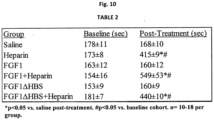
- Heparin (unfractionated or low molecular weight form) is the standard of care for patients with MI per the guidelines of the American Heart Association and American College of Cardiology. Therefore, new cardioprotective therapeutics must demonstrate efficacy in the presence of heparin without altering heparin's anticoagulant activity. Critically, although heparin inhibits FGF1-induced cardioprotection against myocardial infarction and dysfunction, FGF1 does not alter the desired anticoagulant activity of heparin ( Table 2, Fig. 3B , Fig. 10 ).
- FGFs Fibroblast Growth Factors
- FGF1-FGF 10 Fibroblast Growth Factors
- FGFR FGF receptor
- HS heparin sulfate
- Ligand bioavailability can be a significant pharmacological limitation.
- Further co-administration of heparins a standard of care in the initial management of acute MI, may alter FGF pharmacokinetics and pharmacodynamics as to significantly affect their cardioprotective efficacy.
- FGFs have low protein stability under physiological temperatures, and therefore, which has limited their application as cardioprotective agents in the presence of heparin therapy for MI patients.
- FGF1 is known as a cardioprotective agent against myocardial infarction (MI)
- MI myocardial infarction
- heparin a standard in the clinical treatment of ischemic events, specifically for MI patients presenting to the emergency room.
- the mechanism of this effect has remained largely unexplored, resulting in little interest in exploiting FGF1 for clinical applications.
- FGFs e.g., FGF1, FGF2
- FGF1 FGF2
- rhFGF1 rhFGF1
- FGF-heparin/heparan sulfate interactions modulate the multiple biological outcomes of FGFs, including FGF1.
- Heparin/heparan sulfate (HS) is implicated to prevent FGF1 from degradation and facilitate the active formation of FGF 1-FGFR complex.
- heparin alters the bioavailability, inhibits FGF-mediated signaling as well as weakens FGF binding to tissue.
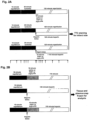
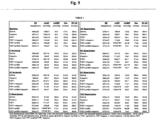
- the current studies demonstrate that when given immediately upon reperfusion, heparin or FGF1 alone protected the heart against myocardial infarction as evidenced by reduced infarct size and improved cardiac systolic and diastolic function at 2 hours post-ischemia ( Figs. 3A- 3B, 4A-4F, 10, and 24A and Table 1, Fig. 9 ) .
- the present inventors employed a modified FGF with reduced heparin-binding affinity (FGF1 ⁇ HBS ) ( Figs. 1C and 1D ), which is still compatible with FGFR binding and signaling ( Figs. 6A-6C ), in the treatment of MI.
- FGF1 ⁇ HBS modified FGF with reduced heparin-binding affinity
- Figs. 6A-6C FGFR binding and signaling
- heparin had little inhibitory effect on FGF 1 ⁇ HBS compared to native FGF1 as measured by the preservation of cardiac survival and muscle function ( Figs. 3A-3B and Figs. 4A-4F , respectively, and Figs. 24A and 24B ).
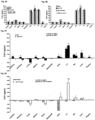
- FGF 1 ⁇ HBS targeted largely to the heart (2282 ⁇ 97 pg/mL vs. 3073 ⁇ 101 pg/mL, respectively) compared to other tissue types ( Fig. 5C ); however, unlike native FGF1, which in the presence of heparin co-treatment led to a re-distribution away from the heart, FGF1 ⁇ HBS even with heparin administration still directed mostly to the heart as FGF1 ⁇ HBS alone (4336 ⁇ 775 pg/mL vs. 3073 ⁇ 101 pg/mL, respectively) compared to other organs evaluated (see Figs. 5C and 5D ). Although FGF1 ⁇ HBS demonstrates reduced heparin/heparin sulfate-binding, it still accumulates significantly to the heart like its native form.
- the heparin-binding site of FGF is distinct from the FGF receptor (FGFR) binding site ( Bombardini T, et al. Angiology 1997;48:969-976 ).
- the ITC data show that the HS-binding site mutations do not impact FGFR binding ability of FGF 1 ⁇ HBS (i.e., retains normal receptor binding affinity), and confirm that the HS mutations have no adverse effect on tertiary folding of the ligand.
- the in vivo data Fig.
- FGF1 ⁇ HBS mutant FGF1
- FGF1 ⁇ HBS activates (as measured by phosphorylation status) downstream FGF signaling (e.g., ERK)
- ERK FGF signaling
- FIG. 7A FGF signaling
- binding to heparan sulfate aids with the proper presentation of FGFs to FGFRs and formation of stable FGF/FGFR complexes and signaling, this appears to not be the case for the cardioprotective activity of FGF1 ⁇ HBS .
- FGF1 ⁇ HBS activated FGFR1 and ERK signaling in the heart, possibly due to the elevated concentration of FGF1 ⁇ HBS to the heart.
- This enhanced affinity to the receptor, and higher ERK activation of FGF1 ⁇ HBS suggests that in conjunction with the re-distribution of FGF 1 ⁇ HBS to the heart, elevated ERK signaling may be the mechanism by which FGF 1 ⁇ HBS elicits a greater protection against ischemia-reperfusion injury.
- the stimulated receptor then recruits and activates several docking proteins containing src homology (SH-2) domains, e.g., Phospholipase C (PLC) ⁇ and Shb, or phosphotyrosine binding domains, e.g., SHC and FRS2 (FGFR substrate 2).
- SH-22 src homology
- PLC Phospholipase C
- Shb Shb
- phosphotyrosine binding domains e.g., SHC and FRS2 (FGFR substrate 2).
- the phosphorylation of the phosphotyrosine site, Y-654 is elevated in the presence of FGF1 or FGF 1 ⁇ HBS ( Fig. 6C ), which leads a binding complex of SHC-FRS2-GRB2-SOS-RAS-Raf-1 and activation of MAPK signaling.
- FGF1 ⁇ HBS triggers increased ERK activation, but not PKC, Akt or STAT3 signaling.
- Examples set forth herein also demonstrate design and development of additional embodiments of modified FGFs, assess their pharmacokinetic (PK)/pharmacodynamics (PD) properties in vitro, and further show i.v. administration of native and mutant FGF1, FGF2, FGF4, or FGF5, and confirmation that manipulation of heparin sulfate/heparin-binding or the protein stability of selected FGFs enhances delivery/targeting to the heart. While simultaneous heparin and native FGF administration at reperfusion diminished the cardioprotective effect of FGF, heparin had little effect on the modified FGFs activity. The advent of recombinant human (rh) fibroblast growth factor (FGF) as potential cardioprotective therapy is disclosed and exploited herein.
- rh human fibroblast growth factor
- Ligand bioavailability at the target site of action is a significant limitation for an intravenous FGF therapeutic in acute MI because of FGF's heparin-binding properties.
- Most intravenously administered FGF is expected to be cleared by heparan sulfate (HS) proteoglycans ubiquitously expressed in all tissues/organs, thus limiting FGF bioavailability at cardiac tissue sites, which is a reflection of FGF-HS proteoglycan interactions. It was previously unknown as to whether heparin therapy for acute MI would alter FGF-induced cardioprotection.
- HS heparan sulfate
- RhFGF2 treatment (10 ⁇ g/kg, i.v.) at reperfusion resulted in a significant (70%) reduction in infarct size compared to controls ( Fig. 13 ).
- heparin co-administration significantly inhibited rhFGF2-induced cardioprotection against MI ( Fig. 13 ).
- FGFs e.g. FGF1, FGF2, FGF4, and FGF5
- FGFs implicated in cardioprotection via acute (non-mitogenic) or chronic (angiogenic) mechanisms exhibit high affinities for HS, and therefore, when administered in vivo, these FGFs are immobilized by abundantly expressed HS on endothelial cells. This reduces the effective concentration of these FGFs in heart tissue.
- pharmacological applications of FGFs are limited due to its low stability at physiological temperatures.
- the present investigators demonstrate that therapeutic efficacy is improved by manipulating pharmacokinetic properties, e.g., reducing their affinity for HS and/or enhancing the thermal stability.
- Structural data on FGF-HS interaction provided a framework which allowed for manipulation of HS binding affinity and/or protein stability of these FGF to improve their biodistribution and bioavailability without interfering in their ability to activate cardiac FGF receptors.
- FGF1 ⁇ HBS An FGF1 mutant referred to herein as FGF1 ⁇ HBS was previously designed to carry the K127D/K128Q/K133V triple mutation in its HS-binding site.
- FGF1 ⁇ HBS was expressed in E. coli and purified to homogeneity using anion exchange chromatography followed by size exclusion chromatography. FGF1 ⁇ HBS elutes as a monodisperse peak at the predicted retention time, indicating that the mutations do not harm the tertiary folding of the ligand ( Fig. 1B ). K127, K128, and K133 are surface-exposed and do not play any role in ligand folding.
- ITC isothermal titration calorimetry
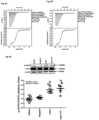
- the heparin-binding site of FGF is distinct from the FGF receptor (FGFR) binding site. Nonetheless, to ensure that mutations in the heparin-binding site will not impair FGF binding to its receptor, isothermal titration calorimetry (ITC) was used to compare the binding interactions of native FGF1 and FGF 1 ⁇ HBS with comparable affinities to FGFR3c ecodomain show that the HS-binding site mutations do not impact FGFR binding ability of FGF1 ( Fig. 6A-6C ) . Importantly, ITC data showing that FGF 1 ⁇ HBS retains normal receptor binding affinity confirm that the HS mutations have no adverse effect on tertiary folding of the ligand.
- ITC isothermal titration calorimetry
- mutant FGF1 activates (as measured by phosphorylation status) the FGF receptor ( Fig. 6C ) as well as downstream FGF signaling ( Fig. 8A ), providing further evidence that normal receptor binding activity is preserved in vivo with mutant FGF1.
- FGF1 The same strategy as for FGF1 was utilized to develop and confirm efficacy for FGF2, FGF4, and FGF5 mutants with reduced HS-binding affinity.
- FGFs including FGF1, FGF4, and FGF5
- FGF1 FGF1
- FGF4 FGF5
- FGF1 ⁇ TS Crystallographic structures of the FGF1 thermal stable mutant
- FGF1 stability resulted from the formation of a short 3 10 -helix (position 550, an improvement in the propensity of amino acids to form ⁇ -sheets (position 620 and the rearrangement of a local hydrogen-bond network (positions 62 and 108).
- position 550 an improvement in the propensity of amino acids to form ⁇ -sheets
- position 620 an improvement in the propensity of amino acids to form ⁇ -sheets
- positions 62 and 108 positions a local hydrogen-bond network
- FGF1 ⁇ TS containing Q55P, S62I, and H108G FGF 1-stabilizing mutations activates FGF receptors (i.e., ERK activation, cell proliferation) greater than the native FGF1, indicating that mutations to enhance protein stability do not interfere with FGF receptor signaling.
- FGF receptors i.e., ERK activation, cell proliferation
- Some embodiments of the invention based on the aforementioned studies provide one or more fibroblast growth factors for use in methods for treating patients suffering from ischemia and/or having experienced an ischemic event and who are either undergoing or scheduled to undergo reperfusion therapy.
- Embodiments comprise administering one or more fibroblast growth factors (FGFs) in conjunction with the onset of reperfusion therapy.
- FGFs fibroblast growth factors
- "in conjunction with” means within the same therapeutic time frame, for example at any time between 2 hours prior to onset, at onset, to 2 hours subsequent to onset of reperfusion therapy, inclusive of all time points contained therein. More than one dose is also contemplated.
- the ischemia has proceeded to cell injury and is an ischemic event, and in some specific embodiments the ischemia has proceeded to necrosis and is an ischemic event, for example, a myocardial infarction.
- mutant FGF includes recombinant human (rh) FGF within the scope thereof.
- Medicinal grade biologics are typically manufactured as recombinant species, and studies disclosed herein confirm that artifacts of recombinant technology do not alter the pharmacodynamics or desired properties of the FGFs.
- FGFs are known and constitute a structurally related family of signaling proteins involved in a wide variety of cellular processes.
- a defining property of FGFs is that they bind to heparin and heparin sulfate and they are therefore found in association with heparan sulfate proteoglycans and released locally upon injury or remodeling, including angiogenic remodeling.
- any FGF is contemplated including engineered FGF, recombinant forms, and hybrids. Combinations of species of FGF are contemplated.
- the FGF is selected from a recombinant human FGF engineered to reduce heparin binding affinity (FGF ⁇ HBS ), an rhFGF engineered to increase thermal stability (FGF ⁇ TS ), an rhFGF engineered to reduce both heparin binding affinity and to increase thermal stability (FGF ⁇ HBS/ ⁇ TS ), and combinations thereof.
- FGF mutants are known in the art, for example, design and construction of low molecular weight and high molecular weight FGF 1 ⁇ HBS are disclosed in U.S. Patent No. 9925241 , and design and construction of FGF ⁇ TS are disclosed in Zakrzewska M. et al. (J. Mol. Biol. Vol. 352(4); 2005 Sept., 860-875 ) ( Protein Eng. Des. Sel. 17(8) 2004 Aug, 603-11 ).
- the FGF ⁇ HBS comprises one or more of FGF1 ⁇ HBS , FGF2 ⁇ HBS , FGF4 ⁇ HBS , and FGF5 ⁇ HBS .
- the FGF ⁇ TS comprises one or more of FGF 1 ⁇ TS , FGF2 ⁇ TS , FGF4 ⁇ TS , and FGF5 ⁇ TS
- the FGF ⁇ HBS/ ⁇ TS comprises one or more of FGF1 ⁇ HBS/ ⁇ TS , FGF2 ⁇ HBS/ ⁇ TS FGF4 ⁇ HBS/ ⁇ TS , and FGF5 ⁇ HBS/ ⁇ TS .
- Embodiments of FGF2, FGF4 and FGF5 mutants were affirmatively designed and tested by the inventors for efficacy in the inventive methods.
- Treatment may or may not include co-administering Heparin.
- treatment further comprises co-administration with Heparin, and in very specific embodiments the Heparin is unfractionated or low-molecular weight.
- co-administering is defined as administering contemporaneously or in tandem in the same therapeutic time frame.
- Contemporaneously comprises administering as a single dosage form or in multiple dosage forms.
- administering comprises systemically administering via an enteral or parenteral route.
- compositions comprising one or more FGFs engineered to reduce heparin binding affinity or to increase thermal stability or both, and a pharmaceutically acceptable vehicle.
- the pharmaceutical compositions further comprise heparin.
- the FGF engineered to reduce heparin binding affinity comprises FGF ⁇ HBS
- the FGF engineered to increase thermal stability comprises FGF ⁇ HBS
- the FGF engineered both to reduce heparin binding and to increase thermal stability comprises FGF ⁇ HBS/ ⁇ TS .
- the FGF ⁇ HBS is selected from one or more of FGF1 ⁇ HBS , FGF2 ⁇ HBS , FGF4 ⁇ HBS , and FGF5 ⁇ HBS
- the FGF ⁇ TS is selected from one or more of FGF1 ⁇ TS , FGF2 ⁇ TS , FGF4 ⁇ TS , and FGF5 ⁇ TS
- the FGF ⁇ HBS/ ⁇ TS is selected from one or more of FGF 1 ⁇ HBS/ ⁇ TS , FGF2 ⁇ HBS/ ⁇ TS FGF4 ⁇ HBS/ ⁇ TS , and FGF5 ⁇ HBS/ ⁇ TS .
- Heparin is selected from unfractionated or low molecular weight Heparin.
- recombinant human (rh) FGF is contemplated, and rhFGF may include, for example, tags that are artefactual to recombinant technology, exemplified by his-tags.
- Another embodiment is directed to one or more FGF for use in methods of treating a patient who suffered or is suspected of suffering from a myocardial infarction and about to undergo or undergoing cardiac reperfusion therapy to reduce extent of the myocardial infarction.
- Embodiments comprise administering at least one FGF selected from FGF engineered to reduce heparin binding affinity, FGF engineered to increase thermal stability, FGF engineered both to reduce heparin binding affinity and increase thermal stability, and combinations thereof, to the patient in conjunction with the reperfusion therapy.
- in conjunction with means within the same therapeutic time frame, for example at any time between 2 hours prior to onset, at onset, to 2 hours subsequent to onset of reperfusion therapy, inclusive of all time points contained therein. More than one dose within a therapeutic timeframe is also contemplated.
- specific dosing schedules may vary with patient age, gender, size, tolerance to injections, co-morbidities, and the like.
- Infarct extension is a progressive increase in an amount of myocardial necrosis within the infarct zone of the original MI and can manifest as an infarction that extends and involves adjacent myocardium or as a sub-endocardial infarction that becomes transmural.
- Clinical means for assessing extent in a living, conscious patient include assessing serial changes in enzyme activity, for example in serum creatine phosphokinase (CPK) activity , imaging such magnetic resonance imaging, and echocardiographic methods.
- CPK serum creatine phosphokinase
- a reduction in "extent" of myocardial infarction is based on a comparison to an expected extent based on population averages specific for a patient's age, gender and medical history and such will be apparent to a clinician of ordinary skill in the art.
- the FGF engineered to reduce heparin binding affinity comprises FGF ⁇ HBS
- the FGF engineered to increase thermal stability comprises FGF ⁇ HBS
- the FGF engineered both to reduce heparin binding and to increase thermal stability comprises FGF ⁇ HBS/ ⁇ TS .
- the FGF ⁇ HBS is selected from one or more of FGF 1 ⁇ HBS FGF2 ⁇ HBS FGF4 ⁇ HBS , and FGF5 ⁇ HBS.
- the FGF ⁇ TS is selected from one or more of FGF1 ⁇ TS , FGF2 ⁇ TS , FGF4 ⁇ TS and FGF5 ⁇ TS ; and the FGF ⁇ HBS/ ⁇ TS is selected from one or more of FGF1 ⁇ HBS/ ⁇ TS , FGF2 ⁇ HBS/ ⁇ TS FGF4 ⁇ HBS/ ⁇ TS , and FGF5 ⁇ HBS/ ⁇ TS .
- the FGF may be used in a method of treating further comprises co-administering Heparin.
- the Heparin comprises an unfractionated or low-molecular weight heparin.
- Another embodiment is directed to one or more FGF for use in methods of treating a patient who suffered a cardiac ischemic event to restore a level of pre-ischemic event cardiac function, the method comprising administering one or more FGF selective from modified FGF, and, optionally, heparin as defined in the claims.
- cardiac function is typically permanently compromised in patients who suffer infarction.
- Restoring a level of pre-ischemic event cardiac functioning comprises, for example, restoring heart muscle contractile (systolic) or relaxation (diastolic) function to greater than 40%, greater than 50%, greater than 60%, greater than 70%, or greater than 80% of pre-infarction or other baseline cardiac function.
- the modified FGF comprises FGF ⁇ HBS .
- the modified FGF comprises one or more of FGF1, FGF2, FGF 1 ⁇ HBS and FGF2 ⁇ HBS .
- the modified FGF consists of FGF 1 ⁇ HBS FGF2 ⁇ HBS , or combinations thereof and heparin is not administered with the modified FGF.
- a rat model of MI was employed to compare cardioprotective potentials (lower infarct size and improve post-ischemic function) of native FGF1 and an engineered FGF1 (FGF1 ⁇ HBS ) with reduced heparin-binding affinity when given at the onset of reperfusion in the absence or presence of heparin.
- FGF1 and FGF 1 ⁇ HBS did not alter heparin's anticoagulant properties.
- Treatment with heparin alone or native FGF1 significantly reduced infarct size compared to saline (p ⁇ 0.05).
- treatment with FGF 1 ⁇ HBS markedly lowered infarct size compared to FGF1 (p ⁇ 0.05).
- FGF 1 ⁇ HBS had greater improvement in cardiac function compared to FGF1 (p ⁇ 0.05).
- Heparin negatively impacted the cardioprotective effects (infarct size, post-ischemic recovery of function) of FGF1 (p ⁇ 0.05) but not of FGF1 ⁇ HBS .
- Heparin also reduced the biodistribution of FGF1, but not FGF1 ⁇ HBS , to the left ventricle.
- Heparin sodium 1000U/mL was purchased from Sigma-Aldrich (MO, USA).
- Recombinant human hexa-histidine-tagged FGF1 (His-FGF1) were obtained from Dr. Moosa Mohammadi's laboratory.
- Non-tagged FGF1 was obtained from R&D system (USA).
- the FGF1 ⁇ HBS mutant, which carries the K127D/K128Q/K133V triple mutation in its HS-binding region ( Fig. 1A ) was expressed in E.coli and purified to homogeneity using anion exchange chromatography followed by size exclusion chromatography ( Fig. 1B ) in Dr. M. Mohammadi's lab. Heparin and FGFs were diluted in phosphate-buffered saline immediately before use.
- Rats were randomly divided into four sets of studies. Two sets were to assess the pharmacodynamics effects cardioprotective efficacy of native FGF1 and FGF 1 ⁇ HBS and FGF1 CVR-2016-799R1 signaling and the other two sets were to evaluate the pharmacokinetic properties of native FGF1 and modified FGF1 (FGF1 ⁇ HBS ).
- the first set of experiments was for the ischemia/reperfusion study in which animals were divided into six groups as follows: (1) saline group: saline treatment given intravenously for 10 minutes immediately upon reperfusion, (2) heparin group: heparin, 60 U/kg intravenous (i.v.) bolus, given immediately at reperfusion + 12 U/kg/hr i.v.
- FGF1 group FGF1, 10 ⁇ g/kg i.v. infusion, given for 10 minutes immediately at reperfusion
- FGF1 + heparin heparin, 60 U/kg bolus, given immediately upon reperfusion followed by FGF1, 10 ⁇ g/kg i.v. infusion, given for 10 minutes and 12 U/kg/hr i.v. infusion given for 110 minutes of reperfusion
- modified FGF1 (FGF1 ⁇ HBS ) group FGF1 ⁇ HBS , 10 ⁇ g/kg i.v.
- FGF 1 ⁇ HBS + heparin heparin, 60 U/kg bolus, given immediately at reperfusion followed by FGF 1 ⁇ HBS , 10 ⁇ g/kg i.v. infusion, given for 10 minutes and 12 U/kg/hr i.v. infusion for 110 minutes of reperfusion. All rats were subjected to 30 minutes of regional ischemia and 120 minutes of reperfusion. Drugs were administered at the onset of reperfusion via the jugular vein ( Fig. 2A ).
- the final dose (10 ⁇ g/kg, i.v.) of native and modified FGF1 was determined by performing preliminary dose response studies (1 ⁇ g/kg, 10 ⁇ g/kg, and 100 ⁇ g/kg; data not shown); the dose range was derived from published experiments (2.6 ⁇ g/kg, i.v. and 10 ⁇ g/kg, i.v.) that have previously been shown to be effective in protecting the heart against ischemia-reperfusion injury in rodent models. A total of ninety-six rats was completed for the I/R study. Sample size for each group ranged from 9-16 depending on the power analysis.
- rats were randomly divided into six groups as described above ( Fig. 2B ). Following drug treatment (immediately following 15 minutes of treatment or 105 minutes post-treatment at the point which mimics the length of time of reperfusion), solid organs and blood (see sections "Tissue collection for exogenous FGF1 biodistribution” and "Cardiac preparation to detect the activation of FGF1 downstream molecules") were collected.
- blood clotting time was detected at baseline and 15 minutes after drug treatment.
- a nick 1-2mm depth was made at 5 cm and 3 cm of the proximal tail for baseline and post-drug blood clotting time, respectively; the tail nick was blotted with 4x4 gauze every 15 seconds until bleeding totally stopped, and blood clotting time was recorded from the onset of bleeding until it stopped.
- the in vivo I/R model was established by ligating and loosening the left anterior CVR-2016-799R1 descending artery (LAD) previously described by our laboratory.
- LAD left anterior CVR-2016-799R1 descending artery
- rats were anesthetized with thiobutabarbital sodium salt hydrate, Inactin ® hydrate (100 mg/kg, i.p., Sigma-Aldrich), and intubated and artificially ventilated via a rodent respirator (respiratory rate: 75 strokes/minute; tidal volume: 3 mL; Model 683, Harvard, USA).
- the heart was exposed through a left thoracotomy and pericardiotomy, and a 6-0 silk suture was placed around the left anterior descending (LAD) coronary artery.
- LVSP Left ventricular systolic
- LVEDP end-diastolic pressure
- HR heart rate
- -dP/dt rate of contraction (+dP/dt) as well as rate of relaxation
- the LAD was re-occluded with the suture used previously for the establishment of ischemia.
- 5% Evans blue dye solution was given via the jugular vein to define the area-at-risk (AAR).
- AAR area-at-risk
- the heart was arrested in diastole with 1 mL of 15% potassium chloride, and the animal was euthanized with an anesthetic overdose followed by a bilateral pneumothorax for removal of the heart.
- the heart was excised, washed with saline, frozen in -80oC for 5-6 minutes, sliced transversely into 2-3 mm thick sections, incubated in 1% 2,3,5-triphenyl tetrazolium chloride (TTC, pH 7.4) for 30 minutes at 37°C in the dark followed by fixing in 4% paraformaldehyde and digitally photographed.
- Infarct size (IS) depicted as the percentage of the area-at-risk, was determined by Image J software (NIH, 1.61 version).
- FGF1 or FGF 1 ⁇ HBS The in vivo half-life of FGF1 or FGF 1 ⁇ HBS (given as a single, intraperitoneal dose of 0.5 mg/kg body weight) was assessed, using the human FGF1 immunoassay ELISA kit (R&D System, MN), from blood (i.e., serum) collected at varying times as described previously.
- the pharmacokinetic parameters of FGF1 or FGF 1 ⁇ HBS were analyzed using the Drug and Statistics Software (DAS, v 2.0; Mathematical Pharmacology Professional Committee of China).
- the rat was anesthetized with Inactin ® hydrate (100 mg/kg, i.p.), and the external jugular vein was isolated for saline, FGF1, FGF 1 ⁇ HBS (mutant FGF1) and/or heparin administration.
- FGF1, FGF 1 ⁇ HBS mutant FGF1
- heparin administration At the end of the experiment (based on half-life of FGF), the animal was euthanized with an anesthetic overdose followed by excision and collection of the heart (including atria, left ventricle, and right ventricle), liver, lungs, kidneys, spleen, skeletal muscle, and brain (negative control as i.v. administered FGFs do not cross the blood-brain barrier).
- Blood from the jugular vein was collected into the tubes containing 0.5M EDTA and complete mini protease inhibitor cocktail (Roche), centrifuged at 2,000 g for 15 minutes at 4° C and the separated plasma was saved. Both tissue and plasma were snap-frozen in liquid nitrogen and stored at -80° C for evaluation of exogenous FGF 1 biodistribution.
- tissue samples were powdered and homogenized in protein extraction buffer (20 mM Tris, 2 mM EDTA, 2 M NaCl, 1% NP40 with Roche complete mini EDTA-free protease inhibitor cocktail (1 tablet/10 mL) and 1 mM PMSF added right before use) and protein was extracted as previously described. Exogenous levels of tissue and plasma FGF1 and FGF 1 ⁇ HBS were determined by ELISA per the manufacturer's instructions (FGF1 immunoassay kit, R&D Systems). In brief, 80 ⁇ g protein was incubated with assay diluent for 2 hours at room temperature, shaking in a 96-well plate coated with a monoclonal antibody against FGF1.
- conjugate buffer was added followed by incubation for 2 hours at ambient temperature. All samples were incubated for 30 minutes in the dark with substrate solution, followed by stop solution.
- the optical density (O.D) was measured at 450 nm with correction wavelength of 570 nm in GENios Microplate Reader (Tecan, USA).
- the FGF1 standard in the kit was diluted with assay diluent to produce a dilution series of 2000 pg/mL, 1000 pg/mL, 500 pg/mL, 250 pg/mL, 125 pg/mL, 62.5 pg/mL, and 31.2 pg/mL.
- the assay diluent alone served as the zero standard (0 pg/mL). Standard and unknown samples were assayed in duplicate. Standard curve was created by using Excel via plotting the log of the average FGF1 concentrations versus the log of the O.D. The concentration of exogenous FGF1 (native or mutant) in tissue and plasma samples was calculated from the standard curve.
- Hearts from rats treated with saline, native FGF1 or FGF 1 ⁇ HBS in the presence or absence of heparin were collected immediately after administration and at 120 minutes post-treatment for evaluation of downstream signaling.
- One-half of each snap-frozen heart was powdered and homogenized in protein extraction buffer as previously described by our laboratory.
- 150 ⁇ g of total protein were loaded onto a 8% SDS-PAGE gel
- 20 ⁇ g of whole cell protein homogenate was loaded onto a 15% SDS-PAGE gel
- PKC ⁇ and PKC ⁇ 100 ⁇ g of whole cell protein homogenate was loaded onto a 10% SDS-PAGE gel and then transferred to nitrocellulose membrane.
- Membranes were stripped and reprobed with antibodies against total FGFR1 (1:500, Cell Signaling), total ERK (1:1000, BD Transduction Labs) or total PKC ⁇ (1:500, Santa Cruz) or PKC ⁇ (1:500, Santa Cruz). Bound antibodies were visualized by ECL system. Activation is indicated as a ratio of phosphorylated protein/total protein. ⁇ -actin (1:1000, Cell Signaling) was also used as a loading control.
- the cardiac samples (0.4 mg/mL) and the biotin-labeled protein ladder (12 kDa, 40 kDa, 66 kDa, 116 kDa, 180 kDa and 230 kDa) were loaded into individual wells of the sample plate.
- Primary antibody against phospho-Akt (1:50, Cell Signaling), Akt (1:50, Cell Signaling), phospho-STAT3 (1:50, Santa Cruz), STAT3 (1:50, Millipore), and GAPDH (1:50, Cell Signaling) were diluted with antibody diluent buffer. Loading conditions were determined by GAPDH. The experiment was then performed in Wes instrument as described by Wang and colleagues.
- FGF1 given immediately at reperfusion protects the heart against ischemia-reperfusion injury.
- Heparin treatment is a standard medical practice for patients with acute MI. Since FGF1 is a heparin-binding protein, issues of heparin co-medication (per the 2010 NHLBI Workshop recommendations) must be taken into consideration when developing FGF1 for acute MI therapy. To determine the effect of heparin on the cardioprotective activity of FGF1, infarct size and cardiac function was evaluated in the absence and presence of heparin co-administration ( Fig. 2A ).
- FGF1 mutant FGF1 ⁇ HBS
- FGF1 mutant FGF1 ⁇ HBS
- FGF1 ⁇ HBS A FGF1 mutant termed FGF1 ⁇ HBS , which carries the triple mutation in its HS-binding site, was designed.
- FGF 1 ⁇ HBS was expressed in E. coli and purified to homogeneity using anion exchange chromatography followed by size exclusion chromatography.
- FGF1 ⁇ HBS elutes as a monodisperse peak at the predicted retention time, indicating that the mutations do not harm the tertiary folding of the ligand ( Fig. 1B ) , as K127, K128, and K133 are surface-exposed and do not play any role in ligand folding.
- ITC isothermal titration calorimetry
- FGF1 ⁇ HBS cardioprotective potential of FGF 1 ⁇ HBS mutant when administered immediately upon reperfusion was evaluated in an in vivo rat model of myocardial infarction.
- FGF1 ⁇ HBS was ⁇ 2-fold more efficacious in reducing infarct size than native FGF1 (62% versus 39% reduction, respectively; Fig. 3A-3B , p ⁇ 0.05).
- heparin co-therapy had minor, and no statistically significant, inhibition on the cardioprotective effect of FGF 1 ⁇ HBS ; whereas, the cardioprotective activity of native FGF1 was markedly attenuated in the presence of heparin ( Fig. 3A-3B ).
- FGF 1 ⁇ HBS significantly reduced the infarct size to an extent that was lower than native FGF1 in the absence (22% vs 35%, respectively, p ⁇ 0.05, Fig. 3A-3B ) or presence of heparin (32% vs 42%, p ⁇ 0.05, Fig. 4A-4F ), which indicates that with the same dosage, FGF 1 ⁇ HBS was more efficacious than the native counterpart in protecting the heart from I/R injury.
- Both contractile and relaxation parameters were significantly improved +dP/dt and -dP/dt were markedly restored in FGF1 ⁇ HBS and FGF1 ⁇ HBS +heparin following ischemic injury ( Figs. 4C-4F , Table 1, Fig.
- FGF1 and FGF1 ⁇ HBS do not affect the anticoagulant activity of heparin
- FGF1 and modified FGF1 have similar elimination half-life.
- FGF1 ⁇ HBS One possibility to account for the enhanced cardioprotective activity of FGF1 ⁇ HBS was that the elimination half-life was varied from native FGF1.
- Mean serum concentration-time profiles for FGF1 and FGF1 ⁇ HBS are shown in Table 3, Fig. 11 .
- the non-compartmental in vivo pharmacokinetic properties of FGF1 and FGF 1 ⁇ HBS showed that the absorption phase half-life (t1/2z) and the elimination phase half-life (t1/2z) of FGF 1 ⁇ HBS were not significantly different from FGF1.
- the maximum serum concentration (Cmax) and area-under-curve (AUC) for FGF 1 ⁇ HBS were 4-fold and 2-fold greater than those for FGF1, respectively.
- Tmax maximum serum concentration
- Heparin co-treatment modifies the biodistribution of exogenous FGF1 to the heart
- exogenous FGF1 Compared to saline treatment, a significant amount of exogenous FGF1 was distributed to kidney, spleen, heart, liver, and plasma, while less went to lung and skeletal muscle ( Figs. 5A and 5C , p ⁇ 0.05). However, upon co-administration of FGF1 and heparin, exogenous FGF1 biodistribution was significantly decreased in kidney, spleen, heart, liver and plasma ( Figs. 5A and 5D , p ⁇ 0.05), suggesting heparin could change the biodistribution of exogenous FGF1 and influence the cardioprotective efficacy of FGF1. Most notably, when in the presence of heparin therapy, the greatest reduction in FGF1 biodistribution was at the heart ( Fig.
- Heparin co-therapy does not alter the activation of FGF1 downstream signaling triggered by modified FGF1 (FGF1 ⁇ HBS )
- ITC was used to compare the binding interactions of native FGF 1 and FGF 1 ⁇ HBS with the extracellular ligand binding domain of FGFR3c, one of the cognate FGFRs of FGF1.
- Native FGF1 and FGF 1 ⁇ HBS affinities to FGFR3c ecodomain show that the HS-binding site mutations do not impact FGFR binding ability of FGF 1 ( Figs. 6A and 6B ).
- the ITC data showing that the FGF 1 ⁇ HBS retains normal receptor binding affinity confirm that the HS mutations have no adverse effect on tertiary folding of the ligand.
- FGFR1 activation i.e., tyrosine phosphorylation
- Targeted FGF delivery to sites of action may be regulated by heparin and HS; yet, little is known about the targeting of FGFs to the heart following disruption of their HS/heparin-binding domains. It has been shown that i.v. administration of rhFGF2 in rat results in delivery to liver, kidneys, and spleen and to a lesser extent, heart and lungs; this biodistribution was primarily due to HS proteoglycan interactions.
- FGF ⁇ HBS heparin-binding modified rhFGFs
- HBS heparin-binding modified rhFGFs
- histidine (his)-tagged native and mutant FGFs via the following groups: Group I: vehicle treatment Group II: native rhFGF1 or rh FGF1 ⁇ HBS Group III: native rhFGF2 or rhFGF2 ⁇ HBS Group IV: native rhFGF4 or rhFGF4 ⁇ HBS Group V: native rhFGF5 or rhFGF5 ⁇ HBS Groups 1-V are also performed with co-administration of unfractionated or low molecular weight heparin.
- his-tagged native and heparin-binding modified rhFGFs as well as their expression and purification is performed as previously described using his-tagged expression vectors and nickel-nitrilotriacetic acid resin columns. Detection of the tissue distribution of native and mutated (FGF ⁇ HBS ) ligands is carried out as follows: his-tagged native and mutant FGFs (FGF1 [10 ⁇ g/kg], FGF2 [10 ⁇ g/kg], FGF4 ([1 ⁇ g/kg], FGF5[10 ⁇ g/kg]) are administered intravenously for 15 minutes to Sprague Dawley rats (200-225 g.
- FGF1 and FGF2 are harvested for analysis of their tissue distribution. His-tagged FGFs are detected in solid organs by ELISA ( Fig. 14 ) both for FGF and histidine (data not shown), and immunoprecipitation (IP) followed by immunoblot and in plasma by ELISA as described previously. His-tags are widely used because they are small and rarely interfere with function, activity, or structure of target proteins.
- ERK downstream FGF signaling
- FGF receptor activation e.g., FGF receptor activation
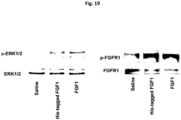
- Fig. 19 demonstrates that ERK activation (phosphor-ERK) as well as FGFR1 activation (phospho-FGFR1) is similarly and markedly increased irrespective of whether rats were treated with FGF1 labeled with a histidine tag (lane 2) or unlabeled FGF1 (lane 3) compared to saline treatment (lane 1). There is no observed difference in total ERK or FGFR1 expression between the treatment groups. This finding suggests that his-tagged FGF does not interfere with FGF signaling as anticipated.
- FGF signaling e.g., ERK
- FGFs such as FGF4
- FGF4 his-tagged native and mutant FGFs in the presence of heparin
- tissue distribution herein, lung, liver, kidney, spleen and brain
- FGF ⁇ HBS his-tagged native and mutant FGFs in the presence of heparin
- heparin unfractionated heparin: 12 units/kg/hr, intravenously or low molecular weight heparin [enoxaparin]: 1 mg/kg, subcutaneously
- heparins are most commonly used clinically in acute MI and heparin doses chosen are based on standard human clinical dosing. Tissue preparation and analysis is performed as described above.
- Ligand bioavailability i.e., pharmacokinetic mechanism
- FGF1 ⁇ TS Susceptibility to protease action of FGF1 ⁇ TS was determined by monitoring changes in fluorescence emission during degradation by trypsin, FGF1 ⁇ TS (20-fold increase) and FGF2 (7-fold increase) were more resistant to proteolytic degradation than the native FGF 1. It remained to be elucidated as to whether these pharmacokinetic mechanisms I.e., bioavailability and/or half-life) were enhanced in vivo as well.
- FGF ⁇ TS native and thermally stable mutated ligands
- Groups 1-V are also performed with co-administration of unfractionated or low molecular weight heparin and the following doses are employed: (FGF1 [1 ⁇ g/kg and 10 ⁇ g/kg], FGF2 ([1 ⁇ g/kg and 10 ⁇ g/kg], FGF4[0.1 ⁇ g/kg and 1 ⁇ g/kg), FGF5 (1 ⁇ g/kg and 10 ⁇ g/kg]) and are administered intravenously for 15 minutes to Sprague Dawley rats (200-225 g. 49-52 days old).
- the plot resembled the standard clearance curve of a drug following first-order kinetics, which is confirmed by the linearity of the semilog plot of these data.
- the clearance curve is divided into an initial distribution phase followed by a terminal elimination phase. Elimination or biological half-life is determined directly from the semilog plot.
- FGF ⁇ TS native and thermally stable mutant
- FGF ⁇ HBS/ ⁇ TS mutants are constructed (for exemplary design of a specific FGF1 ⁇ TS mutant see J. Biol. Chem.; 2009; 284:25388-25403 ; the present inventors designed novel mutants possessing different mutations and exhibiting increased thermal stability for FGF2, FGF4 and FGF5). Besides the protein stabilizing point mutations, these variants carry mutations within the HS binding domain, resulting in reduced heparin binding. FGF mutants are readily produced in E. coli and purified to homogeneity using affinity chromatography followed by size exclusion chromatography. Fluorescence and circular dichroism measures confirm proper folding of the mutants and competitive binding experiment in NIH3T3 cells with radiolabeled native FGF verify that the introduced mutations did not impair growth factor binding to the receptor.
- FGF ⁇ HBS/ ⁇ TS mutants Pharmacokinetic properties of FGF ⁇ HBS/ ⁇ TS mutants are assessed in the absence or presence of clinically-applied heparin formulations.
- FGF2 recognizes heparan sulfates (HSs) ubiquitously; whereas, FGF4 fails to bind cardiac- and vascular-expressed HSs and become active.
- administering heparin with FGF4 leads to binding of vascular-expressed heparan sulfates and angiogenesis.
- Hondermack et al. (Experientia.
- FGFs such as FGF1, 2, 4, and 5
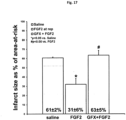
- FGF2 administered immediately at reperfusion protects the rodent heart against cardiac dysfunction and MI ( Figs. 12A, 12B and Fig. 13 ).
- Heparin treatment either as unfractionated or low molecular weight (enoxaparin), is a standard medical practice for patients with acute MI. Since FGFs are heparin-binding proteins, issues of heparin co-medication (per the 2010 NHLBI Workshop recommendations) must be taken into consideration when developing FGFs for acute MI therapy.
- Identifying FGFs necessary for cardioprotection against post-ischemic cardiac dysfunction and myocardial infarction is addressed using an in vivo rat model of acute MI as previously described laboratory.
- Age-matched (200-225 g, 49-52 days old) Sprague Dawley rats are subjected to regional IR injury.
- left ventricular (LV) pressure and function is assessed via a Millar MIKRO-TIP transducer placed in the LV via the right carotid artery, blood pressure (BP) measured via the femoral arty and vehicle (saline or heparin) or rhFGF treatment administered via the femoral vein.
- BP blood pressure
- Surface ECG leads are placed to provide continuous electrocardiographic data.
- a left thoracotomy is performed, and regional IR injury is induced by occlusion (via 8-0 suture and snare tubing) of the left anterior descending (LAD) coronary artery for 30 minutes (ischemia) followed by a 2 hour reperfusion (initiated by release of the ligature around LAD).
- Systolic and diastolic BP and LV function along with post-ischemic functional recovery, a cardioprotective endpoint, as measured by positive (+) and negative (-) dP/dt as well as LV developed pressure is assessed at baseline, ischemia, and reperfusion ( Fig. 12A ).
- infarct size another cardioprotective index
- TTC 1% 2,3,5-triphenyl-tetrazolium chloride
- the LAD is re-occluded and Evans blue dye is injected intravenously to stain the normal area of LV.
- the normal, ischemic risk and infarct areas are photographed and determined by computer morphometry, and infarct size is depicted as a percent of area at risk.
- rhFGF1 10 ⁇ g/kg
- rhFGF2 10 ⁇ g/kg
- rhFGF4 1 ⁇ g/kg
- rhFGF5 10 ⁇ g/kg
- vehicle control
- Group I 30 min Isch + 2 hrs Rep - vehicle treatment immediately at Rep for 15 min
- Group II 30 min Isch + 2 hrs Rep - native rhFGF1 immediately at Rep for 15 min
- Group III 30 min Isch + 2 hrs Rep - native rhFGF2 immediately at Rep for 15 min
- Group IV 30 min Isch + 2 hrs Rep - native rhFGF4 immediately at Rep for 15 min
- Group V 30 min Isch + 2 hrs Rep - native rhFGF5 immediately at Rep for 15 min
- Group VI 30 min Isch + 2 hrs Rep - unfractionated or lmw heparin during Rep Groups II - V are also performed with co
- Doses were determined by preliminary dose response studies derived from published experiments that have previously been shown to be effective in protecting the heart against IR injury or to produce cardiac angiogenesis in rodent or canine models. Post-ischemic recovery of cardiac function and infarct size are assessed to determine which of the rhFGFs elicit cardioprotection.
- native rhFGFs FGF 1, 2, 4, or 5
- vehicle are infused intravenously (at dose indicated above) in conjunction with unfractionated (12 units/kg/hr, i.v.) or low molecular weight heparin (enoxaparin 1 mg.kg, s.c.) during the first 15 minutes of reperfusion ( Fig.
- Groups II-V are also performed with co-administration of unfractionated or low molecular weight heparin at Rep; and a subset of rats are treated with native FGF1, FGF2, FGF4, FGF5 immediately at reperfusion without or with heparin formulations.
- FGF ⁇ HBS mutated heparin-binding FGFs
- ACT is used to evaluate whether mutated FGFs (FGF ⁇ HBS ) affect the anticoagulant activity of heparin.
- the cardioprotective activity of FGF 1 ⁇ HBS (mutated FGF1) is compared with native FGF1 in an in vivo rat model of myocardial infarction. Data ( Fig. 3B ) show that the FGF1 ⁇ HBS mutant is 2-fold more efficacious in reducing infarct size than native FGF1 (60% versus 31%).
- PK Pharmacokinetic
- FGF ⁇ HBS/ ⁇ TS native or mutant FGFs in which both heparin-binding and protein stability are altered.
- Group I 30 min Isch + 2 hrs Rep - vehicle treatment immediately at Rep for 15 min
- Group II 30 min Isch + 2 hrs Rep - rhFGF1 ⁇ HBS/ ⁇ TS immediately at Rep for 15 min
- Group III 30 min Isch + 2 hrs Rep - rhFGF2 ⁇ HBS/ ⁇ TS immediately at Rep for 15 min
- Group IV 30 min Isch + 2 hrs Rep - rhFGF4 ⁇ HBS/ ⁇ TS immediately at Rep for 15 min
- Group V 30 min Isch + 2 hrs Rep - rhFGF5 ⁇ HBS/ ⁇ TS immediately at Rep for 15 min
- Group VI 30 min Isch + 2 hrs Rep - unfractionated or lmw heparin during Rep
- Candidate FGFs are evaluated for eliciting protection against myocardial infarction and post-ischemic cardiac dysfunction in a large animal model. Novel modified FGF ligands demonstrated to have the greatest cardioprotective efficacy at the optimal dose identified in the rat model of MI are administered immediately upon reperfusion in the absence or presence of heparin formulations (based on preliminary data outcomes, the expectation is 2-3 FGFs to be studied).
- LV pressure and function are assessed via echocardiography and a Millar MIKRO-TIP transducer placed in the left ventricle via the left femoral artery, BP measured via the femoral artery and vehicle (saline), heparin or rhFGF treatment administered via the right jugular vein.
- Surface ECG leads are placed to provide continuous electrocardiographic data.
- a 7F catheter is fluoroscopically guided to the left main coronary artery, and regional IR injury is induced by occlusion of the LAD coronary artery via a balloon catheter, positioned just distal to the first or second diagonal branch, for 75 minutes (ischemia) followed by 48 hours reperfusion (initiated by deflation of intracoronary balloon).
- Systolic and diastolic BP and LV function are assessed at baseline, ischemia, and reperfusion.
- Post-ischemic recovery of cardiac function, regional myocardial blood flow via BioPAL microspheres given at 60 minutes of ischemia and 15 minutes and 48 hours of reperfusion 102 and infarct size are assessed following 48 hours or reperfusion to determine pharmacodynamic properties (efficacy and potency).
- Troponin samples (duplicate blood samples of 0.6 mL) are collected from the jugular catheter at 60 minutes of ischemia and 2 hours, 4 hours, 6 hours, 24 hours and 48 hours or reperfusion. Tissue is harvested and plasma is collected to identify the relevant pharmacokinetic parameters. In addition, this harvested tissue is also assessed for FGFR activation and kinase signaling.
- altering the HS-binding region of FGF to affect its binding affinity for heparin/HSPG may change the cardioprotective efficacy of FGF as shown with FGF1 ⁇ HBS ( Fig. 3B ).
- FGFs proteins, including FGFs, have low stability at physiological temperatures; therefore, their biological application as therapeutics is deemed limited.
- native FGF1 is remarkably unstable with a half-life for inactivation of only 15 minutes.
- Data set forth herein supports the conclusion that enhancing FGF thermal stability increases their cardioprotective efficacy.
- the data in fact demonstrates that enhancing the protein thermal stability of FGF1 improves the efficacy to reduce post-MI infarct size over that of the native form of FGF1 ( Fig. 18 ).
- Modification to enhance thermal stability of addition FGFs is contemplated to result in additional potent FGF ligands for the treatment of ischemic heart disease.
- modified FGFs as disclosed herein have enhanced RISK and SAFE signaling even in the presence of heparin.
- RISK reperfusion-induced survival kinases
- SAFE survivor activating factor enhancement
- ERK1/2 is an important signaling molecule in the cardioprotective effect of FGF1 and FGF 1 ⁇ HBS in a rat model of MI.
- protein kinases i.e., RISK and SAFE kinases
- the FGFs may induce multiple pathways, some of which may be cardioprotective (PKC- ⁇ , ERK, STAT3, PI3K/Akt).
- FGF receptor FGFR
- protein kinase activation for FGF-induced cardioprotection in absence or presence of heparin is assessed (110 rats).
- FGFR is activated during native FGF1 or FGF1 ⁇ HBS treatment ( Fig. 6C ).
- Fig. 8A shows that immediately post-FGF1, FGF+heparin, FGF1 ⁇ HBS , or FGF1 ⁇ HBS +heparin treatment, phosphorylation or ERK1/2 was significantly increased compared to saline or heparin only. However, heparin markedly reduced ERK1/2 activation stimulated by FGF1 ( Fig. 8A ).
- ERK 1/2 PD-98059 300 ⁇ g/kg i.v. ; U0126 200 ⁇ g/kg i.v.
- PKC ⁇ Go 6976 300 ⁇ g/kg i.v. ; ⁇ V fragment 1 mg/kg i.v.
- PKC ⁇ rottlerin 300 ⁇ g/kg i.v. ; ⁇ V1.1 1 mg/kg i.v.
- PKC ⁇ ⁇ V 1-2 1 mg/kg i.v.
- Receptors for activated C-kinase (RACK) inhibitors which are specific peptide fragments to particular PKC isoforms that inhibit the PKC isoforms from translocating and binding to their specific RACK anchoring protein 134, are utilized as a complementary approach to the traditional PKC inhibitors as previously published by our laboratory. Selectivity of these PKC peptide fragments to their specific PKC isoform has been demonstrated in a number of laboratories.
- the inhibitors to be used against PKC, MAPK, STAT3 or PI3k/Akt are given at the same doses and timing of administration that have been previously been shown to be effective in blocking development of ischemic or pharmacological post-conditioning in the rat ( Table 5 ).
- TAT carrier protein is used as a control for PKC peptide fragments.
- Kinase inhibition in mutant FGF+heparin studies will also be performed.
- the present investigators and others have published on the kinases involved in FGF-induced cardioprotection, the present study uses native rhFGFs as positive controls. Rats are subjected to 30 minutes ischemia and 2 hours reperfusion and myocardial cell damage and post-ischemic functional recovery is measured after 2 hours reperfusion ( Fig. 2A ). This study elucidated which kinases are involved in FGF-mediated cardioprotection and expect that the modified FGFs will exhibit enhanced protein kinase (both RISK and SAFE) signaling.
- FGF 1-mediated signals or FGF2 receptor binding are altered, dose-dependently, in vitro by heparin.
- the in vivo data demonstrates that heparin does reduce ERK signaling by FGF 1; however, FGF 1 ⁇ HBS enhanced ERK signaling, even in the presence of heparin.
- FGF1 can interact with FGFR and trigger downstream signaling pathways even in the absence of heparan sulfate binding.
- FGFs may produce their cardioprotective actions via different protein kinases.
- one or more protein kinases may be involved in one or the other or both endpoints (post-ischemic recovery of function, myocardial infarct size) of cardioprotection.
Landscapes
- Health & Medical Sciences (AREA)
- Life Sciences & Earth Sciences (AREA)
- Chemical & Material Sciences (AREA)
- General Health & Medical Sciences (AREA)
- Engineering & Computer Science (AREA)
- Bioinformatics & Cheminformatics (AREA)
- Medicinal Chemistry (AREA)
- Public Health (AREA)
- Animal Behavior & Ethology (AREA)
- Pharmacology & Pharmacy (AREA)
- Veterinary Medicine (AREA)
- Organic Chemistry (AREA)
- Epidemiology (AREA)
- Gastroenterology & Hepatology (AREA)
- Proteomics, Peptides & Aminoacids (AREA)
- Zoology (AREA)
- Immunology (AREA)
- Heart & Thoracic Surgery (AREA)
- Nuclear Medicine, Radiotherapy & Molecular Imaging (AREA)
- General Chemical & Material Sciences (AREA)
- Chemical Kinetics & Catalysis (AREA)
- Molecular Biology (AREA)
- Cardiology (AREA)
- Urology & Nephrology (AREA)
- Vascular Medicine (AREA)
- Dermatology (AREA)
- Toxicology (AREA)
- Biochemistry (AREA)
- Biophysics (AREA)
- Genetics & Genomics (AREA)
- Medicines That Contain Protein Lipid Enzymes And Other Medicines (AREA)
- Pharmaceuticals Containing Other Organic And Inorganic Compounds (AREA)
Claims (10)
- Ein oder mehrere Fibroblastenwachstumsfaktoren (FGFs) zur Verwendung in einem Verfahren zur Behandlung oderVerhinderung einer kardialen Reperfusionsverletzung bei einem Patienten, das Verfahren umfassend die Verabreichung des einen oder der mehreren FGFs in Verbindung mit dem Beginn der kardialen Reperfusionstherapie;wobei der eine oder die mehreren FGFs ausgewählt sind aus einem FGF, der konstruiert wurde, um die Heparinbindungsaffinität zu verringern, einem FGF, der konstruiert wurde, um die thermische Stabilität zu erhöhen, einem FGF, der konstruiert wurde, um sowohl die Heparinbindungsaffinität zu verringern als auch die thermische Stabilität zu erhöhen, und Kombinationen davon, undwobei der FGF, der zur Verringerung der Heparinbindungsaffinität entwickelt wurde, FGFΔHBS umfasst, der FGF, der zur Erhöhung der thermischen Stabilität entwickelt wurde, FGFΔTS umfasst, und der FGF, der sowohl zur Verringerung der Heparinbindung als auch zur Erhöhung der thermischen Stabilität entwickelt wurde, FGFΔHBS/ΔTS umfasst.
- Ein oder mehrere Fibroblastenwachstumsfaktoren (FGFs) zur Verwendung nach Anspruch 1, wobei der Patient einen Myokardinfarkt erlitten hat.
- Ein oder mehrere FGFs zur Verwendung in einem Verfahren zur Behandlung eines Patienten, der an einem Myokardinfarkt leidet oder bei dem der Verdacht besteht, dass er an einem Myokardinfarkt leidet, und der sich einer kardialen Reperfusionstherapie unterziehen soll oder unterzieht, um das Ausmaß des Myokardinfarkts zu verringern, wobei das Verfahren die Verabreichung des einen oder der mehreren FGFs an den Patienten in Verbindung mit der Reperfusionstherapie umfasst;wobei der eine oder die mehreren FGFs ausgewählt sind aus FGFs, die konstruiert wurden, um die Heparinbindungsaffinität zu verringern, FGFs, die konstruiert wurden, um die thermische Stabilität zu erhöhen, FGFs, die konstruiert wurden, um sowohl die Heparinbindungsaffinität zu verringern als auch die thermische Stabilität zu erhöhen, und Kombinationen davon, undwobei der FGF, der zur Verringerung der Heparinbindungsaffinität entwickelt wurde, FGFΔHBS umfasst, der FGF, der zur Erhöhung der thermischen Stabilität entwickelt wurde, FGFΔTS umfasst,und der FGF, der konstruiert wurde, um sowohl die Heparinbindung zu verringern als auch die thermische Stabilität zu erhöhen, FGFΔHBS/ΔTS umfasst.
- Ein oder mehrere FGFs zur Verwendung nach einem der Ansprüche 1 bis 3, wobei das Verfahren ferner die gleichzeitige Verabreichung von Heparin umfasst; wobei es sich bei dem Heparin optional um unfraktioniertes oder niedermolekulares Heparin handelt.
- Ein oder mehrere FGFs zur Verwendung nach Anspruch 4, wobei "gemeinsame Verabreichung" die gleichzeitige oder gemeinsame Verabreichung innerhalb eines umschriebenen Zeitrahmens umfasst.
- Ein oder mehrere FGFs zur Verwendung nach Anspruch 5, wobei:i) "gleichzeitig" umfasst die Verabreichung als Einzeldarreichungsform oder als Mehrfachdarreichungsform;ii) gemeinsame Verabreichung umfasst die Verabreichung von FGF, gefolgt von der Verabreichung von Heparin, oder die Verabreichung von Heparin, gefolgt von FGF, oder eine beliebige Kombination davon; oderiii) gemeinsame Verabreichung umfasst die Verabreichung von Heparin, dann die Verabreichung von FGF und optional die anschließende Verabreichung von Heparin.
- Ein oder mehrere FGFs zur Verwendung nach einem der Ansprüche 1 bis 6, wobei:i) der FGFΔHBS eines oder mehrere von FGF1ΔHBS, FGF2ΔHBS , FGF4ΔHBS und FGF5ΔHBS umfasst;ii) der FGFΔTS eines oder mehrere von FGF1ΔTS, FGF2ΔTS, FGF4ΔTS und FGF5ΔTS umfasst; oderiii) der FGFΔHBS/ΔTS eines oder mehrere von FGF1ΔHBS/ΔTS, FGF2ΔHBS/ΔTS FGF4ΔHBS/ΔTS,und FGF5ΔHBS/ΔTS umfasst.
- Ein oder mehrere FGFs zur Verwendung nach Anspruch 1 oder 3:i) wobei die Verabreichung "in Verbindung mit" die Verabreichung vor, zu Beginn und nach dem Beginn der Reperfusionstherapie im gleichen therapeutischen Zeitrahmen wie die Reperfusionstherapie nach einem ischämischen Ereignis in dem Patienten umfasst; oderii) umfassend die systemische Verabreichung des FGF über einen enteralen oder parenteralen Weg.
- Modifizierter FGF zur Verwendung in einem Verfahren zur Behandlung eines Patienten, der ein ischämisches Herzereignis erlitten hat, um die Herzfunktion auf eine Stufe der Herzfunktion vor dem ischämischen Ereignis wiederherzustellen, wobei das Verfahren die Verabreichung des modifizierten FGF und optional Heparin umfasst,
wobei die Verabreichung Folgendes umfasst:i) Verabreichen eines oder mehrerer FGFΔHBS; oderii) Verabreichen eines oder mehrerer FGFΔHBS und Verabreichen eines oder mehrerer von FGF1, FGF2, FGF1ΔHBS und FGF2ΔHBS. - Modifizierter FGF zur Verwendung nach Anspruch 9, wobei:i) die wiederhergestellte Herzfunktion eine systolische und/oder dystolische Funktion umfasst;; oderii) wobei das ischämische Herzereignis einen Myokardinfarkt umfasst.
Applications Claiming Priority (2)
| Application Number | Priority Date | Filing Date | Title |
|---|---|---|---|
| US201762490103P | 2017-04-26 | 2017-04-26 | |
| PCT/US2018/000110 WO2018200040A1 (en) | 2017-04-26 | 2018-04-26 | Compositions of fibroblast growth factor ligands and methods of treating patients unergoing ischemia-reperfusion therapy |
Publications (3)
| Publication Number | Publication Date |
|---|---|
| EP3615560A1 EP3615560A1 (de) | 2020-03-04 |
| EP3615560A4 EP3615560A4 (de) | 2020-12-23 |
| EP3615560B1 true EP3615560B1 (de) | 2025-03-05 |
Family
ID=63920075
Family Applications (1)
| Application Number | Title | Priority Date | Filing Date |
|---|---|---|---|
| EP18791574.9A Active EP3615560B1 (de) | 2017-04-26 | 2018-04-26 | Fibroblastenwachstumsfaktor zur verwendung in der behandlung von patienten mit ischämie-reperfusionstherapie |
Country Status (3)
| Country | Link |
|---|---|
| US (1) | US20200384079A1 (de) |
| EP (1) | EP3615560B1 (de) |
| WO (1) | WO2018200040A1 (de) |
Families Citing this family (1)
| Publication number | Priority date | Publication date | Assignee | Title |
|---|---|---|---|---|
| WO2025208071A1 (en) * | 2024-03-29 | 2025-10-02 | Arizona Board Of Regents On Behalf Of The University Of Arizona | Methods for treating ischemic reperfusion injury with an angiotensin derivative polypeptide |
Family Cites Families (6)
| Publication number | Priority date | Publication date | Assignee | Title |
|---|---|---|---|---|
| JP5329729B2 (ja) * | 1998-09-03 | 2013-10-30 | ノバルティス バクシンズ アンド ダイアグノスティックス,インコーポレーテッド | 脈管形成に有効な単位用量のfgf−2および使用方法 |
| US20020072489A1 (en) * | 1998-10-13 | 2002-06-13 | Whitehouse Martha J. | Angiogenically effective unit dose of FGF-2 and method of use |
| US6440934B1 (en) * | 1998-10-13 | 2002-08-27 | Chiron Corporation | Angiogenically effective unit dose of FGF-2 and method of use |
| US20020115603A1 (en) * | 2000-06-22 | 2002-08-22 | Chiron Corporation | Methods and compositions for the treatment of peripheral artery disease |
| US9474785B2 (en) * | 2012-06-07 | 2016-10-25 | New York University | Chimeric fibroblast growth factor 19 proteins and methods of use |
| WO2015061361A1 (en) | 2013-10-21 | 2015-04-30 | Salk Institute For Biological Studies | Mutated fibroblast growth factor (fgf) 1 and methods of use |
-
2018
- 2018-04-26 EP EP18791574.9A patent/EP3615560B1/de active Active
- 2018-04-26 US US16/607,236 patent/US20200384079A1/en not_active Abandoned
- 2018-04-26 WO PCT/US2018/000110 patent/WO2018200040A1/en not_active Ceased
Also Published As
| Publication number | Publication date |
|---|---|
| EP3615560A1 (de) | 2020-03-04 |
| WO2018200040A1 (en) | 2018-11-01 |
| EP3615560A4 (de) | 2020-12-23 |
| US20200384079A1 (en) | 2020-12-10 |
Similar Documents
| Publication | Publication Date | Title |
|---|---|---|
| Ovize et al. | Postconditioning and protection from reperfusion injury: where do we stand? Position paper from the Working Group of Cellular Biology of the Heart of the European Society of Cardiology | |
| CN102791279A (zh) | 用于进行冠状动脉旁路移植手术的方法 | |
| WO2001098346A2 (en) | Methods and compositions for the treatment of peripheral artery disease | |
| KR102399383B1 (ko) | 저혈압의 치료를 위한 안지오텐신 ii 단독 또는 조합 | |
| CN103179978A (zh) | Ave0010用于制造供治疗2型糖尿病用的药物的用途 | |
| EP1121141A2 (de) | Fgf angiogenische wirksäme einheitdosis und verfahren zür ihre verwendung | |
| US20220370543A1 (en) | Methods of treatment for modifying hemodynamics | |
| Huang et al. | A novel fibroblast growth factor-1 ligand with reduced heparin binding protects the heart against ischemia-reperfusion injury in the presence of heparin co-administration | |
| JP2010053144A (ja) | 血管形成的に有効なfgf−2の単位用量および使用方法 | |
| CA3203688A1 (en) | Plasmin-resistant peptides for improved therapeutic index | |
| CN115551531A (zh) | 纤溶酶可裂解的psd-95抑制剂与再灌注联合治疗中风 | |
| US20200384079A1 (en) | Compositions of Fibroblast Growth Factor LIgands and Methods of Treating Patients Undergoing Ischemia-Reperfusion Therapy | |
| JP6516855B2 (ja) | C1エステラーゼ阻害剤の医薬製剤 | |
| JP2006510620A (ja) | 心筋梗塞の治療方法 | |
| US20250345392A1 (en) | Annexin a1 liquid pharmaceutical composition | |
| US11202854B2 (en) | Disintegrin variants and uses thereof | |
| US20220372169A1 (en) | Inhibition of the ve-ptp phosphatase protects the kidney from ischemia-reperfusion injury | |
| US20250235502A1 (en) | Cardio-protective effect of vasoconstriction-inhibiting factor (vif) | |
| US20240247038A1 (en) | Isolated protein complexes and compositions and methods of use thereof | |
| EP4085921A1 (de) | Angiotensin-(1-7) bei der behandlung von sars-cov-bedingten erkrankungen | |
| WO2019048898A1 (en) | PHARMACEUTICAL COMPOSITIONS FOR THE TREATMENT OF ENDOTHELIAL DYSFUNCTION | |
| HK40096295A (en) | Plasmin-resistant peptides for improved therapeutic index | |
| HK40038946B (en) | Methods of treating subjects having diabetes with chronic kidney disease | |
| Potpara et al. | Novel Oral Anticoagulants for Thromboprophylaxis in Non-Valvular Atrial Fibrillation: Focus on Randomized Clinical Trials | |
| CA2562297A1 (en) | Administration of enoxaparin sodium to patients 75 years and older with st-segment elevation myocardial infarction |
Legal Events
| Date | Code | Title | Description |
|---|---|---|---|
| STAA | Information on the status of an ep patent application or granted ep patent |
Free format text: STATUS: THE INTERNATIONAL PUBLICATION HAS BEEN MADE |
|
| PUAI | Public reference made under article 153(3) epc to a published international application that has entered the european phase |
Free format text: ORIGINAL CODE: 0009012 |
|
| STAA | Information on the status of an ep patent application or granted ep patent |
Free format text: STATUS: REQUEST FOR EXAMINATION WAS MADE |
|
| 17P | Request for examination filed |
Effective date: 20191115 |
|
| AK | Designated contracting states |
Kind code of ref document: A1 Designated state(s): AL AT BE BG CH CY CZ DE DK EE ES FI FR GB GR HR HU IE IS IT LI LT LU LV MC MK MT NL NO PL PT RO RS SE SI SK SM TR |
|
| AX | Request for extension of the european patent |
Extension state: BA ME |
|
| DAV | Request for validation of the european patent (deleted) | ||
| DAX | Request for extension of the european patent (deleted) | ||
| REG | Reference to a national code |
Ref country code: DE Ref legal event code: R079 Free format text: PREVIOUS MAIN CLASS: C07K0014500000 Ipc: A61K0038180000 |
|
| A4 | Supplementary search report drawn up and despatched |
Effective date: 20201123 |
|
| RIC1 | Information provided on ipc code assigned before grant |
Ipc: A61K 38/18 20060101AFI20201117BHEP Ipc: A61P 9/10 20060101ALI20201117BHEP |
|
| STAA | Information on the status of an ep patent application or granted ep patent |
Free format text: STATUS: EXAMINATION IS IN PROGRESS |
|
| 17Q | First examination report despatched |
Effective date: 20211005 |
|
| P01 | Opt-out of the competence of the unified patent court (upc) registered |
Effective date: 20240322 |
|
| GRAP | Despatch of communication of intention to grant a patent |
Free format text: ORIGINAL CODE: EPIDOSNIGR1 |
|
| STAA | Information on the status of an ep patent application or granted ep patent |
Free format text: STATUS: GRANT OF PATENT IS INTENDED |
|
| INTG | Intention to grant announced |
Effective date: 20240515 |
|
| GRAJ | Information related to disapproval of communication of intention to grant by the applicant or resumption of examination proceedings by the epo deleted |
Free format text: ORIGINAL CODE: EPIDOSDIGR1 |
|
| STAA | Information on the status of an ep patent application or granted ep patent |
Free format text: STATUS: EXAMINATION IS IN PROGRESS |
|
| GRAP | Despatch of communication of intention to grant a patent |
Free format text: ORIGINAL CODE: EPIDOSNIGR1 |
|
| STAA | Information on the status of an ep patent application or granted ep patent |
Free format text: STATUS: GRANT OF PATENT IS INTENDED |
|
| INTC | Intention to grant announced (deleted) | ||
| INTG | Intention to grant announced |
Effective date: 20240925 |
|
| GRAS | Grant fee paid |
Free format text: ORIGINAL CODE: EPIDOSNIGR3 |
|
| GRAA | (expected) grant |
Free format text: ORIGINAL CODE: 0009210 |
|
| STAA | Information on the status of an ep patent application or granted ep patent |
Free format text: STATUS: THE PATENT HAS BEEN GRANTED |
|
| AK | Designated contracting states |
Kind code of ref document: B1 Designated state(s): AL AT BE BG CH CY CZ DE DK EE ES FI FR GB GR HR HU IE IS IT LI LT LU LV MC MK MT NL NO PL PT RO RS SE SI SK SM TR |
|
| REG | Reference to a national code |
Ref country code: GB Ref legal event code: FG4D |
|
| REG | Reference to a national code |
Ref country code: CH Ref legal event code: EP |
|
| REG | Reference to a national code |
Ref country code: DE Ref legal event code: R096 Ref document number: 602018079842 Country of ref document: DE |
|
| REG | Reference to a national code |
Ref country code: IE Ref legal event code: FG4D |
|
| PG25 | Lapsed in a contracting state [announced via postgrant information from national office to epo] |
Ref country code: RS Free format text: LAPSE BECAUSE OF FAILURE TO SUBMIT A TRANSLATION OF THE DESCRIPTION OR TO PAY THE FEE WITHIN THE PRESCRIBED TIME-LIMIT Effective date: 20250605 |
|
| PG25 | Lapsed in a contracting state [announced via postgrant information from national office to epo] |
Ref country code: FI Free format text: LAPSE BECAUSE OF FAILURE TO SUBMIT A TRANSLATION OF THE DESCRIPTION OR TO PAY THE FEE WITHIN THE PRESCRIBED TIME-LIMIT Effective date: 20250305 |
|
| PGFP | Annual fee paid to national office [announced via postgrant information from national office to epo] |
Ref country code: DE Payment date: 20250428 Year of fee payment: 8 |
|
| REG | Reference to a national code |
Ref country code: NL Ref legal event code: MP Effective date: 20250305 |
|
| PG25 | Lapsed in a contracting state [announced via postgrant information from national office to epo] |
Ref country code: ES Free format text: LAPSE BECAUSE OF FAILURE TO SUBMIT A TRANSLATION OF THE DESCRIPTION OR TO PAY THE FEE WITHIN THE PRESCRIBED TIME-LIMIT Effective date: 20250305 |
|
| PGFP | Annual fee paid to national office [announced via postgrant information from national office to epo] |
Ref country code: GB Payment date: 20250623 Year of fee payment: 8 |
|
| REG | Reference to a national code |
Ref country code: LT Ref legal event code: MG9D |
|
| PG25 | Lapsed in a contracting state [announced via postgrant information from national office to epo] |
Ref country code: NO Free format text: LAPSE BECAUSE OF FAILURE TO SUBMIT A TRANSLATION OF THE DESCRIPTION OR TO PAY THE FEE WITHIN THE PRESCRIBED TIME-LIMIT Effective date: 20250605 |
|
| PG25 | Lapsed in a contracting state [announced via postgrant information from national office to epo] |
Ref country code: HR Free format text: LAPSE BECAUSE OF FAILURE TO SUBMIT A TRANSLATION OF THE DESCRIPTION OR TO PAY THE FEE WITHIN THE PRESCRIBED TIME-LIMIT Effective date: 20250305 |
|
| PG25 | Lapsed in a contracting state [announced via postgrant information from national office to epo] |
Ref country code: LV Free format text: LAPSE BECAUSE OF FAILURE TO SUBMIT A TRANSLATION OF THE DESCRIPTION OR TO PAY THE FEE WITHIN THE PRESCRIBED TIME-LIMIT Effective date: 20250305 |
|
| PGFP | Annual fee paid to national office [announced via postgrant information from national office to epo] |
Ref country code: FR Payment date: 20250424 Year of fee payment: 8 |
|
| PG25 | Lapsed in a contracting state [announced via postgrant information from national office to epo] |
Ref country code: GR Free format text: LAPSE BECAUSE OF FAILURE TO SUBMIT A TRANSLATION OF THE DESCRIPTION OR TO PAY THE FEE WITHIN THE PRESCRIBED TIME-LIMIT Effective date: 20250606 Ref country code: BG Free format text: LAPSE BECAUSE OF FAILURE TO SUBMIT A TRANSLATION OF THE DESCRIPTION OR TO PAY THE FEE WITHIN THE PRESCRIBED TIME-LIMIT Effective date: 20250305 |
|
| REG | Reference to a national code |
Ref country code: AT Ref legal event code: MK05 Ref document number: 1772306 Country of ref document: AT Kind code of ref document: T Effective date: 20250305 |
|
| PG25 | Lapsed in a contracting state [announced via postgrant information from national office to epo] |
Ref country code: NL Free format text: LAPSE BECAUSE OF FAILURE TO SUBMIT A TRANSLATION OF THE DESCRIPTION OR TO PAY THE FEE WITHIN THE PRESCRIBED TIME-LIMIT Effective date: 20250305 |
|
| PG25 | Lapsed in a contracting state [announced via postgrant information from national office to epo] |
Ref country code: SE Free format text: LAPSE BECAUSE OF FAILURE TO SUBMIT A TRANSLATION OF THE DESCRIPTION OR TO PAY THE FEE WITHIN THE PRESCRIBED TIME-LIMIT Effective date: 20250305 |
|
| PG25 | Lapsed in a contracting state [announced via postgrant information from national office to epo] |
Ref country code: SM Free format text: LAPSE BECAUSE OF FAILURE TO SUBMIT A TRANSLATION OF THE DESCRIPTION OR TO PAY THE FEE WITHIN THE PRESCRIBED TIME-LIMIT Effective date: 20250305 |
|
| PG25 | Lapsed in a contracting state [announced via postgrant information from national office to epo] |
Ref country code: PT Free format text: LAPSE BECAUSE OF FAILURE TO SUBMIT A TRANSLATION OF THE DESCRIPTION OR TO PAY THE FEE WITHIN THE PRESCRIBED TIME-LIMIT Effective date: 20250707 |
|
| PG25 | Lapsed in a contracting state [announced via postgrant information from national office to epo] |
Ref country code: IT Free format text: LAPSE BECAUSE OF FAILURE TO SUBMIT A TRANSLATION OF THE DESCRIPTION OR TO PAY THE FEE WITHIN THE PRESCRIBED TIME-LIMIT Effective date: 20250305 Ref country code: PL Free format text: LAPSE BECAUSE OF FAILURE TO SUBMIT A TRANSLATION OF THE DESCRIPTION OR TO PAY THE FEE WITHIN THE PRESCRIBED TIME-LIMIT Effective date: 20250305 |
|
| PG25 | Lapsed in a contracting state [announced via postgrant information from national office to epo] |
Ref country code: AT Free format text: LAPSE BECAUSE OF FAILURE TO SUBMIT A TRANSLATION OF THE DESCRIPTION OR TO PAY THE FEE WITHIN THE PRESCRIBED TIME-LIMIT Effective date: 20250305 |
|
| PG25 | Lapsed in a contracting state [announced via postgrant information from national office to epo] |
Ref country code: CZ Free format text: LAPSE BECAUSE OF FAILURE TO SUBMIT A TRANSLATION OF THE DESCRIPTION OR TO PAY THE FEE WITHIN THE PRESCRIBED TIME-LIMIT Effective date: 20250305 Ref country code: EE Free format text: LAPSE BECAUSE OF FAILURE TO SUBMIT A TRANSLATION OF THE DESCRIPTION OR TO PAY THE FEE WITHIN THE PRESCRIBED TIME-LIMIT Effective date: 20250305 |
|
| PG25 | Lapsed in a contracting state [announced via postgrant information from national office to epo] |
Ref country code: RO Free format text: LAPSE BECAUSE OF FAILURE TO SUBMIT A TRANSLATION OF THE DESCRIPTION OR TO PAY THE FEE WITHIN THE PRESCRIBED TIME-LIMIT Effective date: 20250305 |
|
| PG25 | Lapsed in a contracting state [announced via postgrant information from national office to epo] |
Ref country code: SK Free format text: LAPSE BECAUSE OF FAILURE TO SUBMIT A TRANSLATION OF THE DESCRIPTION OR TO PAY THE FEE WITHIN THE PRESCRIBED TIME-LIMIT Effective date: 20250305 |
|
| PG25 | Lapsed in a contracting state [announced via postgrant information from national office to epo] |
Ref country code: IS Free format text: LAPSE BECAUSE OF FAILURE TO SUBMIT A TRANSLATION OF THE DESCRIPTION OR TO PAY THE FEE WITHIN THE PRESCRIBED TIME-LIMIT Effective date: 20250705 |
|
| REG | Reference to a national code |
Ref country code: CH Ref legal event code: H13 Free format text: ST27 STATUS EVENT CODE: U-0-0-H10-H13 (AS PROVIDED BY THE NATIONAL OFFICE) Effective date: 20251125 |
|
| REG | Reference to a national code |
Ref country code: DE Ref legal event code: R097 Ref document number: 602018079842 Country of ref document: DE |
|
| PG25 | Lapsed in a contracting state [announced via postgrant information from national office to epo] |
Ref country code: LU Free format text: LAPSE BECAUSE OF NON-PAYMENT OF DUE FEES Effective date: 20250426 |
|
| PG25 | Lapsed in a contracting state [announced via postgrant information from national office to epo] |
Ref country code: MC Free format text: LAPSE BECAUSE OF FAILURE TO SUBMIT A TRANSLATION OF THE DESCRIPTION OR TO PAY THE FEE WITHIN THE PRESCRIBED TIME-LIMIT Effective date: 20250305 |
|
| REG | Reference to a national code |
Ref country code: BE Ref legal event code: MM Effective date: 20250430 |
|
| PLBE | No opposition filed within time limit |
Free format text: ORIGINAL CODE: 0009261 |
|
| STAA | Information on the status of an ep patent application or granted ep patent |
Free format text: STATUS: NO OPPOSITION FILED WITHIN TIME LIMIT |
|
| PG25 | Lapsed in a contracting state [announced via postgrant information from national office to epo] |
Ref country code: DK Free format text: LAPSE BECAUSE OF FAILURE TO SUBMIT A TRANSLATION OF THE DESCRIPTION OR TO PAY THE FEE WITHIN THE PRESCRIBED TIME-LIMIT Effective date: 20250305 |
|
| REG | Reference to a national code |
Ref country code: CH Ref legal event code: L10 Free format text: ST27 STATUS EVENT CODE: U-0-0-L10-L00 (AS PROVIDED BY THE NATIONAL OFFICE) Effective date: 20260114 |
|
| PG25 | Lapsed in a contracting state [announced via postgrant information from national office to epo] |
Ref country code: BE Free format text: LAPSE BECAUSE OF NON-PAYMENT OF DUE FEES Effective date: 20250430 |
|
| PG25 | Lapsed in a contracting state [announced via postgrant information from national office to epo] |
Ref country code: CH Free format text: LAPSE BECAUSE OF NON-PAYMENT OF DUE FEES Effective date: 20250430 |
|
| 26N | No opposition filed |
Effective date: 20251208 |
|
| PG25 | Lapsed in a contracting state [announced via postgrant information from national office to epo] |
Ref country code: IE Free format text: LAPSE BECAUSE OF NON-PAYMENT OF DUE FEES Effective date: 20250426 |
|
| PG25 | Lapsed in a contracting state [announced via postgrant information from national office to epo] |
Ref country code: CY Free format text: LAPSE BECAUSE OF FAILURE TO SUBMIT A TRANSLATION OF THE DESCRIPTION OR TO PAY THE FEE WITHIN THE PRESCRIBED TIME-LIMIT Effective date: 20250305 |
|
| PG25 | Lapsed in a contracting state [announced via postgrant information from national office to epo] |
Ref country code: LT Free format text: LAPSE BECAUSE OF FAILURE TO SUBMIT A TRANSLATION OF THE DESCRIPTION OR TO PAY THE FEE WITHIN THE PRESCRIBED TIME-LIMIT Effective date: 20250305 |