EP3617867B1 - Procédé de gestion de fragment et appareil de gestion de fragment - Google Patents
Procédé de gestion de fragment et appareil de gestion de fragment Download PDFInfo
- Publication number
- EP3617867B1 EP3617867B1 EP18823199.7A EP18823199A EP3617867B1 EP 3617867 B1 EP3617867 B1 EP 3617867B1 EP 18823199 A EP18823199 A EP 18823199A EP 3617867 B1 EP3617867 B1 EP 3617867B1
- Authority
- EP
- European Patent Office
- Prior art keywords
- fragment
- parity
- storage medium
- data
- parity fragment
- Prior art date
- Legal status (The legal status is an assumption and is not a legal conclusion. Google has not performed a legal analysis and makes no representation as to the accuracy of the status listed.)
- Active
Links
Images


Classifications
-
- G—PHYSICS
- G06—COMPUTING OR CALCULATING; COUNTING
- G06F—ELECTRIC DIGITAL DATA PROCESSING
- G06F3/00—Input arrangements for transferring data to be processed into a form capable of being handled by the computer; Output arrangements for transferring data from processing unit to output unit, e.g. interface arrangements
- G06F3/06—Digital input from, or digital output to, record carriers, e.g. RAID, emulated record carriers or networked record carriers
- G06F3/0601—Interfaces specially adapted for storage systems
- G06F3/0602—Interfaces specially adapted for storage systems specifically adapted to achieve a particular effect
- G06F3/0608—Saving storage space on storage systems
-
- G—PHYSICS
- G06—COMPUTING OR CALCULATING; COUNTING
- G06F—ELECTRIC DIGITAL DATA PROCESSING
- G06F11/00—Error detection; Error correction; Monitoring
- G06F11/07—Responding to the occurrence of a fault, e.g. fault tolerance
- G06F11/08—Error detection or correction by redundancy in data representation, e.g. by using checking codes
- G06F11/10—Adding special bits or symbols to the coded information, e.g. parity check, casting out 9's or 11's
- G06F11/1076—Parity data used in redundant arrays of independent storages, e.g. in RAID systems
-
- G—PHYSICS
- G06—COMPUTING OR CALCULATING; COUNTING
- G06F—ELECTRIC DIGITAL DATA PROCESSING
- G06F3/00—Input arrangements for transferring data to be processed into a form capable of being handled by the computer; Output arrangements for transferring data from processing unit to output unit, e.g. interface arrangements
- G06F3/06—Digital input from, or digital output to, record carriers, e.g. RAID, emulated record carriers or networked record carriers
- G06F3/0601—Interfaces specially adapted for storage systems
- G06F3/0602—Interfaces specially adapted for storage systems specifically adapted to achieve a particular effect
- G06F3/0604—Improving or facilitating administration, e.g. storage management
-
- G—PHYSICS
- G06—COMPUTING OR CALCULATING; COUNTING
- G06F—ELECTRIC DIGITAL DATA PROCESSING
- G06F3/00—Input arrangements for transferring data to be processed into a form capable of being handled by the computer; Output arrangements for transferring data from processing unit to output unit, e.g. interface arrangements
- G06F3/06—Digital input from, or digital output to, record carriers, e.g. RAID, emulated record carriers or networked record carriers
- G06F3/0601—Interfaces specially adapted for storage systems
- G06F3/0602—Interfaces specially adapted for storage systems specifically adapted to achieve a particular effect
- G06F3/061—Improving I/O performance
-
- G—PHYSICS
- G06—COMPUTING OR CALCULATING; COUNTING
- G06F—ELECTRIC DIGITAL DATA PROCESSING
- G06F3/00—Input arrangements for transferring data to be processed into a form capable of being handled by the computer; Output arrangements for transferring data from processing unit to output unit, e.g. interface arrangements
- G06F3/06—Digital input from, or digital output to, record carriers, e.g. RAID, emulated record carriers or networked record carriers
- G06F3/0601—Interfaces specially adapted for storage systems
- G06F3/0602—Interfaces specially adapted for storage systems specifically adapted to achieve a particular effect
- G06F3/0614—Improving the reliability of storage systems
- G06F3/0619—Improving the reliability of storage systems in relation to data integrity, e.g. data losses, bit errors
-
- G—PHYSICS
- G06—COMPUTING OR CALCULATING; COUNTING
- G06F—ELECTRIC DIGITAL DATA PROCESSING
- G06F3/00—Input arrangements for transferring data to be processed into a form capable of being handled by the computer; Output arrangements for transferring data from processing unit to output unit, e.g. interface arrangements
- G06F3/06—Digital input from, or digital output to, record carriers, e.g. RAID, emulated record carriers or networked record carriers
- G06F3/0601—Interfaces specially adapted for storage systems
- G06F3/0628—Interfaces specially adapted for storage systems making use of a particular technique
- G06F3/0638—Organizing or formatting or addressing of data
-
- G—PHYSICS
- G06—COMPUTING OR CALCULATING; COUNTING
- G06F—ELECTRIC DIGITAL DATA PROCESSING
- G06F3/00—Input arrangements for transferring data to be processed into a form capable of being handled by the computer; Output arrangements for transferring data from processing unit to output unit, e.g. interface arrangements
- G06F3/06—Digital input from, or digital output to, record carriers, e.g. RAID, emulated record carriers or networked record carriers
- G06F3/0601—Interfaces specially adapted for storage systems
- G06F3/0628—Interfaces specially adapted for storage systems making use of a particular technique
- G06F3/0646—Horizontal data movement in storage systems, i.e. moving data in between storage devices or systems
- G06F3/0647—Migration mechanisms
-
- G—PHYSICS
- G06—COMPUTING OR CALCULATING; COUNTING
- G06F—ELECTRIC DIGITAL DATA PROCESSING
- G06F3/00—Input arrangements for transferring data to be processed into a form capable of being handled by the computer; Output arrangements for transferring data from processing unit to output unit, e.g. interface arrangements
- G06F3/06—Digital input from, or digital output to, record carriers, e.g. RAID, emulated record carriers or networked record carriers
- G06F3/0601—Interfaces specially adapted for storage systems
- G06F3/0668—Interfaces specially adapted for storage systems adopting a particular infrastructure
- G06F3/067—Distributed or networked storage systems, e.g. storage area networks [SAN], network attached storage [NAS]
-
- G—PHYSICS
- G06—COMPUTING OR CALCULATING; COUNTING
- G06F—ELECTRIC DIGITAL DATA PROCESSING
- G06F3/00—Input arrangements for transferring data to be processed into a form capable of being handled by the computer; Output arrangements for transferring data from processing unit to output unit, e.g. interface arrangements
- G06F3/06—Digital input from, or digital output to, record carriers, e.g. RAID, emulated record carriers or networked record carriers
- G06F3/0601—Interfaces specially adapted for storage systems
- G06F3/0668—Interfaces specially adapted for storage systems adopting a particular infrastructure
- G06F3/0671—In-line storage system
- G06F3/0683—Plurality of storage devices
- G06F3/0685—Hybrid storage combining heterogeneous device types, e.g. hierarchical storage, hybrid arrays
Definitions
- the present invention relates to computer technologies, and in particular, to the storage field.
- erasure code erasure code
- EC erasure code
- the redundant data is divided into a data fragment and a parity fragment (which are collectively referred to as a fragment).
- a parity fragment which are collectively referred to as a fragment.
- LRC local reconstruction code
- the parity fragment includes a local parity fragment (local parity) and a global parity fragment (global parity).
- the local parity fragment may be used to recover a fragment when there are a small quantity of damaged fragments in a data center (data center), and the global parity fragment may be used to recover data in an EC manner when there are a relatively large quantity of damaged fragments.
- the data fragment and the parity fragment may be distributed in a plurality of data centers.
- the local parity fragment protects data in the data center, and when a data center is faulty, the global parity fragment ensures that data can be recovered.
- US patent application publication US2007130423 A1 discloses a data migration technique enabling a required performance to be satisfied as closely as possible in which data migration performed in a storage system including a plurality of volumes which is provided by a plurality of Parity groups.
- US patent application publication US2015121169 A1 discloses a solution that writes data across storage devices in an erasure-coded system.
- US patent application publication US 2015/242136 A1 discloses how hot and cold data should be moved between fast and slow storage devices.
- the parity fragment can improve data reliability.
- the parity fragment occupies a large amount of storage space.
- use costs of the user are greatly increased.
- the present invention provides an implementation of a fragment management method according to claim 1.
- the present invention provides an implementation of a computing node according to claim 3.
- the embodiments of the present invention are applied to a distributed storage system scenario.
- the distributed storage system in the embodiments of the present invention is a storage system that includes a plurality of storage media (the storage media such as a solid-state drive SSD, a disk, a USB flash drive, a compact disc erasable, and a magnetic tape).
- the storage media may be located in a same node or a plurality of nodes.
- Each storage medium may store one data fragment or one parity fragment.
- the parity fragment is obtained through parity calculation by using one or more data fragments.
- a cloud storage system is also a distributed storage system. In the cloud storage system, storage nodes are allocated to a plurality of data centers, and each data center includes at least one storage node.
- Storage locations may be different.
- the distributed storage system includes a plurality of storage nodes, and the storage node is, for example, a computer, a server, or storage array including a storage controller and a storage medium.
- a data unit (for example, a file or a file fragment) is divided into a plurality of data fragments. Erasure code (erasure code, EC) calculation is performed on data fragments that are from a same data unit or from different data units, to generate a parity (redundancy) fragment.
- the data fragments and the parity fragment are collectively referred to as fragments, and these fragments (the data fragment and the parity fragment) are dispersedly stored in different storage nodes, or are dispersedly stored in different storage media. If data of some fragments is lost or damaged, the faulty fragments may be recovered by using a remaining fragment according to the EC algorithm.
- a larger quantity of parity fragments indicates a larger quantity of faulty fragments that can be recovered according to the EC algorithm.
- a local reconstruction code (local reconstruction code, LRC) technology may be considered as an extended form of the EC, and the LRC can improve fragment recovery efficiency.
- LRC local reconstruction code
- another type of parity fragment is provided. This parity fragment is obtained through calculation by using some data fragments, and performs parity protection on only some data fragments. If the data fragments are divided into several data fragment groups, a group of data fragments and a corresponding parity fragment generated based on the group of data fragments jointly form a parity group.
- the parity group may be stored in a same data center or a same storage node.
- a faulty fragment in the parity group if a quantity of faulty fragments is not greater than a quantity of local parity fragments, the faulty fragment may be recovered by using a remaining fragment in the parity group. Because physical storage locations of fragments in a same parity group are close to each other, a recovery speed is quite high. Such a parity fragment is referred to as a local parity fragment (local parity).
- the LRC technology may further include a global parity fragment (global parity), and the global parity fragment is used to check all data fragments.
- a global parity fragment global parity
- the global parity fragment is used to check all data fragments.
- the data fragments and the global parity fragment if a quantity of faulty fragments is not greater than a quantity of global parity fragments, the faulty fragment may be recovered by using a check algorithm, and the check algorithm may be the same as the EC check algorithm. For example, when there are a large quantity of faulty fragments in a same parity group, and it is difficult to recover the faulty fragments by using a remaining fragment in the group, the global parity fragment may be usually used for recovery.
- parity fragment in the EC technology and the global parity fragment in the LRC technology each are referred to as a “global parity fragment", and the newly-added parity fragment (which is used to check only some data fragments) in the LRC technology is referred to as a "local parity fragment”.
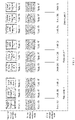
- a distributed storage system includes a data center 1, a data center 2, and a data center 3. Each data center includes a plurality of storage nodes.
- Data fragments in the distributed storage system include: a data fragment 1, a data fragment 2, and a local parity fragment 3; a data fragment 4, a data fragment 5, and a local parity fragment 6; and a global parity fragment 7, a global parity fragment 8, and a local parity fragment 9.
- a local parity group 1 includes three fragments, and the three fragments are respectively the local parity fragment 3, the data fragment 1, and the data fragment 2.
- the local parity fragment 3 is a parity fragment of the data fragment 1 and the data fragment 2, and the three fragments are stored in different storage nodes of the data center 1.
- a local parity group 2 includes three fragments, and the three fragments are respectively the local parity fragment 6, the data fragment 4, and the data fragment 5.
- the local parity fragment 6 is a parity fragment of the data fragment 4 and the data fragment 5, and the three fragments are stored in different storage nodes of the data center 2.
- a local parity group 3 includes three fragments, and the three fragments are respectively the local parity fragment 9, the global parity fragment 7, and the global parity fragment 8.
- the local parity fragment 9 is a parity fragment of the global parity fragment 7 and the global parity fragment 8, and the three fragments are stored in different storage nodes of the data center 3.
- a global parity group includes six fragments, and the six fragments are respectively the global parity fragment 7, the global parity fragment 8, the data fragment 1, the data fragment 2, the data fragment 4, and the data fragment 5.
- the global parity fragment 7 and the global parity fragment 8 are parity fragments of the data fragment 1, the data fragment 2, the data fragment 4, and the data fragment 5.
- the global parity fragment 7 and the global parity fragment 8 may be located in the data center 3.
- the global parity fragment is used to check a plurality of data fragments
- the local parity fragment is used to check some of the plurality of data fragments (which are usually less than the plurality of data fragments).
- data fragments checked by using the global parity fragment are divided into a plurality of groups, and each data fragment group has at least one local parity fragment.
- Data fragments that different local parity fragments are responsible for checking may be located in different physical locations, for example, located in different data centers, different equipment rooms, different shelves, and different storage nodes.
- the global parity fragment also has a corresponding local parity fragment, and the corresponding local parity fragment is used to check the global parity fragment.
- the local parity fragment of the global parity fragment has a word "local" in the name, read frequency of the local parity fragment of the global parity fragment is lower than that of the local parity fragment of the data fragment. Therefore, unless otherwise specified, in each embodiment of this application, a migration manner of the local parity fragment of the global parity fragment is not the same as that of the local parity fragment of the data fragment, but is the same as that of the global parity fragment.
- the faulty fragment may be recovered by using the remaining two fragments. If any two fragments in the entire storage system are faulty, the faulty fragments may be recovered by using the remaining fragments in the storage system. If the three local parity fragments are ignored, the global parity group may be considered as an EC parity group.
- the LRC technology further improves data reliability and a fragment recovery speed.
- the EC algorithm/LRC algorithm is an algorithm for calculating a parity fragment of a data fragment according to a principle of the EC/LRC, or is an algorithm for recovering a damaged fragment based on an undamaged fragment according to a principle of the EC/LRC when a fragment is damaged.
- a same data center includes a storage node having a standard storage medium, a storage node having a warm storage medium, and a storage node having a cold storage medium.
- the three types of storage media provide different read/write speeds.
- the standard storage medium for example, a solid-state drive SSD
- the warm storage medium for example, a high-speed disk
- the cold storage medium for example, a low-speed disk
- the three types of storage media have different costs.
- the standard storage medium has highest costs, the warm storage medium has medium costs, and the cold storage medium has lowest costs.
- a standard storage medium in each data center, a standard storage medium is located in the first line, a warm storage medium node is located in the second line, and a cold storage medium node is located in the third line.
- FIG. 1 shows three layers by using an example. In actual application, there may be more layers or only two layers.
- a same storage node includes the standard storage medium, the warm storage medium, and the cold storage medium. Different fragments are distributed in different storage media, but may be located in a same storage node. Different nodes in a data center in FIG. 1 are understood as a plurality of memories in at least one node. This is a description of this scenario. Because there is no essential difference between the two scenarios, details are not described. The following describes only the scenario described in FIG. 1 .
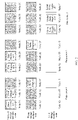
- a parity fragment of the data fragment also exists in a same type of storage medium. This undoubtedly occupies a large quantity of expensive standard storage media. Considering that usage of a parity fragment is not high, this embodiment of the present invention provides an innovative idea: A storage location of fragments is managed at a finer granularity, and a parity fragment is migrated to a lower-cost storage medium. For example, referring to FIG. 2 , the data fragment is retained in the standard storage node. Considering that read/write frequency of the local parity fragment is lower than that of the data fragment, the local parity fragment may be migrated to the warm storage medium node with a relatively low read/write speed.
- read/write frequency of the global parity fragment is lowest, and therefore the global parity fragment may be migrated to the cold storage medium node with a lowest read/write speed, and the local parity fragment of the global parity fragment may also be migrated to the cold storage medium node.
- a focus of this embodiment is to migrate a parity fragment between media with different speeds. Media of nodes in FIG. 2 are unified. Therefore, migrating a fragment to the cold storage medium node means migrating data to the cold storage medium. For a case in which a same node has different levels of media, allocation and migration may be performed without crossing nodes, for example, a parity fragment is migrated from a standard storage medium to a warm storage medium of a same node.
- both two types of parity fragments are migrated to the warm storage medium node or migrated to the cold storage medium node.
- the following describes an embodiment of a fragment management method according to the claimed invention, and specifically describes a case in which a parity fragment is migrated, thereby reducing occupation of a high-cost storage medium.
- This embodiment is applied to a distributed storage system, and the distributed storage system includes a computing node and a storage node.
- the computing node has a computing function, and the storage node is mainly configured to store data.
- the computing node and the storage node may be different physical nodes, or functions of the computing node and the storage node may be integrated into one physical node.
- the computing node is, for example, a computer, a server, or a storage controller, or may be a virtual machine.
- the computing node includes at least one processor and at least one memory, where the memory stores program code, and the processor performs the following steps by running the program code.
- the storage node is, for example, a computer, a server, or a storage controller, or may be a virtual machine.
- the storage node includes at least one processor, at least one memory, and at least one storage medium.
- the memory stores program code.
- the processor performs a function of the storage node by running the program code (for example, receives a fragment sent by the computing node, and then stores the fragment in the storage medium).
- the storage medium is configured to store a fragment and/or metadata.
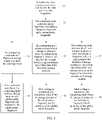
- the computing node receives a data unit, and divides the data unit into data fragments.
- the data unit may be directly obtained without division.
- the computing node generates a parity fragment based on the data fragment, stores the data fragment and the parity fragment, and stores a storage location of each fragment in metadata.
- one or more parity fragments that are generated by using the data fragment are referred to as a first parity fragment.
- a parity fragment that is generated by using the data fragment includes a local parity fragment and a global parity fragment.
- the global parity fragment is referred to as a first parity fragment
- the local parity fragment is referred to as a second parity fragment.
- the computing node sends the data fragment and the parity fragment to each storage medium for storage.
- These storage media belong to a same level (mainly indicating that read/write speeds belong to a same level).
- Case 1 Each fragment is stored in a storage medium located in a different storage node.
- Case 2 Some or all fragments are stored in storage media located in a same storage node. In comparison, the former case has higher reliability. Alternatively, there may even be a case in which different fragments are stored in storage nodes in different data centers, and this case is more reliable.
- the storage location of each fragment is stored in metadata of each fragment.
- the metadata may be stored in the storage node.
- a cloud storage system includes a plurality of data centers, each data center includes at least one storage node, and metadata of fragments in a same data center is stored in a same storage node of the data center.
- the computing node reads metadata of a first parity fragment, to obtain a storage location in which the first parity fragment is located, that is, an out-migration storage location of the first parity fragment.
- the storage location is described as [storage node ID, logical address], and the first parity fragment may be read based on the storage location.
- the storage location is described as [storage node ID, fragment ID].
- a storage node that stores the first parity fragment records a correspondence between a fragment ID and a logical address/physical address. Therefore, after receiving the storage location, the storage node may obtain the logical address/physical address of a fragment based on the fragment ID.
- This step is performed before a parity fragment is migrated.
- the parity fragment and the data fragment are often located in a same type of storage medium, for example, a first type of storage medium.
- the computing node selects a second storage location as an in-migration storage location of the first parity fragment.
- the second storage location is located in a second-level storage medium, and a read/write speed of the second-level storage medium is lower than that of a first-level storage medium.
- a storage medium in which the second storage location is located and a storage medium in which a first storage location is located may be located in a same storage node, or may be located in different storage nodes.
- the second storage location is located in a second type of storage medium or a third type of storage medium.
- Read/write speeds of the first type of storage medium, the second type of storage medium, and the third type of storage medium successively decrease.
- a storage medium with a relatively low read/write speed is used as an in-migration destination of a parity fragment.
- the second storage location is used as an in-migration storage location. If the second storage location includes storage media at a same level, the storage location may be described as only [storage node ID], and a storage node in which the second storage location is located independently selects a storage medium as an in-migration destination of a fragment. 15.
- the computing node sends a migration instruction to a storage node (an out-migration node) in which the first parity fragment is located, to instruct to migrate the first parity fragment from the first storage location to the second storage location.
- the computing node sends the instruction to the out-migration node.
- the out-migration node migrates the first parity fragment from the first storage location to the second storage location.
- the computing node sends the instruction to the out-migration node.
- the out-migration node sends the first parity fragment to an in-migration node (the storage node in which the second storage location is located). After receiving the first parity fragment, the in-migration node stores the first parity fragment in the second storage location.
- the computing node sends the instruction to the out-migration node, to instruct to migrate the first parity fragment from the first storage location to the in-migration node, but the second storage location is not indicated.
- the in-migration node allocates a storage medium that meets a performance requirement (for example, a read/write speed). For example, if any storage medium of the in-migration node meets the performance requirement, the in-migration node may select any fragment location.
- the computing node may directly or indirectly notify the in-migration node of the performance requirement, so that the in-migration node selects a storage medium that meets the performance requirement. 16. After the migration is completed, the computing node instructs to update information about the second storage location to the metadata of the first parity fragment.
- step 12 storage of the metadata is described.
- the metadata is updated, and a new location (the second storage location) of the first parity fragment is updated to the metadata of the first parity fragment, so as to subsequently read or modify the first parity fragment.
- a local parity fragment of a global parity fragment also follows the migration solution in steps 13 to 16.
- this embodiment further includes the following steps 17 to 20. Steps 17 to 20 are similar to steps 13 to 16, and therefore details are not described again. A difference is that a migrated object is a local parity fragment of a data fragment (the local parity fragment of the global parity fragment is not included).
- the out-migration location changes from the first storage location to a third storage location.
- the in-migration location changes from the second storage location to a fourth storage location.
- a read/write speed of a storage medium (the third type of storage medium) in which the third storage location is located is lower than that of a storage medium (the first type of storage medium) in which the data fragment is located, and is higher than or equal to that of the storage medium (the second type of storage medium) in which the global parity fragment is located.
- read/write includes any one of three cases: “read”, “write”, and “read and write”.
- FIG. 4 is an embodiment of a computing node.
- the computing node 2 performs the foregoing fragment management method. Thus, only brief description for the computing node 2 is provided.
- the computing node 2 is applied to a distributed storage system.
- the distributed storage system includes the computing node and at least one storage node.
- the storage node includes at least one storage medium.
- the distributed storage system includes a plurality of storage media. Different fragments are stored in different storage media. Both a data fragment and a first parity fragment are located in a first-level storage medium.
- the computing node includes a processor unit 21 and a memory 22, and may further include an external interface (not shown) and a storage medium (not shown).
- the processor unit 21 is, for example, a single-core CPU, a multi-core CPU, a combination of a plurality of CPUs, or an FPGA.
- the memory 22 is, for example, a volatile storage medium (such as a RAM) or a non-volatile storage medium (such as a hard disk or an SSD), or may be a part of a storage medium.
- the memory 22 is configured to store a computer program.
- the processor unit 21 is configured to: read metadata of the first parity fragment, to obtain a first storage location in which the first parity fragment is located; select a second storage location, where the second storage location is located in a second-level storage medium, a read speed of the second-level storage medium is lower than that of the first-level storage medium, and the second storage location has idle space; send a migration instruction to a storage node in which the first parity fragment is located, to instruct the storage node in which the first parity fragment is located to migrate the first parity fragment to the second storage location; and update information about the second storage location to the metadata of the first parity fragment after the migration is completed.
- the processor unit 21 is further configured to: read metadata of the second parity fragment, to obtain a third storage location in which the second parity fragment is located; select a fourth storage location, where the fourth storage location is located in a third-level storage medium, a read speed of the third-level storage medium is higher than that of the second-level storage medium and is lower than that of the first-level storage medium, and the fourth storage location has idle space; send a migration instruction to a storage node in which the second parity fragment is located, to instruct the storage node in which the second parity fragment is located to migrate the second parity fragment to the fourth storage location; and update information about the fourth storage location to the metadata of the first parity fragment after the migration is completed.
- the data fragment, the first parity fragment, and the second parity fragment meet a local reconstruction code LRC algorithm, where the first parity fragment is a global parity fragment in the LRC algorithm, and the second parity fragment is a local parity fragment in the LRC algorithm.
- the processor unit 21 is further configured to: receive a data write request; divide target data included in the data write request into data fragments; and generate the global parity fragment and the local parity fragment based on the data fragments and according to an LRC algorithm.
- the global parity fragment is used to check a plurality of data fragments
- the local parity fragment is used to check some of the plurality of data fragments.
- the processor is further configured to: receive a data write request; divide target data included in the data write request into data fragments; and generate the first parity fragment based on the data fragments and according to the EC algorithm.
- the fragment management apparatus may be hardware (for example, a computing node) or may be software (for example, a computer program running in a computing node).
- the fragment management apparatus may perform the foregoing fragment management method.
- the fragment management apparatus includes a reading module, a location selection module, a migration module, and a metadata management module.
- the reading module is configured to read metadata of the first parity fragment, to obtain a first storage location in which the first parity fragment is located.
- the location selection module is configured to select a second storage location, where the second storage location is located in a second-level storage medium, a read speed of the second-level storage medium is lower than that of the first-level storage medium, and the second storage location has idle space.
- the migration module is configured to send a migration instruction to a storage node in which the first parity fragment is located, to instruct the storage node in which the first parity fragment is located to migrate the first parity fragment to the second storage location.
- the metadata management module is configured to update information about the second storage location to the metadata of the first parity fragment.
- the modules are further configured to perform these functions.
- the reading module is further configured to read metadata of the second parity fragment, to obtain a third storage location in which the second parity fragment is located.
- the location selection module is further configured to select a fourth storage location, where the fourth storage location is located in a third-level storage medium, a read speed of the third-level storage medium is higher than that of the second-level storage medium and is lower than that of the first-level storage medium, and the fourth storage location has idle space.
- the migration module is further configured to send a migration instruction to a storage node in which the second parity fragment is located, to instruct the storage node in which the second parity fragment is located to migrate the second parity fragment to the fourth storage location.
- the metadata management module is further configured to update information about the fourth storage location to the metadata of the first parity fragment after the migration is completed.
- FIG. 5 shows an embodiment of another fragment management method, which is not pat of the claimed invention, and a difference between the embodiment shown in FIG. 5 and the foregoing manner is that after the parity fragment is generated, the parity fragment is directly written into the second-level storage medium/third-level storage medium with relatively low costs. Compared with the foregoing manner, a migration step is omitted in the implementation described in FIG. 5 , and therefore efficiency is higher.
- the foregoing manner also has its own advantage.
- the write speed of the first-level storage medium is higher, and after the writing succeeds, that the write operation has been completed is notified to a host (a sender of the data unit). Therefore, the host may be responded more quickly.
- the second-level storage medium/the third-level storage medium is located in a cold storage node, this advantage is more obvious. Because the cold storage node is usually in a power-off state, and is powered on only when data is written into the cold storage node, a response speed is quite low. 31.
- a computing node receives a data unit from a host or a server by using an external interface, and divides the data unit into data fragments.
- the computing node generates parity fragments based on the data fragments.
- the parity fragments include a first parity fragment and a second parity fragment.
- the parity fragments generated by using the data fragments include a local parity fragment and a global parity fragment.
- the first parity fragment is the global parity fragment
- the second parity fragment is the local parity fragment.
- the global parity fragment is used to check all data fragments
- the local parity fragment is used to check some data fragments.
- the computing node selects a first-level storage medium, and sends the data fragments to a storage node in which the first-level storage medium is located for storage.
- the first-level storage medium is a medium with a highest read/write speed.
- the computing node selects a second-level storage medium, and sends the first parity fragment to a storage node in which the second-level storage medium is located for storage.
- a read/write speed of the second-level storage medium is lower than that of the first-level storage medium.
- the first parity fragment may parity the data fragments.
- the first parity fragment is briefly referred to as a fragment.
- the first parity fragment is equivalent to a global parity fragment.
- step 35 The computing node selects a third-level storage medium, and sends a second parity fragment to a storage node in which the third-level storage medium is located for storage.
- a read/write speed of the third-level storage medium is lower than that of the first-level storage medium and is higher than that of the second-level storage medium.
- step 35 is an optional step. Step 35 is performed in the LRC scenario, and step 35 is not performed in the EC scenario.
- Steps 33, 34, and 35 may be performed in any time sequence.
- a storage node that receives a fragment stores and the fragment.
- a main difference in this embodiment is that the migration step is omitted, and is replaced with hierarchical storage that is directly performed on the data fragment and the parity fragment.
- the computing node may specify only a storage node that is used to store a fragment, and does not specify a specific storage medium for storing the fragment, and the storage medium for storing the fragment is determined by the storage node that receives the fragment.
- similar content is not described in this embodiment. For details, refer to the foregoing embodiments.
- the present invention further provides a computing node, to implement the method described in steps 31 to 36.
- a computing node to implement the method described in steps 31 to 36.
- FIG. 4 For description, refer to FIG. 4 .
- the computing node 2 includes a processor unit 21 and a memory 22, where the memory 22 stores a computer program.
- the computing node includes the processor unit 21 and the memory 22, and may further include an external interface (not shown) and a storage medium (not shown).
- the memory unit 21 is, for example, a single-core CPU, a multi-core CPU, a combination of a plurality of CPUs, or an FPGA.
- the memory 22 is, for example, a volatile storage medium (such as a RAM) or a non-volatile storage medium (such as a hard disk or an SSD), or may be a part of a storage medium.
- the memory 22 is configured to store the computer program.
- the processor unit 21 is configured to: receive a data unit by using an interface, and generate a data fragment based on the data unit; generate a first parity fragment based on the data fragment; select storage space in a first-level storage medium as a data fragment storage location, and select storage space in a second-level storage medium as a first parity fragment storage location, where a read speed of the second-level storage medium is lower than a read speed of the first-level storage medium; and send the data fragment and the first parity fragment to the selected storage locations, to store the data fragment and the first parity fragment, where the data fragment storage location is storage space in the first-level storage medium, and the first parity fragment storage location is storage space in the second-level storage medium.
- the processor unit 21 is further configured to: generate a second parity fragment based on the data fragment, where the data fragment, the first parity fragment, and the second parity fragment meet a local reconstruction code LRC algorithm, the first parity fragment is a global parity fragment in the LRC algorithm, and the second parity fragment is a local parity fragment in the LRC algorithm; select storage space in a third-level storage medium as a second parity fragment storage location, where a read speed of the third-level storage medium is lower than the read speed of the first-level storage medium and is higher than or equal to the read speed of the second-level storage medium; and send the data fragment and the second parity fragment to the selected storage location, to store the second parity fragment, where the second parity fragment storage location is storage space in the third-level storage medium.
- the fragment management apparatus may be hardware (for example, a computing node) or may be software (for example, a computer program running in a computing node).
- the fragment management apparatus may perform the foregoing fragment management method. Because the fragment management apparatus corresponds to the fragment management method, only brief description is provided.
- the fragment management apparatus includes a fragment module, a location selection module, and a storage module.
- the fragment module is configured to: receive a data unit, and generate a data fragment based on the data unit; and generate a first parity fragment based on the data fragment.
- the location selection module is configured to: select storage space in a first-level storage medium as a data fragment storage location, and select storage space in a second-level storage medium as a first parity fragment storage location, where a read speed of the second-level storage medium is lower than a read speed of the first-level storage medium.
- the storage module is configured to: send the data fragment and the first parity fragment to the selected storage locations, to store the data fragment and the first parity fragment, where a write request of the data fragment includes the data fragment and the data fragment storage location, and a write request of the first parity fragment includes the first parity fragment and the first parity fragment storage location.
- the metadata management module is configured to record a storage location of a fragment in metadata of the fragment.
- the fragment module is further configured to: generate a second parity fragment based on the data fragment, where the data fragment, the first parity fragment, and the second parity fragment meet a local reconstruction code LRC algorithm, the first parity fragment is a global parity fragment in the LRC algorithm, and the second parity fragment is a local parity fragment in the LRC algorithm.
- the location selection module is further configured to: select storage space in a third-level storage medium as a second parity fragment storage location, where a read speed of the third-level storage medium is lower than the read speed of the first-level storage medium and is higher than or equal to the read speed of the second-level storage medium.
- the storage module is further configured to: send a data write request to the selected storage location, to store the second parity fragment, where a write request of the second parity fragment includes the second parity fragment and the second parity fragment storage location.
- the integrated unit When the foregoing integrated unit is implemented in the form of a software functional unit and sold or used as an independent product, the integrated unit may be stored in a computer-readable storage medium. Based on such an understanding, the technical solutions of the present invention essentially, or the part contributing to the prior art, or all or some of the technical solutions may be implemented in the form of a software product.
- the computer software product is stored in a storage medium and includes several instructions for instructing a computer device (which may be a personal computer, a server, or a network device, and may be specifically a processor in a computer device) to perform all or some of the steps of the foregoing methods described in the embodiments of the present invention.
- the foregoing storage medium may include any medium that can store program code, such as a USB flash drive, a removable hard disk, a magnetic disk, an optical disc, a read-only memory (ROM, Read-Only Memory), or a random access memory (RAM, Random Access Memory).
- program code such as a USB flash drive, a removable hard disk, a magnetic disk, an optical disc, a read-only memory (ROM, Read-Only Memory), or a random access memory (RAM, Random Access Memory).
- a storage medium which is not part of the claimed invention, is provided.
- the storage medium is configured to record a computer program/software.
- a computer/server/computing node/distributed storage system may perform the foregoing fragment management method embodiments.
Landscapes
- Engineering & Computer Science (AREA)
- Theoretical Computer Science (AREA)
- Physics & Mathematics (AREA)
- General Engineering & Computer Science (AREA)
- General Physics & Mathematics (AREA)
- Human Computer Interaction (AREA)
- Computer Security & Cryptography (AREA)
- Quality & Reliability (AREA)
- Information Retrieval, Db Structures And Fs Structures Therefor (AREA)
- Detection And Correction Of Errors (AREA)
Claims (4)
- Procédé de gestion de fragment, le procédé comprenant :la réception (11), par un nœud de calcul, d'une unité de données à l'aide d'une interface, et la génération d'un fragment de données sur la base de l'unité de données ;la génération (12), par le nœud de calcul, d'un premier fragment de parité sur la base du fragment de données ;le stockage, par le nœud de calcul, du fragment de données et du premier fragment de parité dans un support de stockage de premier niveau, une pluralité de supports de stockage de premier niveau étant situés dans une pluralité de nœuds, et dans lequel un emplacement de stockage du premier fragment de parité est stocké dans les métadonnées pour le premier fragment de parité ;l'obtention (13), par le nœud de calcul, en lisant des métadonnées du premier fragment de parité, de l'emplacement de stockage du premier fragment de parité ;la sélection (14), par le nœud de calcul, d'un espace de stockage dans un support de stockage de deuxième niveau, une vitesse de lecture du support de stockage de deuxième niveau étant inférieure à une vitesse de lecture du support de stockage de premier niveau ;l'envoi (15), par le nœud de calcul, d'une instruction de migration à un nœud de stockage dans lequel se trouve le premier fragment de parité, pour ordonner de faire migrer le premier fragment de parité du support de stockage de premier niveau vers le support de stockage de deuxième niveau tandis que le fragment de données reste dans le support de stockage de premier niveau ; etla mise à jour (16), par le nœud de calcul, de l'emplacement de stockage du premier fragment de parité du support de stockage de premier niveau au support de stockage de deuxième niveau.
- Procédé de gestion de fragment selon la revendication 1, le procédé comprenant en outre :la génération d'un second fragment de parité sur la base du fragment de données, le fragment de données, le premier fragment de parité et le second fragment de parité rencontrant un algorithme de code de reconstruction locale, LRC, le premier fragment de parité étant un fragment de parité globale dans l'algorithme LRC, et le second fragment de parité étant un fragment de parité locale dans l'algorithme LRC ;la sélection d'un espace de stockage dans un support de stockage de troisième niveau en tant qu'emplacement de stockage du second fragment de parité, une vitesse de lecture du support de stockage de troisième niveau étant inférieure à la vitesse de lecture du support de stockage de premier niveau et étant supérieure ou égale à la vitesse de lecture du support de stockage de deuxième niveau ; etl'envoi d'une demande d'écriture de données à l'emplacement de stockage sélectionné, pour stocker le second fragment de parité, une demande d'écriture du second fragment de parité comportant le second fragment de parité et le second emplacement de stockage de fragment de parité.
- Nœud de calcul, comprenant une unité de processeur (21) et une mémoire (22), dans lequel la mémoire (22) stocke un programme informatique, et en exécutant le programme informatique, l'unité de processeur (21) est configurée pour :recevoir une unité de données à l'aide d'une interface, et générer un fragment de données sur la base de l'unité de données ;générer un premier fragment de parité sur la base du fragment de données ;stocker le fragment de données et le premier fragment de parité dans un support de stockage de premier niveau, une pluralité de supports de stockage de premier niveau étant situés dans une pluralité de noeuds, etdans lequel un emplacement de stockage du premier fragment de parité est stocké dans des métadonnées pour le premier fragment de parité ;obtenir, en lisant les métadonnées du premier fragment de parité, l'emplacement de stockage du premier fragment de parité ;sélectionner un espace de stockage dans un support de stockage de deuxième niveau, une vitesse de lecture du support de stockage de deuxième niveau étant inférieure à une vitesse de lecture du support de stockage de premier niveau ;envoyer une instruction de migration à un nœud de stockage dans lequel se trouve le premier fragment de parité, pour demander de faire migrer le premier fragment de parité du support de stockage de premier niveau vers le support de stockage de deuxième niveau tandis que le fragment de données reste dans le support de stockage de premier niveau ; etmettre à jour l'emplacement de stockage du premier fragment de parité du support de stockage de premier niveau au support de stockage de deuxième niveau.
- Nœud de calcul selon la revendication 3, dans lequel en exécutant le programme informatique, l'unité de processeur (21) est en outre configurée pour :générer un second fragment de parité sur la base du fragment de données, le fragment de données, le premier fragment de parité et le second fragment de parité rencontrant un algorithme de code de reconstruction locale, LRC, le premier fragment de parité étant un fragment de parité globale dans l'algorithme LRC, et le second fragment de parité étant un fragment de parité locale dans l'algorithme LRC ;sélectionner un espace de stockage dans un support de stockage de troisième niveau en tant qu'emplacement de stockage du second fragment de parité, une vitesse de lecture du support de stockage de troisième niveau étant inférieure à la vitesse de lecture du support de stockage de premier niveau et étant supérieure ou égale à la vitesse de lecture du support de stockage de deuxième niveau ; etenvoyer le fragment de données et le second fragment de parité à l'emplacement de stockage sélectionné, pour stocker le second fragment de parité, le second emplacement de stockage de fragment de parité étant un espace de stockage dans le support de stockage de troisième niveau.
Priority Applications (1)
| Application Number | Priority Date | Filing Date | Title |
|---|---|---|---|
| EP22182872.6A EP4137924B1 (fr) | 2017-06-29 | 2018-02-03 | Procédé de gestion de fragment et appareil de gestion de fragment |
Applications Claiming Priority (2)
| Application Number | Priority Date | Filing Date | Title |
|---|---|---|---|
| CN201710515966.2A CN107436733B (zh) | 2017-06-29 | 2017-06-29 | 分片管理方法和分片管理装置 |
| PCT/CN2018/075188 WO2019000950A1 (fr) | 2017-06-29 | 2018-02-03 | Procédé de gestion de fragment et appareil de gestion de fragment |
Related Child Applications (1)
| Application Number | Title | Priority Date | Filing Date |
|---|---|---|---|
| EP22182872.6A Division EP4137924B1 (fr) | 2017-06-29 | 2018-02-03 | Procédé de gestion de fragment et appareil de gestion de fragment |
Publications (3)
| Publication Number | Publication Date |
|---|---|
| EP3617867A1 EP3617867A1 (fr) | 2020-03-04 |
| EP3617867A4 EP3617867A4 (fr) | 2020-05-27 |
| EP3617867B1 true EP3617867B1 (fr) | 2022-07-27 |
Family
ID=60459642
Family Applications (2)
| Application Number | Title | Priority Date | Filing Date |
|---|---|---|---|
| EP18823199.7A Active EP3617867B1 (fr) | 2017-06-29 | 2018-02-03 | Procédé de gestion de fragment et appareil de gestion de fragment |
| EP22182872.6A Active EP4137924B1 (fr) | 2017-06-29 | 2018-02-03 | Procédé de gestion de fragment et appareil de gestion de fragment |
Family Applications After (1)
| Application Number | Title | Priority Date | Filing Date |
|---|---|---|---|
| EP22182872.6A Active EP4137924B1 (fr) | 2017-06-29 | 2018-02-03 | Procédé de gestion de fragment et appareil de gestion de fragment |
Country Status (4)
| Country | Link |
|---|---|
| US (2) | US11243706B2 (fr) |
| EP (2) | EP3617867B1 (fr) |
| CN (2) | CN107436733B (fr) |
| WO (1) | WO2019000950A1 (fr) |
Families Citing this family (14)
| Publication number | Priority date | Publication date | Assignee | Title |
|---|---|---|---|---|
| CN107436733B (zh) | 2017-06-29 | 2020-11-06 | 华为技术有限公司 | 分片管理方法和分片管理装置 |
| WO2019183958A1 (fr) | 2018-03-30 | 2019-10-03 | 华为技术有限公司 | Procédé d'écriture de données, serveur client, et système |
| CN110555012B (zh) * | 2018-05-14 | 2022-03-25 | 杭州海康威视数字技术股份有限公司 | 数据迁移方法及装置 |
| CN108920099B (zh) * | 2018-06-22 | 2021-11-16 | 中国人民解放军战略支援部队信息工程大学 | 基于多种分片方式的数据动态存储系统及方法 |
| CN108920104B (zh) * | 2018-06-29 | 2021-06-25 | 吴俊杰 | 一种无中心的视频监控云存取方法 |
| CN109067852A (zh) * | 2018-07-15 | 2018-12-21 | 中国人民解放军国防科技大学 | 一种基于纠删码的跨中心协同修复方法 |
| WO2020132849A1 (fr) | 2018-12-25 | 2020-07-02 | 华为技术有限公司 | Procédé et appareil de stockage de données dans un système de stockage distribué, et produit programme informatique |
| CN110825698B (zh) * | 2019-11-07 | 2021-02-09 | 重庆紫光华山智安科技有限公司 | 元数据管理方法及相关装置 |
| CN112860599B (zh) * | 2019-11-28 | 2024-02-02 | 中国电信股份有限公司 | 数据缓存处理方法、装置以及存储介质 |
| CN113806133A (zh) * | 2020-06-12 | 2021-12-17 | 华为技术有限公司 | 一种数据写入方法和装置 |
| CN113918378A (zh) | 2020-07-10 | 2022-01-11 | 华为技术有限公司 | 数据存储方法、存储系统、存储设备及存储介质 |
| CN114816226B (zh) * | 2021-01-29 | 2025-06-13 | 伊姆西Ip控股有限责任公司 | 用于管理存储系统的方法、设备和计算机程序产品 |
| WO2023125507A1 (fr) * | 2021-12-29 | 2023-07-06 | 华为技术有限公司 | Procédé et appareil de génération de groupe de blocs, et dispositif |
| CN114879905B (zh) * | 2022-04-27 | 2025-09-23 | 北京百度网讯科技有限公司 | 一种数据存储方法、装置、电子设备及存储介质 |
Citations (1)
| Publication number | Priority date | Publication date | Assignee | Title |
|---|---|---|---|---|
| US20150242136A1 (en) * | 2011-12-31 | 2015-08-27 | Huawei Technologies Co., Ltd. | Method for A Storage Device Processing Data and Storage Device |
Family Cites Families (26)
| Publication number | Priority date | Publication date | Assignee | Title |
|---|---|---|---|---|
| US6910079B2 (en) * | 2002-01-25 | 2005-06-21 | University Of Southern California | Multi-threshold smoothing |
| US7614068B2 (en) * | 2005-03-18 | 2009-11-03 | Nokia Corporation | Prioritization of electronic service guide carousels |
| JP4749140B2 (ja) * | 2005-12-05 | 2011-08-17 | 株式会社日立製作所 | データマイグレーション方法及びシステム |
| CN102511036B (zh) * | 2009-09-25 | 2015-09-30 | 国际商业机器公司 | 数据存储 |
| CN103095805B (zh) * | 2012-12-20 | 2018-03-30 | 江苏辰云信息科技有限公司 | 一种对数据进行智能分层管理的云存储系统 |
| US9378084B2 (en) | 2013-06-25 | 2016-06-28 | Microsoft Technology Licensing, Llc | Erasure coding across multiple zones |
| GB2519815A (en) * | 2013-10-31 | 2015-05-06 | Ibm | Writing data cross storage devices in an erasure-coded system |
| CN103699494B (zh) * | 2013-12-06 | 2017-03-15 | 北京奇虎科技有限公司 | 一种数据存储方法、数据存储设备和分布式存储系统 |
| CN103744620B (zh) * | 2013-12-31 | 2017-11-07 | 百度在线网络技术(北京)有限公司 | 一种用于数据存储的方法与设备 |
| US9378088B1 (en) * | 2014-12-30 | 2016-06-28 | Datadirect Networks, Inc. | Method and system for reclamation of distributed dynamically generated erasure groups for data migration between high performance computing architectures and data storage using non-deterministic data addressing |
| US9595979B2 (en) * | 2015-01-20 | 2017-03-14 | International Business Machines Corporation | Multiple erasure codes for distributed storage |
| US10558538B2 (en) * | 2017-11-22 | 2020-02-11 | Netapp, Inc. | Erasure coding repair availability |
| US10187083B2 (en) * | 2015-06-26 | 2019-01-22 | Microsoft Technology Licensing, Llc | Flexible erasure coding with enhanced local protection group structures |
| US9530442B1 (en) * | 2015-09-23 | 2016-12-27 | Western Digital Technologies, Inc. | Enhanced low overhead data protection in data storage drives |
| CN105487823B (zh) * | 2015-12-04 | 2018-06-05 | 华为技术有限公司 | 一种数据迁移的方法及装置 |
| US10552038B2 (en) * | 2016-05-13 | 2020-02-04 | International Business Machines Corporation | Object storage architecture based on file_heat |
| CN106201338B (zh) | 2016-06-28 | 2019-10-22 | 华为技术有限公司 | 数据存储方法及装置 |
| JP6708928B2 (ja) * | 2016-07-08 | 2020-06-10 | 富士通株式会社 | ストレージ管理装置、ストレージ管理プログラム、およびストレージシステム |
| US9672905B1 (en) * | 2016-07-22 | 2017-06-06 | Pure Storage, Inc. | Optimize data protection layouts based on distributed flash wear leveling |
| US20180039425A1 (en) * | 2016-08-02 | 2018-02-08 | Alibaba Group Holding Limited | Method and apparatus for improved flash memory storage latency and robustness |
| CN106383665B (zh) * | 2016-09-05 | 2018-05-11 | 华为技术有限公司 | 数据存储系统中的数据存储方法及协调存储节点 |
| US10564883B2 (en) * | 2016-12-13 | 2020-02-18 | EMC IP Holding Company LLC | Efficient migration to distributed storage |
| US10635340B2 (en) * | 2016-12-21 | 2020-04-28 | EMC IP Holding Company LLC | Storage tiering with efficient allocation of redundant data |
| CN106776111A (zh) * | 2017-01-06 | 2017-05-31 | 东北大学 | 一种基于lrc纠删码的可恢复云存储系统 |
| CN107436733B (zh) * | 2017-06-29 | 2020-11-06 | 华为技术有限公司 | 分片管理方法和分片管理装置 |
| US11630729B2 (en) * | 2020-04-27 | 2023-04-18 | Fungible, Inc. | Reliability coding with reduced network traffic |
-
2017
- 2017-06-29 CN CN201710515966.2A patent/CN107436733B/zh active Active
- 2017-06-29 CN CN202011112662.XA patent/CN112328168A/zh active Pending
-
2018
- 2018-02-03 EP EP18823199.7A patent/EP3617867B1/fr active Active
- 2018-02-03 EP EP22182872.6A patent/EP4137924B1/fr active Active
- 2018-02-03 WO PCT/CN2018/075188 patent/WO2019000950A1/fr not_active Ceased
-
2019
- 2019-12-18 US US16/718,976 patent/US11243706B2/en active Active
-
2022
- 2022-01-12 US US17/574,262 patent/US12216928B2/en active Active
Patent Citations (1)
| Publication number | Priority date | Publication date | Assignee | Title |
|---|---|---|---|---|
| US20150242136A1 (en) * | 2011-12-31 | 2015-08-27 | Huawei Technologies Co., Ltd. | Method for A Storage Device Processing Data and Storage Device |
Also Published As
| Publication number | Publication date |
|---|---|
| EP4137924B1 (fr) | 2026-04-08 |
| US20220137849A1 (en) | 2022-05-05 |
| WO2019000950A1 (fr) | 2019-01-03 |
| CN112328168A (zh) | 2021-02-05 |
| EP3617867A4 (fr) | 2020-05-27 |
| EP4137924A1 (fr) | 2023-02-22 |
| US11243706B2 (en) | 2022-02-08 |
| CN107436733B (zh) | 2020-11-06 |
| EP3617867A1 (fr) | 2020-03-04 |
| US20200125286A1 (en) | 2020-04-23 |
| US12216928B2 (en) | 2025-02-04 |
| CN107436733A (zh) | 2017-12-05 |
Similar Documents
| Publication | Publication Date | Title |
|---|---|---|
| US12216928B2 (en) | Fragment management method and fragment management apparatus | |
| US10977124B2 (en) | Distributed storage system, data storage method, and software program | |
| CN107807794B (zh) | 一种数据存储方法和装置 | |
| US11061788B2 (en) | Storage management method, electronic device, and computer program product | |
| CN114610232A (zh) | 一种存储系统、内存管理方法和管理节点 | |
| US10289336B1 (en) | Relocating data from an end of life storage drive based on storage drive loads in a data storage system using mapped RAID (redundant array of independent disks) technology | |
| CN111679795B (zh) | 无锁并发io处理方法及其装置 | |
| CN107329704B (zh) | 一种缓存镜像方法及控制器 | |
| KR20130064521A (ko) | 데이터 저장 장치 및 그것의 데이터 관리 방법 | |
| JP2016189207A (ja) | 記憶デバイスおよび記憶空間割当方法 | |
| CN106201652B (zh) | 一种数据处理方法及虚拟机 | |
| US20180253252A1 (en) | Storage system | |
| CN118051179A (zh) | 用于使用多个分区的分区命名空间存储的技术 | |
| CN111913664B (zh) | 一种数据写入方法及装置 | |
| WO2019000949A1 (fr) | Procédé et système de stockage de métadonées dans un système de stockage distribué, et support de stockage | |
| CN116339644B (zh) | 一种独立磁盘冗余阵列创建方法、装置、设备及介质 | |
| US20210373762A1 (en) | Intelligent block deallocation verification | |
| CN108733306A (zh) | 一种文件合并方法及装置 | |
| CN116917873A (zh) | 数据存取方法、存储控制器和存储设备 | |
| CN105988727A (zh) | 一种基于raid的存储方法和存储装置 | |
| CN109739688B (zh) | 快照资源空间管理方法、装置、电子设备 | |
| EP2381354A2 (fr) | Dispositif d'enregistrement de données | |
| US12248709B2 (en) | Storage server and operation method of storage server | |
| CN109508140B (zh) | 存储资源管理方法、装置、电子设备及电子设备、系统 | |
| US11144453B2 (en) | Unmap to initialize sectors |
Legal Events
| Date | Code | Title | Description |
|---|---|---|---|
| STAA | Information on the status of an ep patent application or granted ep patent |
Free format text: STATUS: THE INTERNATIONAL PUBLICATION HAS BEEN MADE |
|
| PUAI | Public reference made under article 153(3) epc to a published international application that has entered the european phase |
Free format text: ORIGINAL CODE: 0009012 |
|
| STAA | Information on the status of an ep patent application or granted ep patent |
Free format text: STATUS: REQUEST FOR EXAMINATION WAS MADE |
|
| 17P | Request for examination filed |
Effective date: 20191126 |
|
| AK | Designated contracting states |
Kind code of ref document: A1 Designated state(s): AL AT BE BG CH CY CZ DE DK EE ES FI FR GB GR HR HU IE IS IT LI LT LU LV MC MK MT NL NO PL PT RO RS SE SI SK SM TR |
|
| AX | Request for extension of the european patent |
Extension state: BA ME |
|
| A4 | Supplementary search report drawn up and despatched |
Effective date: 20200423 |
|
| RIC1 | Information provided on ipc code assigned before grant |
Ipc: G06F 3/06 20060101AFI20200417BHEP Ipc: G06F 11/10 20060101ALI20200417BHEP |
|
| DAV | Request for validation of the european patent (deleted) | ||
| DAX | Request for extension of the european patent (deleted) | ||
| STAA | Information on the status of an ep patent application or granted ep patent |
Free format text: STATUS: EXAMINATION IS IN PROGRESS |
|
| 17Q | First examination report despatched |
Effective date: 20210315 |
|
| GRAP | Despatch of communication of intention to grant a patent |
Free format text: ORIGINAL CODE: EPIDOSNIGR1 |
|
| STAA | Information on the status of an ep patent application or granted ep patent |
Free format text: STATUS: GRANT OF PATENT IS INTENDED |
|
| INTG | Intention to grant announced |
Effective date: 20220302 |
|
| GRAS | Grant fee paid |
Free format text: ORIGINAL CODE: EPIDOSNIGR3 |
|
| GRAA | (expected) grant |
Free format text: ORIGINAL CODE: 0009210 |
|
| STAA | Information on the status of an ep patent application or granted ep patent |
Free format text: STATUS: THE PATENT HAS BEEN GRANTED |
|
| AK | Designated contracting states |
Kind code of ref document: B1 Designated state(s): AL AT BE BG CH CY CZ DE DK EE ES FI FR GB GR HR HU IE IS IT LI LT LU LV MC MK MT NL NO PL PT RO RS SE SI SK SM TR |
|
| REG | Reference to a national code |
Ref country code: CH Ref legal event code: EP |
|
| REG | Reference to a national code |
Ref country code: AT Ref legal event code: REF Ref document number: 1507501 Country of ref document: AT Kind code of ref document: T Effective date: 20220815 |
|
| REG | Reference to a national code |
Ref country code: DE Ref legal event code: R096 Ref document number: 602018038546 Country of ref document: DE |
|
| REG | Reference to a national code |
Ref country code: NL Ref legal event code: FP |
|
| REG | Reference to a national code |
Ref country code: IE Ref legal event code: FG4D |
|
| REG | Reference to a national code |
Ref country code: LT Ref legal event code: MG9D |
|
| PG25 | Lapsed in a contracting state [announced via postgrant information from national office to epo] |
Ref country code: SE Free format text: LAPSE BECAUSE OF FAILURE TO SUBMIT A TRANSLATION OF THE DESCRIPTION OR TO PAY THE FEE WITHIN THE PRESCRIBED TIME-LIMIT Effective date: 20220727 Ref country code: RS Free format text: LAPSE BECAUSE OF FAILURE TO SUBMIT A TRANSLATION OF THE DESCRIPTION OR TO PAY THE FEE WITHIN THE PRESCRIBED TIME-LIMIT Effective date: 20220727 Ref country code: PT Free format text: LAPSE BECAUSE OF FAILURE TO SUBMIT A TRANSLATION OF THE DESCRIPTION OR TO PAY THE FEE WITHIN THE PRESCRIBED TIME-LIMIT Effective date: 20221128 Ref country code: NO Free format text: LAPSE BECAUSE OF FAILURE TO SUBMIT A TRANSLATION OF THE DESCRIPTION OR TO PAY THE FEE WITHIN THE PRESCRIBED TIME-LIMIT Effective date: 20221027 Ref country code: LV Free format text: LAPSE BECAUSE OF FAILURE TO SUBMIT A TRANSLATION OF THE DESCRIPTION OR TO PAY THE FEE WITHIN THE PRESCRIBED TIME-LIMIT Effective date: 20220727 Ref country code: LT Free format text: LAPSE BECAUSE OF FAILURE TO SUBMIT A TRANSLATION OF THE DESCRIPTION OR TO PAY THE FEE WITHIN THE PRESCRIBED TIME-LIMIT Effective date: 20220727 Ref country code: FI Free format text: LAPSE BECAUSE OF FAILURE TO SUBMIT A TRANSLATION OF THE DESCRIPTION OR TO PAY THE FEE WITHIN THE PRESCRIBED TIME-LIMIT Effective date: 20220727 Ref country code: ES Free format text: LAPSE BECAUSE OF FAILURE TO SUBMIT A TRANSLATION OF THE DESCRIPTION OR TO PAY THE FEE WITHIN THE PRESCRIBED TIME-LIMIT Effective date: 20220727 |
|
| REG | Reference to a national code |
Ref country code: AT Ref legal event code: MK05 Ref document number: 1507501 Country of ref document: AT Kind code of ref document: T Effective date: 20220727 |
|
| PG25 | Lapsed in a contracting state [announced via postgrant information from national office to epo] |
Ref country code: PL Free format text: LAPSE BECAUSE OF FAILURE TO SUBMIT A TRANSLATION OF THE DESCRIPTION OR TO PAY THE FEE WITHIN THE PRESCRIBED TIME-LIMIT Effective date: 20220727 Ref country code: IS Free format text: LAPSE BECAUSE OF FAILURE TO SUBMIT A TRANSLATION OF THE DESCRIPTION OR TO PAY THE FEE WITHIN THE PRESCRIBED TIME-LIMIT Effective date: 20221127 Ref country code: HR Free format text: LAPSE BECAUSE OF FAILURE TO SUBMIT A TRANSLATION OF THE DESCRIPTION OR TO PAY THE FEE WITHIN THE PRESCRIBED TIME-LIMIT Effective date: 20220727 Ref country code: GR Free format text: LAPSE BECAUSE OF FAILURE TO SUBMIT A TRANSLATION OF THE DESCRIPTION OR TO PAY THE FEE WITHIN THE PRESCRIBED TIME-LIMIT Effective date: 20221028 |
|
| PG25 | Lapsed in a contracting state [announced via postgrant information from national office to epo] |
Ref country code: SM Free format text: LAPSE BECAUSE OF FAILURE TO SUBMIT A TRANSLATION OF THE DESCRIPTION OR TO PAY THE FEE WITHIN THE PRESCRIBED TIME-LIMIT Effective date: 20220727 Ref country code: RO Free format text: LAPSE BECAUSE OF FAILURE TO SUBMIT A TRANSLATION OF THE DESCRIPTION OR TO PAY THE FEE WITHIN THE PRESCRIBED TIME-LIMIT Effective date: 20220727 Ref country code: DK Free format text: LAPSE BECAUSE OF FAILURE TO SUBMIT A TRANSLATION OF THE DESCRIPTION OR TO PAY THE FEE WITHIN THE PRESCRIBED TIME-LIMIT Effective date: 20220727 Ref country code: CZ Free format text: LAPSE BECAUSE OF FAILURE TO SUBMIT A TRANSLATION OF THE DESCRIPTION OR TO PAY THE FEE WITHIN THE PRESCRIBED TIME-LIMIT Effective date: 20220727 Ref country code: AT Free format text: LAPSE BECAUSE OF FAILURE TO SUBMIT A TRANSLATION OF THE DESCRIPTION OR TO PAY THE FEE WITHIN THE PRESCRIBED TIME-LIMIT Effective date: 20220727 |
|
| REG | Reference to a national code |
Ref country code: DE Ref legal event code: R097 Ref document number: 602018038546 Country of ref document: DE |
|
| PG25 | Lapsed in a contracting state [announced via postgrant information from national office to epo] |
Ref country code: SK Free format text: LAPSE BECAUSE OF FAILURE TO SUBMIT A TRANSLATION OF THE DESCRIPTION OR TO PAY THE FEE WITHIN THE PRESCRIBED TIME-LIMIT Effective date: 20220727 Ref country code: EE Free format text: LAPSE BECAUSE OF FAILURE TO SUBMIT A TRANSLATION OF THE DESCRIPTION OR TO PAY THE FEE WITHIN THE PRESCRIBED TIME-LIMIT Effective date: 20220727 |
|
| PLBE | No opposition filed within time limit |
Free format text: ORIGINAL CODE: 0009261 |
|
| STAA | Information on the status of an ep patent application or granted ep patent |
Free format text: STATUS: NO OPPOSITION FILED WITHIN TIME LIMIT |
|
| PG25 | Lapsed in a contracting state [announced via postgrant information from national office to epo] |
Ref country code: AL Free format text: LAPSE BECAUSE OF FAILURE TO SUBMIT A TRANSLATION OF THE DESCRIPTION OR TO PAY THE FEE WITHIN THE PRESCRIBED TIME-LIMIT Effective date: 20220727 |
|
| 26N | No opposition filed |
Effective date: 20230502 |
|
| PG25 | Lapsed in a contracting state [announced via postgrant information from national office to epo] |
Ref country code: SI Free format text: LAPSE BECAUSE OF FAILURE TO SUBMIT A TRANSLATION OF THE DESCRIPTION OR TO PAY THE FEE WITHIN THE PRESCRIBED TIME-LIMIT Effective date: 20220727 |
|
| PG25 | Lapsed in a contracting state [announced via postgrant information from national office to epo] |
Ref country code: MC Free format text: LAPSE BECAUSE OF FAILURE TO SUBMIT A TRANSLATION OF THE DESCRIPTION OR TO PAY THE FEE WITHIN THE PRESCRIBED TIME-LIMIT Effective date: 20220727 |
|
| REG | Reference to a national code |
Ref country code: CH Ref legal event code: PL |
|
| REG | Reference to a national code |
Ref country code: BE Ref legal event code: MM Effective date: 20230228 |
|
| PG25 | Lapsed in a contracting state [announced via postgrant information from national office to epo] |
Ref country code: LU Free format text: LAPSE BECAUSE OF NON-PAYMENT OF DUE FEES Effective date: 20230203 Ref country code: LI Free format text: LAPSE BECAUSE OF NON-PAYMENT OF DUE FEES Effective date: 20230228 Ref country code: CH Free format text: LAPSE BECAUSE OF NON-PAYMENT OF DUE FEES Effective date: 20230228 |
|
| REG | Reference to a national code |
Ref country code: IE Ref legal event code: MM4A |
|
| PG25 | Lapsed in a contracting state [announced via postgrant information from national office to epo] |
Ref country code: IE Free format text: LAPSE BECAUSE OF NON-PAYMENT OF DUE FEES Effective date: 20230203 Ref country code: FR Free format text: LAPSE BECAUSE OF NON-PAYMENT OF DUE FEES Effective date: 20230228 |
|
| PG25 | Lapsed in a contracting state [announced via postgrant information from national office to epo] |
Ref country code: BE Free format text: LAPSE BECAUSE OF NON-PAYMENT OF DUE FEES Effective date: 20230228 |
|
| PG25 | Lapsed in a contracting state [announced via postgrant information from national office to epo] |
Ref country code: IT Free format text: LAPSE BECAUSE OF FAILURE TO SUBMIT A TRANSLATION OF THE DESCRIPTION OR TO PAY THE FEE WITHIN THE PRESCRIBED TIME-LIMIT Effective date: 20220727 |
|
| PG25 | Lapsed in a contracting state [announced via postgrant information from national office to epo] |
Ref country code: BG Free format text: LAPSE BECAUSE OF FAILURE TO SUBMIT A TRANSLATION OF THE DESCRIPTION OR TO PAY THE FEE WITHIN THE PRESCRIBED TIME-LIMIT Effective date: 20220727 |
|
| PG25 | Lapsed in a contracting state [announced via postgrant information from national office to epo] |
Ref country code: BG Free format text: LAPSE BECAUSE OF FAILURE TO SUBMIT A TRANSLATION OF THE DESCRIPTION OR TO PAY THE FEE WITHIN THE PRESCRIBED TIME-LIMIT Effective date: 20220727 |
|
| PG25 | Lapsed in a contracting state [announced via postgrant information from national office to epo] |
Ref country code: CY Free format text: LAPSE BECAUSE OF FAILURE TO SUBMIT A TRANSLATION OF THE DESCRIPTION OR TO PAY THE FEE WITHIN THE PRESCRIBED TIME-LIMIT; INVALID AB INITIO Effective date: 20180203 |
|
| PG25 | Lapsed in a contracting state [announced via postgrant information from national office to epo] |
Ref country code: HU Free format text: LAPSE BECAUSE OF FAILURE TO SUBMIT A TRANSLATION OF THE DESCRIPTION OR TO PAY THE FEE WITHIN THE PRESCRIBED TIME-LIMIT; INVALID AB INITIO Effective date: 20180203 |
|
| PG25 | Lapsed in a contracting state [announced via postgrant information from national office to epo] |
Ref country code: TR Free format text: LAPSE BECAUSE OF FAILURE TO SUBMIT A TRANSLATION OF THE DESCRIPTION OR TO PAY THE FEE WITHIN THE PRESCRIBED TIME-LIMIT Effective date: 20220727 |
|
| PGFP | Annual fee paid to national office [announced via postgrant information from national office to epo] |
Ref country code: NL Payment date: 20260106 Year of fee payment: 9 |
|
| PGFP | Annual fee paid to national office [announced via postgrant information from national office to epo] |
Ref country code: GB Payment date: 20260106 Year of fee payment: 9 |
|
| PGFP | Annual fee paid to national office [announced via postgrant information from national office to epo] |
Ref country code: DE Payment date: 20251230 Year of fee payment: 9 |