EP3619295B1 - Cellules myéloïdes dérivées de cellules souches, production et utilisation associée - Google Patents
Cellules myéloïdes dérivées de cellules souches, production et utilisation associée Download PDFInfo
- Publication number
- EP3619295B1 EP3619295B1 EP18722976.0A EP18722976A EP3619295B1 EP 3619295 B1 EP3619295 B1 EP 3619295B1 EP 18722976 A EP18722976 A EP 18722976A EP 3619295 B1 EP3619295 B1 EP 3619295B1
- Authority
- EP
- European Patent Office
- Prior art keywords
- cells
- macrophages
- myeloid
- csf
- cell
- Prior art date
- Legal status (The legal status is an assumption and is not a legal conclusion. Google has not performed a legal analysis and makes no representation as to the accuracy of the status listed.)
- Active
Links
Images




Classifications
-
- A—HUMAN NECESSITIES
- A61—MEDICAL OR VETERINARY SCIENCE; HYGIENE
- A61K—PREPARATIONS FOR MEDICAL, DENTAL OR TOILETRY PURPOSES
- A61K35/00—Medicinal preparations containing materials or reaction products thereof with undetermined constitution
- A61K35/12—Materials from mammals; Compositions comprising non-specified tissues or cells; Compositions comprising non-embryonic stem cells; Genetically modified cells
- A61K35/14—Blood; Artificial blood
- A61K35/19—Platelets; Megacaryocytes
-
- A—HUMAN NECESSITIES
- A61—MEDICAL OR VETERINARY SCIENCE; HYGIENE
- A61K—PREPARATIONS FOR MEDICAL, DENTAL OR TOILETRY PURPOSES
- A61K35/00—Medicinal preparations containing materials or reaction products thereof with undetermined constitution
- A61K35/12—Materials from mammals; Compositions comprising non-specified tissues or cells; Compositions comprising non-embryonic stem cells; Genetically modified cells
- A61K35/14—Blood; Artificial blood
- A61K35/18—Erythrocytes
-
- A—HUMAN NECESSITIES
- A61—MEDICAL OR VETERINARY SCIENCE; HYGIENE
- A61K—PREPARATIONS FOR MEDICAL, DENTAL OR TOILETRY PURPOSES
- A61K40/00—Cellular immunotherapy
- A61K40/10—Cellular immunotherapy characterised by the cell type used
- A61K40/17—Monocytes; Macrophages
-
- A—HUMAN NECESSITIES
- A61—MEDICAL OR VETERINARY SCIENCE; HYGIENE
- A61K—PREPARATIONS FOR MEDICAL, DENTAL OR TOILETRY PURPOSES
- A61K40/00—Cellular immunotherapy
- A61K40/20—Cellular immunotherapy characterised by the effect or the function of the cells
- A61K40/24—Antigen-presenting cells [APC]
-
- A—HUMAN NECESSITIES
- A61—MEDICAL OR VETERINARY SCIENCE; HYGIENE
- A61K—PREPARATIONS FOR MEDICAL, DENTAL OR TOILETRY PURPOSES
- A61K40/00—Cellular immunotherapy
- A61K40/40—Cellular immunotherapy characterised by antigens that are targeted or presented by cells of the immune system
- A61K40/45—Bacterial antigens
- A61K40/4544—Pseudomonadales, e.g. Pseudomonas
-
- A—HUMAN NECESSITIES
- A61—MEDICAL OR VETERINARY SCIENCE; HYGIENE
- A61P—SPECIFIC THERAPEUTIC ACTIVITY OF CHEMICAL COMPOUNDS OR MEDICINAL PREPARATIONS
- A61P31/00—Antiinfectives, i.e. antibiotics, antiseptics, chemotherapeutics
- A61P31/04—Antibacterial agents
-
- C—CHEMISTRY; METALLURGY
- C12—BIOCHEMISTRY; BEER; SPIRITS; WINE; VINEGAR; MICROBIOLOGY; ENZYMOLOGY; MUTATION OR GENETIC ENGINEERING
- C12N—MICROORGANISMS OR ENZYMES; COMPOSITIONS THEREOF; PROPAGATING, PRESERVING, OR MAINTAINING MICROORGANISMS; MUTATION OR GENETIC ENGINEERING; CULTURE MEDIA
- C12N5/00—Undifferentiated human, animal or plant cells, e.g. cell lines; Tissues; Cultivation or maintenance thereof; Culture media therefor
- C12N5/06—Animal cells or tissues; Human cells or tissues
- C12N5/0602—Vertebrate cells
- C12N5/0634—Cells from the blood or the immune system
- C12N5/0641—Erythrocytes
-
- C—CHEMISTRY; METALLURGY
- C12—BIOCHEMISTRY; BEER; SPIRITS; WINE; VINEGAR; MICROBIOLOGY; ENZYMOLOGY; MUTATION OR GENETIC ENGINEERING
- C12N—MICROORGANISMS OR ENZYMES; COMPOSITIONS THEREOF; PROPAGATING, PRESERVING, OR MAINTAINING MICROORGANISMS; MUTATION OR GENETIC ENGINEERING; CULTURE MEDIA
- C12N5/00—Undifferentiated human, animal or plant cells, e.g. cell lines; Tissues; Cultivation or maintenance thereof; Culture media therefor
- C12N5/06—Animal cells or tissues; Human cells or tissues
- C12N5/0602—Vertebrate cells
- C12N5/0634—Cells from the blood or the immune system
- C12N5/0642—Granulocytes, e.g. basopils, eosinophils, neutrophils, mast cells
-
- C—CHEMISTRY; METALLURGY
- C12—BIOCHEMISTRY; BEER; SPIRITS; WINE; VINEGAR; MICROBIOLOGY; ENZYMOLOGY; MUTATION OR GENETIC ENGINEERING
- C12N—MICROORGANISMS OR ENZYMES; COMPOSITIONS THEREOF; PROPAGATING, PRESERVING, OR MAINTAINING MICROORGANISMS; MUTATION OR GENETIC ENGINEERING; CULTURE MEDIA
- C12N5/00—Undifferentiated human, animal or plant cells, e.g. cell lines; Tissues; Cultivation or maintenance thereof; Culture media therefor
- C12N5/06—Animal cells or tissues; Human cells or tissues
- C12N5/0602—Vertebrate cells
- C12N5/0634—Cells from the blood or the immune system
- C12N5/0644—Platelets; Megakaryocytes
-
- C—CHEMISTRY; METALLURGY
- C12—BIOCHEMISTRY; BEER; SPIRITS; WINE; VINEGAR; MICROBIOLOGY; ENZYMOLOGY; MUTATION OR GENETIC ENGINEERING
- C12N—MICROORGANISMS OR ENZYMES; COMPOSITIONS THEREOF; PROPAGATING, PRESERVING, OR MAINTAINING MICROORGANISMS; MUTATION OR GENETIC ENGINEERING; CULTURE MEDIA
- C12N5/00—Undifferentiated human, animal or plant cells, e.g. cell lines; Tissues; Cultivation or maintenance thereof; Culture media therefor
- C12N5/06—Animal cells or tissues; Human cells or tissues
- C12N5/0602—Vertebrate cells
- C12N5/0634—Cells from the blood or the immune system
- C12N5/0645—Macrophages, e.g. Kuepfer cells in the liver; Monocytes
-
- C—CHEMISTRY; METALLURGY
- C12—BIOCHEMISTRY; BEER; SPIRITS; WINE; VINEGAR; MICROBIOLOGY; ENZYMOLOGY; MUTATION OR GENETIC ENGINEERING
- C12P—FERMENTATION OR ENZYME-USING PROCESSES TO SYNTHESISE A DESIRED CHEMICAL COMPOUND OR COMPOSITION OR TO SEPARATE OPTICAL ISOMERS FROM A RACEMIC MIXTURE
- C12P21/00—Preparation of peptides or proteins
-
- A—HUMAN NECESSITIES
- A61—MEDICAL OR VETERINARY SCIENCE; HYGIENE
- A61K—PREPARATIONS FOR MEDICAL, DENTAL OR TOILETRY PURPOSES
- A61K2239/00—Indexing codes associated with cellular immunotherapy of group A61K40/00
- A61K2239/38—Indexing codes associated with cellular immunotherapy of group A61K40/00 characterised by the dose, timing or administration schedule
-
- A—HUMAN NECESSITIES
- A61—MEDICAL OR VETERINARY SCIENCE; HYGIENE
- A61M—DEVICES FOR INTRODUCING MEDIA INTO, OR ONTO, THE BODY; DEVICES FOR TRANSDUCING BODY MEDIA OR FOR TAKING MEDIA FROM THE BODY; DEVICES FOR PRODUCING OR ENDING SLEEP OR STUPOR
- A61M15/00—Inhalators
- A61M15/009—Inhalators using medicine packages with incorporated spraying means, e.g. aerosol cans
-
- A—HUMAN NECESSITIES
- A61—MEDICAL OR VETERINARY SCIENCE; HYGIENE
- A61M—DEVICES FOR INTRODUCING MEDIA INTO, OR ONTO, THE BODY; DEVICES FOR TRANSDUCING BODY MEDIA OR FOR TAKING MEDIA FROM THE BODY; DEVICES FOR PRODUCING OR ENDING SLEEP OR STUPOR
- A61M2202/00—Special media to be introduced, removed or treated
- A61M2202/04—Liquids
- A61M2202/0413—Blood
- A61M2202/0439—White blood cells; Leucocytes
- A61M2202/0443—Macrophages, e.g. monocytes
-
- C—CHEMISTRY; METALLURGY
- C12—BIOCHEMISTRY; BEER; SPIRITS; WINE; VINEGAR; MICROBIOLOGY; ENZYMOLOGY; MUTATION OR GENETIC ENGINEERING
- C12N—MICROORGANISMS OR ENZYMES; COMPOSITIONS THEREOF; PROPAGATING, PRESERVING, OR MAINTAINING MICROORGANISMS; MUTATION OR GENETIC ENGINEERING; CULTURE MEDIA
- C12N2501/00—Active agents used in cell culture processes, e.g. differentation
- C12N2501/10—Growth factors
- C12N2501/115—Basic fibroblast growth factor (bFGF, FGF-2)
-
- C—CHEMISTRY; METALLURGY
- C12—BIOCHEMISTRY; BEER; SPIRITS; WINE; VINEGAR; MICROBIOLOGY; ENZYMOLOGY; MUTATION OR GENETIC ENGINEERING
- C12N—MICROORGANISMS OR ENZYMES; COMPOSITIONS THEREOF; PROPAGATING, PRESERVING, OR MAINTAINING MICROORGANISMS; MUTATION OR GENETIC ENGINEERING; CULTURE MEDIA
- C12N2501/00—Active agents used in cell culture processes, e.g. differentation
- C12N2501/10—Growth factors
- C12N2501/125—Stem cell factor [SCF], c-kit ligand [KL]
-
- C—CHEMISTRY; METALLURGY
- C12—BIOCHEMISTRY; BEER; SPIRITS; WINE; VINEGAR; MICROBIOLOGY; ENZYMOLOGY; MUTATION OR GENETIC ENGINEERING
- C12N—MICROORGANISMS OR ENZYMES; COMPOSITIONS THEREOF; PROPAGATING, PRESERVING, OR MAINTAINING MICROORGANISMS; MUTATION OR GENETIC ENGINEERING; CULTURE MEDIA
- C12N2501/00—Active agents used in cell culture processes, e.g. differentation
- C12N2501/10—Growth factors
- C12N2501/14—Erythropoietin [EPO]
-
- C—CHEMISTRY; METALLURGY
- C12—BIOCHEMISTRY; BEER; SPIRITS; WINE; VINEGAR; MICROBIOLOGY; ENZYMOLOGY; MUTATION OR GENETIC ENGINEERING
- C12N—MICROORGANISMS OR ENZYMES; COMPOSITIONS THEREOF; PROPAGATING, PRESERVING, OR MAINTAINING MICROORGANISMS; MUTATION OR GENETIC ENGINEERING; CULTURE MEDIA
- C12N2501/00—Active agents used in cell culture processes, e.g. differentation
- C12N2501/10—Growth factors
- C12N2501/145—Thrombopoietin [TPO]
-
- C—CHEMISTRY; METALLURGY
- C12—BIOCHEMISTRY; BEER; SPIRITS; WINE; VINEGAR; MICROBIOLOGY; ENZYMOLOGY; MUTATION OR GENETIC ENGINEERING
- C12N—MICROORGANISMS OR ENZYMES; COMPOSITIONS THEREOF; PROPAGATING, PRESERVING, OR MAINTAINING MICROORGANISMS; MUTATION OR GENETIC ENGINEERING; CULTURE MEDIA
- C12N2501/00—Active agents used in cell culture processes, e.g. differentation
- C12N2501/20—Cytokines; Chemokines
- C12N2501/22—Colony stimulating factors (G-CSF, GM-CSF)
-
- C—CHEMISTRY; METALLURGY
- C12—BIOCHEMISTRY; BEER; SPIRITS; WINE; VINEGAR; MICROBIOLOGY; ENZYMOLOGY; MUTATION OR GENETIC ENGINEERING
- C12N—MICROORGANISMS OR ENZYMES; COMPOSITIONS THEREOF; PROPAGATING, PRESERVING, OR MAINTAINING MICROORGANISMS; MUTATION OR GENETIC ENGINEERING; CULTURE MEDIA
- C12N2501/00—Active agents used in cell culture processes, e.g. differentation
- C12N2501/20—Cytokines; Chemokines
- C12N2501/23—Interleukins [IL]
- C12N2501/2303—Interleukin-3 (IL-3)
-
- C—CHEMISTRY; METALLURGY
- C12—BIOCHEMISTRY; BEER; SPIRITS; WINE; VINEGAR; MICROBIOLOGY; ENZYMOLOGY; MUTATION OR GENETIC ENGINEERING
- C12N—MICROORGANISMS OR ENZYMES; COMPOSITIONS THEREOF; PROPAGATING, PRESERVING, OR MAINTAINING MICROORGANISMS; MUTATION OR GENETIC ENGINEERING; CULTURE MEDIA
- C12N2501/00—Active agents used in cell culture processes, e.g. differentation
- C12N2501/20—Cytokines; Chemokines
- C12N2501/23—Interleukins [IL]
- C12N2501/2304—Interleukin-4 (IL-4)
-
- C—CHEMISTRY; METALLURGY
- C12—BIOCHEMISTRY; BEER; SPIRITS; WINE; VINEGAR; MICROBIOLOGY; ENZYMOLOGY; MUTATION OR GENETIC ENGINEERING
- C12N—MICROORGANISMS OR ENZYMES; COMPOSITIONS THEREOF; PROPAGATING, PRESERVING, OR MAINTAINING MICROORGANISMS; MUTATION OR GENETIC ENGINEERING; CULTURE MEDIA
- C12N2501/00—Active agents used in cell culture processes, e.g. differentation
- C12N2501/70—Enzymes
- C12N2501/72—Transferases [EC 2.]
- C12N2501/727—Kinases (EC 2.7.)
-
- C—CHEMISTRY; METALLURGY
- C12—BIOCHEMISTRY; BEER; SPIRITS; WINE; VINEGAR; MICROBIOLOGY; ENZYMOLOGY; MUTATION OR GENETIC ENGINEERING
- C12N—MICROORGANISMS OR ENZYMES; COMPOSITIONS THEREOF; PROPAGATING, PRESERVING, OR MAINTAINING MICROORGANISMS; MUTATION OR GENETIC ENGINEERING; CULTURE MEDIA
- C12N2506/00—Differentiation of animal cells from one lineage to another; Differentiation of pluripotent cells
- C12N2506/11—Differentiation of animal cells from one lineage to another; Differentiation of pluripotent cells from blood or immune system cells
-
- C—CHEMISTRY; METALLURGY
- C12—BIOCHEMISTRY; BEER; SPIRITS; WINE; VINEGAR; MICROBIOLOGY; ENZYMOLOGY; MUTATION OR GENETIC ENGINEERING
- C12N—MICROORGANISMS OR ENZYMES; COMPOSITIONS THEREOF; PROPAGATING, PRESERVING, OR MAINTAINING MICROORGANISMS; MUTATION OR GENETIC ENGINEERING; CULTURE MEDIA
- C12N2506/00—Differentiation of animal cells from one lineage to another; Differentiation of pluripotent cells
- C12N2506/45—Differentiation of animal cells from one lineage to another; Differentiation of pluripotent cells from artificially induced pluripotent stem cells
Definitions
- the present invention relates to stem-cell derived myeloid cells, preferably, macrophages, their generation and use.
- the invention relates to a specific method of producing myeloid cells, comprising cultivating embryoid bodies, which are, e.g., derivable from pluripotent stem cells such as induced pluripotent stem cells (iPSC), in suspension culture, to produce myeloid cell forming complexes, which are further cultivated in suspension culture to produce myeloid cells such as macrophages, preferably, in a continuous manner.
- pluripotent stem cells such as induced pluripotent stem cells (iPSC)
- iPSC induced pluripotent stem cells
- Macrophages produced with this method can be used in pharmaceutical compositions for treatment of patients, e.g., for treatment of infection such as bacterial infection.
- the invention further provides application systems suitable for spraying, comprising these macrophages for use in treatment of patients for treatment of infection, e.g., bacterial infection or wound healing.
- Pharmaceutical compositions comprising shrunk cells with reduced size, for example, reduced volume, e.g., obtainable by contacting the cells with a hypertonic solution, are also provided, which are particularly useful for spraying applications of these macrophages, wherein the cells with reduced volume are administered into the lung.
- hPSCs pluripotent stem cells
- hematopoietic differentiation of human PSC has been proven feasible (Ackermann et al., 2015) and has been proposed as a promising strategy for future cell-based treatment approaches.
- clinical translation of hPSC-derived hematopoiesis remains hampered by insufficient knowledge about in vivo functionality and the lack of therapeutically relevant quantities of effector cells.
- hESCs human embryonic stem cells
- hiPSCs induced pluripotent stem cells
- the present invention thus provides a method of producing myeloid cells, comprising steps of
- Embryoid bodies are three-dimensional aggregates derived from pluripotent stem cells (PSC), which are typically rounded and comprise cell types of all three germ layers. PSC are undifferentiated cells that can differentiate into specialized cells, in particular, they are capable of differentiation into cells of all three germ layers under suitable conditions.
- pluripotent cell types from which embryoid bodies may be derived include embryonic stem cells (ESCs) derived from the blastocyst stage of embryos, e.g., from mouse (mESC), primate, and human (hESC) sources.
- ESCs embryonic stem cells
- EBs can be formed from PSC derived through alternative techniques, including the reprogramming of somatic cells to yield induced pluripotent stem cells (iPSC). Methods for generating EBs are well known in the art.
- EBs are not derived from stem cells for generation of which destruction of human embryos was required.
- the EBs are derived from iPSC.
- stem cells within embryoid bodies undergo differentiation and cell specification along the three germ lineages - endoderm, ectoderm, and mesoderm - which comprise all somatic cell types.
- EB cultures In contrast to monolayer differentiation cultures, however, the spheroid structures that are formed when PSCs aggregate enable the non-adherent culture of EBs in suspension. This makes EB cultures inherently scalable, which is useful for bioprocessing approaches, whereby large yields of cells can be produced for potential clinical applications. Additionally, although EBs largely exhibit heterogeneous patterns of differentiated cell types, they are capable of responding to similar cues as those that direct embryonic development.
- EB formation often necessitates the use of inhibitors of the rho associated kinase (ROCK) pathway, e.g., Y-27632, HA-100, H-1152 and/or 2,4 disubstituted thiazole (Thiazovivin/Tzv), preferably, Y-27632, e.g., about 10 ⁇ M.
- ROCK rho associated kinase
- Thiazovivin/Tzv 2,4 disubstituted thiazole
- Y-27632 e.g., about 10 ⁇ M.
- EBs can be formed from PSCs such as hiPSCs by manual separation of adherent colonies (or regions of colonies) or, preferably, by enzymatic treatment with collagenase IV, and subsequently cultured in suspension.
- Formation of EBs in suspension allows for the formation of large quantities of EBs, but provides little control over the size of the resulting aggregates, often leading to large, irregularly shaped EBs.
- Mixed (or moved, e.g., stirred or shaken) culture platforms increase the homogeneity of EB sizes when ESCs are inoculated within bulk suspensions.
- the embryoid bodies of the invention are obtained by a method comprising cultivating pluripotent stem cells such as iPSC in suspension culture for a sufficient period of time to produce embryoid bodies.
- pluripotent stem cells such as iPSC
- feeder cells For therapeutic uses, in particular, for use in humans, use of feeder cells should be avoided. This can be compensated for by adding cytokines e.g.
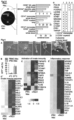
- expression of at least 10 genes selected from a group consisting of DKK1, SEPP1, PITX2, COL3A1, KRT19, A_33_P3221980, CALD1, CYR61, H19, DDIT4L, FRZB, TMEM98, NNMT, NPNT, LUM, DCN, LYVE1, MGP, IGFBP3 and NUAK1 is at least 20fold upregulated in said macrophages compared to macrophages derived from PBMC, preferably, at least 50 fold, at least 200 fold, at least 400 fold or at least 1000fold.
- At least 12 genes preferably, at least 15 genes or all genes selected from a group consisting of DKK1, PITX2, COL3A1, KRT19, A_33_P3221980, CALD1, CYR61, H19, DDIT4L, FRZB, TMEM98, NNMT, NPNT, LUM, DCN, LYVE1, MGP, IGFBP3 and NUAK1 may be at least 100fold upregulated in said macrophages compared to macrophages derived from PBMC, preferably, at least 200 fold, at least 400 fold or at least 500 fold.
- expression of at least 10 genes selected from a group consisting of CRTAM, FBP1, GNLY, HLA_DQA1, HLA_DQB1, HLA_DQB2, HLA_DRA, HLA_DRB1, HLA_DRB3, HLA_DRB4, HLA_DRB5, IL15, LY75 is at least 20fold downregulated in said macrophages compared to macrophages derived from PBMC, preferably, at least 200 fold, at least 400 fold, at least 500 fold or at least 1000 fold.
- Expression of at least 10, at least 12 or all genes selected from said group may be at least 100fold downregulated in said macrophages compared to macrophages derived from PBMC, preferably, at least 200 fold, at least 400 fold, at least 500 fold or at least 1000 fold.
- Typical expression profiles are disclosed herein, e.g., in Table 1. It is noted that the comparison leads to particularly high differences for genes which are practically not expressed in one of the cell types compared. In that case, even very small differences in expression of the genes can lead to high differences in the comparative rate of expression. Without intending to be limited by the theory, it is believed that the shear stress in suspension culture leads to different expression of genes in the produced myeloid cells.
- the present invention also provides a pharmaceutical composition
- a pharmaceutical composition comprising a cell population of the invention, i.e., a cell population comprising macrophages as characterized herein, in a pharmaceutically acceptable carrier.
- the cell population is obtainable from the methods of the invention as described herein.
- the cells are human cells intended for treatment of a human patient, most preferably human macrophages as characterized herein.
- a pharmaceutically acceptable carrier typically is a buffer, e.g., PBS (PBS/EDTA supplemented with about 20% human serum albumin, or citrate plasma, or Plasmalyte-A pH 7.4 (Baxter, supplemented with about 2% human albumin). It is compatible with survival of the cells. It may comprise physiological levels of NaCl.
- PBS PBS/EDTA supplemented with about 20% human serum albumin, or citrate plasma, or Plasmalyte-A pH 7.4 (Baxter, supplemented with about 2% human albumin). It is compatible with survival of the cells. It may comprise physiological levels of NaCl.
- the present invention provides a pharmaceutical composition
- a pharmaceutical composition comprising a cell population in a pharmaceutically acceptable carrier, wherein the average size of the cells of the population is reduced by at least 10%, by at least 20%, at least 30%, at least 40%, at least 50% or at least 60% compared to a population of said cells in a physiologic saline solution, wherein said cell population is a population comprising macrophages of the invention as characterized herein.
- a pharmaceutically acceptable carrier in the context of a pharmaceutical composition comprising a cell population wherein the average size of the cells of the population is reduced is a hypertonic solution, e.g., comprising sugar and/or salts.
- the pharmaceutical composition of the invention which, in one embodiment comprises macrophages with a non-modified size, may be comprised in a container suitable for spraying the pharmaceutical composition, e.g., with an atomizer.
- the pharmaceutical composition of the invention comprises macrophages with a reduced size as described herein, and is comprised in a container suitable for spraying the pharmaceutical composition, e.g., with an atomizer.
- the present invention thus also provides an application system (e.g., in the form of a kit) comprising
- Said macrophages are macrophages obtainable with the method of the invention, e.g., having the characteristics described herein.
- the myeloid cells of the application system are macrophages which do not have a modified size, which express the markers as described herein. They are obtained by the method of the invention.
- Suitable containers are known in the art, e.g., from EP2743343A1 .
- RenovaCare's Skin Gun may be used (RenovaCare), which is capable of spraying a liquid suspension of cells, e.g., onto wounds.
- a gentle positive-pressure air stream may be used to spray the cell suspension.
- Such application systems are particularly useful for spraying the cell population of the invention, e.g., comprising macrophages, on surfaces, e.g., on wounds such as burns and/or infected wounds. They are also useful for treatment in the lung. They may also be used for treatment of a surface in vitro, e.g., for disinfection or for reducing the number of pathogens, in particular, for reducing the number of bacteria on said surface.
- the cells obtainable from the method of the invention may alternatively be administered with a bronchoscope or they may be administered to intubated patients.
- the invention also provides a pharmaceutical composition or the application system of the invention comprising macrophages obtainable by the method of the invention, for use in treating or preventing an infection in a patient, e.g., a human patient.
- the cell population of the invention may be advantageously used as a cell therapeutic for treatment of different tissues or organs, e.g., brain, lung, skin, gut, peritoneum, liver, spleen or pancreas, in particular, for treatment of dysfunctions of macrophages in brain, lung, skin, gut, peritoneum, or liver.
- Macrophages genetically engineered to express a protein can also be used for therapy in other diseases, e.g., macrophages expressing insulin may be used for treatment of diabetes.
- Treatment of hereditary diseases involving lack or dysfunction of a protein can also be treated by administration of macrophages expressing said protein.
- a single administration can be effective for at least 1, 2 or 3 months or several years, optimally, lifelong. If repeated treatment is needed at all, the invervals can accordingly be long, e.g., every 1, 2, 3, 6 months or every 1, 2, 3, 4, 5, 10 or 20 years.
- a bacterial infection may be, e.g., an infection with P. aeruginosa, S. pneumoniae, S. aureus, and M. tuberculosis. It may be a pulmonary infection. Treatment for pulmonary infections, e.g., with these bacteria, may be pulmonary e.g. by local cell administration via intubation. Alternatively, inhalation-based systems such as aerosol based sprays or systemic administration by i.v. injections may be applied. Local administration may be used. For inhalation systems, use of cells having a reduced size, as described herein, may be advantageous if a deep penetration into the airways is desired.
- Bacterial pulmonary infections are of particular relevance in patients such as cystic fibrosis patients.
- Patients for which the treatment or prevention may be of particular relevance are immunocompromised patients such as immunosuppressed patients, e.g., transplantation patients, patients in intensive care (e.g., with ventilation-associated pneumonia), newborn babies, elderly patients, patients suffering from chronic lung disease such as cystic fibrosis, CGD (or other genetic diseases leading to immunodeficiency), chronic obstructive pulmonary disease or hPAP.
- Treatment of a bacterial infection may also be treatment of sepsis.
- macrophages can not only serve to reduce bacterial load, but the can also serve as a sink for reducing the load of pro-inflammatory cytokines, cell- and bacterial-debris, and/or toxins (macrophage sponge).
- Treatment or prevention of an infection can also be treatment of an infected wound or prevention of infection of a wound.
- topical administration e.g., by spraying the wound with an administration device of the invention is useful.
- the wound may be cleaned, e.g., removing coagulated blood, to facilitate access before treatment.
- Treatment or prevention of an infection can also be peri- or post-operative treatment with a composition of the invention, e.g., by spraying the composition of the invention on an operation site during the operation or after closing the operation site.
- the invention also provides a pharmaceutical composition or the application system of the invention comprising macrophages, for use in promoting wound healing in a patient.
- a wound may, e.g., be a burn, in particular, a grade II or grade III burn. Promoting wound healing may or may not be in the context of infection. Macrophages do not only contribute to elimination of pathogens, but they also assist in remodelling tissue. These characteristics make the pharmaceutical composition of the invention useful for treatment, e.g., of ulcers or for removal of necrotic tissue. Further uses may be e.g., in promoting transplantation success or in treatment of paradontitis. The composition may also be used to prevent or minimize scar formation.
- treatment means that at least one symptom of a disease is ameliorated.
- the bacterial load is also reduced, and most preferably, all bacteria are eliminated.
- Prevention means that the patient to be treated is not yet ill, i.e., does not show symptoms of the disease, and may be not infected (yet). Prevention reduces the likelihood of occurrence of a disease (in particular, an infection) and/or reduces the severity of symptoms of a disease.
- the invention will be used in the context of treatment, but prevention can also be of interest, e.g., in the context of an outbreak of multiple-resistant bacteria and/or with patients, e.g, immunocompromised patients, likely to be in contact with such bacteria, e.g., in intensive care or in the context of solid organ transplantation or blood/bone marrow transfusion.
- treatment and/or prevention preferably, treatment of viral infections, e.g., influenza (Cardani et al. 2017), with pharmaceutical compositions comprising cell populations of the invention comprising macrophages is contemplated.
- viral infections e.g., influenza (Cardani et al. 2017)
- pharmaceutical compositions comprising cell populations of the invention comprising macrophages
- influenza e.g., intrapulmonary application, e.g., as described herein, or spray application
- antibodies directed to surface antigens of the virus may further be included in the pharmaceutical composition.
- Antibodies directed against surface antigens of bacteria can also be added to compositions intended for treatment of bacteria.
Landscapes
- Health & Medical Sciences (AREA)
- Life Sciences & Earth Sciences (AREA)
- Engineering & Computer Science (AREA)
- Biomedical Technology (AREA)
- Chemical & Material Sciences (AREA)
- Zoology (AREA)
- Organic Chemistry (AREA)
- Biotechnology (AREA)
- General Health & Medical Sciences (AREA)
- Wood Science & Technology (AREA)
- Bioinformatics & Cheminformatics (AREA)
- Genetics & Genomics (AREA)
- Immunology (AREA)
- Hematology (AREA)
- Cell Biology (AREA)
- Animal Behavior & Ethology (AREA)
- Veterinary Medicine (AREA)
- Public Health (AREA)
- Biochemistry (AREA)
- General Engineering & Computer Science (AREA)
- Microbiology (AREA)
- Epidemiology (AREA)
- Pharmacology & Pharmacy (AREA)
- Medicinal Chemistry (AREA)
- Virology (AREA)
- Developmental Biology & Embryology (AREA)
- Chemical Kinetics & Catalysis (AREA)
- General Chemical & Material Sciences (AREA)
- Gastroenterology & Hepatology (AREA)
- Oncology (AREA)
- Communicable Diseases (AREA)
- Molecular Biology (AREA)
- Nuclear Medicine, Radiotherapy & Molecular Imaging (AREA)
- Micro-Organisms Or Cultivation Processes Thereof (AREA)
- Medicines Containing Material From Animals Or Micro-Organisms (AREA)
- Medicinal Preparation (AREA)
- Materials For Medical Uses (AREA)
- Medicines That Contain Protein Lipid Enzymes And Other Medicines (AREA)
Claims (17)
- Procédé de production de cellules myéloïdes, comprenant les étapes consistant :a) cultiver des corps embryoïdes dans des cultures en suspension en présence d'IL-3 et, éventuellement, d'au moins une cytokine supplémentaire, pendant 4 à 8 jours afin de produire des complexes permettant de former des cellules myéloïdes ;b) cultiver les complexes permettant de former des cellules myéloïdes en présence d'IL-3 et, éventuellement, d'au moins une cytokine supplémentaire, dans une culture en suspension pendant une période suffisante afin de produire des cellules myéloïdes ; etc) isoler les cellules myéloïdes, la récolte commençant 3 à 16 jours après la production des complexes permettant de former des cellules myéloïdes.
- Procédé selon la revendication 1, dans lequel les corps embryoïdes sont dérivés de cellules souches pluripotentes, de préférence de cellules souches pluripotentes induites.
- Procédé selon l'une quelconque des revendications précédentes, dans lequel les corps embryoïdes sont obtenus à l'aide d'un procédé comprenant la culture de cellules souches pluripotentes en culture en suspension pendant une durée suffisante pour produire des corps embryoïdes.
- Procédé selon l'une quelconque des revendications précédentes, dans lequel la culture en suspension est réalisée dans un bioréacteur permettant la culture en suspension, choisi dans le groupe comprenant un bioréacteur à cuve agitée, une fiole Erlenmeyer, une fiole rotative, un bioréacteur à ondes et un bioréacteur à paroi rotative, de préférence un bioréacteur à cuve agitée.
- Procédé selon l'une quelconque des revendications précédentes, dans lequel les cellules sont des cellules humaines.
- Procédé selon l'une quelconque des revendications précédentes, dans lequela) la cytokine supplémentaire est le M-CSF et les cellules myéloïdes produites sont des macrophages; oub) la cytokine supplémentaire est le G-CSF et les cellules myéloïdes produites sont des granulocytes; ouc) la cytokine supplémentaire est le GM-CSF et les cellules myéloïdes produites sont des macrophages et des granulocytes ; oud) les cytokines supplémentaires sont le SCF et l'EPO et les cellules myéloïdes produites sont des cellules érythroïdes ; oue) les cytokines supplémentaires sont le SCF et la TPO et les cellules myéloïdes produites sont des mégacaryocytes et/ou des thrombocytes ; ouf) la cytokine supplémentaire est le GM-CSF et l'IL-4 et les cellules myéloïdes produites sont des cellules dendritiques ; oug) il n'y a pas de cytokine supplémentaire à l'IL-3, et les cellules myéloïdes produites sont des cellules immatures capables de se différencier davantage, dans lequel le procédé comprend éventuellement en outre ;dans lequel, de préférence, la cytokine supplémentaire est le M-CSF et les cellules myéloïdes produites sont des macrophages.i) la culture desdites cellules immatures en présence de M-CSF jusqu'à l'obtention de macrophages ; ouii) la culture desdites cellules immatures en présence de G-CSF jusqu'à l'obtention de granulocytes ;iii) la culture desdites cellules immatures en présence de GM-CSF jusqu'à l'obtention de granulocytes et de macrophages ;iv) la culture desdites cellules immatures en présence de SCF et d'EPO jusqu'à l'obtention de cellules érythroïdes ;v) la culture desdites cellules immatures en présence de SCF et de TPO jusqu'à l'obtention de mégacaryocytes et/ou de thrombocytes ;
- Procédé selon l'une quelconque des revendications précédentes, dans lequel le procédé permet une production continue, de préférence par lots, desdites cellules myéloïdes.
- Procédé selon l'une quelconque des revendications précédentes, dans lequel l'isolement comprend la purification des cellules myéloïdes produites, de préférence des macrophages, jusqu'à l'obtention d'une pureté d'au moins 50 %,
dans lequel le procédé comprend en outre, après l'étape c,- la réduction de la taille des cellules myéloïdes à l'aide d'un procédé choisi dans le groupe comprenant la mise en contact des cellules avec une solution hypertonique et la lyophilisation et/ou- le fait de charger les cellules myéloïdes avec un agent thérapeutique ou un agent diagnostique choisi dans le groupe comprenant un agent antibiotique, un agent immunomodulateur et un colorant. - Culture en suspension comprenant des complexes permettant de former des cellules myéloïdes qui produisent de façon continue des cellules myéloïdes, dans laquelle ladite culture en suspension peut être obtenue à l'aide du procédé selon la revendication 1b.
- Population cellulaire pouvant être obtenue à l'aide du procédé selon l'une quelconque des revendications 1 à 8, comprenant des macrophages CD45+/CD11b+/CD14+/CD163+/CD34-/TRA1-60-, dans laquelle les cellules sont des cellules humaines et dans laquelle l'expression d'au moins 10 gènes choisis dans un groupe comprenant les gènes CRTAM, FBP1, GNLY, HLA_DQA1, HLA_DQB1, HLA_DQB2, HLA_DRA, HLA_DRB1, HLA_DRB3, HLA_DRB4, HLA_DRBS, IL-15, LY75, est au moins 20 fois moins régulée dans lesdits macrophages que dans des macrophages humains dérivés de PBMC, dans laquelle lesdits macrophages humains dérivés de PBMC sont isolés à partir du sang périphérique de volontaires sains par centrifugation en gradient à l'aide d'une solution de séparation Biocoll pendant 40 minutes, 400xg, et les cellules sont cultivées dans un milieu RPMI1640 supplémenté par 10 % de sérum de veau fœtal, de glutamine à 2mM, 1 % de pénicilline-streptomycine et hIL3 et hM-CSF (à 50 ng/mL chacun) pendant une semaine, puis cultivées pendant 3-4 jours dans un milieu de différenciation contenant 50 ng/mL de M-CSF uniquement.
- Population cellulaire selon la revendication 10, dans laquelle le diamètre moyen des macrophages est inférieur à 13 µm, dans laquelle la taille des cellules a été réduite au moyen d'un procédé choisi dans le groupe comprenant la mise en contact des cellules avec une solution hypertonique et la lyophilisation et, éventuellement, les cellules sont chargées d'un agent thérapeutique ou diagnostique choisi dans le groupe comprenant un agent antibiotique et un agent immunomodulateur.
- Composition pharmaceutique comprenant une population cellulaire selon l'une quelconque des revendications 10 à 11 dans un support pharmaceutiquement acceptable.
- Composition pharmaceutique selon la revendication 12, dans laquelle la taille moyenne des cellules de la population est réduite d'au moins 10 % par rapport à une population desdites cellules dans une solution saline physiologique.
- Composition pharmaceutique selon l'une quelconque des revendications 12 ou 13 destinée au traitement ou à la prévention d'une infection chez un patient et/ou pour favoriser la cicatrisation de plaies,
dans laquelle la composition pharmaceutique est de préférence destinée au traitement ou à la prévention d'une infection bactérienne. - Système d'application comprenanta) une composition pharmaceutique comprenant des cellules myéloïdes dans un support pharmaceutiquement acceptable, etb) un récipient adapté à la pulvérisation de la composition pharmaceutique,dans lequel la composition pharmaceutique est la composition pharmaceutique selon l'une quelconque des revendications 12 à 13 ou la composition pharmaceutique destinée à être utilisée de la revendication 14.
- Utilisation de la population cellulaire selon l'une quelconque des revendications 10 ou 11 poura) le dépistage de drogues et/ou le développement de médicamentsb) la modélisation de maladiec) l'ingénierie tissulaire in vitrod) la préparation d'organismes bioartificielse) la désinfection in vitrof) l'enrobage de matériaux destinés à la transplantationg) le développement de biomarqueurs ; ouh) le contrôle de la qualité des produits biologiques choisis dans le groupe comprenant des anticorps, des hormones, des cytokines, des médicaments, des milieux de culture et du sérum.
- Procédé de préparation d'une protéine, comprenant la mise en œuvre d'un procédé selon l'une quelconque des revendications 1 à 8 et l'isolement d'une protéine produite par les corps embryoïdes, les complexes permettant de former des cellules myéloïdes et/ou les cellules myéloïdes, dans laquelle, de préférence, la protéine est une protéine sécrétée dans le milieu de culture cellulaire choisie dans le groupe comprenant une cytokine, une chimiokine, un facteur de croissance, une protéine S100 et une protéine recombinante.
Priority Applications (1)
| Application Number | Priority Date | Filing Date | Title |
|---|---|---|---|
| EP25187592.8A EP4603101A3 (fr) | 2017-05-04 | 2018-05-04 | Cellules myéloïdes dérivées de cellules souches, génération et utilisation de celles-ci |
Applications Claiming Priority (2)
| Application Number | Priority Date | Filing Date | Title |
|---|---|---|---|
| EP17169454.0A EP3399027A1 (fr) | 2017-05-04 | 2017-05-04 | Cellules myéloïdes dérivées de cellules souches, production et utilisation associée |
| PCT/EP2018/061574 WO2018202881A1 (fr) | 2017-05-04 | 2018-05-04 | Cellules myéloïdes dérivées de cellules souches, production et utilisation correspondantes |
Related Child Applications (1)
| Application Number | Title | Priority Date | Filing Date |
|---|---|---|---|
| EP25187592.8A Division EP4603101A3 (fr) | 2017-05-04 | 2018-05-04 | Cellules myéloïdes dérivées de cellules souches, génération et utilisation de celles-ci |
Publications (3)
| Publication Number | Publication Date |
|---|---|
| EP3619295A1 EP3619295A1 (fr) | 2020-03-11 |
| EP3619295C0 EP3619295C0 (fr) | 2025-07-09 |
| EP3619295B1 true EP3619295B1 (fr) | 2025-07-09 |
Family
ID=58669719
Family Applications (3)
| Application Number | Title | Priority Date | Filing Date |
|---|---|---|---|
| EP17169454.0A Withdrawn EP3399027A1 (fr) | 2017-05-04 | 2017-05-04 | Cellules myéloïdes dérivées de cellules souches, production et utilisation associée |
| EP25187592.8A Pending EP4603101A3 (fr) | 2017-05-04 | 2018-05-04 | Cellules myéloïdes dérivées de cellules souches, génération et utilisation de celles-ci |
| EP18722976.0A Active EP3619295B1 (fr) | 2017-05-04 | 2018-05-04 | Cellules myéloïdes dérivées de cellules souches, production et utilisation associée |
Family Applications Before (2)
| Application Number | Title | Priority Date | Filing Date |
|---|---|---|---|
| EP17169454.0A Withdrawn EP3399027A1 (fr) | 2017-05-04 | 2017-05-04 | Cellules myéloïdes dérivées de cellules souches, production et utilisation associée |
| EP25187592.8A Pending EP4603101A3 (fr) | 2017-05-04 | 2018-05-04 | Cellules myéloïdes dérivées de cellules souches, génération et utilisation de celles-ci |
Country Status (6)
| Country | Link |
|---|---|
| US (1) | US20210155902A1 (fr) |
| EP (3) | EP3399027A1 (fr) |
| JP (2) | JP7365906B2 (fr) |
| CA (1) | CA3060012A1 (fr) |
| ES (1) | ES3035813T3 (fr) |
| WO (1) | WO2018202881A1 (fr) |
Families Citing this family (9)
| Publication number | Priority date | Publication date | Assignee | Title |
|---|---|---|---|---|
| US12043844B2 (en) | 2017-05-17 | 2024-07-23 | Children's Hospital Medical Center | Cell therapy with lentiviral transduced CSF2RA transgene in the treatment of hereditary pulmonary alveolar proteinosis |
| EP3813853A4 (fr) | 2018-06-29 | 2022-04-06 | Platelet Biogenesis, Inc. | Compositions pour l'administration de médicaments et leurs méthodes d'utilisation |
| CN113785049B (zh) * | 2019-06-10 | 2025-11-25 | 爱平世股份有限公司 | 细胞培养方法及单核细胞的回收方法 |
| EP4006546A1 (fr) | 2020-11-30 | 2022-06-01 | Medizinische Hochschule Hannover | Application de monocytes dérivés de cellules souches dans un test d'activation des monocytes (mat) pour l'évaluation de la pyrogénicité et du potentiel inflammatoire |
| EP4365283A4 (fr) * | 2021-06-30 | 2025-06-11 | National University Corporation Chiba University | Procédé d'amélioration des propriétés prolifératives de cellules myéloïdes progénitrices communes (cmp) ou de cellules progénitrices myélocytiques |
| WO2023150089A1 (fr) * | 2022-02-01 | 2023-08-10 | Bluerock Therapeutics Lp | Méthodes de traitement de troubles métaboliques héréditaires |
| EP4574969A1 (fr) * | 2023-12-22 | 2025-06-25 | Sartorius Stedim Biotech GmbH | Procédé de production de cellules différenciées à partir de cellules souches pluripotentes |
| WO2025237762A1 (fr) | 2024-05-14 | 2025-11-20 | Englmeier Ludwig | Lymphocytes t et cellules myéloïdes appariés à partir d'une culture cellulaire |
| GB202413831D0 (en) * | 2024-09-19 | 2024-11-06 | Lift Biosciences Ltd | Therapeutic cells |
Citations (1)
| Publication number | Priority date | Publication date | Assignee | Title |
|---|---|---|---|---|
| US20160123980A1 (en) * | 2013-05-20 | 2016-05-05 | Cell Therapy Limited | Multicolor flow cytometry method for identifying a population of cells, in particular mesenchymal stem cells |
Family Cites Families (10)
| Publication number | Priority date | Publication date | Assignee | Title |
|---|---|---|---|---|
| WO2009009591A2 (fr) * | 2007-07-09 | 2009-01-15 | Kansas State University Research Foundation | Utilisation de cellules afin de faciliter l'administration de thérapies à base de nanoparticules |
| WO2010025776A1 (fr) | 2008-09-08 | 2010-03-11 | Nokia Siemens Networks Oy | Procédé et dispositif pour classer des flux de trafic dans un système de communication sans fil par paquets |
| KR101720961B1 (ko) | 2009-02-27 | 2017-03-29 | 셀룰러 다이내믹스 인터내셔널, 인코포레이티드 | 다능성 세포의 분화 |
| PL2539441T3 (pl) * | 2010-02-22 | 2017-06-30 | Université Pierre Et Marie Curie (Paris 6) | Podłoże do hodowli komórkowej do wzrostu i różnicowania komórek linii hematopoetycznych |
| CL2011001904A1 (es) | 2011-08-08 | 2012-03-09 | Univ Pontificia Catolica Chile | Formulacion farmaceutica que comprende celulas madres mesenquimales vivas suspendidas en un vehiculo farmaceuticamente aceptable, sistema de aplicacion topica en aerosol que las comprende; y su uso para tratar heridas. |
| CN102329769B (zh) * | 2011-09-28 | 2013-07-31 | 浙江大学 | 一种获得造血干细胞的方法 |
| ES2652666T3 (es) * | 2011-12-22 | 2018-02-05 | Mogam Biotechnology Institute | Procedimiento de producción de linfocitos citolíticos naturales, linfocitos citolíticos naturales producidos de este modo y composición para el tratamiento de cánceres y enfermedades infecciosas que contienen los mismos |
| JP6774952B2 (ja) | 2015-01-16 | 2020-10-28 | エージェンシー フォー サイエンス, テクノロジー アンド リサーチ | 多能性幹細胞のマクロファージへの分化 |
| EP3256569B2 (fr) | 2015-02-11 | 2024-04-17 | The Hospital for Sick Children | Macrophages de type alvéolaire et leur procédé de production |
| US10947502B2 (en) | 2015-10-20 | 2021-03-16 | FUJIFILM Cellular Dynamics, Inc. | Methods for directed differentiation of pluripotent stem cells to immune cells |
-
2017
- 2017-05-04 EP EP17169454.0A patent/EP3399027A1/fr not_active Withdrawn
-
2018
- 2018-05-04 EP EP25187592.8A patent/EP4603101A3/fr active Pending
- 2018-05-04 US US16/610,624 patent/US20210155902A1/en active Pending
- 2018-05-04 ES ES18722976T patent/ES3035813T3/es active Active
- 2018-05-04 CA CA3060012A patent/CA3060012A1/fr active Pending
- 2018-05-04 JP JP2019560351A patent/JP7365906B2/ja active Active
- 2018-05-04 EP EP18722976.0A patent/EP3619295B1/fr active Active
- 2018-05-04 WO PCT/EP2018/061574 patent/WO2018202881A1/fr not_active Ceased
-
2023
- 2023-04-27 JP JP2023072967A patent/JP7710001B2/ja active Active
Patent Citations (1)
| Publication number | Priority date | Publication date | Assignee | Title |
|---|---|---|---|---|
| US20160123980A1 (en) * | 2013-05-20 | 2016-05-05 | Cell Therapy Limited | Multicolor flow cytometry method for identifying a population of cells, in particular mesenchymal stem cells |
Also Published As
| Publication number | Publication date |
|---|---|
| ES3035813T3 (en) | 2025-09-09 |
| JP2023106413A (ja) | 2023-08-01 |
| JP2020518263A (ja) | 2020-06-25 |
| US20210155902A1 (en) | 2021-05-27 |
| WO2018202881A1 (fr) | 2018-11-08 |
| EP3619295A1 (fr) | 2020-03-11 |
| JP7365906B2 (ja) | 2023-10-20 |
| EP4603101A3 (fr) | 2025-11-19 |
| JP7710001B2 (ja) | 2025-07-17 |
| EP3399027A1 (fr) | 2018-11-07 |
| CA3060012A1 (fr) | 2018-11-08 |
| EP3619295C0 (fr) | 2025-07-09 |
| EP4603101A2 (fr) | 2025-08-20 |
Similar Documents
| Publication | Publication Date | Title |
|---|---|---|
| EP3619295B1 (fr) | Cellules myéloïdes dérivées de cellules souches, production et utilisation associée | |
| Ackermann et al. | Bioreactor-based mass production of human iPSC-derived macrophages enables immunotherapies against bacterial airway infections | |
| US12497593B2 (en) | Generation of hematopoietic progenitor cells from human pluripotent stem cells | |
| RU2756561C2 (ru) | Среда для формирования колоний и её применение | |
| JP7549355B2 (ja) | 間葉系間質細胞を拡大するための方法 | |
| US20220025330A1 (en) | Compositions and methods for generating hematopoietic stem cells (hscs) | |
| TW200916583A (en) | Cell expansion | |
| Kurtzberg et al. | Preclinical characterization of DUOC-01, a cell therapy product derived from banked umbilical cord blood for use as an adjuvant to umbilical cord blood transplantation for treatment of inherited metabolic diseases | |
| Summer et al. | Embryonic lung side population cells are hematopoietic and vascular precursors | |
| JPWO2020022511A1 (ja) | 動物細胞の浮遊培養用の添加物、浮遊培養用培地および浮遊培養方法 | |
| JP2017165757A (ja) | 間葉系間質細胞集団およびそれを作成する方法 | |
| CN113557296A (zh) | 造血干细胞的扩增 | |
| CN101558151A (zh) | 细胞扩增方法和藉此产生的细胞和条件培养基用于治疗的用途 | |
| HK40020493B (en) | Stem-cell derived myeloid cells, generation and use thereof | |
| HK40020493A (en) | Stem-cell derived myeloid cells, generation and use thereof | |
| Bari et al. | Mitochondrial superoxide reduction and cytokine secretion skewing by carbon nanotube scaffolds enhance ex vivo expansion of human cord blood hematopoietic progenitors | |
| WO2020044133A1 (fr) | Méthodes et compositions pour traiter des sujets exposés à des agents vésicants et à d'autres agents chimiques | |
| JP6854290B2 (ja) | ナチュラルキラーt(nkt)細胞を刺激する樹状細胞の製造方法、nkt細胞を刺激する樹状細胞、nkt細胞を刺激する樹状細胞とnkt細胞とを含む細胞組成物の製造方法およびnkt細胞を刺激する樹状細胞とnkt細胞とを含む細胞組成物 | |
| Tang | Generation of alveolar-like macrophages derived from safe and universal pluripotent cell source for allogeneic cell therapies | |
| US20260102431A1 (en) | Scalable Expansion of CD71+ Erythroid Progenitor Cells for Cell Therapy | |
| JP2022513391A (ja) | 幹細胞療法 | |
| Enes et al. | Comparison of the regenerative potential for lung tissue of mesenchymal stromal cells from different sources/locations within the body | |
| WO2025238202A1 (fr) | Production de cryonoïdes et de cellules sanguines issues de ceux-ci | |
| WO2025174985A1 (fr) | Progéniteurs plaquettaires pour thrombocytopénie | |
| WO2024014517A1 (fr) | Procédé de culture cellulaire, procédé de production d'une composition thérapeutique et composition thérapeutique |
Legal Events
| Date | Code | Title | Description |
|---|---|---|---|
| STAA | Information on the status of an ep patent application or granted ep patent |
Free format text: STATUS: UNKNOWN |
|
| STAA | Information on the status of an ep patent application or granted ep patent |
Free format text: STATUS: THE INTERNATIONAL PUBLICATION HAS BEEN MADE |
|
| PUAI | Public reference made under article 153(3) epc to a published international application that has entered the european phase |
Free format text: ORIGINAL CODE: 0009012 |
|
| STAA | Information on the status of an ep patent application or granted ep patent |
Free format text: STATUS: REQUEST FOR EXAMINATION WAS MADE |
|
| 17P | Request for examination filed |
Effective date: 20191018 |
|
| AK | Designated contracting states |
Kind code of ref document: A1 Designated state(s): AL AT BE BG CH CY CZ DE DK EE ES FI FR GB GR HR HU IE IS IT LI LT LU LV MC MK MT NL NO PL PT RO RS SE SI SK SM TR |
|
| AX | Request for extension of the european patent |
Extension state: BA ME |
|
| RIN1 | Information on inventor provided before grant (corrected) |
Inventor name: ACKERMANN, MANIA Inventor name: KEMPF, HENNING Inventor name: ZWEIGERDT, ROBERT Inventor name: MORITZ, THOMAS Inventor name: LACHMANN, NICO |
|
| DAV | Request for validation of the european patent (deleted) | ||
| DAX | Request for extension of the european patent (deleted) | ||
| REG | Reference to a national code |
Ref country code: HK Ref legal event code: DE Ref document number: 40020493 Country of ref document: HK |
|
| STAA | Information on the status of an ep patent application or granted ep patent |
Free format text: STATUS: EXAMINATION IS IN PROGRESS |
|
| 17Q | First examination report despatched |
Effective date: 20201210 |
|
| TPAC | Observations filed by third parties |
Free format text: ORIGINAL CODE: EPIDOSNTIPA |
|
| GRAP | Despatch of communication of intention to grant a patent |
Free format text: ORIGINAL CODE: EPIDOSNIGR1 |
|
| STAA | Information on the status of an ep patent application or granted ep patent |
Free format text: STATUS: GRANT OF PATENT IS INTENDED |
|
| INTG | Intention to grant announced |
Effective date: 20250224 |
|
| GRAS | Grant fee paid |
Free format text: ORIGINAL CODE: EPIDOSNIGR3 |
|
| GRAA | (expected) grant |
Free format text: ORIGINAL CODE: 0009210 |
|
| STAA | Information on the status of an ep patent application or granted ep patent |
Free format text: STATUS: THE PATENT HAS BEEN GRANTED |
|
| AK | Designated contracting states |
Kind code of ref document: B1 Designated state(s): AL AT BE BG CH CY CZ DE DK EE ES FI FR GB GR HR HU IE IS IT LI LT LU LV MC MK MT NL NO PL PT RO RS SE SI SK SM TR |
|
| REG | Reference to a national code |
Ref country code: GB Ref legal event code: FG4D |
|
| RIN1 | Information on inventor provided before grant (corrected) |
Inventor name: MORITZ, THOMAS Inventor name: ZWEIGERDT, ROBERT Inventor name: KEMPF, HENNING Inventor name: ACKERMANN, MANIA Inventor name: LACHMANN, NICO |
|
| REG | Reference to a national code |
Ref country code: DE Ref legal event code: R081 Ref document number: 602018083393 Country of ref document: DE Owner name: MEDIZINISCHE HOCHSCHULE HANNOVER, KOERPERSCHAF, DE Free format text: FORMER OWNER: ANMELDERANGABEN UNKLAR / UNVOLLSTAENDIG, 80297 MUENCHEN, DE |
|
| REG | Reference to a national code |
Ref country code: CH Ref legal event code: EP |
|
| REG | Reference to a national code |
Ref country code: IE Ref legal event code: FG4D |
|
| REG | Reference to a national code |
Ref country code: DE Ref legal event code: R096 Ref document number: 602018083393 Country of ref document: DE |
|
| U01 | Request for unitary effect filed |
Effective date: 20250709 |
|
| U07 | Unitary effect registered |
Designated state(s): AT BE BG DE DK EE FI FR IT LT LU LV MT NL PT RO SE SI Effective date: 20250721 |
|
| REG | Reference to a national code |
Ref country code: ES Ref legal event code: FG2A Ref document number: 3035813 Country of ref document: ES Kind code of ref document: T3 Effective date: 20250909 |
|
| PG25 | Lapsed in a contracting state [announced via postgrant information from national office to epo] |
Ref country code: IS Free format text: LAPSE BECAUSE OF FAILURE TO SUBMIT A TRANSLATION OF THE DESCRIPTION OR TO PAY THE FEE WITHIN THE PRESCRIBED TIME-LIMIT Effective date: 20251109 |
|
| PG25 | Lapsed in a contracting state [announced via postgrant information from national office to epo] |
Ref country code: NO Free format text: LAPSE BECAUSE OF FAILURE TO SUBMIT A TRANSLATION OF THE DESCRIPTION OR TO PAY THE FEE WITHIN THE PRESCRIBED TIME-LIMIT Effective date: 20251009 |
|
| PG25 | Lapsed in a contracting state [announced via postgrant information from national office to epo] |
Ref country code: HR Free format text: LAPSE BECAUSE OF FAILURE TO SUBMIT A TRANSLATION OF THE DESCRIPTION OR TO PAY THE FEE WITHIN THE PRESCRIBED TIME-LIMIT Effective date: 20250709 |
|
| PG25 | Lapsed in a contracting state [announced via postgrant information from national office to epo] |
Ref country code: GR Free format text: LAPSE BECAUSE OF FAILURE TO SUBMIT A TRANSLATION OF THE DESCRIPTION OR TO PAY THE FEE WITHIN THE PRESCRIBED TIME-LIMIT Effective date: 20251010 |
|
| PG25 | Lapsed in a contracting state [announced via postgrant information from national office to epo] |
Ref country code: PL Free format text: LAPSE BECAUSE OF FAILURE TO SUBMIT A TRANSLATION OF THE DESCRIPTION OR TO PAY THE FEE WITHIN THE PRESCRIBED TIME-LIMIT Effective date: 20250709 |
|
| PG25 | Lapsed in a contracting state [announced via postgrant information from national office to epo] |
Ref country code: RS Free format text: LAPSE BECAUSE OF FAILURE TO SUBMIT A TRANSLATION OF THE DESCRIPTION OR TO PAY THE FEE WITHIN THE PRESCRIBED TIME-LIMIT Effective date: 20251009 |
|
| PG25 | Lapsed in a contracting state [announced via postgrant information from national office to epo] |
Ref country code: SM Free format text: LAPSE BECAUSE OF FAILURE TO SUBMIT A TRANSLATION OF THE DESCRIPTION OR TO PAY THE FEE WITHIN THE PRESCRIBED TIME-LIMIT Effective date: 20250709 |
|
| PGFP | Annual fee paid to national office [announced via postgrant information from national office to epo] |
Ref country code: GB Payment date: 20260317 Year of fee payment: 9 |
|
| PG25 | Lapsed in a contracting state [announced via postgrant information from national office to epo] |
Ref country code: CZ Free format text: LAPSE BECAUSE OF FAILURE TO SUBMIT A TRANSLATION OF THE DESCRIPTION OR TO PAY THE FEE WITHIN THE PRESCRIBED TIME-LIMIT Effective date: 20250709 |
|
| PG25 | Lapsed in a contracting state [announced via postgrant information from national office to epo] |
Ref country code: SK Free format text: LAPSE BECAUSE OF FAILURE TO SUBMIT A TRANSLATION OF THE DESCRIPTION OR TO PAY THE FEE WITHIN THE PRESCRIBED TIME-LIMIT Effective date: 20250709 |