EP3620509B1 - Mutanter fadenpilz und verfahren zur herstellung einer substanz anhand des mutanten fadenpilzes - Google Patents
Mutanter fadenpilz und verfahren zur herstellung einer substanz anhand des mutanten fadenpilzes Download PDFInfo
- Publication number
- EP3620509B1 EP3620509B1 EP18794769.2A EP18794769A EP3620509B1 EP 3620509 B1 EP3620509 B1 EP 3620509B1 EP 18794769 A EP18794769 A EP 18794769A EP 3620509 B1 EP3620509 B1 EP 3620509B1
- Authority
- EP
- European Patent Office
- Prior art keywords
- seq
- strain
- nucleic acid
- acid molecule
- aspergillus
- Prior art date
- Legal status (The legal status is an assumption and is not a legal conclusion. Google has not performed a legal analysis and makes no representation as to the accuracy of the status listed.)
- Active
Links
Images








































Classifications
-
- C—CHEMISTRY; METALLURGY
- C12—BIOCHEMISTRY; BEER; SPIRITS; WINE; VINEGAR; MICROBIOLOGY; ENZYMOLOGY; MUTATION OR GENETIC ENGINEERING
- C12N—MICROORGANISMS OR ENZYMES; COMPOSITIONS THEREOF; PROPAGATING, PRESERVING, OR MAINTAINING MICROORGANISMS; MUTATION OR GENETIC ENGINEERING; CULTURE MEDIA
- C12N9/00—Enzymes; Proenzymes; Compositions thereof; Processes for preparing, activating, inhibiting, separating or purifying enzymes
- C12N9/14—Hydrolases (3)
- C12N9/16—Hydrolases (3) acting on ester bonds (3.1)
- C12N9/18—Carboxylic ester hydrolases (3.1.1)
-
- C—CHEMISTRY; METALLURGY
- C12—BIOCHEMISTRY; BEER; SPIRITS; WINE; VINEGAR; MICROBIOLOGY; ENZYMOLOGY; MUTATION OR GENETIC ENGINEERING
- C12P—FERMENTATION OR ENZYME-USING PROCESSES TO SYNTHESISE A DESIRED CHEMICAL COMPOUND OR COMPOSITION OR TO SEPARATE OPTICAL ISOMERS FROM A RACEMIC MIXTURE
- C12P19/00—Preparation of compounds containing saccharide radicals
- C12P19/04—Polysaccharides, i.e. compounds containing more than five saccharide radicals attached to each other by glycosidic bonds
-
- C—CHEMISTRY; METALLURGY
- C12—BIOCHEMISTRY; BEER; SPIRITS; WINE; VINEGAR; MICROBIOLOGY; ENZYMOLOGY; MUTATION OR GENETIC ENGINEERING
- C12N—MICROORGANISMS OR ENZYMES; COMPOSITIONS THEREOF; PROPAGATING, PRESERVING, OR MAINTAINING MICROORGANISMS; MUTATION OR GENETIC ENGINEERING; CULTURE MEDIA
- C12N1/00—Microorganisms; Compositions thereof; Processes of propagating, maintaining or preserving microorganisms or compositions thereof; Processes of preparing or isolating a composition containing a microorganism; Culture media therefor
- C12N1/14—Fungi; Culture media therefor
- C12N1/145—Fungi isolates
-
- C—CHEMISTRY; METALLURGY
- C12—BIOCHEMISTRY; BEER; SPIRITS; WINE; VINEGAR; MICROBIOLOGY; ENZYMOLOGY; MUTATION OR GENETIC ENGINEERING
- C12N—MICROORGANISMS OR ENZYMES; COMPOSITIONS THEREOF; PROPAGATING, PRESERVING, OR MAINTAINING MICROORGANISMS; MUTATION OR GENETIC ENGINEERING; CULTURE MEDIA
- C12N15/00—Mutation or genetic engineering; DNA or RNA concerning genetic engineering, vectors, e.g. plasmids, or their isolation, preparation or purification; Use of hosts therefor
- C12N15/09—Recombinant DNA-technology
- C12N15/63—Introduction of foreign genetic material using vectors; Vectors; Use of hosts therefor; Regulation of expression
- C12N15/79—Vectors or expression systems specially adapted for eukaryotic hosts
- C12N15/80—Vectors or expression systems specially adapted for eukaryotic hosts for fungi
-
- C—CHEMISTRY; METALLURGY
- C12—BIOCHEMISTRY; BEER; SPIRITS; WINE; VINEGAR; MICROBIOLOGY; ENZYMOLOGY; MUTATION OR GENETIC ENGINEERING
- C12N—MICROORGANISMS OR ENZYMES; COMPOSITIONS THEREOF; PROPAGATING, PRESERVING, OR MAINTAINING MICROORGANISMS; MUTATION OR GENETIC ENGINEERING; CULTURE MEDIA
- C12N15/00—Mutation or genetic engineering; DNA or RNA concerning genetic engineering, vectors, e.g. plasmids, or their isolation, preparation or purification; Use of hosts therefor
- C12N15/09—Recombinant DNA-technology
- C12N15/87—Introduction of foreign genetic material using processes not otherwise provided for, e.g. co-transformation
-
- C—CHEMISTRY; METALLURGY
- C12—BIOCHEMISTRY; BEER; SPIRITS; WINE; VINEGAR; MICROBIOLOGY; ENZYMOLOGY; MUTATION OR GENETIC ENGINEERING
- C12N—MICROORGANISMS OR ENZYMES; COMPOSITIONS THEREOF; PROPAGATING, PRESERVING, OR MAINTAINING MICROORGANISMS; MUTATION OR GENETIC ENGINEERING; CULTURE MEDIA
- C12N9/00—Enzymes; Proenzymes; Compositions thereof; Processes for preparing, activating, inhibiting, separating or purifying enzymes
- C12N9/10—Transferases (2.)
- C12N9/1048—Glycosyltransferases (2.4)
- C12N9/1051—Hexosyltransferases (2.4.1)
-
- C—CHEMISTRY; METALLURGY
- C12—BIOCHEMISTRY; BEER; SPIRITS; WINE; VINEGAR; MICROBIOLOGY; ENZYMOLOGY; MUTATION OR GENETIC ENGINEERING
- C12N—MICROORGANISMS OR ENZYMES; COMPOSITIONS THEREOF; PROPAGATING, PRESERVING, OR MAINTAINING MICROORGANISMS; MUTATION OR GENETIC ENGINEERING; CULTURE MEDIA
- C12N9/00—Enzymes; Proenzymes; Compositions thereof; Processes for preparing, activating, inhibiting, separating or purifying enzymes
- C12N9/90—Isomerases (5.)
-
- C—CHEMISTRY; METALLURGY
- C12—BIOCHEMISTRY; BEER; SPIRITS; WINE; VINEGAR; MICROBIOLOGY; ENZYMOLOGY; MUTATION OR GENETIC ENGINEERING
- C12P—FERMENTATION OR ENZYME-USING PROCESSES TO SYNTHESISE A DESIRED CHEMICAL COMPOUND OR COMPOSITION OR TO SEPARATE OPTICAL ISOMERS FROM A RACEMIC MIXTURE
- C12P21/00—Preparation of peptides or proteins
- C12P21/02—Preparation of peptides or proteins having a known sequence of two or more amino acids, e.g. glutathione
-
- C—CHEMISTRY; METALLURGY
- C12—BIOCHEMISTRY; BEER; SPIRITS; WINE; VINEGAR; MICROBIOLOGY; ENZYMOLOGY; MUTATION OR GENETIC ENGINEERING
- C12R—INDEXING SCHEME ASSOCIATED WITH SUBCLASSES C12C - C12Q, RELATING TO MICROORGANISMS
- C12R2001/00—Microorganisms ; Processes using microorganisms
- C12R2001/645—Fungi ; Processes using fungi
-
- C—CHEMISTRY; METALLURGY
- C12—BIOCHEMISTRY; BEER; SPIRITS; WINE; VINEGAR; MICROBIOLOGY; ENZYMOLOGY; MUTATION OR GENETIC ENGINEERING
- C12R—INDEXING SCHEME ASSOCIATED WITH SUBCLASSES C12C - C12Q, RELATING TO MICROORGANISMS
- C12R2001/00—Microorganisms ; Processes using microorganisms
- C12R2001/645—Fungi ; Processes using fungi
- C12R2001/66—Aspergillus
- C12R2001/69—Aspergillus oryzae
Definitions
- the present invention relates to a mutant filamentous fungus and a method of producing a substance using the mutant filamentous fungus.
- a filamentous fungus is a collective name for fungi constructed of tubular cells called hyphae, and is used for fermentative production of: low-molecular-weight compounds, for example, chemical products such as an organic acid, a pigment, and an agricultural chemical bulk, and pharmaceutical products such as penicillin and statins; and industrial enzymes such as amylase, cellulase, protease, and lipase.
- JP 2010-227032 A there is a description of a method of producing cellulase, including the steps of: producing a disaccharide-containing solution by adding thermophilic fungus-derived ⁇ -glucosidase to a glucose-containing solution and subjecting the mixture to a condensation reaction; and producing cellulase by culturing a filamentous fungus using a medium containing the disaccharide-containing solution.
- JP 2010-172343 A there is a description of a method of producing phospholipase, including a step of processing a fungal peptide to truncate a peptide from the C-terminus and/or a peptide from the N-terminus, to thereby produce a core peptide formed of a specific amino acid sequence having phospholipase activity.
- JP 2001-46078 A , JP 2005-52116 A , JP 2009-118783 A , JP 11-506025 A , and JP 2007-508022 A there is a description of an expression vector constructed so that the filamentous fungus functions as a host, there is also a description of a method involving preparing a transformant by introducing, into the filamentous fungus, a plasmid in which a gene encoding a homologous or heterologous protein is functionally linked to the expression vector, and there is also a description that utilization of the transformant contributes to increased production of enzymes such as amylase and cellulase and low-molecular-weight compounds such as penicillin.
- enzymes such as amylase and cellulase and low-molecular-weight compounds such as penicillin.
- the filamentous fungus has an advantage of being able to produce a wide variety of useful substances.
- the filamentous fungus causes a problem in that the filamentous fungus cannot be cultured at a high density because of entanglement of hyphae and aggregation of cells in its liquid culture step, a problem in that a production amount of a useful substance lowers, and a problem in that a production step of a useful substance becomes complicated (e.g., JP 2002-218970 A and JP 2010-227031 A ).
- the inventors of the present invention have found that, when a mutant filamentous fungus lacking expression of ⁇ -1,3-glucan is used, aggregation of cells during culture is suppressed more than in the related art and the cells are relatively homogeneously dispersed in a medium, and thus have developed a method of producing a substance ( WO 2014/073674 A1 ).
- the use of the mutant filamentous fungus suppresses the aggregation of the cells more than in the related art, there is a demand for development of a filamentous fungus that is still less liable to form an aggregate.
- Non-Patent Literature 10 discloses filamentous fungus Aspergillus oryzae having genes encoding ⁇ -1,3- glucan synthase knocked out has better hyphal dispersion in culture and increased recombinant protein production (see abstract). The introduction explains that the aggregation of hyphae is thought to be related to cell wall polysaccharides and polypeptides. Also explained is the similarity between cell wall of A . oryzae and the human pathogen Aspergillus fumigatus (see p.1853, column 2).
- Non-Patent Literature 11 discloses A . fumigatus mutants deficient in the production of ⁇ -1,3-glucan (see p. 1702-1703). A. fumigatus mutants having genes sph3 or uge3 knocked out being defective in the production of galactosaminogalactan (GAG) are review. Gene sph3 is indicated to be also present in A . oryzae (see end of p.1704 and first paragraph of p 1705). It is explained that GAG and ⁇ -1,3-glucan play major roles in hyphae aggregation (see p 1705, column 1, paragraph 1).
- Non-Patent Literature 12 discloses overlapping and distinct roles of Aspergillus fumigatus UDP-glucose 4-epimerases in galactose metabolism and the synthesis of galactose-containing cell wall polysaccharides.
- Non-Patent Literature 13 is directed to sph3, which is a glycoside hydrolase required for the biosynthesis of galactosaminogalactan in Aspergillus fumigatus.
- An object of the present invention is to provide a filamentous fungus mutant strain that is still more suppressed in aggregation of cells (hyphae) in a medium than a related-art filamentous fungus.
- Non-patent Literature 9 a disruption strain of the GAG biosynthetic cluster is obtained using Aspergillus fumigatus, and is analyzed for evaluating the effect of the cluster disruption.
- Non-patent Literature 9 it is reported that GAG is not observed on the cell wall surface of the disruption strain, but that there is no difference in germination or growth between the disruption strain and a wild-type strain.
- the inventors of the present invention have caused a filamentous fungus modified so as to be deficient in at least one ⁇ -1,3-glucan synthase gene comprising agsB and to be deficient in at least one galactosaminogalactan biosynthetic gene selected from the group consisting of uge3, sph3, ega3, agd3, and gtb3 so that the at least one gene responsible for the expression of galactosaminogalactan is knocked out, and as a result, have observed a further decrease in expression of galactosaminogalactan, and besides, have surprisingly found that the aggregation of cells is suppressed and the cells are completely dispersed.
- the present invention is based on such novel findings.
- the filamentous fungus mutant strain that is still more suppressed in aggregation of cells in a medium than the related-art filamentous fungus can be provided.
- the inside of the aggregate becomes anaerobic to kill the cells. Therefore, the filamentous fungus of the present invention suppressed in aggregation and the method using the same contribute to efficient culture and substance production of the filamentous fungus, and hence are extremely useful.
- the present invention provides a mutant filamentous fungus which is deficient in at least one ⁇ -1,3-glucan synthase gene comprising agsB, and is deficient in at least one galactosaminogalactan biosynthetic gene selected from the group consisting of uge3, sph3, ega3, agd3, and gtb3 so that the at least one gene responsible for the expression of galactosaminogalactan is knocked out.
- filamentous fungus examples include the genus Aspergillus, the genus Penicillium (e.g., Penicillium chrysogenum ), the genus Trichoderma, the genus Cephalosporium, the genus Acremonium, the genus Neurospora, the genus Botrytis, the genus Cochliobolus, and the genus Monascus.
- the genus Aspergillus, the genus Botrytis, or the genus Cochliobolus is preferred, and the genus Aspergillus is more preferred.
- filamentous fungi of the genus Aspergillus to be used in the present invention examples include Aspergillus oryzae, Aspergillus sojae, Aspergillus nidulans / Emericella nidulans, Aspergillus niger, and Aspergillus fumigatus. Of those, Aspergillus oryzae, Aspergillus sojae, Aspergillus nidulans, or Aspergillus niger is preferred, Aspergillus oryzae or Aspergillus sojae is more preferred, and Aspergillus oryzae is still more preferred.
- filamentous fungi of the genus Botrytis to be used in the present invention examples include Botrytis cinerea (teleomorph: Botryotinia fuckeliana ), Botrytis allii, Botrytis squamosa, and Botrytis byssoidea.
- filamentous fungi of the genus Cochliobolus to be used in the present invention include Cochliobolus heterostrophus (anamorph: Bipolaris maydis), Cochliobolus carbonum, Cochliobolus miyabeanus, and Cochliobolus victoriae.
- Examples of the genus Monascus include Monascus purpureus, Monascus ruber, and Monascus pilosus.
- the filamentous fungus mutant strain which is deficient in at least one ⁇ -1,3-glucan synthase gene, comprises agsB according to the present invention.
- ⁇ -1,3-glucan synthase gene ags include: agsA (Genbank accession No. AN5885) and agsB (Genbank accession No. AN3307) of Aspergillus nidulans ; agsA, agsB, and agsC of Aspergillus oryzae ; agsA, agsB, and agsC of Aspergillus sojae ; ags1 (Genbank accession No.
- AFUA_3G00910 of Aspergillus fumigatus ; agsE (Genbank accession No. ANI_1_360084) of Aspergillus niger ; and agsB (Genbank accession No. Pc16g06130) of Penicillium chrysogenum.
- agsA, agsB, and agsC of Aspergillus oryzae are registered in the Aspergillus database AspGD (http://www.aspergillusgenome.org) with the following gene numbers: agsA (AOR_1_956014), agsB (AOR_1_2634154), and agsC (AOR_1_1350024).
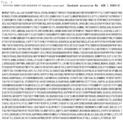
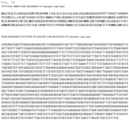
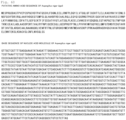
- the putative amino acid sequence of AgsA of Aspergillus oryzae (SEQ ID NO: 1) is shown in Fig. 6
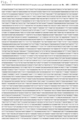
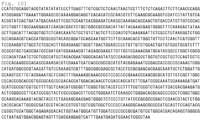
- the base sequence of a nucleic acid molecule encoding AgsA of Aspergillus oryzae is shown in Fig.
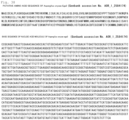
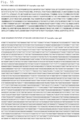
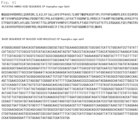
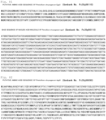
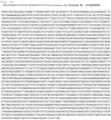
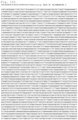
- the putative amino acid sequence of AgsB of Aspergillus oryzae (SEQ ID NO: 3) is shown in Fig. 9 , and the base sequence of a nucleic acid molecule encoding AgsB of Aspergillus oryzae (SEQ ID NO: 4) is shown in Fig. 10 and Fig. 11 .
- the putative amino acid sequence of AgsC of Aspergillus oryzae (SEQ ID NO: 5) is shown in Fig. 12
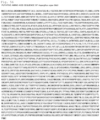
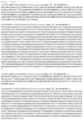
- the base sequence of a nucleic acid molecule encoding AgsC of Aspergillus oryzae (SEQ ID NO: 6) is shown in Fig. 13 and Fig. 14 .
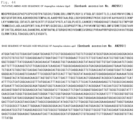
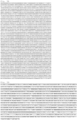
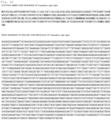
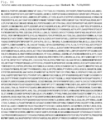
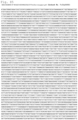
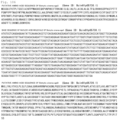
- the putative amino acid sequence of AgsA of Aspergillus nidulans (SEQ ID NO: 7) is shown in Fig. 15 , and the base sequence of a nucleic acid molecule encoding AgsA of Aspergillus nidulans (SEQ ID NO: 8) is shown in Fig. 16 and Fig. 17 .
- the putative amino acid sequence of AgsB of Aspergillus nidulans (SEQ ID NO: 9) is shown in Fig. 18
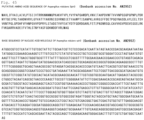
- the base sequence of a nucleic acid molecule encoding AgsB of Aspergillus nidulans (SEQ ID NO: 10) is shown in Fig. 19 and Fig. 20 .
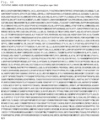
- Examples of the amino acid sequences of AgsA, AgsB, and AgsC of Aspergillus sojae include amino acid sequences estimated from gene sequences registered in GenBank (Genbank accession Nos. DF093557 to DF093585) on the basis of homology with Aspergillus oryzae.
- GenBank Genbank accession Nos. DF093557 to DF093585
- the putative amino acid sequence of AgsA of Aspergillus sojae (SEQ ID NO: 11) is shown in Fig. 21
- the putative base sequence of a nucleic acid molecule encoding the above-mentioned AgsA of Aspergillus sojae SEQ ID NO: 12
- the putative amino acid sequence of AgsB of Aspergillus sojae (SEQ ID NO: 13) is shown in Fig. 24 , and the base sequence of a nucleic acid molecule encoding AgsB of Aspergillus sojae (SEQ ID NO: 14) is shown in Fig. 25 and Fig. 26 .
- the putative amino acid sequence of AgsC of Aspergillus sojae (SEQ ID NO: 15) is shown in Fig. 27
- the base sequence of a nucleic acid molecule encoding AgsC of Aspergillus sojae (SEQ ID NO: 16) is shown in Fig. 28 and Fig. 29 .
- the putative amino acid sequence of AgsE of Aspergillus niger (SEQ ID NO: 17) is shown in Fig. 30 .
- the base sequence of a nucleic acid molecule encoding AgsE of Aspergillus niger (SEQ ID NO: 18) is shown in Fig. 31 and Fig. 32 .
- the putative amino acid sequence of Ags1 of Aspergillus fumigatus (SEQ ID NO: 19) is shown in Fig. 33 .
- the base sequence of a nucleic acid molecule encoding Ags1 of Aspergillus fumigatus (SEQ ID NO: 20) is shown in Fig. 34 and Fig. 35 .
- mutant filamentous fungus examples include mutant filamentous fungi each deficient in one or two or more of those ⁇ -1,3-glucan synthase genes. Of those, a mutant filamentous fungus deficient in all the three genes is preferred.
- examples of the deficiency in ⁇ -1,3-glucan synthase gene ags include: a deletion of the whole or part of the coding region of ⁇ -1,3-glucan synthase in a genome; an insertion of another nucleic acid molecule into the whole or part of the coding region; and a substitution of the whole or part of the coding region by another nucleic acid molecule.
- the deficiency in ⁇ -1,3-glucan synthase gene ags encompasses an addition, deletion, and substitution of a predetermined nucleic acid molecule to the above-mentioned coding region.
- a conditional gene deficiency designed so that ⁇ -1,3-glucan is expressed only under a certain condition.
- the filamentous fungus mutant strain according to the present invention is deficient in at least one galactosaminogalactan biosynthetic gene selected from the group consisting of uge3, sph3, ega3, agd3, and gtb3 so that the at least one gene responsible for the expression of galactosaminogalactan is knocked out, and the mutant filamentous fungus is deficient in at least one ⁇ -1,3-glucan synthase gene comprising agsB.
- Galactosaminogalactan is an extracellular polysaccharide identified in Aspergillus fumigatus in 2011, and is formed of galactose (Gal), N-acetylgalactosamine (GalNAc), and galactosamine (GalN) (Non-patent Literature 1).
- genes constituting the GAG biosynthetic cluster include uge3, sph3, ega3, agd3, and gtb3.
- an example of the filamentous fungus mutant strain deficient also in at least part of the GAG biosynthetic cluster according to the present invention is a filamentous fungus mutant strain deficient in at least one gene selected from the group consisting of uge3, sph3, ega3, agd3, and gtb3.
- an example of the filamentous fungus mutant strain deficient also in at least part of the GAG biosynthetic cluster is a filamentous fungus mutant strain deficient in at least uge3 and sph3 out of those genes.
- genes constituting the GAG biosynthetic cluster include: uge3 (Genbank accession No. AOR_1_2588174), sph3 (Genbank accession No. AOR_1_2586174), ega3 (Genbank accession No. AOR_1_2584174), agd3 (Genbank accession No. AOR_1_2582174), and gtb3 (Genbank accession No. AOR_1_2580174) of Aspergillus oryzae ; uge3 (Genbank accession No. AN2951), sph3 (Genbank accession No. AN2952), ega3 (Genbank accession No. AN2953), agd3 (Genbank accession No.
- gtb3 Genbank accession No. AN2955 of Aspergillus nidulans ; uge3, sph3, ega3, agd3, and gtb3 of Aspergillus sojae ; uge3 (Genbank accession No. ANI_1_1578024), sph3 (Genbank accession No. ANI_1_3046024), ega3 (Genbank accession No. ANI_1_1582024), agd3 (Genbank accession No. ANI_1_3048024), and gtb3 (Genbank accession No.
- ANI_1_3050024 of Aspergillus niger ; uge3 (Genbank accession No. AFUA_3G07910), sph3 (Genbank accession No. AFUA_3G07900), ega3 (Genbank accession No. AFUA_3G07890), agd3 (Genbank accession No. AFUA_3G07870), and gtb3 (Genbank accession No. AFUA_3G07860) of Aspergillus fumigatus ; uge3 (Genbank accession No. Pc20g06140), sph3 (Genbank accession No. Pc20g06130), ega3 (Genbank accession No.
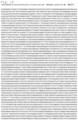
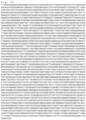
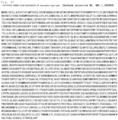
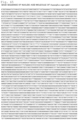
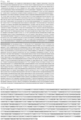
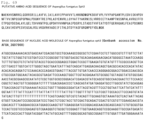
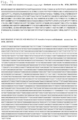
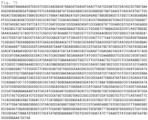
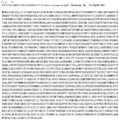
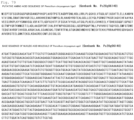
- the amino acid sequence of Uge3 of Aspergillus oryzae (SEQ ID NO: 21) and the base sequence of a nucleic acid molecule encoding Uge3 thereof (SEQ ID NO: 22) are shown in Fig. 36 .
- the amino acid sequence of Sph3 of Aspergillus oryzae (SEQ ID NO: 23) and the base sequence of a nucleic acid molecule encoding Sph3 thereof (SEQ ID NO: 24) are shown in Fig. 37 .
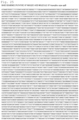
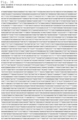
- amino acid sequence of Ega3 of Aspergillus oryzae (SEQ ID NO: 25) and the base sequence of a nucleic acid molecule encoding Ega3 thereof (SEQ ID NO: 26) are shown in Fig. 38 .
- amino acid sequence of Agd3 of Aspergillus oryzae (SEQ ID NO: 27) and the base sequence of a nucleic acid molecule encoding Agd3 thereof (SEQ ID NO: 28) are shown in Fig. 39 .
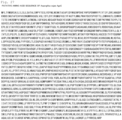
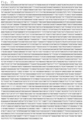
- amino acid sequence of Gtb3 of Aspergillus oryzae (SEQ ID NO: 29) is shown in Fig. 40
- the base sequence of a nucleic acid molecule encoding Gtb3 of Aspergillus oryzae (SEQ ID NO: 30) is shown in Fig. 41 to Fig. 43 .
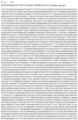
- the amino acid sequence of Uge3 of Aspergillus nidulans (SEQ ID NO: 31) and the base sequence of a nucleic acid molecule encoding Uge3 thereof (SEQ ID NO: 32) are shown in Fig. 44 .
- the amino acid sequence of Sph3 of the above-mentioned Aspergillus nidulans (SEQ ID NO: 33) and the base sequence of a nucleic acid molecule encoding Sph3 thereof (SEQ ID NO: 34) are shown in Fig. 45 .
- amino acid sequence of Ega3 of Aspergillus nidulans (SEQ ID NO: 35) and the base sequence of a nucleic acid molecule encoding Ega3 thereof (SEQ ID NO: 36) are shown in Fig. 46 .
- amino acid sequence of Agd3 of Aspergillus nidulans (SEQ ID NO: 37) and the base sequence of a nucleic acid molecule encoding Agd3 thereof (SEQ ID NO: 38) are shown in Fig. 47 .
- amino acid sequence of Gtb3 of Aspergillus nidulans (SEQ ID NO: 39) is shown in Fig. 48
- the base sequence of a nucleic acid molecule encoding Gtb3 of Aspergillus nidulans (SEQ ID NO: 40) is shown in Fig. 49 to Fig. 51 .
- examples of the amino acid sequences of Uge3, Sph3, Ega3, Agd3, and Gtb3 of Aspergillus sojae include amino acid sequences estimated from gene sequences of Aspergillus sojae registered in GenBank (Genbank accession Nos. DF093557 to DF093585) on the basis of homology with Aspergillus oryzae.
- GenBank Genbank accession Nos. DF093557 to DF093585
- the putative amino acid sequence of Uge3 of Aspergillus sojae (SEQ ID NO: 41) and the putative base sequence of a nucleic acid molecule encoding Uge3 thereof (SEQ ID NO: 42) are shown in Fig. 52 .
- the putative amino acid sequence of Sph3 of Aspergillus sojae (SEQ ID NO: 43) and the putative base sequence of a nucleic acid molecule encoding Sph3 thereof (SEQ ID NO: 44) are shown in Fig. 53 .
- the putative amino acid sequence of Ega3 of Aspergillus sojae (SEQ ID NO: 45) and the putative base sequence of a nucleic acid molecule encoding Ega3 thereof (SEQ ID NO: 46) are shown in Fig. 54 .
- the putative amino acid sequence of Agd3 of Aspergillus sojae (SEQ ID NO: 47) and the putative base sequence of a nucleic acid molecule encoding Agd3 thereof (SEQ ID NO: 48) are shown in Fig. 55 .
- the putative amino acid sequence of Gtb3 of Aspergillus sojae (SEQ ID NO: 49) is shown in Fig. 56
- the putative base sequence of a nucleic acid molecule encoding Gtb3 of Aspergillus sojae (SEQ ID NO: 50) are shown in Fig. 57 to Fig. 59 .
- the putative amino acid sequence of Uge3 of Aspergillus niger (SEQ ID NO: 51) and the base sequence of a nucleic acid molecule encoding Uge3 thereof (SEQ ID NO: 52) are shown in Fig. 60 .
- the putative amino acid sequence of Sph3 of Aspergillus niger (SEQ ID NO: 53) and the base sequence of a nucleic acid molecule encoding Sph3 thereof (SEQ ID NO: 54) are shown in Fig. 61 .
- the putative amino acid sequence of Ega3 of Aspergillus niger (SEQ ID NO: 55) and the base sequence of a nucleic acid molecule encoding Ega3 thereof (SEQ ID NO: 56) are shown in Fig.
- the putative amino acid sequence of Agd3 of Aspergillus niger (SEQ ID NO: 57) and the base sequence of a nucleic acid molecule encoding Agd3 thereof (SEQ ID NO: 58) are shown in Fig. 63 .
- the putative amino acid sequence of Gtb3 of Aspergillus niger (SEQ ID NO: 59) is shown in Fig. 64 .
- the base sequence of a nucleic acid molecule encoding Gtb3 of Aspergillus niger (SEQ ID NO: 60) is shown in Fig. 65 to Fig. 67 .
- the putative amino acid sequence of Uge3 of Aspergillus fumigatus (SEQ ID NO: 61) and the base sequence of a nucleic acid molecule encoding Uge3 thereof (SEQ ID NO: 62) are shown in Fig. 68 .
- the putative amino acid sequence of Sph3 of Aspergillus fumigatus (SEQ ID NO: 63) and the base sequence of a nucleic acid molecule encoding Sph3 thereof (SEQ ID NO: 64) are shown in Fig. 69 .
- the putative amino acid sequence of Ega3 of Aspergillus fumigatus (SEQ ID NO: 65) and the base sequence of a nucleic acid molecule encoding Ega3 thereof (SEQ ID NO: 66) are shown in Fig. 70 .
- the putative amino acid sequence of Agd3 of Aspergillus fumigatus (SEQ ID NO: 67) and the base sequence of a nucleic acid molecule encoding Agd3 thereof (SEQ ID NO: 68) are shown in Fig. 71 .
- the putative amino acid sequence of Gtb3 of Aspergillus fumigatus (SEQ ID NO: 69) is shown in Fig. 72 .
- the base sequence of a nucleic acid molecule encoding Gtb3 of Aspergillus fumigatus is shown in Fig. 73 to Fig. 75 .
- the putative amino acid sequence of Uge3 of Penicillium chrysogenum (SEQ ID NO: 73) and the base sequence of a nucleic acid molecule encoding Uge3 thereof are shown in Fig. 79 .
- the putative amino acid sequence of Sph3 of Penicillium chrysogenum (SEQ ID NO: 75) and the base sequence of a nucleic acid molecule encoding Sph3 thereof are shown in Fig. 80 .
- the putative amino acid sequence of Ega3 of Penicillium chrysogenum (SEQ ID NO: 77) and the base sequence of a nucleic acid molecule encoding Ega3 thereof (SEQ ID NO: 78) are shown in Fig. 81 .
- the putative amino acid sequence of Agd3 of Penicillium chrysogenum (SEQ ID NO: 79) is shown in Fig. 82 .
- the base sequence of a nucleic acid molecule encoding Agd3 of Penicillium chrysogenum (SEQ ID NO: 80) is shown in Fig. 83 .
- the putative amino acid sequence of Gtb3 of Penicillium chrysogenum (SEQ ID NO: 81) is shown in Fig. 84 .
- the base sequence of a nucleic acid molecule encoding Gtb3 of Penicillium chrysogenum (SEQ ID NO: 82) is shown in Fig. 85 to Fig. 87 .
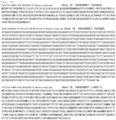
- the putative amino acid sequence of uge3 of Cochliobolus heterostrophus (anamorph: Bipolaris maydis) (SEQ ID NO: 89), the base sequence of a nucleic acid molecule of uge3 (SEQ ID NO: 90), the putative amino acid sequence of sph3 thereof (SEQ ID NO: 91), and the base sequence of a nucleic acid molecule of sph3 thereof (SEQ ID NO: 92) are shown in Fig. 95 .
- the putative amino acid sequence of ega3 of Cochliobolus heterostrophus (anamorph: Bipolaris maydis ) (SEQ ID NO: 93), the base sequence of a nucleic acid molecule of ega3 thereof (SEQ ID NO: 94), the putative amino acid sequence of agd3 thereof (SEQ ID NO: 95), and the base sequence of a nucleic acid molecule of agd3 thereof (SEQ ID NO: 96) are shown in Fig. 96 and Fig. 97 .
- the putative amino acid sequence of ags1 of Botrytis cinerea (SEQ ID NO: 99) and the base sequence of a nucleic acid molecule of ags1 thereof (SEQ ID NO: 100) are shown in Fig. 102 to Fig. 104 .
- the putative amino acid sequence of uge3 of Botrytis cinerea (SEQ ID NO: 101), the base sequence of a nucleic acid molecule of uge3 thereof (SEQ ID NO: 102), the putative amino acid sequence of sph3 thereof (SEQ ID NO: 103), and the base sequence of a nucleic acid molecule of sph3 thereof (SEQ ID NO: 104) are shown in Fig. 105 .
- the putative amino acid sequence of ega3 of Botrytis cinerea (SEQ ID NO: 105), the base sequence of a nucleic acid molecule of ega3 thereof (SEQ ID NO: 106), the putative amino acid sequence of agd3 thereof (SEQ ID NO: 107), and the base sequence of a nucleic acid molecule of agd3 thereof (SEQ ID NO: 108) are shown in Fig. 106 and Fig. 107 .
- the base sequence of a nucleic acid molecule of gtb3 of Botrytis cinerea (SEQ ID NO: 109) and the base sequence of a nucleic acid molecule of gtb3 thereof (SEQ ID NO: 110) are shown in Fig. 108 to Fig. 111 .
- examples of the deficiency in at least part of the GAG biosynthetic cluster include: a deletion of the whole or part of a coding region out of the GAG biosynthetic cluster in a genome; an insertion of another nucleic acid molecule into the whole or part of the coding region; and a substitution of the whole or part of the coding region by another nucleic acid molecule.
- the deficiency in at least part of the GAG biosynthetic cluster encompasses not only an addition, deletion, and substitution of a predetermined nucleic acid molecule to the above-mentioned coding region but also a conditional gene deficiency designed so that GAG is expressed only under a certain condition.
- examples of the deficiency in uge3 include: a deletion of the whole or part of a Uge3 coding region in a genome; an insertion of another nucleic acid molecule into the whole or part of the coding region; and a substitution of the whole or part of the coding region by another nucleic acid molecule.
- examples of the deficiency in sph3 include: a deletion of the whole or part of an Sph3 coding region in a genome; an insertion of another nucleic acid molecule into the whole or part of the coding region; and a substitution of the whole or part of the coding region by another nucleic acid molecule.
- examples of the deficiency in ega3 include: a deletion of the whole or part of an Ega3 coding region in a genome; an insertion of another nucleic acid molecule into the whole or part of the coding region; and a substitution of the whole or part of the coding region by another nucleic acid molecule.
- examples of the deficiency in agd3 include: a deletion of the whole or part of an Agd3 coding region in a genome; an insertion of another nucleic acid molecule into the whole or part of the coding region; and a substitution of the whole or part of the coding region by another nucleic acid molecule.
- examples of the deficiency in gtb3 include: a deletion of the whole or part of a Gtb3 coding region in a genome; an insertion of another nucleic acid molecule into the whole or part of the coding region; and a substitution of the whole or part of the coding region by another nucleic acid molecule.
- the deficiency in each of these genes encompasses not only an addition, deletion, and substitution of a predetermined nucleic acid molecule to the above-mentioned coding region but also a conditional gene deficiency designed so that GAG is expressed only under a certain condition.
- the mutant filamentous fungus is deficient in at least one galactosaminogalactan biosynthetic gene selected from the group consisting of uge3, sph3, ega3, agd3, and gtb3 so that the at least one gene responsible for the expression of galactosaminogalactan is knocked out.
- the filamentous fungus mutant strain deficient in at least part of the GAG biosynthetic cluster according to the present disclosure but not part of the present invention encompasses not only a filamentous fungus mutant strain completely lacking expression of GAG but also a filamentous fungus mutant strain substantially lacking expression of GAG. More specifically, the mutant strain substantially lacking expression of GAG refers to a mutant strain that expresses only a small amount of GAG and shows significant suppression of aggregation of cells and an example thereof is a strain having an expression amount of GAG of 30% or less with respect to that of a wild-type strain, more preferably 10% or less with respect to that of the wild-type strain.
- a method of the present invention may be used for the production of useful substances, for example, enzymes such as amylase and cellulase and low-molecular-weight compounds such as penicillin that the filamentous fungus originally has abilities to produce.
- transformation may be performed so as to enhance the expression of the useful substances that the filamentous fungus originally has abilities to produce, or so as to express substances that the filamentous fungus originally has no abilities to produce.
- a method known per se e.g., methods described in JP 2001-46078 A , JP 2005-52116 A , JP 2009-118783 A , JP 11-506025 A , and JP 2007-508022 A ) may be used, the method involving utilizing an expression vector constructed so that the filamentous fungus can function as a host, and a plasmid constructed by functionally linking a gene encoding a homologous or heterologous protein to the expression vector.
- a method of producing such mutant strain may be performed by subjecting a filamentous fungus to, for example, the following, by appropriately using a method known per se (e.g., methods described in Non-patent Literatures 2 to 5): the construction of a disruption cassette for ⁇ -1,3-glucan gene and the introduction of the cassette into a genome gene; and the construction of a disruption cassette for a gene constituting the GAG biosynthetic cluster and the introduction of the cassette into a genome gene.
- a method known per se e.g., methods described in Non-patent Literatures 2 to 5
- the filamentous fungus to be subjected to such genetic manipulation there may be used, for example, a filamentous fungus having a mutation of gene ligD disruption and/or gene adeA disruption (preferably both thereof) introduced in advance in order to enable gene introduction into a target site at a high probability.
- ligD is a gene associated with nonhomologous recombination repair in DNA repair, and is preferred because a transformant having the gene introduced into the target site through homologous recombination can be acquired with relatively high efficiency by disrupting the gene.
- An example of the mutation that disrupts the gene is a ligD::sC mutation obtained by disruption using an sC marker (Non-patent Literature 6).
- adeA is an adenine auxotrophic gene
- an example of the mutation that disrupts the gene is adeA ⁇ ::ptrA obtained by disruption with pyrithiamine resistance gene (ptrA) (Non-patent Literature 7). Therefore, examples of the filamentous fungus mutant strain of the present invention also include filamentous fungus mutant strains further having those mutations.
- the filamentous fungus mutant strain according to the present invention may be used for the production of a substance, and may be used for, for example, the following method.
- the present invention provides a method of producing a substance, including the steps of:
- the useful substances that can be produced by the method of the present invention are not particularly limited as long as the substances can be produced by the filamentous fungus, and examples thereof include: low-molecular-weight compounds such as penicillin, statins, cephalosporin, kojic acid, citric acid, and malic acid; and high-molecular-weight compounds such as amylase, cellulase, protease, lipase, peptidase, esterase, hydrophobin, and oxidase.
- examples of the useful substances include chemical products such as an organic acid, a pigment, and an agricultural chemical bulk, and various substances to be used as pharmaceutical products.
- the method of the present invention is also applicable to, for example, the production of bioethanol through biomass decomposition (e.g., one using a mold genetically modified so as to highly produce cellulase or the like).
- a cell wall constituent component or a hydrolysate thereof may be produced, but a substance other than the cell wall constituent component or the hydrolysate thereof may also be produced.
- the cell wall constituent component or the hydrolysate thereof examples include ⁇ -1,3-glucan, ⁇ -1,3-glucan, polygalactose, glucose, galactose, glucosamine, amino acid, mannose, N-acetylglucosamine, N-acetylgalactosamine, and chitin.
- the "substance” that can be produced by the method of the present invention is understood not to encompass: a compound that harms or kills the filamentous fungus; living cells; a substance that can only be obtained by chemical synthesis; and the like.
- the method of the present invention includes a step of culturing a mutant filamentous fungus, which is deficient in at least one galactosaminogalactan biosynthetic gene selected from the group consisting of uge3, sph3, ega3, agd3, and gtb3 so that the at least one gene responsible for the expression of galactosaminogalactan is knocked out, and the mutant filamentous fungus is deficient in at least one ⁇ -1,3-glucan synthase gene comprising agsB to allow the filamentous fungus to produce a substance.
- a medium to be used in the step is not particularly limited, and there may be used a wide range of media that may be used for the culture of a filamentous fungus. Examples thereof include CD minimal medium, YPD medium, TSB medium, malt medium, and PDA medium.
- glucose, starch, soluble starch, or the like may be added as a carbon source.
- the addition amount of such carbon source is not particularly limited and may be appropriately set within a range of, for example, from 0.5% to 10%, more preferably from 1% to 4%.
- a culture temperature is not particularly limited and may be appropriately set within a range of from 20°C to 45°C, more preferably from 25°C to 37°C.
- a culture time is also not particularly limited and may be appropriately set within a range of, for example, from 12 hours to 72 hours, more preferably from 24 hours to 48 hours.
- the filamentous fungus mutant strain according to the disclosure but not part of the present invention relates to a filamentous fungus mutant strain having a conditional gene deficiency designed so that ⁇ -1,3-glucan and/or GAG is expressed only under a certain condition. Therefore, the method of the present disclosure but not part of the present invention also relates to a method including a step of culturing a mutant strain having the conditional gene deficiency under such a condition that ⁇ -1,3-glucan and GAG are not expressed (or their expressions are suppressed).
- a method of collecting the useful substance from the culture medium is not particularly limited, and there may be appropriately used a method known per se (e.g., centrifugation, recrystallization, a distillation method, a solvent extraction method, or chromatography).
- the method of the present invention is a method of collecting a useful substance. Therefore, a method of decomposing and detecting constituent components of a filamentous fungus mutant for the purpose of analyzing constituent components of cells of a filamentous fungus itself or the like for research thereof is essentially different from the method of the present invention.
- a modified strain of an NS4 strain (genotype; niaD - , s C - ) was used as a wild-type strain of a filamentous fungus A . oryzae.
- the NS4 modified strain used in this study is a strain having introduced therein a ligD ⁇ ::sC mutation capable of gene introduction into a target site at a high probability and an adeA ⁇ ::ptrA mutation having adenine auxotrophy (ligD ⁇ ::sC,adeA ⁇ ::ptrA).
- a strain deficient in three kinds of ⁇ -1,3-glucan synthase genes (agsA ⁇ agsB ⁇ agsC ⁇ ) was used as an AG-deficient strain.
- Other produced gene mutant strains and genotypes thereof are as shown in Table 1.
- Czapek-Dox (CD) medium was used as a selection minimal medium for A . oryzae.
- YPD medium was used as a nutrient-rich medium.
- CD medium having added thereto 70 mM sodium glutamate in place of sodium nitrate as a nitrogen source was used in the culture of a niaD- strain (this medium is hereinafter referred to as CDE medium).
- CDE medium a niaD- strain
- adenine sulfate was added at a final concentration of 0.01% (this medium is hereinafter referred to as CDEA medium).
- the compositions of media and culture solutions are as shown in Table 2. In the case of using a medium as an agar plate medium, agar was added to the medium at a final concentration of 1.5% (w/v).
- Conidia of A . oryzae were inoculated into agar plate medium of CD medium satisfying the auxotrophy of each kind of mutant strain, and were cultured at 30°C for about 7 days until conidia were sufficiently formed. Further, the conidia were subcultured in malt medium at 30°C for about 4 days until conidia were sufficiently formed. 10 mL per plate of a sterilized conidial suspended solution (150 mM NaCl, 0.1% Tween 20, 10 mM phosphate buffer (pH 7.2)) was poured on agar plate medium, and the conidia were scraped with a cell spreader to be suspended.
- a sterilized conidial suspended solution 150 mM NaCl, 0.1% Tween 20, 10 mM phosphate buffer (pH 7.2)
- the suspension was filtered using a sterilized cell strainer (pore size: 70 ⁇ m) or sterilized MIRACLOTH (Calbiochem), and only the conidia were collected in a Falcon tube having a volume of 50 mL or a volume of 15 mL to prepare a conidial suspension. The number of the conidia was measured using a Thoma hemocytometer.
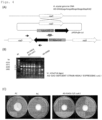
- the uge3 and sph3 genes of A . oryzae are adjacent to each other. Therefore, a disruption cassette for disrupting both the genes at once was produced.
- a uge3 downstream (5' side) region (amplicon 1) and an sph3 downstream (3' side) region (amplicon 2) were amplified by PCR using genomic DNA of A . oryzae as a template.
- AnadeA gene (amplicon 3) was amplified from plasmid TOPO-2.1-adeA by PCR (1st round of PCR).
- the primers Sph3+Uge3-LL+Ade, Sph3+Uge3-AU, Sph3+Uge3-RU+Ade, and Sph3+Uge3-AL each contain, on the 5' side, a homologous sequence to a complementary strand, for linking by fusion PCR.
- the PCR product was gel-extracted, and subjected to PCR using the primers Sph3+Uge3-LU and Sph3+Uge3-RL to link those three fragments (2nd round of PCR).
- a main band of the PCR product was gel-extracted, and used as a uge3/sph3 gene disruption cassette.
- Non-patent Literature 8 The wild-type strain and the AG-deficient strain (agsA ⁇ agsB ⁇ agsC ⁇ ) were each used as a host strain. 2 ⁇ 10 8 conidia of the host strain were inoculated into 200 mL of YPD liquid medium in an Erlenmeyer flask having a volume of 500 mL, and were subjected to rotary shaking culture at 30°C for 20 hours. The cells were filtered through sterilized MIRACLOTH (Calbiochem) to collect the cells. The cells were washed with distilled water, and the cells were dehydrated by being pressed with a sterilized spatula.
- MIRACLOTH Calbiochem
- the collected cells were placed in a Falcon tube having a volume of 50 mL, and suspended by adding 25 mL of a protoplast forming solution [10 mg/mL Lysing Enzymes (Sigma), 5 mg/mL Cellulase Onozuka (Yakult Pharmaceutical Ind. Co., Ltd), 2.5 mg/mL Yatalase (TaKaRa), Lysing enzyme buffer (Table 4)] that had been filtered through a filter DISMIC-25CS (ADVANTEC) having a pore size of 0.20 um.
- the suspension was shaken at 30°C and 83 rpm for 3 hours to digest cell walls, to thereby prepare protoplasts.
- 240 ⁇ L of the protoplast liquid was dispensed in a Falcon tube having a volume of 15 mL, a DNA solution was added in an appropriate amount (from about 1 ⁇ g to about 10 ⁇ g), and the contents were mixed well and left to stand in ice for 25 minutes.
- 1 mL of Sol. II (Table 4) was added, and the contents were mixed well and then left to stand at room temperature for 20 minutes.
- 10 mL of Sol. I was added, and the contents were mixed well and then centrifuged at room temperature and 2,000 ⁇ g for 5 minutes. The supernatant was removed, and 300 ⁇ L of Sol. I was added.
- the protoplasts were homogeneously suspended, and seeded into CD selection medium (Table 2) containing 0.8 M NaCl.
- the genomic DNA was simply extracted from the conidia of the strain, and the transformed strain was selected by PCR using designed primers.
- 500 ⁇ L of YPD liquid medium was taken in a 1.5 mL Eppendorf tube, and the conidia of the transformed strain candidate were poked with a sterilized toothpick and inoculated, followed by culture at 30°C until cells were grown. After centrifugation, the medium was removed. Glass beads in an amount equal to that of the cells and 150 ⁇ L of Nuclei Lysis Sol. (Promega) were added, and the cells were pulverized with Micro Smash TM MS-100R (TOMY) at 4,500 rpm for 2 minutes.
- TOMY Micro Smash TM MS-100R
- the resultant was left to stand at 65°C for 15 minutes, 100 ⁇ L of Protein Prep. Sol. (Promega) was added, and the contents were mixed well. The mixture was left to stand at room temperature for 5 minutes and centrifuged at 4°C and 15,000 rpm for 5 minutes, and then the supernatant was transferred to another 1.5 mL tube. A 1/10 amount of 3 M sodium acetate and a 2.5-fold amount of ethanol were added, and the contents were mixed. After centrifugation at 4°C and 15,000 rpm for 20 minutes, the pellets were washed with 1 mL of 70% ethanol and dissolved in 50 ⁇ L of RNase-containing TE. The resulting solution was defined as a genomic DNA solution, and stored at 4°C until being used as a template for PCR.
- the transformed strain candidate of interest was grown on minimum agar plate medium, and the collected conidial suspension was passed through a mononucleation filter (ISOPORE TM MEMBRANE FILTERS, 5.0 ⁇ m TMTP, Millipore) that had been sterilized by autoclave treatment in advance, to thereby collect mononucleate conidia.
- the conidial suspension subjected to the mononucleation treatment was appropriately diluted, and grown on minimum agar plate medium.
- the resulting strain candidate was confirmed again by PCR.
- the transformed strain of interest was purified.
- the wild-type strain, the AG-deficient strain, or the AG-GAG-deficient strain was used and subjected to liquid shaking culture in YPD medium for 24 hours.
- the temperature was set to 30°C
- the number of revolutions was set to 120 rpm
- the scale of the medium was set to a 50 mL/200 mL Erlenmeyer flask (without baffles), and conidia were inoculated at 1 ⁇ 10 5 conidia/mL.
- the produced AG-GAG-deficient strain highly expressing cutL1 was subjected to a PBSA decomposition ability test in order to confirm the introduction of the plasmid for highly expressing cutL1.
- CDE 2% maltose
- CDE 2% maltose
- Conidia were inoculated at the center of the medium and subjected to static culture at 30°C for 4 days, and formed halos were observed.
- a wild-type strain highly expressing cutL1 and an AG-GAG-deficient strain not highly expressing cutL1 were used.
- Proteins in 100 ⁇ L of the culture supernatant were purified by TCA precipitation, appropriately diluted, and subjected to SDS-PAGE (buffer compositions were as shown in Table 5).
- SDS-PAGE buffer compositions were as shown in Table 5.
- 0.4 ⁇ g to 2 ug of purified ⁇ -amylase (derived from A . oryzae, Sigma-Aldrich) or 0.2 ng to 1 ng of purified CutL1 quantified by a BCA method was used.
- An image of a gel detected by SDS-PAGE was taken into ImageJ, and a band of interest was converted into a pixel value.
- a calibration curve was prepared from the standard to quantify an endogenous amylase or CutL1 secretion amount.
- the wild-type strain highly expressing cutL1, the AG-deficient strain highly expressing cutL1, or the AG-GAG-deficient strain highly expressing cutL1 was used and subjected to liquid shaking culture in YPM medium (Table 2) for 24 hours.
- the temperature was set to 30°C
- the number of revolutions was set to 100 rpm
- the scale of the medium was set to a 50 mL/200 mL Erlenmeyer flask
- conidia were inoculated at 1 ⁇ 10 4 conidia/mL.
- the wild-type strain and the AG-deficient strain were each used as a parental strain, and the uge3/sph3 gene disruption cassette was introduced into the genome thereof by a protoplast-PEG method.
- the selection of transformants was performed with adeA-free CDE agar plate medium.
- the resulting transformants were subjected to nucleus purification, and confirmed by PCR amplification using primers Sph3+Uge3-LU and Sph3+Uge3-RL.
- the strain deficient only in GAG formed a large hyphal aggregate as compared to the wild-type strain.
- the hyphae aggregated to form a hyphal aggregate in each of the wild-type strain and the AG-deficient strain whereas the AG-GAG-deficient strain did not show aggregation of hyphae and was observed to be in a state in which the hyphae were completely dispersed in liquid medium.
- a mutant strain of A . oryzae showing culture properties of being completely dispersed as described above has not been known.
- the AG-GAG-deficient strain showed growth comparable to that of the wild-type strain.
- the AG-GAG-deficient strain was used as a host strain and transformed with pNGA-gla-cut (Takahashi et al., 2005), a plasmid for highly expressing cutL1.
- pNGA-gla-cut Teakahashi et al., 2005
- CD medium containing 0.8 M NaCl was used, and a transformed strain candidate showing nitric acid autotrophy was acquired.
- the resulting transformant was subjected to nucleus purification, and confirmed by PCR amplification using primers niaD-tail-Fw and cutL1-RT-F.
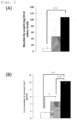
- the dry cell weight at 24 hours of culture had increased in the order of the wild-type strain, the AG-deficient strain, and the AG-GAG-deficient strain.
- the dry cell weight of the AG-GAG-deficient strain had significantly increased to be about 10 times that of the wild-type strain ( Fig. 5A ).
- the CutL1 production amount had also increased in the order of the wild-type strain, the AG-deficient strain, and the AG-GAG-deficient strain, and the CutL1 production amounts of the AG-deficient strain and the AG-GAG-deficient strain had significantly increased to be about 2.5 times that of the wild-type strain and about 5 times that of the wild-type strain, respectively ( Fig. 5B ).
- the cell wall components of the wild-type (WT) strain, AG ⁇ strain, AG-GAG ⁇ strain, and GAG ⁇ strain of an Aspergillus were analyzed by fractionating the polysaccharide components of cells through the use of a hot water/alkali extraction method, and quantifying monosaccharide components contained in a sulfuric acid hydrolysate of each fraction.
- conidia of each strain were inoculated into 200 mL of YPD medium (2% peptone, 1% yeast extract, 2% glucose) at a final concentration of 1.0 ⁇ 10 5 /mL, and subjected to shaking culture at 30°C and 120 rpm for 24 hours. After the culture, the culture solution was filtered through MIRACLOTH. The resulting cells were washed with water.
- the cells were lyophilized, and then pulverized with a mixer mill.
- 1 g of dry cell powder of each strain was fractionated into a hot-water-soluble (HW) fraction, an alkali-soluble/water-soluble (AS1) fraction, an alkali-soluble (AS2) fraction, and an alkaliinsoluble (AI) fraction in accordance with the method of Yoshimi et al. ( Yoshimi et al., PLoS ONE, 2013 ) (Table 6).
- HW hot-water-soluble
- AS1 alkali-soluble/water-soluble
- AS2 alkali-soluble
- AI alkaliinsoluble
- ⁇ -1,3-glucan is mainly contained in the AS2 fraction
- ⁇ -1,3-glucan and chitin are mainly contained in the AI fraction ( Yoshimi et al., PLoS ONE, 2013 ). 10 mg of each of those four fractions was used and heated in the presence of 2 N H 2 SO 4 at 100°C for 12 hours to decompose the polysaccharide components in the fraction into monosaccharides.
- Each of the hydrolyzed fractions was neutralized with barium carbonate, and centrifuged to provide a supernatant.
- the monosaccharide components contained in the hydrolysate of each fraction were separated using an anion-exchange column Carbo PAC PA-1 (4 ⁇ 250 mm, DIONEX) and a guard column Carbo PAC under the conditions of a flow rate of 1 mL/min, a column temperature of 35°C, a compartment temperature of 20°C, and an eluent of 18 mM NaOH, and were detected using a pulsed amperometric detector.
- the monosaccharide components were quantified using 1 ug/mL to 100 ug/mL galactosamine, glucosamine, galactose, glucose, and mannose as standards. In addition, 10 ug/mL fucose was used as an internal standard.
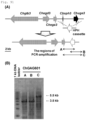
- Cochliobolus heterostrophus (anamorph: Bipolaris maydis ) has in its genome a gene cluster homologous to the galactosaminogalactan biosynthetic gene cluster (sequence information, Fig. 1A ). This cluster includes five genes, and a construct for substituting regions corresponding to sph3 and uge3 out of those genes by hygromycin resistance gene was produced ( Fig. 91A ).
- a HITO7711 strain serving as a wild-type strain of Cochliobolus heterostrophus was subjected to shaking culture (120 rpm) in complete medium (CM: 1.5 g Ca(NO 3 ) 2 ⁇ 4H 2 O, 0.5 g MgSO 4 ⁇ 7H 2 O, 0.5 g KCl, 0.4 g KH 2 PO 4 , 30 mg K 2 HPO 4 , 10 g glucose, 1.0 g tryptone, and 1.0 g yeast extract per liter) at 25°C for 36 hours, and the cells were collected by filtration through MIRACLOTH.
- CM complete medium
- complete medium CM: 1.5 g Ca(NO 3 ) 2 ⁇ 4H 2 O, 0.5 g MgSO 4 ⁇ 7H 2 O, 0.5 g KCl, 0.4 g KH 2 PO 4 , 30 mg K 2 HPO 4 , 10 g glucose, 1.0 g tryptone, and 1.0 g yeast extract per liter
- the cells were treated with a protoplast forming liquid (50 mg/mL lysing enzyme, 5 mg/mL Cellulase onozuka, 2.5 mg/mL Yatalase in 10 mM Na phosphate buffer, pH 6.0) to produce protoplasts.
- a protoplast forming liquid 50 mg/mL lysing enzyme, 5 mg/mL Cellulase onozuka, 2.5 mg/mL Yatalase in 10 mM Na phosphate buffer, pH 6.0
- the produced protoplasts were used and transformed by a protoplast-PEG method in accordance with the method of Yoshimi et al. ( Yoshimi et al., 2004, Mol. Gen. Genomics 271: 228-236 ). Genomic DNA was extracted from one gene disruption strain candidate thus obtained, and gene disruption was confirmed by PCR.
- the GAG disruption strain thus obtained was subjected to shaking culture in YPM medium using maltose as a carbon source (2% peptone, 1% yeast extract, 2% maltose) (25°C, 120 rpm, 72 hour), and culture properties were observed.
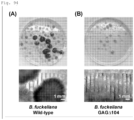
- the results were as follows: the wild-type strain grew while forming aggregates of hyphae ( Fig. 92A ), whereas the hyphae of the GAG disruption strain tended to be dispersed ( Fig. 92B ).
- This characteristic is similar to that of the AG-GAG-deficient strain of A . oryzae, and hence it is suggested that GAG deficiency provides a culture characteristic suitable for high-density culture also in C. heterostrophus.
- Botryotinia fuckeliana (anamorph: Botrytis cinerea ) has in its genome a gene cluster homologous to the galactosaminogalactan biosynthetic gene cluster (sequence information, Fig. 93A ). This cluster includes five genes, and a construct for substituting regions corresponding to sph3 and uge3 out of those genes by hygromycin resistance gene was produced ( Fig. 93A ).
- an AG disruption strain of Botryotinia fuckeliana was subjected to shaking culture (120 rpm) in complete medium (CM: 1.5 g Ca(NO 3 ) 2 ⁇ 4H 2 O, 0.5 g MgSO 4 ⁇ 7H 2 O, 0.5 g KCl, 0.4 g KH 2 PO 4 , 30 mg K 2 HPO 4 , 10 g glucose, 1.0 g tryptone, and 1.0 g yeast extract per liter) at 25°C for 36 hours, and the cells were collected by filtration through MIRACLOTH.
- the cells were treated with the protoplast forming liquid described above to produce protoplasts.
- the produced protoplasts were used and transformed by a protoplast-PEG method in the same manner.
- the GAG disruption strain thus obtained was subjected to shaking culture in YPM medium using maltose as a carbon source (2% peptone, 1% yeast extract, 2% maltose) (25°C, 120 rpm, 72 hour), and culture properties were observed.
- maltose 2% peptone, 1% yeast extract, 2% maltose
- Fig. 112 it was found that no expression of AG was detected, which was substantially comparable to that of the AG-GAG disruption strain of A. oryzae. Accordingly, under the above-mentioned culture conditions, although the GAG disruption strain of B.
- cinerera is deficient only in GAG, whereas the wild-type strain grew while forming aggregates of hyphae ( Fig. 94A ), the hyphae of the GAG disruption strain of B. cinerera tended to be more dispersed than those of the wild-type strain ( Fig. 94B ).
- This property is similar to that of the AG-GAG disruption strain of A . oryzae, suggesting the possibility that Botryotinia fuckeliana can be made suitable for high-density culture merely by GAG disruption.
- WT or AG-GAG ⁇ of Aspergillus oryzae ; WT or GAG ⁇ of Botrytis cinerea ; or WT or GAG ⁇ of Cochliobolus heterostrophus ) were mounted on a slide glass, and fixed by being incubated at 65°C for 15 minutes.
- the fixed cells were immersed in 10 ⁇ L of an AGBD-GFP solution (100 ug/mL in 50 mM potassium phosphate buffer) and incubated at 30°C for 3 hours.
- AGBD-GFP is a recombinant protein obtained by fusing the ⁇ -1,3-glucan-binding site of ⁇ -1,3-glucanase and GFP, and can specifically stain ⁇ -1,3-glucan ( Suyotha et al (2013) Biosci. Biotechnol. Biochem. 77: 639-647 .). After the 3 hours of reaction, the cells were washed with 50 mM potassium phosphate buffer 3 times, and observed with a fluorescence microscope. As a result, definite fluorescence derived from ⁇ -1,3-glucan was observed in the cells of A .
- the production amount of a useful substance can be drastically increased.
- a wide variety of useful substances can be produced without any particular limitation by the method of the present invention.
- the method of the present invention is extremely useful in industry.
Landscapes
- Life Sciences & Earth Sciences (AREA)
- Health & Medical Sciences (AREA)
- Chemical & Material Sciences (AREA)
- Engineering & Computer Science (AREA)
- Genetics & Genomics (AREA)
- Organic Chemistry (AREA)
- Wood Science & Technology (AREA)
- Zoology (AREA)
- Bioinformatics & Cheminformatics (AREA)
- Biotechnology (AREA)
- General Engineering & Computer Science (AREA)
- General Health & Medical Sciences (AREA)
- Biomedical Technology (AREA)
- Microbiology (AREA)
- Biochemistry (AREA)
- Molecular Biology (AREA)
- Medicinal Chemistry (AREA)
- Physics & Mathematics (AREA)
- Chemical Kinetics & Catalysis (AREA)
- Plant Pathology (AREA)
- Biophysics (AREA)
- General Chemical & Material Sciences (AREA)
- Mycology (AREA)
- Proteomics, Peptides & Aminoacids (AREA)
- Botany (AREA)
- Tropical Medicine & Parasitology (AREA)
- Virology (AREA)
- Preparation Of Compounds By Using Micro-Organisms (AREA)
- Micro-Organisms Or Cultivation Processes Thereof (AREA)
- Enzymes And Modification Thereof (AREA)
- Polysaccharides And Polysaccharide Derivatives (AREA)
Claims (5)
- Mutierter Fadenpilz, der die beiden folgenden Anforderungen (1) und (2) erfüllt:(1) dem mutierten Fadenpilz fehlt mindestens ein Galactosaminogalactan-Biosynthesegen, das aus der Gruppe bestehend aus uge3, sph3, ega3, agd3 und gtb3 ausgewählt ist, sodass das mindestens eine Gen, das für die Expression von Galactosaminogalactan verantwortlich ist, ausgeschaltet ist, und(2) dem mutierten Fadenpilz fehlt mindestens ein α-1,3-Glucan-Synthase-Gen, das agsB umfasst.
- Fadenpilz gemäß Anspruch 1, wobei der Fadenpilz zu einer Gattung Aspergillus gehört.
- Fadenpilz gemäß Anspruch 2, wobei der Fadenpilz Aspergillus oryzae, Aspergillus sojae, Aspergillus nidulans, Aspergillus niger oder Aspergillus fumigatus ist.
- Verfahren zum Herstellen einer Substanz, umfassend die Schritte:Kultivieren des Fadenpilzes gemäß einem der Ansprüche 1 bis 3, um dem Fadenpilz eine Substanz produzieren zu lassen; undGewinnen der resultierenden Substanz.
- Verfahren gemäß Anspruch 4, wobei die Substanz eine andere Substanz als ein Zellwandbestandteil des Fadenpilzes oder ein Hydrolysat davon ist.
Priority Applications (1)
| Application Number | Priority Date | Filing Date | Title |
|---|---|---|---|
| EP24171660.4A EP4431608A3 (de) | 2017-05-02 | 2018-05-01 | Mutanter filamentöser pilz und substanzherstellungsverfahren mit verwendung des mutanten filamentösen pilzes |
Applications Claiming Priority (2)
| Application Number | Priority Date | Filing Date | Title |
|---|---|---|---|
| JP2017091734 | 2017-05-02 | ||
| PCT/JP2018/017474 WO2018203566A1 (ja) | 2017-05-02 | 2018-05-01 | 変異型糸状菌及び当該変異型糸状菌を用いた物質生産方法 |
Related Child Applications (2)
| Application Number | Title | Priority Date | Filing Date |
|---|---|---|---|
| EP24171660.4A Division EP4431608A3 (de) | 2017-05-02 | 2018-05-01 | Mutanter filamentöser pilz und substanzherstellungsverfahren mit verwendung des mutanten filamentösen pilzes |
| EP24171660.4A Division-Into EP4431608A3 (de) | 2017-05-02 | 2018-05-01 | Mutanter filamentöser pilz und substanzherstellungsverfahren mit verwendung des mutanten filamentösen pilzes |
Publications (3)
| Publication Number | Publication Date |
|---|---|
| EP3620509A1 EP3620509A1 (de) | 2020-03-11 |
| EP3620509A4 EP3620509A4 (de) | 2021-03-03 |
| EP3620509B1 true EP3620509B1 (de) | 2024-12-18 |
Family
ID=64016149
Family Applications (2)
| Application Number | Title | Priority Date | Filing Date |
|---|---|---|---|
| EP24171660.4A Withdrawn EP4431608A3 (de) | 2017-05-02 | 2018-05-01 | Mutanter filamentöser pilz und substanzherstellungsverfahren mit verwendung des mutanten filamentösen pilzes |
| EP18794769.2A Active EP3620509B1 (de) | 2017-05-02 | 2018-05-01 | Mutanter fadenpilz und verfahren zur herstellung einer substanz anhand des mutanten fadenpilzes |
Family Applications Before (1)
| Application Number | Title | Priority Date | Filing Date |
|---|---|---|---|
| EP24171660.4A Withdrawn EP4431608A3 (de) | 2017-05-02 | 2018-05-01 | Mutanter filamentöser pilz und substanzherstellungsverfahren mit verwendung des mutanten filamentösen pilzes |
Country Status (5)
| Country | Link |
|---|---|
| US (1) | US11021725B2 (de) |
| EP (2) | EP4431608A3 (de) |
| JP (1) | JP6647653B2 (de) |
| DK (1) | DK3620509T3 (de) |
| WO (1) | WO2018203566A1 (de) |
Families Citing this family (2)
| Publication number | Priority date | Publication date | Assignee | Title |
|---|---|---|---|---|
| WO2026004847A1 (ja) * | 2024-06-25 | 2026-01-02 | 国立大学法人東北大学 | 変異型糸状菌及び当該変異型糸状菌を用いた物質生産方法 |
| WO2026005600A1 (en) * | 2024-06-26 | 2026-01-02 | Ginkgo Bioworks Netherlands B.V. | Low-viscosity genotypes of filamentous fungi |
Family Cites Families (11)
| Publication number | Priority date | Publication date | Assignee | Title |
|---|---|---|---|---|
| ES2108651B1 (es) | 1996-03-18 | 1998-07-16 | Antibioticos Sa | Procedimiento para incrementar la produccion de penicilina g (bencilpenicilina) en penicillium chrysogenum mediante la expresion del gen pcl. |
| JP4526638B2 (ja) | 1999-06-01 | 2010-08-18 | 月桂冠株式会社 | タンパク質の高発現システム |
| JP2002218970A (ja) | 2001-01-24 | 2002-08-06 | Kikkoman Corp | 液体麹の製造法 |
| DK1620551T3 (da) | 2003-04-28 | 2014-01-13 | Chr Hansen As | Phospholipase og fremgangsmåde til fremstilling deraf |
| JP2005052116A (ja) | 2003-08-07 | 2005-03-03 | Gekkeikan Sake Co Ltd | 高活性プロモーター及びその利用 |
| WO2005040369A1 (en) | 2003-10-15 | 2005-05-06 | Sandoz Ag | Process for producing penicillin |
| JP2009118783A (ja) | 2007-11-15 | 2009-06-04 | Gekkeikan Sake Co Ltd | 糸状菌タンパク質分泌生産の改善 |
| JP5584988B2 (ja) | 2009-03-27 | 2014-09-10 | 東レ株式会社 | セルラーゼの製造方法 |
| JP2010227031A (ja) | 2009-03-27 | 2010-10-14 | Toray Ind Inc | 糸状菌連続培養によるタンパク質の製造方法およびその装置 |
| EP2918682B1 (de) | 2012-11-09 | 2019-04-10 | Tohoku University | Verfahren zur herstellung einer nützlichen substanz in dem ein in hoher dichte kutlivierter filamentöser pilz verwendet wird |
| CA2951152A1 (en) * | 2014-06-06 | 2015-12-10 | The Hospital For Sick Children | Soluble bacterial and fungal proteins and methods and uses thereof in inhibiting and dispersing biofilm |
-
2018
- 2018-05-01 EP EP24171660.4A patent/EP4431608A3/de not_active Withdrawn
- 2018-05-01 WO PCT/JP2018/017474 patent/WO2018203566A1/ja not_active Ceased
- 2018-05-01 EP EP18794769.2A patent/EP3620509B1/de active Active
- 2018-05-01 US US16/610,172 patent/US11021725B2/en active Active
- 2018-05-01 JP JP2019515745A patent/JP6647653B2/ja active Active
- 2018-05-01 DK DK18794769.2T patent/DK3620509T3/da active
Non-Patent Citations (1)
| Title |
|---|
| A. BEAUVAIS ET AL: "Two (1-3) Glucan Synthases with Different Functions in Aspergillus fumigatus", APPLIED AND ENVIRONMENTAL MICROBIOLOGY, vol. 71, no. 3, 1 March 2005 (2005-03-01), US, pages 1531 - 1538, XP055280600, ISSN: 0099-2240, DOI: 10.1128/AEM.71.3.1531-1538.2005 * |
Also Published As
| Publication number | Publication date |
|---|---|
| WO2018203566A1 (ja) | 2018-11-08 |
| EP3620509A4 (de) | 2021-03-03 |
| EP4431608A2 (de) | 2024-09-18 |
| EP3620509A1 (de) | 2020-03-11 |
| US20200115726A1 (en) | 2020-04-16 |
| JPWO2018203566A1 (ja) | 2019-11-07 |
| EP4431608A3 (de) | 2025-04-16 |
| JP6647653B2 (ja) | 2020-02-14 |
| US11021725B2 (en) | 2021-06-01 |
| DK3620509T3 (da) | 2025-02-03 |
Similar Documents
| Publication | Publication Date | Title |
|---|---|---|
| Miyazawa et al. | Both galactosaminogalactan and α-1, 3-glucan contribute to aggregation of Aspergillus oryzae hyphae in liquid culture | |
| Miyazawa et al. | Increased enzyme production under liquid culture conditions in the industrial fungus Aspergillus oryzae by disruption of the genes encoding cell wall α-1, 3-glucan synthase | |
| Giczey et al. | Expression of cmg1, an exo-β-1, 3-glucanase gene from Coniothyrium minitans, increases during sclerotial parasitism | |
| Oka et al. | Molecular characterization of protein O-mannosyltransferase and its involvement in cell-wall synthesis in Aspergillus nidulans | |
| Zhou et al. | O-Mannosyltransferase 1 in Aspergillus fumigatus (AfPmt1p) is crucial for cell wall integrity and conidium morphology, especially at an elevated temperature | |
| González et al. | Botrytis cinerea protein O-mannosyltransferases play critical roles in morphogenesis, growth, and virulence | |
| Martínez et al. | Role of Pir1 in the construction of the Candida albicans cell wall | |
| Miyazawa et al. | Molecular mass and localization of α-1, 3-glucan in cell wall control the degree of hyphal aggregation in liquid culture of Aspergillus nidulans | |
| WO2004038016A1 (ja) | プラスチックの分解法及びそれを利用した有用物質の製造方法 | |
| Zhang et al. | Cell wall α-1, 3-glucan prevents α-amylase adsorption onto fungal cell in submerged culture of Aspergillus oryzae | |
| CN118726299A (zh) | 几丁质合成酶Fvchs3及其在提高威尼斯镰刀菌菌丝蛋白产量中的应用 | |
| Lopez-Fernandez et al. | The Fusarium oxysporum gnt2, encoding a putative N-acetylglucosamine transferase, is involved in cell wall architecture and virulence | |
| Tokashiki et al. | Influence of α-1, 3-glucan synthase gene agsE on protoplast formation for transformation of Aspergillus luchuensis | |
| EP2918682B1 (de) | Verfahren zur herstellung einer nützlichen substanz in dem ein in hoher dichte kutlivierter filamentöser pilz verwendet wird | |
| EP3620509B1 (de) | Mutanter fadenpilz und verfahren zur herstellung einer substanz anhand des mutanten fadenpilzes | |
| Zhou et al. | Metabolic engineering of Saccharomyces cerevisiae to improve glucan biosynthesis | |
| Van der Kaaij et al. | Two novel, putatively cell wall-associated and glycosylphosphatidylinositol-anchored α-glucanotransferase enzymes of Aspergillus niger | |
| van Munster et al. | Chitinases CtcB and CfcI modify the cell wall in sporulating aerial mycelium of Aspergillus niger | |
| Kadooka et al. | Discovery of α-(1→ 6)-linked mannan structures resembling yeast N-glycan outer chains in Aspergillus fumigatus mycelium | |
| van Munster et al. | Characterization of the starvation-induced chitinase CfcA and α-1, 3-glucanase AgnB of Aspergillus niger | |
| Uechi et al. | Identification of genes involved in the synthesis of the fungal cell wall component nigeran and regulation of its polymerization in Aspergillus luchuensis | |
| Fèvre | Subcellular localization of glucanase and cellulase in Saprolegnia monoica Pringsheim | |
| JP2016154483A (ja) | プロテインキナーゼ遺伝子変異株を利用した酵素類の製造方法 | |
| Otsuka et al. | Disruption of the pkac2 gene in Pleurotus ostreatus alters cell wall structures and enables mycelial dispersion in liquid culture | |
| Villegas et al. | Characterization of PCEng2, a β-1, 3-endoglucanase homolog in Pneumocystis carinii with activity in cell wall regulation |
Legal Events
| Date | Code | Title | Description |
|---|---|---|---|
| STAA | Information on the status of an ep patent application or granted ep patent |
Free format text: STATUS: THE INTERNATIONAL PUBLICATION HAS BEEN MADE |
|
| PUAI | Public reference made under article 153(3) epc to a published international application that has entered the european phase |
Free format text: ORIGINAL CODE: 0009012 |
|
| STAA | Information on the status of an ep patent application or granted ep patent |
Free format text: STATUS: REQUEST FOR EXAMINATION WAS MADE |
|
| 17P | Request for examination filed |
Effective date: 20191128 |
|
| AK | Designated contracting states |
Kind code of ref document: A1 Designated state(s): AL AT BE BG CH CY CZ DE DK EE ES FI FR GB GR HR HU IE IS IT LI LT LU LV MC MK MT NL NO PL PT RO RS SE SI SK SM TR |
|
| AX | Request for extension of the european patent |
Extension state: BA ME |
|
| DAV | Request for validation of the european patent (deleted) | ||
| DAX | Request for extension of the european patent (deleted) | ||
| A4 | Supplementary search report drawn up and despatched |
Effective date: 20210202 |
|
| RIC1 | Information provided on ipc code assigned before grant |
Ipc: C12N 15/09 20060101ALI20210127BHEP Ipc: C12N 9/18 20060101ALI20210127BHEP Ipc: C12N 9/10 20060101ALI20210127BHEP Ipc: C12N 9/90 20060101ALI20210127BHEP Ipc: C12P 21/02 20060101ALI20210127BHEP Ipc: C12N 1/15 20060101AFI20210127BHEP Ipc: C12N 15/80 20060101ALI20210127BHEP |
|
| STAA | Information on the status of an ep patent application or granted ep patent |
Free format text: STATUS: EXAMINATION IS IN PROGRESS |
|
| 17Q | First examination report despatched |
Effective date: 20220128 |
|
| GRAP | Despatch of communication of intention to grant a patent |
Free format text: ORIGINAL CODE: EPIDOSNIGR1 |
|
| STAA | Information on the status of an ep patent application or granted ep patent |
Free format text: STATUS: GRANT OF PATENT IS INTENDED |
|
| INTG | Intention to grant announced |
Effective date: 20240715 |
|
| GRAS | Grant fee paid |
Free format text: ORIGINAL CODE: EPIDOSNIGR3 |
|
| GRAA | (expected) grant |
Free format text: ORIGINAL CODE: 0009210 |
|
| STAA | Information on the status of an ep patent application or granted ep patent |
Free format text: STATUS: THE PATENT HAS BEEN GRANTED |
|
| AK | Designated contracting states |
Kind code of ref document: B1 Designated state(s): AL AT BE BG CH CY CZ DE DK EE ES FI FR GB GR HR HU IE IS IT LI LT LU LV MC MK MT NL NO PL PT RO RS SE SI SK SM TR |
|
| P01 | Opt-out of the competence of the unified patent court (upc) registered |
Free format text: CASE NUMBER: APP_60694/2024 Effective date: 20241112 |
|
| REG | Reference to a national code |
Ref country code: GB Ref legal event code: FG4D |
|
| REG | Reference to a national code |
Ref country code: CH Ref legal event code: EP |
|
| REG | Reference to a national code |
Ref country code: DE Ref legal event code: R096 Ref document number: 602018077756 Country of ref document: DE |
|
| REG | Reference to a national code |
Ref country code: IE Ref legal event code: FG4D |
|
| REG | Reference to a national code |
Ref country code: DK Ref legal event code: T3 Effective date: 20250127 |
|
| REG | Reference to a national code |
Ref country code: NL Ref legal event code: FP |
|
| REG | Reference to a national code |
Ref country code: LT Ref legal event code: MG9D |
|
| PG25 | Lapsed in a contracting state [announced via postgrant information from national office to epo] |
Ref country code: HR Free format text: LAPSE BECAUSE OF FAILURE TO SUBMIT A TRANSLATION OF THE DESCRIPTION OR TO PAY THE FEE WITHIN THE PRESCRIBED TIME-LIMIT Effective date: 20241218 |
|
| PG25 | Lapsed in a contracting state [announced via postgrant information from national office to epo] |
Ref country code: FI Free format text: LAPSE BECAUSE OF FAILURE TO SUBMIT A TRANSLATION OF THE DESCRIPTION OR TO PAY THE FEE WITHIN THE PRESCRIBED TIME-LIMIT Effective date: 20241218 |
|
| PG25 | Lapsed in a contracting state [announced via postgrant information from national office to epo] |
Ref country code: BG Free format text: LAPSE BECAUSE OF FAILURE TO SUBMIT A TRANSLATION OF THE DESCRIPTION OR TO PAY THE FEE WITHIN THE PRESCRIBED TIME-LIMIT Effective date: 20241218 |
|
| PG25 | Lapsed in a contracting state [announced via postgrant information from national office to epo] |
Ref country code: NO Free format text: LAPSE BECAUSE OF FAILURE TO SUBMIT A TRANSLATION OF THE DESCRIPTION OR TO PAY THE FEE WITHIN THE PRESCRIBED TIME-LIMIT Effective date: 20250318 |
|
| PG25 | Lapsed in a contracting state [announced via postgrant information from national office to epo] |
Ref country code: GR Free format text: LAPSE BECAUSE OF FAILURE TO SUBMIT A TRANSLATION OF THE DESCRIPTION OR TO PAY THE FEE WITHIN THE PRESCRIBED TIME-LIMIT Effective date: 20250319 Ref country code: LV Free format text: LAPSE BECAUSE OF FAILURE TO SUBMIT A TRANSLATION OF THE DESCRIPTION OR TO PAY THE FEE WITHIN THE PRESCRIBED TIME-LIMIT Effective date: 20241218 |
|
| PG25 | Lapsed in a contracting state [announced via postgrant information from national office to epo] |
Ref country code: RS Free format text: LAPSE BECAUSE OF FAILURE TO SUBMIT A TRANSLATION OF THE DESCRIPTION OR TO PAY THE FEE WITHIN THE PRESCRIBED TIME-LIMIT Effective date: 20250318 |
|
| PGFP | Annual fee paid to national office [announced via postgrant information from national office to epo] |
Ref country code: NL Payment date: 20250425 Year of fee payment: 8 |
|
| REG | Reference to a national code |
Ref country code: AT Ref legal event code: MK05 Ref document number: 1752279 Country of ref document: AT Kind code of ref document: T Effective date: 20241218 |
|
| PG25 | Lapsed in a contracting state [announced via postgrant information from national office to epo] |
Ref country code: SM Free format text: LAPSE BECAUSE OF FAILURE TO SUBMIT A TRANSLATION OF THE DESCRIPTION OR TO PAY THE FEE WITHIN THE PRESCRIBED TIME-LIMIT Effective date: 20241218 |
|
| PG25 | Lapsed in a contracting state [announced via postgrant information from national office to epo] |
Ref country code: PL Free format text: LAPSE BECAUSE OF FAILURE TO SUBMIT A TRANSLATION OF THE DESCRIPTION OR TO PAY THE FEE WITHIN THE PRESCRIBED TIME-LIMIT Effective date: 20241218 |
|
| PGFP | Annual fee paid to national office [announced via postgrant information from national office to epo] |
Ref country code: DE Payment date: 20250416 Year of fee payment: 8 |
|
| PG25 | Lapsed in a contracting state [announced via postgrant information from national office to epo] |
Ref country code: ES Free format text: LAPSE BECAUSE OF FAILURE TO SUBMIT A TRANSLATION OF THE DESCRIPTION OR TO PAY THE FEE WITHIN THE PRESCRIBED TIME-LIMIT Effective date: 20241218 |
|
| PGFP | Annual fee paid to national office [announced via postgrant information from national office to epo] |
Ref country code: DK Payment date: 20250516 Year of fee payment: 8 |
|
| PG25 | Lapsed in a contracting state [announced via postgrant information from national office to epo] |
Ref country code: IS Free format text: LAPSE BECAUSE OF FAILURE TO SUBMIT A TRANSLATION OF THE DESCRIPTION OR TO PAY THE FEE WITHIN THE PRESCRIBED TIME-LIMIT Effective date: 20250418 |
|
| PG25 | Lapsed in a contracting state [announced via postgrant information from national office to epo] |
Ref country code: PT Free format text: LAPSE BECAUSE OF FAILURE TO SUBMIT A TRANSLATION OF THE DESCRIPTION OR TO PAY THE FEE WITHIN THE PRESCRIBED TIME-LIMIT Effective date: 20250421 |
|
| PG25 | Lapsed in a contracting state [announced via postgrant information from national office to epo] |
Ref country code: EE Free format text: LAPSE BECAUSE OF FAILURE TO SUBMIT A TRANSLATION OF THE DESCRIPTION OR TO PAY THE FEE WITHIN THE PRESCRIBED TIME-LIMIT Effective date: 20241218 |
|
| PGFP | Annual fee paid to national office [announced via postgrant information from national office to epo] |
Ref country code: FR Payment date: 20250422 Year of fee payment: 8 |
|
| PG25 | Lapsed in a contracting state [announced via postgrant information from national office to epo] |
Ref country code: AT Free format text: LAPSE BECAUSE OF FAILURE TO SUBMIT A TRANSLATION OF THE DESCRIPTION OR TO PAY THE FEE WITHIN THE PRESCRIBED TIME-LIMIT Effective date: 20241218 Ref country code: RO Free format text: LAPSE BECAUSE OF FAILURE TO SUBMIT A TRANSLATION OF THE DESCRIPTION OR TO PAY THE FEE WITHIN THE PRESCRIBED TIME-LIMIT Effective date: 20241218 |
|
| PG25 | Lapsed in a contracting state [announced via postgrant information from national office to epo] |
Ref country code: SK Free format text: LAPSE BECAUSE OF FAILURE TO SUBMIT A TRANSLATION OF THE DESCRIPTION OR TO PAY THE FEE WITHIN THE PRESCRIBED TIME-LIMIT Effective date: 20241218 |
|
| PG25 | Lapsed in a contracting state [announced via postgrant information from national office to epo] |
Ref country code: CZ Free format text: LAPSE BECAUSE OF FAILURE TO SUBMIT A TRANSLATION OF THE DESCRIPTION OR TO PAY THE FEE WITHIN THE PRESCRIBED TIME-LIMIT Effective date: 20241218 |
|
| PG25 | Lapsed in a contracting state [announced via postgrant information from national office to epo] |
Ref country code: IT Free format text: LAPSE BECAUSE OF FAILURE TO SUBMIT A TRANSLATION OF THE DESCRIPTION OR TO PAY THE FEE WITHIN THE PRESCRIBED TIME-LIMIT Effective date: 20241218 |
|
| PG25 | Lapsed in a contracting state [announced via postgrant information from national office to epo] |
Ref country code: SE Free format text: LAPSE BECAUSE OF FAILURE TO SUBMIT A TRANSLATION OF THE DESCRIPTION OR TO PAY THE FEE WITHIN THE PRESCRIBED TIME-LIMIT Effective date: 20241218 |
|
| REG | Reference to a national code |
Ref country code: DE Ref legal event code: R097 Ref document number: 602018077756 Country of ref document: DE |
|
| PLBE | No opposition filed within time limit |
Free format text: ORIGINAL CODE: 0009261 |
|
| STAA | Information on the status of an ep patent application or granted ep patent |
Free format text: STATUS: NO OPPOSITION FILED WITHIN TIME LIMIT |
|
| REG | Reference to a national code |
Ref country code: CH Ref legal event code: L10 Free format text: ST27 STATUS EVENT CODE: U-0-0-L10-L00 (AS PROVIDED BY THE NATIONAL OFFICE) Effective date: 20251029 |
|
| 26N | No opposition filed |
Effective date: 20250919 |
|
| REG | Reference to a national code |
Ref country code: CH Ref legal event code: H13 Free format text: ST27 STATUS EVENT CODE: U-0-0-H10-H13 (AS PROVIDED BY THE NATIONAL OFFICE) Effective date: 20251223 |
|
| PG25 | Lapsed in a contracting state [announced via postgrant information from national office to epo] |
Ref country code: LU Free format text: LAPSE BECAUSE OF NON-PAYMENT OF DUE FEES Effective date: 20250501 |
|
| PG25 | Lapsed in a contracting state [announced via postgrant information from national office to epo] |
Ref country code: CH Free format text: LAPSE BECAUSE OF NON-PAYMENT OF DUE FEES Effective date: 20250531 |
|
| GBPC | Gb: european patent ceased through non-payment of renewal fee |
Effective date: 20250501 |
|
| REG | Reference to a national code |
Ref country code: BE Ref legal event code: MM Effective date: 20250531 |
|
| PG25 | Lapsed in a contracting state [announced via postgrant information from national office to epo] |
Ref country code: MC Free format text: LAPSE BECAUSE OF FAILURE TO SUBMIT A TRANSLATION OF THE DESCRIPTION OR TO PAY THE FEE WITHIN THE PRESCRIBED TIME-LIMIT Effective date: 20241218 |
|
| PG25 | Lapsed in a contracting state [announced via postgrant information from national office to epo] |
Ref country code: GB Free format text: LAPSE BECAUSE OF NON-PAYMENT OF DUE FEES Effective date: 20250501 |
|
| PG25 | Lapsed in a contracting state [announced via postgrant information from national office to epo] |
Ref country code: IE Free format text: LAPSE BECAUSE OF NON-PAYMENT OF DUE FEES Effective date: 20250501 |
|
| PG25 | Lapsed in a contracting state [announced via postgrant information from national office to epo] |
Ref country code: BE Free format text: LAPSE BECAUSE OF NON-PAYMENT OF DUE FEES Effective date: 20250531 |