EP3620538A1 - Mittel und verfahren zur stratifizierung von patienten mit prostatakrebs - Google Patents
Mittel und verfahren zur stratifizierung von patienten mit prostatakrebs Download PDFInfo
- Publication number
- EP3620538A1 EP3620538A1 EP18192363.2A EP18192363A EP3620538A1 EP 3620538 A1 EP3620538 A1 EP 3620538A1 EP 18192363 A EP18192363 A EP 18192363A EP 3620538 A1 EP3620538 A1 EP 3620538A1
- Authority
- EP
- European Patent Office
- Prior art keywords
- seq
- prostate cancer
- nos
- pcr
- patients
- Prior art date
- Legal status (The legal status is an assumption and is not a legal conclusion. Google has not performed a legal analysis and makes no representation as to the accuracy of the status listed.)
- Withdrawn
Links
- 238000000034 method Methods 0.000 title claims abstract description 73
- 206010060862 Prostate cancer Diseases 0.000 title claims abstract description 60
- 208000000236 Prostatic Neoplasms Diseases 0.000 title claims abstract description 60
- 208000005443 Circulating Neoplastic Cells Diseases 0.000 claims description 61
- 230000014509 gene expression Effects 0.000 claims description 40
- 210000004027 cell Anatomy 0.000 claims description 33
- 108090000623 proteins and genes Proteins 0.000 claims description 25
- 238000001574 biopsy Methods 0.000 claims description 20
- 108020004999 messenger RNA Proteins 0.000 claims description 17
- 239000002299 complementary DNA Substances 0.000 claims description 15
- 238000007859 qualitative PCR Methods 0.000 claims description 15
- 238000002560 therapeutic procedure Methods 0.000 claims description 15
- 238000012163 sequencing technique Methods 0.000 claims description 11
- GZOSMCIZMLWJML-VJLLXTKPSA-N abiraterone Chemical compound C([C@H]1[C@H]2[C@@H]([C@]3(CC[C@H](O)CC3=CC2)C)CC[C@@]11C)C=C1C1=CC=CN=C1 GZOSMCIZMLWJML-VJLLXTKPSA-N 0.000 claims description 10
- 229960000853 abiraterone Drugs 0.000 claims description 10
- 229960004671 enzalutamide Drugs 0.000 claims description 10
- WXCXUHSOUPDCQV-UHFFFAOYSA-N enzalutamide Chemical compound C1=C(F)C(C(=O)NC)=CC=C1N1C(C)(C)C(=O)N(C=2C=C(C(C#N)=CC=2)C(F)(F)F)C1=S WXCXUHSOUPDCQV-UHFFFAOYSA-N 0.000 claims description 10
- 102000052116 epidermal growth factor receptor activity proteins Human genes 0.000 claims description 10
- 108700015053 epidermal growth factor receptor activity proteins Proteins 0.000 claims description 10
- YOHYSYJDKVYCJI-UHFFFAOYSA-N n-[3-[[6-[3-(trifluoromethyl)anilino]pyrimidin-4-yl]amino]phenyl]cyclopropanecarboxamide Chemical compound FC(F)(F)C1=CC=CC(NC=2N=CN=C(NC=3C=C(NC(=O)C4CC4)C=CC=3)C=2)=C1 YOHYSYJDKVYCJI-UHFFFAOYSA-N 0.000 claims description 10
- 102100021768 Phosphoserine aminotransferase Human genes 0.000 claims description 9
- 108010072866 Prostate-Specific Antigen Proteins 0.000 claims description 9
- 102100041003 Glutamate carboxypeptidase 2 Human genes 0.000 claims description 8
- 101000892862 Homo sapiens Glutamate carboxypeptidase 2 Proteins 0.000 claims description 8
- 238000002512 chemotherapy Methods 0.000 claims description 8
- 206010061289 metastatic neoplasm Diseases 0.000 claims description 8
- 210000005259 peripheral blood Anatomy 0.000 claims description 8
- 239000011886 peripheral blood Substances 0.000 claims description 8
- 229920001481 poly(stearyl methacrylate) Polymers 0.000 claims description 8
- 238000011528 liquid biopsy Methods 0.000 claims description 7
- 239000007787 solid Substances 0.000 claims description 7
- 238000001962 electrophoresis Methods 0.000 claims description 6
- 230000001394 metastastic effect Effects 0.000 claims description 6
- 229940123237 Taxane Drugs 0.000 claims description 5
- DKPFODGZWDEEBT-QFIAKTPHSA-N taxane Chemical class C([C@]1(C)CCC[C@@H](C)[C@H]1C1)C[C@H]2[C@H](C)CC[C@@H]1C2(C)C DKPFODGZWDEEBT-QFIAKTPHSA-N 0.000 claims description 5
- 102000018651 Epithelial Cell Adhesion Molecule Human genes 0.000 claims description 4
- 108010066687 Epithelial Cell Adhesion Molecule Proteins 0.000 claims description 4
- 101001012157 Homo sapiens Receptor tyrosine-protein kinase erbB-2 Proteins 0.000 claims description 4
- 102100030086 Receptor tyrosine-protein kinase erbB-2 Human genes 0.000 claims description 4
- 239000011324 bead Substances 0.000 claims description 4
- 239000000872 buffer Substances 0.000 claims description 4
- 108010014303 DNA-directed DNA polymerase Proteins 0.000 claims description 3
- 102000016928 DNA-directed DNA polymerase Human genes 0.000 claims description 3
- 239000003153 chemical reaction reagent Substances 0.000 claims description 3
- 238000003753 real-time PCR Methods 0.000 claims description 2
- 108091008721 AR-V7 Proteins 0.000 claims 5
- 238000013517 stratification Methods 0.000 abstract description 2
- 239000013615 primer Substances 0.000 description 51
- 150000001413 amino acids Chemical class 0.000 description 21
- 238000012360 testing method Methods 0.000 description 19
- 239000000126 substance Substances 0.000 description 15
- 208000037265 diseases, disorders, signs and symptoms Diseases 0.000 description 13
- 238000003757 reverse transcription PCR Methods 0.000 description 13
- 108020004414 DNA Proteins 0.000 description 12
- 201000010099 disease Diseases 0.000 description 12
- 239000000047 product Substances 0.000 description 12
- 108090000765 processed proteins & peptides Proteins 0.000 description 11
- 206010028980 Neoplasm Diseases 0.000 description 10
- 108091028043 Nucleic acid sequence Proteins 0.000 description 10
- 229920001184 polypeptide Polymers 0.000 description 9
- 102000004196 processed proteins & peptides Human genes 0.000 description 9
- 108091032973 (ribonucleotides)n+m Proteins 0.000 description 8
- 238000009167 androgen deprivation therapy Methods 0.000 description 8
- 239000000463 material Substances 0.000 description 8
- 230000003321 amplification Effects 0.000 description 7
- 102000001307 androgen receptors Human genes 0.000 description 7
- 108010080146 androgen receptors Proteins 0.000 description 7
- 238000002955 isolation Methods 0.000 description 7
- 238000003199 nucleic acid amplification method Methods 0.000 description 7
- 150000007523 nucleic acids Chemical class 0.000 description 7
- 102000004169 proteins and genes Human genes 0.000 description 7
- 101150030352 Arsi gene Proteins 0.000 description 6
- 239000002773 nucleotide Substances 0.000 description 6
- 125000003729 nucleotide group Chemical group 0.000 description 6
- 201000011510 cancer Diseases 0.000 description 5
- 230000002068 genetic effect Effects 0.000 description 5
- 102000039446 nucleic acids Human genes 0.000 description 5
- 108020004707 nucleic acids Proteins 0.000 description 5
- 238000001356 surgical procedure Methods 0.000 description 5
- 210000004881 tumor cell Anatomy 0.000 description 5
- TWRXJAOTZQYOKJ-UHFFFAOYSA-L Magnesium chloride Chemical compound [Mg+2].[Cl-].[Cl-] TWRXJAOTZQYOKJ-UHFFFAOYSA-L 0.000 description 4
- 210000004369 blood Anatomy 0.000 description 4
- 239000008280 blood Substances 0.000 description 4
- 238000001514 detection method Methods 0.000 description 4
- 238000010195 expression analysis Methods 0.000 description 4
- 102000040430 polynucleotide Human genes 0.000 description 4
- 108091033319 polynucleotide Proteins 0.000 description 4
- 239000002157 polynucleotide Substances 0.000 description 4
- 230000008569 process Effects 0.000 description 4
- 230000035945 sensitivity Effects 0.000 description 4
- 108010085238 Actins Proteins 0.000 description 3
- 108091026890 Coding region Proteins 0.000 description 3
- 101000883798 Homo sapiens Probable ATP-dependent RNA helicase DDX53 Proteins 0.000 description 3
- 102100034343 Integrase Human genes 0.000 description 3
- 102100038236 Probable ATP-dependent RNA helicase DDX53 Human genes 0.000 description 3
- 108010029485 Protein Isoforms Proteins 0.000 description 3
- 102000001708 Protein Isoforms Human genes 0.000 description 3
- 108010092799 RNA-directed DNA polymerase Proteins 0.000 description 3
- 238000011529 RT qPCR Methods 0.000 description 3
- 239000000090 biomarker Substances 0.000 description 3
- 230000015572 biosynthetic process Effects 0.000 description 3
- 238000006243 chemical reaction Methods 0.000 description 3
- 238000003745 diagnosis Methods 0.000 description 3
- 238000011304 droplet digital PCR Methods 0.000 description 3
- 239000003112 inhibitor Substances 0.000 description 3
- 231100000518 lethal Toxicity 0.000 description 3
- 230000001665 lethal effect Effects 0.000 description 3
- 210000002307 prostate Anatomy 0.000 description 3
- 238000010839 reverse transcription Methods 0.000 description 3
- 238000007480 sanger sequencing Methods 0.000 description 3
- 238000012216 screening Methods 0.000 description 3
- 230000011664 signaling Effects 0.000 description 3
- 230000001225 therapeutic effect Effects 0.000 description 3
- FWMNVWWHGCHHJJ-SKKKGAJSSA-N 4-amino-1-[(2r)-6-amino-2-[[(2r)-2-[[(2r)-2-[[(2r)-2-amino-3-phenylpropanoyl]amino]-3-phenylpropanoyl]amino]-4-methylpentanoyl]amino]hexanoyl]piperidine-4-carboxylic acid Chemical compound C([C@H](C(=O)N[C@H](CC(C)C)C(=O)N[C@H](CCCCN)C(=O)N1CCC(N)(CC1)C(O)=O)NC(=O)[C@H](N)CC=1C=CC=CC=1)C1=CC=CC=C1 FWMNVWWHGCHHJJ-SKKKGAJSSA-N 0.000 description 2
- 102000007469 Actins Human genes 0.000 description 2
- LRQKBLKVPFOOQJ-YFKPBYRVSA-N L-norleucine Chemical group CCCC[C@H]([NH3+])C([O-])=O LRQKBLKVPFOOQJ-YFKPBYRVSA-N 0.000 description 2
- MUMGGOZAMZWBJJ-DYKIIFRCSA-N Testostosterone Chemical compound O=C1CC[C@]2(C)[C@H]3CC[C@](C)([C@H](CC4)O)[C@@H]4[C@@H]3CCC2=C1 MUMGGOZAMZWBJJ-DYKIIFRCSA-N 0.000 description 2
- 239000003098 androgen Substances 0.000 description 2
- 230000001093 anti-cancer Effects 0.000 description 2
- 238000003556 assay Methods 0.000 description 2
- 230000001413 cellular effect Effects 0.000 description 2
- 150000001875 compounds Chemical class 0.000 description 2
- 238000007796 conventional method Methods 0.000 description 2
- 238000004925 denaturation Methods 0.000 description 2
- 230000036425 denaturation Effects 0.000 description 2
- 239000012634 fragment Substances 0.000 description 2
- 230000006870 function Effects 0.000 description 2
- 238000012977 invasive surgical procedure Methods 0.000 description 2
- 229910001629 magnesium chloride Inorganic materials 0.000 description 2
- 230000003211 malignant effect Effects 0.000 description 2
- 230000005741 malignant process Effects 0.000 description 2
- 229920000642 polymer Polymers 0.000 description 2
- 230000003389 potentiating effect Effects 0.000 description 2
- 230000002250 progressing effect Effects 0.000 description 2
- 238000001959 radiotherapy Methods 0.000 description 2
- 230000004083 survival effect Effects 0.000 description 2
- 238000003786 synthesis reaction Methods 0.000 description 2
- 210000001519 tissue Anatomy 0.000 description 2
- 238000011144 upstream manufacturing Methods 0.000 description 2
- 238000001262 western blot Methods 0.000 description 2
- 102000040650 (ribonucleotides)n+m Human genes 0.000 description 1
- UKAUYVFTDYCKQA-UHFFFAOYSA-N -2-Amino-4-hydroxybutanoic acid Natural products OC(=O)C(N)CCO UKAUYVFTDYCKQA-UHFFFAOYSA-N 0.000 description 1
- OKTJSMMVPCPJKN-UHFFFAOYSA-N Carbon Chemical compound [C] OKTJSMMVPCPJKN-UHFFFAOYSA-N 0.000 description 1
- 108020001019 DNA Primers Proteins 0.000 description 1
- 239000003155 DNA primer Substances 0.000 description 1
- 102000004163 DNA-directed RNA polymerases Human genes 0.000 description 1
- 108090000626 DNA-directed RNA polymerases Proteins 0.000 description 1
- 102000004190 Enzymes Human genes 0.000 description 1
- 108090000790 Enzymes Proteins 0.000 description 1
- 108700039887 Essential Genes Proteins 0.000 description 1
- 108700024394 Exon Proteins 0.000 description 1
- 108700039691 Genetic Promoter Regions Proteins 0.000 description 1
- 241000405147 Hermes Species 0.000 description 1
- 101000904173 Homo sapiens Progonadoliberin-1 Proteins 0.000 description 1
- PMMYEEVYMWASQN-DMTCNVIQSA-N Hydroxyproline Chemical compound O[C@H]1CN[C@H](C(O)=O)C1 PMMYEEVYMWASQN-DMTCNVIQSA-N 0.000 description 1
- UKAUYVFTDYCKQA-VKHMYHEASA-N L-homoserine Chemical group OC(=O)[C@@H](N)CCO UKAUYVFTDYCKQA-VKHMYHEASA-N 0.000 description 1
- FFEARJCKVFRZRR-BYPYZUCNSA-N L-methionine Chemical group CSCC[C@H](N)C(O)=O FFEARJCKVFRZRR-BYPYZUCNSA-N 0.000 description 1
- QEFRNWWLZKMPFJ-ZXPFJRLXSA-N L-methionine (R)-S-oxide Chemical group C[S@@](=O)CC[C@H]([NH3+])C([O-])=O QEFRNWWLZKMPFJ-ZXPFJRLXSA-N 0.000 description 1
- QEFRNWWLZKMPFJ-UHFFFAOYSA-N L-methionine sulphoxide Chemical group CS(=O)CCC(N)C(O)=O QEFRNWWLZKMPFJ-UHFFFAOYSA-N 0.000 description 1
- 108010052285 Membrane Proteins Proteins 0.000 description 1
- 102000018697 Membrane Proteins Human genes 0.000 description 1
- ZDZOTLJHXYCWBA-VCVYQWHSSA-N N-debenzoyl-N-(tert-butoxycarbonyl)-10-deacetyltaxol Chemical compound O([C@H]1[C@H]2[C@@](C([C@H](O)C3=C(C)[C@@H](OC(=O)[C@H](O)[C@@H](NC(=O)OC(C)(C)C)C=4C=CC=CC=4)C[C@]1(O)C3(C)C)=O)(C)[C@@H](O)C[C@H]1OC[C@]12OC(=O)C)C(=O)C1=CC=CC=C1 ZDZOTLJHXYCWBA-VCVYQWHSSA-N 0.000 description 1
- 102100024028 Progonadoliberin-1 Human genes 0.000 description 1
- 108091028664 Ribonucleotide Proteins 0.000 description 1
- 101000996723 Sus scrofa Gonadotropin-releasing hormone receptor Proteins 0.000 description 1
- 108010006785 Taq Polymerase Proteins 0.000 description 1
- 108091023040 Transcription factor Proteins 0.000 description 1
- 102000040945 Transcription factor Human genes 0.000 description 1
- 239000007983 Tris buffer Substances 0.000 description 1
- 239000000654 additive Substances 0.000 description 1
- 230000000996 additive effect Effects 0.000 description 1
- 239000000556 agonist Substances 0.000 description 1
- 125000000539 amino acid group Chemical group 0.000 description 1
- 125000003277 amino group Chemical group 0.000 description 1
- BFNBIHQBYMNNAN-UHFFFAOYSA-N ammonium sulfate Chemical compound N.N.OS(O)(=O)=O BFNBIHQBYMNNAN-UHFFFAOYSA-N 0.000 description 1
- 229910052921 ammonium sulfate Inorganic materials 0.000 description 1
- 238000000137 annealing Methods 0.000 description 1
- 239000005557 antagonist Substances 0.000 description 1
- 239000000427 antigen Substances 0.000 description 1
- 108091007433 antigens Proteins 0.000 description 1
- 102000036639 antigens Human genes 0.000 description 1
- 230000008827 biological function Effects 0.000 description 1
- 239000012472 biological sample Substances 0.000 description 1
- 238000002725 brachytherapy Methods 0.000 description 1
- BMQGVNUXMIRLCK-OAGWZNDDSA-N cabazitaxel Chemical compound O([C@H]1[C@@H]2[C@]3(OC(C)=O)CO[C@@H]3C[C@@H]([C@]2(C(=O)[C@H](OC)C2=C(C)[C@@H](OC(=O)[C@H](O)[C@@H](NC(=O)OC(C)(C)C)C=3C=CC=CC=3)C[C@]1(O)C2(C)C)C)OC)C(=O)C1=CC=CC=C1 BMQGVNUXMIRLCK-OAGWZNDDSA-N 0.000 description 1
- 229960001573 cabazitaxel Drugs 0.000 description 1
- 238000004364 calculation method Methods 0.000 description 1
- 239000002775 capsule Substances 0.000 description 1
- 229910052799 carbon Inorganic materials 0.000 description 1
- 125000003178 carboxy group Chemical group [H]OC(*)=O 0.000 description 1
- UHBYWPGGCSDKFX-UHFFFAOYSA-N carboxyglutamic acid Chemical compound OC(=O)C(N)CC(C(O)=O)C(O)=O UHBYWPGGCSDKFX-UHFFFAOYSA-N 0.000 description 1
- 238000005119 centrifugation Methods 0.000 description 1
- 238000004587 chromatography analysis Methods 0.000 description 1
- 210000000349 chromosome Anatomy 0.000 description 1
- 210000005266 circulating tumour cell Anatomy 0.000 description 1
- 239000012568 clinical material Substances 0.000 description 1
- 238000010367 cloning Methods 0.000 description 1
- 238000012790 confirmation Methods 0.000 description 1
- 239000000470 constituent Substances 0.000 description 1
- 238000001816 cooling Methods 0.000 description 1
- 230000001351 cycling effect Effects 0.000 description 1
- 230000034994 death Effects 0.000 description 1
- 231100000517 death Toxicity 0.000 description 1
- 239000005547 deoxyribonucleotide Substances 0.000 description 1
- 125000002637 deoxyribonucleotide group Chemical group 0.000 description 1
- 230000001419 dependent effect Effects 0.000 description 1
- 238000009795 derivation Methods 0.000 description 1
- 238000011161 development Methods 0.000 description 1
- 238000010586 diagram Methods 0.000 description 1
- PMMYEEVYMWASQN-UHFFFAOYSA-N dl-hydroxyproline Natural products OC1C[NH2+]C(C([O-])=O)C1 PMMYEEVYMWASQN-UHFFFAOYSA-N 0.000 description 1
- 229960003668 docetaxel Drugs 0.000 description 1
- RUZYUOTYCVRMRZ-UHFFFAOYSA-N doxazosin Chemical compound C1OC2=CC=CC=C2OC1C(=O)N(CC1)CCN1C1=NC(N)=C(C=C(C(OC)=C2)OC)C2=N1 RUZYUOTYCVRMRZ-UHFFFAOYSA-N 0.000 description 1
- 229940079593 drug Drugs 0.000 description 1
- 239000003814 drug Substances 0.000 description 1
- 230000002124 endocrine Effects 0.000 description 1
- 230000007717 exclusion Effects 0.000 description 1
- 230000012953 feeding on blood of other organism Effects 0.000 description 1
- 238000001914 filtration Methods 0.000 description 1
- 238000009472 formulation Methods 0.000 description 1
- 238000001502 gel electrophoresis Methods 0.000 description 1
- 102000034356 gene-regulatory proteins Human genes 0.000 description 1
- 108091006104 gene-regulatory proteins Proteins 0.000 description 1
- XLXSAKCOAKORKW-UHFFFAOYSA-N gonadorelin Chemical compound C1CCC(C(=O)NCC(N)=O)N1C(=O)C(CCCN=C(N)N)NC(=O)C(CC(C)C)NC(=O)CNC(=O)C(NC(=O)C(CO)NC(=O)C(CC=1C2=CC=CC=C2NC=1)NC(=O)C(CC=1NC=NC=1)NC(=O)C1NC(=O)CC1)CC1=CC=C(O)C=C1 XLXSAKCOAKORKW-UHFFFAOYSA-N 0.000 description 1
- 230000036541 health Effects 0.000 description 1
- 230000003054 hormonal effect Effects 0.000 description 1
- 239000005556 hormone Substances 0.000 description 1
- 229940088597 hormone Drugs 0.000 description 1
- 238000001794 hormone therapy Methods 0.000 description 1
- 238000009396 hybridization Methods 0.000 description 1
- 229910052739 hydrogen Inorganic materials 0.000 description 1
- 239000001257 hydrogen Substances 0.000 description 1
- 125000004435 hydrogen atom Chemical group [H]* 0.000 description 1
- 229960002591 hydroxyproline Drugs 0.000 description 1
- 238000009169 immunotherapy Methods 0.000 description 1
- 238000000338 in vitro Methods 0.000 description 1
- 208000015181 infectious disease Diseases 0.000 description 1
- 230000002458 infectious effect Effects 0.000 description 1
- 239000004615 ingredient Substances 0.000 description 1
- 230000000977 initiatory effect Effects 0.000 description 1
- 230000002045 lasting effect Effects 0.000 description 1
- 108020001756 ligand binding domains Proteins 0.000 description 1
- 239000006166 lysate Substances 0.000 description 1
- 238000004519 manufacturing process Methods 0.000 description 1
- 229930182817 methionine Chemical group 0.000 description 1
- LSDPWZHWYPCBBB-UHFFFAOYSA-O methylsulfide anion Chemical compound [SH2+]C LSDPWZHWYPCBBB-UHFFFAOYSA-O 0.000 description 1
- 239000000203 mixture Substances 0.000 description 1
- 108091005601 modified peptides Proteins 0.000 description 1
- 238000010369 molecular cloning Methods 0.000 description 1
- 238000012544 monitoring process Methods 0.000 description 1
- 239000013642 negative control Substances 0.000 description 1
- 230000000771 oncological effect Effects 0.000 description 1
- BZQFBWGGLXLEPQ-REOHCLBHSA-N phosphoserine Chemical compound OC(=O)[C@@H](N)COP(O)(O)=O BZQFBWGGLXLEPQ-REOHCLBHSA-N 0.000 description 1
- 239000013612 plasmid Substances 0.000 description 1
- 238000006116 polymerization reaction Methods 0.000 description 1
- 230000002062 proliferating effect Effects 0.000 description 1
- 238000011472 radical prostatectomy Methods 0.000 description 1
- 239000011541 reaction mixture Substances 0.000 description 1
- 230000001105 regulatory effect Effects 0.000 description 1
- 239000002336 ribonucleotide Substances 0.000 description 1
- 125000002652 ribonucleotide group Chemical group 0.000 description 1
- 238000002864 sequence alignment Methods 0.000 description 1
- 230000019491 signal transduction Effects 0.000 description 1
- 239000013589 supplement Substances 0.000 description 1
- 238000011477 surgical intervention Methods 0.000 description 1
- 208000024891 symptom Diseases 0.000 description 1
- 230000008685 targeting Effects 0.000 description 1
- 229960003604 testosterone Drugs 0.000 description 1
- FGMPLJWBKKVCDB-UHFFFAOYSA-N trans-L-hydroxy-proline Natural products ON1CCCC1C(O)=O FGMPLJWBKKVCDB-UHFFFAOYSA-N 0.000 description 1
- 238000013518 transcription Methods 0.000 description 1
- 230000035897 transcription Effects 0.000 description 1
- 230000002103 transcriptional effect Effects 0.000 description 1
- 238000013519 translation Methods 0.000 description 1
- LENZDBCJOHFCAS-UHFFFAOYSA-N tris Chemical compound OCC(N)(CO)CO LENZDBCJOHFCAS-UHFFFAOYSA-N 0.000 description 1
- -1 variant Proteins 0.000 description 1
Images

Classifications
-
- C—CHEMISTRY; METALLURGY
- C12—BIOCHEMISTRY; BEER; SPIRITS; WINE; VINEGAR; MICROBIOLOGY; ENZYMOLOGY; MUTATION OR GENETIC ENGINEERING
- C12Q—MEASURING OR TESTING PROCESSES INVOLVING ENZYMES, NUCLEIC ACIDS OR MICROORGANISMS; COMPOSITIONS OR TEST PAPERS THEREFOR; PROCESSES OF PREPARING SUCH COMPOSITIONS; CONDITION-RESPONSIVE CONTROL IN MICROBIOLOGICAL OR ENZYMOLOGICAL PROCESSES
- C12Q1/00—Measuring or testing processes involving enzymes, nucleic acids or microorganisms; Compositions therefor; Processes of preparing such compositions
- C12Q1/68—Measuring or testing processes involving enzymes, nucleic acids or microorganisms; Compositions therefor; Processes of preparing such compositions involving nucleic acids
- C12Q1/6876—Nucleic acid products used in the analysis of nucleic acids, e.g. primers or probes
- C12Q1/6883—Nucleic acid products used in the analysis of nucleic acids, e.g. primers or probes for diseases caused by alterations of genetic material
- C12Q1/6886—Nucleic acid products used in the analysis of nucleic acids, e.g. primers or probes for diseases caused by alterations of genetic material for cancer
-
- C—CHEMISTRY; METALLURGY
- C12—BIOCHEMISTRY; BEER; SPIRITS; WINE; VINEGAR; MICROBIOLOGY; ENZYMOLOGY; MUTATION OR GENETIC ENGINEERING
- C12Q—MEASURING OR TESTING PROCESSES INVOLVING ENZYMES, NUCLEIC ACIDS OR MICROORGANISMS; COMPOSITIONS OR TEST PAPERS THEREFOR; PROCESSES OF PREPARING SUCH COMPOSITIONS; CONDITION-RESPONSIVE CONTROL IN MICROBIOLOGICAL OR ENZYMOLOGICAL PROCESSES
- C12Q2600/00—Oligonucleotides characterized by their use
- C12Q2600/112—Disease subtyping, staging or classification
-
- C—CHEMISTRY; METALLURGY
- C12—BIOCHEMISTRY; BEER; SPIRITS; WINE; VINEGAR; MICROBIOLOGY; ENZYMOLOGY; MUTATION OR GENETIC ENGINEERING
- C12Q—MEASURING OR TESTING PROCESSES INVOLVING ENZYMES, NUCLEIC ACIDS OR MICROORGANISMS; COMPOSITIONS OR TEST PAPERS THEREFOR; PROCESSES OF PREPARING SUCH COMPOSITIONS; CONDITION-RESPONSIVE CONTROL IN MICROBIOLOGICAL OR ENZYMOLOGICAL PROCESSES
- C12Q2600/00—Oligonucleotides characterized by their use
- C12Q2600/158—Expression markers
Definitions
- Prostate cancer is the leading and the second most frequently diagnosed oncological disorder in European and in Slovakian men, respectively and the second and the third-leading cause of associated deaths in these subsets (https://ecis.jrc.ec.europa.eu, accessed on 27/06/2018).
- PC management has high medical priority, yet diagnostic and therapeutic options are dependent on and limited to the stage of the disease ( Mottet, N., et al. EAU-ESTRO-SIOG Guidelines on Prostate Cancer. Part 1: Screening, Diagnosis, and Local Treatment with Curative Intent. (2017), Eur. Urol., 71: 618-629 ; Cornford, P., et al. EAU-ESTRO-SIOG Guidelines on Prostate Cancer.
- Metastatic disease is at the onset hormone-sensitive and responds well to common hormonal therapies referred to as androgen deprivation therapies (ADT).
- ADT androgen deprivation therapies
- the aim of ADP is to supress testosterone to castration levels and this can be achieved with LHRH agonists or antagonists or through surgery.
- LHRH agonists or antagonists or through surgery.
- resistance to ADT invariably develops and PC becomes castration-resistant (CR) despite continuous ADT.
- CR castration-resistant
- mCRPC is the late and frequently lethal stage of PC being diagnosed in 8 to 11 % of incoming patients and progressing from earlier stages of the disease to mCRPC in 10 to 20 % of PC patients ( Crawford ED et al., (2017), Urol. Oncol., 35S: S1-S13 ; Kirby M et al., (2011), Int J Clin Pract., 65(11): 1180-92 ).
- Therapeutic options of mCRPC with median survival time of approximately 15 to 36 months include chemotherapy, radiotherapy, surgical interventions, immunotherapy and ADT that interferes with androgen signalling pathways ( Cornford, P., et al. EAU-ESTRO-SIOG Guidelines on Prostate Cancer.
- AR-V7 splicing variant of AR
- androgen receptor splice variant 7 splicing variant 7
- AR-V7 expression serves as a biomarker for elucidating the sensitivity and resistance to abirateronelenzalutamide- and taxane-based therapies in mCRPC patients.
- the common testing materials for expression of AR-V7 in mCRPC patients include open surgery biopsies and transrectal ultrasound-guided biopsies also referred to as solid biopsies and obtained from invasive surgical procedures. More recently less invasive procedures such as phlebotomy are used to access tumour cells circulating in the peripheral blood (CTC). CTC are are an attractive option for deciphering the AR-V7 status in mCRPC patients, since they improve patient compliance, save time, personal and costs needed for obtaining accessible representative tumour-derived material ( Zhang T, Armstrong AJ, (2016). Curr Oncol Rep., 18(3): 1-8 ). CTC are also the liquid biopsy biomarkers that unveil evolution of the disease, since they unlike solid biopsies, reflect the real-time progression and heterogeneity of the malignant process.
- the objective of the present invention is therefore to introduce a cost-effective, reliable, simple and clinically applicable method for stratifying castration-resistant prostate cancer patients to androgen receptor signalling inhibitors responders and non-responders. This objective is achieved by the embodiments and subject matter contained in the claims and in the following description, which are illustrated by the examples and figures.
- an expression cassette includes one or more of the expression cassettes disclosed herein and reference to “the method” includes reference to equivalent steps and methods known to those of ordinary skill in the art that could be modified or substituted for the methods described herein.
- A, B and/or C means A, B, C, A+B, A+C, B+C and A+B+C.
- less than means ⁇ 20 and more than 20 means ⁇ 20.
- the specification may have presented the method and/or process of the present invention as a particular sequence of steps. However, to the extent that the method or process does not rely on the particular order of steps set forth herein, the method or process should not be limited to the particular sequence of steps described. As one of ordinary skill in the art would appreciate, other sequences of steps may be possible. Therefore, the particular order of the steps set forth in the specification should not be construed as limitations on the claims. In addition, the claims directed to the method and/or process of the present invention should not be limited to the performance of their steps in the order written, and one skilled in the art can readily appreciate that the sequences may be varied and still remain within the spirit and scope of the present invention.
- sequence identity is a property of sequences that measures their similarity or relationship.
- sequence identity or “identity” as used in the present disclosure means the percentage of pair-wise identical residues-following (homologous) alignment of a sequence of a nucleic acid of the disclosure with a sequence in question-with respect to the number of residues in the longer of these two sequences. Sequence identity is measured by dividing the number of identical nucleic acid residues by the total number of residues and multiplying the product by 100.
- isolated means a substance in a form or environment that does not occur in nature.
- isolated substances include (1) any non-naturally occurring substance; (2) any substance including, but not limited to, any enzyme, variant, nucleic acid, protein, peptide or cofactor, that is at least partially removed from one or more or all of the naturally occurring constituents with which it is associated in nature; (3) any substance modified by the hand of man relative to that substance found in nature, e.g., cDNA made from mRNA; or (4) any substance modified by increasing the amount of the substance relative to other components with which it is naturally associated (e.g., recombinant production in a host cell; multiple copies of a gene encoding the substance; and use of a stronger promoter than the promoter naturally associated with the gene encoding the substance).
- Isolation of a desired population of cells may in some embodiments include general cell enrichment techniques such as centrifugation, filtration or cell chromatography. Generally, isolating or enriching a desired population of cells may be carried out according to any desired technique known in the art. In some embodiments isolation of a desired population of cells may include the use of a commercially available cell isolation kit. Methods to isolate cells are known to the person skilled in the art. Methods for isolating CTC are further described herein.
- nucleic acid sequence refers to either DNA or RNA.
- Nucleic acid sequence or “polynucleotide sequence” or simply “polynucleotide” refers to a single or double-stranded polymer of deoxyribonucleotide or ribonucleotide bases read from the 5' to the 3' end. It includes both self-replicating plasmids, infectious polymers of DNA or RNA, and non-functional DNA or RNA.
- 5' and 3' is a convention used to describe features of a nucleotide sequence related to either the position of genetic elements and/or the direction of events (5' to 3'), such as e.g., transcription by RNA polymerase or translation by the ribosome which proceeds in 5' to 3' direction. Synonyms are upstream (5') and downstream (3'). Conventionally, nucleotide sequences, gene maps, vector cards and RNA sequences are drawn with 5' to 3' from left to right or the 5' to 3' direction is indicated with arrows, wherein the arrowhead points in the 3' direction. Accordingly, 5' (upstream) indicates genetic elements positioned towards the left hand side, and 3' (downstream) indicates genetic elements positioned towards the right hand side, when following this convention.
- gene is meant a unit of inheritance that occupies a specific locus on a chromosome and that is a segment of nucleic acid associated with a biological function.
- a gene encompasses transcriptional and/or translational regulatory sequences as well as a coding region.
- a gene may include a promoter region, a cis-regulatory sequence, a non-expressed DNA segment that is a specific recognition sequence for regulatory proteins, a non-expressed DNA segment that contributes to gene expression, a DNA segment designed to have desired parameters, or combinations thereof.
- a gene can be obtained by a variety of methods, including cloning from a biological sample, synthesis based on known or predicted sequence information, and recombinant derivation of an existing sequence.
- expressing refers to the synthesis of a gene product encoded by a polynucleotide.
- a polypeptide in context of a polypeptide "expressing" means when a polynucleotide is transcribed to mRNA and the mRNA is translated to a polypeptide.
- the term “expressing” in context of a RNA means when a DNA is transcribed to RNA, e.g., a tRNA.
- amino acid or "natural amino acid” are used interchangeably herein and refer to naturally occurring and synthetic amino acids, as well as amino acid analogs and amino acid mimetics that function in a manner similar to the naturally occurring amino acids.
- Naturally occurring amino acids are those encoded by the genetic code, as well as those amino acids that are later modified, e.g., hydroxyproline, ⁇ -carboxyglutamate, and O-phosphoserine.
- Amino acid analogs refers to compounds that have the same basic chemical structure as a naturally occurring amino acid, i.e., a carbon that is bound to a hydrogen, a carboxyl group, an amino group, and an R group, e.g., homoserine, norleucine, methionine sulfoxide, methionine methyl sulfonium. Such analogs have modified R groups (e.g., norleucine) or modified peptide backbones, but retain the same basic chemical structure as a naturally occurring amino acid. However, such an analog is not to be confused with an unnatural amino acid, which comprises one or more amino acid residues fused to the R group of an amino acid.
- Amino acid mimetics refers to chemical compounds that have a structure that is different from the general chemical structure of an amino acid, but that function in a manner similar to a naturally occurring amino acid.
- polypeptide and “protein” are interchangeably used.
- polypeptide refers to a protein or peptide that contains two or more amino acids, typically at least 3, preferably at least 20, more preferred at least 30, such as at least 50 amino acids. Accordingly, a polypeptide comprises an amino acid sequence, and, thus, sometimes a polypeptide comprising an amino acid sequence is referred to herein as a "polypeptide comprising a polypeptide sequence”.
- polypeptide sequence is interchangeably used with the term "amino acid sequence”.
- mCRPC metastatic castration-resistant prostate cancer
- potent androgen receptor signaling inhibitors such as abiraterone and enzalutamide
- AR-V7 androgen receptor splice variant 7
- the AR-V7 expression renders mCRPC patients resistant to abiraterone and enzalutamide and these as a result may be treated with e.g., taxane-based therapies. Therefore, it would be desirable to have a clinically applicable and inexpensive method to determine AR-V7 status actionable for matched therapies in mCRPC patients within a short period of time.
- AR-V7 expression is currently detected using complex, time-consuming, laborious and expensive methods hindering a broad application in clinical laboratories. Accordingly, there is an unmet need for a simple, reliable and cost-efficient stratifying method deciphering the AR-V7 status of a mCRPC patient.
- the present inventors meet this need by providing a stratification method that employs qualitative PCR to determine the AR-V7 status of a mCRPC patient.
- the present inventors surprisingly discovered that such a test is as sensitive and as reliable as the more sophisticated, laborious, time-consuming and expensive AR-V7 testing platforms.
- the method according to the invention is cost-efficient, reliable, simple and can thus be directly applied for stratifying mCRPC patients in clinical settings.
- the present invention provides a method for stratifying a subject suffering from prostate cancer, comprising:
- the method is generally an in vitro or ex vivo method.
- AR-V7 as used herein relates to androgen-receptor splice variant 7.
- the androgen-receptor isoform encoded by splice variant 7 lacks the ligand-binding domain, which is the target of abiraterone and enzalutamide, but remains constitutively active as a transcription factor.
- the nucleic acid sequence of AR-V7 is set forth in SEQ ID NO: 6.
- determining the AR-V7 status means the qualitative detection of the expression of AR-V7 in a prostate cancer cell.
- mRNA is isolated from the cell and reverse transcribed to cDNA, which serves as a template in the qualitative PCR reaction. Isolation of mRNA and subsequent generation of cDNA can be performed using any suitable method known in the art. For the reverse transcription, use is made of oligo-dT primers (preferably Oligo(dT) 25 primers) together with the enzyme reverse transcriptase (RT). The RT enzyme is preferably inactivated after the reverse transcription. Isolation of mRNA and reverse transcription to cDNA is further described in the Examples in detail.
- a prostate cancer cell contains mRNA encoding AR-V7
- this will be transcribed to cDNA eventually resulting in amplification using qualitative PCR and AR-V7 specific primers.
- Such an AR-V7 specific amplification can be assessed using any suitable method known in the art, e.g., gel electrophoresis.
- the AR-V7 status of the prostate cancer cell is marked as positive.
- the method according to the invention does not necessarily have to result in the positive detection of a nucleic acid, because in a prostate cancer cell, there could be no mRNA encoding AR-V7.
- the AR-V7 status of the prostate cancer cell is marked as negative.
- the "determining" with the aid of the method according to the invention therefore also comprises determining whether or not a mRNA encoding AR-V7 is contained in a prostate cancer cell.
- the method of the present invention does not require the calculation of a ratio, e.g., AR-full-length/AR-V7 expression ratio, as determined in the art.
- a person skilled in the art knows how to isolate a prostate cancer cell from a biopsy.
- a prostate cancer cell can be isolated using any suitable method known in the art. Isolating circulating tumor cells from a prostate cancer patient is described herein in the Examples and in Antonarakis ES et al., (2014). N Engl J Med., 371(11): 1028-38 , which is incorporated herein by reference in its entirety.
- a "qualitative PCR” as used herein allows amplifying a segment of DNA and is usually performed using a DNA template (i.e., cDNA generated from mRNA isolated from a prostate cancer cell), a DNA polymerase, a DNA primer pair(s), dNTPs and a suitable buffer (comprising MgCl 2 ) allowing the polymerization reaction to take place.
- a DNA template i.e., cDNA generated from mRNA isolated from a prostate cancer cell
- a DNA polymerase i.e., cDNA generated from mRNA isolated from a prostate cancer cell
- a DNA primer pair(s) e.g., a DNA primer pair(s)
- dNTPs e.g., a DNA primer pair(s)
- a suitable buffer comprising MgCl 2
- the biopsy is a solid biopsy.
- a solid biopsy that can be used according to the present invention can be obtained from invasive surgical procedures such as open surgery biopsies and transrectal ultrasound-guided biopsies.
- the biopsy is a liquid biopsy.
- the biopsy is peripheral blood obtained from a subject.
- at least 1, 2, 3, 4, 5, 6, 7, 8, 9 or 10 ml of peripheral blood is used as liquid biopsy. More preferably, at least 5 ml of peripheral blood is used as liquid biopsy.
- the prostate cancer cell is preferably a circulating tumor cell (CTC).
- CTC are convenient source of tumor cells since they can be obtained easily without the need of surgical procedures.
- CTC also unveil evolution of the disease since they - unlike solid biopsies - reflect the real-time progress and heterogeneity of the malignant process.
- at least 2, 3, 4, 5, 6, 7, 8, 9, 10, 15, 20, 25, 30, 40, 50, 75 or 100 CTC are used in accordance with the method of the invention. More preferably, at least 5 CTC are used in accordance with the method of the invention.
- a CTC can be isolated using any suitable method known in the art, e.g., using antibodies binding to CTC-specific cell surface markers.
- magnetic beads coated with antibodies binding to EpCAM and/or HER-2 are used in accordance with the method of the present invention. Such beads are contained in the AdnaTest® system that is commonly used in the art and referred to as ProstateCancerSelect component of the AdnaTest® system.
- ProstateCancerSelect component of the AdnaTest® system is isolated using the ProstateCancerSelect component of the AdnaTest® system.
- the isolated CTC is identified by determining prostate cancer-associated gene expression of PSA, PSMA, EGFR and/or AR, wherein a circulating tumor cell expresses at least one of said genes.
- prostate cancer-associated gene expression is determined using qualitative PCR (i.e., RT-PCR).
- expression of actin or any other housekeeping gene is used as an internal control.
- tumor cells are identified using the ProstateCancerDetect component of the AdnaTest® system. Cancer-associated gene expression is commonly detected in the art using qualitative PCR (i.e., RT-PCR), e.g., using the ProstateCancerDetect component of the AdnaTest® system.
- the present invention determines the AR-V7 status of a CTC it requires the consecutive steps of (i) isolating the CTC, (ii) identifying the CTC using RT-PCR and (iii) determining the AR-V7 status of the isolated CTC using e.g., quantitative real-time PCR, droplet digital PCR, nanofluidic quantitative RT-PCR, NGS-based screenings, Western blot or immunochemistry.
- the method of the present invention employs directly RT-PCR to determine the AR-V7 status of CTC and thus the same technique that is used to identify CTC.
- the method of the present invention advantageously allows identifying the CTC and determining its AR-V7 status simultaneously. Accordingly, the method of the present invention allows determining the AR-V7 status required for matched therapies in prostate cancer patients within a short period of time, unmatched by other methods used in the art.
- the prostate cancer is metastatic castration-resistant prostate cancer (mCRPC).
- mCRPC is the late and frequently lethal stage of PC, which has developed resistant to ADT.
- a qualitative PCR is not a quantitative PCR.
- a qualitative PCR is not quantitative real-time PCR, droplet digital PCR or nanofluidic quantitative RT-PCR.
- the qualitative PCR is performed using primers specifically amplifying a mRNA comprising the AR-V7 coding sequence.
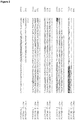
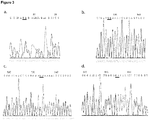
- AR-V7 specific regions are regions spanning exons 2, 3 and the cryptic exon 3, i.e., junction between AR-V7 exon 2 and exon 3 and junction between AR-V7 exon 3 and exon CE3. Both junctions are shown in Figure 2 herein.
- primer pairs that can be used in accordance with the present invention preferably allow for amplification of a region comprising an AR-V7 specific junction(s).
- Primer pairs that can be used in accordance with the present invention preferably comprise at least one primer spanning one of the AR-V7 specific junctions or amplify a nucleotide fragment having an AR-V7 specific size due to the above described AR-V7 specific regions.
- primers that can be used in accordance with the present invention preferably only amplify AR-V7 coding cDNA (generated from mRNA coding for AR-V7) but not full-length AR or any other AR splice variant, such as e.g., AR-V1 to AR-V6.
- Preferred primer pairs of the present invention are disclosed in Table 1 herein and have a nucleotide sequences set forth in SEQ ID NOs: 1 and 2, SEQ ID NOs: 3 and 4, SEQ ID NOs: 1 and 4, SEQ ID NOs: 3 and 2, SEQ ID NOs: 1 and 5 and SEQ ID NOs: 3 and 5. Even more preferred primer pairs of the present invention have a nucleotide sequences set forth in SEQ ID NOs: 1 and 2, SEQ ID NOs: 3 and 2, SEQ ID NOs: 1 and 5 and SEQ ID NOs: 3 and 5.
- the result of the qualitative PCR is obtained by electrophoresis, preferably automated electrophoresis.
- electrophoresis preferably automated electrophoresis.
- a preferred automated electrophoresis system that can be used in accordance with the present invention is the Agilent - 2100 Bioanalyzer with DNA 1000 chip.
- the method further comprises verifying the AR-V7 status by sequencing the AR-V7 encoding nucleotide sequence.
- any suitable sequencing technique known in the art can be used. Sequencing can be performed using either the cDNA obtained from the prostate cancer cell or the product obtained from the PCR using AR-V7 specific primers. In a preferred embodiment the product obtained from the PCR using AR-V7 specific primers is used for sequencing.
- sequencing is performed with two different primers (e.g., primers having SEQ ID NO: 1 and SEQ ID NO: 4) in order to have at least two readings per nucleotide across two AR-V7 specific exon junctions, i.e., junction between AR-V7 exon 2 and exon 3 and junction between AR-V7 exon 3 and exon CE3.
- primers e.g., primers having SEQ ID NO: 1 and SEQ ID NO: 4
- sequencing is performed using at least one primer selected from the group consisting of SEQ ID NO: 1, SEQ ID NO: 2, SEQ ID NO: 3, SEQ ID NO: 4, and SEQ ID NO: 5.
- the method of the invention allows stratifying a subject suffering from prostate cancer for the sensitivity and resistance to abirateronelenzalutamide- and taxane-based therapies.
- a subject positive for AR-V7 is stratified as being resistant to therapy with abiraterone and/or enzalutamide.
- a subject positive for AR-V7 is preferably treated with chemotherapy, more preferably with taxane-based chemotherapy.
- a subject negative for AR-V7 is eligible to therapy with abiraterone and/or enzalutamide.
- the present invention provides a primer pair selected from the group consisting of primers having the nucleotide sequences set forth in SEQ ID NOs: 1 and 2, SEQ ID NOs: 3 and 4, SEQ ID NOs: 1 and 4, SEQ ID NOs: 3 and 2, SEQ ID NOs: 1 and 5 and SEQ ID NOs: 3 and 5.
- Even more preferred primer pairs of the present invention are selected from the group consisting of primers having a nucleotide sequences set forth in SEQ ID NOs: 1 and 2, SEQ ID NOs: 3 and 2, SEQ ID NOs: 1 and 5 and SEQ ID NOs: 3 and 5.
- primer pairs that can be used in accordance with the present invention preferably comprise at least one primer spanning one of the AR-V7 specific junctions.
- primers that can be used in accordance with the present invention provide a AR-V7 specific signal, i.e., the amplification product has a site that is characteristic for the AR-V7 specific regions described herein.
- the primers only amplify AR-V7 coding cDNA (generated from mRNA coding for AR-V7) but not full-length AR or any other AR splice variant, such as e.g., AR-V1 to AR-V6.
- primers cannot be generated using a software without further ado but have to be designed based on the knowledge of AR-V7 specific regions.
- kits comprising components that allow to put the present invention into practice.
- a kit according to the present invention comprises a primer pair selected from the group consisting of primers having the nucleotide sequences set forth in SEQ ID NOs: 1 and 2, SEQ ID NOs: 3 and 4, SEQ ID NOs: 1 and 4, SEQ ID NOs: 3 and 2, SEQ ID NOs: 1 and 5 and SEQ ID NOs: 3 and 5.
- the kit of the invention comprises a primer pair selected from the group consisting of primers having a nucleotide sequences set forth in SEQ ID NOs: 1 and 2, SEQ ID NOs: 3 and 2, SEQ ID NOs: 1 and 5 and SEQ ID NOs: 3 and 5.
- the kit further comprises a DNA polymerase.
- the kit further comprises a buffer and/or reagents, such as e.g., dNTPs, for performing a PCR.
- the ProstateCancerSelect component utilises magnetic beads coated with antibodies against surface antigens EpCAM and HER-2 to select prostate tissue-derived cells. Subsequently, from the CTC lysates polyA-rich RNAs were isolated using Oligo(dT) 25 included in the ProstateCancerSelect component, which were immediately converted to cDNA. cDNA libraries served for the detection of gene expression.
- the gene expression panel included prostate-specific and tumour-associated genes such as PSA, PSMA, EGFR and AR alongside the actin gene, which served as an internal control. Generated RT-PCR products were analysed using the DNA 1000 chip on Bio analysesr 2100 (Agilent/ Hermes, Bratislava, SK) according to the manufacturer instructions. Patients expressing at least one of the tested genes alongside the internal control were classified as CTC positive. Patients expressing actin but none of the tested genes were assigned a CTC negative status. AR-V7 expression was determined from cDNA library using sets of primers specified in the Table 1.
- Primers set 1 and primer set 2 containing forward und reverse primers or their combinations consisting of one forward and one reverse primer were used to obtain the RT-PCR products.
- one forward primer from primer set 1 or primer set 2 combined the singleton 3 primer were applied interchangeably to obtain the RT-PCR products.
- RT-PCR reaction mixture consisted of 1x concentrated PCR buffer [500 mM Tris/HCI (pH 8.3), 100 mM KCI, 50 mM (NH 4 ) 2 SO 4 ], 1.5 mM MgCl 2 , 0.2 mM dNTP and 1 U FastStart Taq DNA Polymerase (Roche, Bratislava, SK), and 0.8 ⁇ M of each primer.
- AdnaTest® system generated cDNA template of 3.2 ul was used in the final reaction volume of 20 ul.
- the cycling conditions included denaturation at 95°C for 4 min., 40 cycles of denaturation at 95°C for 30 sec., primer annealing at 60°C for 30 sec. and elongation at 72°C for 60 sec. and 1 cycle of elongation at 72°C for 7 min. and cooling down at 4 °C for infinite time.
- the presence or absence of AR-V7 expression was verified using the DNA 1000 chip on Bio analysesr 2100 according to the manufacturer instructions
- the AR-V7 positive status of mCRPC patients was verified by Sanger sequencing using either of the aforementioned forward and reverse primers to obtain a minimum of 1 base coverages in one directions of the AR-V7 region spanning the junction between exon 2 and exon 3 and/or the junction between exon 3 and cryptic exon 3 (CE3).
- PCR and sequencing products were purified using standardised NucleoSpin® Gel and PCR Clean-up procedure (Macherey-Nagel/Biotech, Bratislava, SK) according to the manufacturer instructions.
- Cycle-sequencing using BigDye v3.1 (Applied Biosystems/Thermo Fischer Scientific, Bratislava, SK) and the PCR product-specific primer indicated in Table 1 was performed according to the manufacturer instructions on MJ Mini Thermal Cycler (Applied Biosystems/Thermo Fischer Scientific, Bratislava, SK) and the sequencing products were resolved and analysed on the Genetic Analyzer 3500 sequencer (Biorad, Bratislava, SK).
- At least one surface protein and at least one intracellularly expressed gene were detected in 41 mCRPC patients (54.7 %), which is in line with the AdnaTest® system reported CTC distribution of between 33.3 % to 86.5 % with the 95 % confidence interval of 48 % to 75 % depending on the mCRPC patients' medical history ( Roviello G et al., (2017). Onco Targets Ther., 10: 3811-3815 ; Capoun O et al., (2016). Anticancer Res., 36(4): 2019-26 ; Danila DC et al., (2016). Cancer J., 22(5): 315-320 ).
- PC is a clinically heterogeneous disease affecting worldwide each year nearly one million men and alone in Europe it accounts yearly for nearly 420 000 diagnosed cases ( Siegel RL et al., CA Cancer J Clin. (2016) 68(1): 7-30 ; SEER - Surveillance Epidemiology, and End Results Program. Prostate Cancer - Cancer Stat Facts (2016), from http://seer.cancer.gov/statfacts/html/prost.html, accessed on 19/07/2018 ).
- PC is an indolent disease of elderly men with progression time lasting more than a decade, hence significant number of patients die from other than malignant sequelae.
- mCRPC develops which is often referred to as the lethal stage of the disease. Patients diagnosed with mCRPC require timely and efficient therapeutic interventions, since the disease can progress rapidly and hence reduce survival time significantly.
- AR-V7 expression has been established as a biomarker stratifying mCRPC patients to abirateronelenzalutamide non-responders ( Antonarakis ES et al., (2014). N Engl J Med., 371(11): 1028-38 ). These ARSi, in contrast to alternative chemotherapies, are formulated in capsules and hence easy and conveniently administered to those who qualify for this treatment. Molecular tests investigating the expression of AR-V7 in tumour cells have been established and require invasively accessed tissues, i.e., solid biopsies or more recently liquid biopsies such as CTC. CTC are convenient source of tumour cells since they can be obtained frequently at local practitioner at a fraction of time and costs of surgical procedures.
- CTC are valuable source of heterogeneous malignant cells with distinct proliferating and disseminating properties. For these reasons CTC are becoming a resourceful clinical material that can be used for monitoring of mCRPC progression including AR-V7 typing.
- AdnaTest® system has been established as a reliable clinically applicable test to ascertain the presence or absence of CTC in mCRPC patients. Although the test has high specificity and sensitivity, its current formulation lacks the AR-V7 assay to evaluate ARSi responders among eligible mCRPC patients.
- the present inventors provide such a test that is as sensitive and as reliable as the more sophisticated, laborious, time-consuming and expensive AR-V7 testing platforms ( Zhang T, Armstrong AJ, (2016).
- Table 1 Primers used to detect expression of AR-V7.
- Primer name Sequence (5-3') SEQ ID NOs Set 1 AR-V7.1 Fw CACATGTGGAAGCTGCAAGGTC SEQ ID NO: 1 AR-V7.1 Rev GCCAACCCGGAATTTTTCTCCC SEQ ID NO: 2 Set 2 AR-V7.2 Fw TGTGCGCCAGCAGAAATGATTG SEQ ID NO: 3 AR-V7.2 Rev TTGAATGAGGCAAGTCAGCCTTTC SEQ ID NO: 4 Singleton 3 AR-V7.3 Rev CAGGCAAGTCAGGGAGTC SEQ ID NO: 5 Table 2 . Summary on the CTC and AR-V7 statuses of tested mCRPC patients including tumour-associated gene expression profiles.
Landscapes
- Chemical & Material Sciences (AREA)
- Life Sciences & Earth Sciences (AREA)
- Health & Medical Sciences (AREA)
- Organic Chemistry (AREA)
- Proteomics, Peptides & Aminoacids (AREA)
- Engineering & Computer Science (AREA)
- Immunology (AREA)
- Pathology (AREA)
- Analytical Chemistry (AREA)
- Zoology (AREA)
- Genetics & Genomics (AREA)
- Wood Science & Technology (AREA)
- Physics & Mathematics (AREA)
- Biotechnology (AREA)
- Microbiology (AREA)
- Molecular Biology (AREA)
- Hospice & Palliative Care (AREA)
- Biophysics (AREA)
- Oncology (AREA)
- Biochemistry (AREA)
- Bioinformatics & Cheminformatics (AREA)
- General Engineering & Computer Science (AREA)
- General Health & Medical Sciences (AREA)
- Measuring Or Testing Involving Enzymes Or Micro-Organisms (AREA)
Priority Applications (1)
| Application Number | Priority Date | Filing Date | Title |
|---|---|---|---|
| EP18192363.2A EP3620538A1 (de) | 2018-09-04 | 2018-09-04 | Mittel und verfahren zur stratifizierung von patienten mit prostatakrebs |
Applications Claiming Priority (1)
| Application Number | Priority Date | Filing Date | Title |
|---|---|---|---|
| EP18192363.2A EP3620538A1 (de) | 2018-09-04 | 2018-09-04 | Mittel und verfahren zur stratifizierung von patienten mit prostatakrebs |
Publications (1)
| Publication Number | Publication Date |
|---|---|
| EP3620538A1 true EP3620538A1 (de) | 2020-03-11 |
Family
ID=63491451
Family Applications (1)
| Application Number | Title | Priority Date | Filing Date |
|---|---|---|---|
| EP18192363.2A Withdrawn EP3620538A1 (de) | 2018-09-04 | 2018-09-04 | Mittel und verfahren zur stratifizierung von patienten mit prostatakrebs |
Country Status (1)
| Country | Link |
|---|---|
| EP (1) | EP3620538A1 (de) |
Cited By (1)
| Publication number | Priority date | Publication date | Assignee | Title |
|---|---|---|---|---|
| WO2025101100A1 (en) * | 2023-11-07 | 2025-05-15 | Arocell Ab | Treatment stratification based on stk1 |
Citations (4)
| Publication number | Priority date | Publication date | Assignee | Title |
|---|---|---|---|---|
| WO2015179404A1 (en) * | 2014-05-19 | 2015-11-26 | The Johns Hopkins University | Methods for identifying androgen receptor splice variants in subjects having castration resistant prostate cancer |
| WO2016133387A1 (en) * | 2015-02-17 | 2016-08-25 | Erasmus University Medical Center Rotterdam | Use of cabazitaxel in the treatment of prostate cancer |
| WO2017181161A1 (en) * | 2016-04-15 | 2017-10-19 | Predicine, Inc. | Systems and methods for detecting genetic alterations |
| WO2017207702A1 (en) * | 2016-06-02 | 2017-12-07 | Sint-Augustinus | Androgen receptor splice variants and androgen deprivation therapy |
-
2018
- 2018-09-04 EP EP18192363.2A patent/EP3620538A1/de not_active Withdrawn
Patent Citations (4)
| Publication number | Priority date | Publication date | Assignee | Title |
|---|---|---|---|---|
| WO2015179404A1 (en) * | 2014-05-19 | 2015-11-26 | The Johns Hopkins University | Methods for identifying androgen receptor splice variants in subjects having castration resistant prostate cancer |
| WO2016133387A1 (en) * | 2015-02-17 | 2016-08-25 | Erasmus University Medical Center Rotterdam | Use of cabazitaxel in the treatment of prostate cancer |
| WO2017181161A1 (en) * | 2016-04-15 | 2017-10-19 | Predicine, Inc. | Systems and methods for detecting genetic alterations |
| WO2017207702A1 (en) * | 2016-06-02 | 2017-12-07 | Sint-Augustinus | Androgen receptor splice variants and androgen deprivation therapy |
Non-Patent Citations (26)
| Title |
|---|
| "Handbook of Biochemistry: Section A Proteins", vol. I, 1976, CRC PRESS |
| "Handbook of Biochemistry: Section A Proteins", vol. II, 1976, CRC PRESS |
| ANTONARAKIS ES ET AL., J CLIN ONCOL., vol. 35, no. 19, 2017, pages 2149 - 2156 |
| ANTONARAKIS ES ET AL., N ENGL J MED., vol. 371, no. 11, 2014, pages 1028 - 38 |
| AUSUBEL ET AL.: "Current Protocols in Molecular Biology", 1992, J, GREENE PUBLISHING ASSOCIATES |
| BOUDADI K; ANTONARAKIS ES, CLIN MED INSIGHTS ONCOL., vol. 10, no. 1, 2016, pages 1 - 9 |
| CAPOUN O ET AL., ANTICANCER RES., vol. 36, no. 4, 2016, pages 2019 - 26 |
| CORNFORD, P. ET AL.: "EAU-ESTRO-SIOG Guidelines on Prostate Cancer. Part II: Treatment of Relapsing, Metastatic, and Castration-Resistant Prostate Cancer", EUR. UROL., vol. 71, 2017, pages 630 - 642 |
| CRAWFORD ED ET AL., UROL. ONCOL., vol. 35S, 2017, pages S1 - S13 |
| DANILA DC ET AL., CANCER J., vol. 22, no. 5, 2016, pages 315 - 320 |
| DE BONO JS ET AL., N ENGL J MED., vol. 364, no. 21, 2011, pages 1995 - 2005 |
| KIRBY M ET AL., INT J CLIN PRACT., vol. 65, no. 11, 2011, pages 1180 - 92 |
| LOKHANDWALA PM ET AL., J MOL DIAGN, vol. 19, no. 1, 2017, pages 115 - 125 |
| MA Y ET AL., INT J MOL SCI., vol. 17, no. 8, 2016, pages 1 - 11 |
| MOREIRA RB ET AL., ONCOTARGET, vol. 8, no. 48, 2017, pages 84572 - 84578 |
| MOTTET, N. ET AL.: "EAU-ESTRO-SIOG Guidelines on Prostate Cancer. Part 1: Screening, Diagnosis, and Local Treatment with Curative Intent", EUR. UROL., vol. 71, 2017, pages 618 - 629 |
| QU Y ET AL., SCI REP., vol. 5, no. 7654, 2015, pages 1 - 6 |
| ROBINSON D ET AL., CELL, vol. 161, no. 5, 2015, pages 1215 - 1228 |
| ROVIELLO G ET AL., ONCO TARGETS THER., vol. 10, 2017, pages 3811 - 3815 |
| SAMBROOK ET AL.: "Molecular Cloning: A Laboratory Manual", 2001, COLD SPRING HARBOR LABORATORY PRESS |
| SCHER HI ET AL., CANCER RES., vol. 77, no. 20, 2017, pages 5687 - 5698 |
| SCHER HI ET AL., N ENGL J MED., vol. 367, no. 13, 2012, pages 1187 - 97 |
| SIEGEL RL ET AL., CA CANCER J CLIN, vol. 68, no. 1, 2018, pages 7 - 30 |
| SKERENOVA M ET AL.: "Gene Expression Analysis of Immunomagnetically Enriched Circulating Tumor Cell Fraction in Castration-Resistant Prostate Cancer", MOL DIAGN THER., 2018 |
| WELTI J ET AL., EUR UROL., vol. 70, no. 4, 2016, pages 599 - 608 |
| ZHANG T; ARMSTRONG AJ, CURR ONCOL REP., vol. 18, no. 3, 2016, pages 1 - 8 |
Cited By (1)
| Publication number | Priority date | Publication date | Assignee | Title |
|---|---|---|---|---|
| WO2025101100A1 (en) * | 2023-11-07 | 2025-05-15 | Arocell Ab | Treatment stratification based on stk1 |
Similar Documents
| Publication | Publication Date | Title |
|---|---|---|
| KR20170083563A (ko) | 암 진단 및/또는 모니터링을 위한 무세포 rna의 사용 방법 | |
| JP5091163B2 (ja) | 癌またはその素因の早期検出のための方法およびキット | |
| Lokhandwala et al. | Analytical validation of androgen receptor splice variant 7 detection in a clinical laboratory improvement amendments (CLIA) laboratory setting | |
| KR20190020649A (ko) | 역형성 림프종 키나아제(alk) 핵산 및 alk 융합 전사물의 혈장 기반 검출 및 암의 진단 및 치료에 있어 이의 용도 | |
| EP3117012A1 (de) | Verfahren zur überwachung immunsuppressiver therapien in einem transplantatempfänger | |
| Bian et al. | Urinary exosomal long non-coding RNAs as noninvasive biomarkers for diagnosis of bladder cancer by RNA sequencing | |
| Yu et al. | Promising novel biomarkers for hepatocellular carcinoma: diagnostic and prognostic insights | |
| US20210292853A1 (en) | Detection of cldn18-arhgap6 fusion gene or cldn18-arhgap26 fusion gene in pancreatic cancer | |
| US20210214807A1 (en) | Method and kit for the diagnosis of colorectal cancer | |
| EP2418288A1 (de) | Verfahren und Kit zur Diagnose und Prognose der Toleranz bei der Lebertransplantation unter Verwendung von Lebergewebe | |
| EP3464623B1 (de) | Androgenrezeptorspleissvarianten und androgendeprivationstherapie | |
| WO2010100113A1 (en) | Bank1 related snps and sle and/or ms susceptibility | |
| EP3620538A1 (de) | Mittel und verfahren zur stratifizierung von patienten mit prostatakrebs | |
| KR102600344B1 (ko) | Kras 유전자 돌연변이 검출용 조성물 및 이를 포함하는 키트 | |
| Nikolova et al. | TP53 mutation in correlation to immunohistochemical expression of P53 protein in patients with hepatocellular carcinoma | |
| KR101998252B1 (ko) | 난소암 진단용 바이오마커 및 이의 용도 | |
| JP6041338B2 (ja) | Kcnj5遺伝子を利用したアルドステロン産生腺腫の検査方法およびアルドステロン産生腺腫治療薬のスクリーニング方法 | |
| JP2013529465A (ja) | PDE8AmRNA前駆体の編集プロファイリング:治療効力および/もしくは有効性または潜在的薬物副作用を診断するため、ならびに予測および評価するための、ヒト組織における特異的バイオマーカーとしてのADARs活性の使用 | |
| EP4010498A1 (de) | Verfahren zur diagnose von brustkrebs | |
| EP4317458A1 (de) | Follikularer schilddrüsenkrebsspezifischer marker | |
| Von Amsberg et al. | Detection of Androgen Receptor Variant 7 (ARV7) mRNA Levels in EpCAM-Enriched CTC Fractions for Monitoring Response to Androgen Targeting Therapies in Prostate Cancer | |
| JP7521752B2 (ja) | 前立腺癌の治療薬のスクリーニング又は評価方法 | |
| JPWO2020067498A1 (ja) | 前立腺癌の診断のためのデータ取得方法 | |
| EP3342863B1 (de) | Verfahren zum nachweis des rp2-arhgap6-fusiongens | |
| WO2017168031A1 (es) | Uso de tcfl5/cha como nuevo marcador para el pronóstico y/o diagnóstico diferencial de leucemias linfoblásticas agudas |
Legal Events
| Date | Code | Title | Description |
|---|---|---|---|
| PUAI | Public reference made under article 153(3) epc to a published international application that has entered the european phase |
Free format text: ORIGINAL CODE: 0009012 |
|
| AK | Designated contracting states |
Kind code of ref document: A1 Designated state(s): AL AT BE BG CH CY CZ DE DK EE ES FI FR GB GR HR HU IE IS IT LI LT LU LV MC MK MT NL NO PL PT RO RS SE SI SK SM TR |
|
| AX | Request for extension of the european patent |
Extension state: BA ME |
|
| STAA | Information on the status of an ep patent application or granted ep patent |
Free format text: STATUS: THE APPLICATION IS DEEMED TO BE WITHDRAWN |
|
| 18D | Application deemed to be withdrawn |
Effective date: 20200912 |