EP3620965A1 - Technologies pour identifier des objets non reconnaissables dans des systèmes autonomes - Google Patents
Technologies pour identifier des objets non reconnaissables dans des systèmes autonomes Download PDFInfo
- Publication number
- EP3620965A1 EP3620965A1 EP19190400.2A EP19190400A EP3620965A1 EP 3620965 A1 EP3620965 A1 EP 3620965A1 EP 19190400 A EP19190400 A EP 19190400A EP 3620965 A1 EP3620965 A1 EP 3620965A1
- Authority
- EP
- European Patent Office
- Prior art keywords
- autonomous device
- user
- light source
- response
- environment
- Prior art date
- Legal status (The legal status is an assumption and is not a legal conclusion. Google has not performed a legal analysis and makes no representation as to the accuracy of the status listed.)
- Granted
Links
Images



Classifications
-
- G—PHYSICS
- G06—COMPUTING OR CALCULATING; COUNTING
- G06F—ELECTRIC DIGITAL DATA PROCESSING
- G06F3/00—Input arrangements for transferring data to be processed into a form capable of being handled by the computer; Output arrangements for transferring data from processing unit to output unit, e.g. interface arrangements
- G06F3/01—Input arrangements or combined input and output arrangements for interaction between user and computer
- G06F3/011—Arrangements for interaction with the human body, e.g. for user immersion in virtual reality
-
- G—PHYSICS
- G01—MEASURING; TESTING
- G01S—RADIO DIRECTION-FINDING; RADIO NAVIGATION; DETERMINING DISTANCE OR VELOCITY BY USE OF RADIO WAVES; LOCATING OR PRESENCE-DETECTING BY USE OF THE REFLECTION OR RERADIATION OF RADIO WAVES; ANALOGOUS ARRANGEMENTS USING OTHER WAVES
- G01S17/00—Systems using the reflection or reradiation of electromagnetic waves other than radio waves, e.g. lidar systems
- G01S17/88—Lidar systems specially adapted for specific applications
- G01S17/89—Lidar systems specially adapted for specific applications for mapping or imaging
-
- G—PHYSICS
- G01—MEASURING; TESTING
- G01S—RADIO DIRECTION-FINDING; RADIO NAVIGATION; DETERMINING DISTANCE OR VELOCITY BY USE OF RADIO WAVES; LOCATING OR PRESENCE-DETECTING BY USE OF THE REFLECTION OR RERADIATION OF RADIO WAVES; ANALOGOUS ARRANGEMENTS USING OTHER WAVES
- G01S17/00—Systems using the reflection or reradiation of electromagnetic waves other than radio waves, e.g. lidar systems
- G01S17/02—Systems using the reflection of electromagnetic waves other than radio waves
- G01S17/04—Systems determining the presence of a target
-
- G—PHYSICS
- G01—MEASURING; TESTING
- G01S—RADIO DIRECTION-FINDING; RADIO NAVIGATION; DETERMINING DISTANCE OR VELOCITY BY USE OF RADIO WAVES; LOCATING OR PRESENCE-DETECTING BY USE OF THE REFLECTION OR RERADIATION OF RADIO WAVES; ANALOGOUS ARRANGEMENTS USING OTHER WAVES
- G01S17/00—Systems using the reflection or reradiation of electromagnetic waves other than radio waves, e.g. lidar systems
- G01S17/88—Lidar systems specially adapted for specific applications
- G01S17/93—Lidar systems specially adapted for specific applications for anti-collision purposes
- G01S17/931—Lidar systems specially adapted for specific applications for anti-collision purposes of land vehicles
-
- G—PHYSICS
- G06—COMPUTING OR CALCULATING; COUNTING
- G06F—ELECTRIC DIGITAL DATA PROCESSING
- G06F16/00—Information retrieval; Database structures therefor; File system structures therefor
- G06F16/30—Information retrieval; Database structures therefor; File system structures therefor of unstructured textual data
- G06F16/33—Querying
- G06F16/332—Query formulation
- G06F16/3329—Natural language query formulation
-
- G—PHYSICS
- G06—COMPUTING OR CALCULATING; COUNTING
- G06V—IMAGE OR VIDEO RECOGNITION OR UNDERSTANDING
- G06V20/00—Scenes; Scene-specific elements
- G06V20/20—Scenes; Scene-specific elements in augmented reality scenes
-
- G—PHYSICS
- G06—COMPUTING OR CALCULATING; COUNTING
- G06V—IMAGE OR VIDEO RECOGNITION OR UNDERSTANDING
- G06V20/00—Scenes; Scene-specific elements
- G06V20/35—Categorising the entire scene, e.g. birthday party or wedding scene
-
- G—PHYSICS
- G06—COMPUTING OR CALCULATING; COUNTING
- G06V—IMAGE OR VIDEO RECOGNITION OR UNDERSTANDING
- G06V20/00—Scenes; Scene-specific elements
- G06V20/50—Context or environment of the image
- G06V20/56—Context or environment of the image exterior to a vehicle by using sensors mounted on the vehicle
- G06V20/58—Recognition of moving objects or obstacles, e.g. vehicles or pedestrians; Recognition of traffic objects, e.g. traffic signs, traffic lights or roads
-
- G—PHYSICS
- G01—MEASURING; TESTING
- G01S—RADIO DIRECTION-FINDING; RADIO NAVIGATION; DETERMINING DISTANCE OR VELOCITY BY USE OF RADIO WAVES; LOCATING OR PRESENCE-DETECTING BY USE OF THE REFLECTION OR RERADIATION OF RADIO WAVES; ANALOGOUS ARRANGEMENTS USING OTHER WAVES
- G01S17/00—Systems using the reflection or reradiation of electromagnetic waves other than radio waves, e.g. lidar systems
- G01S17/86—Combinations of lidar systems with systems other than lidar, radar or sonar, e.g. with direction finders
Definitions
- references in the specification to "one embodiment,” “an embodiment,” “an illustrative embodiment,” etc., indicate that the embodiment described may include a particular feature, structure, or characteristic, but every embodiment may or may not necessarily include that particular feature, structure, or characteristic. Moreover, such phrases are not necessarily referring to the same embodiment. Further, when a particular feature, structure, or characteristic is described in connection with an embodiment, it is submitted that it is within the knowledge of one skilled in the art to effect such feature, structure, or characteristic in connection with other embodiments whether or not explicitly described.
- items included in a list in the form of "at least one A, B, and C” can mean (A); (B); (C); (A and B); (A and C); (B and C); or (A, B, and C).
- items listed in the form of "at least one of A, B, or C” can mean (A); (B); (C); (A and B); (A and C); (B and C); or (A, B, and C).
- the disclosed embodiments may be implemented, in some cases, in hardware, firmware, software, or any combination thereof.
- the disclosed embodiments may also be implemented as instructions carried by or stored on a transitory or non-transitory machine-readable (e.g., computer-readable) storage medium, which may be read and executed by one or more processors.
- a machine-readable storage medium may be embodied as any storage device, mechanism, or other physical structure for storing or transmitting information in a form readable by a machine (e.g., a volatile or non-volatile memory, a media disc, or other media device).
- an illustrative object detection system 100 for interacting with a user to identify an unknown object includes an autonomous device 102.
- the autonomous device 102 is a device that is capable of navigating an environment. It should be appreciated that, in some embodiments, components of the autonomous device 102 may be split among multiple devices. In other embodiments, one or more components of the autonomous device 102 may be embodied as part of external devices 104.
- the autonomous device 102 may detect and identify one or more objects located in an environment surrounding the autonomous device 102 and generate an environment map that includes locations of the detected objects. To do so, the autonomous device 102 may detect a presence of an object in the environment based on environmental data collected from one or more input devices (e.g., a camera 134 and/or a light detection and ranging (LIDAR) sensor 136) and perform data analysis (e.g., an object recognition technique and/or simultaneous localization and mapping (SLAM)) to identify the detected object.
- LIDAR light detection and ranging
- SLAM simultaneous localization and mapping
- deep learning and machine learning techniques may also be used to identify one or more objects detected in the environment.
- the autonomous device 102 may interact with a user to identify an unrecognizable object. Specifically, the autonomous device 102 may query the user to identify the unrecognizable or unknown object by visually indicating the object to the user using a light source 140 (e.g., a light pointer or a projector) and playing an indicator message describing details about the unrecognizable object. For example, the light source 140 may illuminate light incident on the object or project a frame of light surrounding the object.
- the indicator message may include the absolute coordinates of the unrecognizable object, relative coordinates relative to a nearby known object, a distance from the autonomous device 102, boundaries of the unrecognizable object, and/or additional features such as color or surface structure.
- the visual indication along with the indicator message allows the user to easily and quickly perceive which object is being referred to. Additionally, the use of the light source 140 instead of physical manipulation allows the autonomous device 102 to describe or identify objects that may not have been possible before. Once the autonomous device 102 receives a response from the user, the autonomous device 102 may update a recognizable object database and the environment map to include the newly identified object.
- the object detection system 100 may include a server 106 and one or more external devices 104.
- the one or more external devices 104 may include one or more cameras 150 and one or more light detection and ranging (LIDAR) sensors 152 located in the environment.
- LIDAR light detection and ranging
- the additional environmental data may be obtained and utilized by the autonomous device 102 when generating or updating the environment map and detecting or identifying an object in the environment.
- the server 106 may obtain environmental data from the autonomous device 102 and one or more external devices 104 to perform data analysis (e.g., object recognition and/or simultaneous localization and mapping (SLAM)) to detect and/or identify an unknown object.
- data analysis e.g., object recognition and/or simultaneous localization and mapping (SLAM)
- the network 108 may be embodied as any type of wired or wireless communication network, including cellular networks (e.g., Global System for Mobile Communications (GSM), 3G, Long Term Evolution (LTE), Worldwide Interoperability for Microwave Access (WiMAX), etc.), digital subscriber line (DSL) networks, cable networks (e.g., coaxial networks, fiber networks, etc.), telephony networks, local area networks (LANs) or wide area networks (WANs), global networks (e.g., the Internet), or any combination thereof.
- the network device may further include the server 106 and the external device(s) 104 and may facilitate communication between autonomous device 102, the server 106, and one or more external device(s) 104.
- the autonomous device 102 may be embodied as any type of electronic device capable of performing the functions described herein, including, without limitation, a robot, a consumer robot, an autonomous home device, a smart security device, a computer, a desktop computer, a smartphone, a workstation, a laptop computer, a notebook computer, a tablet computer, a mobile computing device, a wearable computing device, a network appliance, a web appliance, a distributed computing system, a processor-based system, and/or a consumer electronic device.
- a robot a consumer robot, an autonomous home device, a smart security device, a computer, a desktop computer, a smartphone, a workstation, a laptop computer, a notebook computer, a tablet computer, a mobile computing device, a wearable computing device, a network appliance, a web appliance, a distributed computing system, a processor-based system, and/or a consumer electronic device.
- the autonomous device 102 is capable of navigating the environment to collect environmental data of the environment, receiving data from one or more input devices of the autonomous device 102 (e.g., a camera 134, a LIDAR sensor 136, an odometer 138, and a microphone 144), generating an environment map of the environment, detecting an object in the environment, identifying a detected object, communicating with a user via a light source 140 and/or a speaker 142 to indicate an object (e.g., an unrecognizable object), and updating the recognizable object database in response to identifying a unrecognizable or unknown object.
- one or more input devices of the autonomous device 102 e.g., a camera 134, a LIDAR sensor 136, an odometer 138, and a microphone 144
- generating an environment map of the environment e.g., a camera 134, a LIDAR sensor 136, an odometer 138, and a microphone 144
- detecting an object in the environment identifying a
- the environmental data may be used to determine a location of the autonomous device 102, detect a presence of an object, and identify a detected object. Additionally, the autonomous device 102 may track the location of the autonomous device 102 in the environment based on the environmental data and/or device data obtained from the odometer 138. In some embodiments, the autonomous device 102 may further include an accelerometer and/or a gyroscope.
- the illustrative autonomous device 102 includes a compute engine 120, an input/output (I/O) subsystem 126, communication circuitry 128, one or more data storage devices 132, the camera 134, the light detection and ranging (LIDAR) sensor 136, the odometer 138, the light source 140, the speaker 142, and the microphone 144.
- the autonomous device 102 may include other or additional components, such as those commonly found in a computer (e.g., peripheral devices 143). Additionally, in some embodiments, one or more of the illustrative components may be incorporated in, or otherwise form a portion of, another component.
- the compute engine 120 may be embodied as any type of device or collection of devices capable of performing various compute functions described below.
- the compute engine 120 may be embodied as a single device such as an integrated circuit, an embedded system, a field-programmable gate array (FPGA), a system-on-a-chip (SoC), or other integrated system or device.
- the compute engine 120 includes or is embodied as one or more processors 122 and a memory 124.
- the processor 122 may be embodied as any type of processor capable of performing the functions described herein.
- the processor 122 may be embodied as a single or multi-core processor(s), a microcontroller, or other processor or processing/controlling circuit.
- the processor 122 may be embodied as, include, or be coupled to an FPGA, an application specific integrated circuit (ASIC), reconfigurable hardware or hardware circuitry, or other specialized hardware to facilitate performance of the functions described herein.
- ASIC application specific integrated circuit
- the memory 124 may be embodied as any type of volatile (e.g., dynamic random access memory (DRAM), etc.) or non-volatile memory or data storage capable of performing the functions described herein.
- Volatile memory may be a storage medium that requires power to maintain the state of data stored by the medium.
- Non-limiting examples of volatile memory may include various types of random access memory (RAM), such as dynamic random access memory (DRAM) or static random access memory (SRAM).
- RAM random access memory
- DRAM dynamic random access memory
- SRAM static random access memory
- SDRAM synchronous dynamic random access memory
- DRAM of a memory component may comply with a standard promulgated by JEDEC, such as JESD79F for DDR SDRAM, JESD79-2F for DDR2 SDRAM, JESD79-3F for DDR3 SDRAM, JESD79-4A for DDR4 SDRAM, JESD209 for Low Power DDR (LPDDR), JESD209-2 for LPDDR2, JESD209-3 for LPDDR3, and JESD209-4 for LPDDR4 (these standards are available at www.jedec.org).
- LPDDR Low Power DDR
- Such standards may be referred to as DDR-based standards and communication interfaces of the storage devices that implement such standards may be referred to as DDR-based interfaces.
- the compute engine 120 is communicatively coupled to other components of the autonomous device 102 via the I/O subsystem 126, which may be embodied as circuitry and/or components to facilitate input/output operations with the compute engine 120 (e.g., with the processor 122 and/or the memory 124) and other components of the autonomous device 102.
- the I/O subsystem 126 may be embodied as, or otherwise include, memory controller hubs, input/output control hubs, integrated sensor hubs, firmware devices, communication links (e.g., point-to-point links, bus links, wires, cables, light guides, printed circuit board traces, etc.), and/or other components and subsystems to facilitate the input/output operations.
- the I/O subsystem 126 may form a portion of a system-on-a-chip (SoC) and be incorporated, along with one or more of the processors 122, the memory 124, and other components of the autonomous device 102, into the compute engine 120.
- SoC system-on-a-chip
- the communication circuitry 128 may be embodied as any communication circuit, device, or collection thereof, capable of enabling communications between the autonomous device 102 and another device (e.g., the external devices 104 and/or the server 106).
- the communication circuitry 128 may be configured to use any one or more communication technology (e.g., wired or wireless communications) and associated protocols (e.g., Ethernet, Bluetooth®, Wi-Fi®, WiMAX, etc.) to effect such communication.
- the communication circuitry 128 may include a network interface controller (NIC) 130 (e.g., as an add-in device), which may also be referred to as a port logic.
- NIC network interface controller
- the NIC 130 may be embodied as one or more add-in-boards, daughter cards, network interface cards, controller chips, chipsets, or other devices that may be used by the autonomous device 102 to connect with another device (e.g., the external devices 104 and/or the server 106).
- the NIC 130 may be embodied as part of a system-on-a-chip (SoC) that includes one or more processors, or included on a multichip package that also contains one or more processors.
- SoC system-on-a-chip
- the NIC 130 may include a local processor (not shown) and/or a local memory (not shown) that are both local to the NIC 130.
- the local processor of the NIC 130 may be capable of performing one or more of the functions of the compute engine 120 described herein. Additionally or alternatively, in such embodiments, the local memory of the NIC 130 may be integrated into one or more components of the autonomous device 102 at the board level, socket level, chip level, and/or other levels.
- the one or more illustrative data storage devices 132 may be embodied as any type of devices configured for short-term or long-term storage of data such as, for example, memory devices and circuits, memory cards, hard disk drives, solid-state drives, or other data storage devices.
- Each data storage device 132 may include a system partition that stores data and firmware code for the data storage device 132.
- Each data storage device 132 may also include one or more operating system partitions that store data files and executables for operating systems.
- the server 106 may be embodied as any type of computation or computing device capable of performing the functions described herein, for example, a router, a switch, a network hub, an access point, a storage device, a compute device, a multiprocessor system, a network appliance (e.g., physical or virtual), a computer, a desktop computer, a smartphone, a workstation, a laptop computer, a notebook computer, a tablet computer, a mobile computing device, or any other computing device capable of processing network packets.
- the server 106 may receive environmental data from the autonomous device 102 and perform data analysis (e.g., object recognition and/or simultaneous localization and mapping (SLAM)) to detect and/or identify an unknown object.
- data analysis e.g., object recognition and/or simultaneous localization and mapping (SLAM)
- the autonomous device 102 may establish an environment 200 during operation.
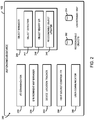
- the illustrative environment 200 includes an I/O communicator 210, an environment map manager 220, an device location tracker 230, an object manager 240, a light source controller 250, and a user communicator 260.
- the object manager 240 further includes an object detector 242, an object identifier 244, and a recognizable object updater 246.
- Each of the components of the environment 200 may be embodied as hardware, firmware, software, or a combination thereof.
- one or more of the components of the environment 200 may be embodied as circuitry or a collection of electrical devices (e.g., I/O communicator circuitry 210, environment map manager circuitry 220, device location tracker circuitry 230, object manager circuitry 240, object detector circuitry 242, object identifier circuitry 244, recognizable object updater circuitry 246, light source controller circuitry 250, user communicator circuitry 260, etc.).
- I/O communicator circuitry 210 e.g., I/O communicator circuitry 210, environment map manager circuitry 220, device location tracker circuitry 230, object manager circuitry 240, object detector circuitry 242, object identifier circuitry 244, recognizable object updater circuitry 246, light source controller circuitry 250, user communicator circuitry 260, etc.
- one or more of the I/O communicator circuitry 210, the environment map manager circuitry 220, the device location tracker circuitry 230, the object manager circuitry 240, the object detector circuitry 242, the object identifier circuitry 244, the recognizable object updater circuitry 246, the light source controller circuitry 250, and/or user the user communicator circuitry 260 may form a portion of a the compute engine 120 (e.g., one or more of the processor(s) 122, the memory 124), the I/O subsystem 126, and/or other components of the autonomous device 102.
- the compute engine 120 e.g., one or more of the processor(s) 122, the memory 124
- the autonomous device 102 further includes a recognizable objects database 202 and an environment map 204.
- the recognizable objects database 202 includes one or more recognizable objects.
- the autonomous device 102 is capable of recognizing a certain number of objects using the object recognition technique.
- more recognizable objects may be added to the recognizable objects database 202 based on a user input indicative of an identification of an object that was unrecognizable using the object recognition technique.
- the environment map database 204 includes an environment map, which is a 2D or 3D digital blueprint of the environment that includes a floor plan, a furniture layout, and/or locations of one or more objects in the environment.
- the I/O communicator 210 is configured to communicate with other components of the autonomous device 102.
- the I/O communicator 210 is configured to receive data from the camera 134, the LIDAR sensor 136, the odometer 138, the microphone 144, and/or other input peripheral devices.
- the I/O communicator 210 is further configured to transmit an output to a light source 140, a speaker 142, and/or other output peripheral devices. Accordingly, in some embodiments, at least a portion of the functionality of the I/O communicator 210 may be performed by communication circuitry 128 of the autonomous device 102.
- the environment map manager 220 is configured to generate and/or update an environment map. To do so, the environment map manager 220 is configured to obtain environmental data from the camera 134 and the LIDAR sensor 136 and generate an environment map using visual simultaneous localization and mapping algorithms. As described above, the environment map is a 2D or 3D digital blueprint of the environment that includes a floor plan, a furniture layout, and/or locations of one or more objects in the environment. The environment map manager 220 is further configured to update the environment map in response to identifying a new object in the environment.
- the device location tracker 230 is configured to track a location of the autonomous device 102 in the environment map. To do so, the device location tracker 230 obtains the environmental data from the camera 134 and the LIDAR sensor 136 and/or device data obtained from the odometer 138. The device data indicates a distance traveled by the autonomous device 102. Based on the environmental data and the device data, the device location tracker 230 is configured to determine a location of the autonomous device 102 and keep track of the autonomous device 102 in the environment map.
- the object manager 240 is configured to manage one or more objects detected in the environment. To do so, the object manager 240 includes the object detector 242, the object identifier 244, and the recognizable object updater 246.
- the object detector 242 is configured to detect an object in the environment. For example, the object detector 242 may use the environmental data obtained from the camera 134 and/or the LIDAR sensor 136 to determine whether a new object is detected in the environment. In another example, the object detector 242 is configured to detect a target object in the environment in response to a receipt of instructions from a user indicating the target object and a target action to be performed to the target object or near the location of the target object.
- the object detector 242 may use the environmental data to determine a gesture of the user (e.g., pointing) and/or the recognizable object database 202 to determine "that chair” and a location of "that chair.” In this example, the object detector 242 may further determine a direction where the user is pointing to relative to the location of the autonomous device 102 base on the environmental data. In response to determining where the user is pointing to, the object detector 242 may determine the location of the target object using the environment map and detect the target object.
- the object identifier 244 is configured to identify an object that is detected by the object detector 242. Particularly, the object identifier 244 is configured to determine whether the detected object can be identified. For example, the object identifier 244 may determine whether the detected object is in the recognizable object database 202 and/or attempt to identify the detected object using an object recognition technique. Additionally or alternatively, the object identifier 244 may identify the detected object based on a location of the detected object in the environment map. In response to an identification of an unrecognizable object in the environment, the recognizable object updater 246 is configured to update the recognizable object database 202 to add the newly identified object.
- the object identifier 244 may communicate with a user to identify the unrecognizable or unknown object, as described further below.
- the recognizable object updater 246 is configured to update the recognizable object database 202 to associate the identity received from the user with the newly identified object in response to a confirmation that the user wants to store the newly identified object in the recognizable object database 202 for future use.
- the recognizable object updater 246 determines that the autonomous device 102 is in a learning mode, the recognizable object updater 246 communicates with the user communicator 260 to query the user to confirm that the newly identified object is to be stored in the recognizable object database 202.
- the user may selectively decide which object is to be stored in the recognizable object database 202 for future use to prevent cluttering the recognizable object database 202.
- the newly identified object may be automatically stored in the recognizable object database 202 in response to a receipt of an user input.
- the light source controller 250 is configured to control the light source 140. Particularly, the light source controller 250 activates the light source 140 in response to a determination that the detected object is unknown or unrecognizable by the object identifier 244.
- the light source controller 250 is configured to activate the light source 140 to indicate the detected object to attract a user's attention. For example, the light source controller 250 may illuminate the light incident on the detected object or project a frame of light surrounding the detected object to indicate the detected object.
- the light source controller 250 is configured to deactivate the light source 140. In the illustrative embodiment, the light source controller 250 may deactivate the light source 140 if a predefined time is reached after the activation of the light source 140 without a receipt of a user input.
- the user communicator 260 is configured to communicate with a user via the speaker 142. In response to determining that the detected object is unknown or unrecognizable, the user communicator 260 is configured to query a user via the speaker 142 while the light source controller 250 indicates the unrecognized object using the light source 140. To do so, in some embodiments, the user communicator 260 may query the user based on absolute coordinates of the unrecognized object. Alternatively, the user communicator 260 may query the user based on relative coordinates relative to a nearby known object. For example, the autonomous device 102 may query the user, "What do you call this object that is located 10 cm from the chair?" while the light source controller 250 points to the unrecognized object with the light source 140.
- the user communicator 260 may query the user based on a distance from a nearby known object or the autonomous device 102.
- the autonomous device 102 may query the user, "What do you call that object located 50 cm from me?” while the light source controller 250 points to the unrecognized object with the light source 140.
- the user communicator 260 may query the user based on boundaries of the unrecognized object. For example, the autonomous device 102 may query the user, "What do you call this object on the dining table?" while the light source controller 250 points to the unrecognized object with the light source 140. Alternatively, the user communicator 260 may query the user based on features of the unrecognized object (e.g., color, surface structure, or any other characteristics that can be perceived by the autonomous device 102). For example, the autonomous device 102 may query the user, "What do you call this yellow object?" while the light source controller 250 points to the unrecognized object with the light source 140. The user communicator 260 is further configured to receive a user's response to the query identifying the queried object.
- features of the unrecognized object e.g., color, surface structure, or any other characteristics that can be perceived by the autonomous device 102
- the autonomous device 102 may query the user, "What do you call this yellow object?"
- the user communicator 260 is configured to receive instructions from the user.
- the instructions may include a target object and a target action to be performed to the target object or near the location of the target object.
- the user communicator 260 is configured to communicate with the user to identify the target object.
- the autonomous device 102 may execute a method 300 for communicating with a user to identify an unrecognizable object using a light source 140.
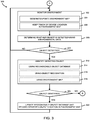
- the method 300 begins with block 302 in which the autonomous device 102 monitors an environment surrounding the autonomous device 102. While monitoring the environment, the autonomous device 102 generates or updates a new or existing environment map 204, respectively, as illustrated in block 304.
- the environment map is a 2D or 3D digital blueprint of the environment that includes a floor plan, a furniture layout, and/or locations of one or more objects.
- the autonomous device 102 generates the environment map based on environmental data obtained from the camera 134 and/or the LIDAR sensor 136 using visual simultaneous localization and mapping algorithms.
- the autonomous device 102 may obtain additional environmental data from one or more external devices 104 (e.g., the external cameras 150 and/or the external LIDAR sensors 152 located in the environment).
- the autonomous device 102 keeps track of a location of the autonomous device 102 in the environment map, as illustrated in block 306. For example, based on the environmental data obtained from the camera 134 and the LIDAR sensor 136 and/or device data obtained from the odometer 138, the autonomous device 102 determines a location of the autonomous device 102 in the environment map.
- the autonomous device 102 determines whether an object is detected in the environment using the environmental data. If the autonomous device 102 determines that an object is not detected in block 310, the method 300 loops back to block 302 to continue monitoring the environment. If, however, the autonomous device 102 determines that an object is detected in block 310, the method 300 advances to block 312.
- the autonomous device 102 determines whether the detected object can be identified. For example, the autonomous device 102 may determine whether the detected object is in the recognizable object database 202, as illustrated in block 314. Additionally or alternatively, the autonomous device 102 may attempt to identify the detected object using an object recognition technique, as illustrated in block 316. Additionally or alternatively, the autonomous device 102 may identify the detected object based on a location of the detected object in the environment map, as illustrated in block 318.
- the autonomous device 102 determines whether the detected object has been identified. If the detected object has been identified, the method 300 advances to block 322, in which the autonomous device 102 updates the recognizable object database 202 and records the location of the newly identified object in the environment map. The method 300 then loops back to block 302 to continue monitoring the environment. If, however, the detected object has not been identified in block 320, the method 300 branches to block 324 of FIG. 4 .
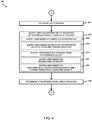
- the autonomous device 102 activates the light source 140 in response to determining that the detected object is unknown or unrecognized. Subsequently, in block 326, the autonomous device 102 queries a user via the speaker 142 while indicating the unrecognized object using the light source 140. To do so, as illustrated in block 328, the autonomous device 102 may query the user based on absolute coordinates of the unrecognized object. Alternatively, as illustrated in block 330, the autonomous device 102 may query the user based on relative coordinates relative to a nearby known object. For example, the autonomous device 102 may query the user, "What do you call this object that is located 10 cm from a chair?" while pointing to the unrecognized object with the light source 140.
- the autonomous device 102 may query the user based on a distance from a nearby known object or the autonomous device 102. For example, the autonomous device 102 may query the user, "What do you call that object located 50 cm from me?" while pointing to the unrecognized object with the light source 140.
- the autonomous device 102 may query the user based on boundaries of the unrecognized object. For example, the autonomous device 102 may query the user, "What do you call this object on the dining table?" while pointing to the unrecognized object with the light source 140.
- the autonomous device 102 may query the user based on features of the unrecognized object (e.g., color, surface structure, or any other characteristics that can be perceived by the autonomous device 102). For example, the autonomous device 102 may query the user, "What do you call this yellow object?" while pointing to the unrecognized object with the light source 140.
- features of the unrecognized object e.g., color, surface structure, or any other characteristics that can be perceived by the autonomous device 102.
- the autonomous device 102 may query the user, "What do you call this yellow object?" while pointing to the unrecognized object with the light source 140.
- the autonomous device 102 determines whether a response is received from the user via the microphone 144 of the autonomous device 102. If the autonomous device 102 determines that the response is not received in block 340, the method 300 advances to block 342. In block 342, the autonomous device 102 determines whether a predefined time has been reached. If not, the method 300 loops back to block 340 to continue to determine whether a response has been received from the user. If, however, the predefined time has been reached in block 342, the method 300 advances to block 344 to prompt an alert message to the user indicating that the unrecognized object could not be identified. The method 300 then skips ahead to block 356 to deactivate the light source 140.
- the method 300 advances to block 346.
- the autonomous device 102 determines if the autonomous device 102 is in a learning mode. If the autonomous device 102 determines that it is in the learning mode in block 348, the method 300 advances to block 350.
- the autonomous device 102 queries the user to confirm that the object identified by the user is to be stored in the recognizable object database 202 of the autonomous device 102.
- the autonomous device 102 may query the user, "Would you like me to remember this object for future use?" If the user confirms in block 352, the autonomous device 102 advances to block 354 to update the recognizable object database 202 to associate the identity received from the user with the newly identified object. If, however, the user indicates not to remember the object or does not respond within a predefined time, the method 300 skips ahead to block 356. In block 356, the autonomous device 102 deactivates the light source 140, and the method 300 loops back to block 302 shown in FIG. 3 to continue monitoring the environment.
- the autonomous device 102 may execute a method 600 for communicating with a user to identify an unrecognizable object using a light source 140.
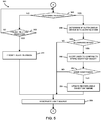
- the method 600 begins with block 602 in which the autonomous device 102 receives an instruction from a user indicating a target object and a target action to be performed on or near the target object. If the autonomous device 102 determines that the instruction has not been received in block 604, the method 600 loops back to block 602 to continue monitoring for an instruction.
- the autonomous device 102 determines a target object using environmental data obtained from the camera 134 and/or the LIDAR sensor 136 and an environment map 204.
- the environment map 204 includes locations of recognized objects in the environment. For example, the user may point to a chair and state, "Please clean near that chair.”
- the autonomous device 102 may use the environmental data to determine a gesture of the user (e.g., pointing) and/or the recognizable object database 202 to determine where and what "that chair" is referring to.
- the autonomous device 102 determines a direction where the user is pointing to relative to the location of the autonomous device 102 base on the environmental data. In response to determining where the user is pointing to, the autonomous device 102 determines the location of the target object using the environment map.
- the method 600 advances to block 610, in which the autonomous device 102 prompts an alert message to the user indicating that the target action could not be performed. The method 600 then loops back to block 602 to continue receiving a new instruction from a user.
- the method 600 advances to block 612.
- the autonomous device 102 determines a pathway to the target object location from the autonomous device 102 using the environment map. Subsequently, the autonomous device 102 moves the autonomous device 102 to the target object location via the determined pathway, as illustrated in block 614.
- the autonomous device 102 detects any obstacle along the pathway that prevents the autonomous device 102 to perform the target action. If the obstacle is not detected in block 618, the method 600 skips ahead to block 636, in which the autonomous device 102 performs the target action. Subsequently, the method 600 loops back to block 602 to continue monitoring for an instruction from a user.
- the method 600 advances to block 620 of FIG. 7 .
- the autonomous device 102 activates the light source 140.
- the autonomous device 102 communicates with the user.
- the autonomous device 102 communicates with the user indicating the detected obstacle with the light source 140, as illustrated in block 624.
- the autonomous device 102 queries the user via the speaker 142 indicating the presence of the obstacle, as illustrated in block 626.
- the autonomous device 102 may state, "Sorry, there is this obstacle that doesn't allow me to reach the target location" and point to the obstacle with the light source 140.
- the autonomous device 102 may further identify the obstacle based on a location of the detected object in the environment map, using the recognizable object database 202 and/or using an object recognition technique. In such embodiments and in response to identifying the obstacle as a carpet, the autonomous device 102 may state, "Sorry, there is this carpet that doesn't allow me to reach the target location" and point to the carpet.
- the autonomous device 102 may further query the user if the autonomous device 102 determines that the obstacle is unrecognizable. As discussed in detail in FIGS. 3 and 4 , the autonomous device 102 may perform steps similar to block 312-356 to query the user to identify the unrecognizable obstacle.
- the autonomous device 102 deactivates the light source 140 in block 630 and determines whether the obstacle is removed and the pathway is cleared in block 632. If the autonomous device 102 determines that the obstacle has been removed and the pathway has been cleared in block 634, the method 600 advances to block 636 to perform the target action. The method 600 then loops back to block 602 to continue monitoring for an instruction from a user.
- the method 600 advances to block 638, in which the autonomous device 102 prompts an alert message to the user indicating that the target action could not be performed.
- the method 600 then loops back to block 602 to continue monitoring for an instruction from a user.
- An embodiment of the technologies disclosed herein may include any one or more, and any combination of, the examples described below.
Landscapes
- Engineering & Computer Science (AREA)
- Physics & Mathematics (AREA)
- General Physics & Mathematics (AREA)
- Theoretical Computer Science (AREA)
- Electromagnetism (AREA)
- Multimedia (AREA)
- Computer Networks & Wireless Communication (AREA)
- Radar, Positioning & Navigation (AREA)
- Remote Sensing (AREA)
- General Engineering & Computer Science (AREA)
- Mathematical Physics (AREA)
- Human Computer Interaction (AREA)
- Databases & Information Systems (AREA)
- Data Mining & Analysis (AREA)
- Computational Linguistics (AREA)
- Artificial Intelligence (AREA)
- User Interface Of Digital Computer (AREA)
- Control Of Position, Course, Altitude, Or Attitude Of Moving Bodies (AREA)
Applications Claiming Priority (1)
| Application Number | Priority Date | Filing Date | Title |
|---|---|---|---|
| US16/124,919 US10909374B2 (en) | 2018-09-07 | 2018-09-07 | Technologies for identifying unrecognizable objects in autonomous systems |
Publications (2)
| Publication Number | Publication Date |
|---|---|
| EP3620965A1 true EP3620965A1 (fr) | 2020-03-11 |
| EP3620965B1 EP3620965B1 (fr) | 2023-11-22 |
Family
ID=65275372
Family Applications (1)
| Application Number | Title | Priority Date | Filing Date |
|---|---|---|---|
| EP19190400.2A Active EP3620965B1 (fr) | 2018-09-07 | 2019-08-06 | Technologies pour identifier des objets non reconnaissables dans des systèmes autonomes |
Country Status (3)
| Country | Link |
|---|---|
| US (1) | US10909374B2 (fr) |
| EP (1) | EP3620965B1 (fr) |
| CN (1) | CN110888524A (fr) |
Families Citing this family (3)
| Publication number | Priority date | Publication date | Assignee | Title |
|---|---|---|---|---|
| US20190025433A1 (en) * | 2017-07-19 | 2019-01-24 | Aptiv Technologies Limited | Automated vehicle lidar tracking system for occluded objects |
| CN110162026B (zh) * | 2018-02-11 | 2022-06-21 | 北京图森智途科技有限公司 | 一种物体识别系统、方法及装置 |
| US12238117B2 (en) * | 2022-10-20 | 2025-02-25 | Dell Products L.P. | Autonomous compute storage device signature/application system |
Citations (1)
| Publication number | Priority date | Publication date | Assignee | Title |
|---|---|---|---|---|
| US5546475A (en) * | 1994-04-29 | 1996-08-13 | International Business Machines Corporation | Produce recognition system |
Family Cites Families (9)
| Publication number | Priority date | Publication date | Assignee | Title |
|---|---|---|---|---|
| JP3951235B2 (ja) * | 2003-02-19 | 2007-08-01 | ソニー株式会社 | 学習装置及び学習方法並びにロボット装置 |
| US8140335B2 (en) * | 2007-12-11 | 2012-03-20 | Voicebox Technologies, Inc. | System and method for providing a natural language voice user interface in an integrated voice navigation services environment |
| US8972061B2 (en) * | 2012-11-02 | 2015-03-03 | Irobot Corporation | Autonomous coverage robot |
| US10518407B2 (en) * | 2015-01-06 | 2019-12-31 | Discovery Robotics | Apparatus and methods for providing a reconfigurable robotic platform |
| WO2017218234A1 (fr) * | 2016-06-15 | 2017-12-21 | Irobot Corporation | Systèmes et procédés de commande d'un robot mobile autonome |
| US10272828B2 (en) * | 2016-08-16 | 2019-04-30 | Irobot Corporation | Light indicator system for an autonomous mobile robot |
| US10430657B2 (en) * | 2016-12-12 | 2019-10-01 | X Development Llc | Object recognition tool |
| US20180285595A1 (en) * | 2017-04-04 | 2018-10-04 | Ip Street Holdings Llc | Virtual agent for the retrieval and analysis of information |
| US11126257B2 (en) * | 2018-04-17 | 2021-09-21 | Toyota Research Institute, Inc. | System and method for detecting human gaze and gesture in unconstrained environments |
-
2018
- 2018-09-07 US US16/124,919 patent/US10909374B2/en not_active Expired - Fee Related
-
2019
- 2019-08-06 EP EP19190400.2A patent/EP3620965B1/fr active Active
- 2019-08-06 CN CN201910720716.1A patent/CN110888524A/zh active Pending
Patent Citations (1)
| Publication number | Priority date | Publication date | Assignee | Title |
|---|---|---|---|---|
| US5546475A (en) * | 1994-04-29 | 1996-08-13 | International Business Machines Corporation | Produce recognition system |
Non-Patent Citations (2)
| Title |
|---|
| JIATONG BAO ET AL: "Detecting Target Objects by Natural Language Instructions Using an RGB-D Camera", SENSORS, vol. 16, no. 12, 13 December 2016 (2016-12-13), pages 2117, XP055656391, DOI: 10.3390/s16122117 * |
| MARIO PRATS ET AL: "An approach for semi-autonomous recovery of unknown objects in underwater environments", OPTIMIZATION OF ELECTRICAL AND ELECTRONIC EQUIPMENT (OPTIM), 2012 13TH INTERNATIONAL CONFERENCE ON, IEEE, 24 May 2012 (2012-05-24), pages 1452 - 1457, XP032453554, ISBN: 978-1-4673-1650-7, DOI: 10.1109/OPTIM.2012.6231874 * |
Also Published As
| Publication number | Publication date |
|---|---|
| US10909374B2 (en) | 2021-02-02 |
| CN110888524A (zh) | 2020-03-17 |
| US20190050646A1 (en) | 2019-02-14 |
| EP3620965B1 (fr) | 2023-11-22 |
Similar Documents
| Publication | Publication Date | Title |
|---|---|---|
| EP3664974B1 (fr) | Robot domestique mobile et procédé de commande du robot domestique mobile | |
| US11048965B2 (en) | Identification of misplaced objects using internet of things (IOT) devices | |
| US11967157B2 (en) | Robot and method for controlling thereof | |
| JP2019508665A5 (fr) | ||
| EP3620965B1 (fr) | Technologies pour identifier des objets non reconnaissables dans des systèmes autonomes | |
| JP2021051737A (ja) | オブジェクト位置分析 | |
| US20170142549A1 (en) | System and method for tracking items within a defined area | |
| US9975241B2 (en) | Machine object determination based on human interaction | |
| CN111708366A (zh) | 机器人及其行动控制方法、装置和计算机可读存储介质 | |
| CN105453080A (zh) | 用于虚拟个人助理的可扩展上下文感知的自然语言交互 | |
| US20180092499A1 (en) | Systems and methods to command a robotic cleaning device to move to a dirty region of an area | |
| EP2804109A3 (fr) | Système informatique, module serveur et module de stockage | |
| WO2020155814A1 (fr) | Procédé et appareil de détermination de dommages pour un objet de maintenance, et dispositif électronique | |
| WO2017193898A1 (fr) | Procédé et dispositif de mappage de ports série d'après un système d'exploitation de noyau linux ou unix | |
| WO2021248857A1 (fr) | Procédé et système de discrimination d'attribut d'obstacle et robot intelligent | |
| EP2791829B1 (fr) | Procédé d'acquisition de contexte basée sur des règles | |
| US20140347189A1 (en) | Port identifier system and method | |
| WO2019140921A1 (fr) | Procédé, dispositif et système de communication en cascade de serveur de boîtier de processeur graphique | |
| CN113361379B (zh) | 生成目标检测系统和检测目标的方法及装置 | |
| US20250371434A1 (en) | Model training method and apparatus, and storage medium | |
| US10824655B2 (en) | Data models for geo-enriched data | |
| US12001418B2 (en) | Onboarding a data source for access via a virtual assistant | |
| WO2024146326A1 (fr) | Procédé et appareil de traitement de données, et procédé et appareil de détection d'objet cible | |
| CN114359513B (zh) | 障碍物位置的确定方法、装置和电子设备 | |
| WO2020165816A1 (fr) | Système et procédés pour fournir une assistance personnelle aux utilisateurs |
Legal Events
| Date | Code | Title | Description |
|---|---|---|---|
| PUAI | Public reference made under article 153(3) epc to a published international application that has entered the european phase |
Free format text: ORIGINAL CODE: 0009012 |
|
| STAA | Information on the status of an ep patent application or granted ep patent |
Free format text: STATUS: THE APPLICATION HAS BEEN PUBLISHED |
|
| AK | Designated contracting states |
Kind code of ref document: A1 Designated state(s): AL AT BE BG CH CY CZ DE DK EE ES FI FR GB GR HR HU IE IS IT LI LT LU LV MC MK MT NL NO PL PT RO RS SE SI SK SM TR |
|
| AX | Request for extension of the european patent |
Extension state: BA ME |
|
| STAA | Information on the status of an ep patent application or granted ep patent |
Free format text: STATUS: REQUEST FOR EXAMINATION WAS MADE |
|
| 17P | Request for examination filed |
Effective date: 20200911 |
|
| RBV | Designated contracting states (corrected) |
Designated state(s): AL AT BE BG CH CY CZ DE DK EE ES FI FR GB GR HR HU IE IS IT LI LT LU LV MC MK MT NL NO PL PT RO RS SE SI SK SM TR |
|
| STAA | Information on the status of an ep patent application or granted ep patent |
Free format text: STATUS: EXAMINATION IS IN PROGRESS |
|
| 17Q | First examination report despatched |
Effective date: 20211021 |
|
| REG | Reference to a national code |
Ref country code: DE Ref legal event code: R079 Free format text: PREVIOUS MAIN CLASS: G06K0009000000 Ipc: G06V0020200000 Ref document number: 602019041793 Country of ref document: DE |
|
| GRAP | Despatch of communication of intention to grant a patent |
Free format text: ORIGINAL CODE: EPIDOSNIGR1 |
|
| STAA | Information on the status of an ep patent application or granted ep patent |
Free format text: STATUS: GRANT OF PATENT IS INTENDED |
|
| RIC1 | Information provided on ipc code assigned before grant |
Ipc: G06V 20/58 20220101ALI20230511BHEP Ipc: G06V 20/56 20220101ALI20230511BHEP Ipc: G06V 20/20 20220101AFI20230511BHEP |
|
| INTG | Intention to grant announced |
Effective date: 20230613 |
|
| GRAS | Grant fee paid |
Free format text: ORIGINAL CODE: EPIDOSNIGR3 |
|
| GRAA | (expected) grant |
Free format text: ORIGINAL CODE: 0009210 |
|
| STAA | Information on the status of an ep patent application or granted ep patent |
Free format text: STATUS: THE PATENT HAS BEEN GRANTED |
|
| AK | Designated contracting states |
Kind code of ref document: B1 Designated state(s): AL AT BE BG CH CY CZ DE DK EE ES FI FR GB GR HR HU IE IS IT LI LT LU LV MC MK MT NL NO PL PT RO RS SE SI SK SM TR |
|
| REG | Reference to a national code |
Ref country code: GB Ref legal event code: FG4D |
|
| REG | Reference to a national code |
Ref country code: CH Ref legal event code: EP Ref country code: DE Ref legal event code: R096 Ref document number: 602019041793 Country of ref document: DE |
|
| REG | Reference to a national code |
Ref country code: IE Ref legal event code: FG4D |
|
| P01 | Opt-out of the competence of the unified patent court (upc) registered |
Effective date: 20231120 |
|
| REG | Reference to a national code |
Ref country code: NL Ref legal event code: FP |
|
| REG | Reference to a national code |
Ref country code: LT Ref legal event code: MG9D |
|
| PG25 | Lapsed in a contracting state [announced via postgrant information from national office to epo] |
Ref country code: GR Free format text: LAPSE BECAUSE OF FAILURE TO SUBMIT A TRANSLATION OF THE DESCRIPTION OR TO PAY THE FEE WITHIN THE PRESCRIBED TIME-LIMIT Effective date: 20240223 |
|
| PG25 | Lapsed in a contracting state [announced via postgrant information from national office to epo] |
Ref country code: IS Free format text: LAPSE BECAUSE OF FAILURE TO SUBMIT A TRANSLATION OF THE DESCRIPTION OR TO PAY THE FEE WITHIN THE PRESCRIBED TIME-LIMIT Effective date: 20240322 |
|
| PG25 | Lapsed in a contracting state [announced via postgrant information from national office to epo] |
Ref country code: LT Free format text: LAPSE BECAUSE OF FAILURE TO SUBMIT A TRANSLATION OF THE DESCRIPTION OR TO PAY THE FEE WITHIN THE PRESCRIBED TIME-LIMIT Effective date: 20231122 |
|
| REG | Reference to a national code |
Ref country code: AT Ref legal event code: MK05 Ref document number: 1634545 Country of ref document: AT Kind code of ref document: T Effective date: 20231122 |
|
| PG25 | Lapsed in a contracting state [announced via postgrant information from national office to epo] |
Ref country code: AT Free format text: LAPSE BECAUSE OF FAILURE TO SUBMIT A TRANSLATION OF THE DESCRIPTION OR TO PAY THE FEE WITHIN THE PRESCRIBED TIME-LIMIT Effective date: 20231122 |
|
| PG25 | Lapsed in a contracting state [announced via postgrant information from national office to epo] |
Ref country code: ES Free format text: LAPSE BECAUSE OF FAILURE TO SUBMIT A TRANSLATION OF THE DESCRIPTION OR TO PAY THE FEE WITHIN THE PRESCRIBED TIME-LIMIT Effective date: 20231122 |
|
| PG25 | Lapsed in a contracting state [announced via postgrant information from national office to epo] |
Ref country code: LT Free format text: LAPSE BECAUSE OF FAILURE TO SUBMIT A TRANSLATION OF THE DESCRIPTION OR TO PAY THE FEE WITHIN THE PRESCRIBED TIME-LIMIT Effective date: 20231122 Ref country code: IS Free format text: LAPSE BECAUSE OF FAILURE TO SUBMIT A TRANSLATION OF THE DESCRIPTION OR TO PAY THE FEE WITHIN THE PRESCRIBED TIME-LIMIT Effective date: 20240322 Ref country code: GR Free format text: LAPSE BECAUSE OF FAILURE TO SUBMIT A TRANSLATION OF THE DESCRIPTION OR TO PAY THE FEE WITHIN THE PRESCRIBED TIME-LIMIT Effective date: 20240223 Ref country code: ES Free format text: LAPSE BECAUSE OF FAILURE TO SUBMIT A TRANSLATION OF THE DESCRIPTION OR TO PAY THE FEE WITHIN THE PRESCRIBED TIME-LIMIT Effective date: 20231122 Ref country code: BG Free format text: LAPSE BECAUSE OF FAILURE TO SUBMIT A TRANSLATION OF THE DESCRIPTION OR TO PAY THE FEE WITHIN THE PRESCRIBED TIME-LIMIT Effective date: 20240222 Ref country code: AT Free format text: LAPSE BECAUSE OF FAILURE TO SUBMIT A TRANSLATION OF THE DESCRIPTION OR TO PAY THE FEE WITHIN THE PRESCRIBED TIME-LIMIT Effective date: 20231122 Ref country code: PT Free format text: LAPSE BECAUSE OF FAILURE TO SUBMIT A TRANSLATION OF THE DESCRIPTION OR TO PAY THE FEE WITHIN THE PRESCRIBED TIME-LIMIT Effective date: 20240322 |
|
| PG25 | Lapsed in a contracting state [announced via postgrant information from national office to epo] |
Ref country code: SE Free format text: LAPSE BECAUSE OF FAILURE TO SUBMIT A TRANSLATION OF THE DESCRIPTION OR TO PAY THE FEE WITHIN THE PRESCRIBED TIME-LIMIT Effective date: 20231122 Ref country code: RS Free format text: LAPSE BECAUSE OF FAILURE TO SUBMIT A TRANSLATION OF THE DESCRIPTION OR TO PAY THE FEE WITHIN THE PRESCRIBED TIME-LIMIT Effective date: 20231122 Ref country code: PL Free format text: LAPSE BECAUSE OF FAILURE TO SUBMIT A TRANSLATION OF THE DESCRIPTION OR TO PAY THE FEE WITHIN THE PRESCRIBED TIME-LIMIT Effective date: 20231122 Ref country code: NO Free format text: LAPSE BECAUSE OF FAILURE TO SUBMIT A TRANSLATION OF THE DESCRIPTION OR TO PAY THE FEE WITHIN THE PRESCRIBED TIME-LIMIT Effective date: 20240222 Ref country code: LV Free format text: LAPSE BECAUSE OF FAILURE TO SUBMIT A TRANSLATION OF THE DESCRIPTION OR TO PAY THE FEE WITHIN THE PRESCRIBED TIME-LIMIT Effective date: 20231122 Ref country code: HR Free format text: LAPSE BECAUSE OF FAILURE TO SUBMIT A TRANSLATION OF THE DESCRIPTION OR TO PAY THE FEE WITHIN THE PRESCRIBED TIME-LIMIT Effective date: 20231122 |
|
| PG25 | Lapsed in a contracting state [announced via postgrant information from national office to epo] |
Ref country code: DK Free format text: LAPSE BECAUSE OF FAILURE TO SUBMIT A TRANSLATION OF THE DESCRIPTION OR TO PAY THE FEE WITHIN THE PRESCRIBED TIME-LIMIT Effective date: 20231122 |
|
| PG25 | Lapsed in a contracting state [announced via postgrant information from national office to epo] |
Ref country code: CZ Free format text: LAPSE BECAUSE OF FAILURE TO SUBMIT A TRANSLATION OF THE DESCRIPTION OR TO PAY THE FEE WITHIN THE PRESCRIBED TIME-LIMIT Effective date: 20231122 |
|
| PG25 | Lapsed in a contracting state [announced via postgrant information from national office to epo] |
Ref country code: SK Free format text: LAPSE BECAUSE OF FAILURE TO SUBMIT A TRANSLATION OF THE DESCRIPTION OR TO PAY THE FEE WITHIN THE PRESCRIBED TIME-LIMIT Effective date: 20231122 |
|
| PG25 | Lapsed in a contracting state [announced via postgrant information from national office to epo] |
Ref country code: SM Free format text: LAPSE BECAUSE OF FAILURE TO SUBMIT A TRANSLATION OF THE DESCRIPTION OR TO PAY THE FEE WITHIN THE PRESCRIBED TIME-LIMIT Effective date: 20231122 Ref country code: SK Free format text: LAPSE BECAUSE OF FAILURE TO SUBMIT A TRANSLATION OF THE DESCRIPTION OR TO PAY THE FEE WITHIN THE PRESCRIBED TIME-LIMIT Effective date: 20231122 Ref country code: RO Free format text: LAPSE BECAUSE OF FAILURE TO SUBMIT A TRANSLATION OF THE DESCRIPTION OR TO PAY THE FEE WITHIN THE PRESCRIBED TIME-LIMIT Effective date: 20231122 Ref country code: IT Free format text: LAPSE BECAUSE OF FAILURE TO SUBMIT A TRANSLATION OF THE DESCRIPTION OR TO PAY THE FEE WITHIN THE PRESCRIBED TIME-LIMIT Effective date: 20231122 Ref country code: EE Free format text: LAPSE BECAUSE OF FAILURE TO SUBMIT A TRANSLATION OF THE DESCRIPTION OR TO PAY THE FEE WITHIN THE PRESCRIBED TIME-LIMIT Effective date: 20231122 Ref country code: DK Free format text: LAPSE BECAUSE OF FAILURE TO SUBMIT A TRANSLATION OF THE DESCRIPTION OR TO PAY THE FEE WITHIN THE PRESCRIBED TIME-LIMIT Effective date: 20231122 Ref country code: CZ Free format text: LAPSE BECAUSE OF FAILURE TO SUBMIT A TRANSLATION OF THE DESCRIPTION OR TO PAY THE FEE WITHIN THE PRESCRIBED TIME-LIMIT Effective date: 20231122 |
|
| REG | Reference to a national code |
Ref country code: DE Ref legal event code: R097 Ref document number: 602019041793 Country of ref document: DE |
|
| PGFP | Annual fee paid to national office [announced via postgrant information from national office to epo] |
Ref country code: NL Payment date: 20240725 Year of fee payment: 6 |
|
| PLBE | No opposition filed within time limit |
Free format text: ORIGINAL CODE: 0009261 |
|
| STAA | Information on the status of an ep patent application or granted ep patent |
Free format text: STATUS: NO OPPOSITION FILED WITHIN TIME LIMIT |
|
| PGFP | Annual fee paid to national office [announced via postgrant information from national office to epo] |
Ref country code: DE Payment date: 20240717 Year of fee payment: 6 |
|
| PG25 | Lapsed in a contracting state [announced via postgrant information from national office to epo] |
Ref country code: SI Free format text: LAPSE BECAUSE OF FAILURE TO SUBMIT A TRANSLATION OF THE DESCRIPTION OR TO PAY THE FEE WITHIN THE PRESCRIBED TIME-LIMIT Effective date: 20231122 |
|
| 26N | No opposition filed |
Effective date: 20240823 |
|
| PG25 | Lapsed in a contracting state [announced via postgrant information from national office to epo] |
Ref country code: SI Free format text: LAPSE BECAUSE OF FAILURE TO SUBMIT A TRANSLATION OF THE DESCRIPTION OR TO PAY THE FEE WITHIN THE PRESCRIBED TIME-LIMIT Effective date: 20231122 |
|
| REG | Reference to a national code |
Ref country code: CH Ref legal event code: PL |
|
| PG25 | Lapsed in a contracting state [announced via postgrant information from national office to epo] |
Ref country code: LU Free format text: LAPSE BECAUSE OF NON-PAYMENT OF DUE FEES Effective date: 20240806 |
|
| GBPC | Gb: european patent ceased through non-payment of renewal fee |
Effective date: 20240806 |
|
| PG25 | Lapsed in a contracting state [announced via postgrant information from national office to epo] |
Ref country code: MC Free format text: LAPSE BECAUSE OF FAILURE TO SUBMIT A TRANSLATION OF THE DESCRIPTION OR TO PAY THE FEE WITHIN THE PRESCRIBED TIME-LIMIT Effective date: 20231122 Ref country code: CH Free format text: LAPSE BECAUSE OF NON-PAYMENT OF DUE FEES Effective date: 20240831 |
|
| REG | Reference to a national code |
Ref country code: BE Ref legal event code: MM Effective date: 20240831 |
|
| PG25 | Lapsed in a contracting state [announced via postgrant information from national office to epo] |
Ref country code: GB Free format text: LAPSE BECAUSE OF NON-PAYMENT OF DUE FEES Effective date: 20240806 |
|
| PG25 | Lapsed in a contracting state [announced via postgrant information from national office to epo] |
Ref country code: BE Free format text: LAPSE BECAUSE OF NON-PAYMENT OF DUE FEES Effective date: 20240831 |
|
| PG25 | Lapsed in a contracting state [announced via postgrant information from national office to epo] |
Ref country code: FR Free format text: LAPSE BECAUSE OF NON-PAYMENT OF DUE FEES Effective date: 20240831 |
|
| PG25 | Lapsed in a contracting state [announced via postgrant information from national office to epo] |
Ref country code: IE Free format text: LAPSE BECAUSE OF NON-PAYMENT OF DUE FEES Effective date: 20240806 |
|
| PG25 | Lapsed in a contracting state [announced via postgrant information from national office to epo] |
Ref country code: FI Free format text: LAPSE BECAUSE OF FAILURE TO SUBMIT A TRANSLATION OF THE DESCRIPTION OR TO PAY THE FEE WITHIN THE PRESCRIBED TIME-LIMIT Effective date: 20231122 |
|
| PG25 | Lapsed in a contracting state [announced via postgrant information from national office to epo] |
Ref country code: CY Free format text: LAPSE BECAUSE OF FAILURE TO SUBMIT A TRANSLATION OF THE DESCRIPTION OR TO PAY THE FEE WITHIN THE PRESCRIBED TIME-LIMIT; INVALID AB INITIO Effective date: 20190806 |
|
| REG | Reference to a national code |
Ref country code: DE Ref legal event code: R119 Ref document number: 602019041793 Country of ref document: DE |
|
| PG25 | Lapsed in a contracting state [announced via postgrant information from national office to epo] |
Ref country code: HU Free format text: LAPSE BECAUSE OF FAILURE TO SUBMIT A TRANSLATION OF THE DESCRIPTION OR TO PAY THE FEE WITHIN THE PRESCRIBED TIME-LIMIT; INVALID AB INITIO Effective date: 20190806 |
|
| REG | Reference to a national code |
Ref country code: NL Ref legal event code: MM Effective date: 20250901 |
|
| PG25 | Lapsed in a contracting state [announced via postgrant information from national office to epo] |
Ref country code: NL Free format text: LAPSE BECAUSE OF NON-PAYMENT OF DUE FEES Effective date: 20250901 |
|
| PG25 | Lapsed in a contracting state [announced via postgrant information from national office to epo] |
Ref country code: TR Free format text: LAPSE BECAUSE OF FAILURE TO SUBMIT A TRANSLATION OF THE DESCRIPTION OR TO PAY THE FEE WITHIN THE PRESCRIBED TIME-LIMIT Effective date: 20231122 |
|
| PG25 | Lapsed in a contracting state [announced via postgrant information from national office to epo] |
Ref country code: DE Free format text: LAPSE BECAUSE OF NON-PAYMENT OF DUE FEES Effective date: 20260303 |