EP3622703B1 - Tragbares multimediagerät und cloud-computing-plattform mit anwendungsökosystem - Google Patents
Tragbares multimediagerät und cloud-computing-plattform mit anwendungsökosystem Download PDFInfo
- Publication number
- EP3622703B1 EP3622703B1 EP18798577.5A EP18798577A EP3622703B1 EP 3622703 B1 EP3622703 B1 EP 3622703B1 EP 18798577 A EP18798577 A EP 18798577A EP 3622703 B1 EP3622703 B1 EP 3622703B1
- Authority
- EP
- European Patent Office
- Prior art keywords
- data
- video
- application
- multimedia device
- audio
- Prior art date
- Legal status (The legal status is an assumption and is not a legal conclusion. Google has not performed a legal analysis and makes no representation as to the accuracy of the status listed.)
- Active
Links
Images




Classifications
-
- H—ELECTRICITY
- H04—ELECTRIC COMMUNICATION TECHNIQUE
- H04N—PICTORIAL COMMUNICATION, e.g. TELEVISION
- H04N23/00—Cameras or camera modules comprising electronic image sensors; Control thereof
- H04N23/60—Control of cameras or camera modules
- H04N23/66—Remote control of cameras or camera parts, e.g. by remote control devices
-
- H—ELECTRICITY
- H04—ELECTRIC COMMUNICATION TECHNIQUE
- H04N—PICTORIAL COMMUNICATION, e.g. TELEVISION
- H04N21/00—Selective content distribution, e.g. interactive television or video on demand [VOD]
- H04N21/20—Servers specifically adapted for the distribution of content, e.g. VOD servers; Operations thereof
- H04N21/27—Server based end-user applications
- H04N21/274—Storing end-user multimedia data in response to end-user request, e.g. network recorder
- H04N21/2743—Video hosting of uploaded data from client
-
- G—PHYSICS
- G06—COMPUTING OR CALCULATING; COUNTING
- G06F—ELECTRIC DIGITAL DATA PROCESSING
- G06F3/00—Input arrangements for transferring data to be processed into a form capable of being handled by the computer; Output arrangements for transferring data from processing unit to output unit, e.g. interface arrangements
- G06F3/16—Sound input; Sound output
- G06F3/167—Audio in a user interface, e.g. using voice commands for navigating, audio feedback
-
- G—PHYSICS
- G06—COMPUTING OR CALCULATING; COUNTING
- G06Q—INFORMATION AND COMMUNICATION TECHNOLOGY [ICT] SPECIALLY ADAPTED FOR ADMINISTRATIVE, COMMERCIAL, FINANCIAL, MANAGERIAL OR SUPERVISORY PURPOSES; SYSTEMS OR METHODS SPECIALLY ADAPTED FOR ADMINISTRATIVE, COMMERCIAL, FINANCIAL, MANAGERIAL OR SUPERVISORY PURPOSES, NOT OTHERWISE PROVIDED FOR
- G06Q20/00—Payment architectures, schemes or protocols
- G06Q20/08—Payment architectures
- G06Q20/12—Payment architectures specially adapted for electronic shopping systems
- G06Q20/123—Shopping for digital content
-
- G—PHYSICS
- G06—COMPUTING OR CALCULATING; COUNTING
- G06Q—INFORMATION AND COMMUNICATION TECHNOLOGY [ICT] SPECIALLY ADAPTED FOR ADMINISTRATIVE, COMMERCIAL, FINANCIAL, MANAGERIAL OR SUPERVISORY PURPOSES; SYSTEMS OR METHODS SPECIALLY ADAPTED FOR ADMINISTRATIVE, COMMERCIAL, FINANCIAL, MANAGERIAL OR SUPERVISORY PURPOSES, NOT OTHERWISE PROVIDED FOR
- G06Q20/00—Payment architectures, schemes or protocols
- G06Q20/30—Payment architectures, schemes or protocols characterised by the use of specific devices or networks
- G06Q20/32—Payment architectures, schemes or protocols characterised by the use of specific devices or networks using wireless devices
- G06Q20/322—Aspects of commerce using mobile devices [M-devices]
-
- G—PHYSICS
- G06—COMPUTING OR CALCULATING; COUNTING
- G06Q—INFORMATION AND COMMUNICATION TECHNOLOGY [ICT] SPECIALLY ADAPTED FOR ADMINISTRATIVE, COMMERCIAL, FINANCIAL, MANAGERIAL OR SUPERVISORY PURPOSES; SYSTEMS OR METHODS SPECIALLY ADAPTED FOR ADMINISTRATIVE, COMMERCIAL, FINANCIAL, MANAGERIAL OR SUPERVISORY PURPOSES, NOT OTHERWISE PROVIDED FOR
- G06Q20/00—Payment architectures, schemes or protocols
- G06Q20/30—Payment architectures, schemes or protocols characterised by the use of specific devices or networks
- G06Q20/32—Payment architectures, schemes or protocols characterised by the use of specific devices or networks using wireless devices
- G06Q20/322—Aspects of commerce using mobile devices [M-devices]
- G06Q20/3224—Transactions dependent on location of M-devices
-
- G—PHYSICS
- G06—COMPUTING OR CALCULATING; COUNTING
- G06Q—INFORMATION AND COMMUNICATION TECHNOLOGY [ICT] SPECIALLY ADAPTED FOR ADMINISTRATIVE, COMMERCIAL, FINANCIAL, MANAGERIAL OR SUPERVISORY PURPOSES; SYSTEMS OR METHODS SPECIALLY ADAPTED FOR ADMINISTRATIVE, COMMERCIAL, FINANCIAL, MANAGERIAL OR SUPERVISORY PURPOSES, NOT OTHERWISE PROVIDED FOR
- G06Q20/00—Payment architectures, schemes or protocols
- G06Q20/38—Payment protocols; Details thereof
- G06Q20/40—Authorisation, e.g. identification of payer or payee, verification of customer or shop credentials; Review and approval of payers, e.g. check credit lines or negative lists
- G06Q20/401—Transaction verification
- G06Q20/4014—Identity check for transactions
- G06Q20/40145—Biometric identity checks
-
- G—PHYSICS
- G06—COMPUTING OR CALCULATING; COUNTING
- G06T—IMAGE DATA PROCESSING OR GENERATION, IN GENERAL
- G06T1/00—General purpose image data processing
- G06T1/20—Processor architectures; Processor configuration, e.g. pipelining
-
- G—PHYSICS
- G06—COMPUTING OR CALCULATING; COUNTING
- G06T—IMAGE DATA PROCESSING OR GENERATION, IN GENERAL
- G06T11/00—Two-dimensional [2D] image generation
-
- G—PHYSICS
- G06—COMPUTING OR CALCULATING; COUNTING
- G06V—IMAGE OR VIDEO RECOGNITION OR UNDERSTANDING
- G06V20/00—Scenes; Scene-specific elements
- G06V20/20—Scenes; Scene-specific elements in augmented reality scenes
-
- G—PHYSICS
- G06—COMPUTING OR CALCULATING; COUNTING
- G06V—IMAGE OR VIDEO RECOGNITION OR UNDERSTANDING
- G06V20/00—Scenes; Scene-specific elements
- G06V20/35—Categorising the entire scene, e.g. birthday party or wedding scene
-
- G—PHYSICS
- G11—INFORMATION STORAGE
- G11B—INFORMATION STORAGE BASED ON RELATIVE MOVEMENT BETWEEN RECORD CARRIER AND TRANSDUCER
- G11B27/00—Editing; Indexing; Addressing; Timing or synchronising; Monitoring; Measuring tape travel
- G11B27/02—Editing, e.g. varying the order of information signals recorded on, or reproduced from, record carriers
- G11B27/031—Electronic editing of digitised analogue information signals, e.g. audio or video signals
-
- H—ELECTRICITY
- H04—ELECTRIC COMMUNICATION TECHNIQUE
- H04L—TRANSMISSION OF DIGITAL INFORMATION, e.g. TELEGRAPHIC COMMUNICATION
- H04L65/00—Network arrangements, protocols or services for supporting real-time applications in data packet communication
- H04L65/60—Network streaming of media packets
- H04L65/61—Network streaming of media packets for supporting one-way streaming services, e.g. Internet radio
-
- H—ELECTRICITY
- H04—ELECTRIC COMMUNICATION TECHNIQUE
- H04L—TRANSMISSION OF DIGITAL INFORMATION, e.g. TELEGRAPHIC COMMUNICATION
- H04L65/00—Network arrangements, protocols or services for supporting real-time applications in data packet communication
- H04L65/60—Network streaming of media packets
- H04L65/75—Media network packet handling
- H04L65/764—Media network packet handling at the destination
-
- H—ELECTRICITY
- H04—ELECTRIC COMMUNICATION TECHNIQUE
- H04L—TRANSMISSION OF DIGITAL INFORMATION, e.g. TELEGRAPHIC COMMUNICATION
- H04L67/00—Network arrangements or protocols for supporting network services or applications
- H04L67/50—Network services
- H04L67/53—Network services using third party service providers
-
- H—ELECTRICITY
- H04—ELECTRIC COMMUNICATION TECHNIQUE
- H04M—TELEPHONIC COMMUNICATION
- H04M1/00—Substation equipment, e.g. for use by subscribers
- H04M1/60—Substation equipment, e.g. for use by subscribers including speech amplifiers
- H04M1/6033—Substation equipment, e.g. for use by subscribers including speech amplifiers for providing handsfree use or a loudspeaker mode in telephone sets
- H04M1/6041—Portable telephones adapted for handsfree use
-
- H—ELECTRICITY
- H04—ELECTRIC COMMUNICATION TECHNIQUE
- H04M—TELEPHONIC COMMUNICATION
- H04M1/00—Substation equipment, e.g. for use by subscribers
- H04M1/72—Mobile telephones; Cordless telephones, i.e. devices for establishing wireless links to base stations without route selection
- H04M1/724—User interfaces specially adapted for cordless or mobile telephones
- H04M1/72448—User interfaces specially adapted for cordless or mobile telephones with means for adapting the functionality of the device according to specific conditions
- H04M1/72454—User interfaces specially adapted for cordless or mobile telephones with means for adapting the functionality of the device according to specific conditions according to context-related or environment-related conditions
-
- H—ELECTRICITY
- H04—ELECTRIC COMMUNICATION TECHNIQUE
- H04N—PICTORIAL COMMUNICATION, e.g. TELEVISION
- H04N21/00—Selective content distribution, e.g. interactive television or video on demand [VOD]
- H04N21/20—Servers specifically adapted for the distribution of content, e.g. VOD servers; Operations thereof
- H04N21/21—Server components or server architectures
- H04N21/222—Secondary servers, e.g. proxy server, cable television Head-end
- H04N21/2223—Secondary servers, e.g. proxy server, cable television Head-end being a public access point, e.g. for downloading to or uploading from clients
-
- H—ELECTRICITY
- H04—ELECTRIC COMMUNICATION TECHNIQUE
- H04N—PICTORIAL COMMUNICATION, e.g. TELEVISION
- H04N21/00—Selective content distribution, e.g. interactive television or video on demand [VOD]
- H04N21/80—Generation or processing of content or additional data by content creator independently of the distribution process; Content per se
- H04N21/81—Monomedia components thereof
- H04N21/816—Monomedia components thereof involving special video data, e.g 3D video
-
- H—ELECTRICITY
- H04—ELECTRIC COMMUNICATION TECHNIQUE
- H04N—PICTORIAL COMMUNICATION, e.g. TELEVISION
- H04N21/00—Selective content distribution, e.g. interactive television or video on demand [VOD]
- H04N21/80—Generation or processing of content or additional data by content creator independently of the distribution process; Content per se
- H04N21/81—Monomedia components thereof
- H04N21/8166—Monomedia components thereof involving executable data, e.g. software
- H04N21/8173—End-user applications, e.g. Web browser, game
-
- H—ELECTRICITY
- H04—ELECTRIC COMMUNICATION TECHNIQUE
- H04N—PICTORIAL COMMUNICATION, e.g. TELEVISION
- H04N23/00—Cameras or camera modules comprising electronic image sensors; Control thereof
- H04N23/60—Control of cameras or camera modules
- H04N23/66—Remote control of cameras or camera parts, e.g. by remote control devices
- H04N23/661—Transmitting camera control signals through networks, e.g. control via the Internet
-
- H—ELECTRICITY
- H04—ELECTRIC COMMUNICATION TECHNIQUE
- H04N—PICTORIAL COMMUNICATION, e.g. TELEVISION
- H04N5/00—Details of television systems
- H04N5/222—Studio circuitry; Studio devices; Studio equipment
- H04N5/28—Mobile studios
-
- H—ELECTRICITY
- H04—ELECTRIC COMMUNICATION TECHNIQUE
- H04N—PICTORIAL COMMUNICATION, e.g. TELEVISION
- H04N5/00—Details of television systems
- H04N5/76—Television signal recording
- H04N5/765—Interface circuits between an apparatus for recording and another apparatus
- H04N5/77—Interface circuits between an apparatus for recording and another apparatus between a recording apparatus and a television camera
-
- H—ELECTRICITY
- H04—ELECTRIC COMMUNICATION TECHNIQUE
- H04N—PICTORIAL COMMUNICATION, e.g. TELEVISION
- H04N9/00—Details of colour television systems
- H04N9/79—Processing of colour television signals in connection with recording
- H04N9/80—Transformation of the television signal for recording, e.g. modulation, frequency changing; Inverse transformation for playback
- H04N9/82—Transformation of the television signal for recording, e.g. modulation, frequency changing; Inverse transformation for playback the individual colour picture signal components being recorded simultaneously only
- H04N9/8205—Transformation of the television signal for recording, e.g. modulation, frequency changing; Inverse transformation for playback the individual colour picture signal components being recorded simultaneously only involving the multiplexing of an additional signal and the colour video signal
-
- G—PHYSICS
- G06—COMPUTING OR CALCULATING; COUNTING
- G06N—COMPUTING ARRANGEMENTS BASED ON SPECIFIC COMPUTATIONAL MODELS
- G06N20/00—Machine learning
-
- G—PHYSICS
- G06—COMPUTING OR CALCULATING; COUNTING
- G06N—COMPUTING ARRANGEMENTS BASED ON SPECIFIC COMPUTATIONAL MODELS
- G06N5/00—Computing arrangements using knowledge-based models
- G06N5/02—Knowledge representation; Symbolic representation
- G06N5/022—Knowledge engineering; Knowledge acquisition
-
- H—ELECTRICITY
- H04—ELECTRIC COMMUNICATION TECHNIQUE
- H04M—TELEPHONIC COMMUNICATION
- H04M2250/00—Details of telephonic subscriber devices
- H04M2250/52—Details of telephonic subscriber devices including functional features of a camera
-
- H—ELECTRICITY
- H04—ELECTRIC COMMUNICATION TECHNIQUE
- H04M—TELEPHONIC COMMUNICATION
- H04M2250/00—Details of telephonic subscriber devices
- H04M2250/74—Details of telephonic subscriber devices with voice recognition means
Definitions
- This disclosure relates generally to cloud computing and multimedia editing.
- Modem mobile devices e.g., smart phones, tablet computers
- Modem mobile devices often include an embedded camera that allows a user to take digital images or videos of spontaneous events.
- These digital images and video can be stored in an online database associated with a user account to free up memory on the mobile device. Users can share their images and videos with friends and family, and download or stream the images and videos on demand using their various playback devices.
- These embedded cameras provide significant advantages over conventional digital cameras, which are more bulky and often require more time to set-up a shot.
- US2016/0335506 describes automated cloud-based analytics and 3-dimensional display for surveillance systems.
- WO 2017/035384 describes accurate measurement and real-time feedback of solar ultraviolet exposure.
- Systems, methods, devices and non-transitory, computer-readable storage mediums are disclosed for a wearable multimedia device and cloud computing platform with an application ecosystem for processing multimedia data captured by the wearable multimedia device.
- a method comprises: receiving, by one or more processors of a cloud computing platform, context data from a wearable multimedia device, the wearable multimedia device including at least one data capture device for capturing the context data; creating, by the one or more processors, a data processing pipeline with one or more applications based on one or more characteristics of the context data and a user request; processing, by the one or more processors, the context data through the data processing pipeline; and sending, by the one or more processors, output of the data processing pipeline to the wearable multimedia device or other device for presentation of the output.
- a system comprises: one or more processors; memory storing instructions that when executed by the one or more processors, causes the one or more processors to perform operations comprising: receiving, by one or more processors of a cloud computing platform, context data from a wearable multimedia device, the wearable multimedia device including at least one data capture device for capturing the context data; creating, by the one or more processors, a data processing pipeline with one or more applications based on one or more characteristics of the context data and a user request; processing, by the one or more processors, the context data through the data processing pipeline; and sending, by the one or more processors, output of the data processing pipeline to the wearable multimedia device or other device for presentation of the output.
- a non-transitory, computer-readable storage medium comprises instructions for: receiving, by one or more processors of a cloud computing platform, context data from a wearable multimedia device, the wearable multimedia device including at least one data capture device for capturing the context data; creating, by the one or more processors, a data processing pipeline with one or more applications based on one or more characteristics of the context data and a user request; processing, by the one or more processors, the context data through the data processing pipeline; and sending, by the one or more processors, output of the data processing pipeline to the wearable multimedia device or other device for presentation of the output.
- a wearable multimedia device captures multimedia data of spontaneous moments and transactions with minimal interaction by the user.
- the multimedia data is automatically edited and formatted on a cloud computing platform based on user preferences, and then made available to the user for replay on a variety of user playback devices.
- the data editing and/or processing is performed by an ecosystem of applications that are proprietary and/or provided/licensed from third party developers.
- the application ecosystem provides various access points (e.g., a website, portal, API) that allow the third party developers to upload, verify and update their applications.
- the cloud computing platform automatically builds a custom processing pipeline for each multimedia data stream using one or more of the ecosystem applications, user preferences and other information (e.g., the type or format of the data, the quantity and quality of the data).
- a wearable multimedia device is a lightweight, small form factor, battery-powered device that can be attached to a user's clothing or an object using a tension clasp, interlocking pin back, magnet or any other attachment mechanism.
- the wearable multimedia device includes a digital image capture device (e.g., 180° FOV with optical image stabilizer (OIS)) that allows a user to spontaneously capture multimedia data (e.g., video, audio, depth data) of life events ("moments”) and document transactions (e.g., financial transactions) with minimal user interaction or device set-up.
- a digital image capture device e.g., 180° FOV with optical image stabilizer (OIS)
- OIS optical image stabilizer
- the multimedia data (“context data”) captured by the wireless multimedia device is uploaded to a cloud computing platform with an application ecosystem that allows the context data to be processed, edited and formatted by one or more applications (e.g., Artificial Intelligence (AI) applications) into any desired presentation format (e.g., single image, image stream, video clip, audio clip, multimedia presentation, image gallery) that can be downloaded and replayed on the wearable multimedia device and/or any other playback device.
- the cloud computing platform can transform video data and audio data into any desired filmmaking style (e.g., documentary, lifestyle, candid, photojournalism, sport, street) specified by the user.
- the context data is processed by server computer(s) of the cloud computing platform based on user preferences.
- images can be color graded, stabilized and cropped perfectly to the moment the user wants to relive based on the user preferences.
- the user preferences can be stored in a user profile created by the user through an online account accessible through a website or portal, or the user preferences can be learned by the platform over time (e.g., using machine learning).
- the cloud computing platform is a scalable distributed computing environment.
- the cloud computing platform can be a distributed streaming platform (e.g., Apache Kafka TM ) with real-time streaming data pipelines and streaming applications that transform or react to streams of data.
- the user can start and stop a context data capture session on the wearable multimedia device with a simple touch gesture (e.g., a tap or swipe), by speaking a command or any other input mechanism. All or portions of the wearable multimedia device can automatically power down when it detects that it is not being worn by the user using one or more sensors (e.g., proximity sensor, optical sensor, accelerometers, gyroscopes).
- the device can include photovoltaic surface technology to sustain battery life and inductive charging circuitry (e.g., Qi) to allow for inductive charging on charge mats and wireless over-the-air (OTA) charging.
- Qi inductive charging circuitry
- the context data can be encrypted and compressed and stored in an online database associated with a user account using any desired encryption or compression technology.
- the context data can be stored for a specified period of time that can be set by the user.
- the user can be provided through a website, portal or mobile application with opt-in mechanisms and other tools for managing their data and data privacy.
- the context data includes point cloud data to provide three-dimensional (3D) surface mapped objects that can be processed using, for example, augmented reality (AR) and virtual reality (VR) applications in the application ecosystem.
- the point cloud data can be generated by a depth sensor (e.g., LiDAR or Time of Flight (TOF)) embedded on the wearable multimedia device.
- a depth sensor e.g., LiDAR or Time of Flight (TOF)
- the wearable multimedia device includes a Global Navigation Satellite System (GNSS) receiver (e.g., Global Positioning System (GPS)) and one or more inertial sensors (e.g., accelerometers, gyroscopes) for determining the location and orientation of the user wearing the device when the context data was captured.
- GNSS Global Navigation Satellite System
- GPS Global Positioning System
- inertial sensors e.g., accelerometers, gyroscopes
- one or more images in the context data can be used by a localization application, such as a visual odometry application, in the application ecosystem to determine the position and orientation of the user.
- the wearable multimedia device can also include one or more environmental sensors, including but not limited to: an ambient light sensor, magnetometer, pressure sensor, voice activity detector, etc.
- This sensor data can be included in the context data to enrich a content presentation with additional information that can be used to capture the moment.
- the wearable multimedia device can include one or more biometric sensors, such as a heart rate sensor, fingerprint scanner, etc.
- This sensor data can be included in the context data to document a transaction or to indicate the emotional state of the user during the moment (e.g., elevated heart rate could indicate excitement or fear).
- the wearable multimedia device includes a headphone jack connecting a headset or earbuds, and one or more microphones for receiving voice command and capturing ambient audio.
- the wearable multimedia device includes short range communication technology, including but not limited to Bluetooth, IEEE 802.15.4 (ZigBee TM ) and near field communications (NFC).
- the short range communication technology can be used to wirelessly connect to a wireless headset or earbuds in addition to, or in place of the headphone jack, and/or can wirelessly connect to any other external device (e.g., a computer, printer, laser projector, television and other wearable devices).
- the wearable multimedia device includes a wireless transceiver and communication protocol stacks for a variety of communication technologies, including WiFi, 3G, 4G and 5G communication technologies.
- the headset or earbuds also include sensors (e.g., biometric sensors, inertial sensors) that provide information about the direction the user is facing, to provide commands with head gestures, etc.
- the camera direction can be controlled by the head gestures, such that the camera view follows the user's view direction.
- the wearable multimedia device can be embedded in or attached to the user's glasses.
- the wearable multimedia device includes a laser projector (or can be wired or wirelessly coupled to an external laser projector) that allows the user to replay a moment on a surface such as a wall or table top.
- the wearable multimedia device includes an output port that can connect to a laser projector or other output device.
- the wearable multimedia capture device includes a touch surface responsive to touch gestures (e.g., a tap, multi-tap or swipe gesture).
- the wearable multimedia device may include a small display for presenting information and one or more light indicators to indicate on/off status, power conditions or any other desired status.
- the cloud computing platform can be driven by context-based gestures (e.g., air gesture) in combination with speech queries, such as the user pointing to an object in their environment and saying: "What is that building?"
- the cloud computing platform uses the air gesture to narrow the scope of the viewport of the camera and isolate the building.
- One or more images of the building are captured and sent to the cloud computing platform where an image recognition application can run an image query and store or return the results to the user.
- Air and touch gestures can also be performed on a projected ephemeral display, for example, responding to user interface elements.
- the context data can be encrypted on the device and on the cloud computing platform so that only the user or any authorized viewer can relive the moment on a connected screen (e.g., smartphone, computer, television, etc.) or as a laser projection on a surface.
- a connected screen e.g., smartphone, computer, television, etc.
- An example architecture for the wearable multimedia device is described in reference to FIG. 8 .
- the wearable multimedia device simplifies the capture of financial transactions that are currently handled by smartphones.
- the capture of every day transactions e.g., business transactions, micro transactions
- the wearable multimedia device will generate data memorializing the financial transaction, including a date, time, amount, digital images or video of the parties, audio (e.g., user commentary describing the transaction) and environment data (e.g., location data).
- the data can be included in a multimedia data stream sent to the cloud computing platform, where it can be stored online and/or processed by one or more financial applications (e.g., financial management, accounting, budget, tax preparation, inventory, etc.).
- the cloud computing platform provides graphical user interfaces on a website or portal that allow various third party application developers to upload, update and manage their applications in an application ecosystem.
- Some example applications can include but are not limited to: personal live broadcasting (e.g., Instagram TM Life, Snapchat TM ), senior monitoring (e.g., to ensure that a loved one has taken their medicine), memory recall (e.g., showing a child's soccer game from last week) and personal guide (e.g., AI enabled personal guide that knows the location of the user and guides the user to perform an action).
- the wearable multimedia device includes one or more microphones and a headset.
- the headset wire includes the microphone.
- a digital assistant is implemented on the wearable multimedia device that responds to user queries, requests and commands.
- the wearable multimedia device worn by a parent captures moment context data for a child's soccer game, and in particular a "moment" where the child scores a goal.
- the user can request (e.g., using a speech command) that the platform create a video clip of the goal and store it in their user account.
- the cloud computing platform identifies the correct portion of the moment context data (e.g., using face recognition, visual or audio cues) when the goal is scored, edits the moment context data into a video clip, and stores the video clip in a database associated with the user account.
- the correct portion of the moment context data e.g., using face recognition, visual or audio cues
- FIG. 1 is a block diagram of an operating environment for a wearable multimedia device and cloud computing platform with an application ecosystem for processing multimedia data captured by the wearable multimedia device, according to an embodiment.
- Operating environment 100 includes wearable multimedia devices 101, cloud computing platform 102, network 103, application ("app") developers 104 and third party platforms 105.
- Cloud computing platform 102 is coupled to one or more databases 106 for storing context data uploaded by wearable multimedia devices 101.
- wearable multimedia devices 101 are lightweight, small form factor, battery-powered devices that can be attached to a user's clothing or an object using a tension clasp, interlocking pin back, magnet or any other attachment mechanism.
- Wearable multimedia devices 101 include a digital image capture device (e.g., 180° FOV with OIS) that allows a user to spontaneously capture multimedia data (e.g., video, audio, depth data) of "moments” and documenting every day transactions (e.g., financial transactions) with minimal user interaction or device set-up.
- the context data captured by wireless multimedia devices 101 are uploaded to cloud computing platform 102.
- Cloud computing platform 101 includes an application ecosystem that allows the context data to be processed, edited and formatted by one or more server side applications into any desired presentation format (e.g., single image, image stream, video clip, audio clip, multimedia presentation, images gallery) that can be downloaded and replayed on the wearable multimedia device and/or other playback device.
- any desired presentation format e.g., single image, image stream, video clip, audio clip, multimedia presentation, images gallery
- a parent can clip the wearable multimedia device on their clothing (or attached the device to a necklace or chain and wear around their neck) so that the camera lens is facing in their view direction.
- the camera includes 180° FOV that allows the camera to capture almost everything that the user is currently seeing.
- the user can start recording by simply tapping the surface of the device or pressing a button. No additional set-up is required.
- a multimedia data stream (e.g., video with audio) is recorded that captures the special moments of the birthday (e.g., blowing out the candles).
- This "context data” is sent to cloud computing platform 102 in real-time through a wireless network (e.g., WiFi, cellular).
- a wireless network e.g., WiFi, cellular
- the context data is stored on the wearable multimedia device so that it can be uploaded at a later time.
- the user can transfer the context data to another device (e.g., personal computer hard drive, smartphone, tablet computer, thumb drive) and upload the context data to cloud computing platform 102 at a later time using an application.
- another device e.g., personal computer hard drive, smartphone, tablet computer, thumb drive
- the context data is processed by one or more applications of an application ecosystem hosted and managed by cloud computing platform 102.
- applications can be accessed through their individual application programming interfaces (APIs).
- APIs application programming interfaces
- a custom distributed streaming pipeline is created by cloud computing platform 102 to process the context data based on one or more of the data type, data quantity, data quality, user preferences, templates and/or any other information to generate a desired presentation based on user preferences.
- machine learning technology can be used to automatically select suitable applications to include in the data processing pipeline with or without user preferences.
- historical user context data stored in a database e.g., NoSQL database
- the application ecosystem can include third party platforms 105 that process context data. Secure sessions are set-up between cloud computing platform 102 and third party platforms 105 to send/receive context data. This design allows third party app providers to control access to their application and to provide updates.
- the applications are run on servers of cloud computing platform 102 and updates are sent to cloud computing platform 102.
- app developers 104 can use an API provided by cloud computing platform 102 to upload and update applications to be included in the application ecosystem.
- FIG. 2 is a block diagram of a data processing system implemented by the cloud computing platform of FIG. 1 , according to an embodiment.
- Data processing system 200 includes recorder 201, video buffer 202, audio buffer 203, photo buffer 204, ingestion server 205, data store 206, video processor 207, audio processor 208, photo processor 209 and third party processor 210.
- a recorder 201 (e.g., a software application) running on a wearable multimedia device records video, audio and photo data ("context data") captured by a camera and audio subsystem, and stores the data in buffers 202, 203, 204, respectively.
- This context data is then sent (e.g., using wireless OTA technology) to ingestion server 205 of cloud computing platform 102.
- the data is sent in separate data streams each with a unique stream identifier (streamid).
- the streams are discrete pieces of data that may contain the following example attributes: location (e.g., latitude, longitude), user, audio data, video stream of varying duration and N number of photos.
- Ingestion server 205 ingests the streams and creates a stream record in data store 206 to store the results of processors 207-209.
- the audio stream is processed first and is used to determine the other streams that are needed.
- Ingestion server 205 sends the streams to the appropriate processor 207-209 based on streamid. For example, the video stream is sent to video processor 207, the audio stream is sent to audio processor 208 and the photo stream is sent to photo processor 209.
- at least a portion of data collected from the wearable multimedia device e.g., image data
- Processors 207-209 can run proprietary or third party applications as previously described.
- video processor 207 can be a video processing server that sends raw video data stored in video buffer 202 to a set of one or more image processing/editing applications 211, 212 based on user preferences or other information.
- Processor 207 sends requests to applications 211, 212, and returns the results to ingestion server 205.
- third party processor 210 can process one or more of the streams using its own processor and application.
- audio processor 208 can be an audio processing server. Audio processor 208 sends speech data stored in audio buffer 203 to a speech-to-text converter application 213.
- FIG. 3 is a block diagram of a data processing pipeline for processing a context data stream.
- Data processing pipeline 300 is created and configured to determine what the user is seeing based on the context data captured by a wearable multimedia device worn by the user.
- Ingestion server 301 receives an audio stream (e.g., including user commentary) from audio buffer 203 of wearable multimedia device and sends the audio stream to audio processor 305.
- Audio processor 305 sends the audio stream to app 306 which performs speech-to-text conversion and returns parsed text to audio processor 305. Audio processor 305 returns the parsed text to ingestion server 301.
- Video processor 302 receives the parsed text from ingestion server 301 and sends a request to video processing app 307.
- Video processing app 307 identifies objects in the video scene and uses the parsed text to label the objects.
- Video processing app 307 sends a response describing the scene (i.e., labeled objects) to video processor 302.
- Video processor then forwards the response to ingestion server 301.
- Ingestion server 301 sends the response to data merge process 308, which merges the response with the user's location, orientation and map data.
- Data merge process 308 returns a response with a scene description to recorder 304 on the wearable multimedia device.
- the response includes text describing the scene, for example the child's birthday party, including a map location and a description of objects in the scene (e.g., identify people in the scene).
- Recorder 304 associates the scene description with the multimedia data (e.g., using a streamid) stored on the wearable multimedia device. When the user recalls the data, the data is enriched with the scene description.
- data merge process 308 may use more than just location and map data.
- the facial features of the user's Dad captured in an image can be recognized by the cloud computing platform, and be returned as "Dad” rather than the user's name, and an address such as "555 Main Street, San Francisco, CA” can be returned as "Home.”
- the ontology can be specific to the user and can grow and learn from the user's input.
- FIG. 4 is a block diagram of another data processing for processing a context data stream for a transportation application, according to an embodiment.
- data processing pipeline 400 is created to call a transportation company (e.g., Uber ® , Lyft ® ) to get a ride home.
- Context data from a wearable multimedia device is received by ingestion server 401 and an audio stream from an audio buffer 203 is sent to audio processor 405.
- Audio processor 405 sends the audio stream to app 406, which converts the speech to text.
- the parsed text is returned to audio processor 405, which returns the parsed text to ingestion server 401 (e.g., a user speech request for transportation).
- the processed text is sent to third party processor 402.
- Third party processor 402 sends the user location and a token to a third party application 407 (e.g., Uber ® or Lyft TM® application).
- the token is an API and authorization token used to broker a request on behalf of the user.
- Application 407 returns a response data structure to third party processor 402, which is forwarded to ingestion server 401.
- Ingestion server 401 checks the ride arrival status (e.g., ETA) in the response data structure and sets up a callback to the user in user callback queue 408.
- ride arrival status e.g., ETA
- Ingestion server 401 returns a response with a vehicle description to recorder 404, which can be spoken to the user by a digital assistant through a loudspeaker on wearable multimedia device, or through the user's headphones or earbuds via a wired or wireless connection.
- FIG. 5 illustrates data objects used by the data processing system of FIG. 2 , according to an embodiment.
- the data objects are part of software component infrastructure instantiated on the cloud computing platform.
- a "streams" object includes the data streamid, deviceid, start, end, lat, lon, attributes and entities.
- Streamid identifies the stream (e.g., video, audio, photo), "deviceid” identifies the wearable multimedia device (e.g., a mobile device ID), "start” is the start time of the context data stream, “end” is the end time of the context data stream, “lat” is the latitude of the wearable multimedia device, “lon” is the longitude of the wearable multimedia device, “attributes” include, for example, birthday, facial points, skin tone, audio characteristics, address, phone number, etc., and “entities” make up an ontology. For example, the name “John Do” would be mapped to “Dad” or “Brother” depending on the user.
- a "Users” object includes the data userid, deviceid, email, fname and lname. Userid identifies the user with a unique identifier, deviceid identifies the wearable device with a unique identifier, email is the user's registered email address, fname is the user's first name and lname is the user's last name.
- a "Userdevices” object includes the data userid and deviceid.
- a “devices” object includes the data deviceid, started, state, modified and created. In an embodiment, deviceid is a unique identifier for the device (e.g., distinct from a MAC address). Started is when the device was first started. State is on/off/sleep. Modified is the last modified date, which reflects the last state change or operating system (OS) change. Created is the first time the device was turned on.
- OS operating system
- a "ProcessingResults" object includes the data streamid, ai, result, callback, duration an accuracy.
- streamid is each user stream as a Universally Unique Identifier (UUID). For example, a stream that was started from 8:00 AM to 10:00 AM will have id:15h158dhb4 and a stream that starts from 10:15 AM to 10:18 AM will have a UUID that was contacted for this stream.
- AI is the identifier for the platform application that was contacted for this stream.
- Result is the data sent from the platform application.
- Callback is the callback that was used (versions can change hence the callback is tracked in case the platform needs to replay the request).
- Accuracy is the score for how accurate the result set is.
- processing results can be used for a lot of things, such as 1) to inform the merge server of the full set of results, 2) determine the fastest ai so that user experience can be enhanced, and 3) determine the most accurate ai. Depending on the use case, one may favor speed over accuracy or vice versa.
- Entities includes the data entityID, userID, entityName, entity Type and entity Attribute.
- EntityID is a UUID for the entity and an entity having multiple entries where the entityID references the one entity. For example, "Barack Obama” would have an entityID of 144, which could be linked in an associations table to POTUS44 or "Barack Hussein Obama” or "President Obama.”
- UserID identifies the user that the entity record was made for.
- EntityName is the name that the userID would call the entity. For example, Malia Obama's entityName for entityID 144 could be "Dad” or "Daddy.”
- Entity Type is a person, place or thing.
- Entity Attribute is an array of attributes about the entity that are specific to the userID's understanding of that entity. This maps entities together so that when, for example, Malia makes the speech query: "Can you see Dad?", the cloud computing platform can translate the query to Barack Hussein Obama and use that in brokering requests to third parties or looking up information in the system.
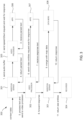
- FIG. 6 is flow diagram of a data pipeline process, according to an embodiment.
- Process 600 can implemented using wearable multimedia devices 101 and cloud computing platform 102 described in reference to FIGS. 1-5 .
- Process 600 can begin by receiving context data from a wearable multimedia device (601).
- the context data can include video, audio and still images captured by a camera and audio subsystem of the wearable multimedia device.
- Process 600 can continue by creating (e.g., instantiating) a data processing pipeline with applications based on the context data and user requests/preferences (602). For example, based in user requests or preferences, and also based on the data type (e.g., audio, video, photo), one or more applications can be logically connected to form data processing pipeline to process the context data into a presentation to be playback on the wearable multimedia device or another device.
- a data processing pipeline e.g., instantiating
- applications based on the context data and user requests/preferences (602). For example, based in user requests or preferences, and also based on the data type (e.g., audio, video, photo), one or more applications can be logically connected to form data processing pipeline to process the context data into a presentation to be playback on the wearable multimedia device or another device.
- the data type e.g., audio, video, photo
- Process 600 can continue by processing the context data in the data processing pipeline (603). For example, speech from user commentary during a moment or transaction can be converted into text, which is then used to label objects in a video clip.
- Process 600 can continue by sending the output of the data processing pipeline to the wearable multimedia device and/or other playback device (604).
- FIG. 7 is an example architecture 700 for cloud computing platform 102 described in reference to FIGS. 1-6 , according to an embodiment.
- architecture 700 includes one or more processor(s) 702 (e.g., dual-core Intel ® Xeon ® Processors), one or more network interface(s) 706, one or more storage device(s) 704 (e.g., hard disk, optical disk, flash memory) and one or more computer-readable medium(s) 708 (e.g., hard disk, optical disk, flash memory, etc.).
- processor(s) 702 e.g., dual-core Intel ® Xeon ® Processors
- network interface(s) 706 e.g., hard disk, optical disk, flash memory
- computer-readable medium(s) 708 e.g., hard disk, optical disk, flash memory, etc.
- These components can exchange communications and data over one or more communication channel(s) 710 (e.g., buses), which can utilize various hardware and software for facilitating the transfer of data
- computer-readable medium refers to any medium that participates in providing instructions to processor(s) 702 for execution, including without limitation, non-volatile media (e.g., optical or magnetic disks), volatile media (e.g., memory) and transmission media.
- Transmission media includes, without limitation, coaxial cables, copper wire and fiber optics.
- Computer-readable medium(s) 708 can further include operating system 712 (e.g., Mac OS ® server, Windows ® NT server, Linux Server), network communication module 714, interface instructions 716 and data processing instructions 718.
- operating system 712 e.g., Mac OS ® server, Windows ® NT server, Linux Server
- Operating system 712 can be multi-user, multiprocessing, multitasking, multithreading, real time, etc. Operating system 712 performs basic tasks, including but not limited to: recognizing input from and providing output to devices 702, 704, 706 and 708; keeping track and managing files and directories on computer-readable medium(s) 708 (e.g., memory or a storage device); controlling peripheral devices; and managing traffic on the one or more communication channel(s) 710.
- Network communications module 714 includes various components for establishing and maintaining network connections (e.g., software for implementing communication protocols, such as TCP/IP, HTTP, etc.) and for creating a distributed streaming platform using, for example, Apache Kafka TM .
- Data processing instructions 716 include server-side or backend software for implementing the server-side operations, as described in reference to FIGS. 1-6 .
- Interface instructions 718 includes software for implementing a web server and/or portal for sending and receiving data to and from wearable multimedia devices 101, third party application developers 104 and third party platforms 105, as described in reference to FIG. 1 .
- Architecture 700 can be included in any computer device, including one or more server computers in a local or distributed network each having one or more processing cores.
- Architecture 700 can be implemented in a parallel processing or peer-to-peer infrastructure or on a single device with one or more processors.
- Software can include multiple software components or can be a single body of code.
- FIG. 8 is a block diagram of example architecture 800 for a wearable multimedia device implementing the features and processes described in reference to FIGS. 1-6 .
- Architecture 800 may be implemented in any wearable multimedia device 101 for implementing the features and processors described in reference to FIGS. 1-6 .
- Architecture 800 may include memory interface 802, data processor(s), image processor(s) or central processing unit(s) 804, and peripherals interface 806.
- Memory interface 802, processor(s) 804 or peripherals interface 806 may be separate components or may be integrated in one or more integrated circuits.
- One or more communication buses or signal lines may couple the various components.
- Sensors, devices, and subsystems may be coupled to peripherals interface 806 to facilitate multiple functions.
- motion sensor(s) 810, biometric sensor(s) 812, depth sensor 814 may be coupled to peripherals interface 806 to facilitate motion, orientation, biometric and depth detection functions.
- motion sensor(s) 810 e.g., an accelerometer, rate gyroscope
- peripherals interface 806 Other sensors may also be connected to peripherals interface 806, such as environmental sensor(s) (e.g., temperature sensor, barometer, ambient light) to facilitate environment sensing functions.
- environmental sensor(s) e.g., temperature sensor, barometer, ambient light
- a biometric sensor can detect fingerprints, face recognition, heart rate and other fitness parameters.
- a haptic motor (not shown) can be coupled to the peripheral interface, which can provide vibration patterns as haptic feedback to the user.
- Location processor 815 e.g., GNSS receiver chip
- Electronic magnetometer 816 e.g., an integrated circuit chip
- peripherals interface 806 may also be connected to peripherals interface 806 to provide data that may be used to determine the direction of magnetic North.
- electronic magnetometer 816 may be used by an electronic compass application.
- Camera subsystem 820 and an optical sensor 822 may be utilized to facilitate camera functions, such as recording photographs and video clips.
- the camera has a 180° FOV and OIS.
- the depth sensor can include an infrared emitter that projects dots in a known pattern onto an object/subject. The dots are then photographed by a dedicated infrared camera and analyzed to determine depth data.
- a time-of-flight (TOF) camera can be used resolve distance based on the known speed of light and measuring the time-of-flight of a light signal between the camera and an object/subject for each point of the image.
- TOF time-of-flight
- Communication functions may be facilitated through one or more communication subsystems 824.
- Communication subsystem(s) 824 may include one or more wireless communication subsystems.
- Wireless communication subsystems 824 may include radio frequency receivers and transmitters and/or optical (e.g., infrared) receivers and transmitters.
- Wired communication systems may include a port device, e.g., a Universal Serial Bus (USB) port or some other wired port connection that may be used to establish a wired connection to other computing devices, such as other communication devices, network access devices, a personal computer, a printer, a display screen, or other processing devices capable of receiving or transmitting data (e.g., laser projector).
- USB Universal Serial Bus
- a device may include wireless communication subsystems designed to operate over a global system for mobile communications (GSM) network, a GPRS network, an enhanced data GSM environment (EDGE) network, IEEE802.
- GSM global system for mobile communications
- EDGE enhanced data GSM environment
- xx communication networks e.g., WiFi, WiMax, ZigBee TM
- 3G, 4G, 4G LTE code division multiple access (CDMA) networks
- NFC near field communication
- Wi-Fi Direct a Bluetooth TM network.
- Wireless communication subsystems 824 may include hosting protocols such that the device may be configured as a base station for other wireless devices.
- the communication subsystems may allow the device to synchronize with a host device using one or more protocols or communication technologies, such as, for example, TCP/IP protocol, HTTP protocol, UDP protocol, ICMP protocol, POP protocol, FTP protocol, IMAP protocol, DCOM protocol, DDE protocol, SOAP protocol, HTTP Live Streaming, MPEG Dash and any other known communication protocol or technology.
- protocols or communication technologies such as, for example, TCP/IP protocol, HTTP protocol, UDP protocol, ICMP protocol, POP protocol, FTP protocol, IMAP protocol, DCOM protocol, DDE protocol, SOAP protocol, HTTP Live Streaming, MPEG Dash and any other known communication protocol or technology.
- Audio subsystem 826 may be coupled to a speaker 828 and one or more microphones 830 to facilitate voice-enabled functions, such as voice recognition, voice replication, digital recording, telephony functions and beamforming.
- I/O subsystem 840 may include touch controller 842 and/or another input controller(s) 844.
- Touch controller 842 may be coupled to a touch surface 846.
- Touch surface 846 and touch controller 842 may, for example, detect contact and movement or break thereof using any of a number of touch sensitivity technologies, including but not limited to, capacitive, resistive, infrared, and surface acoustic wave technologies, as well as other proximity sensor arrays or other elements for determining one or more points of contact with touch surface 846.
- touch surface 846 may display virtual or soft buttons, which may be used as an input/output device by the user.
- Other input controller(s) 844 may be coupled to other input/control devices 848, such as one or more buttons, rocker switches, thumb-wheel, infrared port, USB port, and/or a pointer device such as a stylus.
- the one or more buttons may include an up/down button for volume control of speaker 828 and/or microphone 830.
- device 800 plays back to a user recorded audio and/or video files, such as MP3, AAC, and MPEG video files.
- device 800 may include the functionality of an MP3 player and may include a pin connector or other port for tethering to other devices. Other input/output and control devices may be used.
- device 800 may include an audio processing unit for streaming audio to an accessory device over a direct or indirect communication link.
- Memory interface 802 may be coupled to memory 850.
- Memory 850 may include high-speed random access memory or non-volatile memory, such as one or more magnetic disk storage devices, one or more optical storage devices, or flash memory (e.g., NAND, NOR).
- Memory 850 may store operating system 852, such as Darwin, RTXC, LINUX, UNIX, OS X, iOS, WINDOWS, or an embedded operating system such as VxWorks.
- Operating system 852 may include instructions for handling basic system services and for performing hardware dependent tasks.
- operating system 852 may include a kernel (e.g., UNIX kernel).
- Memory 850 may also store communication instructions 854 to facilitate communicating with one or more additional devices, one or more computers or servers, including peer-to-peer communications with wireless accessory devices, as described in reference to FIGS. 1-6 .
- Communication instructions 854 may also be used to select an operational mode or communication medium for use by the device, based on a geographic location of the device.
- Memory 850 may include sensor processing instructions 858 to facilitate sensor-related processing and functions and recorder instructions 860 to facilitate recording functions, as described in reference to FIGS. 1-6 .
- Other instructions can include GNSS/Navigation instructions to facilitate GNSS and navigation-related processes, camera instructions to facilitate camera-related processes and user interface instructions to facilitate user interface processing, including a touch model for interpreting touch inputs.
- Each of the above identified instructions and applications may correspond to a set of instructions for performing one or more functions described above. These instructions need not be implemented as separate software programs, procedures, or modules. Memory 850 may include additional instructions or fewer instructions. Furthermore, various functions of the device may be implemented in hardware and/or in software, including in one or more signal processing and/or application specific integrated circuits (ASICs).
- ASICs application specific integrated circuits
- the features described may be implemented in digital electronic circuitry or in computer hardware, firmware, software, or in combinations of them.
- the features may be implemented in a computer program product tangibly embodied in an information carrier, e.g., in a machine-readable storage device, for execution by a programmable processor.
- Method steps may be performed by a programmable processor executing a program of instructions to perform functions of the described implementations by operating on input data and generating output.
- the described features may be implemented advantageously in one or more computer programs that are executable on a programmable system including at least one programmable processor coupled to receive data and instructions from, and to transmit data and instructions to, a data storage system, at least one input device, and at least one output device.
- a computer program is a set of instructions that may be used, directly or indirectly, in a computer to perform a certain activity or bring about a certain result.
- a computer program may be written in any form of programming language (e.g., Objective-C, Java), including compiled or interpreted languages, and it may be deployed in any form, including as a stand-alone program or as a module, component, subroutine, or other unit suitable for use in a computing environment.
- Suitable processors for the execution of a program of instructions include, by way of example, both general and special purpose microprocessors, and the sole processor or one of multiple processors or cores, of any kind of computer.
- a processor will receive instructions and data from a read-only memory or a random-access memory or both.
- the essential elements of a computer are a processor for executing instructions and one or more memories for storing instructions and data.
- a computer may communicate with mass storage devices for storing data files. These mass storage devices may include magnetic disks, such as internal hard disks and removable disks; magneto-optical disks; and optical disks.
- Storage devices suitable for tangibly embodying computer program instructions and data include all forms of non-volatile memory, including by way of example, semiconductor memory devices, such as EPROM, EEPROM, and flash memory devices; magnetic disks such as internal hard disks and removable disks; magneto-optical disks; and CD-ROM and DVD-ROM disks.
- semiconductor memory devices such as EPROM, EEPROM, and flash memory devices
- magnetic disks such as internal hard disks and removable disks
- magneto-optical disks and CD-ROM and DVD-ROM disks.
- the processor and the memory may be supplemented by, or incorporated in, ASICs (application-specific integrated circuits).
- ASICs application-specific integrated circuits
- the features may be implemented on a computer having a display device such as a CRT (cathode ray tube), LED (light emitting diode) or LCD (liquid crystal display) display or monitor for displaying information to the author, a keyboard and a pointing device, such as a mouse or a trackball by which the author may provide input to the computer.
- a display device such as a CRT (cathode ray tube), LED (light emitting diode) or LCD (liquid crystal display) display or monitor for displaying information to the author, a keyboard and a pointing device, such as a mouse or a trackball by which the author may provide input to the computer.
- a display device such as a CRT (cathode ray tube), LED (light emitting diode) or LCD (liquid crystal display) display or monitor for displaying information to the author
- a keyboard and a pointing device such as a mouse or a trackball by which the author may provide input to the computer.
- An API may define on or more parameters that are passed between a calling application and other software code (e.g., an operating system, library routine, function) that provides a service, that provides data, or that performs an operation or a computation.
- the API may be implemented as one or more calls in program code that send or receive one or more parameters through a parameter list or other structure based on a call convention defined in an API specification document.
- a parameter may be a constant, a key, a data structure, an object, an object class, a variable, a data type, a pointer, an array, a list, or another call.
- API calls and parameters may be implemented in any programming language.
- the programming language may define the vocabulary and calling convention that a programmer will employ to access functions supporting the API.
- an API call may report to an application the capabilities of a device running the application, such as input capability, output capability, processing capability, power capability, communications capability, etc.
Landscapes
- Engineering & Computer Science (AREA)
- Multimedia (AREA)
- Signal Processing (AREA)
- Theoretical Computer Science (AREA)
- Business, Economics & Management (AREA)
- General Physics & Mathematics (AREA)
- Physics & Mathematics (AREA)
- Computer Networks & Wireless Communication (AREA)
- Accounting & Taxation (AREA)
- General Business, Economics & Management (AREA)
- Strategic Management (AREA)
- Human Computer Interaction (AREA)
- General Engineering & Computer Science (AREA)
- Finance (AREA)
- Environmental & Geological Engineering (AREA)
- Software Systems (AREA)
- General Health & Medical Sciences (AREA)
- Audiology, Speech & Language Pathology (AREA)
- Health & Medical Sciences (AREA)
- Computer Security & Cryptography (AREA)
- Evolutionary Computation (AREA)
- Data Mining & Analysis (AREA)
- Artificial Intelligence (AREA)
- Computing Systems (AREA)
- Mathematical Physics (AREA)
- Computer Vision & Pattern Recognition (AREA)
- Medical Informatics (AREA)
- User Interface Of Digital Computer (AREA)
- Two-Way Televisions, Distribution Of Moving Picture Or The Like (AREA)
- Studio Devices (AREA)
- Information Transfer Between Computers (AREA)
- Computational Linguistics (AREA)
Claims (11)
- Verfahren, umfassend:Empfangen (601) einer Mehrzahl von Datenströmen durch einen Ingest-Server (205, 301) einer Cloud-Computing-Plattform (102), wobei jeder Datenstrom separat gesendet wird, eine eindeutige Stromkennung aufweist und ein diskretes Element von Kontextdaten ist, die von einer tragbaren Multimedia-Vorrichtung empfangen werden, wobei die tragbare Multimedia-Vorrichtung mindestens eine Datenerfassungsvorrichtung zum Erfassen der Kontextdaten umfasst und ein Recorder (201), der auf der tragbaren Multimedia-Vorrichtung läuft, Video-, Audio- und Fotodaten als die Kontextdaten aufzeichnet und die Kontextdaten in Puffern (202, 203, 204) speichert;Senden der Mehrzahl von Datenströmen durch den Ingest-Server (205, 301) an einen oder mehrere Prozessoren (207, 208, 209), die jeden der Datenströme, der basierend auf der eindeutigen Stromkennung als geeignet bestimmt wird, entsprechend verarbeiten und durch den Ingest-Server einen Stromdatensatz in einem Datenspeicher (206) erstellen, um Ergebnisse des einen oder der mehreren Prozessoren zu speichern;Erstellen einer Datenverarbeitungspipeline (300) durch den einen oder die mehreren Prozessoren, die so ausgelegt ist, dass sie die Mehrzahl von Datenströmen verarbeitet, wobei das Verarbeiten der Mehrzahl von Datenströmen an der Datenverarbeitungspipeline ein Senden eines jeweiligen Stroms aus der Mehrzahl von Datenströmen vom Ingest-Server (205, 301) der Cloud-Computing-Plattform an einen jeweiligen Prozessor umfasst, wobei der jeweilige Prozessor den jeweiligen Strom basierend auf einer oder mehreren Charakteristiken der Kontextdaten und einer jeweiligen eindeutigen Stromkennung an eine jeweilige Anwendung einer oder mehrerer Anwendungen (211, 212) sendet, wobei die eine oder mehrere Anwendungen von dem einen oder den mehreren Prozessoren ausgeführt werden und einem Anwendungsökosystem angehören, das von der Cloud-Computing-Plattform gehostet und verwaltet wird; Verarbeiten (603) der Kontextdaten durch den einen oder die mehreren Prozessoren über die Datenverarbeitungspipeline, wobei das Verarbeiten der Kontextdaten Folgendes umfasst:Übertragen des Audiostroms, der von einem Audiopuffer der tragbaren Multimedia-Vorrichtung empfangen wird, durch den Ingest-Server (205, 301) an einen Audioprozessor (208);Senden des Audiostroms durch den Audioprozessor (208) an eine Audioverarbeitungsanwendung, die Sprache-in-Text-Umwandlung durchführt und geparsten Text an den Audioprozessor zurückgibt, wobei der Audiostrom eine Benutzeranforderung in Form von Sprache enthält,Zurückgeben des geparsten Textes durch den Audioprozessor an den Ingest-Server (205, 301),Empfangen von geparstem Text durch einen Videoprozessor vom Ingest-Server (205, 301),Identifizieren eines Objekts in einer Videoszene in einer Videoverarbeitungsanwendung, die die vom Videoprozessor gesendete Videoszene verarbeitet, und Kennzeichnen des Objekts basierend auf dem geparsten Text;Senden einer Antwort, die die Videoszene beschreibt, durch die Videoverarbeitungsanwendung an den Videoprozessor,Weiterleiten der Antwort durch den Videoprozessor an den Ingest-Server (205, 301),Senden der Antwort durch den Ingest-Server (205, 301) an einen Datenzusammenführungsprozess, undErzeugen einer Szenenbeschreibung mit Text, der das in der Videoszene identifizierte Objekt und einen Kartenstandort beschreibt, unter Verwendung des Datenzusammenführungsprozesses, wobei der Datenzusammenführungsprozess die Antwort mit einem Standort, einer Ausrichtung und Kartendaten eines Benutzers zusammenführt;Senden der Szenenbeschreibung durch den einen oder die mehreren Prozessoren an den Recorder; undZuordnen der Szenenbeschreibung durch den Recorder zu Multimediadaten, die auf der tragbaren Multimedia-Vorrichtung gespeichert sind.
- Verfahren nach Anspruch 1, wobei das Verarbeiten ferner Folgendes umfasst:Bestimmen, dass das Audio die Benutzeranforderung in Form von Sprache umfasst;Umwandeln der Sprache in Text;Senden des Textes an einen Transportdienstprozessor;Empfangen einer Datenstruktur gemäß dem Text;Einrichten eines Rückrufs zum Überprüfen eines Transportstatus; undSenden des Transportstatus und einer Beschreibung eines Fahrzeugs an die tragbare Multimedia-Vorrichtung oder eine andere Vorrichtung.
- Verfahren nach Anspruch 1, wobei die Kontextdaten Punktwolkendaten umfassen, wobei die eine oder die mehreren Anwendungen eine Anwendung für virtuelle Realität, VR, oder erweiterte Realität, AR, umfassen und das Verarbeiten ferner Folgendes umfasst:Erzeugen von VR- oder AR-Inhalt durch die VR- oder AR-Anwendung basierend auf dem Video; undSenden des VR- oder AR-Inhalts an die tragbare Multimedia-Vorrichtung oder eine andere Vorrichtung.
- Verfahren nach Anspruch 1, wobei die eine oder die mehreren Anwendungen eine Anwendung für künstliche Intelligenz umfassen und das Verarbeiten ferner Folgendes umfasst:Bestimmen einer Benutzerpräferenz aus einem früheren Verlauf von Benutzeranforderungen durch die Anwendung für künstliche Intelligenz; undVerarbeiten der Kontextdaten durch die eine oder die mehreren Anwendungen gemäß der Benutzerpräferenz.
- Verfahren nach Anspruch 1, wobei die Kontextdaten ein oder mehrere Bilder umfassen, wobei die eine oder die mehreren Anwendungen eine Lokalisierungsanwendung umfassen und das Verarbeiten ferner Folgendes umfasst:Bestimmen eines Standorts der tragbaren Multimedia-Vorrichtung durch die Lokalisierungsanwendung basierend auf dem einen oder den mehreren Bildern; undSenden des Standorts an die tragbare Multimedia-Vorrichtung oder eine andere Vorrichtung.
- Verfahren nach Anspruch 1, wobei die Kontextdaten Finanztransaktionsdaten für eine Finanztransaktion, biometrische Daten und Standortdaten umfassen, die einen Standort der Finanztransaktion anzeigen, wobei die eine oder die mehreren Anwendungen eine Finanzanwendung umfassen und das Verarbeiten ferner Folgendes umfasst:Erstellen eines Finanzdatensatzes der Finanztransaktion durch die Finanzanwendung basierend auf den Finanztransaktionsdaten, den biometrischen Daten und den Standortdaten; undSenden des Finanzdatensatzes an die tragbare Multimedia-Vorrichtung oder eine andere Vorrichtung.
- Verfahren nach Anspruch 1, wobei die Kontextdaten Umgebungssensordaten umfassen, die eine oder die mehreren Anwendungen eine Umgebungsanwendung umfassen und das Verarbeiten ferner Folgendes umfasst:Erzeugen von Inhalt durch die Umweltanwendung, der mit einer Betriebsumgebung der tragbaren Multimedia-Vorrichtung assoziiert ist, basierend auf Umgebungssensordaten; undSenden des Inhalts an die tragbare Multimedia-Vorrichtung oder eine andere Vorrichtung.
- Verfahren nach Anspruch 1, wobei die Kontextdaten Video und Audio umfassen, die eine oder mehrere Anwendungen eine Videobearbeitungsanwendung umfassen und das Verarbeiten ferner Folgendes umfasst:Bearbeiten des Videos und Audios gemäß einer Benutzeranforderung oder Benutzerpräferenz für einen bestimmten Filmstil; undSenden des bearbeiteten Videos und Audios an die tragbare Multimedia-Vorrichtung oder eine andere Vorrichtung.
- System, umfassend:einen oder mehrere Prozessoren;Speicher, der Anweisungen speichert, die bei Ausführung durch den einen oder die mehreren Prozessoren den einen oder die mehreren Prozessoren zum Durchführen des Verfahrens nach einem der Ansprüche 1 bis 8 veranlassen.
- System nach Anspruch 9, wobei die Cloud-Computing-Plattform eine verteilte Streaming-Plattform ist.
- Nicht-transitorisches, computerlesbares Speichermedium mit darauf gespeicherten Anweisungen, die bei Ausführung durch einen oder mehrere Prozessoren den einen oder die mehreren Prozessoren zum Durchführen des Verfahrens nach einem der Ansprüche 1 bis 8 veranlassen.
Priority Applications (1)
| Application Number | Priority Date | Filing Date | Title |
|---|---|---|---|
| EP24220238.0A EP4557186A1 (de) | 2017-05-10 | 2018-05-10 | Tragbares multimediagerät und cloud-computing-plattform mit anwendungsökosystem |
Applications Claiming Priority (2)
| Application Number | Priority Date | Filing Date | Title |
|---|---|---|---|
| US201762504488P | 2017-05-10 | 2017-05-10 | |
| PCT/US2018/032089 WO2018209105A2 (en) | 2017-05-10 | 2018-05-10 | Wearable multimedia device and cloud computing platform with application ecosystem |
Related Child Applications (1)
| Application Number | Title | Priority Date | Filing Date |
|---|---|---|---|
| EP24220238.0A Division EP4557186A1 (de) | 2017-05-10 | 2018-05-10 | Tragbares multimediagerät und cloud-computing-plattform mit anwendungsökosystem |
Publications (3)
| Publication Number | Publication Date |
|---|---|
| EP3622703A2 EP3622703A2 (de) | 2020-03-18 |
| EP3622703A4 EP3622703A4 (de) | 2021-03-17 |
| EP3622703B1 true EP3622703B1 (de) | 2024-11-20 |
Family
ID=64096693
Family Applications (2)
| Application Number | Title | Priority Date | Filing Date |
|---|---|---|---|
| EP18798577.5A Active EP3622703B1 (de) | 2017-05-10 | 2018-05-10 | Tragbares multimediagerät und cloud-computing-plattform mit anwendungsökosystem |
| EP24220238.0A Pending EP4557186A1 (de) | 2017-05-10 | 2018-05-10 | Tragbares multimediagerät und cloud-computing-plattform mit anwendungsökosystem |
Family Applications After (1)
| Application Number | Title | Priority Date | Filing Date |
|---|---|---|---|
| EP24220238.0A Pending EP4557186A1 (de) | 2017-05-10 | 2018-05-10 | Tragbares multimediagerät und cloud-computing-plattform mit anwendungsökosystem |
Country Status (7)
| Country | Link |
|---|---|
| US (5) | US10924651B2 (de) |
| EP (2) | EP3622703B1 (de) |
| JP (2) | JP7379326B2 (de) |
| KR (3) | KR20260019034A (de) |
| CN (2) | CN111033444B (de) |
| CA (1) | CA3063365A1 (de) |
| WO (1) | WO2018209105A2 (de) |
Families Citing this family (25)
| Publication number | Priority date | Publication date | Assignee | Title |
|---|---|---|---|---|
| US10924651B2 (en) | 2017-05-10 | 2021-02-16 | Humane, Inc. | Wearable multimedia device and cloud computing platform with application ecosystem |
| US12230029B2 (en) | 2017-05-10 | 2025-02-18 | Humane, Inc. | Wearable multimedia device and cloud computing platform with laser projection system |
| US11656922B2 (en) * | 2018-01-29 | 2023-05-23 | Microsoft Technology Licensing, Llc | Personalized notification brokering |
| US10489639B2 (en) | 2018-02-12 | 2019-11-26 | Avodah Labs, Inc. | Automated sign language translation and communication using multiple input and output modalities |
| US10304208B1 (en) * | 2018-02-12 | 2019-05-28 | Avodah Labs, Inc. | Automated gesture identification using neural networks |
| US11676220B2 (en) | 2018-04-20 | 2023-06-13 | Meta Platforms, Inc. | Processing multimodal user input for assistant systems |
| US11886473B2 (en) | 2018-04-20 | 2024-01-30 | Meta Platforms, Inc. | Intent identification for agent matching by assistant systems |
| US20190327330A1 (en) | 2018-04-20 | 2019-10-24 | Facebook, Inc. | Building Customized User Profiles Based on Conversational Data |
| US11307880B2 (en) | 2018-04-20 | 2022-04-19 | Meta Platforms, Inc. | Assisting users with personalized and contextual communication content |
| US11715042B1 (en) | 2018-04-20 | 2023-08-01 | Meta Platforms Technologies, Llc | Interpretability of deep reinforcement learning models in assistant systems |
| US10949861B2 (en) * | 2019-04-16 | 2021-03-16 | Caastle, Inc. | Systems and methods for deriving platform feedback data for dynamic retrieval by downstream subsystems |
| CA3144257A1 (en) * | 2019-06-18 | 2020-12-24 | Humane, Inc. | Portable battery pack for wirelessly charging body-worn devices through clothing |
| US11722013B1 (en) | 2020-05-29 | 2023-08-08 | Humane, Inc. | Portable battery pack for wirelessly charging and communicating with portable electronic device through clothing |
| WO2022022668A1 (en) * | 2020-07-31 | 2022-02-03 | Pine Field Holding Incorporated | Spatial and context aware software applications using digital enclosures bound to physical spaces |
| US11899840B2 (en) * | 2021-03-23 | 2024-02-13 | Lenovo (Singapore) Pte. Ltd. | Haptic emulation of input device |
| CN117322001A (zh) * | 2021-05-11 | 2023-12-29 | 三星电子株式会社 | 用于提供媒体服务的方法和装置 |
| US20230015697A1 (en) * | 2021-07-13 | 2023-01-19 | Citrix Systems, Inc. | Application programming interface (api) authorization |
| CN113709506A (zh) * | 2021-08-26 | 2021-11-26 | 北京百度网讯科技有限公司 | 基于云手机的多媒体播放方法、装置、介质及程序产品 |
| US11895368B2 (en) * | 2022-03-04 | 2024-02-06 | Humane, Inc. | Generating, storing, and presenting content based on a memory metric |
| CN114615431B (zh) * | 2022-03-11 | 2023-09-19 | 联想(北京)有限公司 | 多媒体数据处理方法、装置、终端及存储介质 |
| JP2023136237A (ja) * | 2022-03-16 | 2023-09-29 | 株式会社リコー | ウエアラブル機器、作業支援装置、情報処理システム、及び作業支援システム |
| US11740689B1 (en) | 2022-06-16 | 2023-08-29 | Apple Inc. | Electronic devices with projectors |
| US12556802B2 (en) | 2024-07-30 | 2026-02-17 | Dell Products L.P. | Image capturing using a display free body wearable computing device |
| US12541881B1 (en) | 2024-07-30 | 2026-02-03 | Dell Products L.P. | Managing operation of a display free body wearable computing device |
| US12608041B2 (en) | 2024-07-30 | 2026-04-21 | Dell Products L.P. | Facilitating visual intent using a display free body wearable computing device |
Family Cites Families (56)
| Publication number | Priority date | Publication date | Assignee | Title |
|---|---|---|---|---|
| US20020007510A1 (en) * | 1998-10-29 | 2002-01-24 | Mann W. Stephen G. | Smart bathroom fixtures and systems |
| US6842877B2 (en) | 1998-12-18 | 2005-01-11 | Tangis Corporation | Contextual responses based on automated learning techniques |
| JP2002133588A (ja) * | 2000-10-18 | 2002-05-10 | Mitsubishi Heavy Ind Ltd | タクシー配車運用システムおよび配車方法、ならびに配車用プログラムを記録した記録媒体 |
| US9100493B1 (en) | 2011-07-18 | 2015-08-04 | Andrew H B Zhou | Wearable personal digital device for facilitating mobile device payments and personal use |
| US9342829B2 (en) * | 2002-10-01 | 2016-05-17 | Andrew H B Zhou | Systems and methods for mobile application, wearable application, transactional messaging, calling, digital multimedia capture and payment transactions |
| EP1784978B1 (de) | 2004-08-30 | 2010-11-10 | Bauhaus-Universität Weimar | Verfahren und vorrichtung zur darstellung eines digitalen bildes auf einer geometrisch und photometrisch nicht-trivialen oberfläche |
| US9318108B2 (en) * | 2010-01-18 | 2016-04-19 | Apple Inc. | Intelligent automated assistant |
| US20090238538A1 (en) * | 2008-03-20 | 2009-09-24 | Fink Franklin E | System and method for automated compilation and editing of personalized videos including archived historical content and personal content |
| JP5220451B2 (ja) * | 2008-03-26 | 2013-06-26 | 日本電気株式会社 | 電話受付システム、電話受付方法、プログラム、及び記録媒体 |
| US9569001B2 (en) | 2009-02-03 | 2017-02-14 | Massachusetts Institute Of Technology | Wearable gestural interface |
| AU2011220382A1 (en) | 2010-02-28 | 2012-10-18 | Microsoft Corporation | Local advertising content on an interactive head-mounted eyepiece |
| JP2011239141A (ja) * | 2010-05-10 | 2011-11-24 | Sony Corp | 情報処理方法、情報処理装置、情景メタデータ抽出装置、欠損補完情報生成装置及びプログラム |
| US9760123B2 (en) | 2010-08-06 | 2017-09-12 | Dynavox Systems Llc | Speech generation device with a projected display and optical inputs |
| US20120041675A1 (en) | 2010-08-10 | 2012-02-16 | Steven Juliver | Method and System for Coordinating Transportation Service |
| US20120257035A1 (en) | 2011-04-08 | 2012-10-11 | Sony Computer Entertainment Inc. | Systems and methods for providing feedback by tracking user gaze and gestures |
| CN103907357B (zh) * | 2011-08-26 | 2018-04-27 | 谷歌有限责任公司 | 用于呈现视频流的系统和方法 |
| CN115167675A (zh) | 2011-09-19 | 2022-10-11 | 视力移动技术有限公司 | 增强现实设备 |
| US9619852B2 (en) * | 2012-04-17 | 2017-04-11 | Zighra Inc. | Context-dependent authentication system, method and device |
| JP6040564B2 (ja) | 2012-05-08 | 2016-12-07 | ソニー株式会社 | 画像処理装置、投影制御方法及びプログラム |
| US9066200B1 (en) * | 2012-05-10 | 2015-06-23 | Longsand Limited | User-generated content in a virtual reality environment |
| US20150237300A1 (en) * | 2012-09-25 | 2015-08-20 | Indika Charles Mendis | On Demand Experience Sharing for Wearable Computing Devices |
| JP6155448B2 (ja) | 2012-11-01 | 2017-07-05 | アイカム エルエルシー | 3d撮像し、マッピングし、ネットワーク化しおよびインタフェースするための無線手首コンピューティングおよびコントロールするデバイスおよび方法 |
| JP2013083985A (ja) | 2012-11-20 | 2013-05-09 | Casio Comput Co Ltd | 投影装置、投影方法及びプログラム |
| CN105027562B (zh) | 2012-12-28 | 2019-02-22 | 苹果公司 | 用于将数字信息投影到真实环境中的真实对象上的方法和系统 |
| US20140281975A1 (en) | 2013-03-15 | 2014-09-18 | Glen J. Anderson | System for adaptive selection and presentation of context-based media in communications |
| US9955286B2 (en) * | 2013-05-08 | 2018-04-24 | Natalya Segal | Smart wearable devices and system therefor |
| JP6219504B2 (ja) | 2013-10-25 | 2017-10-25 | インテル コーポレイション | ユーザ体験をキャプチャおよび生成するための装置及び方法 |
| US9794475B1 (en) * | 2014-01-29 | 2017-10-17 | Google Inc. | Augmented video capture |
| JP5773003B2 (ja) | 2014-02-18 | 2015-09-02 | 沖電気工業株式会社 | 表示制御装置、表示制御方法及びプログラム |
| US20160360160A1 (en) * | 2014-02-23 | 2016-12-08 | Catch Motion Inc. | Person wearable photo experience aggregator apparatuses, methods and systems |
| US9405979B2 (en) * | 2014-04-10 | 2016-08-02 | Smartvue Corporation | Systems and methods for automated cloud-based analytics and 3-dimensional (3D) display for surveillance systems |
| CN204048340U (zh) | 2014-04-28 | 2014-12-31 | 京东方科技集团股份有限公司 | 穿戴式投影设备 |
| JP6500477B2 (ja) | 2015-02-12 | 2019-04-17 | セイコーエプソン株式会社 | 頭部装着型表示装置、制御システム、頭部装着型表示装置の制御方法、および、コンピュータープログラム |
| AU2015292789A1 (en) | 2014-07-21 | 2017-03-16 | Beam Authentic, Inc. | Wearable display devices |
| CA2962452A1 (en) * | 2014-07-28 | 2016-02-04 | Beam Authentic, Inc. | Mountable display devices |
| WO2016018044A1 (en) | 2014-07-31 | 2016-02-04 | Samsung Electronics Co., Ltd. | Wearable device and method of controlling the same |
| US20160189051A1 (en) * | 2014-12-23 | 2016-06-30 | Junayd Fahim Mahmood | Method of conditionally prompting wearable sensor users for activity context in the presence of sensor anomalies |
| US10677924B2 (en) | 2015-06-23 | 2020-06-09 | Mezmeriz, Inc. | Portable panoramic laser mapping and/or projection system |
| US10691476B2 (en) | 2015-06-27 | 2020-06-23 | Mcafee, Llc | Protection of sensitive data |
| JP6693060B2 (ja) * | 2015-07-06 | 2020-05-13 | セイコーエプソン株式会社 | 表示システム、表示装置、表示装置の制御方法、及び、プログラム |
| US10176642B2 (en) | 2015-07-17 | 2019-01-08 | Bao Tran | Systems and methods for computer assisted operation |
| US10527491B2 (en) * | 2015-08-25 | 2020-01-07 | The Joan and Irwin Jacobs Technion-Cornell Innovation Institute | Methods, systems, and apparatuses for accurate measurement and real-time feedback of solar ultraviolet exposure |
| US11106273B2 (en) | 2015-10-30 | 2021-08-31 | Ostendo Technologies, Inc. | System and methods for on-body gestural interfaces and projection displays |
| CN105338117B (zh) * | 2015-11-27 | 2018-05-29 | 亮风台(上海)信息科技有限公司 | 用于生成ar应用和呈现ar实例的方法、设备与系统 |
| JP2017120329A (ja) | 2015-12-28 | 2017-07-06 | 株式会社ブリリアントサービス | 調理用ヘッドマウントディスプレイおよび調理用ヘッドマウントディスプレイのプログラム |
| US20170206899A1 (en) * | 2016-01-20 | 2017-07-20 | Fitbit, Inc. | Better communication channel for requests and responses having an intelligent agent |
| CN114327043B (zh) | 2016-02-02 | 2024-10-18 | 索尼公司 | 信息处理装置、信息处理方法和记录介质 |
| JP6226020B2 (ja) * | 2016-04-28 | 2017-11-08 | ソニー株式会社 | 車載装置、情報処理方法および情報処理システム |
| US10295972B2 (en) | 2016-04-29 | 2019-05-21 | Brain Corporation | Systems and methods to operate controllable devices with gestures and/or noises |
| US10325407B2 (en) * | 2016-09-15 | 2019-06-18 | Microsoft Technology Licensing, Llc | Attribute detection tools for mixed reality |
| JP6774367B2 (ja) | 2017-04-11 | 2020-10-21 | 富士フイルム株式会社 | ヘッドマウントディスプレイの制御装置とその作動方法および作動プログラム、並びに画像表示システム |
| US10924651B2 (en) | 2017-05-10 | 2021-02-16 | Humane, Inc. | Wearable multimedia device and cloud computing platform with application ecosystem |
| US12230029B2 (en) | 2017-05-10 | 2025-02-18 | Humane, Inc. | Wearable multimedia device and cloud computing platform with laser projection system |
| JP2019032495A (ja) | 2017-08-10 | 2019-02-28 | キヤノン株式会社 | 画像投射装置 |
| US10812422B2 (en) * | 2017-08-31 | 2020-10-20 | Rpx Corporation | Directional augmented reality system |
| US11983461B2 (en) * | 2020-03-26 | 2024-05-14 | Snap Inc. | Speech-based selection of augmented reality content for detected objects |
-
2018
- 2018-05-10 US US15/976,632 patent/US10924651B2/en active Active
- 2018-05-10 CA CA3063365A patent/CA3063365A1/en active Pending
- 2018-05-10 EP EP18798577.5A patent/EP3622703B1/de active Active
- 2018-05-10 KR KR1020267002999A patent/KR20260019034A/ko active Pending
- 2018-05-10 KR KR1020197036369A patent/KR20200040212A/ko not_active Ceased
- 2018-05-10 WO PCT/US2018/032089 patent/WO2018209105A2/en not_active Ceased
- 2018-05-10 CN CN201880046187.5A patent/CN111033444B/zh active Active
- 2018-05-10 KR KR1020237034560A patent/KR102922038B1/ko active Active
- 2018-05-10 JP JP2020512774A patent/JP7379326B2/ja active Active
- 2018-05-10 EP EP24220238.0A patent/EP4557186A1/de active Pending
- 2018-05-10 CN CN202410194945.5A patent/CN118055104A/zh active Pending
-
2021
- 2021-02-12 US US17/175,595 patent/US12244922B2/en active Active
-
2023
- 2023-03-27 US US18/126,958 patent/US12225284B2/en active Active
- 2023-10-31 JP JP2023186584A patent/JP7696976B2/ja active Active
-
2025
- 2025-01-16 US US19/025,911 patent/US20250240524A1/en active Pending
- 2025-01-16 US US19/025,942 patent/US20250234089A1/en active Pending
Also Published As
| Publication number | Publication date |
|---|---|
| JP2024028693A (ja) | 2024-03-05 |
| KR20260019034A (ko) | 2026-02-09 |
| US12225284B2 (en) | 2025-02-11 |
| JP2020520206A (ja) | 2020-07-02 |
| WO2018209105A3 (en) | 2020-02-13 |
| US20250240524A1 (en) | 2025-07-24 |
| KR102922038B1 (ko) | 2026-02-03 |
| JP7696976B2 (ja) | 2025-06-23 |
| CN111033444A (zh) | 2020-04-17 |
| CA3063365A1 (en) | 2018-11-15 |
| CN111033444B (zh) | 2024-03-05 |
| WO2018209105A2 (en) | 2018-11-15 |
| EP3622703A2 (de) | 2020-03-18 |
| KR20230148854A (ko) | 2023-10-25 |
| US20230239567A1 (en) | 2023-07-27 |
| US20250234089A1 (en) | 2025-07-17 |
| CN118055104A (zh) | 2024-05-17 |
| US20180332211A1 (en) | 2018-11-15 |
| EP3622703A4 (de) | 2021-03-17 |
| JP7379326B2 (ja) | 2023-11-14 |
| US10924651B2 (en) | 2021-02-16 |
| EP4557186A1 (de) | 2025-05-21 |
| US12244922B2 (en) | 2025-03-04 |
| US20220038615A1 (en) | 2022-02-03 |
| KR20200040212A (ko) | 2020-04-17 |
Similar Documents
| Publication | Publication Date | Title |
|---|---|---|
| US12225284B2 (en) | Wearable multimedia device and cloud computing platform with application ecosystem | |
| US12230029B2 (en) | Wearable multimedia device and cloud computing platform with laser projection system | |
| US11868516B2 (en) | Hand-specific laser projected virtual interfaces and operations | |
| US12407900B2 (en) | Generating, storing, and presenting content based on a memory metric | |
| US11954289B2 (en) | Laser projected virtual interface | |
| US11917286B2 (en) | Displaying images using wearable multimedia devices | |
| US20230280867A1 (en) | Laser projection on fingernail | |
| US12554391B1 (en) | Scaling laser projected user interfaces | |
| US20250232580A1 (en) | Wearable multimedia device and cloud computing platform with laser projection system | |
| HK40110114A (zh) | 可穿戴多媒体设备和具有应用程序生态系统的云计算平台 | |
| HK40025194A (en) | Wearable multimedia device and cloud computing platform with application ecosystem | |
| HK40025194B (zh) | 可穿戴多媒体设备和具有应用程序生态系统的云计算平台 |
Legal Events
| Date | Code | Title | Description |
|---|---|---|---|
| STAA | Information on the status of an ep patent application or granted ep patent |
Free format text: STATUS: THE INTERNATIONAL PUBLICATION HAS BEEN MADE |
|
| PUAI | Public reference made under article 153(3) epc to a published international application that has entered the european phase |
Free format text: ORIGINAL CODE: 0009012 |
|
| STAA | Information on the status of an ep patent application or granted ep patent |
Free format text: STATUS: REQUEST FOR EXAMINATION WAS MADE |
|
| 17P | Request for examination filed |
Effective date: 20191210 |
|
| AK | Designated contracting states |
Kind code of ref document: A2 Designated state(s): AL AT BE BG CH CY CZ DE DK EE ES FI FR GB GR HR HU IE IS IT LI LT LU LV MC MK MT NL NO PL PT RO RS SE SI SK SM TR |
|
| AX | Request for extension of the european patent |
Extension state: BA ME |
|
| R17D | Deferred search report published (corrected) |
Effective date: 20200213 |
|
| RIC1 | Information provided on ipc code assigned before grant |
Ipc: G06F 3/01 20060101AFI20200309BHEP |
|
| DAV | Request for validation of the european patent (deleted) | ||
| DAX | Request for extension of the european patent (deleted) | ||
| REG | Reference to a national code |
Ref legal event code: R079 Ref country code: DE Ref document number: 602018076771 Country of ref document: DE Free format text: PREVIOUS MAIN CLASS: H04N0005232000 Ipc: G06F0003010000 |
|
| A4 | Supplementary search report drawn up and despatched |
Effective date: 20210217 |
|
| RIC1 | Information provided on ipc code assigned before grant |
Ipc: G06N 5/02 20060101ALI20210211BHEP Ipc: G11B 27/031 20060101ALI20210211BHEP Ipc: H04L 29/06 20060101ALI20210211BHEP Ipc: H04M 1/72454 20210101ALI20210211BHEP Ipc: H04N 9/82 20060101ALI20210211BHEP Ipc: H04N 5/28 20060101ALI20210211BHEP Ipc: G06N 20/00 20190101ALI20210211BHEP Ipc: H04L 29/08 20060101ALI20210211BHEP Ipc: G06Q 20/40 20120101ALI20210211BHEP Ipc: G06Q 20/12 20120101ALI20210211BHEP Ipc: G06F 3/01 20060101AFI20210211BHEP Ipc: H04N 5/77 20060101ALI20210211BHEP Ipc: H04N 5/232 20060101ALI20210211BHEP Ipc: G06K 9/00 20060101ALI20210211BHEP Ipc: G06Q 20/32 20120101ALI20210211BHEP |
|
| STAA | Information on the status of an ep patent application or granted ep patent |
Free format text: STATUS: EXAMINATION IS IN PROGRESS |
|
| 17Q | First examination report despatched |
Effective date: 20230201 |
|
| REG | Reference to a national code |
Ref legal event code: R079 Ipc: G06N0020000000 Ref country code: DE Ref legal event code: R079 Ref document number: 602018076771 Country of ref document: DE Free format text: PREVIOUS MAIN CLASS: G06F0003010000 Ipc: G06N0020000000 |
|
| GRAP | Despatch of communication of intention to grant a patent |
Free format text: ORIGINAL CODE: EPIDOSNIGR1 |
|
| STAA | Information on the status of an ep patent application or granted ep patent |
Free format text: STATUS: GRANT OF PATENT IS INTENDED |
|
| INTG | Intention to grant announced |
Effective date: 20240621 |
|
| RIC1 | Information provided on ipc code assigned before grant |
Ipc: G06N 5/022 20230101ALN20240610BHEP Ipc: H04N 9/82 20060101ALI20240610BHEP Ipc: H04N 5/77 20060101ALI20240610BHEP Ipc: H04N 5/28 20060101ALI20240610BHEP Ipc: H04N 23/661 20230101ALI20240610BHEP Ipc: H04M 1/72454 20210101ALI20240610BHEP Ipc: H04L 67/53 20220101ALI20240610BHEP Ipc: H04L 65/75 20220101ALI20240610BHEP Ipc: H04L 65/61 20220101ALI20240610BHEP Ipc: G11B 27/031 20060101ALI20240610BHEP Ipc: G06V 20/20 20220101ALI20240610BHEP Ipc: G06N 20/00 20190101AFI20240610BHEP |
|
| GRAS | Grant fee paid |
Free format text: ORIGINAL CODE: EPIDOSNIGR3 |
|
| GRAA | (expected) grant |
Free format text: ORIGINAL CODE: 0009210 |
|
| STAA | Information on the status of an ep patent application or granted ep patent |
Free format text: STATUS: THE PATENT HAS BEEN GRANTED |
|
| AK | Designated contracting states |
Kind code of ref document: B1 Designated state(s): AL AT BE BG CH CY CZ DE DK EE ES FI FR GB GR HR HU IE IS IT LI LT LU LV MC MK MT NL NO PL PT RO RS SE SI SK SM TR |
|
| REG | Reference to a national code |
Ref country code: GB Ref legal event code: FG4D |
|
| REG | Reference to a national code |
Ref country code: CH Ref legal event code: EP |
|
| REG | Reference to a national code |
Ref country code: DE Ref legal event code: R096 Ref document number: 602018076771 Country of ref document: DE |
|
| REG | Reference to a national code |
Ref country code: IE Ref legal event code: FG4D |
|
| REG | Reference to a national code |
Ref country code: LT Ref legal event code: MG9D |
|
| REG | Reference to a national code |
Ref country code: NL Ref legal event code: MP Effective date: 20241120 |
|
| PG25 | Lapsed in a contracting state [announced via postgrant information from national office to epo] |
Ref country code: HR Free format text: LAPSE BECAUSE OF FAILURE TO SUBMIT A TRANSLATION OF THE DESCRIPTION OR TO PAY THE FEE WITHIN THE PRESCRIBED TIME-LIMIT Effective date: 20241120 Ref country code: PT Free format text: LAPSE BECAUSE OF FAILURE TO SUBMIT A TRANSLATION OF THE DESCRIPTION OR TO PAY THE FEE WITHIN THE PRESCRIBED TIME-LIMIT Effective date: 20250320 Ref country code: IS Free format text: LAPSE BECAUSE OF FAILURE TO SUBMIT A TRANSLATION OF THE DESCRIPTION OR TO PAY THE FEE WITHIN THE PRESCRIBED TIME-LIMIT Effective date: 20250320 |
|
| PG25 | Lapsed in a contracting state [announced via postgrant information from national office to epo] |
Ref country code: FI Free format text: LAPSE BECAUSE OF FAILURE TO SUBMIT A TRANSLATION OF THE DESCRIPTION OR TO PAY THE FEE WITHIN THE PRESCRIBED TIME-LIMIT Effective date: 20241120 Ref country code: NL Free format text: LAPSE BECAUSE OF FAILURE TO SUBMIT A TRANSLATION OF THE DESCRIPTION OR TO PAY THE FEE WITHIN THE PRESCRIBED TIME-LIMIT Effective date: 20241120 |
|
| REG | Reference to a national code |
Ref country code: AT Ref legal event code: MK05 Ref document number: 1744253 Country of ref document: AT Kind code of ref document: T Effective date: 20241120 |
|
| PG25 | Lapsed in a contracting state [announced via postgrant information from national office to epo] |
Ref country code: BG Free format text: LAPSE BECAUSE OF FAILURE TO SUBMIT A TRANSLATION OF THE DESCRIPTION OR TO PAY THE FEE WITHIN THE PRESCRIBED TIME-LIMIT Effective date: 20241120 |
|
| PG25 | Lapsed in a contracting state [announced via postgrant information from national office to epo] |
Ref country code: ES Free format text: LAPSE BECAUSE OF FAILURE TO SUBMIT A TRANSLATION OF THE DESCRIPTION OR TO PAY THE FEE WITHIN THE PRESCRIBED TIME-LIMIT Effective date: 20241120 |
|
| PG25 | Lapsed in a contracting state [announced via postgrant information from national office to epo] |
Ref country code: NO Free format text: LAPSE BECAUSE OF FAILURE TO SUBMIT A TRANSLATION OF THE DESCRIPTION OR TO PAY THE FEE WITHIN THE PRESCRIBED TIME-LIMIT Effective date: 20250220 |
|
| PG25 | Lapsed in a contracting state [announced via postgrant information from national office to epo] |
Ref country code: GR Free format text: LAPSE BECAUSE OF FAILURE TO SUBMIT A TRANSLATION OF THE DESCRIPTION OR TO PAY THE FEE WITHIN THE PRESCRIBED TIME-LIMIT Effective date: 20250221 Ref country code: LV Free format text: LAPSE BECAUSE OF FAILURE TO SUBMIT A TRANSLATION OF THE DESCRIPTION OR TO PAY THE FEE WITHIN THE PRESCRIBED TIME-LIMIT Effective date: 20241120 Ref country code: AT Free format text: LAPSE BECAUSE OF FAILURE TO SUBMIT A TRANSLATION OF THE DESCRIPTION OR TO PAY THE FEE WITHIN THE PRESCRIBED TIME-LIMIT Effective date: 20241120 |
|
| PG25 | Lapsed in a contracting state [announced via postgrant information from national office to epo] |
Ref country code: PL Free format text: LAPSE BECAUSE OF FAILURE TO SUBMIT A TRANSLATION OF THE DESCRIPTION OR TO PAY THE FEE WITHIN THE PRESCRIBED TIME-LIMIT Effective date: 20241120 |
|
| PG25 | Lapsed in a contracting state [announced via postgrant information from national office to epo] |
Ref country code: RS Free format text: LAPSE BECAUSE OF FAILURE TO SUBMIT A TRANSLATION OF THE DESCRIPTION OR TO PAY THE FEE WITHIN THE PRESCRIBED TIME-LIMIT Effective date: 20250220 |
|
| P01 | Opt-out of the competence of the unified patent court (upc) registered |
Free format text: CASE NUMBER: APP_18591/2025 Effective date: 20250416 |
|
| PG25 | Lapsed in a contracting state [announced via postgrant information from national office to epo] |
Ref country code: SM Free format text: LAPSE BECAUSE OF FAILURE TO SUBMIT A TRANSLATION OF THE DESCRIPTION OR TO PAY THE FEE WITHIN THE PRESCRIBED TIME-LIMIT Effective date: 20241120 |
|
| PGFP | Annual fee paid to national office [announced via postgrant information from national office to epo] |
Ref country code: DE Payment date: 20250530 Year of fee payment: 8 |
|
| PG25 | Lapsed in a contracting state [announced via postgrant information from national office to epo] |
Ref country code: DK Free format text: LAPSE BECAUSE OF FAILURE TO SUBMIT A TRANSLATION OF THE DESCRIPTION OR TO PAY THE FEE WITHIN THE PRESCRIBED TIME-LIMIT Effective date: 20241120 |
|
| PG25 | Lapsed in a contracting state [announced via postgrant information from national office to epo] |
Ref country code: EE Free format text: LAPSE BECAUSE OF FAILURE TO SUBMIT A TRANSLATION OF THE DESCRIPTION OR TO PAY THE FEE WITHIN THE PRESCRIBED TIME-LIMIT Effective date: 20241120 |
|
| PG25 | Lapsed in a contracting state [announced via postgrant information from national office to epo] |
Ref country code: RO Free format text: LAPSE BECAUSE OF FAILURE TO SUBMIT A TRANSLATION OF THE DESCRIPTION OR TO PAY THE FEE WITHIN THE PRESCRIBED TIME-LIMIT Effective date: 20241120 |
|
| PG25 | Lapsed in a contracting state [announced via postgrant information from national office to epo] |
Ref country code: SK Free format text: LAPSE BECAUSE OF FAILURE TO SUBMIT A TRANSLATION OF THE DESCRIPTION OR TO PAY THE FEE WITHIN THE PRESCRIBED TIME-LIMIT Effective date: 20241120 |
|
| PG25 | Lapsed in a contracting state [announced via postgrant information from national office to epo] |
Ref country code: CZ Free format text: LAPSE BECAUSE OF FAILURE TO SUBMIT A TRANSLATION OF THE DESCRIPTION OR TO PAY THE FEE WITHIN THE PRESCRIBED TIME-LIMIT Effective date: 20241120 |
|
| PG25 | Lapsed in a contracting state [announced via postgrant information from national office to epo] |
Ref country code: IT Free format text: LAPSE BECAUSE OF FAILURE TO SUBMIT A TRANSLATION OF THE DESCRIPTION OR TO PAY THE FEE WITHIN THE PRESCRIBED TIME-LIMIT Effective date: 20241120 |
|
| REG | Reference to a national code |
Ref country code: DE Ref legal event code: R081 Ref document number: 602018076771 Country of ref document: DE Owner name: HEWLETT-PACKARD DEVELOPMENT COMPANY L.P., SPRI, US Free format text: FORMER OWNER: HUMANE, LLC, SAN FRANCISCO, SC, US |
|
| REG | Reference to a national code |
Ref country code: DE Ref legal event code: R097 Ref document number: 602018076771 Country of ref document: DE |
|
| PG25 | Lapsed in a contracting state [announced via postgrant information from national office to epo] |
Ref country code: SE Free format text: LAPSE BECAUSE OF FAILURE TO SUBMIT A TRANSLATION OF THE DESCRIPTION OR TO PAY THE FEE WITHIN THE PRESCRIBED TIME-LIMIT Effective date: 20241120 |
|
| RAP2 | Party data changed (patent owner data changed or rights of a patent transferred) |
Owner name: HEWLETT-PACKARD DEVELOPMENT COMPANY, L.P. |
|
| PLBE | No opposition filed within time limit |
Free format text: ORIGINAL CODE: 0009261 |
|
| STAA | Information on the status of an ep patent application or granted ep patent |
Free format text: STATUS: NO OPPOSITION FILED WITHIN TIME LIMIT |
|
| 26N | No opposition filed |
Effective date: 20250821 |
|
| REG | Reference to a national code |
Ref country code: CH Ref legal event code: H13 Free format text: ST27 STATUS EVENT CODE: U-0-0-H10-H13 (AS PROVIDED BY THE NATIONAL OFFICE) Effective date: 20251223 |
|
| PG25 | Lapsed in a contracting state [announced via postgrant information from national office to epo] |
Ref country code: LU Free format text: LAPSE BECAUSE OF NON-PAYMENT OF DUE FEES Effective date: 20250510 |
|
| PG25 | Lapsed in a contracting state [announced via postgrant information from national office to epo] |
Ref country code: CH Free format text: LAPSE BECAUSE OF NON-PAYMENT OF DUE FEES Effective date: 20250531 |
|
| GBPC | Gb: european patent ceased through non-payment of renewal fee |
Effective date: 20250510 |
|
| REG | Reference to a national code |
Ref country code: BE Ref legal event code: MM Effective date: 20250531 |
|
| PG25 | Lapsed in a contracting state [announced via postgrant information from national office to epo] |
Ref country code: MC Free format text: LAPSE BECAUSE OF FAILURE TO SUBMIT A TRANSLATION OF THE DESCRIPTION OR TO PAY THE FEE WITHIN THE PRESCRIBED TIME-LIMIT Effective date: 20241120 |
|
| PG25 | Lapsed in a contracting state [announced via postgrant information from national office to epo] |
Ref country code: GB Free format text: LAPSE BECAUSE OF NON-PAYMENT OF DUE FEES Effective date: 20250510 |
|
| PG25 | Lapsed in a contracting state [announced via postgrant information from national office to epo] |
Ref country code: IE Free format text: LAPSE BECAUSE OF NON-PAYMENT OF DUE FEES Effective date: 20250510 |
|
| PG25 | Lapsed in a contracting state [announced via postgrant information from national office to epo] |
Ref country code: BE Free format text: LAPSE BECAUSE OF NON-PAYMENT OF DUE FEES Effective date: 20250531 |
|
| PG25 | Lapsed in a contracting state [announced via postgrant information from national office to epo] |
Ref country code: FR Free format text: LAPSE BECAUSE OF NON-PAYMENT OF DUE FEES Effective date: 20250531 |