EP3624828B1 - Pharmazeutische formulierung mit inkretin-insulin-konjugaten - Google Patents
Pharmazeutische formulierung mit inkretin-insulin-konjugaten Download PDFInfo
- Publication number
- EP3624828B1 EP3624828B1 EP18802025.9A EP18802025A EP3624828B1 EP 3624828 B1 EP3624828 B1 EP 3624828B1 EP 18802025 A EP18802025 A EP 18802025A EP 3624828 B1 EP3624828 B1 EP 3624828B1
- Authority
- EP
- European Patent Office
- Prior art keywords
- seq
- aminoisobutyric acid
- insulin
- acyl group
- fatty acyl
- Prior art date
- Legal status (The legal status is an assumption and is not a legal conclusion. Google has not performed a legal analysis and makes no representation as to the accuracy of the status listed.)
- Active
Links
Images


Classifications
-
- A—HUMAN NECESSITIES
- A61—MEDICAL OR VETERINARY SCIENCE; HYGIENE
- A61K—PREPARATIONS FOR MEDICAL, DENTAL OR TOILETRY PURPOSES
- A61K38/00—Medicinal preparations containing peptides
- A61K38/16—Peptides having more than 20 amino acids; Gastrins; Somatostatins; Melanotropins; Derivatives thereof
- A61K38/17—Peptides having more than 20 amino acids; Gastrins; Somatostatins; Melanotropins; Derivatives thereof from animals; from humans
- A61K38/22—Hormones
- A61K38/26—Glucagons
-
- A—HUMAN NECESSITIES
- A61—MEDICAL OR VETERINARY SCIENCE; HYGIENE
- A61K—PREPARATIONS FOR MEDICAL, DENTAL OR TOILETRY PURPOSES
- A61K38/00—Medicinal preparations containing peptides
- A61K38/16—Peptides having more than 20 amino acids; Gastrins; Somatostatins; Melanotropins; Derivatives thereof
- A61K38/17—Peptides having more than 20 amino acids; Gastrins; Somatostatins; Melanotropins; Derivatives thereof from animals; from humans
- A61K38/22—Hormones
- A61K38/28—Insulins
-
- A—HUMAN NECESSITIES
- A61—MEDICAL OR VETERINARY SCIENCE; HYGIENE
- A61K—PREPARATIONS FOR MEDICAL, DENTAL OR TOILETRY PURPOSES
- A61K47/00—Medicinal preparations characterised by the non-active ingredients used, e.g. carriers or inert additives; Targeting or modifying agents chemically bound to the active ingredient
- A61K47/02—Inorganic compounds
-
- A—HUMAN NECESSITIES
- A61—MEDICAL OR VETERINARY SCIENCE; HYGIENE
- A61K—PREPARATIONS FOR MEDICAL, DENTAL OR TOILETRY PURPOSES
- A61K47/00—Medicinal preparations characterised by the non-active ingredients used, e.g. carriers or inert additives; Targeting or modifying agents chemically bound to the active ingredient
- A61K47/06—Organic compounds, e.g. natural or synthetic hydrocarbons, polyolefins, mineral oil, petrolatum or ozokerite
- A61K47/08—Organic compounds, e.g. natural or synthetic hydrocarbons, polyolefins, mineral oil, petrolatum or ozokerite containing oxygen, e.g. ethers, acetals, ketones, quinones, aldehydes, peroxides
- A61K47/10—Alcohols; Phenols; Salts thereof, e.g. glycerol; Polyethylene glycols [PEG]; Poloxamers; PEG/POE alkyl ethers
-
- A—HUMAN NECESSITIES
- A61—MEDICAL OR VETERINARY SCIENCE; HYGIENE
- A61K—PREPARATIONS FOR MEDICAL, DENTAL OR TOILETRY PURPOSES
- A61K47/00—Medicinal preparations characterised by the non-active ingredients used, e.g. carriers or inert additives; Targeting or modifying agents chemically bound to the active ingredient
- A61K47/06—Organic compounds, e.g. natural or synthetic hydrocarbons, polyolefins, mineral oil, petrolatum or ozokerite
- A61K47/16—Organic compounds, e.g. natural or synthetic hydrocarbons, polyolefins, mineral oil, petrolatum or ozokerite containing nitrogen, e.g. nitro-, nitroso-, azo-compounds, nitriles, cyanates
- A61K47/18—Amines; Amides; Ureas; Quaternary ammonium compounds; Amino acids; Oligopeptides having up to five amino acids
- A61K47/183—Amino acids, e.g. glycine, EDTA or aspartame
-
- A—HUMAN NECESSITIES
- A61—MEDICAL OR VETERINARY SCIENCE; HYGIENE
- A61K—PREPARATIONS FOR MEDICAL, DENTAL OR TOILETRY PURPOSES
- A61K47/00—Medicinal preparations characterised by the non-active ingredients used, e.g. carriers or inert additives; Targeting or modifying agents chemically bound to the active ingredient
- A61K47/50—Medicinal preparations characterised by the non-active ingredients used, e.g. carriers or inert additives; Targeting or modifying agents chemically bound to the active ingredient the non-active ingredient being chemically bound to the active ingredient, e.g. polymer-drug conjugates
- A61K47/51—Medicinal preparations characterised by the non-active ingredients used, e.g. carriers or inert additives; Targeting or modifying agents chemically bound to the active ingredient the non-active ingredient being chemically bound to the active ingredient, e.g. polymer-drug conjugates the non-active ingredient being a modifying agent
- A61K47/54—Medicinal preparations characterised by the non-active ingredients used, e.g. carriers or inert additives; Targeting or modifying agents chemically bound to the active ingredient the non-active ingredient being chemically bound to the active ingredient, e.g. polymer-drug conjugates the non-active ingredient being a modifying agent the modifying agent being an organic compound
- A61K47/542—Carboxylic acids, e.g. a fatty acid or an amino acid
-
- A—HUMAN NECESSITIES
- A61—MEDICAL OR VETERINARY SCIENCE; HYGIENE
- A61K—PREPARATIONS FOR MEDICAL, DENTAL OR TOILETRY PURPOSES
- A61K47/00—Medicinal preparations characterised by the non-active ingredients used, e.g. carriers or inert additives; Targeting or modifying agents chemically bound to the active ingredient
- A61K47/50—Medicinal preparations characterised by the non-active ingredients used, e.g. carriers or inert additives; Targeting or modifying agents chemically bound to the active ingredient the non-active ingredient being chemically bound to the active ingredient, e.g. polymer-drug conjugates
- A61K47/51—Medicinal preparations characterised by the non-active ingredients used, e.g. carriers or inert additives; Targeting or modifying agents chemically bound to the active ingredient the non-active ingredient being chemically bound to the active ingredient, e.g. polymer-drug conjugates the non-active ingredient being a modifying agent
- A61K47/62—Medicinal preparations characterised by the non-active ingredients used, e.g. carriers or inert additives; Targeting or modifying agents chemically bound to the active ingredient the non-active ingredient being chemically bound to the active ingredient, e.g. polymer-drug conjugates the non-active ingredient being a modifying agent the modifying agent being a protein, peptide or polyamino acid
- A61K47/64—Drug-peptide, drug-protein or drug-polyamino acid conjugates, i.e. the modifying agent being a peptide, protein or polyamino acid which is covalently bonded or complexed to a therapeutically active agent
-
- A—HUMAN NECESSITIES
- A61—MEDICAL OR VETERINARY SCIENCE; HYGIENE
- A61K—PREPARATIONS FOR MEDICAL, DENTAL OR TOILETRY PURPOSES
- A61K9/00—Medicinal preparations characterised by special physical form
- A61K9/0012—Galenical forms characterised by the site of application
- A61K9/0019—Injectable compositions; Intramuscular, intravenous, arterial, subcutaneous administration; Compositions to be administered through the skin in an invasive manner
-
- A—HUMAN NECESSITIES
- A61—MEDICAL OR VETERINARY SCIENCE; HYGIENE
- A61K—PREPARATIONS FOR MEDICAL, DENTAL OR TOILETRY PURPOSES
- A61K9/00—Medicinal preparations characterised by special physical form
- A61K9/08—Solutions
-
- A—HUMAN NECESSITIES
- A61—MEDICAL OR VETERINARY SCIENCE; HYGIENE
- A61P—SPECIFIC THERAPEUTIC ACTIVITY OF CHEMICAL COMPOUNDS OR MEDICINAL PREPARATIONS
- A61P3/00—Drugs for disorders of the metabolism
- A61P3/08—Drugs for disorders of the metabolism for glucose homeostasis
- A61P3/10—Drugs for disorders of the metabolism for glucose homeostasis for hyperglycaemia, e.g. antidiabetics
-
- A—HUMAN NECESSITIES
- A61—MEDICAL OR VETERINARY SCIENCE; HYGIENE
- A61P—SPECIFIC THERAPEUTIC ACTIVITY OF CHEMICAL COMPOUNDS OR MEDICINAL PREPARATIONS
- A61P43/00—Drugs for specific purposes, not provided for in groups A61P1/00-A61P41/00
-
- C—CHEMISTRY; METALLURGY
- C07—ORGANIC CHEMISTRY
- C07K—PEPTIDES
- C07K14/00—Peptides having more than 20 amino acids; Gastrins; Somatostatins; Melanotropins; Derivatives thereof
- C07K14/435—Peptides having more than 20 amino acids; Gastrins; Somatostatins; Melanotropins; Derivatives thereof from animals; from humans
- C07K14/575—Hormones
- C07K14/605—Glucagons
-
- C—CHEMISTRY; METALLURGY
- C07—ORGANIC CHEMISTRY
- C07K—PEPTIDES
- C07K14/00—Peptides having more than 20 amino acids; Gastrins; Somatostatins; Melanotropins; Derivatives thereof
- C07K14/435—Peptides having more than 20 amino acids; Gastrins; Somatostatins; Melanotropins; Derivatives thereof from animals; from humans
- C07K14/575—Hormones
- C07K14/62—Insulins
Definitions
- the present invention relates to stable aqueous pharmaceutical formulations comprising (i) a therapeutically effective amount of an incretin-insulin conjugate which comprises an incretin peptide and an insulin molecule, (ii) a buffer (iii) glycerin, (iv) phenol or m-cresol, and (v) L-arginine HCl, wherein the pharmaceutical formulation has a pH of about 6.9-7.5 and wherein the incretin peptide is selected from the group consisting of:
- the formulation comprises the incretin-insulin conjugate, sodium phosphate dibasic, glycerin, phenol, and L-arginine hydrochloride having a pH of 7.2
- Such formulations are stable and provide a protracted pharmacodynamics profile as compared to formulations which do not contain L-Arginine HCl.
- Diabetes mellitus (Type 1 and Type 2; T1DM, T2DM) is a global public health issue believed to affect 415 million individuals worldwide in 2015, with a prevalence estimated to reach 642 million by 2040. Nearly 10% of the US population is currently directly affected by the disease, and by 2050 it is estimated that 1 in 3 American adults will have diabetes. According to CDC (Center for Disease Control and Prevention) statistics, 14% of all diabetics in the US are on insulin alone, and another 13% are on a combination of insulin and oral therapy. 1
- Insulin is currently the most effective drug for the treatment of diabetes. However, many diabetics prescribed insulin do not attain clinically recommended targets for glycemic control.
- One of the most prominent reasons for not achieving optimal efficacy with insulin is the narrow therapeutic index (TI) between ideal glycemic control and hypoglycemic risk. 2
- TI therapeutic index
- This narrow TI of insulin evident in a steep slope of the dose-response, poses a significant challenge to precisely dose both rapid acting and basal insulin preparations. Excessive basal insulin creates a prolonged risk of hypoglycemia and challenging dose titrations.
- a persistent risk for hypoglycemia can cause patients to be cautious with insulin dosing.
- a key impetus to create closed-loop insulin delivery is to establish real-time communication about ambient glucose that can inform and modulate exogenous insulin delivery.
- Another approach to creating communication between exogenously administered insulin and a patient's blood glucose is to engineer insulin so that it will intrinsically respond to fluctuations in ambient glucose.
- the notion of glucose responsive insulin (GRI) was proposed nearly 40 years ago. 6
- a number of attempts at creating a GRI have been reported and most of these have sought to exploit the concept of incorporating insulin into a matrix containing glucose sensitive "triggers" that affect release of insulin from a subcutaneous depot. 7-10
- most of the aforementioned approaches have met with limited success primarily because of the challenges associated with attaining glucose modulation of insulin action across a relatively small range of ambient glucose concentrations.
- Incretin-insulin conjugates including a peptide tri-agonist, were developed to address the unmet medical need for diabetes control, in order to achieve superior HbA1C-lowering efficacy, wider therapeutic index, and significantly reduced rate of hypoglycemia.
- Tri-agonist incretin-insulin conjugates contain a glucagon-like peptide-1 (GLP-1), gastric inhibitory polypeptide (GIP) and recombinant human insulin in a single molecule and are promising clinical candidates for better control of blood glucose and body weight.
- GLP-1 glucagon-like peptide-1
- GIP gastric inhibitory polypeptide
- the benefits of combining insulin and a GLP-1 agonist therapy include improved efficacy and safety profiles.
- GLP-1 agonist mitigates the weight gain associated with insulin therapy by reducing the amount of insulin used to maintain glycemic control.
- GLP-1 agonists also independently lower body weight due to interaction with satiety centers in the central nervous system and/or delaying gastric emptying.
- GLP-1 agonists are associated with nausea and/or vomiting in up to 20% of patients which limits their dose range.
- GIP is an incretin secreted from intestinal cells in response to ingestion of food. When administered together with GLP-1, GIP has an independent and additive effect on glucose dependent insulin secretion.
- Dual incretin compounds active at both the GLP-1 and GIP receptors have been shown to enhance endogenous insulin secretion in response to a glucose load, and demonstrate no apparent gastrointestinal effects compared to peptides active at the GLP-1 receptor alone.
- 14 GIP receptor agonists have been associated with modest weight loss in rodent models, and co-agonists have demonstrated enhanced weight loss in rodent and primate models in comparison to GLP-1 agonists alone. 15 There is also evidence that GIP activity may contribute to beta cell survival and function. 16 Finally, GIP has been demonstrated to enhance glucagon secretion in type 1 and type 2 diabetes patients in the setting of hypoglycemia, suggesting a potential therapeutic role in hypoglycemic protection for patients receiving insulin therapy. 17,18
- WO 2016/049190 describes incretin-insulin conjugates.
- WO 2011/012718 describes prodrugs comprising an insulin linker conjugate.
- WO 2014/158900 also describes incretin-insulin conjugates.
- Baynes et al. describes the role of arginine in the stabilization of proteins against aggregation.
- references to methods of treatment in the subsequent paragraphs of this description are to be interpreted as references to the compounds, pharmaceutical compositions and medicaments of the present invention for use in a method for treatment of the human (or animal) body by therapy (or for diagnosis).
- the present invention is defined in the claims.
- the invention provides aqueous pharmaceutical formulations containing an incretin-insulin conjugate which are stable and which provide a protracted pharmacodynamics profile.
- Such formulations include L-arginine HCl and phenol (or m-cresol) as stabilizing agents.
- L-arginine HCl was also shown to modify the size distribution profile of the tri-agonist incretin-insulin conjugate's high-order structure leading to a more protracted pharmacodynamics profile when tested in mini-pig models.
- the aqueous pharmaceutical formulations are suitable for administration by injection.
- the incretin peptide is YX 2 EGTFTSDX 5 SIYLDKQAAX 9 EFVNWLLAGGPSSGAPPPS, wherein X 2 and X 9 are each independently aminoisobutyric acid, and X 5 is Lys acylated with a C 16 fatty acyl group via gamma-Glu (SEQ ID NO: 5).
- the linear chain spacer joining the incretin peptide to the insulin molecule comprises the general structure of: wherein R 3 is H or CH 3 . In one embodiment, R 3 is H. In another embodiment, R 3 is CH 3 .
- said formulation comprises about 1 mg/mL to about 100 mg/mL, about 1 mg/mL to about 75 mg/mL, about 1 mg/mL to about 50 mg/mL, about 1 mg/mL to about 35 mg/mL or about 4 mg/mL to about 10 mg/mL of the incretin-insulin conjugate, about 5m M to about 20 mM of the buffer, about 12 to about 20 mg/mL of glycerin, about 4 to about 6 mg/mL of phenol or m-cresol, about 5 to about 15 mg/mL of L-Arginine HCl, wherein the formulation has a pH of about 6.9 to about 7.5.
- the aqueous formulation comprises phenol. In other embodiments, the aqueous formulation comprises about 4 to about 6 mg/mL of phenol. In particular embodiments, the aqueous formulation comprises 5.0 mg/mL of phenol.
- the aqueous pharmaceutical formulation of comprises a phosphate buffer.
- the buffer is a tris buffer.
- the buffier is a histidine buffer.
- the buffer is a phosphate buffer.
- the phosphate buffer is sodium phosphate dibasic.
- the formulation comprises about 10 mM of sodium phosphate dibasic.
- the aqueous pharmaceutical formulation comprises about 5 mg/mL to about 15 mg/mL of L-Arginine HCl. In particular embodiments, the aqueous pharmaceutical formulation comprises about 10.53 mg/mL of L-arginine HCl.
- the aqueous formulation comprises about 6.3 mg/mL of the incretin-insulin conjugate, about 16 mg/mL of glycerin, about 5.0 mg/mL of phenol, about 10 mM sodium phosphate dibasic, about 10.53 mg/mL of L-Arginine HCl, wherein the pH of the formulation is about 7.2.
- the incretin-insulin conjugate is selected from the group consisting of compoung 99, compound 100, compound 101, compound 102, compound 103, compound 104, compound 105, or compound 106. In one embodiment, the incretin-insuling conjugate is compound 100.
- the aqueous pharmaceutical formulation does not contain zinc.
- aqueous pharmaceutical formulations described herein result in a protracted pharmacokinetic profile as compared to an aqueous pharmaceutical formulation which does not contain L-Arginine HCl.
- the invention also provide a method of treating a patient or individual having diabetes, comprising administering to the patient or individual an effective amount of any of the aqueous pharmaceutical formulations described herein to treat the diabetes in the patient or individual.
- the diabetes is Type I diabetes, Type II diabetes, or gestational diabetes.
- the term "about”, when modifying the quantity (e.g., mg/mL) of a substance or composition, the pH of a solution / formulation, or the value of a parameter characterizing a step in a method, or the like refers to variant in the numerical quantity that can occur, for example, through typical measuring, handling and sampling procedures involved in the preparation, characterization and/or use of the substance or composition; through inadvertent error in these procedures, through differences in the manufacture, source or purity of the ingredients employed to make or use the compositions or carryout the procedures and the like.
- "about” can mean a variation of greater or lesser than the value or range of values stated by 10 percent, e.g., ⁇ 0.2%, 0.5%, 1%, 2%, 3%, 4%, 5%, or 10%.
- Each value or range of values preceded by the term “about” is also intended to encompass the embodiment of the stated absolute value or range of values.
- Consists essentially of and variations such as “consist essentially of” or “consisting essentially of,” as used throughout the specification and claims, indicate the inclusion of any recited elements or group of elements, and the optional inclusion of other elements, of similar or different nature than the recited elements, that do not materially change the basic or novel properties of the specified composition or method.
- an incretin-insulin conjugate that consists essentially of a recited amino acid sequence may also include one or more amino acids, including substitutions of one or more amino acid residues, which do not materially affect the properties of the binding compound.
- the term "individual” is meant to include humans and companion or domesticated animals such as dogs, cats, horses, and the like. Therefore, the incretin-insulin conjugate formulations disclosed herein are also useful for treating or preventing obesity and obesity-related disorders in cats and dogs. As such, the term “mammal” includes humans and companion animals such as cats and dogs.
- a “stable" formulation is one in which the protein therein essentially retains its physical stability and/or chemical stability and/or biological activity upon storage.
- Various analytical techniques for measuring protein stability are available in the art and are reviewed in Peptide and Protein Drug Delivery, 247-301, Vincent Lee Ed., Marcel Dekker, Inc., New York, N.Y., Pubs. (1991 ) and Jones, A. Adv. Drug Delivery Rev. 10:29-90 (1993 ). Stability can be measured at a selected temperature for a selected time period.
- treating includes prophylaxis of the specific disorder or condition, or alleviation of the symptoms associated with a specific disorder or condition and/or preventing or eliminating said symptoms.
- treating diabetes will refer in general to altering glucose blood levels in the direction of normal levels and may include increasing or decreasing blood glucose levels depending on a given situation.
- an "effective” amount or a “therapeutically effective amount” means the total amount of each active component of the pharmaceutical composition or method that is sufficient to show a meaningful patient benefit, i.e., treatment, healing, prevention or amelioration of the relevant medical condition, or an increase in rate of treatment, healing, prevention or amelioration of such conditions. It refers to the amount of an incretin-insulin conjugate that is nontoxic but sufficient to provide the desired effect.
- one desired effect would be the prevention or treatment of hyperglycemia, e.g., as measured by a change in blood glucose level closer to normal, or treatment of obesity by inducing weight loss and/or preventing weight gain, e.g., as measured by reduction in body weight, or preventing or reducing an increase in body weight, or normalizing body fat distribution.
- the amount that is "effective” will vary from subject to subject, depending on the age and general condition of the individual, mode of administration, and the like. Thus, it is not always possible to specify an exact "effective amount.” However, an appropriate "effective" amount in any individual case may be determined by one of ordinary skill in the art using routine experimentation.
- the term refers to that ingredient alone.
- the term refers to combined amounts of the active ingredients that result in the therapeutic effect, whether administered in combination, serially, or simultaneously.
- parenteral means not through the alimentary canal but by some other route, e.g., subcutaneous, intramuscular, intraspinal, or intravenous.
- peptide as used herein encompasses a chain of 3 or more amino acids and typically less than 100 amino acids, wherein the amino acids are naturally occurring or coded or non-naturally occurring or non-coded amino acids.
- Non-naturally occurring amino acids refer to amino acids that do not naturally occur in vivo but which, nevertheless, can be incorporated into the peptide structures described herein.
- Non-coded refers to an amino acid that is not an L-isomer of any of the following 20 amino acids: Ala, Cys, Asp, Glu, Phe, Gly, His He, Lys, Leu, Met, Asn, Pro, Gln, Arg, Ser, Thr, Val, Trp, Tyr.
- Coded refers to an amino acid that is an L-isomer of any of the following 20 amino acids: Ala, Cys, Asp, Glu, Phe, Gly, His He, Lys, Leu, Met, Asn, Pro, Gln, Arg, Ser, Thr, Val, Trp, Tyr.
- the term "protracted pharmacokinetic profile” is a pharmacokinetic profile which has a longer duration as compared to a reference pharmacokinetic profile.
- the formulations described herein containing arginine HCl when administered in the mini pig model exhibit a maximum effect on reducing plasma glucose 14 hours after administration, whereas a formulation not containing arginine HCl when similarly administered exhibits a maximum effect on reducing plasma glucose 12 hours after administration.
- Obsity as used herein describes a condition in which there is an excess of body fat.
- the operational definition of obesity is based on the Body Mass Index (BMI), calculated as body weight per height in meters squared (kg/m2).
- BMI Body Mass Index
- "Obesity” refers to a condition whereby an otherwise healthy subject has a Body Mass Index (BMI) greater than or equal to 30 kg/m2, or a condition whereby a subject with at least one co-morbidity has a BMI greater than or equal to 27 kg/m2.
- An "obese subject” is an otherwise healthy subject with a Body Mass Index (BMI) greater than or equal to 30 kg/m2 or a subject with at least one co-morbidity with a BMI greater than or equal to 27 kg/m2.
- a "subject at risk for obesity” is an otherwise healthy subject with a BMI of 25 kg/m2 to less than 30 kg/m2 or a subject with at least one co-morbidity with a BMI of 25 kg/m2 to less than 27 kg/m2.
- BMI Body Mass Index
- “obesity” refers to a condition whereby a subject with at least one obesity-induced or obesity-related co-morbidity that requires weight reduction or that would be improved by weight reduction, has a BMI greater than or equal to 25 kg/m2.
- an “obese subject” refers to a subject with at least one obesity-induced or obesity-related co-morbidity that requires weight reduction or that would be improved by weight reduction, with a BMI greater than or equal to 25 kg/m2.
- a "subject at risk of obesity” is a subject with a BMI of greater than 23 kg/m2 to less than 25 kg/m2.
- obesity is meant to encompass all of the above definitions of obesity.
- Obesity-induced or obesity-related co-morbidities include, but are not limited to, diabetes, non-insulin dependent diabetes mellitus - type 2, impaired glucose tolerance, impaired fasting glucose, insulin resistance syndrome, dyslipidemia, hypertension, hyperuricacidemia, gout, coronary artery disease, myocardial infarction, angina pectoris, sleep apnea syndrome, Pickwickian syndrome, non-alcoholic fatty liver disease (NAFLD), non-alcoholic steatohepatitis (NASH), fatty liver; cerebral infarction, cerebral thrombosis, transient ischemic attack, orthopedic disorders, arthritis deformans, lumbodynia, emmeniopathy, and infertility.
- co-morbidities include: hypertension, hyperlipidemia, dyslipidemia, glucose intolerance, cardiovascular disease, sleep apnea, diabetes mellitus, and other obesity-related conditions.
- Treatment of obesity and obesity-related disorders refers to the administration of the compounds of the present invention to reduce or maintain the body weight of an obese subject.
- One outcome of treatment may be reducing the body weight of an obese subject relative to that subject's body weight immediately before the administration of the compounds of the present invention.
- Another outcome of treatment may be preventing body weight regain of body weight previously lost as a result of diet, exercise, or pharmacotherapy.
- Another outcome of treatment may be decreasing the occurrence of and/or the severity of obesity-related diseases.
- the treatment may suitably result in a reduction in food or calorie intake by the subject, including a reduction in total food intake, or a reduction of intake of specific components of the diet such as carbohydrates or fats; and/or the inhibition of nutrient absorption; and/or the inhibition of the reduction of metabolic rate; and in weight reduction in patients in need thereof.
- the treatment may also result in an alteration of metabolic rate, such as an increase in metabolic rate, rather than or in addition to an inhibition of the reduction of metabolic rate; and/or in minimization of the metabolic resistance that normally results from weight loss.
- Prevention of obesity and obesity-related disorders refers to the administration of the compounds of the present invention to reduce or maintain the body weight of a subject at risk of obesity.
- One outcome of prevention may be reducing the body weight of a subject at risk of obesity relative to that subject's body weight immediately before the administration of the compounds of the present invention.
- Another outcome of prevention may be preventing body weight regain of body weight previously lost as a result of diet, exercise, or pharmacotherapy.
- Another outcome of prevention may be preventing obesity from occurring if the treatment is administered prior to the onset of obesity in a subject at risk of obesity.
- Another outcome of prevention may be decreasing the occurrence and/or severity of obesity-related disorders if the treatment is administered prior to the onset of obesity in a subject at risk of obesity.
- Such treatment may prevent the occurrence, progression or severity of obesity-related disorders, such as, but not limited to, arteriosclerosis, Type II diabetes, polycystic ovarian disease, cardiovascular diseases, osteoarthritis, dermatological disorders, hypertension, insulin resistance, hypercholesterolemia, hypertriglyceridemia, and cholelithiasis.
- the obesity-related disorders herein are associated with, caused by, or result from obesity.
- obesity-related disorders include overeating and bulimia, hypertension, diabetes, elevated plasma insulin concentrations and insulin resistance, dyslipidemias, hyperlipidemia, endometrial, breast, prostate and colon cancer, osteoarthritis, obstructive sleep apnea, cholelithiasis, gallstones, heart disease, abnormal heart rhythms and arrythmias, myocardial infarction, congestive heart failure, coronary heart disease, sudden death, stroke, polycystic ovarian disease, craniopharyngioma, the Prader-Willi Syndrome, Frohlich's syndrome, GH-deficient subjects, normal variant short stature, Turner's syndrome, and other pathological conditions showing reduced metabolic activity or a decrease in resting energy expenditure as a percentage of total fat-free mass, e.g, children with acute lymphoblastic leukemia.
- obesity-related disorders are metabolic syndrome, also known as syndrome X, insulin resistance syndrome, sexual and reproductive dysfunction, such as infertility, hypogonadism in males and hirsutism in females, gastrointestinal motility disorders, such as obesity-related gastro-esophageal reflux, respiratory disorders, such as obesity-hypoventilation syndrome (Pickwickian syndrome), cardiovascular disorders, inflammation, such as systemic inflammation of the vasculature, arteriosclerosis, hypercholesterolemia, hyperuricaemia, lower back pain, gallbladder disease, gout, and kidney cancer.
- the formulations of the present invention are also useful for reducing the risk of secondary outcomes of obesity, such as reducing the risk of left ventricular hypertrophy.
- diabetes includes both insulin-dependent diabetes mellitus (IDDM, also known as type I diabetes) and non-insulin-dependent diabetes mellitus (NIDDM, also known as Type II diabetes).
- IDDM insulin-dependent diabetes mellitus
- NIDDM non-insulin-dependent diabetes mellitus
- Type I diabetes or insulin-dependent diabetes
- Type II diabetes is the result of an absolute deficiency of insulin, the hormone which regulates glucose utilization.
- Type II diabetes, or insulin-independent diabetes i.e., non-insulin-dependent diabetes mellitus
- Most of the Type II diabetics are also obese.
- the formulations of the present invention are useful for treating both Type I and Type II diabetes.
- the formulations are especially effective for treating Type II diabetes.
- the formulations of the present invention are also useful for treating and/or preventing gestational diabetes mellitus.
- the term "incretin-insulin conjugate” describes a conjugate formed between an insulin molecule and an incretin, including for example a glucagon, GLP-1, or GIP agonist, a GLP-1/GIP co-agonist, a GLP-l/glucagon co-agonist or a glucagon/GLP-I/GIP tri-agonist, wherein the incretin-insulin conjugate has agonist activity at both the insulin receptor and the corresponding incretin receptor.
- Such conjugates are expected to have beneficial properties, including, for example, for treatment of diabetes while stimulating weight loss or preventing weight gain.
- incretin-insulin conjugates disclosed herein are insulin/glucagon-likepeptide-1 (GLP-1)/glucose-dependent insulinotropic polypeptide (GIP) tri-agonists which provide superior glycemic efficacy with an otherwise comparable profile to insulin/GLP-1 fixed dose combinations, or equal glycemic efficacy with a significantly lower risk of hypoglycemia.
- GLP-1 insulin/glucagon-likepeptide-1
- GIP glucose-dependent insulinotropic polypeptide
- cretin as used herein describes a group of gastrointestinal hormones that are involved in a wide variety of physiological functions, including glucose homeostasis, insulin secretion, gastric emptying, and intestinal growth, as well as the regulation of food intake.
- Pre-proglucagon is a 158 amino acid precursor polypeptide that is processed in different tissues to form a number of different peptides.
- Incretins include a number of proglucagon-derived peptides, including glucagon, glucagon-like peptide-1, glucagon-like peptide-2 and oxyntomodulin.
- Glucagon is a 29-amino acid peptide that corresponds to amino acids 33 through 61 of pre-proglucagon, while GLP-1 is produced as a 37 amino acid peptide that corresponds to amino acids 72 through 108 of pre-proglucagon.
- GLP-1 (7-36) amide or GLP-1 (7-37) acid are biologically potent forms of GLP-1, that demonstrate essentially equivalent activity at the GLP-1 receptor. Incretins are described more fully in International Application Publication No.
- WO 2016/049190 A1 WO 2014/158900 A1 , WO 2009/155258 , WO 2009/058734 , WO 2011/094337 , WO 2009/148089 , WO 2011/163473 and WO 2010/071807 .
- Insulin or “Insulin molecule” as used herein refers to native insulin or any known insulin analog that has activity at the insulin receptor including, for example, any insulin molecule disclosed in published international applications WO96/34882 , WO 2010/080607 , WO 2010/080609 , WO 2011/159882 , WO 2011/159895 , and WO 2016/049190 and US Patent No. 6,630,348 .
- Native insulin is biosynthesized as a larger linear precursor of low potency (approximately 2% to 9% of native insulin), named proinsulin.
- Proinsulin is proteolytically converted to insulin by the selective removal of a 35-residue connecting peptide (C peptide).
- the resultant heteroduplex formed by disulfide links between the insulin "A chain” (SEQ ID NO: 2) and “B chain” (SEQ ID NO: 3) chain, representing a total of 51 amino acids, has high potency for the insulin receptor (nM range).
- Native insulin has approximately one hundredfold selective affinity for the insulin receptor relative to the related insulin-like growth factor 1 receptor, but demonstrates little selectively for the two different insulin receptor isoforms, named A & B.
- the invention provides aqueous pharmaceutical formulations comprising (i) a therapeutically effective amount of an incretin-insulin conjugate which comprises an incretin peptide and an insulin molecule, (ii) a buffer (iii) glycerin, (iv) phenol or m-cresol, and (v) L-arginine HCl, wherein the pharmaceutical formulation has a pH of about 6.9 to about 7.5, wherein the incretin peptide is selected from the group consisting of:
- the incretin peptide is YX 2 EGTFTSDX 5 SIYLDKQAAX 9 EFVNWLLAGGPSSGAPPPS, wherein X 2 and X 9 are each independently aminoisobutyric acid, and X 5 is Lys acylated with a C 16 fatty acyl group via gamma-Glu (SEQ ID NO: 5)
- the linear chain spacer joining the incretin peptide to the insulin molecule comprises the general structure of: wherein R 3 is H or CH 3 .
- Additional linear chain spacers joining the incretin peptide to the insulin molecule may include any such spacers known in the art, including those described in International Application Publication No. WO 2016/049190 A1 .
- the cysteine of the linear chain spacer joining the incretin peptide to the insulin molecule is at the C-terminal end of the incretin peptide, as exemplified below in each of SEQ ID NOs: 12 -19.
- the S group of the Cys residue of the incretin of any one of SEQ ID NO: 12 - 19 is conjugated to the alpha amino group of the N-terminal Phe residue of the B-chain polypeptide of an insulin heterodimer having an A-chain polypeptide of SEQ ID NO: 2 and a B-chain polypeptide of SEQ ID NO: 3 via a linker having the structure S-CH2-CH2-CH2 in a disulfide linkage.
- the incretin-insulin conjugate is YX 2 EGTFTSDX 5 SIYLDKQAAX 9 EFVNWLLAGGPSSGAPPPSC, wherein X 2 and X 9 are each independently aminoisobutyric acid, and X 5 is Lys acylated with a C 16 fatty acyl group via gamma-Glu spacer (SEQ ID NO: 13) and wherein the S group of the Cys residue of the incretin of any one of SEQ ID NO: 12 - 19 is conjugated to the alpha amino group of the N-terminal Phe residue of the B-chain polypeptide of an insulin heterodimer having an A-chain polypeptide of SEQ ID NO: 2 and a B-chain polypeptide of SEQ ID NO: 3 via a linker having the structure S-CH2-CH2-CH2 in a disulfide linkage.
- the incretin-insulin conjugate is compound 99, 100, 101, 102, 103, 104, 105, or 106, as described in the table below.
- Compound Description Compound 99 YX 2 EGTFTSDYSIYLDKQAAX 9 EFVNWLLAGGPSSGAPPPSC (SEQ ID NO: 12), wherein X 2 and X 9 are each independently aminoisobutyric acid and wherein the S group of the Cys residue of the incretin is conjugated to the alpha amino group of the N-terminal Phe residue of the B-chain polypeptide of an insulin heterodimer having an A chain polypeptide of SEQ ID NO: 2 and a B-chain polypeptide of SEQ ID NO: 3 via a linker having the structure S-CH 2 -CH 2 -CH 2 in a disulfide linkage.
- Compound 100 YX 2 EGTFTSDX 5 SIYLDKQAAX 9 EFVNWLLAGGPSSGAPPPSC (SEQ ID NO: 13), wherein X 2 and X 9 are each independently aminoisobutyric acid, and X 5 is Lys acylated with a C 16 fatty acyl group via gamma-Glu spacer and wherein the S group of the Cys residue of the incretin is conjugated to the alpha amino group of the N-terminal Phe residue of the B-chain polypeptide of an insulin heterodimer having an A chain polypeptide of SEQ ID NO: 2 and a B-chain polypeptide of SEQ ID NO: 3 via a linker having the structure S-CH 2 -CH 2 -CH 2 in a disulfide linkage.
- Compound 101 YX 2 EGTFTSDYSIYLDKQAAX 9 EFVNWLLAGGPSSGAPPPSX 14 C (SEQ ID NO: 14), wherein X 2 and X 9 are each independently aminoisobutyric acid, and X 14 is Lys acylated with a C 16 fatty acyl group via gamma-Glu spacer and wherein the S group of the Cys residue of the incretin is conjugated to the alpha amino group of the N-terminal Phe residue of the B-chain polypeptide of an insulin heterodimer having an A chain polypeptide of SEQ ID NO: 2 and a B-chain polypeptide of SEQ ID NO: 3 via a linker having the structure S-CH 2 -CH 2 -CH 2 in a disulfide linkage.
- Compound 102 HX 2 EGTFTSDX 5 SRYLDERAAQEFVAWLLDAGPSGAPPPSKC (SEQ ID NO: 15), wherein X 2 is aminoisobutyric acid and X 5 is Lys acylated with a C 16 fatty acyl group via gamma-Glu spacer and wherein the S group of the Cys residue of the incretin is conjugated to the alpha amino group of the N-terminal Phe residue of the B-chain polypeptide of an insulin heterodimer having an A chain polypeptide of SEQ ID NO: 2 and a B-chain polypeptide of SEQ ID NO: 3 via a linker having the structure S-CH 2 -CH 2 -CH 2 in a disulfide linkage.
- Compound 103 HX 2 QGTFTSDX 5 SRYLDERAAQDFVQWLLDAGPSGAPPPSKC (SEQ ID NO: 16), wherein X 2 is aminoisobutyric acid and X 5 is Lys acylated with a C 16 fatty acyl group via gamma-Glu spacer and wherein the S group of the Cys residue of the incretin is conjugated to the alpha amino group of the N-terminal Phe residue of the B-chain polypeptide of an insulin heterodimer having an A chain polypeptide of SEQ ID NO: 2 and a B-chain polypeptide of SEQ ID NO: 3 via a linker having the structure S-CH 2 -CH 2 -CH 2 in a disulfide linkage.
- Compound 104 HX 2 QGTFTSDX 5 SRYLDERAAQDFVQWLLDGGPSGAPPPSKC (SEQ ID NO: 17), wherein X 2 is aminoisobutyric acid and X 5 is Lys acylated with a C 16 fatty acyl group via gamma-Glu spacer and wherein the S group of the Cys residue of the incretin is conjugated to the alpha amino group of the N-terminal Phe residue of the B-chain polypeptide of an insulin heterodimer having an A chain polypeptide of SEQ ID NO: 2 and a B-chain polypeptide of SEQ ID NO: 3 via a linker having the structure S-CH 2 -CH 2 -CH 2 in a disulfide linkage.
- Compound 106 X 2 EGTFTSDX 5 SIYLDKQAAX 9 EFVNWLLAGGPSGAPPPSC (SEQ ID NO: 19), wherein X 2 and X 9 are each independently aminoisobutyric acid and X 5 is Lys acylated with a C 16 fatty acyl group via gamma-Glu spacer and wherein the S group of the Cys residue of the incretin is conjugated to the alpha amino group of the N-terminal Phe residue of the B-chain polypeptide of an insulin heterodimer having an A chain polypeptide of SEQ ID NO: 2 and a B-chain polypeptide of SEQ ID NO: 3 via a linker having the structure S-CH 2 -CH 2 -CH 2 in a disulfide linkage.
- Incretin portion of formula I conjugated to insulin wherein X 1 is His, Tyr, or absent; X 2 is aminoisobutyric acid; X 3 is Glu or Gln; X 4 is Thr or Ile; X 5 is Tyr or Lys acylated with a C 16 to C 20 alkyl group optionally via a gamma Glu linker; X 6 is Ile or Arg; X 7 is Lys, Arg, or Glu; X 8 is Gln or Arg; X 9 is Gln or aminoisobutyric acid; X 10 is Glu or Asp; X 11 is Asn, Gln, or Ala; X 12 is Ala or Asp; X 13 is Ala or Gly; and X 14 is absent, or Lys, or Lys acylated with a C 16 to C 20 alkyl group optionally via a gamma Glu; and wherein the S group of the Cys residue of the incretin is conjugated to the
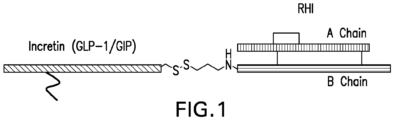
- the incretin-insulin conjugate is compound 100, a schematic of which is set forth in Fig. 1 .
- the formulation comprises about 1 mg/mL to about 100 mg/mL; about 1 mg/mL to about 50 mg/mL, about 50 mg/mL to about 100 mg/mL, about 1 mg/mL to about 25 mg/mL, about 50 mg/mL to about 75 mg/mL, about 25 mg/mL to about 75 mg/mL, about 1 mg/mL to about 10 mg/mL, or about 4 mg/mL to about 10 mg / mL of any of the incretin-insulin conjugates described herein or in International Application Publication No. WO 2016/049190 .
- the aqueous pharmaceutical formulation comprises about 4, 5, 5.5, 6.0, 6.5, 7, 8, 9 or 10 mg / mL of the incretin-insulin conjugate. In another embodiment, the aqueous pharmaceutical formulation comprises about 5.7, 5.8, 5.9, 6.0, 6.1, 6.2, 6.3, 6.4, 6.5, 6.6, 6.7, 6.8, 6.9 or 7.0 mg/mL of the incretin-insulin conjugate. In another embodiment, the aqueous pharmaceutical formulation comprises about 6.3 mg/mL of the incretin-insulin conjugate.
- the aqueous pharmaceutical formulation comprises phenol or m-cresol. In one embodiment the aqueous pharmaceutical formulation contains m-cresol. In another embodiment the aqueous pharmaceutical formulation comprises phenol.
- the m-cresol or phenol may be present in the formulation in amounts ranging from about 1 mgmL to about 20 mg/mL, about 1 mg/mL to about 10 mg/mL, about 4 mg/mL to about 6 mg/mL, or about 1 mg/mL to about 5 mg/mL. In a further embodiment, the phenol or m-cresol is present in an amount of about 5 mg/mL.
- the aqueous pharmaceutical formulation comprises a buffer, including, for example, a phosphate buffer, a tris buffer or a histidine buffer.
- the buffer is a phosphate buffer.
- the phosphate buffer is phosphate buffer is sodium phosphate dibasic.
- the formulation comprises about 5 mM to about 20 mM of buffer.
- the formulation comprises about 5 to about 15 mM buffer.
- the formulation comprises about 10 mM of a phosphate buffer.
- the formulation comprises about 10 mM of a tris buffer.
- the formulation comprises about 10 mM of a histidine buffer.
- the formulation comprises about 10 mM of sodium phosphate dibasic.
- the aqueous pharmaceutical formulation comprises from about 1 mg/mL to about 20 mg/mL, about 5 mg/mL to about 20 mg/mL, about 10 mg/mL to about 20 mg/mL or about 12 mg/mL to about 20 mg/mL of glycerin. In particular embodiments, the formulation comprises about 12, 13, 14, 15, 16, 17, 18, 19, or 20 mg/mL of glycerin. In one embodiment, the aqueous pharmaceutical formulation comprises about 16 mg/mL of glycerin.
- the formulation comprises from about 5 mg/mL to about 15 mg/mL of L-arginine or a pharmaceutically acceptable salt thereof. In one embodiment, the formulation comprises about 5 mg/mL to about 15 mg/mL of L-arginine hydrochloride (L-Arginine HCl). In another embodiment, the formulation comprises about 10.48, 10.49, 10.5, 10.51, 10.52, 10.53, 10.54, 10.55, 10.56, 10.57, 10.58 L-arginine HCl. In a further embodiment, the aqueous pharmaceutical formulation comprises about 10.53 mg/mL of L-arginine HCl.
- the formulation has a pH of from about 6.0 to about 8.0. In other embodiments, the pH of the formulation is from about 6.5 to about 7.5. In another embodiment, the pH is from about 6.9 to about 7.5. In some embodiments, the pH of the formulation is about 6.5, 6.6, 6.7, 6.8, 6.9, 7.0, 7.1, 7.2, 7.3, 7.4, or 7.5. In another embodiment, the pH of the formulation is about 7.2.
- the aqueous pharmaceutical formulation comprises about 1 mg/mL to about 100 mg/mL, about 1 mg/mL to about 75 mg/mL, about 1 to about 50 mg/mL, about 1 mg/mL to about 35 mg/mL or about 4 mg/mL to about 10 mg/mL of any of the incretin-insulin conjugates described herein, about 5 mM to about 20 mM buffer, about 12 mg/mL to about 20 mg/mL of glycerin, about 4 mg/mL to about 6 mg/mL of phenol or m-cresol, about 5 mg/mL to about 15 mg/mL of L-Arginine HCl and the formulation has a pH of about 6.9 to about 7.5.
- the buffer is a phosphate, tris or histidine buffer.
- the buffer is a phosphate buffer.
- the phosphate buffer is sodium phosphate dibasic.
- the aqueous pharmaceutical formulation comprises about 6.3 mg/mL of the incretin-insulin conjugate, about 16 mg/mL of glycerin, about 5.0 mg/mL of phenol, about 10 mM sodium phosphate dibasic, about 10.53 mg/mL of L-Arginine HCl, wherein the pH of the formulation is about 7.2.
- the aqueous pharmaceutical formulation as described in any of the above embodiments does not contain zinc.
- administration of any of the aqueous pharmaceutical formulations described herein results in a protracted pharmacokinetic profile as compared to the same aqueous pharmaceutical formulation which does not contain L-Arginine HCl.
- the liquid pharmaceutical formulations are useful for the treatment of a metabolic disorder in an individual.
- a metabolic disorder include, but are not limited to, obesity, metabolic syndrome or syndrome X, type II diabetes, complications of diabetes such as retinopathy, hypertension, dyslipidemias, cardiovascular disease, gallstones, osteoarthritis, and certain forms of cancers.
- the obesity-related disorders herein are associated with, caused by, or result from obesity.
- a method of treating a patient or an individual having diabetes comprising administering to the patient an effective amount of any of the formulations described herein so as to treat the diabetes in the patient or individual.
- the diabetes is Type I diabetes, Type II diabetes, or gestational diabetes.
- the metabolic disease of the present invention is diabetes.
- the diabetes is Type I diabetes, Type II diabetes, or gestational diabetes.
- Suitable routes of administration may, for example, include parenteral delivery, including intramuscular, subcutaneous, as well as intrathecal, direct intraventricular, intravenous, intraperitoneal.
- Drugs can be administered in a variety of conventional ways, such as intraperitoneal, parenteral, intraarterial or intravenous injection.
- a dosage of the incretin-insulin conjugate depends on several factors, including the serum or tissue turnover rate of the entity, the level of symptoms, the immunogenicity of the entity, and the accessibility of the target cells, tissue or organ in the individual being treated.
- the dosage of the additional therapeutic agent should be an amount that provides an acceptable level of side effects. Accordingly, the dose amount and dosing frequency of the incretin-insulin conjugate will depend in part on the patient characteristics.
- Determination of the appropriate dosage regimen may be made by the clinician, e.g., using parameters or factors known or suspected in the art to affect treatment or predicted to affect treatment, and will depend, for example, the patient's clinical history (e.g., previous therapy), the type and stage of the cancer to be treated and biomarkers of response to one or more of the therapeutic agents in the combination therapy.
- a pharmaceutical pack or kit comprising one or more containers filled with one or more of the liquid pharmaceutical formulations disclosed herein.
- Optionally associated with such container(s) may be a notice in the form prescribed by a governmental agency regulating the manufacture, use or sale of pharmaceuticals or biological products, which notice reflects approval by the agency of manufacture, use or sale for human administration.
- Compound 100 was supplied as lyophilized powder. The powder was first reconstituted in water to a concentration of ⁇ 20 mg/mL. Formulations were prepared by spiking reconstituted Compound 100 with stock solutions of excipients. The pH of the formulation was adjusted to the desired value by either 1N HCl or NaOH. The final formulations were filtered through a 0.22 ⁇ m filter (Steriflip ® ). Formulations were then filled into clean 2 mL vials in a laminar-flow hood. Filled vials were staged in the stability chamber for the following conditions: 5°C/ambient RH, 25°C/60% RH, and 40°C/75% RH.
- Compound 100 and the other incretin-insulin conjugates disclosed herein are insulin-GLP1-GIP tri-agonists.
- Compound 100 was prepared by chemical conjugation of RHI at the B1 position with a lipidized incretin molecule composed of GLP-1 and GIP. Due to the intrinsic complexity of this molecule, an excipient screening study was conducted to study a panel of excipients and/or excipient combinations in order to identify (1) a formulation to best stabilize the molecule against physical and chemical degradation, and (2) a formulation to achieve a basal pharmacodynamic profile, i.e. 24-hr coverage with one SubQ injection. Table 3 lists the composition of each formulation (F0 - F15) in this screening study.
- Phenol (in F14) and m-cresol (in F2-F13 and F15) were studied as preservatives since a multidose formulation is intended.
- Zinc was studied at three different levels (0, 0.3 mM, 0.6 mM) in F2, F3 and F13, respectively, in order to understand its impact on insulin hexamer formation.
- Glycerin was used as a tonicity modifier in most formulations; however, PEG400 and propylene glycol were used as both tonicity modifier and wetting agent in F11, F15 and F12 respectively.
- Glycerin was sourced from two manufacturers, either JT Baker (most formulations) or Hedinger (F10), allowing some evaluation with respect to Compound 100 stability.
- excipients studied include arginine (F4), recombinant human serum albumin (rHSA, F5), trehalose (F6), methionine (F7), Tris (F8), and an excipient combination (F9). All tested formulations were pH adjusted to 7.0 and followed on a short-term stability study up to 8 weeks at 40° C.
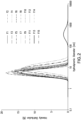
- the hydrodynamic size distribution of Compound 100 in formulations F0 -F15 was measured by Dynamic Light Scattering (DLS), the results of which are set forth in Fig. 2 .
- Dynamic Light Scattering (DLS) was performed using a Zetasizer Nano ZS (Malvern Instruments, Worcestershire, UK) at an angle of 173° by utilizing a noninvasive backscatter technique. Measurements were conducted at 20°C at ⁇ 6 mg/mL.
- Compound 100 showed a mono-distribution with a Z-average diameter between 5-10 nm. Two peaks were, however, observed in F13 with the first peak around 6 nm and the second peak around 400 nm. The presence of the second peak (400 nm) in F13 is most likely due to the higher zinc concentration (0.6 mM) in this formulation which led to sub-visible particle formation. Visible precipitation was indeed observed in F13 after storage at 5°C for a few weeks. This highlights the importance of tight zinc control in triagonist formulation. Excessive zinc in the formulation not only increases the risk of protein precipitation but also zinc phosphate precipitation once the solubility limit is exceeded.
- Aggregation is one of the major degradation pathways for Compound 100 which was followed in this short-term stability study.
- Compound 100 is the least stable in formulations containing zinc but not containing m-cresol (see, e.g., formulation F1). This is unexpected as most commercial insulin molecules are stabilized by the formation of hexamers with the addition of zinc in their drug product formulations. This suggests that zinc does not trigger the formation of classical insulin hexamer in Compound 100 formulations (discussed later in Example 8).
- formulation F2 zinc free, m-cresol containing
- formulation F3 zinc containing, m-cresol containing
- F1 the stability of formulation F3
- m-cresol is likely a stabilizer but zinc is likely a destabilizer for Compound 100 and the other incretin-insulin conjugates disclosed herein.
- formulation F14 which contains zinc and phenol
- Formulation F14 demonstrated improved stability (0.378% aggregation per Day) over formulation F3, which contains zinc and m-cresol, (0.574% aggregation per Day). This suggests that phenol is a better stabilizer as a preservative for formulations containing Compound 100.
- Fig 3b represents a comparison of stability from a panel of excipients (formulations F3-F15).
- formulation F4 containing Arginine
- F14 containing phenol
- Arginine slowed down the aggregation rate by 53% compared to 34% by phenol.
- Recombinant human serum albumin (rHSA) adversely impacted the stability of Compound 100 in formulations F5 and F9.
- Glycerin from two different sources also showed difference with respect to aggregation.
- Glycerin sourced from Hedinger (formulation F10) increased the aggregation rate by -80% compared to that sourced from JT Baker (formulation F3).
- Insulin fibril poses significant safety risk to patients [20] and thus fibril formation was evaluated. Fibrils were measured by using a Jasco plate-based fluorometer. Samples were diluted to 0.5 mg/mL in appropriate formulated placebo and spiked with 1 mM ThT (Thioflavin T) at a final ThT concentration of 5 ⁇ M. Samples were excited at 450 nm and fluorescence emission at 482 nm was recorded. Samples were run in triplicate at 20 °C. Fig 5 monitors fibril levels of different formulations under stressed condition (40°C). The data clearly show that only rHSA containing formulations (F5 and F9) are sensitive to fibril formation. All other formulations studied had no increase of fibril levels stored at 40°C up to 14 days.
- Both candidate formulations were characterized by SV-AUC and DLS with the SV-AUC data shown in Figure 6 .
- Samples subject to SV-AUC analysis were run neat at a concentration of approximately ⁇ 6 mg/mL.
- the AUC cells were prepared with AUC quartz windows and meniscus matching center pieces.
- a Beckman-Coulter ProteomeLab XL-I AUC was used to collect interference data at 280 nm at 20°C. Scans were performed every 4 minutes for a total of 600 scans per cell at a rotation speed of 60,000 RPM.
- Data was analyzed using the SEDFIT software (version 13.0b) in a c(s) distribution model (sedimentation coefficient distribution). The relative percentage of each species was calculated by integration of peaks. DLS was performed as described in Example 2.
- the arginine free formulation (-Arg/pH6.7) shows two peaks in the c(s) distribution with the main peak at ⁇ 4 s and a smaller preceding peak at ⁇ 3 s.
- the Z-average hydrodynamic diameter for this formulation is 6.0 nm.
- the arginine containing formulation (+Arg/pH7.2) shows much broader c(s) distribution with the peak at ⁇ 4.4 S which corresponds to a Z-average diameter of 8.1 nm by DLS.
- the apparent difference in size distribution among two candidate formulations may be attributed to either pH or arginine or the combination of both.
- an arginine free formulation (-Arg/pH7.2) was prepared with pH adjusted to 7.2 and characterized by the same technique.
- the c(s) distribution of this formulation shows an identical pattern to the candidate formulation (-Arg/pH6.7) yet both peaks shifted towards smaller sedimentation coefficients.
- the Z-average diameter of formulation (-Arg/pH7.2) is 5.3 nm compared to 6.0 nm in candidate formulation (-Arg/pH6.7).
- Target product profile for compound 100 requires a basal PD profile, i.e. 24-hr PD coverage, to enable a QD dosing regimen in humans.
- Both candidate formulations were tested in the mini pig model in order to select one with more protracted PD profile ( Fig 7).
- Figure 7a shows the plasma glucose change as a function of time for both candidate formulations. Both formulations support a 24-hr coverage with the change in plasma glucose ⁇ 100 mg/dL at 24 hr ( Fig 7b ); however, formulation (+Arg/pH7.2) clearly shows a much protracted PD profile when compared to formulation (-Arg/pH6.7).
- the arginine containing formulation shows a trough at ⁇ 14 hr compared to 11-12 hr for the arginine free formulation.
- Arginine has been used in formulations of commercial biologics such as monoclonal antibodies. Arginine plays two major roles in protein formulations: 1) stabilizer against protein aggregation, and 2) viscosity reducer for high-concentration protein formulation. In Examples 1-6, arginine was identified as a stabilizer for both physical and chemical stability. A detailed biophysical characterization by SV-AUC and DLS demonstrated the ability of arginine to modify the size distribution of compound 100 high-order structure. The formulation containing arginine has a larger and broader size distribution than the one without arginine ( Fig 6 ). This data further supports the observation of a protracted PD profile of the arginine containing formulation in mini pigs ( Fig 7 ).
- Protracted PD profile is likely due to a slower drug absorption in the subcutaneous space.
- the larger average size in the arginine formulation may slow down compound 100 diffusion which could result in slower absorption and a protracted pharmacodynamic profile.
- a zinc free formulation is proposed for clinical trials of compound 100 with the following composition: 6.3 mg/mL compound 100, 1.42 mg/mL sodium phosphate dibasic, 16.0 mg/mL glycerin, 5.0 mg/mL phenol, 10.53 mg/mL L-arginine hydrochloride, pH 7.2.
- the arginine formulation (+Arg/pH7.2) was tested in a freeze/thaw study from -80°C to ambient temperature up to 3 times.
- the freeze/thaw stress showed no impact to drug product quality as evidenced by both biochemical and potency assays (data not shown).
- Tertiary Structure Evaluation Tertiary structure was measured by using a Jasco J-810 spectrometer. Samples were analyzed at ⁇ 6 mg/mL from 240 to 350 nm, in a 0.01 cm flow cell. Formulation placebo was subtracted as the background. The following parameters were used for data collection. Bandwidth was 1nm; accumulation was 5 per sample; and temperature was 20 °C.
- Compound 100 is a complex molecule which consists of insulin, GLP1-GIP peptide and a C 16 lipid chain conjugated to the GLP-1 peptide.
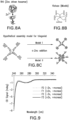
- Classical insulin such as regular human insulin (RHI) assembles into hexamers in the presence of zinc ion as illustrated in Figure 8a .
- RHI regular human insulin
- a zinc addition experiment was performed in order to understand whether Compound 100 follows this canonical pathway.
- compound 100 in the absence of zinc, shows a sedimentation coefficient of 3.5 S.
- Zinc addition shows no significant increase of sedimentation coefficient to 3.6 S. This is in dramatic contrast to RHI which has been well known to form hexamer in the presence of zinc.
- RHI monomer shows a sedimentation coefficient of 1.2 S compared to 3.1 S for RHI hexamer. It was noticed that the sedimentation coefficient of Compound 100 (regardless of zinc addition) is similar to or slightly larger than that of RHI hexamer. This clearly suggests that Compound 100 assembles into an oligomer regardless of zinc with most likely 4 to 6 monomers based on its MW of 10.4 kD. Table 2. Size comparison of RHI vs.
- Literature data [21] suggest that liraglutide (GLP-1 analog conjugated with C16 lipid chain) forms oligomers with 6-12 monomers ( Fig 8b ).
- liraglutide is believed to orient in a way that the hydrophilic portion of the peptide is exposed to the solvent while the lipid chain from different monomers is sequestered to form micelles.
- Oligomerization of liraglutide is a spontaneous process which does not require zinc. It was evaluated whether compound 100 oligomerization follows a similar mechanism as liraglutide. Two assembly models were proposed for compound 100 in the absence and presence of zinc as illustrated in Fig 8c .
- Model I proposes that compound 100 oligomerization is independent of zinc and forms micelle-like oligomer via its lipid chain.
- Model II proposes that compound 100 exists as a micelle-like oligomer in the absence of zinc while it is converted to a hexamer driven by its insulin portion in the presence of zinc. It is possible that the micelle-like oligomer has similar size to the insulin-like hexamer which makes them indistinguishable by SV-AUC analysis as shown in Table 2.
- compound 100 formulations were prepared with or without zinc and m-cresol.
- the tertiary structure of these formulations was probed by near-UV-CD measurement ( Fig 9 ).
- Fig 9 near-UV-CD measurement
- model II a dramatic change of tertiary structure should be observed as manifested by a change in near-UV-CD spectra.
- all tested formulations showed almost identical CD spectra. This suggests that model I is most likely the assembly model for compound 100 regardless of zinc presence. It is also noticed that zinc can still bind to compound 100 even though compound 100 does not form traditional zinc-insulin hexamers otherwise zinc will precipitate with phosphate buffer used in the formulation which is not the case.
Landscapes
- Health & Medical Sciences (AREA)
- Life Sciences & Earth Sciences (AREA)
- Chemical & Material Sciences (AREA)
- General Health & Medical Sciences (AREA)
- Medicinal Chemistry (AREA)
- Pharmacology & Pharmacy (AREA)
- Veterinary Medicine (AREA)
- Public Health (AREA)
- Animal Behavior & Ethology (AREA)
- Engineering & Computer Science (AREA)
- Epidemiology (AREA)
- Bioinformatics & Cheminformatics (AREA)
- Proteomics, Peptides & Aminoacids (AREA)
- Diabetes (AREA)
- Endocrinology (AREA)
- Organic Chemistry (AREA)
- Gastroenterology & Hepatology (AREA)
- Zoology (AREA)
- Chemical Kinetics & Catalysis (AREA)
- General Chemical & Material Sciences (AREA)
- Immunology (AREA)
- Molecular Biology (AREA)
- Nuclear Medicine, Radiotherapy & Molecular Imaging (AREA)
- Oil, Petroleum & Natural Gas (AREA)
- Emergency Medicine (AREA)
- Obesity (AREA)
- Hematology (AREA)
- Biochemistry (AREA)
- Genetics & Genomics (AREA)
- Biophysics (AREA)
- Toxicology (AREA)
- Inorganic Chemistry (AREA)
- Dermatology (AREA)
- Medicines That Contain Protein Lipid Enzymes And Other Medicines (AREA)
Claims (16)
- Eine wässrige pharmazeutische Formulierung, umfassend (i) eine therapeutisch wirksame Menge eines Inkretin-Insulin-Konjugats, das ein Inkretinpeptid und ein Insulinmolekül umfasst, (ii) einen Puffer, (iii) Glycerin, (iv) Phenol oder m-Kresol, und (v) L-Arginin-HCl,wobei die pharmazeutische Formulierung einen pH-Wert von etwa 6,9-7,5 besitzt,wobei das Inkretinpeptid ausgewählt ist aus der Gruppe bestehend aus:(i) YX2EGTFTSDYSIYLDKQAAX9EFVNWLLAGGPSSGAPPPS, wobei X2 und X9 jeweils unabhängig Aminoisobuttersäure sind (SEQ ID NO:4),(ii) YX2EGTFTSDX5StYLDKQAAX9EFVNWLLAGGPSSGAPPPS, wobei X2 und X9 jeweils unabhängig Aminoisobuttersäure sind und X5 Lys, acyliert mit einer C16-Fettacylgruppe über einen Gamma-Glu-Spacer, ist (SEQ ID NO:5),(iii) YX2EGTFTSDYSIYLDKQAAX9EFVNWLLAGGPSSGAPPPSX14, wobei X2 und X9 jeweils unabhängig Aminoisobuttersäure sind und X14 Lys, acyliert mit einer C16-Fettacylgruppe über einen Gamma-Glu-Spacer, ist (SEQ ID NO:6),(iv) HX2EGTFTSDX5SRYLDERAAQEFVAWLLDAGPSGAPPPSK, wobei X2 Aminoisobuttersäure ist und X5 Lys, acyliert mit einer C16-Fettacylgruppe über einen Gamma-Glu-Spacer, ist (SEQ ID NO:7),(v) HX2QGTFTSDX5SRYLDERAAQDFVQWLLDAGPSGAPPPSK, wobei X2 Aminoisobuttersäure ist und X5 Lys, acyliert mit einer C16-Fettacylgruppe über einen Gamma-Glu-Spacer, ist (SEQ ID NO:8),(vi) HX2QGTFTSDX5SRYLDERAAQDFVQWLLDGGPSGAPPPSK, wobei X2 Aminoisobuttersäure ist und X5 Lys, acyliert mit einer C16-Fettacylgruppe über einen Gamma-Glu-Spacer, ist (SEQ ID NO:9),(viii) HX2EGTFTSDX5SRYLDERAAQDFVQWLLDGGPSGAPPPSK, wobei X2 Aminoisobuttersäure ist und X5 Lys, acyliert mit einer C16-Fettacylgruppe über einen Gamma-Glu-Spacer, ist (SEQ ID NO:10), und(viii) X2EGTFTSDX5SIYLDKQAAX9EFVNWLLAGGPSGAPPPS, wobei X2 und X9 jeweils unabhängig Aminoisobuttersäure sind und X5 Lys, acyliert mit einer C16-Fettacylgruppe über einen Gamma-Glu-Spacer, ist (SEQ ID NO:11), undwobei das Insulinmolekül ein A-Ketten-Polypeptid und ein B-Ketten-Polypeptid von menschlichem Insulin umfasst, wobei die B-Kette durch Disulfidbrücken mit der A-Kette verbunden ist, und wobei das Inkretinpeptid über einen Spacer mit linearer Kette mit 5 bis 10 Atomen mit dem Insulinpeptid verbunden ist, wobei der Spacer eine Disulfidbrücke innerhalb der Hauptkette der linearen Spacer-Kette umfasst, wobei der Spacer mit linearer Kette das Carboxy-Ende des Inkretinpeptids mit der Seitenkette einer Aminosäure an Position B1 der B-Kette verbindet, oderdas Inkretin-Insulin-Konjugat ausgewählt ist aus einem von:(i) YX2EGTFTSDYSIYLDKQAAX9EFVNWLLAGGPSSGAPPPSC, wobei X2 und X9 jeweils unabhängig Aminoisobuttersäure sind (SEQ ID NO:12),(ii) YX2EGTFTSDX5SIYLDKQAAX9EFVNWLLAGGPSSGAPPPSC, wobei X2 und X9 jeweils unabhängig Aminoisobuttersäure sind und X5 Lys, acyliert mit einer C16-Fettacylgruppe über einen Gamma-Glu-Spacer, ist (SEQ ID NO:13),(iii) YX2EGTFTSDYSIYLDKQAAX9EFVNWLLAGGPSSGAPPPSX14C, wobei X2 und X9 jeweils unabhängig Aminoisobuttersäure sind und X14 Lys, acyliert mit einer C16-Fettacylgruppe über einen Gamma-Glu-Spacer, ist (SEQ ID NO:14),(iv) HX2EGTFTSDX5SRYLDERAAQEFVAWLLDAGPSGAPPPSKC, wobei X2 Aminoisobuttersäure ist und X5 Lys, acyliert mit einer C16-Fettacylgruppe über einen Gamma-Glu-Spacer, ist (SEQ ID NO:15),(v) HX2QGTFTSDX5SRYLDERAAQDFVQWLLDAGPSGAPPPSKC, wobei X2 Aminoisobuttersäure ist und X5 Lys, acyliert mit einer C16-Fettacylgruppe über einen Gamma-Glu-Spacer, ist (SEQ ID NO:16),(vi) HX2QGTFTSDX5SRYLDERAAQDFVQWLLDGGPSGAPPPSKC, wobei X2 Aminoisobuttersäure ist und X5 Lys, acyliert mit einer C16-Fettacylgruppe über einen Gamma-Glu-Spacer, ist (SEQ ID NO:17),(vii) HX2EGTFTSDX5SRYLDERAAQDFVQWLLDGGPSGAPPPSKC, wobei X2 Aminoisobuttersäure ist und X5 Lys, acyliert mit einer C16-Fettacylgruppe über einen Gamma-Glu-Spacer ist, (SEQ ID NO:18), und(viii) X2EGTFTSDX5SIYLDKQAAX9EFVNWLLAGGPSGAPPPSC, wobei X2 und X9 jeweils unabhängig Aminoisobuttersäure sind und X5 Lys, acyliert mit einer C16-Fettacylgruppe über einen Gamma-Glu-Spacer, ist (SEQ ID NO:19),wobei die S-Gruppe des Cys-Restes des Inkretins an die alpha-Aminogruppe des N-terminalen Phe-Restes des B-Ketten-Polypeptids eines Insulin-Heterodimers mit einem A-Ketten-Polypeptid der SEQ ID NO: 2 und einem B-Ketten-Polypeptid der SEQ ID NO: 3 über einen Linker mit der Struktur S-CH2-CH2-CH2 in einer Disulfidbrücke verbunden ist.
- Die wässrige pharmazeutische Formulierung nach Anspruch 1, wobei das Inkretinpeptid YX2EGTFTSDX5SIYLDKQAAX9EFVNWLLAGGPSSGAPPPS ist, wobei X2 und X9 jeweils unabhängig Aminoisobuttersäure sind und X5 Lys, acyliert mit einer C16-Fettacylgruppe durch Gamma-Glu, ist (SEQ ID NO:5).
- Die wässrige pharmazeutische Formulierung nach Anspruch 1 oder Anspruch 2, wobei der Spacer mit linearer Kette, der das Inkretinpeptid mit dem Insulinmolekül verbindet, die folgende allgemeine Struktur aufweist:

- Die wässrige pharmazeutische Formulierung nach einem der Ansprüche 1-3, wobei das Cystein des Spacers mit linearer Kette, der das Inkretinpeptid mit dem Insulinmolekül verbindet, sich am C-terminalen Ende des Inkretinpeptids befindet.
- Die wässrige pharmazeutische Formulierung nach Anspruch 4, wobei das Inkretin-Insulin-Konjugat ausgewählt ist aus einem von:(i) YX2EGTFTSDYSIYLDKQAAX9EFVNWLLAGGPSSGAPPPSC, wobei X2 und X9 jeweils unabhängig Aminoisobuttersäure sind (SEQ ID NO:12),(ii) YX2EGTFTSDX5SIYLDKQAAX9EFVNWLLAGGPSSGAPPPSC, wobei X2 und X9 jeweils unabhängig Aminoisobuttersäure sind und X5 Lys, acyliert mit einer C16-Fettacylgruppe über einen Gamma-Glu-Spacer, ist (SEQ ID NO:13),(iii) YX2EGTFTSDYSIYLDKQAAX9EFVNWLLAGGPSSGAPPPSX14C, wobei X2 und X9 jeweils unabhängig Aminoisobuttersäure sind und X14 Lys, acyliert mit einer C16-Fettacylgruppe über einen Gamma-Glu-Spacer, ist (SEQ ID NO:14),(iv) HX2EGTFTSDX5SRYLDERAAQEFVAWLLDAGPSGAPPPSKC, wobei X2 Aminoisobuttersäure ist und X5 Lys, acyliert mit einer C16-Fettacylgruppe über einen Gamma-Glu-Spacer, ist (SEQ ID NO:15),(v) HX2QGTFTSDX5SRYLDERAAQDFVQWLLDAGPSGAPPPSKC, wobei X2 Aminoisobuttersäure ist und X5 Lys, acyliert mit einer C16-Fettacylgruppe über einen Gamma-Glu-Spacer, ist (SEQ ID NO:16),(vi) HX2QGTFTSDX5SRYLDERAAQDFVQWLLDGGPSGAPPPSKC, wobei X2 Aminoisobuttersäure ist und X5 Lys, acyliert mit einer C16-Fettacylgruppe über einen Gamma-Glu-Spacer, ist (SEQ ID NO:17),(vii) HX2EGTFTSDX5SRYLDERAAQDFVQWLLDGGPSGAPPPSKC, wobei X2 Aminoisobuttersäure ist und X5 Lys, acyliert mit einer C16-Fettacylgruppe über einen Gamma-Glu-Spacer ist, (SEQ ID NO:18), und(viii) X2EGTFTSDX5SIYLDKQAAX9EFVNWLLAGGPSGAPPPSC, wobei X2 und X9 jeweils unabhängig Aminoisobuttersäure sind und X5 Lys, acyliert mit einer C16-Fettacylgruppe über einen Gamma-Glu-Spacer, ist (SEQ ID NO:19),wobei die S-Gruppe des Cys-Restes des Inkretins von einem von SEQ ID NO: 12-19 an die alpha-Aminogruppe des N-terminalen Phe-Restes des B-Ketten-Polypeptids eines Insulin-Heterodimers mit einem A-Ketten-Polypeptid der SEQ ID NO: 2 und einem B-Ketten-Polypeptid der SEQ ID NO: 3 über einen Linker mit der Struktur S-CH2-CH2-CH2 in einer Disulfidbrücke verbunden ist.
- Die wässrige pharmazeutische Formulierung nach Anspruch 5, wobei das Inkretin-Insulin-Konjugat YX2EGTFTSDX5StYLDKQAAX9EFVNWLLAGGPSSGAPPPSC ist, wobei X2 und X9 jeweils unabhängig Aminoisobuttersäure sind und X5 Lys, acyliert mit einer C16-Fettacylgruppe über einen Gamma-Glu-Spacer, ist (SEQ ID NO:13), und wobei die S-Gruppe des Cys-Restes des Inkretins an die alpha-Aminogruppe des N-terminalen Phe-Restes des B-Ketten-Polypeptids eines Insulin-Heterodimers mit einem A-Ketten-Polypeptid der SEQ ID NO: 2 und einem B-Ketten-Polypeptid der SEQ ID NO: 3 über einen Linker mit der Struktur S-CH2-CH2-CH2 in einer Disulfidbrücke verbunden ist.
- Die wässrige pharmazeutische Formulierung der Ansprüche 1-6, umfassend etwa 1-100 mg/ml des Inkretin-Insulin-Konjugats, etwa 5-20 mM des Puffers, etwa 12 - 20 mg/ml Glycerin, etwa 4-6 mg/ml Phenol oder m-Kresol, etwa 5 - 15 mg/ml L-Arginin-HCl, wobei die Formulierung einen pH-Wert von etwa 6,9 - 7,5 besitzt.
- Die wässrige pharmazeutische Formulierung nach einem der Ansprüche 1-7, wobei die Formulierung Phenol umfasst.
- Die wässrige pharmazeutische Formulierung nach einem der Ansprüche 1-8, wobei der Puffer ausgewählt ist aus einem Phosphatpuffer, einem Trispuffer oder einem Histidinpuffer.
- Die wässrige pharmazeutische Formulierung nach Anspruch 9, wobei der Puffer ein Phosphatpuffer ist.
- Die wässrige pharmazeutische Formulierung nach Anspruch 10, wobei der Phosphatpuffer zweibasisches Natriumphosphat ist.
- Die wässrige pharmazeutische Formulierung nach einem der Ansprüche 1-11, wobei die Formulierung etwa 6,3 mg/ml des Inkretin-Insulin-Konjugats, etwa 16 mg/ml Glycerin, etwa 5,0 mg/ml Phenol, etwa 10 mM zweibasisches Natriumphosphat, etwa 10,53 mg/ml L-Arginin-HCl umfasst, wobei der pH-Wert der Formulierung etwa 7,2 beträgt.
- Die wässrige pharmazeutische Formulierung nach einem der Ansprüche 1-12, wobei die Formulierung kein Zink enthält.
- Die wässrige pharmazeutische Formulierung nach einem der Ansprüche 1-13, wobei die Formulierung in einer Glasampulle oder einer Injektionsvorrichtung enthalten ist.
- Die wässrige pharmazeutische Formulierung nach einem der Ansprüche 1-14 zur Verwendung bei der Behandlung von Diabetes.
- Die wässrige pharmazeutische Formulierung zur Verwendung nach Anspruch 15, wobei der Diabetes Typ-1-Diabetes, Typ-II-Diabetes oder Gestationsdiabetes ist.
Applications Claiming Priority (2)
| Application Number | Priority Date | Filing Date | Title |
|---|---|---|---|
| US201762507964P | 2017-05-18 | 2017-05-18 | |
| PCT/US2018/032487 WO2018213151A1 (en) | 2017-05-18 | 2018-05-14 | Pharmaceutical formulation comprising incretin-insulin conjugates |
Publications (3)
| Publication Number | Publication Date |
|---|---|
| EP3624828A1 EP3624828A1 (de) | 2020-03-25 |
| EP3624828A4 EP3624828A4 (de) | 2021-03-03 |
| EP3624828B1 true EP3624828B1 (de) | 2024-08-07 |
Family
ID=64274812
Family Applications (1)
| Application Number | Title | Priority Date | Filing Date |
|---|---|---|---|
| EP18802025.9A Active EP3624828B1 (de) | 2017-05-18 | 2018-05-14 | Pharmazeutische formulierung mit inkretin-insulin-konjugaten |
Country Status (3)
| Country | Link |
|---|---|
| US (1) | US11590237B2 (de) |
| EP (1) | EP3624828B1 (de) |
| WO (1) | WO2018213151A1 (de) |
Families Citing this family (2)
| Publication number | Priority date | Publication date | Assignee | Title |
|---|---|---|---|---|
| TW202423476A (zh) * | 2021-03-23 | 2024-06-16 | 美商美國禮來大藥廠 | 含腸促胰島素(incretin)類似物之組合物及其用途 |
| CN117384238B (zh) * | 2023-10-16 | 2024-09-06 | 西北农林科技大学 | 一种含苯丙氨酸的三肽与应用 |
Family Cites Families (23)
| Publication number | Priority date | Publication date | Assignee | Title |
|---|---|---|---|---|
| US5833669A (en) * | 1993-05-27 | 1998-11-10 | Washington Biotech Corp. | Medicine injection syringe constructions |
| AU5724996A (en) | 1995-05-05 | 1996-11-21 | Eli Lilly And Company | Single chain insulin with high bioactivity |
| KR100449454B1 (ko) | 2000-10-02 | 2004-09-21 | 이현철 | 단일사슬 인슐린 유도체의 유전자를 포함하는 당뇨병치료용 벡터 |
| WO2008022015A2 (en) * | 2006-08-11 | 2008-02-21 | Trustees Of Tufts College | Retro-inverso incretin analogues, and methods of use thereof |
| JP5771005B2 (ja) | 2007-10-30 | 2015-08-26 | インディアナ ユニバーシティー リサーチ アンド テクノロジー コーポレーションIndiana University Research And Technology Corporation | グルカゴンアンタゴニスト及びglp−1アゴニスト活性を示す化合物 |
| WO2009065126A2 (en) * | 2007-11-16 | 2009-05-22 | Boston Protein Solutions | Excipients for protein stabilization |
| GB2471819B (en) | 2008-06-05 | 2012-11-28 | Toshiba Machine Co Ltd | Handling system,control device,control method,and program |
| EP2300037B1 (de) | 2008-06-17 | 2016-03-30 | Indiana University Research and Technology Corporation | Coagonisten des glucagon/glp-1 rezeptors |
| EP2376099A4 (de) | 2008-12-19 | 2012-04-25 | Univ Indiana Res & Tech Corp | Insulinähnliche wachstumsfaktoren auf yl-basis mit hoher aktivität am insulinrezeptor |
| RU2550696C2 (ru) | 2008-12-19 | 2015-05-10 | Индиана Юниверсити Рисерч Энд Текнолоджи Корпорейшн | Основанные на амидах пролекарства пептидов глюкагонового надсемейства |
| CN102245624B (zh) | 2008-12-19 | 2016-08-10 | 印第安纳大学研究及科技有限公司 | 基于酰胺的胰岛素前药 |
| SG178193A1 (en) | 2009-07-31 | 2012-03-29 | Sanofi Aventis Deutschland | Prodrugs comprising an insulin linker conjugate |
| EP2528618A4 (de) | 2010-01-27 | 2015-05-27 | Univ Indiana Res & Tech Corp | Glucagon-antagonisten- und gip-agonisten-konjugate sowie zusammensetzungen zur behandlung von stoffwechselerkrankungen und adipositas |
| CN102958538A (zh) * | 2010-05-03 | 2013-03-06 | 弗·哈夫曼-拉罗切有限公司 | 用于降低含有蛋白质的制剂的粘度的组合物和方法 |
| SMT202000095T1 (it) * | 2010-05-14 | 2020-03-13 | Amgen Inc | Formulazioni di anticorpi anti-sclerostina ad alta concentrazione |
| EP2582719B1 (de) | 2010-06-16 | 2016-08-10 | Indiana University Research and Technology Corporation | Einkettige insulinagonisten mit hoher aktivität am insulinrezeptor |
| WO2011159882A2 (en) | 2010-06-16 | 2011-12-22 | Indiana University Research And Technology Corporation | Novel stabilized insulin agonists |
| WO2011163473A1 (en) | 2010-06-25 | 2011-12-29 | Indiana University Research And Technology Corporation | Glucagon analogs exhibiting enhanced solubility and stability in physiological ph buffers |
| JP6538645B2 (ja) | 2013-03-14 | 2019-07-03 | インディアナ ユニバーシティー リサーチ アンド テクノロジー コーポレーションIndiana University Research And Technology Corporation | インスリン‐インクレチン複合物 |
| EA202091385A3 (ru) * | 2014-08-20 | 2021-06-30 | Портола Фармасьютикалз, Инк. | Лиофилизированные составы для антидота фактора ха |
| US10232020B2 (en) | 2014-09-24 | 2019-03-19 | Indiana University Research And Technology Corporation | Incretin-insulin conjugates |
| JO3575B1 (ar) * | 2015-01-09 | 2020-07-05 | Lilly Co Eli | مركبات مساعد مشترك من gip وglp-1 |
| EP3448417B1 (de) * | 2016-04-26 | 2025-11-12 | Merck Sharp & Dohme LLC | Insulin-dimer-inkretin-konjugate |
-
2018
- 2018-05-14 EP EP18802025.9A patent/EP3624828B1/de active Active
- 2018-05-14 US US16/607,453 patent/US11590237B2/en active Active
- 2018-05-14 WO PCT/US2018/032487 patent/WO2018213151A1/en not_active Ceased
Also Published As
| Publication number | Publication date |
|---|---|
| US20200069809A1 (en) | 2020-03-05 |
| US11590237B2 (en) | 2023-02-28 |
| EP3624828A4 (de) | 2021-03-03 |
| WO2018213151A1 (en) | 2018-11-22 |
| EP3624828A1 (de) | 2020-03-25 |
Similar Documents
| Publication | Publication Date | Title |
|---|---|---|
| CN104093735B (zh) | 新的胰高血糖素类似物 | |
| AU2011200663B2 (en) | Exendin for treating diabetes and reducing body weight | |
| US8299024B2 (en) | Methods to restore glycemic control | |
| US8937042B2 (en) | Pharmaceutical compositions comprising GLP-1 peptides or extendin-4 and a basal insulin peptide | |
| US7226990B2 (en) | Extendin derivatives | |
| Chae et al. | The fatty acid conjugated exendin-4 analogs for type 2 antidiabetic therapeutics | |
| JP5675799B2 (ja) | 遅効性インスリン製剤 | |
| JP2005508895A (ja) | Glp−1および基礎インスリンの予備混合物 | |
| US8338369B2 (en) | Methods for administering long-lasting hypoglycemic agents | |
| JP2014504597A (ja) | アシル化グルカゴン類似体とインスリン類似体の組合せ物 | |
| US20240108585A1 (en) | Compositions comprising lipid-based nanoparticles for treating diabetes mellitus | |
| US11590237B2 (en) | Pharmaceutical formulation comprising incretin-insulin conjugates | |
| US20260053895A1 (en) | Pharmaceutical compositions and their uses, and methods for improving the storage stability of pharmaceutical compositions | |
| JP2023522081A (ja) | 長時間作用型ペプチドチロシンチロシン(pyy)類似体及び使用方法 | |
| RU2779314C2 (ru) | Коагонисты рецепторов глюкагона и glp-1 длительного действия | |
| HK40109784A (zh) | 胰岛素衍生物 | |
| HK40070502B (zh) | 胰岛素衍生物 | |
| AU2002313662A1 (en) | Pre-mixes of GLP-1 and basal insulin |
Legal Events
| Date | Code | Title | Description |
|---|---|---|---|
| STAA | Information on the status of an ep patent application or granted ep patent |
Free format text: STATUS: THE INTERNATIONAL PUBLICATION HAS BEEN MADE |
|
| PUAI | Public reference made under article 153(3) epc to a published international application that has entered the european phase |
Free format text: ORIGINAL CODE: 0009012 |
|
| STAA | Information on the status of an ep patent application or granted ep patent |
Free format text: STATUS: REQUEST FOR EXAMINATION WAS MADE |
|
| 17P | Request for examination filed |
Effective date: 20191218 |
|
| AK | Designated contracting states |
Kind code of ref document: A1 Designated state(s): AL AT BE BG CH CY CZ DE DK EE ES FI FR GB GR HR HU IE IS IT LI LT LU LV MC MK MT NL NO PL PT RO RS SE SI SK SM TR |
|
| AX | Request for extension of the european patent |
Extension state: BA ME |
|
| DAV | Request for validation of the european patent (deleted) | ||
| DAX | Request for extension of the european patent (deleted) | ||
| A4 | Supplementary search report drawn up and despatched |
Effective date: 20210202 |
|
| RIC1 | Information provided on ipc code assigned before grant |
Ipc: A61K 38/22 20060101AFI20210127BHEP Ipc: A61P 3/10 20060101ALI20210127BHEP Ipc: A61K 47/50 20170101ALI20210127BHEP Ipc: A61P 43/00 20060101ALI20210127BHEP Ipc: A61K 38/28 20060101ALI20210127BHEP |
|
| STAA | Information on the status of an ep patent application or granted ep patent |
Free format text: STATUS: EXAMINATION IS IN PROGRESS |
|
| 17Q | First examination report despatched |
Effective date: 20211005 |
|
| RAP1 | Party data changed (applicant data changed or rights of an application transferred) |
Owner name: MERCK SHARP & DOHME LLC |
|
| GRAP | Despatch of communication of intention to grant a patent |
Free format text: ORIGINAL CODE: EPIDOSNIGR1 |
|
| STAA | Information on the status of an ep patent application or granted ep patent |
Free format text: STATUS: GRANT OF PATENT IS INTENDED |
|
| INTG | Intention to grant announced |
Effective date: 20240229 |
|
| GRAS | Grant fee paid |
Free format text: ORIGINAL CODE: EPIDOSNIGR3 |
|
| GRAA | (expected) grant |
Free format text: ORIGINAL CODE: 0009210 |
|
| STAA | Information on the status of an ep patent application or granted ep patent |
Free format text: STATUS: THE PATENT HAS BEEN GRANTED |
|
| AK | Designated contracting states |
Kind code of ref document: B1 Designated state(s): AL AT BE BG CH CY CZ DE DK EE ES FI FR GB GR HR HU IE IS IT LI LT LU LV MC MK MT NL NO PL PT RO RS SE SI SK SM TR |
|
| REG | Reference to a national code |
Ref country code: GB Ref legal event code: FG4D |
|
| REG | Reference to a national code |
Ref country code: CH Ref legal event code: EP |
|
| REG | Reference to a national code |
Ref country code: IE Ref legal event code: FG4D |
|
| REG | Reference to a national code |
Ref country code: DE Ref legal event code: R096 Ref document number: 602018072837 Country of ref document: DE |
|
| REG | Reference to a national code |
Ref country code: LT Ref legal event code: MG9D |
|
| REG | Reference to a national code |
Ref country code: NL Ref legal event code: MP Effective date: 20240807 |
|
| PG25 | Lapsed in a contracting state [announced via postgrant information from national office to epo] |
Ref country code: NO Free format text: LAPSE BECAUSE OF FAILURE TO SUBMIT A TRANSLATION OF THE DESCRIPTION OR TO PAY THE FEE WITHIN THE PRESCRIBED TIME-LIMIT Effective date: 20241107 |
|
| REG | Reference to a national code |
Ref country code: AT Ref legal event code: MK05 Ref document number: 1710192 Country of ref document: AT Kind code of ref document: T Effective date: 20240807 |
|
| PG25 | Lapsed in a contracting state [announced via postgrant information from national office to epo] |
Ref country code: FI Free format text: LAPSE BECAUSE OF FAILURE TO SUBMIT A TRANSLATION OF THE DESCRIPTION OR TO PAY THE FEE WITHIN THE PRESCRIBED TIME-LIMIT Effective date: 20240807 Ref country code: NL Free format text: LAPSE BECAUSE OF FAILURE TO SUBMIT A TRANSLATION OF THE DESCRIPTION OR TO PAY THE FEE WITHIN THE PRESCRIBED TIME-LIMIT Effective date: 20240807 Ref country code: PL Free format text: LAPSE BECAUSE OF FAILURE TO SUBMIT A TRANSLATION OF THE DESCRIPTION OR TO PAY THE FEE WITHIN THE PRESCRIBED TIME-LIMIT Effective date: 20240807 Ref country code: GR Free format text: LAPSE BECAUSE OF FAILURE TO SUBMIT A TRANSLATION OF THE DESCRIPTION OR TO PAY THE FEE WITHIN THE PRESCRIBED TIME-LIMIT Effective date: 20241108 Ref country code: PT Free format text: LAPSE BECAUSE OF FAILURE TO SUBMIT A TRANSLATION OF THE DESCRIPTION OR TO PAY THE FEE WITHIN THE PRESCRIBED TIME-LIMIT Effective date: 20241209 |
|
| PG25 | Lapsed in a contracting state [announced via postgrant information from national office to epo] |
Ref country code: BG Free format text: LAPSE BECAUSE OF FAILURE TO SUBMIT A TRANSLATION OF THE DESCRIPTION OR TO PAY THE FEE WITHIN THE PRESCRIBED TIME-LIMIT Effective date: 20240807 |
|
| PG25 | Lapsed in a contracting state [announced via postgrant information from national office to epo] |
Ref country code: LV Free format text: LAPSE BECAUSE OF FAILURE TO SUBMIT A TRANSLATION OF THE DESCRIPTION OR TO PAY THE FEE WITHIN THE PRESCRIBED TIME-LIMIT Effective date: 20240807 |
|
| PG25 | Lapsed in a contracting state [announced via postgrant information from national office to epo] |
Ref country code: IS Free format text: LAPSE BECAUSE OF FAILURE TO SUBMIT A TRANSLATION OF THE DESCRIPTION OR TO PAY THE FEE WITHIN THE PRESCRIBED TIME-LIMIT Effective date: 20241207 Ref country code: AT Free format text: LAPSE BECAUSE OF FAILURE TO SUBMIT A TRANSLATION OF THE DESCRIPTION OR TO PAY THE FEE WITHIN THE PRESCRIBED TIME-LIMIT Effective date: 20240807 |
|
| PG25 | Lapsed in a contracting state [announced via postgrant information from national office to epo] |
Ref country code: HR Free format text: LAPSE BECAUSE OF FAILURE TO SUBMIT A TRANSLATION OF THE DESCRIPTION OR TO PAY THE FEE WITHIN THE PRESCRIBED TIME-LIMIT Effective date: 20240807 |
|
| PG25 | Lapsed in a contracting state [announced via postgrant information from national office to epo] |
Ref country code: ES Free format text: LAPSE BECAUSE OF FAILURE TO SUBMIT A TRANSLATION OF THE DESCRIPTION OR TO PAY THE FEE WITHIN THE PRESCRIBED TIME-LIMIT Effective date: 20240807 Ref country code: RS Free format text: LAPSE BECAUSE OF FAILURE TO SUBMIT A TRANSLATION OF THE DESCRIPTION OR TO PAY THE FEE WITHIN THE PRESCRIBED TIME-LIMIT Effective date: 20241107 |
|
| PG25 | Lapsed in a contracting state [announced via postgrant information from national office to epo] |
Ref country code: RS Free format text: LAPSE BECAUSE OF FAILURE TO SUBMIT A TRANSLATION OF THE DESCRIPTION OR TO PAY THE FEE WITHIN THE PRESCRIBED TIME-LIMIT Effective date: 20241107 Ref country code: PT Free format text: LAPSE BECAUSE OF FAILURE TO SUBMIT A TRANSLATION OF THE DESCRIPTION OR TO PAY THE FEE WITHIN THE PRESCRIBED TIME-LIMIT Effective date: 20241209 Ref country code: PL Free format text: LAPSE BECAUSE OF FAILURE TO SUBMIT A TRANSLATION OF THE DESCRIPTION OR TO PAY THE FEE WITHIN THE PRESCRIBED TIME-LIMIT Effective date: 20240807 Ref country code: NO Free format text: LAPSE BECAUSE OF FAILURE TO SUBMIT A TRANSLATION OF THE DESCRIPTION OR TO PAY THE FEE WITHIN THE PRESCRIBED TIME-LIMIT Effective date: 20241107 Ref country code: NL Free format text: LAPSE BECAUSE OF FAILURE TO SUBMIT A TRANSLATION OF THE DESCRIPTION OR TO PAY THE FEE WITHIN THE PRESCRIBED TIME-LIMIT Effective date: 20240807 Ref country code: LV Free format text: LAPSE BECAUSE OF FAILURE TO SUBMIT A TRANSLATION OF THE DESCRIPTION OR TO PAY THE FEE WITHIN THE PRESCRIBED TIME-LIMIT Effective date: 20240807 Ref country code: IS Free format text: LAPSE BECAUSE OF FAILURE TO SUBMIT A TRANSLATION OF THE DESCRIPTION OR TO PAY THE FEE WITHIN THE PRESCRIBED TIME-LIMIT Effective date: 20241207 Ref country code: HR Free format text: LAPSE BECAUSE OF FAILURE TO SUBMIT A TRANSLATION OF THE DESCRIPTION OR TO PAY THE FEE WITHIN THE PRESCRIBED TIME-LIMIT Effective date: 20240807 Ref country code: GR Free format text: LAPSE BECAUSE OF FAILURE TO SUBMIT A TRANSLATION OF THE DESCRIPTION OR TO PAY THE FEE WITHIN THE PRESCRIBED TIME-LIMIT Effective date: 20241108 Ref country code: FI Free format text: LAPSE BECAUSE OF FAILURE TO SUBMIT A TRANSLATION OF THE DESCRIPTION OR TO PAY THE FEE WITHIN THE PRESCRIBED TIME-LIMIT Effective date: 20240807 Ref country code: ES Free format text: LAPSE BECAUSE OF FAILURE TO SUBMIT A TRANSLATION OF THE DESCRIPTION OR TO PAY THE FEE WITHIN THE PRESCRIBED TIME-LIMIT Effective date: 20240807 Ref country code: BG Free format text: LAPSE BECAUSE OF FAILURE TO SUBMIT A TRANSLATION OF THE DESCRIPTION OR TO PAY THE FEE WITHIN THE PRESCRIBED TIME-LIMIT Effective date: 20240807 Ref country code: AT Free format text: LAPSE BECAUSE OF FAILURE TO SUBMIT A TRANSLATION OF THE DESCRIPTION OR TO PAY THE FEE WITHIN THE PRESCRIBED TIME-LIMIT Effective date: 20240807 |
|
| PG25 | Lapsed in a contracting state [announced via postgrant information from national office to epo] |
Ref country code: DK Free format text: LAPSE BECAUSE OF FAILURE TO SUBMIT A TRANSLATION OF THE DESCRIPTION OR TO PAY THE FEE WITHIN THE PRESCRIBED TIME-LIMIT Effective date: 20240807 Ref country code: RO Free format text: LAPSE BECAUSE OF FAILURE TO SUBMIT A TRANSLATION OF THE DESCRIPTION OR TO PAY THE FEE WITHIN THE PRESCRIBED TIME-LIMIT Effective date: 20240807 Ref country code: SM Free format text: LAPSE BECAUSE OF FAILURE TO SUBMIT A TRANSLATION OF THE DESCRIPTION OR TO PAY THE FEE WITHIN THE PRESCRIBED TIME-LIMIT Effective date: 20240807 |
|
| PG25 | Lapsed in a contracting state [announced via postgrant information from national office to epo] |
Ref country code: EE Free format text: LAPSE BECAUSE OF FAILURE TO SUBMIT A TRANSLATION OF THE DESCRIPTION OR TO PAY THE FEE WITHIN THE PRESCRIBED TIME-LIMIT Effective date: 20240807 |
|
| PG25 | Lapsed in a contracting state [announced via postgrant information from national office to epo] |
Ref country code: CZ Free format text: LAPSE BECAUSE OF FAILURE TO SUBMIT A TRANSLATION OF THE DESCRIPTION OR TO PAY THE FEE WITHIN THE PRESCRIBED TIME-LIMIT Effective date: 20240807 |
|
| PG25 | Lapsed in a contracting state [announced via postgrant information from national office to epo] |
Ref country code: SK Free format text: LAPSE BECAUSE OF FAILURE TO SUBMIT A TRANSLATION OF THE DESCRIPTION OR TO PAY THE FEE WITHIN THE PRESCRIBED TIME-LIMIT Effective date: 20240807 |
|
| REG | Reference to a national code |
Ref country code: DE Ref legal event code: R097 Ref document number: 602018072837 Country of ref document: DE |
|
| PLBE | No opposition filed within time limit |
Free format text: ORIGINAL CODE: 0009261 |
|
| STAA | Information on the status of an ep patent application or granted ep patent |
Free format text: STATUS: NO OPPOSITION FILED WITHIN TIME LIMIT |
|
| PGFP | Annual fee paid to national office [announced via postgrant information from national office to epo] |
Ref country code: DE Payment date: 20250409 Year of fee payment: 8 |
|
| 26N | No opposition filed |
Effective date: 20250508 |
|
| PGFP | Annual fee paid to national office [announced via postgrant information from national office to epo] |
Ref country code: FR Payment date: 20250409 Year of fee payment: 8 |
|
| PG25 | Lapsed in a contracting state [announced via postgrant information from national office to epo] |
Ref country code: SE Free format text: LAPSE BECAUSE OF FAILURE TO SUBMIT A TRANSLATION OF THE DESCRIPTION OR TO PAY THE FEE WITHIN THE PRESCRIBED TIME-LIMIT Effective date: 20240807 |
|
| REG | Reference to a national code |
Ref country code: CH Ref legal event code: H13 Free format text: ST27 STATUS EVENT CODE: U-0-0-H10-H13 (AS PROVIDED BY THE NATIONAL OFFICE) Effective date: 20251223 |
|
| PG25 | Lapsed in a contracting state [announced via postgrant information from national office to epo] |
Ref country code: LU Free format text: LAPSE BECAUSE OF NON-PAYMENT OF DUE FEES Effective date: 20250514 |
|
| PG25 | Lapsed in a contracting state [announced via postgrant information from national office to epo] |
Ref country code: CH Free format text: LAPSE BECAUSE OF NON-PAYMENT OF DUE FEES Effective date: 20250531 |
|
| PG25 | Lapsed in a contracting state [announced via postgrant information from national office to epo] |
Ref country code: IT Free format text: LAPSE BECAUSE OF FAILURE TO SUBMIT A TRANSLATION OF THE DESCRIPTION OR TO PAY THE FEE WITHIN THE PRESCRIBED TIME-LIMIT Effective date: 20240807 |
|
| REG | Reference to a national code |
Ref country code: BE Ref legal event code: MM Effective date: 20250531 |
|
| PG25 | Lapsed in a contracting state [announced via postgrant information from national office to epo] |
Ref country code: MC Free format text: LAPSE BECAUSE OF FAILURE TO SUBMIT A TRANSLATION OF THE DESCRIPTION OR TO PAY THE FEE WITHIN THE PRESCRIBED TIME-LIMIT Effective date: 20240807 |
|
| PGFP | Annual fee paid to national office [announced via postgrant information from national office to epo] |
Ref country code: GB Payment date: 20260320 Year of fee payment: 9 |
|
| PG25 | Lapsed in a contracting state [announced via postgrant information from national office to epo] |
Ref country code: IE Free format text: LAPSE BECAUSE OF NON-PAYMENT OF DUE FEES Effective date: 20250514 |
|
| PG25 | Lapsed in a contracting state [announced via postgrant information from national office to epo] |
Ref country code: BE Free format text: LAPSE BECAUSE OF NON-PAYMENT OF DUE FEES Effective date: 20250531 |