EP3626830A1 - Polymorphisme mononucléotidique de promoteur d'apoe associé à un risque de maladie d'alzheimer et son utilisation - Google Patents
Polymorphisme mononucléotidique de promoteur d'apoe associé à un risque de maladie d'alzheimer et son utilisation Download PDFInfo
- Publication number
- EP3626830A1 EP3626830A1 EP18801295.9A EP18801295A EP3626830A1 EP 3626830 A1 EP3626830 A1 EP 3626830A1 EP 18801295 A EP18801295 A EP 18801295A EP 3626830 A1 EP3626830 A1 EP 3626830A1
- Authority
- EP
- European Patent Office
- Prior art keywords
- apoe
- alzheimer
- disease
- allele
- risk
- Prior art date
- Legal status (The legal status is an assumption and is not a legal conclusion. Google has not performed a legal analysis and makes no representation as to the accuracy of the status listed.)
- Withdrawn
Links
- 101150037123 APOE gene Proteins 0.000 title claims abstract description 131
- 208000024827 Alzheimer disease Diseases 0.000 title claims abstract description 116
- 239000002773 nucleotide Substances 0.000 title abstract description 15
- 125000003729 nucleotide group Chemical group 0.000 title abstract description 15
- 101100216294 Danio rerio apoeb gene Proteins 0.000 title 1
- 102100029470 Apolipoprotein E Human genes 0.000 claims abstract description 123
- 102220006148 rs405509 Human genes 0.000 claims abstract description 62
- 230000001054 cortical effect Effects 0.000 claims abstract description 46
- 108700028369 Alleles Proteins 0.000 claims abstract description 40
- 230000002490 cerebral effect Effects 0.000 claims abstract description 12
- 238000000034 method Methods 0.000 claims description 32
- 108090000623 proteins and genes Proteins 0.000 claims description 30
- 230000007614 genetic variation Effects 0.000 claims description 29
- 210000004556 brain Anatomy 0.000 claims description 27
- 208000010877 cognitive disease Diseases 0.000 claims description 25
- 208000027061 mild cognitive impairment Diseases 0.000 claims description 22
- 206010003694 Atrophy Diseases 0.000 claims description 18
- 230000037444 atrophy Effects 0.000 claims description 18
- 238000012360 testing method Methods 0.000 claims description 17
- 238000004458 analytical method Methods 0.000 claims description 16
- 108020004707 nucleic acids Proteins 0.000 claims description 12
- 102000039446 nucleic acids Human genes 0.000 claims description 12
- 150000007523 nucleic acids Chemical class 0.000 claims description 12
- 210000001175 cerebrospinal fluid Anatomy 0.000 claims description 10
- 239000003153 chemical reaction reagent Substances 0.000 claims description 6
- 230000000295 complement effect Effects 0.000 claims description 6
- 230000003557 neuropsychological effect Effects 0.000 claims description 5
- 238000006243 chemical reaction Methods 0.000 claims description 3
- 239000012634 fragment Substances 0.000 claims description 3
- 108090000790 Enzymes Proteins 0.000 claims description 2
- 102000004190 Enzymes Human genes 0.000 claims description 2
- 101710163270 Nuclease Proteins 0.000 claims description 2
- 238000002105 Southern blotting Methods 0.000 claims description 2
- 230000029087 digestion Effects 0.000 claims description 2
- 238000009396 hybridization Methods 0.000 claims description 2
- 238000003752 polymerase chain reaction Methods 0.000 claims description 2
- 239000013643 reference control Substances 0.000 claims description 2
- 108091008146 restriction endonucleases Proteins 0.000 claims description 2
- 238000012163 sequencing technique Methods 0.000 claims description 2
- 206010012289 Dementia Diseases 0.000 abstract description 25
- 230000000971 hippocampal effect Effects 0.000 abstract description 19
- 230000008602 contraction Effects 0.000 abstract description 8
- 210000000349 chromosome Anatomy 0.000 abstract description 3
- 210000003710 cerebral cortex Anatomy 0.000 abstract 1
- 238000012790 confirmation Methods 0.000 abstract 1
- 230000003247 decreasing effect Effects 0.000 description 20
- 230000000694 effects Effects 0.000 description 20
- 230000001404 mediated effect Effects 0.000 description 11
- 108020004414 DNA Proteins 0.000 description 10
- 238000003745 diagnosis Methods 0.000 description 9
- 208000024806 Brain atrophy Diseases 0.000 description 8
- 210000004369 blood Anatomy 0.000 description 8
- 239000008280 blood Substances 0.000 description 8
- 238000002595 magnetic resonance imaging Methods 0.000 description 8
- 230000002123 temporal effect Effects 0.000 description 8
- 238000003759 clinical diagnosis Methods 0.000 description 7
- 238000003205 genotyping method Methods 0.000 description 7
- 238000002610 neuroimaging Methods 0.000 description 7
- 102000054765 polymorphisms of proteins Human genes 0.000 description 7
- 102000054766 genetic haplotypes Human genes 0.000 description 6
- 238000007477 logistic regression Methods 0.000 description 6
- 238000012636 positron electron tomography Methods 0.000 description 6
- 238000012545 processing Methods 0.000 description 6
- 239000000523 sample Substances 0.000 description 6
- ZQAQXZBSGZUUNL-BJUDXGSMSA-N 2-[4-(methylamino)phenyl]-1,3-benzothiazol-6-ol Chemical compound C1=CC(N[11CH3])=CC=C1C1=NC2=CC=C(O)C=C2S1 ZQAQXZBSGZUUNL-BJUDXGSMSA-N 0.000 description 5
- 210000004027 cell Anatomy 0.000 description 5
- 230000007423 decrease Effects 0.000 description 5
- 238000013399 early diagnosis Methods 0.000 description 5
- 210000001353 entorhinal cortex Anatomy 0.000 description 5
- 238000003384 imaging method Methods 0.000 description 5
- 210000002966 serum Anatomy 0.000 description 5
- 239000012581 transferrin Substances 0.000 description 5
- 102000013455 Amyloid beta-Peptides Human genes 0.000 description 4
- 108010090849 Amyloid beta-Peptides Proteins 0.000 description 4
- 230000003930 cognitive ability Effects 0.000 description 4
- 230000001419 dependent effect Effects 0.000 description 4
- 238000011161 development Methods 0.000 description 4
- 230000018109 developmental process Effects 0.000 description 4
- 239000011159 matrix material Substances 0.000 description 4
- 230000001936 parietal effect Effects 0.000 description 4
- 238000003571 reporter gene assay Methods 0.000 description 4
- 238000001262 western blot Methods 0.000 description 4
- 210000004885 white matter Anatomy 0.000 description 4
- 108700039691 Genetic Promoter Regions Proteins 0.000 description 3
- 108060001084 Luciferase Proteins 0.000 description 3
- 239000005089 Luciferase Substances 0.000 description 3
- 102000004338 Transferrin Human genes 0.000 description 3
- 108090000901 Transferrin Proteins 0.000 description 3
- 238000012937 correction Methods 0.000 description 3
- 238000009826 distribution Methods 0.000 description 3
- 238000002474 experimental method Methods 0.000 description 3
- NCWZOASIUQVOFA-FWZJPQCDSA-N florbetaben ((18)F) Chemical compound C1=CC(NC)=CC=C1\C=C\C1=CC=C(OCCOCCOCC[18F])C=C1 NCWZOASIUQVOFA-FWZJPQCDSA-N 0.000 description 3
- 210000005153 frontal cortex Anatomy 0.000 description 3
- 230000002068 genetic effect Effects 0.000 description 3
- 210000004884 grey matter Anatomy 0.000 description 3
- 230000001575 pathological effect Effects 0.000 description 3
- 238000002600 positron emission tomography Methods 0.000 description 3
- 230000002441 reversible effect Effects 0.000 description 3
- 238000012216 screening Methods 0.000 description 3
- 238000006467 substitution reaction Methods 0.000 description 3
- 108091032973 (ribonucleotides)n+m Proteins 0.000 description 2
- 208000037259 Amyloid Plaque Diseases 0.000 description 2
- 101100297347 Caenorhabditis elegans pgl-3 gene Proteins 0.000 description 2
- 108010001336 Horseradish Peroxidase Proteins 0.000 description 2
- 241000283973 Oryctolagus cuniculus Species 0.000 description 2
- 238000003556 assay Methods 0.000 description 2
- 102000005936 beta-Galactosidase Human genes 0.000 description 2
- 108010005774 beta-Galactosidase Proteins 0.000 description 2
- 230000033228 biological regulation Effects 0.000 description 2
- 210000000601 blood cell Anatomy 0.000 description 2
- 230000006931 brain damage Effects 0.000 description 2
- 231100000874 brain damage Toxicity 0.000 description 2
- 208000029028 brain injury Diseases 0.000 description 2
- 230000006999 cognitive decline Effects 0.000 description 2
- 239000003814 drug Substances 0.000 description 2
- -1 for example Proteins 0.000 description 2
- 210000001320 hippocampus Anatomy 0.000 description 2
- 210000000265 leukocyte Anatomy 0.000 description 2
- 230000004770 neurodegeneration Effects 0.000 description 2
- 208000015122 neurodegenerative disease Diseases 0.000 description 2
- 230000002981 neuropathic effect Effects 0.000 description 2
- 230000007170 pathology Effects 0.000 description 2
- 238000003908 quality control method Methods 0.000 description 2
- 230000001105 regulatory effect Effects 0.000 description 2
- 102200017290 rs429358 Human genes 0.000 description 2
- 102200017284 rs7412 Human genes 0.000 description 2
- 238000007619 statistical method Methods 0.000 description 2
- 102000013498 tau Proteins Human genes 0.000 description 2
- 108010026424 tau Proteins Proteins 0.000 description 2
- 229940124597 therapeutic agent Drugs 0.000 description 2
- KDELTXNPUXUBMU-UHFFFAOYSA-N 2-[2-[bis(carboxymethyl)amino]ethyl-(carboxymethyl)amino]acetic acid boric acid Chemical compound OB(O)O.OB(O)O.OB(O)O.OC(=O)CN(CC(O)=O)CCN(CC(O)=O)CC(O)=O KDELTXNPUXUBMU-UHFFFAOYSA-N 0.000 description 1
- FWMNVWWHGCHHJJ-SKKKGAJSSA-N 4-amino-1-[(2r)-6-amino-2-[[(2r)-2-[[(2r)-2-[[(2r)-2-amino-3-phenylpropanoyl]amino]-3-phenylpropanoyl]amino]-4-methylpentanoyl]amino]hexanoyl]piperidine-4-carboxylic acid Chemical compound C([C@H](C(=O)N[C@H](CC(C)C)C(=O)N[C@H](CCCCN)C(=O)N1CCC(N)(CC1)C(O)=O)NC(=O)[C@H](N)CC=1C=CC=CC=1)C1=CC=CC=C1 FWMNVWWHGCHHJJ-SKKKGAJSSA-N 0.000 description 1
- 229920000936 Agarose Polymers 0.000 description 1
- 208000022099 Alzheimer disease 2 Diseases 0.000 description 1
- 208000000340 Alzheimer disease type 1 Diseases 0.000 description 1
- 208000000044 Amnesia Diseases 0.000 description 1
- 101710137189 Amyloid-beta A4 protein Proteins 0.000 description 1
- 101710151993 Amyloid-beta precursor protein Proteins 0.000 description 1
- 102100022704 Amyloid-beta precursor protein Human genes 0.000 description 1
- 238000012935 Averaging Methods 0.000 description 1
- 230000007082 Aβ accumulation Effects 0.000 description 1
- 208000014644 Brain disease Diseases 0.000 description 1
- 102000053602 DNA Human genes 0.000 description 1
- 238000007400 DNA extraction Methods 0.000 description 1
- 102000016928 DNA-directed DNA polymerase Human genes 0.000 description 1
- 108010014303 DNA-directed DNA polymerase Proteins 0.000 description 1
- KCXVZYZYPLLWCC-UHFFFAOYSA-N EDTA Chemical compound OC(=O)CN(CC(O)=O)CCN(CC(O)=O)CC(O)=O KCXVZYZYPLLWCC-UHFFFAOYSA-N 0.000 description 1
- 208000007530 Essential hypertension Diseases 0.000 description 1
- 108090000331 Firefly luciferases Proteins 0.000 description 1
- 108091092584 GDNA Proteins 0.000 description 1
- 206010071602 Genetic polymorphism Diseases 0.000 description 1
- 206010019196 Head injury Diseases 0.000 description 1
- 108091092195 Intron Proteins 0.000 description 1
- 125000002059 L-arginyl group Chemical group O=C([*])[C@](N([H])[H])([H])C([H])([H])C([H])([H])C([H])([H])N([H])C(=N[H])N([H])[H] 0.000 description 1
- 125000000415 L-cysteinyl group Chemical group O=C([*])[C@@](N([H])[H])([H])C([H])([H])S[H] 0.000 description 1
- 208000026139 Memory disease Diseases 0.000 description 1
- 208000012902 Nervous system disease Diseases 0.000 description 1
- 208000025966 Neurological disease Diseases 0.000 description 1
- 238000012879 PET imaging Methods 0.000 description 1
- ZYFVNVRFVHJEIU-UHFFFAOYSA-N PicoGreen Chemical compound CN(C)CCCN(CCCN(C)C)C1=CC(=CC2=[N+](C3=CC=CC=C3S2)C)C2=CC=CC=C2N1C1=CC=CC=C1 ZYFVNVRFVHJEIU-UHFFFAOYSA-N 0.000 description 1
- 229920001213 Polysorbate 20 Polymers 0.000 description 1
- 102100022033 Presenilin-1 Human genes 0.000 description 1
- 108010036933 Presenilin-1 Proteins 0.000 description 1
- 102100022036 Presenilin-2 Human genes 0.000 description 1
- 108010036908 Presenilin-2 Proteins 0.000 description 1
- 108700008625 Reporter Genes Proteins 0.000 description 1
- 241000220317 Rosa Species 0.000 description 1
- 108020004459 Small interfering RNA Proteins 0.000 description 1
- 230000005856 abnormality Effects 0.000 description 1
- 230000032683 aging Effects 0.000 description 1
- 125000003275 alpha amino acid group Chemical group 0.000 description 1
- DZHSAHHDTRWUTF-SIQRNXPUSA-N amyloid-beta polypeptide 42 Chemical compound C([C@@H](C(=O)N[C@@H](C)C(=O)N[C@@H](CCC(O)=O)C(=O)N[C@@H](CC(O)=O)C(=O)N[C@H](C(=O)NCC(=O)N[C@@H](CO)C(=O)N[C@@H](CC(N)=O)C(=O)N[C@@H](CCCCN)C(=O)NCC(=O)N[C@@H](C)C(=O)N[C@H](C(=O)N[C@@H]([C@@H](C)CC)C(=O)NCC(=O)N[C@@H](CC(C)C)C(=O)N[C@@H](CCSC)C(=O)N[C@@H](C(C)C)C(=O)NCC(=O)NCC(=O)N[C@@H](C(C)C)C(=O)N[C@@H](C(C)C)C(=O)N[C@@H]([C@@H](C)CC)C(=O)N[C@@H](C)C(O)=O)[C@@H](C)CC)C(C)C)NC(=O)[C@H](CC=1C=CC=CC=1)NC(=O)[C@@H](NC(=O)[C@H](CC(C)C)NC(=O)[C@H](CCCCN)NC(=O)[C@H](CCC(N)=O)NC(=O)[C@H](CC=1N=CNC=1)NC(=O)[C@H](CC=1N=CNC=1)NC(=O)[C@@H](NC(=O)[C@H](CCC(O)=O)NC(=O)[C@H](CC=1C=CC(O)=CC=1)NC(=O)CNC(=O)[C@H](CO)NC(=O)[C@H](CC(O)=O)NC(=O)[C@H](CC=1N=CNC=1)NC(=O)[C@H](CCCNC(N)=N)NC(=O)[C@H](CC=1C=CC=CC=1)NC(=O)[C@H](CCC(O)=O)NC(=O)[C@H](C)NC(=O)[C@@H](N)CC(O)=O)C(C)C)C(C)C)C1=CC=CC=C1 DZHSAHHDTRWUTF-SIQRNXPUSA-N 0.000 description 1
- 210000003484 anatomy Anatomy 0.000 description 1
- 238000003491 array Methods 0.000 description 1
- 239000012472 biological sample Substances 0.000 description 1
- 210000001124 body fluid Anatomy 0.000 description 1
- 239000010839 body fluid Substances 0.000 description 1
- 239000000969 carrier Substances 0.000 description 1
- 230000005754 cellular signaling Effects 0.000 description 1
- 210000003198 cerebellar cortex Anatomy 0.000 description 1
- 238000000546 chi-square test Methods 0.000 description 1
- 230000003920 cognitive function Effects 0.000 description 1
- 208000030251 communication disease Diseases 0.000 description 1
- 238000010835 comparative analysis Methods 0.000 description 1
- 238000010276 construction Methods 0.000 description 1
- 238000007796 conventional method Methods 0.000 description 1
- 230000006735 deficit Effects 0.000 description 1
- 230000008021 deposition Effects 0.000 description 1
- 206010012601 diabetes mellitus Diseases 0.000 description 1
- 238000012631 diagnostic technique Methods 0.000 description 1
- 208000037265 diseases, disorders, signs and symptoms Diseases 0.000 description 1
- 208000035475 disorder Diseases 0.000 description 1
- 238000001962 electrophoresis Methods 0.000 description 1
- 238000005516 engineering process Methods 0.000 description 1
- 238000011156 evaluation Methods 0.000 description 1
- 238000005290 field theory Methods 0.000 description 1
- 239000000499 gel Substances 0.000 description 1
- 210000004326 gyrus cinguli Anatomy 0.000 description 1
- 230000036541 health Effects 0.000 description 1
- 208000016354 hearing loss disease Diseases 0.000 description 1
- 230000001900 immune effect Effects 0.000 description 1
- 238000001727 in vivo Methods 0.000 description 1
- 239000000411 inducer Substances 0.000 description 1
- 238000007917 intracranial administration Methods 0.000 description 1
- NLYAJNPCOHFWQQ-UHFFFAOYSA-N kaolin Chemical compound O.O.O=[Al]O[Si](=O)O[Si](=O)O[Al]=O NLYAJNPCOHFWQQ-UHFFFAOYSA-N 0.000 description 1
- 230000003902 lesion Effects 0.000 description 1
- 150000002632 lipids Chemical class 0.000 description 1
- 238000003670 luciferase enzyme activity assay Methods 0.000 description 1
- 239000012139 lysis buffer Substances 0.000 description 1
- 230000005415 magnetization Effects 0.000 description 1
- 239000000463 material Substances 0.000 description 1
- 238000005259 measurement Methods 0.000 description 1
- 238000000691 measurement method Methods 0.000 description 1
- 230000007246 mechanism Effects 0.000 description 1
- 239000012528 membrane Substances 0.000 description 1
- 230000006984 memory degeneration Effects 0.000 description 1
- 230000006386 memory function Effects 0.000 description 1
- 206010027175 memory impairment Diseases 0.000 description 1
- 208000023060 memory loss Diseases 0.000 description 1
- 230000003923 mental ability Effects 0.000 description 1
- 108020004999 messenger RNA Proteins 0.000 description 1
- 108091070501 miRNA Proteins 0.000 description 1
- 239000002679 microRNA Substances 0.000 description 1
- 238000002493 microarray Methods 0.000 description 1
- 238000012986 modification Methods 0.000 description 1
- 230000004048 modification Effects 0.000 description 1
- 230000000926 neurological effect Effects 0.000 description 1
- 238000010855 neuropsychological testing Methods 0.000 description 1
- 210000005259 peripheral blood Anatomy 0.000 description 1
- 239000011886 peripheral blood Substances 0.000 description 1
- JTJMJGYZQZDUJJ-UHFFFAOYSA-N phencyclidine Chemical compound C1CCCCN1C1(C=2C=CC=CC=2)CCCCC1 JTJMJGYZQZDUJJ-UHFFFAOYSA-N 0.000 description 1
- 235000010486 polyoxyethylene sorbitan monolaurate Nutrition 0.000 description 1
- 239000000256 polyoxyethylene sorbitan monolaurate Substances 0.000 description 1
- 229920001184 polypeptide Polymers 0.000 description 1
- 239000000843 powder Substances 0.000 description 1
- 210000002442 prefrontal cortex Anatomy 0.000 description 1
- 230000008569 process Effects 0.000 description 1
- 102000004196 processed proteins & peptides Human genes 0.000 description 1
- 108090000765 processed proteins & peptides Proteins 0.000 description 1
- 230000000750 progressive effect Effects 0.000 description 1
- 102000004169 proteins and genes Human genes 0.000 description 1
- 208000020016 psychiatric disease Diseases 0.000 description 1
- 238000011002 quantification Methods 0.000 description 1
- 238000004445 quantitative analysis Methods 0.000 description 1
- 239000000700 radioactive tracer Substances 0.000 description 1
- 238000011160 research Methods 0.000 description 1
- 230000011218 segmentation Effects 0.000 description 1
- 238000002741 site-directed mutagenesis Methods 0.000 description 1
- 235000020183 skimmed milk Nutrition 0.000 description 1
- 210000003625 skull Anatomy 0.000 description 1
- 238000002415 sodium dodecyl sulfate polyacrylamide gel electrophoresis Methods 0.000 description 1
- 238000000528 statistical test Methods 0.000 description 1
- 208000023516 stroke disease Diseases 0.000 description 1
- 230000002739 subcortical effect Effects 0.000 description 1
- 238000007920 subcutaneous administration Methods 0.000 description 1
- 239000000126 substance Substances 0.000 description 1
- 208000024891 symptom Diseases 0.000 description 1
- 230000002195 synergetic effect Effects 0.000 description 1
- 210000001519 tissue Anatomy 0.000 description 1
- 238000013518 transcription Methods 0.000 description 1
- 230000035897 transcription Effects 0.000 description 1
- 230000002103 transcriptional effect Effects 0.000 description 1
- 238000012795 verification Methods 0.000 description 1
Images


Classifications
-
- C—CHEMISTRY; METALLURGY
- C12—BIOCHEMISTRY; BEER; SPIRITS; WINE; VINEGAR; MICROBIOLOGY; ENZYMOLOGY; MUTATION OR GENETIC ENGINEERING
- C12Q—MEASURING OR TESTING PROCESSES INVOLVING ENZYMES, NUCLEIC ACIDS OR MICROORGANISMS; COMPOSITIONS OR TEST PAPERS THEREFOR; PROCESSES OF PREPARING SUCH COMPOSITIONS; CONDITION-RESPONSIVE CONTROL IN MICROBIOLOGICAL OR ENZYMOLOGICAL PROCESSES
- C12Q1/00—Measuring or testing processes involving enzymes, nucleic acids or microorganisms; Compositions therefor; Processes of preparing such compositions
- C12Q1/68—Measuring or testing processes involving enzymes, nucleic acids or microorganisms; Compositions therefor; Processes of preparing such compositions involving nucleic acids
- C12Q1/6813—Hybridisation assays
- C12Q1/6827—Hybridisation assays for detection of mutation or polymorphism
-
- C—CHEMISTRY; METALLURGY
- C12—BIOCHEMISTRY; BEER; SPIRITS; WINE; VINEGAR; MICROBIOLOGY; ENZYMOLOGY; MUTATION OR GENETIC ENGINEERING
- C12Q—MEASURING OR TESTING PROCESSES INVOLVING ENZYMES, NUCLEIC ACIDS OR MICROORGANISMS; COMPOSITIONS OR TEST PAPERS THEREFOR; PROCESSES OF PREPARING SUCH COMPOSITIONS; CONDITION-RESPONSIVE CONTROL IN MICROBIOLOGICAL OR ENZYMOLOGICAL PROCESSES
- C12Q1/00—Measuring or testing processes involving enzymes, nucleic acids or microorganisms; Compositions therefor; Processes of preparing such compositions
- C12Q1/68—Measuring or testing processes involving enzymes, nucleic acids or microorganisms; Compositions therefor; Processes of preparing such compositions involving nucleic acids
- C12Q1/6876—Nucleic acid products used in the analysis of nucleic acids, e.g. primers or probes
- C12Q1/6883—Nucleic acid products used in the analysis of nucleic acids, e.g. primers or probes for diseases caused by alterations of genetic material
-
- A—HUMAN NECESSITIES
- A61—MEDICAL OR VETERINARY SCIENCE; HYGIENE
- A61B—DIAGNOSIS; SURGERY; IDENTIFICATION
- A61B5/00—Measuring for diagnostic purposes; Identification of persons
- A61B5/0033—Features or image-related aspects of imaging apparatus, e.g. for MRI, optical tomography or impedance tomography apparatus; Arrangements of imaging apparatus in a room
- A61B5/004—Features or image-related aspects of imaging apparatus, e.g. for MRI, optical tomography or impedance tomography apparatus; Arrangements of imaging apparatus in a room adapted for image acquisition of a particular organ or body part
- A61B5/0042—Features or image-related aspects of imaging apparatus, e.g. for MRI, optical tomography or impedance tomography apparatus; Arrangements of imaging apparatus in a room adapted for image acquisition of a particular organ or body part for the brain
-
- C—CHEMISTRY; METALLURGY
- C12—BIOCHEMISTRY; BEER; SPIRITS; WINE; VINEGAR; MICROBIOLOGY; ENZYMOLOGY; MUTATION OR GENETIC ENGINEERING
- C12Q—MEASURING OR TESTING PROCESSES INVOLVING ENZYMES, NUCLEIC ACIDS OR MICROORGANISMS; COMPOSITIONS OR TEST PAPERS THEREFOR; PROCESSES OF PREPARING SUCH COMPOSITIONS; CONDITION-RESPONSIVE CONTROL IN MICROBIOLOGICAL OR ENZYMOLOGICAL PROCESSES
- C12Q1/00—Measuring or testing processes involving enzymes, nucleic acids or microorganisms; Compositions therefor; Processes of preparing such compositions
- C12Q1/68—Measuring or testing processes involving enzymes, nucleic acids or microorganisms; Compositions therefor; Processes of preparing such compositions involving nucleic acids
-
- C—CHEMISTRY; METALLURGY
- C12—BIOCHEMISTRY; BEER; SPIRITS; WINE; VINEGAR; MICROBIOLOGY; ENZYMOLOGY; MUTATION OR GENETIC ENGINEERING
- C12Q—MEASURING OR TESTING PROCESSES INVOLVING ENZYMES, NUCLEIC ACIDS OR MICROORGANISMS; COMPOSITIONS OR TEST PAPERS THEREFOR; PROCESSES OF PREPARING SUCH COMPOSITIONS; CONDITION-RESPONSIVE CONTROL IN MICROBIOLOGICAL OR ENZYMOLOGICAL PROCESSES
- C12Q1/00—Measuring or testing processes involving enzymes, nucleic acids or microorganisms; Compositions therefor; Processes of preparing such compositions
- C12Q1/68—Measuring or testing processes involving enzymes, nucleic acids or microorganisms; Compositions therefor; Processes of preparing such compositions involving nucleic acids
- C12Q1/6844—Nucleic acid amplification reactions
-
- G—PHYSICS
- G01—MEASURING; TESTING
- G01N—INVESTIGATING OR ANALYSING MATERIALS BY DETERMINING THEIR CHEMICAL OR PHYSICAL PROPERTIES
- G01N33/00—Investigating or analysing materials by specific methods not covered by groups G01N1/00 - G01N31/00
- G01N33/48—Biological material, e.g. blood, urine; Haemocytometers
- G01N33/50—Chemical analysis of biological material, e.g. blood, urine; Testing involving biospecific ligand binding methods; Immunological testing
- G01N33/68—Chemical analysis of biological material, e.g. blood, urine; Testing involving biospecific ligand binding methods; Immunological testing involving proteins, peptides or amino acids
- G01N33/6893—Chemical analysis of biological material, e.g. blood, urine; Testing involving biospecific ligand binding methods; Immunological testing involving proteins, peptides or amino acids related to diseases not provided for elsewhere
- G01N33/6896—Neurological disorders, e.g. Alzheimer's disease
-
- C—CHEMISTRY; METALLURGY
- C12—BIOCHEMISTRY; BEER; SPIRITS; WINE; VINEGAR; MICROBIOLOGY; ENZYMOLOGY; MUTATION OR GENETIC ENGINEERING
- C12Q—MEASURING OR TESTING PROCESSES INVOLVING ENZYMES, NUCLEIC ACIDS OR MICROORGANISMS; COMPOSITIONS OR TEST PAPERS THEREFOR; PROCESSES OF PREPARING SUCH COMPOSITIONS; CONDITION-RESPONSIVE CONTROL IN MICROBIOLOGICAL OR ENZYMOLOGICAL PROCESSES
- C12Q2600/00—Oligonucleotides characterized by their use
- C12Q2600/156—Polymorphic or mutational markers
-
- G—PHYSICS
- G01—MEASURING; TESTING
- G01N—INVESTIGATING OR ANALYSING MATERIALS BY DETERMINING THEIR CHEMICAL OR PHYSICAL PROPERTIES
- G01N2800/00—Detection or diagnosis of diseases
- G01N2800/28—Neurological disorders
- G01N2800/2814—Dementia; Cognitive disorders
- G01N2800/2821—Alzheimer
Definitions
- the present invention relates to single nucleotide polymorphism for early diagnosis of Alzheimer's disease and for predicting risk for Alzheimer's disease.
- the present invention relates to methods for early diagnosis of Alzheimer's disease and for predicting risk for Alzheimer's disease, using a single nucleotide polymorphism.
- the present invention is based on a result obtained by performing the task of investigating Alzheimer's dementia-specific brain damage and constructing brain map based on MRI, which has been supported by the Brain Science Source Technology Development project of the Ministry of Science, ICT and Future Planning in Korea.
- Alzheimer's disease is a progressive neurodegenerative disease characterized by cognitive decline and senile plaques in the brain. Alzheimer's disease is the most common cause of dementia in the elderly, and accounts for 60% to 80% of dementia (Barnes and Yaffe, 2011). It is estimated that about 13% of elderly people aged 65 or older and about 45% of elderly people aged 85 or older are patients with Alzheimer's disease.
- Alzheimer's disease (AD) is a complex neurodegenerative disease which causes not only memory loss and other cognitive disorders but also structural changes in the brain (Ballard et al., 2011; Forero et al., 2006).
- AD patients exhibit increased amyloid plaques in the posterior cingulate cortex (PCC), the medial prefrontal cortex, and the hippocampus in the brain, and a decreased hippocampal volume.
- PCC posterior cingulate cortex
- the patients show a decreased level of beta-amyloid and increased levels of tau and p-tau in CSF (Jack, 2012; Trojanowski et al., 2010).
- Alzheimer's dementia Therapeutic agents for Alzheimer's dementia are under development, but no noteworthy therapeutic agent is present until now. Accordingly, there is a high need for early diagnosis and early prediction of Alzheimer's dementia.
- a neuropsychological test As a technique for diagnosing Alzheimer's dementia, a neuropsychological test, an MRI brain imaging test, clinical diagnosis by specialist's opinion, a pathological test through cerebrospinal fluid and florbetaben-based amyloid-PET, and the like are mentioned.
- Clinical diagnosis can diagnose onset of dementia or mild cognitive impairment, but there may be cases where it is difficult to distinguish those from other brain diseases. The clinical diagnosis is not suitable for the purpose of early diagnosis, since diagnosis is only possible after symptoms develop.
- a cerebrospinal fluid test is performed through quantitative analysis such as analysis of beta amyloid protein and tau protein, and thus is a reliable diagnostic measure for dementia.
- subjects are very resistant against this test due to invasive cerebrospinal fluid collection.
- the pathological test through amyloid-PET is reliable but expensive.
- MRI brain imaging techniques for investigating brain damage associated with dementia such as cerebral cortical atrophy and hippocampal atrophy and for early diagnosis are under development, but it is currently known that diagnosis is not made at an early time point.
- development of diagnostic techniques for dementia through blood is actively underway.
- amyloid precursor protein presenilin-1 and presenilin-2 are primary factors for early onset of Alzheimer's disease due to family history (Blennow et al., 2006; Hardy and Selkoe, 2002).
- e4 allele is the strongest risk factor for late-onset of sporadic Alzheimer's disease (Bu, 2009; Corder et al., 1993; Huang and Mucke, 2012).
- the APOE gene has three polymorphisms, e2, e3, and e4 at frequencies of 8.4%, 77.9%, and 13.7%, respectively, from a global point of view (Farrer et al., 1997).
- APOE Alzheimer's disease
- APOE is located in the long arm of chromosome 19 (19 q13.2).
- APOE has three alleles, that is, e2, e3, and e4, which are formed due to changes at amino acid positions 112 (Cys/Arg) and 158 (Arg/Cys), and there are 6-genotype (E2/E2, E2/E3, E3/E3, E2/E4, E3/E4, E4/E4) polymorphisms due to combinations of the three alleles.
- APOE e4 is usually found in 50% or more of AD patients.
- APOE e4 is found in only less than 15% of cognitively normal controls (Ward et al., 2012). Previous studies have reported that APOE e4 can shorten time of onset of AD by 5 to 15 years (Corder et al., 1993; Gomez-Tortosa et al., 2007). In addition, effects of APOE e4 on cognitive decline have been reported.
- the present inventors not only have studied APOE E4 genetic variation, but also have studied genetic variations, which may affect risk of APOE E4 for dementia, around the APOE gene.
- the present inventors have identified that there are ethnic differences in risk for dementia, and have intended to analyze the cause.
- the present inventors have identified that a single nucleotide polymorphism located in the APOE promoter not only explains ethnic differences in risk for dementia of the APOE E4/E4 homozygotes, but also cerebral cortical thickness varies depending on the alleles.
- the present inventors have identified an effect of APOE polymorphism on a brain structure by analyzing cerebral cortical thickness and hippocampal volume.
- An object of the present invention is to provide a single nucleotide polymorphism (SNP) genetic variation for predicting Alzheimer's disease and/or risk for dementia caused by Alzheimer's disease.
- SNP single nucleotide polymorphism
- Another object of the present invention is to provide a method for predicting Alzheimer's disease and/or risk for dementia caused by Alzheimer's disease by detecting a single nucleotide polymorphism (SNP) genetic variation.
- SNP single nucleotide polymorphism
- the present invention provides a single nucleotide polymorphism (SNP) that can be used to predict Alzheimer's disease and/or risk for dementia caused by Alzheimer. More specifically, the SNP is rs405509 which is located on chromosome 19 at 44905579, based on GRCh38.p7 version of the human genome map, and alleles thereof are T and G. The SNP showed ethnic differences in minor allele frequency (MAF).
- SNP single nucleotide polymorphism
- the present invention predicts risk for dementia by isolating and purifying genomic DNA from a sample isolated from a subject, for example, cells, tissue, blood, or body fluid, and analyzing and identifying the APOE promoter rs405509 single nucleotide polymorphism and the APOE genotype.
- a method for providing information about prediction of Alzheimer's dementia using APOE epsilon genetic variations (rs429358 and rs7412) and rs405509 genetic variation is provided.
- a method for diagnosing or predicting risk for mild cognitive impairment or Alzheimer's disease by detecting genetic variation indicative of mild cognitive impairment or Alzheimer's disease in a sample containing a nucleic acid which is isolated from a subject, the method comprising (a) a step of contacting the sample with a reagent capable of detecting the presence or absence of the genetic variation in a gene selected from genes encoding APOE E4 allele or gene products thereof; and (b) a step of contacting the sample with a reagent capable of detecting the presence or absence of the genetic variation selected from genes encoding rs405509 T allele of the APOE promoter or gene products thereof, wherein the presence of APOE E4/E4 and rs405509 T/T genetic variations indicates that the subject is a patient with mild cognitive impairment or Alzheimer's disease, or has high risk for mild cognitive impairment or Alzheimer's disease.
- the method for predicting the risk may be performed by amplifying the
- the method further comprises a step of obtaining an image, for example, a magnetic resonance (MR) brain image, for cerebral cortical thickness in the subject, wherein atrophy in cerebral cortical thickness may indicate that the subject is a patient with mild cognitive impairment or Alzheimer's disease, or has high risk for mild cognitive impairment or Alzheimer's disease.
- MR magnetic resonance
- the method may further comprise a step of performing one or more of tests consisting of a neuropsychological test, a cerebrospinal fluid (CSF) test, and an amyloid-PET test.
- tests consisting of a neuropsychological test, a cerebrospinal fluid (CSF) test, and an amyloid-PET test.
- the method detecting the presence or absence of the genetic variations is a method in which a nucleic acid in a single-stranded form obtained from the sample isolated from the subject is subject to form a complex with a complementary primer set, and then the presence or absence of the genetic variations is analyzed in the complex.
- the presence or absence of the genetic variations in the complex may be analyzed using polymerase chain reaction, nuclease digestion, hybridization, Southern blotting, restriction enzyme fragment polymorphism, sequencing, primer extension, or single-stranded conformation polymorphism, or using combinations thereof.
- kits for diagnosing or predicting mild cognitive impairment or Alzheimer's disease capable of detecting the presence or absence of the genetic variation in a gene selected from genes encoding APOE E4 allele or gene products thereof, in which the kit may further include genes encoding the rs405509 T allele of the APOE promoter or gene products thereof.
- the kit may be a kit that includes primer sets which are complementary to single nucleotide polymorphism APOE E4 of APOE and APOE promoter single nucleotide polymorphisms rs405509 T/T, T/G, and GG, and a reaction enzyme.
- the gene product in the present invention is a product resulting from expression of a gene and is understood to include RNA, for example, tRNA, mRNA, rRNA, miRNA and siRNA, a polypeptide, and a protein.
- the kit may be a kit which includes an analytic method for analyzing genetic variation, a method for amplifying a nucleic acid, or a reference control.
- the primer sets may be primer sets which are complementary to single nucleotide polymorphism APOE E4 of APOE and APOE promoter single nucleotide polymorphisms rs405509 T/T, T/G, and GG.
- the primer set may be a primer set to which a label, for example, a radioisotope, a fluorophore, or a chemical derivative is attached.
- a label for example, a radioisotope, a fluorophore, or a chemical derivative is attached.
- risk for Alzheimer's dementia can be more accurately diagnosed by investigating genetic variation rs405509, in addition to APOE genotype, in particular, APOE E4/E4, as predictive genetic variation for sporadic Alzheimer's dementia.
- the present inventors have analyzed, through a large scale study, susceptibility to APOE e4-mediated AD among different ethnic groups. As a result, e4 homozygotes were more vulnerable to Alzheimer's disease in East Asians as compared with Caucasian and African ancestry. In addition, the present inventors have identified such ethnic differences by an association study on patients diagnosed neuropathologically as Alzheimer's disease and controls. A small number of previous studies have reported different APOE e4 allele distributions in various populations (Farrer et al., 1997; Singh et al., 2006). The frequency of e4 allele is higher in the order of Africa, Europe, and Asia, which is the opposite of the order of risk of e4 for Alzheimer's disease.
- the present inventors have found that APOE e4 homozygotes are associated with severely decreased cortical thickness in the entorhinal cortex, parahippocampal cortex, and precuneus regions, and hippocampal atrophy, in both East Asians and Caucasians, as compared with APOE e3 homozygotes, and this result was consistent with previous studies (Donix et al., 2010; Foley et al., 2016; Thompson et al., 2011). Surprisingly, it has been identified that these cortical and hippocampal atrophies observed in e4/4 subjects are more severe in East Asians than in Caucasians. The present invention suggests that East Asians with APOE e4/4 have increased risk for Alzheimer's disease as well as decreased cortical thickness and hippocampal atrophy in the brain, as compared with Caucasians.
- APOE e4 is not the only APOE polymorphism associated with Alzheimer's disease. It has been reported that polymorphisms within the APOE promoter and intron regions regulate an effect of APOE e4 on onset of AD (Bertram et al., 2007; Lambert et al., 2002; Lambert et al., 1998b; Lescai et al., 2011).
- SNPs Two SNPs (rs449647 and rs405509) in the promoter and one SNP (rs440446) in the introns were evaluated to regulate an effect of APOE epsilon variations on Alzheimer's disease. It has been reported that -491AA and 219TT genotypes increase risk for AD independently of APOE epsilon genotypes (Lambert et al., 2002; Lambert et al., 1998a; Lambert et al., 1998b; Limon-Sztencel et al., 2016; Wang et al., 2000).
- rs405509 has a synergistic action with APOE e4 in influencing cognitive ability (Ma et al., 2016).
- the present inventors have analyzed that these SNPs exhibit different allelic frequencies in different ethnic populations.
- the present inventors have identified that in a case of rs405509 among these SNPs, East Asians including Koreans and Japanese carry a higher frequency of rs405509-T, which is a risk allele, in both the total population and the e4 homozygote-carrying group, as compared with Caucasian and African ancestry. This supports that e4 homozygotes have a high risk for Alzheimer's disease in East Asians as compared with other ethnic groups.
- the present inventors have found that individuals with rs405509-TT genotype are highly associated with Alzheimer's disease and cause strong atrophy in cortical thickness and hippocampal volume as compared with individuals having G-allele among e4 homozygotes.
- this pattern of decreased cortical thickness was observed in the medial temporal cortex (entorhinal and parahippocampal regions) and the precuneus, and atrophy in the parahippocampal region is similar to the previous study (Chen et al., 2015a).
- the present inventors have identified severely decreased cortical thickness in the entorhinal cortex, parahippocampal cortex, and precuneus regions, and hippocampal atrophy, in individuals having APOE e4 homozygote and rs405509-TT.
- the present inventors have identified that ethnic differences in Alzheimer's disease and risk for e4/4-mediated brain atrophy are due to ethnic diversity of rs405509 polymorphism.
- rs405509-TT induces decreased expression of APOE in human brain and serum.
- a reporter gene assay using allelic substitution at rs405509 T or G allele the present inventors have demonstrated that an APOE gene having rs405509-T allele in the promoter is less expressed, suggesting that risk of containing rs405509-T is due to decreased APOE protein.
- APOE e4 homozygotes in East Asians are more vulnerable to Alzheimer's disease than Caucasian and African ancestry.
- Different allelic frequencies in APOE promoter polymorphisms among ethnic groups will make individuals having APOE e4 differentially susceptible to onset of Alzheimer's disease.
- rs405509 to regulation of a level of the APOE protein, it is suggested that a decreased APOE level in e4 APOE individuals having rs405509-TT induces increased risk for Alzheimer's disease.
- full-length genome information was utilized.
- MRI brain image information from mainly Chosun University Hospital and other cooperative hospitals; average age of normal subjects: 73.45 ⁇ 5.30 (mean ⁇ SD), average age of patients with Alzheimer's disease: 71.65 ⁇ 5.65 (mean ⁇ SD), proportion of females in normal subjects: 62.4%, proportion of females in patients with Alzheimer's disease: 61.5%)
- full-length genomic information was acquired using the blood, and brain image information was acquired through MRI scan (3T MRI, Skyra, Siemens) of each study subject.
- Each study subject underwent neuropsychological tests (K-MMSE and Seoul Neuropsychological Screening Battery (SNSB)) necessary for diagnosis of dementia.
- diagnosis of normal, mild cognitive impairment, or dementia was made by a dementia clinic specialist.
- the result of diagnosis showed that 1,145 subjects were normal and 930 subjects were patients with dementia.
- NRCD National Research Center for Dementia
- All experimental and study protocols of the present invention were approved by the Board of Directors of Chosun University Hospital. All volunteers and relatives of patients submitted written consents which had been prepared prior to participating in the experiment.
- East Asian subjects consisted of 2,309 cognitively normal individuals and 1,886 AD patients.
- Genomes of Caucasians were acquired from the Alzheimer's Disease Neuroimaging Initiative (ADNI; http://adni.loni.usc.edu/) database, and brain images of the Caucasians were also obtained from the ADNI database.
- the Caucasians consisted of 515 normal subjects and 320 AD patients.
- AD Clinical diagnosis of AD was made according to the AD evaluation criteria of the National Institute of Neurological and Communication Disorders and Stroke/Alzheimer's Disease and Related Disorders Association (NINCDS-ADRDA) (McKhann et al., 1984b). Mild cognitive impairment (MCI) was diagnosed according to currently agreed criteria (Winblad et al., 2004).
- the cognitively normal group is a group which has no neurological disease, and has no impairment of cognitive function or has no problems in daily life. Subjects with local lesion, head trauma history, or mental illnesses that may affect their mental ability, on brain MRI, were excluded. Subjects with mild medical abnormalities (for example, essential hypertension, diabetes without severe complications, or mild hearing impairment) were included.
- NIA-LOAD National Institute of Aging-Late Onset Alzheimer's Disease
- NCRAD National Cell Repository for Alzheimer's Disease
- ADNI Alzheimer's Disease Neuroimaging Initiative
- RCTU regional cortical tracer uptake
- BAPL brain amyloid- ⁇ plaque load
- In vivo amyloid imaging was performed with positron emission tomography (PET) using Pittsburgh compound B (PiB). PiB deposition to a region of interest (ROI) in the brain was determined using the FreeSurfer version 5.1 software (Martinos Center for Biomedical Imaging), and a standardized uptake value ratio (SUVR) corrected for partial volume effects was calculated for each region of interest.
- the mean cerebral cortical SUVRs in the frontal cortex, posterior cortex, lateral temporal cortex, and parietal cortex regions were calculated by FreeSurfer.
- the cerebellar cortex was used as a region for reference.
- PiB-positive was defined as SUVR of 1.42, corresponding to the mean cerebral cortical binding potential of 0.18 which had been previously defined for PiB-positive.
- Caucasians' amyloid-PET data for both 18 F-florbetapir and 11 C-PiB were obtained from the ADNI database (http://adni.loni.usc.edu).
- Genomic DNA was extracted from peripheral blood leukocytes isolated from whole blood cells collected in EDTA tubes. Blood samples were centrifuged at 1500 ⁇ g for 10 minutes to remove plasma, and blood leukocytes were used for DNA extraction. The samples were genotyped using Affymetrix genome-wide genotyping arrays (Affymetrix® Axiom KORV1.0) optimized for Koreans. The KORV1.0 was designed by the Genome Science Center at the Korea National Institute of Health, and was obtained from the Korean Chip Consortium. In addition, genotyping analysis via Taqman or SNP type (Fluidigm) method was performed to evaluate accuracy in chip-based SNP genotyping. Genotyping data for the ADNI were obtained from the ADNI database (http://adni.loni.usc.edu).
- Study data set from the NRCD consisted of 6,413 individuals.
- Data sets from the ADNI consisted of 818 individuals from the ADNI-1 data set, 432 individuals from the ADNI-GO/2 data set, and 818 individuals from the ADNI-WGS data set.
- Quality control for the samples included individual call-rate of ⁇ 95%, sex mismatch, heterozygosity ( ⁇ 3SD from mean), redundancy or twins, SNPs with call-rate of ⁇ 95%, SNPs with HWEP-value of ⁇ 10 -6 , and MAF of ⁇ 1%.
- Each data set was separately imputed using the HRC reference panel version 1.1.
- the HRC imputation from the NRCD was performed together with pre-phased study haplotypes by selecting East Asians as reference populations.
- imputation was separately performed together with pre-phased study haplotypes by selecting Europeans in the HRC Imputation Server as reference populations.
- SNPs (info ⁇ 0.5) which had been imputed at a low quality were excluded from further studies (McCarthy et al., 2016; Nagy et al., 2017; Surakka et al., 2016).
- MPRAGE rapid gradient-echo
- Baseline 1.5T and 3T MR images from 463 cognitively normal subjects, 796 subjects with mild cognitive impairment, and 310 AD patients were downloaded from the ADNI database (ADNI, http://adni.loni.use.edu/ ). All MR images for the subjects were acquired with 1.5T or 3T GE, Philips, and Siemens equipment according to the standard ADNI MPRAGE protocol.
- 256 ⁇ 256 in-plane matrix and 1.2 mm slice thickness (Jack et al., 2008).
- the selected AD group met the NINCDS/AARDA criteria which is criteria for probable AD. For healthy controls, individuals with CDR 0 and having no dementia were included (Wolz et al., 2011).
- Image processing was performed with the public domain software FreeSurfer software (FreeSurfer 5.3.0) (FreeSurfer, http://surfer.nmr.mgh.harvard.edu/) used for brain structure analysis (Dale et al., 1999; Fischl and Dale, 2000; Fischl et al., 2004).
- FreeSurfer 5.3.0 FreeSurfer, http://surfer.nmr.mgh.harvard.edu/
- DICOM-format MR images in an automated pipeline for FreeSurfer processing, a three-dimensional model for brain cortical surface was constructed (Dale et al., 1999; Dale and Sereno, 1993; Fischl et al., 1999a). In the processing, intensities of the images were normalized and the skull was removed from the normalized images.
- subcortical segmentation processing was initiated with a connected components algorithm, and any holes found were filled to represent a single filled volume of the white matter for both cerebral cortical hemispheres.
- any metric distortions were decreased with tessellation and surface smoothening.
- a refinement process was performed to create the gray/white matter boundary, and then initial surface model construction was performed.
- the surface was deformed outward to form a pial surface. First, the shortest distance from each point on the gray/white matter surface to the pial surface was calculated, and the shortest distance from a point on the pial surface to the gray/white matter was calculated, so that thickness measurements of the brain cortex were obtained.
- cortical thickness was obtained from the average of these two values at a particular point.
- Cortical thicknesses were measured for 163,842 vertices in each hemisphere with a triangular grid which is about 1 mm away from any point within the cortical mantle or another position representing a vertex.
- a cortical folding pattern was adjusted by smoothening the map with 0 mm, 5 mm, 10 mm, 15 mm, 20 mm, and 25 mm full-width-half-maximum Gaussian kernels and obtaining an average for the subjects with a non-rigid high-dimensional spherical averaging method.
- the adjusted map can detect even an mm or less difference among the subjects, and is not limited by voxel resolution.
- subcutaneous volume was acquired by an automated volume measurement method using FreeSurfer (Dale et al., 1999; Fischl and Dale, 2000; Fischl et al., 1999b).
- rs405509 allelic differences the subjects with haplotypes of T/TE4/4 and G/T-e4/4 + G/G-e4/4 were compared separately from the subjects with e3/3.
- the present inventors identified a point-wise difference in cortical thickness by using APOE alleles (rs405509-e4/4 haplotype vs e3/3) as stationary factors, and sex, age, education level, and field strength as covariates (Chen et al., 2015b).
- the APOE gene (positions 1,983 to +935) promoter region was amplified, using the following primers, from genomic DNA from blood cells obtained from normal subjects and AD patients: Forward, 5'-GGGGTACCGAAAGCAGCGGATCCTTGAT3' (SEQ ID NO: 1); reverse, 5'-CCCCTCGAGCTTCCTGCCTGTGATTGGC3' (SEQ ID NO: 2).
- the amplified DNA was cleaved with KpnI and XhoI, and ligated into the pGL3.basic vector (Promega).
- the following primers were used to perform G ⁇ T and T ⁇ G allelic substitutions using a PCR-based site-directed mutagenesis of rs405509 (219G/T): T ⁇ G forward, 5'-GAGGAGGGTGTCTGGATTACTGGGCGAG-3' (SEQ ID NO: 3); reverse, 5'-CTCGCCCAGTAATCCAGACACCCTCCTC3' (SEQ ID NO: 4); G ⁇ T forward, 5'-GAGGAGGGTGTCTGTATTACTGGGCGAGG-3' (SEQ ID NO: 5); reverse, 5'-CCTCGCCCAGTAATACAGACACCCTCCTC-3' (SEQ ID NO: 6).
- the assay was performed using the PfuUltra High-Fidelity DNA Polymerase (Agilent).
- HEK 293T cells were cultured in 12-well plates. After 24 hours, the cells were co-transfected with 0.25 ⁇ g of pGL3 having 0.25 ⁇ g of firefly luciferase reporter gene (Promega) and 0.25 ⁇ g of pCMV- ⁇ -galactosidase (Clontech) for 24 hours using the TransFectin (trade name) lipid reagent. The transfected cells were lysed with a reporter lysis buffer (Promega). Luciferase activity and ⁇ -galactosidase activity were quantified using the GloMax (trade name) luminometer (Promega) and the Epoch microplate spectrophotometer (BioTek), respectively. The luciferase activity was normalized to the ⁇ -galactosidase activity. The results represent three independent experiments.
- Full-length genome information was obtained as follows: gDNA was extracted, with a QIAGEN DNA mini kit, using buffy coats isolated from the blood of normal subjects, patients with Alzheimer's mild cognitive impairment, and subjects who had been diagnosed as patients with Alzheimer's dementia, and then quantified. Quantification was performed using the ND-1000 spectrophotometer and Quant-iT PicoGreen dsDNA Reagent and Kits. Next, DNA quality was checked by performing electrophoresis on agarose 1.0% tris-borate-EDTA (TBE; Invitrogen) gels, and then microarray-based genotyping was performed for the samples that passed the DNA quality control. The Axiom Korean chip from Affymetrix was used according to the manufacturer's instructions to obtain information on each genotype.
- genotyping was performed by an imputation method.
- Plink, EIGENSTRAT, Shapeit, impute2, GTOOL, EAGLETOOL, and minimac3 programs were used for full-length genome imputation, and the imputation was performed using, as reference panels, 1000 Genomes ( https://www.ncbi.nlm.nih.gov/variation/tools/1000genomes/ ) and Michigan Imputation Server ( https://imputationserver.sph.umich.edu/index.html ).
- the present inventors analyzed risk of APOE variations in different ethnic groups of East Asian, Caucasian, and African ancestry. In all ethnic groups which include controls and patients diagnosed clinically as Alzheimer's disease, large differences in distribution of APOE genotypes and allele frequencies were exhibited between the controls and the group of patients with Alzheimer's disease. These results were more prominent in subjects with e4 of the group with Alzheimer's disease than in the controls. Although APOE e4 is an important risk factor for Alzheimer's disease, ethnic differences in e4-mediated risk have not been identified.
- the present inventors removed SNPs according to significant relevance to Alzheimer's disease and minor allelic frequencies without adjustment of APOE.
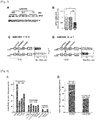
- three SNPs, rs449647, rs405509, and rs440446 were derived. These polymorphisms were located in the APOE promoter and intron regions ( FIG. 1B ). These showed large differences in allelic (rs449647-A, rs405509-T, and rs440446-G) frequencies among East Asian, Caucasian, and African ancestry ( FIG. 1C ).
- e4 homozygotes from East Asians had TT-genotype of 90.4%, while those from Caucasians and Africans had TT-genotypes of 64.2% and 21.3%, respectively, indicating that a difference in allelic frequency of rs405509 may provide a difference in susceptibility to AD onset for e4/4 among different ethnic groups.
- rs449647 and rs440446 showed different allelic frequencies among different ethnic groups, but frequencies thereof in e4/4 were not largely different among the ethnic groups.
- rs405509-TT showed a remarkably high odds ratio in both the 3/4 and e4/4 subject groups from the NRCD data set (East Asians) (Table 6), suggesting an ethnic difference in risk for e4/4.
- E4 homozygotes with a high rs405509-TT frequency in East Asians exhibited higher susceptibility to Alzheimer's disease than Caucasian and African ancestry.
- e3/4 and e4/4 subjects analyzed relevance of e3/4 and e4/4 in other rs405509 genotype backgrounds, that is, rs405509-TT, GT, and GG (Table 7).
- e3/4 and e4/4 subjects exhibited a higher odds ratio for the rs405509-TT genotype than the rs405509-G allele background in both NRCD and ADNI data sets.
- e4/4 In order to identify whether ethnic differences are exhibited in brain atrophy mediated by APOE e4/4, the present inventors performed point-wise cortical thickness analysis, through a general linear model, between e4/4 and e3/3 subjects for East Asians and Caucasians. In both East Asians and Caucasians, e4/4 subjects exhibited a thinner cortical area than e3/3 ( FIGS. 2A, 2B, and 2C ). Areas where e4/4-dependent contraction occurred were the entorhinal-parahippocampal-fusiform, the precuneus, and the inferior parietal lobule (P ⁇ 0.05).
- cortical thickness in these areas was much strongly exhibited in East Asians as compared with Caucasians.
- Covariance analysis was performed to measure ethnic differences in e4/4-induced cortical atrophy.
- a relative mean cortical thickness in the areas where cortical atrophy had occurred was calculated for e4/4 subjects with reference to e3/3.
- a large difference was exhibited between e4/4 and e3/3 in terms of mean cortical thicknesses within the medial temporal cortex including the entorhinal cortex and parahippocampal cortex, and the precuneus (*P ⁇ 0.05, ** P ⁇ 0.01).
- the East Asians exhibited a larger difference between e4/4/and e3/4 than in the Caucasians ( FIGS. 2B and 2C ).
- a direct comparison (normalized to e3/3) of relative cortical contraction in e4/4 between the East Asians and the Caucasians also showed significant results (*P ⁇ 0.05, **P ⁇ 0.01).
- the present inventors analyzed hippocampal volumes between e4/4 and e3/3 subjects in the East Asians and the Caucasians.
- rs405509 In order to examine an effect of rs405509 on brain atrophy in e4/4 homozygotes, the present inventors analyzed decreased cortical thickness depending on e4/4 and respective genotype combinations of rs405509 (e4/4-TT, e4/4-GT, and e4/4-GG) with reference to e3/3 in Caucasian subjects ( FIGS. 2E, 2F, and 2G ). E4/4 subjects with rs405509-TT exhibited remarkable clusters within the medial temporal cortex (entorhinal cortex and parahippocampal cortex) and the precuneus (P ⁇ 0.05). On the other hand, e4/4 subjects with rs405509-G allele did not exhibit such clusters.
- rs405509 is associated with onset of Alzheimer's disease and brain contraction in e4 homozygotes. Therefore, the present inventors analyzed biological relevance of rs405509 to regulation of APOE.
- the present inventors performed Western blotting for human sera of rs405509-TT, GT, and GG genotypes in e3/3 subjects ( FIG. 3A ).
- a level of the APOE protein in the subjects with rs405509-TT was decreased to a surprising level as compared with the level in the subjects with rs405509-GG and GT ( FIG. 3A ).
- rs405509 an effect of rs405509 on transcriptional activity of APOE was identified through a reporter gene assay.
- the assay was performed using APOE promoter fragments from AD patients with rs405509-T allele and cognitively normal individuals with rs405509-G.
- the rs405509 allele in each promoter region was changed to an alternative-allele, and then a luciferase-based reporter gene assay was performed ( FIGS. 3C and 3D ).
- the present invention provides a method that enables a more accurate prediction for risk of dementia by analyzing, in genomic DNA collected from blood or a biological sample, APOE genotype as well as genetic variation of rs405509 in the APOE promoter.
- the present invention can contribute to future diagnosis techniques based on big data for dementia together with complex clinical and pathological information such as MRI brain image, neuropsychological test, cerebrospinal fluid (CSF) test, and amyloid-PET test.
Landscapes
- Life Sciences & Earth Sciences (AREA)
- Chemical & Material Sciences (AREA)
- Health & Medical Sciences (AREA)
- Engineering & Computer Science (AREA)
- Organic Chemistry (AREA)
- Proteomics, Peptides & Aminoacids (AREA)
- Zoology (AREA)
- Wood Science & Technology (AREA)
- Molecular Biology (AREA)
- Analytical Chemistry (AREA)
- Physics & Mathematics (AREA)
- Immunology (AREA)
- General Health & Medical Sciences (AREA)
- Genetics & Genomics (AREA)
- Microbiology (AREA)
- Biochemistry (AREA)
- Biotechnology (AREA)
- Biophysics (AREA)
- Bioinformatics & Cheminformatics (AREA)
- General Engineering & Computer Science (AREA)
- Biomedical Technology (AREA)
- Pathology (AREA)
- Radiology & Medical Imaging (AREA)
- Nuclear Medicine, Radiotherapy & Molecular Imaging (AREA)
- Hematology (AREA)
- Urology & Nephrology (AREA)
- Neurology (AREA)
- Food Science & Technology (AREA)
- Medical Informatics (AREA)
- Medicinal Chemistry (AREA)
- Chemical Kinetics & Catalysis (AREA)
- Cell Biology (AREA)
- Neurosurgery (AREA)
- Heart & Thoracic Surgery (AREA)
- General Physics & Mathematics (AREA)
- Surgery (AREA)
- Animal Behavior & Ethology (AREA)
- Public Health (AREA)
- Veterinary Medicine (AREA)
- Measuring Or Testing Involving Enzymes Or Micro-Organisms (AREA)
Applications Claiming Priority (3)
| Application Number | Priority Date | Filing Date | Title |
|---|---|---|---|
| KR20170060225 | 2017-05-15 | ||
| PCT/KR2017/005137 WO2018212371A1 (fr) | 2017-05-17 | 2017-05-17 | Polymorphisme mononucléotidique de promoteur d'apoe associé à un risque de maladie d'alzheimer et son utilisation |
| PCT/KR2018/000649 WO2018212427A1 (fr) | 2017-05-15 | 2018-01-15 | Polymorphisme mononucléotidique de promoteur d'apoe associé à un risque de maladie d'alzheimer et son utilisation |
Publications (2)
| Publication Number | Publication Date |
|---|---|
| EP3626830A1 true EP3626830A1 (fr) | 2020-03-25 |
| EP3626830A4 EP3626830A4 (fr) | 2021-01-27 |
Family
ID=64273920
Family Applications (1)
| Application Number | Title | Priority Date | Filing Date |
|---|---|---|---|
| EP18801295.9A Withdrawn EP3626830A4 (fr) | 2017-05-15 | 2018-01-15 | Polymorphisme mononucléotidique de promoteur d'apoe associé à un risque de maladie d'alzheimer et son utilisation |
Country Status (5)
| Country | Link |
|---|---|
| US (1) | US20200370101A1 (fr) |
| EP (1) | EP3626830A4 (fr) |
| JP (2) | JP7399465B2 (fr) |
| CN (1) | CN110249061A (fr) |
| WO (1) | WO2018212427A1 (fr) |
Cited By (1)
| Publication number | Priority date | Publication date | Assignee | Title |
|---|---|---|---|---|
| CN113943790A (zh) * | 2021-10-25 | 2022-01-18 | 北京华夏时代基因科技发展有限公司 | 一种检测ApoE单核苷酸多态性的方法 |
Families Citing this family (5)
| Publication number | Priority date | Publication date | Assignee | Title |
|---|---|---|---|---|
| WO2021037027A1 (fr) * | 2019-08-29 | 2021-03-04 | The Hong Kong University Of Science And Technology | Variants génétiques pour le diagnostic de la maladie d'alzheimer |
| CN112980954B (zh) * | 2021-03-03 | 2022-02-25 | 首都医科大学宣武医院 | 一种预测神经退行性疾病风险的试剂盒及其用途 |
| CN114822850A (zh) * | 2022-05-11 | 2022-07-29 | 杭州青果医疗科技有限责任公司 | 预测痴呆症或轻度认知障碍的系统 |
| CN114736963B (zh) * | 2022-05-25 | 2023-03-24 | 首都医科大学宣武医院 | 一种用于预测阿尔茨海默病发病风险的物质的组合、试剂盒及应用 |
| CN119694574B (zh) * | 2025-02-21 | 2025-08-22 | 天津医科大学 | 基于关联信息处理模型的痴呆风险预测系统 |
Family Cites Families (8)
| Publication number | Priority date | Publication date | Assignee | Title |
|---|---|---|---|---|
| US20020025527A1 (en) * | 2000-07-03 | 2002-02-28 | Fiona Crawford | Methods and assays for diagnosing alzheimer's disease |
| CA2466596A1 (fr) * | 2001-11-09 | 2003-06-05 | University Of Zurich | Procedes d'identification de risque genetique pour le traitement et l'evaluation de traitement de la maladie d'alzheimer par la determination du genotype cyp46 |
| JP4491276B2 (ja) * | 2004-05-17 | 2010-06-30 | 日本製粉株式会社 | 標的dna配列において一塩基変異多型の存在を検出する方法及びキット |
| WO2006093138A1 (fr) * | 2005-03-04 | 2006-09-08 | Nagoya Industrial Science Research Institute | Procédé de détermination de la tendance au développement de l’apoptose et utilisation dudit procédé |
| KR101335021B1 (ko) * | 2007-07-31 | 2013-12-12 | 액세라인크 | 게놈 테스트의 용도 및 인지 기능 저하 치료용 케톤성 화합물 |
| CN102471800A (zh) * | 2009-07-03 | 2012-05-23 | 加的夫大学学院咨询有限公司 | 阿尔茨海默病的诊断和治疗 |
| WO2011085115A2 (fr) * | 2010-01-08 | 2011-07-14 | Mayo Foundation For Medical Education And Research | Évaluation d'êtres humains pour un risque de début tardif de développement de la maladie d'alzheimer |
| RU2014123511A (ru) * | 2011-11-10 | 2015-12-20 | Дженентек, Инк | Способы лечения, диагностики и мониторинга болезни альцгеймера |
-
2018
- 2018-01-15 CN CN201880009624.6A patent/CN110249061A/zh active Pending
- 2018-01-15 WO PCT/KR2018/000649 patent/WO2018212427A1/fr not_active Ceased
- 2018-01-15 JP JP2019536313A patent/JP7399465B2/ja active Active
- 2018-01-15 EP EP18801295.9A patent/EP3626830A4/fr not_active Withdrawn
- 2018-01-15 US US15/932,345 patent/US20200370101A1/en not_active Abandoned
-
2021
- 2021-11-01 JP JP2021178702A patent/JP2022033735A/ja active Pending
Cited By (1)
| Publication number | Priority date | Publication date | Assignee | Title |
|---|---|---|---|---|
| CN113943790A (zh) * | 2021-10-25 | 2022-01-18 | 北京华夏时代基因科技发展有限公司 | 一种检测ApoE单核苷酸多态性的方法 |
Also Published As
| Publication number | Publication date |
|---|---|
| CN110249061A (zh) | 2019-09-17 |
| JP7399465B2 (ja) | 2023-12-18 |
| JP2020510411A (ja) | 2020-04-09 |
| WO2018212427A1 (fr) | 2018-11-22 |
| US20200370101A1 (en) | 2020-11-26 |
| EP3626830A4 (fr) | 2021-01-27 |
| JP2022033735A (ja) | 2022-03-02 |
Similar Documents
| Publication | Publication Date | Title |
|---|---|---|
| EP3626830A1 (fr) | Polymorphisme mononucléotidique de promoteur d'apoe associé à un risque de maladie d'alzheimer et son utilisation | |
| Oegema et al. | International consensus recommendations on the diagnostic work-up for malformations of cortical development | |
| Guerreiro et al. | Using exome sequencing to reveal mutations in TREM2 presenting as a frontotemporal dementia–like syndrome without bone involvement | |
| Voineskos et al. | Oligodendrocyte genes, white matter tract integrity, and cognition in schizophrenia | |
| Morgen et al. | Genetic interaction of PICALM and APOE is associated with brain atrophy and cognitive impairment in Alzheimer's disease | |
| US20050283054A1 (en) | Evaluation of a treatment to decrease the risk of a progressive brain disorder or to slow brain aging | |
| KR101933847B1 (ko) | 알츠하이머병 위험도와 관련된 apoe 프로모터 단일염기변이 및 이것의 용도 | |
| Rodriguez-Fernandez et al. | Genetically predicted telomere length and Alzheimer’s disease endophenotypes: a Mendelian randomization study | |
| Chen et al. | The interaction of APOE genotype by age in amnestic mild cognitive impairment: a voxel-based morphometric study | |
| Louwersheimer et al. | The influence of genetic variants in SORL1 gene on the manifestation of Alzheimer's disease | |
| Manzano-Crespo et al. | Lower serum expression of miR-181c-5p is associated with increased plasma levels of amyloid-beta 1–40 and cerebral vulnerability in normal aging | |
| Nho et al. | Integration of bioinformatics and imaging informatics for identifying rare PSEN1 variants in Alzheimer’s disease | |
| Liao et al. | SPG35 contributes to the second common subtype of AR‐HSP in China: frequency analysis and functional characterization of FA2H gene mutations | |
| Shen et al. | Modulation of APOE and SORL1 genes on hippocampal functional connectivity in healthy young adults | |
| Ramanan et al. | Variants in PPP2R2B and IGF2BP3 are associated with higher tau deposition | |
| Lin et al. | Mutational analysis in familial Alzheimer’s disease of Han Chinese in Taiwan with a predominant mutation PSEN1 p. Met146Ile | |
| Le Grand et al. | Diffusion imaging genomics provides novel insight into early mechanisms of cerebral small vessel disease | |
| Abdel-Hamid et al. | Phenotypic and mutational spectrum of thirty-five patients with Sjögren–Larsson syndrome: identification of eleven novel ALDH3A2 mutations and founder effects | |
| Liu et al. | The interactive effects of age and PICALM rs541458 polymorphism on cognitive performance, brain structure, and function in non-demented elderly | |
| Sims et al. | Evidence that variation in the oligodendrocyte lineage transcription factor 2 (OLIG2) gene is associated with psychosis in Alzheimer's disease | |
| Alemany et al. | A genome-wide association study of attention function in a population-based sample of children | |
| Boraxbekk et al. | Investigating the influence of KIBRA and CLSTN2 genetic polymorphisms on cross-sectional and longitudinal measures of memory performance and hippocampal volume in older individuals | |
| Bai et al. | Multiple genetic imaging study of the association between cholesterol metabolism and brain functional alterations in individuals with risk factors for Alzheimer's disease | |
| Boztug et al. | HAX1 mutations causing severe congenital neuropenia and neurological disease lead to cerebral microstructural abnormalities documented by quantitative MRI | |
| He et al. | An intronic CYP46A1 polymorphism is associated with Alzheimer disease in a Chinese Han population |
Legal Events
| Date | Code | Title | Description |
|---|---|---|---|
| STAA | Information on the status of an ep patent application or granted ep patent |
Free format text: STATUS: THE INTERNATIONAL PUBLICATION HAS BEEN MADE |
|
| PUAI | Public reference made under article 153(3) epc to a published international application that has entered the european phase |
Free format text: ORIGINAL CODE: 0009012 |
|
| STAA | Information on the status of an ep patent application or granted ep patent |
Free format text: STATUS: REQUEST FOR EXAMINATION WAS MADE |
|
| 17P | Request for examination filed |
Effective date: 20190628 |
|
| AK | Designated contracting states |
Kind code of ref document: A1 Designated state(s): AL AT BE BG CH CY CZ DE DK EE ES FI FR GB GR HR HU IE IS IT LI LT LU LV MC MK MT NL NO PL PT RO RS SE SI SK SM TR |
|
| AX | Request for extension of the european patent |
Extension state: BA ME |
|
| DAV | Request for validation of the european patent (deleted) | ||
| DAX | Request for extension of the european patent (deleted) | ||
| REG | Reference to a national code |
Ref country code: DE Ref legal event code: R079 Free format text: PREVIOUS MAIN CLASS: C12Q0001680000 Ipc: C12Q0001688300 |
|
| A4 | Supplementary search report drawn up and despatched |
Effective date: 20210114 |
|
| RIC1 | Information provided on ipc code assigned before grant |
Ipc: C12Q 1/68 20180101ALI20201223BHEP Ipc: C12Q 1/6883 20180101AFI20201223BHEP |
|
| STAA | Information on the status of an ep patent application or granted ep patent |
Free format text: STATUS: EXAMINATION IS IN PROGRESS |
|
| 17Q | First examination report despatched |
Effective date: 20230113 |
|
| GRAP | Despatch of communication of intention to grant a patent |
Free format text: ORIGINAL CODE: EPIDOSNIGR1 |
|
| STAA | Information on the status of an ep patent application or granted ep patent |
Free format text: STATUS: GRANT OF PATENT IS INTENDED |
|
| INTG | Intention to grant announced |
Effective date: 20231025 |
|
| STAA | Information on the status of an ep patent application or granted ep patent |
Free format text: STATUS: THE APPLICATION IS DEEMED TO BE WITHDRAWN |
|
| 18D | Application deemed to be withdrawn |
Effective date: 20240305 |