EP3631452B1 - Verfahren zur charakterisierung von plasmazellenassoziierten erkrankungen - Google Patents
Verfahren zur charakterisierung von plasmazellenassoziierten erkrankungen Download PDFInfo
- Publication number
- EP3631452B1 EP3631452B1 EP18728707.3A EP18728707A EP3631452B1 EP 3631452 B1 EP3631452 B1 EP 3631452B1 EP 18728707 A EP18728707 A EP 18728707A EP 3631452 B1 EP3631452 B1 EP 3631452B1
- Authority
- EP
- European Patent Office
- Prior art keywords
- flc
- fragments
- antibodies
- lambda
- kappa
- Prior art date
- Legal status (The legal status is an assumption and is not a legal conclusion. Google has not performed a legal analysis and makes no representation as to the accuracy of the status listed.)
- Active
Links
Images





Classifications
-
- G—PHYSICS
- G01—MEASURING; TESTING
- G01N—INVESTIGATING OR ANALYSING MATERIALS BY DETERMINING THEIR CHEMICAL OR PHYSICAL PROPERTIES
- G01N33/00—Investigating or analysing materials by specific methods not covered by groups G01N1/00 - G01N31/00
- G01N33/48—Biological material, e.g. blood, urine; Haemocytometers
- G01N33/50—Chemical analysis of biological material, e.g. blood, urine; Testing involving biospecific ligand binding methods; Immunological testing
- G01N33/68—Chemical analysis of biological material, e.g. blood, urine; Testing involving biospecific ligand binding methods; Immunological testing involving proteins, peptides or amino acids
- G01N33/6803—General methods of protein analysis not limited to specific proteins or families of proteins
- G01N33/6848—Methods of protein analysis involving mass spectrometry
-
- C—CHEMISTRY; METALLURGY
- C07—ORGANIC CHEMISTRY
- C07K—PEPTIDES
- C07K16/00—Immunoglobulins [IG], e.g. monoclonal or polyclonal antibodies
- C07K16/42—Immunoglobulins [IG], e.g. monoclonal or polyclonal antibodies against immunoglobulins
-
- G—PHYSICS
- G01—MEASURING; TESTING
- G01N—INVESTIGATING OR ANALYSING MATERIALS BY DETERMINING THEIR CHEMICAL OR PHYSICAL PROPERTIES
- G01N33/00—Investigating or analysing materials by specific methods not covered by groups G01N1/00 - G01N31/00
- G01N33/48—Biological material, e.g. blood, urine; Haemocytometers
- G01N33/50—Chemical analysis of biological material, e.g. blood, urine; Testing involving biospecific ligand binding methods; Immunological testing
- G01N33/53—Immunoassay; Biospecific binding assay; Materials therefor
- G01N33/575—Immunoassay; Biospecific binding assay; Materials therefor for cancer
- G01N33/57505—Immunoassay; Biospecific binding assay; Materials therefor for cancer of the blood, e.g. leukaemia
-
- G—PHYSICS
- G01—MEASURING; TESTING
- G01N—INVESTIGATING OR ANALYSING MATERIALS BY DETERMINING THEIR CHEMICAL OR PHYSICAL PROPERTIES
- G01N33/00—Investigating or analysing materials by specific methods not covered by groups G01N1/00 - G01N31/00
- G01N33/48—Biological material, e.g. blood, urine; Haemocytometers
- G01N33/50—Chemical analysis of biological material, e.g. blood, urine; Testing involving biospecific ligand binding methods; Immunological testing
- G01N33/68—Chemical analysis of biological material, e.g. blood, urine; Testing involving biospecific ligand binding methods; Immunological testing involving proteins, peptides or amino acids
- G01N33/6854—Immunoglobulins
-
- G—PHYSICS
- G01—MEASURING; TESTING
- G01N—INVESTIGATING OR ANALYSING MATERIALS BY DETERMINING THEIR CHEMICAL OR PHYSICAL PROPERTIES
- G01N33/00—Investigating or analysing materials by specific methods not covered by groups G01N1/00 - G01N31/00
- G01N33/48—Biological material, e.g. blood, urine; Haemocytometers
- G01N33/50—Chemical analysis of biological material, e.g. blood, urine; Testing involving biospecific ligand binding methods; Immunological testing
- G01N33/68—Chemical analysis of biological material, e.g. blood, urine; Testing involving biospecific ligand binding methods; Immunological testing involving proteins, peptides or amino acids
- G01N33/6854—Immunoglobulins
- G01N33/6857—Antibody fragments
-
- C—CHEMISTRY; METALLURGY
- C07—ORGANIC CHEMISTRY
- C07K—PEPTIDES
- C07K2317/00—Immunoglobulins specific features
- C07K2317/50—Immunoglobulins specific features characterized by immunoglobulin fragments
- C07K2317/54—F(ab')2
-
- G—PHYSICS
- G01—MEASURING; TESTING
- G01N—INVESTIGATING OR ANALYSING MATERIALS BY DETERMINING THEIR CHEMICAL OR PHYSICAL PROPERTIES
- G01N2800/00—Detection or diagnosis of diseases
- G01N2800/24—Immunology or allergic disorders
Definitions
- the invention relates to methods of identifying or monitoring plasma cell associated diseases by purifying free light chains (FLC) from a subject and detecting them using mass spectrometry.
- FLC free light chains
- Antibody molecules also known as immunoglobulins
- the variable domains of the heavy and light chains combine to form an antigen-binding site, so that both chains contribute to the antigen-binding specificity of the antibody molecule.
- the basic tetrameric structure of antibodies comprises two heavy chains covalently linked by a disulphide bond. Each heavy chain is in turn attached to a light chain, again via a disulphide bond. This produces a substantially "Y"-shaped molecule.
- Heavy chains are the larger of the two types of chain found in antibodies, with typical molecular mass of 50,000-77,000 Da, compared with the smaller light chain with a typical molecular mass of 22,000 to 25,000 Da.
- IgG is the major immunoglobulin of normal human serum, accounting for 70-75% of the total immunoglobulin pool. This is the major antibody of secondary immune responses. It forms a single tetramer of two heavy chains plus two light chains.
- IgM accounts for approximately 10% of the immunoglobulin pool.
- the individual heavy chains have a molecular weight of approximately 65,000 Da and the whole molecule has a molecular weight of about 970,000 Da.
- IgM is largely confined to the intravascular pool and is the predominant early antibody.
- IgA represents 15-20% of human serum immunoglobulin pool. More than 80% of IgA occurs as a monomer. However, some of the IgA (secretory IgA) exists as a dimeric form.
- IgD accounts for less than 1% of the total plasma immunoglobulin. IgD is found on the surface membrane of maturing B-cells.
- IgE although scarce in normal serum, is found on the surface membrane of basophils and mast-cells. It is associated with allergic diseases such as asthma and hay-fever.
- IgG immunoglobulin G
- IgA immunoglobulin A
- ⁇ Lambda
- Kappa ⁇
- Each chain contains approximately 220 amino acids in a single polypeptide chain that is folded into one constant and one variable domain.
- Plasma cells produce one of the five heavy chain types together with either ⁇ or ⁇ molecules.
- the light chain molecules are not bound to heavy chain molecules, they are known as "free light chain molecules".
- the ⁇ light chains are usually found as monomers. The ⁇ light chains tend to form dimers.
- a plasma cell proliferates to form a monoclonal tumour of identical plasma cells. This results in production of large amounts of identical immunoglobulins and is known as a monoclonal gammopathy.
- myeloma and primary systemic amyloidosis account for approximately 1.5% and 0.3% respectively of cancer deaths in the United Kingdom.
- Multiple myeloma is the second-most common form of haematological malignancy after non-Hodgkin lymphoma. In Caucasian populations the incidence is approximately 40 per million per year.
- diagnosis of multiple myeloma is based on the presence of excess monoclonal plasma cells in the bone marrow, monoclonal immunoglobulins in the serum or urine and related organ or tissue impairment such as hypercalcaemia, renal insufficiency, anaemia or bone lesions.
- Normal plasma cell content of the bone marrow is about 1% of nucleated cells, while in multiple myeloma the content is typically greater than 10%, frequently greater than 30%, but may be over 90%.
- AL amyloidosis is a protein conformation disorder characterised by the accumulation of monoclonal free light chain fragments as amyloid deposits. Typically, these patients present with heart or renal failure but peripheral nerves and other organs may also be involved.
- B-cell non-Hodgkin lymphomas cause approximately 2.6% of all cancer deaths in the UK and monoclonal immunoglobulins have been identified in the serum of about 10-15% of patients using standard electrophoresis methods. Initial reports indicate that monoclonal free light chains can be detected in the urine of 60-70% of patients. In B-cell chronic lymphocytic leukaemia monoclonal proteins have been identified by free light chain immunoassay.
- MGUS monoclonal gammopathy of undetermined significance. This term denotes the unexpected presence of a monoclonal intact immunoglobulin in individuals who have no evidence of multiple myeloma, AL amyloidosis, Waldenström's macroglobulinaemia, etc.
- MGUS may be found in 1% of the population over 50 years, 3% over 70 years and up to 10% over 80 years of age. Most of these are IgG- or IgM-related, although more rarely IgA-related or bi-clonal. Although most people with MGUS die from unrelated diseases, MGUS may transform into malignant monoclonal gammopathies.
- the diseases present abnormal concentrations of monoclonal immunoglobulins or free light chains. Where a disease produces the abnormal replication of a plasma cell, this often results in the production of more immunoglobulins by that type of cell as that "monoclone" multiplies and appears in the blood.
- Immunofixation electrophoresis uses a precipitating antibody against the immunoglobulin molecules. Whilst this improves the sensitivity of the test it cannot be used to quantify monoclonal immunoglobulins because of the presence of the precipitating antibody. Immunofixation electrophoresis is also rather laborious to perform and interpretation may be difficult. Capillary zone electrophoresis is used in many clinical laboratories for serum protein separation and is able to detect most monoclonal immunoglobulins. However, when compared with immunofixation, capillary zone electrophoresis fails to detect monoclonal proteins in 5% of samples. These so-called "false negative" results encompass low-concentration monoclonal proteins.
- Total ⁇ and ⁇ assays have been produced. However, total ⁇ and total ⁇ assays are too insensitive for the detection of monoclonal immunoglobulin or free light chain. This is due to high background concentrations of polyclonal bound light chains which interfere with such assays.
- a sensitive assay has been developed that can detect the free ⁇ light chains and separately, the free ⁇ light chains.
- This method uses a polyclonal antibody directed towards either the free ⁇ or the free ⁇ light chains.
- the possibility of raising such antibodies was also discussed as one of a number of different possible specificities, in WO 97/17372 .
- This document discloses methods of tolerising an animal to allow it to produce desired antibodies that are more specific than prior art techniques could produce.
- the free light chain assay uses the antibodies to bind to free ⁇ or free ⁇ light chains.
- the concentration of the free light chains is determined by nephelometry or turbidimetry. This involves the addition of the test sample to a solution containing the appropriate antibody in a reaction vessel or cuvette.
- a beam of light is passed through the cuvette and as the antigen-antibody reaction proceeds, the light passing through the cuvette is scattered increasingly as insoluble immune complexes are formed.
- the light scatter is monitored by measuring the light intensity at an angle away from the incident light, whilst in turbidimetry light scatter is monitored by measuring the decrease in intensity of the incident beam of light.
- a series of calibrators of known antigen (i.e. free ⁇ or free I) concentration are assayed initially to produce a calibration curve of measured light scatter versus antigen concentration.
- FLC free-light chains
- heavy chain or subclasses or light chain-type bound to heavy chain class or subclass
- B cell diseases such as multiple myeloma
- immune mediated diseases such as nephropathy
- WO2015/154052 discloses methods of detecting immunoglobulin light chains, immunoglobulin heavy chains, or mixtures thereof, using mass spectrometry (MS).
- MS mass spectrometry
- Samples comprising immunoglobulin light chains, heavy chains or mixtures thereof are immunopurified, reduced to separate light chains and heavy chains, and subjected to mass spectrometry to obtain a mass spectrum of the sample.
- This can be used to detect monoclonal proteins in samples from patients. It can also be used to fingerprint, isotype, and identify post-translational modifications such as disulphide bonds and glycosylation in monoclonal antibodies.
- WO 2015/131169 H. Lee Moffitt Cancer Centre . describes methods of monitoring conditions associated with abnormal antibody production. This uses enzymatic cleavage of target immunoglobulin and measuring one or more variable domain peptide fragments by quantitative mass spectrometry. The method is complex because it relies on the identification of variable domain peptide fragments unique to the specific target immunoglobulin associated with the disease, and involves lengthy enzymatic cleavage.
- FLC free light chain
- MS mass spectrometry
- Anti-FLC antibodies are used to purify FLC from a sample to reduce contaminants in the assay.
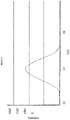
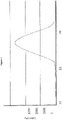
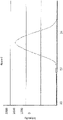
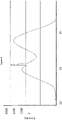
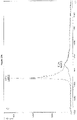
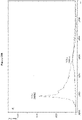
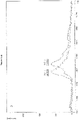
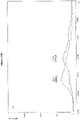
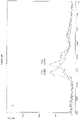
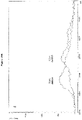
- the Applicant realised that when the purified FLC from a normal sample is analysed by MS, a curve of different sized and charged FLC is produced.
- Figure 1 shows the typical result for anti-free lambda
- Figure 2 for anti-free kappa
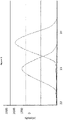
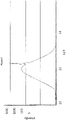
- Figures 3 and 4 the overlapping and combined curves of sizes for normal kappa and lambda production.
- the curves are made up of the many different individual peaks of FLCs produced by normal antibody producing cells in healthy subjects.
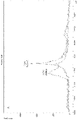
- the Applicant realised that in a monoclonal disease there is an increased amount of a FLC(s) produced due to the multiplying of that clone(s). This raises the amount of FLC considerably above the background normal FLC production. This can be seen as a sharp peak in intensity (see Figure 5 ). It also increases the sensitivity of the assay compared to prior art systems.
- the ratio of kappa and lambda is measured to identify abnormal FLC production.
- the current invention does not require separate kappa and lambda FLCs to be quantified. It instead relies on the single detection of an increased peak compared to the background FLC production. This allows, for example, great sensitivity to be achieved to identify non-secretary multiple myelomas and AL amyloidosis. It also allows the FLCs to be determined without reducing intact immunoglobulins to release light chains bound to heavy chains.
- FLCs are present in considerably lower concentrations, for example less than 40 mg/L, such as ca 26mg/L compared to intact immunoglobulins (typically 6 to 16g/L) for adults. 95% normal reference range for free kappa light chains is 3.3-19.4 mg/L and for free lambda light chains is 5.7-26.3 mg/L. It was therefore surprising to be able to identify FLCs even in normal patients and identify the presence of monoclonal FLCs in MGUS patients.
- the invention provides a method of identifying or monitoring a plasma cell associated disease comprising purifying immunoglobulin free light chains (FLCs) as defined in the claims.
- FLCs immunoglobulin free light chains
- the mass spectrometry assay typically separates the free light chains by virtue of their charge and mass, when subjected to mass spectrometry. This typically produces a normal distribution of FLCs with different molecular masses reflecting the molecular masses of the germline light chain amino acid sequences and the somatic hypermutation of those sequences in subjects with normal FLC. As discussed above, the presence of a monoclonal FLC produces a peak resulting from the increased amount of the monoclonal FLC produced by the plasma cell associated disease. That monoclonal FLC has a size and charge and is identified by the increased amount (peak) compared to the background normal FLCs present.
- Mass spectrometry includes, for example, liquid chromatography - mass spectrometry (LC-MS), microflow liquid chromatography electrospray ionisation coupled to a quadruple time-of-flight mass spectrometry (micro LC-ESI-Q-TOF MS). This may include, for example, the use of positive ion mode.
- An Orbitrap mass spectrometer, ion trap mass spectrometer, time-of-flight mass spectrometer, triple quadrupole mass spectrometer, or quadrupole mass spectrometer may be used.
- the MS technique includes a matrix assisted laser desorption ionisation-time-of-flight mass spectrometry (MALDI-TOF-MS).
- MALDI-TOF-MS matrix assisted laser desorption ionisation-time-of-flight mass spectrometry
- it is typically used on positive mode for charged ions, preferably 1+, 2+ and/or 3+ ions, and most preferably for 2+ ions.
- the anti-FLC specific antibodies or fragments thereof may be monoclonal or polyclonal antibodies or fragments.
- the antibodies may be synthetic antibodies, synthetic antibodies include recombinant antibodies, nucleic acid aptamers and non-immunoglobulin protein scaffolds.
- the antibodies may be species specific, such as anti-human or anti-horse or anti-sheep or anti-pig.
- the antibody may be raised in cartilaginous fish, sheep, goat, horse, rabbit, cow, camelids such as llamas, rats or mouse.
- the antibodies or fragments are capable of specifically binding to free light chains.
- the fragment of the antibody may, for example, be F(ab') 2 fragment.
- the anti-FLC specific antibodies or fragments may be anti-kappa FLC specific or anti-lambda FLC specific. That is, the lambda FLCs and kappa FLCs may be separated separately from the sample. For example, two separate assays would then be run on the mass spectrometry. Separate lambda FLC recording and a separate kappa FLC recording, such as those shown in Figures 1 and 2 , would then be produced
- a mixture of anti-kappa FLC specific and anti-lambda specific antibodies or fragments are used. This copurifies both the lambda and kappa free light chains, to produce, for example, the readout shown in Figure 4 for normal healthy patients. The monoclonal peaks are still identified above the combined background FLCs.
- the anti-FLC specific antibodies or fragments thereof may comprise one or more non-disulphide cross links between at least one heavy chain (or fragment) and at least one light chain (or fragment) of the antibody or fragments thereof.
- the cross-link typically comprises a thioether bond. Alternative cross-links may also be used.
- a thioether cross-link comprises a thioether bond. This is a link between residues of the antibody wherein the link has a single sulphur bond rather than a disulphate bond. That is thioether cross-links do not include links that comprise more than one sulphur atom, such as disulphide bridges that are familiar to those skilled in the art. Instead, a thioether cross-link comprises a single sulphur bond that bridges residues of a macromolecule. One or more additional non-sulphur atoms may additionally form the link.
- the residues linked by thioether cross-links can be natural residues or non-natural residues. Formation of the thioether cross-link can result in a loss of atoms from the residues, as will be recognised by those skilled in the art. For example, formation of a thioether cross-link between side chains of two cysteine residues can result in loss of a sulphur atom and hydrogen atoms from the residues, yet the resulting thioether cross-link will be recognised as linking the cysteine residues by one skilled in the art.
- Thioether cross-links can link any two residues of the antibody.
- One or more of the residues may be selected, for example, from cysteine, aspartic acid, glutamic acid, histidine methionine and tyrosine.
- Two of the residues may be selected from the group consisting of cysteine, aspartic acid, glutamic acid, histidine, methionine and tyrosine. More typically two of the residues are cysteine residues.
- only one thioether cross-link is between the heavy chain and the light chain.
- two, three or more thioether cross-links may be used.
- the heavy chain pair of the antibody, or a fragment thereof may also be linked by one or more non-disulphide cross-links, such as thioether bonds.
- Thioether cross-links are described in, for example, WO2006/099481 , and Zhang et al (2013) J. Biol. Chem. vol 288(23), 16371-8 and Zhang & Flynn (2013) J. Biol. Chem, vol 288(43), 34325-35 .
- Phosphines and phosphites may be used.
- R 3 P-containing compounds act as strong nucleophiles that can attack disulphide bonds. This can result in reduction of disulphides, however under some conditions, may also result in thioether bond formation.
- Compounds include:
- Cross-links may also comprise cross-linkers such as a maleimide cross-linker, which reacts with free thiols to cross-link to chains of the antibody molecule. This can be made to bind on one side of a thiol group and additionally on another moiety such as a lysine carboxyl group, as described in WO00/44788 .
- cross-linkers such as a maleimide cross-linker, which reacts with free thiols to cross-link to chains of the antibody molecule. This can be made to bind on one side of a thiol group and additionally on another moiety such as a lysine carboxyl group, as described in WO00/44788 .
- Bi-functional cross-linkers may be used comprising two reactive moieties linked together by a linker, especially a flexible linker.
- the linker may comprise one or more carbons covalently bound together in a chain, for example a substituted or non-substituted alkyl.
- the linker especially a C1-C10, most typically a C2-C6 or C3-C6 linker.
- C2-C6 containing cross linkers such as, o,o'-Dibromo- m -xylene, BMOE (bismaleimidoethane) or BMB (bismaleimidobutane) particularly useful with relatively high levels of recovery of cross-linked protein.
- Bismaleimide is a homobifunctional sulfhydryl reactive crosslinker
- cross-linker contains two maleimide groups connected by a hydrocarbon or other linker.
- the maleimide groups spontaneously react with free sulfhydryl groups exposed by reduction of disulphides to form a non-reducible thioether bond at each sulfhydryl, thereby covalently crosslinking the two remaining cystines.
- Compounds include:
- ⁇ , ⁇ '-Dibromo-m-xylene is a homobifunctional sulfhydryl reactive crosslinker which may also be used
- Dibromo-m-xylene ( CAS Number 626-15-3 ) is a member of the di-alkyl halide class of compounds and acts as a homobifunctional crosslinker that reacts with free sulfhydryl groups.
- the cross-link may replace one or more naturally occurring disulphide bonds or alternatively may be produced in addition to the disulphide bond.
- cross linking may include the following:
- reducing agent e.g. Tris(2-carboxyethyl)phosphine hydrochloride (TCEP; CAS Nr 51805-45-9 ).
- TCEP Tris(2-carboxyethyl)phosphine hydrochloride
- EDC Carbodiimide
- the antibodies are cross-linked.
- Cross linking efficiencies of 70% - 80% have been observed using, for example, bismaleimide.
- the cross-linked antibodies may be further purified to produce higher levels of cross-linking, for example by adding a reducing agent to break the disulphide bonds of remaining non-cross-linked antibodies and separating using, for example, gel electrophoresis.
- cross-linked antibodies reduces contamination of the sample by, for example, free light chains that have been released from the purifying antibodies. This increases the sensitivity and accuracy of the system.
- the method may additionally comprise the step of purifying total kappa and total lambda light chains with anti-total kappa and anti-total lambda antibodies or fragments thereof, and subjecting the purified sample to mass spectrometry to identify the presence of one or more peaks corresponding to monoclonal light chain production. That is, whilst the anti-FLC specific antibodies substantially only bind free light chains, the total kappa and/or total lambda light chains bind to both free light chains and also light chains which are bound to heavy chains. This therefore detects any light chains in the sample, not just free light chains. This additional step assists in identifying, for example, MGUS where monoclonal intact immunoglobulins are produced.
- total kappa light chain-specific antibodies and total lambda light chain-specific antibodies may be used, or alternatively a mixture of the two antibodies together may be used.
- the antibodies and fragments may be as defined above, or modified as above. Typically they are cross-linked with one or more non-disulphide cross-links.
- An alternative method which may be used instead of or in addition to assaying using total kappa and/or lambda antibodies is subject to a portion of the sample to reducing conditions, for example using a reducing agent. This releases the bound light chains from heavy chains. The released light chains may then be enriched or purified using anti-total kappa and/or lambda light chains or using anti-kappa and/or anti-lambda FLC antibodies.
- the antibodies used in the enriching step are modified by the presence of one or more non-disulphide cross-links between the light chain and heavy chain of the detecting antibodies then they may still be used under reducing conditions to detect the released light chains in the sample as shown in Figures 9 and 10 .
- the sample may be a suitable bodily fluid including, for example, tear fluid, plasma, serum, blood, urine, saliva or cerebrospinal fluid.
- the plasma cell associated disease may be any one in which the disease produces one or more monoclonal light chains. These include, for example: intact immunoglobulin, multiple myeloma, light chain multiple myeloma, non-secretory multiple myeloma, AL amyloidosis, light chain deposition disease (LCDD), smouldering multiple myeloma, monoclonal gammopathy of undetermined significance (MGUS), macroglobulinemia, POEMS (polyneuropathy, organomegaly, endocrinopathy, monoclonal gammopathy and skin changes) syndrome.
- monoclonal light chains include, for example: intact immunoglobulin, multiple myeloma, light chain multiple myeloma, non-secretory multiple myeloma, AL amyloidosis, light chain deposition disease (LCDD), smouldering multiple myeloma, monoclonal gammopathy of undetermined significance (MGUS), macroglobul
- the antibodies or fragments used in the invention to purify the FLC or total light chains may, for example, be provided on a suitable immunopurification column of the types generally known in the art.
- the antibodies may be attached to magnetic beads, for example of the type known as "DynaBeads TM ". This allows the antibodies to be mixed with the sample to bind to the FLC or total light chains in the sample.
- the antibodies attached to the FLC or light chains are then removed from the sample with the aid of a magnet to which the antibodies or fragments are attracted.
- the FLC or light chains may then be eluted from the antibody and used within the mass spectrometer, for example, by placing on a mass spectrometry target.
- the antibodies or fragments may be immobilised on, for example, a mass spectrometry target.
- the sample is contacted with the target comprising the antibodies, the target is washed to remove unbound material, and then the mass spectrometer target, containing the bound FLC or light chain (via the antibodies of fragments) is then subjected to mass spectrometry to detect the presence of the bound free light chain or light chains.
- the methods of the invention may also be used in combination with one or more additional assays to further characterise any conditions that the subject has.
- Serum plasma electrophoresis or immunofixation electrophoresis may be carried out to further characterise the condition.
- Total protein albumin or beta-2-microglobulin may be detected by MS or conventional assays known in the art.
- Renal function markers such as creatinine and cystatin may be assayed. Cardiac markers may also be assayed such as troponin, NT-pro-BNP. Bone profile/turnover for hypercalceamia may be assayed as might alkaline phosphatase (ALP) and phosphate (Ph).
- ALP alkaline phosphatase
- Ph phosphate
- the presently claimed invention is expected to detect a variety of different plasma cell associated diseases including intact immunoglobulin, multiple myeloma, light chain multiple myeloma, non-secretory multiple myeloma, AL amyloidosis, light chain deposition disease, smouldering multiple myeloma, plasmacytoma and MGUS.
- MGUS will be detected when a normal FLC clone is present.
- SPE serum plasma electrophoresis
- sFLC serum free light chains
- MS FLC the current invention.
- Kappa FLC and lambda FLC can be purified either separately or co-purified, using anti-kappa FLC antibodies and anti-lambda FLC antibodies, or mixtures thereof.
- the purified FLCs are spotted onto a mass spectrometry plate and analysed by MALDI-TOF.
- Figures 1 to 8 show how the presence of a monoclonal free light chain in the serum of a patient, may be easily identified by the presence of a peak, above the background, normal, production of free light chains. This peak may be identified even in areas of where there is overlap between kappa and lambda peaks.
- Anti-human IgG antibodies can be crosslinked by the homobifunctional crosslinker BS(PEG) 5 .
- the antibodies were incubated with increasing concentrations of BS(PEG) 5 (0 -40 molar excess) and analysed by reducing SDS-PAGE analysis.
- the reducing agent 50 mM DTT
- the antibody leads to the disassociation of the antibody into its heavy and light chain parts.
- incubation of the antibody with increasing concentrations (0 - 40 Molar excess) of BS(PEG) 5 produces a concomitant increase in crosslinking of the heavy and light chains to form reduction-resistant heavy-light chain pairs.
- Antibodies crosslinked with BS(PEG) 5 retain biological activity.
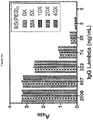
- Purified human IgG Lambda was coated onto microtitre plates at 3 - 2000 ng/mL. Following crosslinking with 0 - 40 Molar excess of BS(PEG) 5 , sheep Anti-human IgG antibodies were applied. The amount of bound antibody was determined using donkey anti-sheep antibodies conjugated to horse radish peroxidase reporter enzyme and 3,3',5,5'-Tetramethylbenzidine chromogenic substrate. As shown in Figure 10 , at concentrations of BS(PEG) 5 up to 40X molar excess, no significant effect on human IgG binding was observed, as compared to the uncrosslinked antibody.
- Figures 14 to 15 were diluted with PBS-T buffer (25 mM Sodium phosphate, 150 mM NaCl, 0.1% tween 20, pH 7.0) and incubated with antibody coated magnetic beads resuspended and washed sequentially 3 x in PBS-T and twice with deionised water. The beads were eluted with an acidic buffer for 15 mins at RT.
- PBS-T buffer 25 mM Sodium phosphate, 150 mM NaCl, 0.1% tween 20, pH 7.0
- the preliminary results show that using the positive mode for double charged ions allows the abnormal monoclonal FLCs to be detected better than the single positive mode.
Landscapes
- Health & Medical Sciences (AREA)
- Life Sciences & Earth Sciences (AREA)
- Engineering & Computer Science (AREA)
- Immunology (AREA)
- Molecular Biology (AREA)
- Chemical & Material Sciences (AREA)
- Hematology (AREA)
- Biomedical Technology (AREA)
- Urology & Nephrology (AREA)
- Physics & Mathematics (AREA)
- General Health & Medical Sciences (AREA)
- Biochemistry (AREA)
- Medicinal Chemistry (AREA)
- Microbiology (AREA)
- Food Science & Technology (AREA)
- Analytical Chemistry (AREA)
- Cell Biology (AREA)
- Biotechnology (AREA)
- General Physics & Mathematics (AREA)
- Pathology (AREA)
- Proteomics, Peptides & Aminoacids (AREA)
- Bioinformatics & Computational Biology (AREA)
- Bioinformatics & Cheminformatics (AREA)
- Biophysics (AREA)
- Spectroscopy & Molecular Physics (AREA)
- Organic Chemistry (AREA)
- Genetics & Genomics (AREA)
- Peptides Or Proteins (AREA)
- Other Investigation Or Analysis Of Materials By Electrical Means (AREA)
- Investigating Or Analysing Biological Materials (AREA)
- Medicines Containing Material From Animals Or Micro-Organisms (AREA)
- Medicines Containing Antibodies Or Antigens For Use As Internal Diagnostic Agents (AREA)
Claims (10)
- Verfahren zur Feststellung oder Überwachung einer mit Plasmazellen zusammenhängenden Krankheit, umfassend das Reinigen von freien Immunglobulin-Leichtketten (FLCs) aus einer Probe eines Subjekts mit Anti-FLC-spezifischen Antikörpern oder Fragmenten davon und das Unterziehen der gereinigten Probe einem Massenspektrometrieverfahren, um im Vergleich mit dem normalen FLC-Hintergrund das Vorhandensein von einem oder mehreren Peaks festzustellen, die einem oder mehreren monoklonalen FLCs in der Probe entsprechen, wobei die Anti-FLC-spezifischen Antikörper eine Mischung aus Anti-Kappa-FLC-spezifischen und Anti-Lambda-FLC-spezifischen Antikörpern oder Anti-Kappa-FLC-spezifischen Fragmenten oder Anti-Lambda-FLC-spezifischen Fragmenten davon sind.
- Verfahren nach Anspruch 1, wobei die Anti-FLC-spezifischen Antikörper oder Fragmente polyklonal sind.
- Verfahren nach Anspruch 1 oder 2, wobei die Antikörperfragmente F(ab')2-Fragmente sind.
- Verfahren nach einem der Ansprüche 1 bis 3, wobei die Anti-FLC-spezifischen Antikörper oder Fragmente eine oder mehrere Nicht-Disulfid-Querverbindungen zwischen mindestens einer schweren Kette (oder einem Fragment) und einer leichten Kette (oder einem Fragment) des Antikörpers oder seiner Fragmente umfassen.
- Verfahren nach einem der Ansprüche 1 bis 4, wobei bei dem Massenspektrometrieverfahren ein Orbitrap-Massenspektrometer, Ionenfallen-Massenspektrometer, Flugzeit-Massenspektrometer, Triple-Quadrupol-Massenspektrometer oder Quadrupol-Massenspektrometer verwendet werden kann.
- Verfahren nach Anspruch 5, wobei es sich bei dem Massenspektrometrieverfahren um matrixunterstützte Laserdesorptionsionisations-Flugzeit-Massenspektrometrie (MALDI-TOF) handelt.
- Verfahren nach einem der vorhergehenden Ansprüche, zusätzlich umfassend die Reinigung der gesamten Kappa- und der gesamten-Lambda-Leichtketten mit Anti-Gesamt-Kappa- und Anti-Gesamt-Lambda-Antikörpern oder Fragmenten und das Unterziehen der gereinigten Probe der Massenspektrometrie, um einen oder mehrere Peaks festzustellen, die einem oder mehreren monoklonalen Immunglobulinen entsprechen.
- Verfahren nach Anspruch 7, wobei die gesamten Lambda- und gesamten Kappa-Leichtketten unter Verwendung eines Gemischs von Anti-Gesamt-Kappa- und Anti-Gesamt-Lambda-Antikörpern gemeinsam gereinigt werden.
- Verfahren nach einem der Ansprüche 1 bis 8, wobei die mit Plasmazellen zusammenhängende Erkrankung ausgewählt ist aus intaktem Immunglobulin, multiplem Myelom, multiplem Leichtkettenmyelom, nicht-sekretorischem multiplem Myelom, AL-Amyloidose, Leichtkettenspeicherkrankheit (LCDD), schwelendem multiplem Myelom, monoklonaler Gammopathie unklarer Signifikanz (MGUS), Makroglobulinämie, POEMS-Syndrom (Polyneuropathie, Organomegalie, Endokrinopathie, monoklonale Gammopathie und Hautveränderungen) und LCDD.
- Verfahren nach einem der Ansprüche 1 bis 9, wobei es sich bei der Probe um Tränenflüssigkeit, Plasma, Serum, Speichel, Urin, Blut oder Zerebrospinalflüssigkeit handelt.
Priority Applications (2)
| Application Number | Priority Date | Filing Date | Title |
|---|---|---|---|
| EP22175618.2A EP4071478A1 (de) | 2017-05-23 | 2018-05-23 | Test für eine plasmazellassoziierte erkrankung |
| EP25217662.3A EP4675278A3 (de) | 2017-05-23 | 2018-05-23 | Assay für plasmazellenassoziierte krankheiten |
Applications Claiming Priority (2)
| Application Number | Priority Date | Filing Date | Title |
|---|---|---|---|
| GBGB1708262.9A GB201708262D0 (en) | 2017-05-23 | 2017-05-23 | Assay for plasma cell associated disease |
| PCT/GB2018/051401 WO2018215768A1 (en) | 2017-05-23 | 2018-05-23 | Assay for plasma cell associated disease |
Related Child Applications (3)
| Application Number | Title | Priority Date | Filing Date |
|---|---|---|---|
| EP22175618.2A Division-Into EP4071478A1 (de) | 2017-05-23 | 2018-05-23 | Test für eine plasmazellassoziierte erkrankung |
| EP22175618.2A Division EP4071478A1 (de) | 2017-05-23 | 2018-05-23 | Test für eine plasmazellassoziierte erkrankung |
| EP25217662.3A Division EP4675278A3 (de) | 2017-05-23 | 2018-05-23 | Assay für plasmazellenassoziierte krankheiten |
Publications (2)
| Publication Number | Publication Date |
|---|---|
| EP3631452A1 EP3631452A1 (de) | 2020-04-08 |
| EP3631452B1 true EP3631452B1 (de) | 2022-07-13 |
Family
ID=59220595
Family Applications (3)
| Application Number | Title | Priority Date | Filing Date |
|---|---|---|---|
| EP18728707.3A Active EP3631452B1 (de) | 2017-05-23 | 2018-05-23 | Verfahren zur charakterisierung von plasmazellenassoziierten erkrankungen |
| EP25217662.3A Pending EP4675278A3 (de) | 2017-05-23 | 2018-05-23 | Assay für plasmazellenassoziierte krankheiten |
| EP22175618.2A Pending EP4071478A1 (de) | 2017-05-23 | 2018-05-23 | Test für eine plasmazellassoziierte erkrankung |
Family Applications After (2)
| Application Number | Title | Priority Date | Filing Date |
|---|---|---|---|
| EP25217662.3A Pending EP4675278A3 (de) | 2017-05-23 | 2018-05-23 | Assay für plasmazellenassoziierte krankheiten |
| EP22175618.2A Pending EP4071478A1 (de) | 2017-05-23 | 2018-05-23 | Test für eine plasmazellassoziierte erkrankung |
Country Status (12)
| Country | Link |
|---|---|
| US (2) | US20200096520A1 (de) |
| EP (3) | EP3631452B1 (de) |
| JP (2) | JP7284713B2 (de) |
| KR (2) | KR102564244B1 (de) |
| CN (1) | CN110945360A (de) |
| AU (2) | AU2018274704C1 (de) |
| BR (1) | BR112019024602A2 (de) |
| CA (1) | CA3064521A1 (de) |
| DK (1) | DK3631452T3 (de) |
| ES (1) | ES2924870T3 (de) |
| GB (1) | GB201708262D0 (de) |
| WO (1) | WO2018215768A1 (de) |
Families Citing this family (9)
| Publication number | Priority date | Publication date | Assignee | Title |
|---|---|---|---|---|
| GB201603291D0 (en) * | 2016-02-25 | 2016-04-13 | Binding Site Group The Ltd | Antibodies |
| EP3511716A1 (de) * | 2018-01-16 | 2019-07-17 | Koninklijke Philips N.V. | Methoden, verwendungen und kits zur diagnose von periodontitis |
| CN113811772B (zh) * | 2019-05-10 | 2024-12-06 | 结合点集团有限公司 | 质谱分析校准物 |
| GB201916030D0 (en) | 2019-11-04 | 2019-12-18 | Binding Site Group Ltd | Method of detecting or monitoring minimal residual disease |
| EP4073517A1 (de) * | 2019-12-11 | 2022-10-19 | Erasmus University Rotterdam Medical Center | Verfahren zur überwachung von tiefen remissionen in multiplen myelomen und anderen plasmazelldyskrasien |
| CN113720900A (zh) * | 2021-09-14 | 2021-11-30 | 首都医科大学附属北京朝阳医院 | 一种基于madli-tof ms技术检测血清中m蛋白的方法 |
| CN114324557B (zh) * | 2021-12-03 | 2024-05-10 | 融智生物科技(青岛)有限公司 | 一种基于MALDI-TOF MS的ζ-珠蛋白的检测方法 |
| WO2023107473A1 (en) * | 2021-12-07 | 2023-06-15 | Dana-Farber Cancer Institute, Inc. | Identifying monoclonal gammopathies in a high-risk population for hematological malignancies |
| CN115684606B (zh) * | 2022-10-21 | 2023-11-28 | 南方医科大学珠江医院 | 一种m蛋白检测的方法 |
Citations (5)
| Publication number | Priority date | Publication date | Assignee | Title |
|---|---|---|---|---|
| EP0336472A1 (de) | 1988-04-01 | 1989-10-11 | New Scientific Company S.P.A. | Verfahren zur Bestimmung des Vorhandenseins leichter Ketten in Urinproben, Komplex von Vorbereitungen zur Erledigung des Verfahrens und damit verbundenes Reagenz |
| WO2006099481A2 (en) | 2005-03-14 | 2006-09-21 | Medimmune, Inc. | Macromolecules comprising a thioether cross-link |
| WO2015154052A1 (en) | 2014-04-04 | 2015-10-08 | Mayo Foundation For Medical Education And Research | Isotyping immunoglobulins using accurate molecular mass |
| WO2017053932A1 (en) | 2015-09-24 | 2017-03-30 | Mayo Foundation For Medical Education And Research | Identification of immunoglobulin free light chains by mass spectrometry |
| WO2017144900A1 (en) | 2016-02-25 | 2017-08-31 | The Binding Site Group Limited | Mass spectrometry kit |
Family Cites Families (11)
| Publication number | Priority date | Publication date | Assignee | Title |
|---|---|---|---|---|
| US4444879A (en) * | 1981-01-29 | 1984-04-24 | Science Research Center, Inc. | Immunoassay with article having support film and immunological counterpart of analyte |
| ATE285417T1 (de) | 1995-11-03 | 2005-01-15 | Binding Site Ltd | Herstellung von antikörpern |
| DE69942274D1 (de) | 1998-05-21 | 2010-06-02 | Univ Tennessee Res Foundation | Methoden zur amyloidentfernung mit anti-amyloid-antikörper |
| US6897044B1 (en) | 1999-01-28 | 2005-05-24 | Biogen Idec, Inc. | Production of tetravalent antibodies |
| GB0914535D0 (en) | 2009-08-19 | 2009-09-30 | Binding Site Group The Ltd | Prognosis assay |
| GB201004442D0 (en) * | 2010-03-17 | 2010-05-05 | Binding Site Group The | Biomarker |
| RU2603842C2 (ru) * | 2010-03-18 | 2016-12-10 | Конинклейке Филипс Электроникс Н.В. | Способ и устройство для увеличения диапазона затемнения фиксаторов твердотельного освещения |
| GB201203938D0 (en) * | 2012-03-06 | 2012-04-18 | Binding Site Group The Ltd | Assay system |
| WO2015131169A2 (en) | 2014-02-28 | 2015-09-03 | H. Lee Moffitt Cancer Center And Research Institute, Inc. | Personalized myeloma detection |
| PL3209767T3 (pl) * | 2014-10-21 | 2021-01-11 | Gennova Biopharmaceuticals Ltd. | Nowy sposób oczyszczania do izolacji i komercyjnej produkcji zrekombinowanego tnk-tpa (tenekteplazy) |
| KR101969121B1 (ko) * | 2014-10-28 | 2019-04-15 | 에스케이텔레콤 주식회사 | 시스테인 조작된 항체 |
-
2017
- 2017-05-23 GB GBGB1708262.9A patent/GB201708262D0/en not_active Ceased
-
2018
- 2018-05-23 CA CA3064521A patent/CA3064521A1/en active Pending
- 2018-05-23 WO PCT/GB2018/051401 patent/WO2018215768A1/en not_active Ceased
- 2018-05-23 EP EP18728707.3A patent/EP3631452B1/de active Active
- 2018-05-23 EP EP25217662.3A patent/EP4675278A3/de active Pending
- 2018-05-23 BR BR112019024602-9A patent/BR112019024602A2/pt unknown
- 2018-05-23 KR KR1020197037792A patent/KR102564244B1/ko active Active
- 2018-05-23 EP EP22175618.2A patent/EP4071478A1/de active Pending
- 2018-05-23 CN CN201880049111.8A patent/CN110945360A/zh active Pending
- 2018-05-23 AU AU2018274704A patent/AU2018274704C1/en active Active
- 2018-05-23 DK DK18728707.3T patent/DK3631452T3/da active
- 2018-05-23 ES ES18728707T patent/ES2924870T3/es active Active
- 2018-05-23 KR KR1020237026318A patent/KR102910595B1/ko active Active
- 2018-05-23 JP JP2019564982A patent/JP7284713B2/ja active Active
- 2018-05-23 US US16/615,814 patent/US20200096520A1/en active Pending
-
2022
- 2022-11-18 US US17/990,554 patent/US20230080943A1/en active Pending
-
2023
- 2023-04-07 JP JP2023062909A patent/JP2023098969A/ja active Pending
-
2024
- 2024-08-22 AU AU2024213167A patent/AU2024213167A1/en active Pending
Patent Citations (5)
| Publication number | Priority date | Publication date | Assignee | Title |
|---|---|---|---|---|
| EP0336472A1 (de) | 1988-04-01 | 1989-10-11 | New Scientific Company S.P.A. | Verfahren zur Bestimmung des Vorhandenseins leichter Ketten in Urinproben, Komplex von Vorbereitungen zur Erledigung des Verfahrens und damit verbundenes Reagenz |
| WO2006099481A2 (en) | 2005-03-14 | 2006-09-21 | Medimmune, Inc. | Macromolecules comprising a thioether cross-link |
| WO2015154052A1 (en) | 2014-04-04 | 2015-10-08 | Mayo Foundation For Medical Education And Research | Isotyping immunoglobulins using accurate molecular mass |
| WO2017053932A1 (en) | 2015-09-24 | 2017-03-30 | Mayo Foundation For Medical Education And Research | Identification of immunoglobulin free light chains by mass spectrometry |
| WO2017144900A1 (en) | 2016-02-25 | 2017-08-31 | The Binding Site Group Limited | Mass spectrometry kit |
Non-Patent Citations (7)
| Title |
|---|
| BERGEN III, R. ET AL.: "Characterization of amyloidogenic immunoglobulin light chains directly from serum by on-line immunoaffinity isolation", BIOMED. CHROMATOGR., vol. 18, 2004, pages 191 - 201, XP002475944, DOI: 10.1002/bmc.323 |
| GOLDBERG, M. ET AL.: "Specific Interchain Cross-Linking of Antibodies Using Bismaleimides. Repression of Ligand Leakage in Immunoaffinity Chromatography", BIOCONJUGATE CHEM, vol. 2, 1991, pages 275 - 280, XP055367595 |
| KOHLHAGEN, M.C. ET AL.: "Screening Method for M-Proteins in Serum Using Nanobody Enrichment Coupled to MALDI-TOF Mass Spectrometry", CLINICAL CHEMISTRY, vol. 62, no. 10, 2016, pages 1345 - 1352, XP055711926, DOI: 10.1373/clinchem.2015.253781 |
| LAVATELLI, F. ET AL.: "A novel approach for the purification and proteomic analysis of pathogenic immunoglobulin free light chains from serum", BIOCHIMICA ET BIOPHYSICA ACTA, vol. 1814, 2011, pages 409 - 419, XP028362369, DOI: 10.1016/j.bbapap.2010.12.012 |
| LAVATELLI, F. ET AL.: "Systemic amyloidoses and proteomics: The state of the art", EUPA OPEN PROTEOMICS, vol. 11, 2016, pages 4 - 10, XP093044436 |
| NELSON LEUNG ET AL: "Laboratory testing in monoclonal gammopathy of renal significance (MGRS)", CLINICAL CHEMISTRY AND LABORATORY MEDICINE, vol. 54, no. 6, 1 January 2016 (2016-01-01), DE, XP055489108, ISSN: 1434-6621, DOI: 10.1515/cclm-2015-0994 * |
| NEW SCIENTIFIC COMPANY S.R.L.: "Free Light Chains, Immage Nephelometric Kit - Urine", INSTRUCTIONS MANUAL, 8 July 2002 (2002-07-08), pages 1 - 2, XP093113696 |
Also Published As
| Publication number | Publication date |
|---|---|
| EP4675278A3 (de) | 2026-04-08 |
| DK3631452T3 (da) | 2022-08-22 |
| US20230080943A1 (en) | 2023-03-16 |
| US20200096520A1 (en) | 2020-03-26 |
| CN110945360A (zh) | 2020-03-31 |
| JP2020522683A (ja) | 2020-07-30 |
| EP4675278A2 (de) | 2026-01-07 |
| AU2018274704A1 (en) | 2019-12-12 |
| KR102910595B1 (ko) | 2026-01-12 |
| KR20200008620A (ko) | 2020-01-28 |
| WO2018215768A1 (en) | 2018-11-29 |
| AU2018274704C1 (en) | 2024-09-12 |
| EP3631452A1 (de) | 2020-04-08 |
| BR112019024602A2 (pt) | 2020-06-09 |
| CA3064521A1 (en) | 2018-11-29 |
| KR20230117646A (ko) | 2023-08-08 |
| AU2024213167A1 (en) | 2024-09-12 |
| JP7284713B2 (ja) | 2023-05-31 |
| ES2924870T3 (es) | 2022-10-11 |
| EP4071478A1 (de) | 2022-10-12 |
| JP2023098969A (ja) | 2023-07-11 |
| KR102564244B1 (ko) | 2023-08-07 |
| GB201708262D0 (en) | 2017-07-05 |
| AU2018274704B2 (en) | 2024-06-13 |
Similar Documents
| Publication | Publication Date | Title |
|---|---|---|
| US20230080943A1 (en) | Assay for plasma cell associated disease | |
| JP7541070B2 (ja) | 質量分析キット | |
| EP3420362B1 (de) | Antikörper | |
| HK40081916A (en) | Assay for plasma cell associated disease | |
| US20260126453A1 (en) | Mass Spectrometry Kit Including a Cross-linked Antibody or Fragment Thereof | |
| HK40087264A (en) | Mass spectrometry kit | |
| CA3015296C (en) | Mass spectrometry kit | |
| US20230184782A1 (en) | Mass spectrometry controls |
Legal Events
| Date | Code | Title | Description |
|---|---|---|---|
| STAA | Information on the status of an ep patent application or granted ep patent |
Free format text: STATUS: UNKNOWN |
|
| STAA | Information on the status of an ep patent application or granted ep patent |
Free format text: STATUS: THE INTERNATIONAL PUBLICATION HAS BEEN MADE |
|
| PUAI | Public reference made under article 153(3) epc to a published international application that has entered the european phase |
Free format text: ORIGINAL CODE: 0009012 |
|
| STAA | Information on the status of an ep patent application or granted ep patent |
Free format text: STATUS: REQUEST FOR EXAMINATION WAS MADE |
|
| 17P | Request for examination filed |
Effective date: 20191125 |
|
| AK | Designated contracting states |
Kind code of ref document: A1 Designated state(s): AL AT BE BG CH CY CZ DE DK EE ES FI FR GB GR HR HU IE IS IT LI LT LU LV MC MK MT NL NO PL PT RO RS SE SI SK SM TR |
|
| AX | Request for extension of the european patent |
Extension state: BA ME |
|
| DAV | Request for validation of the european patent (deleted) | ||
| DAX | Request for extension of the european patent (deleted) | ||
| STAA | Information on the status of an ep patent application or granted ep patent |
Free format text: STATUS: EXAMINATION IS IN PROGRESS |
|
| 17Q | First examination report despatched |
Effective date: 20201006 |
|
| GRAP | Despatch of communication of intention to grant a patent |
Free format text: ORIGINAL CODE: EPIDOSNIGR1 |
|
| STAA | Information on the status of an ep patent application or granted ep patent |
Free format text: STATUS: GRANT OF PATENT IS INTENDED |
|
| INTG | Intention to grant announced |
Effective date: 20220314 |
|
| GRAS | Grant fee paid |
Free format text: ORIGINAL CODE: EPIDOSNIGR3 |
|
| GRAA | (expected) grant |
Free format text: ORIGINAL CODE: 0009210 |
|
| STAA | Information on the status of an ep patent application or granted ep patent |
Free format text: STATUS: THE PATENT HAS BEEN GRANTED |
|
| AK | Designated contracting states |
Kind code of ref document: B1 Designated state(s): AL AT BE BG CH CY CZ DE DK EE ES FI FR GB GR HR HU IE IS IT LI LT LU LV MC MK MT NL NO PL PT RO RS SE SI SK SM TR |
|
| REG | Reference to a national code |
Ref country code: CH Ref legal event code: EP |
|
| REG | Reference to a national code |
Ref country code: DE Ref legal event code: R096 Ref document number: 602018037877 Country of ref document: DE |
|
| REG | Reference to a national code |
Ref country code: AT Ref legal event code: REF Ref document number: 1504533 Country of ref document: AT Kind code of ref document: T Effective date: 20220815 |
|
| REG | Reference to a national code |
Ref country code: IE Ref legal event code: FG4D |
|
| REG | Reference to a national code |
Ref country code: DK Ref legal event code: T3 Effective date: 20220816 |
|
| REG | Reference to a national code |
Ref country code: NL Ref legal event code: FP |
|
| REG | Reference to a national code |
Ref country code: SE Ref legal event code: TRGR |
|
| REG | Reference to a national code |
Ref country code: ES Ref legal event code: FG2A Ref document number: 2924870 Country of ref document: ES Kind code of ref document: T3 Effective date: 20221011 |
|
| REG | Reference to a national code |
Ref country code: LT Ref legal event code: MG9D |
|
| PG25 | Lapsed in a contracting state [announced via postgrant information from national office to epo] |
Ref country code: RS Free format text: LAPSE BECAUSE OF FAILURE TO SUBMIT A TRANSLATION OF THE DESCRIPTION OR TO PAY THE FEE WITHIN THE PRESCRIBED TIME-LIMIT Effective date: 20220713 Ref country code: PT Free format text: LAPSE BECAUSE OF FAILURE TO SUBMIT A TRANSLATION OF THE DESCRIPTION OR TO PAY THE FEE WITHIN THE PRESCRIBED TIME-LIMIT Effective date: 20221114 Ref country code: NO Free format text: LAPSE BECAUSE OF FAILURE TO SUBMIT A TRANSLATION OF THE DESCRIPTION OR TO PAY THE FEE WITHIN THE PRESCRIBED TIME-LIMIT Effective date: 20221013 Ref country code: LV Free format text: LAPSE BECAUSE OF FAILURE TO SUBMIT A TRANSLATION OF THE DESCRIPTION OR TO PAY THE FEE WITHIN THE PRESCRIBED TIME-LIMIT Effective date: 20220713 Ref country code: LT Free format text: LAPSE BECAUSE OF FAILURE TO SUBMIT A TRANSLATION OF THE DESCRIPTION OR TO PAY THE FEE WITHIN THE PRESCRIBED TIME-LIMIT Effective date: 20220713 Ref country code: FI Free format text: LAPSE BECAUSE OF FAILURE TO SUBMIT A TRANSLATION OF THE DESCRIPTION OR TO PAY THE FEE WITHIN THE PRESCRIBED TIME-LIMIT Effective date: 20220713 |
|
| PG25 | Lapsed in a contracting state [announced via postgrant information from national office to epo] |
Ref country code: PL Free format text: LAPSE BECAUSE OF FAILURE TO SUBMIT A TRANSLATION OF THE DESCRIPTION OR TO PAY THE FEE WITHIN THE PRESCRIBED TIME-LIMIT Effective date: 20220713 Ref country code: IS Free format text: LAPSE BECAUSE OF FAILURE TO SUBMIT A TRANSLATION OF THE DESCRIPTION OR TO PAY THE FEE WITHIN THE PRESCRIBED TIME-LIMIT Effective date: 20221113 Ref country code: HR Free format text: LAPSE BECAUSE OF FAILURE TO SUBMIT A TRANSLATION OF THE DESCRIPTION OR TO PAY THE FEE WITHIN THE PRESCRIBED TIME-LIMIT Effective date: 20220713 Ref country code: GR Free format text: LAPSE BECAUSE OF FAILURE TO SUBMIT A TRANSLATION OF THE DESCRIPTION OR TO PAY THE FEE WITHIN THE PRESCRIBED TIME-LIMIT Effective date: 20221014 |
|
| REG | Reference to a national code |
Ref country code: DE Ref legal event code: R026 Ref document number: 602018037877 Country of ref document: DE |
|
| PLBI | Opposition filed |
Free format text: ORIGINAL CODE: 0009260 |
|
| PLAX | Notice of opposition and request to file observation + time limit sent |
Free format text: ORIGINAL CODE: EPIDOSNOBS2 |
|
| PG25 | Lapsed in a contracting state [announced via postgrant information from national office to epo] |
Ref country code: SM Free format text: LAPSE BECAUSE OF FAILURE TO SUBMIT A TRANSLATION OF THE DESCRIPTION OR TO PAY THE FEE WITHIN THE PRESCRIBED TIME-LIMIT Effective date: 20220713 Ref country code: RO Free format text: LAPSE BECAUSE OF FAILURE TO SUBMIT A TRANSLATION OF THE DESCRIPTION OR TO PAY THE FEE WITHIN THE PRESCRIBED TIME-LIMIT Effective date: 20220713 |
|
| 26 | Opposition filed |
Opponent name: SIEMENS HEALTHCARE DIAGNOSTICS PRODUCTS GMBH Effective date: 20230331 |
|
| PG25 | Lapsed in a contracting state [announced via postgrant information from national office to epo] |
Ref country code: SK Free format text: LAPSE BECAUSE OF FAILURE TO SUBMIT A TRANSLATION OF THE DESCRIPTION OR TO PAY THE FEE WITHIN THE PRESCRIBED TIME-LIMIT Effective date: 20220713 Ref country code: EE Free format text: LAPSE BECAUSE OF FAILURE TO SUBMIT A TRANSLATION OF THE DESCRIPTION OR TO PAY THE FEE WITHIN THE PRESCRIBED TIME-LIMIT Effective date: 20220713 |
|
| PG25 | Lapsed in a contracting state [announced via postgrant information from national office to epo] |
Ref country code: AL Free format text: LAPSE BECAUSE OF FAILURE TO SUBMIT A TRANSLATION OF THE DESCRIPTION OR TO PAY THE FEE WITHIN THE PRESCRIBED TIME-LIMIT Effective date: 20220713 |
|
| P01 | Opt-out of the competence of the unified patent court (upc) registered |
Effective date: 20230529 |
|
| PLBB | Reply of patent proprietor to notice(s) of opposition received |
Free format text: ORIGINAL CODE: EPIDOSNOBS3 |
|
| PG25 | Lapsed in a contracting state [announced via postgrant information from national office to epo] |
Ref country code: SI Free format text: LAPSE BECAUSE OF FAILURE TO SUBMIT A TRANSLATION OF THE DESCRIPTION OR TO PAY THE FEE WITHIN THE PRESCRIBED TIME-LIMIT Effective date: 20220713 |
|
| PG25 | Lapsed in a contracting state [announced via postgrant information from national office to epo] |
Ref country code: MC Free format text: LAPSE BECAUSE OF FAILURE TO SUBMIT A TRANSLATION OF THE DESCRIPTION OR TO PAY THE FEE WITHIN THE PRESCRIBED TIME-LIMIT Effective date: 20220713 |
|
| PG25 | Lapsed in a contracting state [announced via postgrant information from national office to epo] |
Ref country code: MC Free format text: LAPSE BECAUSE OF FAILURE TO SUBMIT A TRANSLATION OF THE DESCRIPTION OR TO PAY THE FEE WITHIN THE PRESCRIBED TIME-LIMIT Effective date: 20220713 Ref country code: LU Free format text: LAPSE BECAUSE OF NON-PAYMENT OF DUE FEES Effective date: 20230523 |
|
| REG | Reference to a national code |
Ref country code: AT Ref legal event code: UEP Ref document number: 1504533 Country of ref document: AT Kind code of ref document: T Effective date: 20220713 |
|
| PG25 | Lapsed in a contracting state [announced via postgrant information from national office to epo] |
Ref country code: BG Free format text: LAPSE BECAUSE OF FAILURE TO SUBMIT A TRANSLATION OF THE DESCRIPTION OR TO PAY THE FEE WITHIN THE PRESCRIBED TIME-LIMIT Effective date: 20220713 |
|
| PG25 | Lapsed in a contracting state [announced via postgrant information from national office to epo] |
Ref country code: BG Free format text: LAPSE BECAUSE OF FAILURE TO SUBMIT A TRANSLATION OF THE DESCRIPTION OR TO PAY THE FEE WITHIN THE PRESCRIBED TIME-LIMIT Effective date: 20220713 |
|
| REG | Reference to a national code |
Ref country code: CH Ref legal event code: PK Free format text: BERICHTIGUNGEN |
|
| RIN2 | Information on inventor provided after grant (corrected) |
Inventor name: HUGHES, RICHARD GEIR Inventor name: HARDING, STEPHEN Inventor name: WALLIS, GREGG |
|
| APAH | Appeal reference modified |
Free format text: ORIGINAL CODE: EPIDOSCREFNO |
|
| APAW | Appeal reference deleted |
Free format text: ORIGINAL CODE: EPIDOSDREFNO |
|
| APBP | Date of receipt of notice of appeal recorded |
Free format text: ORIGINAL CODE: EPIDOSNNOA2O |
|
| APBQ | Date of receipt of statement of grounds of appeal recorded |
Free format text: ORIGINAL CODE: EPIDOSNNOA3O |
|
| PGFP | Annual fee paid to national office [announced via postgrant information from national office to epo] |
Ref country code: NL Payment date: 20250415 Year of fee payment: 8 |
|
| PGFP | Annual fee paid to national office [announced via postgrant information from national office to epo] |
Ref country code: DE Payment date: 20250417 Year of fee payment: 8 |
|
| PGFP | Annual fee paid to national office [announced via postgrant information from national office to epo] |
Ref country code: ES Payment date: 20250612 Year of fee payment: 8 Ref country code: DK Payment date: 20250507 Year of fee payment: 8 |
|
| PGFP | Annual fee paid to national office [announced via postgrant information from national office to epo] |
Ref country code: BE Payment date: 20250519 Year of fee payment: 8 Ref country code: IT Payment date: 20250417 Year of fee payment: 8 |
|
| PGFP | Annual fee paid to national office [announced via postgrant information from national office to epo] |
Ref country code: FR Payment date: 20250506 Year of fee payment: 8 |
|
| PGFP | Annual fee paid to national office [announced via postgrant information from national office to epo] |
Ref country code: CH Payment date: 20250601 Year of fee payment: 8 |
|
| PGFP | Annual fee paid to national office [announced via postgrant information from national office to epo] |
Ref country code: AT Payment date: 20250416 Year of fee payment: 8 |
|
| PG25 | Lapsed in a contracting state [announced via postgrant information from national office to epo] |
Ref country code: CY Free format text: LAPSE BECAUSE OF FAILURE TO SUBMIT A TRANSLATION OF THE DESCRIPTION OR TO PAY THE FEE WITHIN THE PRESCRIBED TIME-LIMIT; INVALID AB INITIO Effective date: 20180523 |
|
| PGFP | Annual fee paid to national office [announced via postgrant information from national office to epo] |
Ref country code: CZ Payment date: 20250506 Year of fee payment: 8 |
|
| PGFP | Annual fee paid to national office [announced via postgrant information from national office to epo] |
Ref country code: IE Payment date: 20250509 Year of fee payment: 8 |
|
| PGFP | Annual fee paid to national office [announced via postgrant information from national office to epo] |
Ref country code: SE Payment date: 20250520 Year of fee payment: 8 |
|
| PG25 | Lapsed in a contracting state [announced via postgrant information from national office to epo] |
Ref country code: HU Free format text: LAPSE BECAUSE OF FAILURE TO SUBMIT A TRANSLATION OF THE DESCRIPTION OR TO PAY THE FEE WITHIN THE PRESCRIBED TIME-LIMIT; INVALID AB INITIO Effective date: 20180523 |
|
| REG | Reference to a national code |
Ref country code: DE Ref legal event code: R079 Ref document number: 602018037877 Country of ref document: DE Free format text: PREVIOUS MAIN CLASS: G01N0033574000 Ipc: G01N0033575000 |
|
| PG25 | Lapsed in a contracting state [announced via postgrant information from national office to epo] |
Ref country code: TR Free format text: LAPSE BECAUSE OF FAILURE TO SUBMIT A TRANSLATION OF THE DESCRIPTION OR TO PAY THE FEE WITHIN THE PRESCRIBED TIME-LIMIT Effective date: 20220713 |
|
| PGFP | Annual fee paid to national office [announced via postgrant information from national office to epo] |
Ref country code: GB Payment date: 20260316 Year of fee payment: 9 |