EP3633379A1 - Verfahren zur in vitro-diagnose einer bipolaren störung oder einer schweren depressiven störung - Google Patents
Verfahren zur in vitro-diagnose einer bipolaren störung oder einer schweren depressiven störung Download PDFInfo
- Publication number
- EP3633379A1 EP3633379A1 EP18198714.0A EP18198714A EP3633379A1 EP 3633379 A1 EP3633379 A1 EP 3633379A1 EP 18198714 A EP18198714 A EP 18198714A EP 3633379 A1 EP3633379 A1 EP 3633379A1
- Authority
- EP
- European Patent Office
- Prior art keywords
- tnf
- disorder
- major depressive
- abundance
- equal
- Prior art date
- Legal status (The legal status is an assumption and is not a legal conclusion. Google has not performed a legal analysis and makes no representation as to the accuracy of the status listed.)
- Ceased
Links
- 208000020925 Bipolar disease Diseases 0.000 title claims abstract description 64
- 208000024714 major depressive disease Diseases 0.000 title claims abstract description 64
- 238000000034 method Methods 0.000 title claims description 29
- 238000000338 in vitro Methods 0.000 title claims description 5
- 102000003814 Interleukin-10 Human genes 0.000 claims abstract description 51
- 108090000174 Interleukin-10 Proteins 0.000 claims abstract description 51
- 108050003558 Interleukin-17 Proteins 0.000 claims abstract description 48
- 102000013691 Interleukin-17 Human genes 0.000 claims abstract description 48
- 108060008682 Tumor Necrosis Factor Proteins 0.000 claims abstract description 46
- 102000000852 Tumor Necrosis Factor-alpha Human genes 0.000 claims abstract description 46
- MZOFCQQQCNRIBI-VMXHOPILSA-N (3s)-4-[[(2s)-1-[[(2s)-1-[[(1s)-1-carboxy-2-hydroxyethyl]amino]-4-methyl-1-oxopentan-2-yl]amino]-5-(diaminomethylideneamino)-1-oxopentan-2-yl]amino]-3-[[2-[[(2s)-2,6-diaminohexanoyl]amino]acetyl]amino]-4-oxobutanoic acid Chemical compound OC[C@@H](C(O)=O)NC(=O)[C@H](CC(C)C)NC(=O)[C@H](CCCN=C(N)N)NC(=O)[C@H](CC(O)=O)NC(=O)CNC(=O)[C@@H](N)CCCCN MZOFCQQQCNRIBI-VMXHOPILSA-N 0.000 claims abstract description 44
- 239000012472 biological sample Substances 0.000 claims abstract description 21
- 210000002966 serum Anatomy 0.000 claims description 32
- 102000004127 Cytokines Human genes 0.000 claims description 25
- 108090000695 Cytokines Proteins 0.000 claims description 25
- 239000000090 biomarker Substances 0.000 claims description 23
- -1 CCL17 Proteins 0.000 claims description 16
- 210000004369 blood Anatomy 0.000 claims description 16
- 239000008280 blood Substances 0.000 claims description 16
- 238000003745 diagnosis Methods 0.000 claims description 16
- 108090001007 Interleukin-8 Proteins 0.000 claims description 10
- 102000004890 Interleukin-8 Human genes 0.000 claims description 10
- 210000002381 plasma Anatomy 0.000 claims description 8
- 108010066979 Interleukin-27 Proteins 0.000 claims description 7
- 108090001005 Interleukin-6 Proteins 0.000 claims description 7
- 102000004889 Interleukin-6 Human genes 0.000 claims description 7
- 102100037850 Interferon gamma Human genes 0.000 claims description 6
- 108010074328 Interferon-gamma Proteins 0.000 claims description 6
- 102100023702 C-C motif chemokine 13 Human genes 0.000 claims description 5
- 102100036848 C-C motif chemokine 20 Human genes 0.000 claims description 5
- 102100021935 C-C motif chemokine 26 Human genes 0.000 claims description 5
- 102100023688 Eotaxin Human genes 0.000 claims description 5
- 101000978379 Homo sapiens C-C motif chemokine 13 Proteins 0.000 claims description 5
- 101000713099 Homo sapiens C-C motif chemokine 20 Proteins 0.000 claims description 5
- 101000897493 Homo sapiens C-C motif chemokine 26 Proteins 0.000 claims description 5
- 101000978392 Homo sapiens Eotaxin Proteins 0.000 claims description 5
- 102100020881 Interleukin-1 alpha Human genes 0.000 claims description 5
- 102000014158 Interleukin-12 Subunit p40 Human genes 0.000 claims description 5
- 108010011429 Interleukin-12 Subunit p40 Proteins 0.000 claims description 5
- 102000003812 Interleukin-15 Human genes 0.000 claims description 5
- 108010082786 Interleukin-1alpha Proteins 0.000 claims description 5
- 108010002350 Interleukin-2 Proteins 0.000 claims description 5
- 102000000588 Interleukin-2 Human genes 0.000 claims description 5
- 102000013264 Interleukin-23 Human genes 0.000 claims description 5
- 108010065637 Interleukin-23 Proteins 0.000 claims description 5
- 102000004388 Interleukin-4 Human genes 0.000 claims description 5
- 108090000978 Interleukin-4 Proteins 0.000 claims description 5
- 108010002616 Interleukin-5 Proteins 0.000 claims description 5
- 102000000743 Interleukin-5 Human genes 0.000 claims description 5
- 108010002586 Interleukin-7 Proteins 0.000 claims description 5
- 102000000704 Interleukin-7 Human genes 0.000 claims description 5
- 102100031789 Myeloid-derived growth factor Human genes 0.000 claims description 5
- 102100025248 C-X-C motif chemokine 10 Human genes 0.000 claims description 4
- 101000858088 Homo sapiens C-X-C motif chemokine 10 Proteins 0.000 claims description 4
- 102000003777 Interleukin-1 beta Human genes 0.000 claims description 4
- 108090000193 Interleukin-1 beta Proteins 0.000 claims description 4
- 102000004083 Lymphotoxin-alpha Human genes 0.000 claims description 4
- 108090000542 Lymphotoxin-alpha Proteins 0.000 claims description 4
- 206010054089 Depressive symptom Diseases 0.000 claims description 3
- 206010036790 Productive cough Diseases 0.000 claims description 3
- 238000001574 biopsy Methods 0.000 claims description 3
- 239000013592 cell lysate Substances 0.000 claims description 3
- 210000001175 cerebrospinal fluid Anatomy 0.000 claims description 3
- 210000003802 sputum Anatomy 0.000 claims description 3
- 208000024794 sputum Diseases 0.000 claims description 3
- 239000006228 supernatant Substances 0.000 claims description 3
- 210000001519 tissue Anatomy 0.000 claims description 3
- 239000000935 antidepressant agent Substances 0.000 description 9
- 229940005513 antidepressants Drugs 0.000 description 9
- WHXSMMKQMYFTQS-UHFFFAOYSA-N Lithium Chemical compound [Li] WHXSMMKQMYFTQS-UHFFFAOYSA-N 0.000 description 8
- 206010026749 Mania Diseases 0.000 description 8
- 229940049706 benzodiazepine Drugs 0.000 description 8
- 229960001078 lithium Drugs 0.000 description 8
- 229910052744 lithium Inorganic materials 0.000 description 8
- 108090000623 proteins and genes Proteins 0.000 description 7
- 102000004169 proteins and genes Human genes 0.000 description 7
- 239000000523 sample Substances 0.000 description 7
- 238000011282 treatment Methods 0.000 description 7
- 230000036651 mood Effects 0.000 description 6
- SVUOLADPCWQTTE-UHFFFAOYSA-N 1h-1,2-benzodiazepine Chemical compound N1N=CC=CC2=CC=CC=C12 SVUOLADPCWQTTE-UHFFFAOYSA-N 0.000 description 5
- 102000019034 Chemokines Human genes 0.000 description 5
- 108010012236 Chemokines Proteins 0.000 description 5
- 208000019022 Mood disease Diseases 0.000 description 5
- 239000000164 antipsychotic agent Substances 0.000 description 5
- 229940005529 antipsychotics Drugs 0.000 description 5
- 238000012360 testing method Methods 0.000 description 5
- 102000004506 Blood Proteins Human genes 0.000 description 4
- 108010017384 Blood Proteins Proteins 0.000 description 4
- 206010021030 Hypomania Diseases 0.000 description 4
- 241000208125 Nicotiana Species 0.000 description 4
- 235000002637 Nicotiana tabacum Nutrition 0.000 description 4
- 210000000068 Th17 cell Anatomy 0.000 description 4
- 239000003693 atypical antipsychotic agent Substances 0.000 description 4
- 229940127236 atypical antipsychotics Drugs 0.000 description 4
- 238000003748 differential diagnosis Methods 0.000 description 4
- 230000002757 inflammatory effect Effects 0.000 description 4
- 230000000306 recurrent effect Effects 0.000 description 4
- 230000035945 sensitivity Effects 0.000 description 4
- 210000002700 urine Anatomy 0.000 description 4
- 108010074051 C-Reactive Protein Proteins 0.000 description 3
- 102100032752 C-reactive protein Human genes 0.000 description 3
- 108010017213 Granulocyte-Macrophage Colony-Stimulating Factor Proteins 0.000 description 3
- 102100039620 Granulocyte-macrophage colony-stimulating factor Human genes 0.000 description 3
- 208000024248 Vascular System injury Diseases 0.000 description 3
- 208000012339 Vascular injury Diseases 0.000 description 3
- 150000001557 benzodiazepines Chemical class 0.000 description 3
- 210000004556 brain Anatomy 0.000 description 3
- 210000004027 cell Anatomy 0.000 description 3
- 230000003247 decreasing effect Effects 0.000 description 3
- 230000000994 depressogenic effect Effects 0.000 description 3
- 229940079593 drug Drugs 0.000 description 3
- 239000003814 drug Substances 0.000 description 3
- 229940054010 other antipsychotics in atc Drugs 0.000 description 3
- 238000007473 univariate analysis Methods 0.000 description 3
- 241000894006 Bacteria Species 0.000 description 2
- 206010012374 Depressed mood Diseases 0.000 description 2
- 102000053171 Glial Fibrillary Acidic Human genes 0.000 description 2
- 101710193519 Glial fibrillary acidic protein Proteins 0.000 description 2
- 241000282414 Homo sapiens Species 0.000 description 2
- 108010050904 Interferons Proteins 0.000 description 2
- 102000014150 Interferons Human genes 0.000 description 2
- 229940123685 Monoamine oxidase inhibitor Drugs 0.000 description 2
- 206010027940 Mood altered Diseases 0.000 description 2
- 238000005481 NMR spectroscopy Methods 0.000 description 2
- 210000001744 T-lymphocyte Anatomy 0.000 description 2
- 229940123445 Tricyclic antidepressant Drugs 0.000 description 2
- 238000004458 analytical method Methods 0.000 description 2
- 238000013459 approach Methods 0.000 description 2
- 210000001218 blood-brain barrier Anatomy 0.000 description 2
- 238000002790 cross-validation Methods 0.000 description 2
- 208000026725 cyclothymic disease Diseases 0.000 description 2
- 208000037265 diseases, disorders, signs and symptoms Diseases 0.000 description 2
- 230000000694 effects Effects 0.000 description 2
- 230000007717 exclusion Effects 0.000 description 2
- 230000014509 gene expression Effects 0.000 description 2
- 210000005046 glial fibrillary acidic protein Anatomy 0.000 description 2
- 239000003102 growth factor Substances 0.000 description 2
- 229940079322 interferon Drugs 0.000 description 2
- 239000003446 ligand Substances 0.000 description 2
- 210000004185 liver Anatomy 0.000 description 2
- 210000002540 macrophage Anatomy 0.000 description 2
- 239000002207 metabolite Substances 0.000 description 2
- 239000002899 monoamine oxidase inhibitor Substances 0.000 description 2
- 230000007510 mood change Effects 0.000 description 2
- 210000000440 neutrophil Anatomy 0.000 description 2
- 238000005192 partition Methods 0.000 description 2
- 210000005259 peripheral blood Anatomy 0.000 description 2
- 239000011886 peripheral blood Substances 0.000 description 2
- 230000000770 proinflammatory effect Effects 0.000 description 2
- 238000012216 screening Methods 0.000 description 2
- 229940124834 selective serotonin reuptake inhibitor Drugs 0.000 description 2
- 239000012896 selective serotonin reuptake inhibitor Substances 0.000 description 2
- 238000007619 statistical method Methods 0.000 description 2
- 208000024891 symptom Diseases 0.000 description 2
- 238000011491 transcranial magnetic stimulation Methods 0.000 description 2
- 239000003029 tricyclic antidepressant agent Substances 0.000 description 2
- LOUGYXZSURQALL-UHFFFAOYSA-N 2,3-dihydroxybutanoic acid Chemical compound CC(O)C(O)C(O)=O LOUGYXZSURQALL-UHFFFAOYSA-N 0.000 description 1
- 108010040471 CC Chemokines Proteins 0.000 description 1
- 102000001902 CC Chemokines Human genes 0.000 description 1
- 210000001266 CD8-positive T-lymphocyte Anatomy 0.000 description 1
- 108050006947 CXC Chemokine Proteins 0.000 description 1
- 102000019388 CXC chemokine Human genes 0.000 description 1
- 241000222122 Candida albicans Species 0.000 description 1
- 241000227342 Candidatus Arthromitus sp. SFB-mouse Species 0.000 description 1
- 108010067225 Cell Adhesion Molecules Proteins 0.000 description 1
- 102000016289 Cell Adhesion Molecules Human genes 0.000 description 1
- 208000020401 Depressive disease Diseases 0.000 description 1
- 102100038591 Endothelial cell-selective adhesion molecule Human genes 0.000 description 1
- BDAGIHXWWSANSR-UHFFFAOYSA-M Formate Chemical compound [O-]C=O BDAGIHXWWSANSR-UHFFFAOYSA-M 0.000 description 1
- 241000233866 Fungi Species 0.000 description 1
- 241000282412 Homo Species 0.000 description 1
- 101000882622 Homo sapiens Endothelial cell-selective adhesion molecule Proteins 0.000 description 1
- 101000808011 Homo sapiens Vascular endothelial growth factor A Proteins 0.000 description 1
- 206010061218 Inflammation Diseases 0.000 description 1
- 102000015696 Interleukins Human genes 0.000 description 1
- 108010063738 Interleukins Proteins 0.000 description 1
- COLNVLDHVKWLRT-QMMMGPOBSA-N L-phenylalanine Chemical compound OC(=O)[C@@H](N)CC1=CC=CC=C1 COLNVLDHVKWLRT-QMMMGPOBSA-N 0.000 description 1
- 238000000585 Mann–Whitney U test Methods 0.000 description 1
- 241000699670 Mus sp. Species 0.000 description 1
- 208000027465 Psychotic Affective disease Diseases 0.000 description 1
- 208000028017 Psychotic disease Diseases 0.000 description 1
- 108010023918 S100 Calcium Binding Protein beta Subunit Proteins 0.000 description 1
- 102000011425 S100 Calcium Binding Protein beta Subunit Human genes 0.000 description 1
- 238000000692 Student's t-test Methods 0.000 description 1
- 210000000447 Th1 cell Anatomy 0.000 description 1
- ISAKRJDGNUQOIC-UHFFFAOYSA-N Uracil Chemical compound O=C1C=CNC(=O)N1 ISAKRJDGNUQOIC-UHFFFAOYSA-N 0.000 description 1
- 108010019530 Vascular Endothelial Growth Factors Proteins 0.000 description 1
- 102000005789 Vascular Endothelial Growth Factors Human genes 0.000 description 1
- 102100039037 Vascular endothelial growth factor A Human genes 0.000 description 1
- 230000004075 alteration Effects 0.000 description 1
- 230000003110 anti-inflammatory effect Effects 0.000 description 1
- 238000003556 assay Methods 0.000 description 1
- 210000001130 astrocyte Anatomy 0.000 description 1
- 230000001363 autoimmune Effects 0.000 description 1
- 210000003719 b-lymphocyte Anatomy 0.000 description 1
- 239000011324 bead Substances 0.000 description 1
- 230000003542 behavioural effect Effects 0.000 description 1
- 230000008901 benefit Effects 0.000 description 1
- UCMIRNVEIXFBKS-UHFFFAOYSA-N beta-alanine Chemical compound NCCC(O)=O UCMIRNVEIXFBKS-UHFFFAOYSA-N 0.000 description 1
- 239000000091 biomarker candidate Substances 0.000 description 1
- 210000001124 body fluid Anatomy 0.000 description 1
- 239000010839 body fluid Substances 0.000 description 1
- 230000003925 brain function Effects 0.000 description 1
- 238000004422 calculation algorithm Methods 0.000 description 1
- 238000004364 calculation method Methods 0.000 description 1
- 229940095731 candida albicans Drugs 0.000 description 1
- FFGPTBGBLSHEPO-UHFFFAOYSA-N carbamazepine Chemical compound C1=CC2=CC=CC=C2N(C(=O)N)C2=CC=CC=C21 FFGPTBGBLSHEPO-UHFFFAOYSA-N 0.000 description 1
- 229960000623 carbamazepine Drugs 0.000 description 1
- 230000001413 cellular effect Effects 0.000 description 1
- 238000005119 centrifugation Methods 0.000 description 1
- 238000012937 correction Methods 0.000 description 1
- 210000004443 dendritic cell Anatomy 0.000 description 1
- 238000001514 detection method Methods 0.000 description 1
- 238000011161 development Methods 0.000 description 1
- 239000003085 diluting agent Substances 0.000 description 1
- 238000010790 dilution Methods 0.000 description 1
- 239000012895 dilution Substances 0.000 description 1
- 201000010099 disease Diseases 0.000 description 1
- 208000035475 disorder Diseases 0.000 description 1
- 238000005516 engineering process Methods 0.000 description 1
- 210000003979 eosinophil Anatomy 0.000 description 1
- 210000002919 epithelial cell Anatomy 0.000 description 1
- 230000008029 eradication Effects 0.000 description 1
- 238000011156 evaluation Methods 0.000 description 1
- 238000011985 exploratory data analysis Methods 0.000 description 1
- 210000002950 fibroblast Anatomy 0.000 description 1
- 238000002290 gas chromatography-mass spectrometry Methods 0.000 description 1
- 210000001035 gastrointestinal tract Anatomy 0.000 description 1
- 238000003384 imaging method Methods 0.000 description 1
- 210000002865 immune cell Anatomy 0.000 description 1
- 230000037451 immune surveillance Effects 0.000 description 1
- 238000003018 immunoassay Methods 0.000 description 1
- 208000015181 infectious disease Diseases 0.000 description 1
- 230000004054 inflammatory process Effects 0.000 description 1
- 230000031261 interleukin-10 production Effects 0.000 description 1
- 229940047122 interleukins Drugs 0.000 description 1
- 230000003871 intestinal function Effects 0.000 description 1
- PYZRQGJRPPTADH-UHFFFAOYSA-N lamotrigine Chemical compound NC1=NC(N)=NN=C1C1=CC=CC(Cl)=C1Cl PYZRQGJRPPTADH-UHFFFAOYSA-N 0.000 description 1
- 229960001848 lamotrigine Drugs 0.000 description 1
- 238000007477 logistic regression Methods 0.000 description 1
- 238000004020 luminiscence type Methods 0.000 description 1
- 210000004072 lung Anatomy 0.000 description 1
- 238000002595 magnetic resonance imaging Methods 0.000 description 1
- 238000004519 manufacturing process Methods 0.000 description 1
- 239000000463 material Substances 0.000 description 1
- 238000005259 measurement Methods 0.000 description 1
- 238000002483 medication Methods 0.000 description 1
- 238000002705 metabolomic analysis Methods 0.000 description 1
- 230000001431 metabolomic effect Effects 0.000 description 1
- 210000004400 mucous membrane Anatomy 0.000 description 1
- 210000004498 neuroglial cell Anatomy 0.000 description 1
- 238000002610 neuroimaging Methods 0.000 description 1
- 210000000056 organ Anatomy 0.000 description 1
- 230000007170 pathology Effects 0.000 description 1
- 230000037361 pathway Effects 0.000 description 1
- 239000013610 patient sample Substances 0.000 description 1
- 230000035699 permeability Effects 0.000 description 1
- COLNVLDHVKWLRT-UHFFFAOYSA-N phenylalanine Natural products OC(=O)C(N)CC1=CC=CC=C1 COLNVLDHVKWLRT-UHFFFAOYSA-N 0.000 description 1
- 230000035935 pregnancy Effects 0.000 description 1
- 230000000750 progressive effect Effects 0.000 description 1
- 208000020016 psychiatric disease Diseases 0.000 description 1
- 229940001470 psychoactive drug Drugs 0.000 description 1
- 238000001671 psychotherapy Methods 0.000 description 1
- 239000004089 psychotropic agent Substances 0.000 description 1
- 210000003289 regulatory T cell Anatomy 0.000 description 1
- 230000004044 response Effects 0.000 description 1
- 230000008458 response to injury Effects 0.000 description 1
- 208000022610 schizoaffective disease Diseases 0.000 description 1
- 201000000980 schizophrenia Diseases 0.000 description 1
- 210000000813 small intestine Anatomy 0.000 description 1
- 210000000329 smooth muscle myocyte Anatomy 0.000 description 1
- AEQFSUDEHCCHBT-UHFFFAOYSA-M sodium valproate Chemical class [Na+].CCCC(C([O-])=O)CCC AEQFSUDEHCCHBT-UHFFFAOYSA-M 0.000 description 1
- 208000011117 substance-related disease Diseases 0.000 description 1
- 238000012549 training Methods 0.000 description 1
- 230000002485 urinary effect Effects 0.000 description 1
- 238000002255 vaccination Methods 0.000 description 1
- 210000003556 vascular endothelial cell Anatomy 0.000 description 1
Images

Classifications
-
- G—PHYSICS
- G01—MEASURING; TESTING
- G01N—INVESTIGATING OR ANALYSING MATERIALS BY DETERMINING THEIR CHEMICAL OR PHYSICAL PROPERTIES
- G01N33/00—Investigating or analysing materials by specific methods not covered by groups G01N1/00 - G01N31/00
- G01N33/48—Biological material, e.g. blood, urine; Haemocytometers
- G01N33/50—Chemical analysis of biological material, e.g. blood, urine; Testing involving biospecific ligand binding methods; Immunological testing
- G01N33/68—Chemical analysis of biological material, e.g. blood, urine; Testing involving biospecific ligand binding methods; Immunological testing involving proteins, peptides or amino acids
- G01N33/6893—Chemical analysis of biological material, e.g. blood, urine; Testing involving biospecific ligand binding methods; Immunological testing involving proteins, peptides or amino acids related to diseases not provided for elsewhere
-
- A—HUMAN NECESSITIES
- A61—MEDICAL OR VETERINARY SCIENCE; HYGIENE
- A61B—DIAGNOSIS; SURGERY; IDENTIFICATION
- A61B5/00—Measuring for diagnostic purposes; Identification of persons
- A61B5/16—Devices for psychotechnics; Testing reaction times ; Devices for evaluating the psychological state
- A61B5/165—Evaluating the state of mind, e.g. depression, anxiety
-
- G—PHYSICS
- G01—MEASURING; TESTING
- G01N—INVESTIGATING OR ANALYSING MATERIALS BY DETERMINING THEIR CHEMICAL OR PHYSICAL PROPERTIES
- G01N2333/00—Assays involving biological materials from specific organisms or of a specific nature
- G01N2333/435—Assays involving biological materials from specific organisms or of a specific nature from animals; from humans
- G01N2333/52—Assays involving cytokines
-
- G—PHYSICS
- G01—MEASURING; TESTING
- G01N—INVESTIGATING OR ANALYSING MATERIALS BY DETERMINING THEIR CHEMICAL OR PHYSICAL PROPERTIES
- G01N2800/00—Detection or diagnosis of diseases
- G01N2800/30—Psychoses; Psychiatry
- G01N2800/304—Mood disorders, e.g. bipolar, depression
Definitions
- the invention relates to an in vitro or ex vivo method for diagnosing a bipolar disorder or a major depressive disorder in a patient in a need thereof. It also relates to the use of cytokines as biomarkers of these disorders.
- Both the major depressive disorder (MDD) and the bipolar disorder (BD) are characterized by mood changes and are therefore referred to as affective disorders.
- Major depressive disorder is characterized by recurrent episodes of low mood and energy levels.
- Bipolar disorder is characterized by recurrent and alternating episodes of mood and energy-level disturbances, which are increased on some occasions, for example on mania or hypomania, and decreased on others, for example, on depression.
- changes in mood are often separated by periods of normal mood, known as euthymia.
- the major depressive disorder affects more women than men and its overall lifetime prevalence is 16%.
- the bipolar disorder affects men and women equally, is associated with an earlier age of onset compared to the major depressive disorder, and its prevalence is 4-5-fold lower.
- bipolar disorder Although mania and hypomania are the most recognizable characteristics of the bipolar disorder, depression is its most frequent clinical presentation. Therefore, the patients suffering from a bipolar disorder are much more likely to present to clinicians when they are depressed, especially in outpatient settings. Unfortunately, the clinical presentation of a patient with bipolar disorder when depressed may not differ from that of a patient suffering from a major depressive disorder. This may explain why almost 40% of bipolar disorder patients are initially misdiagnosed with major depressive disorder and why the average delay for patients suffering from a bipolar disorder to be correctly diagnosed is of approximately 7.5 years.
- bipolar disorder patients are often inappropriately treated with antidepressants alone, which may aggravate the course of the illness and worsen the outcome.
- MDQ Mood Disorder Questionnaire
- HCL-32 Hypomania/Mania Symptom Checklist
- GC-MS gas chromatography-mass spectrometry
- NMR nuclear magnetic resonance
- the invention concerns an in vitro or ex vivo method for diagnosing a bipolar disorder or a major depressive disorder in a patient in a need thereof, comprising the following steps: providing a biological sample from said patient; determining, from said biological sample, the abundance of at least one of the following cytokines IL-17A, TNF- ⁇ and IL-10; and diagnosing a bipolar disorder or a major depressive disorder from the determination of the abundance of the at least one of the following cytokine IL-17A, TNF- ⁇ and IL-10.
- the patient in a need thereof is a patient showing depressive symptoms
- the diagnosing is a differential diagnosing of the bipolar disorder and the major depressive disorder
- the method comprises the steps of: determining, from said biological sample, the abundance of at least two of the following cytokines IL-17A, TNF- ⁇ and IL-10; and diagnosing a bipolar disorder or a major depressive disorder from the determination of the abundance of the at least two of the following cytokine IL-17A, TNF- ⁇ and IL-10
- the method comprises the steps of: determining, from said biological sample, the abundance of IL-17A, TNF- ⁇ and IL-10; and diagnosing a bipolar disorder or a major depressive disorder from the determination of the abundance of IL-17A, TNF- ⁇ and IL-10;
- the diagnosis is achieved using the determined abundance of one or more additional cytokines selected from the group consisting of IL-6, IL-8, IL-27 and IFN- ⁇ ; - the diagnosis is achieved
- the invention concerns a use of at least one of the following cytokines IL-17A, TNF- ⁇ or IL-10 as a biomarker of a bipolar disorder or a major depressive disorder, preferably, the use of at least two of the following cytokines IL-17A, TNF- ⁇ or IL-10 as biomarkers of the bipolar disorder or the major depressive disorder and, more preferably, the use of IL-17A, TNF- ⁇ and IL-10 as biomarkers of the bipolar disorder or the major depressive disorder.
- the invention concerns a method for diagnosing a bipolar disorder or a major depressive disorder in a patient in a need thereof. More particularly, the invention concerns an in vitro or ex vivo method for diagnosing a bipolar disorder or a major depressive disorder in a patient in a need thereof, the method comprising a step of determining, from a biological sample of the patient, the abundance of at least one of the following cytokines IL-17A, TNF- ⁇ and IL-10.”
- the major depressive disorder and the bipolar disorder are characterized by mood changes and are therefore referred to as affective disorders.
- Major depressive disorder is characterized by recurrent episodes of low mood and energy levels.
- Bipolar disorder is characterized by recurrent and alternating episodes of mood and energy-level disturbances, which are increased on some occasions, for example on mania or hypomania, and decreased on others, for example, on depression.
- changes in mood are often separated by periods of normal mood, known as euthymia.
- the patient is a human which is presenting depressive symptoms. It is to be noted that other diagnosing method may be handled, in particular, upfront the diagnosing method according to the invention in order if a patient is mentally healthy or not.
- the invention comprises a first step according to which a biological sample of the patient is provided.
- the biological sample is preferably selected from the group consisting of blood, biopsy tissue, blood serum, blood plasma, stool, sputum, cerebrospinal fluid, or supernatant from cell lysate. More preferably, it is selected from the group consisting of blood, blood plasma or blood serum.
- the invention comprises a second step according to which it is determined, from the collected biological sample, the abundance of at least one of the following cytokines biomarkers IL-17A, TNF- ⁇ and IL-10.
- it is determined, from said biological sample, the abundance of at least two of the following cytokines IL-17A, TNF- ⁇ and IL-10. More preferably, it is determined, from said biological sample, the abundance of IL-17A, TNF- ⁇ and IL-10.
- IL-17A is a cytokine, that is produced by a subpopulation of CD4+ T cells called Th17 cells.
- Th17 cells are constitutively present in a part of the gut, the lamina basement of the small intestines, due to a specific population of bacteria present there (segmented filamentous bacteria), where they ensure immune surveillance and proper gut function and are quasi absent in other organs such as lung or liver. Infections or other conditions can increase the Th17 cell population, and once activated Th17 cells promote the eradication of extracellular bacteria, and fungi such as Candida albicans.
- TNF- ⁇ is a pro-inflammatory cytokine that is produced by several cell types including T lymphocytes, macrophages, neutrophils, astrocytes, glia cells, fibroblasts, and smooth muscle cells in response to injury and inflammatory stimuli.
- IL-10 is a cytokine with antiinflammatory properties which has a central role in preventing inflammatory and autoimmune pathologies. While it was originally demonstrated to be produced by CD4+ T helper type 2 (Th2) cells, many immune cell types could produce it, including Th1 and regulatory T cells, CD8+ T cells, B cells, macrophages, dendritic cells, neutrophils and eosinophils.
- Th2 CD4+ T helper type 2
- IL-10 IL-10 production in the brain has also been described, but the cellular sources remained to be identified. Several preclinical and clinical studies have suggested a possible role of IL-10 in brain function and behavior.
- the abundance of the biomarkers in the blood sample is for example the concentration of said biomarkers in the blood sample, in the serum part of said blood sample or in the plasma part of said blood sample.
- various methods that are well-known from the man skilled in the art, may be used.
- these measures may be carried out using electro-chemo-luminescence (ECL)-based or bead-based immunoassays.
- the invention comprises a third step according to which it is diagnosed a bipolar disorder or a major depressive disorder from the determination of the abundance of the at least one of the following cytokine IL-17A, TNF- ⁇ and IL-10.
- the diagnosing is a differential diagnosing of the bipolar disorder and the major depressive disorder.
- the diagnosing is achieved from the determination of the abundance of at least two of the following cytokine IL-17A, TNF- ⁇ and IL-10. More preferably, it is achieved from the determination of the abundance of IL-17A, TNF- ⁇ and IL-10.
- the diagnosis is achieved from the determination of the abundance of one cytokine selected from the group consisting of IL-17A or TNF- ⁇ or IL-10; two cytokines selected from the group consisting of IL-17A and/or TNF- ⁇ or IL-10; IL-17A, TNF- ⁇ and IL-10; or one cytokine selected from the group consisting of IL-17A or TNF- ⁇ or IL-10, or two cytokines selected from the group consisting of IL-17A and/or TNF- ⁇ or IL-10, or IL-17A, TNF- ⁇ and IL-10, and one or more additional cytokines selected from the group consisting of IL-6, IL-8, IL-27 and IFN- ⁇ , but excluding the following cytokines CCL2, CCL3, CCL4, CCL11, CCL13, CCL17, CCL20, CCL22, CCL26, CXCL10, IL-1- ⁇ , IL-1- ⁇ , IL-2, IL-4,
- the probability p above may be then calculated taking into account that the patient has been treated using benzodiazepine, antidepressants, neuroleptics or atypical antipsychotics, and/or any other antipsychotics, or not. If the calculation of the probability does not take into account treatments of the patient using the above drugs, then the corresponding coefficient ⁇ 1 , ⁇ 2 , ..., ⁇ 5 are considered as equal to zero. The probability p is finally calculated on the basis of one, two or the three cytokines IL-17A, TNF- ⁇ and IL-10, depending of the values of ⁇ 6 , ⁇ 7 and ⁇ 8 .
- the additional cytokines IL-6, IL-8, IL-27 and IFN- ⁇ may form additional members of the equation, for example to improve the accuracy of the probability p that is calculated. They will be calculated taking into account additional coefficients ⁇ 9 , ⁇ 10 , ⁇ 11 and ⁇ 12 , respectively, and their respective serum concentration I, J, K and L expressed in pg/ml.
- At least one, at least two or the three cytokines IL-17A, TNF- ⁇ and IL-10 are used as biomarkers of the bipolar disorder, of the major depressive disorder or to achieve a differential diagnosis of bipolar disorders and major depressive disorders.
- those three cytokines have been identified that, when combined, discriminate bipolar and unipolar patients for example after adjustment to past or ongoing treatments with antidepressants, benzodiazepines, antipsychotics or lithium. While these three cytokines have already been associated with affective disorders in humans and behavioral alterations in mice, this study is the first one to demonstrate that they can be used to discriminate BD and MDD patients.
- the invention pave the way for the development of a blood-based assisted clinical decision support system for the differential diagnosis of bipolar disorder and major depressive disorder patients.
- Eligible study participants were 148 adults diagnosed with current Major Depressive Episode (MDE) and 100 age- and gender- matched healthy controls from a study registered in ClinicalTrials.gov with ID: NCT02209142. Participants had a clinical evaluation using the Semi-Structured Clinical Interview of the 4th edition of the Diagnostic and Statistical Manual of Mental Disorders (DSM). Patients were recently admitted in a psychiatric unit or have been recently referred to a psychiatrist for a MDE. The diagnosis of MDE was made by skilled psychiatrists based on the DSM-IV criteria of mood disorders and the MDE severity was evaluated by the 17-item Hamilton Depression Rating Scale (HDRS). Patients were included if they scored 19 or higher on the HDRS.
- HDRS 17-item Hamilton Depression Rating Scale
- Exclusion criteria were a history of substance use disorder in the past 12 months, a diagnosis of schizophrenia, psychotic or schizoaffective disorder according to the DSM-IV, a severe progressive medical disease, pregnancy, vaccination within a month before the inclusion in the study and being under 18.
- Fourteen patients were excluded due to the manifestation of exclusion criteria during the study (diagnosis of severe medical conditions, consent withdrawal) or unavailable gene expression data and/or main outcome measures.
- data from 134 MDE patients were included in the analyses.
- SSRIs selective serotonin reuptake inhibitors
- TCAs tricyclic antidepressants
- MAOIs monoamine oxidase inhibitors
- benzodiazepines atypical antipsychotics, lithium, sysmotherapy, transcranial magnetic stimulation (TMS), structured psychotherapy, valproate salts, carbamazepine and lamotrigine. All participants received a full explanation of the procedure and signed a written consent form before their participation.
- Peripheral blood samples were obtained from fasting subjects between 7:00 am and 9:00 am on workdays. Five milliliters of peripheral blood were drawn by venipuncture into serum Vacutainer tubes. For the serum collection, the blood was allowed to clot for 1 h before centrifugation (1500 x g, 10 min). The serum and plasma samples were stored in 0.5 ml aliquots at -80°C. For the measurements of cytokine and antibody levels, serum samples were thawed on ice, and 50 ⁇ l aliquots were prepared and stored at - 80°C.
- CCL CC chemokine ligand
- CCL CC chemokine ligand
- CXCL CXC chemokine ligand
- TNF Tumor Necrosis Factor
- GM-CSF Granulocyte-Macrophage Colony-Stimulating Factor
- VEGF Vascular Injury Growth Factor
- sICAM soluble intercellular adhesion molecule
- the hyper-parameters alpha and lambda were tuned 10 times for each partition via 5-fold cross-validation with the optimal tuning parameter values chosen to maximize the area under the Receiver Operating Characteristics (ROC) curve (AUC).
- Weighted mean coefficient values ( ⁇ ) were calculated using the proportion of drawings in which the coefficient was different from zero (meaning the associated variable was selected as important) as the ponderation. All statistical analyses were performed using the R software packages StatsTM, CaretTM, GlmnetTM, pROCTM, eNetXplorerTM.
- the MDE patients were extensively characterized for clinical features including age, body-mass-index (BMI), tobacco consumption, past or on-going treatments with antidepressants, antipsychotics, benzodiazepine and lithium. They were also assessed for depression-associated symptoms using the Hamilton Depression Rating Scale (HDRS).
- BMI body-mass-index
- HDRS Hamilton Depression Rating Scale
- the serum samples were analysed for 12 chemokines (CCL2, CCL3, CCL4, CCL11, CCL13, CCL17, CCL20, CCL22, CCL26, CXCL10), 15 interleukins (IL-1- ⁇ , IL-1- ⁇ , IL-2, IL-4, IL-5, IL-6, IL-7, IL-8, IL-10, IL-12p40, IL-12p70, IL-13, IL-15, IL-16, IL-17A, IL-21, IL-22, IL-23, IL-27, IL-31), three inflammatory cytokines (IFN- ⁇ , TNF- ⁇ , TNF- ⁇ , two growth factors (GM-CSF and VEGFA), two proteins produced by liver in response to inflammation (CRP, SAA), two biomarkers of vascular injury (sICAM-1 and sVCAM-1) and two biomarkers of brain-blood barrier (BBB) permeability.
- chemokines CCL2, CCL3, CCL4, C
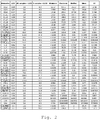
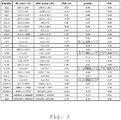
- Fig. 2 As shown in Fig. 2 , among the 41 analyzed proteins, 16 were below the LLOD in more than 10% of samples and were not included in downstream analyses. In an exploratory analysis, the levels of the 35 remaining proteins were compared in BD and MDD patients using univariate analysis. After correction for multiple testing, and as shown in Fig. 3 , it was found that both IL-17A and IL-10 were expressed at higher levels in BD patients compared to MDD patients. To a lesser extent, it is the case as well for IL-6, IL-8, IL-27, IFN- ⁇ .
- cytokines and chemokines belong to common biochemical or functional pathways. Furthermore, their production could be impacted by patient clinical characteristics including age, gender, body mass index (BMI) and tobacco consumption. Most importantly, several studies have suggested that some psychotropic drugs including antidepressants, antipsychotics and lithium may impact serum levels of cytokines and chemokines and other inflammatory biomarkers. In contrast to univariate statistical methods that assess the differential expression of individual proteins without considering the relationships between them or with other variables, classification methods are used to establish a prediction model based on samples with known class outcomes (e.g. BD or MDD).
- class outcomes e.g. BD or MDD
- a set of biomarkers with the best joint discriminatory ability to differentiate between the classes is identified (predictor selection), and the resulting prediction model is used to predict the class outcomes of new patient samples.
- these multivariable methods consider the relationships between candidate biomarker proteins, and seek to capture the differences between the sample groups on a multi-feature level.
- a blood-based diagnosis algorithm should not only be specific and sensitive, but also relying on a small number of biomarkers.
- IL-17A, IL-10 and TNF- ⁇ were those that were selected the most frequently in random training/test drawings, we further estimated the predictive value of these three combined cytokines after adjustment to medications which were selected as determinant features in Model 1.
- serum levels of IL-17A and/or IL-10 and/or TNF- ⁇ preferably these three cytokines in combination, can serve as diagnosis biomarkers to differentiate MDD and BD patients.
Landscapes
- Life Sciences & Earth Sciences (AREA)
- Health & Medical Sciences (AREA)
- Engineering & Computer Science (AREA)
- Biomedical Technology (AREA)
- Molecular Biology (AREA)
- Chemical & Material Sciences (AREA)
- Hematology (AREA)
- Immunology (AREA)
- Urology & Nephrology (AREA)
- Pathology (AREA)
- General Health & Medical Sciences (AREA)
- Physics & Mathematics (AREA)
- Microbiology (AREA)
- Food Science & Technology (AREA)
- Medicinal Chemistry (AREA)
- Cell Biology (AREA)
- Analytical Chemistry (AREA)
- Biochemistry (AREA)
- Biotechnology (AREA)
- General Physics & Mathematics (AREA)
- Proteomics, Peptides & Aminoacids (AREA)
- Psychiatry (AREA)
- Hospice & Palliative Care (AREA)
- Heart & Thoracic Surgery (AREA)
- Educational Technology (AREA)
- Child & Adolescent Psychology (AREA)
- Psychology (AREA)
- Social Psychology (AREA)
- Biophysics (AREA)
- Developmental Disabilities (AREA)
- Medical Informatics (AREA)
- Surgery (AREA)
- Animal Behavior & Ethology (AREA)
- Public Health (AREA)
- Veterinary Medicine (AREA)
- Investigating Or Analysing Biological Materials (AREA)
- Measuring Or Testing Involving Enzymes Or Micro-Organisms (AREA)
Priority Applications (7)
| Application Number | Priority Date | Filing Date | Title |
|---|---|---|---|
| EP18198714.0A EP3633379A1 (de) | 2018-10-04 | 2018-10-04 | Verfahren zur in vitro-diagnose einer bipolaren störung oder einer schweren depressiven störung |
| AU2019354861A AU2019354861A1 (en) | 2018-10-04 | 2019-10-04 | A method for differentially diagnosing in vitro a bipolar disorder and a major depressive disorder |
| EP19779053.8A EP3861349A1 (de) | 2018-10-04 | 2019-10-04 | Verfahren zur differenziellen in-vitro-diagnose einer bipolaren störung oder einer schweren depressiven störung |
| CA3115171A CA3115171A1 (en) | 2018-10-04 | 2019-10-04 | A method for differentially diagnosing in vitro a bipolar disorder and a major depressive disorder |
| US17/282,452 US20210285967A1 (en) | 2018-10-04 | 2019-10-04 | A method for differentially diagnosing in vitro a bipolar disorder and a major depressive disorder |
| PCT/EP2019/076977 WO2020070320A1 (en) | 2018-10-04 | 2019-10-04 | A method for differentially diagnosing in vitro a bipolar disorder and a major depressive disorder |
| IL281981A IL281981A (en) | 2018-10-04 | 2021-04-01 | A method for differentially diagnosing in vitro a bipolar disorder and a major depressive disorder |
Applications Claiming Priority (1)
| Application Number | Priority Date | Filing Date | Title |
|---|---|---|---|
| EP18198714.0A EP3633379A1 (de) | 2018-10-04 | 2018-10-04 | Verfahren zur in vitro-diagnose einer bipolaren störung oder einer schweren depressiven störung |
Publications (1)
| Publication Number | Publication Date |
|---|---|
| EP3633379A1 true EP3633379A1 (de) | 2020-04-08 |
Family
ID=63762420
Family Applications (2)
| Application Number | Title | Priority Date | Filing Date |
|---|---|---|---|
| EP18198714.0A Ceased EP3633379A1 (de) | 2018-10-04 | 2018-10-04 | Verfahren zur in vitro-diagnose einer bipolaren störung oder einer schweren depressiven störung |
| EP19779053.8A Pending EP3861349A1 (de) | 2018-10-04 | 2019-10-04 | Verfahren zur differenziellen in-vitro-diagnose einer bipolaren störung oder einer schweren depressiven störung |
Family Applications After (1)
| Application Number | Title | Priority Date | Filing Date |
|---|---|---|---|
| EP19779053.8A Pending EP3861349A1 (de) | 2018-10-04 | 2019-10-04 | Verfahren zur differenziellen in-vitro-diagnose einer bipolaren störung oder einer schweren depressiven störung |
Country Status (6)
| Country | Link |
|---|---|
| US (1) | US20210285967A1 (de) |
| EP (2) | EP3633379A1 (de) |
| AU (1) | AU2019354861A1 (de) |
| CA (1) | CA3115171A1 (de) |
| IL (1) | IL281981A (de) |
| WO (1) | WO2020070320A1 (de) |
Families Citing this family (3)
| Publication number | Priority date | Publication date | Assignee | Title |
|---|---|---|---|---|
| CN114002421B (zh) * | 2021-12-30 | 2022-04-05 | 佛山市第三人民医院(佛山市精神卫生中心) | 外泌体代谢物作为双相情感障碍标志物的应用 |
| CN116298234B (zh) * | 2022-03-16 | 2023-10-10 | 昱言科技(北京)有限公司 | 用于双相障碍区分和鉴别诊断的生物标记物 |
| CN120883057A (zh) * | 2024-02-29 | 2025-10-31 | 百越达析 | 用于区分抑郁症和双相情感障碍的生物标志物及其用途 |
Family Cites Families (1)
| Publication number | Priority date | Publication date | Assignee | Title |
|---|---|---|---|---|
| CA2821651A1 (en) * | 2010-12-20 | 2012-06-28 | Cambridge Enterprise Limited | Biomarkers |
-
2018
- 2018-10-04 EP EP18198714.0A patent/EP3633379A1/de not_active Ceased
-
2019
- 2019-10-04 WO PCT/EP2019/076977 patent/WO2020070320A1/en not_active Ceased
- 2019-10-04 AU AU2019354861A patent/AU2019354861A1/en not_active Abandoned
- 2019-10-04 EP EP19779053.8A patent/EP3861349A1/de active Pending
- 2019-10-04 CA CA3115171A patent/CA3115171A1/en active Pending
- 2019-10-04 US US17/282,452 patent/US20210285967A1/en active Pending
-
2021
- 2021-04-01 IL IL281981A patent/IL281981A/en unknown
Non-Patent Citations (9)
| Title |
|---|
| ASHLEY L. COMES ET AL: "Proteomics for blood biomarker exploration of severe mental illness: pitfalls of the past and potential for the future", TRANSLATIONAL PSYCHIATRY, vol. 8, no. 1, 16 August 2018 (2018-08-16), XP055534745, DOI: 10.1038/s41398-018-0219-2 * |
| BARBOSA IZABELA GUIMARÃES ET AL: "Predictors of cognitive performance in bipolar disorder: The role of educational degree and inflammatory markers.", JOURNAL OF PSYCHIATRIC RESEARCH NOV 2018, vol. 106, November 2018 (2018-11-01), pages 31 - 37, XP002787448, ISSN: 1879-1379 * |
| HIROHITO TSUBOI ET AL: "Elevated Levels of Serum IL-17A in Community-Dwelling Women with Higher Depressive Symptoms", BEHAVIORAL SCIENCES, vol. 8, no. 11, 4 November 2018 (2018-11-04), pages 102, XP055534398, DOI: 10.3390/bs8110102 * |
| M KUNZ: "Serum levels of IL-6, IL-10 and TNF-[alpha] in patients with bipolar disorder and schizophrenia: differences in pro- and anti-inflammatory balance.", 1 September 2011 (2011-09-01), pages 268 - 274, XP055534387, Retrieved from the Internet <URL:http://www.ncbi.nlm.nih.gov/pubmed/21971780> [retrieved on 20181214] * |
| NORA HAMDANI ET AL: "Relationship between Toxoplasma gondii infection and bipolar disorder in a French sample", JOURNAL OF AFFECTIVE DISORDERS., vol. 148, no. 2-3, 1 June 2013 (2013-06-01), NL, pages 444 - 448, XP055534856, ISSN: 0165-0327, DOI: 10.1016/j.jad.2012.11.034 * |
| R.M. HIRSCHFELD ET AL: "Differential diagnosis of bipolar disorder and major depressive disorder", JOURNAL OF AFFECTIVE DISORDERS., vol. 169, 1 December 2014 (2014-12-01), NL, pages S12 - S16, XP055534859, ISSN: 0165-0327, DOI: 10.1016/S0165-0327(14)70004-7 * |
| UPTHEGROVE RACHEL ET AL: "Cytokine function in medication-naive first episode psychosis: A systematic review and meta-analysis", SCHIZOPHRENIA RESEARCH, vol. 155, no. 1, 2014, pages 101 - 108, XP028648807, ISSN: 0920-9964, DOI: 10.1016/J.SCHRES.2014.03.005 * |
| WEI ZOU ET AL: "Changes in the serum levels of inflammatory cytokines in antidepressant drug-naïve patients with major depression", PLOS ONE, vol. 13, no. 6, 1 June 2018 (2018-06-01), pages e0197267, XP055534864, DOI: 10.1371/journal.pone.0197267 * |
| YUYAN CHENG ET AL: "A pre-conditioning stress accelerates increases in mouse plasma inflammatory cytokines induced by stress", BMC NEUROSCIENCE, BIOMED CENTRAL, LONDON, GB, vol. 16, no. 1, 7 May 2015 (2015-05-07), pages 31, XP021220840, ISSN: 1471-2202, DOI: 10.1186/S12868-015-0169-Z * |
Also Published As
| Publication number | Publication date |
|---|---|
| CA3115171A1 (en) | 2020-04-09 |
| US20210285967A1 (en) | 2021-09-16 |
| AU2019354861A1 (en) | 2021-05-20 |
| WO2020070320A1 (en) | 2020-04-09 |
| EP3861349A1 (de) | 2021-08-11 |
| IL281981A (en) | 2021-05-31 |
Similar Documents
| Publication | Publication Date | Title |
|---|---|---|
| Glaus et al. | Associations between mood, anxiety or substance use disorders and inflammatory markers after adjustment for multiple covariates in a population-based study | |
| JP2023531521A (ja) | 神経損傷および疾患を検出、予後判定、およびモニタリングするためのマルチモダリティシステムおよび方法 | |
| Adamko et al. | The metabolomics of asthma: novel diagnostic potential | |
| Schindler et al. | Glial fibrillary acidic protein as a biomarker in neuromyelitis optica spectrum disorder: a current review | |
| Erhardt et al. | Inflammatory biomarkers aid in diagnosis of dementia | |
| WO2017082103A1 (ja) | うつ病診断用バイオマーカー及びその使用 | |
| Teunissen et al. | Identification of biomarkers for diagnosis and progression of MS by MALDI-TOF mass spectrometry | |
| Zecca et al. | Plasma β-amyloid1–42 reference values in cognitively normal subjects | |
| US20210285967A1 (en) | A method for differentially diagnosing in vitro a bipolar disorder and a major depressive disorder | |
| Lozupone et al. | Apolipoprotein E genotype, inflammatory biomarkers, and non-psychiatric multimorbidity contribute to the suicidal ideation phenotype in older age. The Salus in Apulia Study | |
| Lin et al. | Diagnostic accuracy of NT-ProBNP for heart failure with sepsis in patients younger than 18 years | |
| Radonjic-Hoesli et al. | Are blood cytokines reliable biomarkers of allergic disease diagnosis and treatment responses? | |
| Liu et al. | Development of a high-sensitivity method for the measurement of human nasal Aβ42, tau, and phosphorylated tau | |
| Zhao et al. | Diagnostic value of combined serological markers in the detection of acute cerebral infarction | |
| Chen et al. | Associations between blood-based biomarkers of Alzheimer’s disease with cognition in motoric cognitive risk syndrome: A pilot study using plasma Aβ42 and total tau | |
| WO2018223005A1 (en) | Predictive factors for venous thromboembolism | |
| Sigel et al. | Predicting anxiety and depression in systemic lupus erythematosus: the role of inflammation, sociodemographic variables and clinical factors | |
| Klíčová et al. | Prognostic relevance of the C‐X‐C motif chemokine ligand 13 and interleukin‐8 in predicting the transition from clinically isolated syndrome to multiple sclerosis | |
| US11747347B2 (en) | Assay for diagnosing Alzheimer's disease | |
| Camara-Lemarroy et al. | Multimodal peripheral fluid biomarker analysis in clinically isolated syndrome and early multiple sclerosis | |
| Lion et al. | Role of depression, suicide attempt history and childhood trauma in neutrophil-to-lymphocyte ratio dynamics: a 30-week prospective study | |
| Kanepa et al. | Exploring disease-specific metabolite signatures in hereditary angioedema patients | |
| Qiu et al. | Progression predictors of clinically isolated syndrome to multiple sclerosis: A prospective study in China | |
| KR20230163420A (ko) | 치매의 장래의 발증 리스크의 평가 방법 | |
| Malaty et al. | Biomarker Assessment in Parkinson’s Disease Dementia and Dementia with Lewy Bodies by the Immunomagnetic Reduction Assay and Clinical Measures |
Legal Events
| Date | Code | Title | Description |
|---|---|---|---|
| PUAI | Public reference made under article 153(3) epc to a published international application that has entered the european phase |
Free format text: ORIGINAL CODE: 0009012 |
|
| AK | Designated contracting states |
Kind code of ref document: A1 Designated state(s): AL AT BE BG CH CY CZ DE DK EE ES FI FR GB GR HR HU IE IS IT LI LT LU LV MC MK MT NL NO PL PT RO RS SE SI SK SM TR |
|
| AX | Request for extension of the european patent |
Extension state: BA ME |
|
| STAA | Information on the status of an ep patent application or granted ep patent |
Free format text: STATUS: THE APPLICATION HAS BEEN REFUSED |
|
| 18R | Application refused |
Effective date: 20200620 |