EP3634403B1 - Phenyl-heterocyclus-phenyl derivate zur verwendung bei der behandlung oder vorbeugung von melanomen - Google Patents
Phenyl-heterocyclus-phenyl derivate zur verwendung bei der behandlung oder vorbeugung von melanomen Download PDFInfo
- Publication number
- EP3634403B1 EP3634403B1 EP18722077.7A EP18722077A EP3634403B1 EP 3634403 B1 EP3634403 B1 EP 3634403B1 EP 18722077 A EP18722077 A EP 18722077A EP 3634403 B1 EP3634403 B1 EP 3634403B1
- Authority
- EP
- European Patent Office
- Prior art keywords
- melanoma
- alkyl
- mmol
- anle138b
- compounds
- Prior art date
- Legal status (The legal status is an assumption and is not a legal conclusion. Google has not performed a legal analysis and makes no representation as to the accuracy of the status listed.)
- Active
Links
Images




Classifications
-
- C—CHEMISTRY; METALLURGY
- C07—ORGANIC CHEMISTRY
- C07F—ACYCLIC, CARBOCYCLIC OR HETEROCYCLIC COMPOUNDS CONTAINING ELEMENTS OTHER THAN CARBON, HYDROGEN, HALOGEN, OXYGEN, NITROGEN, SULFUR, SELENIUM OR TELLURIUM
- C07F9/00—Compounds containing elements of Groups 5 or 15 of the Periodic Table
- C07F9/02—Phosphorus compounds
- C07F9/547—Heterocyclic compounds, e.g. containing phosphorus as a ring hetero atom
- C07F9/645—Heterocyclic compounds, e.g. containing phosphorus as a ring hetero atom having two nitrogen atoms as the only ring hetero atoms
- C07F9/6503—Five-membered rings
- C07F9/65031—Five-membered rings having the nitrogen atoms in the positions 1 and 2
-
- A—HUMAN NECESSITIES
- A61—MEDICAL OR VETERINARY SCIENCE; HYGIENE
- A61P—SPECIFIC THERAPEUTIC ACTIVITY OF CHEMICAL COMPOUNDS OR MEDICINAL PREPARATIONS
- A61P35/00—Antineoplastic agents
-
- C—CHEMISTRY; METALLURGY
- C07—ORGANIC CHEMISTRY
- C07D—HETEROCYCLIC COMPOUNDS
- C07D231/00—Heterocyclic compounds containing 1,2-diazole or hydrogenated 1,2-diazole rings
- C07D231/02—Heterocyclic compounds containing 1,2-diazole or hydrogenated 1,2-diazole rings not condensed with other rings
- C07D231/10—Heterocyclic compounds containing 1,2-diazole or hydrogenated 1,2-diazole rings not condensed with other rings having two or three double bonds between ring members or between ring members and non-ring members
- C07D231/12—Heterocyclic compounds containing 1,2-diazole or hydrogenated 1,2-diazole rings not condensed with other rings having two or three double bonds between ring members or between ring members and non-ring members with only hydrogen atoms, hydrocarbon or substituted hydrocarbon radicals, directly attached to ring carbon atoms
-
- C—CHEMISTRY; METALLURGY
- C07—ORGANIC CHEMISTRY
- C07D—HETEROCYCLIC COMPOUNDS
- C07D261/00—Heterocyclic compounds containing 1,2-oxazole or hydrogenated 1,2-oxazole rings
- C07D261/02—Heterocyclic compounds containing 1,2-oxazole or hydrogenated 1,2-oxazole rings not condensed with other rings
- C07D261/06—Heterocyclic compounds containing 1,2-oxazole or hydrogenated 1,2-oxazole rings not condensed with other rings having two or more double bonds between ring members or between ring members and non-ring members
- C07D261/08—Heterocyclic compounds containing 1,2-oxazole or hydrogenated 1,2-oxazole rings not condensed with other rings having two or more double bonds between ring members or between ring members and non-ring members with only hydrogen atoms, hydrocarbon or substituted hydrocarbon radicals, directly attached to ring carbon atoms
-
- C—CHEMISTRY; METALLURGY
- C07—ORGANIC CHEMISTRY
- C07D—HETEROCYCLIC COMPOUNDS
- C07D271/00—Heterocyclic compounds containing five-membered rings having two nitrogen atoms and one oxygen atom as the only ring hetero atoms
- C07D271/02—Heterocyclic compounds containing five-membered rings having two nitrogen atoms and one oxygen atom as the only ring hetero atoms not condensed with other rings
- C07D271/06—1,2,4-Oxadiazoles; Hydrogenated 1,2,4-oxadiazoles
-
- C—CHEMISTRY; METALLURGY
- C07—ORGANIC CHEMISTRY
- C07D—HETEROCYCLIC COMPOUNDS
- C07D403/00—Heterocyclic compounds containing two or more hetero rings, having nitrogen atoms as the only ring hetero atoms, not provided for by group C07D401/00
- C07D403/02—Heterocyclic compounds containing two or more hetero rings, having nitrogen atoms as the only ring hetero atoms, not provided for by group C07D401/00 containing two hetero rings
- C07D403/10—Heterocyclic compounds containing two or more hetero rings, having nitrogen atoms as the only ring hetero atoms, not provided for by group C07D401/00 containing two hetero rings linked by a carbon chain containing aromatic rings
-
- C—CHEMISTRY; METALLURGY
- C07—ORGANIC CHEMISTRY
- C07D—HETEROCYCLIC COMPOUNDS
- C07D405/00—Heterocyclic compounds containing both one or more hetero rings having oxygen atoms as the only ring hetero atoms, and one or more rings having nitrogen as the only ring hetero atom
- C07D405/02—Heterocyclic compounds containing both one or more hetero rings having oxygen atoms as the only ring hetero atoms, and one or more rings having nitrogen as the only ring hetero atom containing two hetero rings
- C07D405/10—Heterocyclic compounds containing both one or more hetero rings having oxygen atoms as the only ring hetero atoms, and one or more rings having nitrogen as the only ring hetero atom containing two hetero rings linked by a carbon chain containing aromatic rings
-
- C—CHEMISTRY; METALLURGY
- C07—ORGANIC CHEMISTRY
- C07D—HETEROCYCLIC COMPOUNDS
- C07D413/00—Heterocyclic compounds containing two or more hetero rings, at least one ring having nitrogen and oxygen atoms as the only ring hetero atoms
- C07D413/02—Heterocyclic compounds containing two or more hetero rings, at least one ring having nitrogen and oxygen atoms as the only ring hetero atoms containing two hetero rings
- C07D413/10—Heterocyclic compounds containing two or more hetero rings, at least one ring having nitrogen and oxygen atoms as the only ring hetero atoms containing two hetero rings linked by a carbon chain containing aromatic rings
-
- A—HUMAN NECESSITIES
- A61—MEDICAL OR VETERINARY SCIENCE; HYGIENE
- A61K—PREPARATIONS FOR MEDICAL, DENTAL OR TOILETRY PURPOSES
- A61K31/00—Medicinal preparations containing organic active ingredients
- A61K31/33—Heterocyclic compounds
- A61K31/395—Heterocyclic compounds having nitrogen as a ring hetero atom, e.g. guanethidine or rifamycins
- A61K31/41—Heterocyclic compounds having nitrogen as a ring hetero atom, e.g. guanethidine or rifamycins having five-membered rings with two or more ring hetero atoms, at least one of which being nitrogen, e.g. tetrazole
- A61K31/415—1,2-Diazoles
-
- A—HUMAN NECESSITIES
- A61—MEDICAL OR VETERINARY SCIENCE; HYGIENE
- A61K—PREPARATIONS FOR MEDICAL, DENTAL OR TOILETRY PURPOSES
- A61K31/00—Medicinal preparations containing organic active ingredients
- A61K31/33—Heterocyclic compounds
- A61K31/395—Heterocyclic compounds having nitrogen as a ring hetero atom, e.g. guanethidine or rifamycins
- A61K31/41—Heterocyclic compounds having nitrogen as a ring hetero atom, e.g. guanethidine or rifamycins having five-membered rings with two or more ring hetero atoms, at least one of which being nitrogen, e.g. tetrazole
- A61K31/415—1,2-Diazoles
- A61K31/4155—1,2-Diazoles non condensed and containing further heterocyclic rings
-
- A—HUMAN NECESSITIES
- A61—MEDICAL OR VETERINARY SCIENCE; HYGIENE
- A61K—PREPARATIONS FOR MEDICAL, DENTAL OR TOILETRY PURPOSES
- A61K31/00—Medicinal preparations containing organic active ingredients
- A61K31/66—Phosphorus compounds
- A61K31/675—Phosphorus compounds having nitrogen as a ring hetero atom, e.g. pyridoxal phosphate
Definitions
- the present invention relates to a compound represented by formula (E) for use in the treatment or prevention of melanoma.
- Melanoma is the most aggressive type of skin cancer. The risk of developing of melanoma has more than quadrupled over the past 25 years, and the worldwide incidence of melanoma continues to rise at an alarming rate. Melanoma also accounts for 75% of all skin cancer-related deaths, and in women aged 25 to 29, it is now the prevalent cancer second only to breast cancer in women aged 30 to 34.
- the American Cancer Society estimates that in the US alone, approximately 91,270 new melanomas will be diagnosed in 2018, and about 9,320 people will die from melanoma. In the majority of melanoma patients, the disease has a sporadic onset and in approximately 10% of all cases, it is inherited. Furthermore, individuals with certain risk factors, such as skin that burns easily during exposure to sun light are more likely than others to develop melanoma.
- the stages defining melanoma progression are: atypical nevi (AN) > melanoma in situ (MIS), the first stage of melanoma development, which is noninvasive > melanoma in the radial growth phase (RGP melanoma), which has penetrated through the basal layer into the dermis and as such represents the first stage of invasive melanoma > primary melanoma in the vertical growth phase (VGP melanoma), which has invaded deep into the dermis and beyond > metastatic melanoma (MGP melanoma), which has spread to lymph nodes, distant organs, and not infrequently the brain.
- WO2010/00372 compounds were disclosed, which have been shown to be effective in inhibiting aggregation of proteins.
- a broad screen was based on a combination of scanning for intensely fluorescent targets (SIFT) and cellular assays measuring the amount of aggregation of ⁇ -synuclein (PD) and prion protein (CJD).
- SIFT intensely fluorescent targets
- PD ⁇ -synuclein
- CJD prion protein
- DPP 3,5-diphenyl pyrazole
- An array of around 250 compounds in this class was synthesized and the compounds were assessed for oral availability and efficacy in animal models mimicking the various mentioned diseases (AD, CJD, PD).
- anle138b having the following structure: has been identified as being efficacious in modulating the oligomer formation in animal models mimicking Parkinson's disease (PD) as well as Creutzfeldt-Jakob's disease (CJD) ( J. Wagner et al., Acta Neuropathol. 125, 795-813 (2013 ); J. Levin et al., Act. Neuropath. 127, 779-780 (2014 )) and Alzheimer's disease (AD) ( J. Wagner, et al., Act. Neuropath.130, 619-631 (2015) (doi : 10.1007/s0041-015-1483-3 )).
- PD Parkinson's disease
- CJD Creutzfeldt-Jakob's disease
- AD Alzheimer's disease
- EP15199972.9 discloses derivatives of the compounds according to WO2010/00372 that have improved water solubility.
- ⁇ -Synuclein is an intrinsically disordered protein whose physiological function remains unclear. However, when it aggregates, it forms toxic oligomers and eventually fibrils, which form Lewy bodies that are a hallmark of Parkinson's disease (PD). The formation of toxic oligomers is likely the reason for neuronal dysfunction and, eventually, neuronal death. By removing ⁇ -synuclein toxic oligomers, anle138b and related DPP compounds rescue dopaminergic neurons from the adverse effects of ⁇ -synuclein aggregation.
- PD Parkinson's disease
- the high-level expression of ⁇ -synuclein ensures the survival of melanoma cells, which is the exact opposite of the effect that ⁇ -synuclein has on dopaminergic neurons. Since anle138b and related DPP compounds are beneficial to the function and survival of dopaminergic neurons, they likewise are expected to benefit the function and survival of melanoma cells. As explained in Example 3, the effect of anle138b and related DPP compounds on melanoma cells turns out to be the exact opposite. This was completely unforeseeable and unpredictable, even to experts in the fields of cancer and neurodegeneration.
- the present disclosure relates to a compound represented by the general formula (E) for use in the treatment or prevention of melanoma.
- X, Y, Z, L and M will be selected as valency and stability permits.
- the C 6-10 aryl group is not particularly limited and can be, e.g., selected from phenyl and naphthyl.
- the halogen atom can be F, Cl, Br or I and is typically F or Cl.
- R 1 , R 2 , R 3 , R 4 , and R 5 are -C 1-4 alkylene-halogen.
- detectable halogen isotopes include 18 F, 125 I, 123 I, 131 I, 77 Br and 76 Br, in particular 18 F. It is of course possible to use a detectable halogen isotope as any of the other halogen atoms present in the compounds useful in the present invention, such as the halogen atoms attached to the phenyl ring.
- R 1 , R 2 , R 3 , R 4 , and R 5 are selected independently from hydrogen and C 1-4 alkyl, preferably hydrogen.
- the C 6-10 aryl group is not particularly limited and can be, e.g., selected from phenyl and naphthyl.
- the halogen atom can be F, Cl, Br or I and is typically F or Cl.
- R 1 , R 2 , R 3 , and R 5 are selected independently from hydrogen; C 1-4 alkyl; -C 1-4 alkylene-halogen; -C 1-4 alkylene-OH; -C 1-4 alkylene-C 1-4 alkoxy; and -C(O)-C 1-4 alkyl. More preferably R 1 , R 2 , R 3 , and R 5 are selected from hydrogen; C 1-4 alkyl; and -C 1-4 alkylene-halogen. These compounds are particularly advantageous because they have increased water solubility.
- the ring D is not particularly limited. Typical examples thereof include
- examples include and
- ring D is selected from
- ring D is and
- R 8 is selected from hydrogen; and C 1-4 alkyl, more preferably hydrogen.
- R 8 is -C 1-4 alkylene-halogen.
- R 8 can be detectably labelled, if desired.
- R 9 is selected from hydrogen; C 1-4 alkyl; -C 1-4 alkylene-halogen; -C 1-4 alkylene-OH; -C 1-4 alkylene-C 1-4 alkoxy; -C(O)-C 1-4 alkyl; and C 6-10 aryl, wherein the aryl ring can be optionally substituted by C 1-4 alkyl or halogen.
- R 9 is selected from hydrogen; C 1-4 alkyl; C 1-4 alkylene-halogen; -C 1-4 alkylene-OH; -C 1-4 alkylene-C 1-4 alkoxy; and -C(O)-C 1-4 alkyl.
- R 9 is selected from hydrogen; C 1-4 alkyl; and -C 1-4 alkylene-halogen. In one embodiment R 9 is selected from hydrogen; and C 1-4 alkyl, more preferably hydrogen. In an alternative embodiment R 9 is -C 1-4 alkylene-halogen. As was explained above, R 9 can be detectably labelled, if desired.
- R 8 and R 9 are hydrogen.
- R 8 is -C 1-4 alkylene-halogen and R 9 is hydrogen.
- the ring D is selected preferably from wherein R 8 , X, Y and L are as defined above. More preferably the ring D is selected from
- the ring D is selected preferably from wherein X, Y and L are as defined above and R is as defined below. More preferably, the ring D is selected from wherein R is as defined below.
- Hal is selected from F, Cl, Br, and I and is preferably F, Cl or Br, more preferably CI or Br, most preferably Br.
- R E1 is selected from hydroxy, C 1-6 alkoxy, and -NR E5 R E6 .
- R E2 is selected from hydrogen, halogen, hydroxy, C 1-6 alkoxy, and -NR E5 R E6 , preferably R E2 is selected from hydrogen, hydroxy, C 1-6 alkoxy, and -NR E5 R E6 .
- R E1 and R E2 together can non-directionally form a structure - T-(CR E7 R E8 ) n -V- as well as corresponding structures in which a double bond is present, if they are attached to adjacent carbon atoms.
- T is selected from CR E9 R E10 , NR* and O and V is selected from CR E9 R E10 , NR* and O.
- T is selected from CR E9 R E10 , NH and O and V is selected from CR E9 R E10 , NH and O.
- at least one of T and V is NR* or O, e.g., NH or O.
- Examples of such structures include -O-(CR E7 R E8 ) n -O-, -O-(CR E7 R E8 ) n -CR E9 R E10 -, -NR*-(CR E7 R E8 ) n -NR*-, -NR*-(CR E7 R E8 ) n -O-, -NR*-(CR E7 R E8 ) n -CR E9 R E10 - or a corresponding structure in which a double bond is present.
- Such structures include -O-(CH 2 ) n -O-, -O-(CF 2 ) n -O-, -O-(CH 2 ) n -CH 2 -, -NR*-(CH 2 ) n -NR*-, -NR*-(CF 2 ) n -NR*-, -NR*-(CH 2 ) n -O-, -NR*-(CF 2 ) n -O-, -NR*-(CH 2 ) n -CH 2 - or a corresponding structure in which a double bond is present.
- Such structures include -O-(CH 2 ) n -O-, -O-(CF 2 ) n -O-, -O-(CH 2 ) n -CH 2 -, -NH-(CH 2 ) n -NH-, -NH-(CF 2 ) n -NH-, -NH-(CH 2 ) n -CH 2 - or a corresponding structure in which a double bond is present.
- the expression "a corresponding structure in which a double bond is present” means that one or more double bonds can be present in the corresponding structure.
- -O-CH CH- is a further example of a structure in which a double bond is present. It corresponds to -O-(CH 2 ) n -CH 2 -.
- one or more of the H can be replaced by a C 1-4 alkyl (e.g. methyl) group or halogen atom (e.g., F).
- one or more of the H can be replaced by a C 1-4 alkyl (e.g. methyl) group or halogen atom (e.g., F).
- R E1 and R E2 together form a structure -O-(CH 2 ) n -O-.
- examples thereof include -O-(CH 2 )-O-, -O-(CH 2 ) 2 -O- and -O-(CH 2 ) 3 -O-, preferably -O-(CH 2 )-O- and -O-(CH 2 ) 2 -O-. It is assumed that this group might also be hydrolysed in vivo to the corresponding hydroxy groups.
- n is 1 to 3; preferably n is 1 or 2. In one embodiment, n is 2. In another embodiment, n is 1.
- R E5 and R E6 are selected independently from hydrogen and C 1-6 alkyl; preferably, R E5 and R E6 are selected independently from hydrogen and C 1-4 alkyl.
- R E7 and R E8 are independently H, F, or C 1-6 alkyl, are preferably independently H or F, and are more preferably H.
- R E9 and R E10 are independently H, F, or C 1-6 alkyl, are preferably independently H or F, and are more preferably H.
- R E1 and R E2 are attached to the phenyl ring.
- R E1 and R E2 are independently hydroxy or alkoxy are attached meta and para compared to the carbon atom which binds the phenyl ring to ring D.
- R E1 and R E2 are a structure -T-(CR E7 R E8 ) n -V- or a corresponding structure in which a double bond is present and are attached meta and para compared to the carbon atom which binds the phenyl ring to ring D.
- the above preferred definitions for the structure -T-(CR E7 R E8 ) n -V- apply analogously to this embodiment.
- R E1 is -NR E5 R E6 and is attached in para position compared to the carbon atom, which binds the phenyl ring to ring D.
- R E3 can be optionally present on the phenyl ring in addition to R E1 , and R E2 .
- R E3 can be a C 1-6 alkyl group or a C 6-10 aryl group (such as a phenyl or naphthyl group), preferably a C 1-6 alkyl group, more preferably a C 1-4 alkyl group.
- the number of substituents, m is not particularly limited and is typically in the range of 0 to 2, preferably 0 or 1, typically 0.
- R E4 can also be present. They are typically a halogen atom, a C 1-6 alkyl group or a C 6-10 aryl group (such as a phenyl or naphthyl group), preferably a halogen atom or a C 1-6 alkyl group. According to the invention, R E4 is a C 1-6 alkyl group, most preferably a C 1-4 alkyl group.
- the number of substituents, p is not particularly limited and is typically in the range of 0 to 2. According to the invention, p is 0 or 1, typically 0.
- R is a hydrogen atom or a cation.
- the cation can be any cation that is pharmaceutically acceptable for this type of compound. Examples are sodium, lithium, potassium, ammonium, in particular sodium.
- groups compatible with the phosphate group of the compounds include groups of the structure R'R"R′′′N such as ethanolamine, choline, lysine, meglumine, piperazine, and tromethamine. In the compounds both R can be hydrogen, both R can be cations (the same or different cations), or one R can be hydrogen and the other one can be a cation.
- Bivalent cations such as Ca 2+ , Mg 2+ , and Zn 2+ or trivalent cations such as Al 3+ are not suitable, as the resulting salts are not sufficiently water-soluble to be suitable as a prodrug.
- both R are sodium.
- R* is a hydrogen atom or a C 1-6 alkyl group, preferably R* is a hydrogen atom or a C 1-4 alkyl group. According to the invention, R* is a hydrogen atom.
- Preferred examples of the compound represented by the formula (E) include compounds represented by formula (A)
- R A1 and R A2 are each selected independently from hydrogen, halogen, hydroxy, C 1-6 alkoxy, and -NR A5 R A6 , with the proviso that at least one of R A1 and R A2 is hydroxy, C 1-6 alkoxy, or -NR A5 R A6 .
- R A1 and R A2 are selected independently from hydrogen, hydroxy, C 1-6 alkoxy, and -NR A5 R A6 .
- R A1 and R A2 can together non-directionally form a structure -T-(CR E7 R E8 ) n -V-.
- the explanations give above with respect to R E1 and R E2 forming such a structure and in particular the above definitions of R E7 , R E8 , T, n and V apply analogously to R A1 and R A2 forming this structure.
- R A1 and R A2 are independently hydroxy or alkoxy.
- R A1 and R A2 are a structure -T-(CR E7 R E8 ) n -V- or a corresponding structure in which a double bond is present.
- the above preferred definitions for the structure -T-(CR E7 R E8 ) n -V- apply analogously to this embodiment.
- R A1 is -NR A5 R A6 and R A2 is hydrogen.
- R A3 can be optionally present on the phenyl ring in addition to R A1 , and R A2 .
- R A3 can be a C 1-6 alkyl group or a C 6-10 aryl group (such as a phenyl or naphthyl group), preferably a C 1-6 alkyl group, more preferably a C 1-4 alkyl group.
- R A4 can also be present. They are typically a halogen atom, a C 1-6 alkyl group or a C 6-10 aryl group (such as a phenyl or naphthyl group), preferably a halogen atom or a C 1-6 alkyl group, more preferably a C 1-6 alkyl group, most preferably a C 1-4 alkyl group.
- R A5 and R A6 are selected independently from hydrogen and C 1-6 alkyl; preferably, R A5 and R A6 are selected independently from hydrogen and C 1-4 alkyl.
- Preferred examples of the compound represented by the formula (E) include compounds represented by formula (B)
- R B1 is selected from hydroxy, C 1-6 alkoxy, and -NR B5 R B6 .
- R B1 is hydroxy or C 1-6 alkoxy.
- R B2 is selected from hydrogen, halogen, hydroxy, C 1-6 alkoxy; and -NR B5 R B6 , preferably R B2 is selected from hydrogen, hydroxy, C 1-6 alkoxy; and -NR B5 R B6
- R B1 is hydroxy or C 1-6 alkoxy and R B2 is hydrogen.
- R B5 and R B6 are selected independently from hydrogen and C 1-6 alkyl, preferably R B5 and R B6 are selected independently from hydrogen and C 1-4 alkyl.
- R B3 can be optionally present on the phenyl ring in addition to R B1 , and R B2 .
- R B3 can be a C 1-6 alkyl group or a C 6-10 aryl group (such as a phenyl or naphthyl group), preferably a C 1-6 alkyl group, more preferably a C 1-4 alkyl group.
- R B4 can also be present. They are typically a halogen atom, a C 1-6 alkyl group or a C 6-10 aryl group (such as a phenyl or naphthyl group), preferably a halogen atom or a C 1-6 alkyl group, more preferably a C 1-6 alkyl group, most preferably a C 1-4 alkyl group.
- Preferred compounds which are useful in the present disclosure include as well as corresponding structures in which a double bond is present in -T-(CR E7 R E8 ) n -V-,
- More preferred compounds which are useful in the present invention include
- More preferred compounds which are useful in the present invention include
- R A7 is H or C 1-6 alkyl, preferably H or C 1-4 alkyl.
- R A8 is H or C 1-6 alkyl, preferably H or C 1-4 alkyl.
- R A9 is H or C 1-6 alkyl, preferably H or C 1-4 alkyl.
- R A10 is H or C 1-6 alkyl, preferably H or C 1-4 alkyl.
- R B7 is H or C 1-6 alkyl, preferably H or C 1-4 alkyl.
- Hal is CI or Br, preferably Hal is Br.
- the present compounds including the above-mentioned specific compounds can be provided in the form of phosphate derivatives that are stable and thus, particularly suitable as prodrugs for oral use in humans.
- Y is N and L is -CH- or X is N and L is -CH-, respectively.
- the compounds are defined by the following isomeric structures: wherein Hal is a halogen selected from chlorine or bromine, and wherein each R independently is selected from hydrogen, or a cation.
- the compounds are defined by the following isomeric structures: wherein Hal is a halogen selected from chlorine or bromine, and wherein each R independently is selected from hydrogen, or a cation.
- the derivative of the present compounds is a phosphate derivative of anle253b with the following isomeric structures: wherein each R independently is selected from hydrogen, or a cation.
- the cation can be any cation that is pharmaceutically acceptable for this type of compound. Examples are sodium, lithium, potassium, ammonium, in particular sodium. Further examples for groups compatible with the phosphate group of the compounds include groups of the structure R'R"R′′′N such as ethanolamine, choline, lysine, meglumine, piperazine, and tromethamine. In the compounds both R can be hydrogen, both R can be cations (the same or different cations), or one R can be hydrogen and the other one can be a cation.
- Bivalent cations such as Ca 2+ , Mg 2+ , and Zn 2+ or trivalent cations such as Al 3+ are not suitable, as the resulting salts are not sufficiently water-soluble to be suitable as a prodrug.
- both R are sodium.
- the free acid form of the phosphate derivatives is also suitable as a prodrug.
- disodium phosphate derivative is stable and yields high levels of active compound in brain and blood.
- the compound is a disodium phosphate of one of the following structures or a mixture thereof:
- the phosphate derivative is a disodium methyl phosphate of the therapeutic agent anle138b, i.e. a compound as shown above, wherein Hal is chlorine or bromine.
- the former derivative is referred to as sery335b
- the latter derivative is referred to as sery433.
- Both can be in the form of one of the isomers or can be a mixture of both isomers. Isomers sery433a or sery433b are shown below:
- the phosphate derivatives are characterized by solubility in water of above 1 mM.
- the phosphate derivatives are also characterized by their stability in water.
- the therapeutically active compound When using the phosphate derivatives the therapeutically active compound is found in the brain and the blood in increased amounts. It is assumed, without being bound by theory, that the active therapeutic compound is released from the phosphate derivatives by membrane-bound intestinal alkaline phosphatase (IAP) and, thus, close to the gut epithelium, where it is directly transferred in the blood stream. Possibly the compound is released in a mainly monodisperse form that can then be taken up from the gut to the blood.
- IAP membrane-bound intestinal alkaline phosphatase
- the pharmacokinetic characteristics of the phosphate derivatives lead to therapeutically useful levels of active compound in the brain and blood in mice and rats.
- the active compound anle138b is released from the prodrug sery433 at the intestine wall by enzymatic cleavage of the phosphate group from the compound by the membrane-bound intestinal alkaline phosphatase (IAP).
- IAP membrane-bound intestinal alkaline phosphatase
- the present compounds can be provided in a composition which comprises at least one of the compounds as defined in the claims and optionally a pharmaceutically acceptable excipient.
- the composition can comprise one tautomeric form of the present compounds or both tautomeric forms.
- the composition can also comprise more than one compound and any of the compounds used in a composition can be either one of both tautomers or a mixture thereof.
- a therapeutic composition for use in treating melanoma can comprise one of the isomers or a mixture of both isomers. Both isomeric forms are converted into the bioactive drug within the body.
- the composition can further comprise at least one excipient as is known to the skilled person.
- An excipient can be any compound known for this purpose and the amounts and types of excipients used for a specific composition are those usually used and depend on the form and type of composition.
- the present compounds can also be present in the form of ethers, esters, solvates or salts thereof.
- the present compounds form salts, which are also within the scope of this invention.
- Reference to a compound useful in the present invention herein is understood to include reference to salts thereof, unless otherwise indicated.
- the term "salt(s)", as employed herein, denotes acidic and/or basic salts formed with inorganic and/or organic acids and bases.
- zwitterions inner salts
- Pharmaceutically acceptable (i.e., non-toxic, physiologically acceptable) salts are preferred, although other salts are also useful, e.g., in isolation or purification steps which may be employed during preparation. Salts of the present compounds may be formed, for example, by reacting a compound with an amount of acid or base, such as an equivalent amount, in a medium such as one in which the salt precipitates or in an aqueous medium followed by lyophilization.
- the compounds which contain a basic moiety may form salts with a variety of organic and inorganic acids.
- Exemplary acid addition salts include acetates (such as those formed with acetic acid or trihaloacetic acid, for example, trifluoroacetic acid), adipates, alginates, ascorbates, aspartates, benzoates, benzenesulfonates, bisulfates, borates, butyrates, citrates, camphorates, camphorsulfonates, cyclopentanepropionates, digluconates, dodecylsulfates, ethanesulfonates, fumarates, glucoheptanoates, glycerophosphates, hemisulfates, heptanoates, hexanoates, hydrochlorides, hydrobromides, hydroiodides, hydroxyethanesulfonates (e.g., 2-hydroxyethanesulfonates), lactate
- the compounds that contain an acidic moiety may form salts with a variety of organic and inorganic bases.
- Exemplary basic salts include ammonium salts, alkali metal salts such as sodium, lithium and potassium salts, alkaline earth metal salts such as calcium and magnesium salts, salts with organic bases (e.g., organic amines) such as benzathines, dicyclohexylamines, hydrabamines (formed with N,N-bis(dehydroabietyl) ethylenediamine), N-methyl-D-glucamines, N-methyl-D-glycamides, t-butyl amines, and salts with amino acids such as arginine, lysine and the like.
- organic bases e.g., organic amines
- organic amines such as benzathines, dicyclohexylamines, hydrabamines (formed with N,N-bis(dehydroabietyl) ethylenediamine), N-
- Basic nitrogen-containing groups may be quaternized with agents such as lower alkyl halides (e.g., methyl, ethyl, propyl, and butyl chlorides, bromides and iodides), dialkyl sulfates (e.g., dimethyl, diethyl, dibutyl, and diamyl sulfates), long chain halides (e.g., decyl, lauryl, myristyl and stearyl chlorides, bromides and iodides), aralkyl halides (e.g., benzyl and phenethyl bromides), and others.
- lower alkyl halides e.g., methyl, ethyl, propyl, and butyl chlorides, bromides and iodides
- dialkyl sulfates e.g., dimethyl, diethyl, dibutyl, and diamyl sulfates
- Solvates of the compounds of the invention are also contemplated herein.
- Solvates of the present compounds include, for example, hydrates.
- prodrug denotes a compound that upon administration to a subject undergoes chemical conversion by metabolic or chemical processes to yield a compound as defined in the claims or a salt and/or solvate thereof.
- Esters of the present compounds include C 1-6 alkyl esters, preferably C 1-4 alkyl esters.
- Ethers of the present compounds include C 1-6 alkyl ethers or halogenated C 1-6 alkyl ethers (such as CF 3 ), preferably C 1-4 alkyl ethers or halogenated C 1-4 alkyl ethers.
- the present compounds may exist in their tautomeric form (e.g., as an amide or imino ether).
- tautomeric form e.g., as an amide or imino ether.
- pyrazoles for instance, the compounds exist in two tautomeric forms:
- All stereoisomers of the present compounds are contemplated within the scope of this invention.
- Individual stereoisomers of the present compounds may, for example, be substantially free of other isomers (e.g., as a pure or substantially pure optical isomer having a specified activity), or may be admixed, for example, as racemates or with all other, or other selected, stereoisomers.
- the chiral centers of the present compounds may have the S or R configuration as defined by the IUPAC 1974 Recommendations.
- racemic forms can be resolved by physical methods, such as fractional crystallization, separation or crystallization of diastereomeric derivatives or separation by chiral column chromatography.
- the individual optical isomers can be obtained from the racemates by any suitable method, including without limitation, salt formation with an optically active acid followed by crystallization.
- the compounds of the formula (E) can be provided in the form of a pharmaceutical composition which optionally includes a pharmaceutically acceptable carrier.
- the present invention further relates to the compound of the present invention as well as an ether, ester, solvate or salt thereof for the use in the treatment or prevention of melanoma.
- the term "pharmaceutical composition” relates to a composition for administration to a patient, preferably a mammal, more preferably a human patient.
- the pharmaceutical composition comprises the compounds recited above and, optionally, further molecules capable of altering the characteristics of the present compounds thereby, for example, stabilizing, modulating and/or activating their function.
- the composition may be in solid, liquid or gaseous form and may be, inter alia, in the form of (a) powder(s), (a) tablet(s), (a) solution(s) or (an) aerosol(s).
- the pharmaceutical composition may comprise, optionally and additionally, a pharmaceutically acceptable carrier.
- Suitable pharmaceutical carriers include phosphate buffered saline solutions, water, emulsions, such as oil/water emulsions, various types of wetting agents, sterile solutions, organic solvents including DMSO etc. Compositions comprising such carriers can be formulated by well-known conventional methods.
- the pharmaceutical composition will be formulated and dosed in a fashion consistent with good medical practice, taking into account the clinical condition of the individual patient, the site of delivery of the pharmaceutical composition, the method of administration, the scheduling of administration, and other factors known to practitioners.
- the "effective amount" of the pharmaceutical composition for purposes herein is thus determined by such considerations.
- the skilled person knows that the effective amount of pharmaceutical compositions administered to an individual will depend, inter alia, on the nature of the compound.
- compositions may be administered orally, rectally, parenterally, intracistemally, intravaginally, intraperitoneally, topically (as by powders, ointments, drops or transdermal patch), bucally, or as an oral or nasal spray.
- pharmaceutically acceptable carrier is meant a non-toxic solid, semisolid or liquid filler, diluent, encapsulating material or formulation auxiliary of any type.
- parenteral refers to modes of administration which include intravenous, intramuscular, intraperitoneal, intrasternal, subcutaneous and intraarticular injection and infusion.
- sustained-release compositions include semi-permeable polymer matrices in the form of shaped articles, e.g., films, or microcapsules.
- Sustained-release matrices include polylactides ( U.S. Pat. No. 3,773,919 , EP 58 481 ), copolymers of L-glutamic acid and gamma-ethyl-L-glutamate ( Sidman, U. et al., Biopolymers 22:547-556 (1983 )), poly (2-hydroxyethyl methacrylate) ( R. Langer et al., J. Biomed. Mater. Res.
- Sustained release pharmaceutical composition also include liposomally entrapped compound. Liposomes containing the pharmaceutical composition are prepared by methods known per se: DE 32 18 121 ; Epstein et al., Proc. Natl. Acad. Sci. (USA) 82:3688-3692 (1985 ); Hwang et al., Proc. Natl. Acad. Sci.
- the liposomes are of the small (about 200 - 800 Angstroms) unilamellar type in which the lipid content is greater than about 30 mol% cholesterol, the selected proportion being adjusted for the optimal therapy.
- the pharmaceutical composition is formulated generally by mixing it at the desired degree of purity, in a unit dosage injectable form (solution, suspension, or emulsion), with a pharmaceutically acceptable carrier, i.e., one that is non-toxic to recipients at the dosages and concentrations employed and is compatible with other ingredients of the formulation.
- a pharmaceutically acceptable carrier i.e., one that is non-toxic to recipients at the dosages and concentrations employed and is compatible with other ingredients of the formulation.
- the formulations are prepared by contacting the components of the pharmaceutical composition uniformly and intimately with liquid carriers or finely divided solid carriers, or both. Then, if necessary, the product is shaped into the desired formulation.
- the carrier is a parenteral carrier, more preferably a solution that is isotonic with the blood of the recipient. Examples of such carrier vehicles include water, saline, Ringer's solution, and dextrose solution. Non-aqueous vehicles, such as fixed oils and ethyl oleate, are also useful herein, as well as liposomes.
- the carrier suitably contains minor amounts of additives such as substances that enhance isotonicity and chemical stability.
- Such materials are non-toxic to recipients at the dosages and concentrations employed, and include buffers such as phosphate, citrate, succinate, acetic acid, and other organic acids or their salts; antioxidants such as ascorbic acid; low molecular weight (less than about ten residues) (poly)peptides, e.g., polyarginine or tripeptides; proteins, such as serum albumin, gelatin, or immunoglobulins; hydrophilic polymers such as polyvinylpyrrolidone; amino acids, such as glycine, glutamic acid, aspartic acid, or arginine; monosaccharides, disaccharides, and other carbohydrates including cellulose or its derivatives, glucose, manose, or dextrins; chelating agents such as EDTA; sugar alcohols such as mannitol or sorbitol; counterions such as sodium; and/or nonionic surfactants such as polysorbates, poloxamers, or PEG.
- buffers such as phosphat
- the components of the pharmaceutical composition to be used for therapeutic administration must be sterile. Sterility is readily accomplished by filtration through sterile filtration membranes (e.g., 0.2 ⁇ m membranes).
- Therapeutic components of the pharmaceutical composition generally are placed into a container having a sterile access port, for example, an intravenous solution bag or vial having a stopper pierceable by a hypodermic injection needle.
- the components of the pharmaceutical composition ordinarily will be stored in unit or multidose containers, for example, sealed ampoules or vials, as an aqueous solution or as a lyophilized formulation for reconstitution.
- a lyophilized formulation 10-ml vials are filled with 5 ml of sterile-filtered 1% (w/v) aqueous solution, and the resulting mixture is lyophilized.
- the infusion solution is prepared by reconstituting the lyophilized compound(s) using bacteriostatic Water-for-Injection.
- the term "therapeutically effective amount” refers to an amount sufficient to elicit the desired biological response.
- the desired biological response is the killing/death of melanoma cells.
- the present compounds can be used to treat and/or prevent melanoma, including all clinical, pathologic, and histologic types and stages encompassing cutaneous melanoma and non-cutaneous melanoma. It is understood that the instant compounds can be used in preventing all cutaneous and non-cutaneous melanomas and their precursor lesions, and in the treatment of all clinical, pathologic, and histologic stages encompassing all cutaneous and all non-cutaneous melanomas. The present compounds can be used alone or in combination with any other known melanoma targeted therapy or immunotherapy.
- Examples of known therapies for melanoma are targeted therapies with small molecule inhibitors to BRAF kinase or MEK and immunotherapies with checkpoint inhibitors ( Margolin K, The Promise of Molecularly Targeted and Immunotherapy for Advanced Melanoma. Curr Treat Options Oncol. 2016 Sep; 17(9):48 . Prieto PA, Reuben A, Cooper ZA, Wargo JA. Targeted Therapies Combined With Immune Checkpoint Therapy. Cancer J. 2016 Mar-Apr; 22(2):138-46 ).
- the compounds, useful in the present invention are known from WO 2010/000372 and EP15199972.9 . Methods of preparing the compounds are disclosed therein.
- the present compounds can be prepared by any of the applicable techniques of organic synthesis. Many such techniques are elaborated in L. F. Tietze, Th. Eicher “Restrokeen und Synthesen", 2. Auflage (Georg Thieme Verlag, Stuttgart, NY, 1991 ), T. W. Greene, P. G. M. Wuts "Protective Groups in Organic Synthesis", Third Edition (John Wiley & Sons, NY, 1999 ), as well as J. March “Advanced Organic Chemistry", Third Edition (John Wiley & Sons, NY, 1985 ).
- reaction conditions such as temperature, reaction time, solvents, workup procedures, and the like, will be those common in the art for the particular reaction to be performed.
- the cited reference material, together with the material cited therein, contains detailed descriptions of such conditions.
- the temperatures will be -80 °C to 150 °C
- solvents will be aprotic or protic
- reaction times will be 10 seconds to 10 days.
- Workup typically consists of quenching any unreacted reagents followed by partition between a water/organic layer system (extraction) and separating the layer containing the product.
- Standard synthetic techniques such as use of anhydrous reaction conditions (e.g., inert gas environments) are common in the art and will be applied when applicable.
- reaction products from one another and/or from starting materials.
- the desired products of each step are separated and/or purified (hereinafter separated) to the desired degree of homogeneity by the techniques common in the art.
- separations involve multiphase extractions, crystallisation from a solvent or solvent mixture, distillation, sublimation, or chromatography.
- Chromatography can involve any number of methods including, for example, size exclusion or ion exchange chromatography, high, medium or low pressure chromatography, small scale and preparative thin or thick layer chromatography, as well as techniques of small scale thin layer and flash chromatography.
- reagents selected to bind to or render otherwise separable a desired product, unreacted starting material, reaction by product, or the like.
- reagents include adsorbents such as activated carbon, molecular sieves, ion exchange media, or the like.
- the reagents can be acids in the case of a basic material, bases in the case of an acidic material, binding reagents such as antibodies, binding proteins, selective chelators such as crown ethers, liquid/liquid ion extraction, or the like.
- the present compounds can be prepared in an manner which is analogous to procedures which are disclosed, for instance, in M. Ono et al. (Bioorganic & Medicinal Chemistry 16 (2008) 6867-6872 ), WO 2008/131148 , WO 2004/080972 , WO 2004/072050 , and WO 98/17652 .
- Preferable routes are also exemplified in the example section of the present invention as well as in WO 2010/000372 and EP15199972.9 .
- Synthesis Example 1 Synthesis of sery433, a prodrug of anle138b to be cleaved by IAP
- the compound sery433 was prepared according to published protocol ( C. E. Müller, "Prodrug approaches for enhancing the bioavailability of drugs with low solubility” Chem. Biodiversity 6,2071-2083 (2009 ); EP2133355A1 2009 ).
- reaction mixture was quenched with H 2 O (350 ml) and tBuOMe (200 ml), the organic phase was separated, washed with aqueous 1M K 2 HPO 4 solution (200 ml), water (200 ml), brine (50 ml) and dried over Na 2 SO 4 .
- sodium sulfate was filtered, n-Bu 3 N (3 ml) was added to the solution and the solution was concentrated under a reduced pressure to provide the product as oil (34.4 g, 94%).
- An additional portion of n-Bu 3 N (3 mL) was added to the product in order to increase the stability during the storage in the freezer (-21°C).
- ⁇ -synuclein is expressed in melanoma ( Matsuo Y & Kamitani T, 2010. Parkinson's disease-related protein, alpha-synuclein, in malignant melanoma. PLoS One 5(5):e10481 .), and that its overexpression enhances the proliferation of B16 murine melanoma ( Israeli E, et al. 2011. ⁇ -Synuclein expression selectively affects tumorigenesis in mice modeling Parkinson's disease.
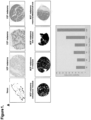
- Fig. 1A Depicted in Fig. 1A are examples of ⁇ -synuclein expression in TMA cores representing a nevus, three primary melanomas in the vertical growth phase (VGP melanoma), and four melanomas in the metastatic growth phase (MGP melanoma) obtained from different organ sides.
- VGP melanoma three primary melanomas in the vertical growth phase
- MGP melanoma melanomas in the metastatic growth phase
- ⁇ -synuclein was expressed primarily if not exclusively in melanoma cells in both VGP and MGP melanoma tissue cores, and in nevus tissue cores, it was expressed primarily in melanocytes residing along the epidermal-dermal junction; a finding that is in agreement with previously reported data (Matsuo Y & Kamitani T 2010. Parkinson's disease-related protein, alpha-synuclein, in malignant melanoma. PLoS One 5(5):e10481).
- the cell lines WM983-A and WM983-B which were derived from a VGP and an MGP melanoma of the same patient, and the MGP melanoma cell line, SK-MEL-5, express high levels of ⁇ -synuclein.
- the WM852 (MGP) and the WM1158 (RGP/VGP) melanoma cell lines contain lower levels of ⁇ -synuclein protein ( Fig. 2A ).
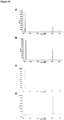
- WM983-B melanoma whole-cell lysate separated by size exclusion chromatography (SEC) ( Fig. 7 ) followed by filter trap - dot blot analysis of the collected fractions with an anti- ⁇ -synuclein antibody, showed monomeric ⁇ -synuclein as well as its distribution in fractions of higher molecular weight species between 17 to 158 kD and > 670 kD ( Fig. 2C ), indicating that in these cells, ⁇ -synuclein is oligomerized and also likely interacting with other proteins.
- SEC size exclusion chromatography
- WM983-A, WM983-B and SK-MEL-5 we treated them with increasing doses of either compound, dissolved in dimethyl sulfoxide (DMSO), and added to serum-free culture medium.
- DMSO dimethyl sulfoxide
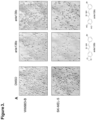
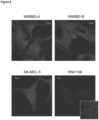
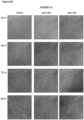
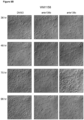
- 3A shows representative images of WM983-B and SK-MEL-5 melanoma cells treated for 48 hr with a single dose of 10 ⁇ M of either anle138b or anle138c.
- treatment with anle138b caused a more rapid morphological change than anle138c.
- To determine whether the effect of the two anle compounds was related to the amount of ⁇ -synuclein produced by the cells we compared the proliferation of the (VGP) WM983-A high-level and the (RGP/VGP) WM1158 low-level ⁇ -synuclein-producing melanoma cells over a period of 96 hr, with replenishment of each anle compound at 48 hr ( Fig.
- the WM1158 cells did not show a significantly altered morphology by the treatment with anle138b or anle138c, showed reduced proliferation only after 48 hr, and were able to recover proliferation normally following removal of anle138b at 96 hr and addition of fresh culture medium containing serum.
- Anle138b treatment of melanoma cells damages their plasma membrane, disrupts their mitochondrial membrane potential, and dysregulates autophagy
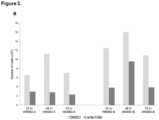
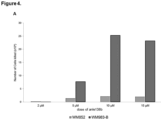
- the high-level ⁇ -synuclein-expressing WM983-B cells showed strong killing that reached a maximum at a 10 ⁇ M dose of anle138b, possibly due to its low solubility above this dose in serum-free medium.
- the number of cells killed in response to anle138b treatment was significantly lower in the case of the low-level ⁇ -synuclein-expressing WM852 cells ( Fig. 4A ).
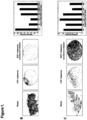
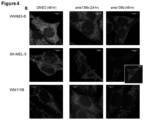
- the mitochondrial membrane potential of WM983-B and SK-MEL-5 melanoma cells was significantly reduced as early as 24 hr following addition of a single 10 ⁇ M dose of anle138b, while the low-level ⁇ -synuclein-expressing WM1158 cells started to show some reduction in mitochondrial membrane potential only after 48 hr of anle138b treatment.
- Differential interference contrast (DIC) images of the morphology of the anle138b-treated WM983-B, SK-MEL-5, and WM1158 melanoma cells from the same panels are shown in Fig. 9 .
- WM983-B cells treated with anle138b, demonstrated prominent punctate upregulation of the autophagosome marker, microtubule-associated protein 1 light chain 3B (LC3), in about 60% of the cells still attached at 24 hr and in 95% of the cells remaining on the cell culture dish at 48 hr, whereas WM983-B cells that had received DMSO only showed less than 1% cells with LC3 puncta at 96 hr ( Fig. 4C ).
- LC3-B cells microtubule-associated protein 1 light chain 3B
- the effect was seen later with levels of 8% at 24 hr and 78% after 96 hr. Similar levels of punctate LC3 loci were also observed for the SK-MEL-5 melanoma cells upon treatment with anle138b ( Fig. 4C ), and even higher levels with anle138c.
- anle138b when administered systemically to human MGP melanoma cells grown as subcutaneous tumors in nude mice, would reach the tumors.
- a nude mouse bearing high-level ⁇ -synuclein-expressing (MGP) WM983-B human melanoma xenografts on its lower right and on its lower left dorsal side, received, for seven days, food pellets mixed with anle138b.
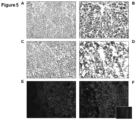
- tissue sections from a WM983-B human melanoma xenograft, resected from the animal that had received anle138b-containing food pellets showed more LC3-positive cells ( Fig. 5F ) compared with anti-LC3 antibody-probed tissue sections prepared from one of the WM983-B human melanoma xenograft control tumors that did not contain anle138b ( Fig. 5E ).
- DJ-1 a histopathologic study has shown that in cutaneous melanoma, cytoplasmic expression of DJ-1 is decreased ( Hintsala HR, Soini Y, Haapasaari KM, & Karihtala P 2015. Dysregulation of redox-state-regulating enzymes in melanocytic skin tumours and the surrounding microenvironment. Histopathology 67(3):348-357 ), while in the serum of patients with metastatic uveal melanoma it is elevated ( Chen LL, et al. 2015. DJ-1: a promising marker in metastatic uveal melanoma.
- ⁇ -synuclein has on neurons in a synucleinopathy such as PD; whereas in an aggressive malignancy such as advanced melanoma, high-level expression of ⁇ -synuclein is not only beneficial to the cells' survival, but possibly also promotes, probably by way of spreading via melanoma exosomes ( Hansen C, et al. 2011. alpha-Synuclein propagates from mouse brain to grafted dopaminergic neurons and seeds aggregation in cultured human cells. J Clin Invest 121(2):715-725 .), the formation and growth of melanoma brain metastases to which this disease is particularly prone.
- the human melanoma cell lines WM983-A, WM983-B, WM852, and WM1158 were propagated in vitro as described ( Becker D, Meier CB, & Herlyn M 1989. Proliferation of human malignant melanomas is inhibited by antisense oligodeoxynucleotides targeted against basic fibroblast growth factor. EMBO J 8(12):3685-3691 ).
- the human melanoma cell line SK-MEL-5 purchased from CLS Cell Lines Service GmbH (Eppelheim, Germany), was propagated in Eagle's Minimum Essential Medium (MEM) supplemented with non-essential amino acids, sodium pyruvate, and 10% fetal bovine serum (FBS).
- tissue cores of a nevus > melanoma progression TMA ( Watson-Hurst K & Becker D 2006. The role of N-cadherin, MCAM and beta3 integrin in melanoma progression, proliferation, migration and invasion.
- WM983-B melanoma whole-cell lysates were separated on 12% SDS-PAGE, transferred onto nitrocellulose membrane, blocked with 3% bovine serum albumin (BSA), probed with an anti-p62/SQSTM1 antibody (Cell Signaling Technology, Inc. Danvers, MA, USA), followed by incubation with a corresponding HPR-conjugated secondary antibody and chemiluminescent substrate (EMD Millipore, Billerica, MA, USA). Protein loading was determined by secondary probing with an anti-GAPDH antibody (Thermo Fisher Scientific Inc.).
- WM983-B melanoma cells were lysed in PBS containing 0.5% Triton X-100 and protease inhibitors.
- the protein lysate (2.2 mg/0.5 ml) was filtered through a 0.45 ⁇ m centrifuge tube filter prior to loading onto a Superose 6 10/300GL column (GE Healthcare Bio-Sciences, Pittsburgh, USA) connected to an ⁇ KTApurifier 10 (GE Healthcare Life Sciences, Uppsala, Sweden).
- the collected fractions were placed for 10 min in a 95°C water bath and thereafter, the entire volume of every collected fraction was loaded onto nitrocellulose membranes by way of a dot blot vacuum system.
- WM1158 (RGP/VGP) melanoma cells do not proliferate well in serum-free culture medium, 20 ng/ml of recombinant human basic fibroblast growth factor (bFGF) was added to the serum-free culture medium during treatment of these cells with anle138b or anle138c. Proliferation of melanoma cells that had received DMSO only, or were treated with anle138b was determined by counting the cells with a hemocytometer.
- bFGF human basic fibroblast growth factor
- Replicates of WM983-B as well as WM852 melanoma cells were plated at 3x10 5 cells per well in 35 mm tissue culture plates. Twenty-four hours later, the cells were rinsed three times with serum-free medium, followed by addition of increasing doses of anle138b or DMSO only. Forty-eight hours later, the cell culture medium was removed, followed by addition of equivalent doses of anle138b or DMSO only in serum-free medium. Culture medium, collected 48 hr later, was centrifuged to pellet and remove cellular debris.
- the release of LDH enzyme activity into the tissue culture medium was determined with an LDH cytotoxicity assay kit (Roche Diagnostics GmbH, Mannheim, Germany). Serum-free culture medium supernatants from the WM983-B and WM852 melanoma cells that had received DMSO only served as background controls and their values were subtracted. Cells from the DMSO controls were trypsinized, counted, and lysed according to the manufacturer's instructions.
- the number of melanoma cells killed was obtained by normalizing LDH release, recorded for each dose of anle138b, to the LDH released upon lysis of a known number of melanoma cells (calibration curve). Standard curves for both cell lines were superimposable.
- Phase-contrast or DIC images of the melanoma cells that had been treated for various times with anle138b or anle138c, or had received DMSO only were captured with a 10 ⁇ NA 0.6 objective on a Zeiss Axiovert 100 microscope with a Hamamatsu Orca charge-coupled device (CCD) camera. At least four images, at random areas per culture dish, were recorded for each time point.
- CCD charge-coupled device
- Mitochondrial membrane potential Melanoma cell lines WM983-B, SK-MEL-5 and WM1158 were treated with anle138b or received DMSO only for 24 or 48 hr. Prior to fixation with 3.7% PFA, the cells were incubated with 200 nM MitoTracker Red CMXRos (Thermo Fisher Scientific, Inc.) for 30 min at 37°C. Confocal image stacks were captured with a 63 ⁇ NA 1.2 Apochromat water immersion lens on a Zeiss LSM 510 Meta confocal microscope in fluorescence and transmission modes.
- CMXRos Thermo Fisher Scientific, Inc.
- WM983-B melanoma cells fixed with 4% PFA, and blocked for 30 min at 37°C with 5 mg/ml of BSA in 0.05% Triton-X 100/PBS, were probed with a rabbit polyclonal anti- ⁇ -synuclein [C-20] antibody (Santa Cruz Biotechnology, Inc., Dallas, Texas), or a mouse monoclonal anti-phosphorylated ⁇ -synuclein [pSyn#64] antibody (Wako Chemicals GmbH, Neuss, Germany), and imaged with a 40X/0.60 objective on a Leica DMI6000B inverted microscope.
- C-20 rabbit polyclonal anti- ⁇ -synuclein
- pSyn#64 mouse monoclonal anti-phosphorylated ⁇ -synuclein
- Immunofluorescence comparison of ⁇ -synuclein protein expression in the melanoma cell lines, WM983-A, WM983-B, SK-MEL-5 and WM1158, was made by fixation of proliferating cells in 3.7% PFA for 20 min, permeabilization, blocking, and staining with a mouse monoclonal anti- ⁇ -synuclein [Syn211] antibody (EMD-Millipore, Darmstadt, Germany), followed by a goat anti-mouse Alexa-546 secondary antibody. Confocal image stacks were acquired with a 63 ⁇ NA 1.4 oil immersion objective on a Zeiss LSM 510 Meta confocal microscope at the same gain and laser powers.
- mice 4-week-old, female nude mice (CAnN.Cg-Foxn1nu/Crl) (Charles River Laboratories, Research Models and Services, Germany GmbH, Sulzfeld, Germany) were injected subcutaneously on their lower right as well as lower left dorsal side with WM983-B (MGP) human melanoma cells (1x10 7 cells per side).
- Cryopreserved WM983-B human melanoma xenograft tissues were brought to 4°C prior to their transfer into Precellys CKMix - 2 mL tissue homogenizing tubes, and homogenization in 0.5 to 1.00 ml acetonitrile using a Precellys Evolution Super homogenizer (Bertin Instruments, Montigny-le-Bretonneux, France). Homogenization (6800 rpm, 8 cycles for 30 sec with a 30 sec pause between cycles) was repeated four times. Thereafter, the homogenate was ultrasonicated for 2 min at 25°C, and centrifuged for 2 min.
- HPLC high-performance liquid chromatography
- Tissue sections prepared from the WM983-B human melanoma xenografts, were fixed with methanol, treated with blocking solution (goat serum - 0.25 % Triton X-100), probed with an anti-LC3 [NB100-2220] antibody (Bio-Techne, Wiesbaden Nordenstadt, Germany), followed by addition of a goat anti-rabbit Alexa-488 secondary antibody, counterstaining with fluorescent 4',6-diamidino-2-phenylindole dihydrochloride (DAPI), and fluorescent mounting medium (Dako Germany). Images of the anti-LC3 antibody-probed and counterstained tissue sections were obtained with a 10 ⁇ NA 0.45 objective on a Zeiss AXIO Imager M1 epifluorescence and brightfield microscope. H&E staining was performed according to standard protocols.
- reaction mixture was cooled to 0 °C, the resulting precipitate was collected by filtration, washed with water and n-hexane (10 mL each), and air dried to provide the product anle458a (1.47 g, 4.45 mmol, 44%) as a yellow solid.
- Dicyclohexylcarbodiimide (807 mg, 3.91 mmol) was added to a stirred suspension of 4-methyl-3,4-dihydro-2H-1,4-benzoxazine-7-carboxylic acid ( CAS 532391-89-2 ) (685 mg, 3.55 mmol) and pentafluorophenol (653 mg, 3.55 mmol) in 1,4-dioxane (15 mL). Stirring was continued for 17 h by which time a colorless precipitate had formed.
- reaction mixture was stirred 15 h at room temperature, then poured slowly into crushed ice (50 g) containing 85 % phosphoric acid (0.25 ml). The resulting precipitate was collected by filtration, washed with water (50 ml) and dried to provide crude sery428b (0.25 g) as a yellow powder that was used in next step without purification.
- the title compound was prepared according to the published protocol 3 .
- a mixture of sery537 (1.07 g, 5 mmol), 1-iodo-3-nitrobenzene (1.49 g, 6 mmol), Cul (1.14 g, 6 mmol), PPh 3 (265 mg, 1 mmol) and Na 2 CO 3 (1.06 g, 10 mmol) in dry DMF (10 ml) was stirred at 160 °C for 2 h under an inert atmosphere (Ar). After cooling to room temperature, the mixture was poured into 2M ammonium chloride aq. solution (150 ml) and extracted with ethyl acetate (3 x 100 ml).
- the title compound was prepared according to the published protocol 1 .
- a 60 % suspension of sodium hydride in mineral oil (0.2 g, 5.0 mmol) was washed with petroleum benzin (20 ml) twice, anhydrous DMSO (4 ml) was added.
- DMSO dimethyl sulfoxide
- the flask was cooled down to 15 °C and a solution of methyl 3-chlorobenzoate (0.853 g, 5.0 mmol) and 1-(2,3-dihydro-1,4-benzodioxin-6-yl)ethanone (0.712 g, 4.0 mmol) in DMSO (4 ml) was added dropwise.
- reaction mixture was stirred 24 h at room temperature, then poured slowly into crushed ice (50 g) containing 85 % phosphoric acid (1 ml). The resulting precipitate was collected by filtration, washed with water (50 ml) and air dried. The resulting crude product was recrystallized from methanol to provide sery595 (590 mg, 47 %) as a light-yellow powder.
- the title compound was prepared according to the published protocol 1 .
- Dicyclohexylcarbodiimide (681 mg, 3.3 mmol) was added to a stirred suspension of 6-quinoxalinecarboxylic acid (522 mg, 3.0 mmol) and pentafluorophenol (552 mg, 3.0 mmol) in 1,4-dioxane (15 mL). Stirring was continued for 15 h by which time a colorless precipitate had formed. The mixture was filtered, the precipitate was washed on the filter with dioxane (5 ml) and the combined solution was concentrated under reduced pressure.
- the title compound was prepared according to the published protocol 1 .
- a solution of sery606 (620 mg, 1.75 mmol) and hydrazine hydrate (200 mg, 4 mmol) in ethanol (15 ml) was heated under reflux 24 h with stirring. After cooling of the reaction mixture to room temperature, the resulting precipitate was collected by filtration, washed with cold ethanol (10 ml) and then with water (2x10ml), and air dried to provide sery607 (420 mg, 68 %) as a white powder.
Landscapes
- Chemical & Material Sciences (AREA)
- Organic Chemistry (AREA)
- Health & Medical Sciences (AREA)
- General Health & Medical Sciences (AREA)
- Life Sciences & Earth Sciences (AREA)
- Medicinal Chemistry (AREA)
- Pharmacology & Pharmacy (AREA)
- Animal Behavior & Ethology (AREA)
- Public Health (AREA)
- Veterinary Medicine (AREA)
- Epidemiology (AREA)
- Nuclear Medicine, Radiotherapy & Molecular Imaging (AREA)
- General Chemical & Material Sciences (AREA)
- Chemical Kinetics & Catalysis (AREA)
- Biochemistry (AREA)
- Molecular Biology (AREA)
- Pharmaceuticals Containing Other Organic And Inorganic Compounds (AREA)
- Acyclic And Carbocyclic Compounds In Medicinal Compositions (AREA)
Claims (7)
- Eine Verbindung, dargestellt durch Formel (E):
 Ring D, der X, Y, L, M und Z enthält, aus den folgenden Strukturen gerichtet ausgewählt ist:
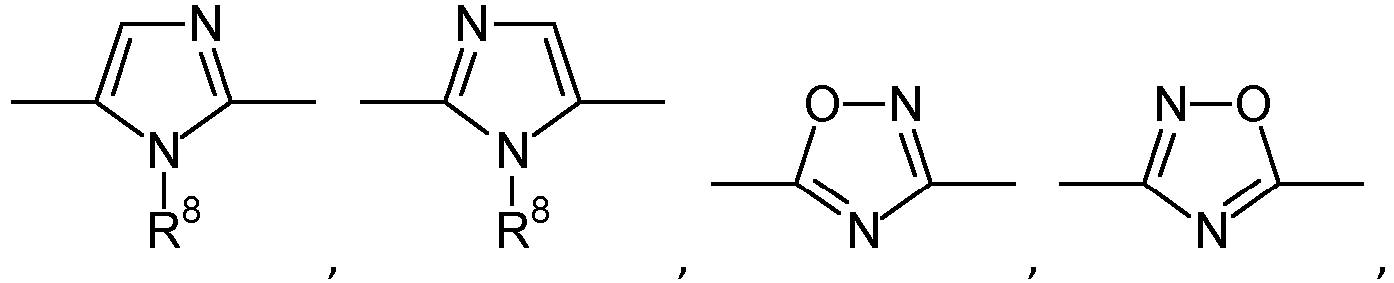
 R8 ausgewählt ist aus Wasserstoff; C1-4-Alkyl; -CH2O-P(=O)(OR)(OR); und -C1-4-Alkylen-Halogen;R9 ausgewählt ist aus Wasserstoff, C1-4-Alkyl und -C1-4-Alkylen-Halogen;Hal ausgewählt ist aus F, Cl, Br und I;RE1 ausgewählt ist aus Hydroxy, C1-6-Alkoxy und -NRE5RE6, wobei, wenn RE1 -NRE5RE6 ist, es im Vergleich zu dem Kohlenstoffatom, das den Phenylring an Ring D bindet, in para-Position gebunden ist;RE2 ausgewählt ist aus Wasserstoff, Halogen, Hydroxy, C1-6-Alkoxy und -NRE5RE6; oder wenn RE1 und RE2 an benachbarte Kohlenstoffatome gebunden sind, können RE1 und RE2 gemeinsam in einer anderen Ausführungsform ungerichtet eine Struktur-T-(CRE7RE8)n-V- bilden, wobei T aus CRE9RE10, NR* und O ausgewählt ist und V aus CRE9RE10, NR* und O ausgewählt ist, sowie entsprechende Strukturen, in denen eine Doppelbindung vorhanden ist;RE5 und RE6 unabhängig ausgewählt sind aus Wasserstoff und C1-6-Alkyl;RE7 und RE8 unabhängig H oder F sind;RE9 und RE10 unabhängig H oder F sind;n 1 bis 3 ist;RE3 eine C1-6-Alkylgruppe oder eine C6-10-Arylgruppe ist;m 0 bis 2 ist;RE4 eine C1-6-Alkylgruppe ist;p 0 oder 1 ist;R ein Wasserstoffatom oder ein Kation ist;R* ein Wasserstoffatom ist;oder ein Ether, Ester, Solvat oder Salz der Verbindung, die durch Formel (E) dargestellt ist;zur Verwendung bei der Behandlung oder Vorbeugung von Melanomen.
 - Eine Verbindung zur Verwendung gemäß Anspruch 1, wobei die Verbindung dargestellt durch Formel (E) eine durch Formel (A) oder (B) dargestellte Verbindung ist

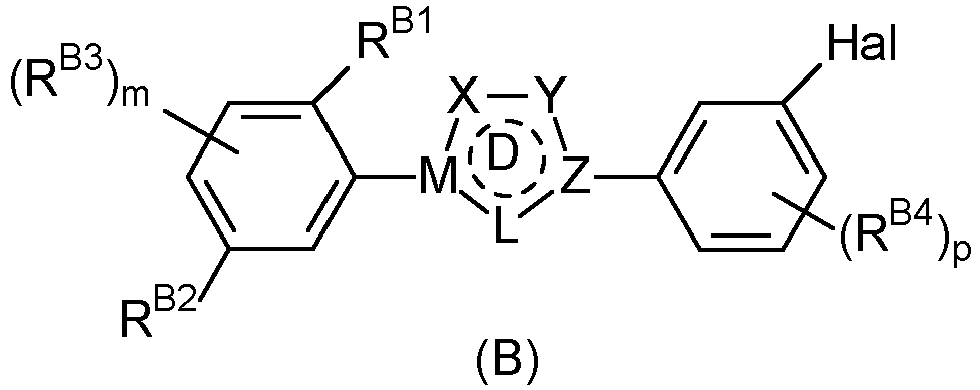 m, n, p, T, V, X, Y, L, M, Z, Ring D, RE7, RE8, R und Hal wie in Anspruch 1 definiert sind;wobei in Formel (A):RA1 und RA2 jeweils unabhängig ausgewählt sind aus Wasserstoff, Halogen, Hydroxy, C1-6-Alkoxy und -NRA5RA6 ; odermit der Maßgabe, dass mindestens eines von RA1 und RA2 Hydroxy, C1-6-Alkoxy oder -NRA5RA6 ist;in einer anderen Ausführungsform RA1 und RA2 zusammen ungerichtet eine Struktur-T-(CRE7RE8)n-V- bilden können;RA3 eine C1-6-Alkylgruppe oder eine C6-10-Arylgruppe ist;RA4 ein Halogenatom, eine C1-6-Alkylgruppe oder eine C6-10-Arylgruppe ist; undRA5 und RA6 unabhängig ausgewählt sind aus Wasserstoff und C1-6-Alkyl;wobei in Formel (B):RB1 ausgewählt ist aus Hydroxy, C1-6-Alkoxy und -NRB5RB6;RB2 ausgewählt ist aus Wasserstoff, Halogen, Hydroxy, C1-6-Alkoxy und -NRB5RB6;RB3 eine C1-6-Alkylgruppe oder eine C6-10-Arylgruppe ist;RB4 ein Halogenatom, eine C1-6 Alkylgruppe oder eine C6-10 Arylgruppe ist; undRB5 und RB6 unabhängig ausgewählt sind aus Wasserstoff und C1-6-Alkyl;oder ein Ether, Ester, Solvat oder Salz der Verbindung, die durch Formel (A) oder (B) dargestellt ist.
 - Die Verbindung zur Verwendung gemäß Anspruch 1 oder 2, wobei Ring D gerichtet aus den folgenden Strukturen ausgewählt ist:
 R8 wie in Anspruch 1 oder 2 definiert ist; undR9 H ist;oder ein Ether, Ester, Solvat oder Salz dieser Verbindungen.
 - Die Verbindung zur Verwendung gemäß Anspruch 1, wobei die Verbindung ausgewählt ist aus der Gruppe bestehend aus:


 R8 ausgewählt ist aus Wasserstoff; C1-4-Alkyl; -CH2O-P(=O)(OR)(OR); und -C1-4-Alkylen-Halogen;Hal ausgewählt ist aus F, Cl, Br und I;RE7 und RE8 unabhängig H oder F sind;RA7 H oder C1-4-Alkyl ist;RA8 H oder C1-4-Alkyl ist;RA9 H oder C1-4-Alkyl ist;RA10 H oder C1-4-Alkyl ist;RB7 H oder C1-4-Alkyl ist;R H oder ein Kation ist; undn 1 ist;oder ein Ether, Ester, Solvat oder Salz dieser Verbindungen.
 - Die Verbindung zur Verwendung gemäß Anspruch 4, wobei die Verbindung ausgewählt ist aus der Gruppe bestehend aus:

 wobei RE7, RE8, RA9, RA10, R8, n und Hal wie in Anspruch 4 definiert sind;oder ein Ether, Ester, Solvat oder Salz dieser Verbindungen.
 - Die Verbindung zur Verwendung gemäß Anspruch 1, wobei der Ring D ausgewählt ist aus der Gruppe bestehend aus:
 wobei R, X, Y und L wie in Anspruch 1 definiert sind;oder ein Ether, Ester, Solvat oder Salz dieser Verbindungen.
 - Die Verbindung zur Verwendung gemäß einem der Ansprüche 1 bis 6, wobei p 0 ist;
oder ein Ether, Ester, Solvat oder Salz dieser Verbindungen.
Applications Claiming Priority (2)
| Application Number | Priority Date | Filing Date | Title |
|---|---|---|---|
| EP17170855 | 2017-05-12 | ||
| PCT/EP2018/062236 WO2018206778A1 (en) | 2017-05-12 | 2018-05-11 | Phenyl-heterocycle-phenyl derivatives for use in the treatment or prevention of melanoma |
Publications (3)
| Publication Number | Publication Date |
|---|---|
| EP3634403A1 EP3634403A1 (de) | 2020-04-15 |
| EP3634403B1 true EP3634403B1 (de) | 2025-06-25 |
| EP3634403C0 EP3634403C0 (de) | 2025-06-25 |
Family
ID=58709302
Family Applications (1)
| Application Number | Title | Priority Date | Filing Date |
|---|---|---|---|
| EP18722077.7A Active EP3634403B1 (de) | 2017-05-12 | 2018-05-11 | Phenyl-heterocyclus-phenyl derivate zur verwendung bei der behandlung oder vorbeugung von melanomen |
Country Status (7)
| Country | Link |
|---|---|
| US (1) | US11180518B2 (de) |
| EP (1) | EP3634403B1 (de) |
| JP (1) | JP7283699B2 (de) |
| AU (1) | AU2018265584B2 (de) |
| CA (1) | CA3062749A1 (de) |
| ES (1) | ES3035044T3 (de) |
| WO (1) | WO2018206778A1 (de) |
Families Citing this family (1)
| Publication number | Priority date | Publication date | Assignee | Title |
|---|---|---|---|---|
| EP4173485A1 (de) | 2021-10-27 | 2023-05-03 | Max-Planck-Gesellschaft zur Förderung der Wissenschaften e.V. | Proteinaggregation-hemmende verbindungen zur bekämpfung von pflanzenkrankheiten |
Family Cites Families (23)
| Publication number | Priority date | Publication date | Assignee | Title |
|---|---|---|---|---|
| US3773919A (en) | 1969-10-23 | 1973-11-20 | Du Pont | Polylactide-drug mixtures |
| US4263428A (en) | 1978-03-24 | 1981-04-21 | The Regents Of The University Of California | Bis-anthracycline nucleic acid function inhibitors and improved method for administering the same |
| EP0052322B1 (de) | 1980-11-10 | 1985-03-27 | Gersonde, Klaus, Prof. Dr. | Verfahren zur Herstellung von Lipid-Vesikeln durch Ultraschallbehandlung, Anwendung des Verfahrens und Vorrichtung zur Durchführung des Verfahrens |
| IE52535B1 (en) | 1981-02-16 | 1987-12-09 | Ici Plc | Continuous release pharmaceutical compositions |
| US4485045A (en) | 1981-07-06 | 1984-11-27 | Research Corporation | Synthetic phosphatidyl cholines useful in forming liposomes |
| DE3374837D1 (en) | 1982-02-17 | 1988-01-21 | Ciba Geigy Ag | Lipids in the aqueous phase |
| DE3218121A1 (de) | 1982-05-14 | 1983-11-17 | Leskovar, Peter, Dr.-Ing., 8000 München | Arzneimittel zur tumorbehandlung |
| EP0102324A3 (de) | 1982-07-29 | 1984-11-07 | Ciba-Geigy Ag | Lipide und Tenside in wässriger Phase |
| US4544545A (en) | 1983-06-20 | 1985-10-01 | Trustees University Of Massachusetts | Liposomes containing modified cholesterol for organ targeting |
| HUT35524A (en) | 1983-08-02 | 1985-07-29 | Hoechst Ag | Process for preparing pharmaceutical compositions containing regulatory /regulative/ peptides providing for the retarded release of the active substance |
| DE3483949D1 (de) | 1983-09-26 | 1991-02-21 | Udo Dr Med Ehrenfeld | Mittel und erzeugnis fuer die diagnose und therapie von tumoren sowie zur behandlung von schwaechen der zelligen und humoralen immunabwehr. |
| EP0143949B1 (de) | 1983-11-01 | 1988-10-12 | TERUMO KABUSHIKI KAISHA trading as TERUMO CORPORATION | Pharmazeutische Zusammensetzung mit Gehalt an Urokinase |
| DE19643037A1 (de) | 1996-10-18 | 1998-04-23 | Boehringer Ingelheim Kg | Neue Oxadiazole, Verfahren zu ihrer Herstellung sowie deren Verwendung als Arzneimittel |
| WO2004052280A2 (en) * | 2002-12-10 | 2004-06-24 | Imclone Systems Incorporated | Anti-angiogenic compounds and their use in cancer treatment |
| GB0303503D0 (en) | 2003-02-14 | 2003-03-19 | Novartis Ag | Organic compounds |
| US20050113423A1 (en) | 2003-03-12 | 2005-05-26 | Vangoor Frederick F. | Modulators of ATP-binding cassette transporters |
| US8101641B2 (en) * | 2006-09-25 | 2012-01-24 | Ptc Therapeutics, Inc. | Hydroxylated 1,2,4-oxadiazole benzoic acid compounds and compositions thereof |
| JP5221514B2 (ja) | 2007-03-06 | 2013-06-26 | エーザイ・アール・アンド・ディー・マネジメント株式会社 | 安定性が改善されたクロロメチルフォスフェイト誘導体を含む組成物及びその製造方法 |
| US20110158907A1 (en) | 2007-04-19 | 2011-06-30 | The Trustees Of The Univeristy Of Pennsylvania | Diphenyl-heteroaryl derivatives and their use for binding and imaging amyloid plaques |
| US20110293520A1 (en) | 2008-06-09 | 2011-12-01 | Max-Planck-Gesellschaft Zur Forderung Der Wissenschaften E.V. | New drug for inhibiting aggregation of proteins involved in diseases linked to protein aggregation and/or neurodegenerative diseases |
| EA032374B1 (ru) * | 2014-01-29 | 2019-05-31 | ЮСиБи БАЙОФАРМА СПРЛ | Гетероарильные амиды в качестве ингибиторов агрегации белков |
| TW201722957A (zh) * | 2015-09-15 | 2017-07-01 | 葛蘭素史克智慧財產(第二)有限公司 | 化學化合物 |
| SI3181571T1 (sl) | 2015-12-17 | 2019-10-30 | Evonik Degussa Gmbh | Azodikarboksamidi, ki vsebujejo silicij, njihova priprava in uporaba |
-
2018
- 2018-05-11 JP JP2019562618A patent/JP7283699B2/ja active Active
- 2018-05-11 CA CA3062749A patent/CA3062749A1/en active Pending
- 2018-05-11 AU AU2018265584A patent/AU2018265584B2/en active Active
- 2018-05-11 WO PCT/EP2018/062236 patent/WO2018206778A1/en not_active Ceased
- 2018-05-11 EP EP18722077.7A patent/EP3634403B1/de active Active
- 2018-05-11 US US16/612,717 patent/US11180518B2/en active Active
- 2018-05-11 ES ES18722077T patent/ES3035044T3/es active Active
Non-Patent Citations (1)
| Title |
|---|
| J. WAGNER ET AL, ACTA NEUROPATHOL, 2013, pages 795 - 813 * |
Also Published As
| Publication number | Publication date |
|---|---|
| AU2018265584A1 (en) | 2019-11-28 |
| AU2018265584B2 (en) | 2023-09-28 |
| EP3634403A1 (de) | 2020-04-15 |
| US11180518B2 (en) | 2021-11-23 |
| US20200165279A1 (en) | 2020-05-28 |
| JP7283699B2 (ja) | 2023-05-30 |
| EP3634403C0 (de) | 2025-06-25 |
| WO2018206778A1 (en) | 2018-11-15 |
| CA3062749A1 (en) | 2018-11-15 |
| ES3035044T3 (en) | 2025-08-27 |
| JP2020519646A (ja) | 2020-07-02 |
Similar Documents
| Publication | Publication Date | Title |
|---|---|---|
| JP6266568B2 (ja) | カルシウム放出依存性カルシウムチャネルのピラゾール誘導体モジュレータおよび非小細胞肺癌の治療方法 | |
| TWI427068B (zh) | 調節hsp90活性之化合物 | |
| CN103237799B (zh) | 杂环衍生物、制备方法及其药学用途 | |
| EP3088397B1 (de) | Verbindungen, die den g2-checkpoint des zellzyklus stilllegen und dadurch eine antikrebswirkung aufweisen | |
| EP3307068B1 (de) | Mct4-inhibitoren zu behandlung von erkrankungen | |
| TR201806882T4 (tr) | Selektif östrojen reseptörü yıkıcıları olarak benzotiofen türevleri ve bunların bileşimleri. | |
| AU2017228527A1 (en) | Pyrazol-3-ones that activate pro-apoptotic bax | |
| JP2020500916A (ja) | Mct4の複素環阻害剤 | |
| CN106986865B (zh) | 关于精神神经疾病或恶性肿瘤的化合物及医药组合物 | |
| US10675273B2 (en) | Benzothiazole amphiphiles | |
| JP2013521265A (ja) | 薬物製造のためのイソキノロン類の使用、新規なイソキノロン類およびそれらの合成方法 | |
| WO2017148406A1 (zh) | 嘧啶类七元环化合物、其制备方法、药用组合物及其应用 | |
| EP3634403B1 (de) | Phenyl-heterocyclus-phenyl derivate zur verwendung bei der behandlung oder vorbeugung von melanomen | |
| JP6674381B2 (ja) | 癌治療のためのMcl−1調節化合物 | |
| CN107141287B (zh) | 2-亚胺-5-酮基-2,5-二氢-1-h-二吡啶并嘧啶类化合物 | |
| CN121548579A (zh) | 一种prmt5抑制剂、其制备方法及应用 | |
| Balachandran et al. | Synthetic investigation on chirally pure Mannich derivatives of pseudophenylpropanolamine and their anticancer properties against HepG-2 cells with inhibition of JAK2/STAT3 | |
| AU2020271767B2 (en) | Improved inhibitors of the notch transcriptional activation complex and methods for use of the same | |
| EP1747201B1 (de) | 2h- oder 3h-benzo[e]indazol-1-yl-karbamat-derivate, herstellung und therapeutische verwendung | |
| WO2025119248A1 (zh) | 增殖细胞核抗原抑制剂、其制备方法、其中间体、其药物组合物和用途 | |
| CN115286645A (zh) | 三环杂环衍生物及其药物组合物和用途 | |
| JP2019501137A (ja) | 4−オキソ−4,5−ジヒドロチアゾール誘導体、その調製方法及び使用 |
Legal Events
| Date | Code | Title | Description |
|---|---|---|---|
| STAA | Information on the status of an ep patent application or granted ep patent |
Free format text: STATUS: UNKNOWN |
|
| STAA | Information on the status of an ep patent application or granted ep patent |
Free format text: STATUS: THE INTERNATIONAL PUBLICATION HAS BEEN MADE |
|
| PUAI | Public reference made under article 153(3) epc to a published international application that has entered the european phase |
Free format text: ORIGINAL CODE: 0009012 |
|
| STAA | Information on the status of an ep patent application or granted ep patent |
Free format text: STATUS: REQUEST FOR EXAMINATION WAS MADE |
|
| 17P | Request for examination filed |
Effective date: 20191209 |
|
| AK | Designated contracting states |
Kind code of ref document: A1 Designated state(s): AL AT BE BG CH CY CZ DE DK EE ES FI FR GB GR HR HU IE IS IT LI LT LU LV MC MK MT NL NO PL PT RO RS SE SI SK SM TR |
|
| AX | Request for extension of the european patent |
Extension state: BA ME |
|
| DAV | Request for validation of the european patent (deleted) | ||
| DAX | Request for extension of the european patent (deleted) | ||
| STAA | Information on the status of an ep patent application or granted ep patent |
Free format text: STATUS: EXAMINATION IS IN PROGRESS |
|
| 17Q | First examination report despatched |
Effective date: 20220610 |
|
| GRAP | Despatch of communication of intention to grant a patent |
Free format text: ORIGINAL CODE: EPIDOSNIGR1 |
|
| STAA | Information on the status of an ep patent application or granted ep patent |
Free format text: STATUS: GRANT OF PATENT IS INTENDED |
|
| INTG | Intention to grant announced |
Effective date: 20241211 |
|
| GRAS | Grant fee paid |
Free format text: ORIGINAL CODE: EPIDOSNIGR3 |
|
| RIN1 | Information on inventor provided before grant (corrected) |
Inventor name: SCHOEN, MARGARETE Inventor name: SCHOEN, MICHAEL P. Inventor name: LAZARO, DIANA F. Inventor name: OUTEIRO, TIAGO F. Inventor name: GIESE, ARMIN Inventor name: RYAZANOV, SERGEY Inventor name: LEONOV, ANDREI Inventor name: GRIESINGER, CHRISTIAN Inventor name: JOVIN, THOMAS M. Inventor name: BECKER, DOROTHEA |
|
| GRAA | (expected) grant |
Free format text: ORIGINAL CODE: 0009210 |
|
| STAA | Information on the status of an ep patent application or granted ep patent |
Free format text: STATUS: THE PATENT HAS BEEN GRANTED |
|
| RIN1 | Information on inventor provided before grant (corrected) |
Inventor name: SCHOEN, MARGARETE Inventor name: SCHOEN, MICHAEL P. Inventor name: LAZARO, DIANA F. Inventor name: OUTEIRO, TIAGO F. Inventor name: GIESE, ARMIN Inventor name: RYAZANOV, SERGEY Inventor name: LEONOV, ANDREI Inventor name: GRIESINGER, CHRISTIAN Inventor name: JOVIN, THOMAS M. Inventor name: BECKER, DOROTHEA |
|
| AK | Designated contracting states |
Kind code of ref document: B1 Designated state(s): AL AT BE BG CH CY CZ DE DK EE ES FI FR GB GR HR HU IE IS IT LI LT LU LV MC MK MT NL NO PL PT RO RS SE SI SK SM TR |
|
| REG | Reference to a national code |
Ref country code: GB Ref legal event code: FG4D |
|
| REG | Reference to a national code |
Ref country code: CH Ref legal event code: EP |
|
| REG | Reference to a national code |
Ref country code: CH Ref legal event code: EP |
|
| REG | Reference to a national code |
Ref country code: IE Ref legal event code: FG4D |
|
| REG | Reference to a national code |
Ref country code: DE Ref legal event code: R096 Ref document number: 602018082891 Country of ref document: DE |
|
| RAP2 | Party data changed (patent owner data changed or rights of a patent transferred) |
Owner name: MAX-PLANCK-GESELLSCHAFT ZUR FOERDERUNG DERWISSENSCHAFTEN E.V. Owner name: LUDWIG-MAXIMILIANS-UNIVERSITAET MUENCHEN |
|
| REG | Reference to a national code |
Ref country code: ES Ref legal event code: FG2A Ref document number: 3035044 Country of ref document: ES Kind code of ref document: T3 Effective date: 20250827 |
|
| U01 | Request for unitary effect filed |
Effective date: 20250724 |
|
| U07 | Unitary effect registered |
Designated state(s): AT BE BG DE DK EE FI FR IT LT LU LV MT NL PT RO SE SI Effective date: 20250731 |
|
| REG | Reference to a national code |
Ref country code: GB Ref legal event code: 732E Free format text: REGISTERED BETWEEN 20250911 AND 20250917 |
|
| PG25 | Lapsed in a contracting state [announced via postgrant information from national office to epo] |
Ref country code: NO Free format text: LAPSE BECAUSE OF FAILURE TO SUBMIT A TRANSLATION OF THE DESCRIPTION OR TO PAY THE FEE WITHIN THE PRESCRIBED TIME-LIMIT Effective date: 20250925 Ref country code: GR Free format text: LAPSE BECAUSE OF FAILURE TO SUBMIT A TRANSLATION OF THE DESCRIPTION OR TO PAY THE FEE WITHIN THE PRESCRIBED TIME-LIMIT Effective date: 20250926 |
|
| PG25 | Lapsed in a contracting state [announced via postgrant information from national office to epo] |
Ref country code: HR Free format text: LAPSE BECAUSE OF FAILURE TO SUBMIT A TRANSLATION OF THE DESCRIPTION OR TO PAY THE FEE WITHIN THE PRESCRIBED TIME-LIMIT Effective date: 20250625 |
|
| PG25 | Lapsed in a contracting state [announced via postgrant information from national office to epo] |
Ref country code: RS Free format text: LAPSE BECAUSE OF FAILURE TO SUBMIT A TRANSLATION OF THE DESCRIPTION OR TO PAY THE FEE WITHIN THE PRESCRIBED TIME-LIMIT Effective date: 20250925 |
|
| PG25 | Lapsed in a contracting state [announced via postgrant information from national office to epo] |
Ref country code: IS Free format text: LAPSE BECAUSE OF FAILURE TO SUBMIT A TRANSLATION OF THE DESCRIPTION OR TO PAY THE FEE WITHIN THE PRESCRIBED TIME-LIMIT Effective date: 20251025 |
|
| PG25 | Lapsed in a contracting state [announced via postgrant information from national office to epo] |
Ref country code: SM Free format text: LAPSE BECAUSE OF FAILURE TO SUBMIT A TRANSLATION OF THE DESCRIPTION OR TO PAY THE FEE WITHIN THE PRESCRIBED TIME-LIMIT Effective date: 20250625 |
|
| PG25 | Lapsed in a contracting state [announced via postgrant information from national office to epo] |
Ref country code: CZ Free format text: LAPSE BECAUSE OF FAILURE TO SUBMIT A TRANSLATION OF THE DESCRIPTION OR TO PAY THE FEE WITHIN THE PRESCRIBED TIME-LIMIT Effective date: 20250625 |
|
| PG25 | Lapsed in a contracting state [announced via postgrant information from national office to epo] |
Ref country code: PL Free format text: LAPSE BECAUSE OF FAILURE TO SUBMIT A TRANSLATION OF THE DESCRIPTION OR TO PAY THE FEE WITHIN THE PRESCRIBED TIME-LIMIT Effective date: 20250625 |
|
| PG25 | Lapsed in a contracting state [announced via postgrant information from national office to epo] |
Ref country code: SK Free format text: LAPSE BECAUSE OF FAILURE TO SUBMIT A TRANSLATION OF THE DESCRIPTION OR TO PAY THE FEE WITHIN THE PRESCRIBED TIME-LIMIT Effective date: 20250625 |
|
| PGFP | Annual fee paid to national office [announced via postgrant information from national office to epo] |
Ref country code: GB Payment date: 20260331 Year of fee payment: 9 |