EP3637805A1 - Procédé de communication, dispositif associé et système - Google Patents
Procédé de communication, dispositif associé et système Download PDFInfo
- Publication number
- EP3637805A1 EP3637805A1 EP18838176.8A EP18838176A EP3637805A1 EP 3637805 A1 EP3637805 A1 EP 3637805A1 EP 18838176 A EP18838176 A EP 18838176A EP 3637805 A1 EP3637805 A1 EP 3637805A1
- Authority
- EP
- European Patent Office
- Prior art keywords
- terminal
- network device
- preamble sequence
- message
- time
- Prior art date
- Legal status (The legal status is an assumption and is not a legal conclusion. Google has not performed a legal analysis and makes no representation as to the accuracy of the status listed.)
- Granted
Links
Images



Classifications
-
- H—ELECTRICITY
- H04—ELECTRIC COMMUNICATION TECHNIQUE
- H04L—TRANSMISSION OF DIGITAL INFORMATION, e.g. TELEGRAPHIC COMMUNICATION
- H04L5/00—Arrangements affording multiple use of the transmission path
- H04L5/003—Arrangements for allocating sub-channels of the transmission path
-
- H—ELECTRICITY
- H04—ELECTRIC COMMUNICATION TECHNIQUE
- H04L—TRANSMISSION OF DIGITAL INFORMATION, e.g. TELEGRAPHIC COMMUNICATION
- H04L5/00—Arrangements affording multiple use of the transmission path
- H04L5/003—Arrangements for allocating sub-channels of the transmission path
- H04L5/0048—Allocation of pilot signals, i.e. of signals known to the receiver
-
- H—ELECTRICITY
- H04—ELECTRIC COMMUNICATION TECHNIQUE
- H04L—TRANSMISSION OF DIGITAL INFORMATION, e.g. TELEGRAPHIC COMMUNICATION
- H04L5/00—Arrangements affording multiple use of the transmission path
-
- H—ELECTRICITY
- H04—ELECTRIC COMMUNICATION TECHNIQUE
- H04L—TRANSMISSION OF DIGITAL INFORMATION, e.g. TELEGRAPHIC COMMUNICATION
- H04L5/00—Arrangements affording multiple use of the transmission path
- H04L5/003—Arrangements for allocating sub-channels of the transmission path
- H04L5/0053—Allocation of signalling, i.e. of overhead other than pilot signals
-
- H—ELECTRICITY
- H04—ELECTRIC COMMUNICATION TECHNIQUE
- H04W—WIRELESS COMMUNICATION NETWORKS
- H04W4/00—Services specially adapted for wireless communication networks; Facilities therefor
- H04W4/06—Selective distribution of broadcast services, e.g. multimedia broadcast multicast service [MBMS]; Services to user groups; One-way selective calling services
- H04W4/08—User group management
-
- H—ELECTRICITY
- H04—ELECTRIC COMMUNICATION TECHNIQUE
- H04W—WIRELESS COMMUNICATION NETWORKS
- H04W74/00—Wireless channel access
- H04W74/002—Transmission of channel access control information
- H04W74/006—Transmission of channel access control information in the downlink, i.e. towards the terminal
-
- H—ELECTRICITY
- H04—ELECTRIC COMMUNICATION TECHNIQUE
- H04W—WIRELESS COMMUNICATION NETWORKS
- H04W74/00—Wireless channel access
- H04W74/08—Non-scheduled access, e.g. ALOHA
- H04W74/0866—Non-scheduled access, e.g. ALOHA using a dedicated channel for access
-
- H—ELECTRICITY
- H04—ELECTRIC COMMUNICATION TECHNIQUE
- H04W—WIRELESS COMMUNICATION NETWORKS
- H04W74/00—Wireless channel access
- H04W74/08—Non-scheduled access, e.g. ALOHA
- H04W74/0833—Random access procedures, e.g. with 4-step access
-
- H—ELECTRICITY
- H04—ELECTRIC COMMUNICATION TECHNIQUE
- H04W—WIRELESS COMMUNICATION NETWORKS
- H04W8/00—Network data management
- H04W8/18—Processing of user or subscriber data, e.g. subscribed services, user preferences or user profiles; Transfer of user or subscriber data
- H04W8/186—Processing of subscriber group data
Definitions
- This application relates to the field of communications technologies, and in particular, to a communication method, a related device, and a system.
- Wireless communications technologies have experienced rapid development over past decades, and have successively experienced analog communications system-based 1st Generation, 2nd Generation (2nd generation, 2G) with global system for mobile communications (global system for mobile communication, GSM) as a representative, 3rd Generation (3rd-generation, 3G) with wideband code division multiple access (wideband code division multiple access, WCDMA) as a representative, and then come to current long term evolution (long term evolution, LTE).
- GSM global system for mobile communication
- 3rd Generation 3rd-generation, 3G
- WCDMA wideband code division multiple access
- LTE long term evolution
- a quantity of connected devices in wireless communication also continuously increases, and various new wireless services, for example, internet of things and virtual reality (virtual reality, VR), also emerge in a large quantity. This imposes a higher requirement on a next-generation wireless communications system, namely, 5th Generation (5th-generation, 5G).
- 5G not only needs to support access of massive devices, but also needs to ensure communication quality of each accessed device.
- Persons skilled in the art are exploring implementation of cooperative communication performed by a plurality of user equipments. For example, first, when a base station needs to send data to a user equipment (user equipment, UE), the base station sends the data to the user equipment and another user equipment nearby the user equipment, and the another user equipment forwards the data to the user equipment after receiving the data; then, the user equipment jointly decodes the data sent by the base station and the data forwarded by the another user equipment, to improve reception performance. How to reduce time used to establish a cooperative relationship among the plurality of user equipments is a problem that is being studied by the persons skilled in art.
- Embodiments of this application provide a communication method, a related device, and a system, to improve efficiency of establishing a user equipment cooperative group.
- an embodiment of this application provides a communication method, and the method includes the following steps: first, receiving, by a network device, a preamble sequence that is sent by a first terminal in a time window; then, sending, by the network device, a response message to the first terminal based on the preamble sequence; subsequently, receiving, by the network device, a first message sent by the first terminal, where the first message includes information used to identify the first terminal; and finally, sending, by the network device, a second message to a second terminal and the first terminal, where the second message is used to indicate that the first terminal and the second terminal belong to a same user equipment cooperative group.
- the first terminal sends a preamble sequence to the network device in a preset time window, and then the network device performs several rounds of information exchange with the first terminal, to determine that the first terminal can be used as a cooperating terminal of the second terminal, thereby establishing a user equipment cooperative group including the first terminal and the second terminal. If the first terminal obtains an available PRACH in the time window after waiting, the first terminal sends the preamble sequence to the network device through the available PRACH; if the first terminal does not obtain an available PRACH in the time window after waiting, the first terminal no longer sends the preamble sequence to the network device. This greatly reduces a delay caused because the first terminal waits for an available PRACH in a process of establishing the user equipment cooperative group, and significantly improves efficiency of establishing the user equipment cooperative group.
- the method before the receiving, by a network device, a preamble sequence that is sent by a first terminal in a time window, the method further includes: sending, by the network device, indication information to the first terminal, where the indication information is used to indicate the time window.
- the first terminal can send the preamble sequence to the network device in the time window.
- the time window may alternatively be predefined in the first terminal.
- the time window has a time domain start location, a time domain end location, and a time domain length, and the time domain length is equal to a time difference between the time domain end location and the time domain start location.
- the time window may be configured (or defined) by configuring (or defining) at least two of the time domain start location, the time domain end location, and the time domain length.
- an embodiment of this application provides a communication method, and the method includes the following steps: first, sending, by a first terminal, a preamble sequence to a network device in a time window; then, receiving, by the first terminal, a response message that is sent by the network device based on the preamble sequence; subsequently, sending, by the first terminal, a first message to the network device based on the response message, where the first message includes information used to identify the first terminal; and finally, receiving, by the first terminal, a second message that is sent by the network device based on the first message, where the second message is used to indicate that the first terminal and a second terminal belong to a same user equipment cooperative group.
- the first terminal sends a preamble sequence to the network device in a preset time window, and then the network device performs several rounds of information exchange with the first terminal, to determine that the first terminal can be used as a cooperating terminal of the second terminal, thereby establishing a user equipment cooperative group including the first terminal and the second terminal. If the first terminal obtains an available PRACH in the time window after waiting, the first terminal sends the preamble sequence to the network device through the available PRACH; if the first terminal does not obtain an available PRACH in the time window after waiting, the first terminal no longer sends the preamble sequence to the network device. This greatly reduces a delay caused because the first terminal waits for an available PRACH in a process of establishing the user equipment cooperative group, and significantly improves efficiency of establishing the user equipment cooperative group.
- the method before the sending, by a first terminal, a preamble sequence to a network device in a time window, the method further includes: receiving, by the first terminal, indication information sent by the network device, where the indication information is used to indicate the time window.
- the first terminal can send the preamble sequence to the network device in the time window.
- the time window may alternatively be predefined in the first terminal.
- the time window has a time domain start location, a time domain end location, and a time domain length, and the time domain length is equal to a time difference between the time domain end location and the time domain start location.
- the time window may be configured (or defined) by configuring (or defining) at least two of the time domain start location, the time domain end location, and the time domain length.
- the method before the receiving, by the first terminal, a response message that is sent by the network device based on the preamble sequence, the method further includes: receiving, by the first terminal, a preamble sequence that is configured by the network device for the second terminal and that is sent by the second terminal.
- the first terminal can learn of the preamble sequence configured by the network device for the second terminal, and a time-frequency resource configured by the network device for the second terminal to send the preamble sequence. Therefore, an index of the preamble sequence configured by the network device for the second terminal and/or information about the time-frequency resource configured by the network device for the second terminal to send the preamble sequence may be subsequently included in the first message, to identify the second terminal.
- an embodiment of this application provides a network device, where the network device includes a processor, a memory, and a transceiver, the memory is configured to store an instruction, and the processor is configured to invoke the instruction in the memory to perform the following operations: first, receiving, by using the transceiver, a preamble sequence that is sent by a first terminal in a time window; then, sending a response message to the first terminal by using the transceiver based on the preamble sequence; subsequently, receiving, by using the transceiver, a first message sent by the first terminal, where the first message includes information used to identify the first terminal; and finally, sending a second message to a second terminal and the first terminal by using the transceiver, where the second message is used to indicate that the first terminal and the second terminal belong to a same user equipment cooperative group.
- the processor before receiving, by using the transceiver, the preamble sequence that is sent by the first terminal in the time window, the processor is further configured to send indication information to the first terminal by using the transceiver, where the indication information is used to indicate the time window.
- an embodiment of this application provides a terminal, where the terminal is also referred to as a first terminal subsequently, and the terminal includes a processor, a memory, and a transceiver.
- the memory is configured to store an instruction
- the processor is configured to invoke the instruction in the memory to perform the following operations: first, sending a preamble sequence to a network device by using the transceiver in a time window; then, receiving, by using the transceiver, a response message that is sent by the network device based on the preamble sequence; subsequently, sending a first message to the network device by using the transceiver based on the response message, where the first message includes information used to identify the first terminal; and finally, receiving, by using the transceiver, a second message that is sent by the network device based on the first message, where the second message is used to indicate that the first terminal and a second terminal belong to a same user equipment cooperative group.
- the processor before sending the preamble sequence to the network device by using the transceiver in the time window, the processor is further configured to: receive, by using the transceiver, indication information sent by the network device, where the indication information is used to indicate the time window.
- the processor before receiving, by using the transceiver, the response message that is sent by the network device based on the preamble sequence, is further configured to: receive, by the transceiver, a preamble sequence that is configured by the network device for the second terminal and that is sent by the second terminal.
- an embodiment of this application provides a network device, where the network device includes a first receiving unit and a first sending unit.
- the first receiving unit is configured to receive a preamble sequence that is sent by a first terminal in a time window; the first sending unit is configured to send a response message to the first terminal based on the preamble sequence; the first receiving unit is further configured to receive a first message sent by the first terminal, where the first message includes information used to identify the first terminal; and the first sending unit is further configured to send a second message to a second terminal and the first terminal, where the second message is used to indicate that the first terminal and the second terminal belong to a same user equipment cooperative group.
- the first sending unit is further configured to: before the first receiving unit receives the preamble sequence that is sent by the first terminal in the time window, send indication information to the first terminal, where the indication information is used to indicate the time window.
- an embodiment of this application provides a terminal, where the terminal may also be referred to as a first terminal subsequently, and the terminal includes a second sending unit and a second receiving unit.
- the second sending unit is configured to send a preamble sequence to a network device in a time window;
- the second receiving unit is configured to receive a response message that is sent by the network device based on the preamble sequence;
- the second sending unit is further configured to send a first message to the network device based on the response message, where the first message includes information used to identify the first terminal;
- the second receiving unit is further configured to receive a second message that is sent by the network device based on the first message, where the second message is used to indicate that the first terminal and a second terminal belong to a same user equipment cooperative group.
- the second receiving unit is further configured to: before the second sending unit sends the preamble sequence to the network device in the time window, receive indication information sent by the network device, where the indication information is used to indicate the time window.
- the second receiving unit is further configured to: before the second receiving unit receives the response message that is sent by the network device based on the preamble sequence, receive a preamble sequence that is configured by the network device for the second terminal and that is sent by the second terminal.
- the first message further includes the index of the preamble sequence configured by the network device for the second terminal, and the preamble sequence configured by the network device for the second terminal is used to identify the second terminal.
- the first message further includes the information about the time-frequency resource configured by the network device for the second terminal to send the preamble sequence, and the time-frequency resource configured by the network device for the second terminal to send the preamble sequence is used to identify the second terminal.
- the first message further includes the index of the preamble sequence configured by the network device for the second terminal and the information about the time-frequency resource configured by the network device for the second terminal to send the preamble sequence, and the preamble sequence configured by the network device for the second terminal and the time-frequency resource configured by the network device for the second terminal to send the preamble sequence are used to jointly identify the second terminal.
- an embodiment of this application provides a communications system.
- the communications system includes a network device and a terminal.
- the network device is the network device described with reference to any one of the third aspect or the possible implementations of the third aspect, or with reference to any one of the fifth aspect or the possible implementations of the fifth aspect.
- the terminal is the terminal described with reference to any one of the fourth aspect or the possible implementations of the fourth aspect, or with reference to any one of the sixth aspect or the possible implementations of the sixth aspect.
- the first terminal sends a preamble sequence to the network device in a preset time window, and then the network device performs several rounds of information exchange with the first terminal, to determine that the first terminal can be used as a cooperating terminal of the second terminal, thereby establishing a user equipment cooperative group including the first terminal and the second terminal. If the first terminal obtains an available PRACH in the time window after waiting, the first terminal sends the preamble sequence to the network device through the available PRACH; if the first terminal does not obtain an available PRACH in the time window after waiting, the first terminal no longer sends the preamble sequence to the network device. This greatly reduces a delay caused because the first terminal waits for an available PRACH in a process of establishing the user equipment cooperative group, and significantly improves efficiency of establishing the user equipment cooperative group.
- the first terminal can send the preamble sequence to the network device in the time window.
- the time window may alternatively be predefined in the first terminal.
- the time window has a time domain start location, a time domain end location, and a time domain length, and the time domain length is equal to a time difference between the time domain end location and the time domain start location.
- the time window may be configured (or defined) by configuring (or defining) at least two of the time domain start location, the time domain end location, and the time domain length.
- the first terminal after receiving the preamble sequence sent by the second terminal, the first terminal can learn of the preamble sequence configured by the network device for the second terminal, and a time-frequency resource configured by the network device for the second terminal to send the preamble sequence. Therefore, an index of the preamble sequence configured by the network device for the second terminal and/or information about the time-frequency resource configured by the network device for the second terminal to send the preamble sequence may be subsequently included in the first message, to identify the second terminal.
- an embodiment of this application provides a communication method, and the method includes the following steps: first, receiving, by a network device, a preamble sequence sent by a first terminal; then, sending, by the network device, a response message to the first terminal based on the preamble sequence; subsequently, receiving, by the network device, a first message sent by the first terminal, where the first message includes information used to identify the first terminal; and the first message further includes an index of a preamble sequence configured by the network device for a second terminal and/or information about a time-frequency resource configured by the network device for the second terminal to send the preamble sequence configured for the first terminal; and finally, sending, by the network device, a second message to the second terminal and the first terminal, where the second message is used to indicate that the first terminal and the second terminal belong to a same user equipment cooperative group.
- the network device configures the preamble sequence for the first terminal and configures the time-frequency resource for the second terminal, where the time-frequency resource is used by the second terminal to send the preamble sequence, and then the second terminal sends the preamble sequence to the first terminal by using the time-frequency resource.
- the first message subsequently sent by the first terminal to the network device includes the index of the preamble sequence and/or the information about the time-frequency resource, to identify the second terminal. In this way, the network device learns that the network device needs to establish a cooperative relationship between the first terminal and the second terminal, rather than a cooperative relationship between the first terminal and another device.
- the receiving, by a network device, a preamble sequence sent by a first terminal includes: receiving, by the network device, the preamble sequence that is sent by the first terminal in a time window. That is, if the first terminal obtains an available PRACH in the time window after waiting, the first terminal sends the preamble sequence to the network device through the available PRACH; if the first terminal does not obtain an available PRACH in the time window after waiting, the first terminal no longer sends the preamble sequence to the network device. This greatly reduces a delay caused because the first terminal waits for an available PRACH in a process of establishing the user equipment cooperative group, and significantly improves efficiency of establishing the user equipment cooperative group.
- the method before the receiving, by a network device, a preamble sequence that is sent by a first terminal in a time window, the method further includes: sending, by the network device, indication information to the first terminal, where the indication information is used to indicate the time window.
- the first terminal can send the preamble sequence to the network device in the time window.
- the time window may alternatively be predefined in the first terminal.
- the time window has a time domain start location, a time domain end location, and a time domain length, and the time domain length is equal to a time difference between the time domain end location and the time domain start location.
- the time window may be configured (or defined) by configuring (or defining) at least two of the time domain start location, the time domain end location, and the time domain length.
- an embodiment of this application provides a communication method, and the communication method includes the following steps: first, sending, by a first terminal, a preamble sequence to a network device; then, receiving, by the first terminal, a response message that is sent by the network device based on the preamble sequence; subsequently, sending, by the first terminal, a first message to the network device based on the response message, where the first message includes information used to identify the first terminal; and the first message further includes an index of a preamble sequence configured by the network device for a second terminal and/or information about a time-frequency resource configured by the network device for the second terminal to send the preamble sequence configured for the first terminal; and finally, receiving, by the first terminal, a second message that is sent by the network device based on the first message, where the second message is used to indicate that the first terminal and the second terminal belong to a same user equipment cooperative group.
- the network device configures the preamble sequence for the first terminal and configures the time-frequency resource for the second terminal, where the time-frequency resource is used by the second terminal to send the preamble sequence, and then the second terminal sends the preamble sequence to the first terminal by using the time-frequency resource.
- the first message subsequently sent by the first terminal to the network device includes the index of the preamble sequence and/or the information about the time-frequency resource, to identify the second terminal. In this way, the network device learns that the network device needs to establish a cooperative relationship between the first terminal and the second terminal, rather than a cooperative relationship between the first terminal and another device.
- the sending, by a first terminal, a preamble sequence to a network device includes: sending, by the first terminal, the preamble sequence to the network device in a time window. That is, if the first terminal obtains an available PRACH in the time window after waiting, the first terminal sends the preamble sequence to the network device through the available PRACH; if the first terminal does not obtain an available PRACH in the time window after waiting, the first terminal no longer sends the preamble sequence to the network device. This greatly reduces a delay caused because the first terminal waits for an available PRACH in a process of establishing the user equipment cooperative group, and significantly improves efficiency of establishing the user equipment cooperative group.
- the method before the sending, by a first terminal, a preamble sequence to a network device in a time window, the method further includes: receiving, by the first terminal, indication information sent by the network device, where the indication information is used to indicate the time window.
- the first terminal can send the preamble sequence to the network device in the time window.
- the time window may alternatively be predefined in the first terminal.
- the time window has a time domain start location, a time domain end location, and a time domain length, and the time domain length is equal to a time difference between the time domain end location and the time domain start location.
- the time window may be configured (or defined) by configuring (or defining) at least two of the time domain start location, the time domain end location, and the time domain length.
- an embodiment of this application provides a network device, where the network device includes a processor, a memory, and a transceiver, the memory is configured to store an instruction, and the processor is configured to invoke the instruction in the memory to perform the following operations: first, receiving, by using the transceiver, a sent preamble sequence; then, sending a response message to a first terminal by using the transceiver based on the preamble sequence; subsequently, receiving, by using the transceiver, a first message sent by the first terminal, where the first message includes information used to identify the first terminal; and the first message further includes an index of a preamble sequence configured by the network device for a second terminal and/or information about a time-frequency resource configured by the network device for the second terminal to send the preamble sequence configured for the first terminal; and finally, sending a second message to the second terminal and the first terminal by using the transceiver, where the second message is used to indicate that the first terminal and the second terminal belong to a same
- the processor receives, by using the transceiver, the preamble sequence sent by the first terminal is specifically: receiving, by using the transceiver, the preamble sequence that is sent by the first terminal in a time window.
- the processor before the processor receives, by using the transceiver, the preamble sequence that is sent by the first terminal in the time window, the processor is further configured to send indication information to the first terminal by using the transceiver, where the indication information is used to indicate the time window.
- an embodiment of this application provides a terminal, where the terminal includes a processor, a memory, and a transceiver, the memory is configured to store an instruction, and the processor is configured to invoke the instruction in the memory to perform the following operations: first, sending a preamble sequence to a network device by using the transceiver; then, receiving, by using the transceiver, a response message that is sent by the network device based on the preamble sequence; subsequently, sending a first message to the network device by using the transceiver based on the response message, where the first message includes information used to identify the first terminal; and the first message further includes an index of a preamble sequence configured by the network device for a second terminal and/or information about a time-frequency resource configured by the network device for the second terminal to send the preamble sequence that is configured for the first terminal; and finally, receiving, by using the transceiver, a second message that is sent by the network device based on the first message, where the second message is used to
- the processor sends the preamble sequence to the network device by using the transceiver is specifically: sending the preamble sequence to the network device by using the transceiver in a time window.
- the processor before the processor sends the preamble sequence to the network device by using the transceiver in the time window, the processor is further configured to receive, by using the transceiver, indication information sent by the network device, where the indication information is used to indicate the time window.
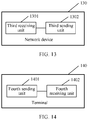
- an embodiment of this application provides a network device, where the network device includes a third receiving unit and a third sending unit.
- the third receiving unit is configured to receive a preamble sequence sent by a first terminal; the third sending unit is configured to send a response message to the first terminal based on the preamble sequence; the third receiving unit is further configured to receive a first message sent by the first terminal, where the first message includes information used to identify the first terminal; and the first message further includes an index of a preamble sequence configured by the network device for a second terminal and/or information about a time-frequency resource configured by the network device for the second terminal to send the preamble sequence that is configured for the first terminal; and the third sending unit is further configured to send a second message to the second terminal and the first terminal, where the second message is used to indicate that the first terminal and the second terminal belong to a same user equipment cooperative group.
- the third receiving unit is configured to receive the preamble sequence sent by the first terminal is specifically: the third receiving unit is configured to receive the preamble sequence that is sent by the first terminal in a time window.
- the third sending unit is further configured to: before the seventh receiving unit receives the preamble sequence that is sent by the first terminal in the time window, send indication information to the first terminal, where the indication information is used to indicate the time window.
- an embodiment of this application provides a terminal, where the terminal is also referred to as a first terminal, and the terminal includes a fourth sending unit and a fourth receiving unit.
- the fourth sending unit is configured to send a preamble sequence to a network device;
- the fourth receiving unit is configured to receive a response message that is sent by the network device based on the preamble sequence;
- the fourth sending unit is further configured to send a first message to the network device based on the response message, where the first message includes information used to identify the first terminal; and the first message further includes an index of a preamble sequence configured by the network device for a second terminal and/or information about a time-frequency resource configured by the network device for the second terminal to send the preamble sequence that is configured for the first terminal;
- the fourth receiving unit is further configured to receive a second message that is sent by the network device based on the first message, where the second message is used to indicate that the first terminal and the second terminal belong to a same user equipment cooperative group.
- the fourth sending unit is configured to send the preamble sequence to the network device is specifically: the fourth sending unit is configured to send the preamble sequence to the network device in a time window.
- the fourth receiving unit is configured to: before the ninth sending unit sends the preamble sequence to the network device in the time window, receive indication information sent by the network device, where the indication information is used to indicate the time window.
- an embodiment of this application provides a communications system.
- the communications system includes a network device and a terminal.
- the network device is the network device described in any one of the tenth aspect or the possible implementations of the tenth aspect, or any one of the twelfth aspect or the possible implementations of the twelfth aspect.
- the terminal is the terminal described in any one of the eleventh aspect or the possible implementations of the eleventh aspect, or any one of the thirteenth aspect or the possible implementations of the thirteenth aspect.
- the network device configures the preamble sequence for the first terminal and configures the time-frequency resource for the second terminal, where the time-frequency resource is used by the second terminal to send the preamble sequence, and then the second terminal sends the preamble sequence to the first terminal by using the time-frequency resource.
- the first message subsequently sent by the first terminal to the network device includes the index of the preamble sequence and/or the information about the time-frequency resource, to identify the second terminal. In this way, the network device learns that the network device needs to establish a cooperative relationship between the first terminal and the second terminal, rather than a cooperative relationship between the first terminal and another device.
- the first terminal if the first terminal obtains an available PRACH in the time window after waiting, the first terminal sends the preamble sequence to the network device through the available PRACH; if the first terminal does not obtain an available PRACH in the time window after waiting, the first terminal no longer sends the preamble sequence to the network device. This greatly reduces a delay caused because the first terminal waits for an available PRACH in a process of establishing the user equipment cooperative group, and significantly improves efficiency of establishing the user equipment cooperative group.
- the first terminal can send the preamble sequence to the network device in the time window.
- the time window may alternatively be predefined in the first terminal.
- the time window has a time domain start location, a time domain end location, and a time domain length, and the time domain length is equal to a time difference between the time domain end location and the time domain start location.
- the time window may be configured (or defined) by configuring (or defining) at least two of the time domain start location, the time domain end location, and the time domain length.
- an embodiment of this application provides a storage medium, where the storage medium is configured to store an instruction.
- the network device When the instruction is run on a processor of a network device, the network device performs the method described in any one of the first aspect or the possible implementations of the first aspect, or any one of the seventh aspect or the possible implementations of the seventh aspect.
- the terminal when the instruction is run on a processor of a terminal, the terminal performs the method described in any one of the second aspect or the possible implementations of the second aspect, or any one of the eighth aspect or the possible implementations of the eighth aspect.
- an embodiment of this application provides a computer program product including an instruction.
- the network device is enabled to perform the method described in any one of the first aspect or the possible implementations of the first aspect, or any one of the seventh aspect or the possible implementations of the seventh aspect.
- the terminal is enabled to perform the method described in any one of the second aspect or the possible implementations of the second aspect, or any one of the eighth aspect or the possible implementations of the eighth aspect.
- the first terminal sends a preamble sequence to the network device in a preset time window, and then the network device performs several rounds of information exchange with the first terminal, to determine that the first terminal can be used as a cooperating terminal of the second terminal, thereby establishing a user equipment cooperative group including the first terminal and the second terminal. If the first terminal obtains an available PRACH in the time window after waiting, the first terminal sends the preamble sequence to the network device through the available PRACH; if the first terminal does not obtain an available PRACH in the time window after waiting, the first terminal no longer sends the preamble sequence to the network device. This greatly reduces a delay caused because the first terminal waits for an available PRACH in a process of establishing the user equipment cooperative group, and significantly improves efficiency of establishing the user equipment cooperative group.
- FIG. 1A is a schematic structural diagram of a communications system according to an embodiment of this application.
- the communications system includes a first terminal 101 (where only two first terminals are used as an example in FIG. 1A for illustration), a second terminal 102, and a network device 103, and the communications system may further include another device.
- the devices in the communications system 10 may perform communication by using a wireless communications technology.
- the wireless communications technology may be the 2G, 3G, LTE, 4th generation mobile communications technology (4th generation mobile communication, 4G), 5G, or wireless fidelity (wireless-fidelity, WI-FI) technology, another existing communications technology, or a subsequently studied communications technology.
- the first terminal 101 and the second terminal 102 may be a handheld device (for example, a mobile phone, a tablet computer, and a palmtop computer) having a wireless communication function, a vehicle-mounted device (for example, an automobile, a bicycle, an electric vehicle, an airplane, and a ship), a wearable device (for example, a smartwatch, a smart band, and a pedometer), a smart household device (for example, a refrigerator, a television, an air conditioner, and an electric meter), a smart robot, a workshop device, another processing device that can be connected to a wireless modem, and user equipment, mobile stations (mobile station, MS), terminals (terminal), terminal devices (terminal equipment), and the like in various forms.
- a handheld device for example, a mobile phone, a tablet computer, and a palmtop computer having a wireless communication function
- a vehicle-mounted device for example, an automobile, a bicycle, an electric vehicle, an airplane, and a ship
- a wearable device for example, a
- the network device 103 may be a base station, for example, a base station in 5G, a base station in 4G, or any other device that can implement a wireless network access function. In this embodiment of this application, how to establish a cooperative relationship between the first terminal 101 and the second terminal 102 is to be described.
- a procedure for establishing the cooperative relationship between the first terminal 101 and the second terminal 102 is substantially the same as a random access (random access) procedure.
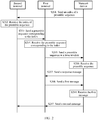
- the following describes, with reference to FIG. 1B , a general procedure for establishing the cooperative relationship between the first terminal 101 and the second terminal 102.
- a network device sends an index of a preamble sequence to a second terminal by using radio resource control (radio resource control, RRC) signaling, and then the second terminal sends a preamble sequence corresponding to the index to a first terminal, to trigger the first terminal to interact with the network device.
- RRC radio resource control
- the first terminal sends the preamble sequence (equivalent to a "random access preamble sequence" in a random access process) to the network device; after receiving the preamble sequence, the network device sends a response message (equivalent to a "random access response" in the random access process) to the first terminal.
- the first terminal may send a first message (equivalent to a "Msg 3 (Msg 3)" in the random access process) to the network device, where the first message may include an identifier of the first terminal, so that the network device can identify the first terminal.
- the network device After receiving the first message, the network device can determine to establish the cooperative relationship between the first terminal and the second terminal, and then the network device sends a second message to the first terminal and the second terminal to notify the establishment of the cooperative relationship.
- Detailed information in the procedure shown in FIG. 1B is to be further described in a method shown in FIG. 2 .
- FIG. 2 shows a communication method according to an embodiment of this application.
- the method may be implemented based on the communications system shown in FIG. 1A .
- the method includes but is not limited to the following steps.
- Step S201 A network device sends an index of a preamble sequence to a second terminal.
- the network device sends a configuration message to the second terminal.
- the configuration message may be radio resource control RRC signaling
- the configuration message includes the index of the preamble sequence
- a preamble sequence corresponding to the index of the preamble sequence that is included in the configuration message is a preamble sequence configured by the network device for the second terminal.
- the network device may further configure a preamble sequence for any other terminal in addition to the second terminal. There may be one or more other terminals.
- the network device may further configure, for the second terminal and the other terminal, time-frequency resources that are required to send the preamble sequences.
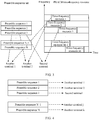
- the configuration information includes an index l D2D-preamble of the preamble sequence configured for the second terminal, and time information and frequency information of the time-frequency resource used to send the preamble sequence.
- the frequency information may include a sequence number n PRB D 2 ⁇ D ⁇ PRACH of a start resource block (resource block, RB) of the time-frequency resource in frequency domain, and may further include bandwidth f D2D-PRACH occupied by the time-frequency resource.
- the time information includes information such as a period T D2D-PRACH of the preamble sequence configured for the second terminal and a subframe offset ⁇ D2D-PRACH in the period.
- n f is a system frame number
- n s is a slot (slot) number in a system frame.
- the preamble sequence configured for the second terminal may be referred to as a first preamble sequence
- the preamble sequence configured for the other terminal may be referred to as a second preamble sequence
- the time-frequency resource configured for the second terminal to send the first preamble sequence may be referred to as a first time-frequency resource
- the time-frequency resource configured for the other terminal to send the second preamble sequence may be referred to as a second time-frequency resource.
- Step S202 The second terminal receives configuration information of the preamble sequence.
- the second terminal receives the configuration message and parses out the index of the preamble sequence that is in the configuration message.
- the second terminal further parses out information (for example, time information or frequency information) about a time-frequency resource that is in the configuration message.
- the preamble sequence corresponding to the index is the preamble sequence configured for the second terminal.
- a time-frequency resource indicated by the information about the time-frequency resource is the time-frequency resource that is configured for the second terminal and that is used by the second terminal to send the preamble sequence (namely, the preamble sequence configured for the second terminal).
- Step S203 The second terminal sends the preamble sequence corresponding to the index to a first terminal nearby.
- the second terminal may send the preamble sequence corresponding to the index to the first terminal nearby in a broadcast or unicast manner.
- the second terminal may send the preamble sequence corresponding to the index to the first terminals nearby in a broadcast manner. If the second terminal knows specific first terminals nearby, the second terminal may send the preamble sequence corresponding to the index to the first terminals nearby in a broadcast or unicast manner.
- Step S204 The first terminal nearby receives the preamble sequence.
- Step S205 M first terminals each send a preamble sequence to the network device in a time window.
- first terminals nearby the second terminal receive the preamble sequence sent by the second terminal
- the first terminals that can send a preamble sequence to the network device in the time window are the M first terminals.
- M is a positive integer.
- the terminal may send the preamble sequence on an available physical random access channel (physical random access channel, PRACH). If there is no available PRACH currently, the terminal sends the random access preamble sequence on a next available PRACH.
- PRACH physical random access channel
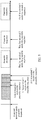
- FIG. 5 illustrates, with reference to a timeline, operations performed by a second terminal and three first terminals.
- the three first terminals may be denoted as a first terminal 1, a first terminal 2, and a first terminal 3.
- Blocks above the second terminal indicate duration of preamble sequences sent by the second terminal to the first terminals nearby.
- the first terminal 1, the first terminal 2, and the first terminal 3 receive, at different time points, the preamble sequences sent by the second terminal, because distances from the first terminal 1, the first terminal 2, and the first terminal 3 to the second terminal are different, and consequently there are different transmission delays. It can be learned from FIG. 5 that duration is relatively long from a moment at which the first terminal 3 receives the preamble sequence sent by the second terminal to a moment at which the first terminal 3 sends the preamble sequence to the network device. This is because a time point at which a PRACH is available for the first terminal 3 is relatively far away from a time point at which the first terminal 3 successfully receives the preamble sequence sent by the second terminal.
- this embodiment of this application proposes to configure a time window for the first terminal, and the first terminal may send the preamble sequence to the network device in the time window. If the first terminal does not have an available PRACH in the time window, the first terminal does not send the preamble sequence to the network device.
- the time window has a time domain start location, a time domain end location, and a time domain length, and the time domain length of the time window is a time length from the time domain start location to the time domain end location. Therefore, configuring at least two of the time domain start location, the time domain end location, and the time domain length is equivalent to configuring one time window.
- the time window may be configured by sending indication information (for example, RRC signaling) by the second terminal to the first terminal, or the time window may be configured by the network device by sending indication information (for example, RRC signaling) to the first terminal.
- the time window may be predefined in the first terminal or configured in another manner. For example, after receiving a preamble sequence sent by the second terminal, the first terminal may send the preamble sequence to the network device in a time window from an n 1 th subframe to an (n 1 +W) th subframe. If there is no available PRACH in the subsequent time window from the n 1 th subframe to the (n 1 +W) th subframe, the first terminal does not send the preamble sequence to the network device.
- a time window of the first terminal is from an (n 0 +n 1 ) th subframe to an (n 0 +n 1 +W) th subframe, where all of n 0 , n 1 , and W are integers greater than or equal to 0.
- the first terminal can detect a time at which the first terminal receives the preamble sequence sent by the second terminal. Therefore, the parameter n 0 may be obtained by the first terminal.
- the parameters n 1 and W may be configured.
- a preamble sequence sent by the first terminal to the network side is different from a preamble sequence sent by the second terminal to the first terminal.
- Step S206 The network device receives the preamble sequences that are sent by the M first terminals in the time window.
- Step S207 The network device sends a response message to the M first terminals based on the preamble sequences.
- the M first terminals receive the response message.
- the network device may receive the preamble sequences sent by the M first terminals, but the network device sends the response message to only some of the M first terminals.
- the network device sifts some first terminals out from the M first terminals according to a predefined rule, and then sends the response message to the sifted some first terminals.
- the some first terminals receive the response message. It is also possible that a few first terminals in the some first terminals have poor link status. In this case, in the some first terminals, only a first terminal other than the few first terminals may receive the response message.
- Step S208 A first terminal that is in the M first terminals and that has received the response message sends a first message to the network device.
- all the first terminals that have received the response message may send the first message, or some first terminals that have received the response message may send the first message.
- some first terminals are selected, based on a predefined policy, from all the first terminals that have received the response message, and the selected first terminals send the first message to the network device.
- each first message includes an identifier of the preamble sequence (that is, the preamble sequence configured by the network device for the second terminal) sent by the second terminal to each first terminal.
- the first message may further include other information, for example, information about a time-frequency resource that is used by the second terminal to send the preamble sequence and that is determined when the first terminal that sends the first message receives the preamble sequence sent by the second terminal.
- Each first message includes the same information about the time-frequency resource (for example, time information and frequency information of the time-frequency resource, and a number that can be used to identify the time-frequency resource) used by the second terminal to send the preamble sequence.
- each first message further includes an identifier of a first terminal that sends the first message.
- the network device can determine, based on an identifier of a first terminal that is in the first message, the first terminal that has sent the first message.
- the identifier of the first terminal may be an international mobile equipment identity (international mobile equipment identity, IMEI) and a cell radio network temporary identifier (cell radio network temporary identifier, C-RNTI) of the first terminal.
- Step S209 The network device receives the first message that is sent based on the response message.
- Step S210 The network device sends a second message to the second terminal and the first terminal that has sent the first message.
- the network device parses a first message to obtain information included in the first message. For example, the network device obtains an identifier of a first terminal that is included in the first message, and then determines, based on the identifier, the specific first terminal that has sent the first message. By using this method, the network device can determine specific first terminals that are in the M first terminals and that have sent the first message. Then, the network device determines all or some of the first terminals that have sent the first message as cooperating terminals of the second terminal, thereby forming a user equipment cooperative group including the second terminal and the cooperating terminals. The cooperating terminal of the second terminal is configured to cooperate with the second terminal to receive and send data.
- the network device when the network device needs to send data to the second terminal, the network device sends the to-be-sent data to the second terminal and the cooperating terminal of the second terminal, and the cooperating terminal of the second terminal forwards the data to the second terminal after receiving the data. In this way, data transmission quality can be improved.
- the network device may further obtain an index of a preamble sequence, information about a time-frequency resource, and the like that are included in the first message.
- functions of the information may be specifically as follows:
- the network device may find, based on the index of the preamble sequence that is in the first information, a preamble sequence corresponding to the index, and find, based on the information about the time-frequency resource that is in the first information, a time-frequency resource indicated by the information about the time-frequency resource.
- the preamble sequence is configured by the network device for the second terminal
- the time-frequency resource is configured by the network device for the second terminal to send the preamble sequence.
- the network device can determine the corresponding second terminal based on the preamble sequence corresponding to the index in the first message and the time-frequency resource indicated by the information about the time-frequency resource that is in the first message, to determine that the first terminal that sends the first message attempts to establish a cooperative relationship with the second terminal rather than with another terminal.
- a preamble sequence corresponding to an index of a preamble sequence that is included in a first message sent by a first terminal is a preamble sequence configured by the network device for the second terminal
- a time-frequency resource indicated by information about a time-frequency resource that is included in the first message is a time-frequency resource configured by the network device for the second terminal to send the time-frequency resource
- the network device determines the first terminal as a cooperating terminal of the second terminal, that is, determines that the first terminal and the second terminal belong to a same user equipment cooperative group.
- the network device may find, based on the index of the preamble sequence that is in the first information, a preamble sequence corresponding to the index.
- the preamble sequence is configured by the network device for the second terminal, sent by the second terminal to the first terminal, and fed back by the first terminal to the network device. Therefore, the network device can determine the second terminal based on the preamble sequence corresponding to the index in the first message, to determine that the first terminal that sends the first message attempts to establish a cooperative relationship with the second terminal rather than with another terminal.
- a preamble sequence corresponding to an index of a preamble sequence that is included in a first message sent by a first terminal is a preamble sequence configured by the network device for the second terminal
- the network device determines the first terminal as a cooperating terminal of the second terminal.
- the network device may find, based on the information about the time-frequency resource that is in the first information, a time-frequency resource indicated by the information about the time-frequency resource.
- the time-frequency resource is configured by the network device for the second terminal to send the preamble sequence. Therefore, the network device can determine the second terminal based on the time-frequency resource indicated by the information about the time-frequency resource that is in the first message, to determine that the first terminal that sends the first message attempts to establish a cooperative relationship with the second terminal rather than with another terminal.
- a time-frequency resource indicated by information about a time-frequency resource that is included in a first message sent by a first terminal is a time-frequency resource configured by the network device for the second terminal to send a preamble sequence
- the network device determines the first terminal as a cooperating terminal of the second terminal.
- the network device When the network device determines that the first terminal that has sent the first message is the cooperating terminal of the second terminal, the network device sends a second message to the second terminal and the first terminal that has sent the first message.
- the second message carries an identifier of a user equipment cooperative group.
- the first terminal and the second terminal that has sent the first message receive the same identifier of the user equipment cooperative group. It indicates that the second terminal and the first terminal that has sent the first message belong to the same user equipment cooperative group.
- the second message sent to the second terminal and the second message sent to the cooperating terminal may be the same or may be different.
- the second message sent to the second terminal may include an identifier of each first terminal that has sent the first message, so that the second terminal learns that the second terminal and the first terminal belong to a same user equipment cooperative group.
- the second message sent to each first terminal may include an identifier of the second terminal, so that the first terminal learns that the first terminal and the second terminal belong to a same user equipment cooperative group.
- the second message includes an identifier of the same user equipment cooperative group, an identifier of the second terminal, and an identifier of a first terminal that has sent the first message.
- the network device may generate a random access radio temporary identifier (random access radio network temporary identifier, RA-RNTI) based on at least one of the index of the preamble sequence and the information about the time-frequency resource that are in the first message.
- RA-RNTI random access radio network temporary identifier
- the RA-RNTI is used to scramble data that needs to be sent by the network device to the second terminal, and the network device subsequently sends the scrambled data to the second terminal and the cooperating terminal of the second terminal.
- t D2D-preamble and f D2D-preanble are information about a time-frequency resource that is included in the first message
- t D2D-preanble is time information of the time-frequency resource (for example, a sequence number of a subframe in a system frame)
- f D2D-preamble is frequency resource information of the time-frequency resource (for example, a sequence number of a start RB)
- l D2D-preamble is an index of a preamble sequence that is included in the first message
- N D2D-preamble is a total quantity of preamble sequences in a preamble sequence table in which a preamble sequence corresponds to the index l D2D-preamble is located, 0 ⁇ l D2D-preamble ⁇ N D2D-preamble , and the preamble sequences in the preamble sequence table and the preamble sequence corresponding to the index l D2D-preamble
- Step S211 The second terminal and the first terminal that has sent the first message receive the second message.
- the first terminal may learn, based on an identifier of a user equipment cooperative group that is in the second message, a specific user equipment cooperative group in which the first terminal is located.
- the second terminal may learn, based on the identifier of the user equipment cooperative group that is in the second message, a specific user equipment cooperative group in which the second terminal is located.
- the second terminal generates an RA-RNTI by using a method the same as that used by the network device, to descramble data that is sent by the network device to the second terminal, or data that is sent by the network device and that is forwarded by the first terminal to the second terminal.
- the first terminal sends a preamble sequence to the network device in a preset time window, and then the network device performs several rounds of information exchange with the first terminal, to determine that the first terminal can be used as a cooperating terminal of the second terminal, thereby establishing a user equipment cooperative group including the first terminal and the second terminal. If the first terminal obtains an available PRACH in the time window after waiting, the first terminal sends the preamble sequence to the network device through the available PRACH; if the first terminal does not obtain an available PRACH in the time window after waiting, the first terminal no longer sends the preamble sequence to the network device. This greatly reduces a delay caused because the first terminal waits for an available PRACH in a process of establishing the user equipment cooperative group, and significantly improves efficiency of establishing the user equipment cooperative group.
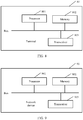
- FIG. 7 shows a network device 70 according to an embodiment of this application.
- the network device 70 includes a processor 701, a memory 702, and a transceiver 703.
- the processor 701, the memory 702, and the transceiver 703 are connected to each other by using a bus.
- the memory 702 includes, but is not limited to, a random access memory (random access memory, RAM), a read-only memory (read-only memory, ROM), an erasable programmable read-only memory (erasable programmable read only memory, EPROM), or a compact disc read-only memory (compact disc read-only memory, CD-ROM).
- the memory 702 is configured to store a related instruction and related data.
- the transceiver 703 is configured to receive and send data.
- the processor 701 may be one or more central processing units (central processing unit, CPU).
- CPU central processing unit
- the CPU may be a single-core CPU or a multi-core CPU.
- the processor 701 in the network device 70 is configured to read program code stored in the memory 702, to perform the following operations:
- the processor 701 before receiving, by using the transceiver 703, the preamble sequence that is sent by the first terminal in the time window, the processor 701 is further configured to send indication information to the first terminal by using the transceiver 703, where the indication information is used to indicate the time window.
- the first terminal can send the preamble sequence to the network device in the time window.
- the time window may alternatively be predefined in the first terminal.
- the time window has a time domain start location, a time domain end location, and a time domain length, and the time domain length is equal to a time difference between the time domain end location and the time domain start location.
- the time window may be configured (or defined) by configuring (or defining) at least two of the time domain start location, the time domain end location, and the time domain length.
- the first message further includes an index of a preamble sequence configured by the network device for the second terminal, and the preamble sequence configured by the network device for the second terminal is used to identify the second terminal.
- the first message further includes information about a time-frequency resource configured by the network device for the second terminal to send a preamble sequence, and the time-frequency resource configured by the network device for the second terminal to send the preamble sequence is used to identify the second terminal.
- the first message further includes an index of a preamble sequence configured by the network device for the second terminal and information about a time-frequency resource configured by the network device for the second terminal to send the preamble sequence, and the preamble sequence configured by the network device for the second terminal and the time-frequency resource configured by the network device for the second terminal to send the preamble sequence are used to jointly identify the second terminal.
- the first terminal sends a preamble sequence to the network device in a preset time window, and then the network device performs several rounds of information exchange with the first terminal, to determine that the first terminal can be used as a cooperating terminal of the second terminal, thereby establishing a user equipment cooperative group including the first terminal and the second terminal. If the first terminal obtains an available PRACH in the time window after waiting, the first terminal sends the preamble sequence to the network device through the available PRACH; if the first terminal does not obtain an available PRACH in the time window after waiting, the first terminal no longer sends the preamble sequence to the network device. This greatly reduces a delay caused because the first terminal waits for an available PRACH in a process of establishing the user equipment cooperative group, and significantly improves efficiency of establishing the user equipment cooperative group.
- FIG. 8 shows a terminal 80 according to an embodiment of this application.
- the terminal is also referred to as a first terminal.
- the terminal 80 includes a processor 801, a memory 802, and a transceiver 803.
- the processor 801, the memory 802, and the transceiver 803 are connected to each other by using a bus.
- the memory 802 includes, but is not limited to, a RAM, a ROM, an EPROM, or a CD-ROM.
- the memory 802 is configured to store a related instruction and related data.
- the transceiver 803 is configured to receive and send data.
- the processor 801 may be one or more CPUs. When the processor 801 is one CPU, the CPU may be a single-core CPU or a multi-core CPU.
- the processor 801 in the terminal 80 is configured to read program code stored in the memory 802, to perform the following operations: first, sending a preamble sequence to a network device by using the transceiver 803 in a time window; then, receiving, by using the transceiver 803, a response message that is sent by the network device based on the preamble sequence; subsequently, sending a first message to the network device by using the transceiver 803 based on the response message, where the first message includes information used to identify the first terminal; and finally, receiving, by using the transceiver 803, a second message that is sent by the network device based on the first message, where the second message is used to indicate that the first terminal and a second terminal belong to a same user equipment cooperative group.
- the processor 801 before sending the preamble sequence to the network device by using the transceiver 803 in the time window, the processor 801 is further configured to receive, by using the transceiver 803, indication information sent by the network device, where the indication information is used to indicate the time window.
- the first terminal can send the preamble sequence to the network device in the time window.
- the time window may alternatively be predefined in the first terminal.
- the time window has a time domain start location, a time domain end location, and a time domain length, and the time domain length is equal to a time difference between the time domain end location and the time domain start location.
- the time window may be configured (or defined) by configuring (or defining) at least two of the time domain start location, the time domain end location, and the time domain length.
- the processor 801 before receiving, by using the transceiver 803, the response message that is sent by the network device based on the preamble sequence, is further configured to: receive, by the transceiver 803, a preamble sequence that is configured by the network device for the second terminal and that is sent by the second terminal.
- the first terminal can learn of the preamble sequence configured by the network device for the second terminal, and a time-frequency resource configured by the network device for the second terminal to send the preamble sequence. Therefore, an index of the preamble sequence configured by the network device for the second terminal and/or information about the time-frequency resource configured by the network device for the second terminal to send the preamble sequence may be subsequently included in the first message, to identify the second terminal.
- the first message further includes an index of a preamble sequence configured by the network device for the second terminal, and the preamble sequence configured by the network device for the second terminal is used to identify the second terminal.
- the first message further includes information about a time-frequency resource configured by the network device for the second terminal to send a preamble sequence, and the time-frequency resource configured by the network device for the second terminal to send the preamble sequence is used to identify the second terminal.
- the first message further includes an index of a preamble sequence configured by the network device for the second terminal and information about a time-frequency resource configured by the network device for the second terminal to send the preamble sequence, and the preamble sequence configured by the network device for the second terminal and the time-frequency resource configured by the network device for the second terminal to send the preamble sequence are used to jointly identify the second terminal.
- the first terminal sends a preamble sequence to the network device in a preset time window, and then the network device performs several rounds of information exchange with the first terminal, to determine that the first terminal can be used as a cooperating terminal of the second terminal, thereby establishing a user equipment cooperative group including the first terminal and the second terminal. If the first terminal obtains an available PRACH in the time window after waiting, the first terminal sends the preamble sequence to the network device through the available PRACH; if the first terminal does not obtain an available PRACH in the time window after waiting, the first terminal no longer sends the preamble sequence to the network device. This greatly reduces a delay caused because the first terminal waits for an available PRACH in a process of establishing the user equipment cooperative group, and significantly improves efficiency of establishing the user equipment cooperative group.
- FIG. 9 shows a network device 90 according to an embodiment of this application.
- the network device 90 includes a processor 901, a memory 902, and a transceiver 903.
- the processor 901, the memory 902, and the transceiver 903 are connected to each other by using a bus.
- the memory 902 includes, but is not limited to, a RAM, a ROM, an EPROM, or a CD-ROM.
- the memory 902 is configured to store a related instruction and related data.
- the transceiver 903 is configured to receive and send data.
- the processor 901 may be one or more CPUs.
- the CPU may be a single-core CPU or a multi-core CPU.
- the processor 901 in the network device 90 is configured to read program code stored in the memory 902, to perform the following operations:
- the processor 901 receives, by using the transceiver 903, the preamble sequence sent by the first terminal is specifically: receiving, by using the transceiver 903, the preamble sequence that is sent by the first terminal in a time window. That is, if the first terminal obtains an available PRACH in the time window after waiting, the first terminal sends the preamble sequence to the network device through the available PRACH; if the first terminal does not obtain an available PRACH in the time window after waiting, the first terminal no longer sends the preamble sequence to the network device. This greatly reduces a delay caused because the first terminal waits for an available PRACH in a process of establishing the user equipment cooperative group, and significantly improves efficiency of establishing the user equipment cooperative group.
- the processor 901 before the processor 901 receives, by using the transceiver 903, the preamble sequence that is sent by the first terminal in the time window, the processor 901 is further configured to send indication information to the first terminal by using the transceiver 903, where the indication information is used to indicate the time window.
- the first terminal can send the preamble sequence to the network device in the time window.
- the time window may alternatively be predefined in the first terminal.
- the time window has a time domain start location, a time domain end location, and a time domain length, and the time domain length is equal to a time difference between the time domain end location and the time domain start location.
- the time window may be configured (or defined) by configuring (or defining) at least two of the time domain start location, the time domain end location, and the time domain length.
- the network device 90 described in FIG. 9 configures the preamble sequence for the first terminal and configures the time-frequency resource for the second terminal, where the time-frequency resource is used by the second terminal to send the preamble sequence, and then the second terminal sends the preamble sequence to the first terminal by using the time-frequency resource.
- the first message subsequently sent by the first terminal to the network device includes the index of the preamble sequence and/or the information about the time-frequency resource, to identify the second terminal. In this way, the network device learns that the network device needs to establish a cooperative relationship between the first terminal and the second terminal, rather than a cooperative relationship between the first terminal and another device.
- FIG. 10 shows a terminal 100 according to an embodiment of this application.
- the terminal is also referred to as a first terminal.
- the terminal 100 includes a processor 1001, a memory 1002, and a transceiver 1003.
- the processor 1001, the memory 1002, and the transceiver 1003 are connected to each other by using a bus.
- the memory 1002 includes, but is not limited to, a RAM, a ROM, an EPROM, or a CD-ROM.
- the memory 1002 is configured to store a related instruction and related data.
- the transceiver 1003 is configured to receive and send data.
- the processor 1001 may be one or more CPUs. When the processor 1001 is one CPU, the CPU may be a single-core CPU or a multi-core CPU.
- the processor 1001 in the terminal 100 is configured to read program code stored in the memory 1002, to perform the following operations:
- the processor 1001 sends the preamble sequence to the network device by using the transceiver 1003 is specifically: sending the preamble sequence to the network device by using the transceiver 1003 in a time window. That is, if the first terminal obtains an available PRACH in the time window after waiting, the first terminal sends the preamble sequence to the network device through the available PRACH; if the first terminal does not obtain an available PRACH in the time window after waiting, the first terminal no longer sends the preamble sequence to the network device. This greatly reduces a delay caused because the first terminal waits for an available PRACH in a process of establishing the user equipment cooperative group, and significantly improves efficiency of establishing the user equipment cooperative group.
- the processor 1001 before the processor 1001 sends the preamble sequence to the network device by using the transceiver 1003 in the time window, the processor 1001 is further configured to receive, by using the transceiver 1003, indication information sent by the network device, where the indication information is used to indicate the time window.
- the first terminal can send the preamble sequence to the network device in the time window.
- the time window may alternatively be predefined in the first terminal.
- the time window has a time domain start location, a time domain end location, and a time domain length, and the time domain length is equal to a time difference between the time domain end location and the time domain start location.
- the time window may be configured (or defined) by configuring (or defining) at least two of the time domain start location, the time domain end location, and the time domain length.
- the network device configures the preamble sequence for the first terminal and configures the time-frequency resource for the second terminal, where the time-frequency resource is used by the second terminal to send the preamble sequence, and then the second terminal sends the preamble sequence to the first terminal by using the time-frequency resource.
- the first message subsequently sent by the first terminal to the network device includes the index of the preamble sequence and/or the information about the time-frequency resource, to identify the second terminal. In this way, the network device learns that the network device needs to establish a cooperative relationship between the first terminal and the second terminal, rather than a cooperative relationship between the first terminal and another device.
- FIG. 11 is a schematic structural diagram of a network device 110 according to an embodiment of this application.
- the network device 110 may include a first receiving unit 1101 and a first sending unit 1102. Detailed descriptions of the units are as follows:
- the first receiving unit 1101 is configured to receive a preamble sequence that is sent by a first terminal in a time window.
- the first sending unit 1102 is configured to send a response message to the first terminal based on the preamble sequence.
- the first receiving unit 1101 is configured to receive a first message sent by the first terminal, where the first message includes information used to identify the first terminal.
- the first sending unit 1102 is configured to send a second message to a second terminal and the first terminal, where the second message is used to indicate that the first terminal and the second terminal belong to a same user equipment cooperative group.
- the first sending unit is further configured to: before the first receiving unit receives the preamble sequence that is sent by the first terminal in the time window, send indication information to the first terminal, where the indication information is used to indicate the time window.
- the first terminal can send the preamble sequence to the network device in the time window.
- the time window may alternatively be predefined in the first terminal.
- the time window has a time domain start location, a time domain end location, and a time domain length, and the time domain length is equal to a time difference between the time domain end location and the time domain start location.
- the time window may be configured (or defined) by configuring (or defining) at least two of the time domain start location, the time domain end location, and the time domain length.
- the first message further includes an index of a preamble sequence configured by the network device for the second terminal, and the preamble sequence configured by the network device for the second terminal is used to identify the second terminal.
- the first message further includes information about a time-frequency resource configured by the network device for the second terminal to send a preamble sequence, and the time-frequency resource configured by the network device for the second terminal to send the preamble sequence is used to identify the second terminal.
- the first message further includes an index of a preamble sequence configured by the network device for the second terminal and information about a time-frequency resource configured by the network device for the second terminal to send the preamble sequence, and the preamble sequence configured by the network device for the second terminal and the time-frequency resource configured by the network device for the second terminal to send the preamble sequence are used to jointly identify the second terminal.
- each unit refers to the corresponding description of the method embodiment shown in FIG. 2 .
- the first terminal sends a preamble sequence to the network device in a preset time window, and then the network device performs several rounds of information exchange with the first terminal, to determine that the first terminal can be used as a cooperating terminal of the second terminal, thereby establishing a user equipment cooperative group including the first terminal and the second terminal. If the first terminal obtains an available PRACH in the time window after waiting, the first terminal sends the preamble sequence to the network device through the available PRACH; if the first terminal does not obtain an available PRACH in the time window after waiting, the first terminal no longer sends the preamble sequence to the network device. This greatly reduces a delay caused because the first terminal waits for an available PRACH in a process of establishing the user equipment cooperative group, and significantly improves efficiency of establishing the user equipment cooperative group.
- FIG. 12 is a schematic structural diagram of a terminal 120 according to an embodiment of this application.
- the terminal 120 may also be referred to as a first terminal subsequently.
- the terminal includes a second sending unit 1201 and a second receiving unit 1202. Detailed descriptions of the units are as follows:
- the second sending unit 1201 is configured to send a preamble sequence to a network device in a time window.
- the second receiving unit 1202 is configured to receive a response message that is sent by the network device based on the preamble sequence.
- the second sending unit 1201 is configured to send a first message to the network device based on the response message, where the first message includes information used to identify the first terminal.
- the second receiving unit 1202 is configured to receive a second message that is sent by the network device based on the first message, where the second message is used to indicate that the first terminal and a second terminal belong to a same user equipment cooperative group.
- the second receiving unit is configured to: before the second sending unit sends the preamble sequence to the network device in the time window, receive indication information sent by the network device, where the indication information is used to indicate the time window.
- the first terminal can send the preamble sequence to the network device in the time window.
- the time window may alternatively be predefined in the first terminal.
- the time window has a time domain start location, a time domain end location, and a time domain length, and the time domain length is equal to a time difference between the time domain end location and the time domain start location.
- the time window may be configured (or defined) by configuring (or defining) at least two of the time domain start location, the time domain end location, and the time domain length.
- the second receiving unit is configured to: before the second receiving unit receives the response message that is sent by the network device based on the preamble sequence, receive a preamble sequence that is configured by the network device for the second terminal and that is sent by the second terminal.
- the first terminal can learn of the preamble sequence configured by the network device for the second terminal, and a time-frequency resource configured by the network device for the second terminal to send the preamble sequence. Therefore, an index of the preamble sequence configured by the network device for the second terminal and/or information about the time-frequency resource configured by the network device for the second terminal to send the preamble sequence may be subsequently included in the first message, to identify the second terminal.
- the first message further includes an index of a preamble sequence configured by the network device for the second terminal, and the preamble sequence configured by the network device for the second terminal is used to identify the second terminal.
- the first message further includes information about a time-frequency resource configured by the network device for the second terminal to send a preamble sequence, and the time-frequency resource configured by the network device for the second terminal to send the preamble sequence is used to identify the second terminal.
- the first message further includes an index of a preamble sequence configured by the network device for the second terminal and information about a time-frequency resource configured by the network device for the second terminal to send the preamble sequence, and the preamble sequence configured by the network device for the second terminal and the time-frequency resource configured by the network device for the second terminal to send the preamble sequence are used to jointly identify the second terminal.
- each unit refers to the corresponding description of the method embodiment shown in FIG. 2 .
- the first terminal sends a preamble sequence to the network device in a preset time window, and then the network device performs several rounds of information exchange with the first terminal, to determine that the first terminal can be used as a cooperating terminal of the second terminal, thereby establishing a user equipment cooperative group including the first terminal and the second terminal. If the first terminal obtains an available PRACH in the time window after waiting, the first terminal sends the preamble sequence to the network device through the available PRACH; if the first terminal does not obtain an available PRACH in the time window after waiting, the first terminal no longer sends the preamble sequence to the network device. This greatly reduces a delay caused because the first terminal waits for an available PRACH in a process of establishing the user equipment cooperative group, and significantly improves efficiency of establishing the user equipment cooperative group.
- FIG. 13 is a schematic structural diagram of a network device 130 according to an embodiment of this application.
- the network device 130 may include a third receiving unit 1301 and a third sending unit 1302. Detailed descriptions of the units are as follows:
- the third receiving unit 1301 is configured to receive a preamble sequence sent by a first terminal.
- the third sending unit 1302 is configured to send a response message to the first terminal based on the preamble sequence.
- the third receiving unit 1301 is configured to receive a first message sent by the first terminal, where the first message includes information used to identify the first terminal, and the first message further includes an index of a preamble sequence configured by the network device for a second terminal and/or information about a time-frequency resource configured by the network device for the second terminal to send the preamble sequence configured for the first terminal.
- the third sending unit 1302 is configured to send a second message to the second terminal and the first terminal, where the second message is used to indicate that the first terminal and the second terminal belong to a same user equipment cooperative group.
- the third receiving unit 1301 is configured to receive the preamble sequence sent by the first terminal is specifically: the third receiving unit 1301 is configured to receive the preamble sequence that is sent by the first terminal in a time window. That is, if the first terminal obtains an available PRACH in the time window after waiting, the first terminal sends the preamble sequence to the network device through the available PRACH; if the first terminal does not obtain an available PRACH in the time window after waiting, the first terminal no longer sends the preamble sequence to the network device. This greatly reduces a delay caused because the first terminal waits for an available PRACH in a process of establishing the user equipment cooperative group, and significantly improves efficiency of establishing the user equipment cooperative group.
- the third sending unit is further configured to: before the third receiving unit receives the preamble sequence that is sent by the first terminal in the time window, send indication information to the first terminal, where the indication information is used to indicate the time window.
- the first terminal can send the preamble sequence to the network device in the time window.
- the time window may alternatively be predefined in the first terminal.
- the time window has a time domain start location, a time domain end location, and a time domain length, and the time domain length is equal to a time difference between the time domain end location and the time domain start location.
- the time window may be configured (or defined) by configuring (or defining) at least two of the time domain start location, the time domain end location, and the time domain length.
- each unit refers to the corresponding description of the method embodiment shown in FIG. 2 .
- the network device 130 described in FIG. 13 the network device configures the preamble sequence for the first terminal and configures the time-frequency resource for the second terminal, where the time-frequency resource is used by the second terminal to send the preamble sequence, and then the second terminal sends the preamble sequence to the first terminal by using the time-frequency resource.
- the first message subsequently sent by the first terminal to the network device includes the index of the preamble sequence and/or the information about the time-frequency resource, to identify the second terminal. In this way, the network device learns that the network device needs to establish a cooperative relationship between the first terminal and the second terminal, rather than a cooperative relationship between the first terminal and another device.
- FIG. 14 is a schematic structural diagram of a terminal 140 according to an embodiment of this application.
- the terminal 140 is also referred to as a first terminal subsequently.
- the terminal 140 includes a fourth sending unit 1401 and a fourth receiving unit 1402. Detailed descriptions of the units are as follows:
- the fourth sending unit 1401 is configured to send a preamble sequence to a network device.
- the fourth receiving unit 1402 is configured to receive a response message that is sent by the network device based on the preamble sequence.
- the fourth sending unit 1401 is configured to send a first message to the network device based on the response message, where the first message includes information used to identify the first terminal, and the first message further includes an index of a preamble sequence configured by the network device for a second terminal and/or information about a time-frequency resource configured by the network device for the second terminal to send the preamble sequence configured for the first terminal.
- the fourth receiving unit 1402 is configured to receive a second message that is sent by the network device based on the first message, where the second message is used to indicate that the first terminal and the second terminal belong to a same user equipment cooperative group.
- the fourth sending unit 1401 is configured to send the preamble sequence to the network device is specifically: the fourth sending unit is configured to send the preamble sequence to the network device in a time window. That is, if the first terminal obtains an available PRACH in the time window after waiting, the first terminal sends the preamble sequence to the network device through the available PRACH; if the first terminal does not obtain an available PRACH in the time window after waiting, the first terminal no longer sends the preamble sequence to the network device. This greatly reduces a delay caused because the first terminal waits for an available PRACH in a process of establishing the user equipment cooperative group, and significantly improves efficiency of establishing the user equipment cooperative group.
- the fourth receiving unit is configured to: before the fourth sending unit sends the preamble sequence to the network device in the time window, receive indication information sent by the network device, where the indication information is used to indicate the time window.
- the first terminal can send the preamble sequence to the network device in the time window.
- the time window may alternatively be predefined in the first terminal.
- the time window has a time domain start location, a time domain end location, and a time domain length, and the time domain length is equal to a time difference between the time domain end location and the time domain start location.
- the time window may be configured (or defined) by configuring (or defining) at least two of the time domain start location, the time domain end location, and the time domain length.
- each unit refers to the corresponding description of the method embodiment shown in FIG. 2 .
- the network device configures the preamble sequence for the first terminal and configures the time-frequency resource for the second terminal, where the time-frequency resource is used by the second terminal to send the preamble sequence, and then the second terminal sends the preamble sequence to the first terminal by using the time-frequency resource.
- the first message subsequently sent by the first terminal to the network device includes the index of the preamble sequence and/or the information about the time-frequency resource, to identify the second terminal. In this way, the network device learns that the network device needs to establish a cooperative relationship between the first terminal and the second terminal, rather than a cooperative relationship between the first terminal and another device.
- the first terminal sends a preamble sequence to the network device in a preset time window, and then the network device performs several rounds of information exchange with the first terminal, to determine that the first terminal can be used as a cooperating terminal of the second terminal, thereby establishing a user equipment cooperative group including the first terminal and the second terminal. If the first terminal obtains an available PRACH in the time window after waiting, the first terminal sends the preamble sequence to the network device through the available PRACH; if the first terminal does not obtain an available PRACH in the time window after waiting, the first terminal no longer sends the preamble sequence to the network device. This greatly reduces a delay caused because the first terminal waits for an available PRACH in a process of establishing the user equipment cooperative group, and significantly improves efficiency of establishing the user equipment cooperative group.
- the program may be stored in a computer-readable storage medium. When the program runs, the procedures of the methods in the embodiments are performed.
- the foregoing storage medium includes: any medium that can store program code, such as a ROM, a RAM, a magnetic disk, or an optical disc.
Landscapes
- Engineering & Computer Science (AREA)
- Signal Processing (AREA)
- Computer Networks & Wireless Communication (AREA)
- Multimedia (AREA)
- Mobile Radio Communication Systems (AREA)
Applications Claiming Priority (2)
| Application Number | Priority Date | Filing Date | Title |
|---|---|---|---|
| CN201710637567.3A CN109309964B (zh) | 2017-07-28 | 2017-07-28 | 一种通信方法、相关设备及系统 |
| PCT/CN2018/093355 WO2019019854A1 (fr) | 2017-07-28 | 2018-06-28 | Procédé de communication, dispositif associé et système |
Publications (3)
| Publication Number | Publication Date |
|---|---|
| EP3637805A1 true EP3637805A1 (fr) | 2020-04-15 |
| EP3637805A4 EP3637805A4 (fr) | 2020-07-08 |
| EP3637805B1 EP3637805B1 (fr) | 2021-08-04 |
Family
ID=65039946
Family Applications (1)
| Application Number | Title | Priority Date | Filing Date |
|---|---|---|---|
| EP18838176.8A Active EP3637805B1 (fr) | 2017-07-28 | 2018-06-28 | Procédés d'accès aléatoire, dispositif réseau et dispositif terminal |
Country Status (4)
| Country | Link |
|---|---|
| US (1) | US11246169B2 (fr) |
| EP (1) | EP3637805B1 (fr) |
| CN (1) | CN109309964B (fr) |
| WO (1) | WO2019019854A1 (fr) |
Families Citing this family (4)
| Publication number | Priority date | Publication date | Assignee | Title |
|---|---|---|---|---|
| EP4025000A4 (fr) | 2019-09-23 | 2022-08-03 | Huawei Technologies Co., Ltd. | Procédé et appareil d'accès aléatoire |
| CN113132157B (zh) * | 2021-04-02 | 2023-06-20 | 青岛海尔科技有限公司 | 设备的配置方法及装置、存储介质及电子装置 |
| CN115942473A (zh) * | 2021-08-17 | 2023-04-07 | 维沃移动通信有限公司 | 多ue聚合数据传输的方法和设备 |
| JP7090215B1 (ja) * | 2022-01-24 | 2022-06-23 | ソフトバンク株式会社 | 通信システム |
Family Cites Families (19)
| Publication number | Priority date | Publication date | Assignee | Title |
|---|---|---|---|---|
| KR20110060076A (ko) * | 2009-11-30 | 2011-06-08 | 한국전자통신연구원 | 릴레이를 이용하여 임의 접속을 수행하는 통신 시스템 |
| EP2554008B1 (fr) * | 2010-04-01 | 2020-02-19 | Samsung Electronics Co., Ltd | Mécanisme d'accès aléatoire amélioré dans un système de communication sans fil |
| CN103024924B (zh) * | 2011-09-28 | 2017-04-12 | 华为技术有限公司 | D2d终端的连接建立方法、装置及系统 |
| CN103108405B (zh) * | 2011-11-15 | 2017-09-08 | 中兴通讯股份有限公司 | 无线通信方法和系统 |
| CN103167613B (zh) * | 2011-12-14 | 2018-01-02 | 中兴通讯股份有限公司 | 一种d2d传输列表信息发送方法和系统 |
| CN103686985B (zh) * | 2012-09-25 | 2019-03-12 | 中兴通讯股份有限公司 | 用于设备到设备通信的设备发现方法及装置 |
| US8902907B2 (en) * | 2012-10-05 | 2014-12-02 | Futurewei Technologies, Inc. | Terminal based grouping virtual transmission and reception in wireless networks |
| WO2014092616A1 (fr) * | 2012-12-12 | 2014-06-19 | Telefonaktiebolaget Lm Ericsson (Publ) | Station de base, équipement utilisateur et procédés d'accès aléatoire |
| EP2790456B1 (fr) * | 2013-04-10 | 2015-10-21 | Fujitsu Limited | Communication D2D dans des réseaux sans fil |
| WO2015137632A1 (fr) * | 2014-03-11 | 2015-09-17 | Lg Electronics Inc. | Procédé d'attribution d'identifiant temporaire à un terminal dans un processus d'accès aléatoire dans un système de communication sans fil et appareil correspondant |
| WO2015143724A1 (fr) * | 2014-03-28 | 2015-10-01 | Nokia Technologies Oy | Signal de découverte unifié pour découverte de petite cellule et dispositif à dispositif |
| US10009926B2 (en) * | 2014-07-11 | 2018-06-26 | Qualcomm Incorporated | Methods and apparatus for connectionless access |
| WO2016050175A1 (fr) * | 2014-09-30 | 2016-04-07 | Huawei Technologies Co., Ltd. | Système et procédé destinés à des stratégies de sélection de modes de coopération adaptative pour réseaux sans fil |
| US10334632B2 (en) * | 2015-06-24 | 2019-06-25 | Electronics And Telecommunications Research Institute | Random access method and device |
| WO2017039513A1 (fr) * | 2015-09-04 | 2017-03-09 | Telefonaktiebolaget Lm Ericsson (Publ) | Premier et second dispositifs sans fil, nœud de réseau et procédés exécutés par ces derniers pour exécuter un processus d'accès aléatoire |
| CN116684994A (zh) * | 2016-05-12 | 2023-09-01 | 三星电子株式会社 | 用在无线通信系统中的轻连接方法和设备 |
| CN108512576A (zh) * | 2017-02-28 | 2018-09-07 | 华为技术有限公司 | 一种实现用户设备协作的方法及装置 |
| EP3471495B1 (fr) * | 2017-03-07 | 2021-09-01 | LG Electronics Inc. | Procédé et équipement d'utilisateur pour transmettre un préambule d'accès aléatoire |
| TWI666948B (zh) * | 2017-03-24 | 2019-07-21 | Mediatek Inc. | 用於隨選系統資訊請求進程之設備和方法 |
-
2017
- 2017-07-28 CN CN201710637567.3A patent/CN109309964B/zh active Active
-
2018
- 2018-06-28 EP EP18838176.8A patent/EP3637805B1/fr active Active
- 2018-06-28 WO PCT/CN2018/093355 patent/WO2019019854A1/fr not_active Ceased
-
2020
- 2020-01-23 US US16/750,949 patent/US11246169B2/en active Active
Also Published As
| Publication number | Publication date |
|---|---|
| CN109309964A (zh) | 2019-02-05 |
| EP3637805A4 (fr) | 2020-07-08 |
| CN109309964B (zh) | 2022-04-05 |
| WO2019019854A1 (fr) | 2019-01-31 |
| US20200170047A1 (en) | 2020-05-28 |
| EP3637805B1 (fr) | 2021-08-04 |
| US11246169B2 (en) | 2022-02-08 |
Similar Documents
| Publication | Publication Date | Title |
|---|---|---|
| CN111107662B (zh) | 一种随机接入方法及装置 | |
| EP3445093B1 (fr) | Transmission d'information dédiée basée sur la validité des informations d'ordonnancement | |
| CA3059806C (fr) | Procede d'acces aleatoire et de reponse, dispositif terminal et dispositif reseau | |
| US20180227890A1 (en) | Method for transmitting control information in wireless communications system, base station, and user equipment | |
| US11246169B2 (en) | Communication method, related device, and system | |
| EP3537802B1 (fr) | Procédé et dispositif de configuration de sous-trame | |
| CN112074015B (zh) | 传输信号的方法和装置 | |
| US20200154423A1 (en) | Data transmission method, related device, and system | |
| EP3496307A1 (fr) | Procédé et dispositif de transmission de données | |
| EP3570586B1 (fr) | Procédé et appareil pour la transmission d'informations de système et procédé et appareil de réception d'informations de système | |
| CN109802808A (zh) | 一种同步块与寻呼调度信令关联方法、指示方法及装置 | |
| CN110115075B (zh) | 传输系统信息的方法和装置 | |
| EP4236157A1 (fr) | Procédé, appareil et système de traitement de ressources, et support de stockage | |
| CN109691216B (zh) | 随机接入的方法、设备、计算机可读介质和系统芯片 | |
| JP2020503738A (ja) | 情報伝送方法、ネットワーク機器及び端末装置 | |
| CN108702643B (zh) | 设备对设备d2d通信的方法和d2d设备 | |
| EP3389311B1 (fr) | Procédé et appareil de communication | |
| WO2017115127A1 (fr) | Procédé et appareil de transmission d'informations dans un système de communication sans fil, et procédé et appareil pour faciliter la transmission d'informations | |
| US12167401B2 (en) | Method for SL BSR implementation and related products | |
| EP3484220B1 (fr) | Procédé d'indication de ressource et dispositif associé | |
| EP3451765B1 (fr) | Procédé et dispositif de transmission de données | |
| EP3468282A1 (fr) | Procédé de transmission d'informations système, dispositif de réseau, et dispositif terminal | |
| CN112866956B (zh) | 语音数据的传输方法、装置、设备及存储介质 | |
| JP6463823B2 (ja) | 参照信号送信方法及びユーザ機器 | |
| CN115843117A (zh) | 物理资源块捆绑尺寸的指示方法及装置 |
Legal Events
| Date | Code | Title | Description |
|---|---|---|---|
| STAA | Information on the status of an ep patent application or granted ep patent |
Free format text: STATUS: THE INTERNATIONAL PUBLICATION HAS BEEN MADE |
|
| PUAI | Public reference made under article 153(3) epc to a published international application that has entered the european phase |
Free format text: ORIGINAL CODE: 0009012 |
|
| STAA | Information on the status of an ep patent application or granted ep patent |
Free format text: STATUS: REQUEST FOR EXAMINATION WAS MADE |
|
| 17P | Request for examination filed |
Effective date: 20200107 |
|
| AK | Designated contracting states |
Kind code of ref document: A1 Designated state(s): AL AT BE BG CH CY CZ DE DK EE ES FI FR GB GR HR HU IE IS IT LI LT LU LV MC MK MT NL NO PL PT RO RS SE SI SK SM TR |
|
| AX | Request for extension of the european patent |
Extension state: BA ME |
|
| A4 | Supplementary search report drawn up and despatched |
Effective date: 20200609 |
|
| RIC1 | Information provided on ipc code assigned before grant |
Ipc: H04W 8/18 20090101ALN20200604BHEP Ipc: H04W 74/08 20090101AFI20200604BHEP |
|
| DAV | Request for validation of the european patent (deleted) | ||
| DAX | Request for extension of the european patent (deleted) | ||
| REG | Reference to a national code |
Ref country code: DE Ref legal event code: R079 Ref document number: 602018021410 Country of ref document: DE Free format text: PREVIOUS MAIN CLASS: H04W0004080000 Ipc: H04W0074080000 |
|
| GRAP | Despatch of communication of intention to grant a patent |
Free format text: ORIGINAL CODE: EPIDOSNIGR1 |
|
| STAA | Information on the status of an ep patent application or granted ep patent |
Free format text: STATUS: GRANT OF PATENT IS INTENDED |
|
| RIC1 | Information provided on ipc code assigned before grant |
Ipc: H04W 8/18 20090101ALN20210202BHEP Ipc: H04W 74/08 20090101AFI20210202BHEP |
|
| INTG | Intention to grant announced |
Effective date: 20210222 |
|
| RIC1 | Information provided on ipc code assigned before grant |
Ipc: H04W 74/08 20090101AFI20210212BHEP Ipc: H04W 8/18 20090101ALI20210212BHEP |
|
| GRAS | Grant fee paid |
Free format text: ORIGINAL CODE: EPIDOSNIGR3 |
|
| GRAA | (expected) grant |
Free format text: ORIGINAL CODE: 0009210 |
|
| STAA | Information on the status of an ep patent application or granted ep patent |
Free format text: STATUS: THE PATENT HAS BEEN GRANTED |
|
| AK | Designated contracting states |
Kind code of ref document: B1 Designated state(s): AL AT BE BG CH CY CZ DE DK EE ES FI FR GB GR HR HU IE IS IT LI LT LU LV MC MK MT NL NO PL PT RO RS SE SI SK SM TR |
|
| REG | Reference to a national code |
Ref country code: GB Ref legal event code: FG4D |
|
| REG | Reference to a national code |
Ref country code: AT Ref legal event code: REF Ref document number: 1418365 Country of ref document: AT Kind code of ref document: T Effective date: 20210815 |
|
| REG | Reference to a national code |
Ref country code: CH Ref legal event code: EP |
|
| REG | Reference to a national code |
Ref country code: DE Ref legal event code: R096 Ref document number: 602018021410 Country of ref document: DE |
|
| REG | Reference to a national code |
Ref country code: IE Ref legal event code: FG4D |
|
| REG | Reference to a national code |
Ref country code: LT Ref legal event code: MG9D |
|
| REG | Reference to a national code |
Ref country code: NL Ref legal event code: MP Effective date: 20210804 |
|
| REG | Reference to a national code |
Ref country code: AT Ref legal event code: MK05 Ref document number: 1418365 Country of ref document: AT Kind code of ref document: T Effective date: 20210804 |
|
| PG25 | Lapsed in a contracting state [announced via postgrant information from national office to epo] |
Ref country code: RS Free format text: LAPSE BECAUSE OF FAILURE TO SUBMIT A TRANSLATION OF THE DESCRIPTION OR TO PAY THE FEE WITHIN THE PRESCRIBED TIME-LIMIT Effective date: 20210804 Ref country code: SE Free format text: LAPSE BECAUSE OF FAILURE TO SUBMIT A TRANSLATION OF THE DESCRIPTION OR TO PAY THE FEE WITHIN THE PRESCRIBED TIME-LIMIT Effective date: 20210804 Ref country code: ES Free format text: LAPSE BECAUSE OF FAILURE TO SUBMIT A TRANSLATION OF THE DESCRIPTION OR TO PAY THE FEE WITHIN THE PRESCRIBED TIME-LIMIT Effective date: 20210804 Ref country code: FI Free format text: LAPSE BECAUSE OF FAILURE TO SUBMIT A TRANSLATION OF THE DESCRIPTION OR TO PAY THE FEE WITHIN THE PRESCRIBED TIME-LIMIT Effective date: 20210804 Ref country code: HR Free format text: LAPSE BECAUSE OF FAILURE TO SUBMIT A TRANSLATION OF THE DESCRIPTION OR TO PAY THE FEE WITHIN THE PRESCRIBED TIME-LIMIT Effective date: 20210804 Ref country code: NO Free format text: LAPSE BECAUSE OF FAILURE TO SUBMIT A TRANSLATION OF THE DESCRIPTION OR TO PAY THE FEE WITHIN THE PRESCRIBED TIME-LIMIT Effective date: 20211104 Ref country code: PT Free format text: LAPSE BECAUSE OF FAILURE TO SUBMIT A TRANSLATION OF THE DESCRIPTION OR TO PAY THE FEE WITHIN THE PRESCRIBED TIME-LIMIT Effective date: 20211206 Ref country code: LT Free format text: LAPSE BECAUSE OF FAILURE TO SUBMIT A TRANSLATION OF THE DESCRIPTION OR TO PAY THE FEE WITHIN THE PRESCRIBED TIME-LIMIT Effective date: 20210804 Ref country code: AT Free format text: LAPSE BECAUSE OF FAILURE TO SUBMIT A TRANSLATION OF THE DESCRIPTION OR TO PAY THE FEE WITHIN THE PRESCRIBED TIME-LIMIT Effective date: 20210804 Ref country code: BG Free format text: LAPSE BECAUSE OF FAILURE TO SUBMIT A TRANSLATION OF THE DESCRIPTION OR TO PAY THE FEE WITHIN THE PRESCRIBED TIME-LIMIT Effective date: 20211104 |
|
| PG25 | Lapsed in a contracting state [announced via postgrant information from national office to epo] |
Ref country code: PL Free format text: LAPSE BECAUSE OF FAILURE TO SUBMIT A TRANSLATION OF THE DESCRIPTION OR TO PAY THE FEE WITHIN THE PRESCRIBED TIME-LIMIT Effective date: 20210804 Ref country code: LV Free format text: LAPSE BECAUSE OF FAILURE TO SUBMIT A TRANSLATION OF THE DESCRIPTION OR TO PAY THE FEE WITHIN THE PRESCRIBED TIME-LIMIT Effective date: 20210804 Ref country code: GR Free format text: LAPSE BECAUSE OF FAILURE TO SUBMIT A TRANSLATION OF THE DESCRIPTION OR TO PAY THE FEE WITHIN THE PRESCRIBED TIME-LIMIT Effective date: 20211105 |
|
| PG25 | Lapsed in a contracting state [announced via postgrant information from national office to epo] |
Ref country code: NL Free format text: LAPSE BECAUSE OF FAILURE TO SUBMIT A TRANSLATION OF THE DESCRIPTION OR TO PAY THE FEE WITHIN THE PRESCRIBED TIME-LIMIT Effective date: 20210804 |
|
| PG25 | Lapsed in a contracting state [announced via postgrant information from national office to epo] |
Ref country code: DK Free format text: LAPSE BECAUSE OF FAILURE TO SUBMIT A TRANSLATION OF THE DESCRIPTION OR TO PAY THE FEE WITHIN THE PRESCRIBED TIME-LIMIT Effective date: 20210804 |
|
| REG | Reference to a national code |
Ref country code: DE Ref legal event code: R097 Ref document number: 602018021410 Country of ref document: DE |
|
| PG25 | Lapsed in a contracting state [announced via postgrant information from national office to epo] |
Ref country code: SM Free format text: LAPSE BECAUSE OF FAILURE TO SUBMIT A TRANSLATION OF THE DESCRIPTION OR TO PAY THE FEE WITHIN THE PRESCRIBED TIME-LIMIT Effective date: 20210804 Ref country code: SK Free format text: LAPSE BECAUSE OF FAILURE TO SUBMIT A TRANSLATION OF THE DESCRIPTION OR TO PAY THE FEE WITHIN THE PRESCRIBED TIME-LIMIT Effective date: 20210804 Ref country code: RO Free format text: LAPSE BECAUSE OF FAILURE TO SUBMIT A TRANSLATION OF THE DESCRIPTION OR TO PAY THE FEE WITHIN THE PRESCRIBED TIME-LIMIT Effective date: 20210804 Ref country code: EE Free format text: LAPSE BECAUSE OF FAILURE TO SUBMIT A TRANSLATION OF THE DESCRIPTION OR TO PAY THE FEE WITHIN THE PRESCRIBED TIME-LIMIT Effective date: 20210804 Ref country code: CZ Free format text: LAPSE BECAUSE OF FAILURE TO SUBMIT A TRANSLATION OF THE DESCRIPTION OR TO PAY THE FEE WITHIN THE PRESCRIBED TIME-LIMIT Effective date: 20210804 Ref country code: AL Free format text: LAPSE BECAUSE OF FAILURE TO SUBMIT A TRANSLATION OF THE DESCRIPTION OR TO PAY THE FEE WITHIN THE PRESCRIBED TIME-LIMIT Effective date: 20210804 |
|
| PLBE | No opposition filed within time limit |
Free format text: ORIGINAL CODE: 0009261 |
|
| STAA | Information on the status of an ep patent application or granted ep patent |
Free format text: STATUS: NO OPPOSITION FILED WITHIN TIME LIMIT |
|
| 26N | No opposition filed |
Effective date: 20220506 |
|
| PG25 | Lapsed in a contracting state [announced via postgrant information from national office to epo] |
Ref country code: IT Free format text: LAPSE BECAUSE OF FAILURE TO SUBMIT A TRANSLATION OF THE DESCRIPTION OR TO PAY THE FEE WITHIN THE PRESCRIBED TIME-LIMIT Effective date: 20210804 |
|
| PG25 | Lapsed in a contracting state [announced via postgrant information from national office to epo] |
Ref country code: SI Free format text: LAPSE BECAUSE OF FAILURE TO SUBMIT A TRANSLATION OF THE DESCRIPTION OR TO PAY THE FEE WITHIN THE PRESCRIBED TIME-LIMIT Effective date: 20210804 |
|
| PG25 | Lapsed in a contracting state [announced via postgrant information from national office to epo] |
Ref country code: MC Free format text: LAPSE BECAUSE OF FAILURE TO SUBMIT A TRANSLATION OF THE DESCRIPTION OR TO PAY THE FEE WITHIN THE PRESCRIBED TIME-LIMIT Effective date: 20210804 |
|
| REG | Reference to a national code |
Ref country code: CH Ref legal event code: PL |
|
| REG | Reference to a national code |
Ref country code: BE Ref legal event code: MM Effective date: 20220630 |
|
| PG25 | Lapsed in a contracting state [announced via postgrant information from national office to epo] |
Ref country code: LU Free format text: LAPSE BECAUSE OF NON-PAYMENT OF DUE FEES Effective date: 20220628 Ref country code: LI Free format text: LAPSE BECAUSE OF NON-PAYMENT OF DUE FEES Effective date: 20220630 Ref country code: IE Free format text: LAPSE BECAUSE OF NON-PAYMENT OF DUE FEES Effective date: 20220628 Ref country code: FR Free format text: LAPSE BECAUSE OF NON-PAYMENT OF DUE FEES Effective date: 20220630 Ref country code: CH Free format text: LAPSE BECAUSE OF NON-PAYMENT OF DUE FEES Effective date: 20220630 |
|
| PG25 | Lapsed in a contracting state [announced via postgrant information from national office to epo] |
Ref country code: BE Free format text: LAPSE BECAUSE OF NON-PAYMENT OF DUE FEES Effective date: 20220630 |
|
| P01 | Opt-out of the competence of the unified patent court (upc) registered |
Effective date: 20230524 |
|
| PG25 | Lapsed in a contracting state [announced via postgrant information from national office to epo] |
Ref country code: MK Free format text: LAPSE BECAUSE OF FAILURE TO SUBMIT A TRANSLATION OF THE DESCRIPTION OR TO PAY THE FEE WITHIN THE PRESCRIBED TIME-LIMIT Effective date: 20210804 Ref country code: CY Free format text: LAPSE BECAUSE OF FAILURE TO SUBMIT A TRANSLATION OF THE DESCRIPTION OR TO PAY THE FEE WITHIN THE PRESCRIBED TIME-LIMIT Effective date: 20210804 |
|
| PG25 | Lapsed in a contracting state [announced via postgrant information from national office to epo] |
Ref country code: HU Free format text: LAPSE BECAUSE OF FAILURE TO SUBMIT A TRANSLATION OF THE DESCRIPTION OR TO PAY THE FEE WITHIN THE PRESCRIBED TIME-LIMIT; INVALID AB INITIO Effective date: 20180628 |
|
| PG25 | Lapsed in a contracting state [announced via postgrant information from national office to epo] |
Ref country code: TR Free format text: LAPSE BECAUSE OF FAILURE TO SUBMIT A TRANSLATION OF THE DESCRIPTION OR TO PAY THE FEE WITHIN THE PRESCRIBED TIME-LIMIT Effective date: 20210804 |
|
| PG25 | Lapsed in a contracting state [announced via postgrant information from national office to epo] |
Ref country code: MT Free format text: LAPSE BECAUSE OF FAILURE TO SUBMIT A TRANSLATION OF THE DESCRIPTION OR TO PAY THE FEE WITHIN THE PRESCRIBED TIME-LIMIT Effective date: 20210804 |
|
| PGFP | Annual fee paid to national office [announced via postgrant information from national office to epo] |
Ref country code: DE Payment date: 20250507 Year of fee payment: 8 |
|
| PGFP | Annual fee paid to national office [announced via postgrant information from national office to epo] |
Ref country code: GB Payment date: 20250508 Year of fee payment: 8 |