EP3646567B1 - Procédés, systèmes et supports permettant de connecter un dispositif iot à un appel - Google Patents
Procédés, systèmes et supports permettant de connecter un dispositif iot à un appel Download PDFInfo
- Publication number
- EP3646567B1 EP3646567B1 EP18716052.8A EP18716052A EP3646567B1 EP 3646567 B1 EP3646567 B1 EP 3646567B1 EP 18716052 A EP18716052 A EP 18716052A EP 3646567 B1 EP3646567 B1 EP 3646567B1
- Authority
- EP
- European Patent Office
- Prior art keywords
- iot device
- keyword
- information
- iot
- call
- Prior art date
- Legal status (The legal status is an assumption and is not a legal conclusion. Google has not performed a legal analysis and makes no representation as to the accuracy of the status listed.)
- Active
Links
Images



Classifications
-
- G—PHYSICS
- G10—MUSICAL INSTRUMENTS; ACOUSTICS
- G10L—SPEECH ANALYSIS TECHNIQUES OR SPEECH SYNTHESIS; SPEECH RECOGNITION; SPEECH OR VOICE PROCESSING TECHNIQUES; SPEECH OR AUDIO CODING OR DECODING
- G10L15/00—Speech recognition
- G10L15/22—Procedures used during a speech recognition process, e.g. man-machine dialogue
-
- H—ELECTRICITY
- H04—ELECTRIC COMMUNICATION TECHNIQUE
- H04L—TRANSMISSION OF DIGITAL INFORMATION, e.g. TELEGRAPHIC COMMUNICATION
- H04L67/00—Network arrangements or protocols for supporting network services or applications
- H04L67/01—Protocols
- H04L67/12—Protocols specially adapted for proprietary or special-purpose networking environments, e.g. medical networks, sensor networks, networks in vehicles or remote metering networks
- H04L67/125—Protocols specially adapted for proprietary or special-purpose networking environments, e.g. medical networks, sensor networks, networks in vehicles or remote metering networks involving control of end-device applications over a network
-
- G—PHYSICS
- G06—COMPUTING OR CALCULATING; COUNTING
- G06F—ELECTRIC DIGITAL DATA PROCESSING
- G06F3/00—Input arrangements for transferring data to be processed into a form capable of being handled by the computer; Output arrangements for transferring data from processing unit to output unit, e.g. interface arrangements
- G06F3/16—Sound input; Sound output
- G06F3/167—Audio in a user interface, e.g. using voice commands for navigating, audio feedback
-
- H—ELECTRICITY
- H04—ELECTRIC COMMUNICATION TECHNIQUE
- H04L—TRANSMISSION OF DIGITAL INFORMATION, e.g. TELEGRAPHIC COMMUNICATION
- H04L12/00—Data switching networks
- H04L12/02—Details
- H04L12/16—Arrangements for providing special services to substations
- H04L12/18—Arrangements for providing special services to substations for broadcast or conference, e.g. multicast
- H04L12/1813—Arrangements for providing special services to substations for broadcast or conference, e.g. multicast for computer conferences, e.g. chat rooms
-
- H—ELECTRICITY
- H04—ELECTRIC COMMUNICATION TECHNIQUE
- H04L—TRANSMISSION OF DIGITAL INFORMATION, e.g. TELEGRAPHIC COMMUNICATION
- H04L51/00—User-to-user messaging in packet-switching networks, transmitted according to store-and-forward or real-time protocols, e.g. e-mail
- H04L51/07—User-to-user messaging in packet-switching networks, transmitted according to store-and-forward or real-time protocols, e.g. e-mail characterised by the inclusion of specific contents
- H04L51/18—Commands or executable codes
-
- H—ELECTRICITY
- H04—ELECTRIC COMMUNICATION TECHNIQUE
- H04L—TRANSMISSION OF DIGITAL INFORMATION, e.g. TELEGRAPHIC COMMUNICATION
- H04L65/00—Network arrangements, protocols or services for supporting real-time applications in data packet communication
- H04L65/1066—Session management
- H04L65/1083—In-session procedures
- H04L65/1093—In-session procedures by adding participants; by removing participants
-
- H—ELECTRICITY
- H04—ELECTRIC COMMUNICATION TECHNIQUE
- H04L—TRANSMISSION OF DIGITAL INFORMATION, e.g. TELEGRAPHIC COMMUNICATION
- H04L65/00—Network arrangements, protocols or services for supporting real-time applications in data packet communication
- H04L65/40—Support for services or applications
- H04L65/401—Support for services or applications wherein the services involve a main real-time session and one or more additional parallel real-time or time sensitive sessions, e.g. white board sharing or spawning of a subconference
- H04L65/4015—Support for services or applications wherein the services involve a main real-time session and one or more additional parallel real-time or time sensitive sessions, e.g. white board sharing or spawning of a subconference where at least one of the additional parallel sessions is real time or time sensitive, e.g. white board sharing, collaboration or spawning of a subconference
-
- H—ELECTRICITY
- H04—ELECTRIC COMMUNICATION TECHNIQUE
- H04L—TRANSMISSION OF DIGITAL INFORMATION, e.g. TELEGRAPHIC COMMUNICATION
- H04L65/00—Network arrangements, protocols or services for supporting real-time applications in data packet communication
- H04L65/40—Support for services or applications
- H04L65/403—Arrangements for multi-party communication, e.g. for conferences
-
- H—ELECTRICITY
- H04—ELECTRIC COMMUNICATION TECHNIQUE
- H04W—WIRELESS COMMUNICATION NETWORKS
- H04W4/00—Services specially adapted for wireless communication networks; Facilities therefor
- H04W4/70—Services for machine-to-machine communication [M2M] or machine type communication [MTC]
-
- H—ELECTRICITY
- H04—ELECTRIC COMMUNICATION TECHNIQUE
- H04W—WIRELESS COMMUNICATION NETWORKS
- H04W76/00—Connection management
- H04W76/10—Connection setup
-
- G—PHYSICS
- G10—MUSICAL INSTRUMENTS; ACOUSTICS
- G10L—SPEECH ANALYSIS TECHNIQUES OR SPEECH SYNTHESIS; SPEECH RECOGNITION; SPEECH OR VOICE PROCESSING TECHNIQUES; SPEECH OR AUDIO CODING OR DECODING
- G10L15/00—Speech recognition
- G10L15/22—Procedures used during a speech recognition process, e.g. man-machine dialogue
- G10L2015/223—Execution procedure of a spoken command
Definitions
- the disclosed subject matter relates to methods, systems, and media for connecting an Internet of things (IoT) device to a call.
- IoT Internet of things
- IoT devices such as thermostats, light fixtures, cameras, speakers, and personal assistants are increasingly popular. Occasionally, a person may be engaged in a call and wish to provide another person in the call access to an IoT device, or information about an IoT device. However, no known mechanisms provide such access or information to the other person.
- US 2016/0105292 A1 relates to a method for Controlling Internet of Things (IoT) Devices.
- US 9 571 532 B1 relates to a method for providing voice commands.
- mechanisms for connecting an IoT device to a call are provided.
- the mechanisms described herein can connect a device to a call with a third party, and in response to detecting certain voice commands, can cause an IoT device to be added to the call, and/or can cause information about the IoT device to be transmitted to a third party.
- the mechanisms can connect a mobile device to a call, and during the call, detect a user voice command that is associated with adding a particular IoT device, such as a refrigerator, to the call.
- the mechanisms can then use stored connection information associated with the IoT device (e.g., an I.P.
- the IoT device can then transmit information about the IoT device (e.g., a status of the device, an error code, etc.) to the third party.
- information about the IoT device e.g., a status of the device, an error code, etc.
- the mechanisms can provide a user with the opportunity to configure and/or customize voice commands and the operations with which the voice commands are associated.
- the mechanisms can allow a user to select which operations, and/or which devices, are to be associated with which voice commands.
- the mechanisms can allow a user to configure one voice command for adding a television to a call, configure another voice command for adding a laptop computer to a call, and yet another voice command for causing the laptop computer to transmit device information associated with the laptop computer to a third party.
- the mechanisms can allow a user to select keywords and/or key phrases that are to be recognized as voice commands.
- the mechanisms can provide a user with an opportunity to speak keywords and/or key phrases that the user wishes to be recognized as a voice command, detect the keywords and/or key phrases being spoken, and then store information pertaining to the keywords and/or key phrases detected, in connection with an operation to be performed, as a voice command.
- the mechanisms can then detect that the user has spoken keywords and/or key phrases using, for example, a speech detection technique, recognize that the keywords and/or key phrases correspond to a configured voice command, and cause the corresponding operation to be performed.
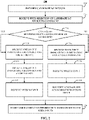
- FIG. 1 shows a flow diagram of an example 100 of a process for connecting an IoT device to a call in accordance with some embodiments of the disclosed subject matter.
- process 100 can connect to a call with a third party.
- process 100 can connect any suitable device to a call, such as an end-point device 410, as described below in connection with FIG. 4 .
- process 100 can connect to any suitable type of call.
- process 100 can connect to a telephone call, a VoIP ("Voice over Internet Protocol") call, a video call, an audio tele-conference call, or any other suitable type of call.
- VoIP Voice over Internet Protocol
- process 100 can receive audio data.
- process 100 can receive audio data by causing a microphone to be activated, and receiving the audio data via the microphone.
- Any suitable microphone can be used in some embodiments.
- process 100 can use a microphone of an end-point device, a microphone of headphones connected to an end-point device, a microphone connected to an end-point device, a microphone of another device that is communicatively connected to an end-point device (e.g., using a wireless connection), or any other suitable microphone.
- process 100 can receive audio data by capturing audio data that is being transmitted over a call with a third party.
- process 100 can receive audio data via a transmission from an end-point device.
- an end-point device can transmit audio data to process 100 via an Internet connection.
- process 100 can receive audio data having any suitable format.
- process 100 can receive: raw audio data (e.g., audio data that is in a pulse code modulation format); audio data in a compressed format (e.g., MPEG layer 3); audio data in a lossless compression format (e.g., Free Lossless Audio Codec); audio data in any other suitable format; and/or any suitable combination thereof.
- raw audio data e.g., audio data that is in a pulse code modulation format
- audio data in a compressed format e.g., MPEG layer 3
- audio data in a lossless compression format e.g., Free Lossless Audio Codec
- process 100 can determine that received audio data includes a recognized voice command.
- process 100 can use any suitable speech recognition technique to determine that received audio data contains a recognized command.
- process 100 can use acoustic modeling, language modeling, Hidden Markov Models, dynamic time warping algorithms, neural networks, deep neural networks, end-to-end automatic speech recognition, any other suitable speech recognition technique, or any suitable combination thereof to determine that audio data contains a recognized command.
- process 100 can determine that received audio data contains a recognized command by identifying a keyword, keywords, or key phrases that are associated with the recognized command. For example, a recognized command for adding a device to a call can be associated with a single keyword, such as "add,” several keywords, such as “group,” “conference,” and “connect,” or a key phrase such as "connect my tablet.” In a situation in which the recognized command is associated with several keywords, process 100 can require that all of the associated keywords, or that only a portion of the associated keywords, be identified in the audio data in order to recognize the command.
- certain keywords associated with a recognized voice command can correspond to operations to be performed, while other keywords can correspond to IoT devices.
- a keyword such as "transmit” can correspond to an operation for transmitting information from an IoT device to a third party.
- a keyword such as "tablet” can correspond to a tablet device.
- process 100 can determine that the audio data includes a recognized voice command for transmitting information from the tablet device.
- process 100 in addition to determining that audio data contains keywords and/or key phrases corresponding to a recognized voice command, at 106, process 100 can determine that received audio data includes a recognized voice (e.g., based on stored voice information, as discussed below in connection with FIG. 2 ) using any suitable voice recognition, speaker identification, or speaker verification technique.
- process 100 can use frequency estimation, Hidden Markov Models, Gaussian mixture models, pattern matching algorithms, neural networks, matrix representation, vector quantization, template matching, text-dependent techniques, text-independent techniques, any other suitable technique, or any suitable combination thereof to determine that received audio data includes a recognized voice.
- a recognized voice command can correspond to a user-defined voice command.
- user-defined voice commands can be configured and stored using process 200 as described below in connection with FIG. 2 .
- a recognized voice command can correspond to a voice command that is not user-defined.
- a recognized voice command can correspond to a voice command that is based on a set of keywords and/or key phrases that are programmatically defined.
- process 100 can use any suitable artificial intelligence mechanism (e.g., a virtual assistant mechanism) to determine that received audio data includes an unconfigured voice command.
- a virtual assistant mechanism e.g., a virtual assistant mechanism
- process 100 can use any suitable artificial intelligence mechanism to determine that a portion of received speech is a voice command, and determine an operation to be performed based on the voice command.
- process 100 can determine that a user has spoken a phrase such as "add my refrigerator to the call,” and use artificial intelligence to determine that this phrase corresponds to a voice command for adding a refrigerator associated with the user to a call that the user is engaged in.
- process 100 can determine which voice command was recognized at 106.
- process 100 can access stored IoT device information at 110.
- IoT device information can include any suitable information.
- IoT device information can include information that can be used to initiate a connection with an IoT device, such as a phone number, an I.P. address, wireless connection configuration information (e.g., a BLUETOOTH address, a MAC address, and/or an I.P. address), authentication information associated with an IoT device (e.g., a user name and/or password), and/or any other suitable information that can be used to initiate a connection.
- IoT device information can include any suitable information logged by the device.
- information logged by the device can include information related to usage of the device, times at which the device was accessed, information about operation performed by the device, temperatures recorded by the device, and/or any other suitable information logged by the device.
- IoT device information can include status information associated with an IoT device.
- Status information can be related to any suitable status of an IoT device in some embodiments.
- status information can be related to a connectivity status of an IoT device (e.g., status information identifying a network that the IoT device is connected to, or status information indicating that the IoT device is not connected to a network).
- status information can be related to an error status of an IoT device (e.g., information indicating that the IoT device has encountered an error, and/or information identifying a particular error that the IoT device has encountered).
- stored IoT device information can be stored at any suitable location.
- IoT device information can be stored on an end-point device, on an IoT device, and/or on a server device.
- IoT device information can be accessed by the device that is separate.
- the IoT device can access stored IoT device information.
- the IoT device can access the stored IoT device information in response to receiving a notification that a voice command has been recognized.
- process 100 accesses IoT device information that includes information that can be used to initiate a connection with an IoT device at 110, in some embodiments, process 100 can initiate a connection with an IoT device at 112. Additionally or alternatively, in some embodiments, process 100 can initiate a connection with an IoT device at 112 in response to process 100 accessing IoT device information at 110 that does not include status information associated with an IoT device.
- process 100 can initiate a connection with any suitable IoT device.
- process 100 can initiate a connection with IoT device 416 as described below in connection with FIG. 4 .
- process 100 can initiate a connection with an IoT device that is associated with a voice command that has been recognized at 106.
- process 100 accesses stored IoT device information that includes information that can be used to initiate a connection with an IoT device, process 100 can initiate a connection with the IoT device, at 112, using the stored IoT device information.
- process 100 can initiate any suitable connection with an IoT device.
- process 100 can initiate a near-field communication connection, a BLUETOOTH connection, a Wi-Fi connection, any other suitable connection, or any suitable combination thereof.
- process 100 can request IoT device information.
- process 100 can request IoT device information from any suitable source.
- process 100 can request IoT device information from an IoT device (e.g., an IoT device that is associated with a voice command that has been recognized at 106).
- process 100 can utilize a connection with an IoT device that has been initiated at 112 to request IoT device information from the IoT device.
- process 100 can request IoT device information from a server device.
- process 100 can request IoT device information from a server device that periodically requests and/or receives IoT device information from IoT devices.
- process 100 can transmit IoT device information to a third party.
- process 100 can transmit IoT device information to any suitable third party.
- process 100 can transmit IoT device information to a third party that is connected to the same call to which process 100 connected at 102.
- process 100 can transmit IoT device information to a device of the third party that is connected to the call.
- process 100 can transmit IoT device information to a user account or e-mail address associated with the third party.
- process 100 in a situation in which the call to which process 100 connected at 102 is a call hosted by a VoIP or video calling service, process 100 can transmit IoT device information to a user account of the VoIP or video calling service.
- process 100 can transmit IoT device information using any suitable technique or combination of techniques.
- process 100 can transmit IoT device information via a message, such as an e-mail message, a text message, a Hypertext Transfer Protocol message, an online chat message, and/or any other suitable type of message.
- process 100 can transmit a link to a web page where the IoT device information is accessible.
- process 100 can transmit IoT device information in response to receiving IoT device information that was requested at 114.
- process 100 can transmit IoT device information configured to allow and/or cause a device of the third party to initiate a connection with an IoT device.
- process 100 can transmit information that can be used to initiate a connection with an IoT device, and/or instructions configured to cause a device to initiate a connection using such information.
- process 100 can transmit IoT device information in response to receiving a request for IoT device information from a third party device that is connected to the same call to which process 100 connected at 102.
- process 100 can transmit instructions causing an IoT device to transmit information to a third party at 118.
- process 100 can transmit instructions that cause an IoT device to transmit IoT device information to any suitable third party (e.g., as described above in connection with 116).
- process 100 can transmit instructions containing any suitable information.
- process 100 can transmit instructions containing information that can be used by an IoT device to initiate a connection with a third party device.
- process 100 can transmit instructions that are configured to cause an IoT device to initiate a connection with a third party device using such information, and transmit IoT device information using the initiated connection.
- process 100 can transmit an I.P. address associated with a device of the third party that is connected to the same call to which process 100 connected at 102.
- process 100 can transmit instructions containing contact information associated with a third party, such as an e-mail address and/or a phone number.
- process 100 can transmit instructions that are configured to cause an IoT device to transmit an e-mail or text message, respectively, containing IoT device information.
- process 100 can initiate a connection with an IoT device (e.g., as described above in connection with 112), and use the initiated connection to transmit instructions to the IoT device.
- an IoT device e.g., as described above in connection with 112
- process 100 can access stored IoT device connection information at 120.
- IoT device connection information can be any suitable connection information.
- IoT device connection information can be information usable to initiate a connection with an IoT device as described above in connection with 110.
- device connection information can be stored at any suitable location, such as at an end-point device (e.g., an end-point device connected to a call to which an IoT device is to be added), and/or at a server device (e.g., a server device hosting a call to which an IoT device is to be added and/or a server device executing process 100).
- an end-point device e.g., an end-point device connected to a call to which an IoT device is to be added
- a server device e.g., a server device hosting a call to which an IoT device is to be added and/or a server device executing process 100.
- process 100 can add an IoT device to a call using IoT device connection information.
- process 100 can add an IoT device to the same call to which process 100 connected at 102. Additionally or alternatively, in some embodiments, process 100 can add an IoT device to a different call.
- process 100 can use any suitable technique or combination of techniques to add an IoT device to a call. For example, in a situation in which an IoT device is to be added to a telephone call, process 100 can use any suitable three-way calling and/or conference calling technique to add an IoT device to a call. As another example, in a situation in which an IoT device is to be added to a video call or a VoIP call, process 100 can transmit information and/or instructions to a device hosting the call that can be used by the hosting device to add the IoT device to the call (e.g., an I.P. address and/or MAC address associated with the IoT device).
- a device hosting the call e.g., an I.P. address and/or MAC address associated with the IoT device.
- FIG. 2 shows a flow diagram of an example 200 of a process for configuring voice commands in accordance with some embodiments of the disclosed subject matter.
- process 200 can identify one or more candidate IoT devices to configure for voice commands.
- a candidate IoT device can be any suitable IoT device.
- a candidate IoT device can be an IoT device 416 as described below in connection with FIG. 4 .
- a candidate IoT device can be any device that is available to connect to an end-point device that is executing process 200.
- process 200 can identify a candidate IoT device using any suitable technique or combination of techniques. For example, process 200 can determine that a device is a candidate IoT device based on determining that the device is on the same local area network as an end-point device executing process 200. As another example, process 200 can determine that an IoT device is a candidate IoT device based on the IoT device having been used or having been configured for use in connection with a particular user account.
- process 200 can determine that an IoT device is a candidate based on a determination that the IoT device has been used to access the user account, and/or a determination that the IoT device has been configured to use the telecommunications application in connection with the user account.
- a telecommunications application e.g., a VoIP calling application
- process 200 can determine that an IoT device is a candidate IoT device by initiating a wireless connection with the IoT device. For example, process 200 can initiate any suitable wireless connection with an IoT device, and in response to successfully establishing the wireless connection, determine that the IoT device is a candidate IoT device. As a more particular example, in response to successfully establishing a wireless connection, process 200 can determine that an IoT device is a candidate IoT device by determining the capabilities of the IoT device (e.g., determining that the end-point device can connect to a particular type of call).
- process 200 can identify one or more candidate IoT devices by receiving a user input identifying one or more candidate IoT devices.
- process 200 can receive a user selection of one or more of the identified candidate IoT devices to configure for voice commands.
- process 200 can receive a user selection using any suitable technique or combination of techniques.
- process 200 can receive a voice-based user selection.
- process 200 can receive a user selection of one or more of the identified candidate IoT devices by detecting a user speaking a corresponding keyword.
- process 200 can receive a user selection by causing a user interface to be presented and by receiving a selection of a user interface element corresponding to one or more of the identified candidate IoT devices.
- process 200 can determine whether to configure multiple voice operations for a selected IoT device or devices.
- process 200 can determine whether to configure multiple voice operations for selected IoT device(s) by receiving any suitable user input indicating whether to configure multiple voice operations. For example, process 200 can receive any suitable user input described above in connection with 204.
- process 200 determines to configure multiple voice commands for an IoT device, then at 208, process 200 can receive user input indicating a keyword to become associated with the IoT device.
- process 200 can receive user input using any suitable technique or combination of techniques.
- process 200 can receive user input by causing a user interface to be presented that is configured to allow the user to input a keyword (e.g., by typing the keyword, or selecting one of a plurality of presented keywords).
- process 200 can prompt a user to speak a keyword and receive audio data corresponding to a spoken keyword.
- process 200 can utilize any suitable speech detection technique to parse the keyword from the received audio data.
- process 200 can receive user input indicating a keyword for an operation.
- process 200 can receive user input using any suitable technique or combination of techniques.
- process 200 can receive user input as described above in connection with 208.
- process 200 in connection with receiving user input indicating a keyword, can further receive user input indicating an operation to be associated with an indicated keyword.
- process 200 can cause a user interface to be presented that includes a plurality of selectable operations to become associated with an indicated keyword, and receive an indication of one of the selectable options.
- process 200 in a situation in which keywords have already been configured with respect to one or more operations, can receive a user selection of an operation by detecting a user speaking a keyword corresponding to the operation.
- an indicated operation can be any suitable operation, such as an operating for transmitting IoT device information, an operation for causing an IoT device to transmit IoT device information, and/or an operation for adding an IoT device to a call.
- process 200 can receive speech input and associate the speech input with a keyword indicated at 208 and/or 210.
- the speech input can be any suitable speech input.
- the speech input can be audio data as described above in connection with FIG. 1 .
- process 200 can create any suitable association between speech input and a keyword indicated at 208 and/or 210.
- process 200 can associate speech input and a keyword such that the keyword should be recognized as a voice command when similar speech input is later received.
- process 200 can associate received speech input with a user that provided the speech input such that, in a situation in which a different user is speaking a keyword indicated at 208 and/or 210, the mechanisms described herein would recognize that such a user is different from the user that provided the speech input, and not cause, or inhibit from causing, any operations associated with the keywords from being executed.
- the mechanisms described herein can utilize a voice recognition, speaker identification, or speaker verification technique as described above in connection with 106 of FIG. 1 to determine that the user is different from the user that provided the speech input.
- process 200 determines not to configure multiple voice commands for an IoT device, then at 214, process 200 can receive user input indicating an operation for a voice command.
- process 200 can receive user input using any suitable technique or combination of techniques.
- process 200 can receive user input using a technique as described above in connection with 210.
- process 200 can receive speech input and associate the speech input with an indicated operation.
- process 200 can receive speech input using any suitable technique or combination of techniques.
- process 200 can receive speech input using a technique as described above in connection with 212.
- process 200 can create any suitable association between received speech input and an indicated operation.
- process 200 can create an association as described above in connection with 212.
- process 200 can receive speech input subsequent to prompting a user to enter speech input. For example, process 200 can cause a message to be presented on a user interface that prompts a user to provide speech input. As another example, process 200 can cause an audio message to be presented that prompts a user to provide speech input.
- process 200 can prompt a user to enter speech input that corresponds to a predetermined keyword, keywords, and/or key phrase (e.g., as described above in connection with FIG. 1 ).
- a predetermined keyword, keywords, and/or key phrase e.g., as described above in connection with FIG. 1
- process 200 can prompt a user to provide speech input corresponding to the phrase "add my television to this call," or any other suitable key phrase.
- process 200 can identify at least one keyword or key phrase from speech input.
- process 200 can identify at least one keyword or key phrase using any suitable technique or combination of techniques.
- process 200 can use any suitable speech recognition technique (e.g., a speech recognition technique as described above in connection with FIG. 1 ).
- process 200 can store voice command information based on user inputs received at 208, 210, 212, 214, 216, and/or 218.
- the voice command information to be stored can include any suitable information that is based on user inputs.
- voice command information can include indications of keywords received at 208, 210, 216, and/or 218.
- voice command information can include audio data and/or any other suitable data corresponding to and/or based on speech inputs received 208, 210, 212, 214, 216, and/or 218.
- the voice command information can include information identifying an operation indicated at 210 and/or 214.
- process 200 can store voice command information at any suitable location.
- process 200 can store voice command information at a server device (e.g., a server device of a calling service, as described below in connection with FIG. 4 ).
- process 200 can store voice command information at an end-point device.
- FIG. 3 shows an illustration of an example 300 of a user interface for connecting an IoT device to a call in accordance with some embodiments of the disclosed subject matter.
- user interface 300 can include a call notification element 302, a microphone status element 304, a microphone input element 306, a video call window 308, a device connecting input element 310, and an available device notification element 312.
- call notification element 302 can be any element suitable for presenting a notification of a call.
- call notification element 302 can be a message, an icon, an image, a video, an e-mail, a text message, a pop-up message, or any other element suitable for presenting a notification of a call.
- call notification element 302 can be a tactile or audio notification element.
- microphone status element 304 can be any element suitable for presenting a status of a microphone.
- microphone status element 304 can be a message, an icon, an image, a video, a pop-up message, or any other user interface element suitable for presenting the status of a microphone.
- microphone status element 304 can present any suitable microphone status, such as an on status, an off status, a volume status, a status indicating that call audio is being captured, a status indicating that process 100 is detecting voice commands, any other suitable status, or any suitable combination thereof.
- microphone input element 306 can be any input element suitable for receiving a user input for controlling a microphone.
- microphone input element 306 can be a selectable icon, a button, a switch, a scale, a slider, any other suitable input element, or any suitable combination thereof.
- microphone input element 306 in response to being selected, can cause process 100 as described above in connection with FIG. 1 , and/or cause process 200 as described as described above in connection with FIG. 2 , to receive audio data and/or speech input via a microphone connected to a device that is presenting user interface 300.
- microphone input element 306 in response to being selected, can cause process 100 as described above in connection with FIG. 1 to capture audio data being transmitted over a call and/or detect voice commands.
- video call window 308 can be any element suitable for presenting any suitable video in connection with a call.
- video call window 308 can be an element for presenting video of another user that is connected to the call, and/or for presenting video that is being shared via the call.
- device connecting input element 310 can be any input element suitable for causing a device to be connected to a call.
- device connecting input element 310 can be a selectable icon, a button, a switch, a scale, a slider, any other suitable input element, or any suitable combination thereof.
- device connecting input element 310 in response to being selected, can cause an IoT device to be added to a call using any suitable technique or combination of techniques. For example, device connecting input element 310 can cause a device to be added to a call using an operation as described above in connection with FIG. 1 . In some embodiments, in response to being selected, device connecting input element 310 can cause one or more selectable options to be presented that each correspond to an available IoT device.
- device connecting input element 310 in response to being selected, can cause IoT device information to be transmitted to a third party (e.g., using an operation as described above in connection with FIG. 1 ).
- available device notification element 312 can be any element suitable for presenting a notification of IoT devices that are available for connection.
- available device notification element 312 can be a message, an icon, an image, a video, an e-mail, a text message, a pop-up message, or any other element suitable for presenting a notification of available devices.
- available device notification element 312 can include one or more selectable elements that each correspond to an available IoT device, and in response to being selected, can cause a corresponding IoT device to be connected to a call.
- available device notification element 312 can present a notification corresponding to each candidate IoT device determined at 202 of FIG. 2 .
- FIG. 4 shows a block diagram of an example 400 of a system suitable for implementation of the mechanisms described herein for connecting an IoT device to a call in accordance with some embodiments of the disclosed subject matter.
- system 400 can include two server devices 402, a communication network 406, an end-point device 410, a local area network 414, and an IoT device 416.
- server devices 402 can be any server devices suitable for implementing some or all of the mechanisms described herein for connecting a device to a call.
- each server device 402 can be a server device that executes one or more portions of process 100 as described above in connection with FIG. 1 and/or one or more portions of process 200 as described above in connection with FIG. 2 .
- one or more server devices 402 can connect with one or more end-point devices 410 via communication network 406 for a call (e.g., a video call, a VoIP call, and/or any other suitable call), and/or to transmit invitations to join a call.
- a call e.g., a video call, a VoIP call, and/or any other suitable call
- one or more server devices 402 can connect to one or more IoT devices 416 via communication network 406 in order to transmit and/or receive IoT device information, and/or to connect an IoT device 416 to a call.
- one or more of server devices 402 can be associated with a calling service (e.g., a video calling service or a VoIP calling service). Additionally or alternatively, in some embodiments, one or more of server devices 402 can store user account information associated with a calling service. In some embodiments, one or more server devices 402 can store any suitable voice command information.
- Communication network 406 can be any suitable combination of one or more wired and/or wireless networks in some embodiments.
- communication network 406 can include any one or more of the Internet, an intranet, a wide-area network (WAN), a local-area network (LAN), a wireless network, a digital subscriber line (DSL) network, a frame relay network, an asynchronous transfer mode (ATM) network, a virtual private network (VPN), and/or any other suitable communication network.
- WAN wide-area network
- LAN local-area network
- DSL digital subscriber line
- ATM asynchronous transfer mode
- VPN virtual private network
- End-point device 410 and/or IoT device 416 can be connected by one or more communications links 408 to communication network 406 which can be linked via one or more communications links 404 to server devices 402.
- Communications links 404 and/or 408 can be any communications links suitable for communicating data among end-point devices 410 and server devices 402, such as network links, dial-up links, wireless links, hard-wired links, any other suitable communications links, or any suitable combination of such links.
- Local area network 414 can be any suitable local area network in some embodiments.
- local area network 414 can be a Wi-Fi network, an Ethernet network, a home area network, an intranet network, or any other suitable local area network.
- End-point device 410 can be implemented as any user device suitable for receiving and/or connecting to phone calls, video calls, VoIP calls, any other suitable calls, or any suitable combination thereof. Additionally, end-point device 410 can be implemented as any user device suitable for presenting user interfaces, receiving user inputs and/or speech inputs as described above in connection with FIG. 1 , FIG. 2 , and FIG. 3 , and/or any other suitable functions. For example, in some embodiments, end-point device 410 can be implemented as a mobile device, such as a mobile phone, a tablet computer, a laptop computer, a vehicle (e.g., a car, a boat, an airplane, or any other suitable vehicle) entertainment system, a portable media player, and/or any other suitable mobile device.
- a mobile device such as a mobile phone, a tablet computer, a laptop computer, a vehicle (e.g., a car, a boat, an airplane, or any other suitable vehicle) entertainment system, a portable media player, and/or any other suitable mobile device
- end-point devices 410 can be implemented as a non-mobile device such as a desktop computer, a set-top box, a television, a streaming media player, a game console, and/or any other suitable non-mobile device.
- a non-mobile device such as a desktop computer, a set-top box, a television, a streaming media player, a game console, and/or any other suitable non-mobile device.
- IoT device 416 can be implemented as any device suitable connecting to other devices and/or connecting to phone calls, video calls, VoIP calls, any other suitable calls, or any suitable combination thereof.
- IoT device 416 can be implemented as any device with wireless connection capabilities, such as BLUETOOTH, Wi-Fi, near-field communication, any other suitable wireless connection capability, or any suitable combination thereof.
- IoT device 416 can be implemented as any suitable device and/or appliance, such as an oven, a thermostat, a smart lock, a refrigerator, coffee machine, any suitable cooking device (e.g., microwave, slow cooking device, and/or pressure cooking device), a tablet device, a speaker device, a personal assistant device, a telephone, a television, a stereo device, media device, security system, alarm system (e.g., fire alarm, smore alarm, and/or intruder alarm), light fixture, light switch, light bulb, flood sensor, water valve, door sensor, window sensor, home automation hub, smart switch, air quality sensor, virtual reality device, doorbell, camera, Internet router, modem, programmable IoT button, watch, clock, fitness tracking device, climate control device (e.g., a heater, ventilator, air conditioner, and/or dehumidifier), health monitor device, pet monitor device, water heater, garage door control device, and/or any other suitable device.
- IoT device 416 can be implemented as any suitable device and/or
- end-point device 410 and IoT device 416 can be connected via communications link 412, and/or via communications link 408 and local area network 414.
- Communications links 412 and 408 can be any suitable communications links, such as a wired communications links (e.g., via Ethernet, Universal Serial Bus, or any other suitable wired communications link), near-field communications links, BLUETOOTH communications links, Wi-Fi communications links, or any other suitable communications links.
- the mechanisms described herein for connecting an IoT device to a call can be performed using any suitable number of server devices (including none) in some embodiments.
- the mechanisms can be performed by a single server device 402 or multiple server devices 402.
- end-point device 410 and one IoT device 416 are shown in FIG. 4 to avoid over-complicating the figure, any suitable number of end-point devices and IoT devices, and/or any suitable types thereof, can be used in some embodiments.
- Server devices 402, end-point device 410, and IoT device 416 can be implemented using any suitable hardware in some embodiments.
- server devices 402, end-point device 410, and IoT device 416 can be implemented using hardware as described below in connection with FIG. 5 .
- devices 402, 410, and 416 can be implemented using any suitable general purpose computer or special purpose computer. Any such general purpose computer or special purpose computer can include any suitable hardware.
- FIG. 5 shows a block diagram of an example 500 of hardware that can be used in accordance with some embodiments of the disclosed subject matter.
- Hardware processor 512 can execute the processes described herein for configuring voice commands (e.g., as described above in connection with FIG. 2 ), connecting an IoT device to a call (e.g., as described above in connection with FIG. 1 ), and/or performing any other suitable functions in accordance with the mechanisms described herein (e.g., as described above in connection with FIG. 1 , FIG. 2 , FIG. 3 , and/or FIG. 4 ).
- hardware processor 512 can send and receive data through communications links 404, 408, 412, 416, or any other communication links using, for example, a transmitter, a receiver, a transmitter/receiver, a transceiver, or any other suitable communication device.
- memory and/or storage 518 can include a storage device for storing data received through communications link 404, 408, 412, 416, or any other communication links.
- the storage device can further include a program for controlling hardware processor 512.
- memory and/or storage 518 can store voice command information (e.g., as described above in connection with 108 of FIG. 1 and 220 of FIG. 2 ).
- Display 514 can include a touchscreen, a flat panel display, a cathode ray tube display, a projector, a speaker or speakers, and/or any other suitable display and/or presentation devices.
- Input device 516 can be a computer keyboard, a computer mouse, a touchpad, a voice recognition circuit, a touchscreen, a microphone, and/or any other suitable input device.
- Any other suitable components can be additionally or alternatively included in hardware 500 in accordance with some embodiments.
- At least some of the above described blocks of the processes of FIG. 1 and FIG. 2 can be executed or performed in any order or sequence not limited to the order and sequence shown in and described in connection with the figures. Also, some of the above blocks of FIG. 1 and FIG. 2 can be executed or performed substantially simultaneously where appropriate or in parallel to reduce latency and processing times. Additionally or alternatively, in some embodiments, some of the above described blocks or components of the processes and/or systems of FIG. 1 , FIG. 2 , FIG. 3 , FIG. 4 , and/or FIG. 5 can be omitted.
- any suitable computer readable media can be used for storing instructions for performing the functions and/or processes described herein.
- computer readable media can be transitory or non-transitory.
- non-transitory computer readable media can include media such as non-transitory forms of magnetic media (such as hard disks, floppy disks, etc.), non-transitory forms of optical media (such as compact discs, digital video discs, Blu-ray discs, etc.), non-transitory forms of semiconductor media (such as flash memory, electrically programmable read only memory (EPROM), electrically erasable programmable read only memory (EEPROM), etc.), any suitable media that is not fleeting or devoid of any semblance of permanence during transmission, and/or any suitable tangible media.
- EPROM electrically programmable read only memory
- EEPROM electrically erasable programmable read only memory
- transitory computer readable media can include signals on networks, in wires, conductors, optical fibers, circuits, any suitable media that is fleeting and devoid of any semblance of permanence during transmission, and/or any suitable intangible media. Accordingly, methods, systems, and media for connecting an IoT device to a call are provided.
Landscapes
- Engineering & Computer Science (AREA)
- Computer Networks & Wireless Communication (AREA)
- Signal Processing (AREA)
- Multimedia (AREA)
- Health & Medical Sciences (AREA)
- General Engineering & Computer Science (AREA)
- General Health & Medical Sciences (AREA)
- Physics & Mathematics (AREA)
- Audiology, Speech & Language Pathology (AREA)
- Human Computer Interaction (AREA)
- Theoretical Computer Science (AREA)
- General Business, Economics & Management (AREA)
- Business, Economics & Management (AREA)
- Computing Systems (AREA)
- Medical Informatics (AREA)
- Computational Linguistics (AREA)
- Acoustics & Sound (AREA)
- General Physics & Mathematics (AREA)
- Telephonic Communication Services (AREA)
- Telephone Function (AREA)
Claims (15)
- Procédé comprenant :
l'établissement, au niveau d'un premier dispositif de point d'extrémité (410), d'un canal de télécommunication avec un deuxième dispositif de point d'extrémité ; caractérisé en ce que le procédé comprend en outre :après l'établissement du canal de télécommunication, et avant une interruption du canal de télécommunication, la détection, à l'aide du premier dispositif de point d'extrémité (410), d'un ordre vocal qui comporte un mot-clé ; eten réponse à la détection de l'ordre vocal, le fait d'amener la transmission d'informations associées à un dispositif IdO (416) qui correspondent au mot-clé au deuxième dispositif de point d'extrémité, et le fait d'amener le dispositif IdO (416) à rejoindre le canal de télécommunication, dans lequel les informations associées au dispositif IdO (416) sont transmises par le dispositif IdO (416) au deuxième dispositif de point d'extrémité à l'aide du canal de télécommunication. - Procédé selon la revendication 1, comprenant en outre :la détermination du fait que le dispositif IdO (416) est disponible pour une communication sans fil ;la réception d'une indication du mot-clé ; etla détermination du fait que le mot-clé doit être associé au dispositif IdO (416) sur la base de l'indication du mot-clé.
- Procédé selon la revendication 2, dans lequel l'indication du mot-clé est basée sur une entrée d'utilisateur, ou dans lequel l'indication du mot-clé est reçue depuis un dispositif serveur (402) qui est associé à un compte d'utilisateur auquel est associé le dispositif IdO (416).
- Procédé selon l'une quelconque des revendications précédentes, comprenant en outre la détermination du fait que le premier dispositif de point d'extrémité (410) et le dispositif IdO (416) sont connectés à un réseau local particulier.
- Procédé selon l'une quelconque des revendications précédentes, dans lequel le deuxième dispositif de point d'extrémité est associé à un compte d'utilisateur, et dans lequel les informations associées au dispositif IdO (416) sont transmises au compte d'utilisateur.
- Procédé selon l'une quelconque des revendications précédentes, dans lequel les informations associées au dispositif IdO (416) comprennent des informations d'état relatives à un état du dispositif IdO (416).
- Procédé selon l'une quelconque des revendications précédentes, dans lequel les informations associées au dispositif IdO (416) comprennent des informations qui peuvent être utilisées pour lancer une connexion avec le dispositif IdO (416), et dans lequel le procédé comprend en outre :
le fait d'amener, à l'aide d'une connexion lancée par le deuxième dispositif de point d'extrémité, la transmission par le dispositif IdO (416) d'informations d'état relatives à un état du dispositif IdO (416) au deuxième dispositif de point d'extrémité. - Système comprenant :
un processeur matériel qui est configuré pour :
établir, au niveau d'un premier dispositif de point d'extrémité (410), un canal de télécommunication avec un deuxième dispositif de point d'extrémité ; caractérisé en ce que le processeur matériel est en outre configuré pour :après l'établissement du canal de télécommunication, et avant une interruption du canal de télécommunication, détecter, à l'aide du premier dispositif de point d'extrémité (410), un ordre vocal qui comporte un mot-clé ; eten réponse à la détection de l'ordre vocal, amener la transmission d'informations associées à un dispositif IdO (416) qui correspondent au mot-clé au deuxième dispositif de point d'extrémité, et amener le dispositif IdO (416) à rejoindre le canal de télécommunication, dans lequel les informations associées au dispositif IdO (416) sont transmises par le dispositif IdO (416) au deuxième dispositif de point d'extrémité à l'aide du canal de télécommunication. - Système selon la revendication 8, dans lequel le processeur matériel est en outre configuré pour :déterminer que le dispositif IdO (416) est disponible pour une communication sans fil ;recevoir une indication du mot-clé ; etdéterminer que le mot-clé doit être associé au dispositif IdO (416) sur la base de l'indication du mot-clé.
- Système selon la revendication 9, dans lequel l'indication du mot-clé est basée sur une entrée d'utilisateur, ou dans lequel l'indication du mot-clé est reçue depuis un dispositif serveur (402) qui est associé à un compte d'utilisateur auquel est associé le dispositif IdO (416).
- Système selon l'une quelconque des revendications 8 à 10, dans lequel le processeur matériel est en outre configuré pour déterminer que le premier dispositif de point d'extrémité (410) et le dispositif IdO (416) sont connectés à un réseau local particulier.
- Système selon l'une quelconque des revendications 8 à 11, dans lequel le deuxième dispositif de point d'extrémité est associé à un compte d'utilisateur, et dans lequel les informations associées au dispositif IdO (416) sont transmises au compte d'utilisateur.
- Système selon l'une quelconque des revendications 8 à 12, dans lequel les informations associées au dispositif IdO (416) comprennent des informations d'état relatives à un état du dispositif IdO (416).
- Système selon l'une quelconque des revendications 8 à 13, dans lequel les informations associées au dispositif IdO (416) comprennent des informations qui peuvent être utilisées pour lancer une connexion avec le dispositif IdO (416), et dans lequel le processeur matériel est en outre configuré pour :
amener, à l'aide d'une connexion lancée par le deuxième dispositif de point d'extrémité, la transmission par le dispositif IdO (416) d'informations d'état relatives à un état du dispositif IdO (416) au deuxième dispositif de point d'extrémité. - Support non transitoire lisible par ordinateur contenant des instructions exécutables par ordinateur qui, lorsqu'elles sont exécutées par un processeur, amènent le processeur à réaliser le procédé selon l'une quelconque des revendications 1 à 7.
Priority Applications (1)
| Application Number | Priority Date | Filing Date | Title |
|---|---|---|---|
| EP22173614.3A EP4092998A1 (fr) | 2017-06-30 | 2018-03-15 | Procédés, systèmes et supports pour connecter un dispositif d'ido à un appel |
Applications Claiming Priority (2)
| Application Number | Priority Date | Filing Date | Title |
|---|---|---|---|
| US201762527830P | 2017-06-30 | 2017-06-30 | |
| PCT/US2018/022697 WO2019005233A1 (fr) | 2017-06-30 | 2018-03-15 | Procédés, systèmes et supports permettant de connecter un dispositif iot à un appel |
Related Child Applications (1)
| Application Number | Title | Priority Date | Filing Date |
|---|---|---|---|
| EP22173614.3A Division EP4092998A1 (fr) | 2017-06-30 | 2018-03-15 | Procédés, systèmes et supports pour connecter un dispositif d'ido à un appel |
Publications (2)
| Publication Number | Publication Date |
|---|---|
| EP3646567A1 EP3646567A1 (fr) | 2020-05-06 |
| EP3646567B1 true EP3646567B1 (fr) | 2022-05-18 |
Family
ID=61906855
Family Applications (2)
| Application Number | Title | Priority Date | Filing Date |
|---|---|---|---|
| EP18716052.8A Active EP3646567B1 (fr) | 2017-06-30 | 2018-03-15 | Procédés, systèmes et supports permettant de connecter un dispositif iot à un appel |
| EP22173614.3A Withdrawn EP4092998A1 (fr) | 2017-06-30 | 2018-03-15 | Procédés, systèmes et supports pour connecter un dispositif d'ido à un appel |
Family Applications After (1)
| Application Number | Title | Priority Date | Filing Date |
|---|---|---|---|
| EP22173614.3A Withdrawn EP4092998A1 (fr) | 2017-06-30 | 2018-03-15 | Procédés, systèmes et supports pour connecter un dispositif d'ido à un appel |
Country Status (3)
| Country | Link |
|---|---|
| US (2) | US11315554B2 (fr) |
| EP (2) | EP3646567B1 (fr) |
| WO (1) | WO2019005233A1 (fr) |
Families Citing this family (7)
| Publication number | Priority date | Publication date | Assignee | Title |
|---|---|---|---|---|
| CN109146450A (zh) | 2017-06-16 | 2019-01-04 | 阿里巴巴集团控股有限公司 | 支付方法、客户端、电子设备、存储介质和服务器 |
| EP3646567B1 (fr) * | 2017-06-30 | 2022-05-18 | Google LLC | Procédés, systèmes et supports permettant de connecter un dispositif iot à un appel |
| WO2019005227A1 (fr) | 2017-06-30 | 2019-01-03 | Google Llc | Procédés, systèmes et supports pour opérations d'appel vocal |
| US20190295541A1 (en) | 2018-03-23 | 2019-09-26 | Polycom, Inc. | Modifying spoken commands |
| US11589195B2 (en) | 2020-08-20 | 2023-02-21 | Ip Co, Llc | Asset tracking systems and methods |
| KR102945063B1 (ko) * | 2020-11-03 | 2026-03-27 | 현대자동차주식회사 | 차량 제어 방법 및 차량 제어 시스템 |
| US11694684B1 (en) * | 2020-11-10 | 2023-07-04 | Amazon Technologies, Inc. | Generation of computing functionality using devices |
Family Cites Families (58)
| Publication number | Priority date | Publication date | Assignee | Title |
|---|---|---|---|---|
| US6650748B1 (en) | 1998-04-13 | 2003-11-18 | Avaya Technology Corp. | Multiple call handling in a call center |
| US6363349B1 (en) | 1999-05-28 | 2002-03-26 | Motorola, Inc. | Method and apparatus for performing distributed speech processing in a communication system |
| AU1078901A (en) | 1999-10-11 | 2001-04-23 | Qualcomm Incorporated | Combined wireless telephone and remote controller with voice commands |
| GB2368225B (en) | 2000-10-17 | 2003-12-10 | Hewlett Packard Co | Inviting assistant entity into a network communication session |
| WO2003039181A1 (fr) | 2001-10-30 | 2003-05-08 | Lang Alexander C | Procede et appareil permettant d'obtenir des caracteristiques supplementaires d'etablissement de communication et de commande au moyen d'un service sms |
| US7464035B2 (en) | 2002-07-24 | 2008-12-09 | Robert Bosch Corporation | Voice control of home automation systems via telephone |
| JP2005020225A (ja) | 2003-06-25 | 2005-01-20 | Casio Comput Co Ltd | 通信端末装置およびその通信制御処理のプログラム |
| US20050265318A1 (en) | 2004-01-08 | 2005-12-01 | Nokia Corporation | Apparatus, system, and method for rejecting a session establishment request |
| US7424288B2 (en) | 2004-11-22 | 2008-09-09 | Searete Llc | Call transfer to proximate devices |
| US7587032B1 (en) | 2005-08-25 | 2009-09-08 | Nvidia Corporation | Deferred phone call answering apparatus, method and computer program product |
| US8977255B2 (en) | 2007-04-03 | 2015-03-10 | Apple Inc. | Method and system for operating a multi-function portable electronic device using voice-activation |
| PL2274893T3 (pl) | 2008-05-08 | 2020-04-30 | Bittium Wireless Oy | Sposoby i urządzenia dla usługi ip odpornej na awarie |
| US8254993B2 (en) | 2009-03-06 | 2012-08-28 | Apple Inc. | Remote messaging for mobile communication device and accessory |
| US8340631B2 (en) | 2009-03-24 | 2012-12-25 | T-Mobile Usa, Inc. | Deferred communication and relationship management |
| US8386649B2 (en) * | 2009-09-16 | 2013-02-26 | EchoStar Technologies, L.L.C. | User input command relaying |
| US9111538B2 (en) | 2009-09-30 | 2015-08-18 | T-Mobile Usa, Inc. | Genius button secondary commands |
| US10536577B2 (en) | 2010-07-06 | 2020-01-14 | Millind Mittal | Method and apparatus for data channel augmented voice telephony systems |
| US9065786B2 (en) | 2010-09-24 | 2015-06-23 | Yagi Corp. | Context-sensitive auto-responder |
| US8627214B2 (en) | 2010-12-15 | 2014-01-07 | International Business Machines Corporation | Inviting temporary participants to a virtual meeting or other communication session for a fixed duration |
| CN103477304A (zh) | 2011-02-10 | 2013-12-25 | 三星电子株式会社 | 包含触摸屏显示器的便携式设备以及控制它的方法 |
| CN102170623B (zh) | 2011-05-24 | 2014-04-02 | 惠州Tcl移动通信有限公司 | 移动通讯终端及其来电管理方法 |
| JP5743807B2 (ja) | 2011-07-14 | 2015-07-01 | 株式会社スクウェア・エニックス | 通信ゲームシステム、通信ゲーム装置及びプログラム |
| KR101373612B1 (ko) * | 2011-11-24 | 2014-03-13 | 전자부품연구원 | Nui 제공 방법 및 시스템 |
| KR101392868B1 (ko) * | 2012-07-11 | 2014-05-09 | 전자부품연구원 | 사물 인터넷 서비스 제공방법 |
| US10026394B1 (en) | 2012-08-31 | 2018-07-17 | Amazon Technologies, Inc. | Managing dialogs on a speech recognition platform |
| CN103685200B (zh) | 2012-09-24 | 2018-01-30 | 中兴通讯股份有限公司 | 接入协商、释放中服务质量承载资源控制的方法及系统 |
| KR101558236B1 (ko) * | 2012-10-16 | 2015-10-12 | 전자부품연구원 | IoT 브라우징 방법 및 장치 |
| CN103609147B (zh) | 2012-10-25 | 2019-08-16 | 华为技术有限公司 | 集群通信系统、集群服务器、接入网络以及集群通信方法 |
| US9275642B2 (en) | 2012-11-13 | 2016-03-01 | Unified Computer Intelligence Corporation | Voice-operated internet-ready ubiquitous computing device and method thereof |
| CN103023913B (zh) | 2012-12-26 | 2016-02-17 | 腾讯科技(深圳)有限公司 | 一种语音通信的建立方法、装置和系统 |
| US9530409B2 (en) | 2013-01-23 | 2016-12-27 | Blackberry Limited | Event-triggered hands-free multitasking for media playback |
| US10133546B2 (en) | 2013-03-14 | 2018-11-20 | Amazon Technologies, Inc. | Providing content on multiple devices |
| EP2992666B1 (fr) | 2013-05-02 | 2020-02-26 | Saronikos Trading and Services, Unipessoal Lda | Appareil pour répondre à un appel téléphonique lorsqu'un destinataire de l'appel téléphonique décide qu'il est inapproprié de parler, et procédé associé |
| US9026176B2 (en) | 2013-05-12 | 2015-05-05 | Shyh-Jye Wang | Message-triggered voice command interface in portable electronic devices |
| US20140362982A1 (en) | 2013-06-08 | 2014-12-11 | Tencent Technology (Shenzhen) Company Limited | Data exchange method, device, and system for group communication |
| US10812661B2 (en) | 2013-06-28 | 2020-10-20 | National University Of Singapore | User controlled call management |
| US9037455B1 (en) | 2014-01-08 | 2015-05-19 | Google Inc. | Limiting notification interruptions |
| US9632748B2 (en) * | 2014-06-24 | 2017-04-25 | Google Inc. | Device designation for audio input monitoring |
| US9257120B1 (en) * | 2014-07-18 | 2016-02-09 | Google Inc. | Speaker verification using co-location information |
| US10212233B2 (en) * | 2014-08-07 | 2019-02-19 | Telefonaktiebolaget L M Ericsson (Publ) | Data transfer in a system of connected things |
| KR101662396B1 (ko) * | 2014-10-13 | 2016-10-05 | 한국과학기술원 | IoT 장치를 제어하기 위한 방법 및 시스템 |
| US20160261648A1 (en) | 2015-03-04 | 2016-09-08 | Unify Gmbh & Co. Kg | Communication system and method of using the same |
| US10542056B2 (en) | 2015-03-04 | 2020-01-21 | Unify Gmbh & Co. Kg | Communication system and method of using the same |
| US10673959B2 (en) * | 2015-03-25 | 2020-06-02 | Intel Corporation | Accessing service of Internet of Things |
| US9904262B2 (en) | 2015-06-01 | 2018-02-27 | Vonage America Inc. | Systems and methods for dynamic operation of electronic devices based on detection of one or more events |
| US9836296B2 (en) * | 2015-06-11 | 2017-12-05 | Telefonaktiebolaget Lm Ericsson (Publ) | Methods and systems for providing updates to and receiving data from devices having short range wireless communication capabilities |
| US9967173B2 (en) * | 2015-07-31 | 2018-05-08 | At&T Intellectual Property I, L.P. | Method and apparatus for authentication and identity management of communicating devices |
| CN105262911B (zh) | 2015-09-16 | 2019-05-10 | 腾讯科技(深圳)有限公司 | 语音通话中系统电话的处理方法、系统和装置 |
| KR20170055295A (ko) * | 2015-11-11 | 2017-05-19 | 엘지전자 주식회사 | 이동 단말기 및 그 이동 단말기의 제어 방법 |
| US9928833B2 (en) | 2016-03-17 | 2018-03-27 | Toyota Motor Engineering & Manufacturing North America, Inc. | Voice interface for a vehicle |
| US9972320B2 (en) * | 2016-08-24 | 2018-05-15 | Google Llc | Hotword detection on multiple devices |
| US9571532B1 (en) * | 2016-09-09 | 2017-02-14 | Republic Wireless, Inc. | Techniques for integrating voice control into an active telephony call |
| US10530919B2 (en) | 2016-10-17 | 2020-01-07 | Mcleanics Technology Corporation | Mobile answering device |
| US10002526B1 (en) * | 2016-12-20 | 2018-06-19 | Arrayent, Inc. | Internet-of-things systems and methods |
| US10849172B2 (en) | 2017-02-02 | 2020-11-24 | Intelligent Waves Llc | System, method and computer program product for implementing Bluetooth in a virtual mobile device platform |
| EP3646567B1 (fr) * | 2017-06-30 | 2022-05-18 | Google LLC | Procédés, systèmes et supports permettant de connecter un dispositif iot à un appel |
| US11438139B2 (en) * | 2018-02-07 | 2022-09-06 | Raouf Boutaba | Blockchain based secure naming and update verification |
| US11589100B1 (en) * | 2021-03-31 | 2023-02-21 | Amazon Technologies, Inc. | On-demand issuance private keys for encrypted video transmission |
-
2018
- 2018-03-15 EP EP18716052.8A patent/EP3646567B1/fr active Active
- 2018-03-15 EP EP22173614.3A patent/EP4092998A1/fr not_active Withdrawn
- 2018-03-15 US US15/922,602 patent/US11315554B2/en active Active
- 2018-03-15 WO PCT/US2018/022697 patent/WO2019005233A1/fr not_active Ceased
-
2022
- 2022-04-25 US US17/728,449 patent/US11763817B2/en active Active
Also Published As
| Publication number | Publication date |
|---|---|
| US20220246151A1 (en) | 2022-08-04 |
| EP3646567A1 (fr) | 2020-05-06 |
| WO2019005233A1 (fr) | 2019-01-03 |
| US11315554B2 (en) | 2022-04-26 |
| EP4092998A1 (fr) | 2022-11-23 |
| US11763817B2 (en) | 2023-09-19 |
| US20190005956A1 (en) | 2019-01-03 |
Similar Documents
| Publication | Publication Date | Title |
|---|---|---|
| US11763817B2 (en) | Methods, systems, and media for connecting an IoT device to a call | |
| US12020705B2 (en) | Methods, systems, and media for voice-based call operations | |
| CN106773742B (zh) | 语音控制方法及语音控制系统 | |
| EP3580750B1 (fr) | Procédé et appareil de gestion d'interaction vocale dans un système de réseau de l'internet des objets | |
| US10236016B1 (en) | Peripheral-based selection of audio sources | |
| US20250165815A1 (en) | Home wireless discovery | |
| TWI557599B (zh) | 語音控制方法及語音控制系統 | |
| USRE48569E1 (en) | Control method for household electrical appliance, household electrical appliance control system, and gateway | |
| US9275642B2 (en) | Voice-operated internet-ready ubiquitous computing device and method thereof | |
| US10026245B2 (en) | Mobile device based authentication | |
| US20240193378A1 (en) | Bidirectional call translation in controlled environment | |
| CN109076365A (zh) | 波束故障恢复请求发送方法、响应方法、装置及存储介质 | |
| US20170133013A1 (en) | Voice control method and voice control system | |
| WO2018057181A1 (fr) | Systèmes et procédés d'enregistrement d'instructions de gestes personnalisées | |
| EP4009323B1 (fr) | Détection d'activité vocale à l'aide d'un apprentissage basé sur la double perception | |
| US9641885B2 (en) | Voice control component installation | |
| JP7847058B2 (ja) | 表示制御システム、表示制御方法、及び表示制御プログラム | |
| CN111385175A (zh) | 本地化虚拟个人助理 | |
| CN106782522A (zh) | 语音控制方法及语音控制系统 | |
| KR102599948B1 (ko) | 전자 장치 및 그의 와이파이 연결 방법 | |
| US12058218B2 (en) | Management of opening a connection to the internet for smart assistant devices | |
| CN121302345A (zh) | 信息识别方法、装置、电子设备及介质 | |
| KR20190017595A (ko) | 음성 처리 장치의 구동 제어 시스템 및 구동 제어 서버 | |
| JP2020088818A (ja) | 呼制御システム |
Legal Events
| Date | Code | Title | Description |
|---|---|---|---|
| STAA | Information on the status of an ep patent application or granted ep patent |
Free format text: STATUS: UNKNOWN |
|
| STAA | Information on the status of an ep patent application or granted ep patent |
Free format text: STATUS: THE INTERNATIONAL PUBLICATION HAS BEEN MADE |
|
| PUAI | Public reference made under article 153(3) epc to a published international application that has entered the european phase |
Free format text: ORIGINAL CODE: 0009012 |
|
| STAA | Information on the status of an ep patent application or granted ep patent |
Free format text: STATUS: REQUEST FOR EXAMINATION WAS MADE |
|
| 17P | Request for examination filed |
Effective date: 20191111 |
|
| AK | Designated contracting states |
Kind code of ref document: A1 Designated state(s): AL AT BE BG CH CY CZ DE DK EE ES FI FR GB GR HR HU IE IS IT LI LT LU LV MC MK MT NL NO PL PT RO RS SE SI SK SM TR |
|
| AX | Request for extension of the european patent |
Extension state: BA ME |
|
| DAV | Request for validation of the european patent (deleted) | ||
| DAX | Request for extension of the european patent (deleted) | ||
| GRAP | Despatch of communication of intention to grant a patent |
Free format text: ORIGINAL CODE: EPIDOSNIGR1 |
|
| STAA | Information on the status of an ep patent application or granted ep patent |
Free format text: STATUS: GRANT OF PATENT IS INTENDED |
|
| INTG | Intention to grant announced |
Effective date: 20220107 |
|
| GRAS | Grant fee paid |
Free format text: ORIGINAL CODE: EPIDOSNIGR3 |
|
| GRAA | (expected) grant |
Free format text: ORIGINAL CODE: 0009210 |
|
| STAA | Information on the status of an ep patent application or granted ep patent |
Free format text: STATUS: THE PATENT HAS BEEN GRANTED |
|
| AK | Designated contracting states |
Kind code of ref document: B1 Designated state(s): AL AT BE BG CH CY CZ DE DK EE ES FI FR GB GR HR HU IE IS IT LI LT LU LV MC MK MT NL NO PL PT RO RS SE SI SK SM TR |
|
| REG | Reference to a national code |
Ref country code: GB Ref legal event code: FG4D |
|
| REG | Reference to a national code |
Ref country code: CH Ref legal event code: EP |
|
| REG | Reference to a national code |
Ref country code: IE Ref legal event code: FG4D |
|
| REG | Reference to a national code |
Ref country code: DE Ref legal event code: R096 Ref document number: 602018035737 Country of ref document: DE |
|
| REG | Reference to a national code |
Ref country code: AT Ref legal event code: REF Ref document number: 1493780 Country of ref document: AT Kind code of ref document: T Effective date: 20220615 |
|
| REG | Reference to a national code |
Ref country code: NL Ref legal event code: FP |
|
| REG | Reference to a national code |
Ref country code: LT Ref legal event code: MG9D |
|
| REG | Reference to a national code |
Ref country code: AT Ref legal event code: MK05 Ref document number: 1493780 Country of ref document: AT Kind code of ref document: T Effective date: 20220518 |
|
| PG25 | Lapsed in a contracting state [announced via postgrant information from national office to epo] |
Ref country code: SE Free format text: LAPSE BECAUSE OF FAILURE TO SUBMIT A TRANSLATION OF THE DESCRIPTION OR TO PAY THE FEE WITHIN THE PRESCRIBED TIME-LIMIT Effective date: 20220518 Ref country code: PT Free format text: LAPSE BECAUSE OF FAILURE TO SUBMIT A TRANSLATION OF THE DESCRIPTION OR TO PAY THE FEE WITHIN THE PRESCRIBED TIME-LIMIT Effective date: 20220919 Ref country code: NO Free format text: LAPSE BECAUSE OF FAILURE TO SUBMIT A TRANSLATION OF THE DESCRIPTION OR TO PAY THE FEE WITHIN THE PRESCRIBED TIME-LIMIT Effective date: 20220818 Ref country code: LT Free format text: LAPSE BECAUSE OF FAILURE TO SUBMIT A TRANSLATION OF THE DESCRIPTION OR TO PAY THE FEE WITHIN THE PRESCRIBED TIME-LIMIT Effective date: 20220518 Ref country code: HR Free format text: LAPSE BECAUSE OF FAILURE TO SUBMIT A TRANSLATION OF THE DESCRIPTION OR TO PAY THE FEE WITHIN THE PRESCRIBED TIME-LIMIT Effective date: 20220518 Ref country code: GR Free format text: LAPSE BECAUSE OF FAILURE TO SUBMIT A TRANSLATION OF THE DESCRIPTION OR TO PAY THE FEE WITHIN THE PRESCRIBED TIME-LIMIT Effective date: 20220819 Ref country code: FI Free format text: LAPSE BECAUSE OF FAILURE TO SUBMIT A TRANSLATION OF THE DESCRIPTION OR TO PAY THE FEE WITHIN THE PRESCRIBED TIME-LIMIT Effective date: 20220518 Ref country code: ES Free format text: LAPSE BECAUSE OF FAILURE TO SUBMIT A TRANSLATION OF THE DESCRIPTION OR TO PAY THE FEE WITHIN THE PRESCRIBED TIME-LIMIT Effective date: 20220518 Ref country code: BG Free format text: LAPSE BECAUSE OF FAILURE TO SUBMIT A TRANSLATION OF THE DESCRIPTION OR TO PAY THE FEE WITHIN THE PRESCRIBED TIME-LIMIT Effective date: 20220818 Ref country code: AT Free format text: LAPSE BECAUSE OF FAILURE TO SUBMIT A TRANSLATION OF THE DESCRIPTION OR TO PAY THE FEE WITHIN THE PRESCRIBED TIME-LIMIT Effective date: 20220518 |
|
| PG25 | Lapsed in a contracting state [announced via postgrant information from national office to epo] |
Ref country code: RS Free format text: LAPSE BECAUSE OF FAILURE TO SUBMIT A TRANSLATION OF THE DESCRIPTION OR TO PAY THE FEE WITHIN THE PRESCRIBED TIME-LIMIT Effective date: 20220518 Ref country code: PL Free format text: LAPSE BECAUSE OF FAILURE TO SUBMIT A TRANSLATION OF THE DESCRIPTION OR TO PAY THE FEE WITHIN THE PRESCRIBED TIME-LIMIT Effective date: 20220518 Ref country code: LV Free format text: LAPSE BECAUSE OF FAILURE TO SUBMIT A TRANSLATION OF THE DESCRIPTION OR TO PAY THE FEE WITHIN THE PRESCRIBED TIME-LIMIT Effective date: 20220518 Ref country code: IS Free format text: LAPSE BECAUSE OF FAILURE TO SUBMIT A TRANSLATION OF THE DESCRIPTION OR TO PAY THE FEE WITHIN THE PRESCRIBED TIME-LIMIT Effective date: 20220918 |
|
| PG25 | Lapsed in a contracting state [announced via postgrant information from national office to epo] |
Ref country code: SM Free format text: LAPSE BECAUSE OF FAILURE TO SUBMIT A TRANSLATION OF THE DESCRIPTION OR TO PAY THE FEE WITHIN THE PRESCRIBED TIME-LIMIT Effective date: 20220518 Ref country code: SK Free format text: LAPSE BECAUSE OF FAILURE TO SUBMIT A TRANSLATION OF THE DESCRIPTION OR TO PAY THE FEE WITHIN THE PRESCRIBED TIME-LIMIT Effective date: 20220518 Ref country code: RO Free format text: LAPSE BECAUSE OF FAILURE TO SUBMIT A TRANSLATION OF THE DESCRIPTION OR TO PAY THE FEE WITHIN THE PRESCRIBED TIME-LIMIT Effective date: 20220518 Ref country code: EE Free format text: LAPSE BECAUSE OF FAILURE TO SUBMIT A TRANSLATION OF THE DESCRIPTION OR TO PAY THE FEE WITHIN THE PRESCRIBED TIME-LIMIT Effective date: 20220518 Ref country code: DK Free format text: LAPSE BECAUSE OF FAILURE TO SUBMIT A TRANSLATION OF THE DESCRIPTION OR TO PAY THE FEE WITHIN THE PRESCRIBED TIME-LIMIT Effective date: 20220518 Ref country code: CZ Free format text: LAPSE BECAUSE OF FAILURE TO SUBMIT A TRANSLATION OF THE DESCRIPTION OR TO PAY THE FEE WITHIN THE PRESCRIBED TIME-LIMIT Effective date: 20220518 |
|
| REG | Reference to a national code |
Ref country code: DE Ref legal event code: R097 Ref document number: 602018035737 Country of ref document: DE |
|
| PLBE | No opposition filed within time limit |
Free format text: ORIGINAL CODE: 0009261 |
|
| STAA | Information on the status of an ep patent application or granted ep patent |
Free format text: STATUS: NO OPPOSITION FILED WITHIN TIME LIMIT |
|
| PG25 | Lapsed in a contracting state [announced via postgrant information from national office to epo] |
Ref country code: AL Free format text: LAPSE BECAUSE OF FAILURE TO SUBMIT A TRANSLATION OF THE DESCRIPTION OR TO PAY THE FEE WITHIN THE PRESCRIBED TIME-LIMIT Effective date: 20220518 |
|
| 26N | No opposition filed |
Effective date: 20230221 |
|
| PG25 | Lapsed in a contracting state [announced via postgrant information from national office to epo] |
Ref country code: SI Free format text: LAPSE BECAUSE OF FAILURE TO SUBMIT A TRANSLATION OF THE DESCRIPTION OR TO PAY THE FEE WITHIN THE PRESCRIBED TIME-LIMIT Effective date: 20220518 |
|
| P01 | Opt-out of the competence of the unified patent court (upc) registered |
Effective date: 20230508 |
|
| PG25 | Lapsed in a contracting state [announced via postgrant information from national office to epo] |
Ref country code: MC Free format text: LAPSE BECAUSE OF FAILURE TO SUBMIT A TRANSLATION OF THE DESCRIPTION OR TO PAY THE FEE WITHIN THE PRESCRIBED TIME-LIMIT Effective date: 20220518 |
|
| REG | Reference to a national code |
Ref country code: CH Ref legal event code: PL |
|
| REG | Reference to a national code |
Ref country code: BE Ref legal event code: MM Effective date: 20230331 |
|
| PG25 | Lapsed in a contracting state [announced via postgrant information from national office to epo] |
Ref country code: LU Free format text: LAPSE BECAUSE OF NON-PAYMENT OF DUE FEES Effective date: 20230315 |
|
| REG | Reference to a national code |
Ref country code: IE Ref legal event code: MM4A |
|
| PG25 | Lapsed in a contracting state [announced via postgrant information from national office to epo] |
Ref country code: LI Free format text: LAPSE BECAUSE OF NON-PAYMENT OF DUE FEES Effective date: 20230331 Ref country code: IT Free format text: LAPSE BECAUSE OF FAILURE TO SUBMIT A TRANSLATION OF THE DESCRIPTION OR TO PAY THE FEE WITHIN THE PRESCRIBED TIME-LIMIT Effective date: 20220518 Ref country code: IE Free format text: LAPSE BECAUSE OF NON-PAYMENT OF DUE FEES Effective date: 20230315 Ref country code: CH Free format text: LAPSE BECAUSE OF NON-PAYMENT OF DUE FEES Effective date: 20230331 |
|
| PG25 | Lapsed in a contracting state [announced via postgrant information from national office to epo] |
Ref country code: BE Free format text: LAPSE BECAUSE OF NON-PAYMENT OF DUE FEES Effective date: 20230331 |
|
| PG25 | Lapsed in a contracting state [announced via postgrant information from national office to epo] |
Ref country code: BG Free format text: LAPSE BECAUSE OF FAILURE TO SUBMIT A TRANSLATION OF THE DESCRIPTION OR TO PAY THE FEE WITHIN THE PRESCRIBED TIME-LIMIT Effective date: 20220518 |
|
| PG25 | Lapsed in a contracting state [announced via postgrant information from national office to epo] |
Ref country code: BG Free format text: LAPSE BECAUSE OF FAILURE TO SUBMIT A TRANSLATION OF THE DESCRIPTION OR TO PAY THE FEE WITHIN THE PRESCRIBED TIME-LIMIT Effective date: 20220518 |
|
| PG25 | Lapsed in a contracting state [announced via postgrant information from national office to epo] |
Ref country code: CY Free format text: LAPSE BECAUSE OF FAILURE TO SUBMIT A TRANSLATION OF THE DESCRIPTION OR TO PAY THE FEE WITHIN THE PRESCRIBED TIME-LIMIT; INVALID AB INITIO Effective date: 20180315 |
|
| PG25 | Lapsed in a contracting state [announced via postgrant information from national office to epo] |
Ref country code: HU Free format text: LAPSE BECAUSE OF FAILURE TO SUBMIT A TRANSLATION OF THE DESCRIPTION OR TO PAY THE FEE WITHIN THE PRESCRIBED TIME-LIMIT; INVALID AB INITIO Effective date: 20180315 |
|
| PG25 | Lapsed in a contracting state [announced via postgrant information from national office to epo] |
Ref country code: TR Free format text: LAPSE BECAUSE OF FAILURE TO SUBMIT A TRANSLATION OF THE DESCRIPTION OR TO PAY THE FEE WITHIN THE PRESCRIBED TIME-LIMIT Effective date: 20220518 |
|
| PGFP | Annual fee paid to national office [announced via postgrant information from national office to epo] |
Ref country code: GB Payment date: 20260327 Year of fee payment: 9 |
|
| PGFP | Annual fee paid to national office [announced via postgrant information from national office to epo] |
Ref country code: DE Payment date: 20260327 Year of fee payment: 9 |
|
| PGFP | Annual fee paid to national office [announced via postgrant information from national office to epo] |
Ref country code: NL Payment date: 20260326 Year of fee payment: 9 |
|
| PGFP | Annual fee paid to national office [announced via postgrant information from national office to epo] |
Ref country code: FR Payment date: 20260325 Year of fee payment: 9 |