EP3651783B1 - Nouvelle composition de probiotiques pour la prévention de la vaginose bactérienne - Google Patents
Nouvelle composition de probiotiques pour la prévention de la vaginose bactérienne Download PDFInfo
- Publication number
- EP3651783B1 EP3651783B1 EP18749188.1A EP18749188A EP3651783B1 EP 3651783 B1 EP3651783 B1 EP 3651783B1 EP 18749188 A EP18749188 A EP 18749188A EP 3651783 B1 EP3651783 B1 EP 3651783B1
- Authority
- EP
- European Patent Office
- Prior art keywords
- mixture
- cbs
- strains
- composition
- vaginal
- Prior art date
- Legal status (The legal status is an assumption and is not a legal conclusion. Google has not performed a legal analysis and makes no representation as to the accuracy of the status listed.)
- Active
Links
Images




Classifications
-
- A—HUMAN NECESSITIES
- A61—MEDICAL OR VETERINARY SCIENCE; HYGIENE
- A61K—PREPARATIONS FOR MEDICAL, DENTAL OR TOILETRY PURPOSES
- A61K35/00—Medicinal preparations containing materials or reaction products thereof with undetermined constitution
- A61K35/66—Microorganisms or materials therefrom
- A61K35/74—Bacteria
- A61K35/741—Probiotics
- A61K35/744—Lactic acid bacteria, e.g. enterococci, pediococci, lactococci, streptococci or leuconostocs
- A61K35/747—Lactobacilli, e.g. L. acidophilus or L. brevis
-
- A—HUMAN NECESSITIES
- A61—MEDICAL OR VETERINARY SCIENCE; HYGIENE
- A61K—PREPARATIONS FOR MEDICAL, DENTAL OR TOILETRY PURPOSES
- A61K47/00—Medicinal preparations characterised by the non-active ingredients used, e.g. carriers or inert additives; Targeting or modifying agents chemically bound to the active ingredient
- A61K47/06—Organic compounds, e.g. natural or synthetic hydrocarbons, polyolefins, mineral oil, petrolatum or ozokerite
- A61K47/26—Carbohydrates, e.g. sugar alcohols, amino sugars, nucleic acids, mono-, di- or oligo-saccharides; Derivatives thereof, e.g. polysorbates, sorbitan fatty acid esters or glycyrrhizin
-
- A—HUMAN NECESSITIES
- A61—MEDICAL OR VETERINARY SCIENCE; HYGIENE
- A61K—PREPARATIONS FOR MEDICAL, DENTAL OR TOILETRY PURPOSES
- A61K47/00—Medicinal preparations characterised by the non-active ingredients used, e.g. carriers or inert additives; Targeting or modifying agents chemically bound to the active ingredient
- A61K47/30—Macromolecular organic or inorganic compounds, e.g. inorganic polyphosphates
- A61K47/36—Polysaccharides; Derivatives thereof, e.g. gums, starch, alginate, dextrin, hyaluronic acid, chitosan, inulin, agar or pectin
- A61K47/38—Cellulose; Derivatives thereof
-
- A—HUMAN NECESSITIES
- A61—MEDICAL OR VETERINARY SCIENCE; HYGIENE
- A61K—PREPARATIONS FOR MEDICAL, DENTAL OR TOILETRY PURPOSES
- A61K9/00—Medicinal preparations characterised by special physical form
- A61K9/0012—Galenical forms characterised by the site of application
- A61K9/0014—Skin, i.e. galenical aspects of topical compositions
-
- A—HUMAN NECESSITIES
- A61—MEDICAL OR VETERINARY SCIENCE; HYGIENE
- A61K—PREPARATIONS FOR MEDICAL, DENTAL OR TOILETRY PURPOSES
- A61K9/00—Medicinal preparations characterised by special physical form
- A61K9/20—Pills, tablets, discs, rods
-
- A—HUMAN NECESSITIES
- A61—MEDICAL OR VETERINARY SCIENCE; HYGIENE
- A61K—PREPARATIONS FOR MEDICAL, DENTAL OR TOILETRY PURPOSES
- A61K9/00—Medicinal preparations characterised by special physical form
- A61K9/48—Preparations in capsules, e.g. of gelatin, of chocolate
-
- A—HUMAN NECESSITIES
- A61—MEDICAL OR VETERINARY SCIENCE; HYGIENE
- A61P—SPECIFIC THERAPEUTIC ACTIVITY OF CHEMICAL COMPOUNDS OR MEDICINAL PREPARATIONS
- A61P15/00—Drugs for genital or sexual disorders; Contraceptives
- A61P15/02—Drugs for genital or sexual disorders; Contraceptives for disorders of the vagina
-
- C—CHEMISTRY; METALLURGY
- C12—BIOCHEMISTRY; BEER; SPIRITS; WINE; VINEGAR; MICROBIOLOGY; ENZYMOLOGY; MUTATION OR GENETIC ENGINEERING
- C12N—MICROORGANISMS OR ENZYMES; COMPOSITIONS THEREOF; PROPAGATING, PRESERVING, OR MAINTAINING MICROORGANISMS; MUTATION OR GENETIC ENGINEERING; CULTURE MEDIA
- C12N1/00—Microorganisms; Compositions thereof; Processes of propagating, maintaining or preserving microorganisms or compositions thereof; Processes of preparing or isolating a composition containing a microorganism; Culture media therefor
- C12N1/20—Bacteria; Culture media therefor
-
- C—CHEMISTRY; METALLURGY
- C12—BIOCHEMISTRY; BEER; SPIRITS; WINE; VINEGAR; MICROBIOLOGY; ENZYMOLOGY; MUTATION OR GENETIC ENGINEERING
- C12N—MICROORGANISMS OR ENZYMES; COMPOSITIONS THEREOF; PROPAGATING, PRESERVING, OR MAINTAINING MICROORGANISMS; MUTATION OR GENETIC ENGINEERING; CULTURE MEDIA
- C12N1/00—Microorganisms; Compositions thereof; Processes of propagating, maintaining or preserving microorganisms or compositions thereof; Processes of preparing or isolating a composition containing a microorganism; Culture media therefor
- C12N1/20—Bacteria; Culture media therefor
- C12N1/205—Bacterial isolates
-
- C—CHEMISTRY; METALLURGY
- C12—BIOCHEMISTRY; BEER; SPIRITS; WINE; VINEGAR; MICROBIOLOGY; ENZYMOLOGY; MUTATION OR GENETIC ENGINEERING
- C12R—INDEXING SCHEME ASSOCIATED WITH SUBCLASSES C12C - C12Q, RELATING TO MICROORGANISMS
- C12R2001/00—Microorganisms ; Processes using microorganisms
- C12R2001/01—Bacteria or Actinomycetales ; using bacteria or Actinomycetales
- C12R2001/225—Lactobacillus
Definitions
- the invention relates to the fields of medicine, bacteriology and health science. More particular, the invention relates to the field of bacterial-based treatment by administration of bacterial cultures.
- Probiotics are defined by the FAO and the WHO as living microorganisms which, when administered in adequate amounts, confer a beneficial health effect on the host. Although in most cases administration is given orally, the definition does not exclude other modes of administration. Addition of probiotic bacteria to the diet is an approach for increasing the health of the individual human or animal by promoting the presence of beneficial bacteria in the intestine.
- Lactobacilli can protect the vagina under normal circumstances, while a dysbiosis of the Lactobacillus-predominant vaginal micro-ecosystem can cause vaginitis.
- anaerobic bacterial species are frequently found in the vagina, such as the Grampositive cocci: Atopobium vaginae, Peptostreptococcus spp., Staphylococcus spp., Streptococcus spp., and Bacteroides spp., Fusobacterium spp., Gardnerella vaginalis, Mobiluncus, Prevotella spp., and Gram-negative enteric organisms, such as Escherichia coli.
- Grampositive cocci Atopobium vaginae
- Peptostreptococcus spp. Peptostreptococcus spp.
- Staphylococcus spp. Staphylococcus spp.
- Streptococcus spp. and Bacteroides spp.
- Fusobacterium spp. Gardnerella vaginalis
- Mobiluncus Prevotella spp.
- Gram-negative enteric organisms
- Bacterial vaginosis is an aberrant state of the vaginal microbiota, which is characterized by an increase of the vaginal pH, a reduction of Lactobacillus spp., and an increased diversity of vaginal anaerobic bacteria and which thus may be characterized as an example of dysbiosis.
- Occurrence of bacterial vaginosis (BV) is caused by massive propagation of other conditional pathogenic microorganisms such as Gardnerella vaginalis, various anaerobic bacteria, Campylobacter and the like due to vaginal dysbacteriosis and reduction of Lactobacilli of the host per se.
- Bacterial vaginosis is the most common vaginal infection among women during reproductive age and it is also frequent among pregnant women. Bacterial vaginosis represents more than 60% of the overall vaginal infections.
- the National Center for Health Statistics-National Health and Nutrition Survey (NHANES) in a survey carried out on more than 12.000 women in USA on 2001-2004 showed that the prevalence of bacterial vaginosis was 29.2%, but only 15.7% was symptomatic.
- a good percentage of vaginosis is thus asymptomatic, namely does not lead to symptoms typical of vaginal inflammations such as itching, burning and pain during sexual activity.
- vaginal discharges with white or grayish secretions, characterized by a bad smell. Due to the fact that vaginal discharges substantially change depending on the menstrual cycle stage, the woman is often unable to understand that there is an ongoing infection and vaginosis is not diagnosed. The non-treatment of a vaginosis can lead to the onset of even severe vaginitis and infections, mainly in particularly sensitive subjects. Furthermore, it can contribute in transmitting infections through the sexual activity.
- Bacterial vaginosis is associated with adverse pregnancy outcomes, upper genital tract infections and increased risk of sexual transmitted diseases.
- probiotica is also known for the treatment of bacterial vaginosis.
- probiotics are provided by culturing a specific micro-organism or, at best, a mixture of specific micro-organisms.
- these products have been suggested in the literature (e.g. US 2002/044926 , US 2012/189,599 , US 2016/074,440 , US 2016/184,372 , US 2017/020,934 , WO 2017/001440 and reviewed in Falagas, M. et al., Clin. Microbiol. Infect, 2007, 13(7):657-664 ). If these are administered to combat conditions of dysbiosis, such as bacterial vaginosis, these probiotics are deemed able to 'normalise' the microbiota.
- microbiota restoration especially urogenital microbiota restoration can be achieved with a bacterial species that has been isolated from that patient. For this, when the patient in need of microbiota restoration or maintenance is healthy, urogenital organisms are recovered, cultured and the main healthy species isolated and stored.
- the originally isolated organisms are cultured, and re-implanted vaginally or re-administered orally.
- the inventors now found that the vaginal species of Lactobacillus crispatus in fact is composed of a lot of strains of L. crispatus that vary with respect to their carbohydrate substrate specificity.
- the invention thus comprises a mixture of strains of Lactobacillus crispatus according to claim 1, which mixture comprises strains that have a different carbohydrate degradation profile, further comprising at least one strain of L. crispatus that is able to degrade glycogen, and at least one strain of L. crispatus that is able to degrade lactose.
- said strains have been isolated from a woman without bacterial vaginosis.
- said mixture in total comprises 4 or more strains of L . crispatus that differ from each other on basis of their carbohydrate degradation profile, preferably comprising at least 2 strains that are able to degrade glycogen and at least 2 strains that are able to degrade lactose.
- a mixture according to the invention comprises at least one glycogen degrading strain chosen from CBS 142868, CBS 142869, CBS 142871 and CBS 142874, as deposited with the Westerdijk Fungal Biodiversity Institute on June 9, 2017 and at least one lactose degrading strain chosen from CBS 142870, CBS 142871, CBS 142872, CBS 142873 and CBS 142874 as deposited with the Westerdijk Fungal Biodiversity Institute on June 9, 2017. Most preferred is an embodiment in which at least six of these deposited strains mentioned above are comprised.
- a probiotic composition comprising the mixture according to the invention and lactose.
- said composition additionally comprises glycogen, and more preferably additionally comprises a carbohydrate mixture comprising two or more carbohydrates selected from the group of glycogen, galactose, glucose, lactulose, mannose, n-acetylglucosamine, cellobiose, maltose, mannose, mannitol, raffinose, trehalose, saccharose, starch, amygdalin, arbutin, salicin and esculin.
- the invention comprises a mixture as defined above, or a composition as defined above for use in therapy.
- Said use is preferably the treatment or prevention of bacterial vaginosis, more preferably to decrease recurrence of bacterial vaginosis after treatment with antibiotics.
- Preferably said treatment is topical treatment
- a vaginal capsule or vaginal tablet comprising a mixture according to the invention or a composition according to the invention.
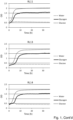
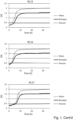
- Fig. 1 shows the substrate consumption and growth of various L . crispatus strains isolated from both healthy women and women with vaginal dysbiosis (in total 25). In all cases glucose is the substrate on which the best growth is observed, followed by glycogen as substrate. The third substrate (water) was used as negative control and indeed no growth was observed on this substrate.
- probiotic composition refers to a composition comprising one or more probiotic organisms and one or more acceptable excipients suitable for application to a mammal, preferably a human. It will be appreciated that acceptable excipients will be well known to the person skilled in the art of probiotic composition preparation.
- Such acceptable excipients for oral administration of the probiotic composition include: sugars such as sucrose, isomerized sugar, glucose, fructose, maltose, mannose, sorbose, rhamnose, arabinose, palatinose, trehalose, lactose, cellobiose, melibiose and xylose; sugar alcohols such as sorbitol, mannitol, xylitol, inositol, erythritol, lactitol, palatinol, reduced glutinous starch syrup and reduced glutinous maltose syrup; polysaccharides as maltodextrins, inulins, starches like maize starch, rice starch, potato starch and wheat starch, glucosides like amygdalin, erbutin, esculin, salicin, N-acetylglucosamine and the like, emulsifiers such as sucrose esters of
- the composition can additionally or alternatively comprise polymers, such as natural polymers including proteins such as zein, modified zein, casein, gelatin, gluten, serum albumin, and collagen, polysaccharides such as cellulose, dextrans, and polyhyaluronic acid, or synthetic polymers including polyphosphazenes, poly(vinyl alcohols), polyamides, polycarbonates, polyacrylates, polyalkylenes, polyacrylamides, polyalkylene glycols, polyalkylene oxides, polyalkylene terephthalates, polyvinyl ethers, polyvinyl esters, polyvinyl halides, polyvinylpyrrolidone, polyglycolides, polysiloxanes, polyurethanes and copolymers thereof.
- polymers such as natural polymers including proteins such as zein, modified zein, casein, gelatin, gluten, serum albumin, and collagen, polysaccharides such as cellulose, dextrans, and polyhyaluronic acid,
- polyacrylates examples include poly(methyl methacrylate), poly(ethyl methacrylate), poly(butyl methacrylate), poly(isobutyl methacrylate), poly(hexyl methacrylate), poly(isodecyl methacrylate), poly(lauryl methacrylate), poly(phenyl methacrylate), poly(methyl acrylate), poly(isopropyl acrylate), poly(isobutyl acrylate) and poly(octadecyl acrylate).
- Synthetically modified natural polymers include cellulose derivatives such as alkyl celluloses, hydroxyalkyl celluloses, cellulose ethers, cellulose esters, and nitrocelluloses.
- Suitable cellulose derivatives include methyl cellulose, ethyl cellulose, hydroxypropyl cellulose, hydroxypropyl methyl cellulose, hydroxybutyl methyl cellulose, cellulose acetate, cellulose propionate, cellulose acetate butyrate, cellulose acetate phthalate, carboxymethyl cellulose, cellulose triacetate and cellulose sulfate sodium salt.
- Also usable are degradable polymers, such as polysaccharides such as alginate, dextran, cellulose, collagen, and chemical derivatives thereof (substitutions, additions of chemical groups, for example, alkyl, alkylene, hydroxylations, oxidations, and other modifications routinely made by those skilled in the art), and proteins such as albumin, zein and copolymers and blends thereof, alone or in combination with synthetic polymers.
- Suitable hydrogels can be formed from synthetic polymers such as polyethylene glycol, polyethylene oxide, polyvinyl alcohol, polyvinyl pyrrolidone, polyacrylates, poly (ethylene terephthalate), poly(vinyl acetate), and copolymers and blends thereof, as well as natural polymers such as cellulose and alginate, as described above.
- Probiotic compositions for topical administration may be applied in the form of crèmes or ointments.
- Suitable liquid oil includes saturated, unsaturated or polyunsaturated oils.
- the unsaturated oil may be olive oil, corn oil, soybean oil, canola oil, cottonseed oil, coconut oil, sesame oil, sunflower oil, borage seed oil, syzigium aromaticum oil, hempseed oil, herring oil, cod-liver oil, salmon oil, flaxseed oil, wheat germ oil, evening primrose oils or mixtures thereof, in any proportion.
- These crèmes or ointments may further comprise poly-unsaturated fatty acids.
- said unsaturated fatty acids are selected from the group of omega-3 and omega-6 fatty acids.
- examples of such polyunsaturated fatty acids are linoleic and linolenic acid, gamma-linoleic acid (GLA), eicosapentaenoic acid (EPA) and docosahexaenoic acid (DHA).
- GLA gamma-linoleic acid
- EPA eicosapentaenoic acid
- DHA docosahexaenoic acid
- the composition can include at least 6% of an oil selected from omega-3 oil, omega-6 oil, and mixtures thereof.
- the essential oils which are also considered therapeutically active oils, which contain active biologically occurring molecules and, upon topical application, exert a therapeutic effect, which is conceivably synergistic to the beneficial effect of the probiotic mixture in the composition.
- Another class of therapeutically active oils includes liquid hydrophobic plant-derived oils, which are known to possess therapeutic benefits when applied topically. Silicone oils also may be used and are desirable due to their known skin protective and occlusive properties.
- Suitable silicone oils include non-volatile silicones, such as polyalkyl siloxanes, polyaryl siloxanes, polyalkylaryl siloxanes and polyether siloxane copolymers, polydimethylsiloxanes (dimethicones) and poly(dimethylsiloxane)-(diphenyl-siloxane) copolymers. These are chosen from cyclic or linear polydimethylsiloxanes containing from about 3 to about 9, preferably from about 4 to about 5, silicon atoms. Volatile silicones such as cyclomethicones can also be used. Silicone oils are also considered therapeutically active oils, due to their barrier retaining and protective properties.
- the probiotic composition may be in the form of a vaginal capsule or vaginal tablet.
- capsule refers to a hard shell pharmaceutical capsule.
- the capsule consists of a body and cap and may comprise a fill formulation containing the probiotic composition.
- Capsules suitable for use according to the invention include, without limitation NPcaps ® available from Capsugel which contain pullulan, carageenan and potassium chloride, as well as capsules described in US Patent No. 8,105,625 and US Patent Application Publication No. 2005/0249676 .
- capsules for use according to the invention comprise pullulan with a molecular weight between about 50 to 500 kDa, between 100 to 400 kDa, between about 150 to 300 kDa and preferably between about 180 and 250 kDa.
- capsules for use according to the invention comprise pullulan from about 50% to about 100% by weight (unfilled capsule).
- the capsules comprise about 60 to 90 or 70 to 90, or 80 to 90 wt % pullulan.
- the capsules comprise about 85 to 90 wt % pullulan.
- Capsules for use according to the invention may further comprise (in addition to pullulan) one or more gelling agents (e.g. hydrocolloids or polysaccharides such as alginates, agar gum, guar gum, carob, carrageenan, tara gum, gum arabic, pectin, xanthan and the like); salts comprising cations such as K , Li, Na, NH4 , Ca, Mg ; and/or surfactants such as sodium lauryl sulphate, dioctyl sodium sulfosuccinate, benzalkonium chloride, benzethonium chloride, cetrimide, fatty acid sugar esters, glycerl monooleate, polyoxyethylene sorbitan fatty acid esters, polyvinylalcohol, dimethylpolysiloxan, sorbitan esters or lecithin, as described in US Patent Application Publication No. 2005/0249676 .
- gelling agents e.g
- Capsules for use according to the invention may further comprise one or more plasticizing agents (e.g. glycerol, propylene glycol, polyvinyl alcohol, sorbitol, maltitol and the like); dissolution enhancing agents (e.g. maltose, lactose, sorbitol, mannitol, xylitol, maltitol and the like); strengthening agents (e.g. polydextrose, cellulose, maltodextrin, gelatin, gums and the like); colorants, and/or opacifiers as described in US Patent No. 8,105,625 .
- plasticizing agents e.g. glycerol, propylene glycol, polyvinyl alcohol, sorbitol, maltitol and the like
- dissolution enhancing agents e.g. maltose, lactose, sorbitol, mannitol, xylitol, maltitol and the like
- the capsule comprises pullulan in an amount of 85% to 90% by weight, potassium chloride in an amount of 1.0% to 1.5% by weight, carrageenan in an amount of 0.1 % to 0.4% by weight, one or more surfactants in an amount of 0.1% to 0.2% by weight and water in an amount of 10% to 15% by weight.
- the capsule comprises pullulan in an amount of 86.3% by weight, potassium chloride in an amount of 1.32% by weight, carrageenan in an amount of 0.27% by weight, surfactants selected from sugar esters, sorbitan monolaurate and combinations thereof in an amount of 0.15% by weight and water in an amount of 12% by weight.
- dysbiosis or "dysbiotic condition” is defined as a state in which the microbiota produces harmful effects via (a) qualitative and quantitative changes in the content or amount of the microbiota itself, (b) changes in their metabolic activities; and/or (c) changes in their local distribution.
- dysbiosis of the vagina is defined as an aberration of the healthy state.
- a healthy state is defined in this case as a condition with a relatively low susceptibility to sexually transmitted diseases. It has been widely accepted that the activity of Lactobacillus spp. contributes to maintain this low susceptibility through the protection of the vaginal environment against pathogens by the production of lactic acid, resulting in a low pH.
- vaginal dysbiosis is, amongst others, characterized by the presence of a relative high pH.
- microbiota denominates the community of commensal microorganisms that colonise (parts of) an organ of the host, such as the vagina, together with the food-ingested, or transient microorganisms.
- these transient microbiota are not regarded as part of the so-called 'indigenous microbiota'.
- Epithelium or “epithelial cell or tissue” as used herein is one of the four basic types of animal tissue, along with connective tissue, muscle tissue and nervous tissue. Epithelial tissues line the cavities and surfaces of structures throughout the body, and also form many glands. Functions of epithelial cells include secretion, selective absorption, protection, transcellular transport and detection of sensation.
- Mucosa as used herein is the term used to indicate a mucous membrane.
- Mucus (adjectival form: “mucous") is a slippery secretion produced by, and covering, mucous membranes.
- Mucous fluid is typically produced from cells found in mucous glands. Mucous cells secrete products that are rich in glycoproteins and water. Mucous fluid may also originate from mixed glands, which contain both serous and mucous cells.
- mucins that are produced by goblet cells in the mucous membranes and submucosal glands.
- This mucus serves to protect epithelial cells (the lining of the tubes) in the respiratory, gastrointestinal, urogenital, visual, and auditory systems in mammals.
- the internal tissues e.g. blood, brain, muscle, etc.
- the surface tissues i.e., skin and mucous membranes
- the mixture of organisms regularly found at any anatomical site is referred to as the normal flora, or preferably "indigenous microbiota".
- the normal flora of humans consists of a few eukaryotic fungi and protists, but bacteria are the most numerous and obvious microbial components of the normal flora.
- humans are exposed to a wide variety of microbes throughout their lives, only a limited number of species are able to permanently colonize the various body sites available, and each body site harbours a microbial community comprised of certain characteristic species.
- Lactobacillus rhamnosus DSM 14870 and Lactobacillus gasseri DSM 14869 (Ecovag ® ) and Lactobacillus rhamnosus GR-1 ® and Lactobacillus reuteri RC-14 ® (Optibac ® ) are commercially available.
- microbiota in this case intestinal microbiota
- strains defined as isolates sharing >96% of their genome content, were maintained over time within an individual and between family members but not between unrelated individuals.
- vaginal microbiota As an example.
- the vagina which is sterile at birth, is colonised by maternal Lactobacilli within a few days. This concurs with the theory that normal human microbiota derive mainly from the mother. In most cases, this microbiota will remain prevalent throughout life; in the vagina, its presence will be mainly influenced by hormone levels.
- the presence of Lactobacilli is strongly influenced by the availability of glycogen, the levels of which are regulated by the oestrogens.
- This microbial population remains substantially unchanged until the menopause, when it is replaced by a more diverse microbiota, not unlike that of the prepuberal period, but with a considerable presence of mycoplasma and, to a lesser extent, anaerobic bacteria (e.g. Gardnerella vaginalis ) .
- vaginal Lactobacilli Various studies have attempted to characterise the vaginal Lactobacilli at species level. These studies demonstrate that there is a geographical difference in the composition of the vaginal microbiota. However, bacteria belonging to what is often called the Lactobacillus acidophilus complex seem to constitute the dominant species at childbearing age.
- the invention comprises a probiotic composition comprising a mixture of Lactobacillus crispatus strains as defined in claim 1.
- Glycogen is one of the main substrates that is found in the healthy vagina. Proof that glycogen promotes Lactobacillus growth and maintenance in the vagina has been given in the recent literature ( Mirmonsef, P. et al., PLoS ONE 9(7): e102467. doi:10.1371/journal.pone.0102467 ). Lactose, although not or hardly present naturally in the vagina, is commonly used in vaginal treatments, such as vaginal douches.
- vaginal tablet containing lactose has been shown to be effective in the treatment and prevention of BV ( Emery, S.J. et al., Sex Transm. Infect. 88: A27, 2012 ).
- lactose also mannose, glucose and glucosamine are important carbohydrates that function as a substrate in the healthy vagina (see also: Rajan, N. et al., Infect. Immun. 1999, 67(10):5027-5032 ).
- the carbohydrate degradation profile as used in the present invention can be assessed by culturing a bacterial isolate strain on a variety of carbohydrate substrates, such as the API CH50 test by using API 50 CH carbohydrate fermentation strips (bioMérieux, Inc., Marcy l'Etoile, France). Such a test system is advantageously used to characterize Lactobacillus bacteria (see Boyd, M.A. et al., J Clin Microbiol43(10): 5309-5311, 2005 ).
- a different carbohydrate degradation profile of two L. crispatus strains means that the score in this API 50 CH test differs between said two strains. Examples of strains having different profiles may be found in Table 1.
- the strains that are present in the mixture are (originally) derived from the microbiota of healthy women, i.e. women that do not have bacterial vaginosis. In order to be effective it is preferred to have more than two strains in the mixture and good results have been obtained when using four strains or more. Although it is possible to make new isolates from freshly obtained samples and culturing the isolated strains, it is preferred to use the bacterial strains that have been tested for the present invention and that have been deposited with the Westerdijk Fungal Biodiversity Institute (Zeist, The Netherlands) on June 9, 2017, under number CBS 142868, CBNS 142869, CBS 142870, CBS 142871, CBS 142872, CBS 142873 and CBS 142874.
- strains are the strains represented in Table 1 by the respective identifications: 102_026, 102_003, 102_004, 102_006, 102_011, 102_012 and 102_022. Most preferred are mixtures wherein at least four or more strains are present, which strains are selected from glycogen degrading strains selected from CBS 142868, CBS 142869, CBS 142871 and CBS 142874 and lactose degrading strains selected from CBS 142870, CBS 142871, CBS 142872, CBS 142873 and CBS 142874.
- the invention also comprises a (probiotic) composition
- a (probiotic) composition comprising a mixture according to the invention and lactose.
- the lactose in this composition does not only provide a substrate for (at least part of) the bacteria in the mixture, but providing the bacteria in a composition that also contains sugars, such as lactose or other carbohydrates that can serve as substrate for the bacteria, lowers the water activity of the composition and with that improves the shelf life of the composition.
- the lactose in such a composition would also have a beneficial effect on the vaginal microbiota as has been demonstrated by Boyd et al. ( supra ) and thus can be used as an additional medicament for the prevention or treatment of bacterial vaginosis.
- compositions that also contains glycogen.
- glycogen can not be used as a substrate by L . crispatus, because it apparently lacks the enzymatic machinery for glycogen degradation ( Ojala, T. et al., BMC Genomics 15:1070, 2014 ), our experiments, as described below, show that about 50% of the strains that can be isolated from a healthy vaginal microbiota are able to use glycogen.
- glycogen has been proposed for use in the prevention and treatment of BV: Gynofit ® vaginal gel contains lactic acid and glycogen.
- the glycogen in the composition has similar advantages as lactose. It is further preferred that the composition further comprises additional carbohydrates that can function as substrate for the bacteria. A list of possible carbohydrates may be found in Table 1, but also in the definition of the probiotic composition as provided above.
- the invention further comprises a mixture according to the invention or a composition comprising said mixture for use in therapy.
- the mixture or a composition containing said mixture can be used as a medicament in the treatment or prevention of bacterial vaginosis.
- a special form of said medical use is the use in combination or after treatment with an antibiotic.
- the most abundant treatment for BV is the treatment with antibiotics.
- recurrence of BV after completion of such a treatment is a common problem: symptomatic BV persists or recurs at 3 months in up to 50% to 70% of patients, with long-term recurrence approaching 85%.
- the application of the present mixture or composition together with or after antibiotic treatment will greatly minimize the recurrence of the symptoms of BV and will lead to an improved treatment and/or prevention of BV.
- the application of the mixture or composition according to the invention is given after the antibiotic treatment.
- the type of antibiotic treatment will not actually influence the effectivity of the application of the mixture, although - of course - when the mixture is provided together with the antibiotic treatment it will take longer for the Lactobacillus strains in the mixture or composition to colonize the vagina.
- the antibiotic used may be the antibiotics that are used as the standard treatment for BV, such as metronidazole, clindamycine, amoxicillin or tinidazole, but other antibiotics may also be used.
- the antibiotic treatment generally is provided as an oral administration, although metronidazole may also be given as a topically applicable gel.
- the mixture of the invention or the composition comprising said mixture is preferably given through topical application.
- it may be in the form of a gel or crème, but preferably it will be provided in the form of a vaginal capsule or vaginal tablet.
- the skilled person will know how to formulate these topical application formulations.
- cultures of the strains as isolated from a healthy woman and/or the bacterial cultures as listed in Table 1 may be produced by culturing the bacteria using methods well known in the art.
- Lactobacillus-MRS Agar is an enriched selective medium intended for the isolation and cultivation of Lactobacillus found in clinical specimens and dairy and food products.
- the basis of this medium consists of peptones yeast extract and glucose.
- This medium is supplemented with sorbitan monooleate complex (a source for fatty acids) and magnesium for additional growth requirements.
- Sodium acetate and ammonium citrate are added to inhibit normal flora, such as gram-negative bacteria, oral flora and fungi.
- the medium has been shown to selectively improve the growth of Lactobacillus.
- the pH is adjusted to 6.3 - 6.7 to favour the growth of Lactobacillus.
- This medium is prepared, dispensed, stored and packaged under oxygen-free conditions to prevent the formation of oxidized products prior to use.
- a so-called CDM medium as described in Geshnizgani A.M.,and Onderdonk A.B., (J Clin Microbiol. 1992 May;30(5):1323-6 ) may be used.
- a chemically defined medium that simulates female genital tract secretions was developed for the growth of the vaginal microflora.
- Qualitative and quantitative studies of the growth of predominant components of the vaginal microflora indicated that all vaginal isolates tested were able to grow in this defined medium.
- the CDM medium was adapted by replacement of hemin (source of Fe-ions) by an equimolar amount of FeSO 4 .7 H 2 O in order to decrease the turbidity of the medium.
- Carbohydrate degradation profiles were assessed for each Lactobacillus crispatus strain using the API CH50 carbohydrate fermentation tests (bioMérieux, Inc., Marcy l'Etoile, France) according to the manufacturer's protocol.
- the lactobacilli were cultivated on TSA plates (set to pH 5.0 with acetic acid and supplemented with 5% sheep serum and 0.25% lactic acid), at 37°C under micro aerobic conditions (6% oxygen) for 48 hours.
- API 50 CHL medium bioMérieux, Inc., Marcy l'Etoile, France
- All capsules were covered with mineral oil (to ensure anaerobic conditions) and the strips were incubated at 37°C for 48 hours. The strips were analyzed for colour changes after 48 hours.
- Each capsule has a different carbohydrate substrate and the API 50 CHL medium contains bromescal purple, a colour indicator that turns yellow at pH levels lower than 5, i.e. when fermentation has taken place.
- Glycogen is the main carbohydrate source available to L. crispatus in the vaginal niche and we hypothesized that strain differences in glycogen degradation efficiency would associate with dominance in vivo.
- five strains were less efficient at degrading glycogen OD in stationary phase was 50% lower compared to growth on glucose
- Efficiency in glycogen degradation was however not associated with whether the strain was isolated from HVM or DVM.
Landscapes
- Health & Medical Sciences (AREA)
- Life Sciences & Earth Sciences (AREA)
- Chemical & Material Sciences (AREA)
- Medicinal Chemistry (AREA)
- General Health & Medical Sciences (AREA)
- Public Health (AREA)
- Pharmacology & Pharmacy (AREA)
- Veterinary Medicine (AREA)
- Animal Behavior & Ethology (AREA)
- Epidemiology (AREA)
- Engineering & Computer Science (AREA)
- Microbiology (AREA)
- Bioinformatics & Cheminformatics (AREA)
- Organic Chemistry (AREA)
- Mycology (AREA)
- Zoology (AREA)
- Wood Science & Technology (AREA)
- Biotechnology (AREA)
- Genetics & Genomics (AREA)
- Molecular Biology (AREA)
- Biochemistry (AREA)
- General Chemical & Material Sciences (AREA)
- Chemical Kinetics & Catalysis (AREA)
- Biomedical Technology (AREA)
- Virology (AREA)
- Tropical Medicine & Parasitology (AREA)
- General Engineering & Computer Science (AREA)
- Dermatology (AREA)
- Oil, Petroleum & Natural Gas (AREA)
- Inorganic Chemistry (AREA)
- Gynecology & Obstetrics (AREA)
- Endocrinology (AREA)
- Reproductive Health (AREA)
- Nuclear Medicine, Radiotherapy & Molecular Imaging (AREA)
- Medicines Containing Material From Animals Or Micro-Organisms (AREA)
Claims (13)
- Mélange de souches de Lactobacillus crispatus, lequel mélange comprend des souches qui présentent un profil de dégradation des glucides différent, comprenant au moins une souche de L. crispatus qui est capable de dégrader le glycogène choisie parmi CBS 142868, CBS 142869, CBS 142871 et CBS 142874, telles que déposées auprès du Westerdijk Fungal Biodiversity Institute, et au moins une souche de L. crispatus qui est capable de dégrader le lactose choisie parmi CBS 142870, CBS 142871, CBS 142872, CBS 142873 et CBS 142874, telles que déposées auprès du Westerdijk Fungal Biodiversity Institute.
- Mélange selon la revendication 1, dans lequel lesdites souches ont été isolées à partir d'une femme sans vaginose bactérienne.
- Mélange selon la revendication 1 ou 2, dans lequel ledit mélange comprend au total 4 souches ou plus de L. crispatus qui diffèrent les unes des autres sur la base de leur profil de dégradation des glucides.
- Mélange selon la revendication 3, comprenant au moins 2 souches qui sont capables de dégrader le glycogène et au moins 2 souches qui sont capables de dégrader le lactose.
- Mélange selon l'une quelconque des revendications précédentes, comprenant au moins six desdites souches.
- Composition probiotique comprenant le mélange selon l'une quelconque des revendications 1 à 5 et du lactose.
- Composition selon la revendication 6, comprenant en outre du glycogène.
- Composition selon la revendication 7, comprenant en outre un mélange de glucides comprenant deux glucides ou plus choisis dans le groupe comprenant glycogène, galactose, glucose, lactulose, mannose, n-acétylglucosamine, cellobiose, maltose, mannose, mannitol, raffinose, tréhalose, saccharose, amidon, amygdaline, arbutine, salicine et esculine.
- Mélange selon l'une quelconque des revendications 1 à 5 ou composition selon les revendications 6 à 8 pour utilisation en thérapie.
- Mélange selon l'une quelconque des revendications 1 à 5 ou composition selon les revendications 6 à 8, pour utilisation dans le traitement ou la prévention de la vaginose bactérienne.
- Mélange ou composition pour utilisation selon la revendication 10, pour diminuer la récurrence de la vaginose bactérienne après un traitement avec des antibiotiques.
- Mélange ou composition pour utilisation selon les revendications 9 à 11, dans lequel ledit traitement est un traitement topique.
- Capsule vaginale ou comprimé vaginal comprenant le mélange selon l'une quelconque des revendications 1 à 5 ou la composition selon les revendications 6 à 8.
Applications Claiming Priority (2)
| Application Number | Priority Date | Filing Date | Title |
|---|---|---|---|
| EP17181005.4A EP3427745A1 (fr) | 2017-07-12 | 2017-07-12 | Nouvelle composition de probiotiques pour la prévention de la vaginose bactérienne |
| PCT/NL2018/050479 WO2019013637A1 (fr) | 2017-07-12 | 2018-07-12 | Nouvelle composition probiotique pour la prévention de vaginose bactérienne |
Publications (3)
| Publication Number | Publication Date |
|---|---|
| EP3651783A1 EP3651783A1 (fr) | 2020-05-20 |
| EP3651783B1 true EP3651783B1 (fr) | 2025-02-12 |
| EP3651783C0 EP3651783C0 (fr) | 2025-02-12 |
Family
ID=59337514
Family Applications (2)
| Application Number | Title | Priority Date | Filing Date |
|---|---|---|---|
| EP17181005.4A Withdrawn EP3427745A1 (fr) | 2017-07-12 | 2017-07-12 | Nouvelle composition de probiotiques pour la prévention de la vaginose bactérienne |
| EP18749188.1A Active EP3651783B1 (fr) | 2017-07-12 | 2018-07-12 | Nouvelle composition de probiotiques pour la prévention de la vaginose bactérienne |
Family Applications Before (1)
| Application Number | Title | Priority Date | Filing Date |
|---|---|---|---|
| EP17181005.4A Withdrawn EP3427745A1 (fr) | 2017-07-12 | 2017-07-12 | Nouvelle composition de probiotiques pour la prévention de la vaginose bactérienne |
Country Status (3)
| Country | Link |
|---|---|
| US (2) | US11446343B2 (fr) |
| EP (2) | EP3427745A1 (fr) |
| WO (1) | WO2019013637A1 (fr) |
Families Citing this family (7)
| Publication number | Priority date | Publication date | Assignee | Title |
|---|---|---|---|---|
| EP3427745A1 (fr) * | 2017-07-12 | 2019-01-16 | Nederlandse Organisatie voor toegepast- natuurwetenschappelijk onderzoek TNO | Nouvelle composition de probiotiques pour la prévention de la vaginose bactérienne |
| BR112021012118A2 (pt) * | 2018-12-19 | 2021-09-08 | Healthy Cow Corporation | Composição probiótica em forma de gel, produto probiótico pronto para uso, kit, sistema, e, métodos para introduzir uma ou mais cepas de bactérias à vagina de um animal não humano, para tratar uma infecção uterina ou diminuir o risco de contrair uma infecção uterina em um animal não humano e para promover o estabelecimento ou manutenção de um microbioma vaginal saudável em um animal não humano |
| WO2022026930A1 (fr) * | 2020-07-31 | 2022-02-03 | Gelbfish Gary A | Traitement de la vaginose bactérienne |
| CN119095583A (zh) * | 2022-04-21 | 2024-12-06 | 运动-农场有限责任公司 | 用于活性成分的阴道内递送装置、该装置的制备方法和用途 |
| CN116694498B (zh) * | 2023-01-31 | 2026-02-24 | 江南大学 | 一种缓解多种阴道炎的阴道益生菌组合物 |
| CN117701443B (zh) * | 2023-12-15 | 2025-10-28 | 厦门元之道生物科技有限公司 | 一种具有丙烯酰胺降解及铅吸附功能的卷曲乳杆菌yys-j3及其应用 |
| CN117535208B (zh) * | 2024-01-04 | 2024-03-29 | 四川厌氧生物科技有限责任公司 | 一种卷曲乳杆菌及其在女性生殖道健康中的应用 |
Family Cites Families (13)
| Publication number | Priority date | Publication date | Assignee | Title |
|---|---|---|---|---|
| AU4905300A (en) | 1999-05-25 | 2000-12-12 | Andrew W. Bruce | Oral administration of lactobacillus for the maintenance of health in women |
| US20020044926A1 (en) | 1999-12-10 | 2002-04-18 | Gregor Reid | Oral administration of lactobacillus for the treatment and prevention of urogenital infection |
| EP1593376A1 (fr) | 2004-05-04 | 2005-11-09 | Warner-Lambert Company LLC | Gélules de pullulane ameliorées |
| WO2006045347A1 (fr) * | 2004-10-22 | 2006-05-04 | Medinova Ag | Souche de lactobacillus helveticus utile dans le traitement ou la prevention d'infections engendrees par des pathogenes urogenitaux |
| AU2008237246B2 (en) | 2007-04-05 | 2014-06-05 | University Of Kansas | Rapidly dissolving pharmaceutical compositions comprising pullulan |
| CA2762640A1 (fr) | 2009-05-22 | 2010-11-25 | Stefanie Lindemann | Medicament a administrer oralement, contenant au moins un estrogene et/ou au moins un gestagene et au moins une souche bacterienne probiotique |
| EP2428214A1 (fr) * | 2010-09-14 | 2012-03-14 | HSO Health Care GmbH | Compositions pour l'administration vaginale et orale de lactobacillus et utilisations correspondantes |
| EP2925346A1 (fr) | 2012-11-30 | 2015-10-07 | Universite d'Auvergne Clermont I | Utilisation de microorganismes pour diminuer le taux de triméthylamine dans une cavité du corps humain, notamment pour le traitement de la triméthylaminurie ou d'une vaginose bactérienne et la prévention des maladies cardiovasculaires |
| ITMI20130794A1 (it) | 2013-05-14 | 2014-11-15 | Probiotical Spa | Composizione comprendente batteri lattici per uso nel trattamento preventivo e/o curativo delle vaginosi batteriche. |
| US9937214B2 (en) | 2013-11-08 | 2018-04-10 | Suzhou Osel Bio-Pharm Co., Ltd. | Lactobacillus crispatus and application thereof |
| EP3233098B1 (fr) * | 2014-12-15 | 2024-05-29 | The Johns Hopkins University | Transplantation de sécrétions cervico-vaginales pour traiter la vaginose bactérienne |
| MX383921B (es) | 2015-06-29 | 2025-03-14 | Ferring Bv | Bacteria lactobacillus rhamnosus para el tratamiento de, por ejemplo, vaginosis bacteriana. |
| EP3427745A1 (fr) * | 2017-07-12 | 2019-01-16 | Nederlandse Organisatie voor toegepast- natuurwetenschappelijk onderzoek TNO | Nouvelle composition de probiotiques pour la prévention de la vaginose bactérienne |
-
2017
- 2017-07-12 EP EP17181005.4A patent/EP3427745A1/fr not_active Withdrawn
-
2018
- 2018-07-12 EP EP18749188.1A patent/EP3651783B1/fr active Active
- 2018-07-12 US US16/628,762 patent/US11446343B2/en active Active
- 2018-07-12 WO PCT/NL2018/050479 patent/WO2019013637A1/fr not_active Ceased
-
2022
- 2022-08-12 US US17/819,476 patent/US12214005B2/en active Active
Also Published As
| Publication number | Publication date |
|---|---|
| US20200138881A1 (en) | 2020-05-07 |
| US12214005B2 (en) | 2025-02-04 |
| US20220378856A1 (en) | 2022-12-01 |
| EP3651783C0 (fr) | 2025-02-12 |
| US11446343B2 (en) | 2022-09-20 |
| WO2019013637A1 (fr) | 2019-01-17 |
| EP3427745A1 (fr) | 2019-01-16 |
| EP3651783A1 (fr) | 2020-05-20 |
Similar Documents
| Publication | Publication Date | Title |
|---|---|---|
| US12214005B2 (en) | Probiotic composition for prevention of bacterial vaginosis | |
| JP4455333B2 (ja) | プロバイオティック細菌:Lactobacillusfermentum | |
| EP3035944B1 (fr) | Probiotiques pour son utilisation dans le traitement de la vaginose bactérienne | |
| KR101287126B1 (ko) | 식물성유산균발효액을 함유하는 질염 및 요로감염 예방 및 치료용 약학 조성물 | |
| US12005085B2 (en) | Probiotic method and composition for maintaining a healthy vaginal microbiome | |
| PT986314E (pt) | Bactéria láctica probiótica para tratar infecções bacterianas associadas à sids | |
| JP7126004B2 (ja) | 組成物及びその使用 | |
| EP3261723B1 (fr) | Souches probiotiques de lactobacillus plantarum pour le traitement des infections des voies urinaires | |
| JP2025165999A (ja) | 菌株、組成物および使用方法 | |
| JP2022504792A (ja) | 炎症性疾患及び関連する感染の治療方法 | |
| CN112546074A (zh) | 一株能够抑制IL-23、Th17轴相关炎症因子释放的短双歧杆菌及其应用 | |
| CN106727731A (zh) | 一种微生态健胃整肠制剂及其制备方法 | |
| JP7118594B2 (ja) | 止瀉剤組成物 | |
| WO2022255568A1 (fr) | Composition pour prévenir ou traiter la vaginite | |
| CN116676230B (zh) | 一株能够利用普鲁兰多糖的动物双歧杆菌及其应用 | |
| EP4215202B1 (fr) | Composition comprenant des bactéries tindalisées pour une utilisation dans la muqueuse vaginale | |
| BG67244B1 (bg) | Имуномодулиращ синбиотичен състав | |
| CN118215410A (zh) | 可用于刺激和再平衡肠道微生物群的乳酸杆菌菌株 | |
| WO2025242814A1 (fr) | Mélange de souches de lactobacillus crispatus | |
| AU770099B2 (en) | Methods for increasing the solubility of nutritional materials using probiotic lactic acid-producing bacteria | |
| CN119530073A (zh) | 一种卷曲乳杆菌x25b及其用途 |
Legal Events
| Date | Code | Title | Description |
|---|---|---|---|
| STAA | Information on the status of an ep patent application or granted ep patent |
Free format text: STATUS: UNKNOWN |
|
| STAA | Information on the status of an ep patent application or granted ep patent |
Free format text: STATUS: THE INTERNATIONAL PUBLICATION HAS BEEN MADE |
|
| PUAI | Public reference made under article 153(3) epc to a published international application that has entered the european phase |
Free format text: ORIGINAL CODE: 0009012 |
|
| STAA | Information on the status of an ep patent application or granted ep patent |
Free format text: STATUS: REQUEST FOR EXAMINATION WAS MADE |
|
| 17P | Request for examination filed |
Effective date: 20200122 |
|
| AK | Designated contracting states |
Kind code of ref document: A1 Designated state(s): AL AT BE BG CH CY CZ DE DK EE ES FI FR GB GR HR HU IE IS IT LI LT LU LV MC MK MT NL NO PL PT RO RS SE SI SK SM TR |
|
| AX | Request for extension of the european patent |
Extension state: BA ME |
|
| DAV | Request for validation of the european patent (deleted) | ||
| DAX | Request for extension of the european patent (deleted) | ||
| STAA | Information on the status of an ep patent application or granted ep patent |
Free format text: STATUS: EXAMINATION IS IN PROGRESS |
|
| 17Q | First examination report despatched |
Effective date: 20220310 |
|
| P01 | Opt-out of the competence of the unified patent court (upc) registered |
Effective date: 20230522 |
|
| RIC1 | Information provided on ipc code assigned before grant |
Ipc: A61P 15/02 20060101ALI20240319BHEP Ipc: C12N 1/20 20060101ALI20240319BHEP Ipc: A61K 35/747 20150101AFI20240319BHEP |
|
| GRAP | Despatch of communication of intention to grant a patent |
Free format text: ORIGINAL CODE: EPIDOSNIGR1 |
|
| STAA | Information on the status of an ep patent application or granted ep patent |
Free format text: STATUS: GRANT OF PATENT IS INTENDED |
|
| INTG | Intention to grant announced |
Effective date: 20240513 |
|
| GRAJ | Information related to disapproval of communication of intention to grant by the applicant or resumption of examination proceedings by the epo deleted |
Free format text: ORIGINAL CODE: EPIDOSDIGR1 |
|
| STAA | Information on the status of an ep patent application or granted ep patent |
Free format text: STATUS: EXAMINATION IS IN PROGRESS |
|
| GRAP | Despatch of communication of intention to grant a patent |
Free format text: ORIGINAL CODE: EPIDOSNIGR1 |
|
| STAA | Information on the status of an ep patent application or granted ep patent |
Free format text: STATUS: GRANT OF PATENT IS INTENDED |
|
| INTC | Intention to grant announced (deleted) | ||
| INTG | Intention to grant announced |
Effective date: 20240924 |
|
| GRAS | Grant fee paid |
Free format text: ORIGINAL CODE: EPIDOSNIGR3 |
|
| GRAA | (expected) grant |
Free format text: ORIGINAL CODE: 0009210 |
|
| STAA | Information on the status of an ep patent application or granted ep patent |
Free format text: STATUS: THE PATENT HAS BEEN GRANTED |
|
| AK | Designated contracting states |
Kind code of ref document: B1 Designated state(s): AL AT BE BG CH CY CZ DE DK EE ES FI FR GB GR HR HU IE IS IT LI LT LU LV MC MK MT NL NO PL PT RO RS SE SI SK SM TR |
|
| REG | Reference to a national code |
Ref country code: GB Ref legal event code: FG4D |
|
| REG | Reference to a national code |
Ref country code: CH Ref legal event code: EP |
|
| REG | Reference to a national code |
Ref country code: DE Ref legal event code: R096 Ref document number: 602018079075 Country of ref document: DE |
|
| REG | Reference to a national code |
Ref country code: IE Ref legal event code: FG4D |
|
| U01 | Request for unitary effect filed |
Effective date: 20250220 |
|
| P04 | Withdrawal of opt-out of the competence of the unified patent court (upc) registered |
Free format text: CASE NUMBER: APP_9278/2025 Effective date: 20250225 |
|
| U07 | Unitary effect registered |
Designated state(s): AT BE BG DE DK EE FI FR IT LT LU LV MT NL PT RO SE SI Effective date: 20250226 |
|
| PG25 | Lapsed in a contracting state [announced via postgrant information from national office to epo] |
Ref country code: RS Free format text: LAPSE BECAUSE OF FAILURE TO SUBMIT A TRANSLATION OF THE DESCRIPTION OR TO PAY THE FEE WITHIN THE PRESCRIBED TIME-LIMIT Effective date: 20250512 |
|
| PG25 | Lapsed in a contracting state [announced via postgrant information from national office to epo] |
Ref country code: PL Free format text: LAPSE BECAUSE OF FAILURE TO SUBMIT A TRANSLATION OF THE DESCRIPTION OR TO PAY THE FEE WITHIN THE PRESCRIBED TIME-LIMIT Effective date: 20250212 |
|
| PG25 | Lapsed in a contracting state [announced via postgrant information from national office to epo] |
Ref country code: ES Free format text: LAPSE BECAUSE OF FAILURE TO SUBMIT A TRANSLATION OF THE DESCRIPTION OR TO PAY THE FEE WITHIN THE PRESCRIBED TIME-LIMIT Effective date: 20250212 |
|
| PG25 | Lapsed in a contracting state [announced via postgrant information from national office to epo] |
Ref country code: IS Free format text: LAPSE BECAUSE OF FAILURE TO SUBMIT A TRANSLATION OF THE DESCRIPTION OR TO PAY THE FEE WITHIN THE PRESCRIBED TIME-LIMIT Effective date: 20250612 Ref country code: NO Free format text: LAPSE BECAUSE OF FAILURE TO SUBMIT A TRANSLATION OF THE DESCRIPTION OR TO PAY THE FEE WITHIN THE PRESCRIBED TIME-LIMIT Effective date: 20250512 |
|
| PG25 | Lapsed in a contracting state [announced via postgrant information from national office to epo] |
Ref country code: HR Free format text: LAPSE BECAUSE OF FAILURE TO SUBMIT A TRANSLATION OF THE DESCRIPTION OR TO PAY THE FEE WITHIN THE PRESCRIBED TIME-LIMIT Effective date: 20250212 |
|
| PG25 | Lapsed in a contracting state [announced via postgrant information from national office to epo] |
Ref country code: GR Free format text: LAPSE BECAUSE OF FAILURE TO SUBMIT A TRANSLATION OF THE DESCRIPTION OR TO PAY THE FEE WITHIN THE PRESCRIBED TIME-LIMIT Effective date: 20250513 |
|
| U20 | Renewal fee for the european patent with unitary effect paid |
Year of fee payment: 8 Effective date: 20250728 |
|
| PG25 | Lapsed in a contracting state [announced via postgrant information from national office to epo] |
Ref country code: SM Free format text: LAPSE BECAUSE OF FAILURE TO SUBMIT A TRANSLATION OF THE DESCRIPTION OR TO PAY THE FEE WITHIN THE PRESCRIBED TIME-LIMIT Effective date: 20250212 |
|
| PGFP | Annual fee paid to national office [announced via postgrant information from national office to epo] |
Ref country code: GB Payment date: 20250722 Year of fee payment: 8 |
|
| PG25 | Lapsed in a contracting state [announced via postgrant information from national office to epo] |
Ref country code: CZ Free format text: LAPSE BECAUSE OF FAILURE TO SUBMIT A TRANSLATION OF THE DESCRIPTION OR TO PAY THE FEE WITHIN THE PRESCRIBED TIME-LIMIT Effective date: 20250212 |
|
| PG25 | Lapsed in a contracting state [announced via postgrant information from national office to epo] |
Ref country code: SK Free format text: LAPSE BECAUSE OF FAILURE TO SUBMIT A TRANSLATION OF THE DESCRIPTION OR TO PAY THE FEE WITHIN THE PRESCRIBED TIME-LIMIT Effective date: 20250212 |
|
| PLBE | No opposition filed within time limit |
Free format text: ORIGINAL CODE: 0009261 |
|
| STAA | Information on the status of an ep patent application or granted ep patent |
Free format text: STATUS: NO OPPOSITION FILED WITHIN TIME LIMIT |
|
| REG | Reference to a national code |
Ref country code: CH Ref legal event code: L10 Free format text: ST27 STATUS EVENT CODE: U-0-0-L10-L00 (AS PROVIDED BY THE NATIONAL OFFICE) Effective date: 20251224 |
|
| 26N | No opposition filed |
Effective date: 20251113 |
|
| REG | Reference to a national code |
Ref country code: CH Ref legal event code: H13 Free format text: ST27 STATUS EVENT CODE: U-0-0-H10-H13 (AS PROVIDED BY THE NATIONAL OFFICE) Effective date: 20260224 |
|
| PG25 | Lapsed in a contracting state [announced via postgrant information from national office to epo] |
Ref country code: CH Free format text: LAPSE BECAUSE OF NON-PAYMENT OF DUE FEES Effective date: 20250731 |