EP3660145A1 - Verwendung von oligodendrozyten aus oralen neuroectodermalen stammzellen in der reparatur des nervensystems - Google Patents
Verwendung von oligodendrozyten aus oralen neuroectodermalen stammzellen in der reparatur des nervensystems Download PDFInfo
- Publication number
- EP3660145A1 EP3660145A1 EP18306590.3A EP18306590A EP3660145A1 EP 3660145 A1 EP3660145 A1 EP 3660145A1 EP 18306590 A EP18306590 A EP 18306590A EP 3660145 A1 EP3660145 A1 EP 3660145A1
- Authority
- EP
- European Patent Office
- Prior art keywords
- stem cells
- cells
- oligodendrocytes
- dmemf12
- culture medium
- Prior art date
- Legal status (The legal status is an assumption and is not a legal conclusion. Google has not performed a legal analysis and makes no representation as to the accuracy of the status listed.)
- Withdrawn
Links
Images

Classifications
-
- C—CHEMISTRY; METALLURGY
- C12—BIOCHEMISTRY; BEER; SPIRITS; WINE; VINEGAR; MICROBIOLOGY; ENZYMOLOGY; MUTATION OR GENETIC ENGINEERING
- C12N—MICROORGANISMS OR ENZYMES; COMPOSITIONS THEREOF; PROPAGATING, PRESERVING, OR MAINTAINING MICROORGANISMS; MUTATION OR GENETIC ENGINEERING; CULTURE MEDIA
- C12N5/00—Undifferentiated human, animal or plant cells, e.g. cell lines; Tissues; Cultivation or maintenance thereof; Culture media therefor
- C12N5/06—Animal cells or tissues; Human cells or tissues
- C12N5/0602—Vertebrate cells
- C12N5/0618—Cells of the nervous system
- C12N5/0622—Glial cells, e.g. astrocytes, oligodendrocytes; Schwann cells
-
- A—HUMAN NECESSITIES
- A61—MEDICAL OR VETERINARY SCIENCE; HYGIENE
- A61K—PREPARATIONS FOR MEDICAL, DENTAL OR TOILETRY PURPOSES
- A61K35/00—Medicinal preparations containing materials or reaction products thereof with undetermined constitution
- A61K35/12—Materials from mammals; Compositions comprising non-specified tissues or cells; Compositions comprising non-embryonic stem cells; Genetically modified cells
- A61K35/30—Nerves; Brain; Eyes; Corneal cells; Cerebrospinal fluid; Neuronal stem cells; Neuronal precursor cells; Glial cells; Oligodendrocytes; Schwann cells; Astroglia; Astrocytes; Choroid plexus; Spinal cord tissue
-
- C—CHEMISTRY; METALLURGY
- C12—BIOCHEMISTRY; BEER; SPIRITS; WINE; VINEGAR; MICROBIOLOGY; ENZYMOLOGY; MUTATION OR GENETIC ENGINEERING
- C12N—MICROORGANISMS OR ENZYMES; COMPOSITIONS THEREOF; PROPAGATING, PRESERVING, OR MAINTAINING MICROORGANISMS; MUTATION OR GENETIC ENGINEERING; CULTURE MEDIA
- C12N2500/00—Specific components of cell culture medium
- C12N2500/30—Organic components
- C12N2500/32—Amino acids
-
- C—CHEMISTRY; METALLURGY
- C12—BIOCHEMISTRY; BEER; SPIRITS; WINE; VINEGAR; MICROBIOLOGY; ENZYMOLOGY; MUTATION OR GENETIC ENGINEERING
- C12N—MICROORGANISMS OR ENZYMES; COMPOSITIONS THEREOF; PROPAGATING, PRESERVING, OR MAINTAINING MICROORGANISMS; MUTATION OR GENETIC ENGINEERING; CULTURE MEDIA
- C12N2500/00—Specific components of cell culture medium
- C12N2500/30—Organic components
- C12N2500/38—Vitamins
-
- C—CHEMISTRY; METALLURGY
- C12—BIOCHEMISTRY; BEER; SPIRITS; WINE; VINEGAR; MICROBIOLOGY; ENZYMOLOGY; MUTATION OR GENETIC ENGINEERING
- C12N—MICROORGANISMS OR ENZYMES; COMPOSITIONS THEREOF; PROPAGATING, PRESERVING, OR MAINTAINING MICROORGANISMS; MUTATION OR GENETIC ENGINEERING; CULTURE MEDIA
- C12N2501/00—Active agents used in cell culture processes, e.g. differentation
- C12N2501/01—Modulators of cAMP or cGMP, e.g. non-hydrolysable analogs, phosphodiesterase inhibitors, cholera toxin
-
- C—CHEMISTRY; METALLURGY
- C12—BIOCHEMISTRY; BEER; SPIRITS; WINE; VINEGAR; MICROBIOLOGY; ENZYMOLOGY; MUTATION OR GENETIC ENGINEERING
- C12N—MICROORGANISMS OR ENZYMES; COMPOSITIONS THEREOF; PROPAGATING, PRESERVING, OR MAINTAINING MICROORGANISMS; MUTATION OR GENETIC ENGINEERING; CULTURE MEDIA
- C12N2501/00—Active agents used in cell culture processes, e.g. differentation
- C12N2501/10—Growth factors
- C12N2501/105—Insulin-like growth factors [IGF]
-
- C—CHEMISTRY; METALLURGY
- C12—BIOCHEMISTRY; BEER; SPIRITS; WINE; VINEGAR; MICROBIOLOGY; ENZYMOLOGY; MUTATION OR GENETIC ENGINEERING
- C12N—MICROORGANISMS OR ENZYMES; COMPOSITIONS THEREOF; PROPAGATING, PRESERVING, OR MAINTAINING MICROORGANISMS; MUTATION OR GENETIC ENGINEERING; CULTURE MEDIA
- C12N2501/00—Active agents used in cell culture processes, e.g. differentation
- C12N2501/10—Growth factors
- C12N2501/11—Epidermal growth factor [EGF]
-
- C—CHEMISTRY; METALLURGY
- C12—BIOCHEMISTRY; BEER; SPIRITS; WINE; VINEGAR; MICROBIOLOGY; ENZYMOLOGY; MUTATION OR GENETIC ENGINEERING
- C12N—MICROORGANISMS OR ENZYMES; COMPOSITIONS THEREOF; PROPAGATING, PRESERVING, OR MAINTAINING MICROORGANISMS; MUTATION OR GENETIC ENGINEERING; CULTURE MEDIA
- C12N2501/00—Active agents used in cell culture processes, e.g. differentation
- C12N2501/10—Growth factors
- C12N2501/115—Basic fibroblast growth factor (bFGF, FGF-2)
-
- C—CHEMISTRY; METALLURGY
- C12—BIOCHEMISTRY; BEER; SPIRITS; WINE; VINEGAR; MICROBIOLOGY; ENZYMOLOGY; MUTATION OR GENETIC ENGINEERING
- C12N—MICROORGANISMS OR ENZYMES; COMPOSITIONS THEREOF; PROPAGATING, PRESERVING, OR MAINTAINING MICROORGANISMS; MUTATION OR GENETIC ENGINEERING; CULTURE MEDIA
- C12N2501/00—Active agents used in cell culture processes, e.g. differentation
- C12N2501/10—Growth factors
- C12N2501/13—Nerve growth factor [NGF]; Brain-derived neurotrophic factor [BDNF]; Cilliary neurotrophic factor [CNTF]; Glial-derived neurotrophic factor [GDNF]; Neurotrophins [NT]; Neuregulins
-
- C—CHEMISTRY; METALLURGY
- C12—BIOCHEMISTRY; BEER; SPIRITS; WINE; VINEGAR; MICROBIOLOGY; ENZYMOLOGY; MUTATION OR GENETIC ENGINEERING
- C12N—MICROORGANISMS OR ENZYMES; COMPOSITIONS THEREOF; PROPAGATING, PRESERVING, OR MAINTAINING MICROORGANISMS; MUTATION OR GENETIC ENGINEERING; CULTURE MEDIA
- C12N2501/00—Active agents used in cell culture processes, e.g. differentation
- C12N2501/10—Growth factors
- C12N2501/135—Platelet-derived growth factor [PDGF]
-
- C—CHEMISTRY; METALLURGY
- C12—BIOCHEMISTRY; BEER; SPIRITS; WINE; VINEGAR; MICROBIOLOGY; ENZYMOLOGY; MUTATION OR GENETIC ENGINEERING
- C12N—MICROORGANISMS OR ENZYMES; COMPOSITIONS THEREOF; PROPAGATING, PRESERVING, OR MAINTAINING MICROORGANISMS; MUTATION OR GENETIC ENGINEERING; CULTURE MEDIA
- C12N2501/00—Active agents used in cell culture processes, e.g. differentation
- C12N2501/40—Regulators of development
-
- C—CHEMISTRY; METALLURGY
- C12—BIOCHEMISTRY; BEER; SPIRITS; WINE; VINEGAR; MICROBIOLOGY; ENZYMOLOGY; MUTATION OR GENETIC ENGINEERING
- C12N—MICROORGANISMS OR ENZYMES; COMPOSITIONS THEREOF; PROPAGATING, PRESERVING, OR MAINTAINING MICROORGANISMS; MUTATION OR GENETIC ENGINEERING; CULTURE MEDIA
- C12N2501/00—Active agents used in cell culture processes, e.g. differentation
- C12N2501/40—Regulators of development
- C12N2501/41—Hedgehog proteins; Cyclopamine (inhibitor)
-
- C—CHEMISTRY; METALLURGY
- C12—BIOCHEMISTRY; BEER; SPIRITS; WINE; VINEGAR; MICROBIOLOGY; ENZYMOLOGY; MUTATION OR GENETIC ENGINEERING
- C12N—MICROORGANISMS OR ENZYMES; COMPOSITIONS THEREOF; PROPAGATING, PRESERVING, OR MAINTAINING MICROORGANISMS; MUTATION OR GENETIC ENGINEERING; CULTURE MEDIA
- C12N2506/00—Differentiation of animal cells from one lineage to another; Differentiation of pluripotent cells
- C12N2506/09—Differentiation of animal cells from one lineage to another; Differentiation of pluripotent cells from epidermal cells, from skin cells, from oral mucosa cells
- C12N2506/097—Differentiation of animal cells from one lineage to another; Differentiation of pluripotent cells from epidermal cells, from skin cells, from oral mucosa cells from oral mucosa cells
Definitions
- This invention concerns a new method for differentiating oral neuroectodermal stem cells (CSO-NE), in particular human gingival neuroectodermal stem cells (CSGh), into oligodendrocytes (OL), and their use in the repair of head injuries.
- CSO-NE oral neuroectodermal stem cells
- CSGh human gingival neuroectodermal stem cells
- OL oligodendrocytes
- references in square brackets ([ ]) refer to the list of references at the end of the text.
- HI Head Injury/trauma
- the severity of a HI is first of all related to the severity of the primary lesions that form at the time of the trauma, and then to the occurrence of secondary lesions in the hours, days, and months following the HI.
- Primary lesions consist of vascular, neural, glial or axonal lesions that occur at the time of the accident. These primary lesions trigger a neuro-inflammatory response that will play an important role in worsening the lesions and in the occurrence of long-term functional sequelae, including a risk of neurodegenerative and psychiatric disorders (Marmarou et al., 1994; Van Den Heuvel et al., 2007) [7, 8].
- Post-traumatic injuries affect both gray and white matter. The latter are responsible for poor clinical prognosis with serious social consequences (Parvizi and Damasio, 2003) [9].
- HI causes diffuse axonal lesions and demyelination of axons which comes from oligodendrocyte (OL) degeneration, cells responsible for myelin sheath formation (Biennow et al., 2012; Caprariello et al., 2012) [10, 11].
- Oligodendrocytes play a crucial role since each is responsible for the myelination of an average of 50 neurons (Raine, 1984) [12]. These cells are cells that are vital to the functioning and survival of neurons. Without the protection by formation of the myelin sheath synthesized by the OLs, neurons quickly degenerate. The involvement or dysfunction of OLs therefore leads to serious pathologies of the central nervous system (CNS).
- CNS central nervous system
- Myelin is the main component of the white matter. It facilitates the conduction of nerve impulses in the myelinated segments of axons.
- Myelin contains 80% lipids, some of which are specific to myelin such as galactoceramide, and 20% proteins such as myelin base protein or Myelin Basic Protein (MBP), oligodendrocyte myelin glycoprotein or Myelin Oligodendrocyte Glycoprotein (MOG), 2',3' -cyclic nucleotide phospho-diesterase (CNPase) (Hartline and Colman, 2007) [13].
- MBP Myelin Basic Protein
- MOG oligodendrocyte myelin glycoprotein
- MOG Oligodendrocyte Glycoprotein
- CNPase 2',3' -cyclic nucleotide phospho-diesterase
- CNS damage is known to activate several cell types that can influence the normal physiology of oligodendrocytes.
- macrophages from the blood are among the first cells to arrive at the site of the injury (Fawcett and Asher, 1999) [14].
- These immune cells accumulate at the lesion site within a few hours of the injury.
- Oral neuroectodermal stem cells isolated from oral mucous membranes including the human gum (Human Gingival Stem Cells; CSGh), have recently been identified by the inventors (Fournier et al., 2010) [16]. These CSGs have the same embryological origin as maxillary bones, i.e. neural ridges. While many currently known adult stem cells derive from the endoderm, mesoderm or ectoderm and have specific markers that allow their isolation, the embryological origin of oral neuroectodermal stem cells gives them a particular plasticity, including their ability to differentiate into nerve cells, for example into oligodendrocytes. The latter are responsible for white matter repair and are currently considered key cells in brain injury repair.
- CSO-NE oral neuroectodermal stem cells
- CSGh human gingival neuroectodermal stem cells
- OL oligodendrocytes
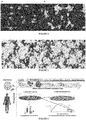
- oligodendrocytes obtained from CSGh and then improved the differentiation medium to obtain cells with a higher degree of maturity and better functional capacity. This functionality has been tested by demonstrating the ability of oligodencrocytes differentiated from CSGh to myelinate by co-cultivating them with neurons. Indeed, myelination by oligodendrocytes is a key element in the repair of central nervous tissue and the derivation of such cells from neuroectodermal gingival stem cells offers very innovative therapeutic prospects ( Figure 6 ).
- the inventors' protocol consists of several steps to change the profile of CSO-NE or CSGs into oligodendrocytes as shown in Figure 1 .
- this protocol includes the induction of neural stem cells (NSCs) from CSO-NEs (or CSGs), the acquisition of the identity of neural progenitors that express OLIG2, the specification to early oligodendrocyte precursor cells (pre-OPCs) that express OLIG2/NKX2.2, and the generation of oligodendrocyte precursor cells (OPCs) and their differentiation into oligodendrocytes.
- NSCs neural stem cells
- pre-OPCs early oligodendrocyte precursor cells
- oligodendrocyte precursor cells OPCs
- the CSO-NE (or CSGs) are directed towards the fate of the neuroectoderm under a chemically defined condition for 2 weeks.
- Neuroepithelial differentiation can be reliably identified by observing the organization of these colonar epithelial cells that form rosettes, a characteristic topography of the neural tube from which OPCs derive during development (Marquardt and Pfaff, 2001; Pankratz et al, 2007; Hu et al., 2009) [23, 24 and 20] and the expression of neuroectodermal transcription factors, including PAX6 and SOX1 (Li et al., 2005; Pankratz et al., 2007) [25, and 24].
- the second part consists of modelling neural stem cells (NSCs) to the progenitors of the ventral neural tube by adding retinoic acid (RA) and SHH factor within 10 days.
- NSCs neural stem cells
- RA retinoic acid
- SHH factor SHH factor
- the identity of progenitors is defined by their OLIG2 expression (Hu et al., 2009) [20].
- OLIG2+ cells can then differentiate into spinal motor neurons.
- basic fibroblast growth factor (FGF2 or FGFb) is used in the third part of the protocol for 10 days (Hu et al., 2009) [20].
- FGF2 or FGFb basic fibroblast growth factor
- the progenitors co-express OLIG2 and NKX2.2 and can no longer differentiate into motor neurons (Hu et al., 2009; Hu and Zhang, 2009] [20, 26].
- oligodencrocyte precursor (OPC) identity indicates oligodencrocyte precursor (OPC) identity (Qi et al., 2001; Zhou et al., 2001; Fu et al., 2002; Vallstedt et al., 2005; Hu et al., 2009) [27-30, 20].
- OPC oligodencrocyte precursor
- these cells in their early differentiation phase do not possess the morphological, biochemical and functional characteristics of OPC. This is why some authors call them pre-OPC cells (Hu et al., 2009) [20].
- pre-OPCs are grown in a glial differentiation medium and more precisely an oligodendrocyte differentiation medium.
- This medium contains mainly triodothyronine (T3), Neurotrophin 3 (NT3), PDGF-AA, cAMP, IGF-1 and biotin, factors which, individually or synergistically, can promote the survival and proliferation of CSGh-derived OPCs.
- T3 triodothyronine
- NT3 Neurotrophin 3
- PDGF-AA PDGF-AA
- cAMP PDGF-1
- biotin biotin
- An object of the present invention is therefore a method for inducing differentiation of oral neuroectodermal stem cells into oligodendrocytes, said method comprising or consisting of:
- neuroectodemic oral stem cells are derived from gingival tissue.
- stade 1 is carried out over a period of 5 days
- stade 2 is carried out over a period of 10 days
- stade 3 in continuity with stade 4 are carried out over a period of 20 days
- stade 5 is carried out over a period of at least 15 days.
- supplement N1 can be used at a concentration of about 0,1-1%;
- FGFb can be used at a concentration of about 10-100 ng/ml, for example at a concentration of about 50 ng/ml;
- EGF can be used at a concentration ranging from about 2-20 ng/ml, for example at a concentration of about 10 ng/ml;
- Noggin can be used at a concentration ranging from about 20-200 ng/ml, for example at a concentration of about 100 ng/ml;
- RA can be used at a concentration ranging from about 2-40 nM, for example at a concentration of about 20 nM;
- SHH can be used at a concentration ranging from about 20-400 ng/ml, for example at a concentration of about 100 or 200 ng/ml;
- PDGF-AA can be used at a concentration ranging from about 4-40 ng/ml, for example at a concentration of about 20 ng/ml.
- Another object of the present invention is also a cell population comprising or consisting of oligodendrocytes obtained by the method of the present invention, said oligodendrocytes expressing the Msx1 gene (which is not the case for other OL obtained from other stem cells than stem cells from neural crests and/or other methods from prior art).
- Another object of the present invention is also a cell population according to the present invention, for use in cellular therapy, preferably for the treatment of head injuries.
- Another object of the present invention is also a culture medium for the differentiation of oral neuroectodermal stem cells into neuroepithelial stem cells comprising or essentially consisting of DMEMf12, N1 supplement, FGFb and EGF.
- Another object of the present invention is also a culture medium for the differentiation of neuroepithelial stem cells into neural stem cells comprising or essentially consisting of DMEMf12, N1 supplement, Noggin protein, FGFb, retinoic acid and SHH factor.
- Another object of the present invention is also a culture medium for the differentiation of neural stem cells into oligodendrocyte pre-precursor cells comprising or essentially consisting of DMEMf12, N1 supplement, B27 supplement and FGFb.
- Another object of the present invention is also a culture medium for the differentiation of oligodendrocyte pre-precursor cells into oligodendrocyte precursor cells comprising or essentially consisting of DMEMf12, PDGF-AA and SHH factor.
- Another object of the present invention is also a medium for culturing oligodendrocyte precursor cells into oligodendrocytes, and for maturing said oligodendrocytes, comprising or essentially consisting of DMEMf12, IGF-1, biotin, CAMP, PDGF-AA, L-glutamine or GlutamaxTM and NT3.
- EXAMPLE 1 DIFFERENTIATION PROTOCOL OF CSGh INTO OLIGODENDROCYTES
- PPSCs pluripotent stem cells
- hESCs Human embryonic stem cells
- MSCs meenchimatous stem cells
- CNE neuroepithelial cells
- Figure 2 Protocol Cell line Culture medium Supplements Type of culture Treatment of culture dish Culture dish Cell dissociation Culture time CSO-NE CSO-NE MN N1, FGFb(50ng/ml), EGF(10ng/ml) Suspended Poly-Heme 65mm Accutase 5 days Observations : Suspended culture in a neurogenic medium composed of: DMEMf12, N1 supplement, 0.5%, non-essential amino acids, 0.5%, antibiotic 0.5%, FGFb 50ng/ml, EGF 10ng/ml.
- NSC neural stem cells
- Figure 3 Protocol Cell line Culture medium Supplements Type of culture Treatment of culture dish Culture dish Cell dissociation Culture time CSO-NE CSO-NE MN N1, Noggin(100ng/ml), FGFb(50ng/ml), RA(20nM), SHH(100ng/ml) Adherent untreated 65mm Yes, Accutase 10 days Observations : Adherent cultures in a neurogenic environment composed of: DMEMf12, supplement N1.
- the cells at this stade are in proliferation and still keep the fusiform shape.
- the rosettes become mature rosettes and they begin to connect with other rosettes until the confluence of the cells.
- OPC oligodendrocyte precursor cells
- Figure 4B Protocol Cell line Culture medium Supplements Type of culture Treatment of culture dish Culture dish Cell dissociation Culture time
- CSO-NE CSO-NE MN 20ng/ml, PDGF-AA, 200ng/ml SHH Adherent or suspended Polyornithine, laminin 12-well plate Accutase 20 days Observations : OPCs are in the form of small cells with bipolarity and several terminal branches, some of these cells have lipid vacuoles.
- OPCs are better cultivated in suspension which promotes the differentiation of these cells and their maturation. FGFb and EGF were removed because these factors block cell differentiation. Remarks : OPCs send extensions to connect with other OPCs and tend to cluster in 3-dimensional clusters and some reproduce the organization of the cells of the ventral neural tube.
- PPSCs pluripotent stem cells
- hESCs Human embryonic stem cells
- MSCs Mesenchymal stem cells
- CSO-NE Oral neuroectodermal stem cells
- DMEMf12 DMEM F12 Media
- MN Neurogenic medium
- N1 Supplement N1 (used to produce a complete growth medium for N1 neuronal cells or a closely related medium)
- EGF epidermal growth factor
- FGFb (or FGF2) basic fibroblast growth factor
- B27 Supplement allowing the proliferation of cells, e.g. neuronal cells, without differentiation.
- IGF or IGF-1 insulin-like growth factor 1
- PDL poly-D-lysine
- T3 thyroid hormone T3
- RA retinoic acid
- SHH protein factor Sonic HedgeHog (role in regulating the fate of neural stem cells)
- Noggin (NOG) protein involved in the development of many tissues, including nervous tissues
- PDGF Platelet-derived growth factor (regulates cell growth and division)
- PDGF-AA AA isoform of platelet-derived growth factor (regulates cell growth and division)
Landscapes
- Health & Medical Sciences (AREA)
- Engineering & Computer Science (AREA)
- Biomedical Technology (AREA)
- Life Sciences & Earth Sciences (AREA)
- Zoology (AREA)
- Chemical & Material Sciences (AREA)
- Biotechnology (AREA)
- Cell Biology (AREA)
- Neurosurgery (AREA)
- Genetics & Genomics (AREA)
- Developmental Biology & Embryology (AREA)
- Wood Science & Technology (AREA)
- Bioinformatics & Cheminformatics (AREA)
- General Health & Medical Sciences (AREA)
- Neurology (AREA)
- Organic Chemistry (AREA)
- Biochemistry (AREA)
- General Engineering & Computer Science (AREA)
- Microbiology (AREA)
- Ophthalmology & Optometry (AREA)
- Immunology (AREA)
- Virology (AREA)
- Medicinal Chemistry (AREA)
- Pharmacology & Pharmacy (AREA)
- Epidemiology (AREA)
- Animal Behavior & Ethology (AREA)
- Public Health (AREA)
- Veterinary Medicine (AREA)
- Micro-Organisms Or Cultivation Processes Thereof (AREA)
- Medicines Containing Material From Animals Or Micro-Organisms (AREA)
Priority Applications (5)
| Application Number | Priority Date | Filing Date | Title |
|---|---|---|---|
| EP18306590.3A EP3660145A1 (de) | 2018-11-30 | 2018-11-30 | Verwendung von oligodendrozyten aus oralen neuroectodermalen stammzellen in der reparatur des nervensystems |
| EP19809478.1A EP3887510A1 (de) | 2018-11-30 | 2019-11-28 | Verwendung von oligodendrozyten aus oralen neuroektodermalen stammzellen bei der reparatur des nervensystems |
| CA3118637A CA3118637A1 (en) | 2018-11-30 | 2019-11-28 | Use of oligodendrocytes from oral neuroectodermal stem cells in the repair of the nervous system |
| US17/291,667 US20220002668A1 (en) | 2018-11-30 | 2019-11-28 | Use of oligodendrocytes from oral neuroectodermal stem cells in the repair of the nervous system |
| PCT/EP2019/082967 WO2020109504A1 (en) | 2018-11-30 | 2019-11-28 | Use of oligodendrocytes from oral neuroectodermal stem cells in the repair of the nervous system |
Applications Claiming Priority (1)
| Application Number | Priority Date | Filing Date | Title |
|---|---|---|---|
| EP18306590.3A EP3660145A1 (de) | 2018-11-30 | 2018-11-30 | Verwendung von oligodendrozyten aus oralen neuroectodermalen stammzellen in der reparatur des nervensystems |
Publications (1)
| Publication Number | Publication Date |
|---|---|
| EP3660145A1 true EP3660145A1 (de) | 2020-06-03 |
Family
ID=65516407
Family Applications (2)
| Application Number | Title | Priority Date | Filing Date |
|---|---|---|---|
| EP18306590.3A Withdrawn EP3660145A1 (de) | 2018-11-30 | 2018-11-30 | Verwendung von oligodendrozyten aus oralen neuroectodermalen stammzellen in der reparatur des nervensystems |
| EP19809478.1A Withdrawn EP3887510A1 (de) | 2018-11-30 | 2019-11-28 | Verwendung von oligodendrozyten aus oralen neuroektodermalen stammzellen bei der reparatur des nervensystems |
Family Applications After (1)
| Application Number | Title | Priority Date | Filing Date |
|---|---|---|---|
| EP19809478.1A Withdrawn EP3887510A1 (de) | 2018-11-30 | 2019-11-28 | Verwendung von oligodendrozyten aus oralen neuroektodermalen stammzellen bei der reparatur des nervensystems |
Country Status (4)
| Country | Link |
|---|---|
| US (1) | US20220002668A1 (de) |
| EP (2) | EP3660145A1 (de) |
| CA (1) | CA3118637A1 (de) |
| WO (1) | WO2020109504A1 (de) |
Families Citing this family (1)
| Publication number | Priority date | Publication date | Assignee | Title |
|---|---|---|---|---|
| WO2026115493A1 (en) * | 2024-11-29 | 2026-06-04 | Amy Jane Samuel | Cellular reprogramming ii |
Citations (3)
| Publication number | Priority date | Publication date | Assignee | Title |
|---|---|---|---|---|
| WO2010090843A2 (en) * | 2009-01-20 | 2010-08-12 | University Of Southern California | Gingiva derived stem cell and its application in immunomodulation and reconstruction |
| US20120100113A1 (en) * | 2010-10-26 | 2012-04-26 | Case Western Reserve University | Differentiation method for production of glial cell populations |
| US20170183627A1 (en) * | 2014-05-22 | 2017-06-29 | New York Stem Cell Foundation, Inc. | Functional oligodendrocytes derived from pluripotent stem cells and methods of making and using the same |
-
2018
- 2018-11-30 EP EP18306590.3A patent/EP3660145A1/de not_active Withdrawn
-
2019
- 2019-11-28 WO PCT/EP2019/082967 patent/WO2020109504A1/en not_active Ceased
- 2019-11-28 US US17/291,667 patent/US20220002668A1/en not_active Abandoned
- 2019-11-28 CA CA3118637A patent/CA3118637A1/en active Pending
- 2019-11-28 EP EP19809478.1A patent/EP3887510A1/de not_active Withdrawn
Patent Citations (3)
| Publication number | Priority date | Publication date | Assignee | Title |
|---|---|---|---|---|
| WO2010090843A2 (en) * | 2009-01-20 | 2010-08-12 | University Of Southern California | Gingiva derived stem cell and its application in immunomodulation and reconstruction |
| US20120100113A1 (en) * | 2010-10-26 | 2012-04-26 | Case Western Reserve University | Differentiation method for production of glial cell populations |
| US20170183627A1 (en) * | 2014-05-22 | 2017-06-29 | New York Stem Cell Foundation, Inc. | Functional oligodendrocytes derived from pluripotent stem cells and methods of making and using the same |
Non-Patent Citations (35)
| Title |
|---|
| ANGOA PEREZ, JOURNAL OF NEUROCHEMISTRY, vol. 129, no. 6, 2014, pages 916 - 931 |
| BEAUCHAMP; CHILDRESS, LES PRINCIPES DE I'ETHIQUE BIOMEDICALE, LES BELLES LETTRES, 2008 |
| BIENNOW ET AL., NEURON, vol. 76, no. 5, 2012, pages 886 - 899 |
| BRAMLETT; DIETRICH, JOURNAL OF CEREBRAL BLOOD FLOW & METABOLISM, vol. 24, no. 2, 2004, pages 133 - 150 |
| BRUSTLE ET AL., SCIENCE, vol. 285, no. 5428, 1999, pages 754 - 756 |
| CAPRARIELLO ET AL., ANNALS OF NEUROLOGY, vol. 72, no. 3, 2012, pages 395 - 405 |
| CHEN ET AL., NATURE PROTOCOLS, vol. 2, no. 5, 2007, pages 1044 - 1051 |
| DENT ET AL., PLOS ONE, vol. 10, no. 3, 2015, pages e0121541 |
| FAWCETT; ASHER, BRAIN RES BULL, vol. 49, no. 6, 1999, pages 377 - 391 |
| FOURNIER B P ET AL: "Characterisation of human gingival neural crest-derived stem cells in monolayer and neurosphere cultures.", EUROPEAN CELLS & MATERIALS 05 JAN 2016, vol. 31, 5 January 2016 (2016-01-05), pages 40 - 58, XP055328746, ISSN: 1473-2262 * |
| FOURNIER BENJAMIN P J ET AL: "Gingiva as a source of stem cells with therapeutic potential.", STEM CELLS AND DEVELOPMENT 15 DEC 2013, vol. 22, no. 24, 15 December 2013 (2013-12-15), pages 3157 - 3177, XP002790199, ISSN: 1557-8534 * |
| FOURNIER BENJAMIN P J ET AL: "Multipotent progenitor cells in gingival connective tissue.", TISSUE ENGINEERING. PART A SEP 2010, vol. 16, no. 9, September 2010 (2010-09-01), pages 2891 - 2899, XP002790200, ISSN: 1937-335X * |
| FOURNIER ET AL., TISSUE ENGINEERING PART A, vol. 16, no. 9, 2010, pages 2891 - 2899 |
| FU ET AL., DEVELOPMENT, vol. 129, no. 3, 20 February 2002 (2002-02-20), pages 681 - 693 |
| HARTLINE; COLMAN, CURRENT BIOLOGY, vol. 17, no. 1, 2007, pages R29 - R35 |
| HU ET AL., DEVELOPMENT, vol. 136, no. 9, 2009, pages 1443 - 1452 |
| HU ET AL., NATURE PROTOCOLS, vol. 4, no. 11, 2009, pages 1614 - 1622 |
| HU; ZHANG, NATURE PROTOCOLS, vol. 4, no. 9, 2009, pages 1295 - 1304 |
| LEITE ET AL., PLOS ONE, vol. 9, no. 10, 2014, pages e111059 |
| LI ET AL., NATURE BIOTECHNOLOGY, vol. 23, no. 2, 2005, pages 215 - 221 |
| MARMAROU ET AL., JOURNAL OF NEUROSURGERY, vol. 80, no. 2, 1994, pages 291 - 300 |
| MARQUARDT; PFAFF, CELL, vol. 106, no. 6, 2001, pages 651 - 654 |
| MATHE ET AL.: "Annales francaises d'anesthesie et de reanimation", 2005, ELSEVIER, article "Sante publique et traumatismes craniens graves. Aspects epidemiologiques et financiers, structures et filieres de soins" |
| NAJM ET AL., NATURE METHODS, vol. 8, no. 11, 2011, pages 957 - 962 |
| NARAYAN ET AL., JOURNAL OF NEUROTRAUMA, vol. 19, no. 5, 2002, pages 503 - 557 |
| NISTOR ET AL., GLIA, vol. 49, no. 3, 2005, pages 385 - 396 |
| PAGANO S F ET AL: "ISOLATION AND CHARACTERIZATION OF NEURAL STEM CELLS FROM THE ADULT HUMAN OLFACTORY BULB", STEM CELLS,, vol. 18, no. 4, 1 August 2000 (2000-08-01), pages 295 - 300, XP001000805, ISSN: 1066-5099, DOI: 10.1634/STEMCELLS.18-4-295 * |
| PANKRATZ ET AL., STEM CELLS, vol. 25, no. 6, 2007, pages 1511 - 1520 |
| PARVIZI; DAMASIO, BRAIN, vol. 126, no. 7, 2003, pages 1524 - 1536 |
| QI ET AL., DEVELOPMENT, vol. 128, no. 14, 2001, pages 2723 - 2733 |
| RAINE, LABORATORY INVESTIGATION, vol. 50, no. 6, 1984, pages 608 - 635 |
| TAZAROURTE ET AL.: "Bernard Vigue (2) Pole Urgence SAMU 77.(1) Hopital Marc Jacquet 77000 Melun.(2) DAR CHU de Bicetre 94275 Le Kremlin Bicetre Cedex", EPIDEMIOLOGIE DES TRAUMATISMES CRANIENS, 2008 |
| VALLSTEDT ET AL., NEURON, vol. 45, no. 1, 2005, pages 55 - 67 |
| VAN DEN HEUVEL ET AL., PROGRESS IN BRAIN RESEARCH, vol. 161, 2007, pages 303 - 316 |
| ZHOU ET AL., NEURON, vol. 31, no. 5, 2001, pages 791 - 807 |
Also Published As
| Publication number | Publication date |
|---|---|
| EP3887510A1 (de) | 2021-10-06 |
| WO2020109504A1 (en) | 2020-06-04 |
| US20220002668A1 (en) | 2022-01-06 |
| CA3118637A1 (en) | 2020-06-04 |
Similar Documents
| Publication | Publication Date | Title |
|---|---|---|
| US20250019650A1 (en) | Neural cell extracellular vesicles | |
| CA2455580C (en) | Multipotent stem cells from peripheral tissues and uses thereof | |
| Fu et al. | Transformation of human umbilical mesenchymal cells into neurons in vitro | |
| Chang et al. | Neurogenic differentiation of dental pulp stem cells to neuron-like cells in dopaminergic and motor neuronal inductive media | |
| KR102014977B1 (ko) | 세포의 재프로그램화 방법 및 이의 용도 | |
| Pouya et al. | Human induced pluripotent stem cells differentiation into oligodendrocyte progenitors and transplantation in a rat model of optic chiasm demyelination | |
| KR100449141B1 (ko) | 간엽 간세포를 신경세포로 분화시키는 방법 | |
| KR101731068B1 (ko) | 체세포로부터 희소돌기아교 전구세포로의 직접교차분화 유도용 조성물 및 이의 이용 | |
| Su et al. | Direct conversion of fibroblasts into neural progenitor-like cells by forced growth into 3D spheres on low attachment surfaces | |
| US20030003090A1 (en) | Directed in vitro differentiation of marrow stromal cells into neural cell progenitors | |
| Wang et al. | The differentiation of rat adipose-derived stem cells into OEC-like cells on collagen scaffolds by co-culturing with OECs | |
| Dezawa et al. | Treatment of neurodegenerative diseases using adult bone marrow stromal cell-derived neurons | |
| US10231999B2 (en) | Process for preparing cholinergic neurons | |
| CN105814196A (zh) | 终末分化的神经元谱系的获得方法及其用途 | |
| KR20160033703A (ko) | 체세포로부터 신경 능선 세포로의 소분자 기반 전환 | |
| Ni et al. | In vitro neural differentiation of bone marrow stromal cells induced by cocultured olfactory ensheathing cells | |
| US8338176B2 (en) | Derivation of neural stem cells from embryonic stem cells | |
| US20220002668A1 (en) | Use of oligodendrocytes from oral neuroectodermal stem cells in the repair of the nervous system | |
| CN104130975B (zh) | 人源脂肪干细胞来源的神经元样细胞及其制备方法和应用 | |
| TWI575069B (zh) | A method for continuously maintaining the growth of motor neuron precursor cells and a pharmaceutical composition | |
| KR20240040102A (ko) | 고증식성 세포의 제조 방법, 고증식성 세포 및 그 용도 | |
| WO2023010209A1 (en) | Neural progenitor cells and therapeutic uses of same | |
| CN116162592A (zh) | 人脊髓特异的运动神经元的高效诱导方法 | |
| US20260027159A1 (en) | Composition for prevention or treatment of neurological disease comprising: schwann cell precursor (scp) or schwann cell (sc) differentiated therefrom; and natural killer (nk) cell | |
| Wu et al. | The role of hSCs in promoting neural differentiation of hUC-MSCs in spinal cord injury |
Legal Events
| Date | Code | Title | Description |
|---|---|---|---|
| PUAI | Public reference made under article 153(3) epc to a published international application that has entered the european phase |
Free format text: ORIGINAL CODE: 0009012 |
|
| STAA | Information on the status of an ep patent application or granted ep patent |
Free format text: STATUS: THE APPLICATION HAS BEEN PUBLISHED |
|
| AK | Designated contracting states |
Kind code of ref document: A1 Designated state(s): AL AT BE BG CH CY CZ DE DK EE ES FI FR GB GR HR HU IE IS IT LI LT LU LV MC MK MT NL NO PL PT RO RS SE SI SK SM TR |
|
| AX | Request for extension of the european patent |
Extension state: BA ME |
|
| STAA | Information on the status of an ep patent application or granted ep patent |
Free format text: STATUS: THE APPLICATION IS DEEMED TO BE WITHDRAWN |
|
| 18D | Application deemed to be withdrawn |
Effective date: 20201204 |