EP3660700B1 - Bildabrufverfahren und -vorrichtung sowie elektronische vorrichtung - Google Patents
Bildabrufverfahren und -vorrichtung sowie elektronische vorrichtung Download PDFInfo
- Publication number
- EP3660700B1 EP3660700B1 EP18839135.3A EP18839135A EP3660700B1 EP 3660700 B1 EP3660700 B1 EP 3660700B1 EP 18839135 A EP18839135 A EP 18839135A EP 3660700 B1 EP3660700 B1 EP 3660700B1
- Authority
- EP
- European Patent Office
- Prior art keywords
- image
- feature
- interest
- target
- retrieved
- Prior art date
- Legal status (The legal status is an assumption and is not a legal conclusion. Google has not performed a legal analysis and makes no representation as to the accuracy of the status listed.)
- Active
Links
Images




Classifications
-
- G—PHYSICS
- G06—COMPUTING OR CALCULATING; COUNTING
- G06F—ELECTRIC DIGITAL DATA PROCESSING
- G06F16/00—Information retrieval; Database structures therefor; File system structures therefor
- G06F16/50—Information retrieval; Database structures therefor; File system structures therefor of still image data
- G06F16/58—Retrieval characterised by using metadata, e.g. metadata not derived from the content or metadata generated manually
- G06F16/583—Retrieval characterised by using metadata, e.g. metadata not derived from the content or metadata generated manually using metadata automatically derived from the content
- G06F16/5838—Retrieval characterised by using metadata, e.g. metadata not derived from the content or metadata generated manually using metadata automatically derived from the content using colour
-
- G—PHYSICS
- G06—COMPUTING OR CALCULATING; COUNTING
- G06F—ELECTRIC DIGITAL DATA PROCESSING
- G06F16/00—Information retrieval; Database structures therefor; File system structures therefor
- G06F16/50—Information retrieval; Database structures therefor; File system structures therefor of still image data
- G06F16/58—Retrieval characterised by using metadata, e.g. metadata not derived from the content or metadata generated manually
- G06F16/583—Retrieval characterised by using metadata, e.g. metadata not derived from the content or metadata generated manually using metadata automatically derived from the content
-
- G—PHYSICS
- G06—COMPUTING OR CALCULATING; COUNTING
- G06F—ELECTRIC DIGITAL DATA PROCESSING
- G06F16/00—Information retrieval; Database structures therefor; File system structures therefor
- G06F16/50—Information retrieval; Database structures therefor; File system structures therefor of still image data
- G06F16/53—Querying
- G06F16/535—Filtering based on additional data, e.g. user or group profiles
-
- G—PHYSICS
- G06—COMPUTING OR CALCULATING; COUNTING
- G06F—ELECTRIC DIGITAL DATA PROCESSING
- G06F16/00—Information retrieval; Database structures therefor; File system structures therefor
- G06F16/50—Information retrieval; Database structures therefor; File system structures therefor of still image data
- G06F16/54—Browsing; Visualisation therefor
-
- G—PHYSICS
- G06—COMPUTING OR CALCULATING; COUNTING
- G06F—ELECTRIC DIGITAL DATA PROCESSING
- G06F18/00—Pattern recognition
- G06F18/20—Analysing
- G06F18/21—Design or setup of recognition systems or techniques; Extraction of features in feature space; Blind source separation
- G06F18/214—Generating training patterns; Bootstrap methods, e.g. bagging or boosting
-
- G—PHYSICS
- G06—COMPUTING OR CALCULATING; COUNTING
- G06F—ELECTRIC DIGITAL DATA PROCESSING
- G06F18/00—Pattern recognition
- G06F18/20—Analysing
- G06F18/22—Matching criteria, e.g. proximity measures
-
- G—PHYSICS
- G06—COMPUTING OR CALCULATING; COUNTING
- G06V—IMAGE OR VIDEO RECOGNITION OR UNDERSTANDING
- G06V10/00—Arrangements for image or video recognition or understanding
- G06V10/20—Image preprocessing
- G06V10/25—Determination of region of interest [ROI] or a volume of interest [VOI]
-
- G—PHYSICS
- G06—COMPUTING OR CALCULATING; COUNTING
- G06V—IMAGE OR VIDEO RECOGNITION OR UNDERSTANDING
- G06V10/00—Arrangements for image or video recognition or understanding
- G06V10/40—Extraction of image or video features
Definitions
- the present application relates to the technical field of image processing and pattern recognition, and in particular, to an image retrieval method, apparatus, and electronic device.
- a retrieval system receives a query image provided by a user, and then extracts a region of interest from the query image according to the user's instruction, where the region of interest represents a region that is recognizable and can reflect characteristics of the image, wherein the recognition capability represents the capacity to distinguish among different targets; then extracts the features of the region of interest and the features of a region of an image corresponding to the region of interest in the image library; and then compares the features of the region of interest of the query image with the corresponding region of the image in the database, and finally returns a retrieval result sorted according to similarities, and acquires the images that meet the requirements.
- AU 2016 210 608 A1 relates to image retrieval by using a trained neural network based on a sample image querying for similar images.
- US 2017/206431 A1 relates to classifying objects in images by generating a convolutional feature map.
- the convolutional feature map can be processed through a Region Proposal Network (RPN) to generate proposals for candidate objects in the image.
- RPN Region Proposal Network
- the objective of the embodiments of the present application is to provide an image retrieval method, device, and electronic device, to improve the accuracy of image retrieval.
- the invention is defined by the attached claims.
- FIG. 1 is a flowchart of an image retrieval method according to an embodiment of the present application. Referring to FIG. 1 , an image retrieval method according to an embodiment of the present application is described in detail. The method includes: Step 101: acquiring a query image.
- the image retrieval method according to the embodiment of the present application may be applied to an electronic device.
- the electronic device may include a desktop computer, a portable computer, a smart mobile terminal, and the like.
- the electronic device acquires a query image, that is, acquires a target image to be retrieved, for example, an image containing a cat face, and so on.
- the query image may be uploaded manually by a user or captured by the electronic device automatically, which are all appropriate.
- Step 102 determining a target feature of the query image based on a pre-trained deep neural network, wherein the deep neural network is obtained by training according to sample images and predetermined features corresponding to the sample images, which can form the target feature.
- the image retrieval is achieved by comparing the target feature of the query image with features corresponding to images in an image library. Therefore, in the process of image retrieval, it is very important to determine the target feature of the query image.
- the electronic device can train a deep neural network in advance according to a certain number of sample images, such as 100, 500, 1,000, and the like, and predetermined features that can form the target feature and correspond to the sample images.
- the target feature of the query image can be determined based on the deep neural network.
- the electronic device can input the query image into the pre-trained deep neural network, and then determine the target feature of the query image based on the pre-trained deep neural network.
- the predetermined features required for training a deep neural network may be the same as the target feature.
- the predetermined feature is a global feature
- the target feature is a global feature.
- the predetermined features required for training a deep neural network may be different from the target feature, but the target feature can be generated with the predetermined features.
- the predetermined feature is a feature of a region of interest
- the target feature is a feature aggregated with features of the regions of interest.
- the so-called feature of a region of interest refers to an image feature corresponding to a region of interest that has a recognition capability and can reflect characteristics of the image.
- Step 103 obtaining target features of a plurality of images to be retrieved.
- pre-stored target features of a plurality of images to be retrieved can be directly obtained or can be determined in real time during the image retrieval process.
- target features of a plurality of images to be retrieved that are stored in a preset database may be acquired directly.
- the target features of the plurality of images to be retrieved are extracted in advance, and the target features are stored in a preset database.
- corresponding target features can be obtained directly from the preset database.
- the target features of the images to be retrieved are extracted in advance, and during the image retrieval process, the target features of the plurality of images to be retrieved stored in the preset database may be obtained directly.
- the target features of the images to be retrieved can be stored in advance to realize offline extraction of the target features of the images to be retrieved. It solves the problem of ultra-long delay in extracting target features of a plurality of images to be retrieved in real time, in order to meet the needs of real-time applications.
- the target features of the plurality of images to be retrieved may also be determined online.
- the target features of a plurality of images to be retrieved may be determined based on a pre-trained deep neural network.
- the process of determining the target features of a plurality of images to be retrieved based on a pre-trained deep neural network is similar to the process of determining the target feature of the query image based on the pre-trained deep neural network, and will not be repeated here.
- Step 104 calculating a similarity between the target feature of the query image and the target feature of each image to be retrieved.
- the target features of the query image and the target features of a plurality of images to be retrieved are determined, the target features of the query image can be compared respectively with the target features of each of the images to be retrieved, and a retrieval image corresponding to the query image can be determined according to the comparison result of the target features.
- the feature similarity measurement is an important aspect that affects the performance of image retrieval. Therefore, in the embodiment of the present application, after the target feature of the query image and the target features of a plurality of images to be retrieved are determined, the similarity between the target feature of the query image and the target feature of each image to be retrieved can be calculated respectively.
- the target feature of the query image and the target feature of each image to be retrieved may be represented by feature vectors, and then the similarity between the feature vectors is calculated to obtain the similarity of the target feature of the query image and the target feature of each image to be retrieved, to which the present invention is not limited.
- Step 105 determining a retrieval image corresponding to the query image from the plurality of images to be retrieved according to the calculated similarities.
- the similarity between the target feature of the query image and the target feature of each image to be retrieved is calculated, and the retrieval image corresponding to the query image is determined from the plurality of images to be retrieved according to the similarity.
- a retrieval image corresponding to the query image may be determined from the images to be retrieved according to the similarity in a descending order.
- determining the retrieval image corresponding to the query image from the plurality of images to be retrieved according to the calculated similarities may include: sorting the calculated similarities, and determining the retrieval image corresponding to the query image from the plurality of images to be retrieved according to results of the sorting;
- the calculated similarities are sorted from high to low or from low to high, and a preset number of images to be retrieved with the highest similarities are selected as retrieval images corresponding to the query image. For example, if the similarities are sorted from high to low, a preset number of images to be retrieved at the top are determined as the retrieval images corresponding to the query image; if the similarities are sorted from low to high, a preset number of images to be retrieved at the bottom are determined as the retrieved images corresponding to the query image.
- the preset number may be one, two, ten, or the like.
- determining the retrieval image corresponding to the query image from the plurality of images to be retrieved according to the calculated similarity may include: determining a target image to be retrieved among the plurality of images to be retrieved as the retrieval image corresponding to the query image, wherein the target image to be retrieved is an image to be retrieved with a similarity greater than a predetermined similarity threshold.
- the similarity threshold is determined, and a preset number of images to be retrieved corresponding to similarities greater than the similarity threshold are selected as retrieval images corresponding to the query image.
- the similarity threshold may be determined according to actual scenarios.
- the image retrieval method provided in the embodiment of the present application determines a target feature of a query image based on a pre-trained deep neural network; calculates a similarity between the target feature of the query image and target feature of each image to be retrieved; and then determine a retrieval image corresponding to the query image from a plurality of images to be retrieved based on the calculated similarities. It can be seen that the image retrieval method provided by the embodiment of the present application can determine the features reflecting the characteristics of an image accurately, thereby improving the accuracy of the image retrieval.
- the user may choose to perform retrieval with a region of interest or global retrieval.
- the image retrieval process may be implemented by comparing the feature of a region of interest of an image or the global feature of an image.
- the global feature of the query image may be determined directly and used as the target feature of the query image; or the features of the region of interest of the query image may be determined first, and then the features of the region of interest are aggregated into the target feature of the query image.
- the predetermined features are the features of regions of interest
- the target feature is a feature aggregated with the features of the regions of interest.
- the features of the region of interest of the query image are extracted with two pre-trained deep neural networks, and then the features of the region of interest can be extracted.
- an image retrieval method includes the following steps: Step 201: acquiring a query image.
- Step 202 inputting the query image into a pre-trained first deep neural network to obtain a target region of interest of the query image, wherein the first deep neural network is obtained by training according to respective sample images and regions of interest corresponding to the respective sample images.
- the first deep neural network is trained in advance according to a certain number of sample images, such as 100, 500, 1000, and the regions of interest corresponding to the respective sample images.
- the query image is input into the pre-trained first deep neural network to obtain the target region of interest of the query image.
- the query image is input into the pre-trained first deep neural network, and the first deep neural network performs operations on the query image to obtain a feature map with a downsampling scale with the same size as the query image or maintains a same aspect ratio.
- the value of each position in the feature map represents the recognition capability of the original position of the correspondingly input query image, thresholding and morphological operations are performed on the feature map to obtain a plurality of sub-regions with strong recognition capabilities, which are determined as regions of interest.
- position information of the target region of interest can also be output.
- the obtained position information of the target region of interest of the query image may be output to the user.
- Step 203 inputting the target region of interest into a pre-trained second deep neural network to obtain a target region-of-interest feature of the target region of interest, wherein the second deep neural network is obtained by training according to respective regions of interest and region-of-interest features of the respective regions of interest.
- the second deep neural network is trained in advance according to a certain number of sample images, such as 100, 500, 1000 and the like, and the region-of-interest features corresponding to the respective regions of interest.
- the target region of interest of the query image obtained by the pre-trained first deep neural network is input into the pre-trained second deep neural network, and the target region-of-interest feature of the target region of interest can be obtained.
- a recognition capability score of a region of interest can be calculated according to the corresponding recognition capability in the region of interest, and then the recognition capability score and the region of interest are input into the pre-trained second deep neural network together with the query image.
- the pre-trained second deep neural network performs feature extraction according to the region of interest and its corresponding recognition capability to obtain the feature of each region of interest.
- Step 204 aggregating the target region-of-interest features into the target feature of the query image.
- the pre-trained first deep neural network there may be more than one target region of interest obtained with the pre-trained first deep neural network.
- the aggregation may include determining a collection of a plurality of different target region-of-interest into the target feature, or adjusting a plurality of target region-of-interest features with different sizes of types into the target region-of-interest features with same size or type, and then combining these target region-of-interest features as the target feature of the query image.
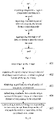
- FIG. 3 is a flowchart of determining target features of an image with two networks according to the invention.
- an image is input into a pre-trained first deep neural network, that is, a region-of-interest detection sub-network shown in FIG. 3 , to obtain a region of interest of the image.
- the obtained region of interest is input into a pre-trained second deep neural network, that is, a region-of-interest feature extraction sub-network shown in FIG. 3 to obtain a region-of-interest feature of the image.
- the region-of-interest features corresponding to all the regions of interest are aggregated to obtain the target features of the image.
- Step 205 obtaining target features of a plurality of images to be retrieved.
- Step 206 calculating a similarity between the target feature of the query image and the target feature of each image to be retrieved.
- Step 207 determining a retrieval image corresponding to the query image from the plurality of images to be retrieved according to the calculated similarities.
- step 201 is the same as step 101 in the foregoing embodiment, and steps 205-207 are the same as step 103-step 105 in the foregoing embodiment, and details are not repeated herein.
- a target region of interest of a query image is obtained by using a pre-trained deep neural network, and then a target region-of-interest feature of the target region of interest are obtained by using another pre-trained deep neural network.
- the target region-of-interest features are aggregated into the target feature needed in the retrieval process.
- Two independent deep neural networks can be trained separately, which simplifies the complexity of training and further reduces the complexity of image retrieval.
- the results of each deep neural network can also be output to the user to interact with the user.
- the predetermined feature is a global feature
- the target feature is a global feature.
- the target feature of the query image can be obtained with a pre-trained deep neural network.
- an image retrieval method may include the following steps: Step 401: acquiring a query image.
- Step 402 inputting the query image into a pre-trained third deep neural network to obtain a global feature of the query image, wherein the third deep neural network is obtained by training according to respective sample images and global features corresponding to the respective sample images.
- the query image is input into a pre-trained third deep neural network to obtain the global feature of the query image.
- the third deep neural network is obtained by training according to respective sample images and global features corresponding to the respective sample images.
- the third depth neural network is obtained by training according to a certain number of sample images in advance, such as 100, 500, 1000, etc., and the global features corresponding to the respective sample images.
- a query image is input into the pre-trained third deep neural network to obtain global feature of the query image, and the obtained global feature of the query image is used as target feature of the query image.
- the query image is input into the pre-trained third deep neural network, and the third deep neural network operates on the query image to obtain a feature map with a downsampling scale that is the same size as the query image or maintains the same aspect ratio.
- the value of each position in the feature map not only indicates the recognition capability of the corresponding position in the query image, but also the characteristic response of the corresponding query image.
- the global feature of the query image is determined based on the feature map.
- FIG. 5 is a flowchart of determining a target feature of an image by using a deep neural network according to an embodiment of the present application.
- the image is input into a pre-trained deep neural network, for example, the global feature extraction sub-network shown in FIG. 5 .
- the global feature extraction sub-network directly extracts the global feature of the image, and uses the global feature as the target feature of the image.
- Step 403 obtaining target features of a plurality of images to be retrieved.
- Step 404 calculating a similarity between the target feature of the query image and the target feature of each image to be retrieved.
- Step 405 determining a retrieval image corresponding to the query image from the plurality of images to be retrieved according to the calculated similarities.
- step 401 is the same as step 101 in the foregoing embodiment, and steps 403-405 are the same as step 103-step 105 in the foregoing embodiment, and details are not repeated herein.
- the global feature of the query image is obtained with a pre-trained deep neural network, and the global feature is the target feature required in the retrieval process. Only one deep neural network needs to be trained, and then the target feature of the image can be obtained with the pre-trained deep neural network, which simplifies the training process and improves the efficiency of image retrieval.
- the extraction of the region of interest of the image and the extraction of the image features are determined by a pre-trained deep neural network, which is an end-to-end overall solution similar to the response of the human visual system, and thus making the extracted image features more recognizable and have the capability of expressing, in turn ensuring the final image retrieval results.
- FIG. 6 is a flowchart of a specific process of image retrieval in the embodiment of the present application, and a specific process of image retrieval in the embodiment of the present application is described in detail with reference to FIG. 6 .
- Step 601 acquiring a query image submitted by a user.
- Step 602 extracting a region of interest of the query image with a pre-trained deep neural network, and then aggregating features of the region of interest or extracting a global feature of the image directly.
- the position information of the region of interest can also be returned to the user for selection.
- Step 603 selecting a retrieval mode by the user.
- Step 604 if a global retrieval mode is selected, that is, determining global features of a plurality of images to be retrieved directly with a pre-trained deep neural network, and then comparing the global feature of the query image with the global feature of each image to be retrieved.
- Step 605 if a region-of-interest retrieval mode is selected, that is, selecting regions of interest of a plurality of images to be retrieved with a pre-trained deep neural network, and then extracting region-of-interest features of the regions of interest, and then comparing the region-of-interest feature of the query image with the region-of-interest feature of the region of interest for each image to be retrieved.
- a region-of-interest retrieval mode that is, selecting regions of interest of a plurality of images to be retrieved with a pre-trained deep neural network, and then extracting region-of-interest features of the regions of interest, and then comparing the region-of-interest feature of the query image with the region-of-interest feature of the region of interest for each image to be retrieved.
- Step 606 if a global retrieval mode is selected, after the global features are compared to obtain a similarity between the global feature of the query image and the global feature of each image to be retrieved, and then determining the retrieval image from the plurality of images to be retrieved according to the similarity obtained by comparing the global features.
- the region-of-interest retrieval mode is selected, after the region-of-interest features are compared, the similarity between the region-of-interest feature of the query image and the region-of-interest feature of each image to be retrieved is obtained, and in turn, the retrieval image is determined from the plurality of images to be retrieved according to the similarity obtained by comparing the region-of-interest features.
- determining the retrieval image from the plurality of images to be retrieved according to the similarity obtained by comparing the global features or determining the retrieval image from the plurality of images to be retrieved according to the similarity obtained by comparing the region-of-interest features can include: soring the similarities, and determining a retrieval image from the plurality of images to be retrieved according to the result of the sorting or selecting a preset number of images to be retrieved corresponding to a similarity greater than a similarity threshold as the retrieval images corresponding to the query image.
- Step 607 acquiring an image to be retrieved.
- an image retrieval apparatus according to the invention is described in detail, including:
- the image retrieval apparatus provided in the embodiment of the present application can determine a target feature of a query image based on a pre-trained deep neural network; calculate a similarity between the target feature of the query image and the target feature of each image to be retrieved; and in turn determine a retrieval image corresponding to the query image from a plurality of images to be retrieved according to the calculated similarities. It can be seen that the image retrieval apparatus provided in the embodiment of the present application can determine the features reflecting the characteristics of the image accurately without extracting the features of the image according to the instruction of the user, that is, without the subjective participation of the user, thereby improving the accuracy of image retrieval. At the same time, based on the pre-trained deep neural network, the target feature of the query image is determined, the target feature is automatically located, and the user experience is improved.
- the second feature determining module 703 is specifically configured to obtain the target features of the plurality of images to be retrieved stored in a preset database; or determine the target features of the plurality of images to be retrieved based on the pre-trained deep neural network.
- the predetermined features are features of regions of interest
- the target feature is a feature aggregated with the features of the regions of interest
- the first feature determining module 702 includes:
- the predetermined features are global features and the target feature is a global feature.
- the first feature determining module 702 includes a second feature determining sub-module, configured to input the query image into a pre-trained third deep neural network to obtain a global feature of the query image, wherein the third deep neural network is obtained by training according to the sample images and global features corresponding to the sample images.
- the retrieval image determining module 705 is specifically configured to sort the calculated similarities, and determine the retrieval image corresponding to the query image from the plurality of images to be retrieved according to results of the sorting; or, determine a target image to be retrieved among the plurality of images to be retrieved as the retrieval image corresponding to the query image, wherein the target image to be retrieved is an image to be retrieved with a similarity greater than a predetermined similarity threshold.
- the image retrieval apparatus provided in the embodiment of the present application further includes an output module, configured to output position information of the target region of interest after obtaining the target region of interest of the query image.
- the image retrieval apparatus in the embodiment of the present application is a device to which the above-mentioned image retrieval method is applied, then all embodiments of the above-mentioned image retrieval method are applicable to the device, and all can achieve same or similar beneficial effects.
- An embodiment of the present application further provides an electronic device, as shown in FIG. 8 , including a processor 801, a communication interface 802, a memory 803, and a communication bus 804, wherein the processor 801, the communication interface 802, and the memory 803 communicate with each other via the communication bus 804.
- the memory 803 is configured to store a computer program.
- the processor 801 is configured to perform the following steps when executing a program stored in the memory 803: acquiring a query image; determining a target feature of the query image based on a pre-trained deep neural network; wherein the deep neural network is obtained by training according to sample images and predetermined features that are able to form the target feature and correspond to the sample images; obtaining target features of a plurality of images to be retrieved; calculating a similarity between the target feature of the query image and the target feature of each image to be retrieved; and determining a retrieval image corresponding to the query image from the plurality of images to be retrieved according to the calculated similarities.
- the target features of the plurality of images to be retrieved stored in a preset database are obtained; or the target features of the plurality of images to be retrieved are determined based on the pre-trained deep neural network.
- the predetermined features are features of regions of interest, and the target feature is a feature aggregated with the features of the regions of interest;
- the query image is input into a pre-trained first deep neural network to obtain a target region of interest of the query image, wherein the first deep neural network is obtained by training according to the sample images and regions of interest corresponding to the sample images;
- the target region of interest is input into a pre-trained second deep neural network to obtain a target region-of-interest feature of the target region of interest, wherein the second deep neural network is obtained by training according to the regions of interest and region-of-interest features of the regions of interest;
- the target region-of-interest features are aggregated into the target feature of the query image.
- the predetermined features are global features and the target feature is a global feature;
- the query image is input into a pre-trained third deep neural network to obtain a global feature of the query image, wherein the third deep neural network is obtained by training according to the sample images and global features corresponding to the sample images.
- the calculated similarities are sorted, and the retrieval image corresponding to the query image is determined from the plurality of images to be retrieved according to results of the sorting; or, a target image to be retrieved among the plurality of images to be retrieved is determined as the retrieval image corresponding to the query image, wherein the target image to be retrieved is an image to be retrieved with a similarity greater than a predetermined similarity threshold.
- the processor is further configured to output position information of the target region of interest after obtaining the target region of interest of the query image.
- the communication bus mentioned in the above electronic device may be a Peripheral Component Interconnect (PCI) bus or an Extended Industry Standard Architecture (EISA) bus.
- PCI Peripheral Component Interconnect
- EISA Extended Industry Standard Architecture
- the communication bus can be divided into an address bus, a data bus, a control bus, and the like.
- the bus is represented in the figures by using only a thick line, but it does not mean that there is only one bus or one type of bus.
- the communication interface is used for communication between the aforementioned electronic device and other apparatus.
- the memory may include Random Access Memory (RAM), and may also include Non-Volatile Memory (NVM), such as at least one disk memory.
- RAM Random Access Memory
- NVM Non-Volatile Memory
- the memory may also be at least one storage device located far from the foregoing processor.
- the above-mentioned processor may be a general-purpose processor, including a central processing unit (CPU), a network processor (NP), or the like; it may also be a digital signal processor (DSP), an Application Specific Integrated Circuit (ASIC), a Field-Programmable Gate Array (FPGA), or other programmable logic devices, discrete gates or transistor logic devices, discrete hardware components.
- CPU central processing unit
- NP network processor
- DSP digital signal processor
- ASIC Application Specific Integrated Circuit
- FPGA Field-Programmable Gate Array
- the electronic device provided in the embodiment of the present application can determine a target feature of a query image based on a pre-trained deep neural network; calculate a similarity between the target feature of the query image and the target feature of each image to be retrieved; and in turn determine a retrieval image corresponding to the query image from a plurality of images to be retrieved according to the calculated similarities.
- the image retrieval apparatus provided in the embodiment of the present application can determine the features reflecting the characteristics of the image accurately without extracting the features of the image according to the instruction of the user, that is, without the subjective participation of the user, thereby improving the accuracy of image retrieval.
- the target feature of the query image is determined, the target feature is automatically located, and the user experience is improved.
- An embodiment of the present application further provides a storage medium for storing executable codes, and the executable codes are used to perform the following steps when being executed: acquiring a query image; determining a target feature of the query image based on a pre-trained deep neural network; wherein the deep neural network is obtained by training according to sample images and predetermined features that are able to form the target feature and correspond to the sample images; obtaining target features of a plurality of images to be retrieved; calculating a similarity between the target feature of the query image and the target feature of each image to be retrieved; and determining a retrieval image corresponding to the query image from the plurality of images to be retrieved according to the calculated similarities.
- the target features of the plurality of images to be retrieved stored in a preset database are obtained; or the target features of the plurality of images to be retrieved are determined based on a pre-trained deep neural network.
- the predetermined features are features of regions of interest, and the target feature is a feature aggregated with the features of the regions of interest;
- the query image is input into a pre-trained first deep neural network to obtain a target region of interest of the query image, wherein the first deep neural network is obtained by training according to respective sample images and regions of interest corresponding to the respective sample images;
- the target region of interest is input into a pre-trained second deep neural network to obtain a target region-of-interest feature of the target region of interest, wherein the second deep neural network is obtained by training according to respective regions of interest and region-of-interest features of the respective regions of interest;
- the target region-of-interest features are aggregated into the target feature of the query image.
- the predetermined feature is a global feature and the target feature is a global feature;
- the query image is input into a pre-trained third deep neural network to obtain a global feature of the query image, wherein the third deep neural network is obtained by training according to respective sample images and global features corresponding to respective sample images.
- the calculated similarities are sorted, and the retrieval image corresponding to the query image is determined from the plurality of images to be retrieved according to results of the sorting; or, a target image to be retrieved among the plurality of images to be retrieved is determined as the retrieval image corresponding to the query image, wherein the target image to be retrieved is an image to be retrieved with a similarity greater than a predetermined similarity threshold.
- the processor is further configured to output position information of the target region of interest after obtaining the target region of interest of the query image.
- the storage medium provided in the embodiment of the present application can determine a target feature of a query image based on a pre-trained deep neural network; calculate a similarity between the target feature of the query image and the target feature of each image to be retrieved; and in turn determine a retrieval image corresponding to the query image from a plurality of images to be retrieved according to the calculated similarities.
- the image retrieval apparatus provided in the embodiment of the present application can determine the features reflecting the characteristics of the image accurately without extracting the features of the image according to the instruction of the user, that is, without the subjective participation of the user, thereby improving the accuracy of image retrieval.
- the target feature of the query image is determined, the target feature is automatically located, and the user experience is improved.
- An embodiment of the present application further provides an application program for performing the following steps when being executed: acquiring a query image; determining a target feature of the query image based on a pre-trained deep neural network; wherein the deep neural network is obtained by training according to sample images and predetermined features that are able to form the target feature and correspond to the sample images; obtaining target features of a plurality of images to be retrieved; calculating a similarity between the target feature of the query image and the target feature of each image to be retrieved; and determining a retrieval image corresponding to the query image from the plurality of images to be retrieved according to the calculated similarities.
- the target features of the plurality of images to be retrieved stored in a preset database are obtained; or the target features of the plurality of images to be retrieved are determined based on a pre-trained deep neural network.
- the predetermined features are features of regions of interest, and the target feature is a feature aggregated with the features of the regions of interest;
- the query image is input into a pre-trained first deep neural network to obtain a target region of interest of the query image, wherein the first deep neural network is obtained by training according to respective sample images and regions of interest corresponding to the respective sample images;
- the target region of interest is input into a pre-trained second deep neural network to obtain a target region-of-interest feature of the target region of interest, wherein the second deep neural network is obtained by training according to respective regions of interest and region-of-interest features of the respective regions of interest;
- the target region-of-interest features are aggregated into the target feature of the query image.
- the predetermined feature is a global feature and the target feature is a global feature;
- the query image is input into a pre-trained third deep neural network to obtain a global feature of the query image, wherein the third deep neural network is obtained by training according to respective sample images and global features corresponding to respective sample images.
- the calculated similarities are sorted, and the retrieval image corresponding to the query image is determined from the plurality of images to be retrieved according to results of the sorting; or, a target image to be retrieved among the plurality of images to be retrieved is determined as the retrieval image corresponding to the query image, wherein the target image to be retrieved is an image to be retrieved with a similarity greater than a predetermined similarity threshold.
- the processor is further configured to output position information of the target region of interest after obtaining the target region of interest of the query image.
- the application program provided in the embodiment of the present application can determine a target feature of a query image based on a pre-trained deep neural network; calculate a similarity between the target feature of the query image and the target feature of each image to be retrieved; and in turn determine a retrieval image corresponding to the query image from a plurality of images to be retrieved according to the calculated similarities.
- the image retrieval apparatus provided in the embodiment of the present application can determine the features reflecting the characteristics of the image accurately without extracting the features of the image according to the instruction of the user, that is, without the subjective participation of the user, thereby improving the accuracy of image retrieval.
- the target feature of the query image is determined, the target feature is automatically located, and the user experience is improved.
Landscapes
- Engineering & Computer Science (AREA)
- Theoretical Computer Science (AREA)
- Physics & Mathematics (AREA)
- General Physics & Mathematics (AREA)
- Data Mining & Analysis (AREA)
- General Engineering & Computer Science (AREA)
- Library & Information Science (AREA)
- Databases & Information Systems (AREA)
- Multimedia (AREA)
- Life Sciences & Earth Sciences (AREA)
- Bioinformatics & Cheminformatics (AREA)
- Bioinformatics & Computational Biology (AREA)
- Computer Vision & Pattern Recognition (AREA)
- Evolutionary Biology (AREA)
- Evolutionary Computation (AREA)
- Artificial Intelligence (AREA)
- Information Retrieval, Db Structures And Fs Structures Therefor (AREA)
- Image Analysis (AREA)
- Processing Or Creating Images (AREA)
Claims (13)
- Bildabrufverfahren, umfassend:Erfassen (201) eines Abfragebilds;Bestimmen (202) eines Zielmerkmals basierend auf einem vortrainierten ersten tiefen neuronalen Netzwerk;wobei das erste tiefe neuronale Netzwerk erhalten wird durch Trainieren gemäß Musterbildern und vorbestimmten Merkmalen, die fähig sind, das Zielmerkmal zu bilden und den Musterbildern zu entsprechen;Erhalten (205) eines Zielmerkmals von jedem einer Vielzahl von Bildern, die abgerufen werden sollen;Berechnen (206) einer Ähnlichkeit zwischen dem Zielmerkmal des Abfragebilds und dem Zielmerkmal von jedem Bild, das abgerufen werden soll; undBestimmen (207) eines Abrufbilds, das dem Abfragebild von der Vielzahl von Bildern, die abgerufen werden sollen, gemäß den berechneten Ähnlichkeiten entspricht,wobei die vorbestimmten Merkmale Merkmale von Regionen von Interesse sind und das Zielmerkmal ein Merkmal ist, das den Merkmalen der Regionen von Interesse aggregiert ist; undwobei Bestimmen (202) eines Zielmerkmals des Abfragebilds basierend auf dem vortrainierten ersten tiefen neuronalen Netzwerk Folgendes umfasst:Eingeben des Abfragebilds in das vortrainierte erste tiefe neuronale Netzwerk, um eine Merkmalzuordnung zu erhalten, wobei das erste tiefe neuronale Netzwerk erhalten wird durch Trainieren gemäß den Musterbildern und Regionen von Interesse, die den Musterbildern entsprechen, und der Wert von jeder Position in der Merkmalzuordnung die Erkennungsfähigkeit der ursprünglichen Position des entsprechend eingegebenen Abfragebilds darstellt;Durchführen von Schwellenwertbestimmungs- und morphologischen Operationen an der Merkmalzuordnung, um ein Vielzahl von Teilregionen mit starken Erkennungsfähigkeiten zu erhalten;Bestimmen der Vielzahl von Teilregionen als Zielregionen von Interesse des Abfragebilds;Eingeben (203) der Zielregion von Interesse in ein vortrainiertes zweites tiefes neuronales Netzwerk, um ein Zielregion-von-Interesse-Merkmal der Zielregion von Interesse zu erhalten, wobei das zweite tiefe neuronale Netzwerk erhalten wird durch Trainieren gemäß den Regionen von Interesse und den Zielregion-von-Interesse-Merkmalen der Regionen von Interesse; undAggregieren (204) der Zielregion-von-Interesse-Merkmale in das Zielmerkmal des Abfragebilds.
- Verfahren nach Anspruch 1, wobei Erfassen eines Zielmerkmal von jedem einer Vielzahl von Bildern, die abgerufen werden sollen, Folgendes umfasst:Erhalten eines Zielmerkmals von jedem der Vielzahl von Bildern, die abgerufen werden sollen, das in einer voreingestellten Datenbank gespeichert ist; oderBestimmen eines Zielmerkmal von jedem der Vielzahl von Bildern, die abgerufen werden sollen, basierend auf dem vortrainierten ersten tiefen neuronalen Netzwerk.
- Verfahren nach Anspruch 1 oder 2, wobei die vorbestimmten Merkmale globale Merkmale und das Zielmerkmal ein globales Merkmal sind; und
Bestimmen eines Zielmerkmals des Abfragebilds basierend auf dem vortrainierten ersten tiefen neuronalen Netzwerk Folgendes umfasst:
Eingeben des Abfragebilds in ein vortrainiertes drittes tiefes neuronales Netzwerk, um ein globales Merkmal des Abfragebilds zu erhalten, wobei das dritte tiefe neuronale Netzwerk erhalten wird durch Trainieren gemäß den Musterbildern und globalen Merkmalen, die den Musterbildern entsprechen. - Verfahren nach Anspruch 1 oder 2, wobei Bestimmen eines Abrufbilds, das dem Abfragebild aus der Vielzahl von Bildern, die abgerufen werden sollen, gemäß den berechneten Ähnlichkeiten entspricht, Folgendes umfasst:Sortieren der berechneten Ähnlichkeiten und Bestimmen des Abrufbilds, das dem Abfragebild aus der Vielzahl von Bildern, die abgerufen werden sollen, gemäß Ergebnissen des Sortierens entspricht; oderBestimmen eines Zielbilds, das abgerufen werden soll, unter der Vielzahl von Bildern, die abgerufen werden sollen, als Abrufbild, das dem Abfragebild entspricht, wobei das Zielbild, das abgerufen werden soll, ein Bild ist, das abgerufen werden soll, mit einer Ähnlichkeit, die größer ist als ein vorbestimmter Ähnlichkeitsschwellenwert.
- Verfahren nach Anspruch 1, wobei das Verfahren nach Erhalten der Zielregion von Interesse des Abfragebilds weiter Folgendes umfasst:
Ausgeben von Positionsinformationen der Zielregion von Interesse. - Bildabrufeinrichtung, umfassend:ein Bilderfassungsmodul, das konfiguriert ist, um ein Abfragebild zu erfassen;ein Bestimmungsmodul eines ersten Merkmals, das konfiguriert ist, um ein Zielmerkmal des Abfragebilds basierend auf einem vortrainierten ersten tiefen neuronalen Netzwerk zu bestimmen; wobei das erste tiefe neuronale Netzwerk erhalten wird durch Trainieren gemäß Musterbildern und vorbestimmten Merkmalen, die fähig sind, das Zielmerkmal zu bilden und den Musterbildern zu entsprechen;ein Bestimmungsmodul eines zweiten Merkmals, das konfiguriert ist, um ein Zielmerkmal von jedem einer Vielzahl von Bildern, die abgerufen werden sollen, zu erhalten;ein Berechnungsmodul, das konfiguriert ist, um eine Ähnlichkeit zwischen dem Zielmerkmal des Abfragebilds und dem Zielmerkmal von jedem Bild, das abgerufen werden soll, zu berechnen;ein Abrufbildbestimmungsmodul, das konfiguriert ist, um ein Abrufbild zu bestimmen, das dem Abfragebild aus der Vielzahl von Bildern, die abgerufen werden sollen, gemäß den berechneten Ähnlichkeiten entspricht,wobei die vorbestimmten Merkmale Merkmale von Regionen von Interesse sind und das Zielmerkmal ein Merkmal ist, das den Merkmalen der Regionen von Interesse aggregiert ist; undwobei das Bestimmungsmodul eines ersten Merkmals Folgendes umfasst:ein Teilmodul zum Erhalten von Regionen von Interesse, das konfiguriert ist, um das Abfragebild in das vortrainierte erste tiefe neuronale Netzwerk einzugeben, um eine Merkmalzuordnung zu erhalten, wobei das erste tiefe neuronale Netzwerk erhalten wird durch Trainieren gemäß den Musterbildern und Regionen von Interesse, die den Musterbildern entsprechen, undder Wert von jeder Position in der Merkmalzuordnung die Erkennungsfähigkeit der ursprünglichen Position des entsprechend eingegebenen Abfragebilds darstellt;Durchführen von Schwellenwertbestimmungs- und morphologischen Operationen an der Merkmalzuordnung, um eine Vielzahl von Teilregionen mit starken Erkennungsfähigkeiten zu erhalten;und Bestimmen der Vielzahl von Teilregionen als Zielregionen von Interesse des Abfragebilds;ein Teilmodul zum Bestimmen eines Region-von-Interesse-Merkmals, das konfiguriert ist, um die Zielregion von Interesse in ein vortrainiertes zweites tiefes neuronales Netzwerk einzugeben, um ein Zielregion-von-Interesse-Merkmal der Zielregion von Interesse zu erhalten, wobei das zweite tiefe neuronale Netzwerk erhalten wird durch Trainieren gemäß den Regionen von Interesse und Zielregion-von-Interesse-Merkmalen der Regionen von Interesse; undein Teilmodul zum Bestimmen eines ersten Merkmals, das konfiguriert ist, um die Zielregion-von-Interesse-Merkmale in das Zielmerkmal des Abfragebilds zu aggregieren.
- Einrichtung nach Anspruch 6, wobei, das Bestimmungsmodul eines zweiten Merkmals konfiguriert ist, um ein Zielmerkmal von jedem der Vielzahl von Bildern, die abgerufen werden sollen, das in einer voreingestellten Datenbank gespeichert ist, zu erhalten;
oder um ein Zielmerkmal von jedem der Vielzahl von Bildern, die abgerufen werden sollen, basierend auf dem vortrainierten ersten tiefen neuronalen Netzwerk zu bestimmen. - Einrichtung nach Anspruch 6 oder 7, wobei, die vorbestimmten Merkmale globale Merkmale und das Zielmerkmal ein globales Merkmal sind; und
das Bestimmungsmodul eines ersten Merkmals Folgendes umfasst:
ein Teilmodul zum Bestimmen eines zweiten Merkmals, das konfiguriert ist, um das Abfragebild in ein vortrainiertes drittes tiefes neuronales Netzwerk einzugeben, um ein globales Merkmal des Abfragebilds zu erhalten, wobei das dritte tiefe neuronale Netzwerk erhalten wird durch Trainieren gemäß den Musterbildern und globalen Merkmalen, die den Musterbildern entsprechen. - Einrichtung nach Anspruch 6 oder 7, wobei das Abrufbildbestimmungsmodul konfiguriert ist, um die berechneten Ähnlichkeiten zu sortieren und das Abrufbild zu bestimmen, das dem Abfragebild aus der Vielzahl von Bildern, die abgerufen werden sollen, gemäß den Ergebnissen des Sortierens entspricht; oder um ein Zielbild, das abgerufen werden soll, unter der Vielzahl von Bildern, die abgerufen werden sollen, als Abrufbild, das dem Abfragebild entspricht, zu bestimmen, wobei das Zielbild, das abgerufen werden soll, ein Bild ist, das abgerufen werden soll, mit einer Ähnlichkeit, die größer ist als ein vorbestimmter Ähnlichkeitsschwellenwert.
- Einrichtung nach Anspruch 9, weiter umfassend ein Ausgabemodul, das konfiguriert ist, um Positionsinformationen der Zielregion von Interesse nach Erhalten der Zielregion von Interesse des Abfragebilds auszugeben.
- Elektronische Vorrichtung, umfassend: einen Prozessor, Kommunikationsschnittstellen, einen Speicher und einen Kommunikationsbus, wobei der Prozessor, die Kommunikationsschnittstellen und der Speicher untereinander über den Kommunikationsbus kommunizieren;der Speicher konfiguriert ist, um ein Computerprogramm zu speichern.der Prozessor konfiguriert ist, um ein in dem Speicher gespeichertes Programm auszuführen, um das Bildabrufverfahren gemäß einem der Ansprüche 1-5 zu implementieren.
- Speichermedium mit darauf gespeicherten ausführbaren Codes, wobei die ausführbaren Codes ausgeführt werden, um das Bildabrufverfahren gemäß einem der Ansprüche 1 - 5 zu implementieren.
- Anwendungsprogramm, das konfiguriert ist, um das Bildabrufverfahren gemäß einem der Ansprüche 1 - 5 durchzuführen, wenn es ausgeführt wird.
Applications Claiming Priority (2)
| Application Number | Priority Date | Filing Date | Title |
|---|---|---|---|
| CN201710632446.XA CN110019896B (zh) | 2017-07-28 | 2017-07-28 | 一种图像检索方法、装置及电子设备 |
| PCT/CN2018/097008 WO2019020049A1 (zh) | 2017-07-28 | 2018-07-25 | 一种图像检索方法、装置及电子设备 |
Publications (3)
| Publication Number | Publication Date |
|---|---|
| EP3660700A4 EP3660700A4 (de) | 2020-06-03 |
| EP3660700A1 EP3660700A1 (de) | 2020-06-03 |
| EP3660700B1 true EP3660700B1 (de) | 2022-06-15 |
Family
ID=65040008
Family Applications (1)
| Application Number | Title | Priority Date | Filing Date |
|---|---|---|---|
| EP18839135.3A Active EP3660700B1 (de) | 2017-07-28 | 2018-07-25 | Bildabrufverfahren und -vorrichtung sowie elektronische vorrichtung |
Country Status (5)
| Country | Link |
|---|---|
| US (1) | US11586664B2 (de) |
| EP (1) | EP3660700B1 (de) |
| CN (1) | CN110019896B (de) |
| ES (1) | ES2924268T3 (de) |
| WO (1) | WO2019020049A1 (de) |
Families Citing this family (26)
| Publication number | Priority date | Publication date | Assignee | Title |
|---|---|---|---|---|
| CN111488475B (zh) * | 2019-01-29 | 2025-08-19 | 北京三星通信技术研究有限公司 | 图像检索方法、装置、电子设备及计算机可读存储介质 |
| CN111723240A (zh) * | 2019-03-20 | 2020-09-29 | 杭州海康威视数字技术股份有限公司 | 一种图像检索方法、装置及电子设备 |
| CN110704652A (zh) * | 2019-08-22 | 2020-01-17 | 长沙千视通智能科技有限公司 | 基于多重注意力机制的车辆图像细粒度检索方法及装置 |
| CN111242888A (zh) * | 2019-12-03 | 2020-06-05 | 中国人民解放军海军航空大学 | 一种基于机器视觉的图像处理方法及系统 |
| CN110942046B (zh) * | 2019-12-05 | 2023-04-07 | 腾讯云计算(北京)有限责任公司 | 图像检索方法、装置、设备及存储介质 |
| CN113849679B (zh) * | 2020-06-28 | 2025-07-15 | 京东科技控股股份有限公司 | 图像检索方法、装置、电子设备及存储介质 |
| CN111914110A (zh) * | 2020-07-29 | 2020-11-10 | 厦门大学 | 一种基于深度激活显著区域的实例检索方法 |
| CN111950728B (zh) * | 2020-08-17 | 2024-06-18 | 珠海格力电器股份有限公司 | 图像特征提取模型的构建方法、图像检索方法及存储介质 |
| CN111930983B (zh) * | 2020-08-18 | 2023-09-22 | 创新奇智(成都)科技有限公司 | 一种图像检索方法、装置、电子设备及存储介质 |
| CN112052350B (zh) * | 2020-08-25 | 2024-03-01 | 腾讯科技(深圳)有限公司 | 一种图片检索方法、装置、设备和计算机可读存储介质 |
| CN112153571A (zh) * | 2020-09-18 | 2020-12-29 | 浪潮电子信息产业股份有限公司 | 一种电子设备及其设备寻回系统 |
| CN112836089B (zh) * | 2021-01-28 | 2023-08-22 | 浙江大华技术股份有限公司 | 运动轨迹的确认方法及装置、存储介质、电子装置 |
| CN112990228B (zh) * | 2021-03-05 | 2024-03-29 | 浙江商汤科技开发有限公司 | 图像特征匹配方法和相关装置、设备及存储介质 |
| CN112905828B (zh) * | 2021-03-18 | 2023-06-16 | 西北大学 | 一种结合显著特征的图像检索器、数据库及检索方法 |
| CN113282781B (zh) * | 2021-05-18 | 2022-06-28 | 稿定(厦门)科技有限公司 | 图像检索方法及装置 |
| CN113326389B (zh) * | 2021-05-26 | 2025-08-19 | 北京沃东天骏信息技术有限公司 | 图像索引的处理方法、装置、设备、存储介质及程序 |
| CN113360038A (zh) * | 2021-05-31 | 2021-09-07 | 维沃移动通信(杭州)有限公司 | 应用功能查找方法、装置及电子设备 |
| CN113449130A (zh) * | 2021-06-02 | 2021-09-28 | 武汉旷视金智科技有限公司 | 一种图像检索方法、装置、一种计算机可读存储介质和计算设备 |
| CN113743455A (zh) * | 2021-07-23 | 2021-12-03 | 北京迈格威科技有限公司 | 目标检索方法、装置、电子设备及存储介质 |
| CN113807516B (zh) * | 2021-09-13 | 2024-05-14 | 新长城科技有限公司 | 神经网络模型的训练方法及图像检索方法 |
| CN114118184B (zh) * | 2021-09-28 | 2025-04-25 | 浙江大华技术股份有限公司 | 一种图像比对方法及装置 |
| CN115375926A (zh) * | 2022-08-19 | 2022-11-22 | 重庆长安汽车股份有限公司 | 一种图像相似度计算的方法、装置、设备及介质 |
| CN115510260B (zh) * | 2022-09-26 | 2026-03-20 | 武汉虹信技术服务有限责任公司 | 一种目标图像检索方法及系统 |
| CN116170332A (zh) * | 2022-12-29 | 2023-05-26 | 国网北京市电力公司 | 设备检测方法及装置 |
| CN117708357B (zh) * | 2023-06-16 | 2024-08-23 | 荣耀终端有限公司 | 一种图像检索方法和电子设备 |
| CN117184179A (zh) * | 2023-10-09 | 2023-12-08 | 中国铁道科学研究院集团有限公司 | 一种基于人工智能视频特征的列车实时定位方法 |
Family Cites Families (16)
| Publication number | Priority date | Publication date | Assignee | Title |
|---|---|---|---|---|
| US9846836B2 (en) * | 2014-06-13 | 2017-12-19 | Microsoft Technology Licensing, Llc | Modeling interestingness with deep neural networks |
| US9195912B1 (en) * | 2014-07-24 | 2015-11-24 | National Taipei University Of Technology | Face annotation method and a face annotation system |
| US9569700B1 (en) * | 2014-12-17 | 2017-02-14 | Amazon Technologies, Inc. | Identification of item attributes using artificial intelligence |
| CN104517103A (zh) * | 2014-12-26 | 2015-04-15 | 广州中国科学院先进技术研究所 | 一种基于深度神经网络的交通标志分类方法 |
| CN106326288B (zh) * | 2015-06-30 | 2019-12-03 | 阿里巴巴集团控股有限公司 | 图像搜索方法及装置 |
| CN106355188B (zh) * | 2015-07-13 | 2020-01-21 | 阿里巴巴集团控股有限公司 | 图像检测方法及装置 |
| CN106445939B (zh) * | 2015-08-06 | 2019-12-13 | 阿里巴巴集团控股有限公司 | 图像检索、获取图像信息及图像识别方法、装置及系统 |
| US10810252B2 (en) * | 2015-10-02 | 2020-10-20 | Adobe Inc. | Searching using specific attributes found in images |
| US10789525B2 (en) * | 2015-10-02 | 2020-09-29 | Adobe Inc. | Modifying at least one attribute of an image with at least one attribute extracted from another image |
| CN106933867B (zh) | 2015-12-30 | 2020-02-21 | 杭州华为企业通信技术有限公司 | 一种图像查询方法和装置 |
| US9858496B2 (en) * | 2016-01-20 | 2018-01-02 | Microsoft Technology Licensing, Llc | Object detection and classification in images |
| CN106250812B (zh) | 2016-07-15 | 2019-08-20 | 汤一平 | 一种基于快速r-cnn深度神经网络的车型识别方法 |
| KR102610030B1 (ko) * | 2016-11-15 | 2023-12-04 | 매직 립, 인코포레이티드 | 큐보이드 검출을 위한 딥 러닝 시스템 |
| CN106682092A (zh) * | 2016-11-29 | 2017-05-17 | 深圳市华尊科技股份有限公司 | 一种目标检索方法及终端 |
| CN106886573A (zh) | 2017-01-19 | 2017-06-23 | 博康智能信息技术有限公司 | 一种图像检索方法及装置 |
| US20200151577A1 (en) * | 2017-06-30 | 2020-05-14 | Facet Labs, Llc | Intelligent endpoint systems for managing extreme data |
-
2017
- 2017-07-28 CN CN201710632446.XA patent/CN110019896B/zh active Active
-
2018
- 2018-07-25 ES ES18839135T patent/ES2924268T3/es active Active
- 2018-07-25 EP EP18839135.3A patent/EP3660700B1/de active Active
- 2018-07-25 US US16/632,775 patent/US11586664B2/en active Active
- 2018-07-25 WO PCT/CN2018/097008 patent/WO2019020049A1/zh not_active Ceased
Also Published As
| Publication number | Publication date |
|---|---|
| ES2924268T3 (es) | 2022-10-05 |
| US11586664B2 (en) | 2023-02-21 |
| EP3660700A4 (de) | 2020-06-03 |
| US20200175062A1 (en) | 2020-06-04 |
| EP3660700A1 (de) | 2020-06-03 |
| WO2019020049A1 (zh) | 2019-01-31 |
| CN110019896B (zh) | 2021-08-13 |
| CN110019896A (zh) | 2019-07-16 |
Similar Documents
| Publication | Publication Date | Title |
|---|---|---|
| EP3660700B1 (de) | Bildabrufverfahren und -vorrichtung sowie elektronische vorrichtung | |
| CN108304882B (zh) | 一种图像分类方法、装置及服务器、用户终端、存储介质 | |
| EP3028184B1 (de) | Verfahren und system zum suchen von bildern | |
| WO2022111069A1 (zh) | 图像处理方法、装置、电子设备以及存储介质 | |
| CN108710847A (zh) | 场景识别方法、装置及电子设备 | |
| CN113496208B (zh) | 视频的场景分类方法及装置、存储介质、终端 | |
| KR20130142191A (ko) | 비주얼 탐색을 위한 강건한 특징 매칭 | |
| CN108875487B (zh) | 行人重识别网络的训练及基于其的行人重识别 | |
| CN112818162B (zh) | 图像检索方法、装置、存储介质和电子设备 | |
| CN110765291A (zh) | 检索方法、装置及电子设备 | |
| CN110210457A (zh) | 人脸检测方法、装置、设备及计算机可读存储介质 | |
| CN116310994B (zh) | 一种视频片段提取方法、装置、电子设备及介质 | |
| CN110059212A (zh) | 图像检索方法、装置、设备及计算机可读存储介质 | |
| CN110489592B (zh) | 视频分类方法、装置、计算机设备和存储介质 | |
| CN111739025A (zh) | 一种图像处理方法、装置、终端及存储介质 | |
| KR20210039913A (ko) | 인공지능 모델을 이용한 특허문서의 중요도 판단 방법, 장치 및 시스템 | |
| CN116312959A (zh) | 膳食营养的分析方法、装置、电子设备及存储介质 | |
| CN112418271B (zh) | 一种目标检测方法、装置、系统及存储介质 | |
| CN112052867B (zh) | 一种对象分类方法、装置、以及电子设备 | |
| CN116883820A (zh) | 一种融合模型的训练方法、图像识别方法和系统 | |
| CN115393750A (zh) | 车辆重识别方法及模型训练方法 | |
| CN116127024B (zh) | 视觉问答模型的训练方法、答案生成方法及相关装置 | |
| KR20210039916A (ko) | 특허문서의 단어 세트 획득 방법 및 획득된 단어 세트를 바탕으로 특허문서의 유사도를 판단하기 위한 방법. | |
| CN120543892B (zh) | 工件型号识别方法和装置、电子设备和存储介质 | |
| CN109740671B (zh) | 一种图像识别方法及装置 |
Legal Events
| Date | Code | Title | Description |
|---|---|---|---|
| STAA | Information on the status of an ep patent application or granted ep patent |
Free format text: STATUS: THE INTERNATIONAL PUBLICATION HAS BEEN MADE |
|
| PUAI | Public reference made under article 153(3) epc to a published international application that has entered the european phase |
Free format text: ORIGINAL CODE: 0009012 |
|
| STAA | Information on the status of an ep patent application or granted ep patent |
Free format text: STATUS: REQUEST FOR EXAMINATION WAS MADE |
|
| 17P | Request for examination filed |
Effective date: 20200120 |
|
| A4 | Supplementary search report drawn up and despatched |
Effective date: 20200429 |
|
| AK | Designated contracting states |
Kind code of ref document: A1 Designated state(s): AL AT BE BG CH CY CZ DE DK EE ES FI FR GB GR HR HU IE IS IT LI LT LU LV MC MK MT NL NO PL PT RO RS SE SI SK SM TR |
|
| AX | Request for extension of the european patent |
Extension state: BA ME |
|
| DAV | Request for validation of the european patent (deleted) | ||
| DAX | Request for extension of the european patent (deleted) | ||
| GRAP | Despatch of communication of intention to grant a patent |
Free format text: ORIGINAL CODE: EPIDOSNIGR1 |
|
| STAA | Information on the status of an ep patent application or granted ep patent |
Free format text: STATUS: GRANT OF PATENT IS INTENDED |
|
| INTG | Intention to grant announced |
Effective date: 20220104 |
|
| GRAS | Grant fee paid |
Free format text: ORIGINAL CODE: EPIDOSNIGR3 |
|
| GRAA | (expected) grant |
Free format text: ORIGINAL CODE: 0009210 |
|
| STAA | Information on the status of an ep patent application or granted ep patent |
Free format text: STATUS: THE PATENT HAS BEEN GRANTED |
|
| AK | Designated contracting states |
Kind code of ref document: B1 Designated state(s): AL AT BE BG CH CY CZ DE DK EE ES FI FR GB GR HR HU IE IS IT LI LT LU LV MC MK MT NL NO PL PT RO RS SE SI SK SM TR |
|
| REG | Reference to a national code |
Ref country code: CH Ref legal event code: EP Ref country code: GB Ref legal event code: FG4D |
|
| REG | Reference to a national code |
Ref country code: IE Ref legal event code: FG4D |
|
| REG | Reference to a national code |
Ref country code: DE Ref legal event code: R096 Ref document number: 602018036856 Country of ref document: DE |
|
| REG | Reference to a national code |
Ref country code: AT Ref legal event code: REF Ref document number: 1498808 Country of ref document: AT Kind code of ref document: T Effective date: 20220715 |
|
| REG | Reference to a national code |
Ref country code: ES Ref legal event code: FG2A Ref document number: 2924268 Country of ref document: ES Kind code of ref document: T3 Effective date: 20221005 |
|
| REG | Reference to a national code |
Ref country code: LT Ref legal event code: MG9D |
|
| REG | Reference to a national code |
Ref country code: NL Ref legal event code: MP Effective date: 20220615 |
|
| PG25 | Lapsed in a contracting state [announced via postgrant information from national office to epo] |
Ref country code: SE Free format text: LAPSE BECAUSE OF FAILURE TO SUBMIT A TRANSLATION OF THE DESCRIPTION OR TO PAY THE FEE WITHIN THE PRESCRIBED TIME-LIMIT Effective date: 20220615 Ref country code: NO Free format text: LAPSE BECAUSE OF FAILURE TO SUBMIT A TRANSLATION OF THE DESCRIPTION OR TO PAY THE FEE WITHIN THE PRESCRIBED TIME-LIMIT Effective date: 20220915 Ref country code: LT Free format text: LAPSE BECAUSE OF FAILURE TO SUBMIT A TRANSLATION OF THE DESCRIPTION OR TO PAY THE FEE WITHIN THE PRESCRIBED TIME-LIMIT Effective date: 20220615 Ref country code: HR Free format text: LAPSE BECAUSE OF FAILURE TO SUBMIT A TRANSLATION OF THE DESCRIPTION OR TO PAY THE FEE WITHIN THE PRESCRIBED TIME-LIMIT Effective date: 20220615 Ref country code: GR Free format text: LAPSE BECAUSE OF FAILURE TO SUBMIT A TRANSLATION OF THE DESCRIPTION OR TO PAY THE FEE WITHIN THE PRESCRIBED TIME-LIMIT Effective date: 20220916 Ref country code: FI Free format text: LAPSE BECAUSE OF FAILURE TO SUBMIT A TRANSLATION OF THE DESCRIPTION OR TO PAY THE FEE WITHIN THE PRESCRIBED TIME-LIMIT Effective date: 20220615 Ref country code: BG Free format text: LAPSE BECAUSE OF FAILURE TO SUBMIT A TRANSLATION OF THE DESCRIPTION OR TO PAY THE FEE WITHIN THE PRESCRIBED TIME-LIMIT Effective date: 20220915 |
|
| REG | Reference to a national code |
Ref country code: AT Ref legal event code: MK05 Ref document number: 1498808 Country of ref document: AT Kind code of ref document: T Effective date: 20220615 |
|
| PG25 | Lapsed in a contracting state [announced via postgrant information from national office to epo] |
Ref country code: RS Free format text: LAPSE BECAUSE OF FAILURE TO SUBMIT A TRANSLATION OF THE DESCRIPTION OR TO PAY THE FEE WITHIN THE PRESCRIBED TIME-LIMIT Effective date: 20220615 Ref country code: LV Free format text: LAPSE BECAUSE OF FAILURE TO SUBMIT A TRANSLATION OF THE DESCRIPTION OR TO PAY THE FEE WITHIN THE PRESCRIBED TIME-LIMIT Effective date: 20220615 |
|
| PG25 | Lapsed in a contracting state [announced via postgrant information from national office to epo] |
Ref country code: NL Free format text: LAPSE BECAUSE OF FAILURE TO SUBMIT A TRANSLATION OF THE DESCRIPTION OR TO PAY THE FEE WITHIN THE PRESCRIBED TIME-LIMIT Effective date: 20220615 |
|
| PG25 | Lapsed in a contracting state [announced via postgrant information from national office to epo] |
Ref country code: SM Free format text: LAPSE BECAUSE OF FAILURE TO SUBMIT A TRANSLATION OF THE DESCRIPTION OR TO PAY THE FEE WITHIN THE PRESCRIBED TIME-LIMIT Effective date: 20220615 Ref country code: SK Free format text: LAPSE BECAUSE OF FAILURE TO SUBMIT A TRANSLATION OF THE DESCRIPTION OR TO PAY THE FEE WITHIN THE PRESCRIBED TIME-LIMIT Effective date: 20220615 Ref country code: RO Free format text: LAPSE BECAUSE OF FAILURE TO SUBMIT A TRANSLATION OF THE DESCRIPTION OR TO PAY THE FEE WITHIN THE PRESCRIBED TIME-LIMIT Effective date: 20220615 Ref country code: PT Free format text: LAPSE BECAUSE OF FAILURE TO SUBMIT A TRANSLATION OF THE DESCRIPTION OR TO PAY THE FEE WITHIN THE PRESCRIBED TIME-LIMIT Effective date: 20221017 Ref country code: EE Free format text: LAPSE BECAUSE OF FAILURE TO SUBMIT A TRANSLATION OF THE DESCRIPTION OR TO PAY THE FEE WITHIN THE PRESCRIBED TIME-LIMIT Effective date: 20220615 Ref country code: CZ Free format text: LAPSE BECAUSE OF FAILURE TO SUBMIT A TRANSLATION OF THE DESCRIPTION OR TO PAY THE FEE WITHIN THE PRESCRIBED TIME-LIMIT Effective date: 20220615 Ref country code: AT Free format text: LAPSE BECAUSE OF FAILURE TO SUBMIT A TRANSLATION OF THE DESCRIPTION OR TO PAY THE FEE WITHIN THE PRESCRIBED TIME-LIMIT Effective date: 20220615 |
|
| PG25 | Lapsed in a contracting state [announced via postgrant information from national office to epo] |
Ref country code: PL Free format text: LAPSE BECAUSE OF FAILURE TO SUBMIT A TRANSLATION OF THE DESCRIPTION OR TO PAY THE FEE WITHIN THE PRESCRIBED TIME-LIMIT Effective date: 20220615 Ref country code: IS Free format text: LAPSE BECAUSE OF FAILURE TO SUBMIT A TRANSLATION OF THE DESCRIPTION OR TO PAY THE FEE WITHIN THE PRESCRIBED TIME-LIMIT Effective date: 20221015 |
|
| REG | Reference to a national code |
Ref country code: CH Ref legal event code: PL |
|
| REG | Reference to a national code |
Ref country code: DE Ref legal event code: R097 Ref document number: 602018036856 Country of ref document: DE |
|
| REG | Reference to a national code |
Ref country code: BE Ref legal event code: MM Effective date: 20220731 |
|
| PG25 | Lapsed in a contracting state [announced via postgrant information from national office to epo] |
Ref country code: MC Free format text: LAPSE BECAUSE OF FAILURE TO SUBMIT A TRANSLATION OF THE DESCRIPTION OR TO PAY THE FEE WITHIN THE PRESCRIBED TIME-LIMIT Effective date: 20220615 Ref country code: AL Free format text: LAPSE BECAUSE OF FAILURE TO SUBMIT A TRANSLATION OF THE DESCRIPTION OR TO PAY THE FEE WITHIN THE PRESCRIBED TIME-LIMIT Effective date: 20220615 |
|
| PLBE | No opposition filed within time limit |
Free format text: ORIGINAL CODE: 0009261 |
|
| STAA | Information on the status of an ep patent application or granted ep patent |
Free format text: STATUS: NO OPPOSITION FILED WITHIN TIME LIMIT |
|
| PG25 | Lapsed in a contracting state [announced via postgrant information from national office to epo] |
Ref country code: LU Free format text: LAPSE BECAUSE OF NON-PAYMENT OF DUE FEES Effective date: 20220725 Ref country code: LI Free format text: LAPSE BECAUSE OF NON-PAYMENT OF DUE FEES Effective date: 20220731 Ref country code: DK Free format text: LAPSE BECAUSE OF FAILURE TO SUBMIT A TRANSLATION OF THE DESCRIPTION OR TO PAY THE FEE WITHIN THE PRESCRIBED TIME-LIMIT Effective date: 20220615 Ref country code: CH Free format text: LAPSE BECAUSE OF NON-PAYMENT OF DUE FEES Effective date: 20220731 |
|
| 26N | No opposition filed |
Effective date: 20230316 |
|
| PG25 | Lapsed in a contracting state [announced via postgrant information from national office to epo] |
Ref country code: SI Free format text: LAPSE BECAUSE OF FAILURE TO SUBMIT A TRANSLATION OF THE DESCRIPTION OR TO PAY THE FEE WITHIN THE PRESCRIBED TIME-LIMIT Effective date: 20220615 Ref country code: BE Free format text: LAPSE BECAUSE OF NON-PAYMENT OF DUE FEES Effective date: 20220731 |
|
| P01 | Opt-out of the competence of the unified patent court (upc) registered |
Effective date: 20230424 |
|
| PG25 | Lapsed in a contracting state [announced via postgrant information from national office to epo] |
Ref country code: IE Free format text: LAPSE BECAUSE OF NON-PAYMENT OF DUE FEES Effective date: 20220725 |
|
| PG25 | Lapsed in a contracting state [announced via postgrant information from national office to epo] |
Ref country code: MK Free format text: LAPSE BECAUSE OF FAILURE TO SUBMIT A TRANSLATION OF THE DESCRIPTION OR TO PAY THE FEE WITHIN THE PRESCRIBED TIME-LIMIT Effective date: 20220615 Ref country code: CY Free format text: LAPSE BECAUSE OF FAILURE TO SUBMIT A TRANSLATION OF THE DESCRIPTION OR TO PAY THE FEE WITHIN THE PRESCRIBED TIME-LIMIT Effective date: 20220615 |
|
| PG25 | Lapsed in a contracting state [announced via postgrant information from national office to epo] |
Ref country code: HU Free format text: LAPSE BECAUSE OF FAILURE TO SUBMIT A TRANSLATION OF THE DESCRIPTION OR TO PAY THE FEE WITHIN THE PRESCRIBED TIME-LIMIT; INVALID AB INITIO Effective date: 20180725 |
|
| PG25 | Lapsed in a contracting state [announced via postgrant information from national office to epo] |
Ref country code: TR Free format text: LAPSE BECAUSE OF FAILURE TO SUBMIT A TRANSLATION OF THE DESCRIPTION OR TO PAY THE FEE WITHIN THE PRESCRIBED TIME-LIMIT Effective date: 20220615 |
|
| PG25 | Lapsed in a contracting state [announced via postgrant information from national office to epo] |
Ref country code: MT Free format text: LAPSE BECAUSE OF FAILURE TO SUBMIT A TRANSLATION OF THE DESCRIPTION OR TO PAY THE FEE WITHIN THE PRESCRIBED TIME-LIMIT Effective date: 20220615 |
|
| PG25 | Lapsed in a contracting state [announced via postgrant information from national office to epo] |
Ref country code: BG Free format text: LAPSE BECAUSE OF FAILURE TO SUBMIT A TRANSLATION OF THE DESCRIPTION OR TO PAY THE FEE WITHIN THE PRESCRIBED TIME-LIMIT Effective date: 20220615 |
|
| PG25 | Lapsed in a contracting state [announced via postgrant information from national office to epo] |
Ref country code: BG Free format text: LAPSE BECAUSE OF FAILURE TO SUBMIT A TRANSLATION OF THE DESCRIPTION OR TO PAY THE FEE WITHIN THE PRESCRIBED TIME-LIMIT Effective date: 20220615 |
|
| PGFP | Annual fee paid to national office [announced via postgrant information from national office to epo] |
Ref country code: ES Payment date: 20250811 Year of fee payment: 8 |
|
| PGFP | Annual fee paid to national office [announced via postgrant information from national office to epo] |
Ref country code: DE Payment date: 20250711 Year of fee payment: 8 |
|
| PGFP | Annual fee paid to national office [announced via postgrant information from national office to epo] |
Ref country code: IT Payment date: 20250708 Year of fee payment: 8 |
|
| PGFP | Annual fee paid to national office [announced via postgrant information from national office to epo] |
Ref country code: GB Payment date: 20250723 Year of fee payment: 8 |
|
| PGFP | Annual fee paid to national office [announced via postgrant information from national office to epo] |
Ref country code: FR Payment date: 20250730 Year of fee payment: 8 |