EP3661300A1 - Procédé et appareil de transmission d'informations relatives à un système - Google Patents
Procédé et appareil de transmission d'informations relatives à un système Download PDFInfo
- Publication number
- EP3661300A1 EP3661300A1 EP18845842.6A EP18845842A EP3661300A1 EP 3661300 A1 EP3661300 A1 EP 3661300A1 EP 18845842 A EP18845842 A EP 18845842A EP 3661300 A1 EP3661300 A1 EP 3661300A1
- Authority
- EP
- European Patent Office
- Prior art keywords
- network node
- type
- message
- transmission
- request
- Prior art date
- Legal status (The legal status is an assumption and is not a legal conclusion. Google has not performed a legal analysis and makes no representation as to the accuracy of the status listed.)
- Granted
Links
Images




Classifications
-
- H—ELECTRICITY
- H04—ELECTRIC COMMUNICATION TECHNIQUE
- H04W—WIRELESS COMMUNICATION NETWORKS
- H04W48/00—Access restriction; Network selection; Access point selection
- H04W48/08—Access restriction or access information delivery, e.g. discovery data delivery
- H04W48/14—Access restriction or access information delivery, e.g. discovery data delivery using user query or user detection
-
- H—ELECTRICITY
- H04—ELECTRIC COMMUNICATION TECHNIQUE
- H04W—WIRELESS COMMUNICATION NETWORKS
- H04W48/00—Access restriction; Network selection; Access point selection
- H04W48/08—Access restriction or access information delivery, e.g. discovery data delivery
- H04W48/12—Access restriction or access information delivery, e.g. discovery data delivery using downlink control channel
-
- H—ELECTRICITY
- H04—ELECTRIC COMMUNICATION TECHNIQUE
- H04W—WIRELESS COMMUNICATION NETWORKS
- H04W72/00—Local resource management
- H04W72/20—Control channels or signalling for resource management
-
- H—ELECTRICITY
- H04—ELECTRIC COMMUNICATION TECHNIQUE
- H04W—WIRELESS COMMUNICATION NETWORKS
- H04W88/00—Devices specially adapted for wireless communication networks, e.g. terminals, base stations or access point devices
- H04W88/08—Access point devices
- H04W88/085—Access point devices with remote components
Definitions
- This application relates to the communications field, and more specifically, to a system information transmission method and apparatus in the communications field.
- a base station may include a centralized unit (centralized unit, CU) and a distributed unit (distributed unit, DU). To be specific, functions of the base station are divided, some functions of the base station are deployed in one CU, remaining functions are deployed in a plurality of DUs, and the plurality of DUs share the CU, thereby reducing costs and facilitating network expansion.
- CU centralized unit
- DU distributed unit
- the functions of the base station may be deployed in the CU and the DUs based on functions of protocol layers of a protocol stack.
- One possible manner is deploying functions of a radio resource control (radio resource control, RRC) layer and a packet data convergence protocol (packet data convergence protocol, PDCP) layer in the CU, and functions of a remaining radio link control (radio link control, RLC) layer, media access control (media access control, MAC) layer, and physical layer (physical layer, PHY) in the DU.
- RRC radio resource control
- PDCP packet data convergence protocol
- RLC radio link control
- media access control media access control
- PHY physical layer
- a terminal device learns, by requesting system information (system information, SI) of the cell from the base station, of how the cell is configured, to correctly operate within coverage of the cell.
- SI system information
- This application provides a system information transmission method and apparatus, to transmit system information in a CU-DU split architecture.
- this application provides a system information transmission method.
- the method includes:
- the terminal device may request one or more pieces of SI by using one request message.
- the piece of SI may be understood as one type of SI.
- any two of the plurality of pieces of SI may be different types of SI.
- one type of SI in this embodiment of this application may be understood as one type of SIB or a combination of a plurality of SIBs in the SI. This is not limited in this embodiment of this application.
- the second network node pre-sends the at least one type of SI to the first network node, and the at least one type of SI includes the first SI. Therefore, when receiving the request message that is sent by the terminal device and that is used to request the first SI, the first network node may directly send the first SI to the terminal device.
- the first network node when receiving the request message of the terminal device, the first network node does not need to send the request message to the second network node.
- the second network node does not need to send, to the first network node, SI requested by the terminal device, but pre-sends one or more types of SI to the first network node once, so that overheads of an interface message between the first network node and the second network node can be reduced.
- the sending, by the first network node, the first SI to the terminal device based on the request message and the at least one type of SI includes: determining, by the first network node, the first SI based on the request message and the at least one type of SI; and sending, by the first network node, the first SI to the terminal device.
- the first network node may be a DU
- the second network node may be a CU.
- functions of an RLC layer, a MAC layer, and a PHY layer may be deployed in the first network node
- functions of an RRC layer and a PDCP layer may be deployed in the second network node.
- the request message is an RRC message
- the function of the RRC layer is not deployed in the second network node, the second network node cannot normally parse content carried in the RRC message.
- the request message is an RRC message
- the receiving, by the first network node, a request message from a terminal device, where the request message is used to request the first SI includes: receiving, by the first network node, the request message from the terminal device through a first channel; and determining, by the first network node based on the first channel and a preset mapping relationship, that the request message is used to request the first SI, where the mapping relationship includes a correspondence between the first channel and the first SI.
- the mapping relationship may include a correspondence between at least one channel and at least one type of SI, the at least one channel includes the first channel, and the at least one type of SI includes the first SI.
- one channel may correspond to one piece of SI.
- a channel 1 corresponds to SI 1.
- one channel may correspond to a plurality of pieces of SI.
- a channel 2 corresponds to SI 2 and SI 3.
- a plurality of channels may correspond to one piece of SI.
- all of a channel 3, a channel 4, and a channel 5 correspond to SI 4. This is not limited in this embodiment of this application.
- the at least one channel may be, for example, a logical channel.
- the at least one logical channel may be a newly designed logical channel between the terminal device and the first network node, is distinguished from other SRBs that are already used (for example, an SRB 0, an SRB1, and an SRB2), and is specially used to transmit, between the terminal device and the first network node, an RRC message used to request SI.
- the logical channel used to transmit the RRC message for requesting the SI is newly designed between the terminal device and the first network node, so that the terminal device can learn that the RRC message is used to request SI, and more specifically, the terminal device can learn that the RRC message is used to request the first SI, without a need to parse the RRC message.
- the request message is an RRC message
- the receiving, by the first network node, a request message from a terminal device, where the request message is used to request the first SI includes: determining, by the first network node based on a subheader or particular bit information of a MAC layer of the request message and a preset mapping relationship, that the request message is used to request the first SI, where the mapping relationship includes correspondences between different subheaders or particular bit information of the MAC layer and one or more types of SI.
- the method further includes: receiving, by the first network node, a transmission parameter of each of the at least one type of SI from the second network node, where the transmission parameter includes at least one of a transmission type, a transmission moment, a transmission period, and a quantity of transmission times; and the sending, by the first network node, the first SI to the terminal device based on the request message and the at least one type of SI includes: determining, by the first network node, the first SI and a transmission parameter of the first SI based on the request message, the at least one type of SI, and the transmission parameter of each of the at least one type of SI; and sending, by the first network node, the first SI to the terminal device based on the transmission parameter of the first SI.
- the second network node pre-sends the transmission parameter of each of the at least one type of SI to the first network node. Therefore, when sending the first SI to the terminal device, the first network node may directly send the first SI based on the transmission parameter of the first SI.
- the first network node when sending the first SI to the terminal device, the first network node does not need to request the transmission parameter of the first SI from the second network node, and the second network node does not need to send the transmission parameter of the first SI to the first network node, but pre-sends transmission parameters of one or more types of SI to the first network node once, so that the overheads of the interface message between the first network node and the second network node can be reduced.
- the sending, by the first network node, the first SI to the terminal device based on the request message and the at least one type of SI includes: sending, by the first network node, the request message to the second network node; receiving, by the first network node, instruction information from the second network node; and determining, by the first network node, the first SI based on the at least one type of SI and the instruction information, and sending the first SI to the terminal device.
- the first network node may send the request message to the second network node, and the second network node parses the request message.
- the second network node already delivers the at least one type of SI to the first network node, and therefore after learning, through parsing, that the request message is used to request the first SI, the second network node needs to send only the instruction information to the first network node, to instruct the first network node to send the first SI, in other words, the second network node does not need to send the first SI to the first network node. Therefore, the overheads of the interface message between the first network node and the second network node can also be reduced.
- this application provides a system information transmission method.
- the method includes:
- the second network node pre-sends the at least one type of SI to the first network node, and the at least one type of SI includes the first SI. Therefore, when receiving the request message that is sent by the terminal device and that is used to request the first SI, the first network node may directly send the first SI to the terminal device.
- the first network node when receiving the request message of the terminal device, the first network node does not need to send the request message to the second network node.
- the second network node does not need to send, to the first network node, SI requested by the terminal device, but pre-sends one or more types of SI to the first network node once, so that overheads of an interface message between the first network node and the second network node can be reduced.
- the method further includes: sending, by the second network node, a transmission parameter of each of the at least one type of SI to the first network node, where the transmission parameter includes at least one of a transmission type, a transmission moment, a transmission period, and a quantity of transmission times.
- the method further includes: receiving, by the second network node, the request message sent by the first network node; and sending, by the second network node, instruction information to the first network node based on the request message, where the instruction information is used to instruct the first network node to send the first SI.
- this application provides a system information transmission method.
- the method includes:
- the plurality of request messages may be sent by one terminal device or a plurality of terminal devices. This is not limited in this embodiment of this application.
- each of the plurality of request messages may be used to request at least one piece of SI, and the at least one piece of SI may be different types of SI.
- each request message may be used to request the at least one type of SI.
- the plurality of request messages may be used to request a plurality of pieces of SI.
- the plurality of pieces of SI may be one or more types of SI.
- the first network node communicates with the second network node by using an interface message. Therefore, after receiving the plurality of request messages from the terminal device, the first network node may encapsulate the request message into an interface message (namely, the first message), and send the interface message to the second network node.
- an interface message namely, the first message
- the first network node may send one or more of the plurality of request messages to the second network node by using an interface message (namely, the first message).
- an interface message namely, the first message.
- the requested at least one type of SI sent by the second network node to the first network node may be some or all pieces of SI requested by using the plurality of request messages. This is not limited in this embodiment of this application.
- the second network node cannot send, to the first network node, all the pieces of SI requested by using the plurality of request messages.
- the sending, by the first network node, a first message to a second network node based on the plurality of request messages includes: generating, by the first network node, the first message based on the plurality of request messages; and sending, by the first network node, the first message to the second network node.
- the first network node communicates with the second network node by using an interface message. Therefore, after receiving the plurality of request messages from the terminal device, the first network node may encapsulate the request message into an interface message (namely, the first message), and send the interface message to the second network node.
- an interface message namely, the first message
- the first message when same SI is requested by using at least two of the plurality of request messages, the first message includes only one of the at least two request messages.
- the first network node may perform combined processing on the at least two request messages for requesting same SI, and the first message includes only one of the at least two request messages, so that interface message overheads can be further reduced.
- the sending, by the second network node, the requested at least one type of SI to the first network node based on the first message includes: generating, by the second network node, the requested at least one type of SI based on the first message; and sending the requested at least one type of SI to the first network node.
- the sending, by the second network node, the requested at least one type of SI to the first network node based on the first message includes: generating, by the second network node, a second message based on the requested at least one type of SI, where the second message carries the requested at least one type of SI; and sending the second message to the first network node.
- the second network node encapsulates the requested at least one type of SI into an interface message (namely, the second message), and sends the interface message to the first network node, so that the interface message overheads can be reduced.
- the method further includes: receiving, by the first network node, a transmission parameter of each of the at least one type of SI from the second network node, where the transmission parameter includes at least one of a transmission type, a transmission moment, a transmission period, and a quantity of transmission times; and the sending, by the first network node, the requested at least one type of SI to the at least one terminal device includes: sending, by the first network node, the requested at least one type of SI to the at least one terminal device based on the transmission parameter of each type of SI.
- the first network node pre-obtains the transmission parameter of each of the at least one type of SI from the second network node. Therefore, when sending the first SI to the terminal device, the first network node may directly send the first SI based on the transmission parameter of the first SI, so that the overheads of the interface message between the first network node and the second network node can be reduced.
- the receiving, by the first network node, the requested at least one type of SI from the second network node includes: receiving, by the first network node, a second message from the second network node, where the second message carries the requested at least one type of SI.
- this application provides a system information transmission method.
- the method includes:
- the first network node may send one or more of the plurality of request messages to the second network node by using an interface message (namely, the first message).
- an interface message namely, the first message.
- the sending, by the second network node, the requested at least one type of SI to the first network node based on the first message includes: generating, by the second network node, the requested at least one type of SI based on the first message; and sending, by the second network node, the requested at least one type of SI to the first network node.
- the sending, by the second network node, the requested at least one type of SI to the first network node includes: generating, by the second network node, a second message based on the requested at least one type of SI, where the second message carries the requested at least one type of SI; and sending, by the second network node, the second message to the first network node.
- the method further includes: sending, by the second network node, a transmission parameter of each of the requested at least one type of SI to the first network node, where the transmission parameter includes at least one of a transmission type, a transmission moment, a transmission period, and a quantity of transmission times.
- this application provides a system information transmission apparatus, configured to perform the method according to any one of the first aspect or the possible implementations of the first aspect.
- this application provides a system information transmission apparatus, configured to perform the method according to any one of the second aspect or the possible implementations of the second aspect.
- this application provides a system information transmission apparatus, configured to perform the method according to any one of the third aspect or the possible implementations of the third aspect.
- this application provides a system information transmission apparatus, configured to perform the method according to any one of the fourth aspect or the possible implementations of the fourth aspect.
- this application provides a system information transmission apparatus.
- the apparatus includes a memory, a processor, a transceiver, and a computer program that is stored in the memory and that can run on the processor, and when executing the computer program, the processor performs the method according to any one of the first aspect or the possible implementations of the first aspect.
- this application provides a system information transmission apparatus.
- the apparatus includes a memory, a processor, a transceiver, and a computer program that is stored in the memory and that can run on the processor, and when executing the computer program, the processor performs the method according to any one of the second aspect or the possible implementations of the second aspect.
- this application provides a system information transmission apparatus.
- the apparatus includes a memory, a processor, a transceiver, and a computer program that is stored in the memory and that can run on the processor, and when executing the computer program, the processor performs the method according to any one of the third aspect or the possible implementations of the third aspect.
- this application provides a system information transmission apparatus.
- the apparatus includes a memory, a processor, a transceiver, and a computer program that is stored in the memory and that can run on the processor, and when executing the computer program, the processor performs the method according to any one of the fourth aspect or the possible implementations of the fourth aspect.
- this application provides a computer readable medium, configured to store a computer program.
- the computer program includes an instruction used to perform the method according to any one of the first aspect or the possible implementations of the first aspect.
- this application provides a computer readable medium, configured to store a computer program.
- the computer program includes an instruction used to perform the method according to any one of the second aspect or the possible implementations of the second aspect.
- this application provides a computer readable medium, configured to store a computer program.
- the computer program includes an instruction used to perform the method according to any one of the third aspect or the possible implementations of the third aspect.
- this application provides a computer readable medium, configured to store a computer program.
- the computer program includes an instruction used to perform the method according to any one of the fourth aspect or the possible implementations of the fourth aspect.
- this application provides a computer program product including an instruction.
- the computer program product runs on a computer, the computer performs the method according to any one of the first aspect or the possible implementations of the first aspect.
- this application provides a computer program product including an instruction.
- the computer program product runs on a computer, the computer performs the method according to any one of the second aspect or the possible implementations of the second aspect.
- this application provides a computer program product including an instruction.
- the computer program product runs on a computer, the computer performs the method according to any one of the third aspect or the possible implementations of the third aspect.
- this application provides a computer program product including an instruction.
- the computer program product runs on a computer, the computer performs the method according to any one of the fourth aspect or the possible implementations of the fourth aspect.
- this application provides a chip, including an input interface, an output interface, at least one processor, and a memory.
- the input interface, the output interface, the processor, and the memory are connected through a bus, the processor is configured to execute code in the memory, and when the code is executed, the processor is configured to perform the method according to any one of the first aspect or the possible implementations of the first aspect.
- this application provides a chip, including an input interface, an output interface, at least one processor, and a memory.
- the input interface, the output interface, the processor, and the memory are connected through a bus, the processor is configured to execute code in the memory, and when the code is executed, the processor is configured to perform the method according to any one of the second aspect or the possible implementations of the second aspect.
- this application provides a chip, including an input interface, an output interface, at least one processor, and a memory.
- the input interface, the output interface, the processor, and the memory are connected through a bus, the processor is configured to execute code in the memory, and when the code is executed, the processor is configured to perform the method according to any one of the third aspect or the possible implementations of the third aspect.
- this application provides a chip, including an input interface, an output interface, at least one processor, and a memory.
- the input interface, the output interface, the processor, and the memory are connected through a bus, the processor is configured to execute code in the memory, and when the code is executed, the processor is configured to perform the method according to any one of the fourth aspect or the possible implementations of the fourth aspect.
- FIG. 1 is a schematic diagram of an application scenario of a technical solution according to an embodiment of this application.
- a network device 100 may be divided into at least one first network node 110 and a second network node 120 based on protocol layer functions.
- a plurality of first network nodes share one second network node, so that costs can be reduced and network expansion can be facilitated.
- the first network node 110 may be a DU in a CU-DU split cloud radio access network (cloud radio access network, CRAN) architecture
- the second network node 120 may be a CU in the architecture. This is not limited in this embodiment of this application.
- different protocol layers may be deployed in the first network node 110 and the second network node 120.
- at least an RRC layer is deployed in the second network node, and at least a MAC layer and a PHY layer are deployed in the first network node.
- the first network node may include functions of the MAC layer and the PHY layer
- the second network node may include functions of the RRC layer, a service data adaptation protocol (service data adaptation protocol, SDAP) layer, a PDCP layer, and an RLC layer
- the second network node may include functions of the RRC layer, the PDCP layer, and the RLC layer.
- the first network node may include functions of the RLC layer, the MAC layer and the PHY layer
- the second network node may include functions of the RRC layer, the SDAP layer, and the PDCP layer
- the second network node may include functions of the RRC layer and the PDCP layer.
- protocol layers deployed in the first network node or the second network node may be alternatively other protocol layers defined in an existing protocol (for example, the long term evolution (long term evolution, LTE) protocol) or a future protocol. This is not limited in this embodiment of this application.
- the protocol layers may be deployed in the first network node and the second network node in another manner. This is not limited in this embodiment of this application.
- the first network node 110 and the second network node 120 may be two functional modules that are physically or logically split, or may be two independent network elements. This is not limited in this embodiment of this application.
- protocol layers in a communication protocol stack of the network device 100 may be separately deployed in the first network node and the second network node.
- FIG 2 is a schematic diagram of another application scenario of a technical solution according to an embodiment of this application.
- an RRC layer is deployed in a CU, and a MAC layer and a PHY layer are deployed in a DU.
- the DU receives, through an air interface, an RRC message sent by a terminal device, processes the RRC message, and then sends the processed RRC message to the CU through an interface between the CU and the DU.
- the CU For a downlink RRC message, after generating an RRC message, the CU sends the RRC message to the DU through the interface between the CU and the DU, and the DU processes the RRC message, and sends the processed RRC message to the terminal device through the air interface.
- a global system for mobile communications global system of mobile communication, GSM
- GSM global system of mobile communication
- CDMA code division multiple access
- WCDMA wideband code division multiple access
- general packet radio service general packet radio service, GPRS
- LTE LTE frequency division duplex
- FDD frequency division duplex
- TDD time division duplex
- UMTS universal mobile telecommunication system
- WiMAX worldwide interoperability for microwave access
- WLAN wireless local area network
- WLAN wireless local area network
- 5G future fifth generation wireless communications system
- a radio network control node and a base station are split.
- 3rd-generation, 3G 3rd-generation mobile communications technology
- an LTE system there are: a scenario in which a baseband module and a radio frequency module are split, namely, a remote radio frequency scenario; a data center (data center, DC) scenario in which interconnection between two different networks is required; a scenario of macro and micro base stations, where there is an interface for a connection between the macro and micro base stations; and an LTE-Wi-Fi aggregation (LTE-wifi aggregation, LWA) scenario.
- LTE-Wi-Fi aggregation LTE-wifi aggregation
- non-cell scenarios where a terminal may be freely and randomly handed over between various cells, and there is no clear boundary between the cells), where a control node is connected to all cells, or all transmission nodes are connected to the cell
- CRAN scenario which is a BBU division scenario
- CRAN virtualization scenario where some functions of a BBU are centrally deployed and virtualized, the remaining functions are separately deployed, and the two parts may be physically and separately deployed.
- a network device in this embodiment of this application may provide communication coverage for a particular geographical area, and may communicate with UE located in the coverage.
- the network device may be a base transceiver station (base transceiver station, BTS) in a GSM system or a CDMA system, or may be a NodeB (nodeB, NB) in a WCDMA system, or may be an evolved NodeB (evolved node B, eNB or eNodeB) in an LTE system, or may be a radio controller in a cloud radio access network (cloud radio access network, CRAN).
- BTS base transceiver station
- NodeB nodeB
- eNodeB evolved NodeB
- CRAN cloud radio access network
- the network device may be alternatively a core network, a relay station, an access point, an in-vehicle device, a wearable device, a network side device in a future 5G network, a network device in a future evolved public land mobile network (public land mobile network, PLMN), or the like.
- PLMN public land mobile network
- the terminal device in this embodiment of this application may be movable or fixed.
- the terminal device may be an access terminal, user equipment (user equipment, UE), a subscriber unit, a subscriber station, a mobile station, a mobile console, a remote station, a remote terminal, a mobile device, a user terminal, a terminal, a wireless communications device, a user agent, a user apparatus, or the like.
- the access terminal may be a cellular phone, a cordless phone, a session initiation protocol (session initiation protocol, SIP) phone, a wireless local loop (wireless local loop, WLL) station, a personal digital assistant (personal digital assistant, PDA), a handheld device or a computing device having a wireless communication function, another processing device connected to a wireless modem, an in-vehicle device, a wearable device, a terminal device in a future 5G network, a terminal device in a further evolved PLMN, or the like.
- SIP session initiation protocol
- WLL wireless local loop
- PDA personal digital assistant
- SI is generated by an RRC layer in the network device.
- the network device may receive a request message from the terminal device, and the request message is used to request first SI.
- the network device sends the first SI to the terminal device based on the request message.
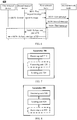
- FIG. 3 is a schematic flowchart of a system information transmission method 300 according to an embodiment of this application.
- the method 300 may be applied to the application scenario shown in FIG. 1 or FIG. 2 .
- this embodiment of this application is not limited thereto.
- a second network node sends at least one type of SI to a first network node, where the at least one type of SI includes first SI.
- the first network node receives the at least one type of SI from the second network node.
- a terminal device may request one or more pieces of SI by using one request message.
- the piece of SI may be understood as one type of SI.
- any two of the plurality of pieces of SI may be different types of SI.
- system information SI is organized by using a system information block (system information block, SIB), the SI may include a master information block (Master system information, MIB) and at least one type of SIB, and each type of SIB includes a series of parameter sets related to a function.
- SIB system information block
- a SIB 1 includes a parameter used to determine whether a cell is appropriate for cell selection and other SIB time domain scheduling information
- a SIB 2 includes common or shared channel information and the like
- a SIB 3 includes a mobility-related parameter, for example, some parameters used for neighboring cell reselection, and the like.
- one type of SI in this embodiment of this application may be understood as one type of SIB or a combination of a plurality of SIBs in the SI. This is not limited in this embodiment of this application.
- S320 A terminal device sends a request message to the first network node, where the request message is used to request the first SI.
- the first network node receives the request message from the terminal device.
- the first SI may be understood as SI requested by the terminal device.
- the first SI may include one or more types of SI. This is not limited in this embodiment of this application.
- the first network node sends the first SI to the terminal device based on the request message and the at least one type of SI.
- the terminal device receives the first SI from the first network node.
- the first network node may determine the first SI based on the request message and the at least one type of SI, and send the first SI to the terminal device.
- the second network node pre-sends the at least one type of SI to the first network node, and the at least one type of SI includes the first SI. Therefore, when receiving the request message that is sent by the terminal device and that is used to request the first SI, the first network node may directly send the first SI to the terminal device.
- the first network node when receiving the request message of the terminal device, the first network node does not need to send the request message to the second network node.
- the second network node does not need to send, to the first network node, SI requested by the terminal device, but pre-sends one or more types of SI to the first network node once, so that overheads of an interface message between the first network node and the second network node can be reduced.
- the first network node may request the first SI from the second network node, or the first network node does not feed back, to the terminal device, the first SI requested by the terminal device. This is not limited in this embodiment of this application.
- the second network node may send a transmission parameter of each of the at least one type of SI to the first network node.
- the first network node receives the transmission parameter of each of the at least one type of SI from the second network node.
- S330 may be: the first network node determines the first SI and a transmission parameter of the first SI based on the request message, the at least one type of SI, and the transmission parameter of each of the at least one type of SI; and the first network node sends the first SI to the terminal device based on the transmission parameter of the first SI.
- the transmission parameter includes at least one of a transmission type, a transmission moment, a transmission period, and a quantity of transmission times. This is not limited in this embodiment of this application.
- a transmission type of SI may include the following two types:
- one type of SI mentioned in this embodiment of this application may be a subset of the SI of the second type, to be specific, the SI of the second type further includes a plurality of types of SI, and the terminal device requests one or more of the plurality of types of SI by using the request message.
- a transmission moment of SI may be a subframe whose subframe number is N, or a subframe in a window time using a subframe whose subframe number is N as a reference, for example, a subframe in an N to N+window size (window size), or a subframe in an N-window size to N, or a subframe in a window size including N, where N is a positive integer.
- the first network node may choose, based on an actual load status, to send the first SI in at least one subframe in a window time, to be specific, the UE needs to detect, in the window time, the first SI sent by the first network node.
- the transmission parameter includes the transmission type and the transmission moment.
- a transmission type of the first SI is the on demand type
- a transmission moment of the first SI is a subframe whose subframe number is M, where M is a positive integer
- the first network node after receiving the request message, the first network node sends the first SI to the terminal device in a subframe whose subframe number is M.
- the at least one type of SI may be one or more types of SI.
- the at least one type of SI is a plurality of types of SI
- the plurality of types of SI may include second SI
- a transmission type of the second SI is the minimum type.
- the second network node may send a transmission parameter of the second SI to the first network node
- the first network node may send the second SI to the terminal device based on the transmission parameter of the second SI.
- the transmission parameter may include the transmission type, the transmission moment, and the transmission period.
- the transmission type of the first SI is the minimum type
- a quantity of transmission times of the second SI is 10
- a transmission moment of the second SI is a subframe whose subframe number is Q
- a transmission period of the second SI is P subframes, where P and Q are positive integers
- the first network node sends the second SI to the terminal device in subframes whose subframe numbers are Q, Q+P, Q+2P, ..., and Q+9P.
- the second network node pre-sends the transmission parameter of each of the at least one type of SI to the first network node. Therefore, when sending the first SI to the terminal device, the first network node may directly send the first SI based on the transmission parameter of the first SI.
- the first network node when sending the first SI to the terminal device, the first network node does not need to request the transmission parameter of the first SI from the second network node, and the second network node does not need to send the transmission parameter of the first SI to the first network node, but pre-sends transmission parameters of one or more types of SI to the first network node once, so that the overheads of the interface message between the first network node and the second network node can be reduced.
- the first network node may be a DU
- the second network node may be a CU.
- functions of an RLC layer, a MAC layer, and a PHY layer may be deployed in the first network node
- functions of an RRC layer and a PDCP layer may be deployed in the second network node.
- the request message may be an RRC message or a random access preamble (random access preamble, RAP).
- RAP random access preamble
- the first network node may determine, based on the first RAP and a preset first mapping relationship, that the request message is used to request the first SI.
- the first mapping relationship in this embodiment of this application may include a correspondence between at least one RAP and at least one type of SI.
- the at least one RAP includes the first RAP
- the at least one type of SI includes the first SI
- the first RAP corresponds to the first SI.
- one RAP may correspond to one piece of SI.
- a RAP 1 corresponds to SI 1.
- one RAP may correspond to a plurality of pieces of SI.
- a RAP 2 corresponds to SI 2 and SI 3.
- a plurality of RAPs may correspond to one piece of SI.
- all of a RAP 3, a RAP 4, and a RAP 5 correspond to SI 4. This is not limited in this embodiment of this application.
- the request message is an RRC message
- the function of the RRC layer is not deployed in the second network node, the second network node cannot normally parse content carried in the RRC message.
- the terminal device may send the request message to the first network node through a first channel.
- the first network node receives the request message from the terminal device through the first channel, and determines, based on the first channel and a preset second mapping relationship, that the request message is used to request the first SI.
- the second mapping relationship may include a correspondence between at least one channel and at least one type of SI, the at least one channel includes the first channel, and the at least one type of SI includes the first SI.
- one channel may correspond to one piece of SI.
- a channel 1 corresponds to SI 1.
- one channel may correspond to a plurality of pieces of SI.
- a channel 2 corresponds to SI 2 and SI 3.
- a plurality of channels may correspond to one piece of SI.
- all of a channel 3, a channel 4, and a channel 5 correspond to SI 4. This is not limited in this embodiment of this application.
- the at least one channel may be, for example, a logical channel.
- the at least one logical channel may be a newly designed logical channel between the terminal device and the first network node, is distinguished from other SRBs that are already used (for example, an SRB 0, an SRB1, and an SRB2), and is specially used to transmit, between the terminal device and the first network node, an RRC message used to request SI.
- the logical channel used to transmit the RRC message for requesting the SI is newly designed between the terminal device and the first network node, so that the terminal device can learn that the RRC message is used to request SI, and more specifically, the terminal device can learn that the RRC message is used to request the first SI, without a need to parse the RRC message.
- the first network node may further determine, based on different values of a subheader or particular bit information of the MAC layer of the request message, one or more types of SI corresponding to the subheader or the particular bit information of the MAC layer of the request message.
- a specific method is similar to Manner 1, and details are not described in this embodiment of this application.
- the first network node may send the request message to the second network node.
- the second network node receives the request message, and sends instruction information to the first network node based on the request message, and the instruction information is used to instruct the first network node to send the first SI.
- the first network node receives the instruction information from the second network node, determines the first SI based on the at least one type of SI and the instruction information, and sends the first SI to the terminal device.
- the first network node communicates with the second network node by using an interface message. Therefore, after receiving the request message from the terminal device, the first network node may encapsulate the request message into an interface message, and send the interface message to the second network node.
- the first network node may send the request message to the second network node, and the second network node parses the request message.
- the second network node already delivers the at least one type of SI to the first network node, and therefore after learning, through parsing, that the request message is used to request the first SI, the second network node needs to send only the instruction information to the first network node, to instruct the first network node to send the first SI, in other words, the second network node does not need to send the first SI to the first network node. Therefore, the overheads of the interface message between the first network node and the second network node can also be reduced.
- a logical channel may be newly established between the terminal device and the first network node.
- the terminal device may send the request message to the second network node by continuously using the method in Manner 2, receive instruction information from the second network node, and send the first SI to the terminal device based on the instruction information.
- the first network node may determine, based on the logical channel, that the request message is used to request SI.
- the first network node instead of processing the request message based on an existing RRC message processing method (for example, transmission layer address allocation), the first network node directly sends the request message to the second network node, and the second network node parses the request message, so that occupation of a transmission address can be reduced, and processing complexity of the first network node can be reduced.
- the first network node may broadcast the first SI.
- the first request message carries an identifier of the terminal device, and the first network node sends the first SI to the terminal device based on the identifier of the terminal device. This is not limited in this embodiment of this application.
- information about a transmission type of each type of SI may change, and the second network node may update the transmission type of each type of SI based on an actual transmission status of each type of SI.
- the second network node may count, in a first time period, a quantity of terminal devices or request messages that request the second SI, and update the transmission type of the second SI based on the quantity of requests.
- the second network node may update the transmission type of the second SI to minimum, and determine, based on an actual transmission status, at least one of a transmission period, a quantity of transmission times, and a transmission moment of the second SI whose transmission type is minimum.
- the second network node may update the transmission type of the third SI based on a status in which the terminal device initiates a service in a service cell such as a type of the initiated service or a quantity of initiated services, or based on a cell load status in a second time period.
- the second network node may update the transmission type of the third SI to on demand.
- the second SI or the third SI is any SI generated by the second network node, and a method for updating a transmission type of SI by the second network node is described in the foregoing embodiments by using only the second SI and the third SI as examples. This is not limited in this embodiment of this application.
- the second network node can update a transmission type of SI based on an actual transmission status, so that the SI can be properly transmitted, thereby improving overall SI transmission performance.
- FIG. 4 shows a system information transmission method 400 according to an embodiment of this application.
- the method 400 may be applied to the application scenario shown in FIG. 1 or FIG. 2 .
- this embodiment of this application is not limited thereto.
- At least one terminal device sends a plurality of request messages to a first network node, where each of the plurality of request messages is used to request at least one type of SI.
- the first network node receives the plurality of request messages from the at least one terminal device.
- the plurality of request messages may be sent by one terminal device or a plurality of terminal devices. This is not limited in this embodiment of this application.
- each of the plurality of request messages may be used to request at least one piece of SI, and the at least one piece of SI may be different types of SI.
- each request message may be used to request the at least one type of SI.
- the plurality of request messages may be used to request a plurality of pieces of SI.
- the plurality of pieces of SI may be one or more types of SI.
- the first network node sends a first message to a second network node based on the plurality of request messages, where the first message includes one or more of the plurality of request messages.
- the second network node receives the first message from the first network node.
- the first network node may generate the first message based on the plurality of request messages, and send the first message to the second network node.
- the first network node communicates with the second network node by using an interface message. Therefore, after receiving the plurality of request messages from the terminal device, the first network node may encapsulate the request message into an interface message (namely, the first message), and send the interface message to the second network node.
- an interface message namely, the first message
- the first network node may send one or more of the plurality of request messages to the second network node by using an interface message (namely, the first message).
- an interface message namely, the first message.
- the first message needs to carry only one of the at least two request messages.
- the plurality of request messages include a first request message and a second request message, the first request message is used to request SI 1 and SI 2, and the second request message is used to request the SI 2 and SI 3, so that the first message includes the first request message and the second request message.
- the plurality of request messages include a first request message and a second request message, the first request message is used to request SI 1 and SI 2, and the second request message is also used to request the SI 1 and the SI 2, so that the first message includes the first request message or the second request message.
- the first network node may perform combined processing on the at least two request messages for requesting same SI, and the first message includes only one of the at least two request messages, so that interface message overheads can be further reduced.
- S430 The second network node sends the requested at least one type of SI to the first network node based on the first message.
- the first network node receives the requested at least one type of SI from the second network node.
- the second network node may generate the requested at least one type of SI based on the first message, and send the requested at least one type of SI to the first network node.
- the second network node may generate a second message based on the requested at least one type of SI, where the second message carries the requested at least one type of SI, and send the second message to the first network node.
- the first network node receives the second message from the second network node.
- the second network node encapsulates the requested at least one type of SI into an interface message (namely, the second message), and sends the interface message to the first network node, so that the interface message overheads can be reduced.
- the requested at least one type of SI sent by the second network node to the first network node may be some or all pieces of SI requested by using the plurality of request messages. This is not limited in this embodiment of this application.
- the second network node cannot send, to the first network node, all the pieces of SI requested by using the plurality of request messages.
- S440 The first network node sends the requested at least one type of SI to the at least one terminal device.
- the first network node may receive a transmission parameter of each of the at least one type of SI from the second network node, where the transmission parameter includes at least one of a transmission type, a transmission moment, a transmission period, and a quantity of transmission times.
- S440 may be: the first network node sends the requested at least one type of SI to the at least one terminal device based on the transmission parameter of each type of SI.
- the first network node pre-obtains the transmission parameter of each of the at least one type of SI from the second network node. Therefore, when sending the first SI to the terminal device, the first network node may directly send the first SI based on a transmission parameter of the first SI, so that overheads of an interface message between the first network node and the second network node can be reduced.
- the first network node may broadcast the requested at least one type of SI.
- the first network node may send the at least one type of SI to each of the at least one terminal device based on an identifier carried in each request message.
- the at least one type of SI sent by the first network node to each terminal device may be some or all pieces of SI requested by each terminal device. This is not limited in this embodiment of this application.
- FIG. 5 shows a system information transmission method 500 according to an embodiment of this application.
- the method 500 may be applied to the application scenario shown in FIG. 1 or FIG. 2 .
- this embodiment of this application is not limited thereto.
- a second network node sends at least one type of SI to a first network node.
- the first network node receives the at least one type of SI from the second network node.
- the first network node may receive SI 1, SI 2, and SI 3 from the second network node.
- S520 The second network node sends a transmission parameter of each of the at least one type of SI to the first network node.
- the first network node receives the transmission parameter of each of the at least one type of SI from the second network node.
- the first network node may receive a transmission parameter of the SI 1, a transmission parameter of the SI 2, and a transmission parameter of the SI 3 from the second network node.
- S510 and S520 may be simultaneously performed or separately performed. When S510 and S520 are separately performed, there may be no execution order. This is not limited in this embodiment of this application.
- the terminal device sends a request message to the first network node, where the request message is used to request first SI.
- the first network node receives the request message from the terminal device.
- the first network node may receive the request message from the terminal device, and the request message is used to request the SI 1.
- the request message when the request message is an RRC message, and an RRC layer is not deployed in the first network node, the request message may be parsed by using Manner 1 and Manner 2 in FIG. 1 . To avoid repetition, details are not described herein again.
- the first network node sends the first SI to the terminal device based on the request message.
- the terminal device receives the first SI from the first network node.
- the first network node sends the SI 1 to the terminal device based on the request message.
- FIG. 6 shows a system information transmission method 600 according to an embodiment of this application.
- the method 600 may be applied to the application scenario shown in FIG. 1 or FIG. 2 .
- this embodiment of this application is not limited thereto.
- a first terminal device sends a first request message to a first network node, where the first request message is used to request at least one type of SI.
- the first network node receives the first request message from the first terminal device.
- S620 A second terminal device sends a second request message to the first network node, where the first request message is used to request at least one type of SI.
- the first network node receives the second request message from the second terminal device.
- the first terminal device and the second terminal device may be different terminal devices; or may be a same terminal device, to be specific, the first terminal device or the second terminal device sends the first request message and the second request message.
- S610 and S620 may be simultaneously performed or separately performed. When S610 and S620 are separately performed, there may be no execution order. This is not limited in this embodiment of this application.
- the first network node sends a first message to a second network node based on the first request message and the second request message, where the first message includes the first request message and/or the second request message.
- the second network node receives the first message from the first network node.
- the first request message is used to request SI 1 and SI 2
- the second request message is used to request the SI 2 and SI 3, so that the first message includes the first request message and the second request message.
- the first request message is used to request SI 1 and SI 2
- the second request message is also used to request the SI 1 and the SI 2, so that the first message includes the first request message or the second request message.
- S640 The second network node sends a second message to the first network node based on the first message, where the second message carries the requested at least one type of SI.
- the first network node receives the second message from the second network node.
- the first request message is used to request the SI 1 and the SI 2
- the second request message is used to request the SI 2 and the SI 3, so that the second message may carry at least one the SI 1, the SI 2, and the SI 3. This is not limited in this embodiment of this application.
- the second network node sends a third message to the first network node based on the first message, where the third message carries a transmission parameter of each of the requested at least one type of SI.
- the first network node receives the third message from the second network node.
- the first network node sends, to the first terminal device based on the third message, the at least one type of SI requested by the first terminal device.
- the first terminal device receives, from the first network node, the at least one type of SI requested by the first terminal device.
- the first network node sends, to the second terminal device based on the third message, the at least one type of SI requested by the second terminal device.
- the second terminal device receives, from the first network node, the at least one type of SI requested by the second terminal device.
- the requested at least one type of SI includes the at least one type of SI requested by the first terminal device or the at least one type of SI requested by the second terminal device.
- S660 and S670 may be one step, to be specific, the first network node broadcasts the requested at least one type of SI based on the third message.
- the first request message is used to request the SI 1 and the SI 2
- the second request message is used to request the SI 2 and SI 3
- the first network node can broadcast at least one of the SI 1, the SI 2, and the SI 3, or the first network node can send at least one of the SI 1 and the SI 2 to the first terminal device, and sends at least one of the SI 2 and the SI 3 to the second terminal device.
- FIG. 7 shows a system information transmission apparatus 700 according to an embodiment of this application.
- the apparatus 700 includes:
- the apparatus further includes a processing unit 730; the processing unit is configured to determine the first SI based on the request message and the at least one type of SI; and the sending unit is configured to send the first SI to the terminal device.
- a processing unit 730 the processing unit is configured to determine the first SI based on the request message and the at least one type of SI; and the sending unit is configured to send the first SI to the terminal device.
- the request message is an RRC message
- the receiving unit is specifically configured to receive the request message from the terminal device through a first channel
- the processing unit is further configured to determine, based on the first channel and a preset mapping relationship, that the request message is used to request the first SI, where the mapping relationship includes a correspondence between the first channel and the first SI.
- the receiving unit is further configured to receive a transmission parameter of each of the at least one type of SI from the second network node, where the transmission parameter includes at least one of a transmission type, a transmission moment, a transmission period, and a quantity of transmission times; and the processing unit is further configured to determine the first SI and a transmission parameter of the first SI based on the request message, the at least one type of SI, and the transmission parameter of each of the at least one type of SI; and the sending unit is specifically configured to send the first SI to the terminal device based on the transmission parameter of the first SI.
- the sending unit is further configured to send the request message to the second network node; the receiving unit is further configured to receive instruction information from the second network node; the processing unit is further configured to determine the first SI based on the at least one type of SI and the instruction information; and the sending unit is further configured to send the first SI to the terminal device.
- the apparatus 700 herein is represented in a form of a functional unit.
- the term "unit" herein may be an application-specific integrated circuit (application specific integrated circuit, ASIC), an electronic circuit, a processor for executing one or more software or firmware programs (for example, a shared processor, a proprietary processor, or a packet processor) and a memory, a combined logic circuit, and/or another appropriate component supporting the described function.
- ASIC application specific integrated circuit
- the apparatus 700 may be specifically the first network node in the foregoing embodiments of the method 300 to the method 600, and the apparatus 700 may be configured to perform the procedures and/or steps corresponding to the first network node in the foregoing embodiments of the method 300 to the method 600. To avoid repetition, details are not described herein again.
- FIG. 8 shows a system information transmission apparatus 800 according to an embodiment of this application.
- the apparatus 800 includes:
- the sending unit is further configured to send a transmission parameter of each of the at least one type of SI to the first network node, where the transmission parameter includes at least one of a transmission type, a transmission moment, a transmission period, and a quantity of transmission times.
- the apparatus further includes a receiving unit 830; the receiving unit is configured to receive the request message sent by the first network node; and the sending unit is further configured to send instruction information to the first network node based on the request message, where the instruction information is used to instruct the first network node to send the first SI.
- the apparatus 800 herein is represented in a form of a functional unit.
- the term "unit" herein may be an ASIC, an electronic circuit, a processor for executing one or more software or firmware programs (for example, a shared processor, a proprietary processor, or a packet processor) and a memory, a combined logic circuit, and/or another appropriate component supporting the described function.
- the apparatus 800 may be specifically the second network node in the foregoing embodiments of the method 300 to the method 600, and the apparatus 800 may be configured to perform the procedures and/or steps corresponding to the second network node in the foregoing embodiments of the method 300 to the method 600. To avoid repetition, details are not described herein again.
- FIG. 9 shows a system information transmission apparatus 900 according to an embodiment of this application.
- the apparatus 900 includes:
- the apparatus further includes a processing unit 930; the processing unit is configured to generate the first message based on the plurality of request messages; and the sending unit is configured to send the first message to the second network node.
- the first message when same SI is requested by using at least two of the plurality of request messages, the first message includes only one of the at least two request messages.
- the receiving unit is further configured to receive a transmission parameter of each of the at least one type of SI from the second network node, where the transmission parameter includes at least one of a transmission type, a transmission moment, a transmission period, and a quantity of transmission times; and the sending unit is specifically configured to send the requested at least one type of SI to the at least one terminal device based on the transmission parameter of each type of SI.
- the receiving unit is specifically configured to receive a second message from the second network node, where the second message carries the requested at least one type of SI.
- the apparatus 900 herein is represented in a form of a functional unit.
- the term "unit" herein may be an ASIC, an electronic circuit, a processor for executing one or more software or firmware programs (for example, a shared processor, a proprietary processor, or a packet processor) and a memory, a combined logic circuit, and/or another appropriate component supporting the described function.
- the apparatus 900 may be specifically the first network node in the foregoing embodiments of the method 300 to the method 600, and the apparatus 900 may be configured to perform the procedures and/or steps corresponding to the first network node in the foregoing embodiments of the method 300 to the method 600. To avoid repetition, details are not described herein again.
- FIG. 10 shows a system information transmission apparatus 1000 according to an embodiment of this application.
- the apparatus 1000 includes:
- the apparatus further includes a processing unit 1030; the processing unit is configured to generate the requested at least one type of SI based on the first message; and the sending unit is configured to send the requested at least one type of SI to the first network node.
- a processing unit 1030 the processing unit is configured to generate the requested at least one type of SI based on the first message; and the sending unit is configured to send the requested at least one type of SI to the first network node.
- the processing unit is further configured to generate a second message based on the requested at least one type of SI, where the second message carries the requested at least one type of SI; and the sending unit is configured to send the second message to the first network node.
- the sending unit is further configured to send a transmission parameter of each of the requested at least one type of SI to the first network node, where the transmission parameter includes at least one of a transmission type, a transmission moment, a transmission period, and a quantity of transmission times.
- the apparatus 1000 herein is represented in a form of a functional unit.
- the term "unit" herein may be an ASIC, an electronic circuit, a processor for executing one or more software or firmware programs (for example, a shared processor, a proprietary processor, or a packet processor) and a memory, a combined logic circuit, and/or another appropriate component supporting the described function.
- the apparatus 1000 may be specifically the second network node in the foregoing embodiments of the method 300 to the method 600, and the apparatus 1000 may be configured to perform the procedures and/or steps corresponding to the second network node in the foregoing embodiments of the method 300 to the method 600. To avoid repetition, details are not described herein again.
- FIG. 11 shows a system information transmission apparatus 1100 according to an embodiment of this application.
- the apparatus 1100 may be the first network node shown in FIG. 1 or the DU (which is collectively referred to as the first network node) shown in FIG. 2 , and a hardware architecture shown in FIG. 11 may be used in the first network node.
- the first network node may include a processor 1110, a transceiver 1120, and a memory 1130.
- the processor 1110, the transceiver 1120, and the memory 1130 communicate with each other by using an internal connection path.
- a related function implemented by the processing unit 730 in FIG. 7 may be implemented by the processor 1110, and related functions implemented by the receiving unit 710 and the sending unit 720 may be implemented by the processor 1110 by controlling the transceiver 1120.
- the processor 1110 may include one or more processors, for example, one or more central processing units (central processing unit, CPU).
- CPU central processing unit
- the processor may be a single-core CPU or may be a multi-core CPU.
- the transceiver 1120 is configured to send and receive data and/or a signal, and receive data and/or a signal.
- the transceiver may include a transmitter and a receiver, the transmitter is configured to send data and/or a signal, and the receiver is configured to receive data and/or a signal.
- the memory 1130 includes but is not limited to a random access memory (random access memory, RAM), a read-only memory (read-only memory, ROM), an erasable programmable memory (erasable programmable read only memory, EPROM), and a compact disc read-only memory (compact disc read-only memory, CD-ROM).
- RAM random access memory
- ROM read-only memory
- EPROM erasable programmable read only memory
- CD-ROM compact disc read-only memory
- the memory 1130 is configured to store program code and data of the first network node.
- the memory 1130 may be an independent component or integrated into the processor 1110.
- the processor 1110 is configured to control the transceiver to communicate with a terminal device and/or a second network node.
- the processor 1110 is configured to control the transceiver to communicate with a terminal device and/or a second network node.
- FIG. 11 merely shows a simplified design of the first network node.
- the first network node may further include other necessary elements, including but is not limited to any quantity of transceivers, processors, controllers, memories, and the like. All first network nodes that can implement this application fall within the protection scope of this application.
- the apparatus 1100 may be a chip, for example, a communications chip that can be used in the first network node and that is configured to implement a related function of the processor 1110 in the first network node.
- the chip may be a field programmable gate array, an application-specific integrated chip, a system chip, a central processing unit, a network processor, a digital signal processing circuit, or a microcontroller that can implement the related function, or may be a programmable controller or another integrated chip.
- the chip may include one or more memories, configured to store program code, and when the code is executed, the processor is enabled to implement a corresponding function.
- FIG. 12 shows a system information transmission apparatus 1200 according to an embodiment of this application.
- the apparatus 1200 may be the second network node shown in FIG. 1 or the CU (which is collectively referred to as the second network node) shown in FIG. 2 , and a hardware architecture shown in FIG. 12 may be used in the second network node.
- the second network node may include a processor 1210, a transceiver 1220, and a memory 1230.
- the processor 1210, the transceiver 1220, and the memory 1230 communicate with each other by using an internal connection path.
- a related function implemented by the processing unit 810 in FIG. 8 may be implemented by the processor 1210, and related functions implemented by the sending unit 820 and the receiving unit 830 may be implemented by the processor 1210 by controlling the transceiver 1220.
- the processor 1210 may include one or more processors, for example, one or more CPUs.
- the processor is a CPU, the CPU may be a single-core CPU or may be a multi-core CPU.
- the transceiver 1220 is configured to send and receive data and/or a signal, and receive data and/or a signal.
- the transceiver may include a transmitter and a receiver, the transmitter is configured to send data and/or a signal, and the receiver is configured to receive data and/or a signal.
- the memory 1230 includes but is not limited to a RAM, a ROM, an EPROM, and a CD-ROM.
- the memory 1230 is configured to store a related instruction and related data.
- the memory 1230 is configured to store program code and data of the second network node.
- the memory 1230 may be an independent component or integrated into the processor 1210.
- the processor 1210 is configured to control the transceiver to communicate with a terminal device and/or the second network node.
- the processor 1210 is configured to control the transceiver to communicate with a terminal device and/or the second network node.
- FIG. 12 merely shows a simplified design of the second network node.
- the second network node may further include other necessary elements, including but is not limited to any quantity of transceivers, processors, controllers, memories, and the like. All second network nodes that can implement this application fall within the protection scope of this application.
- the apparatus 1200 may be a chip, for example, a communications chip that can be used in the second network node and that is configured to implement a related function of the processor 1210 in the second network node.
- the chip may be a field programmable gate array, an application-specific integrated chip, a system chip, a central processing unit, a network processor, a digital signal processing circuit, or a microcontroller that can implement the related function, or may be a programmable controller or another integrated chip.
- the chip may include one or more memories, configured to store program code, and when the code is executed, the processor is enabled to implement a corresponding function.
- FIG. 13 shows a system information transmission apparatus 1300 according to an embodiment of this application.
- the apparatus 1300 may be the first network node shown in FIG. 1 or the DU (which is collectively referred to as the first network node) shown in FIG. 2 , and a hardware architecture shown in FIG. 13 may be used in the first network node.
- the first network node may include a processor 1310, a transceiver 1320, and a memory 1330.
- the processor 1310, the transceiver 1320, and the memory 1330 communicate with each other by using an internal connection path.
- a related function implemented by the processing unit 930 in FIG. 9 may be implemented by the processor 1310, and related functions implemented by the receiving unit 910 and the sending unit 920 may be implemented by the processor 1310 by controlling the transceiver 1320.
- the processor 1310 may include one or more processors, for example, one or more CPUs.
- the processor is a CPU, the CPU may be a single-core CPU or may be a multi-core CPU.
- the transceiver 1320 is configured to send and receive data and/or a signal, and receive data and/or a signal.
- the transceiver may include a transmitter and a receiver, the transmitter is configured to send data and/or a signal, and the receiver is configured to receive data and/or a signal.
- the memory 1330 includes but is not limited to a RAM, a ROM, an EPROM, and a CD-ROM.
- the memory 1330 is configured to store a related instruction and related data.
- the memory 1330 is configured to store program code and data of the first network node.
- the memory 1330 may be an independent component or integrated into the processor 1310.
- the processor 1310 is configured to control the transceiver to communicate with a terminal device and/or a second network node.
- the processor 1310 is configured to control the transceiver to communicate with a terminal device and/or a second network node.
- FIG. 13 merely shows a simplified design of the first network node.
- the first network node may further include other necessary elements, including but is not limited to any quantity of transceivers, processors, controllers, memories, and the like. All first network nodes that can implement this application fall within the protection scope of this application.
- the apparatus 1300 may be a chip, for example, a communications chip that can be used in the first network node and that is configured to implement a related function of the processor 1310 in the first network node.
- the chip may be a field programmable gate array, an application-specific integrated chip, a system chip, a central processing unit, a network processor, a digital signal processing circuit, or a microcontroller that can implement the related function, or may be a programmable controller or another integrated chip.
- the chip may include one or more memories, configured to store program code, and when the code is executed, the processor is enabled to implement a corresponding function.
- FIG. 14 shows a system information transmission apparatus 1400 according to an embodiment of this application.
- the apparatus 1400 may be the second network node shown in FIG. 1 or the CU (which is collectively referred to as the second network node) shown in FIG. 2 , and a hardware architecture shown in FIG. 14 may be used in the second network node.
- the second network node may include a processor 1410, a transceiver 1420, and a memory 1430.
- the processor 1410, the transceiver 1420, and the memory 1430 communicate with each other by using an internal connection path.
- a related function implemented by the processing unit 1030 in FIG. 10 may be implemented by the processor 1410, and related functions implemented by the receiving unit 1010 and the sending unit 1020 may be implemented by the processor 1410 by controlling the transceiver 1420.
- the processor 1410 may include one or more processors, for example, one or more CPUs.
- the processor is a CPU, the CPU may be a single-core CPU or may be a multi-core CPU.
- the transceiver 1420 is configured to send and receive data and/or a signal, and receive data and/or a signal.
- the transceiver may include a transmitter and a receiver, the transmitter is configured to send data and/or a signal, and the receiver is configured to receive data and/or a signal.
- the memory 1430 includes but is not limited to a RAM, a ROM, an EPROM, and a CD-ROM.
- the memory 1430 is configured to store a related instruction and related data.
- the memory 1430 is configured to store program code and data of the second network node.
- the memory 1430 may be an independent component or integrated into the processor 1410.
- the processor 1410 is configured to control the transceiver to communicate with a terminal device and/or the second network node.
- the processor 1410 is configured to control the transceiver to communicate with a terminal device and/or the second network node.
- FIG. 14 merely shows a simplified design of the second network node.
- the second network node may further include other necessary elements, including but is not limited to any quantity of transceivers, processors, controllers, memories, and the like. All second network nodes that can implement this application fall within the protection scope of this application.
- the apparatus 1400 may be a chip, for example, a communications chip that can be used in the second network node and that is configured to implement a related function of the processor 1410 in the second network node.
- the chip may be a field programmable gate array, an application-specific integrated chip, a system chip, a central processing unit, a network processor, a digital signal processing circuit, or a microcontroller that can implement the related function, or may be a programmable controller or another integrated chip.
- the chip may include one or more memories, configured to store program code, and when the code is executed, the processor is enabled to implement a corresponding function.
- All or some of the foregoing embodiments may be implemented by using software, hardware, firmware, or any combination thereof.
- the embodiments may be implemented completely or partially in a form of a computer program product.
- the computer program product includes one or more computer instructions.
- the computer may be a general-purpose computer, a dedicated computer, a computer network, or other programmable apparatuses.
- the computer instruction may be stored in a computer-readable storage medium, or may be transmitted by using the computer-readable storage medium.
- the computer instruction may be transmitted from a website, computer, server, or data center to another website, computer, server, or data center in a wired (for example, a coaxial cable, an optical fiber, or a digital subscriber line (digital subscriber line, DSL)) or wireless (for example, infrared, radio, or microwave) manner.
- the computer-readable storage medium may be any usable medium accessible by a computer, or a data storage device, such as a server or a data center, including one or more usable media.
- the usable medium may be a magnetic medium (for example, a floppy disk, a hard disk, or a magnetic tape), an optical medium (for example, a digital versatile disc (digital versatile disc, DVD)), a semiconductor medium (for example, an SSD), or the like.
- a magnetic medium for example, a floppy disk, a hard disk, or a magnetic tape
- an optical medium for example, a digital versatile disc (digital versatile disc, DVD)
- a semiconductor medium for example, an SSD
- the program may be stored in a computer-readable storage medium.
- the foregoing storage medium includes: any medium that can store program code, such as a ROM, a RAM, a magnetic disk, or an optical disc.
- the disclosed system, apparatus, and method may be implemented in other manners.
- the described apparatus embodiments are merely examples.
- the unit division is merely logical function division and may be other division in actual implementation.
- a plurality of units or components may be combined or integrated into another system, or some features may be ignored or not performed.
- the displayed or discussed mutual couplings or direct couplings or communication connections may be implemented by using some interfaces.
- the indirect couplings or communication connections between the apparatuses or units may be implemented in electronic, mechanical, or other forms.
- the units described as separate parts may or may not be physically separate, and parts displayed as units may or may not be physical units, may be located in one position, or may be distributed on a plurality of network units. Some or all of the units may be selected based on actual requirements to achieve the objectives of the solutions of the embodiments.
- the functions When the functions are implemented in the form of a software functional unit and sold or used as an independent product, the functions may be stored in a computer-readable storage medium. Based on such an understanding, the technical solutions of this application essentially, or the part contributing to the prior art, or some of the technical solutions may be implemented in a form of a software product.
- the computer software product is stored in a storage medium, and includes several instructions for instructing a computer device (which may be a personal computer, a server, or a network device) to perform all or some of the steps of the methods described in the embodiments of this application.
- the foregoing storage medium includes: any medium that can store program code, such as a USB flash drive, a removable hard disk, a ROM, a RAM, a magnetic disk, or an optical disc.
Landscapes
- Engineering & Computer Science (AREA)
- Computer Networks & Wireless Communication (AREA)
- Signal Processing (AREA)
- Computer Security & Cryptography (AREA)
- Mobile Radio Communication Systems (AREA)
Applications Claiming Priority (2)
| Application Number | Priority Date | Filing Date | Title |
|---|---|---|---|
| CN201710712818.XA CN109413742B (zh) | 2017-08-18 | 2017-08-18 | 系统信息的传输方法和装置 |
| PCT/CN2018/100694 WO2019034089A1 (fr) | 2017-08-18 | 2018-08-15 | Procédé et appareil de transmission d'informations relatives à un système |
Publications (3)
| Publication Number | Publication Date |
|---|---|
| EP3661300A1 true EP3661300A1 (fr) | 2020-06-03 |
| EP3661300A4 EP3661300A4 (fr) | 2020-07-15 |
| EP3661300B1 EP3661300B1 (fr) | 2021-09-22 |
Family
ID=65362786
Family Applications (1)
| Application Number | Title | Priority Date | Filing Date |
|---|---|---|---|
| EP18845842.6A Active EP3661300B1 (fr) | 2017-08-18 | 2018-08-15 | Procédé et appareil de transmission d'informations relatives à un système |
Country Status (6)
| Country | Link |
|---|---|
| US (1) | US11191010B2 (fr) |
| EP (1) | EP3661300B1 (fr) |
| JP (1) | JP6929444B2 (fr) |
| CN (1) | CN109413742B (fr) |
| BR (1) | BR112020003117A2 (fr) |
| WO (1) | WO2019034089A1 (fr) |
Families Citing this family (2)
| Publication number | Priority date | Publication date | Assignee | Title |
|---|---|---|---|---|
| CN116134960A (zh) * | 2020-07-23 | 2023-05-16 | 联想(新加坡)私人有限公司 | 获取用于覆盖范围外的远程ue的按需系统信息 |
| US12585533B2 (en) | 2024-02-28 | 2026-03-24 | Bank Of America Corporation | System and method for detecting and addressing anomalous data based on automated data analysis |
Family Cites Families (14)
| Publication number | Priority date | Publication date | Assignee | Title |
|---|---|---|---|---|
| US8121152B2 (en) * | 2006-12-07 | 2012-02-21 | Electronics And Telecommunications Research Institute | Method for encoding broadcast channel protocol data unit based on broadcast control channel scheduling error in universal mobile telecommunications system |
| US9078241B2 (en) * | 2013-03-22 | 2015-07-07 | Sharp Kabushiki Kaisha | Systems and methods for establishing multiple radio connections |
| EP3063896A2 (fr) * | 2013-10-30 | 2016-09-07 | Interdigital Patent Holdings, Inc. | Robustesse de connectivité dans des systèmes sans fil |
| KR102106134B1 (ko) * | 2015-05-15 | 2020-05-04 | 주식회사 케이티 | 단말의 무선연결 구성방법 및 그 장치 |
| US11026142B2 (en) * | 2016-01-20 | 2021-06-01 | Qualcomm Incorporated | Techniques for providing uplink-based mobility |
| US11153909B2 (en) * | 2016-06-08 | 2021-10-19 | Qualcomm Incorporated | Two-stage chirp signal transmission in user equipment centric mobility (UECM) |
| JP6847983B2 (ja) * | 2016-07-13 | 2021-03-24 | オッポ広東移動通信有限公司Guangdong Oppo Mobile Telecommunications Corp., Ltd. | システム情報伝送方法、及び装置 |
| EP4429296A3 (fr) * | 2016-08-09 | 2024-12-11 | Samsung Electronics Co., Ltd | Procédé et appareil de gestion de fonctionnement de plan utilisateur dans un système de communication sans fil |
| WO2018064279A1 (fr) * | 2016-09-28 | 2018-04-05 | Idac Holdings, Inc. | Procédés et systèmes de transmission d'informations de système à formation de faisceau |
| EP3520450B1 (fr) * | 2016-09-29 | 2021-09-08 | SHARP Kabushiki Kaisha | Fourniture et obtention d'informations de système pour terminal sans fil à distance |
| BR112019015576A2 (pt) * | 2017-04-13 | 2020-03-10 | Lg Electronics Inc. | Método e aparelho para fornecer informações do sistema |
| CN107135502B (zh) * | 2017-05-04 | 2019-08-16 | 电信科学技术研究院 | 一种系统信息的发送方法及装置 |
| CN107360557B (zh) * | 2017-06-15 | 2020-03-24 | 电信科学技术研究院 | 一种系统消息通知、发送方法及装置 |
| CN109151737A (zh) * | 2017-06-16 | 2019-01-04 | 华为技术有限公司 | 一种通信方法及装置 |
-
2017
- 2017-08-18 CN CN201710712818.XA patent/CN109413742B/zh active Active
-
2018
- 2018-08-15 WO PCT/CN2018/100694 patent/WO2019034089A1/fr not_active Ceased
- 2018-08-15 BR BR112020003117-8A patent/BR112020003117A2/pt not_active IP Right Cessation
- 2018-08-15 EP EP18845842.6A patent/EP3661300B1/fr active Active
- 2018-08-15 JP JP2020509480A patent/JP6929444B2/ja active Active
-
2020
- 2020-02-18 US US16/793,596 patent/US11191010B2/en active Active
Also Published As
| Publication number | Publication date |
|---|---|
| EP3661300B1 (fr) | 2021-09-22 |
| CN109413742A (zh) | 2019-03-01 |
| US11191010B2 (en) | 2021-11-30 |
| WO2019034089A1 (fr) | 2019-02-21 |
| CN109413742B (zh) | 2021-07-09 |
| BR112020003117A2 (pt) | 2020-08-04 |
| JP6929444B2 (ja) | 2021-09-01 |
| US20200187097A1 (en) | 2020-06-11 |
| JP2020532197A (ja) | 2020-11-05 |
| EP3661300A4 (fr) | 2020-07-15 |
Similar Documents
| Publication | Publication Date | Title |
|---|---|---|
| CN119907065B (zh) | 一种通信方法及装置 | |
| EP3043611B1 (fr) | Procédé, dispositif, et système de transmission d'informations | |
| WO2019184956A1 (fr) | Procédé et appareil d'accès aléatoire | |
| JP6761050B2 (ja) | 情報伝送方法及び装置 | |
| WO2019096202A1 (fr) | Procédé et dispositif d'attribution de ressources | |
| US12160296B2 (en) | Methods and apparatus for device type and channel state information feedback over initial access message in wireless communication | |
| JP7793026B2 (ja) | 通信方法及び通信機器 | |
| EP4564968A1 (fr) | Procédé de configuration de ressource et appareil de communication | |
| CN116210180B (zh) | 通过未许可频谱传输数据的标称重复 | |
| KR20210120118A (ko) | 페이징 방법 및 페이징 장치 | |
| US12302220B2 (en) | Transport block size selection for early data transmission | |
| WO2022116839A1 (fr) | Procédé et appareil de communication, dispositif, support de stockage et produit-programme | |
| US20250008371A1 (en) | Communication method and apparatus, and storage medium | |
| CN116456502A (zh) | 随机接入的方法和通信装置 | |
| US11191010B2 (en) | System information transmission method and apparatus | |
| CN119789124A (zh) | 初始接入方法及装置、终端及网络侧设备 | |
| CN110278615A (zh) | 随机接入方法及装置 | |
| US20190229881A1 (en) | Method and apparatus for setting symbol | |
| WO2024007795A1 (fr) | Procédé de communication et appareil de communication | |
| EP3979743B1 (fr) | Procédé de mise en oeuvre de liaison latérale et produit associé | |
| EP4351247A1 (fr) | Procédé et appareil de sélection de ressources | |
| GB2574016A (en) | Apparatus, method and computer program | |
| WO2024208028A1 (fr) | Procédé et appareil d'accès | |
| WO2018058445A1 (fr) | Procédé et appareil de communication | |
| WO2026026377A1 (fr) | Procédé et appareil de programmation de ressources, module de puce et support de stockage |
Legal Events
| Date | Code | Title | Description |
|---|---|---|---|
| STAA | Information on the status of an ep patent application or granted ep patent |
Free format text: STATUS: THE INTERNATIONAL PUBLICATION HAS BEEN MADE |
|
| PUAI | Public reference made under article 153(3) epc to a published international application that has entered the european phase |
Free format text: ORIGINAL CODE: 0009012 |
|
| STAA | Information on the status of an ep patent application or granted ep patent |
Free format text: STATUS: REQUEST FOR EXAMINATION WAS MADE |
|
| 17P | Request for examination filed |
Effective date: 20200224 |
|
| AK | Designated contracting states |
Kind code of ref document: A1 Designated state(s): AL AT BE BG CH CY CZ DE DK EE ES FI FR GB GR HR HU IE IS IT LI LT LU LV MC MK MT NL NO PL PT RO RS SE SI SK SM TR |
|
| AX | Request for extension of the european patent |
Extension state: BA ME |
|
| A4 | Supplementary search report drawn up and despatched |
Effective date: 20200616 |
|
| RIC1 | Information provided on ipc code assigned before grant |
Ipc: H04W 88/08 20090101ALN20200609BHEP Ipc: H04W 48/14 20090101AFI20200609BHEP |
|
| DAV | Request for validation of the european patent (deleted) | ||
| DAX | Request for extension of the european patent (deleted) | ||
| REG | Reference to a national code |
Ref country code: DE Ref legal event code: R079 Ref document number: 602018024083 Country of ref document: DE Free format text: PREVIOUS MAIN CLASS: H04W0072040000 Ipc: H04W0048120000 |
|
| GRAP | Despatch of communication of intention to grant a patent |
Free format text: ORIGINAL CODE: EPIDOSNIGR1 |
|
| STAA | Information on the status of an ep patent application or granted ep patent |
Free format text: STATUS: GRANT OF PATENT IS INTENDED |
|
| RIC1 | Information provided on ipc code assigned before grant |
Ipc: H04W 48/12 20090101AFI20210304BHEP Ipc: H04W 88/08 20090101ALN20210304BHEP |
|
| INTG | Intention to grant announced |
Effective date: 20210318 |
|
| GRAS | Grant fee paid |
Free format text: ORIGINAL CODE: EPIDOSNIGR3 |
|
| GRAA | (expected) grant |
Free format text: ORIGINAL CODE: 0009210 |
|
| STAA | Information on the status of an ep patent application or granted ep patent |
Free format text: STATUS: THE PATENT HAS BEEN GRANTED |
|
| AK | Designated contracting states |
Kind code of ref document: B1 Designated state(s): AL AT BE BG CH CY CZ DE DK EE ES FI FR GB GR HR HU IE IS IT LI LT LU LV MC MK MT NL NO PL PT RO RS SE SI SK SM TR |
|
| REG | Reference to a national code |
Ref country code: GB Ref legal event code: FG4D |
|
| REG | Reference to a national code |
Ref country code: DE Ref legal event code: R096 Ref document number: 602018024083 Country of ref document: DE |
|
| REG | Reference to a national code |
Ref country code: IE Ref legal event code: FG4D |
|
| REG | Reference to a national code |
Ref country code: CH Ref legal event code: EP Ref country code: AT Ref legal event code: REF Ref document number: 1433341 Country of ref document: AT Kind code of ref document: T Effective date: 20211015 |
|
| REG | Reference to a national code |
Ref country code: LT Ref legal event code: MG9D |
|
| REG | Reference to a national code |
Ref country code: NL Ref legal event code: MP Effective date: 20210922 |
|
| PG25 | Lapsed in a contracting state [announced via postgrant information from national office to epo] |
Ref country code: HR Free format text: LAPSE BECAUSE OF FAILURE TO SUBMIT A TRANSLATION OF THE DESCRIPTION OR TO PAY THE FEE WITHIN THE PRESCRIBED TIME-LIMIT Effective date: 20210922 Ref country code: NO Free format text: LAPSE BECAUSE OF FAILURE TO SUBMIT A TRANSLATION OF THE DESCRIPTION OR TO PAY THE FEE WITHIN THE PRESCRIBED TIME-LIMIT Effective date: 20211222 Ref country code: LT Free format text: LAPSE BECAUSE OF FAILURE TO SUBMIT A TRANSLATION OF THE DESCRIPTION OR TO PAY THE FEE WITHIN THE PRESCRIBED TIME-LIMIT Effective date: 20210922 Ref country code: BG Free format text: LAPSE BECAUSE OF FAILURE TO SUBMIT A TRANSLATION OF THE DESCRIPTION OR TO PAY THE FEE WITHIN THE PRESCRIBED TIME-LIMIT Effective date: 20211222 Ref country code: RS Free format text: LAPSE BECAUSE OF FAILURE TO SUBMIT A TRANSLATION OF THE DESCRIPTION OR TO PAY THE FEE WITHIN THE PRESCRIBED TIME-LIMIT Effective date: 20210922 Ref country code: SE Free format text: LAPSE BECAUSE OF FAILURE TO SUBMIT A TRANSLATION OF THE DESCRIPTION OR TO PAY THE FEE WITHIN THE PRESCRIBED TIME-LIMIT Effective date: 20210922 Ref country code: FI Free format text: LAPSE BECAUSE OF FAILURE TO SUBMIT A TRANSLATION OF THE DESCRIPTION OR TO PAY THE FEE WITHIN THE PRESCRIBED TIME-LIMIT Effective date: 20210922 |
|
| REG | Reference to a national code |
Ref country code: AT Ref legal event code: MK05 Ref document number: 1433341 Country of ref document: AT Kind code of ref document: T Effective date: 20210922 |
|
| PG25 | Lapsed in a contracting state [announced via postgrant information from national office to epo] |
Ref country code: LV Free format text: LAPSE BECAUSE OF FAILURE TO SUBMIT A TRANSLATION OF THE DESCRIPTION OR TO PAY THE FEE WITHIN THE PRESCRIBED TIME-LIMIT Effective date: 20210922 Ref country code: GR Free format text: LAPSE BECAUSE OF FAILURE TO SUBMIT A TRANSLATION OF THE DESCRIPTION OR TO PAY THE FEE WITHIN THE PRESCRIBED TIME-LIMIT Effective date: 20211223 |
|
| PG25 | Lapsed in a contracting state [announced via postgrant information from national office to epo] |
Ref country code: AT Free format text: LAPSE BECAUSE OF FAILURE TO SUBMIT A TRANSLATION OF THE DESCRIPTION OR TO PAY THE FEE WITHIN THE PRESCRIBED TIME-LIMIT Effective date: 20210922 |
|
| PG25 | Lapsed in a contracting state [announced via postgrant information from national office to epo] |
Ref country code: IS Free format text: LAPSE BECAUSE OF FAILURE TO SUBMIT A TRANSLATION OF THE DESCRIPTION OR TO PAY THE FEE WITHIN THE PRESCRIBED TIME-LIMIT Effective date: 20220122 Ref country code: SK Free format text: LAPSE BECAUSE OF FAILURE TO SUBMIT A TRANSLATION OF THE DESCRIPTION OR TO PAY THE FEE WITHIN THE PRESCRIBED TIME-LIMIT Effective date: 20210922 Ref country code: RO Free format text: LAPSE BECAUSE OF FAILURE TO SUBMIT A TRANSLATION OF THE DESCRIPTION OR TO PAY THE FEE WITHIN THE PRESCRIBED TIME-LIMIT Effective date: 20210922 Ref country code: PT Free format text: LAPSE BECAUSE OF FAILURE TO SUBMIT A TRANSLATION OF THE DESCRIPTION OR TO PAY THE FEE WITHIN THE PRESCRIBED TIME-LIMIT Effective date: 20220124 Ref country code: PL Free format text: LAPSE BECAUSE OF FAILURE TO SUBMIT A TRANSLATION OF THE DESCRIPTION OR TO PAY THE FEE WITHIN THE PRESCRIBED TIME-LIMIT Effective date: 20210922 Ref country code: NL Free format text: LAPSE BECAUSE OF FAILURE TO SUBMIT A TRANSLATION OF THE DESCRIPTION OR TO PAY THE FEE WITHIN THE PRESCRIBED TIME-LIMIT Effective date: 20210922 Ref country code: ES Free format text: LAPSE BECAUSE OF FAILURE TO SUBMIT A TRANSLATION OF THE DESCRIPTION OR TO PAY THE FEE WITHIN THE PRESCRIBED TIME-LIMIT Effective date: 20210922 Ref country code: EE Free format text: LAPSE BECAUSE OF FAILURE TO SUBMIT A TRANSLATION OF THE DESCRIPTION OR TO PAY THE FEE WITHIN THE PRESCRIBED TIME-LIMIT Effective date: 20210922 Ref country code: CZ Free format text: LAPSE BECAUSE OF FAILURE TO SUBMIT A TRANSLATION OF THE DESCRIPTION OR TO PAY THE FEE WITHIN THE PRESCRIBED TIME-LIMIT Effective date: 20210922 Ref country code: AL Free format text: LAPSE BECAUSE OF FAILURE TO SUBMIT A TRANSLATION OF THE DESCRIPTION OR TO PAY THE FEE WITHIN THE PRESCRIBED TIME-LIMIT Effective date: 20210922 |
|
| REG | Reference to a national code |
Ref country code: DE Ref legal event code: R097 Ref document number: 602018024083 Country of ref document: DE |
|
| PG25 | Lapsed in a contracting state [announced via postgrant information from national office to epo] |
Ref country code: DK Free format text: LAPSE BECAUSE OF FAILURE TO SUBMIT A TRANSLATION OF THE DESCRIPTION OR TO PAY THE FEE WITHIN THE PRESCRIBED TIME-LIMIT Effective date: 20210922 |
|
| PLBE | No opposition filed within time limit |
Free format text: ORIGINAL CODE: 0009261 |
|
| STAA | Information on the status of an ep patent application or granted ep patent |
Free format text: STATUS: NO OPPOSITION FILED WITHIN TIME LIMIT |
|
| 26N | No opposition filed |
Effective date: 20220623 |
|
| PG25 | Lapsed in a contracting state [announced via postgrant information from national office to epo] |
Ref country code: SI Free format text: LAPSE BECAUSE OF FAILURE TO SUBMIT A TRANSLATION OF THE DESCRIPTION OR TO PAY THE FEE WITHIN THE PRESCRIBED TIME-LIMIT Effective date: 20210922 |
|
| PG25 | Lapsed in a contracting state [announced via postgrant information from national office to epo] |
Ref country code: MC Free format text: LAPSE BECAUSE OF FAILURE TO SUBMIT A TRANSLATION OF THE DESCRIPTION OR TO PAY THE FEE WITHIN THE PRESCRIBED TIME-LIMIT Effective date: 20210922 |
|
| REG | Reference to a national code |
Ref country code: CH Ref legal event code: PL |
|
| PG25 | Lapsed in a contracting state [announced via postgrant information from national office to epo] |
Ref country code: LU Free format text: LAPSE BECAUSE OF NON-PAYMENT OF DUE FEES Effective date: 20220815 Ref country code: LI Free format text: LAPSE BECAUSE OF NON-PAYMENT OF DUE FEES Effective date: 20220831 Ref country code: CH Free format text: LAPSE BECAUSE OF NON-PAYMENT OF DUE FEES Effective date: 20220831 |
|
| REG | Reference to a national code |
Ref country code: BE Ref legal event code: MM Effective date: 20220831 |
|
| P01 | Opt-out of the competence of the unified patent court (upc) registered |
Effective date: 20230524 |
|
| PG25 | Lapsed in a contracting state [announced via postgrant information from national office to epo] |
Ref country code: IE Free format text: LAPSE BECAUSE OF NON-PAYMENT OF DUE FEES Effective date: 20220815 Ref country code: FR Free format text: LAPSE BECAUSE OF NON-PAYMENT OF DUE FEES Effective date: 20220831 |
|
| PG25 | Lapsed in a contracting state [announced via postgrant information from national office to epo] |
Ref country code: BE Free format text: LAPSE BECAUSE OF NON-PAYMENT OF DUE FEES Effective date: 20220831 |
|
| PG25 | Lapsed in a contracting state [announced via postgrant information from national office to epo] |
Ref country code: SM Free format text: LAPSE BECAUSE OF FAILURE TO SUBMIT A TRANSLATION OF THE DESCRIPTION OR TO PAY THE FEE WITHIN THE PRESCRIBED TIME-LIMIT Effective date: 20210922 Ref country code: CY Free format text: LAPSE BECAUSE OF FAILURE TO SUBMIT A TRANSLATION OF THE DESCRIPTION OR TO PAY THE FEE WITHIN THE PRESCRIBED TIME-LIMIT Effective date: 20210922 |
|
| PG25 | Lapsed in a contracting state [announced via postgrant information from national office to epo] |
Ref country code: MK Free format text: LAPSE BECAUSE OF FAILURE TO SUBMIT A TRANSLATION OF THE DESCRIPTION OR TO PAY THE FEE WITHIN THE PRESCRIBED TIME-LIMIT Effective date: 20210922 Ref country code: HU Free format text: LAPSE BECAUSE OF FAILURE TO SUBMIT A TRANSLATION OF THE DESCRIPTION OR TO PAY THE FEE WITHIN THE PRESCRIBED TIME-LIMIT; INVALID AB INITIO Effective date: 20180815 |
|
| PG25 | Lapsed in a contracting state [announced via postgrant information from national office to epo] |
Ref country code: MT Free format text: LAPSE BECAUSE OF FAILURE TO SUBMIT A TRANSLATION OF THE DESCRIPTION OR TO PAY THE FEE WITHIN THE PRESCRIBED TIME-LIMIT Effective date: 20210922 |
|
| PGFP | Annual fee paid to national office [announced via postgrant information from national office to epo] |
Ref country code: DE Payment date: 20250702 Year of fee payment: 8 |
|
| PGFP | Annual fee paid to national office [announced via postgrant information from national office to epo] |
Ref country code: IT Payment date: 20250722 Year of fee payment: 8 Ref country code: TR Payment date: 20250731 Year of fee payment: 8 |
|
| PGFP | Annual fee paid to national office [announced via postgrant information from national office to epo] |
Ref country code: GB Payment date: 20250703 Year of fee payment: 8 |