EP3662759A1 - Additif d'aliments pour animaux contenantbacillus subtilis - Google Patents
Additif d'aliments pour animaux contenantbacillus subtilis Download PDFInfo
- Publication number
- EP3662759A1 EP3662759A1 EP17825096.5A EP17825096A EP3662759A1 EP 3662759 A1 EP3662759 A1 EP 3662759A1 EP 17825096 A EP17825096 A EP 17825096A EP 3662759 A1 EP3662759 A1 EP 3662759A1
- Authority
- EP
- European Patent Office
- Prior art keywords
- feed additive
- strain
- lactate
- strains
- bacillus licheniformis
- Prior art date
- Legal status (The legal status is an assumption and is not a legal conclusion. Google has not performed a legal analysis and makes no representation as to the accuracy of the status listed.)
- Pending
Links
Images



Classifications
-
- C—CHEMISTRY; METALLURGY
- C12—BIOCHEMISTRY; BEER; SPIRITS; WINE; VINEGAR; MICROBIOLOGY; ENZYMOLOGY; MUTATION OR GENETIC ENGINEERING
- C12N—MICROORGANISMS OR ENZYMES; COMPOSITIONS THEREOF; PROPAGATING, PRESERVING, OR MAINTAINING MICROORGANISMS; MUTATION OR GENETIC ENGINEERING; CULTURE MEDIA
- C12N1/00—Microorganisms; Compositions thereof; Processes of propagating, maintaining or preserving microorganisms or compositions thereof; Processes of preparing or isolating a composition containing a microorganism; Culture media therefor
- C12N1/20—Bacteria; Culture media therefor
-
- A—HUMAN NECESSITIES
- A23—FOODS OR FOODSTUFFS; TREATMENT THEREOF, NOT COVERED BY OTHER CLASSES
- A23K—FODDER
- A23K10/00—Animal feeding-stuffs
- A23K10/10—Animal feeding-stuffs obtained by microbiological or biochemical processes
- A23K10/16—Addition of microorganisms or extracts thereof, e.g. single-cell proteins, to feeding-stuff compositions
- A23K10/18—Addition of microorganisms or extracts thereof, e.g. single-cell proteins, to feeding-stuff compositions of live microorganisms
-
- A—HUMAN NECESSITIES
- A23—FOODS OR FOODSTUFFS; TREATMENT THEREOF, NOT COVERED BY OTHER CLASSES
- A23K—FODDER
- A23K50/00—Feeding-stuffs specially adapted for particular animals
- A23K50/10—Feeding-stuffs specially adapted for particular animals for ruminants
-
- C—CHEMISTRY; METALLURGY
- C12—BIOCHEMISTRY; BEER; SPIRITS; WINE; VINEGAR; MICROBIOLOGY; ENZYMOLOGY; MUTATION OR GENETIC ENGINEERING
- C12N—MICROORGANISMS OR ENZYMES; COMPOSITIONS THEREOF; PROPAGATING, PRESERVING, OR MAINTAINING MICROORGANISMS; MUTATION OR GENETIC ENGINEERING; CULTURE MEDIA
- C12N1/00—Microorganisms; Compositions thereof; Processes of propagating, maintaining or preserving microorganisms or compositions thereof; Processes of preparing or isolating a composition containing a microorganism; Culture media therefor
- C12N1/20—Bacteria; Culture media therefor
- C12N1/205—Bacterial isolates
-
- C—CHEMISTRY; METALLURGY
- C12—BIOCHEMISTRY; BEER; SPIRITS; WINE; VINEGAR; MICROBIOLOGY; ENZYMOLOGY; MUTATION OR GENETIC ENGINEERING
- C12R—INDEXING SCHEME ASSOCIATED WITH SUBCLASSES C12C - C12Q, RELATING TO MICROORGANISMS
- C12R2001/00—Microorganisms ; Processes using microorganisms
- C12R2001/01—Bacteria or Actinomycetales ; using bacteria or Actinomycetales
- C12R2001/07—Bacillus
- C12R2001/10—Bacillus licheniformis
-
- C—CHEMISTRY; METALLURGY
- C12—BIOCHEMISTRY; BEER; SPIRITS; WINE; VINEGAR; MICROBIOLOGY; ENZYMOLOGY; MUTATION OR GENETIC ENGINEERING
- C12R—INDEXING SCHEME ASSOCIATED WITH SUBCLASSES C12C - C12Q, RELATING TO MICROORGANISMS
- C12R2001/00—Microorganisms ; Processes using microorganisms
- C12R2001/01—Bacteria or Actinomycetales ; using bacteria or Actinomycetales
- C12R2001/07—Bacillus
- C12R2001/125—Bacillus subtilis ; Hay bacillus; Grass bacillus
Definitions
- the present invention relates to a feed additive comprising a Bacillus subtilis strain and a Bacillus licheniformis strain, a feed composition comprising the feed additive, and a method for producing the feed additive.
- Forage for ruminants such as cattle, accounts for about 20% of feeds for beef cattle and about 60% of feeds for dairy cattle. After ingestion, forage is degraded by microorganisms and essential nutrients and energy are absorbed in the rumen, also known as the first stomach. From a nutritional/physiological point of view, ruminants ingest considerable amounts of protein, energy, fatty acids, minerals, and vitamins, which are essential to microorganisms inhabiting the rumen and the tissues of the animals, from forage. Forage takes the form of fresh grass, dry grass or silage. Dry forage contains ⁇ 20-30% of crude fiber. Forage is composed of hemicellulose, lignin, and cellulose that are relatively difficult to degrade.
- Forage is fed in combination with concentrated feeds to dairy cattle and beef cattle to replenish a necessary amount of energy and to improve the productivity of milk and beef.
- Concentrated feeds are small in volume and high in energy content. Concentrated feeds are easily digestible compared to forage.
- feeding of large amounts of concentrated feeds increases the concentration of lactate in the course of starch degradation, leading to a significant decrease in the rumen pH.
- the decreased rumen pH adversely affects the growth of beneficial microorganisms and leads to acidosis, causing reduced feed intake, maldigestion, severe hypohydration, and diarrhea.
- It is another object of the present invention to provide a feed composition comprising the feed additive comprising a Bacillus subtilis strain and a Bacillus licheniformis strain.
- One embodiment of the present invention provides a feed additive for enhancing milk fat and milk yield comprising a Bacillus subtilis strain and a Bacillus licheniformis strain.
- Bacillus subtilis capable of producing digestive enzymes, for example, cellulase and/or mannase, to degrade cellulose
- Bacillus subtilis is a gram-positive, aerobic bacterium that commonly inhabits the soil, fermented soybean paste or red pepper paste.
- the Bacillus subtilis strain may be, for example, Bacillus subtilis CJBS62 or Bacillus subtilis CJBS16. Particularly, Bacillus subtilis CJBS62 can be used.
- Bacillus subtilis CJBS62 was deposited with the Korean Culture Center of Microorganisms (KCCM) (Yurim Building 45, Hongjenae-2ga-Gil, Seodaemun-Ku, Seoul, Korea) on June 22, 2017 and received deposit number KCCM12039P.
- KCCM Korean Culture Center of Microorganisms
- the sequence (5' ⁇ 3') of 16s ribosomal DNA of the Bacillus subtilis CJBS62 is set forth in SEQ ID NO. 3.
- Bacillus licheniformis capable of degrading lactate to acetate may be used.
- the Bacillus licheniformis strain can convert 30% to 70%, specifically 50% to 65%, of the initial amount of lactate to acetate or can convert at least 50%, at least 60%, at least 70% or at least 80% of the consumed amount of lactate to acetate.
- the Bacillus licheniformis strain can additionally produce cellulase and/or mannase.
- Bacillus licheniformis is a gram-positive, aerobic bacterium that commonly inhabits fermented soybean paste or red pepper paste.
- the Bacillus licheniformis strain may be, for example, Bacillus licheniformis CJBL215 or Bacillus licheniformis CJBL219. Particularly, Bacillus licheniformis CJBL219 can be used.
- Bacillus licheniformis CJBL215 or Bacillus licheniformis CJBL219 were deposited with the Korean Culture Center of Microorganisms (KCCM) (Yurim Building 45, Hongjenae-2ga-Gil, Seodaemun-Ku, Seoul, Korea) on June 22, 2017 and received deposit numbers KCCM12040P and KCCM12041P, respectively.
- the sequences (5' ⁇ 3') of 16s ribosomal DNA of Bacillus licheniformis CJBL215 and Bacillus licheniformis CJBL219 are set forth in SEQ ID NOS. 1 and 2, respectively.
- the feed additive comprising the Bacillus subtilis strain and the Bacillus licheniformis strain can stabilize the rumen pH of ruminants and can increase feed digestibility of ruminants.
- the feed additive is effective in improving milk fat production in milking cows and can efficiently increase the amount of milk produced.
- the Bacillus subtilis strain and the Bacillus licheniformis strain may be each independently present at a concentration of at least 1 ⁇ 10 7 cfu, specifically at least 1 ⁇ 10 8 cfu, more specifically 1 ⁇ 10 9 cfu, per gram of the feed additive.
- the presence of the strains at the concentrations defined above makes the feed additive effective in degrading cellulose and increasing milk fat.
- the feed additive may be used in an amount of 0.1 g to 1 kg, specifically 5 g to 900 g, more specifically 10 g to 800 g per head of animal per day.
- the weight ratio of the Bacillus subtilis strain to the Bacillus licheniformis strain may range from 1:9 to 9:1, specifically from 2:8 to 8:2, more specifically from 3:7 to 7:3, most specifically from 1:2 to 2:1.
- the feed additive may be a liquid or solid.
- the Bacillus subtilis strain and the Bacillus licheniformis strain may exist in the form of their biomass, culture broth or concentrate.
- the solid feed additive may include a biomass, culture broth or concentrate of the Bacillus subtilis strain and the Bacillus licheniformis strain.
- the solid feed additive may take the form of a powder, tablet, pellet, granule or coating that is prepared by heat- or freeze-drying.
- the feed composition may include 0.1% to 50% by weight, specifically 0.1% to 40% by weight, more specifically 1% to 20% by weight of the feed additive based on the weight of the composition.
- the feed composition may further include at least one ingredient selected from animal growth promotors, nutrients, nutritional supplements, storage stabilizers, and coating agents.
- the feed composition may include at least one ingredient selected from: other probiotics; enzymes, such as amylase and lipase; vitamins, such as L-ascorbic acid, choline chloride, and inositol; minerals, such as potassium chloride, iron citrate, magnesium oxide, and phosphates; amino acids, such as lysine, alanine, and methionine; organic acids, such as fumaric acid, butyric acid, and lactic acid, and salts thereof; antioxidants, such as vitamin C and vitamin E; antifungal agents, such as calcium propionate; emulsifying agents, such as lecithin and glycerin fatty acid esters; and colorants.
- the feed may be an animal feed, specifically a ruminant feed.
- ruminants include, but are not limited to, cows, water buffalo, mountain goats, sheep, goats, and deer. Intake of the feed can be appropriately determined depending on the kind, weight, age, sex, and general health of the animal, the ingredients of the feed, and other factors.
- a further embodiment of the present invention provides a method for producing the feed additive.
- the method comprises culturing a Bacillus subtilis strain and a Bacillus licheniformis strain and drying a cultured biomass, culture broth or concentrate of the strains.
- the culturing may comprise inoculating with the strains and culturing the strains at 30 to 50 °C for 2 to 60 hours, for example, at 32 to 40 °C for 5 to 50 hours.
- the culturing may comprise inoculating with the strains, primarily culturing the strains at 30 to 50 °C for 2 to 60 hours, for example, at 32 to 40 °C for 5 to 50 hours until the level of the strains reaches at least 1 ⁇ 10 7 cfu per gram of culture broth, adding one or more raw materials selected from corn, wheat gluten, soybean meal, and sugar syrup to the primary culture, and secondarily culturing the strains at 30 to 50 °C for 2 to 60 hours, for example, at 32 to 40 °C for 5 to 50 hours.
- the cultured biomass, culture broth or concentrate may be dried at 40 to 70 °C for 5 to 120 hours, for example, at 40 to 60 °C for 5 to 60 hours.
- the method may further comprise pulverizing the dried cultured biomass, culture broth or concentrate.
- Yet another embodiment of the present invention provides a method for increasing milk fat and milk yield of an animal, comprising administering the feed additive comprising the Bacillus subtilis strain and the Bacillus licheniformis strain to the animal.
- the feed additive comprising the Bacillus subtilis strain and the Bacillus licheniformis strain to the animal.
- a detailed description of this embodiment is the same as that of other embodiments described herein.
- Yet another embodiment of the present invention provides a method for stabilizing the rumen pH of an animal, particularly a ruminant, comprising administering the feed additive comprising the Bacillus subtilis strain and the Bacillus licheniformis strain to the animal.
- the feed additive comprising the Bacillus subtilis strain and the Bacillus licheniformis strain to the animal.
- Yet another embodiment of the present invention provides a method for enhancing the digestibility of an animal, particularly a ruminant, comprising administering the feed additive comprising the Bacillus subtilis strain and the Bacillus licheniformis strain to the animal.
- the feed additive comprising the Bacillus subtilis strain and the Bacillus licheniformis strain to the animal.
- a detailed description of this embodiment is the same as that of other embodiments described herein.
- the feed additive according to the present invention is helpful in improving milk fat of a ruminant and can keep milk fat from decreasing when exposed to high-temperature stress in summer.
- the feed additive according to the present invention is effective in degrading lactate in the rumen. Therefore, the feed additive according to the present invention can prevent the rumen pH from decreasing by lactate and thus is useful in preventing rumen acidosis.
- Samples were collected from traditionally fermented soybean paste and pepper paste. The samples were diluted stepwise, plated on brain heart infusion (BHI) (Difco) solid media, and cultured at 37 °C for 24 h. The cultures were transferred to and cultured in fresh media. Pure strains were isolated, placed in media supplemented with 20 wt% glycerol with respect to the total weight, and stored at ⁇ -70 °C. The strains were divided into strains with good cellulase activity and strains capable of degrading lactate to acetate by below described method.
- BHI brain heart infusion
- CJBL215 was found to belong to Bacillus licheniformis (reliability 99.7%) and CJBL219 was found to belong to Bacillus licheniformis (reliability 99.9%).
- CJBS62 was found to belong to Bacillus subtilislamyloliquefaciens (reliability 99.6%).
- each of the sequences of CJBL215 and CJBL219 had a homology of 99% with that of Bacillus licheniformis and the sequence of CJBS62 had a homology of 99% with that of Bacillus subtilis.
- the isolated stains were named " Bacillus licheniformis CJBL215", " Bacillus licheniformis CJBL219", and " Bacillus subtilis CJBS62".
- the newly identified microorganisms Bacillus licheniformis CJBL215, Bacillus licheniformis CJBL219, and Bacillus subtilis CJBS62 were deposited with the Korean Culture Center of Microorganisms (KCCM) on June 22, 2017 and received deposit numbers KCCM12040P, KCCM12041P, and KCCM12039P, respectively.
- the complex digestive enzyme activities of the isolated bacteria derived from pastes were evaluated for mannase and cellulase as digestive enzymes.
- the digestive enzyme activities of the strains were measured depending on whether clear zones were formed in media containing substrate for the enzymes.
- the isolated strains were cultured in brain heart infusion (BHI) (Difco) liquid media for 24 h.
- BHI brain heart infusion
- the resulting culture broths were collected and used as crude enzyme solution for enzyme activity analysis.
- the degrees of degradation of the substrate in the media were determined as follows.
- Matrix media Yeast extract 3 g/L, Peptone 5 g/L, KH 2 PO 4 1 g/L, Agar 20 g/L, pH 5) supplemented with 1% mannan (locust bean gum, sigma, USA) were prepared. The crude enzyme solution (1.5 ⁇ l each) were dropped into the matrix media. After the reactions were allowed to proceed at 37 °C for 15-18 h, the activities of the enzymes were measured depending on whether clear zones were formed. The results are shown in Table 2.
- YM media supplemented with 1% carboxymethylcellulose (CMC) substrate were prepared.
- the crude enzyme solution (1.5 ⁇ l each) were dropped into the substrate media. Reaction was allowed to proceed at 37 °C for 15-18 h.
- the reaction solutions were stained with a 0.2% Congo red solution for 30 min and bleached with a 1 M aqueous NaCl solution to measure clear zones. The activities of the enzymes were measured depending on whether clear zones were formed as a result of degradation of the substrate around the strains. The results are shown in Table 2.
- each of the strains was cultured for 24 h and centrifuged at 10,000 rpm for 5 min. The resulting supernatant was filtered through a 0.2 ⁇ m syringe filter. 20 ⁇ l of the supernatant was dropped into a medium supplemented with cellulose (carboxymethylcellulose sodium salt 10 g/L, Bacto agar 15 g/L). Reaction was allowed to proceed at 37 °C for 1 day. The reaction solution was stained with a 0.4% Congo red solution for 20 min and bleached with a 1 M NaCl solution. The size of clear zones was measured to confirm the cellulolytic ability of the culture supernatant.
- Lactate-consuming strains were qualitatively screened by the chromogenic method using BCP after culture in media supplemented with lactate.
- media supplemented with 15 mM lactate, yeast extract 10 g/L, peptone 20 g/L, NaCl 10g/L, and bromophenol blue (BCP) 0.0004 g/L were prepared.
- the media (1.5 ml each) were plated on microcentrifuge tubes and the tubes were inoculated with strains (50 ⁇ l each) pre-cultured in brain heart infusion (BHI) (Difco) media.
- BHI brain heart infusion
- the strains were stationary cultured in the tubes at 37 °C for 4-5 days.
- BHI Brain heart infusion
- CJBS16, CJBL215, CJBL219, and CJBS62 were inoculated with the screened CJBS16, CJBL215, CJBL219, and CJBS62 and cultured at 37 °C and 200 rpm for 16 h for activation thereof.
- a medium supplemented with 15 mM lactate, 10 g/L of yeast extract, 20 g/L of peptone, and 10 g/L of NaCl was inoculated with each strain (5%) and cultured at 37 °C and 200 rpm for 48 h.
- 10% BCP was added to the culture broth to reconfirm whether lactate was consumed.
- the four strains were confirmed to consume lactate (the colors of the culture broths turned from yellow to purple).
- Brain heart infusion (BHI) (Difco) media were inoculated with the screened CJBS16, CJBL215, CJBL219, and CJBS62 and cultured at 37°C and 200 rpm for 16 h for activation thereof.
- a medium supplemented with 15 mM lactate, 10 g/L of yeast extract, 20 g/L of peptone, and 10 g/L of NaCl was inoculated with each strain (5%) and cultured at 37 °C and 200 rpm for 48 h.
- the culture broth was centrifuged, 0.2 ml of 25% metaphosphoric acid was added to 1 ml of the collected supernatant, followed by centrifugation at 10,000 rpm for 5 min.
- the collected supernatant was filtered through a 0.2 ⁇ m filter and acetate content thereof was analyzed by GC (Agilent Technologies 7890A).
- lactate consumed and acetate produced by the screened strains in media were quantified.
- Brain heart infusion (BHI) (Difco) media were inoculated with the screened CJBS16, CJBL215, CJBL219, and CJBS62 and cultured at 37 °C and 200 rpm for 16 h for activation thereof.
- a medium supplemented with 15 mM lactate, 10 g/L of yeast extract, 20 g/L of peptone, and 10 g/L of NaCl was inoculated with each strain (5%) and cultured at 37 °C and 200 rpm for 48 h. At 9 h and 48 h after initiation of culture, samples were collected.
- CJBL215 consumed 49.8% of the initial amount of lactate during culture for 48 h and converted about 91.1% of the consumed lactate to acetate.
- CJBL219 consumed 48.6% of the initial amount of lactate during culture for 48 h and converted all consumed lactate to acetate ( Fig. 4 ).
- ⁇ -Hemolysis refers to a phenomenon in which phospholipids supplied by erythrocytes are hydrolyzed by phospholipase produced from harmful bacteria, resulting in hemolysis of erythrocytes.
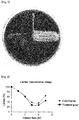
- Hemolysis of the isolated strains was investigated using blood agar plate media (sheep blood 5%, Hanil Komed Co. Ltd., Korea). The strains were streaked onto the blood agar plate media and cultured at 37 °C for 24 h. An observation was made as to whether hemolysis occurred. No hemolysis was observed, as shown in Fig. 5 .
- the susceptibilities of the screened strains to antibiotics were confirmed by the following procedure.
- BHI brain heart infusion
- Sterile cotton swabs soaked with the cultured strains were used to plate the strains on Mueller Hinton II Agar plates (Difco).
- Antibiotic discs were placed on the plate media, followed by culture at 37 °C for 15-18 h.
- Ampicillin, clindamycin, gentamicin, kanamycin, tetracycline, vancomycin, erythromycin, ampicillin/sulbactam, chloramphenicol, and streptomycin discs were prepared for antibiotic testing.
- the susceptibilities of the strains to the antibiotics were confirmed depending on the formation of clear zones around the antibiotic discs after culture. As a result of the antibiotic susceptibility tests, the screened strains were found to be less resistant to the antibiotics (Table 6).
- 9L of tryptic soy broth was inoculated with each of the bacillus strains CJBL215, CJBL219, and CJBL62 (two species of Bacillus licheniformis and one species of Bacillus subtilis ) and cultured at 36 °C for 36 h.
- the strain was plated on a tryptic soy agar medium and the number of colonies was measured. At that time, the strain was cultured until the number of colonies reached ⁇ 1 ⁇ 10 9 cfu per gram of strain.
- a mixture of 20 kg of corn, 30 kg of wheat gluten, 45 kg of soybean meal, and 5 kg of sugar syrup was prepared as a raw material for solid state fermentation.
- the culture broths of the three species of bacillus strains (9 L each) were mixed together.
- the mixture of the culture broths (total 27 L) was added to 100 kg of the raw material for solid state fermentation.
- the strains were homogenously fermented with stirring in the raw material for solid state fermentation at a temperature of 34 °C for 48 h. After the fermentation was finished, the mixture was dried at a temperature of 50 °C for 48 h and pulverized to produce a feed additive.
- Tests were conducted to investigate the effect of the feed additive on the improvement of dry matter digestibility and the enhancement of acetate using a stationary culture system in a rumen model.
- Treatment group 50 mg of the feed additive produced in Example 6 and 0.5 g of a matrix were fed into a 200 ml serum bottle. 37.5 ml of a buffer reduced by carbon dioxide gas and 12.5 ml of a rumen fluid were maintained in an anaerobic state using carbon dioxide gas. After the serum bottle was filled with carbon dioxide gas for -30 sec, the inlet of the serum bottle was closed with a septum, the serum bottle was sealed with an aluminum cap, followed by culture in a stationary incubator at 39 °C for 24 h. At that time, a concentrated feed or total mixed ration (TMR) was used as the matrix. The feed additive was added in an amount of 10 wt% per 0.5 g of the matrix.
- TMR total mixed ration
- the buffer was prepared by mixing 9.3 g/L sodium phosphate monobasic (NaH 2 PO 4 ⁇ 2H 2 O), 9.8 g/L sodium bicarbonate (NaHCO 3 ), 0.47 g/L sodium chloride (NaCl), 0.57 g/L potassium chloride (KCl), 0.256 g/L magnesium chloride (MgCl 2 ), 0.106 g/L calcium chloride (CaCl 2 ), 2.5 g/L casein (N-Z-Amine), and 1.25 ml/L resazurin solution.
- Control group The strains were cultured under the same conditions as in the treatment group, except that the feed additive was not added.
- Each of the treatment group and the control group was cultured in a stationary incubator at 39 °C and lactate content thereof, acetate content, pH, and dry matter digestibility were measured by the following methods:
- the amount of the matrix before culture and the amount of the matrix after culture were measured after filtration of the culture broth through filter paper using a vacuum pump and drying at 60 °C overnight.
- the minimum concentration of lactate in the treatment group was -10% lower than in the control group.
- the maximum concentration of acetate in the treatment group was -2.5 times that in the control group.
- the pH of the control group was 0.5 lower than its initial value while the pH of the treatment group was 0.42 lower than its initial value.
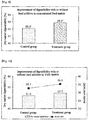
- the dry matter digestibility values of the treatment group using the concentrated feed and the TMR matrices were measured to be higher by 4% and 1.3% than those of the control group, respectively.
- the feed additive according to the present invention can improve the digestibility in the rumen and can increase the production of acetate, indicating positive influence on increase of milk fat.
- the feed additive according to the present invention was produced by the method mentioned in Example 6 and was used for feed testing on milking cows.
- the influence of the feed additive on the milk productivity of milking cows was evaluated through a known dairy feed test method.
- 72 milking cows were divided into a control group and a treatment group, 36 cows per group.
- a conventional feed was administered to the control group for a test period of 4 weeks and a mixture of the feed additive according to the present invention and the conventional feed in the form of a top-dressing was fed to the treatment group (each 20 g per head of animal per day).
- the amounts of milk fat and milk protein and milk yields were measured. The results are shown in Tables 7, 8, and 9.
- the feed additive according to the present invention was produced by the method mentioned in Example 6 and was used for feed testing on milking cows.
- the influence of the feed additive on the milk productivity of milking cows was evaluated through a known dairy feed test method.
- a feed including 0.2 wt% of the feed additive according to the present invention was fed to 150 milking cows over 4 weeks (from May 26 to June 23), which is a common period for which dairy cattle are exposed to a high-temperature stress environment.
- the productivities of milk from the milking cows before and after feeding were compared.
- the milk fat and milk yield measured in the treatment group were found to be higher by 0.2%p and 0.5 kg than those measured in the control group, respectively.
Landscapes
- Life Sciences & Earth Sciences (AREA)
- Chemical & Material Sciences (AREA)
- Engineering & Computer Science (AREA)
- Health & Medical Sciences (AREA)
- Zoology (AREA)
- Biotechnology (AREA)
- Microbiology (AREA)
- Polymers & Plastics (AREA)
- Organic Chemistry (AREA)
- Bioinformatics & Cheminformatics (AREA)
- Genetics & Genomics (AREA)
- Wood Science & Technology (AREA)
- Biochemistry (AREA)
- Biomedical Technology (AREA)
- Tropical Medicine & Parasitology (AREA)
- General Engineering & Computer Science (AREA)
- General Health & Medical Sciences (AREA)
- Virology (AREA)
- Animal Husbandry (AREA)
- Medicinal Chemistry (AREA)
- Food Science & Technology (AREA)
- Molecular Biology (AREA)
- Physiology (AREA)
- Birds (AREA)
- Fodder In General (AREA)
Applications Claiming Priority (1)
| Application Number | Priority Date | Filing Date | Title |
|---|---|---|---|
| PCT/KR2017/008455 WO2019027073A1 (fr) | 2017-08-04 | 2017-08-04 | Additif d'aliments pour animaux contenant bacillus subtilis et bacillus licheniformis, composition d'aliments pour animaux contenant ledit additif et procédé de préparation dudit additif |
Publications (2)
| Publication Number | Publication Date |
|---|---|
| EP3662759A1 true EP3662759A1 (fr) | 2020-06-10 |
| EP3662759A4 EP3662759A4 (fr) | 2021-03-03 |
Family
ID=65233265
Family Applications (1)
| Application Number | Title | Priority Date | Filing Date |
|---|---|---|---|
| EP17825096.5A Pending EP3662759A4 (fr) | 2017-08-04 | 2017-08-04 | Additif d'aliments pour animaux contenantbacillus subtilis |
Country Status (3)
| Country | Link |
|---|---|
| EP (1) | EP3662759A4 (fr) |
| CN (1) | CN109618552A (fr) |
| WO (1) | WO2019027073A1 (fr) |
Cited By (1)
| Publication number | Priority date | Publication date | Assignee | Title |
|---|---|---|---|---|
| US11638432B2 (en) | 2017-07-12 | 2023-05-02 | Cj Cheiljedang Corporation | Feed additive comprising Bacillus subtilis and Bacillus licheniformis, a feed composition comprising the feed additive and a method for producing the feed additive |
Families Citing this family (6)
| Publication number | Priority date | Publication date | Assignee | Title |
|---|---|---|---|---|
| KR102299266B1 (ko) * | 2019-03-07 | 2021-09-08 | 씨제이제일제당 주식회사 | 바실러스 서브틸리스 cjbs303 및 이를 포함하는 조성물 |
| CN111466481A (zh) * | 2020-04-13 | 2020-07-31 | 博益德(北京)生物科技有限公司 | 一种用于发酵液态仔猪饲料的液体菌液、仔猪液态发酵饲料的制备方法及应用 |
| CN111955622B (zh) * | 2020-07-10 | 2023-01-24 | 湖北华大瑞尔科技有限公司 | 一种复合饲料添加剂及其制备方法 |
| CN111893070A (zh) * | 2020-08-12 | 2020-11-06 | 宁夏大学 | 一种荷斯坦奶牛瘤胃地衣芽孢杆菌的培养筛选方法 |
| CN113151110B (zh) * | 2021-05-19 | 2022-08-26 | 科润生科技发展有限公司 | 防治动物腹泻的地衣芽孢杆菌及其微生态制剂 |
| CN115505616A (zh) * | 2022-09-23 | 2022-12-23 | 上海国龙生物科技有限公司 | 一种地衣芽孢杆菌和枯草芽孢杆菌混合发酵的方法 |
Family Cites Families (8)
| Publication number | Priority date | Publication date | Assignee | Title |
|---|---|---|---|---|
| KR100351754B1 (ko) * | 2000-02-07 | 2002-11-29 | 주식회사 이지바이오 시스템 | 가축사료 첨가제용 조성물 |
| KR100643375B1 (ko) * | 2005-07-28 | 2006-11-10 | 김성제 | 발아곡류를 이용한 가축용 발효사료 및 그 제조방법 |
| TW201136528A (en) * | 2010-03-17 | 2011-11-01 | Calpis Co Ltd | Agent for improving feed utilization efficiency of ruminant |
| CN102283321B (zh) * | 2010-06-18 | 2012-08-22 | 哈尔滨爱特杰牧业有限公司 | 一种奶牛瘤胃发酵促进剂 |
| CN102640855A (zh) * | 2012-04-27 | 2012-08-22 | 杨洪星 | 一种微生态类饲料添加剂 |
| KR101552569B1 (ko) * | 2014-01-15 | 2015-09-14 | 안정수 | 반추위 발효 특성 개선을 위한 식물추출조성물 및 그 제조방법과 이를 이용한 사료첨가제 제조방법 |
| CN103911323B (zh) * | 2014-03-28 | 2016-06-29 | 内蒙古和美科盛生物技术有限公司 | 地衣芽孢杆菌、枯草芽孢杆菌和植物乳杆菌制剂及制备 |
| KR101721900B1 (ko) | 2014-10-22 | 2017-03-31 | 전북대학교산학협력단 | 반추동물의 메탄 저감용 조성물 및 이를 포함하는 사료 조성물 |
-
2017
- 2017-08-04 WO PCT/KR2017/008455 patent/WO2019027073A1/fr not_active Ceased
- 2017-08-04 CN CN201780002557.0A patent/CN109618552A/zh active Pending
- 2017-08-04 EP EP17825096.5A patent/EP3662759A4/fr active Pending
Cited By (1)
| Publication number | Priority date | Publication date | Assignee | Title |
|---|---|---|---|---|
| US11638432B2 (en) | 2017-07-12 | 2023-05-02 | Cj Cheiljedang Corporation | Feed additive comprising Bacillus subtilis and Bacillus licheniformis, a feed composition comprising the feed additive and a method for producing the feed additive |
Also Published As
| Publication number | Publication date |
|---|---|
| WO2019027073A1 (fr) | 2019-02-07 |
| CN109618552A (zh) | 2019-04-12 |
| EP3662759A4 (fr) | 2021-03-03 |
Similar Documents
| Publication | Publication Date | Title |
|---|---|---|
| US11638432B2 (en) | Feed additive comprising Bacillus subtilis and Bacillus licheniformis, a feed composition comprising the feed additive and a method for producing the feed additive | |
| EP3662759A1 (fr) | Additif d'aliments pour animaux contenantbacillus subtilis | |
| KR101370941B1 (ko) | 신규 바실러스 서브틸리스 | |
| EP3766960A1 (fr) | Bacillus subtilis cjbs303 et composition le comprenant | |
| KR101734361B1 (ko) | 장류의 유해 미생물에 대한 항균 활성, 항산화 활성 및 세포외 효소 분비능이 있고, 바이오제닉 아민을 생성하지 않는 전통장류 유래의 바실러스 서틸리스 scm146 균주 및 이의 용도 | |
| KR102387028B1 (ko) | 알파-글루코시다아제 저해제를 생산하는 신규한 바실러스 코아귤란스 cc 균주 | |
| KR102454000B1 (ko) | 항균활성을 갖는 바실러스속 균주 및 그의 용도 | |
| US11382940B2 (en) | Lactobacillus salivarius CJLS1511, animal feed additive composition comprising same bacterium or dead cells thereof, and method for producing same dead cells | |
| EP3735837B1 (fr) | Procédé de préparation d'une composition fermentée ayant une odeur améliorée au moyen d'une levure | |
| CN112980735A (zh) | 丁酸梭菌、菌剂及它们的应用以及菌剂的制备方法 | |
| CN117305189A (zh) | 一种德氏乳杆菌保加利亚亚种vb183及其培养装置和应用 | |
| KR101736324B1 (ko) | 장류의 유해 미생물에 대한 항균 활성, 항산화 활성 및 세포외 효소 분비능이 있고, 바이오제닉 아민을 생성하지 않는 전통장류 유래의 바실러스 서틸리스 scm121 균주 및 이의 용도 | |
| US20070009503A1 (en) | Antibiotic, Compositions Containing the Antibiotic, and Methods for Administering the Antibiotic and/or Said Compositions to Livestock | |
| CN117286083B (zh) | 一种罗伊氏粘液乳杆菌vb319及其培养装置和应用 | |
| KR102396600B1 (ko) | 페디오코커스 펜토사세우스 kcc-46 균주 및 이를 포함하는 조성물 | |
| WO2024147326A1 (fr) | Composition d'administration orale pour la prévention ou le traitement d'une infection virale chez les décapodes | |
| KR102130646B1 (ko) | 신규한 락토바실러스 살리바리우스 및 이를 유효성분으로 포함하는 양식 어류 및 갑각류용 사료첨가제 | |
| KR100457002B1 (ko) | 유해세균의 성장을 억제하는 신규 미생물 및 이를유효성분으로 하는 미생물 첨가제 | |
| KR102456000B1 (ko) | 락토바실러스 플란타룸 kcc-47 균주 및 이를 포함하는 조성물 | |
| EP1862080A1 (fr) | Bactériocines résistant aux protéinases resultants des bactéries lactiques et son utilisation chez les animaux d'élevage | |
| Dumitru et al. | Preliminary characterization in vitro of Bacillus licheniformis strain for used as dietary probiotic. | |
| CN118685316A (zh) | 一株植物乳杆菌r6及其应用 | |
| Bian | An in vitro antimicrobial and safety study of Lactobacillus reuteri DPC16 for validation of probiotic concept: a thesis presented in partial fulfilment of the requirements for the degree of Master of Technology in Biotechnology at Massey University, Auckland, New Zealand | |
| KR100803532B1 (ko) | 내산성, 내담즙성의 적응력이 강하고, 병원성 미생물의 생육을 억제하고, 알파-갈락토시데이지 효소를 생산하는 락토바실러스 살리바리우스 에스피 살리바리우스 df20(kctc10942bp) 미생물 | |
| KR102777875B1 (ko) | 신규 페디오코커스 속 균주 및 그의 용도 |
Legal Events
| Date | Code | Title | Description |
|---|---|---|---|
| STAA | Information on the status of an ep patent application or granted ep patent |
Free format text: STATUS: UNKNOWN |
|
| STAA | Information on the status of an ep patent application or granted ep patent |
Free format text: STATUS: THE INTERNATIONAL PUBLICATION HAS BEEN MADE |
|
| PUAI | Public reference made under article 153(3) epc to a published international application that has entered the european phase |
Free format text: ORIGINAL CODE: 0009012 |
|
| STAA | Information on the status of an ep patent application or granted ep patent |
Free format text: STATUS: REQUEST FOR EXAMINATION WAS MADE |
|
| 17P | Request for examination filed |
Effective date: 20180115 |
|
| AK | Designated contracting states |
Kind code of ref document: A1 Designated state(s): AL AT BE BG CH CY CZ DE DK EE ES FI FR GB GR HR HU IE IS IT LI LT LU LV MC MK MT NL NO PL PT RO RS SE SI SK SM TR |
|
| AX | Request for extension of the european patent |
Extension state: BA ME |
|
| DAV | Request for validation of the european patent (deleted) | ||
| DAX | Request for extension of the european patent (deleted) | ||
| A4 | Supplementary search report drawn up and despatched |
Effective date: 20210201 |
|
| RIC1 | Information provided on ipc code assigned before grant |
Ipc: C12R 1/10 20060101ALI20210126BHEP Ipc: A23K 10/16 20160101AFI20210126BHEP Ipc: A23K 50/10 20160101ALI20210126BHEP Ipc: C12R 1/125 20060101ALI20210126BHEP Ipc: A23K 10/18 20160101ALI20210126BHEP |
|
| P01 | Opt-out of the competence of the unified patent court (upc) registered |
Effective date: 20230606 |
|
| STAA | Information on the status of an ep patent application or granted ep patent |
Free format text: STATUS: EXAMINATION IS IN PROGRESS |
|
| 17Q | First examination report despatched |
Effective date: 20240312 |