EP3663319A1 - Procédé de préparation d'une nouvelle protéine de fusion et utilisation de protéine de fusion pour améliorer la synthèse de protéines - Google Patents
Procédé de préparation d'une nouvelle protéine de fusion et utilisation de protéine de fusion pour améliorer la synthèse de protéines Download PDFInfo
- Publication number
- EP3663319A1 EP3663319A1 EP17920595.0A EP17920595A EP3663319A1 EP 3663319 A1 EP3663319 A1 EP 3663319A1 EP 17920595 A EP17920595 A EP 17920595A EP 3663319 A1 EP3663319 A1 EP 3663319A1
- Authority
- EP
- European Patent Office
- Prior art keywords
- protein
- fusion protein
- yeast
- vitro
- synthesis system
- Prior art date
- Legal status (The legal status is an assumption and is not a legal conclusion. Google has not performed a legal analysis and makes no representation as to the accuracy of the status listed.)
- Pending
Links
Images



Classifications
-
- C—CHEMISTRY; METALLURGY
- C12—BIOCHEMISTRY; BEER; SPIRITS; WINE; VINEGAR; MICROBIOLOGY; ENZYMOLOGY; MUTATION OR GENETIC ENGINEERING
- C12P—FERMENTATION OR ENZYME-USING PROCESSES TO SYNTHESISE A DESIRED CHEMICAL COMPOUND OR COMPOSITION OR TO SEPARATE OPTICAL ISOMERS FROM A RACEMIC MIXTURE
- C12P21/00—Preparation of peptides or proteins
- C12P21/02—Preparation of peptides or proteins having a known sequence of two or more amino acids, e.g. glutathione
-
- C—CHEMISTRY; METALLURGY
- C12—BIOCHEMISTRY; BEER; SPIRITS; WINE; VINEGAR; MICROBIOLOGY; ENZYMOLOGY; MUTATION OR GENETIC ENGINEERING
- C12N—MICROORGANISMS OR ENZYMES; COMPOSITIONS THEREOF; PROPAGATING, PRESERVING, OR MAINTAINING MICROORGANISMS; MUTATION OR GENETIC ENGINEERING; CULTURE MEDIA
- C12N9/00—Enzymes; Proenzymes; Compositions thereof; Processes for preparing, activating, inhibiting, separating or purifying enzymes
- C12N9/0004—Oxidoreductases (1.)
- C12N9/0069—Oxidoreductases (1.) acting on single donors with incorporation of molecular oxygen, i.e. oxygenases (1.13)
-
- C—CHEMISTRY; METALLURGY
- C12—BIOCHEMISTRY; BEER; SPIRITS; WINE; VINEGAR; MICROBIOLOGY; ENZYMOLOGY; MUTATION OR GENETIC ENGINEERING
- C12P—FERMENTATION OR ENZYME-USING PROCESSES TO SYNTHESISE A DESIRED CHEMICAL COMPOUND OR COMPOSITION OR TO SEPARATE OPTICAL ISOMERS FROM A RACEMIC MIXTURE
- C12P21/00—Preparation of peptides or proteins
-
- C—CHEMISTRY; METALLURGY
- C07—ORGANIC CHEMISTRY
- C07K—PEPTIDES
- C07K14/00—Peptides having more than 20 amino acids; Gastrins; Somatostatins; Melanotropins; Derivatives thereof
- C07K14/37—Peptides having more than 20 amino acids; Gastrins; Somatostatins; Melanotropins; Derivatives thereof from fungi
- C07K14/39—Peptides having more than 20 amino acids; Gastrins; Somatostatins; Melanotropins; Derivatives thereof from fungi from yeasts
-
- C—CHEMISTRY; METALLURGY
- C07—ORGANIC CHEMISTRY
- C07K—PEPTIDES
- C07K7/00—Peptides having 5 to 20 amino acids in a fully defined sequence; Derivatives thereof
- C07K7/04—Linear peptides containing only normal peptide links
- C07K7/06—Linear peptides containing only normal peptide links having 5 to 11 amino acids
-
- C—CHEMISTRY; METALLURGY
- C12—BIOCHEMISTRY; BEER; SPIRITS; WINE; VINEGAR; MICROBIOLOGY; ENZYMOLOGY; MUTATION OR GENETIC ENGINEERING
- C12N—MICROORGANISMS OR ENZYMES; COMPOSITIONS THEREOF; PROPAGATING, PRESERVING, OR MAINTAINING MICROORGANISMS; MUTATION OR GENETIC ENGINEERING; CULTURE MEDIA
- C12N15/00—Mutation or genetic engineering; DNA or RNA concerning genetic engineering, vectors, e.g. plasmids, or their isolation, preparation or purification; Use of hosts therefor
- C12N15/09—Recombinant DNA-technology
- C12N15/11—DNA or RNA fragments; Modified forms thereof; Non-coding nucleic acids having a biological activity
- C12N15/62—DNA sequences coding for fusion proteins
-
- C—CHEMISTRY; METALLURGY
- C12—BIOCHEMISTRY; BEER; SPIRITS; WINE; VINEGAR; MICROBIOLOGY; ENZYMOLOGY; MUTATION OR GENETIC ENGINEERING
- C12N—MICROORGANISMS OR ENZYMES; COMPOSITIONS THEREOF; PROPAGATING, PRESERVING, OR MAINTAINING MICROORGANISMS; MUTATION OR GENETIC ENGINEERING; CULTURE MEDIA
- C12N15/00—Mutation or genetic engineering; DNA or RNA concerning genetic engineering, vectors, e.g. plasmids, or their isolation, preparation or purification; Use of hosts therefor
- C12N15/09—Recombinant DNA-technology
- C12N15/63—Introduction of foreign genetic material using vectors; Vectors; Use of hosts therefor; Regulation of expression
- C12N15/79—Vectors or expression systems specially adapted for eukaryotic hosts
- C12N15/85—Vectors or expression systems specially adapted for eukaryotic hosts for animal cells
- C12N15/86—Viral vectors
-
- C—CHEMISTRY; METALLURGY
- C12—BIOCHEMISTRY; BEER; SPIRITS; WINE; VINEGAR; MICROBIOLOGY; ENZYMOLOGY; MUTATION OR GENETIC ENGINEERING
- C12N—MICROORGANISMS OR ENZYMES; COMPOSITIONS THEREOF; PROPAGATING, PRESERVING, OR MAINTAINING MICROORGANISMS; MUTATION OR GENETIC ENGINEERING; CULTURE MEDIA
- C12N9/00—Enzymes; Proenzymes; Compositions thereof; Processes for preparing, activating, inhibiting, separating or purifying enzymes
- C12N9/14—Hydrolases (3)
-
- C—CHEMISTRY; METALLURGY
- C07—ORGANIC CHEMISTRY
- C07K—PEPTIDES
- C07K2319/00—Fusion polypeptide
-
- C—CHEMISTRY; METALLURGY
- C07—ORGANIC CHEMISTRY
- C07K—PEPTIDES
- C07K2319/00—Fusion polypeptide
- C07K2319/01—Fusion polypeptide containing a localisation/targetting motif
- C07K2319/02—Fusion polypeptide containing a localisation/targetting motif containing a signal sequence
-
- C—CHEMISTRY; METALLURGY
- C12—BIOCHEMISTRY; BEER; SPIRITS; WINE; VINEGAR; MICROBIOLOGY; ENZYMOLOGY; MUTATION OR GENETIC ENGINEERING
- C12Y—ENZYMES
- C12Y113/00—Oxidoreductases acting on single donors with incorporation of molecular oxygen (oxygenases) (1.13)
- C12Y113/12—Oxidoreductases acting on single donors with incorporation of molecular oxygen (oxygenases) (1.13) with incorporation of one atom of oxygen (internal monooxygenases or internal mixed function oxidases)(1.13.12)
- C12Y113/12007—Photinus-luciferin 4-monooxygenase (ATP-hydrolysing) (1.13.12.7), i.e. firefly-luciferase
-
- C—CHEMISTRY; METALLURGY
- C12—BIOCHEMISTRY; BEER; SPIRITS; WINE; VINEGAR; MICROBIOLOGY; ENZYMOLOGY; MUTATION OR GENETIC ENGINEERING
- C12Y—ENZYMES
- C12Y306/00—Hydrolases acting on acid anhydrides (3.6)
- C12Y306/04—Hydrolases acting on acid anhydrides (3.6) acting on acid anhydrides; involved in cellular and subcellular movement (3.6.4)
- C12Y306/04013—RNA helicase (3.6.4.13)
Definitions
- the present invention relates to genetic engineering, and particularly to the preparation of novel fusion proteins and their application in improving protein synthesis.
- Proteins are important molecules in cells, which are involved in almost all functions of cells. Different sequences and structures depends different functions of proteins. In cells, proteins can act as enzymes to catalyze various biochemical reactions, and can act as signal molecules to coordinate various activities of organisms. Proteins can also support biologic forms, store energy, transport molecules and enable organisms to move. In the field of biomedicine, antibodies of protein types, as targeted protein drugs, are an important means to treat diseases such as cancer.
- the regulation of protein translation plays an important role in various processes, such as coping with external pressure (e.g., nutritional deficiency), cell development, cell differentiation, and so on.
- Four processes of protein translation include translation initiation, translation elongation (or translated as translation extension), translation termination and ribosome recycling, among which translation initiation is the most regulated process.
- the small ribosomal subunit (40S) binds (tRNA) i Met , and recognizes the 5' terminal of mRNA with the help of various translation initiation factors.
- the small subunit moves downstream, combines the large ribosomal subunit (60S) at the initiation codon (ATG) to form a complete ribosome, and then enters the stage of translation elongation.
- the rate of protein synthesis is approximately 13,000 molecules per second. In vivo, the rate of protein synthesis is limited by the number of ribosomes. The average number of ribosomes in one cell is about 200,000, and the number of mRNA molecules is about 15,000 to 60,000.
- E. coli systems E. coli extract, ECE
- rabbit reticulocyte systems rabbit reticulocyte lysate, RRL
- wheat germ systems WGE
- insect systems insect cell extract, ICE
- the protein yield of a prokaryotic system can reach approximately 0.5 mg/mL, with a cost of about 10 RMB/ ⁇ g.
- the protein yield of a CHO system can reach approximately 0.7 mg/mL, with a cost of about 20 RMB/ ⁇ g. Therefore, both intracellular protein synthesis systems in nature and artificial extracellular protein synthesis systems have the characteristic of low efficiency and low rate, which greatly limits the application of protein synthesis.
- the present invention is aimed to provide an in-vitro protein synthesis system that can effectively enhance the efficiency of in-vitro protein synthesis.
- a first aspect of the present invention provides a fusion protein, wherein, the fusion protein has a structure represented by the general Formula Ia or Formula Ib: S-A-B-C (Ia) S-C-B-A (Ib) wherein,
- the Formula Ia or Ib corresponds to a structure from the N-terminus to the C-terminus.
- the element A includes a Pab1 sequence of wild-type and a Pab1 sequence of mutant type.
- the PabI element is a PabI derived from yeast.
- the element A has a sequence as shown in SEQ ID NO.: 1 or an active fragment thereof, or contains a peptide which has a sequence homology of ⁇ 85% (preferably ⁇ 90%; more preferably ⁇ 95%; most preferably ⁇ 97%, such as ⁇ 98%, ⁇ 99%, etc) to the amino acid sequence as shown in SEQ ID NO.: 1 and has the same activity as the sequence of SEQ ID NO.: 1.
- the element C includes an eIF4G sequence of wild-type and an eIF4G sequence of mutant type.
- the eIF4G element is an eIF4G derived from yeast.
- the element C has a sequence as shown in SEQ ID NO.: 2 or an active fragment thereof, or contains a peptide which has a sequence homology of ⁇ 85% (preferably ⁇ 90%; more preferably ⁇ 95%; most preferably ⁇ 97%, such as ⁇ 98%, ⁇ 99%, etc) to the amino acid sequence as shown in SEQ ID NO.: 2 and has the same activity as the sequence of SEQ ID NO.: 2.
- the fusion protein is a recombinant protein, and preferably a recombinant protein expressed by yeast.
- the yeast is selected from the group consisting of: Kluyveromyces, Saccharomyces cerevisiae, and the combination thereof.
- the yeast is selected from the group consisting of: Kluyveromyces lactis, Kluyveromyces marxianus, Kluyveromyces dobzhanskii, and the combination thereof.
- the element A is a Pab1 protein derived from yeast.
- the element C is an eIF4G protein derived from yeast.
- the peptide linker has a length of 0-50 amino acids, preferably of 10-40 amino acids, and more preferably of 15-25 amino acids.
- the fusion protein is selected from the group consisting of:
- amino acid sequence of the fusion protein is shown in SEQ ID NO.: 3.
- the fusion protein has one or more characteristics selected from the group consisting of:
- the exogenous protein is selected from the group consisting of: luciferin or luciferases (such as firefly luciferase), green fluorescent protein, yellow fluorescent protein, aminoacyl tRNA synthetase, glyceraldehyde-3-phosphate dehydrogenase, catalase, actin, the variable region of antibodies, luciferase mutants or variants, ⁇ -amylase, enterocin A, hepatitis C virus (HCV) E2 glycoprotein, insulin precursors, interferon alpha A (IFN- ⁇ A), interleukin-1 ⁇ (IL-1 ⁇ ), lysozyme, serum albumin, single-chain fragment variable (scFv) of antibodies, tranthyretin, tyrosinase, xylanase, and the combination thereof.
- luciferin or luciferases such as firefly luciferase
- green fluorescent protein such as green fluorescent protein
- yellow fluorescent protein aminoacy
- a second aspect of the present invention provides an isolated polynucleotide which encodes the fusion protein described in the first aspect of the present invention.
- the polynucleotide is selected from the group consisting of: a DNA sequence and an RNA sequence.
- the DNA sequence is selected from the group consisting of: a genomic sequence and a cDNA sequence.
- the polynucleotide is mRNA or cDNA, and the polynucleotide has a structured represented by Formula II: A1-C1 (Formula II) wherein,
- the element A1 has a sequence as shown in SEQ ID NO.: 4.
- the element C1 has a sequence as shown in SEQ ID NO.: 5.
- a third aspect of the present invention provides a vector which comprises the polynucleotide described in the second aspect of the present invention.
- a fourth aspect of the present invention provides a host cell, wherein, the host cell comprises the vector described in the third aspect of the present invention, or the genome of the host cell is integrated with the polynucleotide of the second aspect of the present invention.
- the host cell is formed by transforming the expression vector of the third aspect of the present invention or the polynucleotide of the second aspect of the present invention, followed by homologous recombination, so as that the coding sequence of the fusion protein of the first aspect of the present invention is integrated into the genome or chromosome of the host cell.
- the host cell is selected from the group consisting of: Kluyveromyces, Saccharomyces cerevisiae, and the combination thereof.
- the host cell is selected from the group consisting of: Kluyveromyces lactis, Kluyveromyces marxianus, Kluyveromyces dobzhanskii, and the combination thereof.
- the host cell is Kluyveromyces lactis.
- a fifth aspect of the present invention provides an in-vitro protein synthesis system for expressing an exogenous protein, wherein, the reaction system includes:
- reaction system further includes (iii) additionally added eIF4G protein.
- the expression of the eIF4G protein is induced by a constitutive or inducible promoter.
- the constitutive or inducible promoter is derived from yeast.
- the yeast is selected from the group consisting of: Kluyveromyces, Saccharomyces cerevisiae, and the combination thereof.
- the constitutive or inducible promoter is selected from the group consisting of: pScTEF1, pScPGK1, pKlTEF1, pKlPGK1, pScADH1, pScTPI1, pScTDH3, pKlADH1, pKlTPI1, pKlTDH3, and the combination thereof.
- a sixth aspect of the present invention provides a method for producing the fusion protein described in the first aspect of the present invention, including:
- a seventh aspect of the present invention provides use of the fusion protein described in the first aspect of the present invention, wherein, the fusion protein is used for preparing an in-vitro protein synthesis system for expressing an exogenous protein.
- the in-vitro protein synthesis system is used for increasing the expression efficiency of the exogenous protein.
- reaction system further includes additionally added eIF4G protein.
- An eighth aspect of the present invention provides use of the fusion protein described in the first aspect of the present invention, wherein, the fusion protein is used for preparing a preparation which can increase the in-vitro protein synthesis ability of an in-vitro protein synthesis system.
- a ninth aspect of the present invention provides a method for expressing an exogenous protein, including:
- the fusion protein is additionally added.
- the fusion protein and other proteins in the yeast-based in-vitro protein synthesis system are extracts derived from the same yeast.
- the method is non-diagnostic and non-therapeutic.
- the step (ii) further comprises a step (iii): detecting the expression activity of the exogenous protein, (Q1); while incubating a wild-type yeast strain under the same condition as that in the step (ii), detecting the activity of the exogenous protein, (Q2); wherein, if Ql is significantly higher than Q2, it indicates that expression efficiency of the exogenous protein is significantly improved.
- the phrase of "significantly higher than” refers to Q1/Q2 ⁇ 2, preferably ⁇ 3, and more preferably ⁇ 4.
- the yeast-based in-vitro protein synthesis system is an in-vitro protein synthesis system based on a genetically modified Kluyveromyces (preferably an in-vitro protein synthesis system based on Kluyveromyces lactis ).
- the coding sequence of the exogenous protein is derived from a prokaryotic organism or a eukaryotic organism.
- the coding sequence of the exogenous protein is derived from animal, plant, or pathogen.
- the coding sequence of the exogenous protein is derived from mammal, preferably primate or rodent, including human, mouse, rat, etc.
- the coding sequence of the exogenous protein is selected from the group consisting of: exogenous DNA sequences encoding luciferin or luciferases (such as firefly luciferase), green fluorescent protein, yellow fluorescent protein, aminoacyl tRNA synthetase, glyceraldehyde-3-phosphate dehydrogenase, catalase, actin, the variable region of an antibody, DNA of a luciferase mutant (or translated as luciferase variant), and the combination thereof.
- exogenous DNA sequences encoding luciferin or luciferases such as firefly luciferase
- green fluorescent protein yellow fluorescent protein
- aminoacyl tRNA synthetase aminoacyl tRNA synthetase
- glyceraldehyde-3-phosphate dehydrogenase glyceraldehyde-3-phosphate dehydrogenase
- catalase actin
- actin the variable region
- the exogenous protein is selected from the group consisting of: luciferin or luciferases (such as firefly luciferase), green fluorescent protein, yellow fluorescent protein, aminoacyl tRNA synthetase, glyceraldehyde-3-phosphate dehydrogenase, catalase, actin, the variable region of antibodies, luciferase mutants (or translated as luciferase variants), ⁇ -amylase, enterocin A, hepatitis C virus (HCV) E2 glycoprotein, insulin precursors, interferon ⁇ A, interleukin-1 ⁇ , lysozyme, serum albumin, single-chain fragment variable (scFv) of antibodies, tranthyretin, tyrosinase, xylanase, and the combination thereof.
- luciferin or luciferases such as firefly luciferase
- green fluorescent protein such as green fluorescent protein
- yellow fluorescent protein aminoacyl
- fusion protein having a structure represented by Formula Ia or Formula Ib was unexpectedly discovered for the first time.
- the fusion protein of the present invention can greatly improve the in-vitro translation efficiency.
- a constitutive or inducible promoter e.g., pScTEF1, pScPGK1, pKlTEF1, pKlPGK1, pScADH1, pScTPI1, pScTDH3, pKlADH1, pKlTPI1, pKlTDH3, etc
- a constitutive or inducible promoter e.g., pScTEF1, pScPGK1, pKlTEF1, pKlPGK1, pScADH1, pScTPI1, pScTDH3, pKlADH1, pKlTPI1, pKlTDH3, etc
- inventors of the present invention also found that, while the fusion protein of the present invention improved the in-vitro translation efficiency, the expression level of the element eIF4G of the fusion protein of the present invention did not increase.
- the value of relative light units referring to the activity of the synthesized luciferase reaches as high as 1.50 ⁇ 10 9
- the value of relative light units referring to the activity of the synthesized luciferase with a constitutive or inducible promoter being inserted in front of the eIF4G element reaches as high as 1.57 ⁇ 10 9 , which is far higher than the value of relative light units (4.11 ⁇ 10 8 ) referring to the activity of the synthesized luciferase corresponding to a wild-type yeast strain (e.g., Y1140).
- a wild-type yeast strain e.g., Y1140
- the eIF4F is responsible for the recognition of "cap structure” and the recruitment of downstream translation initiation factors and ribosomes.
- the eIF4F consists of three protein subunits: eIF4E, eIF4G and eIF4A.
- the eIF4E specifically binds to the "cap structure” and anchors the eIF4F to the 5' untranslated region (or 5' UTR; or 5' nontranslated region) of mRNA.
- the eIF4A is an RNA helicase.
- the eIF4G which serves as a scaffold protein during almost the entire translation initiation process and can interact with many translation initiation factors, plays an important role in the recruitment of downstream factors.
- Table 1 Translation initiation factors in yeast Translation Initiation Factor Subunit Gene Protein Length (AA) eIF1 SUI1 108 eIF1A TIF11 153 eIF2 ⁇ SUI2 304 ⁇ SUI3 285 ⁇ GCD11 527 eIF2B ⁇ GCN3 305 ⁇ GCD7 381 ⁇ GCD1 578 ⁇ GCD2 651 ⁇ GCD6 712 eIF3 a RPG1 / TIF32 964 b PRT1 763 c NIP1 812 g TIF35 274 i TIF34 347 j HCR1 265 eIF4A TIF1 395 TIF2 395 eIF4B TIF3 / STM1 436 eIF4E CDC33 213 eIF4G TIF4631 9
- a constitutive or inducible promoter e.g., pScTEF1, pScPGK1, pKlTEF1, pKlPGK1, pScADH1, pScTPI1, pScTDH3, pKlADH1, pKlTPI1, pKlTDH3 or the like
- yeast such as Saccharomyces cerevisiae, Kluyveromyces and the like in front of the eIF4G element
- the eIF4G has a nucleotide sequence as shown in SEQ ID NO.: 5, and an amino acid sequence as shown in SEQ ID NO.: 2.
- Pab1 Element (Pab1 protein)
- Pab1 is a 71 kDa RNA-binding protein, which consists of four RNA recognition motif (RRM 1-4) domains and one MLLE domain. Each RRM domain comprises two conserved RNP structures (RNP1/2) which are responsible for binding to RNA.
- the Pab1 has a nucleotide sequence as shown in SEQ ID NO.: 4 and a protein sequence as shown in SEQ ID NO.: 1.
- fusion protein of the present invention PabI-eIF4G fusion protein of the present invention
- PabI-eIF4G fusion protein can be used interchangeably, and refer to a fusion protein formed by fusing the Pab1 element and the eIF4G element.
- a linker peptide or a flexible linker can or cannot be contained between the Pab1 element and the eIF4G element.
- the fusion protein can or cannot contain the starting Met; can or cannot contain a signal peptide; and can or cannot contain a tag sequence (e.g., 6His, etc).
- the fusion protein described in the present invention has an above-described structure of Formula Ia or Formula Ib.
- the fusion protein of the present invention has an amino acid sequence as shown in SEQ ID NO.: 3.
- the fusion protein of the present invention can significantly improve the in-vitro protein synthesis ability of a cell-free and in-vitro protein synthesis system (especially a yeast-based in-vitro protein synthesis system).
- the fusion protein of the present invention is used for improving the protein synthesis ability of an in-vitro protein synthesis system.
- a typical in-vitro protein synthesis system is a yeast-based in-vitro protein synthesis system.
- Yeast has advantages of simple culture, highly efficient protein folding and post-translational modification ability. Wherein, Saccharomyces cerevisiae and Pichia pastoris are model organisms for expressing complex eukaryotic proteins and membrane proteins. Yeast can also be used as materials for preparing in-vitro translation systems.
- Kluyveromyces is a kind of ascosporous yeast, among which Kluyveromyces marxianus and Kluyveromyces lactis are widely used in industry.
- Kluyveromyces lactis is a kind of yeast which can use lactic acid as its sole carbon source and energy source.
- Kluyveromyces lactis has many advantages, such as superstrong secretion ability, good large-scale fermentation characteristics, food safety level, post-translational modification ability and the like, and also has shown great potential to be used as a host system to express pharmaceutical proteins.
- the yeast-based in-vitro protein synthesis system is not particularly limited, and a preferred yeast-based in-vitro protein synthesis system is a Kluyveromyces expression system (preferably a Kluyveromyces lactis expression system).
- Kluyveromyces such as Kluyveromyces lactis
- Kluyveromyces lactis is not particularly limited and includes any Kluyveromyces (such as Kluyveromyces lactis ) strain that is capable of increasing the efficiency of protein synthesis.
- the yeast-based in-vitro protein synthesis system of the present invention is an expression system based on a genetically modified Kluyveromyces lactis strain.
- the present invention provides an in-vitro cell-free protein synthesis system, including:
- said polyethylene glycol is selected from the group consisting of: PEG3000, PEG8000, PEG6000, PEG3350, and the combination thereof.
- said polyethylene glycol includes polyethylene glycol with a molecular weight (Da in units) of 200-10000, preferably, polyethylene glycol with a molecular weight of 3000-10000.
- the concentration (v/v) of Component (a) is 20-70%, preferably 30-60%, and more preferably 40-50%, as calculated by the total volume of the protein synthesis system.
- the concentration (w/v, such as g/ml) of Component (b) is 0.1-8%, preferably 0.5-4%, and more preferably 1-2%.
- the concentration of Component (c) is 0.03-40wt%, preferably 0.08-10wt%, and more preferably 0.1-5wt%, as calculated by the total weight of the protein synthesis system.
- the in-vitro protein synthesis system consists of: yeast cell extract, 4-hydroxyethyl piperazineethanesulfonic acid, potassium acetate, magnesium acetate, adenosine triphosphate (ATP), guanosine triphosphate (GTP), cytidine triphosphate (CTP), thymine triphosphate (TTP), amino acid mixture, creatine phosphate, dithiothreitol (DTT), creatine phosphate kinase, RNase inhibitor, luciferin, DNA of luciferase and RNA polymerase.
- the RNA polymerase is not particularly limited, and can be one kind of RNA polymerase or the combination of more kinds of RNA polymerases; a typical RNA polymerase is T7 RNA polymerase.
- the proportion of the yeast cell extract in the in-vitro protein synthesis system is not particularly limited.
- the content of the yeast cell extract is 20-70% relative to the in-vitro protein synthesis system, preferably 30-60%, and more preferably 40-50%.
- the yeast cell extract does not contain intact cells.
- a typical yeast cell extract contains factors for protein translation including ribosomes, transfer RNAs and aminoacyl tRNA synthetase, as well as factors required for protein synthesis including initiation factors, elongation factors and release factors mediating termination.
- the yeast cell extract also contains some other proteins derived from cytoplasm of the yeast cell, especially soluble proteins.
- the protein content of the yeast cell extract is 20-100 mg/mL, preferably 50-100 mg/mL.
- the method for measuring protein content is Coomassie brilliant blue staining method.
- the preparation method of the yeast cell extract is not limited.
- a preferred preparation method includes the following steps:
- the solid-liquid separation method is not limited.
- a preferred method is centrifugation.
- the centrifugation is carried out in a liquid state.
- the centrifugation condition is not particularly limited.
- a preferred centrifugation condition is 5000-100000 g, preferably 8000-30000 g.
- the centrifugation time is not particularly limited.
- a preferred centrifugation time is 0.5 min-2 h, preferably 20-50 min.
- the centrifugation temperature is not particularly limited.
- the centrifugation is carried out at 1 - 10 ° C, preferably at 2 - 6 °C.
- the washing method is not particularly limited.
- a preferred washing method is to process at pH 7-8 (preferably pH 7.4) with the use of a washing buffer, wherein the washing buffer is not particularly limited.
- a typical washing buffer is selected from the group consisting of: potassium 4-hydroxyethyl piperazineethanesulfonate, potassium acetate, magnesium acetate, and the combination thereof.
- the method for cell lysis (or translated as "the manner for breaking up cells") is not particularly limited.
- Preferred cell lysis methods include high-pressure lysis, freeze-thaw (e.g., treatment at liquid-nitrogen low temperature) lysis, etc.
- the nucleoside triphosphate mixture in the in-vitro protein synthesis system includes adenosine triphosphate, guanosine triphosphate, cytidine triphosphate, and uridine triphosphate.
- the concentration of each kind of nucleotide is not particularly limited.
- the concentration of each kind of nucleotide is usually 0.5-5 mM, preferably 1.0-2.0 mM.
- the amino acid mixture in the in-vitro protein synthesis system can include natural or unnatural amino acids, and can include D-type or L-type amino acids.
- Representative amino acids include, but are not limited to, 20 kinds of natural amino acids: glycine, alanine, valine, leucine, isoleucine, phenylalanine, proline, tryptophan, serine, tyrosine, cysteine, methionine, asparagine, glutamine, threonine, aspartic acid, glutamic acid, lysine, arginine and histidine.
- the concentration of each kind of amino acid is usually 0.01-0.5 mM, preferably 0.02-0.2 mM, such as 0.05 mM, 0.06 mM, 0.07 mM, 0.08 mM, etc.
- the in-vitro protein synthesis system further contains polyethylene glycol or the like.
- concentration of polyethylene glycol or the like is not particularly limited. Usually, the concentration (w/v) of polyethylene glycol or the like is 0.1-8%, preferably 0.5-4%, and more preferably 1-2%, as calculated by the total weight of the protein synthesis system.
- Representative examples of PEG include, but are not limited to, PEG3000, PEG8000, PEG6000 and PEG3350. It should be understood that the system of the present invention can also include polyethylene glycol with other various molecular weights (e.g., PEG200, 400, 1500, 2000, 4000, 6000, 8000, 10000, etc.).
- the in-vitro protein synthesis system further contains sucrose.
- the concentration of sucrose is not particularly limited. Usually, the concentration of sucrose is 0.03-40wt%, preferably 0.08-10wt%, and more preferably 0.1-5%, as calculated by the total weight of the protein synthesis system.
- a particularly preferred in-vitro protein synthesis system further contains, besides the yeast extract, the following components including: 22 mM pH7.4 4-hydroxyethyl piperazineethanesulfonic acid, 30-150 mM potassium acetate, 1.0-5.0 mM magnesium acetate, 1.5-4 mM nucleoside triphosphate mixture, 0.08-0.24 mM amino acid mixture, 25 mM creatine phosphate, 1.7 mM dithiothreitol, 0.27 mg/mL creatine phosphate kinase, 1%-4% polyethylene glycol, 0.5%-2% sucrose, 8-20 ng/ ⁇ l DNA of firefly luciferase, and 0.027-0.054 mg/mL T7 RNA polymerase.
- the yeast-based in-vitro protein synthesis system of the present invention also contains: (a) the fusion protein according to the present invention, that is, a Pab1-eIF4G fusion protein.
- the yeast-based in-vitro protein synthesis system of the present invention also includes eIF4G protein, wherein the expression of the eIF4G protein of the present invention is induced by a constitutive or inducible promoter (e.g., pScTEF1, pScPGK1, pKlTEF1, pKlPGK1, pScADH1, pScTPI1, pScTDH3, pKlADH1, pKlTPI1, pKlTDH3 or the like) derived from yeast such as Saccharomyces cerevisiae, Kluyveromyces or the like.
- a constitutive or inducible promoter e.g., pScTEF1, pScPGK1, pKlTEF1, pKlPGK1, pScADH1, pScTPI1, pScTDH3, pKlADH1, pKlTPI1, pKlTDH3 or the like
- the in-vitro protein synthesis system containing the fusion protein of the present invention can significantly enhance the in-vitro protein synthesis ability.
- the in-vitro protein synthesis system containing the combination of the fusion protein and the eIF4G protein of the present invention has higher in-vitro protein synthesis ability.
- yeast-based in-vitro protein synthesis systems A kind of preferred yeast-based in-vitro protein synthesis systems was described in a prior application by the present inventors, CN201710125619.9 , which is incorporated entirely herein by reference.
- the yeast-based in-vitro protein synthesis system in this document does not use the fusion protein described in the present invention.
- the yeast-based in-vitro protein synthesis system of the present invention contains: (a) yeast cell extract; (b) optional polyethylene glycol; (c) optional exogenous sucrose; and (d) an optional solvent, wherein the solvent is water or an aqueous solvent; and (ii) the fusion protein according to the present invention.
- the cell-free protein synthesis system also includes one or more components selected from the group consisting of:
- the concentration of Component (e1) is 0.1-5 mM, preferably 0.5-3 mM, and more preferably 1-1.5 mM.
- the yeast cell extract is an aqueous extract of yeast cells.
- the yeast cell extract does not contain long-chain nucleic acid molecules endogenously from the yeast.
- the substrate for RNA synthesis includes: nucleoside monophosphate, nucleoside triphosphate, and the combination thereof.
- the substrate for protein synthesis includes: 1-20 kinds of natural amino acids, and unnatural amino acids.
- the magnesium ions derive from a magnesium ion source, and the magnesium ion source is selected from the group consisting of: magnesium acetate, magnesium glutamate and the combination thereof.
- the potassium ions derive from a potassium ion source, and the potassium ion source is selected from the group consisting of: potassium acetate, potassium glutamate and the combination thereof.
- the energy regeneration system is selected from the group consisting of: a creatine phosphate/creatine phosphate kinase system, an energy system through a glycolytic pathway or the glycolytic intermediate metabolites, and the combination thereof.
- the cell-free protein synthesis system also includes (f1) synthetic tRNA.
- the buffering agent is selected from the group consisting of: 4-hydroxyethyl piperazineethanesulfonic acid, tris(hydroxymethyl)aminomethane (or trimethylolaminomethane), and the combination thereof.
- the cell-free protein synthesis system also includes (g1) exogenous DNA molecules for guiding protein synthesis.
- the DNA molecule is linear.
- the DNA molecule is circular.
- the DNA molecule contains a sequence encoding an exogenous protein.
- sequence encoding an exogenous protein can be a genomic sequence or a cDNA sequence.
- sequence encoding an exogenous protein also includes a promoter sequence, a 5' untranslated sequence, or/and a 3' untranslated sequence.
- Example 1 Theoretical model for improving protein synthesis via genetic modification
- the expression of translation initiation factors eIF4G and Pab1 in K. lactis is optimized by using CRISPR-Cas9 gene editing technology to improve the efficiency of the in-vitro cell-free translation system.
- Example 2 Modification of translation initiation factors by using CRISPR-Cas9 technology to improve the efficiency of the in-vitro translation system.
- the eIF4G is an important factor in the process of translation initiation.
- the expression of the translation initiation factor KleIF4G was modified by using CRISPR-Cas9 gene editing technology according to the theoretical model in Example 1 to improve the efficiency of the in-vitro cell-free translation system.
- promoters of pScTEF1, pScPGK1, pKlTEF1 and pKlPGK1 were inserted respectively in front of the KleIF4G gene by using CRISPR-Cas technology in the present invention.
- the methods for construction and transformation of the plasmid were described below.
- PCR amplification was carried out by using primer PF1: CGGTTTTTCAAAGCAGATATGTTTTAGAGCTAGAAATAGCAAGTTAAAATAAG GCTAGTCCG (SEQ ID NO.: 7), primer PR1: GCTCTAAAACATATCTGCTTTGAAAAACCGAAAGTCCCATTCGCCACCCG (SEQ ID NO.: 8) and a pCAS plasmid as template. 17 ⁇ L of the amplification product was mixed, 1 ⁇ L of DpnI and 2 ⁇ L of 10 ⁇ digestion buffer were added, and then the mixture was incubated in a bath at 37 °C for 3 h. 10 ⁇ L of the DpnI-treated product was added into 100 ⁇ L of DH5 ⁇ competent cells.
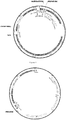
- the mixture was placed on ice for 30 min and heat shocked at 42 °C for 45 s, followed by the addition of 1 mL of LB liquid medium, and then incubated with shaking at 37 °C for 1 h. Thereafter, the mixture was coated onto a Kan-resistant LB solid medium, and then inverted culture was carried out at 37 °C until monoclonal colonies (also translated as monoclones in the present) grew out. Five monoclonal colonies were picked out and then cultured with shaking in an LB liquid medium. After being detected PCR-positive and confirmed by sequencing, the plasmid was extracted and stored, named pKM-CAS1.0-KleIF4G (refer to Figure 1 ).
- the donor DNA was inserted into a pMD18 plasmid first, and then amplified via PCR to obtain the linear donor DNA sequence.
- PCR amplification was carried out by using a Kluyveromyces lactis genomic DNA as template and with primer PF2: GAGCTCGGTACCCGGGGATCCTCTAGAGATAATAAAATTTCAACCTTTAAGCC ATTGA ATTTTACCATTACG (SEQ ID NO.: 9) and primer PR2: GCCAAGCTTGCATGCCTGCAGGTCGAC GATCTTGTTAGTAATCTCAACCTTCGCTGG (SEQ ID NO.: 10); PCR amplification was also carried out by using a pMD18 plasmid as template and with primer pMD18-F: ATCGTCGACCTGCAGGCATG (SEQ ID NO.: 11) and primer pMD18-R: ATCTCTAGAGGATCCCCGGG (SEQ ID NO.: 12).
- PCR amplification was carried out by using the pKM-KleIF4G-DD plasmid as template, with primer PF3: ATGGGCGAACCTACATCCGATC (SEQ ID NO.: 13) and primer PR3: ATCTGCTTTGAAAAACCGCTCTTTCTCTC (SEQ ID NO.: 14); PCR amplification (pScTEF1 promoter mediated amplification) was carried out by using an S .
- PCR amplification (pScPGK1 promoter mediated amplification) was carried out by using an S.
- PCR amplification was carried out by using a Kluyveromyces lactis genomic DNA as template, and with primer PF6: AGAGAGAAAGAGCGGTTTTTCAAAGCAGATGAGCCTGTCCAAGCAAATGCC (SEQ ID NO.: 19) and primer PR6: TGGTTGCTGATCGGATGTAGGTTCGCCCATTTTTAATGTTACTTCTCTTGCAGT TAGGGAAC (SEQ ID NO.: 20); PCR amplification (pKlPGK1 promoter mediated
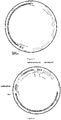
- the PF3/PR3 amplification product was mixed with PF4/PR4 amplification product, PF5/PR5 amplification product, PF6/PR6 amplification product and PF7/PR7 amplification product, respectively, to construct pKM-pScTEF1-KleIF4G-DD, pKM-pScPGK1-KleIF4G-DD, pKM-pKlTEF1-KleIF4G-DD and pKM-pKlPGK1-KleIF4G-DD, respectively (according to Figures 2 , 3 , 4 and 5 ).
- the specific steps include as follows: 8.5 ⁇ L of each of the two PCR amplification products were mixed, 1 ⁇ L of DpnI and 2 ⁇ L of 10 ⁇ digestion buffer were added, and then the mixture was incubated in a bath at 37 °C for 3 h. 10 ⁇ L of the DpnI-treated product was added into 100 ⁇ L of DH5 ⁇ competent cells. The mixture was placed on ice for 30 min and heat shocked at 42 °C for 45 s, followed by the addition of 1 mL of LB liquid medium, and then incubated with shaking at 37 °C for 1 h.
- the culture solution was coated onto an Amp-resistant LB solid medium, and then inverted culture was carried out at 37 °C until single clone colonies grew out. Five monoclonal colonies were picked out and then cultured with shaking in an LB liquid medium. After being detected PCR-positive and confirmed by sequencing, the plasmid was extracted and stored.
- TDH3 exists in a form of tetramer and is involved in catalytic reactions of the glycolytic pathway. Its promoter pTDH3 is a durable strong promoter widely used in genetic engineering.
- the KleIF4G gene is linked to the 3' end of the TDH3 gene ORF (open reading frame) of Kluyveromyces lactis in the present invention.
- the donor DNA was inserted into a pMD18 plasmid first, and then amplified via PCR to obtain the linear donor DNA sequence.
- Amplification was carried out by using the pKM-KlTDH3-2-DD as template and with primers PF14: GATGCATTGATGGATGCCGAAGATGATTAAATTACTCTTTTAAGTTAACGAACG CTTTTGATGAG (SEQ ID NO.: 43) and PR14: AGCTGGTTGCTGATCGGATGTAGGTTCGCCAGATCCACCTCCTTCCACGTTTG TTGGTCTTGATCCACCTCCACCAGCAACGTGCTCAACtAAgTCaACgACcCTTTC AGAGTAACCGTATTCGTTATCG (SEQ ID NO.: 44); amplification was carried out by using a Kluyveromyces lactis DNA as template and with primers PF15: GGCGAACCTACATCCGATCAGC (SEQ ID NO.: 45) and PR15: TTAATCATCTTCGGCATCCATCAATGC (SEQ ID NO.: 46).
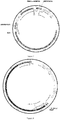
- pKM-KlTDH3-2-F-KleIF4G-DD Five monoclonal colonies were picked out and then cultured with shaking in an LB liquid medium. After being detected PCR-positive and being confirmed by sequencing, the plasmid was extracted and stored, named pKM-KlTDH3-2-F-KleIF4G-DD (refer to Figure 9 ).
- Amplification was carried out by using the pKM-KlTDH3-2-F-KleIF4G-DD plasmid as template, and with primers M13-F: GTAAAACGACGGCCAGT (SEQ ID NO.: 47) and M13-R: CAGGAAACAGCTATGAC (SEQ ID NO.: 48) to obtain the linear donor DNA.
- the Pab1 protein and the eIF4G protein interact with each other in the translation initiation process.
- KlPab1 and KleIF4G were fused by using CRISPR-Cas9 gene editing technology to promote the interaction between them and thus to improve the in-vitro translation efficiency.
- a KlPab1 gene sequence (located at 1553322...1555100 of chromosome C) in Kluyveromyces lactis was obtained.
- PAM sequences NGG were searched for nearby the termination codon of the KlPab1 gene, and a gRNA sequence was identified.
- the principle for selecting a gRNA sequence is that the GC content should be moderate (the standard in the present invention is that the GC content is 40-60%); and the existence of a poly(T) structure should be avoided.
- the KlPab1 gRNA sequence determined by the present invention was TGCTTACGAAAACTTCAAGA (SEQ ID NO.: 52) which was located at 1555058...1555077 of the chromosome C.
- PCR amplification was carried out by using a pCAS plasmid as template and with primers PF16: TGCTTACGAAAACTTCAAGAGTTTTAGAGCTAGAAATAGCAAGTTAAAATAA GGCTAGTCCG (SEQ ID NO.: 53) and PR16: GCTCTAAAACTCTTGAAGTTTTCGTAAGCAAAAGTCCCATTCGCCACCCG (SEQ ID NO.: 54). 17 ⁇ L of the amplification product was mixed, 1 ⁇ L of DpnI and 2 ⁇ L of 10 ⁇ digestion buffer were added, and then the mixture was incubated in a bath at 37 °C for 3 h.
- the donor DNA was inserted into a pMD18 plasmid first, and then amplified via PCR to obtain the linear donor DNA sequence.
- PCR amplification was carried out by using a Kluyveromyces lactis genomic DNA as template and with primers PF17: GAGCTCGGTACCCGGGGATCCTCTAGAGATCCGGTAAGCCATTGTACGTTGCC AT (SEQ ID NO.: 55) and PR17: GCCAAGCTTGCATGCCTGCAGGTCGACGATCAGTATACCGTCCATGTTGATGA CT (SEQ ID NO.: 56); PCR amplification was carried out by using a pMD18 plasmid as template and with primers pMD18-F: ATCGTCGACCTGCAGGCATG (SEQ ID NO.: 57) and pMD18-R: ATCTCTAGAGGATCCCCGGG (SEQ ID NO.: 58).
- Amplification was carried out by using the pKM-KlPab1-DD as template and with primer PF18: GATGCATTGATGGATGCCGAAGATGATTAAACTTGATTTTTTGACCTTGATCTT CATCTTGTC (SEQ ID NO.: 59) and primer PR18: CTTGAACTTCATCTTGAGTTGAACCTCCACCTCCAGATCCACCTCCACCAGCT TGAGCTTCTTGTTCtTTtTTaAAaTTcTCGTAAGCAGCTAAGGCTTC (SEQ ID NO.: 60); amplification was carried out by using a Kluyveromyces lactis DNA as template and with primer PF19: GTGGAGGTTCAACTCAAGATGAAGTTCAAGGTCCACATGCTGGTAAGTCTAC TGTTGGTGGAGGTGGATCTGGCGAACCTACATCCGATCAGC (SEQ ID NO.: 61) and primer PR19: TTAATCATCTTCGGCATCCATCAATGC (SEQ ID NO.: 62).
- pKM-KlPab1-KleIF4G-DD Five monoclonal colonies were picked out and then cultured with shaking in an LB liquid medium. After being detected PCR-positive and being confirmed by sequencing, the plasmid was extracted and stored, named pKM-KlPab1-KleIF4G-DD (refer to Figure 11 ).
- Amplification was carried out by using the pKM-KlPab1-KleIF4G-DD plasmid as template and with primers M13-F: GTAAAACGACGGCCAGT (SEQ ID NO.: 63) and M13-R: CAGGAAACAGCTATGAC (SEQ ID NO.: 64) to obtain the linear donor DNA.
- the genetically modified Kluyveromyces lactis strains were prepared into in-vitro protein synthesis systems, and firefly luciferase (Fluc) gene as DNA template was added to detect the ability of protein translation of the modified strains.
- the above-said reaction systems were placed at room temperature 25-30 °C, let stand and incubated for about 2-6 h. After the reaction was completed, equal volumes of substrate for Fluc (luciferin) were added into the 96-well white plates or 384-well white plates. The plate was immediately placed in an Envision 2120 multi-mode microplate reader (Perkin Elmer). Read values to obtain the Fluc activity, wherein, the unit for activity is relative light unit (RLU).
- RLU relative light unit
- both the pKlPGK1:: KleIF4G structure formed by inserting the pKlPGK1 promoter in front of KleIF4G and the KlPab1-KleIF4G structure formed by fusing KleIF4G to the C-terminus of KlPab1, showed stronger protein synthesis ability in vitro than that based on the wild-type yeast strain Y1140.
- the values of relative light units released by corresponding encoded Fluc protein reached 1.57 ⁇ 10 9 and 1.50 ⁇ 10 9 , respectively, while the value of relative light units of the Fluc protein synthesized in vitro based on the wild-type yeast strain Y1140 was only 4.11 ⁇ 10 8 . It indicates that the modification of KleIF4G can effectively enhance the protein synthesis efficiency of the yeast-based in vitro protein synthesis system (refer to Figure 12 ).
- Table 1 Data1 Data2 Data3 Activity Dilution ratio Final activity (RLU) pKlPGK1_KleIF4G 33216610 28584890 32598650 31466717 50 1.57 ⁇ 10 9 pKlTEF1_KleIF4G 6685609 10189150 8594529 8489763 50 4.24 ⁇ 10 8 pScPGK1_KleIF4G 4130719 8605461 4555399 5763860 50 2.88 ⁇ 10 8 pScTEF1_KleIF4G 8230202 6415045 7578242 7407830 50 3.70 ⁇ 10 8 KlTDH3_1_KleIF4G 788821 751243 941381 827148.3 50 4.13 ⁇ 10 7 KlTDH3_2_KleIF4G 8676941 6496592 7904461 7692665 50 3.85 ⁇ 10 8 KlPAB1_KleIF4G 22155330 33507550 34075530
- the above experimental results show that the fusion protein of the present invention can significantly enhance the protein synthesis efficiency of the yeast-based in-vitro protein synthesis system through the related modification of the KleIF4G gene of Kluyveromyces lactis.
Landscapes
- Life Sciences & Earth Sciences (AREA)
- Chemical & Material Sciences (AREA)
- Health & Medical Sciences (AREA)
- Organic Chemistry (AREA)
- Genetics & Genomics (AREA)
- Engineering & Computer Science (AREA)
- Zoology (AREA)
- Wood Science & Technology (AREA)
- Bioinformatics & Cheminformatics (AREA)
- General Engineering & Computer Science (AREA)
- General Health & Medical Sciences (AREA)
- Biochemistry (AREA)
- Molecular Biology (AREA)
- Biotechnology (AREA)
- Microbiology (AREA)
- Biomedical Technology (AREA)
- Medicinal Chemistry (AREA)
- Biophysics (AREA)
- Proteomics, Peptides & Aminoacids (AREA)
- Chemical Kinetics & Catalysis (AREA)
- General Chemical & Material Sciences (AREA)
- Plant Pathology (AREA)
- Physics & Mathematics (AREA)
- Mycology (AREA)
- Virology (AREA)
- Gastroenterology & Hepatology (AREA)
- Preparation Of Compounds By Using Micro-Organisms (AREA)
- Peptides Or Proteins (AREA)
- Micro-Organisms Or Cultivation Processes Thereof (AREA)
Applications Claiming Priority (2)
| Application Number | Priority Date | Filing Date | Title |
|---|---|---|---|
| CN201710642517.4A CN108690139B (zh) | 2017-07-31 | 2017-07-31 | 新型融合蛋白的制备及其在提高蛋白质合成的应用 |
| PCT/CN2017/115972 WO2019024379A1 (fr) | 2017-07-31 | 2017-12-13 | Procédé de préparation d'une nouvelle protéine de fusion et utilisation de protéine de fusion pour améliorer la synthèse de protéines |
Publications (2)
| Publication Number | Publication Date |
|---|---|
| EP3663319A1 true EP3663319A1 (fr) | 2020-06-10 |
| EP3663319A4 EP3663319A4 (fr) | 2021-04-14 |
Family
ID=63843689
Family Applications (1)
| Application Number | Title | Priority Date | Filing Date |
|---|---|---|---|
| EP17920595.0A Pending EP3663319A4 (fr) | 2017-07-31 | 2017-12-13 | Procédé de préparation d'une nouvelle protéine de fusion et utilisation de protéine de fusion pour améliorer la synthèse de protéines |
Country Status (6)
| Country | Link |
|---|---|
| US (1) | US11946084B2 (fr) |
| EP (1) | EP3663319A4 (fr) |
| JP (1) | JP7246100B2 (fr) |
| KR (1) | KR102384271B1 (fr) |
| CN (1) | CN108690139B (fr) |
| WO (1) | WO2019024379A1 (fr) |
Cited By (1)
| Publication number | Priority date | Publication date | Assignee | Title |
|---|---|---|---|---|
| WO2022069613A1 (fr) | 2020-09-30 | 2022-04-07 | Lonza Ltd | Cellules hôtes surexprimant des facteurs de traduction |
Families Citing this family (13)
| Publication number | Priority date | Publication date | Assignee | Title |
|---|---|---|---|---|
| CN111118065A (zh) * | 2018-10-31 | 2020-05-08 | 康码(上海)生物科技有限公司 | 一种真核生物的基因改造方法及其相应的基因工程细胞及应用 |
| CN111378706B (zh) * | 2018-12-27 | 2022-07-19 | 康码(上海)生物科技有限公司 | 通过Edc3基因敲除改变体外蛋白合成能力的方法及其应用 |
| CN111378708B (zh) * | 2018-12-28 | 2022-07-19 | 康码(上海)生物科技有限公司 | 一种体外无细胞蛋白合成体系及其应用 |
| CN111718929B (zh) * | 2019-03-20 | 2022-10-18 | 中国科学院上海营养与健康研究所 | 利用环形rna进行蛋白翻译及其应用 |
| CN111718419B (zh) * | 2019-03-20 | 2022-04-12 | 康码(上海)生物科技有限公司 | 含有rna结合蛋白的融合蛋白及其配合使用的表达载体 |
| CN111484998B (zh) | 2019-05-30 | 2023-04-21 | 康码(上海)生物科技有限公司 | 体外定量共表达多种蛋白的方法及其应用 |
| CN112111042B (zh) | 2019-06-21 | 2024-04-05 | 康码(上海)生物科技有限公司 | 一种生物磁性微球及其制备方法和使用方法 |
| US20230134868A1 (en) | 2019-11-30 | 2023-05-04 | Kangma-Healthcode (Shanghai) Biotech Co., Ltd | Biomagnetic microsphere and preparation method therefor and use thereof |
| CN116370335A (zh) | 2021-12-31 | 2023-07-04 | 康码(上海)生物科技有限公司 | 用于擦拭的病毒防护溶液以及病毒防护擦拭产品 |
| EP4628511A4 (fr) | 2022-11-30 | 2026-04-15 | Kangma Healthcode Shanghai Biotech Co Ltd | Hémoglobine recombinante |
| WO2024199526A1 (fr) | 2023-03-31 | 2024-10-03 | 康码(上海)生物科技有限公司 | Protéine de fusion, acide nucléique correspondant, système de synthèse in vitro et procédé de préparation |
| KR20250167672A (ko) | 2023-03-31 | 2025-12-01 | 강마-헬스코드 (상하이) 바이오테크 컴퍼니 리미티드 | 단일 사슬 항체 및 그 체외 합성 시스템과 용도 |
| EP4722232A1 (fr) | 2023-05-31 | 2026-04-08 | YSTE (Hainan) Aesthetic Medicine Health Technology Co., Ltd. | Polypeptide à chaîne unique activé pendant l'utilisation |
Family Cites Families (11)
| Publication number | Priority date | Publication date | Assignee | Title |
|---|---|---|---|---|
| GB9703406D0 (en) * | 1997-02-19 | 1997-04-09 | Chiron Spa | Expression of heterologous proteins |
| US5985575A (en) * | 1998-05-20 | 1999-11-16 | Wisconsin Alumni Research Foundation | Tethered function assay for protein function |
| WO2000000596A1 (fr) * | 1998-06-29 | 2000-01-06 | Aventis Research & Technologies Gmbh & Co. Kg | 3'-exonuclease, sa preparation et son utilisation |
| US6610508B1 (en) * | 1999-03-08 | 2003-08-26 | Anadys Pharmaceuticals, Inc. | Translation driver system and methods for use thereof |
| CA2658683A1 (fr) * | 2006-07-21 | 2008-01-24 | Centre National De La Recherche Scientifique (Cnrs) | Cytomoduline positive pour ameliorer la productivite d'un bioreacteur |
| US20120090052A1 (en) | 2009-04-29 | 2012-04-12 | Ana Isabel Sanz Molinero | Plants Having Enhanced Yield-Related Traits And A Method For Making The Same |
| CN103060334B (zh) * | 2013-01-28 | 2014-05-07 | 西南大学 | 家蚕PABP结合蛋白互作因子基因BmPaip1及其重组表达载体和应用 |
| WO2014144583A2 (fr) * | 2013-03-15 | 2014-09-18 | Northwestern University | Procédés pour la synthèse de protéine sans cellule |
| EP2996697B1 (fr) * | 2013-05-15 | 2019-06-26 | Robert Kruse | Traduction intracellulaire d'arn circulaire |
| CN105624146B (zh) * | 2015-05-28 | 2019-02-15 | 中国科学院微生物研究所 | 基于CRISPR/Cas9和酿酒酵母细胞内源的同源重组的分子克隆方法 |
| CN106978349B (zh) * | 2016-09-30 | 2018-06-22 | 康码(上海)生物科技有限公司 | 一种体外蛋白质合成的试剂盒及其制备方法 |
-
2017
- 2017-07-31 CN CN201710642517.4A patent/CN108690139B/zh active Active
- 2017-12-13 WO PCT/CN2017/115972 patent/WO2019024379A1/fr not_active Ceased
- 2017-12-13 EP EP17920595.0A patent/EP3663319A4/fr active Pending
- 2017-12-13 KR KR1020207006125A patent/KR102384271B1/ko active Active
- 2017-12-13 JP JP2020506225A patent/JP7246100B2/ja active Active
- 2017-12-13 US US16/633,524 patent/US11946084B2/en active Active
Cited By (1)
| Publication number | Priority date | Publication date | Assignee | Title |
|---|---|---|---|---|
| WO2022069613A1 (fr) | 2020-09-30 | 2022-04-07 | Lonza Ltd | Cellules hôtes surexprimant des facteurs de traduction |
Also Published As
| Publication number | Publication date |
|---|---|
| CN108690139B (zh) | 2019-03-15 |
| WO2019024379A1 (fr) | 2019-02-07 |
| US11946084B2 (en) | 2024-04-02 |
| JP2020528760A (ja) | 2020-10-01 |
| KR102384271B1 (ko) | 2022-04-08 |
| JP7246100B2 (ja) | 2023-03-27 |
| CN108690139A (zh) | 2018-10-23 |
| US20210189449A1 (en) | 2021-06-24 |
| EP3663319A4 (fr) | 2021-04-14 |
| KR20200033952A (ko) | 2020-03-30 |
Similar Documents
| Publication | Publication Date | Title |
|---|---|---|
| US11946084B2 (en) | Fusion protein comprising a Pab1 element and an eIF4G element and use of the fusion protein for improving protein synthesis | |
| CN111778169B (zh) | 一种提高体外蛋白合成效率的方法 | |
| CN109423496B (zh) | 一种细胞中内源性表达rna聚合酶的核酸构建物 | |
| CN110408636B (zh) | 多重标签串联的dna序列及其在蛋白质表达纯化系统的应用 | |
| KR102345759B1 (ko) | 뉴클레아제 시스템의 녹-아웃에 의한 시험관 내 생합성 활성을 조절하기 위한 방법 | |
| CN110408635B (zh) | 一种含有链霉亲和素元件的核酸构建物在蛋白质表达、纯化中的应用 | |
| CN110845622B (zh) | 不同结构域缺失融合蛋白的制备及其在提高蛋白质合成的应用 | |
| JP7028986B2 (ja) | タンパク質合成効率を高めることができるタンデムdnaエレメント | |
| CN110551745A (zh) | 一种多重组氨酸序列标签及其在蛋白质表达、纯化中的应用 | |
| CN105647824A (zh) | 甲基营养酵母菌巴斯德毕赤酵母中的体内非天然氨基酸表达 | |
| US20090197339A1 (en) | In vivo unnatural amino acid expression in the methylotrophic yeast pichia pastoris | |
| CN111378706B (zh) | 通过Edc3基因敲除改变体外蛋白合成能力的方法及其应用 | |
| CN111718419B (zh) | 含有rna结合蛋白的融合蛋白及其配合使用的表达载体 | |
| WO2024051855A1 (fr) | Construction d'acide nucléique et son utilisation dans un système ivtt | |
| CN111118065A (zh) | 一种真核生物的基因改造方法及其相应的基因工程细胞及应用 | |
| WO2026026719A1 (fr) | Élément d'arn en tandem pour améliorer l'efficacité de synthèse de protéines | |
| WO2025092824A1 (fr) | Souche génétiquement ingénierisée utilisant une modification d'arnt, procédé de préparation et utilisation associés | |
| WO2025140227A1 (fr) | Aminoacyl-arnt synthétase modifiée, construction d'acide nucléique et souche génétiquement modifiée | |
| Balola | Biochemical analysis of translational recording driven by 2A peptide | |
| JP2625379C (fr) |
Legal Events
| Date | Code | Title | Description |
|---|---|---|---|
| STAA | Information on the status of an ep patent application or granted ep patent |
Free format text: STATUS: THE INTERNATIONAL PUBLICATION HAS BEEN MADE |
|
| PUAI | Public reference made under article 153(3) epc to a published international application that has entered the european phase |
Free format text: ORIGINAL CODE: 0009012 |
|
| STAA | Information on the status of an ep patent application or granted ep patent |
Free format text: STATUS: REQUEST FOR EXAMINATION WAS MADE |
|
| 17P | Request for examination filed |
Effective date: 20200228 |
|
| AK | Designated contracting states |
Kind code of ref document: A1 Designated state(s): AL AT BE BG CH CY CZ DE DK EE ES FI FR GB GR HR HU IE IS IT LI LT LU LV MC MK MT NL NO PL PT RO RS SE SI SK SM TR |
|
| AX | Request for extension of the european patent |
Extension state: BA ME |
|
| DAV | Request for validation of the european patent (deleted) | ||
| DAX | Request for extension of the european patent (deleted) | ||
| A4 | Supplementary search report drawn up and despatched |
Effective date: 20210316 |
|
| RIC1 | Information provided on ipc code assigned before grant |
Ipc: C12P 21/02 20060101AFI20210310BHEP Ipc: C07K 14/39 20060101ALI20210310BHEP Ipc: C12N 15/62 20060101ALI20210310BHEP |