EP3669875B1 - Dihydrochlorure de berbamine pour utilisation dans le traitement de fièvres hémorragiques virales provoquées par le virus ebola, marburg ou lassa - Google Patents
Dihydrochlorure de berbamine pour utilisation dans le traitement de fièvres hémorragiques virales provoquées par le virus ebola, marburg ou lassa Download PDFInfo
- Publication number
- EP3669875B1 EP3669875B1 EP19843169.4A EP19843169A EP3669875B1 EP 3669875 B1 EP3669875 B1 EP 3669875B1 EP 19843169 A EP19843169 A EP 19843169A EP 3669875 B1 EP3669875 B1 EP 3669875B1
- Authority
- EP
- European Patent Office
- Prior art keywords
- virus
- ebov
- berbamine dihydrochloride
- ebola
- berbamine
- Prior art date
- Legal status (The legal status is an assumption and is not a legal conclusion. Google has not performed a legal analysis and makes no representation as to the accuracy of the status listed.)
- Active
Links
Images

Classifications
-
- A—HUMAN NECESSITIES
- A61—MEDICAL OR VETERINARY SCIENCE; HYGIENE
- A61K—PREPARATIONS FOR MEDICAL, DENTAL OR TOILETRY PURPOSES
- A61K31/00—Medicinal preparations containing organic active ingredients
- A61K31/33—Heterocyclic compounds
- A61K31/395—Heterocyclic compounds having nitrogen as a ring hetero atom, e.g. guanethidine or rifamycins
- A61K31/435—Heterocyclic compounds having nitrogen as a ring hetero atom, e.g. guanethidine or rifamycins having six-membered rings with one nitrogen as the only ring hetero atom
- A61K31/47—Quinolines; Isoquinolines
- A61K31/472—Non-condensed isoquinolines, e.g. papaverine
-
- A—HUMAN NECESSITIES
- A61—MEDICAL OR VETERINARY SCIENCE; HYGIENE
- A61P—SPECIFIC THERAPEUTIC ACTIVITY OF CHEMICAL COMPOUNDS OR MEDICINAL PREPARATIONS
- A61P31/00—Antiinfectives, i.e. antibiotics, antiseptics, chemotherapeutics
- A61P31/12—Antivirals
- A61P31/14—Antivirals for RNA viruses
Definitions
- the present application relates to use of berbamine dihydrochloride as defined in the claims, and in particular to use of berbamine dihydrochloride in preparation of an Ebola virus inhibitor.
- a viral hemorrhagic fever is a group of natural focus diseases that are caused by viruses and characterized by fever, hemorrhage and shock as main clinical features. Such diseases are widely distributed in the world, with more serious clinical manifestations and high mortality. At present, more than ten kinds of such diseases have been found in the world.
- the common viral hemorrhagic fever includes Ebola hemorrhagic fever, Marburg hemorrhagic fever, Lassa fever, Crimean-Congo hemorrhagic fever, Rift Valley fever, dengue hemorrhagic fever, yellow fever and smallpox, etc.
- Ebola hemorrhagic fever is an acute hemorrhagic infectious disease caused by an Ebola virus (EBOV) of filoviridae, which has a mortality rate up to 90% and is one of the most deadly viral infectious diseases in human beings.
- EBOV can be divided into five species: a Zaire ebolavirus (ZEBOV), a Sudanebolavirus (SUDV), a Tai Forest ebolavirus (TAFV), a Bundibugyoebolavirus (BDBV), and a Reston ebolavirus (RESTV).
- ZEBOV has the strongest pathogenicity.
- the Marburg haemorrhagic fever is an acute febrile disease that is caused by a Marberg virus (MARV) and has severe hemorrhage. It belongs to the same family as the Ebola hemorrhagic fever, both of them are highly lethal infectious diseases.
- the Marburg virus and the Ebola virus belong to the genus Filovirus of Filoviridae.
- the Lassa fever is an acute infectious disease that is caused by a Lassa virus (LASV) and mainly transmitted by rodents.
- the Lassa virus belongs to the genus Mammarenavirus of Arenaviridae.
- An envelope glycoprotein refers to a glycoprotein encoded by a virus itself and coated on an outer layer of the virus.
- the GP is a multifunctional protein, which plays a vital role in processes of adsorption and penetration of a virus into a host cell, pathogenicity of the virus, down-regulation of protein expression on the surface of the host cell by the virus, and increase of virus assembly and budding.
- Ying Zhang et al. (“Progress in Research of Activity of Anti-Ebola Virus and Effect of Pharmacology of Tetrandrine", Advances in Clinical Medicine, vol. 05, no. 03, 1 January 2015 (2015-01-01), pages 136-165, XP055677862, DOL10.12677/ACM. 2015.53025 ) discloses a treatment of infections caused by Ebola virus and the arena- and filoviridae and discloses as solution to this problem the use if tetrandrine. Tetrandrine inhibits virus by blocking the TPC2 calcium channel, which is necessary for releasing the viral genes into the cell. Ying Zhang et al. also discloses that the channel blockers such as amiodarone or verapamil show anti-Ebola activity can be used for the treatment of Ebola for this reason.
- the channel blockers such as amiodarone or verapamil show anti-Ebola activity can be used for the treatment of Ebola for this reason.
- the technical problem to be solved by the present invention is how to inhibit viruses causing a viral hemorrhagic fever, such as an Ebola virus, a Marburg virus and/or a Lassa virus.
- viruses causing a viral hemorrhagic fever such as an Ebola virus, a Marburg virus and/or a Lassa virus.
- the present invention provides a berbamine dihydrochloride or a pharmaceutically acceptable salt thereof for use in treating a viral hemorrhagic fever, wherein the viral hemorrhagic fever is selected from an Ebola hemorrhagic fever, a Marburg hemorrhagic fever and a Lassa fever; wherein the viral hemorrhagic fever is caused by a virus selected from of Filoviridae and Arenaviridae, and the virus is a virus capable of binding to berbamine dihydrochloride or a pharmaceutically acceptable salt thereof through a primed glycoprotein.
- the virus may be an Ebola virus, a Marburg virus and/or a Lassa virus.
- the berbamine dihydrochloride or the pharmaceutically acceptable salt thereof for use in treating a viral hemorrhagic fever is able to bind to a primed viral glycoprotein.
- a pharmaceutically acceptable salt refers to a salt that is suitable for in contact with tissues of human beings and lower animals without excessive toxicity, irritation, allergic reactions, etc. within a reliable range of medical judgment, and is commensurate with a reasonable effect/risk ratio.
- the pharmaceutically acceptable salt is well known in the art.
- the pharmaceutically acceptable salt is described in detail in M. Berge, et al., J. Pharmaceutical Sciences, 1977, 66:1 .
- the Ebola virus may be a Zaire ebolavirus (ZEBOV), a Sudanebolavirus (SUDV), a Tai Forest ebolavirus (TAFV), a Bundibugyoebolavirus (BDBV), and/or a Reston ebolavirus (RESTV).
- Zaire ebolavirus ZEBOV
- SUDV Sudanebolavirus
- TAFV Tai Forest ebolavirus
- BDBV Bundibugyoebolavirus
- RESTV Reston ebolavirus
- the inhibition of the virus may also be referred to as anti-virus.
- the inhibition of the virus can be inhibiting the virus from invading a cell.
- the inhibiting the virus from invading a cell may be inhibiting a virus from entering into the cell as mediated by a primed viral glycoprotein (GPcl).
- GPcl primed viral glycoprotein
- the primed glycoprotein of the Ebola virus (EBOV-GPcl) is taken as a target site, and an antiviral active compound with the capability of binding to the EBOV-GPc1, i.e., berbamine dihydrochloride, is obtained through structure-based virtual screening.
- Berbamine dihydrochloride can specifically inhibit the entry of an Ebola recombinant virus by binding to the target protein EBOV-GPc1, thereby achieving the effect of anti-Ebola virus infection.
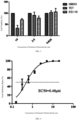
- the half-maximum effect concentration (EC50) of berbamine dihydrochloride against EBOV is 0.49 ⁇ M, which indicates that berbamine dihydrochloride has a strong inhibition effect on EBOV
- Berbamine dihydrochloride is a known commercially-available compound. A specific acquisition means of it is the prior art. The present invention is not particularly limited to this. Berbamine dihydrochloride in the following embodiments is a product available from TargetMol.
- a eukaryotic expression vector pcDNA3.1(+) in the following embodiments is a product available from Invitrogen.
- the biomaterial a HIV-luc plasmid pNL4-3Luc(R-E-) carrying a luciferase reporter gene
- Ma, L., et al. (23 May 2018). Identification of small molecule compounds targeting the interaction of HIV-1Vif and human APOBEC3G by virtual screening and biological evaluation.
- Sci Rep 8(1):8067 is available to the public from the Institute of Medical Biotechnology, Chinese Academy of Medical Sciences. The biomaterial is only used for repeating the experiment of the present invention, and cannot be used for other purposes.
- EBOV-GP Ebola virus
- Primed GP, GPcl an endocytosis receptor-human cholesterol transfer protein
- the inventor designs and synthesizes an active polypeptide which specifically binds to the EBOV-GPcl and can inhibit the Ebola virus from entering a cell.
- the inventor constructs a pharmacophore model, and establishes a virtual screening method for EBOV-GPcl-targeting inhibitors for inhibition the entry of the Ebola virus, in order to find a small-molecular compound that specifically binds to the EBOV-GPcl, thereby inhibiting the binding of the EBOV-GPcl to NPC1-C and further inhibiting the replication of the Ebola virus.
- a database is screened by using this model, and a target compound is finally obtained through scoring by multiple software.
- the target compound is detected for a biological activity, and finally an antiviral active compound with the EBOV-GPcl as a target site is obtained.
- the compound is berbamine dihydrochloride, which has the capacity of binding to EBOV-GPcl.
- EBOV is listed as a virus with a dangerousness of level 4, so that the present invention uses a pseudovirus technology, which is a safe and effective research means, to evaluate the biological activity of the small-molecule compound at an in vitro level.
- a replication-defective pseudovirus EBOV-GP/HIV-luc is prepared by encapsulating an HIV core with the GP protein of the most toxic Zaire EBOV, and the antiviral activity of the sample is judged by a fluorescence reporter gene detection technology. Meanwhile, a VSVG/HIV-luc recombinant virus model is used for analyzing the specificity of small molecule compounds. After cytotoxicity is eliminated, the action mechanism of the small-molecule compound is further verified by a drug TOA (Time of addition) experiment.
- TOA Time of addition
- the capability of the small-molecule compound of binding to the target protein GPcl is determined in vitro by using the BioLayer Interferometry technology based on an optical fiber biosensor, so as to verify the targeting property of the small-molecule compound.
- the specific experimental methods and results are as follows:
- a GP of a Zaire-EBOV was co-expressed with an HIV core plasmid (pNL4-3.Luc) to prepare a recombinant virus, and the antiviral activity of a compound was evaluated using a high-throughput screening model of a GP-protein-targeting EBOV entry inhibitor.
- the specific steps were as follows.
- 293T cells were taken and cultured.
- the old culture medium was discarded, and the cells were digested with a digestive juice containing 0.25% pancreatin and 0.02% EDTA.
- the digestive juice was discarded, the cells were immediately added with a high-sugar DMEM medium (GIBICO) containing 10% FBS (purchased from GIBCO), and gently pipetted up and down at the bottom of the bottle with a pipette to completely separate the cells from the bottom of the bottle and disperse them into a single-cell suspension.
- GIBICO high-sugar DMEM medium
- FBS purchasedd from GIBCO
- transfection was carried out with plasmids at the dosage of: 2 ⁇ g of pZEBOV-GP and 3 ⁇ g of a HIV-luc plasmid pNL4-3Luc(R-E-) carrying a luciferase reporter gene, by using a transfection reagent of Lipofectamine 2000 (Invitrogen), according to the operation instruction, so as to generate an Ebola pseudotype virus, which was named EBOV-Zaire GP/HIV-luc.
- the Supernatant containing the pseudotype virus was collected 48 hours after the transfection, combined, clarified from floating cells and cell debris by low speed centrifugation, and filtered through a filter with a pore size of 0.45 ⁇ m. Pseudovirus particles were quantified by measuring the level of virus-related HIV p24 using a ELISA assay.
- pZEBOV-GP was a recombinant expression plasmid expressing the glycoprotein (GP) of Zaire-EBOV, that was obtained by inserting positions 5900-8305 of the GP gene (GenBank Accession No. KJ660347.2) (Update Date Dec 18, 2014 01:25 PM) of Zaire ebolavirus isolate H.sapiens-wt/GIN/2014/Makona-Gueckedou-C07 into a vector pcDNA3.1(+).
- the EBOV-Zaire GP/HIV-luc pseudovirus particles were incubated together with the 293T cells into a 96-well plate. After 48 hours, cells were collected and lysed to measure the activity of a firefly luciferase. The value of the luciferase activity represented viral infection.
- the compounds were dissolved in DMSO, then respectively mixed with the EBOV-Zaire GP/HIV-luc pseudovirus, and added into the 293T cells, so that the compound content was 10 ⁇ m. After 48 hours, the 293T cells were lysed, and the viral inhibition rates of the compounds were evaluated by measuring a luciferase activity.
- the solvent DMSO was used as a blank control, and meanwhile the EBOV entry inhibitor, tetrandrine (TET), was introduced as a control. Tetrandrine was dissolved in DMSO, then mixed with the EBOV-Zaire GP/HIV-luc pseudovirus, and added into the 293T cells, so that the tetrandrine content was 1 ⁇ m.
- the viral inhibition rates of the compounds were evaluated by measuring a luciferase activity.
- the viral inhibition rate of the compound 1 - relative luciferase activity.
- the relative luciferase activity referred to the luciferase activity relative to the blank control.
- the luciferase activity actually represented viral infectivity.
- EBOV inhibitors currently known were broad-spectrum antiviral drugs.
- the specificity analysis of the screened active compounds was required.
- VSVG vesicular stomatitis virus glycoprotein
- the compound was subjected to specificity analysis by using the VSVG-expressing pseudovirus VSV-G/HIV-luc. After cytotoxic factors were eliminated, the inhibitory activity of the compound on the VSV-G/HIV-luc pseudovirus was also detected with the same method as above, by using the luciferase principle. If the compound only had an obvious inhibition effect on EBOV-GPcl-mediated virus entry, but had no or very low inhibition rate on VSV, then the compound had specificity for EBOV.
- the compound berbamine dihydrochloride had an inhibition rate over 80% on the EBOV-Zaire GP/HIV-luc pseudovirus, and had almost no inhibition effect on the VSV-G/HIV-luc pseudovirus at the same concentration. This showed that berbamine dihydrochloride had a specific inhibition effect on the EBOV-Zaire GP/HIV-luc pseudovirus.
- the EBOV entry inhibitor, tetrandrine (TET) had a selective inhibition effect similar to that of berbamine dihydrochloride.
- VSV-GP-expressing pseudovirus VSV-G/HIV-luc differs from that of the EBOV-Zaire GP/HIV-luc only in that pZEBOV-GP in the preparation method of the EBOV-Zaire GP/HIV-luc was replaced by pVSV-GP, with other operations being exactly the same.
- PVSV-GP was a VSVG-expressing recombinant expression plasmid obtained by inserting positions 14-1567 of the VSVG GP gene (GenBank Accession No. V01214.1) (Update Date Feb 4, 2011) into the vector pcDNA3.1(+).
- a cellCounting Kit-8 (CCK-8) was used to evaluate the effect of berbamine dihydrochloride on the growth of the 293T cells.
- CCK-8 kit was a kit for detecting cell proliferation, cell survival and cytotoxicity, and was a widely used, rapid, and highly-sensitive detection kit based on WST-8 (a water-soluble tetrazolium salt, with the chemical name of: 2-(2-methoxy-4-nitrophenyl)-3-(4-nitrophenyl)-5-(2,4-disulfobenzene)-2H-tetrazolium monosodium salt). It was an alternative to a MTT method. In the kit, the water-soluble tetrazolium salt-WST-8 was used, which can be reduced by some dehydrogenases in mitochondria to generate orange formazan in the presence of an electron coupling reagent.
- the light absorption value of the cell was determined through an enzyme-linked immunometric meter at a wavelength of 450 nm, which could indirectly reflect the number of living cells. The specific steps were as follows.
- the 293T cells were cultured in a 96-well plate and incubated with berbamine dihydrochloride (dissolved in DMSO).
- the contents of berbamine dihydrochloride in the culture medium were 10 ⁇ M, 2.5 ⁇ M and 0.625 ⁇ M respectively.
- the cell supernatant was replaced by a cell culture solution containing a 10% CCK-8 reagent, and the cells were continually cultured in a 5% CO 2 incubator at 37°C for 1 h.
- the optical density (OD) value of each well at 450 nm was recorded on a microplate reader (Thermo, Varioskan Flash).
- tetrandrine tetrandrine
- the 293T cells were cultured in a 96-well plate and incubated with tetrandrine (dissolved in DMSO).
- the contents of tetrandrine in the culture medium were 10 ⁇ M, 2.5 ⁇ M and 0.625 ⁇ M respectively.
- the cell supernatant was replaced by a cell culture solution containing a 10% CCK-8 reagent, and the cells were continually cultured in a 5% CO 2 incubator at 37°C for 1 h.
- the optical density (OD) value of each well at 450 nm was recorded on a microplate reader (Thermo, Varioskan Flash).
- the solvent DMSO was used as a blank control (DMSO).
- the OD450nm of the blank control was recorded as cell viability of 100%.
- berbamine dihydrochloride was dissolved in DMSO, then mixed with EBOV-Zaire GP/HIV-luc in Embodiment 1 respectively, and then added into the 293T cells to make the contents of berbamine dihydrochloride be 0.15625, 0.3125, 0.625, 1.25, 2.5, 5, 10 and 20 ⁇ M respectively. After 48 hours, the 293T cells were lysed, and the anti-EBOV activity of berbamine dihydrochloride was evaluated by measuring the luciferase activity. By using the solvent DMSO as a blank control (DMSO), the luciferase activity of the blank control was considered as the cell viability of 100%.
- the 293T cells were inoculated into a 96-well plate according to the cell number of 6 x 10 4 cells/well, and respectively added with 50 ⁇ L of the EBOV-Zaire GP/HIV-LUC of Embodiment 1.
- the cells were added with berbamine dihydrochloride (dissolved in DMSO, with the content (final concentration) in the medium of 1 x 10 -5 mol ⁇ L -1 ), with the EBOV entry inhibitor tetrandrine (TET) (dissolved in DMSO, with the content in the medium of 1 x 10 -7 mol ⁇ L -1 ), the non-nucleoside reverse transcriptase inhibitor efavirenz (EFV) (dissolved in DMSO, with the content in the medium of 1 x 10 -9 mol L -1 ) as controls, and DMSO as the solvent control. After 48 hours of infection, the luciferase activity of the reporter gene was detected to reflect the replication level of the recombinant virus.
- TERT EBOV entry inhibitor tetrandrine
- ETF non-nucleoside reverse transcriptase inhibitor efavirenz
- the action link of the drug could be preliminarily judged by determining the failure time of the drug when a single infection of EBOV was conducted.
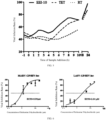
- berbamine dihydrochloride showed a very strong inhibition effect at the early stage of viral entry, and had no inhibition effect on virus infection after the virus completed the adsorption process. This was consistent with the action time of the EBOV entry inhibitor tetrandrine.
- Non-nucleoside reverse transcriptase inhibitor efavirenz still had an inhibition effect on the virus at 6 h.
- the Ebola virus belonged to the family of filoviridae.
- two other recombinant filovirus strain models respectively of a Marburg recombinant virus (the MARV-GP-expressing pseudovirus MARV-GP/HIV-luc) and a Lassa recombinant virus (the LASV-GP-expressing pseudovirus LASV-GP/HIV-luc), had been established.
- the preparation methods of the MARV-GP-expressing pseudovirus MARV-GP/HIV-luc and the LASV-GP-expressing pseudovirus LASV-GP/HIV-luc were both different from the preparation methods of the EBOV-Zaire GP/HIV-luc only in that the pZEBOV-GP in the preparation method of the EBOV-Zaire GP/HIV-luc was replaced by pMARV-GP and pLASV-GP respectively, with other operations being exactly the same.
- PMARV-GP was a recombinant expression plasmid expressing the glycoprotein of the Marburg virus, which was obtained by inserting positions 5941-7986 of the glycoprotein GP gene of the Marburg virus (GenBank Accession No. NC_001608.3) (Update Date 12-NOV-2014) into the vector pcDNA3.1(+).
- PLASV-GP was a recombinant expression plasmid expressing the glycoprotein of the Lassa virus, which was obtained by inserting positions 1872-3347 of the glycoprotein GP gene of the Lassa virus (GenBank Accession No. J04324.1) (Update Date Jun 23, 2010) into the vector pcDNA3.1(+).
- the semi-maximum effect concentrations of berbamine dihydrochloride against the Marburg virus and the Lassa virus were determined using the recombinant virus models of MARV-GP/HIV-luc and LASV-GP/HIV-luc.
- berbamine dihydrochloride could inhibit the Marburg virus and the Lassa virus from entering the host, with EC50s of 0.99 ⁇ M and 2.64 ⁇ M respectively.
- the application of multi-strain virus model to evaluate compounds would be beneficial to the discovery of broad-spectrum antiviral drugs, and would facilitate the study of a drug action mechanism.
- the envelope surface glycoprotein GP of the Ebola virus was subjected to enzyme digestion treatment by a host protease Cathepsin in an endosome, and thus converted into a primed glycoprotein GPcl, so as to expose a receptor binding site.
- berbamine dihydrochloride specifically inhibited viral entry by binding to the target protein GPcl
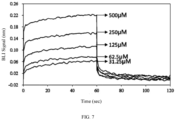
- the capability of berbamine dihydrochloride of binding to the target protein GPcl was determined in vitro by using a BioLayer Interferometry (BLI) technology based on an optical fiber biosensor.
- BLI BioLayer Interferometry
- Biotin (EZ-Link TM NHS-LC-LC-Biotin, Cat.#21343, ThermoScientific TM) was mixed with the purified target protein GPcl according to a molar ratio of 3:1, reacted at room temperature for 1 hour, and then passed through a desalting column (Zeba TM Spin Desalting Columns, Cat.#89883, Thermo) to remove unreacted biotin, and thus a biotinylated target protein GPcl was obtained.
- EZ-Link TM NHS-LC-LC-Biotin Cat.#21343, ThermoScientific TM
- Zeba TM Spin Desalting Columns Cat.#89883, Thermo
- the experiment was mainly carried out by the following steps: 1) detecting a baseline: immersing a SSA sensor into a buffer solution and standing for 120 s to reach an equilibrium; 2) incubating the biotinylated target protein GPcl onto the sensor: moving a sensor probe into the biotinylated GPcl protein solution (50 ⁇ g/ml) and standing for 600 s to fix the protein on the SSA sensor; 3) blocking the sensor: moving the sensor into a solution containing 5 ⁇ M biocytin (EZ-Biocytin, Cat.# 28022, Thermo) and blocking for 60 s; 4) detecting the baseline for the second time: moving the sensor into a buffer solution and standing for 120 s to reach an equilibrium; 5) binding: moving the sensor into the compound solution and standing for 60 s to measure a Kon value; and 6) dissociating: moving the sensor
- the buffer solution used in the experiment was PBS (for dissolution of protein) and PBS + 5% DMSO (for dissolution of berbamine dihydrochloride).
- the sample loading and detection were carried out separately.
- a first microplate contained 3 columns, where the first column was PBS as a baseline, the second column was the biotinylated target protein GPcl for sample loading, and the third column was 5 ⁇ M biocytin for blocking.
- the sensor detected a second microplate, where the first to sixth columns were PBS + 5% DMSO, and the seventh to twelfth columns were berbamine dihydrochloride with a concentration gradient from low to high concentrations (31.25 ⁇ M-500 ⁇ M).
- the horizontal ordinate in FIG. 7 was the reaction time in seconds.
- the vertical ordinate was the signal intensity in nm of the interaction between GPcl and berbamine dihydrochloride. The results showed that berbamine dihydrochloride could bind to the GPcl protein.
- the claimed scope of the present invention for use of berbamine dihydrochloride or a pharmaceutically acceptable salt thereof is not limited to EBOV.
- Any virus suitable for the above anti-virus mechanism within the scope of the claims is within the scope of the virus described in the present invention.
- it can be other four subtypes of EBOV, and other viruses of filoviridae such as the Marburg virus, the Lassa virus (LASV).
Landscapes
- Health & Medical Sciences (AREA)
- Life Sciences & Earth Sciences (AREA)
- Chemical & Material Sciences (AREA)
- Medicinal Chemistry (AREA)
- Pharmacology & Pharmacy (AREA)
- Virology (AREA)
- Animal Behavior & Ethology (AREA)
- General Health & Medical Sciences (AREA)
- Public Health (AREA)
- Veterinary Medicine (AREA)
- Molecular Biology (AREA)
- Epidemiology (AREA)
- Communicable Diseases (AREA)
- Oncology (AREA)
- Chemical Kinetics & Catalysis (AREA)
- General Chemical & Material Sciences (AREA)
- Nuclear Medicine, Radiotherapy & Molecular Imaging (AREA)
- Organic Chemistry (AREA)
- Pharmaceuticals Containing Other Organic And Inorganic Compounds (AREA)
- Medicines That Contain Protein Lipid Enzymes And Other Medicines (AREA)
- Micro-Organisms Or Cultivation Processes Thereof (AREA)
Claims (3)
- Un dichlorhydrate de berbamine ou un sel pharmaceutiquement acceptable en dérivant, pour une utilisation dans le traitement d'une fièvre hémorragique virale, où la fièvre hémorragique virale est sélectionnée parmi la fièvre hémorragique d'Ebola, la fièvre hémorragique de Marburg et la fièvre de Lassa ; où la fièvre hémorragique virale est provoquée par un virus sélectionné parmi les Filoviridae et les Arenaviridae, et le virus est un virus capable de se lier au dichlorhydrate de berbamine ou à un sel pharmaceutiquement acceptable en dérivant, par l'intermédiaire d'une glycoprotéine amorcée.
- Le dichlorhydrate de berbamine ou un sel pharmaceutiquement acceptable en dérivant, pour une utilisation dans le traitement de la fièvre hémorragique virale selon la revendication 1, dans lequel le virus est sélectionné parmi un virus Ebola, un virus de Marburg et un virus de Lassa.
- Le dichlorhydrate de berbamine ou un sel pharmaceutiquement acceptable en dérivant, pour une utilisation dans le traitement de la fièvre hémorragique virale selon la revendication 1, dans lequel le dichlorhydrate de berbamine ou le sel pharmaceutiquement acceptable en dérivant, est capable de se lier à une glycoprotéine virale amorcée.
Applications Claiming Priority (2)
| Application Number | Priority Date | Filing Date | Title |
|---|---|---|---|
| CN201810863809.5A CN109125323B (zh) | 2018-08-01 | 2018-08-01 | 二盐酸小檗胺在制备埃博拉病毒抑制剂中的应用 |
| PCT/CN2019/091838 WO2020024719A1 (fr) | 2018-08-01 | 2019-06-19 | Utilisation de dichlorhydrate de berbamine dans la préparation d'un inhibiteur du virus ebola |
Publications (3)
| Publication Number | Publication Date |
|---|---|
| EP3669875A1 EP3669875A1 (fr) | 2020-06-24 |
| EP3669875A4 EP3669875A4 (fr) | 2020-07-29 |
| EP3669875B1 true EP3669875B1 (fr) | 2025-01-08 |
Family
ID=64798595
Family Applications (1)
| Application Number | Title | Priority Date | Filing Date |
|---|---|---|---|
| EP19843169.4A Active EP3669875B1 (fr) | 2018-08-01 | 2019-06-19 | Dihydrochlorure de berbamine pour utilisation dans le traitement de fièvres hémorragiques virales provoquées par le virus ebola, marburg ou lassa |
Country Status (6)
| Country | Link |
|---|---|
| US (2) | US11654141B2 (fr) |
| EP (1) | EP3669875B1 (fr) |
| JP (1) | JP7085006B2 (fr) |
| CN (1) | CN109125323B (fr) |
| CA (1) | CA3083540C (fr) |
| WO (1) | WO2020024719A1 (fr) |
Families Citing this family (10)
| Publication number | Priority date | Publication date | Assignee | Title |
|---|---|---|---|---|
| CN109125323B (zh) | 2018-08-01 | 2020-07-03 | 中国医学科学院医药生物技术研究所 | 二盐酸小檗胺在制备埃博拉病毒抑制剂中的应用 |
| CN110314160B (zh) * | 2019-08-22 | 2023-05-26 | 辽宁大学 | 小檗胺在制备预防和治疗糖尿病肾病药物中的应用 |
| US11357771B2 (en) | 2019-09-04 | 2022-06-14 | City University Of Hong Kong | Methods of preventing or treating flavivirus virus infections and methods of inhibiting the entry of flvivirus, enterovirus or lentivirus into host cells |
| WO2021043234A1 (fr) * | 2019-09-04 | 2021-03-11 | City University Of Hong Kong | Utilisation de berbamine ou de son analogue pour la prévention ou le traitement d'une infection par le virus de l'arn |
| US12102634B2 (en) | 2019-09-04 | 2024-10-01 | 6J Biotechnology (Hong Kong) Limited | Use of berbamine or its analogue for preventing or treating RNA virus infection |
| CN114028453B (zh) * | 2021-12-07 | 2023-05-30 | 北京中医药大学 | 广谱抗病毒药物、及其药物组合物和应用 |
| CN114668773B (zh) * | 2022-04-08 | 2023-10-03 | 山东中医药大学 | 重楼提取物在抗克里米亚刚果出血热病毒中的应用 |
| CN117229210A (zh) * | 2022-06-08 | 2023-12-15 | 中国科学院上海药物研究所 | 十氢异喹啉类化合物及其制备方法和用途 |
| CN115197231B (zh) * | 2022-08-15 | 2023-01-17 | 北京中医药大学 | 广谱抗病毒中药单体小檗胺及其应用 |
| CN116236484B (zh) * | 2023-04-03 | 2024-05-31 | 北京市农林科学院 | Berbamine dihydrochloride在抑制犬细小病毒中的应用 |
Family Cites Families (7)
| Publication number | Priority date | Publication date | Assignee | Title |
|---|---|---|---|---|
| CN101273989B (zh) * | 2008-04-09 | 2011-02-09 | 浙江大学 | 一类小檗胺衍生物及其盐的应用 |
| CN101429201A (zh) * | 2008-12-22 | 2009-05-13 | 浙江大学 | 柠檬酸小檗胺盐及制备方法和应用 |
| US8987288B2 (en) * | 2010-09-10 | 2015-03-24 | Hangzhou Bensheng Pharmaceutical Co., Ltd. | Heterocyclic aminoberbamine derivatives, the preparation process and use thereof |
| CN103059017A (zh) * | 2012-12-31 | 2013-04-24 | 李玉山 | 一种三颗针植物资源的综合提取工艺设计 |
| WO2014165087A1 (fr) * | 2013-03-12 | 2014-10-09 | Hiv Diagnostics, Inc. | Procédé mdr et produits pour le traitement du vih/sida |
| CN109125323B (zh) * | 2018-08-01 | 2020-07-03 | 中国医学科学院医药生物技术研究所 | 二盐酸小檗胺在制备埃博拉病毒抑制剂中的应用 |
| US11357771B2 (en) * | 2019-09-04 | 2022-06-14 | City University Of Hong Kong | Methods of preventing or treating flavivirus virus infections and methods of inhibiting the entry of flvivirus, enterovirus or lentivirus into host cells |
-
2018
- 2018-08-01 CN CN201810863809.5A patent/CN109125323B/zh active Active
-
2019
- 2019-06-19 EP EP19843169.4A patent/EP3669875B1/fr active Active
- 2019-06-19 US US16/652,372 patent/US11654141B2/en active Active
- 2019-06-19 JP JP2020542492A patent/JP7085006B2/ja active Active
- 2019-06-19 CA CA3083540A patent/CA3083540C/fr active Active
- 2019-06-19 WO PCT/CN2019/091838 patent/WO2020024719A1/fr not_active Ceased
-
2023
- 2023-04-10 US US18/132,530 patent/US12329754B2/en active Active
Also Published As
| Publication number | Publication date |
|---|---|
| EP3669875A4 (fr) | 2020-07-29 |
| CN109125323B (zh) | 2020-07-03 |
| US12329754B2 (en) | 2025-06-17 |
| US20200281916A1 (en) | 2020-09-10 |
| CA3083540A1 (fr) | 2020-02-06 |
| JP7085006B2 (ja) | 2022-06-15 |
| CN109125323A (zh) | 2019-01-04 |
| JP2020537693A (ja) | 2020-12-24 |
| CA3083540C (fr) | 2022-07-19 |
| WO2020024719A1 (fr) | 2020-02-06 |
| US20230321079A1 (en) | 2023-10-12 |
| EP3669875A1 (fr) | 2020-06-24 |
| US11654141B2 (en) | 2023-05-23 |
Similar Documents
| Publication | Publication Date | Title |
|---|---|---|
| EP3669875B1 (fr) | Dihydrochlorure de berbamine pour utilisation dans le traitement de fièvres hémorragiques virales provoquées par le virus ebola, marburg ou lassa | |
| Salvador et al. | Filoviruses utilize glycosaminoglycans for their attachment to target cells | |
| Yang et al. | Drug repurposing of itraconazole and estradiol benzoate against COVID‐19 by blocking SARS‐CoV‐2 spike protein‐mediated membrane fusion | |
| Asaftei et al. | “Viologen” dendrimers as antiviral agents: the effect of charge number and distance | |
| Fujinaga et al. | Extracellular Nef protein regulates productive HIV-1 infection from latency | |
| Vercruysse et al. | A phenyl-thiadiazolylidene-amine derivative ejects zinc from retroviral nucleocapsid zinc fingers and inactivates HIV virions | |
| Geronikaki et al. | Anti-HIV agents: current status and recent trends | |
| Lever et al. | Replication of human immunodeficiency virus type 1 from entry to exit | |
| US11666562B2 (en) | Ilaprazole for inhibiting the release of enveloped viruses from cells | |
| JP2006520756A (ja) | ウイルスキャプシドスペーサーペプチド1タンパク質のプロセシングの破壊によるhiv−1複製の阻害 | |
| Guo et al. | The R362A mutation at the C-terminus of CA inhibits packaging of human immunodeficiency virus type 1 RNA | |
| US6933108B2 (en) | Methods and compositions for use in the treatment of filovirus mediated disease conditions | |
| EP4426292A1 (fr) | Composition pharmaceutique, son utilisation en tant que médicament et nouveaux composés, en particulier pour le traitement d'une infection par sars-cov-2 | |
| Tehlan et al. | Targeting proteases and proteolytic processing of unusual N-terminal extensions of plasmodium proteins: parasite peculiarity | |
| ES2426024T3 (es) | Método para determinar la sensibilidad o la resistencia de productos aislados de retrovirus a moléculas y kits de diagnóstico | |
| Vinzant | Lessons From the Outside-In: A Cell-Impermeable Kinase Inhibitor Uncovers Signaling Pathways That Promote HIV-1 Infection | |
| EP4176875A1 (fr) | Composition pharmaceutique, son utilisation en tant que médicament et nouveaux composés, en particulier pour le traitement d'une infection sars-cov-2 | |
| Nangarlia | Inactivation of HIV-1 and SARS-CoV-2 Viruses by Targeting Metastable Virus Spike Proteins | |
| CN105039348B (zh) | 具有抑制hiv-1的卷曲螺旋结构蛋白8及其应用 | |
| JPWO2005032561A1 (ja) | HIV−Vprの機能に関する発明 | |
| KR100987004B1 (ko) | Aids 예방 및 치료 물질 스크리닝용 재조합 포유동물세포 및 이를 이용한 스크리닝 방법 | |
| Gundersen | Development of novel antiviral drugs to combat human pathogenic arenaviruses | |
| WO2008100061A1 (fr) | Nouvelle utilisation de la protéine nc du vih | |
| Kuhl | Interrelationship between tetherin-mediated restriction and its Vpu-mediated antagonism in HIV-1 cell-to-cell spread and the potential to develop Vpu as an antiviral target | |
| Bussolino et al. | Development of HIV-1 infectivity peptide inhibitor: A possible role of Tat in the virus entry process |
Legal Events
| Date | Code | Title | Description |
|---|---|---|---|
| STAA | Information on the status of an ep patent application or granted ep patent |
Free format text: STATUS: THE INTERNATIONAL PUBLICATION HAS BEEN MADE |
|
| PUAI | Public reference made under article 153(3) epc to a published international application that has entered the european phase |
Free format text: ORIGINAL CODE: 0009012 |
|
| STAA | Information on the status of an ep patent application or granted ep patent |
Free format text: STATUS: REQUEST FOR EXAMINATION WAS MADE |
|
| 17P | Request for examination filed |
Effective date: 20200312 |
|
| AK | Designated contracting states |
Kind code of ref document: A1 Designated state(s): AL AT BE BG CH CY CZ DE DK EE ES FI FR GB GR HR HU IE IS IT LI LT LU LV MC MK MT NL NO PL PT RO RS SE SI SK SM TR |
|
| AX | Request for extension of the european patent |
Extension state: BA ME |
|
| REG | Reference to a national code |
Ref country code: DE Ref legal event code: R079 Free format text: PREVIOUS MAIN CLASS: A61K0031472000 Ipc: A61K0031474100 Ref document number: 602019064706 Country of ref document: DE |
|
| A4 | Supplementary search report drawn up and despatched |
Effective date: 20200701 |
|
| RIC1 | Information provided on ipc code assigned before grant |
Ipc: A61K 31/4741 20060101AFI20200625BHEP Ipc: A61P 31/14 20060101ALI20200625BHEP Ipc: A61K 31/472 20060101ALI20200625BHEP |
|
| DAV | Request for validation of the european patent (deleted) | ||
| DAX | Request for extension of the european patent (deleted) | ||
| STAA | Information on the status of an ep patent application or granted ep patent |
Free format text: STATUS: EXAMINATION IS IN PROGRESS |
|
| 17Q | First examination report despatched |
Effective date: 20230412 |
|
| REG | Reference to a national code |
Ref country code: DE Ref legal event code: R079 Ref document number: 602019064706 Country of ref document: DE Free format text: PREVIOUS MAIN CLASS: A61K0031474100 Ipc: A61K0031472000 |
|
| GRAP | Despatch of communication of intention to grant a patent |
Free format text: ORIGINAL CODE: EPIDOSNIGR1 |
|
| STAA | Information on the status of an ep patent application or granted ep patent |
Free format text: STATUS: GRANT OF PATENT IS INTENDED |
|
| RIC1 | Information provided on ipc code assigned before grant |
Ipc: A61P 31/14 20060101ALI20240704BHEP Ipc: A61K 31/472 20060101AFI20240704BHEP |
|
| INTG | Intention to grant announced |
Effective date: 20240717 |
|
| GRAS | Grant fee paid |
Free format text: ORIGINAL CODE: EPIDOSNIGR3 |
|
| GRAA | (expected) grant |
Free format text: ORIGINAL CODE: 0009210 |
|
| STAA | Information on the status of an ep patent application or granted ep patent |
Free format text: STATUS: THE PATENT HAS BEEN GRANTED |
|
| AK | Designated contracting states |
Kind code of ref document: B1 Designated state(s): AL AT BE BG CH CY CZ DE DK EE ES FI FR GB GR HR HU IE IS IT LI LT LU LV MC MK MT NL NO PL PT RO RS SE SI SK SM TR |
|
| REG | Reference to a national code |
Ref country code: GB Ref legal event code: FG4D |
|
| REG | Reference to a national code |
Ref country code: CH Ref legal event code: EP |
|
| REG | Reference to a national code |
Ref country code: DE Ref legal event code: R096 Ref document number: 602019064706 Country of ref document: DE |
|
| REG | Reference to a national code |
Ref country code: IE Ref legal event code: FG4D |
|
| REG | Reference to a national code |
Ref country code: LT Ref legal event code: MG9D |
|
| REG | Reference to a national code |
Ref country code: NL Ref legal event code: MP Effective date: 20250108 |
|
| REG | Reference to a national code |
Ref country code: AT Ref legal event code: MK05 Ref document number: 1757904 Country of ref document: AT Kind code of ref document: T Effective date: 20250108 |
|
| PG25 | Lapsed in a contracting state [announced via postgrant information from national office to epo] |
Ref country code: NL Free format text: LAPSE BECAUSE OF FAILURE TO SUBMIT A TRANSLATION OF THE DESCRIPTION OR TO PAY THE FEE WITHIN THE PRESCRIBED TIME-LIMIT Effective date: 20250108 |
|
| PG25 | Lapsed in a contracting state [announced via postgrant information from national office to epo] |
Ref country code: RS Free format text: LAPSE BECAUSE OF FAILURE TO SUBMIT A TRANSLATION OF THE DESCRIPTION OR TO PAY THE FEE WITHIN THE PRESCRIBED TIME-LIMIT Effective date: 20250408 |
|
| PG25 | Lapsed in a contracting state [announced via postgrant information from national office to epo] |
Ref country code: FI Free format text: LAPSE BECAUSE OF FAILURE TO SUBMIT A TRANSLATION OF THE DESCRIPTION OR TO PAY THE FEE WITHIN THE PRESCRIBED TIME-LIMIT Effective date: 20250108 |
|
| PG25 | Lapsed in a contracting state [announced via postgrant information from national office to epo] |
Ref country code: PL Free format text: LAPSE BECAUSE OF FAILURE TO SUBMIT A TRANSLATION OF THE DESCRIPTION OR TO PAY THE FEE WITHIN THE PRESCRIBED TIME-LIMIT Effective date: 20250108 |
|
| PG25 | Lapsed in a contracting state [announced via postgrant information from national office to epo] |
Ref country code: ES Free format text: LAPSE BECAUSE OF FAILURE TO SUBMIT A TRANSLATION OF THE DESCRIPTION OR TO PAY THE FEE WITHIN THE PRESCRIBED TIME-LIMIT Effective date: 20250108 |
|
| PG25 | Lapsed in a contracting state [announced via postgrant information from national office to epo] |
Ref country code: IS Free format text: LAPSE BECAUSE OF FAILURE TO SUBMIT A TRANSLATION OF THE DESCRIPTION OR TO PAY THE FEE WITHIN THE PRESCRIBED TIME-LIMIT Effective date: 20250508 Ref country code: NO Free format text: LAPSE BECAUSE OF FAILURE TO SUBMIT A TRANSLATION OF THE DESCRIPTION OR TO PAY THE FEE WITHIN THE PRESCRIBED TIME-LIMIT Effective date: 20250408 |
|
| PG25 | Lapsed in a contracting state [announced via postgrant information from national office to epo] |
Ref country code: HR Free format text: LAPSE BECAUSE OF FAILURE TO SUBMIT A TRANSLATION OF THE DESCRIPTION OR TO PAY THE FEE WITHIN THE PRESCRIBED TIME-LIMIT Effective date: 20250108 |
|
| PG25 | Lapsed in a contracting state [announced via postgrant information from national office to epo] |
Ref country code: LV Free format text: LAPSE BECAUSE OF FAILURE TO SUBMIT A TRANSLATION OF THE DESCRIPTION OR TO PAY THE FEE WITHIN THE PRESCRIBED TIME-LIMIT Effective date: 20250108 Ref country code: PT Free format text: LAPSE BECAUSE OF FAILURE TO SUBMIT A TRANSLATION OF THE DESCRIPTION OR TO PAY THE FEE WITHIN THE PRESCRIBED TIME-LIMIT Effective date: 20250508 |
|
| PGFP | Annual fee paid to national office [announced via postgrant information from national office to epo] |
Ref country code: FR Payment date: 20250630 Year of fee payment: 7 |
|
| PG25 | Lapsed in a contracting state [announced via postgrant information from national office to epo] |
Ref country code: BG Free format text: LAPSE BECAUSE OF FAILURE TO SUBMIT A TRANSLATION OF THE DESCRIPTION OR TO PAY THE FEE WITHIN THE PRESCRIBED TIME-LIMIT Effective date: 20250108 Ref country code: GR Free format text: LAPSE BECAUSE OF FAILURE TO SUBMIT A TRANSLATION OF THE DESCRIPTION OR TO PAY THE FEE WITHIN THE PRESCRIBED TIME-LIMIT Effective date: 20250409 |
|
| PG25 | Lapsed in a contracting state [announced via postgrant information from national office to epo] |
Ref country code: AT Free format text: LAPSE BECAUSE OF FAILURE TO SUBMIT A TRANSLATION OF THE DESCRIPTION OR TO PAY THE FEE WITHIN THE PRESCRIBED TIME-LIMIT Effective date: 20250108 |
|
| PG25 | Lapsed in a contracting state [announced via postgrant information from national office to epo] |
Ref country code: SE Free format text: LAPSE BECAUSE OF FAILURE TO SUBMIT A TRANSLATION OF THE DESCRIPTION OR TO PAY THE FEE WITHIN THE PRESCRIBED TIME-LIMIT Effective date: 20250108 |
|
| PG25 | Lapsed in a contracting state [announced via postgrant information from national office to epo] |
Ref country code: SM Free format text: LAPSE BECAUSE OF FAILURE TO SUBMIT A TRANSLATION OF THE DESCRIPTION OR TO PAY THE FEE WITHIN THE PRESCRIBED TIME-LIMIT Effective date: 20250108 |
|
| REG | Reference to a national code |
Ref country code: DE Ref legal event code: R097 Ref document number: 602019064706 Country of ref document: DE |
|
| PG25 | Lapsed in a contracting state [announced via postgrant information from national office to epo] |
Ref country code: DK Free format text: LAPSE BECAUSE OF FAILURE TO SUBMIT A TRANSLATION OF THE DESCRIPTION OR TO PAY THE FEE WITHIN THE PRESCRIBED TIME-LIMIT Effective date: 20250108 |
|
| PGFP | Annual fee paid to national office [announced via postgrant information from national office to epo] |
Ref country code: DE Payment date: 20250702 Year of fee payment: 7 |
|
| PGFP | Annual fee paid to national office [announced via postgrant information from national office to epo] |
Ref country code: GB Payment date: 20250703 Year of fee payment: 7 |
|
| PG25 | Lapsed in a contracting state [announced via postgrant information from national office to epo] |
Ref country code: EE Free format text: LAPSE BECAUSE OF FAILURE TO SUBMIT A TRANSLATION OF THE DESCRIPTION OR TO PAY THE FEE WITHIN THE PRESCRIBED TIME-LIMIT Effective date: 20250108 Ref country code: CZ Free format text: LAPSE BECAUSE OF FAILURE TO SUBMIT A TRANSLATION OF THE DESCRIPTION OR TO PAY THE FEE WITHIN THE PRESCRIBED TIME-LIMIT Effective date: 20250108 |
|
| PG25 | Lapsed in a contracting state [announced via postgrant information from national office to epo] |
Ref country code: RO Free format text: LAPSE BECAUSE OF FAILURE TO SUBMIT A TRANSLATION OF THE DESCRIPTION OR TO PAY THE FEE WITHIN THE PRESCRIBED TIME-LIMIT Effective date: 20250108 |
|
| PG25 | Lapsed in a contracting state [announced via postgrant information from national office to epo] |
Ref country code: SK Free format text: LAPSE BECAUSE OF FAILURE TO SUBMIT A TRANSLATION OF THE DESCRIPTION OR TO PAY THE FEE WITHIN THE PRESCRIBED TIME-LIMIT Effective date: 20250108 |
|
| PLBE | No opposition filed within time limit |
Free format text: ORIGINAL CODE: 0009261 |
|
| STAA | Information on the status of an ep patent application or granted ep patent |
Free format text: STATUS: NO OPPOSITION FILED WITHIN TIME LIMIT |
|
| REG | Reference to a national code |
Ref country code: CH Ref legal event code: L10 Free format text: ST27 STATUS EVENT CODE: U-0-0-L10-L00 (AS PROVIDED BY THE NATIONAL OFFICE) Effective date: 20251119 |
|
| 26N | No opposition filed |
Effective date: 20251009 |
|
| REG | Reference to a national code |
Ref country code: CH Ref legal event code: H13 Free format text: ST27 STATUS EVENT CODE: U-0-0-H10-H13 (AS PROVIDED BY THE NATIONAL OFFICE) Effective date: 20260127 |
|
| PG25 | Lapsed in a contracting state [announced via postgrant information from national office to epo] |
Ref country code: IT Free format text: LAPSE BECAUSE OF FAILURE TO SUBMIT A TRANSLATION OF THE DESCRIPTION OR TO PAY THE FEE WITHIN THE PRESCRIBED TIME-LIMIT Effective date: 20250108 |
|
| PG25 | Lapsed in a contracting state [announced via postgrant information from national office to epo] |
Ref country code: MC Free format text: LAPSE BECAUSE OF FAILURE TO SUBMIT A TRANSLATION OF THE DESCRIPTION OR TO PAY THE FEE WITHIN THE PRESCRIBED TIME-LIMIT Effective date: 20250108 |
|
| PG25 | Lapsed in a contracting state [announced via postgrant information from national office to epo] |
Ref country code: LU Free format text: LAPSE BECAUSE OF NON-PAYMENT OF DUE FEES Effective date: 20250619 |
|
| REG | Reference to a national code |
Ref country code: BE Ref legal event code: MM Effective date: 20250630 |
|
| PG25 | Lapsed in a contracting state [announced via postgrant information from national office to epo] |
Ref country code: IE Free format text: LAPSE BECAUSE OF NON-PAYMENT OF DUE FEES Effective date: 20250619 |
|
| PG25 | Lapsed in a contracting state [announced via postgrant information from national office to epo] |
Ref country code: BE Free format text: LAPSE BECAUSE OF NON-PAYMENT OF DUE FEES Effective date: 20250630 |
|
| PG25 | Lapsed in a contracting state [announced via postgrant information from national office to epo] |
Ref country code: CH Free format text: LAPSE BECAUSE OF NON-PAYMENT OF DUE FEES Effective date: 20250630 |