EP3671574B1 - Vorrichtung und verfahren zur verbesserung der robustheit gegenüber kontradiktorischen beispielen - Google Patents
Vorrichtung und verfahren zur verbesserung der robustheit gegenüber kontradiktorischen beispielen Download PDFInfo
- Publication number
- EP3671574B1 EP3671574B1 EP18213925.3A EP18213925A EP3671574B1 EP 3671574 B1 EP3671574 B1 EP 3671574B1 EP 18213925 A EP18213925 A EP 18213925A EP 3671574 B1 EP3671574 B1 EP 3671574B1
- Authority
- EP
- European Patent Office
- Prior art keywords
- input image
- classifier
- image
- org
- class
- Prior art date
- Legal status (The legal status is an assumption and is not a legal conclusion. Google has not performed a legal analysis and makes no representation as to the accuracy of the status listed.)
- Active
Links
Images






Classifications
-
- G—PHYSICS
- G06—COMPUTING OR CALCULATING; COUNTING
- G06N—COMPUTING ARRANGEMENTS BASED ON SPECIFIC COMPUTATIONAL MODELS
- G06N3/00—Computing arrangements based on biological models
- G06N3/02—Neural networks
- G06N3/08—Learning methods
- G06N3/084—Backpropagation, e.g. using gradient descent
-
- G—PHYSICS
- G06—COMPUTING OR CALCULATING; COUNTING
- G06N—COMPUTING ARRANGEMENTS BASED ON SPECIFIC COMPUTATIONAL MODELS
- G06N3/00—Computing arrangements based on biological models
- G06N3/02—Neural networks
- G06N3/08—Learning methods
-
- G—PHYSICS
- G06—COMPUTING OR CALCULATING; COUNTING
- G06F—ELECTRIC DIGITAL DATA PROCESSING
- G06F18/00—Pattern recognition
- G06F18/20—Analysing
- G06F18/21—Design or setup of recognition systems or techniques; Extraction of features in feature space; Blind source separation
- G06F18/214—Generating training patterns; Bootstrap methods, e.g. bagging or boosting
-
- G—PHYSICS
- G06—COMPUTING OR CALCULATING; COUNTING
- G06F—ELECTRIC DIGITAL DATA PROCESSING
- G06F18/00—Pattern recognition
- G06F18/20—Analysing
- G06F18/21—Design or setup of recognition systems or techniques; Extraction of features in feature space; Blind source separation
- G06F18/217—Validation; Performance evaluation; Active pattern learning techniques
-
- G—PHYSICS
- G06—COMPUTING OR CALCULATING; COUNTING
- G06F—ELECTRIC DIGITAL DATA PROCESSING
- G06F18/00—Pattern recognition
- G06F18/20—Analysing
- G06F18/24—Classification techniques
- G06F18/241—Classification techniques relating to the classification model, e.g. parametric or non-parametric approaches
- G06F18/2413—Classification techniques relating to the classification model, e.g. parametric or non-parametric approaches based on distances to training or reference patterns
- G06F18/24133—Distances to prototypes
-
- G—PHYSICS
- G06—COMPUTING OR CALCULATING; COUNTING
- G06N—COMPUTING ARRANGEMENTS BASED ON SPECIFIC COMPUTATIONAL MODELS
- G06N3/00—Computing arrangements based on biological models
- G06N3/02—Neural networks
- G06N3/04—Architecture, e.g. interconnection topology
- G06N3/0464—Convolutional networks [CNN, ConvNet]
-
- G—PHYSICS
- G06—COMPUTING OR CALCULATING; COUNTING
- G06N—COMPUTING ARRANGEMENTS BASED ON SPECIFIC COMPUTATIONAL MODELS
- G06N3/00—Computing arrangements based on biological models
- G06N3/02—Neural networks
- G06N3/08—Learning methods
- G06N3/09—Supervised learning
-
- G—PHYSICS
- G06—COMPUTING OR CALCULATING; COUNTING
- G06N—COMPUTING ARRANGEMENTS BASED ON SPECIFIC COMPUTATIONAL MODELS
- G06N3/00—Computing arrangements based on biological models
- G06N3/02—Neural networks
- G06N3/08—Learning methods
- G06N3/094—Adversarial learning
-
- G—PHYSICS
- G06—COMPUTING OR CALCULATING; COUNTING
- G06V—IMAGE OR VIDEO RECOGNITION OR UNDERSTANDING
- G06V10/00—Arrangements for image or video recognition or understanding
- G06V10/70—Arrangements for image or video recognition or understanding using pattern recognition or machine learning
- G06V10/77—Processing image or video features in feature spaces; using data integration or data reduction, e.g. principal component analysis [PCA] or independent component analysis [ICA] or self-organising maps [SOM]; Blind source separation
- G06V10/774—Generating sets of training patterns; Bootstrap methods, e.g. bagging or boosting
-
- G—PHYSICS
- G06—COMPUTING OR CALCULATING; COUNTING
- G06V—IMAGE OR VIDEO RECOGNITION OR UNDERSTANDING
- G06V10/00—Arrangements for image or video recognition or understanding
- G06V10/70—Arrangements for image or video recognition or understanding using pattern recognition or machine learning
- G06V10/77—Processing image or video features in feature spaces; using data integration or data reduction, e.g. principal component analysis [PCA] or independent component analysis [ICA] or self-organising maps [SOM]; Blind source separation
- G06V10/776—Validation; Performance evaluation
-
- G—PHYSICS
- G06—COMPUTING OR CALCULATING; COUNTING
- G06V—IMAGE OR VIDEO RECOGNITION OR UNDERSTANDING
- G06V10/00—Arrangements for image or video recognition or understanding
- G06V10/70—Arrangements for image or video recognition or understanding using pattern recognition or machine learning
- G06V10/82—Arrangements for image or video recognition or understanding using pattern recognition or machine learning using neural networks
-
- G—PHYSICS
- G06—COMPUTING OR CALCULATING; COUNTING
- G06F—ELECTRIC DIGITAL DATA PROCESSING
- G06F18/00—Pattern recognition
- G06F18/20—Analysing
- G06F18/24—Classification techniques
- G06F18/241—Classification techniques relating to the classification model, e.g. parametric or non-parametric approaches
- G06F18/2413—Classification techniques relating to the classification model, e.g. parametric or non-parametric approaches based on distances to training or reference patterns
- G06F18/24133—Distances to prototypes
- G06F18/24143—Distances to neighbourhood prototypes, e.g. restricted Coulomb energy networks [RCEN]
Definitions
- US10007866 BB discloses a method comprising: accessing, from a memory, a neural network image classifier, the neural network image classifier having been trained using a plurality of training images from an input space, the training images being labeled for a plurality of classes;
- Classifiers like e.g. neural network classification systems can easily be fooled. It is well known that classifiers which may be based on deep learning may be sensitive to small perturbations. In order to deploy such systems in the physical world it is important to provide a proof about the system's robustness.
- the methods of the claim set have the advantage to improve robustness with respect to such perturbations.
- the adversarial input signal (x adv ) may be provided by a targeted attack, i.e. provided to cause the classifier to classify it as belonging to a predefined second class.
- a targeted attack i.e. provided to cause the classifier to classify it as belonging to a predefined second class.
- An efficient way for doing so can be provided if said classifier when provided with said input signal (x), is configured to output a first classification value ( f l 0 ) corresponding to said first class (l 0 ) and a second classification value ( f l ) corresponding to said a predefined second class (l). In this sense, it may be said that said input signal (x) causes said first and/or second classification value.
- a robust way to generate said targeted misclassification is by determining said modified input signal (x mod ) such as to cause a difference ( g ) between said first classification value ( f l 0 ) and said second classification value ( f l ) to be smaller than the difference ( g ) caused by said original input signal (x org ). Conveniently, this may be achieved by determining said modified input signal (x mod ) depending on a gradient ( ⁇ g ) of said difference ( g ).
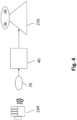
- Control system 40 receives the stream of sensor signals S of sensor 30 in an optional receiving unit 50.
- Receiving unit 50 transforms the sensor signals S into input signals x.
- each sensor signal S may directly be taken as an input signal x.
- Input signal x may, for example, be given as an excerpt from sensor signal S.
- sensor signal S may be processed to yield input signal x.
- Input signal x comprises image data corresponding to an image recorded by sensor 30. In other words, input signal x is provided in accordance with sensor signal S.
- Input signal x is then passed on to an image classifier 60, which may, for example, be given by an artificial neural network.
- Classifier 60 determines output signals y from input signals x.
- the output signal y comprises information that assigns one or more labels to the input signal x
- Output signals y are transmitted to an optional conversion unit 80, which converts the output signals y into the control commands A.
- Actuator control commands A are then transmitted to actuator 10 for controlling actuator 10 accordingly.
- output signals y may directly be taken as control commands A.
- control system 40 controls a display 10a instead of an actuator 10.
- control system 40 may comprise a processor 45 (or a plurality of processors) and at least one machine-readable storage medium 46 on which instructions are stored which, if carried out, cause control system 40 to carry out a method according to one aspect of the invention.
- the classifier 60 may for example detect objects in the vicinity of the at least partially autonomous robot.
- Output signal y may comprise an information which characterizes where objects are located in the vicinity of the at least partially autonomous robot.
- Control command A may then be determined in accordance with this information, for example to avoid collisions with said detected objects.
- the at least partially autonomous robot may be given by a gardening robot (not shown), which uses sensor 30, preferably an optical sensor, to determine a state of plants in the environment 20.
- Actuator 10 may be a nozzle for spraying chemicals.
- an actuator control command A may be determined to cause actuator 10 to spray the plants with a suitable quantity of suitable chemicals.
- control system 40 is used to control a manufacturing machine 11, e.g. a punch cutter, a cutter or a gun drill) of a manufacturing system 200, e.g. as part of a production line.
- the control system 40 controls an actuator 10 which in turn control the manufacturing machine 11.
- Classifier 60 is configured to compute output signals y from input signals x. These output signals x are also passed on to assessment unit 180.
- modification unit 160 may compute an adversarial dataset T' comprising modified input signals x adv based on original input signals x taken, for example, from training set T and their respective desired output signals y s .
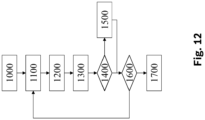
- the trained classifier 60 may then (912) be used for providing a first output signal y1 by receiving sensor signal S comprising data from sensor 30, determining the input signal x depending on said sensor signal S, and inputting said input signal x into classifier 60 to obtain first output signal y1 that characterizes a classification of input signal x.
- This adversarial input signal x adv is then (914) inputted into classifier 60 to obtain a second output signal y2 that characterizes a classification of adversarial input signal x adv .
- An actuator control signal (A) may then (916) be determined in accordance with said parameter vu, and actuator (10) may be controlled in accordance with said actuator control signal (A). For example, if said parameter vu indicates a non-vulnerability, said actuator control signal (A) may then be determined to correspond to normal operation mode, whereas, if said parameter vu indicates a vulnerability, said actuator control signal (A) may then be determined to correspond to a fail-safe operation mode, by e.g. reducing a dynamics of a motion of said actuator (10).
- FIG 11 illustrates schematically a structure of one embodiment of classifier 60.
- Input signal x is inputted into processing unit 61, which may, for example, be given by all but the last layer of a neural network.
- Processing unit 61 is configured to output a vector f comprising preferably at least one entry z l for each of the possible classes l for classification.
- Said vector f is inputted into a selector 62, which may be given, e.g., by an implementation of an argmax function.
- Selector 62 is configured to output signal y, which corresponds to the class corresponding to that one of the entries f l of vector f that has the highest value.
- vector f will also be denoted f ( x ).
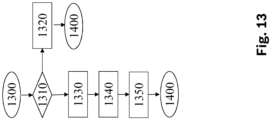
- target classification l may be determined as that classification that corresponds to the second largest entry f l of vector f . May be targeted or untargeted attack
Landscapes
- Engineering & Computer Science (AREA)
- Theoretical Computer Science (AREA)
- Physics & Mathematics (AREA)
- Evolutionary Computation (AREA)
- Artificial Intelligence (AREA)
- General Physics & Mathematics (AREA)
- Data Mining & Analysis (AREA)
- Software Systems (AREA)
- Computing Systems (AREA)
- Health & Medical Sciences (AREA)
- General Health & Medical Sciences (AREA)
- Computer Vision & Pattern Recognition (AREA)
- General Engineering & Computer Science (AREA)
- Life Sciences & Earth Sciences (AREA)
- Medical Informatics (AREA)
- Databases & Information Systems (AREA)
- Multimedia (AREA)
- Computational Linguistics (AREA)
- Biomedical Technology (AREA)
- Biophysics (AREA)
- Molecular Biology (AREA)
- Mathematical Physics (AREA)
- Evolutionary Biology (AREA)
- Bioinformatics & Computational Biology (AREA)
- Bioinformatics & Cheminformatics (AREA)
- Information Retrieval, Db Structures And Fs Structures Therefor (AREA)
- Testing And Monitoring For Control Systems (AREA)
- Image Analysis (AREA)
Claims (13)
- Computer-implementiertes Verfahren zum Beurteilen einer Robustheit eines Bildklassifikators (60), wobei der Bildklassifikator (60) aus von einem oder mehreren Videosensoren empfangenen Daten detektiert, wo sich Objekte in einer Nähe eines zumindest teilweise autonomen Roboters befinden, oder der Klassifikator (60) einen Zustand eines hergestellten Produkts (12) aus durch einen optischen Sensor (30) erfassten Eigenschaften bestimmt, der Eigenschaften des hergestellten Produkts (12) erfasst,wobei das Verfahren die folgenden Schritte beinhaltet:- Empfangen eines Daten beinhaltenden Sensorsignals (S) von dem einen oder den mehreren Videosensoren oder von dem optischen Sensor (30),- Bestimmen eines Original-Eingabebilds (xorg), das von dem Sensorsignal (S) abhängt,- Bestimmen, durch den Bildklassifikator (60), einer ersten Klasse (y1), die eine Klassifikation des Original-Eingabebilds (xorg) charakterisiert;- Bestimmen eines adversarialen Eingabebilds (xadv) mit einem Verfahren zum Erhalten eines adversarialen Eingabebilds (xadv) für den Bildklassifikator (60),- Bestimmen, durch den Bildklassifikator (60), einer zweiten Klasse (y2), die das adversariale Eingabebild (xadv) charakterisiert, und- Bestimmen eines Robustheitswerts (vu), der eine Anfälligkeit des Klassifikators (60) anzeigt, in Abhängigkeit von der ersten Klasse (y1) und von der zweiten Klasse (y2), wobei der Robustheitswert (vu) auf einen ersten Wert, zum Beispiel "1", eingestellt wird, der eine Anfälligkeit anzeigt, wenn die erste Klasse (y1) nicht gleich der zweiten Klasse (y2) ist, und der Robustheitswert (vu) auf einen zweiten Wert, zum Beispiel "0", eingestellt wird, der eine Nicht-Anfälligkeit anzeigt, wenn die erste Klasse (y1) gleich der zweiten Klasse (y2) ist;wobei das Verfahren zum Erhalten des adversarialen Eingabebilds (xadv) für den Bildklassifikator aus einem Original-Eingabebild (xorg) erhalten wird, und wobei das adversariale Eingabebild und das Original-Eingabebild bewirken, dass der Bildklassifikator (60) das Original-Eingabebild (xorg)als zu einer ersten Klasse (ℓ0) gehörend und das adversariale Eingabebild (xadv) als zu einer zweiten Klasse (ℓ) gehörend klassifiziert, umfassend die folgenden Schritte:- Modifizieren des Original-Eingabebilds (xorg), um ein modifiziertes Eingabebild (xmod) zu erlangen;- Projizieren des modifizierten Eingabebilds (xmod) auf eine metrische Kugel um das Original-Eingabebild (xorg), um ein projiziertes Eingabebild (xproj) zu erlangen; und- Erhalten des adversarialen Eingabebilds (xadv) in Abhängigkeit von dem projizierten Eingabebild (xproj),dadurch gekennzeichnet, dassdie Metrik eine zumindest annähernde Wasserstein-Distanz (WD,


- Verfahren nach Anspruch 1, wobei das projizierte Eingabebild (xproj) durch Minimieren einer Distanz zu dem modifizierten Eingabebild (xmod) unter einer Bedingung bestimmt wird, dass eine Distanz gemäß der zumindest annähernden Wasserstein-Distanz (WD,

- Verfahren nach Anspruch 2, wobei die Minimierung durch Maximieren eines dualen Problems erhalten wird, das einem primalen Problem entspricht, das durch die Minimierung unter den Bedingungen vorgegeben ist.
- Verfahren nach Anspruch 1 oder 2, wobei das projizierte Eingabebild (xproj) durch Lösen einer konvexen Optimierung, die der Minimierung entspricht, bestimmt wird.
- Verfahren nach einem der vorhergehenden Ansprüche, wobei der Bildklassifikator (60), wenn ihm ein Eingabebild (x) bereitgestellt wird, dazu ausgelegt ist, einen ersten Klassifikationswert (f l
0 ), der der ersten Klasse (ℓ0 ) entspricht, und einen zweiten Klassifikationswert (fl ), der einer vordefinierten zweiten Klasse (ℓ) entspricht, auszugeben,
und wobei das modifizierte Eingabebild (xmod) bewirkt, dass eine Differenz (g) zwischen dem ersten Klassifikationswert (f l0 ) und dem zweiten Klassifikationswert (fl ) kleiner als die durch das Original-Eingabebild (xorg) bewirkte Differenz (g) ist. - Verfahren nach einem der Ansprüche 1 bis 5, wobei der Bildklassifikator (60), wenn ihm ein Eingabebild (x) bereitgestellt wird, dazu ausgelegt ist, einen ersten Klassifikationswert (f l
0 ) auszugeben, der der ersten Klasse (ℓ 0) entspricht, und wobei das modifizierte Eingabebild (xmod) bewirkt, dass der erste Klassifikationswert (f l0 ) kleiner als der durch das Original-Eingabebild (xorg) bewirkte erste Klassifikationswert (f l0 ) ist. - Verfahren nach einem der vorhergehenden Ansprüche, wobei die Schritte zum Modifizieren des Original-Eingabebilds (xorg), um das modifizierte Eingabebild (xmod) zu erlangen, und Projizieren des modifizierten Eingabebilds (xmod) auf die vordefinierte Teilmenge, um das projizierte Eingabebild (xproj) zu erlangen, iterativ unter Verwendung des projizierten Eingabebilds (xproj) einer vorausgehenden Iteration als Original-Eingabebild (xorg) einer nachfolgenden Iteration ausgeführt werden, wobei der Schritt Projizieren des modifizierten Eingabebilds (xmod) auf die vordefinierte Teilmenge nach jedem Schritt zum Modifizieren des Original-Eingabebilds (xorg) ausgeführt wird.
- Computer-implementiertes Verfahren zum Trainieren eines Bildklassifikators (60), wobei der Klassifikator (60) aus von einem oder mehreren Videosensoren empfangenen Daten detektiert, wo sich Objekte in einer Nähe eines zumindest teilweise autonomen Roboters befinden, oder der Klassifikator (60) einen Zustand eines hergestellten Produkts (12) aus durch einen optischen Sensor erfassten Eigenschaften bestimmt, der Eigenschaften des hergestellten Produkts (12) erfasst, umfassend die folgenden Schritte:- Zugreifen, von einem Speicher (146), auf den Bildklassifikator (60), wobei der Bildklassifikator (60) unter Verwendung einer Mehrzahl von Trainingseingabesignalen trainiert wurde, wobei die Trainingsbilder für eine Mehrzahl von Klassen beschriftet sind;- Empfangen eines Daten beinhaltenden Sensorsignals (S) von dem einen oder den mehreren Videosensoren oder von dem optischen Sensor (30),- Bestimmen eines Original-Eingabebilds (Xorg), das von dem Sensorsignal (S) abhängt,- Bestimmen eines adversarialen Eingabebilds (Xadv) mit einem Verfahren zum Erhalten eines adversarialen Eingabebilds (Xadv) für den Bildklassifikator (60), wobei das Verfahren zum Erhalten des adversarialen Eingabebilds (Xadv) für den Bildklassifikator aus einem Original-Eingabebild (Xorg) erhalten wird, und wobei das adversariale Eingabebild (Xadv) und das Original-Eingabebild (Xorg) bewirken, dass der Bildklassifikator (60) das Original-Eingabebild (Xorg) als zu einer ersten Klasse (ℓ 0) gehörend und das adversariale Eingabebild (Xadv) als zu einer zweiten Klasse (ℓ) gehörend, die sich von der ersten Klasse (ℓ 0) unterscheidet, klassifiziert, umfassend die folgenden Schritte:- Modifizieren des Original-Eingabebilds (Xorg), um ein modifiziertes Eingabebild (Xmod) zu erlangen;- Projizieren des modifizierten Eingabebilds (Xmod) auf eine metrische Kugel um das Original-Eingabebild (Xorg), um ein projiziertes Eingabebild (Xproj) zu erlangen; und- Erhalten des adversarialen Eingabebilds (Xadv) in Abhängigkeit von dem projizierten Eingabebild (Xproj), dadurch gekennzeichnet, dass die Metrik eine zumindest annähernde Wasserstein-Distanz (WD,

 - ferner Trainieren des Bildklassifikators (60) auf eine verbesserte Genauigkeit unter Verwendung zumindest des adversarialen Eingabebilds (xadv).
 - Computer-implementiertes Verfahren zum Bereitstellen eines Aktuatorsteuersignals (A) zum Steuern eines Aktuators (10) in Abhängigkeit von einem Ausgabesignal (y) eines Bildklassifikators (60), umfassend die folgenden Schritte:- Beurteilen, ob der Bildklassifikator (60) robust ist oder nicht, unter Verwendung des Verfahrens nach Anspruch 1 bis 7, und Bestimmen des Aktuatorsteuersignals (A) gemäß einem Ergebnis der Beurteilung, insbesondere durch Bestimmen des Aktuatorsteuersignals (A) derart, dass bewirkt wird, dass der Aktuator (10) in einem sicheren Modus betrieben wird, wenn der Bildklassifikator (60) als Ergebnis der Beurteilung als nicht robust befunden wird.
- Verfahren nach Anspruch 9, wobei der Aktuator (10) einen zumindest teilweise autonomen Roboter (100) und/oder eine Fertigungsmaschine (200) steuert.
- Computerprogramm, das dazu ausgelegt ist, zu bewirken, dass ein Computer das Verfahren nach einem der Ansprüche 1 bis 10 mit all seinen Schritten ausführt, wenn das Computerprogramm durch einen Prozessor (45, 145) ausgeführt wird.
- Maschinenlesbares Speichermedium (46, 146), auf dem das Computerprogramm nach Anspruch 11 gespeichert ist.
- System (140), das dazu ausgelegt ist, das Verfahren nach Anspruch 1 bis 10 auszuführen.
Priority Applications (5)
| Application Number | Priority Date | Filing Date | Title |
|---|---|---|---|
| EP18213925.3A EP3671574B1 (de) | 2018-12-19 | 2018-12-19 | Vorrichtung und verfahren zur verbesserung der robustheit gegenüber kontradiktorischen beispielen |
| JP2021535830A JP7264410B2 (ja) | 2018-12-19 | 2019-11-27 | 「敵対的サンプル」に対するロバスト性を改善する装置及び方法 |
| CN201980084684.9A CN113302630A (zh) | 2018-12-19 | 2019-11-27 | 改进针对“对抗示例”的鲁棒性的设备和方法 |
| PCT/EP2019/082757 WO2020126372A1 (en) | 2018-12-19 | 2019-11-27 | Device and method to improve the robustness against 'adversarial examples' |
| US17/267,638 US20210326647A1 (en) | 2018-12-19 | 2019-11-27 | Device and method to improve the robustness against 'adversarial examples' |
Applications Claiming Priority (1)
| Application Number | Priority Date | Filing Date | Title |
|---|---|---|---|
| EP18213925.3A EP3671574B1 (de) | 2018-12-19 | 2018-12-19 | Vorrichtung und verfahren zur verbesserung der robustheit gegenüber kontradiktorischen beispielen |
Publications (2)
| Publication Number | Publication Date |
|---|---|
| EP3671574A1 EP3671574A1 (de) | 2020-06-24 |
| EP3671574B1 true EP3671574B1 (de) | 2024-07-10 |
Family
ID=64746095
Family Applications (1)
| Application Number | Title | Priority Date | Filing Date |
|---|---|---|---|
| EP18213925.3A Active EP3671574B1 (de) | 2018-12-19 | 2018-12-19 | Vorrichtung und verfahren zur verbesserung der robustheit gegenüber kontradiktorischen beispielen |
Country Status (5)
| Country | Link |
|---|---|
| US (1) | US20210326647A1 (de) |
| EP (1) | EP3671574B1 (de) |
| JP (1) | JP7264410B2 (de) |
| CN (1) | CN113302630A (de) |
| WO (1) | WO2020126372A1 (de) |
Families Citing this family (2)
| Publication number | Priority date | Publication date | Assignee | Title |
|---|---|---|---|---|
| CN112215292B (zh) * | 2020-10-19 | 2022-03-29 | 电子科技大学 | 一种基于迁移性的图像对抗样本生成装置及方法 |
| US20220414531A1 (en) * | 2021-06-25 | 2022-12-29 | International Business Machines Corporation | Mitigating adversarial attacks for simultaneous prediction and optimization of models |
Family Cites Families (13)
| Publication number | Priority date | Publication date | Assignee | Title |
|---|---|---|---|---|
| US10013477B2 (en) * | 2012-11-19 | 2018-07-03 | The Penn State Research Foundation | Accelerated discrete distribution clustering under wasserstein distance |
| US10007866B2 (en) | 2016-04-28 | 2018-06-26 | Microsoft Technology Licensing, Llc | Neural network image classifier |
| DE102018200724A1 (de) * | 2017-04-19 | 2018-10-25 | Robert Bosch Gmbh | Verfahren und Vorrichtung zum Verbessern der Robustheit gegen "Adversarial Examples" |
| EP3396603B1 (de) * | 2017-04-27 | 2019-12-25 | Dassault Systèmes | Lernen eines autoencoders |
| US10624558B2 (en) * | 2017-08-10 | 2020-04-21 | Siemens Healthcare Gmbh | Protocol independent image processing with adversarial networks |
| US20200224172A1 (en) * | 2017-09-19 | 2020-07-16 | The Broad Institute, Inc. | Methods and systems for reconstruction of developmental landscapes by optimal transport analysis |
| US10971142B2 (en) * | 2017-10-27 | 2021-04-06 | Baidu Usa Llc | Systems and methods for robust speech recognition using generative adversarial networks |
| EP4383136A3 (de) * | 2017-11-22 | 2024-09-04 | DeepMind Technologies Limited | Populationsbasiertes training von neuronalen netzen |
| EP3756140B1 (de) * | 2018-02-23 | 2026-01-14 | Robert Bosch GmbH | Gegnerische probabilistiche regularisierung |
| US10825219B2 (en) * | 2018-03-22 | 2020-11-03 | Northeastern University | Segmentation guided image generation with adversarial networks |
| WO2019241155A1 (en) * | 2018-06-11 | 2019-12-19 | Arterys Inc. | Simulating abnormalities in medical images with generative adversarial networks |
| CN108830334B (zh) * | 2018-06-25 | 2020-08-28 | 江西师范大学 | 一种基于对抗式迁移学习的细粒度目标判别方法 |
| WO2020091871A1 (en) * | 2018-10-29 | 2020-05-07 | Hrl Laboratories, Llc | Systems and methods for few-shot transfer learning |
-
2018
- 2018-12-19 EP EP18213925.3A patent/EP3671574B1/de active Active
-
2019
- 2019-11-27 CN CN201980084684.9A patent/CN113302630A/zh active Pending
- 2019-11-27 JP JP2021535830A patent/JP7264410B2/ja active Active
- 2019-11-27 WO PCT/EP2019/082757 patent/WO2020126372A1/en not_active Ceased
- 2019-11-27 US US17/267,638 patent/US20210326647A1/en not_active Abandoned
Also Published As
| Publication number | Publication date |
|---|---|
| WO2020126372A1 (en) | 2020-06-25 |
| JP2022515756A (ja) | 2022-02-22 |
| CN113302630A (zh) | 2021-08-24 |
| EP3671574A1 (de) | 2020-06-24 |
| US20210326647A1 (en) | 2021-10-21 |
| JP7264410B2 (ja) | 2023-04-25 |
Similar Documents
| Publication | Publication Date | Title |
|---|---|---|
| EP3576021B1 (de) | Verfahren, vorrichtung und computerprogramm zur erzeugung robuster automatisierter lernsysteme und zum testen von trainierten automatisierten lernsystemen | |
| US20230101810A1 (en) | Device and method for determining a semantic segmentation and/or an instance segmentation of an image | |
| US12050990B2 (en) | Device and method for training an augmented discriminator | |
| US20230259658A1 (en) | Device and method for determining adversarial patches for a machine learning system | |
| US12159447B2 (en) | Device and method for training a classifier | |
| US11960991B2 (en) | Device and method for training a classifier | |
| CN117425902A (zh) | 减轻对于模型的同时预测和优化的对抗性攻击 | |
| EP3975011A1 (de) | Vorrichtung und verfahren zum trainieren eines normalisierungsstroms unter verwendung von selbstnormalisierten gradienten | |
| EP3754557A1 (de) | Robustheitsanzeigeeinheit, zertifikatbestimmungseinheit, trainingseinheit, steuerungseinheit und computerimplementiertes verfahren zur bestimmung eines robustheitsindikators | |
| US20230418246A1 (en) | Device and method for determining adversarial perturbations of a machine learning system | |
| US20210326647A1 (en) | Device and method to improve the robustness against 'adversarial examples' | |
| US20230072747A1 (en) | Device and method for training a neural network for image analysis | |
| US20240135699A1 (en) | Device and method for determining an encoder configured image analysis | |
| US12468937B2 (en) | Device and method for training a classifier using an invertible factorization model | |
| US12254384B2 (en) | Device and method to improve the robustness against ‘adversarial examples’ | |
| US12333406B2 (en) | Method and device for classifying sensor data and for ascertaining an activation signal for activating an actuator | |
| EP4343619A1 (de) | Verfahren zur regulierung eines neuronalen netzes | |
| US12254675B2 (en) | Training of machine learning systems for image processing | |
| US20230368007A1 (en) | Neural network layer for non-linear normalization |
Legal Events
| Date | Code | Title | Description |
|---|---|---|---|
| PUAI | Public reference made under article 153(3) epc to a published international application that has entered the european phase |
Free format text: ORIGINAL CODE: 0009012 |
|
| STAA | Information on the status of an ep patent application or granted ep patent |
Free format text: STATUS: THE APPLICATION HAS BEEN PUBLISHED |
|
| AK | Designated contracting states |
Kind code of ref document: A1 Designated state(s): AL AT BE BG CH CY CZ DE DK EE ES FI FR GB GR HR HU IE IS IT LI LT LU LV MC MK MT NL NO PL PT RO RS SE SI SK SM TR |
|
| AX | Request for extension of the european patent |
Extension state: BA ME |
|
| STAA | Information on the status of an ep patent application or granted ep patent |
Free format text: STATUS: REQUEST FOR EXAMINATION WAS MADE |
|
| 17P | Request for examination filed |
Effective date: 20210111 |
|
| RBV | Designated contracting states (corrected) |
Designated state(s): AL AT BE BG CH CY CZ DE DK EE ES FI FR GB GR HR HU IE IS IT LI LT LU LV MC MK MT NL NO PL PT RO RS SE SI SK SM TR |
|
| STAA | Information on the status of an ep patent application or granted ep patent |
Free format text: STATUS: EXAMINATION IS IN PROGRESS |
|
| 17Q | First examination report despatched |
Effective date: 20220426 |
|
| REG | Reference to a national code |
Ref country code: DE Ipc: G06N0003094000 Ref country code: DE Ref legal event code: R079 Ref document number: 602018071517 Country of ref document: DE Free format text: PREVIOUS MAIN CLASS: G06N0003080000 Ipc: G06N0003094000 |
|
| GRAP | Despatch of communication of intention to grant a patent |
Free format text: ORIGINAL CODE: EPIDOSNIGR1 |
|
| STAA | Information on the status of an ep patent application or granted ep patent |
Free format text: STATUS: GRANT OF PATENT IS INTENDED |
|
| RIC1 | Information provided on ipc code assigned before grant |
Ipc: G06N 3/084 20230101ALI20240415BHEP Ipc: G06N 3/09 20230101ALI20240415BHEP Ipc: G06N 3/094 20230101AFI20240415BHEP |
|
| INTG | Intention to grant announced |
Effective date: 20240502 |
|
| RAP3 | Party data changed (applicant data changed or rights of an application transferred) |
Owner name: CARNEGIE MELLON UNIVERSITY Owner name: ROBERT BOSCH GMBH |
|
| GRAS | Grant fee paid |
Free format text: ORIGINAL CODE: EPIDOSNIGR3 |
|
| GRAA | (expected) grant |
Free format text: ORIGINAL CODE: 0009210 |
|
| STAA | Information on the status of an ep patent application or granted ep patent |
Free format text: STATUS: THE PATENT HAS BEEN GRANTED |
|
| AK | Designated contracting states |
Kind code of ref document: B1 Designated state(s): AL AT BE BG CH CY CZ DE DK EE ES FI FR GB GR HR HU IE IS IT LI LT LU LV MC MK MT NL NO PL PT RO RS SE SI SK SM TR |
|
| REG | Reference to a national code |
Ref country code: CH Ref legal event code: EP |
|
| REG | Reference to a national code |
Ref country code: DE Ref legal event code: R096 Ref document number: 602018071517 Country of ref document: DE |
|
| REG | Reference to a national code |
Ref country code: LT Ref legal event code: MG9D |
|
| REG | Reference to a national code |
Ref country code: NL Ref legal event code: MP Effective date: 20240710 |
|
| PG25 | Lapsed in a contracting state [announced via postgrant information from national office to epo] |
Ref country code: PT Free format text: LAPSE BECAUSE OF FAILURE TO SUBMIT A TRANSLATION OF THE DESCRIPTION OR TO PAY THE FEE WITHIN THE PRESCRIBED TIME-LIMIT Effective date: 20241111 |
|
| REG | Reference to a national code |
Ref country code: AT Ref legal event code: MK05 Ref document number: 1702694 Country of ref document: AT Kind code of ref document: T Effective date: 20240710 |
|
| PG25 | Lapsed in a contracting state [announced via postgrant information from national office to epo] |
Ref country code: NL Free format text: LAPSE BECAUSE OF FAILURE TO SUBMIT A TRANSLATION OF THE DESCRIPTION OR TO PAY THE FEE WITHIN THE PRESCRIBED TIME-LIMIT Effective date: 20240710 |
|
| PG25 | Lapsed in a contracting state [announced via postgrant information from national office to epo] |
Ref country code: PT Free format text: LAPSE BECAUSE OF FAILURE TO SUBMIT A TRANSLATION OF THE DESCRIPTION OR TO PAY THE FEE WITHIN THE PRESCRIBED TIME-LIMIT Effective date: 20241111 Ref country code: NL Free format text: LAPSE BECAUSE OF FAILURE TO SUBMIT A TRANSLATION OF THE DESCRIPTION OR TO PAY THE FEE WITHIN THE PRESCRIBED TIME-LIMIT Effective date: 20240710 |
|
| PG25 | Lapsed in a contracting state [announced via postgrant information from national office to epo] |
Ref country code: NO Free format text: LAPSE BECAUSE OF FAILURE TO SUBMIT A TRANSLATION OF THE DESCRIPTION OR TO PAY THE FEE WITHIN THE PRESCRIBED TIME-LIMIT Effective date: 20241010 |
|
| PG25 | Lapsed in a contracting state [announced via postgrant information from national office to epo] |
Ref country code: FI Free format text: LAPSE BECAUSE OF FAILURE TO SUBMIT A TRANSLATION OF THE DESCRIPTION OR TO PAY THE FEE WITHIN THE PRESCRIBED TIME-LIMIT Effective date: 20240710 Ref country code: GR Free format text: LAPSE BECAUSE OF FAILURE TO SUBMIT A TRANSLATION OF THE DESCRIPTION OR TO PAY THE FEE WITHIN THE PRESCRIBED TIME-LIMIT Effective date: 20241011 Ref country code: PL Free format text: LAPSE BECAUSE OF FAILURE TO SUBMIT A TRANSLATION OF THE DESCRIPTION OR TO PAY THE FEE WITHIN THE PRESCRIBED TIME-LIMIT Effective date: 20240710 |
|
| PG25 | Lapsed in a contracting state [announced via postgrant information from national office to epo] |
Ref country code: BG Free format text: LAPSE BECAUSE OF FAILURE TO SUBMIT A TRANSLATION OF THE DESCRIPTION OR TO PAY THE FEE WITHIN THE PRESCRIBED TIME-LIMIT Effective date: 20240710 |
|
| PG25 | Lapsed in a contracting state [announced via postgrant information from national office to epo] |
Ref country code: LV Free format text: LAPSE BECAUSE OF FAILURE TO SUBMIT A TRANSLATION OF THE DESCRIPTION OR TO PAY THE FEE WITHIN THE PRESCRIBED TIME-LIMIT Effective date: 20240710 |
|
| PG25 | Lapsed in a contracting state [announced via postgrant information from national office to epo] |
Ref country code: IS Free format text: LAPSE BECAUSE OF FAILURE TO SUBMIT A TRANSLATION OF THE DESCRIPTION OR TO PAY THE FEE WITHIN THE PRESCRIBED TIME-LIMIT Effective date: 20241110 Ref country code: AT Free format text: LAPSE BECAUSE OF FAILURE TO SUBMIT A TRANSLATION OF THE DESCRIPTION OR TO PAY THE FEE WITHIN THE PRESCRIBED TIME-LIMIT Effective date: 20240710 |
|
| PG25 | Lapsed in a contracting state [announced via postgrant information from national office to epo] |
Ref country code: HR Free format text: LAPSE BECAUSE OF FAILURE TO SUBMIT A TRANSLATION OF THE DESCRIPTION OR TO PAY THE FEE WITHIN THE PRESCRIBED TIME-LIMIT Effective date: 20240710 |
|
| PG25 | Lapsed in a contracting state [announced via postgrant information from national office to epo] |
Ref country code: ES Free format text: LAPSE BECAUSE OF FAILURE TO SUBMIT A TRANSLATION OF THE DESCRIPTION OR TO PAY THE FEE WITHIN THE PRESCRIBED TIME-LIMIT Effective date: 20240710 Ref country code: RS Free format text: LAPSE BECAUSE OF FAILURE TO SUBMIT A TRANSLATION OF THE DESCRIPTION OR TO PAY THE FEE WITHIN THE PRESCRIBED TIME-LIMIT Effective date: 20241010 |
|
| PG25 | Lapsed in a contracting state [announced via postgrant information from national office to epo] |
Ref country code: RS Free format text: LAPSE BECAUSE OF FAILURE TO SUBMIT A TRANSLATION OF THE DESCRIPTION OR TO PAY THE FEE WITHIN THE PRESCRIBED TIME-LIMIT Effective date: 20241010 Ref country code: PL Free format text: LAPSE BECAUSE OF FAILURE TO SUBMIT A TRANSLATION OF THE DESCRIPTION OR TO PAY THE FEE WITHIN THE PRESCRIBED TIME-LIMIT Effective date: 20240710 Ref country code: NO Free format text: LAPSE BECAUSE OF FAILURE TO SUBMIT A TRANSLATION OF THE DESCRIPTION OR TO PAY THE FEE WITHIN THE PRESCRIBED TIME-LIMIT Effective date: 20241010 Ref country code: LV Free format text: LAPSE BECAUSE OF FAILURE TO SUBMIT A TRANSLATION OF THE DESCRIPTION OR TO PAY THE FEE WITHIN THE PRESCRIBED TIME-LIMIT Effective date: 20240710 Ref country code: IS Free format text: LAPSE BECAUSE OF FAILURE TO SUBMIT A TRANSLATION OF THE DESCRIPTION OR TO PAY THE FEE WITHIN THE PRESCRIBED TIME-LIMIT Effective date: 20241110 Ref country code: HR Free format text: LAPSE BECAUSE OF FAILURE TO SUBMIT A TRANSLATION OF THE DESCRIPTION OR TO PAY THE FEE WITHIN THE PRESCRIBED TIME-LIMIT Effective date: 20240710 Ref country code: GR Free format text: LAPSE BECAUSE OF FAILURE TO SUBMIT A TRANSLATION OF THE DESCRIPTION OR TO PAY THE FEE WITHIN THE PRESCRIBED TIME-LIMIT Effective date: 20241011 Ref country code: FI Free format text: LAPSE BECAUSE OF FAILURE TO SUBMIT A TRANSLATION OF THE DESCRIPTION OR TO PAY THE FEE WITHIN THE PRESCRIBED TIME-LIMIT Effective date: 20240710 Ref country code: ES Free format text: LAPSE BECAUSE OF FAILURE TO SUBMIT A TRANSLATION OF THE DESCRIPTION OR TO PAY THE FEE WITHIN THE PRESCRIBED TIME-LIMIT Effective date: 20240710 Ref country code: BG Free format text: LAPSE BECAUSE OF FAILURE TO SUBMIT A TRANSLATION OF THE DESCRIPTION OR TO PAY THE FEE WITHIN THE PRESCRIBED TIME-LIMIT Effective date: 20240710 Ref country code: AT Free format text: LAPSE BECAUSE OF FAILURE TO SUBMIT A TRANSLATION OF THE DESCRIPTION OR TO PAY THE FEE WITHIN THE PRESCRIBED TIME-LIMIT Effective date: 20240710 |
|
| REG | Reference to a national code |
Ref country code: DE Ref legal event code: R097 Ref document number: 602018071517 Country of ref document: DE |
|
| PG25 | Lapsed in a contracting state [announced via postgrant information from national office to epo] |
Ref country code: DK Free format text: LAPSE BECAUSE OF FAILURE TO SUBMIT A TRANSLATION OF THE DESCRIPTION OR TO PAY THE FEE WITHIN THE PRESCRIBED TIME-LIMIT Effective date: 20240710 Ref country code: RO Free format text: LAPSE BECAUSE OF FAILURE TO SUBMIT A TRANSLATION OF THE DESCRIPTION OR TO PAY THE FEE WITHIN THE PRESCRIBED TIME-LIMIT Effective date: 20240710 Ref country code: SM Free format text: LAPSE BECAUSE OF FAILURE TO SUBMIT A TRANSLATION OF THE DESCRIPTION OR TO PAY THE FEE WITHIN THE PRESCRIBED TIME-LIMIT Effective date: 20240710 |
|
| PG25 | Lapsed in a contracting state [announced via postgrant information from national office to epo] |
Ref country code: EE Free format text: LAPSE BECAUSE OF FAILURE TO SUBMIT A TRANSLATION OF THE DESCRIPTION OR TO PAY THE FEE WITHIN THE PRESCRIBED TIME-LIMIT Effective date: 20240710 |
|
| PG25 | Lapsed in a contracting state [announced via postgrant information from national office to epo] |
Ref country code: CZ Free format text: LAPSE BECAUSE OF FAILURE TO SUBMIT A TRANSLATION OF THE DESCRIPTION OR TO PAY THE FEE WITHIN THE PRESCRIBED TIME-LIMIT Effective date: 20240710 |
|
| PG25 | Lapsed in a contracting state [announced via postgrant information from national office to epo] |
Ref country code: SK Free format text: LAPSE BECAUSE OF FAILURE TO SUBMIT A TRANSLATION OF THE DESCRIPTION OR TO PAY THE FEE WITHIN THE PRESCRIBED TIME-LIMIT Effective date: 20240710 Ref country code: IT Free format text: LAPSE BECAUSE OF FAILURE TO SUBMIT A TRANSLATION OF THE DESCRIPTION OR TO PAY THE FEE WITHIN THE PRESCRIBED TIME-LIMIT Effective date: 20240710 |
|
| PLBE | No opposition filed within time limit |
Free format text: ORIGINAL CODE: 0009261 |
|
| STAA | Information on the status of an ep patent application or granted ep patent |
Free format text: STATUS: NO OPPOSITION FILED WITHIN TIME LIMIT |
|
| 26N | No opposition filed |
Effective date: 20250411 |
|
| PG25 | Lapsed in a contracting state [announced via postgrant information from national office to epo] |
Ref country code: MC Free format text: LAPSE BECAUSE OF FAILURE TO SUBMIT A TRANSLATION OF THE DESCRIPTION OR TO PAY THE FEE WITHIN THE PRESCRIBED TIME-LIMIT Effective date: 20240710 |
|
| REG | Reference to a national code |
Ref country code: CH Ref legal event code: PL |
|
| PG25 | Lapsed in a contracting state [announced via postgrant information from national office to epo] |
Ref country code: LU Free format text: LAPSE BECAUSE OF NON-PAYMENT OF DUE FEES Effective date: 20241219 |
|
| GBPC | Gb: european patent ceased through non-payment of renewal fee |
Effective date: 20241219 |
|
| PG25 | Lapsed in a contracting state [announced via postgrant information from national office to epo] |
Ref country code: SE Free format text: LAPSE BECAUSE OF FAILURE TO SUBMIT A TRANSLATION OF THE DESCRIPTION OR TO PAY THE FEE WITHIN THE PRESCRIBED TIME-LIMIT Effective date: 20240710 |
|
| REG | Reference to a national code |
Ref country code: BE Ref legal event code: MM Effective date: 20241231 |
|
| PG25 | Lapsed in a contracting state [announced via postgrant information from national office to epo] |
Ref country code: GB Free format text: LAPSE BECAUSE OF NON-PAYMENT OF DUE FEES Effective date: 20241219 Ref country code: BE Free format text: LAPSE BECAUSE OF NON-PAYMENT OF DUE FEES Effective date: 20241231 |
|
| PG25 | Lapsed in a contracting state [announced via postgrant information from national office to epo] |
Ref country code: FR Free format text: LAPSE BECAUSE OF NON-PAYMENT OF DUE FEES Effective date: 20241231 |
|
| PG25 | Lapsed in a contracting state [announced via postgrant information from national office to epo] |
Ref country code: CH Free format text: LAPSE BECAUSE OF NON-PAYMENT OF DUE FEES Effective date: 20241231 |
|
| PG25 | Lapsed in a contracting state [announced via postgrant information from national office to epo] |
Ref country code: IE Free format text: LAPSE BECAUSE OF NON-PAYMENT OF DUE FEES Effective date: 20241219 |
|
| PGFP | Annual fee paid to national office [announced via postgrant information from national office to epo] |
Ref country code: DE Payment date: 20260223 Year of fee payment: 8 |
|
| PG25 | Lapsed in a contracting state [announced via postgrant information from national office to epo] |
Ref country code: CY Free format text: LAPSE BECAUSE OF FAILURE TO SUBMIT A TRANSLATION OF THE DESCRIPTION OR TO PAY THE FEE WITHIN THE PRESCRIBED TIME-LIMIT Effective date: 20240710 |