EP3671627B1 - Procédé et dispositif de traitement d'image - Google Patents
Procédé et dispositif de traitement d'image Download PDFInfo
- Publication number
- EP3671627B1 EP3671627B1 EP17928530.9A EP17928530A EP3671627B1 EP 3671627 B1 EP3671627 B1 EP 3671627B1 EP 17928530 A EP17928530 A EP 17928530A EP 3671627 B1 EP3671627 B1 EP 3671627B1
- Authority
- EP
- European Patent Office
- Prior art keywords
- image
- processing
- resolution
- image processing
- application program
- Prior art date
- Legal status (The legal status is an assumption and is not a legal conclusion. Google has not performed a legal analysis and makes no representation as to the accuracy of the status listed.)
- Active
Links
Images




Classifications
-
- G—PHYSICS
- G06—COMPUTING OR CALCULATING; COUNTING
- G06T—IMAGE DATA PROCESSING OR GENERATION, IN GENERAL
- G06T3/00—Geometric image transformations in the plane of the image
- G06T3/40—Scaling of whole images or parts thereof, e.g. expanding or contracting
- G06T3/4053—Scaling of whole images or parts thereof, e.g. expanding or contracting based on super-resolution, i.e. the output image resolution being higher than the sensor resolution
-
- A—HUMAN NECESSITIES
- A01—AGRICULTURE; FORESTRY; ANIMAL HUSBANDRY; HUNTING; TRAPPING; FISHING
- A01N—PRESERVATION OF BODIES OF HUMANS OR ANIMALS OR PLANTS OR PARTS THEREOF; BIOCIDES, e.g. AS DISINFECTANTS, AS PESTICIDES OR AS HERBICIDES; PEST REPELLANTS OR ATTRACTANTS; PLANT GROWTH REGULATORS
- A01N37/00—Biocides, pest repellants or attractants, or plant growth regulators containing organic compounds containing a carbon atom having three bonds to hetero atoms with at the most two bonds to halogen, e.g. carboxylic acids
- A01N37/16—Biocides, pest repellants or attractants, or plant growth regulators containing organic compounds containing a carbon atom having three bonds to hetero atoms with at the most two bonds to halogen, e.g. carboxylic acids containing the group; Thio analogues thereof
-
- G—PHYSICS
- G06—COMPUTING OR CALCULATING; COUNTING
- G06F—ELECTRIC DIGITAL DATA PROCESSING
- G06F9/00—Arrangements for program control, e.g. control units
- G06F9/06—Arrangements for program control, e.g. control units using stored programs, i.e. using an internal store of processing equipment to receive or retain programs
- G06F9/46—Multiprogramming arrangements
- G06F9/50—Allocation of resources, e.g. of the central processing unit [CPU]
- G06F9/5005—Allocation of resources, e.g. of the central processing unit [CPU] to service a request
- G06F9/5027—Allocation of resources, e.g. of the central processing unit [CPU] to service a request the resource being a machine, e.g. CPUs, Servers, Terminals
- G06F9/5038—Allocation of resources, e.g. of the central processing unit [CPU] to service a request the resource being a machine, e.g. CPUs, Servers, Terminals considering the execution order of a plurality of tasks, e.g. taking priority or time dependency constraints into consideration
-
- G—PHYSICS
- G06—COMPUTING OR CALCULATING; COUNTING
- G06T—IMAGE DATA PROCESSING OR GENERATION, IN GENERAL
- G06T1/00—General purpose image data processing
- G06T1/20—Processor architectures; Processor configuration, e.g. pipelining
-
- G—PHYSICS
- G06—COMPUTING OR CALCULATING; COUNTING
- G06T—IMAGE DATA PROCESSING OR GENERATION, IN GENERAL
- G06T1/00—General purpose image data processing
- G06T1/60—Memory management
-
- G—PHYSICS
- G06—COMPUTING OR CALCULATING; COUNTING
- G06T—IMAGE DATA PROCESSING OR GENERATION, IN GENERAL
- G06T5/00—Image enhancement or restoration
- G06T5/70—Denoising; Smoothing
-
- G—PHYSICS
- G09—EDUCATION; CRYPTOGRAPHY; DISPLAY; ADVERTISING; SEALS
- G09G—ARRANGEMENTS OR CIRCUITS FOR CONTROL OF INDICATING DEVICES USING STATIC MEANS TO PRESENT VARIABLE INFORMATION
- G09G5/00—Control arrangements or circuits for visual indicators common to cathode-ray tube indicators and other visual indicators
- G09G5/22—Control arrangements or circuits for visual indicators common to cathode-ray tube indicators and other visual indicators characterised by the display of characters or indicia using display control signals derived from coded signals representing the characters or indicia, e.g. with a character-code memory
- G09G5/222—Control of the character-code memory
- G09G5/227—Resolution modifying circuits, e.g. variable screen formats, resolution change between memory contents and display screen
-
- G—PHYSICS
- G09—EDUCATION; CRYPTOGRAPHY; DISPLAY; ADVERTISING; SEALS
- G09G—ARRANGEMENTS OR CIRCUITS FOR CONTROL OF INDICATING DEVICES USING STATIC MEANS TO PRESENT VARIABLE INFORMATION
- G09G5/00—Control arrangements or circuits for visual indicators common to cathode-ray tube indicators and other visual indicators
- G09G5/36—Control arrangements or circuits for visual indicators common to cathode-ray tube indicators and other visual indicators characterised by the display of a graphic pattern, e.g. using an all-points-addressable [APA] memory
- G09G5/37—Details of the operation on graphic patterns
- G09G5/373—Details of the operation on graphic patterns for modifying the size of the graphic pattern
-
- G—PHYSICS
- G09—EDUCATION; CRYPTOGRAPHY; DISPLAY; ADVERTISING; SEALS
- G09G—ARRANGEMENTS OR CIRCUITS FOR CONTROL OF INDICATING DEVICES USING STATIC MEANS TO PRESENT VARIABLE INFORMATION
- G09G2340/00—Aspects of display data processing
- G09G2340/02—Handling of images in compressed format, e.g. JPEG, MPEG
-
- G—PHYSICS
- G09—EDUCATION; CRYPTOGRAPHY; DISPLAY; ADVERTISING; SEALS
- G09G—ARRANGEMENTS OR CIRCUITS FOR CONTROL OF INDICATING DEVICES USING STATIC MEANS TO PRESENT VARIABLE INFORMATION
- G09G2340/00—Aspects of display data processing
- G09G2340/04—Changes in size, position or resolution of an image
- G09G2340/0407—Resolution change, inclusive of the use of different resolutions for different screen areas
Definitions
- This application relates to the field of terminal technologies, and in particular, to an image processing method and device.
- the intelligent mobile terminals can install more third-party applications.
- the operating system generally sequentially includes an application layer, a framework layer, a runtime, a core class library, a hardware abstraction layer, and a Linux kernel layer.
- each Android application developer develops applications based on implementation of core functions of the Android system, including the framework layer, the core class library, and the like.
- the application layer of the Android system consists of all applications running on the Android device.
- the application layer not only includes system applications (pre-installed on the intelligent mobile terminal along with the Android system) such as a call application, a short message application, a contacts application, and the like, but also includes other third-party applications subsequently installed on the device.
- the third-party applications are developed based on a software development kit (software development kit, SDK) provided by Android and are restricted by an SDK interface.
- the system applications pre-installed on the device may call interfaces and modules of the entire framework layer.
- a third-party application can directly call a control interface from an Android framework layer.
- WO 2017/166210 A1 discusses example processing methods and devices.
- resolution of each layer of multiple layers of an application program are determined .
- Resolution of a first layer is lower than resolution of another layer.
- the multiple layers are created according to the resolution of each layer.
- Rendering processing is performed on the multiple layers.
- Scaling processing is performed on a second layer obtained after the rendering processing.
- the determined resolution of the second layer is different from resolution of a preset area displaying the second layer on a display screen.
- Resolution of the second layer obtained after the scaling processing is the same as the resolution of the preset area.
- a layer other than the second layer obtained after the rendering processing is composited with the second layer obtained after the scaling processing.
- " Parameter Optimization Of Fast Curvature Based Interpolation Using Genetic Algorithm” by Arabic Haris Et Al discusses an improvement of fast curvature based interpolation in image super resolution is proposed by using genetic algorithm optimization.
- the fast curvature based image super resolution requires low computation time, and it is suitable for real time video superresolution.
- https://mkyong.com/android/android-imageview-example/ discusses using ImageView to display a "png" image.
- This application provides an image processing method and device, to resolve the following problem: A resolution is low when an application program in an existing terminal device displays image information.
- a resolution is low when an application program in an existing terminal device displays image information.
- an embodiment of this application provides an image processing method.
- the method is applicable to an image processing device having an operating system, including: receiving, by an image processing module of the operating system, an instruction of a first application program to call the image processing module of the operating system. Because the instruction carries a to-be-displayed image, the image processing module performs image optimization processing on the to-be-displayed image and displays an image obtained after the image optimization processing.
- the image processing module of the operating system of the image processing device is improved, and an image optimization function is added, to perform image optimization processing on to-be-displayed images in different application programs at an application layer.
- an image optimization processing process of the image processing module is first performed, and an optimized image is eventually displayed.
- the optimized image has an increased resolution and has higher definition.
- the operating system is an Android operating system and the image processing module is an ImageView class at a framework layer of the Android operating system.
- the ImageView class can obtain a width and a height of the to-be-displayed image from the instruction, and then the ImageView class determines that the width and the height of the to-be-displayed image meet a specified condition.
- the specified condition is as follows: a difference between a height of a screen of the image processing device and the height of the to-be-displayed image is less than a second threshold; and/or a difference between a width of the screen of the image processing device and the width of the to-be-displayed image is less than a third threshold.
- the ImageView class can perform image optimization on only an image of a sufficient size, and this can improve image optimization efficiency.
- the operating system is an Android operating system and the image processing module is a BitmapFactory class at a framework layer of the Android operating system.
- the image processing module performs image optimization processing on the to-be-displayed image
- the to-be-displayed image is decoded.
- This method mainly compensates for image optimization in a scenario in which the application program has an ImageView class. Because when the application program at the application layer already has an ImageView class, ImageView at the framework layer is not called, but the BitmapFactory class (BitmapFactory) of the framework layer still is called, to decode the to-be-displayed image and obtain a decoded image. Therefore, the image optimization function can be extended on BitmapFactory. In this case, once an application program at the application layer calls this interface, image optimization is triggered.
- the image processing module When determining that a resolution of the to-be-displayed image is less than a first threshold, the image processing module performs super-resolution processing on the to-be-displayed image. With super-resolution processing, the resolution of the original image can be adjusted, and therefore the optimized image has higher definition.
- the image processing module determines, based on an identifier of the first application program in the instruction, that the first application program has a super-resolution processing permission. Hence, this can improve the image optimization efficiency and facilitate centralized processing of multimedia files having an image element.
- the image processing module determines whether the identifier of the first application program exists in a preset whitelist; if the identifier of the first application program exists in the preset whitelist, the image processing module determines that the first application program has an image optimization permission; or if the identifier of the first application program does not exist in the preset whitelist, the image processing module does not perform image optimization on the image of the application program.
- the whitelist can be updated by a user anytime and therefore is easy to be controlled.
- a method for performing super-resolution processing on the to-be-displayed image by the image processing module may be: adding, by the image processing module, the to-be-displayed image to a task queue as a task object; and determining, by the image processing module based on the resolution of the to-be-displayed image, an image optimization algorithm corresponding to the to-be-displayed image; and performing, by the image processing module by using the corresponding image optimization algorithm, super-resolution processing on the task object corresponding to the to-be-displayed image in the task queue.
- the image processing module releases memory space corresponding to the task object, to facilitate memory management.
- a first task in the task queue is allocated to a first processor to perform super-resolution processing
- a second task in the task queue is allocated to a second processor to perform super-resolution processing, to implement heterogeneous acceleration.
- an embodiment of this application provides an image processing apparatus.
- the image processing apparatus has a function of implementing behaviors of the image processing module in the operating system in the foregoing method embodiment.
- the function may be implemented by hardware by executing corresponding software.
- the hardware or software includes one or more modules corresponding to the foregoing function.
- the image processing apparatus includes a receiving unit and a processing unit, where
- the processing unit is specifically configured to: when determining that a resolution of the to-be-displayed image is less than a first threshold, perform super-resolution processing on the to-be-displayed image.
- the image processing apparatus further includes a determining unit, configured to determine, based on an identifier of the first application program, that the first application program has a super-resolution processing permission.
- the determining unit is specifically configured to: determine whether the identifier of the first application program exists in a preset whitelist; and if the identifier of the first application program exists in the preset whitelist, determine that the first application program has an image optimization permission.
- the processing unit is specifically configured to:
- processing unit is further configured to: after determining that the super-resolution processing on the task object corresponding to the to-be-displayed image is completed, release memory space corresponding to the task object.
- a first task in the task queue is allocated to a first processor to perform super-resolution processing
- a second task in the task queue is allocated to a second processor to perform super-resolution processing, to accelerate image processing.
- the image processing apparatus is an ImageView class in the operating system, and the instruction further includes a width and a height of the to-be-displayed image.
- the processing unit is further configured to determine that the width and the height of the to-be-displayed image meet a specified condition, where the specified condition is as follows: a difference between a height of a screen of the terminal device and the height of the to-be-displayed image is less than a second threshold; and/or a difference between a width of the screen of the terminal device and the width of the to-be-displayed image is less than a third threshold.
- the image processing apparatus is a BitmapFactory class at a framework layer of an Android operating system. In this case, before performing image optimization processing on the to-be-displayed image, the image processing apparatus decodes the to-be-displayed image.
- an embodiment of this application provides an image processing device.
- the image processing device includes a memory, a display, and a processor.
- the processor may be a central processing unit (central processing unit, CPU), a digital processing unit, or the like.
- the processor performs an image optimization function based on an instruction of a first application program to call an image processing module of an operating system.
- the memory is configured to store an instruction of the first application program, a program instruction of the operating system, and a program to be executed by the processor.
- the display is configured to display, on a human-computer interaction interface of the first application program, an image obtained after image optimization processing performed by the processor.
- the processor when the processor is configured to: when determining that a resolution of the to-be-displayed image is less than a first threshold, perform super-resolution processing on the to-be-displayed image.
- the instruction of the first application program further includes an identifier of the first application program.
- the processor is further configured to determine, based on the identifier of the first application program, that the first application program has a super-resolution processing permission.
- the processor is specifically configured to: determine whether the identifier of the first application program exists in a preset whitelist; and if the identifier of the first application program exists in the preset whitelist, determine that the first application program has an image optimization permission.
- the processor is specifically configured to: add the to-be-displayed image to a task queue as a task object; and determine, based on the resolution of the to-be-displayed image, an image optimization algorithm corresponding to the to-be-displayed image; and perform, by using the corresponding image optimization algorithm, super-resolution processing on the task object corresponding to the to-be-displayed image in the task queue.
- the operating system is an Android operating system
- the image processing module is an ImageView class or a BitmapFactory class at a framework layer of the Android operating system
- the processor may optimize an image in the following two manners. Manner 2 does not form part of the claimed invention.
- Manner 1 The processor determines that a width and a height of the to-be-displayed image meet a specified condition and performs super-resolution processing on an image that meets the condition.
- the specified condition is as follows: a difference between a height of a screen of the image processing device and the height of the to-be-displayed image is less than a second threshold; and/or a difference between a width of the screen of the image processing device and the width of the to-be-displayed image is less than a third threshold.
- Manner 2 The processor decodes the to-be-displayed image and performs super-resolution processing on an image that meets a condition.
- the processor is further configured to: after determining that the super-resolution processing on the task object corresponding to the to-be-displayed image is completed, release memory space corresponding to the task object.
- a first task in the task queue is allocated to a first processor to perform super-resolution processing
- a second task in the task queue is allocated to a second processor to perform super-resolution processing, to implement heterogeneous acceleration
- an embodiment of this application further provides a computer storage medium, where the storage medium stores a software program, and when the software program is read and executed by one or more processors, the method provided in any design of the first aspect can be implemented.
- an embodiment of this application further provides a computer program product, and when the computer program product is executed by a computer, the computer is enabled to execute the method provided in any design of the first aspect.
- the image processing module in the operating system is improved and it is unnecessary to develop each application program separately. Therefore, the solutions are highly reusable.
- image information of multimedia files from different application programs is displayed, automatic image optimization is implemented, thereby improving user experience.
- An image processing method provided in an embodiment of the present invention is applicable to an image processing device shown in FIG. 1 .
- the image processing device includes an application layer 110 and a framework layer 120.
- the application layer 110 includes a first application program 111 and a plurality of other application programs
- the framework layer 120 includes an image processing module 122.
- the image processing module 122 receives an image transmitted by the first application program 111 and is configured to perform image optimization processing on the image.
- the image processed by the image processing module 122 is transmitted to the first application program 111, so that the first application program 111 displays the processed image.
- the framework layer 120 further includes a storage module, configured to buffer a to-be-processed image and a processed image.
- the following image processing process is used as an example to describe a workflow of the image processing module.
- the image processing module 122 After receiving a to-be-displayed image, the image processing module 122 first obtains a resolution of the to-be-displayed image and determines whether the resolution is less than a threshold, and if the resolution is less than the threshold, performs super-resolution processing on the to-be-displayed image and displays an image obtained after the super-resolution processing.
- the so-called super-resolution processing means increasing a resolution of an original image by using a hardware or software method.
- a process of obtaining a high-resolution image through a series of low-resolution images is super-resolution reconstruction.
- the image processing module 122 returns the image obtained after the super-resolution processing to the first application program 111 for display on an interface.
- An image processing method provided in this embodiment of the present invention is also applicable to a mobile phone shown in FIG. 2 .
- FIG. 2 is a schematic structural diagram of hardware of a mobile phone applied to an embodiment of this application.
- a mobile phone 200 includes a display device 210, a processor 220, and a memory 230.
- the memory 230 may be configured to store a software program and data, and the processor 220 runs the software program and the data that are stored in the memory 230, to execute various function applications of the mobile phone 200 and perform data processing.
- the memory 230 may mainly include a program storage area and a data storage area.
- the program storage area may store an operating system, an application program required by at least one function (such as an image capture function), and the like; and the data storage area may store data (such as audio data, a phone book, and an image) created based on use of the mobile phone 200, and the like.
- the memory 230 may include a high-speed random access memory, and may further include a nonvolatile memory, for example, at least one magnetic disk storage device, a flash memory device, or another volatile solid-state storage device.
- the processor 220 is a control center of the mobile phone 200, and is connected to all parts of the entire mobile phone by using various interfaces and lines.
- the processor 220 runs or executes the software program and/or the data that are/is stored in the memory 230, to perform various functions of the mobile phone 200 and perform data processing, thereby performing overall monitoring on the mobile phone.
- the processor 220 may include one or more general purpose processors, may further include one or more DSPs (digital signal processor, digital signal processor), and may also include one or more ISPs (image signal processor, image signal processor), and is configured to perform related operations, to implement the technical solutions provided in the embodiments of this application.
- the mobile phone 200 further includes a camera 260 for capturing an image or shooting a video.
- the camera 260 may be a common camera, or may be a focus camera.
- the mobile phone 200 may further include an input device 240, configured to receive digital information, character information, or a contact touch operation/non-contact gesture that is input, and generate signal input that is related to user settings and function control of the mobile phone 200, and the like.
- an input device 240 configured to receive digital information, character information, or a contact touch operation/non-contact gesture that is input, and generate signal input that is related to user settings and function control of the mobile phone 200, and the like.
- the display device 210 includes a display panel 211, configured to display information that is input by a user, information provided for a user, various menu interfaces of the mobile phone 200, and the like, and is mainly configured to display a to-be-detected image obtained by a camera or a sensor in the mobile phone 100 in this embodiment of this application.
- the display panel 211 may be configured in a form of a liquid crystal display (liquid crystal display, LCD), an OLED (organic light-emitting diode, organic light-emitting diode), or the like.
- the mobile phone 200 may further include a power supply 250, configured to supply power to other modules.
- the mobile phone 200 may further include one or more sensors 270, such as an image sensor, an infrared sensor, and a laser sensor.
- the mobile phone 200 may further include a radio frequency (radio frequency, RF) circuit 280, configured to perform network communication with a wireless network device, and may further include a Wi-Fi module 290, configured to perform Wi-Fi communication with another device to obtain images, data, or the like transmitted by the another device.
- RF radio frequency
- the embodiments of this application provide an image processing method and an image processing device, to resolve a problem of unclear image display of a multimedia file in an application program.
- the method and the image processing device are based on a same inventive concept. Because the method and the image processing device have similar problem-resolving principles, reference may be mutually made to implementations of the image processing device and the method. No repeated description is provided.
- the image processing module of the operating system of the image processing device is mainly improved and an image optimization function is added, to perform image optimization processing on to-be-displayed images in different application programs at an application layer. That is, in the embodiments of this application, layers (such as a framework layer) in the operating system other than the application layer are improved, an image optimization program is added, and related hardware is called to implement optimization processing.
- layers such as a framework layer
- an image optimization program is added
- related hardware is called to implement optimization processing.
- a multimedia file in the application program calls the image processing module of the operating system for image display
- an image optimization processing process of the image processing module is first performed, and an optimized image is eventually displayed. In this case, a resolution is increased, and higher definition is also achieved.
- the image processing module in the operating system is improved and it is unnecessary to develop each application program separately. A user operating an application program at the application layer is unaware of the entire image optimization process. Therefore, the method is highly reusable and more automated.
- a specific process of an image processing method is described in detail in the following embodiments of this application.
- a specific procedure of the method may include the following steps.
- Step 201a A first application program sends an instruction to an image processing module of an operating system to call the image processing module to perform image optimization.
- the first application program when detecting that a user is viewing an image, sends the instruction to the image processing module. For example, the user receives an image sent by a friend when using WeChat. In a dialog interface of WeChat, the received image is displayed in a thumbnail. When the user taps the thumbnail to view a large version of the image, WeChat calls the image processing module.
- Step 202a When determining that a resolution of the to-be-displayed example, the user receives an image sent by a friend when using WeChat. In a dialog interface of WeChat, the received image is displayed in a thumbnail. When the user taps the thumbnail to view a large version of the image, WeChat calls the image processing module.
- Step 202a When determining that a resolution of the to-be-displayed image is less than a first threshold, the image processing module performs super-resolution processing on the to-be-displayed image and displays an image obtained after the super-resolution processing.
- step 202a because the instruction carries the to-be-displayed image and the resolution of the to-be-displayed image, the image processing module first obtains the resolution of the to-be-displayed image and then perform determining on the resolution. If determining that the resolution is less than the first threshold, the image processing module starts super-resolution processing; or if determining that the resolution is not less than the first threshold, the image processing module does not perform super-resolution processing.
- another image optimization method may further be used to optimize an image, for example, adjust brightness, saturation, or a color of the image, beautifying a human face, or the like.
- these image optimization methods may be used together, or different image optimization methods may be triggered based on different detection conditions. For example, when it is identified that a current mode is a night reading mode, brightness of an image is reduced; or when it is identified that an image includes a human face, an image optimization method for beautifying the human face is performed, or the like.
- image optimization processing aims to achieve an image quality improvement, and such an improvement has different impact and significance for users in different applications.
- a user of a microblog usually browses short videos or photos, and therefore this type of application program such as the microblog has a relatively high requirement for an image resolution.
- an email includes mostly text information, and usually has only a small amount of image information or no image information inserted, and therefore this type of application program has a relatively low requirement for an image resolution. If consideration is performed based on frequency bandwidth as in a conventional method, some pixels are lost, which reduces an image resolution and severely affects user experience. Therefore, the image processing module determines, based on an identifier of the first application program carried in the instruction, whether the first application program has an image optimization permission, and performs image optimization on an application program that has the image optimization permission.
- the image processing module prestores a whitelist having the image optimization permission and the whitelist includes identifiers of application programs at the application layer. If the image processing module determines that the identifier of the application program obtained in the instruction is in the whitelist, the application program apparently has the image optimization permission, and super-resolution processing may be further triggered; or if the image processing module determines that the identifier of the application program obtained in the instruction is not in the whitelist, super-resolution processing is not performed.
- the image processing module authenticates the identifier of the application program. If the authentication succeeds, it is proved that the application program has the image optimization permission, and super-resolution processing may be further triggered. If the authentication fails, super-resolution processing is not performed.
- another condition may further be used to further determine whether the to-be-displayed image needs image optimization. For example, after obtaining an image, the image processing module determines whether super-resolution processing has been performed on the image. If super-resolution processing has been performed on the image, super-resolution processing is not performed on the image again.
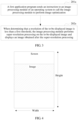
- the image processing module In consideration that when many to-be-displayed images exist in an application program, the image processing module encounters relatively high performance and memory load. Therefore some images may be filtered out, for example, an image with a size meeting a preset condition is processed. For example, the image processing module determines whether an image size of the to-be-displayed image is close to that of a full screen. Super-resolution processing is performed only when the image size is close to that of the screen. As shown in FIG. 4 , a width of the to-be-displayed image is consistent with a width of the screen, and therefore the to-be-displayed image meets the condition for performing super-resolution processing. In actual operations, image widths of some applications are slightly less than the width of the screen.
- a common operating system used by the image processing device is an Android operating system.
- An embodiment of this application further describes the foregoing image processing method with reference to a system architecture of the Android operating system. From a high layer to a low layer, the Android operating system generally sequentially includes: an application layer, a framework layer, a runtime, a core class library, a hardware abstraction layer, and a Linux kernel layer.
- the image processing module in this embodiment of this application belongs to a functional module at the framework layer.
- ImageView ImageView
- BitmapFactory BitmapFactory
- An image processing module 404 at a framework layer 402 is further triggered to call a heterogeneous processor 403 to perform image optimization and an ImageView class 405 in the image processing module 404 is further triggered to call an image optimization algorithm to perform image optimization processing.
- the image processing module performs heterogeneous acceleration by using a plurality of processors, to accelerate the image optimization process.
- step 501 in an image display process, a first application program at an application layer calls BitmapFactory at a framework layer of an operating system to decode a multimedia file; in step 502, a scene recognition module performs a series of condition-based determining on the decoded image, for example, identification of a resolution value, and an image that meets a condition is added to an image optimization queue; in step 503, in consideration that some images such as the first few images or the last few images usually include unimportant information, image optimization on these images may be directly skipped; and in step 504, after filtering, super-resolution processing is sequentially performed on remaining images.
- ImageView image view module
- imageView image view module
- all ImageView call initImageView() an initial image view interface
- a condition-based determining process related to an image optimization permission is added to this interface, to determine whether a current application program has the image optimization permission.
- the following uses supper-resolution processing as an example for description, as shown in FIG. 8 .
- Step 601. An application program creates ImageView to call an initImageView() interface to perform data initialization.
- Step 602. A plurality of conditions are set in initImageView() to determine whether the current application program has an image optimization capability permission, where the conditions are as follows:
- step 603 it can be determined that ImageView currently created by the application program has the image optimization permission, and subsequent determining logic may be continued, that is, step 603 may be performed; otherwise, image optimization processing is not continued, that is, step 605 is performed to draw an image for display.
- image optimization processing aims to achieve an image quality improvement, and such an improvement has different impact and significance for users in different applications and needs to be differentiated based on importance and a function value. Therefore, at present, image optimization processing is enabled only for some specific applications.
- a package (package) name usually corresponds to an application program one by one. Therefore, a package name of the current application program may be obtained by calling getPackageName(). If the package name of the application program is in the whitelist, it is determined that ImageView allows image optimization, and subsequent scene recognition logic is continued; or if the package name of the application program is not in the whitelist, subsequent behavior of ImageView is with the same as behavior performed without an image optimization feature.
- Step 603. An image size is obtained.
- getIntrinsicWidth() and getIntrinsicHeight() methods of Drawable in an Android View drawing system may be used to obtain a width and a height of an image, so that a width and a height of a to-be-displayed image can be measured by using these methods.
- BitmapDrawable a width and a height of a held bitmap are actually returned.
- Step 604. When a difference between a height of the screen and the height of the to-be-displayed image is less than a first threshold, or when a difference between a width of the screen of the image processing device and the width of the to-be-displayed image is less than a second threshold, that is, when either of the two conditions is met, super-resolution processing is performed on the to-be-displayed image, that is, step 605 is performed; otherwise, step 609 is performed.
- the width of the to-be-displayed image meets [0.95, 1.0] times the width of the screen, or when the height of the to-be-displayed image meets [0.95, 1.0] times the height of the screen, it can be determined that a size of the to-be-displayed image is large enough, and therefore image optimization is necessary for the image.
- Step 605. ImageView draws specified Drawable data by using a standard method onDraw() of View. Content is drawn by using the standard method draw() of Drawable. For example, BitmapDrawable is to draw content of a bitmap on ImageView, and ColorDrawable is to paint color on ImageView.
- Step 606 It is determined whether a status of a super-resolution optimization algorithm device is normal. When images are displayed in batches, a task queue of the super-resolution optimization algorithm device is congested. Therefore, it is required to determine whether the status of the super-resolution optimization algorithm device is normal. If the status of the super-resolution optimization algorithm device is normal, step 507 is performed; if the status of the super-resolution optimization algorithm device is abnormal, step 509 is performed.
- Step 607. In consideration of performance, a memory, and effects, image optimization processing is performed only on images with resolutions in a particular range. Different application programs have different requirements on a resolution value setting rule. For example, a microblog has a higher image resolution requirement than other applications. Image optimization is triggered only when the resolution of the application program is less than the corresponding value setting rule. Therefore, it is required to further determine whether the resolution meets the specified condition. If the resolution meets the specified condition, step 608 is performed; or if the resolution does not meet the specified condition, step 609 is performed.
- Step 608 Super-resolution processing is performed on a to-be-displayed image that meets the foregoing condition.
- the super-resolution algorithm executed for the super resolution is corresponding to an image resolution value setting of the application program.
- step 605 is repeated, to re-draw and display an optimized image. It should be noted that, after step 605 is performed, the image optimization procedure ends.
- Step 609 Though ImageView does not perform image optimization, ImageView still needs to draw specified Drawable data by using a standard method onDraw() of View. Content is drawn by using the standard method draw() of Drawable, as shown in step 505.
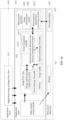
- FIG. 8a shows a framework and a procedure for implementing image optimization by using an ImageView class.
- An operating system includes an application layer A10, a framework A20 and an HAL layer/hardware A30.
- the application layer A10 has an application program A11 that uses ImageView.
- An image optimization triggering module in ImageView A21 at the framework layer A20 is configured to determine timing for image optimization.
- a scene recognition module A211 is configured to determine which image needs image optimization processing, for example, determine whether an image size meets a preset condition, whether an image resolution meets a resolution threshold, whether an image includes a human face.
- the foregoing steps 502 to 504 and steps 506 to 507 are included. In practice, different conditions may be set based on image optimization purposes, to determine which image needs image optimization processing.
- An optimization task allocation and content management module A212 is configured to manage a multi-threaded task and content for image optimization processing, and may be managed by specifically referring to a manner in FIG. 10 .
- An optimization algorithm A22 provides a plurality of image optimization models A221, that is, image optimization algorithms.
- a heterogeneous optimization processing module A222 is configured to call different processors A32 to accelerate image optimization processing.
- the HAL layer/hardware is configured to implement display and implement hardware driving of a processor.
- the application A11 sends an image to ImageView A21.
- the image optimization triggering module in ImageView A21 determines the timing for image optimization processing.
- the scene recognition module A 211 determines whether the image needs optimization.
- the image that needs optimization is put into an optimization task queue.
- the optimization task allocation and memory management module A212 manages optimization tasks.
- the optimization algorithm A22 is called to perform optimization processing on images in the optimization task queue.
- different processors A32 are called by using the heterogeneous optimization processing module A222 to run the optimization algorithm.
- An optimized image is used to update the image for display on a display A31.
- a prediction model is provided for image optimization processing in BitmapFactory.
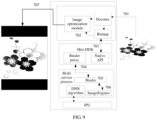
- the prediction model predicts that super-resolution processing needs to be performed on an image in a display interface, and an image outside the display interface needs to be filtered out. This ensures that image optimization processing can be performed on an image that meets a condition, thereby meeting an end-to-end performance requirement. Specific steps are shown in FIG. 9 .
- Step 701 An image of an application program decodes a to-be-displayed image by calling BitmapFactory.decodeFile() of BitmapFactory, and outputs a source bitmap (source bitmap) object, for example, decodes a to-be-displayed image in JPEG format into a bitmap.
- BitmapFactory.decodeFile() of BitmapFactory
- source bitmap source bitmap
- Step 702. BitmapFactory calls a BitmapFactory class of a framework layer to import the source bitmap object.
- Step 703. An image processing module internally creates/manages a destination bitmap (destination bitmap), and uses a source bitmap and the destination bitmap of the image as parameters to call a native API of a Hisi DDK, to perform data processing.
- the Hisi DDK uses an internal binder interface to transmit the source bitmap and the destination bitmap to a HiAI service process through inter-process communication (inter-process communication, IPC), to call an IPU for super-resolution algorithm processing.
- IPC inter-process communication
- Step 705. A super-resolution image processed by the HiAI service process is stored in the destination bitmap, and then is asynchronously returned to a binder process of a graphics library process by using a binder interface.
- Step 706 After receiving the image processed by the image processing module, the binder process transmits the destination bitmap to a view display interface for redrawing.
- Step 707 The redrawn image is displayed on a display interface of the application program.
- bitmap is a factor that is most likely to cause a memory exception in most application scenarios.
- the bitmap complies with a Java GC mechanism. When no strong reference points to a bitmap object, the bitmap object is released. If an improper pointer holds the bitmap, memory occupation or leakage is caused. Therefore, this embodiment of this application explicitly provides a lifecycle of the bitmap in image optimization processing, for ease of memory management.
- image optimization algorithms there are currently numerous image optimization algorithms, and running and computation requirements are high. Different heterogeneous processors such as a GPU and an FPGA may be further managed, and tasks may be allocated to the heterogeneous processors, to accelerate image optimization processing performance.
- a first application program is WeChat
- a user A sends a selfie to a user B by using WeChat
- a thumbnail of the selfie is displayed in a WeChat dialog box of the user B.
- the application program WeChat in a mobile phone of the user B triggers an image processing module of an operating system to perform an image display process. Therefore, ImageView or BitmapFactory in the image processing module performs image optimization on the selfie, and therefore the selfie viewed by the user B has a higher a resolution and higher definition.
- the image optimization function does not need to be repeatedly developed for each third-party application program.
- Super-resolution processing can be triggered by directly calling an existing interface in the operating system.
- the method is universal.
- a control policy is further added for an image optimization queue of an image processing module.
- the control policy is mainly as follows: After a request, for a super-resolution task, initiated by the image processing module is received by a task queue, the task is added to the queue; in step 802, if a request, for canceling a super-resolution task, initiated by the image processing module is received, the task is deleted from the queue; and in step 803, when another task queue detects that a super-resolution state machine is in a ready state, a task is removed from the task queue and sent to a DDK for processing.
- bitmap is a factor that is most likely to cause a memory exception in most application scenarios.
- the bitmap complies with a Java GC mechanism. When no strong reference points to a bitmap object, the bitmap object is released. If an improper pointer holds the bitmap, memory occupation or leakage is caused. Therefore, this embodiment of this application clarifies a lifecycle of the bitmap in image optimization processing, for ease of memory management.
- an embodiment of this application provides an image processing apparatus 900.
- the image processing apparatus belongs to a framework layer of an operating system of an image processing device, and is specifically configured to implement the method described in the embodiment shown in FIG. 3 .
- a structure of the apparatus includes a receiving unit 901 and a processing unit 902.
- the receiving unit 901 is configured to receive an instruction of a first application program to call an image processing module of an operating system, where the instruction carries a to-be-displayed image.
- the processing unit 902 is configured to perform image optimization processing on the to-be-displayed image and display an image obtained after the image optimization processing.
- the processing unit 902 is specifically configured to: when determining that a resolution of the to-be-displayed image is less than a first threshold, perform super-resolution processing on the to-be-displayed image.
- the image processing apparatus further includes a determining unit 903, configured to determine, based on an identifier of the first application program, that the first application program has a super-resolution processing permission.
- the determining unit 903 is specifically configured to determine whether the identifier of the first application program exists in a preset whitelist; and if the identifier of the first application program exists in the preset whitelist, determine that the first application program has an image optimization permission.
- processing unit 902 is specifically configured to:
- processing unit 902 is further configured to: after determining that the super-resolution processing on the task object corresponding to the to-be-displayed image is completed, release memory space corresponding to the task object.
- a first task in the task queue is allocated to a first processor to perform super-resolution processing
- a second task in the task queue is allocated to a second processor to perform super-resolution processing, to accelerate image processing.
- the image processing apparatus is an ImageView class in the operating system
- the instruction further includes a width and a height of the to-be-displayed image.
- the processing unit 902 is further configured to determine that the width and the height of the to-be-displayed image meet a specified condition, where the specified condition is as follows: a difference between a height of a screen of the terminal device and the height of the to-be-displayed image is less than a second threshold; and/or a difference between a width of the screen of the terminal device and the width of the to-be-displayed image is less than a third threshold.
- the image processing apparatus is a BitmapFactory class at a framework layer of an Android operating system. In this case, before performing image optimization processing on the to-be-displayed image, the image processing apparatus decodes the to-be-displayed image.
- an embodiment of this application further provides an image processing device, and the image processing device is configured to implement the method described in the embodiment in FIG. 3 .
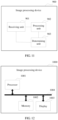
- the device includes a processor 1001, a memory 1002, and a display 1003.
- the processor 1001 may be a central processing unit (central processing unit, CPU), a digital processing unit, or another optimization function.
- the memory 1002 is configured to store an instruction of a first application program or a program instruction of an operating system.
- the display 1003 is configured to display, on a human-computer interaction interface of the first application program, an image obtained after image optimization processing performed by the processor 1001.
- a specific connection medium between the processor 1001 and the memory 1002 is not limited.
- the memory 1002, the processor 1001, and the display 1003 are connected by using a bus 1004 in FIG. 12 .
- the bus is indicated by using a bold line in FIG. 12 .
- a manner of connection between other components is merely an example for description, and imposes no limitation.
- the bus may be classified into an address bus, a data bus, a control bus, and the like. For ease of representation, only one bold line is used to represent the bus in FIG. 12 , but this does not mean that there is only one bus or only one type of bus.
- the memory 1002 may be a volatile memory (volatile memory), such as a random-access memory (random-access memory, RAM).
- the memory 1002 may be a non-volatile memory (non-volatile memory), such as a read-only memory, a flash memory (flash memory), a hard disk drive (hard disk drive, HDD), or a solid-state drive (solid-state drive, SSD).
- the memory 1002 is, but not limited to, any other medium that can be used to carry or store expected program code in a form of an instruction or a data structure and can be accessed by a computer.
- the memory 1003 may be a combination of the foregoing memories.
- the processor 1001 performs the program instruction in the memory 1002, to implement the image processing method shown in FIG. 3 .
- the method includes: sending, by the first application program, the instruction to the image processing module in the operating system, to call the image processing module to perform an image optimization algorithm; and performing, by the image processing module, image optimization processing on the to-be-displayed image, and returning an optimized image to the first application program for display.
- the processor 1001 uses the image optimization processing method in the following manner: when determining that a resolution of the to-be-displayed image is less than a first threshold, performing super-resolution processing on the to-be-displayed image.
- the processing unit may alternatively be implemented by a combination of computing apparatuses, such as a digital signal processing unit and a microprocessing unit, a plurality of microprocessing units, one or more microprocessing units with a digital signal processing unit core, or any other similar configuration.
- computing apparatuses such as a digital signal processing unit and a microprocessing unit, a plurality of microprocessing units, one or more microprocessing units with a digital signal processing unit core, or any other similar configuration.
- Steps of the methods or algorithms described in the embodiments of this application may be directly embedded into hardware, a software module executed by a processing unit, or a combination thereof.
- the software module may be stored in a RAM memory, a flash memory, a ROM memory, an EPROM memory, an EEPROM memory, a register, a hard disk, a removable magnetic disk, a CD-ROM, or a storage medium of any other form in the art.
- the storage medium may connect to a processing unit so that the processing unit can read information from the storage medium and write information to the storage medium.
- the storage medium may further be integrated into a processing unit.
- the processing unit and the storage medium may be arranged in an ASIC, and the ASIC may be arranged in a user terminal.
- the processing unit and the storage medium may be arranged in different components of the user terminal.
- the functions described in the embodiments of this application may be implemented by using hardware, software, firmware, or any combination thereof. If the functions are implemented by software, these functions may be stored in a computer readable medium or be transmitted to the computer readable medium in a form of one or more instructions or code.
- the computer readable medium is either a computer storage medium or a communications medium that enables a computer program to move from one place to another.
- the storage medium may be an available medium that can be accessed by any general or special computer.
- such a computer readable medium may include but is not limited to a RAM, a ROM, an EEPROM, a CD-ROM, or another optical disc storage, a magnetic disk storage or another magnetic storage apparatus, or any other medium that may be used to carry or store program code, where the program code is in a form of an instruction or a data structure or in a form that can be read by a general or special computer or a general or special processing unit.
- any connection may be appropriately defined as a computer readable medium.
- the software is included in a defined computer-readable medium.
- the disk (disk) and the disc (disc) include a compressed disk, a laser disk, an optical disc, a DVD, a floppy disk, and a Blu-ray disc.
- the disk generally copies data by a magnetic means, and the disc generally copies data optically by a laser means.
- the foregoing combination may also be included in the computer-readable medium.
Landscapes
- Engineering & Computer Science (AREA)
- Theoretical Computer Science (AREA)
- Physics & Mathematics (AREA)
- General Physics & Mathematics (AREA)
- Computer Hardware Design (AREA)
- Life Sciences & Earth Sciences (AREA)
- Software Systems (AREA)
- Dentistry (AREA)
- Agronomy & Crop Science (AREA)
- Environmental Sciences (AREA)
- Pest Control & Pesticides (AREA)
- General Engineering & Computer Science (AREA)
- General Health & Medical Sciences (AREA)
- Zoology (AREA)
- Wood Science & Technology (AREA)
- Health & Medical Sciences (AREA)
- Plant Pathology (AREA)
- Image Processing (AREA)
- Stored Programmes (AREA)
- User Interface Of Digital Computer (AREA)
- Telephone Function (AREA)
Claims (8)
- Procédé de traitement d'image, dans lequel le procédé est applicable à un dispositif de traitement d'image (100) présentant un système d'exploitation, et le procédé comprend :la réception (201a), par un module de traitement d'image (122) du système d'exploitation, d'une instruction d'un premier programme d'application (111) pour appeler le module de traitement d'image (122) du système d'exploitation, dans lequel l'instruction porte une image à afficher ; etla réalisation (202a), par le module de traitement d'image (122), d'un traitement d'optimisation d'image sur l'image à afficher et l'affichage d'une image obtenue après le traitement d'optimisation d'image ;dans lequel avant la réalisation (202a), par le module de traitement d'image (122), d'un traitement d'optimisation d'image sur l'image à afficher, le procédé comprend également :la détermination, par le module de traitement d'image (122), du fait que le premier programme d'application (111) présente une autorisation de traitement en super-résolution ; etdans lequel la détermination, par le module d'affichage d'image, du fait que le premier programme d'application (111) présente une autorisation de traitement d'optimisation d'image comprend :le fait de déterminer, par le module de traitement d'image (122), si un identifiant du premier programme d'application (111) existe dans une liste blanche prédéfinie ; etsi l'identifiant du premier programme d'application (111) existe dans la liste blanche prédéfinie, la détermination, par le module de traitement d'image (122), du fait que le premier programme d'application (111) présente l'autorisation de traitement d'optimisation d'image et que le traitement de super-résolution est autorisé à être déclenché davantage, et si l'identifiant du programme d'application n'est pas dans la liste blanche, la non réalisation, par le module de traitement d'image, de traitement de super-résolution ;le procédé comprenant également :lorsqu'il est déterminé que le premier programme d'application présente l'autorisation de traitement d'image, le fait de déterminer si une résolution de l'image à afficher est inférieure à un premier seuil ; etlorsqu'il est déterminé que la résolution de l'image à afficher est inférieure au premier seuil, la réalisation, par le module de traitement d'image (122), d'un traitement de super-résolution sur l'image à afficher, et lorsqu'il est déterminé que la résolution de l'image à afficher n'est pas inférieure au premier seuil, la non réalisation, par le module de traitement d'image, de traitement de super-résolution.
- Procédé de traitement d'image selon la revendication 1, dans lequel la réalisation, par le module de traitement d'image, d'un traitement de super-résolution sur l'image à afficher comprend :l'ajout, par le module de traitement d'image, de l'image à afficher à une file d'attente de tâches en tant qu'objet de tâche ;la détermination, par le module de traitement d'image sur la base de la résolution de l'image à afficher, d'un algorithme d'optimisation d'image correspondant à l'image à afficher ; etla réalisation, par le module de traitement d'image en utilisant l'algorithme d'optimisation d'image correspondant, d'un traitement de super-résolution sur l'objet de tâche correspondant à l'image à afficher dans la file d'attente de tâches.
- Procédé de traitement d'image selon la revendication 2, comprenant également :
après la détermination que le traitement de super-résolution sur l'objet de tâche correspondant à l'image à afficher est terminé, la libération, par le module de traitement 0d'image (122), de l'espace mémoire correspondant à l'objet de tâche. - Procédé de traitement d'image selon la revendication 2, dans lequel une première tâche dans la file d'attente de tâches est allouée à un premier processeur pour réaliser le traitement de super-résolution, et une seconde tâche dans la file d'attente de tâches est allouée à un second processeur pour réaliser le traitement de super-résolution.
- Procédé de traitement d'image selon les revendications 1 à 4, dans lequel le système d'exploitation est un système d'exploitation Android, le module de traitement d'image (122) est une classe ImageView au niveau d'une couche d'infrastructure (120) du système d'exploitation Android, et l'instruction comprend également une largeur et une hauteur de l'image à afficher ; et
après la réception, par un module d'affichage d'image, d'une instruction d'un premier programme d'application (111) pour appeler le module de traitement d'image (122) du système d'exploitation et avant la réalisation, par le module de traitement d'image (122), d'un traitement d'optimisation d'image sur l'image à afficher, le procédé comprend également :
la détermination, par la classe ImageView, du fait que la largeur et la hauteur de l'image à afficher satisfont une condition spécifiée, dans lequel la condition spécifiée est la suivante : une différence entre une hauteur d'un écran du dispositif de traitement d'image et la hauteur de l'image à afficher est inférieure à un deuxième seuil ; et/ou une différence entre une largeur de l'écran du dispositif de traitement d'image et la largeur de l'image à afficher est inférieure à un troisième seuil. - Procédé de traitement d'image selon les revendications 1 à 4, dans lequel le système d'exploitation est un système d'exploitation Android, le module de traitement d'image (122) est une classe BitmapFactory au niveau d'une couche d'infrastructure (120) du système d'exploitation Android ; et après la réception, par le module de traitement d'image (122), d'une instruction d'un premier programme d'application (111) pour appeler le module de traitement d'image (122) du système d'exploitation et avant la réalisation, par le module de traitement d'image (122), d'un traitement d'optimisation d'image sur l'image à afficher, le procédé comprend également :
le décodage, par la classe BitmapFactory, de l'image à afficher. - Appareil de traitement d'image (900), dans lequel l'appareil de traitement d'image appartient à une couche d'infrastructure (120, 302) d'un système d'exploitation d'un dispositif de traitement d'image, une couche d'application (110, 302) du système d'exploitation comprend un premier programme d'application (111), et l'appareil de traitement d'image comprend :une unité de réception (901), configurée pour recevoir (201a) une instruction du premier programme d'application (111) pour appeler un module de traitement d'image (122) du système d'exploitation, dans lequel l'instruction porte une image à afficher ; etune unité de traitement (902), configurée pour réaliser (202a) un traitement d'optimisation d'image sur l'image à afficher et afficher une image obtenue après le traitement d'optimisation d'image ;l'appareil de traitement d'image comprenant également :une unité de détermination (903), configurée pour déterminer que le premier programme d'application (111) présente une autorisation de traitement d'optimisation d'image,dans lequel l'unité de détermination (903) est spécifiquement configurée pour :déterminer si un identifiant du premier programme d'application (111) existe dans une liste blanche prédéfinie ; et si l'identifiant du premier programme d'application (111) existe dans la liste blanche prédéfinie, déterminer que le premier programme d'application (111) présente l'autorisation de traitement d'optimisation d'image et que le traitement de super-résolution est autorisé à être déclenché davantage, et si l'identifiant du programme d'application n'est pas dans la liste blanche, déterminer que le traitement de super-résolution n'est pas réalisé ; etdans lequel l'unité de traitement (902) est spécifiquement configurée pour :lorsqu'il est déterminé, par l'unité de détermination, que le premier programme d'application présente l'autorisation de traitement d'optimisation d'image, déterminer si une résolution de l'image à afficher est inférieure à un premier seuil ; etlorsqu'il est déterminé que la résolution de l'image à afficher est inférieure au premier seuil, réaliser le traitement de super-résolution sur l'image à afficher, et lorsqu'il est déterminé que la résolution de l'image à afficher n'est pas inférieure au premier seuil, ne pas réaliser de traitement de super-résolution.
- Appareil de traitement d'image selon la revendication 7, dans lequel l'instruction comprend également une largeur et une hauteur de l'image à afficher ; et
l'unité de traitement (902) est également configurée pour déterminer que la largeur et la hauteur de l'image à afficher satisfont une condition spécifiée, dans lequel la condition spécifiée est la suivante : une différence entre une hauteur d'un écran du dispositif terminal et la hauteur de l'image à afficher est inférieure à un deuxième seuil ; et/ou une différence entre une largeur de l'écran du dispositif terminal et la largeur de l'image à afficher est inférieure à un troisième seuil.
Applications Claiming Priority (2)
| Application Number | Priority Date | Filing Date | Title |
|---|---|---|---|
| CN201710931459 | 2017-10-09 | ||
| PCT/CN2017/106197 WO2019071618A1 (fr) | 2017-10-09 | 2017-10-13 | Procédé et dispositif de traitement d'image |
Publications (3)
| Publication Number | Publication Date |
|---|---|
| EP3671627A1 EP3671627A1 (fr) | 2020-06-24 |
| EP3671627A4 EP3671627A4 (fr) | 2020-10-21 |
| EP3671627B1 true EP3671627B1 (fr) | 2025-03-26 |
Family
ID=66101214
Family Applications (1)
| Application Number | Title | Priority Date | Filing Date |
|---|---|---|---|
| EP17928530.9A Active EP3671627B1 (fr) | 2017-10-09 | 2017-10-13 | Procédé et dispositif de traitement d'image |
Country Status (5)
| Country | Link |
|---|---|
| US (2) | US11132766B2 (fr) |
| EP (1) | EP3671627B1 (fr) |
| CN (3) | CN113808016B (fr) |
| AU (2) | AU2017435234B2 (fr) |
| WO (1) | WO2019071618A1 (fr) |
Families Citing this family (18)
| Publication number | Priority date | Publication date | Assignee | Title |
|---|---|---|---|---|
| CN113808016B (zh) * | 2017-10-09 | 2025-10-24 | 华为技术有限公司 | 一种图像处理方法及设备 |
| CN107832843B (zh) | 2017-10-30 | 2021-09-21 | 上海寒武纪信息科技有限公司 | 一种信息处理方法及相关产品 |
| CN107895345B (zh) * | 2017-11-29 | 2020-05-26 | 浙江大华技术股份有限公司 | 一种提高人脸图像分辨率的方法和装置 |
| US12094456B2 (en) | 2018-09-13 | 2024-09-17 | Shanghai Cambricon Information Technology Co., Ltd. | Information processing method and system |
| CN109636720B (zh) * | 2018-11-28 | 2023-03-21 | 维沃移动通信(杭州)有限公司 | 一种图像显示方法及终端设备 |
| CN109996116B (zh) * | 2019-03-27 | 2021-07-16 | 深圳创维-Rgb电子有限公司 | 提升视频分辨率的方法、终端及可读存储介质 |
| US20210056220A1 (en) * | 2019-08-22 | 2021-02-25 | Mediatek Inc. | Method for improving confidentiality protection of neural network model |
| CN110933275B (zh) * | 2019-12-09 | 2021-07-23 | Oppo广东移动通信有限公司 | 拍照方法及相关设备 |
| CN110991369A (zh) * | 2019-12-09 | 2020-04-10 | Oppo广东移动通信有限公司 | 图像数据处理方法及相关装置 |
| CN111142751B (zh) * | 2019-12-26 | 2024-08-23 | 腾讯科技(深圳)有限公司 | 一种图像处理方法、装置、智能终端及存储介质 |
| CN111491101B (zh) * | 2020-04-20 | 2022-08-02 | Oppo广东移动通信有限公司 | 图像处理器、图像处理方法、拍摄装置和电子设备 |
| CN111953848B (zh) * | 2020-08-19 | 2022-03-11 | Oppo广东移动通信有限公司 | 通过情景感知实现应用功能的系统、方法、相关装置及存储介质 |
| CN114531565A (zh) * | 2020-11-04 | 2022-05-24 | 北京小米移动软件有限公司 | 预警方法及装置、电子设备、存储介质 |
| CN113055742B (zh) * | 2021-03-05 | 2023-06-09 | Oppo广东移动通信有限公司 | 视频显示方法、装置、终端及存储介质 |
| CN115482143B (zh) | 2021-06-15 | 2023-12-19 | 荣耀终端有限公司 | 应用的图像数据调用方法、系统、电子设备及存储介质 |
| US12079973B2 (en) | 2021-07-28 | 2024-09-03 | Motorola Mobility Llc | Electronic devices and corresponding hybrid methods of low light image enhancement |
| CN113778600B (zh) * | 2021-09-08 | 2025-06-13 | 北京百度网讯科技有限公司 | 分辨率设置方法、装置、设备、存储介质及程序产品 |
| KR102793526B1 (ko) | 2021-09-17 | 2025-04-09 | 삼성전자주식회사 | 연산 장치 및 그 동작 방법 |
Citations (2)
| Publication number | Priority date | Publication date | Assignee | Title |
|---|---|---|---|---|
| US20170163806A1 (en) * | 2015-12-08 | 2017-06-08 | Verizon Patent And Licensing Inc. | Customer representative remote access for troubleshooting smartphones |
| EP3432587A1 (fr) * | 2016-03-31 | 2019-01-23 | Huawei Technologies Co., Ltd. | Procédé de traitement d'un programme d'application et dispositif mobile |
Family Cites Families (18)
| Publication number | Priority date | Publication date | Assignee | Title |
|---|---|---|---|---|
| US8581906B2 (en) * | 2008-08-04 | 2013-11-12 | Kabushiki Kaisha Toshiba | Image processing apparatus and image processing method |
| JP5206218B2 (ja) * | 2008-08-20 | 2013-06-12 | 富士通株式会社 | 指紋画像取得装置、指紋認証装置、指紋画像取得方法及び指紋認証方法 |
| US8369653B1 (en) * | 2009-02-27 | 2013-02-05 | Adobe Systems Incorporated | System and method for image upsampling using natural image statistics of first and second derivatives |
| US8698845B2 (en) | 2010-01-06 | 2014-04-15 | Apple Inc. | Device, method, and graphical user interface with interactive popup views |
| CN102722875B (zh) | 2012-05-29 | 2014-08-13 | 杭州电子科技大学 | 一种基于视觉注意和质量可变的图像超分辨率重建方法 |
| CN103916550A (zh) | 2012-12-30 | 2014-07-09 | 北京新媒传信科技有限公司 | 一种安卓平台中的图片处理方法和装置 |
| CN103902318A (zh) | 2012-12-30 | 2014-07-02 | 青岛海尔软件有限公司 | 基于Android平台的图片加载方法 |
| CN103761471A (zh) | 2014-02-21 | 2014-04-30 | 北京奇虎科技有限公司 | 基于智能终端设备安装应用程序的方法与装置 |
| CN110645670B (zh) * | 2014-05-27 | 2021-10-15 | 松下电器(美国)知识产权公司 | 空气调节装置所执行的传感器的控制方法 |
| CN104702846B (zh) | 2015-03-20 | 2018-05-08 | 惠州Tcl移动通信有限公司 | 移动终端相机预览图像处理方法及系统 |
| CN110888521B (zh) * | 2015-07-16 | 2023-07-18 | 华为技术有限公司 | 一种移动终端及其运行应用程序的方法 |
| CN106603885B (zh) | 2015-10-20 | 2019-07-19 | 腾讯科技(深圳)有限公司 | 视频图像处理方法和装置 |
| CN105447820B (zh) * | 2015-12-22 | 2018-10-23 | 厦门美图移动科技有限公司 | 一种图片处理方法、装置和移动终端 |
| CN105808356A (zh) | 2016-03-11 | 2016-07-27 | 广州市久邦数码科技有限公司 | 一种基于安卓系统的Bitmap重复利用方法及其系统 |
| CN106408632B (zh) * | 2016-09-08 | 2019-10-25 | 广州阿里巴巴文学信息技术有限公司 | 一种基于属性动画的色调变化动画实现方法及装置 |
| CN106919401B (zh) * | 2017-03-10 | 2021-04-09 | Oppo广东移动通信有限公司 | 一种动态调节分辨率的方法、装置及移动终端 |
| CN107025629B (zh) * | 2017-04-27 | 2021-03-26 | 维沃移动通信有限公司 | 一种图像处理方法及移动终端 |
| CN113808016B (zh) * | 2017-10-09 | 2025-10-24 | 华为技术有限公司 | 一种图像处理方法及设备 |
-
2017
- 2017-10-13 CN CN202110931384.9A patent/CN113808016B/zh active Active
- 2017-10-13 CN CN201780003404.8A patent/CN108496198B/zh active Active
- 2017-10-13 AU AU2017435234A patent/AU2017435234B2/en active Active
- 2017-10-13 EP EP17928530.9A patent/EP3671627B1/fr active Active
- 2017-10-13 WO PCT/CN2017/106197 patent/WO2019071618A1/fr not_active Ceased
- 2017-10-13 US US16/754,567 patent/US11132766B2/en active Active
- 2017-10-13 CN CN202110931882.3A patent/CN113837939A/zh active Pending
-
2021
- 2021-08-30 US US17/460,726 patent/US20220058772A1/en not_active Abandoned
- 2021-09-09 AU AU2021229220A patent/AU2021229220B2/en active Active
Patent Citations (2)
| Publication number | Priority date | Publication date | Assignee | Title |
|---|---|---|---|---|
| US20170163806A1 (en) * | 2015-12-08 | 2017-06-08 | Verizon Patent And Licensing Inc. | Customer representative remote access for troubleshooting smartphones |
| EP3432587A1 (fr) * | 2016-03-31 | 2019-01-23 | Huawei Technologies Co., Ltd. | Procédé de traitement d'un programme d'application et dispositif mobile |
Non-Patent Citations (2)
| Title |
|---|
| CHAO DONG ET AL: "Image Super-Resolution Using Deep Convolutional Networks", IEEE TRANSACTIONS ON PATTERN ANALYSIS AND MACHINE INTELLIGENCE, vol. 38, no. 2, 1 June 2015 (2015-06-01), pages 1 - 14, XP055572436, DOI: 10.1109/TPAMI.2015.2439281 * |
| JI XIANCAI ET AL: "Image Super-Resolution with Deep Convolutional Neural Network", 2016 IEEE FIRST INTERNATIONAL CONFERENCE ON DATA SCIENCE IN CYBERSPACE (DSC), IEEE, 13 June 2016 (2016-06-13), pages 626 - 630, XP033072357, DOI: 10.1109/DSC.2016.104 * |
Also Published As
| Publication number | Publication date |
|---|---|
| AU2017435234A1 (en) | 2020-04-09 |
| AU2021229220A1 (en) | 2021-10-07 |
| AU2017435234B2 (en) | 2021-06-10 |
| CN113808016B (zh) | 2025-10-24 |
| AU2021229220B2 (en) | 2023-05-18 |
| US11132766B2 (en) | 2021-09-28 |
| CN113808016A (zh) | 2021-12-17 |
| US20200258195A1 (en) | 2020-08-13 |
| CN108496198B (zh) | 2021-08-20 |
| CN113837939A (zh) | 2021-12-24 |
| EP3671627A1 (fr) | 2020-06-24 |
| EP3671627A4 (fr) | 2020-10-21 |
| WO2019071618A1 (fr) | 2019-04-18 |
| CN108496198A (zh) | 2018-09-04 |
| US20220058772A1 (en) | 2022-02-24 |
Similar Documents
| Publication | Publication Date | Title |
|---|---|---|
| AU2021229220B2 (en) | Image processing method and device | |
| US11016641B2 (en) | Method and apparatus for taking screenshot of screen of application in mobile terminal | |
| CN110874217B (zh) | 快应用的界面显示方法、装置及存储介质 | |
| CN110955499B (zh) | 处理器核心配置方法、装置、终端及存储介质 | |
| US10609276B2 (en) | Electronic device and method for controlling operation of camera-related application based on memory status of the electronic device thereof | |
| CN105278950A (zh) | 用于执行视频通话增强功能的方法及其电子装置 | |
| CN103970598B (zh) | 用于移动终端的应用屏幕截图方法和装置 | |
| CN115501588A (zh) | 图像渲染方法、装置、存储介质及电子设备 | |
| CN107580039A (zh) | 传输进度的显示方法、装置及终端 | |
| CN107122176A (zh) | 一种图形绘制方法及装置 | |
| CN111782113B (zh) | 显示方法、装置和计算机可读存储介质 | |
| CN109491655B (zh) | 一种输入事件处理方法及装置 | |
| CN116244029B (zh) | 控件处理方法、设备、系统及存储介质 | |
| CN113438419B (zh) | 相机启动方法、装置和电子设备 | |
| CN108681472A (zh) | 图片加载方法、装置及电子设备 | |
| CN114254233A (zh) | 弹窗任务处理方法、装置、存储介质及电子设备 | |
| CN113326089A (zh) | 应用软件皮肤的更换方法、装置及存储介质 | |
| WO2018005269A1 (fr) | Production de contenu multimédia pour un dispositif d'affichage pris en charge par un système d'exploitation |
Legal Events
| Date | Code | Title | Description |
|---|---|---|---|
| STAA | Information on the status of an ep patent application or granted ep patent |
Free format text: STATUS: THE INTERNATIONAL PUBLICATION HAS BEEN MADE |
|
| PUAI | Public reference made under article 153(3) epc to a published international application that has entered the european phase |
Free format text: ORIGINAL CODE: 0009012 |
|
| STAA | Information on the status of an ep patent application or granted ep patent |
Free format text: STATUS: REQUEST FOR EXAMINATION WAS MADE |
|
| 17P | Request for examination filed |
Effective date: 20200316 |
|
| AK | Designated contracting states |
Kind code of ref document: A1 Designated state(s): AL AT BE BG CH CY CZ DE DK EE ES FI FR GB GR HR HU IE IS IT LI LT LU LV MC MK MT NL NO PL PT RO RS SE SI SK SM TR |
|
| AX | Request for extension of the european patent |
Extension state: BA ME |
|
| A4 | Supplementary search report drawn up and despatched |
Effective date: 20200918 |
|
| RIC1 | Information provided on ipc code assigned before grant |
Ipc: G06T 3/40 20060101ALI20200914BHEP Ipc: G09G 5/22 20060101AFI20200914BHEP |
|
| DAV | Request for validation of the european patent (deleted) | ||
| DAX | Request for extension of the european patent (deleted) | ||
| STAA | Information on the status of an ep patent application or granted ep patent |
Free format text: STATUS: EXAMINATION IS IN PROGRESS |
|
| 17Q | First examination report despatched |
Effective date: 20220603 |
|
| REG | Reference to a national code |
Ipc: G06T0003405300 Ref country code: DE Ref legal event code: R079 Ref document number: 602017088601 Country of ref document: DE Free format text: PREVIOUS MAIN CLASS: G06T0005500000 Ipc: G06T0003405300 |
|
| GRAP | Despatch of communication of intention to grant a patent |
Free format text: ORIGINAL CODE: EPIDOSNIGR1 |
|
| STAA | Information on the status of an ep patent application or granted ep patent |
Free format text: STATUS: GRANT OF PATENT IS INTENDED |
|
| RIC1 | Information provided on ipc code assigned before grant |
Ipc: G09G 5/373 20060101ALI20241016BHEP Ipc: G09G 5/22 20060101ALI20241016BHEP Ipc: G06T 3/4053 20240101AFI20241016BHEP |
|
| INTG | Intention to grant announced |
Effective date: 20241105 |
|
| GRAS | Grant fee paid |
Free format text: ORIGINAL CODE: EPIDOSNIGR3 |
|
| GRAA | (expected) grant |
Free format text: ORIGINAL CODE: 0009210 |
|
| STAA | Information on the status of an ep patent application or granted ep patent |
Free format text: STATUS: THE PATENT HAS BEEN GRANTED |
|
| AK | Designated contracting states |
Kind code of ref document: B1 Designated state(s): AL AT BE BG CH CY CZ DE DK EE ES FI FR GB GR HR HU IE IS IT LI LT LU LV MC MK MT NL NO PL PT RO RS SE SI SK SM TR |
|
| REG | Reference to a national code |
Ref country code: GB Ref legal event code: FG4D |
|
| REG | Reference to a national code |
Ref country code: CH Ref legal event code: EP |
|
| REG | Reference to a national code |
Ref country code: DE Ref legal event code: R096 Ref document number: 602017088601 Country of ref document: DE |
|
| REG | Reference to a national code |
Ref country code: IE Ref legal event code: FG4D |
|
| PG25 | Lapsed in a contracting state [announced via postgrant information from national office to epo] |
Ref country code: RS Free format text: LAPSE BECAUSE OF FAILURE TO SUBMIT A TRANSLATION OF THE DESCRIPTION OR TO PAY THE FEE WITHIN THE PRESCRIBED TIME-LIMIT Effective date: 20250626 |
|
| PG25 | Lapsed in a contracting state [announced via postgrant information from national office to epo] |
Ref country code: FI Free format text: LAPSE BECAUSE OF FAILURE TO SUBMIT A TRANSLATION OF THE DESCRIPTION OR TO PAY THE FEE WITHIN THE PRESCRIBED TIME-LIMIT Effective date: 20250326 |
|
| REG | Reference to a national code |
Ref country code: LT Ref legal event code: MG9D |
|
| PG25 | Lapsed in a contracting state [announced via postgrant information from national office to epo] |
Ref country code: NO Free format text: LAPSE BECAUSE OF FAILURE TO SUBMIT A TRANSLATION OF THE DESCRIPTION OR TO PAY THE FEE WITHIN THE PRESCRIBED TIME-LIMIT Effective date: 20250626 |
|
| PG25 | Lapsed in a contracting state [announced via postgrant information from national office to epo] |
Ref country code: HR Free format text: LAPSE BECAUSE OF FAILURE TO SUBMIT A TRANSLATION OF THE DESCRIPTION OR TO PAY THE FEE WITHIN THE PRESCRIBED TIME-LIMIT Effective date: 20250326 |
|
| PG25 | Lapsed in a contracting state [announced via postgrant information from national office to epo] |
Ref country code: LV Free format text: LAPSE BECAUSE OF FAILURE TO SUBMIT A TRANSLATION OF THE DESCRIPTION OR TO PAY THE FEE WITHIN THE PRESCRIBED TIME-LIMIT Effective date: 20250326 |
|
| PG25 | Lapsed in a contracting state [announced via postgrant information from national office to epo] |
Ref country code: GR Free format text: LAPSE BECAUSE OF FAILURE TO SUBMIT A TRANSLATION OF THE DESCRIPTION OR TO PAY THE FEE WITHIN THE PRESCRIBED TIME-LIMIT Effective date: 20250627 Ref country code: BG Free format text: LAPSE BECAUSE OF FAILURE TO SUBMIT A TRANSLATION OF THE DESCRIPTION OR TO PAY THE FEE WITHIN THE PRESCRIBED TIME-LIMIT Effective date: 20250326 |
|
| REG | Reference to a national code |
Ref country code: NL Ref legal event code: MP Effective date: 20250326 |
|
| PG25 | Lapsed in a contracting state [announced via postgrant information from national office to epo] |
Ref country code: NL Free format text: LAPSE BECAUSE OF FAILURE TO SUBMIT A TRANSLATION OF THE DESCRIPTION OR TO PAY THE FEE WITHIN THE PRESCRIBED TIME-LIMIT Effective date: 20250326 |
|
| PG25 | Lapsed in a contracting state [announced via postgrant information from national office to epo] |
Ref country code: SE Free format text: LAPSE BECAUSE OF FAILURE TO SUBMIT A TRANSLATION OF THE DESCRIPTION OR TO PAY THE FEE WITHIN THE PRESCRIBED TIME-LIMIT Effective date: 20250326 |
|
| REG | Reference to a national code |
Ref country code: AT Ref legal event code: MK05 Ref document number: 1779712 Country of ref document: AT Kind code of ref document: T Effective date: 20250326 |
|
| PG25 | Lapsed in a contracting state [announced via postgrant information from national office to epo] |
Ref country code: SM Free format text: LAPSE BECAUSE OF FAILURE TO SUBMIT A TRANSLATION OF THE DESCRIPTION OR TO PAY THE FEE WITHIN THE PRESCRIBED TIME-LIMIT Effective date: 20250326 |
|
| PG25 | Lapsed in a contracting state [announced via postgrant information from national office to epo] |
Ref country code: PT Free format text: LAPSE BECAUSE OF FAILURE TO SUBMIT A TRANSLATION OF THE DESCRIPTION OR TO PAY THE FEE WITHIN THE PRESCRIBED TIME-LIMIT Effective date: 20250728 Ref country code: ES Free format text: LAPSE BECAUSE OF FAILURE TO SUBMIT A TRANSLATION OF THE DESCRIPTION OR TO PAY THE FEE WITHIN THE PRESCRIBED TIME-LIMIT Effective date: 20250326 |
|
| PG25 | Lapsed in a contracting state [announced via postgrant information from national office to epo] |
Ref country code: PL Free format text: LAPSE BECAUSE OF FAILURE TO SUBMIT A TRANSLATION OF THE DESCRIPTION OR TO PAY THE FEE WITHIN THE PRESCRIBED TIME-LIMIT Effective date: 20250326 Ref country code: IT Free format text: LAPSE BECAUSE OF FAILURE TO SUBMIT A TRANSLATION OF THE DESCRIPTION OR TO PAY THE FEE WITHIN THE PRESCRIBED TIME-LIMIT Effective date: 20250326 |
|
| PGFP | Annual fee paid to national office [announced via postgrant information from national office to epo] |
Ref country code: GB Payment date: 20250904 Year of fee payment: 9 |
|
| PG25 | Lapsed in a contracting state [announced via postgrant information from national office to epo] |
Ref country code: AT Free format text: LAPSE BECAUSE OF FAILURE TO SUBMIT A TRANSLATION OF THE DESCRIPTION OR TO PAY THE FEE WITHIN THE PRESCRIBED TIME-LIMIT Effective date: 20250326 |
|
| PG25 | Lapsed in a contracting state [announced via postgrant information from national office to epo] |
Ref country code: EE Free format text: LAPSE BECAUSE OF FAILURE TO SUBMIT A TRANSLATION OF THE DESCRIPTION OR TO PAY THE FEE WITHIN THE PRESCRIBED TIME-LIMIT Effective date: 20250326 |
|
| PG25 | Lapsed in a contracting state [announced via postgrant information from national office to epo] |
Ref country code: RO Free format text: LAPSE BECAUSE OF FAILURE TO SUBMIT A TRANSLATION OF THE DESCRIPTION OR TO PAY THE FEE WITHIN THE PRESCRIBED TIME-LIMIT Effective date: 20250326 |
|
| PG25 | Lapsed in a contracting state [announced via postgrant information from national office to epo] |
Ref country code: SK Free format text: LAPSE BECAUSE OF FAILURE TO SUBMIT A TRANSLATION OF THE DESCRIPTION OR TO PAY THE FEE WITHIN THE PRESCRIBED TIME-LIMIT Effective date: 20250326 |
|
| PG25 | Lapsed in a contracting state [announced via postgrant information from national office to epo] |
Ref country code: IS Free format text: LAPSE BECAUSE OF FAILURE TO SUBMIT A TRANSLATION OF THE DESCRIPTION OR TO PAY THE FEE WITHIN THE PRESCRIBED TIME-LIMIT Effective date: 20250726 |
|
| REG | Reference to a national code |
Ref country code: DE Ref legal event code: R097 Ref document number: 602017088601 Country of ref document: DE |
|
| PGFP | Annual fee paid to national office [announced via postgrant information from national office to epo] |
Ref country code: DE Payment date: 20250902 Year of fee payment: 9 |
|
| PG25 | Lapsed in a contracting state [announced via postgrant information from national office to epo] |
Ref country code: DK Free format text: LAPSE BECAUSE OF FAILURE TO SUBMIT A TRANSLATION OF THE DESCRIPTION OR TO PAY THE FEE WITHIN THE PRESCRIBED TIME-LIMIT Effective date: 20250326 |
|
| PG25 | Lapsed in a contracting state [announced via postgrant information from national office to epo] |
Ref country code: CZ Free format text: LAPSE BECAUSE OF FAILURE TO SUBMIT A TRANSLATION OF THE DESCRIPTION OR TO PAY THE FEE WITHIN THE PRESCRIBED TIME-LIMIT Effective date: 20250326 |
|
| PLBE | No opposition filed within time limit |
Free format text: ORIGINAL CODE: 0009261 |
|
| STAA | Information on the status of an ep patent application or granted ep patent |
Free format text: STATUS: NO OPPOSITION FILED WITHIN TIME LIMIT |
|
| REG | Reference to a national code |
Ref country code: CH Ref legal event code: L10 Free format text: ST27 STATUS EVENT CODE: U-0-0-L10-L00 (AS PROVIDED BY THE NATIONAL OFFICE) Effective date: 20260211 |
|
| 26N | No opposition filed |
Effective date: 20260105 |