EP3674420A1 - Verfahren zur vorhersage des kardiotoxizitätsrisikos bei krebspatienten, die eine chemotherapeutische mit anthracyclinen erhalten - Google Patents
Verfahren zur vorhersage des kardiotoxizitätsrisikos bei krebspatienten, die eine chemotherapeutische mit anthracyclinen erhalten Download PDFInfo
- Publication number
- EP3674420A1 EP3674420A1 EP18248213.3A EP18248213A EP3674420A1 EP 3674420 A1 EP3674420 A1 EP 3674420A1 EP 18248213 A EP18248213 A EP 18248213A EP 3674420 A1 EP3674420 A1 EP 3674420A1
- Authority
- EP
- European Patent Office
- Prior art keywords
- mirna
- cardiotoxicity
- chemotherapy
- anthracyclines
- mirnas
- Prior art date
- Legal status (The legal status is an assumption and is not a legal conclusion. Google has not performed a legal analysis and makes no representation as to the accuracy of the status listed.)
- Withdrawn
Links
Images




Classifications
-
- C—CHEMISTRY; METALLURGY
- C12—BIOCHEMISTRY; BEER; SPIRITS; WINE; VINEGAR; MICROBIOLOGY; ENZYMOLOGY; MUTATION OR GENETIC ENGINEERING
- C12Q—MEASURING OR TESTING PROCESSES INVOLVING ENZYMES, NUCLEIC ACIDS OR MICROORGANISMS; COMPOSITIONS OR TEST PAPERS THEREFOR; PROCESSES OF PREPARING SUCH COMPOSITIONS; CONDITION-RESPONSIVE CONTROL IN MICROBIOLOGICAL OR ENZYMOLOGICAL PROCESSES
- C12Q1/00—Measuring or testing processes involving enzymes, nucleic acids or microorganisms; Compositions therefor; Processes of preparing such compositions
- C12Q1/68—Measuring or testing processes involving enzymes, nucleic acids or microorganisms; Compositions therefor; Processes of preparing such compositions involving nucleic acids
- C12Q1/6876—Nucleic acid products used in the analysis of nucleic acids, e.g. primers or probes
- C12Q1/6883—Nucleic acid products used in the analysis of nucleic acids, e.g. primers or probes for diseases caused by alterations of genetic material
- C12Q1/6886—Nucleic acid products used in the analysis of nucleic acids, e.g. primers or probes for diseases caused by alterations of genetic material for cancer
-
- C—CHEMISTRY; METALLURGY
- C12—BIOCHEMISTRY; BEER; SPIRITS; WINE; VINEGAR; MICROBIOLOGY; ENZYMOLOGY; MUTATION OR GENETIC ENGINEERING
- C12N—MICROORGANISMS OR ENZYMES; COMPOSITIONS THEREOF; PROPAGATING, PRESERVING, OR MAINTAINING MICROORGANISMS; MUTATION OR GENETIC ENGINEERING; CULTURE MEDIA
- C12N15/00—Mutation or genetic engineering; DNA or RNA concerning genetic engineering, vectors, e.g. plasmids, or their isolation, preparation or purification; Use of hosts therefor
- C12N15/09—Recombinant DNA-technology
- C12N15/11—DNA or RNA fragments; Modified forms thereof; Non-coding nucleic acids having a biological activity
- C12N15/113—Non-coding nucleic acids modulating the expression of genes, e.g. antisense oligonucleotides; Antisense DNA or RNA; Triplex- forming oligonucleotides; Catalytic nucleic acids, e.g. ribozymes; Nucleic acids used in co-suppression or gene silencing
-
- C—CHEMISTRY; METALLURGY
- C12—BIOCHEMISTRY; BEER; SPIRITS; WINE; VINEGAR; MICROBIOLOGY; ENZYMOLOGY; MUTATION OR GENETIC ENGINEERING
- C12Q—MEASURING OR TESTING PROCESSES INVOLVING ENZYMES, NUCLEIC ACIDS OR MICROORGANISMS; COMPOSITIONS OR TEST PAPERS THEREFOR; PROCESSES OF PREPARING SUCH COMPOSITIONS; CONDITION-RESPONSIVE CONTROL IN MICROBIOLOGICAL OR ENZYMOLOGICAL PROCESSES
- C12Q2600/00—Oligonucleotides characterized by their use
- C12Q2600/142—Toxicological screening, e.g. expression profiles which identify toxicity
-
- C—CHEMISTRY; METALLURGY
- C12—BIOCHEMISTRY; BEER; SPIRITS; WINE; VINEGAR; MICROBIOLOGY; ENZYMOLOGY; MUTATION OR GENETIC ENGINEERING
- C12Q—MEASURING OR TESTING PROCESSES INVOLVING ENZYMES, NUCLEIC ACIDS OR MICROORGANISMS; COMPOSITIONS OR TEST PAPERS THEREFOR; PROCESSES OF PREPARING SUCH COMPOSITIONS; CONDITION-RESPONSIVE CONTROL IN MICROBIOLOGICAL OR ENZYMOLOGICAL PROCESSES
- C12Q2600/00—Oligonucleotides characterized by their use
- C12Q2600/178—Oligonucleotides characterized by their use miRNA, siRNA or ncRNA
Definitions
- the present invention relates generally to the field of Oncology and Toxicology. Particularly, the invention relates to a method for predicting cardiotoxicity risk in cancer patients receiving, or susceptible to receive, anthracyclines chemotherapy. The method is based on the analysis of the expression levels of a set of 10 circulating miRNAs.
- Anthracyclines are well-established and effective anti-neoplastic drugs currently used alone or in combination with other anti-mitotic agents for the treatment of a wide variety of tumors including breast cancer ( Palmieri C, Krell J, James CR, et al. Rechallenging with anthracyclines and taxanes in metastatic breast cancer. Nat Rev Clin Oncol 2010; 7(10): 561-741 ).
- its implementation is related with several collateral effects, being cardiotoxicity the most severe. Usually the first symptoms appear within the first year of administration of the last dose, but it may occur even after 6-10 years after administration ( Cardinale D, Colombo A, Bacchiani G, et al. Early detection of anthracycline cardiotoxicity and improvement with heart failure therapy. Circulation 2015; 131(22): 1981-82 ).
- Anthracyclines induced cardiotoxicity is considered acute if occurs shortly after its administration ( Cardinale D. et al; Takemura G, Fujiwara H. Doxorubicin-induced cardiomyopathy from the cardiotoxic mechanisms to management. Prog Cardiovasc Dis 2007; 49(5): 330-52 ).
- AC Anthracyclines induced cardiotoxicity
- miRNAs have been involved in pivot biological processes such as drug resistance ( Ahmad N, Haider S, Jagannathan S, Anaissie E, Driscoll JJ. MicroRNA theragnostics for the clinical management of multiple myeloma. Leukemia 2014; 28(4): 732-8 ), cellular damage or cancer ( Allegra A, Alonci A, Campo S, et al. Circulating microRNAs: new biomarkers in diagnosis, prognosis and treatment of cancer (review). Int J Oncol 2012; 41(6): 1897-912 ).
- RNAs are a small class of single trans noncoding RNAs between 20-25 nucleotides that control expression of mRNAs at the post-transcriptional level by targeting the 3'untranslated region of mRNA transcripts ( Ambros V. The functions of animal microRNAs. Nature 2004; 431(7006): 350-5 ). They can cleave complementary messenger mRNA targets and diminish the translation of partially complementary targets ( Kim VN. MicroRNA biogenesis: coordinated cropping and dicing. Nat Rev Mol Cell Biol 2005; 6(5): 376-85 ). These short molecules have high specificity and many of them have a tissue specific expression ( Latronico MV, Catalucci D, Condorelli G. Emerging role of microRNAs in cardiovascular biology.
- Circ Res 2007; 101(12): 1225-36 Due to its high stability in plasma and serum and easy detection they have been used as biomarkers in different pathologies including cancer ( Hamam R, Hamam D, Alsaleh KA, et al. Circulating microRNAs in breast cancer: novel diagnostic and prognostic biomarkers. Cell Death Dis 2017; 8(9): e3045 ) and cardiac diseases ( Gilad S, Meiri E, Yogev Y, et al. Serum microRNAs are promising novel biomarkers.
- Circulating microRNA a novel potential biomarker for early diagnosis of acute myocardial infarction in humans. Eur Heart J 2010; 31(6): 659-66 ). This circulating miRNAs were found stable under unfavourable conditions as high or low PH, boiling and multiple freeze-thaw cycles ( Mitchell PS, Parkin RK, Kroh EM, et al. Circulating microRNAs as stable blood-based markers for cancer detection. Proc Natl Acad Sci U S A 2008; 105(30): 10513-8 ; Lawrie CH, Gal S, Dunlop HM, et al. Detection of elevated levels of tumour-associated microRNAs in serum of patients with diffuse large B-cell lymphoma. Br J Haematol 2008; 141(5): 672-5 ) suggesting that circulating miRNAs are protected from degradation.
- iPSC induced pluripotent stem cells
- CM derived cardiomyocytes
- the present invention provides a novel predictive model based on the combination of ten selected circulating miRNAs that can be used to stratify cancer patients at risk of cardiotoxicity.
- microRNA signature for cardiotoxic risk in cancer patients can be used for decision making of treatment regimens together with the monitorization of cardiotoxicity in cancer patients treated with anthracyclines.
- the present invention refers to an in vitro method for predicting cardiotoxicity risk in a cancer patient receiving, or susceptible to receive, anthracyclines chemotherapy (hereinafter, "method of the invention") comprising:
- cardiotoxicity is defined, according to the most recent clinical guidelines, as the presence, in transthoracic echocardiography performed by a qualified physician, of one of the following situations:
- the miR92b-3p is used intrinsically in the equation, since it was the miRNA that was used to normalize the values of the rest of miRNAs obtained by qPCR. This miRNA is appropriate for the normalization, according to qPCR method specifications for miRNAs amplification.
- the combination of the 10 miRNAs is valid to predict cardiotoxicity risk both before or once the chemotherapy has been initiated.
- the determination of the miRNAs expression levels can be carried out by different techniques of Molecular Biology, for example qPCR or any other alternative technique generally used in the state of the art.
- the biological sample isolated from the sample is a liquid biopsy (serum, plasma, orine, blood, etc).
- the liquid biopsy is serum.
- the patient is a breast cancer patient.
- the present invention refers to a set of 10 circulating miRNAs, consisting of miRNA 16-5p, miRNA 22-3p, miRNA 30b-5p/30c-5p, miRNA 92b-3p, miRNA 148a-3p, miRNA-150-5p, miRNA-192-5p, miRNA 215-5p, miRNA 486-3p/486-5p and miRNA-4732-3p, for its use as biomarker of prediction of cardiotoxicity risk in cancer patients receiving, or susceptible to receive, anthracyclines chemotherapy.
- This miRNA signature allows the identification of patients with high risk to suffer a decline of cardiac function after anthracyclines treatment. It can be used to screen cardiotoxic risk in patients receiving anthracyclines treatment or that are going to be subjected to anthracyclines chemotherapy, and be used as a powerful tool for cardiotoxic risk stratification of cancer patients.
- the present invention refers to a method for the prevention of cardiotoxicity, in patients receiving or susceptible to receive anthracyclines chemotherapy, that comprises modulating the expression levels of the set of 10 circulating miRNAS consisting of miRNA 16-5p, miRNA 22-3p, miRNA 30b-5p/30c-5p, miRNA 92b-3p, miRNA 148a-3p, miRNA-150-5p, miRNA-192-5p, miRNA 215-5p, miRNA 486-3p/486-5p and miRNA-4732-3p.
- the primary endpoint is the development of cardiotoxicity, defined as the most recent clinical guidelines: The presence, in transthoracic echocardiography performed by a qualified physician of one of the following situations:
- the study population included 137 patients with different types of breast cancer that were going to receive anthracyclines.
- the number of positive cases of acute cardiotoxicity was 10.2%.
- the period for inclusion of patients was 3 years.
- the follow-up duration was 2 years.
- Data include demographics, medical history, cardiovascular risk factors, use of concomitant medication and/or antineoplastic regimens, symptoms and signs of cardiovascular disease, results of physical examination, echocardiography and routine laboratory results.
- the adult human ventricular cardiomyocyte cell line, AC-10 was cultured in DMEM-F12 (Gibco-Invitrogen®) and high-glucose DMEM (Thermo Fisher Scientific), respectively, supplemented with 10% fetal bovine serum (FBS) (Gibco-Invitrogen®) and 1% penicillin/streptomycin.
- FBS fetal bovine serum
- penicillin/streptomycin fetal bovine serum
- ischemic preconditioning consisting of 5 h culture at 2% O 2 followed by 5 min reperfusion.
- miRNA isolation was performed using miRNeasy kit (Qiagen Inc) according to the manufacture's instruction. Serum samples were thawed on ice and centrifuged for 10 min at 10,000g 4°C. The supernatant of serum was added to QIAzol lysis reagent containing MS2 RNA and a known number of copies of cel-miR-39 as internal control. After vortex the mix, chloroform was added, and samples were incubated at room temperature for 5 min. Tubes were centrifuged for 15min at 12,000g at 4°C. 420 ul from the aqueous phase obtained after centrifugation was mixed with 280 ⁇ l of 100% ethanol.
- This mixture was loaded into an RNeasy minElute spin column in a 2mL collection tube and followed by centrifugation. The column was sequentially washed with Buffer RWT (700 ⁇ l) and Buffer RPE (500 ⁇ l) twice. The miRNA was eluted with 35 ⁇ l of RNase-free water.
- QIAzol lysis reagent was added directly to culture plates after removing culture media and washing cells with phosphate buffered saline. The following prodedure was the same as in serum samples.
- RT Reverse transcription
- the quantification was performed using miRCURY LNATM Universal RT microRNA PCR Kit and following manufacturer's instructions. Briefly, the cDNA was diluted in a 1/80 proportion in nuclease free water. 4 ⁇ l of diluted sample was mixed with 5 ⁇ l of PCR Master Mix and 1 ⁇ l of PCR primer set to a final volume of 10 ⁇ l each well. The temperature cycle program used for amplification was: 95°C for 10 min, followed by 40 cycles at 95°C for 15 s and 60°C for 1min. Real-time quantitative PCR was performed using the ViiA TM 7 Real-time PCR System (Applied Biosystems, Carlsbad, USA).
- Echocardiography was performed before and after the complete chemotherapeutic regime, and at 12 and 24 months after the end of the treatment.
- Digital echocardiographic data were acquired during passively held end-expiration for offline analysis using a dedicated software. Parasternal long axis view was used to measure septal and posterior wall thickness and LV systolic and diastolic diameters.
- Functional blocks from Go biological process are used in this analysis.
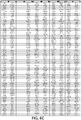
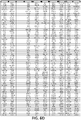
- Table 5 shows the count of functional classes enriched in each of the comparisons and using each of the two databases. A significance level of 0.05 was used (ie. functional blocks are called enriched if their corrected p-value is smaller than 0.05). Enriched functional blocks are classified into differentially expressed biological conditions (up-regulated or down-regulated) in cases compared to controls.
- GO database is special in that the functions or blocks of genes are organized into a directed acyclic graph (DAG) structure ( https://en.wikipedia.org/wiki/Directed acyclic graph ). This makes many of the significantly enriched functions to be redundant among them.
- DAG directed acyclic graph
- table 5 showing the functional profiling using the GO database we display just the significant and non redundant terms (functions); That is, the more specific terms among the significant ones.
- LOR value correspond to the global expression values of miRNAs associateed to one biological process and it is estimated adding up all fold change values.
- RNAseq data can be very sensitive to the modelling decisions taken at each step, three different methods were employed to search for differentially expressed genes between positive and negative patients: Robinson and Smyth exact negative binomial test, Random Forest test and Elastic net test.
- the results of this analyses produced the list of miRNAs able to predict risk to suffer cardiac dysfunction after completion of chemotherapy.
- a logistic mixed effects model considering the different previously selected miRNA as potential fixed effects predictors and the individuals as a random factor was adjusted.
- Variable selection was performed using Akaike's Information Criterion (AIC), selecting the model with the lowest AIC.
- Performance of the final model was assessed by estimating the Area under the ROC curve (AUC) and also a bootstrapped optimism-corrected version of it. P values ⁇ 0.05 were considered statistically significant.
- LVEF left ventricular ejection fraction
- Cardiac function parameters Cardiac function parameters Pre Post Rev LVEF (%) Control 65.86 ⁇ 6.15 63.30 ⁇ 7.75 63.38 ⁇ 5.94 Cases 63.31 ⁇ 7.87 56.56 ⁇ 12.38* 48.20 ⁇ 8.81*** LVEDD (%) Control 43.28 ⁇ 0.51 42.67 ⁇ 0.50 43.99 ⁇ 0.58 Cases 42.44 ⁇ 2.39 46.62 ⁇ 2.00 43.60 ⁇ 2.25 LVEF: left ventricular ejection fraction; LVEDD: left ventricular end dyastolic diameter. * P ⁇ 0.05, *** P ⁇ 0.001
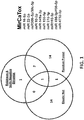
- the random forest model achieved a cross-validated accuracy of 100% (100% sensitivity and 100% sensibility). It selected 18 miRs as the most important predictors for discriminating both groups.
- the Robinson and Smyth exact negative binomial test found significant differences between both groups in four miRs, three of them also present in the 18 miRs selected by random forest.
- Elastic net selected 16 miRs. Two of them were included in the 18 selected by the random forest model and, of those, one was also included in the 4 selected by the Robinson and Smyth test.
- a Venn diagram is provided to visualize the combined results of the three modeling approaches ( Figure 1 ).
- miR-4732-3p One miR has been selected by the three methods (hsa-miR-4732-3p), two have been selected by random forest and the exact negative binomial test (hsa-miR-150-5p and hsa-miR-215-5p/192-5p) and another has been selected by elastic net and random forest (hsa-miR-92b-3p).
- the rest of the selected miRs are the following: only selected by Robinson and Smyth exact negative binomial test: hsa-miR-148a-3p; only selected by Random Forest: hsa-miR-16-5p, hsa-miR-22-3p, 25-3p, hsa-miR-26a-5p, hsa-miR-423-5p, hsa-miR-451a, hsa-miR-486-3p/486-5p, hsa-miR-92b-3p, among others; only selected by Elastic Net: hsa-miR-30b-5p/30c-5p, among others.
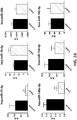
- the expression of the 10 most significant miRNAs out of 23 miRNAs was validated (called the MirCaTox signature), in the final cohort by qPCR including the patients used in the RNAseq study.
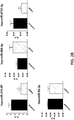
- Relative values of miRNA 16-5p, miRNA 22-3p, miRNA 30b-5p/30c-5p, miRNA 92b-3p, miRNA 148a-3p, miRNA-150-5p, miRNA-192-5p, miRNA 215-5p, miRNA 486-3p/486-5p and miRNA-4732-3p were normalized to the expression of miRNA 92b-3p as described in Materials and Methods section ( Figure 2 ).
- the demographic data and clinical characteristics of the final cohort resembled the previously selected cases and controls for the RNAseq study. As expected, there was a correlation between the RNAseq and qPCR. Both techniques detected a differential expression in miRNAs defined in MirCaTox between cases and control.
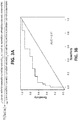
- This model achieved an area under the curve ROC (AUC) of 0.81 ( Figure 3 ).
- This model was integrated in a software that could aid to get a probabilistic value of cardiotoxic susceptibility after input MirCaTox values for a given patient.
- ID indicates the code number of gene ontology (GO) ID
- Lor pval Name GO:0040018 0,83 0 positive regulation of multicellular organism growth
- GO:0010171 0,995 0 body morphogenesis
- GO:2000052 1.108
- GO:0043536 1.036
- 001 positive regulation of blood vessel endothelial cell migration GO:0090042 1.191 0,002 tubulin deacetylation
- GO:0051123 0,747 0,002 RNA polymerase II transcriptional preinitiation complex assembly GO:0072202 1.235 0,003 cell differentiation involved in metanephros development
- GO:0070897 0,679 0,003 DNA-templated transcriptional preinitiation complex assembly
- GO:0061005 0,754 0,003 cell differentiation involved in kidney development
- GO:0060271 0,301
- 0,003 cilium morphogenesis GO:0014902 0,468
- the ERK1/2 signalling pathway is involved in sulphur dioxide preconditioning-induced protection against cardiac dysfunction in isolated perfused rat heart subjected to myocardial ischemia/reperfusion ( Wang X, Wang Q, Guo W, Zhu YZ. Hydrogen sulfide attenuates cardiac dysfunction in a rat model of heart failure: a mechanism throug cardiac mitochondrial protection. Biosci Rep.
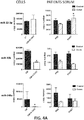
- the specific signature of miRNAs has been detected in serum. Since the pathways related to miRNAs are linked to cardiomyocytes, the copy number of the miRNAs of interest in human cardiomyocytes (AC10 cell line) was also measured. Since human primary cultures of cardiomyocytes are difficult to establish and were not available we used an immortalized cell line of ventricular cardiomyocytes that maintain the main features of wild type cardiomyocytes ( Davidson MM, Nesti C, Palenzuela L, Walker WF, Hernandez E, Protas L, Hirano M, Isaac ND. Novel cell lines derived from adult human ventricular cardiomyocytes. J Mol Cell Cardiol. 2005 Jul;39(1):133-47 ).
- the miRNAs previously detected in serum were also present in human cardiomyocytes (left panels) and their expression level is altered when cells are damaged by Doxorubicin.
- the effect of Doxorubicin on cardiac cells resulted in similar modulation than the variation observed in patients.
- the copy number of miRNA-22-3p increases in both cells and serum of patients after anthracycline treatment whereas miRNA-30b, miRNA-148a, miRNA-150-5p, and miRNA-4732-3p decrease their expression levels.
Landscapes
- Life Sciences & Earth Sciences (AREA)
- Health & Medical Sciences (AREA)
- Chemical & Material Sciences (AREA)
- Engineering & Computer Science (AREA)
- Organic Chemistry (AREA)
- Genetics & Genomics (AREA)
- Proteomics, Peptides & Aminoacids (AREA)
- Zoology (AREA)
- Wood Science & Technology (AREA)
- General Engineering & Computer Science (AREA)
- Immunology (AREA)
- Analytical Chemistry (AREA)
- Bioinformatics & Cheminformatics (AREA)
- Biotechnology (AREA)
- Pathology (AREA)
- Molecular Biology (AREA)
- Microbiology (AREA)
- Biophysics (AREA)
- Biochemistry (AREA)
- Physics & Mathematics (AREA)
- General Health & Medical Sciences (AREA)
- Biomedical Technology (AREA)
- Hospice & Palliative Care (AREA)
- Oncology (AREA)
- Plant Pathology (AREA)
- Measuring Or Testing Involving Enzymes Or Micro-Organisms (AREA)
Priority Applications (4)
| Application Number | Priority Date | Filing Date | Title |
|---|---|---|---|
| EP18248213.3A EP3674420A1 (de) | 2018-12-28 | 2018-12-28 | Verfahren zur vorhersage des kardiotoxizitätsrisikos bei krebspatienten, die eine chemotherapeutische mit anthracyclinen erhalten |
| US17/418,725 US12123059B2 (en) | 2018-12-23 | 2019-12-16 | Predicting cardiotoxicity risk in cancer patients receiving anthracyclines chemotherapy |
| EP19817374.2A EP3902926A1 (de) | 2018-12-28 | 2019-12-16 | Verfahren zur vorhersage des kardiotoxizitätsrisikos bei krebspatienten, die eine chemotherapeutie mit anthracyclinen erhalten |
| PCT/EP2019/085388 WO2020136032A1 (en) | 2018-12-28 | 2019-12-16 | Method for predicting cardiotoxicity risk in cancer patients receiving anthracyclines chemotherapy |
Applications Claiming Priority (1)
| Application Number | Priority Date | Filing Date | Title |
|---|---|---|---|
| EP18248213.3A EP3674420A1 (de) | 2018-12-28 | 2018-12-28 | Verfahren zur vorhersage des kardiotoxizitätsrisikos bei krebspatienten, die eine chemotherapeutische mit anthracyclinen erhalten |
Publications (1)
| Publication Number | Publication Date |
|---|---|
| EP3674420A1 true EP3674420A1 (de) | 2020-07-01 |
Family
ID=65010477
Family Applications (2)
| Application Number | Title | Priority Date | Filing Date |
|---|---|---|---|
| EP18248213.3A Withdrawn EP3674420A1 (de) | 2018-12-23 | 2018-12-28 | Verfahren zur vorhersage des kardiotoxizitätsrisikos bei krebspatienten, die eine chemotherapeutische mit anthracyclinen erhalten |
| EP19817374.2A Pending EP3902926A1 (de) | 2018-12-28 | 2019-12-16 | Verfahren zur vorhersage des kardiotoxizitätsrisikos bei krebspatienten, die eine chemotherapeutie mit anthracyclinen erhalten |
Family Applications After (1)
| Application Number | Title | Priority Date | Filing Date |
|---|---|---|---|
| EP19817374.2A Pending EP3902926A1 (de) | 2018-12-28 | 2019-12-16 | Verfahren zur vorhersage des kardiotoxizitätsrisikos bei krebspatienten, die eine chemotherapeutie mit anthracyclinen erhalten |
Country Status (3)
| Country | Link |
|---|---|
| US (1) | US12123059B2 (de) |
| EP (2) | EP3674420A1 (de) |
| WO (1) | WO2020136032A1 (de) |
Citations (1)
| Publication number | Priority date | Publication date | Assignee | Title |
|---|---|---|---|---|
| WO2012010905A2 (en) * | 2010-07-21 | 2012-01-26 | Coventry University | Assays for screening drug safety |
Family Cites Families (5)
| Publication number | Priority date | Publication date | Assignee | Title |
|---|---|---|---|---|
| US8592151B2 (en) * | 2009-11-17 | 2013-11-26 | Musc Foundation For Research Development | Assessing left ventricular remodeling via temporal detection and measurement of microRNA in body fluids |
| DE102012101557A1 (de) * | 2012-02-27 | 2013-08-29 | Charité Universitätsmedizin Berlin | Verwendung von microRNAs oder Genen als Marker zur Identifizierung, Diagnose und Therapie einzelner nicht-ischämischer Kardiomyopathien oder Speichererkrankungen des Herzens |
| EP4494699A3 (de) * | 2014-10-03 | 2025-04-30 | Cedars-Sinai Medical Center | Kardiosphären-zellen und durch diese zellen sekretierte exosomen bei der behandlung von muskeldystrophie |
| WO2016133395A1 (en) * | 2015-02-20 | 2016-08-25 | Rijksuniversiteit Groningen | Circulating micrornas in patients with acute heart failure |
| DE102015216782B3 (de) * | 2015-09-02 | 2017-01-26 | Ikdt Institut Kardiale Diagnostik Und Therapie Gmbh | Verwendung von im Blutserum oder Blutplasma zirkulierenden microRNAs zur Identifikation biopsiepflichtiger Patienten und als Marker zur Differentialdiagnose einzelner nicht-ischämischer Kardiomyopathien oder Speichererkrankungen des Herzens |
-
2018
- 2018-12-28 EP EP18248213.3A patent/EP3674420A1/de not_active Withdrawn
-
2019
- 2019-12-16 WO PCT/EP2019/085388 patent/WO2020136032A1/en not_active Ceased
- 2019-12-16 EP EP19817374.2A patent/EP3902926A1/de active Pending
- 2019-12-16 US US17/418,725 patent/US12123059B2/en active Active
Patent Citations (1)
| Publication number | Priority date | Publication date | Assignee | Title |
|---|---|---|---|---|
| WO2012010905A2 (en) * | 2010-07-21 | 2012-01-26 | Coventry University | Assays for screening drug safety |
Non-Patent Citations (29)
| Title |
|---|
| AHMAD N; HAIDER S; JAGANNATHAN S; ANAISSIE E; DRISCOLL JJ: "MicroRNA theragnostics for the clinical management of multiple myeloma", LEUKEMIA, vol. 28, no. 4, 2014, pages 732 - 8 |
| ALLEGRA A; ALONCI A; CAMPO S ET AL.: "Circulating microRNAs: new biomarkers in diagnosis, prognosis and treatment of cancer (review)", INT J ONCOL, vol. 41, no. 6, 2012, pages 1897 - 912 |
| AMBROS V.: "The functions of animal microRNAs", NATURE, vol. 431, no. 7006, 2004, pages 350 - 5, XP003009908, DOI: doi:10.1038/nature02871 |
| CALVANO J; ACHANZAR W; MURPHY B ET AL.: "Evaluation of microRNAs-208 and 133a/b as differential biomarkers of acute cardiac and skeletal muscle toxicity in rats", TOXICOL APPL PHARMACOL, 2015 |
| CARDINALE D,; COLOMBO A; BACCHIANI G ET AL.: "Early detection of anthracycline cardiotoxicity and improvement with heart failure therapy", CIRCULATION, vol. 131, no. 22, 2015, pages 1981 - 82 |
| CARDINALE D. ET AL.: "Takemura G, Fujiwara H. Doxorubicin-induced cardiomyopathy from the cardiotoxic mechanisms to management", PROG CARDIOVASC DIS, vol. 49, no. 5, 2007, pages 330 - 52 |
| CHAUDHARI U; NEMADE H; GASPAR JA; HESCHELER J; HENGSTLER JG; SACHINIDIS A: "MicroRNAs as early toxicity signatures of doxorubicin in humaninduced pluripotent stem cell-derived cardiomyocytes", ARCH TOXICOL, vol. 90, no. 12, 2016, pages 3087 - 98, XP036096455, DOI: doi:10.1007/s00204-016-1668-0 |
| CHAUDHARI UMESH ET AL: "MicroRNAs as early toxicity signatures of doxorubicin in human-induced pluripotent stem cell-derived cardiomyocytes", ARCHIVES OF TOXICOLOGY, SPRINGER, DE, vol. 90, no. 12, 3 February 2016 (2016-02-03), pages 3087 - 3098, XP036096455, ISSN: 0340-5761, [retrieved on 20160203], DOI: 10.1007/S00204-016-1668-0 * |
| DAVIDSON MM; NESTI C; PALENZUELA L; WALKER WF; HERNANDEZ E; PROTAS L; HIRANO M; SAAC ND: "Novel cell lines derived from adult human ventricular cardiomyocytes", J MOL CELL CARDIOL, vol. 39, no. 1, July 2005 (2005-07-01), pages 133 - 47, XP004949477, DOI: doi:10.1016/j.yjmcc.2005.03.003 |
| DESAI VG; J CK; VIJAY V ET AL.: "Early biomarkers of doxorubicin-induced heart injury in a mouse model", TOXICOL APPL PHARMACOL, vol. 281, no. 2, 2014, pages 221 - 9, XP029103794, DOI: doi:10.1016/j.taap.2014.10.006 |
| EZAZ G; LONG JB; GROSS CP; CHEN J: "Risk prediction model for heart failure and cardiomyopathy after adjuvant trastuzumab therapy for breast cancer", J AM HEART ASSOC, vol. 3, no. 1, 2014, pages e000472 |
| GARCIA N; MONCAYO-ARLANDI J; VAZQUEZ A; GENOVES P; CALVO CJ; MILLET J; MARTI N; AGUADO C; KNECHT E; VALIENTE-ALANDI I: "hydrogen sulfide improves cardiomyocyte function in a cardiac arrest model", ANN TRANSPLANT, vol. 22, 9 May 2017 (2017-05-09), pages 285 - 295 |
| GILAD S; MEIRI E; YOGEV Y ET AL.: "Serum microRNAs are promising novel biomarkers.", PLOS ONE, vol. 3, no. 9, 2008, pages e3148, XP055402679, DOI: doi:10.1371/journal.pone.0003148 |
| HAMAM R; HAMAM D; ALSALEH KA ET AL.: "Circulating microRNAs in breast cancer: novel diagnostic and prognostic biomarkers", CELL DEATH DIS, vol. 8, no. 9, 2017, pages e3045 |
| HORIE T; ONO K; NISHI H ET AL.: "Acute doxorubicin cardiotoxicity is associated with miR-146a-induced inhibition of the neuregulin-ErbB pathway", CARDIOVASC RES, vol. 87, no. 4, 2010, pages 656 - 64, XP002659069, DOI: doi:10.1093/CVR/CVQ148 |
| JQ, ZHANG JT ET AL.: "Circulating microRNA: a novel potential biomarker for early diagnosis of acute myocardial infarction in humans", EUR HEART J, vol. 31, no. 6, 2010, pages 659 - 66, XP002586116, DOI: doi:10.1093/EURHEART/EHQ013 |
| KIM VN: "MicroRNA biogenesis: coordinated cropping and dicing.", NAT REV MOL CELL BIOL, vol. 6, no. 5, 2005, pages 376 - 85, XP009108296, DOI: doi:10.1038/nrm1644 |
| LATRONICO MV; CATALUCCI D; CONDORELLI G: "Emerging role of microRNAs in cardiovascular biology", CIRC RES, vol. 101, no. 12, 2007, pages 1225 - 36, XP055002869, DOI: doi:10.1161/CIRCRESAHA.107.163147 |
| LAWRIE CH; GAL S; DUNLOP HM ET AL.: "Detection of elevated levels of tumour-associated microRNAs in serum of patients with diffuse large B-cell lymphoma", BR J HAEMATOL, vol. 141, no. 5, 2008, pages 672 - 5 |
| LEGER K; SLONE T; LEMLER M ET AL.: "Subclinical cardiotoxicity in childhood cancer survivors exposed to very low dose anthracycline therapy", PEDIATR BLOOD CANCER, vol. 62, no. 1, 2015, pages 123 - 7 |
| LEGER KJ; LEONARD D; NIELSON D; DE LEMOS JA; MAMMEN PP; WINICK NJ: "Circulating microRNAs: Potential Markers of Cardiotoxicity in Children and Young Adults Treated With Anthracycline Chemotherapy", J AM HEART ASSOC, vol. 6, no. 4, 2017 |
| LIPSHULTZ SE; DIAMOND MB; FRANCO VI ET AL.: "Managing chemotherapy-related cardiotoxicity in survivors of childhood cancers", PAEDIATR DRUGS, vol. 16, no. 5, 2014, pages 373 - 89 |
| MITCHELL PS; PARKIN RK; KROH EM ET AL.: "Circulating microRNAs as stable blood-based markers for cancer detection", PROC NATL ACAD SCI USA, vol. 105, no. 30, 2008, pages 10513 - 8 |
| NISHIMURA Y; KONDO C; MORIKAWA Y ET AL.: "Plasma miR-208 as a useful biomarker for drug-induced cardiotoxicity in rats", J APPL TOXICOL, vol. 35, no. 2, 2015, pages 173 - 80 |
| PALMIERI C; KRELL J; JAMES CR ET AL.: "Rechallenging with anthracyclines and taxanes in metastatic breast cancer", NAT REV CLIN ONCOL, vol. 7, no. 10, 2010, pages 561 - 741 |
| RUGGERI CLARISSA ET AL: "Role of microRNAs in doxorubicin-induced cardiotoxicity: an overview of preclinical models and cancer patients", HEART FAILURE REVIEWS, KLUWER ACADEMIC PUBLISHERS, DORDRECHT, NL, vol. 23, no. 1, 25 September 2017 (2017-09-25), pages 109 - 122, XP036397539, ISSN: 1382-4147, [retrieved on 20170925], DOI: 10.1007/S10741-017-9653-0 * |
| SCHULTE C; ZELLER T: "microRNA-based diagnostics and therapy in cardiovascular disease-Summing up the facts", CARDIOVASC DIAGN THER, vol. 5, no. 1, 2015, pages 17 - 36, XP055284201, DOI: doi:10.3978/j.issn.2223-3652.2014.12.03 |
| TIJSEN AJ; CREEMERS EE; MOERLAND PD ET AL.: "MiR423-5p as a circulating biomarker for heart failure", CIRC RES, vol. 106, no. 6, 2010, pages 1035 - 9, XP008123079, DOI: doi:10.1161/CIRCRESAHA.110.218297 |
| WANG X; WANG Q; GUO W; ZHU YZ: "Hydrogen sulfide attenuates cardiac dysfunction in a rat model of heart failure: a mechanism throug cardiac mitochondrial protection", BIOSCI REP, vol. 31, no. 2, April 2011 (2011-04-01), pages 87 - 98 |
Also Published As
| Publication number | Publication date |
|---|---|
| WO2020136032A1 (en) | 2020-07-02 |
| US20220081725A1 (en) | 2022-03-17 |
| US12123059B2 (en) | 2024-10-22 |
| EP3902926A1 (de) | 2021-11-03 |
Similar Documents
| Publication | Publication Date | Title |
|---|---|---|
| Ellis et al. | Circulating microRNAs as candidate markers to distinguish heart failure in breathless patients | |
| Wang et al. | Analysis of serum microRNA profile by solexa sequencing in women with endometriosis | |
| Xu et al. | Circulating microRNAs: novel biomarkers for cardiovascular diseases | |
| Bejleri et al. | Diagnostic and prognostic circulating microrna in acute stroke: a systematic and bioinformatic analysis of current evidence | |
| Gandhi | miRNA in multiple sclerosis: search for novel biomarkers | |
| EP2812705B1 (de) | Auf mehreren biomarkern basierendes ergebnisrisikostratifizierungsmodell für septischen schock bei erwachsenen | |
| US20150267259A1 (en) | Method of prognosis and stratification of ovarian cancer | |
| US20110223616A1 (en) | HuR-Associated Biomarkers | |
| US20210130905A1 (en) | Micro-rna biomarkers and methods of using same | |
| Boen et al. | Circulating microRNA as biomarkers of anthracycline-induced cardiotoxicity: JACC: CardioOncology state-of-the-art review | |
| US20130171649A1 (en) | Methods and means for predicting or diagnosing diabetes or cardiovascular disorders based on micro rna | |
| CN112195244B (zh) | Gmfb作为肝细胞肝癌生物标志物的应用 | |
| CN105821119A (zh) | 一种辅助诊断川崎病的核酸标记物及试剂盒 | |
| Florijn et al. | Sex-specific microRNAs in women with diabetes and left ventricular diastolic dysfunction or HFpEF associate with microvascular injury | |
| CN112522391B (zh) | hsa_circ_0008961作为痛风诊断标志物的应用 | |
| EP3630999A1 (de) | Neuartige kreisförmige rna-biomarker für herzinsuffizienz | |
| Wei et al. | Diagnostic and predictive value of LncRNA MCM3AP-AS1 in sepsis and its regulatory role in sepsis-induced myocardial dysfunction | |
| He et al. | Comprehensive analysis of ceRNA regulation network involved in the development of coronary artery disease | |
| Sahoo et al. | MiR-192–5p targets cell cycle regulation in diabetic kidney disease via cyclin-dependent kinase inhibitor 3 | |
| US12123059B2 (en) | Predicting cardiotoxicity risk in cancer patients receiving anthracyclines chemotherapy | |
| EP4010498B1 (de) | Verfahren zur diagnose von brustkrebs | |
| CN116200487A (zh) | 一种tRNA来源的小分子非编码RNA作为病理性心肌肥厚标志物的临床应用 | |
| Abu-Halima et al. | Expression profiling analysis reveals key microRNA–mRNA interactions in patients with transposition of the great arteries and systemic left and right ventricles | |
| Ali et al. | Expression profile of serum LncRNAs MALAT-1 and CCAT-1 and their correlation with Mayo severity score in ulcerative colitis patients can diagnose and predict the prognosis of the disease | |
| Nateghi et al. | Circulating miR-193b-3p and miR-376a-3p involved in Iranian patients with multiple sclerosis |
Legal Events
| Date | Code | Title | Description |
|---|---|---|---|
| PUAI | Public reference made under article 153(3) epc to a published international application that has entered the european phase |
Free format text: ORIGINAL CODE: 0009012 |
|
| STAA | Information on the status of an ep patent application or granted ep patent |
Free format text: STATUS: THE APPLICATION HAS BEEN PUBLISHED |
|
| AK | Designated contracting states |
Kind code of ref document: A1 Designated state(s): AL AT BE BG CH CY CZ DE DK EE ES FI FR GB GR HR HU IE IS IT LI LT LU LV MC MK MT NL NO PL PT RO RS SE SI SK SM TR |
|
| AX | Request for extension of the european patent |
Extension state: BA ME |
|
| STAA | Information on the status of an ep patent application or granted ep patent |
Free format text: STATUS: THE APPLICATION IS DEEMED TO BE WITHDRAWN |
|
| 18D | Application deemed to be withdrawn |
Effective date: 20210112 |