EP3674425A1 - Stahldraht - Google Patents
Stahldraht Download PDFInfo
- Publication number
- EP3674425A1 EP3674425A1 EP18461659.7A EP18461659A EP3674425A1 EP 3674425 A1 EP3674425 A1 EP 3674425A1 EP 18461659 A EP18461659 A EP 18461659A EP 3674425 A1 EP3674425 A1 EP 3674425A1
- Authority
- EP
- European Patent Office
- Prior art keywords
- wire
- steel
- flexible pipe
- steel wire
- heat treatment
- Prior art date
- Legal status (The legal status is an assumption and is not a legal conclusion. Google has not performed a legal analysis and makes no representation as to the accuracy of the status listed.)
- Granted
Links
Images
Classifications
-
- C—CHEMISTRY; METALLURGY
- C22—METALLURGY; FERROUS OR NON-FERROUS ALLOYS; TREATMENT OF ALLOYS OR NON-FERROUS METALS
- C22C—ALLOYS
- C22C38/00—Ferrous alloys, e.g. steel alloys
- C22C38/18—Ferrous alloys, e.g. steel alloys containing chromium
- C22C38/40—Ferrous alloys, e.g. steel alloys containing chromium with nickel
- C22C38/50—Ferrous alloys, e.g. steel alloys containing chromium with nickel with titanium or zirconium
-
- C—CHEMISTRY; METALLURGY
- C21—METALLURGY OF IRON
- C21D—MODIFYING THE PHYSICAL STRUCTURE OF FERROUS METALS; GENERAL DEVICES FOR HEAT TREATMENT OF FERROUS OR NON-FERROUS METALS OR ALLOYS; MAKING METAL MALLEABLE, e.g. BY DECARBURISATION OR TEMPERING
- C21D9/00—Heat treatment, e.g. annealing, hardening, quenching or tempering, adapted for particular articles; Furnaces therefor
- C21D9/52—Heat treatment, e.g. annealing, hardening, quenching or tempering, adapted for particular articles; Furnaces therefor for wires; for strips ; for rods of unlimited length
-
- C—CHEMISTRY; METALLURGY
- C21—METALLURGY OF IRON
- C21D—MODIFYING THE PHYSICAL STRUCTURE OF FERROUS METALS; GENERAL DEVICES FOR HEAT TREATMENT OF FERROUS OR NON-FERROUS METALS OR ALLOYS; MAKING METAL MALLEABLE, e.g. BY DECARBURISATION OR TEMPERING
- C21D1/00—General methods or devices for heat treatment, e.g. annealing, hardening, quenching or tempering
- C21D1/26—Methods of annealing
-
- C—CHEMISTRY; METALLURGY
- C21—METALLURGY OF IRON
- C21D—MODIFYING THE PHYSICAL STRUCTURE OF FERROUS METALS; GENERAL DEVICES FOR HEAT TREATMENT OF FERROUS OR NON-FERROUS METALS OR ALLOYS; MAKING METAL MALLEABLE, e.g. BY DECARBURISATION OR TEMPERING
- C21D1/00—General methods or devices for heat treatment, e.g. annealing, hardening, quenching or tempering
- C21D1/26—Methods of annealing
- C21D1/28—Normalising
-
- C—CHEMISTRY; METALLURGY
- C21—METALLURGY OF IRON
- C21D—MODIFYING THE PHYSICAL STRUCTURE OF FERROUS METALS; GENERAL DEVICES FOR HEAT TREATMENT OF FERROUS OR NON-FERROUS METALS OR ALLOYS; MAKING METAL MALLEABLE, e.g. BY DECARBURISATION OR TEMPERING
- C21D1/00—General methods or devices for heat treatment, e.g. annealing, hardening, quenching or tempering
- C21D1/26—Methods of annealing
- C21D1/30—Stress-relieving
-
- C—CHEMISTRY; METALLURGY
- C21—METALLURGY OF IRON
- C21D—MODIFYING THE PHYSICAL STRUCTURE OF FERROUS METALS; GENERAL DEVICES FOR HEAT TREATMENT OF FERROUS OR NON-FERROUS METALS OR ALLOYS; MAKING METAL MALLEABLE, e.g. BY DECARBURISATION OR TEMPERING
- C21D1/00—General methods or devices for heat treatment, e.g. annealing, hardening, quenching or tempering
- C21D1/26—Methods of annealing
- C21D1/32—Soft annealing, e.g. spheroidising
-
- C—CHEMISTRY; METALLURGY
- C21—METALLURGY OF IRON
- C21D—MODIFYING THE PHYSICAL STRUCTURE OF FERROUS METALS; GENERAL DEVICES FOR HEAT TREATMENT OF FERROUS OR NON-FERROUS METALS OR ALLOYS; MAKING METAL MALLEABLE, e.g. BY DECARBURISATION OR TEMPERING
- C21D6/00—Heat treatment of ferrous alloys
- C21D6/004—Heat treatment of ferrous alloys containing Cr and Ni
-
- C—CHEMISTRY; METALLURGY
- C21—METALLURGY OF IRON
- C21D—MODIFYING THE PHYSICAL STRUCTURE OF FERROUS METALS; GENERAL DEVICES FOR HEAT TREATMENT OF FERROUS OR NON-FERROUS METALS OR ALLOYS; MAKING METAL MALLEABLE, e.g. BY DECARBURISATION OR TEMPERING
- C21D6/00—Heat treatment of ferrous alloys
- C21D6/005—Heat treatment of ferrous alloys containing Mn
-
- C—CHEMISTRY; METALLURGY
- C21—METALLURGY OF IRON
- C21D—MODIFYING THE PHYSICAL STRUCTURE OF FERROUS METALS; GENERAL DEVICES FOR HEAT TREATMENT OF FERROUS OR NON-FERROUS METALS OR ALLOYS; MAKING METAL MALLEABLE, e.g. BY DECARBURISATION OR TEMPERING
- C21D6/00—Heat treatment of ferrous alloys
- C21D6/008—Heat treatment of ferrous alloys containing Si
-
- C—CHEMISTRY; METALLURGY
- C21—METALLURGY OF IRON
- C21D—MODIFYING THE PHYSICAL STRUCTURE OF FERROUS METALS; GENERAL DEVICES FOR HEAT TREATMENT OF FERROUS OR NON-FERROUS METALS OR ALLOYS; MAKING METAL MALLEABLE, e.g. BY DECARBURISATION OR TEMPERING
- C21D8/00—Modifying the physical properties of ferrous metals or ferrous alloys by deformation combined with, or followed by, heat treatment
- C21D8/06—Modifying the physical properties of ferrous metals or ferrous alloys by deformation combined with, or followed by, heat treatment during manufacturing of rods or wires
-
- C—CHEMISTRY; METALLURGY
- C21—METALLURGY OF IRON
- C21D—MODIFYING THE PHYSICAL STRUCTURE OF FERROUS METALS; GENERAL DEVICES FOR HEAT TREATMENT OF FERROUS OR NON-FERROUS METALS OR ALLOYS; MAKING METAL MALLEABLE, e.g. BY DECARBURISATION OR TEMPERING
- C21D9/00—Heat treatment, e.g. annealing, hardening, quenching or tempering, adapted for particular articles; Furnaces therefor
- C21D9/52—Heat treatment, e.g. annealing, hardening, quenching or tempering, adapted for particular articles; Furnaces therefor for wires; for strips ; for rods of unlimited length
- C21D9/525—Heat treatment, e.g. annealing, hardening, quenching or tempering, adapted for particular articles; Furnaces therefor for wires; for strips ; for rods of unlimited length for wire, for rods
-
- C—CHEMISTRY; METALLURGY
- C22—METALLURGY; FERROUS OR NON-FERROUS ALLOYS; TREATMENT OF ALLOYS OR NON-FERROUS METALS
- C22C—ALLOYS
- C22C38/00—Ferrous alloys, e.g. steel alloys
- C22C38/001—Ferrous alloys, e.g. steel alloys containing N
-
- C—CHEMISTRY; METALLURGY
- C22—METALLURGY; FERROUS OR NON-FERROUS ALLOYS; TREATMENT OF ALLOYS OR NON-FERROUS METALS
- C22C—ALLOYS
- C22C38/00—Ferrous alloys, e.g. steel alloys
- C22C38/002—Ferrous alloys, e.g. steel alloys containing In, Mg, or other elements not provided for in one single group C22C38/001 - C22C38/60
-
- C—CHEMISTRY; METALLURGY
- C22—METALLURGY; FERROUS OR NON-FERROUS ALLOYS; TREATMENT OF ALLOYS OR NON-FERROUS METALS
- C22C—ALLOYS
- C22C38/00—Ferrous alloys, e.g. steel alloys
- C22C38/02—Ferrous alloys, e.g. steel alloys containing silicon
-
- C—CHEMISTRY; METALLURGY
- C22—METALLURGY; FERROUS OR NON-FERROUS ALLOYS; TREATMENT OF ALLOYS OR NON-FERROUS METALS
- C22C—ALLOYS
- C22C38/00—Ferrous alloys, e.g. steel alloys
- C22C38/04—Ferrous alloys, e.g. steel alloys containing manganese
-
- C—CHEMISTRY; METALLURGY
- C22—METALLURGY; FERROUS OR NON-FERROUS ALLOYS; TREATMENT OF ALLOYS OR NON-FERROUS METALS
- C22C—ALLOYS
- C22C38/00—Ferrous alloys, e.g. steel alloys
- C22C38/06—Ferrous alloys, e.g. steel alloys containing aluminium
-
- C—CHEMISTRY; METALLURGY
- C22—METALLURGY; FERROUS OR NON-FERROUS ALLOYS; TREATMENT OF ALLOYS OR NON-FERROUS METALS
- C22C—ALLOYS
- C22C38/00—Ferrous alloys, e.g. steel alloys
- C22C38/14—Ferrous alloys, e.g. steel alloys containing titanium or zirconium
-
- F—MECHANICAL ENGINEERING; LIGHTING; HEATING; WEAPONS; BLASTING
- F16—ENGINEERING ELEMENTS AND UNITS; GENERAL MEASURES FOR PRODUCING AND MAINTAINING EFFECTIVE FUNCTIONING OF MACHINES OR INSTALLATIONS; THERMAL INSULATION IN GENERAL
- F16L—PIPES; JOINTS OR FITTINGS FOR PIPES; SUPPORTS FOR PIPES, CABLES OR PROTECTIVE TUBING; MEANS FOR THERMAL INSULATION IN GENERAL
- F16L11/00—Hoses, i.e. flexible pipes
- F16L11/04—Hoses, i.e. flexible pipes made of rubber or flexible plastics
- F16L11/08—Hoses, i.e. flexible pipes made of rubber or flexible plastics with reinforcements embedded in the wall
- F16L11/081—Hoses, i.e. flexible pipes made of rubber or flexible plastics with reinforcements embedded in the wall comprising one or more layers of a helically wound cord or wire
-
- C—CHEMISTRY; METALLURGY
- C21—METALLURGY OF IRON
- C21D—MODIFYING THE PHYSICAL STRUCTURE OF FERROUS METALS; GENERAL DEVICES FOR HEAT TREATMENT OF FERROUS OR NON-FERROUS METALS OR ALLOYS; MAKING METAL MALLEABLE, e.g. BY DECARBURISATION OR TEMPERING
- C21D1/00—General methods or devices for heat treatment, e.g. annealing, hardening, quenching or tempering
- C21D1/18—Hardening; Quenching with or without subsequent tempering
-
- C—CHEMISTRY; METALLURGY
- C21—METALLURGY OF IRON
- C21D—MODIFYING THE PHYSICAL STRUCTURE OF FERROUS METALS; GENERAL DEVICES FOR HEAT TREATMENT OF FERROUS OR NON-FERROUS METALS OR ALLOYS; MAKING METAL MALLEABLE, e.g. BY DECARBURISATION OR TEMPERING
- C21D1/00—General methods or devices for heat treatment, e.g. annealing, hardening, quenching or tempering
- C21D1/18—Hardening; Quenching with or without subsequent tempering
- C21D1/25—Hardening, combined with annealing between 300 degrees Celsius and 600 degrees Celsius, i.e. heat refining ("Vergüten")
-
- C—CHEMISTRY; METALLURGY
- C21—METALLURGY OF IRON
- C21D—MODIFYING THE PHYSICAL STRUCTURE OF FERROUS METALS; GENERAL DEVICES FOR HEAT TREATMENT OF FERROUS OR NON-FERROUS METALS OR ALLOYS; MAKING METAL MALLEABLE, e.g. BY DECARBURISATION OR TEMPERING
- C21D2211/00—Microstructure comprising significant phases
- C21D2211/009—Pearlite
-
- C—CHEMISTRY; METALLURGY
- C22—METALLURGY; FERROUS OR NON-FERROUS ALLOYS; TREATMENT OF ALLOYS OR NON-FERROUS METALS
- C22C—ALLOYS
- C22C38/00—Ferrous alloys, e.g. steel alloys
- C22C38/08—Ferrous alloys, e.g. steel alloys containing nickel
-
- C—CHEMISTRY; METALLURGY
- C22—METALLURGY; FERROUS OR NON-FERROUS ALLOYS; TREATMENT OF ALLOYS OR NON-FERROUS METALS
- C22C—ALLOYS
- C22C38/00—Ferrous alloys, e.g. steel alloys
- C22C38/10—Ferrous alloys, e.g. steel alloys containing cobalt
-
- C—CHEMISTRY; METALLURGY
- C22—METALLURGY; FERROUS OR NON-FERROUS ALLOYS; TREATMENT OF ALLOYS OR NON-FERROUS METALS
- C22C—ALLOYS
- C22C38/00—Ferrous alloys, e.g. steel alloys
- C22C38/12—Ferrous alloys, e.g. steel alloys containing tungsten, tantalum, molybdenum, vanadium, or niobium
-
- C—CHEMISTRY; METALLURGY
- C22—METALLURGY; FERROUS OR NON-FERROUS ALLOYS; TREATMENT OF ALLOYS OR NON-FERROUS METALS
- C22C—ALLOYS
- C22C38/00—Ferrous alloys, e.g. steel alloys
- C22C38/16—Ferrous alloys, e.g. steel alloys containing copper
-
- C—CHEMISTRY; METALLURGY
- C22—METALLURGY; FERROUS OR NON-FERROUS ALLOYS; TREATMENT OF ALLOYS OR NON-FERROUS METALS
- C22C—ALLOYS
- C22C38/00—Ferrous alloys, e.g. steel alloys
- C22C38/18—Ferrous alloys, e.g. steel alloys containing chromium
Definitions
- the present invention relates to a steel wire.
- the present invention relates to a steel wire for reinforcing a flexible pipe.
- the present invention also relates to a method for producing a steel wire.
- Flexible pipe is utilised to transport production fluids, such as oil and/or gas and/or water, from one location to another.
- Flexible pipe is particularly useful for connecting a sub-sea location (which may be deep underwater) to a sea level location.
- Flexible pipe is generally formed as an assembly of a flexible pipe body and one or more end fittings.
- the pipe body is typically formed as a combination of layered materials that form a pressure-containing conduit.
- the pipe structure allows large deflections without causing bending stresses that impair the pipe's functionality over its lifetime.
- the pipe body is generally built up as a combined structure including metallic and polymer layers.
- Unbonded flexible pipe can been used in deep water (less than 3,300 feet (1,005.84 metres)) and ultra-deep water (greater than 3,300 feet) environments.
- the increasing demand for oil has caused exploration to occur at greater and greater depths where environmental factors are more extreme.
- the ocean floor temperature increases the risk of conveyed fluids cooling to a temperature that may lead to pipe blockage.
- Increased depths also increase the pressure associated with the environment in which the flexible pipe must operate.
- wet hydrogen sulphide cracking may be caused by the presence of hydrogen sulphide. This can occur when the steel pipe is exposed to a wet hydrogen sulphide environment.
- wet H 2 S cracking atomic hydrogen from, for example, wet H 2 S corrosion reactions can diffuse into the steel and collect in the location of inclusions or impurities within the steel.
- H 2 S in the pipe environment prevents the hydrogen recombination reactions that would normally occur, thus allowing individual hydrogen atoms to enter the steel rather than combining outside it.
- the presence of atomic hydrogen within the steel can cause weakness in the locations at which the hydrogen collects.
- the combination of hydrogen atoms into gaseous hydrogen (H 2 ) molecules at the site of inclusions in the steel can create pressure within the metal. This can result in reduced ductility, toughness and tensile strength, and can ultimately result in hydrogen induced cracking (HIC).
- HIC hydrogen induced cracking
- SSC sulphide stress cracking
- Tight control of non-metallic inclusions has been previously been used as a means of improving the resistance of a steel wire to cracking. This has included employing various cleanliness practices so as to limit the presence of elements such as sulphur and phosphorus within the steel. For example, production of a steel with a very low amount of sulphur (for example, less than 0.003 wt%) can be used. However, limiting the amount of sulphur to such an extent increases the production cost of a steel wire, and causes significant processing difficulties.
- a steel wire comprising the following elements:
- a steel wire comprising the following elements:
- a method of producing a steel wire for reinforcing a flexible pipe comprising forming a wire form a steel comprising the following elements:
- a method of producing a layer of a flexible pipe comprising providing at least one steel wire as detailed above, and helically winding the at least one steel wire around an underlying layer of flexible pipe body.
- a flexible pipe comprising flexible pipe body, wherein the flexible pipe body comprises at least one layer comprising the at least one steel wire defined above, and further comprising at least one end fitting at at least one end of the flexible pipe.
- a flexible pipe is an assembly of a portion of a pipe body and one or more end fittings in each of which a respective end of the pipe body is terminated.
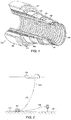
- Figure 1 illustrates how pipe body 100 is formed from a combination of layered materials that form a pressure-containing conduit. Although a number of particular layers are illustrated in Figure 1 , it is to be understood that the present invention is broadly applicable to coaxial pipe body structures including two or more layers manufactured from a variety of possible materials. It is to be further noted that the layer thicknesses are shown for illustrative purposes only.
- a pipe body includes an optional innermost carcass layer 101.
- the carcass provides an interlocked construction that can be used as the innermost layer to prevent, totally or partially, collapse of an internal pressure sheath 102 due to pipe decompression, external pressure, and tensile armour pressure and mechanical crushing loads. It will be appreciated that certain embodiments of the present invention are applicable to "smooth bore” operations (i.e. without a carcass) as well as such "rough bore” applications (with a carcass).
- the internal pressure sheath 102 acts as a fluid retaining layer and comprises a polymer layer that ensures internal fluid integrity. It is to be understood that this layer may itself comprise a number of sub-layers. It will be appreciated that when the optional carcass layer is utilised, the internal pressure sheath is often referred to by those skilled in the art as a barrier layer. In operation without a carcass (smooth bore operation) the internal pressure sheath may be referred to as a liner.
- An optional pressure armour layer 103 is a structural layer with a lay angle close to 90° that increases the resistance of the flexible pipe to internal and external pressure and mechanical crushing loads.
- the layer also structurally supports the internal pressure sheath, and typically consists of an interlocked construction.
- the pressure armour layer 103 may comprise a composite material comprising a polymer matrix and a plurality of reinforcement fibres. Such a composite material may optionally be bonded to the underlying internal pressure sheath layer 102.
- the flexible pipe body also includes an optional first tensile armour layer 105 and optional second tensile armour layer 106.
- Each tensile armour layer is a structural layer with a lay angle typically between 10° and 55°. Each layer is used to sustain tensile loads and internal pressure. Where more than one tensile armour layer is present, the tensile armour layers are often counter-wound in pairs.
- the flexible pipe body may also include further layers.
- the flexible pipe body may contain optional layers of tape 104 which help contain underlying layers and to some extent prevent abrasion between adjacent layers.
- the flexible pipe body also typically includes optional layers of insulation 107 and an outer sheath 108 which comprises a polymer layer used to protect the pipe against penetration of seawater and other external environments, corrosion, abrasion and mechanical damage.
- Each flexible pipe comprises at least one portion, sometimes referred to as a segment or section of pipe body 100 together with an end fitting located at at least one end of the flexible pipe.
- An end fitting provides a mechanical device which forms the transition between the flexible pipe body and a connector.
- the different pipe layers as shown, for example, in Figure 1 are terminated in the end fitting in such a way as to transfer the load between the flexible pipe and the connector.
- Figure 2 illustrates how portions of flexible pipe can be utilised as a flow line 205 or jumper 206.
- a steel wire may be used for reinforcing a flexible pipe.
- the steel wire may be used to form at least one layer of a flexible pipe.
- Use of the steel wire in accordance with the present invention may enhance the resistance of a flexible pipe to environmental degradation by, for example, hydrogen sulphide.
- the flexible pipe in accordance with the present invention may have an improved resistance to cracking.
- the present inventors have found that the inclusion of elements such as titanium and zirconium in a steel wire may provide an improved resistance to degradation by hydrogen sulphide.
- the steel wire in accordance with the present invention may have an improved resistance to cracking, such as hydrogen induced cracking and sulphide induced stress cracking, in environments in which hydrogen sulphide is present.
- the elemental composition of the steel wire in accordance with the present invention may also allow for the use of a reduced flexible pipe thickness, and therefore weight, given the improved reliability of pipe layers formed from said wire.
- the elemental composition detailed herein may also allow a steel for use in the presence of hydrogen sulphide to be produced without the need for rigorous cleaniless procedures, such as maintaining the level of sulphur at a very low level, that are usually required in the manufacture of such steel.
- the structure of the steel wire in accordance with the present invention may enable cracking processes such as HIC and SSC to be reduced, minimized or prevented.
- the structure of the steel wire in accordance with the invention may reduce, minimize or prevent the occurrence of hydrogen embrittlement processes within the steel.
- the steel wire in accordance with the present invention may have a microstructure in which the presence and/or size of inclusions is controlled. The present inventors have found that, by tailoring the presence of certain elements within the steel, an optimized microstructure may be achieved.
- grain boundary alloyic ferrite
- HIC grain boundary
- SSC chemical vapor deposition
- a fine dispersion of inclusions is formed by microalloying. These inclusions may act as intergranular nucleation spots for acicular ferrite. As a result, a smaller portion of grain boundary ferrite is produced, and grain boundary ferrite is not formed in a continuous layer along grain boundaries within the steel.
- the disorientated structure of acicular ferrite within the steel may help with crack tip deflection and termination.
- the steel used in accordance with the present invention has a particular microstructure.
- the microstructure within the steel may comprise at least one structure selected from layers, lamellae, plates, needles, crystallites or other such grains.
- the steel may include regions of a pearlite microstructure. This is a layered structure composed of alternating layers of ferrite and cementite.
- the percentage amount of pearlite within the steel may be at least 50 %, preferably at least 60 %, for example at least 75 %. In one example, the percentage amount of pearlite within the steel may be at least 90 %.
- the percentage amount of a specific structure, such as pearlite is measured as the percentage area.
- the percentage area is measured by any suitable method, for example by viewing a cross-section of the steel under a microscope.
- the steel is measured at a magnification sufficiently high to enable at least some of the structures within the steel to be resolvable.
- the steel may also comprise other structures, for example acicular ferrite, and/or martensite, and/or bainite.
- the steel may comprise allotriomorphic ferrite in a percentage amount of less than 15%, preferably less than 10%, for example less than 5%.
- the steel may comprise allotriomorphic ferrite in a percentage amount of less than 50%, preferably less than 30%, for example less than 25%.
- the amount of allotriomorphic ferrite in the steel may be dependent upon the amount of carbon present in the steel.
- the steel may comprise martensite and/or bainite in a percentage amount of less than 50%, preferably less than 30%, for example less than 15%.
- the microstructure of the steel may be such that at least a proportion of the structures present in the steel cannot be optically resolved at a magnification of, for example, 300X when viewed through a typical optical or digital laboratory microscope, for example Olympus BX series equipment.
- certain structures for example pearlite, are not visible when viewed under a magnification of 300X.
- larger structures present in steel that it may be possible to individually distinguish at a magnification of 300X include grain boundary ferrite, martensite or bainite grains, and non-metallic inclusions.
- at least 50 %, preferably at least 60 %, for example at least 75 % of the structures cannot be optically resolved at a magnification of 300X.
- NACE standards are a means of assessing the ability of a steel wire to be used in a hydrogen sulphide environment.
- the steel wire in accordance with the present invention may successfully pass the NACE test method TM 0177, which relates to the effects of stress corrosion cracking, i.e. SSC, with stress applied at at least 90 % of the actual yield strength of the material.
- the steel wire in accordance with the present invention may additionally or alternatively pass the NACE test method TM0284, which relates to the cracking effects induced by hydrogen, i.e. HIC, in the absence of stress in the test samples. Further guidance on sour service and testing methods can be found in the ISO 15156 standards.
- the steel wire in accordance with the present invention can successfully pass the NACE test method TM 1077 at an H2S level of at least 0.002 bar, and aptly at least 0.005 bar, for instance at least 0.01 bar or at least 0.02 bar, and at a pH of less than 5.5, aptly at least as low as 4.5, for example at least as low as 4.0. Additionally or alternatively, the steel wire in accordance with the present invention can successfully pass the NACE test method TM0284 at an H2S level of at least 0.002 bar, and aptly at least 0.005 bar, for instance at least 0.01 bar or at least 0.02 bar, and at a pH of less than 5.5, aptly at least as low as 4.5, for example at least as low as 4.0. In a preferred embodiment, the steel wire in accordance with the present invention can successfully pass both the NACE test methods TM0284 and TM1077 under the conditions detailed above.
- the steel wire in accordance with the present invention comprises the following elements (by weight): 0.30 - 0.80 % carbon, 0.25 - 0.45 % silicon, 0.20 - 0.70 % manganese, 0.008 - 0.020 % titanium and 0.001 - 0.004 % zirconium.
- the remainder of the steel comprises iron.
- Further elements may be included within the iron as a result of their presence in ore, or as a result of the steel making route. For example, copper may be present in small quantities ( ⁇ 0.20 % and preferably less than 0.10 %), while tin should be controlled to less than 0.04 %.
- the percentage weight of carbon (C) in the steel is between 0.30 - 0.80 wt%, preferably between 0.45 - 0.75 wt%, for example between 0.55 - 0.70 wt%. In one embodiment the percentage weight of carbon in the steel is between 0.60 - 0.65 wt%.
- the percentage weight of silicon (Si) in the steel is between 0.25 -0.45 wt%, preferably between 0.30 - 0.40 wt%, for example between 0.32 - 0.38 wt%. In one embodiment the percentage weight of silicon in the steel is between 0.34 - 0.36 wt%.
- the percentage weight of manganese (Mn) in the steel is between 0.20 - 0.70 wt%, preferably between 0.25 - 0.65 wt%, for example between 0.30 - 0.60 wt%. In one embodiment the percentage weight of manganese in the steel is between 0.35 - 0.50 wt%, for example between 0.40 - 0.55 wt%. Maintaining a level of manganese below 0.70 wt% may be advantageous, as the presence of higher levels of manganese may cause undesirable effects such as temper embrittlement, which may increase the likelihood of cracking. The presence of higher levels of manganese may also result in undesirable banding of the microstructure.
- the percentage weight of titanium (Ti) in the steel is between 0.008 - 0.020 wt%, preferably between 0.010 - 0.018 wt%, for example between 0.011 - 0.017 wt%. In one embodiment the percentage weight of titanium in the steel is between 0.012 - 0.016 wt%, for example between 0.013 - 0.015 wt%.
- the inclusion of titanium in the steel is advantageous because it may allow the formation of fine inclusions of titanium oxide (TiO 2 ) within the steel. These small inclusions may act as nucleation spots for acicular ferrite within the steel, which can break up areas of grain boundary ferrite.
- the percentage weight of zirconium (Zr) in the steel is between 0.001 - 0.004 wt%, preferably between 0.0015 - 0.0035 wt%, for example between 0.002 - 0.003 wt%. In one embodiment the percentage weight of zirconium in the steel is between 0.0022 - 0.0028 wt%, for example between 0.0024 - 0.0026 wt%.
- the presence of zirconium in the steel is advantageous because zirconium may form submicron oxide inclusions (e.g. ZrO 2 ) within the melt. These inclusions may have a very low surface tension and, as a result, are not dragged by the solidification front. This may reduce micro-segregation and banding within the microstructure. In particular, zirconium oxides may act as inoculation spots for non-metallic inclusions. This may result in inclusions in the steel being distributed more evenly in the volume of steel.
- titanium and zirconium within the steel may advantageously provide a very high density of very fine, non-metallic inclusions. While titanium in itself can provide TiO 2 inclusions, the joint application of titanium and zirconium may lead to a greater refinement of these inclusions. Given that zirconium is a stronger oxide forming element than titanium, ZrO 2 will form first. Without wishing to be bound by theory, it is believed that excess oxygen present after the formation of ZrO 2 may then bind with titanium. TiO 2 may then precipitate onto the ZrO 2 inclusions. These inclusions may then act as intergranular nucleation spots for acicular ferrite, which results in reduced formation of grain boundary ferrite. The inclusion of elements such as titanium and zirconium may not have an adverse effect on other wire properties such as formability and fatigue resistance.
- the steel may include further elements. These further elements may comprise at least one selected from sulphur (S), aluminium (Al), phosphorus (P) and nitrogen (N).
- the steel may comprise up to 0.012 wt% sulphur, preferably up to 0.010 wt% sulphur, for example up to 0.005 wt% sulphur.
- the steel may comprise from 0.002 - 0.010 wt% sulphur, for example from 0.004 - 0.008 wt% sulphur.
- the steel may comprise up to 0.020 wt% phosphorus, preferably up to 0.015 wt% phosphorus, for example up to 0.010 wt% phosphorus.
- the steel may comprise from 0.002 - 0.015 wt% phosphorus, for example from 0.008 - 0.010 wt% phosphorus. Maintaining a low percentage amount of phosphorus and/or sulphur in the steel may be desirable. For example, it may be advantageous to limit the amount of phosphorus and or sulphur so as to limit the presence of inclusions or segregations, which may have an undesirable effect on the strength of the steel, for example in relation to hydrogen embrittlement and fatigue behaviour. However, a residual quantity of one or both of phosphorus and/or sulphur may be present.
- the steel may comprise up to 0.035 wt% aluminium, preferably up to 0.001 wt% aluminium, for example up to 0.0002 wt% aluminium.
- the amount of aluminium is maintained at this level because aluminium may bind to available oxygen.
- aluminium is a stronger oxide-forming element than titanium, a higher level of aluminium may prevent the formation of titanium oxide inclusions in the steel.
- the steel may comprise up to 100 ppm nitrogen, preferably up to 50 ppm nitrogen, for example up to 30 ppm nitrogen.
- the steel may comprise up to 0.005 wt%, preferably 0.001 wt%, for example 0.0005 wt% nitrogen.
- Control of the nitrogen concentration before and during the addition of titanium and zirconium may be controlled by any suitable process, for example by vacuum degassing.
- secondary titanium nitrides that may form after solidification are smaller (submicron sized), which avoids the problems associated with primary titanium nitrides. As not all the titanium is necessarily depleted from solution after the formation of TiO 2 , formation of secondary titanium nitrides may occur through precipitation. The presence of secondary nitrides in the steel may be beneficial, for example, during welding.
- the steel may additionally comprise further alloying elements.
- These further alloying elements may be selected from at least one of chromium, nickel or molybdenum. Tungsten and/or cobalt may also be included.
- the combination of said further alloying elements should not exceed 0.40 wt% in total, so as to retain the lamellar pearlite microstructure.
- the amount of further alloying elements does not exceed 0.20 wt% in total, for example not more than 0.10 wt% in total.
- These further alloying element quantities may be expressed as parts per million (ppm).
- the steel may comprise up to 0.15 wt% chromium (Cr), preferably up to 0.10 wt% chromium, for example, up to 0.05 wt% chromium.
- the steel may comprise up to 0.15 wt% nickel (Ni), preferably up to 0.10 wt% nickel, for example, up to 0.05 wt% nickel.
- the steel may comprise up to 0.10 wt% molybdenum (Mo), preferably up to 0.07 wt% molybdenum, for example up to 0.05 wt% molybdenum.
- the steel may comprise up to 0.15 wt% tungsten (W), preferably up to 0.10 wt% tungsten, for example up to 0.05 wt% tungsten.
- the steel may comprise up to 0.15 wt% cobalt, preferably up to 0.10 wt% cobalt, for example 0.05 wt% cobalt.
- the steel may comprise up to 0.15 wt% vanadium (V), preferably up to 0.10 wt% vanadium, for example 0.05 wt% vanadium.
- the steel may comprise up to 200ppm niobium (Nb), preferably up to 150ppm niobium, for example 100ppm niobium.
- the steel may comprise up to 200ppm nitrogen, preferably up to 100ppm nitrogen, for example 50ppm nitrogen.
- the steel wire comprises the following elements: 0.60 - 0.65 % C, 0.25 - 0.30 % Si, 0.4 - 0.7 % Mn, 0.001 - 0.003 % Zr, and 0.01 - 0.02 % Ti.
- the steel wire may comprise the following elements: 0.60 - 0.65 % C, 0.25 - 0.30 % Si, 0.4 - 0.7 % Mn, 0.005 - 0.015 % S, 0.001 - 0.005 % P, 0.05 - 0.1 % Cr, 0.001 - 0.05 % Al, 0.001 - 0.003 % Zr, and 0.01 - 0.02 % Ti.
- An example of the steel wire composition may comprise approximate quantities of the following elements, as indicated: 0.63% C, 0.25 % Si, 0.65 % Mn, 0.008 % S, 0.003 % P, 0.07 % Cr, 0.030 % Al, 0.002 % Zr, 0.015 % Ti, 50ppm N, 110ppm Nb.
- a further example of the steel wire composition may comprise approximate quantities of the following elements, as indicated: 0.60% C, 0.28 % Si, 0.45 % Mn, 0.01 % S, 0.008 %P, 0.07 %Cr, 0.001 %Al, 0.08 %Ni, 0.002 %Zr, 0.015 %Ti, and small quantities of V, Co and W.
- the steel wire may be produced by any suitable method.
- the method of producing a steel wire may include at least one or more of the following techniques: rolling (for example hot rolling and/or cold rolling), drawing, heating, cooling, tempering, quenching, and austenitizing.
- the process preferably includes at least one step of forming or shaping the steel wire.
- the steel wire may be formed by hot and/or cold wire rolling.
- hot wire rolling steel may be rolled at an elevated temperature. Typically, hot wire rolling may be performed at between 600 and 700 °C, although this is not a limiting range.
- steel may be first rolled at a high temperature, such as between 600 and 700 °C, as in a hot rolling process. The steel is then cooled, and then subjected to further processing steps. In one embodiment the steel is then cold rolled to final dimensions at room temperature through at least one cold rolling mill-stand.
- the steel is annealed after cold rolling through the at least one cold rolling mill-stand and before cold rolling through at least a further cold rolling mill-stand.
- Annealing may take place by heating the cooled steel to a temperature of between about 250 and 750 °C (selected based on the steel composition). The heating may be provided through the use of a furnace into which coils of wire are placed or through which the wire is conducted, or by using electrical resistance or induction methods which are known in the industry.
- the steel is maintained at the chosen annealing temperature for a suitable period of time which may be calculated by those skilled in the art, using a combination of knowledge of the cross section, the desired annealing temperature, the travel speed of the wire (if the wire is transient through the heating system or location - so-called heating the wire "on the fly"), and the desired properties after annealing. This may require maintaining the wire at the annealing temperature for at least one minute and up to a number of hours.
- the annealed steel is then cooled over a period of a number of hours (for example, between 1 and 48 hours) before re-commencing cold rolling.
- the steel wire may be formed by at least one hot rolling process, at least one cold rolling process, or a combination of hot and cold rolling. In one example, the steel wire may be formed by hot rolling, followed by cold rolling.
- the steel wire may also be formed or shaped by a drawing process.
- a steel wire is produced by passing a steel wire through a die to reduce its cross-section.
- the initial steel wire may have a larger cross-section or diameter to that of the die.
- the cross-section of the steel wire is decreased, and the length of the wire increased.
- one or more drawing steps may be employed.
- a number of drawing steps may be employed.
- the cross-section of each successive die preferably decreases, such that the wire becomes increasingly smaller with each drawing step.
- Drawing may be performed at room temperature (taking into account heating of the wire as a result of the work being performed on it and friction between the steel and the wire drawing dies). Any of the rolling steps detailed above may be followed by one or more drawing steps.
- the method of producing a steel wire may comprise at least one heat treatment.
- Heat treatment of the steel wire may be performed before and/or after the final dimensions of the steel wire are achieved.
- the heat treatment may be performed at a temperature of from 150 °C to 1200 °C, preferably from 300 °C to 1000 °C, for example from 500 °C to 800 °C.
- the heat treatment may include maintaining the wire at this temperature for a time period of between 10 seconds and 12 hours, preferably between 10 minutes and 7 hours, for example between 1 hour and 5 hours.
- the steel wire may be heated prior to a cooling step.
- This heat treatment may involve heating the wire to a temperature of between 300 °C and 1100 °C, preferably between 500 °C and 1000 °C, for example between 600 °C and 900 °C.
- the heat treatment may include maintaining the wire at the desired temperature for a time period of between 5 seconds and 12 hours, preferably between 10 seconds and 7 hours, for example between 1 hour and 5 hours.
- the steel wire may then be cooled by any suitable method.
- any suitable quenching agent may be employed.
- quenching agents include oil, polymer, or water.
- the wire may be introduced into a bath of one or more of said quenching agents.
- the wire may be introduced into a water quench system, using cascades of water.
- the wire may be allowed to cool in the air.
- the wire is typically cooled to below 150 °C in less than 5 seconds.
- the steel wire will typically subsequently be tempered to increase ductility in the steel wire at a temperature of between 150 °C to 600 °C, preferably between 350 °C and 550 °C, for example between 400 °C and 500 °C. Cooling may be controlled such that the temperature is reduced over a period of minutes or hours. It is understood that any of the heating steps used in the method may be followed by a cooling step.
- One or more heat treatments may be performed prior to arriving at the final dimensions of the steel.
- the steel wire may be subjected to one or more heat treatments after the final wire dimensions have been achieved.
- the heat treatment or treatments after the final wire dimensions have been achieved may be performed at a temperature of between 100 °C and 800 °C, preferably between 200 °C and 700 °C, for example between 200 °C and 550 °C, and for a time period of between 5 seconds and 20 minutes for heating the wire on the fly.
- the heat treatment in accordance with the present invention may be a patenting step.
- the steel wire may be heated to a high temperature, for example in a furnace or a bath.
- the steel wire may be heated to a temperature of between 300 °C and 1100 °C, preferably between 500 °C and 1000 °C, for example between 600 °C and 900 °C.
- the heating stage of patenting is performed at a temperature of 850 °C to 1000 °C.
- the cooling phase of patenting may be, for example, an isothermal cooling process.
- heating may be followed by quenching the wire in a bath, for example a molten lead or molten salt bath, at a suitable temperature, for example (for instance 400 °C to 600 °C, for example 500 °C).
- a suitable temperature for example (for instance 400 °C to 600 °C, for example 500 °C).
- the wire may be allowed to cool in the air.
- quenching is performed by immersing the wire in a bath at a temperature of between 300 °C and 700 °C, preferably between 400 °C and 600 °C, for example between 450 °C and 550 °C, followed by cooling the wire in water or air.
- the method for producing a steel wire may include at least one tempering treatment.
- the tempering treatment may comprise heating the wire to a temperature of between 150 °C to 600 °C, preferably between 350 °C and 550 °C, for example between 400 °C and 500 °C. Once the desired temperature has been reached, the tempering treatment may include maintaining the wire at this temperature for a time period of between 10 seconds and 10 hours, preferably between 10 minutes and 5 hours, for example between 1 hour and 3 hours. Tempering may be performed, for example, in a bath, for example a molten salt bath, in a furnace, or using resistance or induction heating. At least one tempering treatment may precede or follow any of the heat treatments involved in the method of producing a steel wire.
- any combination of forming and heat treatment steps may be employed in the production of the steel wire in accordance with the invention.
- a step of forming the wire e.g. drawing, shaping or rolling
- a heating step e.g., a number of forming and heating steps are employed.
- a forming and a heat treatment step may be followed by a further forming and further heat treatment step.
- Any number of forming and heat treatment steps may be combined in this way, until the desired wire dimensions are achieved.
- the final dimensions of the steel wire may be achieved by processes such as drawing, or shape-rolling, following which at least one heat treatment may be performed.
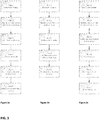
- Figure 3a shows one exemplary process route where a wire rod is patented (heated and quenched into a molten bath of lead), subsequently cold rolled through multiple stages, with an annealing heat treatment between cold rolling stages, and finally given a stress-relief heat treatment.
- Figure 3b shows another exemplary process route where the wire rod is heated and then hot rolled, followed by cooling; the wire is then cold rolled and finally stress relieved using a heat treatment operation.
- Figure 3c shows a further exemplary process route where the wire rod is heated then quenched in a molten lead bath (patenting), followed by cold rolling, then the wire is quenched and tempered. It is to be understood that the process routes in Figures 3a to 3c are not limiting, and any suitable combination of the processes described above may be employed.
- the steel wire formed in accordance with the present invention may be of any suitable width, thickness, or diameter.
- the steel wire may have a thickness of between 2 to 25 mm, preferably between 4 to 20 mm, for example 8 to 15 mm.
- the steel wire may have a width of between about 5 to 30 mm, preferably between 10 to 25 mm, for example between 15 to 18 mm. In terms of the thickness and diameters provided herein, these relate to the outer dimensions of the wire.
- the steel wire may have any suitable cross-section.
- the wire may have a Z-shaped, C-shaped, U-shaped or T-shaped cross-section. These cross-sections may enable the wire to be fitted together during winding to provide an overlap between adjacent windings.
- the steel wire may have a rectangular or flat shape. The edges of the wire may be rounded.
- the steel wire in accordance with the present invention may be used to form any suitable layer of a pipe, in particular a flexible pipe for use in transporting production fluids such as oil and gas, as may be understood from American Petroleum Institute specification for Unbonded Flexible Pipe API 17J.
- a flexible pipe comprising a flexible pipe body, wherein the flexible pipe body comprises at least one steel wire as detailed above and at least one end fitting at at least one end of the flexible pipe.
- the at least one steel wire may be configured so as to withstand at least one of tensile loading and loading from internal and external pressures.
- the flexible pipe may be used for subsea transportation of production fluids.
- the steel wire may be used to form a pressure armour layer or a tensile armour layer of a flexible pipe.
- the steel wire may also be used to form a carcass layer.
- a flexible pipe may include at least one layer formed using the wire in accordance with the present invention.
- the steel wire may be helically wound so as to form a continuous layer.
- the steel wire may be used to form a tensile armour layer. At least one steel wire may be helically wound around an underlying layer of flexible pipe body at a helix angle of between 20 and 55 degrees to the axis of the flexible pipe.
- the underlying layer may be a carcass layer, an internal sheath or liner, or a pressure armour layer. Alternatively, the underlying layer may be a further tensile armour layer. In one embodiment, two wires are used.
- the steel wire used to form a tensile armour layer may have a width of between 5 to 18 mm, preferably between 8 and 15 mm, for example 10 to 12 mm.
- the width of the steel wire may be selected from 5 mm, 5 1 ⁇ 2 mm, 6 mm, 6 1 ⁇ 2 mm, 7 mm, 7 1 ⁇ 2 mm, 8 mm, 8 1 ⁇ 2 mm, 9 mm, 9 1 ⁇ 2 mm, 10 mm, 10 1 ⁇ 2 mm, 11 mm, 11 1 ⁇ 2 mm, 12 mm, 12 1 ⁇ 2 mm, 13 mm, 13 1 ⁇ 2 mm, 14 mm, 14 1 ⁇ 2 mm, 15 mm, 15 1 ⁇ 2 mm, 16 mm, 16 1 ⁇ 2 mm, 17 mm, 17 1 ⁇ 2 mm and 18 mm.
- the steel wire used to form a tensile armour layer may have a thickness of between 2 and 8 mm, preferably between 4 and 6 mm, for example 5mm.
- the thickness of the steel wire may be selected from 2 mm, 2 1 ⁇ 2 mm, 3 mm, 3 1 ⁇ 2, 4 mm, 4 1 ⁇ 2 mm, 5 mm, 5 1 ⁇ 2 mm, 6 mm, 6 1 ⁇ 2 mm, 7 mm, 7 1 ⁇ 2 mm and 8 mm. Any combination of width and thickness may be employed. Intermediate wire dimensions are not excluded and may optionally be selected.
- the steel wire used to form a tensile armour layer may be a flat wire and may have a rectangular cross-section.
- a tensile armour layer formed by winding of the steel wire in accordance with the invention may have gaps between the windings.
- the steel wire may comprise at least 95% fill, for example 98% fill, of the tensile armour layer.
- the gaps present between the windings may provide the flexible pipe with improved flexibility.
- a flexible pipe may contain at least one tensile armour layer formed in accordance with the above method.
- the steel wire may be used to form a pressure armour layer. At least one steel wire may be helically wound round an underlying layer of flexible pipe body at a helix angle of close to 90 degrees.
- the underlying layer may be a carcass layer, an internal sheath or liner, or a tensile armour layer. Alternatively, the underlying layer may be a further pressure armour layer.
- the steel wire or wires may have a cross-section that enables the wires to interlock and/or overlap. For example, the steel wire may have a Z-shaped or C-shaped cross-section.
- the steel wire used to form a pressure armour layer may have a width of between 10 mm to 30 mm, preferably 15 mm to 25 mm, for example 20 mm.
- the width of the steel wire may be selected from.10 mm, 10 1 ⁇ 2 mm, 11 mm, 11 1 ⁇ 2 mm, 12 mm, 12 1 ⁇ 2 mm, 13 mm, 13 1 ⁇ 2 mm, 14 mm, 14 1 ⁇ 2 mm, 15 mm, 15 1 ⁇ 2 mm, 16 mm, 16 1 ⁇ 2 mm, 17 mm, 17 1 ⁇ 2 mm 18 mm, 18 1 ⁇ 2 mm, 19 mm, 19 1 ⁇ 2 mm, 20 mm, 20 1 ⁇ 2 mm, 21 mm, 21 1 ⁇ 2 mm, 22 mm, 22 1 ⁇ 2 mm, 23 mm, 23 1 ⁇ 2 mm, 24 mm, 24 1 ⁇ 2 mm, 25 mm, 25 1 ⁇ 2 mm, 26 mm, 26 1 ⁇ 2 mm, 27 mm, 27 1 ⁇ 2 mm, 28 mm, 28 1 ⁇ 2 mm, 29 mm, 29 1 ⁇ 2 mm and 30 mm.
- the steel wire may have a thickness of between 4 mm to 22mm, preferably 8 mm to 18 mm, for example 10 mm to 15 mm.
- the thickness of the steel wire may be selected from 4 mm, 4 1 ⁇ 2 mm, 5 mm, 5 1 ⁇ 2 mm, 6 mm, 6 1 ⁇ 2 mm, 7 mm, 7 1 ⁇ 2 mm, 8 mm, 8 1 ⁇ 2 mm, 9 mm, 9 1 ⁇ 2 mm and 10 mm. Any combination of width and thickness may be employed.
- a flexible pipe may contain at least one pressure armour layer formed in accordance with the above method.
- the steel wire may be used to form a carcass layer.
- at least one steel or corrosion resistant alloy wire may be helically wound at an angle close to 90 degrees, or may comprise adjacent, connected annular ring elements.
- the steel wire or wires, or ring elements may have a cross-section that enables them to interlock and/or overlap with an adjacent winding or ring element.
Landscapes
- Chemical & Material Sciences (AREA)
- Engineering & Computer Science (AREA)
- Mechanical Engineering (AREA)
- Organic Chemistry (AREA)
- Materials Engineering (AREA)
- Metallurgy (AREA)
- Thermal Sciences (AREA)
- Crystallography & Structural Chemistry (AREA)
- Physics & Mathematics (AREA)
- General Engineering & Computer Science (AREA)
- Health & Medical Sciences (AREA)
- Child & Adolescent Psychology (AREA)
- Manufacturing & Machinery (AREA)
- Heat Treatment Of Steel (AREA)
- Heat Treatment Of Strip Materials And Filament Materials (AREA)
Priority Applications (7)
| Application Number | Priority Date | Filing Date | Title |
|---|---|---|---|
| EP18461659.7A EP3674425B1 (de) | 2018-12-31 | 2018-12-31 | Stahldraht |
| DK18461659.7T DK3674425T3 (en) | 2018-12-31 | 2018-12-31 | Stålwire |
| US17/309,928 US20220074033A1 (en) | 2018-12-31 | 2019-12-17 | Steel wire |
| MYPI2021003565A MY196939A (en) | 2018-12-31 | 2019-12-17 | Steel wire |
| CN201980089609.1A CN113330124A (zh) | 2018-12-31 | 2019-12-17 | 钢丝 |
| PCT/EP2019/085582 WO2020141067A1 (en) | 2018-12-31 | 2019-12-17 | Steel wire |
| BR112021012967-7A BR112021012967B1 (pt) | 2018-12-31 | 2019-12-17 | Fio de aço, tubo flexível e método de produção de um fio de aço |
Applications Claiming Priority (1)
| Application Number | Priority Date | Filing Date | Title |
|---|---|---|---|
| EP18461659.7A EP3674425B1 (de) | 2018-12-31 | 2018-12-31 | Stahldraht |
Publications (2)
| Publication Number | Publication Date |
|---|---|
| EP3674425A1 true EP3674425A1 (de) | 2020-07-01 |
| EP3674425B1 EP3674425B1 (de) | 2022-05-04 |
Family
ID=65033345
Family Applications (1)
| Application Number | Title | Priority Date | Filing Date |
|---|---|---|---|
| EP18461659.7A Active EP3674425B1 (de) | 2018-12-31 | 2018-12-31 | Stahldraht |
Country Status (6)
| Country | Link |
|---|---|
| US (1) | US20220074033A1 (de) |
| EP (1) | EP3674425B1 (de) |
| CN (1) | CN113330124A (de) |
| DK (1) | DK3674425T3 (de) |
| MY (1) | MY196939A (de) |
| WO (1) | WO2020141067A1 (de) |
Families Citing this family (2)
| Publication number | Priority date | Publication date | Assignee | Title |
|---|---|---|---|---|
| CN114396512B (zh) * | 2022-03-24 | 2022-10-28 | 浙江大学 | 抗氢脆金属丝增强复合管用于长距离输送高压氢气的方法 |
| GB202218555D0 (en) * | 2022-12-09 | 2023-01-25 | Baker Hughes Energy Technology UK Ltd | Support for tensile loads |
Citations (5)
| Publication number | Priority date | Publication date | Assignee | Title |
|---|---|---|---|---|
| JPH01279710A (ja) * | 1988-04-30 | 1989-11-10 | Nippon Steel Corp | 耐水素誘起割れ特性に優れた高強度鋼線の製造法 |
| JPH03274227A (ja) * | 1990-03-24 | 1991-12-05 | Nippon Steel Corp | サワー環境用高強度鋼線の製造方法 |
| JPH03281724A (ja) * | 1990-03-30 | 1991-12-12 | Nippon Steel Corp | サワー環境用高強度鋼線の製造方法 |
| JPH03281725A (ja) * | 1990-03-30 | 1991-12-12 | Nippon Steel Corp | サワー環境用高強度鋼線の製造方法 |
| JPH042720A (ja) * | 1990-04-19 | 1992-01-07 | Nippon Steel Corp | サワー環境用高強度鋼線の製造方法 |
Family Cites Families (15)
| Publication number | Priority date | Publication date | Assignee | Title |
|---|---|---|---|---|
| US6764645B2 (en) * | 2001-11-28 | 2004-07-20 | Diado Steel Co., Ltd. | Steel for machine structural use having good machinability and chip-breakability |
| JP2007327084A (ja) * | 2006-06-06 | 2007-12-20 | Kobe Steel Ltd | 伸線加工性に優れた線材およびその製造方法 |
| JP4653038B2 (ja) * | 2006-08-21 | 2011-03-16 | 株式会社神戸製鋼所 | 高張力厚鋼板およびその製造方法 |
| FR2945099B1 (fr) * | 2009-05-04 | 2011-06-03 | Technip France | Procede de fabrication d'une conduite tubulaire flexible de grande longueur |
| KR101140651B1 (ko) * | 2010-01-07 | 2012-05-03 | 한국수력원자력 주식회사 | 크리프 저항성이 우수한 고크롬 페라이트/마르텐사이트 강 및 이의 제조방법 |
| JP5521885B2 (ja) * | 2010-08-17 | 2014-06-18 | 新日鐵住金株式会社 | 高強度かつ耐水素脆化特性に優れた機械部品用鋼線、および機械部品とその製造方法 |
| JP4980471B1 (ja) * | 2011-01-07 | 2012-07-18 | 株式会社神戸製鋼所 | 鋼線材及びその製造方法 |
| CN102959115B (zh) * | 2011-03-14 | 2014-07-30 | 新日铁住金株式会社 | 钢线材及其制造方法 |
| CN102199740B (zh) * | 2011-05-12 | 2013-06-19 | 南京钢铁股份有限公司 | 一种Ti、Zr复合脱氧的超高强度船体结构用钢及生产工艺 |
| DK2662524T3 (en) * | 2012-05-08 | 2017-09-04 | Ge Oil & Gas Uk Ltd | Flexible tubular body with buoyancy element and method of manufacture thereof |
| DE102013012118A1 (de) * | 2013-07-18 | 2015-01-22 | C.D. Wälzholz GmbH | Kaltgewalztes Schmalband in Form von Flachdraht oder Profilen aus einem hochfesten Stahl für den Einsatz in flexiblen Rohren, insbesondere in flexiblen Rohren für Offshore-Anwendungen sowie Verfahren zur Herstellung derartiger kaltgewalzter Schmalbänder |
| JP6237794B2 (ja) * | 2014-02-06 | 2017-11-29 | 新日鐵住金株式会社 | 鋼線 |
| EP3165626B1 (de) * | 2014-08-08 | 2021-10-06 | Nippon Steel Corporation | Kohlenstoffreicher stahldraht mit hervorragender ziehbarkeit |
| DK3050978T3 (da) * | 2015-01-30 | 2020-12-07 | Technip France | Fleksibel rørformet struktur med stålelement |
| WO2017039012A1 (ja) * | 2015-09-04 | 2017-03-09 | 新日鐵住金株式会社 | ばね用鋼線およびばね |
-
2018
- 2018-12-31 DK DK18461659.7T patent/DK3674425T3/da active
- 2018-12-31 EP EP18461659.7A patent/EP3674425B1/de active Active
-
2019
- 2019-12-17 CN CN201980089609.1A patent/CN113330124A/zh active Pending
- 2019-12-17 WO PCT/EP2019/085582 patent/WO2020141067A1/en not_active Ceased
- 2019-12-17 MY MYPI2021003565A patent/MY196939A/en unknown
- 2019-12-17 US US17/309,928 patent/US20220074033A1/en active Pending
Patent Citations (5)
| Publication number | Priority date | Publication date | Assignee | Title |
|---|---|---|---|---|
| JPH01279710A (ja) * | 1988-04-30 | 1989-11-10 | Nippon Steel Corp | 耐水素誘起割れ特性に優れた高強度鋼線の製造法 |
| JPH03274227A (ja) * | 1990-03-24 | 1991-12-05 | Nippon Steel Corp | サワー環境用高強度鋼線の製造方法 |
| JPH03281724A (ja) * | 1990-03-30 | 1991-12-12 | Nippon Steel Corp | サワー環境用高強度鋼線の製造方法 |
| JPH03281725A (ja) * | 1990-03-30 | 1991-12-12 | Nippon Steel Corp | サワー環境用高強度鋼線の製造方法 |
| JPH042720A (ja) * | 1990-04-19 | 1992-01-07 | Nippon Steel Corp | サワー環境用高強度鋼線の製造方法 |
Also Published As
| Publication number | Publication date |
|---|---|
| CN113330124A (zh) | 2021-08-31 |
| EP3674425B1 (de) | 2022-05-04 |
| MY196939A (en) | 2023-05-11 |
| DK3674425T3 (en) | 2022-05-23 |
| BR112021012967A2 (pt) | 2021-09-08 |
| US20220074033A1 (en) | 2022-03-10 |
| WO2020141067A1 (en) | 2020-07-09 |
Similar Documents
| Publication | Publication Date | Title |
|---|---|---|
| AU2014201976B2 (en) | High strength medium wall quenched and tempered seamless steel pipes and related method for manufacturing said steel pipes | |
| EP3686303B1 (de) | Stahlrohr und stahlplatte | |
| EP2789702B1 (de) | Dickwandige vergütete und nahtlose stahlrohre und entsprechendes verfahren zur herstellung der stahlrohre | |
| US10001228B2 (en) | Unbonded flexible pipe | |
| US5922149A (en) | Method for making steel wires and shaped wires, and use thereof in flexible ducts | |
| AU2018203405B2 (en) | Cold-rolled narrow strip in the form of flat wire or profiled elements made of a high-strength steel for use in flexible pipes, in particular in flexible pipes for offshore applications, and method for producing such cold-rolled narrow strips | |
| EP3636787B1 (de) | Gebogenes stahlrohr und verfahren zur herstellung davon | |
| CA2620049A1 (en) | Seamless steel pipe for line pipe and a method for its manufacture | |
| TR201910939T4 (tr) | Hidrojen kırılganlığına karşı dirençli yüksek mekanik özelliklere sahip çelikten bir profil telin imalatına yönelik yöntem. | |
| JP6772823B2 (ja) | ラインパイプ用鋼材及びその製造方法 | |
| EP3674425B1 (de) | Stahldraht | |
| KR20160129056A (ko) | 내변형 시효 특성 및 내hic 특성이 우수한 고변형능 라인 파이프용 강재 및 그 제조 방법 그리고 용접 강관 | |
| KR101841864B1 (ko) | 수소 취화와 피로에 대한 높은 저항을 갖는 냉간 압연 강 와이어 및 이를 포함하는 가요성 파이프를 위한 강화 | |
| JP7626934B2 (ja) | 電縫鋼管 | |
| US7615124B2 (en) | Method for making a plated steel armouring wire for a flexible tubular pipe transporting hydrocarbons, and armoured pipe | |
| BR112021012967B1 (pt) | Fio de aço, tubo flexível e método de produção de um fio de aço | |
| EP4613898A1 (de) | Widerstandsgeschweisstes stahlrohr und leitungsrohr | |
| RU2798180C2 (ru) | Высококачественный материал для гибких длинномерных труб и способ его изготовления | |
| JP2025062178A (ja) | ラインパイプ用電縫鋼管 |
Legal Events
| Date | Code | Title | Description |
|---|---|---|---|
| PUAI | Public reference made under article 153(3) epc to a published international application that has entered the european phase |
Free format text: ORIGINAL CODE: 0009012 |
|
| STAA | Information on the status of an ep patent application or granted ep patent |
Free format text: STATUS: THE APPLICATION HAS BEEN PUBLISHED |
|
| AK | Designated contracting states |
Kind code of ref document: A1 Designated state(s): AL AT BE BG CH CY CZ DE DK EE ES FI FR GB GR HR HU IE IS IT LI LT LU LV MC MK MT NL NO PL PT RO RS SE SI SK SM TR |
|
| AX | Request for extension of the european patent |
Extension state: BA ME |
|
| RAP1 | Party data changed (applicant data changed or rights of an application transferred) |
Owner name: BAKER HUGHES ENERGY TECHNOLOGY UK LIMITED |
|
| STAA | Information on the status of an ep patent application or granted ep patent |
Free format text: STATUS: REQUEST FOR EXAMINATION WAS MADE |
|
| 17P | Request for examination filed |
Effective date: 20210104 |
|
| RBV | Designated contracting states (corrected) |
Designated state(s): AL AT BE BG CH CY CZ DE DK EE ES FI FR GB GR HR HU IE IS IT LI LT LU LV MC MK MT NL NO PL PT RO RS SE SI SK SM TR |
|
| STAA | Information on the status of an ep patent application or granted ep patent |
Free format text: STATUS: EXAMINATION IS IN PROGRESS |
|
| 17Q | First examination report despatched |
Effective date: 20210510 |
|
| REG | Reference to a national code |
Ref country code: DE Ref legal event code: R079 Ref document number: 602018034868 Country of ref document: DE Free format text: PREVIOUS MAIN CLASS: C21D0006000000 Ipc: C21D0009520000 |
|
| GRAP | Despatch of communication of intention to grant a patent |
Free format text: ORIGINAL CODE: EPIDOSNIGR1 |
|
| STAA | Information on the status of an ep patent application or granted ep patent |
Free format text: STATUS: GRANT OF PATENT IS INTENDED |
|
| RIC1 | Information provided on ipc code assigned before grant |
Ipc: C22C 38/08 20060101ALN20211105BHEP Ipc: C21D 1/25 20060101ALN20211105BHEP Ipc: C21D 1/18 20060101ALN20211105BHEP Ipc: C22C 38/12 20060101ALN20211105BHEP Ipc: C22C 38/18 20060101ALN20211105BHEP Ipc: C22C 38/16 20060101ALN20211105BHEP Ipc: C22C 38/10 20060101ALN20211105BHEP Ipc: C21D 1/32 20060101ALI20211105BHEP Ipc: C21D 1/26 20060101ALI20211105BHEP Ipc: F16L 11/08 20060101ALI20211105BHEP Ipc: C21D 8/06 20060101ALI20211105BHEP Ipc: C22C 38/14 20060101ALI20211105BHEP Ipc: C22C 38/04 20060101ALI20211105BHEP Ipc: C22C 38/02 20060101ALI20211105BHEP Ipc: C21D 1/30 20060101ALI20211105BHEP Ipc: C21D 1/28 20060101ALI20211105BHEP Ipc: C21D 6/00 20060101ALI20211105BHEP Ipc: C21D 9/52 20060101AFI20211105BHEP |
|
| INTG | Intention to grant announced |
Effective date: 20211125 |
|
| GRAS | Grant fee paid |
Free format text: ORIGINAL CODE: EPIDOSNIGR3 |
|
| GRAA | (expected) grant |
Free format text: ORIGINAL CODE: 0009210 |
|
| STAA | Information on the status of an ep patent application or granted ep patent |
Free format text: STATUS: THE PATENT HAS BEEN GRANTED |
|
| AK | Designated contracting states |
Kind code of ref document: B1 Designated state(s): AL AT BE BG CH CY CZ DE DK EE ES FI FR GB GR HR HU IE IS IT LI LT LU LV MC MK MT NL NO PL PT RO RS SE SI SK SM TR |
|
| REG | Reference to a national code |
Ref country code: GB Ref legal event code: FG4D |
|
| REG | Reference to a national code |
Ref country code: CH Ref legal event code: EP |
|
| REG | Reference to a national code |
Ref country code: AT Ref legal event code: REF Ref document number: 1489123 Country of ref document: AT Kind code of ref document: T Effective date: 20220515 |
|
| REG | Reference to a national code |
Ref country code: DK Ref legal event code: T3 Effective date: 20220518 |
|
| REG | Reference to a national code |
Ref country code: IE Ref legal event code: FG4D Ref country code: DE Ref legal event code: R096 Ref document number: 602018034868 Country of ref document: DE |
|
| REG | Reference to a national code |
Ref country code: LT Ref legal event code: MG9D |
|
| REG | Reference to a national code |
Ref country code: NL Ref legal event code: MP Effective date: 20220504 |
|
| REG | Reference to a national code |
Ref country code: AT Ref legal event code: MK05 Ref document number: 1489123 Country of ref document: AT Kind code of ref document: T Effective date: 20220504 |
|
| PG25 | Lapsed in a contracting state [announced via postgrant information from national office to epo] |
Ref country code: SE Free format text: LAPSE BECAUSE OF FAILURE TO SUBMIT A TRANSLATION OF THE DESCRIPTION OR TO PAY THE FEE WITHIN THE PRESCRIBED TIME-LIMIT Effective date: 20220504 Ref country code: PT Free format text: LAPSE BECAUSE OF FAILURE TO SUBMIT A TRANSLATION OF THE DESCRIPTION OR TO PAY THE FEE WITHIN THE PRESCRIBED TIME-LIMIT Effective date: 20220905 Ref country code: NO Free format text: LAPSE BECAUSE OF FAILURE TO SUBMIT A TRANSLATION OF THE DESCRIPTION OR TO PAY THE FEE WITHIN THE PRESCRIBED TIME-LIMIT Effective date: 20220804 Ref country code: NL Free format text: LAPSE BECAUSE OF FAILURE TO SUBMIT A TRANSLATION OF THE DESCRIPTION OR TO PAY THE FEE WITHIN THE PRESCRIBED TIME-LIMIT Effective date: 20220504 Ref country code: LT Free format text: LAPSE BECAUSE OF FAILURE TO SUBMIT A TRANSLATION OF THE DESCRIPTION OR TO PAY THE FEE WITHIN THE PRESCRIBED TIME-LIMIT Effective date: 20220504 Ref country code: HR Free format text: LAPSE BECAUSE OF FAILURE TO SUBMIT A TRANSLATION OF THE DESCRIPTION OR TO PAY THE FEE WITHIN THE PRESCRIBED TIME-LIMIT Effective date: 20220504 Ref country code: GR Free format text: LAPSE BECAUSE OF FAILURE TO SUBMIT A TRANSLATION OF THE DESCRIPTION OR TO PAY THE FEE WITHIN THE PRESCRIBED TIME-LIMIT Effective date: 20220805 Ref country code: FI Free format text: LAPSE BECAUSE OF FAILURE TO SUBMIT A TRANSLATION OF THE DESCRIPTION OR TO PAY THE FEE WITHIN THE PRESCRIBED TIME-LIMIT Effective date: 20220504 Ref country code: ES Free format text: LAPSE BECAUSE OF FAILURE TO SUBMIT A TRANSLATION OF THE DESCRIPTION OR TO PAY THE FEE WITHIN THE PRESCRIBED TIME-LIMIT Effective date: 20220504 Ref country code: BG Free format text: LAPSE BECAUSE OF FAILURE TO SUBMIT A TRANSLATION OF THE DESCRIPTION OR TO PAY THE FEE WITHIN THE PRESCRIBED TIME-LIMIT Effective date: 20220804 Ref country code: AT Free format text: LAPSE BECAUSE OF FAILURE TO SUBMIT A TRANSLATION OF THE DESCRIPTION OR TO PAY THE FEE WITHIN THE PRESCRIBED TIME-LIMIT Effective date: 20220504 |
|
| PG25 | Lapsed in a contracting state [announced via postgrant information from national office to epo] |
Ref country code: RS Free format text: LAPSE BECAUSE OF FAILURE TO SUBMIT A TRANSLATION OF THE DESCRIPTION OR TO PAY THE FEE WITHIN THE PRESCRIBED TIME-LIMIT Effective date: 20220504 Ref country code: PL Free format text: LAPSE BECAUSE OF FAILURE TO SUBMIT A TRANSLATION OF THE DESCRIPTION OR TO PAY THE FEE WITHIN THE PRESCRIBED TIME-LIMIT Effective date: 20220504 Ref country code: LV Free format text: LAPSE BECAUSE OF FAILURE TO SUBMIT A TRANSLATION OF THE DESCRIPTION OR TO PAY THE FEE WITHIN THE PRESCRIBED TIME-LIMIT Effective date: 20220504 Ref country code: IS Free format text: LAPSE BECAUSE OF FAILURE TO SUBMIT A TRANSLATION OF THE DESCRIPTION OR TO PAY THE FEE WITHIN THE PRESCRIBED TIME-LIMIT Effective date: 20220904 |
|
| PG25 | Lapsed in a contracting state [announced via postgrant information from national office to epo] |
Ref country code: SM Free format text: LAPSE BECAUSE OF FAILURE TO SUBMIT A TRANSLATION OF THE DESCRIPTION OR TO PAY THE FEE WITHIN THE PRESCRIBED TIME-LIMIT Effective date: 20220504 Ref country code: SK Free format text: LAPSE BECAUSE OF FAILURE TO SUBMIT A TRANSLATION OF THE DESCRIPTION OR TO PAY THE FEE WITHIN THE PRESCRIBED TIME-LIMIT Effective date: 20220504 Ref country code: RO Free format text: LAPSE BECAUSE OF FAILURE TO SUBMIT A TRANSLATION OF THE DESCRIPTION OR TO PAY THE FEE WITHIN THE PRESCRIBED TIME-LIMIT Effective date: 20220504 Ref country code: EE Free format text: LAPSE BECAUSE OF FAILURE TO SUBMIT A TRANSLATION OF THE DESCRIPTION OR TO PAY THE FEE WITHIN THE PRESCRIBED TIME-LIMIT Effective date: 20220504 Ref country code: CZ Free format text: LAPSE BECAUSE OF FAILURE TO SUBMIT A TRANSLATION OF THE DESCRIPTION OR TO PAY THE FEE WITHIN THE PRESCRIBED TIME-LIMIT Effective date: 20220504 |
|
| REG | Reference to a national code |
Ref country code: DE Ref legal event code: R097 Ref document number: 602018034868 Country of ref document: DE |
|
| PLBE | No opposition filed within time limit |
Free format text: ORIGINAL CODE: 0009261 |
|
| STAA | Information on the status of an ep patent application or granted ep patent |
Free format text: STATUS: NO OPPOSITION FILED WITHIN TIME LIMIT |
|
| PG25 | Lapsed in a contracting state [announced via postgrant information from national office to epo] |
Ref country code: AL Free format text: LAPSE BECAUSE OF FAILURE TO SUBMIT A TRANSLATION OF THE DESCRIPTION OR TO PAY THE FEE WITHIN THE PRESCRIBED TIME-LIMIT Effective date: 20220504 |
|
| 26N | No opposition filed |
Effective date: 20230207 |
|
| PG25 | Lapsed in a contracting state [announced via postgrant information from national office to epo] |
Ref country code: SI Free format text: LAPSE BECAUSE OF FAILURE TO SUBMIT A TRANSLATION OF THE DESCRIPTION OR TO PAY THE FEE WITHIN THE PRESCRIBED TIME-LIMIT Effective date: 20220504 |
|
| REG | Reference to a national code |
Ref country code: DE Ref legal event code: R119 Ref document number: 602018034868 Country of ref document: DE |
|
| P01 | Opt-out of the competence of the unified patent court (upc) registered |
Effective date: 20230526 |
|
| REG | Reference to a national code |
Ref country code: CH Ref legal event code: PL |
|
| REG | Reference to a national code |
Ref country code: BE Ref legal event code: MM Effective date: 20221231 |
|
| PG25 | Lapsed in a contracting state [announced via postgrant information from national office to epo] |
Ref country code: LU Free format text: LAPSE BECAUSE OF NON-PAYMENT OF DUE FEES Effective date: 20221231 |
|
| PG25 | Lapsed in a contracting state [announced via postgrant information from national office to epo] |
Ref country code: LI Free format text: LAPSE BECAUSE OF NON-PAYMENT OF DUE FEES Effective date: 20221231 Ref country code: IE Free format text: LAPSE BECAUSE OF NON-PAYMENT OF DUE FEES Effective date: 20221231 Ref country code: DE Free format text: LAPSE BECAUSE OF NON-PAYMENT OF DUE FEES Effective date: 20230701 Ref country code: CH Free format text: LAPSE BECAUSE OF NON-PAYMENT OF DUE FEES Effective date: 20221231 |
|
| PG25 | Lapsed in a contracting state [announced via postgrant information from national office to epo] |
Ref country code: BE Free format text: LAPSE BECAUSE OF NON-PAYMENT OF DUE FEES Effective date: 20221231 |
|
| PG25 | Lapsed in a contracting state [announced via postgrant information from national office to epo] |
Ref country code: IT Free format text: LAPSE BECAUSE OF FAILURE TO SUBMIT A TRANSLATION OF THE DESCRIPTION OR TO PAY THE FEE WITHIN THE PRESCRIBED TIME-LIMIT Effective date: 20220504 |
|
| PG25 | Lapsed in a contracting state [announced via postgrant information from national office to epo] |
Ref country code: HU Free format text: LAPSE BECAUSE OF FAILURE TO SUBMIT A TRANSLATION OF THE DESCRIPTION OR TO PAY THE FEE WITHIN THE PRESCRIBED TIME-LIMIT; INVALID AB INITIO Effective date: 20181231 |
|
| PG25 | Lapsed in a contracting state [announced via postgrant information from national office to epo] |
Ref country code: CY Free format text: LAPSE BECAUSE OF FAILURE TO SUBMIT A TRANSLATION OF THE DESCRIPTION OR TO PAY THE FEE WITHIN THE PRESCRIBED TIME-LIMIT Effective date: 20220504 |
|
| PG25 | Lapsed in a contracting state [announced via postgrant information from national office to epo] |
Ref country code: MK Free format text: LAPSE BECAUSE OF FAILURE TO SUBMIT A TRANSLATION OF THE DESCRIPTION OR TO PAY THE FEE WITHIN THE PRESCRIBED TIME-LIMIT Effective date: 20220504 |
|
| PG25 | Lapsed in a contracting state [announced via postgrant information from national office to epo] |
Ref country code: MC Free format text: LAPSE BECAUSE OF FAILURE TO SUBMIT A TRANSLATION OF THE DESCRIPTION OR TO PAY THE FEE WITHIN THE PRESCRIBED TIME-LIMIT Effective date: 20220504 |
|
| PG25 | Lapsed in a contracting state [announced via postgrant information from national office to epo] |
Ref country code: TR Free format text: LAPSE BECAUSE OF FAILURE TO SUBMIT A TRANSLATION OF THE DESCRIPTION OR TO PAY THE FEE WITHIN THE PRESCRIBED TIME-LIMIT Effective date: 20220504 Ref country code: MC Free format text: LAPSE BECAUSE OF FAILURE TO SUBMIT A TRANSLATION OF THE DESCRIPTION OR TO PAY THE FEE WITHIN THE PRESCRIBED TIME-LIMIT Effective date: 20220504 |
|
| PG25 | Lapsed in a contracting state [announced via postgrant information from national office to epo] |
Ref country code: MT Free format text: LAPSE BECAUSE OF FAILURE TO SUBMIT A TRANSLATION OF THE DESCRIPTION OR TO PAY THE FEE WITHIN THE PRESCRIBED TIME-LIMIT Effective date: 20220504 |
|
| PG25 | Lapsed in a contracting state [announced via postgrant information from national office to epo] |
Ref country code: BG Free format text: LAPSE BECAUSE OF FAILURE TO SUBMIT A TRANSLATION OF THE DESCRIPTION OR TO PAY THE FEE WITHIN THE PRESCRIBED TIME-LIMIT Effective date: 20220504 |
|
| PG25 | Lapsed in a contracting state [announced via postgrant information from national office to epo] |
Ref country code: BG Free format text: LAPSE BECAUSE OF FAILURE TO SUBMIT A TRANSLATION OF THE DESCRIPTION OR TO PAY THE FEE WITHIN THE PRESCRIBED TIME-LIMIT Effective date: 20220504 |
|
| PGFP | Annual fee paid to national office [announced via postgrant information from national office to epo] |
Ref country code: GB Payment date: 20251120 Year of fee payment: 8 |
|
| PGFP | Annual fee paid to national office [announced via postgrant information from national office to epo] |
Ref country code: DK Payment date: 20251119 Year of fee payment: 8 |
|
| PGFP | Annual fee paid to national office [announced via postgrant information from national office to epo] |
Ref country code: FR Payment date: 20251120 Year of fee payment: 8 |