EP3674573A1 - A sliding bearing and a method for manufacturing the same - Google Patents
A sliding bearing and a method for manufacturing the same Download PDFInfo
- Publication number
- EP3674573A1 EP3674573A1 EP19177738.2A EP19177738A EP3674573A1 EP 3674573 A1 EP3674573 A1 EP 3674573A1 EP 19177738 A EP19177738 A EP 19177738A EP 3674573 A1 EP3674573 A1 EP 3674573A1
- Authority
- EP
- European Patent Office
- Prior art keywords
- layer
- bonding
- sliding
- sliding bearing
- treatment
- Prior art date
- Legal status (The legal status is an assumption and is not a legal conclusion. Google has not performed a legal analysis and makes no representation as to the accuracy of the status listed.)
- Granted
Links
Images

Classifications
-
- F—MECHANICAL ENGINEERING; LIGHTING; HEATING; WEAPONS; BLASTING
- F16—ENGINEERING ELEMENTS AND UNITS; GENERAL MEASURES FOR PRODUCING AND MAINTAINING EFFECTIVE FUNCTIONING OF MACHINES OR INSTALLATIONS; THERMAL INSULATION IN GENERAL
- F16C—SHAFTS; FLEXIBLE SHAFTS; ELEMENTS OR CRANKSHAFT MECHANISMS; ROTARY BODIES OTHER THAN GEARING ELEMENTS; BEARINGS
- F16C33/00—Parts of bearings; Special methods for making bearings or parts thereof
- F16C33/02—Parts of sliding-contact bearings
- F16C33/04—Brasses; Bushes; Linings
- F16C33/20—Sliding surface consisting mainly of plastics
- F16C33/203—Multilayer structures, e.g. sleeves comprising a plastic lining
- F16C33/206—Multilayer structures, e.g. sleeves comprising a plastic lining with three layers
-
- B—PERFORMING OPERATIONS; TRANSPORTING
- B29—WORKING OF PLASTICS; WORKING OF SUBSTANCES IN A PLASTIC STATE IN GENERAL
- B29C—SHAPING OR JOINING OF PLASTICS; SHAPING OF MATERIAL IN A PLASTIC STATE, NOT OTHERWISE PROVIDED FOR; AFTER-TREATMENT OF THE SHAPED PRODUCTS, e.g. REPAIRING
- B29C65/00—Joining or sealing of preformed parts, e.g. welding of plastics materials; Apparatus therefor
- B29C65/48—Joining or sealing of preformed parts, e.g. welding of plastics materials; Apparatus therefor using adhesives, i.e. using supplementary joining material; solvent bonding
-
- B—PERFORMING OPERATIONS; TRANSPORTING
- B32—LAYERED PRODUCTS
- B32B—LAYERED PRODUCTS, i.e. PRODUCTS BUILT-UP OF STRATA OF FLAT OR NON-FLAT, e.g. CELLULAR OR HONEYCOMB, FORM
- B32B15/00—Layered products comprising a layer of metal
- B32B15/04—Layered products comprising a layer of metal comprising metal as the main or only constituent of a layer, which is next to another layer of the same or of a different material
- B32B15/08—Layered products comprising a layer of metal comprising metal as the main or only constituent of a layer, which is next to another layer of the same or of a different material of synthetic resin
- B32B15/085—Layered products comprising a layer of metal comprising metal as the main or only constituent of a layer, which is next to another layer of the same or of a different material of synthetic resin comprising polyolefins
-
- B—PERFORMING OPERATIONS; TRANSPORTING
- B32—LAYERED PRODUCTS
- B32B—LAYERED PRODUCTS, i.e. PRODUCTS BUILT-UP OF STRATA OF FLAT OR NON-FLAT, e.g. CELLULAR OR HONEYCOMB, FORM
- B32B15/00—Layered products comprising a layer of metal
- B32B15/18—Layered products comprising a layer of metal comprising iron or steel
-
- B—PERFORMING OPERATIONS; TRANSPORTING
- B32—LAYERED PRODUCTS
- B32B—LAYERED PRODUCTS, i.e. PRODUCTS BUILT-UP OF STRATA OF FLAT OR NON-FLAT, e.g. CELLULAR OR HONEYCOMB, FORM
- B32B27/00—Layered products comprising a layer of synthetic resin
- B32B27/16—Layered products comprising a layer of synthetic resin specially treated, e.g. irradiated
-
- B—PERFORMING OPERATIONS; TRANSPORTING
- B32—LAYERED PRODUCTS
- B32B—LAYERED PRODUCTS, i.e. PRODUCTS BUILT-UP OF STRATA OF FLAT OR NON-FLAT, e.g. CELLULAR OR HONEYCOMB, FORM
- B32B27/00—Layered products comprising a layer of synthetic resin
- B32B27/18—Layered products comprising a layer of synthetic resin characterised by the use of special additives
-
- B—PERFORMING OPERATIONS; TRANSPORTING
- B32—LAYERED PRODUCTS
- B32B—LAYERED PRODUCTS, i.e. PRODUCTS BUILT-UP OF STRATA OF FLAT OR NON-FLAT, e.g. CELLULAR OR HONEYCOMB, FORM
- B32B27/00—Layered products comprising a layer of synthetic resin
- B32B27/18—Layered products comprising a layer of synthetic resin characterised by the use of special additives
- B32B27/20—Layered products comprising a layer of synthetic resin characterised by the use of special additives using fillers, pigments, thixotroping agents
-
- B—PERFORMING OPERATIONS; TRANSPORTING
- B32—LAYERED PRODUCTS
- B32B—LAYERED PRODUCTS, i.e. PRODUCTS BUILT-UP OF STRATA OF FLAT OR NON-FLAT, e.g. CELLULAR OR HONEYCOMB, FORM
- B32B27/00—Layered products comprising a layer of synthetic resin
- B32B27/28—Layered products comprising a layer of synthetic resin comprising synthetic resins not wholly covered by any one of the sub-groups B32B27/30 - B32B27/42
- B32B27/286—Layered products comprising a layer of synthetic resin comprising synthetic resins not wholly covered by any one of the sub-groups B32B27/30 - B32B27/42 comprising polysulphones; polysulfides
-
- B—PERFORMING OPERATIONS; TRANSPORTING
- B32—LAYERED PRODUCTS
- B32B—LAYERED PRODUCTS, i.e. PRODUCTS BUILT-UP OF STRATA OF FLAT OR NON-FLAT, e.g. CELLULAR OR HONEYCOMB, FORM
- B32B27/00—Layered products comprising a layer of synthetic resin
- B32B27/30—Layered products comprising a layer of synthetic resin comprising vinyl (co)polymers; comprising acrylic (co)polymers
- B32B27/306—Layered products comprising a layer of synthetic resin comprising vinyl (co)polymers; comprising acrylic (co)polymers comprising vinyl acetate or vinyl alcohol (co)polymers
-
- B—PERFORMING OPERATIONS; TRANSPORTING
- B32—LAYERED PRODUCTS
- B32B—LAYERED PRODUCTS, i.e. PRODUCTS BUILT-UP OF STRATA OF FLAT OR NON-FLAT, e.g. CELLULAR OR HONEYCOMB, FORM
- B32B27/00—Layered products comprising a layer of synthetic resin
- B32B27/32—Layered products comprising a layer of synthetic resin comprising polyolefins
-
- B—PERFORMING OPERATIONS; TRANSPORTING
- B32—LAYERED PRODUCTS
- B32B—LAYERED PRODUCTS, i.e. PRODUCTS BUILT-UP OF STRATA OF FLAT OR NON-FLAT, e.g. CELLULAR OR HONEYCOMB, FORM
- B32B27/00—Layered products comprising a layer of synthetic resin
- B32B27/32—Layered products comprising a layer of synthetic resin comprising polyolefins
- B32B27/322—Layered products comprising a layer of synthetic resin comprising polyolefins comprising halogenated polyolefins, e.g. PTFE
-
- B—PERFORMING OPERATIONS; TRANSPORTING
- B32—LAYERED PRODUCTS
- B32B—LAYERED PRODUCTS, i.e. PRODUCTS BUILT-UP OF STRATA OF FLAT OR NON-FLAT, e.g. CELLULAR OR HONEYCOMB, FORM
- B32B27/00—Layered products comprising a layer of synthetic resin
- B32B27/34—Layered products comprising a layer of synthetic resin comprising polyamides
-
- B—PERFORMING OPERATIONS; TRANSPORTING
- B32—LAYERED PRODUCTS
- B32B—LAYERED PRODUCTS, i.e. PRODUCTS BUILT-UP OF STRATA OF FLAT OR NON-FLAT, e.g. CELLULAR OR HONEYCOMB, FORM
- B32B27/00—Layered products comprising a layer of synthetic resin
- B32B27/36—Layered products comprising a layer of synthetic resin comprising polyesters
-
- B—PERFORMING OPERATIONS; TRANSPORTING
- B32—LAYERED PRODUCTS
- B32B—LAYERED PRODUCTS, i.e. PRODUCTS BUILT-UP OF STRATA OF FLAT OR NON-FLAT, e.g. CELLULAR OR HONEYCOMB, FORM
- B32B27/00—Layered products comprising a layer of synthetic resin
- B32B27/40—Layered products comprising a layer of synthetic resin comprising polyurethanes
-
- B—PERFORMING OPERATIONS; TRANSPORTING
- B32—LAYERED PRODUCTS
- B32B—LAYERED PRODUCTS, i.e. PRODUCTS BUILT-UP OF STRATA OF FLAT OR NON-FLAT, e.g. CELLULAR OR HONEYCOMB, FORM
- B32B7/00—Layered products characterised by the relation between layers; Layered products characterised by the relative orientation of features between layers, or by the relative values of a measurable parameter between layers, i.e. products comprising layers having different physical, chemical or physicochemical properties; Layered products characterised by the interconnection of layers
- B32B7/04—Interconnection of layers
- B32B7/12—Interconnection of layers using interposed adhesives or interposed materials with bonding properties
-
- F—MECHANICAL ENGINEERING; LIGHTING; HEATING; WEAPONS; BLASTING
- F16—ENGINEERING ELEMENTS AND UNITS; GENERAL MEASURES FOR PRODUCING AND MAINTAINING EFFECTIVE FUNCTIONING OF MACHINES OR INSTALLATIONS; THERMAL INSULATION IN GENERAL
- F16C—SHAFTS; FLEXIBLE SHAFTS; ELEMENTS OR CRANKSHAFT MECHANISMS; ROTARY BODIES OTHER THAN GEARING ELEMENTS; BEARINGS
- F16C33/00—Parts of bearings; Special methods for making bearings or parts thereof
- F16C33/02—Parts of sliding-contact bearings
- F16C33/04—Brasses; Bushes; Linings
- F16C33/20—Sliding surface consisting mainly of plastics
- F16C33/201—Composition of the plastic
-
- F—MECHANICAL ENGINEERING; LIGHTING; HEATING; WEAPONS; BLASTING
- F16—ENGINEERING ELEMENTS AND UNITS; GENERAL MEASURES FOR PRODUCING AND MAINTAINING EFFECTIVE FUNCTIONING OF MACHINES OR INSTALLATIONS; THERMAL INSULATION IN GENERAL
- F16C—SHAFTS; FLEXIBLE SHAFTS; ELEMENTS OR CRANKSHAFT MECHANISMS; ROTARY BODIES OTHER THAN GEARING ELEMENTS; BEARINGS
- F16C33/00—Parts of bearings; Special methods for making bearings or parts thereof
- F16C33/02—Parts of sliding-contact bearings
- F16C33/04—Brasses; Bushes; Linings
- F16C33/20—Sliding surface consisting mainly of plastics
- F16C33/203—Multilayer structures, e.g. sleeves comprising a plastic lining
-
- F—MECHANICAL ENGINEERING; LIGHTING; HEATING; WEAPONS; BLASTING
- F16—ENGINEERING ELEMENTS AND UNITS; GENERAL MEASURES FOR PRODUCING AND MAINTAINING EFFECTIVE FUNCTIONING OF MACHINES OR INSTALLATIONS; THERMAL INSULATION IN GENERAL
- F16C—SHAFTS; FLEXIBLE SHAFTS; ELEMENTS OR CRANKSHAFT MECHANISMS; ROTARY BODIES OTHER THAN GEARING ELEMENTS; BEARINGS
- F16C33/00—Parts of bearings; Special methods for making bearings or parts thereof
- F16C33/02—Parts of sliding-contact bearings
- F16C33/04—Brasses; Bushes; Linings
- F16C33/20—Sliding surface consisting mainly of plastics
- F16C33/203—Multilayer structures, e.g. sleeves comprising a plastic lining
- F16C33/205—Multilayer structures, e.g. sleeves comprising a plastic lining with two layers
-
- F—MECHANICAL ENGINEERING; LIGHTING; HEATING; WEAPONS; BLASTING
- F16—ENGINEERING ELEMENTS AND UNITS; GENERAL MEASURES FOR PRODUCING AND MAINTAINING EFFECTIVE FUNCTIONING OF MACHINES OR INSTALLATIONS; THERMAL INSULATION IN GENERAL
- F16C—SHAFTS; FLEXIBLE SHAFTS; ELEMENTS OR CRANKSHAFT MECHANISMS; ROTARY BODIES OTHER THAN GEARING ELEMENTS; BEARINGS
- F16C33/00—Parts of bearings; Special methods for making bearings or parts thereof
- F16C33/02—Parts of sliding-contact bearings
- F16C33/04—Brasses; Bushes; Linings
- F16C33/20—Sliding surface consisting mainly of plastics
- F16C33/208—Methods of manufacture, e.g. shaping, applying coatings
-
- F—MECHANICAL ENGINEERING; LIGHTING; HEATING; WEAPONS; BLASTING
- F16—ENGINEERING ELEMENTS AND UNITS; GENERAL MEASURES FOR PRODUCING AND MAINTAINING EFFECTIVE FUNCTIONING OF MACHINES OR INSTALLATIONS; THERMAL INSULATION IN GENERAL
- F16C—SHAFTS; FLEXIBLE SHAFTS; ELEMENTS OR CRANKSHAFT MECHANISMS; ROTARY BODIES OTHER THAN GEARING ELEMENTS; BEARINGS
- F16C33/00—Parts of bearings; Special methods for making bearings or parts thereof
- F16C33/02—Parts of sliding-contact bearings
- F16C33/04—Brasses; Bushes; Linings
- F16C33/28—Brasses; Bushes; Linings with embedded reinforcements shaped as frames or meshed materials
-
- B—PERFORMING OPERATIONS; TRANSPORTING
- B29—WORKING OF PLASTICS; WORKING OF SUBSTANCES IN A PLASTIC STATE IN GENERAL
- B29L—INDEXING SCHEME ASSOCIATED WITH SUBCLASS B29C, RELATING TO PARTICULAR ARTICLES
- B29L2031/00—Other particular articles
- B29L2031/04—Bearings
-
- B—PERFORMING OPERATIONS; TRANSPORTING
- B32—LAYERED PRODUCTS
- B32B—LAYERED PRODUCTS, i.e. PRODUCTS BUILT-UP OF STRATA OF FLAT OR NON-FLAT, e.g. CELLULAR OR HONEYCOMB, FORM
- B32B2255/00—Coating on the layer surface
- B32B2255/10—Coating on the layer surface on synthetic resin layer or on natural or synthetic rubber layer
-
- B—PERFORMING OPERATIONS; TRANSPORTING
- B32—LAYERED PRODUCTS
- B32B—LAYERED PRODUCTS, i.e. PRODUCTS BUILT-UP OF STRATA OF FLAT OR NON-FLAT, e.g. CELLULAR OR HONEYCOMB, FORM
- B32B2262/00—Composition or structural features of fibres which form a fibrous or filamentary layer or are present as additives
- B32B2262/02—Synthetic macromolecular fibres
- B32B2262/0261—Polyamide fibres
- B32B2262/0269—Aromatic polyamide fibres
-
- B—PERFORMING OPERATIONS; TRANSPORTING
- B32—LAYERED PRODUCTS
- B32B—LAYERED PRODUCTS, i.e. PRODUCTS BUILT-UP OF STRATA OF FLAT OR NON-FLAT, e.g. CELLULAR OR HONEYCOMB, FORM
- B32B2262/00—Composition or structural features of fibres which form a fibrous or filamentary layer or are present as additives
- B32B2262/10—Inorganic fibres
- B32B2262/101—Glass fibres
-
- B—PERFORMING OPERATIONS; TRANSPORTING
- B32—LAYERED PRODUCTS
- B32B—LAYERED PRODUCTS, i.e. PRODUCTS BUILT-UP OF STRATA OF FLAT OR NON-FLAT, e.g. CELLULAR OR HONEYCOMB, FORM
- B32B2262/00—Composition or structural features of fibres which form a fibrous or filamentary layer or are present as additives
- B32B2262/10—Inorganic fibres
- B32B2262/106—Carbon fibres, e.g. graphite fibres
-
- B—PERFORMING OPERATIONS; TRANSPORTING
- B32—LAYERED PRODUCTS
- B32B—LAYERED PRODUCTS, i.e. PRODUCTS BUILT-UP OF STRATA OF FLAT OR NON-FLAT, e.g. CELLULAR OR HONEYCOMB, FORM
- B32B2264/00—Composition or properties of particles which form a particulate layer or are present as additives
- B32B2264/10—Inorganic particles
-
- B—PERFORMING OPERATIONS; TRANSPORTING
- B32—LAYERED PRODUCTS
- B32B—LAYERED PRODUCTS, i.e. PRODUCTS BUILT-UP OF STRATA OF FLAT OR NON-FLAT, e.g. CELLULAR OR HONEYCOMB, FORM
- B32B2264/00—Composition or properties of particles which form a particulate layer or are present as additives
- B32B2264/10—Inorganic particles
- B32B2264/101—Glass
-
- B—PERFORMING OPERATIONS; TRANSPORTING
- B32—LAYERED PRODUCTS
- B32B—LAYERED PRODUCTS, i.e. PRODUCTS BUILT-UP OF STRATA OF FLAT OR NON-FLAT, e.g. CELLULAR OR HONEYCOMB, FORM
- B32B2264/00—Composition or properties of particles which form a particulate layer or are present as additives
- B32B2264/10—Inorganic particles
- B32B2264/102—Oxide or hydroxide
-
- B—PERFORMING OPERATIONS; TRANSPORTING
- B32—LAYERED PRODUCTS
- B32B—LAYERED PRODUCTS, i.e. PRODUCTS BUILT-UP OF STRATA OF FLAT OR NON-FLAT, e.g. CELLULAR OR HONEYCOMB, FORM
- B32B2264/00—Composition or properties of particles which form a particulate layer or are present as additives
- B32B2264/10—Inorganic particles
- B32B2264/104—Oxysalt, e.g. carbonate, sulfate, phosphate or nitrate particles
-
- B—PERFORMING OPERATIONS; TRANSPORTING
- B32—LAYERED PRODUCTS
- B32B—LAYERED PRODUCTS, i.e. PRODUCTS BUILT-UP OF STRATA OF FLAT OR NON-FLAT, e.g. CELLULAR OR HONEYCOMB, FORM
- B32B2264/00—Composition or properties of particles which form a particulate layer or are present as additives
- B32B2264/10—Inorganic particles
- B32B2264/105—Metal
-
- B—PERFORMING OPERATIONS; TRANSPORTING
- B32—LAYERED PRODUCTS
- B32B—LAYERED PRODUCTS, i.e. PRODUCTS BUILT-UP OF STRATA OF FLAT OR NON-FLAT, e.g. CELLULAR OR HONEYCOMB, FORM
- B32B2264/00—Composition or properties of particles which form a particulate layer or are present as additives
- B32B2264/10—Inorganic particles
- B32B2264/107—Ceramic
- B32B2264/108—Carbon, e.g. graphite particles
-
- B—PERFORMING OPERATIONS; TRANSPORTING
- B32—LAYERED PRODUCTS
- B32B—LAYERED PRODUCTS, i.e. PRODUCTS BUILT-UP OF STRATA OF FLAT OR NON-FLAT, e.g. CELLULAR OR HONEYCOMB, FORM
- B32B2307/00—Properties of the layers or laminate
- B32B2307/50—Properties of the layers or laminate having particular mechanical properties
- B32B2307/538—Roughness
-
- B—PERFORMING OPERATIONS; TRANSPORTING
- B32—LAYERED PRODUCTS
- B32B—LAYERED PRODUCTS, i.e. PRODUCTS BUILT-UP OF STRATA OF FLAT OR NON-FLAT, e.g. CELLULAR OR HONEYCOMB, FORM
- B32B2307/00—Properties of the layers or laminate
- B32B2307/70—Other properties
- B32B2307/732—Dimensional properties
- B32B2307/734—Dimensional stability
-
- B—PERFORMING OPERATIONS; TRANSPORTING
- B32—LAYERED PRODUCTS
- B32B—LAYERED PRODUCTS, i.e. PRODUCTS BUILT-UP OF STRATA OF FLAT OR NON-FLAT, e.g. CELLULAR OR HONEYCOMB, FORM
- B32B2307/00—Properties of the layers or laminate
- B32B2307/70—Other properties
- B32B2307/748—Releasability
-
- B—PERFORMING OPERATIONS; TRANSPORTING
- B32—LAYERED PRODUCTS
- B32B—LAYERED PRODUCTS, i.e. PRODUCTS BUILT-UP OF STRATA OF FLAT OR NON-FLAT, e.g. CELLULAR OR HONEYCOMB, FORM
- B32B2475/00—Frictional elements
-
- F—MECHANICAL ENGINEERING; LIGHTING; HEATING; WEAPONS; BLASTING
- F16—ENGINEERING ELEMENTS AND UNITS; GENERAL MEASURES FOR PRODUCING AND MAINTAINING EFFECTIVE FUNCTIONING OF MACHINES OR INSTALLATIONS; THERMAL INSULATION IN GENERAL
- F16C—SHAFTS; FLEXIBLE SHAFTS; ELEMENTS OR CRANKSHAFT MECHANISMS; ROTARY BODIES OTHER THAN GEARING ELEMENTS; BEARINGS
- F16C2202/00—Solid materials defined by their properties
- F16C2202/50—Lubricating properties
- F16C2202/52—Graphite
-
- F—MECHANICAL ENGINEERING; LIGHTING; HEATING; WEAPONS; BLASTING
- F16—ENGINEERING ELEMENTS AND UNITS; GENERAL MEASURES FOR PRODUCING AND MAINTAINING EFFECTIVE FUNCTIONING OF MACHINES OR INSTALLATIONS; THERMAL INSULATION IN GENERAL
- F16C—SHAFTS; FLEXIBLE SHAFTS; ELEMENTS OR CRANKSHAFT MECHANISMS; ROTARY BODIES OTHER THAN GEARING ELEMENTS; BEARINGS
- F16C2208/00—Plastics; Synthetic resins, e.g. rubbers
- F16C2208/02—Plastics; Synthetic resins, e.g. rubbers comprising fillers, fibres
- F16C2208/04—Glass fibres
-
- F—MECHANICAL ENGINEERING; LIGHTING; HEATING; WEAPONS; BLASTING
- F16—ENGINEERING ELEMENTS AND UNITS; GENERAL MEASURES FOR PRODUCING AND MAINTAINING EFFECTIVE FUNCTIONING OF MACHINES OR INSTALLATIONS; THERMAL INSULATION IN GENERAL
- F16C—SHAFTS; FLEXIBLE SHAFTS; ELEMENTS OR CRANKSHAFT MECHANISMS; ROTARY BODIES OTHER THAN GEARING ELEMENTS; BEARINGS
- F16C2208/00—Plastics; Synthetic resins, e.g. rubbers
- F16C2208/20—Thermoplastic resins
-
- F—MECHANICAL ENGINEERING; LIGHTING; HEATING; WEAPONS; BLASTING
- F16—ENGINEERING ELEMENTS AND UNITS; GENERAL MEASURES FOR PRODUCING AND MAINTAINING EFFECTIVE FUNCTIONING OF MACHINES OR INSTALLATIONS; THERMAL INSULATION IN GENERAL
- F16C—SHAFTS; FLEXIBLE SHAFTS; ELEMENTS OR CRANKSHAFT MECHANISMS; ROTARY BODIES OTHER THAN GEARING ELEMENTS; BEARINGS
- F16C2208/00—Plastics; Synthetic resins, e.g. rubbers
- F16C2208/20—Thermoplastic resins
- F16C2208/30—Fluoropolymers
-
- F—MECHANICAL ENGINEERING; LIGHTING; HEATING; WEAPONS; BLASTING
- F16—ENGINEERING ELEMENTS AND UNITS; GENERAL MEASURES FOR PRODUCING AND MAINTAINING EFFECTIVE FUNCTIONING OF MACHINES OR INSTALLATIONS; THERMAL INSULATION IN GENERAL
- F16C—SHAFTS; FLEXIBLE SHAFTS; ELEMENTS OR CRANKSHAFT MECHANISMS; ROTARY BODIES OTHER THAN GEARING ELEMENTS; BEARINGS
- F16C2208/00—Plastics; Synthetic resins, e.g. rubbers
- F16C2208/20—Thermoplastic resins
- F16C2208/30—Fluoropolymers
- F16C2208/32—Polytetrafluorethylene [PTFE]
-
- F—MECHANICAL ENGINEERING; LIGHTING; HEATING; WEAPONS; BLASTING
- F16—ENGINEERING ELEMENTS AND UNITS; GENERAL MEASURES FOR PRODUCING AND MAINTAINING EFFECTIVE FUNCTIONING OF MACHINES OR INSTALLATIONS; THERMAL INSULATION IN GENERAL
- F16C—SHAFTS; FLEXIBLE SHAFTS; ELEMENTS OR CRANKSHAFT MECHANISMS; ROTARY BODIES OTHER THAN GEARING ELEMENTS; BEARINGS
- F16C2208/00—Plastics; Synthetic resins, e.g. rubbers
- F16C2208/20—Thermoplastic resins
- F16C2208/60—Polyamides [PA]
-
- F—MECHANICAL ENGINEERING; LIGHTING; HEATING; WEAPONS; BLASTING
- F16—ENGINEERING ELEMENTS AND UNITS; GENERAL MEASURES FOR PRODUCING AND MAINTAINING EFFECTIVE FUNCTIONING OF MACHINES OR INSTALLATIONS; THERMAL INSULATION IN GENERAL
- F16C—SHAFTS; FLEXIBLE SHAFTS; ELEMENTS OR CRANKSHAFT MECHANISMS; ROTARY BODIES OTHER THAN GEARING ELEMENTS; BEARINGS
- F16C2223/00—Surface treatments; Hardening; Coating
- F16C2223/30—Coating surfaces
Definitions
- the present invention relates to the technical field of sliding bearings, and in particular relates to a sliding bearing comprising a fluorination-treated bonding layer and to a method for preparing the same.
- a sliding bearing refers to a bearing working under sliding friction.
- materials of sliding bearings include bearing alloy, abrasion resistant cast iron, copper base and aluminum base alloys, powder metallurgy material, plastics, rubber, hardwood, carbon graphite, polytetrafluoroethylene, modified polyformaldehyde, etc.
- Sliding bearings made of polytetrafluoroethylene are self-lubricating without the presence of other lubricant and have been widely used for its advantages over metallic sliding bearings, such as low energy consumption, low friction coefficient, higher safety, etc.
- polytetrafluoroethylene is used as the sliding layer of a sliding bearing to provide excellent lubrication and to, by combination with the backing layer of metal, enhance the loading capacity of the bearing.
- polytetrafluoroethylene has very low polarity, and a special technique is required to provide effective combination with the backing layer of metal so as to meet the requirement of use of the bearing.
- the objective of the present invention is to overcome drawbacks in the prior art by providing a sliding bearing comprising a fluorination-treated bonding layer, and by providing a method for preparing the same.
- the sliding bearing according to the present invention employs normal fluoride-free thermoplastic films of a lower cost. Because, the major component of the bonding layer with fluorination treatment on the surface of the bonding layer maintains bonding strength with a lower content of fluoride in the bonding layer, and thus there is lower cost of raw materials and smaller impact on the environment.
- the sliding bearing according to the present invention comprises:
- the bonding layer further comprises a fluorination-treated layer formed by a fluorination treatment on the first bonding surface.
- the fluorination-treated layer has a depth of 0.001-50 ⁇ m.
- the fluorination-treated layer has a depth of 0.1-15 ⁇ m.
- fluorine in the fluorination-treated layer has a relative atomic concentration of 1-80%, the concentration of the fluorine being obtainable through analysis by an X-ray photoelectron spectrometer.
- the fluorine has a relative atomic concentration of 5-52%.
- the thermoplastic resin has a melting point of 330°C or lower.
- the thermoplastic resin is selected from one or more of polyethylene, polypropylene, ethylene-vinyl acetate copolymer, polyurethane, polyamide, polyethylene terephthalate, polybutylene terephthalate and polyphenylene sulfide.
- thermoplastic resin is selected from one or more of ethylene-vinyl acetate copolymer, polyurethane, polyamide and polyphenylene sulfide.
- mass fraction of the thermoplastic resin in the bonding layer is 40-100%.
- the bonding layer further comprises a first filler selected from a graft modified polymer, inorganic powder or a combination thereof, the graft modified polymer being selected from one or more of anhydride grafted polyethylene, anhydride grafted polypropylene and acrylate grafted polypropylene, the inorganic powder being selected from one or more of graphite, graphene, carbon nanotube and silicon dioxide.
- a first filler selected from a graft modified polymer, inorganic powder or a combination thereof
- the graft modified polymer being selected from one or more of anhydride grafted polyethylene, anhydride grafted polypropylene and acrylate grafted polypropylene
- the inorganic powder being selected from one or more of graphite, graphene, carbon nanotube and silicon dioxide.
- the bonding layer has a thickness of 0.005-0.1mm.
- the bonding layer has a thickness of 0.02-0.06mm.
- mass fraction of the polytetrafluoroethylene in the sliding layer is 20-100%.
- mass fraction of the polytetrafluoroethylene in the sliding layer is 60-90%.
- the sliding layer further comprises a second filler selected from solid lubricants, abrasion resistance improvers, reinforcements, polymers or a mixture thereof;
- the solid lubricants being selected from one or more of graphite, graphite fluoride, graphene, carbon nanotube, molybdenum disulfide and tungsten disulfide;
- the abrasion resistance improvers being selected from one or more of copper, plumbum, copper sulfide, zinc sulfide, barium sulfate, ferric sulfide, chromium oxide, aluminum oxide, zirconium oxide, silicon carbide, silicon nitride, boron nitride and glass beads;
- the reinforcements being selected from one or more of glass fibers, carbon fibers, aramid fibers, polyether-ether-ketone fibers and polyimide fibers;
- the polymers being selected from one or more of polyamide, polyphenyl ester, polyphenylene sulf
- the first surface of the sliding layer is a surface subjected to a surface treatment.
- the surface treatment includes chemical modification treatment, plasma treatment, corona treatment, flame treatment and laser radiation treatment.
- the present invention further provides a method for preparing the sliding bearing as described in any one of claims 1-18, the method comprising:
- the present invention is advantageous in the following aspects:
- the present invention employs normal fluoride-free thermoplastic films of a lower cost as the major component of the bonding layer with fluorination treatment on the surface of the fluorine-free bonding layer within a certain depth, so as to increase the content of fluorine in the surface of the bonding layer, its surface energy and its compatibility with the sliding layer.
- the employed bonding layer only comprises normal thermoplastic resin containing a suitable amount of fluorine within a certain depth, providing lower cost of use as compared to expensive bonding layers made of fluoropolymer and smaller impact on the environment thanks to the lower content of fluorine in the bonding layer.
- thermoplastic resin When used in the present invention, the term 'thermoplastic resin' shall refer to a resin having a property of softening when heated and hardening when cooled without any chemical reaction and maintaining the property regardless of number of times of heating and cooling performed.
- a thermoplastic resin softens and flows when pressurized and heated without causing chemical crosslinking, and is shaped in a mold to form a product of desired shape after cooling. During repeated heating, it endures generally no change in molecular structure but is degraded or decomposed when the temperature is too high or being heated for too long.
- the term 'melting point'(Tm) refers to the temperature at which the thermoplastic resin is fused. In other words, it refers to the temperature at which the thermoplastic resin being solid at room temperature is melted in heat into liquid (or 'a fused state').
- fluorination treatment refers to a treatment of modifying the surface of a substrate, so as to increase the content of fluorine in and surface energy of the surface of the substrate.
- Fluorination treatment can be carried out in known ways in the art, such as radiation grafting, plasma activation, chemical etching, electrostatic spraying, etc.
- the present invention is not limited to these ways. Any method that enables the substrate to include a suitable amount of fluorine within a certain depth from the surface can be applied to the present invention.
- the term 'roughening treatment' refers to processing on the surface of a substrate to form uneven structure on the surface, so as to increase the adhesive force of the substrate. All known methods for roughening treatment, including but not limited to sand papering, sand blasting, chemical etching, etc., can be applied to the present invention.
- the term 'surface roughness' refers to small gap and unevenness of small peak and trough of the surface of a substrate which has received roughening treatment.
- Ra is a unit of measurement of surface roughness called arithmetical mean deviation of the profile or center line at the average, and is an arithmetical mean value of the height of each point on the profile within the scope of measurement length.
- the surface roughness Ra in the present invention is measured by a surface roughometer.
- the term 'surface treatment' refers to a processing on the surface of a substrate to improve its surface activity, so as to enhance adhesion of the substrate, etc.
- All known methods capable of improving surface activity of the sliding layer including but not limited to chemical modification treatment, plasma treatment, corona treatment, flame treatment, laser radiation treatment, etc., can be applied to the present invention.
- Fig. 1 shows an exploded cross-sectional view of one embodiment of the sliding bearing according to the present invention.
- the sliding bearing according to the present invention comprises a backing layer 101, a bonding layer 102 and a sliding layer 103, wherein the backing layer 101 comprises a first surface 101a and a second surface 101b on the back of the first surface 101a.
- the bonding layer 102 covers the backing layer 101 and comprises a first bonding surface 102a in contact with the second surface 101b of the backing layer 101, and a second bonding surface 102b on the back of the first bonding surface 102a.
- Fluorination treatment is carried out on the second bonding surface 102b so that the bonding layer 102 includes a fluorination-treated layer F on the second bonding surface 102b side.
- the sliding layer 103 covers the bonding layer 102 and comprises a first surface 103a in contact with the second bonding surface 102b of the bonding layer 102 and a second surface 103b on the back of the first surface 103a.
- the bonding layer 102 is composed mainly of fluorine-free thermoplastic resin with fluorination treatment on the second bonding surface 102b in contact with the sliding layer 103.
- the formed fluorination-treated layer F increases the content of fluorine and surface energy of the surface of the bonding layer 102 in contact with the sliding layer 103 and further enhance its compatibility with the polytetrafluoroethylene sliding layer.
- the bonding strength between the bonding layer 102 and the sliding layer 103 is significantly enhanced.
- the cost of use is lowered and impact on the environment is minimized as compared to a bonding layer formed of fluoropolymer.
- the present embodiment in which the fluorination treatment is carried only on the second bonding surface 102b, can maintain the bonding strength of the sliding layer, while further lowering the overall fluorine content, thereby reducing cost and minimizing impact on the environment.
- Composition of each layer and parameters, such as thickness, of the present embodiment will be explained in detail in the following paragraphs.
- Fig. 2 shows an exploded cross-sectional view of another embodiment of the sliding bearing according to the present invention.
- the sliding bearing according to the present invention comprises a backing layer 101, a bonding layer 102 and a sliding layer 103, wherein the backing layer 101 comprises a first surface 101a and a second surface 101b on the back of the first surface 101a
- the bonding layer 102 covers the backing layer 101 and comprises a first bonding surface 102a in contact with the second surface 101b of the backing layer 101 and a second bonding surface 102b on the back of the first bonding surface 102a.
- Fluorination treatment is carried out on both of the first bonding surface 102a and the second bonding surface 102b, so that the bonding layer 102 includes fluorination-treated layers F on both of the first bonding surface 102a side and the second bonding surface 102b side.
- the sliding layer 103 covers the bonding layer 102 and comprises a first surface 103a in contact with the second bonding surface 102b of the bonding layer 102 and a second surface 103b on the back of the first surface 103a.
- the bonding layer 102 is composed mainly of fluorine-free thermoplastic resin with fluorination treatment on both surfaces of the bonding layer 102.
- the formed fluorination-treated layers F increase the content of fluorine and surface energy of the surface of the bonding layer 102 in contact with the sliding layer 103, and further enhance its compatibility with the polytetrafluoroethylene sliding layer.
- the bonding strength between the bonding layer 102 and the sliding layer 103 is significantly enhanced.
- the cost of use is lowered and impact on the environment is minimized as compared to a bonding layer formed of fluoropolymer.
- the present embodiment in which fluorination treatment is carried out on both surfaces of the bonding layer is easier and provides for a simplified production process.
- Composition of each layer and parameters, such as thickness, of the present embodiment will be explained in detail in the following paragraphs.
- the backing layer 101 according to the present application is made of metal.
- the metal has not been specifically defined and can be selected from low carbon steel, stainless steel, aluminum, copper, or their alloys.
- the second surface 101b of the backing layer 101 can be roughened to increase adhesion of the backing layer 101 to the bonding layer 102.
- Roughening methods are not specifically defined and are preferably selected from known methods in the art such as sand papering, sand blasting, chemical etching, etc.
- the surface roughness Ra is measured by a surface roughometer (Mitutoyo SJ-310).
- the thickness of the backing layer 101 is not specifically defined and can be configured based on actual needs, such as 0.1-2mm, etc.
- the bonding layer 102 of the present application is made of fluorine-free thermoplastic resin.
- the bonding layer 102 can further comprise a filler.
- the fluorine-free thermoplastic resin used in the bonding layer 102 according to the present invention is not specifically defined and is acceptable, as long as its melting point (Tm) is not higher than 330°C.
- the thermoplastic resin can be selected from one or more of polyethylene, polypropylene, ethylene-vinyl acetate copolymer, polyurethane, polyamide, polyethylene terephthalate, polybutylene terephthalate and polyphenylene sulfide.
- the thermoplastic resin can be one or more of ethylene-vinyl acetate copolymer, polyurethane, polyamide and polyphenylene sulfide.
- the filler used in the present invention may include a graft modified polymer, inorganic powder or a combination thereof.
- the graft modified polymer can be selected from one or more of anhydride grafted polyethylene, anhydride grafted polypropylene and acrylate grafted polypropylene.
- the inorganic powder can be selected from one or more of graphite, graphene, carbon nanotube and silicon dioxide.
- the mass fraction of the thermoplastic resin in the bonding layer 102 is 40-100%. Within said mass fraction, not only is the bonding strength of the bonding layer excellent, but also the bonding layer film has good ductility and malleability for subsequent forming process of the bearings.
- the thickness of the bonding layer 102 can be 0.005-0.1mm.
- the bonding layer 102 has a thickness of 0.02-0.06mm.
- the thickness of the bonding layer 102 is 0.005-0.1mm, its bonding strength is excellent, and the cost is lower.
- the method for carrying out fluorination treatment on the bonding layer 102 is not specifically defined, and known methods of fluorination treatment in the art can be used. Preferably, the following methods can be used: Radiation grafting, plasma activation, chemical etching, electrostatic spraying, etc.
- the depth of the fluorination-treated layer F of the bonding layer 102 can be set freely based on the environment of use, bonding strength, etc. of the bearing. In one preferred embodiment of the present invention, the depth of the fluorination-treated layer F is 0.001-50 ⁇ m. Preferably, the depth of the fluorination-treated layer F is 0.1-15 ⁇ m. When the depth of the fluorination-treated layer F is 0.001-50 ⁇ m, the bonding layer 102 has excellent bonding strength, the fluorination process is less difficult and the cost is lower.
- the relative atomic concentration of fluorine in the fluorination-treated layer F of the bonding layer 102 is not specifically defined, as long as it is sufficient to enhance compatibility between the bonding layer and the sliding layer.
- the relative atomic concentration of fluorine in the fluorination-treated layer F is 1-80%.
- the relative atomic concentration of fluorine is 5-52%.
- the depth of the fluorination-treated layer and the relative atomic concentration of fluorine are obtained by Ar etching depth profiling with X-ray photoelectron spectroscopy (XPS).
- XPS X-ray photoelectron spectroscopy
- the device used is ESCALAB MK II electronic spectrometer (VG, UK), with Mg K ⁇ X ray as excitation source (Ex energy: 1253.6ec), a power of 12KV ⁇ 20mA and an analyzer pass energy of 20eV.
- the depth profiling is carried out by Ar etching, with a vacuum energy of 3X10 -6 mbar, acceleration voltage of 2.5KV and current of 40 ⁇ A.
- the sliding layer 103 of the present invention is mainly composed of polytetrafluoroethylene, and its mass fraction could be empirical value in the art.
- the mass fraction of the polytetrafluoroethylene is 20-100%.
- the mass fraction of the polytetrafluoroethylene is 60-90%.
- the sliding layer has a low friction coefficient, excellent abrasion resistance and lower cost.
- the sliding layer 103 of the present invention may further comprise a filler.
- the filler is not specifically defined and can be selected from solid lubricants, abrasion resistance improvers, reinforcements, polymers or a mixture thereof.
- the solid lubricants are not specifically defined and can be selected from one or more of graphite, graphite fluoride, graphene, carbon nanotube, molybdenum disulfide and tungsten disulfide.
- the abrasion resistance improvers are not specifically defined and can be selected from one or more of copper, plumbum, copper sulfide, zinc sulfide, barium sulfate, ferric sulfide, chromium oxide, aluminum oxide, zirconium oxide, silicon carbide, silicon nitride, boron nitride and glass beads.
- the reinforcements are not specifically defined and can be selected from one or more of glass fibers, carbon fibers, aramid fibers, polyether-ether-ketone fibers and polyimide fibers.
- the polymers are not specifically defined, and can be selected from one or more of polyamide, polyphenyl ester, polyphenylene sulfide, polyether ether ketone, polyimide, polyamide-imide, polyvinylidene fluoride, ethylene-tetrafluoroethylene copolymer, fluorinated ethylene-propylene copolymer and tetrafluoroethylene-perfluoalkoxyvinyl ether copolymer.
- the first surface 103a of the sliding layer 103 of the present invention is surface treated in advance, so as to increase the adhesive force of the sliding layer 103 to the bonding layer 102.
- the surface treatment method is not specifically defined and can be selected from chemical modification treatment, plasma treatment, corona treatment, flame treatment and laser radiation treatment.
- the thickness of the sliding layer 103 can be configured based on actual needs, such as 0.01-10mm. Preferably, the thickness is 0.1-1mm. when the thickness of the sliding layer 103 is 0.01-10mm, the sliding layer 103 has a longer service life, excellent bonding strength with the bonding layer 102, and a lower cost.
- a hot-pressing molding method is used to prepare the sliding bearing according to the present invention by heating and pressurizing the backing layer 101, the bonding layer 102 and the sliding layer 103, and details are as follows:
- the cooled laminated assembly 100 is prepared into a sliding bearing using a conventional forming method in the art.
- the sliding bearing in the present invention can be prepared with appropriate hot-pressing parameters (pressure, temperature, time, etc.) that are chosen according to the layer composition, thickness and desired bond strength, etc. of the sliding bearing according to the present invention. And for those skilled in the art, it does not require any creative effort to choose the above hot-pressing parameters.
- the applied pressure could be 0.1-10 MPa. Preferably, the applied pressure is 0.5-2 MPa.
- the heating temperature can be any temperature above the melting point of the thermoplastic resin, but no higher than 330°C. Preferably, the heating temperature is 30°C above the melting point or lower. More preferably, the heating temperature is 10°C above the melting point or lower.
- the time of heating and pressurizing can be 5-600 s.
- the time of heating and pressurizing is 10-150 s.
- the bonding strength between the bonding layer and the sliding layer is excellent.
- the abovementioned laminated assembly 100 can be prepared into a sliding bearing using a conventional forming method in the art, such as rolling formation.
- the above preparation method can also include a roughening treatment on the second surface 101b of the backing layer 101, and the method of the roughening treatment can employ any aforementioned method in the present application.
- the above preparation method can further comprise a surface treatment on the first surface 103a of the sliding layer 103 in advance.
- the treatment method may employ any aforementioned method in the present application.
- the substrate 100 of the prepared sliding bearing is cut into bar-shaped samples with a width of 10 mm.
- the sliding layer 103 and the backing layer 101 are peeled from each other at a speed of 20 mm/min and a peel angle of 180°.
- a peel strength is obtained by dividing the biggest peel force recorded by an electric universal testing machine (SUNS UTM5105) by the width of the samples.
- the substrate of the sliding bearing is prepared according to the abovementioned methods in the embodiments, wherein:
- the backing layer 101 is a low carbon steel plate with a thickness of 0.5 mm, and the surface roughness Ra of the roughening-treated second surface 101b of the backing layer 101 is 2.0 ⁇ m.
- the bonding layer 102 is a polypropylene film of a thickness of 0.03 mm and comprising 10% (mass fraction) maleic anhydride grafted polypropylene.
- the fluorination treatment is performed on both the first bonding surface 102a and the second bonding surface 102b of the bonding layer with a 2 ⁇ m depth of fluorination treatment and a 20% fluorine concentration.
- the sliding layer 103 is a polytetrafluoroethylene membrane, 5% (mass fraction) of which is graphite.
- a sodium-naphthalene treatment is performed on the first surface 103a of the sliding layer 103.
- the peel strength between the prepared backing layer 101 and sliding layer 103 of the sliding bearing is 1.32 N/mm.
- the substrate of the sliding bearing is prepared according to the abovementioned methods in the embodiments, wherein:
- the backing layer 101 is a low carbon steel plate with a thickness of 0.5 mm, and the surface roughness Ra of the roughening-treated second surface 101b of the backing layer 101 is 2.0 ⁇ m.
- the bonding layer 102 is a thermoplastic polyphenylene sulfide film that has a thickness of 0.02 mm.
- the fluorination treatment is performed on the second bonding surface 102b of the bonding layer 102 with a 2 ⁇ m depth of the fluorination treatment and a 10 % fluorine concentration.
- the sliding layer 103 is a polytetrafluoroethylene membrane, 5% (mass fraction) of which is molybdenum disulfide and 20% (mass fraction) of which is silicon carbide.
- a sodium-naphthalene treatment is performed on the first surface 103a of the sliding layer 103.
- the peel strength between the prepared backing layer 101 and sliding layer 103 of the sliding bearing is 3.24 N/mm.
- the substrate of the sliding bearing is prepared according to the abovementioned methods in the embodiments, wherein:
- the backing layer 101 is a low carbon steel plate with a thickness of 0.25 mm, and the surface roughness Ra of the roughening-treated second surface 101b of the backing layer 101 is 1.6 ⁇ m.
- the bonding layer 102 is a thermoplastic polyphenylene sulfide film that has a thickness of 0.02 mm.
- the fluorination treatment is performed on the second bonding surface 102b of the bonding layer 102 with a 5 ⁇ m depth of the fluorination treatment and a 22 % fluorine concentration.
- Embodiment 3 The rest of Embodiment 3 is the same as Embodiment 2.
- the peel strength between the prepared backing layer 101 and sliding layer 103 of the sliding bearing is 3.52 N/mm.
- the thickness of the bonding layer 102 is 0.045 mm, the depth of the fluorination treatment is 15 ⁇ m, and the fluorine concentration is 19%.
- the rest of Embodiment 4 is the same as Embodiment 3.
- the peel strength between the prepared backing layer 101 and sliding layer 103 of the sliding bearing is 3.10 N/mm.
- Embodiment 5 is the same as Embodiment 3.
- the peel strength between the prepared backing layer 101 and sliding layer 103 of the sliding bearing is 2.84 N/mm.
- the bonding layer 102 is a polyamide-6-film, 2% (mass fraction) of which is graphite. Apart from this, the rest of Embodiment 6 is the same as Embodiment 1.
- the peel strength between the prepared backing layer 101 and sliding layer 103 of the sliding bearing is 2.12 N/mm.
- the bonding layer 102 is a thermoplastic polyurethane film, 2% (mass fraction) of which is silicon dioxide. Apart from this, the rest of Embodiment 7 is the same as Embodiment 1.
- the peel strength between the prepared backing layer 101 and sliding layer 103 of the sliding bearing is 3.53 N/mm.
- the bonding layer has a fluorine concentration of 52%. Apart from this, the rest of Embodiment 8 is the same as Embodiment 1.
- the peel strength between the prepared backing layer 101 and sliding layer 103 of the sliding bearing is 1.54 N/mm.
- Comparative example 1 is the same as Embodiment 1.
- the peel strength between the prepared backing layer 101 and sliding layer 103 of the sliding bearing is 0.58 N/mm.
- Comparative example 2 is the same as Embodiment 2.
- the peel strength between the prepared backing layer 101 and sliding layer 103 of the sliding bearing is 1.07 N/mm.
- the bonding layer 102 is an ethylene-tetrafluoroethylene copolymer with a thickness of 0.05 mm and its surface is not fluorination-treated. Apart from this, the rest of Comparative example 3 is the same as Embodiment 2.
- the peel strength between the prepared backing layer 101 and sliding layer 103 of the sliding bearing is 1.98 N/mm.
- the bonding layer containing a fluorination-treated layer and the sliding layer have a bond strength between them that is significantly increased as compared to with a bonding layer that is not fluorination-treated, and have an equal or better peel strength as compared a bonding layer composed of a fluorine-containing polymer.
- the sliding bearing of the present invention uses a bonding layer that is an ordinary thermoplastic film only containing an appropriate amount of fluorine within a certain depth range under its surface, thereby costs are reduced as compared with the use of expensive fluorine-containing polymer as the bonding layer.
- the realization of low fluorine content of the bonding layer abates environment pollution.
- the preparation method of the sliding bearing in the present invention is easy, and can be applied to industrial production.
Landscapes
- Engineering & Computer Science (AREA)
- General Engineering & Computer Science (AREA)
- Mechanical Engineering (AREA)
- Manufacturing & Machinery (AREA)
- Laminated Bodies (AREA)
- Manufacture Of Macromolecular Shaped Articles (AREA)
- Sliding-Contact Bearings (AREA)
- Treatments Of Macromolecular Shaped Articles (AREA)
Abstract
Description
- The present invention relates to the technical field of sliding bearings, and in particular relates to a sliding bearing comprising a fluorination-treated bonding layer and to a method for preparing the same.
- A sliding bearing refers to a bearing working under sliding friction. Frequently-used materials of sliding bearings include bearing alloy, abrasion resistant cast iron, copper base and aluminum base alloys, powder metallurgy material, plastics, rubber, hardwood, carbon graphite, polytetrafluoroethylene, modified polyformaldehyde, etc. Sliding bearings made of polytetrafluoroethylene are self-lubricating without the presence of other lubricant and have been widely used for its advantages over metallic sliding bearings, such as low energy consumption, low friction coefficient, higher safety, etc. Normally, polytetrafluoroethylene is used as the sliding layer of a sliding bearing to provide excellent lubrication and to, by combination with the backing layer of metal, enhance the loading capacity of the bearing. However, polytetrafluoroethylene has very low polarity, and a special technique is required to provide effective combination with the backing layer of metal so as to meet the requirement of use of the bearing.
- A common method for effective combination between polytetrafluoroethylene and the backing layer of metal has been mentioned in the patent
US8931957B2 as follows: Sintering a porous copper powder layer on a metal substrate as a bonding layer, on which polytetrafluoroethylene or a mixture thereof is laid, and under heat and pressure, the polytetrafluoroethylene is pressed into pores in the porous copper powder layer and forms with the metallic backing layer a consolidated structure after curing. However, this method is relatively complicated, and the use of copper powder influences the economic efficiency of the product. In addition, it has also been mentioned in Chinese patents No.200780053013.3 201280019939.1 PCT/EP2013/070239 - The objective of the present invention is to overcome drawbacks in the prior art by providing a sliding bearing comprising a fluorination-treated bonding layer, and by providing a method for preparing the same. The sliding bearing according to the present invention employs normal fluoride-free thermoplastic films of a lower cost. Because, the major component of the bonding layer with fluorination treatment on the surface of the bonding layer maintains bonding strength with a lower content of fluoride in the bonding layer, and thus there is lower cost of raw materials and smaller impact on the environment.
- For the above objective, the sliding bearing according to the present invention comprises:
- A backing layer comprising a first surface and a second surface on the back of the first surface; a bonding layer covering the backing layer and comprising a first bonding surface in contact with the second surface of the backing layer and a second bonding surface on the back of the first bonding surface; and
- a sliding layer covering the bonding layer and comprising a first surface in contact with the second bonding surface of the bonding layer and a second surface on the back of the first surface of the sliding layer,
- wherein,
- the bonding layer comprises fluorine-free thermoplastic resin and at least a fluorination-treated layer formed by a fluorination treatment on the second bonding surface; and the sliding layer comprises polytetrafluoroethylene.
- Preferably, the bonding layer further comprises a fluorination-treated layer formed by a fluorination treatment on the first bonding surface.
- Preferably, the fluorination-treated layer has a depth of 0.001-50µm.
- More preferably, the fluorination-treated layer has a depth of 0.1-15µm.
- Preferably, fluorine in the fluorination-treated layer has a relative atomic concentration of 1-80%, the concentration of the fluorine being obtainable through analysis by an X-ray photoelectron spectrometer.
- More preferably, the fluorine has a relative atomic concentration of 5-52%.
- Preferably, the thermoplastic resin has a melting point of 330°C or lower.
- Preferably, the thermoplastic resin is selected from one or more of polyethylene, polypropylene, ethylene-vinyl acetate copolymer, polyurethane, polyamide, polyethylene terephthalate, polybutylene terephthalate and polyphenylene sulfide.
- More preferably, the thermoplastic resin is selected from one or more of ethylene-vinyl acetate copolymer, polyurethane, polyamide and polyphenylene sulfide.
- Preferably, mass fraction of the thermoplastic resin in the bonding layer is 40-100%.
- Preferably, the bonding layer further comprises a first filler selected from a graft modified polymer, inorganic powder or a combination thereof, the graft modified polymer being selected from one or more of anhydride grafted polyethylene, anhydride grafted polypropylene and acrylate grafted polypropylene, the inorganic powder being selected from one or more of graphite, graphene, carbon nanotube and silicon dioxide.
- Preferably, the bonding layer has a thickness of 0.005-0.1mm.
- More preferably, the bonding layer has a thickness of 0.02-0.06mm.
- Preferably, mass fraction of the polytetrafluoroethylene in the sliding layer is 20-100%.
- More preferably, mass fraction of the polytetrafluoroethylene in the sliding layer is 60-90%.
- Preferably, the sliding layer further comprises a second filler selected from solid lubricants, abrasion resistance improvers, reinforcements, polymers or a mixture thereof; the solid lubricants being selected from one or more of graphite, graphite fluoride, graphene, carbon nanotube, molybdenum disulfide and tungsten disulfide; the abrasion resistance improvers being selected from one or more of copper, plumbum, copper sulfide, zinc sulfide, barium sulfate, ferric sulfide, chromium oxide, aluminum oxide, zirconium oxide, silicon carbide, silicon nitride, boron nitride and glass beads; the reinforcements being selected from one or more of glass fibers, carbon fibers, aramid fibers, polyether-ether-ketone fibers and polyimide fibers; the polymers being selected from one or more of polyamide, polyphenyl ester, polyphenylene sulfide, polyether ether ketone, polyimide, polyamide-imide, polyvinylidene fluoride, ethylene-tetrafluoroethylene copolymer, fluorinated ethylene-propylene copolymer and tetrafluoroethylene-perfluoalkoxyvinyl ether copolymer.
- Preferably, the first surface of the sliding layer is a surface subjected to a surface treatment.
- More preferably, the surface treatment includes chemical modification treatment, plasma treatment, corona treatment, flame treatment and laser radiation treatment.
- The present invention further provides a method for preparing the sliding bearing as described in any one of claims 1-18, the method comprising:
- Performing the fluorination treatment on at least the second bonding surface of the bonding layer;
- placing the first bonding surface of the bonding layer on the second surface of the backing layer and then placing the first surface of the sliding layer on the second bonding surface of the bonding layer to form a laminated assembly;
- heating and pressurizing the laminated assembly; and
- cooling the laminated assembly in a pressurized state.
- The present invention is advantageous in the following aspects: The present invention employs normal fluoride-free thermoplastic films of a lower cost as the major component of the bonding layer with fluorination treatment on the surface of the fluorine-free bonding layer within a certain depth, so as to increase the content of fluorine in the surface of the bonding layer, its surface energy and its compatibility with the sliding layer. In such a way, under the premise that effective combination between the sliding layer and the backing layer is ensured, the employed bonding layer only comprises normal thermoplastic resin containing a suitable amount of fluorine within a certain depth, providing lower cost of use as compared to expensive bonding layers made of fluoropolymer and smaller impact on the environment thanks to the lower content of fluorine in the bonding layer.
-
-
Fig. 1 is an exploded cross-sectional view of one embodiment of the sliding bearing according to the present invention. -
Fig. 2 is another exploded cross-sectional view of one embodiment of the sliding bearing according to the present invention. -
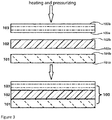
Fig. 3 is a schematic view of a method for preparing the sliding bearing according to the present invention. - The present invention will now be explained in detail with reference to specific examples, but the scope of protection of the present invention will not be limited to these examples. Any variation or substitution that a person skilled in the art will easily anticipate within the disclosure of the present invention shall be covered by the present invention. Therefore, the scope of protection of the invention shall be determined based on the scope of protection of the claims.
- Explanations and clarifications will now be made on some terms and symbols used in the present invention:
When used in the present invention, the term 'thermoplastic resin' shall refer to a resin having a property of softening when heated and hardening when cooled without any chemical reaction and maintaining the property regardless of number of times of heating and cooling performed. During formation processing, a thermoplastic resin softens and flows when pressurized and heated without causing chemical crosslinking, and is shaped in a mold to form a product of desired shape after cooling. During repeated heating, it endures generally no change in molecular structure but is degraded or decomposed when the temperature is too high or being heated for too long. - When used in the present invention, the term 'melting point'(Tm) refers to the temperature at which the thermoplastic resin is fused. In other words, it refers to the temperature at which the thermoplastic resin being solid at room temperature is melted in heat into liquid (or 'a fused state').
- When used in the present invention, the term 'fluorination treatment' refers to a treatment of modifying the surface of a substrate, so as to increase the content of fluorine in and surface energy of the surface of the substrate. Fluorination treatment can be carried out in known ways in the art, such as radiation grafting, plasma activation, chemical etching, electrostatic spraying, etc. The present invention is not limited to these ways. Any method that enables the substrate to include a suitable amount of fluorine within a certain depth from the surface can be applied to the present invention.
- When used in the present invention, the term 'roughening treatment' refers to processing on the surface of a substrate to form uneven structure on the surface, so as to increase the adhesive force of the substrate. All known methods for roughening treatment, including but not limited to sand papering, sand blasting, chemical etching, etc., can be applied to the present invention.
- When used in the present invention, the term 'surface roughness' refers to small gap and unevenness of small peak and trough of the surface of a substrate which has received roughening treatment. The smaller the surface roughness is, the smoother the surface is. Ra is a unit of measurement of surface roughness called arithmetical mean deviation of the profile or center line at the average, and is an arithmetical mean value of the height of each point on the profile within the scope of measurement length. The surface roughness Ra in the present invention is measured by a surface roughometer.
- When used in the present invention, the term 'surface treatment' refers to a processing on the surface of a substrate to improve its surface activity, so as to enhance adhesion of the substrate, etc. All known methods capable of improving surface activity of the sliding layer, including but not limited to chemical modification treatment, plasma treatment, corona treatment, flame treatment, laser radiation treatment, etc., can be applied to the present invention.
- Preferred embodiments of the present invention will be described in the following with reference to the figures.
-
Fig. 1 shows an exploded cross-sectional view of one embodiment of the sliding bearing according to the present invention. In this embodiment, the sliding bearing according to the present invention comprises abacking layer 101, abonding layer 102 and a slidinglayer 103, wherein thebacking layer 101 comprises afirst surface 101a and asecond surface 101b on the back of thefirst surface 101a. Thebonding layer 102 covers thebacking layer 101 and comprises afirst bonding surface 102a in contact with thesecond surface 101b of thebacking layer 101, and asecond bonding surface 102b on the back of thefirst bonding surface 102a. Fluorination treatment is carried out on thesecond bonding surface 102b so that thebonding layer 102 includes a fluorination-treated layer F on thesecond bonding surface 102b side. The slidinglayer 103 covers thebonding layer 102 and comprises afirst surface 103a in contact with thesecond bonding surface 102b of thebonding layer 102 and asecond surface 103b on the back of thefirst surface 103a. In the present embodiment, thebonding layer 102 is composed mainly of fluorine-free thermoplastic resin with fluorination treatment on thesecond bonding surface 102b in contact with the slidinglayer 103. The formed fluorination-treated layer F increases the content of fluorine and surface energy of the surface of thebonding layer 102 in contact with the slidinglayer 103 and further enhance its compatibility with the polytetrafluoroethylene sliding layer. As compared to a bonding layer without fluorination treatment, the bonding strength between thebonding layer 102 and the slidinglayer 103 is significantly enhanced. And, as fluorination treatment is only carried out on the surface of the bonding layer, the cost of use is lowered and impact on the environment is minimized as compared to a bonding layer formed of fluoropolymer. As compared to the embodiment as shown inFig. 2 of the present invention, in which fluorination treatment is carried out on both surfaces of the bonding layer, the present embodiment, in which the fluorination treatment is carried only on thesecond bonding surface 102b, can maintain the bonding strength of the sliding layer, while further lowering the overall fluorine content, thereby reducing cost and minimizing impact on the environment. Composition of each layer and parameters, such as thickness, of the present embodiment will be explained in detail in the following paragraphs. -
Fig. 2 shows an exploded cross-sectional view of another embodiment of the sliding bearing according to the present invention. In this embodiment, the sliding bearing according to the present invention comprises abacking layer 101, abonding layer 102 and a slidinglayer 103, wherein thebacking layer 101 comprises afirst surface 101a and asecond surface 101b on the back of thefirst surface 101a Thebonding layer 102 covers thebacking layer 101 and comprises afirst bonding surface 102a in contact with thesecond surface 101b of thebacking layer 101 and asecond bonding surface 102b on the back of thefirst bonding surface 102a. Fluorination treatment is carried out on both of thefirst bonding surface 102a and thesecond bonding surface 102b, so that thebonding layer 102 includes fluorination-treated layers F on both of thefirst bonding surface 102a side and thesecond bonding surface 102b side. The slidinglayer 103 covers thebonding layer 102 and comprises afirst surface 103a in contact with thesecond bonding surface 102b of thebonding layer 102 and asecond surface 103b on the back of thefirst surface 103a. In the present embodiment, thebonding layer 102 is composed mainly of fluorine-free thermoplastic resin with fluorination treatment on both surfaces of thebonding layer 102. The formed fluorination-treated layers F increase the content of fluorine and surface energy of the surface of thebonding layer 102 in contact with the slidinglayer 103, and further enhance its compatibility with the polytetrafluoroethylene sliding layer. As compared to a bonding layer without fluorination treatment, the bonding strength between thebonding layer 102 and the slidinglayer 103 is significantly enhanced. And, as fluorination treatment is only carried out on the surface of the bonding layer, the cost of use is lowered and impact on the environment is minimized as compared to a bonding layer formed of fluoropolymer. As compared to the embodiment as shown inFig. 1 of the present invention, the present embodiment in which fluorination treatment is carried out on both surfaces of the bonding layer is easier and provides for a simplified production process. Composition of each layer and parameters, such as thickness, of the present embodiment will be explained in detail in the following paragraphs. - The
backing layer 101 according to the present application is made of metal. The metal has not been specifically defined and can be selected from low carbon steel, stainless steel, aluminum, copper, or their alloys. - The
second surface 101b of thebacking layer 101 can be roughened to increase adhesion of thebacking layer 101 to thebonding layer 102. Roughening methods are not specifically defined and are preferably selected from known methods in the art such as sand papering, sand blasting, chemical etching, etc. After thesecond surface 101b of thebacking layer 101 is roughened, its surface roughness Ra is not specifically defined and preferably Ra=0.1-10µm, more preferably, Ra=1-5µm. The surface roughness Ra is measured by a surface roughometer (Mitutoyo SJ-310). - The thickness of the
backing layer 101 is not specifically defined and can be configured based on actual needs, such as 0.1-2mm, etc. - The
bonding layer 102 of the present application is made of fluorine-free thermoplastic resin. In addition, thebonding layer 102 can further comprise a filler. - The fluorine-free thermoplastic resin used in the
bonding layer 102 according to the present invention is not specifically defined and is acceptable, as long as its melting point (Tm) is not higher than 330°C. The thermoplastic resin can be selected from one or more of polyethylene, polypropylene, ethylene-vinyl acetate copolymer, polyurethane, polyamide, polyethylene terephthalate, polybutylene terephthalate and polyphenylene sulfide. For the purpose of better adhesion, the thermoplastic resin can be one or more of ethylene-vinyl acetate copolymer, polyurethane, polyamide and polyphenylene sulfide. - The filler used in the present invention may include a graft modified polymer, inorganic powder or a combination thereof. The graft modified polymer can be selected from one or more of anhydride grafted polyethylene, anhydride grafted polypropylene and acrylate grafted polypropylene. The inorganic powder can be selected from one or more of graphite, graphene, carbon nanotube and silicon dioxide.
- In one embodiment of the present invention, the mass fraction of the thermoplastic resin in the
bonding layer 102 is 40-100%. Within said mass fraction, not only is the bonding strength of the bonding layer excellent, but also the bonding layer film has good ductility and malleability for subsequent forming process of the bearings. - The thickness of the
bonding layer 102 can be 0.005-0.1mm. Preferably, thebonding layer 102 has a thickness of 0.02-0.06mm. When the thickness of thebonding layer 102 is 0.005-0.1mm, its bonding strength is excellent, and the cost is lower. - The method for carrying out fluorination treatment on the
bonding layer 102 is not specifically defined, and known methods of fluorination treatment in the art can be used. Preferably, the following methods can be used: Radiation grafting, plasma activation, chemical etching, electrostatic spraying, etc. - The depth of the fluorination-treated layer F of the
bonding layer 102 can be set freely based on the environment of use, bonding strength, etc. of the bearing. In one preferred embodiment of the present invention, the depth of the fluorination-treated layer F is 0.001-50µm. Preferably, the depth of the fluorination-treated layer F is 0.1-15µm. When the depth of the fluorination-treated layer F is 0.001-50µm, thebonding layer 102 has excellent bonding strength, the fluorination process is less difficult and the cost is lower. Similarly, the relative atomic concentration of fluorine in the fluorination-treated layer F of thebonding layer 102 is not specifically defined, as long as it is sufficient to enhance compatibility between the bonding layer and the sliding layer. In one preferred embodiment of the present invention, the relative atomic concentration of fluorine in the fluorination-treated layer F is 1-80%. Preferably, the relative atomic concentration of fluorine is 5-52%. When the relative atomic concentration of fluorine is 1-80%, not only is the bonding strength of thebonding layer 102 excellent, but also the cost is lower and the impact on environment is minimized. In the present invention, the depth of the fluorination-treated layer and the relative atomic concentration of fluorine are obtained by Ar etching depth profiling with X-ray photoelectron spectroscopy (XPS). The device used is ESCALAB MK II electronic spectrometer (VG, UK), with Mg Kα X ray as excitation source (Ex energy: 1253.6ec), a power of 12KV×20mA and an analyzer pass energy of 20eV. The depth profiling is carried out by Ar etching, with a vacuum energy of 3X10⁻⁶mbar, acceleration voltage of 2.5KV and current of 40µA. - The sliding
layer 103 of the present invention is mainly composed of polytetrafluoroethylene, and its mass fraction could be empirical value in the art. In one preferred embodiment of the present invention, the mass fraction of the polytetrafluoroethylene is 20-100%. Preferably, the mass fraction of the polytetrafluoroethylene is 60-90%. When the mass fraction of the polytetrafluoroethylene in the slidinglayer 103 is 20-100%, the sliding layer has a low friction coefficient, excellent abrasion resistance and lower cost. - The sliding
layer 103 of the present invention may further comprise a filler. The filler is not specifically defined and can be selected from solid lubricants, abrasion resistance improvers, reinforcements, polymers or a mixture thereof. The solid lubricants are not specifically defined and can be selected from one or more of graphite, graphite fluoride, graphene, carbon nanotube, molybdenum disulfide and tungsten disulfide. The abrasion resistance improvers are not specifically defined and can be selected from one or more of copper, plumbum, copper sulfide, zinc sulfide, barium sulfate, ferric sulfide, chromium oxide, aluminum oxide, zirconium oxide, silicon carbide, silicon nitride, boron nitride and glass beads. The reinforcements are not specifically defined and can be selected from one or more of glass fibers, carbon fibers, aramid fibers, polyether-ether-ketone fibers and polyimide fibers. The polymers are not specifically defined, and can be selected from one or more of polyamide, polyphenyl ester, polyphenylene sulfide, polyether ether ketone, polyimide, polyamide-imide, polyvinylidene fluoride, ethylene-tetrafluoroethylene copolymer, fluorinated ethylene-propylene copolymer and tetrafluoroethylene-perfluoalkoxyvinyl ether copolymer. - In one preferred embodiment, the
first surface 103a of the slidinglayer 103 of the present invention is surface treated in advance, so as to increase the adhesive force of the slidinglayer 103 to thebonding layer 102. The surface treatment method is not specifically defined and can be selected from chemical modification treatment, plasma treatment, corona treatment, flame treatment and laser radiation treatment. - The thickness of the sliding
layer 103 can be configured based on actual needs, such as 0.01-10mm. Preferably, the thickness is 0.1-1mm. when the thickness of the slidinglayer 103 is 0.01-10mm, the slidinglayer 103 has a longer service life, excellent bonding strength with thebonding layer 102, and a lower cost. - As shown in
Fig. 3 , a hot-pressing molding method is used to prepare the sliding bearing according to the present invention by heating and pressurizing thebacking layer 101, thebonding layer 102 and the slidinglayer 103, and details are as follows: - ①Performing the fluorination treatment on at least the
second bonding surface 102b of thebonding layer 102 to form a fluorination-treated layer F (not shown); - ②placing the
first bonding surface 102a of thebonding layer 102 on thesecond surface 101b of thebacking layer 101; and then placing thefirst surface 103a of the slidinglayer 103 on the fluorination-treatedsecond bonding surface 102b of the bonding layer to form a laminated assembly; - ③heating and pressurizing the
laminated assembly 100; and - ④cooling the
laminated assembly 100 in a pressurized state. - Then, the cooled
laminated assembly 100 is prepared into a sliding bearing using a conventional forming method in the art. - The sliding bearing in the present invention can be prepared with appropriate hot-pressing parameters (pressure, temperature, time, etc.) that are chosen according to the layer composition, thickness and desired bond strength, etc. of the sliding bearing according to the present invention. And for those skilled in the art, it does not require any creative effort to choose the above hot-pressing parameters.
- The applied pressure could be 0.1-10 MPa. Preferably, the applied pressure is 0.5-2 MPa.
- The heating temperature can be any temperature above the melting point of the thermoplastic resin, but no higher than 330°C. Preferably, the heating temperature is 30°C above the melting point or lower. More preferably, the heating temperature is 10°C above the melting point or lower.
- The time of heating and pressurizing can be 5-600 s. Preferably, the time of heating and pressurizing is 10-150 s. When the time of heating and pressurizing is 5-600 s, the bonding strength between the bonding layer and the sliding layer is excellent.
- The abovementioned
laminated assembly 100 can be prepared into a sliding bearing using a conventional forming method in the art, such as rolling formation. - The above preparation method can also include a roughening treatment on the
second surface 101b of thebacking layer 101, and the method of the roughening treatment can employ any aforementioned method in the present application. - The above preparation method can further comprise a surface treatment on the
first surface 103a of the slidinglayer 103 in advance. The treatment method may employ any aforementioned method in the present application. - The
substrate 100 of the prepared sliding bearing is cut into bar-shaped samples with a width of 10 mm. The slidinglayer 103 and thebacking layer 101 are peeled from each other at a speed of 20 mm/min and a peel angle of 180°. A peel strength is obtained by dividing the biggest peel force recorded by an electric universal testing machine (SUNS UTM5105) by the width of the samples. - The substrate of the sliding bearing is prepared according to the abovementioned methods in the embodiments, wherein:
Thebacking layer 101 is a low carbon steel plate with a thickness of 0.5 mm, and the surface roughness Ra of the roughening-treatedsecond surface 101b of thebacking layer 101 is 2.0 µm. - The
bonding layer 102 is a polypropylene film of a thickness of 0.03 mm and comprising 10% (mass fraction) maleic anhydride grafted polypropylene. The fluorination treatment is performed on both thefirst bonding surface 102a and thesecond bonding surface 102b of the bonding layer with a 2 µm depth of fluorination treatment and a 20% fluorine concentration. - The sliding
layer 103, with a thickness of 0.5 mm, is a polytetrafluoroethylene membrane, 5% (mass fraction) of which is graphite. A sodium-naphthalene treatment is performed on thefirst surface 103a of the slidinglayer 103. - The peel strength between the
prepared backing layer 101 and slidinglayer 103 of the sliding bearing is 1.32 N/mm. - The substrate of the sliding bearing is prepared according to the abovementioned methods in the embodiments, wherein:
Thebacking layer 101 is a low carbon steel plate with a thickness of 0.5 mm, and the surface roughness Ra of the roughening-treatedsecond surface 101b of thebacking layer 101 is 2.0 µm. - The
bonding layer 102 is a thermoplastic polyphenylene sulfide film that has a thickness of 0.02 mm. The fluorination treatment is performed on thesecond bonding surface 102b of thebonding layer 102 with a 2 µm depth of the fluorination treatment and a 10 % fluorine concentration. - The sliding
layer 103, with a thickness of 0.3 mm, is a polytetrafluoroethylene membrane, 5% (mass fraction) of which is molybdenum disulfide and 20% (mass fraction) of which is silicon carbide. A sodium-naphthalene treatment is performed on thefirst surface 103a of the slidinglayer 103. - The peel strength between the
prepared backing layer 101 and slidinglayer 103 of the sliding bearing is 3.24 N/mm. - The substrate of the sliding bearing is prepared according to the abovementioned methods in the embodiments, wherein:
Thebacking layer 101 is a low carbon steel plate with a thickness of 0.25 mm, and the surface roughness Ra of the roughening-treatedsecond surface 101b of thebacking layer 101 is 1.6 µm. - The
bonding layer 102 is a thermoplastic polyphenylene sulfide film that has a thickness of 0.02 mm. The fluorination treatment is performed on thesecond bonding surface 102b of thebonding layer 102 with a 5 µm depth of the fluorination treatment and a 22 % fluorine concentration. - The rest of Embodiment 3 is the same as Embodiment 2. The peel strength between the
prepared backing layer 101 and slidinglayer 103 of the sliding bearing is 3.52 N/mm. - The thickness of the
bonding layer 102 is 0.045 mm, the depth of the fluorination treatment is 15 µm, and the fluorine concentration is 19%. Apart from this, the rest of Embodiment 4 is the same as Embodiment 3. - The peel strength between the
prepared backing layer 101 and slidinglayer 103 of the sliding bearing is 3.10 N/mm. - In the
bonding layer 102, the depth of the fluorination treatment is 0.1 µm, and the fluorine concentration is 5%. Apart from this, the rest of Embodiment 5 is the same as Embodiment 3. - The peel strength between the
prepared backing layer 101 and slidinglayer 103 of the sliding bearing is 2.84 N/mm. - The
bonding layer 102, with a thickness of 0.045 mm, is a polyamide-6-film, 2% (mass fraction) of which is graphite. Apart from this, the rest of Embodiment 6 is the same as Embodiment 1. - The peel strength between the
prepared backing layer 101 and slidinglayer 103 of the sliding bearing is 2.12 N/mm. - The
bonding layer 102, with a thickness of 0.05 mm, is a thermoplastic polyurethane film, 2% (mass fraction) of which is silicon dioxide. Apart from this, the rest of Embodiment 7 is the same as Embodiment 1. - The peel strength between the
prepared backing layer 101 and slidinglayer 103 of the sliding bearing is 3.53 N/mm. - The bonding layer has a fluorine concentration of 52%. Apart from this, the rest of Embodiment 8 is the same as Embodiment 1.
- The peel strength between the
prepared backing layer 101 and slidinglayer 103 of the sliding bearing is 1.54 N/mm. - The fluorination treatment is not performed on either the
first bonding surface 102a or thesecond bonding surface 102b of thebonding layer 102. Apart from this, the rest of Comparative example 1 is the same as Embodiment 1. - The peel strength between the
prepared backing layer 101 and slidinglayer 103 of the sliding bearing is 0.58 N/mm. - The fluorination treatment is not performed on either the
first bonding surface 102a or thesecond bonding surface 102b of thebonding layer 102. Apart from this, the rest of Comparative example 2 is the same as Embodiment 2. - The peel strength between the
prepared backing layer 101 and slidinglayer 103 of the sliding bearing is 1.07 N/mm. - The
bonding layer 102 is an ethylene-tetrafluoroethylene copolymer with a thickness of 0.05 mm and its surface is not fluorination-treated. Apart from this, the rest of Comparative example 3 is the same as Embodiment 2. - The peel strength between the
prepared backing layer 101 and slidinglayer 103 of the sliding bearing is 1.98 N/mm. - All Embodiments and Comparative examples are incorporated into and shown in Table 1.
Table 1 Embodiments according to the invention: Comparative examples: 1 2 3 4 5 6 7 8 1 2 3 Backing layer Composition LCSP LCSP LCSP LCSP LCSP LCSP LCSP LCSP LCSP LCSP LCSP Thickness (mm) 0.5 0.5 0.25 0.25 0.25 0.5 0.5 0.5 0.5 0.5 0.5 Surface roughness degree (µm) 2.0 2.0 1.6 1.6 1.6 2.0 2.0 2.0 2.0 2.0 2.0 Bonding layer Thermoplastic resin/phr PP/90 PPS/100 PPS/100 PPS/100 PPS/100 PA-6/98 PU/98 PP/90 PP/90 PPS/100 ETFE copolymer/100 First filler/phr MA grafted PP/10 -- -- -- -- Graphite/2 Silicon dioxide/2 MA grafted PP/10 MA grafted PP/10 -- -- Thickness (mm) 0.03 0.02 0.02 0.045 0.02 0.045 0.05 0.03 0.03 0.02 0.05 FT Number of surfaces 2 1 1 1 1 2 2 2 0 0 0 Depth (µm) 2 2 5 15 0.1 2 2 2 -- -- Fluorine concentr ation (%) 20 10 22 19 5 20 20 52 -- -- Sliding layer PTFE/phr 95 75 75 75 75 95 95 95 95 75 75 Second filler/phr Graphite /5 MoS2/5+ SiC/20 MoS2/5+ SiC/20 MoS2/5+ SiC/20 MoS2/5+ SiC/20 Graphite/5 Graphite /5 Graphite/ 5 Graphite/ 5 MoS2/5+ SiC/20 MoS2/5+ SiC/20 Thickness (mm) 0.5 0.3 0.3 0.3 0.3 0.5 0.5 0.5 0.5 0.3 0.3 Assessment Peel strength (N/mm) 1.32 3.24 3.52 3.10 2.84 2.12 3.53 1.54 0.58 1.07 1.98 - The meanings of the abbreviations in table 1 are as follows:
- LCSP:
- Low carbon steel plate
- phr:
- Parts per hundred
- PP:
- Polypropylene
- PPS:
- Polyphenylene sulfide
- MA:
- Maleinic anhydride
- PA:
- Polyamide
- PU:
- Polyurethan
- ETFE:
- Ethylene-tetrafluoroethylene
- PTFE:
- Polytetrafluoroethylene
- FT:
- Fluorination Treatment
- MoS2:
- Modybdenum disulfide
- SiC:
- Silicon carbide
- It is evident from the above Embodiments and Comparative examples that in the present invention, the bonding layer containing a fluorination-treated layer and the sliding layer have a bond strength between them that is significantly increased as compared to with a bonding layer that is not fluorination-treated, and have an equal or better peel strength as compared a bonding layer composed of a fluorine-containing polymer. The sliding bearing of the present invention, on the condition that the effective combination between the sliding layer and the backing layer is secured, uses a bonding layer that is an ordinary thermoplastic film only containing an appropriate amount of fluorine within a certain depth range under its surface, thereby costs are reduced as compared with the use of expensive fluorine-containing polymer as the bonding layer. Moreover, the realization of low fluorine content of the bonding layer abates environment pollution. Additionally, the preparation method of the sliding bearing in the present invention is easy, and can be applied to industrial production.
Claims (14)
- A sliding bearing, comprising:A backing layer (101) comprising a first surface (101a) and a second surface (101b) on the back of the first surface (101a);a bonding layer (102) covering the backing layer (101) and comprising a first bonding surface (102a) in contact with the second surface (101b) of the backing layer (101) and a second bonding surface (102b) on the back of the first bonding surface (102a); anda sliding layer (103) covering the bonding layer (102) and comprising a first surface (103a) in contact with the second bonding surface (102b) of the bonding layer (102) and a second surface (103b) on the back of the first surface (103a) of the sliding layer (103),wherein,the bonding layer (102) comprises fluorine-free thermoplastic resin and at least a fluorination-treated layer (F) formed by a fluorination treatment on the second bonding surface (102b); andthe sliding layer (103) comprises polytetrafluoroethylene.
- The sliding bearing as described in claim 1, wherein the bonding layer (102) further comprises a fluorination-treated layer (F) formed by a fluorination treatment on the first bonding surface (102a).
- The sliding bearing as described in claim 1 or 2, wherein the fluorination-treated layer (F) has a depth of 0.001-50µm, preferably of 0.1-15µm.
- The sliding bearing as described in claim 1 or 2, wherein fluorine in the fluorination-treated layer (F) has a relative atomic concentration of 1-80%, the concentration of the fluorine being obtained through analysis by an X-ray photoelectron spectrometer, preferably the fluorine has a relative atomic concentration of 5-52%.
- The sliding bearing as described in claim 1 or 2, wherein the thermoplastic resin has a melting point of 330°C or lower.
- The sliding bearing as described in claim 1 or 2, wherein the thermoplastic resin is selected from one or more of polyethylene, polypropylene, ethylene-vinyl acetate copolymer, polyurethane, polyamide, polyethylene terephthalate, polybutylene terephthalate and polyphenylene sulfide, preferably the thermoplastic resin is selected from one or more of ethylene-vinyl acetate copolymer, polyurethane, polyamide and polyphenylene sulfide.
- The sliding bearing as described in claim 1 or 2, wherein mass fraction of the thermoplastic resin in the bonding layer (102) is 40-100%.
- The sliding bearing as described in claim 1 or 2, wherein the bonding layer (102) further comprises a first filler selected from a graft modified polymer, inorganic powder or a combination thereof, the graft modified polymer being selected from one or more of anhydride grafted polyethylene, anhydride grafted polypropylene and acrylate grafted polypropylene, the inorganic powder being selected from one or more of graphite, graphene, carbon nanotube and silicon dioxide.
- The sliding bearing as described in claim 1 or 2, wherein the bonding layer (102) has a thickness of 0.005-0.1mm, preferably of 0.02-0.06mm.
- The sliding bearing as described in claim 1 or 2, wherein mass fraction of the polytetrafluoroethylene in the sliding layer (103) is 20-100%, preferably 60-90%.
- The sliding bearing as described in claim 1 or 2, wherein the sliding layer (103) further comprises a second filler selected from solid lubricants, abrasion resistance improvers, reinforcements, polymers, or a mixture thereof; the solid lubricants being selected from one or more of graphite, graphite fluoride, graphene, carbon nanotube, molybdenum disulfide and tungsten disulfide; the abrasion resistance improvers being selected from one or more of copper, plumbum, copper sulfide, zinc sulfide, barium sulfate, ferric sulfide, chromium oxide, aluminum oxide, zirconium oxide, silicon carbide, silicon nitride, boron nitride and glass beads; the reinforcements being selected from one or more of glass fibers, carbon fibers, aramid fibers, polyether-ether-ketone fibers and polyimide fibers; the polymers being selected from one or more of polyamide, polyphenyl ester, polyphenylene sulfide, polyether ether ketone, polyimide, polyamide-imide, polyvinylidene fluoride, ethylene-tetrafluoroethylene copolymer, fluorinated ethylene-propylene copolymer and tetrafluoroethylene-perfluoalkoxyvinyl ether copolymer.
- The sliding bearing as described in claim 1 or 2, wherein the first surface of the sliding layer (103) is a surface subjected to a surface treatment.
- The sliding bearing as described in claim 12, wherein the surface treatment includes chemical modification treatment, plasma treatment, corona treatment, flame treatment and laser radiation treatment.
- A method for preparing the sliding bearing as described in any one of claims 1-13, the method comprising:Performing the fluorination treatment on at least the second bonding surface (102b) of the bonding layer (102);placing the first bonding surface (102a) of the bonding layer (102) on the second surface (101b) of the backing layer (101), and then placing the first surface (103a) of the sliding layer (103) on the second bonding surface (102b) of the bonding layer (102) to form a laminated assembly;heating and pressurizing the laminated assembly; andcooling the laminated assembly in a pressurized state.
Applications Claiming Priority (1)
| Application Number | Priority Date | Filing Date | Title |
|---|---|---|---|
| CN201811589887.7A CN111365373B (en) | 2018-12-25 | 2018-12-25 | Sliding bearing and method for preparing the same |
Publications (2)
| Publication Number | Publication Date |
|---|---|
| EP3674573A1 true EP3674573A1 (en) | 2020-07-01 |
| EP3674573B1 EP3674573B1 (en) | 2021-01-13 |
Family
ID=66685478
Family Applications (1)
| Application Number | Title | Priority Date | Filing Date |
|---|---|---|---|
| EP19177738.2A Active EP3674573B1 (en) | 2018-12-25 | 2019-05-31 | A sliding bearing and a method for manufacturing the same |
Country Status (6)
| Country | Link |
|---|---|
| US (1) | US10871190B2 (en) |
| EP (1) | EP3674573B1 (en) |
| JP (1) | JP7257270B2 (en) |
| KR (1) | KR102868483B1 (en) |
| CN (1) | CN111365373B (en) |
| ES (1) | ES2862302T3 (en) |
Families Citing this family (9)
| Publication number | Priority date | Publication date | Assignee | Title |
|---|---|---|---|---|
| US11499076B2 (en) * | 2020-03-13 | 2022-11-15 | Nautilus Solutions, Llc | Bearings and components thereof comprising a hot-melt pressure sensitive adhesive and methods of their preparation |
| CN112092390A (en) * | 2020-08-13 | 2020-12-18 | 上海市轴承技术研究所 | Preparation method of self-lubricating liner and self-lubricating liner |
| CN113500834B (en) * | 2021-04-08 | 2023-04-28 | 中山新高电子材料股份有限公司 | Fluorine-based flexible copper-clad plate with high peel strength and preparation method thereof |
| CN113248852B (en) * | 2021-07-15 | 2021-09-21 | 北京石墨烯技术研究院有限公司 | Modified polytetrafluoroethylene composite material, preparation method thereof and sealing element |
| JPWO2023033066A1 (en) * | 2021-08-31 | 2023-03-09 | ||
| CN115789075A (en) * | 2022-10-26 | 2023-03-14 | 浙江中达精密部件股份有限公司 | Polyether-ether-ketone-based sliding bearing |
| CN116638706A (en) * | 2023-05-31 | 2023-08-25 | 浙江长盛塑料轴承技术有限公司 | Sliding bearing manufacturing method and sliding bearing |
| CN116874958A (en) * | 2023-07-20 | 2023-10-13 | 江苏希西维轴承有限公司 | Universal metal plastic three-layer composite material suitable for various lubrication conditions and preparation method thereof |
| CN119042241A (en) * | 2024-09-27 | 2024-11-29 | 浙江金泰密封科技股份有限公司 | Self-lubricating bearing based on self-lubricating phenolic material and preparation method thereof |
Citations (4)
| Publication number | Priority date | Publication date | Assignee | Title |
|---|---|---|---|---|
| EP1245657A1 (en) * | 1999-09-08 | 2002-10-02 | Daikin Industries, Ltd. | Fluorochemical adhesive material and layered product obtained with the same |
| US20120128280A1 (en) * | 2010-11-19 | 2012-05-24 | Saint-Gobain Performance Plastics Corporation | Adhesive Film for Bushings |
| US8931957B2 (en) | 2007-08-24 | 2015-01-13 | Ggb, Inc. | Metal-backed plain bearing |
| EP3330581A1 (en) * | 2015-07-28 | 2018-06-06 | Eagle Industry Co., Ltd. | Sliding member and production method for sliding member |
Family Cites Families (13)
| Publication number | Priority date | Publication date | Assignee | Title |
|---|---|---|---|---|
| JPS5891728A (en) * | 1981-11-27 | 1983-05-31 | Daikin Ind Ltd | Polyimide or polyamideimide film having fluorine-treated surface and its bonding |
| JP3590415B2 (en) * | 1992-09-25 | 2004-11-17 | オイレス工業株式会社 | Resin composition for sliding member and multilayer sliding member |
| JP3623741B2 (en) * | 2001-02-19 | 2005-02-23 | 大同メタル工業株式会社 | Slide bearing and manufacturing method thereof |
| AT503986B1 (en) * | 2006-08-02 | 2008-05-15 | Miba Gleitlager Gmbh | LAYER LAYER FOR A BEARING ELEMENT |
| PL2139675T5 (en) * | 2007-04-20 | 2025-10-13 | Saint-Gobain Performance Plastics Pampus Gmbh | Maintenance-free plain bearing |
| DE102008049747A1 (en) * | 2008-09-30 | 2010-04-01 | Saint-Gobain Performance Plastics Pampus Gmbh | Vibration-damping plain bearing composite material and plain bearing bush and plain bearing arrangement |
| US8944690B2 (en) * | 2009-08-28 | 2015-02-03 | Saint-Gobain Performance Plastics Pampus Gmbh | Corrosion resistant bushing |
| US9297416B2 (en) | 2011-04-29 | 2016-03-29 | Saint-Gobain Performance Plastics Pampus Gmbh | Maintenance-free slide bearing with FEP or PFA in the adhesive layer |
| WO2014049137A1 (en) | 2012-09-28 | 2014-04-03 | Saint-Gobain Performance Plastics Pampus Gmbh | Maintenance-free slide bearing with a combined adhesive sliding layer |
| JP6144667B2 (en) * | 2014-12-25 | 2017-06-07 | トヨタ自動車株式会社 | Sliding member and manufacturing method thereof |
| DE112016002179T5 (en) * | 2015-05-14 | 2018-01-25 | Sumitomo Electric Fine Polymer, Inc. | Adhesive reinforcing layer, sliding member and method for producing an adhesive reinforcing layer |
| JP7109004B2 (en) * | 2018-12-06 | 2022-07-29 | 日本電信電話株式会社 | Estimation device, estimation method, and program |
| CN210050204U (en) * | 2018-12-25 | 2020-02-11 | 浙江中达精密部件股份有限公司 | Plain bearing |
-
2018
- 2018-12-25 CN CN201811589887.7A patent/CN111365373B/en active Active
-
2019
- 2019-05-31 ES ES19177738T patent/ES2862302T3/en active Active
- 2019-05-31 EP EP19177738.2A patent/EP3674573B1/en active Active
- 2019-06-03 KR KR1020190065329A patent/KR102868483B1/en active Active
- 2019-06-18 JP JP2019112616A patent/JP7257270B2/en active Active
- 2019-07-09 US US16/505,946 patent/US10871190B2/en active Active
Patent Citations (4)
| Publication number | Priority date | Publication date | Assignee | Title |
|---|---|---|---|---|
| EP1245657A1 (en) * | 1999-09-08 | 2002-10-02 | Daikin Industries, Ltd. | Fluorochemical adhesive material and layered product obtained with the same |
| US8931957B2 (en) | 2007-08-24 | 2015-01-13 | Ggb, Inc. | Metal-backed plain bearing |
| US20120128280A1 (en) * | 2010-11-19 | 2012-05-24 | Saint-Gobain Performance Plastics Corporation | Adhesive Film for Bushings |
| EP3330581A1 (en) * | 2015-07-28 | 2018-06-06 | Eagle Industry Co., Ltd. | Sliding member and production method for sliding member |
Also Published As
| Publication number | Publication date |
|---|---|
| JP2020106146A (en) | 2020-07-09 |
| EP3674573B1 (en) | 2021-01-13 |
| JP7257270B2 (en) | 2023-04-13 |
| KR102868483B1 (en) | 2025-10-02 |
| CN111365373B (en) | 2024-07-12 |
| ES2862302T3 (en) | 2021-10-07 |
| US10871190B2 (en) | 2020-12-22 |
| KR20200079409A (en) | 2020-07-03 |
| CN111365373A (en) | 2020-07-03 |
| US20200200219A1 (en) | 2020-06-25 |
Similar Documents
| Publication | Publication Date | Title |
|---|---|---|
| EP3674573B1 (en) | A sliding bearing and a method for manufacturing the same | |
| EP2798099B1 (en) | A multi-layer composite including a fluoropolymer surface and a non-fluorinated polymer transition layer | |
| RU2438877C2 (en) | Plain bearing and method of its production | |
| KR20150006891A (en) | Cast fluoropolymer film for bushings | |
| JP6626526B2 (en) | Laminate with fluoropolymer fabric | |
| US20140050859A1 (en) | Method for making a bearing having a self-lubricating surface coating | |
| EP2188540B1 (en) | Metal-backed plain bearing | |
| CN103998237A (en) | Polymer coating on substrates using thermal spray techniques | |
| EP3104029A1 (en) | Plain bearing | |
| CN106660324A (en) | Corrosion-resistant bushing | |
| JP2014046673A (en) | Slide member | |
| EP3631108A1 (en) | Structural support, manufacturing process | |
| KR101083107B1 (en) | Boreable plain bearing material | |
| JPH0988851A (en) | Manufacture of scroll member of displacement compressor | |
| JP6934745B2 (en) | Sliding parts and manufacturing method of sliding parts | |
| EP2832518A1 (en) | Resin-releasing jig | |
| KR101910155B1 (en) | Method for manufacturing surface contact bearing with carbon fiber fabric - fluoride resin composite | |
| JP2015067645A (en) | Mixed resin composition, mixed resin molding, and mixed resin coated material | |
| CN210050204U (en) | Plain bearing | |
| JP2015189053A (en) | Resin-coated article | |
| EP4074999B1 (en) | SLIDING ELEMENT AND METHOD FOR PRODUCING THE SAME | |
| EP1809708B1 (en) | Method for thermo chemical treatment and non-continuous coating obtained thereby | |
| SU235664A1 (en) |
Legal Events
| Date | Code | Title | Description |
|---|---|---|---|
| PUAI | Public reference made under article 153(3) epc to a published international application that has entered the european phase |
Free format text: ORIGINAL CODE: 0009012 |
|
| STAA | Information on the status of an ep patent application or granted ep patent |
Free format text: STATUS: REQUEST FOR EXAMINATION WAS MADE |
|
| 17P | Request for examination filed |
Effective date: 20200313 |
|
| AK | Designated contracting states |
Kind code of ref document: A1 Designated state(s): AL AT BE BG CH CY CZ DE DK EE ES FI FR GB GR HR HU IE IS IT LI LT LU LV MC MK MT NL NO PL PT RO RS SE SI SK SM TR |
|
| AX | Request for extension of the european patent |
Extension state: BA ME |
|
| STAA | Information on the status of an ep patent application or granted ep patent |
Free format text: STATUS: EXAMINATION IS IN PROGRESS |
|
| 17Q | First examination report despatched |
Effective date: 20200911 |
|
| GRAP | Despatch of communication of intention to grant a patent |
Free format text: ORIGINAL CODE: EPIDOSNIGR1 |
|
| STAA | Information on the status of an ep patent application or granted ep patent |
Free format text: STATUS: GRANT OF PATENT IS INTENDED |
|
| GRAS | Grant fee paid |
Free format text: ORIGINAL CODE: EPIDOSNIGR3 |
|
| INTG | Intention to grant announced |
Effective date: 20201112 |
|
| GRAA | (expected) grant |
Free format text: ORIGINAL CODE: 0009210 |
|
| STAA | Information on the status of an ep patent application or granted ep patent |
Free format text: STATUS: THE PATENT HAS BEEN GRANTED |
|
| AK | Designated contracting states |
Kind code of ref document: B1 Designated state(s): AL AT BE BG CH CY CZ DE DK EE ES FI FR GB GR HR HU IE IS IT LI LT LU LV MC MK MT NL NO PL PT RO RS SE SI SK SM TR |
|
| REG | Reference to a national code |
Ref country code: GB Ref legal event code: FG4D |
|
| REG | Reference to a national code |
Ref country code: CH Ref legal event code: EP |
|
| REG | Reference to a national code |
Ref country code: IE Ref legal event code: FG4D |
|
| REG | Reference to a national code |
Ref country code: DE Ref legal event code: R096 Ref document number: 602019002152 Country of ref document: DE |
|
| REG | Reference to a national code |
Ref country code: AT Ref legal event code: REF Ref document number: 1354796 Country of ref document: AT Kind code of ref document: T Effective date: 20210215 |
|
| REG | Reference to a national code |
Ref country code: AT Ref legal event code: MK05 Ref document number: 1354796 Country of ref document: AT Kind code of ref document: T Effective date: 20210113 |
|
| REG | Reference to a national code |
Ref country code: NL Ref legal event code: MP Effective date: 20210113 |
|
| REG | Reference to a national code |
Ref country code: LT Ref legal event code: MG9D |
|
| PG25 | Lapsed in a contracting state [announced via postgrant information from national office to epo] |
Ref country code: HR Free format text: LAPSE BECAUSE OF FAILURE TO SUBMIT A TRANSLATION OF THE DESCRIPTION OR TO PAY THE FEE WITHIN THE PRESCRIBED TIME-LIMIT Effective date: 20210113 Ref country code: BG Free format text: LAPSE BECAUSE OF FAILURE TO SUBMIT A TRANSLATION OF THE DESCRIPTION OR TO PAY THE FEE WITHIN THE PRESCRIBED TIME-LIMIT Effective date: 20210413 Ref country code: FI Free format text: LAPSE BECAUSE OF FAILURE TO SUBMIT A TRANSLATION OF THE DESCRIPTION OR TO PAY THE FEE WITHIN THE PRESCRIBED TIME-LIMIT Effective date: 20210113 Ref country code: GR Free format text: LAPSE BECAUSE OF FAILURE TO SUBMIT A TRANSLATION OF THE DESCRIPTION OR TO PAY THE FEE WITHIN THE PRESCRIBED TIME-LIMIT Effective date: 20210414 Ref country code: NO Free format text: LAPSE BECAUSE OF FAILURE TO SUBMIT A TRANSLATION OF THE DESCRIPTION OR TO PAY THE FEE WITHIN THE PRESCRIBED TIME-LIMIT Effective date: 20210413 Ref country code: PT Free format text: LAPSE BECAUSE OF FAILURE TO SUBMIT A TRANSLATION OF THE DESCRIPTION OR TO PAY THE FEE WITHIN THE PRESCRIBED TIME-LIMIT Effective date: 20210513 Ref country code: LT Free format text: LAPSE BECAUSE OF FAILURE TO SUBMIT A TRANSLATION OF THE DESCRIPTION OR TO PAY THE FEE WITHIN THE PRESCRIBED TIME-LIMIT Effective date: 20210113 |
|
| PG25 | Lapsed in a contracting state [announced via postgrant information from national office to epo] |
Ref country code: SE Free format text: LAPSE BECAUSE OF FAILURE TO SUBMIT A TRANSLATION OF THE DESCRIPTION OR TO PAY THE FEE WITHIN THE PRESCRIBED TIME-LIMIT Effective date: 20210113 Ref country code: RS Free format text: LAPSE BECAUSE OF FAILURE TO SUBMIT A TRANSLATION OF THE DESCRIPTION OR TO PAY THE FEE WITHIN THE PRESCRIBED TIME-LIMIT Effective date: 20210113 Ref country code: AT Free format text: LAPSE BECAUSE OF FAILURE TO SUBMIT A TRANSLATION OF THE DESCRIPTION OR TO PAY THE FEE WITHIN THE PRESCRIBED TIME-LIMIT Effective date: 20210113 Ref country code: LV Free format text: LAPSE BECAUSE OF FAILURE TO SUBMIT A TRANSLATION OF THE DESCRIPTION OR TO PAY THE FEE WITHIN THE PRESCRIBED TIME-LIMIT Effective date: 20210113 Ref country code: PL Free format text: LAPSE BECAUSE OF FAILURE TO SUBMIT A TRANSLATION OF THE DESCRIPTION OR TO PAY THE FEE WITHIN THE PRESCRIBED TIME-LIMIT Effective date: 20210113 |
|
| PG25 | Lapsed in a contracting state [announced via postgrant information from national office to epo] |
Ref country code: IS Free format text: LAPSE BECAUSE OF FAILURE TO SUBMIT A TRANSLATION OF THE DESCRIPTION OR TO PAY THE FEE WITHIN THE PRESCRIBED TIME-LIMIT Effective date: 20210513 |
|
| REG | Reference to a national code |
Ref country code: ES Ref legal event code: FG2A Ref document number: 2862302 Country of ref document: ES Kind code of ref document: T3 Effective date: 20211007 |
|
| REG | Reference to a national code |
Ref country code: DE Ref legal event code: R097 Ref document number: 602019002152 Country of ref document: DE |
|
| PG25 | Lapsed in a contracting state [announced via postgrant information from national office to epo] |
Ref country code: SM Free format text: LAPSE BECAUSE OF FAILURE TO SUBMIT A TRANSLATION OF THE DESCRIPTION OR TO PAY THE FEE WITHIN THE PRESCRIBED TIME-LIMIT Effective date: 20210113 Ref country code: CZ Free format text: LAPSE BECAUSE OF FAILURE TO SUBMIT A TRANSLATION OF THE DESCRIPTION OR TO PAY THE FEE WITHIN THE PRESCRIBED TIME-LIMIT Effective date: 20210113 Ref country code: EE Free format text: LAPSE BECAUSE OF FAILURE TO SUBMIT A TRANSLATION OF THE DESCRIPTION OR TO PAY THE FEE WITHIN THE PRESCRIBED TIME-LIMIT Effective date: 20210113 |
|
| PLBE | No opposition filed within time limit |
Free format text: ORIGINAL CODE: 0009261 |
|
| STAA | Information on the status of an ep patent application or granted ep patent |
Free format text: STATUS: NO OPPOSITION FILED WITHIN TIME LIMIT |
|
| PG25 | Lapsed in a contracting state [announced via postgrant information from national office to epo] |
Ref country code: DK Free format text: LAPSE BECAUSE OF FAILURE TO SUBMIT A TRANSLATION OF THE DESCRIPTION OR TO PAY THE FEE WITHIN THE PRESCRIBED TIME-LIMIT Effective date: 20210113 Ref country code: SK Free format text: LAPSE BECAUSE OF FAILURE TO SUBMIT A TRANSLATION OF THE DESCRIPTION OR TO PAY THE FEE WITHIN THE PRESCRIBED TIME-LIMIT Effective date: 20210113 Ref country code: RO Free format text: LAPSE BECAUSE OF FAILURE TO SUBMIT A TRANSLATION OF THE DESCRIPTION OR TO PAY THE FEE WITHIN THE PRESCRIBED TIME-LIMIT Effective date: 20210113 |
|
| 26N | No opposition filed |
Effective date: 20211014 |
|
| PG25 | Lapsed in a contracting state [announced via postgrant information from national office to epo] |
Ref country code: LU Free format text: LAPSE BECAUSE OF NON-PAYMENT OF DUE FEES Effective date: 20210531 Ref country code: AL Free format text: LAPSE BECAUSE OF FAILURE TO SUBMIT A TRANSLATION OF THE DESCRIPTION OR TO PAY THE FEE WITHIN THE PRESCRIBED TIME-LIMIT Effective date: 20210113 Ref country code: MC Free format text: LAPSE BECAUSE OF FAILURE TO SUBMIT A TRANSLATION OF THE DESCRIPTION OR TO PAY THE FEE WITHIN THE PRESCRIBED TIME-LIMIT Effective date: 20210113 |
|
| REG | Reference to a national code |
Ref country code: BE Ref legal event code: MM Effective date: 20210531 |
|
| PG25 | Lapsed in a contracting state [announced via postgrant information from national office to epo] |
Ref country code: IE Free format text: LAPSE BECAUSE OF NON-PAYMENT OF DUE FEES Effective date: 20210531 |
|
| PG25 | Lapsed in a contracting state [announced via postgrant information from national office to epo] |
Ref country code: IS Free format text: LAPSE BECAUSE OF FAILURE TO SUBMIT A TRANSLATION OF THE DESCRIPTION OR TO PAY THE FEE WITHIN THE PRESCRIBED TIME-LIMIT Effective date: 20210513 |
|
| PG25 | Lapsed in a contracting state [announced via postgrant information from national office to epo] |
Ref country code: BE Free format text: LAPSE BECAUSE OF NON-PAYMENT OF DUE FEES Effective date: 20210531 |
|
| REG | Reference to a national code |
Ref country code: CH Ref legal event code: PL |
|
| PG25 | Lapsed in a contracting state [announced via postgrant information from national office to epo] |
Ref country code: LI Free format text: LAPSE BECAUSE OF NON-PAYMENT OF DUE FEES Effective date: 20220531 Ref country code: CH Free format text: LAPSE BECAUSE OF NON-PAYMENT OF DUE FEES Effective date: 20220531 |
|
| PG25 | Lapsed in a contracting state [announced via postgrant information from national office to epo] |
Ref country code: NL Free format text: LAPSE BECAUSE OF NON-PAYMENT OF DUE FEES Effective date: 20210113 Ref country code: CY Free format text: LAPSE BECAUSE OF FAILURE TO SUBMIT A TRANSLATION OF THE DESCRIPTION OR TO PAY THE FEE WITHIN THE PRESCRIBED TIME-LIMIT Effective date: 20210113 |
|
| PG25 | Lapsed in a contracting state [announced via postgrant information from national office to epo] |
Ref country code: HU Free format text: LAPSE BECAUSE OF FAILURE TO SUBMIT A TRANSLATION OF THE DESCRIPTION OR TO PAY THE FEE WITHIN THE PRESCRIBED TIME-LIMIT; INVALID AB INITIO Effective date: 20190531 |
|
| PG25 | Lapsed in a contracting state [announced via postgrant information from national office to epo] |
Ref country code: SI Free format text: LAPSE BECAUSE OF FAILURE TO SUBMIT A TRANSLATION OF THE DESCRIPTION OR TO PAY THE FEE WITHIN THE PRESCRIBED TIME-LIMIT Effective date: 20210113 |
|
| GBPC | Gb: european patent ceased through non-payment of renewal fee |
Effective date: 20230531 |
|
| PG25 | Lapsed in a contracting state [announced via postgrant information from national office to epo] |
Ref country code: MK Free format text: LAPSE BECAUSE OF FAILURE TO SUBMIT A TRANSLATION OF THE DESCRIPTION OR TO PAY THE FEE WITHIN THE PRESCRIBED TIME-LIMIT Effective date: 20210113 Ref country code: GB Free format text: LAPSE BECAUSE OF NON-PAYMENT OF DUE FEES Effective date: 20230531 |
|
| PG25 | Lapsed in a contracting state [announced via postgrant information from national office to epo] |
Ref country code: MT Free format text: LAPSE BECAUSE OF FAILURE TO SUBMIT A TRANSLATION OF THE DESCRIPTION OR TO PAY THE FEE WITHIN THE PRESCRIBED TIME-LIMIT Effective date: 20210113 |
|
| PGFP | Annual fee paid to national office [announced via postgrant information from national office to epo] |
Ref country code: DE Payment date: 20250331 Year of fee payment: 7 |
|
| PGFP | Annual fee paid to national office [announced via postgrant information from national office to epo] |
Ref country code: ES Payment date: 20250612 Year of fee payment: 7 |
|
| PG25 | Lapsed in a contracting state [announced via postgrant information from national office to epo] |
Ref country code: TR Free format text: LAPSE BECAUSE OF FAILURE TO SUBMIT A TRANSLATION OF THE DESCRIPTION OR TO PAY THE FEE WITHIN THE PRESCRIBED TIME-LIMIT Effective date: 20210113 |
|
| PGFP | Annual fee paid to national office [announced via postgrant information from national office to epo] |
Ref country code: IT Payment date: 20260320 Year of fee payment: 8 |
|
| PGFP | Annual fee paid to national office [announced via postgrant information from national office to epo] |
Ref country code: FR Payment date: 20260323 Year of fee payment: 8 |