EP3674909B1 - Datentransaktionverarbeitungsverfahren, vorrichtung und elektronische vorrichtung - Google Patents
Datentransaktionverarbeitungsverfahren, vorrichtung und elektronische vorrichtung Download PDFInfo
- Publication number
- EP3674909B1 EP3674909B1 EP18847869.7A EP18847869A EP3674909B1 EP 3674909 B1 EP3674909 B1 EP 3674909B1 EP 18847869 A EP18847869 A EP 18847869A EP 3674909 B1 EP3674909 B1 EP 3674909B1
- Authority
- EP
- European Patent Office
- Prior art keywords
- transaction
- data
- database
- client
- partition
- Prior art date
- Legal status (The legal status is an assumption and is not a legal conclusion. Google has not performed a legal analysis and makes no representation as to the accuracy of the status listed.)
- Active
Links
Images




Classifications
-
- G—PHYSICS
- G06—COMPUTING OR CALCULATING; COUNTING
- G06F—ELECTRIC DIGITAL DATA PROCESSING
- G06F16/00—Information retrieval; Database structures therefor; File system structures therefor
- G06F16/10—File systems; File servers
- G06F16/18—File system types
- G06F16/1865—Transactional file systems
-
- G—PHYSICS
- G06—COMPUTING OR CALCULATING; COUNTING
- G06Q—INFORMATION AND COMMUNICATION TECHNOLOGY [ICT] SPECIALLY ADAPTED FOR ADMINISTRATIVE, COMMERCIAL, FINANCIAL, MANAGERIAL OR SUPERVISORY PURPOSES; SYSTEMS OR METHODS SPECIALLY ADAPTED FOR ADMINISTRATIVE, COMMERCIAL, FINANCIAL, MANAGERIAL OR SUPERVISORY PURPOSES, NOT OTHERWISE PROVIDED FOR
- G06Q30/00—Commerce
- G06Q30/06—Buying, selling or leasing transactions
- G06Q30/0601—Electronic shopping [e-shopping]
-
- G—PHYSICS
- G06—COMPUTING OR CALCULATING; COUNTING
- G06F—ELECTRIC DIGITAL DATA PROCESSING
- G06F16/00—Information retrieval; Database structures therefor; File system structures therefor
- G06F16/20—Information retrieval; Database structures therefor; File system structures therefor of structured data, e.g. relational data
- G06F16/21—Design, administration or maintenance of databases
-
- G—PHYSICS
- G06—COMPUTING OR CALCULATING; COUNTING
- G06F—ELECTRIC DIGITAL DATA PROCESSING
- G06F16/00—Information retrieval; Database structures therefor; File system structures therefor
- G06F16/10—File systems; File servers
- G06F16/16—File or folder operations, e.g. details of user interfaces specifically adapted to file systems
- G06F16/162—Delete operations
-
- G—PHYSICS
- G06—COMPUTING OR CALCULATING; COUNTING
- G06F—ELECTRIC DIGITAL DATA PROCESSING
- G06F16/00—Information retrieval; Database structures therefor; File system structures therefor
- G06F16/10—File systems; File servers
- G06F16/16—File or folder operations, e.g. details of user interfaces specifically adapted to file systems
- G06F16/168—Details of user interfaces specifically adapted to file systems, e.g. browsing and visualisation, 2d or 3d GUIs
-
- G—PHYSICS
- G06—COMPUTING OR CALCULATING; COUNTING
- G06F—ELECTRIC DIGITAL DATA PROCESSING
- G06F16/00—Information retrieval; Database structures therefor; File system structures therefor
- G06F16/10—File systems; File servers
- G06F16/17—Details of further file system functions
- G06F16/1734—Details of monitoring file system events, e.g. by the use of hooks, filter drivers, logs
-
- G—PHYSICS
- G06—COMPUTING OR CALCULATING; COUNTING
- G06F—ELECTRIC DIGITAL DATA PROCESSING
- G06F16/00—Information retrieval; Database structures therefor; File system structures therefor
- G06F16/10—File systems; File servers
- G06F16/18—File system types
- G06F16/182—Distributed file systems
-
- G—PHYSICS
- G06—COMPUTING OR CALCULATING; COUNTING
- G06F—ELECTRIC DIGITAL DATA PROCESSING
- G06F16/00—Information retrieval; Database structures therefor; File system structures therefor
- G06F16/20—Information retrieval; Database structures therefor; File system structures therefor of structured data, e.g. relational data
- G06F16/22—Indexing; Data structures therefor; Storage structures
- G06F16/2282—Tablespace storage structures; Management thereof
-
- G—PHYSICS
- G06—COMPUTING OR CALCULATING; COUNTING
- G06F—ELECTRIC DIGITAL DATA PROCESSING
- G06F16/00—Information retrieval; Database structures therefor; File system structures therefor
- G06F16/20—Information retrieval; Database structures therefor; File system structures therefor of structured data, e.g. relational data
- G06F16/23—Updating
- G06F16/2308—Concurrency control
- G06F16/2336—Pessimistic concurrency control approaches, e.g. locking or multiple versions without time stamps
- G06F16/2343—Locking methods, e.g. distributed locking or locking implementation details
-
- G—PHYSICS
- G06—COMPUTING OR CALCULATING; COUNTING
- G06F—ELECTRIC DIGITAL DATA PROCESSING
- G06F16/00—Information retrieval; Database structures therefor; File system structures therefor
- G06F16/20—Information retrieval; Database structures therefor; File system structures therefor of structured data, e.g. relational data
- G06F16/25—Integrating or interfacing systems involving database management systems
-
- G—PHYSICS
- G06—COMPUTING OR CALCULATING; COUNTING
- G06F—ELECTRIC DIGITAL DATA PROCESSING
- G06F16/00—Information retrieval; Database structures therefor; File system structures therefor
- G06F16/20—Information retrieval; Database structures therefor; File system structures therefor of structured data, e.g. relational data
- G06F16/25—Integrating or interfacing systems involving database management systems
- G06F16/252—Integrating or interfacing systems involving database management systems between a Database Management System and a front-end application
-
- G—PHYSICS
- G06—COMPUTING OR CALCULATING; COUNTING
- G06F—ELECTRIC DIGITAL DATA PROCESSING
- G06F16/00—Information retrieval; Database structures therefor; File system structures therefor
- G06F16/20—Information retrieval; Database structures therefor; File system structures therefor of structured data, e.g. relational data
- G06F16/27—Replication, distribution or synchronisation of data between databases or within a distributed database system; Distributed database system architectures therefor
-
- G—PHYSICS
- G06—COMPUTING OR CALCULATING; COUNTING
- G06F—ELECTRIC DIGITAL DATA PROCESSING
- G06F21/00—Security arrangements for protecting computers, components thereof, programs or data against unauthorised activity
- G06F21/60—Protecting data
- G06F21/62—Protecting access to data via a platform, e.g. using keys or access control rules
- G06F21/6218—Protecting access to data via a platform, e.g. using keys or access control rules to a system of files or objects, e.g. local or distributed file system or database
-
- G—PHYSICS
- G06—COMPUTING OR CALCULATING; COUNTING
- G06F—ELECTRIC DIGITAL DATA PROCESSING
- G06F9/00—Arrangements for program control, e.g. control units
- G06F9/06—Arrangements for program control, e.g. control units using stored programs, i.e. using an internal store of processing equipment to receive or retain programs
- G06F9/46—Multiprogramming arrangements
- G06F9/54—Interprogram communication
- G06F9/543—User-generated data transfer, e.g. clipboards, dynamic data exchange [DDE], object linking and embedding [OLE]
-
- G—PHYSICS
- G06—COMPUTING OR CALCULATING; COUNTING
- G06F—ELECTRIC DIGITAL DATA PROCESSING
- G06F21/00—Security arrangements for protecting computers, components thereof, programs or data against unauthorised activity
- G06F21/10—Protecting distributed programs or content, e.g. vending or licensing of copyrighted material ; Digital rights management [DRM]
- G06F21/107—License processing; Key processing
Definitions
- the present specification relates to the field of computer technologies, and particularly to data transaction processing methods, apparatuses, and electronic devices.
- a database transaction is a basic work unit of a database, allowing the database to transition from one consistent state to another consistent state.
- a database transaction allows for simultaneously performing write operations on different data items in a database. These operations are either all executed successfully or all are not executed. Even if a failure occurs in a system, unfinished database transactions can still be correctly recovered. Database transactions can be isolated to different degrees to ensure the correctness of data.
- a database transaction often needs to access multiple machines.
- a database transaction In order to ensure the atomicity of transactions, it is necessary to ensure that machines participating in a database transaction cooperate with each other. This process is very complicated and has a large impact on the performance of a system. Therefore, most distributed databases do not support transactions.
- a typical service scenario of a mailbox service is used as an example.
- Each email has the following attributes: a sender, a time, a status (read/unread), etc.
- operations such as storing the content of the new email, modifying an inbox list and the number of unread messages, etc., need to be performed.
- the service In order to meet the requirements of different query and sorting conditions, the service also creates different indices for original data. Each time when a piece of original data and multiple pieces of index data are written, these write operations need to be completed in a transaction. However, in a scenario where a database does not support multi-row transactions, the service needs to implement various characteristics of the transaction. Referring to a schematic diagram of a write logic of a service layer shown in FIG. 1 , original data is updated according to data that is read. After one piece of data is written successfully, another piece of data is written, until all pieces of data are successfully written. However, this type of method needs to consider rollback processing for each write failure, and an infinite retry is needed when data that has been written is rolled back and deleted, having a relatively complicated service logic. In addition, if a crash occurs in a program of the service, no rollback can be performed for data that has been written, and thus transactional requirements cannot be met.
- US 2001/041006 A1 discloses a system and method for processing a distributed transaction for an application.
- critical data e.g. financial information
- a database architecture whereby a persistent database (typically a redundant disk array) comprises the master record.
- a persistent database typically a redundant disk array
- processing is conducted on live in-memory data without all the data being backed up, which can be much faster but data can be lost when processors fail.
- data grid architectures with some backup to persistent stores for more important data have either introduced disk access bottlenecks or required manual intervention in the event of failure.
- the present application provides a data transaction processing method to solve the problems that exist in existing technologies.
- the present application provides a data transaction processing method as defined in claim 1.
- the present application provides a data transaction processing apparatus as defined in claim 12.
- the data transaction processing method provided in the present application receives an application request for a data operation on a target data partition sent by a client, creates a corresponding data transaction according to the application request, assigns a transaction identifier to the data transaction, returns the transaction identifier of the data transaction to the client, performs the data operation based on the target data partition according to the data operation sent by the client and carrying the transaction identifier, and processes the data transaction according to the transaction instruction sent by the client.
- a transaction identifier is allocated to the data transaction that is created, and the transaction identifier is returned to the client.
- the client submits a data operation carrying the transaction identifier, and a data operation is performed on the target data partition.
- the data transaction according is processed according to a transaction instruction sent by the client.
- the data operation implements attributes of a transaction, and the transactional nature of the data operation is satisfied.
- the service logic of data transactions implemented by the data transaction processing method is relatively simple, thus ensuring that data services have a good transactional nature.
- the present application provides a data transaction processing method.
- the present application also provides a data transaction processing apparatus, which are sequentially described in detail with reference to the accompanying drawings of the embodiments provided in the present application, and each step of the methods is described.
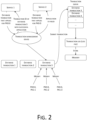
- FIG. 2 a schematic diagram of a database transaction processing scenario provided by the present application is shown.
- Step 1 Receive an application request for performing a data operation on a target data partition sent by a client.
- This step is a basis for subsequent data operations on the target data partition. Only through the application request for performing the data operation on the target data partition sent by the client, it is possible to obtain the permission to perform the data operation on the target data partition.
- the embodiments of the present application use a database transaction as an example for description, such as a database transaction of a distributed database (such as a NoSQL database) built on a distributed system.
- the distributed system refers to a logically unified database formed by connecting a plurality of physically dispersed data storage units through a network. Based on the distributed database, data fragmentation and load balancing can be used to achieve a seamless extension of the distributed database.
- the target data partition refers to a data set that the client desires to operate.
- the target data partition refers to a partition key among partitions, and the partitions refer to basic scheduling units for load balancing in data storage. By horizontal expansion of data storage through partitions, performance and availability are ensured.
- a primary key of a data table included in the database is composed of at least one primary key column in the data table
- the partition key refers to a single partition key composed of a first primary key column of the data table. Multiple partition keys may be included in one partition, and no overlap exists between these partition keys.
- the target data partition may also be a primary key column or a collection of multiple primary key columns other than the partition key in the data table.
- the target data partition may also be a single partition key composed of any primary key column other than the first primary key column of the data table.
- the target data partition may also be a joint partition key composed of multiple primary key columns of the data table.
- the target data partition may also be a joint partition key composed of multiple partition keys.
- the present embodiment does not have any limitations thereon.
- the client embeds the partition key of the target data partition in the application request.
- the partition key in the application request is obtained, and thereby a data set that the client desires to operate is determined.
- the data operation refers to specific operation on data under the partition key, such as adding a row of data, deleting a row of data, modifying a certain row, one or more values in certain rows of data, reading one or more pieces of certain data, etc.
- the application request sent by the client for performing the data operation under the partition key i.e., an application for a database transaction of the partition key
- the application request sent by the client for performing the data operation under the partition key i.e., an application for a database transaction of the partition key
- a database transaction for applying a partition key PK0 as 0 is received from a client corresponding to service 1.
- Step 2 Create a corresponding data transaction according to the application request, and assign a transaction identifier to the data transaction.
- the above step 1 receives an application request for performing a data operation under a partition key from the client, i.e., a database transaction for applying the partition key. This step creates a corresponding database transaction according to the application request, and allocates a transaction identifier for the database transaction.
- the transaction identifier is an identification code allocated for a database transaction.
- a database transaction has one and only one transaction identifier, and transaction identifiers of each database transaction are different. More specifically, the transaction identifier may be in a form of a character string, or may be in a form of a number.
- a database transaction 3 is created, and a corresponding transaction ID is assigned to the newly created database transaction 3 (a transaction identifier).
- a transaction identifier is assigned to the database transaction, which provides a basis for the client to modify the database transaction. Since a server allocates different database transactions to clients corresponding to a plurality of services at the same time, it is necessary to determine a specific database transaction to be modified by the client according to the transaction identifier. At the same time, since the server allocates different database transactions to clients corresponding to a plurality of services at the same time, a partition key corresponding to the database transaction is locked, while assigning a transaction identifier to the database transaction, i.e., disallowing database transactions other than the database transaction to perform data operations on data under the partition key. For example, as shown in FIG. 2 , after a database transaction 3 sent by a client corresponding to service 1 locks a partition key PK0 of 0, when a database transaction sent by a client corresponding to service 2 applies for the partition key PK0 of 0, such application is failed.
- a corresponding state is set for the partition key, which includes a locked state or an unlocked state.
- determining whether the partition key is locked by determining whether a state of the partition key is an unlocked state. If the partition key is already locked, a response indicating an application failure is made for the application request for performing the data operation under the partition key sent by the client at step 1 above, and no database transaction is created, and no transaction identifier is assigned. If the partition key is not locked, this step is performed to create a corresponding database transaction according to the application request, and assign a transaction identifier to the database transaction.
- Step 3 Return the transaction identifier assigned to the data transaction to the client.
- the above step 2 creates a corresponding database transaction according to the application request, and assigns a transaction identifier to the database transaction.
- the transaction identifier assigned to the database transaction at step 2 is returned to the client.
- the transaction ID assigned to the database transaction 3 is returned to the client corresponding to the service 1.
- the client corresponding to the service 1 receives the transaction ID of the database transaction 3, indicating that the application is successfu I.
- a timeout detection mechanism may also be started.
- the timeout detection mechanism specifically determines whether an action instruction sent by the client is received within a certain time threshold range, i.e., whether an action instruction for processing the data transaction sent by the client described at step 4 below is received within the time threshold range. If not, a timeout is triggered, the database transaction is destroyed, and the transaction identifier is recycled. In other words, the database transaction is invalid, and the corresponding transaction identifier is also invalid.
- the time threshold range may be flexibly set according to an actual application scenario.
- Step 4 Perform the data operation based on the target data partition according to a data operation that is sent by the client and carries the transaction identifier.
- This step performs the data operation based on the target data partition according to the data operation that is sent by the client and carries the transaction identifier.
- multiple rows of data in the same target data partition can be modified at the same time.
- the service 1 can carry the transaction ID corresponding to the newly created database transaction 3, and modify multiple rows of data under the partition key PK0 of 0. These modifications are placed in memory and are not taken into effect immediately, and are not visible to other database transactions. Moreover, if a machine where the server is located crashes down, these changes will be lost.
- Step 5 Process the data transaction according to a transaction instruction sent by the client.
- this step prior to processing the data transaction according to the transaction instruction sent by the client, it is necessary to perform a step of receiving the transaction instruction for processing the database transaction sent by the client. Based on this, it is also possible to determine whether a database transaction corresponding to the transaction instruction exists after receiving the transaction instruction for processing the database transaction. If the database transaction exists, this step is performed, and the data transaction is processed according to the transaction instruction sent by the client. If the database transaction does not exist, prompt information is returned to the client indicating that no database transaction corresponding to the transaction instruction exists.
- the transaction instruction described in the embodiments of the present application includes a transaction commit instruction or a transaction cancel instruction. These two transaction instructions are described separately below:
- the server may interact with several clients at the same time, and different clients may submit different database transactions in a short period of time. These database transactions cannot be executed simultaneously. Therefore, a transaction queue is set, and the database transactions are submitted to the transaction queue. The database transactions are executed in order.
- the transaction queue may be a linear table composed of database transactions. The transaction queue arranges the database transactions according to an order in which the database transactions are submitted, and sequentially reads the database transactions according to an order of arrangement.
- the database transaction 3 is submitted to the transaction queue. Thereafter, database transactions in the transaction queue are processed, and the database transaction 3 is read from the transaction queue. The data operation of the database transaction 3 is recorded in a corresponding transaction log, and the transaction log is finally stored in the memory.
- the database transaction is destroyed, and the transaction identifier corresponding to the database transaction is recovered.
- the partition key corresponding to the database transaction is unlocked, i.e., allowing other database transactions to perform data operations on the data under the partition key, to ensure an isolation of the database transactions. Isolation is a security guarantee provided by database transactions for conflicts between concurrent transactions. Database transactions can provide different levels of separation between concurrently executed transactions through locking, to avoid executions of multiple concurrent transactions that manipulate the same shared object, which may cause an abnormal situation.
- the transaction instruction sent by the client is a transaction cancel instruction: This step processes the data transaction according to the transaction instruction sent by the client, and is specifically implemented in the following manner: deleting the database transaction, and recovering the transaction identifier corresponding to the database transaction. Since the database transaction is not actually executed, the database transaction is invalidated, thus ensuring the atomicity of the database transaction.
- the transaction instruction sent by the client for processing the database transaction further includes a transaction rollback instruction.
- the database transaction is rolled back before the database transaction is committed, the modification of the database transaction that was previously performed is discarded, and the processing of the database transaction is terminated.
- the data transaction processing method provided in the present application may also be implemented based on a platform of a distributed database deployed in a cloud computing environment.
- the platform of the distributed database is configured with a data access interface used for accessing the distributed database (such as a NoSQL database).
- a client corresponding to a service wants to use the NoSQL database for service data processing
- the client submits a database transaction that is based on a NoSQL database partition key application to the server by calling the data access interface.
- the server obtains the database transaction that is based on the NoSQL database-based partition key application submitted by the client corresponding to the service through the data access interface, and performs corresponding processing.
- the client corresponding to the service also submits a transaction instruction for processing the database transaction to the server through the data access interface.
- the server obtains the transaction instruction through the data access interface, and processes the database transaction according to the transaction instruction.
- a transaction identifier is allocated to the created database transaction, and the transaction identifier is returned to the client.
- the client performs the data operation under the partition key by submitting the data operation carrying the transaction identifier, and processing on the database transaction is finally performed according to a transaction instruction sent by the client.
- This therefore enables the data operation to implement transactional attributes, and satisfy the transactional nature of the data operation.
- the service logic of the data transaction processing method for implementing data transactions is relatively simple, ensuring data services to have a good transactional nature.
- FIG. 3 a schematic diagram of an embodiment of a data transaction processing apparatus provided by the present application is shown.
- the present application provides a data transaction processing apparatus, which includes an application receiving unit 301 configured to receive an application request sent by a client for performing a data operation on a target data partition; a data transaction creating unit 302 configured to create a corresponding data transaction according to the application request, and assign a transaction identifier to the data transaction; a transaction identifier returning unit 303 configured to return the transaction identifier assigned to the data transaction to the client; a data operation submitting and executing unit 304 configured to execute the data operation based on the target data partition according to the data operation submitted by the client and carrying the transaction identifier; a data transaction processing unit 305 configured to process the data transaction according to a transaction instruction sent by the client.
- an application receiving unit 301 configured to receive an application request sent by a client for performing a data operation on a target data partition
- a data transaction creating unit 302 configured to create a corresponding data transaction according to the application request, and assign a transaction identifier to the data transaction
- a transaction identifier returning unit 303 configured
- the target data partition includes a partition key in a data table included in a database.
- the data transaction includes a database transaction.
- a primary key of the data table is composed of at least one primary key column in the data table.
- the partition key includes a single partition key composed of a first primary key column of the data table.
- the transaction instruction includes a transaction commit instruction or a transaction cancel instruction.
- the data transaction processing unit 305 includes a submission subunit configured to submit the database transaction to a transaction queue; and a transaction log recording subunit configured to read the database transaction from the transaction queue, create a transaction log corresponding to the database transaction, and record a data operation of the database transaction in the transaction log.
- the data transaction processing unit 305 includes a transaction log storage subunit configured to store the transaction log in a preset data storage space.
- the data transaction processing unit 305 includes a first transaction recovery subunit configured to delete the database transaction and recover the transaction identifier corresponding to the database transaction.
- the data transaction processing unit 305 includes a second transaction recovery subunit configured to delete the database transaction and recover the transaction identifier of the database transaction.
- the data transaction processing apparatus includes a transaction instruction receiving unit configured to receive the transaction instruction sent by the client for processing the database transaction.
- the data transaction processing apparatus includes a database transaction determination unit configured to determine whether a database transaction corresponding to the transaction instruction exists, and run a prompt information sending unit if not; and the prompt information sending unit configured to return prompt information indicating that no database transaction corresponding to the transaction instruction exists to the client.
- a state of the partition key includes at least one of the following: a locked state and an unlocked state.
- a state of the partition key is updated to a locked state.
- the data transaction processing apparatus includes a partition key state determination unit configured to determine whether a state of the partition key is an unlocked state, and run the data transaction creation unit 302 if not.
- the database includes a logically unified distributed database formed by connecting a plurality of physically dispersed data storage units through a network.
- the data transaction processing apparatus operates based on a platform of a distributed database deployed in a cloud computing environment, and the platform of the distributed database provides a data access interface for accessing the distributed database, and receives the application request sent by the client for performing a data operation under a partition key of the distributed database through the data access interface, and/or receives the transaction instruction sent by the client for processing the database transaction through the data access interface.
- a data transaction processing method is provided.
- the present application provides another data transaction processing method that cooperates with the above data transaction processing method, which is described below with reference to the accompanying drawings.
- FIG. 4 a processing flowchart of an embodiment of another data transaction processing method provided in the present application is shown.
- FIG. 2 a schematic diagram of a database transaction processing scenario provided in the present application is shown.
- a data transaction processing method is provided.
- the present application also provides an electronic device for implementing the data transaction processing method, which is described below with reference to the accompanying drawings.
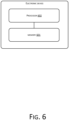
- FIG. 6 a schematic diagram of an electronic device according to the present embodiment is shown.
- the present application also provides an electronic device for implementing the other data transaction processing method provided by the present application, which is described below with reference to the accompanying drawings..
- FIG. 7 a schematic diagram of another electronic device according to the present embodiment is shown.
- a computing device includes one or more processors (CPUs), an input/output interface, a network interface, and memory.
- processors CPUs
- input/output interface IOs
- network interface IOs
- memory volatile and non-volatile memory
- the memory may include a form of computer readable media such as a volatile memory, a random access memory (RAM) and/or a non-volatile memory, for example, a read-only memory (ROM) or a flash RAM.
- RAM random access memory
- ROM read-only memory
- flash RAM flash random access memory
- the computer readable media may include a volatile or non-volatile type, a removable or non-removable media, which may achieve storage of information using any method or technology.
- the information may include a computer readable instruction, a data structure, a program module or other data.
- Examples of computer storage media include, but not limited to, phase-change memory (PRAM), static random access memory (SRAM), dynamic random access memory (DRAM), other types of random-access memory (RAM), read-only memory (ROM), electronically erasable programmable read-only memory (EEPROM), quick flash memory or other internal storage technology, compact disk read-only memory (CD-ROM), digital versatile disc (DVD) or other optical storage, magnetic cassette tape, magnetic disk storage or other magnetic storage devices, or any other non-transmission media, which may be used to store information that may be accessed by a computing device.
- the computer readable media does not include transitory media, such as modulated data signals and carrier waves.
- the embodiments of the present application may be provided as a method, a system, or a computer program product. Therefore, the present application may take a form of an entirely hardware embodiment, an entirely software embodiment, or an embodiment having a combination of aspects of software and hardware. Moreover, the present application may take a form of a computer program product implemented on one or more computer usable storage media (which include, but are not limited to, a magnetic disk, CD-ROM, an optical disk, etc.) that include computer usable program codes.
- a computer usable storage media which include, but are not limited to, a magnetic disk, CD-ROM, an optical disk, etc.
Landscapes
- Engineering & Computer Science (AREA)
- Theoretical Computer Science (AREA)
- Databases & Information Systems (AREA)
- Physics & Mathematics (AREA)
- General Physics & Mathematics (AREA)
- General Engineering & Computer Science (AREA)
- Data Mining & Analysis (AREA)
- Software Systems (AREA)
- Business, Economics & Management (AREA)
- Human Computer Interaction (AREA)
- Accounting & Taxation (AREA)
- Finance (AREA)
- General Health & Medical Sciences (AREA)
- Bioethics (AREA)
- Health & Medical Sciences (AREA)
- Computer Hardware Design (AREA)
- Computer Security & Cryptography (AREA)
- Strategic Management (AREA)
- Computing Systems (AREA)
- General Business, Economics & Management (AREA)
- Marketing (AREA)
- Economics (AREA)
- Development Economics (AREA)
- Information Retrieval, Db Structures And Fs Structures Therefor (AREA)
Claims (12)
- Datentransaktionsverarbeitungsverfahren, umfassend:Empfangen einer Anwendungsanforderung von einem Client zum Durchführen einer Datenoperation in einer Zieldatenpartition, wobei die Anwendungsanforderung einen Partitionsschlüssel entsprechend der Zieldatenpartition beinhaltet und wobei ein Status für den Partitionsschlüssel eingestellt werden kann, welcher einen gesperrten Zustand oder einen entsperrten Zustand beinhaltet;Bestimmen, ob der Partitionsschlüssel entsprechend der Zieldatenpartition, die in der Anwendungsanforderung empfangen wird, gesperrt ist;als Reaktion auf das Bestimmen, dass sich der Partitionsschlüssel entsprechend der Zieldatenpartition in einem entsperrten Zustand befindet, Herstellen einer entsprechenden Datentransaktion gemäß der Anwendungsanforderung, Zuweisen einer Transaktionskennung an die Datentransaktion und Aktualisieren des Partitionsschlüssels auf einen gesperrten Zustand;als Reaktion auf das Bestimmen, dass sich der Partitionsschlüssel entsprechend der Zieldatenpartition in einem gesperrten Zustand befindet, Erstellen einer Antwort, die einen Anwendungsfehler für die Anwendungsanforderung zum Durchführen der Datenoperation unter dem von dem Client empfangenen Partitionsschlüssel anzeigt, wobei keine Datenbanktransaktion erstellt wird und keine Transaktionskennung zugewiesen wird;als Reaktion auf das Bestimmen, dass eine Transaktionskennung zugewiesen ist, Zurückgeben der Transaktionskennung, die der Datentransaktion zugewiesen ist, an den Client;Empfangen einer Datenoperation, welche die Transaktionskennung von dem Client zum Durchführen der Datenoperation auf der Zieldatenpartition überträgt;Durchführen der Datenoperation basierend auf der Zieldatenpartition gemäß der Datenoperation, welche die Transaktionskennung überträgt und durch den Client gesendet wird;Empfangen einer Transaktionsanweisung zum Verarbeiten der Datentransaktion von dem Client basierend auf der Transaktionskennung vor dem Durchführen der Datenoperation; undVerarbeiten der Datentransaktion gemäß der durch den Client gesendeten Transaktionsanweisung, wobei die Transaktionsanweisung eine Transaktionsabschlussanweisung oder eine Transaktionsabbruchanweisung beinhaltet.
- Verfahren nach Anspruch 1, wobei die Datentransaktion eine Datenbanktransaktion beinhaltet.
- Verfahren nach Anspruch 2, wobei ein Primärschlüssel einer in der Datenbank enthaltenen Datentabelle aus mindestens einer Primärschlüsselspalte in der Datentabelle besteht und der Partitionsschlüssel einen Einzelpartitionsschlüssel beinhaltet, der aus einer ersten Primärschlüsselspalte der Datentabelle besteht.
- Verfahren nach einem vorhergehenden Anspruch, wobei, wenn die durch den Client gesendete Transaktionsanweisung die Transaktionsabschlussanweisung ist, Verarbeiten der Datentransaktion gemäß der durch den Client gesendeten Transaktionsanweisung durch Senden der Datenbanktransaktion an eine Transaktionswarteschlange implementiert wird.
- Verfahren nach Anspruch 4, wobei: wenn die durch den Client gesendete Transaktionsanweisung die Transaktionsabschlussanweisung ist, Verarbeiten der Datentransaktion gemäß der durch den Client gesendeten Transaktionsanweisung nach dem Senden der Datenbanktransaktion an eine Transaktionswarteschlange ferner durch Folgendes implementiert wird:
Auslesen der Datenbanktransaktion aus der Transaktionswarteschlange, Erstellen eines Transaktionsprotokolls entsprechend der Datenbanktransaktion und Aufzeichnen einer Datenoperation der Datenbanktransaktion in dem Transaktionsprotokoll. - Verfahren nach Anspruch 5, wobei Auslesen der Datenbanktransaktion aus der Transaktionswarteschlange, Erstellen des Transaktionsprotokolls entsprechend der Datenbanktransaktion und Aufzeichnen der Datenoperation der Datenbanktransaktion in dem Transaktionsprotokoll den folgenden Schritt durchführen:
Speichern des Transaktionsprotokolls in einem voreingestellten Datenspeicherplatz. - Verfahren nach Anspruch 6, wobei: nachdem das Speichern des Transaktionsprotokolls in dem voreingestellten Datenspeicherplatz durchgeführt wurde, der folgende Teilschritt durchgeführt wird:
Löschen der Datenbanktransaktion und Wiederherstellen der Transaktionskennung entsprechend der Datenbanktransaktion. - Verfahren nach einem vorhergehenden Anspruch, wobei: wenn die durch den Client gesendete Transaktionsanweisung die Transaktionsabbruchanweisung ist, Verarbeiten der Datentransaktion gemäß der durch den Client gesendeten Transaktionsanweisung durch Folgendes implementiert wird:
Löschen der Datenbanktransaktion und Wiederherstellen der Transaktionskennung der Datenbanktransaktion. - Verfahren nach einem vorhergehenden Anspruch, wobei, nachdem das Empfangen der Transaktionsanweisung zum Verarbeiten der durch den Client gesendeten Datenbanktransaktion durchgeführt wurde, die folgenden Schritte durchgeführt werden:
Bestimmen, ob eine Datenbanktransaktion entsprechend der Transaktionsanweisung existiert, und Zurückgeben einer sofortigen Nachricht, dass die Datenbanktransaktion entsprechend der Transaktionsanweisung nicht existiert, an den Client, wenn dies nicht zutrifft. - Verfahren nach einem der Ansprüche 3 bis 9, wobei die Datenbank eine logisch einheitliche verteilte Datenbank ist, die durch Verbinden einer Vielzahl von physikalisch verstreuten Datenspeichereinheiten durch ein Netzwerk ausgebildet ist.
- Verfahren nach Anspruch 10, wobei das Datentransaktionsverarbeitungsverfahren basierend auf einer Plattform einer verteilten Datenbank implementiert wird, die in einer Cloud-Computing-Umgebung eingesetzt ist, wobei die verteilte Datenbankplattform eine Datenzugriffsschnittstelle zum Zugreifen auf die verteilte Datenbank bereitstellt und die durch den Client gesendete Anwendungsanforderung zum Durchführen einer Datenoperation an einem Partitionsschlüssel der verteilten Datenbank durch die Datenzugriffsschnittstelle empfängt und/oder die durch den Client gesendete Anwendungsanforderung zum Durchführen der Datenbanktransaktion durch die Datenzugriffsschnittstelle empfängt.
- Datentransaktionsverarbeitungsapparatur, umfassend:eine Anwendungsempfangseinheit (301), die dazu konfiguriert ist, eine durch einen Client gesendete Anwendungsanforderung zum Durchführen einer Datenoperation auf einer Zieldatenpartition zu empfangen, wobei die Anwendungsanforderung einen Partitionsschlüssel entsprechend der Zieldatenpartition beinhaltet und wobei ein Status für den Partitionsschlüssel eingestellt werden kann, welcher einen gesperrten Zustand oder einen entsperrten Zustand beinhaltet;eine Bestimmungseinheit für Partitionsschlüsselzustände, die dazu konfiguriert ist, zu bestimmen, ob ein Zustand des in der Anwendung empfangenen Partitionsschlüssels gesperrt ist;eine Datentransaktionserstellungseinheit (302), die dazu konfiguriert ist, eine entsprechende Datentransaktion gemäß der Anwendungsanforderung als Reaktion darauf zu erstellen, dass die Bestimmungseinheit für Partitionsschlüsselzustände bestimmt, dass sich der Partitionsschlüssel in dem entsperrten Zustand befindet, und der Datentransaktion eine Transaktionskennung zuzuweisen, wobei die Datentransaktionsverarbeitungsapparatur dazu konfiguriert ist, den Partitionsschlüssel auf einen gesperrten Zustand zu aktualisieren, wenn die Bestimmungseinheit für Partitionsschlüsselzustände bestimmt, dass sich der Partitionsschlüssel in dem entsperrten Zustand befindet, und als Reaktion auf das Bestimmen, dass sich der Partitionsschlüssel entsprechend der Zieldatenpartition in einem gesperrten Zustand befindet, eine Antwort zu erstellen, die einen Anwendungsfehler für die Anwendungsanforderung zum Durchführen der Datenoperation unter dem von den Client empfangenen Partitionsschlüssel anzeigt, wobei keine Datenbanktransaktion erstellt wird und keine Transaktionskennung zugewiesen wird;eine Transaktionskennungsrückgabeeinheit (303), die dazu konfiguriert ist, die Transaktionskennung, wenn sie der Datentransaktion zugewiesen ist, an den Client zurückzugeben;eine Datenoperationsausgabe- und -ausführeinheit (304), die dazu konfiguriert ist, die Datenoperation basierend auf der Zieldatenpartition gemäß der Datenoperation, welche durch den Client gesendet wird und die Transaktionskennung überträgt, auszuführen; undeine Datentransaktionsverarbeitungseinheit (305), die dazu konfiguriert ist, die Datentransaktion gemäß einer durch den Client gesendeten Transaktionsanweisung zu verarbeiten,wobei die Transaktionsanweisung eine Transaktionsabschlussanweisung oder eine Transaktionsabbruchanweisung beinhaltet.
Applications Claiming Priority (2)
| Application Number | Priority Date | Filing Date | Title |
|---|---|---|---|
| CN201710738319.8A CN110019112B (zh) | 2017-08-25 | 2017-08-25 | 数据事务处理方法、装置以及电子设备 |
| PCT/CN2018/100419 WO2019037617A1 (zh) | 2017-08-25 | 2018-08-14 | 数据事务处理方法、装置以及电子设备 |
Publications (3)
| Publication Number | Publication Date |
|---|---|
| EP3674909A1 EP3674909A1 (de) | 2020-07-01 |
| EP3674909A4 EP3674909A4 (de) | 2021-04-21 |
| EP3674909B1 true EP3674909B1 (de) | 2025-01-01 |
Family
ID=65438400
Family Applications (1)
| Application Number | Title | Priority Date | Filing Date |
|---|---|---|---|
| EP18847869.7A Active EP3674909B1 (de) | 2017-08-25 | 2018-08-14 | Datentransaktionverarbeitungsverfahren, vorrichtung und elektronische vorrichtung |
Country Status (4)
| Country | Link |
|---|---|
| US (1) | US11709803B2 (de) |
| EP (1) | EP3674909B1 (de) |
| CN (1) | CN110019112B (de) |
| WO (1) | WO2019037617A1 (de) |
Families Citing this family (12)
| Publication number | Priority date | Publication date | Assignee | Title |
|---|---|---|---|---|
| US8565689B1 (en) | 2012-06-13 | 2013-10-22 | All Purpose Networks LLC | Optimized broadband wireless network performance through base station application server |
| CN110019112B (zh) * | 2017-08-25 | 2023-10-31 | 阿里巴巴集团控股有限公司 | 数据事务处理方法、装置以及电子设备 |
| WO2019090344A1 (en) * | 2017-11-06 | 2019-05-09 | Velo Holdings Limited | Limited scope blockchain system |
| CN110471746B (zh) * | 2019-08-22 | 2022-04-19 | 中国工商银行股份有限公司 | 一种分布式事务回调方法、装置及系统 |
| CN111402066B (zh) * | 2020-02-22 | 2023-06-23 | 中国平安财产保险股份有限公司 | 数据处理方法、服务器及存储介质 |
| US12001408B2 (en) | 2020-04-29 | 2024-06-04 | Oracle International Corporation | Techniques for efficient migration of key-value data |
| CN113297320B (zh) | 2020-07-24 | 2024-05-14 | 阿里巴巴集团控股有限公司 | 分布式数据库系统及数据处理方法 |
| CN112231069B (zh) * | 2020-10-14 | 2024-12-27 | 北京金山云网络技术有限公司 | 事务标识的处理方法、装置及电子设备 |
| CN113760465A (zh) * | 2020-11-16 | 2021-12-07 | 北京沃东天骏信息技术有限公司 | 一种事务执行方法、装置、服务器、设备和存储介质 |
| CN114579604B (zh) * | 2022-03-15 | 2022-09-20 | 北京梦诚科技有限公司 | 一种应用层的数据库事务实现方法和系统 |
| CN115658812B (zh) * | 2022-10-26 | 2026-07-21 | 北京奥星贝斯科技有限公司 | 分布式数据库的管理方法、装置、节点及分布式数据库 |
| CN115729951B (zh) * | 2022-11-28 | 2024-02-09 | 易保网络技术(上海)有限公司 | 数据查询方法、系统、设备及计算机可读存储介质 |
Family Cites Families (24)
| Publication number | Priority date | Publication date | Assignee | Title |
|---|---|---|---|---|
| US6618851B1 (en) * | 1999-08-31 | 2003-09-09 | Autodesk, Inc. | Method and apparatus for state-reversion |
| US6816873B2 (en) | 2001-05-15 | 2004-11-09 | International Business Machines Corporation | Method for managing distributed savepoints across multiple DBMS's within a distributed transaction |
| US20080126346A1 (en) * | 2006-11-29 | 2008-05-29 | Siemens Medical Solutions Usa, Inc. | Electronic Data Transaction Processing Test and Validation System |
| CN101089857B (zh) * | 2007-07-24 | 2011-05-11 | 中兴通讯股份有限公司 | 一种内存数据库事务管理方法及系统 |
| US7904434B2 (en) | 2007-09-14 | 2011-03-08 | Oracle International Corporation | Framework for handling business transactions |
| CN101639835A (zh) * | 2008-07-30 | 2010-02-03 | 国际商业机器公司 | 多租户场景中应用数据库分区的方法和装置 |
| GB2472620B (en) * | 2009-08-12 | 2016-05-18 | Cloudtran Inc | Distributed transaction processing |
| US20110161281A1 (en) | 2009-12-30 | 2011-06-30 | Sybase, Inc. | Distributed Transaction Management in a Distributed Shared Disk Cluster Environment |
| US8352688B2 (en) * | 2010-11-15 | 2013-01-08 | Advanced Micro Devices, Inc. | Preventing unintended loss of transactional data in hardware transactional memory systems |
| US8442962B2 (en) | 2010-12-28 | 2013-05-14 | Sap Ag | Distributed transaction management using two-phase commit optimization |
| JP2013033345A (ja) | 2011-08-01 | 2013-02-14 | Internatl Business Mach Corp <Ibm> | トランザクション処理システム、方法及びプログラム |
| US8898109B2 (en) * | 2012-07-27 | 2014-11-25 | Microsoft Corporation | Automatic transaction retry after session failure |
| US9276959B2 (en) * | 2013-11-11 | 2016-03-01 | Amazon Technologies, Inc. | Client-configurable security options for data streams |
| US9613122B2 (en) | 2014-05-02 | 2017-04-04 | Facebook, Inc. | Providing eventual consistency for multi-shard transactions |
| CN105608086B (zh) | 2014-11-17 | 2021-07-27 | 中兴通讯股份有限公司 | 分布式数据库系统的事务处理方法及装置 |
| US9736243B2 (en) * | 2014-12-12 | 2017-08-15 | Microsoft Technology Licensing, Llc | Multiple transaction logs in a distributed storage system |
| CN104731943B (zh) * | 2015-03-31 | 2019-09-13 | 华为技术有限公司 | 一种服务器和数据处理方法 |
| US10268743B2 (en) | 2015-06-19 | 2019-04-23 | Sap Se | Distributed database transaction protocol |
| US10339127B2 (en) | 2016-01-28 | 2019-07-02 | Oracle International Corporation | Guaranteed commit outcome in a distributed transaction processing system |
| CN107977376B (zh) | 2016-10-24 | 2020-07-07 | 腾讯科技(深圳)有限公司 | 分布式数据库系统及事务处理方法 |
| US11113624B2 (en) * | 2017-07-12 | 2021-09-07 | Sap Se | Distributed machine learning on heterogeneous data platforms |
| CN110019112B (zh) * | 2017-08-25 | 2023-10-31 | 阿里巴巴集团控股有限公司 | 数据事务处理方法、装置以及电子设备 |
| CN110019994A (zh) * | 2017-11-13 | 2019-07-16 | 阿里巴巴集团控股有限公司 | 数据加密、解密及查询方法、数据加密解密及查询装置 |
| US11061735B2 (en) * | 2019-01-02 | 2021-07-13 | Alibaba Group Holding Limited | System and method for offloading computation to storage nodes in distributed system |
-
2017
- 2017-08-25 CN CN201710738319.8A patent/CN110019112B/zh active Active
-
2018
- 2018-08-14 EP EP18847869.7A patent/EP3674909B1/de active Active
- 2018-08-14 WO PCT/CN2018/100419 patent/WO2019037617A1/zh not_active Ceased
-
2020
- 2020-02-12 US US16/789,313 patent/US11709803B2/en active Active
Also Published As
| Publication number | Publication date |
|---|---|
| WO2019037617A1 (zh) | 2019-02-28 |
| EP3674909A1 (de) | 2020-07-01 |
| US20200183892A1 (en) | 2020-06-11 |
| CN110019112A (zh) | 2019-07-16 |
| CN110019112B (zh) | 2023-10-31 |
| US11709803B2 (en) | 2023-07-25 |
| EP3674909A4 (de) | 2021-04-21 |
Similar Documents
| Publication | Publication Date | Title |
|---|---|---|
| US11709803B2 (en) | Data transaction processing method, apparatus, and electronic device | |
| US10503720B2 (en) | Providing eventual consistency for multi-shard transactions | |
| US10754875B2 (en) | Copying data changes to a target database | |
| US8429134B2 (en) | Distributed database recovery | |
| US9218383B2 (en) | Differentiated secondary index maintenance in log structured NoSQL data stores | |
| JP5241722B2 (ja) | 要求処理のデータ処理システムおよび方法 | |
| US9990225B2 (en) | Relaxing transaction serializability with statement-based data replication | |
| US9576038B1 (en) | Consistent query of local indexes | |
| US9922086B1 (en) | Consistent query of local indexes | |
| US20160162366A1 (en) | A method for a logging process in a data storage system | |
| US20230394027A1 (en) | Transaction execution method, computing device, and storage medium | |
| CN102945278A (zh) | 一种数据库记录重做日志的方法和装置 | |
| US12259800B2 (en) | Scalable exactly-once data processing using transactional streaming writes | |
| CN117076147B (zh) | 死锁检测方法、装置、设备和存储介质 | |
| US12235740B2 (en) | Backup and recovery under group-level encryption | |
| EP3377970B1 (de) | Manager für multiversionsentfernung | |
| US11880495B2 (en) | Processing log entries under group-level encryption | |
| CN118916122A (zh) | 数据库事务的处理方法、装置、设备及存储介质 | |
| US11962686B2 (en) | Encrypting intermediate data under group-level encryption | |
| HK40010805A (en) | Data transaction processing method and device, and electronic equipment |
Legal Events
| Date | Code | Title | Description |
|---|---|---|---|
| STAA | Information on the status of an ep patent application or granted ep patent |
Free format text: STATUS: THE INTERNATIONAL PUBLICATION HAS BEEN MADE |
|
| PUAI | Public reference made under article 153(3) epc to a published international application that has entered the european phase |
Free format text: ORIGINAL CODE: 0009012 |
|
| STAA | Information on the status of an ep patent application or granted ep patent |
Free format text: STATUS: REQUEST FOR EXAMINATION WAS MADE |
|
| 17P | Request for examination filed |
Effective date: 20200226 |
|
| AK | Designated contracting states |
Kind code of ref document: A1 Designated state(s): AL AT BE BG CH CY CZ DE DK EE ES FI FR GB GR HR HU IE IS IT LI LT LU LV MC MK MT NL NO PL PT RO RS SE SI SK SM TR |
|
| AX | Request for extension of the european patent |
Extension state: BA ME |
|
| DAV | Request for validation of the european patent (deleted) | ||
| DAX | Request for extension of the european patent (deleted) | ||
| A4 | Supplementary search report drawn up and despatched |
Effective date: 20210323 |
|
| RIC1 | Information provided on ipc code assigned before grant |
Ipc: G06F 16/00 20190101AFI20210317BHEP Ipc: G06F 16/23 20190101ALI20210317BHEP Ipc: G06F 16/25 20190101ALI20210317BHEP Ipc: G06Q 30/06 20120101ALI20210317BHEP |
|
| STAA | Information on the status of an ep patent application or granted ep patent |
Free format text: STATUS: EXAMINATION IS IN PROGRESS |
|
| 17Q | First examination report despatched |
Effective date: 20220609 |
|
| P01 | Opt-out of the competence of the unified patent court (upc) registered |
Effective date: 20230418 |
|
| REG | Reference to a national code |
Ref country code: DE Ref legal event code: R079 Free format text: PREVIOUS MAIN CLASS: G06F0016000000 Ipc: G06F0016230000 Ref document number: 602018078189 Country of ref document: DE |
|
| RIC1 | Information provided on ipc code assigned before grant |
Ipc: G06Q 30/0601 20230101ALI20240524BHEP Ipc: G06F 16/25 20190101ALI20240524BHEP Ipc: G06F 16/23 20190101AFI20240524BHEP |
|
| GRAP | Despatch of communication of intention to grant a patent |
Free format text: ORIGINAL CODE: EPIDOSNIGR1 |
|
| STAA | Information on the status of an ep patent application or granted ep patent |
Free format text: STATUS: GRANT OF PATENT IS INTENDED |
|
| INTG | Intention to grant announced |
Effective date: 20240723 |
|
| GRAS | Grant fee paid |
Free format text: ORIGINAL CODE: EPIDOSNIGR3 |
|
| GRAA | (expected) grant |
Free format text: ORIGINAL CODE: 0009210 |
|
| STAA | Information on the status of an ep patent application or granted ep patent |
Free format text: STATUS: THE PATENT HAS BEEN GRANTED |
|
| AK | Designated contracting states |
Kind code of ref document: B1 Designated state(s): AL AT BE BG CH CY CZ DE DK EE ES FI FR GB GR HR HU IE IS IT LI LT LU LV MC MK MT NL NO PL PT RO RS SE SI SK SM TR |
|
| REG | Reference to a national code |
Ref country code: GB Ref legal event code: FG4D |
|
| REG | Reference to a national code |
Ref country code: CH Ref legal event code: EP |
|
| REG | Reference to a national code |
Ref country code: DE Ref legal event code: R096 Ref document number: 602018078189 Country of ref document: DE |
|
| REG | Reference to a national code |
Ref country code: IE Ref legal event code: FG4D |
|
| REG | Reference to a national code |
Ref country code: LT Ref legal event code: MG9D |
|
| REG | Reference to a national code |
Ref country code: NL Ref legal event code: MP Effective date: 20250101 |
|
| REG | Reference to a national code |
Ref country code: AT Ref legal event code: MK05 Ref document number: 1756998 Country of ref document: AT Kind code of ref document: T Effective date: 20250101 |
|
| PG25 | Lapsed in a contracting state [announced via postgrant information from national office to epo] |
Ref country code: NL Free format text: LAPSE BECAUSE OF FAILURE TO SUBMIT A TRANSLATION OF THE DESCRIPTION OR TO PAY THE FEE WITHIN THE PRESCRIBED TIME-LIMIT Effective date: 20250101 |
|
| PG25 | Lapsed in a contracting state [announced via postgrant information from national office to epo] |
Ref country code: FI Free format text: LAPSE BECAUSE OF FAILURE TO SUBMIT A TRANSLATION OF THE DESCRIPTION OR TO PAY THE FEE WITHIN THE PRESCRIBED TIME-LIMIT Effective date: 20250101 |
|
| PG25 | Lapsed in a contracting state [announced via postgrant information from national office to epo] |
Ref country code: PL Free format text: LAPSE BECAUSE OF FAILURE TO SUBMIT A TRANSLATION OF THE DESCRIPTION OR TO PAY THE FEE WITHIN THE PRESCRIBED TIME-LIMIT Effective date: 20250101 |
|
| PG25 | Lapsed in a contracting state [announced via postgrant information from national office to epo] |
Ref country code: ES Free format text: LAPSE BECAUSE OF FAILURE TO SUBMIT A TRANSLATION OF THE DESCRIPTION OR TO PAY THE FEE WITHIN THE PRESCRIBED TIME-LIMIT Effective date: 20250101 |
|
| PG25 | Lapsed in a contracting state [announced via postgrant information from national office to epo] |
Ref country code: NO Free format text: LAPSE BECAUSE OF FAILURE TO SUBMIT A TRANSLATION OF THE DESCRIPTION OR TO PAY THE FEE WITHIN THE PRESCRIBED TIME-LIMIT Effective date: 20250401 Ref country code: IS Free format text: LAPSE BECAUSE OF FAILURE TO SUBMIT A TRANSLATION OF THE DESCRIPTION OR TO PAY THE FEE WITHIN THE PRESCRIBED TIME-LIMIT Effective date: 20250501 |
|
| PG25 | Lapsed in a contracting state [announced via postgrant information from national office to epo] |
Ref country code: HR Free format text: LAPSE BECAUSE OF FAILURE TO SUBMIT A TRANSLATION OF THE DESCRIPTION OR TO PAY THE FEE WITHIN THE PRESCRIBED TIME-LIMIT Effective date: 20250101 |
|
| PG25 | Lapsed in a contracting state [announced via postgrant information from national office to epo] |
Ref country code: LV Free format text: LAPSE BECAUSE OF FAILURE TO SUBMIT A TRANSLATION OF THE DESCRIPTION OR TO PAY THE FEE WITHIN THE PRESCRIBED TIME-LIMIT Effective date: 20250101 Ref country code: PT Free format text: LAPSE BECAUSE OF FAILURE TO SUBMIT A TRANSLATION OF THE DESCRIPTION OR TO PAY THE FEE WITHIN THE PRESCRIBED TIME-LIMIT Effective date: 20250502 |
|
| PG25 | Lapsed in a contracting state [announced via postgrant information from national office to epo] |
Ref country code: BG Free format text: LAPSE BECAUSE OF FAILURE TO SUBMIT A TRANSLATION OF THE DESCRIPTION OR TO PAY THE FEE WITHIN THE PRESCRIBED TIME-LIMIT Effective date: 20250101 Ref country code: GR Free format text: LAPSE BECAUSE OF FAILURE TO SUBMIT A TRANSLATION OF THE DESCRIPTION OR TO PAY THE FEE WITHIN THE PRESCRIBED TIME-LIMIT Effective date: 20250402 |
|
| PG25 | Lapsed in a contracting state [announced via postgrant information from national office to epo] |
Ref country code: AT Free format text: LAPSE BECAUSE OF FAILURE TO SUBMIT A TRANSLATION OF THE DESCRIPTION OR TO PAY THE FEE WITHIN THE PRESCRIBED TIME-LIMIT Effective date: 20250101 |
|
| PG25 | Lapsed in a contracting state [announced via postgrant information from national office to epo] |
Ref country code: CZ Free format text: LAPSE BECAUSE OF FAILURE TO SUBMIT A TRANSLATION OF THE DESCRIPTION OR TO PAY THE FEE WITHIN THE PRESCRIBED TIME-LIMIT Effective date: 20250101 |
|
| PG25 | Lapsed in a contracting state [announced via postgrant information from national office to epo] |
Ref country code: SE Free format text: LAPSE BECAUSE OF FAILURE TO SUBMIT A TRANSLATION OF THE DESCRIPTION OR TO PAY THE FEE WITHIN THE PRESCRIBED TIME-LIMIT Effective date: 20250101 |
|
| REG | Reference to a national code |
Ref country code: DE Ref legal event code: R097 Ref document number: 602018078189 Country of ref document: DE |
|
| PG25 | Lapsed in a contracting state [announced via postgrant information from national office to epo] |
Ref country code: SM Free format text: LAPSE BECAUSE OF FAILURE TO SUBMIT A TRANSLATION OF THE DESCRIPTION OR TO PAY THE FEE WITHIN THE PRESCRIBED TIME-LIMIT Effective date: 20250101 |
|
| PG25 | Lapsed in a contracting state [announced via postgrant information from national office to epo] |
Ref country code: DK Free format text: LAPSE BECAUSE OF FAILURE TO SUBMIT A TRANSLATION OF THE DESCRIPTION OR TO PAY THE FEE WITHIN THE PRESCRIBED TIME-LIMIT Effective date: 20250101 |
|
| PGFP | Annual fee paid to national office [announced via postgrant information from national office to epo] |
Ref country code: DE Payment date: 20250827 Year of fee payment: 8 |
|
| PG25 | Lapsed in a contracting state [announced via postgrant information from national office to epo] |
Ref country code: IT Free format text: LAPSE BECAUSE OF FAILURE TO SUBMIT A TRANSLATION OF THE DESCRIPTION OR TO PAY THE FEE WITHIN THE PRESCRIBED TIME-LIMIT Effective date: 20250101 |
|
| PGFP | Annual fee paid to national office [announced via postgrant information from national office to epo] |
Ref country code: GB Payment date: 20250826 Year of fee payment: 8 |
|
| PGFP | Annual fee paid to national office [announced via postgrant information from national office to epo] |
Ref country code: FR Payment date: 20250826 Year of fee payment: 8 |
|
| PG25 | Lapsed in a contracting state [announced via postgrant information from national office to epo] |
Ref country code: EE Free format text: LAPSE BECAUSE OF FAILURE TO SUBMIT A TRANSLATION OF THE DESCRIPTION OR TO PAY THE FEE WITHIN THE PRESCRIBED TIME-LIMIT Effective date: 20250101 |
|
| PG25 | Lapsed in a contracting state [announced via postgrant information from national office to epo] |
Ref country code: RO Free format text: LAPSE BECAUSE OF FAILURE TO SUBMIT A TRANSLATION OF THE DESCRIPTION OR TO PAY THE FEE WITHIN THE PRESCRIBED TIME-LIMIT Effective date: 20250101 |
|
| PG25 | Lapsed in a contracting state [announced via postgrant information from national office to epo] |
Ref country code: SK Free format text: LAPSE BECAUSE OF FAILURE TO SUBMIT A TRANSLATION OF THE DESCRIPTION OR TO PAY THE FEE WITHIN THE PRESCRIBED TIME-LIMIT Effective date: 20250101 |
|
| PLBE | No opposition filed within time limit |
Free format text: ORIGINAL CODE: 0009261 |
|
| STAA | Information on the status of an ep patent application or granted ep patent |
Free format text: STATUS: NO OPPOSITION FILED WITHIN TIME LIMIT |
|
| REG | Reference to a national code |
Ref country code: CH Ref legal event code: L10 Free format text: ST27 STATUS EVENT CODE: U-0-0-L10-L00 (AS PROVIDED BY THE NATIONAL OFFICE) Effective date: 20251112 |
|
| 26N | No opposition filed |
Effective date: 20251002 |
|
| REG | Reference to a national code |
Ref country code: CH Ref legal event code: H13 Free format text: ST27 STATUS EVENT CODE: U-0-0-H10-H13 (AS PROVIDED BY THE NATIONAL OFFICE) Effective date: 20260324 |
|
| PG25 | Lapsed in a contracting state [announced via postgrant information from national office to epo] |
Ref country code: MC Free format text: LAPSE BECAUSE OF FAILURE TO SUBMIT A TRANSLATION OF THE DESCRIPTION OR TO PAY THE FEE WITHIN THE PRESCRIBED TIME-LIMIT Effective date: 20250101 |
|
| PG25 | Lapsed in a contracting state [announced via postgrant information from national office to epo] |
Ref country code: LU Free format text: LAPSE BECAUSE OF NON-PAYMENT OF DUE FEES Effective date: 20250814 |
|
| PG25 | Lapsed in a contracting state [announced via postgrant information from national office to epo] |
Ref country code: CH Free format text: LAPSE BECAUSE OF NON-PAYMENT OF DUE FEES Effective date: 20250831 |
|
| REG | Reference to a national code |
Ref country code: BE Ref legal event code: MM Effective date: 20250831 |
|
| REG | Reference to a national code |
Ref country code: DE Ref legal event code: R081 Ref document number: 602018078189 Country of ref document: DE Owner name: CLOUD INTELLIGENCE ASSETS HOLDING (SINGAPORE) , SG Free format text: FORMER OWNER: ALIBABA GROUP HOLDING LIMITED, GEORGE TOWN, GRAND CAYMAN, KY Ref country code: DE Ref legal event code: R082 Ref document number: 602018078189 Country of ref document: DE Representative=s name: ABITZ & PARTNER PATENTANWAELTE MBB, DE |
|
| REG | Reference to a national code |
Ref country code: GB Ref legal event code: 732E Free format text: REGISTERED BETWEEN 20260507 AND 20260513 |
|
| PG25 | Lapsed in a contracting state [announced via postgrant information from national office to epo] |
Ref country code: LT Free format text: LAPSE BECAUSE OF FAILURE TO SUBMIT A TRANSLATION OF THE DESCRIPTION OR TO PAY THE FEE WITHIN THE PRESCRIBED TIME-LIMIT Effective date: 20250101 |
|
| PG25 | Lapsed in a contracting state [announced via postgrant information from national office to epo] |
Ref country code: RS Free format text: LAPSE BECAUSE OF FAILURE TO SUBMIT A TRANSLATION OF THE DESCRIPTION OR TO PAY THE FEE WITHIN THE PRESCRIBED TIME-LIMIT Effective date: 20250101 |
|
| PG25 | Lapsed in a contracting state [announced via postgrant information from national office to epo] |
Ref country code: BE Free format text: LAPSE BECAUSE OF NON-PAYMENT OF DUE FEES Effective date: 20250831 Ref country code: IE Free format text: LAPSE BECAUSE OF NON-PAYMENT OF DUE FEES Effective date: 20250814 |