EP3677590A2 - Peptide exhibiting wrinkle-improving activity and uses thereof - Google Patents
Peptide exhibiting wrinkle-improving activity and uses thereof Download PDFInfo
- Publication number
- EP3677590A2 EP3677590A2 EP18850102.7A EP18850102A EP3677590A2 EP 3677590 A2 EP3677590 A2 EP 3677590A2 EP 18850102 A EP18850102 A EP 18850102A EP 3677590 A2 EP3677590 A2 EP 3677590A2
- Authority
- EP
- European Patent Office
- Prior art keywords
- seq
- amino acid
- peptide
- acid sequence
- skin
- Prior art date
- Legal status (The legal status is an assumption and is not a legal conclusion. Google has not performed a legal analysis and makes no representation as to the accuracy of the status listed.)
- Granted
Links
Images









Classifications
-
- C—CHEMISTRY; METALLURGY
- C07—ORGANIC CHEMISTRY
- C07K—PEPTIDES
- C07K5/00—Peptides containing up to four amino acids in a fully defined sequence; Derivatives thereof
- C07K5/04—Peptides containing up to four amino acids in a fully defined sequence; Derivatives thereof containing only normal peptide links
- C07K5/10—Tetrapeptides
- C07K5/1002—Tetrapeptides with the first amino acid being neutral
- C07K5/1005—Tetrapeptides with the first amino acid being neutral and aliphatic
- C07K5/1008—Tetrapeptides with the first amino acid being neutral and aliphatic the side chain containing 0 or 1 carbon atoms, i.e. Gly, Ala
-
- A—HUMAN NECESSITIES
- A61—MEDICAL OR VETERINARY SCIENCE; HYGIENE
- A61K—PREPARATIONS FOR MEDICAL, DENTAL OR TOILETRY PURPOSES
- A61K8/00—Cosmetics or similar toiletry preparations
- A61K8/18—Cosmetics or similar toiletry preparations characterised by the composition
- A61K8/30—Cosmetics or similar toiletry preparations characterised by the composition containing organic compounds
- A61K8/64—Proteins; Peptides; Derivatives or degradation products thereof
-
- A—HUMAN NECESSITIES
- A23—FOODS OR FOODSTUFFS; TREATMENT THEREOF, NOT COVERED BY OTHER CLASSES
- A23L—FOODS, FOODSTUFFS OR NON-ALCOHOLIC BEVERAGES, NOT OTHERWISE PROVIDED FOR; PREPARATION OR TREATMENT THEREOF
- A23L33/00—Modifying nutritive qualities of foods; Dietetic products; Preparation or treatment thereof
- A23L33/10—Modifying nutritive qualities of foods; Dietetic products; Preparation or treatment thereof using additives
- A23L33/17—Amino acids, peptides or proteins
- A23L33/18—Peptides; Protein hydrolysates
-
- A—HUMAN NECESSITIES
- A61—MEDICAL OR VETERINARY SCIENCE; HYGIENE
- A61K—PREPARATIONS FOR MEDICAL, DENTAL OR TOILETRY PURPOSES
- A61K38/00—Medicinal preparations containing peptides
- A61K38/04—Peptides having up to 20 amino acids in a fully defined sequence; Derivatives thereof
- A61K38/08—Peptides having 5 to 11 amino acids
-
- A—HUMAN NECESSITIES
- A61—MEDICAL OR VETERINARY SCIENCE; HYGIENE
- A61Q—SPECIFIC USE OF COSMETICS OR SIMILAR TOILETRY PREPARATIONS
- A61Q19/00—Preparations for care of the skin
-
- A—HUMAN NECESSITIES
- A61—MEDICAL OR VETERINARY SCIENCE; HYGIENE
- A61Q—SPECIFIC USE OF COSMETICS OR SIMILAR TOILETRY PREPARATIONS
- A61Q19/00—Preparations for care of the skin
- A61Q19/02—Preparations for care of the skin for chemically bleaching or whitening the skin
-
- A—HUMAN NECESSITIES
- A61—MEDICAL OR VETERINARY SCIENCE; HYGIENE
- A61Q—SPECIFIC USE OF COSMETICS OR SIMILAR TOILETRY PREPARATIONS
- A61Q19/00—Preparations for care of the skin
- A61Q19/08—Anti-ageing preparations
-
- C—CHEMISTRY; METALLURGY
- C07—ORGANIC CHEMISTRY
- C07K—PEPTIDES
- C07K7/00—Peptides having 5 to 20 amino acids in a fully defined sequence; Derivatives thereof
- C07K7/04—Linear peptides containing only normal peptide links
- C07K7/06—Linear peptides containing only normal peptide links having 5 to 11 amino acids
-
- C—CHEMISTRY; METALLURGY
- C07—ORGANIC CHEMISTRY
- C07K—PEPTIDES
- C07K7/00—Peptides having 5 to 20 amino acids in a fully defined sequence; Derivatives thereof
- C07K7/04—Linear peptides containing only normal peptide links
- C07K7/08—Linear peptides containing only normal peptide links having 12 to 20 amino acids
-
- A—HUMAN NECESSITIES
- A23—FOODS OR FOODSTUFFS; TREATMENT THEREOF, NOT COVERED BY OTHER CLASSES
- A23V—INDEXING SCHEME RELATING TO FOODS, FOODSTUFFS OR NON-ALCOHOLIC BEVERAGES AND LACTIC OR PROPIONIC ACID BACTERIA USED IN FOODSTUFFS OR FOOD PREPARATION
- A23V2002/00—Food compositions, function of food ingredients or processes for food or foodstuffs
-
- A—HUMAN NECESSITIES
- A23—FOODS OR FOODSTUFFS; TREATMENT THEREOF, NOT COVERED BY OTHER CLASSES
- A23V—INDEXING SCHEME RELATING TO FOODS, FOODSTUFFS OR NON-ALCOHOLIC BEVERAGES AND LACTIC OR PROPIONIC ACID BACTERIA USED IN FOODSTUFFS OR FOOD PREPARATION
- A23V2200/00—Function of food ingredients
- A23V2200/30—Foods, ingredients or supplements having a functional effect on health
- A23V2200/318—Foods, ingredients or supplements having a functional effect on health having an effect on skin health and hair or coat
-
- A—HUMAN NECESSITIES
- A61—MEDICAL OR VETERINARY SCIENCE; HYGIENE
- A61K—PREPARATIONS FOR MEDICAL, DENTAL OR TOILETRY PURPOSES
- A61K38/00—Medicinal preparations containing peptides
Definitions
- the present disclosure relates to a peptide consisting of an amino acid sequence of SEQ ID NO: 1, 2, 3, or 4, a pharmaceutical composition for preventing or treating skin disease including the peptide, a cosmetic composition for skin condition improvement including the peptide, a food composition for skin condition improvement including the peptide, a method of preventing or treating skin disease using the peptide, and a use of the peptide in preventing or treating skin disease or improving skin condition.
- Wrinkles are formed on the skin due to aging, and representative wrinkle formation factors include active oxygen, ultraviolet rays, and decrease in collagen biosynthesis.
- active oxygen In the case of endogenous aging of the skin, artificial control is not possible, but in the case of exogenous aging, aging may be prevented, treated, or delayed by removing active oxygen, proliferating fibroblasts, and promoting collagen biosynthesis.
- the present inventors have endeavored to develop an excellent peptide having biologically effective activity. As a result, it was found that a peptide including an amino acid sequence of SEQ ID NO: 1, 2, 3, or 4 may be effectively used in improving skin wrinkle, thereby completing the present disclosure.
- a object of the present disclosure is to provide a peptide consisting of an amino acid sequence of SEQ ID NO: 1, 2, 3, or 4.
- Another object of the present disclosure is to provide a pharmaceutical composition for preventing or treating skin disease including at least one peptide selected from the group consisting of a peptide consisting of an amino acid sequence of SEQ ID NO: 1 or 2.
- Still another object of the present disclosure is to provide a cosmetic composition for skin condition improvement including at least one peptide selected from the group consisting of a peptide consisting of an amino acid sequence of SEQ ID NO: 1, 2, 3, or 4.
- Still another object of the present disclosure is to provide a food composition for skin condition improvement including at least one peptide selected from the group consisting of a peptide consisting of an amino acid sequence of SEQ ID NO: 1, 2, 3, or 4
- Still another object of the present disclosure is to provide a method of preventing or treating skin disease using a peptide consisting of an amino acid sequence of SEQ ID NO: 1 or 2.
- Still another object of the present disclosure is to provide a use of a peptide consisting of an amino acid sequence of SEQ ID NO: 1, 2, 3, or 4 in improving skin condition.
- Still another object of the present disclosure is to provide a use of a peptide consisting of an amino acid sequence of SEQ ID NO: 1 or 2 in preventing or treating skin disease.
- the present disclosure relates to a peptide consisting of an amino acid sequence of SEQ ID NO: 1, 2, 3, or 4, a pharmaceutical composition for preventing or treating skin disease including the peptide, a cosmetic composition for skin condition improvement including the peptide, a food composition for skin condition improvement including the peptide, a method of preventing or treating skin disease using the peptide, and a use of the peptide in preventing or treating skin disease or improving skin condition.
- ECM extracellular matrix proteins
- An aspect of the present disclosure relates to a peptide consisting of an amino acid sequence of SEQ ID NO: 1, 2, 3, or 4.
- an N-terminal and/or C-terminal modification may be induced to select a portion of the amino acid sequence and increase its activity.
- Such N-terminal and/or C-terminal modification may significantly improve stability of the peptide of the present disclosure. For example, the half-life in vivo administration of the peptide may be increased.
- the N-terminal of the peptide may be modified by being linked to a protecting group selected from the group consisting of an acetyl group, a fluorenylmethoxycarbonyl group, a formyl group, a palmitoyl group, a myristyl group, a stearyl group, and a polyethylene glycol (PEG).
- a protecting group selected from the group consisting of an acetyl group, a fluorenylmethoxycarbonyl group, a formyl group, a palmitoyl group, a myristyl group, a stearyl group, and a polyethylene glycol (PEG).
- the C-terminal of the peptide may be modified by being linked to a hydroxyl group (-OH), an amino group (-NH 2 ), an azide group (-NHNH 2 ), or the like, but is not limited thereto.
- the protecting group acts to protect the peptide of the present invention against attack of a protein cleavage enzyme in vivo.
- An aspect of the present disclosure relates to a pharmaceutical composition for preventing or treating skin disease including at least one peptide selected from the group consisting of a peptide consisting of an amino acid sequence of SEQ ID NO: 1 or 2.
- the skin disease may be psoriasis, atopic dermatitis, non-allergic dermatitis, and xeroderma, but is not limited thereto.
- the pharmaceutical composition may comprise a pharmaceutically effective amount of at least one peptide selected from the group consisting of a peptide consisting of an amino acid sequence of SEQ ID NO: 1 or 2.
- the pharmaceutical composition may further include a pharmaceutically acceptable carrier.
- the pharmaceutically acceptable carrier may be any suitable carrier generally included in preparation.
- the pharmaceutically acceptable carrier may include lactose, dextrose, sucrose, sorbitol, mannitol, starch, acacia rubber, calcium phosphate, alginate, gelatin, calcium silicate, microcrystalline cellulose, polyvinylpyrrolidone, cellulose, water, syrup, methyl cellulose, methylhydroxybenzoate, propylhydroxybenzoate, talc, magnesium stearate, and mineral oil, but is not limited thereto.
- the pharmaceutically acceptable carrier and preparation that are suitable for use are described in detail in Remington's Pharmaceutical Sciences (19th ed., 1995 ).
- the pharmaceutical composition may further include, in addition to the foregoing ingredients, a lubricant, a humectant, a sweetener, a flavoring agent, an emulsifier, a suspension, or a preservative, but is not limited thereto.
- the pharmaceutical composition may be orally or parenterally administered.
- the pharmaceutical composition may be parenterally administered.
- Parental administration may be intramuscular administration, intravenous administration, subcutaneous administration, intraperitoneal administration, local administration, or dermal administration, but is not limited thereto.
- the dosage of the pharmaceutical composition may be in a range of 0.0001 microgram ( ⁇ g) to 1,000 ⁇ g (0.001 ⁇ g to 1,000 ⁇ g, 0.01 ⁇ g to 1,000 ⁇ g, 0.1 ⁇ g to 1,000 ⁇ g, or 1.0 ⁇ g to 1,000 ⁇ g) per day, but is not limited thereto. Prescription may vary depending on the preparation method, administration method, age, weight, sex, pathological condition, food, administration time, administration route, excretion rate, and responsiveness of the patient.
- the pharmaceutical composition may be prepared in a form of a unit dose by formulating it with a pharmaceutically acceptable carrier and/or excipient or prepared in a multi-dose container according to a method which may be easily carried out by one of ordinary skill in the art to which the present invention belongs.
- the formulation may be in a form of solutions, suspensions, or emulsions in oils or aqueous media or in a form of excipients, powders, granules, tablets, or capsules, and may additionally contain dispersing agents and/or stabilizers.
- Still another aspect of the present disclosure relates to a food composition for skin condition improvement including as an active ingredient at least one peptide selected from the group consisting of a peptide consisting of an amino acid sequence of SEQ ID NO: 1, 2, 3, or 4
- the skin condition improvement may be wrinkle improvement, skin regeneration, skin elasticity improvement, skin aging inhibition, wound regeneration, acne improvement, skin regeneration, or skin whitening, but is not limited thereto.
- the food may be various foods, beverages, food additives, and the like.
- an amount of the peptide as an active ingredient contained in the food composition is not particularly limited and may be properly controlled depending on a type of food or a desired used thereof.
- an amount of the peptide may be added in a range of 0.01 % to 15 % by weight of the total food weight, and an amount of the peptide may be added to a health beverage composition in a range of 0.02g to 10 g, preferably 0.3 g to 1 g based on 100 mL.
- liquid components are not particularly limited except that the peptide is contained as an essential ingredient in the indicated ratio, and the beverage may contain additional ingredients such as various flavoring agents or natural carbohydrates as in general beverages.
- natural carbohydrates examples include conventional sugars, such as monosaccharides, e.g., glucose, fructose, and the like; disaccharides, e.g., maltose, sucrose, and the like; and polysaccharides, e.g., dextrin, cyclodextrin, and sugar alcohols such as xylitol, sorbitol, and erythritol.
- monosaccharides e.g., glucose, fructose, and the like
- disaccharides e.g., maltose, sucrose, and the like
- polysaccharides e.g., dextrin, cyclodextrin
- sugar alcohols such as xylitol, sorbitol, and erythritol.
- a natural flavoring agent such as a stevia extract, e.g., rebaudioside A, glycyrrhizin, or the like
- a synthetic flavoring agent such as saccharin, aspartame. and the like
- a ratio of such natural carbohydrates may be generally about 1 g to 20 g, preferably 5 g to 12 g per 100 mL of the composition of the present disclosure.
- the food composition of the present disclosure may contain various nutrients, vitamins, minerals (electrolytes), flavors such as synthetic and natural flavors, coloring agents and neutralizing agents (cheese, chocolate, etc.), pectic acid and salts thereof, alginic acid and salts thereof, organic acids, protective colloidal thickeners, pH adjusters, stabilizers, preservatives, glycerin, alcohols, carbonation agents used in carbonated beverages, and the like.
- the food composition of the present disclosure may contain flesh for the production of natural fruit juices, fruit juice drinks, and vegetable drinks. These components may be used independently or in combination. A ratio of such additives is not critical but is generally in a range of 0 to about 20 parts by weight per 100 parts by weight of the composition of the present disclosure.
- Still another aspect of the present disclosure relates to a cosmetic composition for skin condition improvement including at least one selected from the group consisting of a peptide consisting of an amino acid sequence of SEQ ID NO: 1, 2, 3, or 4.
- the skin condition improvement may be wrinkle improvement, skin regeneration, skin elasticity improvement, skin aging inhibition, wound regeneration, acne improvement, skin regeneration, or skin whitening, but is not limited thereto.
- the cosmetic composition may include: (a) a cosmetically effective amount of the peptide of the present disclosure and/or (b) a cosmetically acceptable carrier, but is not limited thereto.
- cosmetic effective amount means an amount sufficient to achieve the skin improving efficacy of the composition of the present disclosure described above.
- the cosmetic composition may be prepared in any formulation conventionally prepared in the art, for example, solutions, suspensions, emulsions, pastes, gels, creams, lotions, powders, soaps, surfactant-containing cleansing, oils, powder foundations, emulsion foundations, wax foundations, sprays, and the like, but is not limited thereto. More specifically, the cosmetic composition may be prepared in the form of a flexible lotion, nutrition lotion, nutrition cream, massage cream, essence, eye cream, cleansing cream, cleansing foam, cleansing water, pack, spray, or powder.
- a formulation of a cosmetic product of the present disclosure is a paste, cream, or gel
- animal oils, vegetable oils, waxes, paraffins, starches, trachants, cellulose derivatives, polyethylene glycols, silicones, bentonites, silicas, talc or zinc oxide may be used as a carrier component.
- a formulation of a cosmetic product of the present disclosure is powder or spray
- lactose, talc, silica, aluminum hydroxide, calcium silicate, or polyamide powder may be used as a carrier component.
- a propellant such as chlorofluorohydrocarbon, propane/butane, or dimethyl ether may be further included.
- a solvent, a solubilizer, or an emulsifier is used as a carrier component, such as water, ethanol, isopropanol, ethyl carbonate, ethyl acetate, benzyl alcohol, benzyl benzoate, propylene glycol, 1,3-butylglycol oil, glycerol aliphatic ester, polyethylene glycol, or fatty acid esters of sorbitan.
- a formulation of a cosmetic product of the present disclosure is a suspension
- a liquid diluent such as water, ethanol, or propylene glycol
- a suspending agent such as ethoxylated isostearyl alcohol, polyoxyethylene sorbitol ester, and polyoxyethylene sorbitan ester, microcrystalline cellulose, aluminum metahydroxide, bentonite, agar, or tracant may be used as a carrier component.
- a formulation of a cosmetic product of the present disclosure is a surfactant-containing cleansing
- aliphatic alcohol sulfate, aliphatic alcohol ether sulfate, sulfosuccinic acid monoester isethionate, an imidazolinium derivative, methyltaurate, sarcosinate, fatty acid amide ether sulfate, alkylamidobetaine, aliphatic alcohol, fatty acid glyceride, fatty acid diethanolamide, vegetable oil, a lanolin derivative, or ethoxylated glycerol fatty acid ester
- aliphatic alcohol sulfate aliphatic alcohol ether sulfate, sulfosuccinic acid monoester
- isethionate an imidazolinium derivative, methyltaurate, sarcosinate, fatty acid amide ether sulfate, alkylamidobetaine
- aliphatic alcohol fatty acid
- Components included in the cosmetic composition of the present disclosure include components conventionally used in cosmetic compositions, in addition to a peptide and a carrier component as active ingredients, for example, conventional adjuvants such as antioxidants, stabilizers, solubilizers, vitamins, pigments, and flavorings.
- conventional adjuvants such as antioxidants, stabilizers, solubilizers, vitamins, pigments, and flavorings.
- skin condition improvement encompasses a process of treating, alleviating, or relieving damage to skin caused by intrinsic or extrinsic factors of the skin or its effect.
- the term may mean alleviating or improving inflammation in skin, but it is not limited thereto.
- Still another aspect of the present disclosure relates to a use of a peptide consisting of an amino acid sequence of SEQ ID NO: 1, 2, 3, or 4 in improving skin condition.
- the skin condition improvement may be wrinkle improvement, skin regeneration, skin elasticity improvement, skin aging inhibition, wound regeneration, acne improvement, skin regeneration, or skin whitening, but is not limited thereto.
- Still another aspect of the present disclosure relates to a use of a peptide consisting of an amino acid sequence of SEQ ID NO: 1 or 2 in preventing or treating skin disease.
- the skin disease may be psoriasis, atopic dermatitis, non-allergic dermatitis, and xeroderma, but is not limited thereto.
- the peptide consisting of an amino acid sequence of SEQ ID NO: 1 or 2 is the same as those described above.
- peptide refers to a linear molecule formed by binding amino acid residues to each other by peptide bonds.
- the peptides of the present disclosure may be prepared by chemical synthesis methods known in the art, in particular solid-phase synthesis techniques (solid-phase synthesis techniques; Merrifield, J. Amer. Chem. Soc. 85:2149-54(1963 ); Stewart, et al., Solid Phase Peptide Synthesis, 2nd. ed., Pierce Chem. Co.: Rockford, 111(1984 )) or liquid phase synthesis technology ( US Pat. No. 5,516,891 ).
- stability means not only in vivo stability but also storage stability (e.g., room temperature storage stability).
- pharmaceutically effective amount means an amount sufficient to achieve the efficacy or activity of the peptides described above.
- the present disclosure relates to a peptide consisting of an amino acid sequence of SEQ ID NO: 1, 2, 3, or 4, a pharmaceutical composition for preventing or treating skin disease including the peptide, a cosmetic composition for skin condition improvement including the peptide, a food composition for skin condition improvement including the peptide, a method of preventing or treating skin disease using the peptide, and a use of the peptide in preventing or treating skin disease or improving skin condition.
- the present disclosure relates to a peptide consisting of an amino acid sequence of SEQ ID NO: 1, 2, 3, or 4.
- chlorotrityl chloride resin (CTC resin, Nova biochem Cat No. 01-64-0021) was placed in a reaction vessel, and 490 mL of methylene chloride (MC) was added thereto and stirred for 3 minutes. Then, the solution was removed, 490 mL of dimethylformamide (DMF) was added thereto, the mixture was stirred for 3 minutes, and then the solvent was removed. 700 mL of dichloromethane solution was added to the reactor, and 200 mmole of Fmoc-Tyr (tBu)-OH (Bachem, Switzerland) and 400 mmole of diisopropylethylamine (DIEA) were added thereto followed by stirring and dissolving.
- CTC resin chlorotrityl chloride resin
- MC methylene chloride
- DMF dimethylformamide
- the reaction was carried out with stirring for 1 hour. After washing, methanol and DIEA (2:1) were dissolved in dechloromethane (DCM), reacted for 10 minutes, and washed with excess DCM/DMF (1:1). Then, the solution was removed, 490 mL of dimethylformamide (DMF) was added thereto, the mixture was stirred for 3 minutes, and then the solvent was removed. 700 mL of a deprotection solution (20 % piperidine/DMF) was added to the reaction vessel, stirred at room temperature for 10 minutes, and then the solution was removed. The same amount of a deprotection solution was added thereto, and the reaction was maintained for 10 minutes. The solution was then removed and washed three minutes each twice with DMF, once with MC, and once with DMF to thereby prepare Tyr(tBu)-CTC resin.
- DCM dechloromethane
- Arg(Pbf)-Tyr(tBu)-CTC resin was prepared by the same deprotection reaction twice as described above using the deprotection solution. After thoroughly washing with DMF and MC and once again performing a Kaiser test, the following amino acid adhesion experiment was performed as described above. Fmoc-Gly-OH, Fmoc-Gly-OH, Fmoc-Gly-OH, Fmoc-Trp-OH, Fmoc-Lys(Boc)-OH were sequenced according to the selected amino acid sequence.
- the Fmoc-protecting group was reacted twice with the deprotecting solution for 10 minutes, followed by washing for removing the solution.
- Peptidyl resin was washed three times each with DMF, MC and methanol, dried slowly by flowing nitrogen air, and then completely dried by vacuum under reduced pressure in P 2 O 5 , followed by addition of 1,900 mL of a deodorant solution (trifluroacetic acid 81.5 %, distilled water 5.0 %, thioanisole 5.0 %, phenol 5.0 %, ethanedithiol (EDT) 2.5 %, and triisopropylsilane (TIS) 1.0 %).
- a deodorant solution trifluroacetic acid 81.5 %, distilled water 5.0 %, thioanisole 5.0 %, phenol 5.0 %, ethanedithiol (EDT) 2.5 %, and triisopropylsilane (TIS) 1.0 %.
- the resin was filtered, and the resin was washed with a small amount of TFA solution and then combined with the mother liquid. 2,090 mL of the combined mother liquid was added with cold ether to induce precipitation, and the precipitate was collected by centrifugation and washed twice with cold ether.
- the mother liquid was removed and sufficiently dried under nitrogen to synthesize 79.8 g of the peptide consisting of SEQ ID NO: 1 before purification (yield: 97.0 %).
- the molecular weight was 822.9 (theoretical value: 822.9) when the molecular weight was measured using a molecular weight analyzer.
- the peptide consisting of an amino acid sequence of SEQ ID NO: 2, SEQ ID NO: 3, or SEQ ID NO: 4 was synthesized in the same manner as described above.
- Mouse fibroblast NIH3T3 was seeded in a 96-well plate at a density of 5 ⁇ 10 3 cells/well, and then cultured overnight. Subsequently, the media were changed to 0.05 % serum-containing media. Then, treatment with the positive control, i.e., 100 nM bFGF, and 10 ⁇ M or 50 ⁇ M of the peptide consisting of an amino acid sequence of SEQ ID NO: 1, 2, 3, or 4 were performed and cultured for 3 days. Then, 4 mg/mL MTT solution treatment was performed, and the reaction was carried out for 4 hours.
- the positive control i.e., 100 nM bFGF, and 10 ⁇ M or 50 ⁇ M of the peptide consisting of an amino acid sequence of SEQ ID NO: 1, 2, 3, or 4 were performed and cultured for 3 days.
- 4 mg/mL MTT solution treatment was performed, and the reaction was carried out for 4 hours.
- FIG. 1 Control SEQ ID NO: 1 bFGF (100 nM) 10 ⁇ M 50 ⁇ M 100 170 194 279
- FIG. 2 Control SEQ ID NO: 2 bFGF (100 nM) 10 ⁇ M 50 ⁇ M 100 188 253 400
- FIG. 3 Control SEQ ID NO: 3 bFGF (100 nM) 10 ⁇ M 50 ⁇ M 100 194 261 386
- FIG. 4 Control SEQ ID NO: 4 bFGF (100 nM) 10 ⁇ M 50 ⁇ M 100 114 193 386
- the peptide consisting of an amino acid sequence of SEQ ID NO: 1, SEQ ID NO: 2, SEQ ID NO: 3, or SEQ ID NO: 4 was found to promote fibroblast proliferation.
- Human keratinocyte HaCaT was seeded in a 6-well plate at a density of 3 ⁇ 10 5 cells/well, and then cultured overnight. Subsequently, the media were changed to 0.05 % serum-containing media. Then, treatment with the positive control, i.e., 10 nM EGF, and 10 ⁇ M or 50 ⁇ M of the peptide consisting of an amino acid sequence of SEQ ID NO: 1, 2, 3, or 4 were performed and cultured for 3 days. Then, 4 mg/mL MTT solution treatment was performed, and the reaction was carried out for 4 hours.
- the positive control i.e., 10 nM EGF, and 10 ⁇ M or 50 ⁇ M of the peptide consisting of an amino acid sequence of SEQ ID NO: 1, 2, 3, or 4
- FIG. 5 Control SEQ ID NO: 1 EGF (10 nM) 10 ⁇ M 50 ⁇ M 100 120 136 142
- FIG. 6 Control SEQ ID NO: 2 EGF (10 nM) 10 ⁇ M 50 ⁇ M 100 111 119 152
- FIG. 7 Control SEQ ID NO: 3 EGF (10 nM) 10 ⁇ M 50 ⁇ M 100 183 197 187
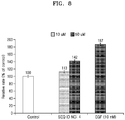
- FIG. 8 Control SEQ ID NO: 4 EGF (10 nM) 10 ⁇ M 50 ⁇ M 100 113 142 187
- Mouse fibroblast NIH3T3 was seeded in a 6-well plate at a density of 5 ⁇ 10 3 cells/well, and then cultured overnight. Subsequently, the media were changed to 0.05 % FBS-containing media. Then, treatment with the positive control, i.e., 100 nM bFGF, and 10 ⁇ M or 50 ⁇ M of the peptide consisting of an amino acid sequence of SEQ ID NO: 1, 2, 3, or 4 were performed and cultured for 30 minutes. Then, the cells were collected to prepare cell lysate.
- the positive control i.e., 100 nM bFGF, and 10 ⁇ M or 50 ⁇ M of the peptide consisting of an amino acid sequence of SEQ ID NO: 1, 2, 3, or 4 were performed and cultured for 30 minutes. Then, the cells were collected to prepare cell lysate.
- the peptide consisting of an amino acid sequence of SEQ ID NO: 1, 2, 3, or 4 was found to exhibit effects of promoting proliferation by activation of MAPK (ERK, p38, and JNK) and AKT, i.e., signaling factors involved in proliferation of fibroblasts.
- MAPK ERK, p38, and JNK
- AKT i.e., signaling factors involved in proliferation of fibroblasts.
- Human keratinocyte HaCaT was seeded in a 6-well plate at a density of 3 ⁇ 10 5 cells/well, and then cultured overnight. Subsequently, the media were changed to 0.05 % FBS-containing media. Then, treatment with the positive control, i.e., 10 nM EGF, and 10 ⁇ M or 50 ⁇ M of the peptide consisting of an amino acid sequence of SEQ ID NO: 1 or 2 were performed and cultured for 30 minutes. Then, the cells were collected to prepare cell lysate. Then, western blotting was performed using P-MAPK (p-Erk, p-JNK, p-p38) and p-Akt antibody (Santacruz Biotechnology, USA). The comparison results of phosphorylation aspects thereof are shown in FIGS. 13 and 14 .
- the peptide consisting of an amino acid sequence of SEQ ID NO: 1 or 2 was found to exhibit effects of promoting proliferation by activation of ERK and p38, i.e., signaling factors involved in proliferation of human keratinocytes.
- Mouse fibroblast NIH3T3 was seeded in a 6-well plate at a density of 5 ⁇ 10 3 cells/well, and then cultured overnight. Subsequently, the media were changed to 0.05 % FBS-containing media, followed by culturing for 4 hours. Then, treatment with the positive control, i.e., 100 nM IGF-1, and 10 ⁇ M or 50 ⁇ M of the peptide consisting of an amino acid sequence of SEQ ID NO: 1, 2, 3, or 4 were performed and cultured for 24 hours. Then, the cells were cultured and collected to isolate RNA.
- the positive control i.e., 100 nM IGF-1, and 10 ⁇ M or 50 ⁇ M of the peptide consisting of an amino acid sequence of SEQ ID NO: 1, 2, 3, or 4 were performed and cultured for 24 hours. Then, the cells were cultured and collected to isolate RNA.
- cDNA was synthesized using a cDNA synthesis kit (Intron, Korea) after quantification of RNA, and PCR was carried out using primers of each of PCR premix (Intron, Korea) and collagen1a, fibronectin, elastin, GAPDH in Table 4. Then, the cells were run on 5 % agarose gel, and degrees of mRNA expression of the growth factors were compared in each peptide treatment condition. The results are shown in FIGS. 15 to 18 . Table 4 Sequence ID No.
- the peptide consisting of an amino acid sequence of SEQ ID NO: 1, 2, 3, or 4 shows effects of increasing expression of mRNA of collagen, fibronectin, and elastin as constituents of ECM through promoting fibroblast activity, respectively.
- Human keratinocyte HaCaT was seeded in a 6-well plate at a density of 3 ⁇ 10 5 cells/well, and then cultured overnight. Subsequently, the media were changed to 0.05 % FBS-containing media, followed by culturing for 4 hours. Then, treatment with the positive control, i.e., 100 nM EGF, and 10 ⁇ M or 50 ⁇ M of the peptide consisting of an amino acid sequence of SEQ ID NO: 1 or 2 were performed and cultured for 24 hours. Then, the cells were cultured and collected to isolate RNA.
- the positive control i.e., 100 nM EGF, and 10 ⁇ M or 50 ⁇ M of the peptide consisting of an amino acid sequence of SEQ ID NO: 1 or 2 were performed and cultured for 24 hours. Then, the cells were cultured and collected to isolate RNA.
- cDNA was synthesized using a cDNA synthesis kit (Intron, Korea) after quantification of RNA, and PCR was carried out using primers of each of PCR premix (Intron, Korea) and AQP3, SIRT1, and GAPDH in Table 5. Then, the cells were run on 5 % agarose gel, and degrees of mRNA expression of the growth factors were compared in each peptide treatment condition. The results are shown in FIGS. 19 to 21 . Table 5 Sequence ID No.
- the peptide consisting of an amino acid sequence of SEQ ID NO: 1 or 2 shows effects of increasing AQP3 expression, which is a protein related to skin barrier enhancement through promotion of keratinocyte activation.
- Mouse fibroblast NIH3T3 was seeded in a 6-well plate at a density of 5 ⁇ 10 3 cells/well, and then cultured overnight. Subsequently, the media were changed to 0.05 % serum-free media. Then, treatment with the positive control, i.e., 100 nM EGF, and the peptide consisting of an amino acid sequence of SEQ ID NO: 1 or 2 were performed and cultured for 24 hours. Then, the cells were fixed for 30 minutes using 4 % paraformaldehyde. Then, after washing 3 times, the cells were reacted with 0.5 % Triton X-100 for 15 minutes and washed again 3 times.
- the positive control i.e., 100 nM EGF
- the peptide consisting of an amino acid sequence of SEQ ID NO: 1 or 2 were performed and cultured for 24 hours. Then, the cells were fixed for 30 minutes using 4 % paraformaldehyde. Then, after washing 3 times, the cells were reacted
- the peptide consisting of an amino acid sequence of SEQ ID NO: 1 or 2 shows effects of increasing expression of proteins of collagen, fibronectin, and elastin as constituents of ECM through promoting fibroblast activity, respectively.
- Mouse fibroblast NIH3T3 was seeded in a 6-well plate at a density of 5 ⁇ 10 3 cells/well, and then cultured overnight. Subsequently, the media were changed to 0.05 % FBS-containing media, followed by culturing for 4 hours. Then, treatment with the positive control, i.e., 100 nM IGF-1, and the peptide consisting of an amino acid sequence of SEQ ID NO: 1, 2, 3, or 4 were performed and cultured for 72 hours. Then, the media were collected. The amount in the medium was measured using Procollagen1a ELISA kit (Usbiological Lifescience, USA). The results thereof are shown in FIGS. 28 to 31 and Table 6. Table 6 Procollagen1 a expression (%) FIG.
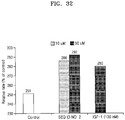
- Human keratinocyte HaCaT was seeded in a 6-well plate at a density of 3 ⁇ 10 5 cells/well, and then cultured overnight. The media were changed to 0.05 % FBS-containing media, followed by culturing for 4 hours. Then, treatment with the positive control, i.e., 100 nM IGF-1, and the peptide consisting of an amino acid sequence of SEQ ID NO: 2 were performed and cultured for 72 hours. Then, the media were collected. An HA ELISA kit (Echelon, USA) was used to measure an amount thereof. The results thereof are shown in FIG. 32 and Table 7. Table 7 HA expression (ng/mL) FIG. 32 Control SEQ ID NO: 2 IGF-1 (100 nM) 10 ⁇ M 50 ⁇ M 251 286 292 280
- the peptide consisting of an amino acid sequence of SEQ ID NO: 2 shows effects of increasing HA expression, which is a protein related to skin barrier enhancement through promotion of keratinocyte activation.
- the present disclosure relates to a peptide consisting of an amino acid sequence of SEQ ID NO: 1, 2, 3, or 4, a pharmaceutical composition for preventing or treating skin disease including the peptide, a cosmetic composition for skin condition improvement including the peptide, a food composition for skin condition improvement including the peptide, a method of preventing or treating skin disease using the peptide, and a use of the peptide in preventing or treating skin disease or improving skin condition.
Landscapes
- Health & Medical Sciences (AREA)
- Life Sciences & Earth Sciences (AREA)
- Chemical & Material Sciences (AREA)
- General Health & Medical Sciences (AREA)
- Veterinary Medicine (AREA)
- Animal Behavior & Ethology (AREA)
- Public Health (AREA)
- Organic Chemistry (AREA)
- Proteomics, Peptides & Aminoacids (AREA)
- Dermatology (AREA)
- Molecular Biology (AREA)
- Medicinal Chemistry (AREA)
- Biophysics (AREA)
- Biochemistry (AREA)
- Genetics & Genomics (AREA)
- Epidemiology (AREA)
- Engineering & Computer Science (AREA)
- Gerontology & Geriatric Medicine (AREA)
- Birds (AREA)
- Mycology (AREA)
- Polymers & Plastics (AREA)
- Food Science & Technology (AREA)
- Nutrition Science (AREA)
- Immunology (AREA)
- Pharmacology & Pharmacy (AREA)
- Bioinformatics & Cheminformatics (AREA)
- Gastroenterology & Hepatology (AREA)
- Peptides Or Proteins (AREA)
- Cosmetics (AREA)
- Coloring Foods And Improving Nutritive Qualities (AREA)
- Medicines That Contain Protein Lipid Enzymes And Other Medicines (AREA)
Abstract
Description
- The present disclosure relates to a peptide consisting of an amino acid sequence of SEQ ID NO: 1, 2, 3, or 4, a pharmaceutical composition for preventing or treating skin disease including the peptide, a cosmetic composition for skin condition improvement including the peptide, a food composition for skin condition improvement including the peptide, a method of preventing or treating skin disease using the peptide, and a use of the peptide in preventing or treating skin disease or improving skin condition.
- Human skin constantly changes, the most representative of which is deterioration of skin function and decrease of visual beauty due to aging. Skin aging is classified into endogenous aging due to genetic factors and exogenous aging due to external environmental factors such as sunlight.
- Wrinkles are formed on the skin due to aging, and representative wrinkle formation factors include active oxygen, ultraviolet rays, and decrease in collagen biosynthesis. In the case of endogenous aging of the skin, artificial control is not possible, but in the case of exogenous aging, aging may be prevented, treated, or delayed by removing active oxygen, proliferating fibroblasts, and promoting collagen biosynthesis.
- The present inventors have endeavored to develop an excellent peptide having biologically effective activity. As a result, it was found that a peptide including an amino acid sequence of SEQ ID NO: 1, 2, 3, or 4 may be effectively used in improving skin wrinkle, thereby completing the present disclosure.
- A object of the present disclosure is to provide a peptide consisting of an amino acid sequence of SEQ ID NO: 1, 2, 3, or 4.
- Another object of the present disclosure is to provide a pharmaceutical composition for preventing or treating skin disease including at least one peptide selected from the group consisting of a peptide consisting of an amino acid sequence of SEQ ID NO: 1 or 2.
- Still another object of the present disclosure is to provide a cosmetic composition for skin condition improvement including at least one peptide selected from the group consisting of a peptide consisting of an amino acid sequence of SEQ ID NO: 1, 2, 3, or 4.
- Still another object of the present disclosure is to provide a food composition for skin condition improvement including at least one peptide selected from the group consisting of a peptide consisting of an amino acid sequence of SEQ ID NO: 1, 2, 3, or 4
- Still another object of the present disclosure is to provide a method of preventing or treating skin disease using a peptide consisting of an amino acid sequence of SEQ ID NO: 1 or 2.
- Still another object of the present disclosure is to provide a use of a peptide consisting of an amino acid sequence of SEQ ID NO: 1, 2, 3, or 4 in improving skin condition.
- Still another object of the present disclosure is to provide a use of a peptide consisting of an amino acid sequence of SEQ ID NO: 1 or 2 in preventing or treating skin disease.
- The present disclosure relates to a peptide consisting of an amino acid sequence of SEQ ID NO: 1, 2, 3, or 4, a pharmaceutical composition for preventing or treating skin disease including the peptide, a cosmetic composition for skin condition improvement including the peptide, a food composition for skin condition improvement including the peptide, a method of preventing or treating skin disease using the peptide, and a use of the peptide in preventing or treating skin disease or improving skin condition.
- Representative features of a skin wrinkle area are decreased level of extracellular matrix proteins (ECM), such as collagen, elastin, and fibronectin levels, which constitute dermis.
- In order to exhibit the effect of improving skin wrinkles, it is necessary to show the effect of increasing the expression of ECM molecules by promoting proliferation and activation of fibroblasts, which are the main cells constituting the dermis. In order to confirm the efficacy of these peptides, MTT assay, MAPK, AKT phosphorylation level test (phosphorylation form is the active form of signaling molecules associated with cell proliferation), collagen, elastin, and fibronectin expression test (identification of mRNA levels by RT-PCR and protein levels by ELISA) were carried out. As a result, positive effects were shown.
- In addition, by observing the effect of promoting the proliferation of keratinocytes, which are epidermal constituent cells, and increasing the expression of HA, AQP3, and SIRT1, it was confirmed that the peptide has an effect of inhibiting external stimulation by barrier strengthening.
- Hereinafter, the present disclosure will be described in further detail.
- An aspect of the present disclosure relates to a peptide consisting of an amino acid sequence of SEQ ID NO: 1, 2, 3, or 4.
- In the peptide, an N-terminal and/or C-terminal modification may be induced to select a portion of the amino acid sequence and increase its activity. Such N-terminal and/or C-terminal modification may significantly improve stability of the peptide of the present disclosure. For example, the half-life in vivo administration of the peptide may be increased.
- The N-terminal of the peptide may be modified by being linked to a protecting group selected from the group consisting of an acetyl group, a fluorenylmethoxycarbonyl group, a formyl group, a palmitoyl group, a myristyl group, a stearyl group, and a polyethylene glycol (PEG).
- The C-terminal of the peptide may be modified by being linked to a hydroxyl group (-OH), an amino group (-NH2), an azide group (-NHNH2), or the like, but is not limited thereto.
- The protecting group acts to protect the peptide of the present invention against attack of a protein cleavage enzyme in vivo.
- An aspect of the present disclosure relates to a pharmaceutical composition for preventing or treating skin disease including at least one peptide selected from the group consisting of a peptide consisting of an amino acid sequence of SEQ ID NO: 1 or 2.
- The skin disease may be psoriasis, atopic dermatitis, non-allergic dermatitis, and xeroderma, but is not limited thereto.
- The pharmaceutical composition may comprise a pharmaceutically effective amount of at least one peptide selected from the group consisting of a peptide consisting of an amino acid sequence of SEQ ID NO: 1 or 2.
- In addition, the pharmaceutical composition may further include a pharmaceutically acceptable carrier.
- The pharmaceutically acceptable carrier may be any suitable carrier generally included in preparation. The pharmaceutically acceptable carrier may include lactose, dextrose, sucrose, sorbitol, mannitol, starch, acacia rubber, calcium phosphate, alginate, gelatin, calcium silicate, microcrystalline cellulose, polyvinylpyrrolidone, cellulose, water, syrup, methyl cellulose, methylhydroxybenzoate, propylhydroxybenzoate, talc, magnesium stearate, and mineral oil, but is not limited thereto. The pharmaceutically acceptable carrier and preparation that are suitable for use are described in detail in Remington's Pharmaceutical Sciences (19th ed., 1995).
- The pharmaceutical composition may further include, in addition to the foregoing ingredients, a lubricant, a humectant, a sweetener, a flavoring agent, an emulsifier, a suspension, or a preservative, but is not limited thereto.
- The pharmaceutical composition may be orally or parenterally administered. Preferably, the pharmaceutical composition may be parenterally administered. Parental administration may be intramuscular administration, intravenous administration, subcutaneous administration, intraperitoneal administration, local administration, or dermal administration, but is not limited thereto.
- The dosage of the pharmaceutical composition may be in a range of 0.0001 microgram (µg) to 1,000 µg (0.001 µg to 1,000 µg, 0.01 µg to 1,000 µg, 0.1 µg to 1,000 µg, or 1.0 µg to 1,000 µg) per day, but is not limited thereto. Prescription may vary depending on the preparation method, administration method, age, weight, sex, pathological condition, food, administration time, administration route, excretion rate, and responsiveness of the patient.
- The pharmaceutical composition may be prepared in a form of a unit dose by formulating it with a pharmaceutically acceptable carrier and/or excipient or prepared in a multi-dose container according to a method which may be easily carried out by one of ordinary skill in the art to which the present invention belongs.
- The formulation may be in a form of solutions, suspensions, or emulsions in oils or aqueous media or in a form of excipients, powders, granules, tablets, or capsules, and may additionally contain dispersing agents and/or stabilizers.
- Still another aspect of the present disclosure relates to a food composition for skin condition improvement including as an active ingredient at least one peptide selected from the group consisting of a peptide consisting of an amino acid sequence of SEQ ID NO: 1, 2, 3, or 4
The skin condition improvement may be wrinkle improvement, skin regeneration, skin elasticity improvement, skin aging inhibition, wound regeneration, acne improvement, skin regeneration, or skin whitening, but is not limited thereto. - The food may be various foods, beverages, food additives, and the like.
- An amount of the peptide as an active ingredient contained in the food composition is not particularly limited and may be properly controlled depending on a type of food or a desired used thereof. For example, an amount of the peptide may be added in a range of 0.01 % to 15 % by weight of the total food weight, and an amount of the peptide may be added to a health beverage composition in a range of 0.02g to 10 g, preferably 0.3 g to 1 g based on 100 mL.
- When the food is a beverage, liquid components are not particularly limited except that the peptide is contained as an essential ingredient in the indicated ratio, and the beverage may contain additional ingredients such as various flavoring agents or natural carbohydrates as in general beverages.
- Examples of the natural carbohydrates include conventional sugars, such as monosaccharides, e.g., glucose, fructose, and the like; disaccharides, e.g., maltose, sucrose, and the like; and polysaccharides, e.g., dextrin, cyclodextrin, and sugar alcohols such as xylitol, sorbitol, and erythritol.
- As a flavoring agent other than the above-mentioned, a natural flavoring agent (taumartin or a stevia extract, e.g., rebaudioside A, glycyrrhizin, or the like); and a synthetic flavoring agent such as saccharin, aspartame. and the like may be used. A ratio of such natural carbohydrates may be generally about 1 g to 20 g, preferably 5 g to 12 g per 100 mL of the composition of the present disclosure.
- In addition to the above, the food composition of the present disclosure may contain various nutrients, vitamins, minerals (electrolytes), flavors such as synthetic and natural flavors, coloring agents and neutralizing agents (cheese, chocolate, etc.), pectic acid and salts thereof, alginic acid and salts thereof, organic acids, protective colloidal thickeners, pH adjusters, stabilizers, preservatives, glycerin, alcohols, carbonation agents used in carbonated beverages, and the like.
- In addition, the food composition of the present disclosure may contain flesh for the production of natural fruit juices, fruit juice drinks, and vegetable drinks. These components may be used independently or in combination. A ratio of such additives is not critical but is generally in a range of 0 to about 20 parts by weight per 100 parts by weight of the composition of the present disclosure.
- Still another aspect of the present disclosure relates to a cosmetic composition for skin condition improvement including at least one selected from the group consisting of a peptide consisting of an amino acid sequence of SEQ ID NO: 1, 2, 3, or 4.
- The skin condition improvement may be wrinkle improvement, skin regeneration, skin elasticity improvement, skin aging inhibition, wound regeneration, acne improvement, skin regeneration, or skin whitening, but is not limited thereto.
- The cosmetic composition may include: (a) a cosmetically effective amount of the peptide of the present disclosure and/or (b) a cosmetically acceptable carrier, but is not limited thereto.
- The term "cosmetic effective amount" as used herein means an amount sufficient to achieve the skin improving efficacy of the composition of the present disclosure described above.
- The cosmetic composition may be prepared in any formulation conventionally prepared in the art, for example, solutions, suspensions, emulsions, pastes, gels, creams, lotions, powders, soaps, surfactant-containing cleansing, oils, powder foundations, emulsion foundations, wax foundations, sprays, and the like, but is not limited thereto. More specifically, the cosmetic composition may be prepared in the form of a flexible lotion, nutrition lotion, nutrition cream, massage cream, essence, eye cream, cleansing cream, cleansing foam, cleansing water, pack, spray, or powder.
- When a formulation of a cosmetic product of the present disclosure is a paste, cream, or gel, animal oils, vegetable oils, waxes, paraffins, starches, trachants, cellulose derivatives, polyethylene glycols, silicones, bentonites, silicas, talc or zinc oxide may be used as a carrier component.
- When a formulation of a cosmetic product of the present disclosure is powder or spray, lactose, talc, silica, aluminum hydroxide, calcium silicate, or polyamide powder may be used as a carrier component. In particular, in the case of spray, a propellant such as chlorofluorohydrocarbon, propane/butane, or dimethyl ether may be further included.
- When a formulation of a cosmetic product of the present disclosure is a solution or emulsion, a solvent, a solubilizer, or an emulsifier is used as a carrier component, such as water, ethanol, isopropanol, ethyl carbonate, ethyl acetate, benzyl alcohol, benzyl benzoate, propylene glycol, 1,3-butylglycol oil, glycerol aliphatic ester, polyethylene glycol, or fatty acid esters of sorbitan.
- When a formulation of a cosmetic product of the present disclosure is a suspension, a liquid diluent such as water, ethanol, or propylene glycol, a suspending agent such as ethoxylated isostearyl alcohol, polyoxyethylene sorbitol ester, and polyoxyethylene sorbitan ester, microcrystalline cellulose, aluminum metahydroxide, bentonite, agar, or tracant may be used as a carrier component.
- When a formulation of a cosmetic product of the present disclosure is a surfactant-containing cleansing, as a carrier component, aliphatic alcohol sulfate, aliphatic alcohol ether sulfate, sulfosuccinic acid monoester, isethionate, an imidazolinium derivative, methyltaurate, sarcosinate, fatty acid amide ether sulfate, alkylamidobetaine, aliphatic alcohol, fatty acid glyceride, fatty acid diethanolamide, vegetable oil, a lanolin derivative, or ethoxylated glycerol fatty acid ester may be used.
- Components included in the cosmetic composition of the present disclosure include components conventionally used in cosmetic compositions, in addition to a peptide and a carrier component as active ingredients, for example, conventional adjuvants such as antioxidants, stabilizers, solubilizers, vitamins, pigments, and flavorings.
- The term "skin condition improvement" as used herein encompasses a process of treating, alleviating, or relieving damage to skin caused by intrinsic or extrinsic factors of the skin or its effect. For example, the term may mean alleviating or improving inflammation in skin, but it is not limited thereto.
- Still another aspect of the present disclosure relates to a use of a peptide consisting of an amino acid sequence of SEQ ID NO: 1, 2, 3, or 4 in improving skin condition.
- The skin condition improvement may be wrinkle improvement, skin regeneration, skin elasticity improvement, skin aging inhibition, wound regeneration, acne improvement, skin regeneration, or skin whitening, but is not limited thereto.
- Still another aspect of the present disclosure relates to a use of a peptide consisting of an amino acid sequence of SEQ ID NO: 1 or 2 in preventing or treating skin disease.
- The skin disease may be psoriasis, atopic dermatitis, non-allergic dermatitis, and xeroderma, but is not limited thereto.
- The peptide consisting of an amino acid sequence of SEQ ID NO: 1 or 2 is the same as those described above.
- The term "peptide" as used herein refers to a linear molecule formed by binding amino acid residues to each other by peptide bonds. The peptides of the present disclosure may be prepared by chemical synthesis methods known in the art, in particular solid-phase synthesis techniques (solid-phase synthesis techniques; Merrifield, J. Amer. Chem. Soc. 85:2149-54(1963); Stewart, et al., Solid Phase Peptide Synthesis, 2nd. ed., Pierce Chem. Co.: Rockford, 111(1984)) or liquid phase synthesis technology (
US Pat. No. 5,516,891 ). - The term "stability" as used herein means not only in vivo stability but also storage stability (e.g., room temperature storage stability).
- The term "pharmaceutically effective amount" as used herein means an amount sufficient to achieve the efficacy or activity of the peptides described above.
- The present disclosure relates to a peptide consisting of an amino acid sequence of SEQ ID NO: 1, 2, 3, or 4, a pharmaceutical composition for preventing or treating skin disease including the peptide, a cosmetic composition for skin condition improvement including the peptide, a food composition for skin condition improvement including the peptide, a method of preventing or treating skin disease using the peptide, and a use of the peptide in preventing or treating skin disease or improving skin condition.
-
-
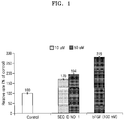
FIG. 1 is a graph showing evaluation results of proliferation of fibroblasts of a peptide consisting of an amino acid sequence of SEQ ID NO: 1 according to an embodiment the present disclosure; -
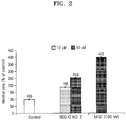
FIG. 2 is a graph showing evaluation results of proliferation of fibroblasts of a peptide consisting of an amino acid sequence of SEQ ID NO: 2 according to an embodiment the present disclosure; -
FIG. 3 is a graph showing evaluation results of proliferation of fibroblasts of a peptide consisting of an amino acid sequence of SEQ ID NO: 3 according to an embodiment the present disclosure; -
FIG. 4 is a graph showing evaluation results of proliferation of fibroblasts of a peptide consisting of an amino acid sequence of SEQ ID NO: 4 according to an embodiment the present disclosure; -
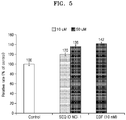
FIG. 5 is a graph showing evaluation results of proliferation of keratinocytes of a peptide consisting of an amino acid sequence of SEQ ID NO: 1 according to an embodiment the present disclosure; -
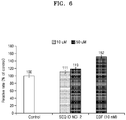
FIG. 6 is a graph showing evaluation results of proliferation of keratinocytes of a peptide consisting of an amino acid sequence of SEQ ID NO: 2 according to an embodiment the present disclosure; -
FIG. 7 is a graph showing evaluation results of proliferation of keratinocytes of a peptide consisting of an amino acid sequence of SEQ ID NO: 3 according to an embodiment the present disclosure; -
FIG. 8 is a graph showing evaluation results of proliferation of keratinocytes of a peptide consisting of an amino acid sequence of SEQ ID NO: 4 according to an embodiment the present disclosure; -
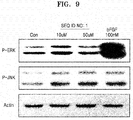
FIG. 9 is an image showing measurement results of phosphorylation level of MAPK (AKT elimination) in fibroblasts of a peptide consisting of an amino acid sequence of SEQ ID NO: 1 according to an embodiment the present disclosure; -
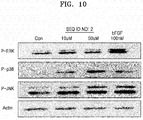
FIG. 10 is an image showing measurement results of phosphorylation level of MAPK (AKT elimination) in fibroblasts of a peptide consisting of an amino acid sequence of SEQ ID NO: 2 according to an embodiment the present disclosure; -
FIG. 11 is an image showing measurement results of phosphorylation level of MAPK and AKT in fibroblasts of a peptide consisting of an amino acid sequence of SEQ ID NO: 3 according to an embodiment the present disclosure; -
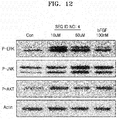
FIG. 12 is an image showing measurement results of phosphorylation level of MAPK and AKT in fibroblasts of a peptide consisting of an amino acid sequence of SEQ ID NO: 4 according to an embodiment the present disclosure; -
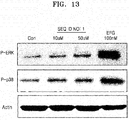
FIG. 13 is an image showing measurement results of phosphorylation level of MAPK (AKT elimination) in keratinocytes of a peptide consisting of an amino acid sequence of SEQ ID NO: 1 according to an embodiment the present disclosure; -
FIG. 14 is an image showing measurement results of phosphorylation level of MAPK (AKT elimination) in keratinocytes of a peptide consisting of an amino acid sequence of SEQ ID NO: 2 according to an embodiment the present disclosure; -
FIG. 15 is an image showing results of collagen1a, fibronectin and elastin RT-PCR of a peptide consisting of an amino acid sequence of SEQ ID NO: 1 according to the embodiment of the present disclosure; -
FIG. 16 is an image showing results of collagen1a, fibronectin and elastin RT-PCR of a peptide consisting of an amino acid sequence of SEQ ID NO: 2 according to the embodiment of the present disclosure; -
FIG. 17 is an image showing results of collagen1a, fibronectin and elastin RT-PCR of a peptide consisting of an amino acid sequence of SEQ ID NO: 3 according to the embodiment of the present disclosure; -
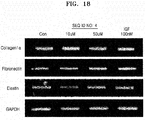
FIG. 18 is an image showing results of collagen1a, fibronectin and elastin RT-PCR of a peptide consisting of an amino acid sequence of SEQ ID NO: 4 according to the embodiment of the present disclosure; -
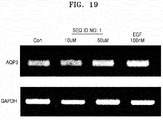
FIG. 19 is an image showing results of AQP3 (Aquaporin 3) RT-PCR of a peptide consisting of an amino acid sequence of SEQ ID NO: 1 according to the embodiment of the present disclosure; -
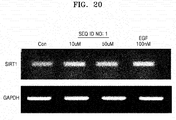
FIG. 20 is an image showing results of SIRT1 RT-PCR of a peptide consisting of an amino acid sequence of SEQ ID NO: 1 according to the embodiment of the present disclosure; -
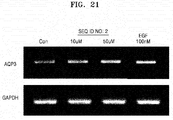
FIG. 21 is an image showing results of AQP3 (Aquaporin 3) RT-PCR of a peptide consisting of an amino acid sequence of SEQ ID NO: 2 according to the embodiment of the present disclosure; -
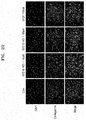
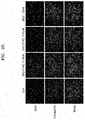
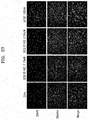
FIG. 22 is an image showing measurement results of an expression amount of collagen1a of a peptide consisting of an amino acid sequence of SEQ ID NO: 1 according to the embodiment of the present disclosure; -
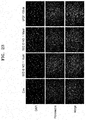
FIG. 23 is an image showing measurement results of an expression amount of fibronectin of a peptide consisting of an amino acid sequence of SEQ ID NO: 1 according to the embodiment of the present disclosure; -
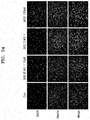
FIG. 24 is an image showing measurement results of an expression amount of elastin of a peptide consisting of an amino acid sequence of SEQ ID NO: 1 according to the embodiment of the present disclosure; -
FIG. 25 is an image showing measurement results of an expression amount of collagen1a of a peptide consisting of an amino acid sequence of SEQ ID NO: 2 according to the embodiment of the present disclosure; -
FIG. 26 is an image showing measurement results of an expression amount of fibronectin of a peptide consisting of an amino acid sequence of SEQ ID NO: 2 according to the embodiment of the present disclosure; -
FIG. 27 is an image showing measurement results of an expression amount of elastin of a peptide consisting of an amino acid sequence of SEQ ID NO: 2 according to the embodiment of the present disclosure; -
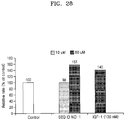
FIG. 28 is an image showing results of Procollagen1a ELISA of a peptide consisting of an amino acid sequence of SEQ ID NO: 1 according to the embodiment of the present disclosure; -
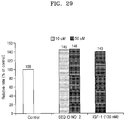
FIG. 29 is an image showing results of Procollagen1a ELISA of a peptide consisting of an amino acid sequence of SEQ ID NO: 2 according to the embodiment of the present disclosure; -
FIG. 30 is an image showing results of Procollagen1a ELISA of a peptide consisting of an amino acid sequence of SEQ ID NO: 3 according to the embodiment of the present disclosure; -
FIG. 31 is an image showing results of Procollagen1a ELISA of a peptide consisting of an amino acid sequence of SEQ ID NO: 4 according to the embodiment of the present disclosure; and -
FIG. 32 is an image showing results of HA ELISA of a peptide consisting of an amino acid sequence of SEQ ID NO: 2 according to the embodiment of the present disclosure; - The present disclosure relates to a peptide consisting of an amino acid sequence of SEQ ID NO: 1, 2, 3, or 4.
- Hereinafter, the present invention will be described in further detail with reference to Examples. However, these Examples are for illustrative purposes only, and the present disclosure is not intended to be limited by these Examples.
- 70 g of chlorotrityl chloride resin (CTC resin, Nova biochem Cat No. 01-64-0021) was placed in a reaction vessel, and 490 mL of methylene chloride (MC) was added thereto and stirred for 3 minutes. Then, the solution was removed, 490 mL of dimethylformamide (DMF) was added thereto, the mixture was stirred for 3 minutes, and then the solvent was removed. 700 mL of dichloromethane solution was added to the reactor, and 200 mmole of Fmoc-Tyr (tBu)-OH (Bachem, Switzerland) and 400 mmole of diisopropylethylamine (DIEA) were added thereto followed by stirring and dissolving. The reaction was carried out with stirring for 1 hour. After washing, methanol and DIEA (2:1) were dissolved in dechloromethane (DCM), reacted for 10 minutes, and washed with excess DCM/DMF (1:1). Then, the solution was removed, 490 mL of dimethylformamide (DMF) was added thereto, the mixture was stirred for 3 minutes, and then the solvent was removed. 700 mL of a deprotection solution (20 % piperidine/DMF) was added to the reaction vessel, stirred at room temperature for 10 minutes, and then the solution was removed. The same amount of a deprotection solution was added thereto, and the reaction was maintained for 10 minutes. The solution was then removed and washed three minutes each twice with DMF, once with MC, and once with DMF to thereby prepare Tyr(tBu)-CTC resin.
- 700 mL of a DMF solution was added to another reactor, and 200 mmole of Fmoc-Arg (Pbf)-OH (Bachem, Switzerland), 200 mmole of HoBt, and 200 mmole of HBTu were added thereto, followed by dissolving with stirring. The reactor was charged with 400 mmole DIEA in two portions and stirred for at least 5 minutes until all the solids dissolved. The dissolved amino acid mixture solution was placed in a reaction vessel containing the deprotected resin and allowed to react for 1 hour at room temperature with stirring. The reaction solution was removed, and the mixture was stirred with DMF solution three times for 5 minutes and then removed. A small amount of the reaction resin was taken, and the degree of reaction was checked using a Kaiser test (Nihydrin Test). Arg(Pbf)-Tyr(tBu)-CTC resin was prepared by the same deprotection reaction twice as described above using the deprotection solution. After thoroughly washing with DMF and MC and once again performing a Kaiser test, the following amino acid adhesion experiment was performed as described above. Fmoc-Gly-OH, Fmoc-Gly-OH, Fmoc-Gly-OH, Fmoc-Trp-OH, Fmoc-Lys(Boc)-OH were sequenced according to the selected amino acid sequence. The Fmoc-protecting group was reacted twice with the deprotecting solution for 10 minutes, followed by washing for removing the solution. Peptidyl resin was washed three times each with DMF, MC and methanol, dried slowly by flowing nitrogen air, and then completely dried by vacuum under reduced pressure in P2O5, followed by addition of 1,900 mL of a deodorant solution (trifluroacetic acid 81.5 %, distilled water 5.0 %, thioanisole 5.0 %, phenol 5.0 %, ethanedithiol (EDT) 2.5 %, and triisopropylsilane (TIS) 1.0 %). The mixture was then shaken at room temperature, and the reaction was maintained for 2 hours. The resin was filtered, and the resin was washed with a small amount of TFA solution and then combined with the mother liquid. 2,090 mL of the combined mother liquid was added with cold ether to induce precipitation, and the precipitate was collected by centrifugation and washed twice with cold ether. The mother liquid was removed and sufficiently dried under nitrogen to synthesize 79.8 g of the peptide consisting of SEQ ID NO: 1 before purification (yield: 97.0 %). The molecular weight was 822.9 (theoretical value: 822.9) when the molecular weight was measured using a molecular weight analyzer.
- The peptide consisting of an amino acid sequence of SEQ ID NO: 2, SEQ ID NO: 3, or SEQ ID NO: 4 was synthesized in the same manner as described above.
Table 1 SEQ ID NO. Sequence listing Analysis value (mass analyzer) Analytical value Theoretical value 1 KWGGGRY 822.9 822.9 2 ILGRWCG 803.9 803.9 3 GPVH 408.4 408.4 4 EDEFKPPAAGR 1216.3 1216.3 - Mouse fibroblast NIH3T3 was seeded in a 96-well plate at a density of 5×10³ cells/well, and then cultured overnight. Subsequently, the media were changed to 0.05 % serum-containing media. Then, treatment with the positive control, i.e., 100 nM bFGF, and 10 µM or 50 µM of the peptide consisting of an amino acid sequence of SEQ ID NO: 1, 2, 3, or 4 were performed and cultured for 3 days. Then, 4 mg/mL MTT solution treatment was performed, and the reaction was carried out for 4 hours. Then, the resulting formazan was dissolved by treatment with dimethyl sulfoxide (hereinafter referred to as "DMSO"), and the absorbance at 560 nm was measured using a microplate reader. The results are shown in
FIGS. 1 to 4 and -
Table 2 Fibroblast proliferation (%) FIG. 1 Control SEQ ID NO: 1 bFGF (100 nM) 10 µM 50 µM 100 170 194 279 FIG. 2 Control SEQ ID NO: 2 bFGF (100 nM) 10 µM 50 µM 100 188 253 400 FIG. 3 Control SEQ ID NO: 3 bFGF (100 nM) 10 µM 50 µM 100 194 261 386 FIG. 4 Control SEQ ID NO: 4 bFGF (100 nM) 10 µM 50 µM 100 114 193 386 - As shown in
FIGS. 1 to 4 and Table 2, the peptide consisting of an amino acid sequence of SEQ ID NO: 1, SEQ ID NO: 2, SEQ ID NO: 3, or SEQ ID NO: 4 was found to promote fibroblast proliferation. - Human keratinocyte HaCaT was seeded in a 6-well plate at a density of 3×10⁵ cells/well, and then cultured overnight. Subsequently, the media were changed to 0.05 % serum-containing media. Then, treatment with the positive control, i.e., 10 nM EGF, and 10 µM or 50 µM of the peptide consisting of an amino acid sequence of SEQ ID NO: 1, 2, 3, or 4 were performed and cultured for 3 days. Then, 4 mg/mL MTT solution treatment was performed, and the reaction was carried out for 4 hours. Then, the resulting formazan was dissolved by treatment with dimethyl sulfoxide (hereinafter referred to as "DMSO"), and the absorbance at 560 nm was measured using a microplate reader. The results are shown in
FIGS. 5 to 8 and -
Table 3 Keratinocyte proliferation (%) FIG. 5 Control SEQ ID NO: 1 EGF (10 nM) 10 µM 50 µM 100 120 136 142 FIG. 6 Control SEQ ID NO: 2 EGF (10 nM) 10 µM 50 µM 100 111 119 152 FIG. 7 Control SEQ ID NO: 3 EGF (10 nM) 10 µM 50 µM 100 183 197 187 FIG. 8 Control SEQ ID NO: 4 EGF (10 nM) 10 µM 50 µM 100 113 142 187 - Mouse fibroblast NIH3T3 was seeded in a 6-well plate at a density of 5×10³ cells/well, and then cultured overnight. Subsequently, the media were changed to 0.05 % FBS-containing media. Then, treatment with the positive control, i.e., 100 nM bFGF, and 10 µM or 50 µM of the peptide consisting of an amino acid sequence of SEQ ID NO: 1, 2, 3, or 4 were performed and cultured for 30 minutes. Then, the cells were collected to prepare cell lysate. Then, western blotting was performed using P-MAPK (p-Erk, p-JNK, p-p38) and p-Akt or actin antibody (Santacruz Biotechnology, USA). The comparison results of phosphorylation aspects thereof are shown in
FIGS. 9 to 12 . - As shown in
FIGS. 9 to 12 , the peptide consisting of an amino acid sequence of SEQ ID NO: 1, 2, 3, or 4 was found to exhibit effects of promoting proliferation by activation of MAPK (ERK, p38, and JNK) and AKT, i.e., signaling factors involved in proliferation of fibroblasts. - Human keratinocyte HaCaT was seeded in a 6-well plate at a density of 3×10⁵ cells/well, and then cultured overnight. Subsequently, the media were changed to 0.05 % FBS-containing media. Then, treatment with the positive control, i.e., 10 nM EGF, and 10 µM or 50 µM of the peptide consisting of an amino acid sequence of SEQ ID NO: 1 or 2 were performed and cultured for 30 minutes. Then, the cells were collected to prepare cell lysate. Then, western blotting was performed using P-MAPK (p-Erk, p-JNK, p-p38) and p-Akt antibody (Santacruz Biotechnology, USA). The comparison results of phosphorylation aspects thereof are shown in
FIGS. 13 and14 . - As shown in
FIGS. 13 and14 , the peptide consisting of an amino acid sequence of SEQ ID NO: 1 or 2 was found to exhibit effects of promoting proliferation by activation of ERK and p38, i.e., signaling factors involved in proliferation of human keratinocytes. - Mouse fibroblast NIH3T3 was seeded in a 6-well plate at a density of 5×10³ cells/well, and then cultured overnight. Subsequently, the media were changed to 0.05 % FBS-containing media, followed by culturing for 4 hours. Then, treatment with the positive control, i.e., 100 nM IGF-1, and 10 µM or 50 µM of the peptide consisting of an amino acid sequence of SEQ ID NO: 1, 2, 3, or 4 were performed and cultured for 24 hours. Then, the cells were cultured and collected to isolate RNA. cDNA was synthesized using a cDNA synthesis kit (Intron, Korea) after quantification of RNA, and PCR was carried out using primers of each of PCR premix (Intron, Korea) and collagen1a, fibronectin, elastin, GAPDH in Table 4. Then, the cells were run on 5 % agarose gel, and degrees of mRNA expression of the growth factors were compared in each peptide treatment condition. The results are shown in
FIGS. 15 to 18 .Table 4 Sequence ID No. Primer Sequence (5'-3') 5 Collagen1a_F CACCCTCAAGAGCCTGAGTC 6 Collagen1a_R AGACGGCTGAGTAGGGAACA 7 Fibronectin_F CCAGGAACCGAGTACACCAT 8 Fibronectin_R ATACCCAGGTTGGGTGATGA 9 Elastin_F GGACCCCTGACTCGCGACCT 10 Elastin_R GGGGAGGTGGGACTGCCCAA 11 GAPDH_F GGTGTGAACGGATTTGGCCGTATTG 12 GAPDH _ R CCGTTGAATTTGCCGTGAGTGGAGT - As shown in
FIGS. 15 to 18 , the peptide consisting of an amino acid sequence of SEQ ID NO: 1, 2, 3, or 4 shows effects of increasing expression of mRNA of collagen, fibronectin, and elastin as constituents of ECM through promoting fibroblast activity, respectively. - Human keratinocyte HaCaT was seeded in a 6-well plate at a density of 3×10⁵ cells/well, and then cultured overnight. Subsequently, the media were changed to 0.05 % FBS-containing media, followed by culturing for 4 hours. Then, treatment with the positive control, i.e., 100 nM EGF, and 10 µM or 50 µM of the peptide consisting of an amino acid sequence of SEQ ID NO: 1 or 2 were performed and cultured for 24 hours. Then, the cells were cultured and collected to isolate RNA. cDNA was synthesized using a cDNA synthesis kit (Intron, Korea) after quantification of RNA, and PCR was carried out using primers of each of PCR premix (Intron, Korea) and AQP3, SIRT1, and GAPDH in Table 5. Then, the cells were run on 5 % agarose gel, and degrees of mRNA expression of the growth factors were compared in each peptide treatment condition. The results are shown in
FIGS. 19 to 21 .Table 5 Sequence ID No. Primer Sequence (5'-3') 13 AQP3_F CCTTCTTGGGTGCTGGAATA 14 AQP3_R ACACGATAAGGGAGGCTCTG 15 SIRT1_F TCAGTGGCTGGAACAGTGAG 16 SIRT1_R TCTGGCATGTCCCACTATCA - As shown in
FIGS. 19 to 21 , the peptide consisting of an amino acid sequence of SEQ ID NO: 1 or 2 shows effects of increasing AQP3 expression, which is a protein related to skin barrier enhancement through promotion of keratinocyte activation. - Mouse fibroblast NIH3T3 was seeded in a 6-well plate at a density of 5×10³ cells/well, and then cultured overnight. Subsequently, the media were changed to 0.05 % serum-free media. Then, treatment with the positive control, i.e., 100 nM EGF, and the peptide consisting of an amino acid sequence of SEQ ID NO: 1 or 2 were performed and cultured for 24 hours. Then, the cells were fixed for 30 minutes using 4 % paraformaldehyde. Then, after washing 3 times, the cells were reacted with 0.5 % Triton X-100 for 15 minutes and washed again 3 times. Then, 3 % BSA was blocked for 1 hour and the primary antibody (1: 100) for collagen 1a, fibronectin, and elastin was reacted overnight at 4 °C. Then, the secondary antibody (1:500) was reacted at room temperature for 2 hours, stained with DAPI staining, and observation was made with a fluorescence microscope. The results thereof are shown in
FIGS. 22 to 27 . - As shown in
FIGS. 22 to 27 , the peptide consisting of an amino acid sequence of SEQ ID NO: 1 or 2 shows effects of increasing expression of proteins of collagen, fibronectin, and elastin as constituents of ECM through promoting fibroblast activity, respectively. - Mouse fibroblast NIH3T3 was seeded in a 6-well plate at a density of 5×10³ cells/well, and then cultured overnight. Subsequently, the media were changed to 0.05 % FBS-containing media, followed by culturing for 4 hours. Then, treatment with the positive control, i.e., 100 nM IGF-1, and the peptide consisting of an amino acid sequence of SEQ ID NO: 1, 2, 3, or 4 were performed and cultured for 72 hours. Then, the media were collected. The amount in the medium was measured using Procollagen1a ELISA kit (Usbiological Lifescience, USA). The results thereof are shown in
FIGS. 28 to 31 and Table 6.Table 6 Procollagen1 a expression (%) FIG. 28 Control SEQ ID NO: 1 IGF-1 (100 nM) 10 µM 50 µM 100 98 157 140 FIG. 29 Control SEQ ID NO: 2 IGF-1 (100 nM) 10 µM 50 µM 100 145 146 140 FIG. 30 Control SEQ ID NO: 3 IGF-1 (100 nM) 10 µM 50 µM 100 138 143 113 FIG. 31 Control SEQ ID NO: 4 IGF-1 (100 nM) 10 µM 50 µM 100 122 141 113 - As shown in
FIGS. 28 to 31 and Table 6, upon treatment with the peptide consisting of an amino acid sequence of SEQ ID NO: 1, 2, 3, or 4, expression of procollagen1α protein was found to increase in fibroblasts. - Human keratinocyte HaCaT was seeded in a 6-well plate at a density of 3×10⁵ cells/well, and then cultured overnight. The media were changed to 0.05 % FBS-containing media, followed by culturing for 4 hours. Then, treatment with the positive control, i.e., 100 nM IGF-1, and the peptide consisting of an amino acid sequence of SEQ ID NO: 2 were performed and cultured for 72 hours. Then, the media were collected. An HA ELISA kit (Echelon, USA) was used to measure an amount thereof. The results thereof are shown in
FIG. 32 and Table 7.Table 7 HA expression (ng/mL) FIG. 32 Control SEQ ID NO: 2 IGF-1 (100 nM) 10 µM 50 µM 251 286 292 280 - As shown in
FIG. 32 and Table 7, the peptide consisting of an amino acid sequence of SEQ ID NO: 2 shows effects of increasing HA expression, which is a protein related to skin barrier enhancement through promotion of keratinocyte activation. - The present disclosure relates to a peptide consisting of an amino acid sequence of SEQ ID NO: 1, 2, 3, or 4, a pharmaceutical composition for preventing or treating skin disease including the peptide, a cosmetic composition for skin condition improvement including the peptide, a food composition for skin condition improvement including the peptide, a method of preventing or treating skin disease using the peptide, and a use of the peptide in preventing or treating skin disease or improving skin condition.


Claims (8)
- A peptide consisting of an amino acid sequence of SEQ ID NO: 1, 2, 3, or 4 having skin condition improvement activity.
- The peptide of claim 1, wherein the skin condition improvement is wrinkle improvement, skin regeneration, skin elasticity improvement, skin aging inhibition, wound regeneration, acne improvement, skin regeneration, or skin whitening.
- A cosmetic composition for skin condition improvement comprising at least one peptide selected from the group consisting of a peptide consisting of an amino acid sequence of SEQ ID NO: 1, a peptide consisting of an amino acid sequence of SEQ ID NO: 2, a peptide consisting of an amino acid sequence of SEQ ID NO: 3, and a peptide consisting of an amino acid sequence of SEQ ID NO: 4.
- The cosmetic composition of claim 3, wherein the skin condition improvement is wrinkle improvement, skin regeneration, skin elasticity improvement, skin aging inhibition, wound regeneration, acne improvement, skin regeneration, or skin whitening.
- A pharmaceutical composition for preventing or treating skin disease comprising at least one peptide selected from the group consisting of a peptide consisting of an amino acid sequence of SEQ ID NO: 1 and a peptide consisting of an amino acid sequence of SEQ ID NO: 2.
- The pharmaceutical composition of claim 5, wherein the skin disease is psoriasis, atopic dermatitis, non-allergic dermatitis, or xeroderma.
- A food composition for skin condition improvement comprising at least one peptide selected from the group consisting of a peptide consisting of an amino acid sequence of SEQ ID NO: 1, a peptide consisting of an amino acid sequence of SEQ ID NO: 2, a peptide consisting of an amino acid sequence of SEQ ID NO: 3, and a peptide consisting of an amino acid sequence of SEQ ID NO: 4.
- The food composition of claim 7, wherein the skin condition improvement is wrinkle improvement, skin regeneration, skin elasticity improvement, skin aging inhibition, wound regeneration, acne improvement, skin regeneration, or skin whitening.
Priority Applications (3)
| Application Number | Priority Date | Filing Date | Title |
|---|---|---|---|
| EP24157582.8A EP4349359A3 (en) | 2017-08-31 | 2018-07-03 | Peptide exhibiting wrinkle-improving activity and uses thereof |
| EP24157601.6A EP4349361A3 (en) | 2017-08-31 | 2018-07-03 | Peptide exhibiting wrinkle-improving activity and uses thereof |
| EP24157599.2A EP4349360A3 (en) | 2017-08-31 | 2018-07-03 | Peptide exhibiting wrinkle-improving activity and uses thereof |
Applications Claiming Priority (2)
| Application Number | Priority Date | Filing Date | Title |
|---|---|---|---|
| KR1020170111211A KR101943081B1 (en) | 2017-08-31 | 2017-08-31 | Peptides Having Activity for Wrinkle Relief and Uses Thereof |
| PCT/KR2018/007515 WO2019045248A2 (en) | 2017-08-31 | 2018-07-03 | Peptide exhibiting wrinkle-improving activity and uses thereof |
Related Child Applications (6)
| Application Number | Title | Priority Date | Filing Date |
|---|---|---|---|
| EP24157599.2A Division-Into EP4349360A3 (en) | 2017-08-31 | 2018-07-03 | Peptide exhibiting wrinkle-improving activity and uses thereof |
| EP24157599.2A Division EP4349360A3 (en) | 2017-08-31 | 2018-07-03 | Peptide exhibiting wrinkle-improving activity and uses thereof |
| EP24157582.8A Division-Into EP4349359A3 (en) | 2017-08-31 | 2018-07-03 | Peptide exhibiting wrinkle-improving activity and uses thereof |
| EP24157582.8A Division EP4349359A3 (en) | 2017-08-31 | 2018-07-03 | Peptide exhibiting wrinkle-improving activity and uses thereof |
| EP24157601.6A Division EP4349361A3 (en) | 2017-08-31 | 2018-07-03 | Peptide exhibiting wrinkle-improving activity and uses thereof |
| EP24157601.6A Division-Into EP4349361A3 (en) | 2017-08-31 | 2018-07-03 | Peptide exhibiting wrinkle-improving activity and uses thereof |
Publications (3)
| Publication Number | Publication Date |
|---|---|
| EP3677590A2 true EP3677590A2 (en) | 2020-07-08 |
| EP3677590A4 EP3677590A4 (en) | 2021-10-06 |
| EP3677590B1 EP3677590B1 (en) | 2024-03-27 |
Family
ID=65322932
Family Applications (4)
| Application Number | Title | Priority Date | Filing Date |
|---|---|---|---|
| EP24157582.8A Pending EP4349359A3 (en) | 2017-08-31 | 2018-07-03 | Peptide exhibiting wrinkle-improving activity and uses thereof |
| EP24157599.2A Pending EP4349360A3 (en) | 2017-08-31 | 2018-07-03 | Peptide exhibiting wrinkle-improving activity and uses thereof |
| EP18850102.7A Active EP3677590B1 (en) | 2017-08-31 | 2018-07-03 | Peptide exhibiting wrinkle-improving activity and uses thereof |
| EP24157601.6A Pending EP4349361A3 (en) | 2017-08-31 | 2018-07-03 | Peptide exhibiting wrinkle-improving activity and uses thereof |
Family Applications Before (2)
| Application Number | Title | Priority Date | Filing Date |
|---|---|---|---|
| EP24157582.8A Pending EP4349359A3 (en) | 2017-08-31 | 2018-07-03 | Peptide exhibiting wrinkle-improving activity and uses thereof |
| EP24157599.2A Pending EP4349360A3 (en) | 2017-08-31 | 2018-07-03 | Peptide exhibiting wrinkle-improving activity and uses thereof |
Family Applications After (1)
| Application Number | Title | Priority Date | Filing Date |
|---|---|---|---|
| EP24157601.6A Pending EP4349361A3 (en) | 2017-08-31 | 2018-07-03 | Peptide exhibiting wrinkle-improving activity and uses thereof |
Country Status (8)
| Country | Link |
|---|---|
| US (4) | US11103436B2 (en) |
| EP (4) | EP4349359A3 (en) |
| JP (1) | JP6944046B2 (en) |
| KR (1) | KR101943081B1 (en) |
| CN (4) | CN117186179B (en) |
| BR (1) | BR112020004088A2 (en) |
| ES (1) | ES2982005T3 (en) |
| WO (1) | WO2019045248A2 (en) |
Families Citing this family (15)
| Publication number | Priority date | Publication date | Assignee | Title |
|---|---|---|---|---|
| KR101943083B1 (en) * | 2017-03-30 | 2019-01-29 | (주)케어젠 | Peptides having cytoprotective effects against environmental pollutants and use thereof |
| KR101943081B1 (en) | 2017-08-31 | 2019-01-29 | (주)케어젠 | Peptides Having Activity for Wrinkle Relief and Uses Thereof |
| KR102265430B1 (en) * | 2019-08-20 | 2021-06-15 | 주식회사 케어젠 | Peptide having activities of skin condition improvement and uses thereof |
| WO2021251730A1 (en) * | 2020-06-08 | 2021-12-16 | 나인바이오팜 주식회사 | Composition comprising regentide-034 and regentide-041 for skin care or wrinkle reduction |
| KR102469721B1 (en) * | 2020-06-12 | 2022-11-23 | (주)케어젠 | Peptide Having Botulinum Toxin-Like Activity and Uses thereof |
| KR102462330B1 (en) * | 2020-10-28 | 2022-11-02 | 주식회사 에이엠메딕스 | Composition for preventing or ameliorating skin aging or wrinkle |
| KR102566132B1 (en) * | 2021-05-18 | 2023-08-14 | 대봉엘에스 주식회사 | Novel peptides and cosmetics composition comprising the same |
| JPWO2023281657A1 (en) * | 2021-07-07 | 2023-01-12 | ||
| KR102774179B1 (en) * | 2021-09-29 | 2025-03-04 | (주)케어젠 | Peptide Having Anti-Aging Activity and Uses Thereof |
| KR102877905B1 (en) * | 2021-09-30 | 2025-10-30 | (주)케어젠 | Peptide Having Anti-Aging Activity and Uses Thereof |
| KR102877906B1 (en) * | 2021-09-30 | 2025-10-30 | (주)케어젠 | Peptide Having Anti-Aging Activity and Uses Thereof |
| KR102792529B1 (en) * | 2021-12-27 | 2025-04-08 | (주)케어젠 | Peptide having activities of skin condition improvement and uses thereof |
| KR102792530B1 (en) * | 2021-12-27 | 2025-04-08 | (주)케어젠 | Peptide having activities of skin condition improvement and uses thereof |
| KR20240086708A (en) * | 2022-11-18 | 2024-06-19 | (주)케어젠 | Peptide having activities of skin condition improvement and uses thereof |
| KR20240086709A (en) * | 2022-11-18 | 2024-06-19 | (주)케어젠 | Peptide having activities of skin condition improvement and uses thereof |
Family Cites Families (23)
| Publication number | Priority date | Publication date | Assignee | Title |
|---|---|---|---|---|
| US5516891A (en) | 1992-06-16 | 1996-05-14 | Kinerton, Ltd. | Liquid phase synthesis of peptides and peptide derivatives |
| US6391311B1 (en) * | 1998-03-17 | 2002-05-21 | Genentech, Inc. | Polypeptides having homology to vascular endothelial cell growth factor and bone morphogenetic protein 1 |
| DE69939374D1 (en) * | 1998-03-17 | 2008-10-02 | Genentech Inc | TO VEGF AND BMP1 HOMOLOGOUS POLYPEPTIDES |
| US8344211B2 (en) * | 2008-08-13 | 2013-01-01 | Ceres, Inc. | Plant nucleotide sequences and corresponding polypeptides |
| WO2005035554A1 (en) * | 2003-10-10 | 2005-04-21 | Towa Kagaku Co., Ltd. | Dioxin-binding material and method of detecting or quantifying dioxin |
| AU2006214064B2 (en) * | 2005-02-18 | 2012-04-26 | J. Craig Venter Institute, Inc. | Proteins and nucleic acids from meningitis/sepsis-associated escherichia coli |
| KR20070111556A (en) * | 2005-10-24 | 2007-11-22 | (주)케어젠 | Peptides having the function of fibroblast growth factor and cosmetics using the same |
| TWI496582B (en) * | 2008-11-24 | 2015-08-21 | 必治妥美雅史谷比公司 | Bispecific egfr/igfir binding molecules |
| KR101092915B1 (en) * | 2009-07-10 | 2011-12-12 | (주)케어젠 | Growth Factor―Derived Peptides and Uses Thereof |
| KR101187871B1 (en) * | 2009-09-23 | 2012-10-05 | (주)케어젠 | FGF10-derived Peptides and Uses Thereof |
| US20110214205A1 (en) * | 2010-02-26 | 2011-09-01 | Monsanto Technology Llc. | Isolated Novel Nucleic Acid and Protein Molecules from Foxtail Millet and Methods of Using Those Molecules to Generate Transgenic Plants with Enhanced Agronomic Traits |
| EP2665742B1 (en) * | 2011-01-20 | 2016-04-20 | Oneday - Biotech And Pharma Ltd. | Antioxidant, anti-inflammatory, anti-radiation, metal chelating compounds and uses thereof |
| KR101363455B1 (en) * | 2011-09-09 | 2014-02-21 | (주)케어젠 | Peptides Inhibiting the Activity of Matrix Metalloproteases and Use Thereof |
| AU2013254690B2 (en) * | 2012-04-24 | 2017-12-07 | Thrombogenics N.V. | Anti-PDGF-C antibodies |
| KR101573745B1 (en) | 2013-09-11 | 2015-12-04 | (주)셀아이콘랩 | Peptides for promoting synthesis of collagen, method for preparing thereof, and, composition comprising thereof |
| KR20150130616A (en) * | 2014-05-13 | 2015-11-24 | (주)케어젠 | Peptides Having Activities of Skin Condition Improvement and Uses Thereof |
| KR101744959B1 (en) * | 2014-12-05 | 2017-06-12 | (주)케어젠 | Peptides Having Activities of Skin Condition Improvement and Uses Thereof |
| KR20250073577A (en) | 2015-05-26 | 2025-05-27 | 주식회사 젬백스앤카엘 | Novel peptide and composition containing the same |
| KR101831977B1 (en) | 2015-08-25 | 2018-02-23 | (주)피앤피바이오팜 | A peptide having activity of Epidermal growth factor activity and production method therefor |
| WO2017043920A1 (en) * | 2015-09-10 | 2017-03-16 | 한양대학교 산학협력단 | Skin permeable peptide and method for using same |
| KR101943083B1 (en) * | 2017-03-30 | 2019-01-29 | (주)케어젠 | Peptides having cytoprotective effects against environmental pollutants and use thereof |
| KR101943081B1 (en) * | 2017-08-31 | 2019-01-29 | (주)케어젠 | Peptides Having Activity for Wrinkle Relief and Uses Thereof |
| CN114835778B (en) * | 2022-04-27 | 2023-06-06 | 华南农业大学 | H9N2 subtype AIV MHC B2 restriction epitope peptide and application thereof |
-
2017
- 2017-08-31 KR KR1020170111211A patent/KR101943081B1/en active Active
-
2018
- 2018-07-03 CN CN202311147533.8A patent/CN117186179B/en active Active
- 2018-07-03 CN CN202311147173.1A patent/CN117186175B/en active Active
- 2018-07-03 EP EP24157582.8A patent/EP4349359A3/en active Pending
- 2018-07-03 BR BR112020004088-6A patent/BR112020004088A2/en unknown
- 2018-07-03 ES ES18850102T patent/ES2982005T3/en active Active
- 2018-07-03 WO PCT/KR2018/007515 patent/WO2019045248A2/en not_active Ceased
- 2018-07-03 CN CN201880056604.4A patent/CN111148751B/en active Active
- 2018-07-03 JP JP2020512447A patent/JP6944046B2/en active Active
- 2018-07-03 CN CN202311152562.3A patent/CN117186180B/en active Active
- 2018-07-03 EP EP24157599.2A patent/EP4349360A3/en active Pending
- 2018-07-03 US US16/642,974 patent/US11103436B2/en active Active
- 2018-07-03 EP EP18850102.7A patent/EP3677590B1/en active Active
- 2018-07-03 EP EP24157601.6A patent/EP4349361A3/en active Pending
-
2021
- 2021-07-30 US US17/389,731 patent/US11672749B2/en active Active
-
2023
- 2023-04-28 US US18/308,908 patent/US12109296B2/en active Active
- 2023-04-28 US US18/308,985 patent/US12064502B2/en active Active
Also Published As
| Publication number | Publication date |
|---|---|
| EP4349361A3 (en) | 2024-07-17 |
| ES2982005T3 (en) | 2024-10-14 |
| US20230285263A1 (en) | 2023-09-14 |
| US11672749B2 (en) | 2023-06-13 |
| BR112020004088A2 (en) | 2020-09-24 |
| EP3677590A4 (en) | 2021-10-06 |
| US20200197285A1 (en) | 2020-06-25 |
| KR101943081B1 (en) | 2019-01-29 |
| EP3677590B1 (en) | 2024-03-27 |
| EP4349360A2 (en) | 2024-04-10 |
| CN117186175A (en) | 2023-12-08 |
| CN117186175B (en) | 2025-12-02 |
| CN117186180B (en) | 2025-12-02 |
| US12064502B2 (en) | 2024-08-20 |
| EP4349359A2 (en) | 2024-04-10 |
| EP4349361A2 (en) | 2024-04-10 |
| EP4349359A3 (en) | 2024-07-17 |
| WO2019045248A2 (en) | 2019-03-07 |
| US20230285264A1 (en) | 2023-09-14 |
| CN117186179B (en) | 2025-12-02 |
| CN111148751A (en) | 2020-05-12 |
| CN117186179A (en) | 2023-12-08 |
| US20210369585A1 (en) | 2021-12-02 |
| US11103436B2 (en) | 2021-08-31 |
| WO2019045248A3 (en) | 2019-04-18 |
| CN117186180A (en) | 2023-12-08 |
| JP6944046B2 (en) | 2021-10-06 |
| CN111148751B (en) | 2023-09-05 |
| JP2020531558A (en) | 2020-11-05 |
| EP4349360A3 (en) | 2024-07-17 |
| US12109296B2 (en) | 2024-10-08 |
Similar Documents
| Publication | Publication Date | Title |
|---|---|---|
| US12109296B2 (en) | Peptide exhibiting wrinkle-improving activity and uses thereof | |
| EP2740741B1 (en) | Wnt family-derived peptide and uses thereof | |
| CN102348716B (en) | Noggin-derived peptide and use thereof | |
| KR101198918B1 (en) | WNT10 Derived Peptides and Uses Thereof | |
| EP3428177B1 (en) | Peptides exhibiting hair growth promoting activity and/or melanin production promoting activity and use thereof | |
| KR101959012B1 (en) | Peptides Having Activity for Wrinkle Relief and Uses Thereof | |
| EP2740740B1 (en) | Edar ligand-derived peptide and uses thereof | |
| KR101957352B1 (en) | Peptides Having Activity for Wrinkle Relief and Uses Thereof | |
| KR101959020B1 (en) | Peptides Having Activity for Wrinkle Relief and Uses Thereof | |
| KR20110107552A (en) | Modified JNT10-Derived Peptides and Uses thereof | |
| WO2015174600A1 (en) | Peptide showing growth factor activity, and use of same | |
| KR101719354B1 (en) | Peptides Having Growth Factor Activity and Uses Thereof | |
| EP3967327B1 (en) | Trolox-peptide conjugate and use thereof | |
| KR20180094693A (en) | Conjugate of salicylic acid and peptide |
Legal Events
| Date | Code | Title | Description |
|---|---|---|---|
| STAA | Information on the status of an ep patent application or granted ep patent |
Free format text: STATUS: THE INTERNATIONAL PUBLICATION HAS BEEN MADE |
|
| PUAI | Public reference made under article 153(3) epc to a published international application that has entered the european phase |
Free format text: ORIGINAL CODE: 0009012 |
|
| STAA | Information on the status of an ep patent application or granted ep patent |
Free format text: STATUS: REQUEST FOR EXAMINATION WAS MADE |
|
| 17P | Request for examination filed |
Effective date: 20200227 |
|
| AK | Designated contracting states |
Kind code of ref document: A2 Designated state(s): AL AT BE BG CH CY CZ DE DK EE ES FI FR GB GR HR HU IE IS IT LI LT LU LV MC MK MT NL NO PL PT RO RS SE SI SK SM TR |
|
| AX | Request for extension of the european patent |
Extension state: BA ME |
|
| DAV | Request for validation of the european patent (deleted) | ||
| DAX | Request for extension of the european patent (deleted) | ||
| RIC1 | Information provided on ipc code assigned before grant |
Ipc: C07K 5/103 20060101AFI20210426BHEP Ipc: C07K 7/06 20060101ALI20210426BHEP Ipc: C07K 7/08 20060101ALI20210426BHEP Ipc: A23L 33/18 20160101ALI20210426BHEP Ipc: A61K 8/64 20060101ALI20210426BHEP Ipc: A61Q 19/00 20060101ALI20210426BHEP Ipc: A61Q 19/02 20060101ALI20210426BHEP Ipc: A61Q 19/08 20060101ALI20210426BHEP Ipc: A61K 38/00 20060101ALI20210426BHEP |
|
| A4 | Supplementary search report drawn up and despatched |
Effective date: 20210903 |
|
| RIC1 | Information provided on ipc code assigned before grant |
Ipc: A61K 38/00 20060101ALI20210830BHEP Ipc: A61Q 19/08 20060101ALI20210830BHEP Ipc: A61Q 19/02 20060101ALI20210830BHEP Ipc: A61Q 19/00 20060101ALI20210830BHEP Ipc: A61K 8/64 20060101ALI20210830BHEP Ipc: A23L 33/18 20160101ALI20210830BHEP Ipc: C07K 7/08 20060101ALI20210830BHEP Ipc: C07K 7/06 20060101ALI20210830BHEP Ipc: C07K 5/103 20060101AFI20210830BHEP |
|
| STAA | Information on the status of an ep patent application or granted ep patent |
Free format text: STATUS: EXAMINATION IS IN PROGRESS |
|
| 17Q | First examination report despatched |
Effective date: 20220609 |
|
| GRAP | Despatch of communication of intention to grant a patent |
Free format text: ORIGINAL CODE: EPIDOSNIGR1 |
|
| STAA | Information on the status of an ep patent application or granted ep patent |
Free format text: STATUS: GRANT OF PATENT IS INTENDED |
|
| INTG | Intention to grant announced |
Effective date: 20231114 |
|
| P01 | Opt-out of the competence of the unified patent court (upc) registered |
Effective date: 20231219 |
|
| GRAS | Grant fee paid |
Free format text: ORIGINAL CODE: EPIDOSNIGR3 |
|
| GRAA | (expected) grant |
Free format text: ORIGINAL CODE: 0009210 |
|
| STAA | Information on the status of an ep patent application or granted ep patent |
Free format text: STATUS: THE PATENT HAS BEEN GRANTED |
|
| AK | Designated contracting states |
Kind code of ref document: B1 Designated state(s): AL AT BE BG CH CY CZ DE DK EE ES FI FR GB GR HR HU IE IS IT LI LT LU LV MC MK MT NL NO PL PT RO RS SE SI SK SM TR |
|
| REG | Reference to a national code |
Ref country code: GB Ref legal event code: FG4D |
|
| REG | Reference to a national code |
Ref country code: CH Ref legal event code: EP |
|
| REG | Reference to a national code |
Ref country code: DE Ref legal event code: R096 Ref document number: 602018067283 Country of ref document: DE |
|
| REG | Reference to a national code |
Ref country code: IE Ref legal event code: FG4D |
|
| REG | Reference to a national code |
Ref country code: NL Ref legal event code: FP |
|
| PG25 | Lapsed in a contracting state [announced via postgrant information from national office to epo] |
Ref country code: LT Free format text: LAPSE BECAUSE OF FAILURE TO SUBMIT A TRANSLATION OF THE DESCRIPTION OR TO PAY THE FEE WITHIN THE PRESCRIBED TIME-LIMIT Effective date: 20240327 |
|
| REG | Reference to a national code |
Ref country code: LT Ref legal event code: MG9D |
|
| PG25 | Lapsed in a contracting state [announced via postgrant information from national office to epo] |
Ref country code: GR Free format text: LAPSE BECAUSE OF FAILURE TO SUBMIT A TRANSLATION OF THE DESCRIPTION OR TO PAY THE FEE WITHIN THE PRESCRIBED TIME-LIMIT Effective date: 20240628 |
|
| PG25 | Lapsed in a contracting state [announced via postgrant information from national office to epo] |
Ref country code: RS Free format text: LAPSE BECAUSE OF FAILURE TO SUBMIT A TRANSLATION OF THE DESCRIPTION OR TO PAY THE FEE WITHIN THE PRESCRIBED TIME-LIMIT Effective date: 20240627 Ref country code: HR Free format text: LAPSE BECAUSE OF FAILURE TO SUBMIT A TRANSLATION OF THE DESCRIPTION OR TO PAY THE FEE WITHIN THE PRESCRIBED TIME-LIMIT Effective date: 20240327 |
|
| PG25 | Lapsed in a contracting state [announced via postgrant information from national office to epo] |
Ref country code: RS Free format text: LAPSE BECAUSE OF FAILURE TO SUBMIT A TRANSLATION OF THE DESCRIPTION OR TO PAY THE FEE WITHIN THE PRESCRIBED TIME-LIMIT Effective date: 20240627 Ref country code: NO Free format text: LAPSE BECAUSE OF FAILURE TO SUBMIT A TRANSLATION OF THE DESCRIPTION OR TO PAY THE FEE WITHIN THE PRESCRIBED TIME-LIMIT Effective date: 20240627 Ref country code: LT Free format text: LAPSE BECAUSE OF FAILURE TO SUBMIT A TRANSLATION OF THE DESCRIPTION OR TO PAY THE FEE WITHIN THE PRESCRIBED TIME-LIMIT Effective date: 20240327 Ref country code: HR Free format text: LAPSE BECAUSE OF FAILURE TO SUBMIT A TRANSLATION OF THE DESCRIPTION OR TO PAY THE FEE WITHIN THE PRESCRIBED TIME-LIMIT Effective date: 20240327 Ref country code: GR Free format text: LAPSE BECAUSE OF FAILURE TO SUBMIT A TRANSLATION OF THE DESCRIPTION OR TO PAY THE FEE WITHIN THE PRESCRIBED TIME-LIMIT Effective date: 20240628 Ref country code: FI Free format text: LAPSE BECAUSE OF FAILURE TO SUBMIT A TRANSLATION OF THE DESCRIPTION OR TO PAY THE FEE WITHIN THE PRESCRIBED TIME-LIMIT Effective date: 20240327 Ref country code: BG Free format text: LAPSE BECAUSE OF FAILURE TO SUBMIT A TRANSLATION OF THE DESCRIPTION OR TO PAY THE FEE WITHIN THE PRESCRIBED TIME-LIMIT Effective date: 20240327 |
|
| PG25 | Lapsed in a contracting state [announced via postgrant information from national office to epo] |
Ref country code: SE Free format text: LAPSE BECAUSE OF FAILURE TO SUBMIT A TRANSLATION OF THE DESCRIPTION OR TO PAY THE FEE WITHIN THE PRESCRIBED TIME-LIMIT Effective date: 20240327 Ref country code: LV Free format text: LAPSE BECAUSE OF FAILURE TO SUBMIT A TRANSLATION OF THE DESCRIPTION OR TO PAY THE FEE WITHIN THE PRESCRIBED TIME-LIMIT Effective date: 20240327 |
|
| REG | Reference to a national code |
Ref country code: AT Ref legal event code: MK05 Ref document number: 1669828 Country of ref document: AT Kind code of ref document: T Effective date: 20240327 |
|
| PG25 | Lapsed in a contracting state [announced via postgrant information from national office to epo] |
Ref country code: IS Free format text: LAPSE BECAUSE OF FAILURE TO SUBMIT A TRANSLATION OF THE DESCRIPTION OR TO PAY THE FEE WITHIN THE PRESCRIBED TIME-LIMIT Effective date: 20240727 |
|
| PG25 | Lapsed in a contracting state [announced via postgrant information from national office to epo] |
Ref country code: PT Free format text: LAPSE BECAUSE OF FAILURE TO SUBMIT A TRANSLATION OF THE DESCRIPTION OR TO PAY THE FEE WITHIN THE PRESCRIBED TIME-LIMIT Effective date: 20240729 Ref country code: SM Free format text: LAPSE BECAUSE OF FAILURE TO SUBMIT A TRANSLATION OF THE DESCRIPTION OR TO PAY THE FEE WITHIN THE PRESCRIBED TIME-LIMIT Effective date: 20240327 |
|
| REG | Reference to a national code |
Ref country code: ES Ref legal event code: FG2A Ref document number: 2982005 Country of ref document: ES Kind code of ref document: T3 Effective date: 20241014 |
|
| PG25 | Lapsed in a contracting state [announced via postgrant information from national office to epo] |
Ref country code: CZ Free format text: LAPSE BECAUSE OF FAILURE TO SUBMIT A TRANSLATION OF THE DESCRIPTION OR TO PAY THE FEE WITHIN THE PRESCRIBED TIME-LIMIT Effective date: 20240327 Ref country code: EE Free format text: LAPSE BECAUSE OF FAILURE TO SUBMIT A TRANSLATION OF THE DESCRIPTION OR TO PAY THE FEE WITHIN THE PRESCRIBED TIME-LIMIT Effective date: 20240327 |
|
| PG25 | Lapsed in a contracting state [announced via postgrant information from national office to epo] |
Ref country code: AT Free format text: LAPSE BECAUSE OF FAILURE TO SUBMIT A TRANSLATION OF THE DESCRIPTION OR TO PAY THE FEE WITHIN THE PRESCRIBED TIME-LIMIT Effective date: 20240327 |
|
| PG25 | Lapsed in a contracting state [announced via postgrant information from national office to epo] |
Ref country code: PL Free format text: LAPSE BECAUSE OF FAILURE TO SUBMIT A TRANSLATION OF THE DESCRIPTION OR TO PAY THE FEE WITHIN THE PRESCRIBED TIME-LIMIT Effective date: 20240327 |
|
| PG25 | Lapsed in a contracting state [announced via postgrant information from national office to epo] |
Ref country code: SK Free format text: LAPSE BECAUSE OF FAILURE TO SUBMIT A TRANSLATION OF THE DESCRIPTION OR TO PAY THE FEE WITHIN THE PRESCRIBED TIME-LIMIT Effective date: 20240327 |
|
| PG25 | Lapsed in a contracting state [announced via postgrant information from national office to epo] |
Ref country code: SM Free format text: LAPSE BECAUSE OF FAILURE TO SUBMIT A TRANSLATION OF THE DESCRIPTION OR TO PAY THE FEE WITHIN THE PRESCRIBED TIME-LIMIT Effective date: 20240327 Ref country code: SK Free format text: LAPSE BECAUSE OF FAILURE TO SUBMIT A TRANSLATION OF THE DESCRIPTION OR TO PAY THE FEE WITHIN THE PRESCRIBED TIME-LIMIT Effective date: 20240327 Ref country code: RO Free format text: LAPSE BECAUSE OF FAILURE TO SUBMIT A TRANSLATION OF THE DESCRIPTION OR TO PAY THE FEE WITHIN THE PRESCRIBED TIME-LIMIT Effective date: 20240327 Ref country code: PT Free format text: LAPSE BECAUSE OF FAILURE TO SUBMIT A TRANSLATION OF THE DESCRIPTION OR TO PAY THE FEE WITHIN THE PRESCRIBED TIME-LIMIT Effective date: 20240729 Ref country code: PL Free format text: LAPSE BECAUSE OF FAILURE TO SUBMIT A TRANSLATION OF THE DESCRIPTION OR TO PAY THE FEE WITHIN THE PRESCRIBED TIME-LIMIT Effective date: 20240327 Ref country code: IS Free format text: LAPSE BECAUSE OF FAILURE TO SUBMIT A TRANSLATION OF THE DESCRIPTION OR TO PAY THE FEE WITHIN THE PRESCRIBED TIME-LIMIT Effective date: 20240727 Ref country code: EE Free format text: LAPSE BECAUSE OF FAILURE TO SUBMIT A TRANSLATION OF THE DESCRIPTION OR TO PAY THE FEE WITHIN THE PRESCRIBED TIME-LIMIT Effective date: 20240327 Ref country code: CZ Free format text: LAPSE BECAUSE OF FAILURE TO SUBMIT A TRANSLATION OF THE DESCRIPTION OR TO PAY THE FEE WITHIN THE PRESCRIBED TIME-LIMIT Effective date: 20240327 Ref country code: AT Free format text: LAPSE BECAUSE OF FAILURE TO SUBMIT A TRANSLATION OF THE DESCRIPTION OR TO PAY THE FEE WITHIN THE PRESCRIBED TIME-LIMIT Effective date: 20240327 |
|
| REG | Reference to a national code |
Ref country code: DE Ref legal event code: R097 Ref document number: 602018067283 Country of ref document: DE |
|
| PG25 | Lapsed in a contracting state [announced via postgrant information from national office to epo] |
Ref country code: DK Free format text: LAPSE BECAUSE OF FAILURE TO SUBMIT A TRANSLATION OF THE DESCRIPTION OR TO PAY THE FEE WITHIN THE PRESCRIBED TIME-LIMIT Effective date: 20240327 |
|
| PG25 | Lapsed in a contracting state [announced via postgrant information from national office to epo] |
Ref country code: DK Free format text: LAPSE BECAUSE OF FAILURE TO SUBMIT A TRANSLATION OF THE DESCRIPTION OR TO PAY THE FEE WITHIN THE PRESCRIBED TIME-LIMIT Effective date: 20240327 |
|
| PG25 | Lapsed in a contracting state [announced via postgrant information from national office to epo] |
Ref country code: MC Free format text: LAPSE BECAUSE OF FAILURE TO SUBMIT A TRANSLATION OF THE DESCRIPTION OR TO PAY THE FEE WITHIN THE PRESCRIBED TIME-LIMIT Effective date: 20240327 |
|
| PLBE | No opposition filed within time limit |
Free format text: ORIGINAL CODE: 0009261 |
|
| STAA | Information on the status of an ep patent application or granted ep patent |
Free format text: STATUS: NO OPPOSITION FILED WITHIN TIME LIMIT |
|
| 26N | No opposition filed |
Effective date: 20250103 |
|
| PG25 | Lapsed in a contracting state [announced via postgrant information from national office to epo] |
Ref country code: LU Free format text: LAPSE BECAUSE OF NON-PAYMENT OF DUE FEES Effective date: 20240703 |
|
| PG25 | Lapsed in a contracting state [announced via postgrant information from national office to epo] |
Ref country code: LU Free format text: LAPSE BECAUSE OF NON-PAYMENT OF DUE FEES Effective date: 20240703 |
|
| PG25 | Lapsed in a contracting state [announced via postgrant information from national office to epo] |
Ref country code: BE Free format text: LAPSE BECAUSE OF NON-PAYMENT OF DUE FEES Effective date: 20240731 Ref country code: SI Free format text: LAPSE BECAUSE OF FAILURE TO SUBMIT A TRANSLATION OF THE DESCRIPTION OR TO PAY THE FEE WITHIN THE PRESCRIBED TIME-LIMIT Effective date: 20240327 |
|
| REG | Reference to a national code |
Ref country code: BE Ref legal event code: MM Effective date: 20240731 |
|
| PGFP | Annual fee paid to national office [announced via postgrant information from national office to epo] |
Ref country code: GB Payment date: 20250529 Year of fee payment: 8 |
|
| PGFP | Annual fee paid to national office [announced via postgrant information from national office to epo] |
Ref country code: NL Payment date: 20250613 Year of fee payment: 8 |
|
| PGFP | Annual fee paid to national office [announced via postgrant information from national office to epo] |
Ref country code: FR Payment date: 20250610 Year of fee payment: 8 |
|
| PG25 | Lapsed in a contracting state [announced via postgrant information from national office to epo] |
Ref country code: IE Free format text: LAPSE BECAUSE OF NON-PAYMENT OF DUE FEES Effective date: 20240703 |
|
| PGFP | Annual fee paid to national office [announced via postgrant information from national office to epo] |
Ref country code: ES Payment date: 20250807 Year of fee payment: 8 |
|
| PGFP | Annual fee paid to national office [announced via postgrant information from national office to epo] |
Ref country code: DE Payment date: 20250604 Year of fee payment: 8 |
|
| PGFP | Annual fee paid to national office [announced via postgrant information from national office to epo] |
Ref country code: IT Payment date: 20250623 Year of fee payment: 8 |
|
| PGFP | Annual fee paid to national office [announced via postgrant information from national office to epo] |
Ref country code: CH Payment date: 20250801 Year of fee payment: 8 |
|
| PG25 | Lapsed in a contracting state [announced via postgrant information from national office to epo] |
Ref country code: CY Free format text: LAPSE BECAUSE OF FAILURE TO SUBMIT A TRANSLATION OF THE DESCRIPTION OR TO PAY THE FEE WITHIN THE PRESCRIBED TIME-LIMIT; INVALID AB INITIO Effective date: 20180703 |
|
| PG25 | Lapsed in a contracting state [announced via postgrant information from national office to epo] |
Ref country code: HU Free format text: LAPSE BECAUSE OF FAILURE TO SUBMIT A TRANSLATION OF THE DESCRIPTION OR TO PAY THE FEE WITHIN THE PRESCRIBED TIME-LIMIT; INVALID AB INITIO Effective date: 20180703 |