EP3680334A1 - Gegen ckip-1 gerichtetes doppelsträngiges rna-molekül und seine verwendung - Google Patents
Gegen ckip-1 gerichtetes doppelsträngiges rna-molekül und seine verwendung Download PDFInfo
- Publication number
- EP3680334A1 EP3680334A1 EP18853084.4A EP18853084A EP3680334A1 EP 3680334 A1 EP3680334 A1 EP 3680334A1 EP 18853084 A EP18853084 A EP 18853084A EP 3680334 A1 EP3680334 A1 EP 3680334A1
- Authority
- EP
- European Patent Office
- Prior art keywords
- antisense strand
- nucleotides
- dsrna molecule
- group
- dsrna
- Prior art date
- Legal status (The legal status is an assumption and is not a legal conclusion. Google has not performed a legal analysis and makes no representation as to the accuracy of the status listed.)
- Granted
Links
- ZWXVVYHQJOOCQZ-WMXYBCMPSA-N B[C@@H](C1N)O[C@H](COC)C1OC Chemical compound B[C@@H](C1N)O[C@H](COC)C1OC ZWXVVYHQJOOCQZ-WMXYBCMPSA-N 0.000 description 1
- YKWMKJOFZQQFOT-UHFFFAOYSA-N CC(C)CNCCC1CC1 Chemical compound CC(C)CNCCC1CC1 YKWMKJOFZQQFOT-UHFFFAOYSA-N 0.000 description 1
- 0 CC(C)OC1[C@@](COC)O[C@](*)C1 Chemical compound CC(C)OC1[C@@](COC)O[C@](*)C1 0.000 description 1
Images





Classifications
-
- C—CHEMISTRY; METALLURGY
- C12—BIOCHEMISTRY; BEER; SPIRITS; WINE; VINEGAR; MICROBIOLOGY; ENZYMOLOGY; MUTATION OR GENETIC ENGINEERING
- C12N—MICROORGANISMS OR ENZYMES; COMPOSITIONS THEREOF; PROPAGATING, PRESERVING, OR MAINTAINING MICROORGANISMS; MUTATION OR GENETIC ENGINEERING; CULTURE MEDIA
- C12N15/00—Mutation or genetic engineering; DNA or RNA concerning genetic engineering, vectors, e.g. plasmids, or their isolation, preparation or purification; Use of hosts therefor
- C12N15/09—Recombinant DNA-technology
- C12N15/11—DNA or RNA fragments; Modified forms thereof; Non-coding nucleic acids having a biological activity
- C12N15/113—Non-coding nucleic acids modulating the expression of genes, e.g. antisense oligonucleotides; Antisense DNA or RNA; Triplex- forming oligonucleotides; Catalytic nucleic acids, e.g. ribozymes; Nucleic acids used in co-suppression or gene silencing
-
- A—HUMAN NECESSITIES
- A61—MEDICAL OR VETERINARY SCIENCE; HYGIENE
- A61K—PREPARATIONS FOR MEDICAL, DENTAL OR TOILETRY PURPOSES
- A61K31/00—Medicinal preparations containing organic active ingredients
- A61K31/70—Carbohydrates; Sugars; Derivatives thereof
- A61K31/7088—Compounds having three or more nucleosides or nucleotides
- A61K31/713—Double-stranded nucleic acids or oligonucleotides
-
- A—HUMAN NECESSITIES
- A61—MEDICAL OR VETERINARY SCIENCE; HYGIENE
- A61K—PREPARATIONS FOR MEDICAL, DENTAL OR TOILETRY PURPOSES
- A61K45/00—Medicinal preparations containing active ingredients not provided for in groups A61K31/00 - A61K41/00
- A61K45/06—Mixtures of active ingredients without chemical characterisation, e.g. antiphlogistics and cardiaca
-
- A—HUMAN NECESSITIES
- A61—MEDICAL OR VETERINARY SCIENCE; HYGIENE
- A61K—PREPARATIONS FOR MEDICAL, DENTAL OR TOILETRY PURPOSES
- A61K48/00—Medicinal preparations containing genetic material which is inserted into cells of the living body to treat genetic diseases; Gene therapy
-
- A—HUMAN NECESSITIES
- A61—MEDICAL OR VETERINARY SCIENCE; HYGIENE
- A61P—SPECIFIC THERAPEUTIC ACTIVITY OF CHEMICAL COMPOUNDS OR MEDICINAL PREPARATIONS
- A61P19/00—Drugs for skeletal disorders
- A61P19/02—Drugs for skeletal disorders for joint disorders, e.g. arthritis, arthrosis
-
- A—HUMAN NECESSITIES
- A61—MEDICAL OR VETERINARY SCIENCE; HYGIENE
- A61P—SPECIFIC THERAPEUTIC ACTIVITY OF CHEMICAL COMPOUNDS OR MEDICINAL PREPARATIONS
- A61P19/00—Drugs for skeletal disorders
- A61P19/08—Drugs for skeletal disorders for bone diseases, e.g. rachitism, Paget's disease
-
- A—HUMAN NECESSITIES
- A61—MEDICAL OR VETERINARY SCIENCE; HYGIENE
- A61P—SPECIFIC THERAPEUTIC ACTIVITY OF CHEMICAL COMPOUNDS OR MEDICINAL PREPARATIONS
- A61P19/00—Drugs for skeletal disorders
- A61P19/08—Drugs for skeletal disorders for bone diseases, e.g. rachitism, Paget's disease
- A61P19/10—Drugs for skeletal disorders for bone diseases, e.g. rachitism, Paget's disease for osteoporosis
-
- A—HUMAN NECESSITIES
- A61—MEDICAL OR VETERINARY SCIENCE; HYGIENE
- A61P—SPECIFIC THERAPEUTIC ACTIVITY OF CHEMICAL COMPOUNDS OR MEDICINAL PREPARATIONS
- A61P29/00—Non-central analgesic, antipyretic or antiinflammatory agents, e.g. antirheumatic agents; Non-steroidal antiinflammatory drugs [NSAID]
-
- C—CHEMISTRY; METALLURGY
- C12—BIOCHEMISTRY; BEER; SPIRITS; WINE; VINEGAR; MICROBIOLOGY; ENZYMOLOGY; MUTATION OR GENETIC ENGINEERING
- C12N—MICROORGANISMS OR ENZYMES; COMPOSITIONS THEREOF; PROPAGATING, PRESERVING, OR MAINTAINING MICROORGANISMS; MUTATION OR GENETIC ENGINEERING; CULTURE MEDIA
- C12N15/00—Mutation or genetic engineering; DNA or RNA concerning genetic engineering, vectors, e.g. plasmids, or their isolation, preparation or purification; Use of hosts therefor
- C12N15/09—Recombinant DNA-technology
- C12N15/63—Introduction of foreign genetic material using vectors; Vectors; Use of hosts therefor; Regulation of expression
-
- C—CHEMISTRY; METALLURGY
- C12—BIOCHEMISTRY; BEER; SPIRITS; WINE; VINEGAR; MICROBIOLOGY; ENZYMOLOGY; MUTATION OR GENETIC ENGINEERING
- C12N—MICROORGANISMS OR ENZYMES; COMPOSITIONS THEREOF; PROPAGATING, PRESERVING, OR MAINTAINING MICROORGANISMS; MUTATION OR GENETIC ENGINEERING; CULTURE MEDIA
- C12N15/00—Mutation or genetic engineering; DNA or RNA concerning genetic engineering, vectors, e.g. plasmids, or their isolation, preparation or purification; Use of hosts therefor
- C12N15/09—Recombinant DNA-technology
- C12N15/63—Introduction of foreign genetic material using vectors; Vectors; Use of hosts therefor; Regulation of expression
- C12N15/79—Vectors or expression systems specially adapted for eukaryotic hosts
- C12N15/85—Vectors or expression systems specially adapted for eukaryotic hosts for animal cells
-
- C—CHEMISTRY; METALLURGY
- C12—BIOCHEMISTRY; BEER; SPIRITS; WINE; VINEGAR; MICROBIOLOGY; ENZYMOLOGY; MUTATION OR GENETIC ENGINEERING
- C12N—MICROORGANISMS OR ENZYMES; COMPOSITIONS THEREOF; PROPAGATING, PRESERVING, OR MAINTAINING MICROORGANISMS; MUTATION OR GENETIC ENGINEERING; CULTURE MEDIA
- C12N2310/00—Structure or type of the nucleic acid
- C12N2310/10—Type of nucleic acid
- C12N2310/14—Type of nucleic acid interfering nucleic acids [NA]
-
- C—CHEMISTRY; METALLURGY
- C12—BIOCHEMISTRY; BEER; SPIRITS; WINE; VINEGAR; MICROBIOLOGY; ENZYMOLOGY; MUTATION OR GENETIC ENGINEERING
- C12N—MICROORGANISMS OR ENZYMES; COMPOSITIONS THEREOF; PROPAGATING, PRESERVING, OR MAINTAINING MICROORGANISMS; MUTATION OR GENETIC ENGINEERING; CULTURE MEDIA
- C12N2310/00—Structure or type of the nucleic acid
- C12N2310/30—Chemical structure
- C12N2310/31—Chemical structure of the backbone
- C12N2310/314—Phosphoramidates
-
- C—CHEMISTRY; METALLURGY
- C12—BIOCHEMISTRY; BEER; SPIRITS; WINE; VINEGAR; MICROBIOLOGY; ENZYMOLOGY; MUTATION OR GENETIC ENGINEERING
- C12N—MICROORGANISMS OR ENZYMES; COMPOSITIONS THEREOF; PROPAGATING, PRESERVING, OR MAINTAINING MICROORGANISMS; MUTATION OR GENETIC ENGINEERING; CULTURE MEDIA
- C12N2310/00—Structure or type of the nucleic acid
- C12N2310/30—Chemical structure
- C12N2310/31—Chemical structure of the backbone
- C12N2310/315—Phosphorothioates
-
- C—CHEMISTRY; METALLURGY
- C12—BIOCHEMISTRY; BEER; SPIRITS; WINE; VINEGAR; MICROBIOLOGY; ENZYMOLOGY; MUTATION OR GENETIC ENGINEERING
- C12N—MICROORGANISMS OR ENZYMES; COMPOSITIONS THEREOF; PROPAGATING, PRESERVING, OR MAINTAINING MICROORGANISMS; MUTATION OR GENETIC ENGINEERING; CULTURE MEDIA
- C12N2310/00—Structure or type of the nucleic acid
- C12N2310/30—Chemical structure
- C12N2310/32—Chemical structure of the sugar
- C12N2310/321—2'-O-R Modification
-
- C—CHEMISTRY; METALLURGY
- C12—BIOCHEMISTRY; BEER; SPIRITS; WINE; VINEGAR; MICROBIOLOGY; ENZYMOLOGY; MUTATION OR GENETIC ENGINEERING
- C12N—MICROORGANISMS OR ENZYMES; COMPOSITIONS THEREOF; PROPAGATING, PRESERVING, OR MAINTAINING MICROORGANISMS; MUTATION OR GENETIC ENGINEERING; CULTURE MEDIA
- C12N2310/00—Structure or type of the nucleic acid
- C12N2310/30—Chemical structure
- C12N2310/32—Chemical structure of the sugar
- C12N2310/322—2'-R Modification
-
- C—CHEMISTRY; METALLURGY
- C12—BIOCHEMISTRY; BEER; SPIRITS; WINE; VINEGAR; MICROBIOLOGY; ENZYMOLOGY; MUTATION OR GENETIC ENGINEERING
- C12N—MICROORGANISMS OR ENZYMES; COMPOSITIONS THEREOF; PROPAGATING, PRESERVING, OR MAINTAINING MICROORGANISMS; MUTATION OR GENETIC ENGINEERING; CULTURE MEDIA
- C12N2310/00—Structure or type of the nucleic acid
- C12N2310/30—Chemical structure
- C12N2310/33—Chemical structure of the base
- C12N2310/334—Modified C
-
- C—CHEMISTRY; METALLURGY
- C12—BIOCHEMISTRY; BEER; SPIRITS; WINE; VINEGAR; MICROBIOLOGY; ENZYMOLOGY; MUTATION OR GENETIC ENGINEERING
- C12N—MICROORGANISMS OR ENZYMES; COMPOSITIONS THEREOF; PROPAGATING, PRESERVING, OR MAINTAINING MICROORGANISMS; MUTATION OR GENETIC ENGINEERING; CULTURE MEDIA
- C12N2310/00—Structure or type of the nucleic acid
- C12N2310/30—Chemical structure
- C12N2310/33—Chemical structure of the base
- C12N2310/335—Modified T or U
-
- C—CHEMISTRY; METALLURGY
- C12—BIOCHEMISTRY; BEER; SPIRITS; WINE; VINEGAR; MICROBIOLOGY; ENZYMOLOGY; MUTATION OR GENETIC ENGINEERING
- C12N—MICROORGANISMS OR ENZYMES; COMPOSITIONS THEREOF; PROPAGATING, PRESERVING, OR MAINTAINING MICROORGANISMS; MUTATION OR GENETIC ENGINEERING; CULTURE MEDIA
- C12N2320/00—Applications; Uses
- C12N2320/10—Applications; Uses in screening processes
- C12N2320/11—Applications; Uses in screening processes for the determination of target sites, i.e. of active nucleic acids
Definitions
- the present invention relates to the field of biomedicine, particularly to double-stranded RNA molecules targeting CKIP-1 and uses thereof, particularly to use of the double-stranded RNA molecules for the treatment of inflammatory diseases such as arthritis, particularly rheumatoid arthritis.
- Casein Kinase Interacting Protein 1 is a bone formation inhibiting gene that specifically regulates bone formation rather than bone resorption.
- CKIP-1 is highly expressed in bone tissue of patients with osteoporosis. Targeted inhibition of CKIP-1 expression has been proven to be useful in the treatment of osteoporosis or other pathological bone destruction. However, CKIP-1 has not been associated with inflammation in the art.
- TNF- ⁇ and IL-6 are two important pro-inflammatory cytokines and play an important role in the inflammatory response of the body.
- the levels of TNF- ⁇ and IL-6 are low in human bodies under physiological conditions. However, under pathological conditions, increased secretion of TNF- ⁇ and IL-6, and the resulting cascade of various pro-inflammatory factors, can lead to an inflammatory response, and thus tissue damage. Inflammatory diseases have been treated in the art by targeted inhibition of TNF- ⁇ and IL-6.
- a number of inhibitors targeting TNF- ⁇ have been marketed, including Infliximab, Etanercept, Adalimumab, Golimumab, and Certolizumab.
- IL-6 blockers have been marketed for clinical use, such as tolizumab.
- tolizumab has a good therapeutic effect in patients who do not respond to TNF- ⁇ mAb.
- Rheumatoid arthritis is a chronic systemic autoimmune disease characterized by multi-joint synovitis. Prolonged recurrent episodes of synovitis can lead to destruction of intra-articular cartilage and bone, joint dysfunction, and even disability. Rheumatoid arthritis has a high incidence in adults, about 20-40% per 100,000 adults. Studies have shown that 70-75% of rheumatoid arthritis patients have bone destruction within 3 years of onset, 10% of them have severe dysfunction within 2 years of onset, and about 50% of them lose their ability to work after 10 years of onset, resulting in serious economic burden to both patients and society.
- the drugs for treating RA mainly comprise non-steroidal anti-inflammatory drugs, hormones, anti-rheumatic drugs and the like, and are mainly used for relieving pain, relieving inflammation but are not effective in preventing joint and bone destruction.
- some new biological agents can alleviate and inhibit the occurrence of bone destruction, but cannot repair the existing bone injury.
- the present invention provides a double-stranded RNA (dsRNA) molecule comprising a sense strand and an antisense strand which are selected from the group consisting of:
- the sense and/or antisense strand additionally has an overhang of at least one nucleotide at the 3' end. In some embodiments, the sense and/or antisense strand additionally has an overhang of 2 nucleotides at the 3' end, preferably the overhang is TT.
- the sense and antisense strands comprise 1 or 2 nucleotide substitutions located within the 6, 5, 4, 3, or 2 nucleotides from the 5' and/or 3' end. In some embodiments, the sense and antisense strands comprise 1 nucleotide substitution located at the last nucleotide of the 3' end of the sense strand and correspondingly at the first nucleotide of the 5' end of the antisense strand.
- the dsRNA comprises at least one modified nucleotide.
- the modified nucleotide is selected from the group consisting of: 2'-O-methyl modified nucleotides, 2'-F modified nucleotides, nucleotides containing 5'-phosphorothioate groups and end nucleotides linked to cholesteryl derivatives or dodecanoic acid bisdecylamide groups, 2'-deoxy-2'-fluoro modified nucleotides, 2'-deoxy-modified nucleotides, locked nucleotides, abasic nucleotides, 2'-amino-modified nucleotides, 2'-alkyl-modified nucleotides, morpholino nucleotides, phosphoramidates and nucleotides containing non-natural bases.
- the dsRNA molecule is an siRNA or shRNA. In some embodiments, the dsRNA molecule inhibits CKIP-1 expression by at least 50%, preferably by at least 70%. In some embodiments, the dsRNA molecule inhibits expression of a pro-inflammatory cytokine such as IL-6, TNF- ⁇ , and/or IL-17A.
- a pro-inflammatory cytokine such as IL-6, TNF- ⁇ , and/or IL-17A.
- the invention also provides an expression vector comprising a nucleotide sequence encoding the dsRNA molecule of the invention, and the nucleotide sequence is operably linked to a transcription regulation element.
- the invention also provides a pharmaceutical composition
- a pharmaceutical composition comprising the dsRNA molecule of the invention or the expression vector of the invention, and a pharmaceutically acceptable carrier.
- the invention provides a method of treating arthritis, particularly rheumatoid arthritis, in a subject in need thereof, comprising administering to the subject a therapeutically effective amount of the dsRNA molecule of the invention or the expression vector of the invention or the pharmaceutical composition of the invention. In some embodiments, the method further comprises administering to the subject an additional therapeutic agent for treating arthritis, particularly rheumatoid arthritis.
- the invention provides the use of the dsRNA molecule of the invention or the expression vector of the invention or the pharmaceutical composition of the invention for the manufacture of a medicament for the treatment of arthritis, in particular rheumatoid arthritis, in a subject in need thereof.
- the invention provides a method of treating an inflammatory disease in a subject in need thereof, comprising administering to the subject a therapeutically effective amount of the dsRNA molecule of the invention or the expression vector of the invention or the pharmaceutical composition of the invention. In some embodiments, the method further comprises administering to the subject an additional therapeutic agent for treating an inflammatory disease.
- the invention provides the use of the dsRNA molecule of the invention or the expression vector of the invention or the pharmaceutical composition of the invention in the preparation of a medicament for treating an inflammatory disease in a subject in need thereof.
- the present invention provides a method of treating a bone metabolism-related disorder in a subject in need thereof, comprising administering to the subject a therapeutically effective amount of the dsRNA molecule of the present invention or the expression vector of the present invention or the pharmaceutical composition of the present invention. In some embodiments, the method further comprises administering to the subject an additional therapeutic agent for treating a bone metabolism-related disorder.
- the invention provides the use of the dsRNA molecule of the invention or the expression vector of the invention or the pharmaceutical composition of the invention in the preparation of a medicament for treating a bone metabolism-related disorder in a subject in need thereof.
- the subject is a human.
- nucleic acid refers to DNA or RNA or modified forms thereof comprising purine or pyrimidine bases present in DNA (adenine "A”, cytosine “C”, guanine “G”, thymine “T") or purine or pyrimidine bases present in RNA (adenine "A”, cytosine "C”, guanine “G”, uracil “U”).
- the double-stranded RNA nucleic acid molecules provided herein may also comprise a "T" base at the 3' end, even if the "T" base is not naturally present in an RNA. In some cases, these bases may be denoted as "dT” to distinguish deoxyribonucleotides present in the ribonucleotide chain.
- nucleic acid molecule When a nucleic acid molecule selectively reduces or inhibits the expression of a gene, the gene is "targeted" by the nucleic acid molecule described herein.
- a nucleic acid molecule hybridizes under stringent conditions to a transcript of a gene (i.e., mRNA thereof), the nucleic acid molecule targets the gene.
- Being capable of hybridizing "under stringent conditions” means annealing to the target mRNA region under standard conditions that tend to be detrimental to hybridization, e.g., high temperature and/or low salt content. Suitable processes, including 0.1 x SSC, 68°C, 2 hours, are described in Molecular Cloning: A Laboratory Manual, Cold Spring Harbor Laboratory, 1982 .
- CKIP-1 refers to the CKIP-1 gene or protein (also known as PLEKHO1).
- sequences of CKIP-1 include, but are not limited to: human: Genbank number NM_016274.4; mouse: Genbank number NM_023320.2; rat: Genbank number NM_001025119.1 and cynomolgus monkey: Genbank numbers XM001098879 and XM001098774.
- target sequence refers to a contiguous portion of the nucleotide sequence of an mRNA molecule formed during transcription of a CKIP-1 gene, including mRNA as an RNA processing product of a primary transcript.
- the term "complementary" when used to describe a relationship between a first nucleotide sequence and a second nucleotide sequence refers to the ability of an oligonucleotide or polynucleotide comprising the first nucleotide sequence to hybridize under specific conditions to an oligonucleotide or polynucleotide comprising the second nucleotide sequence and form a duplex structure, as will be understood by those skilled in the art.
- such conditions can be stringent conditions, wherein the stringent conditions can include: 400 mM NaCl, 40 mM PIPES pH 6.4, 1 mM EDTA at 50 °C or 70 °C for 12-16 hours followed by washing.
- Other conditions may also be used, such as physiologically relevant conditions that may be encountered in an organism. Those skilled in the art will be able to determine the set of conditions most appropriate for a test of complementarity of two sequences in accordance with the ultimate application of the hybridized nucleotides.
- sequences may be referred to herein as being “completely complementary” to each other.
- the two sequences may be completely complementary or form one or more, but typically no more than 4, 3 or 2, mismatched base pairs upon hybridization, while retaining the ability to hybridize under the conditions most relevant to their ultimate application.
- oligonucleotides when two oligonucleotides are designed to form one or more single stranded overhangs upon hybridization, such overhangs should not be considered mismatches when referring to the definition of complementarity.
- the longer oligonucleotide comprises a sequence of 19 nucleotides that is fully complementary to the shorter oligonucleotide, which may also be referred to as being "completely complementary".
- “Complementary” sequences may also comprise or be entirely formed from non-Watson-Crick base pairs and/or base pairs formed from non-natural and modified nucleotides, as long as the above requirements regarding their ability to hybridize are met.
- These non-Watson-Crick base pairs include, but are not limited to, G:U Wobble or Hoogstein base pairing.
- a polynucleotide that is "substantially complementary to at least a portion of" a messenger RNA (mRNA) refers to a polynucleotide that is substantially complementary to a contiguous portion of a target mRNA (e.g., an mRNA encoding CKIP-1) that includes a 5' UTR, an open reading frame (ORF), or a 3' UTR.
- a polynucleotide is complementary to at least a portion of CKIP-1 if its sequence is substantially complementary to a non-interrupted portion of an mRNA encoding CKIP-1.
- dsRNA double-stranded RNA molecules
- RNAi RNA interference
- WO 99/32619 discloses the use of dsRNA of at least 25 nucleotides in length to inhibit C. elegans gene expression.
- dsRNA has also been found to degrade target RNA in other organisms including plants (see, e.g., WO 99/53050, Waterhouse et al. , and WO 99/61631, Heifetz et al. ), Drosophila (see, e.g., Yang, D., et al., Curr. Biol.
- double-stranded RNA refers to a duplex structure comprising two antiparallel and substantially complementary nucleic acid strands as described above.
- the majority of the nucleotides of each strand are ribonucleotides, but as detailed herein, each strand or both strands may also comprise at least one non-ribonucleotide, such as a deoxyribonucleotide and/or a modified nucleotide.
- dsRNA as used in this specification may include chemical modifications to ribonucleotides, including modifications at multiple nucleotides, and includes all types of modifications disclosed herein or known in the art.
- the two strands forming the duplex structure may be different portions of the same larger RNA molecule, or they may be separate RNA molecules. If the two strands are separate RNA molecules, such dsRNA is often referred to in the literature as siRNA ("short interfering RNA"). If the two strands are parts of a larger molecule and are joined by a non-interrupted nucleotide strand between the 3'-end of one strand and the 5'-end of the other strand forming the duplex structure, the joined RNA strand is referred to as a "hairpin loop", a "short hairpin RNA", or a "shRNA".
- the linkage structure is referred to as a "linker".
- the RNA strands may have the same or different number of nucleotides.
- the dsRNA may comprise overhangs of one or more nucleotides.
- each strand or both strands may also comprise at least one non-ribonucleotide, for example, a deoxyribonucleotide and/or a modified nucleotide.
- overhang refers to one or more unpaired nucleotides that protrude from the duplex structure of a dsRNA when the 3' end of one strand of the dsRNA extends beyond the 5' end of the other strand or vice versa.
- Bount end or “blunt-ended” means that there are no unpaired nucleotides at the end of the dsRNA, i.e., there are no nucleotide overhangs.
- a “blunt-ended" dsRNA refers to a dsRNA that is double-stranded over its entire length, i.e., without nucleotide overhang at either end of the molecule.
- chemical caps or non-nucleotide chemical moieties coupled to the 3'-or 5'-ends of the dsRNA are not considered in determining whether the dsRNA has overhangs or blunt ends.
- antisense strand refers to a strand of dsRNA comprising a region substantially complementary to a target sequence.
- complementary region refers to a region of the antisense strand that is substantially complementary to a sequence as defined herein (e.g., a target sequence). If the complementary region is not fully complementary to the target sequence, the mismatch may be located in an internal or end region of the molecule. Typically, the most tolerable mismatch is located within the terminal regions (excluding overhangs described herein), e.g., within 6, 5, 4, 3 or 2 nucleotides from the 5' and/or 3' ends, or the last 1 nucleotide at the 5' and/or 3' ends.
- sense strand refers to a strand of dsRNA comprising a region substantially complementary to the region of the antisense strand.
- subject or “individual” as used herein means a mammal, particularly a primate, particularly a human.
- treating an individual suffering from a disease or disease condition means that the individual's symptoms are partially or completely alleviated, or remain unchanged after treatment.
- treatment includes prevention, treatment and/or cure.
- Prevention refers to prevention of a potential disease and/or prevention of worsening of symptoms or disease progression.
- Treatment also includes any pharmaceutical uses of any dsRNA, expression vector, and composition provided herein.
- therapeutic effect means an effect resulting from treatment of an individual that alters, generally ameliorates or alleviates the symptoms of the disease or disease condition, or cures the disease or disease condition.
- therapeutically effective amount refers to an amount of a substance, compound, material, or composition comprising a compound that is at least sufficient to produce a therapeutic effect after administration to a subject. Thus, it is the amount necessary to prevent, cure, ameliorate, arrest or partially arrest the symptoms of the disease or condition. For example, if a given clinical treatment that decreases a measurable parameter associated with a disease or condition by at least 25% is considered to be an effective treatment, a therapeutically effective amount of the drug used to treat the disease or condition is the amount necessary to decrease the parameter by at least 25%.
- pharmaceutically acceptable carrier refers to a carrier used to administer a therapeutic agent (e.g., dsRNA).
- a therapeutic agent e.g., dsRNA
- Such carriers include, but are not limited to, saline, buffered saline solution, glucose, water, glycerol, ethanol, and combinations thereof.
- an "expression vector” includes a vector capable of expressing a nucleotide sequence of interest operably linked to regulatory sequences, such as promoter regions, capable of affecting expression of such nucleotide sequence.
- additional fragments may include promoter and terminator sequences, and optionally may include one or more origins of replication, one or more selectable markers, enhancers, polyadenylation signals, and the like.
- operably linked with respect to a nucleic acid sequence, region, element, or domain means that the nucleic acid regions are functionally related to each other.
- a promoter may be operably linked to a nucleotide sequence encoding a dsRNA such that the promoter regulates or mediates transcription of the nucleotide sequence.
- the present inventors designed, synthesized and screened out dsRNA molecules capable of significantly inhibiting CKIP-1 expression.
- the dsRNA molecules as obtained can both reduce inflammation and promote bone repair, and thus can be effectively used for treating arthritis, such as rheumatoid arthritis (RA).
- RA rheumatoid arthritis
- the invention provides a nucleic acid molecule targeting CKIP-1, such as a dsRNA molecule, which comprises a sense strand and a corresponding complementary antisense strand selected from Table 1.
- the CKIP-1-targeting nucleic acid molecule comprises a sense and an antisense strand corresponding to si-TD060, si-TD062, si-TD066, si-TD068, si-TD070, si-TD074, si-TD080, si-TD082, si-TD089, si-TD096, si-TD137, si-TD140, si-TD141, si-TD143, si-TD176, si-TD178, si-TD181, si-TD362, si-TD364, si-TD378, si-TD726, si-TD730, si-7, si-10 in Table 1.
- the nucleic acid molecule targeting CKIP-1 comprises a sense strand and an antisense strand corresponding to si-TD137, si-TD141, si-TD176, si-7 in Table 1.
- the sense strand and/or the antisense strand of the nucleic acid molecule additionally has an overhang of at least one nucleotide at the 3' end.
- the sense and/or antisense strand additionally has an overhang of 1, 2 or 3 nucleotides at the 3' end.
- the overhang is TT (i.e., dTdT).
- the sense and antisense strands of the nucleic acid molecule comprise an additional overhang TT at the 3' end.
- the sense strand and/or the antisense strand in the nucleic acid molecule comprises at least 1, e.g., 1 or 2 nucleotide substitutions.
- the substitution is located within 6, 5, 4, 3 or 2 nucleotides from the 5' and/or 3' ends.
- the sense and antisense strands of the nucleic acid molecule comprise 1 nucleotide substitution at the 3' last nucleotide position of the sense strand and correspondingly at the 5' first nucleotide position of the antisense strand.
- substitutions may result in mismatches with the target sequence, however mismatches as defined herein are tolerated, without significantly affecting or without affecting the activity of the dsRNA.
- the dsRNA of the present invention comprises at least one modified nucleotide.
- the modified nucleotide may comprise modification of the phosphate group, the ribose group and/or the base group.
- modification of the phosphate group in a nucleotide includes modification of the oxygen in the phosphate group, such as phosphorothioate modification and boranophosphate modification.
- the oxygen in the phosphate group is substituted with sulfur and borane, respectively, as shown in the following formula. Both modifications stabilize the nucleic acid structure and maintain high specificity and affinity for base pairing.
- Modification of the ribose group in a nucleotide includes modification of the 2'-hydroxyl group (2'-OH) in the ribose group.
- 2'-OH first attacks the phosphate group, forms a cyclic phosphodiester while breaking a phosphate ester bond, and then forms the hydrolysates under the action of alkali.
- certain substituents such as methoxy group or fluorine group are introduced into the 2'-hydroxyl position of the ribose group, the nucleic acid such as siRNA may have stronger nuclease hydrolysis resistance, and the stability of the nucleic acid is improved.
- Modifications to the 2'-hydroxyl group of the nucleotide pentose include, but are not limited to, 2'-fluoro modification, 2'-methoxy modification (2'-OME), 2'-methoxyethyl modification (2'-MOE), 2'-2,4-dinitrophenol modification (2'-DNP modification), Locked nucleic acid modification (LNA modification), 2'-Amino modification, 2'-Deoxy modification, 3'-Cholesterol modification, 4'-thiothymidine modification, and the like. Examples of structures for such modifications are as follows:
- the modification of the base group in the nucleotide refers to modifying the base in the nucleotide group to enhance the interaction between bases, so as to improve the effect on the target mRNA.
- 5'-bromouracil and 5'-iodouracil modifications which introduce bromine or iodine at the 5' position of uracil, are commonly used base modifications.
- Other modifications include N3-methyl-uracil modification, 2,6-diaminopurine modification, etc.
- the dsRNA of the present invention comprises at least one modified nucleotide selected from the group consisting of: 2'-O-methyl modified nucleotides, 2'-F modified nucleotides, nucleotides comprising a 5'-phosphorothioate group, and end nucleotides linked to a cholesteryl derivative or dodecanoic acid bisdecylamide group, and/or, for example, the modified nucleotides are selected from the group consisting of: 2'-deoxy-2'-fluoro modified nucleotides, 2'-deoxy-modified nucleotides, locked nucleotides, abasic nucleotides, 2'-amino-modified nucleotides, 2'-alkyl-modified nucleotides, morpholino nucleotides, phosphoramidates, and nucleotides containing unnatural bases.
- the modified nucleotides are selected from the group consisting of: 2'-
- the at least one modified nucleotide may, for example, enhance the stability of the dsRNA and/or reduce the immunogenic effect of the dsRNA.
- the modified nucleotides may be on the sense strand and/or on the antisense strand.
- the dsRNA comprises at least one 2'-O-methyl modified ribonucleotide and/or at least one nucleotide comprising a 5'-phosphorothioate group.
- the 2' hydroxyl groups of all nucleotides with uracil or cytosine bases in the sense and/or antisense strands of the dsRNA of the present invention are modified with methoxy groups.
- the 2' hydroxyl groups of all nucleotides with uracil or cytosine bases in the sense strand of the dsRNA of the present invention are modified with methoxy groups.
- the 2' hydroxyl groups of all nucleotides in the sense and/or antisense strands of the dsRNA of the present invention are modified with methoxy groups.
- the 2' hydroxyl groups of all nucleotides in the sense strand of the dsRNA of the invention are modified with methoxy groups.
- the 5' end of the sense strand and/or the antisense strand of the dsRNA of the invention is phosphorylated.
- the sense strand and/or the antisense strand of the dsRNA of the present invention comprises a 3' cholesterol modification.
- the 2' hydroxyl groups of all the nucleotides with uracil bases or cytosine bases in the sense strand of the dsRNA of the present invention are modified with fluorine (F).
- the dsRNA of the invention comprises a locked nucleic acid modification in the sense strand.
- all nucleotides in the sense strand and/or antisense strand of the dsRNA of the invention comprise phosphorothioate modifications.
- the dsRNA molecule is an siRNA.
- the dsRNA molecule is shRNA (short hairpin RNA). It is within the ability of those skilled in the art to design suitable shRNAs based on siRNA sequences.
- the dsRNA of the present invention may be obtained by conventional techniques in the art such as solid phase synthesis or liquid phase synthesis.
- Modified nucleotides can be introduced by using modified nucleotide monomers during the synthesis.
- the invention provides an expression vector comprising a nucleotide sequence encoding a nucleic acid molecule of the invention, such as dsRNA, wherein the nucleotide sequence is operably linked to a transcription regulatory element, such as a promoter or the like.
- Recombinant vector capable of expressing a dsRNA molecule can be delivered to and permanently present in the target cells.
- a vector providing transient expression of the nucleic acid molecule may be used. If desired, the vector may be administered repeatedly.
- the dsRNA molecule interacts with the target mRNA and generates an RNA interference response.
- shRNAs are particularly suitable for being produced in this manner.
- the expression vector may be a linear construct, a circular plasmid vector, or a viral vector (including but not limited to adenovirus, adeno-associated virus, lentiviral vector, etc.).
- a viral vector including but not limited to adenovirus, adeno-associated virus, lentiviral vector, etc.
- siRNA individual strands of siRNA can be transcribed from promoters on two separate expression vectors; alternatively, individual strands of siRNA may be transcribed from promoters both located on the same expression plasmid.
- shRNA the shRNA strand is transcribed from a single expression vector.
- the promoter driving dsRNA expression in the expression vector of the present invention may be eukaryotic RNA polymerase I promoter (e.g., ribosomal RNA promoter), RNA polymerase II promoter (e.g., CMV early promoter or actin promoter or UlsnRNA promoter) or generally RNA polymerase III promoter (e.g., U6snRNA or 7SKRNA promoter) or prokaryotic promoter (e.g., T7 promoter, provided that the expression vector also encodes the T7 RNA polymerase required for transcription from the T7 promoter).
- RNA polymerase I promoter e.g., ribosomal RNA promoter
- RNA polymerase II promoter e.g., CMV early promoter or actin promoter or UlsnRNA promoter
- RNA polymerase III promoter e.g., U6snRNA or 7SKRNA promoter
- prokaryotic promoter e.g., T7 promote
- the dsRNA of the present invention can significantly inhibit the expression of CKIP-1 in cells.
- expression of CKIP-1 is inhibited by at least 50%, at least 55%, at least 60%, at least 65%, at least 70%, at least 75%, at least 80%, at least 85%, at least 90%, at least 95%, or even 100%.
- the dsRNA of the present invention is capable of inhibiting CKIP-1 expression by at least 50%. More preferably, the dsRNA of the present invention is capable of inhibiting CKIP-1 expression by at least 70%.
- the terms “inhibit the expression of', “downregulate the expression of', “suppress the expression of', and the like are used in reference to a CKIP-1 gene, they refer herein to the at least partial inhibition of the expression of the CKIP-1 gene, as manifested by a decrease in the level of CKIP-1 expression in a first cell or group of cells in which the CKIP-1 gene is transcribed and which has or have been treated such that the expression of the CKIP-1 gene is inhibited, as compared to a second cell or group of cells substantially identical to the first cell or group of cells but which has or have not been so treated (control cells).
- the degree of inhibition is usually expressed in the following way: (CKIP-1 expression level in control cells - CKIP-1 expression level in treated cells)/ CKIP-1 expression level in control cells x 100%.
- the expression level may be an mRNA level or a protein level. It is clear to those skilled in the art how to determine the mRNA level or the corresponding protein level of a particular gene.
- the dsRNA of the present invention may also inhibit the expression of the pro-inflammatory cytokines IL-6, TNF- ⁇ and/or IL-17A.
- the dsRNA of the present invention can significantly inhibit the expression of the pro-inflammatory cytokine IL-6.
- expression of the pro-inflammatory cytokines IL-6, TNF- ⁇ , and/or IL-17A is inhibited by at least 10%, at least 20%, at least 30%, at least 40%, at least 50%, at least 60%, at least 70%, at least 80%, at least 90%, or even 100%. In some preferred embodiments, the expression of IL-6 is inhibited by at least 50%, more preferably by at least 80%.
- the present invention provides a pharmaceutical composition
- a pharmaceutical composition comprising at least one dsRNA of the present invention or expression vector comprising a nucleotide sequence encoding the dsRNA, and a pharmaceutically acceptable carrier.
- the pharmaceutical compositions are used for treating inflammatory diseases, such as arthritis, particularly rheumatoid arthritis (RA).
- pharmaceutically acceptable carrier includes any and all solvents, dispersion media, coatings, antibacterial and antifungal agents, isotonic and absorption delaying agents, and the like that are physiologically compatible.
- the carrier is suitable for intravenous, intramuscular, subcutaneous, parenteral, spinal, intraarticular or epidermal administration (e.g., by injection or infusion).
- the active compound i.e., the dsRNA molecule
- the dsRNA of the present invention may be delivered by a cationic liposome delivery system.
- compositions of the present invention may also contain pharmaceutically acceptable antioxidants.
- pharmaceutically acceptable antioxidants include: (1) Water-soluble antioxidants such as ascorbic acid, cysteine hydrochloride, sodium bisulfate, sodium metabisulfite, sodium sulfite and the like; (2) Oil-soluble antioxidants such as ascorbyl palmitate, butylated hydroxyanisole (BHA), butylated hydroxytoluene (BHT), lecithin, propyl gallate, ⁇ -tocopherol and the like; and (3) metal chelating agents such as citric acid, ethylenediaminetetraacetic acid (EDTA), sorbitol, tartaric acid, phosphoric acid and the like.
- BHA butylated hydroxyanisole
- BHT butylated hydroxytoluene
- metal chelating agents such as citric acid, ethylenediaminetetraacetic acid (EDTA), sorbitol, tartaric acid, phosphoric acid and the like.
- compositions may also contain, for example, preservatives, wetting agents, emulsifying agents and dispersing agents.
- Prevention of the presence of microorganisms can be ensured by sterilization procedures or by the inclusion of various antibacterial and antifungal agents such as parabens, chlorobutanol, phenol sorbic acid, and the like.
- various antibacterial and antifungal agents such as parabens, chlorobutanol, phenol sorbic acid, and the like.
- isotonic agents for example, sugars, polyalcohols such as mannitol, sorbitol, or sodium oxide in the composition.
- Prolonged absorption of the injectable pharmaceutical can be realized by adding to the composition of absorption delaying agents, for example, monostearate salts and gelatin.
- Pharmaceutically acceptable carriers include sterile aqueous solutions or dispersions and powders for the extemporaneous preparation of sterile injectable solutions or dispersions.
- sterile aqueous solutions or dispersions and powders for the extemporaneous preparation of sterile injectable solutions or dispersions.
- Conventional media or agents, other than any range incompatible with the active compound, may be present in the pharmaceutical composition of the present invention. Additional active compounds may also be incorporated into the compositions.
- compositions must be sterile and stable under the conditions of manufacture and storage.
- the compositions may be formulated as solutions, microemulsions, liposomes or other ordered structures suitable for high drug concentrations.
- the carrier can be a solvent or dispersion containing, for example, water, ethanol, polyol (for example, glycerol, propylene glycol, and liquid polyethylene glycol, and the like), and suitable mixtures thereof.
- Proper fluidity can be maintained, for example, by the use of a coating such as lecithin, by the maintenance of the required particle size in the case of dispersion and by the use of surfactants.
- Sterile injectable solutions can be prepared by incorporating the active compound in the required amount in a suitable solvent with one or a combination of ingredients enumerated above, as required, followed by sterile microfiltration.
- dispersions are prepared by incorporating the active compound into a sterile carrier which contains a basic dispersion medium and the other required ingredients from those enumerated above.
- the preferred methods of preparation are drying under vacuum and freeze-drying (lyophilization) which yields a powder of the active ingredient plus any additional desired ingredient from a previously sterile-filtered solution thereof.
- the amount of active ingredient that can be combined with the carrier materials to produce a single dosage form will vary depending upon the subject being treated and the particular mode of administration.
- the amount of active ingredient that can be combined with the carrier materials to produce a single dosage form will generally be that amount of the composition which produces a therapeutic effect. Typically, this amount ranges from about 0.01% to about 99% active ingredient, e.g., from about 0.1% to about 70%, e.g., from about 1% to about 30% active ingredient, on a 100% basis, in combination with a pharmaceutically acceptable carrier.
- the dosage regimen can be adjusted to provide the optimal desired response (e.g., therapeutic response). For example, a single bolus may be administered, several divided doses may be administered over time, or the dose may be proportionally reduced or increased as required by the exigencies of the therapeutic situation. It is particularly advantageous to formulate parenteral compositions in dosage unit form for ease of administration and uniformity of dosage.
- Dosage unit form as used herein refers to physically discrete units suited as unitary dosages for the subject to be treated; each unit contains a predetermined amount of active compound calculated to produce the desired therapeutic effect in combination with the required pharmaceutical carrier.
- the specific description of the dosage unit forms of the invention are dictated by and directly dependent on (a) the unique characteristics of the active compound and the particular therapeutic effect to be achieved, and (b) the limitations inherent in the art for formulating such active compounds for the treatment of sensitivity in individuals.
- the dosage may range from about 0.0000001 to 100 mg/kg body weight of the recipient.
- An exemplary treatment regimen may be once a week, once every two weeks, once every three weeks, once every four weeks, once a month, once every two months, once every three months, once every four months, once every five months, once every six months, once every seven months, once every eight months, once every nine months, once every 10 months, once every 11 months, even once every 12 months, or with a short administration interval at the beginning (such as once per week to once every three weeks), and then an extended interval later (such as once a month to even once every 12 months).
- Actual dosage levels of the active ingredients in the pharmaceutical compositions of this invention may be varied so as to obtain an amount of the active ingredient that is effective to achieve the desired therapeutic response for a particular patient, composition, and mode of administration without being toxic to the patient.
- the selected dosage level will depend upon a variety of pharmacokinetic factors, including the activity of the particular composition of the invention employed, way of administration, the time of administration, the rate of excretion of the particular compound employed, the duration of the treatment, other drugs, compounds and/or materials used in combination with the particular composition employed, the age, sex, weight, condition, general health, and medical history of the patient being treated, and similar factors known in the medical field.
- the present inventors designed more than 200 siRNA molecules directed against CKIP-1 gene, from which siRNA molecules capable of significantly inhibiting CKIP-1 expression were screened (Examples 1-3).
- the CKIP-1 targeting molecule of the present invention can significantly inhibit the expression of CKIP-1 protein in human osteoblasts (Example 5), and administration of the dsRNA can promote the expression of phenotypic genes of human osteoblasts, thereby promoting osteoblast differentiation (Examples 6 and 7).
- administration of dsRNA of the invention significantly alleviates arthritis progression (Examples 8 and 9).
- the present inventors have found that the dsRNA of the present invention is capable of inhibiting the expression of pro-inflammatory cytokines IL-6, TNF- ⁇ and/or IL-17A (Examples 4 and 8).
- the dsRNA of the present invention can significantly inhibit the expression of the pro-inflammatory cytokine IL-6.
- TNF- ⁇ is mainly expressed by macrophages of inflamed joints, synovial lining cells and activated T cells.
- TNF- ⁇ is one of the most prominent pro-inflammatory cytokines capable of inducing the production of other pro-inflammatory factors such as IL-1 ⁇ , IL-6 and IL-8.
- IL-6 receptor neutralizing antibodies completely abolish the inflammatory response during the induction of CIA, suggesting that IL-6 plays an important role in the initiation of arthritis.
- dsRNA targeting CKIP-1 of the present invention can inhibit the expression of pro-inflammatory cytokines, and thus can be used to treat inflammation.
- the dsRNA targeting CKIP-1 of the present invention capable of inhibiting inflammation is particularly advantageous in the treatment of arthritis, particularly rheumatoid arthritis, because in RA, the main early symptoms are joint inflammation, while bone destruction only occurs after several years (referred to as "late stage bone destruction").
- the dsRNA targeting CKIP-1 of the present invention can inhibit inflammation and also repair bone damage, and thus can be advantageously used in various stages of RA treatment, without being limited to late stage bone destruction.
- the present invention provides a method of treating arthritis, particularly rheumatoid arthritis, in a subject in need thereof, comprising administering to the subject a therapeutically effective amount of a dsRNA molecule of the present invention or an expression vector of the present invention or a pharmaceutical composition of the present invention.
- the invention also provides the use of a dsRNA of the invention or an expression vector of the invention or a pharmaceutical composition of the invention in the preparation of a medicament for treating arthritis, particularly rheumatoid arthritis, in a subject in need thereof.
- Arthritis that can be treated by the dsRNA molecules of the invention or expression vectors of the invention or pharmaceutical compositions of the invention include, but are not limited to, rheumatoid arthritis, osteoarthritis, idiopathic arthritis, ankylosing spondylitis, psoriatic arthritis, infectious arthritis, Juvenile arthritis, reactive arthritis, gouty arthritis, and the like.
- the dsRNA of the invention or the expression vector of the invention or the pharmaceutical composition of the invention may also be used in combination with an additional therapeutic agent for the treatment of arthritis, in particular rheumatoid arthritis.
- additional therapeutic agents include, but are not limited to, non-steroidal anti-inflammatory drugs, hormones, anti-rheumatic drugs, and the like.
- the invention provides a method of treating an inflammatory disease associated with a pro-inflammatory cytokine (e.g., IL-6, TNF- ⁇ and/or IL-17A) in a subject in need thereof, comprising administering to the subject a therapeutically effective amount of a dsRNA molecule of the invention or an expression vector of the invention or a pharmaceutical composition of the invention.
- a pro-inflammatory cytokine e.g., IL-6, TNF- ⁇ and/or IL-17A
- the invention also provides the use of a dsRNA of the invention or an expression vector of the invention or a pharmaceutical composition of the invention in the preparation of a medicament for the treatment of an inflammatory disease associated with a pro-inflammatory cytokine (e.g., IL-6, TNF- ⁇ and/or IL-17A) in a subject in need thereof.
- a pro-inflammatory cytokine e.g., IL-6, TNF- ⁇ and/or IL-17A
- Inflammatory diseases associated with such pro-inflammatory cytokines include, but are not limited to, inflammatory bowel disease, inflammation caused by infection, inflammation caused by injury, inflammation of the respiratory system, inflammation associated with cancer, and the like.
- Inflammatory diseases associated with such pro-inflammatory cytokines include arthritis, such as those listed above, particularly rheumatoid arthritis.
- inflammatory diseases associated with pro-inflammatory cytokines include, but are not limited to, systemic lupus erythematosus, Crohn's disease, psoriasis, colitis, ileitis, glomerulonephritis, asthma, dermatitis (including contact dermatitis and atopic dermatitis), vasculitis, chronic bronchitis, chronic prostatitis, appendicitis, pancreatitis, pelvic inflammation, polymyositis, chronic obstructive pulmonary disease and the like.
- pro-inflammatory cytokines e.g., IL-6, TNF- ⁇ , and/or IL-17A
- dsRNA molecules of the invention or expression vectors of the invention or pharmaceutical compositions of the invention include, but are not limited to, systemic lupus erythematosus, Crohn's disease, psoriasis, colitis, ileitis, glomerulonephritis, asthma, dermatiti
- the dsRNA of the invention or the expression vector of the invention or the pharmaceutical composition of the invention may also be used in combination with additional therapeutic agents for the treatment of inflammatory diseases, in particular inflammatory diseases associated with pro-inflammatory cytokines such as IL-6, TNF- ⁇ and/or IL-17A.
- additional therapeutic agents are, for example, inhibitors that target TNF- ⁇ , including but not limited to Infliximab, Etanercept, Adalimumab, Golimumab, and Certolizumab; IL-6 blockers, including but not limited to, Tocilizumab; IL-17A blockers, including but not limited to Secukinumab.
- the invention provides a method of treating a bone metabolism-related disorder in a subject in need thereof, comprising administering to the subject a therapeutically effective amount of a dsRNA molecule of the invention or an expression vector of the invention or a pharmaceutical composition of the invention.
- the invention also provides the use of a dsRNA of the invention or an expression vector of the invention or a pharmaceutical composition of the invention in the preparation of a medicament for a bone metabolism-related disorder in a subject in need thereof.
- Such bone metabolism related diseases include, but are not limited to, osteomalacia, bone deficiency, osteolytic bone disease, renal bone disease, osteogenesis imperfecta, bone destruction caused by cancer bone metastases, and the like.
- dsRNA of the present invention or the expression vector of the present invention or the pharmaceutical composition of the present invention may also be used in combination with additional therapeutic agents for the treatment of bone metabolism-related disorder.
- the invention provides a method of reducing the level of a pro-inflammatory cytokine (e.g., IL-6, TNF- ⁇ and/or IL-17A) in a subject in need thereof, comprising administering to the subject a therapeutically effective amount of a dsRNA molecule of the invention or an expression vector of the invention or a pharmaceutical composition of the invention.
- a pro-inflammatory cytokine e.g., IL-6, TNF- ⁇ and/or IL-17A
- the subject is human.
- the dsRNA of the invention or the expression vector of the invention or the pharmaceutical composition of the invention is administered intra-articularly. In some embodiments, the dsRNA of the invention or the expression vector of the invention or the pharmaceutical composition of the invention is administered systemically.
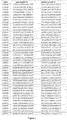
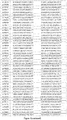
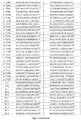
- Candidate siRNAs were designed according to homologous regions of human CKIP-1 mRNA and monkey CKIP-1 mRNA sequences to obtain a candidate siRNA sequence pool. Off-target effects were comprehensively analyzed for the candidate siRNA sequence pool, and candidate siRNA sequences with high off-target scores were removed. By combining a seed region matching score, 208 siRNA candidate sequences against CKIP-1were finally obtained and synthesized. Eight unrelated NC sequences were also designed and synthesized as negative controls in the screening assay. The synthesized 208 gene siRNA sequences, as well as 8 NC sequences, are as shown in Fig. 1 .
- HFOB cells human osteoblast strain commercially available from the Chinese Academy of Sciences
- siRNA transfection was performed at a cell density of about 70%.
- 0.5 ⁇ l of Lipofectamine2000 was diluted in 25 ⁇ l of opti-MEM without serum and antibiotics and mixed well.
- 15 pmol of RNA was diluted in 25 ⁇ l of opti-MEM without serum and antibiotics and mixed slightly.
- the Lipofectamine2000 dilution was added to the RNA dilution and mixed well. It was left at room temperature for 20 min.
- TIANGEN micro RNA extraction kit TIANGEN micro RNA extraction kit
- qPCR detection TransGen qPCR kit
- the relative expression of CIKP-1 was determined using GADPH gene as internal reference.
- the corresponding CIKP-1 relative expression values of the obtained siRNAs were normalized to the blank treatment group.
- Each NC sequence was also used as a negative control.
- the primer sequence is as follows:
- siRNA with interference efficiency of 50%and above SiRNA Sequence Normalized target gene relative expression value si-TD037 0.472339 si-TD040 0.457801 si-TD042 0.422001 si-TD044 0.398672 si-TD050 0.307432 si-TD057 0.417976 si-TD058 0.412397 si-TD060 0.250549 si-TD061 0.314191 si-TD062 0.198302 si-TD064 0.46957 si-TD065 0.4389 si-TD066 0.30317 si-TD067 0.411764 si-TD068 0.252114 si-TD070 0.281898 si-TD072 0.401834 si-TD074 0.220171 si-TD076 0.334746 si-TD078 0.318811 si-TD080 0.23612 si-TD082 0.297076 si-TD084 0.356374 si-TD087 0.32098 si-TD089 0.238577 si-TD093 0.367916 si-TD
- candidate siRNA sequences obtained in Example 2 were further identified by a dual luciferase assay.
- the sequence fragment of CKIP-1 CDS 1-652 was amplified by PCR using upstream and downstream primers with SacI and XhoI restriction enzyme cutting sites and protective bases, respectively.
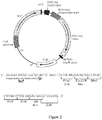
- the amplification product was digested by SacI and XhoI and then inserted into a pGP-miRGLO overexpression vector (see Fig. 2 ) which was also digested by SacI and XhoI to obtain the pmirGlo-CDS1 carrier overexpressing the sequence of the first segment (1-652) of the CDS region of CKIP-1 gene.
- the sequence fragment of CKIP-1 CDS 653-1230 was amplified by PCR using upstream and downstream primers with SacI and XhoI restriction enzyme cutting sites and protective bases, respectively.
- the amplification product was digested by SacI and XhoI and then inserted into a pGP-miRGLO overexpression vector (see Fig. 2 ) which was also digested by SacI and XhoI to obtain the pmirGlo-CDS2 carrier overexpressing the sequence of the second segment (653-1230) of the CDS region of CKIP-1 gene.
- 293T cells were regularly cultured in DMEM medium (Gibco) containing 10% FBS (Gibco) (containing 1.5 mM L-glutamine, 100 U/ml penicillin, 100 ⁇ g/ml streptomycin) in an incubator with 5% CO2 saturated humidity under 37 °C.
- Opti-MEMI 150 ⁇ l of Opti-MEMI (50 ⁇ l/well ⁇ 3) was added to a 1.5 ml EP tube, followed by adding 30 ng of the corresponding plasmid (10 ng per well) and the corresponding amount of siRNA (each siRNA final concentration setting gradient: 6.25, 12.5, 25, 50, 100, 300 nM, the final concentration of the negative control NC-7 is 25 nM), and mixing well; another 1.5 ml EP tube was filled with 150 ⁇ l of Opti-MEMI (50 ⁇ l/well ⁇ 3) and 6 ⁇ l of transfection reagent Lipo2000, mixed well, left standstill for 5 min and then mixed well in a volume of 300 ul for 20 min at room temperature.
- the culture medium was removed from the 24-well plate prepared on the previous day, and 400 ⁇ l/well culture medium was added; after being left standstill for 20 min, the transfection mixture was added to the above 24-well plate by 100 ⁇ l/well, with each 3 replicates, Blank wells and Mock wells were set, the plates were shaken well and incubated in an incubator for 6 hours.
- the transfection liquid was removed, rinsed with PBS, culture medium was added in for continuous culture, and photos of the wells transfected with NC-FAM were taken to observe the transfection efficiency. Cells were collected 24 h after transfection for dual luciferase assay.
- the medium was removed from the cell plates to be examined, the cultured cells were washed with PBS, and the PBS was aspirated and discarded.
- 1 x PLB was added by 100 ⁇ l/well, and the plates were slightly shaken at room temperature and lysed for 15 min.
- the cell lysate was moved into a small centrifuge tube for centrifugation at 3000rpm for 3min, cell debris were removed, 30 ⁇ l of supernatant was taken, added to a 96-well white plate, and a substrate was added for detection according to the recommended operation steps of the specification.
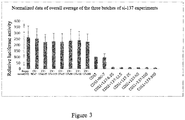
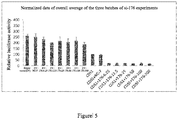
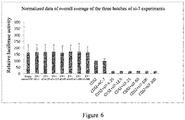
- siRNAs have good inhibition effects on CKIP-1 expression in a dual luciferase assay: si-TD137, si-TD141, si-TD176, and si-7. The results are shown in Tables 3-6 and Figs. 3-6 , respectively.
- siRNA targeting CKIP-1 inhibits expression of pro-inflammatory cytokine
- RAW264.7 mouse peritoneal macrophage cell line (purchased from Cell Bank of Chinese Academy of Sciences, Shanghai) was cultured in complete DMEM medium containing 10% fetal bovine serum, 100 U penicillin and streptomycin, and cultured overnight in an incubator under 37 °C constant temperature carbon dioxide (5%) until cell confluence reached 70-80%.
- mouse macrophages transfected with the small interfering RNAs against CKIP-1 prepared as described above or their modified forms having methoxy group modification on sense strand were used as a drug treatment group (RNAi group), and the cells treated with the transfection reagent X-TremeGENE siRNA transfection reagent alone (commercially available from Roche, article number 4476093001) were used as a transfection reagent group (MOCK group), 3 in each group in parallel, at least three times for each experiment.
- the final concentration of small interfering RNA was 30 nM.
- LPS commercially available from Sigma, Cat. No. L2630-10MG
- Inhibition efficiency of the secretion levels of TNF- ⁇ and IL-6 in the cell supernatant was determined by an ELISA method, specifically: Mouse TNF alpha ELISA Ready-SET-Go!®(eBioscience, Cat. No. 88-7324-88) and Mouse IL-6 ELISA Ready-SET-Go!(eBioscience, Cat. No. 88-7064-88) kits were used according to the instructions, and the concentrations of TNF- ⁇ and IL-6 were calculated by plotting standard curves.
- Cytokine inhibition efficiency [(LPS group-treated group)/(LPS group-blank control group)] x 100%.
- each candidate siRNA and its methylation modified form inhibited LPS-induced IL-6 and TNF- ⁇ secretion from RAW264.7 mouse macrophages, and the inhibition of IL-6 secretion reached a significant level.
- TNF- ⁇ and IL-6 mRNA levels in the collected RAW264.7 cells were detected by a real-time fluorescence quantitative PCR (real-time PCR) method, specifically: total cellular RNA was extracted using TRIzol reagent (Invitrogen, article number 15596018), cDNA was synthesized by reverse transcription using TransScriptAll-in-One First-Strand cDNA Synthesis SuperMixforq PCR (One-Step DNA Removal) (TransGen, article number AT341-02) kit, and the inhibitory efficiency of siRNA on LPS-induced IL-6 and TNF- ⁇ expression in murine peritoneal macrophages was detected by fluorescence quantitative PCR.
- real-time fluorescence quantitative PCR real-time PCR
- the GAPDH gene was used as an internal reference gene in the Real-time PCR method, and the primer sequences were shown in Table 9 Table 9 Forward (5'-3') Reverse (5'-3') Mice TNF- ⁇ TCAGCGAGGACAGCAAGG AGTGAGTGAAAGGGACAGAACC Mice IL-6 CCTTCTTGGGACTGATGCTG TTGGGAGTGGTATCCTCTGTGA Mice GAPDH CCTTCATTGACCTCAACTACATGG CTCGCTCCTGGAAGATGGTG
- siRNA inhibition efficiency [(LPS group cytokine gene copy number/LPS group GAPDH gene copy number-treatment group cytokine gene copy number/treatment group GAPDH gene copy number)/(LPS group cytokine gene copy number/LPS group GAPDH gene copy number-blank control group cytokine gene copy number/blank control group GAPDH gene copy number)] x 100%
- Table 10 Table 10 Inhibition (%) of TNF ⁇ secretion Inhibition of IL-6 secretion (%) MOCK group Transfection reagent 11.13 11.96 RNAi group si-7 -4.6 70.75* si-137 6.64 40.78* si-141 -1.58 54.53* si-176 6.80 45.76* Notes: *P ⁇ 0.05, compared with MOCK group, there was statistically significant difference.
- each candidate siRNA significantly inhibited LPS-induced IL-6 mRNA expression in mouse macrophages; there was no significant inhibitory effect on TNF- ⁇ mRNA expression.
- the CKIP-1 targeting siRNAs of the present invention can inhibit the levels of the pro-inflammatory cytokines IL-6 and TNF- ⁇ , particularly IL-6, thereby inhibiting inflammation, particularly inflammation associated with IL-6 and/or TNF- ⁇ , such as inflammation in RA.
- Human osteoblast cell line hFOB1.19 purchased from the Chinese Academy of Sciences cell bank was cultured in DMEM-F12 medium containing 10% fetal bovine serum (purchased from Gibco). Human osteoblast hFOB1.19 was transferred to 24-well plates for overnight culture for adhesion. Human osteoblast hFOB1.19 transfected with siRNA targeting CKIP-1 was used as treatment group, and the cells transfected with non-specific nucleic acid were used as negative control group (NC group). Each group with 2 duplicates was repeated at least 3 times. Human osteoblast cells were transfected with a final nucleic acid concentration of 20 ⁇ M. After 72 hours of transfection, cells were collected and assayed for CKIP-1 protein expression.
- CKIP-1 protein in osteoblast cells was detected by immunoblotting according to the method in the literature (Molecular Cloning A Laboratory Manual, Science Press, 2005).
- the CKIP-1 antibody used for immunoblotting was purchased from Santa Cruz Biotechnology (Cat. No. sc-376355) and the internal reference antibody was GADPH (purchased from Santa Cruz Biotechnology, Cat. No. sc-166574).
- nucleic acid inhibitory activity [1-(light intensity value of CKIP-1 Western blot band of treatment group/light intensity value of GAPDH Western blot band of treatment group)/(light intensity value of CKIP-1 Western blot band of control group/light intensity value of GAPDH Western blot band of control group)] x 100%.
- CKIP-1 siRNA was tested for mRNA expression levels of human osteoblast hFOB1.19 phenotypic gene alkaline phosphatase (ALP), type I collagen (COL1), osteopontin (OPN), bone sialoprotein (BSP) and osteocalcin (OC) over time using primers as shown in Table 12. The determined results are shown in Table 13. Table 12 Gene Primer sequence (5'-3') Product Size Tm Genbank No.
- ALP, COL1A1 and OPN begin to express at the early stage of osteoblast differentiation, while BSP and OC begin to express at the mature stage of osteoblast. After 72 hours of action, the expression of ALP, COL1, OPN, BSP and OC in si-7 group were significantly higher than that in NC group.
- the experimental results show that the siRNA targeting CKIP-1 can increase the expression of the phenotypic genes of the human osteoblast cell line hFOB1.19, thereby promoting osteoblast differentiation.
- Calcium deposition is a key functional mineralization marker for mature osteoblasts during osteoblast formation in vitro.
- the human osteoblast cell line hFOB1.19 transfected with siRNA targeting CKIP-1 was used as a treatment group, and the cells transfected with non-specific nucleic acid were used as a negative control group (NC group).
- the final nucleic acid concentration for transfection was 20 ⁇ M.
- the frequency of interval transfection was once a week, with 4 duplicates per group in parallel.
- Calcium deposition in human osteoblast cell line hFOB1.19 was determined by calcium staining 7, 14 and 21 days after the first transfection.
- Collagen-induced arthritis (CIA) model was established in 8-10 week old male DBA mice by subcutaneous injection of type II collagen at the root of the tail.
- the specific method is as follows: a proper amount of bovine type II collagen with a concentration of 2mg/mL was mixed with an equivalent amount of incomplete Freund's adjuvant, fully emulsified, and the emulsified mixture was injected subcutaneously at the root of the tail with 100 ⁇ g of type II collagen/mouse. After 21 days, 50 ⁇ g of type II collagen was injected subcutaneously once at the root of the tail for boost.
- 5-grade semi-quantitative evaluation standard was taken as the evaluation standard of arthritis clinical severity: 0: no red swelling; 1: erythema accompanied with moderate swelling and confined to the midfoot or ankle; 2: moderate swelling extended from the ankle to the midfoot; 3: moderate swelling extended from the ankle joint to the metatarsal joint; 4: severe swelling of ankle, foot and toes.
- the animals were randomly grouped if the severity of the double hindlimbs of each group of animals was scored about 1 through visual evaluation: carrier group, ankle joint cavity was injected with blank liposome; NC (negative control) group, liposomes loaded with negative control sequences were injected into the ankle joint cavity; the treatment group, liposomes loaded with Si-7, Si-137, Si-141 or Si-176 were injected into ankle joint cavity; the positive control group was administered with the positive drug Etanercept (purchased from Shanghai CP Guojian Pharmaceutical Co., Ltd., each containing 12.5 mg of active ingredient).
- carrier group ankle joint cavity was injected with blank liposome
- NC (negative control) group liposomes loaded with negative control sequences were injected into the ankle joint cavity
- the treatment group liposomes loaded with Si-7, Si-137, Si-141 or Si-176 were injected into ankle joint cavity
- the positive control group was administered with the positive drug Etanercept (purchased from Shanghai CP Guojian Pharmaceutical Co., Ltd., each containing 1
- the animals in each group were administered by injecting into the bilateral ankle joint cavities of the hind limbs at a dose of 4 ⁇ g siRNA/5 ⁇ l liposome/ankle joint, six times on day 0, day 7, day 14, day 21, day 28 and day 35.
- the positive drug was administered by subcutaneous injection at a dose of 7.5 mg/kg body weight.
- mice The scores for swelling in the ankle joint of both hind limbs of mice were observed and recorded from the day of start twice a week, and the scores for the ankle joint of both hind limbs were added for statistical analysis. Clinical scoring results are shown in Fig. 7 and Table 15 below. Meanwhile, the body weight of the mice was recorded once a week, and the results are shown in FIG. 8 and Table 16.
- mice CIA clinical scores Grouping Mice CIA clinical score Inhibition rate of mice CIA clinical score (%) Carrier groups Carrier 3.33 NC group Nonspecific nucleic acid 2.50 24.99 PC group Etanercept 2.00 39.99 Treatment group Si-7-Ome 1.67* 49.98 Si-137-Ome 1.33** 60.01 Si-141-Ome 1.00*** 70.00 Si-176-Ome 1.33** 60.01 Notes:*indicates P ⁇ 0.05 as compared with the carrier groups, ** indicates P ⁇ 0.01 as compared with the carrier groups, ** indicates P ⁇ 0.001 as compared with the carrier groups. Table 16.
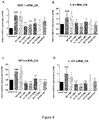
- the inhibitory effects of si-7, si-137, si-141 and si-176 on CKIP-1, IL-6, TNF- ⁇ and IL-17A mRNA expression in joint tissue of CIA mouse model were detected by fluorescence quantitative PCR.
- Inhibition efficiency cytokine gene copy number of the carrier groups / GAPDH gene copy number-treatment group cytokine gene copy number of the carrier groups / GAPDH gene copy number of the treatment groups / cytokine gene copy number of the carrier groups / GAPDH gene copy number-cytokine gene gopy number of the normal control groups / GAPDH gene copy number of the normal control groups ⁇ 100 %
- si-7-OMe, si-137-OMe, si-141-OMe, si-176-OMe all significantly inhibited the expression of CKIP-1, IL-6, TNF- ⁇ , IL-17AmRNA in the joint tissues of CIA mice, with inhibition rates more than 50%, and the inhibition of CKIP-1 mRNA was stronger than that of the positive drug Etanercept (41.37%).
- si-137 showed a stronger inhibitory effect on pro-inflammatory factors IL-6, TNF- ⁇ , IL-17AmRNA, and the inhibitory effect was stronger than that of the positive drug Etanercept.
- the siRNAs of the present invention are shown to be effective in inhibiting inflammation in RA.
- Scancoviva CT 40 was used for the micro-CT detection.
- a mouse hind paw was put into a Micro CT sample tube for three-dimensional CT scanning and reconstruction. After the scanning, a matched software was used for analyzing the three-dimensional microstructure of the trabeculae and collecting the spatial structure parameters of the trabeculae.
- mice The hind limbs of mice were fixed in 4% formaldehyde solution and embedded with paraffin after EDTA decalcification. The pathological changes of joints and bone erosion were examined through serial section and HE staining.
- mice were intraperitoneally injected with xylenol orange (90 mg/kg) 12 days before sacrifice and intraperitoneally injected with calcein (10 mg/kg) 2 days before sacrifice.
- hind paws were removed and 10 ⁇ m discrete sections were made using a non-decalcifying microtome. Sections were stained with 1% methylene blue followed by light microscopy and unstained sections were used for fluorescence microscopy. The metatarsal bones in the paws were used for bone morphometric analysis.
- each siRNA administration group played an positive role in improving inflammation and bone injury of a rheumatoid arthritis model and delaying disease progress, exhibiting good therapeutic effect.
- 3-6-year-old female cynomolgus monkeys were immunized with bovine type II collagen on day 0 and day 21, respectively, according to modeling methods of collagen-induced arthritis described in related literatures.
- the drug is locally administered into the joint after the onset of the disease.
- Liposome delivery systems were used for the small nucleic acids.
- Grouping is as follows: as for the carrier groups, empty liposomes were injected into the joint cavity; as for NC (negative control) groups, liposomes loaded with negative control sequences were injected into ankle joint cavity; as for the treatment group, liposomes loaded with Si-7, Si-137, Si-141 or Si-176 were injected into the articular cavity; as for the positive control group, the positive drug etanercept (purchased from Shanghai CP Guojian Pharmaceutical Co., Ltd.) was administered. Three animals in each group were administered by articular injection once a week for 6 weeks.
- the siRNA administration group showed good treatment effects on improving disease condition, especially reducing bone damage, maintaining bone function and the like in a rheumatoid arthritis model.
Landscapes
- Health & Medical Sciences (AREA)
- Life Sciences & Earth Sciences (AREA)
- Engineering & Computer Science (AREA)
- Chemical & Material Sciences (AREA)
- Genetics & Genomics (AREA)
- Organic Chemistry (AREA)
- Bioinformatics & Cheminformatics (AREA)
- General Health & Medical Sciences (AREA)
- Biomedical Technology (AREA)
- Physical Education & Sports Medicine (AREA)
- Biotechnology (AREA)
- Public Health (AREA)
- Medicinal Chemistry (AREA)
- Veterinary Medicine (AREA)
- Pharmacology & Pharmacy (AREA)
- Animal Behavior & Ethology (AREA)
- General Engineering & Computer Science (AREA)
- Wood Science & Technology (AREA)
- Zoology (AREA)
- Molecular Biology (AREA)
- Rheumatology (AREA)
- General Chemical & Material Sciences (AREA)
- Chemical Kinetics & Catalysis (AREA)
- Nuclear Medicine, Radiotherapy & Molecular Imaging (AREA)
- Orthopedic Medicine & Surgery (AREA)
- Biochemistry (AREA)
- Plant Pathology (AREA)
- Microbiology (AREA)
- Physics & Mathematics (AREA)
- Biophysics (AREA)
- Epidemiology (AREA)
- Immunology (AREA)
- Pain & Pain Management (AREA)
- Pharmaceuticals Containing Other Organic And Inorganic Compounds (AREA)
- Medicines That Contain Protein Lipid Enzymes And Other Medicines (AREA)
Applications Claiming Priority (6)
| Application Number | Priority Date | Filing Date | Title |
|---|---|---|---|
| CN2017100863 | 2017-09-07 | ||
| CN2017100866 | 2017-09-07 | ||
| CN2017100865 | 2017-09-07 | ||
| CN2017100867 | 2017-09-07 | ||
| CN2017100864 | 2017-09-07 | ||
| PCT/CN2018/104552 WO2019047914A1 (zh) | 2017-09-07 | 2018-09-07 | 靶向ckip-1的双链rna分子及其用途 |
Related Child Applications (1)
| Application Number | Title | Priority Date | Filing Date |
|---|---|---|---|
| EP26150284.3 Division-Into | 2026-01-05 |
Publications (3)
| Publication Number | Publication Date |
|---|---|
| EP3680334A1 true EP3680334A1 (de) | 2020-07-15 |
| EP3680334A4 EP3680334A4 (de) | 2021-09-22 |
| EP3680334B1 EP3680334B1 (de) | 2026-03-25 |
Family
ID=65633590
Family Applications (1)
| Application Number | Title | Priority Date | Filing Date |
|---|---|---|---|
| EP18853084.4A Active EP3680334B1 (de) | 2017-09-07 | 2018-09-07 | Gegen ckip-1 gerichtetes doppelsträngiges rna-molekül und seine verwendung |
Country Status (4)
| Country | Link |
|---|---|
| US (2) | US11155819B2 (de) |
| EP (1) | EP3680334B1 (de) |
| CN (2) | CN117866959A (de) |
| WO (1) | WO2019047914A1 (de) |
Families Citing this family (1)
| Publication number | Priority date | Publication date | Assignee | Title |
|---|---|---|---|---|
| CN113559266B (zh) * | 2021-07-16 | 2023-08-08 | 中国航天员科研训练中心 | Ckip-1 3` UTR在预防和/或治疗心力衰竭疾病药物中的应用 |
Family Cites Families (9)
| Publication number | Priority date | Publication date | Assignee | Title |
|---|---|---|---|---|
| US6506559B1 (en) | 1997-12-23 | 2003-01-14 | Carnegie Institute Of Washington | Genetic inhibition by double-stranded RNA |
| CN1202246C (zh) | 1998-04-08 | 2005-05-18 | 联邦科学和工业研究组织 | 获得修饰表型的方法和措施 |
| AR020078A1 (es) | 1998-05-26 | 2002-04-10 | Syngenta Participations Ag | Metodo para alterar la expresion de un gen objetivo en una celula de planta |
| DE19956568A1 (de) | 1999-01-30 | 2000-08-17 | Roland Kreutzer | Verfahren und Medikament zur Hemmung der Expression eines vorgegebenen Gens |
| AU2003295600A1 (en) * | 2002-11-14 | 2004-06-15 | Dharmacon, Inc. | Functional and hyperfunctional sirna |
| US7750144B2 (en) * | 2003-06-02 | 2010-07-06 | University Of Massachusetts | Methods and compositions for enhancing the efficacy and specificity of RNA silencing |
| CN101346393B (zh) * | 2005-11-02 | 2015-07-22 | 普洛体维生物治疗公司 | 修饰的siRNA分子及其应用 |
| CN110592082A (zh) * | 2013-07-05 | 2019-12-20 | 柏业公司 | 呼吸疾病相关基因特异性siRNA、含有siRNA的双螺旋寡RNA结构及其用途 |
| CN105473164A (zh) * | 2013-08-26 | 2016-04-06 | 苏州瑞博生物技术有限公司 | 一种核酸和药物组合物及其应用 |
-
2018
- 2018-09-07 US US16/644,977 patent/US11155819B2/en active Active
- 2018-09-07 WO PCT/CN2018/104552 patent/WO2019047914A1/zh not_active Ceased
- 2018-09-07 CN CN202311783979.XA patent/CN117866959A/zh active Pending
- 2018-09-07 CN CN201880057905.9A patent/CN111433360B/zh active Active
- 2018-09-07 EP EP18853084.4A patent/EP3680334B1/de active Active
-
2021
- 2021-09-14 US US17/474,396 patent/US11939578B2/en active Active
Also Published As
| Publication number | Publication date |
|---|---|
| CN117866959A (zh) | 2024-04-12 |
| CN111433360A (zh) | 2020-07-17 |
| US20200231967A1 (en) | 2020-07-23 |
| CN111433360B (zh) | 2024-01-12 |
| US20220064645A1 (en) | 2022-03-03 |
| EP3680334B1 (de) | 2026-03-25 |
| WO2019047914A1 (zh) | 2019-03-14 |
| EP3680334A4 (de) | 2021-09-22 |
| US11155819B2 (en) | 2021-10-26 |
| US11939578B2 (en) | 2024-03-26 |
Similar Documents
| Publication | Publication Date | Title |
|---|---|---|
| AU2010328104B2 (en) | Modulation of hsp47 expression | |
| US20150315591A1 (en) | Nicked or gapped nucleic acid molecules and uses thereof | |
| CN116490195A (zh) | 用于抑制脂蛋白(a)的RNA组合物和方法 | |
| KR101937498B1 (ko) | 폐 질환 및 손상을 치료하기 위한 조성물 및 방법 | |
| CN116887842A (zh) | 用于抑制angptl3的新型rna组合物和方法 | |
| US20110236972A1 (en) | Nucleic acid compounds for inhibiting birc5 gene expression and uses thereof | |
| JP2023506540A (ja) | B型肝炎ウイルス感染を処置するためのscamp3阻害剤の使用 | |
| WO2015027895A1 (zh) | 一种核酸和药物组合物及其应用 | |
| US20090023670A1 (en) | Regulation of Transgene Expression by RNA Interference | |
| EP3237619B1 (de) | Zusammensetzungen und verfahren zur hemmung der expression von adamts-5 und adam17 | |
| US11939578B2 (en) | Double-stranded RNA molecule targeting CKIP-1 and use thereof | |
| KR102301572B1 (ko) | 신규한 핵산 분자 전달용 조성물 및 그 용도 | |
| HK40025017A (en) | Double-stranded rna molecule targeting ckip-1 and use thereof | |
| JP6795492B2 (ja) | CLCN7(ADO2 CLCN7依存性)遺伝子変異によって引き起こされる常染色体優性大理石骨病2型(ADO2)療法のための短鎖干渉RNA(siRNA) | |
| HK40103743A (zh) | 靶向ckip-1的双链rna分子及其用途 | |
| EP2350278A2 (de) | Mittel zur hemmung der expression von orc-1 | |
| CN120574835B (zh) | 一种靶向rankl基因的小核酸及其在治疗骨科疾病中的应用 | |
| JP2023506547A (ja) | B型肝炎ウイルス感染を処置するためのcops3阻害剤の使用 | |
| HK40025376A (zh) | 靶向ckip-1的双链rna分子及其用途 | |
| HK40025376B (zh) | 靶向ckip-1的双链rna分子及其用途 | |
| AU2015200064B2 (en) | Modulation of hsp47 expression | |
| AU2024290689A1 (en) | Dsrna molecule for inhibiting lp(a) gene expression and use thereof | |
| HK40003768A (en) | Modulation of hsp47 expression |
Legal Events
| Date | Code | Title | Description |
|---|---|---|---|
| STAA | Information on the status of an ep patent application or granted ep patent |
Free format text: STATUS: THE INTERNATIONAL PUBLICATION HAS BEEN MADE |
|
| PUAI | Public reference made under article 153(3) epc to a published international application that has entered the european phase |
Free format text: ORIGINAL CODE: 0009012 |
|
| STAA | Information on the status of an ep patent application or granted ep patent |
Free format text: STATUS: REQUEST FOR EXAMINATION WAS MADE |
|
| 17P | Request for examination filed |
Effective date: 20200227 |
|
| AK | Designated contracting states |
Kind code of ref document: A1 Designated state(s): AL AT BE BG CH CY CZ DE DK EE ES FI FR GB GR HR HU IE IS IT LI LT LU LV MC MK MT NL NO PL PT RO RS SE SI SK SM TR |
|
| AX | Request for extension of the european patent |
Extension state: BA ME |
|
| DAV | Request for validation of the european patent (deleted) | ||
| DAX | Request for extension of the european patent (deleted) | ||
| REG | Reference to a national code |
Ref country code: HK Ref legal event code: DE Ref document number: 40025017 Country of ref document: HK |
|
| RIC1 | Information provided on ipc code assigned before grant |
Ipc: A61P 19/10 20060101ALI20210428BHEP Ipc: A61P 19/08 20060101ALI20210428BHEP Ipc: A61P 19/02 20060101ALI20210428BHEP Ipc: C12N 15/113 20100101AFI20210428BHEP |
|
| REG | Reference to a national code |
Ref country code: DE Ref legal event code: R079 Free format text: PREVIOUS MAIN CLASS: C12N0015110000 Ipc: C12N0015113000 |
|
| A4 | Supplementary search report drawn up and despatched |
Effective date: 20210820 |
|
| RIC1 | Information provided on ipc code assigned before grant |
Ipc: A61P 19/10 20060101ALI20210816BHEP Ipc: A61P 19/08 20060101ALI20210816BHEP Ipc: A61P 19/02 20060101ALI20210816BHEP Ipc: C12N 15/113 20100101AFI20210816BHEP |
|
| STAA | Information on the status of an ep patent application or granted ep patent |
Free format text: STATUS: EXAMINATION IS IN PROGRESS |
|
| 17Q | First examination report despatched |
Effective date: 20250617 |
|
| GRAP | Despatch of communication of intention to grant a patent |
Free format text: ORIGINAL CODE: EPIDOSNIGR1 |
|
| RIC1 | Information provided on ipc code assigned before grant |
Ipc: C12N 15/113 20100101AFI20250717BHEP Ipc: A61P 19/02 20060101ALI20250717BHEP Ipc: A61K 31/713 20060101ALI20250717BHEP |
|
| STAA | Information on the status of an ep patent application or granted ep patent |
Free format text: STATUS: GRANT OF PATENT IS INTENDED |
|
| INTG | Intention to grant announced |
Effective date: 20250821 |
|
| GRAS | Grant fee paid |
Free format text: ORIGINAL CODE: EPIDOSNIGR3 |
|
| GRAJ | Information related to disapproval of communication of intention to grant by the applicant or resumption of examination proceedings by the epo deleted |
Free format text: ORIGINAL CODE: EPIDOSDIGR1 |
|
| GRAL | Information related to payment of fee for publishing/printing deleted |
Free format text: ORIGINAL CODE: EPIDOSDIGR3 |
|
| STAA | Information on the status of an ep patent application or granted ep patent |
Free format text: STATUS: EXAMINATION IS IN PROGRESS |
|
| GRAP | Despatch of communication of intention to grant a patent |
Free format text: ORIGINAL CODE: EPIDOSNIGR1 |
|
| STAA | Information on the status of an ep patent application or granted ep patent |
Free format text: STATUS: GRANT OF PATENT IS INTENDED |
|
| INTC | Intention to grant announced (deleted) | ||
| P01 | Opt-out of the competence of the unified patent court (upc) registered |
Free format text: CASE NUMBER: UPC_APP_0000809_3680334/2026 Effective date: 20260109 |
|
| GRAA | (expected) grant |
Free format text: ORIGINAL CODE: 0009210 |
|
| STAA | Information on the status of an ep patent application or granted ep patent |
Free format text: STATUS: THE PATENT HAS BEEN GRANTED |
|
| INTG | Intention to grant announced |
Effective date: 20260127 |
|
| AK | Designated contracting states |
Kind code of ref document: B1 Designated state(s): AL AT BE BG CH CY CZ DE DK EE ES FI FR GB GR HR HU IE IS IT LI LT LU LV MC MK MT NL NO PL PT RO RS SE SI SK SM TR |
|
| REG | Reference to a national code |
Ref country code: CH Ref legal event code: F10 Free format text: ST27 STATUS EVENT CODE: U-0-0-F10-F00 (AS PROVIDED BY THE NATIONAL OFFICE) Effective date: 20260325 Ref country code: GB Ref legal event code: FG4D |
|
| REG | Reference to a national code |
Ref country code: DE Ref legal event code: R096 Ref document number: 602018090086 Country of ref document: DE |
|
| REG | Reference to a national code |
Ref country code: IE Ref legal event code: FG4D |