EP3680831A1 - Procédé de collecte et de gestion de données d'événement d'un véhicule - Google Patents
Procédé de collecte et de gestion de données d'événement d'un véhicule Download PDFInfo
- Publication number
- EP3680831A1 EP3680831A1 EP20150886.8A EP20150886A EP3680831A1 EP 3680831 A1 EP3680831 A1 EP 3680831A1 EP 20150886 A EP20150886 A EP 20150886A EP 3680831 A1 EP3680831 A1 EP 3680831A1
- Authority
- EP
- European Patent Office
- Prior art keywords
- certificate
- event data
- database
- vehicle
- event
- Prior art date
- Legal status (The legal status is an assumption and is not a legal conclusion. Google has not performed a legal analysis and makes no representation as to the accuracy of the status listed.)
- Granted
Links
Images

Classifications
-
- G—PHYSICS
- G06—COMPUTING OR CALCULATING; COUNTING
- G06Q—INFORMATION AND COMMUNICATION TECHNOLOGY [ICT] SPECIALLY ADAPTED FOR ADMINISTRATIVE, COMMERCIAL, FINANCIAL, MANAGERIAL OR SUPERVISORY PURPOSES; SYSTEMS OR METHODS SPECIALLY ADAPTED FOR ADMINISTRATIVE, COMMERCIAL, FINANCIAL, MANAGERIAL OR SUPERVISORY PURPOSES, NOT OTHERWISE PROVIDED FOR
- G06Q10/00—Administration; Management
-
- H—ELECTRICITY
- H04—ELECTRIC COMMUNICATION TECHNIQUE
- H04L—TRANSMISSION OF DIGITAL INFORMATION, e.g. TELEGRAPHIC COMMUNICATION
- H04L9/00—Cryptographic mechanisms or cryptographic arrangements for secret or secure communications; Network security protocols
- H04L9/32—Cryptographic mechanisms or cryptographic arrangements for secret or secure communications; Network security protocols including means for verifying the identity or authority of a user of the system or for message authentication, e.g. authorization, entity authentication, data integrity or data verification, non-repudiation, key authentication or verification of credentials
- H04L9/3263—Cryptographic mechanisms or cryptographic arrangements for secret or secure communications; Network security protocols including means for verifying the identity or authority of a user of the system or for message authentication, e.g. authorization, entity authentication, data integrity or data verification, non-repudiation, key authentication or verification of credentials involving certificates, e.g. public key certificate [PKC] or attribute certificate [AC]; Public key infrastructure [PKI] arrangements
- H04L9/3268—Cryptographic mechanisms or cryptographic arrangements for secret or secure communications; Network security protocols including means for verifying the identity or authority of a user of the system or for message authentication, e.g. authorization, entity authentication, data integrity or data verification, non-repudiation, key authentication or verification of credentials involving certificates, e.g. public key certificate [PKC] or attribute certificate [AC]; Public key infrastructure [PKI] arrangements using certificate validation, registration, distribution or revocation, e.g. certificate revocation list [CRL]
-
- H—ELECTRICITY
- H04—ELECTRIC COMMUNICATION TECHNIQUE
- H04L—TRANSMISSION OF DIGITAL INFORMATION, e.g. TELEGRAPHIC COMMUNICATION
- H04L9/00—Cryptographic mechanisms or cryptographic arrangements for secret or secure communications; Network security protocols
- H04L9/32—Cryptographic mechanisms or cryptographic arrangements for secret or secure communications; Network security protocols including means for verifying the identity or authority of a user of the system or for message authentication, e.g. authorization, entity authentication, data integrity or data verification, non-repudiation, key authentication or verification of credentials
- H04L9/3263—Cryptographic mechanisms or cryptographic arrangements for secret or secure communications; Network security protocols including means for verifying the identity or authority of a user of the system or for message authentication, e.g. authorization, entity authentication, data integrity or data verification, non-repudiation, key authentication or verification of credentials involving certificates, e.g. public key certificate [PKC] or attribute certificate [AC]; Public key infrastructure [PKI] arrangements
-
- H—ELECTRICITY
- H04—ELECTRIC COMMUNICATION TECHNIQUE
- H04L—TRANSMISSION OF DIGITAL INFORMATION, e.g. TELEGRAPHIC COMMUNICATION
- H04L63/00—Network architectures or network communication protocols for network security
- H04L63/04—Network architectures or network communication protocols for network security for providing a confidential data exchange among entities communicating through data packet networks
- H04L63/0407—Network architectures or network communication protocols for network security for providing a confidential data exchange among entities communicating through data packet networks wherein the identity of one or more communicating identities is hidden
- H04L63/0421—Anonymous communication, i.e. the party's identifiers are hidden from the other party or parties, e.g. using an anonymizer
-
- B—PERFORMING OPERATIONS; TRANSPORTING
- B60—VEHICLES IN GENERAL
- B60R—VEHICLES, VEHICLE FITTINGS, OR VEHICLE PARTS, NOT OTHERWISE PROVIDED FOR
- B60R11/00—Arrangements for holding or mounting articles, not otherwise provided for
-
- B—PERFORMING OPERATIONS; TRANSPORTING
- B60—VEHICLES IN GENERAL
- B60R—VEHICLES, VEHICLE FITTINGS, OR VEHICLE PARTS, NOT OTHERWISE PROVIDED FOR
- B60R21/00—Arrangements or fittings on vehicles for protecting or preventing injuries to occupants or pedestrians in case of accidents or other traffic risks
- B60R21/01—Electrical circuits for triggering passive safety arrangements, e.g. airbags, safety belt tighteners, in case of vehicle accidents or impending vehicle accidents
- B60R21/013—Electrical circuits for triggering passive safety arrangements, e.g. airbags, safety belt tighteners, in case of vehicle accidents or impending vehicle accidents including means for detecting collisions, impending collisions or roll-over
-
- G—PHYSICS
- G06—COMPUTING OR CALCULATING; COUNTING
- G06F—ELECTRIC DIGITAL DATA PROCESSING
- G06F16/00—Information retrieval; Database structures therefor; File system structures therefor
- G06F16/20—Information retrieval; Database structures therefor; File system structures therefor of structured data, e.g. relational data
- G06F16/21—Design, administration or maintenance of databases
-
- G—PHYSICS
- G06—COMPUTING OR CALCULATING; COUNTING
- G06F—ELECTRIC DIGITAL DATA PROCESSING
- G06F16/00—Information retrieval; Database structures therefor; File system structures therefor
- G06F16/20—Information retrieval; Database structures therefor; File system structures therefor of structured data, e.g. relational data
- G06F16/22—Indexing; Data structures therefor; Storage structures
-
- G—PHYSICS
- G06—COMPUTING OR CALCULATING; COUNTING
- G06F—ELECTRIC DIGITAL DATA PROCESSING
- G06F16/00—Information retrieval; Database structures therefor; File system structures therefor
- G06F16/20—Information retrieval; Database structures therefor; File system structures therefor of structured data, e.g. relational data
- G06F16/29—Geographical information databases
-
- G—PHYSICS
- G06—COMPUTING OR CALCULATING; COUNTING
- G06F—ELECTRIC DIGITAL DATA PROCESSING
- G06F16/00—Information retrieval; Database structures therefor; File system structures therefor
- G06F16/90—Details of database functions independent of the retrieved data types
- G06F16/903—Querying
-
- G—PHYSICS
- G07—CHECKING-DEVICES
- G07C—TIME OR ATTENDANCE REGISTERS; REGISTERING OR INDICATING THE WORKING OF MACHINES; GENERATING RANDOM NUMBERS; VOTING OR LOTTERY APPARATUS; ARRANGEMENTS, SYSTEMS OR APPARATUS FOR CHECKING NOT PROVIDED FOR ELSEWHERE
- G07C5/00—Registering or indicating the working of vehicles
- G07C5/08—Registering or indicating performance data other than driving, working, idle, or waiting time, with or without registering driving, working, idle or waiting time
- G07C5/0841—Registering performance data
-
- H—ELECTRICITY
- H04—ELECTRIC COMMUNICATION TECHNIQUE
- H04L—TRANSMISSION OF DIGITAL INFORMATION, e.g. TELEGRAPHIC COMMUNICATION
- H04L63/00—Network architectures or network communication protocols for network security
- H04L63/08—Network architectures or network communication protocols for network security for authentication of entities
- H04L63/0823—Network architectures or network communication protocols for network security for authentication of entities using certificates
-
- H—ELECTRICITY
- H04—ELECTRIC COMMUNICATION TECHNIQUE
- H04L—TRANSMISSION OF DIGITAL INFORMATION, e.g. TELEGRAPHIC COMMUNICATION
- H04L63/00—Network architectures or network communication protocols for network security
- H04L63/10—Network architectures or network communication protocols for network security for controlling access to devices or network resources
-
- H—ELECTRICITY
- H04—ELECTRIC COMMUNICATION TECHNIQUE
- H04L—TRANSMISSION OF DIGITAL INFORMATION, e.g. TELEGRAPHIC COMMUNICATION
- H04L63/00—Network architectures or network communication protocols for network security
- H04L63/10—Network architectures or network communication protocols for network security for controlling access to devices or network resources
- H04L63/105—Multiple levels of security
-
- H—ELECTRICITY
- H04—ELECTRIC COMMUNICATION TECHNIQUE
- H04L—TRANSMISSION OF DIGITAL INFORMATION, e.g. TELEGRAPHIC COMMUNICATION
- H04L67/00—Network arrangements or protocols for supporting network services or applications
- H04L67/01—Protocols
- H04L67/12—Protocols specially adapted for proprietary or special-purpose networking environments, e.g. medical networks, sensor networks, networks in vehicles or remote metering networks
-
- H—ELECTRICITY
- H04—ELECTRIC COMMUNICATION TECHNIQUE
- H04L—TRANSMISSION OF DIGITAL INFORMATION, e.g. TELEGRAPHIC COMMUNICATION
- H04L9/00—Cryptographic mechanisms or cryptographic arrangements for secret or secure communications; Network security protocols
- H04L9/08—Key distribution or management, e.g. generation, sharing or updating, of cryptographic keys or passwords
- H04L9/0861—Generation of secret information including derivation or calculation of cryptographic keys or passwords
- H04L9/0872—Generation of secret information including derivation or calculation of cryptographic keys or passwords using geo-location information, e.g. location data, time, relative position or proximity to other entities
-
- H—ELECTRICITY
- H04—ELECTRIC COMMUNICATION TECHNIQUE
- H04L—TRANSMISSION OF DIGITAL INFORMATION, e.g. TELEGRAPHIC COMMUNICATION
- H04L9/00—Cryptographic mechanisms or cryptographic arrangements for secret or secure communications; Network security protocols
- H04L9/32—Cryptographic mechanisms or cryptographic arrangements for secret or secure communications; Network security protocols including means for verifying the identity or authority of a user of the system or for message authentication, e.g. authorization, entity authentication, data integrity or data verification, non-repudiation, key authentication or verification of credentials
- H04L9/3247—Cryptographic mechanisms or cryptographic arrangements for secret or secure communications; Network security protocols including means for verifying the identity or authority of a user of the system or for message authentication, e.g. authorization, entity authentication, data integrity or data verification, non-repudiation, key authentication or verification of credentials involving digital signatures
-
- H—ELECTRICITY
- H04—ELECTRIC COMMUNICATION TECHNIQUE
- H04W—WIRELESS COMMUNICATION NETWORKS
- H04W12/00—Security arrangements; Authentication; Protecting privacy or anonymity
- H04W12/06—Authentication
- H04W12/069—Authentication using certificates or pre-shared keys
-
- H—ELECTRICITY
- H04—ELECTRIC COMMUNICATION TECHNIQUE
- H04W—WIRELESS COMMUNICATION NETWORKS
- H04W4/00—Services specially adapted for wireless communication networks; Facilities therefor
- H04W4/30—Services specially adapted for particular environments, situations or purposes
- H04W4/40—Services specially adapted for particular environments, situations or purposes for vehicles, e.g. vehicle-to-pedestrians [V2P]
- H04W4/44—Services specially adapted for particular environments, situations or purposes for vehicles, e.g. vehicle-to-pedestrians [V2P] for communication between vehicles and infrastructures, e.g. vehicle-to-cloud [V2C] or vehicle-to-home [V2H]
Definitions
- Embodiments relate to a method and system for collecting and managing event data of a vehicle.
- an event data recorder is configured to detect an accident or the like and store information about a driving state of a vehicle or an operation by a driver within a predetermined period from a time before the corresponding time to a time after the corresponding time. At least several parameters, including speed, seat belt status and airbag inflation status, are stored such that they may be retrieved in a forensic investigation.
- the forensic investigation is generally performed by reading data through an OBD-II port or by physically extracting the data memory of the EDR.
- the data in the EDR may be damaged or altered due to incorrect reading techniques, or may be maliciously manipulated or deleted after being stored. Accordingly, it may be difficult to perfectly ensure integrity of the stored data.
- a cloud storage or remote server may be a secure space that may prevent unauthorized access and prevent data corruption. That is, in order to maintain the integrity of the EDR data, it may be considered to store the EDR data in a reliable cloud storage. However, to store EDR data in the cloud storage, measures to protect the privacy of individuals needs to be considered as well. In this context, the present disclosure proposes a cloud-based EDR data management system that may protect the privacy of individuals.
- Embodiments relate to a method and system for collecting and managing event data of a vehicle or multiple vehicles. Embodiments can relate to a method and system for managing EDR data in a cloud-based manner.
- a method for collecting and managing event data of a vehicle is performed by one or more computing systems.
- the method includes acquiring event data recorded by an event data recorder equipped in a vehicle and a first certificate assigned to the vehicle, associating the event data with the first certificate and storing the event data in a first database, acquiring the first certificate and a second certificate assigned to the vehicle, and associating the first certificate with the second certificate and storing the first certificate in a second database.
- Embodiments of the method may further include one or more of the following features.
- the first certificate may be one of a plurality of short-term certificates assigned to the vehicle
- the second certificate may be a long-term certificate assigned to the vehicle.
- the short term certificates do not contain information that may be easily associated with the vehicle (or an owner thereof).
- the method may further include verifying validity of the first certificate before storing the event data in the first database.
- the method may further include verifying validity of the second certificate before storing the first certificate in the second database.
- the acquiring of the event data may include receiving a first message from the vehicle, the first message containing a geographical location of the event, the event data, and the first certificate.
- the first message may further contain an electronic signature generated using a private key related to the first certificate for the event data and the geographical location.
- the first database and the second database may be managed by different service providers.
- a method for collecting and managing event data of a vehicle is performed by one or more computing systems.
- the method includes acquiring event data recorded by an event data recorder equipped in a vehicle, and a first certificate and a second certificate assigned to the vehicle, associating the event data with the first certificate and storing the event data in a first database, and associating the first certificate with the second certificate and storing the first certificate in a second database.
- a system can be used for collecting and managing event data of a vehicle.
- the system includes a first database, a first database server configured to manage the first database, a second database, and a second database server configured to manage the second database.
- the first database server is configured to receive event data recorded by an event data recorder equipped in a vehicle and a first certificate assigned to the vehicle and associate the event data with the first certificate and store the event data in a first database.
- the second database server is configured to receive the first certificate and a second certificate assigned to the vehicle and associate the first certificate with the second certificate and store the first certificate in the second database.
- Embodiments of the system may further include one or more of the following features.
- the first certificate may be one of a plurality of short-term certificates assigned to the vehicle
- the second certificate may be a long-term certificate assigned to the vehicle.
- the first database server may be configured to verify validity of the first certificate before storing the event data in the first database.
- the second database server may be configured to verify validity of the second certificate before storing the first certificate in the second database.
- the first database server may be configured to receive a first message from the vehicle, the first message containing the first certificate, the event data, and a geographical location of the event.
- the message may further contain an electronic signature generated using a private key related to the short-term certificate for the event data and the geographical location.
- the first database and the second database may be managed by different service providers.
- the system may further include a data acquisition server communicatively coupled to the first database server and the second database server.
- the data acquisition server may be configured to acquire the event data, the short-term certificate, and the long-term certificate from the vehicle and distribute the event data, the short-term certificate, and the long-term certificate to the first database server and the second database server.
- data e.g., EDR data
- EDR data data about an event of interest
- data may be easily obtained in a timely manner by searching a database on a network where event data is stored.
- event data stored in a storage on a reliable network may be useful for forensic investigations where the integrity of event data is required.
- collected event data is stored in a database in association with a short-term certificate (or an identifier extracted therefrom).
- the short-term certificate does not contain information that may be easily associated with a vehicle (or its owner), and therefore use of a short-term certificate anonymizes the event data in the database.
- the pseudonym certificate is managed in a separate database in association with a long-term certificate that may identify a relevant vehicle such that an authorized person may selectively acquire event data generated by a specific vehicle. No database stores event data and information for identifying the vehicle associated therewith. Thus, protection of privacy may be further enhanced.
- pseudonym certificates do not contain information that may be easily associated with the owner of a vehicle and may only be identified by the pseudonym.
- a pseudonym is included in the pseudonym certificate as a 'subject identifier'.
- the pseudonym certificate may be used to sign messages broadcast to other vehicles without compromising the owner's privacy.
- Multiple pseudonym certificates are issued for one vehicle, and the issuing authority of the pseudonym certificate does not know the vehicle for which the pseudonym certificates are issued.
- a pseudonym certificate Due to its short validity period, a pseudonym certificate is also called a short-term certificate.
- a long-term certificate that has a long validity period associated with the life of the vehicle is provided for situations in which the vehicle should be identified (e.g., verifying the authority to obtain a new pseudonym certificate).
- event data recorded in each vehicle is stored and managed in a database on a network.
- the collected event data is anonymized with pseudonym certificates (or pseudonyms extracted therefrom).
- the pseudonym certificate is managed in a separate database in association with a long-term certificate for identifying a unique identifier of the vehicle, such that an authorized person may selectively acquire event data generated by a specific vehicle.
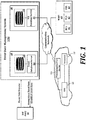
- FIG. 1 is a diagram illustrating an entire system for storing and managing event data in a cloud-based manner according to an embodiment of the present disclosure.
- An on-vehicle monitoring system may record data relating to the driving state of the vehicle, the operation by the driver, and the like within a predetermined period from a time before event occurrence time to a time after the event occurrence time.
- the on-vehicle monitoring system may wirelessly transmit the recorded data to a cloud-based event data management system 100.
- the on-vehicle monitoring system may include an event data recorder (EDR) 11, at least one sensor 12, and a telecommunication device 13, which may be connected to a vehicle data bus (e.g., Controller Area Network (CAN), Local Interconnect Network (LIN), Medium Oriented Systems Transport (MOST), Ethernet, etc.).
- EDR event data recorder
- LIN Local Interconnect Network
- MOST Medium Oriented Systems Transport
- the EDR 11 is designed to record and store, when occurrence of one or more predefined events is detected, data within a predetermined period from a time before the detection to a time after the detection.
- an event may be a traffic collision.
- the traffic collision may be sensed, for example, when inflation of an airbag is triggered.
- the event may further include failure of a main function of the vehicle.
- the failure of the main function may be sensed, for example, when acceleration/deceleration occurs beyond a predefined threshold.
- the EDR 11 may be accessible to values measured by the at least one sensor 12.
- the at least one sensor 12 may be designed to sense the vehicle speed/ deceleration/ travel distance and the like.
- the data recorded by the EDR 11 may be data suitable for tracking traffic collisions, such as, for example, the dynamics of the vehicle, the driver's behavior, and the operating status of the vehicle safety system.
- the EDR 11 provides the recorded event data to the telecommunication device 13.
- the telecommunication device 13 may acquire the date, time, and geographic location of occurrence of the event from a positioning device (not shown), a time determination device (not shown), and the like.
- the positioning device may include a receiver configured to receive geographic location information and/or time information from a satellite assisted positioning system such as GPS or GNSS.
- the telecommunication device 13 may be configured to include a positioning device and/or a time determination device.
- the data recorded by the EDR 11 may include the date, time, and geographic location of the triggered event.
- the telecommunication device 13 is a wired or wireless telecommunication device that connects an in-vehicle network to an external communication network.
- the telecommunication device 13 may be, for example, a telematics unit (TMU), or a wired or wireless dongle plugged into the OBD-II port.
- TMU telematics unit
- the telecommunication device 13 may be configured to include a wireless transceiver capable of, for example, cellular communication such as GSM/WCDMA/LTE/ 5G or short-range wireless communication such as WLAN, c-V2X, WAVE, DSRC, and Bluetooth.
- the telecommunication device 13 may hold or access one long-term certificate and multiple short-term certificates used for security of the V2X communication.
- the telecommunication device 13 may change a short-term certificate to be used, for example, every 5 minutes.
- the long-term certificate and the multiple short-term certificates may be an enrollment certificates and multiple pseudonym certificates issued by a Security Credentials Management System (SCMS) 40.
- SCMS Security Credentials Management System
- the telecommunication device 13 may transmit a first message containing the event data and a short-term certificate to an event database server 22 over a communication network.
- the first message may be anonymized using the short-term certificate.
- the first message may contain event data signed with a related signature key (i.e., private key) of the short-term certificate, and may further include additional information such as the geographic location, date, time, and the like of occurrence of the event.
- the telecommunication device 13 may also transmit a second message containing a long-term certificate and the short-term certificate (used in the first message) to a VII database server 32.
- the second message may contain a short-term certificate signed with a related signature key (i.e., private key) of the long-term certificate.
- the telecommunication device 13 may transmit the second message containing the short-term certificate and the long-term certificate before transmitting the first message containing the event data and the short-term certificate.
- the event data management system 100 stores and manages event data acquired from multiple vehicles.
- the acquired event data is anonymized with a short-term certificate (or pseudonym extracted therefrom) and stored in a database.
- a pseudonym certificate used to identify the event data is managed in a separate database in association with a long-term certificate that enables unique identification of the related vehicle. Event data and information for identifying a vehicle related thereto are not stored together in any database.
- a subsystem 20 for storing event data and a subsystem 30 for storing VII data for identifying a related vehicle are independently implemented in the event data management system 100.
- the subsystem 20 and 30 may be managed by different operators. These operators may cooperate with each other to provide storage/management/inquiry services for the event data collected from multiple vehicles and to protect privacy.
- the subsystem 20 and 30 may be managed independently by one operator.
- the subsystem 20 for storing event data may include an event database 21 and an event database server 22 configured to manage the event database 21.
- the subsystem 30 for storing VII data may include a VII database 31 and a VII database server 32 configured to manage the VII database 31. While the event database server 22 and the VII database server 32 are illustrated in FIG. 1 as being distinguished as separate servers, these servers may be implemented by sharing computing resources through well-known virtualization techniques.
- the event database server 22 may receive a first message containing event data from multiple vehicles.
- the first message may contain a pseudonym certificate, event data, and a location of event occurrence (i.e., a geographic location of the vehicle at the time of event occurrence).
- the first message may also contain an electronic signature generated using a private key associated with the short-term certificate for the "event data and/or location of event occurrence.”
- the event database server 22 may verify the signature contained in the first message with an associated public key of the short-term certificate.
- the event database server 22 may store the event data and the event occurrence location in the event database 21 in association with the short-term certificate (or a pseudonym extracted therefrom). That is, in the event database 21, each piece of event data may be identified by one of multiple pseudonyms assigned to a vehicle which is the data source.
- the VII database server 32 may receive a second message from multiple vehicles. As described above, the second message may contain a long-term certificate and the short-term certificate used in the first message. The second message may also contain an electronic signature for the short-term certificate generated using an associated private key of the long-term certificate. The VII database server 32 may verify the signature contained in the second message with an associated public key of the long-term certificate. The long-term certificate may be an explicit certificate that includes the associated public key. The VII database server 32 may associate the short-term certificate with the long-term certificate and store the same in the VII database 31.
- the VII database 31 may manage the association between a unique identifier of a vehicle (contained in the long-term certificate) and a pseudonym (contained in the short-term certificate) to enable identification of a specific vehicle corresponding to the pseudonym.
- the unique identifier of the vehicle may be, for example, a vehicle identification number (VIN), a MAC address of a wireless transceiver (included in the telecommunication device), or the like.
- the event data management system 100 may be associated with the SCMS 40, which is V2X security infrastructure.
- the SCMS 40 may include an Enrollment Certificate Authority (Enrollment CA or ECA) 41, a Pseudonym Certificate Authority (Pseudonym CA or PCA) 42, and a CRL management server 43 as functional components thereof.
- Enrollment CA or ECA Enrollment Certificate Authority
- Pseudonym CA or PCA Pseudonym Certificate Authority
- CRL management server 43 as functional components thereof.
- the ECA 41 is an authority that issues an enrollment certificate associated with a unique identifier of a vehicle.
- the ECA 41 generates a public key and a private key assigned to the unique identifier of a registered vehicle, and issues a registration certificate, which is a certificate for the public key, to each vehicle.
- This certificate is a long-term certificate that has a long validity period associated with the life of the vehicle.
- the ECA 41 makes a request to the Pseudonym CA for issuance of pseudonyms assigned to the unique identifier of the registered vehicle.
- the PCA 42 is an authority that issues a pseudonym certificate. Upon receiving a pseudonym issuance request from the ECA 41, the PCA 42 generates multiple pseudonym certificates for the corresponding unique identifier and issues the same to the vehicle.
- the pseudonym certificate may include a public key, a validity period of the public key, and a digital signature of the PCA 42.
- the pseudonym certificates are short-term certificates used for a very short period of time.
- the CRL management server 43 is an entity that generates and distributes a Certificate Revocation List (CRL).
- CCL Certificate Revocation List
- the event database server 22 may check the CRL managed by the SCMS to check the validity of the short-term certificate contained in the first message. Upon determining that the short-term certificate is valid, the event database server 22 may input the event data contained in the received first message into the event database 21. Similarly, the VII database server 32 may check the CRL managed by the SCMS 40 to check the validity of the long-term certificate contained in the second message. Upon determining that the long-term certificate is valid as a result of the checking, the VII database server 32 may associate the short-term certificate with the long-term certificate and store the same in the VII database 31.
- the event data management system 100 may be configured to include a CRL management module (not shown) configured to separately store and manage a certificate revocation list (CRL) that is periodically distributed by the SCMS 40.
- CRL certificate revocation list
- a third party 50 may be a user who wants to utilize anonymized event data or identified event data, for example, an insurance company or a government agency, a researcher, a vehicle manufacturer, a vehicle owner, or the like.
- the event data management system 100 may cause the event database server 22 and/or the VII database server 32 to extract event data specific to the query of the third party from the event database 21 and/or VII database 31.
- the query may include at least one parameter related to an investigation range or criterion, such as an event location, an event date, an event time, the model of a vehicle involved, and a VIN.
- the event data management system 100 may cause the event database server 22 to search the event database 21 and extract related event data. Since the event data extracted from the event database 21 are data anonymized with short-term certificates (or pseudonyms extracted therefrom), provision of the extracted event data does not compromise the privacy of the owner of the vehicle involved.
- the event data management system 100 may search the VII database 31 for a long-term certificate corresponding to the VIN via the VII database server 32 and specify a short-term certificate (or a pseudonym extracted therefrom) associated with the long-term certificate. Then, the event data management system 100 may cause the event database server 22 to search the event database 21 to extract event data associated with the specified pseudonym certificate (or pseudonym).
- the VII database server 32 may further control access to data stored in the VII database 31 based on a preset access authorization policy.
- the access authorization policy may only allow access by investigators or other users authorized by each vehicle owner unless otherwise authorized by court order, a search warrant and/or other applicable laws and regulations.
- the preset authorization policy may provide different levels of access for different users of the VII database 31.
- the event database server 22 managing the anonymized event database 21 may use a less stringent access authorization policy than the VII database server 32.
- the event database server 22 may use an access authorization policy that is based only on a billing system for third parties requesting anonymized event data.
- a firewall may be used for the database servers 22 and 32 or database encryption techniques may be applied to the databases 21 and 31.
- database encryption techniques may be applied to the databases 21 and 31.
- advanced security techniques may be adopted for the VII database server 32 and/or the VII database 31.
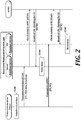
- FIG. 2 is a flowchart illustrating an event data collection process of the system shown in FIG. 1 .
- a vehicle telecommunication device (TMU) 13 acquires vehicle related data from one or more modules, components, and programs including the EDR 11 (S200).
- the telecommunication device (TMU) may receive event data recorded before and after an event from the EDR 11 and collect information on the geographical location, date, and time of the event, an involved vehicle model, etc.
- the telecommunication device (TMU) 13 wirelessly transmits a first message containing the event data and a short-term certificate to the event database server 22 on a network (S210).
- the first message may contain a short-term certificate, event data, and a geographic location.
- the first message may further contain an electronic signature generated using a private key related to the short-term certificate for the event data and the geographical location.
- the event database server 22 Upon receiving the first message, the event database server 22 anonymizes the event data contained in the first message and inputs the event data into the event database 21 (S240). For example, the event database server 22 may associate the event data and the geographical location of the event with the short-term certificate of a corresponding vehicle and store the same in the event database 21. The event database server 22 may check the validity of the short-term certificate by querying the SCMS 40 for a CRL before storing the event data (S220 and S230). In some embodiments, operations S220 to S230 for verifying the validity of the short-term certificate PC may be skipped.
- the VII database server 32 receives a long-term certificate and the short-term certificate used for the electronic signature of the first message from the vehicle (S250).
- the VII database server 32 may associate the short-term certificate with the long-term certificate and store the same in the VII database 31 (S280).
- the VII database server 32 may check the validity of the long-term certificate by querying the SCMS 40 for the CRL (S260 to S270).
- operations S210 and S250 may be reversed in order. That is, the telecommunication device 13 may transmit the second message containing the short-term certificate and the long-term certificate before transmitting the first message containing the event data and the short-term certificate.
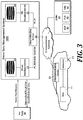
- FIG. 3 is a diagram illustrating an entire system for storing and managing event data in a cloud-based manner according to another embodiment of the present disclosure.
- an event data management system 300 illustrated in FIG. 3 further includes a data collection server 35.
- the data collection server 35 may receive, from the telecommunication device 13 of the vehicle, a first message containing event data and a short-term certificate and a second message containing a long-term certificate and a short-term certificate over a communication network.
- the data collection server 35 may receive the event data, the short-term certificate, and the long-term certificate all at once from the telecommunication device 13 of the vehicle.
- the data collection server 35 may be configured to deliver the event data and the short-term certificate to the event database server 22 and to deliver the long-term certificate and the short-term certificate to the VII database server 32. That is, the data collection server 35 may perform a message routing function or a message filtering function. Operation of the entire system of FIG. 3 including the data collection server 35 will be described in detail later with reference to FIG. 4 .
- the servers 22, 32, and 35 may be managed by one operator.
- the data collection server 35 may be connected to the event database server 22 and the VII database server 32 via an intranet.
- the data collection server 35 may further perform a firewall function to protect the internal network from external networks.
- the servers 22, 32, and 35 may be managed by different operators.
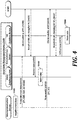
- FIG. 4 is a flowchart illustrating an event data collection process of the system shown in FIG. 3 .
- the vehicle telecommunication device 13 acquires vehicle related data from one or more modules, components, and programs including the EDR 11 (S400). For example, the telecommunication device 13 may receive event data recorded before and after an event from the EDR 11 and collect information on the geographical location, date, and time of the event, an involved vehicle model, etc.
- the telecommunication device 13 wirelessly transmits a first message containing the event data and a short-term certificate PC to the data collection server 35 over a network (S410).
- the first message may contain a short-term certificate PC, event data, and a geographic location.
- the first message may further contain an electronic signature generated using a private key related to the short-term certificate PC for the event data and the geographical location.
- the data collection server 35 may query the SCMS 40 for the CRL and check the validity of the short-term certificate PC (S420 to S425). When the short-term certificate PC is valid, the data collection server 35 delivers the event data, the short-term certificate PC, and the like contained in the first message to the event database server 22 (S430). In some embodiments, operations S420 to S425 for verifying the validity of the short-term certificate PC may be skipped.
- the event data server 22 anonymizes the event data and inputs the same into the event database 21 (S440). For example, the event database server 22 may associate the event data and the geographical location of the event with the short-term certificate PC of a corresponding vehicle or the pseudonym extracted from the short-term certificate and store the same in the event database 21.
- the telecommunication device 13 transmits a second message containing a long-term certificate EC and the short-term certificate PC used for the first message to the data collection server 35 on the network (S450).
- the data collection server 35 may check the validity of the long-term certificate by querying the SCMS 40 for the CRL (S460 and S465). When the long-term certificate EC is valid, the data collection server 35 delivers the long-term certificate EC and the short-term certificate PC contained in the second message to the VII database server 32 (S470).
- the VII database server 32 associates the short-term certificate with the long-term certificate and stores the same in the VII database 31 (S480).
- operations S410 and S450 may be reversed in order, or may be performed in one operation.
- the telecommunication device 13 may transmit the second message containing the short-term certificate and the long-term certificate before transmitting the first message containing the event data and the short-term certificate.
- the event data, the short-term certificate, and the long-term certificates may be transmitted all at once.
- the third party 50 may perform a query operation on the operator(s) of the event data management system 100, 300 by specifying a plurality of parameters in order to obtain desired EDR data.
- the query parameters may include at least one parameter related to an investigation range or criterion, such as an event location, an event date, an event time, the model of a vehicle involved, and a VIN.
- an investigation range or criterion such as an event location, an event date, an event time, the model of a vehicle involved, and a VIN.
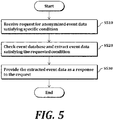
- FIG. 5 is a flowchart illustrating a process of providing anonymized event data by the event data management system 100, 300 illustrated in FIG. 1 or 3 .
- the event data management system 100, 300 may receive a request for anonymized event data that satisfies a specific condition, such as events that occurred in a specific area for a certain period of time, from government agency investigators or researchers (S510).
- the event data management system 100, 300 may check the event database 21 and extract event data satisfying the requested condition (S520).
- the event data management system 100, 300 may provide the extracted event data as a response to the request (S530). Since the event data extracted from the event database 21 are data anonymized with pseudonym certificates (or pseudonyms extracted therefrom), the privacy of the vehicle owner (or driver) is not compromised.
- the VII database 31 is not involved in providing the anonymized event data.
- the event data management system 100, 300 may determine whether the requestor has an access right before or after operation S510.
- FIG. 6 is a flowchart illustrating a process of providing event data related to a specific vehicle by the event data management system 100, 300 illustrated in FIG. 1 or 3 .
- the event data management system 100, 300 may receive a request for event data related to a specific VIN from a vehicle owner, an insurance company, or an investigator of an investigative agency (S610).
- the event data management system 100, 300 may determine whether the requestor is a person having access right authorized by a court order, a search warrant and/or other applicable laws and regulations or by a relevant vehicle owner (S620).
- the event data management system 100, 300 may check the VII database 31 for a long-term certificate corresponding to (assigned to) the VIN and specify a short-term certificate (or pseudonym extracted therefrom) associated with the long-term certificate (S630).
- the event data management system 100 may check the event database 23 and extract event data corresponding to the specified pseudonym certificate (or pseudonym) (S640).
- the event data management system 100, 300 may provide the extracted event data as a response to the request (S650).
- the short-term certificate (or pseudonym extracted therefrom) obtained by checking the event database 23 in operation S630 may be provided to the above-mentioned investigators or directly to operators operating for use in checking the VII database 31.
- the various methods, apparatuses, servers, and (sub)systems described in this disclosure may be implemented by at least one general purpose computer having a processor, a memory, a disk or other mass storage, a communication interface, input/output (I/O) devices, and other peripherals.
- the general purpose computer may function as an apparatus to execute the methods described above by loading software instructions into the processor and then executing the instructions to perform the functions described in this disclosure.
- Non-transitory recording media include, for example, all types of recording devices in which data is stored in a form readable by a computer system.
- the non-transitory recording media may include storage media such as an erasable programmable read only memory (EPROM), an electrically erasable programmable read-only memory (EPROM), a flash drive, an optical drive, a magnetic hard drive, and a solid state drive (SSD).
- EPROM erasable programmable read only memory
- EPROM electrically erasable programmable read-only memory
- SSD solid state drive
- a method for collecting and managing event data of a vehicle comprising: acquiring event data recorded by an event data recorder equipped in a vehicle as well as a first certificate and a second certificate assigned to the vehicle; associating the event data with the first certificate; storing the event data in a first database; associating the first certificate with the second certificate; and storing the first certificate in a second database.
- the method according to the first further embodiment wherein the first certificate is one of a plurality of short-term certificates assigned to the vehicle, and wherein the second certificate is a long-term certificate assigned to the vehicle.
- the method according to the first or second further embodiment further comprising verifying validity of the first certificate before storing the event data in the first database and verifying validity of the second certificate before storing the first certificate in the second database.
- acquiring the event data comprises receiving a first message from the vehicle, the first message containing a geographical location of the event, the first certificate, and the event data.
- the method according to one of the first to fourth further embodiments wherein the first message further contains an electronic signature generated using a private key related to the first certificate for the event data and the geographical location.
Landscapes
- Engineering & Computer Science (AREA)
- Computer Security & Cryptography (AREA)
- Signal Processing (AREA)
- Computer Networks & Wireless Communication (AREA)
- Theoretical Computer Science (AREA)
- General Engineering & Computer Science (AREA)
- Databases & Information Systems (AREA)
- Physics & Mathematics (AREA)
- General Physics & Mathematics (AREA)
- Data Mining & Analysis (AREA)
- Computing Systems (AREA)
- Computer Hardware Design (AREA)
- Mechanical Engineering (AREA)
- Business, Economics & Management (AREA)
- Software Systems (AREA)
- Remote Sensing (AREA)
- General Health & Medical Sciences (AREA)
- Health & Medical Sciences (AREA)
- Marketing (AREA)
- Computational Linguistics (AREA)
- Economics (AREA)
- Entrepreneurship & Innovation (AREA)
- Human Resources & Organizations (AREA)
- Medical Informatics (AREA)
- Operations Research (AREA)
- Quality & Reliability (AREA)
- Strategic Management (AREA)
- Tourism & Hospitality (AREA)
- General Business, Economics & Management (AREA)
- Management, Administration, Business Operations System, And Electronic Commerce (AREA)
- Traffic Control Systems (AREA)
- Bioethics (AREA)
Applications Claiming Priority (1)
| Application Number | Priority Date | Filing Date | Title |
|---|---|---|---|
| KR1020190002568A KR102680551B1 (ko) | 2019-01-09 | 2019-01-09 | 클라우드 기반의 edr 데이터 관리 방법 및 시스템 |
Publications (2)
| Publication Number | Publication Date |
|---|---|
| EP3680831A1 true EP3680831A1 (fr) | 2020-07-15 |
| EP3680831B1 EP3680831B1 (fr) | 2025-07-23 |
Family
ID=69156292
Family Applications (1)
| Application Number | Title | Priority Date | Filing Date |
|---|---|---|---|
| EP20150886.8A Active EP3680831B1 (fr) | 2019-01-09 | 2020-01-09 | Procédé de collecte et de gestion de données d'événement d'un véhicule |
Country Status (4)
| Country | Link |
|---|---|
| US (2) | US11677568B2 (fr) |
| EP (1) | EP3680831B1 (fr) |
| KR (2) | KR102680551B1 (fr) |
| CN (1) | CN111431848B (fr) |
Cited By (1)
| Publication number | Priority date | Publication date | Assignee | Title |
|---|---|---|---|---|
| US20240267218A1 (en) * | 2017-10-15 | 2024-08-08 | Network Perception, Inc. | Systems and Methods for Privacy Preserving Accurate Analysis of Network Paths |
Families Citing this family (14)
| Publication number | Priority date | Publication date | Assignee | Title |
|---|---|---|---|---|
| US10868677B2 (en) * | 2018-06-06 | 2020-12-15 | Blackberry Limited | Method and system for reduced V2X receiver processing load using certificates |
| KR20210087710A (ko) * | 2020-01-03 | 2021-07-13 | 삼성전자주식회사 | 운송 장치, 통신 시스템 및 이를 이용한 통신 방법 |
| US20230098006A1 (en) * | 2020-03-04 | 2023-03-30 | Hyundai Motor Company | Method and System for Collecting and Managing Vehicle-Generated Data |
| KR102281949B1 (ko) * | 2020-10-29 | 2021-07-26 | 펜타시큐리티시스템 주식회사 | 익명 인증서 관리 방법 및 장치 |
| KR102686843B1 (ko) | 2020-11-24 | 2024-07-19 | 한국전자통신연구원 | 클라우드 기반 차량 데이터 보안 관리 장치 및 방법 |
| CN113038417B (zh) * | 2021-02-01 | 2022-07-26 | 北京汽车研究总院有限公司 | 车联网中v2x匿名证书的管理方法与装置、存储介质、设备 |
| CN114915942A (zh) * | 2021-02-10 | 2022-08-16 | 华为技术有限公司 | 通信密钥配置方法及装置 |
| US11669639B2 (en) * | 2021-02-25 | 2023-06-06 | Dell Products L.P. | System and method for multi-user state change |
| US11972015B2 (en) * | 2021-06-01 | 2024-04-30 | Ford Global Technologies, Llc | Personally identifiable information removal based on private area logic |
| US12407524B2 (en) * | 2021-12-13 | 2025-09-02 | Gm Cruise Holdings Llc | Certificate revocation and management for autonomous vehicles |
| CN114745695B (zh) * | 2022-04-13 | 2025-05-30 | 中国第一汽车股份有限公司 | 证书处理方法、装置、设备和存储介质 |
| JP7652141B2 (ja) * | 2022-06-29 | 2025-03-27 | トヨタ自動車株式会社 | 情報処理装置、情報処理方法、およびプログラム |
| US12592100B2 (en) | 2022-09-27 | 2026-03-31 | Panasonic Corporation Of North America | Vehicle-based data optimization |
| US20240321088A1 (en) * | 2023-03-21 | 2024-09-26 | Panasonic Corporation of North America D/B/A Smart Mobility Office | Vehicle-based data aggregation and processing |
Citations (1)
| Publication number | Priority date | Publication date | Assignee | Title |
|---|---|---|---|---|
| US20180026949A1 (en) * | 2016-07-21 | 2018-01-25 | Samsung Electronics Co., Ltd. | System and method for providing vehicle information based on personal authentication and vehicle authentication |
Family Cites Families (13)
| Publication number | Priority date | Publication date | Assignee | Title |
|---|---|---|---|---|
| US9836716B2 (en) * | 2006-05-09 | 2017-12-05 | Lytx, Inc. | System and method for reducing driving risk with hindsight |
| KR101512021B1 (ko) * | 2013-12-06 | 2015-04-14 | 강상욱 | 가역 정보 은닉을 이용한 차량용 블랙박스 영상의 무결성 검증 방법 및 그 장치 |
| TWI516950B (zh) * | 2013-12-23 | 2016-01-11 | 勝捷光電股份有限公司 | 即時記錄分享系統及方法 |
| US20160147945A1 (en) * | 2014-11-26 | 2016-05-26 | Ims Health Incorporated | System and Method for Providing Secure Check of Patient Records |
| US9843452B2 (en) | 2014-12-15 | 2017-12-12 | Amazon Technologies, Inc. | Short-duration digital certificate issuance based on long-duration digital certificate validation |
| KR101532024B1 (ko) * | 2015-04-29 | 2015-06-29 | 한밭대학교 산학협력단 | 차량 통신에서의 메시지 전송 방법 및 장치 |
| DE102015219517B4 (de) * | 2015-10-08 | 2017-05-24 | Volkswagen Aktiengesellschaft | Zertifizierungsmodul, Vorrichtung, Berechtigungsprüfungsmodul, Verfahren und Computerprogramm zum Berechnen, Bereitstellen und Prüfen von digitalen Kurzzeitzertifikaten |
| US10154233B2 (en) * | 2015-12-26 | 2018-12-11 | Intel Corporation | Technologies for scene reconstruction |
| US10769305B2 (en) * | 2016-09-21 | 2020-09-08 | Mastercard International Incorporated | Method and system for double anonymization of data |
| KR101837338B1 (ko) * | 2017-02-16 | 2018-03-09 | 한양대학교 에리카산학협력단 | Vanet을 위한 클라우드 지원 조건부 프라이버시를 보호하는 인증 방법 및 시스템 |
| CN107396285B (zh) * | 2017-07-12 | 2020-09-04 | 中国科学院深圳先进技术研究院 | 车辆隐私保护方法、装置、设备及存储介质 |
| US11223605B2 (en) * | 2018-02-05 | 2022-01-11 | Onboard Security, Inc. | Method and system for connected vehicle communication |
| CN111200495B (zh) * | 2018-11-20 | 2026-04-07 | 华为云计算技术有限公司 | 一种车联网的证书处理方法、装置和系统 |
-
2019
- 2019-01-09 KR KR1020190002568A patent/KR102680551B1/ko active Active
-
2020
- 2020-01-06 CN CN202010009629.8A patent/CN111431848B/zh active Active
- 2020-01-09 US US16/738,183 patent/US11677568B2/en active Active
- 2020-01-09 EP EP20150886.8A patent/EP3680831B1/fr active Active
-
2023
- 2023-05-01 US US18/309,928 patent/US12132845B2/en active Active
-
2024
- 2024-06-27 KR KR1020240084120A patent/KR102771444B1/ko active Active
Patent Citations (1)
| Publication number | Priority date | Publication date | Assignee | Title |
|---|---|---|---|---|
| US20180026949A1 (en) * | 2016-07-21 | 2018-01-25 | Samsung Electronics Co., Ltd. | System and method for providing vehicle information based on personal authentication and vehicle authentication |
Cited By (2)
| Publication number | Priority date | Publication date | Assignee | Title |
|---|---|---|---|---|
| US20240267218A1 (en) * | 2017-10-15 | 2024-08-08 | Network Perception, Inc. | Systems and Methods for Privacy Preserving Accurate Analysis of Network Paths |
| US12309272B2 (en) * | 2017-10-15 | 2025-05-20 | Network Perception, Inc. | Systems and methods for privacy preserving accurate analysis of network paths |
Also Published As
| Publication number | Publication date |
|---|---|
| US20230269102A1 (en) | 2023-08-24 |
| EP3680831B1 (fr) | 2025-07-23 |
| US20200220737A1 (en) | 2020-07-09 |
| KR20240110754A (ko) | 2024-07-16 |
| US11677568B2 (en) | 2023-06-13 |
| CN111431848A (zh) | 2020-07-17 |
| KR102771444B1 (ko) | 2025-02-20 |
| KR102680551B1 (ko) | 2024-07-01 |
| KR20200092472A (ko) | 2020-08-04 |
| US12132845B2 (en) | 2024-10-29 |
| CN111431848B (zh) | 2023-08-01 |
Similar Documents
| Publication | Publication Date | Title |
|---|---|---|
| US12132845B2 (en) | Method for collecting and managing event data of a vehicle | |
| EP3680799A1 (fr) | Procédé de collecte et de gestion de données d'événements d'un véhicule | |
| US11348385B2 (en) | Method and system for managing event data | |
| US11544408B2 (en) | Method and system for managing vehicle generated data | |
| CN115210783B (zh) | 用于收集和管理车辆生成数据的方法和系统 | |
| JP2023539051A (ja) | 自動車データ共有及び同意管理プラットフォーム | |
| US20240323035A1 (en) | Method for collecting and managing vehicle-recorded data | |
| US11271971B1 (en) | Device for facilitating managing cyber security health of a connected and autonomous vehicle (CAV) | |
| US11968312B2 (en) | Apparatus and method for cloud-based vehicle data security management | |
| US12515680B2 (en) | Systems and methods for tracking historic driver data on the edge | |
| CN116157850A (zh) | 用于收集并管理车辆生成的数据的方法和系统 | |
| JP2024048100A (ja) | データ管理システム、及び、基地局機器 | |
| KR20210112241A (ko) | 차량 생성 데이터를 수집 및 관리하는 방법 및 시스템 | |
| CN110972109A (zh) | 基于车载设备单元身份信息的处理方法、装置及系统 |
Legal Events
| Date | Code | Title | Description |
|---|---|---|---|
| PUAI | Public reference made under article 153(3) epc to a published international application that has entered the european phase |
Free format text: ORIGINAL CODE: 0009012 |
|
| STAA | Information on the status of an ep patent application or granted ep patent |
Free format text: STATUS: THE APPLICATION HAS BEEN PUBLISHED |
|
| AK | Designated contracting states |
Kind code of ref document: A1 Designated state(s): AL AT BE BG CH CY CZ DE DK EE ES FI FR GB GR HR HU IE IS IT LI LT LU LV MC MK MT NL NO PL PT RO RS SE SI SK SM TR |
|
| AX | Request for extension of the european patent |
Extension state: BA ME |
|
| STAA | Information on the status of an ep patent application or granted ep patent |
Free format text: STATUS: REQUEST FOR EXAMINATION WAS MADE |
|
| 17P | Request for examination filed |
Effective date: 20201117 |
|
| RBV | Designated contracting states (corrected) |
Designated state(s): AL AT BE BG CH CY CZ DE DK EE ES FI FR GB GR HR HU IE IS IT LI LT LU LV MC MK MT NL NO PL PT RO RS SE SI SK SM TR |
|
| RAP3 | Party data changed (applicant data changed or rights of an application transferred) |
Owner name: HYUNDAI MOTOR COMPANY Owner name: KIA CORPORATION |
|
| STAA | Information on the status of an ep patent application or granted ep patent |
Free format text: STATUS: EXAMINATION IS IN PROGRESS |
|
| 17Q | First examination report despatched |
Effective date: 20211222 |
|
| P01 | Opt-out of the competence of the unified patent court (upc) registered |
Effective date: 20230419 |
|
| GRAP | Despatch of communication of intention to grant a patent |
Free format text: ORIGINAL CODE: EPIDOSNIGR1 |
|
| STAA | Information on the status of an ep patent application or granted ep patent |
Free format text: STATUS: GRANT OF PATENT IS INTENDED |
|
| INTG | Intention to grant announced |
Effective date: 20250218 |
|
| RIN1 | Information on inventor provided before grant (corrected) |
Inventor name: LIM, WHA PYEONG Inventor name: PARK, SEUNG WOOK Inventor name: RYU, JUNG HEI |
|
| GRAS | Grant fee paid |
Free format text: ORIGINAL CODE: EPIDOSNIGR3 |
|
| GRAA | (expected) grant |
Free format text: ORIGINAL CODE: 0009210 |
|
| STAA | Information on the status of an ep patent application or granted ep patent |
Free format text: STATUS: THE PATENT HAS BEEN GRANTED |
|
| AK | Designated contracting states |
Kind code of ref document: B1 Designated state(s): AL AT BE BG CH CY CZ DE DK EE ES FI FR GB GR HR HU IE IS IT LI LT LU LV MC MK MT NL NO PL PT RO RS SE SI SK SM TR |
|
| REG | Reference to a national code |
Ref country code: GB Ref legal event code: FG4D |
|
| REG | Reference to a national code |
Ref country code: CH Ref legal event code: EP |
|
| REG | Reference to a national code |
Ref country code: IE Ref legal event code: FG4D |
|
| REG | Reference to a national code |
Ref country code: DE Ref legal event code: R096 Ref document number: 602020054871 Country of ref document: DE |
|
| REG | Reference to a national code |
Ref country code: NL Ref legal event code: MP Effective date: 20250723 |
|
| PG25 | Lapsed in a contracting state [announced via postgrant information from national office to epo] |
Ref country code: PT Free format text: LAPSE BECAUSE OF FAILURE TO SUBMIT A TRANSLATION OF THE DESCRIPTION OR TO PAY THE FEE WITHIN THE PRESCRIBED TIME-LIMIT Effective date: 20251124 |
|
| PG25 | Lapsed in a contracting state [announced via postgrant information from national office to epo] |
Ref country code: NL Free format text: LAPSE BECAUSE OF FAILURE TO SUBMIT A TRANSLATION OF THE DESCRIPTION OR TO PAY THE FEE WITHIN THE PRESCRIBED TIME-LIMIT Effective date: 20250723 |
|
| REG | Reference to a national code |
Ref country code: AT Ref legal event code: MK05 Ref document number: 1817188 Country of ref document: AT Kind code of ref document: T Effective date: 20250723 |
|
| PG25 | Lapsed in a contracting state [announced via postgrant information from national office to epo] |
Ref country code: IS Free format text: LAPSE BECAUSE OF FAILURE TO SUBMIT A TRANSLATION OF THE DESCRIPTION OR TO PAY THE FEE WITHIN THE PRESCRIBED TIME-LIMIT Effective date: 20251123 |
|
| PGFP | Annual fee paid to national office [announced via postgrant information from national office to epo] |
Ref country code: GB Payment date: 20251222 Year of fee payment: 7 |
|
| PG25 | Lapsed in a contracting state [announced via postgrant information from national office to epo] |
Ref country code: NO Free format text: LAPSE BECAUSE OF FAILURE TO SUBMIT A TRANSLATION OF THE DESCRIPTION OR TO PAY THE FEE WITHIN THE PRESCRIBED TIME-LIMIT Effective date: 20251023 |
|
| REG | Reference to a national code |
Ref country code: LT Ref legal event code: MG9D |
|
| PG25 | Lapsed in a contracting state [announced via postgrant information from national office to epo] |
Ref country code: AT Free format text: LAPSE BECAUSE OF FAILURE TO SUBMIT A TRANSLATION OF THE DESCRIPTION OR TO PAY THE FEE WITHIN THE PRESCRIBED TIME-LIMIT Effective date: 20250723 |
|
| PG25 | Lapsed in a contracting state [announced via postgrant information from national office to epo] |
Ref country code: FI Free format text: LAPSE BECAUSE OF FAILURE TO SUBMIT A TRANSLATION OF THE DESCRIPTION OR TO PAY THE FEE WITHIN THE PRESCRIBED TIME-LIMIT Effective date: 20250723 |
|
| PG25 | Lapsed in a contracting state [announced via postgrant information from national office to epo] |
Ref country code: HR Free format text: LAPSE BECAUSE OF FAILURE TO SUBMIT A TRANSLATION OF THE DESCRIPTION OR TO PAY THE FEE WITHIN THE PRESCRIBED TIME-LIMIT Effective date: 20250723 |
|
| PGFP | Annual fee paid to national office [announced via postgrant information from national office to epo] |
Ref country code: FR Payment date: 20251223 Year of fee payment: 7 |
|
| PG25 | Lapsed in a contracting state [announced via postgrant information from national office to epo] |
Ref country code: GR Free format text: LAPSE BECAUSE OF FAILURE TO SUBMIT A TRANSLATION OF THE DESCRIPTION OR TO PAY THE FEE WITHIN THE PRESCRIBED TIME-LIMIT Effective date: 20251024 |
|
| PG25 | Lapsed in a contracting state [announced via postgrant information from national office to epo] |
Ref country code: SE Free format text: LAPSE BECAUSE OF FAILURE TO SUBMIT A TRANSLATION OF THE DESCRIPTION OR TO PAY THE FEE WITHIN THE PRESCRIBED TIME-LIMIT Effective date: 20250723 |
|
| PG25 | Lapsed in a contracting state [announced via postgrant information from national office to epo] |
Ref country code: LV Free format text: LAPSE BECAUSE OF FAILURE TO SUBMIT A TRANSLATION OF THE DESCRIPTION OR TO PAY THE FEE WITHIN THE PRESCRIBED TIME-LIMIT Effective date: 20250723 |
|
| PG25 | Lapsed in a contracting state [announced via postgrant information from national office to epo] |
Ref country code: PL Free format text: LAPSE BECAUSE OF FAILURE TO SUBMIT A TRANSLATION OF THE DESCRIPTION OR TO PAY THE FEE WITHIN THE PRESCRIBED TIME-LIMIT Effective date: 20250723 Ref country code: BG Free format text: LAPSE BECAUSE OF FAILURE TO SUBMIT A TRANSLATION OF THE DESCRIPTION OR TO PAY THE FEE WITHIN THE PRESCRIBED TIME-LIMIT Effective date: 20250723 |
|
| PG25 | Lapsed in a contracting state [announced via postgrant information from national office to epo] |
Ref country code: RS Free format text: LAPSE BECAUSE OF FAILURE TO SUBMIT A TRANSLATION OF THE DESCRIPTION OR TO PAY THE FEE WITHIN THE PRESCRIBED TIME-LIMIT Effective date: 20251023 |
|
| PG25 | Lapsed in a contracting state [announced via postgrant information from national office to epo] |
Ref country code: ES Free format text: LAPSE BECAUSE OF FAILURE TO SUBMIT A TRANSLATION OF THE DESCRIPTION OR TO PAY THE FEE WITHIN THE PRESCRIBED TIME-LIMIT Effective date: 20250723 |
|
| PG25 | Lapsed in a contracting state [announced via postgrant information from national office to epo] |
Ref country code: SM Free format text: LAPSE BECAUSE OF FAILURE TO SUBMIT A TRANSLATION OF THE DESCRIPTION OR TO PAY THE FEE WITHIN THE PRESCRIBED TIME-LIMIT Effective date: 20250723 |
|
| PG25 | Lapsed in a contracting state [announced via postgrant information from national office to epo] |
Ref country code: DK Free format text: LAPSE BECAUSE OF FAILURE TO SUBMIT A TRANSLATION OF THE DESCRIPTION OR TO PAY THE FEE WITHIN THE PRESCRIBED TIME-LIMIT Effective date: 20250723 |
|
| PGFP | Annual fee paid to national office [announced via postgrant information from national office to epo] |
Ref country code: DE Payment date: 20251222 Year of fee payment: 7 |
|
| PG25 | Lapsed in a contracting state [announced via postgrant information from national office to epo] |
Ref country code: IT Free format text: LAPSE BECAUSE OF FAILURE TO SUBMIT A TRANSLATION OF THE DESCRIPTION OR TO PAY THE FEE WITHIN THE PRESCRIBED TIME-LIMIT Effective date: 20250723 |