EP3684354B1 - Composés inhibiteurs de xpa et leur utilisation - Google Patents
Composés inhibiteurs de xpa et leur utilisation Download PDFInfo
- Publication number
- EP3684354B1 EP3684354B1 EP18857920.5A EP18857920A EP3684354B1 EP 3684354 B1 EP3684354 B1 EP 3684354B1 EP 18857920 A EP18857920 A EP 18857920A EP 3684354 B1 EP3684354 B1 EP 3684354B1
- Authority
- EP
- European Patent Office
- Prior art keywords
- compound
- alkyl
- nmr
- mhz
- dmso
- Prior art date
- Legal status (The legal status is an assumption and is not a legal conclusion. Google has not performed a legal analysis and makes no representation as to the accuracy of the status listed.)
- Active
Links
Images




Classifications
-
- A—HUMAN NECESSITIES
- A61—MEDICAL OR VETERINARY SCIENCE; HYGIENE
- A61K—PREPARATIONS FOR MEDICAL, DENTAL OR TOILETRY PURPOSES
- A61K31/00—Medicinal preparations containing organic active ingredients
- A61K31/33—Heterocyclic compounds
- A61K31/395—Heterocyclic compounds having nitrogen as a ring hetero atom, e.g. guanethidine or rifamycins
- A61K31/41—Heterocyclic compounds having nitrogen as a ring hetero atom, e.g. guanethidine or rifamycins having five-membered rings with two or more ring hetero atoms, at least one of which being nitrogen, e.g. tetrazole
- A61K31/415—1,2-Diazoles
- A61K31/4155—1,2-Diazoles non condensed and containing further heterocyclic rings
-
- C—CHEMISTRY; METALLURGY
- C07—ORGANIC CHEMISTRY
- C07D—HETEROCYCLIC COMPOUNDS
- C07D405/00—Heterocyclic compounds containing both one or more hetero rings having oxygen atoms as the only ring hetero atoms, and one or more rings having nitrogen as the only ring hetero atom
- C07D405/02—Heterocyclic compounds containing both one or more hetero rings having oxygen atoms as the only ring hetero atoms, and one or more rings having nitrogen as the only ring hetero atom containing two hetero rings
- C07D405/06—Heterocyclic compounds containing both one or more hetero rings having oxygen atoms as the only ring hetero atoms, and one or more rings having nitrogen as the only ring hetero atom containing two hetero rings linked by a carbon chain containing only aliphatic carbon atoms
-
- A—HUMAN NECESSITIES
- A61—MEDICAL OR VETERINARY SCIENCE; HYGIENE
- A61K—PREPARATIONS FOR MEDICAL, DENTAL OR TOILETRY PURPOSES
- A61K31/00—Medicinal preparations containing organic active ingredients
- A61K31/33—Heterocyclic compounds
- A61K31/395—Heterocyclic compounds having nitrogen as a ring hetero atom, e.g. guanethidine or rifamycins
- A61K31/41—Heterocyclic compounds having nitrogen as a ring hetero atom, e.g. guanethidine or rifamycins having five-membered rings with two or more ring hetero atoms, at least one of which being nitrogen, e.g. tetrazole
- A61K31/415—1,2-Diazoles
-
- A—HUMAN NECESSITIES
- A61—MEDICAL OR VETERINARY SCIENCE; HYGIENE
- A61K—PREPARATIONS FOR MEDICAL, DENTAL OR TOILETRY PURPOSES
- A61K31/00—Medicinal preparations containing organic active ingredients
- A61K31/33—Heterocyclic compounds
- A61K31/395—Heterocyclic compounds having nitrogen as a ring hetero atom, e.g. guanethidine or rifamycins
- A61K31/41—Heterocyclic compounds having nitrogen as a ring hetero atom, e.g. guanethidine or rifamycins having five-membered rings with two or more ring hetero atoms, at least one of which being nitrogen, e.g. tetrazole
- A61K31/415—1,2-Diazoles
- A61K31/4152—1,2-Diazoles having oxo groups directly attached to the heterocyclic ring, e.g. antipyrine, phenylbutazone, sulfinpyrazone
-
- A—HUMAN NECESSITIES
- A61—MEDICAL OR VETERINARY SCIENCE; HYGIENE
- A61P—SPECIFIC THERAPEUTIC ACTIVITY OF CHEMICAL COMPOUNDS OR MEDICINAL PREPARATIONS
- A61P35/00—Antineoplastic agents
-
- C—CHEMISTRY; METALLURGY
- C07—ORGANIC CHEMISTRY
- C07D—HETEROCYCLIC COMPOUNDS
- C07D405/00—Heterocyclic compounds containing both one or more hetero rings having oxygen atoms as the only ring hetero atoms, and one or more rings having nitrogen as the only ring hetero atom
- C07D405/14—Heterocyclic compounds containing both one or more hetero rings having oxygen atoms as the only ring hetero atoms, and one or more rings having nitrogen as the only ring hetero atom containing three or more hetero rings
-
- C—CHEMISTRY; METALLURGY
- C07—ORGANIC CHEMISTRY
- C07D—HETEROCYCLIC COMPOUNDS
- C07D409/00—Heterocyclic compounds containing two or more hetero rings, at least one ring having sulfur atoms as the only ring hetero atoms
- C07D409/02—Heterocyclic compounds containing two or more hetero rings, at least one ring having sulfur atoms as the only ring hetero atoms containing two hetero rings
- C07D409/06—Heterocyclic compounds containing two or more hetero rings, at least one ring having sulfur atoms as the only ring hetero atoms containing two hetero rings linked by a carbon chain containing only aliphatic carbon atoms
Definitions
- the present disclosure relates to certain compounds having binding affinity for XPA, and uses thereof. Specifically, the present disclosure relates to XPA inhibitors as described herein for use in methods of treating cancer.
- NER activity has been potentially recognized as a highly effective adjuvant therapy with DNA damaging agents such as platinum drugs and radiotherapy towards maximizing efficacy, overcoming resistance and reducing the toxicities associated with the current regimen.
- DNA damage recognition process is the limiting step in NER pathway.
- the XPA (Xeroderma Pigmentosum Group A) protein has been shown to bind to the damaged duplex DNA in the DNA damage identification and verification process. XPA does not possess any enzymatic activity, but is an integral component for which there is no redundant or compensatory protein. In addition, XPA has been shown to have a greater affinity for damaged DNA over undamaged DNA and is required for the removal of all types of DNA lesions repaired by NER. In fact, as there are no redundant proteins that can compensate for the loss of XPA activity, decreased expression of XPA has been observed in testicular cancers where 95% of patients are cured by a platinum-based therapy.
- Human XPA is a relatively small 273 residue protein (39 kDa) that contains multiple domains and interaction motifs that support binding to DNA and other DNA repair proteins ( Fig. 1 ).
- Fig. 1 DNA and other DNA repair proteins
- the zinc containing globular core of XPA is responsible for binding both the ssDNA to dsDNA junction (Y junction) and the RPA70 domain ( Saijo, M.; Takedachi, A. Tanaka, K. Nucleotide excision repair by mutant Xeroderma Pigmentosum Group A (XPA) proteins with deficiency in interaction with RPA. J. Biol. Chem. 2011, 286, 5476-5483 ; Patrick, S. M.; Turchi, J. J. Xeroderma pigmentosum complementation group A protein (XPA) modulates RPA-DNA interactions via enhanced complex stability and inhibition of strand separation activity. J. Biol. Chem. 2002, 277, 16096-16101 ).
- Inhibitors targeting XPA-DNA interfaces hold great potential to enhance the efficiency of treatment with DNA damaging agents and reverse platinum drug resistance by reducing NER activity, and there ixists a great unmet need for the development of XPA inhibitors that provide advantageous properties, such as enhanced solubility and metabolic stability, while also showing good potency when administered either alone or in combination with another therapeutic agent.
- references to methods of treatment in this description are to be interpreted as references to the compounds, pharmaceutical compositions and medicaments of the present invention for use in a method for treatment of the human (or animal) body by therapy.
- the present disclosure provides for a method of treating cancer in a patient comprising
- the method further comprises (b) administering at least one additional cancer therapy.
- the present disclosure provides for a method of treating cancer in a patient comprising
- the present disclosure provides a method of treating cancer in a patient comprising
- the disclosure is directed to an XPA inhibitor compound of the formula II, or a pharmaceutically acceptable salt thereof, wherein R 1 R 2 , R 3 , Y and Z are as defined herein, and the compound is not of the formula for use in the treatment of cancer in a patient.
- the disclosure is directed to an XPA inhibitor compound of the formula II, or a pharmaceutically acceptable salt thereof, wherein R 1 , R 2 , R 3 , Y and Z are as defined herein, and the compound is not of the formula in combination with a therapeutically effective amount of at least one additional cancer therapy, for use in the treatment of cancer in a patient.
- the disclosure is directed to use of an XPA inhibitor, such as a compound of the formula II, or a pharmaceutically acceptable salt thereof, wherein R 1 R 2 , R 3 , Y and Z are as defined herein, and the compound is not of the formula for use in the treatment of cancer in a patient.
- the compound is administered in combination with a therapeutically effective amount of at least one additional cancer therapy.
- the disclosure is directed to use of an XPA inhibitor, such as a compound of the formula II, or a pharmaceutically acceptable salt thereof, wherein R 1 R 2 , R 3 , Y and Z are as defined herein, and the compound is not of the formula in the preparation of a medicament for the treatment of cancer in a patient.
- the compound is administered in combination with a therapeutically effective amount of at least one additional cancer therapy.
- the disclosure is directed to a composition
- a composition comprising an XPA inhibitor, such as a compound of the formula II, or a pharmaceutically acceptable salt thereof, wherein R 1 , R 2 , R 3 , Y and Z are as defined herein, and the compound is not of the formula in a therapeutically effective amount, for use in the treatment of cancer in a patient.
- the composition is administered in combination with a therapeutically effective amount of at least one additional cancer therapy.
- the disclosure relates to a synergistic composition of an XPA inhibitor, such as a compound of the formula II, or a pharmaceutically acceptable salt thereof, wherein R 1 R 2 , R 3 , Y and Z are as defined herein, and the compound is not of the formula and an additional cancer therapy, where the two components come into contact with each other at a locus.
- an XPA inhibitor such as a compound of the formula II, or a pharmaceutically acceptable salt thereof, wherein R 1 R 2 , R 3 , Y and Z are as defined herein, and the compound is not of the formula and an additional cancer therapy, where the two components come into contact with each other at a locus.
- the XPA inhibitor is a compound of the formula Ia, or a pharmaceutically acceptable salt thereof, wherein R 1 , R 2 , R 3 , R 4 , R 5 , R 10 and Z are as defined herein.
- the XPA inhibitor is a compound of the formula Ib or a pharmaceutically acceptable salt thereof, wherein R 1 , R 2 , R 3 , R 4 , R 5 , X and Z are as defined herein.
- the compound Ia or compound Ib is for use in a method of treating cancer in a patient, wherein at least one additional cancer therapy is administered.
- the additional cancer therapy is a platinum drug.
- the additional cancer therapy is selected from the group consisting of cisplatin, carboplatin, oxaliplatin, nedaplatin, triplatin tetranitrate, phenanthriplatin, picoplatin, and satraplatin.
- alkyl includes a chain of carbon atoms, which is optionally branched and contains from 1 to 20 carbon atoms. It is to be further understood that in certain embodiments, alkyl may be advantageously of limited length, including C 1 -C 12 , C 1 -C 10 , C 1 -C 9 , C 1 -C 8 , C 1 -C 7 , C 1 -C 6 , and C 1 -C 4 , Illustratively, such particularly limited length alkyl groups, including C 1 -C 8 , C 1 -C 7 , C 1 -C 6 , and C 1 -C 4 , and the like may be referred to as "lower alkyl.” Illustrative alkyl groups include, but are not limited to, methyl, ethyl, n-propyl, isopropyl, n-butyl, isobutyl, sec-butyl, tert-butyl, pentyl,
- Alkyl may be substituted or unsubstituted.
- alkyl may be combined with other groups, such as those provided above, to form a functionalized alkyl.
- the combination of an "alkyl” group, as described herein, with a “carboxy” group may be referred to as a “carboxyalkyl” group.
- Other non-limiting examples include hydroxyalkyl, aminoalkyl, and the like.
- alkenyl groups including C 2 -C 8 , C 2 -C 7 , C 2 -C 6 , and C 2 -C 4 may be referred to as lower alkenyl.
- Alkenyl may be unsubstituted, or substituted as described for alkyl or as described in the various embodiments provided herein.
- Illustrative alkenyl groups include, but are not limited to, ethenyl, 1-propenyl, 2-propenyl, 1-, 2-, or 3-butenyl, and the like.
- alkynyl groups including C 2 -C 8 , C 2 -C 7 , C 2 -C 6 , and C 2 -C 4 may be referred to as lower alkynyl.
- Alkenyl may be unsubstituted, or substituted as described for alkyl or as described in the various embodiments provided herein.
- Illustrative alkenyl groups include, but are not limited to, ethynyl, 1-propynyl, 2-propynyl, 1-, 2-, or 3-butynyl, and the like.
- aryl refers to an all-carbon monocyclic or fused-ring polycyclic groups of 6 to 12 carbon atoms having a completely conjugated pi-electron system. It will be understood that in certain embodiments, aryl may be advantageously of limited size such as C 6 -C 10 aryl. Illustrative aryl groups include, but are not limited to, phenyl, naphthalenyl and anthracenyl. The aryl group may be unsubstituted, or substituted as described for alkyl or as described in the various embodiments provided herein.
- cycloalkyl refers to a 3 to 15 member all-carbon monocyclic ring, including an all-carbon 5-member/6-member or 6-member/6-member fused bicyclic ring, or a multicyclic fused ring (a "fused" ring system means that each ring in the system shares an adjacent pair of carbon atoms with each other ring in the system) group, where one or more of the rings may contain one or more double bonds but the cycloalkyl does not contain a completely conjugated pi-electron system.
- cycloalkyl may be advantageously of limited size such as C 3 -C 13 , C 3 -C 9 , C 3 -C 6 and C 4 -C 6 .
- Cycloalkyl may be unsubstituted, or substituted as described for alkyl or as described in the various embodiments provided herein.
- Illustrative cycloalkyl groups include, but are not limited to, cyclopropyl, cyclobutyl, cyclopentyl, cyclopentenyl, cyclopentadienyl, cyclohexyl, cyclohexenyl, cycloheptyl, adamantyl, norbornyl, norbornenyl, 9H-fluoren-9-yl, and the like.
- cycloalkyl groups shown in graphical representations include the following entities, in the form of properly bonded moieties:
- heterocycloalkyl refers to a monocyclic or fused ring group having in the ring(s) from 3 to 12 ring atoms, in which at least one ring atom is a heteroatom, such as nitrogen, oxygen or sulfur, the remaining ring atoms being carbon atoms.
- Heterocycloalkyl may optionally contain 1, 2, 3 or 4 heteroatoms.
- heterocycloalkyl may be advantageously of limited size such as 3- to 7-membered heterocycloalkyl, 5- to 7-membered heterocycloalkyl, and the like.
- Heterocycloalkyl may be unsubstituted, or substituted as described for alkyl or as described in the various embodiments provided herein.
- heterocycloalkyl groups include, but are not limited to, oxiranyl, thianaryl, azetidinyl, oxetanyl, tetrahydrofuranyl, pyrrolidinyl, tetrahydropyranyl, piperidinyl, 1,4-dioxanyl, morpholinyl, 1,4-dithianyl, piperazinyl, oxepanyl, 3,4-dihydro-2H-pyranyl, 5,6-dihydro-2H-pyranyl, 2H-pyranyl, 1, 2, 3, 4-tetrahydropyridinyl, and the like.
- Illustrative examples of heterocycloalkyl groups shown in graphical representations include the following entities, in the form of properly bonded moieties:
- heteroaryl refers to a monocyclic or fused ring group of 5 to 12 ring atoms containing one, two, three or four ring heteroatoms selected from nitrogen, oxygen and sulfur, the remaining ring atoms being carbon atoms, and also having a completely conjugated pi-electron system. It will be understood that in certain embodiments, heteroaryl may be advantageously of limited size such as 3- to 7-membered heteroaryl, 5- to 7-membered heteroaryl, and the like. Heteroaryl may be unsubstituted, or substituted as described for alkyl or as described in the various embodiments provided herein.
- heteroaryl groups include, but are not limited to, pyrrolyl, furanyl, thiophenyl, imidazolyl, oxazolyl, thiazolyl, pyrazolyl, pyridinyl, pyrimidinyl, quinolinyl, isoquinolinyl, purinyl, tetrazolyl, triazinyl, pyrazinyl, tetrazinyl, quinazolinyl, quinoxalinyl, thienyl, isoxazolyl, isothiazolyl, oxadiazolyl, thiadiazolyl, triazolyl, benzimidazolyl, benzoxazolyl, benzthiazolyl, benzisoxazolyl, benzisothiazolyl and carbazoloyl, and the like.
- Illustrative examples of heteroaryl groups shown in graphical representations include the following entities, in the form of properly bonded
- hydroxy or ""hydroxyl” refers to an -OH group.
- alkoxy refers to both an -O-(alkyl) or an -O-(unsubstituted cycloalkyl) group. Representative examples include, but are not limited to, methoxy, ethoxy, propoxy, butoxy, cyclopropyloxy, cyclobutyloxy, cyclopentyloxy, cyclohexyloxy, and the like.
- aryloxy refers to an -O-aryl or an -O-heteroaryl group. Representative examples include, but are not limited to, phenoxy, pyridinyloxy, furanyloxy, thienyloxy, pyrimidinyloxy, pyrazinyloxy, and the like, and the like.
- mercapto refers to an -SH group.
- alkylthio refers to an -S-(alkyl) or an -S-(unsubstituted cycloalkyl) group. Representative examples include, but are not limited to, methylthio, ethylthio, propylthio, butylthio, cyclopropylthio, cyclobutylthio, cyclopentylthio, cyclohexylthio, and the like.
- arylthio refers to an -S-aryl or an -S-heteroaryl group. Representative examples include, but are not limited to, phenylthio, pyridinylthio, furanylthio, thienylthio, pyrimidinylthio, and the like.
- halo or halogen refers to fluorine, chlorine, bromine or iodine.
- cyano refers to a -CN group.
- oxo represents a carbonyl oxygen.
- a cyclopentyl substituted with oxo is cyclopentanone.
- bond refers to a covalent bond
- substituted means that the specified group or moiety bears one or more substituents.
- unsubstituted means that the specified group bears no substituents.
- substitution is meant to occur at any valency-allowed position on the system.
- substituted means that the specified group or moiety bears one, two, or three substituents.
- substituted means that the specified group or moiety bears one or two substituents.
- substituted means the specified group or moiety bears one substituent.
- each hydrogen atom in C 1 -C 6 alkyl, C 2 -C 6 alkenyl, C 2 -C 6 alkynyl, C 3 -C 6 cycloalkyl, 3-to 7-membered heterocycloalkyl, C 6 -C 10 aryl, or mono- or bicyclic heteroaryl is independently optionally substituted by C 1 -C 6 alkyl
- an alkyl may be but need not be present on any of the C 1 -C 6 alkyl, C 2 -C 6 alkenyl, C 2 -C 6 alkynyl, C 3 -C 6 cycloalkyl, 3-to 7-membered heterocycloalkyl, C 6 -C 10 aryl, or mono- or bicyclic heteroaryl by
- independently means that the subsequently described event or circumstance is to be read on its own relative to other similar events or circumstances.
- the use of "independently optionally” means that each instance of a hydrogen atom on the group may be substituted by another group, where the groups replacing each of the hydrogen atoms may be the same or different.
- the use of "independently” means that each of the groups can be selected from the set of possibilities separate from any other group, and the groups selected in the circumstance may be the same or different.
- any formula depicted herein is intended to represent a compound of that structural formula as well as certain variations or forms.
- a formula given herein is intended to include a racemic form, or one or more enantiomeric, diastereomeric, or geometric isomers, or a mixture thereof.
- any formula given herein is intended to refer also to a hydrate, solvate, or polymorph of such a compound, or a mixture thereof.
- the present disclosure provides an XPA inhibitor compound of the formula wherein
- Y is -C(O)NR 4 R 5 or phenyl.
- phenyl is of the formula wherein R 4 , R 5 and R 10 are as defined herein, and * represents a covalent bond to the compound of the formula II.
- Y is -C(O)NR 4 R 5 or phenyl, wherein each hydrogen atom in phenyl is optionally substituted with halogen, C 1 -C 6 alkyl, C 2 -C 6 alkenyl, C 2 -C 6 alkynyl, C 3 -C 6 cycloalkyl, 3- to 7-membered heterocycloalkyl, 5- to 7-membered heteroaryl, -OR 4 , -CN, -NO 2 , -C(O)R 4 , -CO 2 R 4 , -C(O)NR 4 R 5 , -OS(O)R 4 , -OS(O) 2 R 4 , -SR 4 , -S(O)R 4 , -S(O) 2 R 4 , -S(O)NR 4 R 5 , -S(O) 2 NR 4 R 5 , -OS(O)NR 4 R 5 , -OS(O)NR 4 R 5
- the XPA inhibitor compounds described herein are of the formula Ia, wherein each of Z, R 1 , R 2 , R 3 , R 4 , R 5 and R 10 are as defined herein.
- the XPA inhibitor compounds described herein are of the formula Ib wherein each of Z, R 1 , R 2 , R 3 , R 4 and R 5 are as defined herein.
- R 4 is C 6 -C 10 aryl, wherein each hydrogen atom in C 6 -C 10 aryl is independently optionally substituted with halogen, C 1 -C 6 alkyl, C 2 -C 6 alkenyl, C 2 -C 6 alkynyl, C 3 -C 6 cycloalkyl, 3- to 7-membered heterocycloalkyl, 5- to 7-membered heteroaryl, -OR 8 , -CN, -NO 2 , -C(O)R 8 , -CO 2 R 8 , -C(O)NR 8 R 9 , -OS(O)R 8 , -OS(O) 2 R 8 , -SR 8 , -S(O)R 8 , -S(O) 2 R 8 , -S(O)NR 8 R 9 , -S(O) 2 NR 8 R 9 , -OS(O)NR 8 R 9 , -OS(O)NR 8 R 9
- R 4 is C 6 -C 10 aryl, substituted with one substituent selected from the group consisting of halogen, C 1 -C 6 alkyl, C 2 -C 6 alkenyl, C 2 -C 6 alkynyl, C 3 -C 6 cycloalkyl, 3- to 7-membered heterocycloalkyl, 5- to 7-membered heteroaryl, -OR 8 , -CN, -NO 2 , -C(O)R 8 , -CO 2 R 8 , -C(O)NR 8 R 9 , -OS(O)R 8 , -OS(O) 2 R 8 , -SR 8 , -S(O)R 8 , -S(O) 2 R 8 , -S(O)NR 8 R 9 , -S(O) 2 NR 8 R 9 , -OS(O)NR 8 R 9 , -OS(O)NR 8 R 9 , -OS(O)NR 8 R
- the one substituent is in the para-position. In some embodiments, the one substituent is in the meta-position. In some embodiments, R 4 is C 6 -C 10 aryl, substituted with two substituents independently selected from the group consisting of halogen, C 1 -C 6 alkyl, C 2 -C 6 alkenyl, C 2 -C 6 alkynyl, C 3 -C 6 cycloalkyl, 3- to 7-membered heterocycloalkyl, 5- to 7-membered heteroaryl, - OR 8 , -CN, -NO 2 , -C(O)R 8 , -CO 2 R 8 , -C(O)NR 8 R 9 , -OS(O)R 8 , -OS(O) 2 R 8 , -SR 8 , -S(O)R 8 , -S(O) 2 R 8 , -S(O)NR 8 R 9 , -S(O) 2 NR
- R 4 is C 6 -C 10 aryl, wherein C 6 -C 10 aryl is substituted with at least one halogen, or -OR 8 .
- R 4 is phenyl, wherein each hydrogen atom in phenyl is independently optionally substituted with halogen, C 1 -C 6 alkyl, C 2 -C 6 alkenyl, C 2 -C 6 alkynyl, C 3 -C 6 cycloalkyl, 3- to 7-membered heterocycloalkyl, 5- to 7-membered heteroaryl, -OR 8 , -CN, -NO 2 , -C(O)R 8 , -CO 2 R 8 , -C(O)NR 8 R 9 , -OS(O)R 8 , -OS(O) 2 R 8 , -SR 8 , -S(O)R 8 , -S(O) 2 R 8 , -S(O)NR 8
- R 4 is phenyl, substituted with on substituent selected from the groups consisting of halogen, C 1 -C 6 alkyl, C 2 -C 6 alkenyl, C 2 -C 6 alkynyl, C 3 -C 6 cycloalkyl, 3- to 7-membered heterocycloalkyl, 5- to 7-membered heteroaryl, -OR 8 , -CN, -NO 2 , -C(O)R 8 , -CO 2 R 8 , -C(O)NR 8 R 9 , -OS(O)R 8 , -OS(O) 2 R 8 , -SR 8 , -S(O)R 8 , -S(O) 2 R 8 , -S(O)NR 8 R 9 , -S(O) 2 NR 8 R 9 , -OS(O)NR 8 R 9 , -OS(O)NR 8 R 9 , -OS(O)NR 8 R 9 , -
- the one substituent is in the para-position. In some embodiments, the one substituent is in the meta-position.
- R 4 is phenyl, substituted with two substituents independently selected from the group consisting of halogen, C 1 -C 6 alkyl, C 2 -C 6 alkenyl, C 2 -C 6 alkynyl, C 3 -C 6 cycloalkyl, 3- to 7-membered heterocycloalkyl, 5- to 7-membered heteroaryl, -OR 8 , -CN, -NO 2 , -C(O)R 8 , -CO 2 R 8 , -C(O)NR 8 R 9 , -OS(O)R 8 , -OS(O) 2 R 8 , -SR 8 , -S(O)R 8 , -S(O) 2 R 8 , -S(O)NR 8 R 9 , -S(O) 2 NR 8 R 9 , -S(O) 2
- R 4 is phenyl substituted with at least one halogen, or -OR 8 .
- R 4 is -C 1 -C 6 alkyl-(C 3 -C 6 cycloalkyl). In some embodiments, R 4 is -C 1 -C 6 alkyl-(C 6 -C 10 aryl), and each hydrogen atom in C 6 -C 10 aryl is independently optionally substituted with halogen, C 1 -C 6 alkyl, C 2 -C 6 alkenyl, C 2 -C 6 alkynyl, C 3 -C 6 cycloalkyl, 3- to 7-membered heterocycloalkyl, 5- to 7-membered heteroaryl, -OR 8 , -CN, -NO 2 , -C(O)R 8 , -CO 2 R 8 , -C(O)NR 8 R 9 , -OS(O)R 8 , -OS(O) 2 R 8 , -SR 8 , -S(O)R 8 , -S(O) 2 R 8 ,
- R 4 is -C 1 -C 6 alkyl-(C 6 -C 10 aryl), substituted one substituent selected from the groups consisting of halogen, C 1 -C 6 alkyl, C 2 -C 6 alkenyl, C 2 -C 6 alkynyl, C 3 -C 6 cycloalkyl, 3- to 7-membered heterocycloalkyl, 5- to 7-membered heteroaryl, -OR 8 , -CN, -NO 2 , -C(O)R 8 , -CO 2 R 8 , -C(O)NR 8 R 9 , -OS(O)R 8 , -OS(O) 2 R 8 , -SR 8 , -S(O)R 8 , -S(O) 2 R 8 , -S(O)NR 8 R 9 , -S(O) 2 NR 8 R 9 , -OS(O)NR 8 R 9 , -OS(O)NR 8 R
- the one substituent is in the para-position. In some embodiments, the one substituent is in the meta-position.
- R 4 is -C 1 -C 6 alkyl-(C 6 -C 10 aryl), substituted two substituents independently selected from the groups consisting of halogen, C 1 -C 6 alkyl, C 2 -C 6 alkenyl, C 2 -C 6 alkynyl, C 3 -C 6 cycloalkyl, 3- to 7-membered heterocycloalkyl, 5- to 7-membered heteroaryl, -OR 8 , -CN, -NO 2 , -C(O)R 8 , -CO 2 R 8 , -C(O)NR 8 R 9 , -OS(O)R 8 , -OS(O) 2 R 8 , -SR 8 , -S(O)R 8 , -S(O) 2 R 8 , -S(O)NR 8 R
- R 4 is -C 1 -C 6 alkyl-(C 6 -C 10 aryl), wherein C 6 -C 10 aryl is substituted with at least one halogen, or -OR 8 .
- R 4 is benzyl, wherein each hydrogen atom in benzyl is independently optionally substituted with halogen, C 1 -C 6 alkyl, C 2 -C 6 alkenyl, C 2 -C 6 alkynyl, C 3 -C 6 cycloalkyl, 3- to 7-membered heterocycloalkyl, 5- to 7-membered heteroaryl, -OR 8 , -CN, -NO 2 , -C(O)R 8 , -CO 2 R 8 , -C(O)NR 8 R 9 , -OS(O)R 8 , -OS(O) 2 R 8 , -SR 8 , -S(O)R 8 , -S(O) 2 R 8 , -S(O)NR 8 R 9 , -S(O) 2 NR 8 R 9 , -OS(O)NR 8 R 9 , -OS(O)NR 8 R 9 , -OS(O)NR 8 R
- R 4 is benzyl, substituted with one substituent selected from the group consisting of halogen, C 1 -C 6 alkyl, C 2 -C 6 alkenyl, C 2 -C 6 alkynyl, C 3 -C 6 cycloalkyl, 3- to 7-membered heterocycloalkyl, 5- to 7-membered heteroaryl, -OR 8 , -CN, -NO 2 , -C(O)R 8 , -CO 2 R 8 , -C(O)NR 8 R 9 , -OS(O)R 8 , -OS(O) 2 R 8 , -SR 8 , -S(O)R 8 , -S(O) 2 R 8 , -S(O)NR 8 R 9 , -S(O) 2 NR 8 R 9 , -OS(O)NR 8 R 9 , -OS(O)NR 8 R 9 , -OS(O)NR 8 R 9 , -
- the one substituent is in the para-position. In some embodiments, the one substituent is in the meta-position. In some embodiments, R 4 is benzyl, substituted with two substituents independently selected from the group consisting of halogen, C 1 -C 6 alkyl, C 2 -C 6 alkenyl, C 2 -C 6 alkynyl, C 3 -C 6 cycloalkyl, 3- to 7-membered heterocycloalkyl, 5- to 7-membered heteroaryl, -OR 8 , -CN, -NO 2 , -C(O)R 8 , -CO 2 R 8 , -C(O)NR 8 R 9 , -OS(O)R 8 , -OS(O) 2 R 8 , -SR 8 , -S(O)R 8 , -S(O) 2 R 8 , -S(O)NR 8 R 9 , -S(O) 2 NR 8 R 9 , -S(
- R 4 is benzyl substituted with at least one halogen, or -OR 8 .
- R 4 selected from the group consisting of wherein * represent the point of attachment of R 4 .
- R 5 is H.
- R 3 is C 1 -C 6 alkyl. In some embodiments, R 3 is methyl.
- R 1 and R 2 are each independently H, 5- to 7-membered heteroaryl, -CN, -CO 2 R 6 or -S(O) 2 NR 6 R 7 , provided that at least one of R 1 and R 2 is not H.
- R 1 is H and R 2 is 5- to 7-membered heteroaryl, -CN or -CO 2 R 6 .
- R 1 is -CO 2 R 6
- R 2 is H.
- R 2 is -CO 2 R 6 , and R 6 is H.
- R 2 is -CO 2 R 6 , and R 6 is ethyl.
- R 1 is -CO 2 R 6 , and R 6 is H.
- R 1 is -CO 2 R 6 , and R 6 is ethyl.
- R 10 is chloro.
- ----- is a single bond. In some embodiments, ----- is a pi-bond.
- compositions comprising the compounds described herein may further comprise one or more pharmaceutically-acceptable excipients.
- a pharmaceutically-acceptable excipient is a substance that is non-toxic and otherwise biologically suitable for administration to a subject. Such excipients facilitate administration of the compounds described herein and are compatible with the active ingredient. Examples of pharmaceutically-acceptable excipients include stabilizers, lubricants, surfactants, diluents, antioxidants, binders, coloring agents, bulking agents, emulsifiers, or taste-modifying agents.
- pharmaceutical compositions according to the description are sterile compositions. Pharmaceutical compositions may be prepared using compounding techniques known or that become available to those skilled in the art.
- compositions are also contemplated by the description, including compositions that are in accord with national and local regulations governing such compositions.
- compositions and compounds described herein may be formulated as solutions, emulsions, suspensions, or dispersions in suitable pharmaceutical solvents or carriers, or as pills, tablets, lozenges, suppositories, sachets, dragees, granules, powders, powders for reconstitution, or capsules along with solid carriers according to conventional methods known in the art for preparation of various dosage forms.
- Pharmaceutical compositions of the description may be administered by a suitable route of delivery, such as oral, parenteral, rectal, nasal, topical, or ocular routes, or by inhalation.
- the compositions are formulated for intravenous or oral administration.
- the compounds the description may be provided in a solid form, such as a tablet or capsule, or as a solution, emulsion, or suspension.
- the compounds of the description may be formulated to yield a dosage of, e.g., from about 0.1 mg to 1 g daily, or about 1 mg to 50 mg daily, or about 50 to 250 mg daily, or about 250 mg to 1 g daily.
- Oral tablets may include the active ingredient(s) mixed with compatible pharmaceutically acceptable excipients such as diluents, disintegrating agents, binding agents, lubricating agents, sweetening agents, flavoring agents, coloring agents and preservative agents.
- Suitable inert fillers include sodium and calcium carbonate, sodium and calcium phosphate, lactose, starch, sugar, glucose, methyl cellulose, magnesium stearate, mannitol, sorbitol, and the like.
- Exemplary liquid oral excipients include ethanol, glycerol, water, and the like.
- Starch, polyvinyl-pyrrolidone (PVP), sodium starch glycolate, microcrystalline cellulose, and alginic acid are exemplary disintegrating agents.
- Binding agents may include starch and gelatin.
- the lubricating agent if present, may be magnesium stearate, stearic acid, or talc. If desired, the tablets may be coated with a material such as glyceryl monostearate or glyceryl distearate to delay absorption in the gastrointestinal tract, or may be coated with an enteric coating.
- Capsules for oral administration include hard and soft gelatin capsules.
- active ingredient(s) may be mixed with a solid, semi-solid, or liquid diluent.
- Soft gelatin capsules may be prepared by mixing the active ingredient with water, an oil, such as peanut oil or olive oil, liquid paraffin, a mixture of mono and di-glycerides of short chain fatty acids, polyethylene glycol 400, or propylene glycol.
- Liquids for oral administration may be in the form of suspensions, solutions, emulsions, or syrups, or may be lyophilized or presented as a dry product for reconstitution with water or other suitable vehicle before use.
- Such liquid compositions may optionally contain: pharmaceutically-acceptable excipients such as suspending agents (for example, sorbitol, methyl cellulose, sodium alginate, gelatin, hydroxyethylcellulose, carboxymethylcellulose, aluminum stearate gel and the like); non-aqueous vehicles, e.g., oil (for example, almond oil or fractionated coconut oil), propylene glycol, ethyl alcohol, or water; preservatives (for example, methyl or propyl p-hydroxybenzoate or sorbic acid); wetting agents such as lecithin; and, if desired, flavoring or coloring agents.
- suspending agents for example, sorbitol, methyl cellulose, sodium alginate, gelatin, hydroxyethylcellulose, carboxymethyl
- the agents of the description may be provided in sterile aqueous solutions or suspensions, buffered to an appropriate pH and isotonicity or in parenterally acceptable oil.
- Suitable aqueous vehicles include Ringer's solution and isotonic sodium chloride.
- Such forms may be presented in unit-dose form such as ampoules or disposable injection devices, in multidose forms such as vials from which the appropriate dose may be withdrawn, or in a solid form or pre-concentrate that can be used to prepare an injectable formulation.
- Illustrative infusion doses range from about 1 to 1000 ⁇ g/kg/minute of agent admixed with a pharmaceutical carrier over a period ranging from several minutes to several days.
- inventive pharmaceutical compositions may be administered using, for example, a spray formulation also containing a suitable carrier.
- inventive compositions may be formulated for rectal administration as a suppository.
- the compounds of the present description are preferably formulated as creams or ointments or a similar vehicle suitable for topical administration.
- the inventive compounds may be mixed with a pharmaceutical carrier at a concentration of about 0.1% to about 10% of drug to vehicle.
- Another mode of administering the agents of the description may utilize a patch formulation to affect transdermal delivery.
- treat or “treatment” encompass both “preventative” and “curative” treatment.
- Preventative treatment is meant to indicate a postponement of development of a disease, a symptom of a disease, or medical condition, suppressing symptoms that may appear, or reducing the risk of developing or recurrence of a disease or symptom.
- “Curative” treatment includes reducing the severity of or suppressing the worsening of an existing disease, symptom, or condition.
- treatment includes ameliorating or preventing the worsening of existing disease symptoms, preventing additional symptoms from occurring, ameliorating or preventing the underlying systemic causes of symptoms, inhibiting the disorder or disease, e.g., arresting the development of the disorder or disease, relieving the disorder or disease, causing regression of the disorder or disease, relieving a condition caused by the disease or disorder, or stopping the symptoms of the disease or disorder.
- cancer refers to a mammalian patient in need of such treatment, such as a human.
- cancer includes any cancer known in the art, particularly those cancers where platinum drug treatments are useful. Examples of cancer types include, but are not limited to, carcinomas, sarcomas, lymphomas, Hodgekin's disease, melanomas, mesotheliomas, Burkitt's lymphoma, nasopharyngeal carcinomas, leukemias, and myelomas.
- cancers include, but are not limited to, oral cancer, thyroid cancer, endocrine cancer, skin cancer, gastric cancer, esophageal cancer, laryngeal cancer, pancreatic cancer, colon cancer, bladder cancer, bone cancer, ovarian cancer, cervical cancer, uterine cancer, breast cancer, testicular cancer, prostate cancer, renal cancer, rectal cancer, kidney cancer, liver cancer, glioblastoma, or head & neck cancer, and lung cancers, such as non-small cell lung cancer, small cell lung cancer, and the like.
- the present invention is directed to an XPA inhibitor compound as described herein, or a pharmaceutically acceptable salt thereof, for use in the treatment of cancer in a patient.
- the XPA inhibitor compound is of the Formula Ia, or Ib.
- the invention is directed to use of an XPA inhibitor compound as described herein, or a pharmaceutically acceptable salt thereof, for use in the treatment of cancer in a patient.
- the XPA inhibitor compound is of the Formula Ia or Ib.
- the invention is directed to a composition comprising an XPA inhibitor compound as described herein, or a pharmaceutically acceptable salt thereof, in a therapeutically effective amount, for use in the treatment of cancer in a patient.
- the XPA inhibitor compound is of the Formula Ia or Ib. II.
- the compound Ia or compound Ib is for use in a method of treating cancer in a patient, wherein at least one additional cancer therapy is administered.
- an "effective amount” means an amount sufficient to inhibit the target. Measuring such target modulation may be performed by routine analytical methods such as those described below. Such modulation is useful in a variety of settings, including in vitro assays.
- an "effective amount” means an amount or dose sufficient to generally bring about the desired therapeutic benefit in subjects needing such treatment.
- Effective amounts or doses of the compounds of the description may be ascertained by routine methods, such as modeling, dose escalation, or clinical trials, taking into account routine factors, e.g., the mode or route of administration or drug delivery, the pharmacokinetics of the agent, the severity and course of the infection, the subject's health status, condition, and weight, and the judgment of the treating physician.
- An exemplary dose is in the range of about from about 0.1 mg to 1 g daily, or about 1 mg to 50 mg daily, or about 50 to 250 mg daily, or about 250 mg to 1 g daily.
- the total dosage may be given in single or divided dosage units (e.g., BID, TID, QID).
- the dose may be adjusted for preventative or maintenance treatment.
- the dosage or the frequency of administration, or both may be reduced as a function of the symptoms, to a level at which the desired therapeutic or prophylactic effect is maintained.
- treatment may cease. Patients may, however, require intermittent treatment on a long-term basis upon any recurrence of symptoms. Patients may also require chronic treatment on a long-term basis.
- inventive compounds described herein are used in pharmaceutical compositions or methods in combination with one or more additional cancer therapies.
- Further additional cancer therapies include other therapeutics or agents that mitigate adverse effects of therapies for the intended disease targets. Such combinations may serve to increase efficacy, ameliorate other disease symptoms, decrease one or more side effects, or decrease the required dose of an inventive compound.
- the additional cancer therapy may be administered in a separate pharmaceutical composition from a compound of the present description or may be included with a compound of the present description in a single pharmaceutical composition.
- the additional active ingredients may be administered simultaneously with, prior to, or after administration of a compound of the present description.
- Combination agents include additional active ingredients are those that are known or discovered to be effective in treating the diseases and disorders described herein, including those active against another target associated with the disease.
- compositions and formulations of the description, as well as methods of treatment can further comprise other drugs or pharmaceuticals, e.g., other active agents useful for treating or palliative for the target diseases or related symptoms or conditions.
- Such additional agents include, but are not limited to, kinase inhibitors, such as EGFR inhibitors (e.g., erlotinib, gefitinib), Raf inhibitors ( e.g., vemurafenib), VEGFR inhibitors ( e.g., sunitinib), ALK inhibitors (e.g., crizotinib) standard chemotherapy agents such as alkylating agents, antimetabolites, anti-tumor antibiotics, topoisomerase inhibitors, platinum drugs, mitotic inhibitors, antibodies, hormone therapies, or corticosteroids.
- suitable combination agents include anti-inflammatories such as NSAIDs.
- the pharmaceutical compositions of the description may additional comprise one or more of such active agents, and methods of treatment may additionally comprise administering an effective amount of one or more of such active agents.
- the disclosure is directed to a method of treating cancer in a patient comprising, a. administering a therapeutically effective amount of an XPA inhibitor compound as described herein; and b. administering a therapeutically effective amount of at least one additional cancer therapy.
- the at least one additional cancer therapy is a platinum drug.
- the additional cancer therapy is selected from the group consisting of cisplatin, carboplatin, oxaliplatin, nedaplatin, triplatin tetranitrate, phenanthriplatin, picoplatin, and satraplatin.
- the disclosure is directed to an XPA inhibitor compound as described herein, or a pharmaceutically acceptable salt thereof, in combination with a therapeutically effective amount of at least one additional cancer therapy, or a pharmaceutically acceptable salt thereof, for use in the treatment of cancer in a patient.
- the at least one additional cancer therapy is a platinum drug.
- the additional cancer therapy is selected from the group consisting of cisplatin, carboplatin, oxaliplatin, nedaplatin, triplatin tetranitrate, phenanthriplatin, picoplatin, and satraplatin.
- the disclosure is directed to use of an XPA inhibitor compound as described herein, or a pharmaceutically acceptable salt thereof, in combination with a therapeutically effective amount of at least one additional cancer therapy for the treatment of cancer in a patient.
- the at least one additional cancer therapy is a platinum drug.
- the additional cancer therapy is selected from the group consisting of cisplatin, carboplatin, oxaliplatin, nedaplatin, triplatin tetranitrate, phenanthriplatin, picoplatin, and satraplatin.
- the disclosure is directed to use of an XPA inhibitor compound as described herein, or a pharmaceutically acceptable salt thereof, in the preparation of a medicament for the treatment of cancer in a patient in combination with a therapeutically effective amount of at least one additional cancer therapy.
- the at least one additional cancer therapy is a platinum drug.
- the additional cancer therapy is selected from the group consisting of cisplatin, carboplatin, oxaliplatin, nedaplatin, triplatin tetranitrate, phenanthriplatin, picoplatin, and satraplatin.
- the disclosure is directed to a composition comprising an XPA inhibitor compound as described herein, or a pharmaceutically acceptable salt thereof, in a therapeutically effective amount, for use in the treatment of cancer in a patient.
- the at least one additional cancer therapy is a platinum drug.
- the additional cancer therapy is selected from the group consisting of cisplatin, carboplatin, oxaliplatin, nedaplatin, triplatin tetranitrate, phenanthriplatin, picoplatin, and satraplatin.
- the disclosure relates to a synergistic composition of an XPA inhibitor compound as described herein, and an addition cancer therapy, where the two components come into contact with each other at a locus.
- the at least one additional cancer therapy is a platinum drug.
- the additional cancer therapy is selected from the group consisting of cisplatin, carboplatin, oxaliplatin, nedaplatin, triplatin tetranitrate, phenanthriplatin, picoplatin, and satraplatin.
- Target compounds 33a, 34a-k and 39a-d were crystallized in ethanol, solid was collected, washed with EtOAc and then hot solutions of 20-30% EtOAc in hexanes to afford red to orange solids. If necessary, the products were purified with automated flash column chromatography. The chemical purity of target compounds was ⁇ 95% determined by HPLC coupled to electrospray ionization mass spectrometry (LC/ESI-MS) analysis. LC-MS analyses and compounds purity data were obtained using an Agilent 6130 Quadrupole LC-MS connected to an Agilent 1200 HPLC system and both instruments were connected to an Agilent diode array detector.
- LC/ESI-MS electrospray ionization mass spectrometry
- a C-18 reversed phase column (Vydac monomeric/Phenomenex/Kinetex 2.6 ⁇ M XB-C18, 50 x 4.6 mm) was used as stationary phase, water and methanol/acetonitrile (both containing 0.1 to 0.25% TFA) was used as mobile phase (gradient: 0-100% methanol, flow 0.8 mL/min, run time 15 min), and UV absorbance at the fixed wavelength of 254 nm and positive and negative ESI-MS data were recorded. The retention time and corresponding ESI-MS data were used as identity of molecules.
- HRMS data were obtained using Waters/Macromass LCT electrospray ionization (ESI) on a time of flight (TOF) mass spectrometer at the Mass Spectrometry Facility at Indiana University Chemistry Department ( http://msf.chem.indiana.edu ).
- ESI Waters/Macromass LCT electrospray ionization
- TOF time of flight
- the reaction mixture was stirred at 90°C for 15 h.
- the reaction mixture was cooled to room temperature, filtered through Celite and washed with water (2 x 10 mL).
- the pH of the solution was adjusted to 1-2 by addition of 6N HCl solution.
- the precipitated reaction mixture was extracted with dichloromethane (3 x 100 mL); the combined organic fractions were washed with brine, dried over anhydrous Na 2 SO 4 , and concentrated under reduced pressure.
- the crude product was triturated with 20-30% EtOAc in hexanes (2 times), solid was filtered to afford 2-chloro-5-(5-formylfuran-2-yl)benzoic acid 30 (1.24 gm, 87% yield) as an off-white solid.
- Target Compounds 34b-d and 34f-k were synthesized by an above synthetic procedure described for the preparation of compound 34a using appropriate starting materials. Each compound was crystallized in EtOH, solid was collected, washed with EtOAc and then hot solutions of 20-30% EtOAc in hexanes to afford desired final compound. If necessary, the products were purified using 2-5% MeOH in DCM (1% AcOH in DCM) solvent system on automated flash column chromatography.
- NG-01-72 3-(4-((5-(4-Chloro-3-((cyclopropylmethyl)carbamoyl)phenyl)furan-2-yl)methyl)-3-methyl-5-oxo-4,5-dihydro-1H-pyrazol-1-yl)benzoic acid (NG-01-72): To a suspension of NG-01-70 (60 mg, 1 equiv.) in anhydrous methanol (5 mL) was added sodium borohydride (13 mg, 3 equiv.) in portions. During addition gas evolution was observed, and the color of the solution changed from dark red to yellowish orange. The resulting solution was stirred at room temperature for 1.5 h.
- NG-01-65 was prepared from NG-01-64 according to the method described for preparing NG-01-72.
- NG-02-162 was made in a similar manner to procedure described in Example 1, except that 3-methoxyphenylboronic acid was used.
- 1 H NMR 300 MHz, DMSO: ⁇ 9.97 (brs, 1H, NH), 8.35 (s, 1H), 8.04-8.02 (s, 1H), 7.77-7.74 (m, 1H), 7.60-7.54 (t, 1H), 7.37-7.21 (m, 5H), 6.66-6.64 (m, 1H), 3.72 (s, 3H), 2.33 (s, 2.37H; major isomer, CH 3 ) .
- a Reagents and conditions (a) Pd(PPh 3 ) 4 , K 2 CO 3 , toluene:EtOH:H 2 O (1:1:0.3), 90°C for 15 h, 90%; (b) AcOH, reflux for 3 h, 78-85%; (c) alkyl or aryl amine, EDCI, HOBt, DIPEA, DMF, rt for 18 h, 74-80%; (d) LiOH, THF:EtOH:H 2 O (4:2:1), rt for 12 h, 64-77% (after recrystallization).
- Target Compounds 39a-d were synthesized by an above synthetic procedure described for the preparation of compound 34a using appropriate starting materials. Each compound was crystallized in EtOH, solid was collected, washed with EtOAc and then hot solutions of 20-30% EtOAc in hexanes to afford the desired final compound. If necessary, the products were purified using 2-5% MeOH in DCM (1% AcOH in DCM) solvent system on automated flash column chromatography.
- NG-03-205/245 Compound NG-03-205/245 was synthesized by an above synthetic procedure described for the preparation of compound NG-01-72 using compound NG-03-201/244 (100 mg) as a starting material. Red solid, (69 mg, 70% yield).
- a Reagents and conditions (a) ethyl 4,4,4-trifluoroacetoacetate, AcOH, reflux for 12 h, 78%; (b) H 2 SO 4 , EtOH, reflux for 12 h, 81%; (c) compound 30, AcOH, reflux for 3 h, 86%; (d) LiOH, THF:EtOH:H 2 O (4:2:1), rt for 12 h, 78%; (e) alkyl or aryl amine, EDCI, HOBt, DIPEA, DMF, rt for 18 h, 84-87%; (f) LiOH, THF:EtOH:H 2 O (4:2:1), rt for 12 h, 64-72% (after recrystallization); (g) NaBH 4 , MeOH, 0°C to rt for 1.5 h, 64-69%.
- Sf9 cells were infected with XPA virus, and the cellular pellet was lysed by dounce homogenization in buffer A containing 50 mM Tris, 100 mM NaCl, 0.1% (v/v) Triton X-100, 10% (v/v) glycerol, and 10 mM BME, along with a protease inhibitor cocktail. Following sonication, imidazole was added to 1 mM to the cellular extract, which was then loaded onto a 2 mL nickel-NTA agarose column. Bound protein was eluted in buffer A with 80 mM imidazole and protein containing fractions identified using Bradford analysis.
- Protein containing fractions were then pooled and loaded directly onto a 2 mL heparin-Sepharose column. Protein was eluted using a gradient from 100 mM to 1 M NaCl in heparin buffer (50 mM Tris, pH 7.5, 1 mM EDTA, 10% (v/v) glycerol, and 1 mM DTT with protease inhibitor mix). Fractions containing XPA were identified using Bradford and SDS-PAGE analysis, pooled and dialyzed overnight in heparin buffer and stored at -80 °C.
- the XPA minimal binding domain was expressed in E. coli. Bl-21(DE3) from a plasmid driving expression of an N-terminal 6-histidine tagged fragment corresponding to amino acids 98-239.
- the recombinant protein was purified by a two-step column chromatography procedure similar to the methodology used for full length XPA.
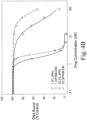
- EMSA was carried out using previously described procedure with the following modification. Reactions were performed in volume of 20 ⁇ L containing a 32 P labeled 30bp duplex DNA containing a single 1,2 dGpG cisplatin adduct. Compounds were pre-incubated on ice with the indicated amount of XPA and products separated by electrophoresis on a non-denaturing 6% polyacrylamide gel. Gels were cooled, loaded and electrophoresis performed at 4°C. Gels were used to expose a PhosphorImager screen and band intensity determined and % binding and inhibition calculated as we have previously described. The results of these assays using full length XPA protein can be seen in Fig. 3 and Table 1. The results of the assays using compounds 1 and 22 with the minimal DNA-binding domain (DBD) consisting of amino acids 98-239 (XPA 98-239 ) are shown in Figs. 4A and 4B .
- DBD minimal DNA-binding domain
- a competitive DNA intercalation assay was performed using SYBR-Green (Sigma) and salmon sperm DNA (Fisher). Reactions were carried out in 25 mM MOPS (pH 6.5) containing sonicated salmon sperm DNA (8.29 ng/ ⁇ L), SYBR-Green and varying concentrations of XPA inhibitors. Reactions were performed in a black 96-well plate in a final volume of 110 mL. Doxorubicin, a known non-covalent DNA binding chemotherapeutic, was used as a positive control.
- XPA inhibitors were flexibly docked into the cleft defined by residues 138-142, 165-171, 174, and 177-181 using the Glide SP protocol with default settings. Docking poses were evaluated based on visual interrogation and calculated docking score. Potential amino acid interactions were determined based on proximity to each compound as revealed by docking analysis. XPA interactions with small molecules were viewed using Pymol using cartoon, surface and compounds interaction views. All the molecular modeling within this study was performed using Maestro software v11 (Schrödinger) operating in a Linux environment.
- Figs. 5A and 5B show the binding and molecular interactions of compound 22 and 34i Z- isomers within XPA MBD.
- Z- isomer is largely ascribed to various electrostatic interactions, including, i) compound 22 ester carbonyl and compound 34i amide carbonyl make hydrogen bond contacts with the amine of Lys137; ii) 3'-COOH (Ring A) of compound 22 shows hydrogen bond contacts with the backbone amine of Gln174, 4'-COOH of compound 34i does not interact with G1n174 but makes salt-bridge interactions with cleft amino acid, Lys179; and iii) the ⁇ - ⁇ stacking interactions between the furan moiety and the aromatic ring of His 171 in both compounds.
Landscapes
- Health & Medical Sciences (AREA)
- Chemical & Material Sciences (AREA)
- Organic Chemistry (AREA)
- Animal Behavior & Ethology (AREA)
- Life Sciences & Earth Sciences (AREA)
- Pharmacology & Pharmacy (AREA)
- General Health & Medical Sciences (AREA)
- Public Health (AREA)
- Veterinary Medicine (AREA)
- Medicinal Chemistry (AREA)
- Epidemiology (AREA)
- Chemical Kinetics & Catalysis (AREA)
- General Chemical & Material Sciences (AREA)
- Nuclear Medicine, Radiotherapy & Molecular Imaging (AREA)
- Pharmaceuticals Containing Other Organic And Inorganic Compounds (AREA)
Claims (13)
- Composé de formule Ia, ou Ib
 Z est un atome d'oxygène ou de soufre,R1 et R2 sont choisis indépendamment dans l'ensemble constitué par un atome d'hydrogène ou d'halogène, les groupes alkyle en C1-C6, alcényle en C2-C6, alcynyle en C2-C6, cycloalkyle en C3-C6, hétérocycloalkyle à 3 à 7 chaînons, hétéroaryle à 5 à 7 chaînons, -OR6, -CN, -NO2, -C(O)R6, -CO2R6, -C(O)NR6R7, -OS(O)R6, -OS(O)2R6, -SR6, -S(O)R6, -S(O)2R6, -S(O)NR6R7, -S(O)2NR6R7, -OS(O)NR6R7, -OS(O)2NR6R7, et -NR6R7, chaque atome d'hydrogène dans les groupes alkyle en C1-C6, alcényle en C2-C6, alcynyle en C2-C6 ou cycloalkyle en C3-C6 étant indépendamment en option remplacé par un atome d'halogène ;R3 est un atome d'hydrogène ou d'halogène, ou un groupe alkyle en C1-C6, chaque atome d'hydrogène dans le groupe alkyle en C1-C6 étant indépendamment en option remplacé par un atome d'halogène ;R4 et R5 sont chacun indépendamment choisis dans l'ensemble constitué par un atome d'hydrogène, les groupes alkyle en C1-C6, alcényle en C2-C6, alcynyle en C2-C6, cycloalkyle en C3-C6, -alkyl(C1-C6)-(cycloalkyle en C3-C6), -alkyl(C1-C6)-(aryle en C6-C10), hétérocycloalkyle à 3 à 7 chaînons, aryle en C6-C10 et hétéroaryle à 5 à 7 chaînons, chaque atome d'hydrogène dans les groupes alkyle en C1-C6, alcényle en C2-C6, alcynyle en C2-C6, cycloalkyle en C3-C6, -alkyl(C1-C6)-(cycloalkyle en C3-C6) ou -alkyl(C1-C6)-(aryle en C6-C10) étant indépendamment en option remplacé par halogène, alkyle en C1-C6, alcényle en C2-C6, alcynyle en C2-C6, cycloalkyle en C3-C6, hétérocycloalkyle à 3 à 7 chaînons, hétéroaryle à 5 à 7 chaînons, -OR8, -CN, -NO2, -C(O)R8, -CO2R8, -C(O)NR8R9, -OS(O)R8, -OS(O)2R8, -SR8, -S(O)R8, -S(O)2R8, -S(O)NR8R9, -S(O)2NR8R9, -OS(O)NR8R9, -OS(O)2NR8R9, et -NR8R9 ;chacun parmi R6, R7, R8, R9, R11 et R12 est indépendamment choisi dans l'ensemble constitué par un atome d'hydrogène, les groupes alkyle en C1-C6, alcényle en C2-C6, alcynyle en C2-C6, cycloalkyle en C3-C6, -alkyl(C1-C6)-(cycloalkyle en C3-C6), -alkyl(C1-C6)-(aryle en C6-C10), hétérocycloalkyle à 3 à 7 chaînons et aryle en C6-C10,R10 est choisi dans l'ensemble constitué par un atome d'halogène, les groupes alkyle en C1-C6, alcényle en C2-C6, alcynyle en C2-C6, cycloalkyle en C3-C6, hétérocycloalkyle à 3 à 7 chaînons, hétéroaryle à 5 à 7 chaînons, -OR11, -CN, -NO2, -C(O)R11, -CO2R11, -C(O)NR11R12, -OS(O)R11, -OS(O)2R11, -SR11, -S(O)R11, -S(O)2R11, -S(O)NR11R12, -S(O)2NR11R12, -OS(O)NR11R12, -OS(O)2NR11R12, et -NR11R12; et
- - - - - est soit une liaison simple soit une liaison pi ;ou sel pharmaceutiquement acceptable d'un tel composé, destiné à être utilisé dans un procédé de traitement de cancer chez un patient, au moins un traitement anticancéreux supplémentaire étant administré. - Composé destiné à être utilisé selon la revendication 1, dans lequel R10 est un atome de chlore.
- Composé destiné à être utilisé selon la revendication 1 ou 2, dans lequel Z est un atome d'oxygène.
- Composé destiné à être utilisé selon l'une quelconque des revendications précédentes, dans lequel R4 est un groupe aryle en C6-C10, chaque atome d'hydrogène dans le groupe alkyle en C6-C10 étant indépendamment en option remplacé par un atome d'halogène ou par un groupe alkyle en C1-C6, alcényle en C2-C6, alcynyle en C2-C6, cycloalkyle en C3-C6, hétérocycloalkyle à 3 à 7 chaînons, hétéroaryle à 5 à 7 chaînons, -OR8, -CN, -NO2, -C(O)R8, -CO2R8, -C(O)NR8R9, -OS(O)R8, -OS(O)2R8, -SR8, -S(O)R8, -S(O)2R8, -S(O)NR8R9, -S(O)2NR8R9, -OS(O)NR8R9, -OS(O)2NR8R9, ou -NR8R9; de préférence R4 est un groupe aryle en C6-C10, le groupe aryle en C6-C10 étant substitué par au moins un atome d'halogène ou un groupe -OR8.
- Composé destiné à être utilisé selon l'une quelconque des revendications précédentes, dans lequel R4 est un groupe phényle, chaque atome d'hydrogène dans le groupe phényle étant indépendamment en option remplacé par un atome d'halogène ou par un groupe alkyle en C1-C6, alcényle en C2-C6, alcynyle en C2-C6, cycloalkyle en C3-C6, hétérocycloalkyle à 3 à 7 chaînons, hétéroaryle à 5 à 7 chaînons, -OR8, -CN, -NO2, -C(O)R8, -CO2R8, -C(O)NR8R9, -OS(O)R8, -OS(O)2R8, -SR8, -S(O)R8, -S(O)2R8, -S(O)NR8R9, -S(O)2NR8R9, -OS(O)NR8R9, -OS(O)2NR8R9, ou -NR8R9 ; de préférence -R4 est un groupe phényle substitué par au moins un atome d'halogène ou un groupe -OR8.
- Composé destiné à être utilisé selon l'une quelconque des revendications 1 à 3, dans lequel R4 est un groupe -alkyl(C1-C6)-(cycloalkyle en C3-C6) ; ou -alkyl(C1-C6)-(aryle en C6-C10), chaque atome d'hydrogène dans le groupe aryle en C6-C10 étant indépendamment en option remplacé par un atome d'halogène ou par un groupe alkyle en C1-C6, alcényle en C2-C6, alcynyle en C2-C6, cycloalkyle en C3-C6, hétérocycloalkyle à 3 à 7 chaînons, hétéroaryle à 5 à 7 chaînons, -OR8, -CN, -NO2, -C(O)R8, -CO2R8, -C(O)NR8R9, -OS(O)R8, -OS(O)2R8, -SR8, -S(O)R8, -S(O)2R8, -S(O)NR8R9, -S(O)2NR8R9, -OS(O)NR8R9, -OS(O)2NR8R9, ou -NR8R9.
- Composé destiné à être utilisé selon l'une quelconque des revendications 1 à 3, dans lequel R4 est un groupe -alkyl(C1-C6)-(aryle en C6-C10), le groupe aryle en C6-C10 étant substitué par au moins un atome d'halogène ou un groupe -OR8, de préférence R4 est un groupe benzyle, chaque atome d'hydrogène dans le groupe benzyle étant indépendamment en option remplacé par un atome d'halogène ou par un groupe alkyle en C1-C6, alcényle en C2-C6, alcynyle en C2-C6, cycloalkyle en C3-C6, hétérocycloalkyle à 3 à 7 chaînons, hétéroaryle à 5 à 7 chaînons, -OR8, -CN, -NO2, -C(O)R8, -CO2R8, -C(O)NR8R9, -OS(O)R8, -OS(O)2R8, -SR8, -S(O)R8, -S(O)2R8, -S(O)NR8R9, -S(O)2NR8R9, -OS(O)NR8R9, -OS(O)2NR8R9, ou -NR8R9, plus préférablement -R4 est un groupe benzyle substitué par au moins un atome d'halogène ou un groupe -OR8.
- Composé destiné à être utilisé selon l'une quelconque des revendications 1 à 3, dans lequel R4 est choisi dans l'ensemble constitué par


- Composé destiné à être utilisé selon l'une quelconque des revendications précédentes, dans lequel R5 est un atome d'hydrogène.
- Composé destiné à être utilisé selon l'une quelconque des revendications précédentes, dans lequel R3 est un groupe alkyle en C1-C6 ; de préférence un groupe méthyle.
- Composé destiné à être utilisé selon l'une quelconque des revendications précédentes, dans lequel R1 et R2 représentent chacun indépendamment un atome d'hydrogène, un groupe hétéroaryle à 5 à 7 chaînons, -CN, -CO2R6 ou -S(O)2NR6R7, à condition qu'au moins un parmi R1 et R2 ne soit pas un atome d'hydrogène ;de préférence -R1 est H et R2 est un groupe -CO2R6 ; ouR1 est un groupe -CO2R6, de préférence R6 est un atome d'hydrogène ou un groupe éthyle et R2 est un atome d'hydrogène ; ouR2 est un groupe -CO2R6, et R2 est un atome d'hydrogène ; ouR2 est un groupe -CO2R6, et R2 est un groupe éthyle.
- Composé destiné à être utilisé selon l'une quelconque des revendications précédentes, le composé étant de formule choisie dans l'ensemble constitué par


- Composé destiné à être utilisé selon l'une quelconque des revendications précédentes, dans lequel ledit au moins un traitement anticancéreux supplémentaire est un médicament à base de platine ; de préférence ledit au moins un traitement anticancéreux supplémentaire est choisi dans l'ensemble constitué par le cisplatine, le carboplatine, l'oxaliplatine, le nédaplatine, le tétranitrate de triplatine, le phénanthriplatine, le picoplatine, et le satraplatine.
Applications Claiming Priority (2)
| Application Number | Priority Date | Filing Date | Title |
|---|---|---|---|
| US201762560561P | 2017-09-19 | 2017-09-19 | |
| PCT/US2018/051416 WO2019060260A1 (fr) | 2017-09-19 | 2018-09-18 | Composés inhibiteurs de xpa et leur utilisation |
Publications (3)
| Publication Number | Publication Date |
|---|---|
| EP3684354A1 EP3684354A1 (fr) | 2020-07-29 |
| EP3684354A4 EP3684354A4 (fr) | 2021-06-23 |
| EP3684354B1 true EP3684354B1 (fr) | 2023-11-15 |
Family
ID=65811497
Family Applications (1)
| Application Number | Title | Priority Date | Filing Date |
|---|---|---|---|
| EP18857920.5A Active EP3684354B1 (fr) | 2017-09-19 | 2018-09-18 | Composés inhibiteurs de xpa et leur utilisation |
Country Status (4)
| Country | Link |
|---|---|
| US (1) | US11207296B2 (fr) |
| EP (1) | EP3684354B1 (fr) |
| CA (1) | CA3075734A1 (fr) |
| WO (1) | WO2019060260A1 (fr) |
Families Citing this family (2)
| Publication number | Priority date | Publication date | Assignee | Title |
|---|---|---|---|---|
| WO2017205503A1 (fr) * | 2016-05-24 | 2017-11-30 | Indiana University Research And Technology Corporation | Inhibiteurs de ku et leur utilisation |
| BR112022011372A2 (pt) | 2019-12-10 | 2022-08-23 | Univ Indiana Trustees | Inibidores de interação de proteína a de replicação (rpa)-dna |
Family Cites Families (4)
| Publication number | Priority date | Publication date | Assignee | Title |
|---|---|---|---|---|
| US8476458B2 (en) * | 2007-06-21 | 2013-07-02 | The Wistar Institute | Methods and compositions for modulating P300/CBP activity |
| US9005670B2 (en) | 2010-01-05 | 2015-04-14 | The Johns Hopkins University | Use of histone acetyltransferase inhibitors as novel anti-cancer therapies |
| ITMI20131410A1 (it) | 2013-08-26 | 2015-02-27 | Univ Degli Studi Modena E Reggio Emilia | Composti e composizioni per l'uso nella inibizione dell' interazione lbc-rhoa |
| WO2017205503A1 (fr) | 2016-05-24 | 2017-11-30 | Indiana University Research And Technology Corporation | Inhibiteurs de ku et leur utilisation |
-
2018
- 2018-09-18 CA CA3075734A patent/CA3075734A1/fr active Pending
- 2018-09-18 WO PCT/US2018/051416 patent/WO2019060260A1/fr not_active Ceased
- 2018-09-18 EP EP18857920.5A patent/EP3684354B1/fr active Active
- 2018-09-18 US US16/647,746 patent/US11207296B2/en active Active
Also Published As
| Publication number | Publication date |
|---|---|
| EP3684354A4 (fr) | 2021-06-23 |
| EP3684354A1 (fr) | 2020-07-29 |
| CA3075734A1 (fr) | 2019-03-28 |
| US11207296B2 (en) | 2021-12-28 |
| US20200222367A1 (en) | 2020-07-16 |
| WO2019060260A1 (fr) | 2019-03-28 |
Similar Documents
| Publication | Publication Date | Title |
|---|---|---|
| JP5484568B2 (ja) | プロテインキナーゼおよびヒストンデアセチラーゼの阻害剤としてのナフタレンカルボキサミド誘導体、その製造方法および用途 | |
| EP2152692B1 (fr) | Composés présentant une activité anti-cancéreuse | |
| EP2948147B1 (fr) | Acides phtalamiques n-substitués-5-substitués utilisés en tant qu'inhibiteurs de la sortiline | |
| US20030144286A1 (en) | Benzimidazole derivatives | |
| EP3294715B1 (fr) | Dérivés de benzimidazole utiles en tant qu'inhibiteurs de l'activité de l'histone désacétylase de mammifère | |
| US20100298358A1 (en) | Naphthamide Derivatives As Multi-Target Protein Kinase Inhibitors and Histone Deacetylase Inhibitors | |
| JP2010507674A (ja) | マトリクスメタロプロテアーゼ阻害剤としての三環式化合物 | |
| KR20130130071A (ko) | 퀴놀리논 유도체 | |
| JP7030791B2 (ja) | チアゾール誘導体及びその応用 | |
| TW200410675A (en) | An NF-κB activation inhibitor | |
| CN103058949A (zh) | 做为dhodh抑制剂的噻唑衍生物及其应用 | |
| WO2019154047A1 (fr) | Composé d'amine hétérocyclique à cinq chaînons (six chaînons) d'alcoxybenzo et utilisation pharmaceutique associée | |
| EP2813495B1 (fr) | Composés 2-arylbenzofuran-7-formamide, procédé de préparation de ces derniers et utilisation de ces derniers | |
| EP3684354B1 (fr) | Composés inhibiteurs de xpa et leur utilisation | |
| JP2007501267A (ja) | 新規イミダゾール誘導体、その製造法及びその医薬としての使用 | |
| CN115304583A (zh) | 靶向抑制clk2的5-吡啶-1h-吲唑类化合物及其应用 | |
| CN107141287B (zh) | 2-亚胺-5-酮基-2,5-二氢-1-h-二吡啶并嘧啶类化合物 | |
| CN102532113B (zh) | 芳基脲衍生物 | |
| CN117486813A (zh) | N-二取代苯基丙烯酰胺类化合物及其药物组合物和用途 | |
| CN116134015A (zh) | 用于camp传感器epac1的选择性非环状核苷酸活化因子 | |
| JP2011520891A (ja) | 強力かつ選択的なヒストン脱アセチル化酵素阻害剤としての6−アミノニコチンアミド誘導体 | |
| CN102432592A (zh) | 具有抗肿瘤作用的芳基脲衍生物及其制备方法 | |
| HK1217431B (en) | N-substituted-5-substituted phthalamic acids as sortilin inhibitors | |
| CN101638393A (zh) | 一种新型血管紧张素ⅱ的1型受体拮抗剂的制备及其降血压、抗肿瘤等应用 |
Legal Events
| Date | Code | Title | Description |
|---|---|---|---|
| STAA | Information on the status of an ep patent application or granted ep patent |
Free format text: STATUS: THE INTERNATIONAL PUBLICATION HAS BEEN MADE |
|
| PUAI | Public reference made under article 153(3) epc to a published international application that has entered the european phase |
Free format text: ORIGINAL CODE: 0009012 |
|
| STAA | Information on the status of an ep patent application or granted ep patent |
Free format text: STATUS: REQUEST FOR EXAMINATION WAS MADE |
|
| 17P | Request for examination filed |
Effective date: 20200331 |
|
| AK | Designated contracting states |
Kind code of ref document: A1 Designated state(s): AL AT BE BG CH CY CZ DE DK EE ES FI FR GB GR HR HU IE IS IT LI LT LU LV MC MK MT NL NO PL PT RO RS SE SI SK SM TR |
|
| AX | Request for extension of the european patent |
Extension state: BA ME |
|
| DAV | Request for validation of the european patent (deleted) | ||
| DAX | Request for extension of the european patent (deleted) | ||
| A4 | Supplementary search report drawn up and despatched |
Effective date: 20210525 |
|
| RIC1 | Information provided on ipc code assigned before grant |
Ipc: A61K 31/415 20060101AFI20210518BHEP Ipc: A61K 31/4152 20060101ALI20210518BHEP Ipc: A61K 31/4155 20060101ALI20210518BHEP Ipc: C07D 231/20 20060101ALI20210518BHEP Ipc: C07D 405/02 20060101ALI20210518BHEP Ipc: C07D 405/06 20060101ALI20210518BHEP Ipc: A61P 35/00 20060101ALI20210518BHEP |
|
| GRAP | Despatch of communication of intention to grant a patent |
Free format text: ORIGINAL CODE: EPIDOSNIGR1 |
|
| STAA | Information on the status of an ep patent application or granted ep patent |
Free format text: STATUS: GRANT OF PATENT IS INTENDED |
|
| RIC1 | Information provided on ipc code assigned before grant |
Ipc: C07D 409/06 20060101ALI20230605BHEP Ipc: C07D 405/14 20060101ALI20230605BHEP Ipc: A61P 35/00 20060101ALI20230605BHEP Ipc: C07D 405/06 20060101ALI20230605BHEP Ipc: C07D 405/02 20060101ALI20230605BHEP Ipc: C07D 231/20 20060101ALI20230605BHEP Ipc: A61K 31/4155 20060101ALI20230605BHEP Ipc: A61K 31/4152 20060101ALI20230605BHEP Ipc: A61K 31/415 20060101AFI20230605BHEP |
|
| INTG | Intention to grant announced |
Effective date: 20230622 |
|
| GRAS | Grant fee paid |
Free format text: ORIGINAL CODE: EPIDOSNIGR3 |
|
| P01 | Opt-out of the competence of the unified patent court (upc) registered |
Effective date: 20230901 |
|
| GRAA | (expected) grant |
Free format text: ORIGINAL CODE: 0009210 |
|
| STAA | Information on the status of an ep patent application or granted ep patent |
Free format text: STATUS: THE PATENT HAS BEEN GRANTED |
|
| AK | Designated contracting states |
Kind code of ref document: B1 Designated state(s): AL AT BE BG CH CY CZ DE DK EE ES FI FR GB GR HR HU IE IS IT LI LT LU LV MC MK MT NL NO PL PT RO RS SE SI SK SM TR |
|
| REG | Reference to a national code |
Ref country code: CH Ref legal event code: EP Ref country code: GB Ref legal event code: FG4D |
|
| REG | Reference to a national code |
Ref country code: DE Ref legal event code: R096 Ref document number: 602018061260 Country of ref document: DE |
|
| REG | Reference to a national code |
Ref country code: IE Ref legal event code: FG4D |
|
| REG | Reference to a national code |
Ref country code: LT Ref legal event code: MG9D |
|
| REG | Reference to a national code |
Ref country code: NL Ref legal event code: MP Effective date: 20231115 |
|
| PG25 | Lapsed in a contracting state [announced via postgrant information from national office to epo] |
Ref country code: GR Free format text: LAPSE BECAUSE OF FAILURE TO SUBMIT A TRANSLATION OF THE DESCRIPTION OR TO PAY THE FEE WITHIN THE PRESCRIBED TIME-LIMIT Effective date: 20240216 |
|
| PG25 | Lapsed in a contracting state [announced via postgrant information from national office to epo] |
Ref country code: IS Free format text: LAPSE BECAUSE OF FAILURE TO SUBMIT A TRANSLATION OF THE DESCRIPTION OR TO PAY THE FEE WITHIN THE PRESCRIBED TIME-LIMIT Effective date: 20240315 |
|
| PG25 | Lapsed in a contracting state [announced via postgrant information from national office to epo] |
Ref country code: LT Free format text: LAPSE BECAUSE OF FAILURE TO SUBMIT A TRANSLATION OF THE DESCRIPTION OR TO PAY THE FEE WITHIN THE PRESCRIBED TIME-LIMIT Effective date: 20231115 |
|
| REG | Reference to a national code |
Ref country code: AT Ref legal event code: MK05 Ref document number: 1631153 Country of ref document: AT Kind code of ref document: T Effective date: 20231115 |
|
| PG25 | Lapsed in a contracting state [announced via postgrant information from national office to epo] |
Ref country code: NL Free format text: LAPSE BECAUSE OF FAILURE TO SUBMIT A TRANSLATION OF THE DESCRIPTION OR TO PAY THE FEE WITHIN THE PRESCRIBED TIME-LIMIT Effective date: 20231115 |
|
| PG25 | Lapsed in a contracting state [announced via postgrant information from national office to epo] |
Ref country code: AT Free format text: LAPSE BECAUSE OF FAILURE TO SUBMIT A TRANSLATION OF THE DESCRIPTION OR TO PAY THE FEE WITHIN THE PRESCRIBED TIME-LIMIT Effective date: 20231115 |
|
| PG25 | Lapsed in a contracting state [announced via postgrant information from national office to epo] |
Ref country code: ES Free format text: LAPSE BECAUSE OF FAILURE TO SUBMIT A TRANSLATION OF THE DESCRIPTION OR TO PAY THE FEE WITHIN THE PRESCRIBED TIME-LIMIT Effective date: 20231115 |
|
| PG25 | Lapsed in a contracting state [announced via postgrant information from national office to epo] |
Ref country code: NL Free format text: LAPSE BECAUSE OF FAILURE TO SUBMIT A TRANSLATION OF THE DESCRIPTION OR TO PAY THE FEE WITHIN THE PRESCRIBED TIME-LIMIT Effective date: 20231115 Ref country code: LT Free format text: LAPSE BECAUSE OF FAILURE TO SUBMIT A TRANSLATION OF THE DESCRIPTION OR TO PAY THE FEE WITHIN THE PRESCRIBED TIME-LIMIT Effective date: 20231115 Ref country code: IS Free format text: LAPSE BECAUSE OF FAILURE TO SUBMIT A TRANSLATION OF THE DESCRIPTION OR TO PAY THE FEE WITHIN THE PRESCRIBED TIME-LIMIT Effective date: 20240315 Ref country code: GR Free format text: LAPSE BECAUSE OF FAILURE TO SUBMIT A TRANSLATION OF THE DESCRIPTION OR TO PAY THE FEE WITHIN THE PRESCRIBED TIME-LIMIT Effective date: 20240216 Ref country code: ES Free format text: LAPSE BECAUSE OF FAILURE TO SUBMIT A TRANSLATION OF THE DESCRIPTION OR TO PAY THE FEE WITHIN THE PRESCRIBED TIME-LIMIT Effective date: 20231115 Ref country code: BG Free format text: LAPSE BECAUSE OF FAILURE TO SUBMIT A TRANSLATION OF THE DESCRIPTION OR TO PAY THE FEE WITHIN THE PRESCRIBED TIME-LIMIT Effective date: 20240215 Ref country code: AT Free format text: LAPSE BECAUSE OF FAILURE TO SUBMIT A TRANSLATION OF THE DESCRIPTION OR TO PAY THE FEE WITHIN THE PRESCRIBED TIME-LIMIT Effective date: 20231115 Ref country code: PT Free format text: LAPSE BECAUSE OF FAILURE TO SUBMIT A TRANSLATION OF THE DESCRIPTION OR TO PAY THE FEE WITHIN THE PRESCRIBED TIME-LIMIT Effective date: 20240315 |
|
| PG25 | Lapsed in a contracting state [announced via postgrant information from national office to epo] |
Ref country code: SE Free format text: LAPSE BECAUSE OF FAILURE TO SUBMIT A TRANSLATION OF THE DESCRIPTION OR TO PAY THE FEE WITHIN THE PRESCRIBED TIME-LIMIT Effective date: 20231115 Ref country code: RS Free format text: LAPSE BECAUSE OF FAILURE TO SUBMIT A TRANSLATION OF THE DESCRIPTION OR TO PAY THE FEE WITHIN THE PRESCRIBED TIME-LIMIT Effective date: 20231115 Ref country code: PL Free format text: LAPSE BECAUSE OF FAILURE TO SUBMIT A TRANSLATION OF THE DESCRIPTION OR TO PAY THE FEE WITHIN THE PRESCRIBED TIME-LIMIT Effective date: 20231115 Ref country code: NO Free format text: LAPSE BECAUSE OF FAILURE TO SUBMIT A TRANSLATION OF THE DESCRIPTION OR TO PAY THE FEE WITHIN THE PRESCRIBED TIME-LIMIT Effective date: 20240215 Ref country code: LV Free format text: LAPSE BECAUSE OF FAILURE TO SUBMIT A TRANSLATION OF THE DESCRIPTION OR TO PAY THE FEE WITHIN THE PRESCRIBED TIME-LIMIT Effective date: 20231115 Ref country code: HR Free format text: LAPSE BECAUSE OF FAILURE TO SUBMIT A TRANSLATION OF THE DESCRIPTION OR TO PAY THE FEE WITHIN THE PRESCRIBED TIME-LIMIT Effective date: 20231115 |
|
| PG25 | Lapsed in a contracting state [announced via postgrant information from national office to epo] |
Ref country code: DK Free format text: LAPSE BECAUSE OF FAILURE TO SUBMIT A TRANSLATION OF THE DESCRIPTION OR TO PAY THE FEE WITHIN THE PRESCRIBED TIME-LIMIT Effective date: 20231115 |
|
| PG25 | Lapsed in a contracting state [announced via postgrant information from national office to epo] |
Ref country code: CZ Free format text: LAPSE BECAUSE OF FAILURE TO SUBMIT A TRANSLATION OF THE DESCRIPTION OR TO PAY THE FEE WITHIN THE PRESCRIBED TIME-LIMIT Effective date: 20231115 |
|
| PG25 | Lapsed in a contracting state [announced via postgrant information from national office to epo] |
Ref country code: SK Free format text: LAPSE BECAUSE OF FAILURE TO SUBMIT A TRANSLATION OF THE DESCRIPTION OR TO PAY THE FEE WITHIN THE PRESCRIBED TIME-LIMIT Effective date: 20231115 |
|
| PG25 | Lapsed in a contracting state [announced via postgrant information from national office to epo] |
Ref country code: SM Free format text: LAPSE BECAUSE OF FAILURE TO SUBMIT A TRANSLATION OF THE DESCRIPTION OR TO PAY THE FEE WITHIN THE PRESCRIBED TIME-LIMIT Effective date: 20231115 Ref country code: SK Free format text: LAPSE BECAUSE OF FAILURE TO SUBMIT A TRANSLATION OF THE DESCRIPTION OR TO PAY THE FEE WITHIN THE PRESCRIBED TIME-LIMIT Effective date: 20231115 Ref country code: RO Free format text: LAPSE BECAUSE OF FAILURE TO SUBMIT A TRANSLATION OF THE DESCRIPTION OR TO PAY THE FEE WITHIN THE PRESCRIBED TIME-LIMIT Effective date: 20231115 Ref country code: IT Free format text: LAPSE BECAUSE OF FAILURE TO SUBMIT A TRANSLATION OF THE DESCRIPTION OR TO PAY THE FEE WITHIN THE PRESCRIBED TIME-LIMIT Effective date: 20231115 Ref country code: EE Free format text: LAPSE BECAUSE OF FAILURE TO SUBMIT A TRANSLATION OF THE DESCRIPTION OR TO PAY THE FEE WITHIN THE PRESCRIBED TIME-LIMIT Effective date: 20231115 Ref country code: DK Free format text: LAPSE BECAUSE OF FAILURE TO SUBMIT A TRANSLATION OF THE DESCRIPTION OR TO PAY THE FEE WITHIN THE PRESCRIBED TIME-LIMIT Effective date: 20231115 Ref country code: CZ Free format text: LAPSE BECAUSE OF FAILURE TO SUBMIT A TRANSLATION OF THE DESCRIPTION OR TO PAY THE FEE WITHIN THE PRESCRIBED TIME-LIMIT Effective date: 20231115 |
|
| REG | Reference to a national code |
Ref country code: DE Ref legal event code: R097 Ref document number: 602018061260 Country of ref document: DE |
|
| PLBE | No opposition filed within time limit |
Free format text: ORIGINAL CODE: 0009261 |
|
| STAA | Information on the status of an ep patent application or granted ep patent |
Free format text: STATUS: NO OPPOSITION FILED WITHIN TIME LIMIT |
|
| 26N | No opposition filed |
Effective date: 20240819 |
|
| PG25 | Lapsed in a contracting state [announced via postgrant information from national office to epo] |
Ref country code: SI Free format text: LAPSE BECAUSE OF FAILURE TO SUBMIT A TRANSLATION OF THE DESCRIPTION OR TO PAY THE FEE WITHIN THE PRESCRIBED TIME-LIMIT Effective date: 20231115 |
|
| PG25 | Lapsed in a contracting state [announced via postgrant information from national office to epo] |
Ref country code: SI Free format text: LAPSE BECAUSE OF FAILURE TO SUBMIT A TRANSLATION OF THE DESCRIPTION OR TO PAY THE FEE WITHIN THE PRESCRIBED TIME-LIMIT Effective date: 20231115 |
|
| PG25 | Lapsed in a contracting state [announced via postgrant information from national office to epo] |
Ref country code: MC Free format text: LAPSE BECAUSE OF FAILURE TO SUBMIT A TRANSLATION OF THE DESCRIPTION OR TO PAY THE FEE WITHIN THE PRESCRIBED TIME-LIMIT Effective date: 20231115 |
|
| REG | Reference to a national code |
Ref country code: CH Ref legal event code: PL |
|
| PG25 | Lapsed in a contracting state [announced via postgrant information from national office to epo] |
Ref country code: LU Free format text: LAPSE BECAUSE OF NON-PAYMENT OF DUE FEES Effective date: 20240918 |
|
| REG | Reference to a national code |
Ref country code: BE Ref legal event code: MM Effective date: 20240930 |
|
| PG25 | Lapsed in a contracting state [announced via postgrant information from national office to epo] |
Ref country code: BE Free format text: LAPSE BECAUSE OF NON-PAYMENT OF DUE FEES Effective date: 20240930 |
|
| PG25 | Lapsed in a contracting state [announced via postgrant information from national office to epo] |
Ref country code: CH Free format text: LAPSE BECAUSE OF NON-PAYMENT OF DUE FEES Effective date: 20240930 |
|
| PG25 | Lapsed in a contracting state [announced via postgrant information from national office to epo] |
Ref country code: IE Free format text: LAPSE BECAUSE OF NON-PAYMENT OF DUE FEES Effective date: 20240918 |
|
| PG25 | Lapsed in a contracting state [announced via postgrant information from national office to epo] |
Ref country code: FI Free format text: LAPSE BECAUSE OF FAILURE TO SUBMIT A TRANSLATION OF THE DESCRIPTION OR TO PAY THE FEE WITHIN THE PRESCRIBED TIME-LIMIT Effective date: 20231115 |
|
| PGFP | Annual fee paid to national office [announced via postgrant information from national office to epo] |
Ref country code: DE Payment date: 20250929 Year of fee payment: 8 |
|
| PGFP | Annual fee paid to national office [announced via postgrant information from national office to epo] |
Ref country code: GB Payment date: 20250929 Year of fee payment: 8 |
|
| PGFP | Annual fee paid to national office [announced via postgrant information from national office to epo] |
Ref country code: FR Payment date: 20250925 Year of fee payment: 8 |
|
| PG25 | Lapsed in a contracting state [announced via postgrant information from national office to epo] |
Ref country code: CY Free format text: LAPSE BECAUSE OF FAILURE TO SUBMIT A TRANSLATION OF THE DESCRIPTION OR TO PAY THE FEE WITHIN THE PRESCRIBED TIME-LIMIT; INVALID AB INITIO Effective date: 20180918 |
|
| PG25 | Lapsed in a contracting state [announced via postgrant information from national office to epo] |
Ref country code: HU Free format text: LAPSE BECAUSE OF FAILURE TO SUBMIT A TRANSLATION OF THE DESCRIPTION OR TO PAY THE FEE WITHIN THE PRESCRIBED TIME-LIMIT; INVALID AB INITIO Effective date: 20180918 |