EP3684796B1 - Succinat-regulierende polypeptide und deren verwendung - Google Patents
Succinat-regulierende polypeptide und deren verwendung Download PDFInfo
- Publication number
- EP3684796B1 EP3684796B1 EP18855400.0A EP18855400A EP3684796B1 EP 3684796 B1 EP3684796 B1 EP 3684796B1 EP 18855400 A EP18855400 A EP 18855400A EP 3684796 B1 EP3684796 B1 EP 3684796B1
- Authority
- EP
- European Patent Office
- Prior art keywords
- succinate
- slc26a6
- nadc
- sucnr1
- binding
- Prior art date
- Legal status (The legal status is an assumption and is not a legal conclusion. Google has not performed a legal analysis and makes no representation as to the accuracy of the status listed.)
- Active
Links
Images












Classifications
-
- A—HUMAN NECESSITIES
- A61—MEDICAL OR VETERINARY SCIENCE; HYGIENE
- A61K—PREPARATIONS FOR MEDICAL, DENTAL OR TOILETRY PURPOSES
- A61K38/00—Medicinal preparations containing peptides
- A61K38/16—Peptides having more than 20 amino acids; Gastrins; Somatostatins; Melanotropins; Derivatives thereof
- A61K38/17—Peptides having more than 20 amino acids; Gastrins; Somatostatins; Melanotropins; Derivatives thereof from animals; from humans
- A61K38/177—Receptors; Cell surface antigens; Cell surface determinants
-
- A—HUMAN NECESSITIES
- A61—MEDICAL OR VETERINARY SCIENCE; HYGIENE
- A61P—SPECIFIC THERAPEUTIC ACTIVITY OF CHEMICAL COMPOUNDS OR MEDICINAL PREPARATIONS
- A61P1/00—Drugs for disorders of the alimentary tract or the digestive system
-
- A—HUMAN NECESSITIES
- A61—MEDICAL OR VETERINARY SCIENCE; HYGIENE
- A61P—SPECIFIC THERAPEUTIC ACTIVITY OF CHEMICAL COMPOUNDS OR MEDICINAL PREPARATIONS
- A61P13/00—Drugs for disorders of the urinary system
- A61P13/04—Drugs for disorders of the urinary system for urolithiasis
-
- A—HUMAN NECESSITIES
- A61—MEDICAL OR VETERINARY SCIENCE; HYGIENE
- A61P—SPECIFIC THERAPEUTIC ACTIVITY OF CHEMICAL COMPOUNDS OR MEDICINAL PREPARATIONS
- A61P9/00—Drugs for disorders of the cardiovascular system
- A61P9/12—Antihypertensives
-
- C—CHEMISTRY; METALLURGY
- C07—ORGANIC CHEMISTRY
- C07K—PEPTIDES
- C07K14/00—Peptides having more than 20 amino acids; Gastrins; Somatostatins; Melanotropins; Derivatives thereof
- C07K14/435—Peptides having more than 20 amino acids; Gastrins; Somatostatins; Melanotropins; Derivatives thereof from animals; from humans
- C07K14/46—Peptides having more than 20 amino acids; Gastrins; Somatostatins; Melanotropins; Derivatives thereof from animals; from humans from vertebrates
- C07K14/47—Peptides having more than 20 amino acids; Gastrins; Somatostatins; Melanotropins; Derivatives thereof from animals; from humans from vertebrates from mammals
-
- C—CHEMISTRY; METALLURGY
- C07—ORGANIC CHEMISTRY
- C07K—PEPTIDES
- C07K14/00—Peptides having more than 20 amino acids; Gastrins; Somatostatins; Melanotropins; Derivatives thereof
- C07K14/435—Peptides having more than 20 amino acids; Gastrins; Somatostatins; Melanotropins; Derivatives thereof from animals; from humans
- C07K14/705—Receptors; Cell surface antigens; Cell surface determinants
-
- G—PHYSICS
- G01—MEASURING; TESTING
- G01N—INVESTIGATING OR ANALYSING MATERIALS BY DETERMINING THEIR CHEMICAL OR PHYSICAL PROPERTIES
- G01N33/00—Investigating or analysing materials by specific methods not covered by groups G01N1/00 - G01N31/00
- G01N33/48—Biological material, e.g. blood, urine; Haemocytometers
- G01N33/50—Chemical analysis of biological material, e.g. blood, urine; Testing involving biospecific ligand binding methods; Immunological testing
-
- A—HUMAN NECESSITIES
- A61—MEDICAL OR VETERINARY SCIENCE; HYGIENE
- A61K—PREPARATIONS FOR MEDICAL, DENTAL OR TOILETRY PURPOSES
- A61K38/00—Medicinal preparations containing peptides
-
- C—CHEMISTRY; METALLURGY
- C07—ORGANIC CHEMISTRY
- C07K—PEPTIDES
- C07K2319/00—Fusion polypeptide
-
- C—CHEMISTRY; METALLURGY
- C07—ORGANIC CHEMISTRY
- C07K—PEPTIDES
- C07K2319/00—Fusion polypeptide
- C07K2319/20—Fusion polypeptide containing a tag with affinity for a non-protein ligand
- C07K2319/21—Fusion polypeptide containing a tag with affinity for a non-protein ligand containing a His-tag
-
- C—CHEMISTRY; METALLURGY
- C07—ORGANIC CHEMISTRY
- C07K—PEPTIDES
- C07K2319/00—Fusion polypeptide
- C07K2319/40—Fusion polypeptide containing a tag for immunodetection, or an epitope for immunisation
- C07K2319/41—Fusion polypeptide containing a tag for immunodetection, or an epitope for immunisation containing a Myc-tag
-
- G—PHYSICS
- G01—MEASURING; TESTING
- G01N—INVESTIGATING OR ANALYSING MATERIALS BY DETERMINING THEIR CHEMICAL OR PHYSICAL PROPERTIES
- G01N2800/00—Detection or diagnosis of diseases
- G01N2800/06—Gastro-intestinal diseases
- G01N2800/065—Bowel diseases, e.g. Crohn, ulcerative colitis, IBS
-
- G—PHYSICS
- G01—MEASURING; TESTING
- G01N—INVESTIGATING OR ANALYSING MATERIALS BY DETERMINING THEIR CHEMICAL OR PHYSICAL PROPERTIES
- G01N2800/00—Detection or diagnosis of diseases
- G01N2800/32—Cardiovascular disorders
-
- G—PHYSICS
- G01—MEASURING; TESTING
- G01N—INVESTIGATING OR ANALYSING MATERIALS BY DETERMINING THEIR CHEMICAL OR PHYSICAL PROPERTIES
- G01N2800/00—Detection or diagnosis of diseases
- G01N2800/34—Genitourinary disorders
- G01N2800/347—Renal failures; Glomerular diseases; Tubulointerstitial diseases, e.g. nephritic syndrome, glomerulonephritis; Renovascular diseases, e.g. renal artery occlusion, nephropathy
-
- G—PHYSICS
- G01—MEASURING; TESTING
- G01N—INVESTIGATING OR ANALYSING MATERIALS BY DETERMINING THEIR CHEMICAL OR PHYSICAL PROPERTIES
- G01N2800/00—Detection or diagnosis of diseases
- G01N2800/70—Mechanisms involved in disease identification
- G01N2800/7095—Inflammation
Definitions
- the present invention is directed to a succinate receptor 1 (SUCNR1) or a fragment, derivative, analog or mutant thereof, capable of binding succinate for use in treating or preventing an inflammatory bowel disease.
- SUCNR1 succinate receptor 1
- succinate an intermediate of the tricarboxylic acid (TCA) cycle, rises during hypoxia, while the concentrations of other TCA cycle intermediates drop. More recently, succinate was shown to serve as a universal metabolic marker of ischemia and as a metabolic signaling molecule. Succinate is present in the human circulatory system and urine, with mean plasma succinate concentrations of 1-20 ⁇ M. Intriguingly, a succinate-specific G-coupled receptor, designated SUCNR1 or GPR91, was identified in blood vessels, cardiomyocytes and kidney epithelia, suggesting that succinate may function as an essential signaling molecule.
- IRBIT competes with IP3 in the binding to IP3 receptors and reduces their activity. Furthermore, IRBIT coordinates transepithelial fluid and HCO3- secretion by activating the basolateral sodium bicarbonate cotransporters (NBCs) and the luminal HCO3- transporters CFTR and slc26a6. It is not yet known whether IRBIT regulates succinate transport following stimulation of SUCNR1. To date how succinate's systemic level is modulated, what are the key transporters determining its clearance and how they are regulated are all poorly understood.
- NBCs basolateral sodium bicarbonate cotransporters
- succinate transporter NaDC-1 forms a complex with Slc26a6, a member of the slc26 family of transporters, which acts as a Cl-dependent oxalate/HCO3-/OH- exchanger. It was found that slc26a6 strongly inhibits NaDC-1 activity through interaction. slc26a6/NaDC-1 controls citrate absorption which chelates free Ca2+ thus protecting against Ca2+-oxalate stone formation. Moreover, succinate reabsorption by the proximal tubule stimulates SUCNR1 at the juxtaglomerular apparatus and leads to increased renin secretion and hypertension. It is not known if the slc26a6/NaDC-1 complex protects against kidney stone formation and controls blood pressure through metabolic signaling.
- NaDC-1 the major apical succinate transporters are members of the slc13 family, which is part of the divalent anion: sodium symporter super-family.
- the physiological importance of slc13 member 2, NaDC-1 is underscored by the observation that NaDC-1 deletion in mice leads to increased urinary concentrations of carboxylic acids, including succinate, due to failure of reabsorption by the proximal tubules.
- NaDC-1 functions as an electrogenic Na+-dependent citrate/succinate transporter.
- NaDC-3 mediates Na+-dependent succinate influx from the interstitium into the cells.
- the basolateral transporters that mediate succinate extrusion in the proximal tubule are the organic anion transporters (OAT) 1, 2 and 3.
- OATs function as exchangers that mediate the inward transport of organic anions in exchange for the extrusion of succinate and other metabolic products into the blood. It is not known what regulates and orchestrates succinate transport via NaDC-1, NaDC-3 and OAT transporters.
- a succinate receptor 1 SUCNR1
- a fragment, derivative, analog or mutant thereof capable of binding succinate for use in treating or preventing an inflammatory bowel disease (IBD) being selected from any one of: colitis, ulcerative colitis, Crohn's disease, and Bechet's disease.
- IBD inflammatory bowel disease
- an amino acid sequence of SUCNR1 is SEQ ID NO: 7, and wherein the at least one mutation is selected from the group consisting of: Leucine 191, Threonine 192, Glycine 195, Isoleucine 110, Phenylalanine 241, Methionine 203, Valine 238, Tyrosine 207, Arginine 120, Arginine 281, Phenylalanine 285, Asparagine 287, Tyrosine 295, or any combination thereof.
- SUCNR1 or a fragment, derivative, analog or mutant thereof, for use according to the invention is in a pharmaceutical composition comprising a pharmaceutically acceptable carrier, excipient or adjuvant.
- treating comprises decreasing serum succinate levels in the subject.
- the present invention provides a succinate receptor 1 (SUCNR1) or a fragment, derivative, analog or mutant thereof, capable of binding succinate for use in treating or preventing an inflammatory bowel disease (IBD) being selected from any one of: colitis, ulcerative colitis, Crohn's disease, and Bechet's disease.
- SUCNR1 succinate receptor 1
- IBD inflammatory bowel disease
- the polypeptides of the invention are recombinant proteins.
- the term "recombinant protein” refers to protein, which is coded for by a recombinant DNA, and is thus not naturally occurring.
- the isolated polypeptide is a recombinant protein.
- the isolated polypeptide is mutSUCNR1.
- the term "recombinant DNA” refers to DNA molecules formed by laboratory methods of genetic recombination. Generally, this recombinant DNA is in the form of a vector used to express the recombinant protein in a cell.
- vector refers to a nucleic acid molecule capable of transporting another nucleic acid to which it has been linked.
- Vectors include, but are not limited to, nucleic acid molecules that are single-stranded, double-stranded, or partially double-stranded; nucleic acid molecules that comprise one or more free ends, no free ends (e.g. circular); nucleic acid molecules that comprise DNA, RNA, or both; and other varieties of polynucleotides known in the art.
- plasmid refers to a circular double stranded DNA loop into which additional DNA segments can be inserted, such as by standard molecular cloning techniques.
- viral vectors Another type of vector, wherein virally-derived DNA or RNA sequences are present in the virus (e.g. retroviruses, replication defective retroviruses, adenoviruses, replication defective adenoviruses, and adeno-associated viruses).
- Viral vectors also include polynucleotides carried by a virus for transfecting into host cells.
- Certain vectors are capable of autonomous replication in a host cell into which they are introduced (e.g. bacterial vectors having a bacterial origin of replication and episomal mammalian vectors).
- Other vectors e.g., non-episomal mammalian vectors) are integrated into the genome of a host cell upon introduction into the host cell, and thereby are replicated along with the host genome.
- vectors are capable of directing the expression of genes to which they are operatively-linked. Such vectors are referred to herein as "expression vectors".
- Common expression vectors of utility in recombinant DNA techniques are often in the form of plasmids.
- Recombinant expression vectors can comprise a nucleic acid coding for the protein of the invention in a form suitable for expression of the nucleic acid in a host cell, which means that the recombinant expression vectors include one or more regulatory elements, which may be selected on the basis of the host cells to be used for expression, that is operatively-linked to the nucleic acid sequence to be expressed.
- operably linked is intended to mean that the nucleotide sequence of interest is linked to the regulatory element(s) in a manner that allows for expression of the nucleotide sequence (e.g. in an in vitro transcription/translation system or in a host cell when the vector is introduced into the host cell).
- a vector nucleic acid sequence generally contains at least an origin of replication for propagation in a cell and optionally additional elements, such as a heterologous polynucleotide sequence, expression control element (e.g., a promoter, enhancer), selectable marker (e.g., antibiotic resistance), poly-Adenine sequence.
- additional elements such as a heterologous polynucleotide sequence, expression control element (e.g., a promoter, enhancer), selectable marker (e.g., antibiotic resistance), poly-Adenine sequence.
- the vector may be a DNA plasmid delivered via non-viral methods or via viral methods.
- the viral vector may be a retroviral vector, a herpesviral vector, an adenoviral vector, an adeno-associated viral vector or a poxviral vector.
- the promoters may be active in mammalian cells.
- the promoters may be a viral promoter.
- the vector is introduced into the cell by standard methods including electroporation (e.g., as described in From et al., Proc. Natl. Acad. Sci. USA 82, 5824 (1985 )), heat shock, infection by viral vectors, high velocity ballistic penetration by small particles with the nucleic acid either within the matrix of small beads or particles, or on the surface ( Klein et al., Nature 327. 70-73 (1987 )), and/or the like.
- a recombinant protein is produced by expressing the recombinant DNA in a cell and then purifying the protein.
- the cells expressing the DNA are cultured under effective conditions, which allow for the expression of high amounts of recombinant polypeptide.
- effective culture conditions include, but are not limited to, effective media, bioreactor, temperature, pH and oxygen conditions that permit protein production.
- an effective medium refers to any medium in which a cell is cultured to produce the recombinant polypeptide of the present invention.
- a medium typically includes an aqueous solution having assimilable carbon, nitrogen and phosphate sources, and appropriate salts, minerals, metals and other nutrients, such as vitamins.
- cells described herein can be cultured in conventional fermentation bioreactors, shake flasks, test tubes, microtiter dishes and petri plates. In some examples, culturing is carried out at a temperature, pH and oxygen content appropriate for a recombinant cell. In some examples, culturing conditions are within the expertise of one of ordinary skill in the art.
- Purification of a recombinant protein involves standard laboratory techniques for extracting a recombinant protein that is essentially free from contaminating cellular components, such as carbohydrate, lipid, or other proteinaceous impurities associated with the peptide in nature. Purification can be carried out using a tag that is part of the recombinant protein or thought immuno-purification with antibodies directed to the recombinant protein.
- the polypeptides of the invention comprise a Flag tag for purification. Kits are commercially available for such purifications and will be familiar to one skilled in the art.
- a preparation of purified peptide contains the peptide in a highly-purified form, i.e., at least about 80% pure, at least about 90% pure, at least about 95% pure, greater than 95% pure, or greater than 99% pure.
- a highly-purified form i.e., at least about 80% pure, at least about 90% pure, at least about 95% pure, greater than 95% pure, or greater than 99% pure.
- Mutations and deletions in a protein are created by introducing the mutation or deletion into the coding DNA. Methods of site-directed mutagenesis, and routine DNA recombination can be found in such standard textbooks as are enumerated above. Mutagenesis of one amino acid to another may require mutation of 1, 2, or 3 of the bases that make up the codon corresponding to the amino acid to be changed.
- fragment refers to a portion of the polypeptide, but a portion that still is capable of binding succinate or still comprises the succinate binding pocket. Such a fragment will still be recognizable as being from the polypeptide of the invention, and as such will be at least 10 amino acids in length. As such, any fragment of the isolated polypeptide of the invention will still comprise at least 10, at least 20, at least 30, at least 40, at least 50, at least 80, or at least 100 amino acids surrounding position 232. Each possibility represents a separate embodiment of the present invention.
- derivative refers to any polypeptide that is based off the polypeptide of the invention and still is capable of binding succinate or still comprises the succinate binding pocket.
- a derivative is not merely a fragment of the polypeptide, nor does it have amino acids replaced or removed (an analog), rather it may have additional modification made to the polypeptide, such as post-translational modification.
- a derivative may be a derivative of a fragment of the polypeptide of the invention, however, in such a case the fragment must comprise at least 50 consecutive amino acids of the polypeptide of the invention.
- an analog refers to a polypeptide that is similar, but not identical, to the polypeptide of the invention that still is capable of binding succinate or still comprises the succinate binding pocket.
- An analog may have deletions or mutations that result in an amino acids sequence that is different than the amino acid sequence of the polypeptide of the invention.
- an analog comprises one or more residues that have been conservatively substituted with a functionally similar residue.
- conservative substitutions include the substitution of one non-polar (hydrophobic) residue such as isoleucine, valine, leucine or methionine for another, the substitution of one polar (hydrophilic) residue for another such as between arginine and lysine, between glutamine and asparagine, between glycine and serine, the substitution of one basic residue such as lysine, arginine or histidine for another, or the substitution of one acidic residue, such as aspartic acid or glutamic acid for another.
- one non-polar (hydrophobic) residue such as isoleucine, valine, leucine or methionine for another
- one polar (hydrophilic) residue for another such as between arginine and lysine, between glutamine and asparagine, between glycine and serine
- substitution of one basic residue such as lysine, arginine or histidine for another
- substitution of one acidic residue such as aspartic acid or glutamic acid for another
- non-mutated SUCNR1 is mammalian SUCNR1. In some embodiments, SUCNR1 is human SUCNR1. In some embodiments, non-mutated SUCNR1 has the amino acid sequence provided in NCBI Reference Sequence: NP_149039.2.
- SUCNR1 has the following amino acid sequence: MLGIMAWNATCKNWLAAEAALEKYYLSIFYGIEFVVGVLGNTIVVYGYIFSLKNWNSS NIYLFNLSVSDLAFLCTLPMLIRSYANGNWIYGDVLCISNRYVLHANLYTSILFLTFISIDR YLIIKYPFREHLLQKKEFAILISLAIWVLVTLELLPILPLINPVITDNGTTCNDFASSGDPNY NLIYSMCLTLLGFLIPLFVMCFFYYKIALFLKQRNRQVATALPLEKPLNLVIMAVVIFSVL FTPYHVMRNVRIASRLGS WKQYQCTQV VINSFYIVTRPLAFLNS VINPVFYFLLGDHFRD MLMNQLRHNFKSLTSFSRWAHELLLSFREK (SEQ ID NO: 7).
- an amino acid sequence of non-mutated SUCNR1 is SEQ ID NO: 7.
- the polypeptide comprises a mutated extracellular domain (ED) of SUCNR1. In some embodiments, the polypeptide comprises a mutated transmembrane domains (TMs) of SUCNR1. In some embodiments, the polypeptide comprises mutated ED and TMs of SUCNR1. In some embodiments, the polypeptide comprises mutated TM1, TM2, TM3, TM4, TM5, TM6, TM7 of SUCNR1 or a combination thereof. Each possibility represents a separate embodiment of the invention. In some embodiments, the polypeptide comprises mutated TM3, TM6 and TM7 of SUCNR1. In some embodiments, the polypeptide does not comprise the mutated intracellular domain of SUCNR1.
- the polypeptide comprises a mutated succinate binding pocket of SUCNR1.
- the polypeptide comprises arginine 99 (R99), arginine 281 (R281), arginine 252 (R252) and histidine 103 (H103) of SEQ ID NO: 7. In some embodiments, at least one of these amino acids is mutated.
- the polypeptide comprises arginine 99 (R99), arginine 281 (R281), arginine 252 (R252) or histidine 103 (H103) of SEQ ID NO: 7, or a combination thereof. In some embodiments, at least one of these amino acids is mutated.
- a polypeptide, fragment, derivative or analog capable of binding succinate is capable of binding succinate in solution. In some embodiments, a polypeptide, fragment, derivative or analog capable of binding succinate, is capable of binding succinate in an organism. In some embodiments, a polypeptide, fragment, derivative or analog capable of binding succinate, is capable of binding succinate in a tissue. In some embodiments, a polypeptide, fragment, derivative or analog capable of binding succinate, is capable of binding succinate in a body fluid. In some embodiments, a polypeptide, fragment, derivative or analog capable of binding succinate, is capable of isolating succinate from a solution.
- fragment refers to a portion of the polypeptide, but a portion that still is capable of binding succinate or still comprises the succinate binding pocket. Such a fragment will still be recognizable as being from the polypeptide of the invention, and as such will be at least 10 amino acids in length. As such, any fragment of the isolated polypeptide of the invention will still comprise at least 10, at least 20, at least 30, at least 40, at least 50, at least 80, or at least 100 amino acids surrounding position 232. Each possibility represents a separate embodiment of the present invention.
- the solution is a buffer. In some embodiments, the solution is a storage buffer. In some embodiments, the solution is a pharmaceutically acceptable buffer, such as for administration to a subject. In some embodiments, the solution is a bodily fluid. In some embodiments, the bodily fluid is selected from at least one of: blood, serum, gastric fluid, intestinal fluid, saliva, bile and stool.
- nucleic acid molecule include but not limited to single-stranded RNA (ssRNA), double-stranded RNA (dsRNA), single-stranded DNA (ssDNA), double-stranded DNA (dsDNA), small RNA such as miRNA, siRNA and other short interfering nucleic acids, snoRNAs, snRNAs, tRNA, piRNA, tnRNA, small rRNA, hnRNA, circulating nucleic acids, fragments of genomic DNA or RNA, degraded nucleic acids, ribozymes, viral RNA or DNA, nucleic acids of infectios origin, amplification products, modified nucleic acids, plasmidical or organellar nucleic acids and artificial nucleic acids such as oligonucleotides.
- ssRNA single-stranded RNA
- dsRNA double-stranded RNA
- ssDNA single-stranded DNA
- dsDNA double-stranded DNA
- Coding sequence refers to a nucleic acid sequence that when translated results in an expressed protein.
- the coding sequence is to be used as a basis for making codon alterations.
- the coding sequence is used as a basis for making protein alterations.
- the coding sequence is used as a basis for making mutations.
- the coding sequence comprises a mammalian gene.
- the coding sequence comprises a mouse gene.
- the coding sequence comprises a human gene.
- the coding sequence of non-mutated SUNCR1 comprises the following sequence: atgctggggatcatggcatggaatgcaacttgcaaaaactggctggcagcagaggctgccctggaaagtactacctttccatttttatggg attgagttcgttgtgggagtccttggaaataccattgttgttttacggctacatcttctctctgaagaactggaacagcagtaatatttatctctttaa cctctgtctctgacttagcttttctgtgcaccctccccatgctgataaggagttatgccaatggaaactggatatatggagacgtgctctgcat aagcaaccgatatgtgcttcatgccaacctctataccag
- a nucleic acid molecule which codes for a non-mutated SUCNR1 comprises SEQ ID NO: 8. In some embodiments, a nucleic acid molecule which codes for a non-mutated polypeptide comprises a fragment, derivative or analog of SEQ ID NO:8.
- Site-directed nucleic acid mutagenesis is well known in the art, and can be performed, for example, with commercially available kits such as the Q5 kit from New England Biolabs, the QuikChange kits from Agilent Technologies, and the Phusion kit from Thermo Fisher Scientific to name but a few.
- mutation of 1, 2 or 3 nucleotides of a codon will be sufficient to mutate an amino acid as required by the invention. Each possibility represents a separate embodiment of the invention.
- the mutation is a deletion of at least one amino acid.
- increased binding efficacy comprises a decreased dissociation constant (Kd) of the protein and succinate.
- increased binding efficacy comprises decreased EC50 of the protein.
- increased binding is an increase of at least 10, 20, 30, 40, 50, 60, 70, 80, 90, 100, 200, 300, 400, 500, 600, 700, 800, 900, or 1000% of binding as compared to binding of a non-mutated polypeptide. Each possibility represents a separate embodiment of the invention.
- Protein-protein binding is well known to a person of skill in the art. Protein-protein binding can be assayed in any way known to one skilled in the art, including but not limited to: x-ray crystallography, immunoprecipitation, immunoblotting, competition assays, and kinetic exclusion assays.
- the mutation that increases binding is mutation of a charged amino acid. In some embodiments, the mutation that increases binding is mutation of a positively charged amino acid. In some embodiments, the mutation that increases binding is mutation of a non-charged amino acid to a charged amino acid. In some embodiments, the mutation that increases binding is mutation of a negatively charged amino acid to a non-charged amino acid. In some embodiments, the mutation that increases binding is mutation of a non-charged or negatively charged amino acid to a positively charged amino acid. In some embodiments, the mutation that increases binding is mutation of a positively charged amino acid to a more strongly positively charged amino acid.
- the charges of amino acids are well known in the art, and can be measured, among other ways, by determining the isoelectric point of the amino acid.
- the mutation that increases binding is a mutation within the succinate binding pocket. In some embodiments, the mutation that increases binding is a mutation outside of the succinate binding pocket. In some embodiments, the mutation that increases binding is mutation of a charged amino acid. In some embodiments, the mutation that increases binding is mutation of a positively charged amino acid. In some embodiments, the mutation that increases binding is mutation of a non-charged amino acid to a charged amino acid. In some embodiments, the mutation that increases binding is mutation of a negatively charged amino acid to a non-charged amino acid. In some embodiments, the mutation that increases binding is mutation of a non-charged or negatively charged amino acid to a positively charged amino acid. In some embodiments, the mutation that increases binding is mutation of a positively charged amino acid to a more strongly positively charged amino acid.
- the charges of amino acids are well known in the art, and can be measured, among other ways, by determining the isoelectric point of the amino acid.
- the at least one mutation is a mutation that increases binding to succinate.
- the mutation is mutation of at least one of the following amino acids of SEQ ID NO: 7: Arginine 99, Histidine 103, Arginine 252, and Arginine 281 (R99, H103, R252 and R281).
- the mutation that increases binding is mutation of a at least one of R99, H103, R252 and R281 of SEQ ID NO: 7 to a more positively charged amino acid. For example, such a mutation could be mutating R99 to a histidine (R99H).
- increased stability refers to survival of a protein or complex in an intact or functional state that is longer than survival of a non-mutated control.
- increased stability comprises decreased degradation.
- increased stability comprises decreased proteolytic degradation.
- increased stability comprises increased half-life of the protein.
- increased stability comprises decreased EC50 of the protein.
- increased stability is an increase of at least 10, 20, 30, 40, 50, 60, 70, 80, 90, 100, 200, 300, 400, 500, 600, 700, 800, 900, or 1000% in stability as compared to a non-mutated protein or complex containing a non-mutated protein. Each possibility represents a separate embodiment of the invention.
- Measuring stability of a protein will be well known to a person skilled in the art and can be achieved through any known mean or assay in the art, including, but not limited to a thermal shift assay, a cycloheximide assay, or a half-life assay.
- the at least one mutation is a mutation that increases stability of the polypeptide. In some embodiments, the at least one mutation is a mutation that increases stability of a receptor-succinate complex. In some embodiments, the mutation that increases stability of the polypeptide is a mutation within the extracellular domain. In some embodiments, the mutation that increases stability of the polypeptide is a mutation within a TM domain.
- the mutation is a mutation of at least one of the following amino acids: Leucine 191, Threonine 192, Glycine 195, Isoleucine 110, Phenylalanine 241, Methionine 203, Valine 238, Tyrosine 207, Arginine 120, Arginine 281, Phenylalanine 285, Asparagine 287, and Tyrosine 295 (L191, T192, G195, I110, F241, M203, V238, T207, R120, R281, F285, N287 and T295) of SEQ ID NO: 7.
- a pharmaceutical composition comprising a SUCNR1 or a fragment, derivative, analog or mutant thereof capable of binding succinate and a pharmaceutically acceptable carrier, excipient, or adjuvant, for use in treating or preventing an inflammatory bowel disease (IBD) being selected from any one of: colitis, ulcerative colitis, Crohn's disease, and Bechet's disease.
- IBD inflammatory bowel disease
- carrier refers to any component of a pharmaceutical composition that is not the active agent.
- pharmaceutically acceptable carrier refers to non-toxic, inert solid, semi-solid liquid filler, diluent, encapsulating material, formulation auxiliary of any type, or simply a sterile aqueous medium, such as saline.
- sugars such as lactose, glucose and sucrose, starches such as corn starch and potato starch, cellulose and its derivatives such as sodium carboxymethyl cellulose, ethyl cellulose and cellulose acetate; powdered tragacanth; malt, gelatin, talc; excipients such as cocoa butter and suppository waxes; oils such as peanut oil, cottonseed oil, safflower oil, sesame oil, olive oil, corn oil and soybean oil; glycols, such as propylene glycol, polyols such as glycerin, sorbitol, mannitol and polyethylene glycol; esters such as ethyl oleate and ethyl laurate, agar; buffering agents such as magnesium hydroxide and aluminum hydroxide; alginic acid; pyrogen-free water; isotonic saline, Ringer's solution; ethyl
- substances which can serve as a carrier herein include sugar, starch, cellulose and its derivatives, powered tragacanth, malt, gelatin, talc, stearic acid, magnesium stearate, calcium sulfate, vegetable oils, polyols, alginic acid, pyrogen-free water, isotonic saline, phosphate buffer solutions, cocoa butter (suppository base), emulsifier as well as other non-toxic pharmaceutically compatible substances used in other pharmaceutical formulations.
- Wetting agents and lubricants such as sodium lauryl sulfate, as well as coloring agents, flavoring agents, excipients, stabilizers, antioxidants, and preservatives may also be present.
- any non-toxic, inert, and effective carrier may be used to formulate the compositions contemplated herein.
- Suitable pharmaceutically acceptable carriers, excipients, and diluents in this regard are well known to those of skill in the art, such as those described in The Merck Index, Thirteenth Edition, Budavari et al., Eds., Merck & Co., Inc., Rahway, N.J. (2001 ); the CTFA (Cosmetic, Toiletry, and Fragrance Association) International Cosmetic Ingredient Dictionary and Handbook, Tenth Edition (2004 ); and the " Inactive Ingredient Guide," U.S. Food and Drug Administration (FDA) Center for Drug Evaluation and Research (CDER) Office of Management .
- Examples of pharmaceutically acceptable excipients, carriers and diluents useful in the present compositions include distilled water, physiological saline, Ringer's solution, dextrose solution, Hank's solution, and DMSO. These additional inactive components, as well as effective formulations and administration procedures, are well known in the art and are described in standard textbooks, such as Goodman and Gillman's: The Pharmacological Bases of Therapeutics, 8th Ed., Gilman et al. Eds. Pergamon Press (1990); Remington's Pharmaceutical Sciences, 18th Ed., Mack Publishing Co., Easton, Pa. (1990); and Remington: The Science and Practice of Pharmacy, 21st Ed., Lippincott Williams & Wilkins, Philadelphia, Pa., (2005).
- the presently described composition may also be contained in artificially created structures such as liposomes, ISCOMS, slow-releasing particles, and other vehicles which increase the half-life of the peptides or polypeptides in serum.
- Liposomes include emulsions, foams, micelies, insoluble monolayers, liquid crystals, phospholipid dispersions, lamellar layers and the like.
- Liposomes for use with the presently described peptides are formed from standard vesicle-forming lipids which generally include neutral and negatively charged phospholipids and a sterol, such as cholesterol. The selection of lipids is generally determined by considerations such as liposome size and stability in the blood.
- the carrier may comprise, in total, from about 0.1% to about 99.99999% by weight of the pharmaceutical compositions presented herein.
- treating comprises decreasing serum succinate levels in a subject.
- the level of succinate in a subject is any one of serum succinate levels, renal succinate levels and intestinal succinate levels. In some embodiments, the level of succinate in a subject is any one of serum succinate levels, cardiac succinate levels, renal succinate levels and intestinal succinate levels. In some embodiments, the levels are succinate and/or citrate levels.
- mice and all Xenopus laevis procedures were approved by the Institutional Animal Care and Use Committee of the Ben Gurion University of the Negev and of the National Institute of Craniofacial and Dental Research, National Institutes of Health (NIH). Wildtype and slc26a6 -/- mice were individually housed in Tecniplast metabolic cages (Tecniplast, Italy). All mice were on rodent diet and tap water ad libitum during the experiments. After acclimatization to metabolic cages, 24 h urine samples were collected over the course of three consecutive days. The collected samples were analyzed for urine succinate by using an enzymatic succinate test kit (Sigma-Aldrich) and for creatinine.
- HEK293T cells were transfected with the relevant plasmids using the calcium-phosphate method. On the day of the experiment, the cells were washed with an incubation solution (in mM): 5 KCl, 10 HEPES, 10 glucose, 140 NaCl, 3 Na + -Succinate, pH 7.4. Subsequently, incubation solution supplemented with 1mM Na + -succinate and 1 ⁇ Ci 14 C-succinic acid (ViTrax Inc.) per 1.6 ⁇ mol cold succinate was added to the cells. The cells were then washed twice in incubation solution and 0.3 ml NaOH (1M) was immediately added to lyse the cells.
- lysates were then transferred to scintillation vials containing 0.3 ml of HCl (1M).
- Xenopus oocytes were incubated with 3mM Na + -succinate and 1 ⁇ Ci 14 C-succinic acid per 1.2 ⁇ mol cold succinate (to monitor OAT-mediated uptake) or with 1mM Na + -succinate and 1 ⁇ Ci 14 C-succinic acid per 0.4 ⁇ mol cold succinate (to monitor Na-mediated uptake).
- Oocytes were then lysed using 200 ⁇ l of 2% SDS.
- radioactivity was determined by liquid scintillation counting using a Packard 1900CA TRI-CARB analyzer. The osmolarity of all solutions was adjusted to 300 mOsm with the major salt.
- Plasmid construction and cRNA preparation The following vectors were used: human NaDC-1 clone (NCBI access. No. BC096277) in the pCMV6-AC-Myc-His vector; the human SLC26A6 clone (NCBI access. No. NM_022911) in the pCMV6-AC vector; the mouse slc26a6 (NCBI access. No. NM_134420) in the pCMV6-AC-mKate vector; IRBIT in pcDNA3.1(+); the mouse oat1 (slc22a6 NCBI access. No. NM_008766) and mouse oat3 (slc22a8 NCBI access. No.
- NM_001164635 clones in the pCMV6-Entry myc-DDK vector; mouse NaDC-3 (slc13a3 NCBI access. No. BC026803) clone in pCMV-SPORT6; and human SUCNR1 (NCBI access No. NM_033050) in pCMV6-XL5). All site-directed mutants were generated with QuikChange Lightning Site-Directed Mutagenesis Kit (Agilent, Santa Clara, CA). All constructs were verified by sequencing and immunoblot of the protein products.
- the genes cloned into vectors pCMV6-AC-mKate and pCMV-AC-myc-His were linearized using relevant restriction enzymes and transcribed in vitro with T7 mMessage mMachine ultra (Thermo-Fisher scientific, Waltham, MA) or SP6/T7 AmpliCap TM (CELLSCRIPT, Madison, WI).
- Oocytes were obtained by a partial ovariectomy of female Xenopus laevis ( Xenopus One, Dexter, MI). Briefly, the frogs were anesthetized, and follicle cells were removed in an OR-2 calcium-free medium. The defolliculated oocytes were washed with OR-2 calcium-free medium and healthy oocytes in stages V to VI were identified, collected under binoculars and maintained overnight at 18 °C in an ND96 solution. 32 nl of the different cRNA were injected into the oocytes using a Nanoliter 2010 injector (World Precision Instruments, Inc., Sarasota, FL).
- Voltage, current abd [Cl-]in measurement in oocytes Voltage and current recordings were performed with a two-electrode voltage clamp. The current was recorded with a Warner Instrument Corporation amplifier model OC-725C (Hamden, CT) and digitized via an A/D converter (Digidata 1550A; Axon Instruments, Inc.). The electrode tips were filled with 0.5 ⁇ l of Cl - -sensitive liquid ion exchanger 477913 (Corning) and then backfilled with a 3M KCl solution. During measurements, two channels were used for ion-sensitive measurement and another was used to record or control the membrane potential. The Cl - signals were extracted by subtracting the membrane potential signal from the ion-selective electrodes signal.
- Total protein concentration was determined by the Lowry method and 60 ⁇ g of total protein were loaded from each sample, separated by SDS-PAGE and western blot analysis was performed.
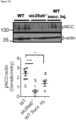
- the nitrocellulose membranes were incubated overnight with either anti-SUCNR1 (Novusbio, Littleton, CO), anti-pNCC (Thr 53 ) (Phosphosolutions, Aurora, CO), anti-IRBIT (Santa cruz biotechnology) or anti- ⁇ actin antibodies.
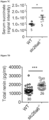
- Plasma renin test Blood samples for plasma renin were obtained from the tail vein of slc26a6 -/- male mice and their WT littermates' controls at 3-4 months of age. Total Renin was measured in duplicate using Mouse Renin ELISA test kit (Thermo-Fisher Scientific) according to the manufacturer's protocol.
- Mass-spectrometry To measure succinate levels in mice serum, 25 ⁇ l of serum were mixed with 100 ⁇ l of 50:30 (v/v) methanol: acetonitrile solution at -20°C. All metabolite extractions were stored at -80°C overnight, followed by centrifugation, twice at 20,000 g for 20 min to obtain protein-free metabolite extracts. Chromatographic separation was achieved on a SeQuant ZIC-pHILIC column (2.1 ⁇ 150 mm, 5 ⁇ m bead size, Merck Millipore). Flow rate was set to 0.2 ml/min, column compartment was set to 30°C, and autosampler tray was maintained at 4°C.
- Mobile phase A consisted of 20 mM ammonium carbonate with 0.01% (v/v) ammonium hydroxide.
- Mobile Phase B was 100% acetonitrile.
- the mobile phase linear gradient (%B) was as follows: 0 min 80%, 15 min 20%, 15.1 min 80%, and 23 min 80%.
- a mobile phase was introduced to Thermo Q-Exactive mass spectrometer with an electrospray ionization source working in polarity switching mode. Metabolites were analyzed using full-scan method in the range 70-1,000 m/z and with a resolution of 70,000. Positions of metabolites in the chromatogram were identified by corresponding pure chemical standards. Data were analyzed with MAVEN (Clasquin et al, 2012).
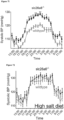
- Telemetric blood pressure measurement The mice were prepared for surgery by general anesthesia using isoflurane 1-3%. While under general anesthesia, the carotid artery was exposed, and two silk suture ties were placed, 6-7 mm apart, under a non-branching segment of the carotid. The proximal tie was used to secure a catheter in the vessel, and the distal tie, near the bifurcation of the internal and external carotid arteries, was used to ligate the artery. The vessel was then punctured between the two ties to create an arteriotomy for placement of the catheter. The DSI PA-C10 transmitter catheter (DSI, St. Paul, MN) was placed in the vessel and advanced until the catheter tip was in the aortic arch.
- DSI PA-C10 transmitter catheter DSI, St. Paul, MN
- the catheter was then secured in the vessel using silk ties.
- the transmitter was placed subcutaneously along the animal's flank between the forelimb and the hind limb. Using a blunt dissection, the skin was separated from the underlying muscle to create a subcutaneous pouch and a tunnel which began at the cervical incision and extended to the lateral chest. The transmitter was placed through the incision and moved through the tunnel to the subcutaneous pouch.
- Buprenex (0.05-0.1 mg/kg) was administered for pain relief and the mice remained in an oxygenated cage overnight. After 14 d of recovery, the mice were fed NIH 31 chow and housed in cages that were placed on top of the receivers to monitor 24 h blood pressure (measurements were taken at 5 min intervals).
- mice were fed with high salt (4% NaCl) diet for two weeks, followed by a week of regular NIH 31 chow and another two weeks of a low-salt (0.49% NaCl) diet.
- high salt 4% NaCl
- regular NIH 31 chow a week of regular NIH 31 chow
- a low-salt 0.49% NaCl
- mice were trained to run on a treadmill (Model Eco-6M, Columbus Instruments, Columbus, OH) and then exposed, once a day, to moderate-intensity exercise (treadmill speed of 10 m/min) for 15 minutes, while their blood pressure was simultaneously recorded with the DSI telemetry system.
- Ca 2+ imaging The imaging system consisted of an Eclipse Ti inverted microscope (Nikon, Japan), a PE-4000 LED monochromator (CoolLEd, Andover, UK) and Hamamatsu flash 4.0LT camera (Hamamatsu Photonics, Japan). Fluorescent images were acquired and analyzed with NIS-Elements software (Nikon, Japan). Ca 2+ imaging was performed in HEK293T cells attached onto coverslips and perfused with a regular solution (containing (in mM): 140 NaCl, 5 KCl, 1 MgCl 2 , 10 HEPES, 1 CaCl 2 , 10 glucose, pH adjusted to 7.4).
- a regular solution containing (in mM): 140 NaCl, 5 KCl, 1 MgCl 2 , 10 HEPES, 1 CaCl 2 , 10 glucose, pH adjusted to 7.4
- a Ca 2+ -free solution was prepared without CaCl 2 , and Na + -succinate was added to the solutions as indicated.
- [Ca 2+ ] i was monitored by transiently expressing the Ca 2+ sensor protein GCaMP (a kind gift from Dr. Loren Looger's lab) in the presence or absence of SUCNR1.
- Example 1 Metabolite targets that modulate inflammation
- Example 3 Charged residues in NaDC-1 and slc26a6-STAS binding regions are crucial for protein-protein interaction and regulation
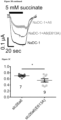
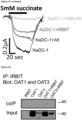
- succinate transport activity was monitored by using electrophysiological measurements in Xenopus oocytes expressing NaDC-1 alone, with slc26a6 or slc26a6(E613A).
- Figure 3B NaDC-1 inhibition by slc26a6 was abolished in cells expressing the slc26a6(E613A) mutant.
- the oxalate transport activity mediated by slc26a6(E613A) was also reduced, namely, by ⁇ 30%, as compared with WT ( Figs. 3C and 3D ).
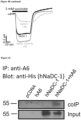
- NaDC-1(K107) and NaDC-1(R108) play a role in the NaDC-1-slc26a6 interaction. It was found that, while NaDC-1(R108A) was inactive, the activity of NaDC-1(K107A) was retained. Importantly, however, the interaction between NaDC-1(K107A) and slc26a6 was reduced, as compared with the WT NaDC-1 ( Fig. 4A ). Moreover, NaDC-1(K107A) was not inhibited by slc26a6, which strongly inhibits the WT NaDC-1 ( Fig. 4B ).
- Example 4 Succinate signaling 'fine tunes' succinate transport by controlling the interaction of IRBIT and NaDC-1
- the succinate receptor SUCNR1
- SUCNR1 is a G-coupled receptor expressed on the apical membrane of epithelial cells in the kidney, intestine and other tissues, which acts as either a G q - or a G i - coupled receptor.
- Cytosolic Ca 2+ changes were monitored in HEK293T cells transfected with SUCNR1 and it was found that SUCNR1 stimulation by extracellular succinate leads to Ca 2+ release ( Fig. 5A ).
- IRBIT is released from IP 3 R upon binding of IP3. It was therefore hypothesized that SUCNR1-stimulated IRBIT release may control the interaction between IRBIT and NaDC-1.
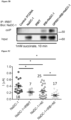
- HEK293T cells were transfected with NaDC-1, IRBIT and SUCNR1, and their interaction was measured by coIP following activation of signaling with succinate, as indicated in Figure 5B .
- the cells were then stimulated with 1 mM succinate for 10 min before lysis and the IRBIT-NaDC-1 interaction was monitored by coIP. It was found that the interaction between IRBIT and NaDC-1 was increased in the presence of the SUCNR1 receptor ( Fig. 5B ).
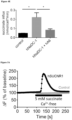
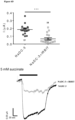
- Xenopus oocytes were injected with NaDC-1, slc26a6 and IRBIT and the currents generated by the NaDC-1-mediated Na + -succinate co-transport were measured ( Fig. 5C ).
- Both slc26a6 and IRBIT inhibited NaDC-1-mediated succinate transport by ⁇ 50%. Significantly, this inhibition was even more pronounced when both IRBIT and slc26a6 were co-expressed with NaDC-1, namely, by ⁇ 70% compared with NaDC-1 alone ( Fig. 5C ).
- Example 5 Basolateral succinate transport by NaDC3, but not by OATs, is regulated by IRBIT
- the major basolateral succinate extruders are members of the OAT family and include, most notably, OAT-1, OAT-2 and OAT-3.
- OAT-1 the interaction of OAT-1 and/or OAT-3 with IRBIT was monitored by coIP.
- HEK293T cells were co-transfected with either OAT-1 or OAT-3 in the presence or absence of IRBIT and it was found that the binding of IRBIT to OAT-1 is very low, while its binding to OAT-3 is not detectable ( Fig. 6A ).
- IRBIT regulates the OAT-1 function by monitoring radiolabeled 14 C-succinate uptake into either Xenopus oocytes ( Fig. 6B ) or HEK293T cells expressing OAT-1, IRBIT or both ( Fig. 6C ). Succinate uptake was elevated by expression of OAT-1 alone, that was abolished by the OAT inhibitor probenecid ( Fig. 6B-C ). Neither IRBIT, SUCNR1 stimulation, nor inhibition of PLC by U73122 affected the OAT-mediated succinate uptake. These findings indicate that OAT-1 activity is IRBIT-independent.
- Example 6 Slc26a6 regulates renal succinate reabsorption, renin secretion and blood pressure
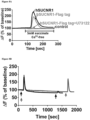
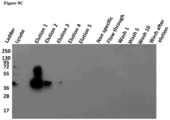
- Non-tagged human SUCNR1 (hSUCNR1, SEQ ID NO: 2) in the pcMV6-XL5 vector and C-terminal (K)DYK Flag-tagged human SUCNR1 in a pcDNA3.1+ expression vector were utilized.
- both vectors were transiently transfected into HEK293T cells in culture, along with empty vector as a control.
- As binding of succinate to its receptor and subsequent receptor stimulation are known to result in intracellular calcium (Ca2+) release from the endoplasmic reticulum, changes in intracellular Ca2+ were monitored 24 hours after transfection.
- the baseline calcium level was determined, and the cells were then perfused with a calcium free solution containing 5mM succinate.
- succinate resulted in a large spike in free Ca2+, which was not seen in cells that received the empty vector ( Fig. 8A ).
- PLC phospholipase C
- Proteins capable of strongly binding free succinate are designed.
- the proteins also have enhanced stability in solution allowing them to be used as succinate chelators (succilators).
- the succinate-receptor complex may also be more stable.
- the human receptor hSUCNR1 which exclusively binds succinate, is modified to generate a protein that is more stable in the physiological milieu of the gut, has a higher affinity for succinate, and also is more stable in complex with succinate than wild-type hSUCNR1. In silico analysis of SUCNR1 is performed to map specific regions of the protein that determine protein and complex stability and succinate binding affinity.
- the succinate binding pocket is examined for mutations that increase binding to succinate. Specifically, the essential positively charged amino acids arginine 99 (R99), arginine 281 (R281), arginine 252 (R252) and histidine 103 (H103) are examined for substitutions that increase either binding to succinate, stability of the protein, stability of the complex or a combination of these.
- GPCRs G-protein coupled receptors
- leucine 191, threonine 192, glycine 195, isoleucine 110, phenylalanine 241, methionine 203, valine 238, tyrosine 207, arginine 120, phenylalanine 285, asparagine 287 and tyrosine 295 L191, T192, G195, I110, F241, M203, V238, Y207, R120, R281, F285, N287, Y295) are investigated. Mutants are generated (targeted mutation of the DNA sequence encoding for the protein), purified by affinity chromatography, and screened for increased binding and stability. The best mutants are then tested in culture for chelation of free succinate.
- Example 9 Treatment of IBD in vivo
- the hSUCNR1 mutants are tested in a tissue culture models of colitis.
- Human enteroid and macrophage co-cultures or colon epithelial cell cultures are used as a model system to test the effects of succilators in providing protection against epithelial damage and pro-inflammatory process.
- In vitro fecal mimicking or physiological solution environments are employed to test enhanced stability of the protein and/or complex.
Landscapes
- Health & Medical Sciences (AREA)
- Life Sciences & Earth Sciences (AREA)
- Chemical & Material Sciences (AREA)
- Organic Chemistry (AREA)
- Medicinal Chemistry (AREA)
- General Health & Medical Sciences (AREA)
- Engineering & Computer Science (AREA)
- Pharmacology & Pharmacy (AREA)
- Bioinformatics & Cheminformatics (AREA)
- Animal Behavior & Ethology (AREA)
- Veterinary Medicine (AREA)
- Public Health (AREA)
- Molecular Biology (AREA)
- Chemical Kinetics & Catalysis (AREA)
- General Chemical & Material Sciences (AREA)
- Nuclear Medicine, Radiotherapy & Molecular Imaging (AREA)
- Immunology (AREA)
- Zoology (AREA)
- Biochemistry (AREA)
- Gastroenterology & Hepatology (AREA)
- Proteomics, Peptides & Aminoacids (AREA)
- Cell Biology (AREA)
- Toxicology (AREA)
- Biophysics (AREA)
- Genetics & Genomics (AREA)
- Urology & Nephrology (AREA)
- Cardiology (AREA)
- Heart & Thoracic Surgery (AREA)
- Hematology (AREA)
- Biomedical Technology (AREA)
- Biotechnology (AREA)
- Physics & Mathematics (AREA)
- Food Science & Technology (AREA)
- Microbiology (AREA)
- Pathology (AREA)
- Analytical Chemistry (AREA)
- General Physics & Mathematics (AREA)
- Epidemiology (AREA)
- Peptides Or Proteins (AREA)
- Medicines That Contain Protein Lipid Enzymes And Other Medicines (AREA)
Claims (4)
- Succinat-Rezeptor 1 (SUCNR1) oder ein Fragment, ein Derivat, ein Analogon oder eine Mutante davon, das bzw. die in der Lage ist, Succinat zu binden, zur Verwendung bei der Behandlung oder Vorbeugung einer entzündlichen Darmerkrankung (IBD), die aus einem der folgenden ausgewählt ist: Colitis, Colitis ulcerosa, Morbus Crohn und Morbus Bechef.
- SUCNR1 oder Fragment, Derivat, Analogon oder Mutante davon zur Verwendung gemäß Anspruch 1, wobei eine Aminosäuresequenz von SUCNR1 SEQ ID NO:7 ist, und wobei die mindestens eine Mutation ausgewählt ist aus der Gruppe bestehend aus: Leucin 191, Threonin 192, Glycin 195, Isoleucin 110, Phenylalanin 241, Methionin 203, Valin 238, Tyrosin 207, Arginin 120, Phenylalanin 285, Asparagin 287, Tyrosin 295 und einer beliebigen Kombination davon.
- SUCNR1 oder Fragment, Derivat, Analogon oder Mutante davon zur Verwendung gemäß Anspruch 1 oder 2 in einer pharmazeutischen Zusammensetzung, die einen pharmazeutisch annehmbaren Träger, Hilfsstoff oder Adjuvans umfasst.
- SUCNR1 oder Fragment, Derivat, Analogon oder Mutante davon zur Verwendung gemäß Anspruch 1, wobei die Behandlung die Senkung der Serum-Succinat-Spiegel in dem Subjekt umfasst.
Applications Claiming Priority (4)
| Application Number | Priority Date | Filing Date | Title |
|---|---|---|---|
| US201762559694P | 2017-09-18 | 2017-09-18 | |
| US201862623864P | 2018-01-30 | 2018-01-30 | |
| US201862623825P | 2018-01-30 | 2018-01-30 | |
| PCT/IL2018/051060 WO2019053731A1 (en) | 2017-09-18 | 2018-09-18 | SUCCINATE REGULATORY POLYPEPTIDES AND USE THEREOF |
Publications (3)
| Publication Number | Publication Date |
|---|---|
| EP3684796A1 EP3684796A1 (de) | 2020-07-29 |
| EP3684796A4 EP3684796A4 (de) | 2021-06-16 |
| EP3684796B1 true EP3684796B1 (de) | 2025-02-26 |
Family
ID=65722587
Family Applications (1)
| Application Number | Title | Priority Date | Filing Date |
|---|---|---|---|
| EP18855400.0A Active EP3684796B1 (de) | 2017-09-18 | 2018-09-18 | Succinat-regulierende polypeptide und deren verwendung |
Country Status (4)
| Country | Link |
|---|---|
| US (1) | US11332510B2 (de) |
| EP (1) | EP3684796B1 (de) |
| ES (1) | ES3024959T3 (de) |
| WO (1) | WO2019053731A1 (de) |
Families Citing this family (3)
| Publication number | Priority date | Publication date | Assignee | Title |
|---|---|---|---|---|
| CN114929274B (zh) * | 2019-10-17 | 2026-02-13 | 台湾卫生研究院 | 琥珀酸作为用于癌症诊断和治疗的生物标记的用途 |
| CN114181944B (zh) * | 2020-09-14 | 2023-10-03 | 中国科学院动物研究所 | 突变基因及构建短肢性侏儒症小型猪模型的方法和用途 |
| CN119055790B (zh) * | 2024-08-16 | 2025-08-05 | 华中科技大学同济医学院附属协和医院 | 一种工程化靶向琥珀酸的肿瘤细胞来源微颗粒及其制备方法与应用 |
Citations (1)
| Publication number | Priority date | Publication date | Assignee | Title |
|---|---|---|---|---|
| EP2014297B1 (de) * | 2006-03-20 | 2013-03-13 | Japan Science and Technology Agency | Kontrolle von intrazellulärem target-molekül durch ip3-rezeptorbindungsprotein |
Family Cites Families (12)
| Publication number | Priority date | Publication date | Assignee | Title |
|---|---|---|---|---|
| US4235871A (en) | 1978-02-24 | 1980-11-25 | Papahadjopoulos Demetrios P | Method of encapsulating biologically active materials in lipid vesicles |
| US4501728A (en) | 1983-01-06 | 1985-02-26 | Technology Unlimited, Inc. | Masking of liposomes from RES recognition |
| US4666828A (en) | 1984-08-15 | 1987-05-19 | The General Hospital Corporation | Test for Huntington's disease |
| US5019369A (en) | 1984-10-22 | 1991-05-28 | Vestar, Inc. | Method of targeting tumors in humans |
| US4683202A (en) | 1985-03-28 | 1987-07-28 | Cetus Corporation | Process for amplifying nucleic acid sequences |
| US4801531A (en) | 1985-04-17 | 1989-01-31 | Biotechnology Research Partners, Ltd. | Apo AI/CIII genomic polymorphisms predictive of atherosclerosis |
| US4837028A (en) | 1986-12-24 | 1989-06-06 | Liposome Technology, Inc. | Liposomes with enhanced circulation time |
| US5272057A (en) | 1988-10-14 | 1993-12-21 | Georgetown University | Method of detecting a predisposition to cancer by the use of restriction fragment length polymorphism of the gene for human poly (ADP-ribose) polymerase |
| US5192659A (en) | 1989-08-25 | 1993-03-09 | Genetype Ag | Intron sequence analysis method for detection of adjacent and remote locus alleles as haplotypes |
| US5871963A (en) | 1995-11-15 | 1999-02-16 | Cor Therapeutics, Inc. | P2u2 purinergic receptor and nucleic acid encoding the receptor |
| US20030054487A1 (en) | 1996-01-11 | 2003-03-20 | Human Genome Sciences, Inc. | Human G-protein coupled receptor |
| US8652771B2 (en) * | 2008-05-28 | 2014-02-18 | University of Souther California | Measurement of succinate in urine samples as a biomarker of kidney damage in diabetic subjects |
-
2018
- 2018-09-18 ES ES18855400T patent/ES3024959T3/es active Active
- 2018-09-18 EP EP18855400.0A patent/EP3684796B1/de active Active
- 2018-09-18 US US16/647,945 patent/US11332510B2/en active Active
- 2018-09-18 WO PCT/IL2018/051060 patent/WO2019053731A1/en not_active Ceased
Patent Citations (1)
| Publication number | Priority date | Publication date | Assignee | Title |
|---|---|---|---|---|
| EP2014297B1 (de) * | 2006-03-20 | 2013-03-13 | Japan Science and Technology Agency | Kontrolle von intrazellulärem target-molekül durch ip3-rezeptorbindungsprotein |
Also Published As
| Publication number | Publication date |
|---|---|
| EP3684796A4 (de) | 2021-06-16 |
| WO2019053731A1 (en) | 2019-03-21 |
| EP3684796A1 (de) | 2020-07-29 |
| US11332510B2 (en) | 2022-05-17 |
| US20200262889A1 (en) | 2020-08-20 |
| ES3024959T3 (en) | 2025-06-05 |
Similar Documents
| Publication | Publication Date | Title |
|---|---|---|
| Zhang et al. | Sensing ceramides by CYSLTR2 and P2RY6 to aggravate atherosclerosis | |
| Cheng et al. | Expression of organic anion transporter 2 in the human kidney and its potential role in the tubular secretion of guanine-containing antiviral drugs | |
| Berdiev et al. | Acid-sensing ion channels in malignant gliomas | |
| EP3464608A1 (de) | Therapeutische rekombinante klotho-proteine sowie zusammensetzungen und verfahren damit | |
| US20160331746A1 (en) | Sortilin-Binding Small Molecules for Increasing Glucose Uptake | |
| EP3684796B1 (de) | Succinat-regulierende polypeptide und deren verwendung | |
| Yang et al. | Dipeptide HCH6-1 inhibits neutrophil activation and protects against acute lung injury by blocking FPR1 | |
| AU2012356849B2 (en) | Variants of yeast NDI1 gene, and uses thereof in the treatment of disease associated with mitochondrial dysfunction | |
| Wang et al. | A novel peptide exerts potent immunosuppression by blocking the two-site interaction of NFAT with calcineurin | |
| Domínguez-López et al. | NFAT5: a stress-related transcription factor with multiple functions in health and disease | |
| Zhou et al. | The NMDAR GluN1-1a C-terminus binds to CaM and regulates synaptic function | |
| Catalán et al. | Severe defects in absorptive ion transport in distal colons of mice that lack ClC-2 channels | |
| WO2019236607A1 (en) | Compositions and methods for treating pain, inflammation, infection, malaria, and sepsis | |
| JP2004024268A (ja) | 低及び中間コンダクタンスのカルシウム活性化されたカリウムチャネル及びその使用 | |
| WO2012142930A1 (zh) | 抗脂肪酸合成酶多肽及其应用 | |
| Emmanuele et al. | Recurrent myoglobinuria in a sporadic patient with a novel mitochondrial DNA tRNAIle mutation | |
| WO2015038891A2 (en) | Functional peptide analogs of pedf | |
| US20150369819A1 (en) | Tmem120a ion channel modulator | |
| US20210236438A1 (en) | Compounds and methods for the treatment of autism spectrum disorder and other neurological or psychiatric disorders | |
| Song et al. | Targeting RelA/NLRP3/CCL3 axis mitigates microglia inflammatory response and promotes recovery after spinal cord injury | |
| CN109718374B (zh) | Irf3抑制剂在制备yap过度激活的癌症的治疗或预防药物中的用途 | |
| Tagishi et al. | Defective splicing of the background K+ channel K2P5. 1 by the pre-mRNA splicing inhibitor, pladienolide B in lectin-activated mouse splenic CD4+ T cells | |
| US20250145993A1 (en) | Enhanced expression of alternative spliced uromodulin for therapeuticuse | |
| JP7104622B2 (ja) | Pha 1b型の治療のための環状ポリペプチド | |
| Yao et al. | Mutation in KCNE1 associated to early repolarization syndrome by modulation of slowly activating delayed rectifier K+ current |
Legal Events
| Date | Code | Title | Description |
|---|---|---|---|
| STAA | Information on the status of an ep patent application or granted ep patent |
Free format text: STATUS: THE INTERNATIONAL PUBLICATION HAS BEEN MADE |
|
| PUAI | Public reference made under article 153(3) epc to a published international application that has entered the european phase |
Free format text: ORIGINAL CODE: 0009012 |
|
| STAA | Information on the status of an ep patent application or granted ep patent |
Free format text: STATUS: REQUEST FOR EXAMINATION WAS MADE |
|
| 17P | Request for examination filed |
Effective date: 20200417 |
|
| AK | Designated contracting states |
Kind code of ref document: A1 Designated state(s): AL AT BE BG CH CY CZ DE DK EE ES FI FR GB GR HR HU IE IS IT LI LT LU LV MC MK MT NL NO PL PT RO RS SE SI SK SM TR |
|
| AX | Request for extension of the european patent |
Extension state: BA ME |
|
| DAV | Request for validation of the european patent (deleted) | ||
| DAX | Request for extension of the european patent (deleted) | ||
| A4 | Supplementary search report drawn up and despatched |
Effective date: 20210517 |
|
| RIC1 | Information provided on ipc code assigned before grant |
Ipc: C07K 14/705 20060101AFI20210510BHEP Ipc: A61K 38/17 20060101ALI20210510BHEP Ipc: C12Q 1/25 20060101ALI20210510BHEP Ipc: A61P 9/12 20060101ALI20210510BHEP Ipc: A61P 13/04 20060101ALI20210510BHEP Ipc: A61P 1/00 20060101ALI20210510BHEP |
|
| STAA | Information on the status of an ep patent application or granted ep patent |
Free format text: STATUS: EXAMINATION IS IN PROGRESS |
|
| 17Q | First examination report despatched |
Effective date: 20220818 |
|
| RIC1 | Information provided on ipc code assigned before grant |
Ipc: A61P 1/00 20060101ALI20240805BHEP Ipc: A61P 13/04 20060101ALI20240805BHEP Ipc: A61P 9/12 20060101ALI20240805BHEP Ipc: G01N 33/50 20060101ALI20240805BHEP Ipc: C12Q 1/25 20060101ALI20240805BHEP Ipc: A61K 38/17 20060101ALI20240805BHEP Ipc: C07K 14/705 20060101AFI20240805BHEP |
|
| GRAP | Despatch of communication of intention to grant a patent |
Free format text: ORIGINAL CODE: EPIDOSNIGR1 |
|
| STAA | Information on the status of an ep patent application or granted ep patent |
Free format text: STATUS: GRANT OF PATENT IS INTENDED |
|
| INTG | Intention to grant announced |
Effective date: 20240923 |
|
| GRAS | Grant fee paid |
Free format text: ORIGINAL CODE: EPIDOSNIGR3 |
|
| GRAA | (expected) grant |
Free format text: ORIGINAL CODE: 0009210 |
|
| STAA | Information on the status of an ep patent application or granted ep patent |
Free format text: STATUS: THE PATENT HAS BEEN GRANTED |
|
| AK | Designated contracting states |
Kind code of ref document: B1 Designated state(s): AL AT BE BG CH CY CZ DE DK EE ES FI FR GB GR HR HU IE IS IT LI LT LU LV MC MK MT NL NO PL PT RO RS SE SI SK SM TR |
|
| REG | Reference to a national code |
Ref country code: GB Ref legal event code: FG4D |
|
| REG | Reference to a national code |
Ref country code: CH Ref legal event code: EP |
|
| REG | Reference to a national code |
Ref country code: DE Ref legal event code: R096 Ref document number: 602018079675 Country of ref document: DE |
|
| P01 | Opt-out of the competence of the unified patent court (upc) registered |
Free format text: CASE NUMBER: APP_6761/2025 Effective date: 20250210 |
|
| REG | Reference to a national code |
Ref country code: IE Ref legal event code: FG4D |
|
| REG | Reference to a national code |
Ref country code: ES Ref legal event code: FG2A Ref document number: 3024959 Country of ref document: ES Kind code of ref document: T3 Effective date: 20250605 |
|
| REG | Reference to a national code |
Ref country code: NL Ref legal event code: MP Effective date: 20250226 |
|
| PG25 | Lapsed in a contracting state [announced via postgrant information from national office to epo] |
Ref country code: RS Free format text: LAPSE BECAUSE OF FAILURE TO SUBMIT A TRANSLATION OF THE DESCRIPTION OR TO PAY THE FEE WITHIN THE PRESCRIBED TIME-LIMIT Effective date: 20250526 |
|
| PG25 | Lapsed in a contracting state [announced via postgrant information from national office to epo] |
Ref country code: FI Free format text: LAPSE BECAUSE OF FAILURE TO SUBMIT A TRANSLATION OF THE DESCRIPTION OR TO PAY THE FEE WITHIN THE PRESCRIBED TIME-LIMIT Effective date: 20250226 |
|
| PG25 | Lapsed in a contracting state [announced via postgrant information from national office to epo] |
Ref country code: PL Free format text: LAPSE BECAUSE OF FAILURE TO SUBMIT A TRANSLATION OF THE DESCRIPTION OR TO PAY THE FEE WITHIN THE PRESCRIBED TIME-LIMIT Effective date: 20250226 |
|
| REG | Reference to a national code |
Ref country code: LT Ref legal event code: MG9D |
|
| PG25 | Lapsed in a contracting state [announced via postgrant information from national office to epo] |
Ref country code: IS Free format text: LAPSE BECAUSE OF FAILURE TO SUBMIT A TRANSLATION OF THE DESCRIPTION OR TO PAY THE FEE WITHIN THE PRESCRIBED TIME-LIMIT Effective date: 20250626 Ref country code: NO Free format text: LAPSE BECAUSE OF FAILURE TO SUBMIT A TRANSLATION OF THE DESCRIPTION OR TO PAY THE FEE WITHIN THE PRESCRIBED TIME-LIMIT Effective date: 20250526 |
|
| PG25 | Lapsed in a contracting state [announced via postgrant information from national office to epo] |
Ref country code: NL Free format text: LAPSE BECAUSE OF FAILURE TO SUBMIT A TRANSLATION OF THE DESCRIPTION OR TO PAY THE FEE WITHIN THE PRESCRIBED TIME-LIMIT Effective date: 20250226 |
|
| PG25 | Lapsed in a contracting state [announced via postgrant information from national office to epo] |
Ref country code: HR Free format text: LAPSE BECAUSE OF FAILURE TO SUBMIT A TRANSLATION OF THE DESCRIPTION OR TO PAY THE FEE WITHIN THE PRESCRIBED TIME-LIMIT Effective date: 20250226 |
|
| PG25 | Lapsed in a contracting state [announced via postgrant information from national office to epo] |
Ref country code: PT Free format text: LAPSE BECAUSE OF FAILURE TO SUBMIT A TRANSLATION OF THE DESCRIPTION OR TO PAY THE FEE WITHIN THE PRESCRIBED TIME-LIMIT Effective date: 20250626 Ref country code: LV Free format text: LAPSE BECAUSE OF FAILURE TO SUBMIT A TRANSLATION OF THE DESCRIPTION OR TO PAY THE FEE WITHIN THE PRESCRIBED TIME-LIMIT Effective date: 20250226 |
|
| PG25 | Lapsed in a contracting state [announced via postgrant information from national office to epo] |
Ref country code: GR Free format text: LAPSE BECAUSE OF FAILURE TO SUBMIT A TRANSLATION OF THE DESCRIPTION OR TO PAY THE FEE WITHIN THE PRESCRIBED TIME-LIMIT Effective date: 20250527 Ref country code: BG Free format text: LAPSE BECAUSE OF FAILURE TO SUBMIT A TRANSLATION OF THE DESCRIPTION OR TO PAY THE FEE WITHIN THE PRESCRIBED TIME-LIMIT Effective date: 20250226 |
|
| REG | Reference to a national code |
Ref country code: AT Ref legal event code: MK05 Ref document number: 1770562 Country of ref document: AT Kind code of ref document: T Effective date: 20250226 |
|
| PG25 | Lapsed in a contracting state [announced via postgrant information from national office to epo] |
Ref country code: SE Free format text: LAPSE BECAUSE OF FAILURE TO SUBMIT A TRANSLATION OF THE DESCRIPTION OR TO PAY THE FEE WITHIN THE PRESCRIBED TIME-LIMIT Effective date: 20250226 |
|
| PG25 | Lapsed in a contracting state [announced via postgrant information from national office to epo] |
Ref country code: SM Free format text: LAPSE BECAUSE OF FAILURE TO SUBMIT A TRANSLATION OF THE DESCRIPTION OR TO PAY THE FEE WITHIN THE PRESCRIBED TIME-LIMIT Effective date: 20250226 |
|
| PG25 | Lapsed in a contracting state [announced via postgrant information from national office to epo] |
Ref country code: DK Free format text: LAPSE BECAUSE OF FAILURE TO SUBMIT A TRANSLATION OF THE DESCRIPTION OR TO PAY THE FEE WITHIN THE PRESCRIBED TIME-LIMIT Effective date: 20250226 |
|
| PG25 | Lapsed in a contracting state [announced via postgrant information from national office to epo] |
Ref country code: IT Free format text: LAPSE BECAUSE OF FAILURE TO SUBMIT A TRANSLATION OF THE DESCRIPTION OR TO PAY THE FEE WITHIN THE PRESCRIBED TIME-LIMIT Effective date: 20250226 |
|
| PG25 | Lapsed in a contracting state [announced via postgrant information from national office to epo] |
Ref country code: AT Free format text: LAPSE BECAUSE OF FAILURE TO SUBMIT A TRANSLATION OF THE DESCRIPTION OR TO PAY THE FEE WITHIN THE PRESCRIBED TIME-LIMIT Effective date: 20250226 |
|
| PG25 | Lapsed in a contracting state [announced via postgrant information from national office to epo] |
Ref country code: EE Free format text: LAPSE BECAUSE OF FAILURE TO SUBMIT A TRANSLATION OF THE DESCRIPTION OR TO PAY THE FEE WITHIN THE PRESCRIBED TIME-LIMIT Effective date: 20250226 Ref country code: CZ Free format text: LAPSE BECAUSE OF FAILURE TO SUBMIT A TRANSLATION OF THE DESCRIPTION OR TO PAY THE FEE WITHIN THE PRESCRIBED TIME-LIMIT Effective date: 20250226 |
|
| PG25 | Lapsed in a contracting state [announced via postgrant information from national office to epo] |
Ref country code: RO Free format text: LAPSE BECAUSE OF FAILURE TO SUBMIT A TRANSLATION OF THE DESCRIPTION OR TO PAY THE FEE WITHIN THE PRESCRIBED TIME-LIMIT Effective date: 20250226 |
|
| PG25 | Lapsed in a contracting state [announced via postgrant information from national office to epo] |
Ref country code: SK Free format text: LAPSE BECAUSE OF FAILURE TO SUBMIT A TRANSLATION OF THE DESCRIPTION OR TO PAY THE FEE WITHIN THE PRESCRIBED TIME-LIMIT Effective date: 20250226 |
|
| REG | Reference to a national code |
Ref country code: DE Ref legal event code: R097 Ref document number: 602018079675 Country of ref document: DE |
|
| PLBE | No opposition filed within time limit |
Free format text: ORIGINAL CODE: 0009261 |
|
| STAA | Information on the status of an ep patent application or granted ep patent |
Free format text: STATUS: NO OPPOSITION FILED WITHIN TIME LIMIT |
|
| PGFP | Annual fee paid to national office [announced via postgrant information from national office to epo] |
Ref country code: ES Payment date: 20251017 Year of fee payment: 8 |
|
| 26N | No opposition filed |
Effective date: 20251127 |