EP3686284A1 - Procédés et groupes - Google Patents
Procédés et groupes Download PDFInfo
- Publication number
- EP3686284A1 EP3686284A1 EP20156450.7A EP20156450A EP3686284A1 EP 3686284 A1 EP3686284 A1 EP 3686284A1 EP 20156450 A EP20156450 A EP 20156450A EP 3686284 A1 EP3686284 A1 EP 3686284A1
- Authority
- EP
- European Patent Office
- Prior art keywords
- bacteriotherapy
- difficile
- bacterial
- mice
- supershedder
- Prior art date
- Legal status (The legal status is an assumption and is not a legal conclusion. Google has not performed a legal analysis and makes no representation as to the accuracy of the status listed.)
- Pending
Links
Images








Classifications
-
- A—HUMAN NECESSITIES
- A61—MEDICAL OR VETERINARY SCIENCE; HYGIENE
- A61K—PREPARATIONS FOR MEDICAL, DENTAL OR TOILETRY PURPOSES
- A61K35/00—Medicinal preparations containing materials or reaction products thereof with undetermined constitution
- A61K35/66—Microorganisms or materials therefrom
- A61K35/74—Bacteria
- A61K35/741—Probiotics
- A61K35/744—Lactic acid bacteria, e.g. enterococci, pediococci, lactococci, streptococci or leuconostocs
- A61K35/747—Lactobacilli, e.g. L. acidophilus or L. brevis
-
- C—CHEMISTRY; METALLURGY
- C12—BIOCHEMISTRY; BEER; SPIRITS; WINE; VINEGAR; MICROBIOLOGY; ENZYMOLOGY; MUTATION OR GENETIC ENGINEERING
- C12Q—MEASURING OR TESTING PROCESSES INVOLVING ENZYMES, NUCLEIC ACIDS OR MICROORGANISMS; COMPOSITIONS OR TEST PAPERS THEREFOR; PROCESSES OF PREPARING SUCH COMPOSITIONS; CONDITION-RESPONSIVE CONTROL IN MICROBIOLOGICAL OR ENZYMOLOGICAL PROCESSES
- C12Q1/00—Measuring or testing processes involving enzymes, nucleic acids or microorganisms; Compositions therefor; Processes of preparing such compositions
- C12Q1/02—Measuring or testing processes involving enzymes, nucleic acids or microorganisms; Compositions therefor; Processes of preparing such compositions involving viable microorganisms
- C12Q1/04—Determining presence or kind of microorganism; Use of selective media for testing antibiotics or bacteriocides; Compositions containing a chemical indicator therefor
-
- A—HUMAN NECESSITIES
- A61—MEDICAL OR VETERINARY SCIENCE; HYGIENE
- A61K—PREPARATIONS FOR MEDICAL, DENTAL OR TOILETRY PURPOSES
- A61K35/00—Medicinal preparations containing materials or reaction products thereof with undetermined constitution
- A61K35/66—Microorganisms or materials therefrom
- A61K35/74—Bacteria
-
- A—HUMAN NECESSITIES
- A61—MEDICAL OR VETERINARY SCIENCE; HYGIENE
- A61K—PREPARATIONS FOR MEDICAL, DENTAL OR TOILETRY PURPOSES
- A61K35/00—Medicinal preparations containing materials or reaction products thereof with undetermined constitution
- A61K35/66—Microorganisms or materials therefrom
- A61K35/74—Bacteria
- A61K35/741—Probiotics
- A61K35/744—Lactic acid bacteria, e.g. enterococci, pediococci, lactococci, streptococci or leuconostocs
-
- C—CHEMISTRY; METALLURGY
- C12—BIOCHEMISTRY; BEER; SPIRITS; WINE; VINEGAR; MICROBIOLOGY; ENZYMOLOGY; MUTATION OR GENETIC ENGINEERING
- C12Q—MEASURING OR TESTING PROCESSES INVOLVING ENZYMES, NUCLEIC ACIDS OR MICROORGANISMS; COMPOSITIONS OR TEST PAPERS THEREFOR; PROCESSES OF PREPARING SUCH COMPOSITIONS; CONDITION-RESPONSIVE CONTROL IN MICROBIOLOGICAL OR ENZYMOLOGICAL PROCESSES
- C12Q1/00—Measuring or testing processes involving enzymes, nucleic acids or microorganisms; Compositions therefor; Processes of preparing such compositions
- C12Q1/68—Measuring or testing processes involving enzymes, nucleic acids or microorganisms; Compositions therefor; Processes of preparing such compositions involving nucleic acids
- C12Q1/6876—Nucleic acid products used in the analysis of nucleic acids, e.g. primers or probes
- C12Q1/6888—Nucleic acid products used in the analysis of nucleic acids, e.g. primers or probes for detection or identification of organisms
- C12Q1/689—Nucleic acid products used in the analysis of nucleic acids, e.g. primers or probes for detection or identification of organisms for bacteria
Definitions
- the invention relates to methods and groups of bacterial isolates relevant to bacteriotherapy.
- the invention relates to methods for identifying bacterial isolates suitable for bacteriotherapy, to bacterial isolates identified by such methods and to the use of such bacterial isolates in bacteriotherapy.
- Clostridium difficile an anaerobic, Gram-positive bacterium, is a major cause of antibiotic-associated diarrhea and challenges healthcare infection control measures by producing highly infectious and resistant spores .
- Antibiotic treatment, advanced age and hospitalization are the major risk factors for C. difficile colonization, leading to a spectrum of outcomes ranging from asymptomatic carriage, severe diarrhea, pseudomembranous colitis or even death.
- Current first line treatments for C. difficile disease are vancomycin or metronidazole, although in 20-35% of these cases recurrent disease (relapse or re- infection) follows the cessation of antibiotic therapy. Recurrent C.
- Dysbiosis a pathological imbalance within the resident intestinal microbial community
- therapies that restore a healthy microbiota are viewed as promising alternatives.
- Recurrent Clostridium difficile disease in humans is associated with a pathological imbalance within the resident intestinal microbiota, referred to as dysbiosis.
- Fecal bacteriotherapy the administration of homogenized feces from a healthy donor, has been investigated as an alternative therapy for recurrent C. difficile disease in humans.
- the mechanism of bacteriotherapy using fecal flora and specific probiotic mix in the feces which are of use in bacteriotherapy has so far been unclear.
- the invention provides a method, for the identification of bacterial isolates suitable for use in bacteriotherapy, the method comprising:
- the invention provides method for preparing fecal material suitable for bacteriotherapy or a method for identification of bacterial isolates suitable for use in bacteriotherapy the method comprising preparing a suspension of fecal material followed by incubation of the suspension in a standing culture under anaerobic or aerobic conditions.
- the invention provides a method for preparing material suitable for use in bacteriotherapy, the method comprising:
- the invention provides a group of bacterial isolates suitable for bacteriotherapy obtainable or identifiable according to any of the methods described above and in the rest of this application.
- the invention provides a group of bacterial isolates obtainable or identifiable according to the method of any previous aspect of the invention for use in bacteriotherapy.
- the invention provides the use of a group of bacterial isolates obtainable or identifiable according to the method of any previous aspect of the invention in the manufacture of a medicament for providing bacteriotherapy.
- the invention provides cultured fecal material for use in bacteriotherapy, and/or for identification of bacterial strains suitable for use in bacteriotherapy, wherein the bacteriotherapy is to facilitate repopulation of the gut and/or prevention or treatment of diseases associated with infections or the microbiota, or diseases related thereto, and/or prevention of transmission of infection.
- the infection is a bacterial infection.
- the infection is a viral infection.
- the infection is C. difficile infection.
- the invention provides a subset of bacteria obtainable or identifiable from fecal material for use in facilitating repopulation of the gut and/or in prevention or treatment of bacterial or viral infections, dysfunction associated with the microbiota or diseases related thereto and/or in prevention of transmission of bacterial or viral infection, wherein the subset comprises 3 to 9, optionally no more than 6, isolates of bacteria.
- the invention provides use of 3 to 9, optionally no more 6, bacterial isolates in the preparation of a medicament to facilitate repopulation of the gut and/or in prevention or treatment of bacterial or viral infections, dysfunction associated with the microbiota or diseases related thereto and/or in prevention of transmission of bacterial or viral infection.
- the invention provides a composition comprising or consisting essentially of a group of bacterial isolates according to any of the previous aspects.
- the composition is suitable for providing bacteriotherapy.
- the invention provides a method of providing bacteriotherapy, the method comprising delivering to a human or non-human animal a group of bacterial isolates according to any of the previous aspects.
- the invention provides methods for identification of desirable bacterial isolates suitable for bacteriotherapy.
- the invention also provides methods for preparing fecal material suitable for bacteriotherapy.
- the method may comprise the steps of preparing a suspension of material collected from a host harbouring microbiota, adding an activator of bacterial spores sufficient to allow growth of bacteria from spores present in the suspension and culturing the suspension.
- the suspension may be cultured under aerobic or anaerobic conditions.
- the cultured suspension may be incubated in a standing culture under aerobic or anaerobic conditions. In one embodiment, the standing culture is under aerobic conditions.
- the method may comprise the steps of preparing a suspension of material followed by incubation of the suspension in a standing culture under aerobic or anaerobic conditions.
- the standing culture is under aerobic conditions.
- An activator of bacterial spores sufficient to allow growth of bacteria from spores may be added to the suspension before the suspension is incubated in a standing culture under aerobic conditions.
- the invention also provides methods for identification of bacterial strains suitable for use in bacteriotherapy comprising the steps of any of the previous aspects and comprising the additional step of identification of at least one, preferably a group of, bacterial isolates within the culture.
- the invention provides a method for preparing material comprising desirable bacterial isolates, the method comprising preparing a suspension of material collected from a host harbouring microbiota, such as fecal material, by diluting the material in sterile PBS; plating on nutrient agar plates; adding anaerobic culture media and an activator of bacterial spores sufficient to allow growth of bacteria from spores present in the suspension and growing either aerobically or anaerobically at a suitable temperature, such as about 37°C, for 24-72 hours. Distinct colony types may be isolated and culture purified.
- microbiota such as fecal material
- the material being cultured is serially passaged and the material prepared after 1st or 2nd passage is selected for use in the methods according to the invention.
- the material collected from a host harbouring microbiota, such as healthy feces, may be passaged overnight in nutrient broth at a suitable temperature, such as about 37°C, to reduce the bacterial community complexity and to enrich for readily culturable bacteria.
- the methods of preparation of identification according to the invention includes incubation of the suspension in a standing culture under aerobic conditions to provide the microbes with an oxygen gradient.
- the culture media used during culturing of the suspension in the methods of preparation of identification according to the invention may be anaerobic culture media.
- bacterial isolates can be identified from such prepared material by isolating genomic DNA from the distinct colonies and species-level profiling of the intestinal microbiota.
- the species level profiling may be sequencing specific genes, such as the 16S rRNA gene, and comparing to the GenBank and RDP databases to identify the bacterial species.
- Whole genome sequencing and phylogenetic analysis of intestinal bacteria can also be carried out to identify common genes between the isolates of interest.
- the species diversity in each sample may be measured by calculating the Shannon Diversity Index (such as described in P. D. Schloss et al. referenced in the examples section).
- the bacterial isolate comprises a DNA sequence that encodes 16S rRNA which is one of the following 6 sequences, or which has homology or identity to one of the following 6 sequences, suitably at a level of greater than 85%, such as greater than 86%, greater than 87%, greater than 88%, greater than 89%, greater than 90%, greater than 91%, greater than 92%, greater than 93%, greater than 94%, greater than 95%, greater than 96%, greater than 97%, greater than 98%, greater than 99% or more, across the sequence.
- the present invention relates to a bacterial isolate per se comprising a DNA sequence that encodes 16S rRNA having the sequence of sequence SEQ ID Nos. 1, 2 or 6 below.
- the individual isolates identified in the resulting cultured suspension are assessed in combinations to identify subsets of the cultured suspension for use in, or suitable for use in, bacteriotherapy.
- Suitability of a bacterial isolate for bacteriotherapy may be assessed by administration of the isolates or groups of isolates to the recipient and measuring a shift in the recipients' microbiota to a composition similar to that of a healthy microbiota. The shift in recipients' microbiota is linked to increase in species diversity which can be measured by calculating the Shannon Diversity Index described in the example below.
- bacterial isolates suitable for bacteriotherapy according to any previous aspect can be identified by in vivo assessment, for example in an animal model, such as a mouse model, or in a human challenge model with an intestinal phase. In one embodiment, bacterial isolates suitable for bacteriotherapy according to any previous aspect can be identified by assessment of the UTI tract. Such identified isolates can be sequenced as described herein to determine speciation and phylogenetic position.
- the bacterial isolates are initially identified according to a method described above while the actual isolates used for bacteriotherapy are previously characterized isolates of the identified isolates.
- the previously characterized isolates may be obtained from a biobank of previously identified bacteria assessed to be suitable for bacteriotherapy using the procedures described herein.
- Restoration of a healthy microbiota with bacteriotherapy is viewed as a promising alternative treatment for recurrent C. difficile disease and other forms of intestinal dysbiosis but it is not widely used because of the time required to identify a suitable donor, the risk of introducing opportunistic pathogens as well as a general patient aversion.
- the inventors have demonstrated that it is also possible to eradicate C. difficile disease and contagiousness using a simple mixture of defined, culturable, components of the microbiota.
- the material collected from a host may be fecal material or material obtained by biopsy or sampling from the gut of the host.
- the material may be from the intended recipient of bacteriotherapy prior to the need for bacteriotherapy or from a healthy donor.
- the donor may be a spouse or a member of the bacteriotherapy recipient's immediate family.
- a healthy donor for the purpose of this invention is an individual not suffering from an infection, such as C. difficile infection, resulting in decreased hetrogenity of intestinal flora.
- the prepared suspension is administered to the recipient or used for identification of bacterial strains within 10 minutes to 2 hours after preparation. In one embodiment the prepared suspension is administered or used within about 30 minutes after preparation. In one embodiment, no more than 6 hours should have elapsed between material collection and administration to the recipient or identification of bacterial strains.
- the cultured suspension or subset thereof comprises a spore forming bacteria.
- the activator may be a cholate derivative or may comprise one or more cholate derivatives such as taurocholate and/or glycocholate.
- the activator may comprise a cholate derivative, such as taurocholate, and glycine.
- An activator of bacterial spores is expected to stimulate metabolically dormant spores to begin growth. Therefore, addition of an activator of bacterial spores to the medium increases the chances of isolating such fastidious bacteria from the sample.
- the invention also relates to a group of bacterial isolates suitable for bacteriotherapy obtainable or identifiable by the method of any of the previously described aspects.
- the group may comprise 3, 4, 5, 6, 7, 8 or 9 bacterial isolates. In one embodiment, the group comprises 4, 5 or 6 bacterial isolates. In one embodiment, the group comprises 6 bacterial isolates. In one embodiment, the group comprises no more than 6 bacterial strains. In one embodiment, the group comprises at least 4 bacterial strains.
- the group of bacterial isolates may comprise one or more of the following: Barnesiella intestinihominis, Lactobacillus reuteri, Enterococcus hirae / faecium / durans, Anaerostipes caccae / Clostridium indolis, Staphylococcus warneri / pasteuri, Adlercreutzia equolifaciens, Anaerostipes caccae / Clostridium indolis, Staphylococcus warneri / pasteuri and Barnesiella intestinihominis.
- the group of bacterial isolates comprises Barnesiella intestinihominis, Lactobacillus reuteri, Enterococcus hirae / faecium / durans, Anaerostipes caccae / Clostridium indolis and Staphylococcus warneri / pasteuri.
- the group of bacterial isolates comprises Staphylococcus warneri, Enterococcus hirae, Lactobacillus reuteri, Anaerostipes sp. , Bacteroidetes sp. and Enterorhabdus sp.
- the group of bacterial isolates comprises or consists 2, 3, 4, 5, 6, 7, 8 or 9 , such as 5 or 6, of these isolates.
- the group of bacterial isolates comprises or consists of 4, 5 or 6 isolates and includes Enterococcus hirae, Lactobacillus reuteri, and Bacteroidetes sp.
- the group of bacterial isolates comprises or consists of 4, 5 or 6 isolates and includes members of the phyla Firmicutes and Bacteroidetes optionally with members of the phyla Actinobacteria and Proteobacteria.
- the invention provides a composition comprising or consisting essentially of a group of bacterial isolates according to any of the previous aspects.
- the composition is suitable for providing bacteriotherapy.
- the group of bacterial isolates or composition according to the invention is for use in bacteriotherapy.
- the invention provides a subset of bacteria obtainable or identifiable from fecal material for use in bacteriotherapy wherein the subset comprises 3 to 9, such as 4 to 6, such as no more than 6, isolates of bacteria.
- the invention relates to a method of providing bacteriotherapy, the method comprising delivering to a human or non-human animal a group of bacterial isolates or a composition according to any aspect of the invention.
- the invention provides use of a group of bacterial isolates according to the invention in the manufacture of a medicament for providing bacteriotherapy. In one embodiment no more 6 bacterial strains are used in the preparation of the medicament.
- the invention provides aerobically cultured fecal material for use in bacteriotherapy, and/or for identification of bacterial isolates suitable for use in bacteriotherapy.
- Bacteriotherapy refers to the use of a mixture of bacteria to resolve a pathological imbalance within the microbiota of an individual.
- the mixture may be a mixture of live bacteria obtained from an external source (other human, animal, in vitro culture etc.).
- bacteriotherapy may also refer to increasing species diversity of the colonic flora by introducing healthy bacterial flora into a recipient.
- Healthy bacterial flora refers to heterogeneous intestinal flora such as that present in an individual not suffering from a bacterial infection, such as C. difficile infection, resulting in decreased heterogeneity of intestinal flora.
- the bacteriotherapy may be to facilitate repopulation of the gut with healthy bacterial flora and/or to prevent or treat bacterial or viral infections, or diseases related thereto, and/or to prevent the transmission of bacterial or viral infection.
- the bacteriotherapy may be for the prevention or treatment of any disorder influenced by micobiota, such as intestinal disorders.
- the bacteriotherapy may be for the treatment a C . difficile bacterial infection or prevention of transmission of C . difficile.
- the bacteriotherapy may be for the treatment C. Difficile syndromes such as recurrent diarrhea, colitis, pseudomembranous colitis.
- the bacteriotherapy may be for the treatment of intestinal diseases such as inflammatory bowel disease or irritable bowel syndrome. Further, bacteriotherapy can be used to treat obesity.
- the gut micriobiota in obese individuals is different from non-obese individuals, and because gut micriobiota influences energy metabolism, displacing the gut micriobiota of an obese individual with the guy micriobiota of a non-obese individual.
- the bacteriotherapy may be for restoring intestinal flora disrupted by antibiotic treatment.
- the group of bacterial isolates, medicaments or compositions according to the invention may be for use in therapeutic or preventative bacteriotherapy (eg to treat a dysbiotic state or promote maintenance of a healthy microbiota), for example for use in the treatment or prevention of recurrent diarrhoea, colitis, pseudomembranous colitis; ulcerative colitis; pouchitis; antibiotic induced diarrhoea; viral infection; obesity; inflammatory bowel disease, Crohn's disease or irritable bowel syndrome, optionally where the treatment is of a C. Difficile syndrome which causes or is associated with the disorder.
- the bacterial isolates, medicaments or compositions according to the invention may be delivered by means of a gastro-resistant_capsule (e.g., acid-bio resistant to reach the intestinal tract, having a sterile outside) an enteric tube, duodenal tube, nasogastric tube or colonoscope.
- a gastro-resistant_capsule e.g., acid-bio resistant to reach the intestinal tract, having a sterile outside
- enteric tube e.g., duodenal tube, nasogastric tube or colonoscope.
- Capsules may be prepared by techniques such as microencapsulation described in U.S. Pat. No. 5,733,568 .
- Treatments or specific processes can be applied to improve the stability or viability of the bacterial isolates in the composition.
- the bacterial isolates can be applied in a dry form or in a wet from.
- the bacterial isolates may be lyophilized.
- compositions may comprise a dose demonstrated to have a physiological effect, such as between 10 4 and 10 11 colony forming units (CFU) per g of the dry composition.
- CFU colony forming units
- the composition comprises between 10 6 and 5x IO 11 CFU/g.
- the bacterial isolates or medicaments according to the invention may be provided at a dose of 1 - 50 g/day, such as 5, 10, 15, 20 or 25 g/day.
- Bacteriothepary according to the invention may be combined with other treatments.
- the other treatment can include antibiotic treatment, such as with antimicrobials including metronidazole, vancomycin or rifamycin, and treatment with immunoglobulins.
- bacteriotherapy to treat C. difficile or one or more other diseases or afflictions of the digestive tract can be provided using a combination of antibiotics and/or antacid and re-population of a healthy or desired bacterial flora.
- a kit of parts can be created to aid in the methods of the invention.
- the donation kit can include equipment for collection of material from the host. Because much of gut micriobiota is anaerobic, many organisms can die with exposure to air.
- the kit can include materials to ship the collected material without harming the samples (e.g., quick freeze, dry ice, etc.).
- the kit may include the processed material or treatment in a sterile container, such as a nasogastric (NG) tube, a vial (e.g., for use with a retention enema), a gastro-resistant_capsule (e.g., acid-bio resistant to reach the intestinal tract, having a sterile outside), etc.
- NG nasogastric
- vial e.g., for use with a retention enema
- gastro-resistant_capsule e.g., acid-bio resistant to reach the intestinal tract, having a sterile outside
- Recipients of bacteriotherapy according to the invention may be humans or non-human animals.
- the words “comprising” (and any form of comprising, such as “comprise” and “comprises”), “having” (and any form of having, such as “have” and “has”), “including” (and any form of including, such as “includes” and “include”) or “containing” (and any form of containing, such as “contains” and “contain”) are inclusive or open-ended and do not exclude additional, unrecited elements or method steps.
- such open ended terms also comprise within their scope a restricted or closed definition, for example such as “consisting essentially of", or “consisting of”.
- compositions and/or methods disclosed and claimed herein can be made and executed without undue experimentation in light of the present disclosure. While the compositions and methods of this invention have been described in terms of preferred embodiments, it will be apparent to those of skill in the art that variations may be applied to the compositions and/or methods and in the steps or in the sequence of steps of the method described herein without departing from the concept, spirit and scope of the invention. All such similar substitutes and modifications apparent to those skilled in the art are deemed to be within the spirit, scope and concept of the invention as defined by the appended claims. All documents referred to herein are incorporated by reference to the fullest extent permissible. Any element of a disclosure is explicitly contemplated in combination with any other element of a disclosure, unless otherwise apparent from the context of the application.
- Recurrent Clostridium difficile disease in humans is associated with a pathological imbalance within the resident intestinal microbiota, referred to as dysbiosis.
- dysbiosis a pathological imbalance within the resident intestinal microbiota
- Epidemic C . difficile 027/BI infection was refractory to vancomycin treatment, resulting in recurrent disease.
- treatment of C . difficile 027/BI infected mice with feces from healthy mice rapidly eradicated C. difficile by restoring a diverse, healthy microbiota leading to the resolution of disease and contagiousness.
- C . difficile 027/BI is associated with high-level toxin production ( 9 ) ( Figure 5 ) severe disease and high rates of recurrence ( 10, 11 ).
- C57BL/6 mice with a representative epidemic C . difficile 027/BI (strain BI-7) isolate ( 8 ) resulted in chronic intestinal disease that was characterized by a pathological inflammatory response ( Figure 1a and Figure 6 ).
- mice were also characterized by a highly contagious state (>10 8 CFU C . difficile /gram feces), which we refer to as a "persisting supershedder" state, that lasted for months ( Figure 1b ).
- infection of mice with other variants of human virulent C . difficile including PCR- ribotypes 012 (strain 630) and 017 (strain M68) ( 8 ), resulted in self-limiting intestinal disease and a transient contagious state ( Figure 1b )( 12 , 13 ). Indeed, the co-housing of mice infected with C .
- Vancomycin treatment of C. difficile 027/BI persistent supershedders rapidly suppressed C. difficile excretion to below the culture detection limit ( Figure 2a ), as expected because C. difficile 027/BI-7 is susceptible to vancomycin.
- Fecal bacteriotherapy the administration of homogenized feces from a healthy donor, has been investigated as an alternative therapy for recurrent C. difficile disease in humans ( 6, 14 ). Therefore, we tested the ability of fecal bacteriotherapy to suppress the C. difficile 027/BI supershedder state in mice.
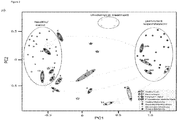
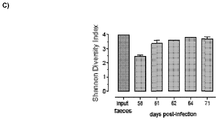
- microbiota of healthy mice was characterized by high species diversity ( Figure 7 ) whereas during clindamycin treatment of naive mice the microbiota was simplified in composition and had an increased proportional abundance of groups such as Enterobacteriaceae ( Figures 7 and 9 ).
- the microbiota from persistent C . difficile 027/BI-7 supershedders was also simplified in structure ( Figure 7 and 9 ), however, it consistently contained 16S rRNA gene sequences derived from C . difficile and Blautia producta and regularly generated 16S rRNA gene sequences representative of well known opportunistic pathogens that have been identified within the microbiota of humans with C .
- Cholate derivatives i.e. Taurocholate and glycocholate
- Taurocholate and glycocholate stimulate metabolically dormant spores to begin growth. Therefore addition of cholate-derivatives to the medium increases the chances of isolating such fastidious bacteria from the sample. This is how we identified one of the six MixB bacteria (Anaerostipes).
- MixB includes three previously described species, Staphylococcus warneri , Enterococcus hirae , Lactobacillus reuteri , and three novel species, Anaerostipes sp. nov., Bacteroidetes sp. nov. and Enterorhabdus sp. nov. (Table 2).
- This mix of bacteria is therefore phylogenetically diverse, including both obligate and facultative anaerobic species, and represents three of the four predominant intestinal microbiota phyla. Importantly, none of these species are known to be overtly pathogenic, they appear to be common inhabitants of the mouse intestine in health and they are phylogenetically distinct from the dominant members of the supershedder microbiota ( Figure 4 ). Given the demonstrated ineffectiveness of autoclaved feces, fecal filtrates, SFCAs and individual bacterial strains it therefore appears that displacement of C. difficile and the supershedder microbiota may require competition from a phylogenetically diverse and physiologically distinct collection of living bacteria.
- FIG. 1 Epidemic C. difficile 027/BI induces a persisting supershedder state with enhanced transmissibility compared to other virulent variants. a) i-ii) hematoxylin and eosin staining to compare cecal pathology of i) healthy, clindamycin treated mice to ii) persistent C . difficile 027/BI-7 supershedders (day 49 post-infection; C57BL/6) that display signs of hyperplasia, edema and immune cell filtrate. Scale bars represent 100 ⁇ m.
- Grey background arrows indicate the shifts in the microbiota profiles of treated mice over a 14-day period.
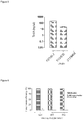
- b)Fecal shedding profiles from supershedder mice (n 5/group) that were treated with MixA, MixB or MixC (Table 2). In the results in this figure, the top line in the graph represents Mix C results; the middle line in the graph represents Mix A results; The line closest to the Y axis which meets the broken horizontal line around day 15 represents Mix B results.
- FIG. 5 Toxin A production by C. difficile 027/BI-7, 012/630 and 017/M68.
- C . difficile 027/BI produced TcdA at 200.3 ng/ ⁇ l
- C . difficile 630/012 produced TcdA at 21.5 ng/ ⁇ l
- C . difficile M68/017 does not produce TcdA.
- Data are from 3 independent experiments with triplicate determinants in each.
- FIG. 6 C . difficile supershedders are highly contagious.
- feces was homogenized in sterile PBS at a concentration of 100 mg/ml and then centrifuged at 14,000 rpm for 10 minutes to separate the bacteria/particulate matter from the soluble fraction which was then filtered through a 0.22 ⁇ m filter. This was referred to as the fecal filtrate.
- SCFA indicates a mixture of acetate:propionate:butyrate in a ratio of 6:1:2 at a concentration of 100 mM that was at pH 6.5.
- Lab adapted E. coli strain C600 was gavaged into mice at a dose of 108 CFU. E. coli colonization was confirmed by culturing feces of supershedder mice. The broken horizontal line indicates the detection limit.
- FIGs 10 Opportunistic pathogens routinely cultured from the feces of epidemic C. difficile 027/BI supershedder mice. Bacteria were identified as described in the Methods section and are shown here streaked onto a UTI diagnostic agar plate (Oxoid, Cambridge, UK).
- FIG. 11 Fecal bacteriotherapy suppresses C. difficile intestinal colonization and diversifies the intestinal bacterial community of supershedder mice.
- FIG 12 Simplified fecal derivatives enriched for easily culturable components effectively suppress the epidemic C. difficile supershedder 027/BI state in mice.
- a) Fecal shedding profiles from supershedder mice (n 5/group) that were treated with healthy feces, a Bacteroides / Lactobacillus mixture ( Bacteroides acidifaciens , Bacteroides vulgatus , Lactobacillus murinus and Lactobacillus reuteri ), feces cultured in Wilkins-Chalgren Anaerobic broth at 37 C either aerobically or anaerobically.
- Pie charts illustrate the composition of the input treatments based on 16S rRNA gene clone libraries for healthy feces, aerobic passaged and anaerobic passaged inputs or based on culturing for the Bacteroides / Lactobacillus mixture.
- FIG. 13 Rarefaction curves demonstrating observed bacterial diversity of feces from healthy, na ⁇ ve mice and its serially passaged derivatives.
- the Chao1 calculator estimated the total community diversity (OTU defined at ⁇ 98% similarity) for the healthy feces as 142 phylotypes (95% confidence interval 105-225), passage 1 as 30 phylotypes (95% confidence interval 27-46), passage 2 as 6 phylotypes (95% confidence interval 5-18) and passage 3 as 4 phylotypes (95% confidence interval 4-4).
- OFTU total community diversity
- C . difficile strains BI-7 (genotype 027/BI; clindamycinR, thiamphenicoIR, erythromycinS), M68 (genotype 017/CF; clindamycinR, thiamphenicolS, erythromycinS) and 630 (genotype 012/R; clindamycinR, thiamphenicolS, erythromycinR) have been described ( 1 , 2 ).
- Culturing of C . difficile for infections and from feces was described previously ( 1 ).
- the samples were serially diluted in sterile PBS, plated on a panel of nutrient agar plates; Luria Bertani, Brain Heart Infusion, Man Rogosa Sharpe, Fastidious anaerobic media, Columbia base media supplemented with 10% defribrinated horse blood, Wilkins-Chalgren anaerobic media (all media from Becton, Dickinson, Oxford, UK) and grown either aerobically or anaerobically at 37° C for 24-72 hours. Distinct colony types were isolated, culture purified and genomic DNA was isolated to sequence the 16S rRNA gene using broad range primers as described in the microbiota section below. 16S rRNA gene sequences were compared to the GenBank and RDP databases to identify the bacterial species.
- TcdA ELISA C . difficile cultures were grown in Wilson's broth ( 1 ) with shaking for 30 h, pelleted by centrifugation and supernatant was removed for TcdA quantification. Microtitre plates (96 well) were coated with capture antibody by adding 50 ⁇ l/well of a 2 ⁇ g/ml solution of anti-TcdA (TGCBiomics GmbH, Mainz, Germany) in PBS, and incubating overnight at 4 °C. Plates were then washed three times in 0.05% Tween20 in PBS (PBS-T) and blocked with 200 ⁇ l 1% BSA (bovine serum albumin) in PBS for 2 h at room temperature. Purified TcdA from C .
- polyclonal swine anti-rabbit IgG conjugated to horseradish peroxidase (Dako, Cambridgeshire, UK) was diluted 1:1000 in 1% BSA-PBS, added to the wells (50 ⁇ l/well) and incubated for 2 h at room temperature. Finally, plates were washed and 100 ⁇ l 3,3',5,5'-tetramethylbenzidine (TMB; Sigma Aldrich, Dorset, UK) substrate was added for 30 min at room temperature in the dark. 50 ⁇ l 0.5 M H2SO4 was added to stop the reaction. Absorbance was then measured at 450 nm on a FLUOStar Omega (BMG Labtech, Bucks, UK).
- TMB 3,3',5,5'-tetramethylbenzidine
- mice Female mice between 5-9 weeks of age and from the genetic backgrounds C57BL/6, C57BL/6 p40-/-, C3H/HeN and C3H/HeJ were routinely used. Mice to be used as C . difficile spore donors were infected with 105 C . difficile cells via oral gavage and immediately clindamycin (250 mg/L; Apollo Scientific Ltd, Chesire, UK) was added to the drinking water for 1 week to induce high-level spore excretion. To infect experimental mice, one petri dish of contaminated bedding was removed from spore donor cages, placed into recipient mice cages and clindamycin (250 mg/L) was added to the drinking water for 1 week to induce the supershedder phenotype.
- clindamycin 250 mg/L
- mice To infect germ-free C3H/HeN mice, the feces of supershedder mice was collected, diluted in serial PBS and inoculated into mice via oral gavage. To suppress infection, vancomycin (300 mg/L; Sigma Aldrich, York, UK) was added to the drinking water for 10 days. To assess impact of infection, mice were sacrificed at indicated times and cecal tissue was aseptically collected and fixed for pathology as described (1), or fixed for RNA extractions by immersing samples in RNA-later (Applied Biosystems, Warrington, UK).
- Bacteriotherapy treatment To prepare input for bacteriotherapy, 1 gram of fresh feces was collected from 5 naive mice, homogenized in 5 ml of sterile PBS and centrifuged for 30 seconds at 14,000 RPM to pellet the particulate matter. The supernatant slurry was collected and 200 ⁇ l was gavaged into each mouse within 30 minutes of excretion. To create the defined bacterial mixtures, individual bacteria were grown in Wilkins-Chalgren broth ( Lactobacillus in Man Rogosa Sharpe broth) for 48-72 hours under anaerobic conditions at 37 C. Bacteria were harvested by centrifugation and re-suspending the pellet in 2 mls of sterile, pre-reduced PBS.
- Wilkins-Chalgren broth Lactobacillus in Man Rogosa Sharpe broth
- the 20 ml cultures were pelleted and then resuspended into 2 ml of sterile PBS pre-warmed to 37 C under aerobic or anaerobic conditions. Based on visual counts, approximately 4x10⁸ (anaerobic passage) and 8x10⁸ (aerobic passage) bacteria were gavaged into each mouse in a 200 ⁇ l volume.
- RNA purification from cecal mucosal tissue was performed using a Qiagen RNeasy mini kit (Qiagen, Austin, TX, USA) according to the manufacturer's protocol. Quality control and quantification were performed using Bioanalyzer 2100 (Agilent Technologies, Palo Alto, CA, USA) and Nanodrop ND100 (Nanodrop Technologies, Wilminton, DE). RNA samples were then amplified and labelled using the Illumina TotalPrep 96 kit (Ambion, Austin, TX, USA) and hybridized onto IlluminaTM Mouse WG-6-V2 Beadchips (Illumina, San Diego, CA, USA). The chips were scanned on an Illumina BeadArray Reader and raw intensities were extracted using Illumina BeadStudio Gene Expression Module.
- IL-6, iNOS and Ly6G was normalized to Gapdh mRNA.
- TaqMan primers and probes were designed to span exon junctions or to lie in different exons to prevent amplification of genomic DNA, as described (4). Primer and probe sequences are shown in Table 3. Probes were labelled with the reporter dye FAM at the 5'- and the quencher dye TAMRA at the 3'-end. Transmission experiments. Protocols to test the contagiousness of infected donors (supershedders or carriers) have been described ( 1 ). To compare the contagiousness of different C. difficile strains mice infected with either C.
- the species diversity in each sample was measured by calculating the Shannon Diversity Index, which takes into account both species richness and relative proportional abundance (evenness), using the mothur software package ( 8 ). Rarefaction curves and Chao1 estimates of total bacterial diversity were also calculated in mothur ( 8 ).
- Cluster dendrograms and PCA plots were based on a master alignment, which was built using the RDP aligner and subjected to manual curation. Using this alignment a distance matrix, with Felsenstein correction, was created using ARB. The distance matrix was then used as an input for DOTUR ( 9 ) using a 98% identity cut-off under the default furthest-neighbor setting. Sequences with >98% phylogenetic similarity were regarded as belonging to the same OTU. These OTUs were then used to calculate cluster dendrograms, using the Bray Curtis calculator, in the mothur package ( 8 ). 336 OTUs (12,308 clones) contributed to this analysis.
- the cecal contents from 5 mice per group were pooled and then resuspended in sterile PBS at a concentration of 500 mg/ml, homogenized and centrifuged at 14,000 rpm for 10 minutes. Supernatant was collected, acidified and following conversion to t- butyldimethylsilyl derivatives were analyzed by gas chromatography ( 11 ).
Landscapes
- Life Sciences & Earth Sciences (AREA)
- Health & Medical Sciences (AREA)
- Chemical & Material Sciences (AREA)
- Microbiology (AREA)
- Organic Chemistry (AREA)
- General Health & Medical Sciences (AREA)
- Molecular Biology (AREA)
- Proteomics, Peptides & Aminoacids (AREA)
- Mycology (AREA)
- Zoology (AREA)
- Engineering & Computer Science (AREA)
- Wood Science & Technology (AREA)
- Analytical Chemistry (AREA)
- Epidemiology (AREA)
- Public Health (AREA)
- Veterinary Medicine (AREA)
- Animal Behavior & Ethology (AREA)
- Pharmacology & Pharmacy (AREA)
- Medicinal Chemistry (AREA)
- Physics & Mathematics (AREA)
- Genetics & Genomics (AREA)
- General Engineering & Computer Science (AREA)
- Bioinformatics & Cheminformatics (AREA)
- Biotechnology (AREA)
- Biochemistry (AREA)
- Biophysics (AREA)
- Immunology (AREA)
- Toxicology (AREA)
- Micro-Organisms Or Cultivation Processes Thereof (AREA)
- Measuring Or Testing Involving Enzymes Or Micro-Organisms (AREA)
- Medicines Containing Material From Animals Or Micro-Organisms (AREA)
Applications Claiming Priority (4)
| Application Number | Priority Date | Filing Date | Title |
|---|---|---|---|
| GBGB1208845.6A GB201208845D0 (en) | 2012-05-18 | 2012-05-18 | Methods and groups |
| GBGB1211961.6A GB201211961D0 (en) | 2012-07-05 | 2012-07-05 | Methods and groups |
| EP13725429.8A EP2850202B1 (fr) | 2012-05-18 | 2013-05-20 | Procédés et groupes |
| PCT/GB2013/051298 WO2013171515A1 (fr) | 2012-05-18 | 2013-05-20 | Procédés et groupes |
Related Parent Applications (1)
| Application Number | Title | Priority Date | Filing Date |
|---|---|---|---|
| EP13725429.8A Division EP2850202B1 (fr) | 2012-05-18 | 2013-05-20 | Procédés et groupes |
Publications (1)
| Publication Number | Publication Date |
|---|---|
| EP3686284A1 true EP3686284A1 (fr) | 2020-07-29 |
Family
ID=48534438
Family Applications (2)
| Application Number | Title | Priority Date | Filing Date |
|---|---|---|---|
| EP13725429.8A Active EP2850202B1 (fr) | 2012-05-18 | 2013-05-20 | Procédés et groupes |
| EP20156450.7A Pending EP3686284A1 (fr) | 2012-05-18 | 2013-05-20 | Procédés et groupes |
Family Applications Before (1)
| Application Number | Title | Priority Date | Filing Date |
|---|---|---|---|
| EP13725429.8A Active EP2850202B1 (fr) | 2012-05-18 | 2013-05-20 | Procédés et groupes |
Country Status (5)
| Country | Link |
|---|---|
| US (3) | US10130665B2 (fr) |
| EP (2) | EP2850202B1 (fr) |
| DK (1) | DK2850202T3 (fr) |
| ES (1) | ES2792106T3 (fr) |
| WO (1) | WO2013171515A1 (fr) |
Families Citing this family (59)
| Publication number | Priority date | Publication date | Assignee | Title |
|---|---|---|---|---|
| DK3564357T3 (da) | 2010-02-01 | 2022-06-20 | Rebiotix Inc | Bakterieterapi mod clostridium difficile colitis |
| GB201117313D0 (en) | 2011-10-07 | 2011-11-16 | Gt Biolog Ltd | Bacterium for use in medicine |
| US10130665B2 (en) | 2012-05-18 | 2018-11-20 | Genome Research Limited | Method for identifying bacteria for bacteriotherapy |
| SG11201503966PA (en) | 2012-11-23 | 2015-06-29 | Seres Health Inc | Synergistic bacterial compositions and methods of production and use thereof |
| US8906668B2 (en) | 2012-11-23 | 2014-12-09 | Seres Health, Inc. | Synergistic bacterial compositions and methods of production and use thereof |
| JP2016509003A (ja) | 2013-02-04 | 2016-03-24 | セレス セラピューティクス インコーポレイテッド | 組成物および方法 |
| US10973861B2 (en) | 2013-02-04 | 2021-04-13 | Seres Therapeutics, Inc. | Compositions and methods |
| WO2014145958A2 (fr) | 2013-03-15 | 2014-09-18 | Seres Health, Inc. | Compositions microbiennes et procédés associés basés sur un réseau |
| GB201312713D0 (en) * | 2013-03-22 | 2013-08-28 | Weaver Connie M | Uses of soluble corn fibre for increasing colonic bacteria populations and increasing mineral absorption |
| GB201306536D0 (en) | 2013-04-10 | 2013-05-22 | Gt Biolog Ltd | Polypeptide and immune modulation |
| US9694039B2 (en) | 2013-06-05 | 2017-07-04 | Rebiotix, Inc. | Microbiota restoration therapy (MRT), compositions and methods of manufacture |
| US9782445B2 (en) | 2013-06-05 | 2017-10-10 | Rebiotix, Inc. | Microbiota restoration therapy (MRT), compositions and methods of manufacture |
| US9511100B2 (en) | 2013-06-05 | 2016-12-06 | Rebiotix, Inc. | Microbiota restoration therapy (MRT), compositions and methods of manufacture |
| KR102099503B1 (ko) | 2013-06-05 | 2020-04-09 | 리바이오틱스, 인코퍼레이티드 | 미생물상 복원 요법(mrt) 조성물 |
| US10383901B2 (en) | 2013-06-05 | 2019-08-20 | Rebiotix, Inc. | Microbiota restoration therapy (MRT), compositions and methods of manufacture |
| US9511099B2 (en) | 2013-06-05 | 2016-12-06 | Rebiotix, Inc. | Microbiota restoration therapy (MRT), compositions and methods of manufacture |
| CN105979952B (zh) | 2013-11-25 | 2022-04-08 | 赛里斯治疗公司 | 协同细菌组合物以及其制造方法和用途 |
| US9956282B2 (en) | 2013-12-16 | 2018-05-01 | Seres Therapeutics, Inc. | Bacterial compositions and methods of use thereof for treatment of immune system disorders |
| US20170087196A1 (en) | 2014-05-19 | 2017-03-30 | Memorial Sloan-Kettering Cancer Center | Methods and compositions for reducing clostridium difficile infection |
| KR102224649B1 (ko) * | 2014-11-14 | 2021-03-05 | 바이오메리카인코포레이티드 | Ibs 민감도 테스트 구성, 장치 및 방법 |
| EP3400953A1 (fr) | 2014-12-23 | 2018-11-14 | 4D Pharma Research Limited | Polypeptide pirin et modulation immunitaire |
| AR103260A1 (es) | 2014-12-23 | 2017-04-26 | 4D Pharma Res Ltd | Modulación inmunitaria |
| WO2016139217A1 (fr) | 2015-03-04 | 2016-09-09 | Ab-Biotics, S.A. | Composition comprenant un microbiote intestinal humain cultivé en conditions anaérobies |
| US10356832B2 (en) * | 2015-05-11 | 2019-07-16 | Qualcomm Incorporated | Introduction of powered relay for device-to-device communication |
| US10799539B2 (en) | 2015-06-09 | 2020-10-13 | Rebiotix, Inc. | Microbiota restoration therapy (MRT) compositions and methods of manufacture |
| ES2889902T3 (es) | 2015-06-09 | 2022-01-14 | Rebiotix Inc | Métodos de fabricación de composiciones para terapia de restauración de la microbiota (TRM) |
| US10905726B2 (en) | 2015-06-09 | 2021-02-02 | Rebiotix, Inc. | Microbiota restoration therapy (MRT) compositions and methods of manufacture |
| US10828340B2 (en) | 2015-06-09 | 2020-11-10 | Rebiotix, Inc. | Microbiota restoration therapy (MRT) compositions and methods of manufacture |
| MA41010B1 (fr) | 2015-06-15 | 2020-01-31 | 4D Pharma Res Ltd | Compositions comprenant des souches bactériennes |
| SMT201900588T1 (it) | 2015-06-15 | 2019-11-13 | 4D Pharma Res Limited | Blautia stercoris e wexlerae per uso nel trattamento di malattie infiammatorie ed autoimmuni |
| MA41060B1 (fr) | 2015-06-15 | 2019-11-29 | 4D Pharma Res Ltd | Compositions comprenant des souches bactériennes |
| NZ737752A (en) | 2015-06-15 | 2022-02-25 | 4D Pharma Res Ltd | Compositions comprising bacterial strains |
| WO2016203221A1 (fr) | 2015-06-15 | 2016-12-22 | 4D Pharma Research Limited | Compositions comprenant des souches bactériennes |
| EP3319619A4 (fr) * | 2015-07-08 | 2019-01-02 | Seres Therapeutics, Inc. | Méthodes de traitement de la colite |
| CN107113823B (zh) * | 2015-07-10 | 2020-04-28 | 华为技术有限公司 | 信道接入期的分配方法、装置及系统 |
| CN108513545B (zh) | 2015-11-20 | 2020-11-03 | 4D制药研究有限公司 | 包含细菌菌株的组合物 |
| GB201520497D0 (en) | 2015-11-20 | 2016-01-06 | 4D Pharma Res Ltd | Compositions comprising bacterial strains |
| GB201612191D0 (en) | 2016-07-13 | 2016-08-24 | 4D Pharma Plc | Compositions comprising bacterial strains |
| ME03487B (fr) | 2016-03-04 | 2020-01-20 | 4D Pharma Plc | Compositions comprenant des souches bactériennes de blautia pour le traitement de l'hypersensibilité viscérale |
| PL3445380T6 (pl) * | 2016-04-19 | 2025-05-05 | Genome Research Limited | Bakterioterapia |
| CA3226196A1 (fr) | 2016-06-14 | 2017-12-21 | Vedanta Biosciences, Inc. | Traitement d'une infection par clostridium difficile |
| US9999641B2 (en) | 2016-06-14 | 2018-06-19 | Vedanta Biosciences, Inc. | Treatment of clostridium difficile infection |
| EP3497447B1 (fr) | 2016-07-08 | 2024-09-04 | Biomerica, Inc. | Compositions, dispositifs, et procédés d'évaluation de la sensibilité à la depression |
| TWI802545B (zh) | 2016-07-13 | 2023-05-21 | 英商4D製藥有限公司 | 包含細菌菌株之組合物 |
| GB201617519D0 (en) * | 2016-10-14 | 2016-11-30 | Genetic Analysis As | A companion diagnostic method for use in the treatment of irritable bowel syndrome with dietary interventions or faecal microbiota transplant |
| GB201621123D0 (en) | 2016-12-12 | 2017-01-25 | 4D Pharma Plc | Compositions comprising bacterial strains |
| DK3630136T3 (da) | 2017-05-22 | 2021-05-25 | 4D Pharma Res Ltd | Sammensætninger, der omfatter bakteriestammer |
| EP3630942B1 (fr) | 2017-05-24 | 2022-11-30 | 4D Pharma Research Limited | Compositions comprenant des souches bactériennes |
| CA3066189A1 (fr) | 2017-06-14 | 2018-12-20 | 4D Pharma Research Limited | Compositions comprenant des souches bacteriennes |
| SMT202000695T1 (it) | 2017-06-14 | 2021-01-05 | 4D Pharma Res Limited | Composizioni comprendenti ceppi batterici |
| SMT202000555T1 (it) | 2017-06-14 | 2020-11-10 | 4D Pharma Res Limited | Composizioni comprendenti un ceppo batterico del genere megaspaera e loro usi |
| EP3668527A1 (fr) | 2017-08-14 | 2020-06-24 | Seres Therapeutics, Inc. | Compositions et méthodes de traitement de la maladie cholestatique |
| BR112020008552A2 (pt) | 2017-10-30 | 2020-12-29 | Seres Therapeutics, Inc. | métodos e composições para tratamento de resistência a antibiótico |
| AU2019321681A1 (en) | 2018-08-17 | 2021-02-25 | Vedanta Biosciences, Inc. | Methods of decreasing dysbiosis and restoring a microbiome |
| US20220233612A1 (en) * | 2019-05-31 | 2022-07-28 | South Dakota Board Of Regents Technology Transfer Office | Probiotics to inhibit enteric pathogens |
| GB201911728D0 (en) | 2019-08-15 | 2019-10-02 | Genome Res Ltd | Bacterial composistions for the treatment of disease |
| US20230201265A1 (en) * | 2020-03-31 | 2023-06-29 | Finch Therapeutics Holdings Llc | Compositions comprising non-viable fecal microbiota and methods of use thereof |
| GB202007452D0 (en) | 2020-05-19 | 2020-07-01 | Microbiotica Ltd | Threrapeutic bacterial composition |
| GB202015687D0 (en) | 2020-10-02 | 2020-11-18 | Microbiotica Ltd | Therapeutic composition |
Citations (6)
| Publication number | Priority date | Publication date | Assignee | Title |
|---|---|---|---|---|
| WO1997009886A1 (fr) * | 1995-09-15 | 1997-03-20 | Gerding Dale N | Procedes et compositions pour prevenir et traiter les maladies associees a clostridium difficile |
| US5733568A (en) | 1993-12-03 | 1998-03-31 | Lafor Laboratories Limited | Micro-encapsulated lactobacilli for medical applications |
| WO2002007741A1 (fr) * | 2000-07-25 | 2002-01-31 | Borody Thomas J | Therapie par recolonisation avec des probiotiques |
| WO2011033310A1 (fr) * | 2009-09-17 | 2011-03-24 | William John Martin | Flore intestinale encapsulée extraite de fèces destinée à être utilisée dans le traitement de troubles gastro-intestinaux |
| WO2011094027A1 (fr) * | 2010-02-01 | 2011-08-04 | Hlavka Edwin J | Bactériothérapie permettant de soigner une colite à clostridium difficile |
| WO2013053836A1 (fr) * | 2011-10-11 | 2013-04-18 | Quantum Pharmaceuticals Sa | Composition comprenant un microbiote intestinal humain cultivé en conditions anaérobie |
Family Cites Families (5)
| Publication number | Priority date | Publication date | Assignee | Title |
|---|---|---|---|---|
| US6461607B1 (en) | 1998-08-24 | 2002-10-08 | Ganeden Biotech, Inc. | Probiotic, lactic acid-producing bacteria and uses thereof |
| AU2004280375B2 (en) * | 2003-10-02 | 2008-05-15 | Nestec S.A. | Prebiotic effect analysis |
| GB0405540D0 (en) * | 2004-03-11 | 2004-04-21 | Glaxo Group Ltd | Novel use |
| FI122247B (fi) * | 2009-08-12 | 2011-10-31 | Vetcare Oy | Probioottinen valmiste koiran maha- ja suolistokanavassa ilmenevien häiriöiden ennaltaehkäisemiseksi tai hoitamiseksi |
| US10130665B2 (en) | 2012-05-18 | 2018-11-20 | Genome Research Limited | Method for identifying bacteria for bacteriotherapy |
-
2013
- 2013-05-20 US US14/402,033 patent/US10130665B2/en active Active
- 2013-05-20 WO PCT/GB2013/051298 patent/WO2013171515A1/fr not_active Ceased
- 2013-05-20 ES ES13725429T patent/ES2792106T3/es active Active
- 2013-05-20 EP EP13725429.8A patent/EP2850202B1/fr active Active
- 2013-05-20 DK DK13725429.8T patent/DK2850202T3/da active
- 2013-05-20 EP EP20156450.7A patent/EP3686284A1/fr active Pending
-
2018
- 2018-10-22 US US16/167,005 patent/US11446341B2/en active Active
- 2018-10-22 US US16/167,009 patent/US20190240269A1/en not_active Abandoned
Patent Citations (6)
| Publication number | Priority date | Publication date | Assignee | Title |
|---|---|---|---|---|
| US5733568A (en) | 1993-12-03 | 1998-03-31 | Lafor Laboratories Limited | Micro-encapsulated lactobacilli for medical applications |
| WO1997009886A1 (fr) * | 1995-09-15 | 1997-03-20 | Gerding Dale N | Procedes et compositions pour prevenir et traiter les maladies associees a clostridium difficile |
| WO2002007741A1 (fr) * | 2000-07-25 | 2002-01-31 | Borody Thomas J | Therapie par recolonisation avec des probiotiques |
| WO2011033310A1 (fr) * | 2009-09-17 | 2011-03-24 | William John Martin | Flore intestinale encapsulée extraite de fèces destinée à être utilisée dans le traitement de troubles gastro-intestinaux |
| WO2011094027A1 (fr) * | 2010-02-01 | 2011-08-04 | Hlavka Edwin J | Bactériothérapie permettant de soigner une colite à clostridium difficile |
| WO2013053836A1 (fr) * | 2011-10-11 | 2013-04-18 | Quantum Pharmaceuticals Sa | Composition comprenant un microbiote intestinal humain cultivé en conditions anaérobie |
Non-Patent Citations (35)
| Title |
|---|
| "GenBank", Database accession no. HE608150 |
| 0. SCHREIBER ET AL.: "Lactobacillus reuteri prevents colitis by reducing P-selectin-associated leukocyte- and platelet-endothelial cell interactions", AM J PHYSIOL GASTROINTEST LIVER PHYSIOL, vol. 296, March 2009 (2009-03-01), pages G534 |
| A. C. CLEMENTSR. J. MAGALHAESA. J. TATEMD. L. PATERSONT. V. RILEY: "Clostridium difficile PCR ribotype 027: assessing the risks of further worldwide spread", THE LANCET INFECTIOUS DISEASES, vol. 10, June 2010 (2010-06-01), pages 395 |
| A. J. RICHARDSONA. G. CALDERC. S. STEWARTA. SMITH: "Simultaneous determination of volatile and non-volatile acidic fermentation products of anaerobes by capillary gas chromatography", LETTERS IN APPLIED MICROBIOLOGY, vol. 9, 1989, pages 5 |
| A. L. DELCHERK. A. BRATKEE. C. POWERSS. L. SALZBERG: "Identifying bacterial genes and endosymbiont DNA with Glimmer", BIOINFORMATICS, vol. 23, 15 March 2007 (2007-03-15), pages 673 |
| A. W. WALKER ET AL.: "Dominant and diet-responsive groups of bacteria within the human colonic microbiota", THE ISMEJOURNAL, vol. 5, 5 August 2011 (2011-08-05), pages 220 |
| BAKKEN JOHAN S: "Fecal bacteriotherapy for recurrent Clostridium difficile infection", ANAEROBE,, vol. 15, no. 6, 1 January 2009 (2009-01-01), pages 285 - 289, XP009161367, ISSN: 1095-8274 * |
| C. J. ROBINSONB. J. BOHANNANV. B. YOUNG: "From structure to function: the ecology of host-associated microbial communities", MICROBIOL MOL BIOL REV, vol. 74, September 2010 (2010-09-01), pages 453 |
| D. N. GERDING: "Clindamycin, cephalosporins, fluoroquinolones, and Clostridium difficile-associated diarrhea: this is an antimicrobial resistance problem", CLINICAL INFECTIOUS DISEASES : AN OFFICIAL PUBLICATION OF THE INFECTIOUS DISEASES SOCIETY OF AMERICA, vol. 38, 1 March 2004 (2004-03-01), pages 646 |
| D. R. ZERBINOE. BIRNEY: "Velvet: algorithms for de novo short read assembly using de Bruijn graphs", GENOME RESEARCH, vol. 18, May 2008 (2008-05-01), pages 821, XP008096312, DOI: 10.1101/gr.074492.107 |
| E. J. KUIPERSC. M. SURAWICZ: "Clostridium difficile infection", LANCET, vol. 371, 3 May 2008 (2008-05-03), pages 1486 |
| I. LETUNICP. BORK: "Interactive Tree Of Life (iTOL): an online tool for phylogenetic tree display and annotation", BIOINFORMATICS, vol. 23, 1 January 2007 (2007-01-01), pages 127 |
| J. GERTZJ. C. FAYB. A. COHEN: "Phylogeny based discovery of regulatory elements", BMC BIOINFORMATICS, vol. 7, 2006, pages 266, XP021013775, DOI: 10.1186/1471-2105-7-266 |
| J. R. COLE ET AL.: "The Ribosomal Database Project: improved alignments and new tools for rRNA analysis", NUCLEIC ACIDS RES, vol. 37, January 2009 (2009-01-01), pages D141, XP055337924, DOI: 10.1093/nar/gkn879 |
| J. S. BAKKEN ET AL.: "Treating Clostridium difficile infection with fecal microbiota transplantation", CLINICAL GASTROENTEROLOGY AND HEPATOLOGY : THE OFFICIAL CLINICAL PRACTICE JOURNAL OF THE AMERICAN GASTROENTEROLOGICAL ASSOCIATION, vol. 9, December 2011 (2011-12-01), pages 1044, XP009155259, DOI: 10.1016/j.cgh.2011.08.014 |
| J. Y. CHANG ET AL.: "Decreased diversity of the fecal microbiome in recurrent Clostridium difficile- associated diarrhea", 1 INFECT DIS, vol. 197, 1 February 2008 (2008-02-01), pages 435 |
| L. C. MCDONALD ET AL.: "An epidemic, toxin gene-variant strain of Clostridium difficile", THE NEW ENGLAND JOURNAL OF MEDICINE, vol. 353, 8 December 2005 (2005-12-08), pages 2433 |
| M. HE ET AL.: "Evolutionary dynamics of Clostridium difficile over short and long time scales", PROCEEDINGS OF THE NATIONAL ACADEMY OF SCIENCES OF THE UNITED STATES OF AMERICA, vol. 107, 20 April 2010 (2010-04-20), pages 7527, XP002631050, DOI: 10.1073/pnas.0914322107 |
| M. N. PRICEP. S. DEHALA. P. ARKIN: "FastTree 2--approximately maximum-likelihood trees for large alignments", PLOS ONE, vol. 5, pages e9490 |
| M. TVEDEJ. RASK-MADSEN: "Bacteriotherapy for chronic relapsing Clostridium difficile diarrhoea in six patients", LANCET, vol. 1, 27 May 1989 (1989-05-27), pages 1156, XP000985182, DOI: 10.1016/S0140-6736(89)92749-9 |
| M. WARNY: "Toxin production by an emerging strain of Clostridium difficile associated with outbreaks of severe disease in North America and Europe", LANCET, vol. 366, 24 September 2005 (2005-09-24), pages 1079, XP025277768, DOI: 10.1016/S0140-6736(05)67420-X |
| P. D. SCHLOSS ET AL.: "Introducing mothur: open-source, platform-independent, community-supported software for describing and comparing microbial communities", APPLIED AND ENVIRONMENTAL MICROBIOLOGY, vol. 75, December 2009 (2009-12-01), pages 7537, XP055154024, DOI: 10.1128/AEM.01541-09 |
| P. D. SCHLOSSJ. HANDELSMAN: "Introducing DOTUR, a computer program for defining operational taxonomic units and estimating species richness", APPLIED AND ENVIRONMENTAL MICROBIOLOGY, vol. 71, March 2005 (2005-03-01), pages 1501, XP008149627, DOI: 10.1128/AEM.71.3.1501-1506.2005 |
| R. P. VONBERG ET AL.: "Infection control measures to limit the spread of Clostridium difficile", CLINICAL MICROBIOLOGY AND INFECTION : THE OFFICIAL PUBLICATION OF THE EUROPEAN SOCIETY OF CLINICAL MICROBIOLOGY AND INFECTIOUS DISEASES, vol. 14, no. 5, May 2008 (2008-05-01), pages 2 |
| R. PALMER: "Fecal matters", NATURE MEDICINE, vol. 17, February 2011 (2011-02-01), pages 150 |
| R. RAD: "CD25+/Foxp3+ T cells regulate gastric inflammation and Helicobacter pylori colonization in vivo", GASTROENTEROLOGY, vol. 131, 2006, pages 525, XP005587448, DOI: 10.1053/j.gastro.2006.05.001 |
| S. K. MAZMANIANJ. L. ROUNDD. L. KASPER: "A microbial symbiosis factor prevents intestinal inflammatory disease", NATURE, vol. 453, 29 May 2008 (2008-05-29), pages 620, XP002560841, DOI: 10.1038/nature07008 |
| T. D. LAWLEY ET AL.: "Antibiotic treatment of clostridium difficile carrier mice triggers a supershedder state, spore-mediated transmission, and severe disease in immunocompromised hosts", INFECTION AND IMMUNITY, vol. 77, September 2009 (2009-09-01), pages 3661 |
| T. D. LAWLEY ET AL.: "Proteomic and genomic characterization of highly infectious Clostridium difficile 630 spores", JOURNAL OF BACTERIOLOGY, vol. 191, September 2009 (2009-09-01), pages 5377, XP002680262, DOI: 10.1128/JB.00597-09 |
| T. J. BORODY ET AL.: "Bacteriotherapy using fecal flora: toying with human motions", J CLIN GASTROENTEROL, vol. 38, July 2004 (2004-07-01), pages 475 |
| TREVOR D. LAWLEY ET AL: "Targeted Restoration of the Intestinal Microbiota with a Simple, Defined Bacteriotherapy Resolves Relapsing Clostridium difficile Disease in Mice", PLOS PATHOGENS, vol. 8, no. 10, 25 October 2012 (2012-10-25), pages e1002995, XP055077330, ISSN: 1553-7366, DOI: 10.1371/journal.ppat.1002995 * |
| TVEDE M ET AL: "BACTERIOTHERAPY FOR CHRONIC RELAPSING CLOSTRIDIUM DIFFICILE DIARRHOEA IN SIX PATIENTS", THE LANCET, LANCET LIMITED. LONDON, GB, vol. 1, no. 8648, 27 May 1989 (1989-05-27), pages 1156 - 1160, XP000985182, ISSN: 0140-6736, DOI: 10.1016/S0140-6736(89)92749-9 * |
| V. G. LOO: "A predominantly clonal multi-institutional outbreak of Clostridium difficile-associated diarrhea with high morbidity and mortality", THE NEW ENGLAND JOURNAL OF MEDICINE, vol. 353, 8 December 2005 (2005-12-08), pages 2442 |
| W. LUDWIG ET AL.: "ARB: a software environment for sequence data", NUCLEIC ACIDS RES, vol. 32, 2004, pages 1363, XP008137184, DOI: 10.1093/nar/gkh293 |
| Y. HOCHBERGY. BENJAMINI: "More powerful procedures for multiple significance testing", STAT MED, vol. 9, July 1990 (1990-07-01), pages 811 |
Also Published As
| Publication number | Publication date |
|---|---|
| EP2850202B1 (fr) | 2020-03-11 |
| DK2850202T3 (da) | 2020-05-18 |
| US20190240269A1 (en) | 2019-08-08 |
| US11446341B2 (en) | 2022-09-20 |
| US10130665B2 (en) | 2018-11-20 |
| US20190209627A1 (en) | 2019-07-11 |
| US20160022746A1 (en) | 2016-01-28 |
| WO2013171515A1 (fr) | 2013-11-21 |
| EP2850202A1 (fr) | 2015-03-25 |
| ES2792106T3 (es) | 2020-11-10 |
Similar Documents
| Publication | Publication Date | Title |
|---|---|---|
| US11446341B2 (en) | Method for the identification of bacteria | |
| AU2021215181B2 (en) | Methods and compositions for reducing vancomycin-resistant enterococci infection or colonization | |
| Lawley et al. | Targeted restoration of the intestinal microbiota with a simple, defined bacteriotherapy resolves relapsing Clostridium difficile disease in mice | |
| Zmora et al. | Personalized gut mucosal colonization resistance to empiric probiotics is associated with unique host and microbiome features | |
| Toscano et al. | A consumer’s guide for probiotics: 10 golden rules for a correct use | |
| ES2987655T7 (en) | Bacteriotherapy | |
| US20210069262A1 (en) | Compositions comprising co-selected microbiota and methods for use thereof | |
| Yildiz et al. | Respiratory tissue-associated commensal bacteria offer therapeutic potential against pneumococcal colonization | |
| US20150104423A1 (en) | Use of blood group status iii | |
| US20210269860A1 (en) | Person-specific assessment of probiotics responsiveness | |
| WO2012013861A2 (fr) | Utilisation de statut de groupe sanguin de type iii | |
| Hansen et al. | A review of applied aspects of dealing with gut microbiota impact on rodent models | |
| Shimizu et al. | Membrane filter method to study the effects of Lactobacillus acidophilus and Bifidobacterium longum on fecal microbiota | |
| US20240350563A1 (en) | Biotherapeutic enterococcus isolates | |
| Charaslertrangsi | Developing the multi-stage gut simulator system to study gut microbiota | |
| Craven | Optimizing Fecal Microbiota Transplantations For Therapeutic Use Beyond Clostridioides difficile Infection | |
| Wang et al. | Corrigendum: Alterations of Gut | |
| JP2024534722A5 (fr) | ||
| WO2012013862A1 (fr) | Utilisation du statut de groupe sanguin | |
| Liu | Genomic and metagenomic studies of the gut and skin microbiome with probiotic applications | |
| Garcia-Mazcorro | Evaluation of the gastrointestinal microbiota in response to dietary and therapeutic factors in cats and dogs using molecular methods | |
| Berg | High-Throughput Analysis of the Intestinal Microbiota in Clostridium Difficile-Associated Disease | |
| TERMINAL-RESTRICTION | Toni A Chapman and James JC Chin | |
| Huang | Persistent Airway Microbiota in HIV-Positive Pneumonia Patients Recieving Antibiotics |
Legal Events
| Date | Code | Title | Description |
|---|---|---|---|
| PUAI | Public reference made under article 153(3) epc to a published international application that has entered the european phase |
Free format text: ORIGINAL CODE: 0009012 |
|
| STAA | Information on the status of an ep patent application or granted ep patent |
Free format text: STATUS: THE APPLICATION HAS BEEN PUBLISHED |
|
| AC | Divisional application: reference to earlier application |
Ref document number: 2850202 Country of ref document: EP Kind code of ref document: P |
|
| AK | Designated contracting states |
Kind code of ref document: A1 Designated state(s): AL AT BE BG CH CY CZ DE DK EE ES FI FR GB GR HR HU IE IS IT LI LT LU LV MC MK MT NL NO PL PT RO RS SE SI SK SM TR |
|
| STAA | Information on the status of an ep patent application or granted ep patent |
Free format text: STATUS: REQUEST FOR EXAMINATION WAS MADE |
|
| 17P | Request for examination filed |
Effective date: 20210122 |
|
| RBV | Designated contracting states (corrected) |
Designated state(s): AL AT BE BG CH CY CZ DE DK EE ES FI FR GB GR HR HU IE IS IT LI LT LU LV MC MK MT NL NO PL PT RO RS SE SI SK SM TR |
|
| STAA | Information on the status of an ep patent application or granted ep patent |
Free format text: STATUS: EXAMINATION IS IN PROGRESS |
|
| 17Q | First examination report despatched |
Effective date: 20230925 |
|
| RAP3 | Party data changed (applicant data changed or rights of an application transferred) |
Owner name: GENOME RESEARCH LIMITED |