EP3687538B1 - Méthodes de traitement du cholestérol plasmatique élevé - Google Patents
Méthodes de traitement du cholestérol plasmatique élevé Download PDFInfo
- Publication number
- EP3687538B1 EP3687538B1 EP18874508.7A EP18874508A EP3687538B1 EP 3687538 B1 EP3687538 B1 EP 3687538B1 EP 18874508 A EP18874508 A EP 18874508A EP 3687538 B1 EP3687538 B1 EP 3687538B1
- Authority
- EP
- European Patent Office
- Prior art keywords
- alkyl
- benzyl
- compound
- inhibitor
- phenyl
- Prior art date
- Legal status (The legal status is an assumption and is not a legal conclusion. Google has not performed a legal analysis and makes no representation as to the accuracy of the status listed.)
- Active
Links
Images







Classifications
-
- A—HUMAN NECESSITIES
- A61—MEDICAL OR VETERINARY SCIENCE; HYGIENE
- A61K—PREPARATIONS FOR MEDICAL, DENTAL OR TOILETRY PURPOSES
- A61K31/00—Medicinal preparations containing organic active ingredients
- A61K31/33—Heterocyclic compounds
- A61K31/395—Heterocyclic compounds having nitrogen as a ring hetero atom, e.g. guanethidine or rifamycins
- A61K31/435—Heterocyclic compounds having nitrogen as a ring hetero atom, e.g. guanethidine or rifamycins having six-membered rings with one nitrogen as the only ring hetero atom
- A61K31/44—Non condensed pyridines; Hydrogenated derivatives thereof
-
- C—CHEMISTRY; METALLURGY
- C07—ORGANIC CHEMISTRY
- C07D—HETEROCYCLIC COMPOUNDS
- C07D213/00—Heterocyclic compounds containing six-membered rings, not condensed with other rings, with one nitrogen atom as the only ring hetero atom and three or more double bonds between ring members or between ring members and non-ring members
- C07D213/02—Heterocyclic compounds containing six-membered rings, not condensed with other rings, with one nitrogen atom as the only ring hetero atom and three or more double bonds between ring members or between ring members and non-ring members having three double bonds between ring members or between ring members and non-ring members
- C07D213/04—Heterocyclic compounds containing six-membered rings, not condensed with other rings, with one nitrogen atom as the only ring hetero atom and three or more double bonds between ring members or between ring members and non-ring members having three double bonds between ring members or between ring members and non-ring members having no bond between the ring nitrogen atom and a non-ring member or having only hydrogen or carbon atoms directly attached to the ring nitrogen atom
- C07D213/60—Heterocyclic compounds containing six-membered rings, not condensed with other rings, with one nitrogen atom as the only ring hetero atom and three or more double bonds between ring members or between ring members and non-ring members having three double bonds between ring members or between ring members and non-ring members having no bond between the ring nitrogen atom and a non-ring member or having only hydrogen or carbon atoms directly attached to the ring nitrogen atom with hetero atoms or with carbon atoms having three bonds to hetero atoms with at the most one bond to halogen, e.g. ester or nitrile radicals, directly attached to ring carbon atoms
- C07D213/78—Carbon atoms having three bonds to hetero atoms, with at the most one bond to halogen, e.g. ester or nitrile radicals
- C07D213/81—Amides; Imides
-
- A—HUMAN NECESSITIES
- A61—MEDICAL OR VETERINARY SCIENCE; HYGIENE
- A61K—PREPARATIONS FOR MEDICAL, DENTAL OR TOILETRY PURPOSES
- A61K31/00—Medicinal preparations containing organic active ingredients
- A61K31/33—Heterocyclic compounds
- A61K31/395—Heterocyclic compounds having nitrogen as a ring hetero atom, e.g. guanethidine or rifamycins
- A61K31/40—Heterocyclic compounds having nitrogen as a ring hetero atom, e.g. guanethidine or rifamycins having five-membered rings with one nitrogen as the only ring hetero atom, e.g. sulpiride, succinimide, tolmetin, buflomedil
-
- A—HUMAN NECESSITIES
- A61—MEDICAL OR VETERINARY SCIENCE; HYGIENE
- A61K—PREPARATIONS FOR MEDICAL, DENTAL OR TOILETRY PURPOSES
- A61K31/00—Medicinal preparations containing organic active ingredients
- A61K31/33—Heterocyclic compounds
- A61K31/395—Heterocyclic compounds having nitrogen as a ring hetero atom, e.g. guanethidine or rifamycins
- A61K31/435—Heterocyclic compounds having nitrogen as a ring hetero atom, e.g. guanethidine or rifamycins having six-membered rings with one nitrogen as the only ring hetero atom
- A61K31/4353—Heterocyclic compounds having nitrogen as a ring hetero atom, e.g. guanethidine or rifamycins having six-membered rings with one nitrogen as the only ring hetero atom ortho- or peri-condensed with heterocyclic ring systems
- A61K31/436—Heterocyclic compounds having nitrogen as a ring hetero atom, e.g. guanethidine or rifamycins having six-membered rings with one nitrogen as the only ring hetero atom ortho- or peri-condensed with heterocyclic ring systems the heterocyclic ring system containing a six-membered ring having oxygen as a ring hetero atom, e.g. rapamycin
-
- A—HUMAN NECESSITIES
- A61—MEDICAL OR VETERINARY SCIENCE; HYGIENE
- A61K—PREPARATIONS FOR MEDICAL, DENTAL OR TOILETRY PURPOSES
- A61K31/00—Medicinal preparations containing organic active ingredients
- A61K31/33—Heterocyclic compounds
- A61K31/395—Heterocyclic compounds having nitrogen as a ring hetero atom, e.g. guanethidine or rifamycins
- A61K31/435—Heterocyclic compounds having nitrogen as a ring hetero atom, e.g. guanethidine or rifamycins having six-membered rings with one nitrogen as the only ring hetero atom
- A61K31/44—Non condensed pyridines; Hydrogenated derivatives thereof
- A61K31/4427—Non condensed pyridines; Hydrogenated derivatives thereof containing further heterocyclic ring systems
- A61K31/443—Non condensed pyridines; Hydrogenated derivatives thereof containing further heterocyclic ring systems containing a five-membered ring with oxygen as a ring hetero atom
-
- A—HUMAN NECESSITIES
- A61—MEDICAL OR VETERINARY SCIENCE; HYGIENE
- A61P—SPECIFIC THERAPEUTIC ACTIVITY OF CHEMICAL COMPOUNDS OR MEDICINAL PREPARATIONS
- A61P3/00—Drugs for disorders of the metabolism
- A61P3/06—Antihyperlipidemics
-
- A—HUMAN NECESSITIES
- A61—MEDICAL OR VETERINARY SCIENCE; HYGIENE
- A61P—SPECIFIC THERAPEUTIC ACTIVITY OF CHEMICAL COMPOUNDS OR MEDICINAL PREPARATIONS
- A61P9/00—Drugs for disorders of the cardiovascular system
- A61P9/10—Drugs for disorders of the cardiovascular system for treating ischaemic or atherosclerotic diseases, e.g. antianginal drugs, coronary vasodilators, drugs for myocardial infarction, retinopathy, cerebrovascula insufficiency, renal arteriosclerosis
-
- C—CHEMISTRY; METALLURGY
- C07—ORGANIC CHEMISTRY
- C07D—HETEROCYCLIC COMPOUNDS
- C07D213/00—Heterocyclic compounds containing six-membered rings, not condensed with other rings, with one nitrogen atom as the only ring hetero atom and three or more double bonds between ring members or between ring members and non-ring members
- C07D213/02—Heterocyclic compounds containing six-membered rings, not condensed with other rings, with one nitrogen atom as the only ring hetero atom and three or more double bonds between ring members or between ring members and non-ring members having three double bonds between ring members or between ring members and non-ring members
- C07D213/04—Heterocyclic compounds containing six-membered rings, not condensed with other rings, with one nitrogen atom as the only ring hetero atom and three or more double bonds between ring members or between ring members and non-ring members having three double bonds between ring members or between ring members and non-ring members having no bond between the ring nitrogen atom and a non-ring member or having only hydrogen or carbon atoms directly attached to the ring nitrogen atom
- C07D213/60—Heterocyclic compounds containing six-membered rings, not condensed with other rings, with one nitrogen atom as the only ring hetero atom and three or more double bonds between ring members or between ring members and non-ring members having three double bonds between ring members or between ring members and non-ring members having no bond between the ring nitrogen atom and a non-ring member or having only hydrogen or carbon atoms directly attached to the ring nitrogen atom with hetero atoms or with carbon atoms having three bonds to hetero atoms with at the most one bond to halogen, e.g. ester or nitrile radicals, directly attached to ring carbon atoms
- C07D213/78—Carbon atoms having three bonds to hetero atoms, with at the most one bond to halogen, e.g. ester or nitrile radicals
- C07D213/79—Acids; Esters
-
- C—CHEMISTRY; METALLURGY
- C07—ORGANIC CHEMISTRY
- C07D—HETEROCYCLIC COMPOUNDS
- C07D213/00—Heterocyclic compounds containing six-membered rings, not condensed with other rings, with one nitrogen atom as the only ring hetero atom and three or more double bonds between ring members or between ring members and non-ring members
- C07D213/02—Heterocyclic compounds containing six-membered rings, not condensed with other rings, with one nitrogen atom as the only ring hetero atom and three or more double bonds between ring members or between ring members and non-ring members having three double bonds between ring members or between ring members and non-ring members
- C07D213/04—Heterocyclic compounds containing six-membered rings, not condensed with other rings, with one nitrogen atom as the only ring hetero atom and three or more double bonds between ring members or between ring members and non-ring members having three double bonds between ring members or between ring members and non-ring members having no bond between the ring nitrogen atom and a non-ring member or having only hydrogen or carbon atoms directly attached to the ring nitrogen atom
- C07D213/60—Heterocyclic compounds containing six-membered rings, not condensed with other rings, with one nitrogen atom as the only ring hetero atom and three or more double bonds between ring members or between ring members and non-ring members having three double bonds between ring members or between ring members and non-ring members having no bond between the ring nitrogen atom and a non-ring member or having only hydrogen or carbon atoms directly attached to the ring nitrogen atom with hetero atoms or with carbon atoms having three bonds to hetero atoms with at the most one bond to halogen, e.g. ester or nitrile radicals, directly attached to ring carbon atoms
- C07D213/78—Carbon atoms having three bonds to hetero atoms, with at the most one bond to halogen, e.g. ester or nitrile radicals
- C07D213/81—Amides; Imides
- C07D213/82—Amides; Imides in position 3
-
- C—CHEMISTRY; METALLURGY
- C07—ORGANIC CHEMISTRY
- C07D—HETEROCYCLIC COMPOUNDS
- C07D491/00—Heterocyclic compounds containing in the condensed ring system both one or more rings having oxygen atoms as the only ring hetero atoms and one or more rings having nitrogen atoms as the only ring hetero atoms, not provided for by groups C07D451/00 - C07D459/00, C07D463/00, C07D477/00 or C07D489/00
- C07D491/02—Heterocyclic compounds containing in the condensed ring system both one or more rings having oxygen atoms as the only ring hetero atoms and one or more rings having nitrogen atoms as the only ring hetero atoms, not provided for by groups C07D451/00 - C07D459/00, C07D463/00, C07D477/00 or C07D489/00 in which the condensed system contains two hetero rings
- C07D491/04—Ortho-condensed systems
- C07D491/056—Ortho-condensed systems with two or more oxygen atoms as ring hetero atoms in the oxygen-containing ring
Definitions
- the present invention is directed to pyridoxine derived compounds of Formula I, pharmaceutically acceptable salts or solvates thereof, pharmaceutical formulations including one or more compounds of Formula I, methods synthesizing or manufacturing a compound of Formula 1, and use the compounds as modulators (e.g., enhancers) of low-density lipoprotein receptor (LDLR).
- modulators e.g., enhancers
- LDLR low-density lipoprotein receptor
- Compounds of the present invention are useful as medicament for prophylaxis, treatment of elevated plasma cholesterol, delay in the onset, or delay in the progression of atherosclerotic cardiovascular diseases (ASCVD).
- the sequence of events leading to atherosclerosis and occlusive heart disease pathology is well known. The earliest stage in this sequence is the formation of lesions, "fatty streaks," in the major blood vessels. It is postulated that most of the cholesterol found within the fatty streaks, in turn, gives rise to development of the "fibrous plaque," cells plus matrix protein form a fibrous cap that covers a deeper deposit of cell debris and extracellular lipids.
- CVD cardiovascular disease
- the most important factor leading to atherogenesis is longstanding hypercholesterolemia, high circulating levels of low-density lipoprotein (LDL) that result in cholesterol depositions in arterial vessels.
- LDL low-density lipoprotein
- Plasma LDL particles which carry the majority of total circulating cholesterol, are cleared by binding to hepatic LDL receptors (LDLR), being endocytosed, and being catabolized.
- LDLR hepatic LDL receptors
- WO 2008/040651 A1 relates to HDL-cholesterol raising agents such as 3-pyridinecarboxamide and 2-pyrazinecarboxamide derivatives that can be used for the preparation of medicaments for the treatment and/or prophylaxis of atherosclerosis, peripheral vascular disease, dyslipidemia, hyperbetalipoproteinemia, hypoalphalipoproteinemia, hypercholesterolemia, hypertriglyceridemia, familial hypercholesterolemia, cardiovascular disorders, angina, ischemia, cardiac ischemia, stroke, myocardial infarction, reperfusion injury, angioplastic restenosis, hypertension, and vascular complications of diabetes, obesity or endotoxemia.
- HDL-cholesterol raising agents such as 3-pyridinecarboxamide and 2-pyrazinecarboxamide derivatives that can be used for the preparation of medicaments for the treatment and/or prophylaxis of atherosclerosis, peripheral vascular disease, dyslipidemia, hyperbetalipoproteinemia, hypoalphalipoproteinemia, hypercholesterol
- CA 2 613 860 A1 is directed to novel hydroxamic acid-containing amino acid derivatives that are useful for the treatment of inflammation, inflammatory and immunological diseases; lowering blood glucose, serum insulin, free fatty acids, cholesterol and triglyceride levels; and for the treatment or prophylaxis of metabolic disorders.
- the compounds of the present invention are useful as medicament for enhancing low-density lipoprotein receptor (LDLR) activity and, in particular, for inducing low-density lipoprotein receptor production, and for treating elevated plasma cholesterol and related conditions.
- LDLR low-density lipoprotein receptor
- the present invention relates to a series of low-density lipoprotein receptor inducers derived from pyridoxine and pharmaceutically acceptable derivatives thereof (e.g., salts and solvates) described in U.S. 8,742,123 B2 .
- the compounds of the present invention are useful for enhancing LDLR activity and, in particular, for inducing LDLR production, and for treating elevated plasma cholesterol and related conditions.
- the present invention relates to a series of LDLR inducers derived from pyridoxine and pharmaceutically acceptable derivatives thereof (e.g., salts and solvates) described in U.S. patent no. 8,742,123 .
- the invention provides a compound having the formula: where Y-X is -C(R 7 )(R 7a )N(R')C(O)-; -C(R 7 )(R 7a )OC(O)-; -C(R 7 )(R 7a )N(R')C(R 6 )(R 6a )-; -C(R 7 )(R 7a )S(O) 2 C(R 6 )(R 6a )-; -S(O) 2 C(R 6 )(R 6a )-; -C(R 7 )(R 7a )C(R 6 )(R 6a )-; -O-C(R 6 )(R 6a )-; -N(R')C(R 6 )(R 6a )-; or -C(R 7 )(R 7a )OC(R 6 )(R 6a )-, where each of
- Q is CH 2 , P is -O-, R 3 is H, Y-X is - CH 2 NHCH 2 - or -CH 2 NHC(O)-, R 1 is selected from a halogen, -OH or -OCH 3 , R 2 is absent or selected from -OH and a halogen, R 4 is H or benzyl, and Rs is H or benzyl, or a pharmaceutically acceptable salt or solvate thereof.
- Q is CH 2
- P is -O-
- R 3 is CH 3
- Y-X is - CH 2 OCH 2 -
- R 1 is selected from a halogen, -OH or -OCH 3
- R 2 is absent or selected from -OH and a halogen
- R 4 is H or benzyl
- R 5 is H or benzyl or a pharmaceutically acceptable salt or solvate thereof.
- the compound is 5-[(4-fluoro-phenylamino)-methyl]-3-hydroxy-4-hydroxymethyl-pyridine-2-carboxylic acid hydroxyamide.
- 5-[(4-fluoro-phenylamino)-methyl]-3-hydroxy-4-hydroxymethyl-pyridine-2-carboxylic acid hydroxyamide is administered in combination with a statin (e.g., atorvastatin).
- a statin e.g., atorvastatin
- the compound is 5-(4-fluoro-phenoxymethyl)-3-hydroxy-4-hydroxymethyl-pyridine-2-carboxylic acid hydroxyamide.
- 5-(4-fluoro-phenoxymethyl)-3-hydroxy-4-hydroxymethyl-pyridine-2-carboxylic acid hydroxyamide is administered in combination with a statin (e.g., atorvastatin).
- a statin e.g., atorvastatin
- the compound is 5-[2-(4-fluorophenyl)-ethyl]-3-hydroxy-4-hydroxymethyl-pyridine-2-carboxylic acid hydroxyamide.
- 5-[2-(4-fluoro-phenyl)-ethyl]-3-hydroxy-4-hydroxymethyl-pyridine-2-carboxylic acid hydroxyamide is administered in combination with a statin (e.g., atorvastatin).
- a statin e.g., atorvastatin
- the subject has been diagnosed with atherosclerosis, hypercholesterolemia, hypertriglyceridemia, diabetic complications, dyslipidemia, hyperlipidemia, hypoalphalipoproteinemia, metabolic syndrome, stroke, vascular dementia, chronic kidney disease, coronary heart disease, coronary artery disease, retinopathy, inflammation, thrombosis, peripheral vascular disease or congestive heart failure.
- the hypercholesterolemia is heterozygous familial hypercholesterolemia, and in other embodiments, the hypercholesterolemia is homozygous familial hypercholesterolemia.
- the subject has been diagnosed with atherosclerosis. In some embodiments of the first aspect of the invention, the subject has been diagnosed with hypercholesterolemia. In some embodiments of the first aspect of the invention, the subject has been diagnosed with hypertriglyceridemia. In some embodiments of the first aspect of the invention, the subject has been diagnosed with diabetic complications. In some embodiments of the first aspect of the invention, the subject has been diagnosed with dyslipidemia. In some embodiments of the first aspect of the invention, the subject has been diagnosed with hyperlipidemia. In some embodiments of the first aspect of the invention, the subject has been diagnosed with hypoalphalipoproteinemia. In some embodiments of the first aspect of the invention, the subject has been diagnosed with metabolic syndrome.
- the subject has been diagnosed with stroke. In some embodiments of the first aspect of the invention, the subject has been diagnosed with vascular dementia. In some embodiments of the first aspect of the invention, the subject has been diagnosed with chronic kidney disease. In some embodiments of the first aspect of the invention, the subject has been diagnosed with coronary heart disease. In some embodiments of the first aspect of the invention, the subject has been diagnosed with coronary artery disease. In some embodiments of the first aspect of the invention, the subject has been diagnosed with retinopathy. In some embodiments of the first aspect of the invention, the subject has been diagnosed with inflammation. In some embodiments of the first aspect of the invention, the subject has been diagnosed with thrombosis. In some embodiments of the first aspect of the invention, the subject has been diagnosed with peripheral vascular disease. In some embodiments of the first aspect of the invention, the subject has been diagnosed with congestive heart failure
- first aspect of the invention is a pharmaceutical composition including the compound or the salt or solvate thereof.
- the invention features an in vitro method of inducing low density lipoprotein receptor (LDLR) expression in a cell.
- This method includes contacting the cell with an effective amount of a compound having the formula: where Y-X is -C(R 7 )(R 7a )N(R')C(O)-; -C(R 7 )(R 7a )OC(O)-; -C(R 7 )(R 7a )N(R')C(R 6 )(R 6a )-; -C(R 7 )(R 7a )S(O) 2 C(R 6 )(R 6a )-; -S(O) 2 C(R 6 )(R 6a )-; -C(R 7 )(R 7a )C(R 6 )(R 6a )-; -O-C(R 6 )(R 6a )-; -N(R')C(R 6 )(R 6a )-;
- Q is CH 2
- P is -O-
- R 3 is H
- Y-X is - CH 2 NHCH 2 - or -CH 2 NHC(O)-
- R 1 is selected from a halogen, -OH or -OCH 3
- R 2 is absent or selected from -OH and a halogen
- R 4 is H or benzyl
- R 5 is H or benzyl, or a pharmaceutically acceptable salt or solvate thereof.
- Q is CH 2
- P is -O-
- R 3 is CH 3
- Y-X is -CH 2 OCH 2 -
- R 1 is selected from a halogen, -OH or -OCH 3
- R 2 is absent or selected from -OH and a halogen
- R 4 is H or benzyl
- R 5 is H or benzyl or a pharmaceutically acceptable salt or solvate thereof.
- the compound is 5-[(4-fluoro-phenylamino)-methyl]-3-hydroxy-4-hydroxymethyl-pyridine-2-carboxylic acid hydroxyamide.
- a 5-[(4-fluoro-phenylamino)-methyl]-3-hydroxy-4-hydroxymethyl-pyridine-2-carboxylic acid hydroxyamide which is administered in combination with a statin (e.g., atorvastatin).
- the compound is 5-(4-fluoro-phenoxymethyl)-3-hydroxy-4-hydroxymethyl-pyridine-2-carboxylic acid hydroxyamide.
- a 5-(4-fluoro-phenoxymethyl)-3-hydroxy-4-hydroxymethyl-pyridine-2-carboxylic acid hydroxyamide which is administered in combination with a statin (e.g., atorvastatin).
- the compound is 5-[2-(4-fluorophenyl)-ethyl]-3-hydroxy-4-hydroxymethyl-pyridine-2-carboxylic acid hydroxyamide.
- a 5-[2-(4-fluoro-phenyl)-ethyl]-3-hydroxy-4-hydroxymethyl-pyridine-2-carboxylic acid hydroxyamide which is administered in combination with a statin (e.g., atorvastatin).
- the cell is a cardiovascular system cell.
- the cell is in a tissue, and in a further aspect, the cell or the tissue is in a subject.
- the invention features an in vitro method of modulating LDLR mRNA activity in a cell.
- This method includes contacting the cell with an effective amount of a compound having the formula: where Y-X is -C(R 7 )(R 7a )N(R')C(O)-; -C(R 7 )(R 7a )OC(O)-; -C(R 7 )(R 7a )N(R')C(R 6 )(R 6a )-; -C(R 7 )(R 7 a)S(O) 2 C(R 6 )(R 6 a)-; -S(O) 2 C(R 6 )(R 6a )-; -C(R 7 )(R 7a )C(R 6 )(R 6a )-; -O-C(R 6 )(R 6a )-; -N(R')C(R 6 )(R 6a )-; or-
- Q is CH 2 , P is -O-, R 3 is H, Y-X is - CH 2 NHCH 2 - or -CH 2 NHC(O)-, R 1 is selected from a halogen, -OH or -OCH 3 , R 2 is absent or selected from -OH and a halogen, R 4 is H or benzyl, and R 5 is H or benzyl, or a pharmaceutically acceptable salt or solvate thereof.
- Q is CH 2
- P is -O-
- R 3 is CH 3
- Y-X is - CH 2 OCH 2 -
- R 1 is selected from a halogen, -OH or-OCH 3
- R 2 is absent or selected from -OH and a halogen
- R 4 is H or benzyl
- R 5 is H or benzyl or a pharmaceutically acceptable salt or solvate thereof.
- the compound is 5-[(4-fluoro-phenylamino)-methyl]-3-hydroxy-4-hydroxymethyl-pyridine-2-carboxylic acid hydroxyamide.
- a 5-[(4-fluoro-phenylamino)-methyl]-3-hydroxy-4-hydroxymethyl-pyridine-2-carboxylic acid hydroxyamide which is administered in combination with a statin (e.g., atorvastatin).
- the compound is 5-(4-fluoro-phenoxymethyl)-3-hydroxy-4-hydroxymethyl-pyridine-2-carboxylic acid hydroxyamide.
- a 5-(4-fluoro-phenoxymethyl)-3-hydroxy-4-hydroxymethyl-pyridine-2-carboxylic acid hydroxyamide which is administered in combination with a statin (e.g., atorvastatin).
- the compound is 5-[2-(4-fluorophenyl)-ethyl]-3-hydroxy-4-hydroxymethyl-pyridine-2-carboxylic acid hydroxyamide.
- a 5-[2-(4-fluoro-phenyl)-ethyl]-3-hydroxy-4-hydroxymethyl-pyridine-2-carboxylic acid hydroxyamide which is administered in combination with a statin (e.g., atorvastatin).
- modulating includes inducing LDLR mRNA activity, and in another embodiment of the third aspect of the invention modulating includes stabilizing LDLR mRNA activity.
- the compound further comprises a second cholesterol lowering agent to the subject.
- the second cholesterol lowering agent is a lipase inhibitor, a 3-hydroxy-3-methyl-glutaryl-coenzyme A (HMG CoA) reductase inhibitor, a HMG CoA synthase inhibitor, a cholesteryl ester transfer protein (CETP) inhibitor, a bile acid absorption inhibitor, a cholesterol absorption inhibitor, a cholesterol synthesis inhibitor, a squalene synthetase inhibitor, a squalene epoxidase or cyclase inhibitor or a combination of both, a microsomal triglyceride transfer protein (MTP)/Apolipoprotein B (ApoB) secretion inhibitor, a fibrate, niacin alone or in combination with lovastatin, an ion-exchange resin, an antioxidant, an acyl-coenzyme A:cholesterol acy
- MTP microsomal triglyceride
- the subject prior to administration of the compound of Formula 1, was treated with a lipase inhibitor, a 3-hydroxy-3-methyl-glutaryl-coenzyme A (HMG CoA) reductase inhibitor, a HMG CoA synthase inhibitor, a cholesteryl ester transfer protein (CETP) inhibitor, a bile acid absorption inhibitor, a cholesterol absorption inhibitor, a cholesterol synthesis inhibitor, a squalene synthetase inhibitor, a squalene epoxidase or cyclase inhibitor or a combination of both, a microsomal triglyceride transfer protein (MTP)/Apolipoprotein B (ApoB) secretion inhibitor, a fibrate, niacin alone or in combination with lovastatin, an ion-exchange resin, an antioxidant, an acyl-coenzyme A:cholesterol acyltransferase (ACAT) inhibitor
- HMG CoA 3-hydroxy-3-methyl-
- coronary artery disease encompasses atherosclerotic plaque (e.g., prevention, regression, stabilization), vulnerable plaque (e.g., prevention, regression, stabilization), vulnerable plaque area (reduction), arterial calcification (e.g., calcific aortic stenosis), increased coronary artery calcium score, dysfunctional vascular reactivity, vasodilation disorders, coronary artery spasm, first myocardial infarction, myocardia re-infarction, ischemic cardiomyopathy, stent restenosis, PTCA restenosis, arterial restenosis, coronary bypass graft restenosis, vascular bypass restenosis, decreased exercise treadmill time, angina pectoris/chest pain, unstable angina pectoris, exertional dyspnea, decreased exercise capacity, ischemia (reduce time to), silent ischemia (reduce time to), increased severity and frequency of ischemic symptoms, and reperfusion after thrombolytic therapy for acute myo
- hypertension encompasses lipid disorders with hypertension, systolic hypertension, and diastolic hypertension.
- peripheral vascular disease encompasses peripheral vascular disease and claudication.
- diabetes refers to any of a number of diabetogenic states including type I diabetes, type II diabetes, Syndrome X, Metabolic syndrome, lipid disorders associated with insulin resistance, impaired glucose tolerance, non-insulin dependent diabetes, microvascular diabetic complications, reduced nerve conduction velocity, reduced or loss of vision, diabetic retinopathy, increased risk of amputation, decreased kidney function, kidney failure, insulin resistance syndrome, pluri-metabolic syndrome, central adiposity (visceral)(upper body), diabetic dyslipidemia, decreased insulin sensitization, diabetic retinopathy/neuropathy, diabetic nephropathy/micro and macro angiopathy and micro/macro albuminuria, diabetic cardiomyopathy, diabetic gastroparesis, obesity, increased hemoglobin glycoslation (including HbAl C), improved glucose control, impaired renal function (dialysis or end stage), and impaired hepatic function (mild, moderate, or severe).
- HbAl C hemoglobin glycoslation
- improved glucose control impaired renal function (dia
- Methodabolic syndrome also known as “Syndrome X” refers to a common clinical disorder that is defined as the presence of increased insulin concentrations in association with other disorders including hyperlipidemia, dyslipidemia, viceral obesity, hyperglycemia, hypertension, and potentially hyperuricemis and renal dysfunction.
- Vitamin B 6 refers to one or more of three compounds that are commonly referred to as vitamin B 6 namely pyridoxal, pyridoxamine, and pyridoxine.
- Pyridoxine differs from pyridoxamine by the substituent at the '4' position. Pyridoxine based on a pyridine ring, with hydroxyl, methyl, and hydroxymethyl substituents and is converted in vivo to pyridoxal 5-phosphate, the biologically active form of pyridoxine.
- C 1-6 alkyl means saturated monovalent hydrocarbon radicals having straight or branched moieties and containing from 1 to 6 carbon atoms.
- the C 1-6 alkyl group may be substituted or unsubstituted. Examples of such groups include methyl, ethyl, propyl, isopropyl, n-butyl, isobutyl, and tertbutyl.
- C 1-6 fluoroalkyl refers to a C 1-6 alkyl substituted with one or more fluorine atoms. Exemplary C 1-6 fluoroalkyl groups include, without limitation, fluoromethyl, trifluoromethyl, and pentafluoroethyl.
- C 1-6 branched alkyl refers to alkyl group that include one or more tertiary or quaternary carbon atoms.
- C 1-6 alkenyl is meant a branched or unbranched hydrocarbon group containing one or more double bonds and having from 1 to 6 carbon atoms.
- C 2 alkenyl may optionally include monocyclic or polycyclic rings, in which each ring desirably has from three to six members.
- the C 2-4 alkenyl group may be substituted or unsubstituted.
- Carbocyclic group or “carbocyclic ring” is meant a monocyclic or polycyclic ring system which is saturated, partially unsaturated, or unsaturated (aromatic), and which consists of 3 to 8 carbon atoms (unless otherwise specified).
- Carbocyclic groups include alkyl groups substituted with such a monocyclic or polycyclic ring system.
- Exemplary cyclic groups include phenyl, benzyl, cyclopropyl, cyclobutyl, cyclopentyl, 2-phenylcyclopropane, and cyclohexyl.
- the carbocyclic group may be substituted or unsubstituted.
- heterocycle and "heterocyclic ring,” as used herein, mean aromatic or non-aromatic, monocyclic, bicyclic, tricyclic, tetracyclic, or spirocyclic group, having a total of from 3 to 10 atoms in its ring system, and containing from 2 to 9 carbon atoms and from one to four heteroatoms each independently selected from O, S, and N and with the proviso that the ring of the group does not contain two adjacent O atoms or two adjacent S atoms.
- heterocycle groups may contain an oxo substituent at any available atom that will result in a stable compound.
- such a group may contain an oxo atom at an available carbon or nitrogen atom.
- Such a group may contain more than one oxo substituent if chemically feasible.
- a heterocycle group contains a sulfur atom
- the sulfur atom may be oxidized with one or two oxygen atoms to afford either a sulfoxide or sulfone.
- An example of a 4-membered heterocyclic group is azetidinyl (derived from azetidine).
- An example of a 5-membered heterocyclic group is thiazolyl, and an example of a 10-membered heterocyclic group is quinolinyl.
- heterocycle groups include, but pyrrolidinyl, tetrahydrofuranyl, dihydrofuranyl, tetrahydrothienyl, tetrahydropyranyl, dihydropyranyl, tetrahydrothiopyranyl, piperidino, morpholino, thiomorpholino, thioxanyl, piperazinyl, azetidinyl, oxetanyl, thietanyl, homopiperidinyl, oxepanyl, thiepanyl, oxazepinyl, diazepinyl, thiazepinyl, 1,2,3,6-tetrahydropyridinyl, 2-pyrrolinyl, 3-pyrrolinyl, indolinyl, 2H-pyranyl, 4H-pyranyl, dioxanyl, 1,3-dioxolanyl, pyrazolinyl, dithianyl
- benzyl and “phenyl” refer to both substituted and unsubstitued benzyl and phenyl groups, respectively.
- substituted refers to a group (e.g., a "C 1-6 alkyl,” “C 1-6 alkenyl,” “C 1-6 fluoroalkyl,” “benzyl,” “phenyl,” “heterocycle,” or “carbocyclic group”) in which one or more hydrogen atoms in the group are, independently, replaced with a substituent selected from, for example, methyl, ethyl, n-propyl, isopropyl, hydroxy, methoxy, ethoxy, fluorine, chlorine, bromine, iodine, cyano, nitro, amino, alkylamino, dialkylamino, carboxy, chloromethyl, trichloromethyl, trifluoromethyl, methoxyethyl, -CH 2 C(O)NH 2 , -C(O)CH 2 N(CH 3 ) 2 , -CH 2 CH 2 OH, -CH 2 OC(O)NH
- solvate means a pharmaceutically acceptable solvate form of a compound of the present invention that retains the biological effectiveness of such compound.
- solvates include compounds of the invention in combination with water, isopropanol, ethanol, methanol, dimethylsulfoxide (DMSO), ethyl acetate, acetic acid, ethanolamine, or mixtures thereof.
- DMSO dimethylsulfoxide
- one solvent molecule can be associated with one molecule of the compounds of the present invention, such as a hydrate.
- more than one solvent molecule may be associated with one molecule of the compounds of the present invention, such as a dihydrate.
- solvates of the present invention are contemplated as solvates of compounds of the present invention that retain the biological effectiveness of the non-hydrate form of the compounds.
- a "pharmaceutically acceptable salt” as used herein means a salt that retains the biological effectiveness of the free acids and bases of the specified derivative, containing pharmacologically acceptable anions or cations, and is not biologically or otherwise undesirable.
- pharmaceutically acceptable salts include acetate, acrylate, benzenesulfonate, benzoate (such as chlorobenzoate, methylbenzoate, dinitrobenzoate, hydroxybenzoate, and methoxybenzoate), bicarbonate, bisulfate, bisulfite, bitartrate, borate, bromide, butyne-1, 4-dioate, calcium edetate, camsylate, carbonate, chloride, caproate, caprylate, clavulanate, citrate, decanoate, dihydrochloride, dihydrogenphosphate, edetate, edislyate, estolate, esylate, ethylsuccinate, formate, fumarate, gluceptate,
- terapéuticaally effective amount means an amount of a compound of the present invention, or a pharmaceutically acceptable salt or solvate thereof, that, when administered to a mammal in need of such treatment, is sufficient to effect treatment, as defined herein.
- an "effective amount” refers to an amount effective, at dosages and for periods of time necessary, to achieve the desired result, e.g., increase of LDLR levels in a cell or increase expression of a functional LDLR receptor in a cell.
- the increase of LDLR levels or increase in expression of a functional LDLR receptor may be one and a half-fold, two-fold, three-fold, four-fold, five-fold, six-fold, seven-fold, eight-fold, nine-fold, ten-fold, eleven-fold, twelve-fold, or fifteen-fold relative to the level prior to contacting the cell with a compound of the present invention or a pharmaceutically acceptable salt or solvate thereof.
- LDL-lowering amount refers to an amount of a compound of the present invention, or a pharmaceutically acceptable salt or solvate thereof, that, when administered to a mammal in need of such treatment, lowers the serum LDL level as compared to the serum LDL level prior to treatment.
- the serum LDL level may be one and a half-fold, two-fold, three-fold, four-fold, five-fold, six-fold, seven-fold, eight-fold, nine-fold, ten-fold, eleven-fold, twelve-fold, or fifteen-fold lower relative to the serum LDL level prior to treatment.
- the serum LDL level may be measured using standard methods, e.g., a lipid panel.
- tissue refers to a group or layer of similarly specialized cells that together perform certain special functions. Examples of tissues include liver, blood, adipose tissue, fatty tissue, subcutaneous tissue, and muscular tissue.
- organ refers to a group of tissues in a living organism, e.g., mammal, that have been adapted to perform a specific function.
- organs are grouped into organ systems, e.g., the esophagus, stomach, and liver are organs of the digestive system.
- cardiovascular system cell refers to a cell that is a part of the cardiovascular system that conveys blood through vessels to and from all parts of the body, carrying nutrients and oxygen to tissues and removing carbon dioxide and other wastes.
- a cardiovascular system cell may be part of a blood vessel or may be part of the blood itself.
- heterozygous familial hypercholesterolemia refers to a genetic condition that causes high low-density lipoprotein (LDL) cholesterol, where the subject has one familial hypercholesterolemia gene mutated on one allele.
- LDL low-density lipoprotein
- homozygous familial hypercholesterolemia refers to a genetic condition that causes high low-density lipoprotein (LDL) cholesterol, where the subject has one familial hypercholesterolemia gene mutated on both alleles.
- LDL low-density lipoprotein
- Polygenic familial hypercholesterolemia and polygenic hypercholesterolemia refer to a genetic condition that causes high low-density lipoprotein (LDL) cholesterol, where the subject has several genes contributing to the disease.
- LDL low-density lipoprotein
- pharmaceutically acceptable formulation means a combination of a compound of the invention, or a pharmaceutically acceptable salt or solvate thereof, and a carrier, diluent, and/or excipients that are compatible with a compound of the present invention, and is not deleterious to the recipient thereof.
- Pharmaceutical formulations can be prepared by procedures known to those of ordinary skill in the art.
- the compounds of the present invention can be formulated with common excipients, diluents, or carriers, and formed into tablets, capsules, and the like.
- excipients, diluents, and carriers that are suitable for such formulations include the following: fillers and extenders such as starch, sugars, mannitol, and silicic derivatives; binding agents such as carboxymethyl cellulose and other cellulose derivatives, alginates, gelatin, and polyvinyl pyrrolidone; moisturizing agents such as glycerol; disintegrating agents such as povidone, sodium starch glycolate, sodium carboxymethylcellulose, agar, calcium carbonate, and sodium bicarbonate; agents for retarding dissollution such as paraffin; resorption accelerators such as quaternary ammonium compounds; surface active agents such as cetyl alcohol, glycerol monostearate; adsorptive carriers such as keolin and bentonite; and lubricants such as talc, calcium and magnesium stearate and solid polyethylene glycols.
- fillers and extenders such as starch, sugars, mannitol, and silicic derivatives
- compositions of the present invention can contain more than one active ingredient.
- such formulations may contain more than one compound according to the present invention.
- such formulations may contain one or more compounds of the present invention and one or more additional cholesterol modulating agents.
- a pharmaceutically acceptable formulation may also include compounds, other than the compounds of formula I, having a structure such that, upon administration to a recipient or patient, a compound of this invention, active metabolite, or residue thereof is directly or indirectly provided.
- treat include: (i) preventing a disease or condition from occurring in a subject which may be predisposed to the condition, such that the treatment constitutes prophylactic treatment for the pathologic condition; (ii) modulating or inhibiting a disease or condition, i.e., arresting its development; (iii) relieving a disease or condition, i.e., causing regression of the disease or condition; or (iv) relieving and/or alleviating a disease or condition or the symptoms resulting from the disease or condition, e.g., relieving an inflammatory response without addressing the underlying disease or condition.
- co-administration refers to the administration of a combination of at least a first agent and a second agent or two or more agents according to the present invention. Such co-administration can be performed such that two or multiple agents are part of the same composition or part of the same unitary dosage form. Co-administration also; includes administering a first agent and a second agent, or more than two agents separately and as part of the same therapeutic regimen. The agents, if administered separately, need not necessarily be administered at essentially the same time, although they can be if so desired. Thus co-administration includes, for example, administering a first agent and a second agent as separate dosages or dosage forms, but at the same time. Co-administration also includes separate administration at different times and in any order.
- compound of the present invention refers to any of the above-mentioned compounds, as well as those in the Examples that follow, and include those generically described or those described as species.
- the term also refers to pharmaceutically acceptable salts or solvates of these compounds.
- the present disclosure describes methods for lowering LDL-cholesterol level in a subject.
- the methods can include administering to the subject a LDL-lowering amount of a compound of Formula I.
- in vitro methods are provided for inducing low density lipoprotein receptor (LDLR) expression in a cell, e.g., a cell in a tissue or an organ), and for modulating LDLR mRNA or protein expression and LDLR activity in a cell by administering compound of Formula I.
- LDLR low density lipoprotein receptor
- LDLR low-density lipoprotein receptor
- One aspect of the invention provides a compound having the Formula I, or a pharmaceutically acceptable salt thereof:
- Y-X is -C(R 7 )(R 7a )N(R')C(O)-; -C(R 7 )(R 7a )OC(O)-; -C(R 7 )(R 7a )N(R')C(R 6 )(R 6a )-; -C(R 7 )(R 7a )S(O) 2 C(R 6 )(R 6a )-; -S(O) 2 C(R 6 )(R 6a )-; -C(R 7 )(R 7a )C(R 6 )(R 6a )-; -O-C(R 6 )(R 6a )-; -N(R')C(R 6 )(R 6a )-; or-C(R 7 )(R 7a )OC(R 6 )(R 6a )-.
- R 6 , R 6a , R 7 , and R 7a can be, independently, selected from H, C 1-6 alkyl, C 1-6 fluoroalkyl, benzyl, phenyl and heterocycle
- R' can be selected from H, C 1-6 alkyl, benzyl, S(O) 2 R", and C(O)R"
- R" may be selected from C 1-6 alkyl, C 1-6 fluoroalkyl, benzyl, phenyl, and heterocycle;
- Q when Q is H, P and R 3 are absent. In other embodiments, when Q is CH 3 , P and R 3 are absent. In some embodiments, Q is CH 2 , or C(O).
- R 3 when P is H, R 3 is absent. In other embodiments, P is -O-, -N(R 8 )(R 8a ), or is absent, where the R 8 and R 8a are selected independently from the group consisting of H, C 1-6 alkyl, C 1-6 fluoroalkyl, benzyl, phenyl, and heterocycle.
- R 1 is absent, C 1-6 alkyl, C 1-6 branched alkyl, C 1-6 alkene, halogen (F, Cl, Br, I), OH, -O-(C 1-6 alkyl), -O-(C 1-6 branched alkyl), -C(O)(R 9 ), -C(O)O(R 9 ), -C(O)N(R 9 )(R 9a ), or -S(O) 2 N(R 9 )(R 9a ).
- R 9 and R 9a can be selected independently from the group consisting of H, C 1-6 alkyl, C 1-6 fluoroalkyl, benzyl, phenyl and heterocycle.
- R 2 is absent, C 1-6 alkyl, C 1-6 branched alkyl, C 1-6 alkene, halogen (F, Cl, Br, I), OH, -O-(C 1-6 alkyl), -O-(C 1-6 branched alkyl), -C(O)(R 10 ), -C(O)O(R 10 ), or-C(O)N(R 10 )(R 10a ).
- R 10 and R 10a can be selected independently from the group consisting of H, C 1-6 alkyl, C 1-6 fluoroalkyl, benzyl, phenyl, and heterocycle; or R 1 and R 2 can be ortho substituents that together form a carbocyclic or heterocyclic ring system.
- R 3 is H, C 1-6 alkyl, C 1-6 fluoroalkyl, benzyl, phenyl, heterocycle, or is absent.
- R 5 is H, C 1-6 alkyl, C 1-6 fluoroalkyl, benzyl, phenyl, or heterocycle; or R 3 and R 5 combine to form a heterocyclic ring system.
- R 4 is H, C 1-6 alkyl, C 1-6 fluoroalkyl, benzyl, phenyl, or heterocycle.
- m is 0 or 1.
- Q is CH 2 , P is -O-, R 3 is H, Y-X is -CH 2 NHCH 2 - or -CH 2 NHC(O)-.
- R 1 is selected from a halogen, -OH or -OCH 3
- R 2 is absent or selected from -OH and a halogen.
- R 4 is H or benzyl
- R 5 is H or benzyl, or a pharmaceutically acceptable salt or solvate thereof.
- Q is CH 2 , P is -O-, R 3 is CH 3 , Y-X is -CH 2 OCH 2 -.
- R 1 is selected from a halogen, -OH or -OCH 3
- R 2 is absent or selected from -OH and a halogen.
- R 4 is H or benzyl
- R 5 is H or benzyl or a pharmaceutically acceptable salt or solvate thereof.
- the compound of Formula I is 5-[(4-fluoro-phenylamino)-methyl]-3-hydroxy-4-hydroxymethyl-pyridine-2-carboxylic acid hydroxyamide. In some embodiments, the compound of Formula I is 5-(4-fluoro-phenoxymethyl)-3-hydroxy-4-hydroxymethyl-pyridine-2-carboxylic acid hydroxyamide. In some embodiments, the compound of Formula I is 5-[2-(4-fluoro-phenyl)-ethyl]-3-hydroxy-4-hydroxymethyl-pyridine-2-carboxylic acid hydroxyamide.
- compositions contemplated herein include at least one compound of the present invention, and pharmaceutically acceptable salts, solvate or formulation thereof, with a pharmaceutically acceptable carrier, adjuvant, or vehicle.
- Pharmaceutically acceptable carriers, adjuvants and vehicles that may be used in the pharmaceutical compositions include ion exchangers, alumina, aluminum stearate, lecithin, serum proteins, such as human serum albumin, buffer substances such as phosphates, glycine, sorbic acid, potassium sorbate, partial glyceride mixtures of saturated vegetable fatty acids, water, salts or electrolytes, such as protamine sulfate, disodium hydrogen phosphate, potassium hydrogen phosphate, sodium chloride, zinc salts, colloidal silica, magnesium trisilicate, polyvinyl pyrrolidone, cellulose-based substances, polyethyleneglycol, sodium carboxymethylcellulose, polyacrylates, waxes, polyethylene-polyoxypropylene-block polymers, polyethylene glycol, liposomes
- Compounds that are basic may be prepared as a salt using suitable methods known in the art, including treatment of the free base with an inorganic acid, such as hydrochloric acid; hydrobromic acid; sulfuric acid; nitric acid; phosphoric acid; and the like, or with an organic acid, such as acetic acid; maleic acid; succinic acid; mandelic acid; fumaric acid; malonic acid; pyruvic acid; oxalic acid; glycolic acid; salicylic acid; pyranosidyl acid, such as glucuronic acid or galacturonic acid; alpha-hydroxy acid, such as citric acid or tartaric acid; amino acid, such as aspartic acid or glutamic acid; aromatic acid, such as benzoic acid or cinnamic acid; sulfonic acid, such as p-toluenesulfonic acid or methanesulfonic acid, and the like.
- an inorganic acid such as hydrochloric acid; hydrobromic acid;
- Basic compounds can form a variety of salts with various inorganic and organic acids. Although such salts must be pharmaceutically acceptable for administration to animals, it is common practice to first isolate the compound as a pharmaceutically unacceptable salt and then convert to a free base compound by treatment with an alkaline reagent and subsequently convert the latter free base to a pharmaceutically acceptable acid addition salt.
- the acid addition salts of the base compounds can be prepared by treating the base compound with a substantially equivalent amount of the selected mineral or organic acid in an aqueous solvent medium or in a suitable organic solvent, such as methanol or ethanol.
- Compounds that are acidic may be prepared as a salt using suitable methods known in the art, including treatment of the free acid with an inorganic or organic base, such as an amine (primary, secondary, or tertiary); an alkali metal or alkaline earth metal hydroxide; or the like.
- suitable salts include organic salts derived from amino acids such as glycine and arginine; ammonia; primary, secondary, and tertiary amines; and cyclic amines, such as piperidine, morpholine, and piperazine; as well as inorganic salts derived from sodium, calcium, potassium, magnesium, manganese, iron, copper, zinc, aluminum, and lithium.
- Acidic compounds can form base salts with various pharmacologically acceptable cations.
- such salts include the alkali metal or alkaline-earth metal salts and particularly, the sodium and potassium salts, which can be prepared using conventional techniques.
- the chemical bases suitable as reagents in preparing the pharmaceutically acceptable base salts are those which form non-toxic base salts with the acidic compounds.
- Such non-toxic base salts include those derived from such pharmacologically acceptable cations as sodium, potassium, calcium, and magnesium, etc.
- These salts can be prepared by treating the corresponding acidic compounds with an aqueous solution containing the desired pharmacologically acceptable cations, and then evaporating the resulting solution to dryness, preferably under reduced pressure.
- they may also be prepared by mixing lower alkanolic solutions of the acidic compounds and the desired alkali metal alkoxide together, and then evaporating the resulting solution to dryness in the same manner as before.
- stoichiometric quantities of reagents are preferably employed in order to ensure completeness of reaction and maximum yield of the desired final product.
- a pharmaceutical composition including at least one of the compounds of the present invention, may be administered in a pharmaceutically acceptable formulation prepared by combining a therapeutically effective amount of the compound with one or more pharmaceutically suitable carriers including diluents, excipients and auxiliaries that facilitate processing of the active compounds into a pharmaceutically acceptable formulation.
- Carriers employed may be either solid or liquid.
- Exemplary solid carriers are lactose, sucrose, talc, gelatin, agar, pectin, acacia, magnesium stearate, stearic acid, and the like.
- Exemplary liquid carriers are syrup, peanut oil, olive oil, water, and the like.
- inventive compositions may include time-delay or time-release material known in the art, such as glyceryl monostearate or glyceryl distearate alone or with a wax, ethylcellulose, hydroxypropylmethylcellulose, methylmethacrylate or the like. Further additives or excipients may be added to achieve the desired formulation properties.
- a bioavailability enhancer such: as Labrasol ® (a nonionic oil-in-water surfactant), Gelucire ® (a nonionic water-dispersible surfactant), or the like, or formulator, such as CHIC (carboxy-methylcellulose), PG (propyleneglycol), or PEG (polyethyleneglycol), may be added.
- Labrasol ® a nonionic oil-in-water surfactant
- Gelucire ® a nonionic water-dispersible surfactant
- formulator such as CHIC (carboxy-methylcellulose), PG (propyleneglycol), or PEG (polyethyleneglycol)
- Gelucire ® a semi-solid vehicle that protects active ingredients from light, moisture and oxidation, may be added, e.g., when preparing a capsule formulation.
- the preparation can be tableted, placed in a hard gelatin capsule in powder or pellet form, or formed into a troche or lozenge.
- the amount of solid carrier may vary, but generally will be from about 25 mg to about 1 g.
- the preparation may be in the form of syrup, emulsion, soft gelatin capsule, sterile injectable solution or suspension in an ampoule or vial or non-aqueous liquid suspension.
- the compositions are prepared in unit-dosage form appropriate for the mode of administration, e.g., parenteral or oral administration.
- a pharmaceutically acceptable salt of a compound may be dissolved in an aqueous solution of an organic or inorganic acid, such as 0.3 M solution of succinic acid or citric acid.
- the agent may be dissolved in a suitable co-solvent or combinations of co-solvents.
- suitable co-solvents include alcohol, propylene glycol, polyethylene glycol 300, polysorbate 80, glycerin, and the like, in concentrations ranging from 0-60% of the total volume.
- a compound is dissolved in DMSO and diluted with water.
- the composition may also be in the form of a solution of a salt form of the active ingredient in an appropriate aqueous vehicle such as water or isotonic saline or dextrose solution.
- compositions for oral use can be obtained using a solid excipient in an admixture with the active ingredient (agent), optionally grinding the resulting mixture, and processing the mixture of granules after adding suitable auxiliaries, if desired, to obtain tablets or dragee cores.
- suitable excipients include: fillers such as sugars, including lactose, sucrose, mannitol, or sorbitol; and cellulose preparations, for example, maize starch, wheat starch, rice starch, potato starch, gelatin, gum, methyl cellulose, hydroxypropylmethyl-cellulose, sodium carboxymethylcellulose, or polyvinylpyrrolidone (PVP).
- disintegrating agents may be added, such as crosslinked polyvinyl pyrrolidone, agar, or alginic acid or a salt thereof such as sodium alginate.
- the pharmaceutical compositions may also contain suitable solid- or gel-phase carriers, or excipients. These carriers and excipients may provide marked improvement in the bioavailability of poorly soluble drugs. Examples of such carriers or excipients include calcium carbonate, calcium, phosphate, sugars, starches, cellulose derivatives, gelatin, and polymers such as polyethylene glycols.
- additives or excipients such as Gelucire ® (a nonionic water-dispersible surfactant), Capryol ® (a nonionic water-insoluble surfactant), Labrafil ® (a nonionic water-dispersible surfactant), Labrasol ® (a nonionic oil-in-water surfactant), Lauroglycol ® (a nonionic water-insoluble surfactant), Plurol ® (a nonionic water-in-oil emulsifier), Peceol ® (an oily liquid vehicle), Transcutol ® (a high-purity solvent), and the like, may be used. Further, the pharmaceutical composition may be incorporated into a skin patch for delivery of the drug directly onto the skin.
- the compounds may be modified by appending appropriate functionalities to enhance selective biological properties.
- modifications are known in the art and include those which increase biological penetration into a given biological system (e.g., blood, lymphatic system, central nervous system), increase oral bioavailability, increase solubility to allow administration by injection, alter metabolism or alter rate of excretion ( Pharmacokinetic Optimization in Drug Research, Testa, B. et al, 2001, Wiley-VCH, VCHA ).
- the pharmaceutical compositions may be administered orally, parenterally, by inhalation spray, topically, rectally, nasally, buccally, vaginally, or via an implanted reservoir and are preferably administered orally or parenterally.
- the pharmaceutical compositions may contain any conventional non-toxic pharmaceutically acceptable carriers, adjuvants or vehicles.
- parenteral or “parenterally” as used herein includes subcutaneous, intracutaneous, intravenous, intramuscular, intraarticular, intrasynovial, intrasternal, intrathecal, intralesional, and intracranial injection or infusion techniques.
- compositions may be in the form of a sterile injectable preparation, for example, as a sterile injectable aqueous or oleaginous suspension.
- This suspension may be formulated according to techniques known in the art using suitable dispersing or wetting agents (for example, Tween 80) and suspending agents.
- the sterile injectable preparation may also be a sterile injectable solution or suspension in a non-toxic parenterally acceptable diluent or solvent, for example, as a solution in 1,3-butanediol.
- the acceptable vehicles and solvents that may be employed are mannitol, water, Ringer's solution and isotonic sodium chloride solutions.
- sterile, fixed oils are conventionally employed as a solvent or suspending medium.
- any bland fixed oil may be employed including synthetic mono- or diglycerides.
- Fatty acids, such as oleic acid and its glyceride derivatives are useful in the preparation of injectables, as are natural pharmaceutically acceptable oils, such as olive oil or castor oil, especially in their polyoxyethylated versions.
- compositions may be orally administered in any orally acceptable dosage form including capsules, tablets, and aqueous suspension and solutions.
- tablets for oral and carriers which are commonly used include lactose and corn starch.
- Lubricating agents such as magnesium stearate, are also typically added.
- useful diluents include lactose and dried corn starch.
- aqueous suspensions are administered orally, the active ingredient is combined with emulsifying and suspending agents. If desired, certain sweetening and/or flavoring and/or coloring agents may be added.
- compositions may also be administered in the form of suppositories for rectal administration.
- These compositions can be prepared by mixing a compound with a suitable non-irritating excipient which is solid at room temperature but liquid at the rectal temperature and therefore will melt in the rectum to release the active components.
- suitable non-irritating excipient include cocoa butter, beeswax, and polyethylene glycols.
- compositions may be administered by nasal aerosol or inhalation.
- Such compositions are prepared according to techniques well known in the art of pharmaceutical formulation and may be prepared as solutions in saline employing benzyl alcohol or other suitable preservatives, absorption promoters to enhance bioavailability, fluorocarbons, and/or other solubilizing or dispersing agents known in the art.
- an exemplary daily dose generally employed will be from about 0.001 to about 1000 mg/kg of body weight, with courses of treatment repeated at appropriate intervals, preferably between 0.01 and about 25 mg/kg body weight per day, and more preferably between about 0.5 and about 25 mg/kg body weight per day of the active ingredient compound are useful in the prevention and treatment of elevated cholesterol, including high circulating LDL.
- the pharmaceutically acceptable formulations may contain a compound of the present invention, or a pharmaceutically acceptable salt or solvate thereof, in an amount of about 10 mg to about 2000 mg, or from about 10 mg to about 1500 mg, or from about 10 mg to about 1000 mg, or from about 10 mg to about 750 mg, or from about 10 mg to about 500 mg, or from about 25 mg to about 500 mg, or from about 50 to about 500 mg, or from about 100 mg to about 500 mg.
- the pharmaceutically acceptable formulations may contain a compound, or a pharmaceutically acceptable salt or solvate thereof, in an amount from about 0.5 w/w % to about 95 w/w %, or from about 1 w/w % to about 95 w/w %, or from about 1 w/w % to about 75 w/w %, or from about 5 w/w % to about 75 w/w %, or from about 10 w/w % to about 75 w/w %, or from about 10 w/w % to about 50 w/w %.
- the pharmaceutical compositions will be administered from about 1 to about 5 times per day or alternatively, as a continuous infusion. Such administration can be used as a chronic or acute therapy.
- the amount of active ingredient that may be combined with the carrier materials to produce a single dosage form will vary depending upon the patient treated and the particular mode of administration.
- a typical preparation will contain from about 5% to about 75% active compound (w/w). Preferably, such preparations contain from about 20% to about 50% active compound.
- a maintenance dose of a compound, composition or combination may be administered if necessary. Subsequently, the dosage or frequency of administration, or both, may be reduced, as a function of the symptoms, to a level at which the improved condition is retained. When the symptoms have been alleviated to the desired level, treatment should cease, at least in principle. Patients may, however, require intermittent treatment on a long-term basis, upon any recurrence of disease symptoms, especially for high elevations of cholesterol.
- the particular pharmaceutical formulation, the dosage, and the number of doses given per day to a mammal requiring such treatment are all choices within the knowledge of one of ordinary skill in the art and can be determined without undue experimentation.
- the compounds are also useful as commercial reagents which effectively lower circulating cholesterol.
- the compounds, and their derivatives may be derivatized to bind to a stable resin as a tethered substrate for affinity chromatography applications.
- the compounds of the present invention can be used alone (i.e., monotherapy) or administered in combination with one or more other cholesterol reducing agents, in the treatment of, for example, atherosclerosis (lipid-associated cardiovascular disorders, e.g., U.S. 4,891,220 ), hypercholesterolemia (lipid-associated cardiovascular disorder, e.g., U.S. 4,891,220 ), hypertriglyceridemia (a high level of triglycerides in the blood, e.g., U.S. 8,293,727 ), diabetic complications (include, for example, diabetic retinopathy, nephropathy, and neuropathy, resulting from abnormalities in microvascular function, e.g., U.S.
- atherosclerosis lipid-associated cardiovascular disorders, e.g., U.S. 4,891,220
- hypercholesterolemia lipid-associated cardiovascular disorder, e.g., U.S. 4,891,220
- hypertriglyceridemia a high level
- dyslipidemia an abnormally elevated cholesterol or lipids in the blood, e.g., U.S. 6,630,450 ), hyperlipidemia (lipid-associated cardiovascular disorder, e.g., U.S. 4,891,220 ), hypoalphalipoproteinemia (a high-density lipoprotein deficiency, e.g., U.S. 6,147,089 ), metabolic syndrome (obesity associated with hypertension, glucose intolerance, atherosclerosis, and dyslipidemia, e.g., U.S. 2006/0211020 ), stroke (damage to the brain from interruption of its blood supply, e.g., U.S.
- vascular dementia brain damage caused by multiple strokes, e.g., U.S. 6,458,807
- chronic kidney disease longstanding disease of the kidneys leading to renal failure, e.g., U.S. 2009/0081713
- coronary heart disease damage or disease in the heart's major blood vessels, e.g., U.S. 6,242,186
- coronary artery disease damage or disease in the heart's major blood vessels, e.g., U.S. 5,036,857
- retinopathy a complication of diabetes that affects the eyes, e.g., U.S.
- inflammation a response triggered by damage to living tissues, e.g., U.S. 6,136,839
- thrombosis formation of a blood clot inside a blood vessel, obstructing the flow of blood through the circulatory system, e.g., U.S. 4,880,788
- peripheral vascular disease a circulatory condition in which narrowed blood vessels reduce blood flow to the limbs, e.g., U.S. 8,143,316
- congestive heart failure hereinability to pump blood sufficiently to maintain blood flow to meet the body's needs, e.g., U.S. 5,935,924 ) in a mammal.
- the compounds of this invention may be administered in combination with cholesterol reducing agents which target other steps in the cholesterol metabolism.
- these agents are, for example, a lipase inhibitor (a substance used to reduce the activity of lipases found in the intestine, e.g., orlistat; e.g., U.S. 6,558,690 ), a 3-hydroxy-3-methyl-glutaryl-coenzyme A (HMG CoA) reductase inhibitor (a statin that facilitates the prevention of cardiovascular disease by lowering low-density lipoprotein cholesterol, e.g., atorvastatin, fluvastatin, lovastatin; e.g., Hong et al. Healthc. Inform. Res.
- a lipase inhibitor a substance used to reduce the activity of lipases found in the intestine, e.g., orlistat; e.g., U.S. 6,558,690
- HMG CoA 3-hydroxy-3-methyl-glutaryl-coenzy
- a HMG CoA synthase inhibitor inhibits the HMG-CoA synthase enzyme that is an intermediate in cholesterol synthesis and ketogenesis; e.g., Skaffet al. Biochemistry 2012, 51, 4713
- a cholesteryl ester transfer protein (CETP) inhibitor inhibits the promotion of the transfer of cholesteryl esters from HDL to very low-density lipoprotein and LDL, e.g., anacetrapib, evacetrapib, dalcetrapib; e.g., Kosmas et al. Clin. Med. Insights Cardiol.
- a bile acid absorption inhibitor reduces low density lipoprotein (LDL) cholesterol levels, e.g., cholestyramine, colestipol, colesevelam; e.g., Kramer et at. Curr. Med. Chem. 2006, 13, 997
- a cholesterol absorption inhibitor prevents the uptake of cholesterol from the small intestine into the circulatory system, e.g., ezetimibe; e.g., Dujovne et al. Am. J. Cardiol.
- HMG-CoA reductase inhibitors e.g., statins; e.g., Endo Atheroscler. Suppl. 2004, 3, 67
- a squalene synthase inhibitor decreases cholesterol synthesis and plasma triglyceride levels, e.g., zaragozic acids, 2,8-dioxabicyclo[3.2.1]octane derivatives; e.g., Kourounakis et al. Curr. Med. Chem.
- a squalene epoxidase enzyme that oxidizes squalene to squalene epoxide; e.g., Ryder et al. Biochem. J. 1985, 230, 765
- cyclase inhibitor an enzyme that has a diverse role in cell regulation and activity; e.g., Wang et al. Sci. Transl. Med. 2011, 3, 65ra3
- MTP microsomal triglyceride transfer protein
- ApoB Apolipoprotein B secretion inhibitor
- a fibrate a hypolipidemic agent, e.g., choline fenofibrate; e.g., Shepherd Postgrad. Med. J. 1993, 69, S34
- niacin lipid-lowering medication, e.g., Canner et al. J. Am. Col. Cardiol. 1986, 8, 1245
- lovastatin a statin that treats high cholesterol and triglyceride levels
- an ion-exchange resin e.g., colestyramine, is a bile acid sequestrant; e.g., Hashim et al. JAMA 1965, 192, 289
- an antioxidant used to reducing the levels of LDL cholesterol; e.g., Anderson et al. N. Engl J. Med. 1995, 332, 488
- an acyl-coenzyme A:cholesterol acyltransferase (ACAT) inhibitor inhibits an intracellular enzyme that catalyzes the formation of cholesterol esters from cholesterol and fatty acyl-coenzyme; e.g., Chang et al. Am. J. Physiol.
- a bile acid sequestrant polymeric resin that serve as ion-exchange resins used to bind components of bile in the gastrointestinal tract, e.g., colestipol; e.g., Ast et al. Clin. Pharmacol. 1990, 30, 99
- an HMG-CoA reductase gene expression inhibitor an HMG-CoA synthase gene expression inhibitor
- SREBP2 inhibitors would strongly decrease gene expression of HMG-CoA reductase and synthase
- statins are HMG-CoA reductase inhibitors and, therefore, increase HMG-CoA reductase and synthase gene expression by a feedback mechanism (mediated by the transcription factor SREBP-2) but their major actions are via upregulation of LDLR mRNA (also by SREBP-2); a list of the suitable drugs for combination are listed in Table 1) or a proprotein convertase subtilisin kexin type 9 (PCSK9) inhibitor (decreases LDL blood levels, e.g., alirocumab, evolocumab; e.g., N. Engl. J. Med.
- PCSK9 inhibitor proprotein convertase subtilisin kexin type 9
- lipid-lowering drugs such as inhibitors of APOCIII, ANGPTL3, ANGPTL4, which increase lipoprotein lipase activity, gemecabene (Gemphire) or bempedoic acid (Esperio).
- Combination therapies according to this invention exert an additive or combined effect on elevated cholesterol reduction because each therapeutic agent of the combination acts on a different site of cholesterol metabolism.
- the use of such combination therapies also advantageously enables a reduction in the dosage of each elevated cholesterol reducing agent, compared to administration of either agent alone as a monotherapy, while providing an equivalent or better therapeutic or prophylactic effect.
- Administration of lower doses of each therapeutic agent often reduces or even eliminates side effects or toxicity relative to monotherapy.
- combination therapies reduce the potential for the development of undesired side effects to the agents administered compared to monotherapy.
- compositions of this invention may include a combination of cholesterol reducing agent of this invention and another therapeutic or prophylactic agent. Additional examples of agents useful for treating elevated cholesterol and suitable for combination therapies with the compounds of this invention are listed in Table 1.
- Drug Type Generic Name (brand name) Indication De novo cholesterol synthesis inhibitors (statins or HMG-CoA reductase inhibitors) Atorvastatin (Lipitor ® ), Fluvastatin (Lescol ® , Lescol XL), Lovastatin (Mevacor ® , Altropev), Pravastatin (Pravachol ® ), Rosuvastatin (Crestor ® ), Simvastatin (Zocor ® ), Pitavastatin (Livalo ® ) For Management as an adjunct to diet to reduce elevated total-C, LDL-C, apo B and TG levels in patients with primary hypercholesterolemia and mixed dyslipidemia.
- statins or HMG-CoA reductase inhibitors Atorvastatin (Lipitor ® ), Fluvastatin (Lescol ® , Lescol XL), Lovastatin (Mevacor ® , Altropev), Pravastatin (Pravachol
- Inhibitors of intestinal cholesterol absorption (NPC1L1 inhibitors) Ezetimibe (Zetia ® ), Ezetimibe+simvastatin (Vytorin ® )
- Ezetimibe Zetia ®
- Ezetimibe+simvastatin Vytorin ®
- Gemfibrozil Lopid ®
- Fenifibrate Antara ® , Lofibra ® , Tricor ®
- Clofibrate (Atromid ® )
- primary hyperlipidaemia types Ila, IIb, III, IV, and V (Fredrickson classification) corresponding to groups I, II, and III of the European Atherosclerosis Society guidelines - when diet alone or improvements in lifestyle
- secondary hyperlipidaemias e.g. severe hypertriglyceridemias
- secondary hyperlipidaemias e.g. severe hypertriglyceridemias
- Bile sequestrants resins
- Cholestyramine Questran ® , Prevalite ®
- Colestipol Colestid ® , Flavored Colestid
- Colesevelam Colesevelam
- Welchol ® Indicated as adjunctive therapy to diet for the reduction of elevated serum cholesterol in patients with primary hypercholesterolemia (elevated low density lipoprotein [LDL] cholesterol) who do not respond adequately to diet.
- primary hypercholesterolemia elevated low density lipoprotein [LDL] cholesterol
- PCSK9 inhibitors 1) Monoclonal antibodies: Alirocumab (Praluent ® ), Evolocumab (Repatha ® ) Indicated as an adjunct to diet and maximally tolerated statin therapy in adults who require additional LDL-cholesterol (LDL-C) lowering due to heterozygous familial hypercholesterolemia or clinical atherosclerotic cardiovascular disease.
- Alirocumab Phraluent ®
- Evolocumab Repatha ®
- LDL-C LDL-cholesterol
- Vaccines AT04A MTP inhibitors
- Lomitapide used in homozygous familial hypercholesterolemia (HoFH) patients to reduce low-density lipoprotein cholesterol (LDL-C), total cholesterol (TC), apolipoprotein B (apo B), and non-high-density lipoprotein cholesterol (non-HDL-C).
- ApoB antisense oligonucleotides Mipomersen Used in patients with homozygous familial hypercholesterolemia as an adjunct to diet and other lipid-lowering medications.
- Compounds may be administered in combination with an additional agent or pharmaceutical composition that increases the bioavailability or slows the metabolism of the compounds.
- Agents or pharmaceutical compositions that may increase the bioavailability or slow the metabolism of the compounds herein include inhibitors of at least one isoform of the cytochrome P450 (CYP450) enzymes, preferably CYP1A2, CYP2d6, CYP2C9, CYP2C19 and CYP3A4.
- Suitable agents that may be used to inhibit CYP3A4 include nefidipine and ritonavir.
- Such combinations may be administered such that a compound or compounds are present in a single formulation or in the form of separate formulations that may be administered sequentially with an appropriate period of time in between or simultaneously. The choice of whether to include the compound or compounds in the same formulation as the additional agent or agents is within the knowledge of one of ordinary skill in the art.
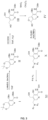
- the first approach starts from pyridoxine which is modified to produce Intermediate I using methodologies described in Paul et al. (J. Med. Chem. 1977, 20, 745 ).
- Intermediate I may be modified to produce a protected hydroxamic acid (II) by ester displacement.
- the isopropylidene protecting group of II may be removed by mild hydrolysis with formic acid to give intermediate III.
- Selective oxidation of the 5-CH 2 OH group of III ca be performed using manganese dioxide (MnO 2 ) and III can spontaneously cyclize to the corresponding lactone intermediate (IV). IV is substituted with an amine, producing the corresponding amide V.
- Protecting groups can be removed using hydrogenolysis giving the desired product VI.
- the second approach commences with intermediate VIII.
- VIII can be obtained from Intermediate I, using steps 2 and 3 of FIG. 1 : removal of the isopropylidene protecting group by hydrolysis (as step 2 of FIG. 1 ), followed by selective oxidation of 5-CH 2 OH with MnO 2 (as step 3 of FIG. 1 ).
- VIII may be then hydrolyzed using potassium trimethylsilanoate to generate intermediate VII.
- VII may be transformed to intermediate IV using O-protected hydroxylamine and aryl sulfonyl halide.
- VI is substituted with an amine, producing the corresponding amide V.
- the protecting groups can be removed by hydrogenolysis (VI). Further hydrogenation yields the desired product IX.
- the third approach starts with the protected pyro as in FIG. 1 and generates lactol IV by controlled oxidation with MnO 2 .
- the lactol IV can be readily converted to the amine X through reductive amination and further reduction by catalytic hydrogenation generating compound XI.
- the fourth approach starts from pyridoxine and generates intermediate XIII in a manner similar to that described in Adamczyk M. et al. (Tetrahedron 2000, 56, 2379 ).
- XIII can then be oxidized selectively at the 2 methyl group through an N-oxide intermediate XIV followed by rearrangement to the alcohol XV. Further stepwise oxidation can yield an aldehyde XVI, followed by an ester XVII.
- hydrolysis of the isopropylidene of XVII and displacement of the ester XVIII with hydroxylamine yields the desired product compound XIX.
- the fifth approach starts from the intermediate XVII of FIG. 4 .
- XVII can be hydrolyzed to the acid XX and XX is subsequently coupled to O-benzylhydroxylamine to give XXI.
- XXI may be subjected to hydrogenation, yielding the product compound XXIII, or to hydrolysis, yielding the product compound XXII.
- FIG. 6 begins from 7-(benzyloxy)-6-methylfuro[3,4-c]pyridin-3(1H)-one, intermediate XXIV ( Paul, B. et al. J. Het. Chem., 1976, 13, 701 ).
- XXIV can be reacted with an amine yielding intermediate XXV.
- XXV may then be alkylated to XXVI and oxidized selectively at the 2 position through an N-oxide rearrangement, as described in FIG. 4 , to yield intermediate XXX.
- XXX may then be displaced and hydrogenated to yield the desired product compound XXXII.
- the seventh approach begins from an analogue of compound XVII of FIG. 5 .
- 17e may be acidified in anhydrous conditions to yield product XXXIII.
- This product can be oxidized to give the intermediate aldehyde XXXIV and further oxidized, under controlled conditions, to give the carboxylic acid intermediate XXXV.
- the eighth approach ( FIG. 8 ) consists of reductive amination of intermediate XXXIV with either a primary or secondary amines to obtain XXXVI or XXXVII respectively.
- XXXVII analogues may be obtained by another reductive amination of aldehydes with XXXVI.
- Treatment of XXXVI and XXXVII analogues with aqueous acids can yield the intermediate XXXVIII, which can be further reacted with hydroxylamine solutions to give product XXXIX.
- the ninth approach begins with intermediate XXXIII, which is reacted in a Mitsunobu reaction with phenols to yield ethers XLIV. These ethers may then be exposed to aqueous formic acid, and then reacted with hydroxylamine to yield products XLV.
- the tenth approach ( FIG. 10 ) consists of acylation of compounds XXXVI by activated carboxylic acids, acyl halides, chloroformates isocyanates, and other electrophiles, to obtain compounds of the form XLVI.
- XLVI compounds can then be exposed to aqueous formic acid, and reacted with hydroxylamine to yield product XLVII.
- the eleventh approach begins with a Wittig reaction of intermediate XXXIV to yield alkenes of the form XLVII.
- XLVII may then be hydrogenated producing saturated alkanes, then further exposed to aqueous formic acid, and reacted with hydroxylamine to yield products L.
- Twelfth approach begins with intermediate XXXIII and reaction of XXXIII with methane sulfonyl chloride to yield the reactive intermediate alkyl chloride Ll.
- LI is immediately and cautiously reacted with a mercaptan to yield the thioether LII.
- Reaction of LII with excess peroxide mCPBA can yield a sulfone-N-oxide intermediate LIII, which upon exposure to trifluoroacetic anhydride can rearrange to products LIV.
- the intermediate alcohol may then be oxidized in a stepwise manner to LV esters, which are then exposed to aqueous formic acid and reacted with hydroxylamine to yield products LVI.
- Step 1a Preparation of methyl 5-((4-fluorophenyl-amino)methyl)-2,2-dimethyl-4H-[1,3]dioxino[4,5-c]pyridine-8-carboxylate (Compound 1a): Acetic acid (50 ⁇ L, 0.87 mmol) was added to a mixture of 5-formyl-2,2-dimethyl-4H-[1,3]dioxino[4,5-c]pyridine-8-carboxylic acid methyl ester ( J. Org. Chem.
- Step 1b Preparation of 5-((4-fluorophenylamino)methyl)-3-hydroxy-4-(hydroxymethyl)picolinate (Compound 1b): Formic acid (2 mL) was added to methyl 5(4-fluorophenylamino)methyl)-2,2-dimethyl-4H-[1,3]dioxino[4,5-c]py-ridine-8-carboxylate (180 mg, 0.5 mmol) at 0 °C and stirred at room temperature for 2 h. Evaporation under reduced pressure afforded a residue 5-((4-fluoropheny-lamino)methyl)-3-hydroxy-4-(hydroxymethyl) picolinate (Compound 1b), which was triturated in acetonitrile. MS-ESI m/z 307 [MH]+.
- Step 1c Preparation of N5-(3,4-difluorobenzyl)-N 2 ,3-dihydroxy-4-(hydroxymethyl)pyridine-2,5-dicarboxamide
- Compound 1c Diisopropylethylamine (142 ⁇ L, 0.8 mmol) and hydroxylamine hydrochloride (45 mg, 0.64 mmol) were added to a solution of 5-((4-fluorophenylamino)methyl)-3-hydroxy-4-(hydroxymethyl)picolinate (Compound 1b) (50.0 mg, 0.16 mmol) in methanol (1.0 mL). The reaction mixture was heated to 55 °C for 16 h.
- Step 2a Preparation of methyl 5-((4-fluorophenoxy)methyl)-2,2-dimethyl-4H-[1,3]dioxino[4,5-c]pyridine-8-carboxylate
- Triphenylphosphine (0.105 g, 0.40 mmol)
- DEAD diethyl azodicarboxylate
- methyl 5-(hydroxymethyl)-2,2-dimethyl-4H-[1 ,3]dioxino[4,5-c]pyridine-8-carboxylate (0.102 g, 0.40 mmol) in 10 mL of THF, at room temperature under Argon (Ar).
- Step 2b Preparation of methyl 5-((4-fluorophenoxy)methyl)-3-hydroxy-4-(hydroxymethyl)picolinate (Compound 2b): A solution of methyl 5-((4-fluorophenoxy)methyl)-2,2-dimethyl-4H-[1,3]dioxino[4,5-c]pyridine-8-carboxylate (Compound 2a) (0.129 g, 0.37 mmol) in 3 mL of formic acid was stirred at 23 °C for 2 h and then it was concentrated.
- Step 2c Preparation of Compound 2: Hydroxylamine hydrochloride (0.045 g, 0.65 mmol) and N,N-diisopropylethylamine (0.14 mL, 0.81 mmol) were added to a solution of methyl 5-((4-fluorophenoxy)methyl)-3-hydroxy-4-(hydroxymethyl)picolinate (Compound 2b) (0.050 g, 0.16 mmol) in MeOH (3 mL) and heated to 70 °C for 5 h. The crude mixture was diluted with EtOAc and washed with saturated aqueous ammonium chloride solution and brine. The organic extract was dried (Na 2 SO 4 ), filtered and concentrated in vacuo to afford the title compound (0.048 g, 96% yield): LC-MS (M+H) + m/z 309.
- Step 3a Preparation of methyl 5-((3-chloro-4-fluorophenoxy)methyl)-2,2-dimethyl-4H-[1 ,3]dioxino[4,5-c]pyridine-8-carboxylate
- Compound 3a Using similar procedure as described in the Example 2 of methyl 5-((4-fluorophenoxy)methyl)-2,2-dimethyl-4H-[1 ,3] dioxino[4,5-c]pyridine-8-carboxylate (Step 2a), obtained compound 3a: ESI-MS (M+H) + m/z 382.
- Step 3b Preparation of methyl 5-((3-chloro-4-fluorophenoxy)methyl)-3-hydroxy-4(hydroxymethyl) picolinate (Compound 3b): Using similar procedure as described in Example 2, in the preparation of methyl 5-((4-fluorophenoxy)methyl)-3-hydroxy-4-(hydroxymethyl)picolinate (Compound 2b), Compound 3b was obtained as a white solid (63% yield); LC-MS (M+H) + m/z 342.
- Step 3c Preparation of Compound 3: Using similar procedure as described in the Example 2, in the preparation of 5-((4-fluorophenoxy)methyl)-N, 3 -dihydroxy-4-(hydroxymethyl)picolinamide, Step 2c, Compound 3 was obtained as a beige solid (98% yield); LC-MS (M+H) + m/z 342.
- N 2 ,3-bis(benzyloxy)-N 5 -(3-chloro-4-fluorobenzyl)-4-(hydroxymethyl)pyridine-2,5-dicarboxamide (0.03 g, 0.330mmol) and 10% Pd/C catalyst (25 mg) were stirred in methanol (4.0 mL) under an atmosphere of hydrogen for 1 h.
- Step 10a 5-((4-Methoxybenzyloxy)methyl)-2,2,8-trimethyl-4H-[1,3]dioxino[4,5-c]pyridine 7-oxide
- Step 10b (5-((4-Methoxybenzyloxy)methyl)-2,2-dimethyl-4H-[1,3]dioxino[4,5-c]pyridin-8-yl)methanol
- Trifluoroacetic anhydride (4.5 mL, 32 mmol) was added to a solution of 5-((4-methoxybenzyloxy)methyl)-2,2,8-trimethyl-4H-[1,3]dioxino[4,5-c]pyridine 7-oxide (21.2 g, 61 mmol) in dry CH 2 Cl 2 (200 mL) at 0 °C and stirred for 5 min. An additional amount of trifluoroacetic anhydride (11.5 mL, 82.7 mmol) was added and the reaction mixture was stirred overnight at 23 °C. Then, the reaction mixture was cooled to 0 °C and MeOH (150 mL) was added while stirring was continued.
- Step 10c 5-((4-Methoxybenzyloxy)methyl)-2,2-dimethyl-4H-[1,3]dioxino[4,5-c]pyridine-8-carbaldehyde
- Triphenylphosphine (0.105 g, 0.40 mmol), followed by diethyl azodicarboxylate (DEAD) (0.06 mL, 0.40 mmol) were added to a solution of methyl 5-(hydroxymethyl)-2,2-dimethyl-4H-[1,3]dioxino[4,5-c]pyridine-8-carboxylate (0.102 g, 0.40 mmol) in 10 mL of THF, at room temperature under Ar. The resulting mixture was stirred at room temperature for 6 h and then concentrated. The crude residue was purified by chromatography (SiO 2 ) with hexanes/ethyl acetate (1:1) as eluent to afford the title compound with a contaminant. LC-MS (M+H) + m/z 348.
- the solution was then quenched by addition of water and adjusting the pH to 4 with acetic acid.
- the organic phase was evaporated.
- the residue was then adsorbed on silica gel then washed over a pad of silica gel with DCM.
- the DCM was evaporated to yield 2.4 g of a clear oil which spontaneously crystallized.
- Example 26 50 mg of the compound from Example 26 was dissolved in 1 mL of 90% formic acid. The mixture was warmed to 75 °C for 4 h. The formic acid was removed by vaccum and the residue triturated in water to give an off-white powder suspension. This was filtered to give 26 mg of the desired compound.
- Example 28 Cell culture and treatments
- hepatoma cell lines HepG2 and Huh-7 were routinely cultivated in Dulbecco's modified Eagle's medium (DMEM; catalog no. 319-005-CL, Wisent) supplemented with 10% fetal bovine serum (FBS; catalog no. 080-350, Wisent).
- DMEM Dulbecco's modified Eagle's medium
- FBS fetal bovine serum
- Examples 1-27 cells were incubated overnight in conditioned media containing giving chemical compounds 1-27 resuspended in DMSO at concentration ranging from 100 pM to 10 ⁇ M.
- HepG2 cells were incubated in 5% LPDS, 50 ⁇ M mevastatin, and 50 ⁇ M mevalonolactone in the absence (-sterols) or presence of 1 ⁇ g/ml 25-hydroxycholesterol and 10 ⁇ g/ml cholesterol (+sterols).
- HepG2 cells were treated with DMSO or 10 ⁇ M compounds 2 in combination with U0126 (25 ⁇ M, catalog no. 9903, Cell Signaling Technology), Cycloheximide (CHX; 20 ⁇ g/ml, catalog no. C7698, Sigma-Aldrich), PD153035 (20 ⁇ M, catalog no.
- FIG.19 shows that CHX and U0126, and no other tested inhibitor, block increase of LDLR by Compound 2.
- Human embryonic kidney 293 (HEK-293, catalog no. CRL-1573; ATCC) cells were cultivated in complete DMEM without sodium pyruvate (catalog no. 319-015-CL, Wisent) and human umbilical vein/vascular endothelium cells (HUVEC; catalog no CRL-1730, ATCC) in F12 K media (catalog no. 312-250-CL, Wisent) both supplemented with 10% fetal bovine serum (FBS; catalog no. 080-350, Wisent).
- FBS fetal bovine serum
- Treated cells from Example 28 were washed three times in phosphate-buffered saline (PBS) and lysed in radioimmune precipitation assay buffer (50 mM Tris/HCl, pH 8.0, 1% (v/v) Nonidet P-40, 0.5% sodium deoxycholate, 150 mM NaCl, and 0.1% (v/v) SDS) supplemented with a complete protease inhibitor mixture (catalog no. 11 697 498 001, Roche Applied Science).
- PBS phosphate-buffered saline
- radioimmune precipitation assay buffer 50 mM Tris/HCl, pH 8.0, 1% (v/v) Nonidet P-40, 0.5% sodium deoxycholate, 150 mM NaCl, and 0.1% (v/v) SDS
- Proteins were separated by 8% SDS polyacrylamide gel electrophoresis, blotted on nitrocellulose membranes (Bio-Rad), and blocked for 1 h in Tris-buffered saline-Tween 20 (TBS-T; 50 mM Tris-HCl, pH 7.5, 150 mM NaCl, 0.1% Tween 20) containing 5% nonfat dry milk. Membranes were then incubated overnight in TBS-T supplemented with 1% nonfat milk and the indicated antibodies; goat anti-human LDLR (1:1000; catalog no. AF2148, R&D Systems), rabbit anti-actin (1:5000; catalog no. A2066, Sigma-Aldrich).
- HRP-conjugated secondary antibodies (1:10,000; GE healthcare) were used for detection using the Western Lightning Ultra chemiluminescence kit (catalog no. NEI112001EA, PerkinElmer Life Sciences) and BioFlex EC Films (catalog no. CLEC810, InterScience). Unsaturated films were numerized using the high resolution CanoScan 9000F scanner and corresponding bands were quantified using the imaged software (NIH). Relative quantification of LDLR protein levels were normalized to that of actin and compared to vehicle (DMSO) herein determined as 1. Results are described in Table 2 and illustrated in FIG. 13A to Fig. 13C . Table 2: Result of compound efficacy and cytotoxicity Ex. No.
- FIG. 15 shows the effects of Compound 2 on LDLR protein levels by Western blot analyses in HepG2, Huh7, HEK293, and HUVEC cells.
- RNA samples isolated using Ribozol RNA Extraction Reagent (catalog no. N580-100, Amresco), was verified by agarose gel electrophoresis or using an Agilent 2100 BioAnalyzer.
- cDNA was prepared using iScript cDNA Synthesis Kit according the manufacturer's instructions (catalog no.1708891, Bio-Rad Laboratories).
- Quantitative Real-Time PCR was performed in a MX3000p real-time thermal cycler (Agilent) using the iTaq Universal SYBR Green Supermix, (catalog no.1725121, Bio-Rad Laboratories).
- Oligonucleotides sequences used were: Homo sapiens low-density lipoprotein receptor (hLDLR; SEQ ID NO 1: 5'-AGGAGACGTGCTTGTCTGTC, SEQ ID NO 2: 5'-CTGAGCCGTTGTCGCAGT), Homo sapiens 3-hydroxy-3-methylglutaryl-Coenzyme A reductase (hHMGCR; SEQ ID NO 3: 5'-GTCACATGATTCACAACAGG, SEQ ID NO 4: 5'-GTCCTTTAGAACCCAATGC), Homo sapiens glyceraldehyde-3-phosphate dehydrogenase (GAPDH; SEQ ID NO 5: 5'-GGTGTGAACCATGAGAAGTATGA, SEQ ID NO 6: 5'-GAGTCCTTCCACGATACCAAAG.
- Homo sapiens proprotein convertase subtilisin-kexin 9 (hPCSK9) mRNA expression was evaluated on total cDNA using the TaqMan gene expression assay Hs00545399_m1 (catalog no. 4331182, ThermoFisher Scientific) and the TaqMan Fast Advanced Master Mix (catalog no. 4444557, ThermoFisher Scientific). Results of QPCR LDLR mRNA increase is illustrated in FIG. 16 .
- Human LDLR (-1020 bp) proximal promoter and partial 3'UTR (nt 11131317-11132220 chromosome 9) were generated by PCR using genomic DNA from HepG2 cells as template and subcloned into pCMV-GLuc vector (catalog no. N8081S, New England Biolabs) in order to replace the CMV promoter or the 3'UTR region of the vector. Selected clones were verified by DNA sequencing.
- Oligonucleotides used were: hLDLR promoter (SEQ ID NO 7: 5'-TGTACTAGTCTTATTCCTGGGGGAACCGC, SEQ ID NO 8: 5'-GCAAAGCTTGCTCG-CAGCCTCTG-CCAGGCAGTG and hLDLR 3'UTR (SEQ ID NO 9: 5'-TACGCGGCCGCACATCTGCCTGGAGTCCCGTC, SEQ ID NO 10: 5'-ACTTCTAGACCCATCCC-AACACACACGACAG).
- HepG2 cells were seeded in 24-well plates at a density of 1.5 10 5 /well.
- cells were transfected in duplicate with the corresponding pGLuc construct using Lipofectamine 3000 (catalog no. L3000008, Thermo Fisher Scientific). After overnight incubation, cells were washed twice with DMEM and incubated in 0.5 mL of DMEM without or with given examples at various concentration for 24 h. 20 ⁇ L of conditioned media was loaded into black 96-well plates, and relative activity of secreted Gaussia luciferase was assessed by luminescence measurements using the BioLux kit (catalog no. E3300L, New England Biolabs) and the BioTek Synergy 2 microplate reader.
- BioLux kit catalog no. E3300L, New England Biolabs
- HepG2 cells were incubated with DMSO or 10 ⁇ M of Compound 2 for 24h. Following incubation, cells were washed twice with DMEM and incubated with 5 ⁇ g/ml actinomycin D for 0, 60, 120 and 240 min. LDLR and GAPDH relative mRNA levels were analyzed by Quantitative Real-Time PCR as described in Example 31. Results of QPCR LDLR mRNA stabilization is illustrated in FIG. 18 .
- HMM human liver microsomes
- RLM pooled male Sprague Dawley rat liver microsomes
- NNK Sprague Dawley rat liver microsomes
- Reactions were terminated at each time point (0, 5, 10, 20, 30, 45 and 60 min) by transferring 50 ⁇ L in a new 96 well plate and adding 100 ⁇ l of acetonitrile containing an internal standard (labetalol at 2 ⁇ M). The plates were centrifuged at 4000 rpm for 5 min, and an aliquot of supernatant was diluted with one volume of water + 0.1 % formic acid before analysis by LC-MS/MS.
- Reference samples were also prepared at concentrations between 0.002 and 2 ⁇ M in buffer containing microsomes, by adding the diluted solutions of the compound to the buffer containing microsomes quenched with 2 volume of acetonitrile containing the internal standard (whereas the incubation T0 is obtained by quenching the microsomes containing the compound, then adding NADPH). Samples were monitored for parent compound disappearance in Multi Reaction Monitoring (MRM) mode using LC-MS/MS. The peak area ratios of analyte versus internal standard compared to the calibration curve were used to calculate concentration at each time point. The elimination constant (ke, min-1) was obtained from the log-linear regression of the concentration (y) versus time (t).
- MRM Multi Reaction Monitoring
- Table 3 Microsomal stability Microsomal stability assay -k half life (min) Clint uL/min/mg prot Cmpd 2 (HLM) 7,03E-04 ⁇ 1,9E-05 986 ⁇ 27 1,17 ⁇ 0,03 Cmpd 2 (RLM) 1 ,26E-03 ⁇ 1,9E-04 404 ⁇ 28 6,19 ⁇ 0,42 Loperamide (HLM) 3,25E-02 21 ⁇ 1 54,07 ⁇ 1,73 Loperamide (RLM) 7,53E-02 9 ⁇ 0 270,99 ⁇ 2,98
- mice For in vivo proof-of-concept animal studies, wild-type C57BL/6 male mice ( ⁇ 25g; obtained from Charles River Laboratories) or Golden Syrian ( ⁇ 120g obtained from Envigo++) were housed in the 12 hour light/12 hour dark cycle, temperature and humidity controlled MHI animal facility. Following 5 days of acclimatization, animals were fed a chow or Western diet containing 48.5% w/w carbohydrate, 21.2% w/w fat, 17.3% w/w protein and 0.2% w/w cholesterol (catalog no. TD.88137, Envigo) for 14 days.
- a chow or Western diet containing 48.5% w/w carbohydrate, 21.2% w/w fat, 17.3% w/w protein and 0.2% w/w cholesterol (catalog no. TD.88137, Envigo) for 14 days.
- Example 1 2, and 6 were mixed in either ethanol/propylene glycol/water; 1:7:8 or 1:2:1 (v/v), or in phosphate-buffered saline (PBS; catalog no. 311-010-CL, Wisent) containing 0.01% Tween 20 and administered by oral gavage at 5, 25 or 40 mg/kg/day for 3 or 10 days in mice maintained on chow or Western diet. Equivalent volume of vehicle containing corresponding formulations were orally administered to mice daily and designated as placebo (vehicle). Plasma lipoprotein cholesterol profiles were obtained from 100 ⁇ L of pooled plasma injected on a Superose 6 10/300 GL (catalog no.
- PBS phosphate-buffered saline
Landscapes
- Health & Medical Sciences (AREA)
- Chemical & Material Sciences (AREA)
- Organic Chemistry (AREA)
- Veterinary Medicine (AREA)
- Pharmacology & Pharmacy (AREA)
- Public Health (AREA)
- General Health & Medical Sciences (AREA)
- Animal Behavior & Ethology (AREA)
- Medicinal Chemistry (AREA)
- Life Sciences & Earth Sciences (AREA)
- Epidemiology (AREA)
- Engineering & Computer Science (AREA)
- Bioinformatics & Cheminformatics (AREA)
- General Chemical & Material Sciences (AREA)
- Nuclear Medicine, Radiotherapy & Molecular Imaging (AREA)
- Chemical Kinetics & Catalysis (AREA)
- Diabetes (AREA)
- Hematology (AREA)
- Obesity (AREA)
- Vascular Medicine (AREA)
- Urology & Nephrology (AREA)
- Heart & Thoracic Surgery (AREA)
- Cardiology (AREA)
- Pharmaceuticals Containing Other Organic And Inorganic Compounds (AREA)
- Micro-Organisms Or Cultivation Processes Thereof (AREA)
- Medicines That Contain Protein Lipid Enzymes And Other Medicines (AREA)
Claims (15)
- Composé ayant la formule:
 Y-X est -C(R7)(R7a)N(R')C(O)-; -C(R7)(R7a)OC(O)-; - C(R7)(R7a)N(R')C(R6)(R6a)-; -C(R7)(R7a)S(O)2C(R6)(R6a)-; -S(O)2C(R6)(R6a)-; - C(R7)(R7a)C(R6)(R6a)-; -O-C(R6)(R6a)-; -N(R')C(R6)(R6a)-; ou-C(R7)(R7a)OC(R6)(R6a)-; où chacun des R6, R6a, R7 et R7a est, indépendamment, choisi parmi H, C1-6 alkyle, C1-6 fluoroalkyle, benzyle, phényle et hétérocycle, R' est choisi parmi H, C1-6 alkyle, benzyle, S(O)2R" et C(O)R", et R" est choisi parmi C1-6 alkyle, C1-6 fluoroalkyle, benzyle, phényle et hétérocycle;lorsque Q est H, P et R3 sont absents;lorsque Q est CH3, P et R3 sont absents;Q est CH2 ou C(O);lorsque P est H, R3 est absent;P est -O-, -N(R8)(R8a) ou est absent, où R8 et R8a sont choisis indépendamment dans le groupe consistant en H, C1-6 alkyle, C1-6 fluoroalkyle, benzyle, phényle et hétérocycle;R1 est absent, C1-6 alkyle, C1-6 alkyle ramifié, C1-6 alcène, halogène (F, Cl, Br, I), OH, -O-(C1-6 alkyle), -O-(C1-6 alkyle ramifié), -C(O)(R9), -C(O)O(R9), - C(O)N(R9)(R9a) ou -S(O)2N(R9)(R9a), où R9 et R9a sont choisis indépendamment dans le groupe consistant en H, C1-6 alkyle, C1-6 fluoroalkyle, benzyle, phényle et hétérocycle;R2 est absent, C1-6 alkyle, C1-6 alkyle ramifié, C1-6 alcène, halogène (F, Cl, Br, I), OH, -O-(C1-6 alkyle), -O-(C1-6 alkyle ramifié), -C(O)(R10), -C(O)O(R10) ou -C(O)N(R10)(R10a), où R10 et R10a sont choisis indépendamment dans le groupe consistant en H, C1-6 alkyle, C1-6 fluoroalkyle, benzyle, phényle et hétérocycle; ou R1 et R2 sont des substituants en ortho qui forment ensemble un système cyclique carbocyclique ou hétérocyclique;R3 est H, C1-6 alkyle, C1-6 fluoroalkyle, benzyle, phényle, hétérocycle, ou est absent;R5 est H, C1-6 alkyle, C1-6 fluoroalkyle, benzyle, phényle ou hétérocycle; ou R3 et R5 se combinent pour former un système cyclique hétérocyclique;R4 est H, C1-6 alkyle, C1-6 fluoroalkyle, benzyle, phényle ou hétérocycle; etm est 0 ou 1; ousel pharmaceutiquement acceptable ou solvate de celui-ci, destiné à être utilisé comme médicament pour abaisser le taux de cholestérol dans la circulation sanguine d'un sujet, pour traiter l'athérosclérose, l'hypercholestérolémie, l'hypertriglycéridémie, les complications diabétiques, la dyslipidémie, l'hyperlipidémie, l'hypoalphalipoprotéinémie, le syndrome métabolique, l'accident vasculaire cérébral, la démence vasculaire, la maladie rénale chronique, la maladie cardiaque coronarienne, la maladie des artères coronaires, la rétinopathie, l'inflammation, la thrombose, la maladie vasculaire périphérique ou l'insuffisance cardiaque congestive, pour induire l'expression du récepteur des lipoprotéines de basse densité (LDLR) dans une cellule ou un tissu, ou pour induire ou stabiliser l'activité de l'ARNm de LDLR dans une cellule ou un tissu.
 - Composé selon la revendication 1 destiné à être utilisé selon la revendication 1, où (i) Q est CH2, P est -O-, R3 est H, Y-X est -CH2NHCH2- ou - CH2NHC(O)-, R1 est choisi parmi un halogène, -OH ou -OCH3, R2 est absent ou choisi parmi -OH et un halogène, R4 est H ou benzyle, et R5 est H ou benzyle, ou sel pharmaceutiquement acceptable ou solvate de celui-ci, ou
où (ii) Q est CH2, P est -O-, R3 est CH3, Y-X est -CH2OCH2-, R1 est choisi parmi un halogène, -OH ou -OCH3, R2 est absent ou choisi parmi -OH et un halogène, R4 est H ou benzyle, et R5 est H ou benzyle, ou sel pharmaceutiquement acceptable ou solvate de celui-ci. - Composé selon la revendication 1 destiné à être utilisé selon la revendication 1, où le composé (i) est l'hydroxyamide de l'acide 5-[(4-fluoro-phénylamino)-méthyl]-3-hydroxy-4-hydroxyméthyl-pyridine-2-carboxylique,(ii) est l'hydroxyamide de l'acide 5-(4-fluoro-phénoxyméthyl)-3-hydroxy-4-hydroxyméthyl-pyridine-2-carboxylique ou(iii) est l'hydroxyamide de l'acide 5-[2-(4-fluoro-phényl)-éthyl]-3-hydroxy-4-hydroxyméthyl-pyridine-2-carboxylique.
- Composé selon la revendication 1 destiné à être utilisé selon la revendication 1, où l'hypercholestérolémie est une hypercholestérolémie familiale hétérozygote ou une hypercholestérolémie familiale homozygote.
- Composé selon la revendication 1 destiné à être utilisé selon la revendication 1, où le médicament est une composition pharmaceutique comprenant le composé ou le sel ou solvate de celui-ci.
- Composé selon l'une quelconque des revendications 1 à 3 destiné à être utilisé selon la revendication 1, comprenant en outre l'administration d'un deuxième agent hypocholestérolémiant.
- Composé selon l'une quelconque des revendications 1 à 3 destiné à être utilisé selon la revendication 6, où le deuxième agent hypocholestérolémiant est un inhibiteur de lipase, un inhibiteur de 3-hydroxy-3-méthyl-glutaryl-coenzyme A (HMG CoA) réductase, un inhibiteur de HMG CoA synthase, un inhibiteur de la protéine de transfert d'ester de cholestéryle (CETP), un inhibiteur de l'absorption des acides biliaires, un inhibiteur de l'absorption du cholestérol, un inhibiteur de la synthèse du cholestérol, un inhibiteur de la squalène synthétase, un inhibiteur de la squalène époxydase ou cyclase ou une combinaison des deux, un inhibiteur de la sécrétion de la protéine de transfert des triglycérides microsomale (MTP)/apolipoprotéine B (ApoB), un fibrate, la niacine seule ou en combinaison avec la lovastatine, une résine échangeuse d'ions, un antioxydant, un inhibiteur d'acyl-coenzyme A: cholestérol acyltransférase (ACAT) et un séquestrant des acides biliaires, un inhibiteur de l'expression du gène de la HMG-CoA réductase, un inhibiteur de l'expression du gène de la HMG-CoA synthase ou un inhibiteur de la proprotéine convertase subtilisine kexine de type 9 (PCSK9).
- Composé selon l'une quelconque des revendications 1 à 3 destiné à être utilisé selon la revendication 7, où l'inhibiteur de la synthèse du cholestérol est une statine, en particulier l'atorvastatine.
- Composé selon l'une quelconque des revendications 1 à 3 destiné à être utilisé selon la revendication 1, où le sujet, avant l'administration du composé de formule 1, a été traité avec un inhibiteur de lipase, un inhibiteur de 3-hydroxy-3-méthyl-glutaryl-coenzyme A (HMG CoA) réductase, un inhibiteur de HMG CoA synthase, un inhibiteur de la protéine de transfert d'ester de cholestéryle (CETP), un inhibiteur de l'absorption des acides biliaires, un inhibiteur de l'absorption du cholestérol, un inhibiteur de la synthèse du cholestérol, un inhibiteur de la squalène synthétase, un inhibiteur de la squalène époxydase ou cyclase ou une combinaison des deux, un inhibiteur de la sécrétion de la protéine de transfert des triglycérides microsomale (MTP)/apolipoprotéine B (ApoB), un fibrate, la niacine seule ou en combinaison avec la lovastatine, une résine échangeuse d'ions, un antioxydant, un inhibiteur d'acyl-coenzyme A: cholestérol acyltransférase (ACAT) et un séquestrant des acides biliaires, un inhibiteur de l'expression du gène de la HMG-CoA réductase, un inhibiteur de l'expression du gène de la HMG-CoA synthase ou un inhibiteur de la proprotéine convertase subtilisine kexine de type 9 (PCSK9).
- Composé selon l'une quelconque des revendications 1 à 3 destiné à être utilisé selon la revendication 9, où l'administration antérieure n'a pas réduit efficacement le taux de cholestérol dans la circulation sanguine du sujet.
- Procédé in vitro pour induire l'expression du récepteur des lipoprotéines de basse densité (LDLR) ou moduler l'ARNm du LDLR dans une cellule, le procédé comprenant la mise en contact de la cellule avec une quantité efficace d'un composé ayant la formule:
 Y-X est -C(R7)(R7a)N(R')C(O)-; -C(R7)(R7a)OC(O)-; - C(R7)(R7a)N(R')C(R6)(R6a)-; -C(R7)(R7a)S(O)2C(R6)(R6a)-; -S(O)2C(R6)(R6a)-; - C(R7)(R7a)C(R6)(R6a)-; -O-C(R6)(R6a)-; -N(R')C(R6)(R6a)-; ou-C(R7)(R7a)OC(R6)(R6a)-; où chacun des R6, R6a, R7 et R7a est, indépendamment, choisi parmi H, C1-6 alkyle, C1-6 fluoroalkyle, benzyle, phényle et hétérocycle, R' est choisi parmi H, C1-6 alkyle, benzyle, S(O)2R" et C(O)R", et R" est choisi parmi C1-6 alkyle, C1-6 fluoroalkyle benzyle, phényle et hétérocycle;lorsque Q est H, P et R3 sont absents;lorsque Q est CH3, P et R3 sont absents;Q est CH2 ou C(O);lorsque P est H, R3 est absent;P est -O-, N(R8)(R8a) ou est absent, où R8 et R8a sont choisis indépendamment dans le groupe consistant en H, C1-6 alkyle, C1-6 fluoroalkyle, benzyle, phényle et hétérocycle;R1 est absent, C1-6 alkyle, C1-6 alkyle ramifié, C1-6 alcène, halogène (F, Cl, Br, I), OH, -O-(C1-6 alkyle), -O-(C1-6 alkyle ramifié), -C(O)(R9), -C(O)O(R9), - C(O)N(R9)(R9a) ou -S(O)2N(R9)(R9a), où R9 et R9a sont choisis indépendamment dans le groupe consistant en H, C1-6 alkyle, C1-6 fluoroalkyle, benzyle, phényle et hétérocycle;R2 est absent, C1-6 alkyle, C1-6 alkyle ramifié, C1-6 alcène, halogène (F, Cl, Br, I), OH, -O-(C1-6 alkyle), -O-(C1-6 alkyle ramifié), -C(O)(R10), -C(O)O(R10) ou -C(O)N(R10)(R10a), où R10 et R10a sont choisis indépendamment dans le groupe consistant en H, C1-6 alkyle, C1-6 fluoroalkyle, benzyle, phényle et hétérocycle; ou R1 et R2 sont des substituants en ortho qui forment ensemble un système cyclique carbocyclique ou hétérocyclique;R3 est H, C1-6 alkyle, C1-6 fluoroalkyle, benzyle, phényle, hétérocycle, ou est absent;R5 est H, C1-6 alkyle, C1-6 fluoroalkyle, benzyle, phényle ou hétérocycle; ou R3 et R5 se combinent pour former un système cyclique hétérocyclique;R4 est H, C1-6 alkyle, C1-6 fluoroalkyle, benzyle, phényle ou hétérocycle; etm est 0 ou 1; oud'un sel pharmaceutiquement acceptable ou d'un solvate de celui-ci.
 - Procédé selon la revendication 11, où (i) Q est CH2, P est -O-, R3 est H, Y-X est -CH2NHCH2- ou -CH2NHC(O)-, R1 est choisi parmi un halogène, - OH ou -OCH3, R2 est absent ou choisi parmi -OH et un halogène, R4 est H ou benzyle, et R5 est H ou benzyle, ou sel pharmaceutiquement acceptable ou solvate de celui-ci, ou
où (ii) Q est CH2, P est -O-, R3 est CH3, Y-X est -CH2OCH2-, R1 est choisi parmi un halogène, -OH ou -OCH3, R2 est absent ou choisi parmi -OH et un halogène, R4 est H ou benzyle, et R5 est H ou benzyle, ou sel pharmaceutiquement acceptable ou solvate de celui-ci. - Procédé selon la revendication 11, où le composé (i) est l'hydroxyamide de l'acide 5-[(4-fluoro-phénylamino)-méthyl]-3-hydroxy-4-hydroxyméthyl-pyridine-2-carboxylique, (ii) est l'hydroxyamide de l'acide 5-(4-fluoro-phénoxyméthyl)-3-hydroxy-4-hydroxyméthyl-pyridine-2-carboxylique, ou (iii) est l'hydroxyamide de l'acide 5-[2-(4-fluoro-phényl)-éthyl]-3-hydroxy-4-hydroxyméthyl-pyridine-2-carboxylique.
- Procédé selon la revendication 11, où la cellule est une cellule du système cardiovasculaire.
- Procédé selon la revendication 11, où la modulation comprend l'induction de l'activité de l'ARNm du LDLR, ou la stabilisation de l'activité de l'ARNm du LDLR.
Applications Claiming Priority (2)
| Application Number | Priority Date | Filing Date | Title |
|---|---|---|---|
| US201762578872P | 2017-10-30 | 2017-10-30 | |
| PCT/CA2018/051377 WO2019084681A1 (fr) | 2017-10-30 | 2018-10-30 | Méthodes de traitement du cholestérol plasmatique élevé |
Publications (4)
| Publication Number | Publication Date |
|---|---|
| EP3687538A1 EP3687538A1 (fr) | 2020-08-05 |
| EP3687538A4 EP3687538A4 (fr) | 2022-06-15 |
| EP3687538C0 EP3687538C0 (fr) | 2024-04-17 |
| EP3687538B1 true EP3687538B1 (fr) | 2024-04-17 |
Family
ID=66331235
Family Applications (1)
| Application Number | Title | Priority Date | Filing Date |
|---|---|---|---|
| EP18874508.7A Active EP3687538B1 (fr) | 2017-10-30 | 2018-10-30 | Méthodes de traitement du cholestérol plasmatique élevé |
Country Status (5)
| Country | Link |
|---|---|
| US (2) | US11400082B2 (fr) |
| EP (1) | EP3687538B1 (fr) |
| JP (1) | JP2021501210A (fr) |
| AU (1) | AU2018360730A1 (fr) |
| WO (1) | WO2019084681A1 (fr) |
Families Citing this family (6)
| Publication number | Priority date | Publication date | Assignee | Title |
|---|---|---|---|---|
| EP3687538B1 (fr) | 2017-10-30 | 2024-04-17 | Montreal Heart Institute | Méthodes de traitement du cholestérol plasmatique élevé |
| AU2019212959A1 (en) | 2018-01-29 | 2020-09-17 | Capulus Therapeutics, Llc | SREBP inhibitors comprising a 6-membered central ring |
| AU2020209216A1 (en) | 2019-01-18 | 2021-08-26 | Astrazeneca Ab | PCSK9 inhibitors and methods of use thereof |
| SG11202107614PA (en) | 2019-01-18 | 2021-08-30 | Astrazeneca Ab | Pcsk9 inhibitors and methods of use thereof |
| WO2020237374A1 (fr) * | 2019-05-28 | 2020-12-03 | Montreal Heart Institute | Dérivés d'acide picolinique et leur utilisation dans le traitement de maladies associées à un taux élevé de cholestérol |
| TW202128676A (zh) * | 2019-11-13 | 2021-08-01 | 美商卡普勒斯療法有限責任公司 | 具有環醯胺的噻吩化合物及其用途 |
Family Cites Families (23)
| Publication number | Priority date | Publication date | Assignee | Title |
|---|---|---|---|---|
| US5288716A (en) * | 1987-02-18 | 1994-02-22 | Ulrich Speck | Use of pyridoxine derivatives in the prevention and treatment of hyperlipidaemia and atherosclerosis |
| US4880788A (en) | 1987-10-30 | 1989-11-14 | Baylor College Of Medicine | Method for preventing and treating thrombosis |
| US4891220A (en) | 1988-07-14 | 1990-01-02 | Immudyne, Inc. | Method and composition for treating hyperlipidemia |
| US5019591A (en) | 1989-02-17 | 1991-05-28 | Pennsylvania Research Corporation | Method for treating retinopathy and other small vessel disorders associated with diabetes |
| US5036857A (en) | 1989-10-26 | 1991-08-06 | Rutgers, The State University Of New Jersey | Noninvasive diagnostic system for coronary artery disease |
| US5281619A (en) | 1992-09-25 | 1994-01-25 | Eli Lilly And Company | Therapy for diabetic complications |
| US5385940A (en) | 1992-11-05 | 1995-01-31 | The General Hospital Corporation | Treatment of stroke with nitric-oxide releasing compounds |
| US5935924A (en) | 1994-04-15 | 1999-08-10 | Genentech, Inc. | Treatment of congestive heart failure |
| DE69635048T2 (de) | 1995-06-12 | 2006-02-16 | G.D. Searle & Co. | Mittel, enthaltend einen cyclooxygenase-2 inhibitor und einen 5-lipoxygenase inhibitor |
| US6004925A (en) | 1997-09-29 | 1999-12-21 | J. L. Dasseux | Apolipoprotein A-I agonists and their use to treat dyslipidemic disorders |
| US6147089A (en) | 1998-09-17 | 2000-11-14 | Pfizer Inc. | Annulated 4-carboxyamino-2-methyl-1,2,3,4,-tetrahydroquinolines |
| US6242186B1 (en) | 1999-06-01 | 2001-06-05 | Oy Jurilab Ltd. | Method for detecting a risk of cancer and coronary heart disease and kit therefor |
| EP1311272B1 (fr) | 2000-03-03 | 2006-11-22 | Eisai Co., Ltd. | Nouvelles methodes reposant sur l'utilisation d'inhibiteurs de cholinesterase |
| AU2002232575A1 (en) | 2000-12-15 | 2002-06-24 | Pacifichealth Laboratories, Inc. | Nutritional composition for improving the efficacy of a lipase inhibitor |
| WO2005018436A2 (fr) | 2003-08-26 | 2005-03-03 | The Trustees Of Boston University | Procede de diagnostic, de pronostic et de traitement du syndrome metabolique |
| KR20160120809A (ko) | 2005-03-04 | 2016-10-18 | 수캄포 아게 | 말초 혈관 질환 치료를 위한 방법 및 조성물 |
| US7456292B2 (en) | 2005-06-30 | 2008-11-25 | Bexel Pharmaceuticals, Inc. | Hydroxamic acid-containing amino acid derivatives |
| EP2450350A1 (fr) | 2006-10-04 | 2012-05-09 | F. Hoffmann-La Roche AG | Dérivés de 3-pyridinecarboxamide et de 2-pyrazinecarboxamide en tant qu'agents augmentant le cholestérol HDL |
| US8039227B2 (en) | 2007-09-20 | 2011-10-18 | University Of Louisville Research Foundation, Inc. | Peptide biomarkers predictive of renal function decline and kidney disease |
| AU2009253812A1 (en) * | 2008-06-04 | 2009-12-10 | Ambrilia Biopharma Inc. | HIV integrase inhibitors from pyridoxine |
| SI2395991T1 (sl) | 2009-02-10 | 2013-12-31 | Amarin Pharmaceuticals Ireland Limited | Uporaba etil estra eikozapentaenojske kisline za zdravljenje hipertrigliceridemije |
| US8283366B2 (en) * | 2010-01-22 | 2012-10-09 | Ambrilia Biopharma, Inc. | Derivatives of pyridoxine for inhibiting HIV integrase |
| EP3687538B1 (fr) | 2017-10-30 | 2024-04-17 | Montreal Heart Institute | Méthodes de traitement du cholestérol plasmatique élevé |
-
2018
- 2018-10-30 EP EP18874508.7A patent/EP3687538B1/fr active Active
- 2018-10-30 WO PCT/CA2018/051377 patent/WO2019084681A1/fr not_active Ceased
- 2018-10-30 US US16/759,815 patent/US11400082B2/en active Active
- 2018-10-30 AU AU2018360730A patent/AU2018360730A1/en not_active Abandoned
- 2018-10-30 JP JP2020543659A patent/JP2021501210A/ja active Pending
-
2022
- 2022-05-23 US US17/750,698 patent/US11931348B2/en active Active
Also Published As
| Publication number | Publication date |
|---|---|
| US11931348B2 (en) | 2024-03-19 |
| EP3687538A4 (fr) | 2022-06-15 |
| EP3687538C0 (fr) | 2024-04-17 |
| EP3687538A1 (fr) | 2020-08-05 |
| WO2019084681A1 (fr) | 2019-05-09 |
| US20210369688A1 (en) | 2021-12-02 |
| US20230088095A1 (en) | 2023-03-23 |
| US11400082B2 (en) | 2022-08-02 |
| CA3080818A1 (fr) | 2019-05-09 |
| AU2018360730A1 (en) | 2020-05-21 |
| JP2021501210A (ja) | 2021-01-14 |
Similar Documents
| Publication | Publication Date | Title |
|---|---|---|
| EP3687538B1 (fr) | Méthodes de traitement du cholestérol plasmatique élevé | |
| JP6622824B2 (ja) | キヌレニン−3−モノオキシゲナーゼインヒビターおよびその医薬組成物ならびにこれらの使用方法 | |
| KR101345920B1 (ko) | 키나제 억제제로서의 피콜린아미드 유도체 | |
| CN107849040B (zh) | 三环衍生化合物、其制备方法、和含有其的药物组合物 | |
| EP2799435B1 (fr) | Inhibiteur de poly(adp-ribose) polymérases | |
| US8471034B2 (en) | Niacin prodrugs and deuterated versions thereof | |
| KR101727757B1 (ko) | 키나아제 억제제 화합물 | |
| EP0816340B1 (fr) | Procédé pour la préparation de dérivés de 4-(2-(2-pyridyl)éthoxy)benzaldehyde | |
| JP6680679B2 (ja) | 1,2ナフトキノン誘導体及びその製造方法 | |
| EA024160B1 (ru) | Производные индолизина, способ их получения и их терапевтическое применение | |
| WO2001030757A1 (fr) | Inhibiteurs de la pompe par liberation de medicaments | |
| EP2158201B1 (fr) | Derives de 7-alkynyl-1,8-naphthyridones, leur preparation et leur application en therapeutique | |
| JP2022516969A (ja) | 金属酵素阻害剤化合物 | |
| EP3774737A1 (fr) | Modulateurs de calpaïne et leurs utilisations thérapeutiques | |
| EP3590941A1 (fr) | Composés de dioxane-quinazoline et de dioxane-quinoléine liés à un cycle aromatique substitués par de l'urée, leur procédé de préparation et leur utilisation | |
| WO2024020221A1 (fr) | Modulateurs de protéolyse tyk2 et leurs procédés d'utilisation | |
| CN113214230B (zh) | 2-取代吡唑氨基-4-取代氨基-5-嘧啶甲酰胺类化合物、组合物及其应用 | |
| KR20050008752A (ko) | 테트라히드로피란 유도체 | |
| WO2017095724A1 (fr) | Sulfonamides d'aryle utilisés en tant qu'antagonistes de blt1 | |
| EP3835300A1 (fr) | Dérivé de 1,7-naphtyridine, son procédé de préparation et d'utilisation | |
| CA3080818C (fr) | Methodes de traitement du cholesterol plasmatique eleve | |
| EP3186271A1 (fr) | Composés d'indoline en tant qu'inhibiteurs du granzyme b | |
| WO2020237374A1 (fr) | Dérivés d'acide picolinique et leur utilisation dans le traitement de maladies associées à un taux élevé de cholestérol | |
| RU2811745C1 (ru) | Ингибиторы альдостеронсинтазы (CYP11B2) человека | |
| EP4384511A1 (fr) | Composés hétéroaryles à cycles fusionnés et leur utilisation |
Legal Events
| Date | Code | Title | Description |
|---|---|---|---|
| STAA | Information on the status of an ep patent application or granted ep patent |
Free format text: STATUS: THE INTERNATIONAL PUBLICATION HAS BEEN MADE |
|
| PUAI | Public reference made under article 153(3) epc to a published international application that has entered the european phase |
Free format text: ORIGINAL CODE: 0009012 |
|
| STAA | Information on the status of an ep patent application or granted ep patent |
Free format text: STATUS: REQUEST FOR EXAMINATION WAS MADE |
|
| 17P | Request for examination filed |
Effective date: 20200428 |
|
| AK | Designated contracting states |
Kind code of ref document: A1 Designated state(s): AL AT BE BG CH CY CZ DE DK EE ES FI FR GB GR HR HU IE IS IT LI LT LU LV MC MK MT NL NO PL PT RO RS SE SI SK SM TR |
|
| AX | Request for extension of the european patent |
Extension state: BA ME |
|
| DAV | Request for validation of the european patent (deleted) | ||
| DAX | Request for extension of the european patent (deleted) | ||
| A4 | Supplementary search report drawn up and despatched |
Effective date: 20220513 |
|
| RIC1 | Information provided on ipc code assigned before grant |
Ipc: C07D 213/81 20060101ALI20220509BHEP Ipc: A61P 9/10 20060101ALI20220509BHEP Ipc: A61P 3/06 20060101ALI20220509BHEP Ipc: A61K 31/44 20060101AFI20220509BHEP |
|
| GRAP | Despatch of communication of intention to grant a patent |
Free format text: ORIGINAL CODE: EPIDOSNIGR1 |
|
| STAA | Information on the status of an ep patent application or granted ep patent |
Free format text: STATUS: GRANT OF PATENT IS INTENDED |
|
| INTG | Intention to grant announced |
Effective date: 20230626 |
|
| GRAJ | Information related to disapproval of communication of intention to grant by the applicant or resumption of examination proceedings by the epo deleted |
Free format text: ORIGINAL CODE: EPIDOSDIGR1 |
|
| STAA | Information on the status of an ep patent application or granted ep patent |
Free format text: STATUS: REQUEST FOR EXAMINATION WAS MADE |
|
| GRAP | Despatch of communication of intention to grant a patent |
Free format text: ORIGINAL CODE: EPIDOSNIGR1 |
|
| STAA | Information on the status of an ep patent application or granted ep patent |
Free format text: STATUS: GRANT OF PATENT IS INTENDED |
|
| INTC | Intention to grant announced (deleted) | ||
| INTG | Intention to grant announced |
Effective date: 20231123 |
|
| GRAS | Grant fee paid |
Free format text: ORIGINAL CODE: EPIDOSNIGR3 |
|
| GRAA | (expected) grant |
Free format text: ORIGINAL CODE: 0009210 |
|
| STAA | Information on the status of an ep patent application or granted ep patent |
Free format text: STATUS: THE PATENT HAS BEEN GRANTED |
|
| AK | Designated contracting states |
Kind code of ref document: B1 Designated state(s): AL AT BE BG CH CY CZ DE DK EE ES FI FR GB GR HR HU IE IS IT LI LT LU LV MC MK MT NL NO PL PT RO RS SE SI SK SM TR |
|
| REG | Reference to a national code |
Ref country code: GB Ref legal event code: FG4D |
|
| REG | Reference to a national code |
Ref country code: CH Ref legal event code: EP |
|
| REG | Reference to a national code |
Ref country code: DE Ref legal event code: R096 Ref document number: 602018068346 Country of ref document: DE |
|
| REG | Reference to a national code |
Ref country code: IE Ref legal event code: FG4D |
|
| U01 | Request for unitary effect filed |
Effective date: 20240430 |
|
| U07 | Unitary effect registered |
Designated state(s): AT BE BG DE DK EE FI FR IT LT LU LV MT NL PT SE SI Effective date: 20240514 |
|
| PG25 | Lapsed in a contracting state [announced via postgrant information from national office to epo] |
Ref country code: IS Free format text: LAPSE BECAUSE OF FAILURE TO SUBMIT A TRANSLATION OF THE DESCRIPTION OR TO PAY THE FEE WITHIN THE PRESCRIBED TIME-LIMIT Effective date: 20240817 |
|
| PG25 | Lapsed in a contracting state [announced via postgrant information from national office to epo] |
Ref country code: HR Free format text: LAPSE BECAUSE OF FAILURE TO SUBMIT A TRANSLATION OF THE DESCRIPTION OR TO PAY THE FEE WITHIN THE PRESCRIBED TIME-LIMIT Effective date: 20240417 |
|
| PG25 | Lapsed in a contracting state [announced via postgrant information from national office to epo] |
Ref country code: GR Free format text: LAPSE BECAUSE OF FAILURE TO SUBMIT A TRANSLATION OF THE DESCRIPTION OR TO PAY THE FEE WITHIN THE PRESCRIBED TIME-LIMIT Effective date: 20240718 |
|
| PG25 | Lapsed in a contracting state [announced via postgrant information from national office to epo] |
Ref country code: ES Free format text: LAPSE BECAUSE OF FAILURE TO SUBMIT A TRANSLATION OF THE DESCRIPTION OR TO PAY THE FEE WITHIN THE PRESCRIBED TIME-LIMIT Effective date: 20240417 |
|
| PG25 | Lapsed in a contracting state [announced via postgrant information from national office to epo] |
Ref country code: PL Free format text: LAPSE BECAUSE OF FAILURE TO SUBMIT A TRANSLATION OF THE DESCRIPTION OR TO PAY THE FEE WITHIN THE PRESCRIBED TIME-LIMIT Effective date: 20240417 |
|
| PG25 | Lapsed in a contracting state [announced via postgrant information from national office to epo] |
Ref country code: PL Free format text: LAPSE BECAUSE OF FAILURE TO SUBMIT A TRANSLATION OF THE DESCRIPTION OR TO PAY THE FEE WITHIN THE PRESCRIBED TIME-LIMIT Effective date: 20240417 Ref country code: NO Free format text: LAPSE BECAUSE OF FAILURE TO SUBMIT A TRANSLATION OF THE DESCRIPTION OR TO PAY THE FEE WITHIN THE PRESCRIBED TIME-LIMIT Effective date: 20240717 Ref country code: IS Free format text: LAPSE BECAUSE OF FAILURE TO SUBMIT A TRANSLATION OF THE DESCRIPTION OR TO PAY THE FEE WITHIN THE PRESCRIBED TIME-LIMIT Effective date: 20240817 Ref country code: HR Free format text: LAPSE BECAUSE OF FAILURE TO SUBMIT A TRANSLATION OF THE DESCRIPTION OR TO PAY THE FEE WITHIN THE PRESCRIBED TIME-LIMIT Effective date: 20240417 Ref country code: GR Free format text: LAPSE BECAUSE OF FAILURE TO SUBMIT A TRANSLATION OF THE DESCRIPTION OR TO PAY THE FEE WITHIN THE PRESCRIBED TIME-LIMIT Effective date: 20240718 Ref country code: ES Free format text: LAPSE BECAUSE OF FAILURE TO SUBMIT A TRANSLATION OF THE DESCRIPTION OR TO PAY THE FEE WITHIN THE PRESCRIBED TIME-LIMIT Effective date: 20240417 Ref country code: RS Free format text: LAPSE BECAUSE OF FAILURE TO SUBMIT A TRANSLATION OF THE DESCRIPTION OR TO PAY THE FEE WITHIN THE PRESCRIBED TIME-LIMIT Effective date: 20240717 |
|
| U20 | Renewal fee for the european patent with unitary effect paid |
Year of fee payment: 7 Effective date: 20241028 |
|
| REG | Reference to a national code |
Ref country code: DE Ref legal event code: R097 Ref document number: 602018068346 Country of ref document: DE |
|
| PG25 | Lapsed in a contracting state [announced via postgrant information from national office to epo] |
Ref country code: CZ Free format text: LAPSE BECAUSE OF FAILURE TO SUBMIT A TRANSLATION OF THE DESCRIPTION OR TO PAY THE FEE WITHIN THE PRESCRIBED TIME-LIMIT Effective date: 20240417 |
|
| PG25 | Lapsed in a contracting state [announced via postgrant information from national office to epo] |
Ref country code: SK Free format text: LAPSE BECAUSE OF FAILURE TO SUBMIT A TRANSLATION OF THE DESCRIPTION OR TO PAY THE FEE WITHIN THE PRESCRIBED TIME-LIMIT Effective date: 20240417 Ref country code: RO Free format text: LAPSE BECAUSE OF FAILURE TO SUBMIT A TRANSLATION OF THE DESCRIPTION OR TO PAY THE FEE WITHIN THE PRESCRIBED TIME-LIMIT Effective date: 20240417 |
|
| PG25 | Lapsed in a contracting state [announced via postgrant information from national office to epo] |
Ref country code: SM Free format text: LAPSE BECAUSE OF FAILURE TO SUBMIT A TRANSLATION OF THE DESCRIPTION OR TO PAY THE FEE WITHIN THE PRESCRIBED TIME-LIMIT Effective date: 20240417 |
|
| PG25 | Lapsed in a contracting state [announced via postgrant information from national office to epo] |
Ref country code: SM Free format text: LAPSE BECAUSE OF FAILURE TO SUBMIT A TRANSLATION OF THE DESCRIPTION OR TO PAY THE FEE WITHIN THE PRESCRIBED TIME-LIMIT Effective date: 20240417 Ref country code: SK Free format text: LAPSE BECAUSE OF FAILURE TO SUBMIT A TRANSLATION OF THE DESCRIPTION OR TO PAY THE FEE WITHIN THE PRESCRIBED TIME-LIMIT Effective date: 20240417 Ref country code: RO Free format text: LAPSE BECAUSE OF FAILURE TO SUBMIT A TRANSLATION OF THE DESCRIPTION OR TO PAY THE FEE WITHIN THE PRESCRIBED TIME-LIMIT Effective date: 20240417 Ref country code: CZ Free format text: LAPSE BECAUSE OF FAILURE TO SUBMIT A TRANSLATION OF THE DESCRIPTION OR TO PAY THE FEE WITHIN THE PRESCRIBED TIME-LIMIT Effective date: 20240417 |
|
| PLBE | No opposition filed within time limit |
Free format text: ORIGINAL CODE: 0009261 |
|
| STAA | Information on the status of an ep patent application or granted ep patent |
Free format text: STATUS: NO OPPOSITION FILED WITHIN TIME LIMIT |
|
| 26N | No opposition filed |
Effective date: 20250120 |
|
| REG | Reference to a national code |
Ref country code: CH Ref legal event code: PL |
|
| PG25 | Lapsed in a contracting state [announced via postgrant information from national office to epo] |
Ref country code: MC Free format text: LAPSE BECAUSE OF FAILURE TO SUBMIT A TRANSLATION OF THE DESCRIPTION OR TO PAY THE FEE WITHIN THE PRESCRIBED TIME-LIMIT Effective date: 20240417 |
|
| PG25 | Lapsed in a contracting state [announced via postgrant information from national office to epo] |
Ref country code: CH Free format text: LAPSE BECAUSE OF NON-PAYMENT OF DUE FEES Effective date: 20241031 |
|
| PG25 | Lapsed in a contracting state [announced via postgrant information from national office to epo] |
Ref country code: IE Free format text: LAPSE BECAUSE OF NON-PAYMENT OF DUE FEES Effective date: 20241030 |
|
| U21 | Renewal fee for the european patent with unitary effect paid with additional fee |
Year of fee payment: 8 Effective date: 20251126 |
|
| PGFP | Annual fee paid to national office [announced via postgrant information from national office to epo] |
Ref country code: GB Payment date: 20251127 Year of fee payment: 8 |
|
| PG25 | Lapsed in a contracting state [announced via postgrant information from national office to epo] |
Ref country code: HU Free format text: LAPSE BECAUSE OF FAILURE TO SUBMIT A TRANSLATION OF THE DESCRIPTION OR TO PAY THE FEE WITHIN THE PRESCRIBED TIME-LIMIT; INVALID AB INITIO Effective date: 20181030 |
|
| PG25 | Lapsed in a contracting state [announced via postgrant information from national office to epo] |
Ref country code: CY Free format text: LAPSE BECAUSE OF FAILURE TO SUBMIT A TRANSLATION OF THE DESCRIPTION OR TO PAY THE FEE WITHIN THE PRESCRIBED TIME-LIMIT; INVALID AB INITIO Effective date: 20181030 |